- by Ahmed Shareek
Montana Sapphire vs. Ceylon Sapphire — How America's Sapphire Compares to Sri Lanka's
- by Ahmed Shareek
New to buying sapphires? Start with our Ultimate Sapphire Buying Guide — the complete resource for color, origin, treatment, and pricing.
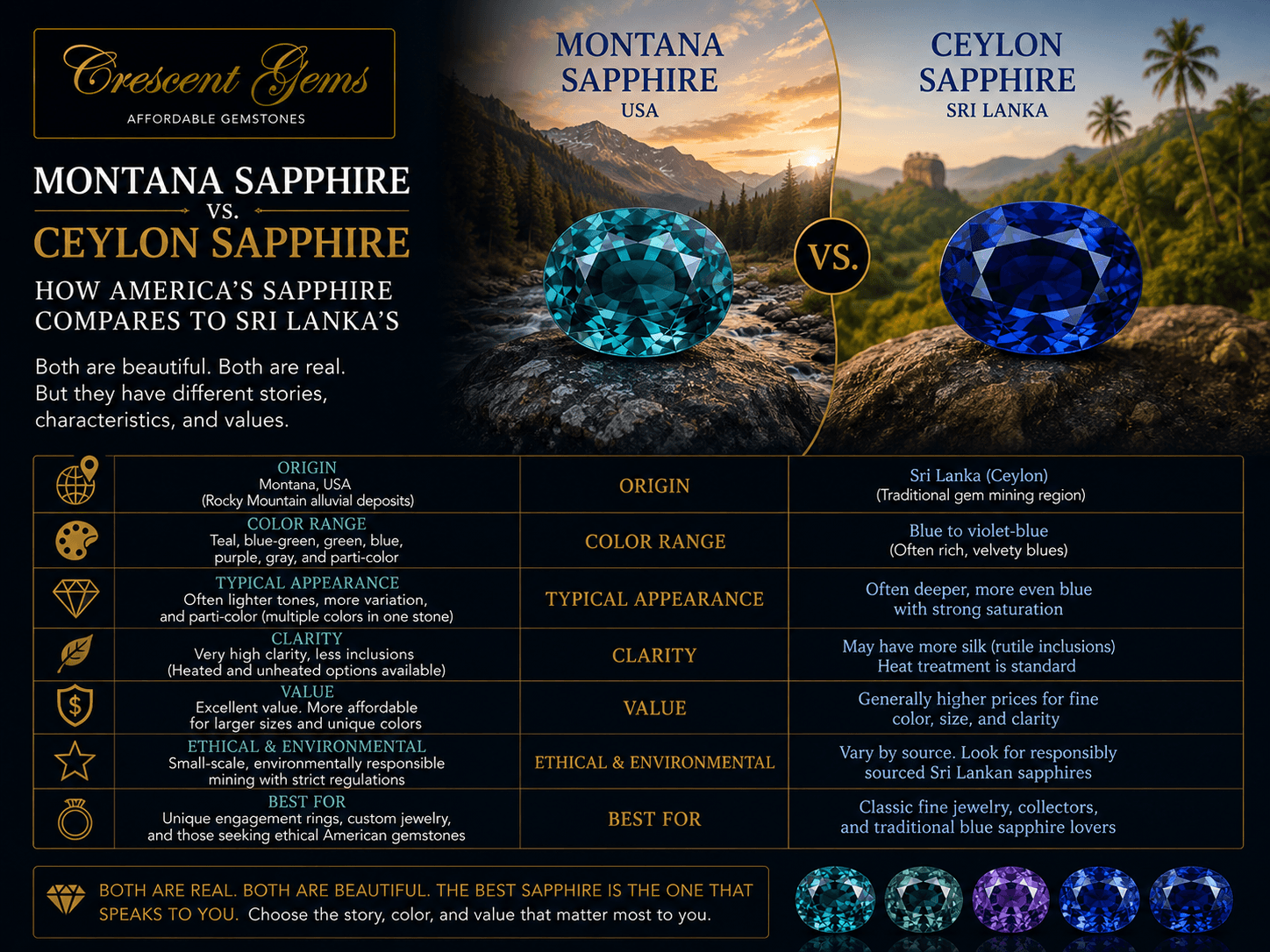
The United States has its own sapphire origin — and it is a good one. Montana has produced gem-quality sapphires since the 1860s, decades before Sri Lanka's modern gem trade infrastructure existed. The deposits at Rock Creek, Dry Cottonwood Creek, and the Missouri River area near Helena yield sapphires with a distinctive color profile that has earned a loyal following, particularly among American buyers who value domestic sourcing and traceability.
But Montana sapphire and Ceylon sapphire are not interchangeable. They differ in size range, color spectrum, treatment profile, price structure, and what each origin can realistically deliver for a given budget. Choosing between them — or understanding why a dealer specializes in one versus the other — requires knowing what each origin actually produces.
This guide provides an honest, side-by-side comparison. We specialize in Ceylon sapphires at Crescent Gems, so our position is clear. But Montana produces beautiful stones, and we will tell you exactly where it excels and where Ceylon has the advantage.
| Factor | Montana Sapphire | Ceylon (Sri Lanka) Sapphire |
|---|---|---|
| Mining history | Since 1860s | Over 2,000 years |
| Typical size range | Under 1ct (most 0.30–0.80ct) | Full range, commonly 0.50–5ct+ |
| Color range | Teal, steely blue, green, pastel | Every sapphire color |
| Signature color | Steel blue and blue-green teal | Vivid cornflower to royal blue |
| Treatment | Most are heat-treated | Both heated and unheated available at scale |
| Clarity | Generally eye-clean | Generally eye-clean |
| Price (fine, per ct) | $500–$2,500/ct | $400–$6,000+/ct |
| Unheated availability | Limited in fine color | Strong supply of fine unheated |
| GIA origin on report | Not always determinable | Routinely confirmed |
| Appeal | Domestic, traceable, ethical | Benchmark quality, full spectrum, investment |
Figures above are approximate market guidance, not fixed quotes. Actual value varies by treatment, origin, colour, cut, clarity, and certification.
Montana sapphires come from several deposit types. The most commercially significant are the secondary alluvial deposits at Rock Creek and Dry Cottonwood Creek in western Montana, and the primary igneous deposits along the Missouri River near Helena. The Rock Creek and Dry Cottonwood deposits produce the majority of commercial Montana sapphires — typically small, pastel-colored crystals that require heat treatment to develop their color. The Missouri River deposits produce a smaller quantity of generally higher-quality stones with more saturated natural color.
The geology is different from Sri Lanka's ancient metamorphic deposits. Montana sapphires formed in volcanic and igneous environments and were deposited relatively recently in geological terms. The trace element chemistry reflects this — Montana sapphires carry a distinctive iron-heavy signature that produces their characteristic steely, blue-green, and teal color palette.
Sri Lanka's sapphire deposits are ancient alluvial gravels derived from metamorphic rock formations that are hundreds of millions of years old. The gems were eroded from their host rocks, transported by ancient river systems, and concentrated in gravel layers called illam beneath paddy fields and river flats in the Ratnapura, Elahera, and Balangoda regions. The deposits have been actively mined for over two millennia.
The geological diversity of Sri Lanka's source formations — multiple metamorphic environments contributing to a single alluvial deposit — is what gives Ceylon its extraordinary color range. A single gem pit can yield blue, yellow, pink, peach, teal, green, purple, violet, white, orange, padparadscha, and star sapphire from the same gravel layer. No other origin on Earth matches this diversity. For the full story, see Pit Mining in Sri Lanka and Ceylon Sapphire Complete Guide.
This is the most significant practical difference between the two origins, and it is the one that most directly affects what you can buy.
Montana sapphires are small. The vast majority of gem-quality Montana material falls between 0.25 and 0.80 carats in finished weight. Stones above 1 carat are uncommon. Stones above 2 carats are rare. A 3-carat Montana sapphire of fine quality is a collector piece — they exist, but you cannot browse a catalog and choose one the way you can with Ceylon material.
Ceylon sapphires span the full size range. Sub-carat to 5 carats is routine. Stones of 3–5 carats in fine quality are available from specialist dealers. Exceptional stones above 5 carats appear regularly at auction and from established sources. For engagement rings, where most buyers want a center stone between 1.00 and 2.00 carats, Ceylon's size range provides dramatically more selection than Montana.
If you want a sapphire above 1 carat for an engagement ring, Ceylon is realistically where you will find it. Montana excels at producing beautiful smaller stones for delicate rings, accent stones, and matched pairs for earrings. See What Size Sapphire Is Best for an Engagement Ring?
Steel blue. Montana's signature color — a cool, slightly grayish, medium-toned blue that reads as sophisticated and understated rather than vivid. It is a distinctly American aesthetic: clean, cool, controlled. Buyers who want blue sapphire but find Ceylon's vivid saturation too bold often gravitate to Montana's cooler palette.
Teal and blue-green. Montana produces excellent teal sapphires — balanced blue-green stones that shift between hues under different lighting. Montana teal tends to lean more green than Ceylon teal, with a cooler, mintier quality. The teal trend has been a major driver of Montana sapphire's rising popularity.
Pastel. Light, delicate pastels in blue, green, and yellow are common in Montana rough, particularly from the Rock Creek deposits. These soft colors suit minimalist, modern ring designs where a gentle color presence is preferred over vivid saturation.
Vivid blue. Ceylon defines what "blue sapphire" means. The vivid, pure, medium-toned blue — from cornflower through royal — is Ceylon's benchmark contribution to the sapphire market. Montana does not produce this level of vivid blue saturation at any meaningful scale. If vivid blue is what you want, Ceylon is where you find it. See our Blue Sapphire Buyer's Guide.
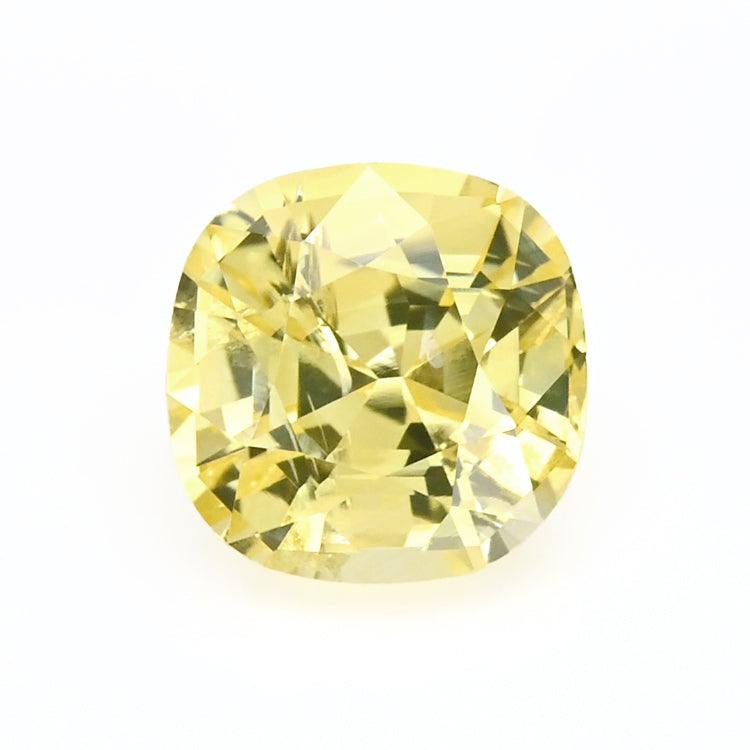
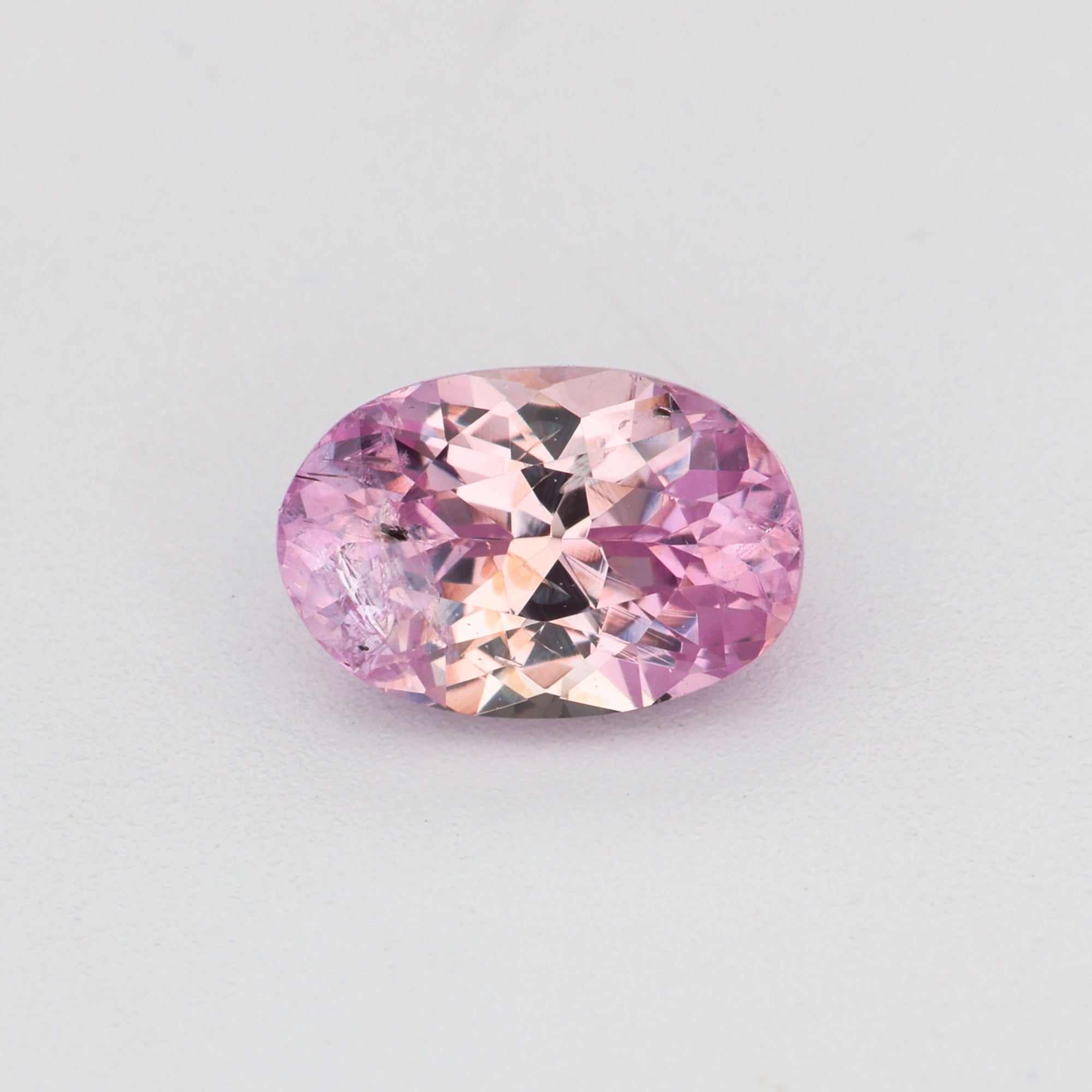
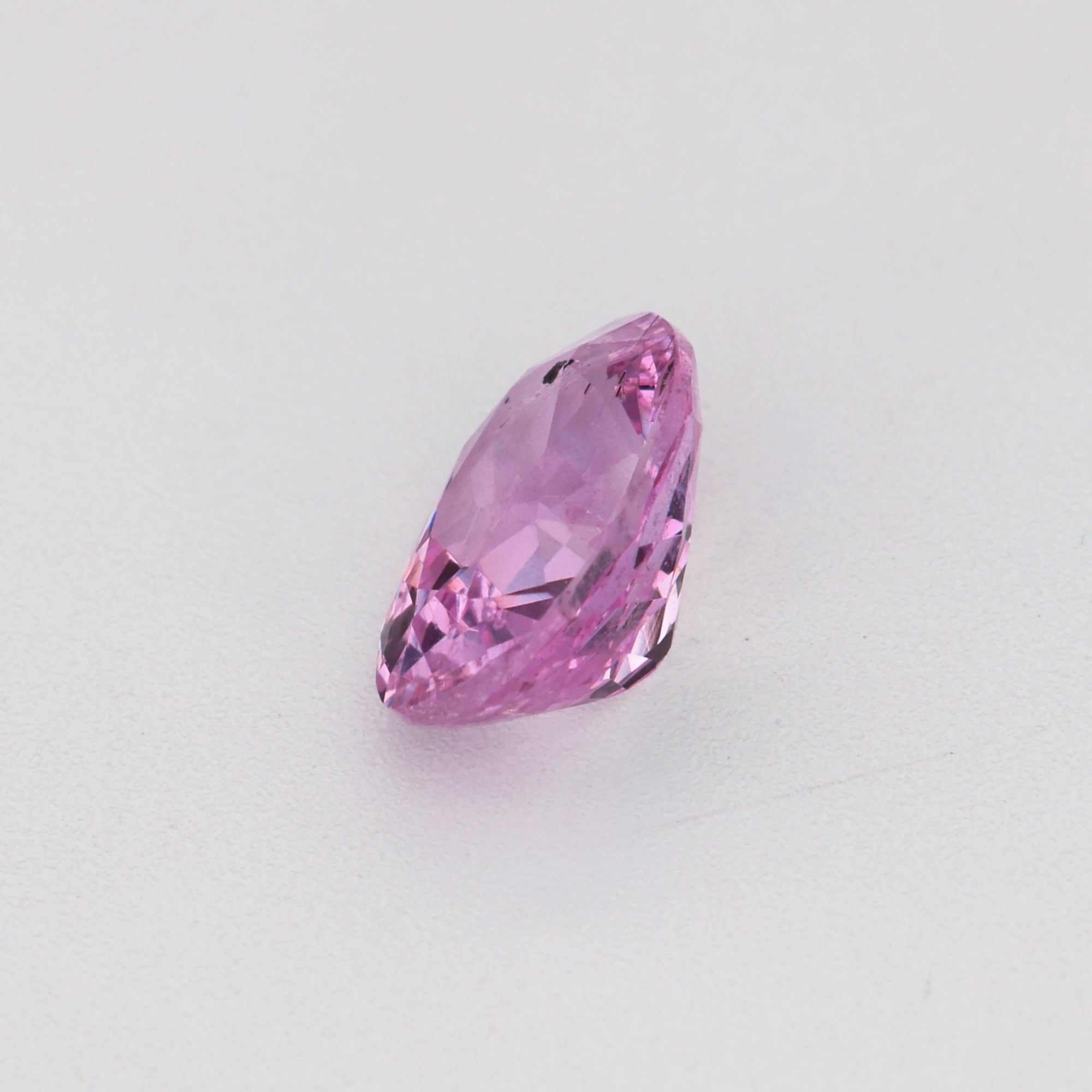
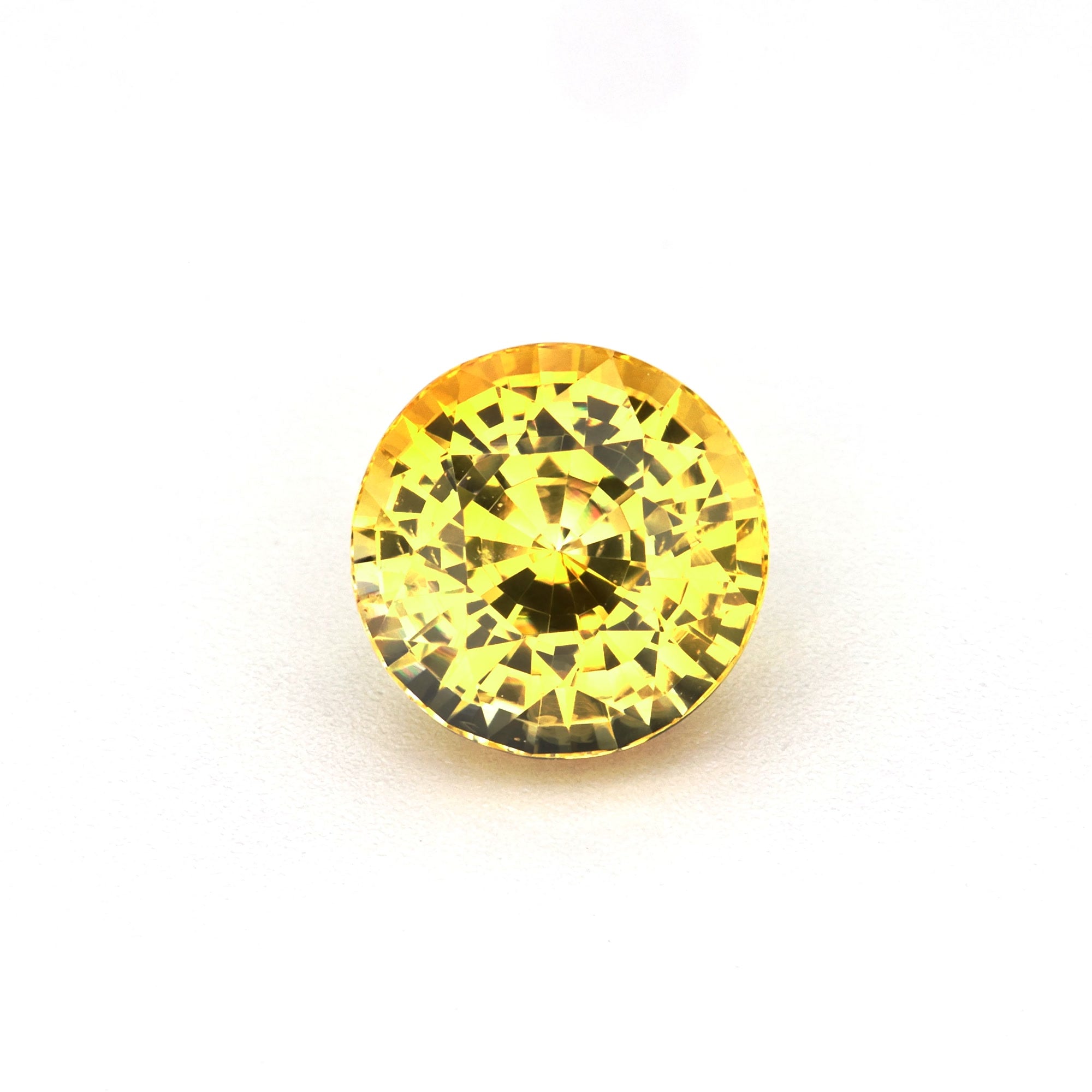
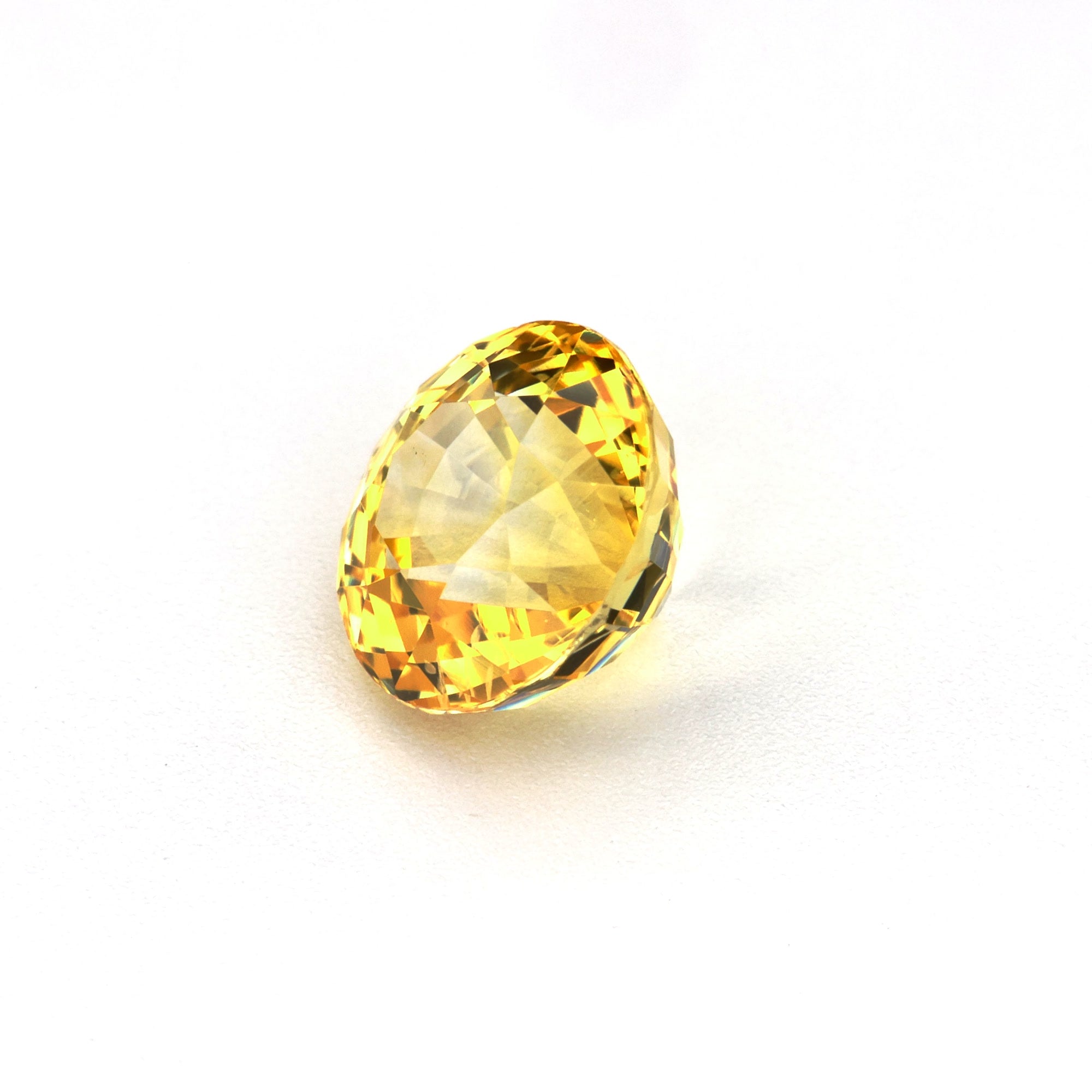
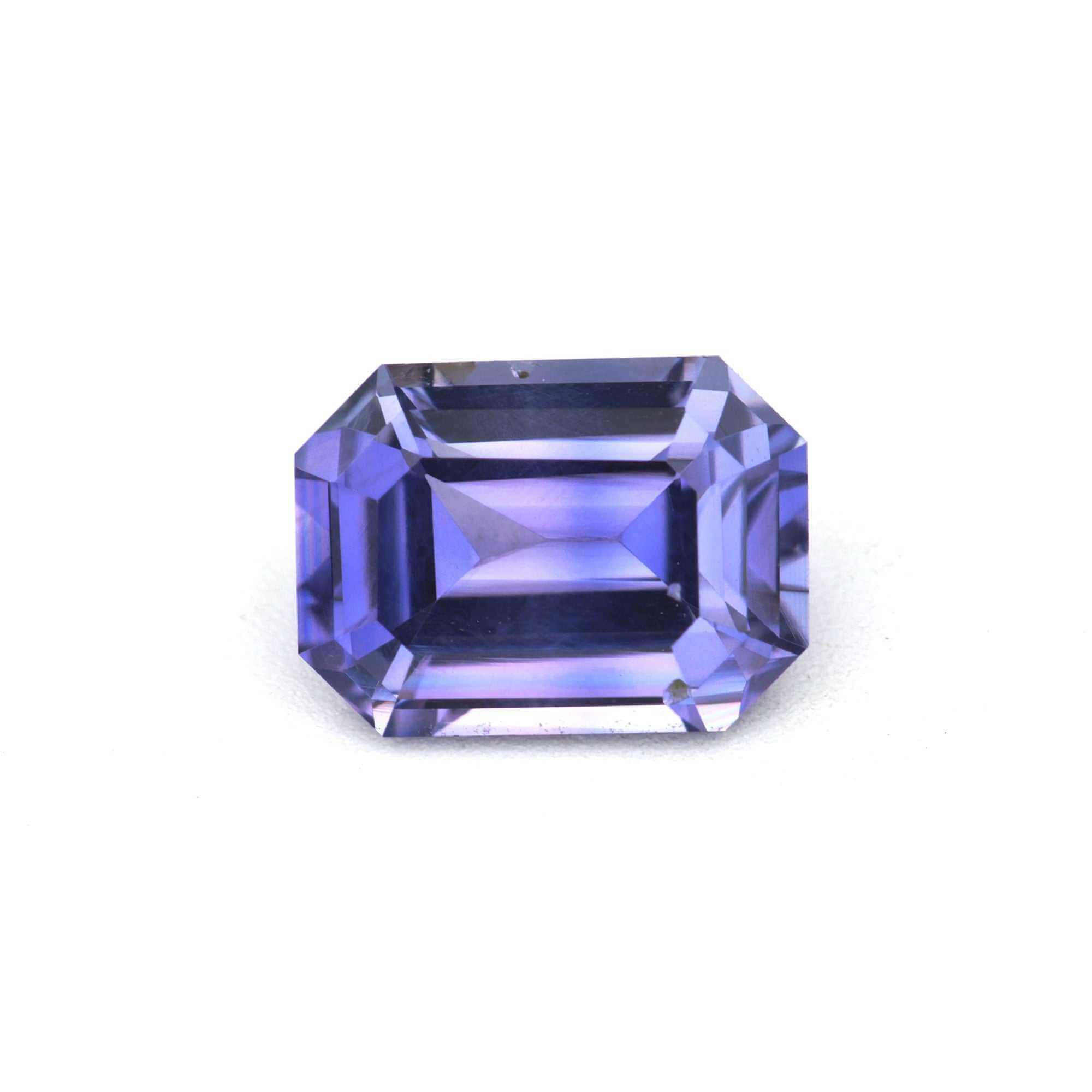
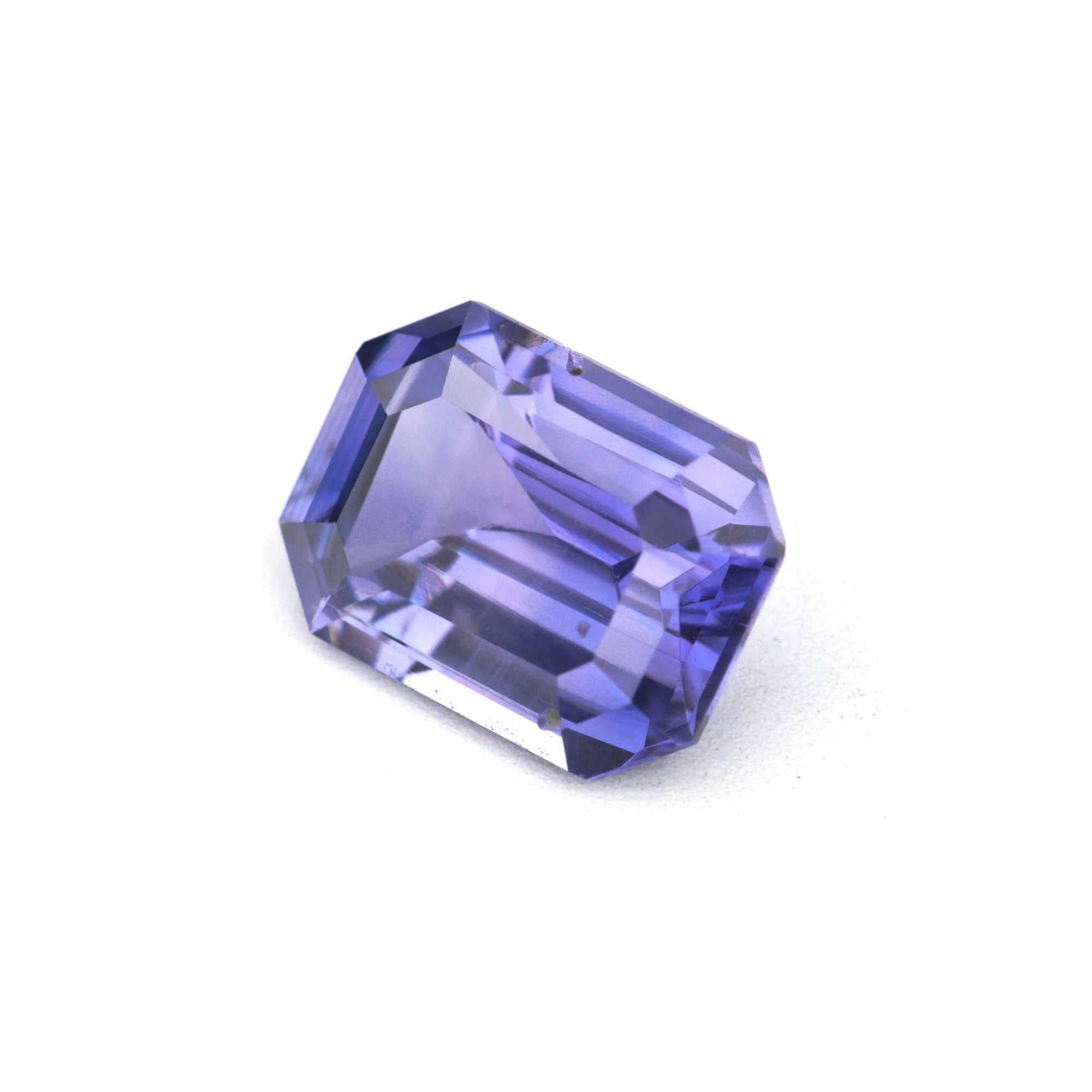
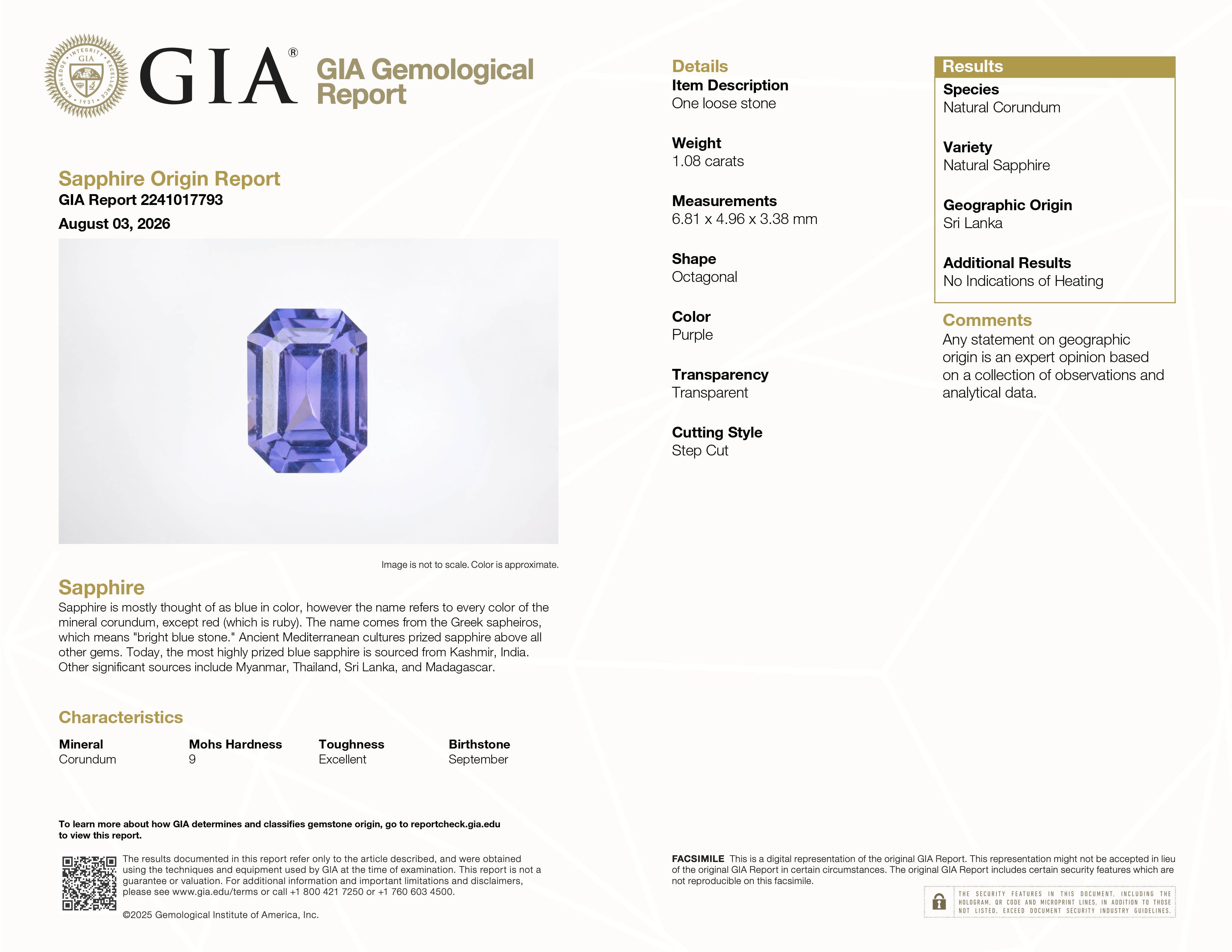
The full spectrum. Ceylon produces every sapphire color: yellow, pink, peach, padparadscha, orange, purple, violet, green, teal, white, and star. Montana's production is concentrated in the blue-green-teal range. For any color outside that range — particularly yellow, pink, peach, and padparadscha — Ceylon is the relevant origin. Explore the full range with our Interactive Sapphire Color Chart.
Padparadscha. The rarest sapphire color exists almost exclusively as a Ceylon product. Montana does not produce padparadscha. See our Padparadscha Guide.
Teal. Both origins produce fine teal sapphire. Montana teal tends cooler and more green-leaning; Ceylon teal tends warmer and more blue-leaning. The best choice depends on which teal tone you prefer. Both are almost always unheated because heat treatment destroys the blue-green balance. See our Teal Sapphire Buyer's Guide.
Green. Both produce green sapphire. Montana greens tend lighter and mintier; Ceylon greens span from mint through vivid mid-green to deep forest. See our Green Sapphire Buyer's Guide.
Montana: The majority of Montana sapphires on the market have been heat-treated. The Rock Creek and Dry Cottonwood deposits in particular produce large quantities of pale, low-saturation rough that requires heating to develop commercially viable color. Unheated Montana sapphires with fine natural color exist — primarily from the Missouri River deposits — but they represent a small fraction of total production and carry a premium.
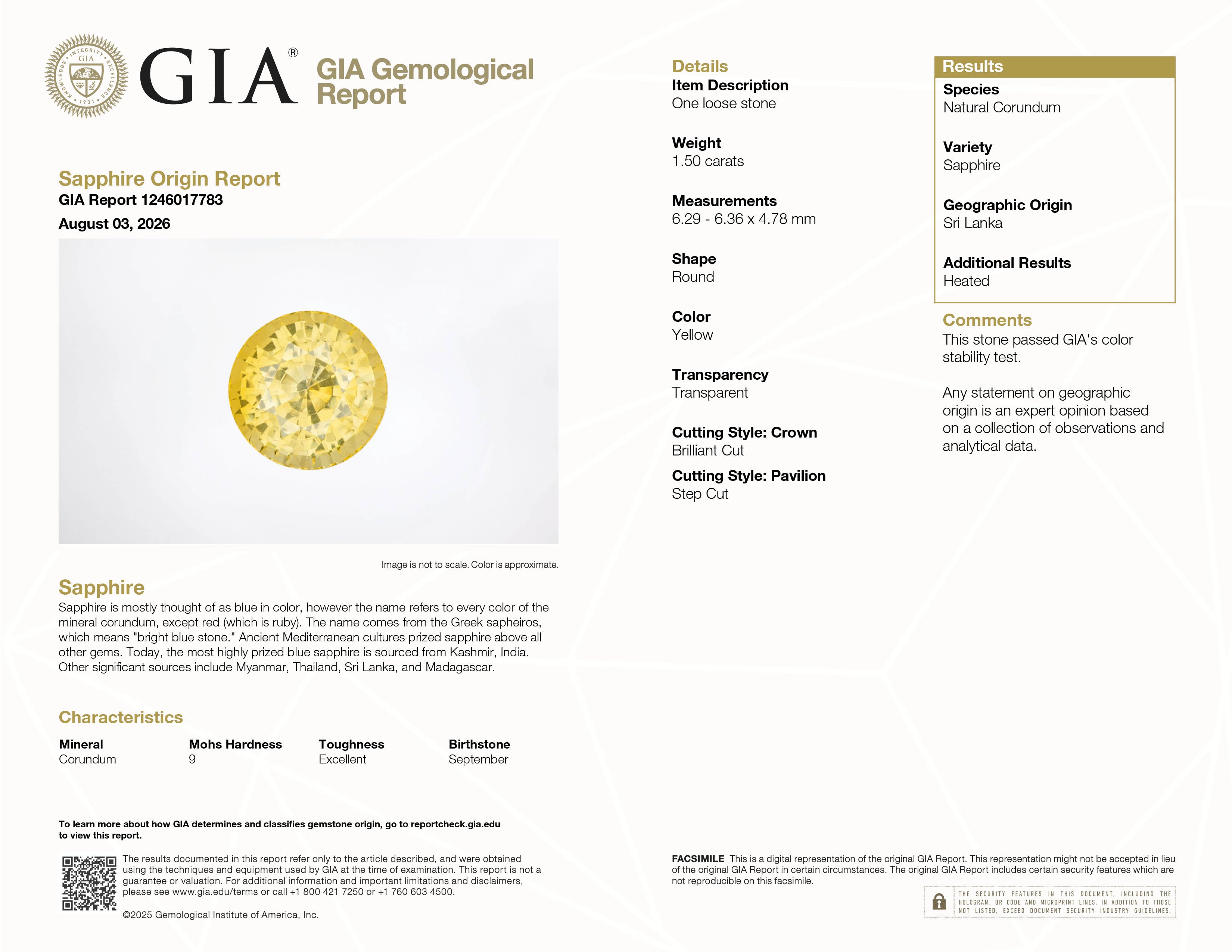
Ceylon: Ceylon produces both heated and unheated material at meaningful scale. A significant proportion of Sri Lanka's production is naturally vivid enough to be sold unheated, particularly in yellow, teal, and fine blue. The availability of fine unheated Ceylon sapphire is one of the origin's defining strengths — buyers have a genuine choice between heated (more affordable) and unheated (rarer, with the full natural color story). See What Is an Unheated Sapphire and How Heat Treatment Works.
Montana and Ceylon sapphires occupy overlapping but different price structures. Montana's pricing is driven partly by its domestic appeal and perceived ethical premium; Ceylon's is driven by color quality, treatment status, and size.
| Category | Montana (per carat) | Ceylon (per carat) |
|---|---|---|
| Heated blue/teal, 0.50–1.00ct | $500–$1,200 | $400–$1,000 |
| Unheated teal, 0.50–1.00ct | $800–$2,000 | $600–$1,500 |
| Fine blue, 1.00–2.00ct | $1,500–$3,000 (rare) | $800–$3,000 (heated) / $2,000–$6,000 (unheated) |
| Fine color, 2.00ct+ | $2,500+ (very rare) | $1,500–$10,000+ depending on treatment |
Figures above are approximate market guidance, not fixed quotes. Actual value varies by treatment, origin, colour, cut, clarity, and certification.
At sub-carat sizes in teal and steel blue, Montana can be comparable or slightly higher per carat than equivalent Ceylon material — the "made in America" premium is real. Above 1 carat, Ceylon's broader supply offers more competitive pricing across a wider quality range. For the full breakdown of sapphire pricing, see Sapphire Pricing Explained.
Montana sapphire's strongest non-gemological selling point is traceability. Buyers know exactly where the stone was mined, often down to the specific claim or mining operation. For buyers who prioritize domestic sourcing, transparent supply chains, and supporting American small businesses, Montana is a compelling choice.
Ceylon sapphire sourcing, when done correctly, also offers strong traceability — but it requires working with a dealer who sources at origin. Large retailers purchasing through international wholesale channels may not be able to trace a "Ceylon sapphire" back beyond the importing distributor. A direct-source dealer like Crescent Gems sources from specific mining regions, works with known cutters, and maintains visibility into the supply chain from gravel to finished stone. That level of traceability matches or exceeds what Montana offers — it just requires choosing the right dealer.
On environmental impact, both origins compare favorably to large-scale industrial mining operations. Montana mining is small-scale and regulated by US environmental standards. Sri Lankan pit mining is artisanal, hand-dug, and minimally invasive — shafts are backfilled and land returned to agriculture within a season. Both origins represent responsible extraction. See Pit Mining in Sri Lanka.
Choose Montana sapphire if:
Choose Ceylon sapphire if:
For engagement ring guidance: How to Choose a Sapphire for Your Engagement Ring and How to Commission a Custom Ring.
Absolutely. Montana and Ceylon sapphires are not competing for the same slot in your jewelry collection — they are complementary. A steel-blue Montana sapphire in a delicate white gold band and a vivid unheated Ceylon blue in a cushion solitaire are two completely different rings for two completely different moods. Collectors and sapphire enthusiasts often own examples from multiple origins specifically because each origin produces colors the other does not.
Browse the full Ceylon sapphire catalog — every stone sourced directly from Sri Lanka with complete treatment disclosure. Email crescentgems@gmail.com with questions or specifications. We respond within one business day.

CG8307

CG8366
CG8313
CG8445
CG8433
CG8434
CG8431


Blue Star Sapphire Price Guide — What They Cost and Why
Read moreabout Blue Star Sapphire Price Guide — What They Cost and Why
Tsavorite Garnet Price Guide — What They Cost and Why
Read moreabout Tsavorite Garnet Price Guide — What They Cost and Why
Color-Change Sapphire Price Guide — What They Cost and Why
Read moreabout Color-Change Sapphire Price Guide — What They Cost and Why
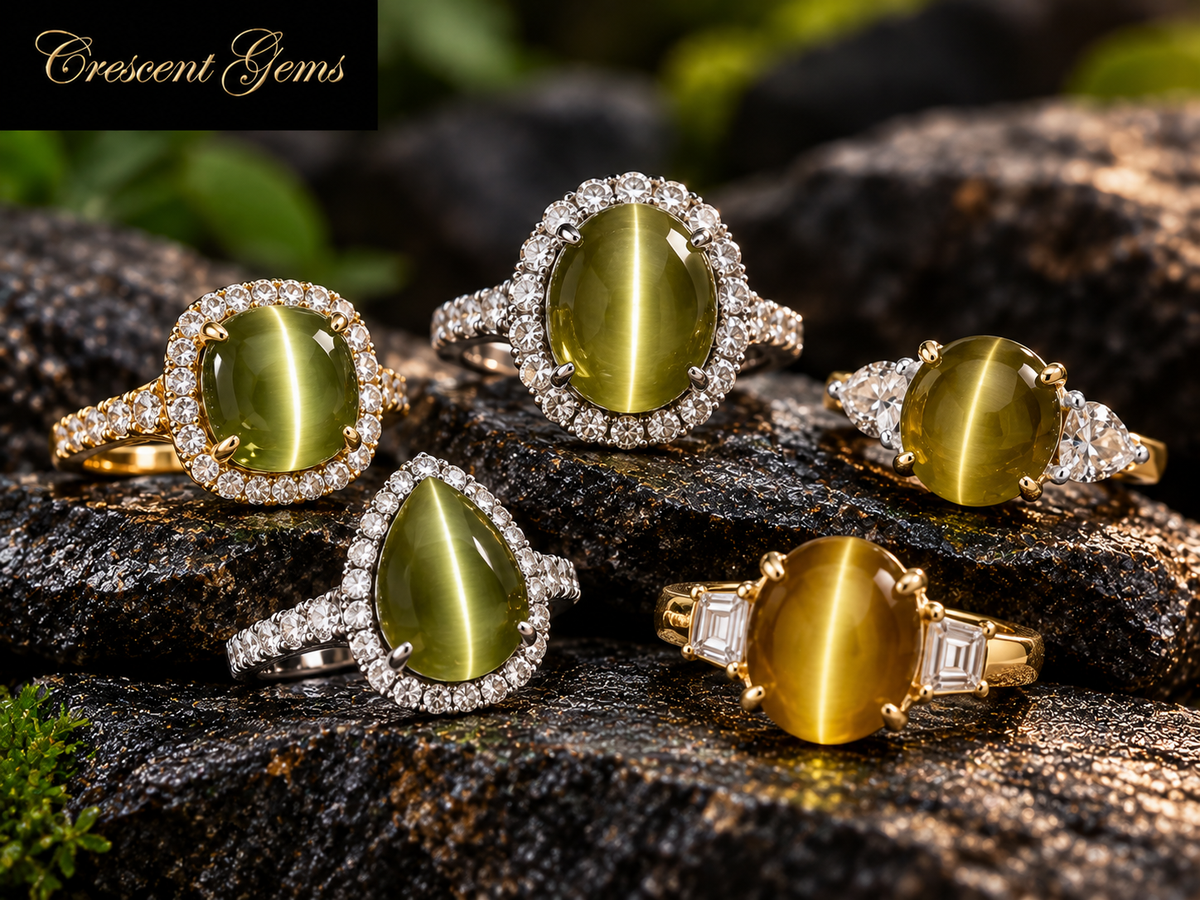
Is Cat's-Eye Chrysoberyl Good for an Engagement Ring?
Read moreabout Is Cat's-Eye Chrysoberyl Good for an Engagement Ring?
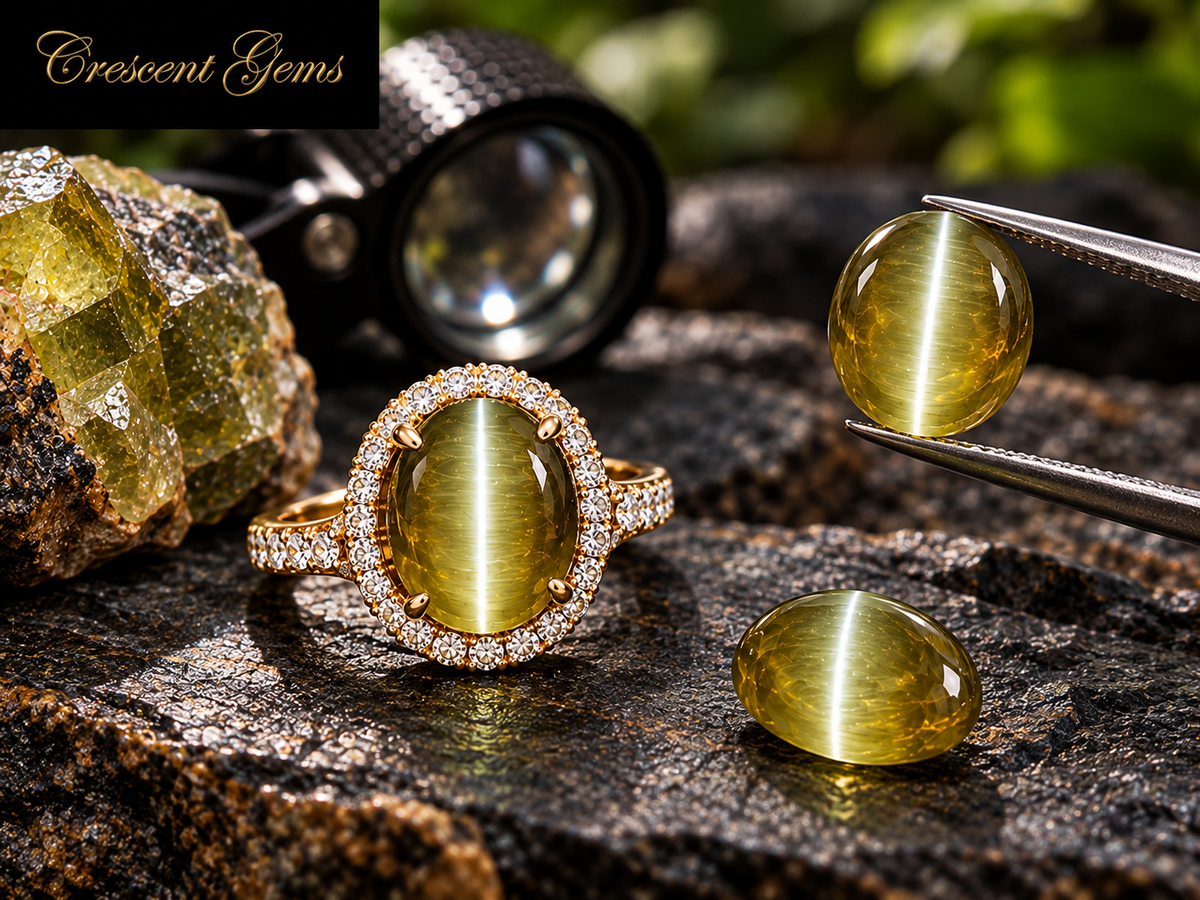
Cat's Eye Chrysoberyl Price Guide — What They Cost and Why
Read moreabout Cat's Eye Chrysoberyl Price Guide — What They Cost and Why