

- by Ahmed Shareek
Madagascar Sapphire Mining — Ilakaka, the South Asian Connection, and How Stones Reach the Market
- by Ahmed Shareek
New to buying sapphires? Start with our Ultimate Sapphire Buying Guide — the complete resource for color, origin, treatment, and pricing.
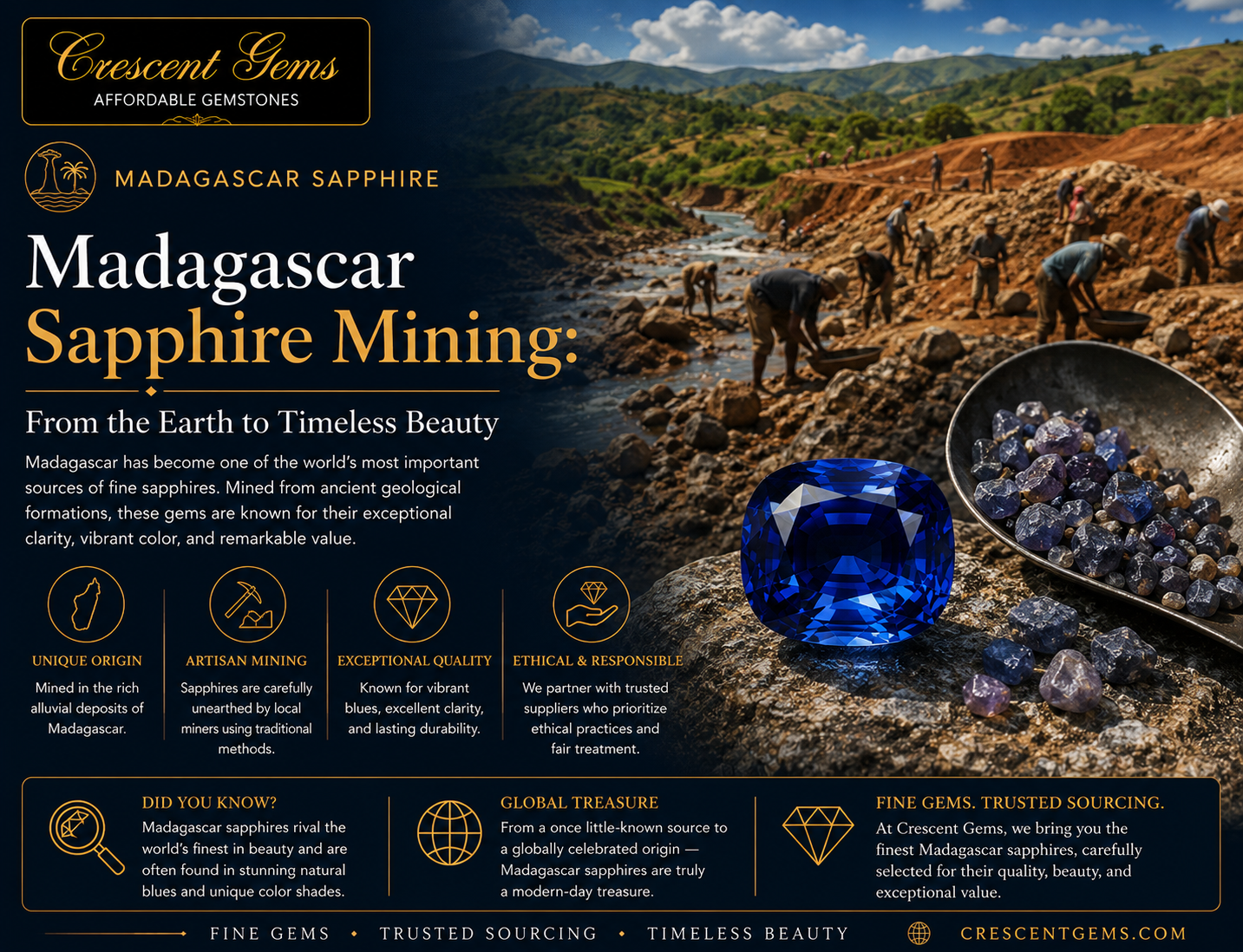
In 1998, a farmer near the town of Ilakaka in southern Madagascar pulled a blue crystal from the earth that would change the global sapphire market permanently. Within months, word spread. Within a year, tens of thousands of miners descended on the area. Within a decade, Madagascar had become one of the world's largest sapphire producers by volume — a status it holds today. The Ilakaka rush was the last great gem rush of the 20th century, and its consequences are still reshaping how sapphires are sourced, traded, and priced worldwide.
This article covers how sapphire mining works in Madagascar, why the deposits are so significant, how South Asian and Sri Lankan buyers transformed the supply chain, how stones are exported, and what all of this means for the sapphires you encounter in the market today. At Crescent Gems, our primary focus is Ceylon sapphire, but understanding Madagascar is essential to understanding the modern sapphire market — and we encounter Malagasy material regularly through the same South Asian trading networks that connect both origins.
Before 1998, Madagascar was a geological curiosity for gemologists — known to produce occasional sapphires, rubies, and other colored stones from scattered deposits, but not considered a commercial sapphire source. Ilakaka changed that overnight.
The deposits were discovered in alluvial gravel beds along the Ilakaka River in the Ihorombe Region of southern Madagascar, approximately 250 kilometers north of the port city of Toliara. The gravel layers — geologically similar to Sri Lanka's illam — contained sapphires in extraordinary concentrations and across a remarkable range of colors: blue, pink, yellow, green, orange, and padparadscha-range material.
The rush that followed was chaotic. By 1999, the town of Ilakaka had exploded from a sleepy roadside settlement of a few hundred people into a frontier mining town of 30,000 to 60,000. Miners arrived from across Madagascar and from neighboring countries. Infrastructure was nonexistent — no electricity, no running water, no police presence, no mining regulation. The early years were marked by lawlessness, claim disputes, and the social disruption that accompanies any unregulated resource boom.
The Malagasy government eventually established a mining authority and a regulatory framework, but enforcement remained challenging in such a remote area. Today, Ilakaka has matured into a permanent mining town with a functioning gem market, established dealers, and a more stable (if still imperfect) regulatory environment. But the frontier character of the early rush shaped the supply chain structures that persist today.
The Ilakaka deposit and its extensions (including Sakaraha and surrounding areas) remain the largest single sapphire-producing area in Madagascar. The sapphires are found in Cretaceous-age sedimentary gravel beds — ancient river deposits that collected gem material eroded from the metamorphic basement rocks of the Mozambique Belt, the same geological formation that produces tsavorite in Kenya and Tanzania.
The gravel beds can be extensive, covering areas measured in square kilometers, with the sapphire-bearing layer sitting at depths ranging from 1 to 15 meters below the surface. The concentration of sapphires within the gravel varies enormously — some areas produce abundantly, others are barren — creating the boom-and-bust cycle that characterizes alluvial gem mining worldwide.
The Ambatondrazaka area in the Alaotra-Mangoro Region of eastern Madagascar produces sapphires from a fundamentally different geological setting: primary basalt-hosted deposits. Here, sapphires crystallized directly in the basaltic host rock and are extracted through a combination of weathered surface collection and hard-rock mining. Ambatondrazaka has produced some of the finest blue sapphires from any Malagasy source — vivid, clean stones that compete directly with top Ceylon material.
A more recent discovery, the Bemainty deposit in the Vakinankaratra Region has produced exceptional blue sapphires that have generated significant excitement among dealers and collectors. Bemainty material can show a vivid, pure blue with outstanding transparency — some stones have been compared favorably to fine Kashmir material for their color quality, though the geological origins are entirely different. Bemainty sapphires have appeared at major auction houses and in top dealer inventories.
The Antsirabe area produces pink and padparadscha-range sapphires, along with some blue material. Numerous smaller deposits are scattered across Madagascar's central and southern highlands. The island's complex geology — ancient metamorphic rocks reworked over billions of years — creates the conditions for sapphire formation in multiple settings, which is why new deposits continue to be discovered.
The dominant mining method at Ilakaka and most other Malagasy deposits is artisanal pit mining — hand-dug shafts sunk into the alluvial gravel, conceptually similar to Sri Lankan pit mining but typically with less sophisticated reinforcement and infrastructure. Miners dig vertical or angled shafts using shovels, picks, and iron bars, descending into pits that can reach 5 to 15 meters deep.
The gravel is hauled to the surface in buckets, then washed in nearby streams or purpose-built washing areas to separate the sapphires from the clay and worthless pebbles. Washing is done by hand — workers swirl the gravel in shallow pans or on inclined screens, relying on the higher specific gravity of sapphire to settle the gems to the bottom. The technique is essentially identical to what has been practiced in Sri Lanka for centuries (see Pit Mining in Sri Lanka).
The scale of artisanal operations in Madagascar ranges from individual miners working alone with a shovel to organized teams of 10 to 30 workers pooling resources to dig deeper shafts and process more gravel. Claims are held informally in many areas, with overlapping rights and occasional disputes. The work is physically demanding and carries genuine risk — shaft collapses, flooding, and the health consequences of working in waterlogged pits are ongoing hazards.
A growing number of operations at Ilakaka and Ambatondrazaka use small-scale mechanization: excavators for overburden removal, motorized water pumps for dewatering and washing, and basic screening plants. These operations are more productive than pure hand mining but still modest by international standards — far smaller and less capital-intensive than the mechanized alluvial operations in Montana (see Mining for Sapphires in Montana).
Artisanal mining in Madagascar operates with fewer safety protections than mining in either Sri Lanka or Montana. Shaft collapses cause fatalities annually. Child labor has been documented in some areas. Environmental damage from unreclaimed pits, sedimentation of waterways, and deforestation of mining areas is a concern, particularly around Ilakaka where the scale of extraction has left visible scarring on the landscape.
These issues are real and should not be glossed over. They are part of the cost — human and environmental — embedded in every Madagascar sapphire. Responsible sourcing means acknowledging these realities, supporting operations that mitigate them where possible, and being transparent with buyers about the conditions under which their stones were extracted.
This is one of the most important and least-told stories in the modern sapphire trade. When the Ilakaka deposits were discovered, the local Malagasy population had no established gem trading infrastructure, no cutting industry, no international export network, and limited gemological expertise. What they had was sapphire-bearing gravel. What they needed was a market.
That market arrived almost immediately — in the form of Sri Lankan and Thai gem buyers who recognized the opportunity and moved quickly to establish buying operations on the ground in Ilakaka.
Sri Lankan gem dealers were among the first international buyers to establish a permanent presence in Ilakaka. They brought exactly what the nascent Malagasy trade needed: generations of experience evaluating corundum, established international trading networks, access to cutting facilities in Colombo and Ratnapura, and connections to the global colored gemstone market. Sri Lankan buyers in Ilakaka purchase rough and native-cut sapphires directly from miners and local dealers, evaluate the material using the same loupe-and-eye methods practiced in the Ratnapura gem market, and export it to Sri Lanka for cutting, treatment, and re-export.
This Sri Lankan connection is one reason that fine Madagascar sapphires can look remarkably similar to Ceylon material — they are often cut by the same cutters, in the same workshops, using the same techniques. The stones differ in their geological fingerprint (which is what a GIA report reads), but the craftsmanship applied to them is frequently identical.
Thai gem traders, based primarily in Chanthaburi and Bangkok, established the other major buying presence in Ilakaka. Thailand's role in the sapphire trade has historically been as a treatment and cutting center — rough from multiple origins is shipped to Thailand for heat treatment in sophisticated furnaces, precision cutting, and wholesale distribution. Thai buyers in Madagascar follow the same pattern: purchasing rough, exporting to Thailand for processing, and feeding the finished stones into the Bangkok wholesale market where they are purchased by international dealers and eventually reach retail.
The presence of experienced South Asian buyers in Ilakaka created immediate price discovery for Malagasy sapphires. Within the first few years of the rush, market pricing had stabilized around levels determined by international demand — significantly higher than what purely local Malagasy trading would have produced, but significantly lower than equivalent Ceylon or Burmese material. This price gap persists today: fine Madagascar sapphires typically trade at 20–40% below equivalent Ceylon material, primarily because the "Madagascar" origin carries less market cachet than "Ceylon." The stones may be visually comparable; the premium is for the provenance, not the physics. See Sapphire Pricing Explained.
The export of gemstones from Madagascar is regulated by the Malagasy government, though enforcement and efficiency vary. The process involves several stages:
Rough and freshly cut sapphires move from mining areas to local trading centers. At Ilakaka, a daily open-air gem market operates where miners sell directly to local dealers and international buyers. At Ambatondrazaka, similar markets function on a smaller scale. Transactions are cash-based, negotiated, and undocumented in many cases — particularly at the artisanal level.
International buyers consolidate parcels of rough and cut stones and prepare them for export. Legitimate export requires documentation from the Malagasy mining authority (the Bureau du Cadastre Minier de Madagascar, or BCMM), including proof of legal acquisition and payment of export duties. In practice, the regulatory framework is imperfectly enforced, and a significant proportion of Malagasy sapphires historically left the country through informal channels — carried in hand luggage on flights to Colombo, Bangkok, or Nairobi.
The Malagasy government has progressively tightened export regulations, requiring stones above certain sizes to be documented and taxed, and mandating that some value-addition (cutting) occur domestically. Compliance has improved but remains inconsistent.
Most Madagascar sapphire rough is exported to three primary destinations:
A smaller but growing proportion of cutting is done domestically in Madagascar, as the government pushes for more local value-addition. The quality of Malagasy cutting has improved significantly over the past decade but has not yet reached the level of established cutting centers.
Once cut and (where applicable) heat-treated, Madagascar sapphires enter the international market through the same channels as any other origin: wholesale dealers, trade shows (the Bangkok and Hong Kong gem fairs are the largest), and online B2B platforms. From there they reach retail dealers — including Crescent Gems — and eventually end buyers.
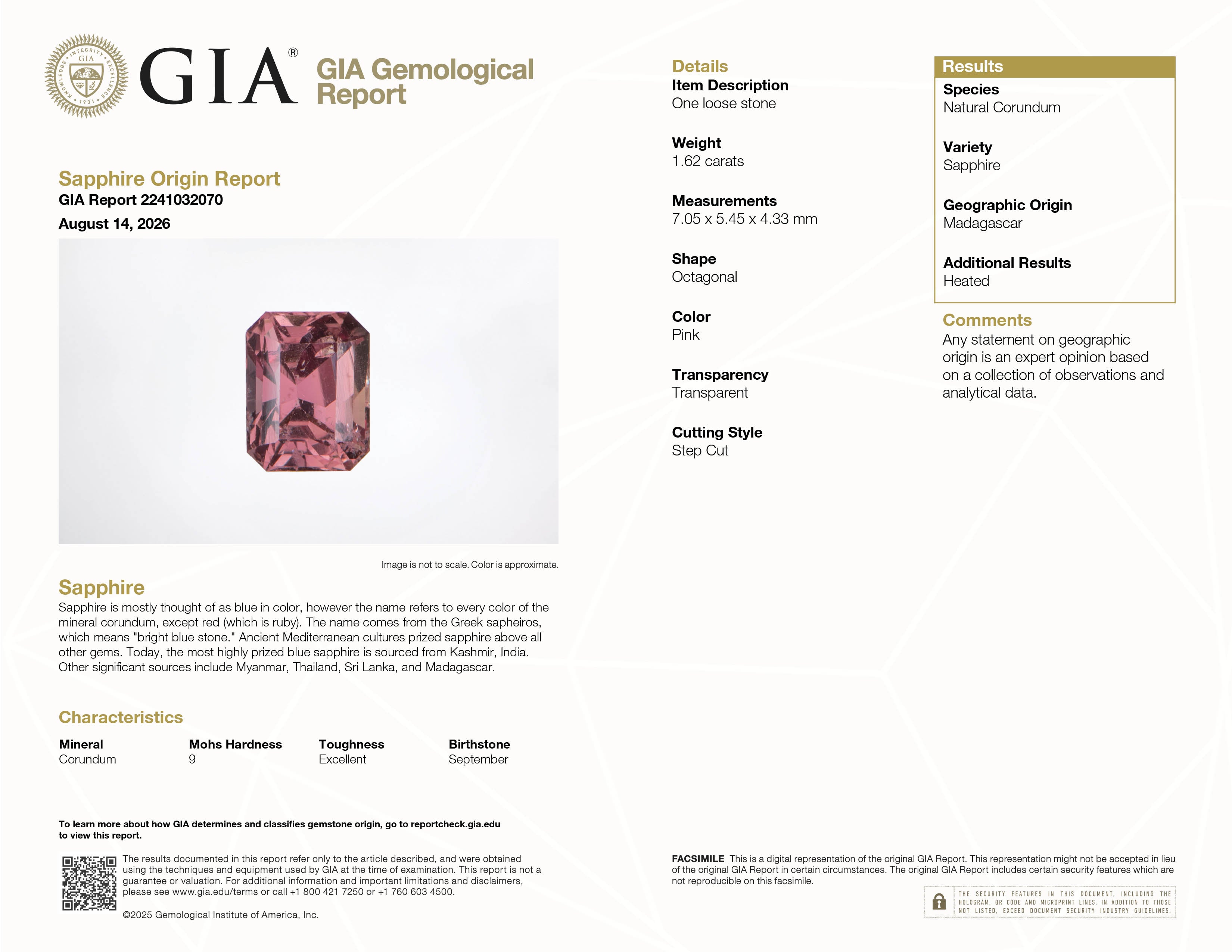
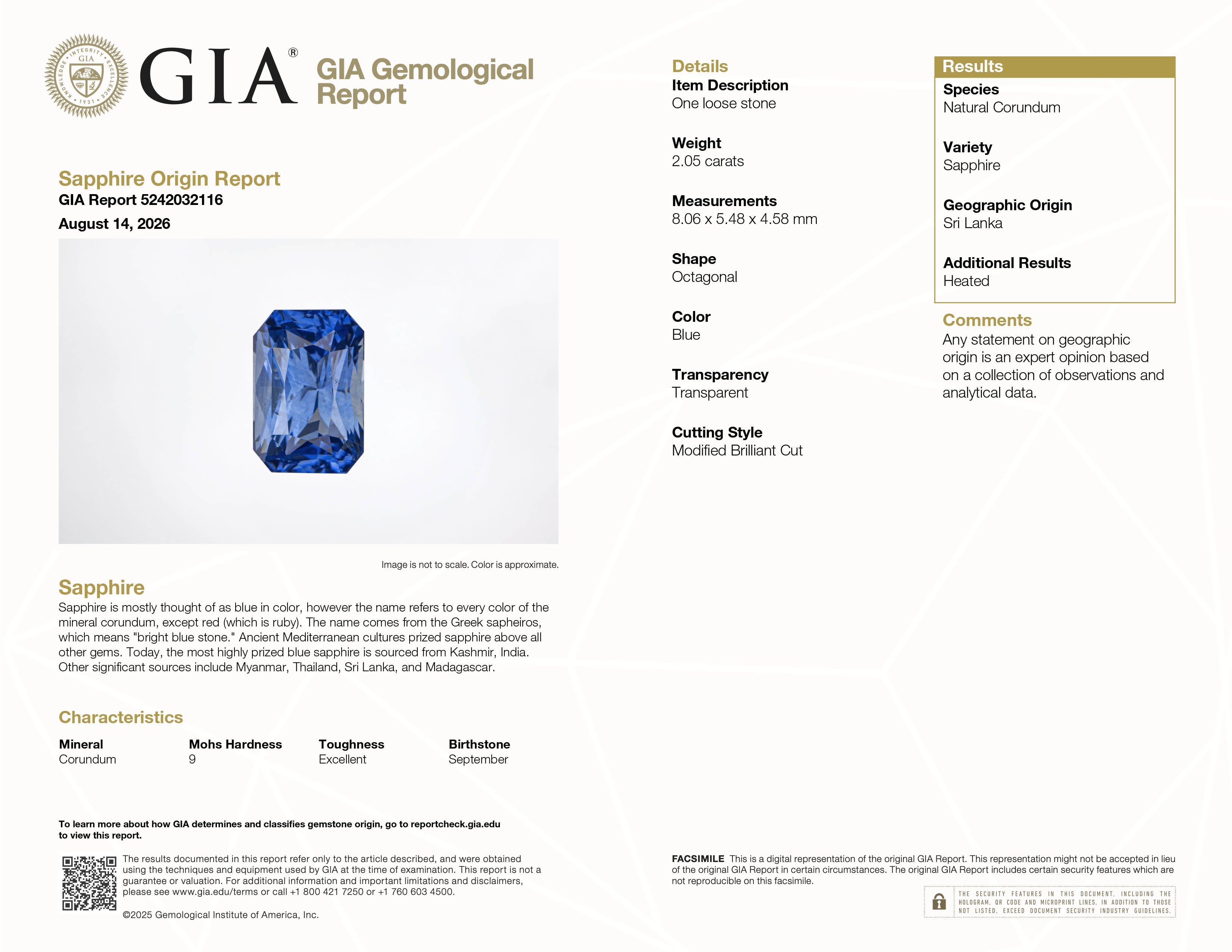
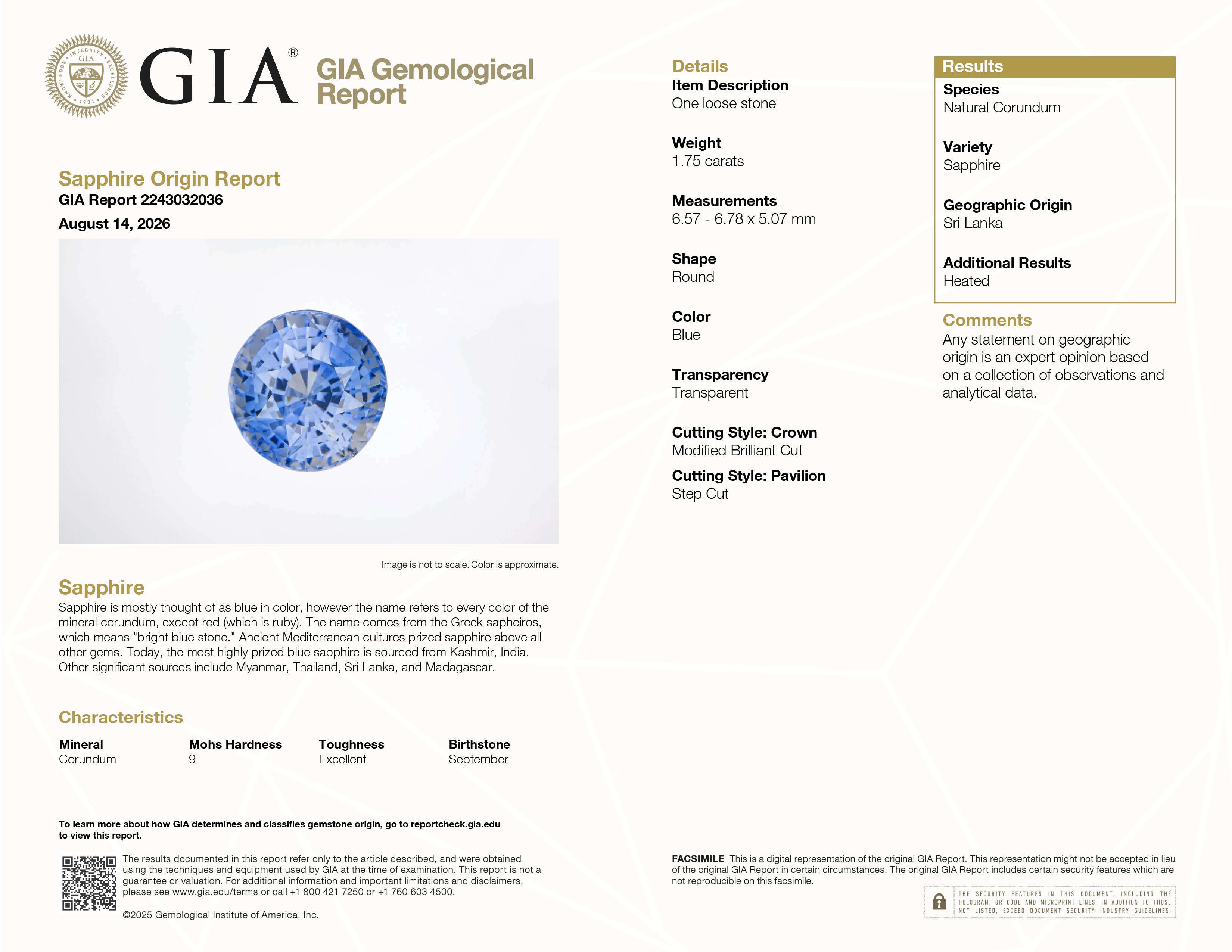
A critical point for buyers: many sapphires sold internationally without specific origin documentation are Madagascar material. The sheer volume of Malagasy production means it fills a significant proportion of the "blue sapphire" inventory at every level of the market. If a listing says "natural blue sapphire" without specifying origin, there is a meaningful probability it is from Madagascar. This is not a problem if the stone is beautiful and fairly priced; it becomes a problem only when a non-documented Madagascar stone is priced at Ceylon or Burmese levels. For any purchase where origin matters, require a GIA or Gübelin report. See How to Read a GIA Sapphire Report.
| Factor | Madagascar | Sri Lanka |
|---|---|---|
| Mining history | Since 1998 (~27 years) | Over 2,000 years |
| Primary method | Artisanal pits + small mechanized | Hand-dug pits, timber-reinforced |
| Shaft reinforcement | Minimal in many operations | Wooden stakes and timber bracing |
| Trade infrastructure | Developing; reliant on foreign buyers | Mature; 2,000+ year trade ecosystem |
| Cutting done | Mostly exported for cutting | Cut domestically |
| Key international buyers | Sri Lankan, Thai, Indian | Direct-source dealers, exporters |
| Safety standards | Variable; improving | Traditional safety practices |
| Land reclamation | Inconsistent | Traditional (shafts backfilled) |
| Volume | Very high | Moderate, steady |
| Pricing vs. equivalent quality | 20–40% below Ceylon | Benchmark pricing |
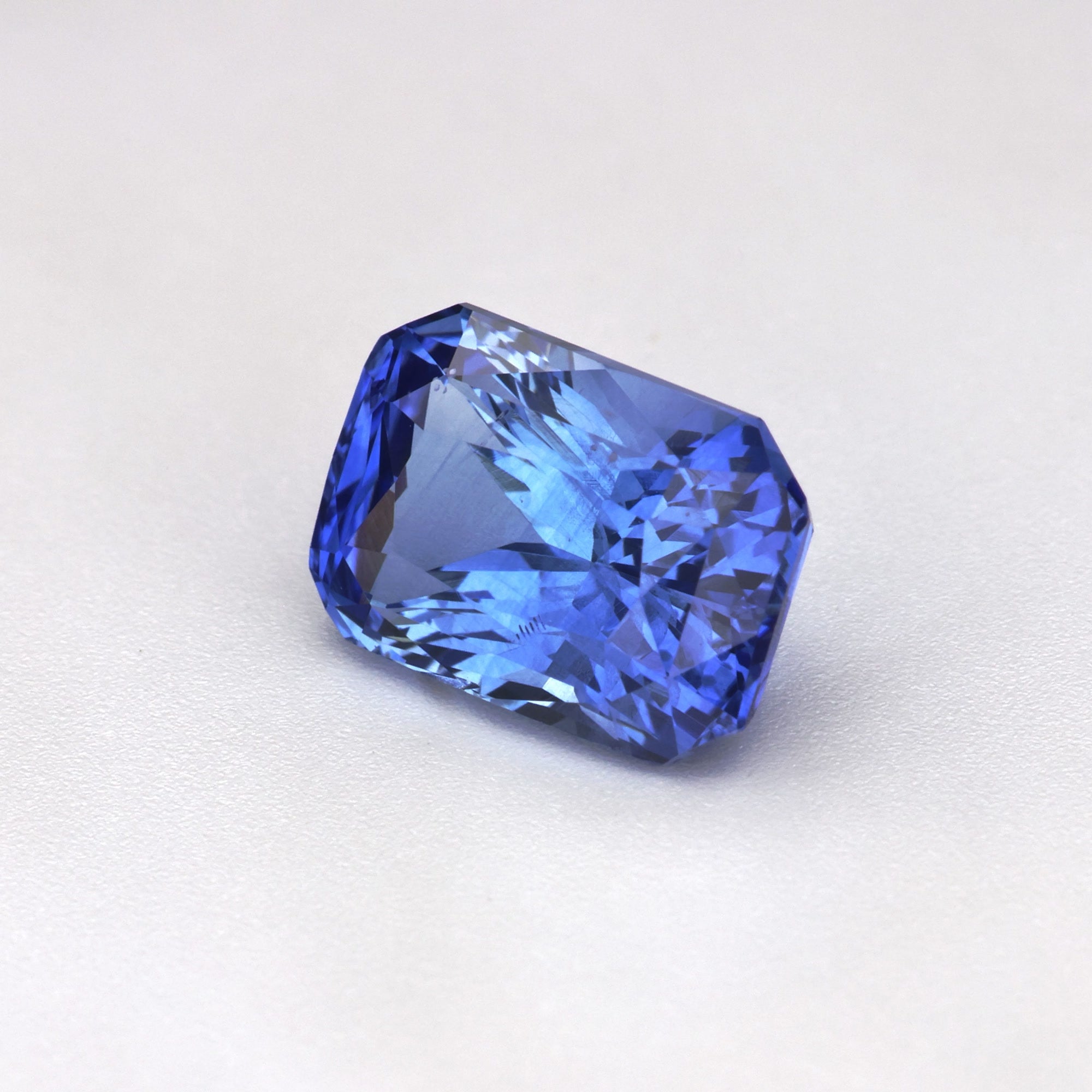
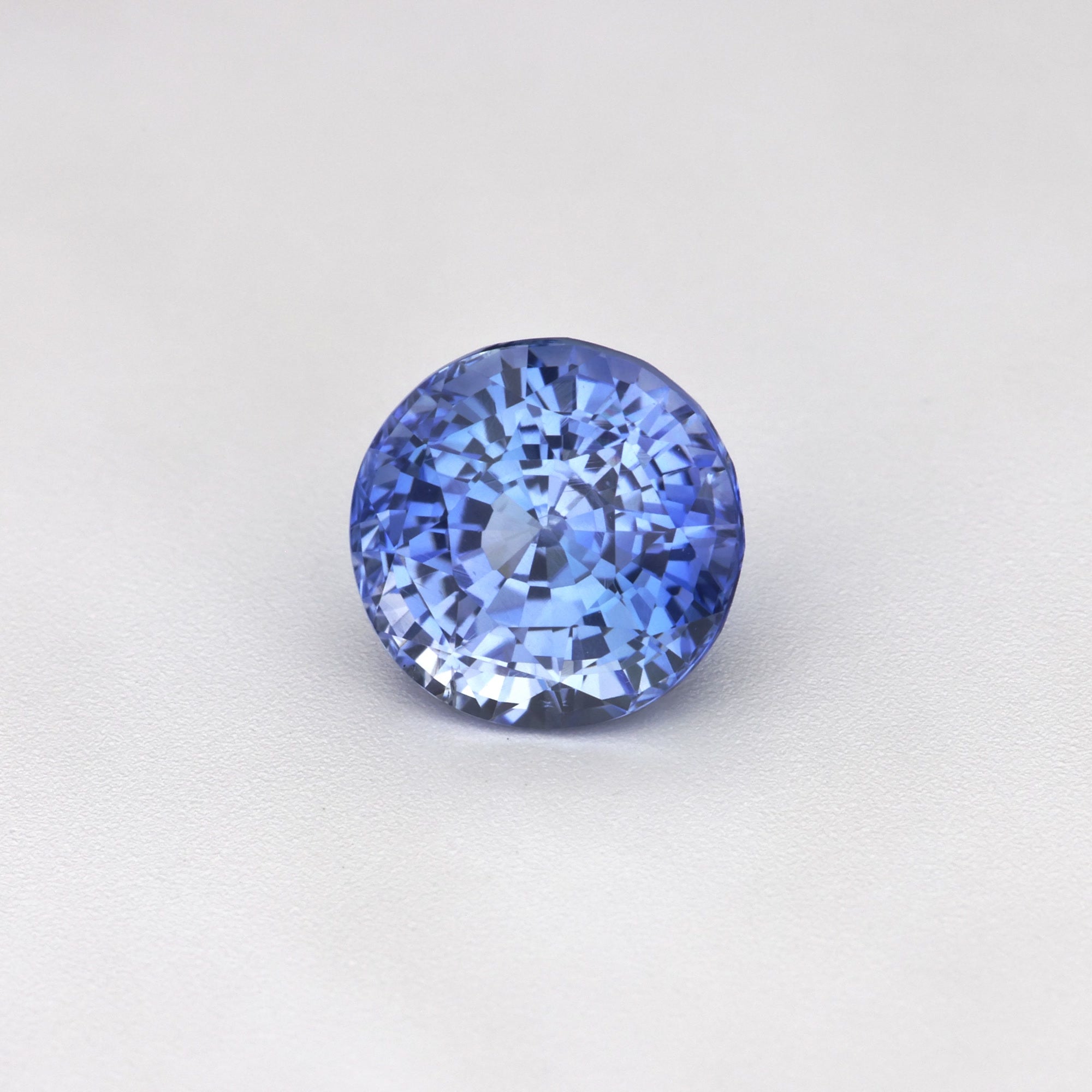
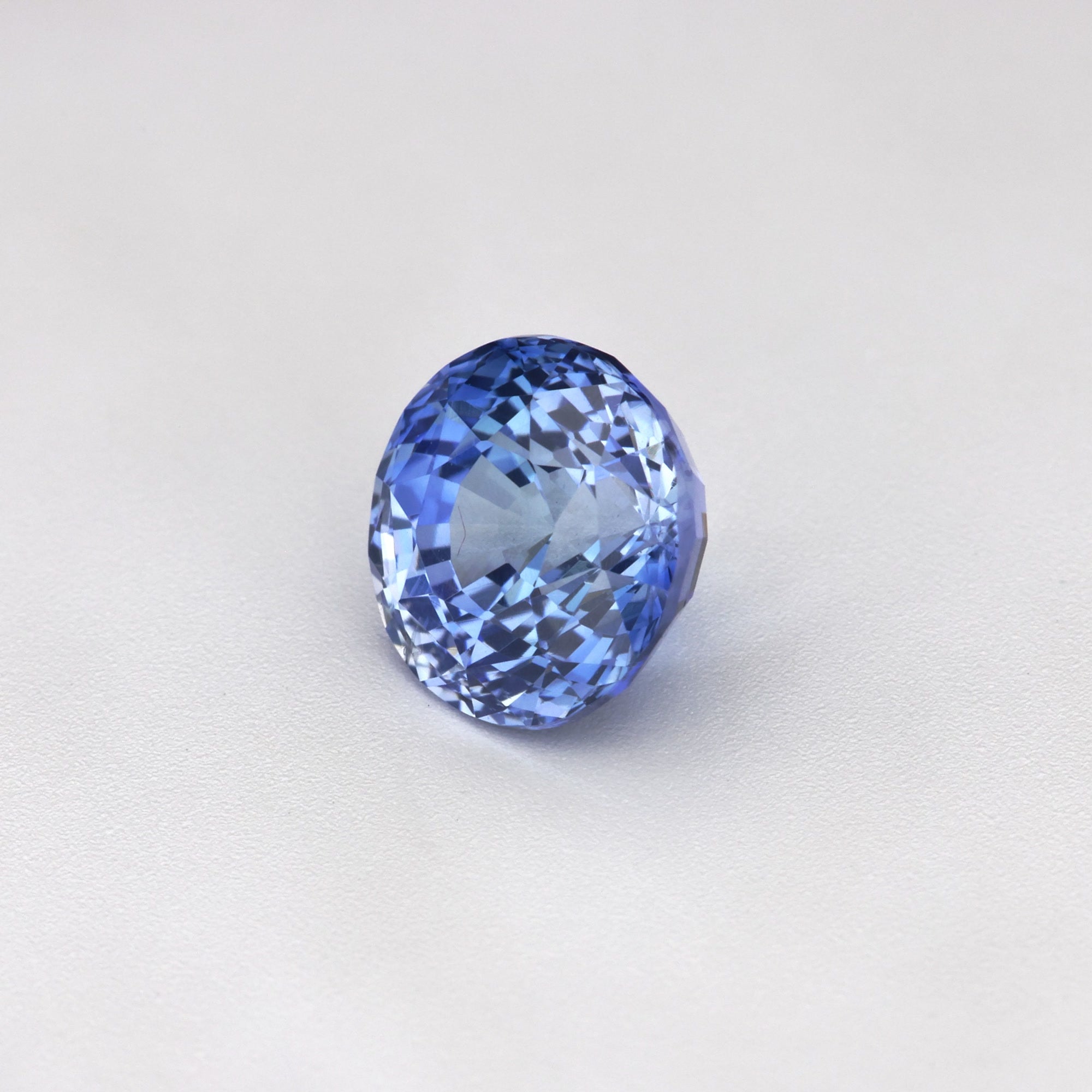
Madagascar sapphires are real, natural, and often beautiful. The best Malagasy stones — particularly vivid blues from Bemainty and Ambatondrazaka, and fine pinks from Antsirabe — compete with the best Ceylon material stone for stone. The origin does not diminish the gemstone.
The value opportunity is genuine. Because Madagascar carries less origin premium than Ceylon or Burma, equivalent visual quality costs less per carat. For buyers who prioritize the stone's beauty over the report's origin line, this is one of the best value positions in the sapphire market. See Madagascar Sapphire — The Modern Origin That Rivals Ceylon.
Documentation protects you in both directions. A GIA report confirms what you are buying. If you are paying Ceylon prices, the report should say Ceylon. If you are buying Madagascar at Madagascar prices, the report confirms you are getting genuine natural sapphire with disclosed treatment — which is all that matters for beauty and wearability.
The South Asian connection means familiar craftsmanship. Because most Madagascar rough is cut in Sri Lanka or Thailand, the cutting quality of fine Malagasy sapphires is often indistinguishable from Ceylon-cut material. The same hands that cut our Ceylon sapphires also cut Madagascar rough.
Browse the full Ceylon sapphire catalog or email crescentgems@gmail.com with questions about any sapphire origin. We respond within one business day.

CG8465
CG8460
CG8456


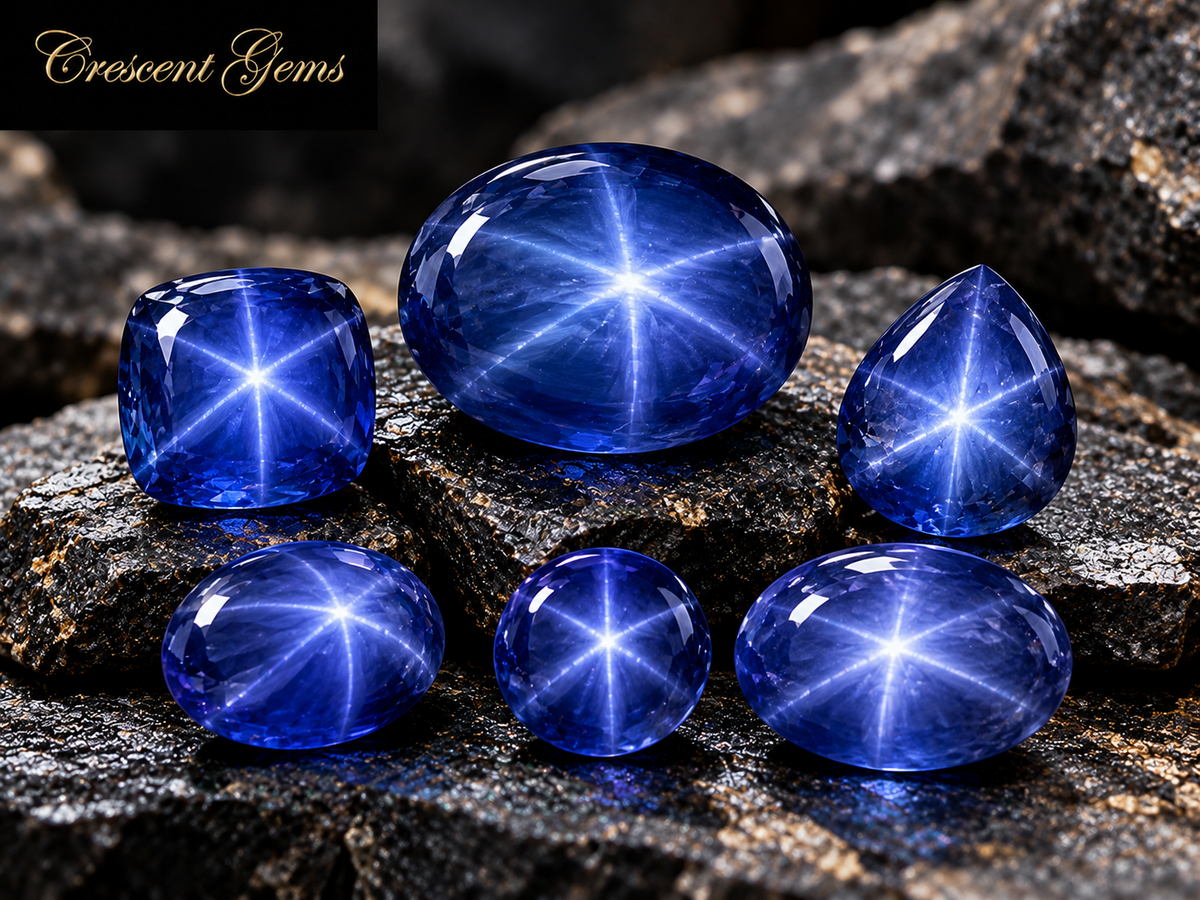
Blue Star Sapphire Price Guide — What They Cost and Why
Read moreabout Blue Star Sapphire Price Guide — What They Cost and Why
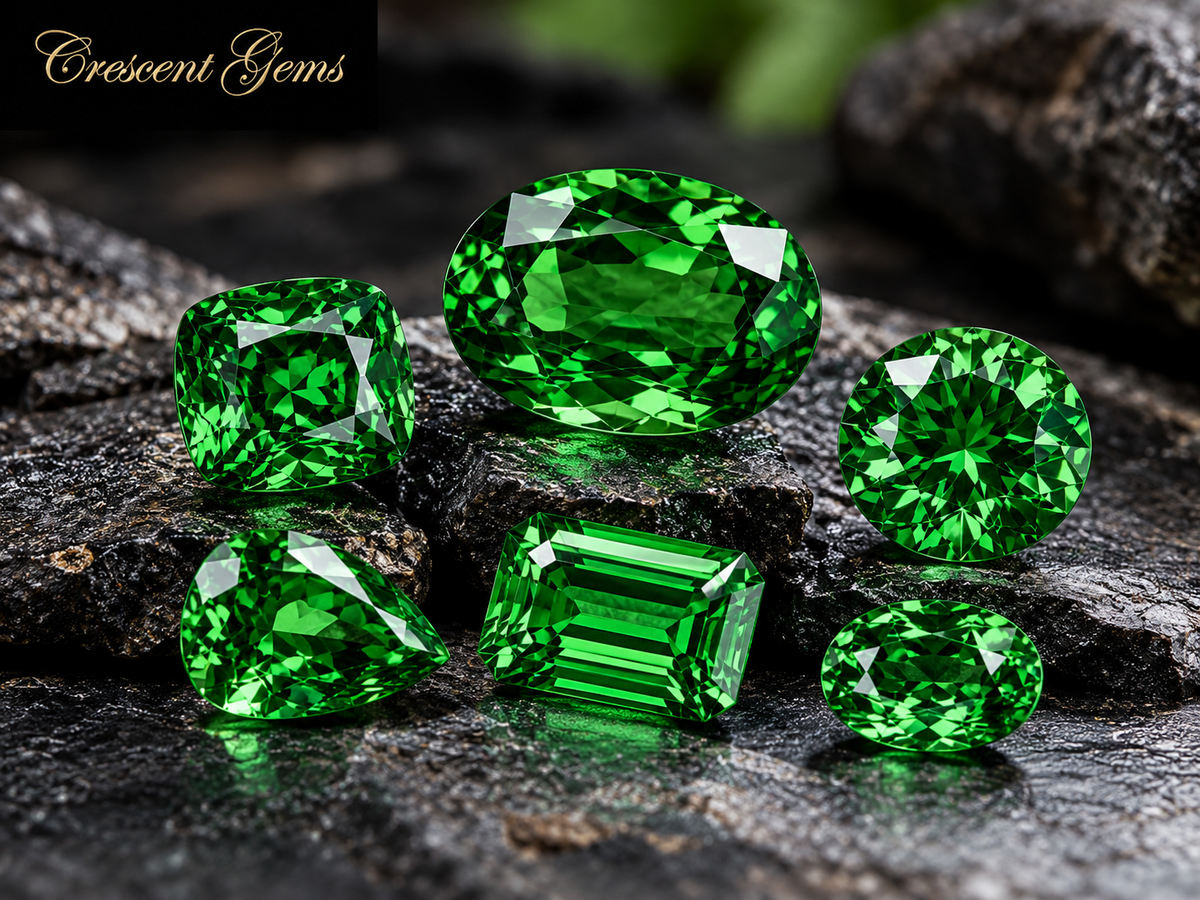
Tsavorite Garnet Price Guide — What They Cost and Why
Read moreabout Tsavorite Garnet Price Guide — What They Cost and Why
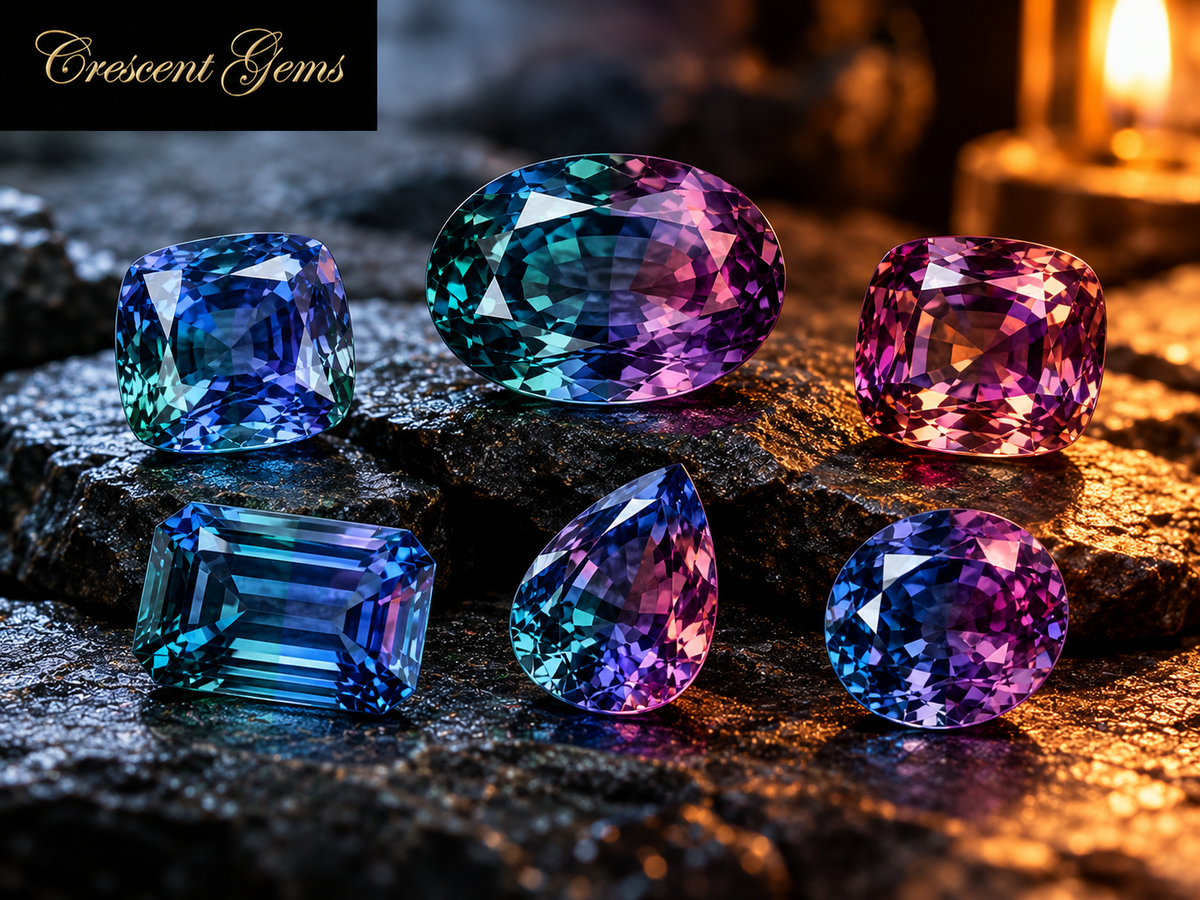
Color-Change Sapphire Price Guide — What They Cost and Why
Read moreabout Color-Change Sapphire Price Guide — What They Cost and Why
Is Cat's-Eye Chrysoberyl Good for an Engagement Ring?
Read moreabout Is Cat's-Eye Chrysoberyl Good for an Engagement Ring?
Cat's Eye Chrysoberyl Price Guide — What They Cost and Why
Read moreabout Cat's Eye Chrysoberyl Price Guide — What They Cost and Why















Share: