- by Ahmed Shareek
Best Sapphires Under $2,500 — Where the Market Opens Up
- by Ahmed Shareek
We are a supplier from the source in Sri Lanka, so our gemstones reach you direct, without the intermediaries most sellers buy through.
For the entry tier: Best Sapphires Under $1,000. For color guidance: Sapphire Colors Explained. For the buying foundation: Ultimate Sapphire Buying Guide.
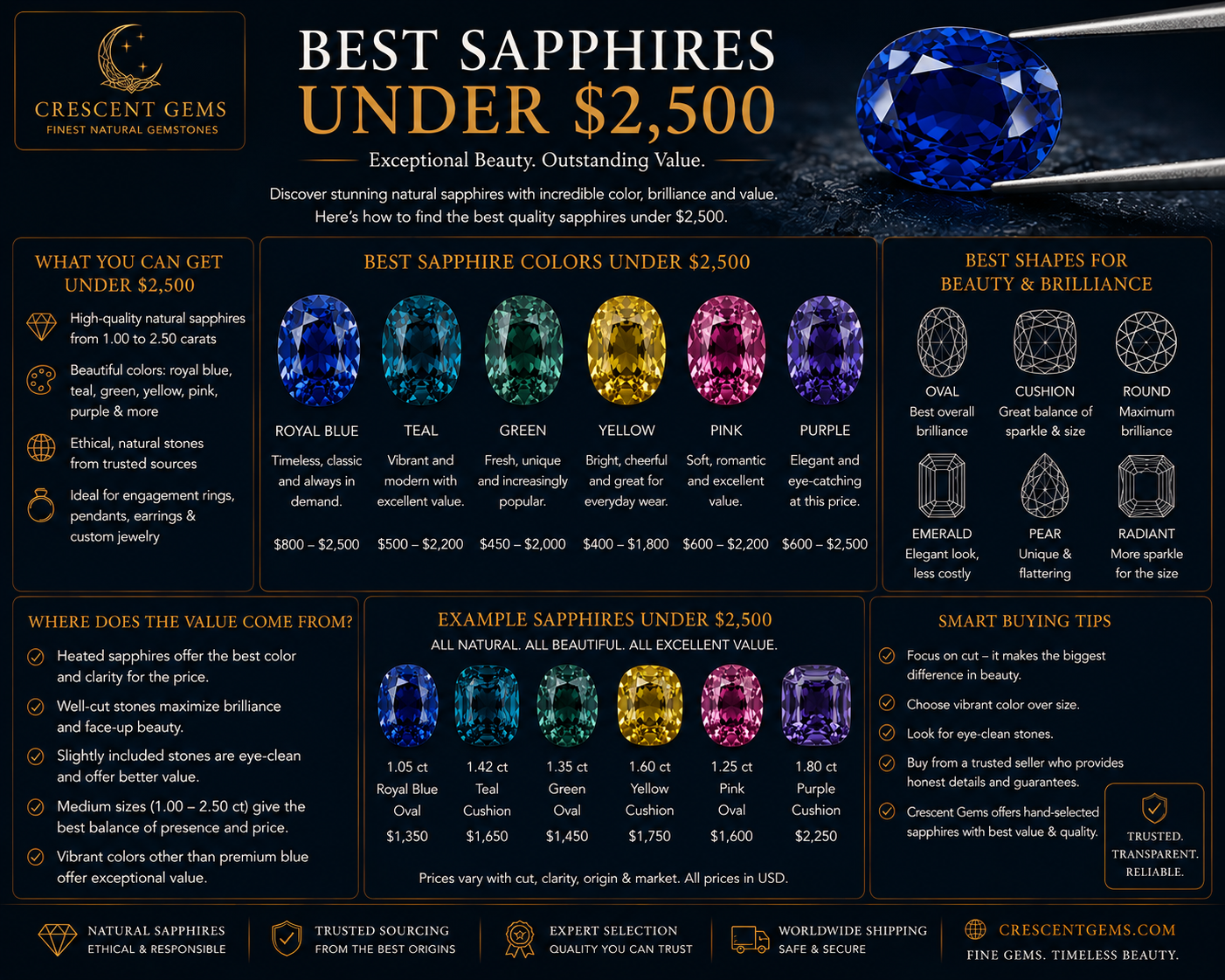
The $2,500 budget is where the sapphire market meaningfully expands. Below $1,000, your options are excellent but defined — primarily smaller stones, heated blue, or unheated colors where the price is naturally lower. At $2,500, several new categories open up: unheated Ceylon blue sapphire enters the picture at usable sizes, fine teal and yellow in larger stones become accessible, and the first GIA-documented unheated stones become cost-justified. This guide covers what the $2,500 budget realistically unlocks, which colors represent the best value at this level, how to allocate budget between stone and setting, and what to prioritize to get the most from this spend.
| Stone Profile | Realistic Under $2,500? | Notes |
|---|---|---|
| Unheated blue sapphire, 0.5-0.8ct, vivid, Ceylon, GIA | ✗ Not currently in stock | Our smallest GIA-documented unheated blue is 2.008ct — that stone alone is $6,800. Smaller unheated blue exists, but not with a GIA report |
| Unheated teal sapphire, 1.0-1.5ct, vivid | ✓ Yes | Larger, finer teal becomes fully accessible |
| Unheated yellow sapphire, 1.5-2.5ct, vivid, Ceylon | ✓ Yes | Exceptional value — large sizes, natural color |
| Heated blue sapphire, 1.0-1.5ct, vivid, Ceylon | ✓ Yes | Larger heated blue stones fully accessible |
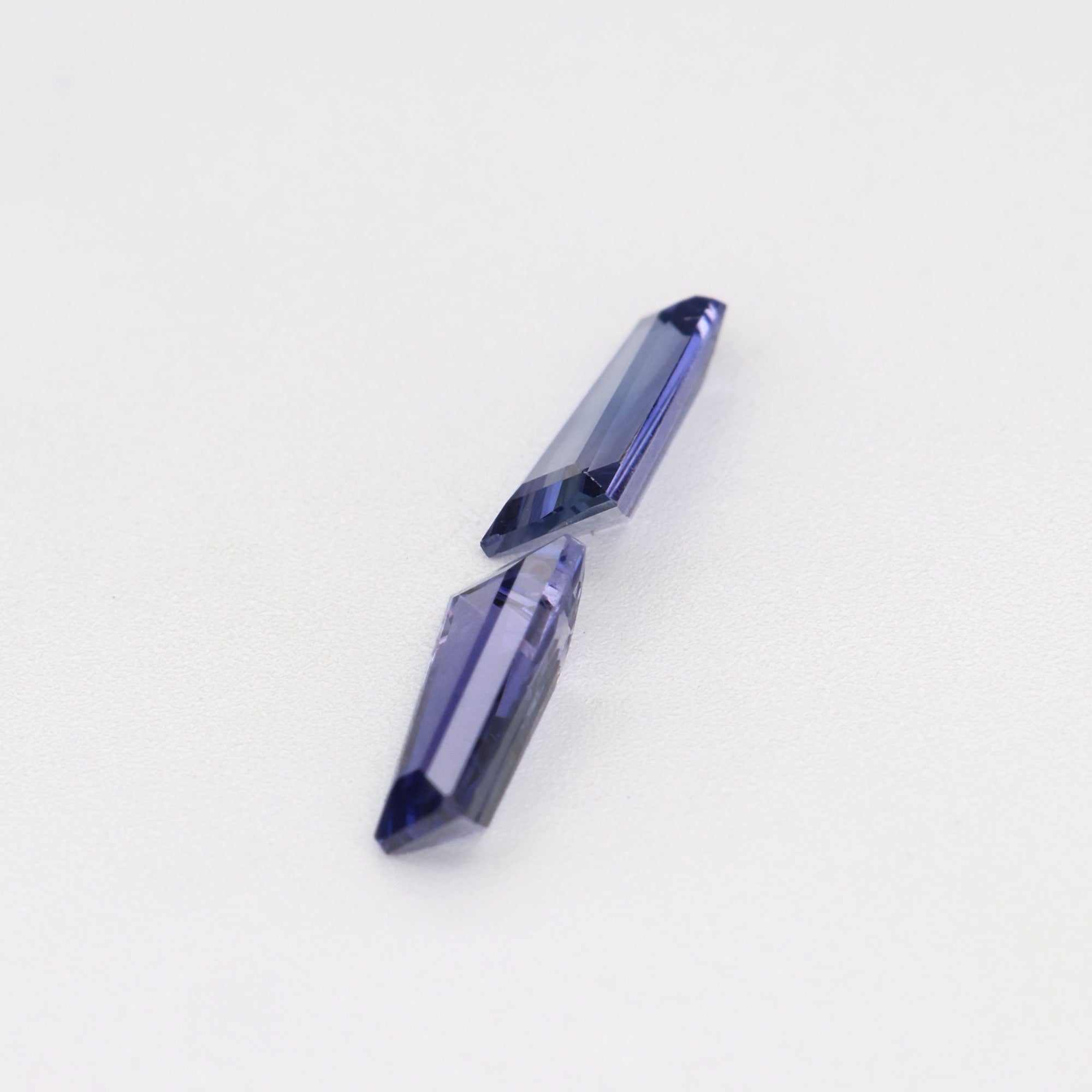
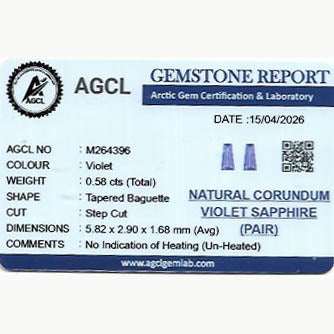
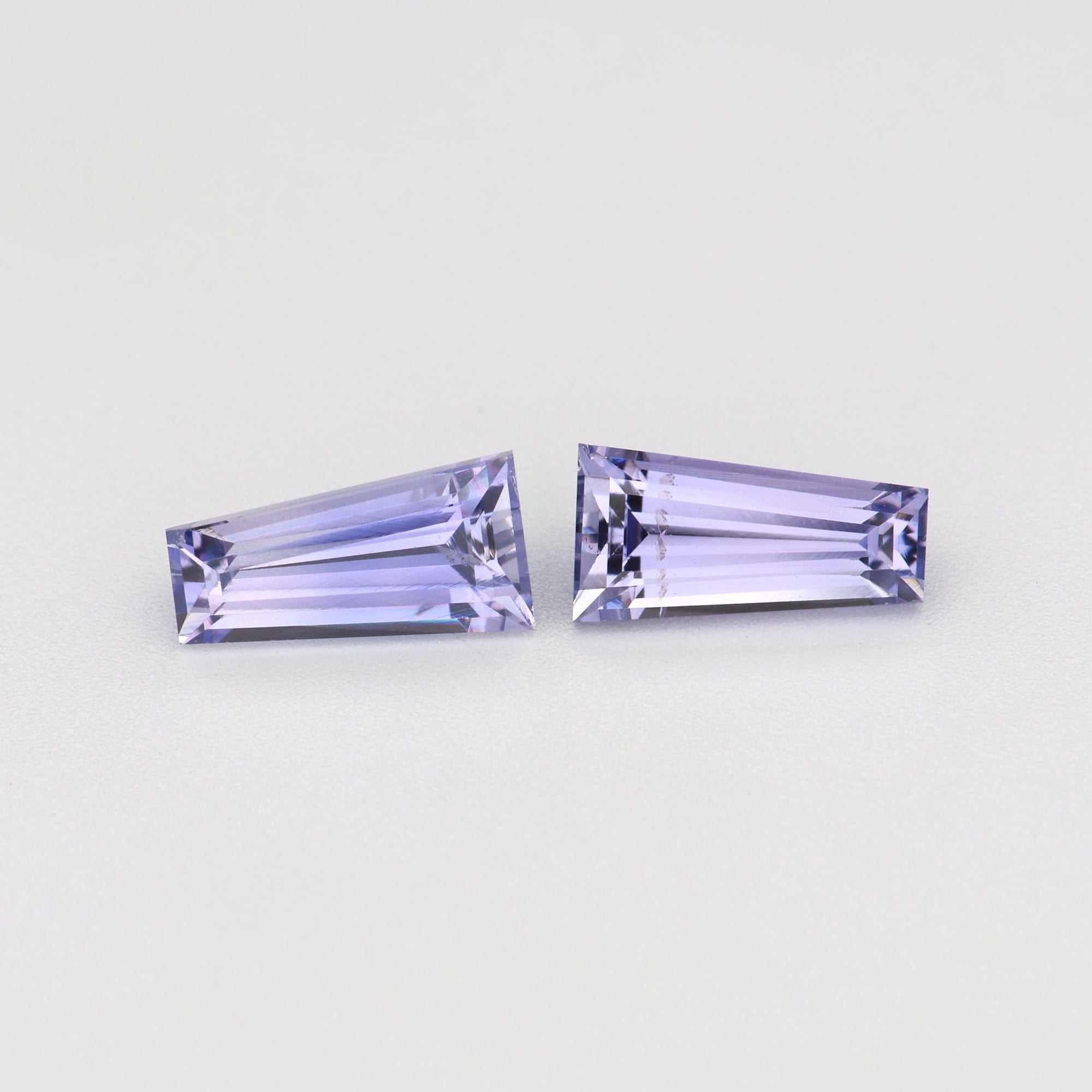
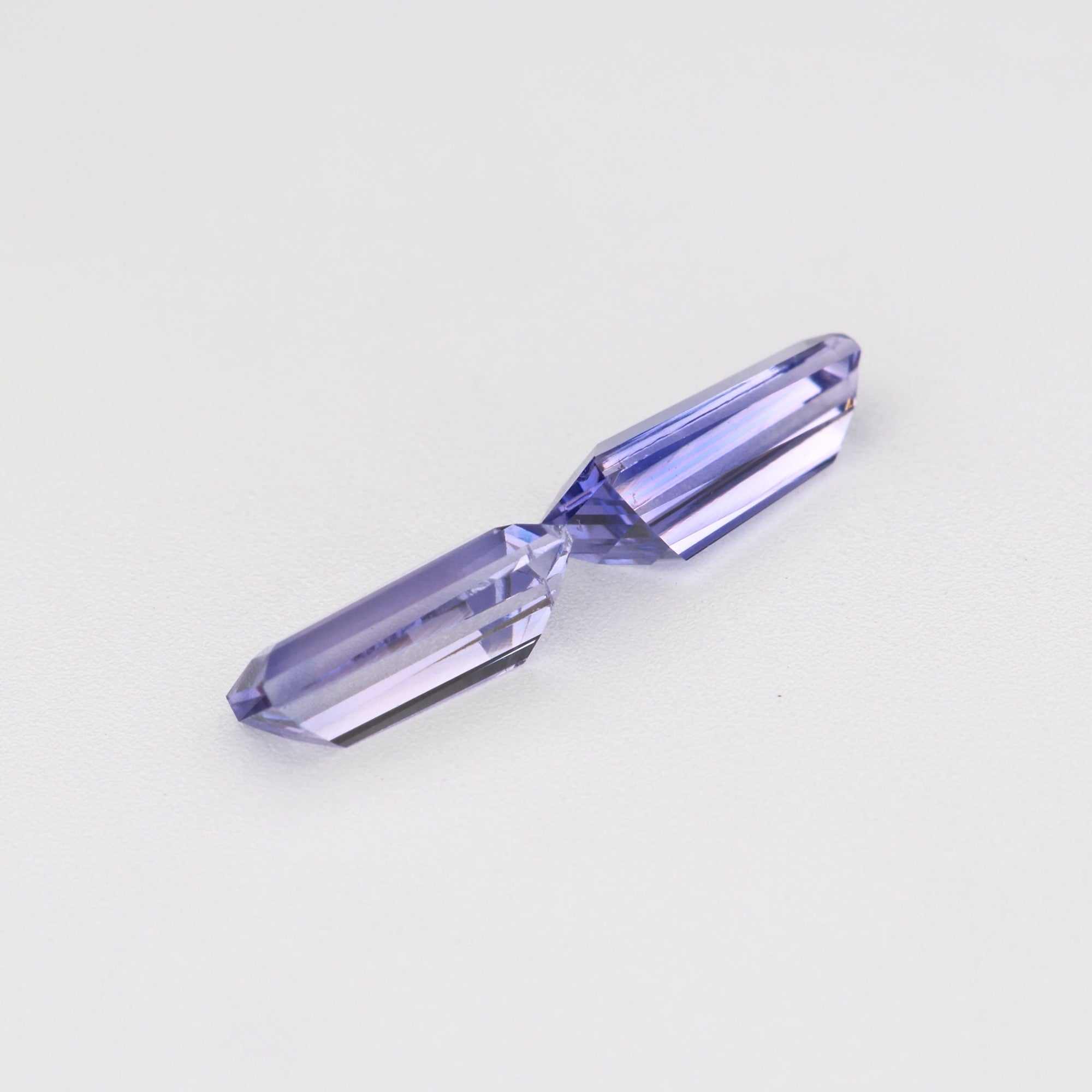
| Unheated violet sapphire, 1.0-2.0ct, vivid | ✓ Yes | Outstanding value — strong color at meaningful size |
| Padparadscha, any size | ✗ No | GIA padparadscha designation starts at $3,000+ per carat, and we currently have zero padparadscha in stock at any size |
"Not currently in stock" rows are broader market guidance — that stone profile exists in the wider trade, but we don't have matching inventory right now. Other figures reflect current listed prices in our collection as of August 2026 and are not fixed quotes.
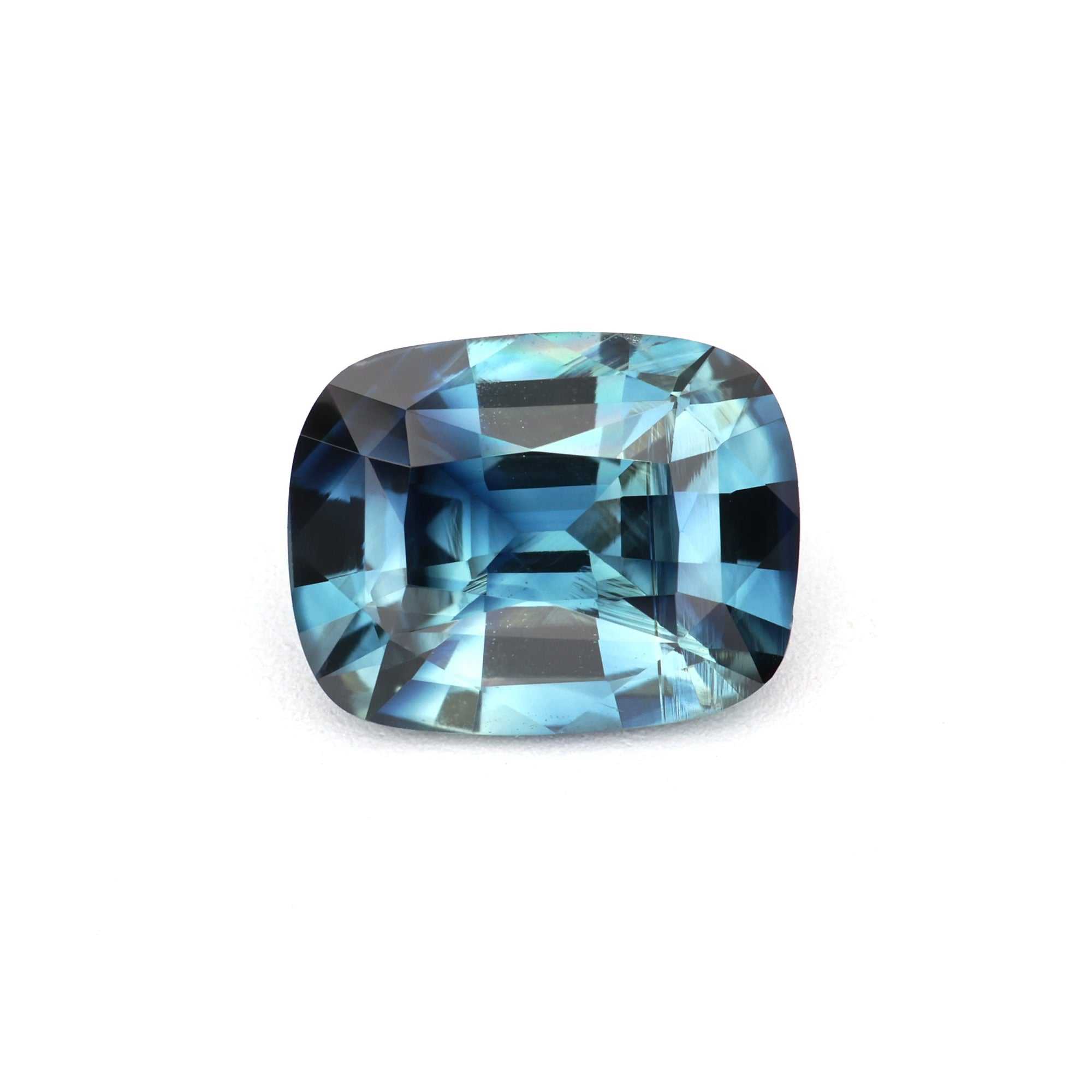
1. Unheated Teal Sapphire 1.0-1.5ct. At $2,500, you can access a genuinely impressive unheated teal sapphire in the 1.0-1.5ct range — a size that makes a real statement as an engagement ring center stone. A vivid, well-cut teal sapphire with strong blue-green character, naturally unheated, typically runs $800-$1,600 in this size window. Example from our collection: a 1.29ct GIA-documented unheated teal cushion at $1,280 (view). Browse our unheated teal sapphire collection.
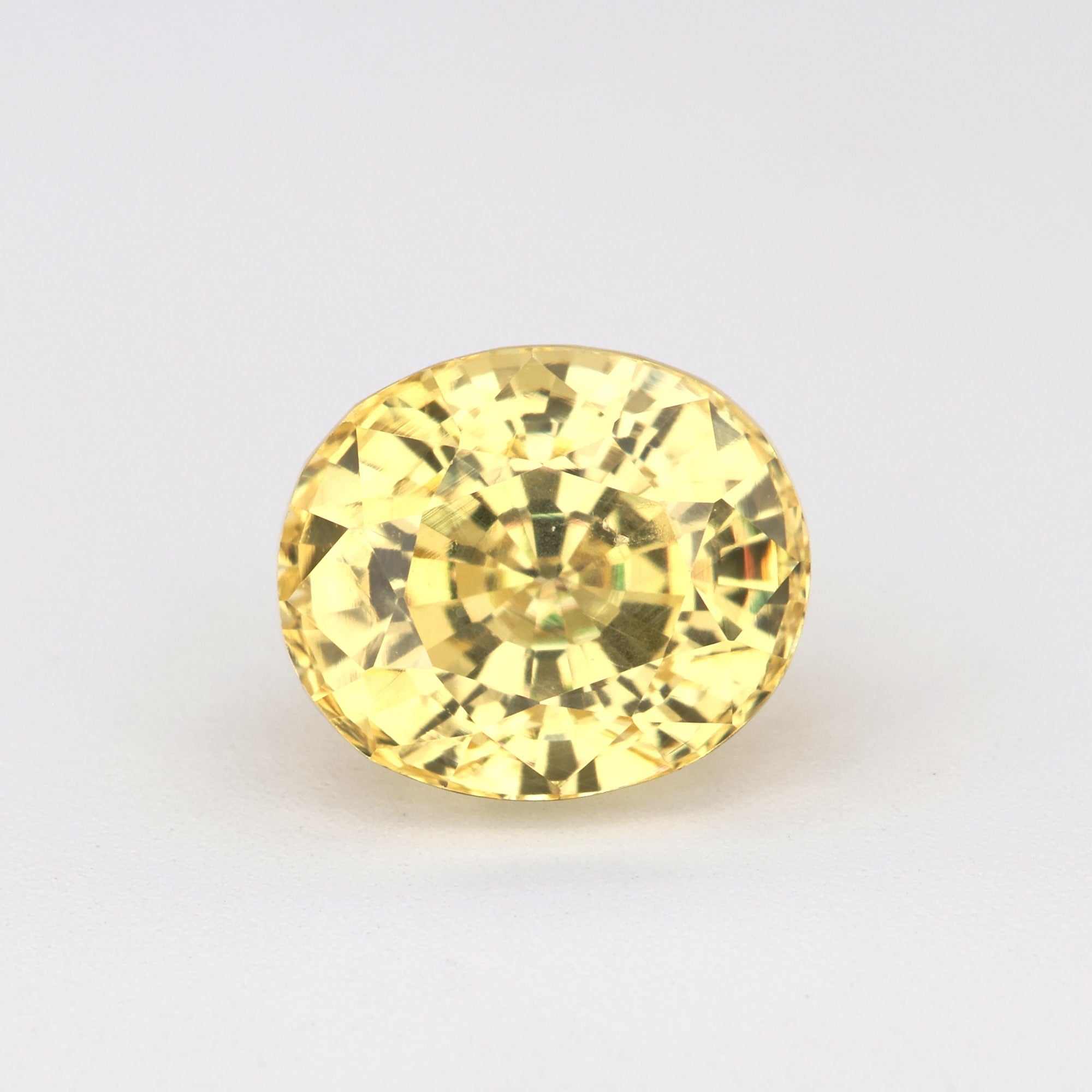
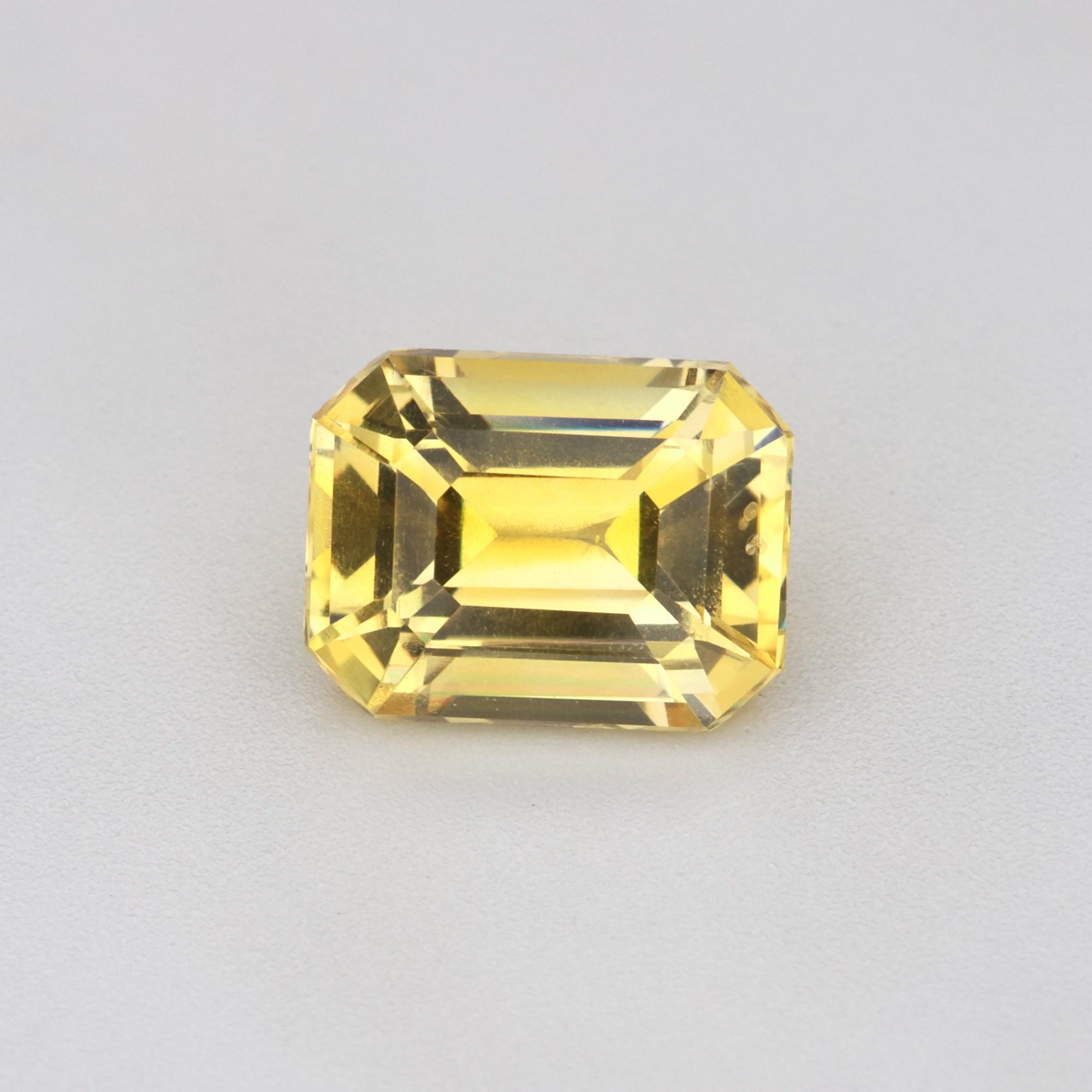
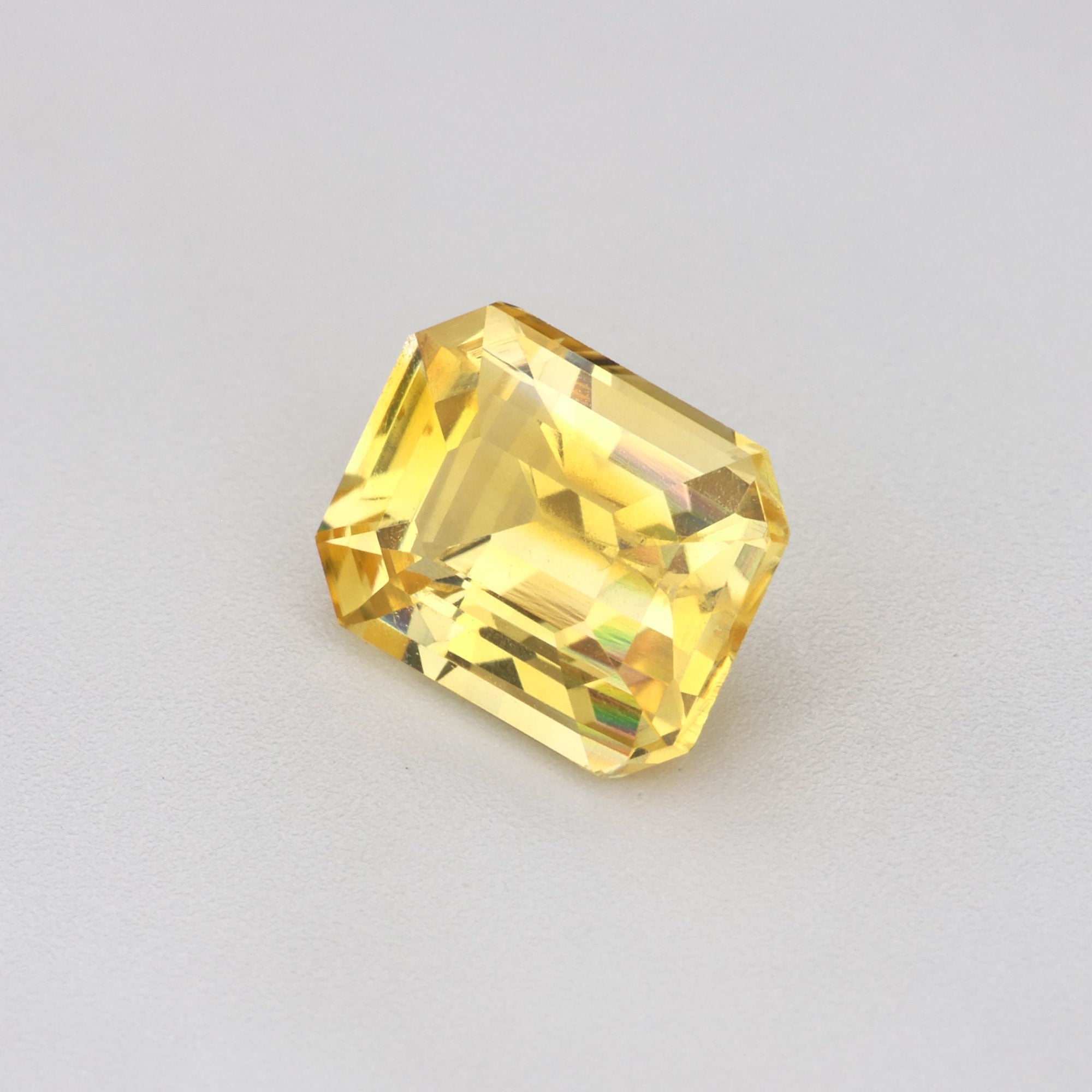
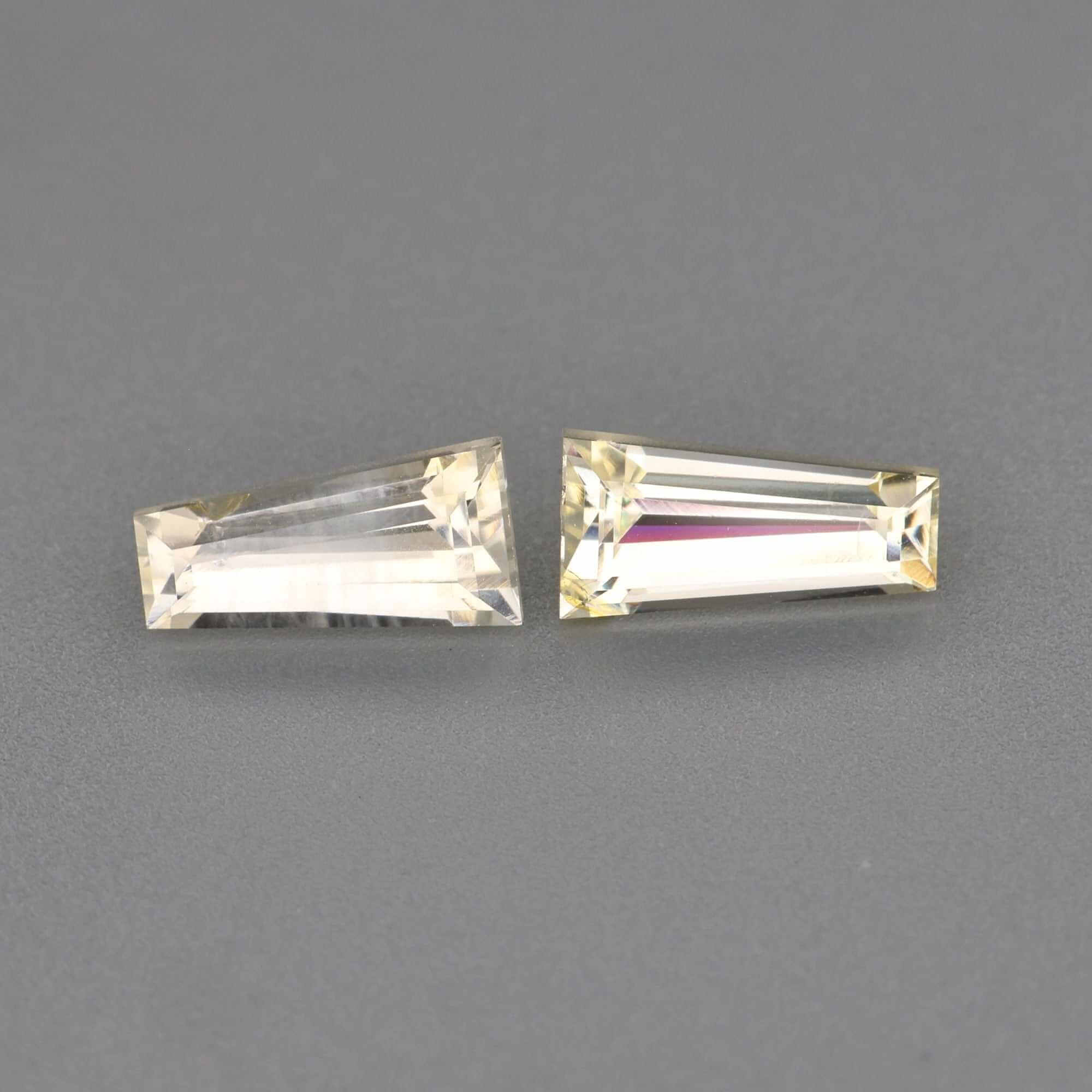
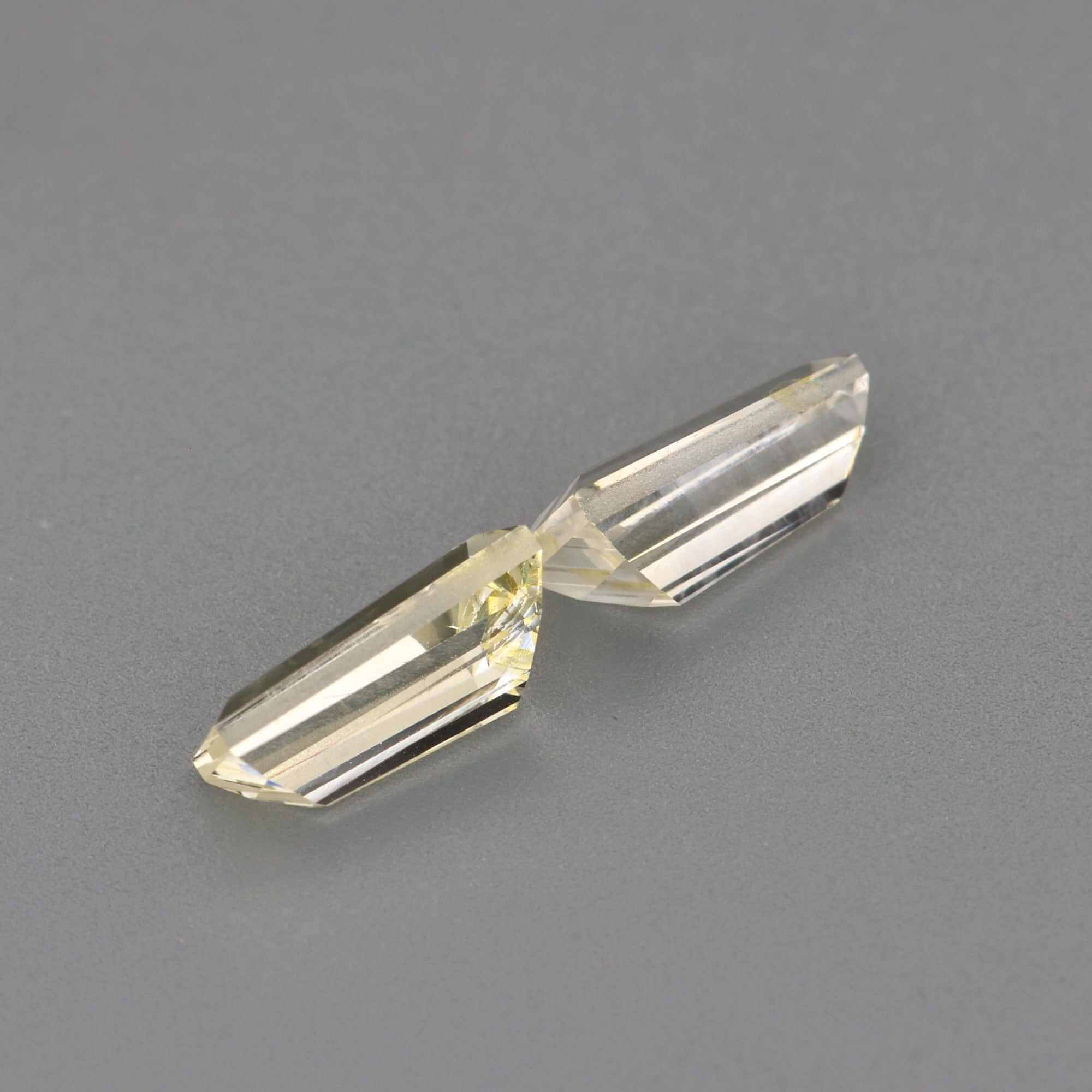
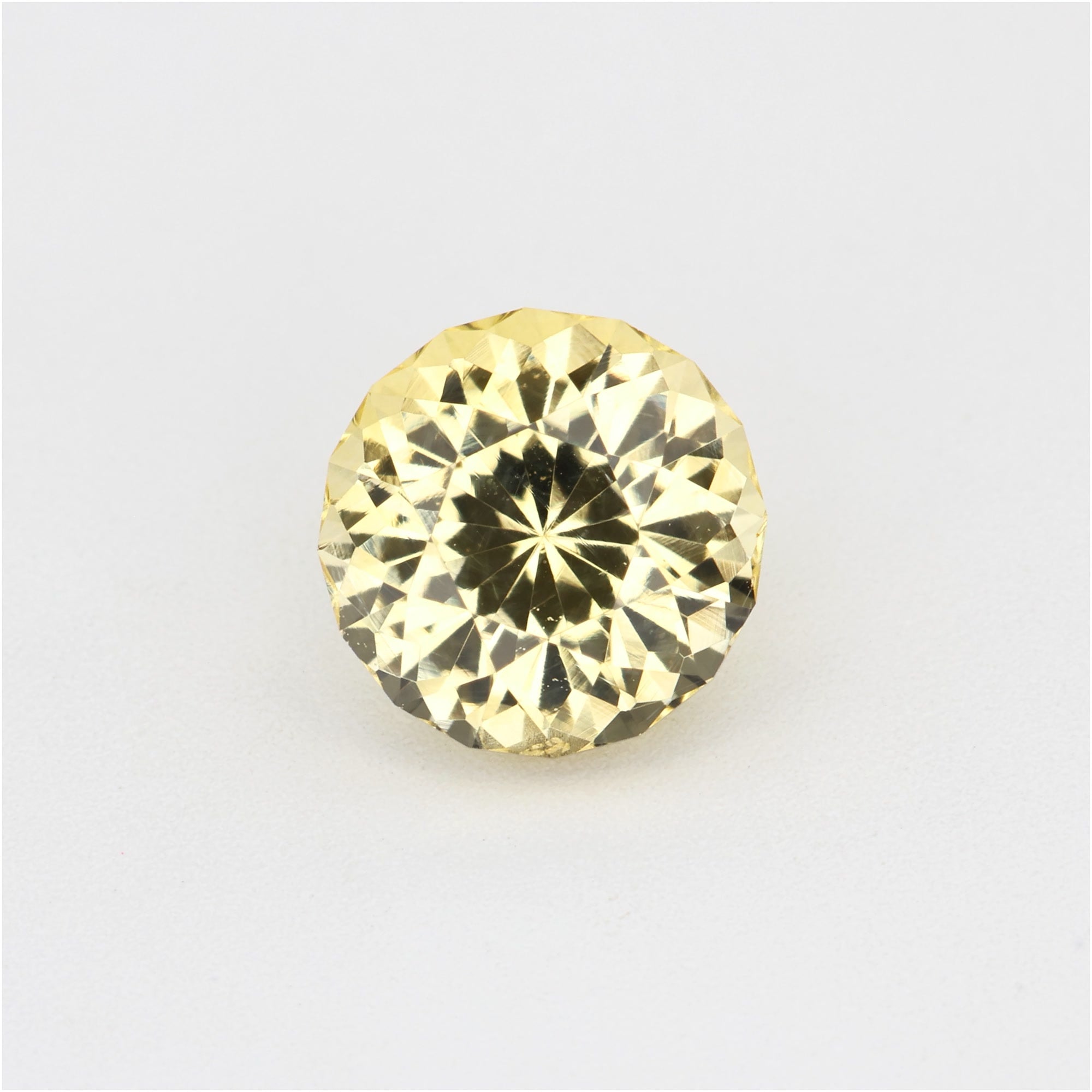
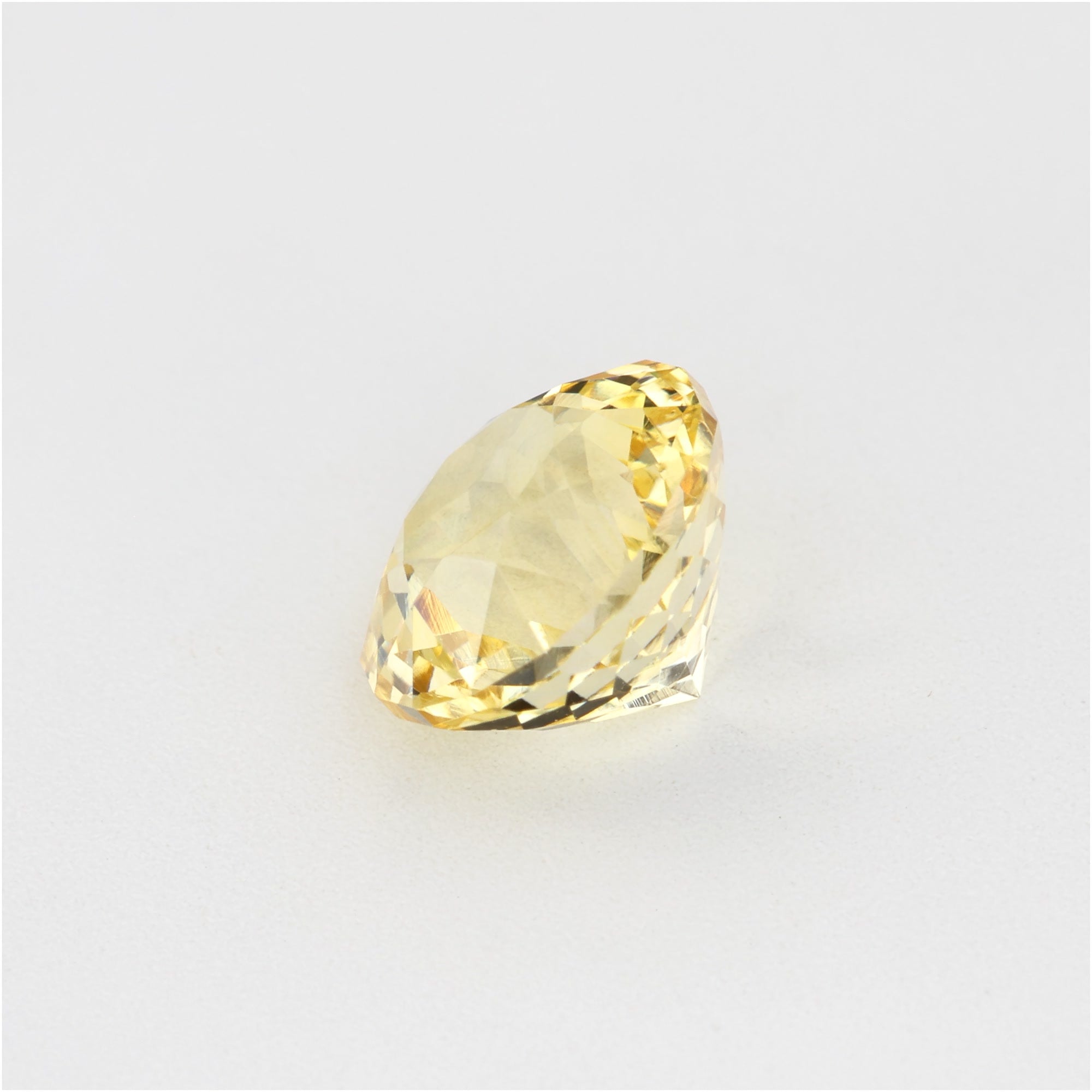
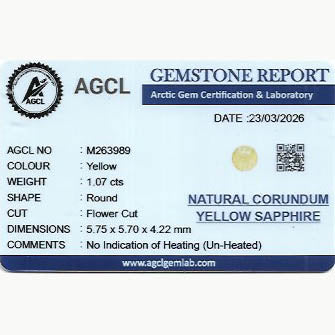
2. Unheated Yellow Sapphire 1.5-2.5ct. Under $2,500, unheated Ceylon yellow sapphire in the 1.5-2.5ct range with vivid canary-yellow color is genuinely accessible. A vivid unheated yellow oval or cushion in this range typically runs $1,300-$2,300. Example from our collection: a 2.10ct GIA-documented unheated yellow oval at $1,890 (view). Browse our unheated yellow sapphire collection.
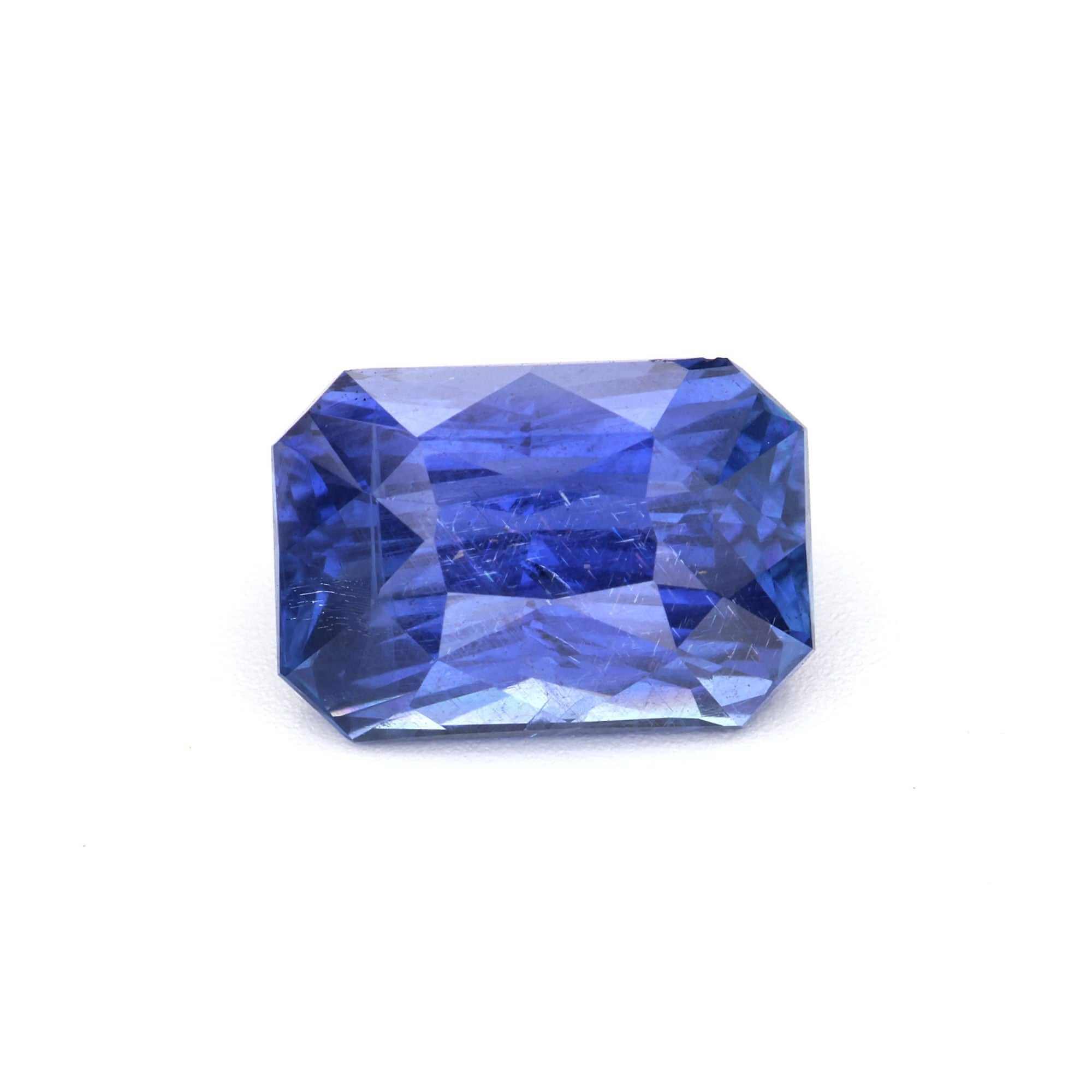
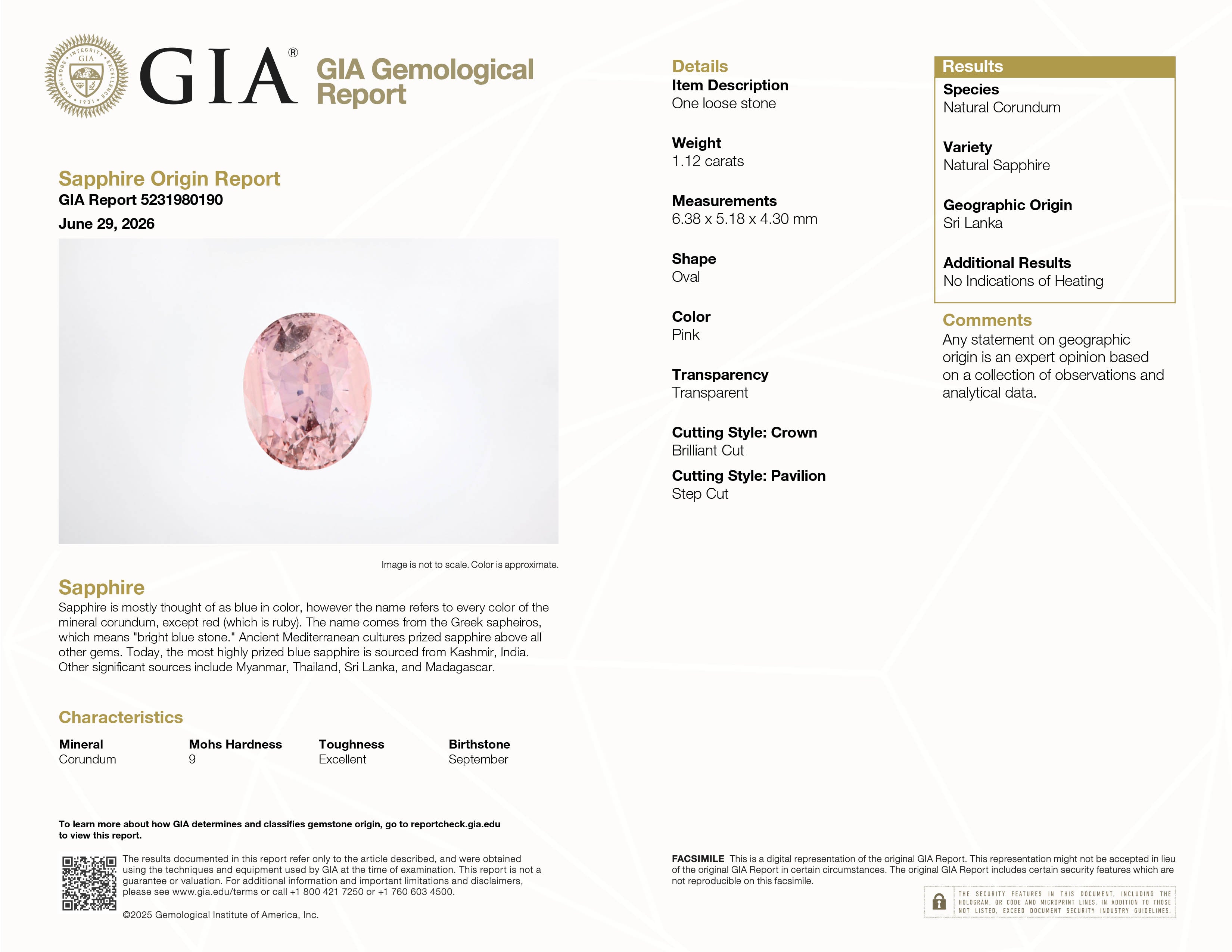
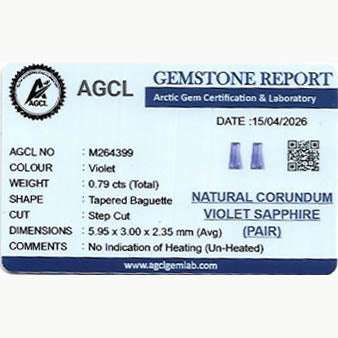
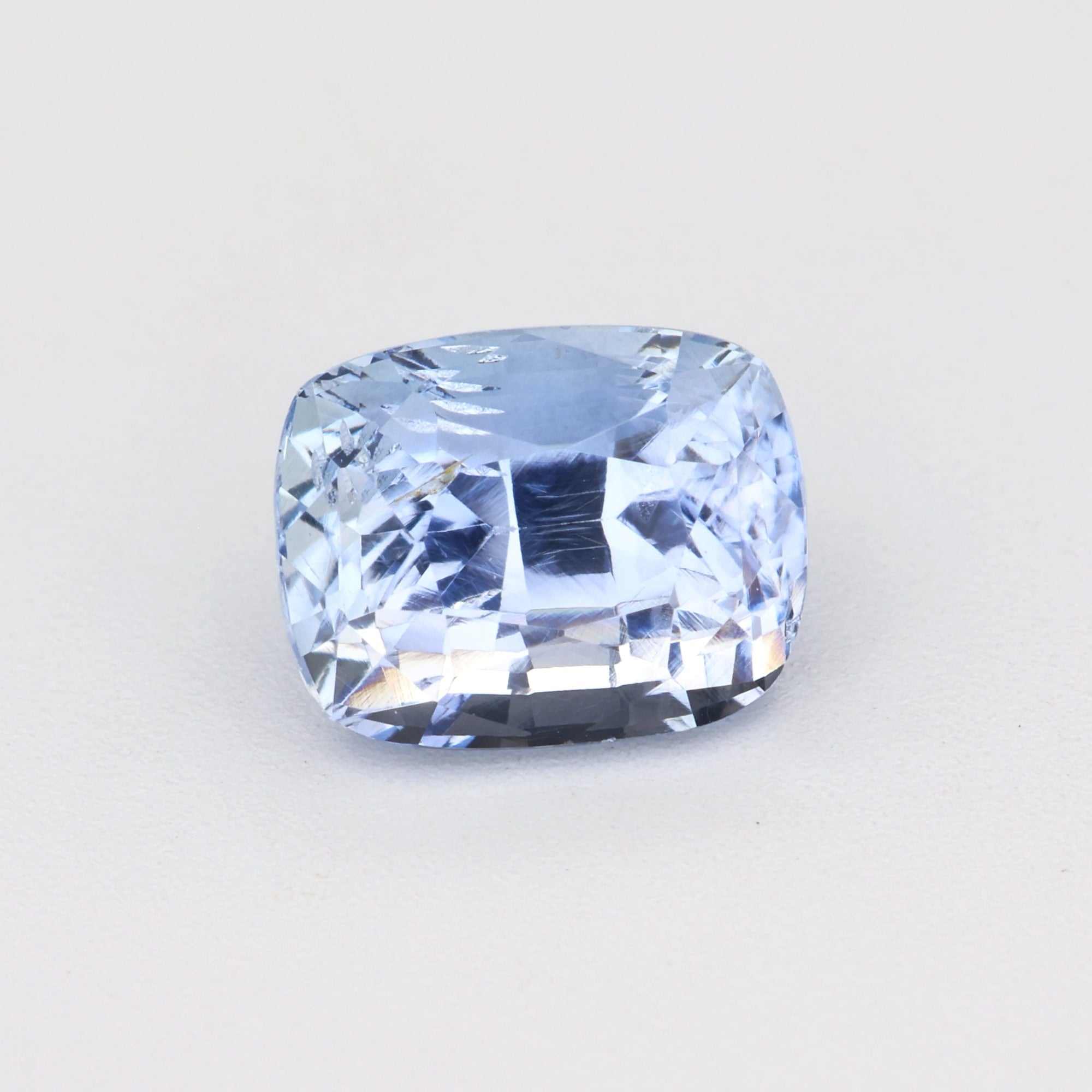
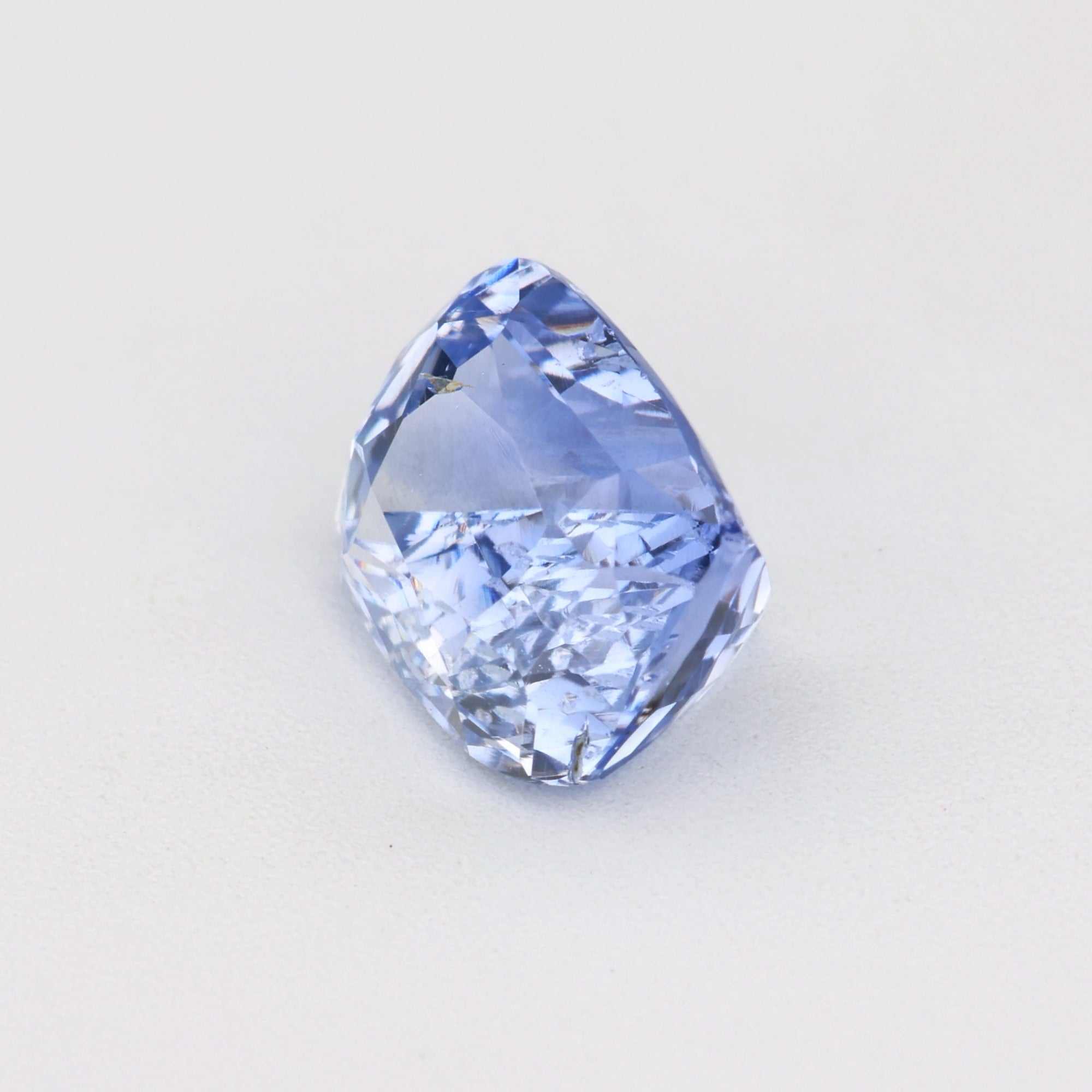
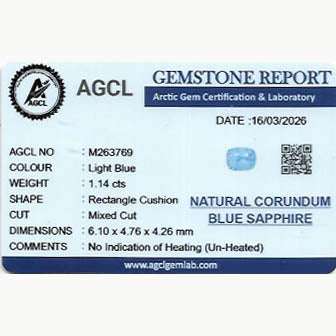
3. GIA-Documented Unheated Blue Sapphire — a note on availability. A 0.5-0.8ct GIA-documented natural blue sapphire with "no indications of heating" is genuine market territory, but it isn't what we currently have on the shelf at that size. Our smallest GIA-documented unheated blue is 2.008ct, and because unheated blue commands a real premium, that stone alone runs $6,800 (view) — well over this budget. If a GIA report isn't a strict requirement, we do carry smaller unheated blue: a 1.28ct AGCL-certified unheated Ceylon blue oval at $1,584 (view). See our GIA report guide and unheated sapphire guide. If you specifically need a GIA-documented unheated blue under $2,500, email crescentgems@gmail.com and we can search on your behalf. Browse our unheated blue sapphire collection.
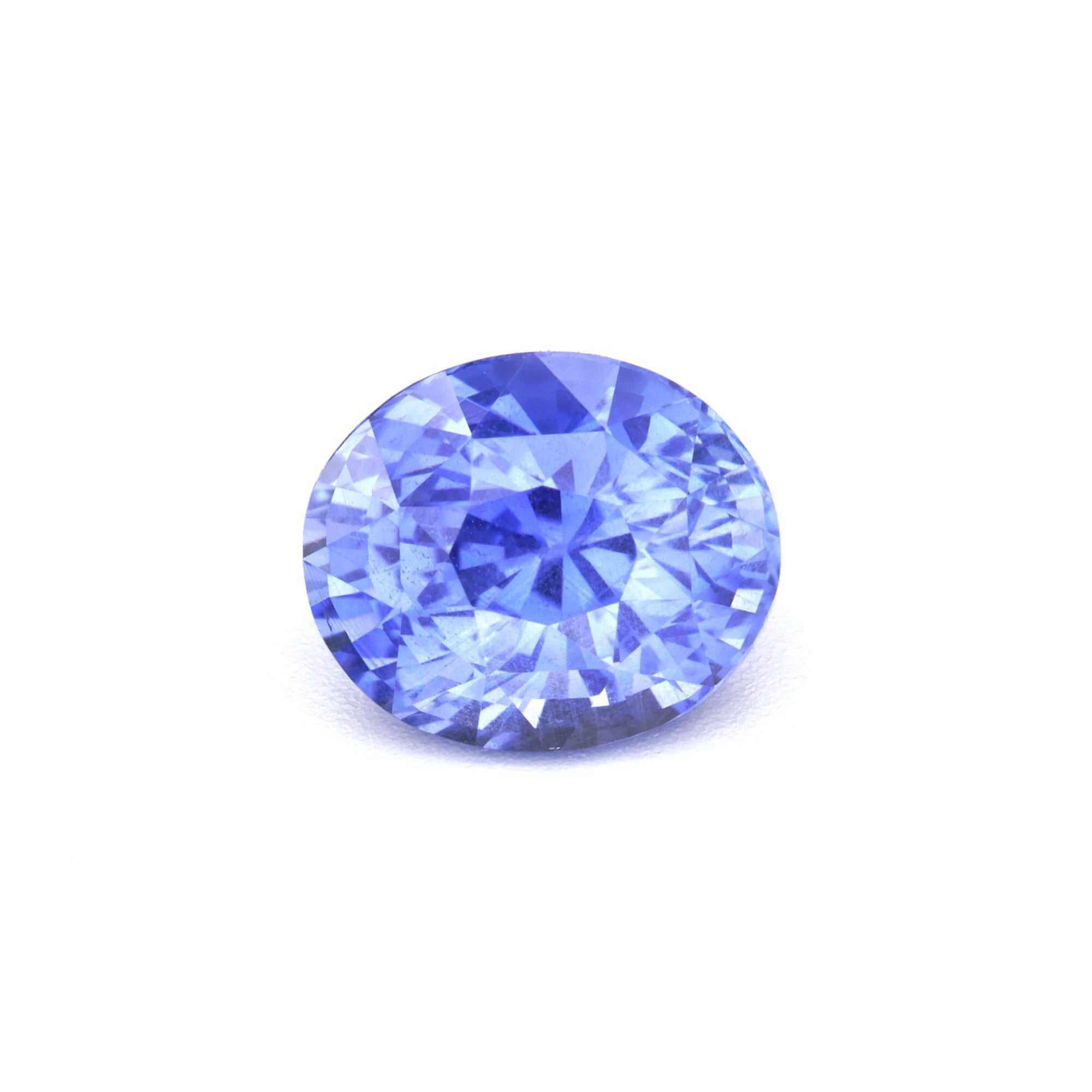
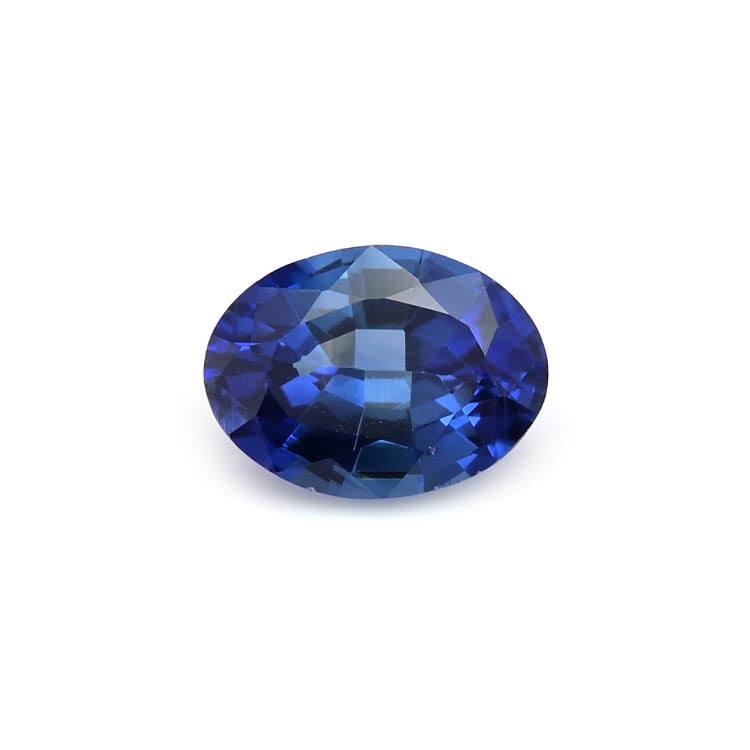
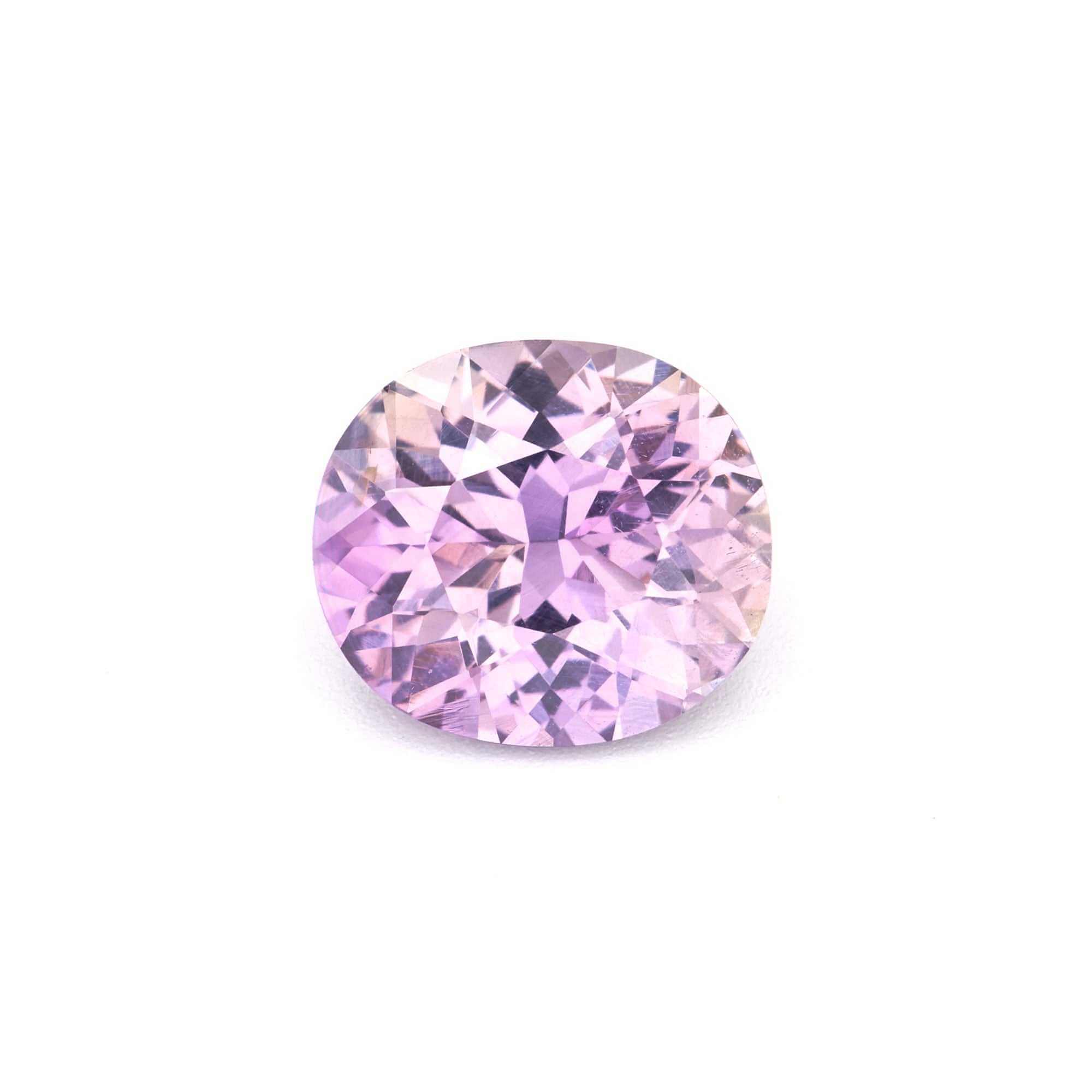
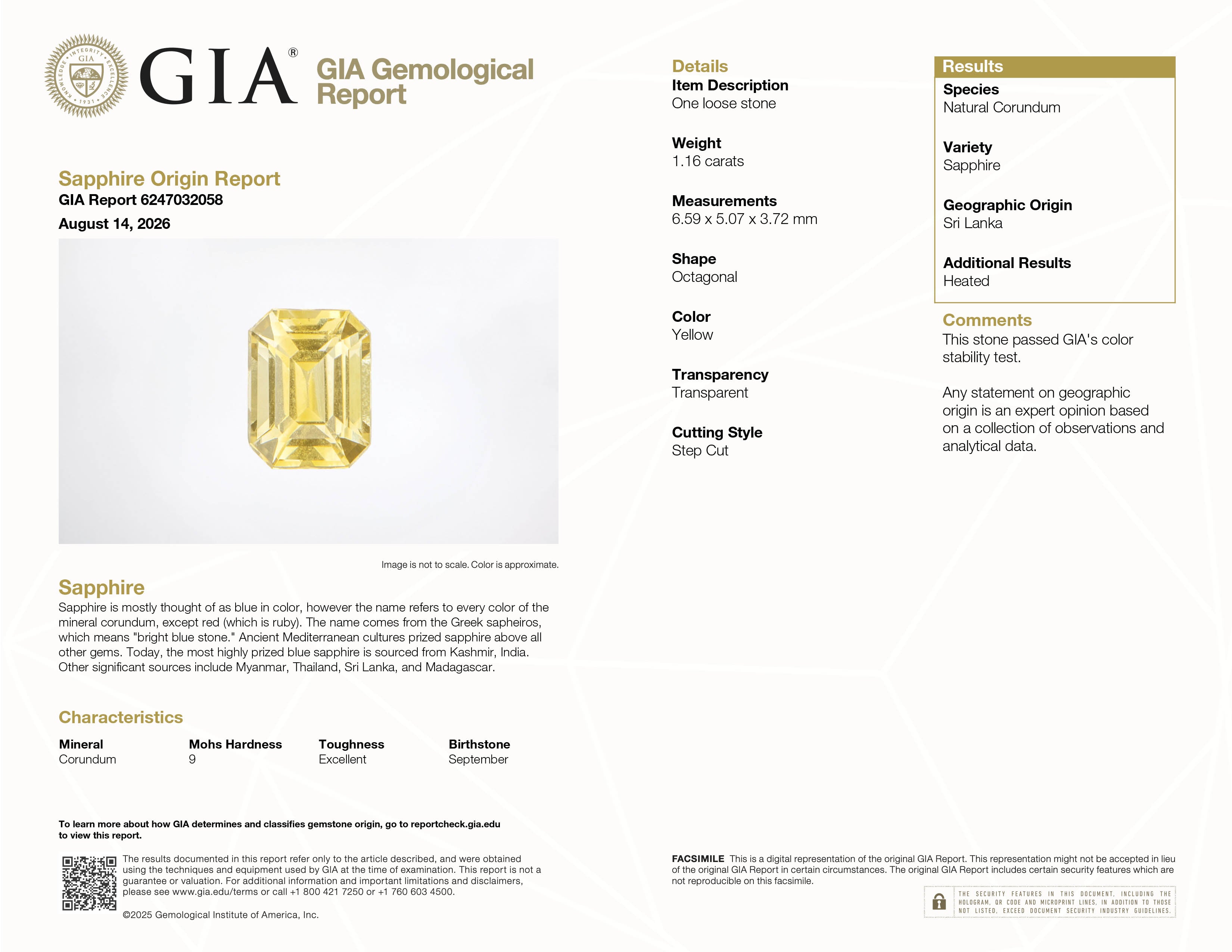
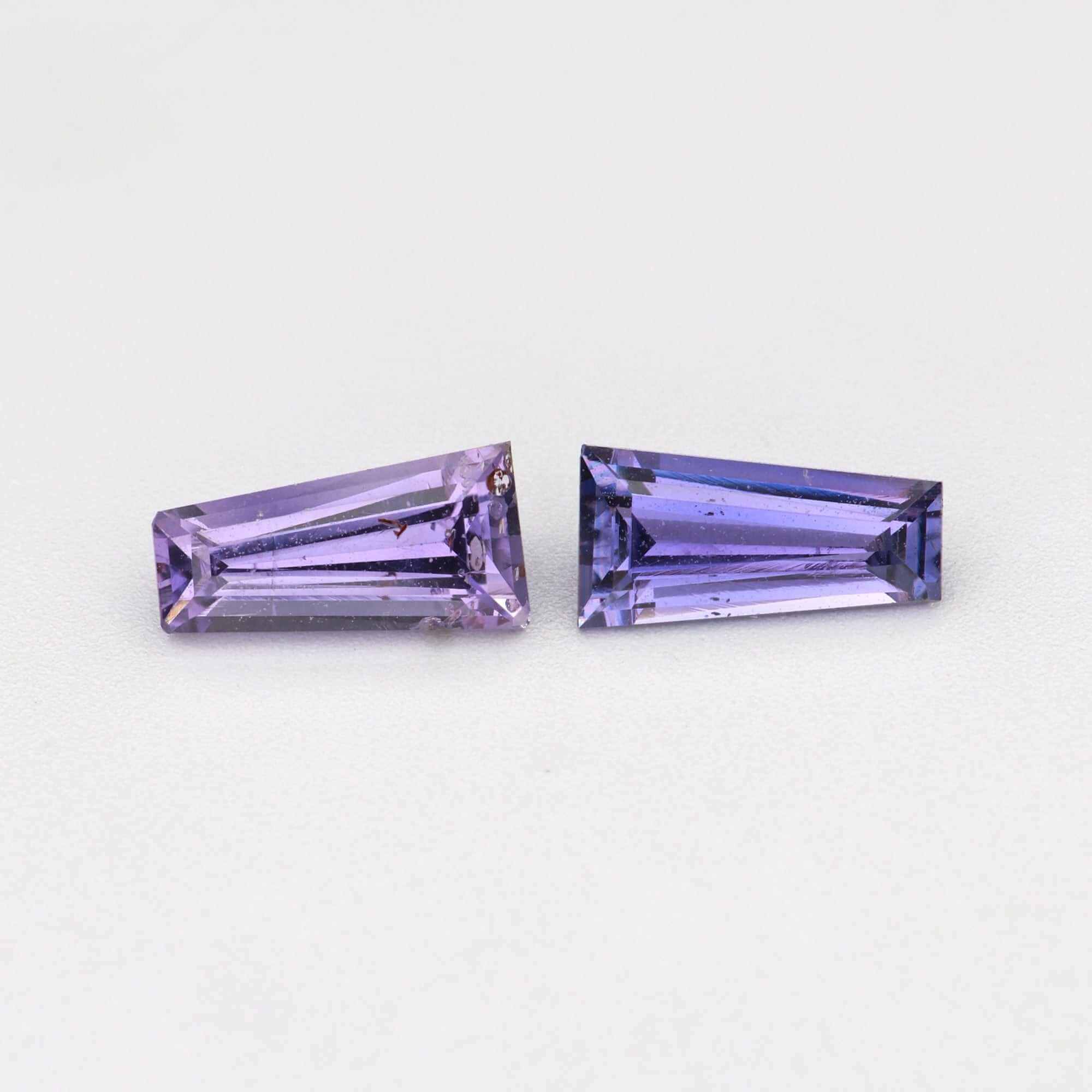
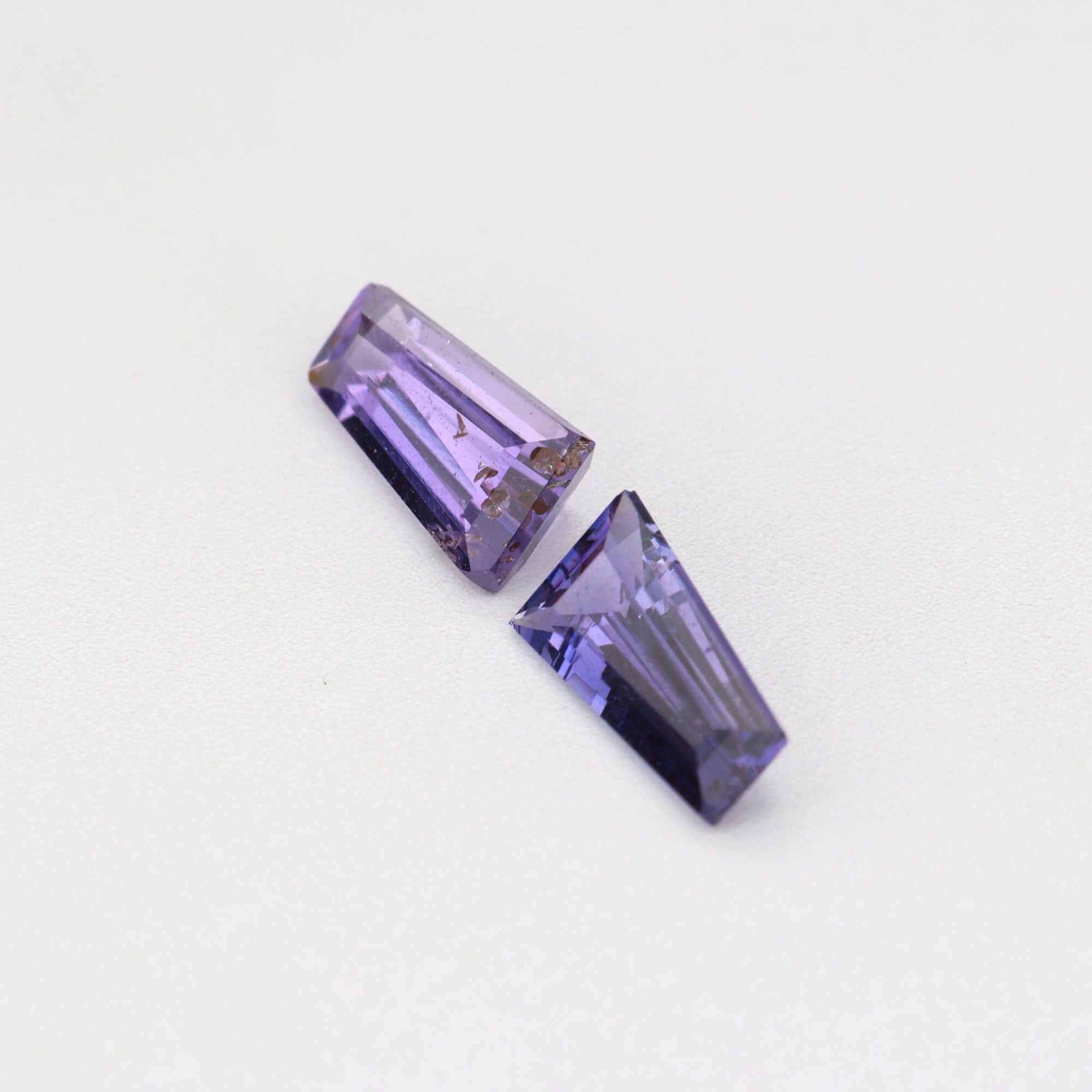
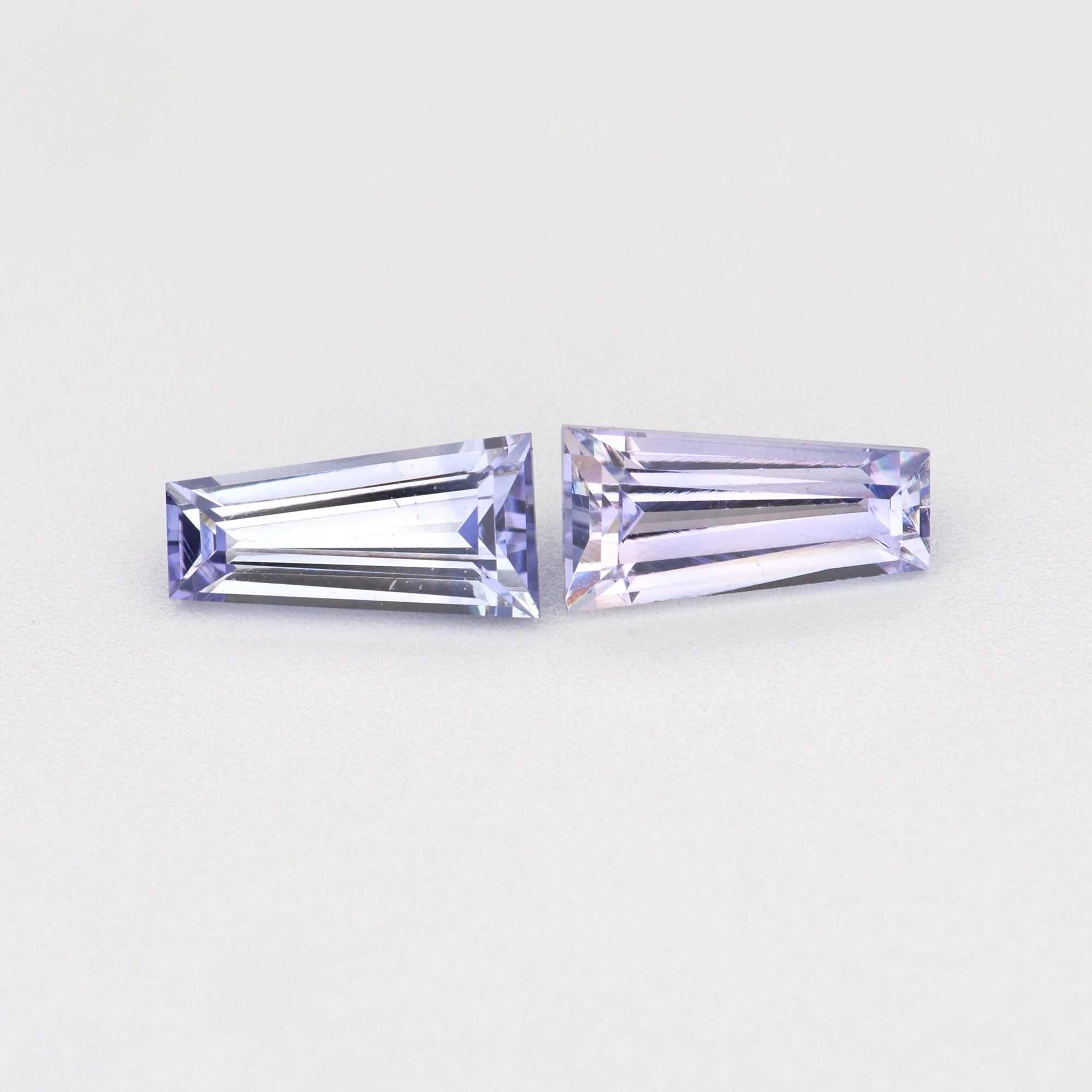
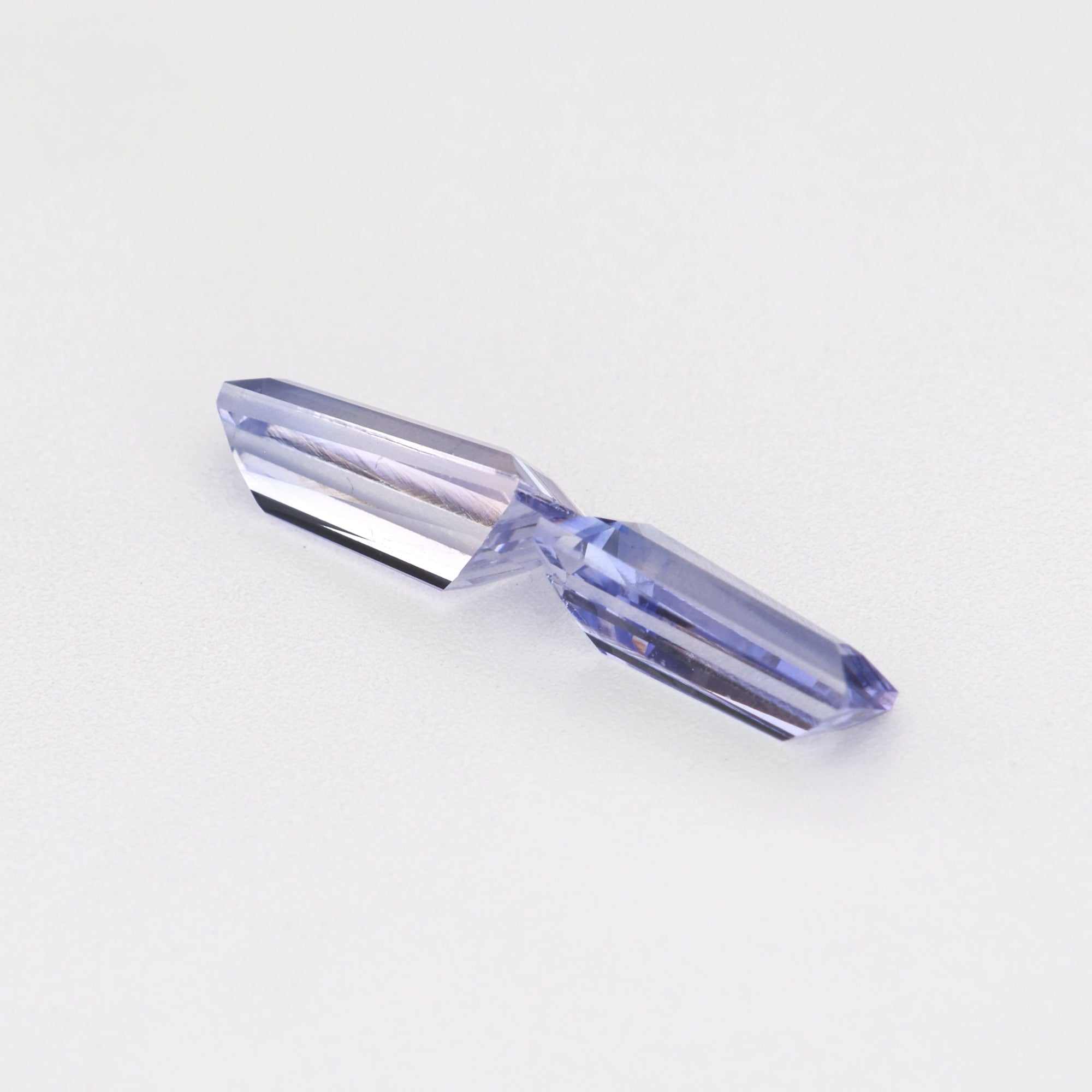
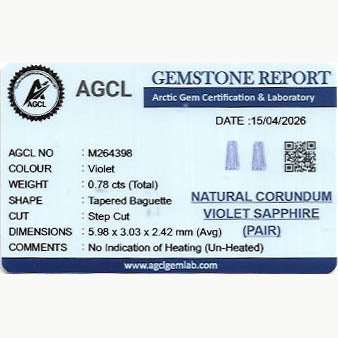
4. Heated Blue Sapphire 1.0-1.5ct. A vivid heated blue oval in fine color, in this size range, typically runs $1,000-$1,800. Example from our collection: a 1.16ct vivid heated blue oval at $1,300 (view). 5. Unheated Violet Sapphire 1.0-2.0ct. One of the most undervalued colors. A vivid unheated violet in this size range typically runs $1,000-$1,700. Example from our collection: a 1.46ct AGCL-certified unheated purple oval at $1,606 (view). Browse violet sapphire collection.
Stone-forward ($1,500-$2,000 stone / $500-$1,000 setting): Maximizes stone quality. A simple 14K solitaire or bezel runs $500-$900. See best shapes for solitaire rings. Balanced approach ($1,000-$1,500 stone / $1,000-$1,500 setting): Allows a more elaborate setting — a halo or three-stone design. A diamond halo around a 0.7ct vivid teal or blue can look like a $4,000+ ring at a $2,500 total. See our halo ring guide and custom ring guide. For metal choice see our metal comparison guide and how to choose metal color.
Cut quality check: at $2,500, do not accept a windowed stone. See our cut quality guide. Get insurance after purchase: see our jewelry insurance guide.
Browse available stones: teal · yellow · blue · pink · violet. Email crescentgems@gmail.com — we respond within one business day. Free US shipping; 14-day returns.

CG8437
CG8366

CG0099
Prices are shown in your local currency and may change.
CG8433
CG8434
CG8431
CG8438
CG8428
CG8426


Blue Star Sapphire Price Guide — What They Cost and Why
Read moreabout Blue Star Sapphire Price Guide — What They Cost and Why
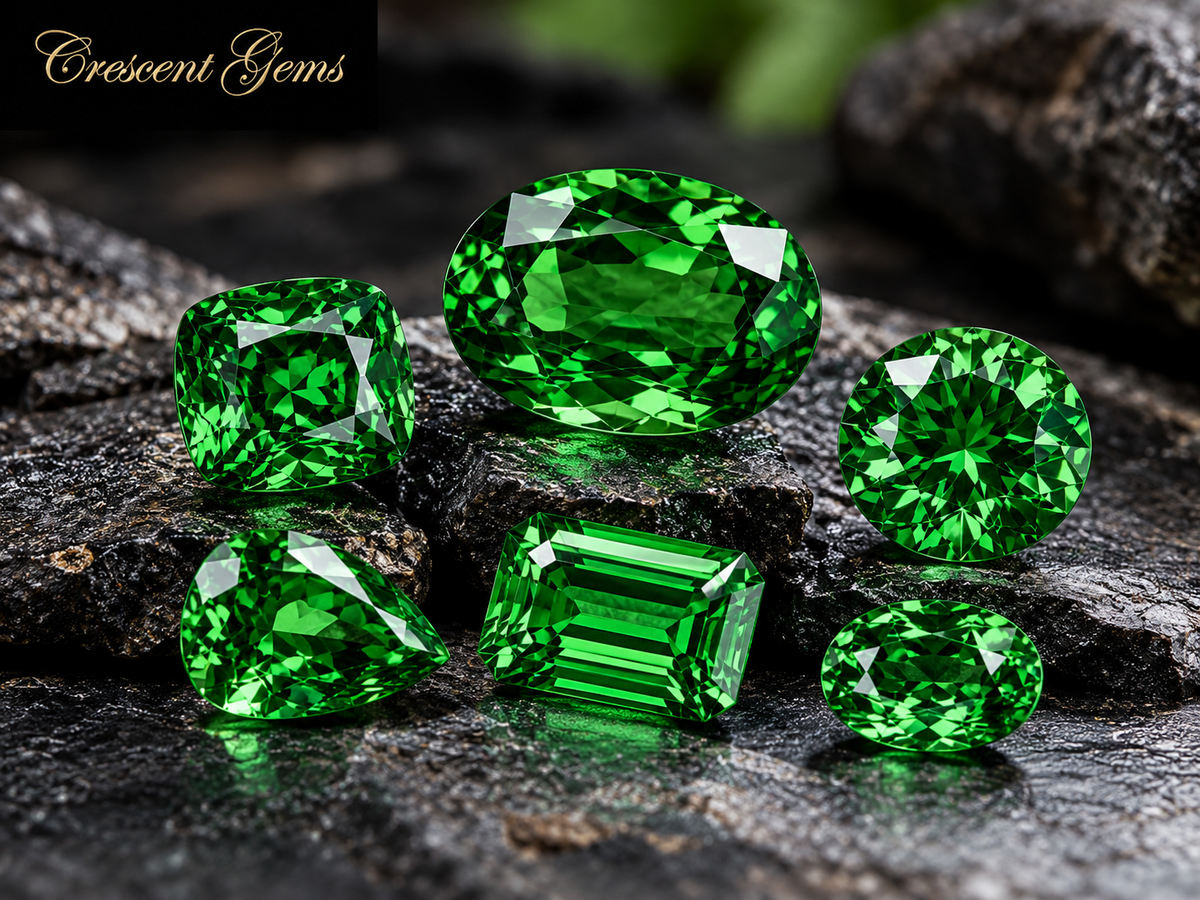
Tsavorite Garnet Price Guide — What They Cost and Why
Read moreabout Tsavorite Garnet Price Guide — What They Cost and Why
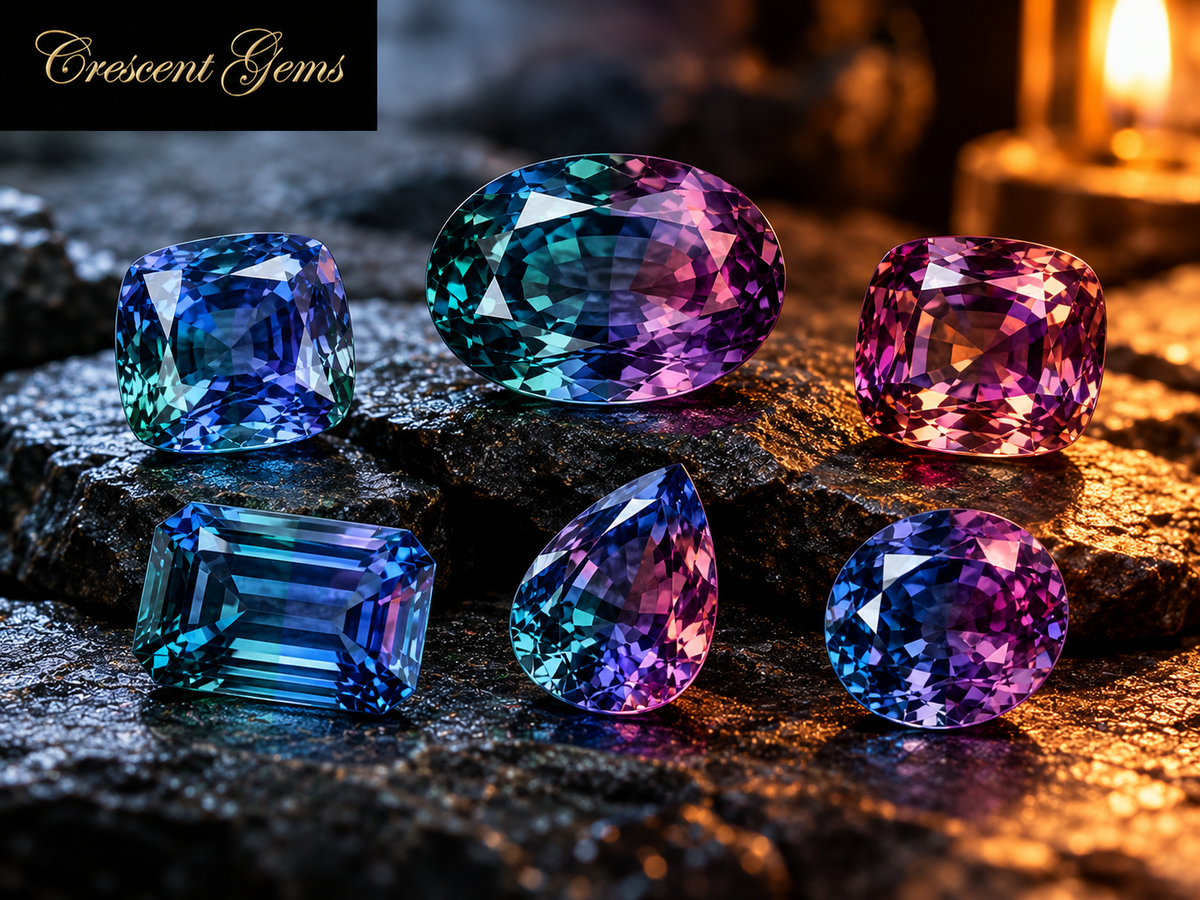
Color-Change Sapphire Price Guide — What They Cost and Why
Read moreabout Color-Change Sapphire Price Guide — What They Cost and Why
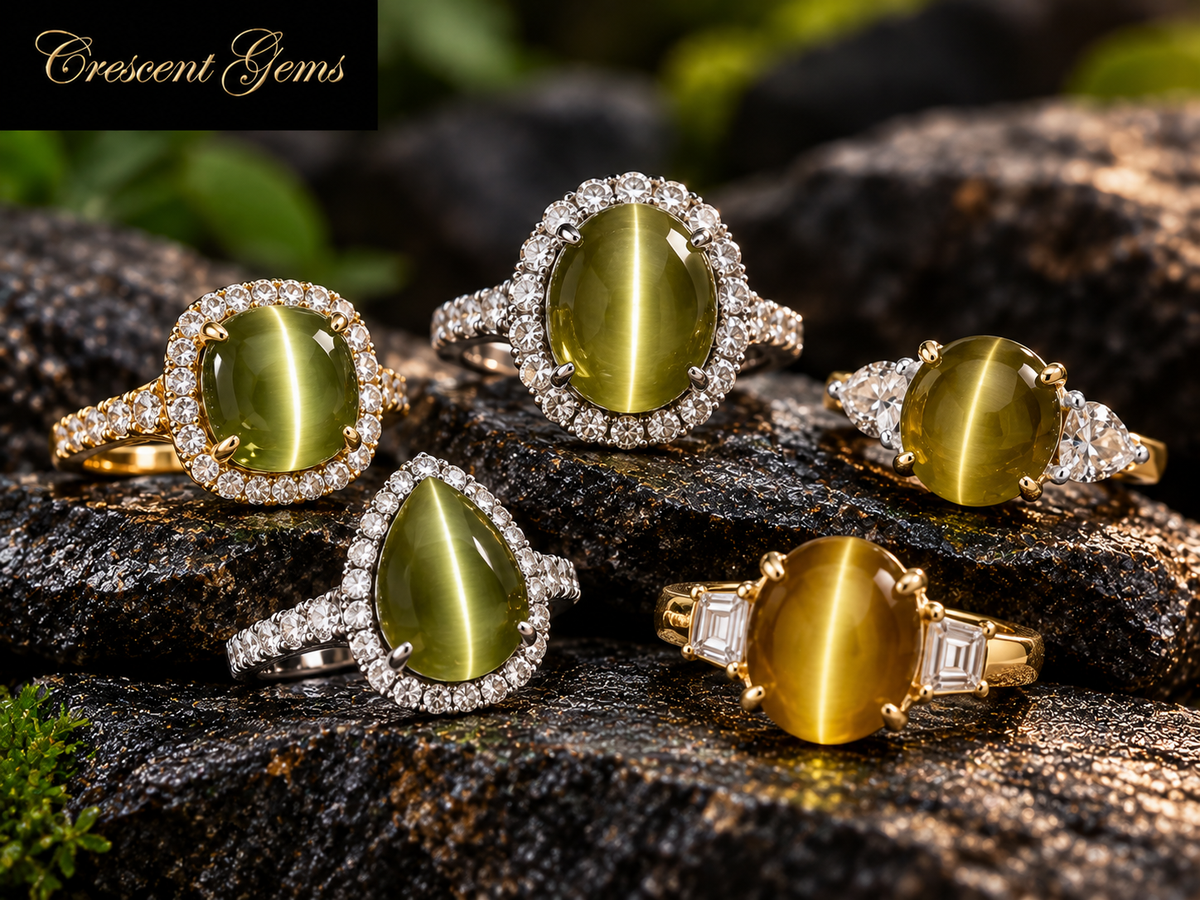
Is Cat's-Eye Chrysoberyl Good for an Engagement Ring?
Read moreabout Is Cat's-Eye Chrysoberyl Good for an Engagement Ring?
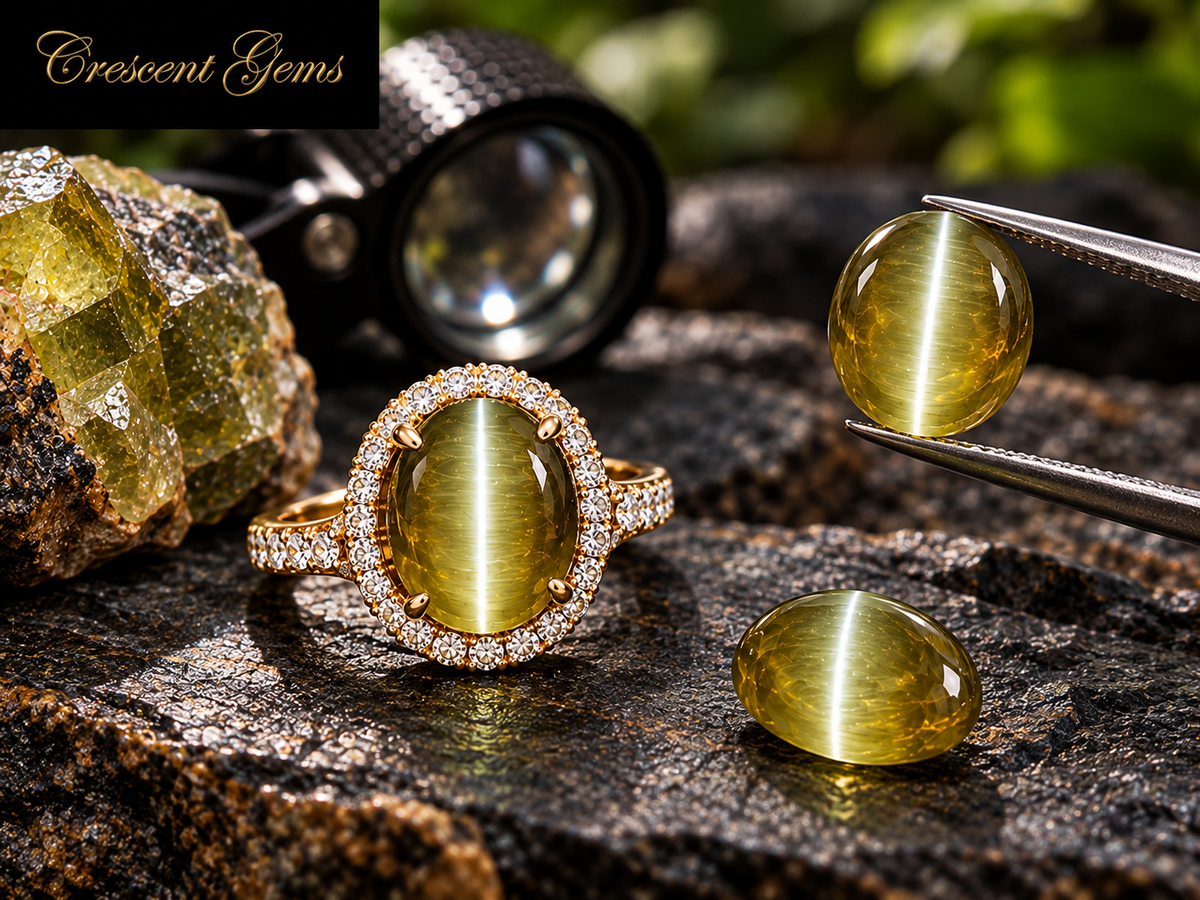
Cat's Eye Chrysoberyl Price Guide — What They Cost and Why
Read moreabout Cat's Eye Chrysoberyl Price Guide — What They Cost and Why