- by Ahmed Shareek
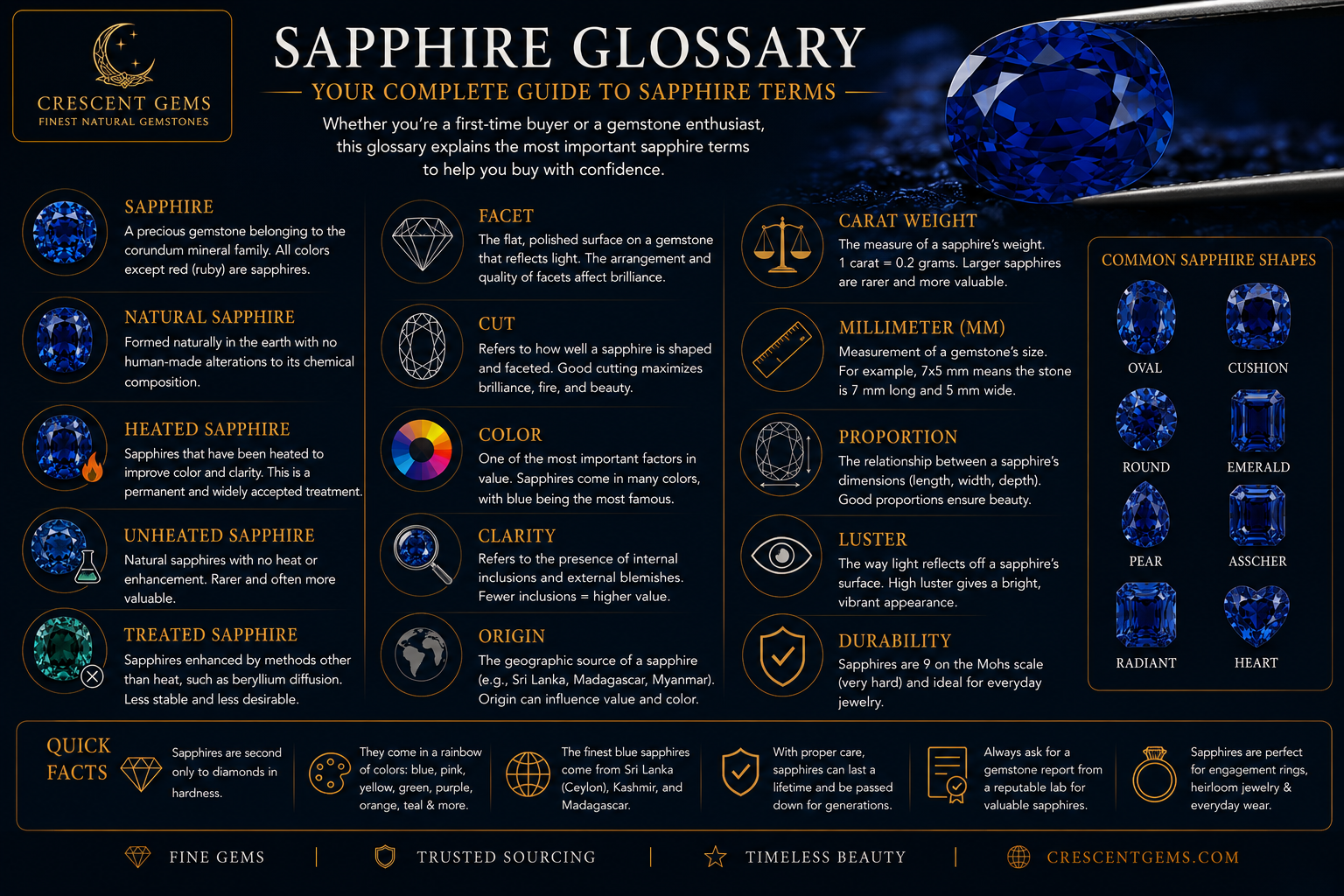
Sapphire Glossary — Every Term You'll Encounter When Buying a Natural Sapphire
- by Ahmed Shareek
New to sapphires? Start with the Ultimate Sapphire Buying Guide. For color terminology in depth: Sapphire Colors Explained. For cut terminology: How Cut Affects a Sapphire.
Buying a natural sapphire requires navigating a language that blends gemology, trade custom, laboratory terminology, and origin-specific vocabulary. This glossary defines every term you are likely to encounter when researching, comparing, or buying a natural sapphire — from standard gemological vocabulary to trade expressions, treatment descriptors, certification language, and cut terminology. Entries are arranged alphabetically and cross-referenced where terms connect to broader concepts.
Absorption Spectrum — The pattern of wavelengths of light absorbed by a gemstone as measured by spectroscopy. See Sapphire Fluorescence Guide.
Alexandrite Effect — A color change phenomenon. See Color-Change Sapphire Guide and Alexandrite Buyer's Guide.
Alluvial Deposit — A secondary gem deposit where gemstones have been weathered from host rock and redeposited in gravel layers or riverbeds. Most Ceylon sapphires come from alluvial deposits — the illam gravel. See Pit Mining in Sri Lanka.
Asscher Cut — A square step cut with cropped corners producing a hall-of-mirrors effect. See Emerald Cut Sapphire Guide.
Asterism — A phenomenon in which a stone displays a star pattern of reflected light caused by oriented rutile silk needles. See Star Sapphire Buyer's Guide.
Basaltic Sapphire — Sapphire formed in volcanic/magmatic geological environments with higher iron content, producing darker blues. Australian, Thai sapphires are basaltic. Contrast with metamorphic sapphire. See Australian Sapphire Guide.
Beryllium Diffusion — A treatment where beryllium atoms are diffused into the crystal lattice at very high temperatures, creating or intensifying warm color. Cannot be detected visually; requires LA-ICP-MS. See Beryllium Diffusion Explained.
Bowtie Effect — A dark, bowtie-shaped shadow visible face-up across the width of an oval, pear, or marquise sapphire. See Oval Sapphire Guide and Best Elongated Sapphire Shapes.
Brilliance — The return of white light from a gemstone. See How Cut Affects a Sapphire.
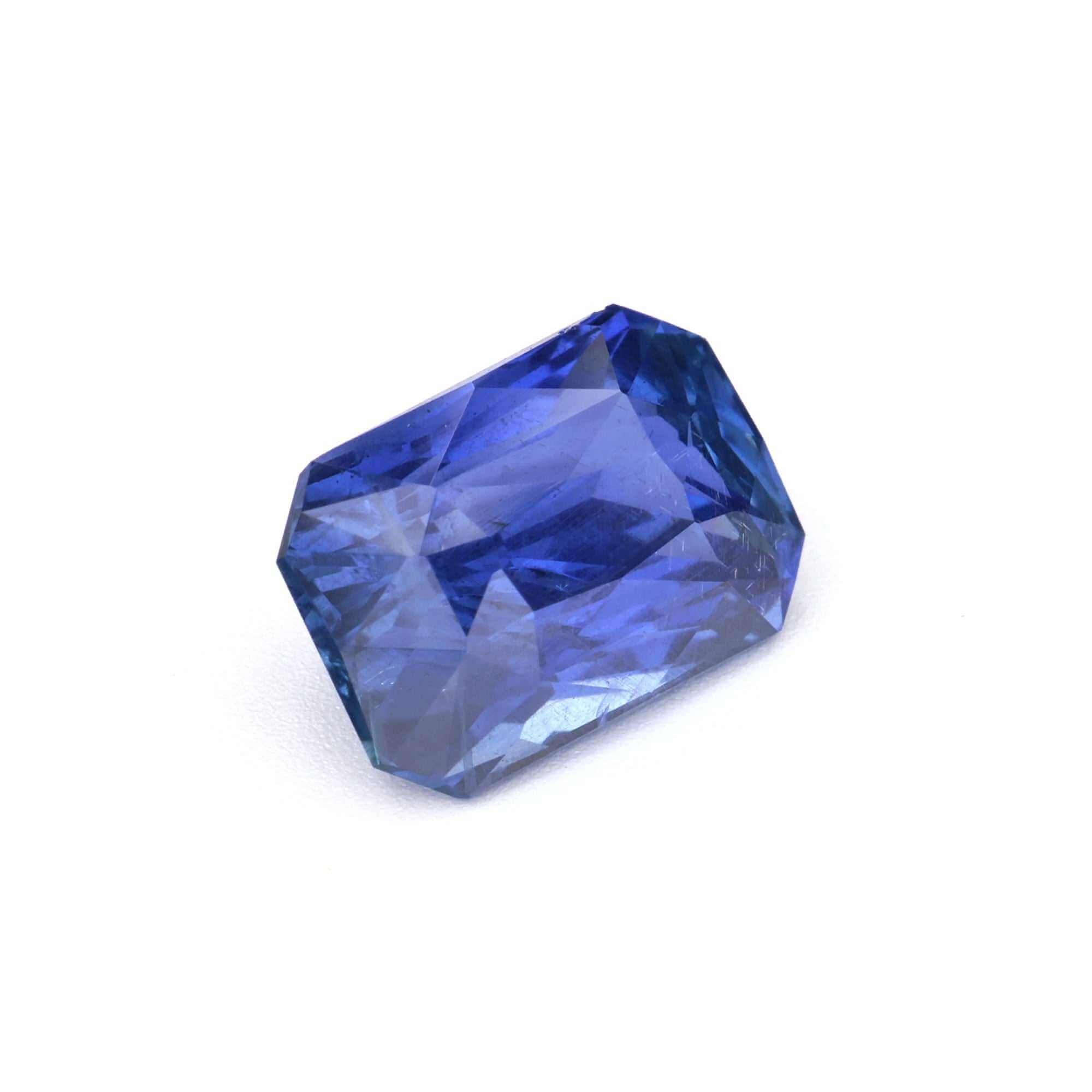
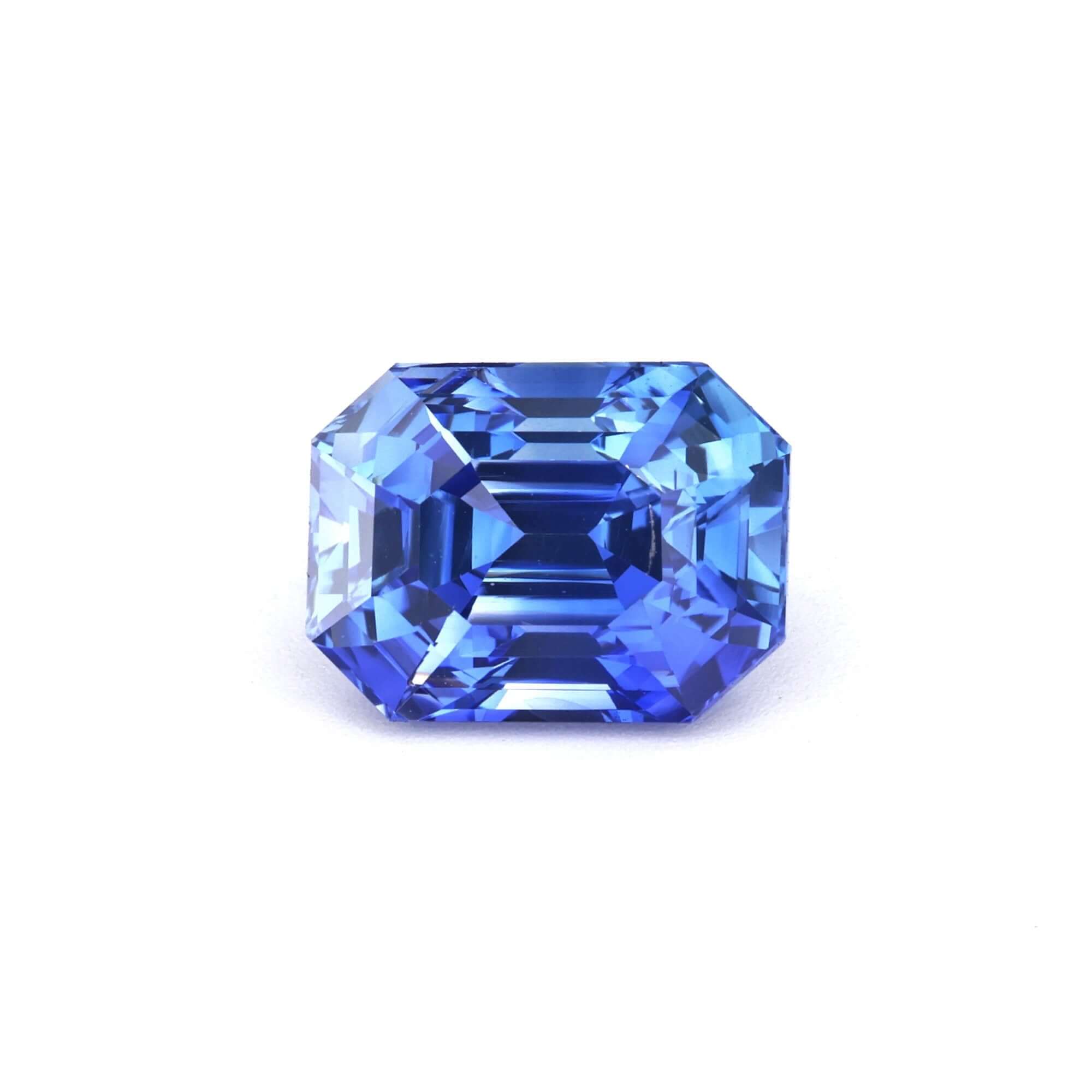
Brilliant Cut — Faceting style with triangular and kite-shaped facets producing active scintillation. Includes oval, round, cushion, pear, marquise, and radiant cuts. See How Sapphires Are Faceted.
Cabochon — A gemstone cut with a smooth, domed top without facets. Used for star sapphires. For bezel ring selection, see How to Choose a Sapphire for a Bezel Ring.
Carat Weight — The standard unit of gemstone mass. Per-carat price increases non-linearly with carat weight. See Sapphire Pricing Explained, What a Good 1 Carat Sapphire Costs, and What a Good 2 Carat Sapphire Costs.
Ceylon — The historical name for Sri Lanka, used in the gem trade to designate sapphires originating from that island. The most commercially significant origin designation in the sapphire market. See Ceylon Sapphire Complete Guide.
Clarity — The degree to which a sapphire is free from internal inclusions and external blemishes. See How to Read Sapphire Inclusions.
Color Change — A phenomenon in which a sapphire displays distinctly different colors under different light sources. See Color-Change Sapphire Guide.
Corundum — The mineral species aluminum oxide (Al₂O₃) from which all sapphires and rubies are formed. Mohs 9 on the hardness scale.
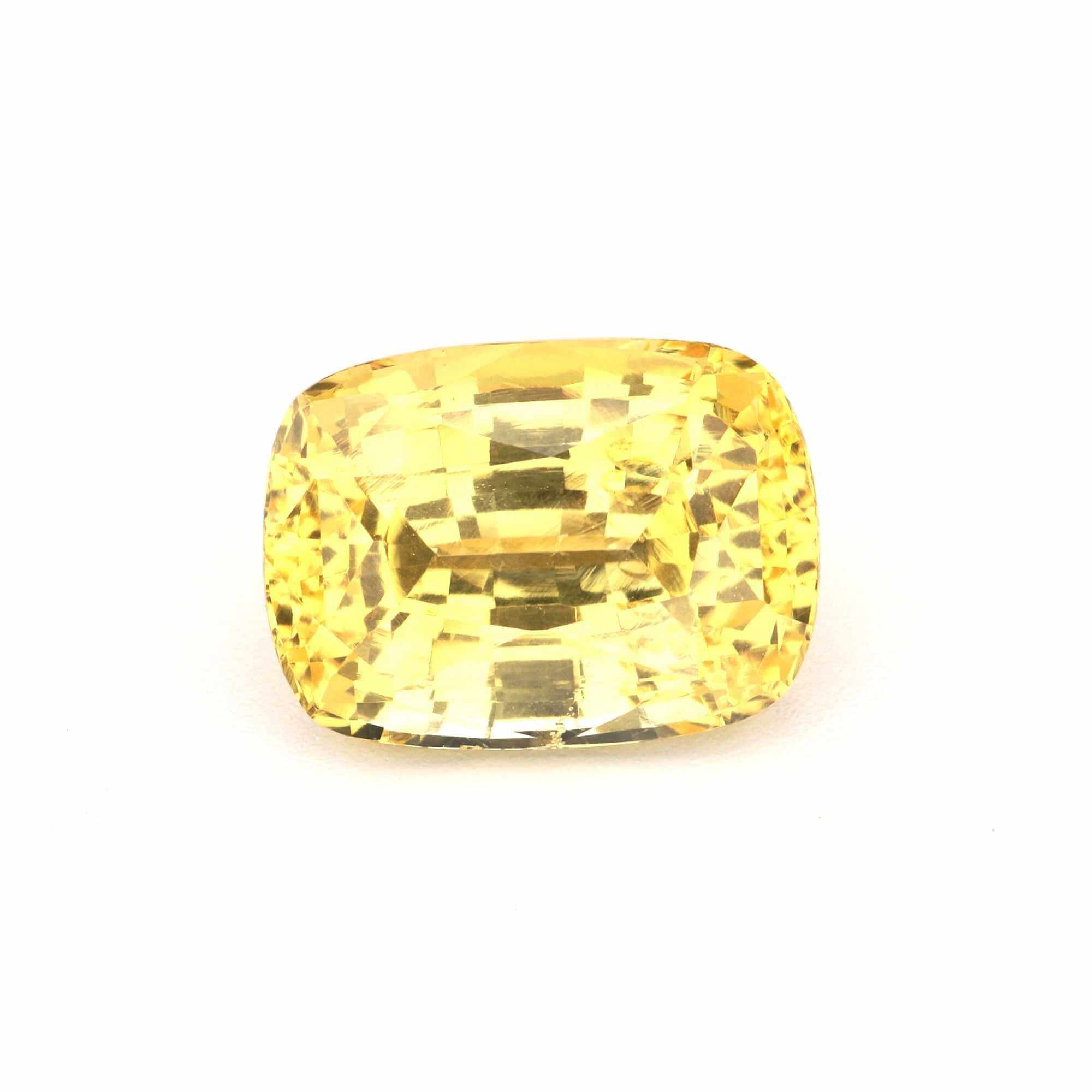
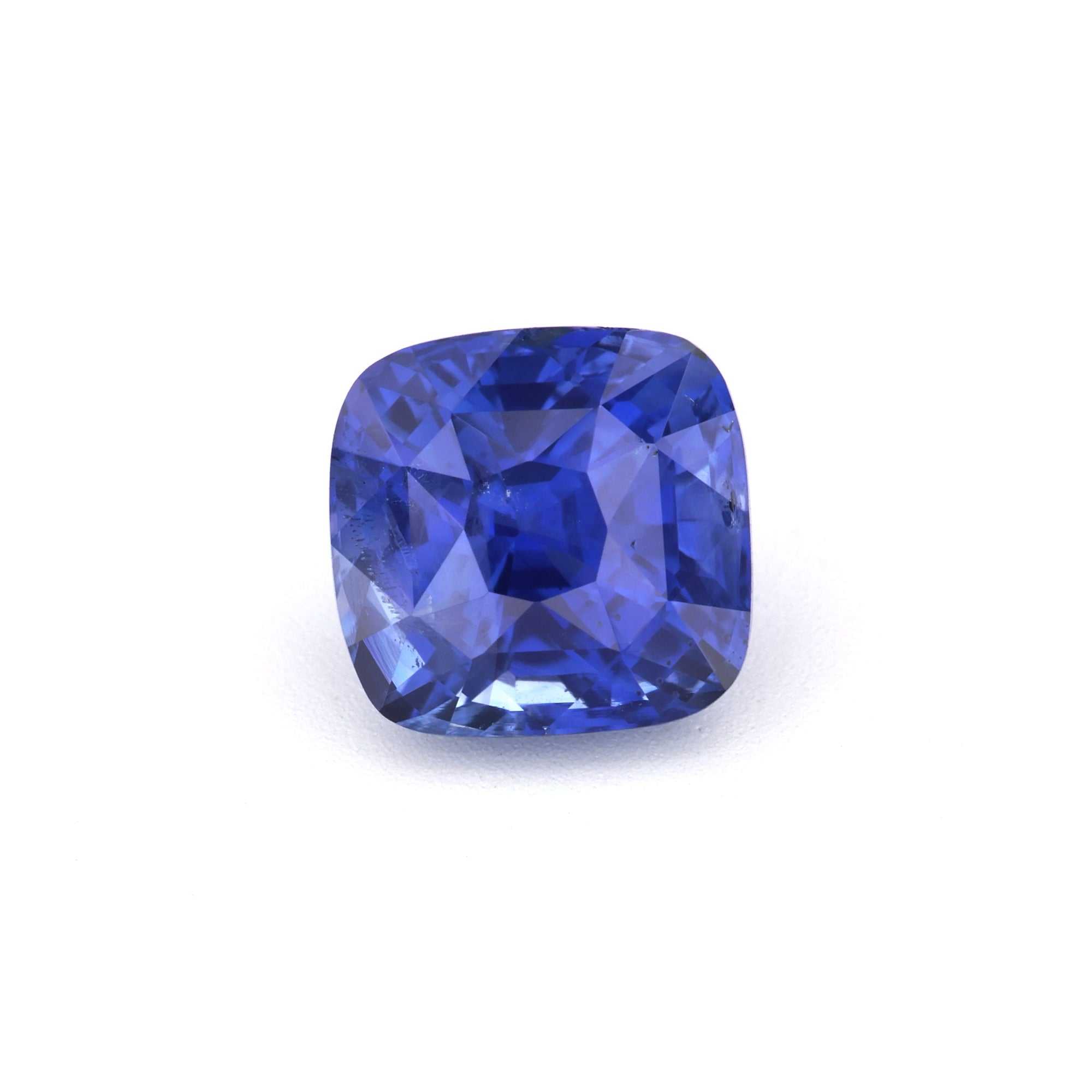
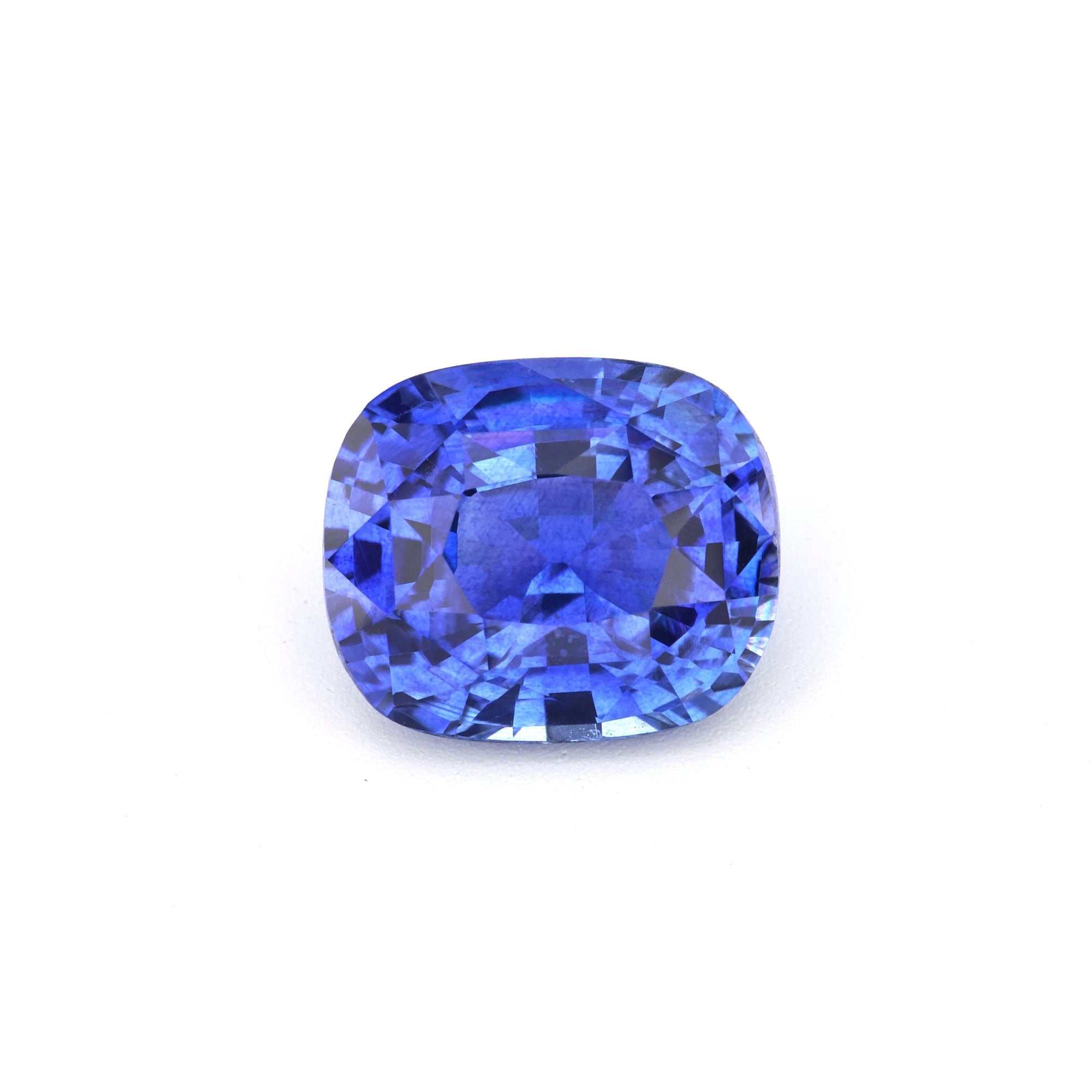
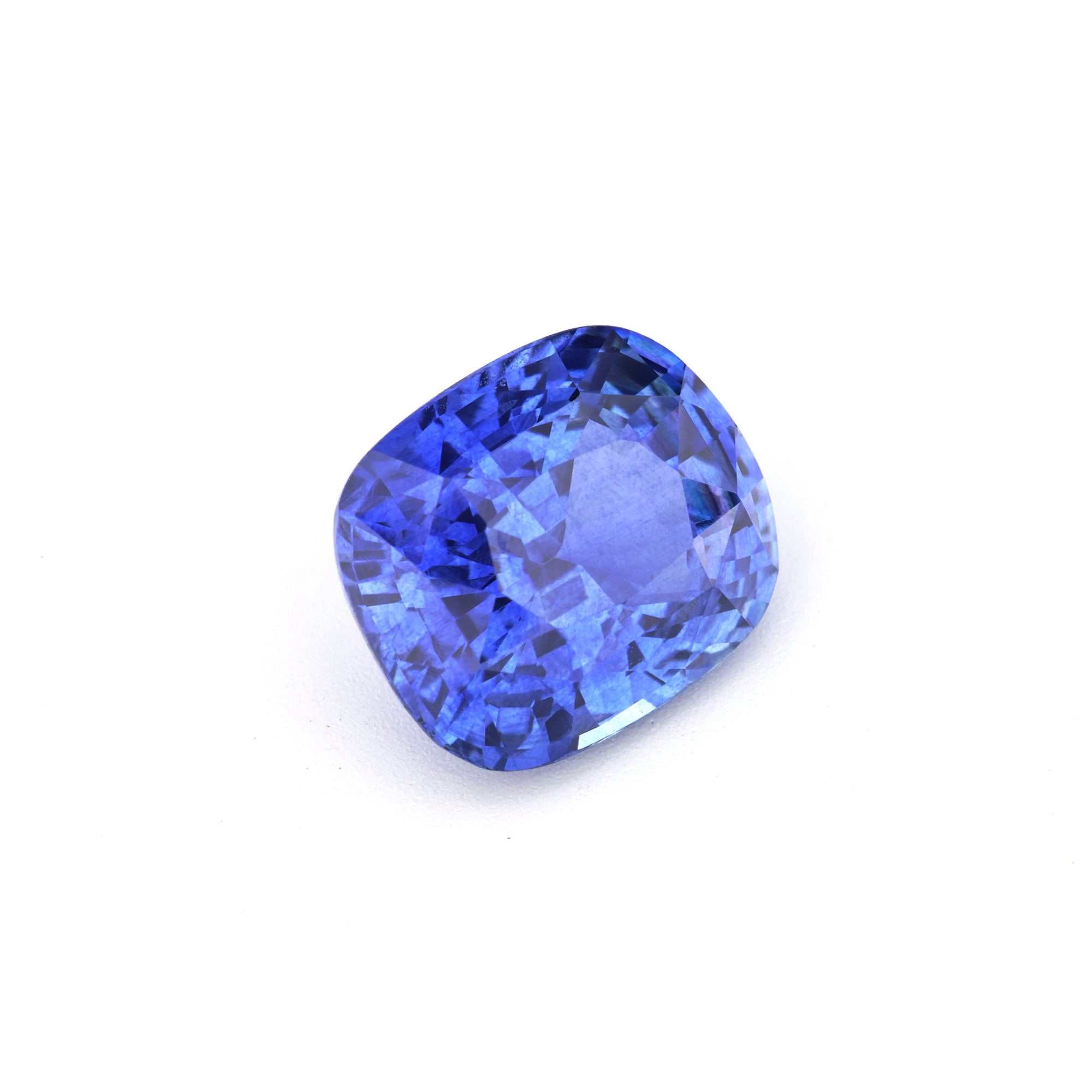
Cushion Cut — A rounded-corner cut that concentrates color toward the center, ideal for vintage aesthetics. See Cushion Cut Sapphire Guide and Best Sapphire Shapes for Halo Rings.
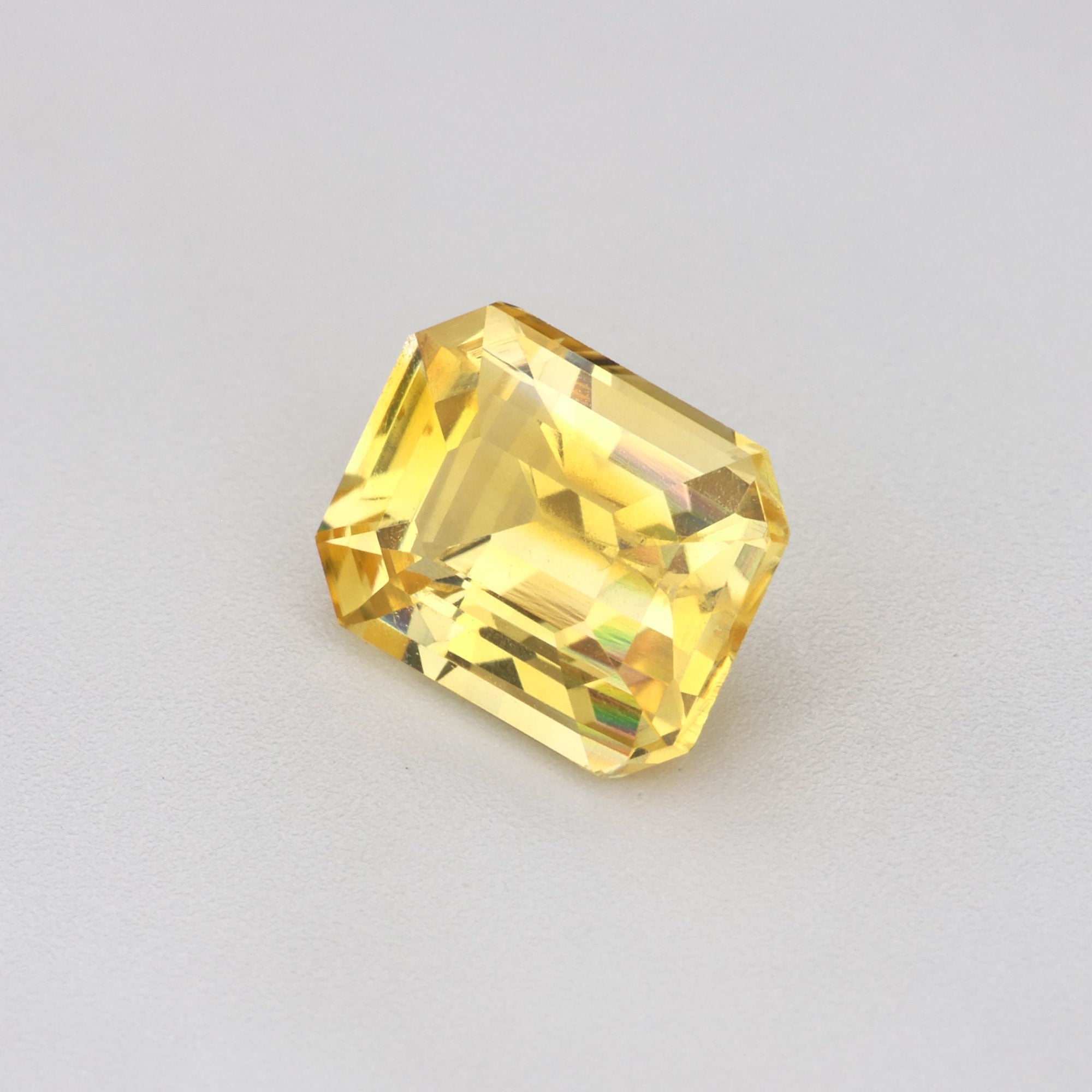
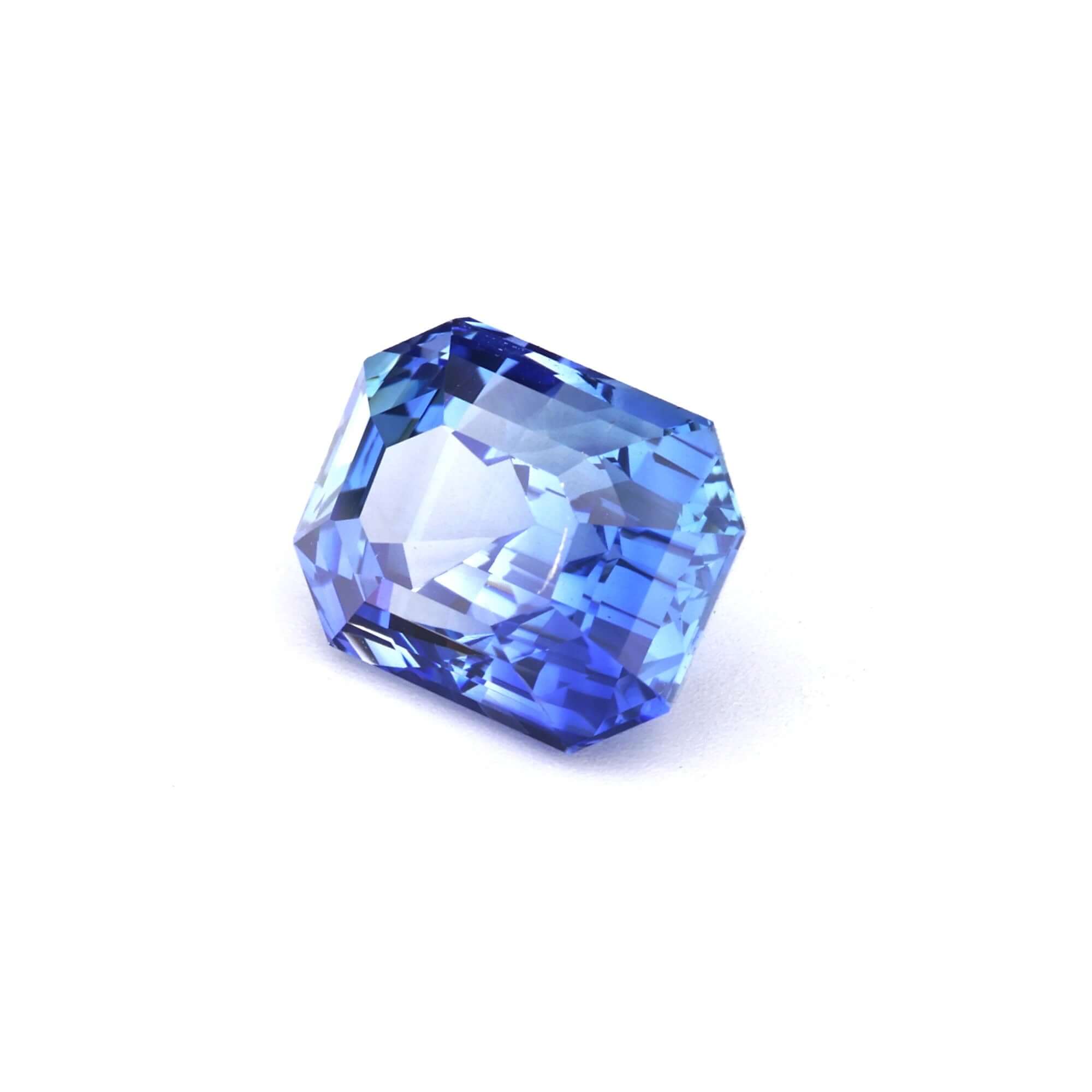
Emerald Cut — A rectangular step cut with cropped corners, producing a hall-of-mirrors optical effect. Demands higher clarity and stronger color saturation than brilliant cuts. See Emerald Cut Sapphire Guide and Best Sapphire Cuts for Low-Profile Rings.
Extinction — Dark areas visible face-up in a sapphire where light is absorbed rather than returned to the viewer's eye. Caused by pavilion angles that are too steep. See How Cut Affects a Sapphire.
Eye-Clean — A sapphire free from inclusions visible to the naked eye at normal viewing distance. The standard clarity target for most sapphire purchases.
Fluorescence — The emission of visible light by a gemstone when exposed to ultraviolet radiation. Diagnostic for origin determination and treatment detection. See Sapphire Fluorescence Guide.
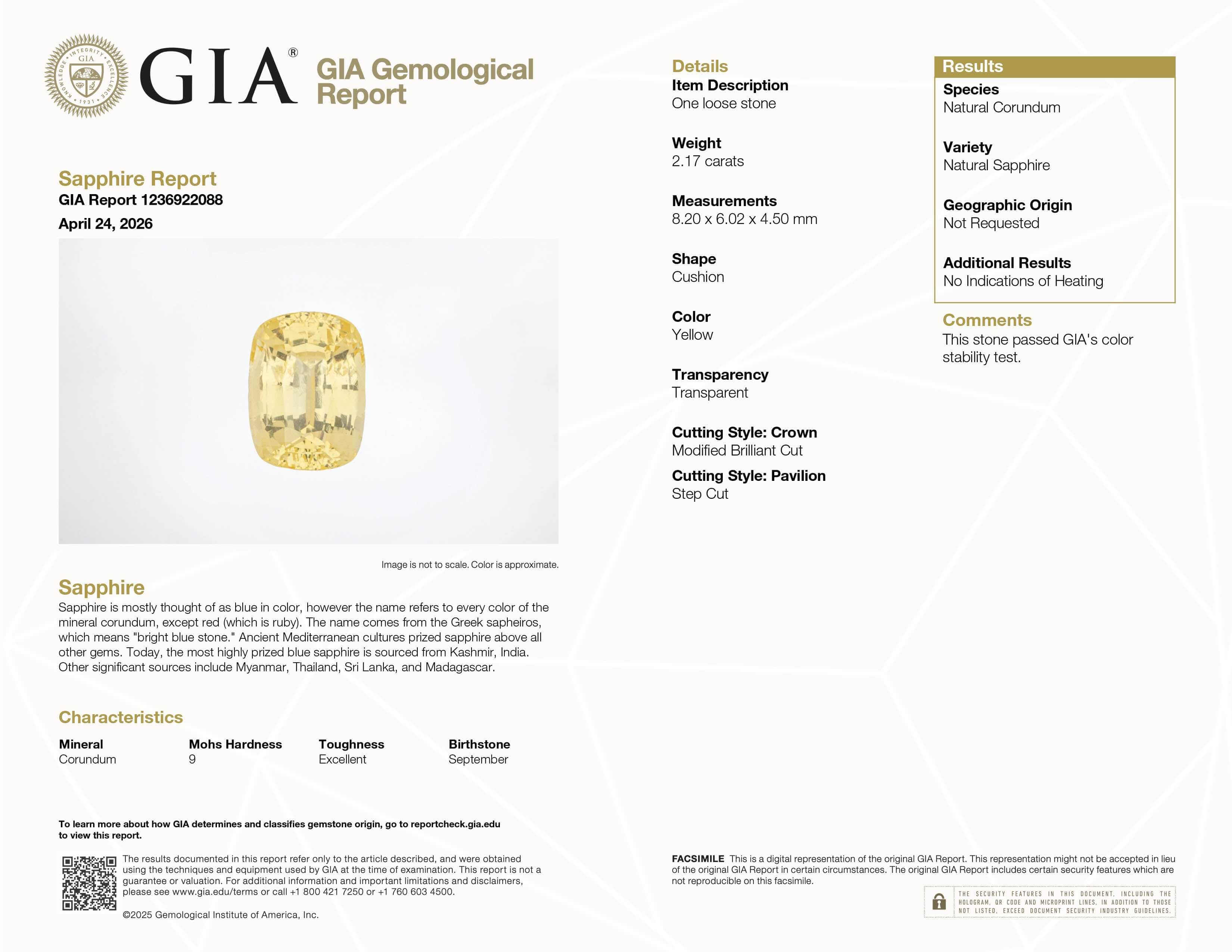
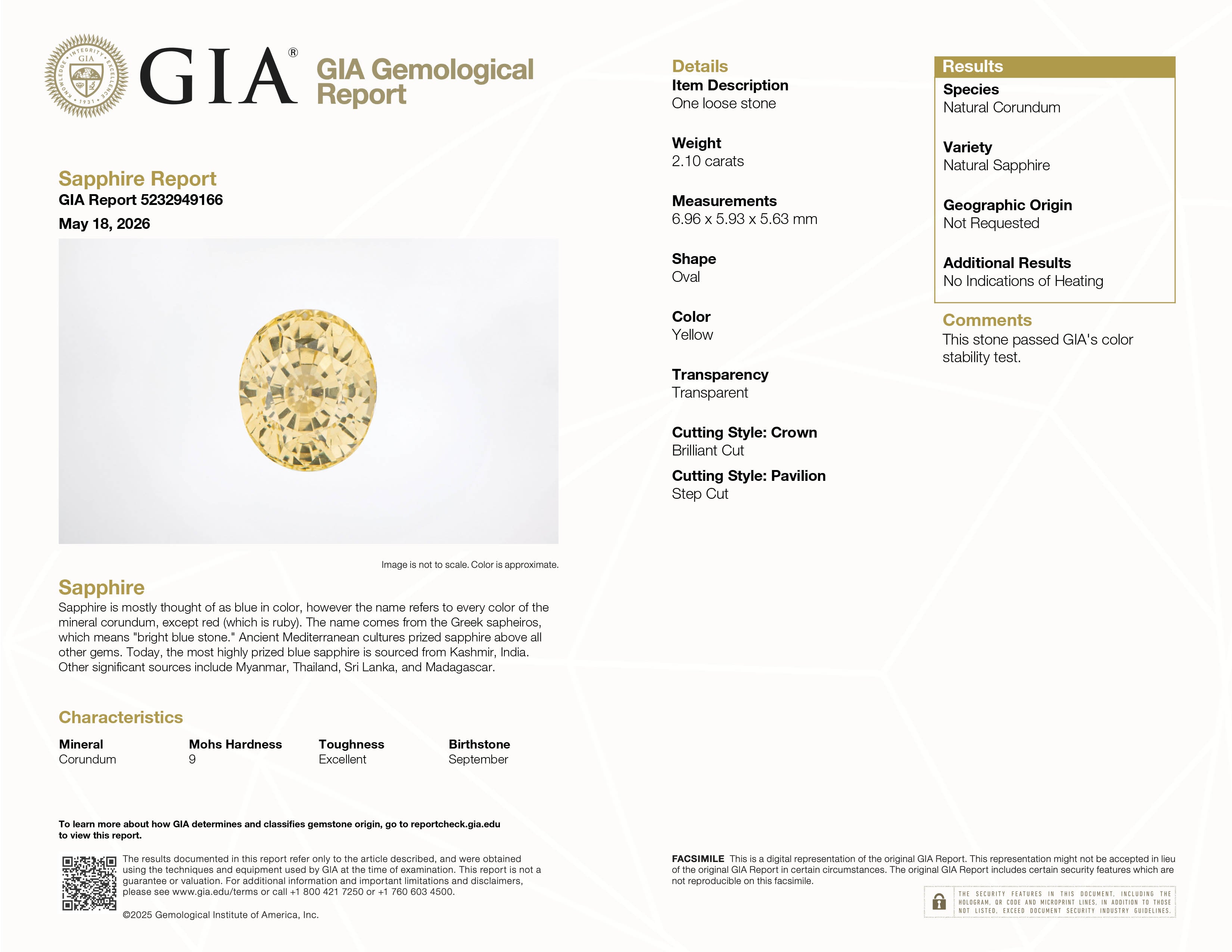
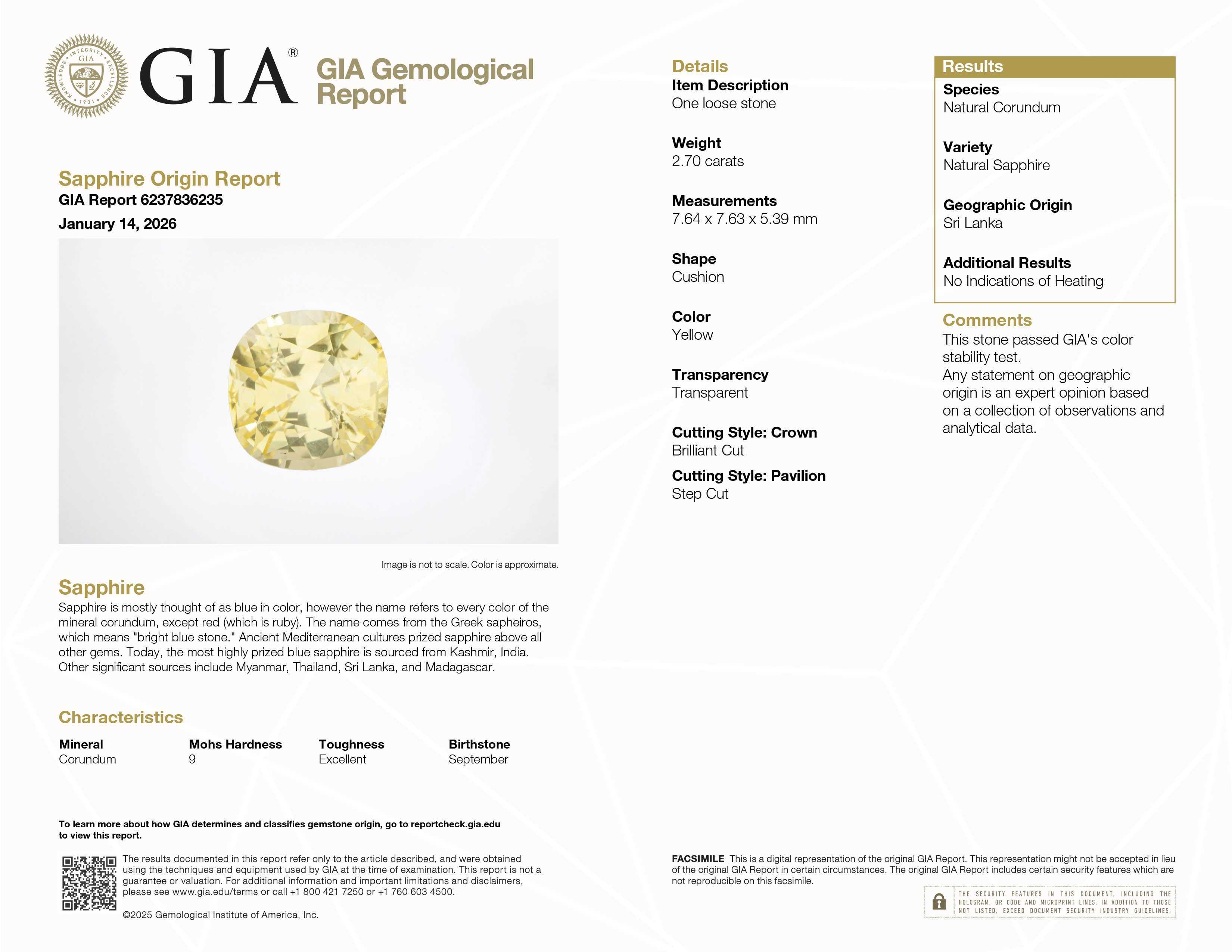
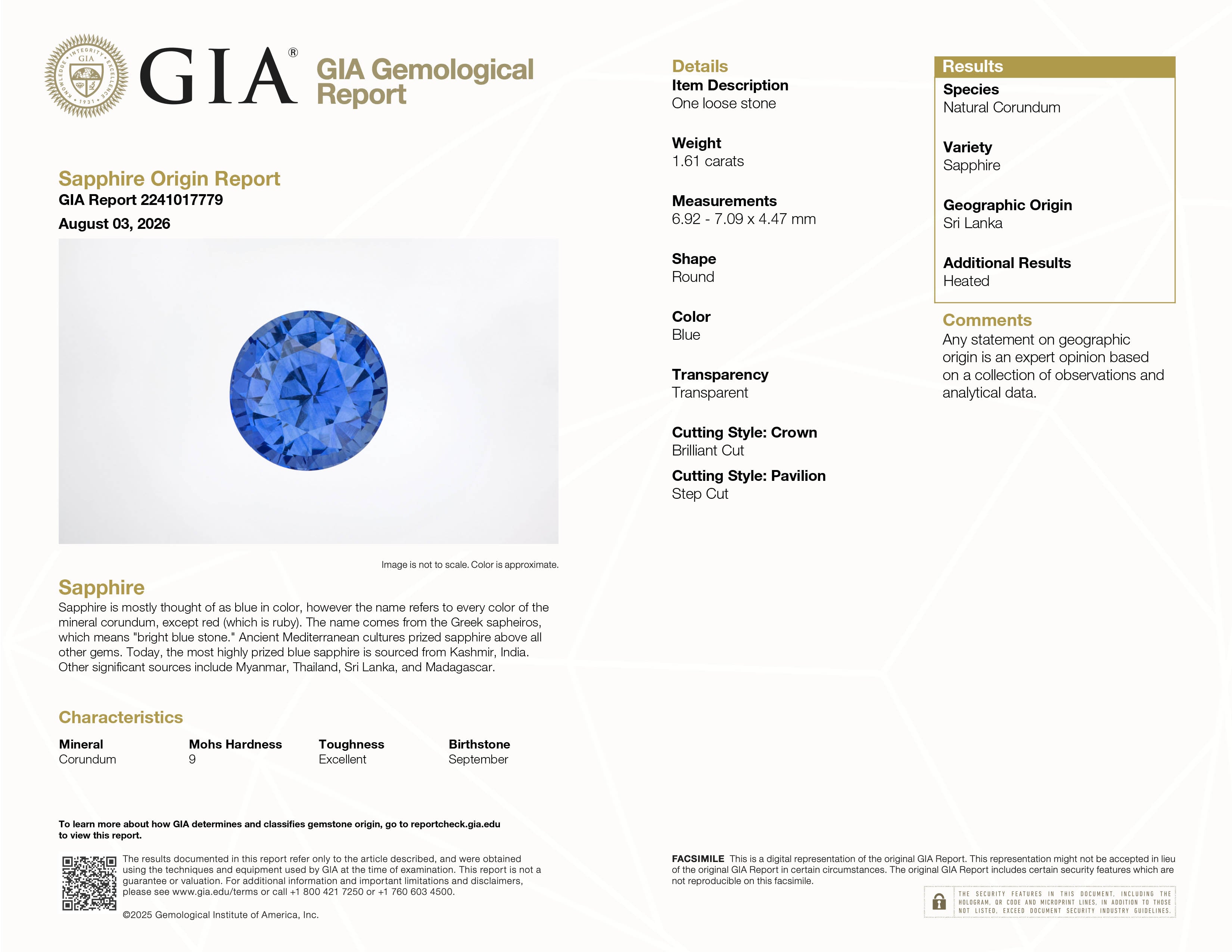
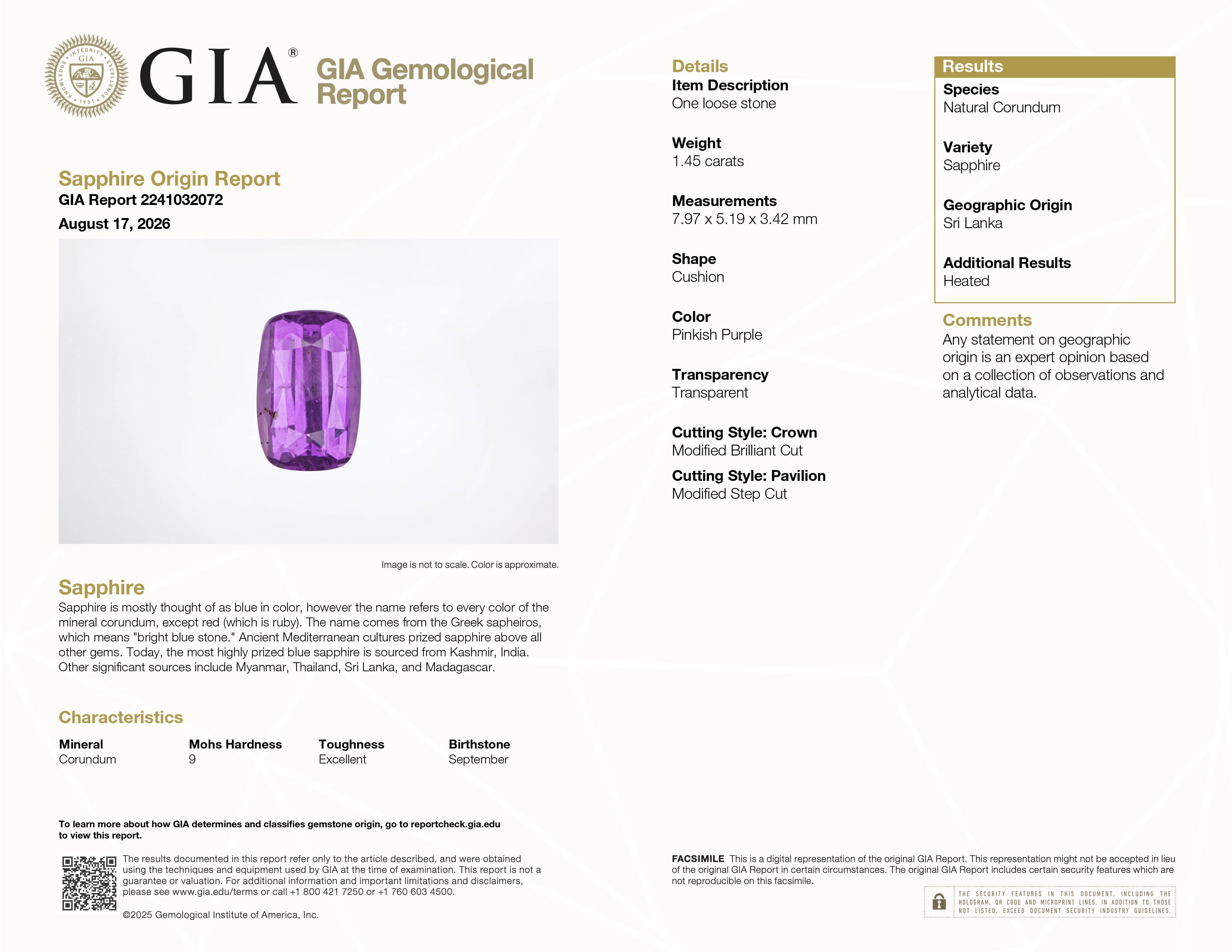
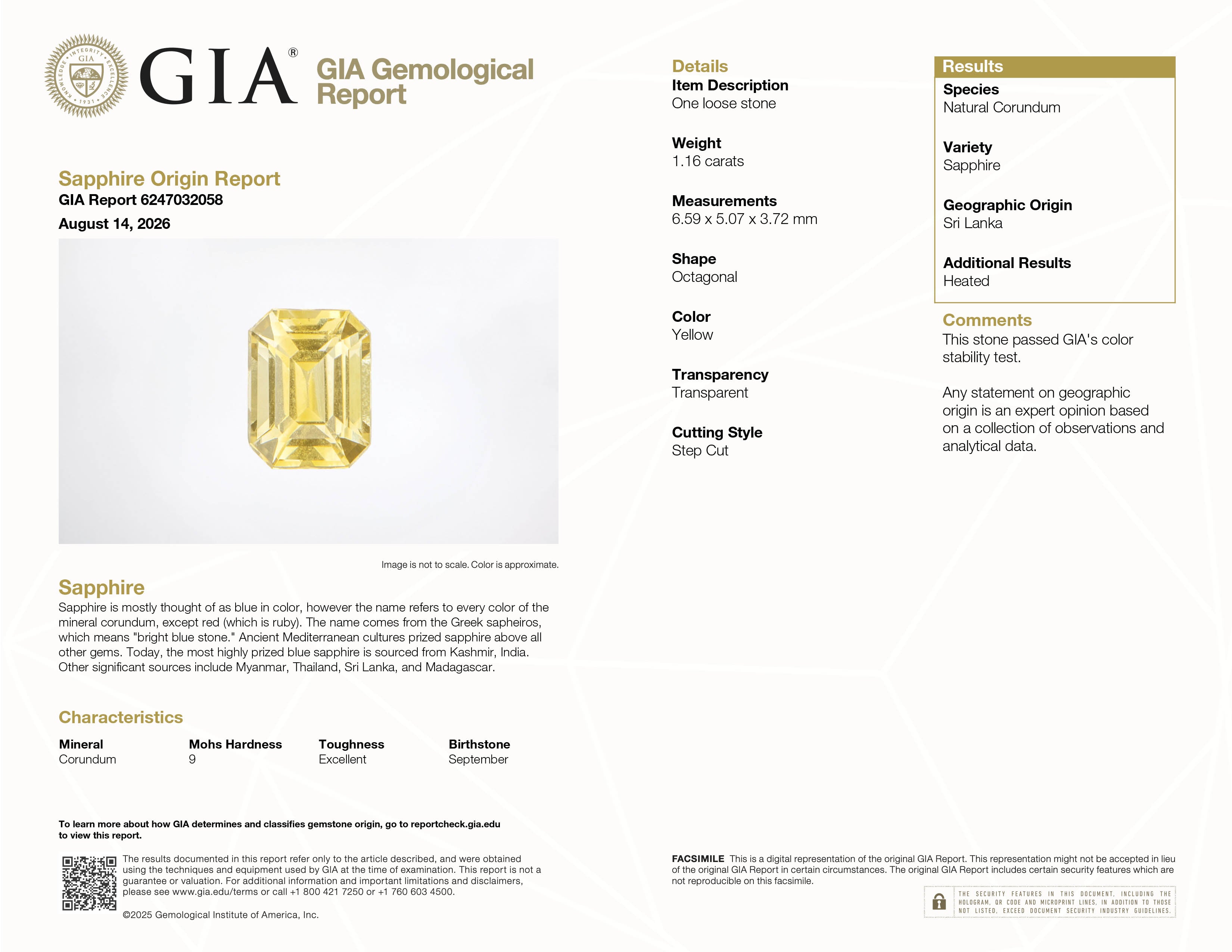
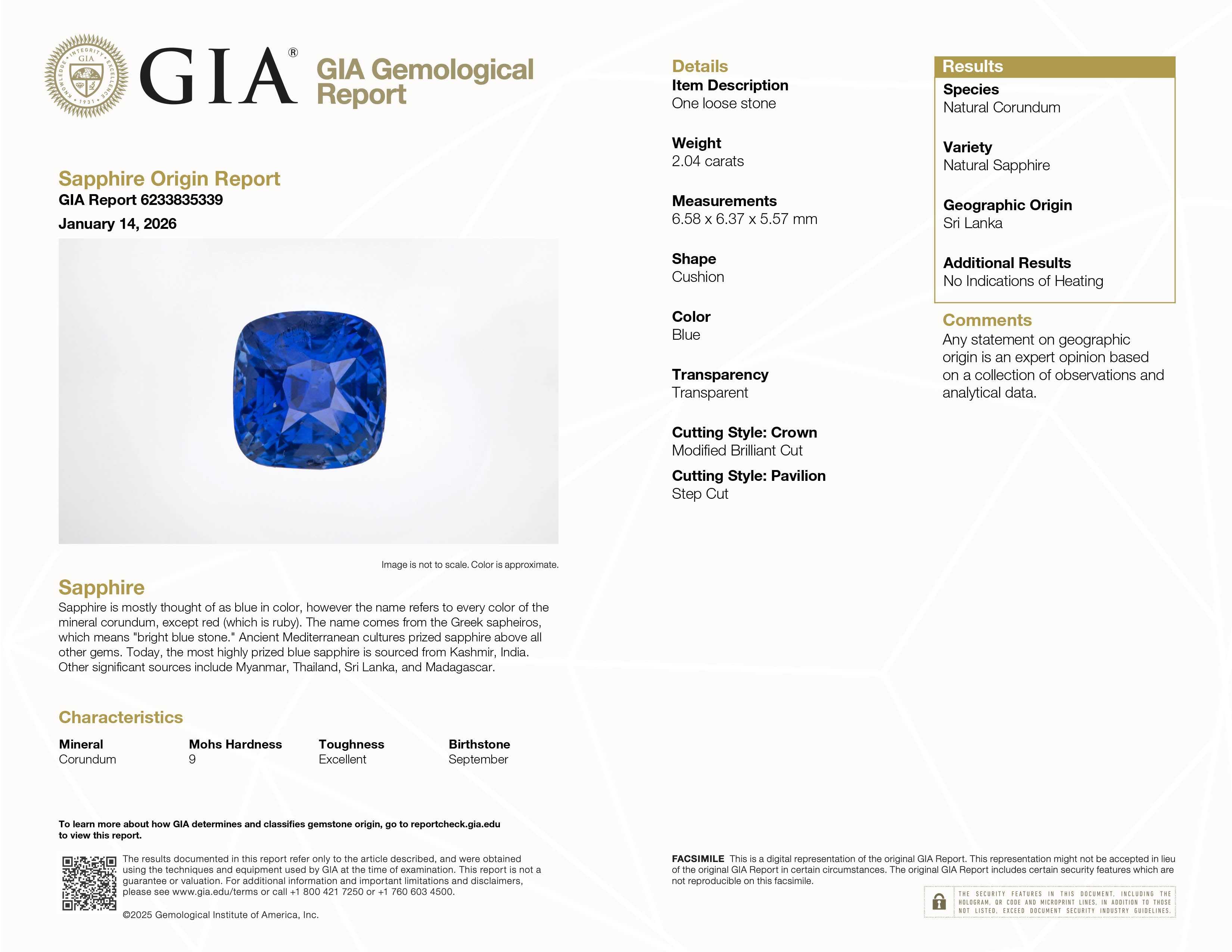
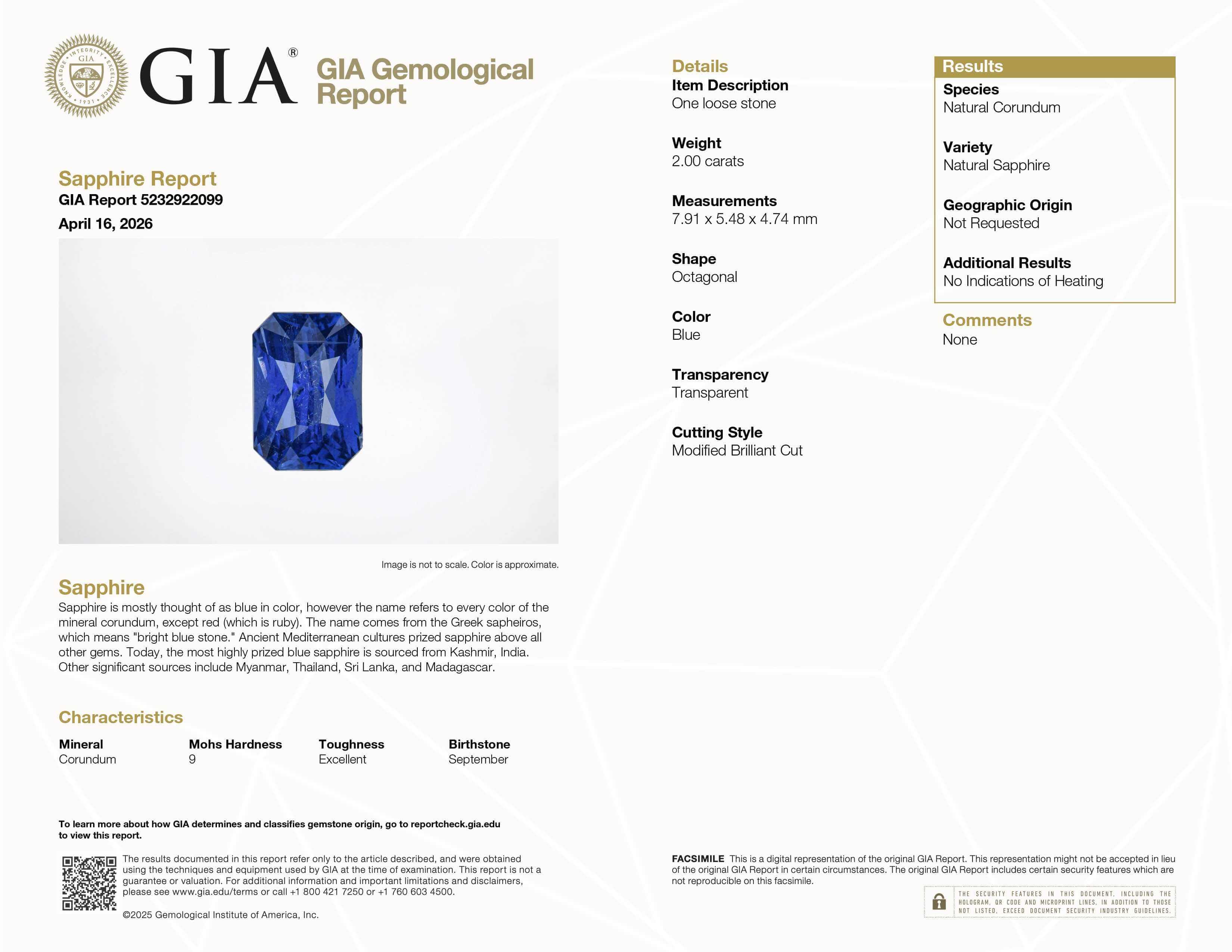
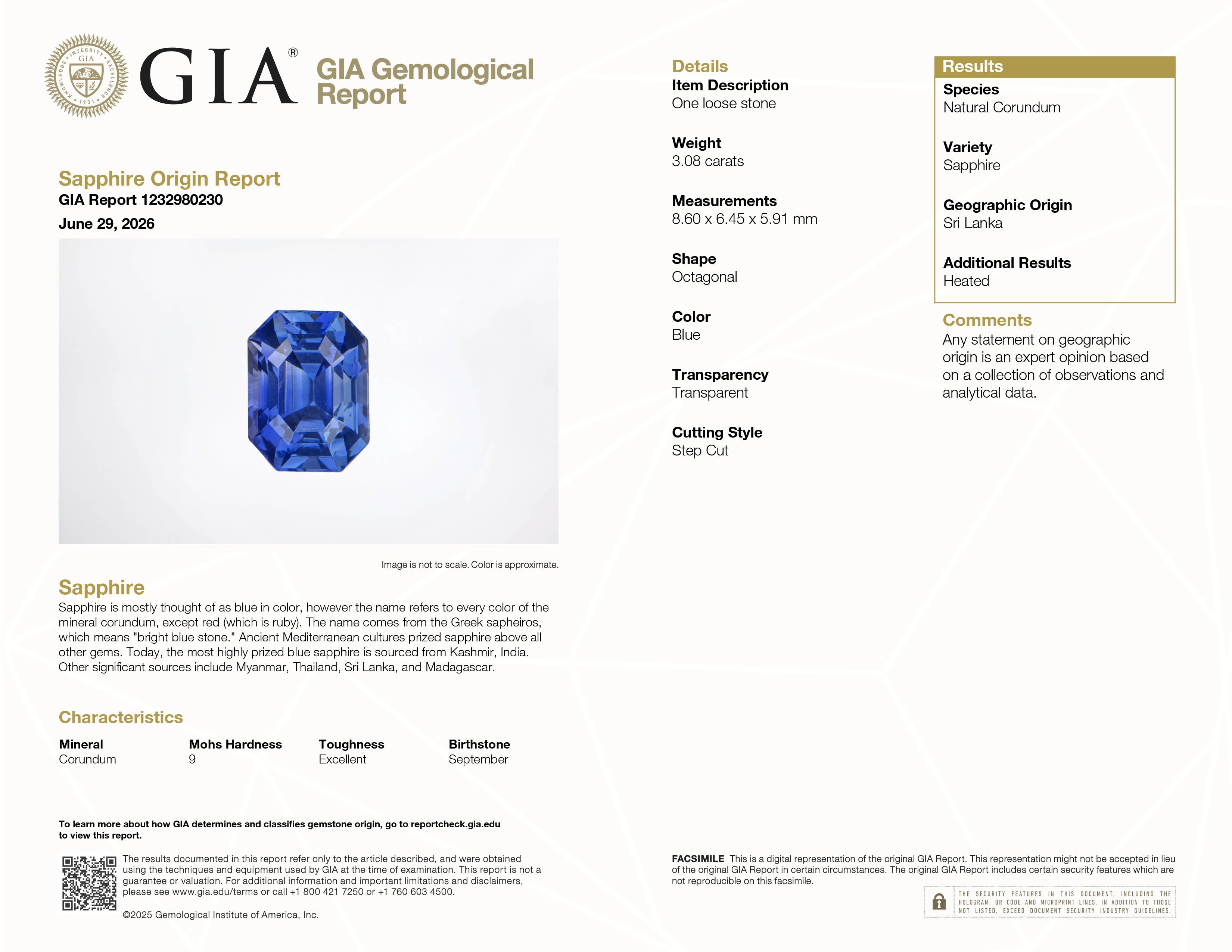
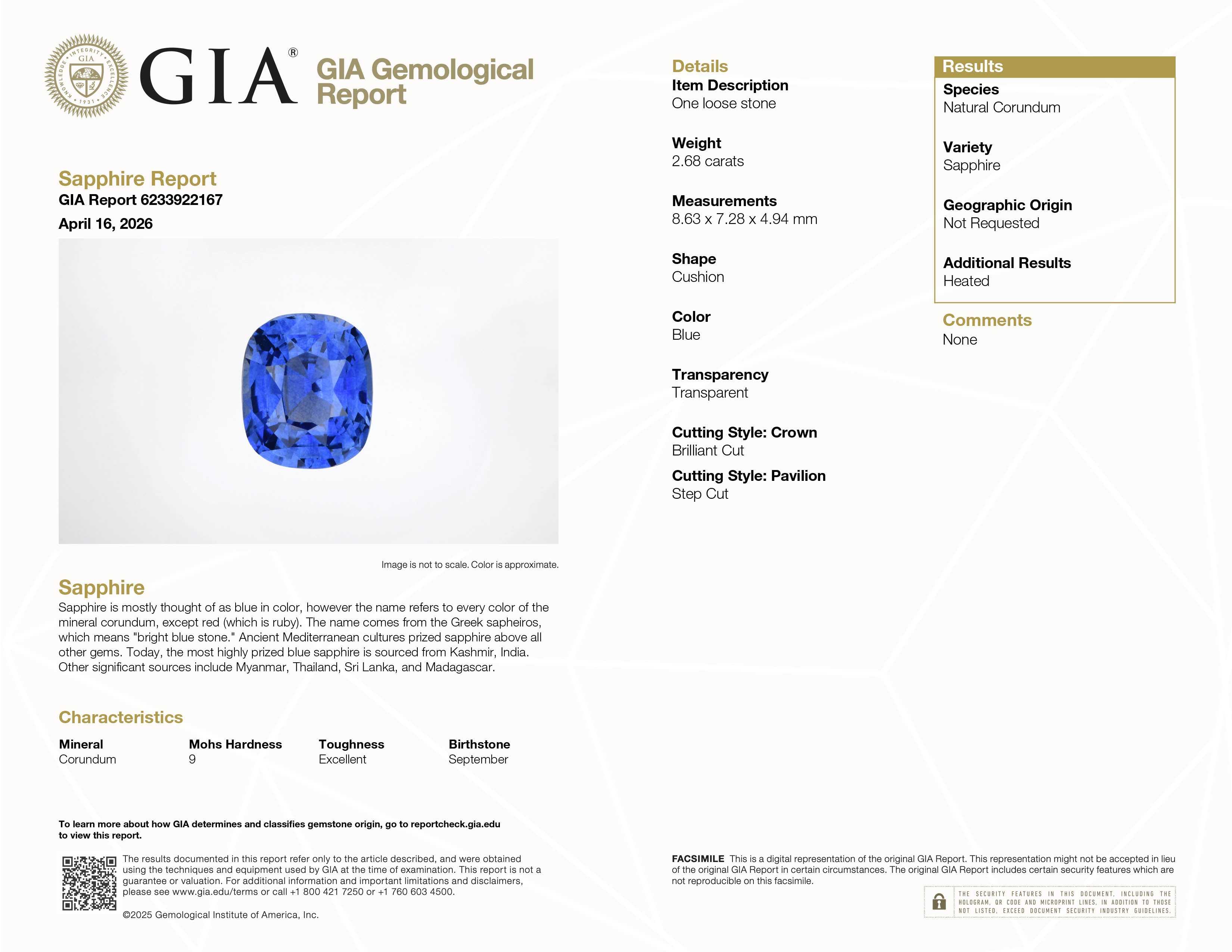
GIA (Gemological Institute of America) — The world's foremost gemological research and education organization and one of the most authoritative sapphire grading laboratories. See How to Read a GIA Sapphire Report.
Gubelin Gem Lab — A Swiss gemological laboratory with one of the most comprehensive origin reference databases in the world, particularly for fine colored stones from Burma, Kashmir, and Ceylon.
Halo Setting — A ring setting in which the center stone is surrounded by a border of smaller diamonds or gemstones. The most popular engagement ring configuration for sapphire center stones. See Sapphire Halo Ring Guide and Best Sapphire Shapes for Halo Rings.
Heat Treatment — The most common sapphire treatment — heating at 1,200-1,800°C to improve color, dissolve rutile silk, or improve clarity. Approximately 90-95% of commercial sapphires are heated. See How Sapphire Heat Treatment Works and What Is an Unheated Sapphire.
Hue — The basic color of a gemstone. One of the three components of color quality (alongside tone and saturation). See Sapphire Colors Explained.
Illam — The Sinhalese term for the gem-bearing gravel layer in Sri Lankan alluvial deposits. See Pit Mining in Sri Lanka.
Inclusion — Any internal feature within a gemstone. Certain inclusions serve as diagnostic indicators of natural origin. See How to Read Sapphire Inclusions.
Kashmir Sapphire — Sapphires from the Zanskar Range of Kashmir, known for their characteristic velvety cornflower blue. The rarest and most valuable sapphires by origin. See Kashmir Sapphire Guide.
Length-to-Width Ratio (L/W Ratio) — The ratio of a gemstone's length to its width, determining its overall shape and proportions. For oval sapphires, 1.30-1.45:1 is the most popular commercial range. See Oval Sapphire Guide.
Linde Star — A trade name for synthetic star sapphires produced by Union Carbide Corporation using the Verneuil flame-fusion process. See How to Tell If a Star Sapphire Is Natural.
Mogok — The primary gem-producing district of Myanmar (Burma), source of the world's most prized rubies and significant premium blue sapphires. See Burma Sapphire (Mogok) Guide.
Mohs Scale — A relative hardness scale from 1 (talc) to 10 (diamond). Sapphire (corundum) is Mohs 9 — the second hardest mineral after diamond.
Neelam — The Sanskrit and Hindi term for blue sapphire. In Jyotish astrology, Neelam is the prescribed gemstone for Saturn (Shani). See Buying Sapphires for Jyotish.
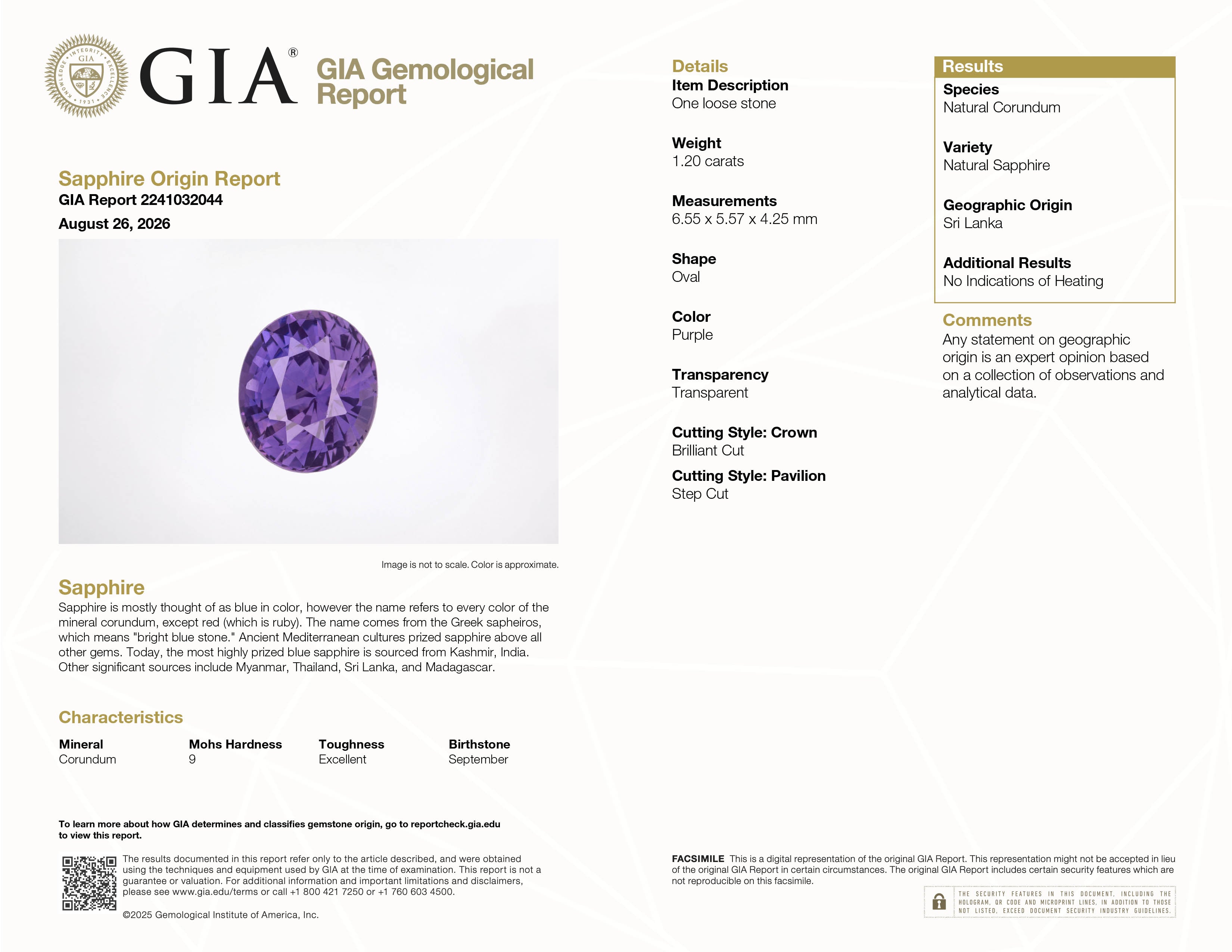
No Indications of Heating — The standard GIA laboratory language confirming a stone has not been heat treated. This specific phrase is what appears on GIA reports and is the definitive documentation of unheated status. See How to Read a GIA Sapphire Report.
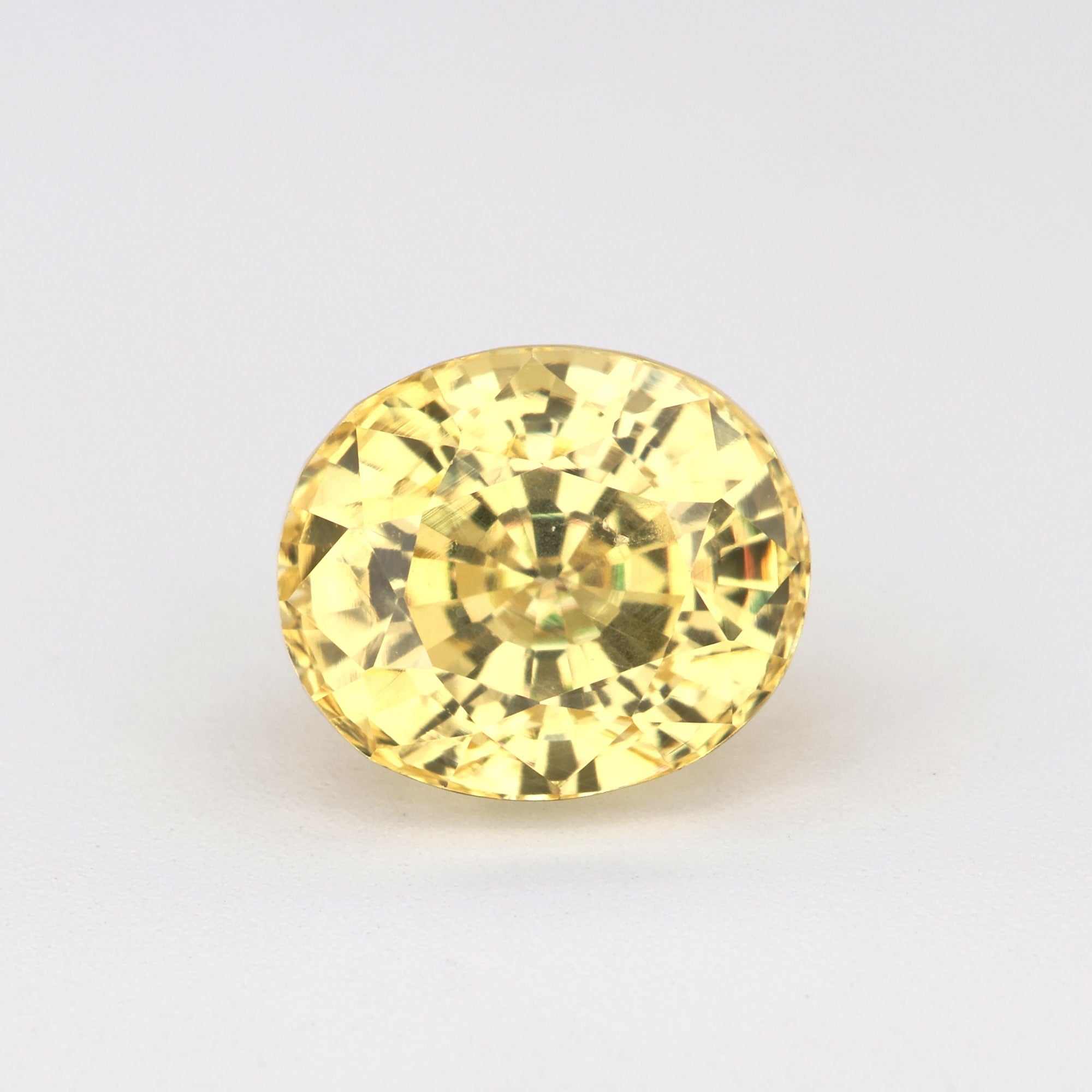
Oval Cut — The most popular sapphire shape — a brilliant cut with an elongated oval outline. Maximizes face-up size per carat, creates a finger-elongating effect, and concentrates color effectively. Subject to the bowtie effect. See Oval Sapphire Guide and Best Sapphire Shapes for Solitaire Rings.
Padparadscha — The rarest and most valuable color variety of sapphire — a delicate, balanced blend of pink and orange. A laboratory designation confirmed only by GIA and a few other major labs. See Padparadscha Sapphire Guide and Peach Sapphire vs. Padparadscha.
Pleochroism — The property of displaying different colors or color intensities when viewed along different crystal axes. Blue sapphire is dichroic; teal sapphire's dramatic color shift is partly an expression of its pleochroism. See Teal Sapphire Buyer's Guide.
Pukhraj — The Sanskrit and Hindi term for yellow sapphire. In Jyotish, the prescribed gemstone for Jupiter. See Buying Sapphires for Jyotish.
Ratnapura — The primary gem trading center of Sri Lanka, known as the “City of Gems.” See The Ratnapura Gem Market.
Rutile Silk — Fine needles of rutile (titanium dioxide) oriented along the crystal axes of sapphire. Intact rutile silk in abundance indicates no or minimal heat treatment. See How to Read Sapphire Inclusions.
Saturation — The intensity or purity of a gemstone's color. One of the three components of color quality. Vivid saturation is the highest value point for any sapphire color. See Sapphire Colors Explained.
Solitaire Setting — A ring setting with a single center stone and no accent stones. The most classic sapphire engagement ring configuration. For shape selection, see Best Sapphire Shapes for Solitaire Rings.
Star Sapphire — A sapphire displaying asterism. Almost always cut as a cabochon. See Star Sapphire Buyer's Guide.
Step Cut — Faceting style using parallel rectangular facets. Includes emerald cut and Asscher cut. See Emerald Cut Sapphire Guide.
Synthetic Sapphire — Laboratory-created corundum with essentially no value as a gemstone relative to naturals of equivalent appearance. See How to Spot a Fake Sapphire.
Three-Stone Ring — A ring setting with a center stone flanked by two accent stones. For shape guidance, see Best Sapphire Shapes for Three-Stone Rings.
Tone — The lightness or darkness of a gemstone's color. One of the three components of color quality. See Sapphire Colors Explained.
Treatment — Any process applied to a sapphire to improve or alter its appearance. See How Sapphire Heat Treatment Works.
Tunduru — A remote district in southern Tanzania producing a wide range of gem-quality sapphires. See Tanzania Sapphire Guide.
Unheated — A sapphire that has not been subjected to heat treatment. Confirmed only by laboratory report (GIA language: “no indications of heating”). See What Is an Unheated Sapphire.
Velvety — An informal quality descriptor for the visual texture of fine Kashmir blue sapphires — a soft, satiny, slightly diffuse quality from extremely fine rutile silk needles scattering light within the stone.
Vintage-Style Ring — A ring design drawing on Art Deco, Victorian, or Edwardian aesthetics, typically featuring milgrain, filigree, or intricate gallery work. For color selection, see Best Sapphire Colors for Vintage-Style Rings.
Window — A transparent or near-colorless zone visible face-up in a sapphire, caused by a pavilion that is too shallow to return light to the viewer's eye. The most common and most damaging cut defect in commercial sapphires. See How Cut Affects a Sapphire.
Browse our full loose sapphire catalog — every stone individually selected with complete treatment disclosure — or email crescentgems@gmail.com with any question. We respond within one business day.

CG8366
CG8313
CG8460
CG8356
CG8443


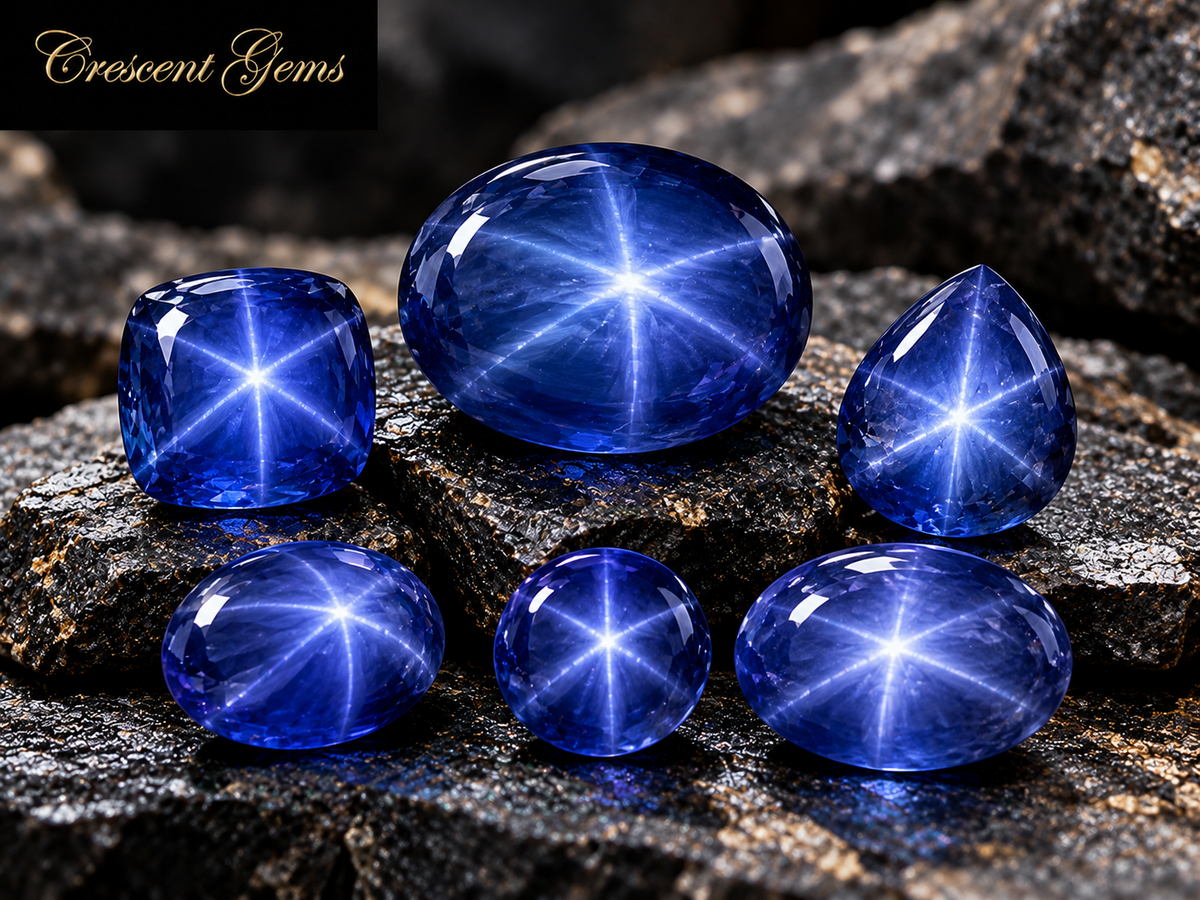
Blue Star Sapphire Price Guide — What They Cost and Why
Read moreabout Blue Star Sapphire Price Guide — What They Cost and Why
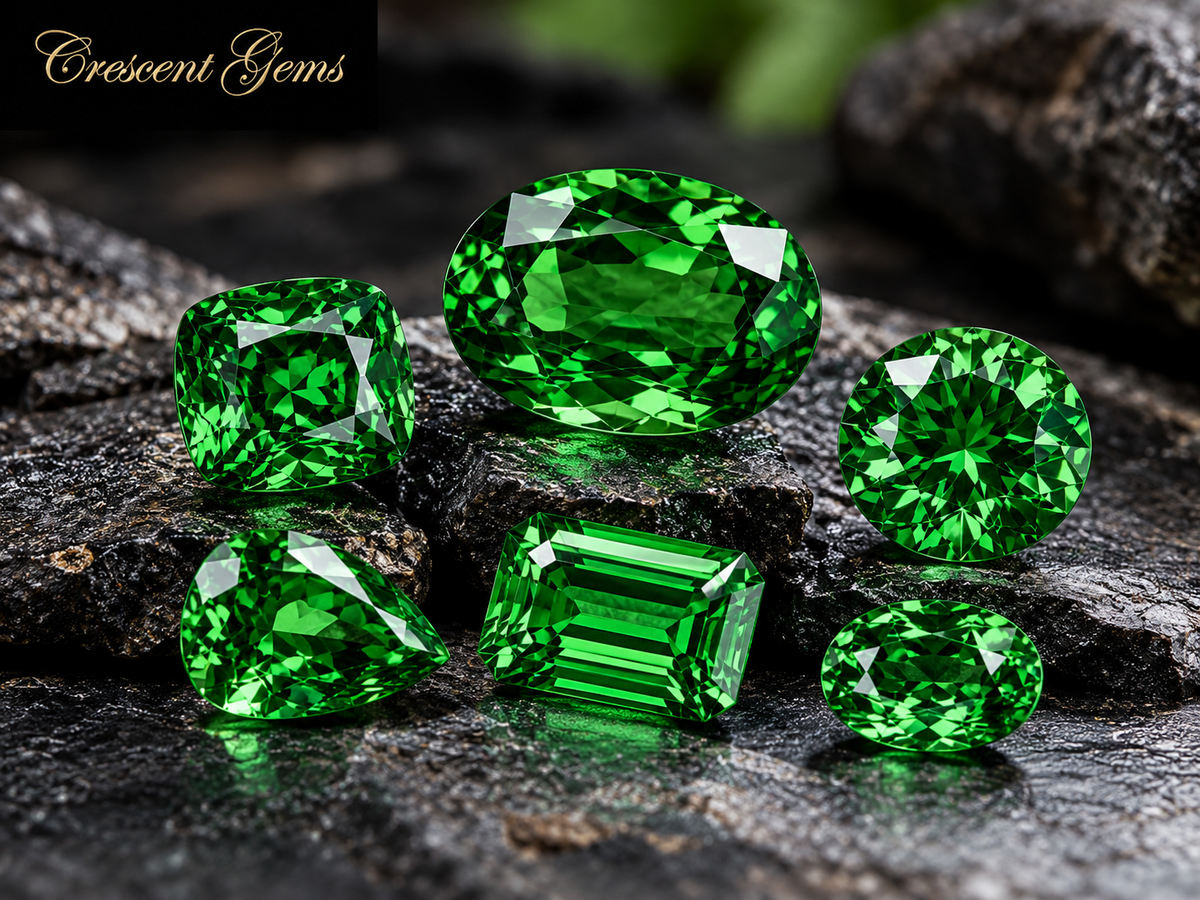
Tsavorite Garnet Price Guide — What They Cost and Why
Read moreabout Tsavorite Garnet Price Guide — What They Cost and Why
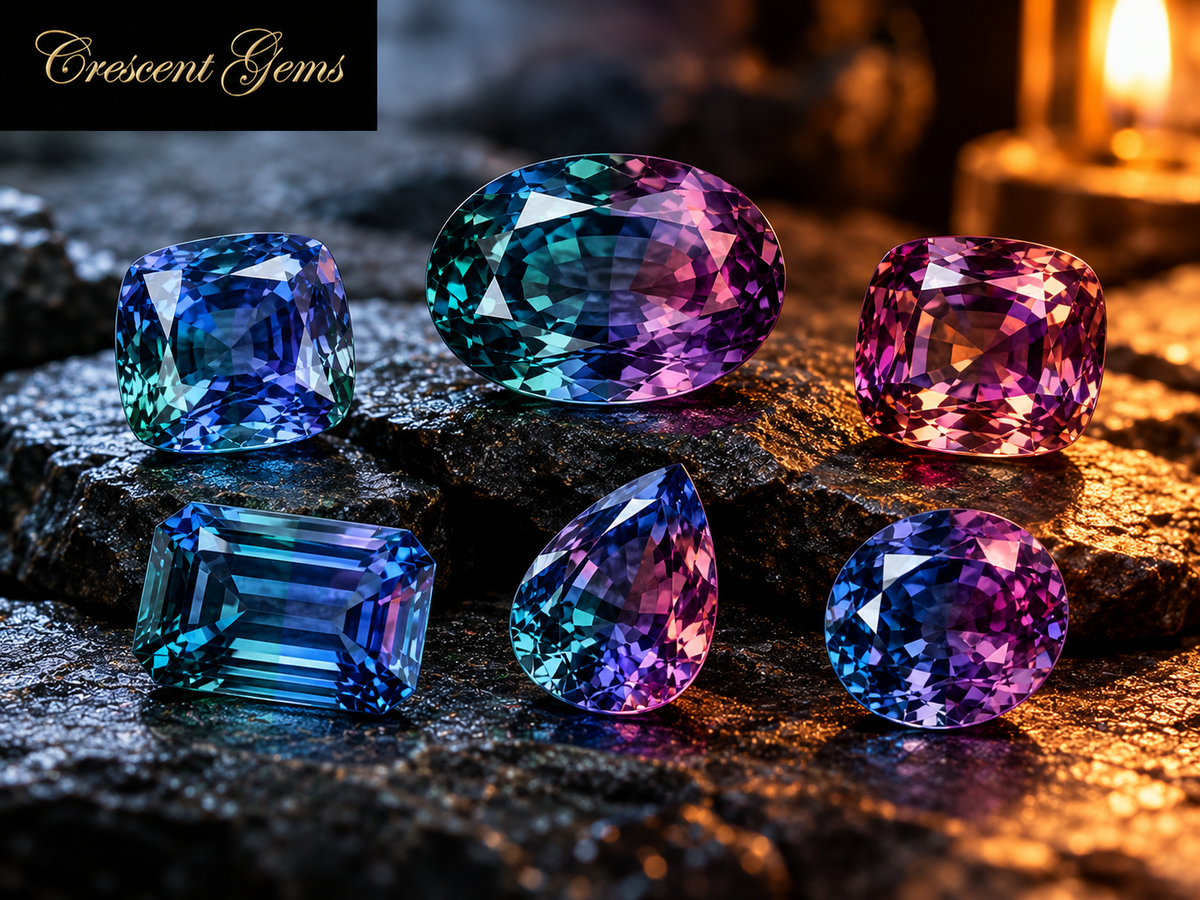
Color-Change Sapphire Price Guide — What They Cost and Why
Read moreabout Color-Change Sapphire Price Guide — What They Cost and Why
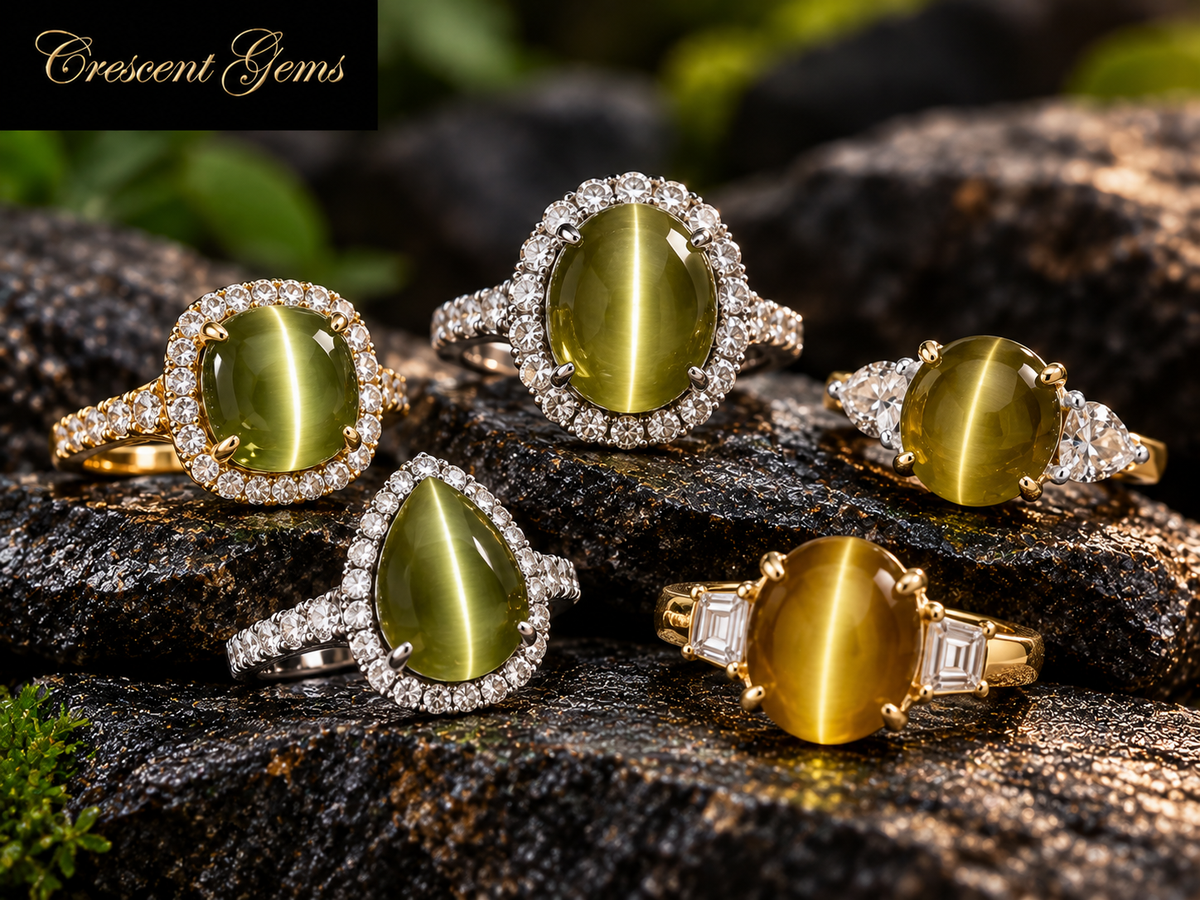
Is Cat's-Eye Chrysoberyl Good for an Engagement Ring?
Read moreabout Is Cat's-Eye Chrysoberyl Good for an Engagement Ring?
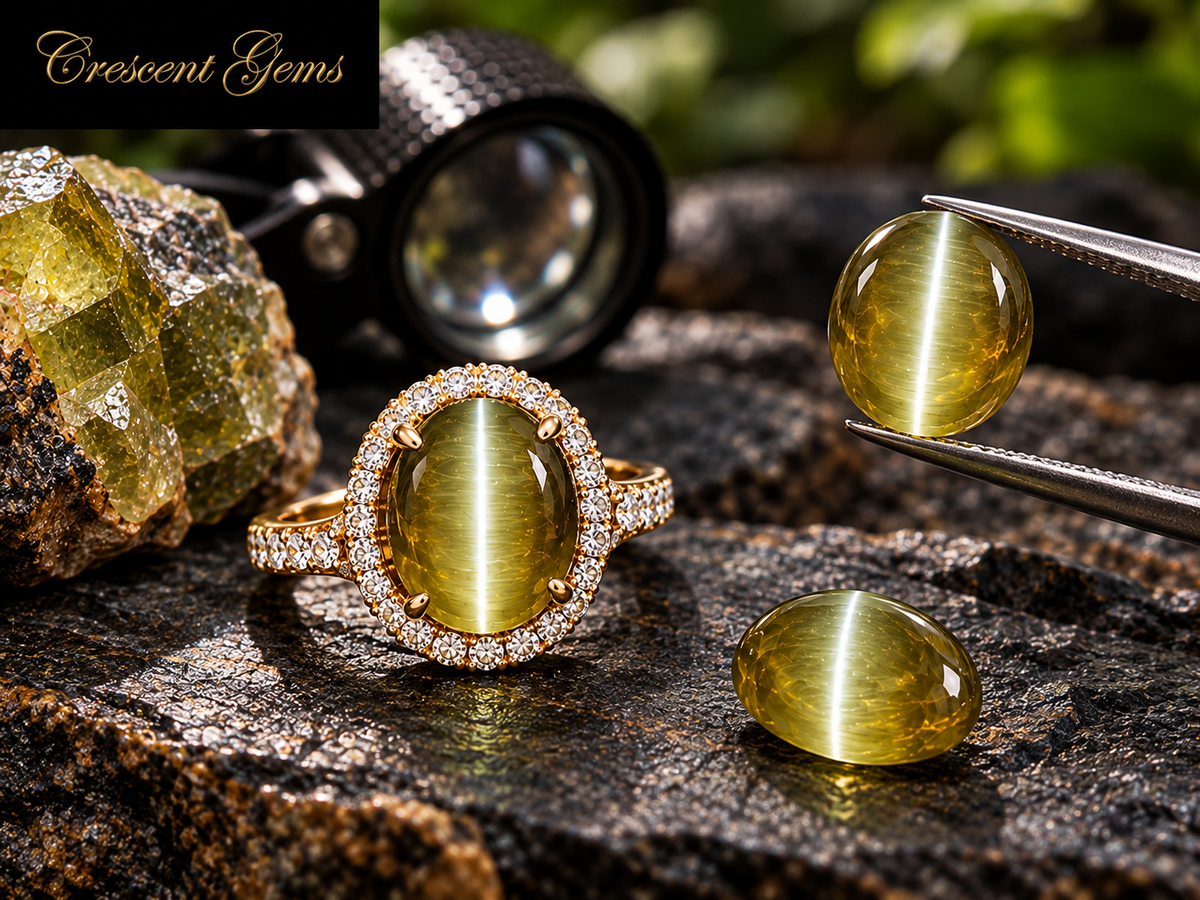
Cat's Eye Chrysoberyl Price Guide — What They Cost and Why
Read moreabout Cat's Eye Chrysoberyl Price Guide — What They Cost and Why