

- by Ahmed Shareek
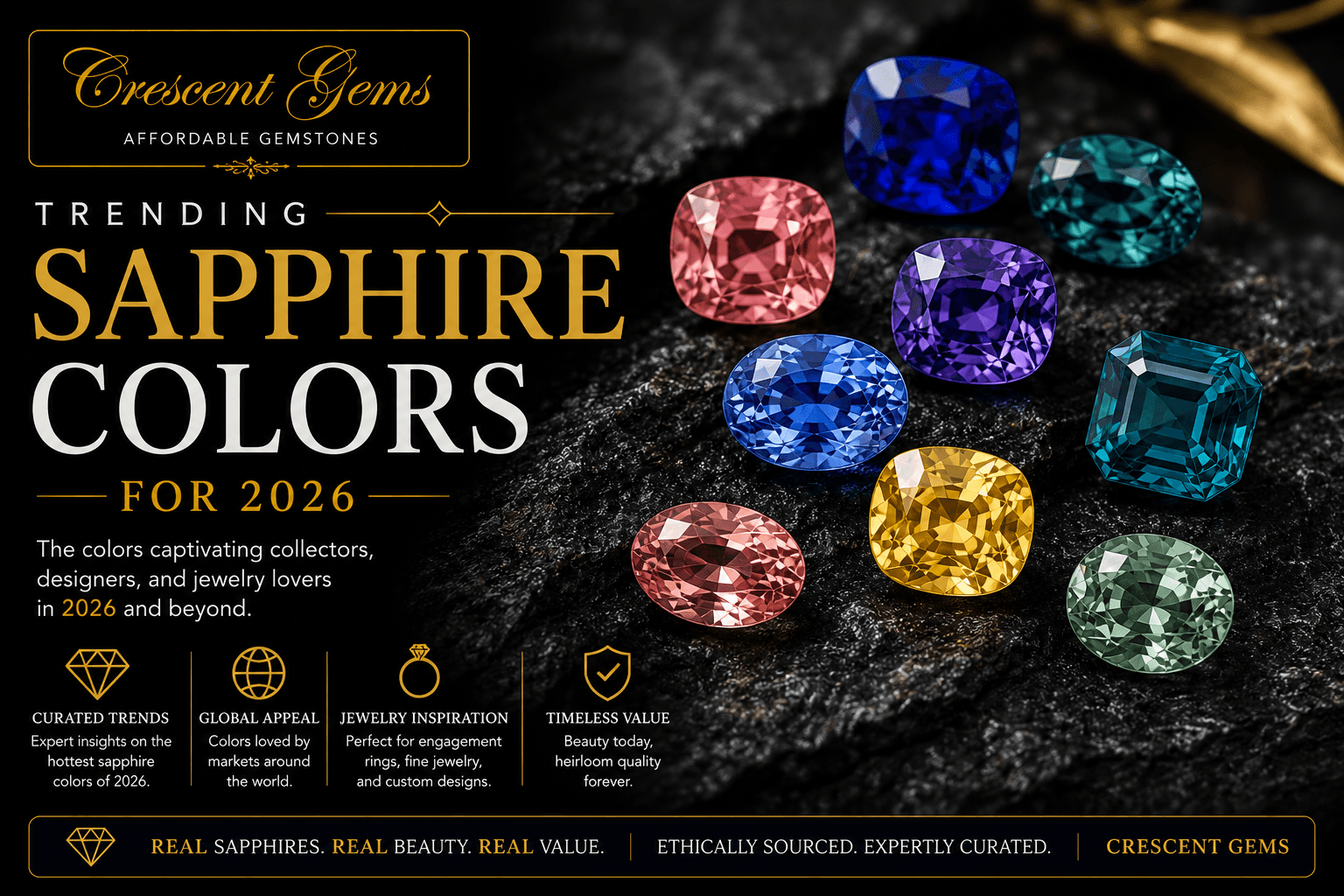
Trending Sapphire Colors for 2026 — What’s Hot, What’s Rising, and Where the Value Is
- by Ahmed Shareek
We are a supplier from the source in Sri Lanka, so our gemstones reach you direct, without the intermediaries most sellers buy through.
New to buying sapphires? Start with our Ultimate Sapphire Buying Guide — the complete resource for color, origin, treatment, and pricing.
Sapphire engagement rings are not a trend — they are a permanent shift. Colored sapphire center stones are up 44% year-over-year in 2026, outpacing every other colored gemstone category. But what has changed is which sapphire colors buyers are choosing. The vivid royal blue that dominated the market for decades is still the classic, but the fastest growth in 2026 is happening in colors that most buyers did not know sapphire came in five years ago.
This is our guide to the sapphire colors leading the market right now — what is trending, why, what each color pairs with, and where to find real stones in each category. Every color discussed is available in our catalog as natural, earth-mined sapphire with full treatment disclosure.
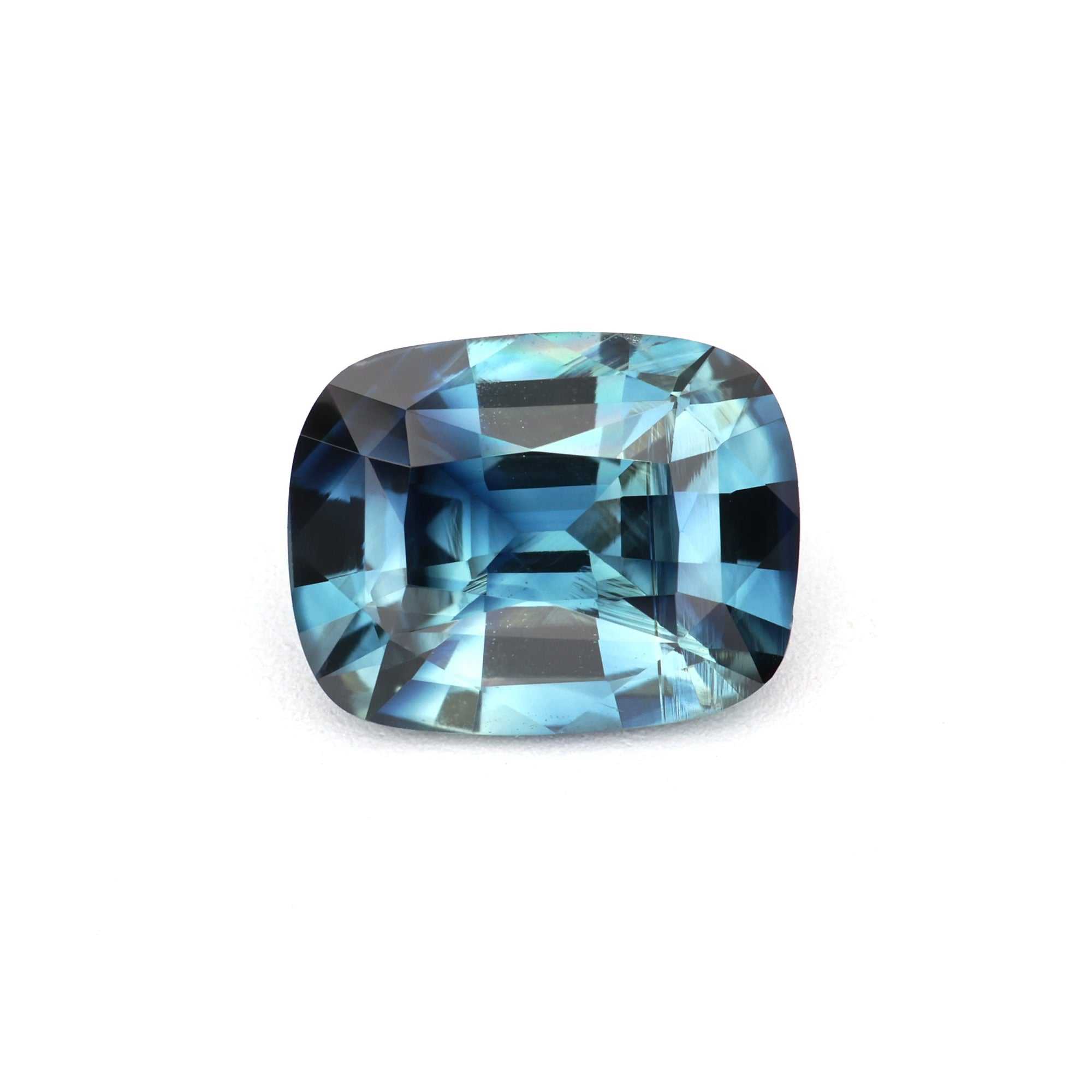
Teal sapphire is the single biggest color trend in the sapphire market right now, and it is not slowing down. The blue-green blend — sometimes described as oceanic, moody, or earthy — has captured the engagement ring market in a way that no non-blue sapphire color has before.
Why teal is trending: Teal sits at the intersection of several 2026 macro trends. It is non-traditional without being unfamiliar. It shifts color under different lighting, giving the stone a living, dynamic quality that photographs beautifully for social media. It pairs naturally with the earthy, nature-inspired aesthetic that dominates modern wedding design. And it is almost always unheated — because heat treatment destroys the blue-green balance — which appeals to buyers who value natural, untreated gemstones.
Best metal pairings: Yellow gold deepens the earthy quality and creates a warm, organic feel. White gold or platinum maximizes the cool blue-green contrast. Rose gold creates a striking warm-cool juxtaposition that is uniquely modern.
Best cuts: Oval (the most popular engagement cut in 2026 at 32% market share) and cushion. Emerald cut for architectural modern designs. East-west orientation — setting an oval or pear horizontally rather than vertically — is one of the year's most distinctive setting trends and suits teal exceptionally well.
Price range: $600–$1,500 per carat at 1–2ct — outstanding value for an unheated, naturally colored sapphire that punches far above its price in visual impact. Example from our collection: a 1.29ct GIA-documented unheated teal cushion at $1,280 (view).
Read the Teal Sapphire Buyer's Guide · Shop Teal Sapphires
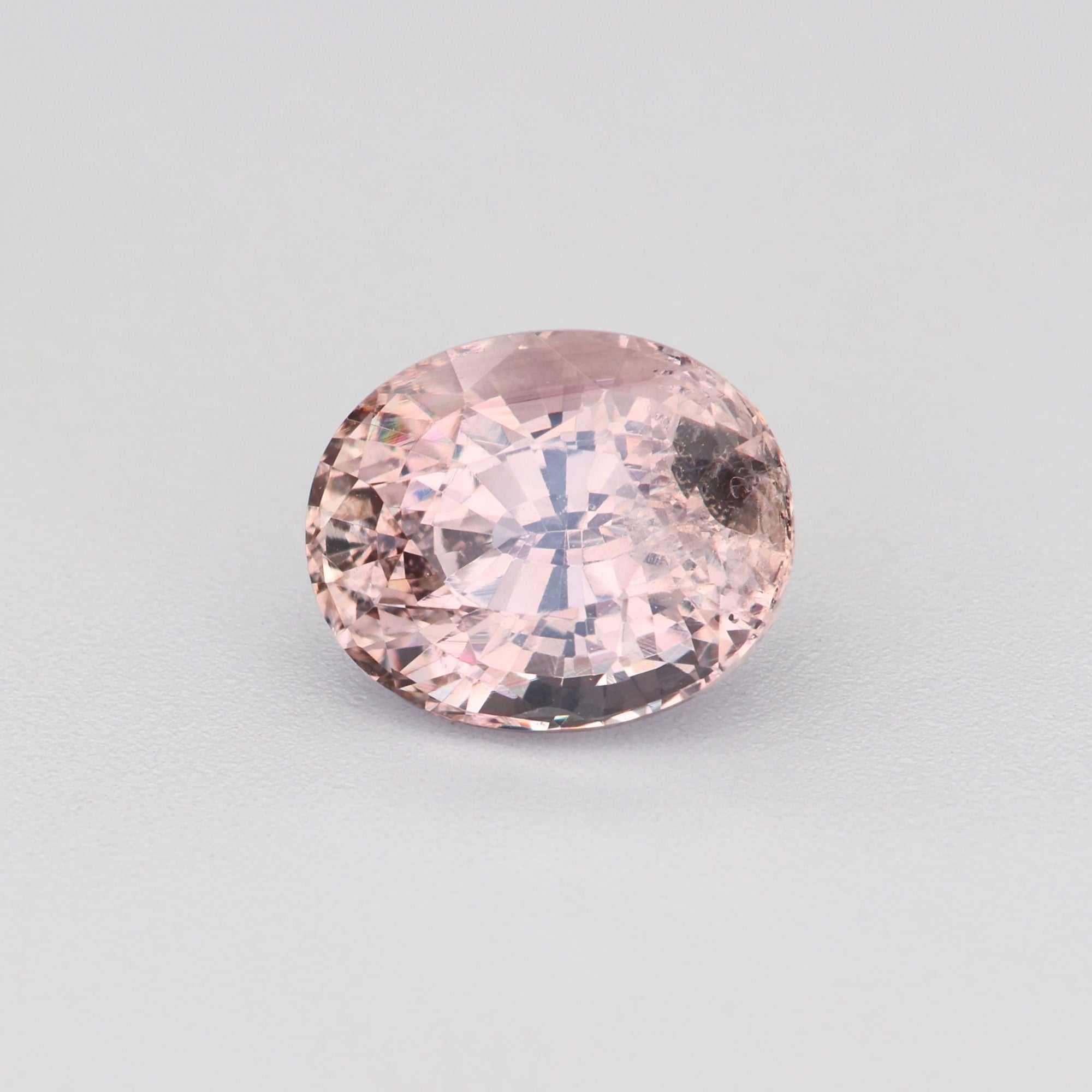
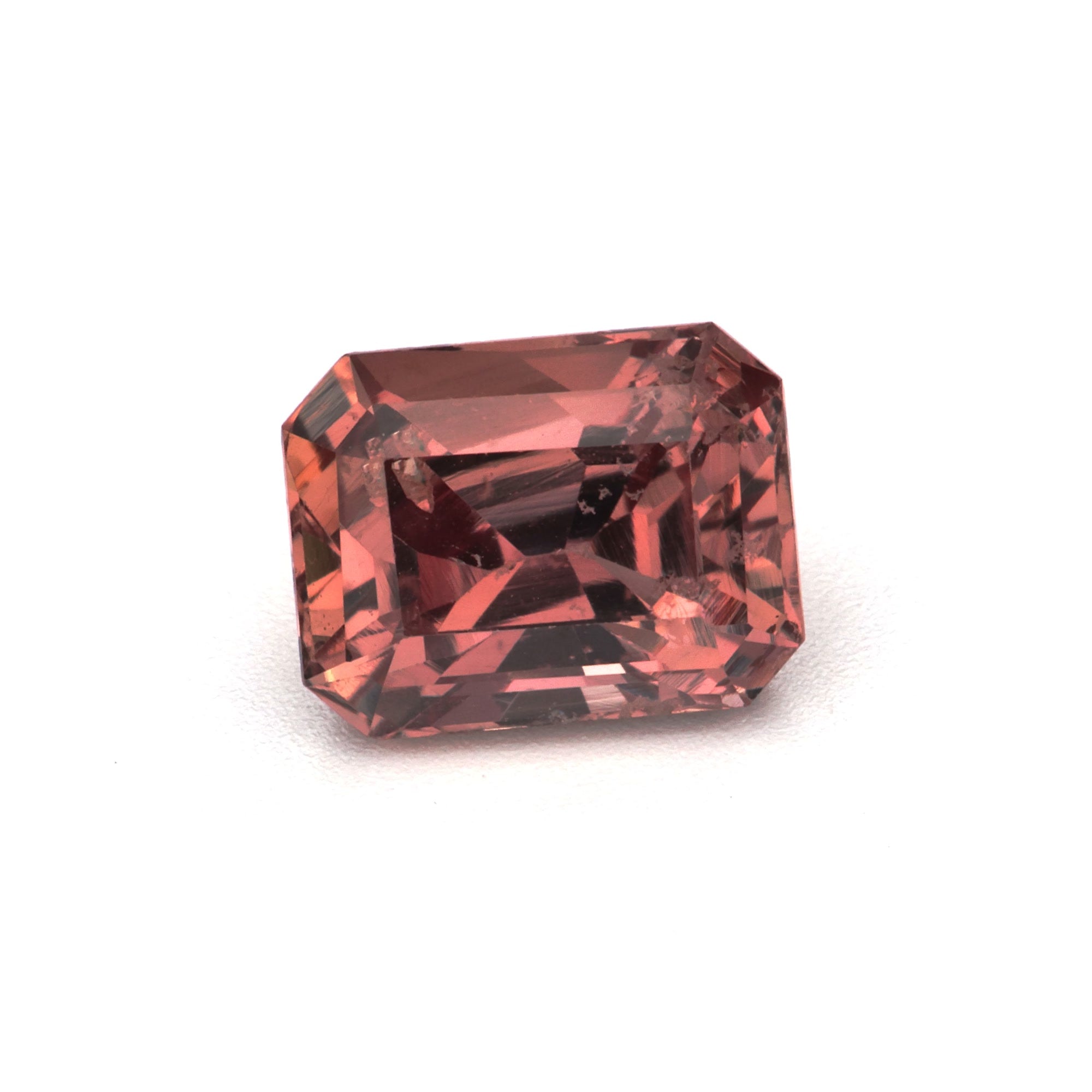
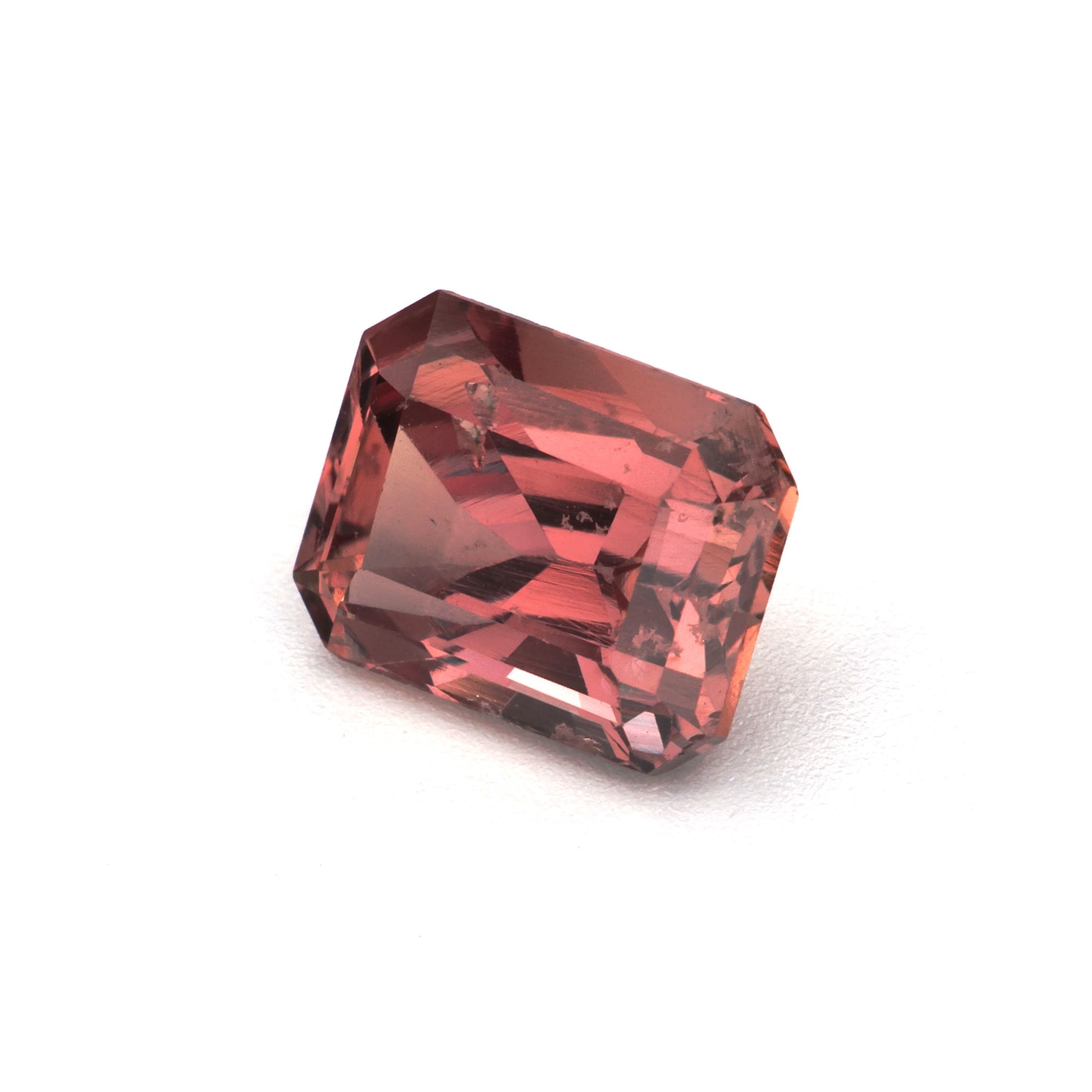
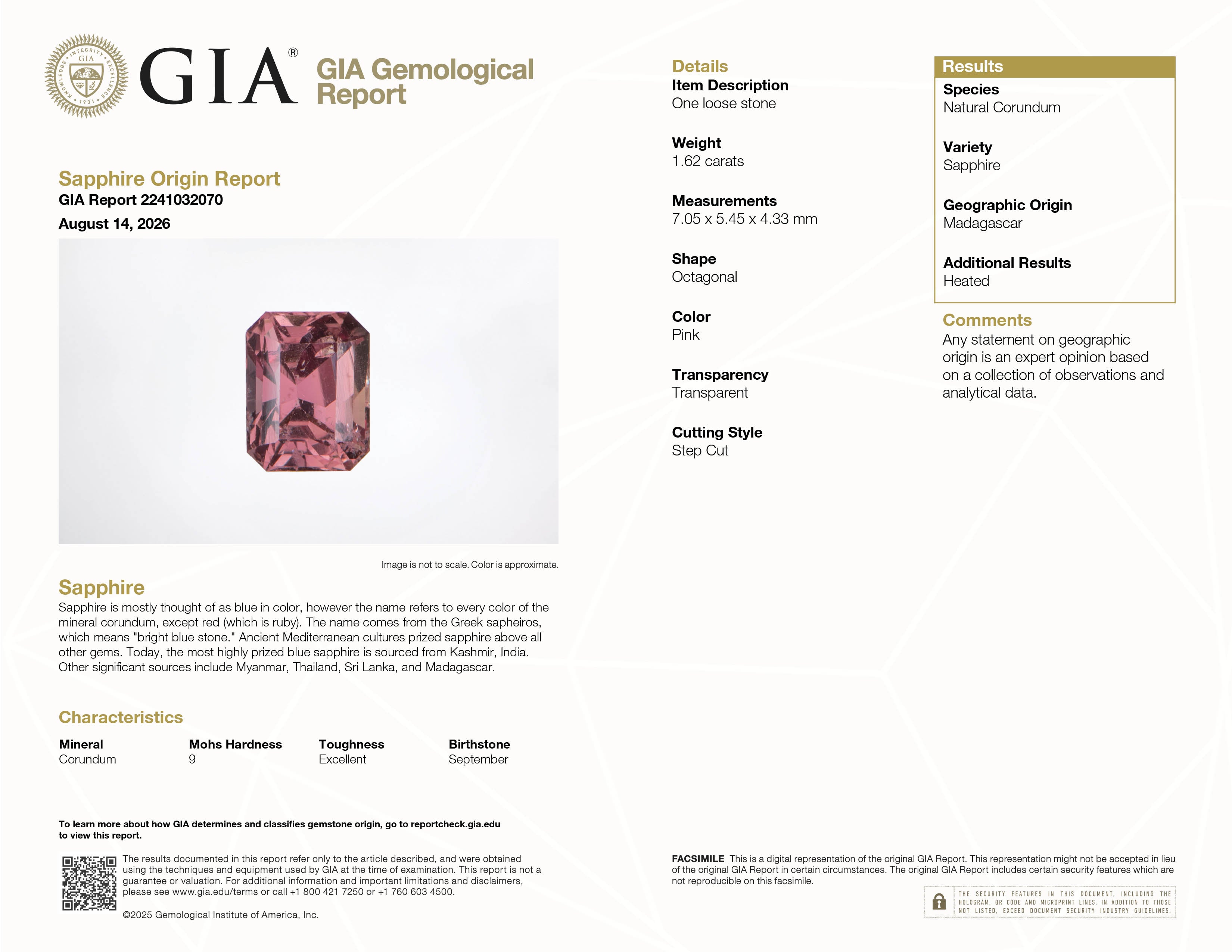
Peach sapphire has moved from niche to mainstream. The soft blend of pink and orange — warmer than pink, gentler than padparadscha — has become the default non-blue choice for buyers who want a romantic, feminine stone without the traditional connotations of a pink gemstone.
Why peach is trending: The rise of rose gold as a primary engagement ring metal (currently 7% market share and growing among younger buyers) created a natural home for peach sapphire. The two reinforce each other: rose gold enhances peach's warmth, and peach gives rose gold a center stone that feels designed for it. Peach also benefits from the padparadscha halo effect — buyers who learn about padparadscha (the rarest sapphire) discover peach as the accessible alternative with a similar warm pink-orange character at a fraction of the price.
Best metal pairings: Rose gold is the signature pairing. Yellow gold deepens the warmth. White gold cools the tone slightly toward pink, which some buyers prefer.
Best cuts: Oval for maximum face-up size. Cushion for deepened color warmth. Pear for distinctive, elongating pendants and rings.
Price range: Our current 1–2ct peach stock runs roughly $500–$900 per carat — genuinely excellent value, though below the $2,500/ct ceiling that exceptional, larger, or more saturated peach can reach in the broader market. Example from our collection: a 1.12ct GIA-documented unheated peach oval at $900 (view).
Read the Peach Sapphire Buyer's Guide and Peach vs. Padparadscha · Shop Peach Sapphires
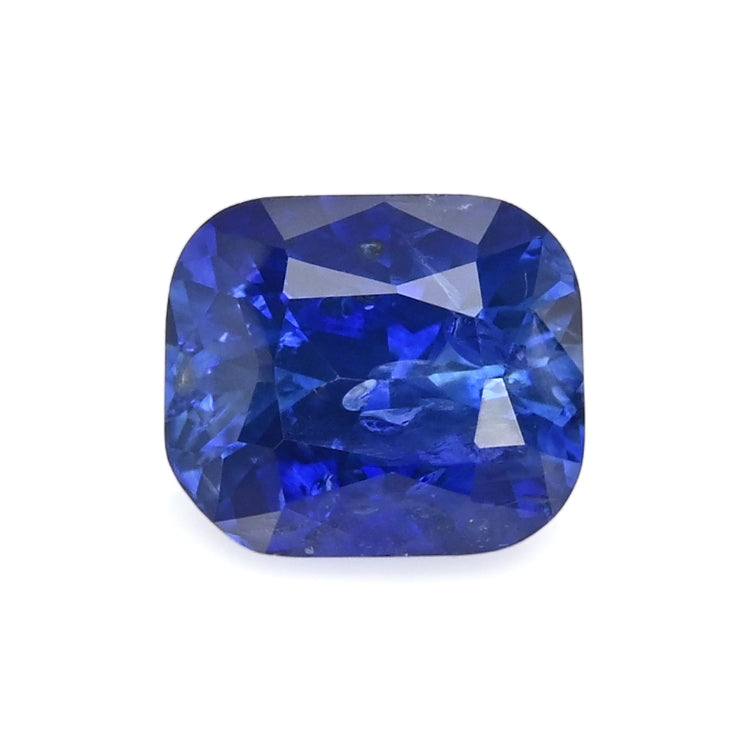
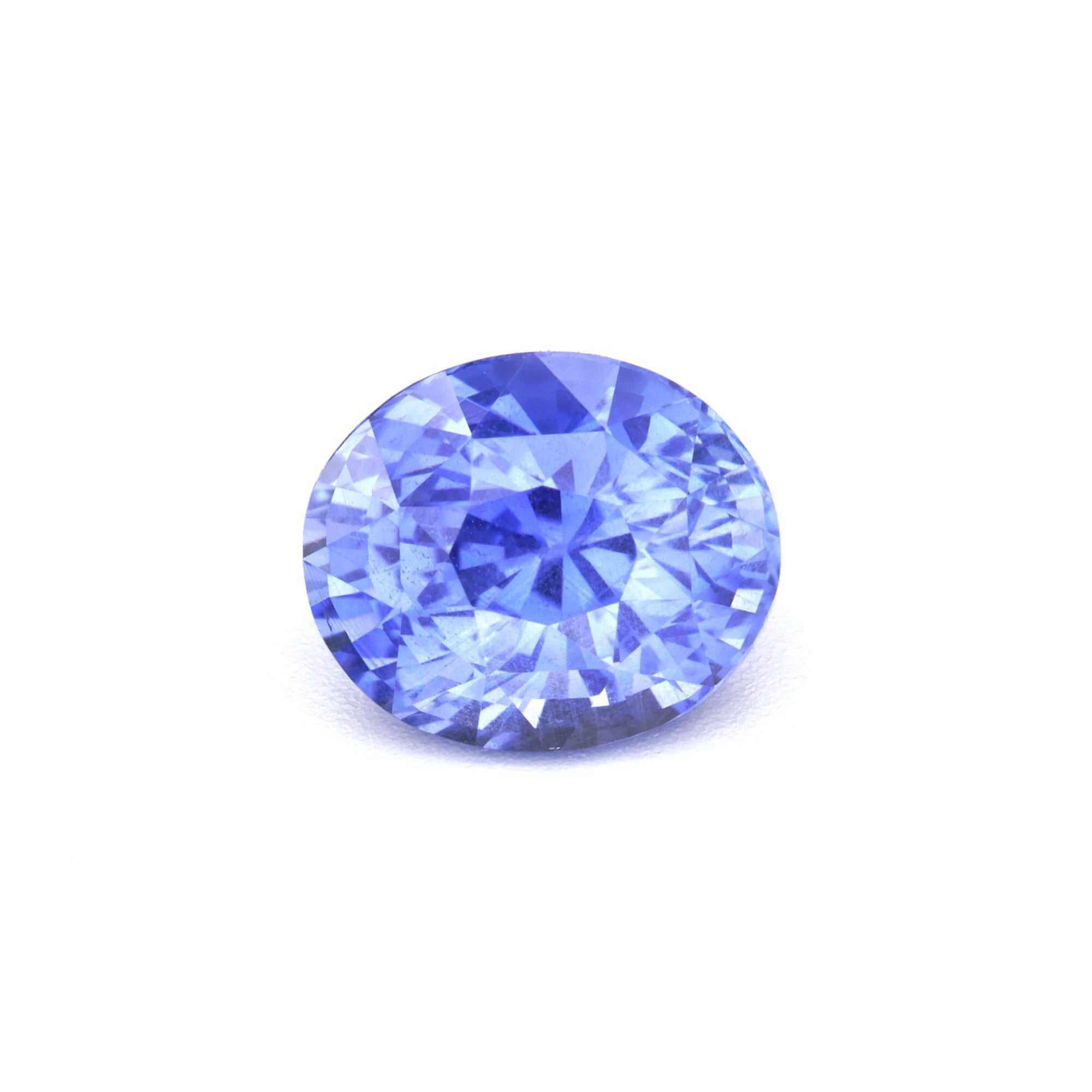
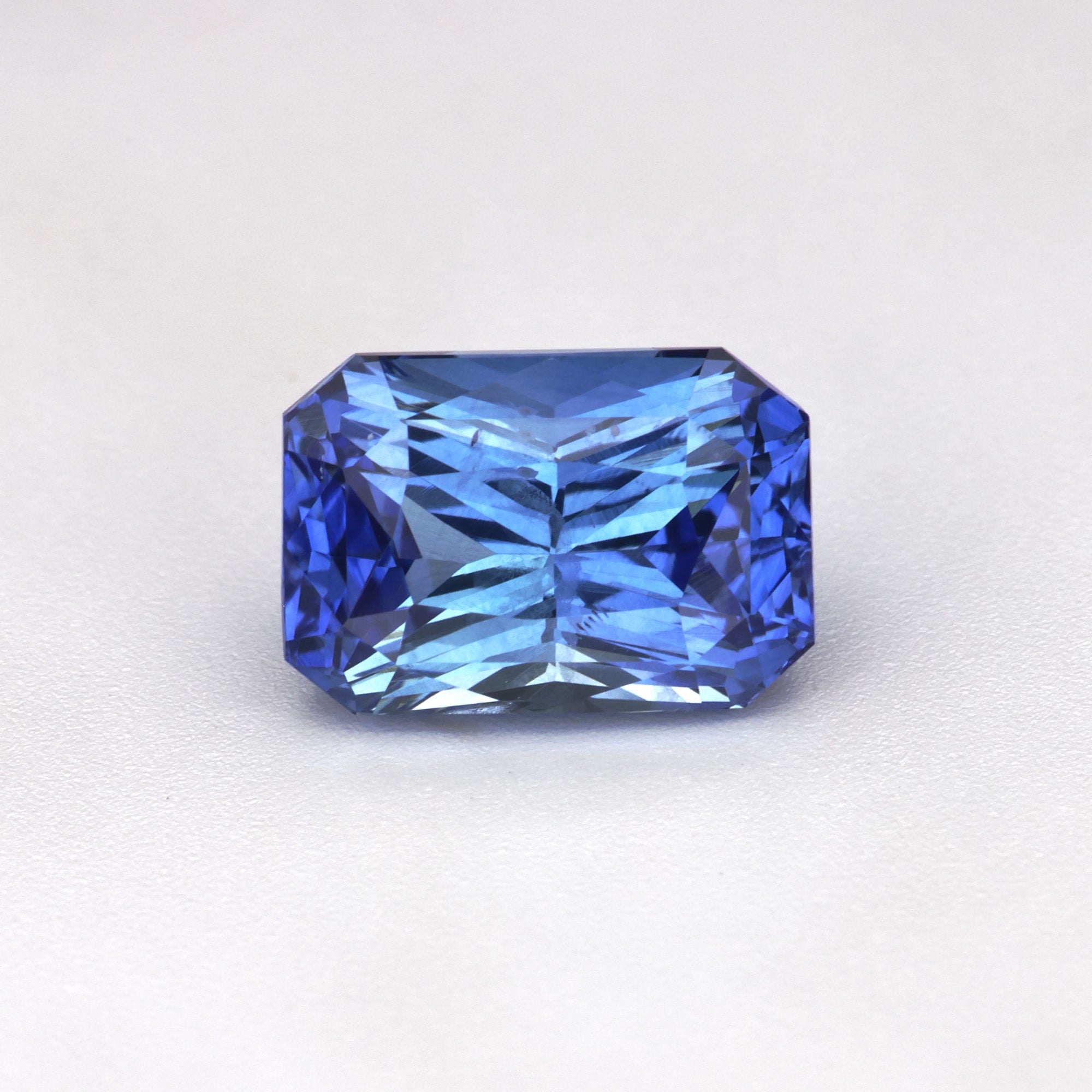
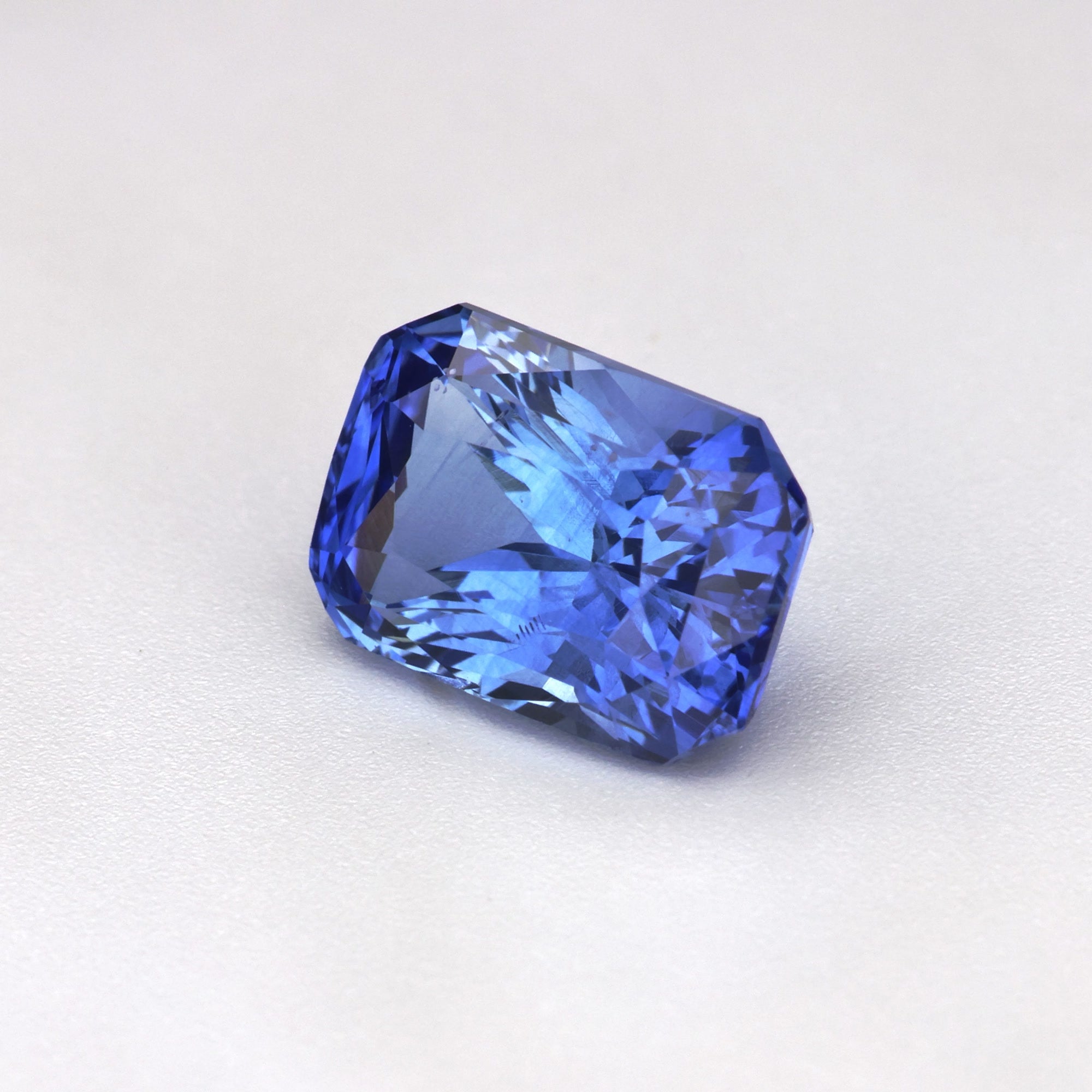
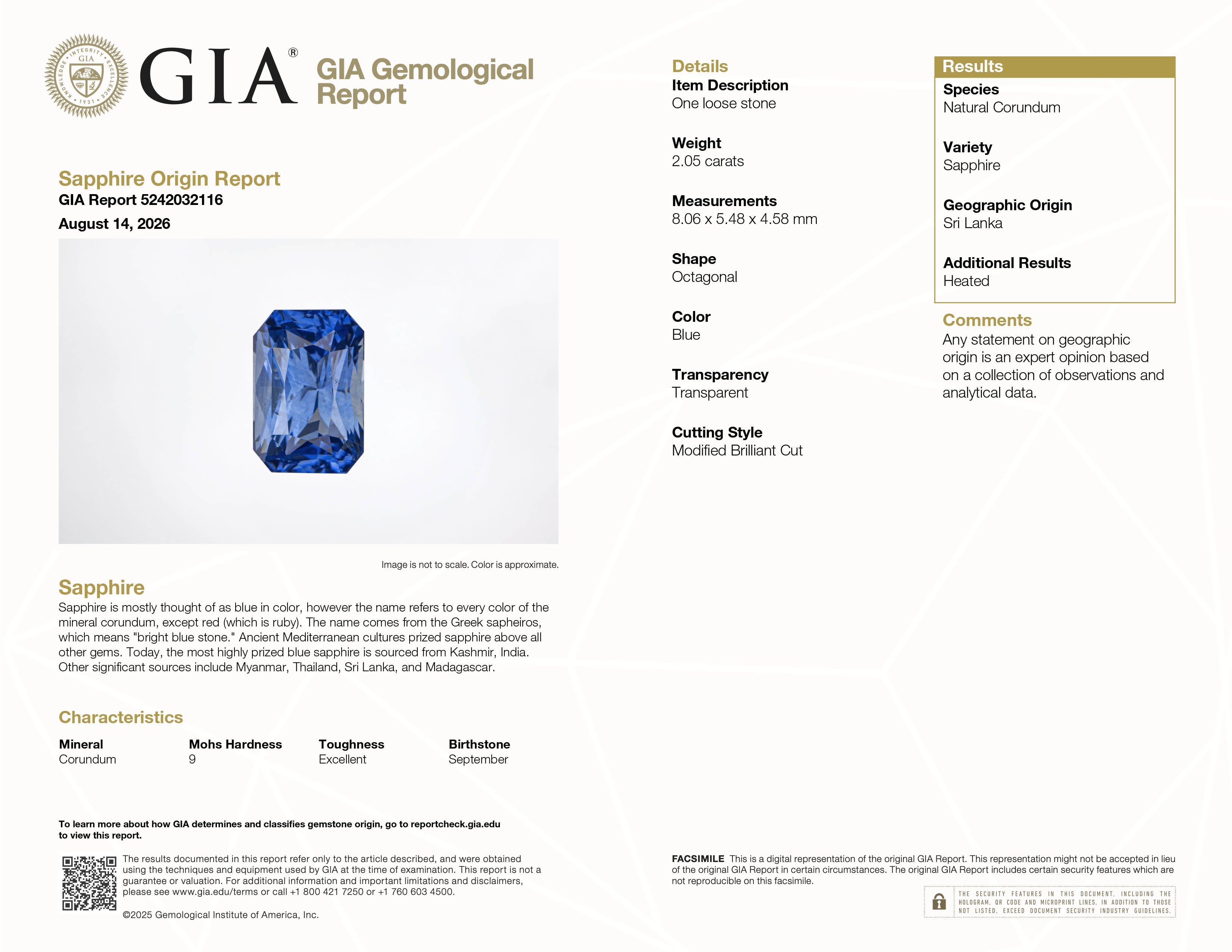
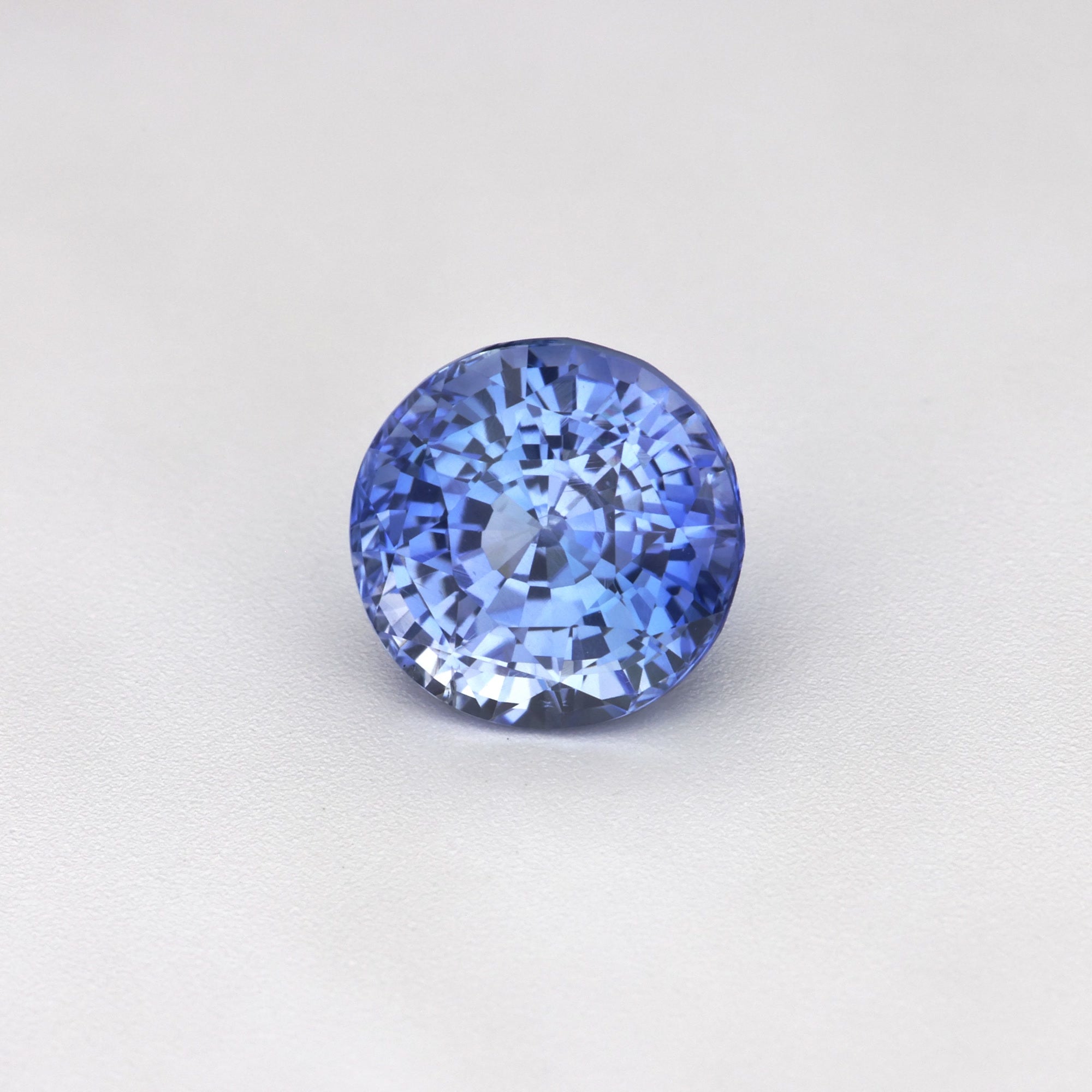
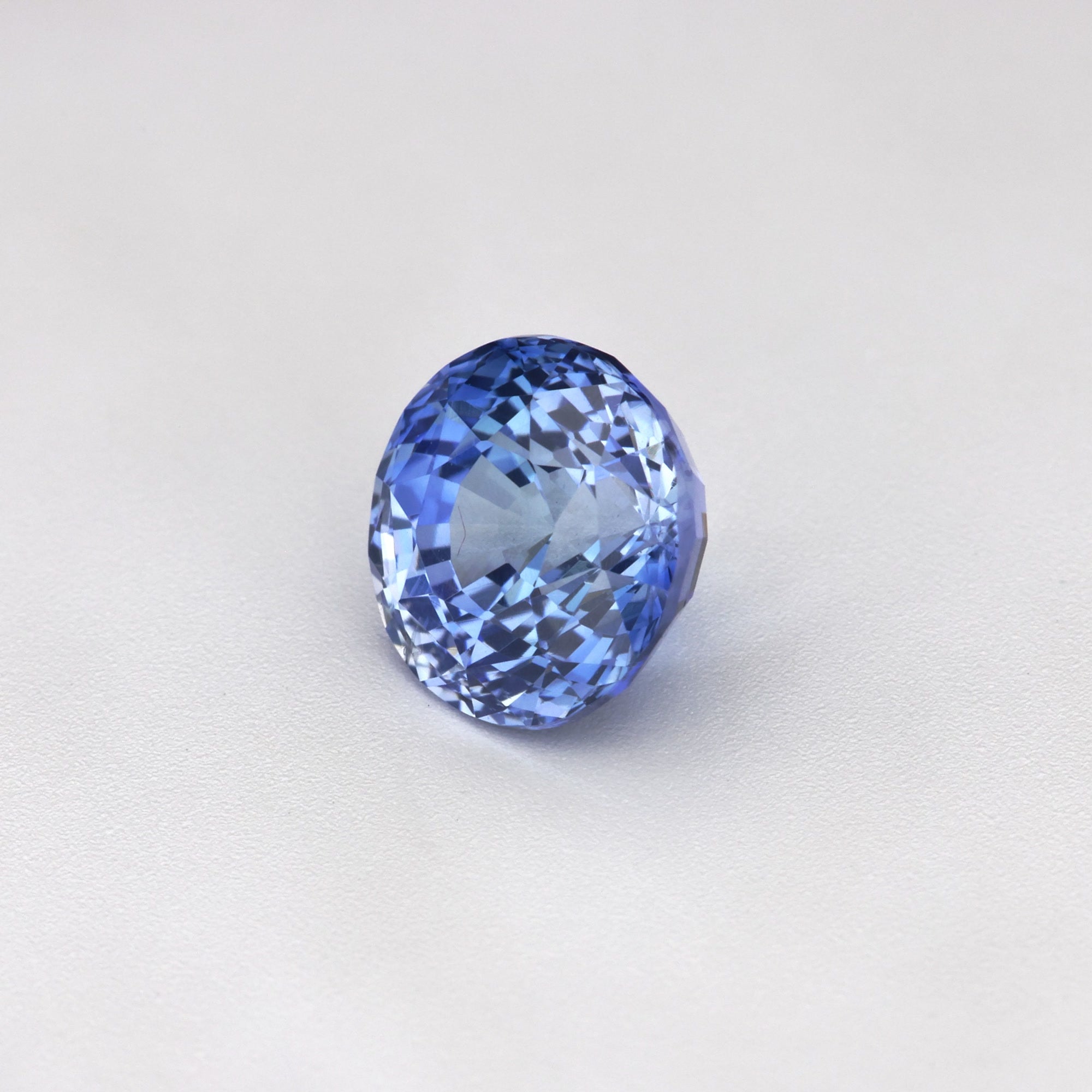
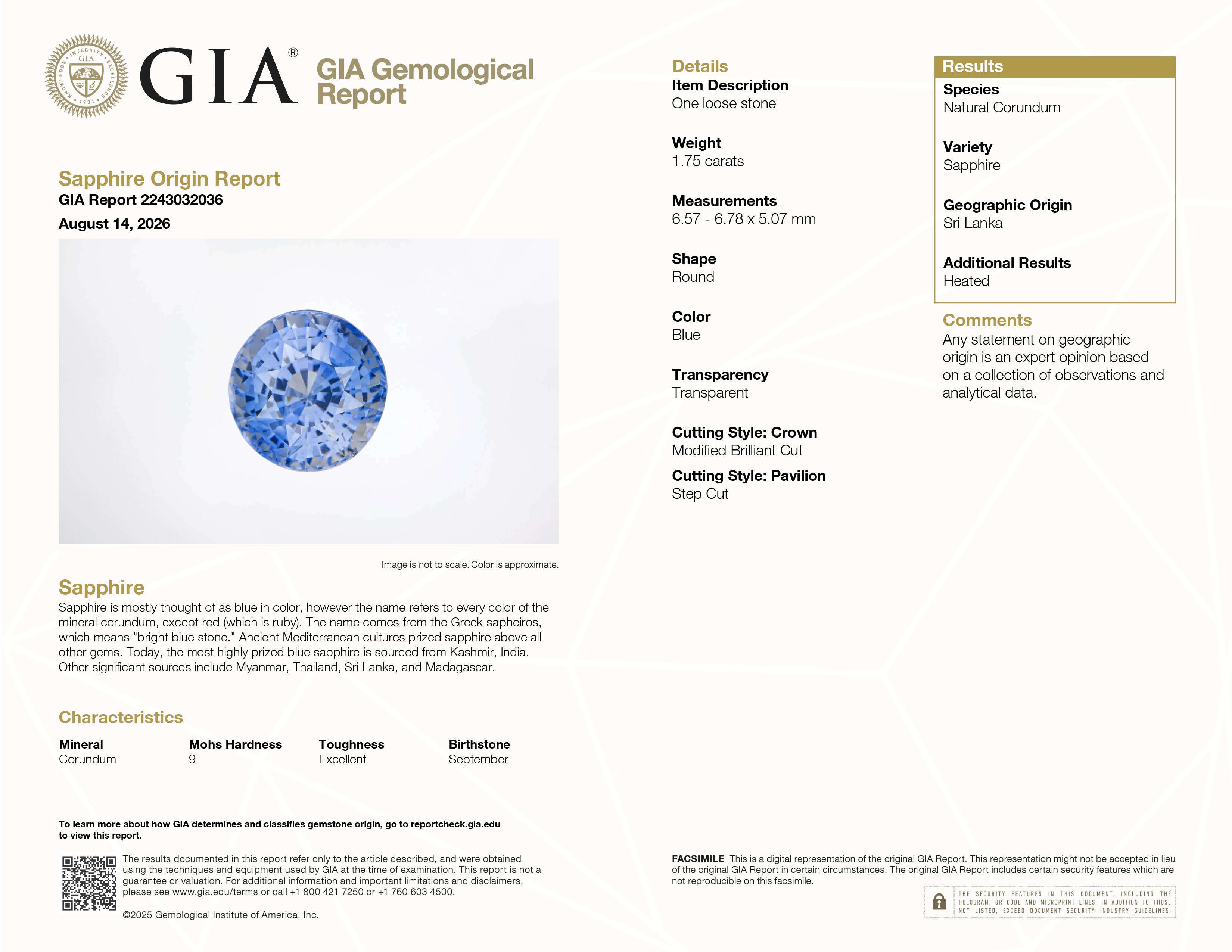
Blue sapphire is still the number-one sapphire color by volume, and for good reason. But the blue that is trending in 2026 is not the dark, inky blue of commercial material — it is the vivid, medium-toned cornflower-to-royal range with strong saturation and excellent brilliance. Buyers are more educated about color quality than ever before, and they are demanding stones that perform in real-world lighting, not just under jewelry store spotlights.
What has changed: The 2026 blue sapphire buyer is more likely to ask about cut quality, windowing, and light return than buyers five years ago. They compare millimeter dimensions, not just carat weights. They ask about unheated status. The market is rewarding quality over size — a well-cut 1.30ct vivid blue that shows perfectly face-up is outselling poorly cut 2ct stones that window or go dark under low light.
Best metal pairings: White gold and platinum remain the classic choice for maximum blue contrast. Yellow gold for the Princess Diana look — a pairing that has been trending since 1981 and shows no sign of fading.
Price range: $400–$1,800 per carat heated at 1–2ct — example from our collection: a 1.99ct GIA-documented heated blue cushion at $2,985 (view). Unheated blue is more nuanced: we don't currently carry a GIA-documented unheated blue in the 1–2ct range at all — our smallest GIA-documented unheated blue is 2.008ct at $6,800 (roughly $3,400/ct). Smaller unheated blue does exist in our stock without a GIA report, for example a 1.28ct AGCL-certified unheated Ceylon blue at $1,584, about $1,240/ct (view). If you need a GIA-documented unheated blue at 1–2ct specifically, email crescentgems@gmail.com and we can search on your behalf.
Read the Blue Sapphire Buyer's Guide · Shop Blue Sapphires
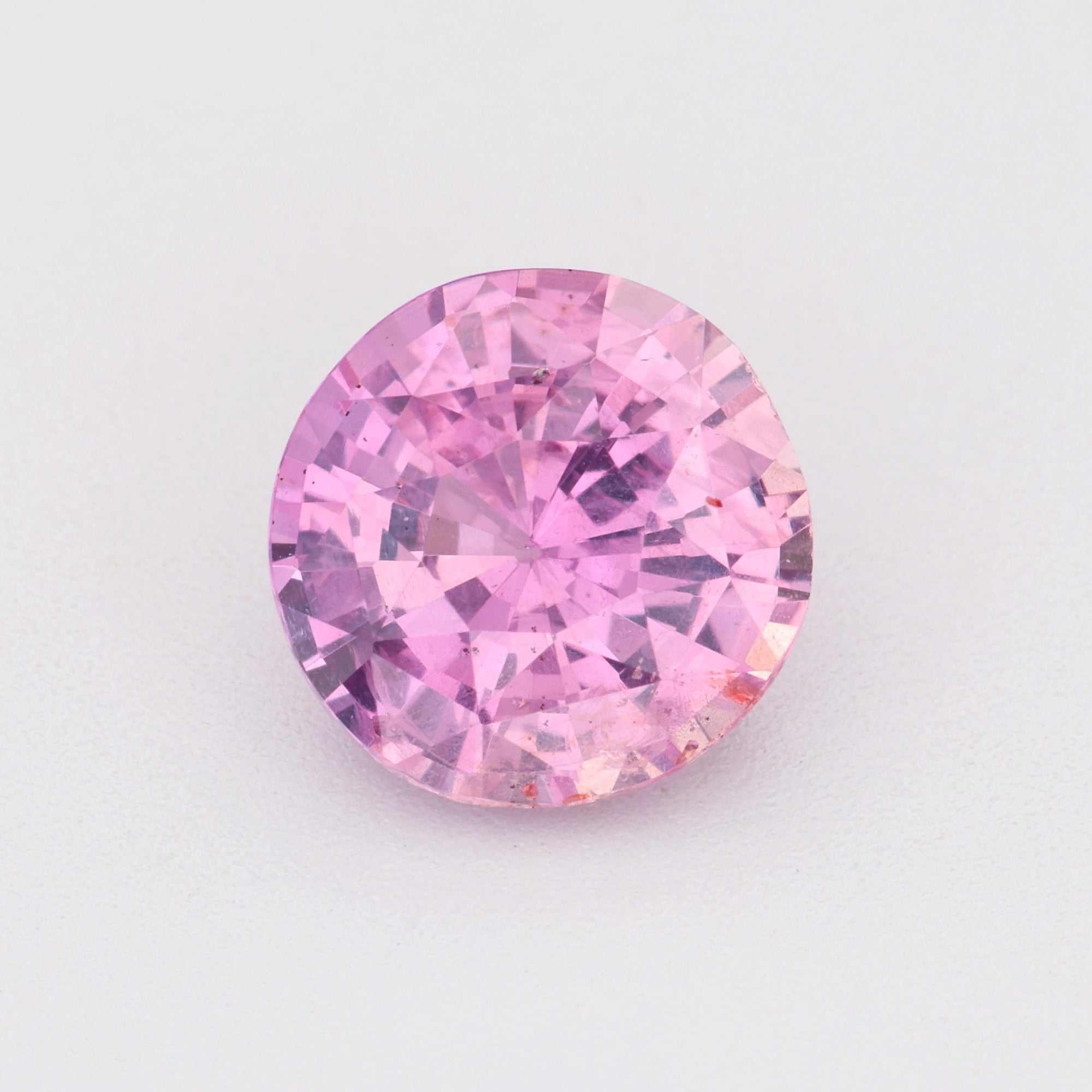
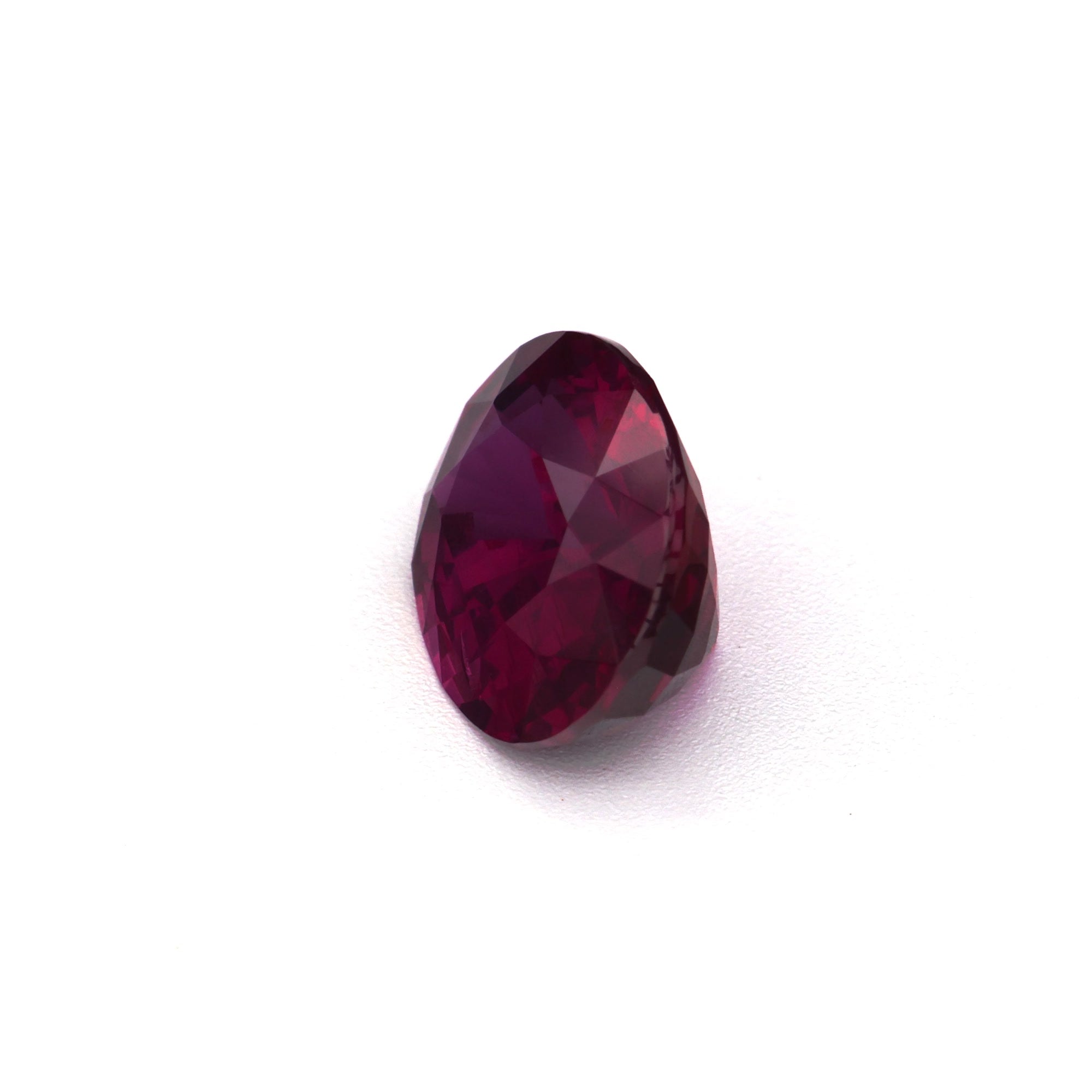
Pink sapphire is having its moment. The chromium-colored pink ranges from delicate pastel blush to vivid hot pink, and it is increasingly chosen as a primary engagement ring stone rather than as a diamond accent. Hot pink in particular — vivid, saturated, unapologetic — is the pink that is growing fastest.
Why pink is trending: The broader cultural shift toward color and self-expression in engagement rings favors stones with personality. Pink sapphire delivers warmth, romance, and individuality while maintaining Mohs 9 durability. It is harder and tougher than morganite (the other popular pink engagement stone), requires no special care, and holds its color permanently.
Best metal pairings: Rose gold for a monochromatic warm look. White gold for maximum pink contrast. Yellow gold creates a rich, vintage-inspired warmth.
Price range: $500–$2,500 per carat at 1–2ct depending on saturation and treatment. Example from our collection: a 1.14ct GIA-documented unheated pink round at $2,875, near the top of that range (view).
Read the Pink Sapphire Buyer's Guide · Shop Pink Sapphires
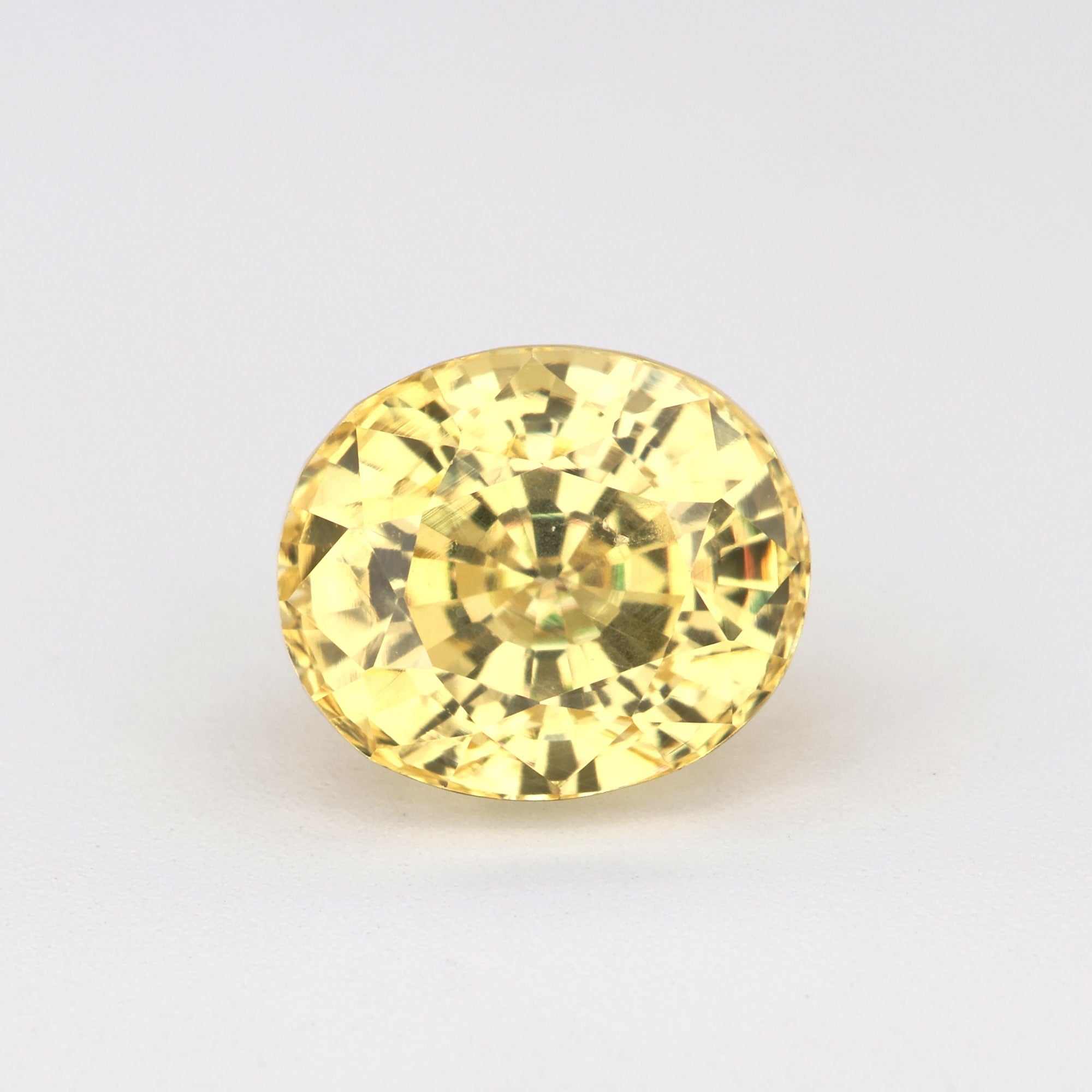
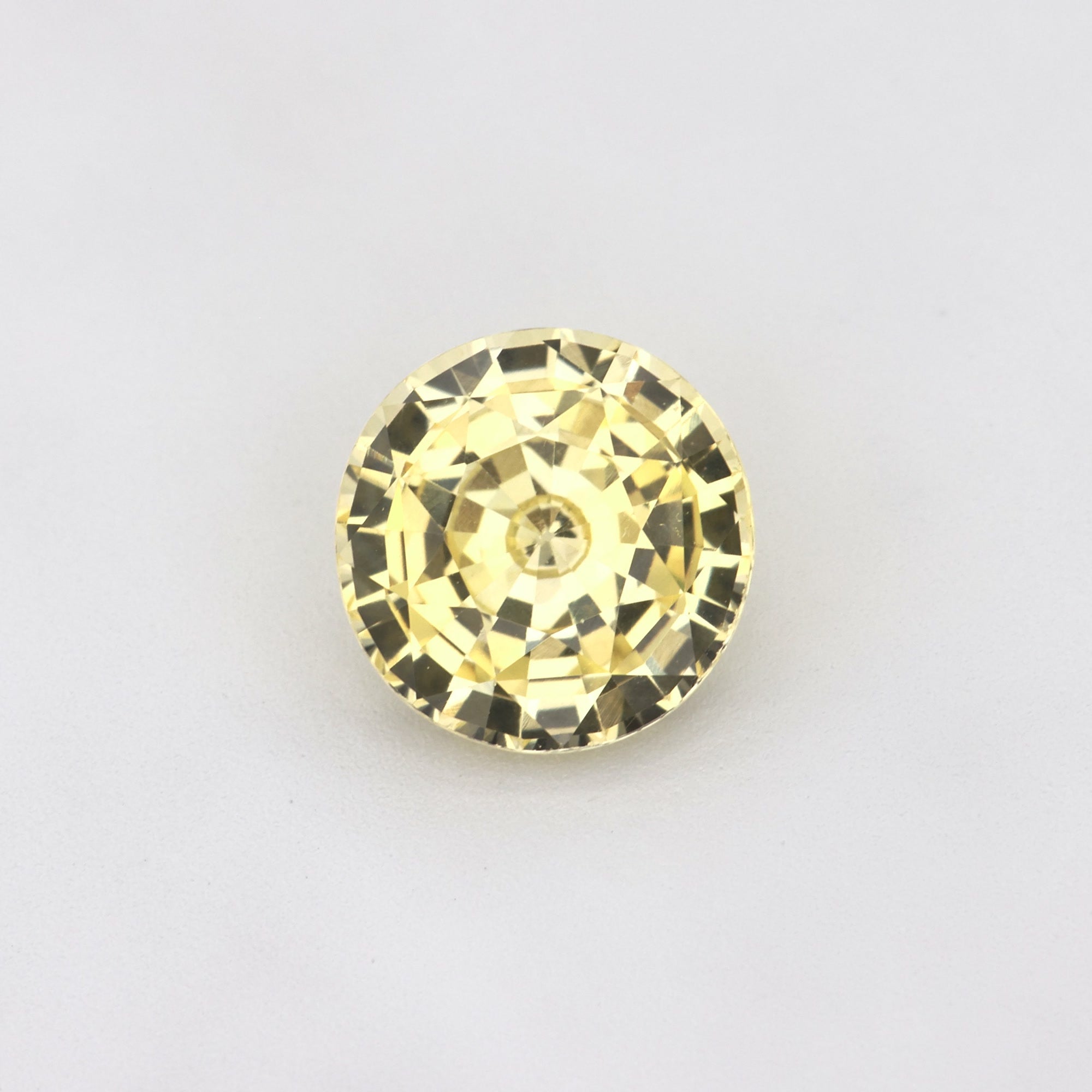
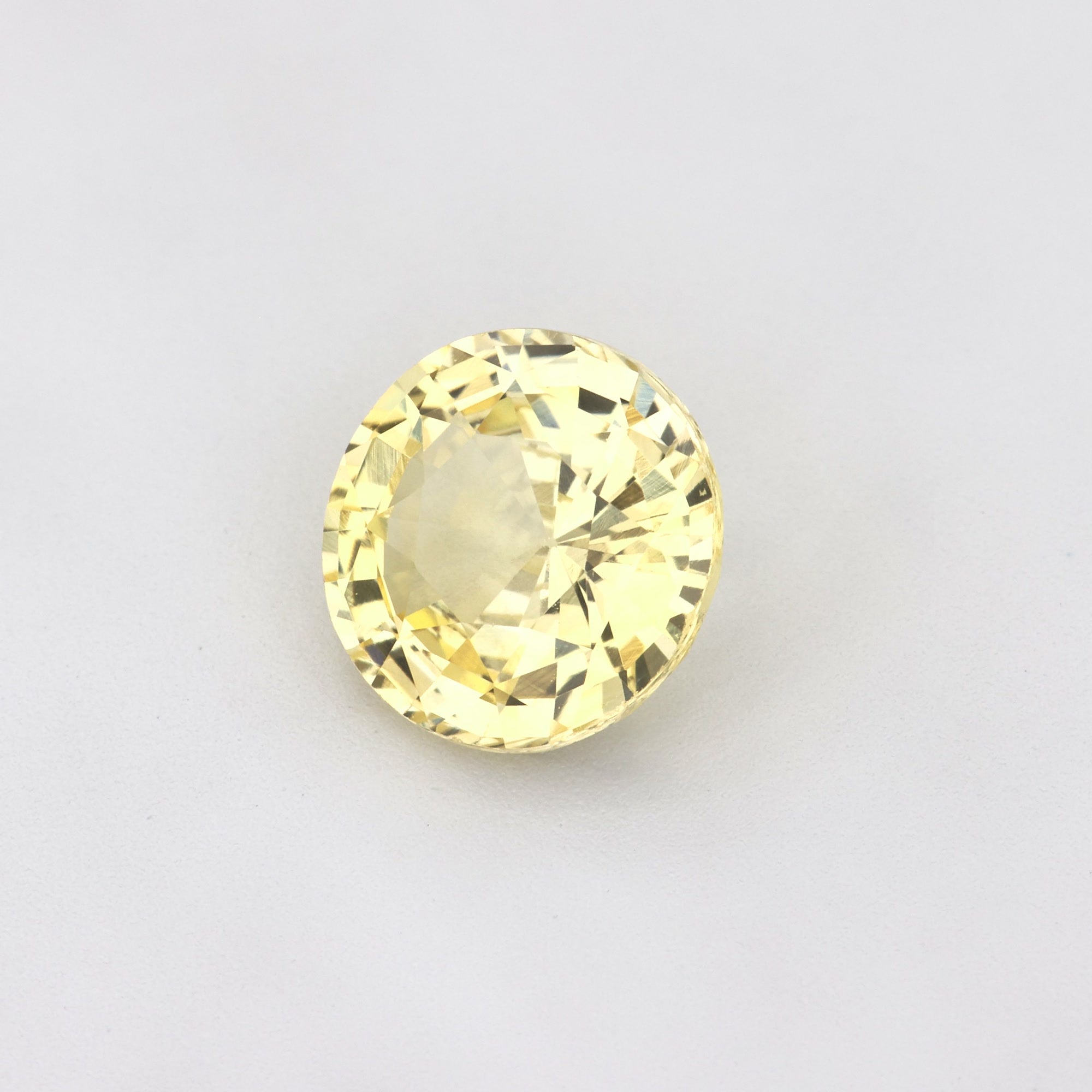
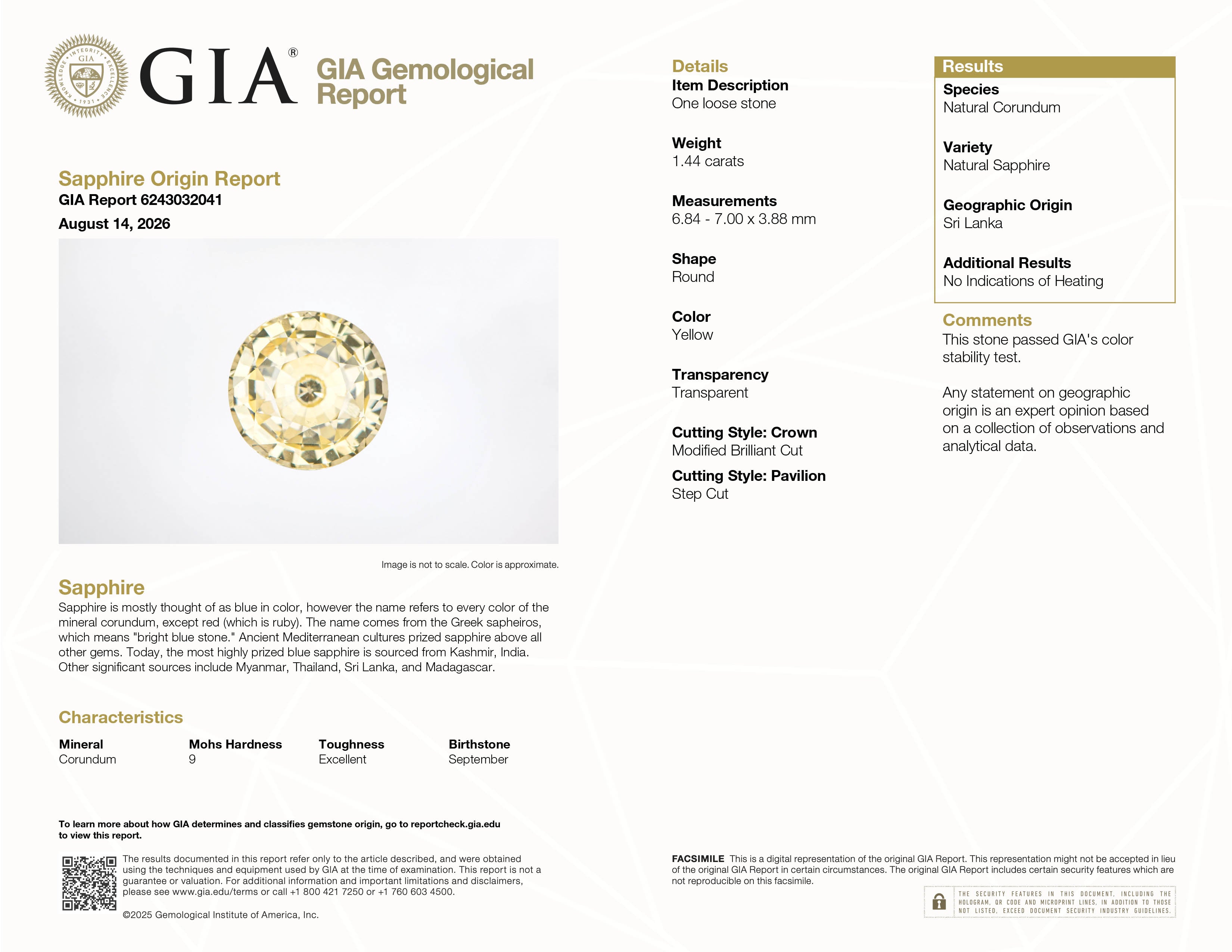
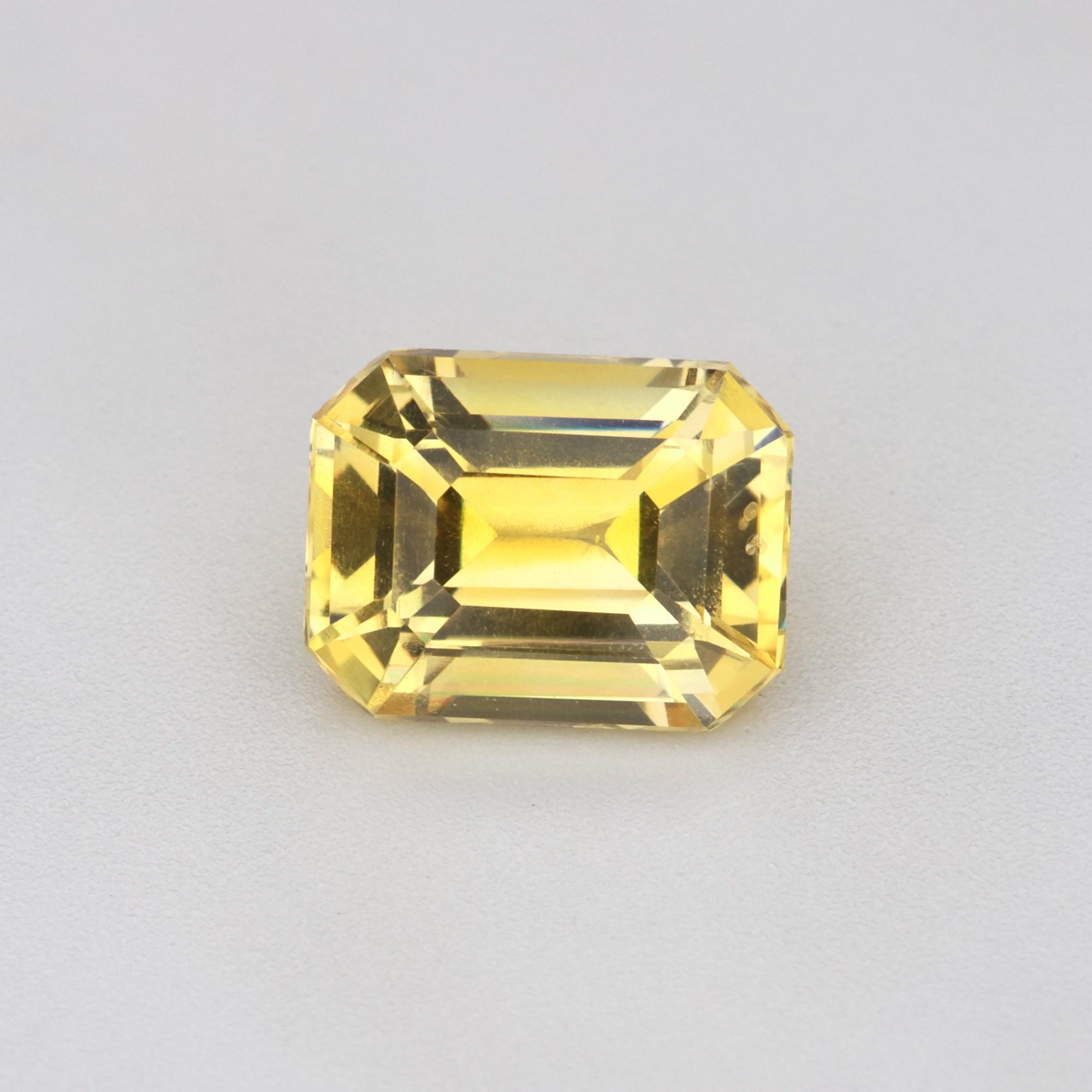
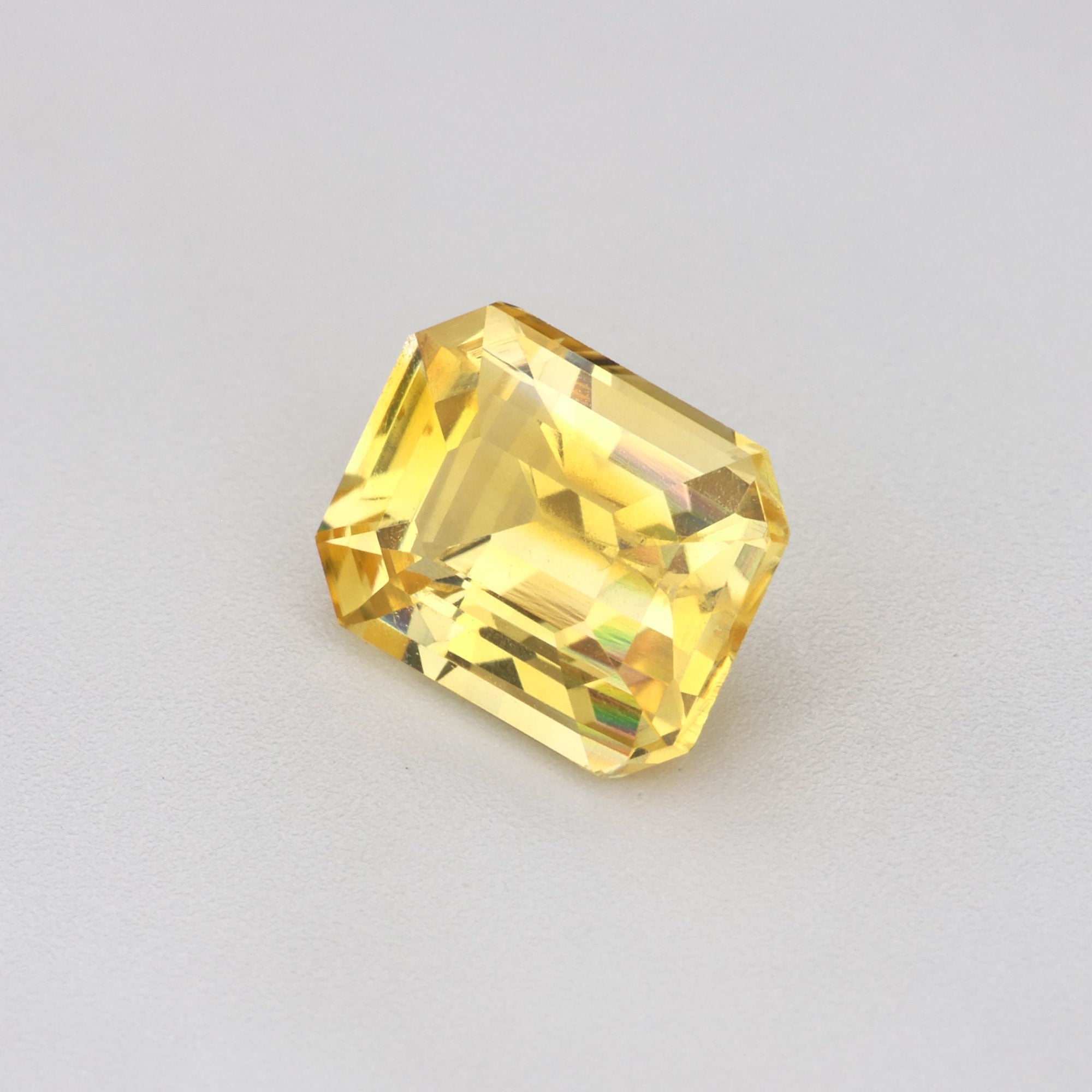
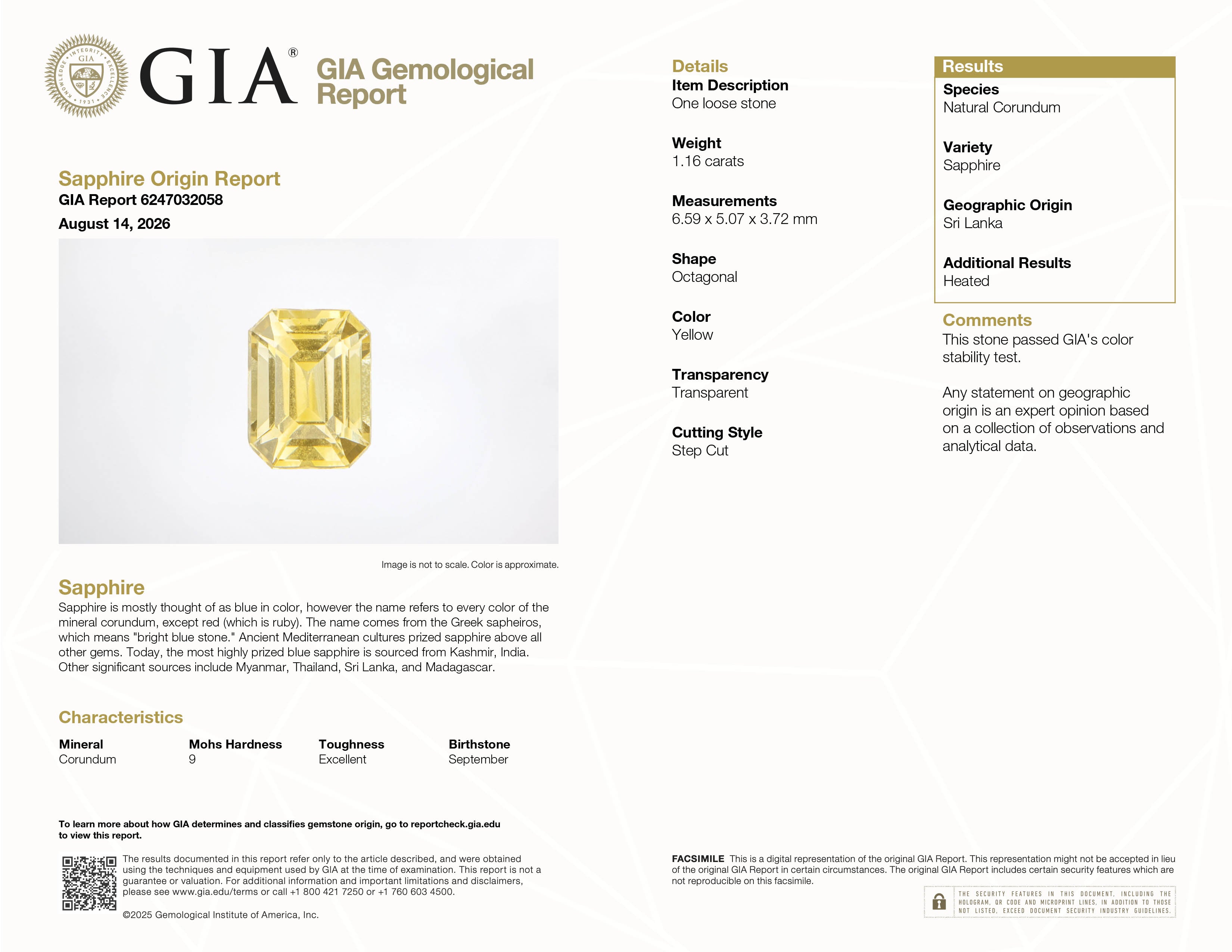
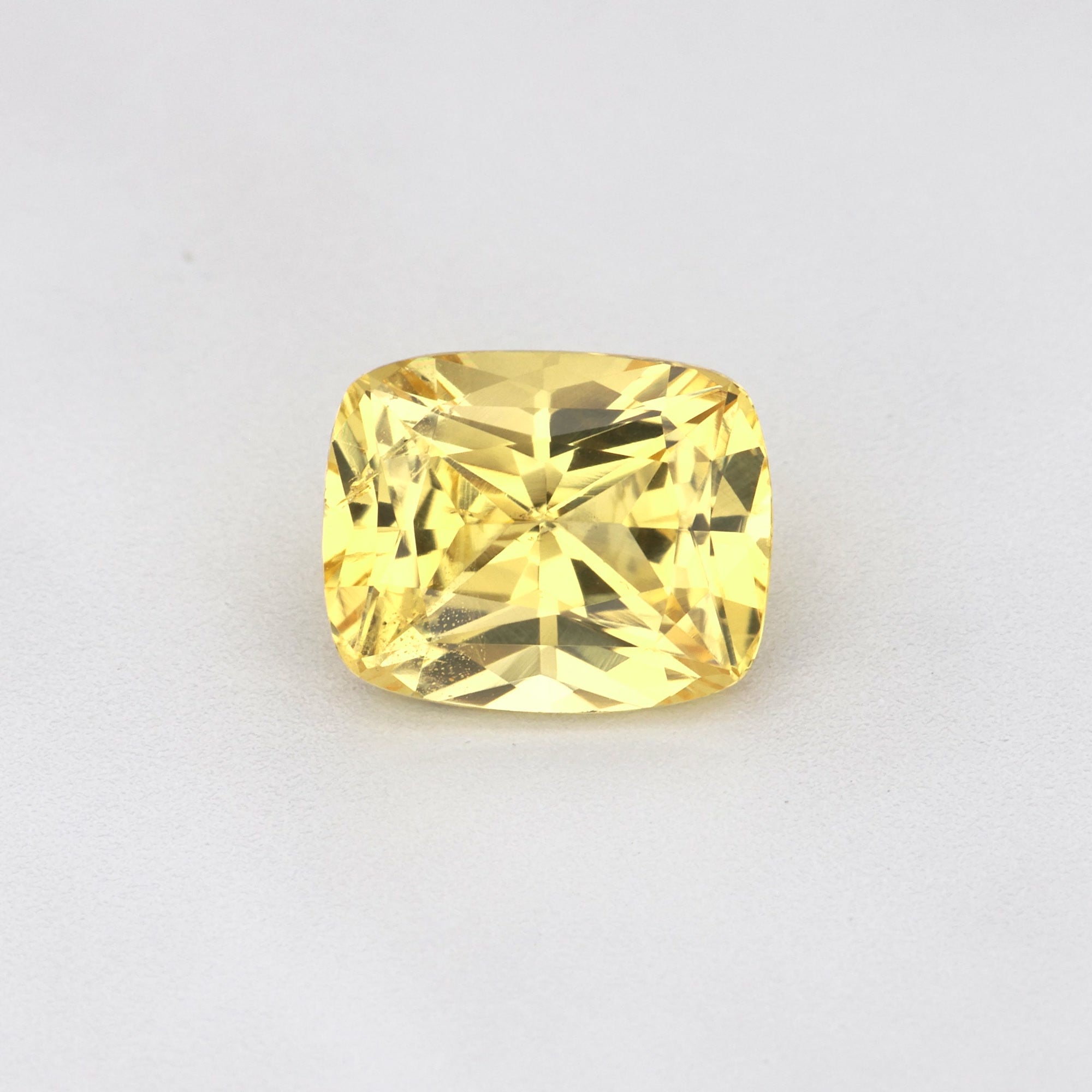
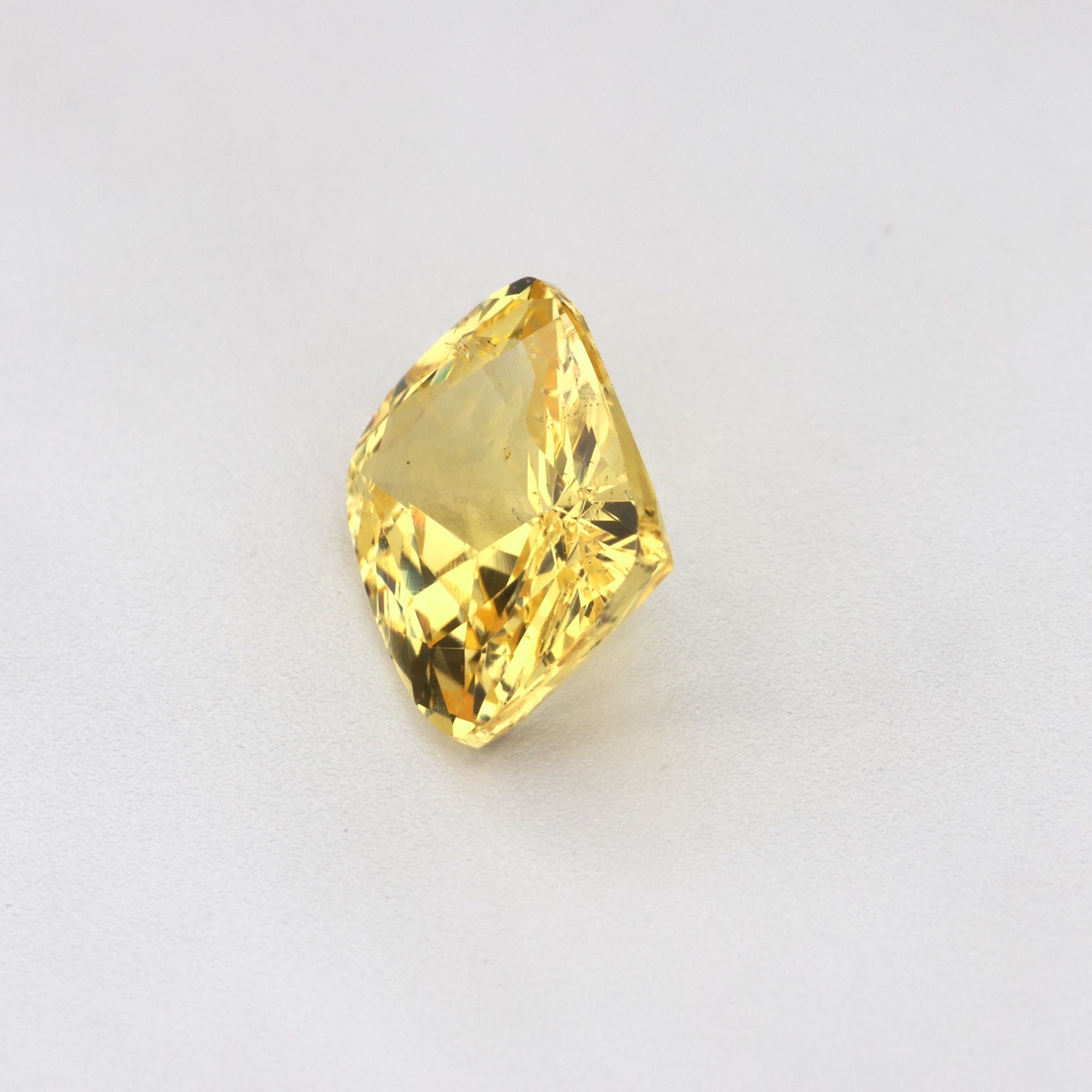
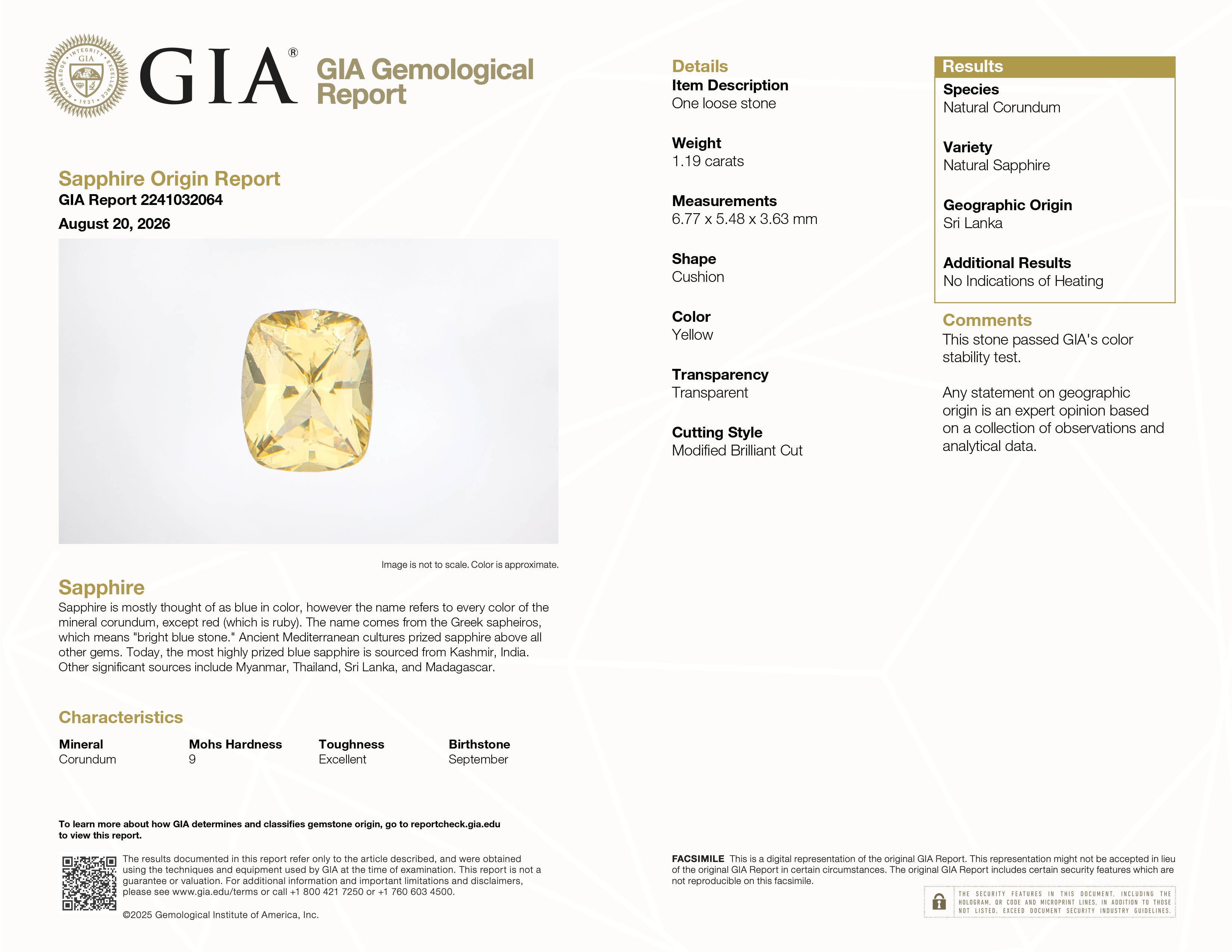
Yellow sapphire is the color that insiders know about and the mainstream market has not caught up to. Golden canary yellow in natural, unheated Ceylon sapphire offers one of the best value propositions in the entire colored gemstone market — vivid, cheerful, sun-drenched color at prices that make blue and pink look expensive.
Why yellow is trending: Yellow gold is the number-one engagement ring metal in 2026 at 44% market share — the first time it has held that position in 20 years. Yellow sapphire in yellow gold is a natural, harmonious combination that reinforces both elements. The Jyotish (Vedic astrology) market continues to drive strong demand for unheated Ceylon yellow sapphire (Pukhraj), and that cultural significance is crossing over into the mainstream engagement market.
Best metal pairings: Yellow gold is the signature choice — metal and stone reinforce each other's warmth. Rose gold also works beautifully. White gold creates a modern contrast.
Price range: $700–$1,600 per carat at 1–2ct in our current stock (smaller sub-1ct stones run lower, from around $250/ct). Unheated Ceylon yellow above 1ct with vivid saturation is one of the best values in natural gemstones. Example from our collection: a 2.10ct GIA-documented unheated yellow oval at $1,890 (view).
Read the Yellow Sapphire Buyer's Guide and Buying Sapphires for Jyotish · Shop Yellow Sapphires
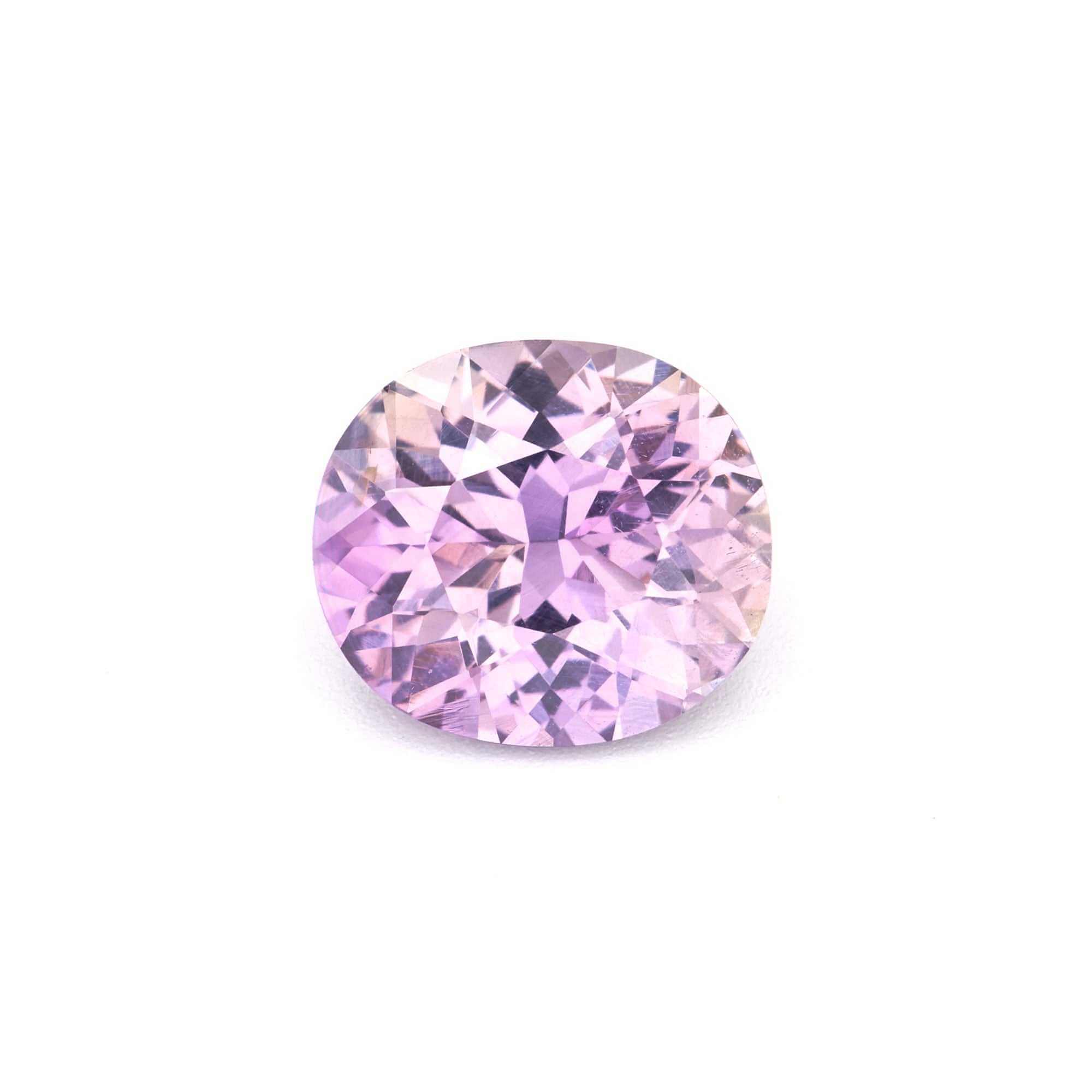
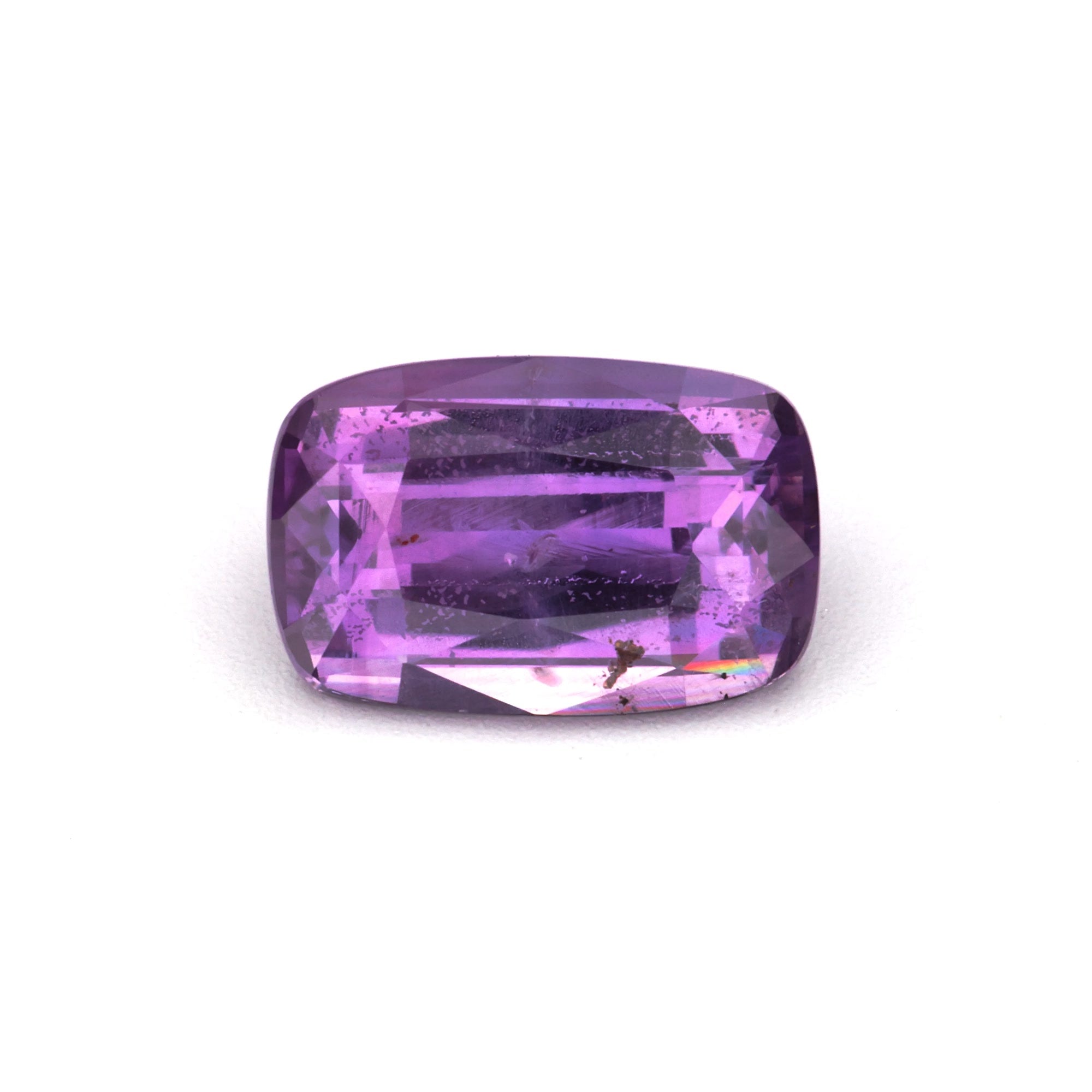
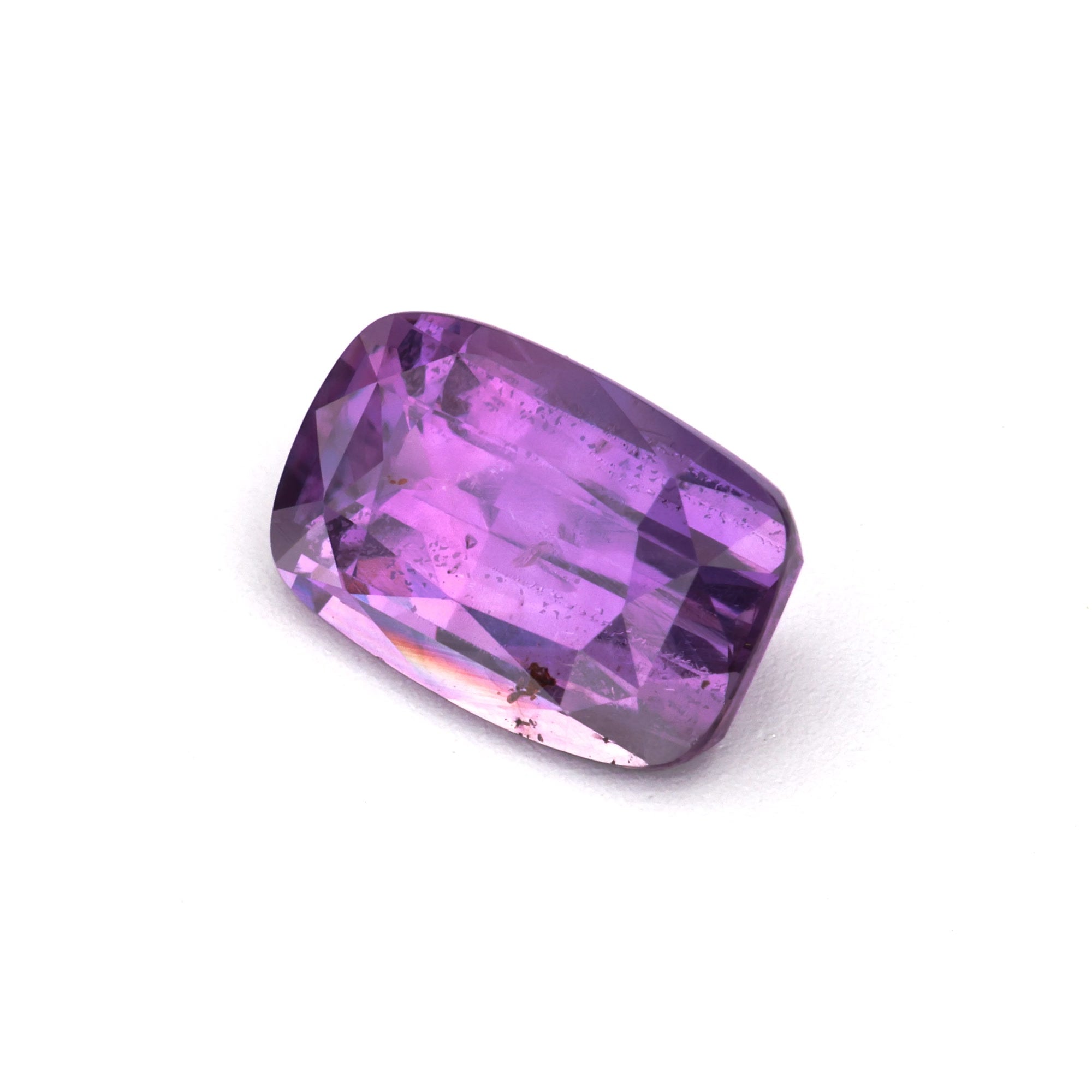
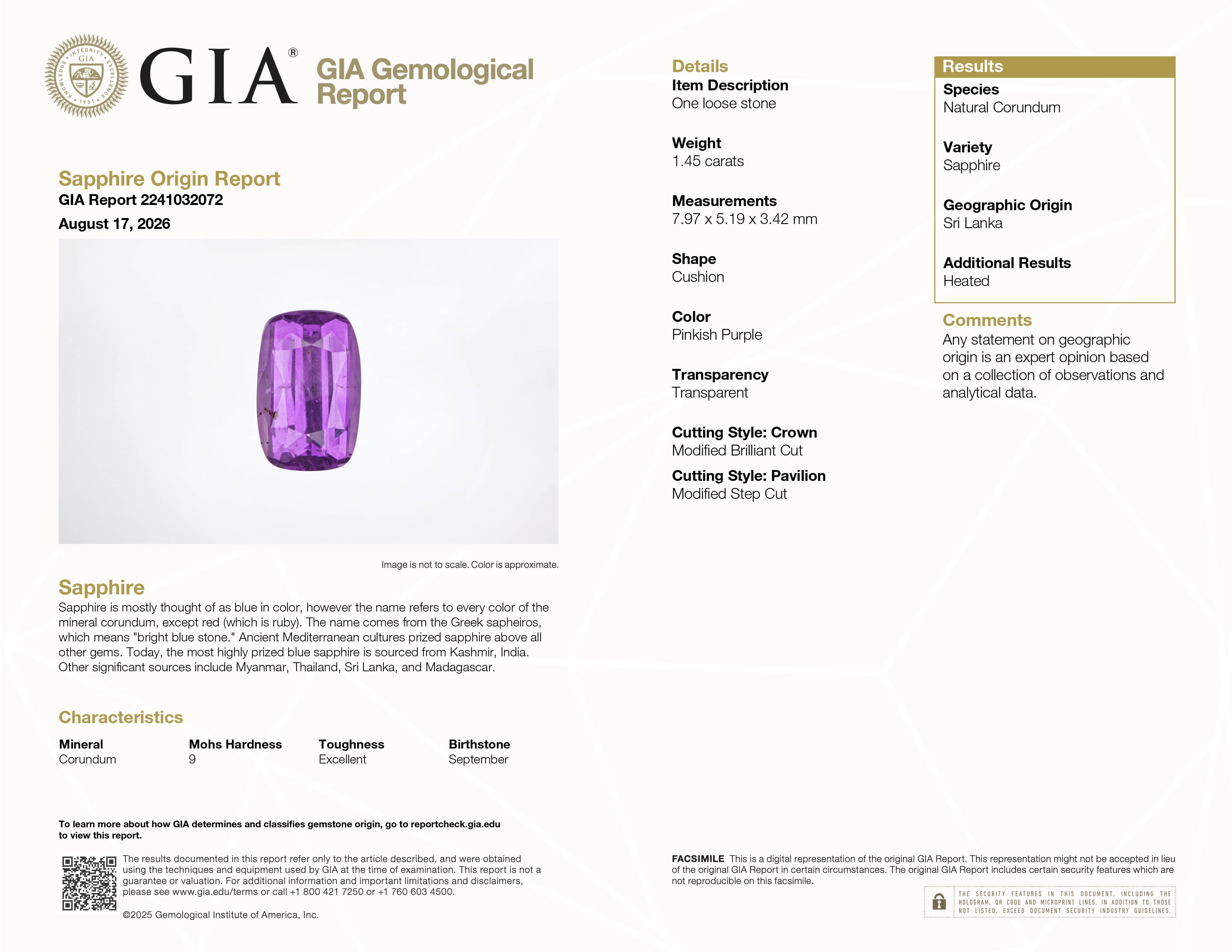
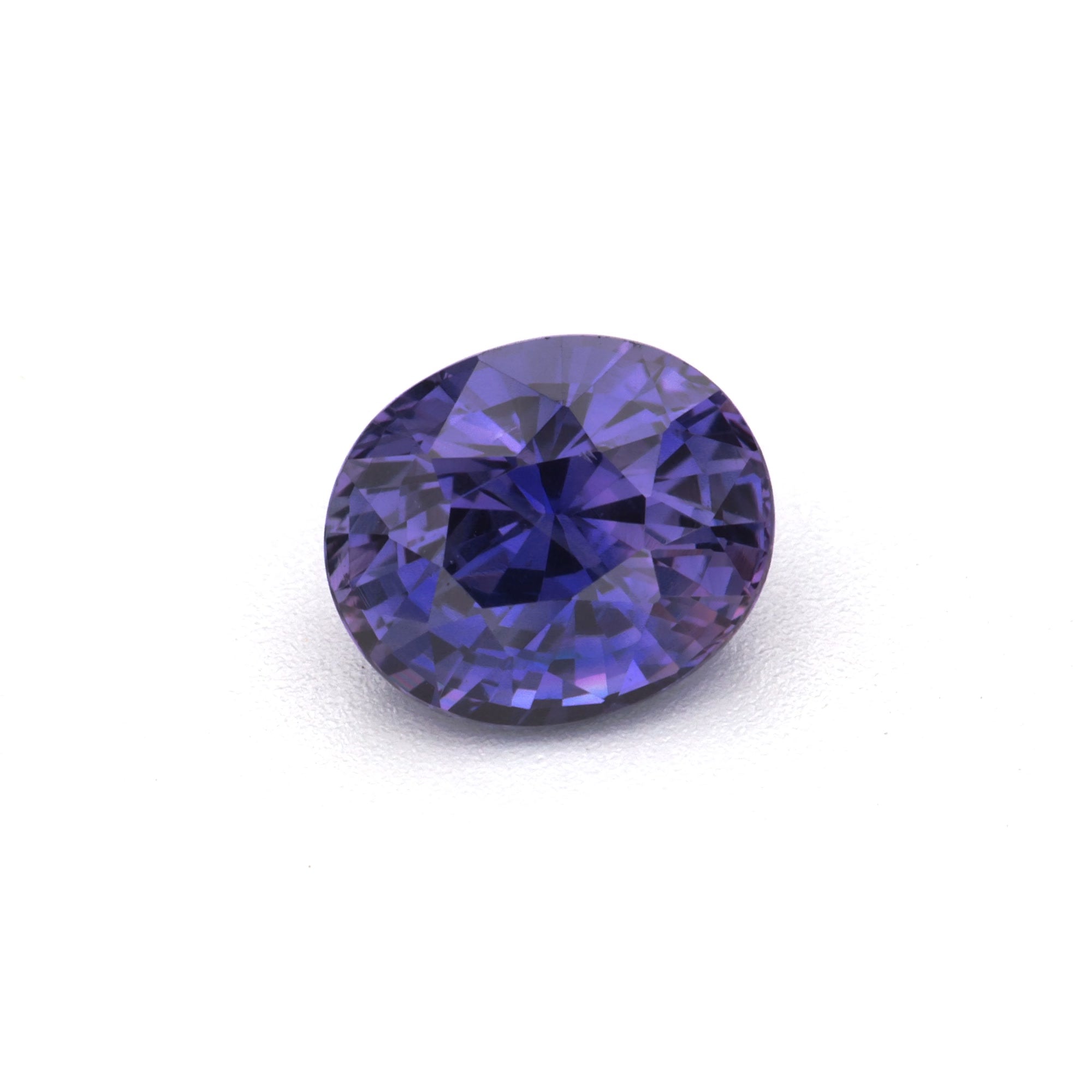
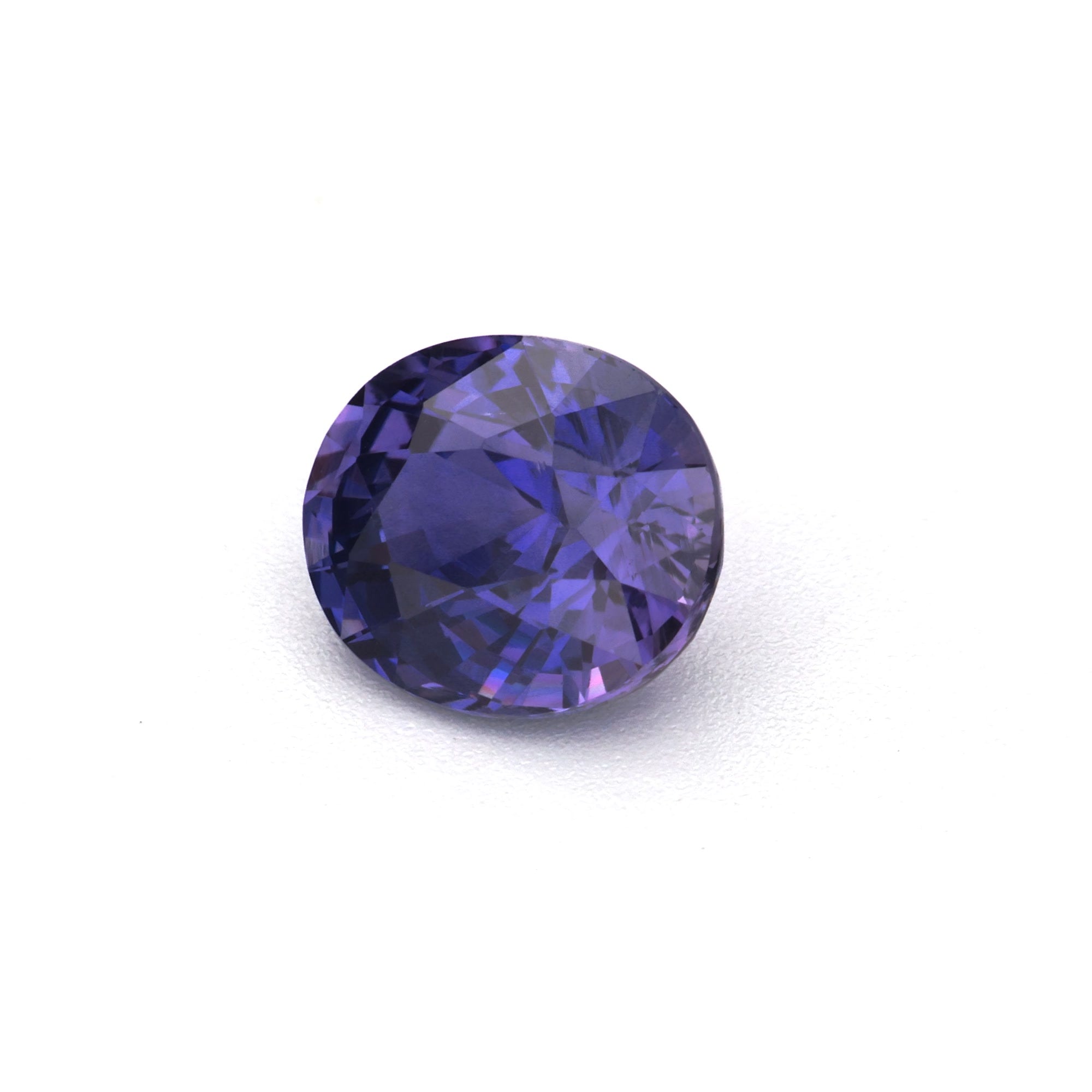
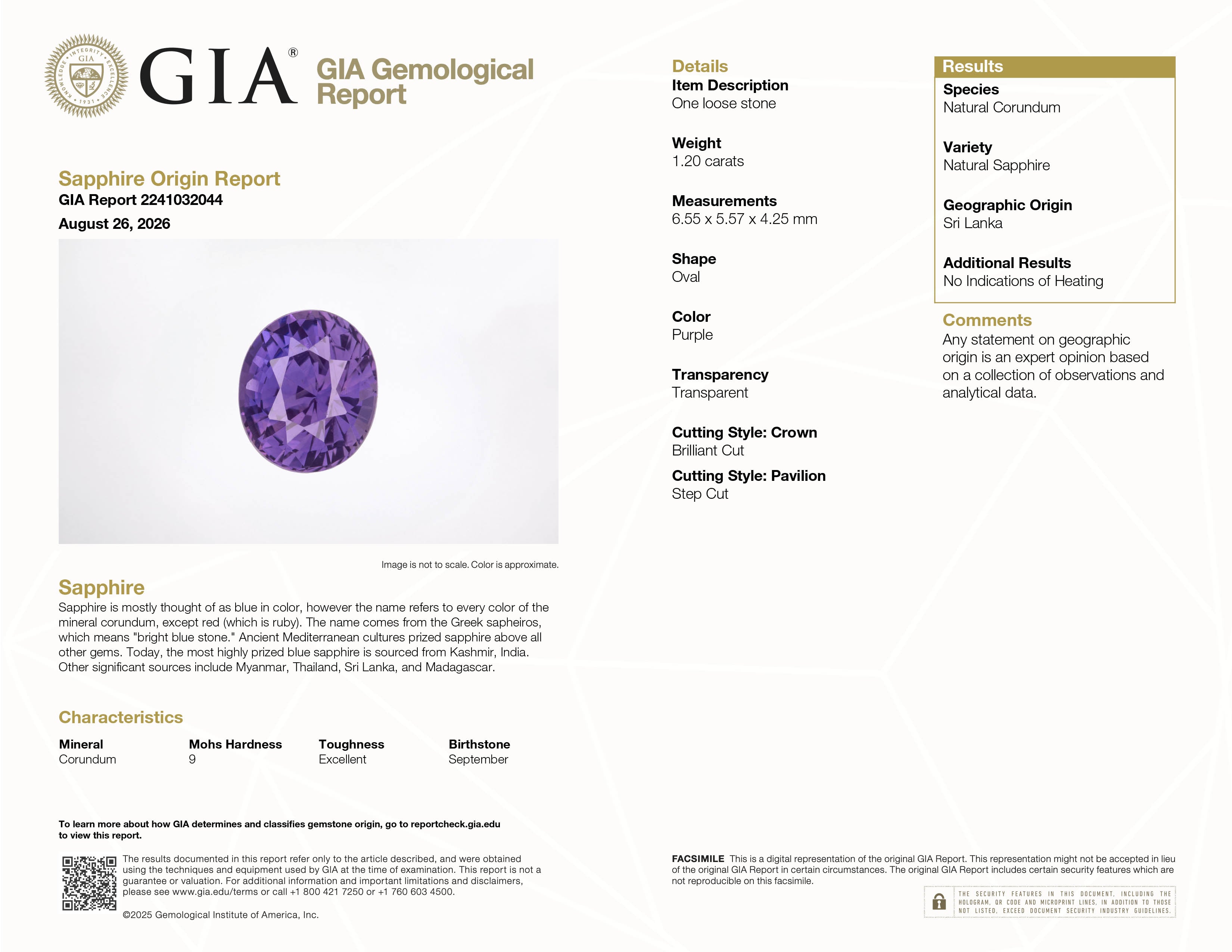
Purple and violet sapphires are genuinely rare — rarer than blue in terms of production percentage — but priced as if they were common. This disconnect between geological scarcity and market pricing makes purple and violet the most undervalued color category in the sapphire market. Insiders and collectors are buying; the mainstream has not caught up.
Why purple is trending: The vintage and Art Deco revival (vintage settings are up 36% year-over-year) has created demand for colors that evoke historical jewelry. Purple is inherently regal and pairs beautifully with the milgrain, filigree, and engraved settings that define the vintage trend. Some violet sapphires show a subtle color shift between daylight and incandescent light, adding a dynamic quality that collectors prize.
Best metal pairings: Yellow gold creates a luxurious, regal contrast. White gold maximizes the cool purple tone. Rose gold adds romantic warmth.
Price range: $750–$1,600 per carat at 1–2ct in our current stock (smaller sub-1ct stones run lower, from around $250/ct) — significantly below blue and pink for comparable rarity. Example from our collection: a 1.46ct AGCL-certified unheated purple oval at $1,606 (view).
Read the Purple Sapphire Buyer's Guide · Shop Purple and Violet Sapphires
Padparadscha is not a trend — it is a permanent fixture at the top of the sapphire market. But awareness is growing. As more buyers learn about sapphire colors through social media and educational content, padparadscha — the balanced pink-orange that is the rarest sapphire color — is entering the mainstream conversation. Demand is rising, supply is inherently limited, and prices are appreciating steadily.
Why padparadscha is trending: The peach sapphire trend (see above) is creating a funnel effect: buyers discover peach, learn that padparadscha is peach's rarer, more saturated sibling, and aspire to it. The result is rising demand at every price level of the pink-orange spectrum.
Price range: $3,000–$15,000+ per carat for certified material. We don't currently have padparadscha in stock at any size — if you're specifically looking for one, email crescentgems@gmail.com and we'll search on your behalf. Peach sapphire (roughly $500–$900/ct in our current stock) offers the accessible alternative.
Read the Padparadscha Guide · Padparadscha Sapphires collection (currently no padparadscha in stock — email us to be notified when new stock arrives)
Sapphire color does not exist in isolation — the setting, metal, and design context change how the color reads. These are the design trends shaping which sapphire colors buyers choose:
Yellow gold dominance (44% market share). Yellow gold enhances warm colors (yellow, peach, pink, orange) and adds vintage warmth to cool colors (blue, teal, purple). The return of yellow gold as the leading metal is one reason warm sapphire colors are trending so strongly.
East-west settings. Setting an oval, pear, or marquise sapphire horizontally rather than vertically creates a modern, unconventional silhouette. This works particularly well with teal, parti-colored, and color-change sapphires where the orientation affects how the color displays.
Toi et moi ("you and me") designs. Two stones set side by side — up 180% since 2023. The most popular pairing: a sapphire alongside a diamond, using the contrast between color and colorless to represent two personalities in one ring. Teal, pink, and vivid blue are the most popular sapphire choices for toi et moi.
Vintage and Art Deco revival. Milgrain edges, filigree, hand engraving — up 36% year-over-year. These settings favor deep, saturated colors that fill the intricate metalwork: royal blue, deep purple, vivid pink.
Bezel settings. The chunky bezel trend — wrapping metal around the stone's perimeter rather than holding it with prongs — creates a modern, secure silhouette that suits active lifestyles. Bezels work with every sapphire color but are especially popular with teal and green, enhancing their earthy, organic quality.
For more on how to match sapphire color to setting style, see How to Choose a Sapphire for Your Engagement Ring and How to Commission a Custom Ring.
| Color | Trend Direction | 1–2ct Range | Value Assessment |
|---|---|---|---|
| Teal | Strong growth | $600–$1,500/ct | Excellent — unheated at accessible prices |
| Peach | Strong growth | $500–$900/ct | Excellent — padparadscha-adjacent at a fraction |
| Blue (vivid) | Steady, dominant | $400–$1,800/ct heated; GIA unheated not stocked under 2ct (from ~$3,400/ct at 2.008ct) | Wide range; best value in heated with great cut |
| Pink | Rising fast | $500–$2,500/ct | Good — rising demand may push prices up |
| Yellow | Growing with gold trend | $700–$1,600/ct | Outstanding — most color per dollar |
| Purple/Violet | Emerging | $750–$1,600/ct | Best value — rare color, market hasn't caught up |
| Padparadscha | Accelerating demand | $3,000–$15,000+/ct | Investment grade — supply is finite; we currently have zero in stock |
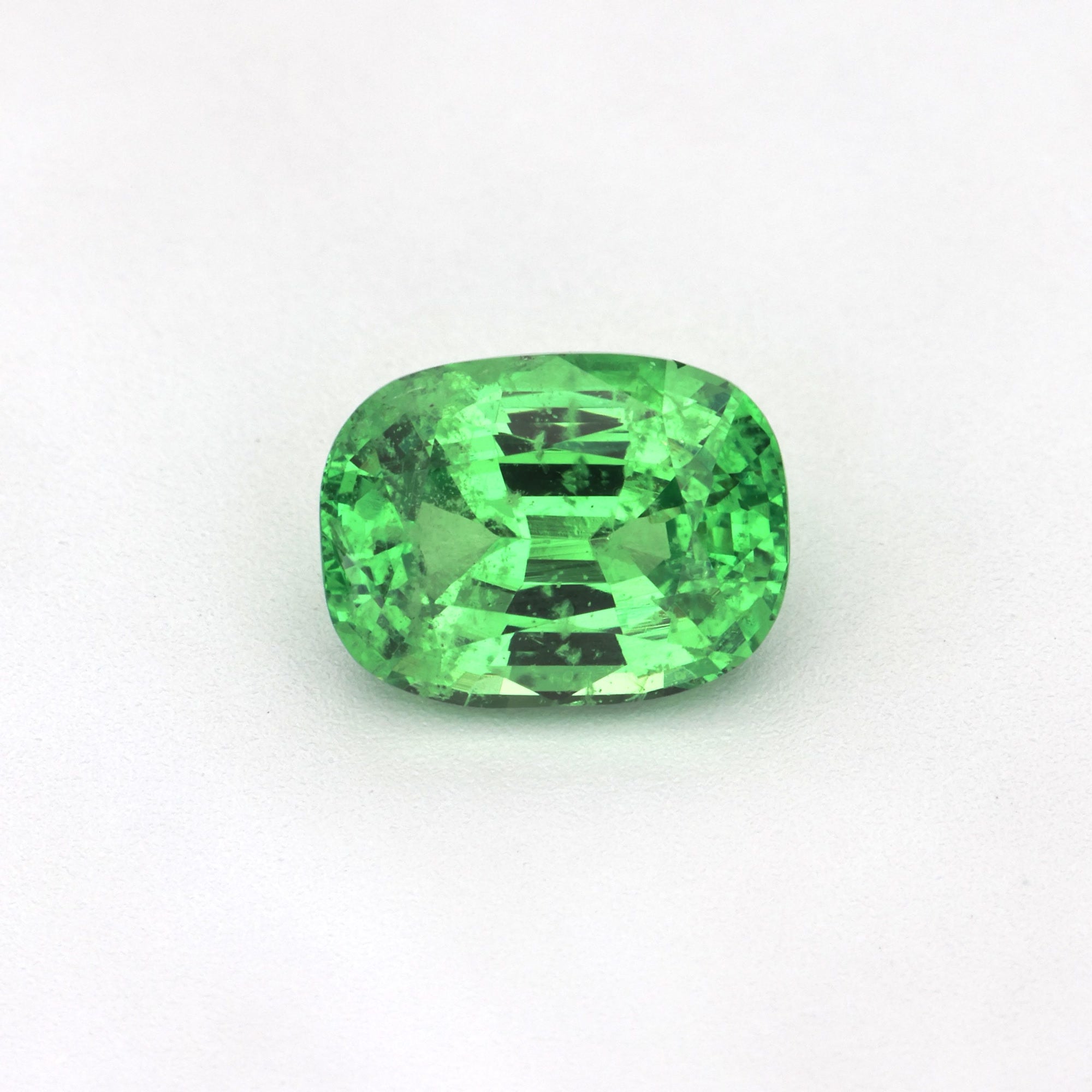
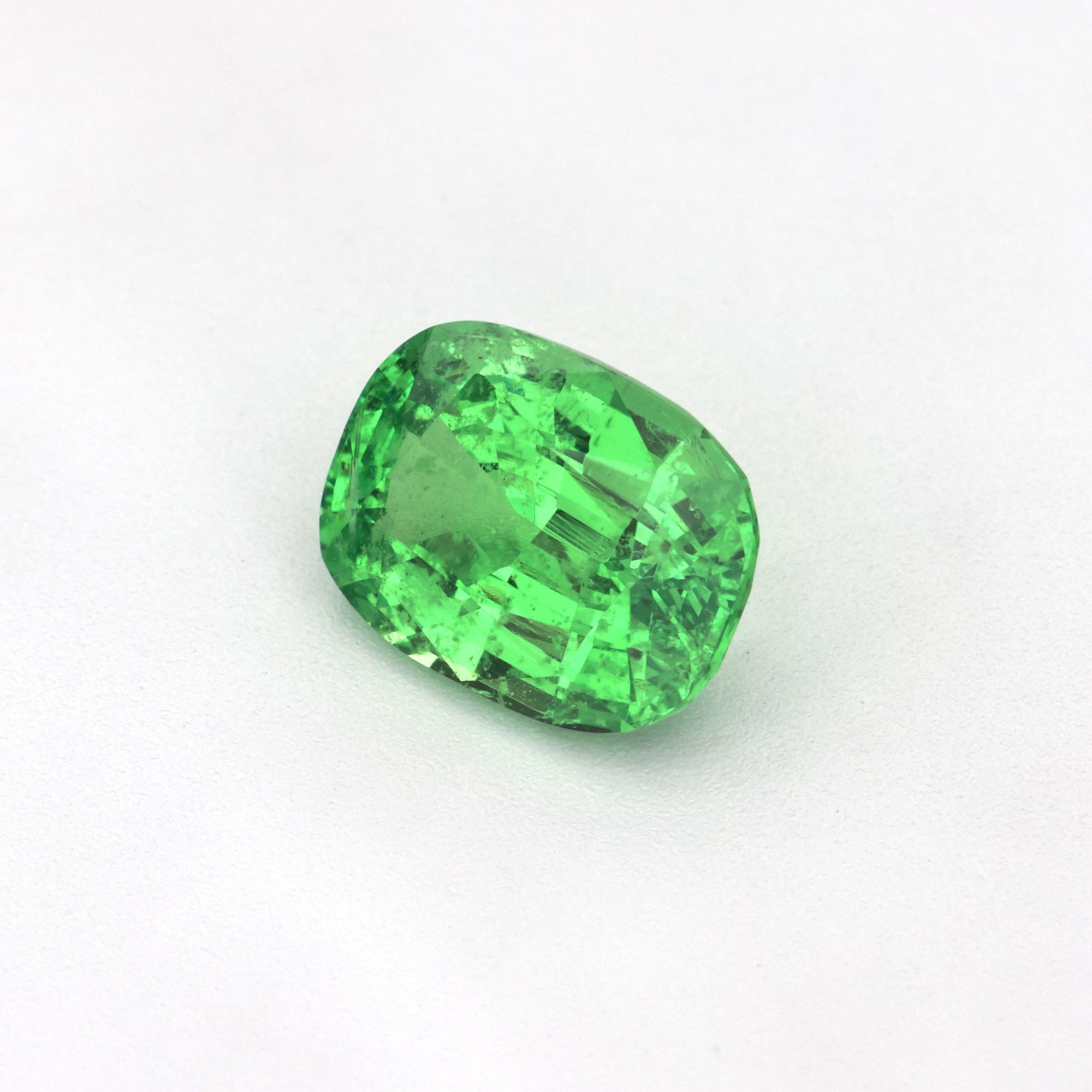
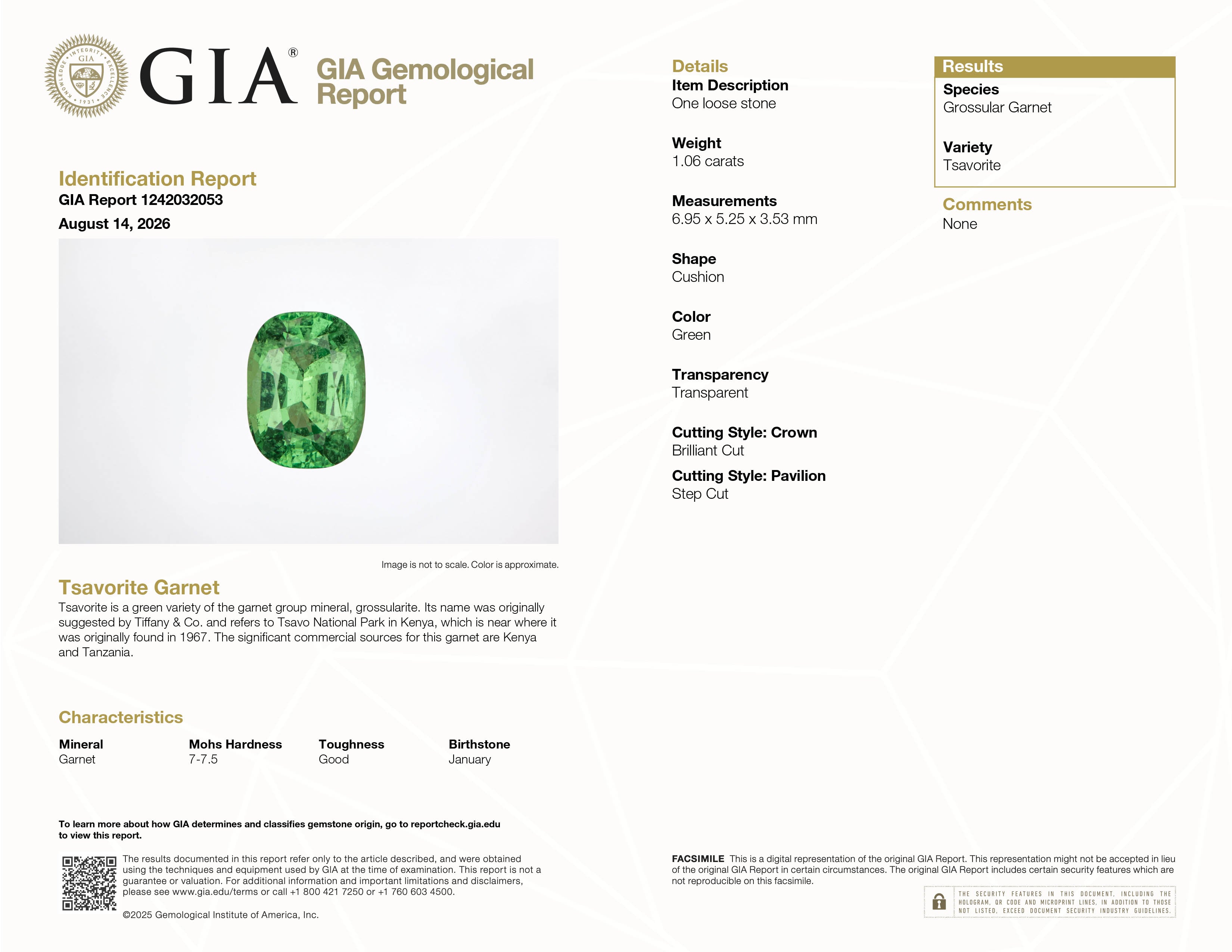
| Green | Steady niche | $800–$1,050/ct | Excellent — emerald alternative at a fraction |
1–2ct ranges above reflect current listed prices in our own collection as of August 2026 where we carry stock in that size, and are not fixed quotes. The padparadscha range reflects broader market guidance only — we don't currently carry padparadscha at any size.
For the full pricing framework across all colors, see Sapphire Pricing Explained. To compare all colors visually, explore our Interactive Sapphire Color Chart.
The best time to buy a trending color is before it peaks. Teal and peach are in the growth phase — demand is rising, prices are adjusting upward, but they have not yet reached the premium levels that blue commands. Yellow and purple are still in the discovery phase — prices are genuinely low relative to rarity. Padparadscha and fine unheated blue are in the established premium phase — prices are high and rising, driven by structural scarcity.
Trends do not change the fundamentals. Regardless of what is trending, the buying priorities remain the same: vivid color, excellent cut quality with no window, eye-clean clarity, and honest treatment disclosure. A trending color in a poorly cut stone is still a poor purchase. A less-trendy color in a superb cut is still a great one. See How Cut Affects a Sapphire.
Natural beats manufactured. One of the strongest undercurrents of 2026 is the growing distinction between natural and manufactured stones. As lab-grown diamonds become more commoditized, the value proposition of natural sapphire — earth-formed, individually unique, finite in supply — becomes stronger. A natural sapphire is not a cheaper alternative to a diamond. It is a fundamentally different choice: color, rarity, natural origin. See Sapphire vs. Moissanite vs. Lab Diamond.
Every stone in our catalog is natural, individually photographed, and ships with complete treatment disclosure and a 14-day return policy:
Ready to design a ring around your favorite color? Our in-house jewelry division handles everything from loose stone to finished piece. See How to Commission a Custom Ring or email crescentgems@gmail.com. We respond within one business day.
Cognac and champagne tones remain an underrated, budget-friendly choice — see our brown sapphire collection.

CG8437

CG8366
Prices are shown in your local currency and may change.
CG8465
CG8460
CG8456


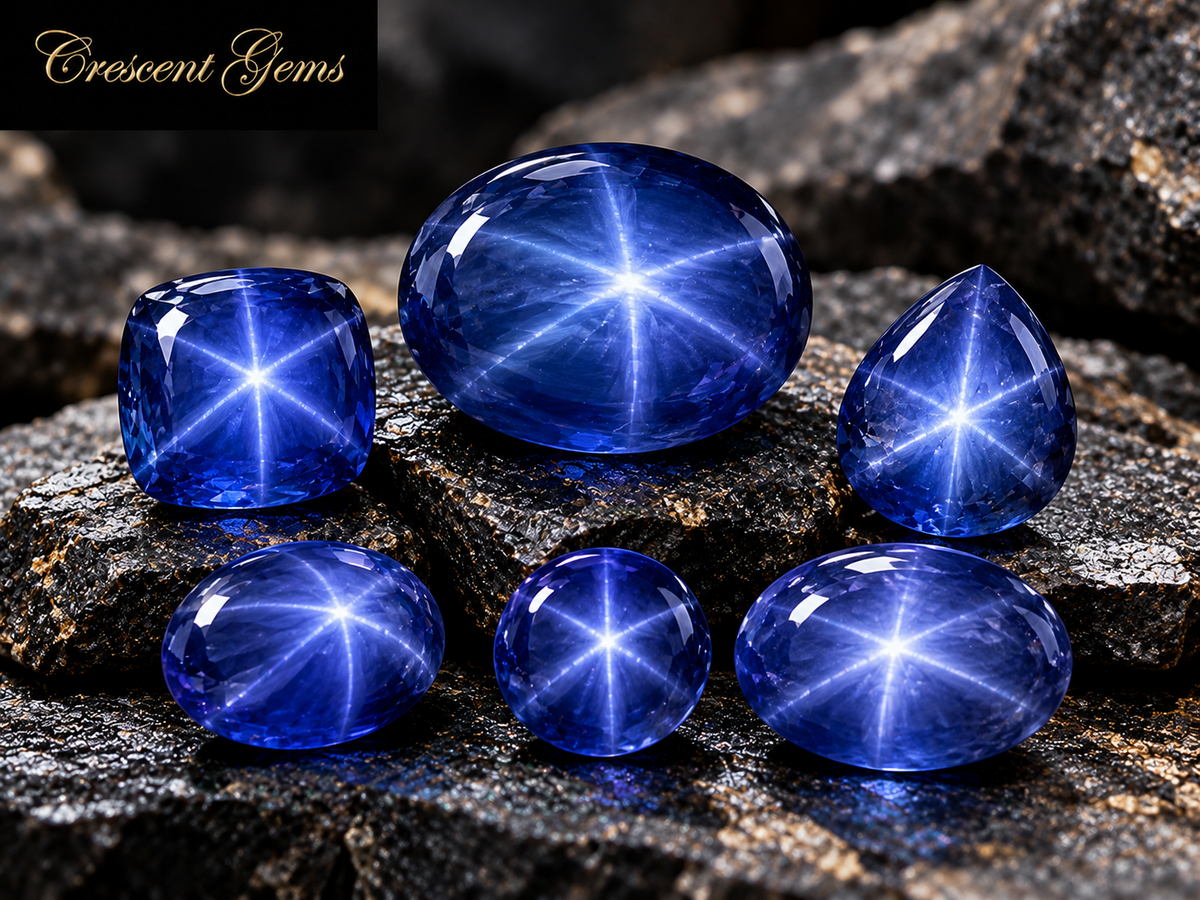
Blue Star Sapphire Price Guide — What They Cost and Why
Read moreabout Blue Star Sapphire Price Guide — What They Cost and Why
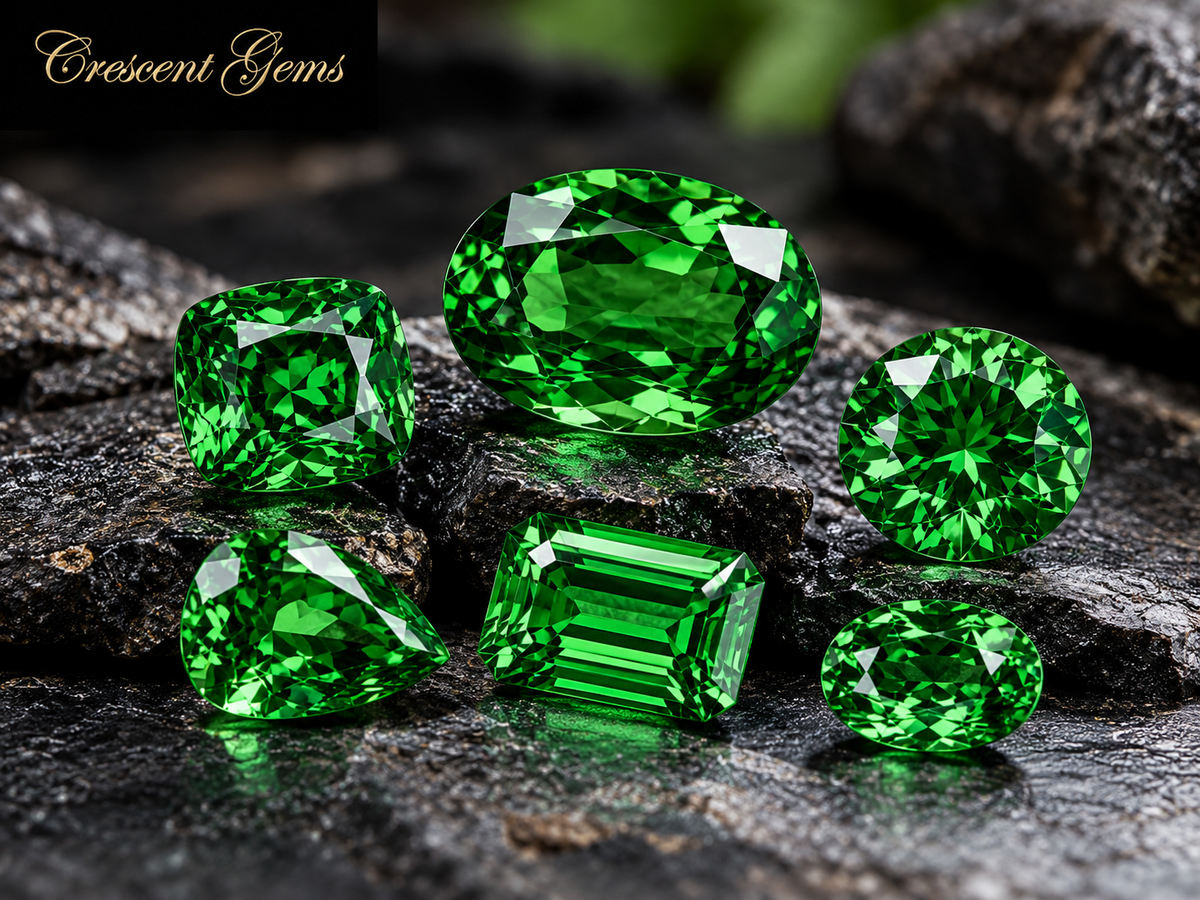
Tsavorite Garnet Price Guide — What They Cost and Why
Read moreabout Tsavorite Garnet Price Guide — What They Cost and Why
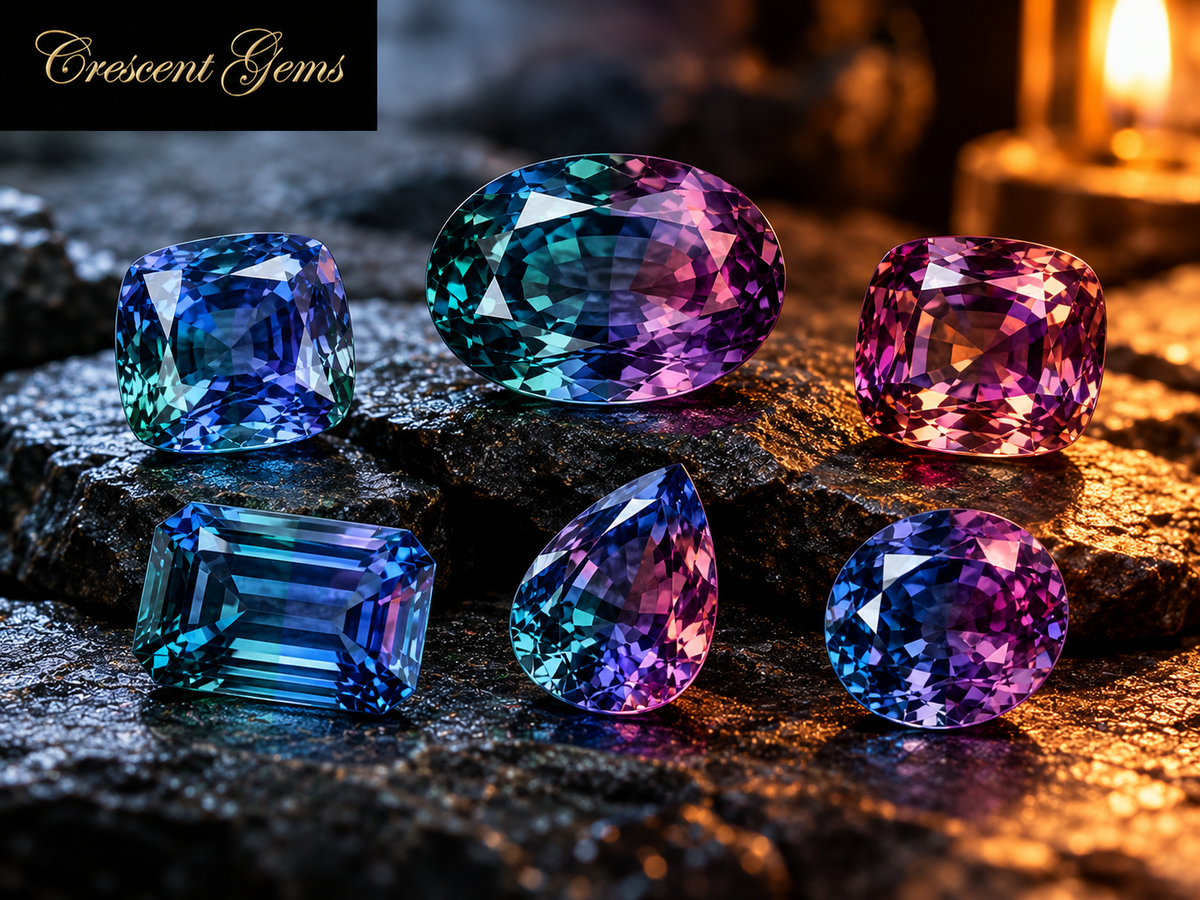
Color-Change Sapphire Price Guide — What They Cost and Why
Read moreabout Color-Change Sapphire Price Guide — What They Cost and Why
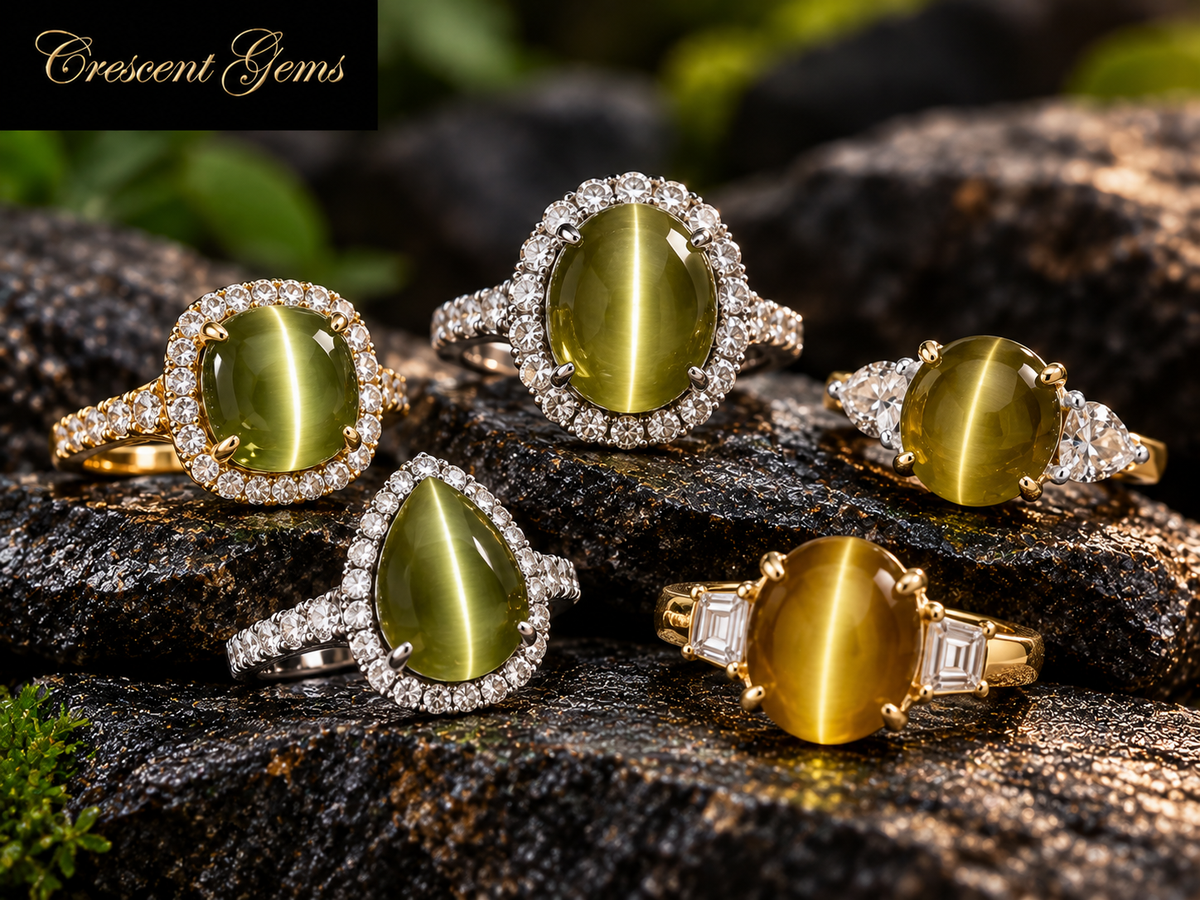
Is Cat's-Eye Chrysoberyl Good for an Engagement Ring?
Read moreabout Is Cat's-Eye Chrysoberyl Good for an Engagement Ring?
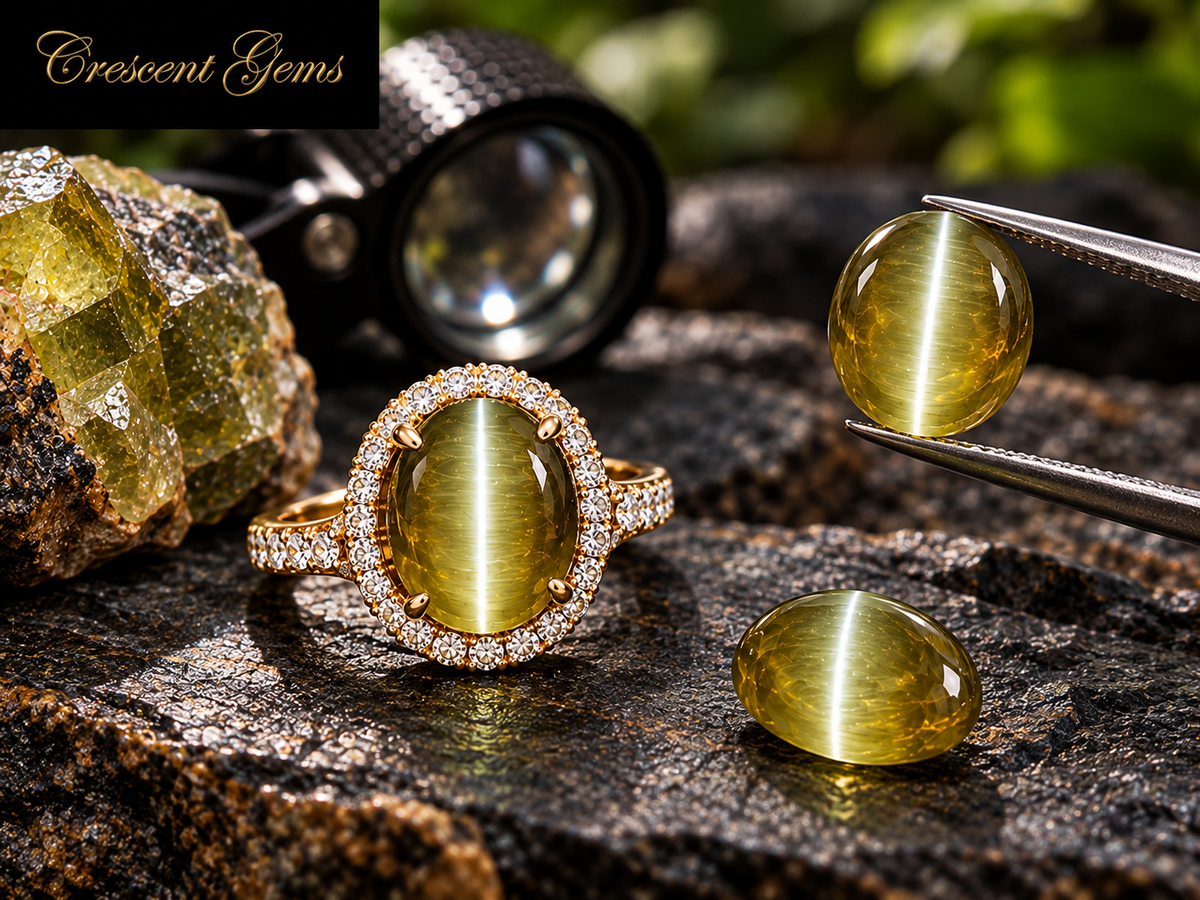
Cat's Eye Chrysoberyl Price Guide — What They Cost and Why
Read moreabout Cat's Eye Chrysoberyl Price Guide — What They Cost and Why






















Share: