- by Ahmed Shareek
The Ratnapura Gem Market — How Sapphires Are Traded at the Source
- by Ahmed Shareek
New to buying sapphires? Start with our Ultimate Sapphire Buying Guide — the complete resource for color, origin, treatment, and pricing.
Ratnapura means "City of Gems" in Sinhalese, and it is not a poetic name — it is a literal description. This city of roughly 50,000 people in Sri Lanka's Sabaragamuwa Province sits at the center of the island's richest gem-bearing alluvial deposits and has been the commercial heart of the Ceylon gem trade for centuries. If you have ever bought a Ceylon sapphire, the stone almost certainly passed through Ratnapura at some point in its journey from the earth to your hand.
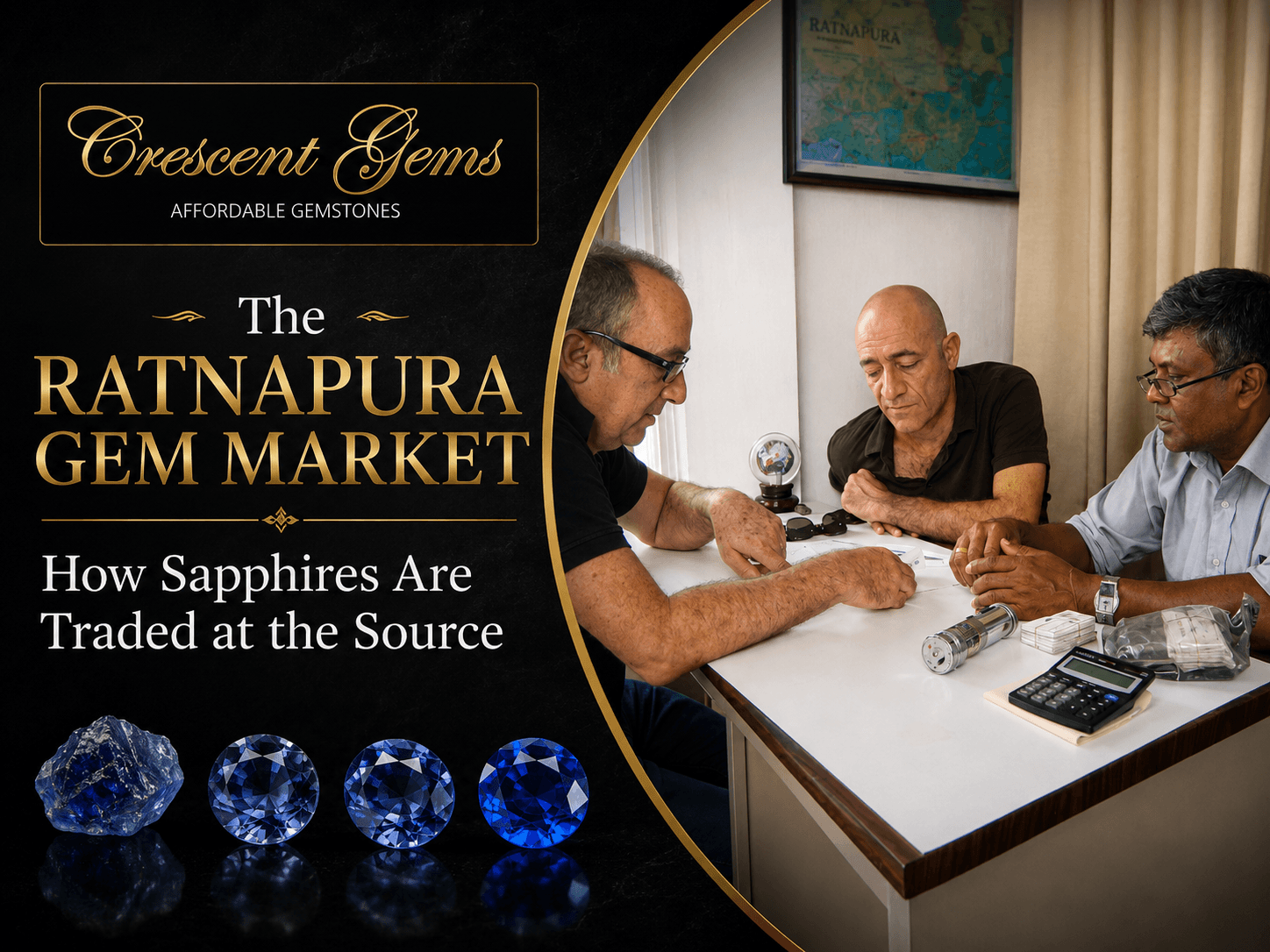
Most sapphire buyers never see this stage of the supply chain. The trading happens in offices, hotel rooms, and open-air markets that do not appear on tourist maps. Rough parcels change hands over calculators and loupes. Prices are negotiated in a mixture of Sinhalese, Tamil, and English. Deals worth thousands of dollars are sealed with a handshake. This is where the sapphire market actually functions — upstream of the polished product pages and the retail display cases.
At Crescent Gems, Ratnapura is not a story we tell secondhand. It is where we source. This article describes how the gem market in Ratnapura actually works, what happens when rough and cut sapphires are traded at the source, and why direct-source buying produces a different product at a different price than the traditional retail supply chain.

Ratnapura sits about 100 kilometers southeast of Colombo in the foothills of Sri Lanka's central highlands. The gem-bearing gravel deposits — the illam — extend across the Ratnapura district and into neighboring regions including Elahera, Balangoda, and Nivitigala. Miners extract rough from pit mines and river beds across this area and bring it to Ratnapura for sale.
The city functions as a collection point. Rough and freshly cut stones flow in from dozens of mining operations scattered across the surrounding countryside. Buyers — local dealers, exporters, international traders, and direct-source retailers like Crescent Gems — converge on Ratnapura to inspect, evaluate, and purchase material before it enters the wider supply chain.
Trading happens in several overlapping venues: the Ratnapura gem market (an open-air market where miners and small-scale dealers sell rough and commercial-grade cut stones), private offices and showrooms where higher-value transactions take place, and hotel rooms where visiting international buyers meet dealers by appointment. The hierarchy is informal but real — the most valuable stones are traded quietly in private, while commercial-grade material moves through the more visible market channels.
A typical trading session follows a ritual that has not changed in its essentials for generations. The dealer or miner arrives with a collection of stones — sometimes rough, sometimes freshly cut, sometimes both — wrapped in small paper packets called briefkes. The stones are laid out on a white surface in natural daylight, and the evaluation begins.
Serious gem trading in Sri Lanka always happens in natural daylight. The trading table is positioned near a window or under a skylight because daylight is the most honest light source for evaluating sapphire color. Artificial lighting flatters stones in ways that daylight does not, and experienced buyers know that a stone evaluated only under incandescent or LED light can look very different in the real-world conditions where it will be worn. This is why we photograph all our stones under standardized neutral lighting and recommend viewing stones under multiple light sources before committing. See How Cut Affects a Sapphire.

Every stone is examined first by eye — for color, brilliance, and face-up presence — and then under a 10× loupe for clarity, inclusions, and cut quality. Experienced dealers can assess a stone's approximate value in seconds based on face-up color and transparency. The loupe confirms what the eye suspects: the location and severity of inclusions, the presence of silk (indicating unheated status), the precision of the cut, and any features that affect value.
This is not a laboratory examination. It is a commercial evaluation by people who have been looking at sapphires every day for decades. The speed and accuracy of experienced Sri Lankan dealers is remarkable — they identify color quality, treatment status, and approximate carat value faster than most gemological instruments. Their eyes are calibrated by tens of thousands of stones. For more on what inclusions reveal, see How to Read Sapphire Inclusions.
Pricing in the Ratnapura gem market is entirely negotiated. There are no fixed prices, no price tags, and no published rate cards. The seller states an asking price; the buyer makes a counter-offer. The negotiation proceeds through rounds of offers and counter-offers until agreement is reached or the parties walk away. Prices are typically discussed in Sri Lankan rupees per carat for rough and in US dollars per carat for finished stones destined for export.
The negotiation is informed by both parties' knowledge of current market conditions, recent comparable sales, the specific quality of the stone in question, and the relationship between buyer and seller. Long-standing relationships matter enormously in the Sri Lankan gem trade. Dealers who have worked together for years offer each other preferential pricing, first access to exceptional stones, and a level of trust about treatment disclosure that cannot be replicated in arm's-length transactions.
This is one of the direct advantages of Crescent Gems' sourcing model. Our relationships in Ratnapura are measured in decades, not transactions. When a miner finds an exceptional piece of rough or a cutter produces a particularly fine stone, our network ensures we hear about it before it enters the broader export pipeline.
In the Sri Lankan gem trade, a deal is sealed with a handshake, not a contract. Once buyer and seller shake hands on a price, the transaction is considered binding. Walking away from a handshake deal is a serious breach of trade ethics that can damage a dealer's reputation permanently. This system of honor-based trading works because the community is small, interconnected, and has a long memory. Your reputation is your most valuable asset in Ratnapura, and it takes years to build and seconds to destroy.
Rough — uncut crystals as they come from the mine — is the most upstream product traded in Ratnapura. Buying rough requires the most expertise because the buyer is betting on what the crystal will become after cutting: how much weight it will retain, how the color will present face-up, whether inclusions hidden beneath the surface will affect the finished stone. Rough buying is where the deepest knowledge of the material pays off, and where the largest margins are made or lost.
At Crescent Gems, we evaluate rough parcels at source and select crystals based on their color potential, clarity, and suitability for specific cut styles. Not every piece of rough is worth cutting — our selection process at this stage determines the quality of the finished stones in our catalog. For more on what happens to rough after we select it, see Faceting Sapphires.
A large proportion of sapphires traded in Ratnapura are "native cut" — cut locally by Sri Lankan cutters whose primary optimization target is weight retention. These stones are cut to preserve maximum carat weight from the rough, which is economically rational for the cutter but often produces stones with windows, asymmetric outlines, and suboptimal face-up color. We routinely buy native-cut stones at source and recut them in our own workshop to correct proportions, accepting weight loss in exchange for dramatically improved optical performance.

A smaller but growing proportion of stones traded in Ratnapura are precision-cut to international standards — calibrated sizes, symmetrical outlines, optimized pavilion and crown angles. These command higher per-carat prices but sell more readily in export markets where face-up appearance is valued over raw weight.
Understanding the Ratnapura trading ecosystem explains why direct-source purchasing produces a different price point than traditional retail.
In the conventional supply chain, a stone passes through multiple hands after leaving Ratnapura:
Each step adds margin. The stone itself has not changed — only the number of hands that touched it and the accumulated margin of each intermediary.
Two to three steps instead of five or six. No Bangkok middleman, no importing distributor, no retail markup. The price you pay reflects the stone's actual market value plus our margin — not the accumulated margin of an entire supply chain. This is why equivalent quality from Crescent Gems costs 30–60% less than traditional retail. See Why Our Gemstones Cost Less Than Retail and Sapphire Pricing Explained.
Bangkok and New York are the world's largest secondary gem trading centers. They are where Sri Lankan, Malagasy, Burmese, and other rough is shipped, cut, treated, certified, and redistributed to the global retail market. They are important cities in the gem trade, but they are downstream.
Ratnapura is upstream. It is the point of origin — where the stones emerge from the earth and enter the commercial system for the first time. Buying at Ratnapura offers three specific advantages that downstream markets cannot replicate:
Provenance visibility. At Ratnapura, you can trace a stone back to the specific mine, the specific miner, and the specific parcel it came from. By the time a stone reaches Bangkok, it has been consolidated into wholesale lots where individual provenance is lost. When we tell you a stone is from the Ratnapura gem fields, it is because we were there when it was traded — not because a certificate says so.
Treatment knowledge. At the source, you know whether a stone has been heated because you know its history. You know who mined it, who cut it, and whether it went through a furnace. Downstream, treatment status is determined retrospectively by laboratory analysis. Both methods are valid, but source knowledge adds a layer of confidence that laboratory analysis alone cannot provide. See How Heat Treatment Works and What Is an Unheated Sapphire.
Pricing before markup. Every intermediary between Ratnapura and the retail customer adds cost without adding value to the stone. The sapphire is the same physical object at every stage. Only the price changes. Buying at the source eliminates the intermediary markups that account for the majority of the gap between wholesale and retail pricing.
The gem trade in Ratnapura is a community. Miners, cutters, dealers, and exporters are connected by family ties, business partnerships, and relationships that span generations. Many of the dealers operating in Ratnapura today are second or third generation — they inherited both their businesses and their reputations from their fathers and grandfathers.
This community structure is what makes the handshake system work. It is also what makes direct sourcing possible for a company like Crescent Gems. Our proprietor, Ahmed Shareek, has been working with the same network of miners, cutters, and dealers for over 25 years. Those relationships are not just commercial — they are personal. They produce access to material, reliability of disclosure, and a level of trust that a one-time buyer or a distant retailer simply cannot build.
When you buy a sapphire from Crescent Gems, you are buying from a chain of trust that starts in Ratnapura and ends at your door. We know where the stone came from. We know who cut it. We know whether it was heated. And we stand behind that knowledge with full treatment disclosure on every product page and a 14-day return policy on every purchase.
Ratnapura is accessible from Colombo by road (approximately 3–4 hours through scenic hill country). The gem market is most active in the morning hours. Visitors are welcome to observe the open-air market, though purchasing rough or finished stones as a non-specialist buyer carries significant risk without expert guidance — there is no consumer protection framework, no fixed pricing, and no return policy in the open market.
If you are interested in visiting Ratnapura or in understanding more about how your sapphire was sourced, email crescentgems@gmail.com. We are happy to share the sourcing story behind any specific stone in our catalog.
Browse the full Ceylon sapphire catalog — every stone sourced directly from Sri Lanka's gem regions. Email crescentgems@gmail.com with questions. We respond within one business day.

CG8307

CG8366
CG8313
CG8445
CG8433
CG8434
CG8431
CG8438


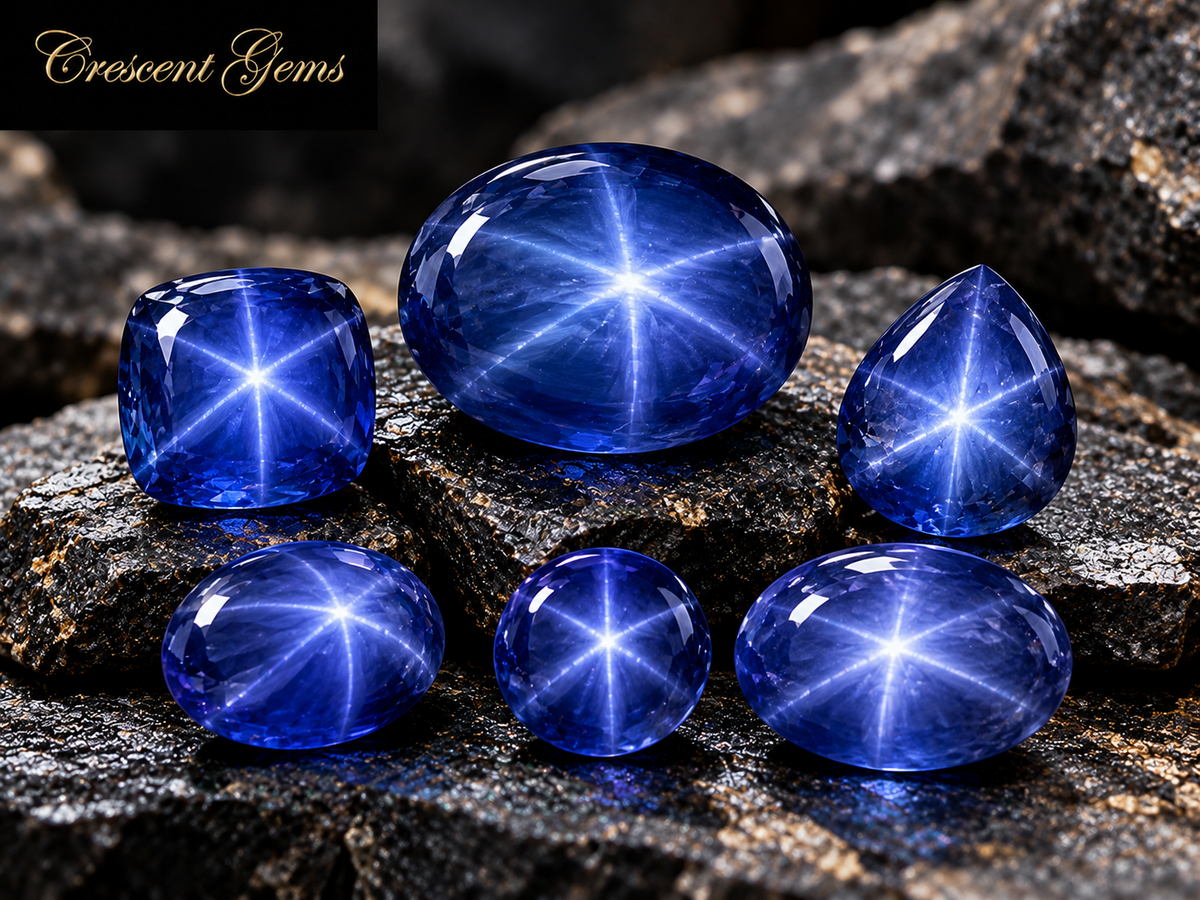
Blue Star Sapphire Price Guide — What They Cost and Why
Read moreabout Blue Star Sapphire Price Guide — What They Cost and Why
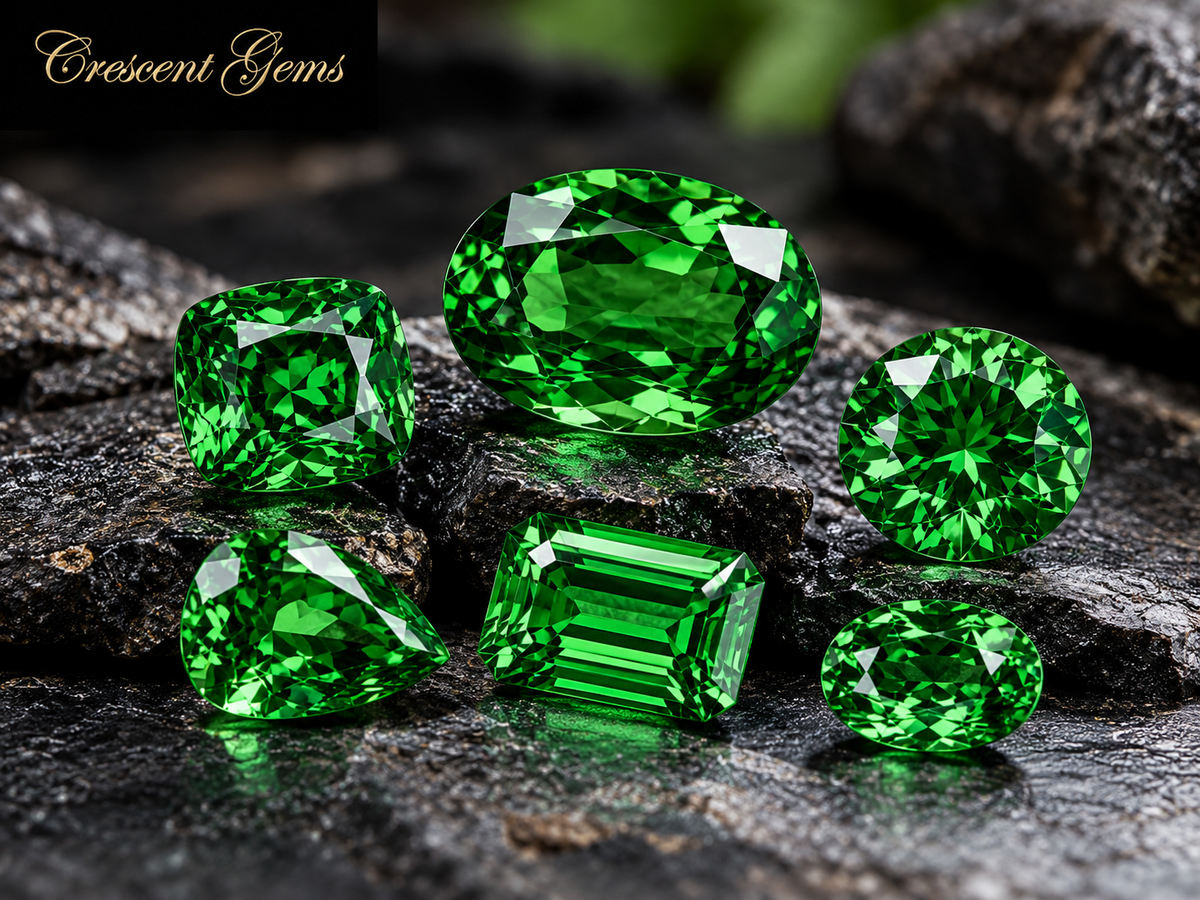
Tsavorite Garnet Price Guide — What They Cost and Why
Read moreabout Tsavorite Garnet Price Guide — What They Cost and Why
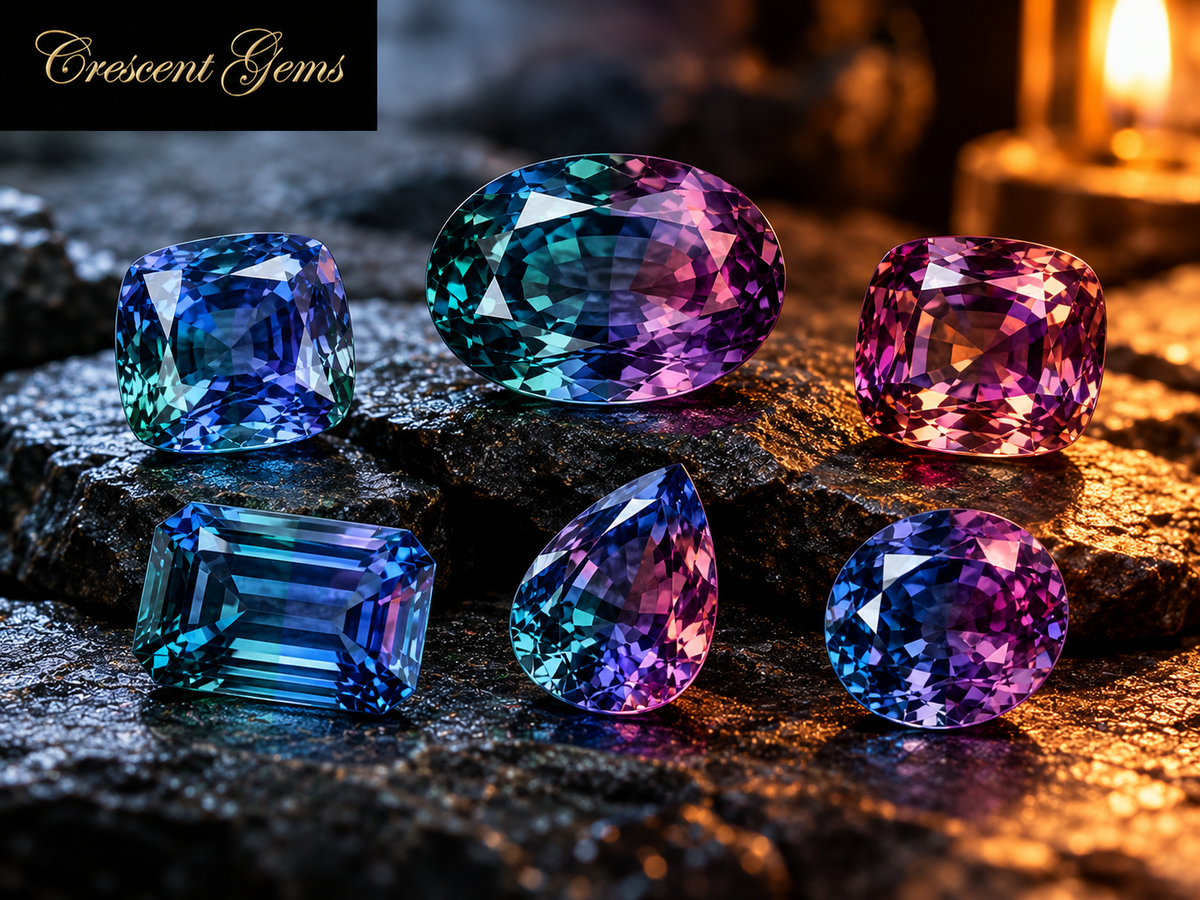
Color-Change Sapphire Price Guide — What They Cost and Why
Read moreabout Color-Change Sapphire Price Guide — What They Cost and Why
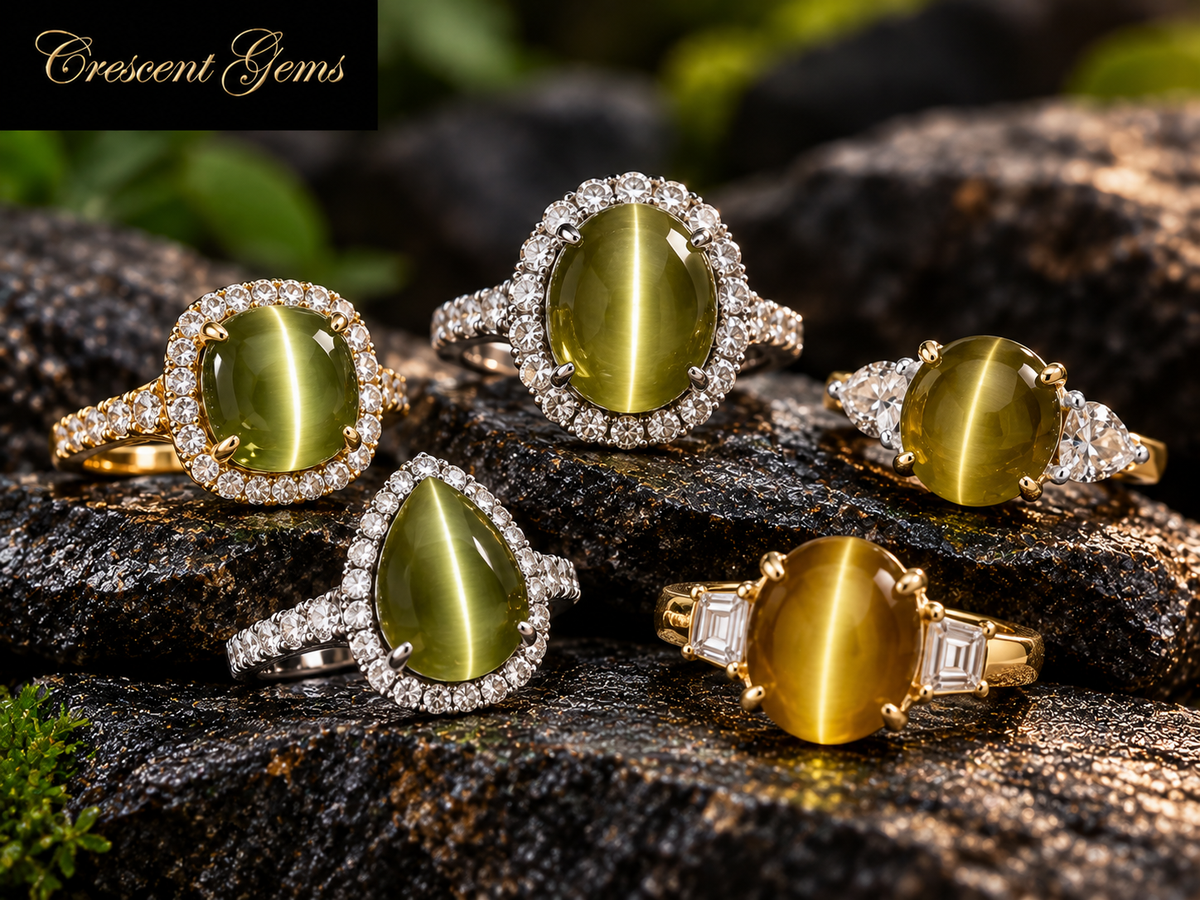
Is Cat's-Eye Chrysoberyl Good for an Engagement Ring?
Read moreabout Is Cat's-Eye Chrysoberyl Good for an Engagement Ring?
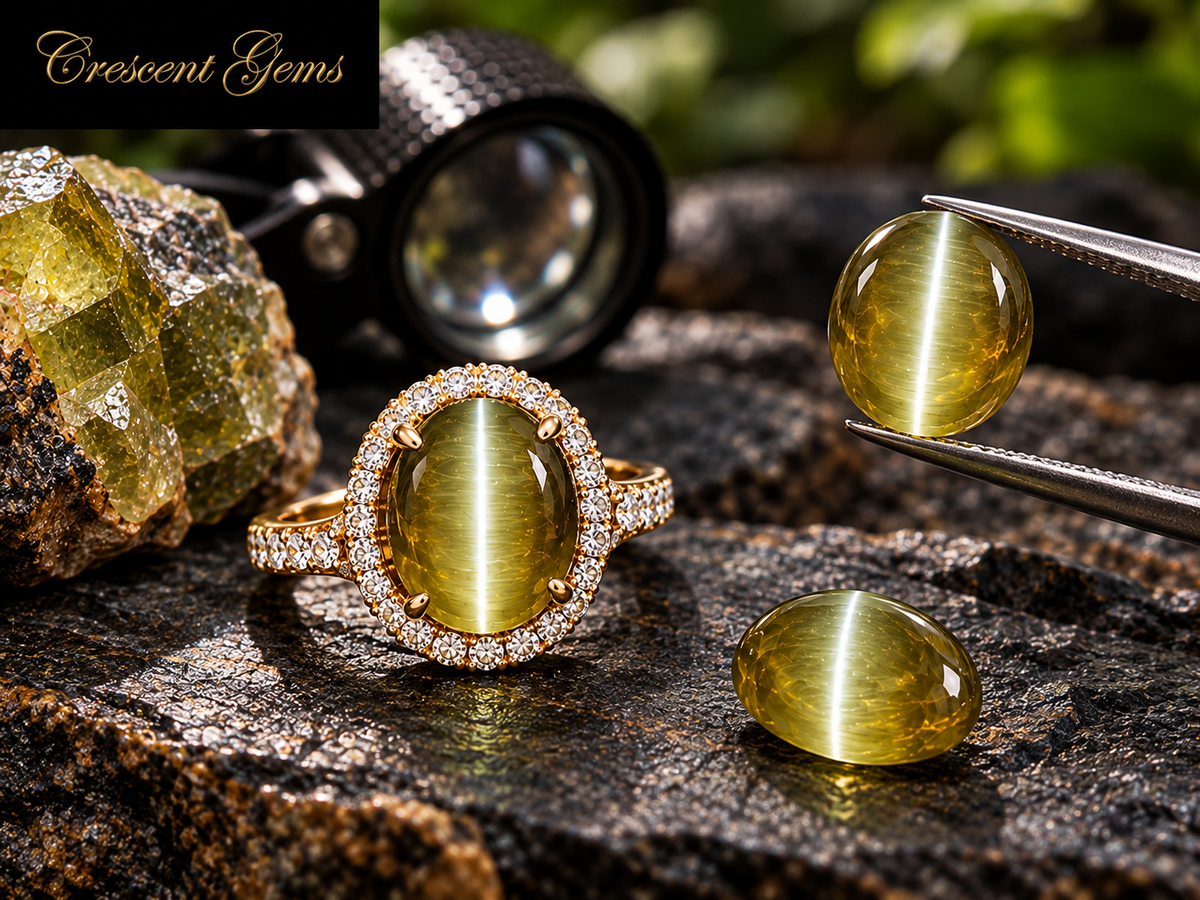
Cat's Eye Chrysoberyl Price Guide — What They Cost and Why
Read moreabout Cat's Eye Chrysoberyl Price Guide — What They Cost and Why