- by Ahmed Shareek
Yellow Sapphire — The Complete Buyer’s Guide to Colour, Origin, and Value
- by Ahmed Shareek
New to buying sapphires? Start with our Ultimate Sapphire Buying Guide — the complete resource for colour, origin, treatment, and pricing — then return here for yellow sapphire specifically.
Yellow sapphire is the most commercially significant non-blue sapphire in the world, and the most consistently undervalued relative to its rarity and optical quality. Most buyers encounter it through two very different routes: Jyotish (Vedic astrology), where it is one of the most prescribed gemstones in the world, and jewellery design, where it offers the visual impact of a fine yellow diamond at a fraction of the price and far superior durability to the alternatives.
Yellow sapphire gets its colour from iron in the corundum crystal lattice. The range spans from pale straw through rich golden-yellow to deep orange-gold.
Pale yellow (straw, champagne, lemon): Delicate and subtle; less expensive per carat than vivid yellows and often unheated. For Jyotish use, pale stones are generally not recommended.
Medium golden yellow — the commercial sweet spot: A warm, bright yellow that reads clearly as yellow in all lighting without appearing dark or greenish. Ceylon yellow sapphire in this tone range — a warm, slightly amber-inflected gold — is the benchmark for the colour family.
Vivid canary yellow: A bright, pure, highly saturated yellow with no orange or brown modifier — the rarest and most valuable position. A natural, unheated Ceylon canary above 2 carats with GIA documentation is a genuinely scarce object.
Deep orange-yellow: At the warm end of the spectrum, yellow sapphire transitions through orange-yellow toward adjacent orange sapphire territory. These stones are generally less expensive than pure medium-vivid yellow.
Ceylon (Sri Lanka): The global benchmark — a warm, slightly golden quality that other origins approach but do not exactly replicate. Fine unheated Ceylon yellow above 3 carats with GIA documentation is the pinnacle of the colour family. See our Ceylon sapphire complete guide.
Madagascar: The most commercially significant modern source. Madagascar yellows tend toward a slightly brighter, more purely yellow tone compared to Ceylon's warmer quality. See our Madagascar sapphire guide.
Tanzania and East Africa: Generally less expensive, often heat treated, priced as commercial-grade material.
| Origin | Colour character | Treatment | Origin premium |
|---|---|---|---|
| Ceylon (Sri Lanka) | Warm golden yellow, amber-inflected | Both; significant unheated supply | Highest |
| Madagascar | Bright, slightly cooler yellow | Both; good unheated supply | Moderate |
| Tanzania / Other | Warmer, orange-yellow tendency | Mostly heated | Lower |
Most commercial yellow sapphire is heat treated. The unheated premium adds a multiplier of 2x-5x to the heated price at equivalent quality, increasing as carat weight and colour quality improve. See our unheated sapphire guide and heat treatment process explained.
Yellow sapphire is the most widely prescribed Navratna gemstone in Jyotish — known as Pukhraj, it is the gemstone of Jupiter (Guru or Brihaspati). Jyotish specifications require: natural corundum (unheated, GIA or GII documented), eye-clean, Ceylon origin preferred, minimum 2-3 carats, set in yellow gold touching the skin on the index finger of the right hand. See our Jyotish sapphire buying guide.
| Factor | Yellow Sapphire | Yellow Diamond | Citrine |
|---|---|---|---|
| Mohs hardness | 9 | 10 | 7 |
| Daily wear suitability | Excellent | Excellent | Moderate (scratches easily) |
| Price (1ct, fine colour) | $400-3,500 (heated-unheated) | $5,000-20,000+ | $20-$100 |
| Jyotish-valid | Yes (if unheated, natural) | No | No |
Figures above are approximate market guidance, not fixed quotes. Actual value varies by treatment, origin, colour, cut, clarity, and certification.
See our sapphire vs diamond comparison.
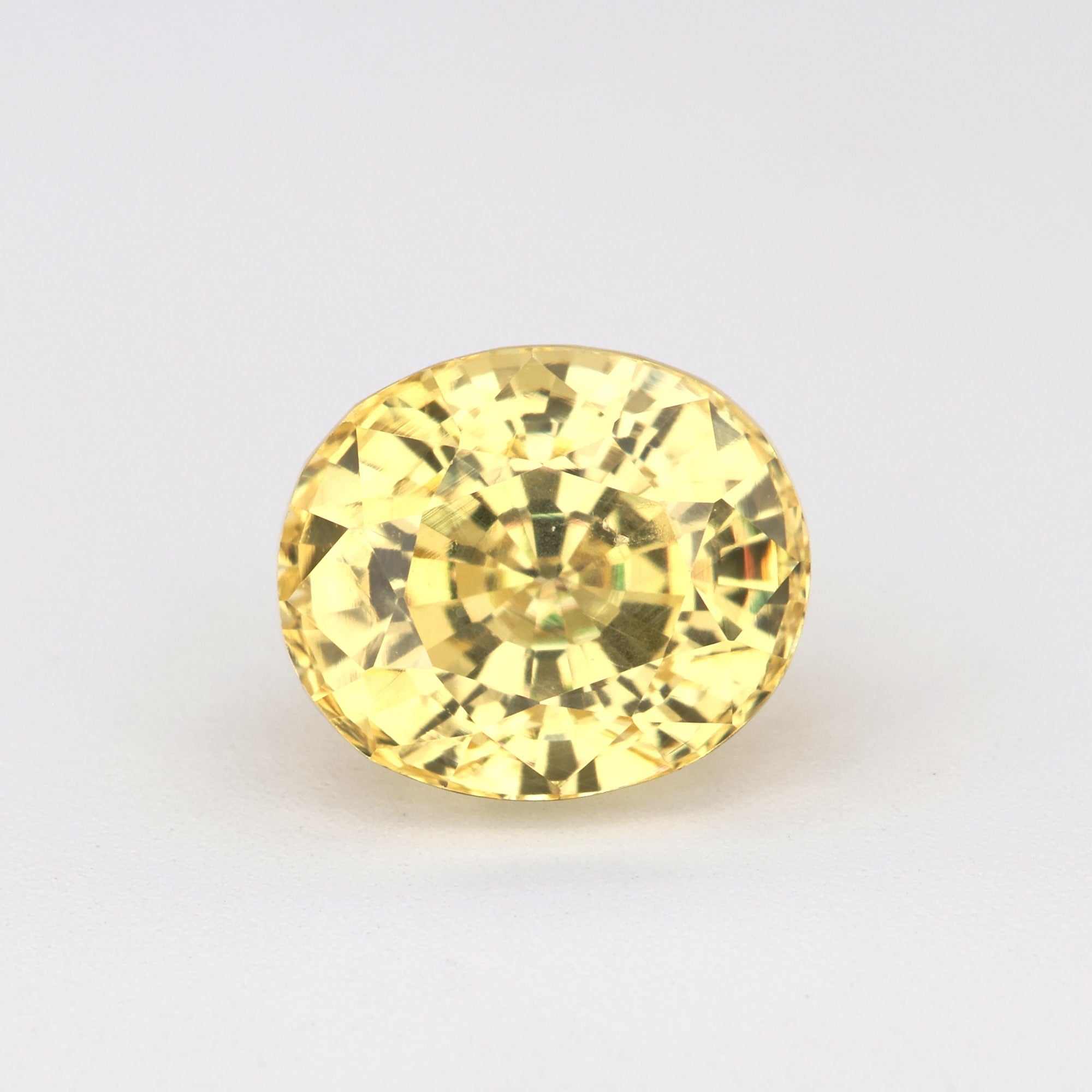
Oval is the most popular format for yellow sapphire — it maximises face-up colour area and works across every setting style from solitaire to three-stone to halo. See our oval sapphire guide.
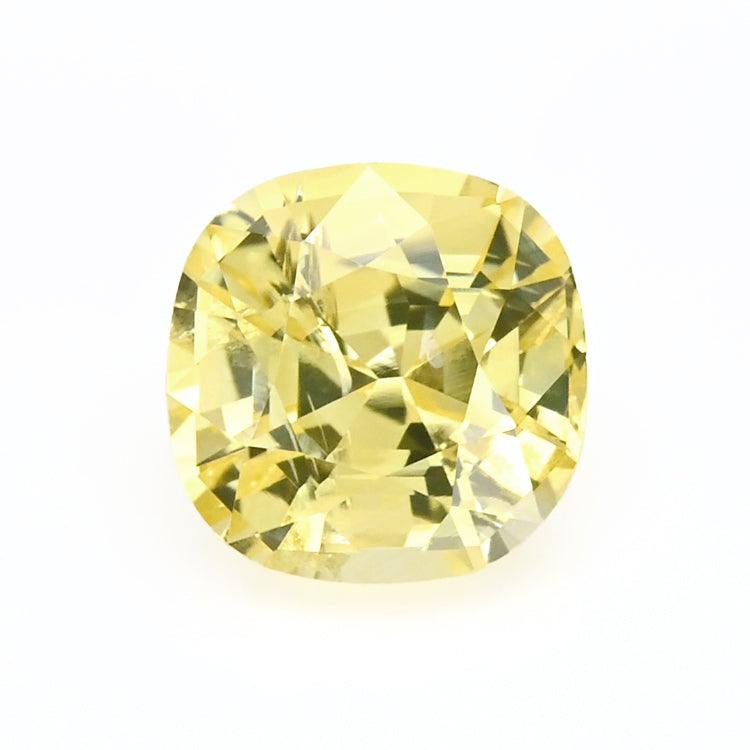
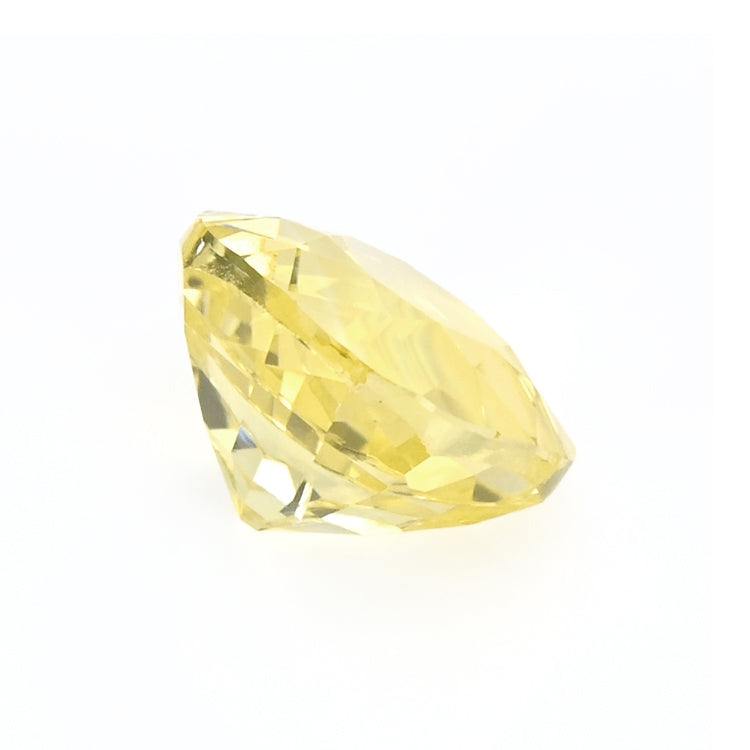
Cushion produces a softer, more vintage look with rounded corners. See our cushion cut sapphire guide.
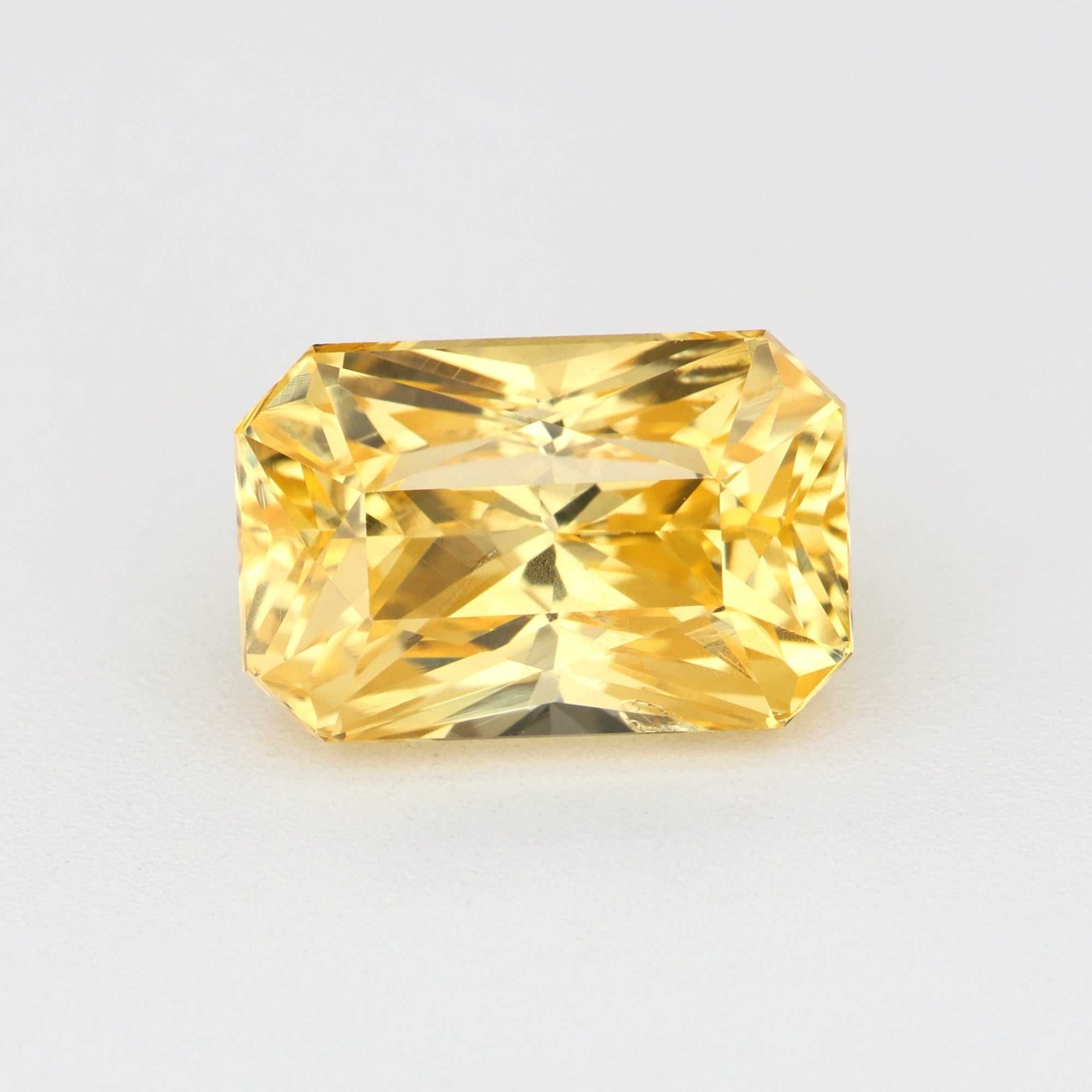
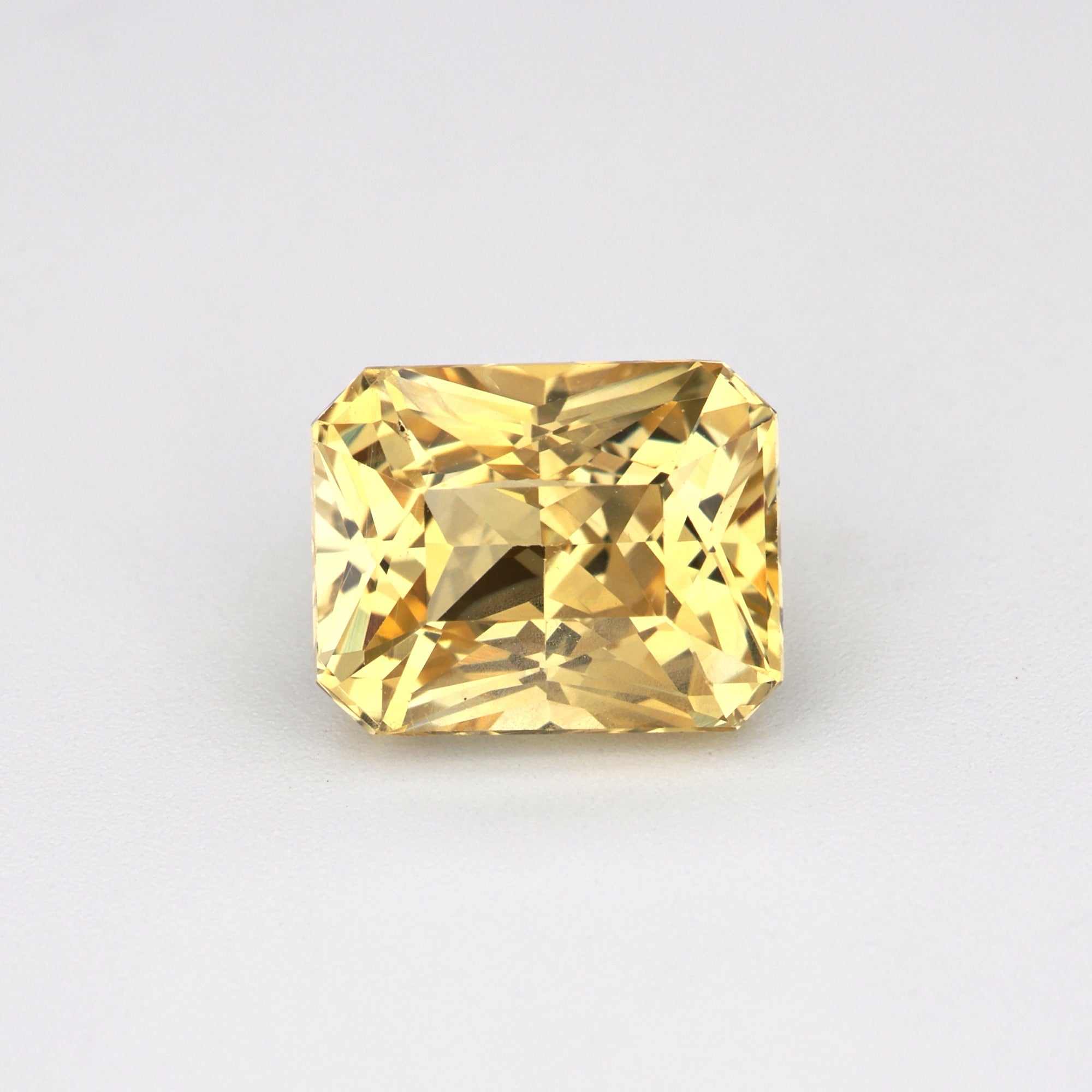
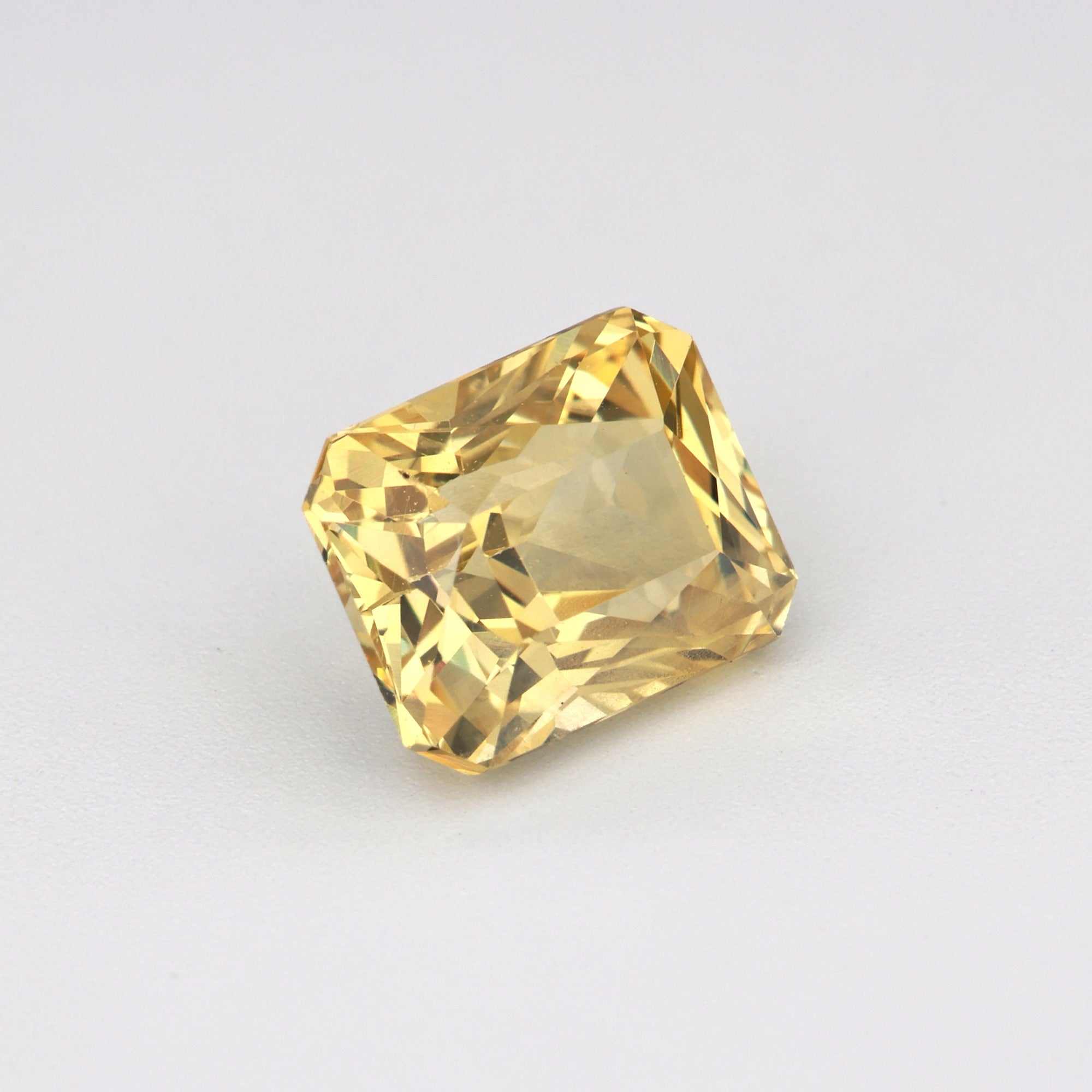
Radiant cut adds more sparkle than oval or cushion. See our dedicated radiant cut yellow sapphire guide.
Emerald cut produces a sophisticated, architectural look. See our emerald cut sapphire guide. For general cut and format guidance, see our sapphire cut guide.
Yellow gold is the classic and most harmonious pairing — the warm metal and warm stone create a rich, cohesive combination. Rose gold adds a romantic quality. White gold and platinum provide cool contrast that makes the yellow appear more vivid. For the full decision framework, see our yellow gold vs. white gold vs. platinum guide and how to choose metal color for a sapphire ring.
For Jyotish use, GIA, GII, or Gubelin documentation confirming natural, unheated status is effectively mandatory. For jewellery with heated material under $500, seller disclosure is sufficient. For any unheated claim above $500 total, GIA documentation should be provided. See our GIA report guide.
Heated yellow sapphire, commercial quality: $150-$500 per carat. Heated, fine colour, Ceylon: $400-$900 per carat at 1ct. Unheated, medium quality, Ceylon or Madagascar: $800-1,500 per carat. Unheated, fine colour, Ceylon, GIA: $1,500-3,500 per carat at 1ct; $3,000-8,000+ per carat above 2ct. Vivid canary, unheated, Ceylon, GIA, above 3ct: $5,000-15,000+ per carat. See our sapphire pricing guide for the full framework.
Our yellow sapphire collection focuses on unheated Ceylon stones with full treatment and origin disclosure on every listing. Browse by size: yellow sapphire over 1 carat and yellow sapphire over 2 carats. For Jyotish sourcing, email crescentgems@gmail.com. Our Try-On programme ships selected stones for in-hand evaluation before commitment.
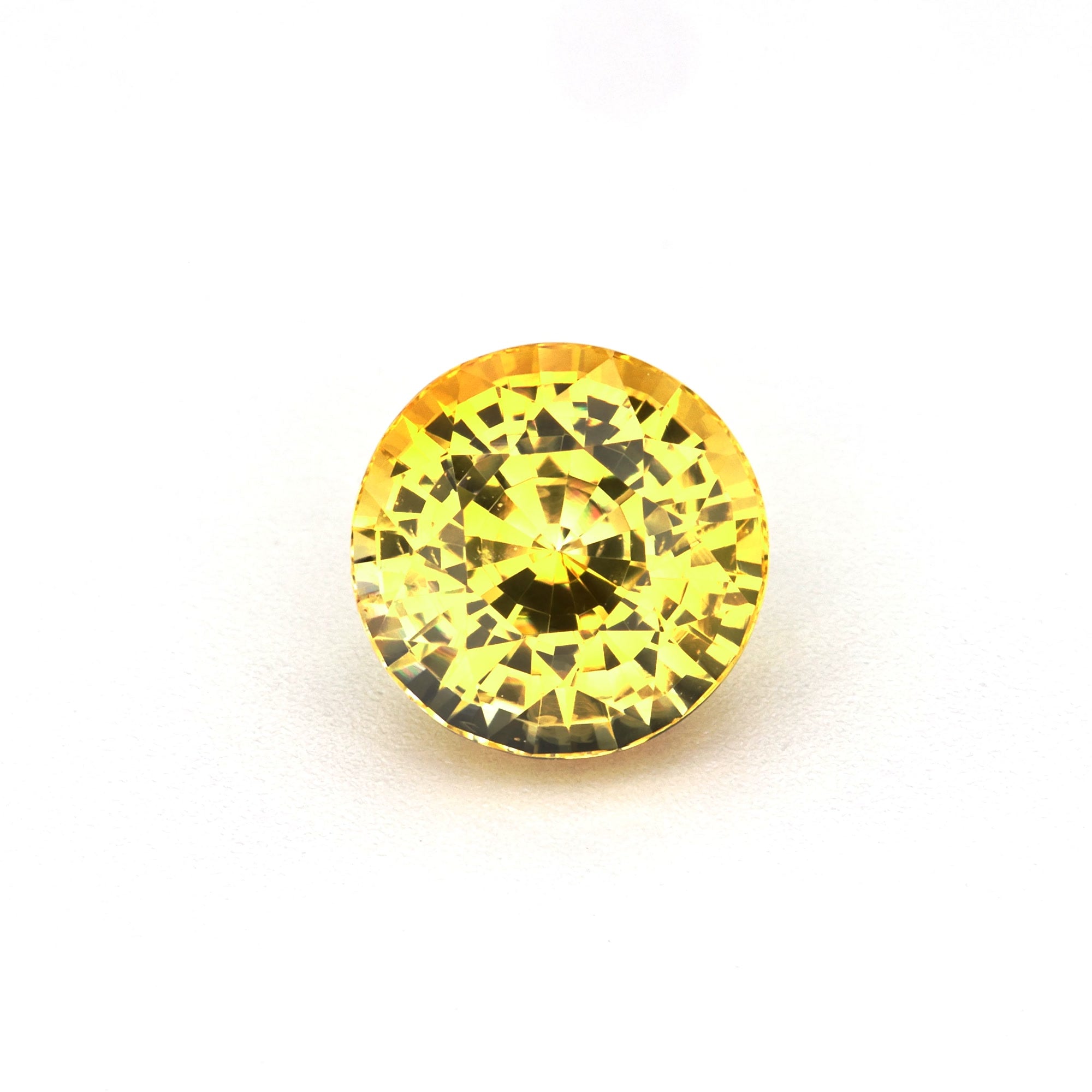
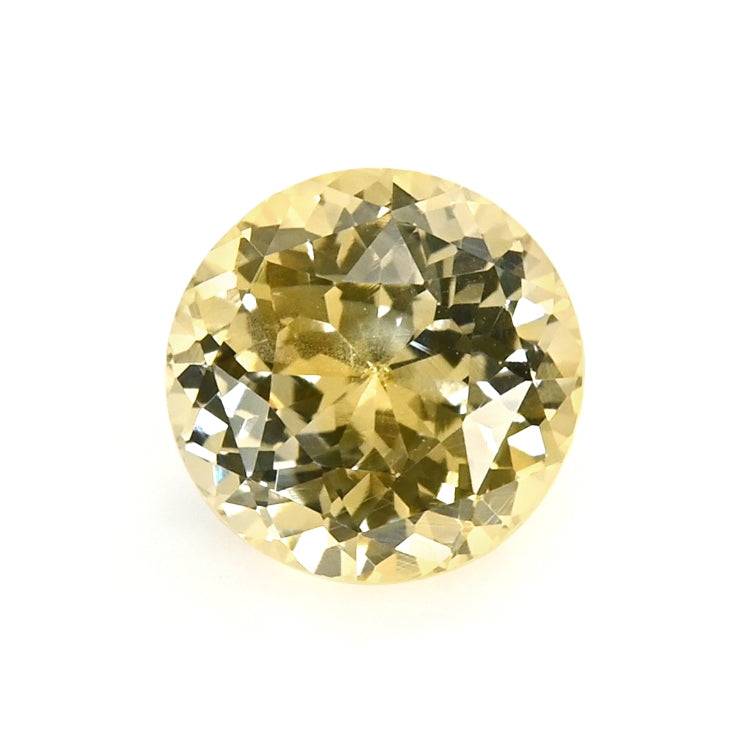
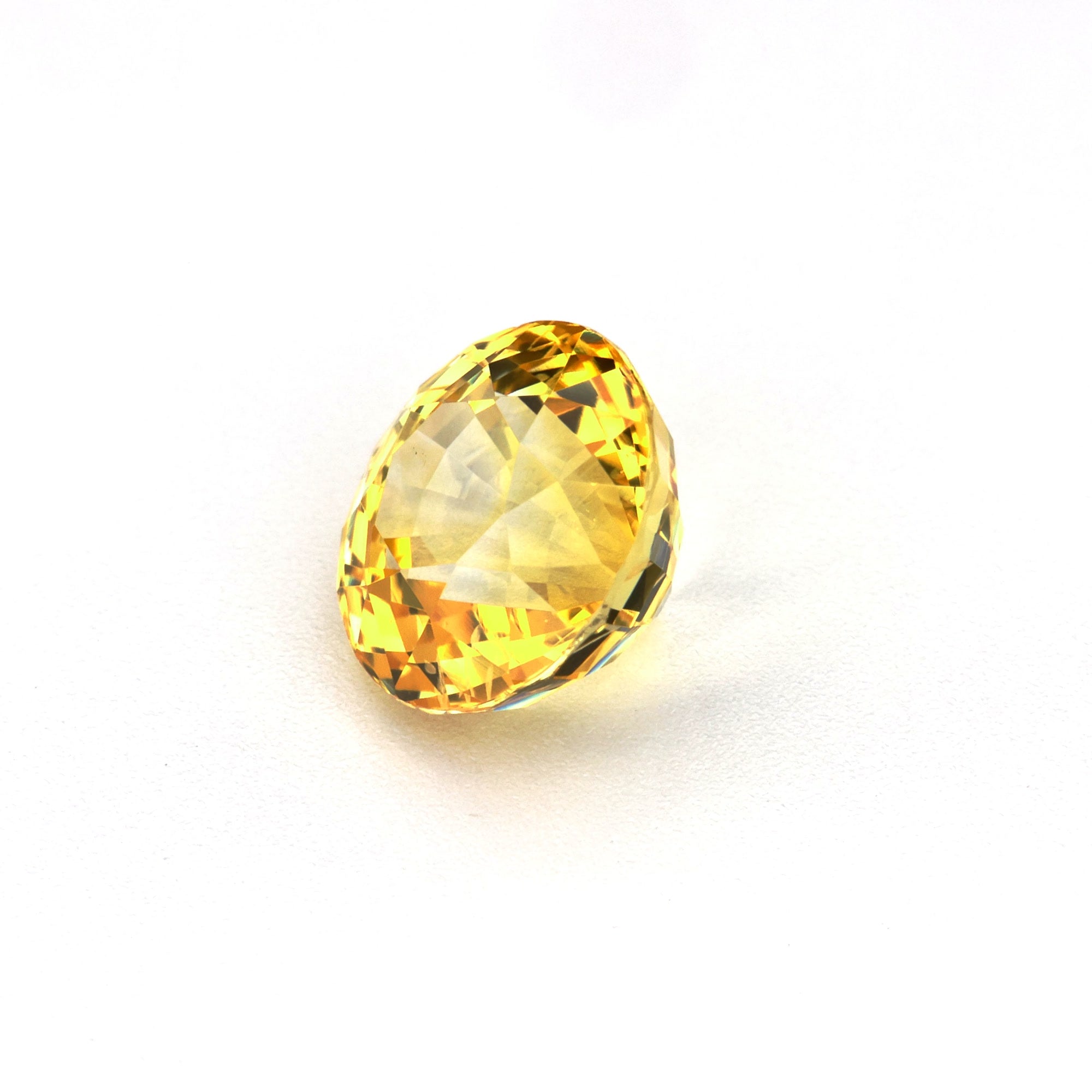
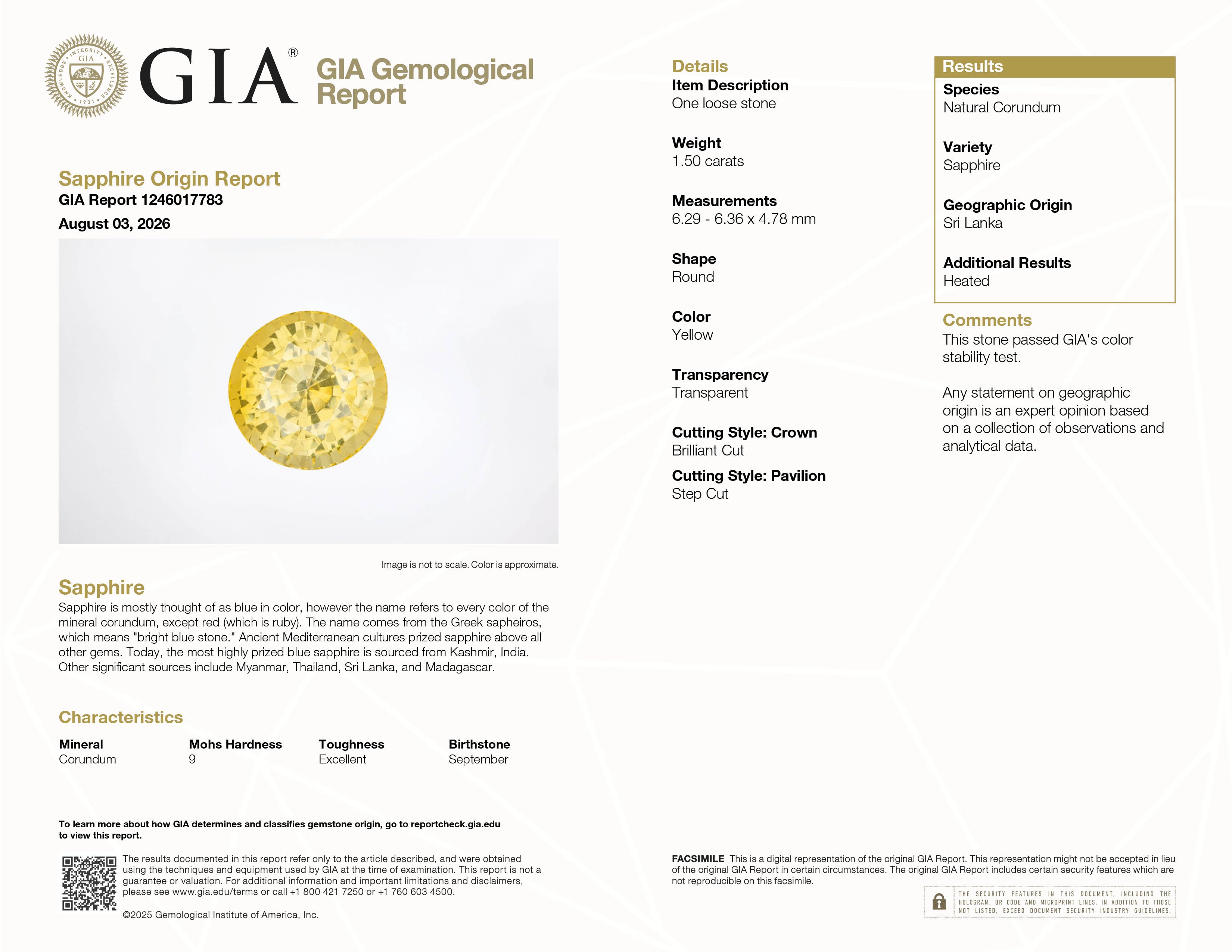
Currently in stock: a 1.50 ct heat-treated round yellow sapphire, GIA-documented and Sri Lanka (Ceylon) origin, with GIA's report confirming stable color under heat exposure testing — a well-cut round stone for buyers who want classic diamond-like brilliance in a warm golden hue.
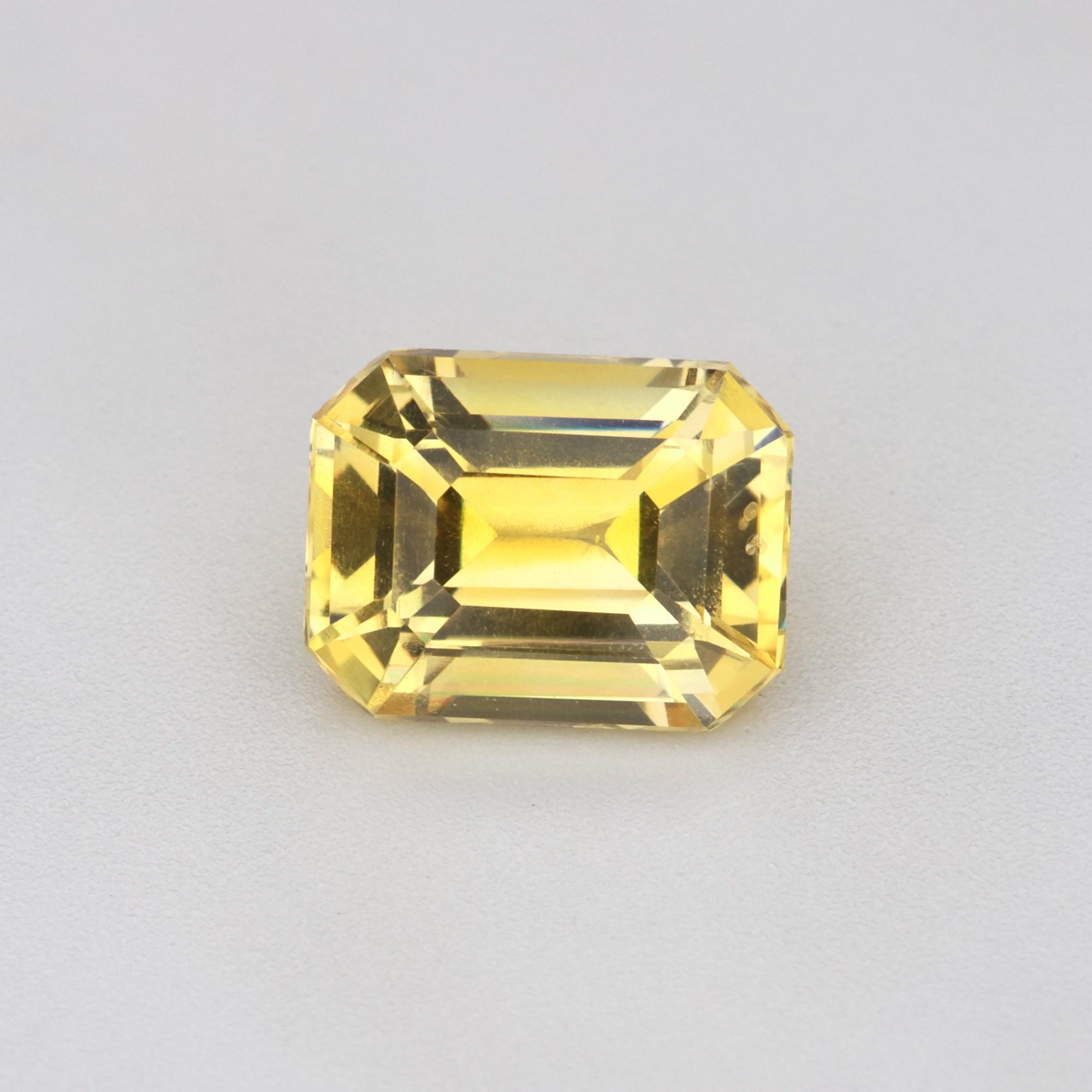
We also currently stock a 1.16 ct heat-treated emerald-cut Ceylon yellow sapphire, GIA-documented (Report #6247032058) — a step-cut alternative to the round shape above, with a warm, medium-intense golden color and Loupe Clean clarity.
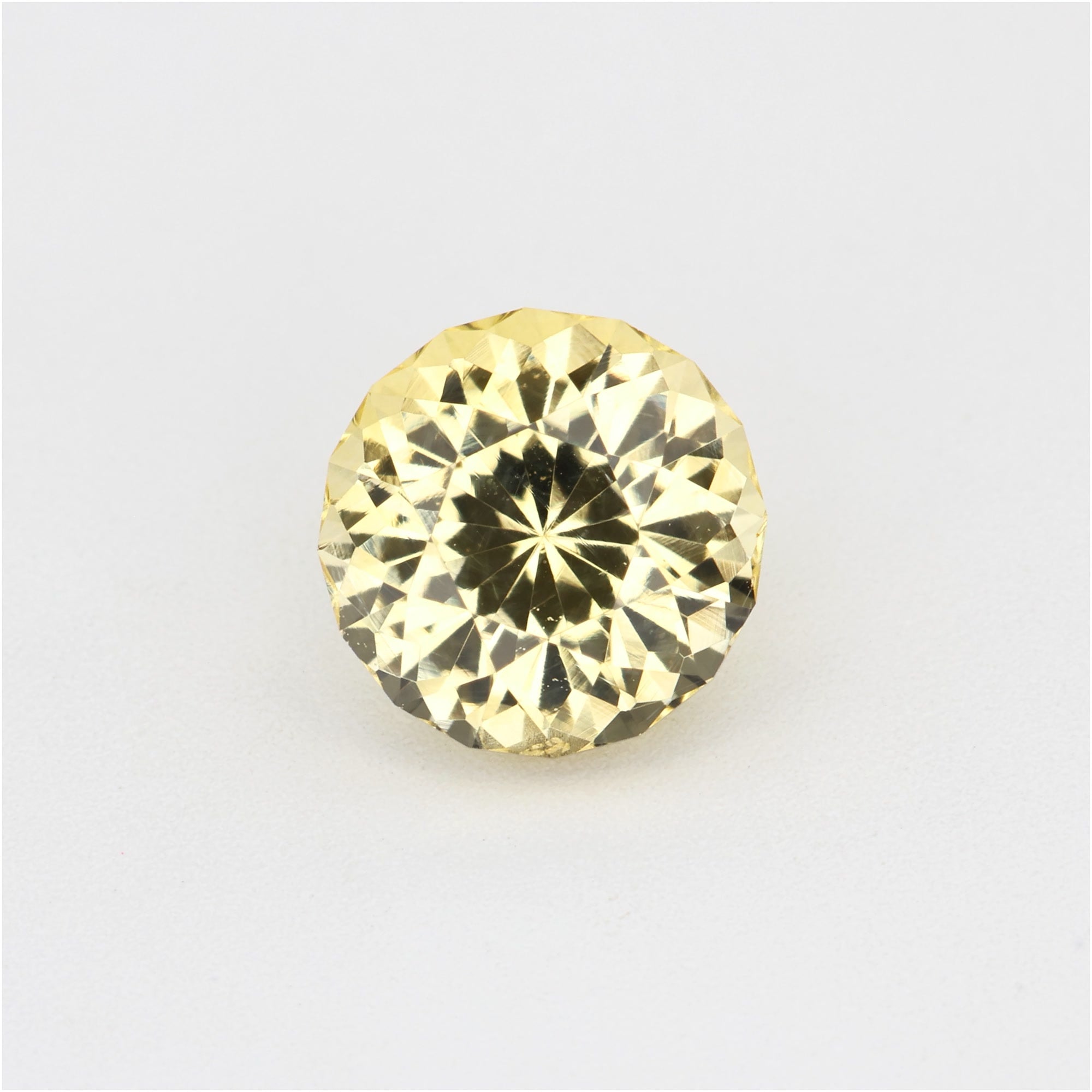
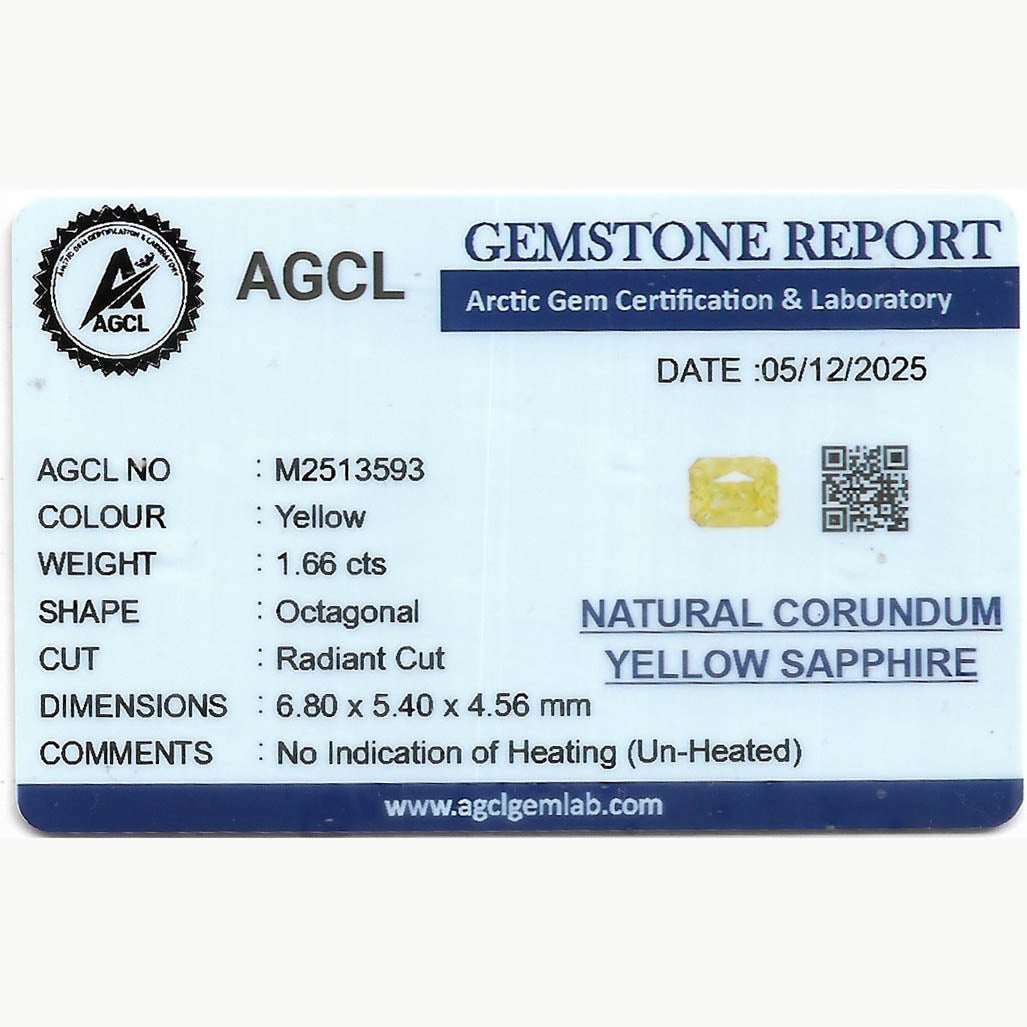
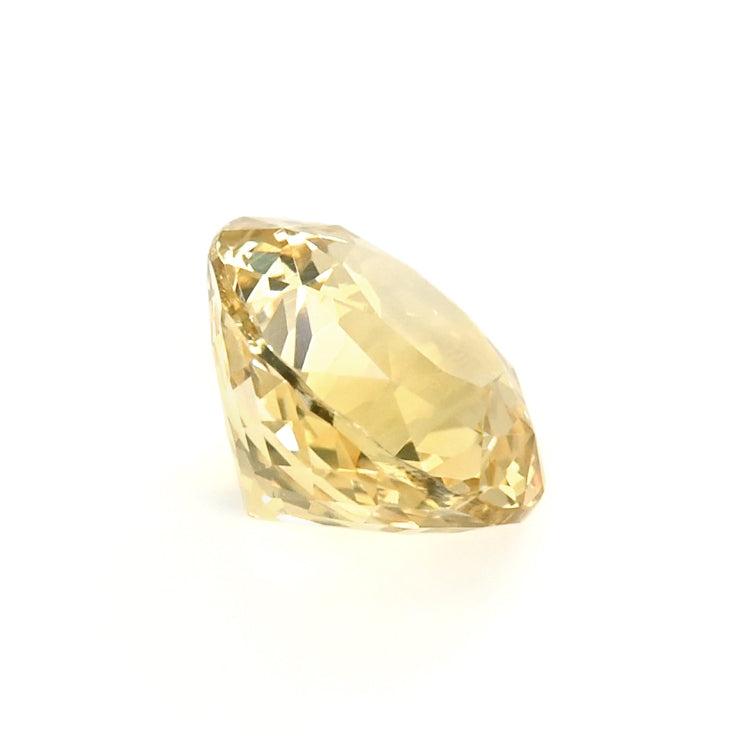
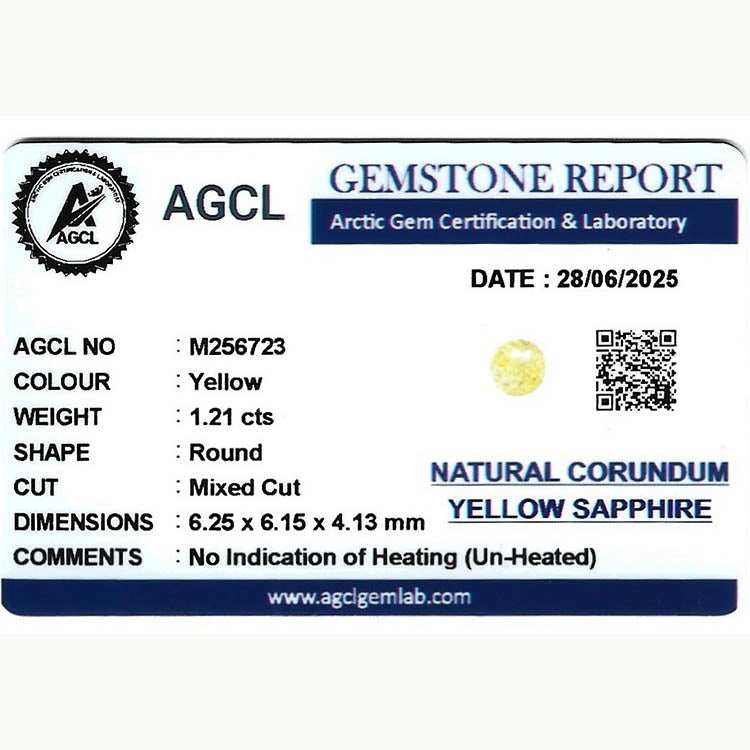
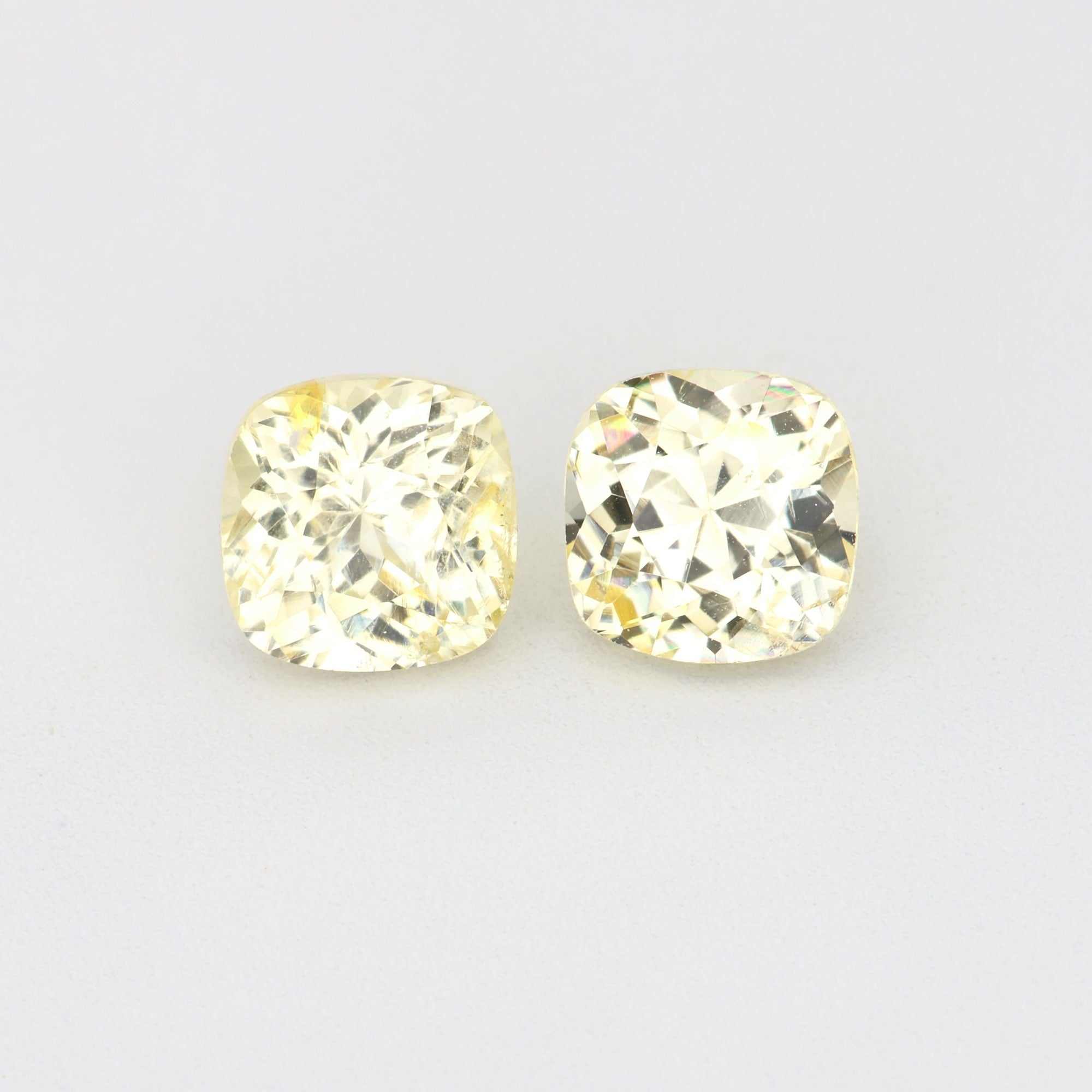
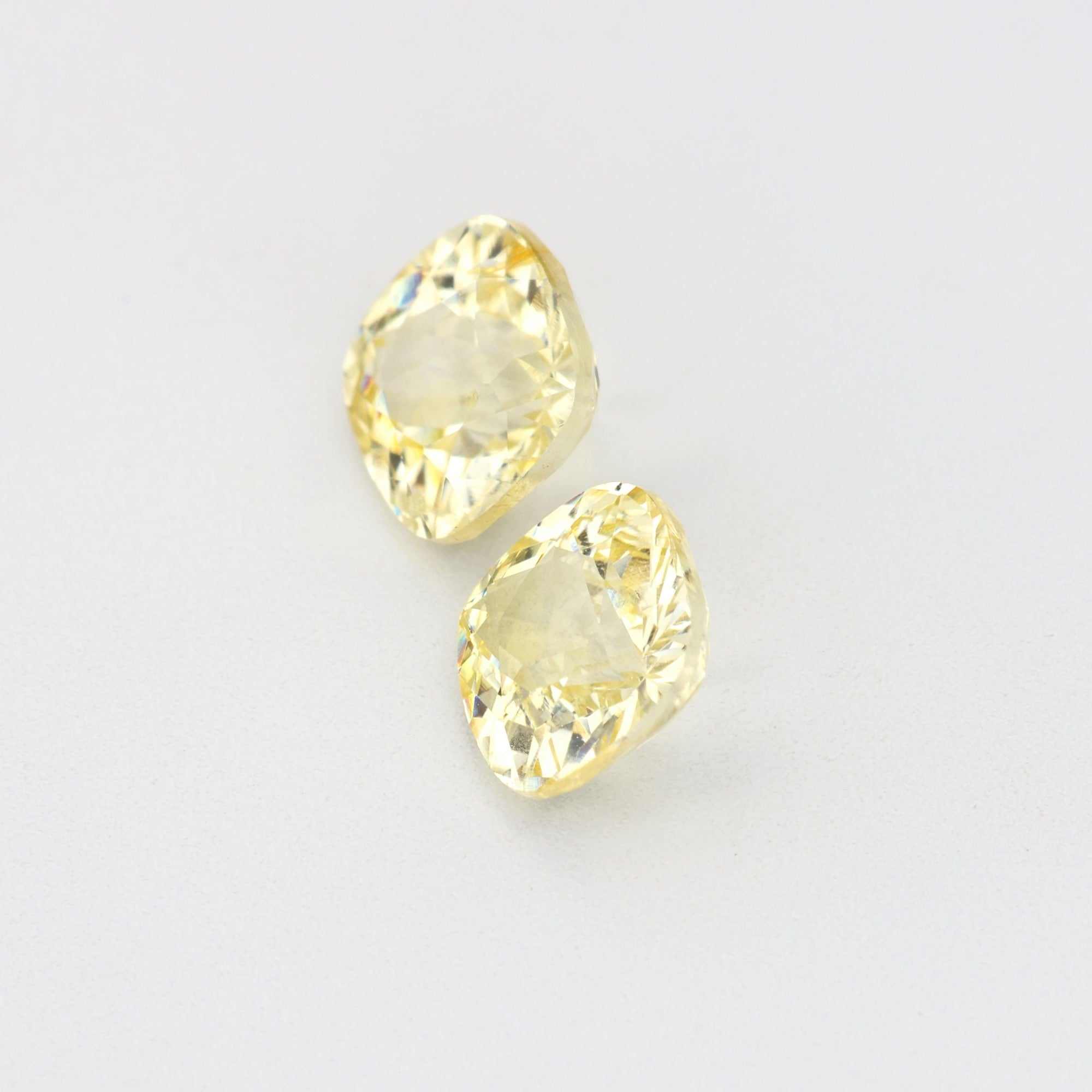
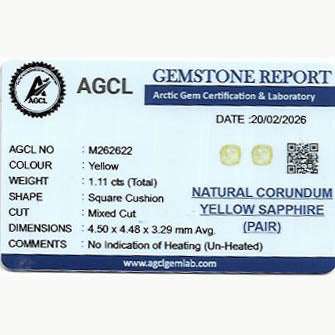
For buyers who prioritize natural color over price, Crescent Gems also currently stocks a 1.07 ct unheated round yellow sapphire, AGCL-certified with no thermal treatment — a rarer, natural-color alternative to the heated stone at a similar center-stone weight.
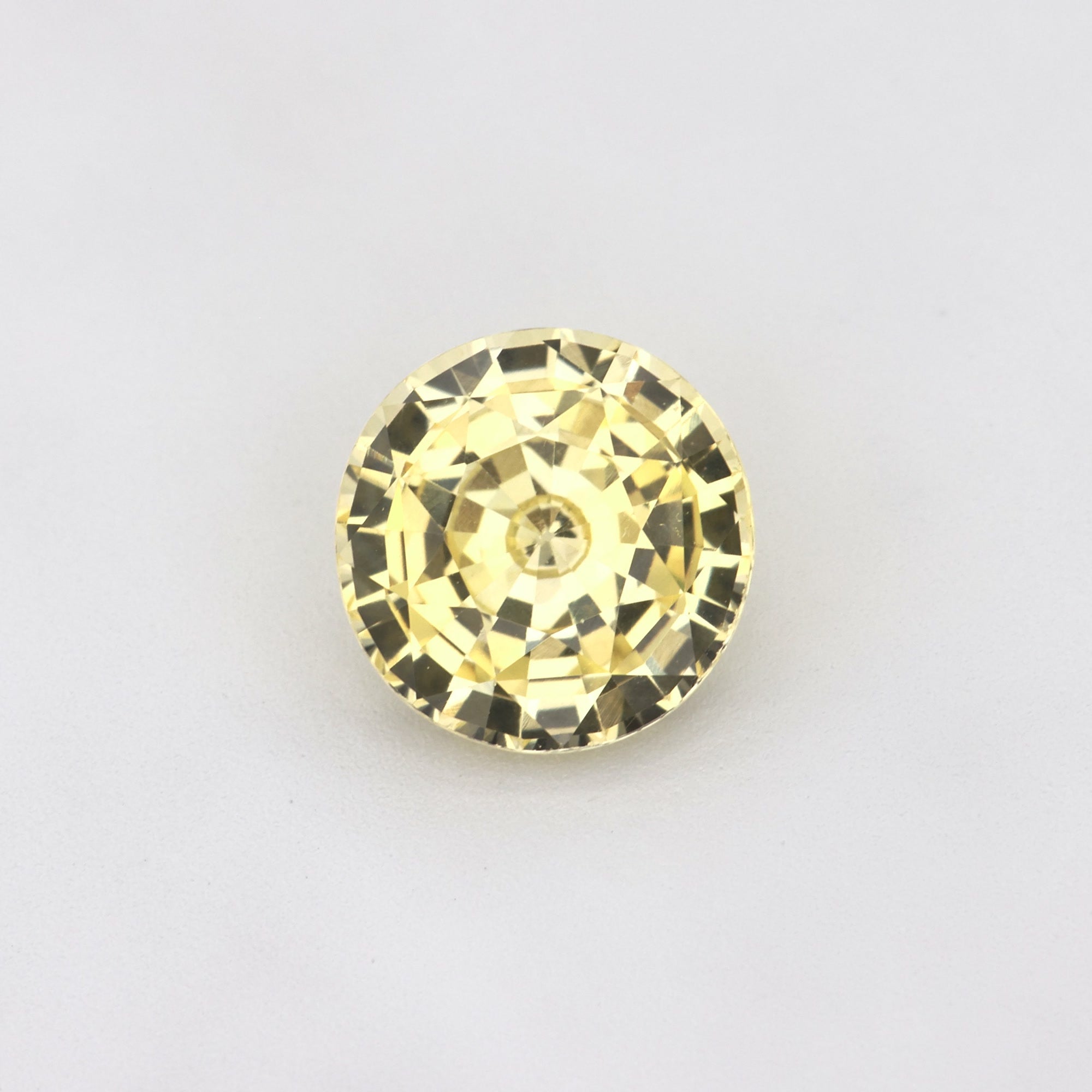
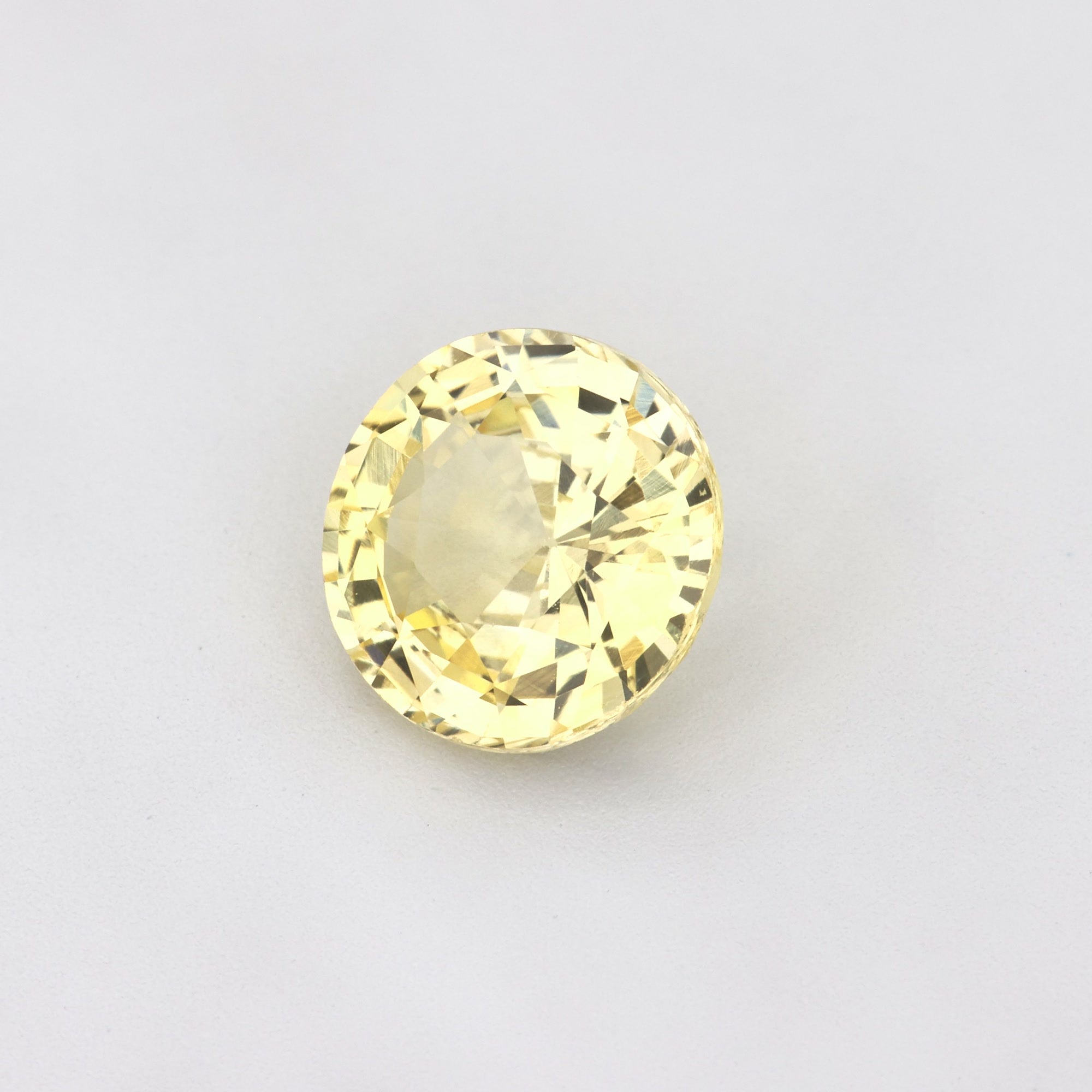
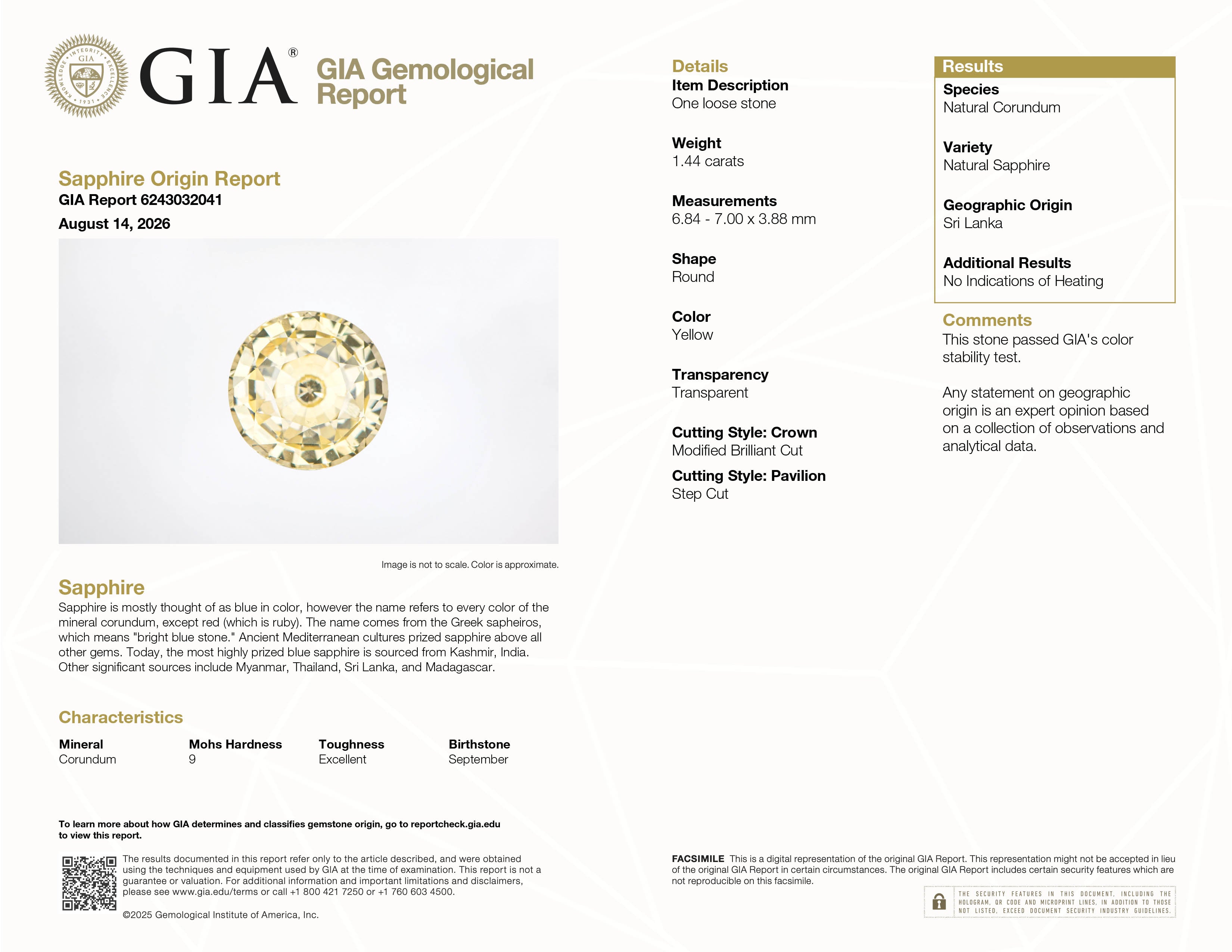
Buyers who want the same round, fully unheated profile with GIA (not AGCL) laboratory documentation can also see our 1.44 ct unheated round Ceylon yellow sapphire, GIA Report #6243032041 — a slightly larger stone with GIA confirmation of origin, weight, dimensions, and treatment status.
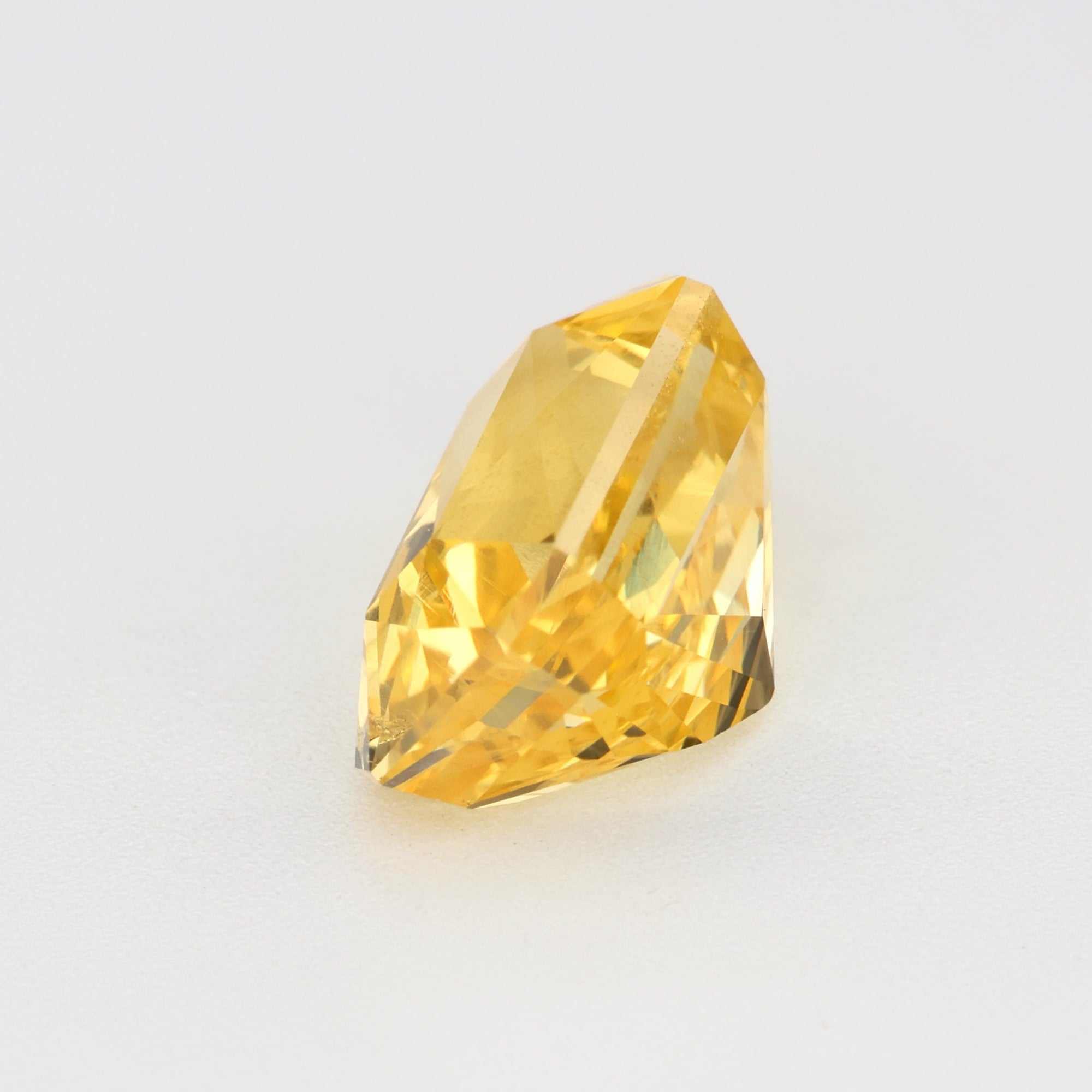
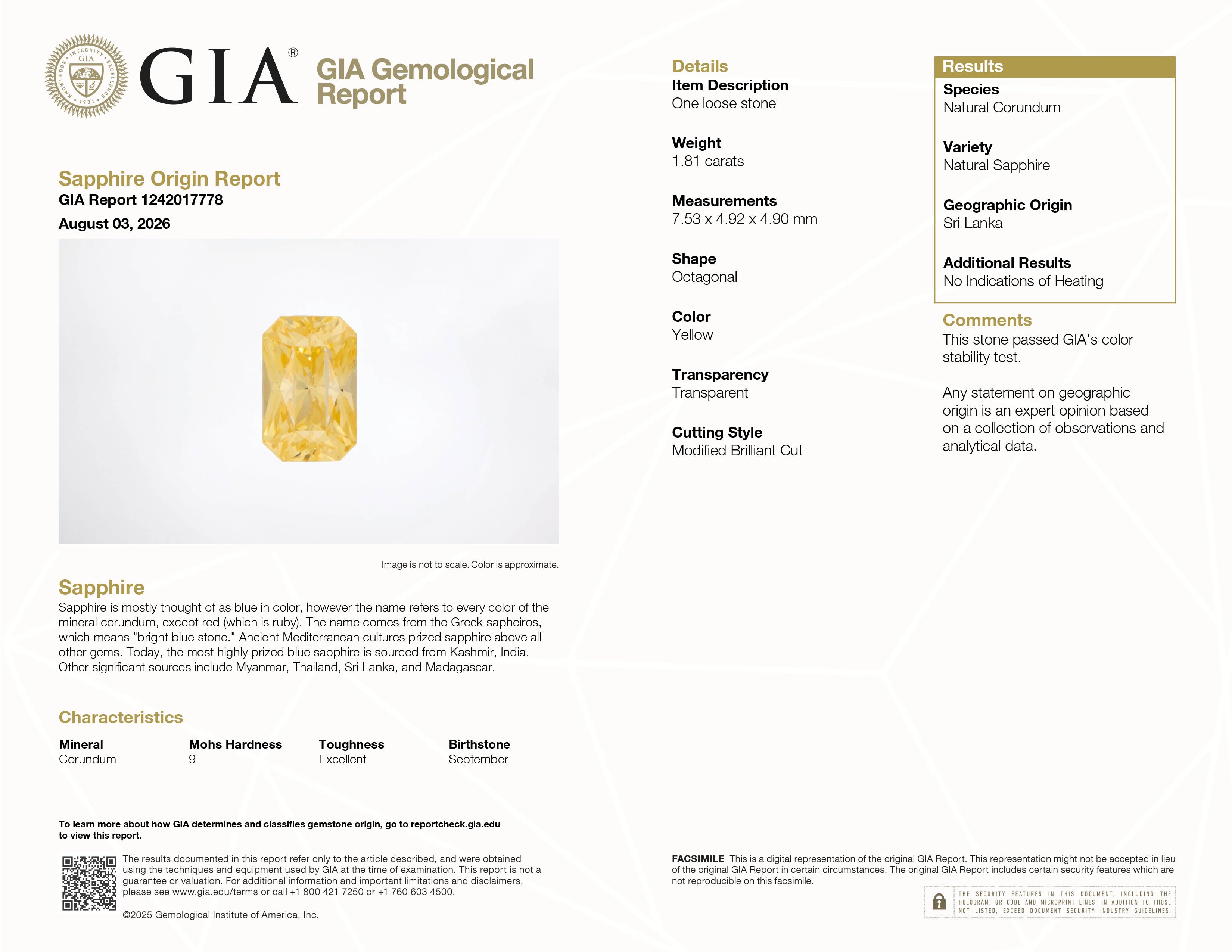
Also available: a 1.81 ct unheated radiant-cut yellow sapphire, GIA-documented (Report #1242017778), which passed GIA's color stability test — a more faceted, brilliant-cut alternative to the round stones above. See our dedicated radiant cut yellow sapphire guide for more on this cutting style.
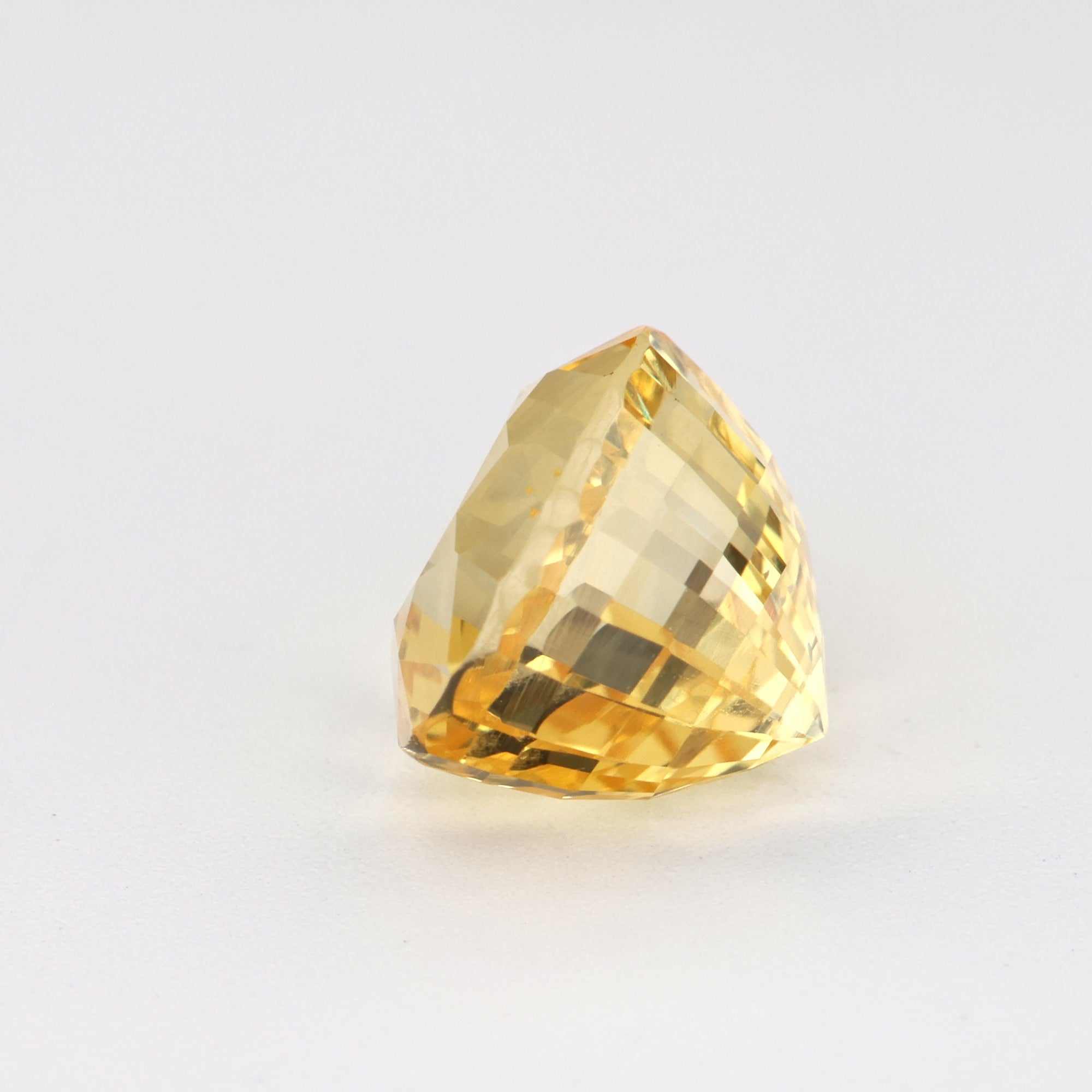
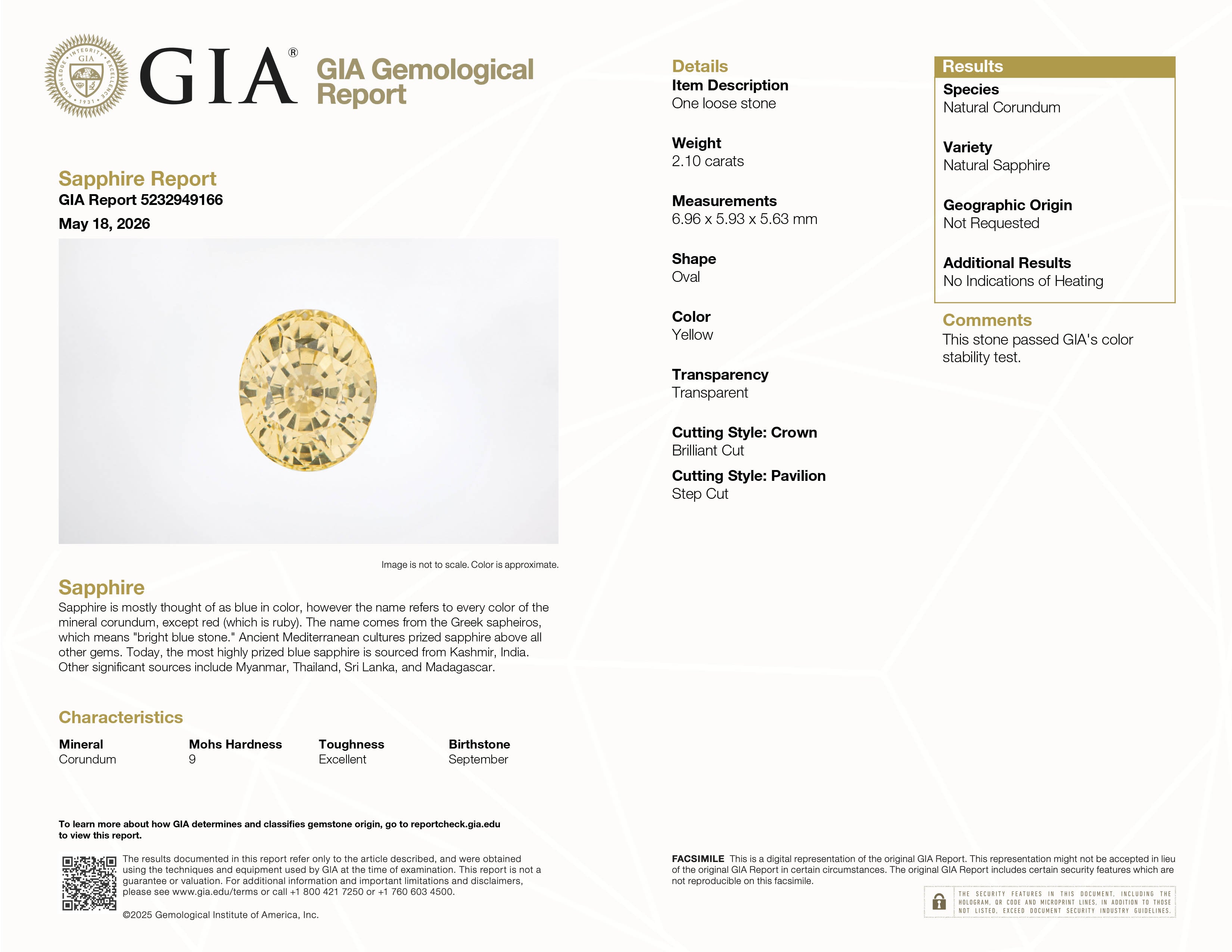
We also currently stock a 2.10 ct unheated oval-cut yellow sapphire, GIA-documented (Report #5232949166), which passed GIA's color stability test — a golden yellow stone in the medium-tone commercial sweet spot described above, with Ceylon origin reflecting our own store assessment (GIA origin testing was not requested for this stone).
For buyers seeking the largest unheated stone in stock, we also carry a 3.13 ct unheated round-cut yellow sapphire, GIA-documented with confirmed Ceylon origin (Report #2235835331) — a substantial lemon-yellow stone that pairs unheated natural color with independently verified Sri Lankan provenance.
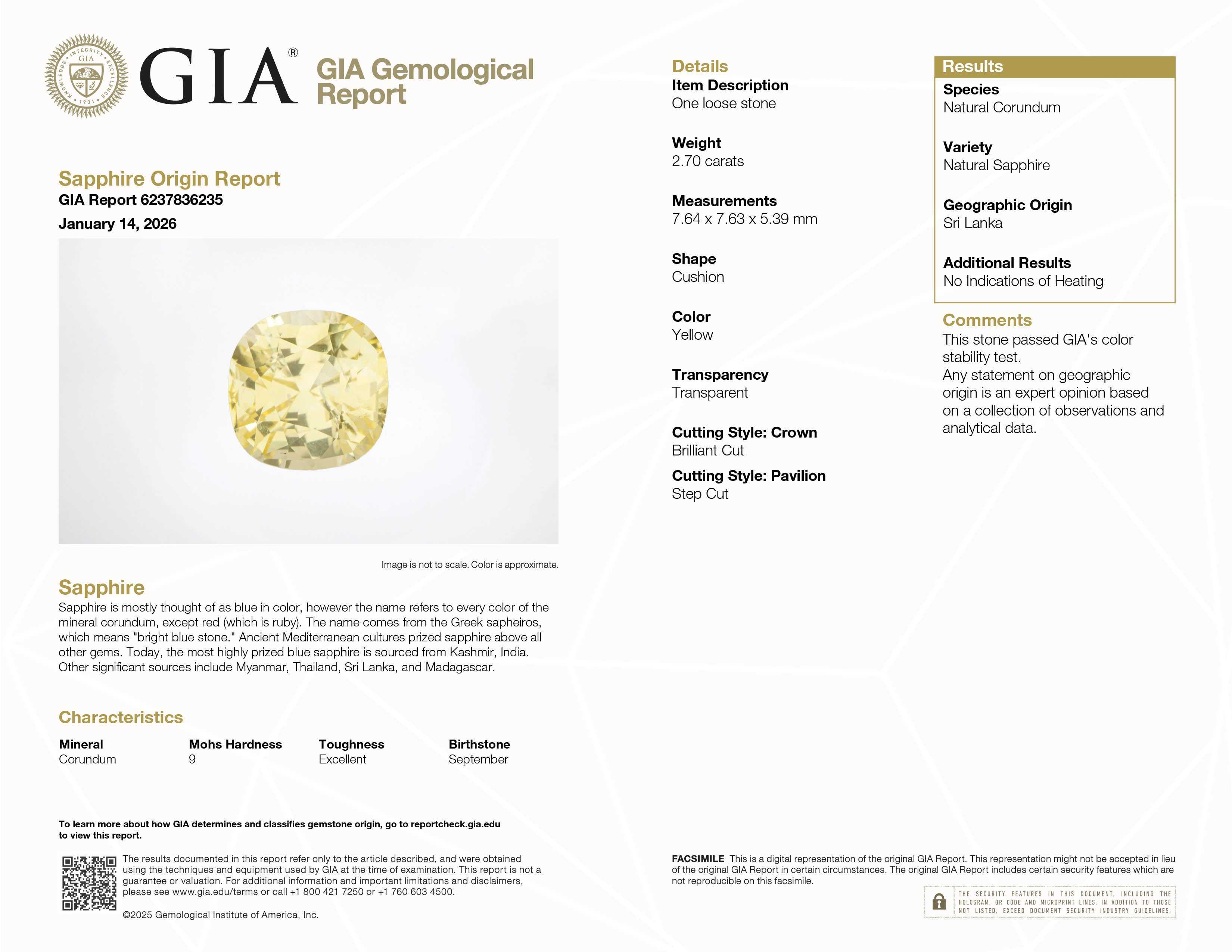
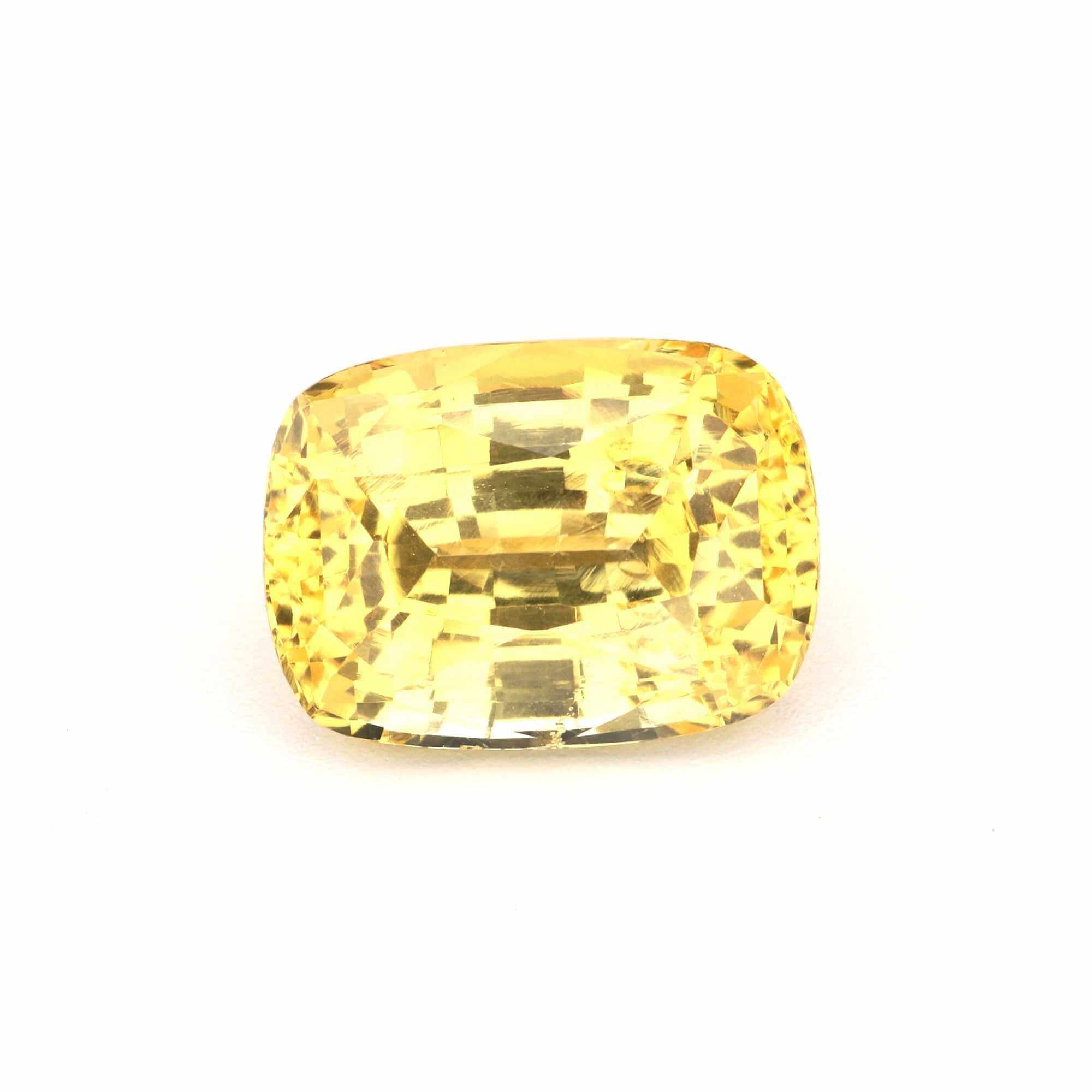
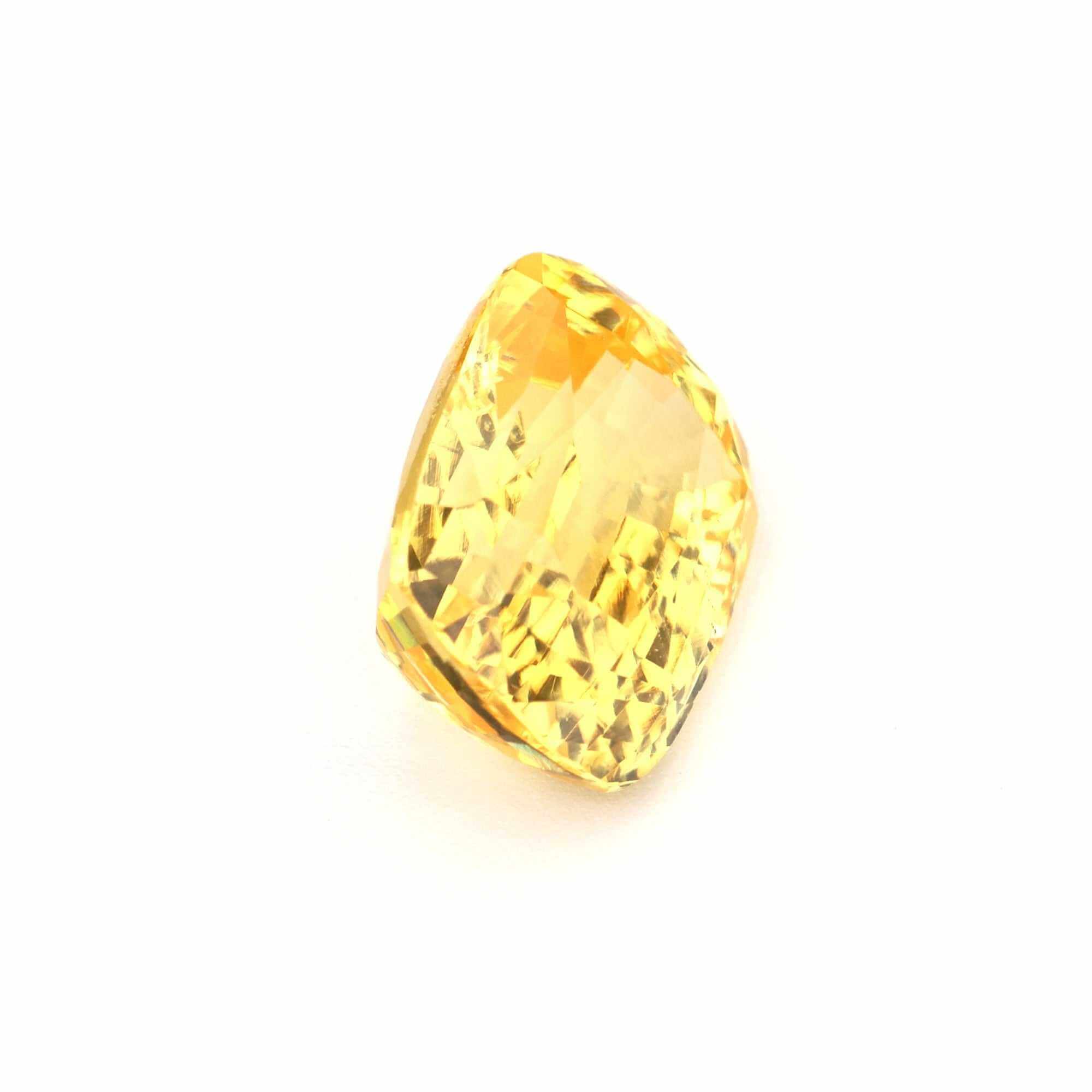
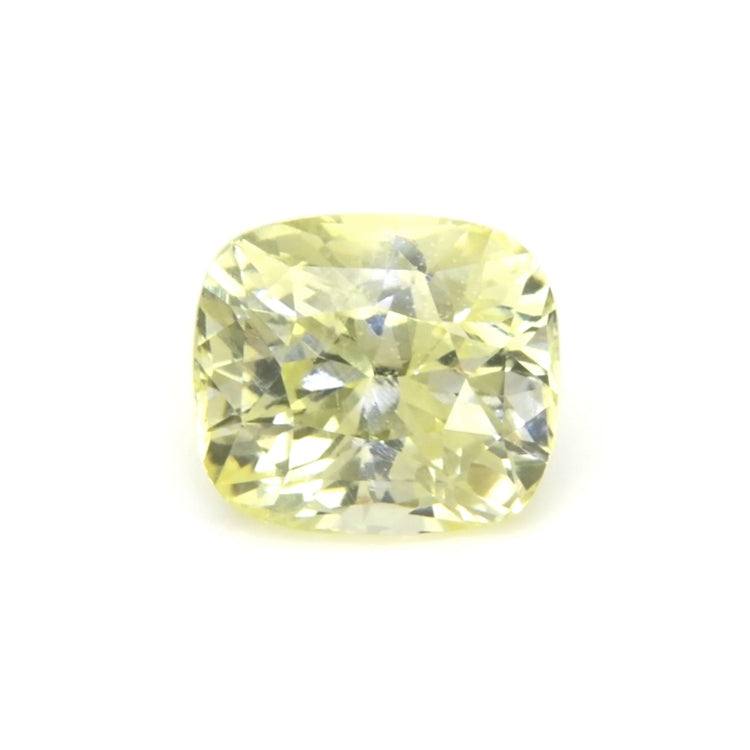
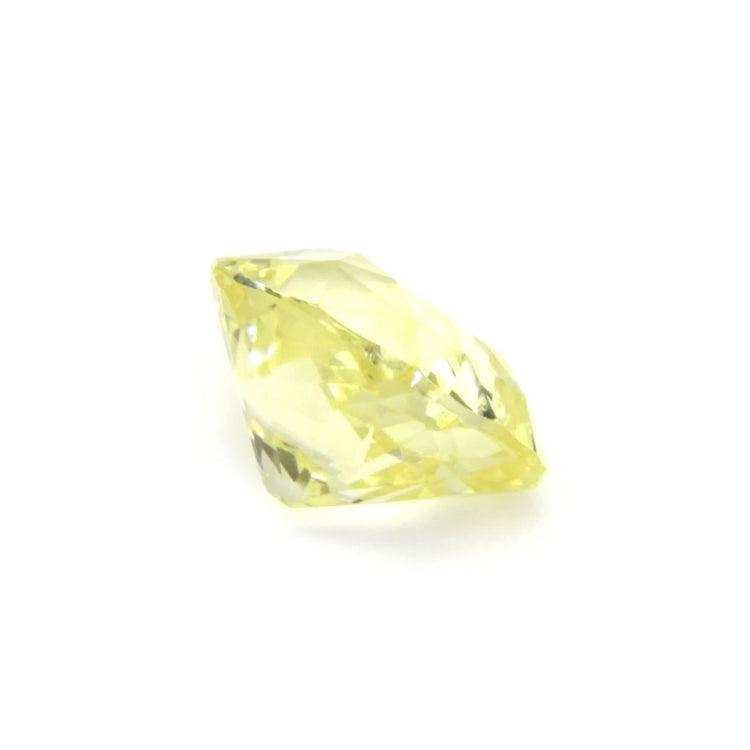
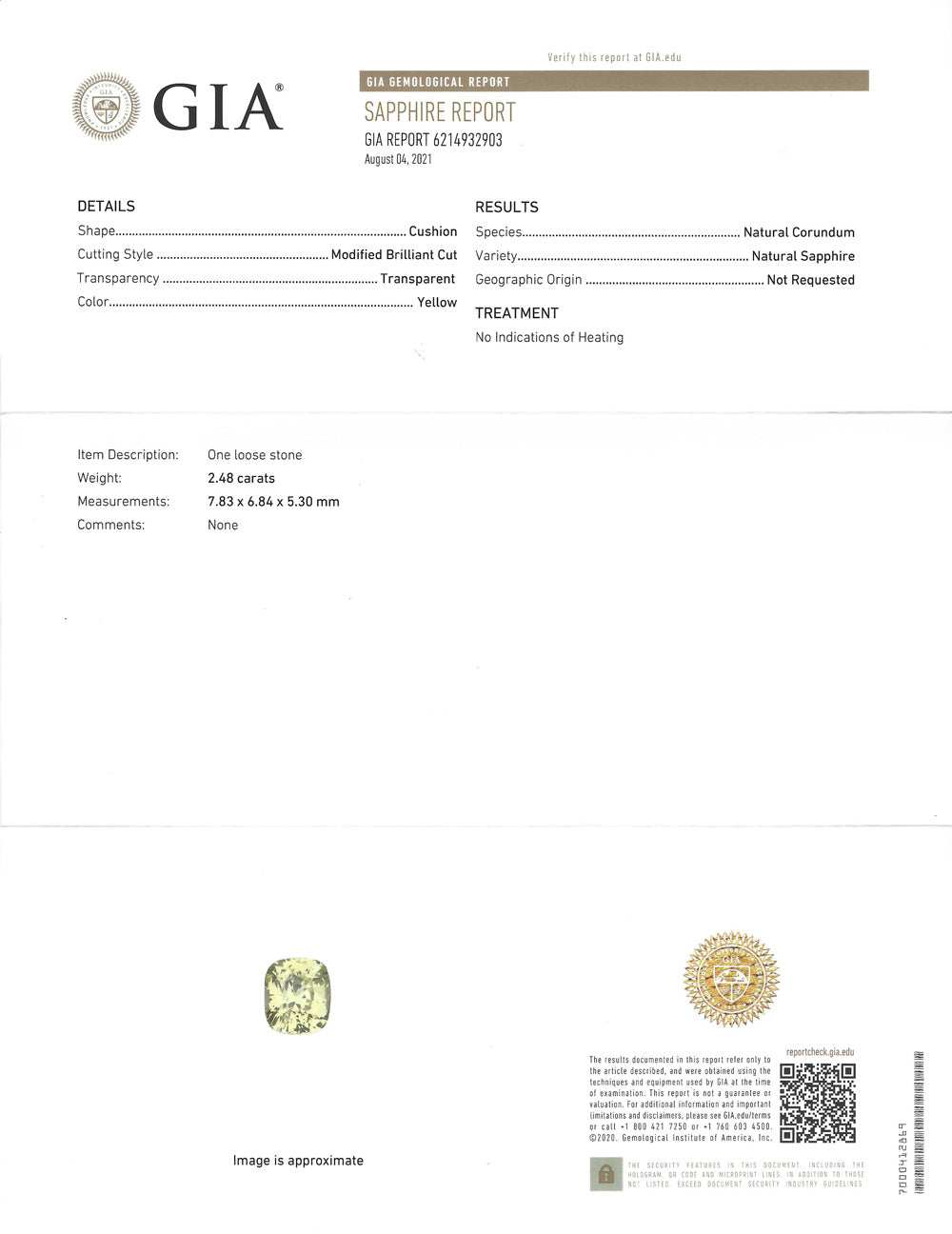
Also newly in stock: a 2.70 ct unheated square cushion-cut yellow sapphire, GIA-documented with confirmed Ceylon origin (Origin Report #6237836235), a Mixed Brilliant-cut stone with eye-clean clarity, and a 2.48 ct unheated cushion-cut pale yellow sapphire, GIA-documented, a softer golden hue with Ceylon origin reflecting our own store assessment — the GIA report confirms natural, unheated status but not geographic origin.
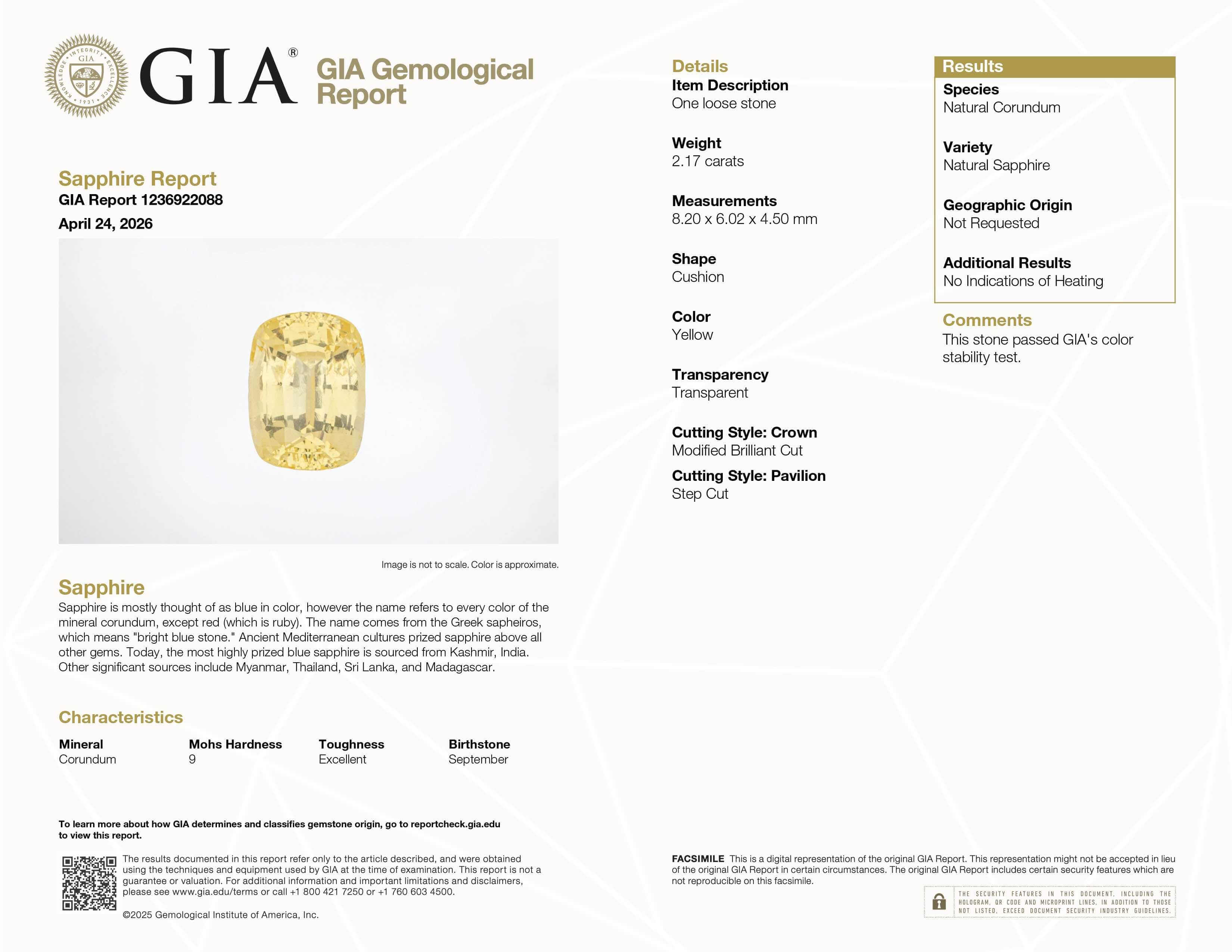
Also in stock: a 2.175 ct unheated rectangular cushion-cut yellow sapphire, GIA-documented, with Ceylon origin reflecting our own store assessment — the GIA report is a standard Sapphire Report and does not address geographic origin — a meaningful size for unheated yellow, where Ceylon material above 1.5 carats is genuinely uncommon.
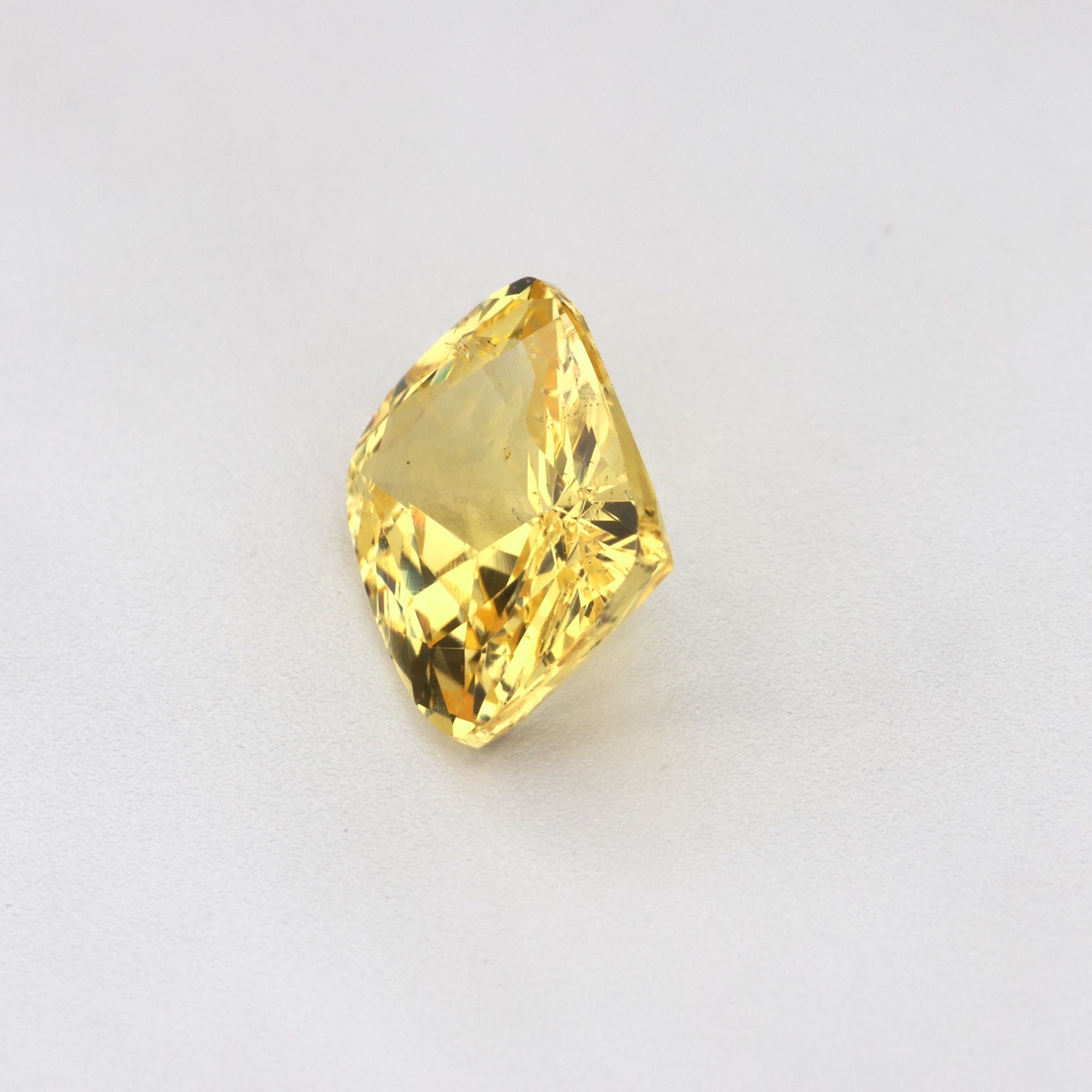
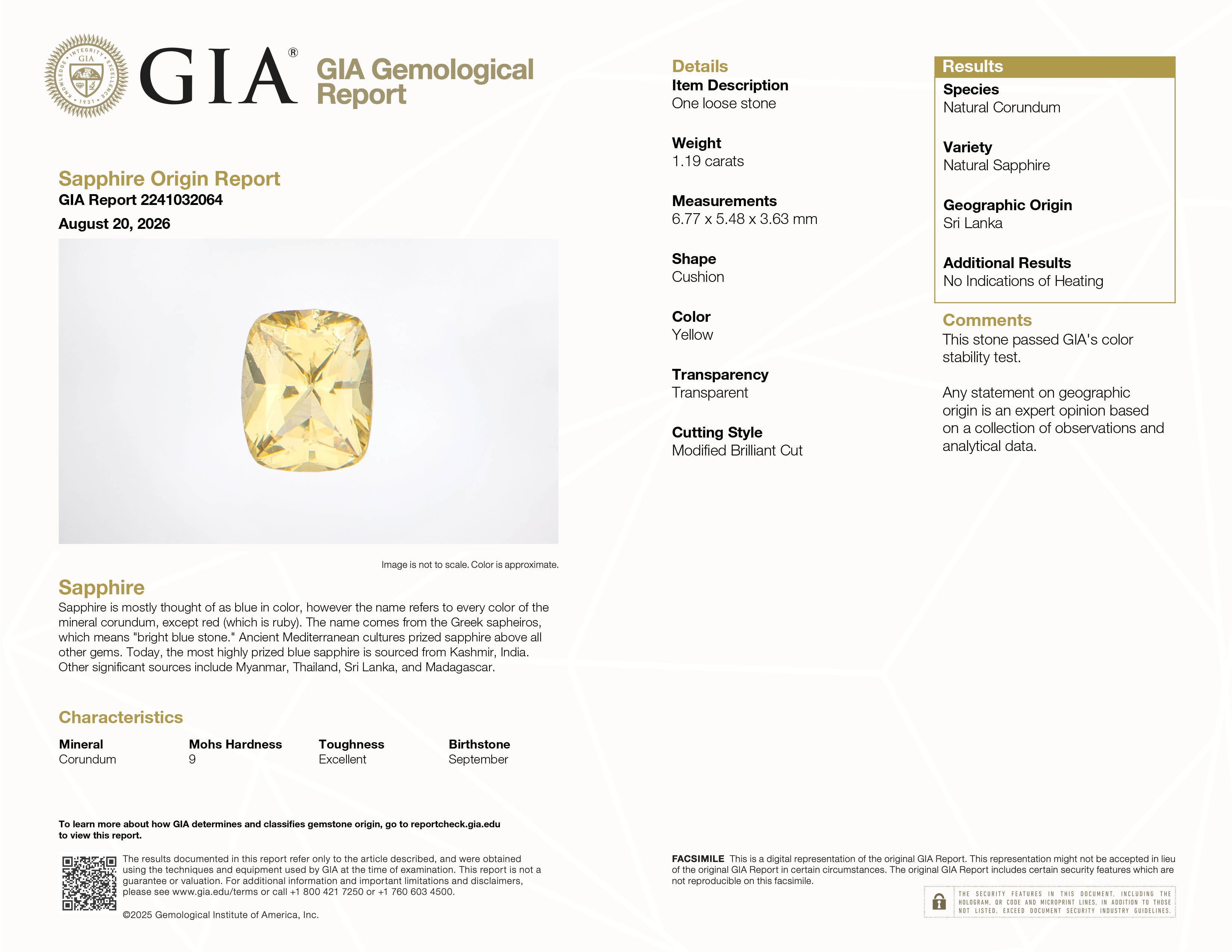
We also stock a 1.19 ct unheated cushion-cut Ceylon yellow sapphire, GIA-documented (Report #2241032064), graded Loupe Clean with a vivid golden hue — a smaller-carat option for buyers who want unheated Ceylon color and GIA documentation without the premium of a 2+ carat stone.
Prefer GIA paperwork with your stone? Browse our GIA-documented yellow sapphires.


CG8428
CG8366
CG8313
Prices are shown in your local currency and may change.
CG8313
CG8366
CG8266


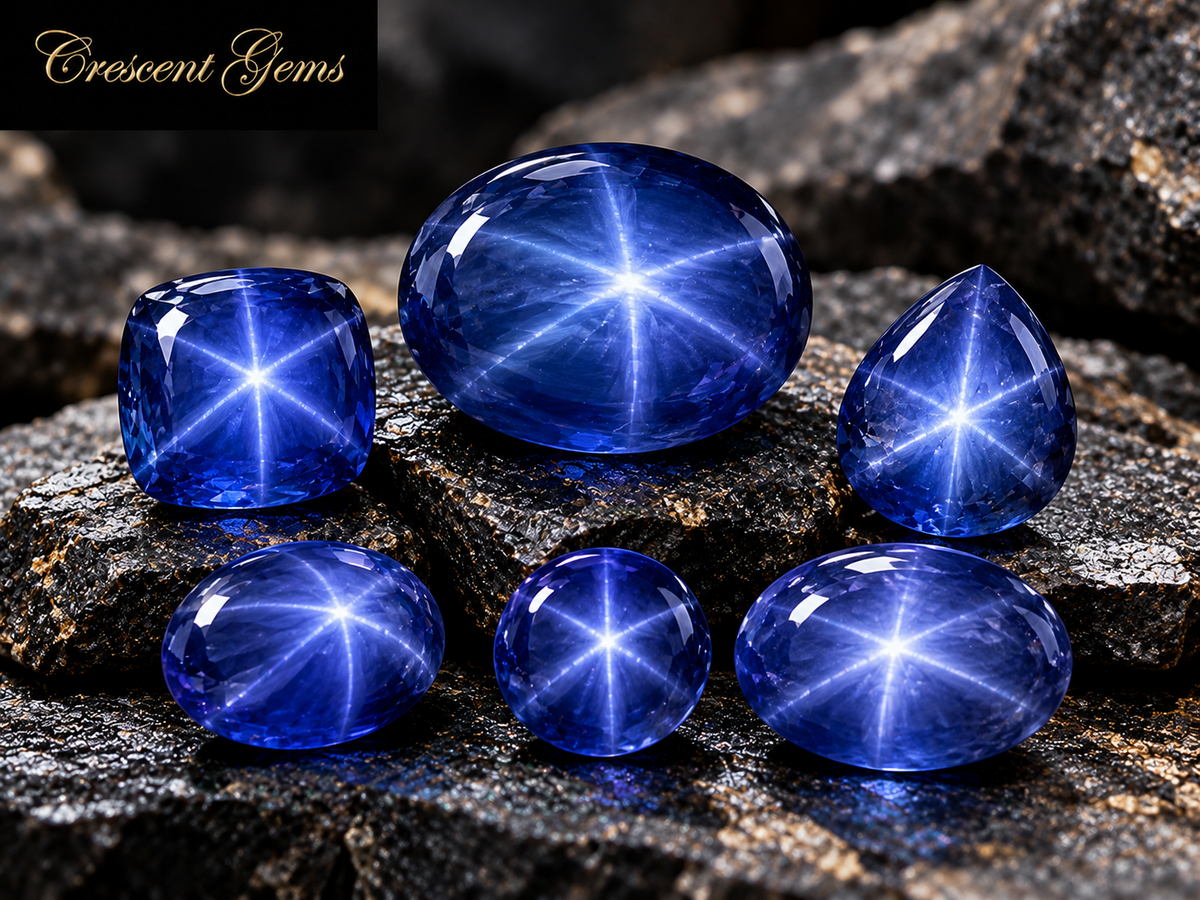
Blue Star Sapphire Price Guide — What They Cost and Why
Read moreabout Blue Star Sapphire Price Guide — What They Cost and Why
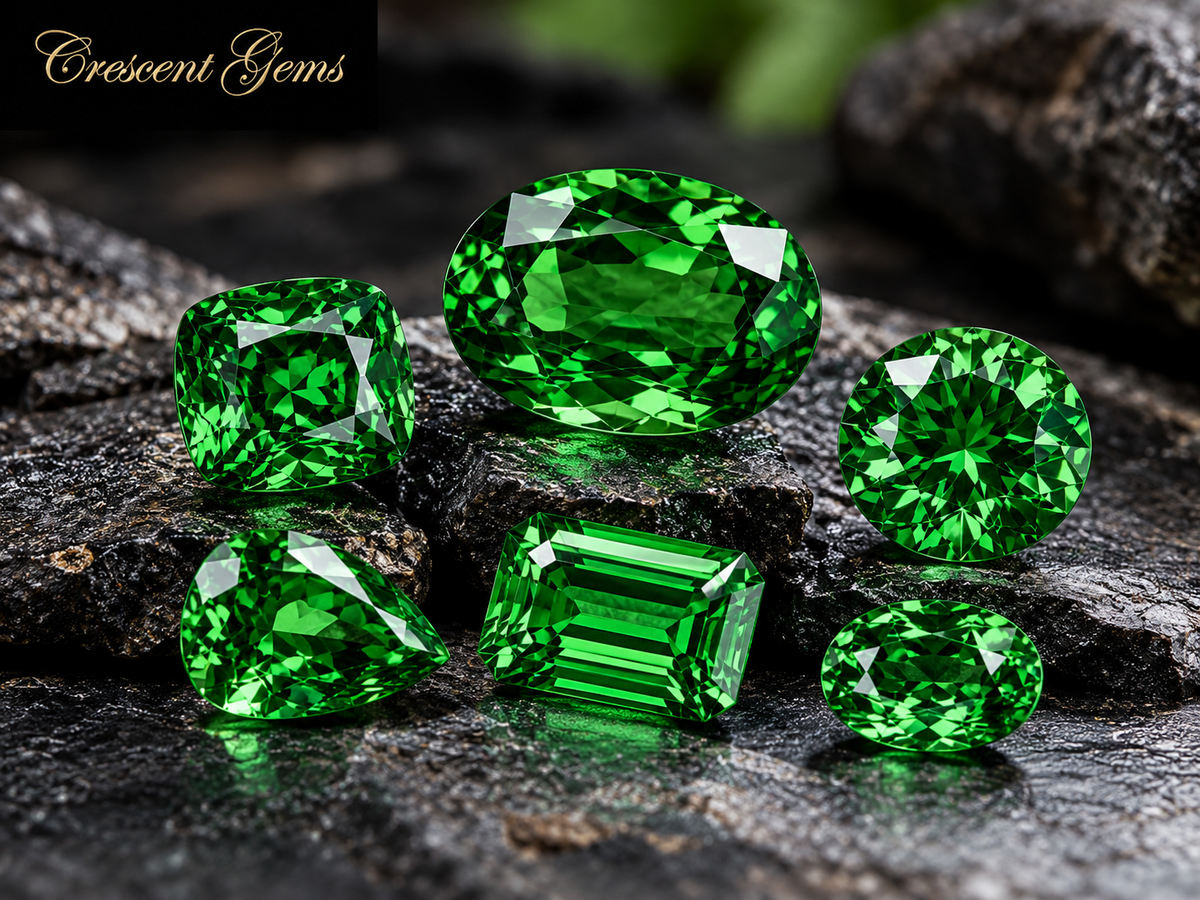
Tsavorite Garnet Price Guide — What They Cost and Why
Read moreabout Tsavorite Garnet Price Guide — What They Cost and Why
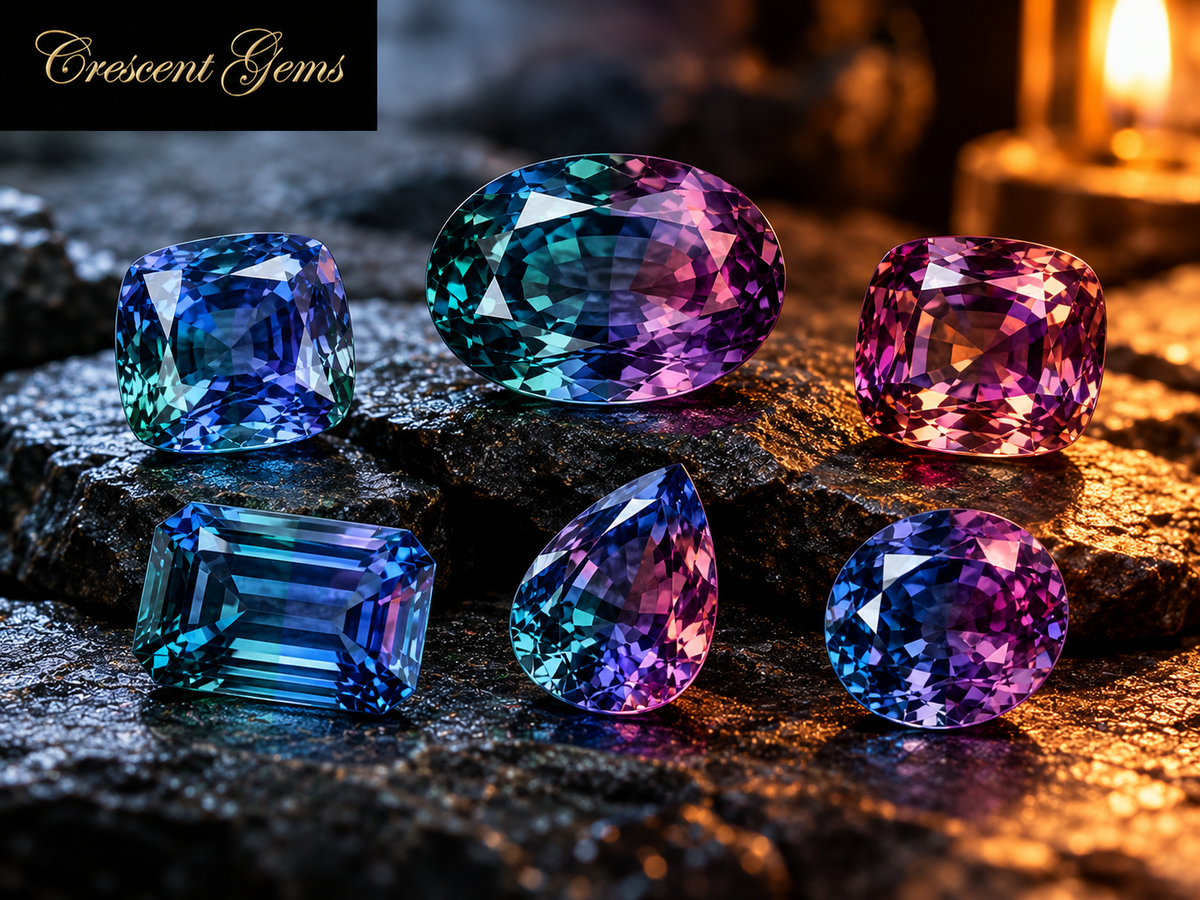
Color-Change Sapphire Price Guide — What They Cost and Why
Read moreabout Color-Change Sapphire Price Guide — What They Cost and Why
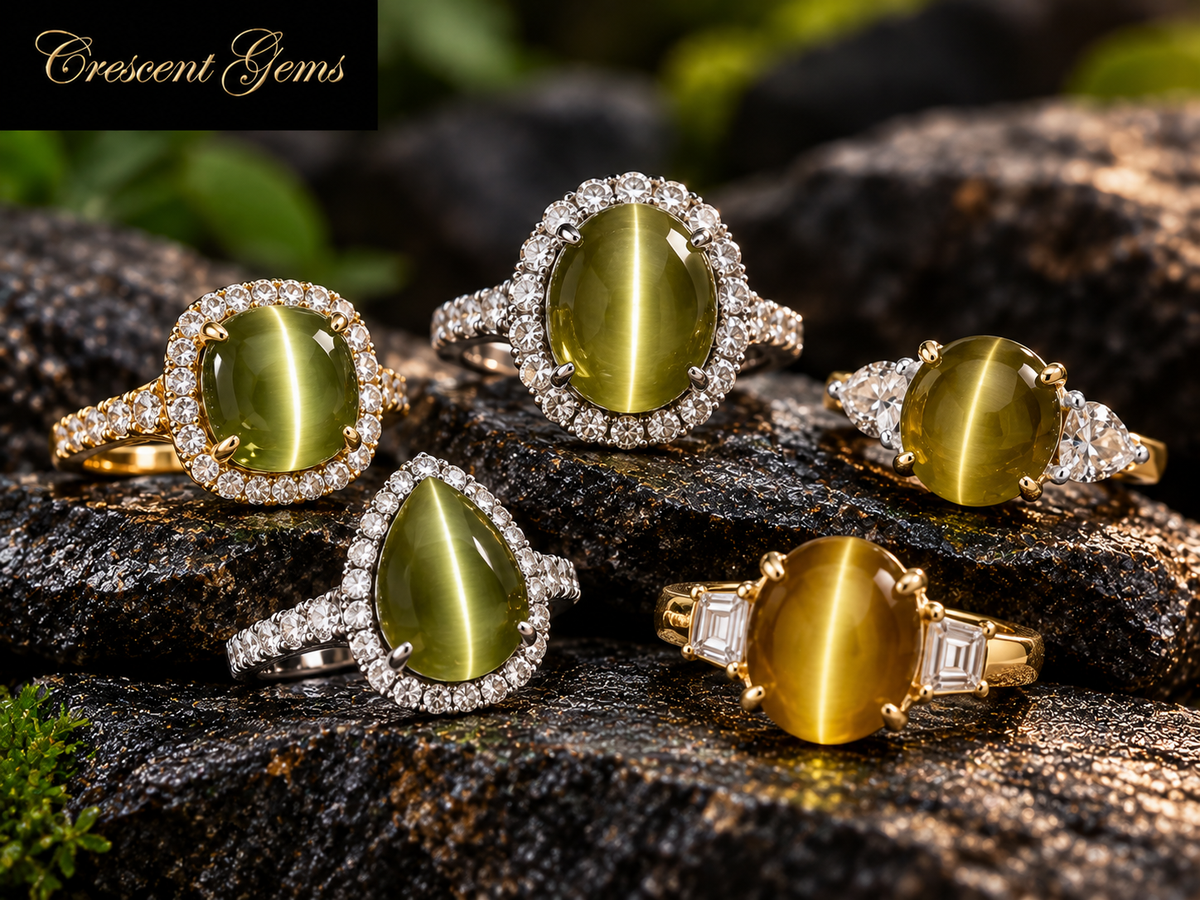
Is Cat's-Eye Chrysoberyl Good for an Engagement Ring?
Read moreabout Is Cat's-Eye Chrysoberyl Good for an Engagement Ring?
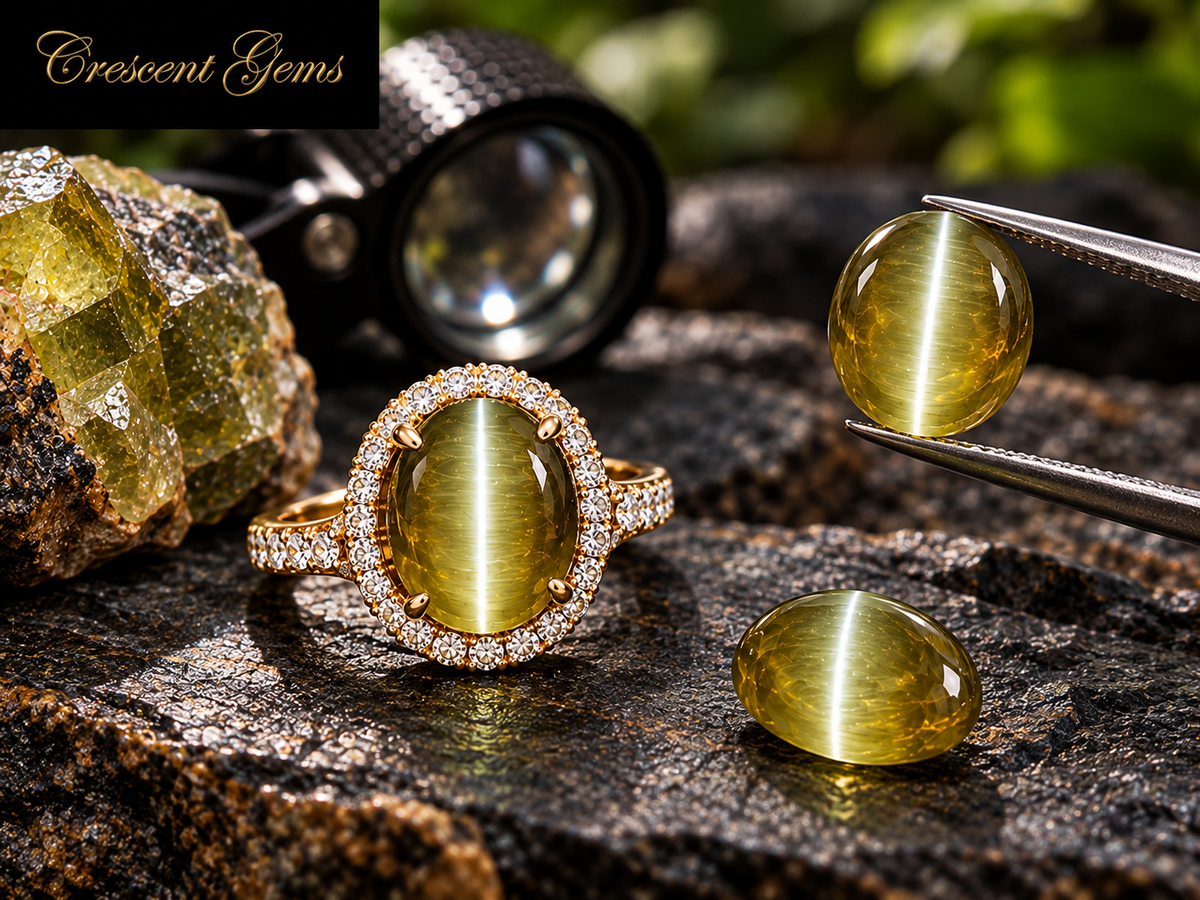
Cat's Eye Chrysoberyl Price Guide — What They Cost and Why
Read moreabout Cat's Eye Chrysoberyl Price Guide — What They Cost and Why