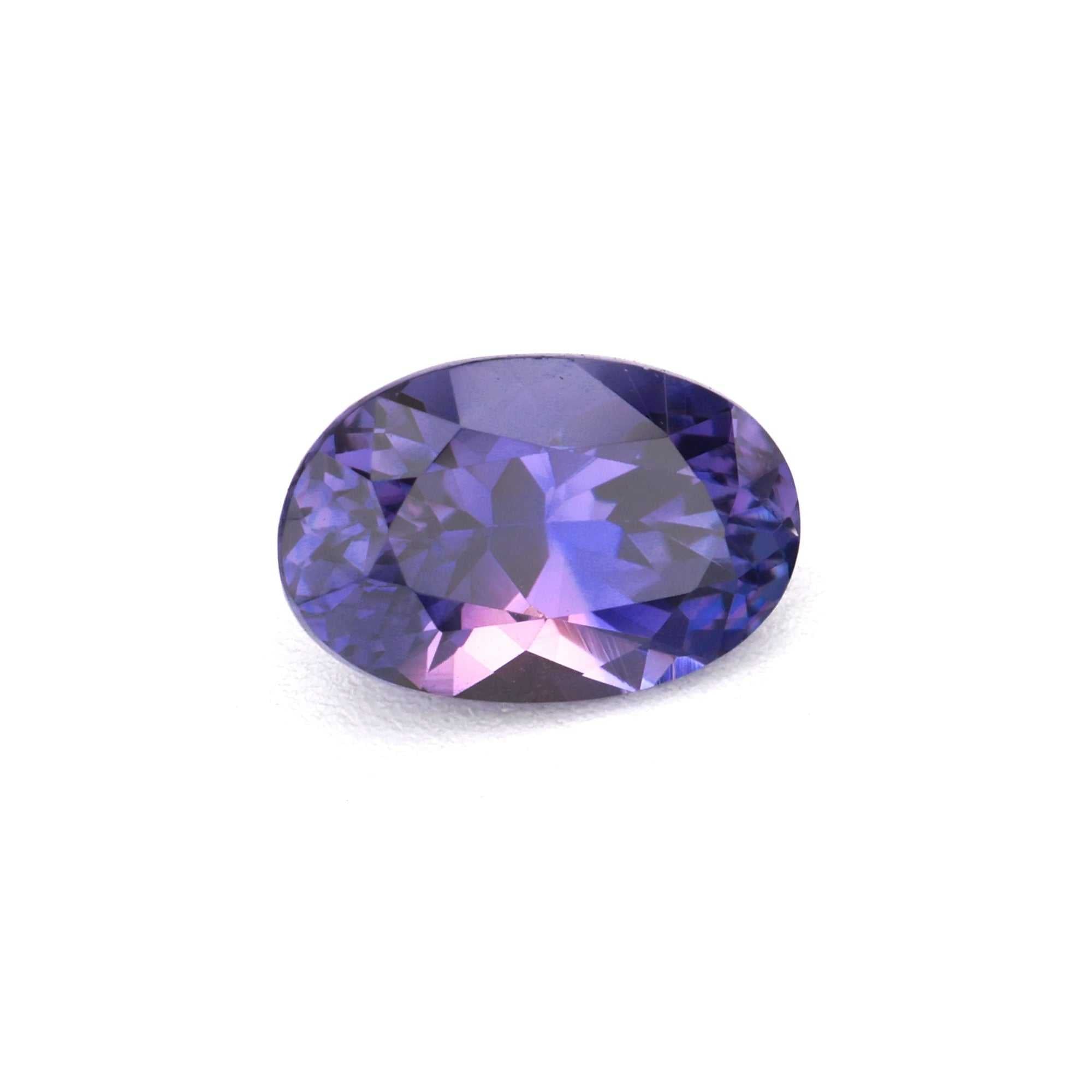
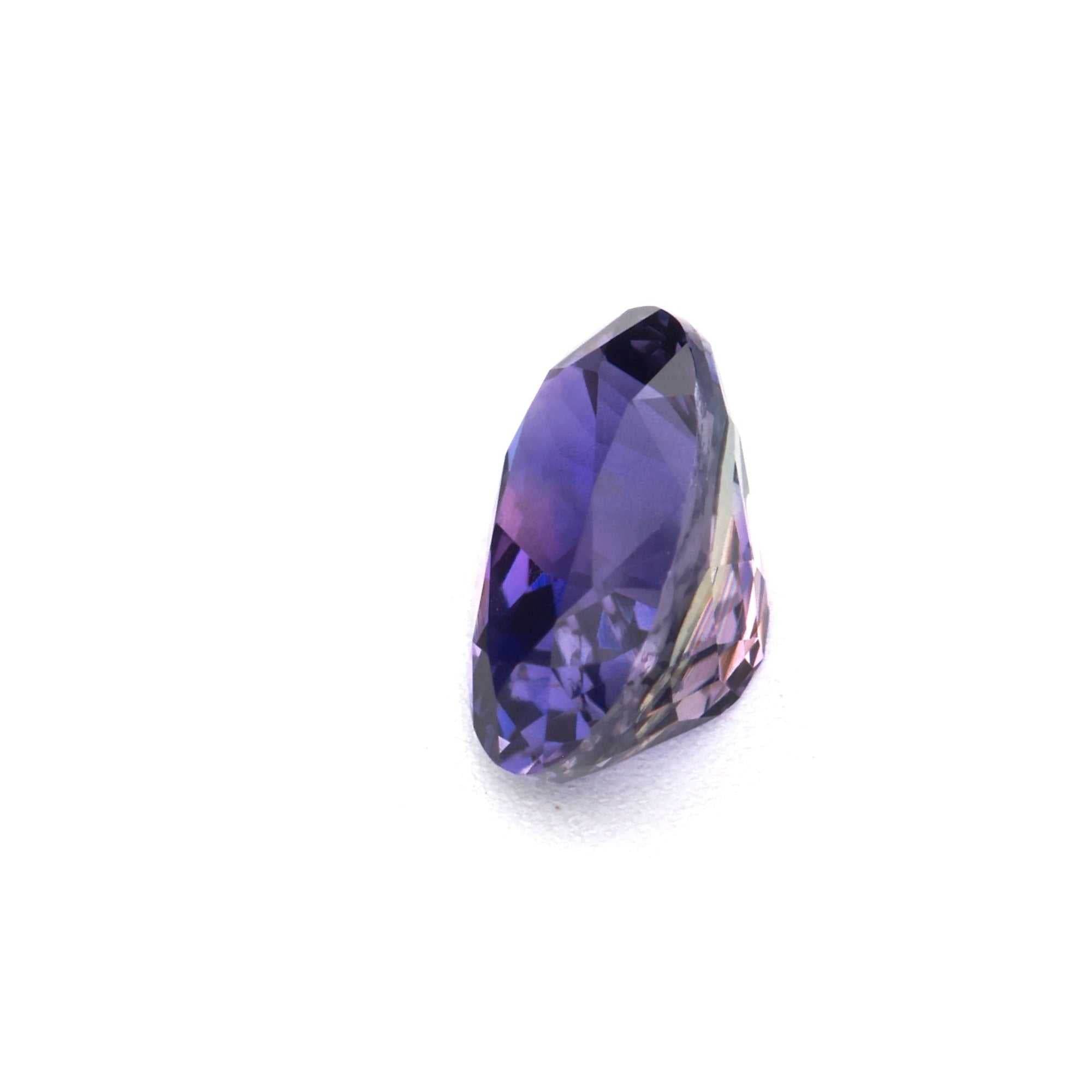
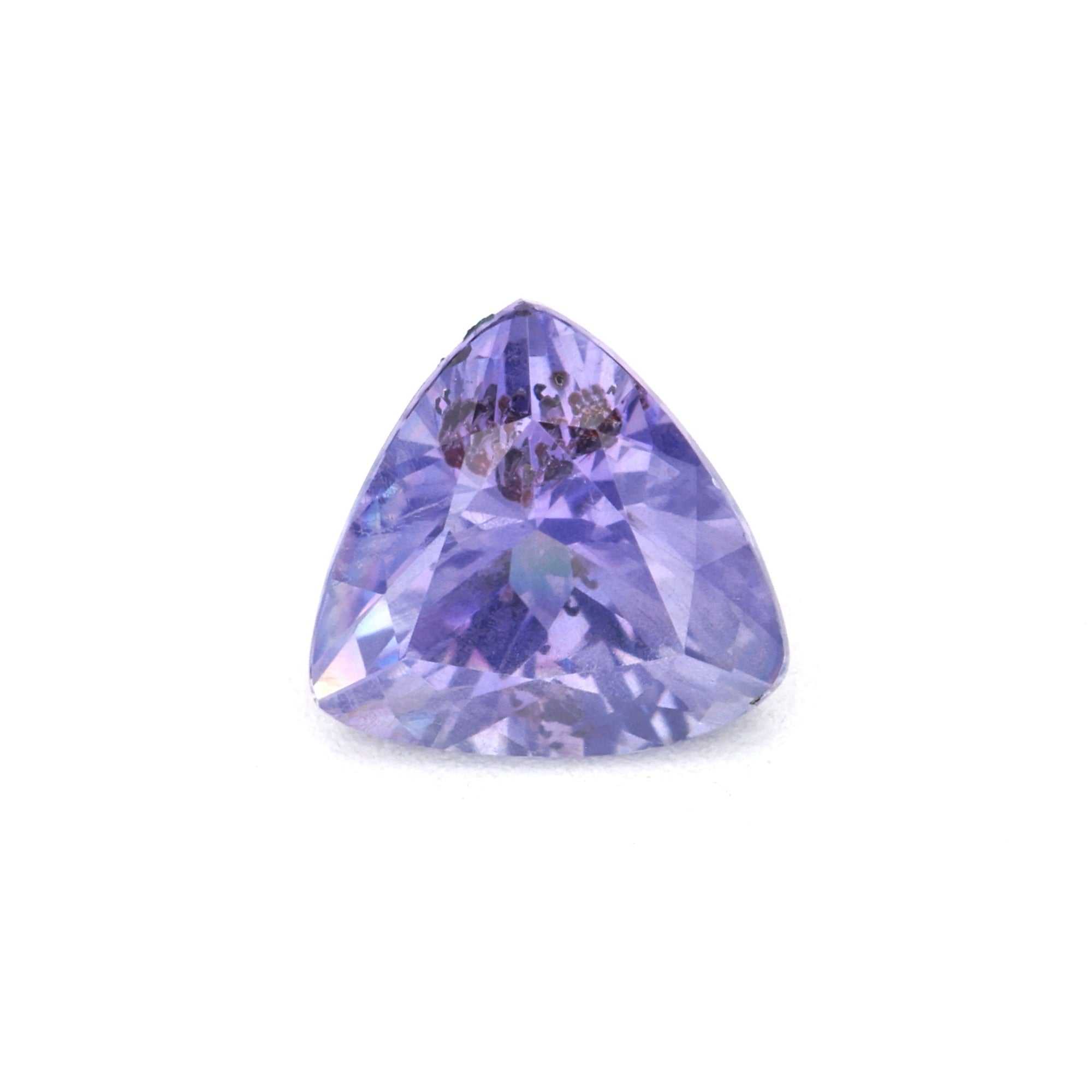
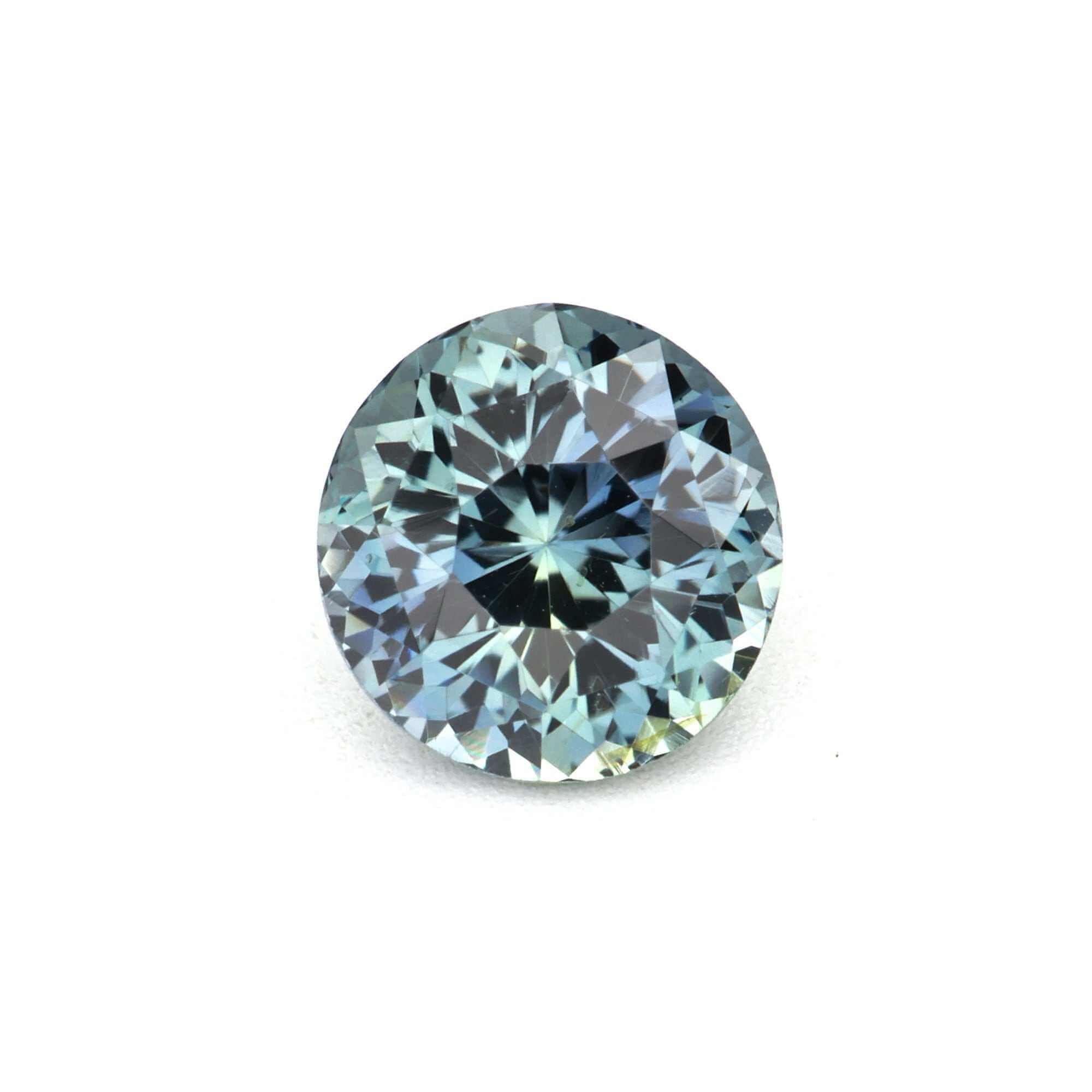
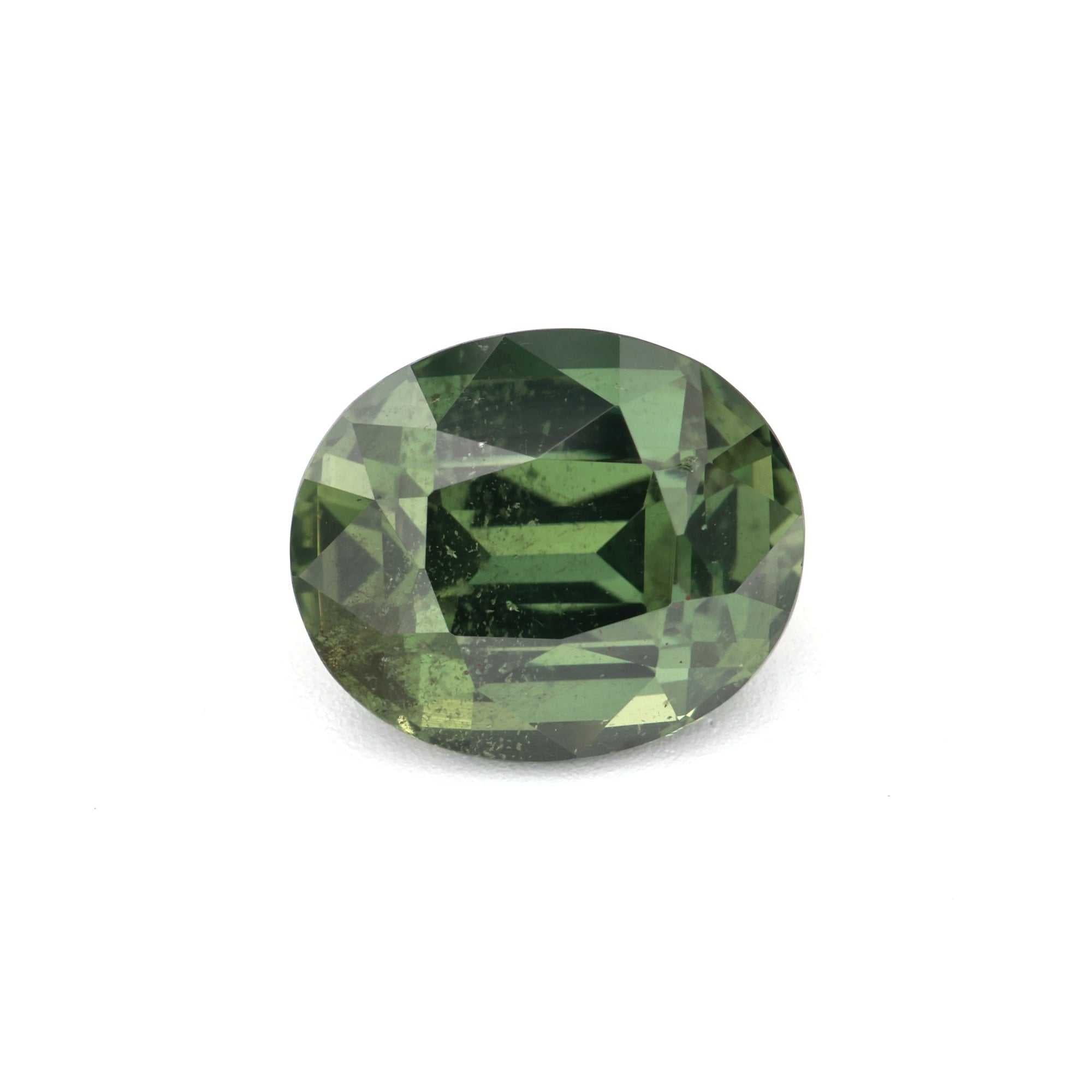
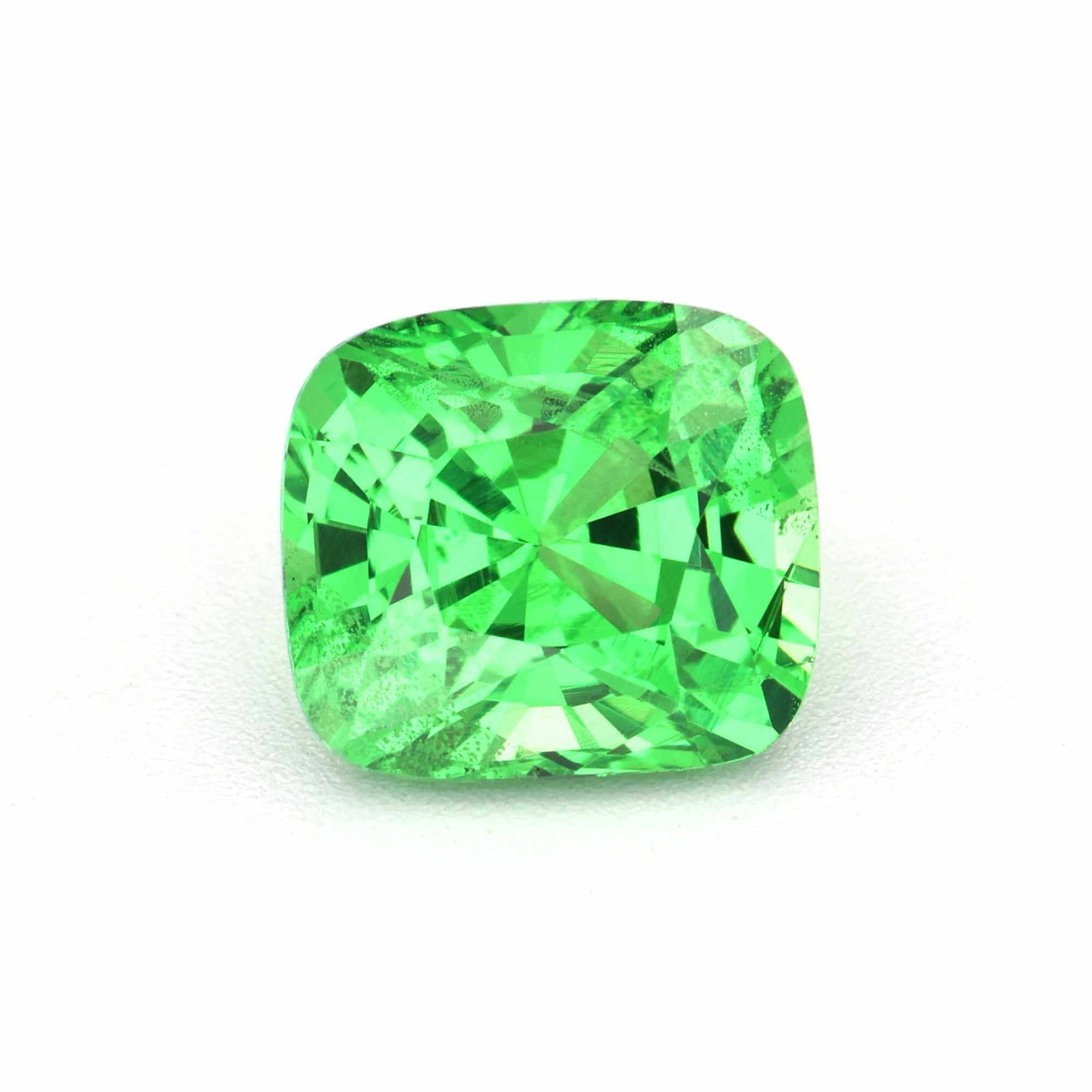
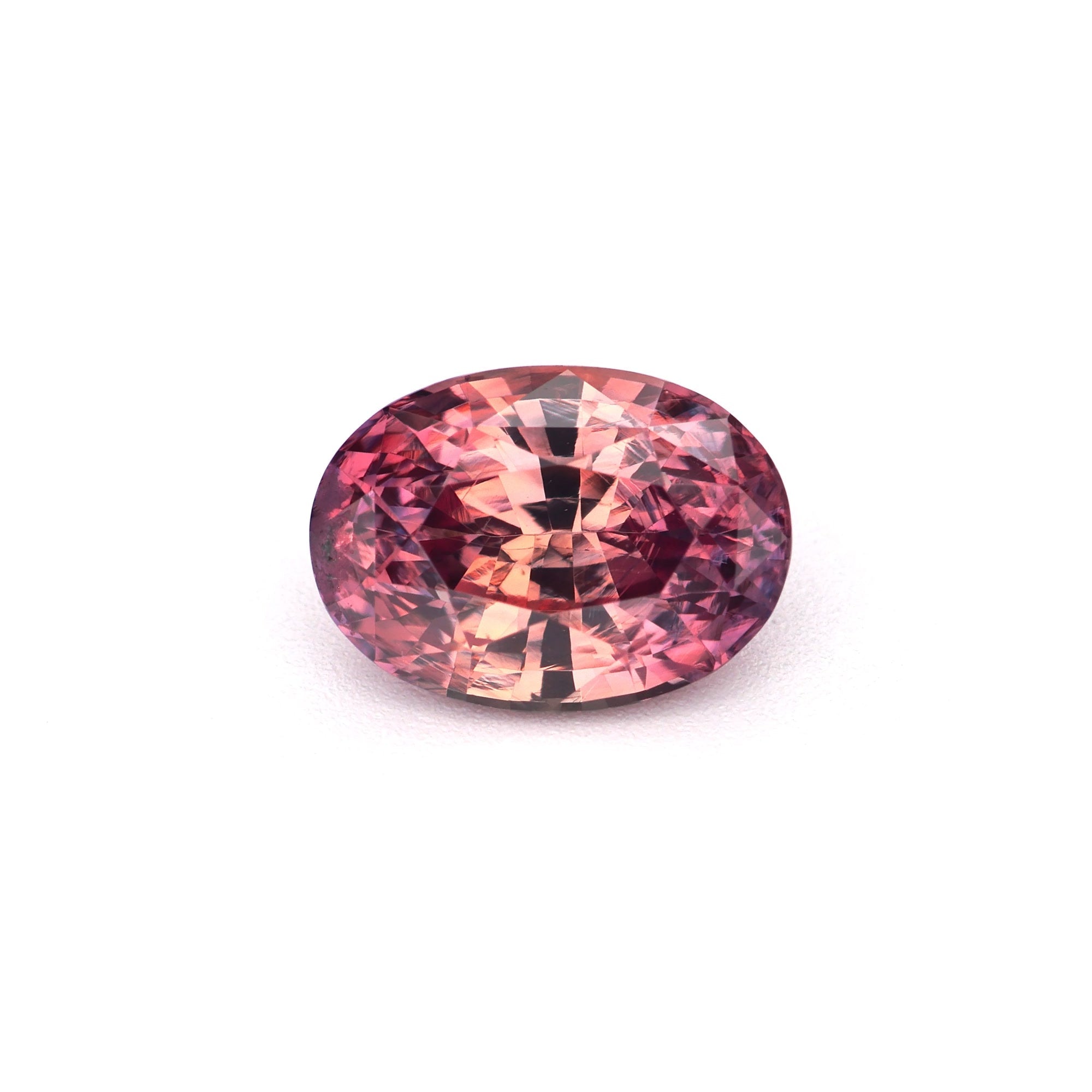
Loose Purple Sapphires - Ceylon Loose Stones
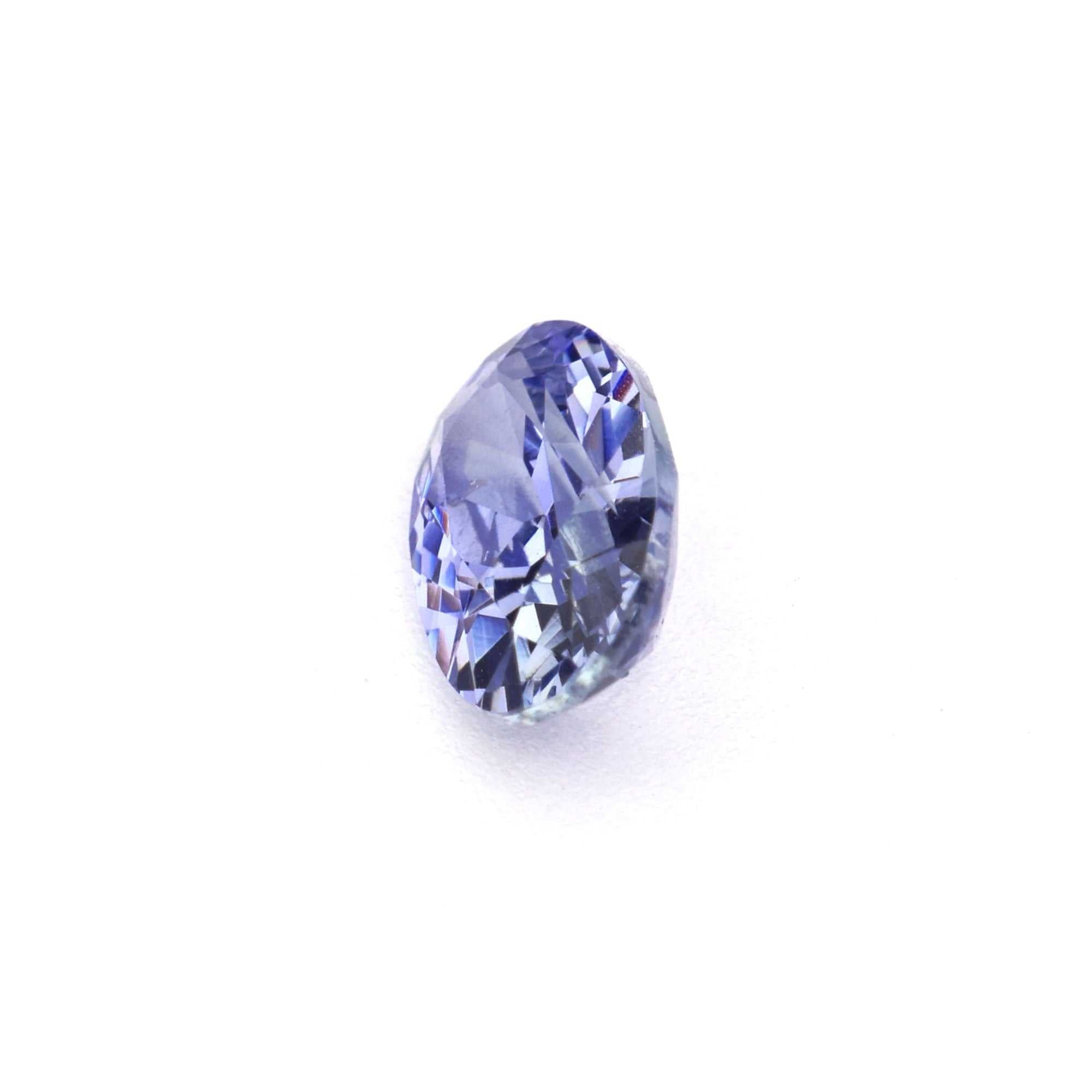
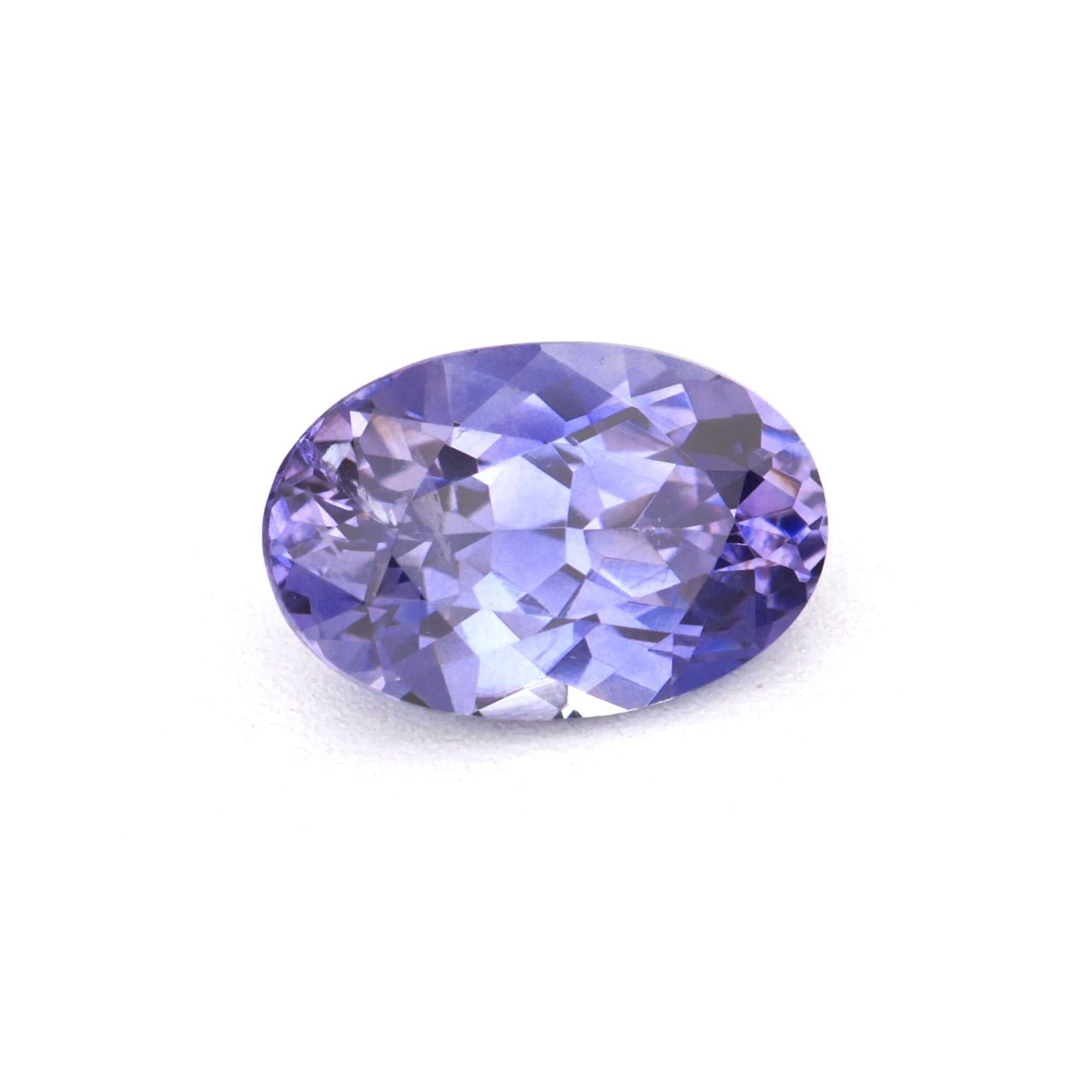
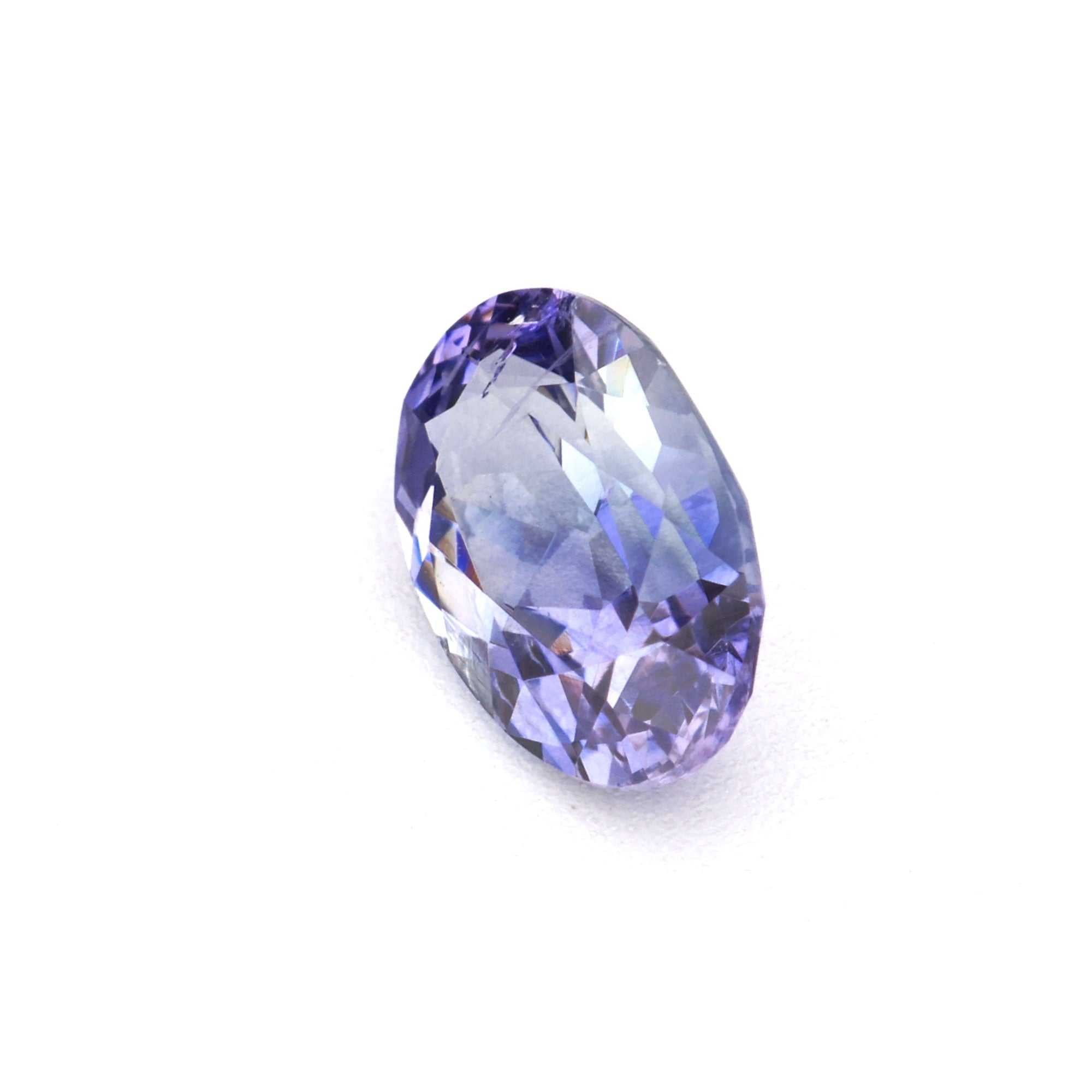
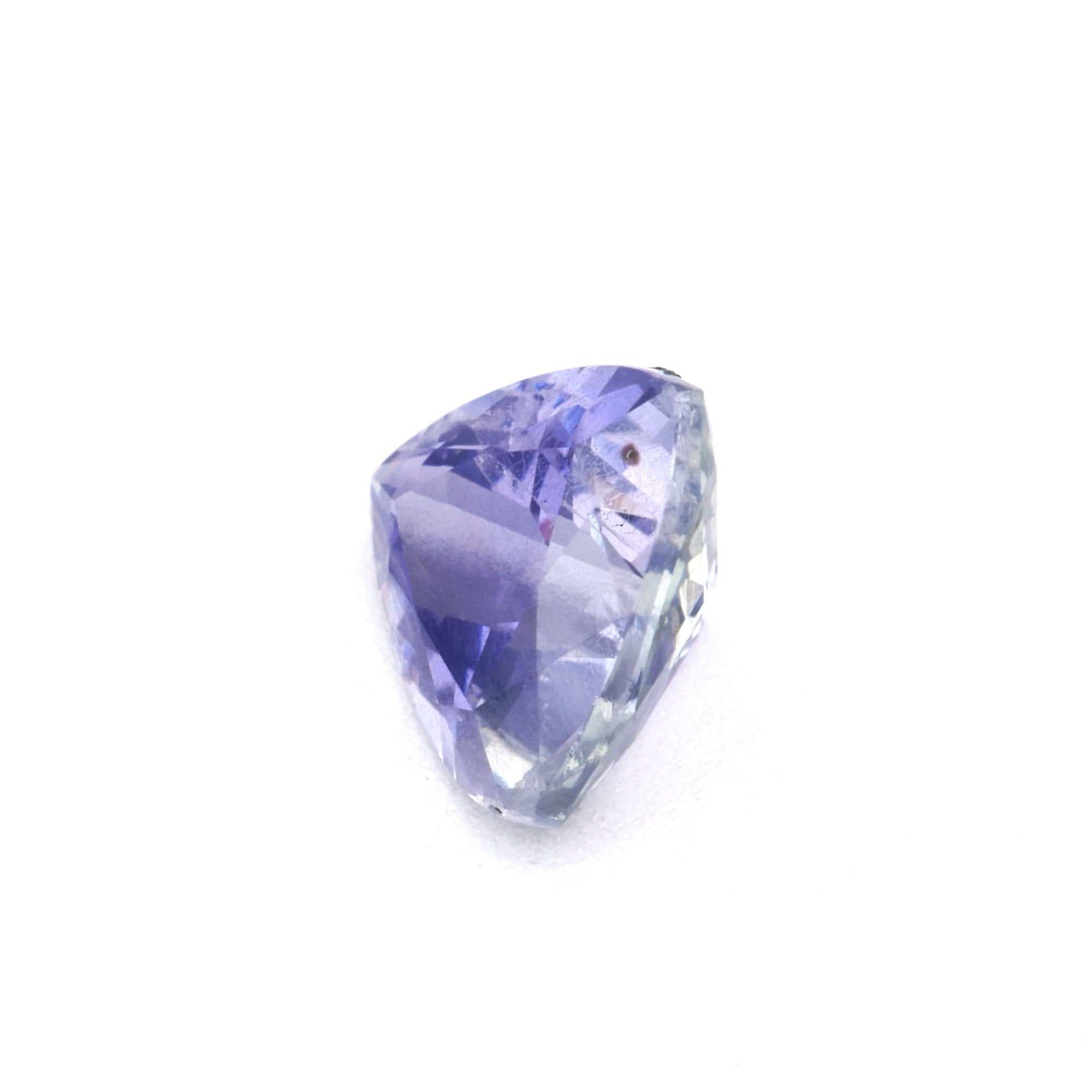
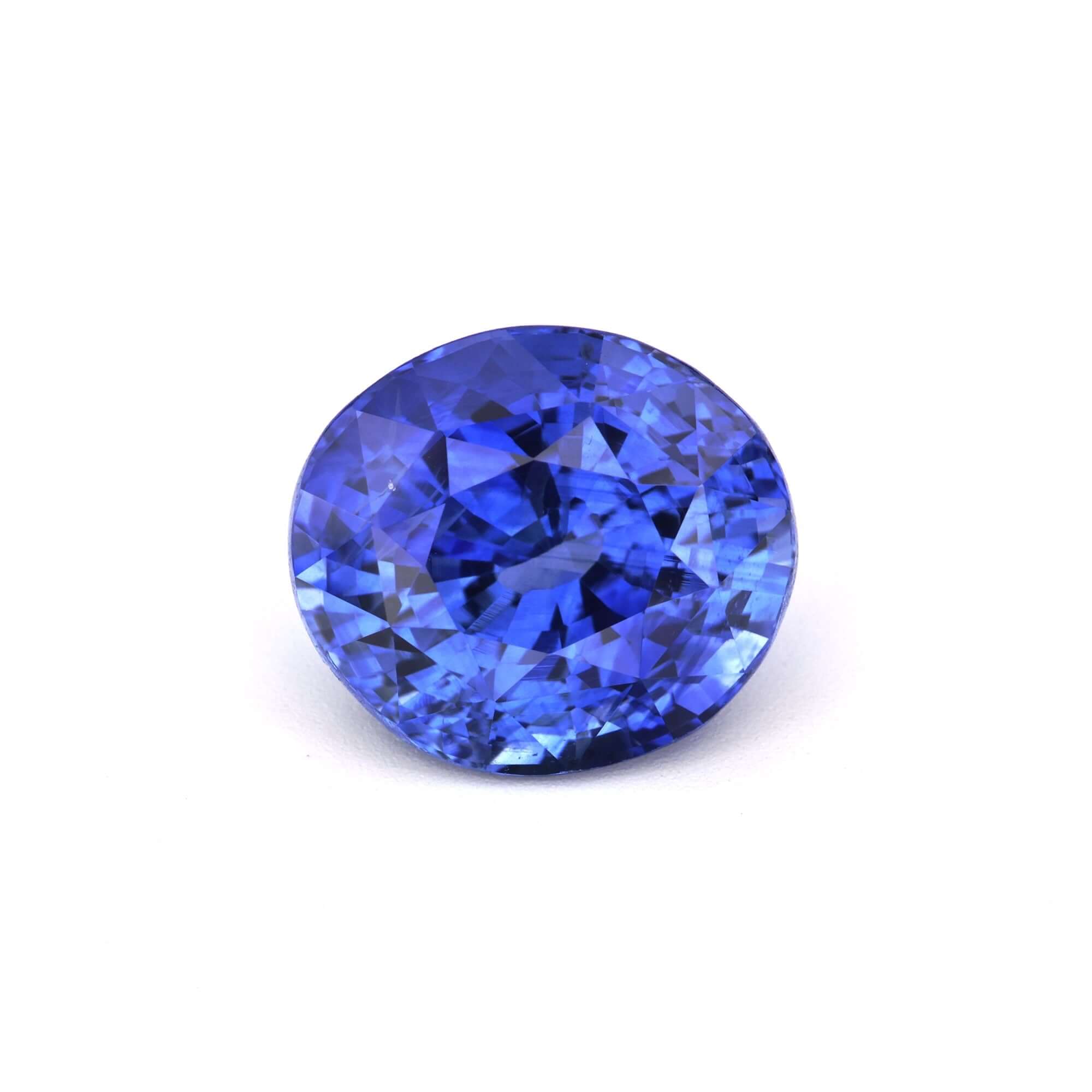
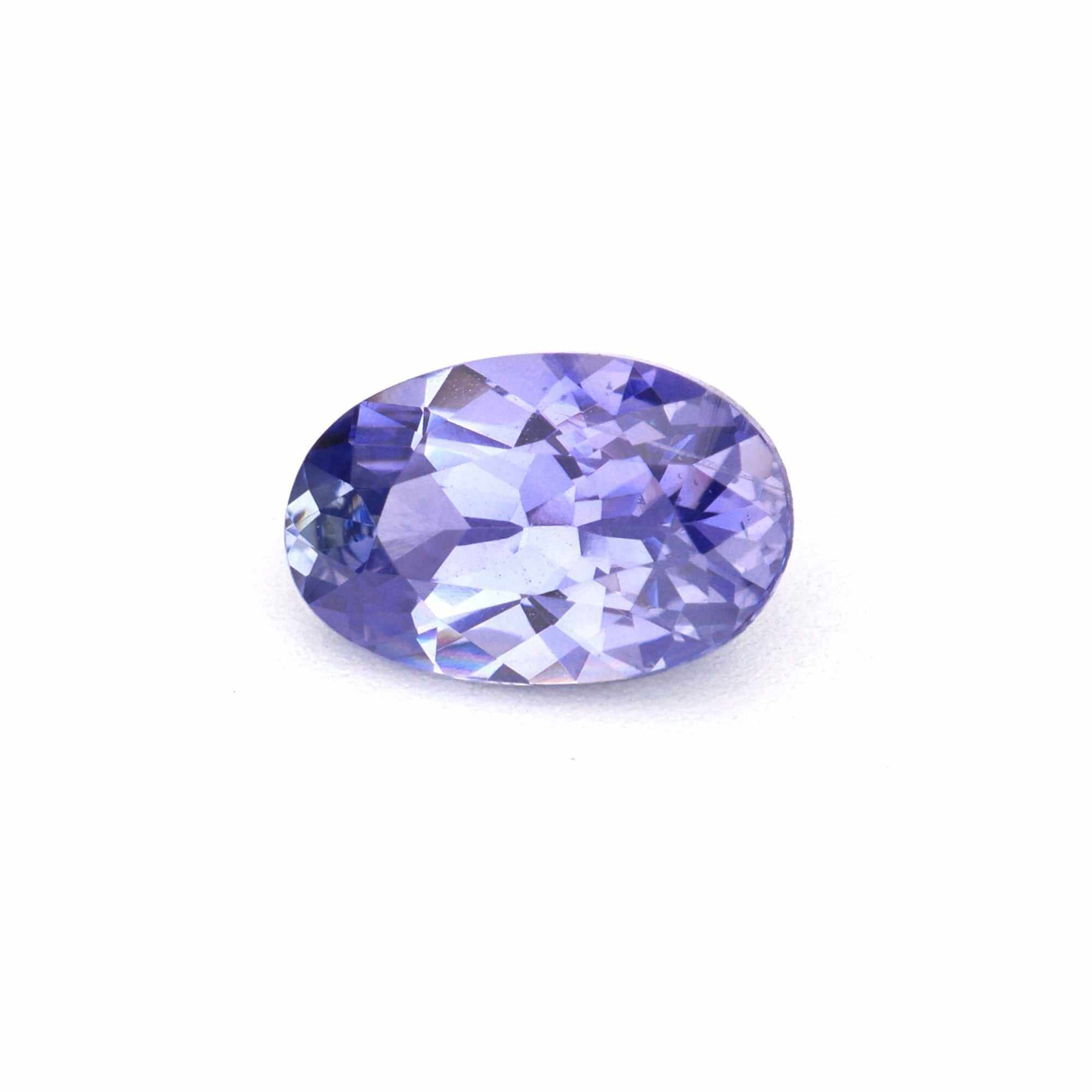
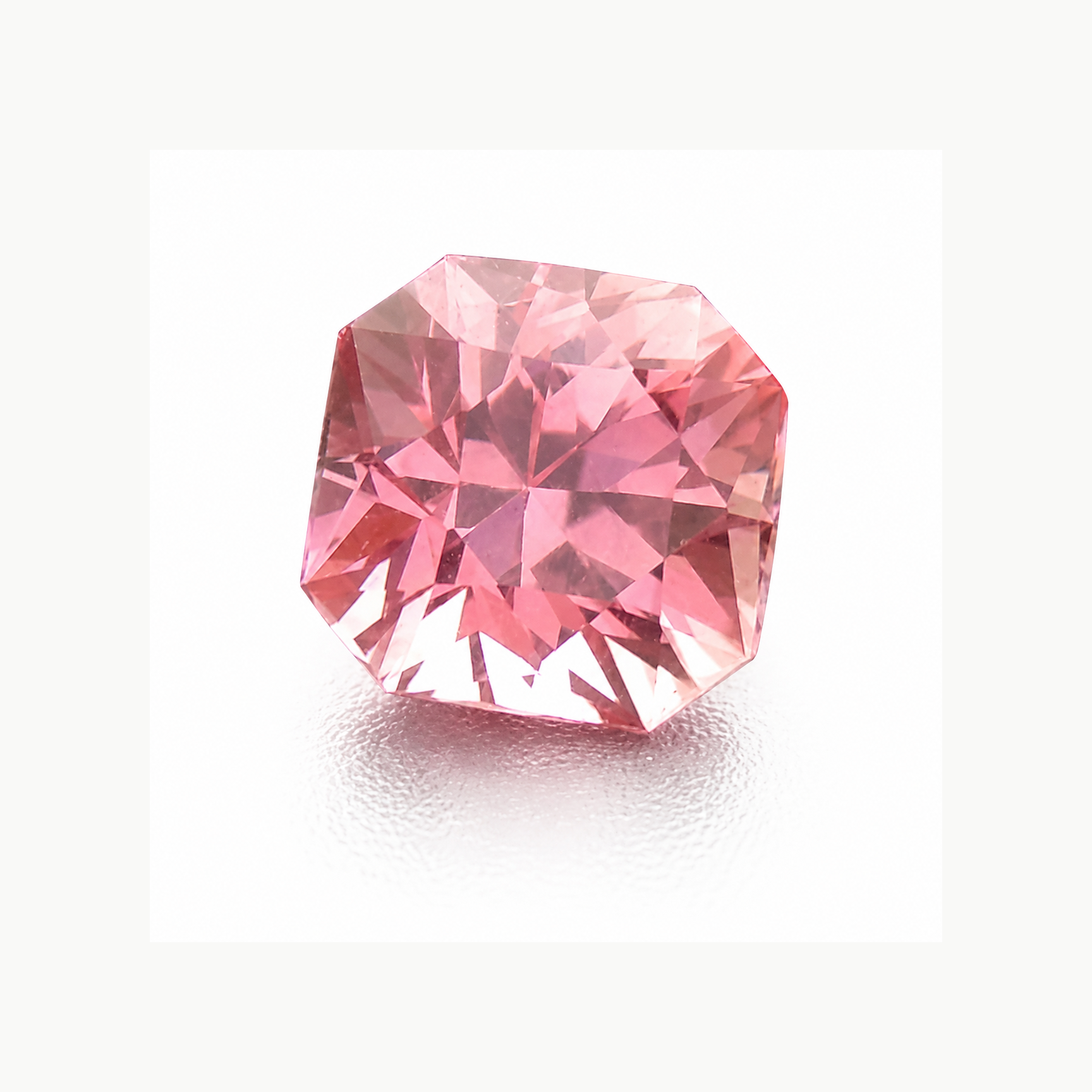
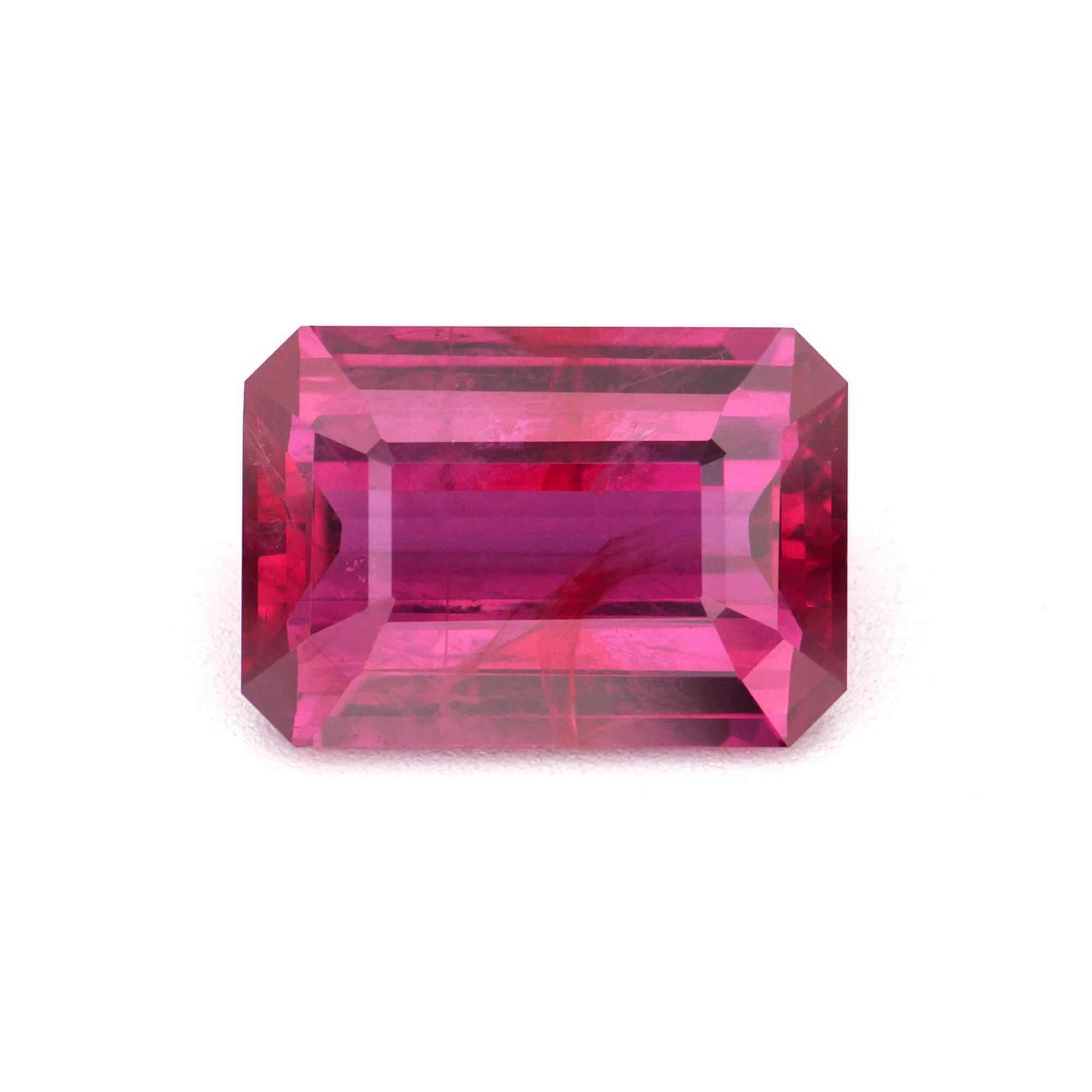
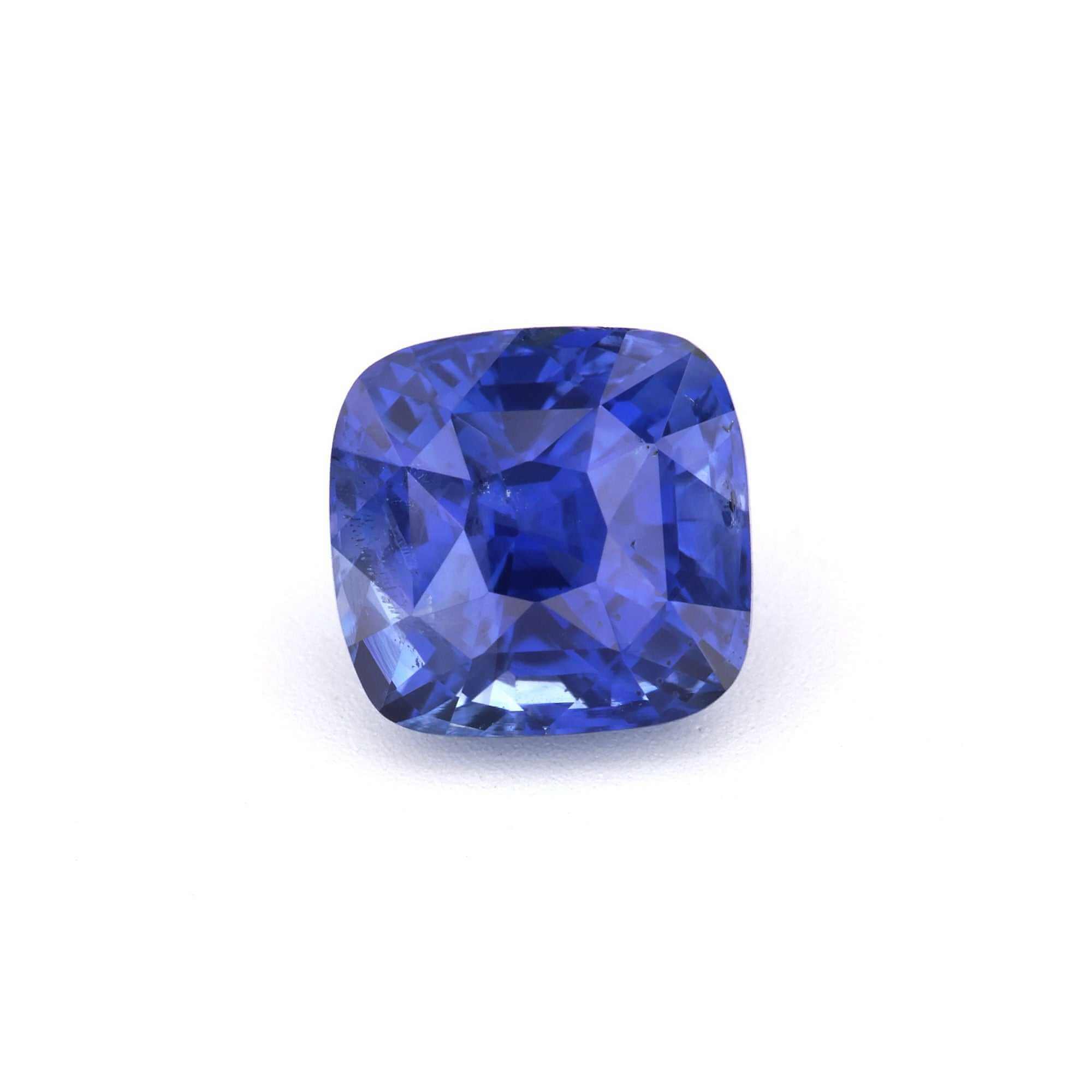
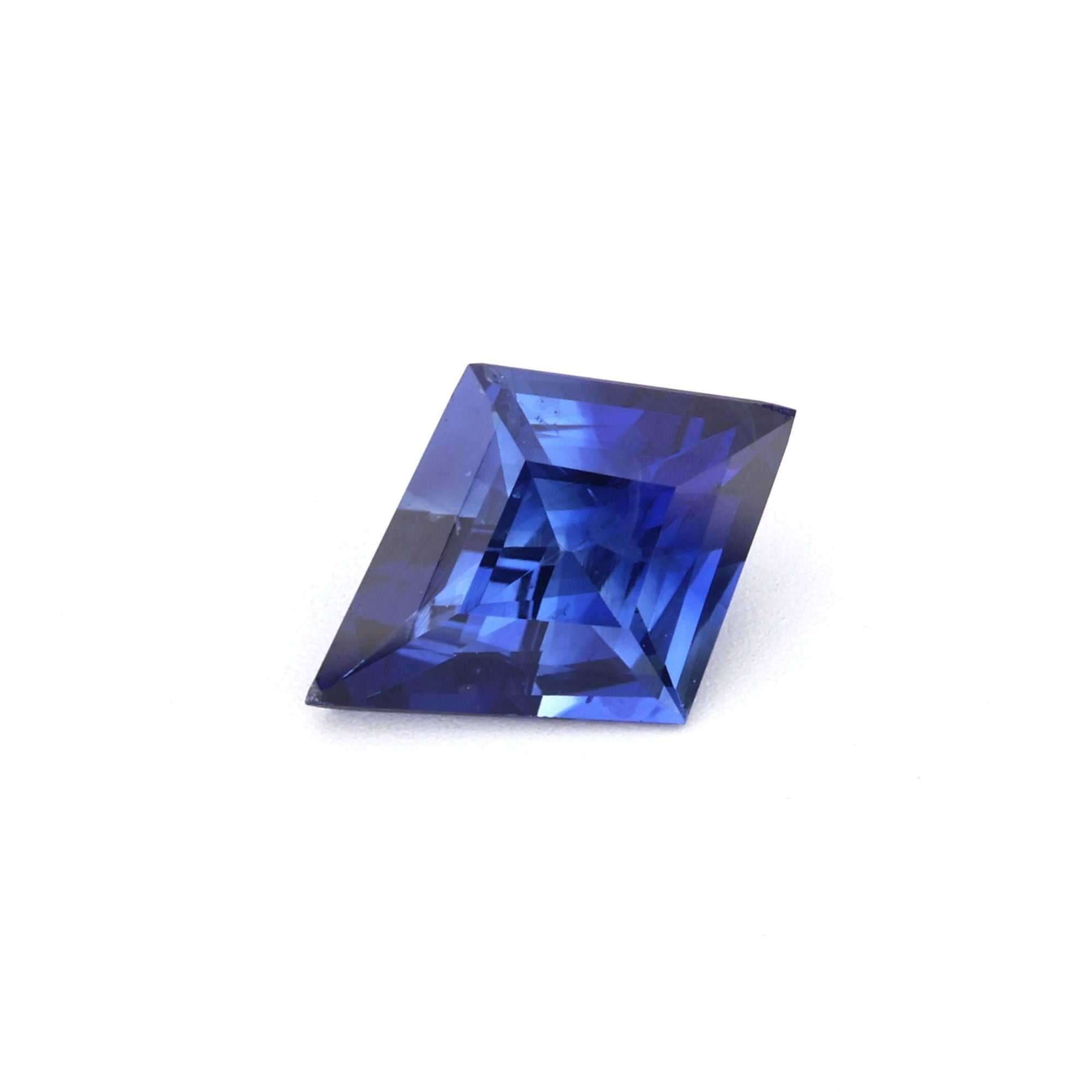
Loose Purple Sapphires is corundum where iron and titanium combine in just the right balance to produce a rich, regal range from deep plum to royal violet to soft lilac. It's a comparatively rare member of the sapphire family — far less common than blue or yellow — and carries the full 9-on-the-Mohs-scale durability that makes sapphire ideal for daily wear in engagement rings, pendants, and statement pieces.
Why our Ceylon Loose Purple Sapphires
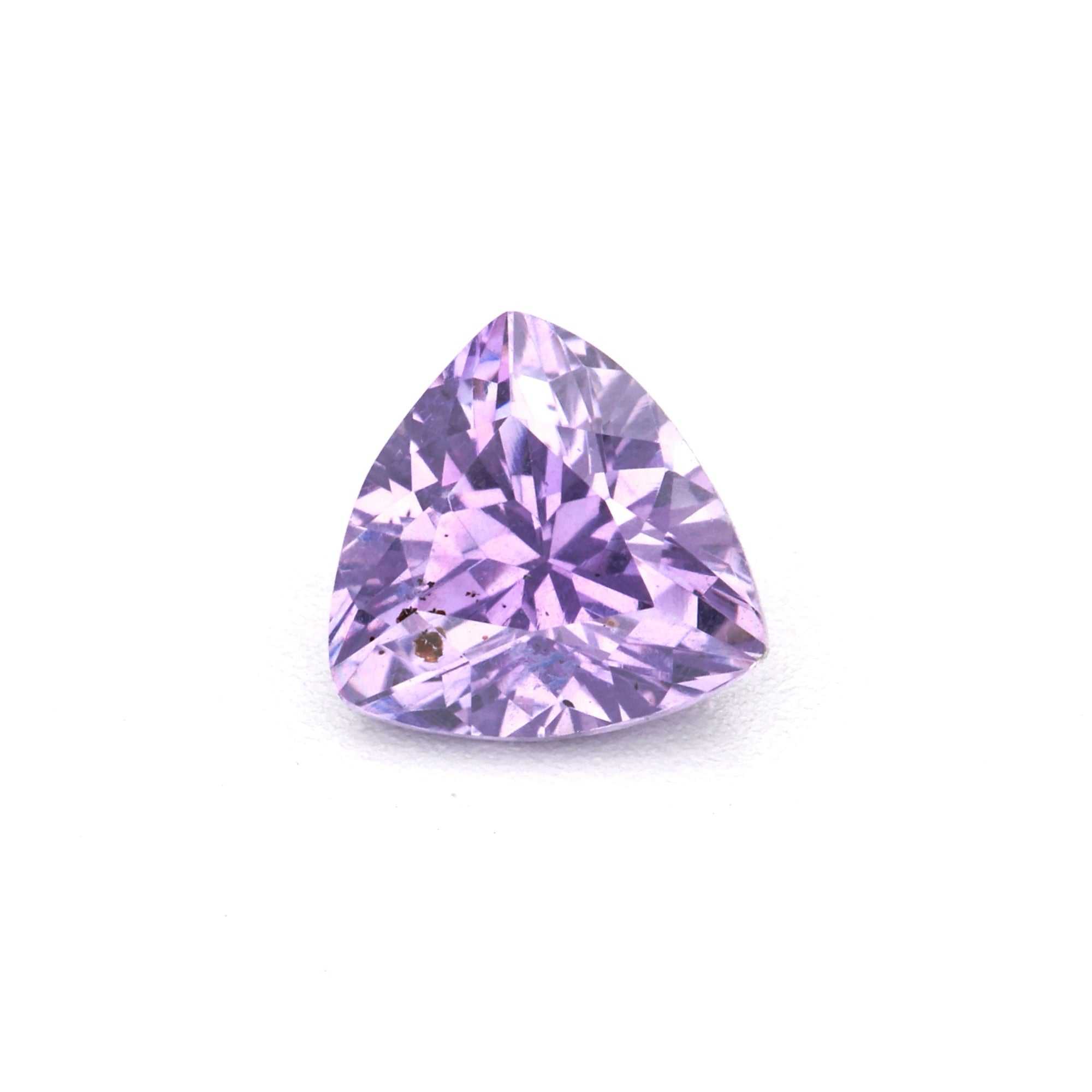
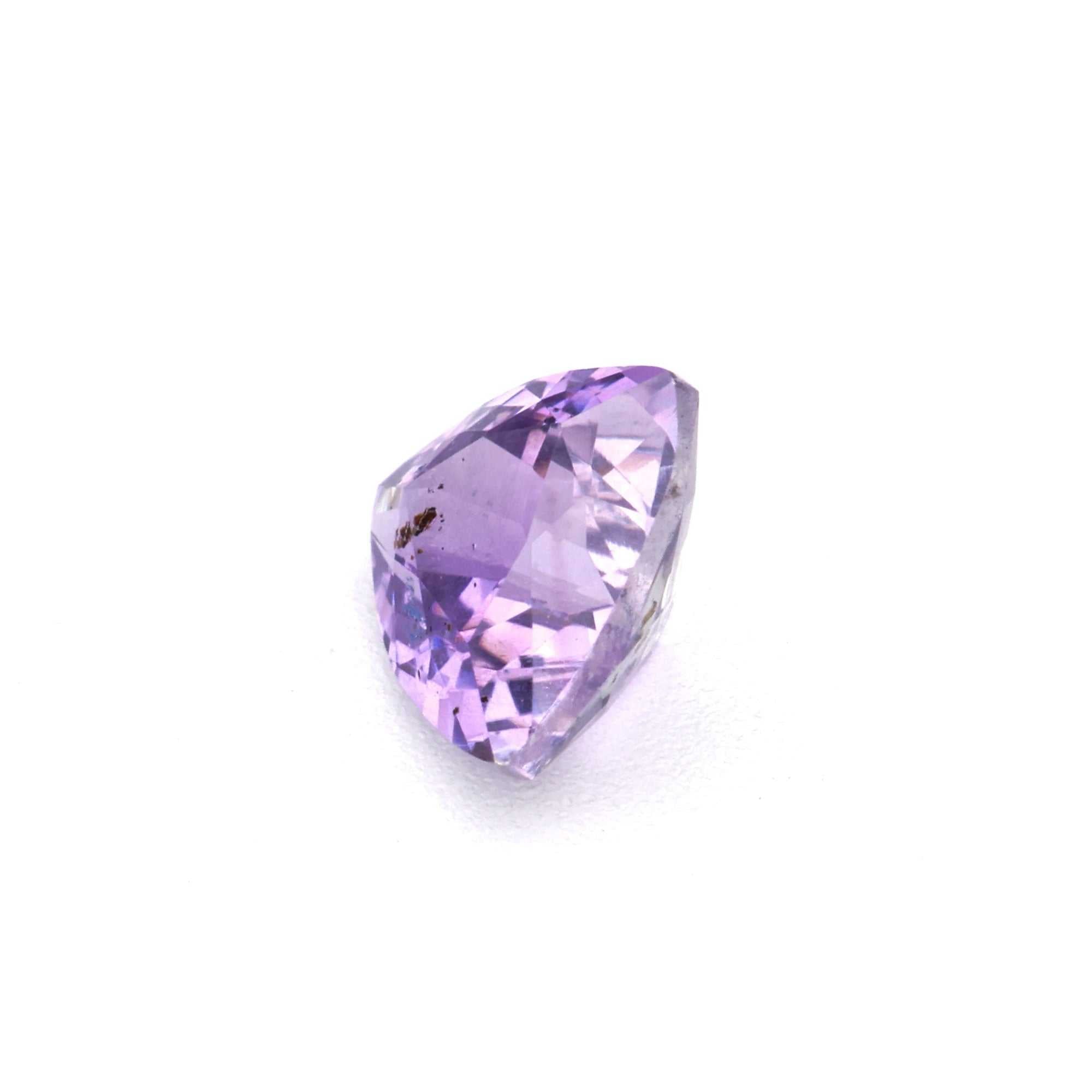
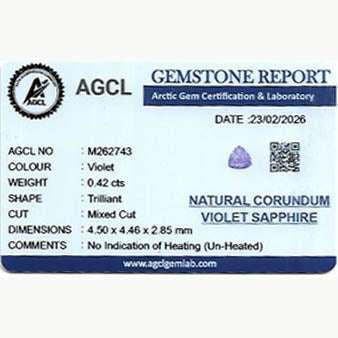
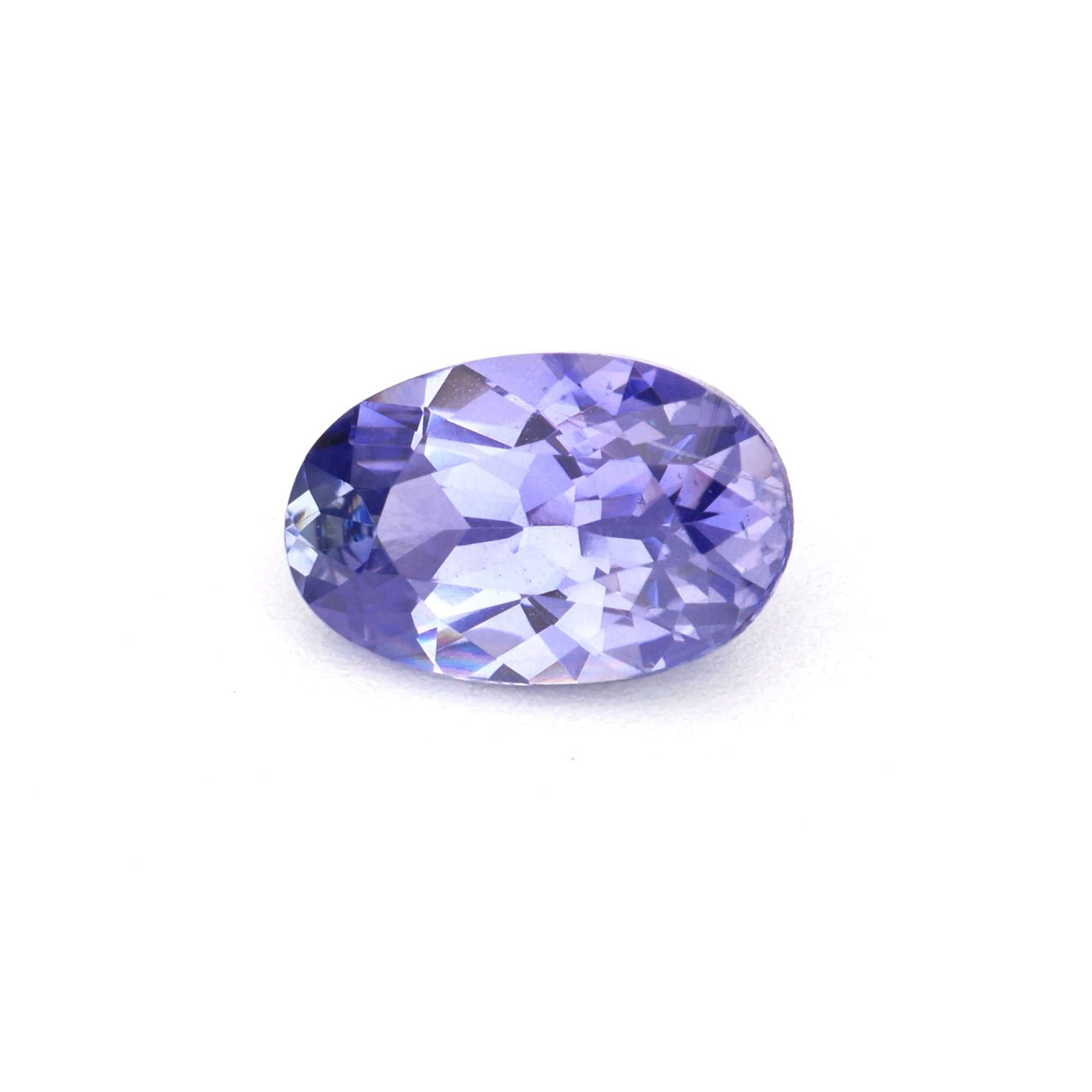
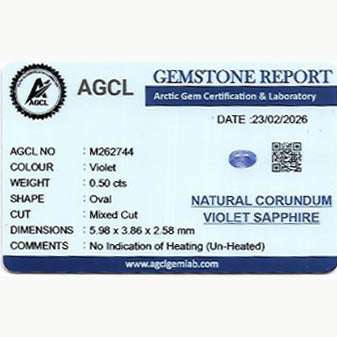
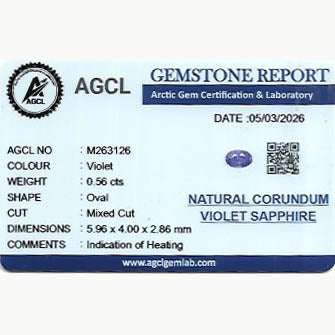
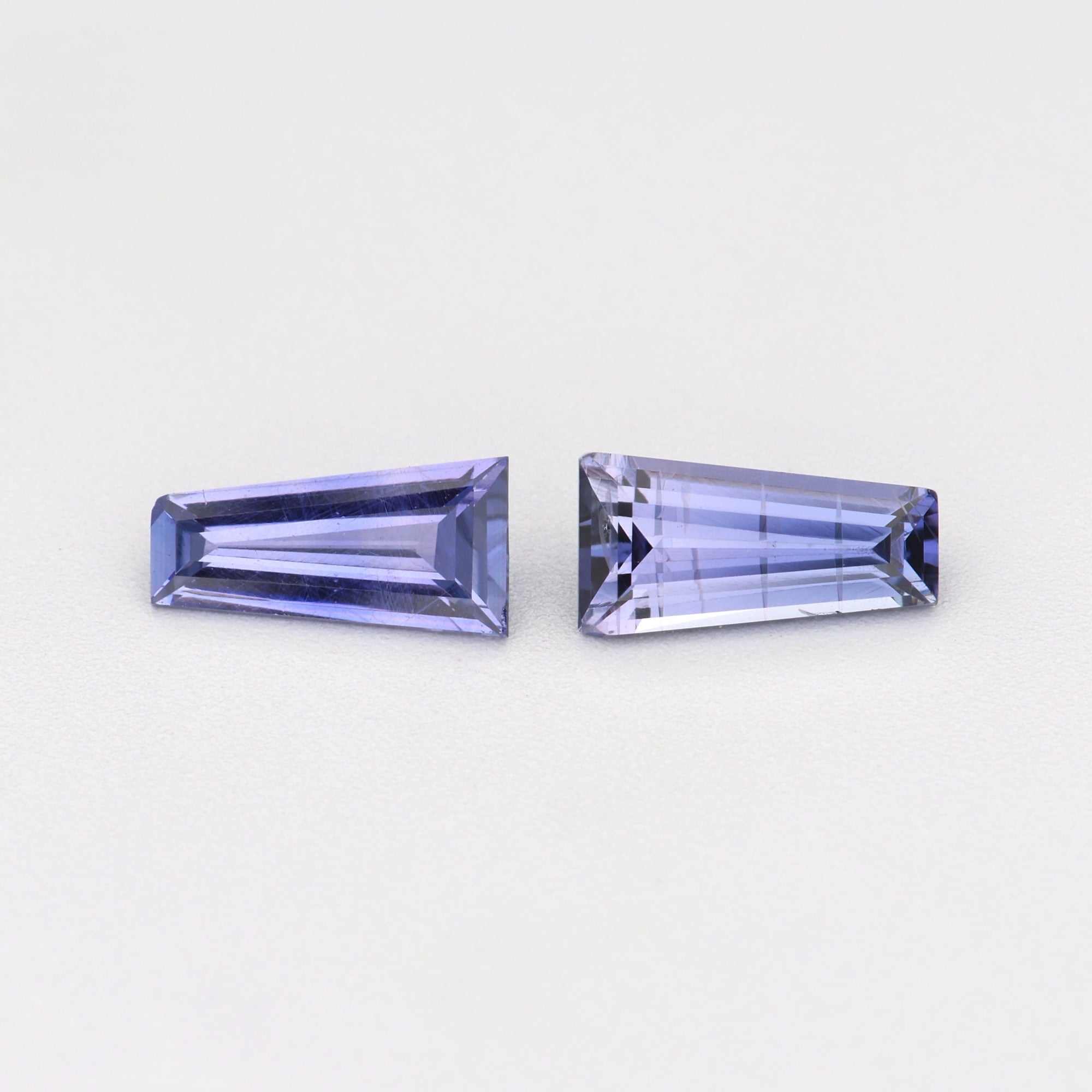
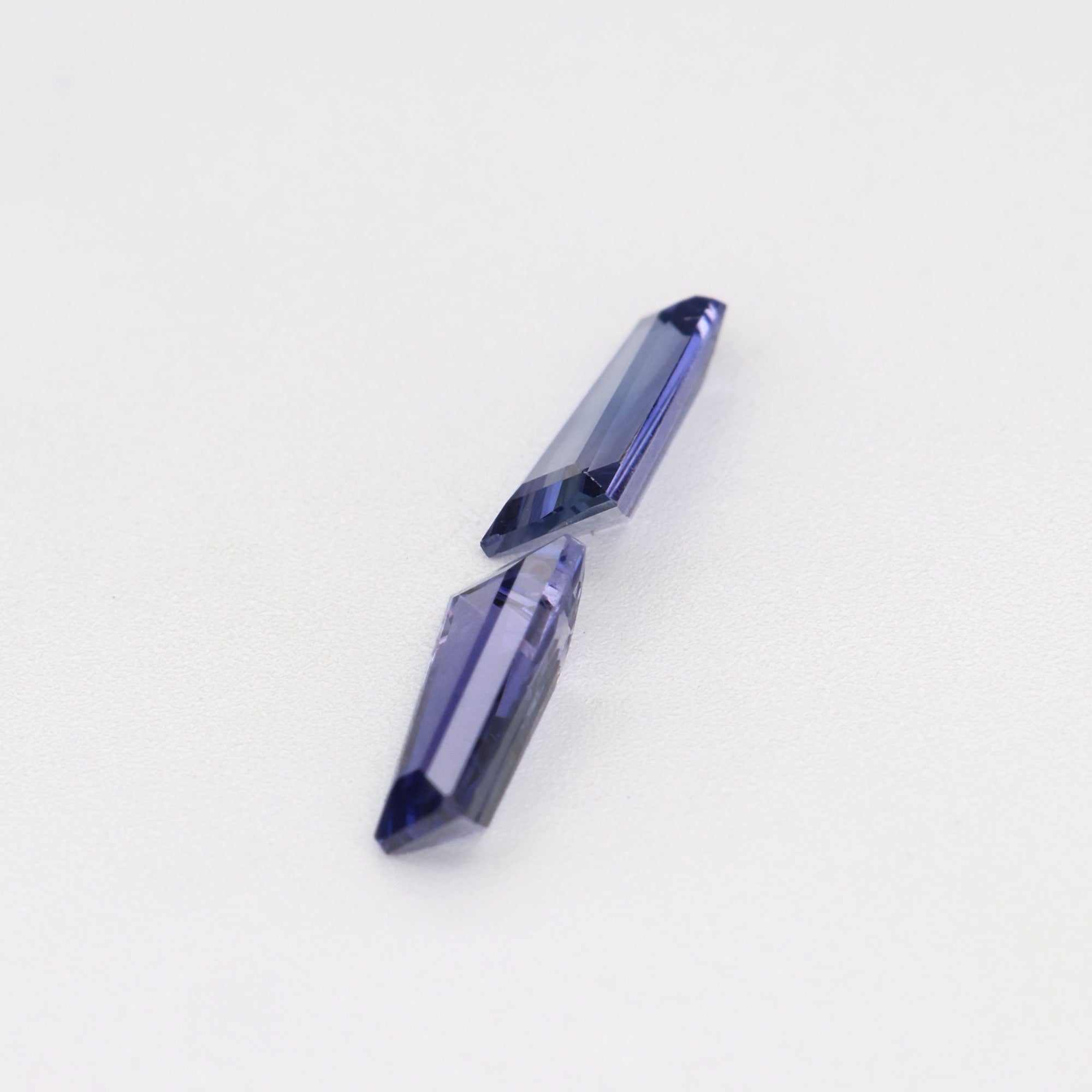
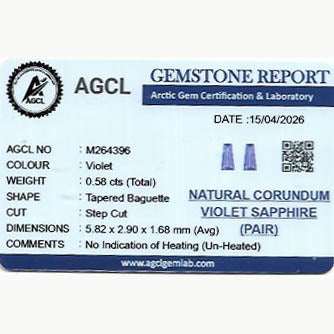
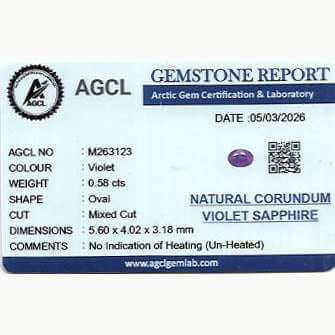
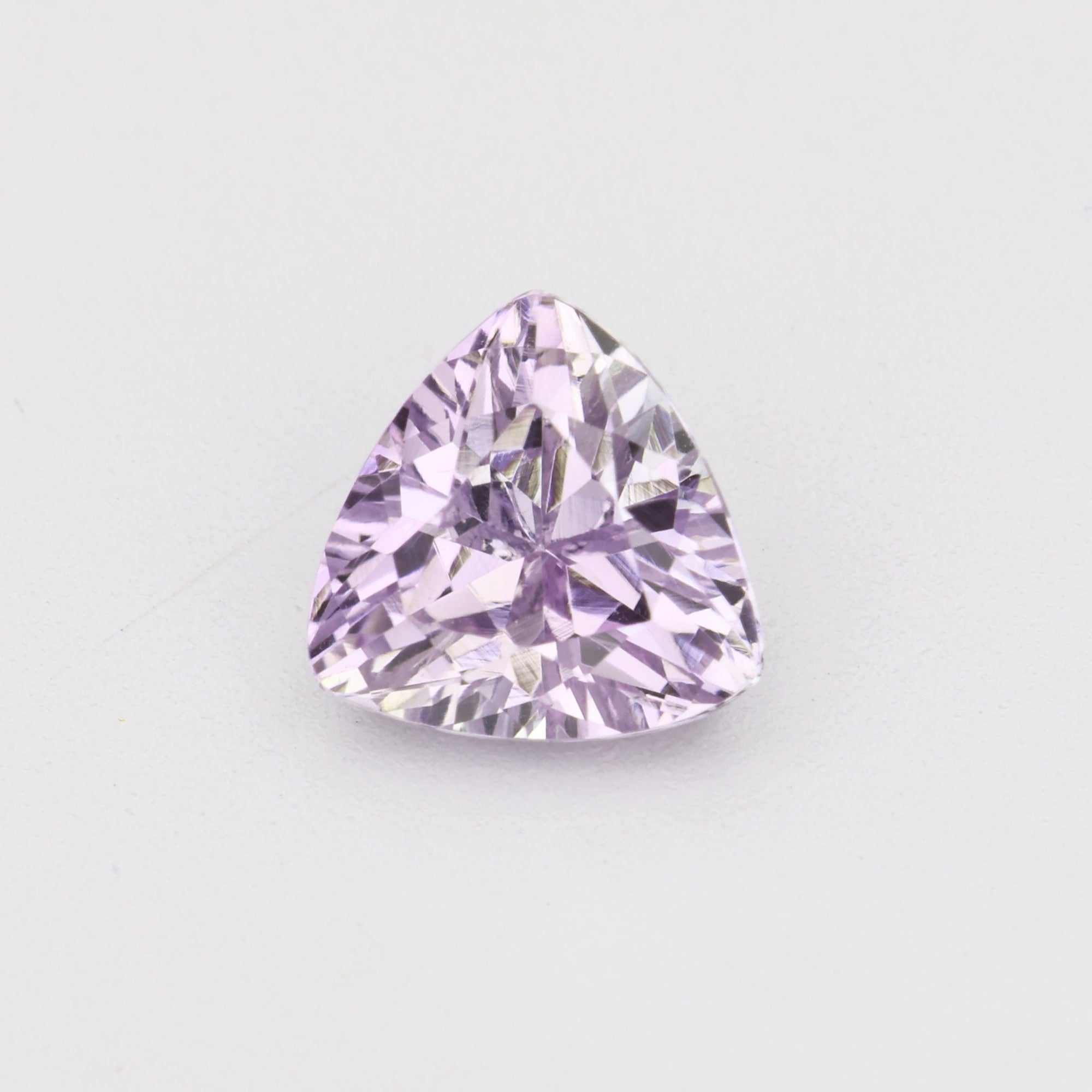
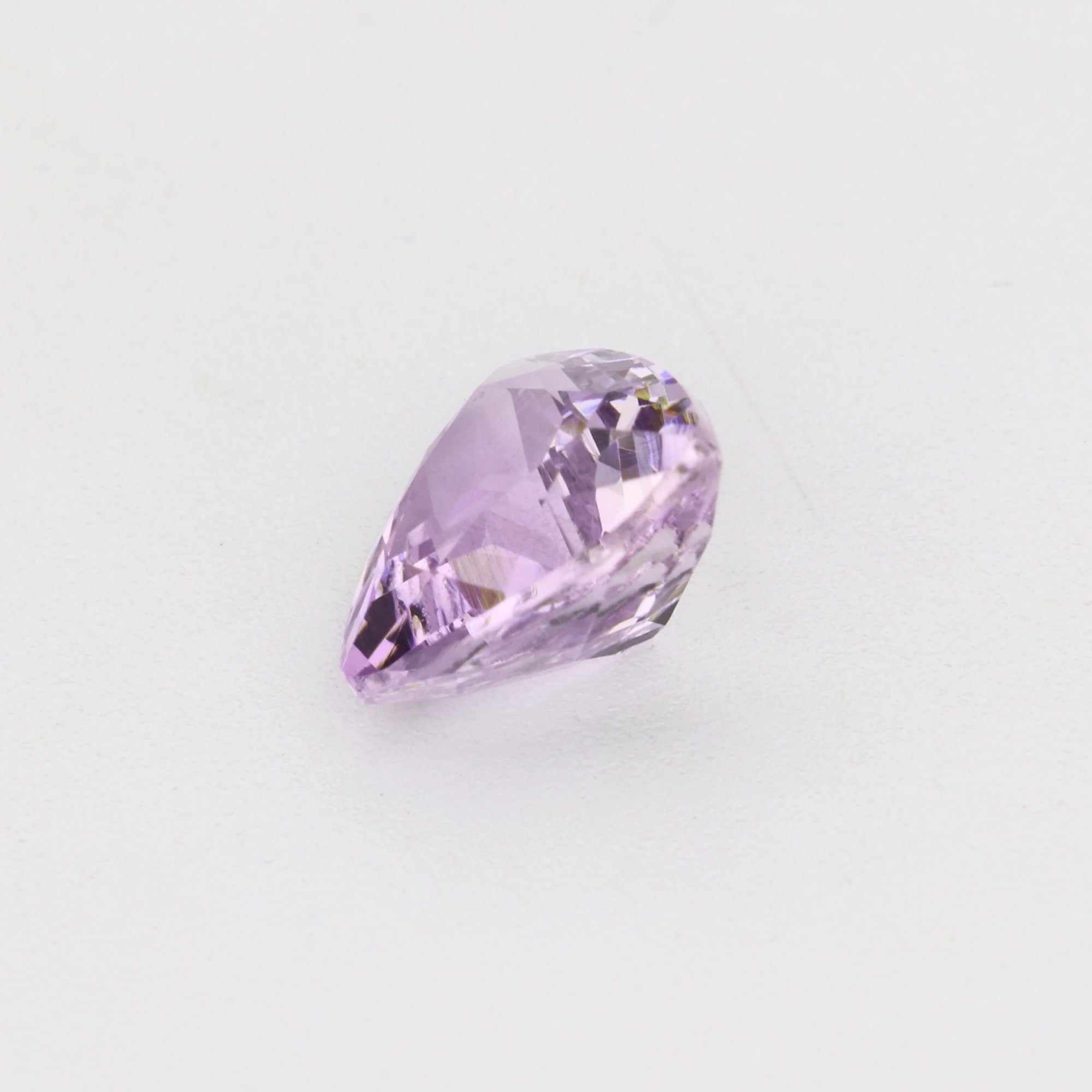
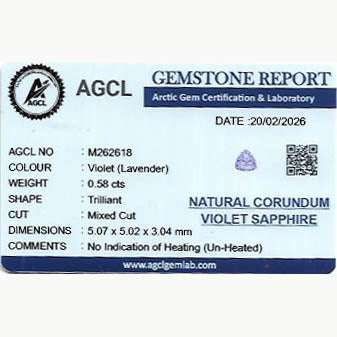
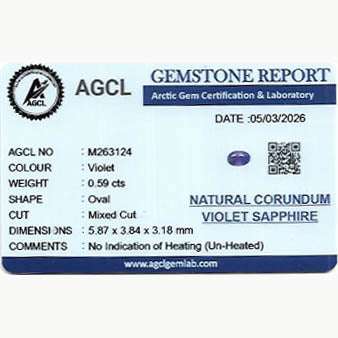
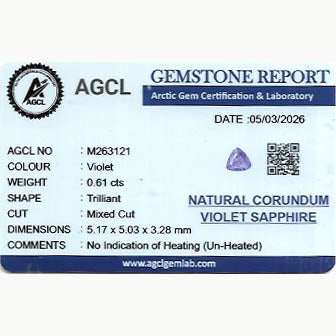
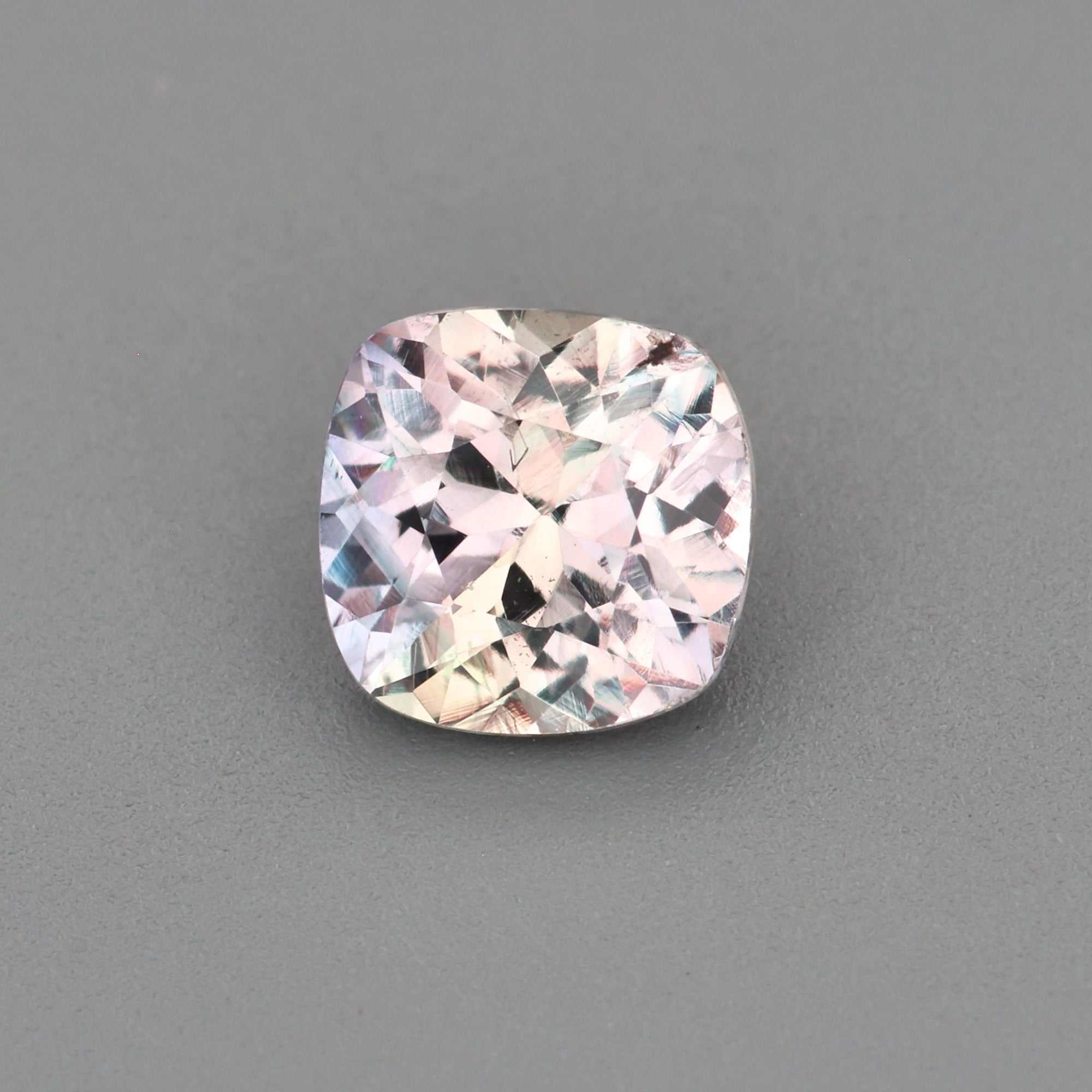
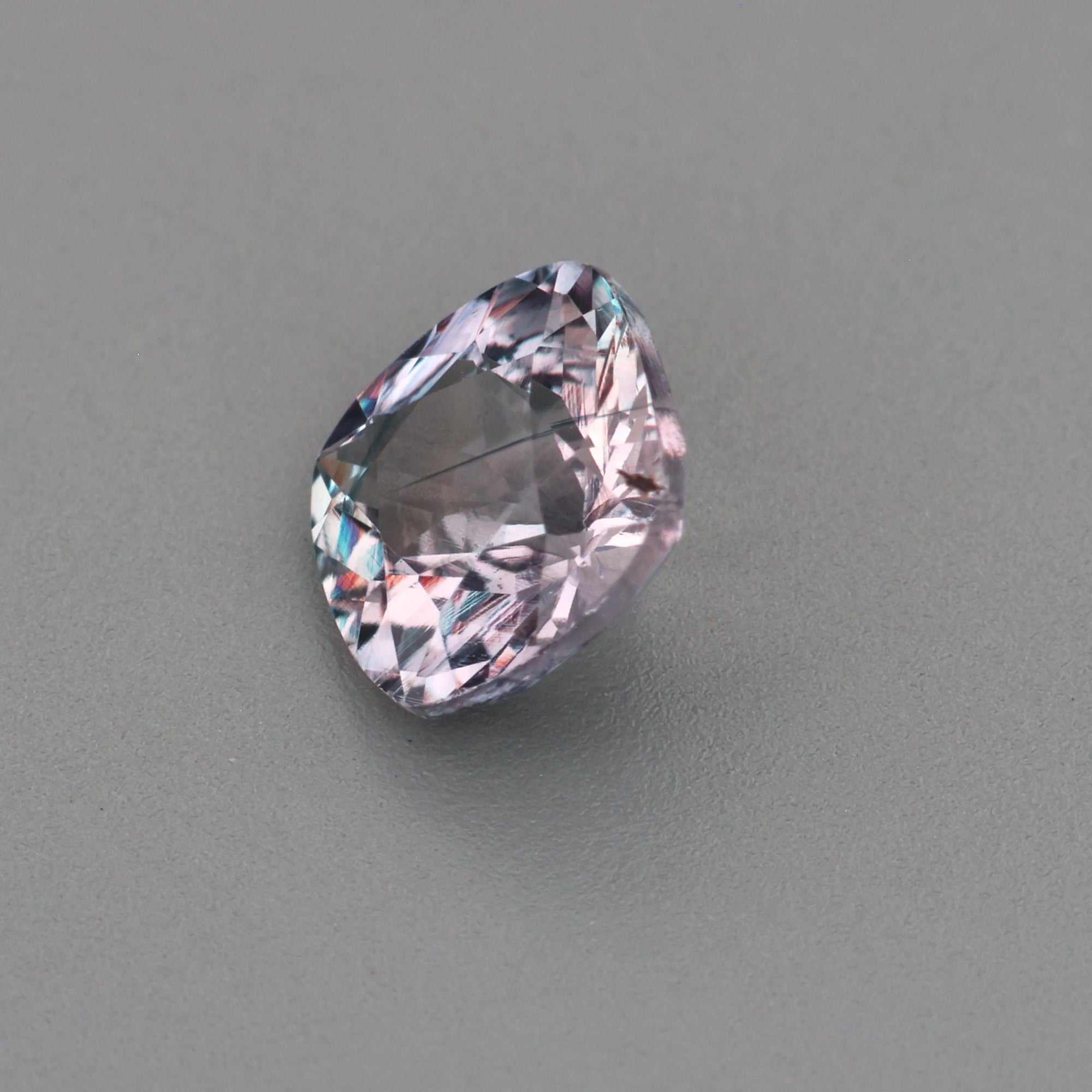
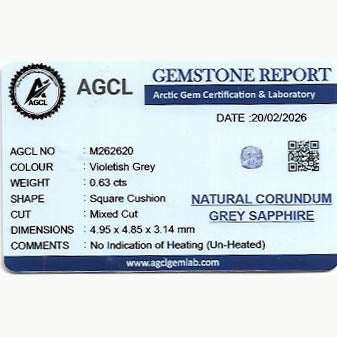
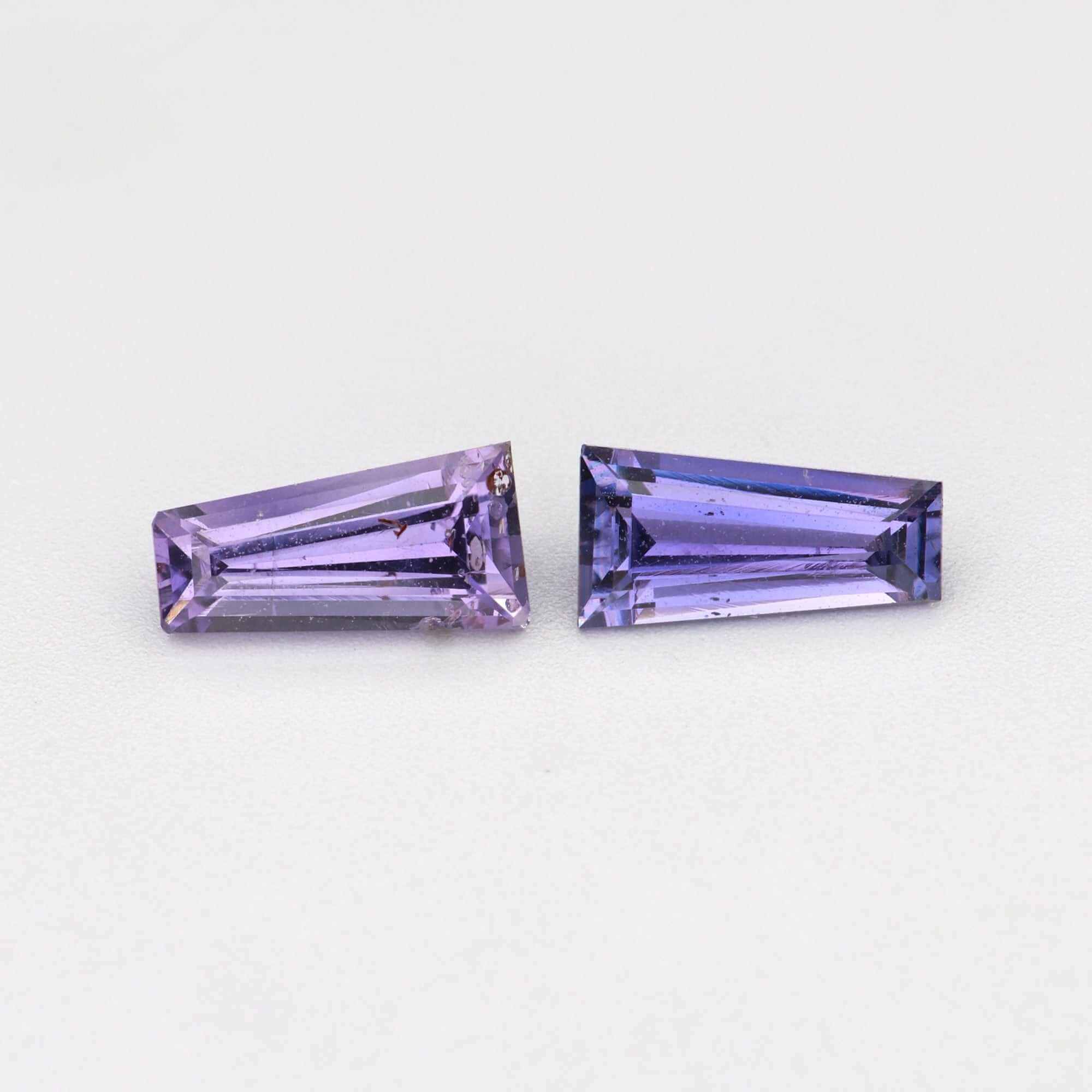
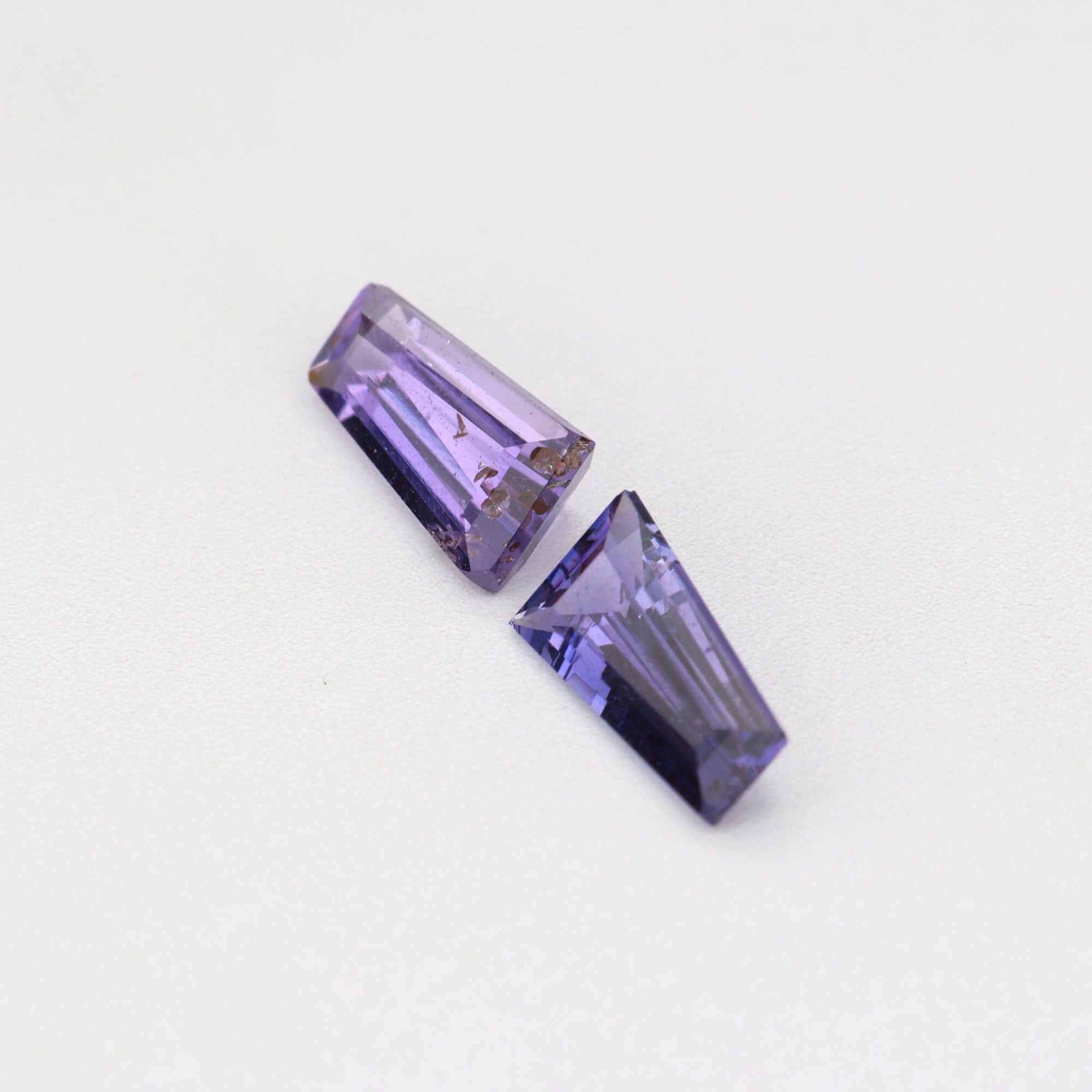
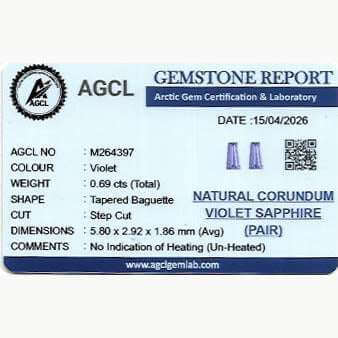
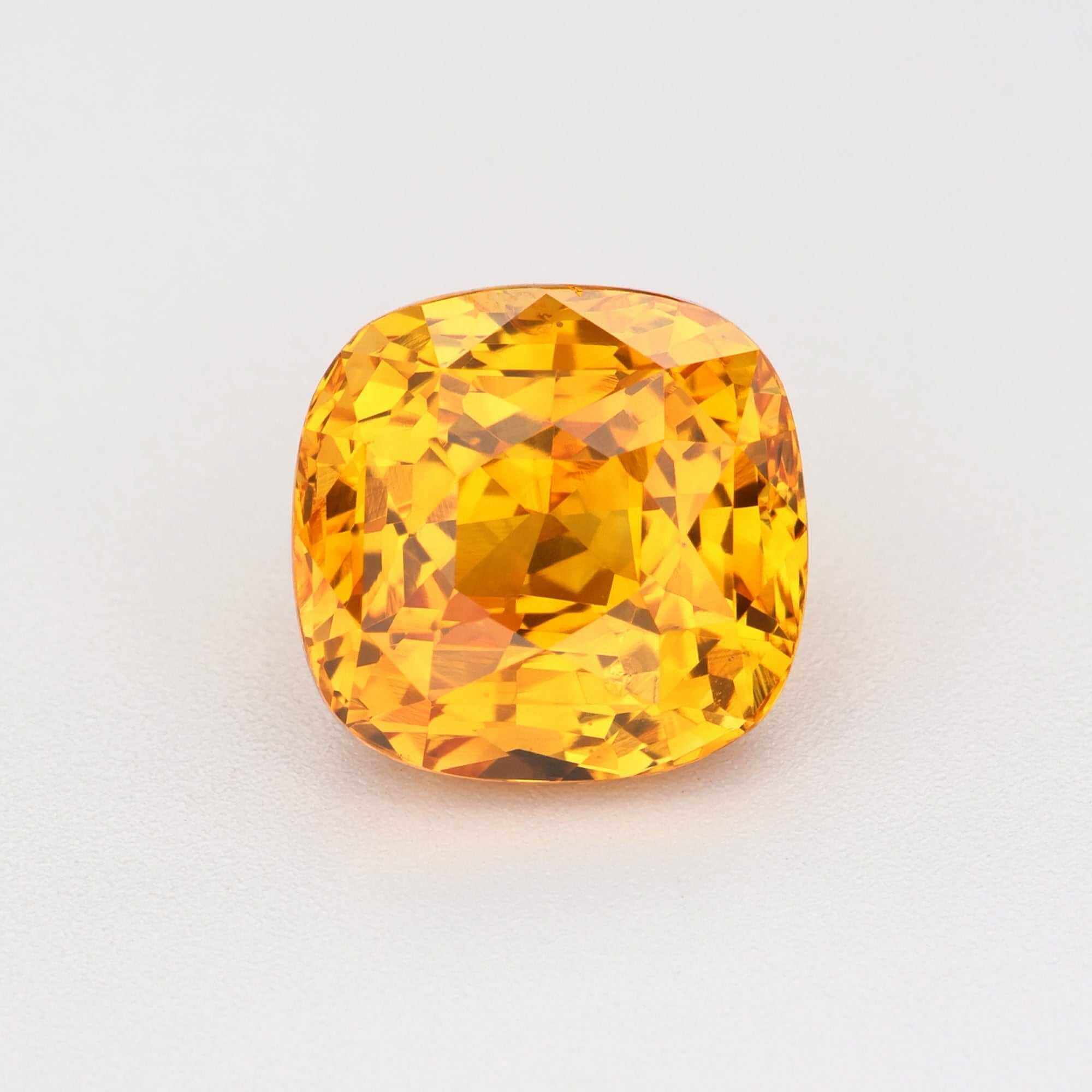
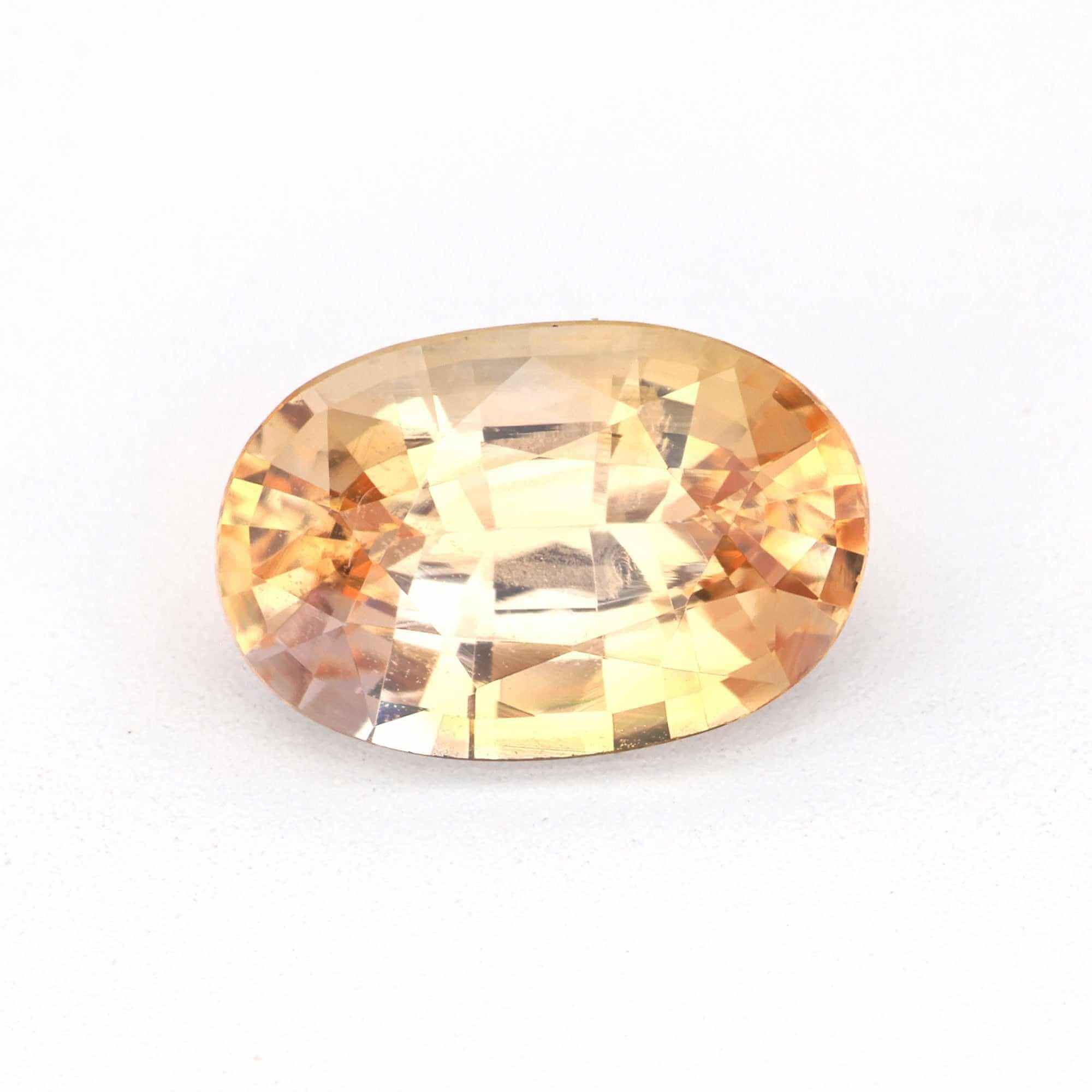
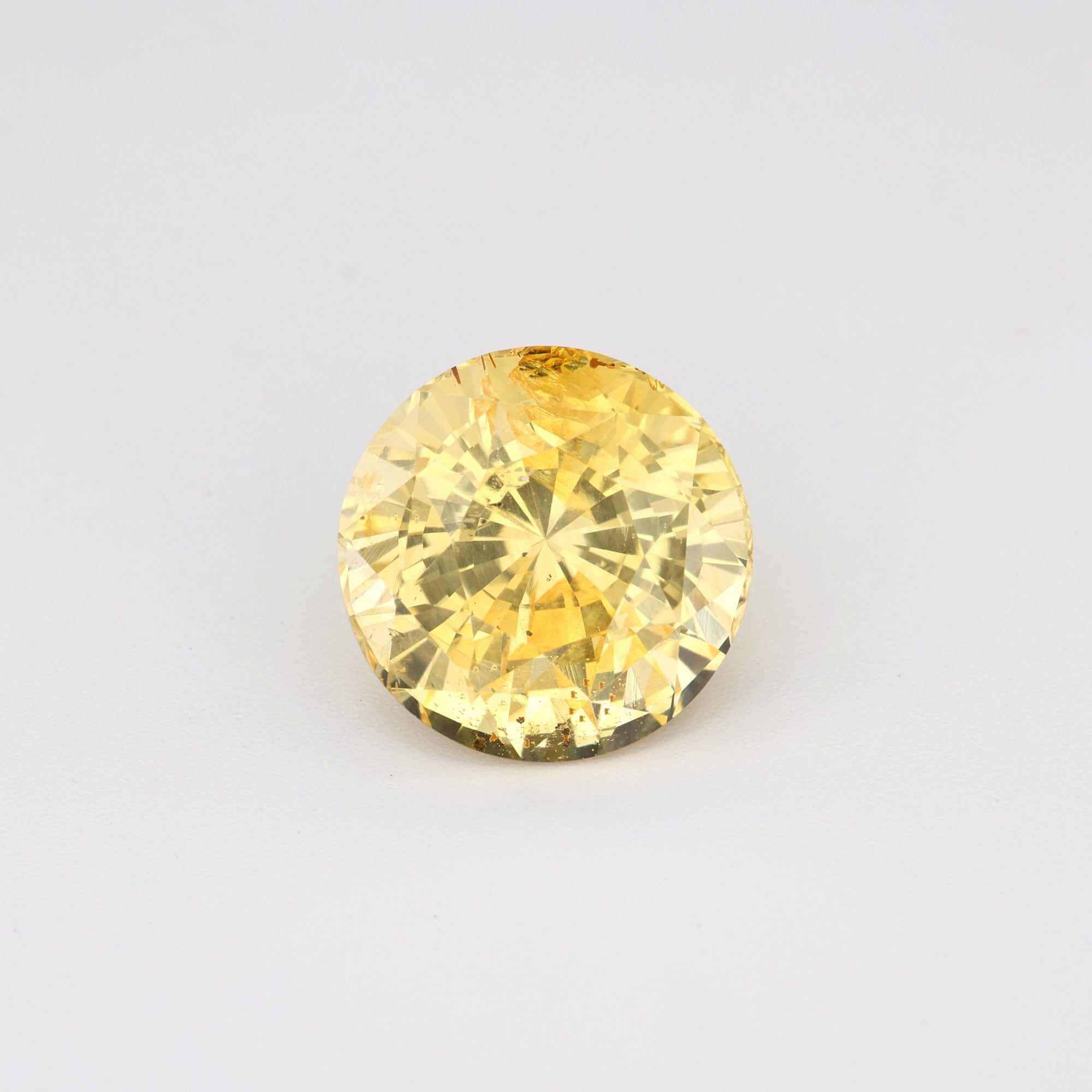
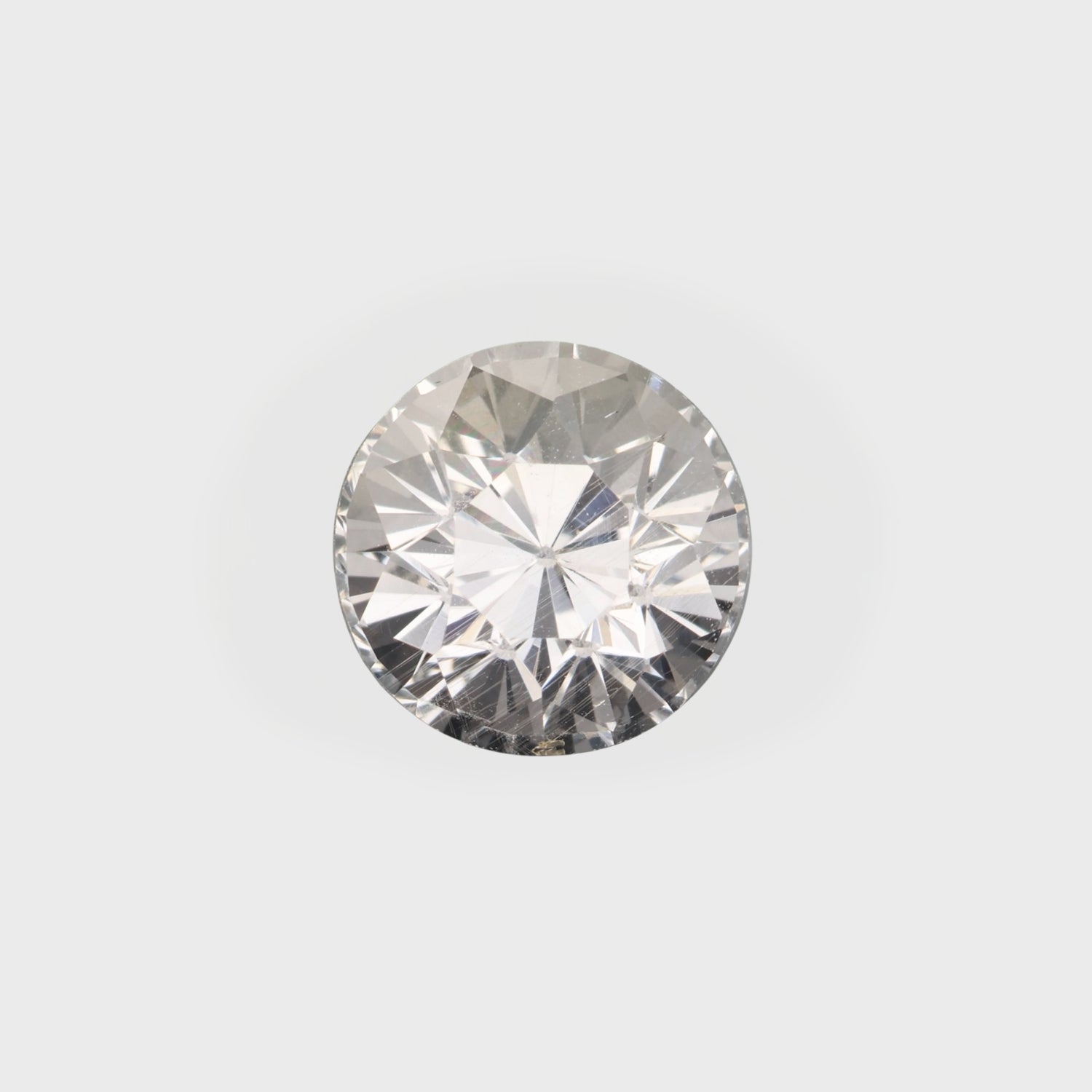
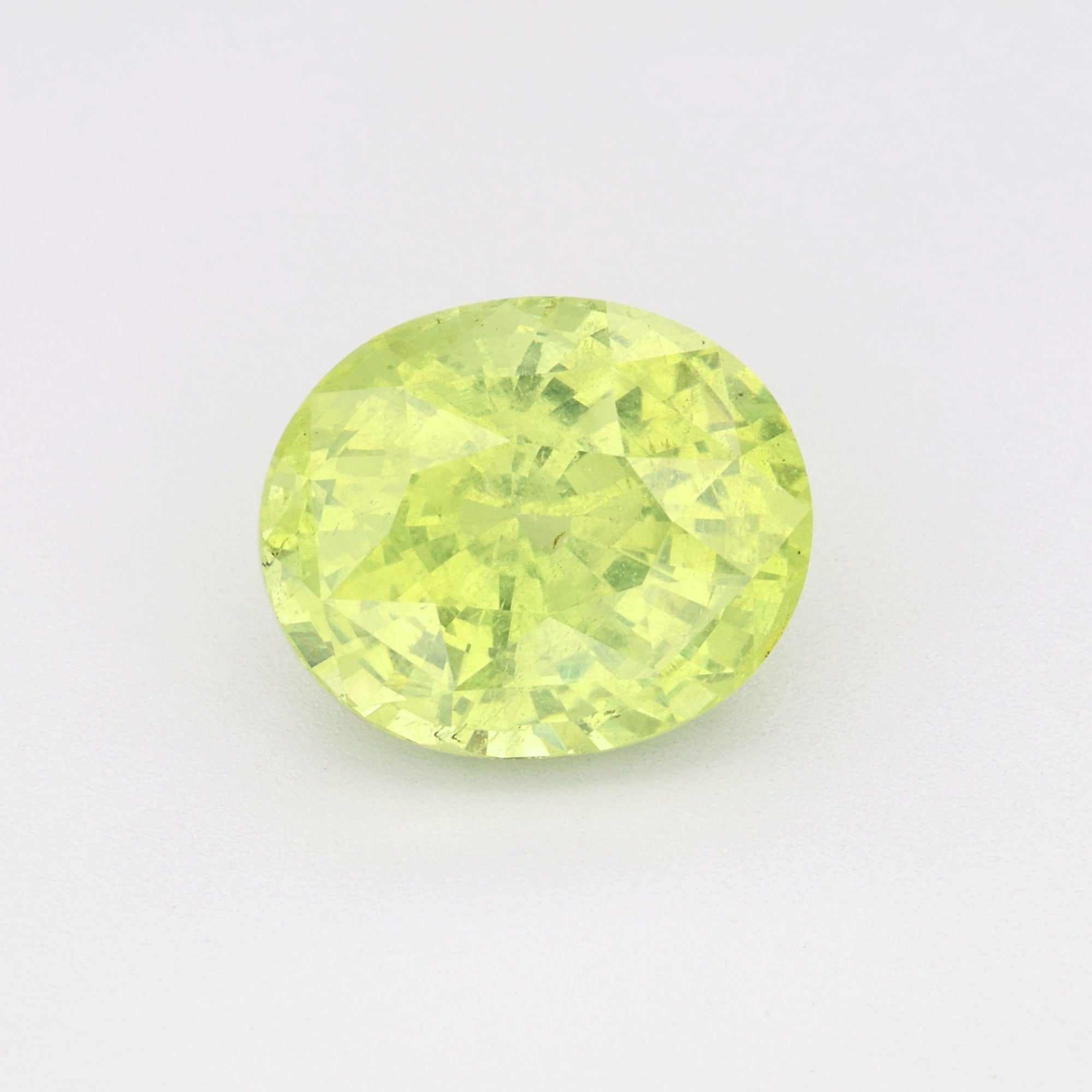
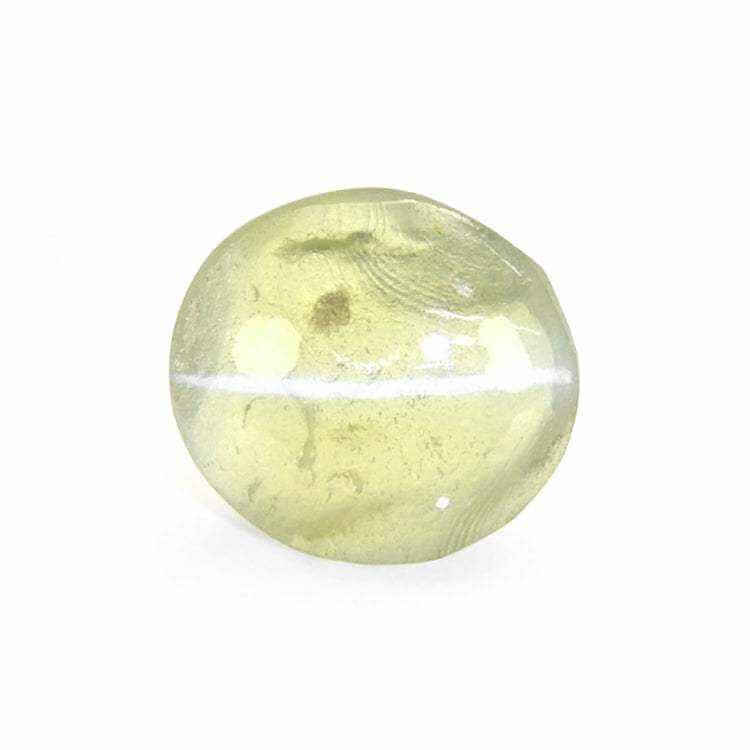
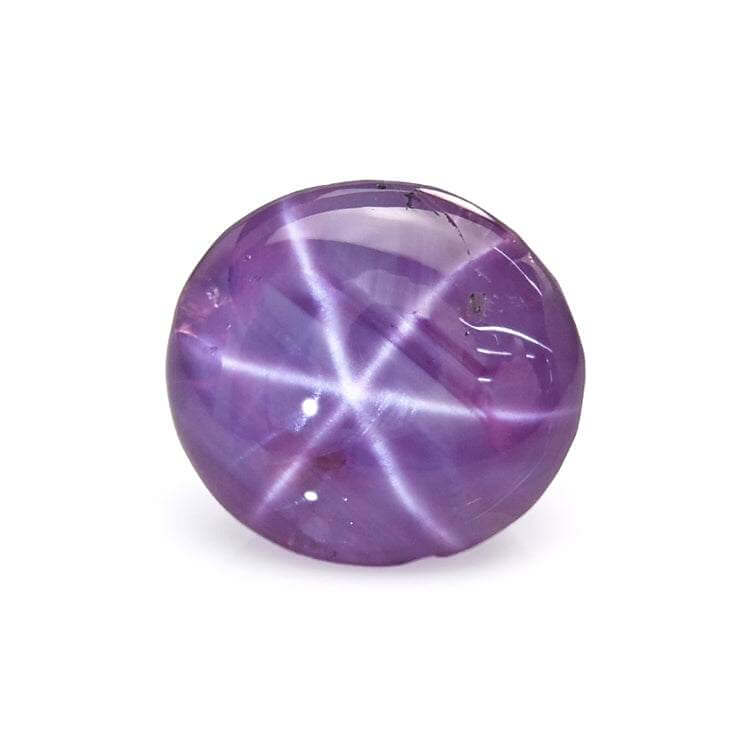
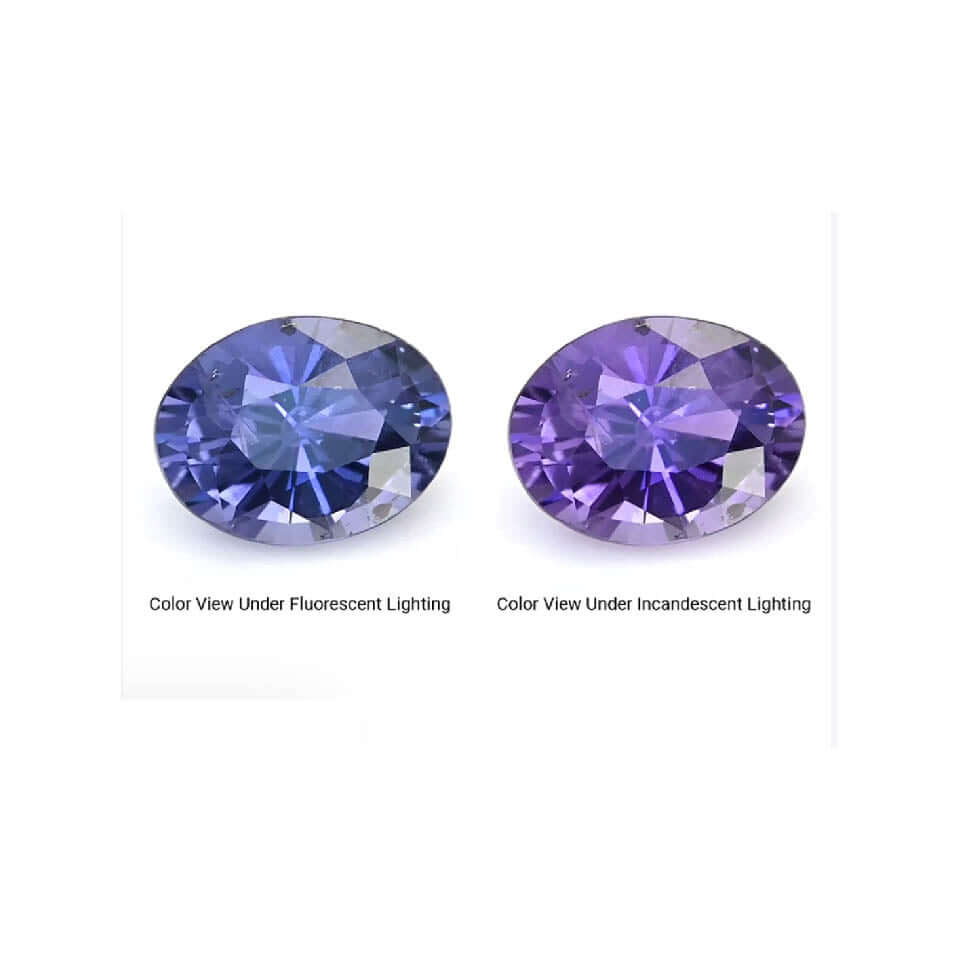
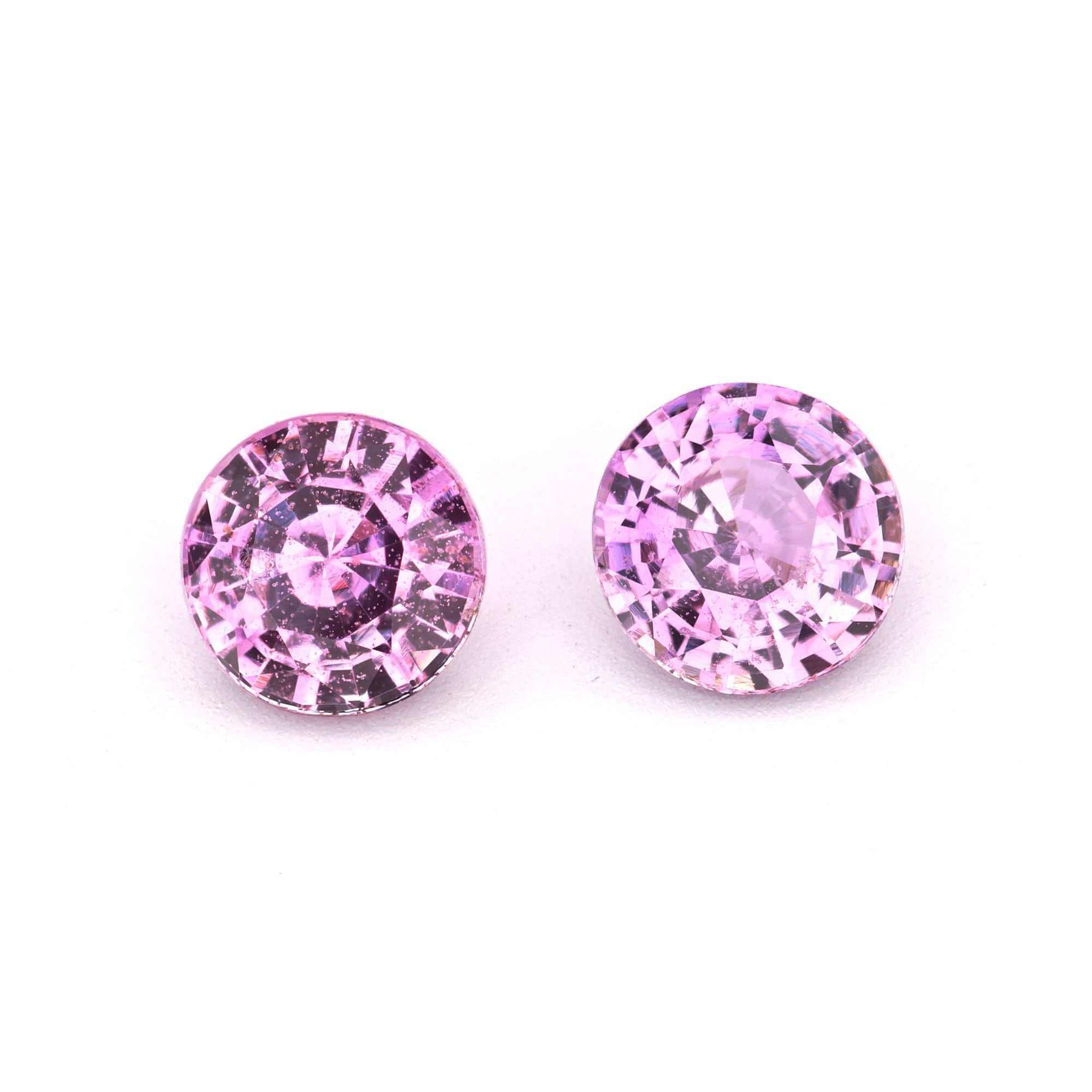
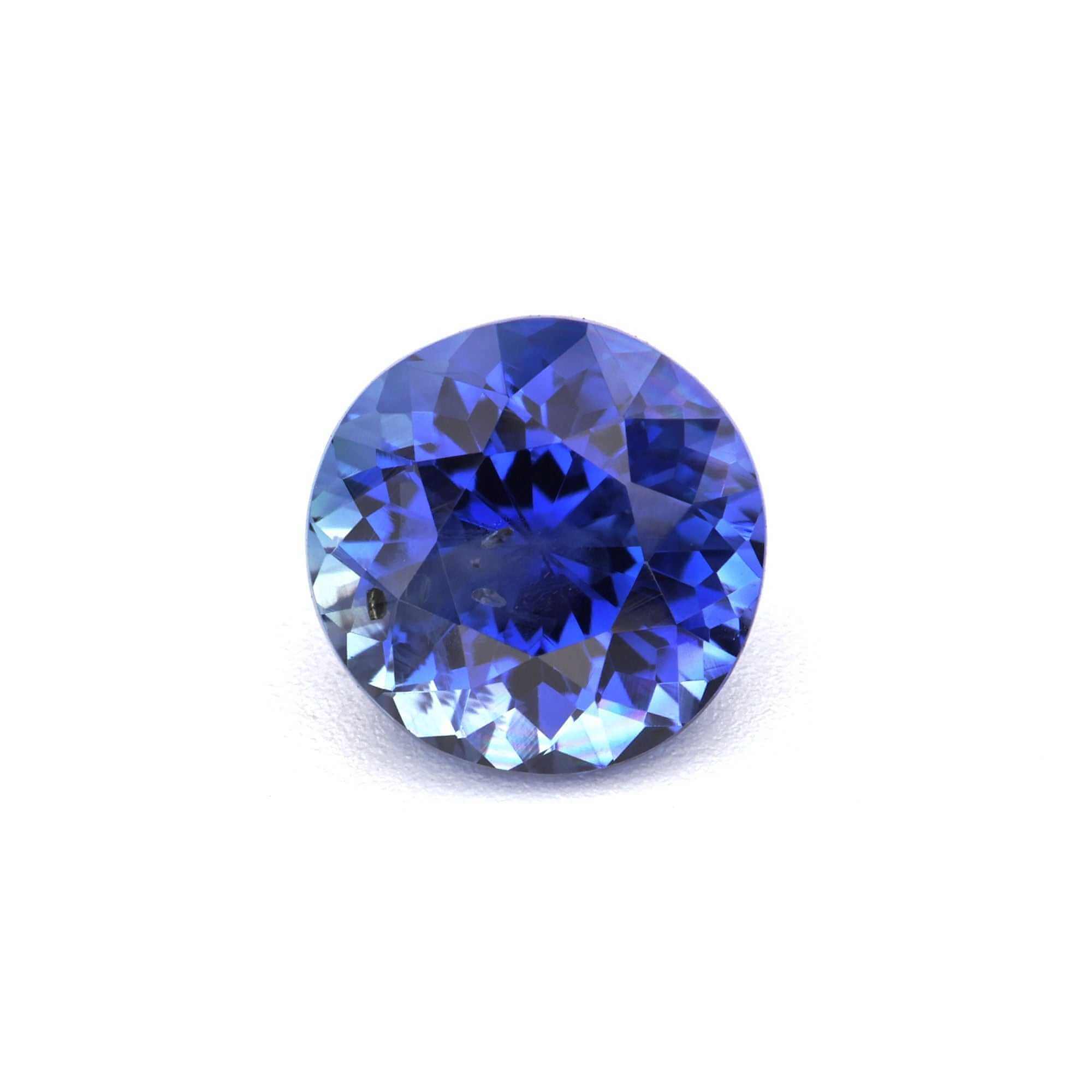
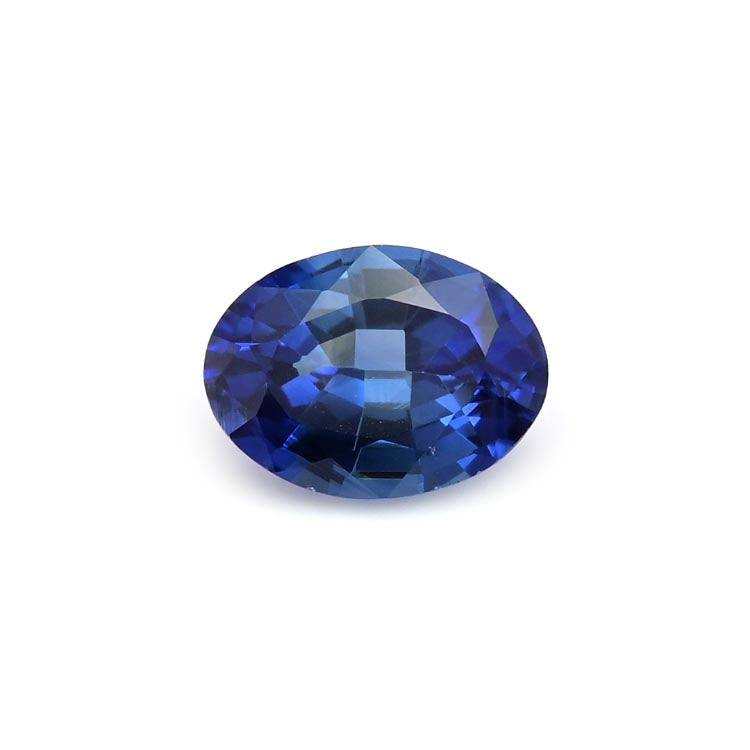
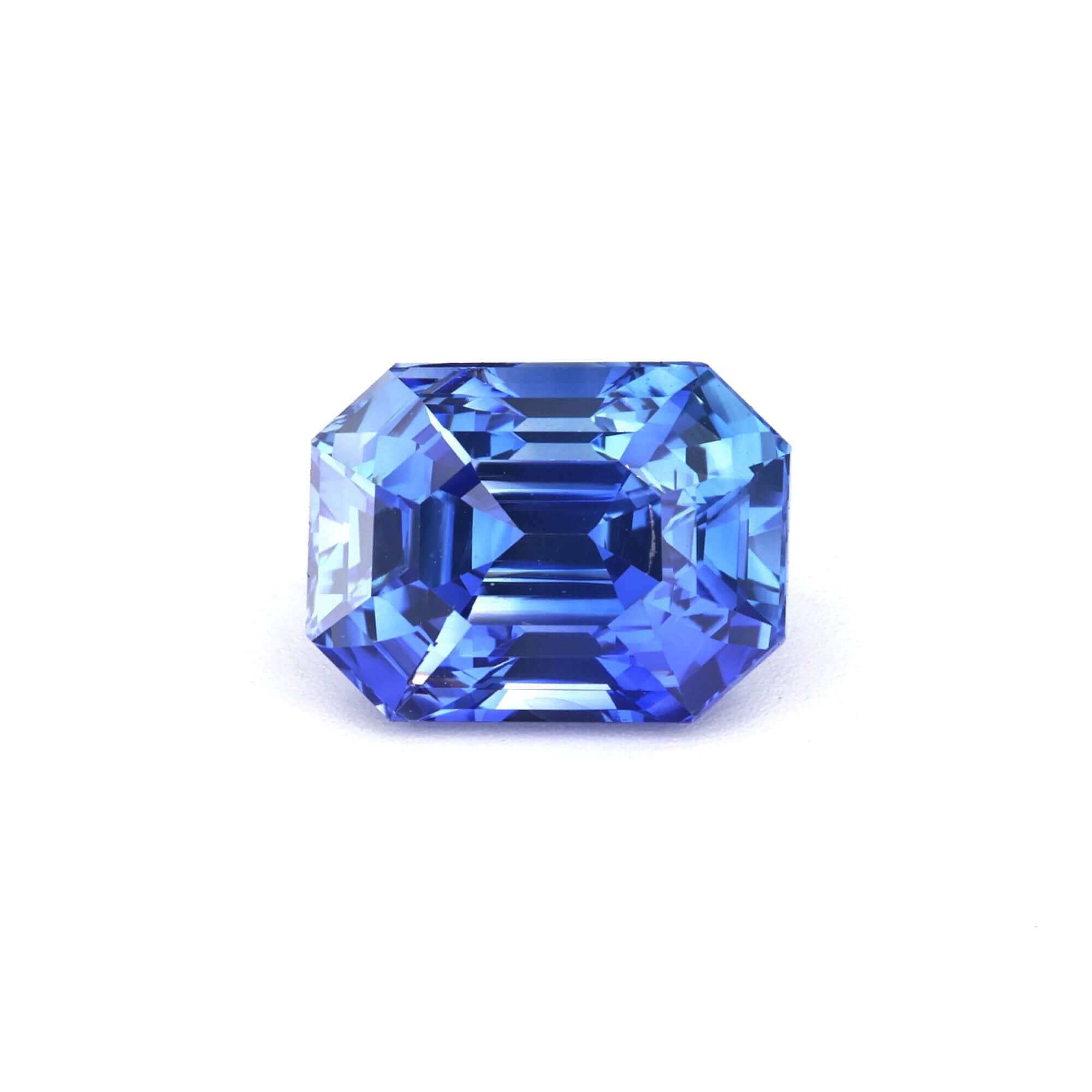
Our Loose Purple Sapphires are hand-selected from rough sourced through our Sri Lanka network. The majority are unheated, preserving their natural color — and because heat treatment can shift purples toward red, the finest purple sapphires are almost always natural as cut. Premium pieces ship with GIA reports documenting weight, dimensions, and treatment status. Every stone is photographed under standardized lighting against a neutral background.
How to choose a purple sapphire
Hue. Purple sapphire ranges from soft lavender, through orchid and lilac, into rich royal purple and deep plum. The most coveted stones show vivid saturation with a clear, single-direction purple (not too red, not too blue).
Saturation. Vivid mid-tone purples carry the highest value. Stones too dark read black under low light; stones too pale lose their character.
Cut. Oval and cushion are the most popular cuts for engagement and pendant work. Trillion, emerald, and pear cuts are favorites for designers seeking architectural symmetry.
Carat. Sub-carat purple sapphires are widely available from under $200. One-carat unheated stones with strong saturation typically range from $400 to $1,500; larger stones move quickly into premium pricing.
Royal mystery, modern style
Purple sapphire has been associated with royalty and spiritual significance for centuries, and that visual language hasn't faded — it remains the most overtly luxurious color in the sapphire family. For non-traditional engagement rings, it offers something halfway between blue's classicism and pink's romance. Designers value matched pairs (see our matched pairs collection); collectors look for unheated origin and GIA documentation.
Learn about purple and violet sapphires
Purple sapphire buying guides
- Purple Sapphire Buyer's Guide — the complete deep dive on purple and violet
- Ultimate Sapphire Buying Guide — the central hub for all sapphire education
- Sapphire Pricing Explained — what drives cost per carat
- Interactive Sapphire Color Chart — compare purple against every other color
- Sapphire Colors Explained
Engagement rings
- How to Choose a Sapphire for Your Engagement Ring
- How to Commission a Custom Ring — our jewelry division builds it around your stone
- Best Cut for an Engagement Ring
- What Size Sapphire Is Best?
- Loose Sapphires vs. Preset Rings
- Best Sapphire Color for Your Skin Tone
- How to Care for a Sapphire Ring
Treatment, science, and certification
- What Is an Unheated Sapphire?
- How Sapphire Heat Treatment Works
- Beryllium Diffusion Explained
- How to Read Sapphire Inclusions
- How to Read a GIA Sapphire Report
Origin, sourcing, and comparisons
- Ceylon Sapphire Complete Guide
- Madagascar Sapphire Guide
- The Ratnapura Gem Market
- Pit Mining in Sri Lanka
- Faceting Sapphires
- Sapphire vs. Diamond
- Sapphire vs. Emerald
- Sapphire vs. Moissanite vs. Lab Diamond
- Sapphire vs. Spinel — spinel produces exceptional purple and violet too
Related colors
- Blue Sapphire Buyer's Guide — purple's cooler neighbor
- Pink Sapphire Buyer's Guide — purple's warmer neighbor
- Buying Rare-Color Sapphires Online
Have questions about a stone? Email crescentgems@gmail.com. 14-day return on every order. Select pieces are available for Try-On before purchase. Free US shipping; international shipping via FedEx and UPS.
Loose Purple Sapphires is corundum where iron and titanium combine in just the right balance to produce a rich, regal range from deep plum to royal violet to soft lilac. It's a comparatively rare member of the sapphire family — far less common than blue or yellow — and carries the full 9-on-the-Mohs-scale durability that makes sapphire ideal for daily wear in engagement rings, pendants, and statement pieces.
Why our Ceylon Loose Purple Sapphires
Our Loose Purple Sapphires are hand-selected from rough sourced through our Sri Lanka network. The majority are unheated, preserving their natural color — and because heat treatment can shift purples toward red, the finest purple sapphires are almost always natural as cut. Premium pieces ship with GIA reports documenting weight, dimensions, and treatment status. Every stone is photographed under standardized lighting against a neutral background.
How to choose a purple sapphire
Hue. Purple sapphire ranges from soft lavender, through orchid and lilac, into rich royal purple and deep plum. The most coveted stones show vivid saturation with a clear, single-direction purple (not too red, not too blue).
Saturation. Vivid mid-tone purples carry the highest value. Stones too dark read black under low light; stones too pale lose their character.
Cut. Oval and cushion are the most popular cuts for engagement and pendant work. Trillion, emerald, and pear cuts are favorites for designers seeking architectural symmetry.
Carat. Sub-carat purple sapphires are widely available from under $200. One-carat unheated stones with strong saturation typically range from $400 to $1,500; larger stones move quickly into premium pricing.
Royal mystery, modern style
Purple sapphire has been associated with royalty and spiritual significance for centuries, and that visual language hasn't faded — it remains the most overtly luxurious color in the sapphire family. For non-traditional engagement rings, it offers something halfway between blue's classicism and pink's romance. Designers value matched pairs (see our matched pairs collection); collectors look for unheated origin and GIA documentation.
Learn about purple and violet sapphires
Purple sapphire buying guides
- Purple Sapphire Buyer's Guide — the complete deep dive on purple and violet
- Ultimate Sapphire Buying Guide — the central hub for all sapphire education
- Sapphire Pricing Explained — what drives cost per carat
- Interactive Sapphire Color Chart — compare purple against every other color
- Sapphire Colors Explained
Engagement rings
- How to Choose a Sapphire for Your Engagement Ring
- How to Commission a Custom Ring — our jewelry division builds it around your stone
- Best Cut for an Engagement Ring
- What Size Sapphire Is Best?
- Loose Sapphires vs. Preset Rings
- Best Sapphire Color for Your Skin Tone
- How to Care for a Sapphire Ring
Treatment, science, and certification
- What Is an Unheated Sapphire?
- How Sapphire Heat Treatment Works
- Beryllium Diffusion Explained
- How to Read Sapphire Inclusions
- How to Read a GIA Sapphire Report
Origin, sourcing, and comparisons
- Ceylon Sapphire Complete Guide
- Madagascar Sapphire Guide
- The Ratnapura Gem Market
- Pit Mining in Sri Lanka
- Faceting Sapphires
- Sapphire vs. Diamond
- Sapphire vs. Emerald
- Sapphire vs. Moissanite vs. Lab Diamond
- Sapphire vs. Spinel — spinel produces exceptional purple and violet too
Related colors
- Blue Sapphire Buyer's Guide — purple's cooler neighbor
- Pink Sapphire Buyer's Guide — purple's warmer neighbor
- Buying Rare-Color Sapphires Online
Have questions about a stone? Email crescentgems@gmail.com. 14-day return on every order. Select pieces are available for Try-On before purchase. Free US shipping; international shipping via FedEx and UPS.
CG8388
0.34 ct Round Violet Sapphire ~ Unheated
CG8386
CG8387
0.44 ct Round Violet Sapphire ~ Unheated
CG8380
0.46 ct Cushion Violet Sapphire ~ Unheated
CG8384
0.50 ct Oval Purple Sapphire ~ Unheated
CG8404
CG8395
0.58 ct Oval Violet-Purple Sapphire ~ Unheated
CG8381
0.58 ct Trillion Violet Sapphire ~ Unheated
CG8432
CG8396
0.59 ct Oval Violet Sapphire ~ Unheated
CG8383
0.60 ct Emerald-Cut Violet Sapphire ~ Unheated