New to buying sapphires? Start with our Ultimate Sapphire Buying Guide — the complete resource for colour, origin, treatment, and pricing.

Walk into any jewelry chain and you will find a display case full of sapphire rings. Blue ovals in gold halo settings, pink cushions in rose gold solitaires, teal rounds in bezel mounts. They are beautiful, they are convenient, and they are ready to take home today. What most buyers do not realize until later — sometimes much later — is what they gave up by buying that way.

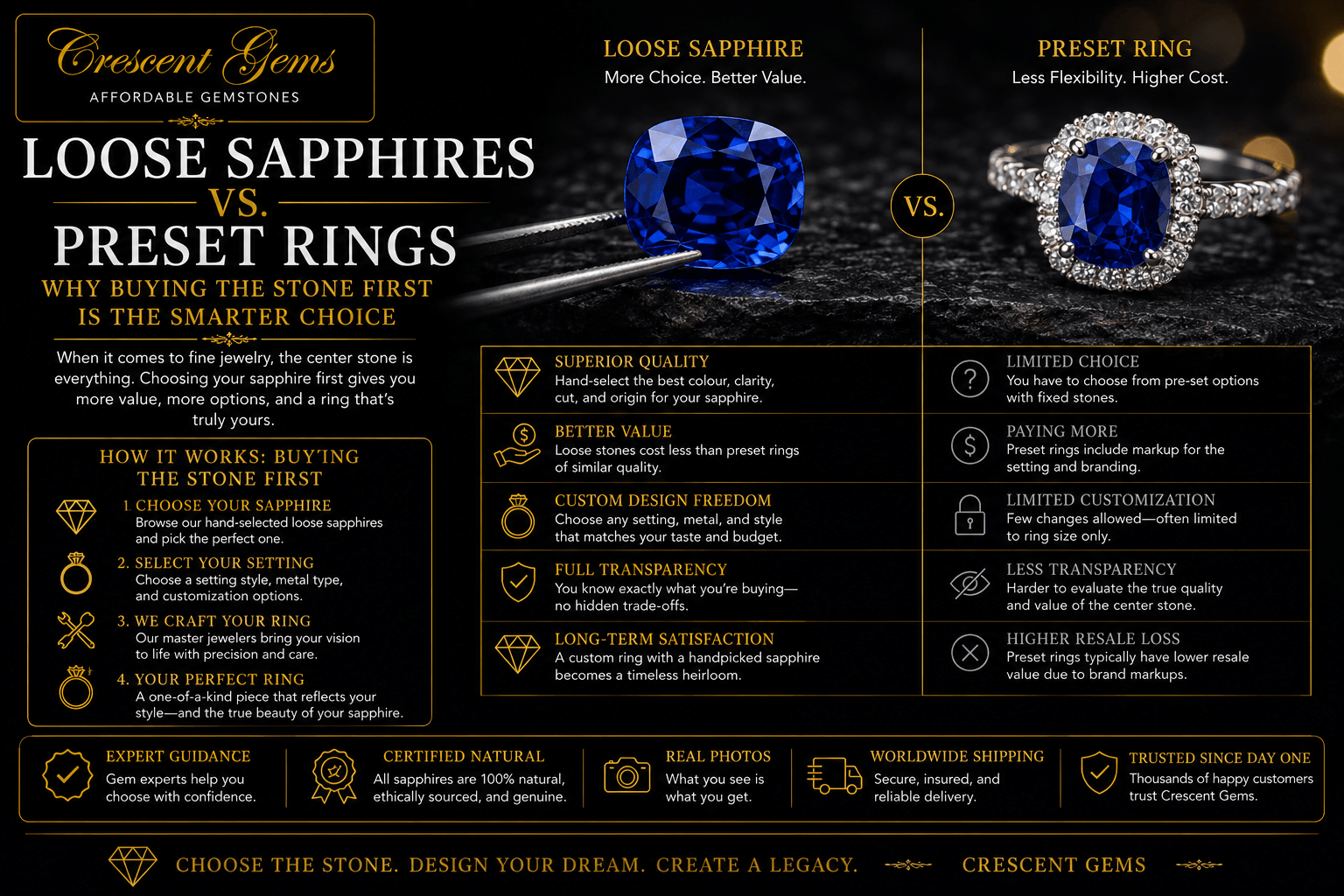
When you buy a preset sapphire ring, you are buying the stone the jeweler selected, in the quality tier that fits the retailer's margin structure, in a setting that may or may not be what you would have chosen, at a price that includes every markup from the mine to the case. The stone is secondary to the package. You are buying the ring.

When you buy a loose sapphire first, you are buying the stone — the actual thing that will define the ring for the next hundred years — on your own terms, at its actual market value, with the ability to verify its quality and documentation before the setting makes that impossible. You are then free to put that stone into any setting you choose, with any jeweler, in any metal, in any design.

This article makes the full case for buying loose. It is not a theoretical argument — it is the practical reality of how the jewelry supply chain works and what that means for your money, your quality, and your ring.

Reason 1: You Know Exactly What You Are Getting

A sapphire set in a ring is significantly harder to evaluate than a loose sapphire. The prongs cover the girdle. The setting obscures the base. The mounting's reflection and coloration affect how the stone looks under examination. Inclusions visible from the pavilion are masked. The cut proportions cannot be assessed properly from a face-up view alone.

More importantly, a set stone cannot be submitted to a gemological laboratory for independent analysis. Once a stone is in a setting, getting it out requires de-mounting — a procedure that risks damage to both the stone and the setting and that no seller is going to agree to before a sale.

When you buy a loose stone, you can do all of the following before you spend a dollar:

  • Examine the stone under magnification from every angle, including the pavilion and girdle
  • Assess the cut proportions and check for a window (a colorless area in the center caused by poor cut that becomes invisible once the stone is set but makes the color look dull in a ring)
  • Verify the color under multiple light sources — natural daylight, incandescent, fluorescent — before committing
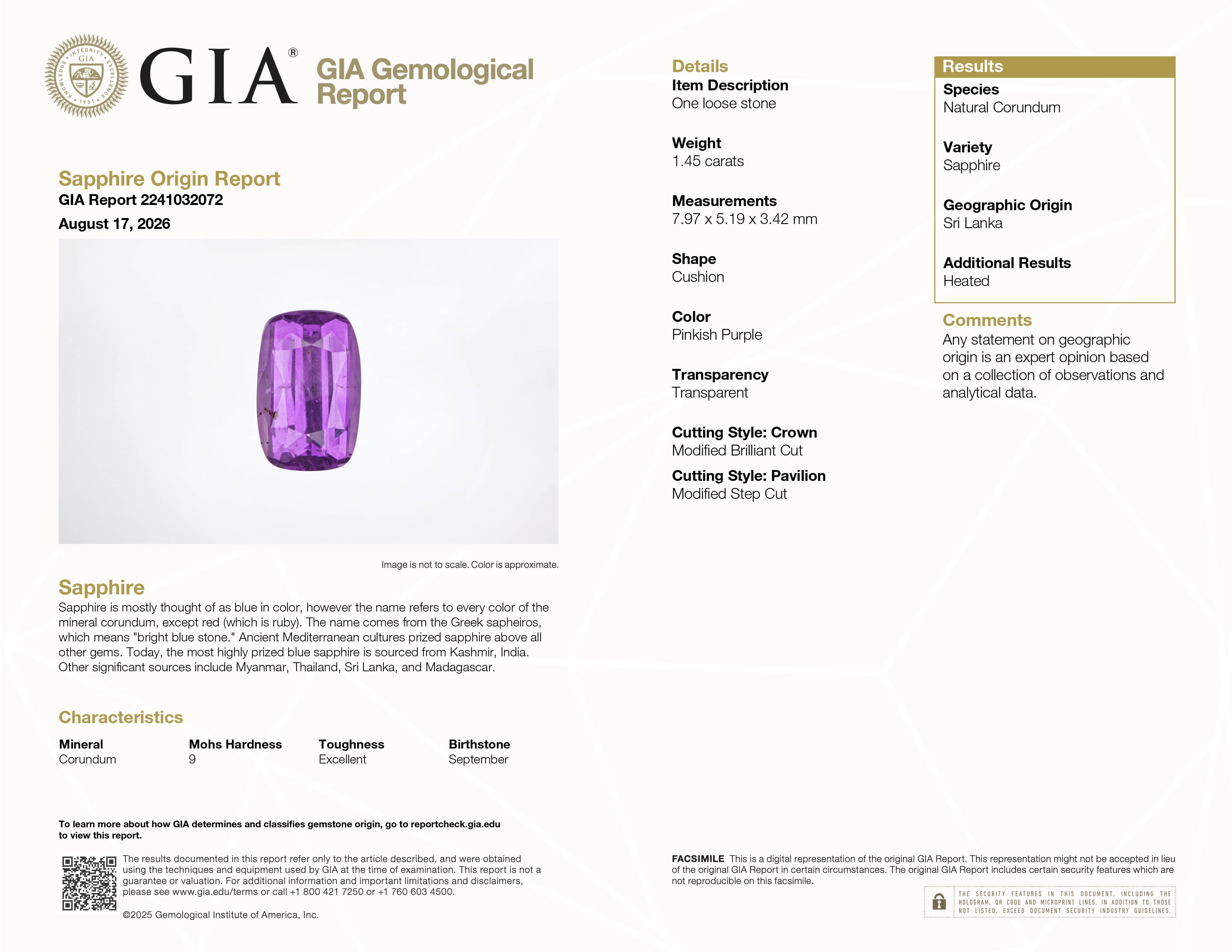
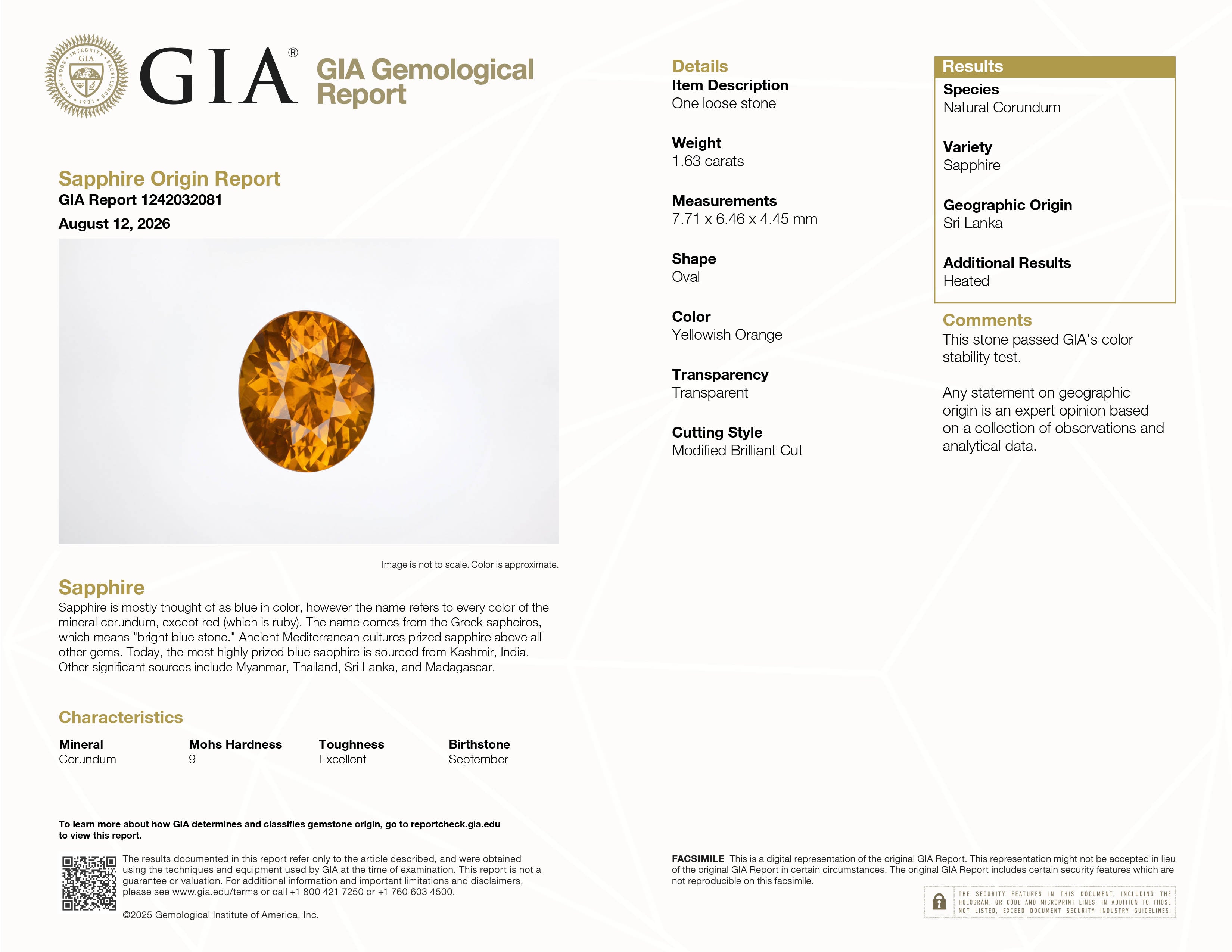
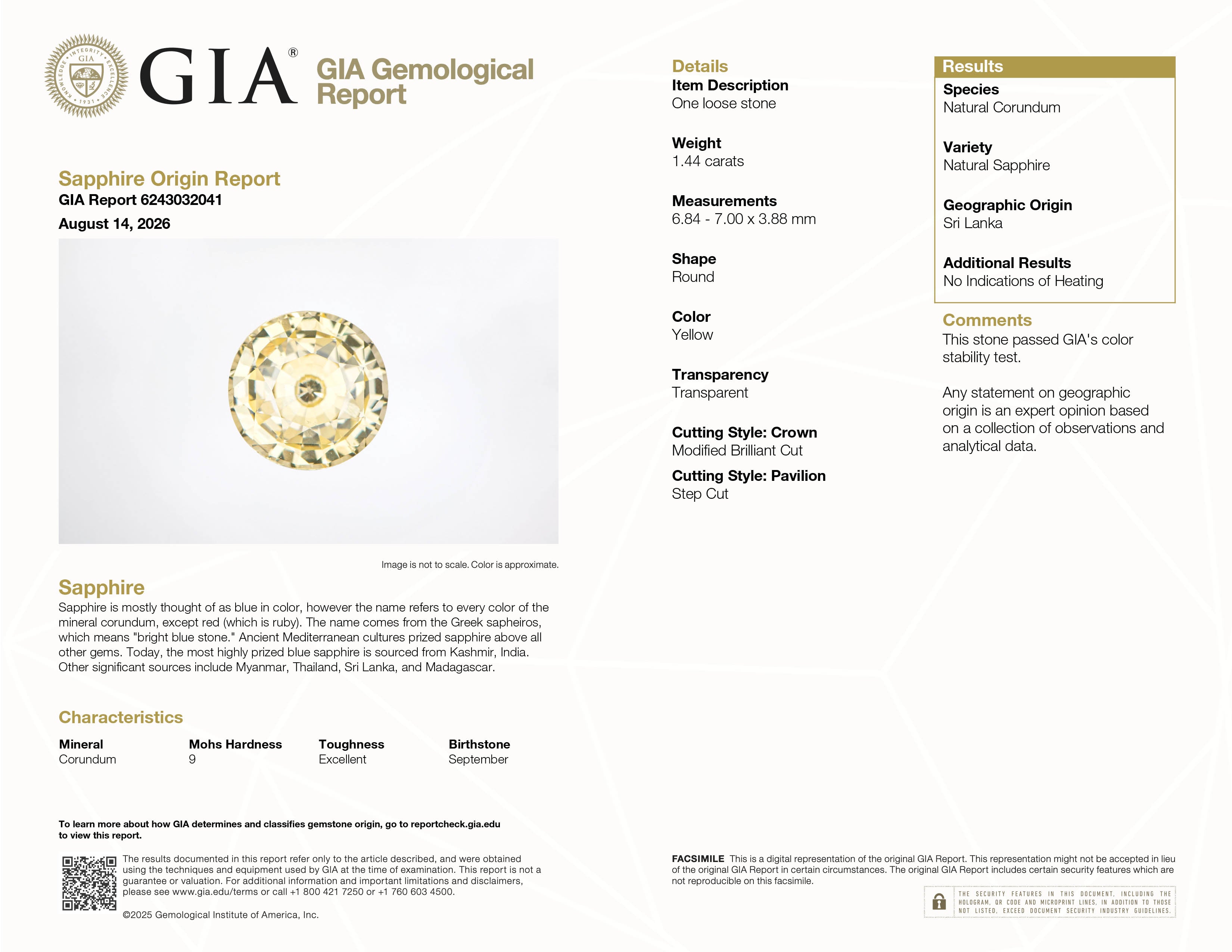
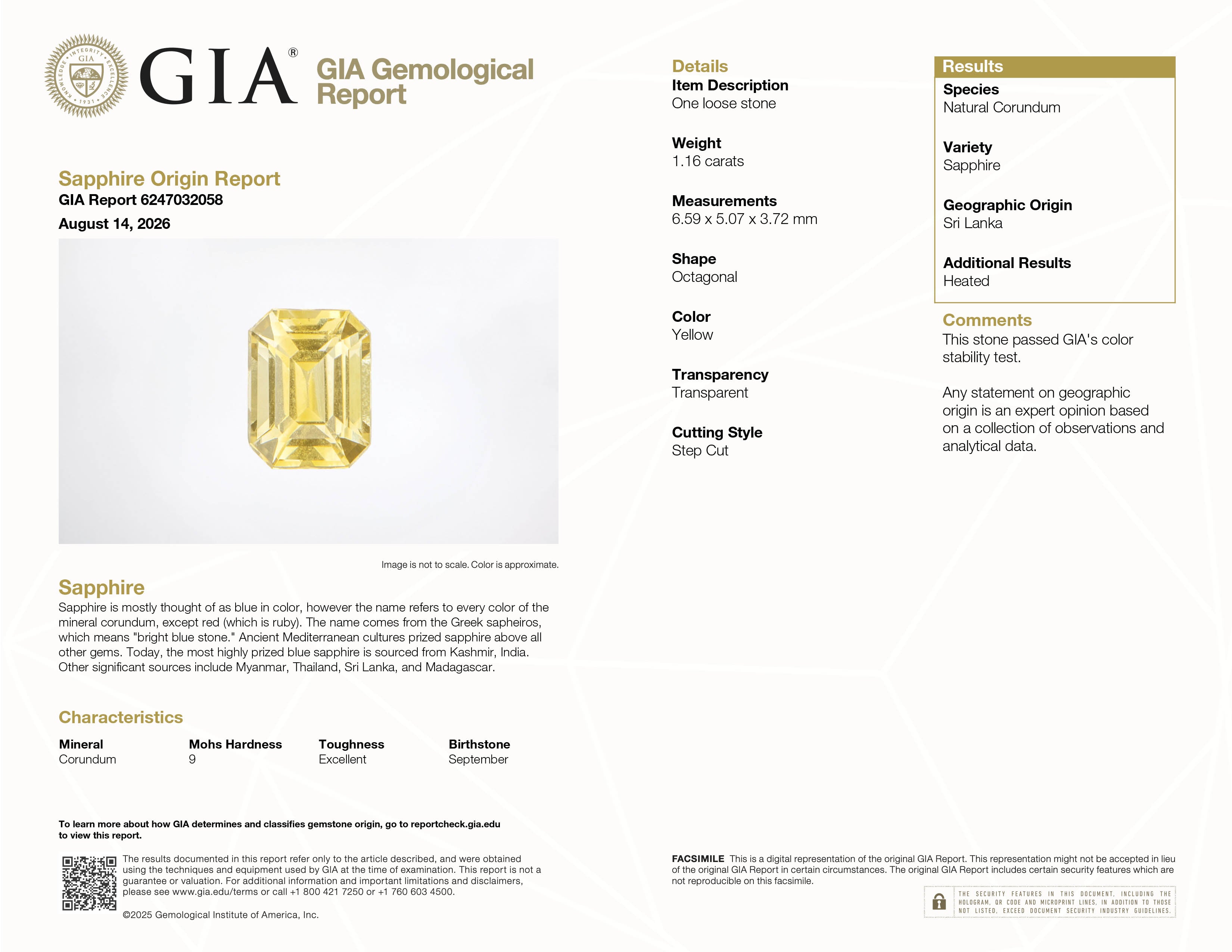
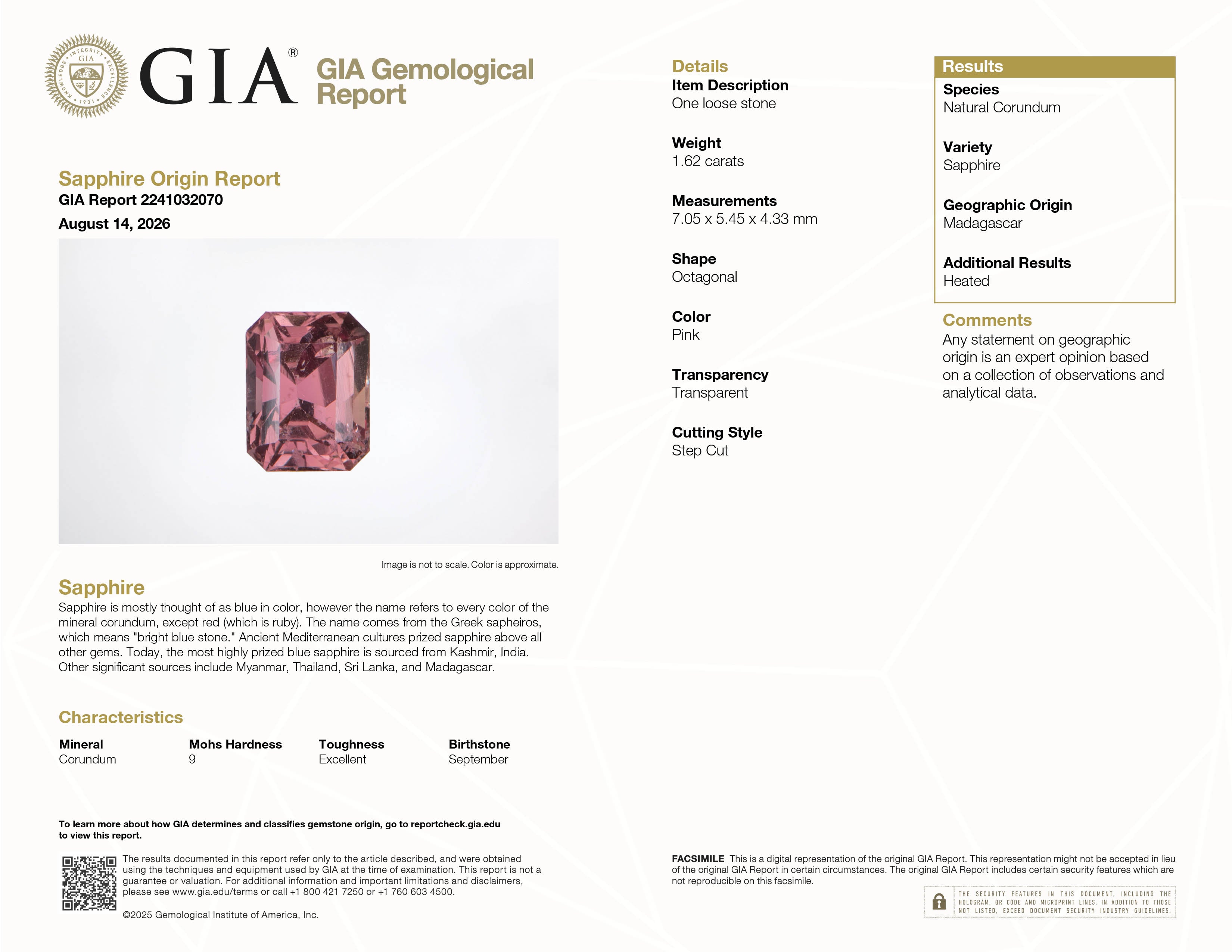
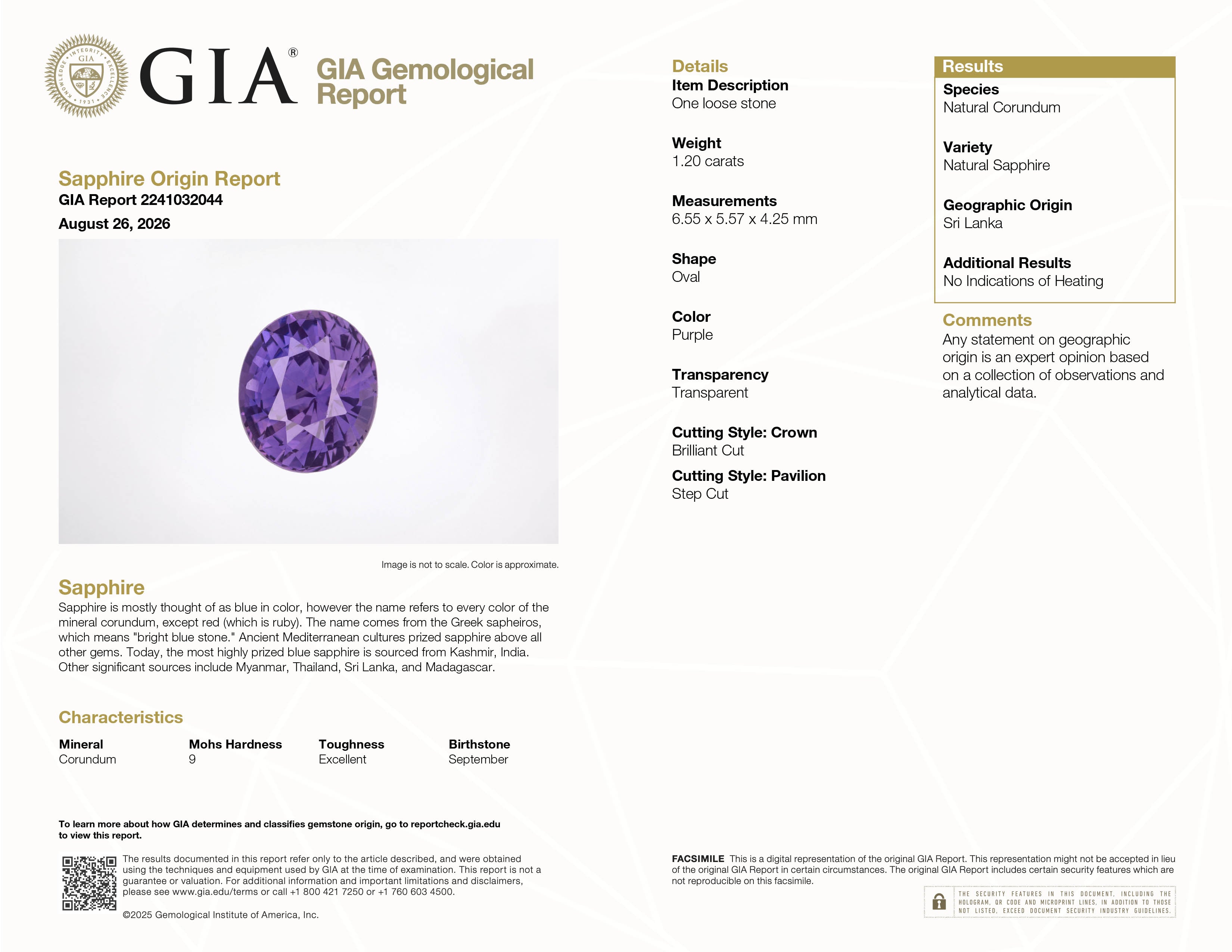
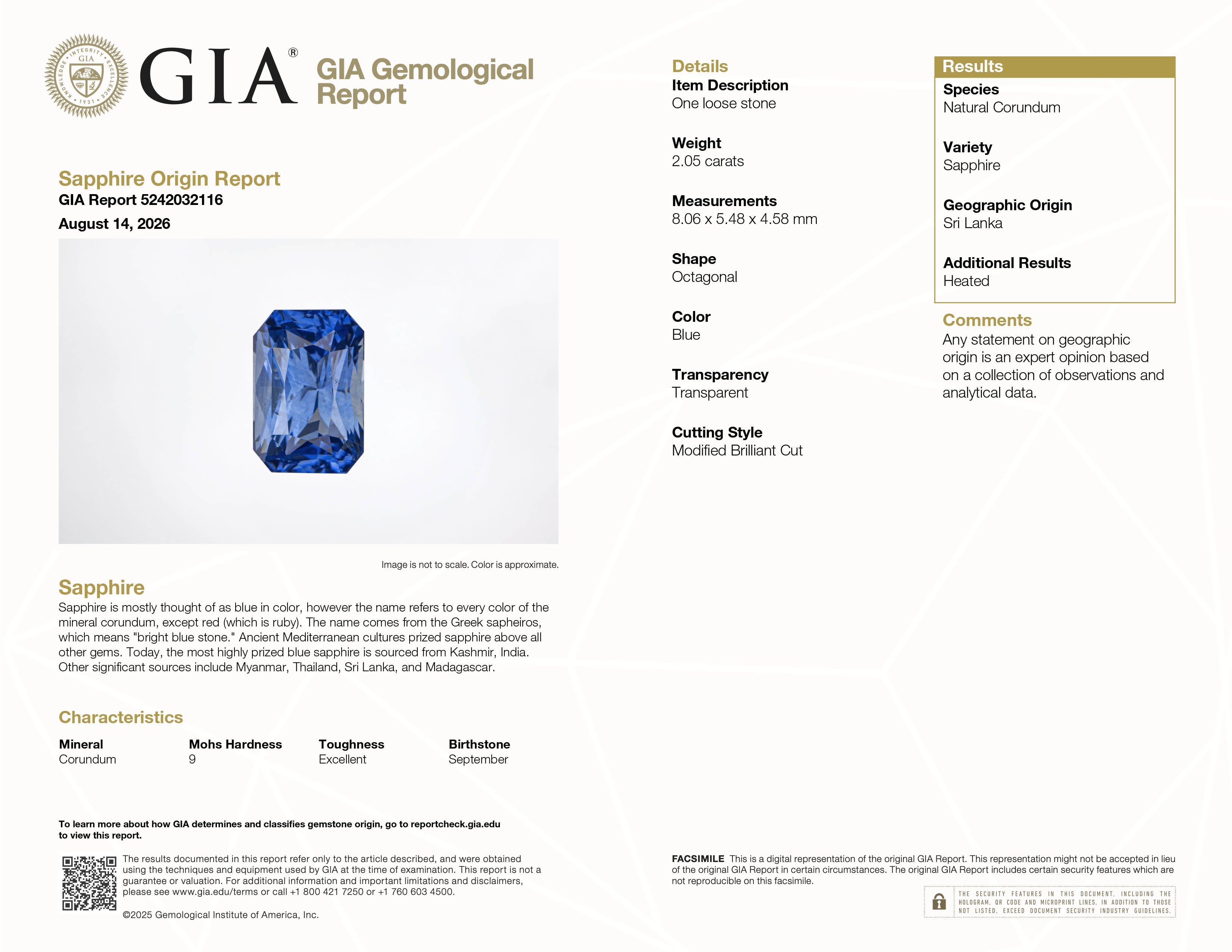
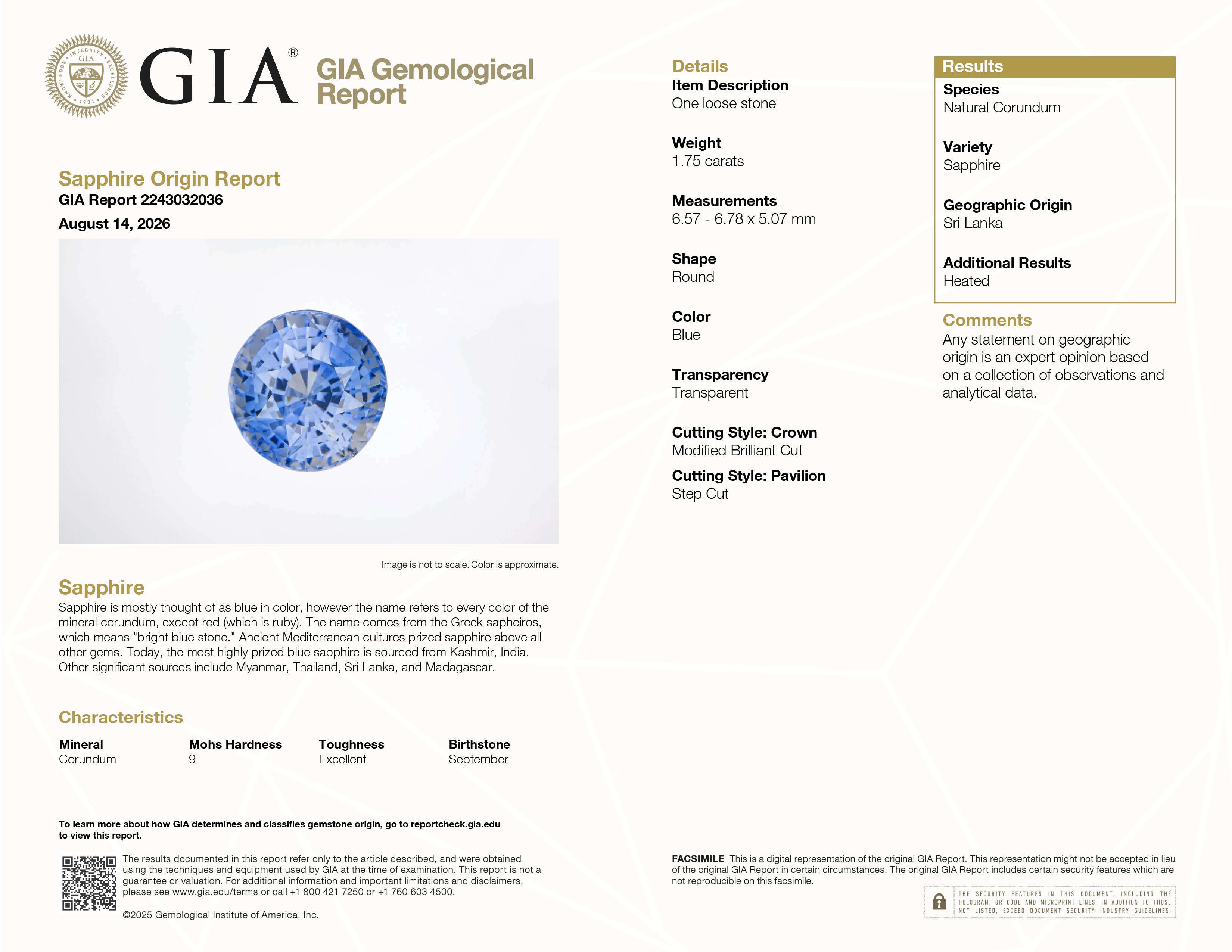
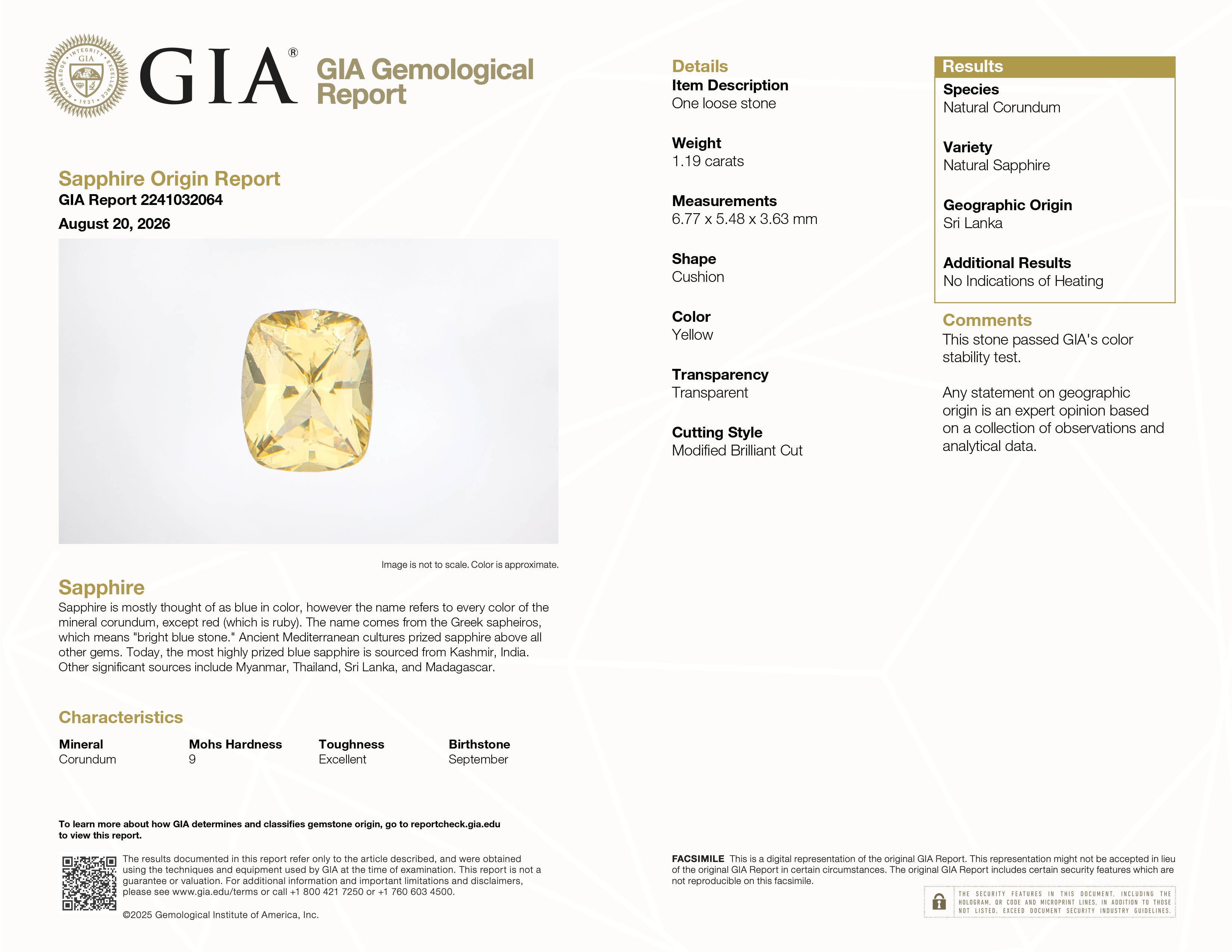
  • Submit the stone to GIA, Gübelin, SSEF, or Lotus for independent documentation of the species, treatment status, and geographic origin
  • Weigh the stone precisely to confirm the stated carat weight

None of these evaluations are fully available to you with a preset stone. You are relying on the seller's representation of quality — representations that are frequently accurate in reputable stores and frequently optimistic in less reputable ones. Buying loose removes that reliance entirely.

Reason 2: You Pay for the Stone, Not the Supply Chain

The price of a preset sapphire ring in a retail jewelry store reflects a specific economic journey. The rough was mined in Sri Lanka, Thailand, or Madagascar. It was sold to a cutter. The cut stone was sold to a dealer in Bangkok or Chanthaburi. The dealer sold it to an importer. The importer sold it to a wholesale supplier. The supplier sold it to the jewelry manufacturer. The manufacturer set it, packaged it, and sold it to the retailer. The retailer is marking it up 50% to 200% to support their rent, staff, advertising, and margin.

Every one of those steps added cost. By the time the ring reaches the display case, the stone may have passed through five or six commercial transactions, each adding margin. The retail price of a preset sapphire ring in a chain jewelry store can be three to five times the market value of the stone itself at the source.

When you buy a loose sapphire from a direct source — particularly one that sources in-country as Crescent Gems does in Sri Lanka — you eliminate most of that chain. You pay the actual market value of the stone, not the accumulated margin of everyone who touched it before you. The money you save is real, and it is substantial.

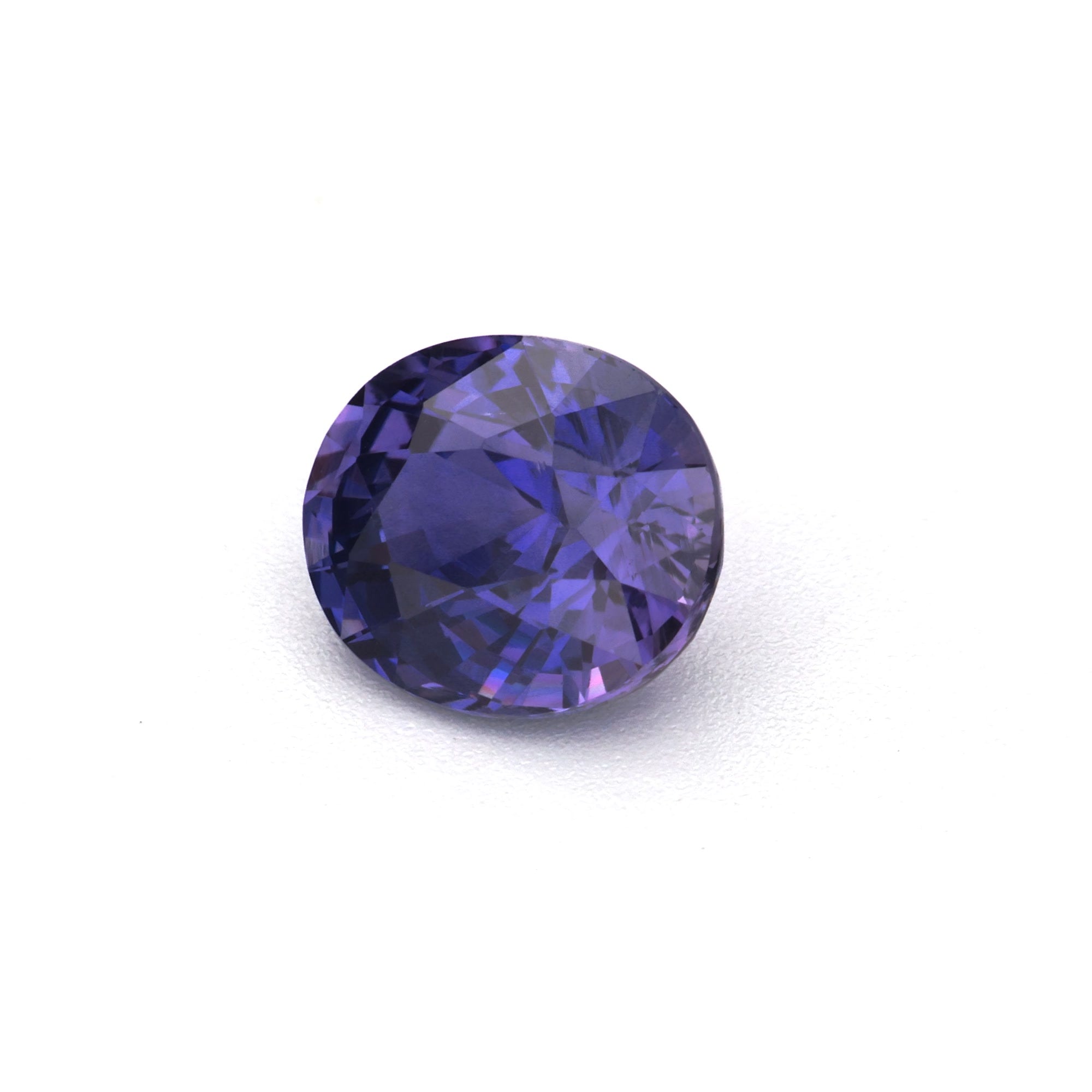
A practical illustration: a 1.20-carat Ceylon blue sapphire with vivid color and eye-clean clarity might retail as part of a preset ring in a jewelry chain for $4,500–$6,000 including the setting. The same stone purchased loose from a direct source might be $1,800–$2,500, with a custom setting from a local jeweler adding $800–$1,500. Total: $2,600–$4,000 for a custom ring with a known, verified stone — versus $4,500–$6,000 for a preset ring with a stone you cannot fully evaluate. The savings can easily exceed $1,000 on a modest purchase and $5,000+ on a significant one.

Reason 3: You Get the Ring You Actually Want

A preset ring is a fixed combination of stone and setting. The oval stone in the preset comes in that setting. If you want the stone in a different setting — different metal, different prong style, different profile, halo or no halo — you have to buy a different ring and hope the stone-setting combination you want happens to exist in the inventory of the retailer you are using. It usually does not, at least not in the specific stone quality you want.

Buying loose separates the two decisions. You choose the stone you want — the color, cut, treatment status, origin, and documentation that matter to you — and then independently choose the setting that suits your style and your partner's preference. Every jeweler in the world, from local custom shops to national jewelry studios, can set a loose stone you supply. You are not restricted to the inventory of a single retailer or the aesthetic preferences of a single manufacturer.

This separation of decisions also means you can get each part right independently. You can spend $2,500 on an exceptional stone and $900 on a clean, well-made setting — and end up with a ring that performs better than a $4,000 preset where a portion of the budget went to the stone and a portion went to a setting that was someone else's design choice.

Reason 4: Treatment Status Is Knowable — and Verifiable

Heat treatment is the most commercially significant quality factor in sapphire. Unheated sapphires — stones whose color has not been thermally enhanced — are significantly rarer and more valuable than heat-treated stones of equivalent apparent color. The premium for unheated status at 1+ carats with GIA documentation ranges from 50% to 400% depending on size and color.

In a preset ring, treatment status is whatever the seller tells you it is. You cannot submit the stone to a laboratory. You cannot examine the internal evidence. You are buying the seller's claim, not a verified fact. In the preset ring market — particularly at mid-range price points in chain retailers — treatment status is frequently undisclosed, vaguely disclosed, or actively misrepresented. The phrase natural sapphire tells you nothing about whether the stone is heated.

When you buy a loose stone from a reputable source, treatment status is disclosed on the product listing — and for any stone above approximately $800 in total value, it can be independently confirmed by submitting the stone to a major gemological laboratory before mounting. At Crescent Gems, we state treatment status explicitly on every product page, in the product title, and in the description. We do not sell heated stones described with language that implies unheated status, and we do not price heated stones at unheated premiums. Once a stone is in a setting, that verification window closes. Buy loose, and it stays open as long as you need it.

Reason 5: Your Stone Is Easier to Insure and Appraise

A loose sapphire with a laboratory report — GIA, Gübelin, SSEF, or Lotus — is one of the most straightforwardly insurable and appraisable objects in the jewelry world. The report documents the carat weight, dimensions, species, treatment status, and in most cases the geographic origin. An independent appraiser has everything they need to produce an accurate replacement value appraisal for insurance purposes.

A preset ring with an unknown stone and no laboratory documentation is harder to appraise accurately. The appraiser has to estimate the stone's quality from examination in the setting — a limitation that affects the accuracy of the appraisal and therefore the accuracy of the insurance coverage. If the ring is lost, stolen, or damaged, the insurance claim is settled based on that estimate. If the estimate was optimistic, the settlement is fine. If it was conservative, you are undercompensated for what you actually had.

Buying loose with documentation means your insurance coverage reflects a verified, documented asset rather than an estimate. That is a meaningful difference for a purchase of this magnitude.

Reason 6: Investment and Resale Value Are Substantially Higher

If you ever want to sell your sapphire — whether because your circumstances change, because the stone has appreciated in value, or because you want to reset it in a new design — the value of a loose stone with laboratory documentation is substantially higher and more liquid than the value of a preset ring with an undocumented stone.

The fine colored stone market — auction houses, estate dealers, gem collectors — operates almost entirely in documented loose stones. A GIA-certified unheated Ceylon blue sapphire at 1.5 carats with vivid color is a known, standardized object that trades in a global market with reference prices and established liquidity. The same stone in a gold ring with a retail chain's house setting has been converted into a piece of estate jewelry — an asset class with a very different and much less liquid resale market.

Fine sapphires — particularly unheated material from Ceylon with major laboratory documentation — have appreciated meaningfully in value over the past two decades and are broadly expected to continue appreciating as supply from the primary producing regions tightens. That appreciation accrues to the stone, not to the setting. If you buy the stone loose and keep the documentation, that value is straightforwardly accessible. If you buy a preset ring, extracting the value of the stone from the total ring value requires the de-mounting, re-evaluation, and resale process that all estate jewelry goes through — a process that recovers less than the full market value of the stone.

Reason 7: Jyotish and Astrological Use Requires Loose Stones

For buyers purchasing a sapphire for Jyotish (Vedic astrology) purposes — one of the most significant drivers of sapphire demand worldwide, particularly for blue (Neelam for Saturn/Shani), yellow (Pukhraj for Jupiter/Guru), and related colors — a loose stone is not a preference but a requirement. Jyotish gemstones must be set with direct skin contact, typically in an open-back setting with the culet or pavilion touching the skin. Preset rings are almost never configured this way.

Beyond the setting requirement, Jyotish prescriptions specify natural and unheated stones — heat treatment is not acceptable for astrological purposes regardless of how vivid the color. Loose stones allow the buyer to verify treatment status through laboratory documentation before mounting. Jyotish practitioners and their clients who understand the requirements buy loose stones as a matter of course, not as an option.

Reason 8: You Can Try the Stone Before You Commit

Several vendors who specialize in loose stones — including Crescent Gems — offer a try-before-you-buy or home preview service where the loose stone is shipped to you for examination in your own environment before you decide. You can see the stone under your own lighting, hold it against your partner's skin tone, compare it against alternative options, and make the decision with the same information you would have if you walked into a store.

No jewelry chain offers this with a preset ring. You evaluate the stone under their lighting, in their display case, on their timeline. The loose stone market, by contrast, is increasingly oriented toward transparency and home evaluation — a direct consequence of the fact that loose stones are honest, documentable objects that hold up to scrutiny.

At Crescent Gems, select stones in our catalog are available through our Try-On program — we ship the loose stone for home evaluation before you decide. Every purchase also carries a 14-day return policy.

The Common Objections — Addressed Honestly

Isn't buying loose more complicated?

Slightly more steps, yes. You choose the stone and then separately choose the setting and a jeweler to do the work. In practice, most buyers who have done this once describe it as straightforward — and more satisfying than buying a preset, because every decision was theirs. Local custom jewelers, online custom studios like Brilliant Earth or Pricescope-connected designers, and independent goldsmiths all work with customer-supplied stones routinely. It is not an unusual request.

Does the custom setting cost more than a preset?

Sometimes yes, sometimes no. A simple solitaire or bezel setting from a competent local jeweler typically runs $400–$900 in 14K gold. More complex designs — halo, three-stone, pavé band, custom designed — run $1,000–$3,000 or more. Preset rings in the same design complexity from chain retailers are priced to include significant retail margin on both the stone and the setting. The combined cost of a loose stone plus custom setting is almost always lower than a preset ring of equivalent or higher quality. The exception is very simple, very inexpensive preset rings where the retail margin is slim — but in that tier, the stone quality is also typically the lowest.

How do I know the loose stone I buy will fit a standard setting?

Millimeter dimensions are provided for every loose stone in our catalog. Any jeweler can size a setting to those dimensions. For the most common shapes — oval, cushion, round — standard prong settings exist in most millimeter sizes, and many can be used without custom fabrication. For unusual shapes (marquise, pear, kite, trillion), some settings require custom work, but a competent jeweler handles this routinely.

What if I do not know a jeweler I trust?

Email us. We work with buyers regularly who are sourcing their first custom ring, and we are happy to advise on what to look for in a jeweler, what questions to ask, and what to specify in the commission. We can also suggest setting styles that suit specific stones from our catalog based on the stone's color, cut, and dimensions.

What to Look for When Buying a Loose Sapphire

Once you have decided to buy loose, the evaluation criteria are the same as for any sapphire purchase — color, cut, clarity, carat weight, treatment status, origin documentation — but with the added advantage that you can assess them all directly rather than through the intermediary of a setting.

  • Color under multiple light sources: Always request photos or video under natural daylight, not just display or product lighting. The color you see in daylight is the color you will see in most real-world wearing conditions.
  • Cut quality: Look for face-up color that is even and vivid across the whole stone, with no large pale area in the center (window). A well-cut stone looks better in a finished ring than a larger, poorly cut stone of the same rough.
  • Clarity: Eye-clean — no visible inclusions under normal viewing at arm's length — is the right target for an engagement ring center stone.
  • Treatment disclosure: Explicitly stated on the product page. Not implied, not buried, not framed ambiguously. If a seller does not state treatment status clearly, assume the stone is heat-treated and ask directly.
  • Documentation: For any stone above $1,000 in total value, a GIA or equivalent laboratory report is the appropriate standard. For stones below that threshold, seller disclosure combined with a clear return policy is a reasonable basis for purchase.

How Crescent Gems Works for Loose Stone Buyers

We sell loose stones only — no finished rings, no preset settings. That is not a limitation of our catalog; it is a deliberate choice that reflects our belief that the stone is the decision that matters, and that buyers are better served by making that decision on its own terms rather than as part of a package.

We source directly in Sri Lanka. Our stones carry explicit treatment disclosure on every product page, in the product title, and in the description. Premium stones carry GIA reports or have reports in progress. Our Try-On program allows home evaluation before commitment. Every purchase carries a 14-day return policy.

Browse the full catalog by color — blue, teal, yellow, pink, peach, purple — or by cut, by treatment status, or by carat range. If you know what you want but do not see it in the current inventory, email crescentgems@gmail.com — we source to specification and can find stones that match your brief from upcoming inventory or through our network in Sri Lanka. We respond within one business day.

Summary: Eight Reasons to Buy Loose

  1. You know exactly what you are getting — full examination and laboratory verification before the stone goes into a setting.
  2. You pay for the stone, not the supply chain — direct sourcing eliminates retail markup on top of wholesale markup on top of import markup.
  3. You get the ring you actually want — any stone in any setting from any jeweler, not what the retailer happened to have in stock.
  4. Treatment status is verifiable — you can confirm it by laboratory before mounting, a window that closes the moment the stone is set.
  5. Insurance and appraisal are more accurate — a documented loose stone produces a more accurate and better-supported replacement value appraisal.
  6. Investment and resale value are higher — the fine colored stone market trades in documented loose stones, not estate preset rings.
  7. Jyotish use requires loose stones — open-back settings with skin contact and laboratory-verified unheated status are both only achievable with a loose stone purchase.
  8. You can try before you commit — home evaluation programs and return policies give you the time and conditions to make a confident decision.
Continue Learning
Return to the Ultimate Sapphire Buying Guide for the full picture on colours, origins, shapes, certification, and pricing — everything you need to buy a natural loose sapphire with confidence.


Ahmed Shareek — Crescent Gems

Ahmed Shareek

Proprietor — Crescent Gems

A gem dealer with over 25 years of experience sourcing natural sapphires from Sri Lanka, Ahmed brings hands-on expertise in mining, heat treatment, cutting, and stone selection. With deep roots in the Ceylon gem trade, he offers first hand knowledge of origin, quality, and craftsmanship behind every piece of guidance on this site.

Latest Stories

View all

The Ultimate Guide to Buying Natural Loose Sapphires

The Ultimate Guide to Buying Natural Loose Sapphires

The definitive guide to buying a natural loose sapphire: colour, origin, treatment, cut, shape, certification, pricing, and engagement rings, with links to every Crescent Gems guide and collection.

Read moreabout The Ultimate Guide to Buying Natural Loose Sapphires

The Ratnapura Gem Market — How Sapphires Are Traded at the Source

The Ratnapura Gem Market — How Sapphires Are Traded at the Source

New to buying sapphires? Start with our Ultimate Sapphire Buying Guide — the complete resource for color, origin, treatment, and pricing. Ratnapura means "City of Gems" in Sinhalese, and it is not a poetic name — it is a literal...

Read moreabout The Ratnapura Gem Market — How Sapphires Are Traded at the Source

Madagascar Sapphire — The Modern Origin That Rivals Ceylon

Madagascar Sapphire — The Modern Origin That Rivals Ceylon

New to buying sapphires? Start with our Ultimate Sapphire Buying Guide — the complete resource for color, origin, treatment, and pricing. If you have shopped for sapphires in the past decade, you have encountered Madagascar material — whether the listing...

Read moreabout Madagascar Sapphire — The Modern Origin That Rivals Ceylon

Montana Sapphire vs. Ceylon Sapphire — How America's Sapphire Compares to Sri Lanka's

Montana Sapphire vs. Ceylon Sapphire — How America's Sapphire Compares to Sri Lanka's

New to buying sapphires? Start with our Ultimate Sapphire Buying Guide — the complete resource for color, origin, treatment, and pricing. The United States has its own sapphire origin — and it is a good one. Montana has produced gem-quality...

Read moreabout Montana Sapphire vs. Ceylon Sapphire — How America's Sapphire Compares to Sri Lanka's

Sapphire vs. Spinel — The Overlooked Comparison Every Collector Should Understand

Sapphire vs. Spinel — The Overlooked Comparison Every Collector Should Understand

New to buying sapphires? Start with our Ultimate Sapphire Buying Guide — the complete resource for color, origin, treatment, and pricing. For most of gemological history, spinel did not even have its own name. The great "rubies" of royal collections...

Read moreabout Sapphire vs. Spinel — The Overlooked Comparison Every Collector Should Understand

Why Buy from Crescent Gems
Sourcing Gemstones for an engagement ring or piece of jewelry is a very personal experience, Its a act of love, Its a Investment that you do only a few times in your life. Before you spend thousands of $$$ You need to be able to trust the seller and make sure you are choosing the right stone. Here at Crescent gems we tick all the boxes.

Wide Selection of well cut gemstones from around the world.

Affordably priced ~ We source our gemstones direct from mining countries, we cut/recut most of our gemstones in-house.

We stock and sell ONLY Natural earth Mined stones. NO beryllium treated Stones, NO Flux filled, NO synthetics, NO man made stuff.

Free & Fast Shipping within USA ( FedEx Or UPS) with Tracking and email updates.

FREE International shipping for orders over US $ 500 ~ we ship to 98 countries Worldwide.

Try Before you buy Option ~ where we send the stone to you before you pay. ~ Unique Feature.

14 day No questions asked money back Guarantee.

FREE Domestic Return Shipping.

GIA lab reports for all stones above 2 carats.

Accurate information, Actual Images, Hand shots and 360 videos of the stone on sale, we don't use stock photography.

Join our ever growing group of satisfied customers from around the world.