Padparadscha Sapphire ~ The World's Rarest Sapphire Color Explained
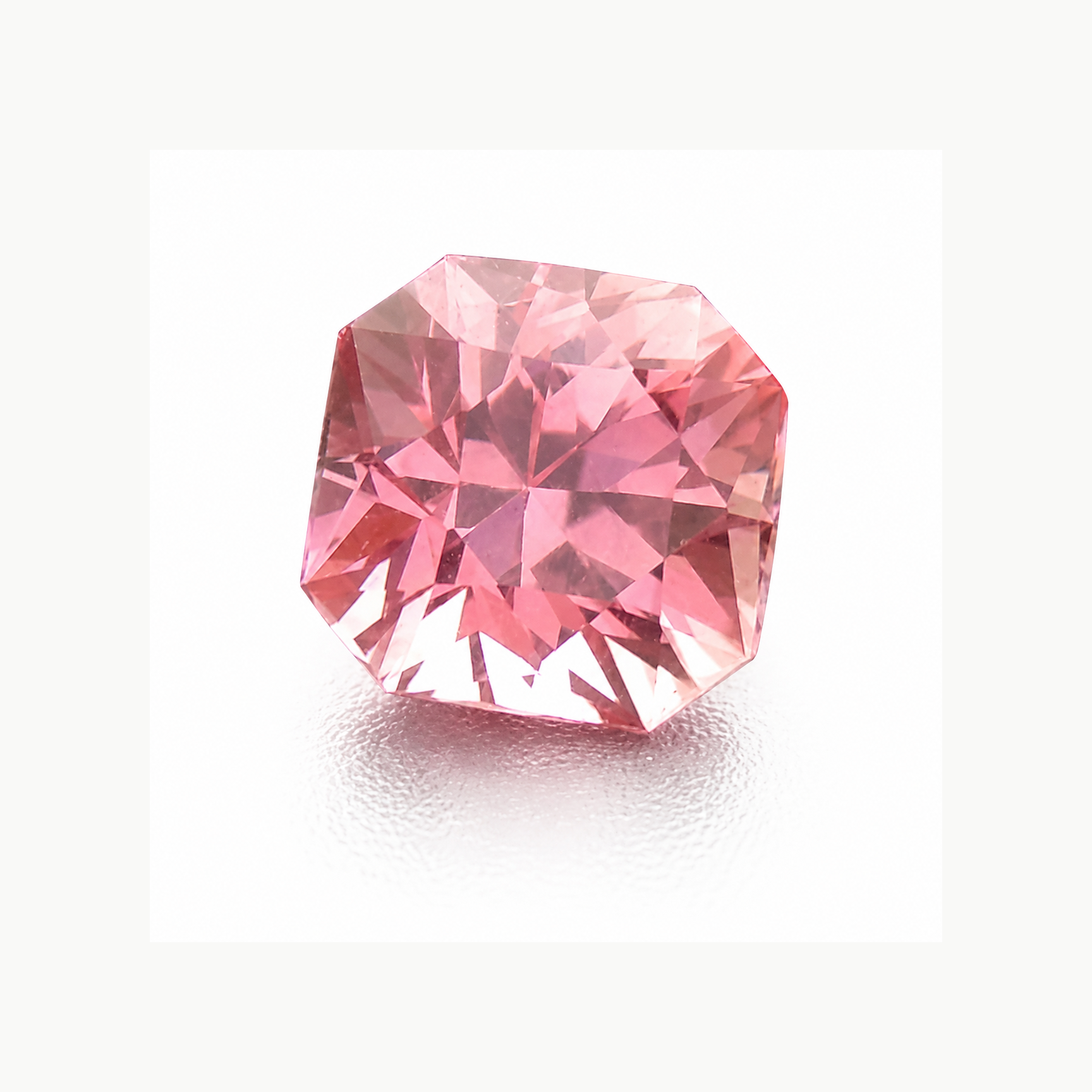
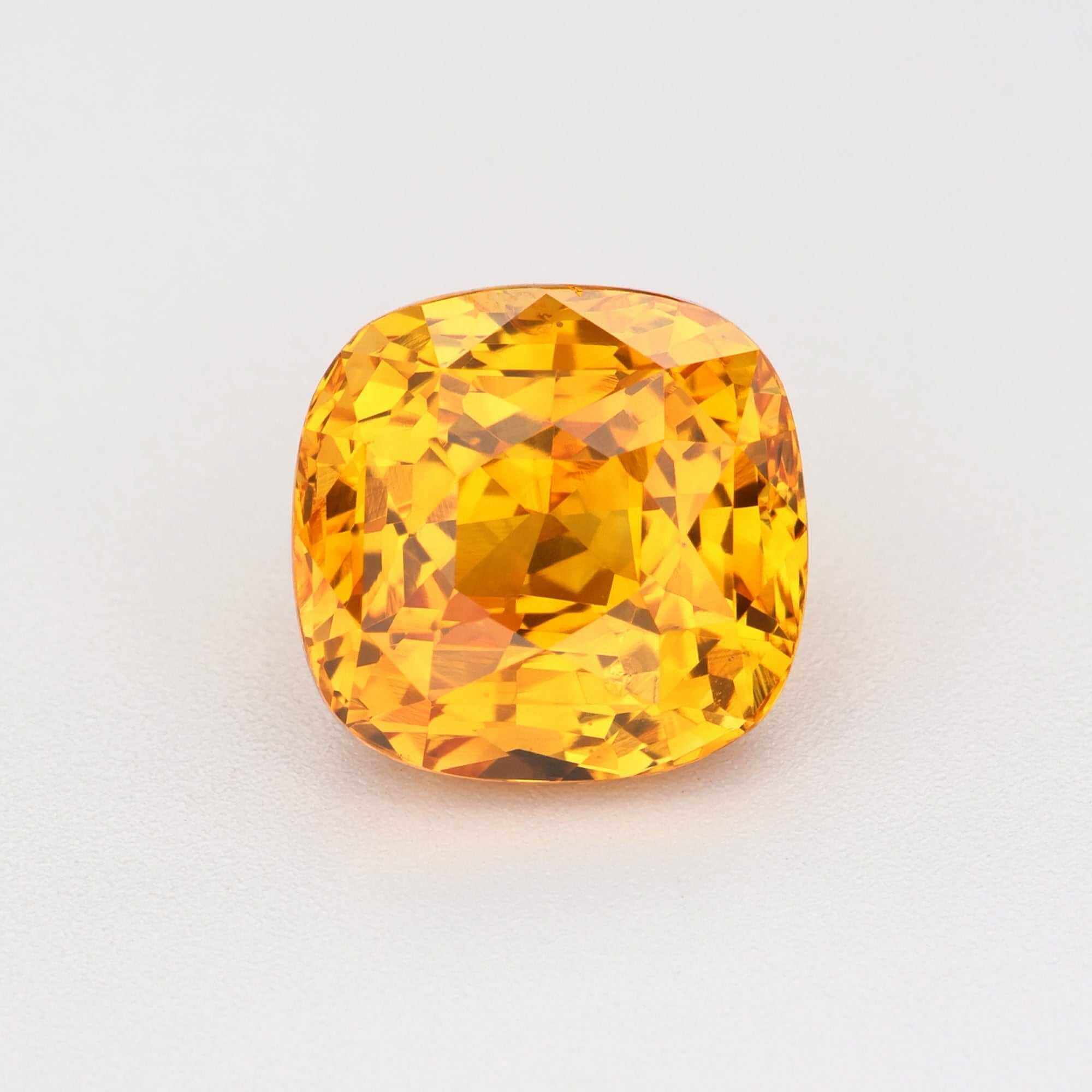
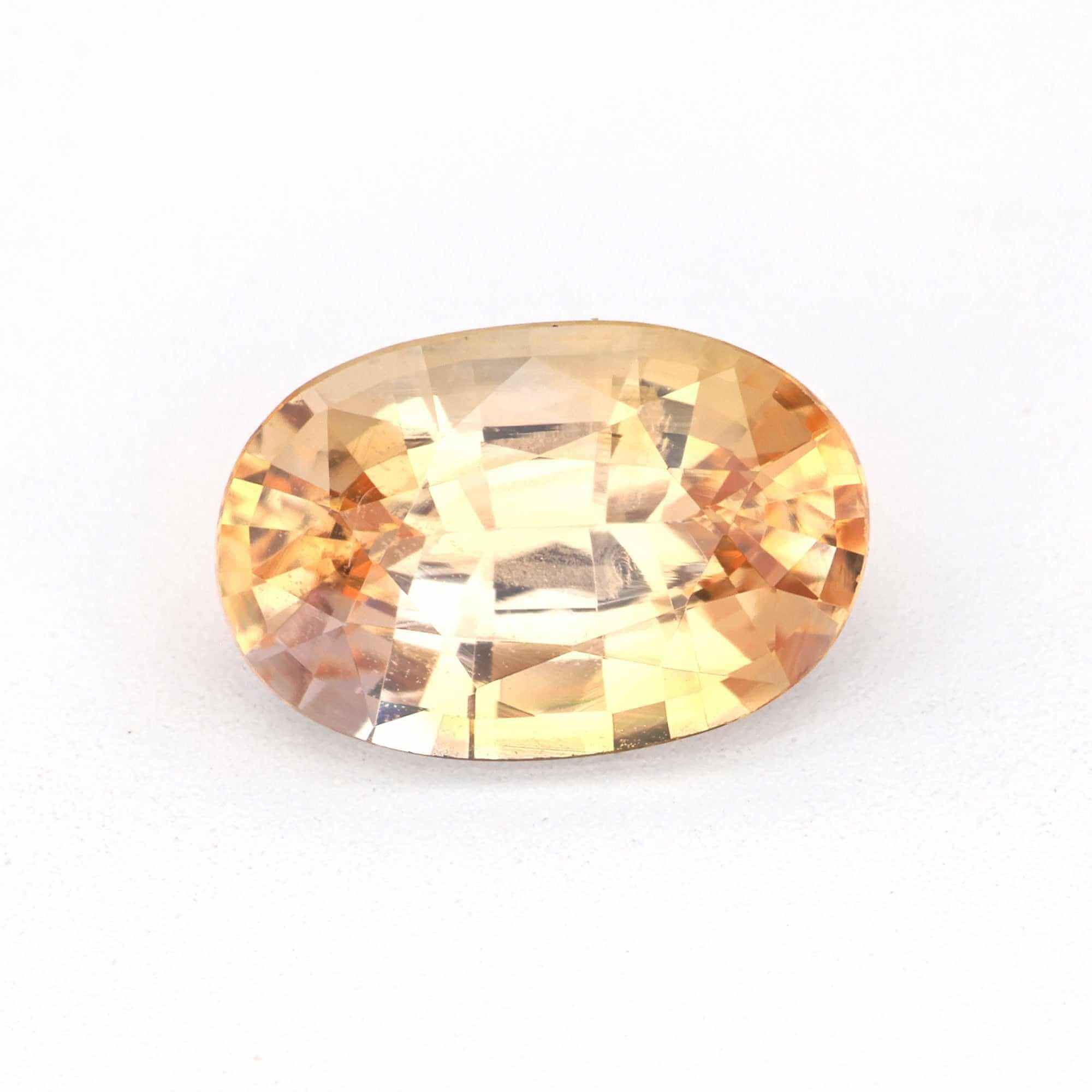
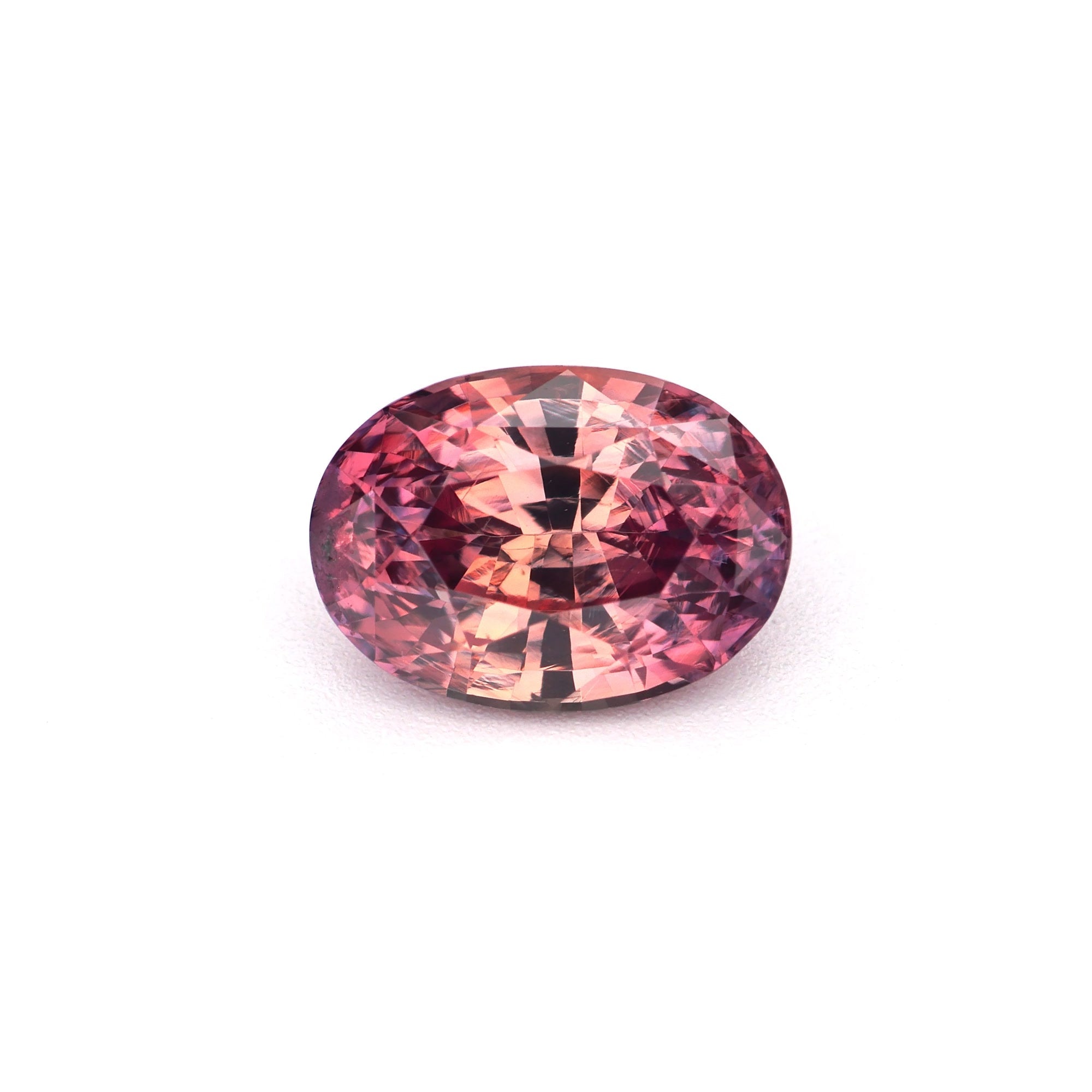
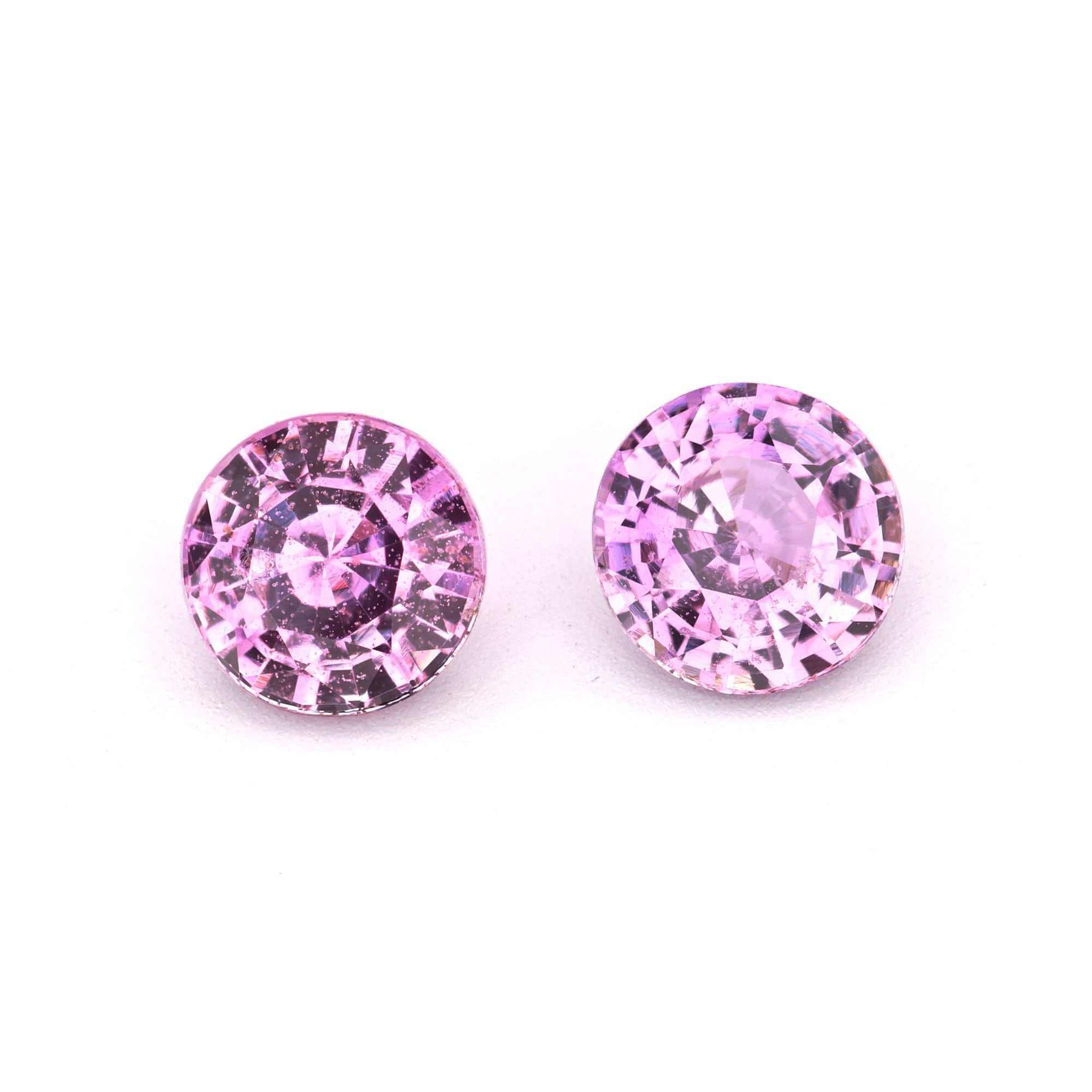
Padparadscha sapphire is the rarest and most coveted color of sapphire in the world — a delicate, saturated blend of pink and orange named after the Sinhalese word for the lotus blossom (padma raga). True padparadscha must hold both hues in balance: too pink and it is a pink sapphire; too orange and it is an orange sapphire. Only when the two colors coexist in perfect equilibrium does the stone earn the padparadscha designation — and that balance is what makes it extraordinary.
What makes padparadscha so rare
The padparadscha color requires a very specific combination of trace elements — chromium for the pink component and iron for the orange — in concentrations and ratios that corundum rarely achieves. The geological conditions that produce this balance occur almost exclusively in Sri Lanka (Ceylon), with occasional examples from Madagascar and Tanzania. Fine unheated padparadscha above 1 carat with laboratory certification is among the rarest purchases in all of colored gemstones, commanding $3,000–$15,000+ per carat depending on size, saturation, and documentation.
How we source padparadscha
We hold no padparadscha in stock at present. This page is here for when we do, and for buyers who want to know what to ask for in the meantime. What we list will be sourced from Sri Lanka — the historic and definitive source of this color — and it will be natural, with its treatment status stated in full on the listing rather than left to the name. Padparadscha is one of the colors most vulnerable to beryllium diffusion — a treatment that can create padparadscha-like color in stones that were never naturally that hue. Crescent Gems does not carry beryllium-diffused material. Padparadscha we list above 1 carat will ship with a GIA report carrying both the color call and the treatment finding.
How to evaluate a padparadscha
Color balance. The defining characteristic. Both pink and orange must be clearly visible, with neither dominating. Stones that lean too heavily pink or too heavily orange do not qualify as padparadscha under strict gemological standards.
Saturation. The color should be medium-saturated — vivid enough to be immediately beautiful but not so deep that it reads as simply orange or pink. The most prized padparadschas show a luminous, glowing quality that seems to come from within the stone.
Certification. Given the extreme value premium of the padparadscha designation, laboratory certification is essential. A GIA or Gübelin report that identifies the stone as "padparadscha" carries significant market weight. Without certification, you are paying a padparadscha premium based on a seller's subjective color call.
Treatment. Unheated Padparadscha Sapphire commands the highest premiums. Heated padparadscha (where the heat enhanced an already present pink-orange balance) is accepted but priced lower. Beryllium-diffused stones that mimic padparadscha color should be avoided entirely — require a lab report that addresses beryllium for any padparadscha purchase.
Padparadscha vs. peach sapphire
Peach sapphire occupies the softer, more pastel range of the same pink-orange spectrum. The visual difference can be subtle; the price difference is dramatic. Many buyers find that peach delivers the warm, romantic look they love at a fraction of padparadscha pricing. For the full comparison, see Peach vs. Padparadscha.
Learn about padparadscha sapphires
Padparadscha buying guides
- Padparadscha Sapphire Complete Guide — the definitive resource
- Peach vs. Padparadscha — understand the distinction and the value opportunity
- Ultimate Sapphire Buying Guide — the central hub for all sapphire education
- Sapphire Pricing Explained — what drives cost per carat
- Interactive Sapphire Color Chart — compare padparadscha against every color
- Sapphire Colors Explained
Engagement rings
- How to Choose a Sapphire for Your Engagement Ring
- How to Commission a Custom Ring — our jewelry division builds it around your stone
- Best Cut for an Engagement Ring
- What Size Sapphire Is Best?
- Loose Sapphires vs. Preset Rings
- Best Sapphire Color for Your Skin Tone
- How to Care for a Sapphire Ring
Treatment, science, and certification
- Beryllium Diffusion Explained — critical reading for padparadscha buyers
- What Is an Unheated Sapphire?
- How Sapphire Heat Treatment Works
- How to Read Sapphire Inclusions
- How to Read a GIA Sapphire Report — essential for padparadscha certification
Origin and sourcing
- Ceylon Sapphire Complete Guide — Sri Lanka is the definitive padparadscha source
- Madagascar Sapphire Guide — occasional padparadscha-range material
- The Ratnapura Gem Market
- Pit Mining in Sri Lanka
- Faceting Sapphires
Comparisons
Related colors
- Peach Sapphire Buyer's Guide — padparadscha's more accessible sibling
- Pink Sapphire Buyer's Guide — the pink side of padparadscha
- Orange Sapphire Buyer's Guide — the orange side of padparadscha
Padparadscha sapphires move quickly when they list. To be notified when new padparadscha stones arrive, or to discuss a specific stone, email crescentgems@gmail.com. 14-day return on every order. Free US shipping; international shipping via FedEx and UPS.
Padparadscha sapphire is the rarest and most coveted color of sapphire in the world — a delicate, saturated blend of pink and orange named after the Sinhalese word for the lotus blossom (padma raga). True padparadscha must hold both hues in balance: too pink and it is a pink sapphire; too orange and it is an orange sapphire. Only when the two colors coexist in perfect equilibrium does the stone earn the padparadscha designation — and that balance is what makes it extraordinary.
What makes padparadscha so rare
The padparadscha color requires a very specific combination of trace elements — chromium for the pink component and iron for the orange — in concentrations and ratios that corundum rarely achieves. The geological conditions that produce this balance occur almost exclusively in Sri Lanka (Ceylon), with occasional examples from Madagascar and Tanzania. Fine unheated padparadscha above 1 carat with laboratory certification is among the rarest purchases in all of colored gemstones, commanding $3,000–$15,000+ per carat depending on size, saturation, and documentation.
How we source padparadscha
We hold no padparadscha in stock at present. This page is here for when we do, and for buyers who want to know what to ask for in the meantime. What we list will be sourced from Sri Lanka — the historic and definitive source of this color — and it will be natural, with its treatment status stated in full on the listing rather than left to the name. Padparadscha is one of the colors most vulnerable to beryllium diffusion — a treatment that can create padparadscha-like color in stones that were never naturally that hue. Crescent Gems does not carry beryllium-diffused material. Padparadscha we list above 1 carat will ship with a GIA report carrying both the color call and the treatment finding.
How to evaluate a padparadscha
Color balance. The defining characteristic. Both pink and orange must be clearly visible, with neither dominating. Stones that lean too heavily pink or too heavily orange do not qualify as padparadscha under strict gemological standards.
Saturation. The color should be medium-saturated — vivid enough to be immediately beautiful but not so deep that it reads as simply orange or pink. The most prized padparadschas show a luminous, glowing quality that seems to come from within the stone.
Certification. Given the extreme value premium of the padparadscha designation, laboratory certification is essential. A GIA or Gübelin report that identifies the stone as "padparadscha" carries significant market weight. Without certification, you are paying a padparadscha premium based on a seller's subjective color call.
Treatment. Unheated Padparadscha Sapphire commands the highest premiums. Heated padparadscha (where the heat enhanced an already present pink-orange balance) is accepted but priced lower. Beryllium-diffused stones that mimic padparadscha color should be avoided entirely — require a lab report that addresses beryllium for any padparadscha purchase.
Padparadscha vs. peach sapphire
Peach sapphire occupies the softer, more pastel range of the same pink-orange spectrum. The visual difference can be subtle; the price difference is dramatic. Many buyers find that peach delivers the warm, romantic look they love at a fraction of padparadscha pricing. For the full comparison, see Peach vs. Padparadscha.
Learn about padparadscha sapphires
Padparadscha buying guides
- Padparadscha Sapphire Complete Guide — the definitive resource
- Peach vs. Padparadscha — understand the distinction and the value opportunity
- Ultimate Sapphire Buying Guide — the central hub for all sapphire education
- Sapphire Pricing Explained — what drives cost per carat
- Interactive Sapphire Color Chart — compare padparadscha against every color
- Sapphire Colors Explained
Engagement rings
- How to Choose a Sapphire for Your Engagement Ring
- How to Commission a Custom Ring — our jewelry division builds it around your stone
- Best Cut for an Engagement Ring
- What Size Sapphire Is Best?
- Loose Sapphires vs. Preset Rings
- Best Sapphire Color for Your Skin Tone
- How to Care for a Sapphire Ring
Treatment, science, and certification
- Beryllium Diffusion Explained — critical reading for padparadscha buyers
- What Is an Unheated Sapphire?
- How Sapphire Heat Treatment Works
- How to Read Sapphire Inclusions
- How to Read a GIA Sapphire Report — essential for padparadscha certification
Origin and sourcing
- Ceylon Sapphire Complete Guide — Sri Lanka is the definitive padparadscha source
- Madagascar Sapphire Guide — occasional padparadscha-range material
- The Ratnapura Gem Market
- Pit Mining in Sri Lanka
- Faceting Sapphires
Comparisons
Related colors
- Peach Sapphire Buyer's Guide — padparadscha's more accessible sibling
- Pink Sapphire Buyer's Guide — the pink side of padparadscha
- Orange Sapphire Buyer's Guide — the orange side of padparadscha
Padparadscha sapphires move quickly when they list. To be notified when new padparadscha stones arrive, or to discuss a specific stone, email crescentgems@gmail.com. 14-day return on every order. Free US shipping; international shipping via FedEx and UPS.
Sorry, there are no products in this collection.