- by Ahmed Shareek
Tsavorite Mining in Kenya and Tanzania — How the World's Finest Green Garnet Is Extracted
- by Ahmed Shareek
New to buying sapphires and gemstones? Start with our Ultimate Sapphire Buying Guide — the complete resource for color, origin, treatment, and pricing across all colored gemstones.
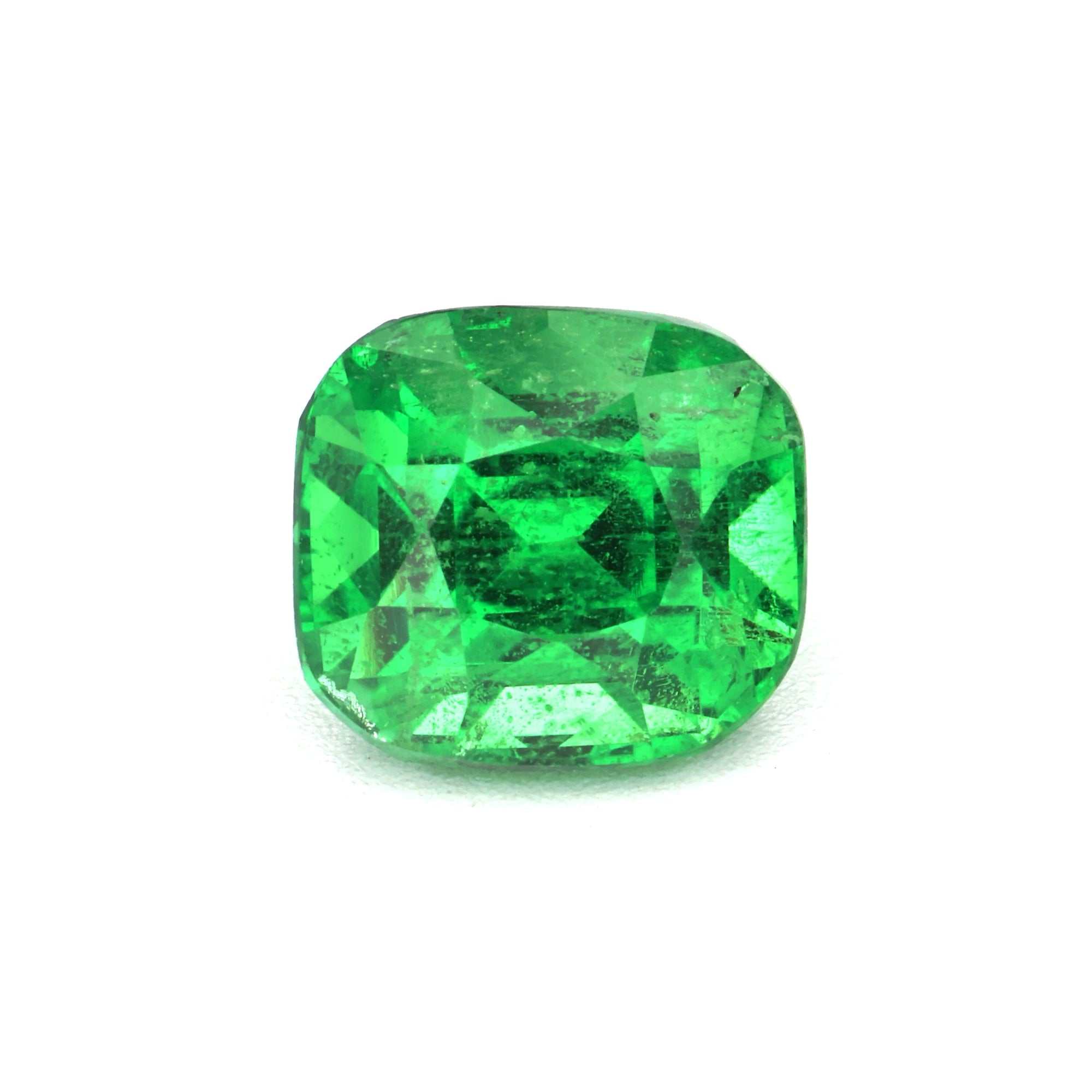
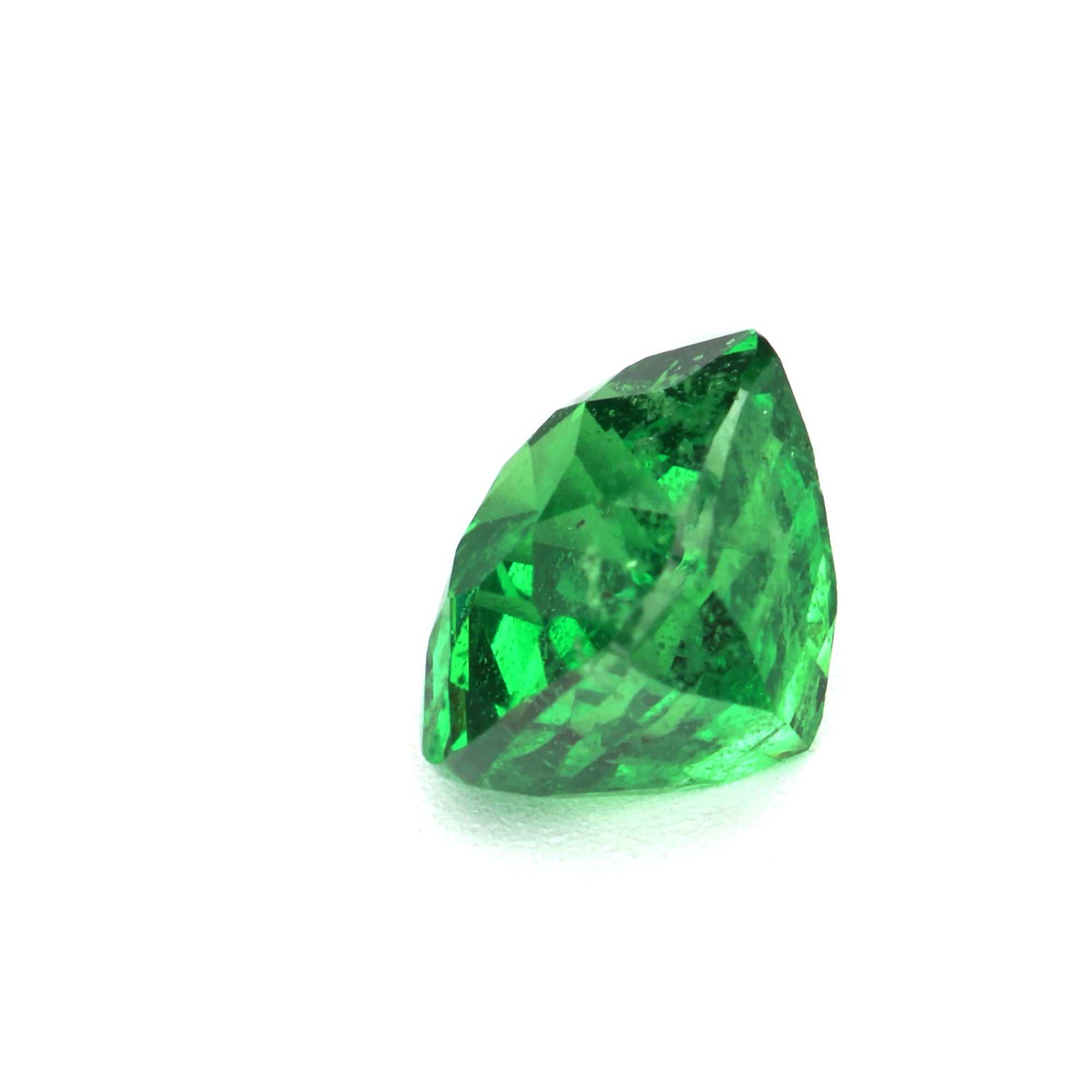
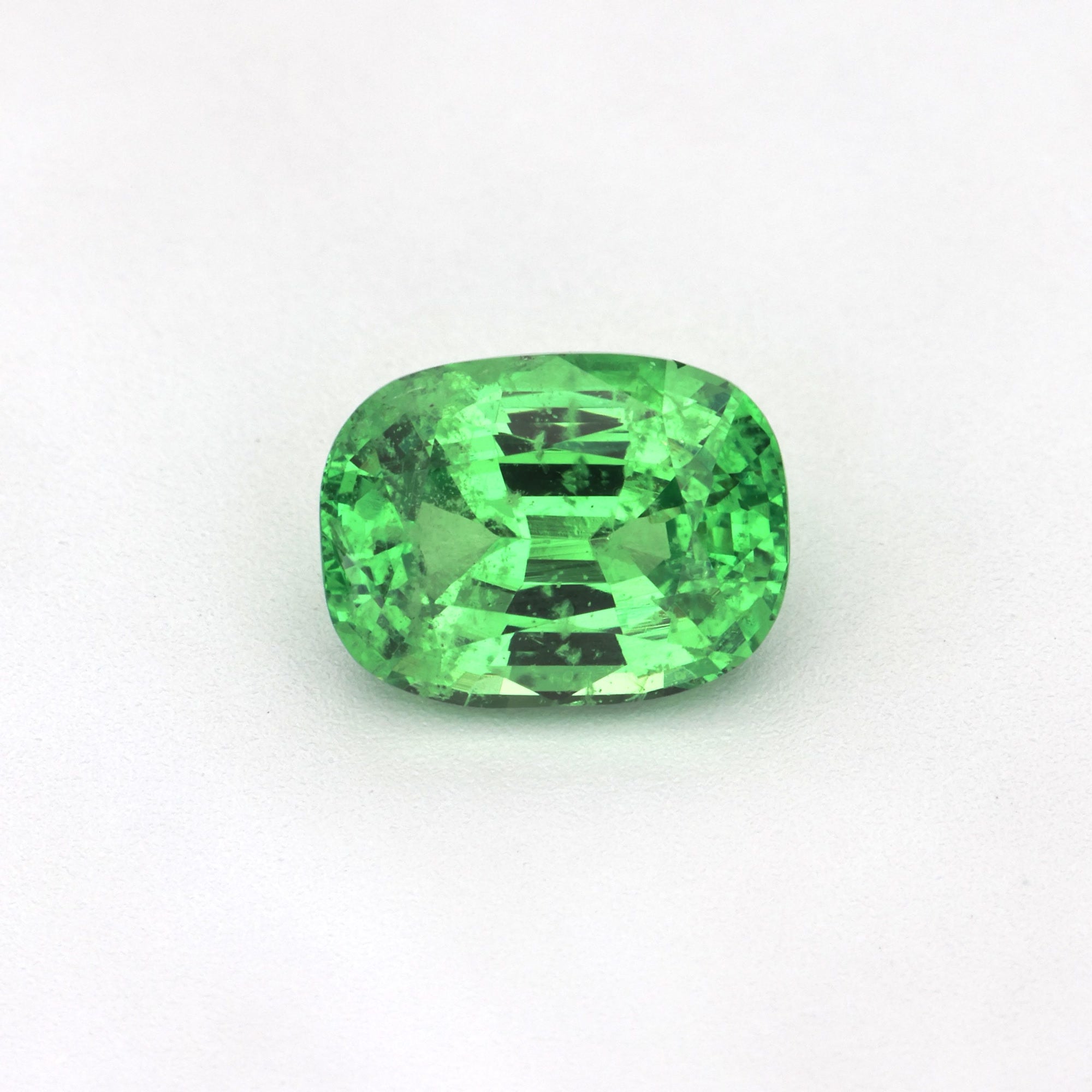
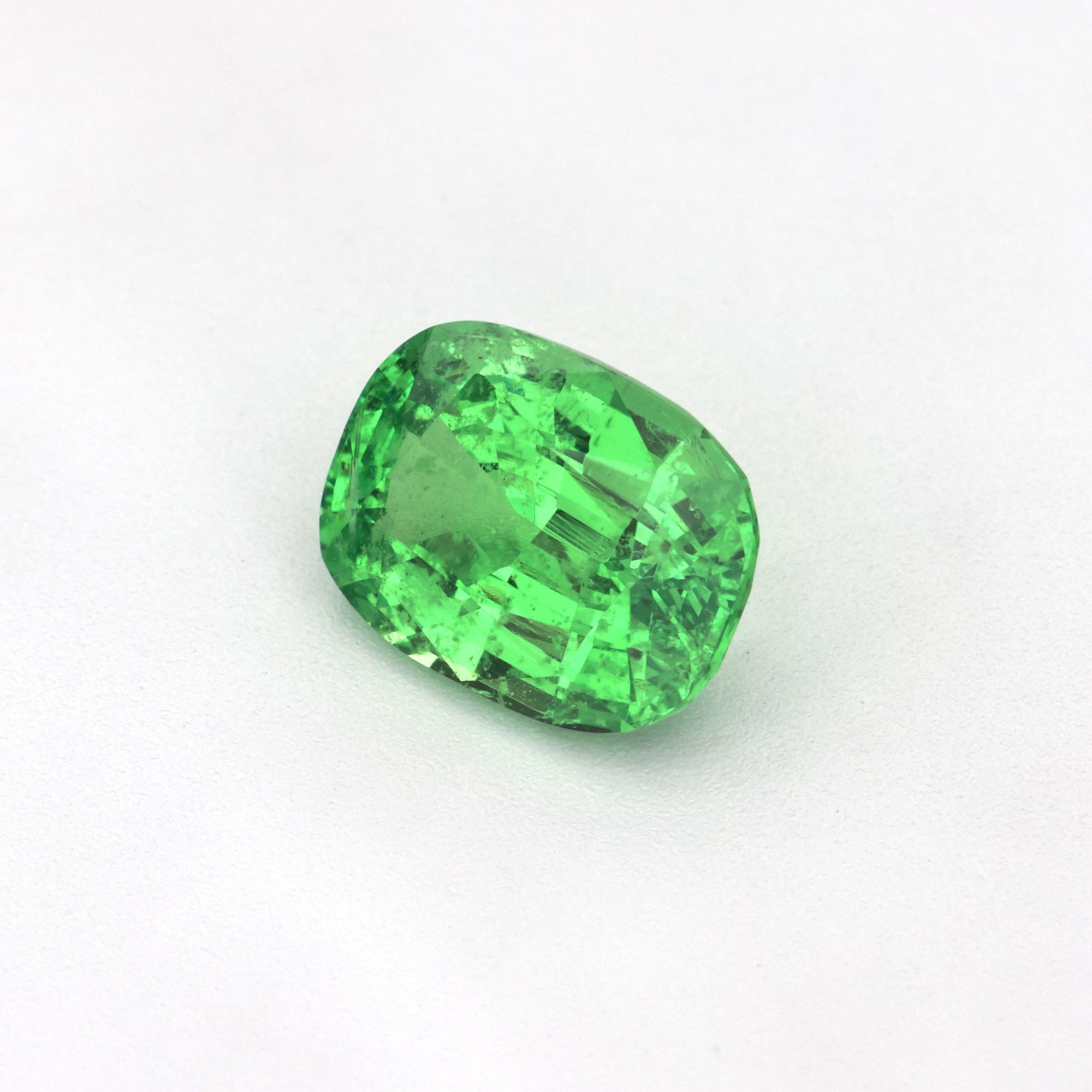
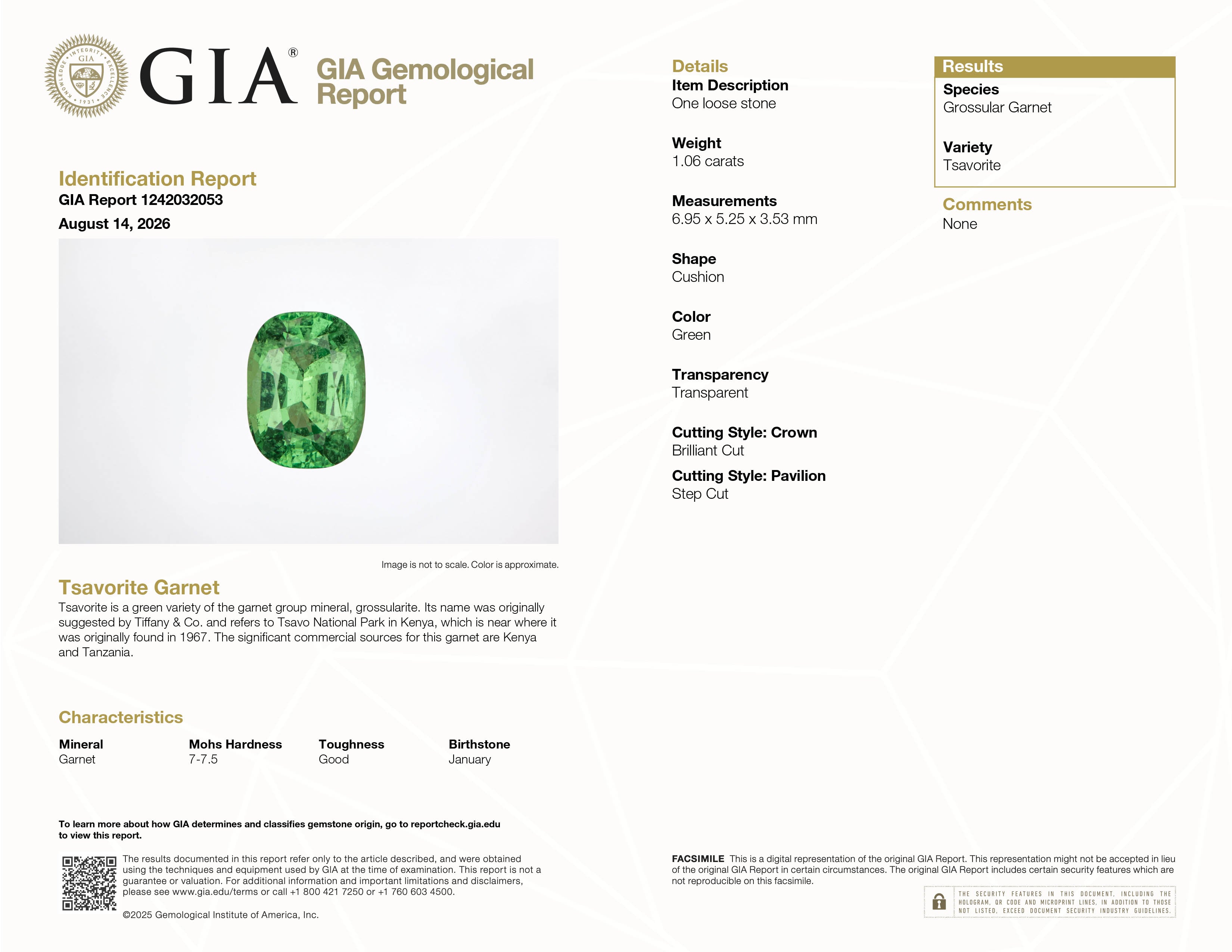
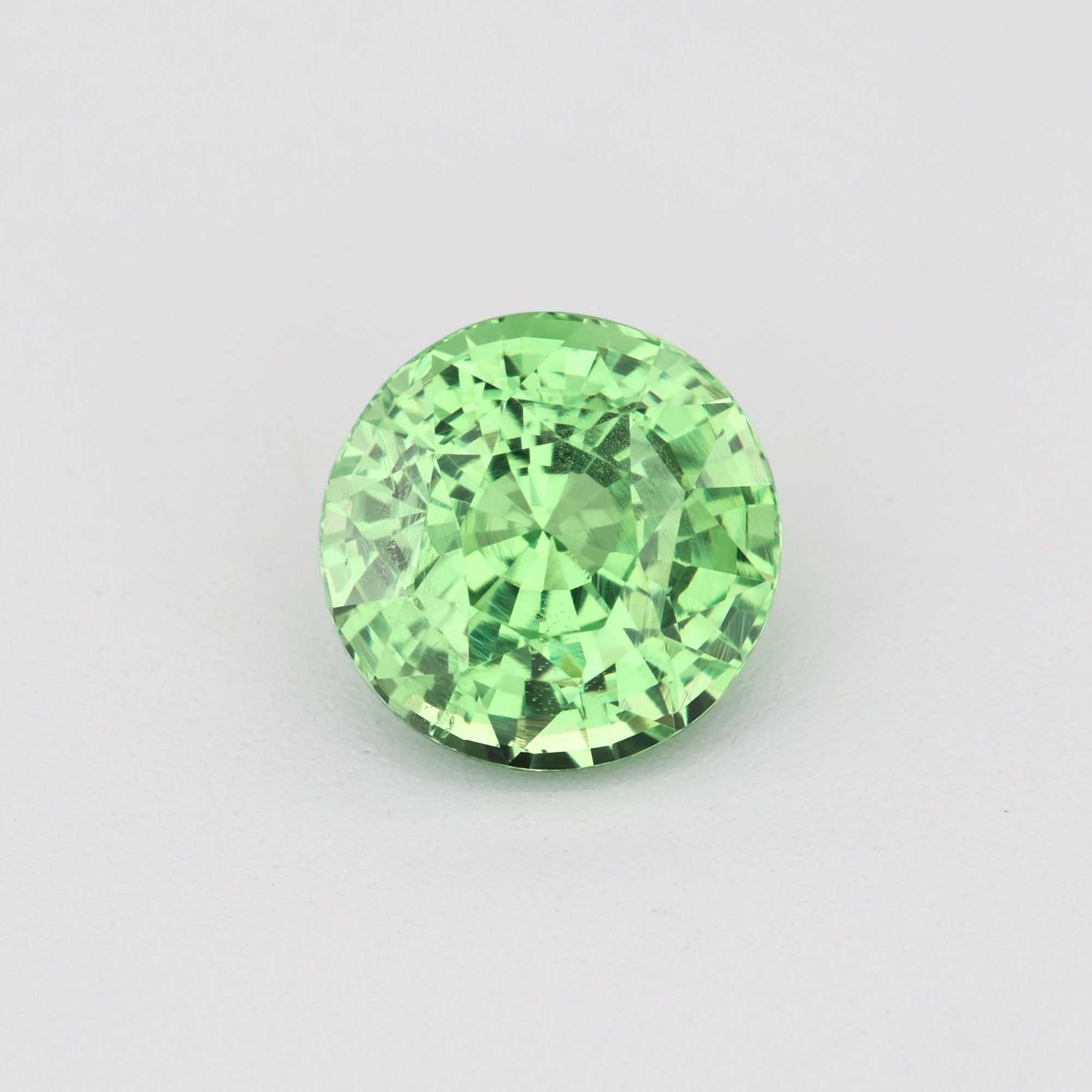
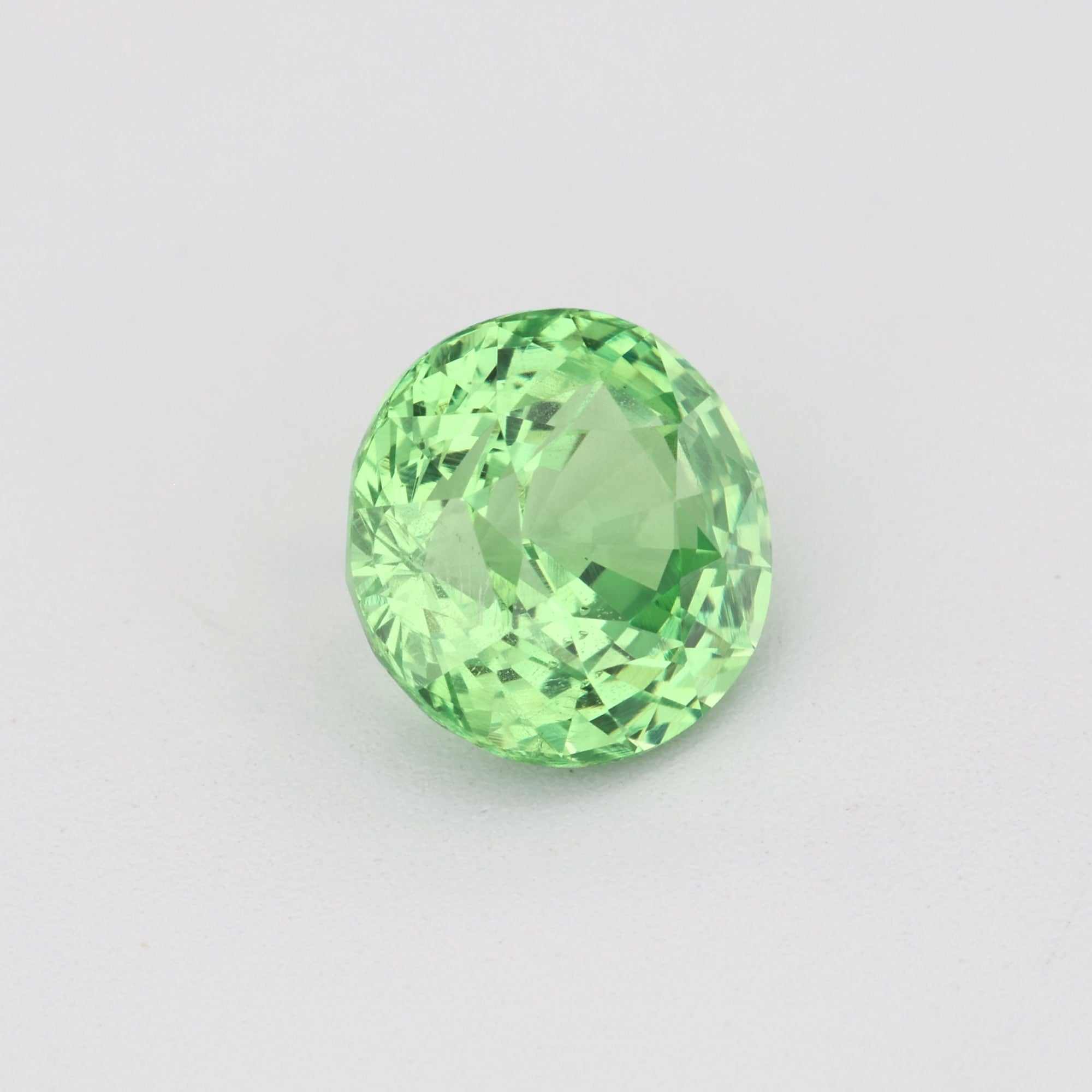
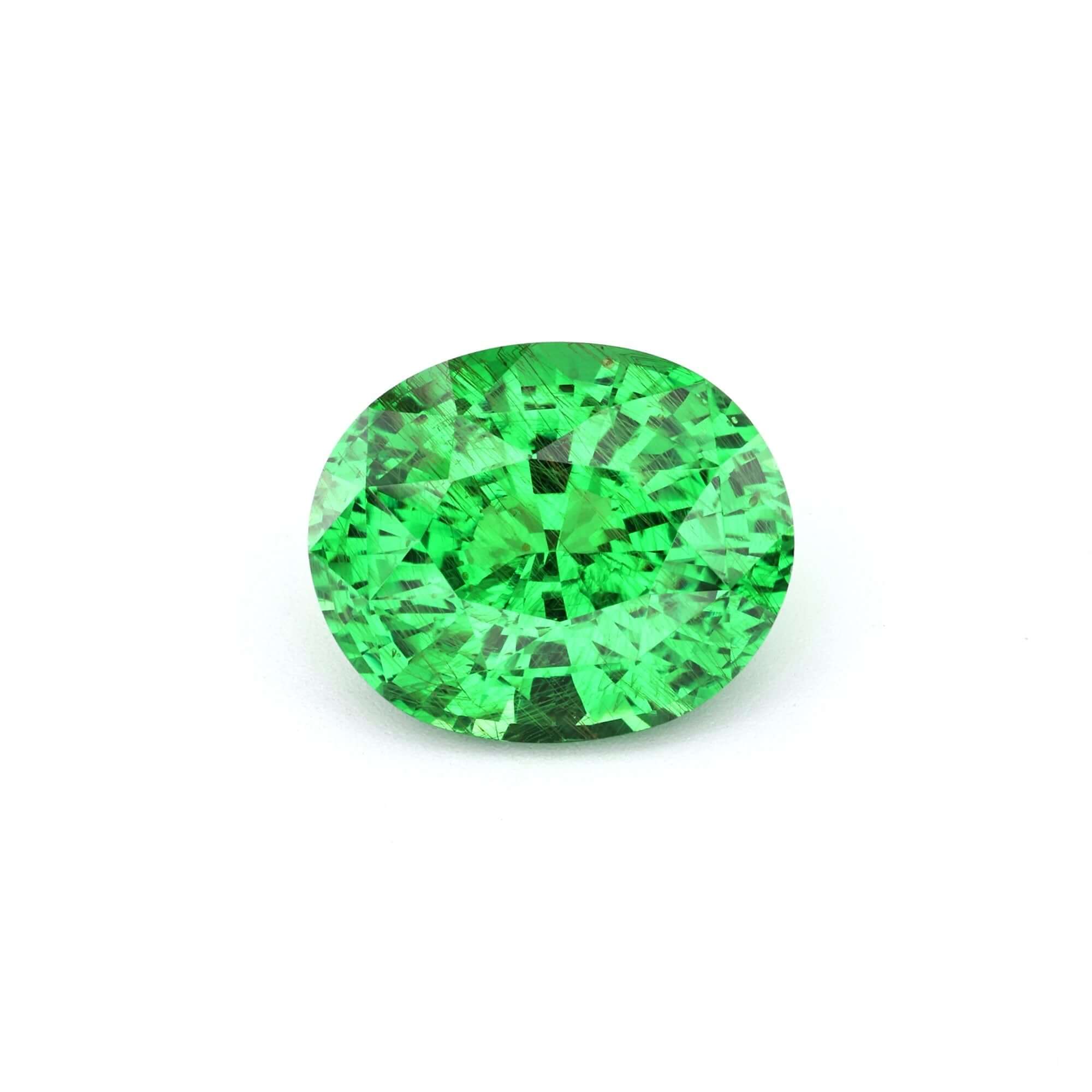
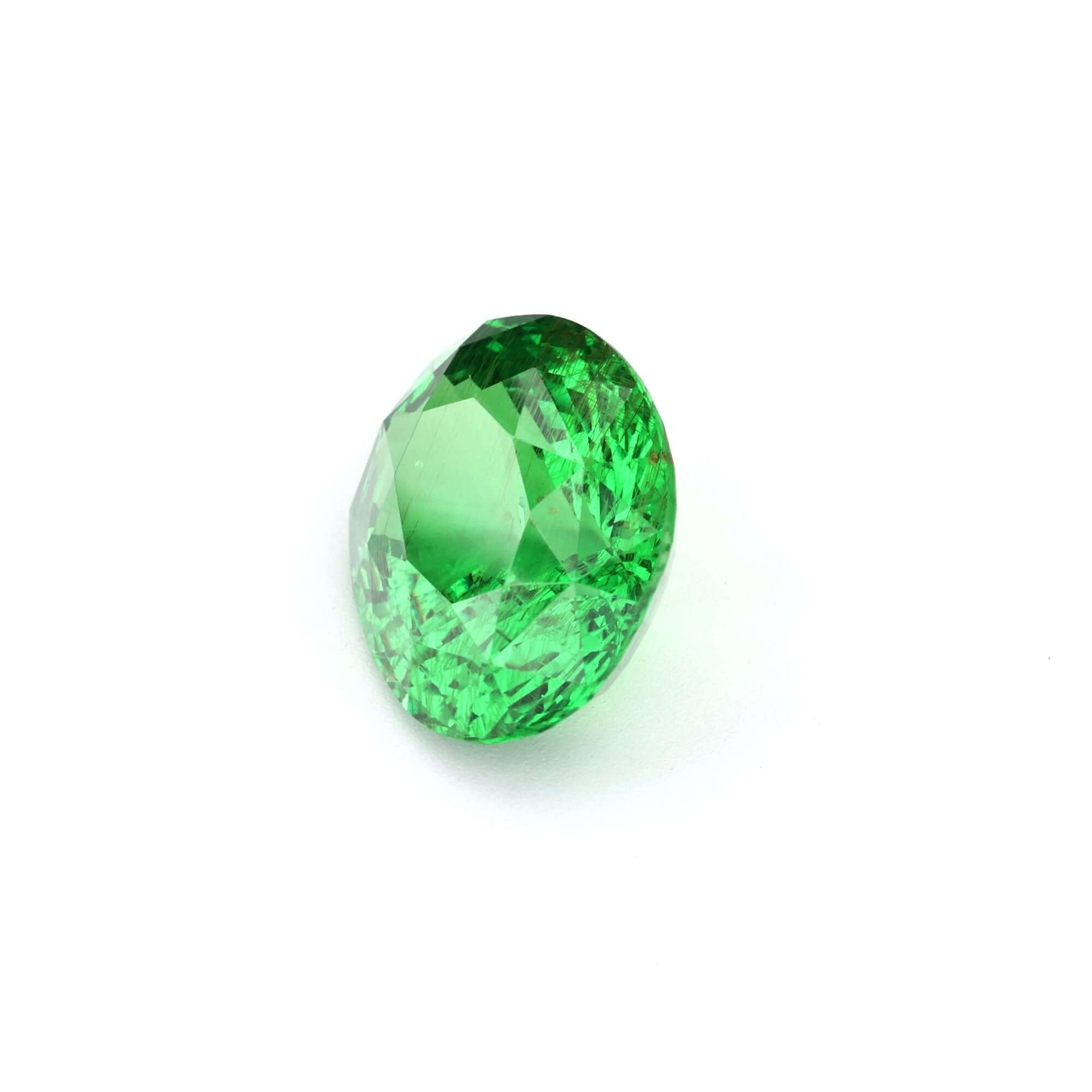
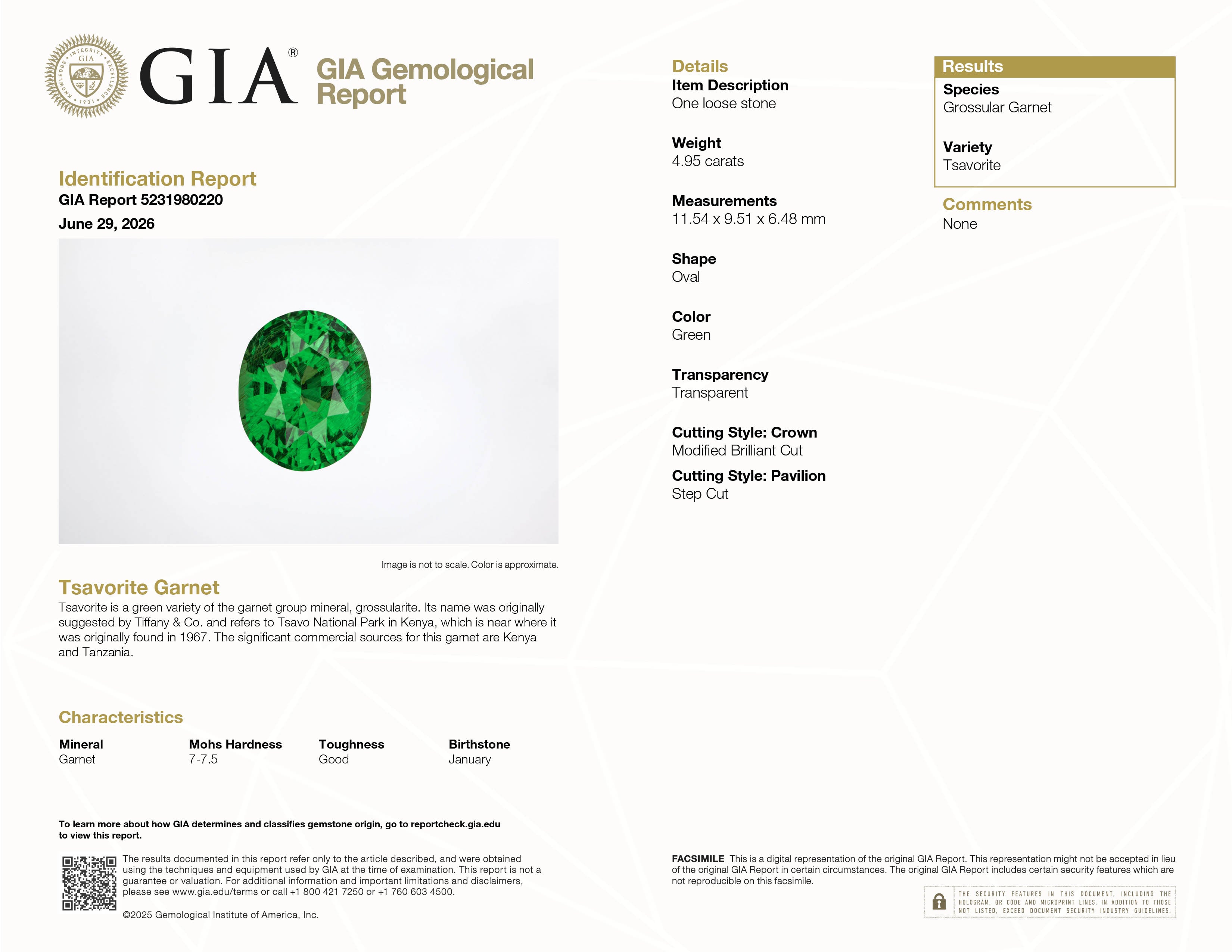
Tsavorite garnet was unknown to the world until 1967. Today it is one of the most coveted green gemstones on Earth — a chromium-colored grossular garnet that rivals emerald in intensity, rarely needs any treatment, and comes from one of the most geologically dramatic and commercially challenging mining environments in all of gemology. The stones are found in a narrow belt of metamorphic rock that straddles the Kenya-Tanzania border, in terrain that is remote, geologically unstable, and ecologically sensitive. Every tsavorite that reaches a jewelry setting has traveled a harder road out of the ground than almost any other gemstone.
This article covers how tsavorite is mined, where the deposits are, why the mining is so difficult, and what the extraction conditions mean for the stones that reach your hand. At Crescent Gems, we source tsavorite through trusted networks connected to the East African gem trade, and what follows reflects both published geological knowledge and the practical realities of buying from these deposits.
The story of tsavorite begins with Scottish-Kenyan geologist and gemologist Campbell Bridges. In 1967, while prospecting in northeastern Tanzania near the Merelani Hills (the same area that produces tanzanite), Bridges discovered vivid green grossular garnet crystals in a graphite-bearing gneiss formation. The Tanzanian government's mining restrictions prompted Bridges to search for the same geological formation across the border in Kenya, where he found a second deposit in 1971 in the Tsavo area of the Taita-Taveta District.
Bridges partnered with Tiffany & Co., whose president Henry Platt recognized the stone's commercial potential and named it "tsavorite" after Kenya's Tsavo National Park — one of the most effective gemstone branding decisions in modern history. Tiffany introduced tsavorite to the American market in 1974, and the stone's reputation has grown steadily since.
The story has a tragic dimension. Campbell Bridges was killed in 2009 during a violent dispute over mining claims in the Tsavo region — a reminder that the gem trade in East Africa operates in a context where land rights, mineral claims, and economic pressures intersect with real human cost. His son Bruce Bridges continues the family's mining and gemological work in Kenya.
Tsavorite deposits are confined to a specific geological formation: the Neoproterozoic Mozambique Belt, a zone of intensely metamorphosed rock that runs through eastern Africa. The gem-bearing formations are graphite-bearing calc-silicate gneisses and schists — rocks that were subjected to extreme heat and pressure hundreds of millions of years ago, creating the conditions necessary for grossular garnet to crystallize with chromium and vanadium impurities that produce the green color.
The commercially significant deposits are concentrated in two areas:
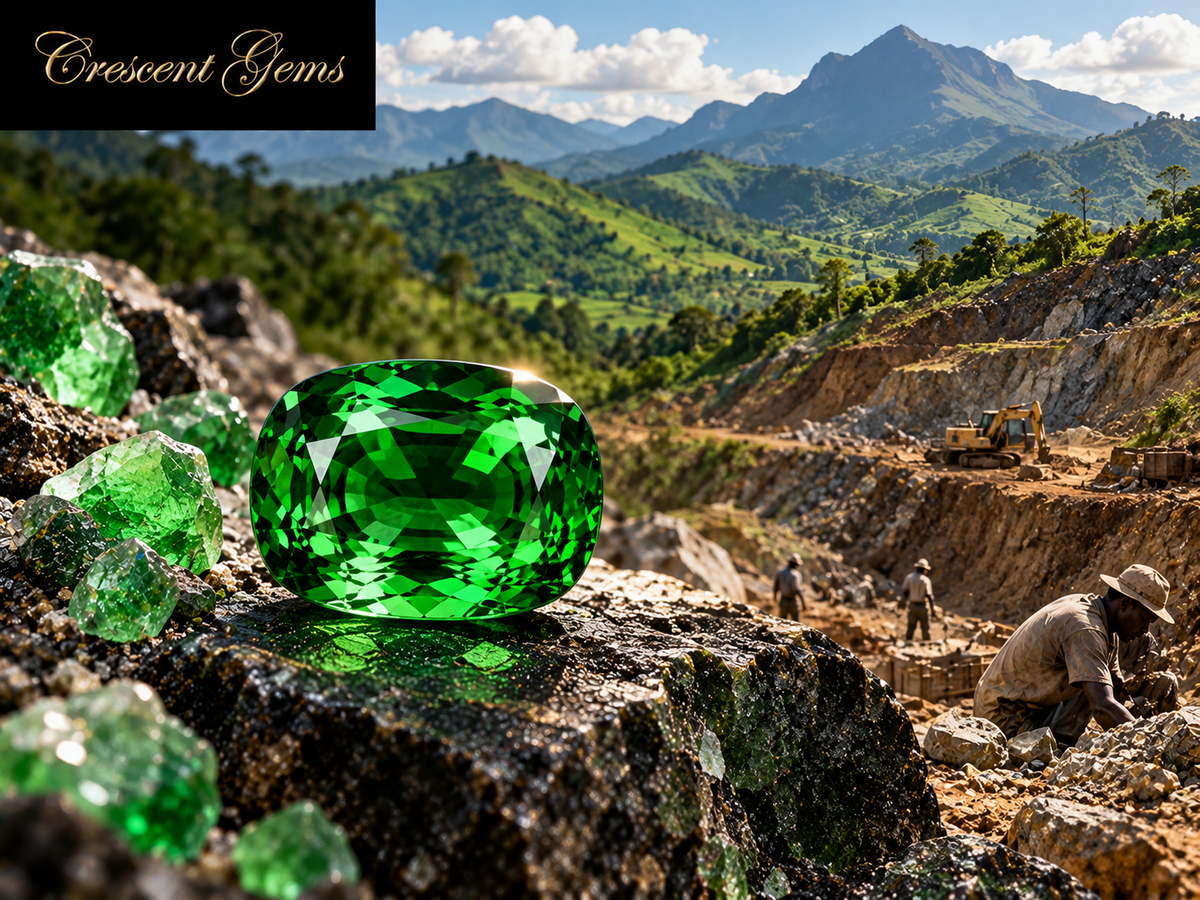
The primary Kenyan deposits are located in the Taita-Taveta District of southeastern Kenya, near the border with Tanzania and adjacent to Tsavo National Park. The most productive mining area is around the Scorpion Mine (originally developed by Campbell Bridges) and surrounding claims in the hills near Voi. The terrain is semi-arid bush country — hot, dry, and remote, with limited infrastructure and significant security challenges.
Kenyan tsavorite tends to produce a broad range of qualities, from small commercial-grade stones to exceptional gem-quality crystals that command premium prices internationally. The geological conditions in the Taita Hills have produced some of the finest large tsavorite crystals on record, though finding them requires deep mining into unstable rock formations.
Tanzanian tsavorite comes primarily from two areas. The Merelani Hills in the Arusha region — the same mining district that produces tanzanite — yield tsavorite alongside other garnets and gemstones from the same metamorphic formations. The Lemshuku area in the Simanjiro District has emerged as a significant tsavorite source, producing vivid material that competes with the best Kenyan stones.
Tanzanian mining is governed by a different regulatory framework than Kenya's, with the government taking an increasingly active role in controlling gem exports and requiring domestic value addition. The Tanzanian deposits tend to produce smaller crystals on average than the Kenyan deposits, though exceptional stones appear from both countries.

Tsavorite mining is fundamentally different from the alluvial sapphire mining practiced in Sri Lanka (see Pit Mining in Sri Lanka). Sapphire is found in loose gravel deposits where the gems have been freed from their host rock by millions of years of erosion. Tsavorite is found in situ — still embedded in the metamorphic rock where it crystallized. The mining is hard rock mining, not gravel washing, and the challenges are correspondingly different.
Tsavorite crystals do not occur in continuous veins or uniform layers. They form in pockets — localized cavities within the graphite-bearing gneiss where conditions were right for garnet crystallization. A mining operation may tunnel through meters of barren rock before encountering a pocket, and the pocket may contain a handful of crystals or hundreds. The unpredictability is extreme: a mine can go weeks without production, then hit a pocket that produces a year's revenue in a single day.
Miners follow the geological indicators — graphite-rich zones, calc-silicate nodules, specific rock textures — that suggest proximity to gem-bearing pockets. The process requires geological knowledge, experience, and a tolerance for uncertainty that makes tsavorite mining one of the highest-risk, highest-reward activities in the gem business.
Most tsavorite mining involves sinking vertical shafts and then tunneling horizontally along the gem-bearing geological horizon. In Kenya, shafts can reach 50 to 100 meters deep or more — far deeper than the typical 5 to 15 meter sapphire pits of Sri Lanka. The rock is hard but often unstable, particularly where graphite-rich zones create planes of weakness. Cave-ins are a serious and ongoing hazard.
The mining is predominantly manual. Workers use hand tools, pneumatic drills, and small amounts of explosive (where permitted) to break rock. Extracted material is hauled to the surface in buckets or bags. Mechanization is limited by the remote locations, difficult terrain, and the need to work carefully around gem-bearing zones to avoid damaging crystals.
The geological formation that hosts tsavorite is rich in graphite — the same form of carbon used in pencils. Graphite is soft, slippery, and structurally weak. When mining tunnels pass through graphite-rich zones, the walls become unstable and prone to collapse. The combination of depth, graphite instability, and limited reinforcement technology makes tsavorite mining one of the most dangerous forms of artisanal gemstone extraction in the world.
Tragically, fatal accidents in tsavorite mines are not uncommon. The economic incentive to continue mining in unstable conditions — knowing that the next meter of tunnel might contain a pocket worth thousands of dollars — creates a risk calculus that is difficult to manage, particularly in artisanal operations without engineering oversight.
Tsavorite's rarity is not just geological — it is compounded by every stage of the supply chain:
Small crystal size. Tsavorite crystals are typically small. The vast majority of gem-quality rough weighs under 2 carats, and finished stones above 2 carats are genuinely uncommon. Stones above 5 carats are collector pieces. This is a fundamental constraint of the mineral's crystallography — grossular garnet does not form large crystals in these geological conditions the way corundum does in Sri Lanka.
Fragile in extraction. Tsavorite crystals, while durable once cut, can be fragile during extraction. The graphite matrix surrounding the crystals can shift under mining pressure, and improper extraction technique can fracture or shatter gem-quality crystals before they ever leave the mine. The yield of gem-quality material from rough extraction is lower than for many other gemstones.
Limited deposits. The geological conditions required for tsavorite formation — the specific metamorphic environment, the right trace element chemistry, the pocket-forming conditions — are rare. Commercial deposits are confined to the Kenya-Tanzania border region, with minor occurrences in Madagascar and Pakistan that have not produced material at meaningful commercial scale.
Infrastructure and security challenges. The mining areas are remote, with limited roads, electricity, and water. Security concerns — including land disputes, claim-jumping, and the general challenges of operating in frontier mining environments — add cost and risk that are reflected in the final price of the stone.
The tsavorite supply chain is shorter than many gemstone chains but has its own complexity:
At Crescent Gems, we source tsavorite through established networks connected to the East African gem trade. Every stone in our tsavorite collection is natural, individually photographed under standardized lighting, and listed with its treatment status. Tsavorite is virtually always untreated; clarity enhancement is used on a minority of stones, and where one of ours carries it we say so on the listing.
The contrast between tsavorite mining in East Africa and sapphire mining in Sri Lanka illustrates how extraction conditions shape the gemstone market:
| Factor | Tsavorite (Kenya/Tanzania) | Sapphire (Sri Lanka) |
|---|---|---|
| Deposit type | Primary (in host rock) | Alluvial (loose in gravel) |
| Mining depth | 50–100+ meters | 3–15 meters |
| Rock type | Hard gneiss with unstable graphite | Soft alluvial gravel and clay |
| Gem occurrence | Scattered pockets, unpredictable | Continuous gravel layer |
| Typical crystal size | Small (most under 2ct finished) | Wide range (0.5–5ct+ common) |
| Species diversity | Limited (tsavorite, other garnets) | Extraordinary (sapphire, ruby, spinel, garnet, chrysoberyl) |
| Safety risk | High (deep shafts, unstable rock) | Moderate (shallow, reinforced) |
| Environmental impact | Moderate (hard rock, some deforestation) | Minimal (shafts backfilled, land restored) |
| Mining history | Since 1967 (~60 years) | Over 2,000 years |
These differences explain why tsavorite above 2 carats is so much rarer and more expensive per carat than sapphire of comparable visual quality. The extraction is harder, the crystals are smaller, the deposits are less predictable, and the mining infrastructure is less developed. Every tsavorite carries these costs embedded in its price.
Tsavorite supply faces both constraints and opportunities. The known deposits in Kenya and Tanzania are being actively mined, with no major new discoveries in recent decades. As the easier-to-access shallow pockets are exhausted, mining moves deeper — increasing cost, risk, and the per-carat price of recovered material. Some geological surveys suggest that the Mozambique Belt may contain undiscovered tsavorite deposits in other countries (Mozambique, Madagascar, Pakistan), but none have produced commercial quantities comparable to the Kenya-Tanzania deposits.
For buyers and collectors, the supply picture supports long-term value appreciation. Tsavorite is a finite resource from limited deposits, with rising extraction costs and no synthetic alternative that matches the natural stone's characteristics. Fine tsavorite above 1 carat — particularly stones with vivid saturation, excellent clarity, and strong brilliance — is likely to become increasingly scarce and increasingly valuable over the coming decades.
Browse our tsavorite garnet collection — every stone natural, with its treatment status on the listing. For the Mohs 9 green alternative, see our green sapphire collection. Email crescentgems@gmail.com with questions. We respond within one business day.

CG8417

CG8460
CG8359
CG8360
CG8465
CG8447


Blue Star Sapphire Price Guide — What They Cost and Why
Read moreabout Blue Star Sapphire Price Guide — What They Cost and Why
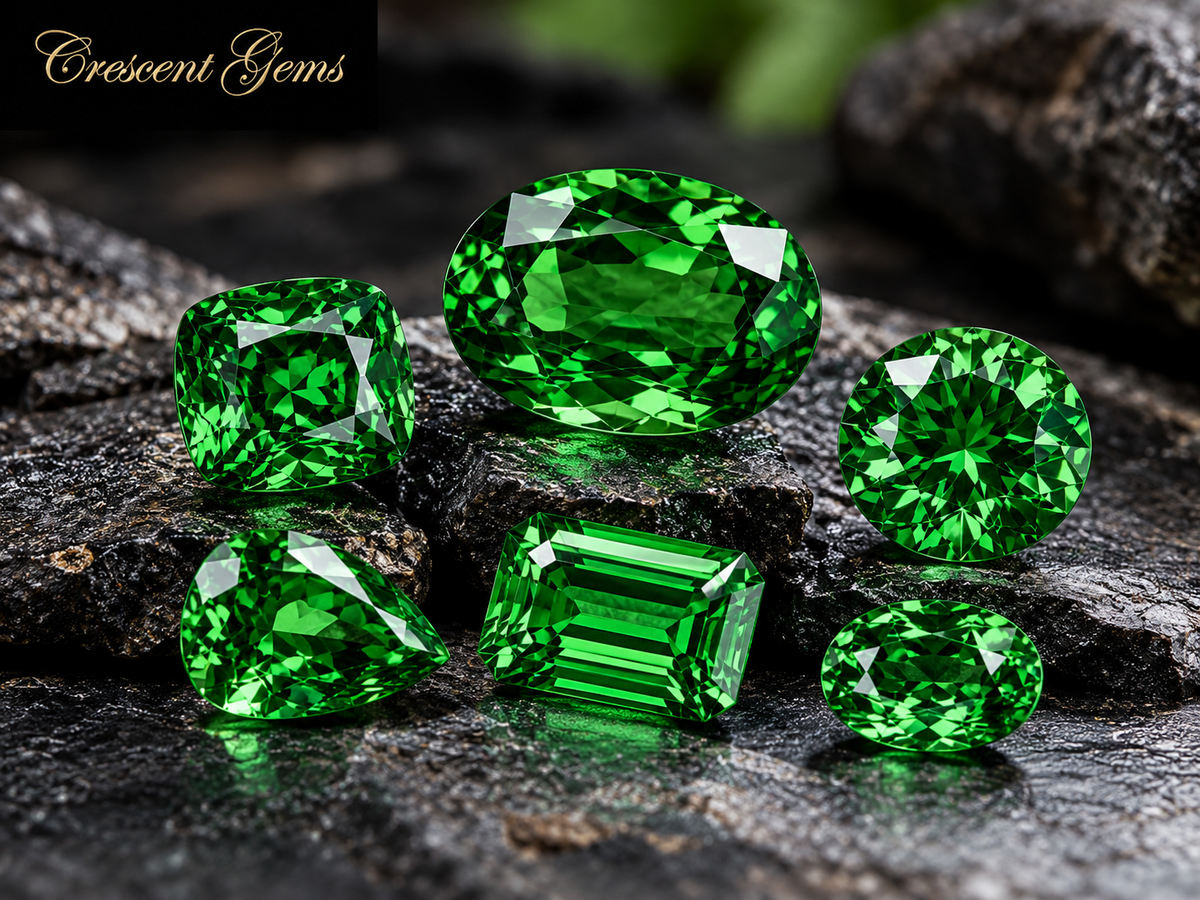
Tsavorite Garnet Price Guide — What They Cost and Why
Read moreabout Tsavorite Garnet Price Guide — What They Cost and Why
Color-Change Sapphire Price Guide — What They Cost and Why
Read moreabout Color-Change Sapphire Price Guide — What They Cost and Why
Is Cat's-Eye Chrysoberyl Good for an Engagement Ring?
Read moreabout Is Cat's-Eye Chrysoberyl Good for an Engagement Ring?
Cat's Eye Chrysoberyl Price Guide — What They Cost and Why
Read moreabout Cat's Eye Chrysoberyl Price Guide — What They Cost and Why