

Natural Sapphire & Gemstone Buying Guides
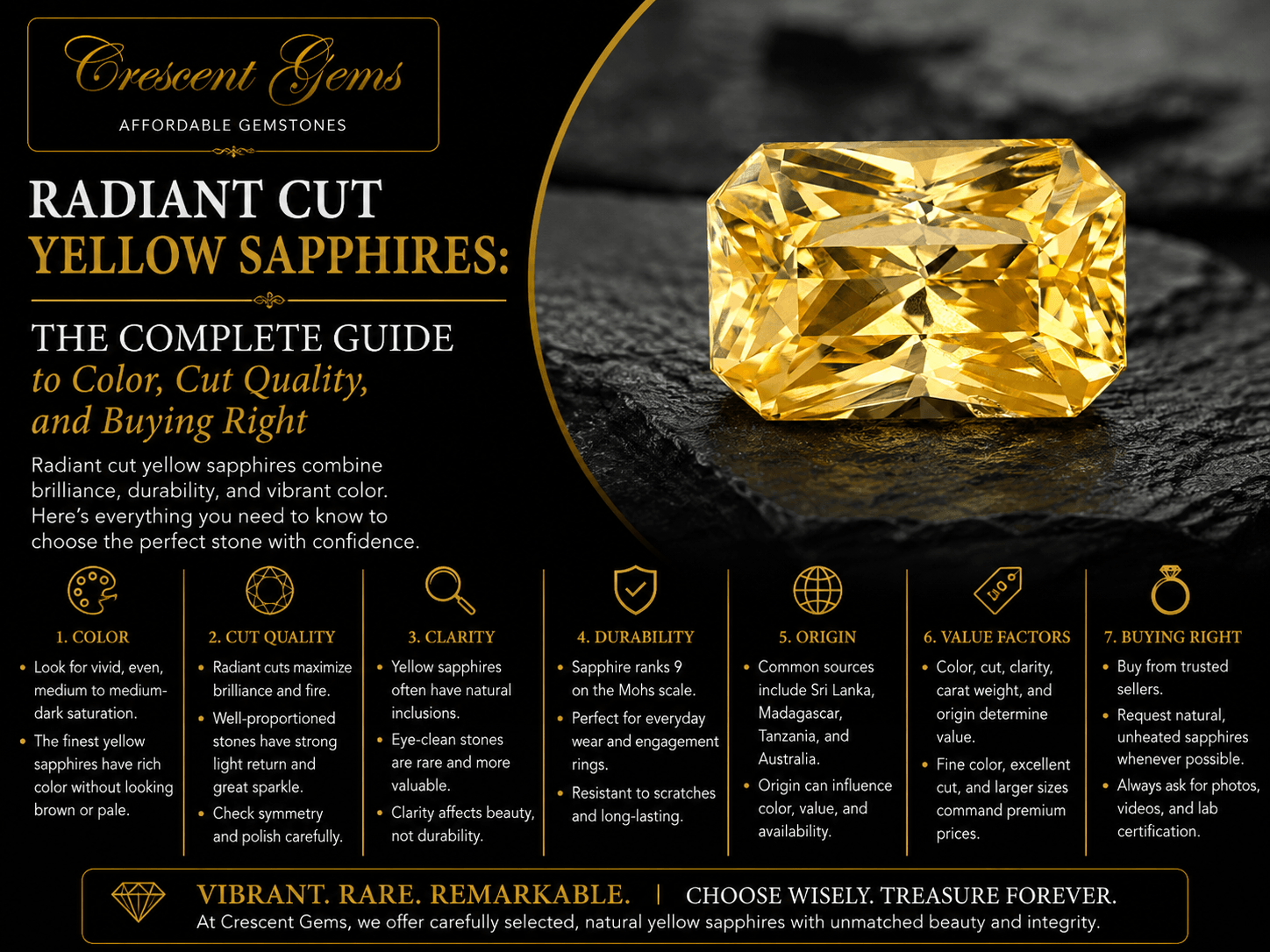
Radiant Cut Yellow Sapphires: The Complete Guide to Color, Cut Quality, and Buying Right
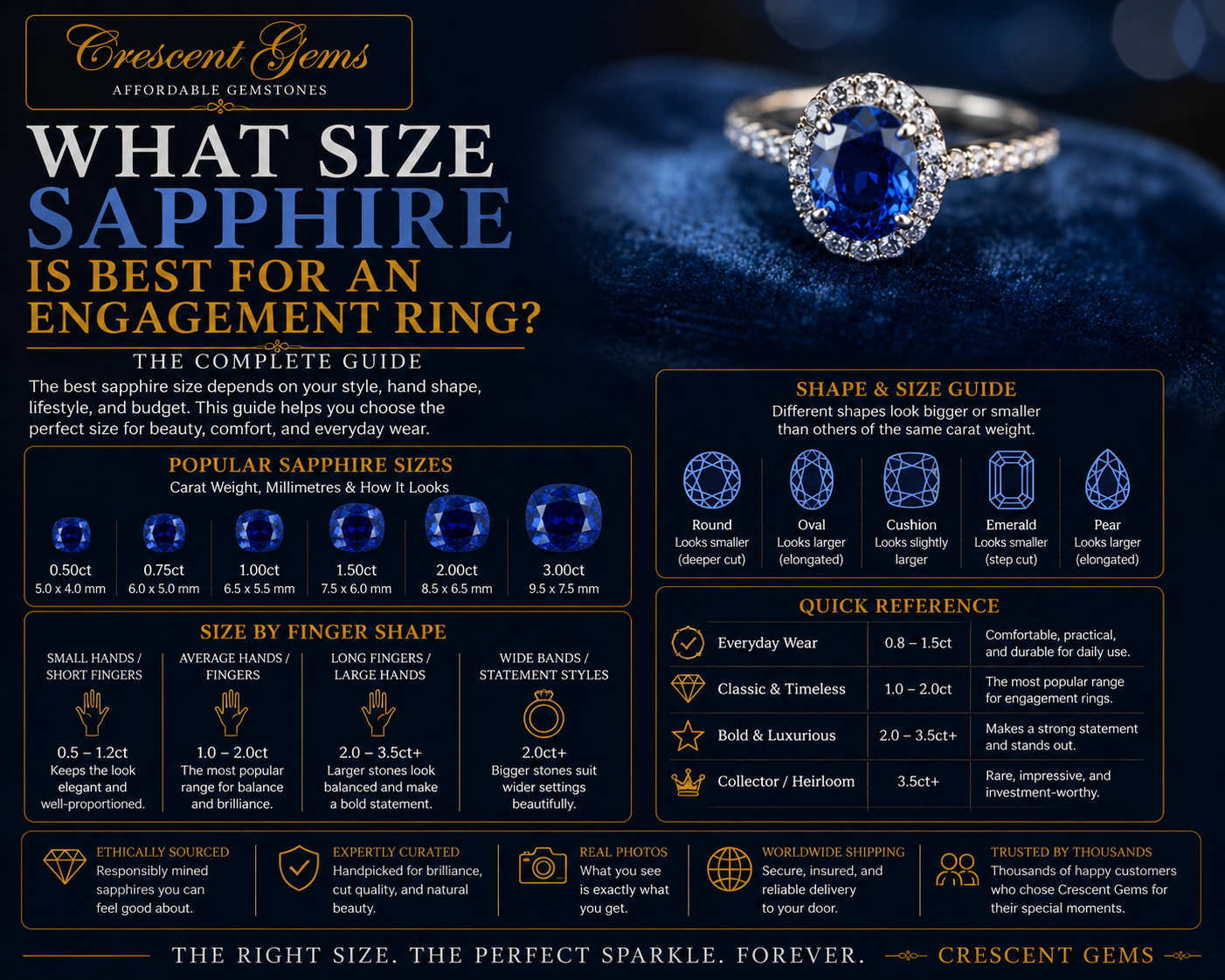
What Size Sapphire Is Best for an Engagement Ring? Carat Weight, Millimeters, and How to Choose
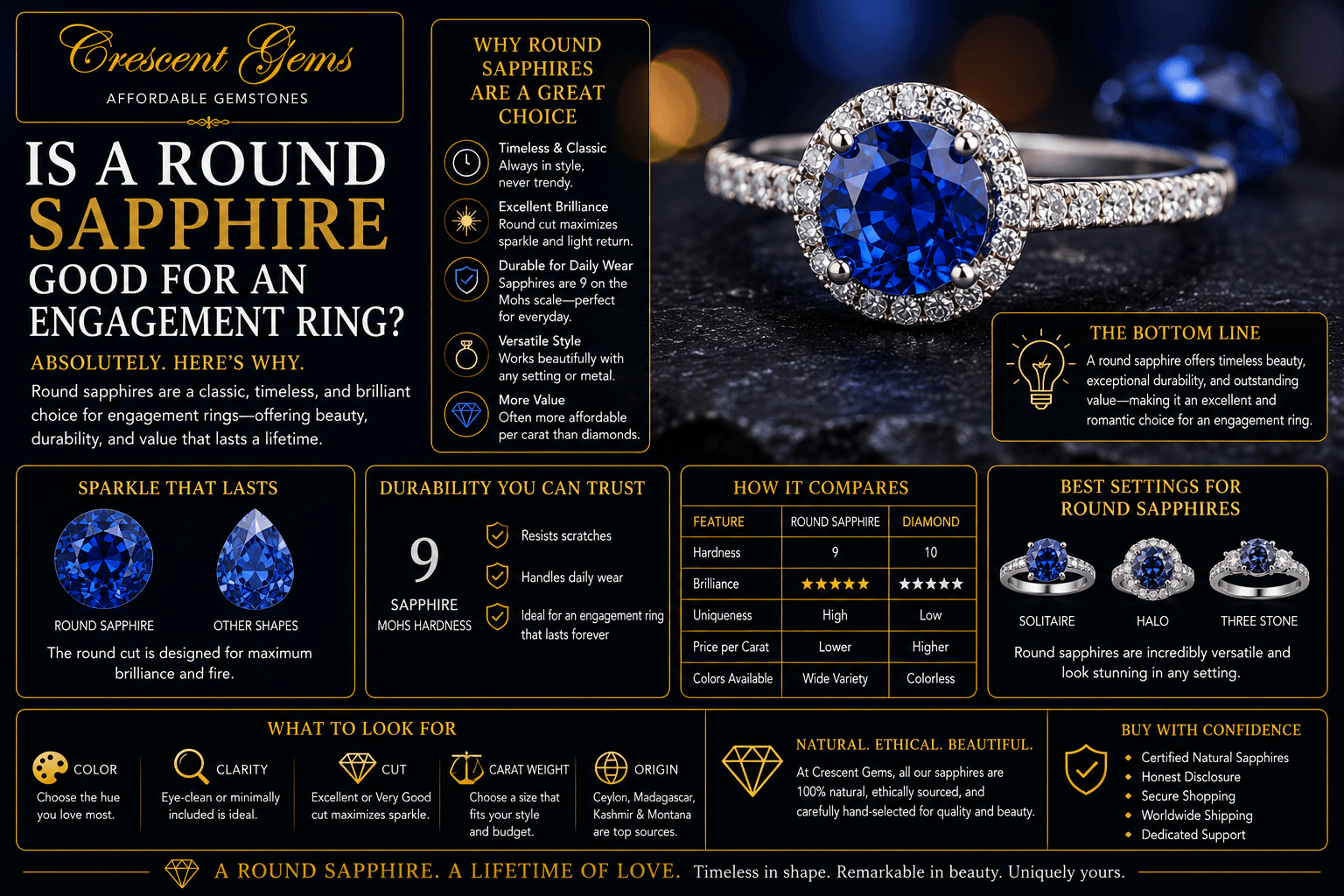
Is a Round Sapphire Good for an Engagement Ring? Cut, Color, and What to Know Before You Buy
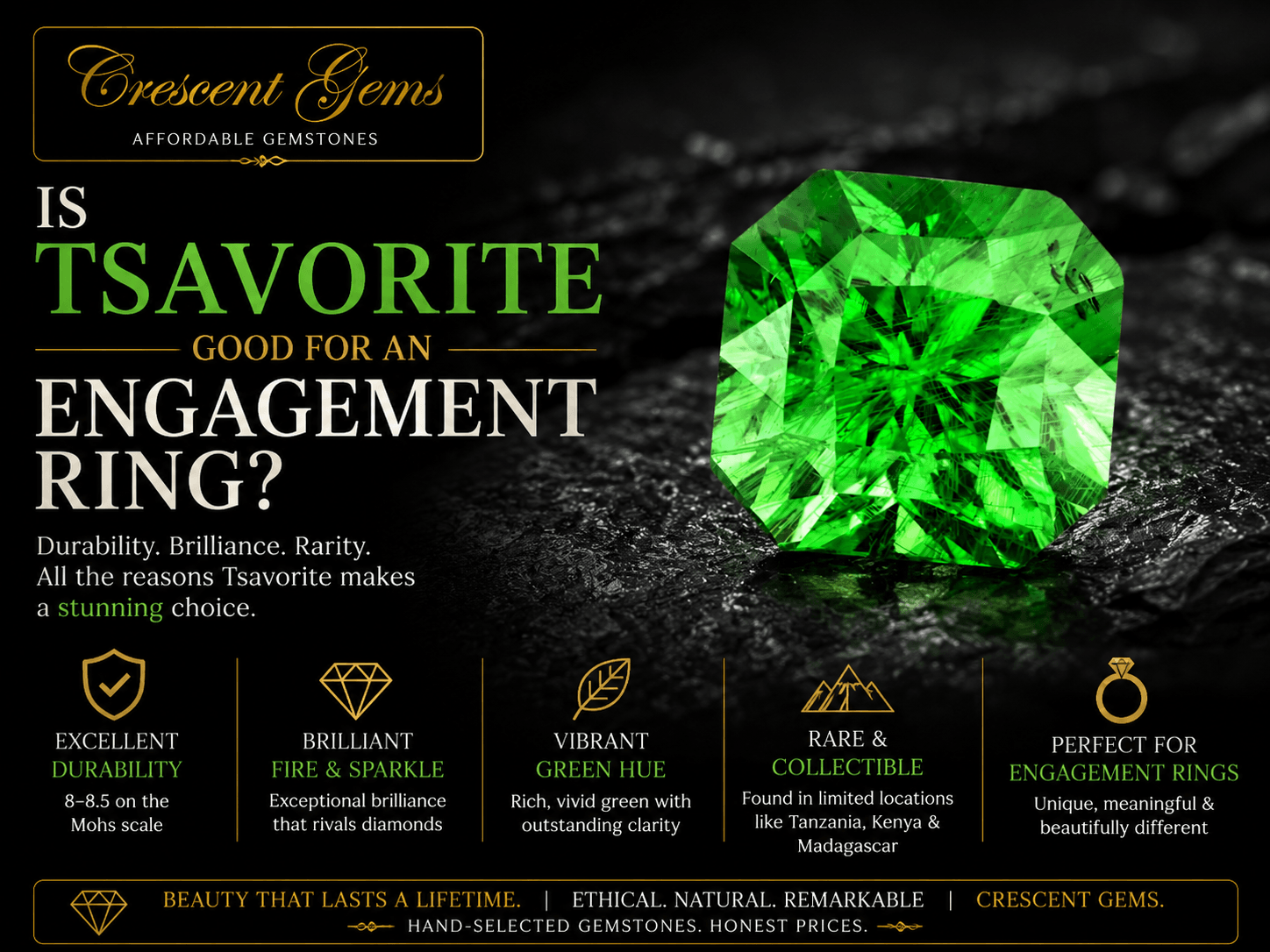
Is Tsavorite Good for an Engagement Ring? Durability, Color, and What Buyers Need to Know
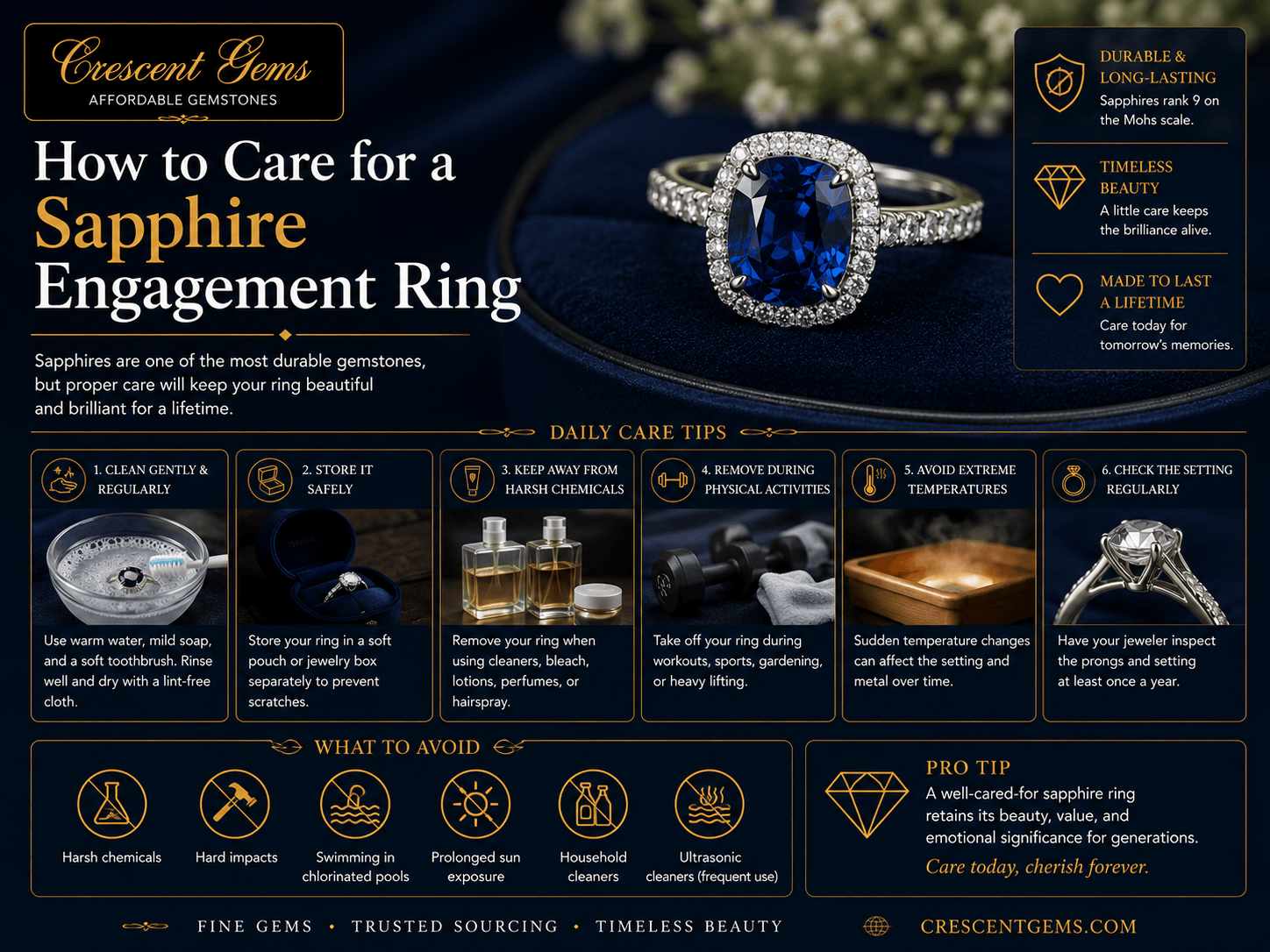
How to Care for a Sapphire Engagement Ring: Cleaning, Storage, and What to Avoid
Read moreabout How to Care for a Sapphire Engagement Ring: Cleaning, Storage, and What to Avoid
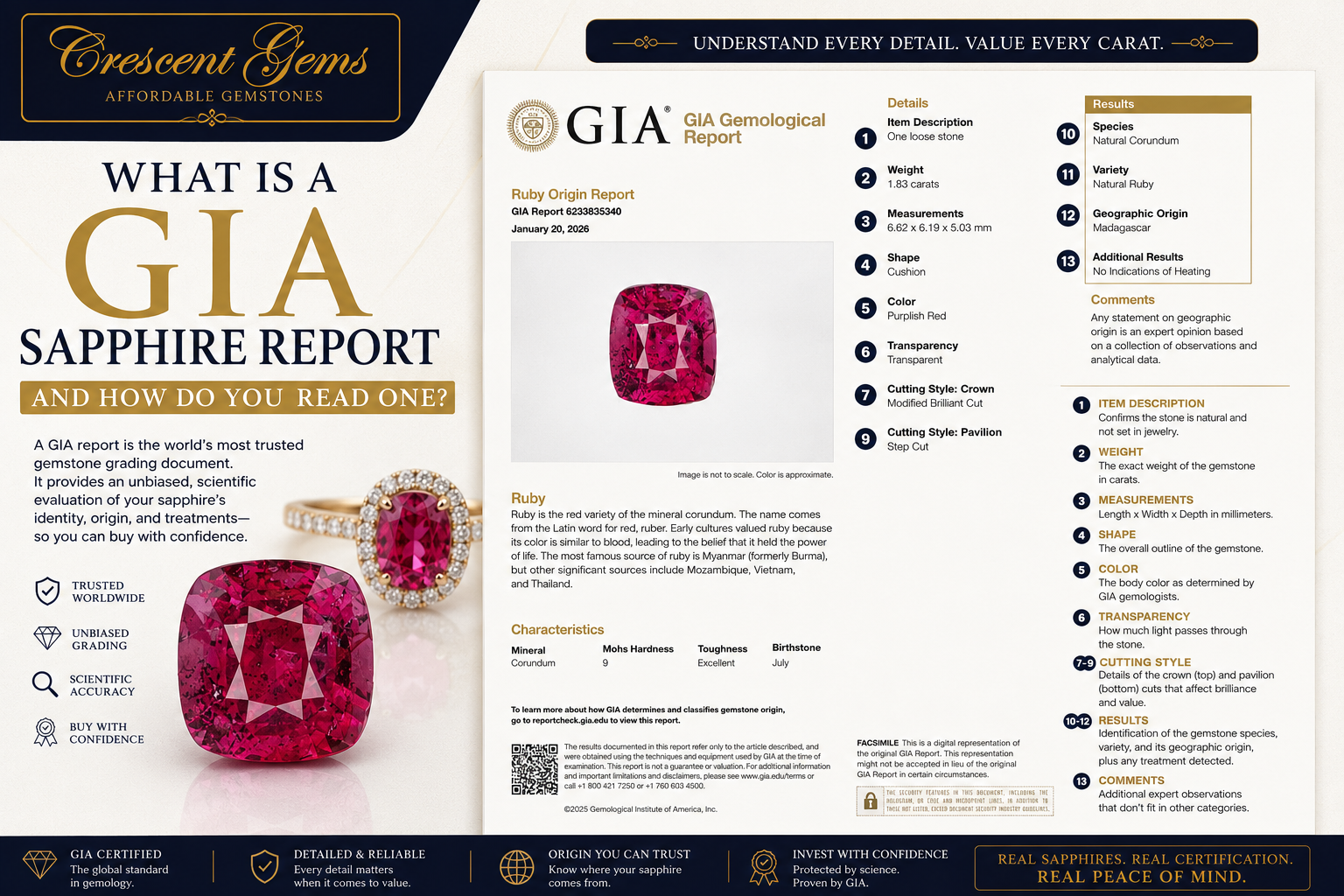
What Is a GIA Sapphire Report and How Do You Read One?
Read moreabout What Is a GIA Sapphire Report and How Do You Read One?
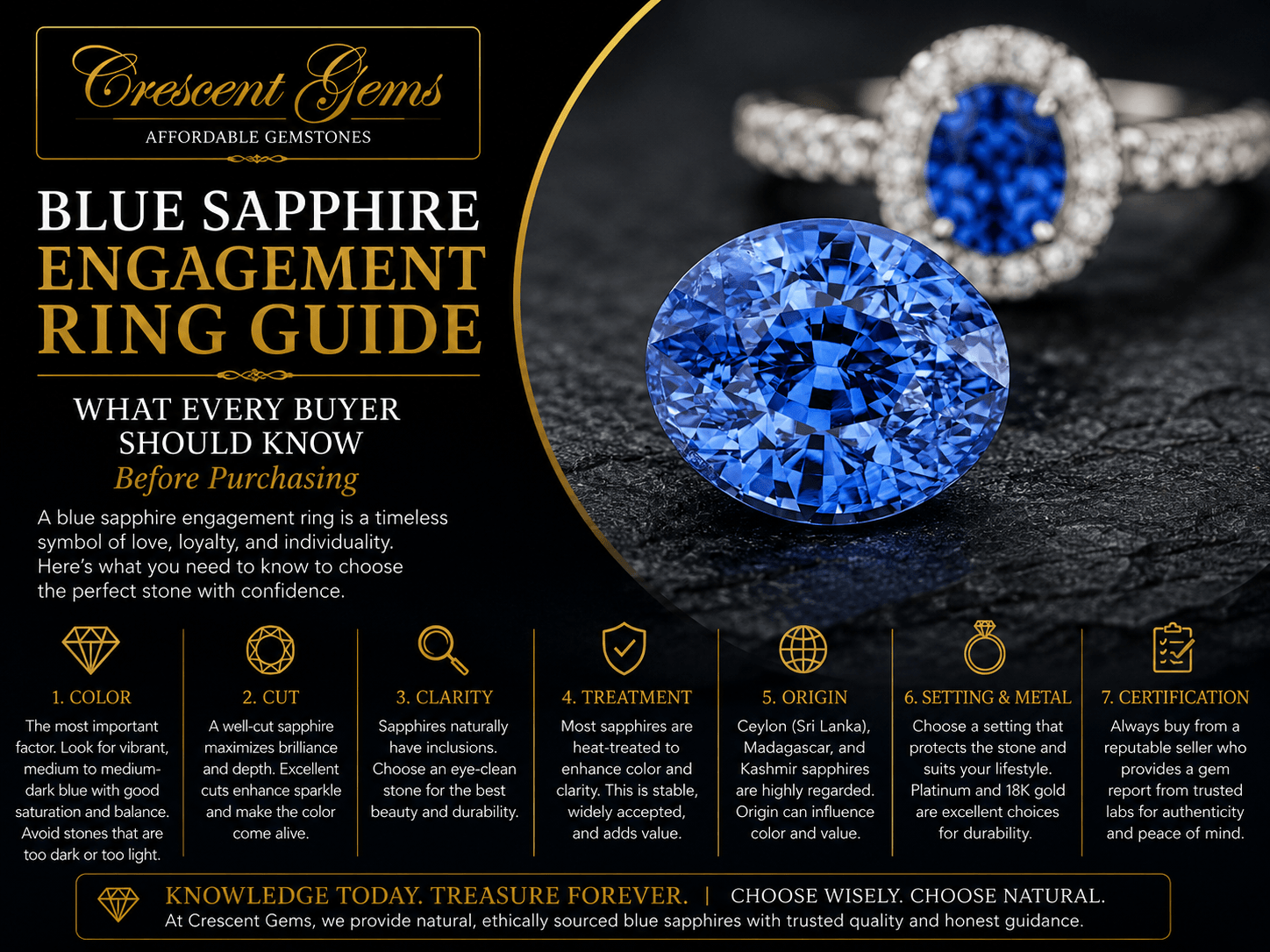
Blue Sapphire Engagement Ring Guide: What Every Buyer Should Know Before Purchasing
Read moreabout Blue Sapphire Engagement Ring Guide: What Every Buyer Should Know Before Purchasing
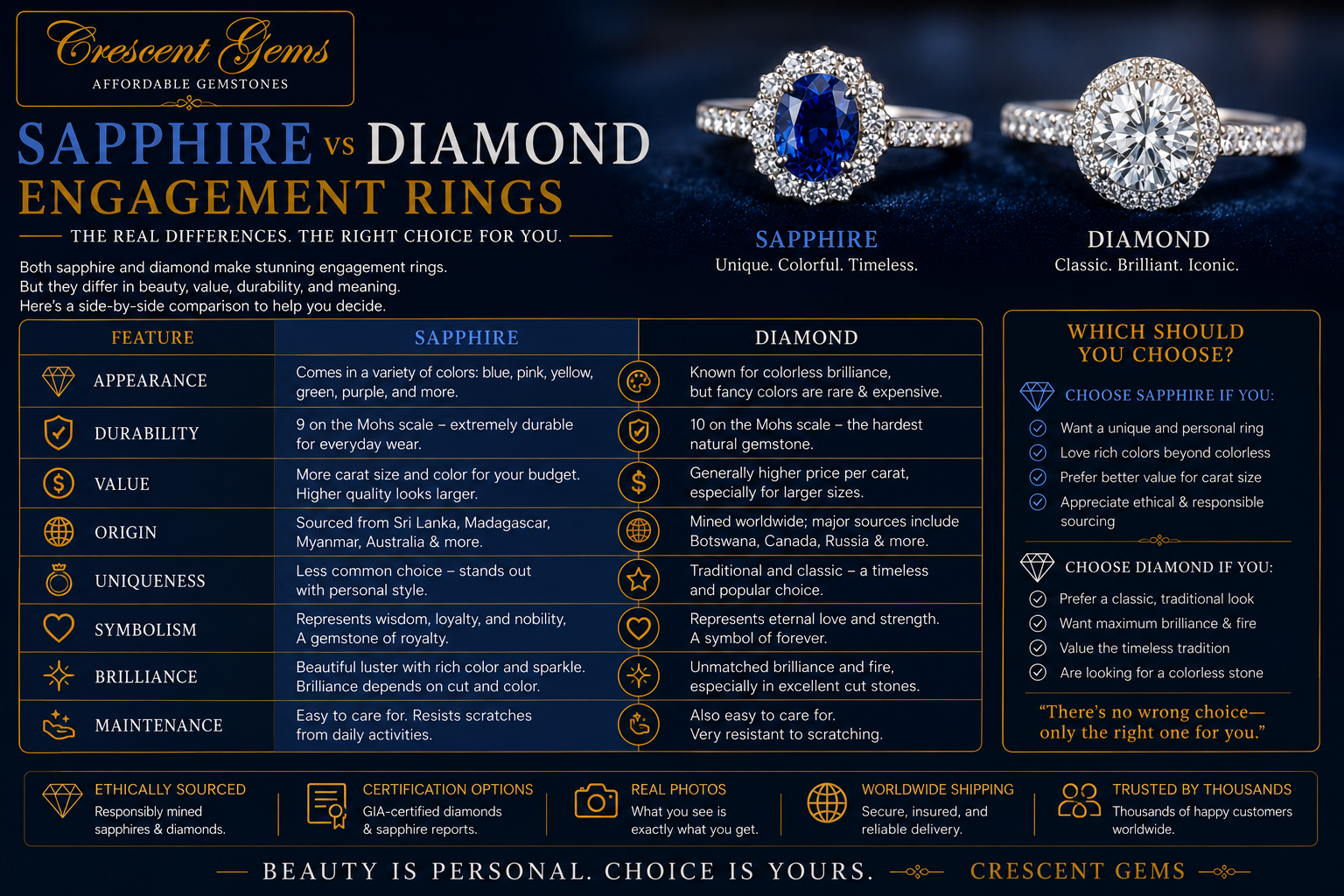
Sapphire vs Diamond Engagement Rings: The Real Differences, and How to Choose the Right Sapphire
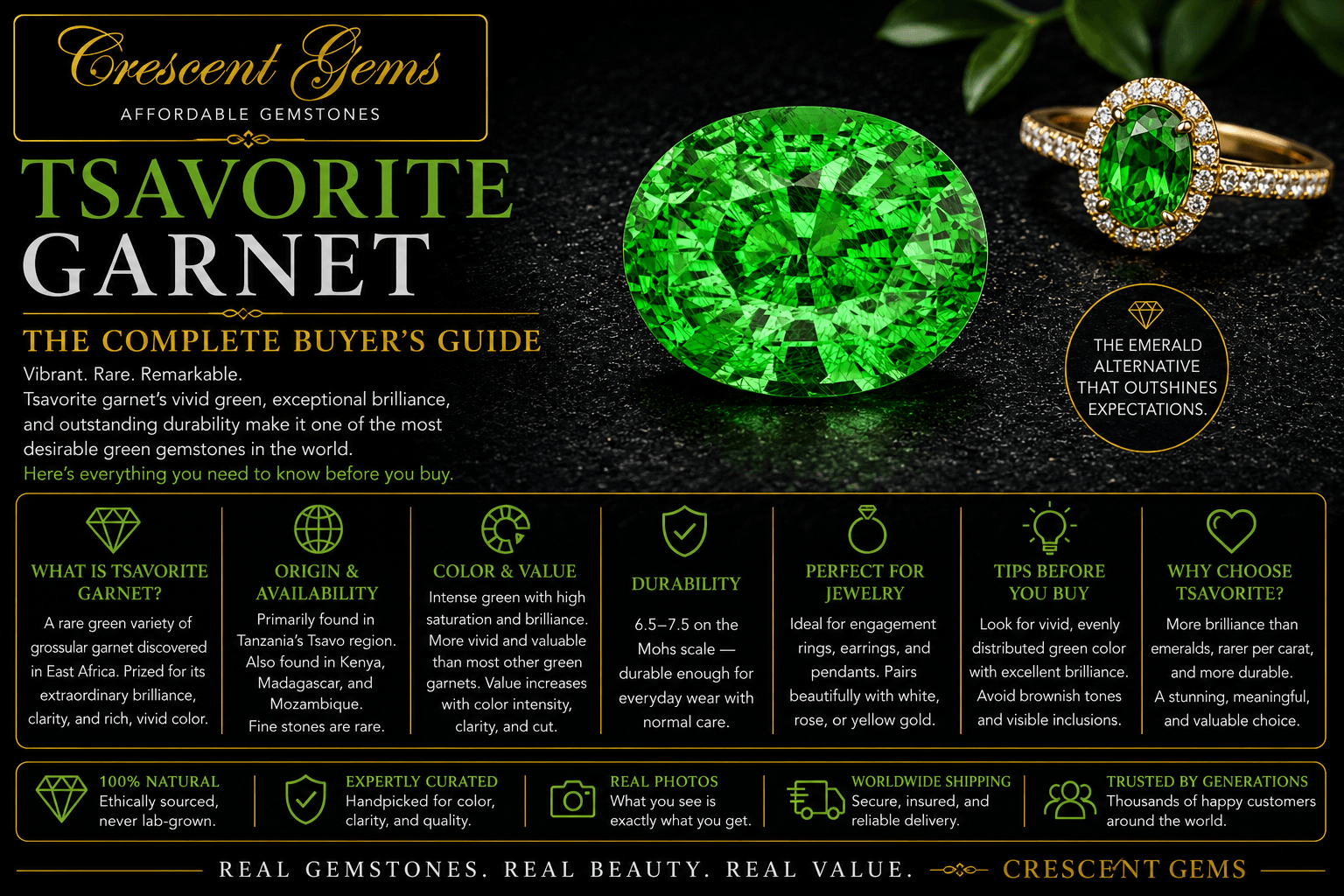
Tsavorite Garnet — The Complete Buyer's Guide to the World's Most Brilliant Green Gemstone
Tsavorite garnet is the most brilliant natural green gemstone in the world — never treated, always natural color, more refractive than emerald, and priced at roughly 30–50% of comparable Colombian emerald. This guide covers the gemology, the Campbell Bridges discovery story, the color spectrum, why tsavorite is structurally always untreated, full comparisons with emerald and green sapphire, quality grading across all four variables, East African origin and mining, pricing, engagement ring durability and settings, and certification guidance.
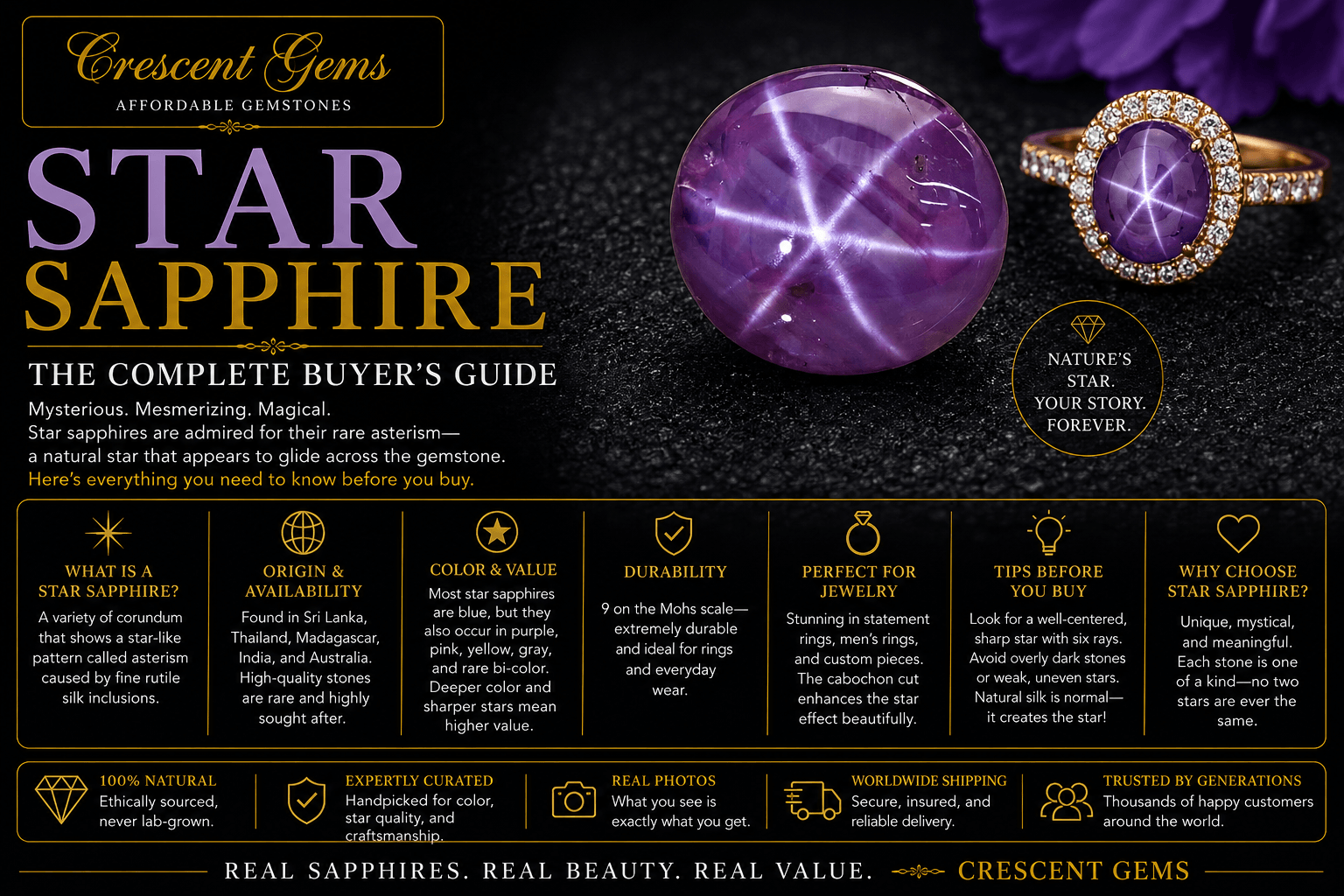
Star Sapphire — The Complete Buyer's Guide to the Phenomenon Gemstone
Star sapphire displays a six-rayed asterism — a star of light that moves across the dome — caused by needle-like rutile silk inclusions aligned in three crystallographic directions. Every natural star sapphire is unheated. This guide covers how asterism forms, the six quality factors including star sharpness and the milk and honey effect, the full color family breakdown, natural vs. Linde synthetic identification, diffusion treatment, origin differences, Jyotish use, pricing, setting advice, and a 9-point evaluation checklist.
Read moreabout Star Sapphire — The Complete Buyer's Guide to the Phenomenon Gemstone
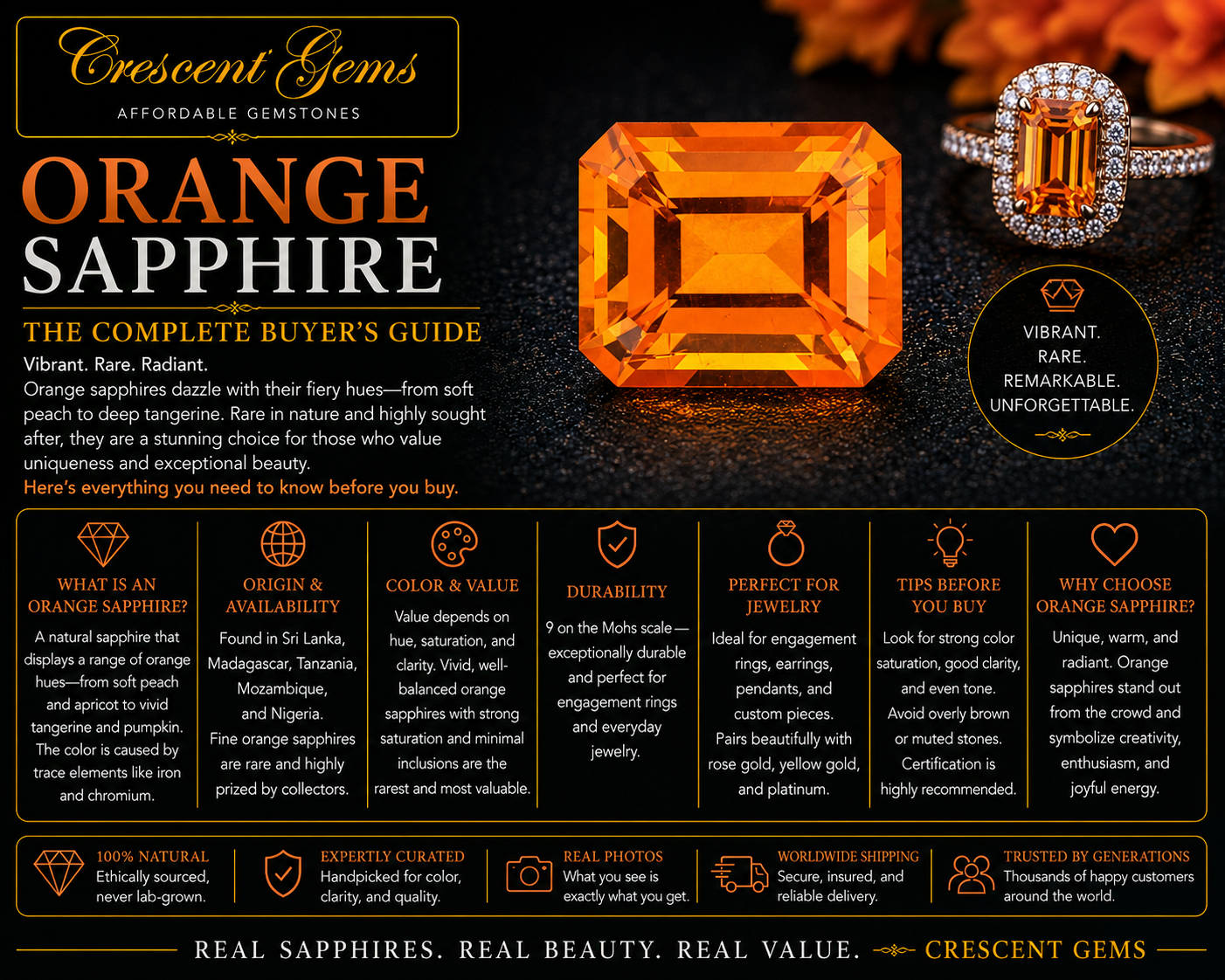
Orange Sapphire — The Complete Buyer's Guide to the Rarest Warm-Toned Corundum
Orange sapphire is the rarest warm-toned color in natural corundum — vivid pure orange occurs in fewer than 1% of mined sapphires globally. This guide covers the iron-chromium color science, the full orange spectrum from golden-orange to vivid pure orange, the padparadscha boundary, beryllium diffusion fraud risk, origin differences, heat treatment, pricing, skin tone and metal pairing, engagement ring cuts, and comparisons with orange spinel and mandarin garnet.
Read moreabout Orange Sapphire — The Complete Buyer's Guide to the Rarest Warm-Toned Corundum
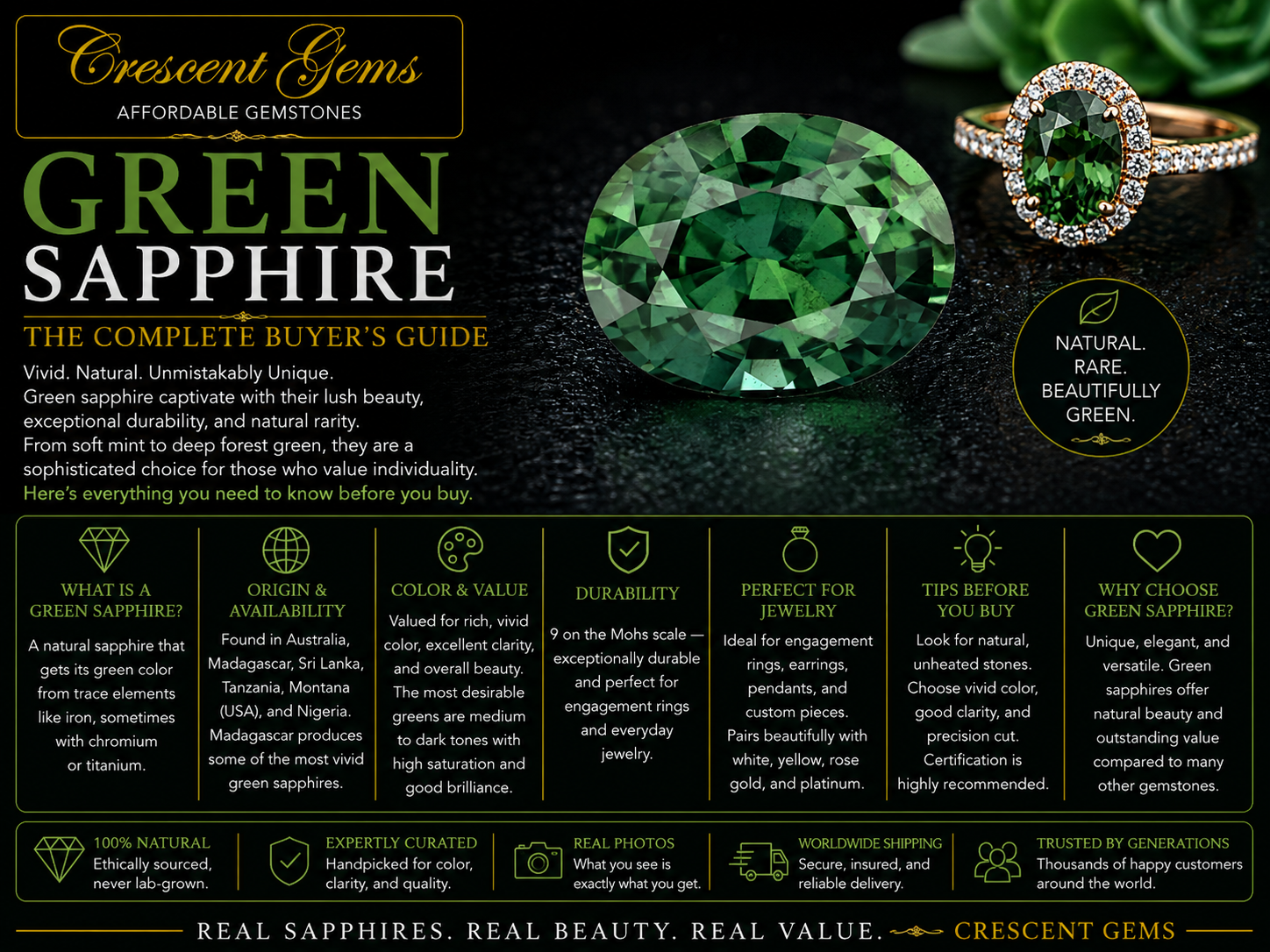
Green Sapphire — The Complete Buyer's Guide to the Emerald Alternative That Lasts
Green sapphire is natural corundum in the green color family — Mohs 9 hardness, almost always unheated, and one of the most durable and practical alternatives to emerald available. This guide covers the full color spectrum from pale mint to vivid forest green, the complete green sapphire vs. emerald and tsavorite comparisons, origin differences, why heat treatment almost always damages green color, pricing, skin tone and metal pairing, and the best engagement ring cuts.
Read moreabout Green Sapphire — The Complete Buyer's Guide to the Emerald Alternative That Lasts
