

- by Ahmed Shareek
The Sapphire Buyer's Field Guide — Six Checks Before You Buy
- by Ahmed Shareek
Six checks that separate a real sapphire from an expensive mistake.
This is not a textbook. It is the sequence I actually run through when I am handed a stone I have not seen before — condensed so you can use it while you are looking at a listing, standing in a shop, or waiting on a seller's reply.
It takes about ten minutes to read once, and about ninety seconds to run.
Most people lose money on sapphires in one of two ways. Either they buy something that is not sapphire at all, or — far more commonly — they buy a real sapphire and pay a real-sapphire price for a stone whose colour came out of a furnace. The first is easy to catch. The second is the one that costs serious money.
Five things get sold as natural sapphire. Only one of them is.
| What it is | What gives it away | Can you catch it yourself? |
|---|---|---|
| Glass | Round gas bubbles, swirl marks, warms fast in the hand, scratches easily, feels light for its size | Yes — easily |
| Flame-fusion synthetic | Curved growth lines, no inclusions at all, perfectly even colour, implausible price | Yes — with a loupe |
| Doublet (two materials glued) | A seam at the girdle, a flat glue plane, bubbles in the cement layer | Yes — look at the side |
| Flux-grown synthetic | Wispy veil-like flux fingerprints, sometimes metallic residue | Rarely — needs a gemologist |
| Beryllium-diffused | Nothing. It is real corundum with a false colour. | No — needs a laboratory |
The density difference is your friend on the first one. Sapphire's specific gravity is about 4.00; glass sits around 2.4–2.8. A glass stone feels surprisingly light for its size, and after you have handled a few hundred stones you can pick it in the hand before you reach for a loupe.
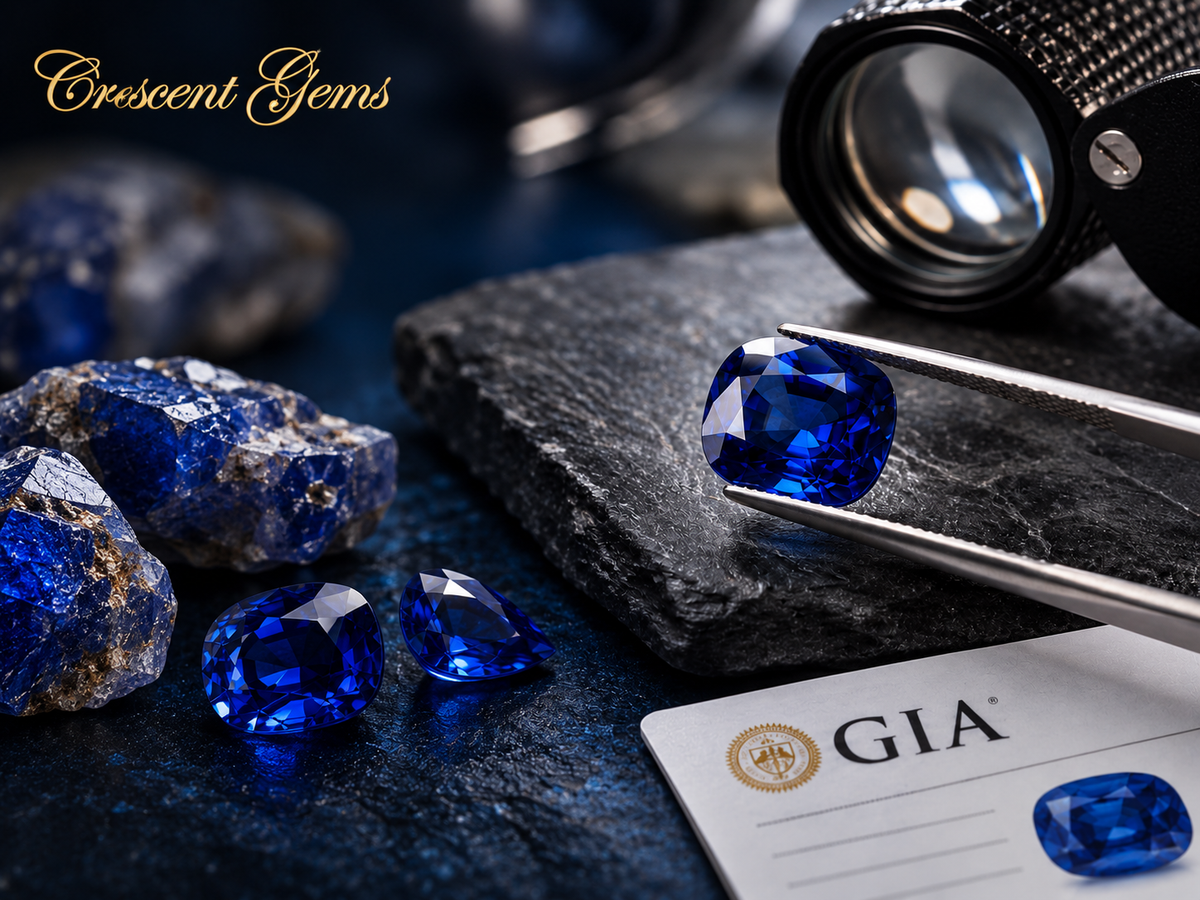
Get a 10× jeweller's loupe. They cost very little and they will save you thousands. Hold the stone to a strong light and look for four things, in this order:
1. Round bubbles. A perfectly round gas bubble is a strong indication of glass or a flame-fusion synthetic. Natural corundum can host inclusions that look nearly spherical, so treat a round bubble as a reason to stop and check rather than a verdict on its own. This single observation eliminates most fakes on the market.
2. Curved lines. Natural corundum grows in a trigonal structure, so its internal growth lines are straight and angular. Flame-fusion synthetics are grown on a rotating boule, so their growth lines are gently curved. Curved growth lines are not produced by natural crystal growth; if you see them, treat the stone as synthetic until a laboratory says otherwise.
3. Inclusions — or the absence of them. Natural sapphire nearly always shows something: silk, fingerprints, small mineral crystals, colour zoning. A large, vivid, completely clean stone at an attractive price is not a bargain. It is a warning.
4. A line at the girdle. Look at the stone from the side, not face-up. A visible seam, a colour break, or a suspiciously flat internal plane at the widest point means you are looking at a doublet.
The breath test is worth thirty seconds as a first pass: fog the stone as you would a mirror. Sapphire conducts heat well and clears noticeably faster than glass. It will not distinguish natural from synthetic — both are corundum — but it catches glass instantly.
This is where most money is lost, because none of these make a stone fake. They change what it is worth, and the difference can be large — we quote no multiple for it, because the only honest way to judge the gap on a particular stone is from its report.
Heat treatment. The industry standard. Most sapphires on the market are heated to improve colour and clarity, and there is nothing wrong with a heated stone sold as heated. An unheated stone of equal appearance commands a substantial premium — which is precisely why heated stones sometimes get quietly sold as unheated.
Beryllium diffusion. The one to fear. Beryllium atoms are driven into the crystal at extreme temperature, producing vivid yellow, orange, and padparadscha-like colours the stone never naturally had. It is genuinely natural corundum, so it passes every test you can run at home — loupe, breath, scratch, weight, all of it. The price difference against a naturally coloured equivalent is substantial, and again we quote no multiple — establish it from the report rather than from a rule of thumb. Detection requires LA-ICP-MS, which only major laboratories have.
If you are buying an orange, padparadscha, or vivid yellow sapphire above $500, require a lab report that explicitly addresses beryllium. Not a general report. One that names it.
Lead-glass filling. Low-grade corundum with its fractures filled by molten glass. It looks acceptable face-up and is structurally compromised — ordinary jewellery cleaning solutions can damage it.
Lattice diffusion of titanium. Produces a thin surface layer of blue colour on pale material. Recutting or repolishing can remove the colour entirely.
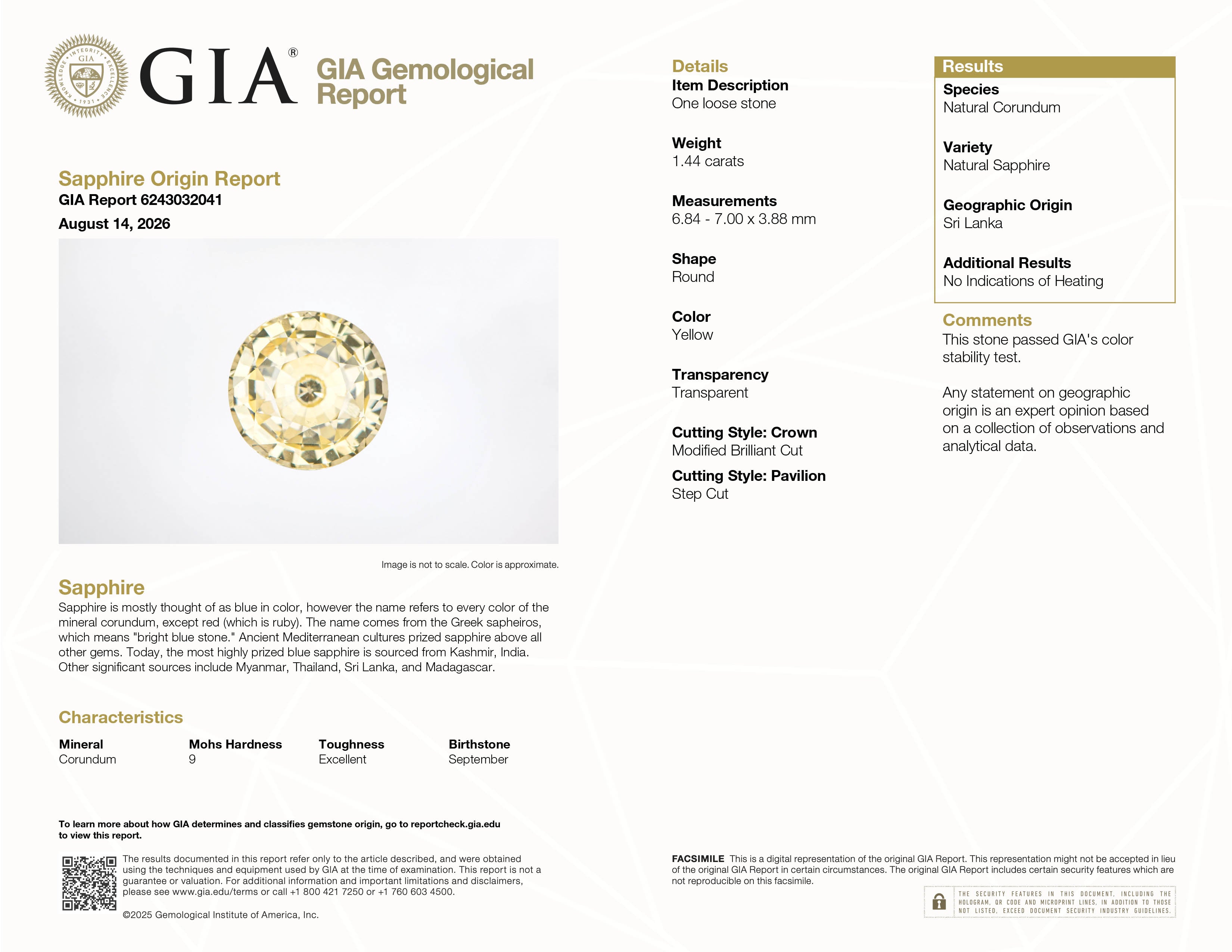
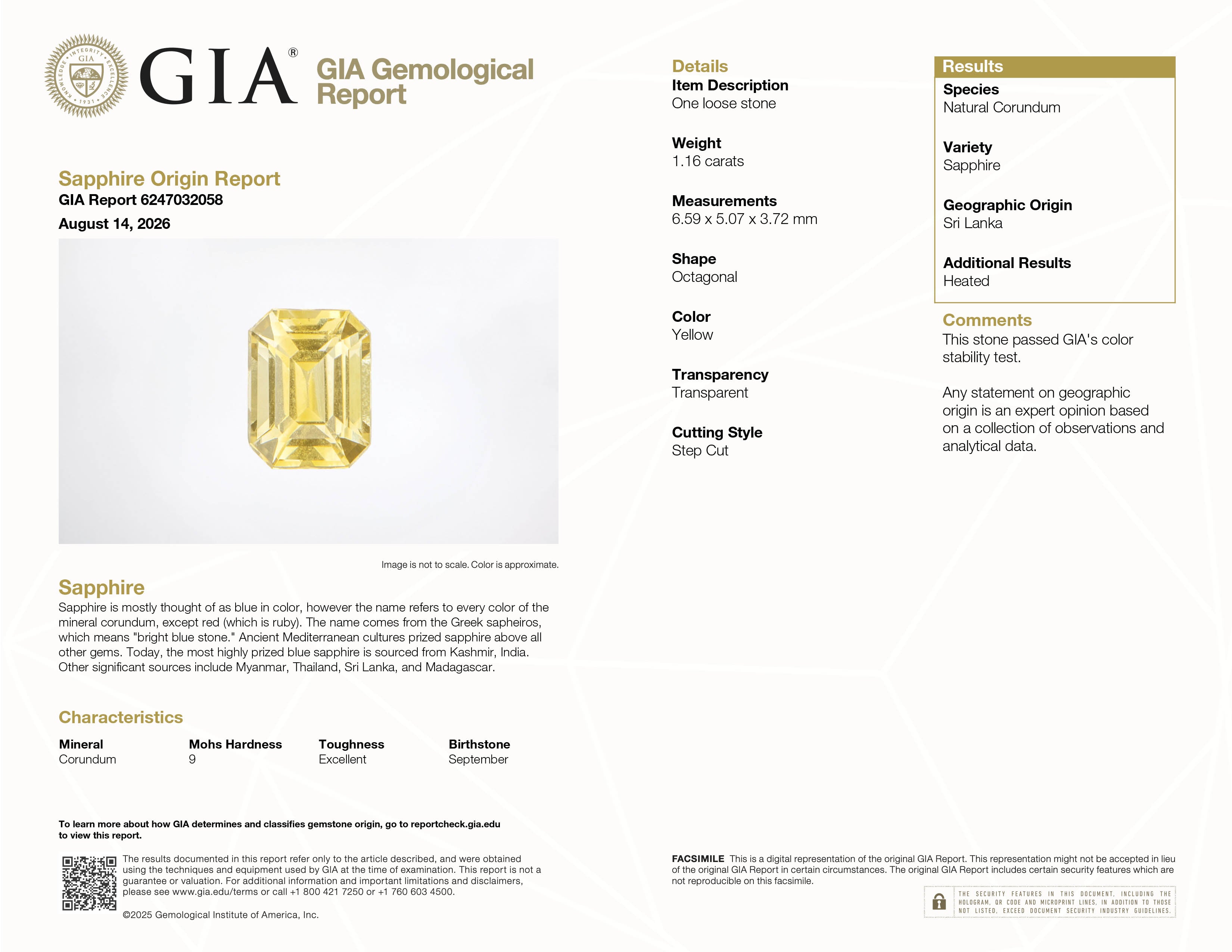
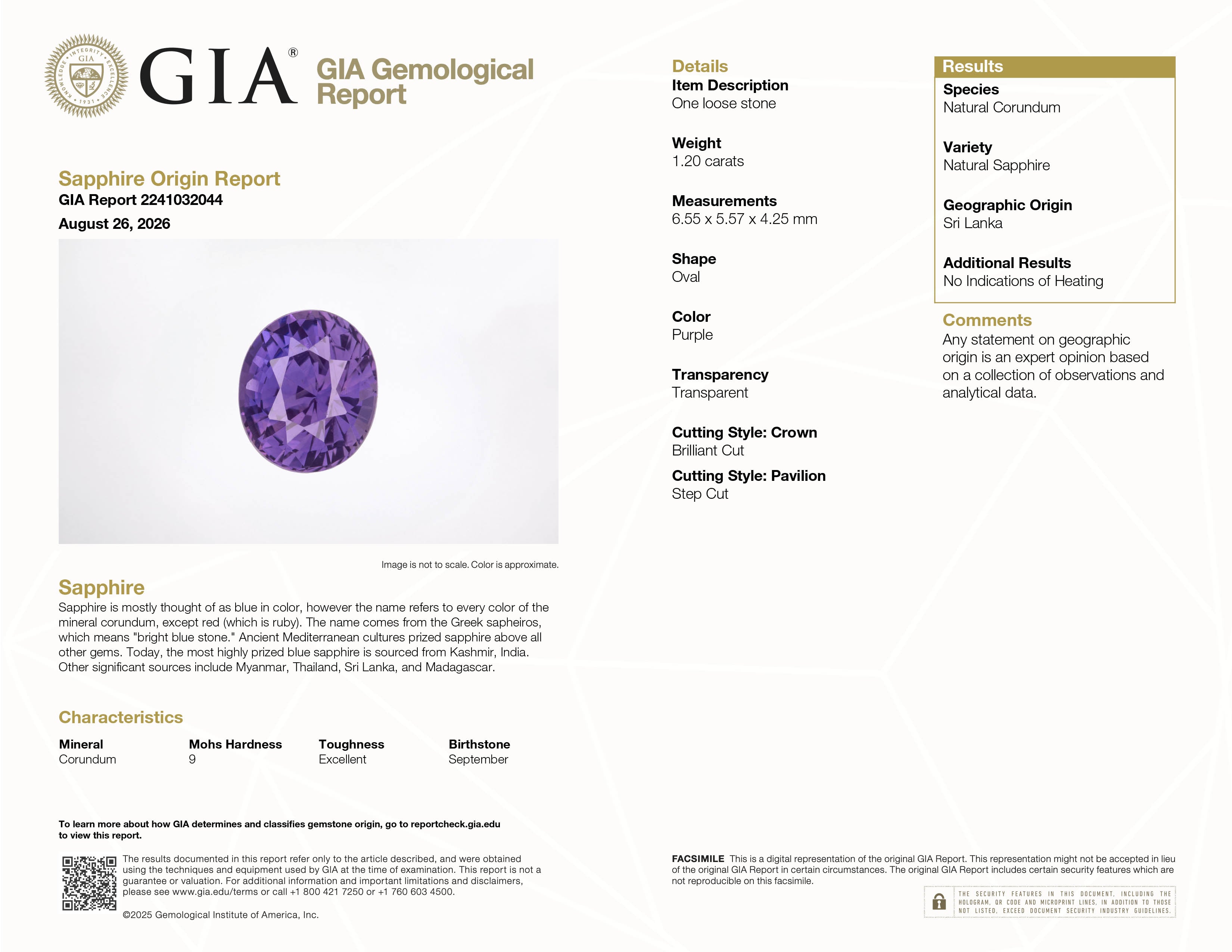
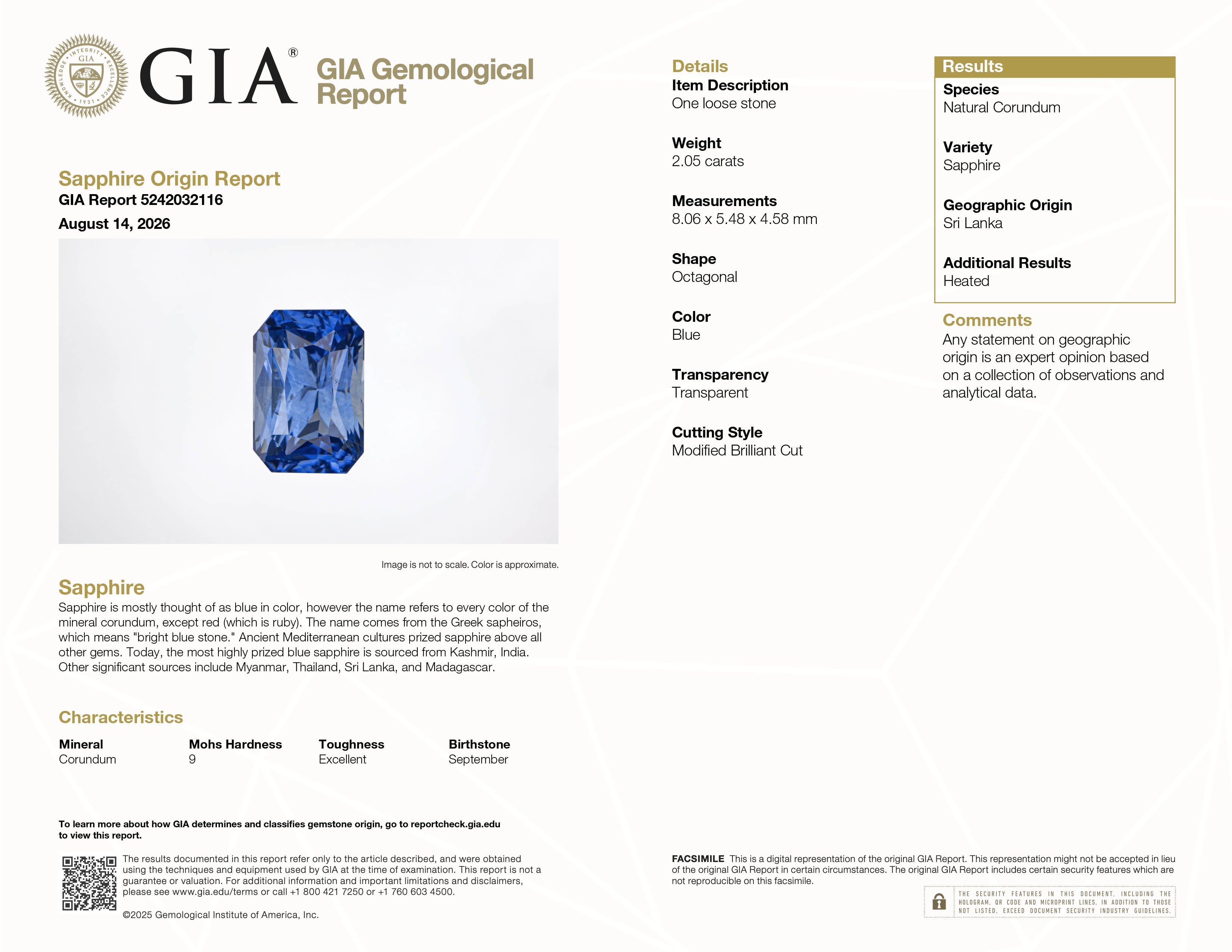
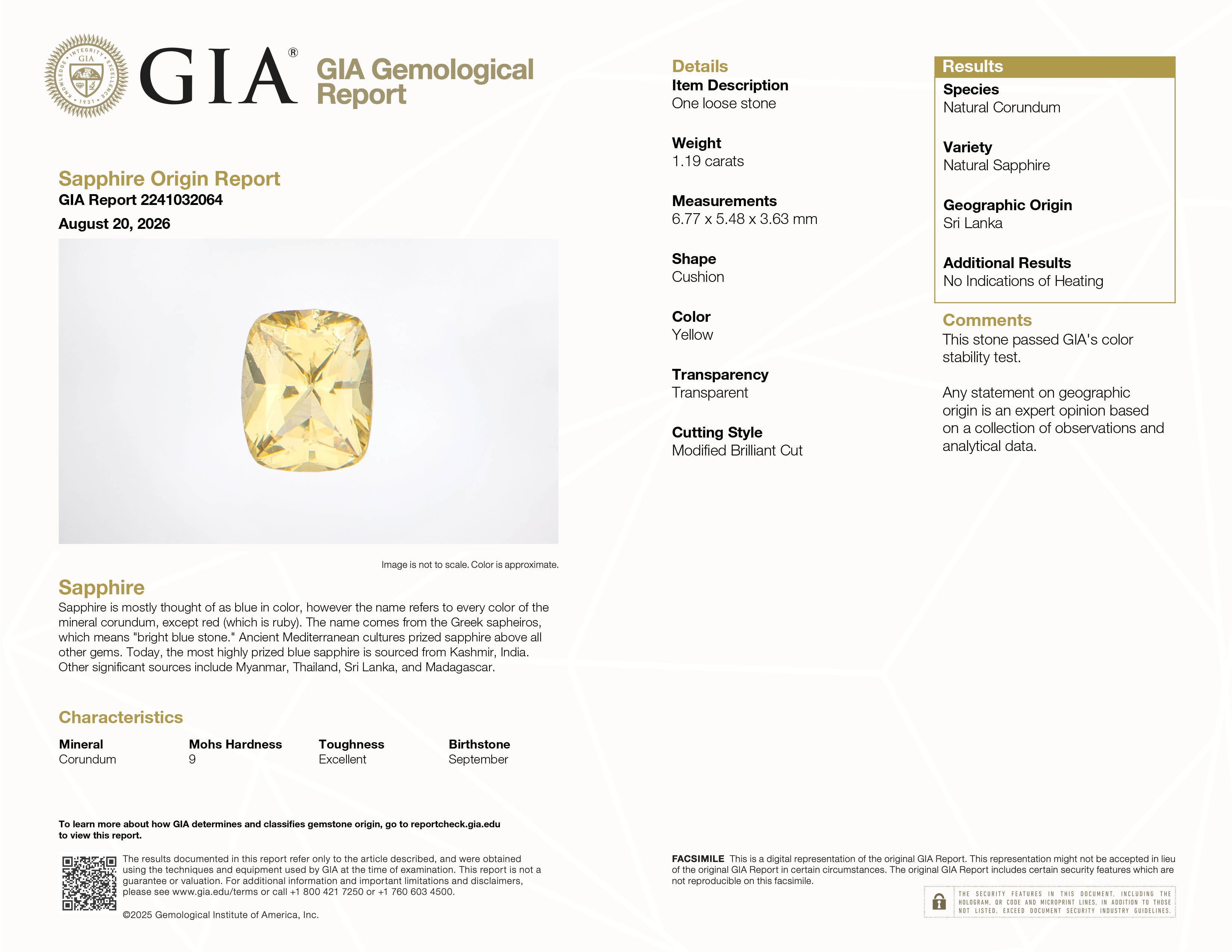
A report is only protection if you read the right lines. Four matter more than the rest:
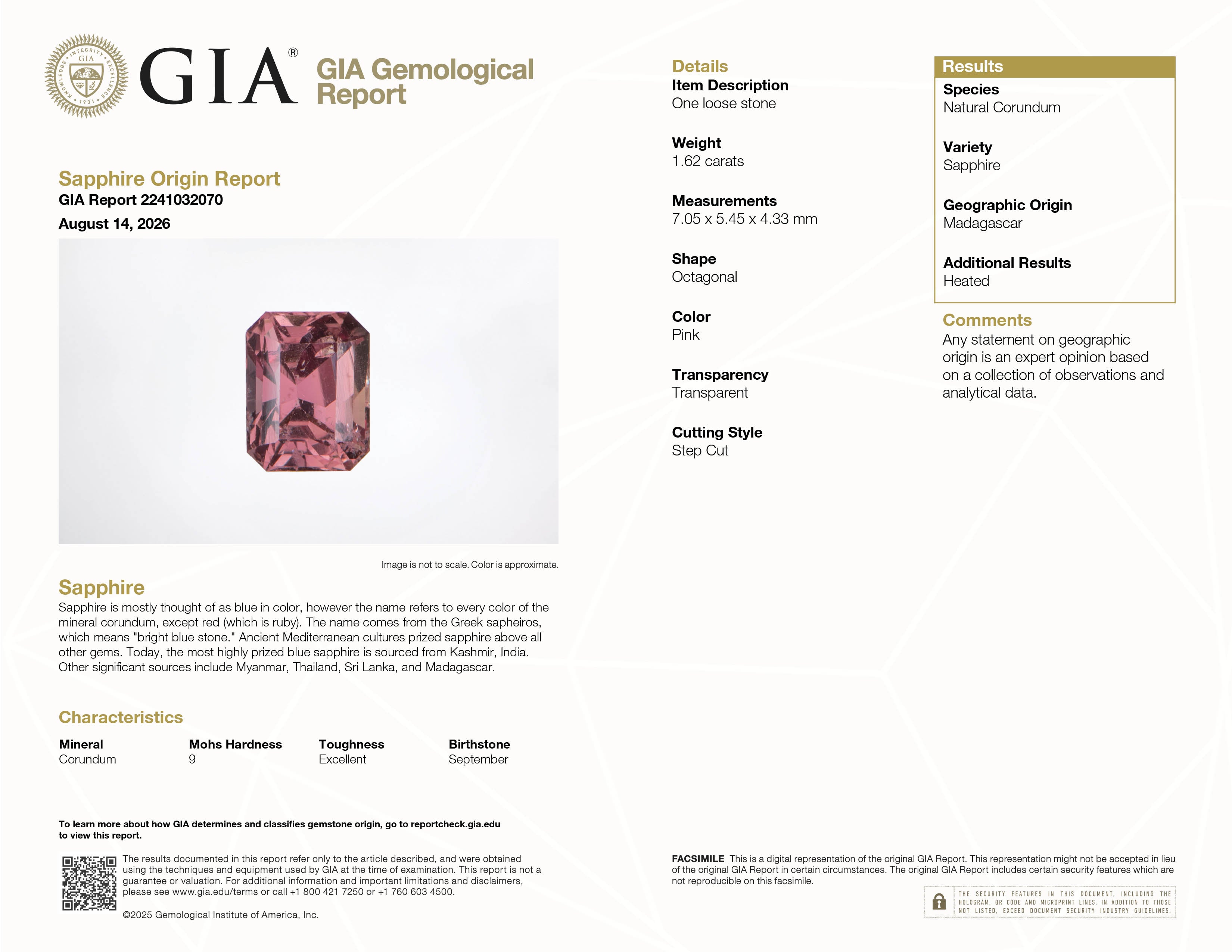
Species and variety. Should read Natural Corundum / Sapphire. If the word natural is absent, ask why.
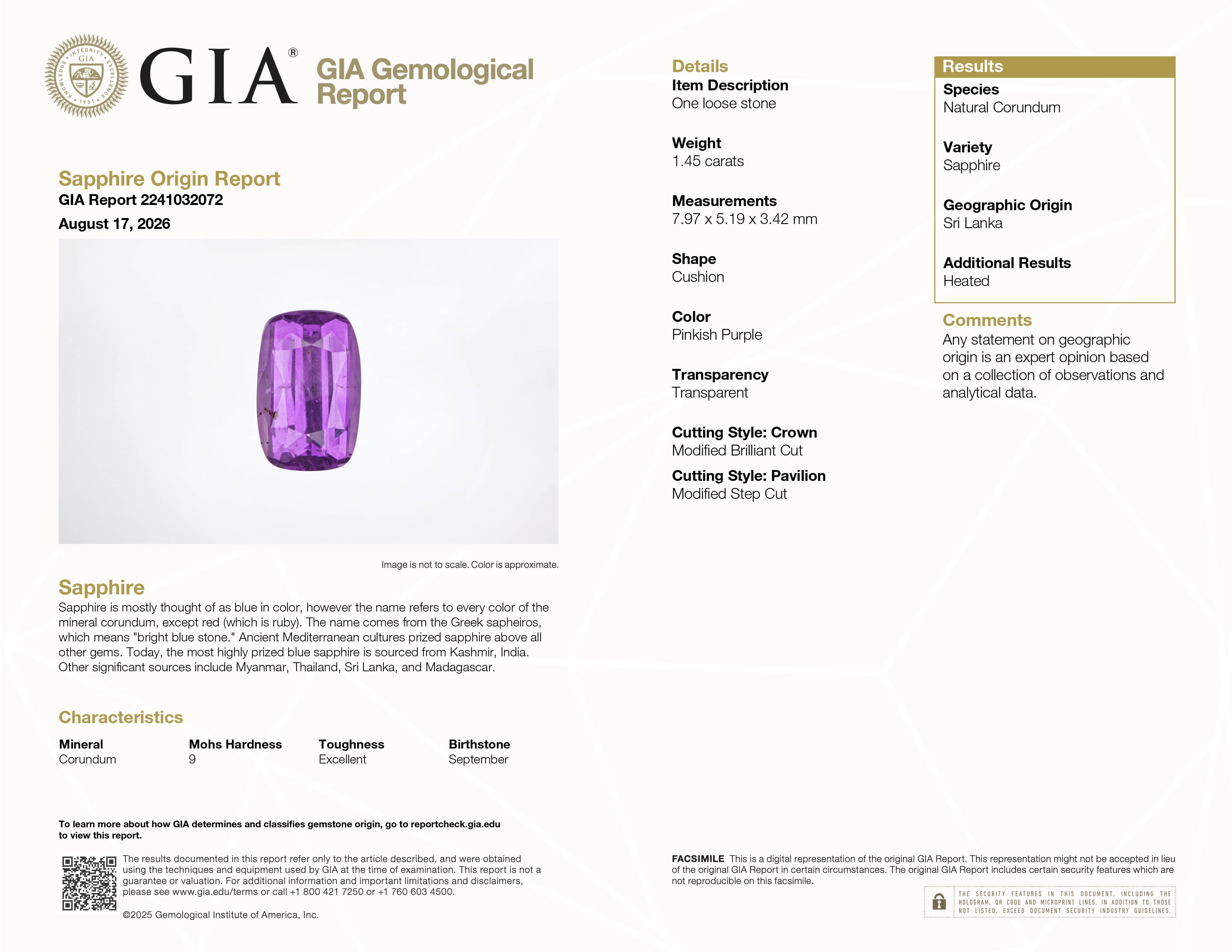
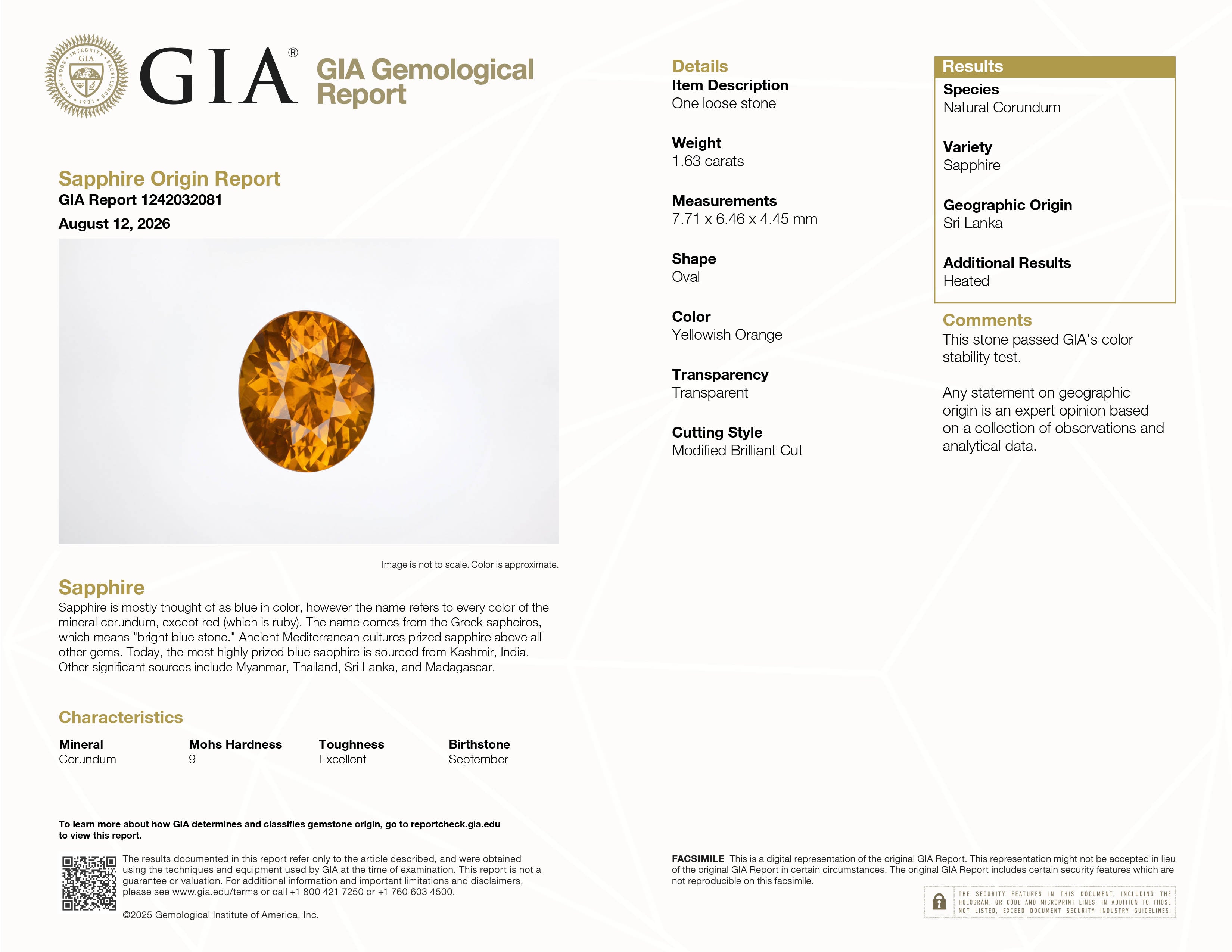
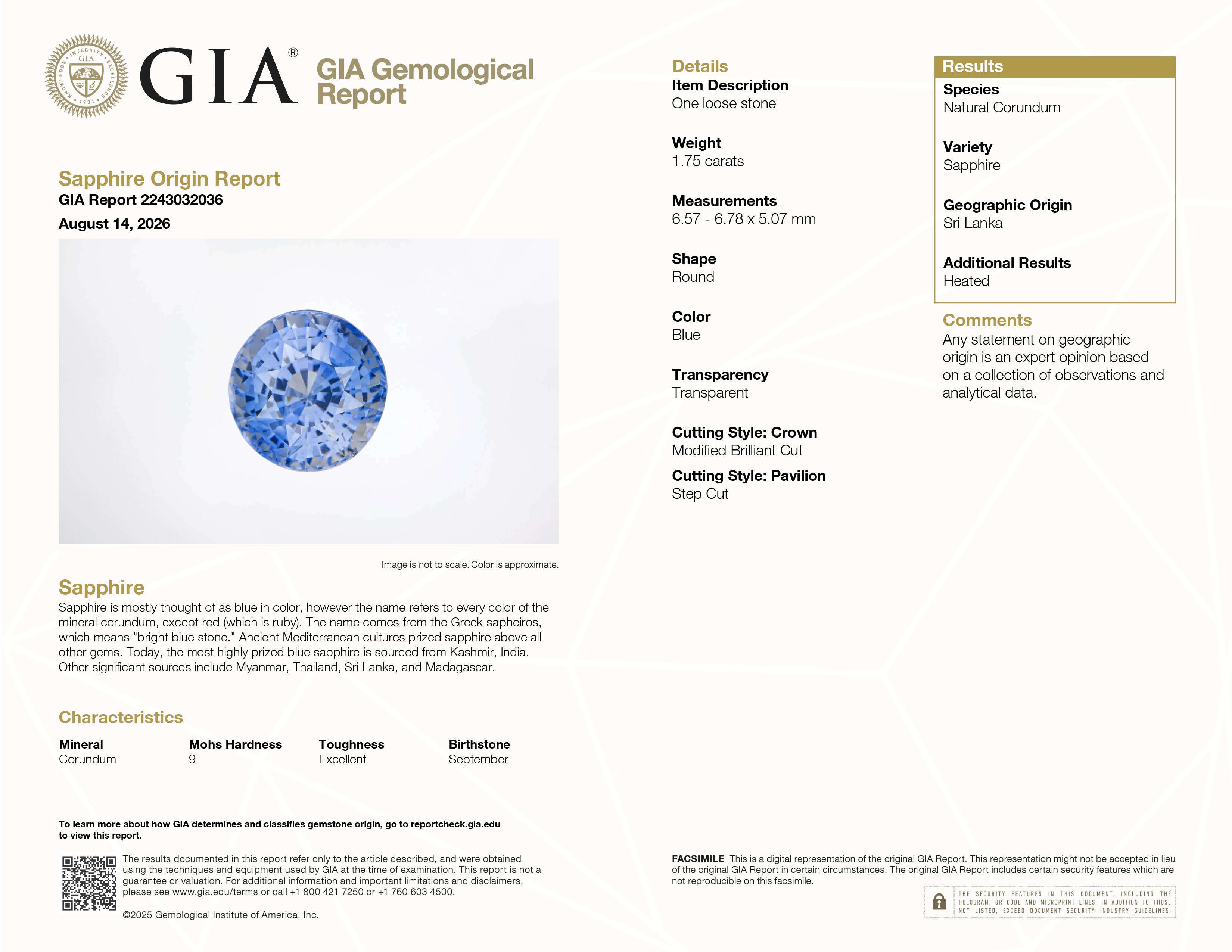
Treatment / Comments. The most important line on the page. "No indications of heating" is the line behind an unheated description — and note what it reports: what the laboratory could detect, not the stone's history. "Heated" or "Indications of heating" means heated. If the comments mention beryllium, clarity enhancement, or lattice diffusion, the stone's value changes materially.
Origin. Only present if origin determination was requested and paid for. A stone described as Sri Lankan on a listing with no origin line on its report is an unverified claim.
Weight and measurements. Check they match the stone you are actually being sold. Reports and stones do get separated — deliberately and accidentally.
Not all labs are the same — but the distinction people repeat is usually the wrong one. It is not simply "GIA or worthless." Two things actually matter:
Is the lab independent and named? A report from any established, independently operated laboratory — GIA, Gübelin, SSEF, Lotus, or a competent regional lab such as AGCL or the Gemmological Institute of Colombo — is a genuine third-party opinion. A "certificate" the seller issued themselves is not, whatever it looks like. If the listing says certified without naming who certified it, that is the red flag, not the lab's postcode.
Does the lab have the instrument your particular stone needs? This is the real limit. Detecting beryllium diffusion requires LA-ICP-MS. Determining geographic origin requires a reference-inclusion database built over decades. Most regional labs have neither, and a report from one is not evidence of either thing — not because the lab is dishonest, but because that analysis was never performed.
So: for weight, dimensions, species, colour, and heated-versus-unheated status on a mainstream stone, a competent regional report does the job. For a fancy yellow, orange, or padparadscha, for any stone where you are paying an origin premium, and for anything meaningfully above $500, insist on GIA-tier work.
And always check that the report belongs to the specific stone in the photograph.
The answers tell you more than the stone does.
| Ask | A good answer sounds like | Walk away if |
|---|---|---|
| Is this heated or unheated? | A direct one-word answer | They say "natural" and change the subject |
| Is this the actual stone in the photo? | Yes — here's a video in hand | Stock imagery, or evasion |
| Which lab issued the report, and can I see it? | A named lab, sent immediately | An in-house certificate, or delay |
| Does the report state origin? | Yes or no, plainly | Origin claimed with no report line |
| What's your return policy? | A specific window, in writing | No returns |
| Has this stone been treated in any way other than heat? | A clear no, or full disclosure | Vagueness |
| Where was it sourced? | A specific region and route | "Overseas", or nothing |
The pattern to watch is not any single answer. It is whether the seller answers precisely. Someone who works with these stones daily gives exact answers quickly, because the information is simply on hand. Hedging is the signal.
Home tests catch glass, ordinary synthetics, and doublets. They will not catch flux-grown synthetics, beryllium diffusion, subtle low-temperature heat treatment, or origin.
A report from a major lab costs roughly $75–300. Against a four-figure stone, that is not an expense — it is the cheapest insurance available.
Insist on one when:
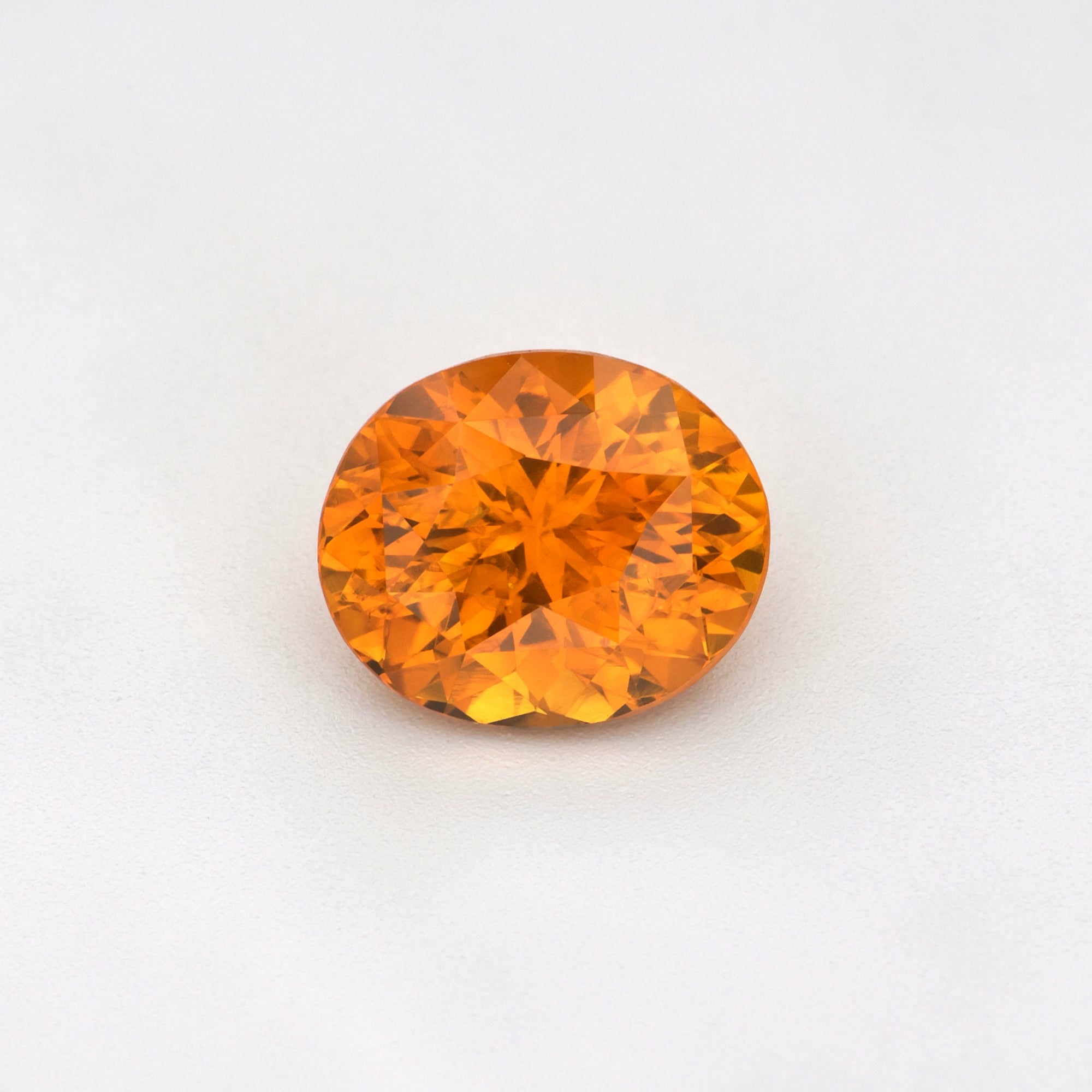
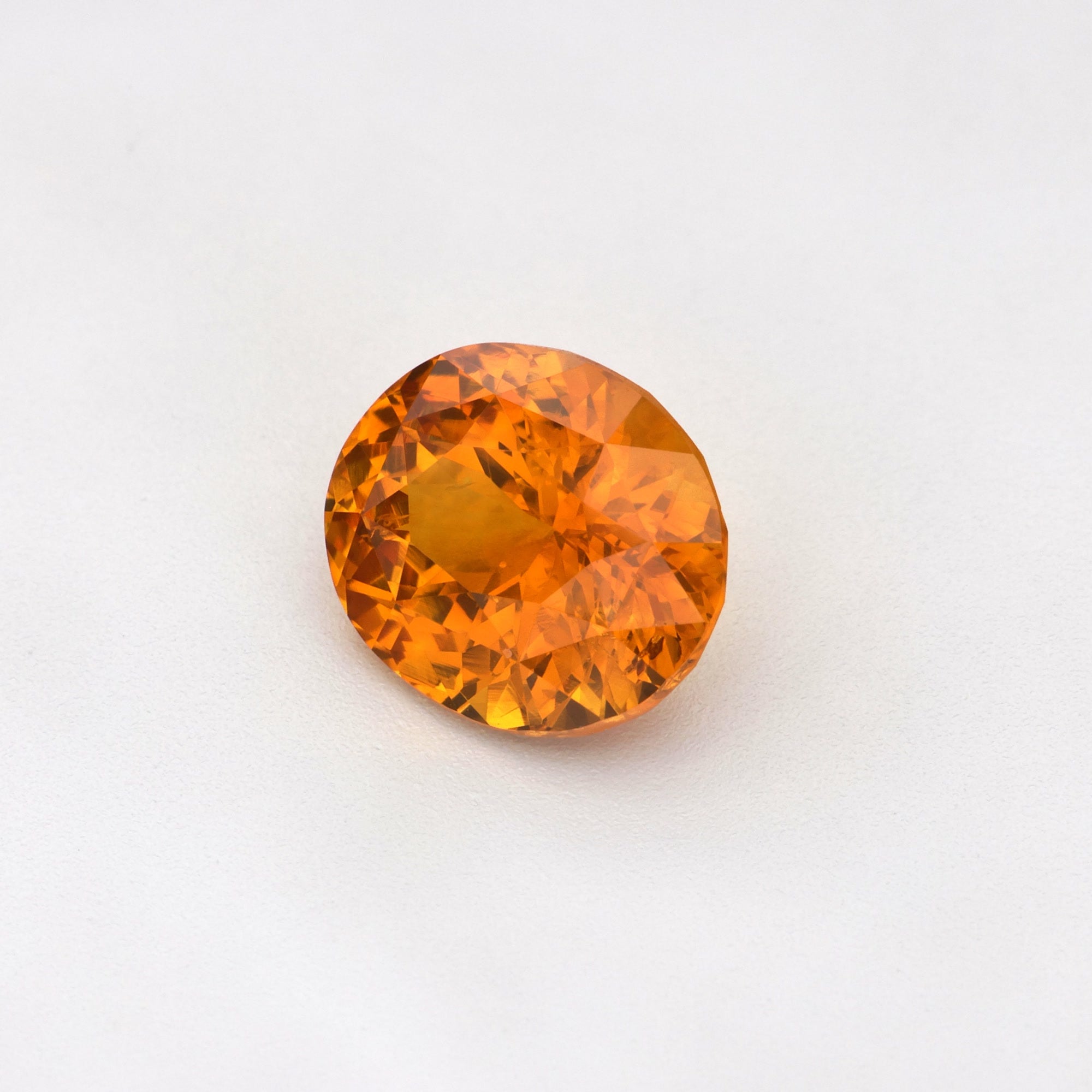
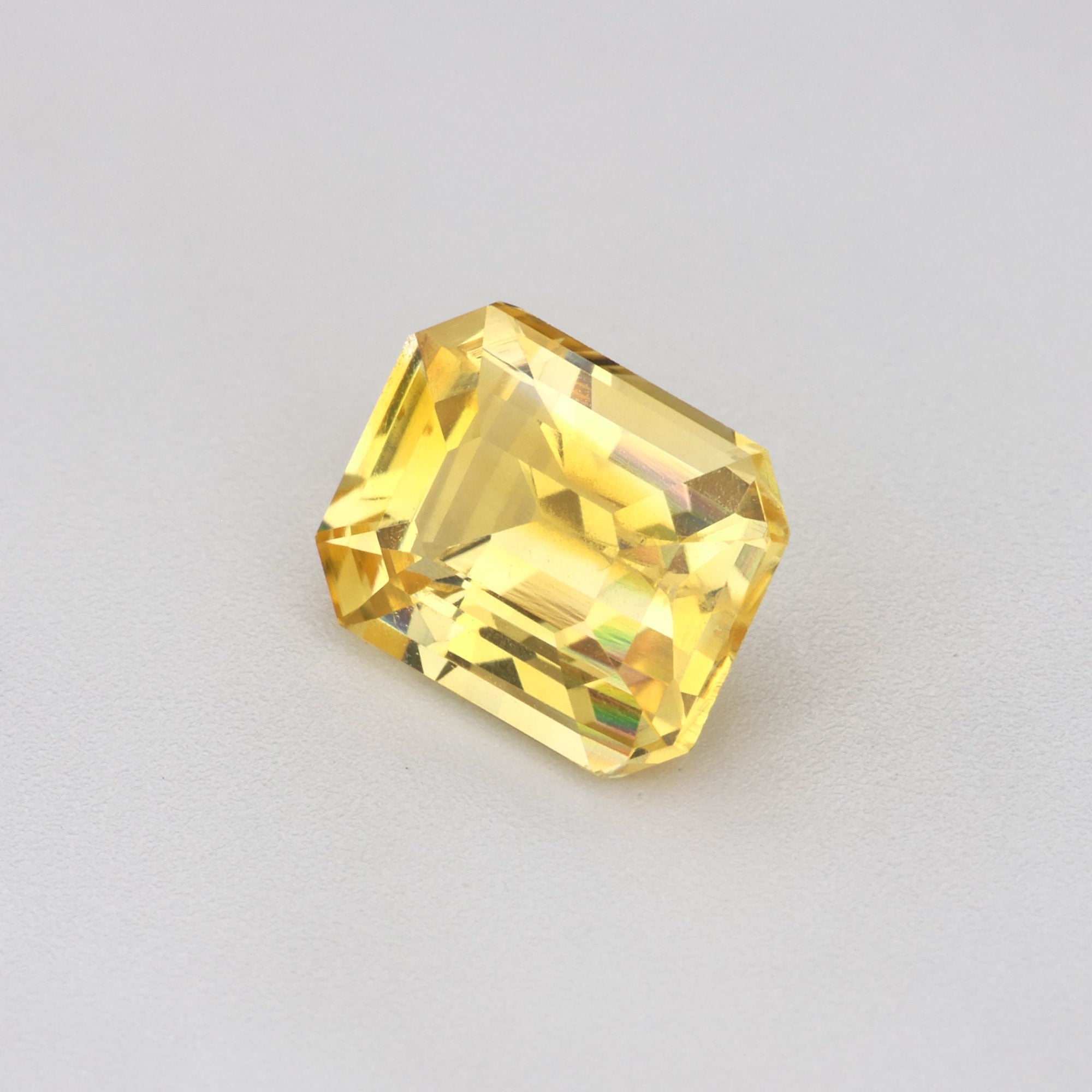
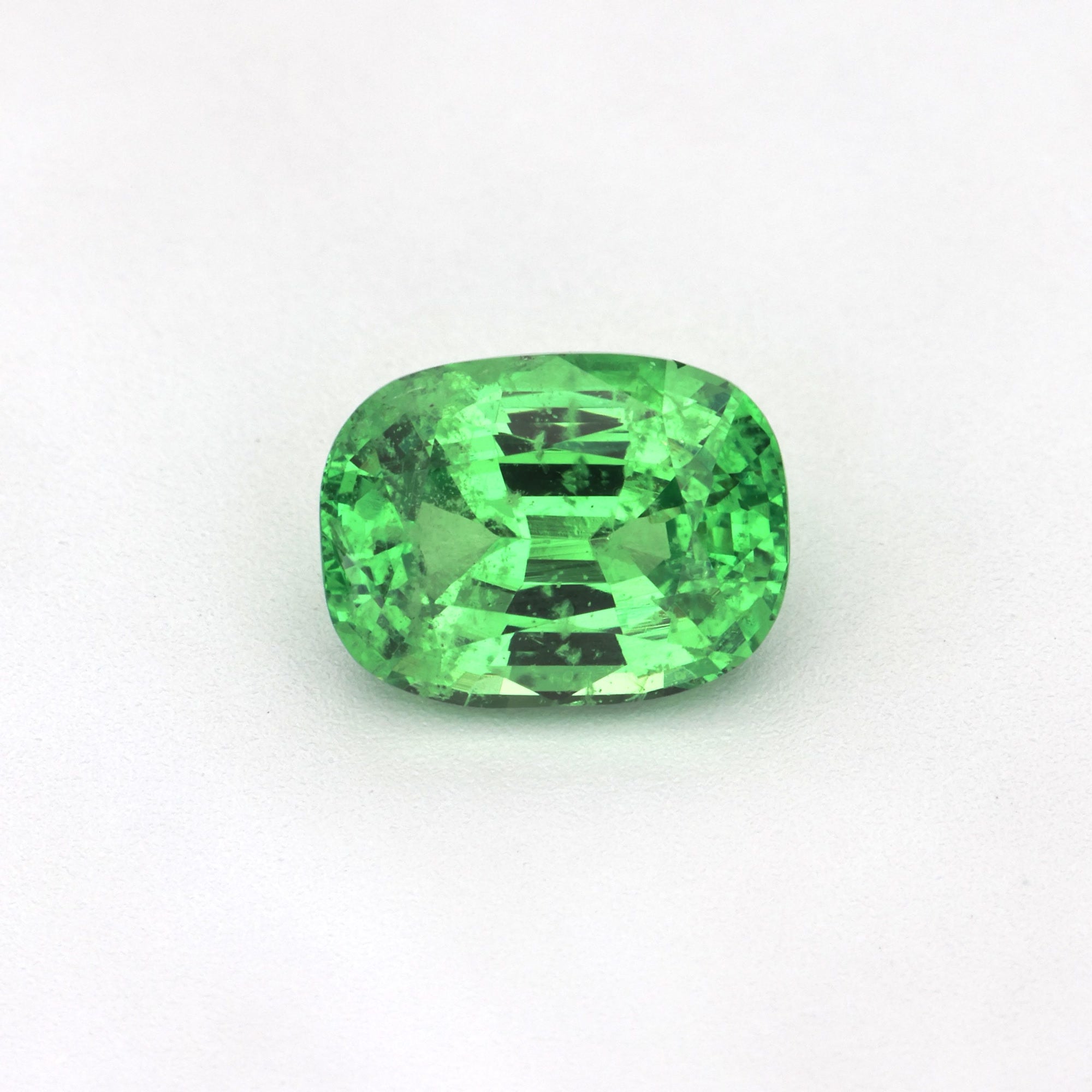
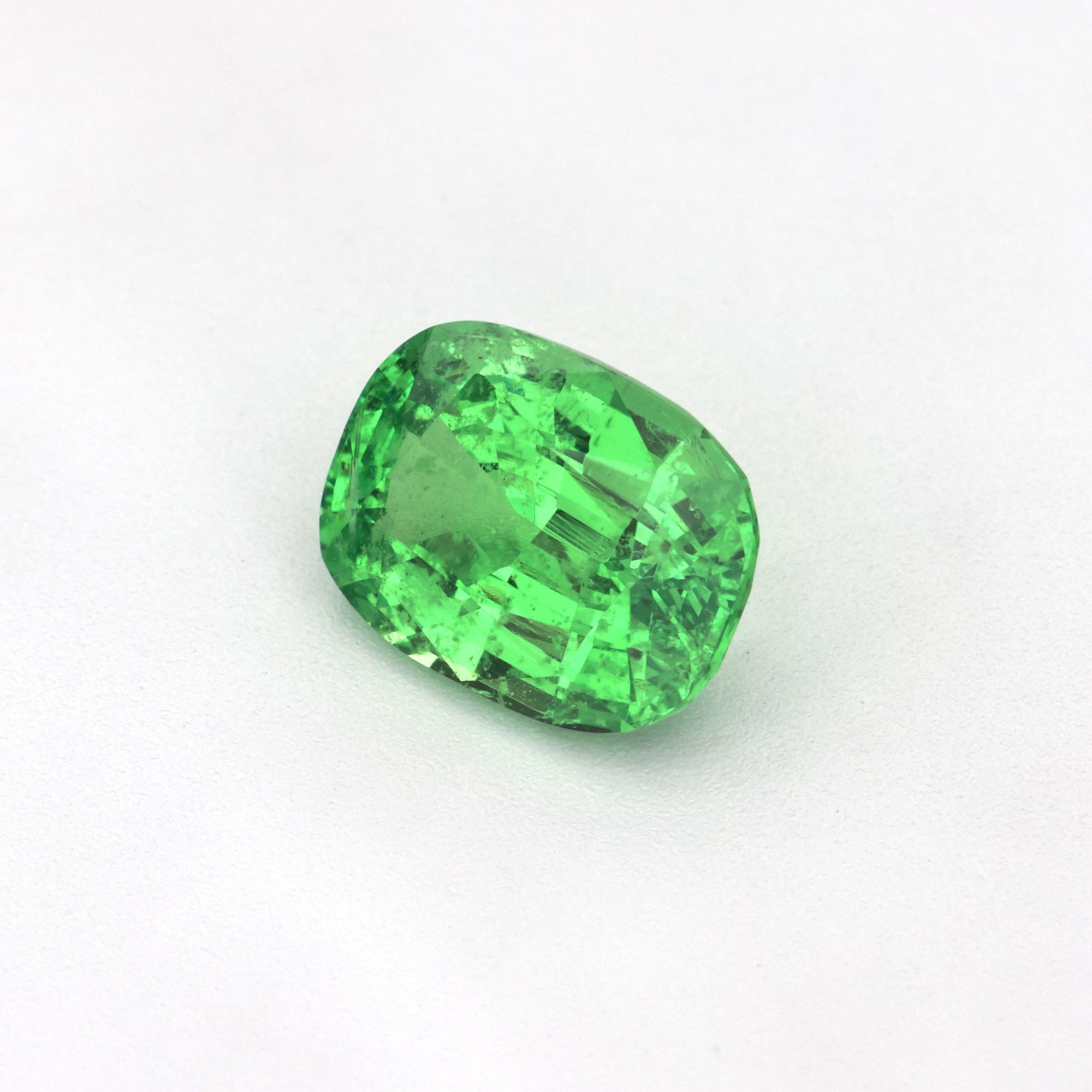
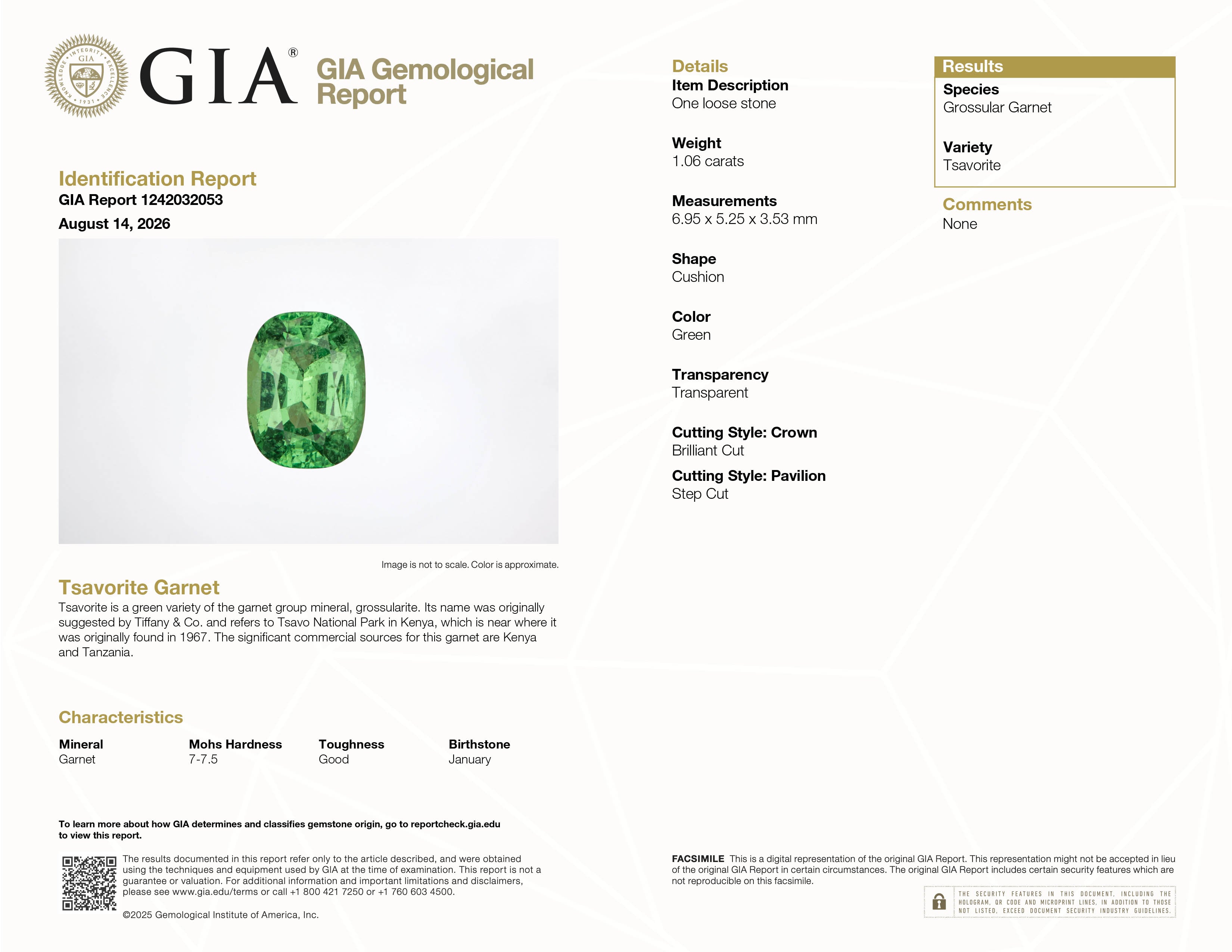
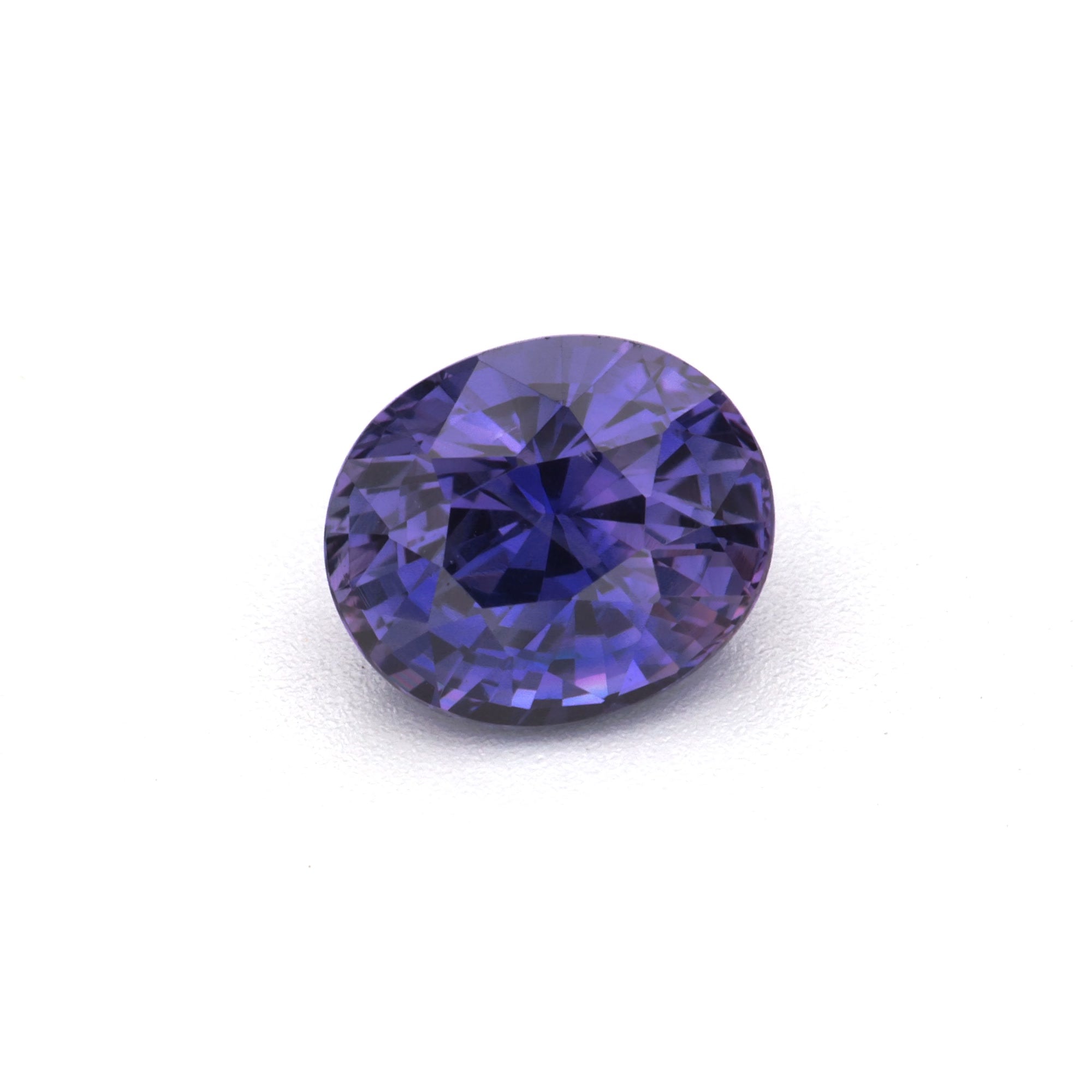
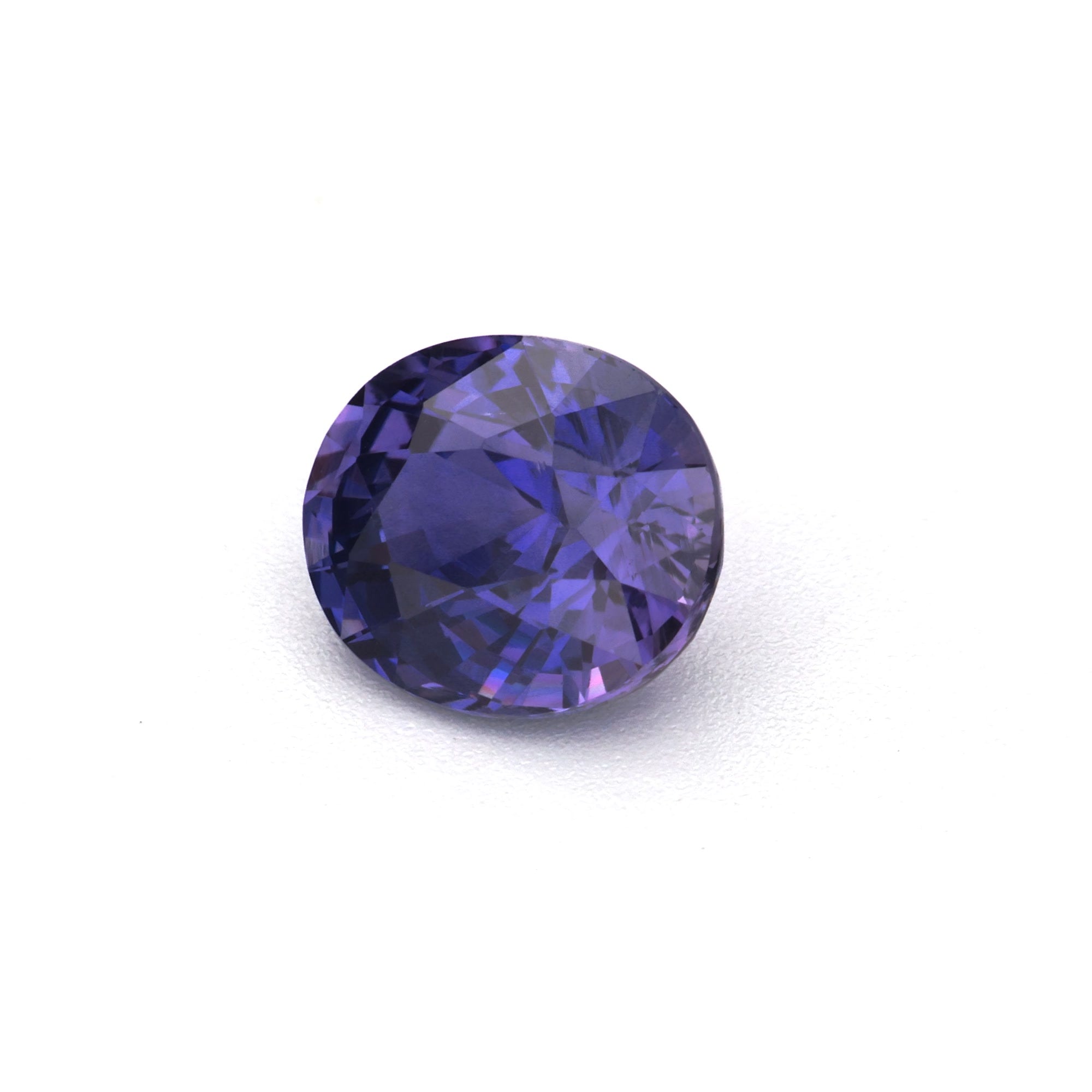
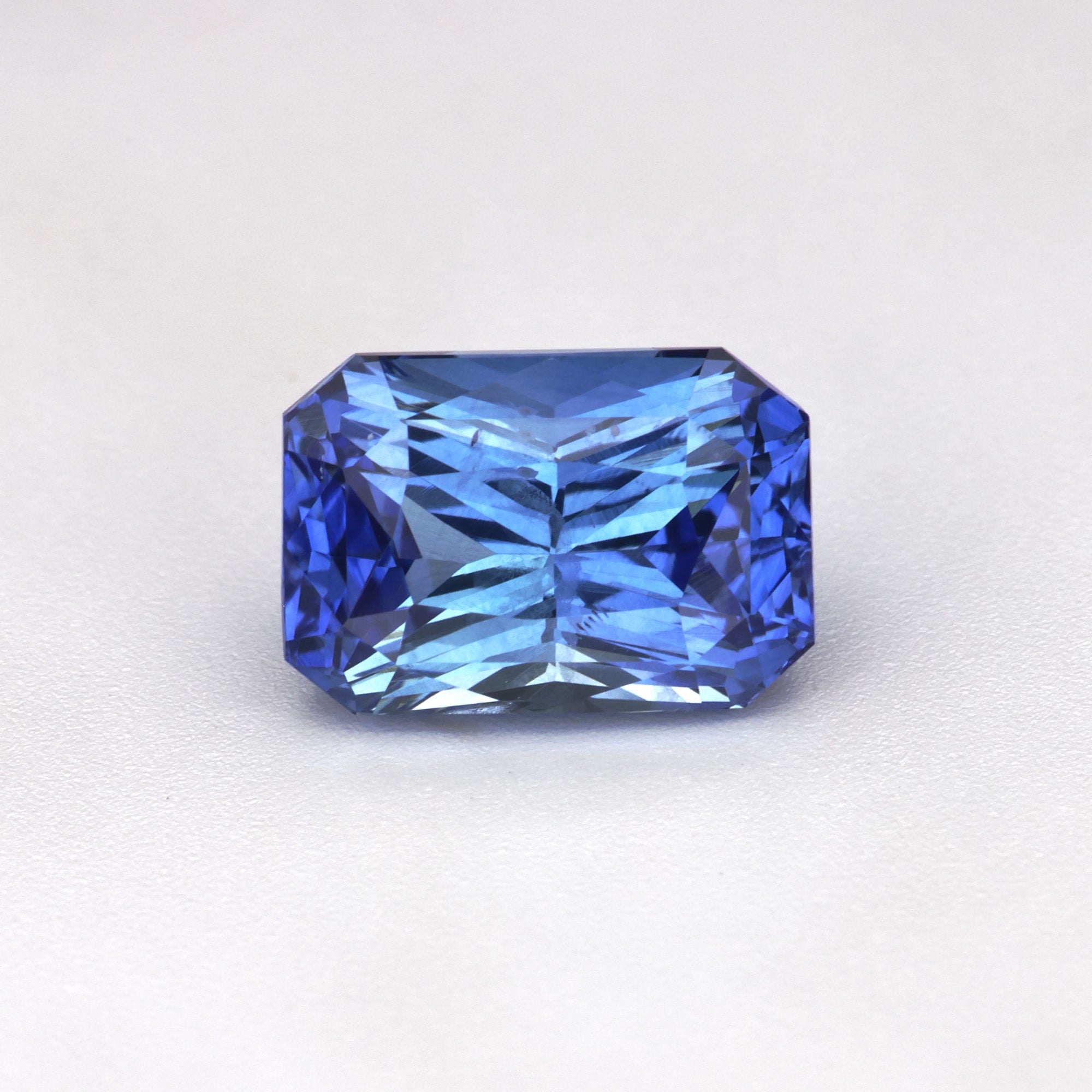
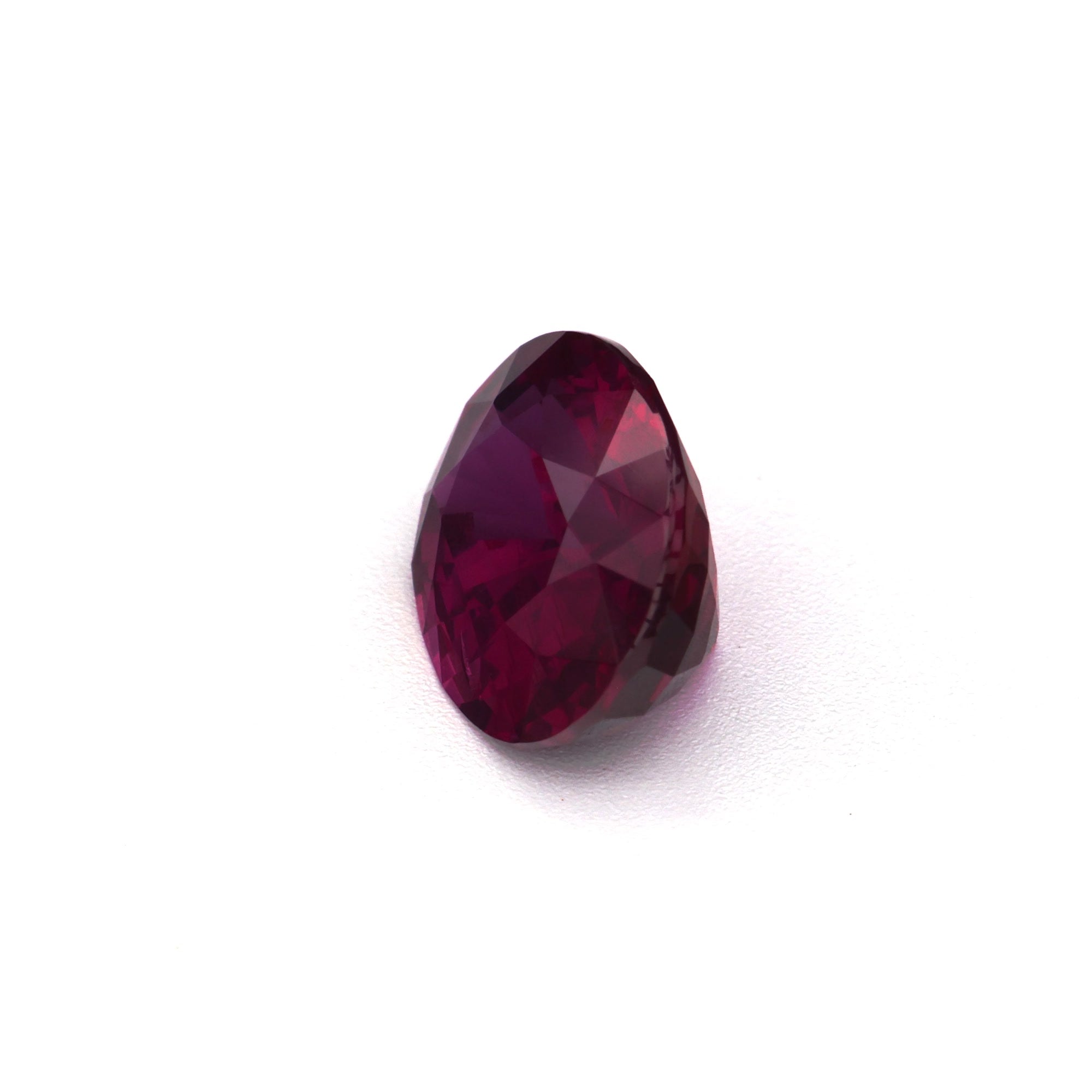
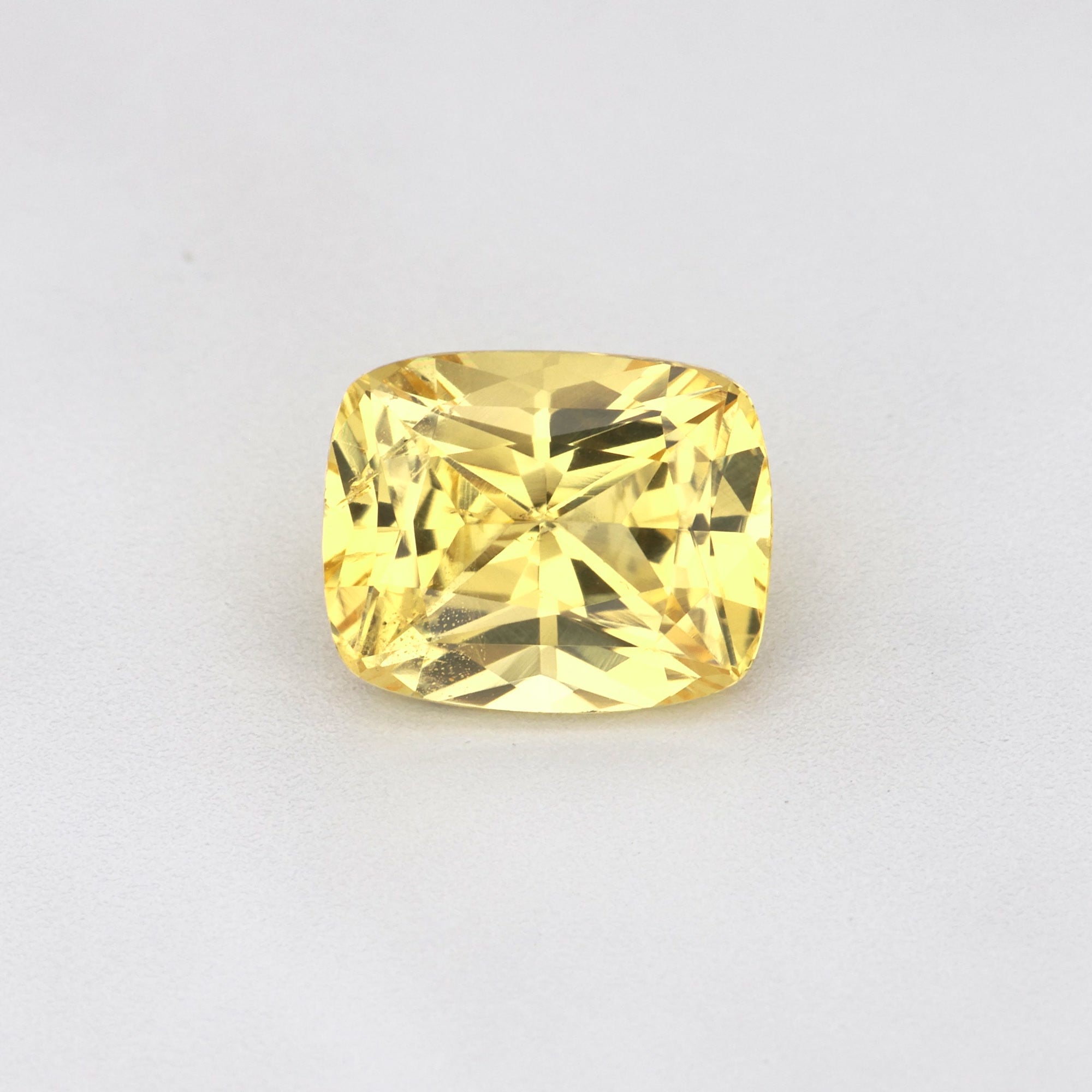
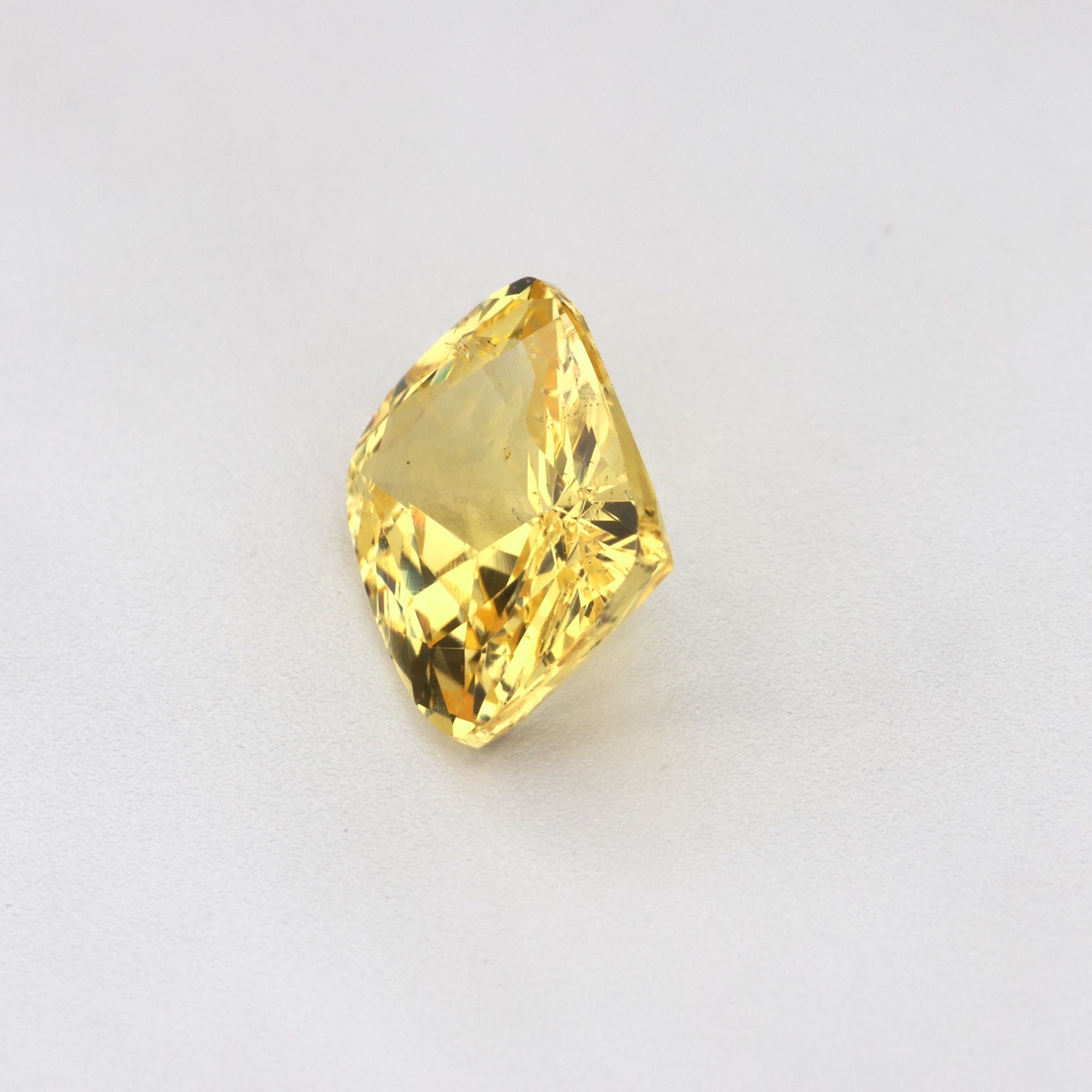
Every sapphire and ruby we list is natural, earth-mined corundum, and alongside them we carry a small number of other natural species — chrysoberyl, tsavorite garnet, spinel and zircon. We do not deal in synthetics, doublets or diffusion-treated material. Treatment is stated on every product page, and where the treatment status is our own assessment rather than a laboratory finding, the page says so. Every stone is individually photographed under standardised lighting, so what you see is the stone you receive, and we provide hand videos and 360° views on request.
We cut in our own factory and source directly through our Ratnapura network in Sri Lanka, which is why we can tell you where a stone came from rather than guessing.
This guide tells you to insist on a lab report above $500. It would be poor form not to say how our own catalogue measures against that.
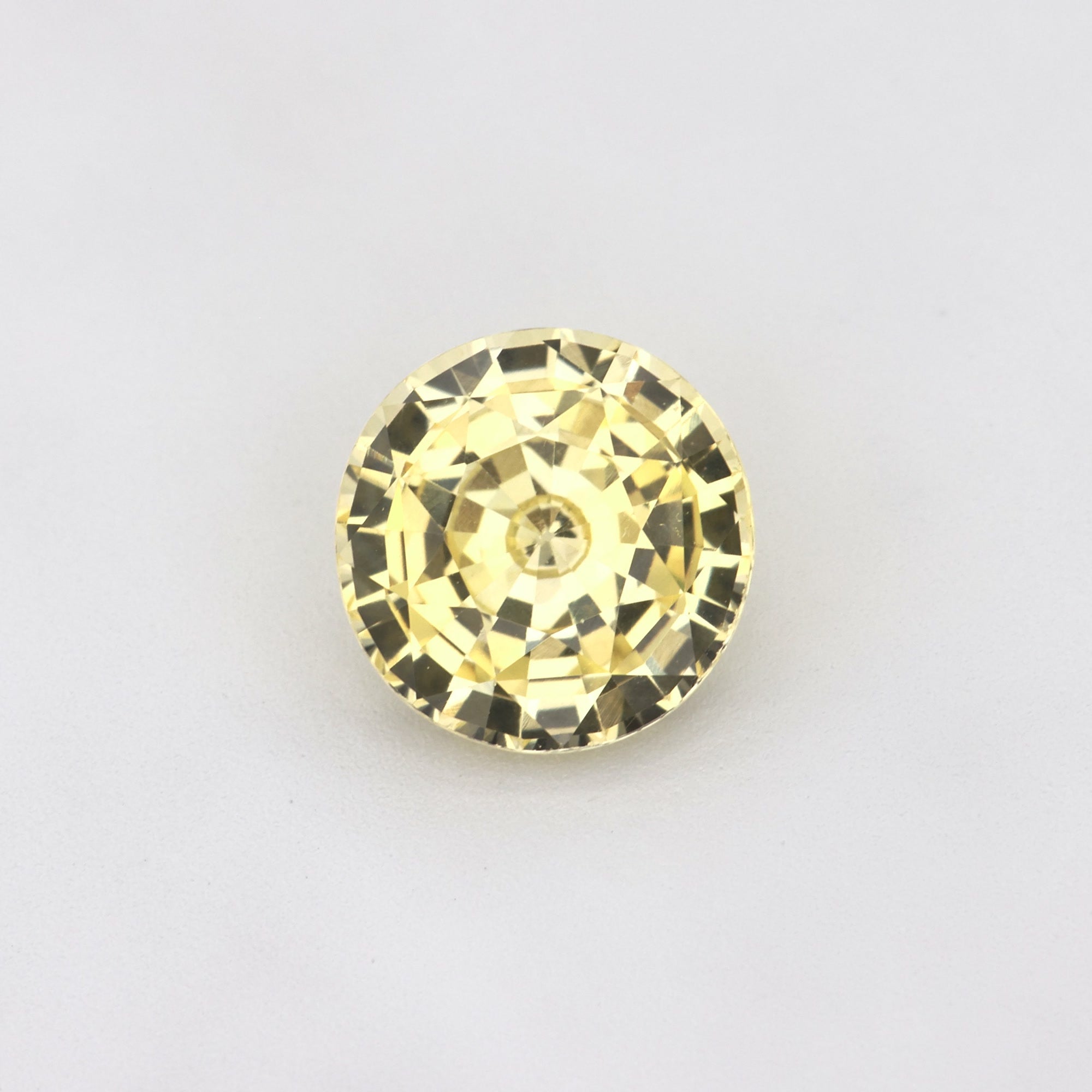
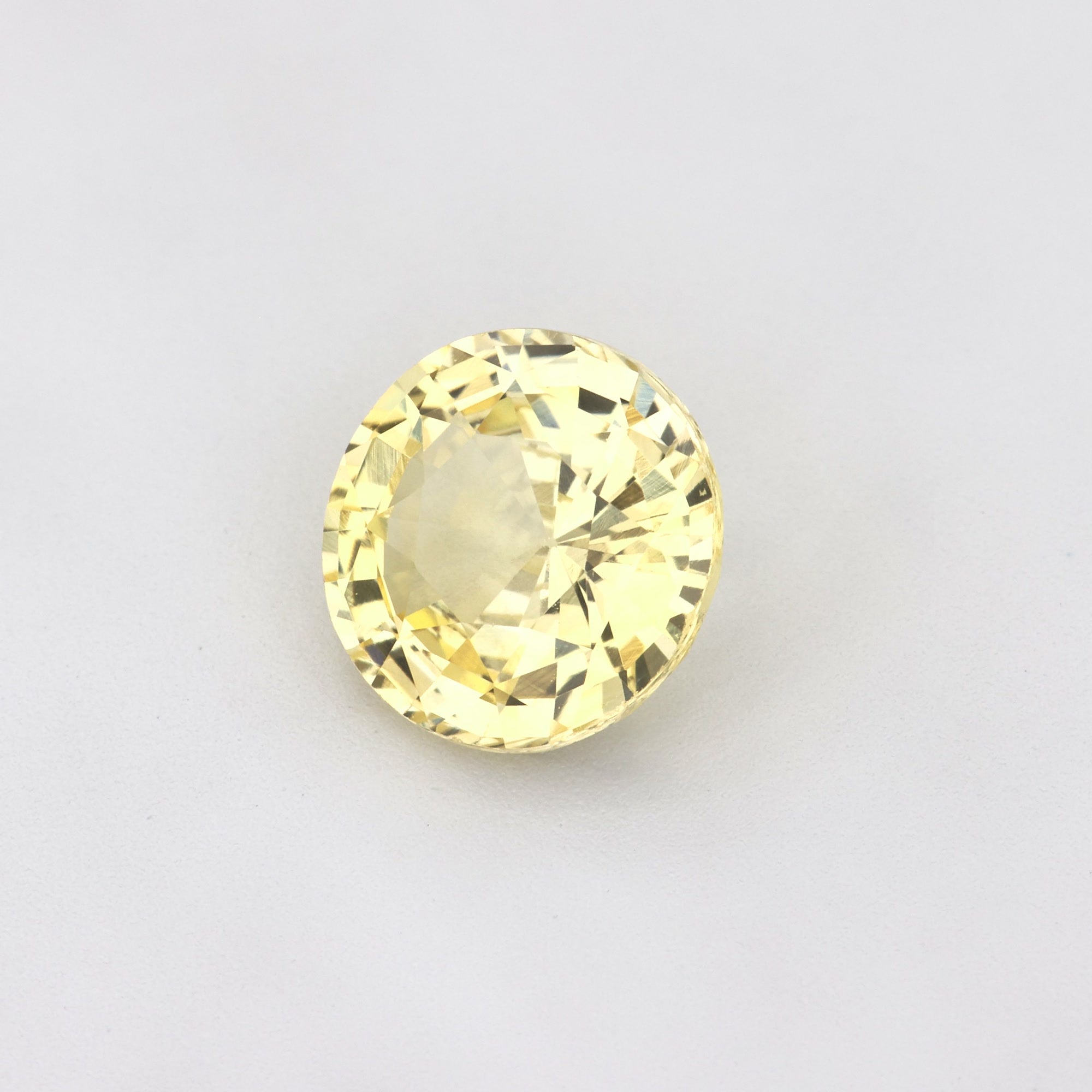
We are moving every stone priced above $500 to GIA. We are about halfway. Of the stones currently listed above that threshold, roughly half carry a GIA report; the rest carry reports from AGCL, FGL or the Gemmological Institute of Colombo. The overwhelming majority of what we list carries a laboratory report, and only a small number are not yet documented at all — and because stock turns over, the product page rather than this one is the current answer for any particular stone. The rule there does not move: treatment is stated on every listing, the laboratory and the report number are named wherever a report exists, and where no report exists the listing says so plainly. Check any listing and you will see exactly which lab, or none.
Two things we have not compromised on: every stone we list as an orange sapphire carries a GIA report, because that is the beryllium-diffusion risk category and a regional report cannot address it. And no stone is ever listed with a lab name it does not have.
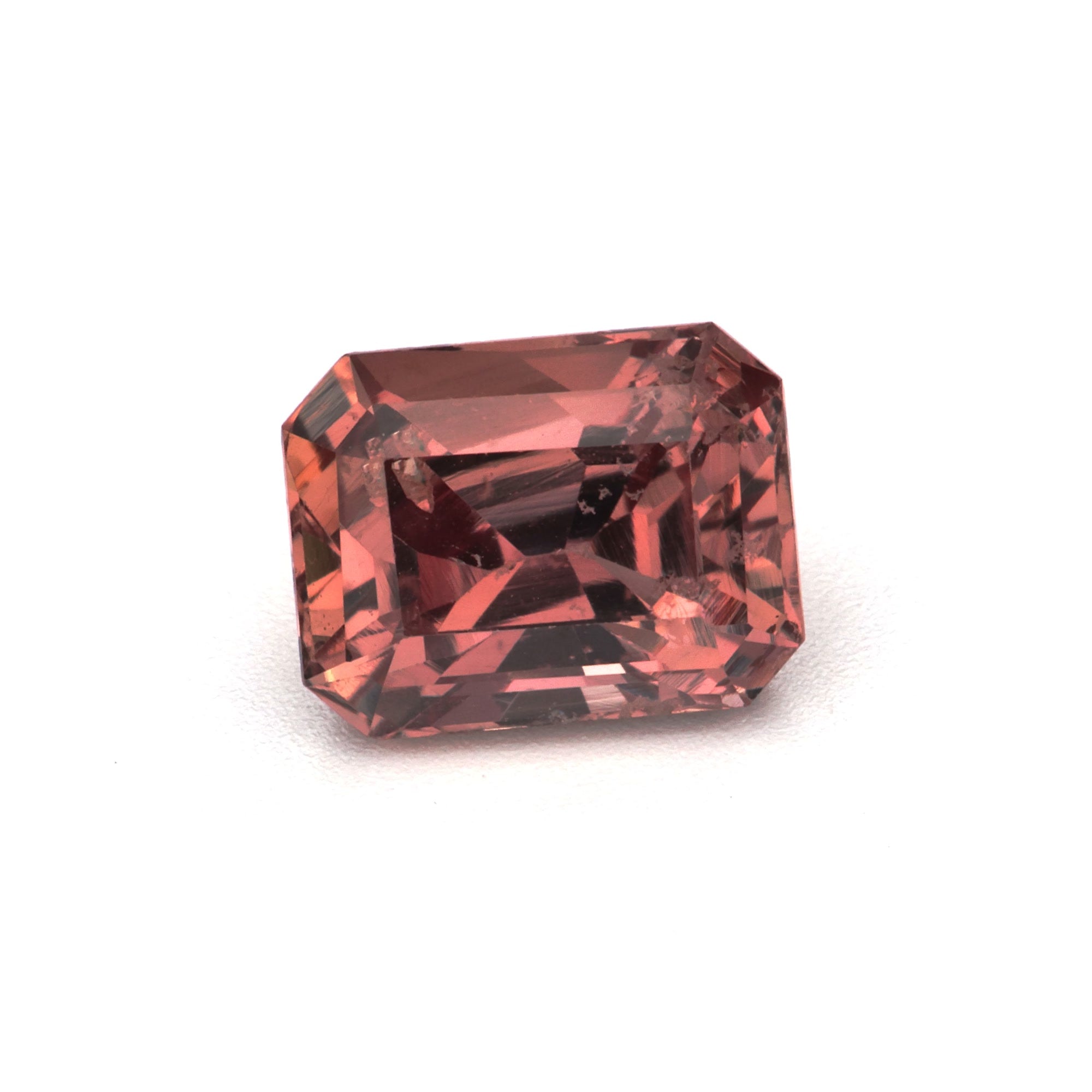
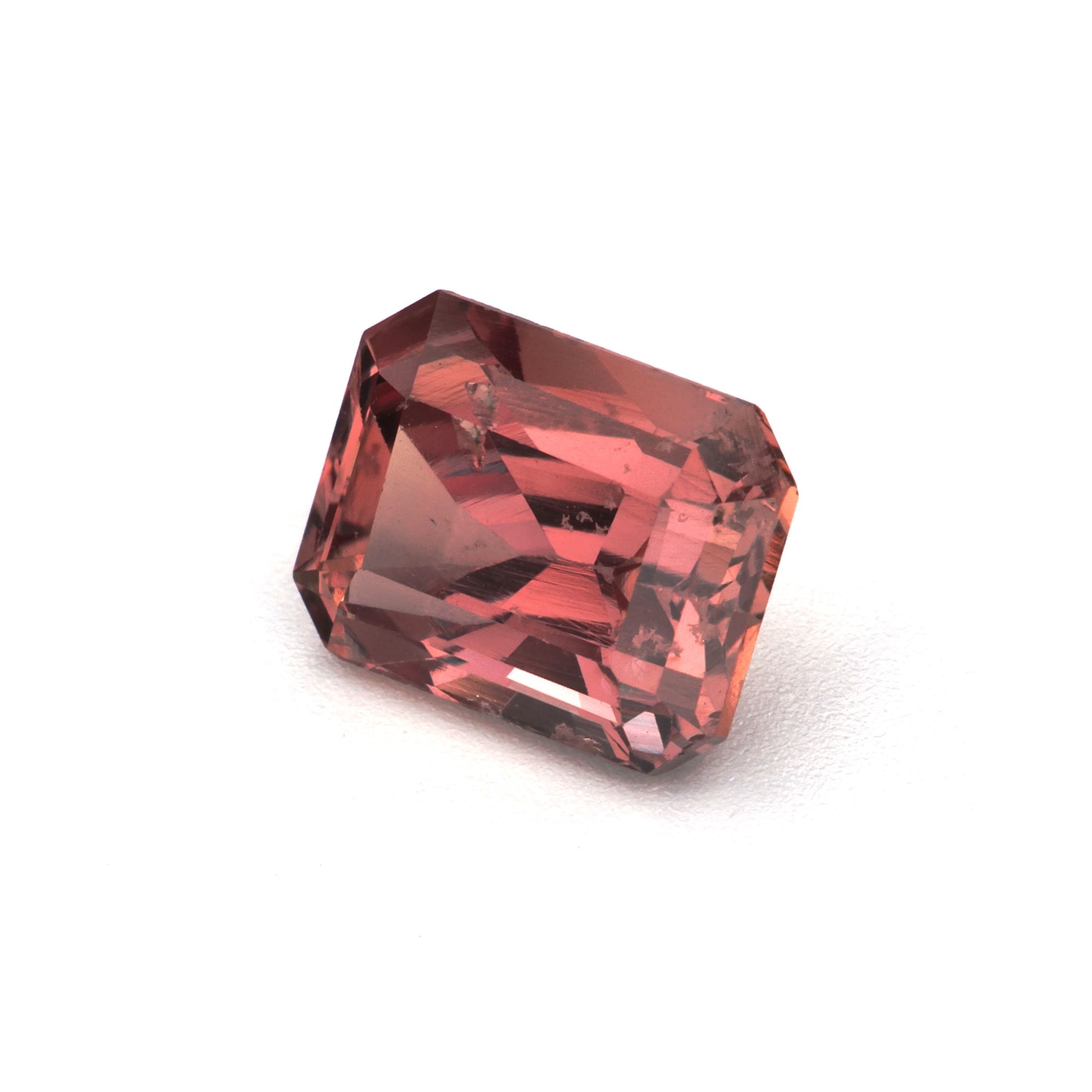
One qualification we owe you, because the risk category is wider than the word orange: we also list peach sapphires, which are a pinkish orange, and most of those are not yet GIA-documented. If one of them interests you, say so and we will send it to GIA before it ships.
If a specific stone matters to you and it is not yet GIA-documented, ask. We will send it in before it ships.
Free US shipping; $60 flat elsewhere, free over $499. 14-day returns on every order. And if you would like to see a stone in your hand before committing, our Try Before You Buy service exists for exactly that.
Questions on a specific stone — ours or someone else's?
Email crescentgems@gmail.com. We reply within one business day, and we are happy to look at a report you have been sent by another dealer.
Read the full sapphire buying guide →
Browse the full catalogue →
This guide is educational and does not replace a laboratory report for any individual stone.

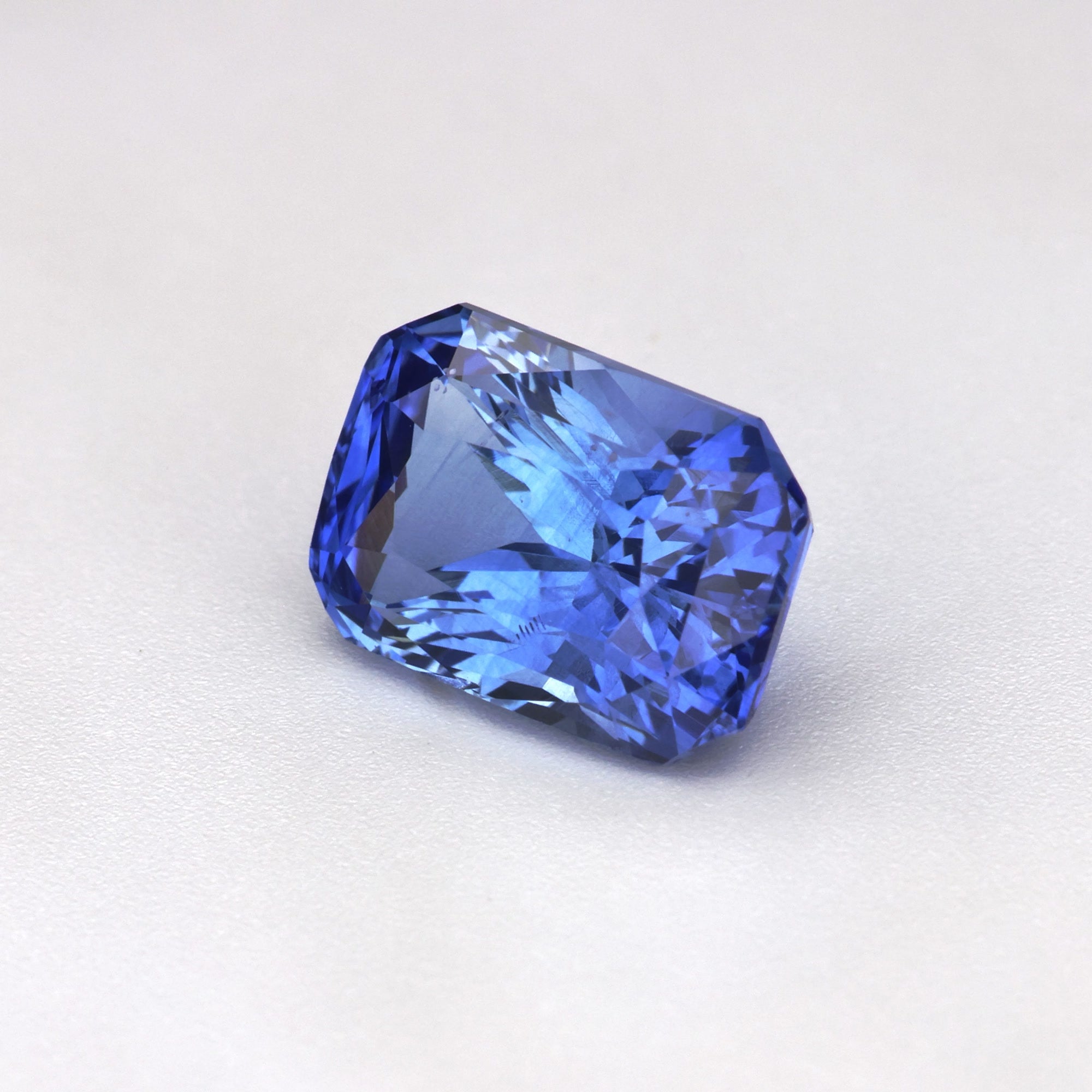
CG8465
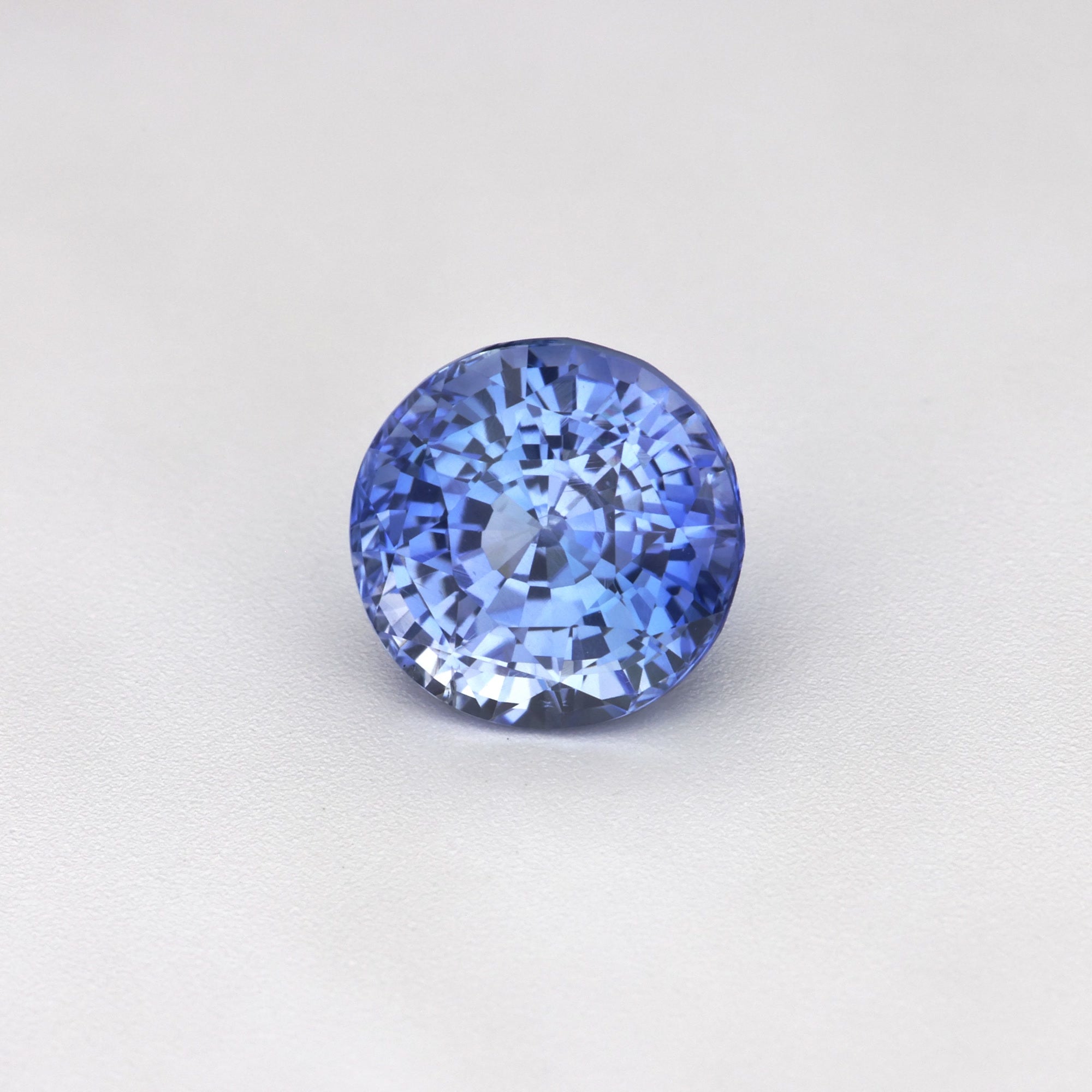
CG8460
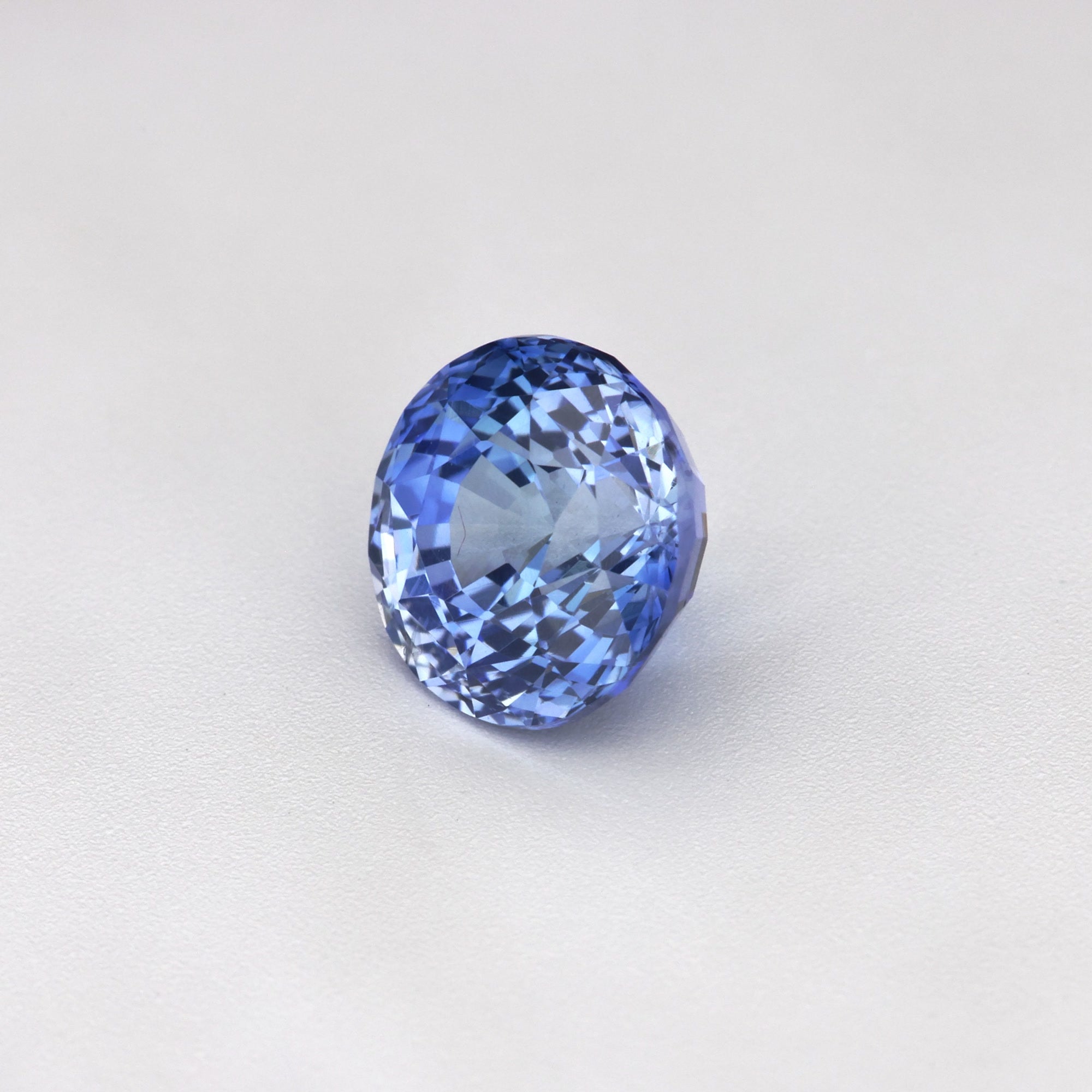
CG8456


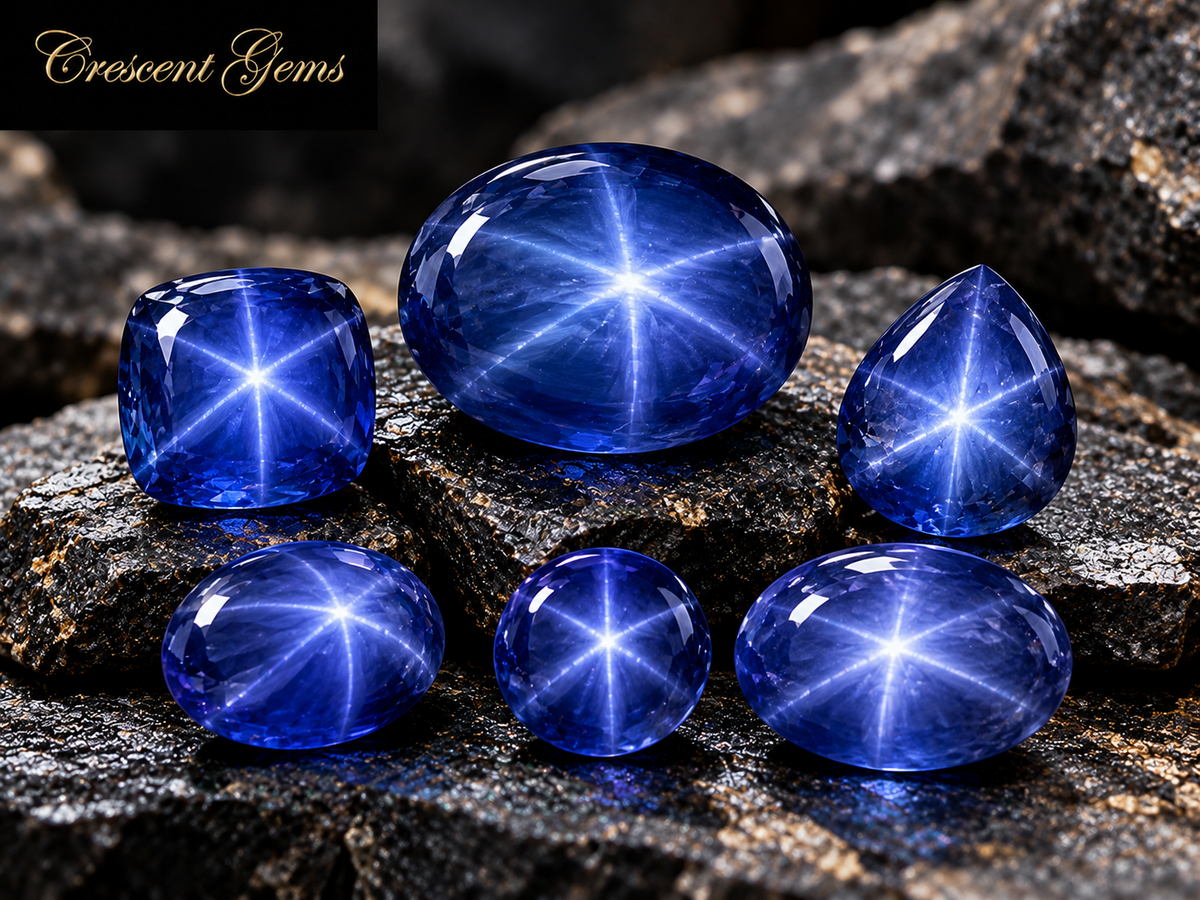
Blue Star Sapphire Price Guide — What They Cost and Why
Read moreabout Blue Star Sapphire Price Guide — What They Cost and Why
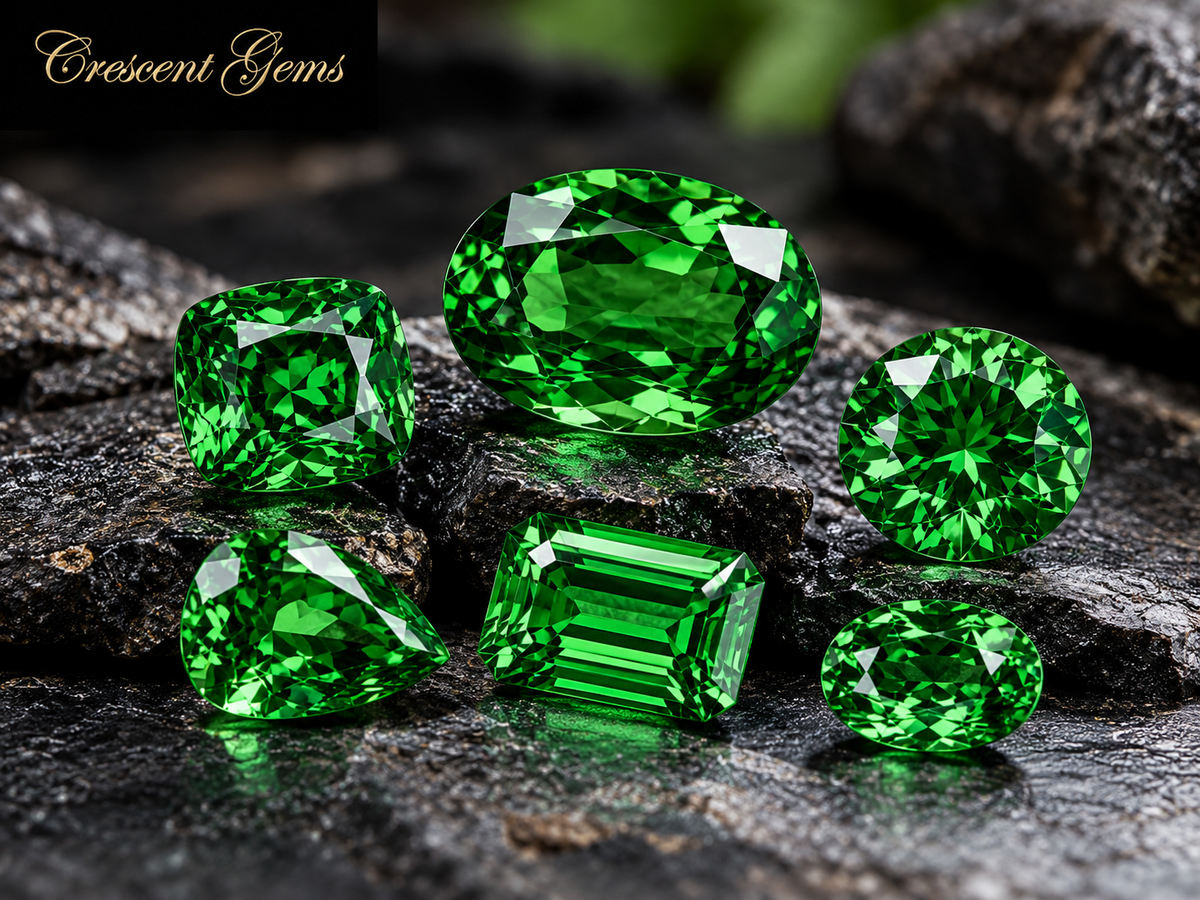
Tsavorite Garnet Price Guide — What They Cost and Why
Read moreabout Tsavorite Garnet Price Guide — What They Cost and Why
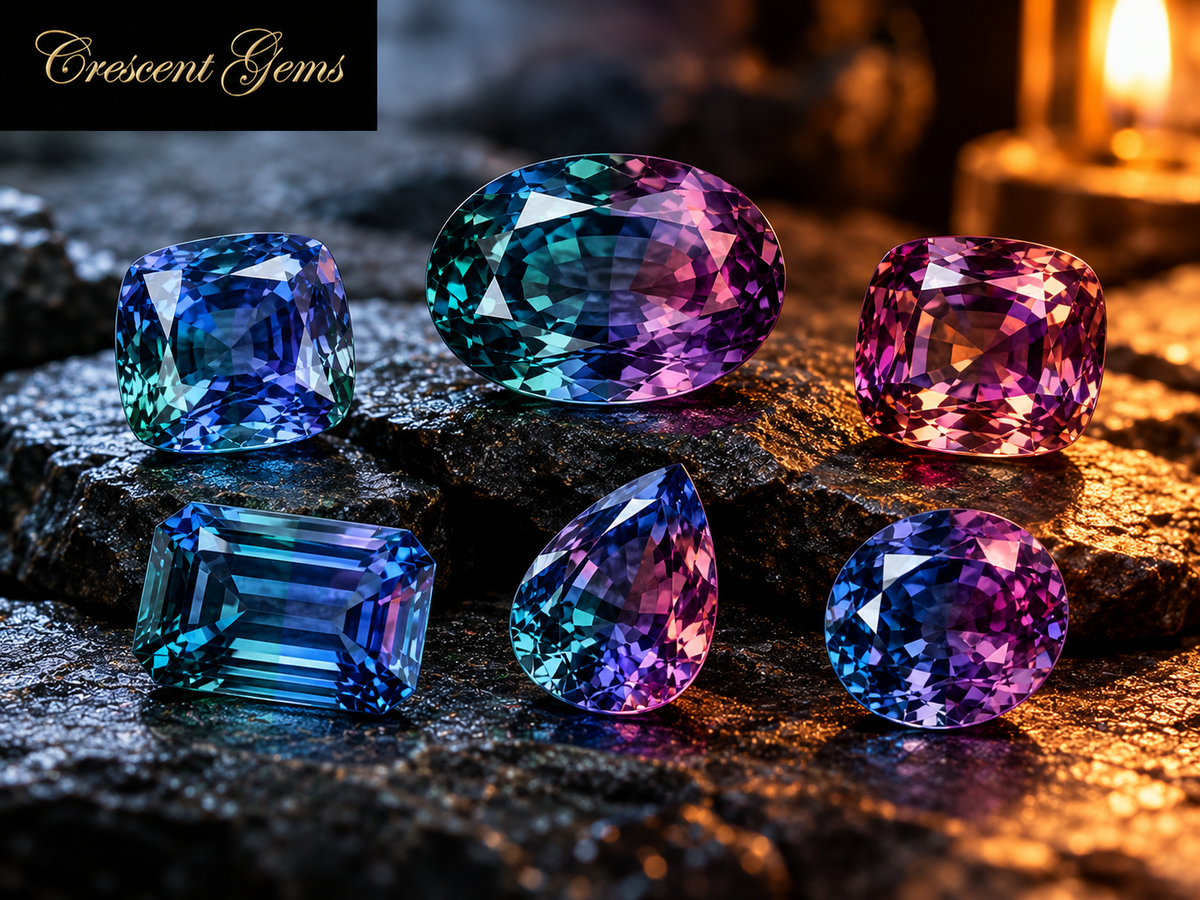
Color-Change Sapphire Price Guide — What They Cost and Why
Read moreabout Color-Change Sapphire Price Guide — What They Cost and Why
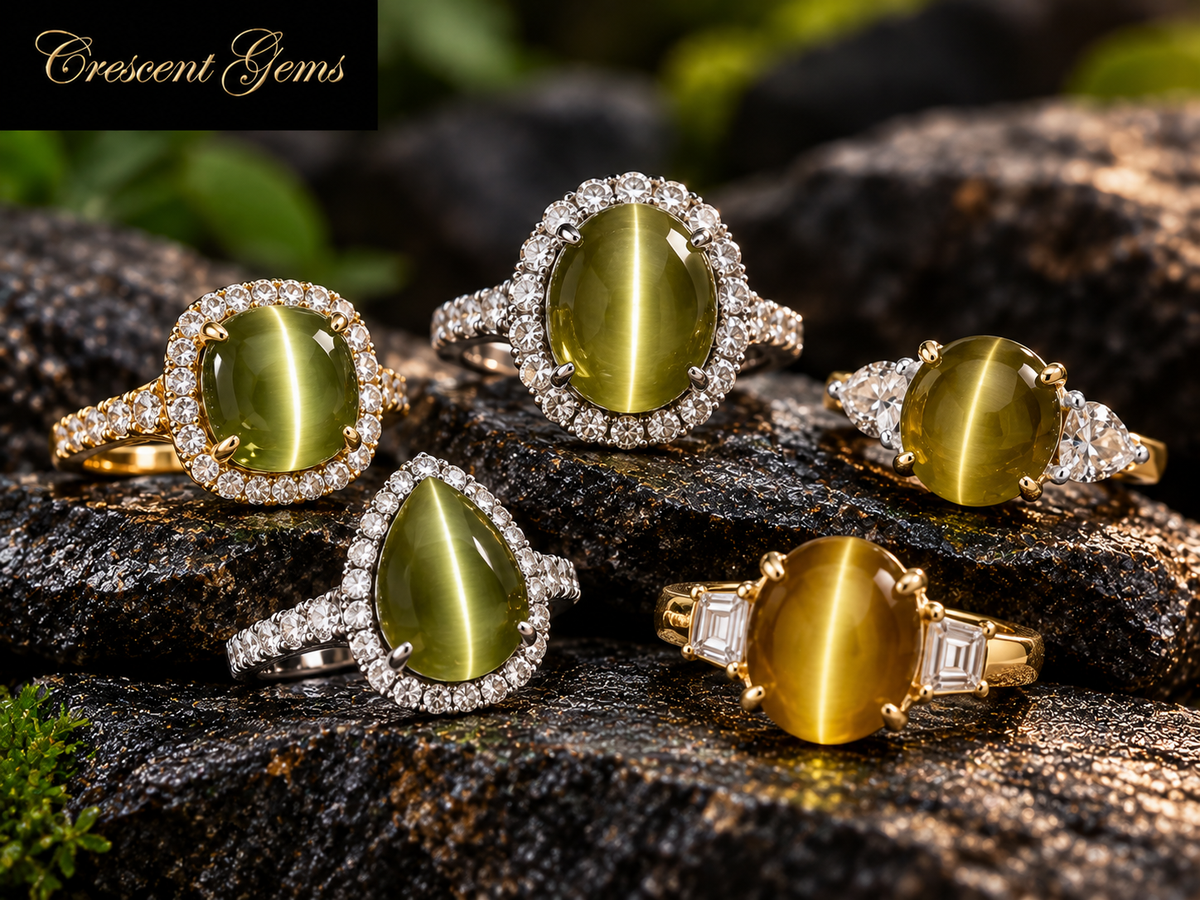
Is Cat's-Eye Chrysoberyl Good for an Engagement Ring?
Read moreabout Is Cat's-Eye Chrysoberyl Good for an Engagement Ring?
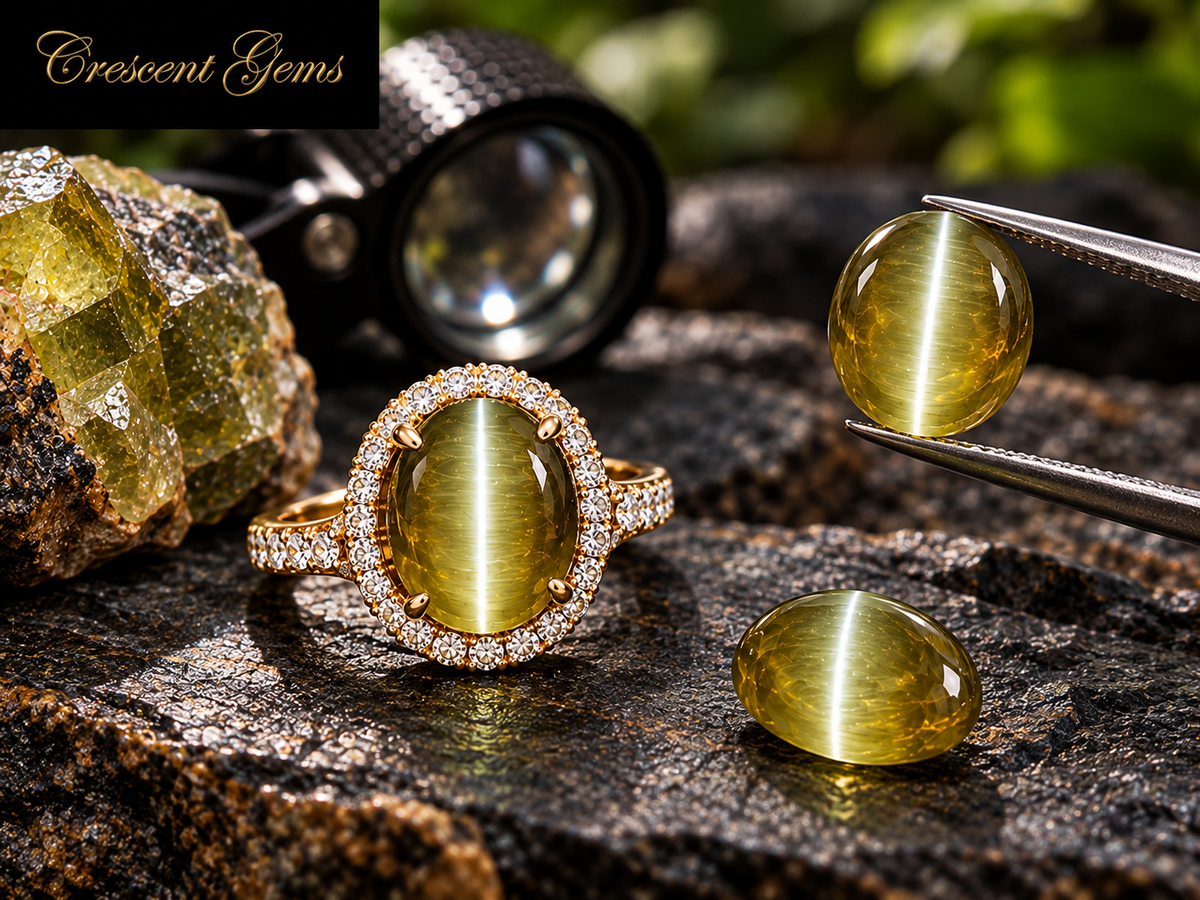
Cat's Eye Chrysoberyl Price Guide — What They Cost and Why
Read moreabout Cat's Eye Chrysoberyl Price Guide — What They Cost and Why















Share: