- by Ahmed Shareek
River Bed Mining for Gemstones in Sri Lanka: How Active Waterways Yield Ceylon's Rarest Stones
- by Ahmed Shareek
Want to understand how Ceylon sapphires reach the market? Read our Pit Mining in Sri Lanka guide. For the trading side: The Ratnapura Gem Market. For the stone itself: Ceylon Sapphire Complete Guide.
River bed mining is one of the oldest and most visually dramatic methods of gemstone extraction in Sri Lanka. While most people picture gem mining as digging shafts into the earth, a significant portion of Ceylon's finest sapphires, spinels, and chrysoberyls have been recovered not from underground pits but from the gravel beds of active rivers — stones that water itself separated, transported, and concentrated over hundreds of thousands of years before a miner ever touched them.
The method is practiced throughout Sri Lanka's gem-bearing river systems, particularly in the Ratnapura, Balangoda, and Elahera districts. It requires no heavy machinery, no explosives, no chemicals. It is conducted entirely by hand, using the same basic principles — water, gravity, and density — that nature used to assemble the deposit in the first place. This guide explains the geology behind why rivers concentrate gems, the specific techniques miners use to extract them, the river systems that have historically produced the finest material, how the stones found in rivers compare to those from pit mining, and what the environmental and economic dimensions of this ancient practice look like today.
To understand river bed mining, you first need to understand why gem minerals end up in river gravel at all. The answer is a combination of geology, physics, and geological time.
Sri Lanka's gem-bearing geological zone — the Highland Complex, a Precambrian metamorphic terrain covering much of the island's interior — contains the primary corundum deposits from which sapphires originally crystallized hundreds of millions of years ago. These deposits are embedded in crystalline rocks including gneisses, granulites, and marbles. As these host rocks weather and erode over geological timescales, the corundum crystals — chemically inert and physically hard enough to survive the erosion process largely intact — are released and carried into the drainage system.
Water is an extraordinarily effective natural separator, and it works by the same principle that miners use when washing gem gravel: density. The carrying capacity of flowing water for a mineral particle is determined by the particle's density (specific gravity), shape, and the water's velocity. Higher-density minerals require faster-moving water to remain in transport; when water slows, the densest particles settle first.
Corundum — the mineral sapphire and ruby belong to — is dense for a transparent stone. GIA's published figure for the species is a specific gravity of 4.00, against about 2.65 for the quartz sand that makes up most river sediment. That gap is what the whole method rests on. For comparison:
| Mineral | Published species density (g/cm³) | Behavior in Water Transport |
|---|---|---|
| Quartz (sand) | 2.65 | Travels far; settles last; most abundant component of river sediment |
| Feldspar | 2.56–2.76 | Travels far; settles with quartz |
| Spinel (gem magnesium-aluminium spinel) | 3.58–3.61 | Settles with the gem fraction; found in the same gravel layers |
| Chrysoberyl | 3.5–3.84 | Settles with spinel and corundum |
| Garnet (rhodolite, hessonite) | about 3.5–3.9 | Settles earlier than quartz; concentrates in gem gravel |
| Corundum (sapphire, ruby) | 4.00 | Settles quickly; concentrates in gem gravel with other dense minerals |
| Zircon | up to 4.6–4.7, and lower in older crystals | Usually settles with or slightly ahead of corundum; heavy indicator mineral |
| Ilmenite / magnetite | about 4.7–5.2 | Settles first; used as indicator of gem-bearing gravel proximity |
These are published figures for the mineral species, not measurements of any stone we sell. Corundum's 4.00 is GIA's published species figure, which is the value we print on our own listings. Zircon's density is given as a ceiling rather than a band because radiation damage inside old zircon crystals breaks down the structure and lowers the density, so a metamict zircon can settle behind corundum rather than ahead of it. Spinel is given for the gem magnesium-aluminium mineral; zinc-rich spinel runs considerably higher and is a different stone.
As a river transports eroded material from the highlands, the common light minerals — quartz, feldspar — continue downstream while the dense gem minerals — corundum, spinel, chrysoberyl, zircon — settle preferentially at points of reduced water velocity. These settling zones form the alluvial gem deposits, known in Sri Lanka as illama, that miners target. Illama is the spelling we use; GIA publishes the same word as illam, and the quotations and source notes on this page keep GIA's form.
Within a river system, gem minerals preferentially accumulate at specific locations where water velocity drops:
River bed mining in Sri Lanka is conducted entirely by hand by small teams of 3–10 workers, typically under the direction of an experienced team leader who evaluates where to work based on knowledge of the river system, reading of the current gravel character, and often family knowledge passed down through generations.
The first task is selecting a section of the river with the geological characteristics most likely to contain concentrated gem gravel — inside curves, downstream of obstructions, near bedrock exposures at the river bottom. Once a site is chosen, miners construct a temporary diversion. In smaller streams, this may be as simple as a partial rock dam that redirects a portion of flow. In larger rivers, teams build more substantial temporary diversions using sandbags, timber, and gravel to expose a working section of the river bed.
This diversion work is the most labor-intensive phase and often requires several days of preparation before any gem-bearing gravel is reached. The temporary dam must be robust enough to keep the working area manageable while not being so permanent that it blocks fish passage or causes significant upstream flooding. Traditional Sri Lankan river mining has always incorporated awareness of this balance — the diversions are temporary structures intended to be removed after working.
With the working section exposed or accessible, miners remove the overburden — the top layers of sand, silt, and lighter gravel that sit above the dense gem-bearing layer. This material is typically moved by hand using short-handled shovels and baskets. It is discarded to the side of the working area. The depth to the gem layer varies — in active river beds it may be only 1–2 meters below the current surface; in ancient buried channels it can be significantly deeper.
The illama — the dense, dark gem-bearing gravel layer — is identifiable by its color, texture, and weight. Experienced miners recognize it immediately: it is typically darker and heavier than the overlying material, often containing rounded pebbles of quartz, feldspar, and various dark heavy minerals alongside the gem minerals. This layer is excavated carefully and collected into baskets for washing.
The character of the illama also provides real-time quality indicators. Heavy concentrations of ilmenite and magnetite (black, magnetic heavy minerals) suggest the deposit is rich in dense minerals. The presence of well-rounded zircon pebbles is a positive indicator for sapphire proximity. An experienced team leader reads these signs continuously as the excavation proceeds.
The washing process is conducted in the river itself or in adjacent washing pools. A worker fills a shallow, wide-bottomed cane or rattan basket — the menik wattiya (මැණික් වට්ටිය) of the Sri Lankan gem fields — with a scoop of illama gravel, submerges it partially in water, and rotates it with a swirling motion. The lighter particles — sand, silt, fine gravel — are carried over the edge of the basket by the water motion while the heavier dense minerals remain in the center. The process is repeated until only the heaviest fraction remains.
What remains in the center of the basket after washing is a small cone of dense heavy minerals — black ilmenite, brown zircon pebbles, red garnets, and, mixed among them, the dull, rounded, or partially crystalline rough corundum, spinel, and chrysoberyl that will eventually become finished gemstones. At this stage, rough sapphire looks nothing like the polished gems it will become — it is typically gray-brown on its exterior surface, identifiable to a trained eye by its crystal form, weight, and the occasional flash of color visible through a break in the surface crust.
Sorted rough is immediately examined by the team leader and senior workers. Significant finds — large crystals, unusually colored material, or high-clarity rough — are noted and secured. The rough passes through a chain of custody that, in traditional operations, involves the mine owner, the mining team, and ultimately a gem dealer or broker at the Ratnapura market. For more on how rough transitions from mine to market, see our Ratnapura Gem Market guide.
The gem mineral assemblage in Sri Lanka's river-bed illama reflects the diversity of the Highland Complex geology. River bed deposits yield the same suite of minerals as pit mining — they come from the same primary sources — but the river's size-sorting and rounding action produces distinctive rough character:
| Gemstone | Typical River Rough Character | Colors Found | How often it is recovered |
|---|---|---|---|
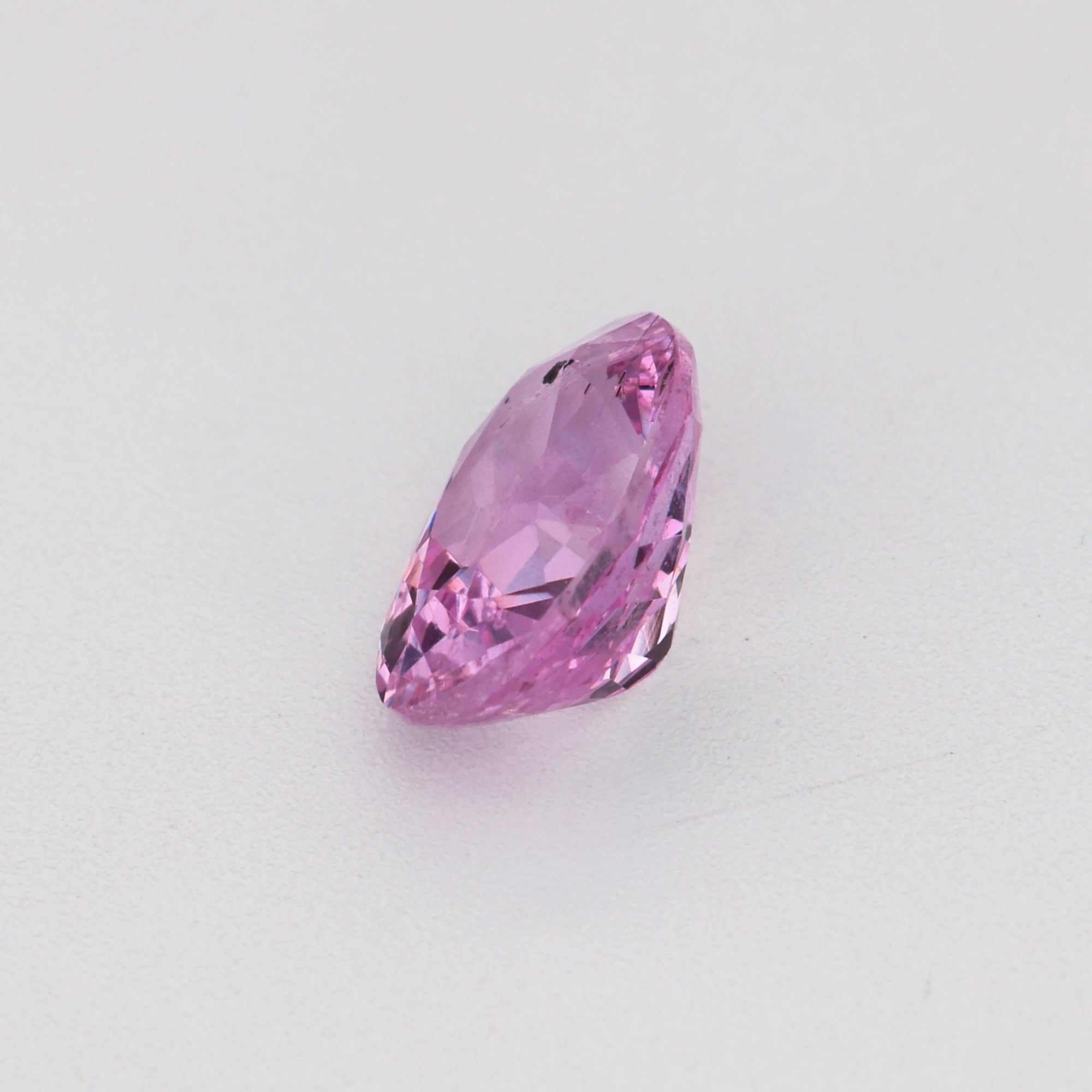
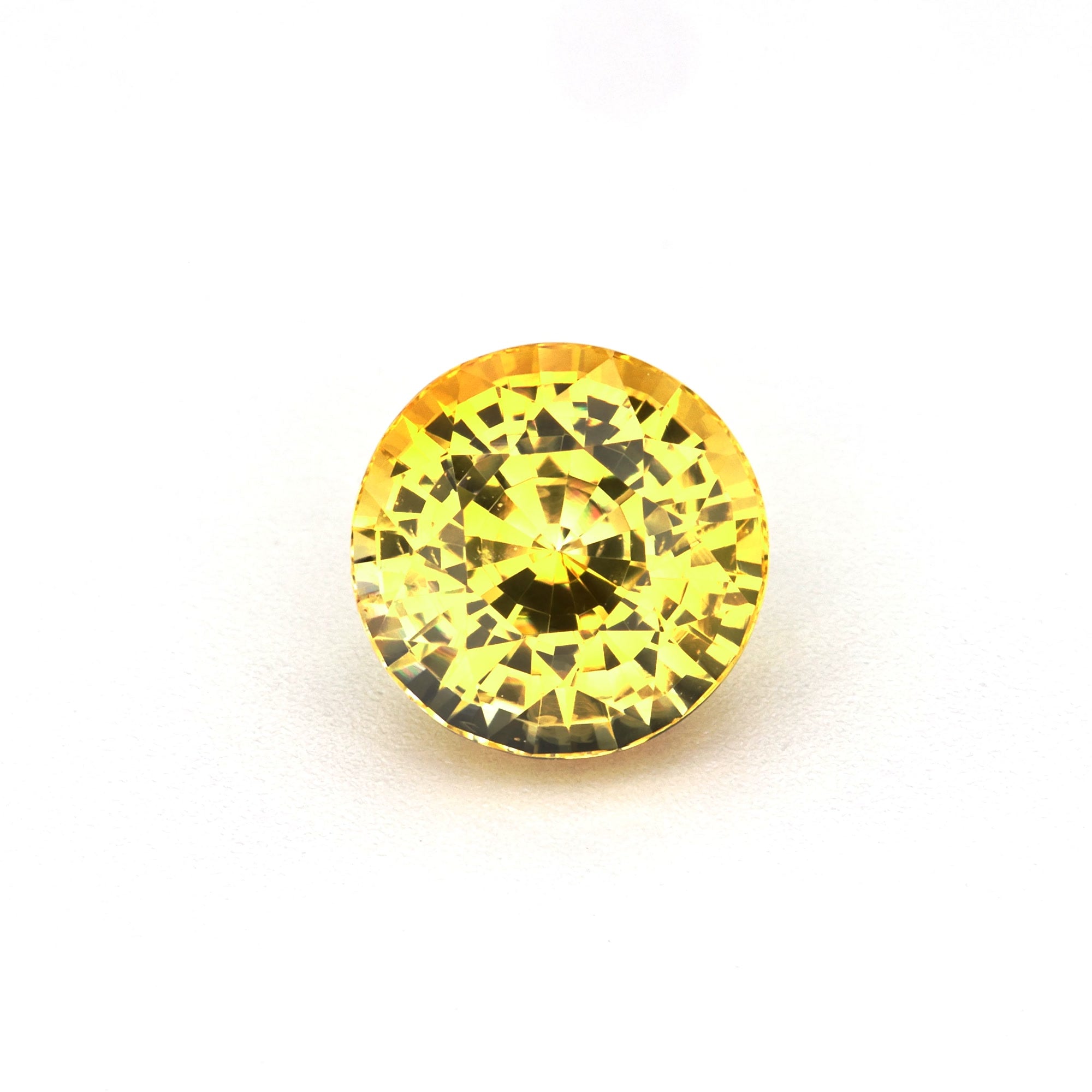
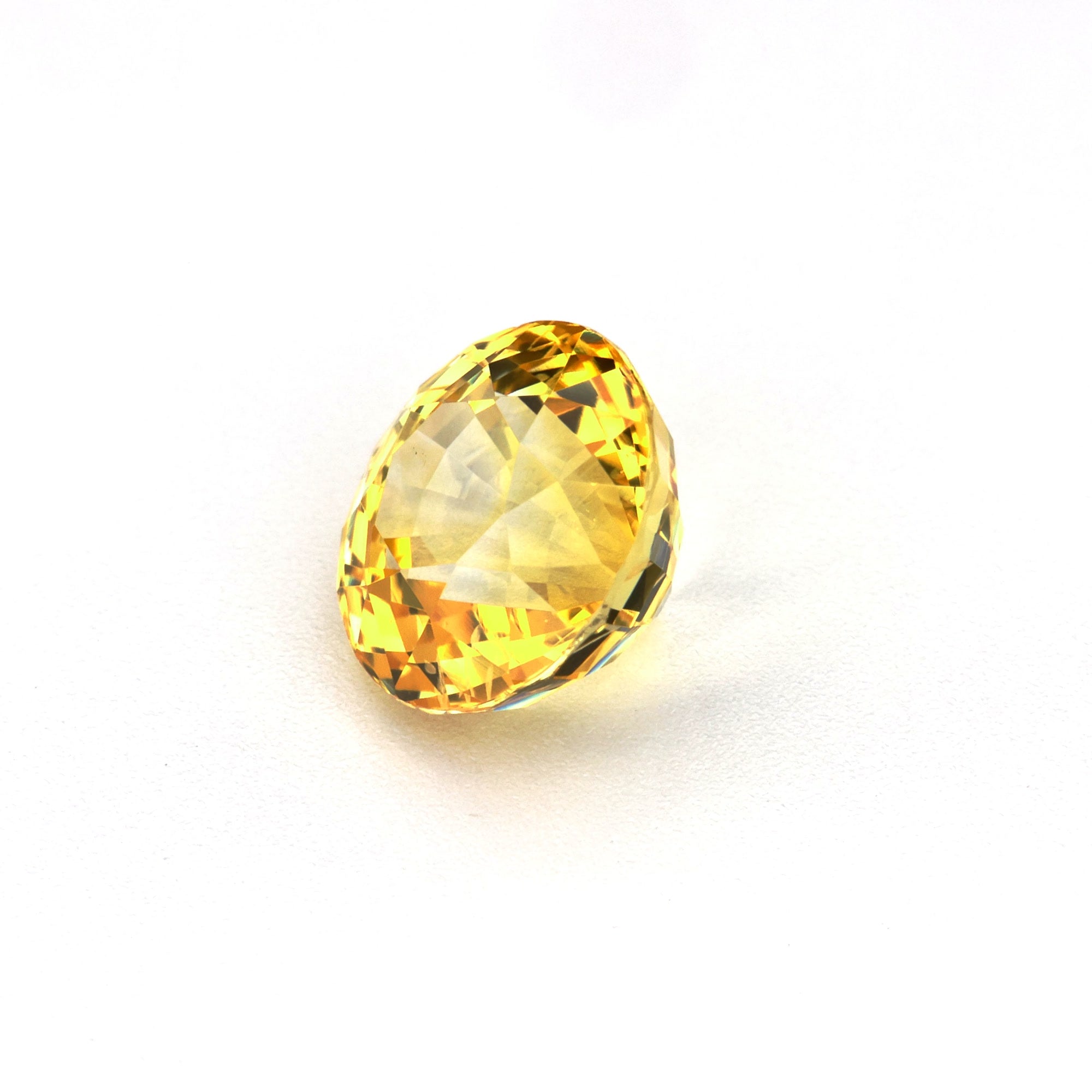
| Sapphire (corundum) | Rounded to sub-rounded crystals; often weathered exterior; color visible at fractures | Blue, pink, yellow, teal, violet, padparadscha, white, orange | Commonly recovered; the main target of the workings |
| Star sapphire | Rounded; rutile silk visible as a sheen on the surface | Blue, black, grey, pink | Occasionally recovered |
| Ruby (corundum) | Typically small; vivid red uncommon from Sri Lanka's rivers | Pink-red to deep red | Occasionally recovered; far less common here than sapphire |
| Spinel | Well-rounded octahedral crystals; often vivid color | Red, pink, blue, violet, orange, grey | Occasionally recovered |
| Chrysoberyl (cat's eye) | Rounded; fibrous inclusion character preserved | Honey-yellow, green-yellow | Occasionally recovered |
| Alexandrite | Rarely found; small crystals | Green/red color-change | Rare in these gravels |
| Zircon | Rounded, often large; high luster; heavy | Brown, red, colorless, blue | Commonly recovered; used as an indicator mineral |
| Garnet (hessonite, rhodolite) | Well-rounded; often deep red-orange | Red, orange-red, pink | Commonly recovered, often in quantity |
| Tourmaline | Rounded crystal fragments | Various | Rare in these gravels |
| Moonstone (feldspar) | Rounded, often large; adularescence visible in rough | White with blue sheen | Recovered in some districts; Sri Lanka has a long-established moonstone trade |
River bed mining and pit mining (the shaft-based method practiced in the Ratnapura basin and other gem districts) are complementary extraction methods targeting the same ultimate source — the gem minerals of the Highland Complex. The key differences in method, economics, and rough character:
| Factor | River Bed Mining | Pit Mining |
|---|---|---|
| Deposit type | Active alluvial — current or recent river gravel | Ancient alluvial (illama) buried by subsequent sediment |
| Depth | Shallow — typically 1–3m below river surface | Variable — typically 3–15m below surface |
| Access method | Temporary river diversion; hand excavation | Vertical shaft sunk to illama layer; horizontal tunnels |
| Equipment | Hand tools, baskets, rope; no machinery | Hand tools, bucket hoist, sometimes simple pumps |
| Rough character | Well-rounded, smooth-surfaced; size-sorted by river | Less rounded; often larger crystals; more varied size |
| Rough size | Typically smaller on average — larger crystals are more easily fragmented in transport, though large stones do turn up | Full size range; larger crystals more common |
| Team size | 3–8 workers for diversion and extraction | 6–15 workers for shaft sinking and mining team |
| Duration per site | Days to weeks per river section | Weeks to months per pit |
| Environmental footprint | Temporary diversion; hand tools; no chemicals; sediment released into the river while work continues | Hand tools; no chemicals; the shaft is backfilled after working, and the surface is disturbed for longer |
| Regulatory requirements | Mining permit from National Gem and Jewellery Authority (NGJA) | Mining permit from NGJA; land access from owner |
For a complete guide to the pit mining method, see our Art of Pit Mining in Sri Lanka guide.
Ratnapura — whose name translates as "city of gems" in Sinhala — sits at the confluence of the Kalu Ganga (Black River) and several tributaries that drain the gem-bearing Highland Complex. This geographic position — at the downstream convergence of multiple gem-transporting waterways draining Sri Lanka's richest gem geology — is the reason Ratnapura became the centre of the island's gem trade. GIA dates gemstone use in Sri Lanka to "at least 2,000 years"; we have not found a source that dates Ratnapura's market specifically, so we give the island's figure rather than the town's. The rivers that pass through or near Ratnapura include the Kalu Ganga itself and its tributaries — among them the Kuru Ganga, the Wey Ganga and the Denawaka Ganga — together with numerous smaller streams, all of which carry illama from the highland gem zones. Active river mining and terrace mining continue in the Ratnapura basin alongside the district's extensive pit mining operations.
The Walawe Ganga and its tributaries drain through the Balangoda area in Sabaragamuwa Province, another significant gem-producing district. The Balangoda area has produced notable star sapphires and fine blue material from both river and pit operations. The river systems here drain different segments of the Highland Complex than the Ratnapura rivers, producing a somewhat different gem assemblage with higher concentrations of star sapphire material in some zones.
In the North Central Province, the Elahera area is associated with the Mahaweli Ganga river system — Sri Lanka's longest river, which drains a large portion of the central highlands. Elahera has historically produced fine blue sapphires, padparadscha, and yellow sapphire material. The Mahaweli and its tributaries carry illama through a geologically distinct zone that produces sapphires with slightly different chemical character than the Ratnapura material — a difference that can sometimes be observed in origin determinations by Gübelin and SSEF.
The Matale area produces chrysoberyl, including cat's eye chrysoberyl, from river and terrace deposits associated with the Amban Ganga drainage. The honey-gold material the district is known for comes from this zone. River-transported rough from Matale suits cat's eye cutting because the rounded, undamaged crystal form preserves the fibrous inclusion structure that produces the chatoyancy — that is the mechanism, and it is as far as we will go: no laboratory grades chatoyancy, so anything said about how a particular eye behaves is the seller's opinion, ours included. See our Cat's Eye Chrysoberyl Buyer's Guide.
Gems recovered from active river mining have a distinctive character that differs from pit-mined rough in ways that are commercially significant:
Extended transport in a river system rounds gem crystals by abrasion. Fine sapphire rough recovered from active river mining is typically smooth-surfaced and well-rounded rather than showing the original crystal faces of pit-mined material. Cutters generally treat the rounding as helpful: it removes surface damage, exposes fresh surfaces for an initial colour look, and means the crystal has already been through a long abrasion test without breaking up — a rough signal about that piece of rough, and not a claim about the finished stone, whose soundness depends on what survives cutting.
River transport is harder on larger crystals than on smaller ones. A large, fragile crystal with internal fractures will break during river transport; a compact, internally clean crystal of the same species survives intact. River mining therefore tends to produce smaller average rough sizes than pit mining, but with a higher proportion of internally sound material relative to size. The largest exceptional crystals — including the historically significant large sapphires that have come out of Sri Lanka — tend to come from pit mining rather than active river mining.
River-mined rough enters the market in natural, unenhanced form. Whether it remains unheated depends on decisions made by the dealer or cutter who purchases it — the same rough may be sold to a treater for heat enhancement or reserved for unheated cutting depending on the natural color quality. Sri Lanka's metamorphic geology, which produced the gems in the first place, yields a high proportion of saturated natural-colour rough, and that is why unheated material is routinely available here. We are not going to rank the island against other sources on this: we have no market-share figure we can cite, and we are not in a position to measure one. See our What Is an Unheated Sapphire? guide.
This is the part of a mining article where sellers reach for a comforting sentence, so here is what we can actually source, and where the sourcing stops.
Gem mining in Sri Lanka is licensed by the National Gem and Jewellery Authority, which states that it "is vested with the power to issue gem mining licences under section 15" and that gem mining is not permitted under an exploration licence issued by the Geological Survey and Mines Bureau. Licences cover both traditional and mechanised working, and the overwhelming majority are traditional: GIA records that of more than 6,500 licences issued in 2013, more than 6,000 were for pit mining by traditional methods, while "Licensing for mechanized mining follows very strict guidelines, and only about ten were issued in 2013."
Restoration is a licence condition with money behind it. GIA: "Once a mining area is finished, the shaft or open pit must be filled in according to regulations enforced by the NGJA", and "The National Gem and Jewellery Authority (NGJA) collects a cash deposit when a license is issued. If the mine owner does not rehabilitate the land after mining is complete, the NGJA uses the deposit money for that purpose." The Sri Lanka Export Development Board states what the rule is for: it "requires the shafts and open pits to be filled after the completion of mining operations to prevent ground water contamination, damage to the landscape and mosquito breeding."
River working has an additional dimension a pit does not. The diversions are temporary structures, built to be taken out, and the sediment released during excavation and washing moves downstream while work continues. Those are descriptions of what the method does, not ratings of it.
A requirement is not a compliance rate. Reporting published by the Earth Journalism Network in October 2024 described uncovered and waterlogged pits left in farmland around Ratnapura, residents reporting livestock and people falling into them and wells running dry, and an environmentalist pointing to open workings as mosquito habitat and to falling groundwater. The NGJA, answering a right-to-information request, said it had no record of unclosed pits in the area named between January 2021 and August 2023. The same report quotes NGJA director G.W. Amarasiri: "About 40,000 gem mining are currently conducted with the 6,000 permits issued."
If that estimate is close, then most of the digging on the island at any given moment sits outside the licence the restoration rule is attached to. That is the honest shape of the picture, and it is why we will not describe unlicensed mining as a footnote to a well-regulated industry.
This article does not rank Sri Lanka's gem mining against other countries', and it does not describe the industry as sustainable. We went looking for a published comparative study we could cite for either, and did not find one we are prepared to stand behind — so neither statement is ours to make. Where you meet one elsewhere, it is worth asking which study it rests on, because we could not find it.
What we will say is narrower and is ours. The workings we buy from are hand-dug and hand-washed, they use no chemicals, the diversions come out, and the pits are filled. That is our own observation from going there and buying there. It is a statement about the people we deal with, not about the industry, and not about any other country.
Rough recovered from river mining follows the same path as pit-mined material. After washing and rough sorting at the mine site, gem rough passes to a dealer or broker — typically at the Ratnapura market — who evaluates quality and either sells to a cutter directly or aggregates rough into parcels for sale. Fine individual crystals may go straight to a respected cutter; commercial-grade material moves through the parcel system. After cutting, stones reach buyers through dealers, exporters and retailers.
Where we sit in that: we buy at the source in Sri Lanka — from miners, and from dealers and brokers in Ratnapura and Beruwala, through relationships built up over more than twenty-five years — and we cut a large part of what we buy. For most parcels we can tell you the district the rough came from, and often the river section or the pit.
What we are not going to claim is that there is nobody between the river and the listing, because on most stones there is, and this article has just described who. The market we buy in is an intermediated one; that is how rough is traded here. We also will not tell you how our chain compares with another seller's, or turn the comparison into a price claim — we do not know what anyone else pays, so any such sentence would be invented.
River bed mining recovers gemstones from the alluvial gravel deposits in active or seasonal river channels. Miners temporarily divert or access the river bed, excavate the dense gem-bearing gravel layer (illama), and wash it in baskets using the river water itself to separate gem minerals from lighter sand and silt. The method is conducted entirely by hand and uses no chemicals or heavy machinery.
Flowing water separates particles by density — lighter minerals travel farther downstream while denser minerals settle sooner at points of reduced velocity. Corundum, the mineral sapphire belongs to, has a published species density of 4.00 against about 2.65 for common quartz sand, so it settles preferentially at inside curves, behind obstructions, and at tributary confluences. Over long periods these settling zones accumulate concentrated gem gravel.
The full range of the island's gem suite: blue, pink, yellow, teal, violet, padparadscha, and star sapphires; spinel in several colours; cat's eye and alexandrite chrysoberyl; zircon; hessonite and rhodolite garnet; and moonstone. The mix reflects the geology of the Highland Complex that the rivers drain.
Both target illama deposits — dense gem-bearing gravel — but river mining accesses active or recent alluvial deposits in current river channels via temporary diversion, while pit mining sinks vertical shafts to reach ancient buried illama layers. River mining produces smaller, more rounded rough on average and is somewhat faster per site; pit mining can access larger crystals and works through more extensive buried deposits. Both use hand tools and no chemicals.
Not inherently. Both come from the same primary geological source — the Highland Complex of Sri Lanka. River-mined rough tends to be smaller and more rounded. The largest crystals tend to come from pit mining. Colour and heat status depend on the specific stone, not on the extraction method, and nothing about how a stone left the ground tells you how the finished gem will behave.
Yes. The National Gem and Jewellery Authority issues gem mining licences under section 15 of its governing Act, and GIA reports that a licensed working must be filled in afterwards, with the NGJA holding a cash deposit it can spend on restoration if the holder does not. Compliance is a separate question from the rule: reporting by the Earth Journalism Network in 2024 documented pits left open near Ratnapura and quotes an NGJA director estimating about 40,000 operations against 6,000 permits. We are not going to rank Sri Lanka's environmental record against other gem-producing countries, because we found no published comparative study we could cite for it.
The extraction method does not decide that — it is a decision made after cutting by whoever owns the stone. Sapphires cut from river-mined rough can carry GIA, Gübelin or SSEF reports exactly as pit-mined material can. On our own stock: every listing states the treatment, and most stones carry a laboratory report with the lab and report number named on the listing. We are working through the stock sending stones above $500 for GIA reports and that work is not finished, so some stones above that figure do not yet have one, and their listings say so.
Our Ceylon sapphires come from the river basins and mining districts described in this guide. Our Madagascar material does not, and those listings say so — along with a small number of stones from Tanzania, East Africa and Vietnam, and the Kenyan tsavorite garnet we also carry. Every listing states its own origin, so read the listing rather than the banner. Ceylon sapphire is a trade name; the factual statement of origin is Sri Lanka.
We work directly with miners, cutters and dealers in Ratnapura and Beruwala, through relationships built up over more than twenty-five years, and for most parcels we can tell you the district the rough came from.
Free US shipping; $60 flat elsewhere, free over $499. 14-day returns on every order.
Email crescentgems@gmail.com with questions about origin, sourcing, or any stone in our catalog — we respond within one business day.

CG8307

CG8366
CG8313
CG8445
CG8433
CG8434
CG8431


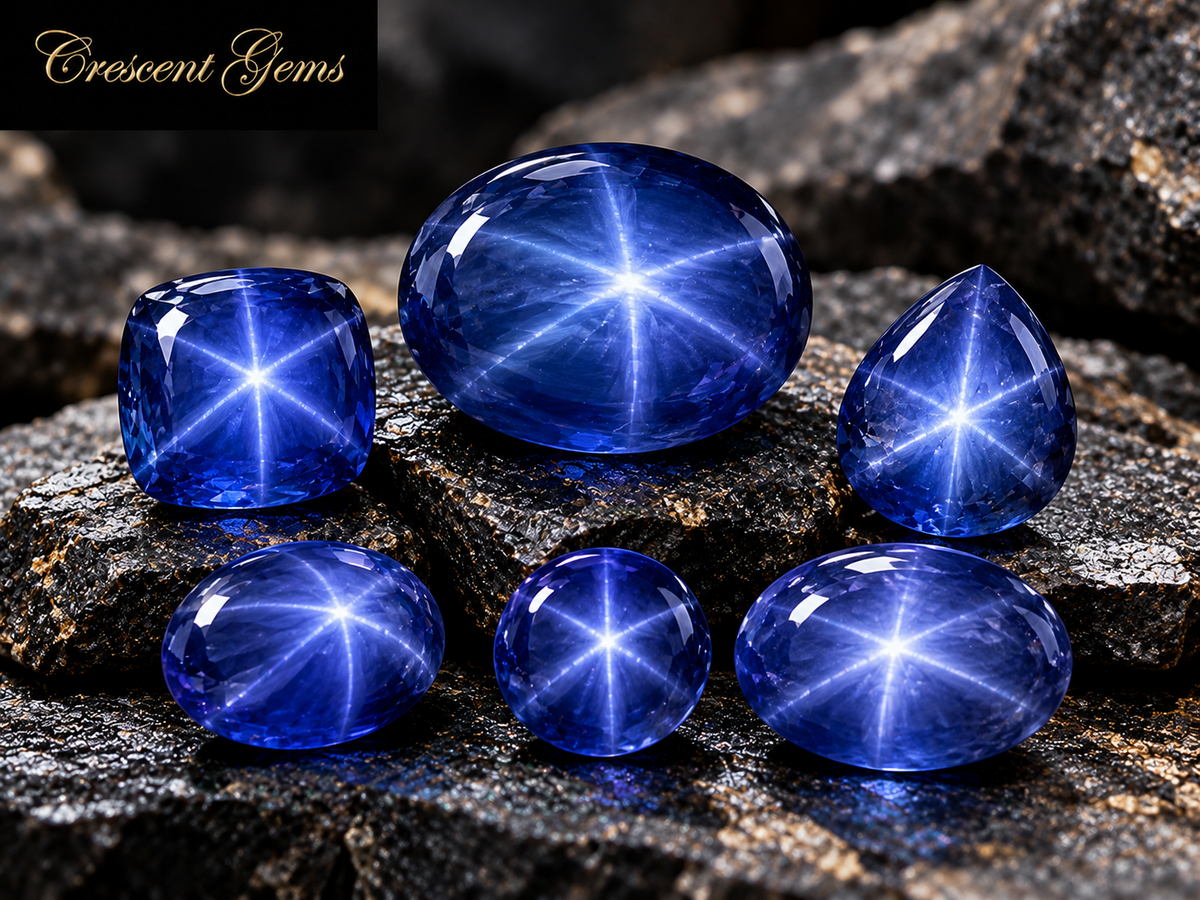
Blue Star Sapphire Price Guide — What They Cost and Why
Read moreabout Blue Star Sapphire Price Guide — What They Cost and Why
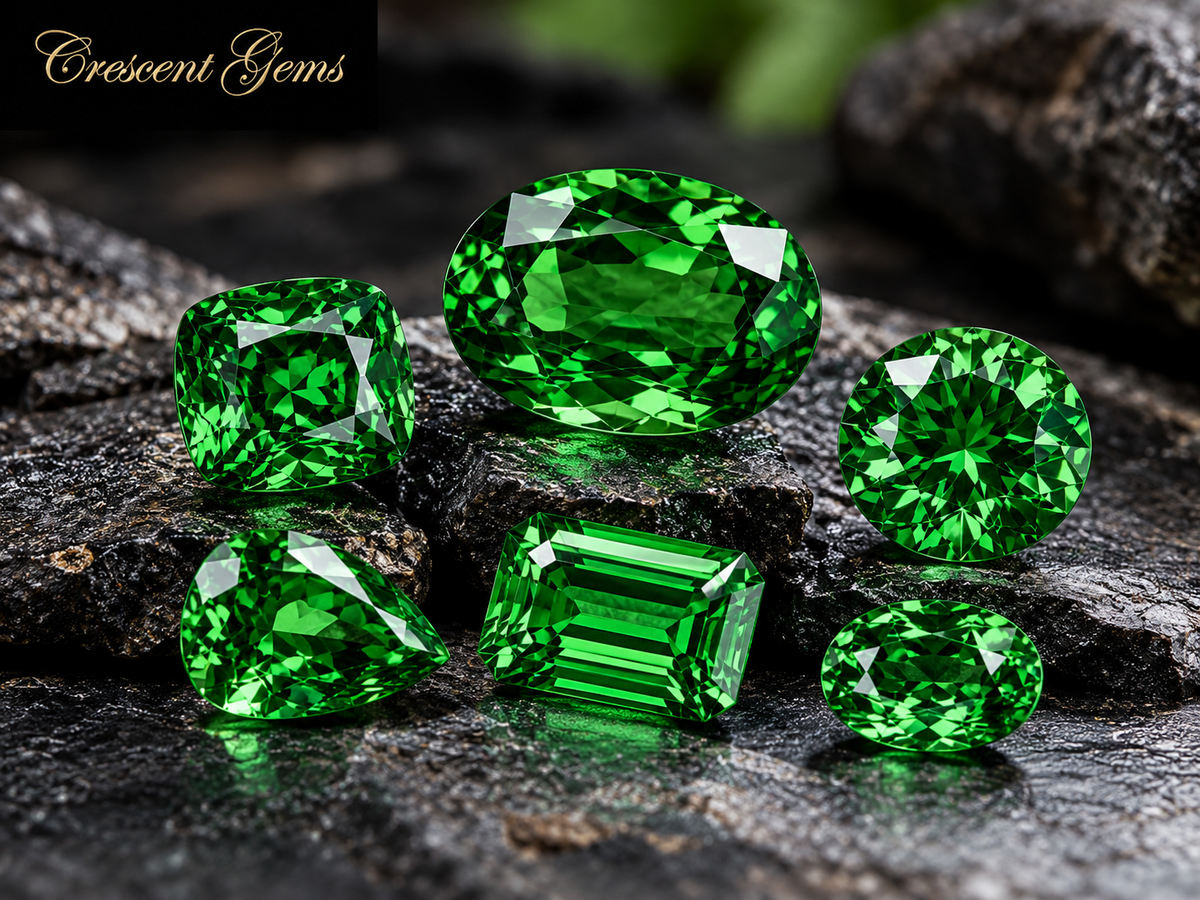
Tsavorite Garnet Price Guide — What They Cost and Why
Read moreabout Tsavorite Garnet Price Guide — What They Cost and Why
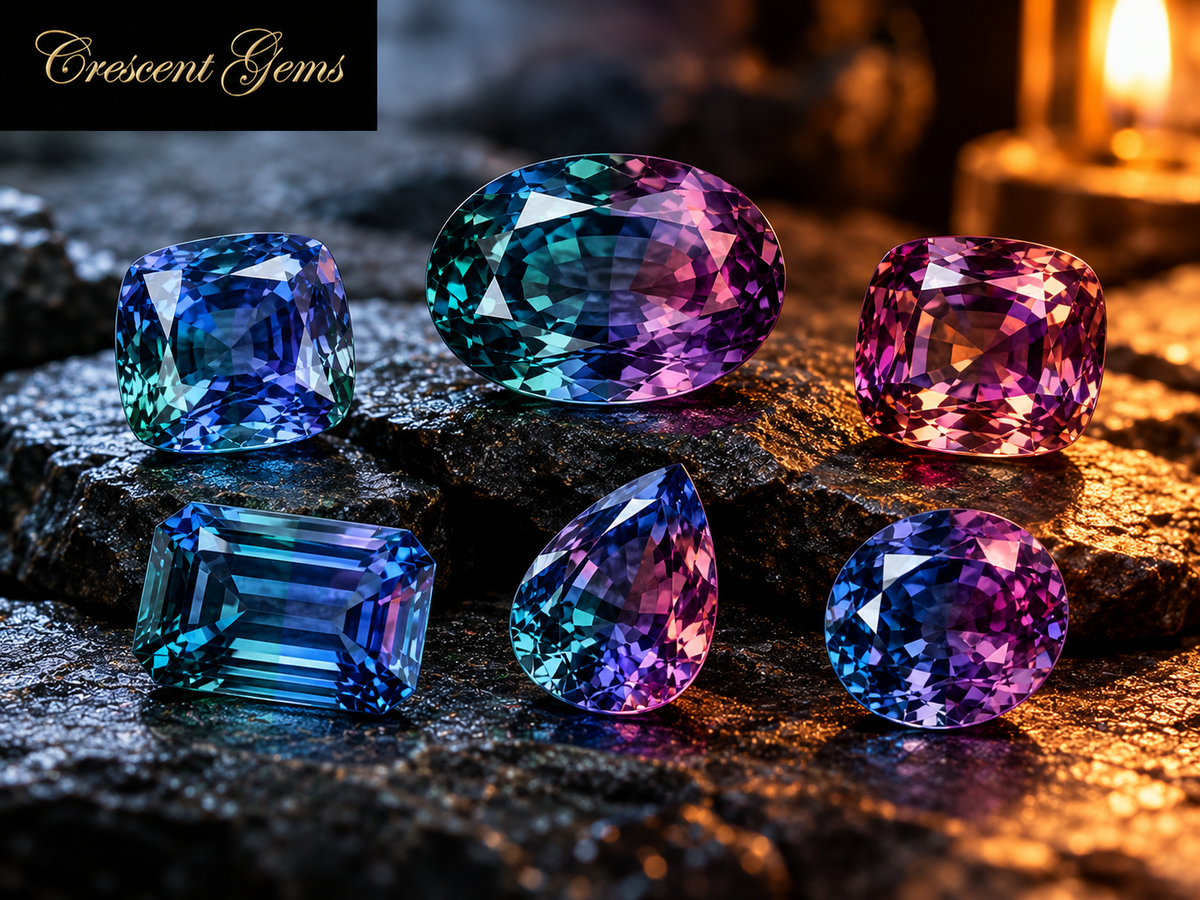
Color-Change Sapphire Price Guide — What They Cost and Why
Read moreabout Color-Change Sapphire Price Guide — What They Cost and Why
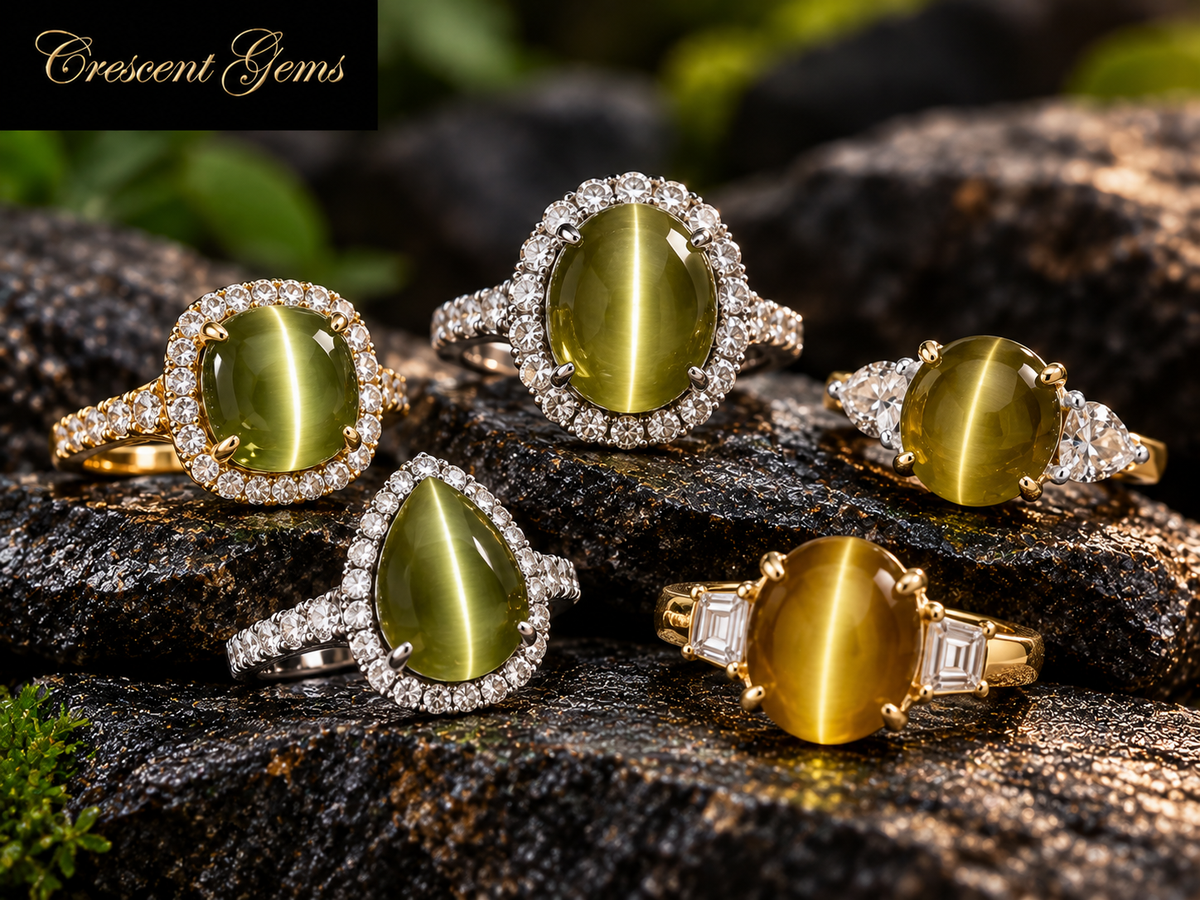
Is Cat's-Eye Chrysoberyl Good for an Engagement Ring?
Read moreabout Is Cat's-Eye Chrysoberyl Good for an Engagement Ring?
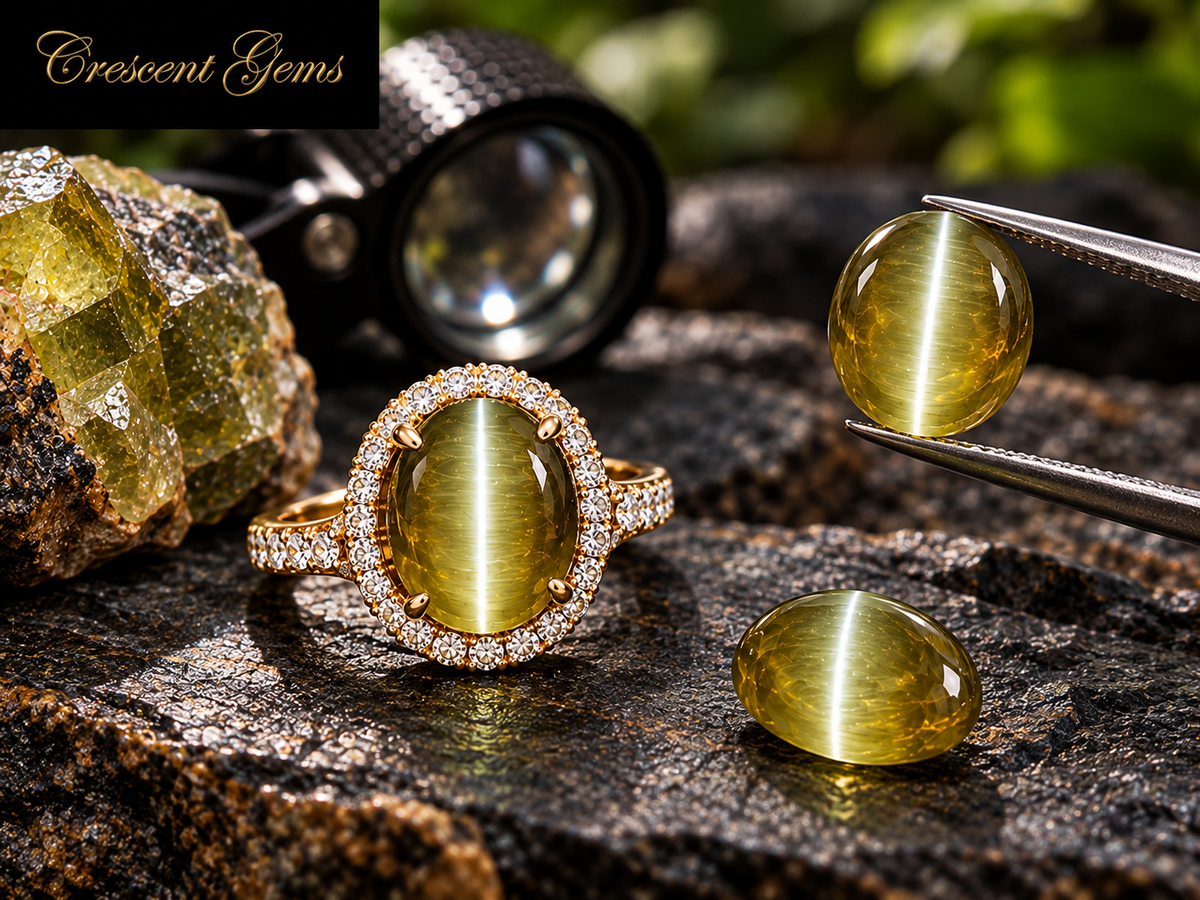
Cat's Eye Chrysoberyl Price Guide — What They Cost and Why
Read moreabout Cat's Eye Chrysoberyl Price Guide — What They Cost and Why