Buying a loose gemstone gives you independence, you get the freedom to make your own choice, your own jewelry design.
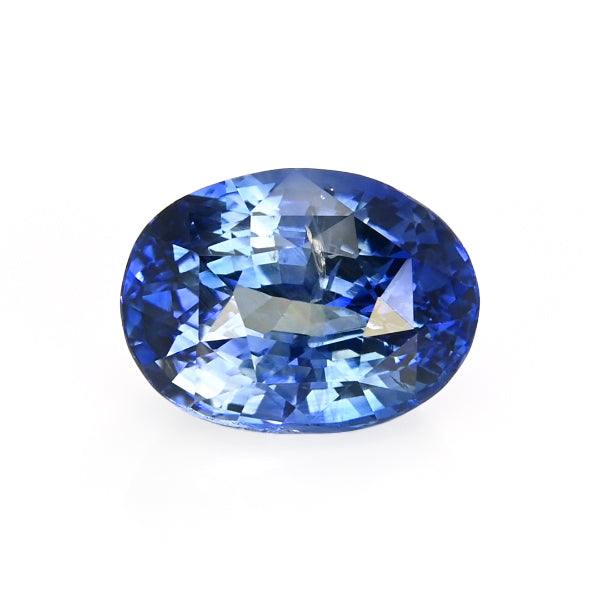
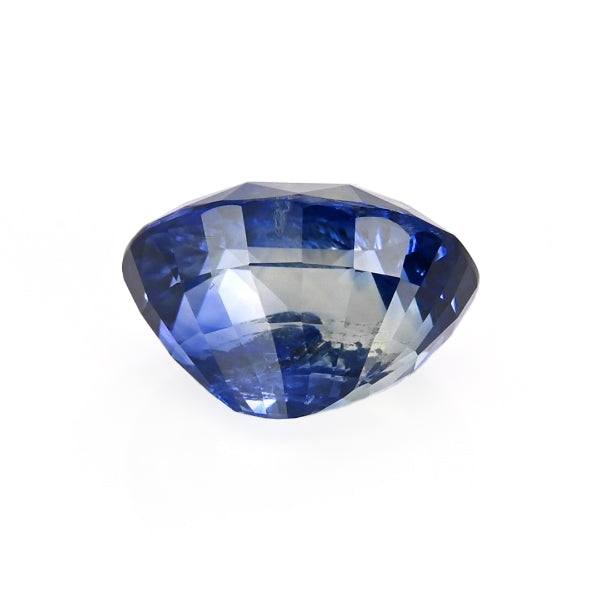
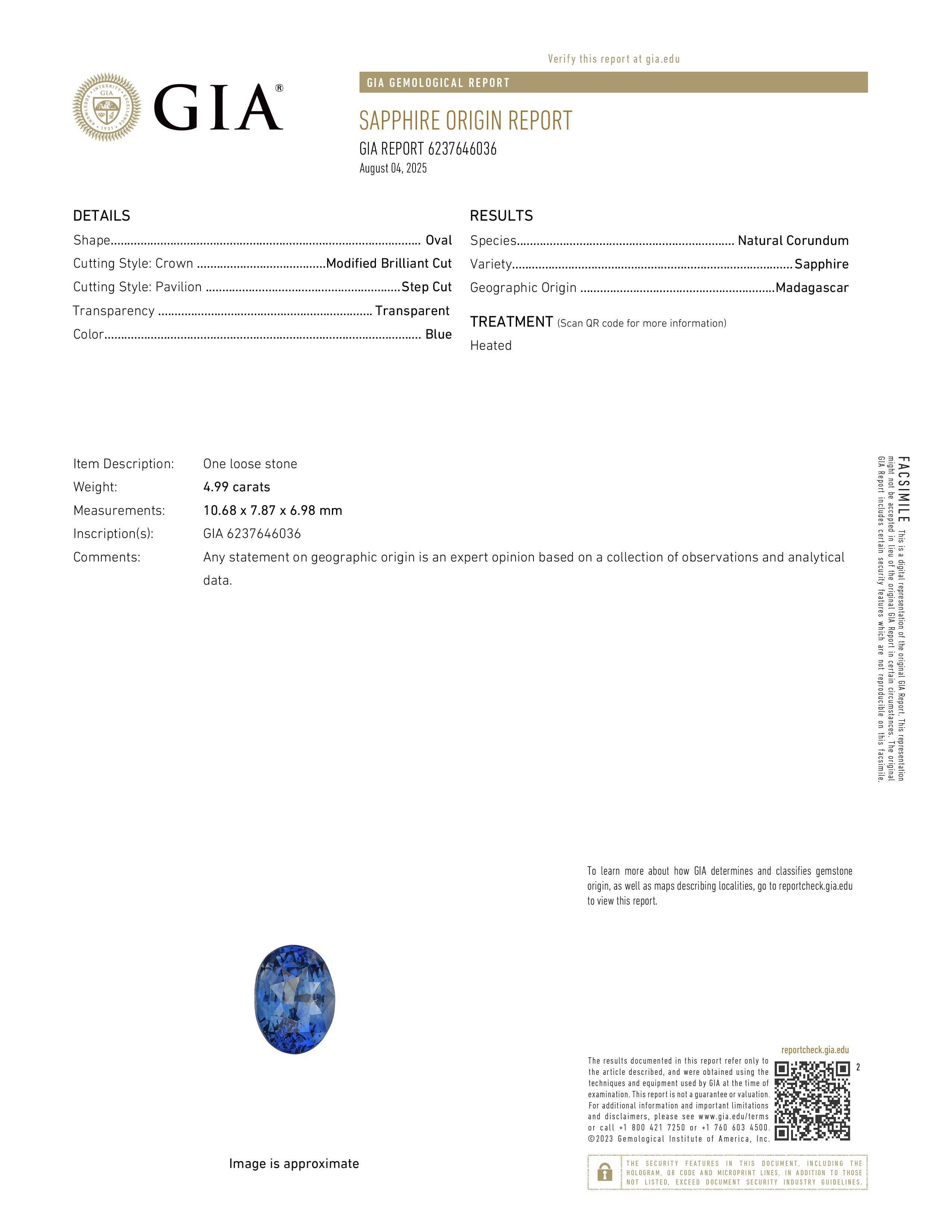
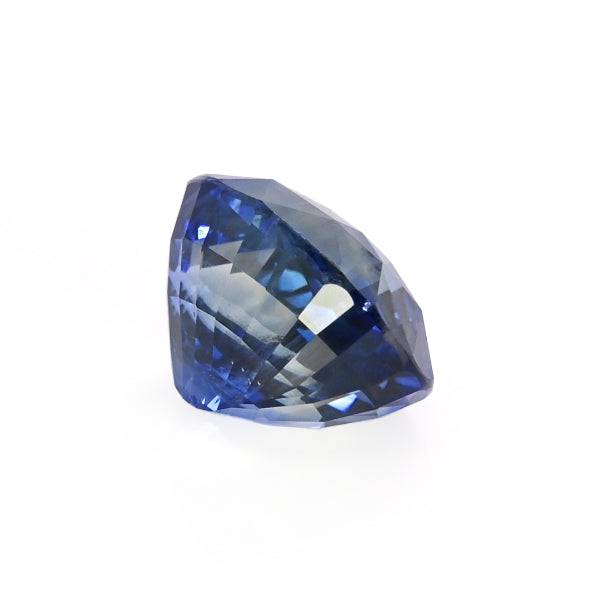
A natural 4.99 carat bi-color blue sapphire in an oval shape with Mixed Cut faceting (Modified Brilliant crown, Step Cut pavilion), from Madagascar, heat-treated and documented on GIA Report #6237646036. Bi-color sapphire shows two distinct color zones within a single crystal — in this stone, the blue and secondary color zones are visible across different portions of the face-up stone, creating an unusual visual character not present in single-color material. At nearly 5 carats with GIA documentation and Madagascar origin confirmed, this is a substantial and well-specified collector piece.
Expert Opinion
Ahmed Shareek's Assessment
"Genuine bi-color sapphires — two distinct color zones grown naturally within a single crystal — cross my bench only a handful of times a year, and finding one at nearly 5 carats with GIA-confirmed Madagascar origin made this stone worth setting aside the moment it arrived."
Rarity Analysis
Bi-color sapphire occupies a genuinely small slice of overall sapphire production — most crystals grow with one dominant, uniform body color, and material showing two clearly separated color zones within a single stone is a distinct minority of what reaches the cutting wheel.
-
Bi-Color Phenomenon: Most sapphire on the market is single-color; parti-color/bi-color material like this one — where two zones appear within the same crystal — is uncommon, and rarer still in a size large enough to show both zones clearly face-up.
-
Color: Blue is the most requested sapphire body color, but the secondary zone visible in this stone (documented on the GIA report as color banding through the middle of the stone) is what sets it apart from a conventional single-color blue sapphire.
-
Size: At 4.99 carats, this stone is well above the size at which most bi-color sapphire is typically cut — a lot of zoned material is small enough that the effect is difficult to see at all.
-
Treatment: This stone is heat-treated, the standard and widely accepted enhancement used for the large majority of fine sapphire sold today. Treatment status alone doesn't make a stone rare — but it confirms the zoning is a permanent feature of the crystal's growth, not an artifact of processing.
-
Documentation: GIA's report independently confirms carat weight, dimensions, Madagascar origin, and heat treatment — third-party verification of bi-color character alongside origin and treatment is not something every seller can offer.
-
Combined effect: No single factor here is extraordinary in isolation — heat treatment is common, Madagascar is an established origin, and 4.99 ct is substantial but not unheard of. It's the combination of visible bi-color zoning, size sufficient to display it clearly, documented Madagascar origin, and independent GIA documentation together that makes this stone difficult to replace with an equivalent.
Buying Guidance
A few practical points to weigh before purchasing this specific stone:
-
Zoning looks different depending on orientation. How the two color zones balance face-up can shift with the stone's rotation in a mounting and the angle it's viewed from — use video or an in-hand viewing rather than judging from a single static photo.
-
Verify the GIA report's color description against photos/video. Bi-color character can be described differently stone to stone; cross-checking Report #6237646036 against what you see is worth the extra minute before you buy.
-
Consider mounting carefully. A setting that keeps the pavilion open (bezel or four-prong) will show the 10.68 x 7.87 x 6.98 mm oval's zoning more clearly than a setting that covers more of the stone's profile — discuss placement with your jeweler if you want a particular zone emphasized face-up.
-
This is a heated stone, not an unheated one. Heat treatment here is standard, stable, and permanent — it does not need to be disclosed as a defect — but if an unheated stone specifically matters to you, this is not that stone.
-
Use the Try Before You Buy option if you would like to see the stone in hand before finalizing the purchase.
Learn More About This Gemstone
Gemstone Data — At a Glance
| Item # |
CG8259 |
| Carat Weight |
4.99 ct |
| Species / Variety |
Corundum / Bi-Color Sapphire |
| Shape / Cut |
Oval, Mixed Cut (Modified Brilliant crown, Step Cut pavilion) |
| Dimensions |
10.68 x 7.87 x 6.98 mm |
| Color / Intensity |
Blue with secondary color zone (bi-color; Medium intensity; GIA-documented color band through the middle of the stone) |
| Phenomenon |
Bi-Color Zoning (two distinct color zones within a single crystal) |
| Treatment |
Heat Treated |
| Origin |
Madagascar (GIA confirmed) |
| Clarity |
Eye Clean — our own assessment; GIA colored-stone reports carry no clarity grade |
| Transparency |
Transparent |
| Hardness |
9 (Mohs) |
| Certification |
GIA Report #6237646036 |
Why Choose this 4.99 ct Bi-Color Blue Sapphire?
Bi-color sapphire is a natural phenomenon — not a treatment, not an enhancement, but a characteristic of how the crystal grew in the earth, with different trace element concentrations in different zones producing visually distinct colors. At 4.99 carats with GIA documentation (Report #6237646036), this stone offers the unusual visual character of bi-color material at a size large enough to display both zones clearly in any setting or mounting.
Key Benefits of this Natural Bi-Color Sapphire
-
GIA-Documented Madagascar Origin
Independent confirmation of origin, weight, dimensions, and the bi-color character of the stone (Report #6237646036).
-
Natural Bi-Color Phenomenon
Two color zones within a single crystal — a natural growth characteristic, not a treatment effect.
-
Substantial 5-Carat Size
Large enough to display both color zones clearly in any setting or mounting.
-
Collector Character
Bi-color sapphires attract buyers who want visual distinction over conventional single-color stones.
-
Durable for Daily Wear
Corundum at Mohs 9, second only to diamond.
Features
- Carat Weight: 4.99 Carats
- Gem Type: Natural Bi-Color Sapphire
- Variety: Sapphire
- Shape: Oval
- Cut Style: Mixed Cut (Modified Brilliant crown, Step Cut pavilion)
- Dimensions: 10.68 x 7.87 x 6.98 mm
- Origin: Madagascar — GIA confirmed
- Treatment: Heat Treated
- Color: Blue with secondary color zones (bi-color)
- Clarity: Eye-clean — no visible inclusions under normal viewing — our own assessment, not a GIA grade
- Hardness: 9 on the Mohs scale
- Certification: GIA Report #6237646036
This 4.99 ct bi-color blue sapphire has been hand-selected for the visual character of its color zoning and the quality of its cutting — the factor that most determines how the two color zones present face-up.
One of a Kind
This is a single natural gemstone, not a manufactured or lab-created replica — no two sapphires form with identical color, clarity, and internal character. Once this stone sells, it's gone; there is no duplicate. What you see documented on the GIA report is the exact, individual stone you receive.
Care
Sapphire is exceptionally durable (Mohs 9), but a few habits keep it looking its best. Clean with warm water, mild soap, and a soft brush; avoid ultrasonic or steam cleaners if the stone is set alongside softer or treatment-sensitive materials. Store separately from other jewelry to prevent surface scratches to softer pieces, and remove the stone before swimming, exercising, or household chemical exposure. Heat treatment is stable and permanent under normal wear conditions.
Why Customers Love This Gemstone
-
GIA Documentation: Origin and quality confirmed by independent lab (Report #6237646036).
-
Visual Distinction: Bi-color character creates a look no single-color stone can replicate.
-
Substantial Size: Nearly 5 carats — both color zones fully visible at wearing distance.
-
Trusted Source: Madagascar origin documented, treatment disclosed honestly.
Owning this 4.99 ct bi-color blue sapphire means choosing a stone with an inherently distinctive character — a natural growth phenomenon confirmed by GIA.
Perfect Uses for this 4.99 ct Bi-Color Sapphire
- Collector centerpiece or display stone
- Statement pendant
- Bespoke large-format ring commission
- Investment in documented unusual sapphire material
- Conversation piece for fine jewelry enthusiasts





 Pay $0 today
 Trial
Trial
 Pay
Pay


