New to buying sapphires? Start with our Ultimate Sapphire Buying Guide — the complete resource for colour, origin, treatment, and pricing.

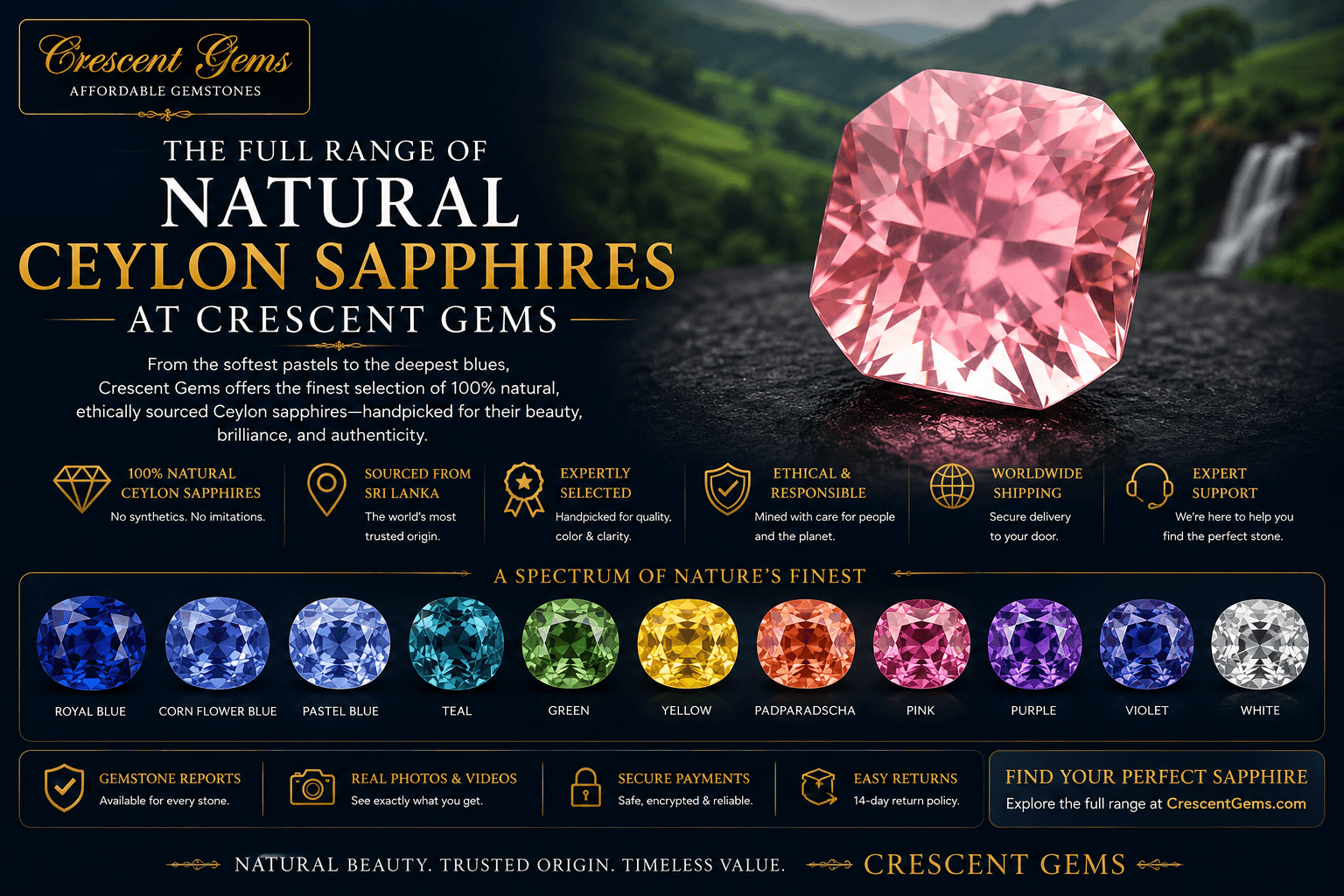
The Full Range of Natural Ceylon Sapphires at Crescent Gems

Sapphire is corundum — aluminium oxide — and it comes in every color except red (which is ruby). Ceylon, the historic name for Sri Lanka, produces a wider natural color range than almost any other sapphire origin on earth. That is why Crescent Gems sources exclusively from Sri Lanka: one island, one geological environment, every color of the spectrum.

This page covers the full range of natural sapphires available at Crescent Gems, what distinguishes each color variety, how treatment affects them differently, and what to consider when choosing between them.


Blue Sapphire — The Benchmark Color

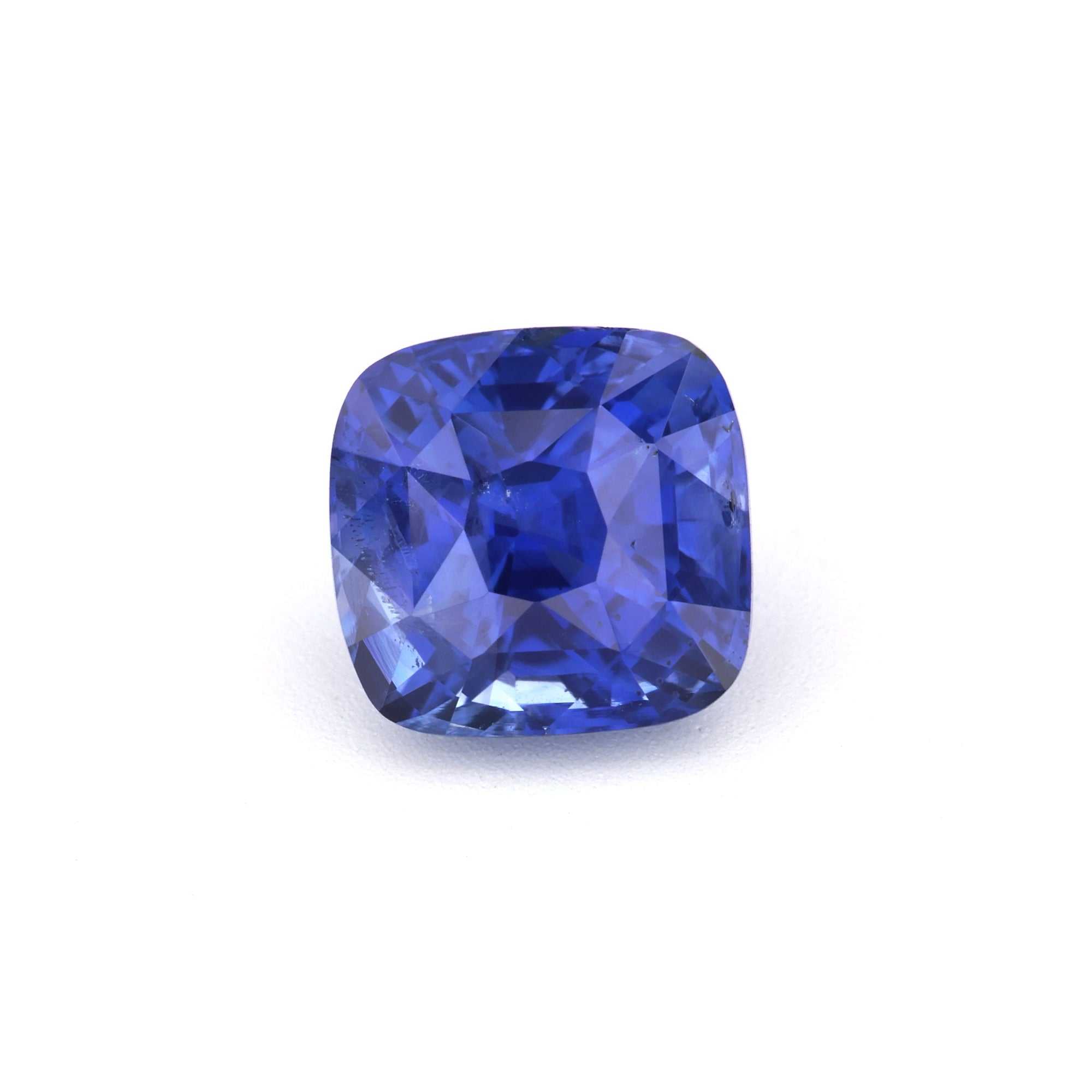
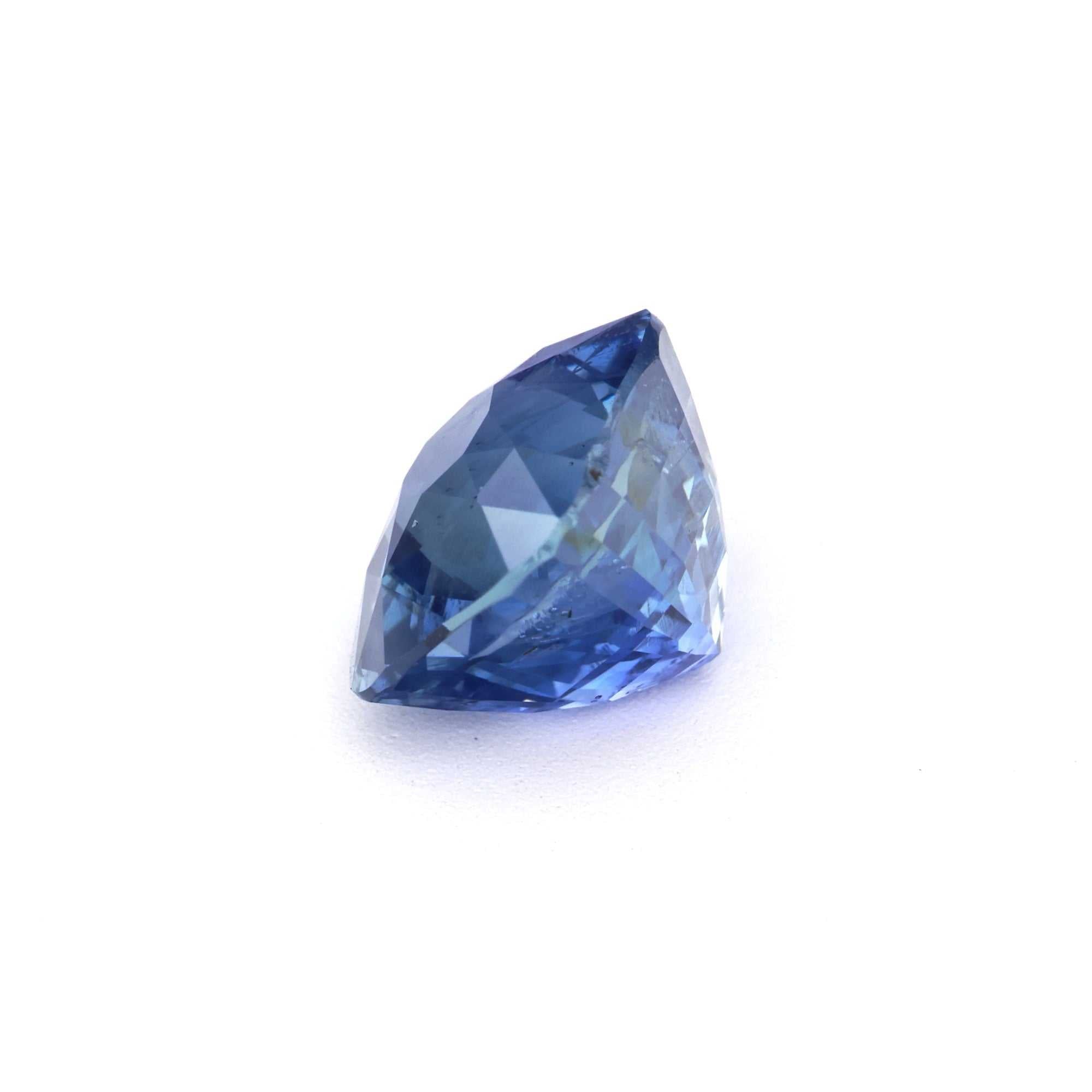
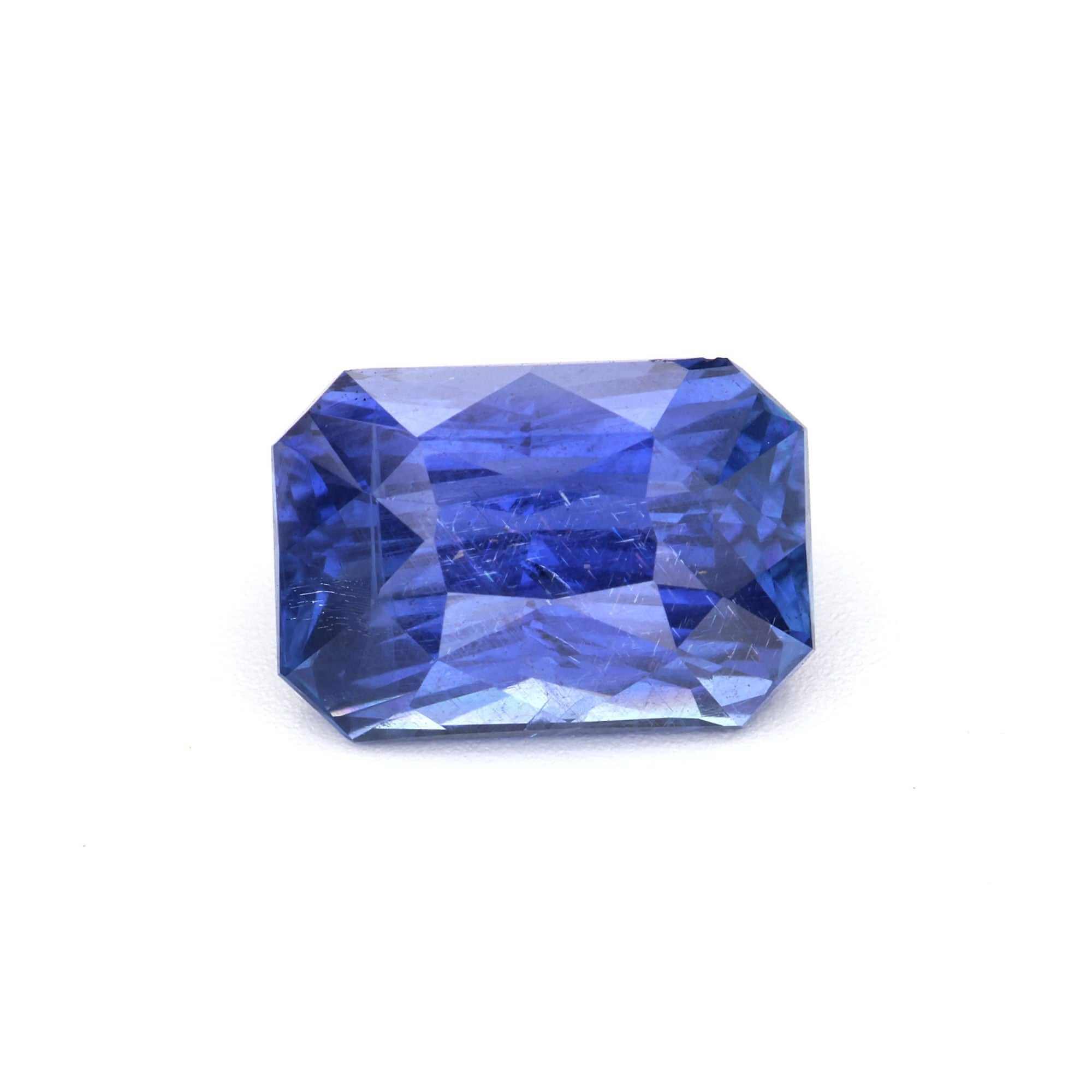
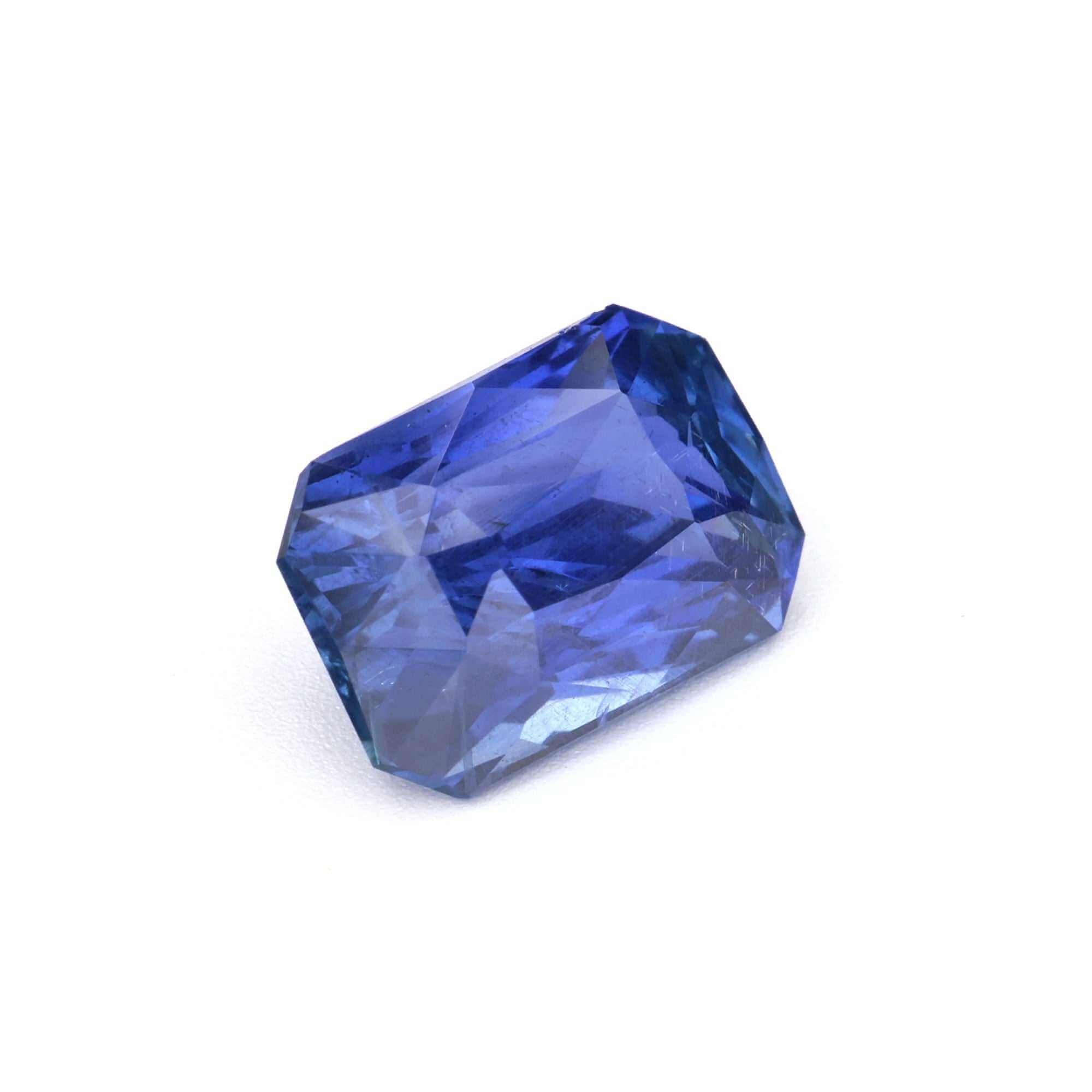
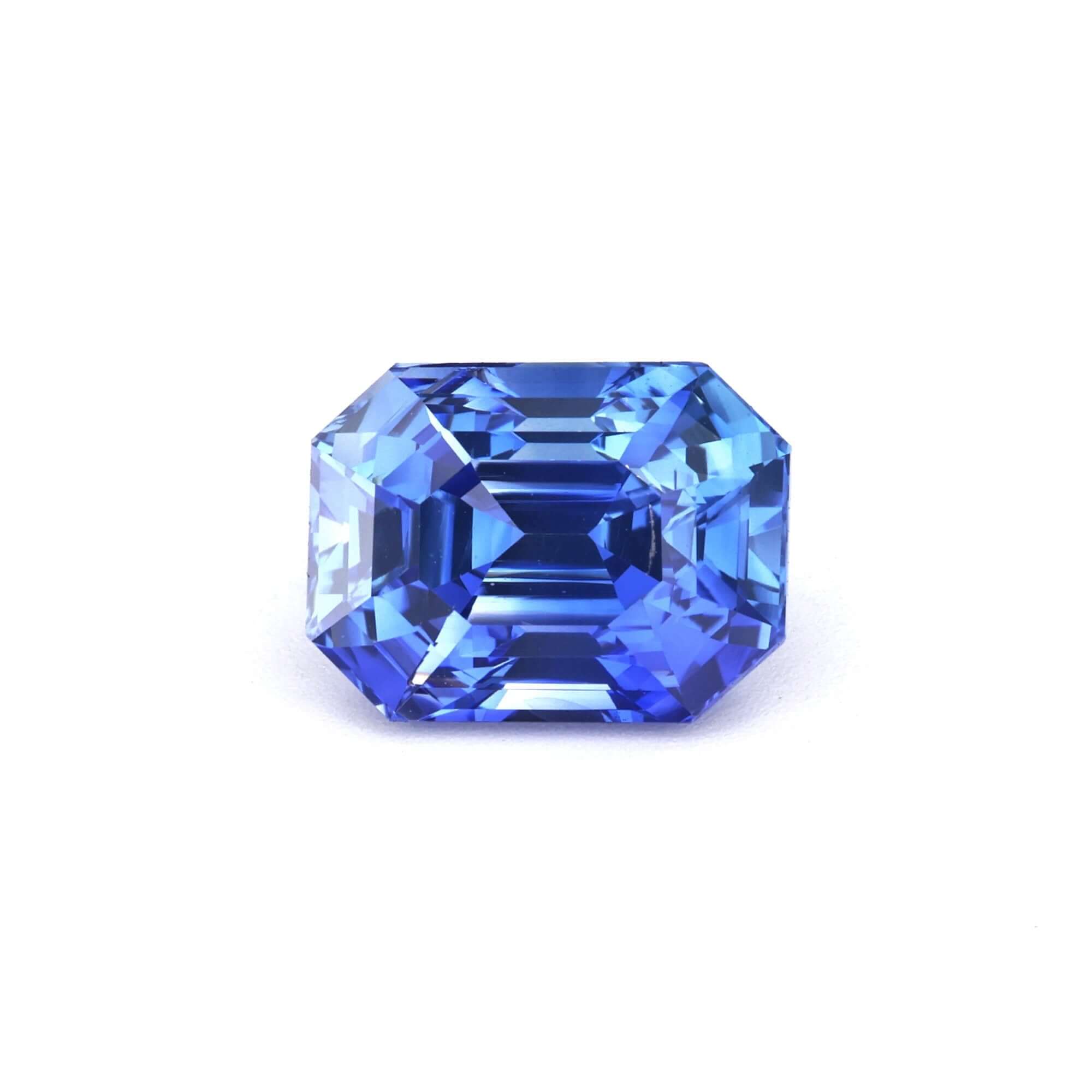
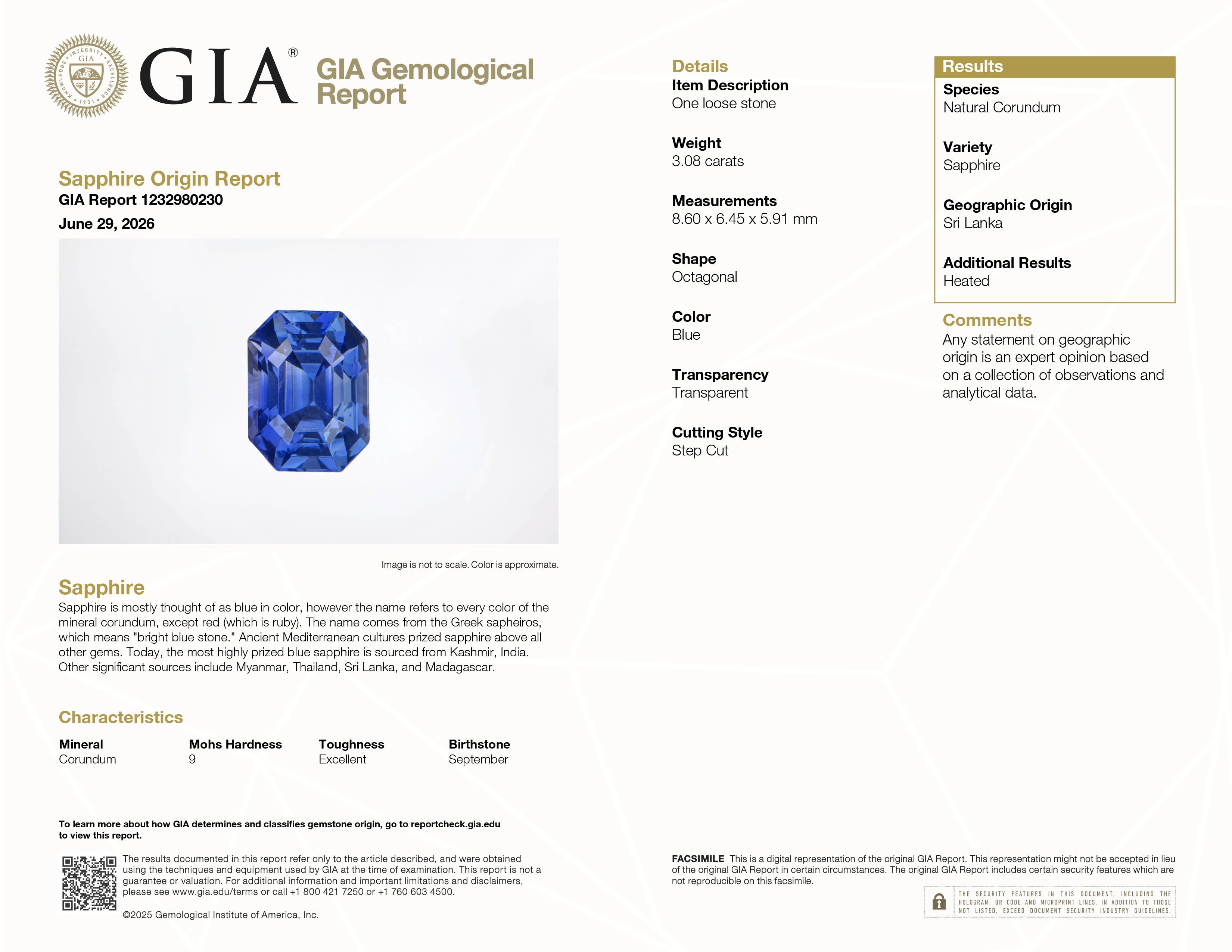
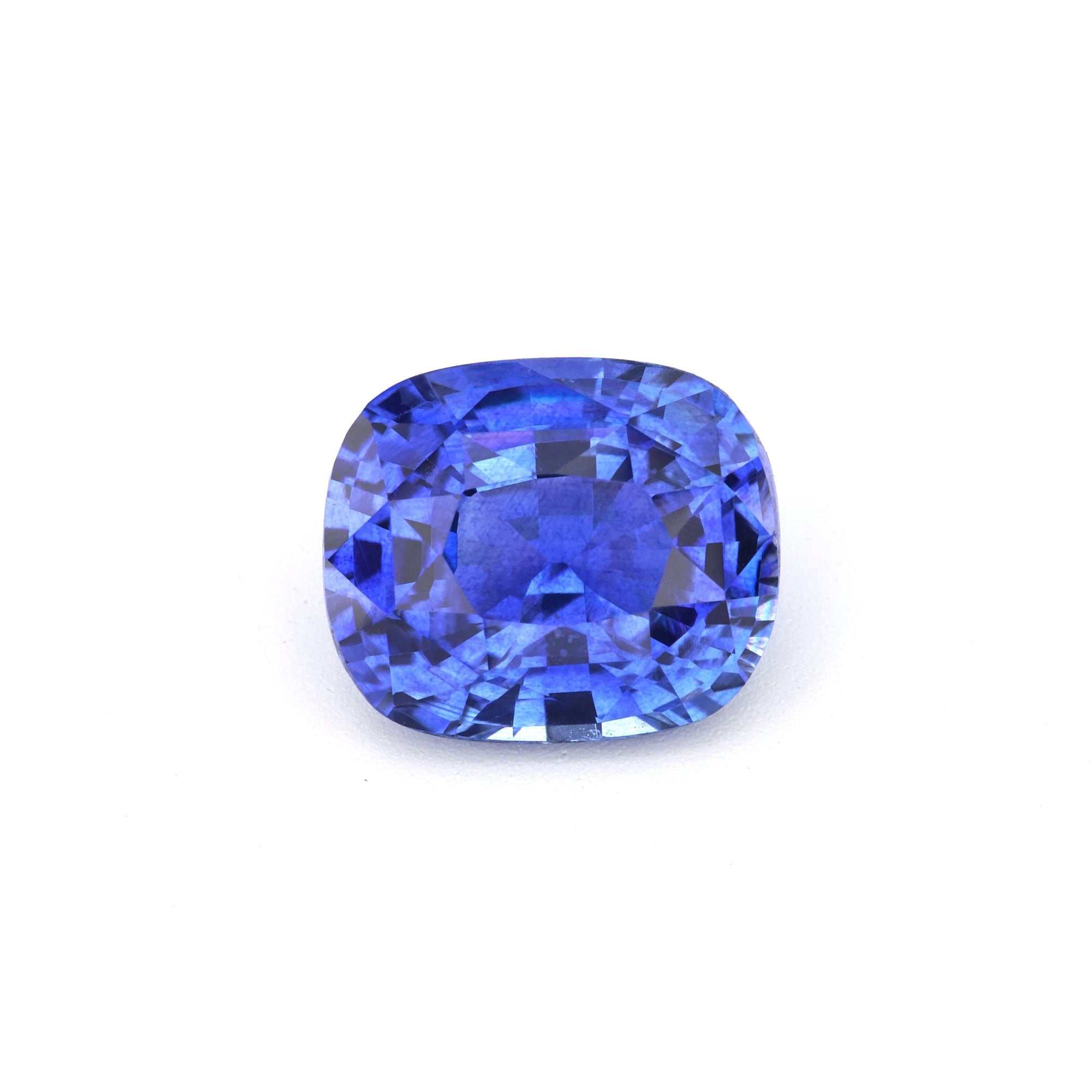
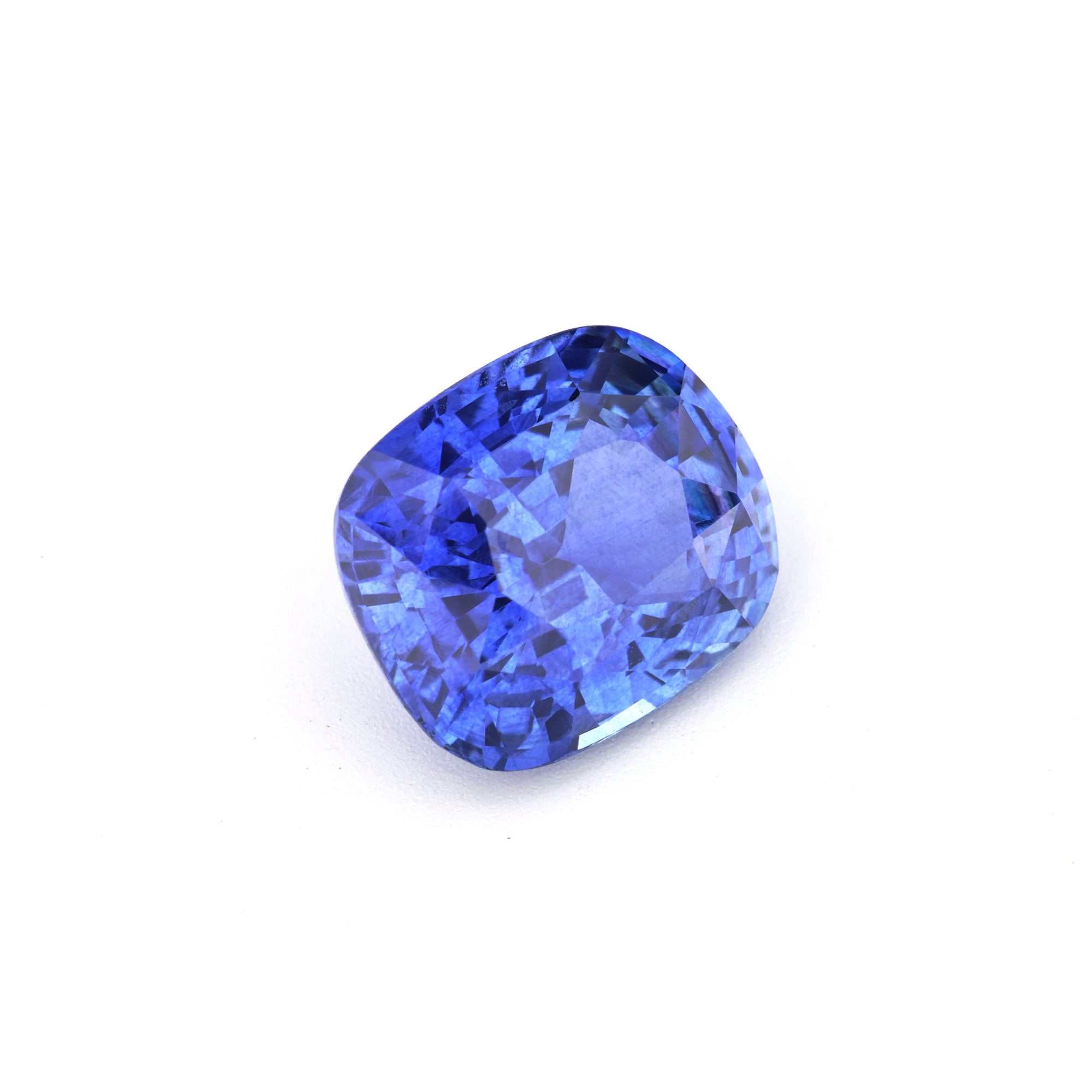
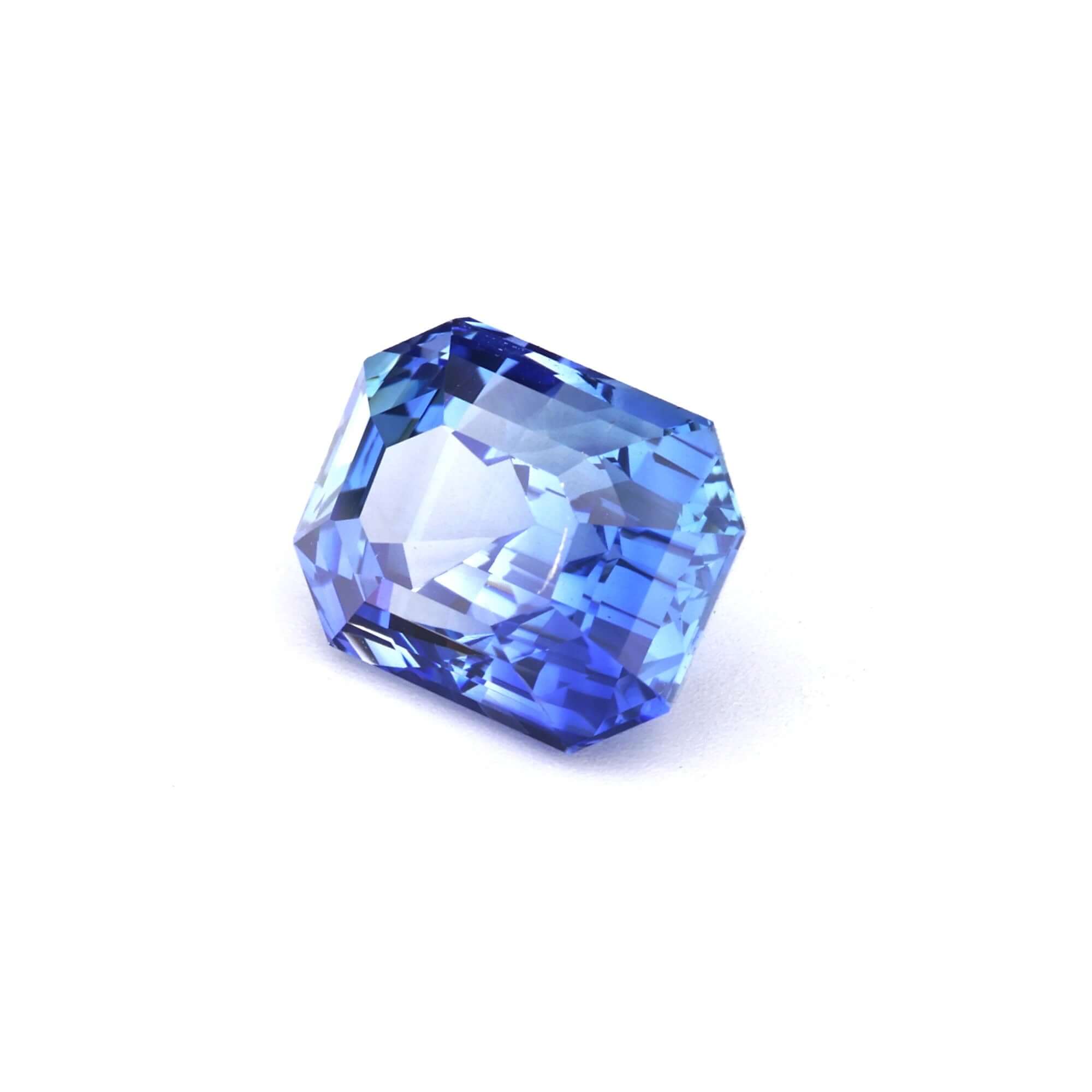
Blue is the color most people mean when they say sapphire. Ceylon blue sapphires are known for a particular quality of blue — medium-toned, often with a slight violet secondary hue, strong saturation without the darkness of Thai or Australian material. The most prized tone is often described as cornflower blue or royal blue.

What to know:

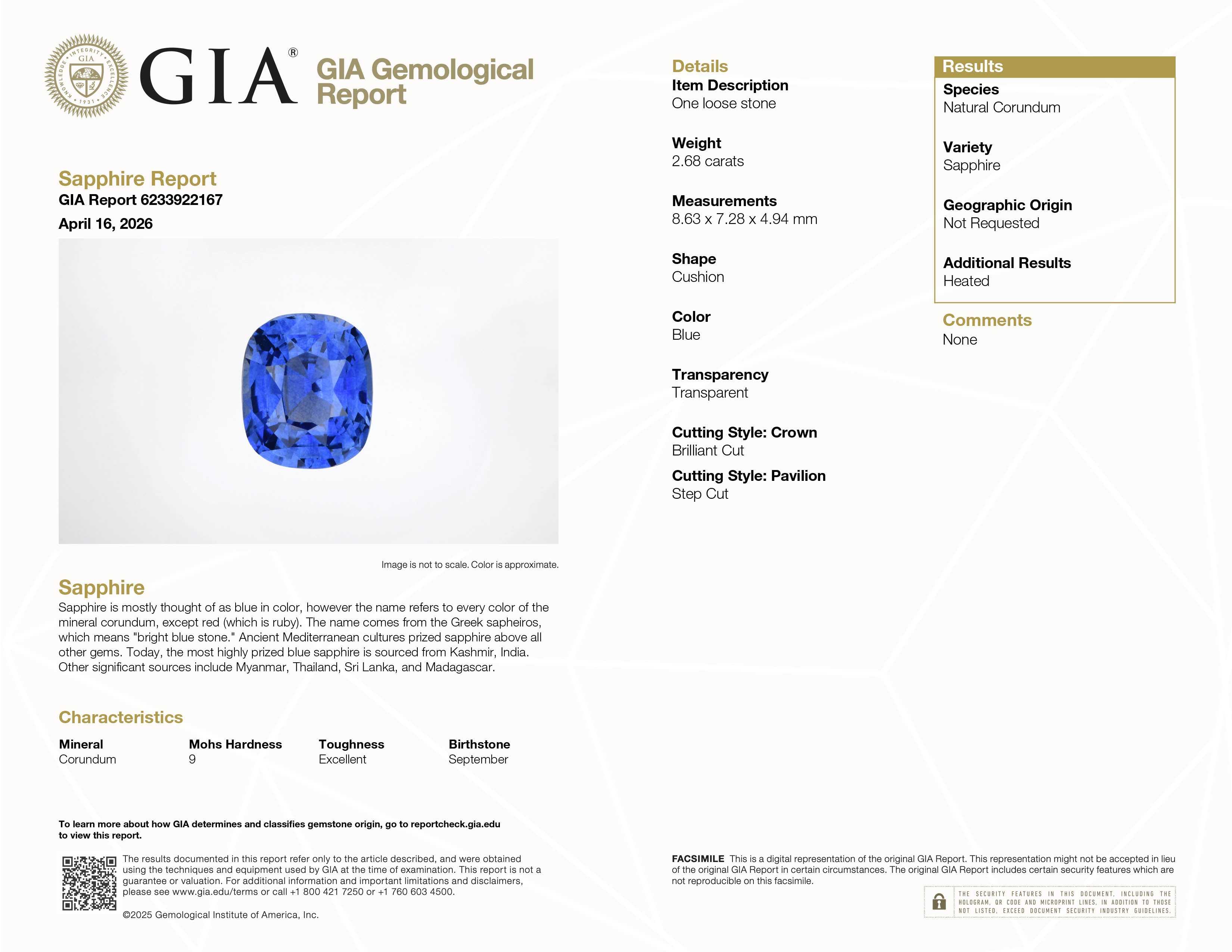
  • Most commercial blue sapphires are heat treated — this is standard, accepted, and permanent
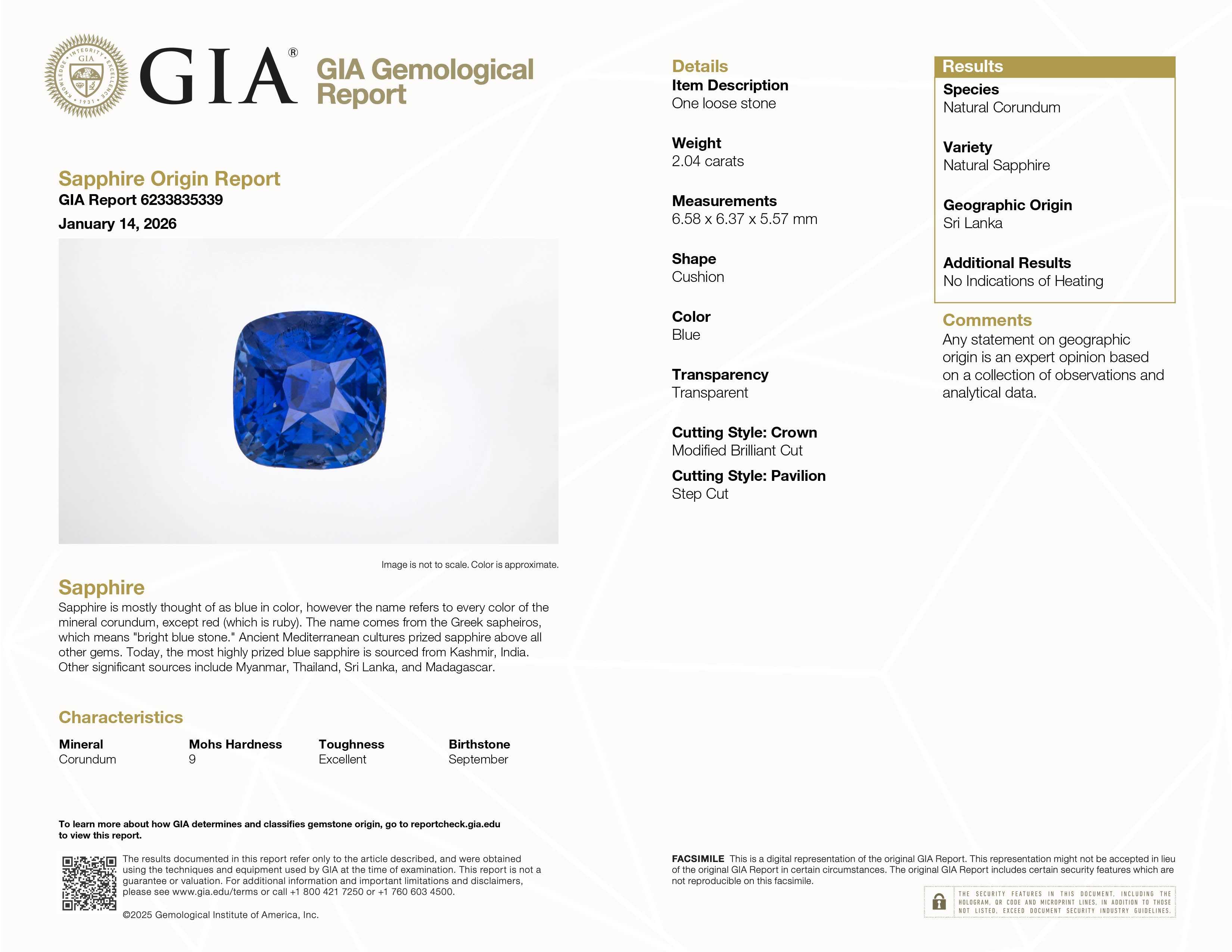
  • Unheated blue sapphires from Ceylon command a significant premium and are available here with GIA or AGL documentation
  • Mohs hardness: 9 — suitable for all jewelry types including everyday rings
  • Common cuts in our inventory: oval, cushion, round, pear, and emerald cut

Browse blue sapphires →


Padparadscha Sapphire — The Rarest Ceylon Color

Padparadscha is the most debated color in gemology. The term derives from the Sinhalese word for lotus blossom, and describes a precise blend of pink and orange — neither purely one nor the other. Stones that lean too pink are pink sapphires; stones that lean too orange are orange sapphires. True padparadscha sits exactly between.

What to know:

  • No universal industry standard exists for the boundary — GIA, AGL, and Gübelin each apply their own criteria
  • Laboratory certification is strongly recommended for any stone sold as padparadscha
  • Unheated padparadscha is among the most valuable colored gemstones per carat in the world
  • Ceylon is the primary source; padparadscha from other origins is less recognized

Browse padparadscha sapphires →


Yellow Sapphire — The Most Widely Unheated Ceylon Stone

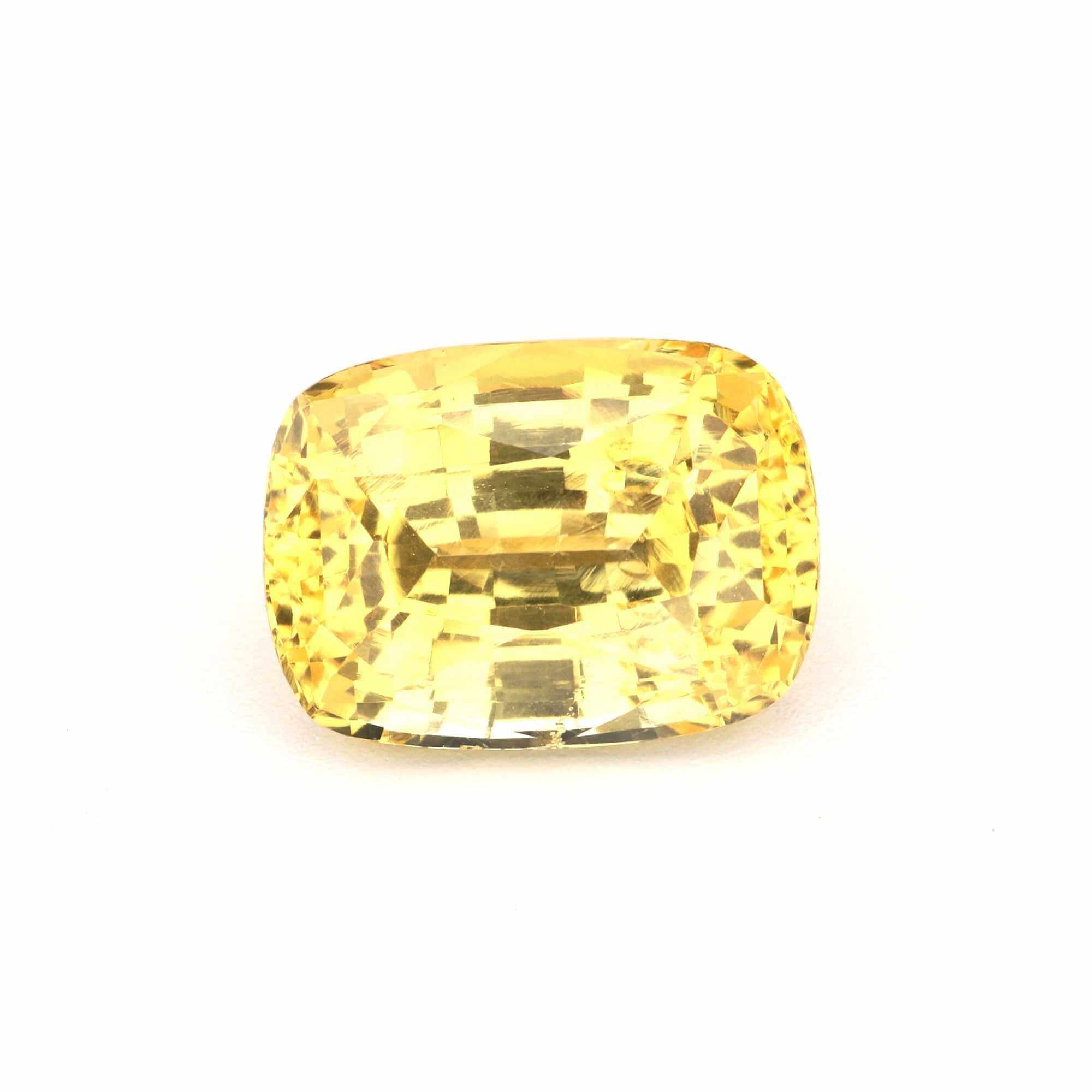
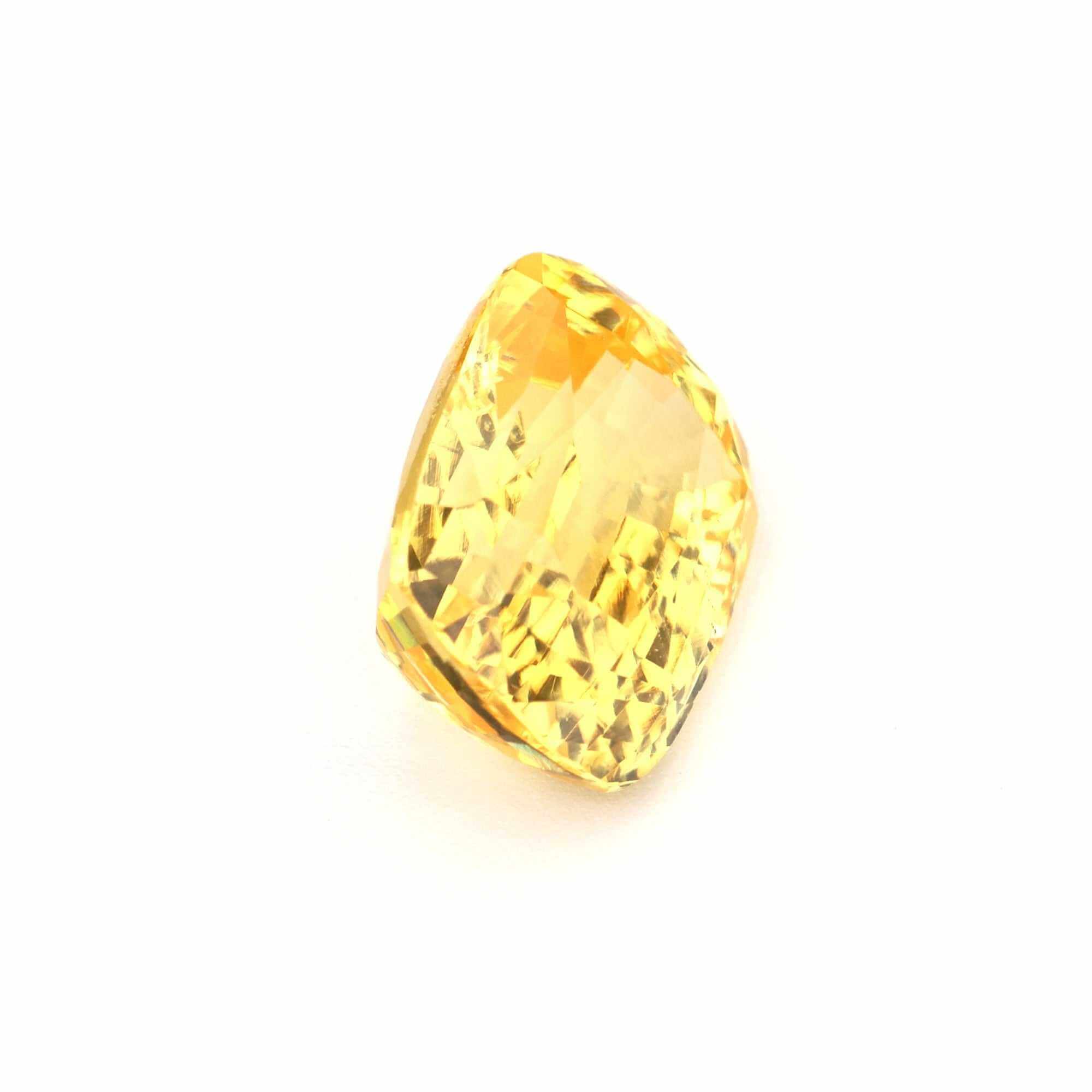
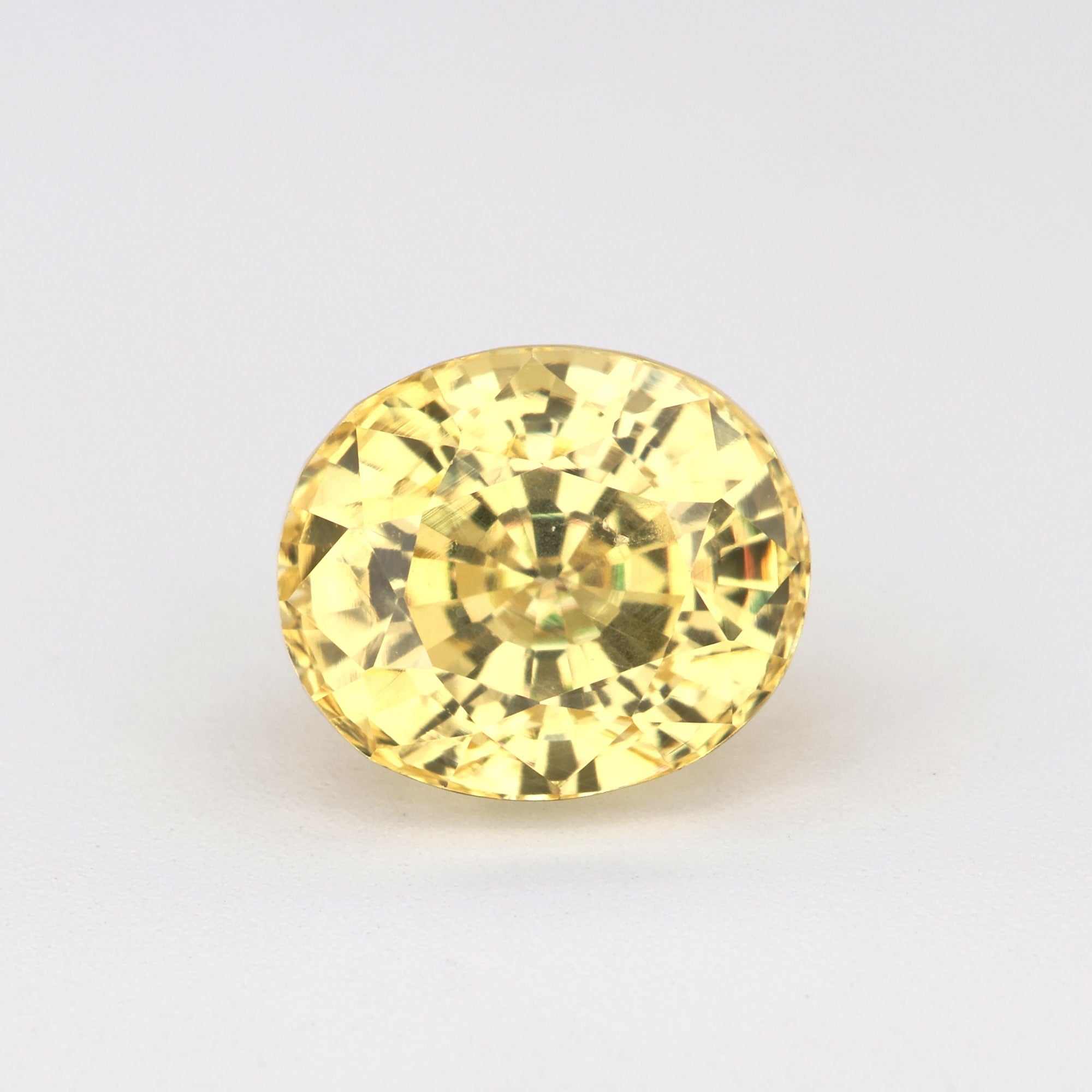
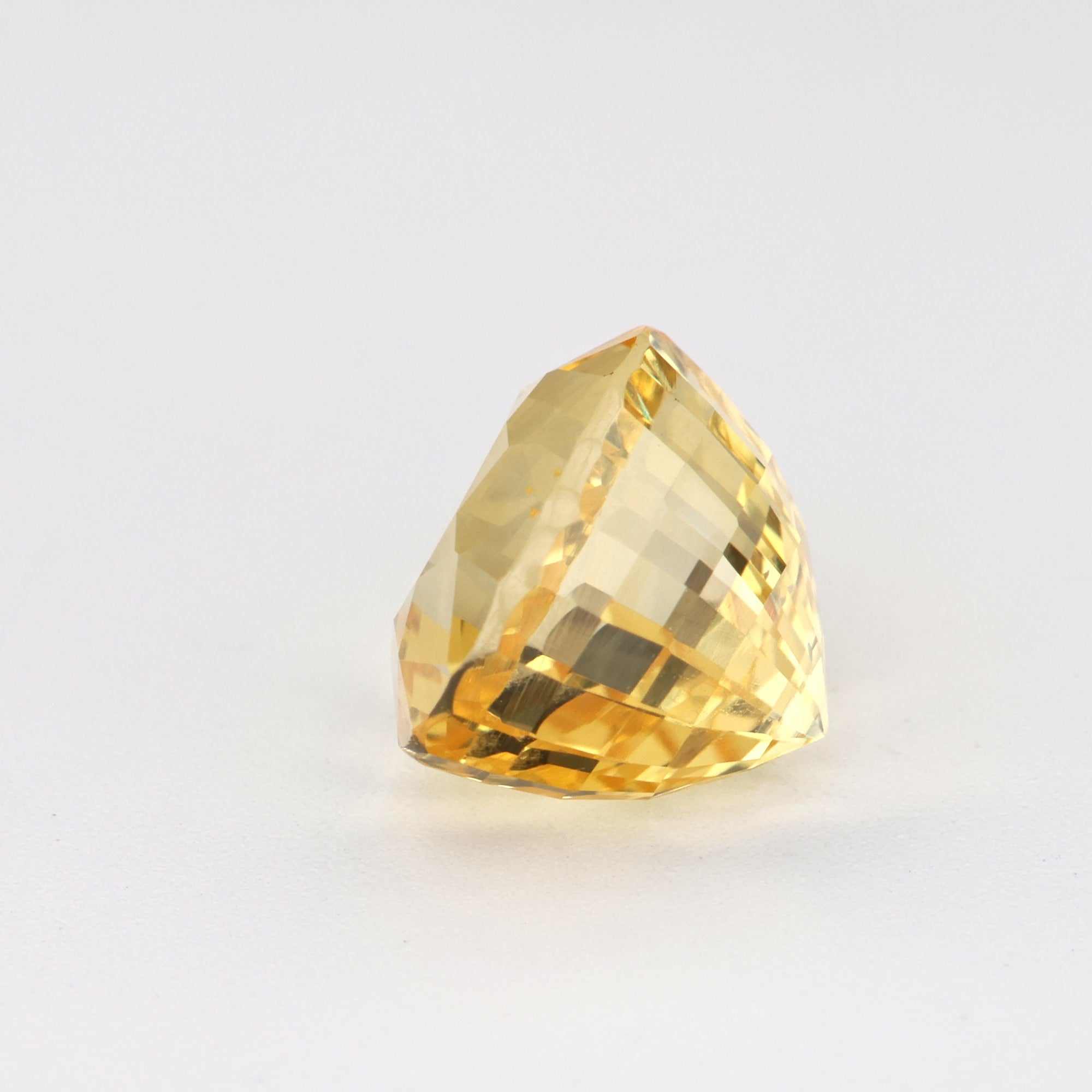
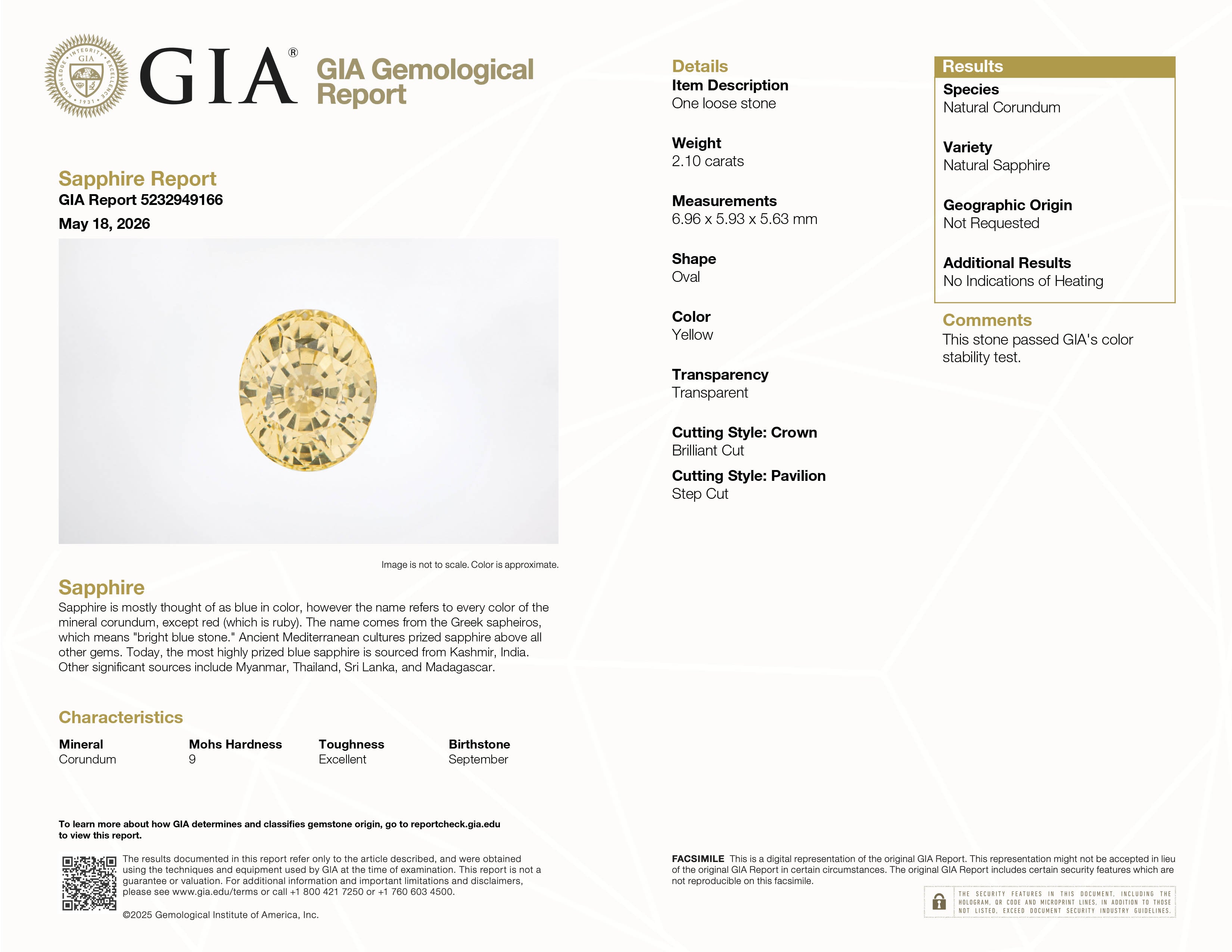
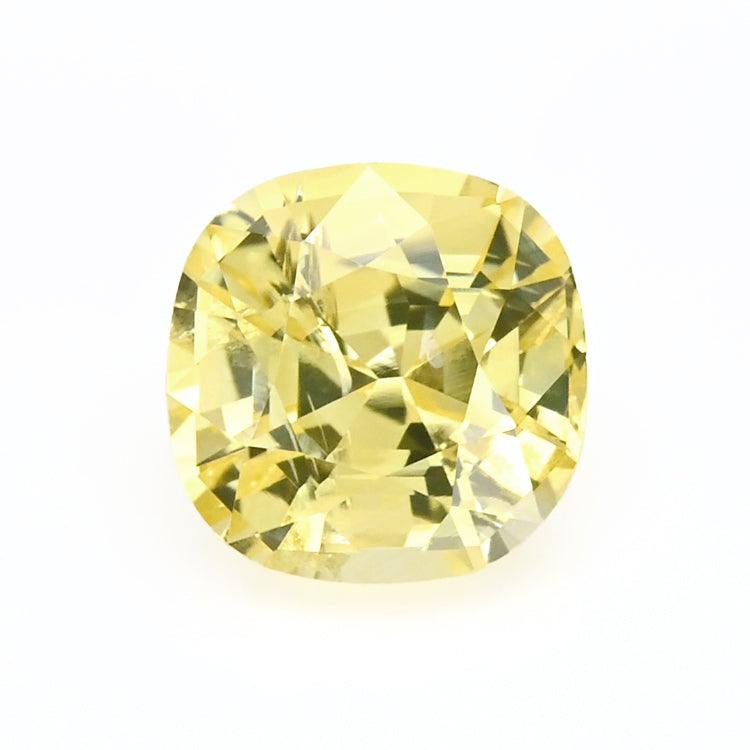
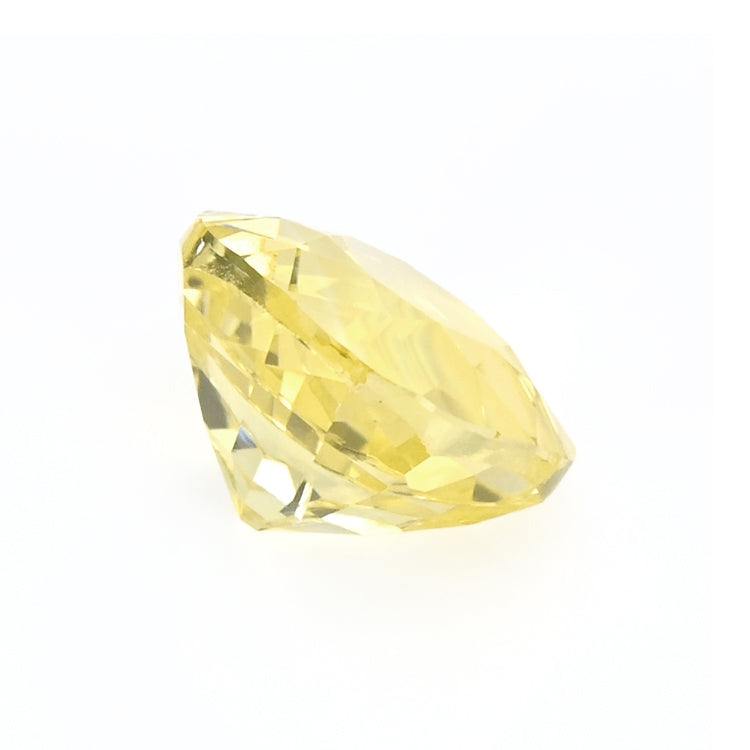
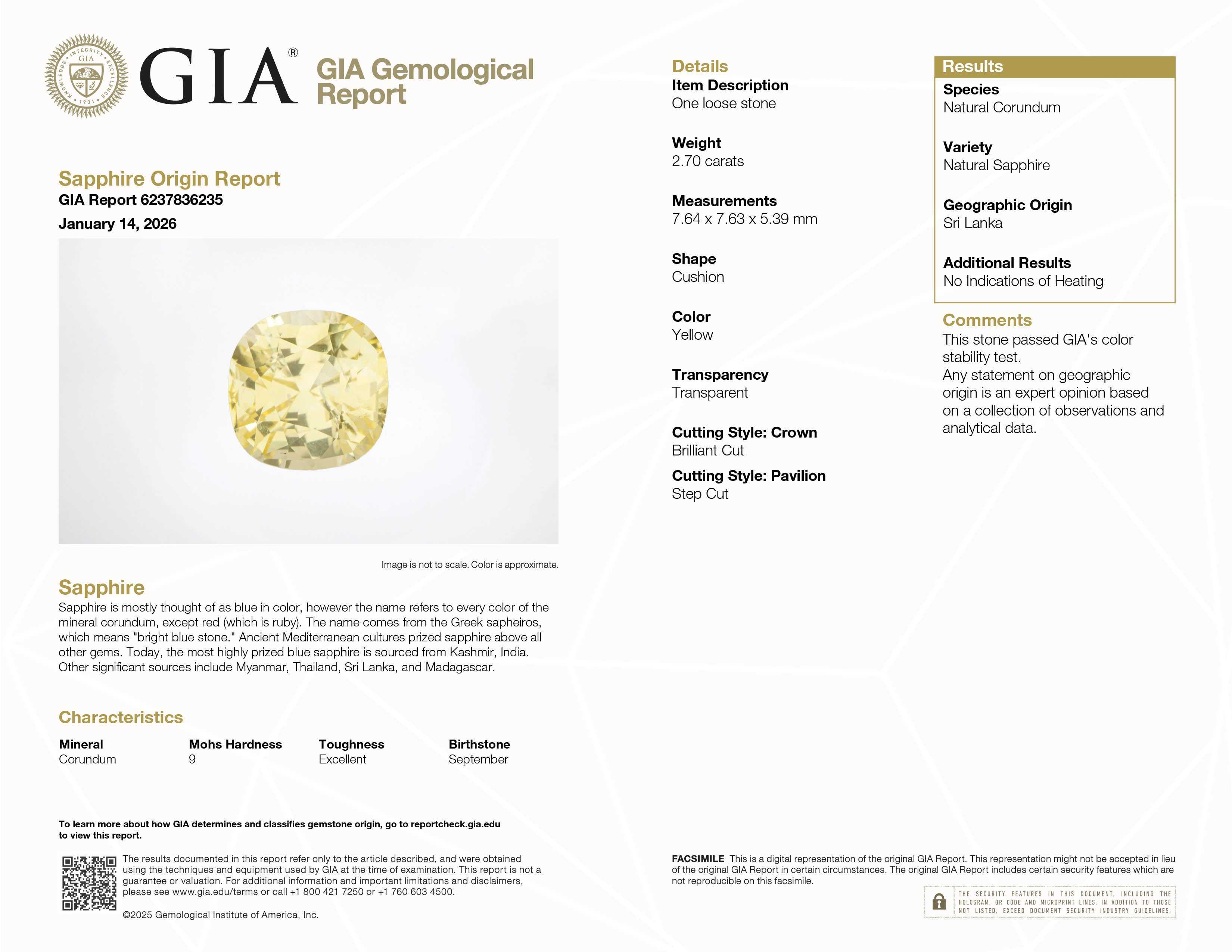
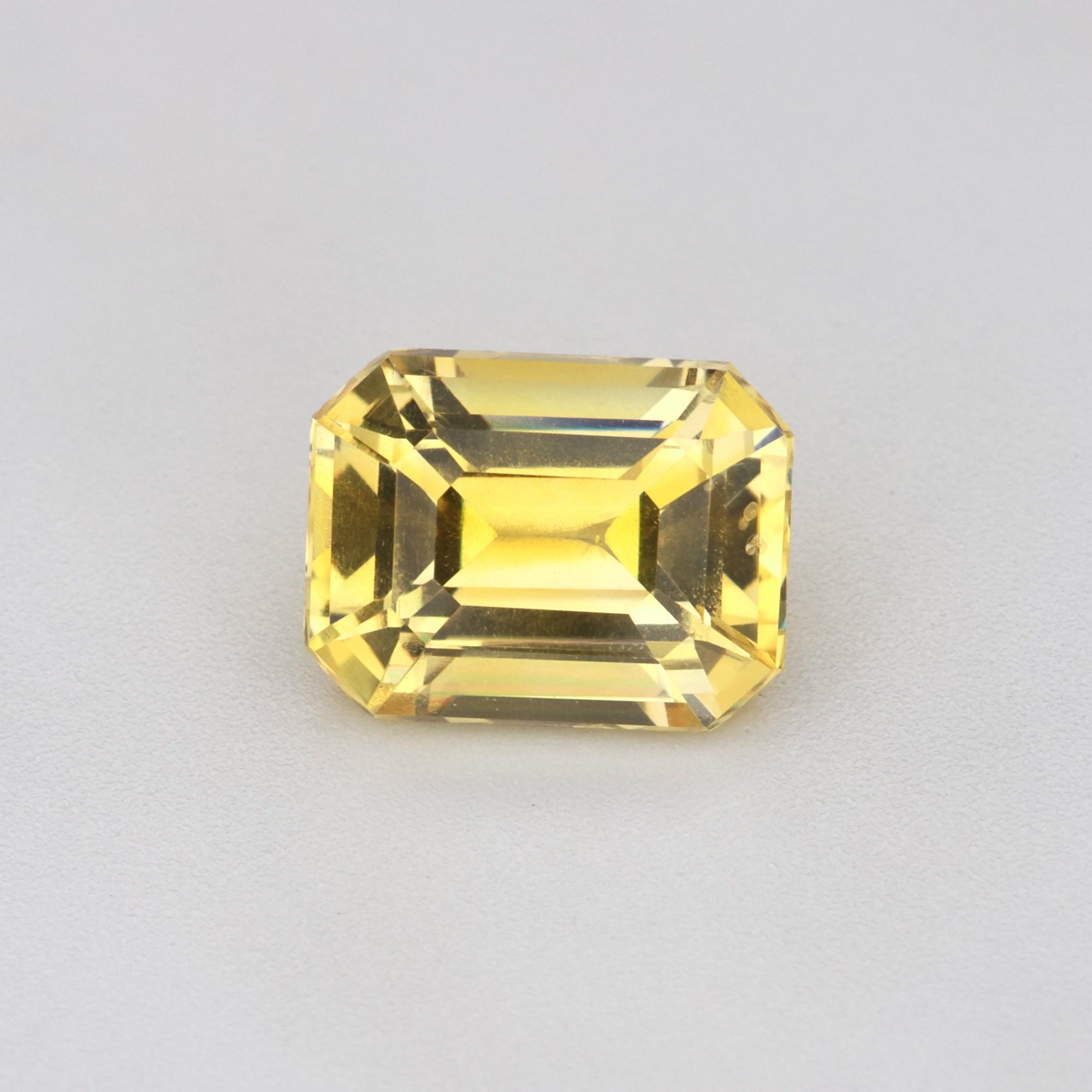
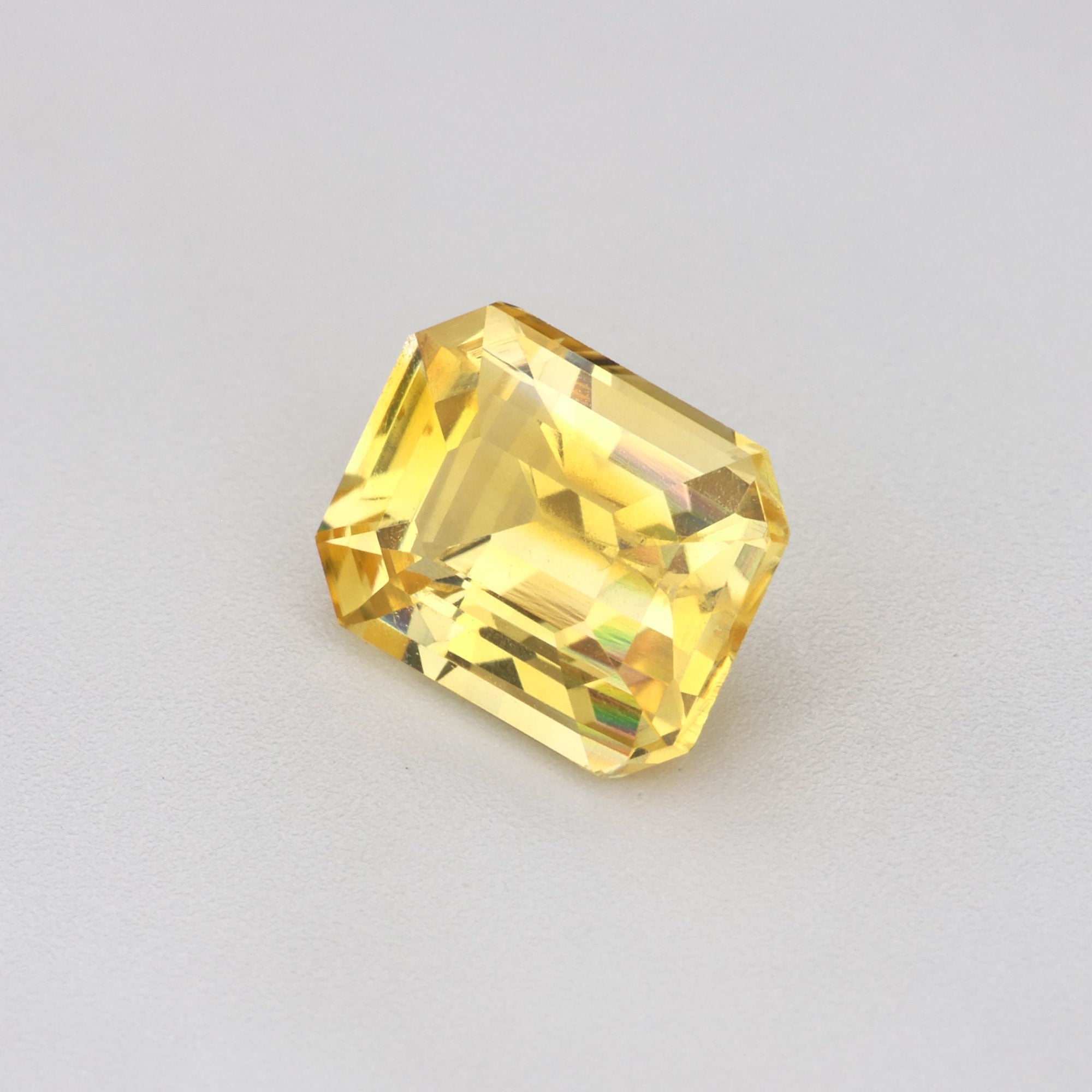
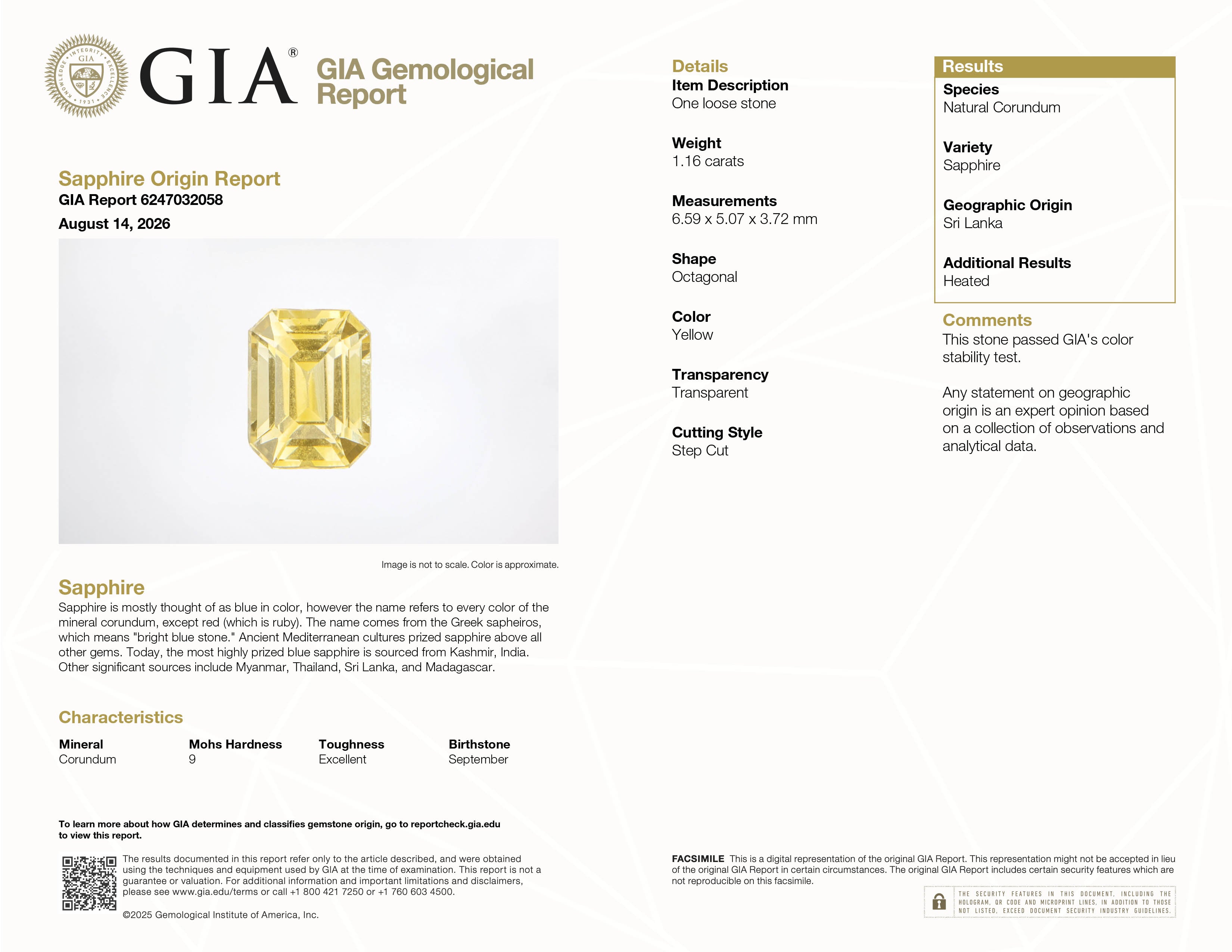
Yellow sapphires from Sri Lanka occur naturally in a range from pale lemon to deep golden yellow. Unusually for sapphires, a significant proportion of Ceylon yellows are naturally unheated — their color requires no enhancement. This makes them relatively accessible entry points into the unheated sapphire market.

What to know:

  • Yellow color in sapphire is caused by iron trace elements
  • Saturation varies considerably — medium canary yellow commands the highest prices
  • Often used as a diamond alternative for center stones due to brilliance and durability
  • Mohs 9 — highly suitable for engagement rings and daily wear

Browse yellow sapphires →


Pink Sapphire — From Pastel to Vivid

Pink sapphires occupy the color space between pale rose and hot pink. The boundary between pink sapphire and ruby is defined by color saturation — in most laboratory standards, stones below a certain depth of red-pink are classified as pink sapphire rather than ruby. Ceylon produces pink sapphires across the full range of this spectrum.

What to know:

  • Color caused by chromium — the same element responsible for ruby color
  • Vivid hot pink commands premium prices; pastel pink is more accessible
  • Heated and unheated material available; unheated vivid pinks are rare
  • Popular for engagement rings and pendants

Browse pink sapphires →


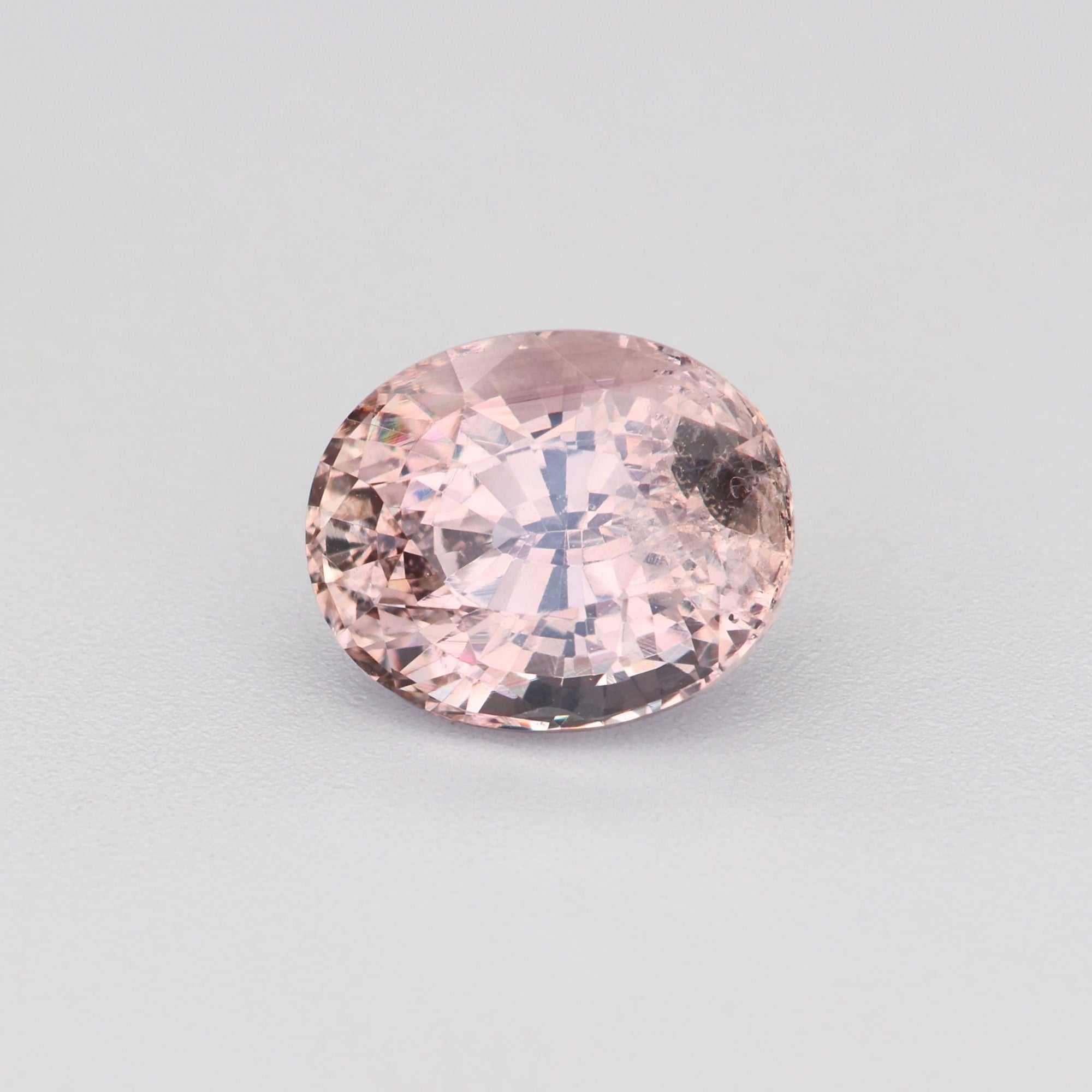
Peach Sapphire — Warm, Subtle, and Often Unheated

Peach sapphires sit in the warm zone between pink and orange, with a softness that distinguishes them from either. They are frequently unheated because their natural color is already appealing without enhancement. Ceylon peach sapphires are among the most popular choices for non-traditional engagement rings.

What to know:

  • Color comes from a combination of chromium and iron
  • Lighter saturation than padparadscha — peach leans pink-salmon rather than orange-pink
  • Pairs exceptionally well with rose gold settings
  • High proportion of unheated material in our inventory

Browse peach sapphires →


Teal Sapphire — The Modern Choice

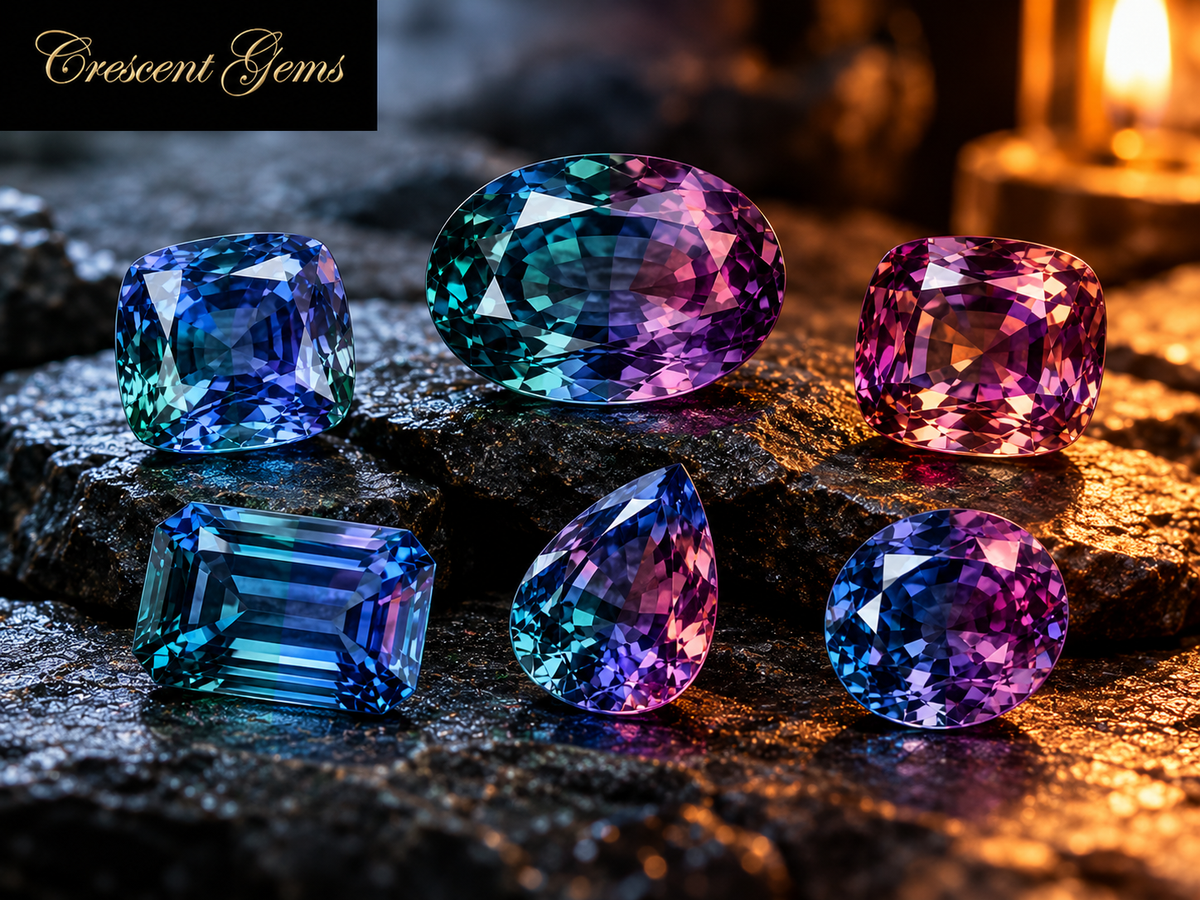
Teal sapphires display a blue-green combination that shifts in different lighting conditions. The ratio of blue to green varies stone by stone — some read as predominantly blue-green, others as green-blue. This color zoning is part of what makes teal sapphires visually distinctive and increasingly sought after for contemporary jewelry design.

What to know:

  • Color caused by iron and titanium interaction
  • No industry standard definition for "teal" — the term is descriptive, not graded
  • Often unheated — heat treatment can push the color toward pure blue
  • Strongly associated with modern and Art Deco-inspired jewelry

Browse teal sapphires →


Purple and Violet Sapphire — The Rarest Secondary Hues

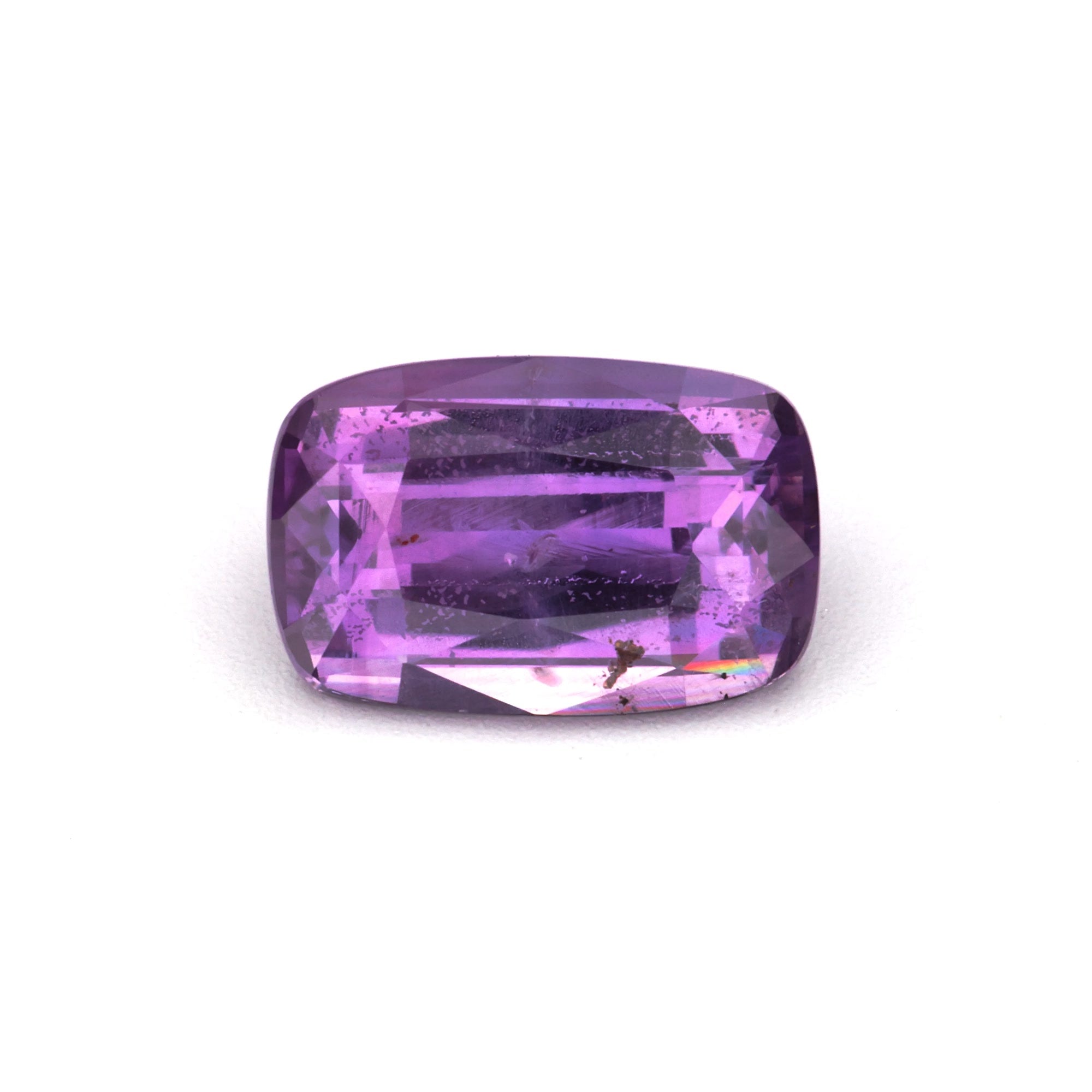
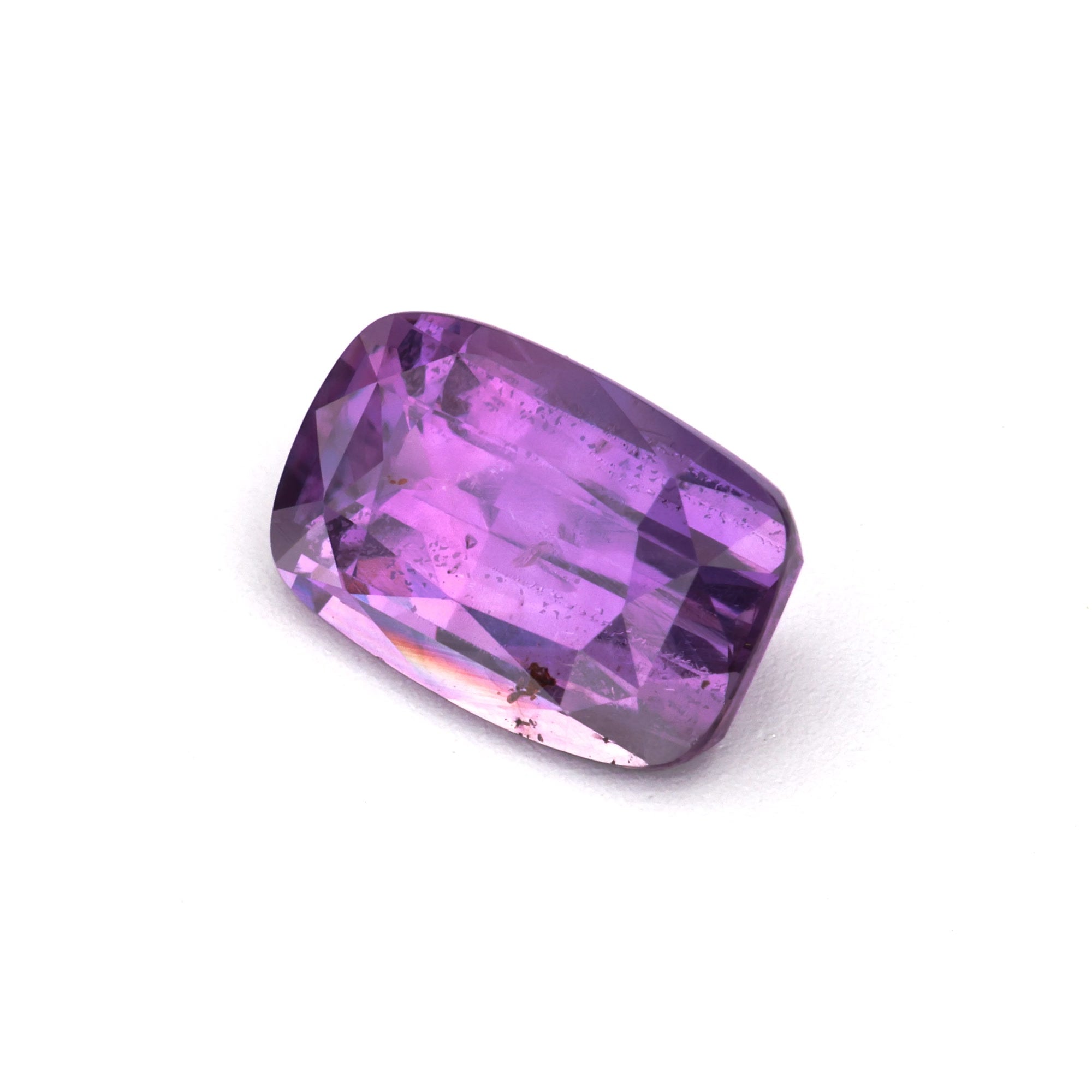
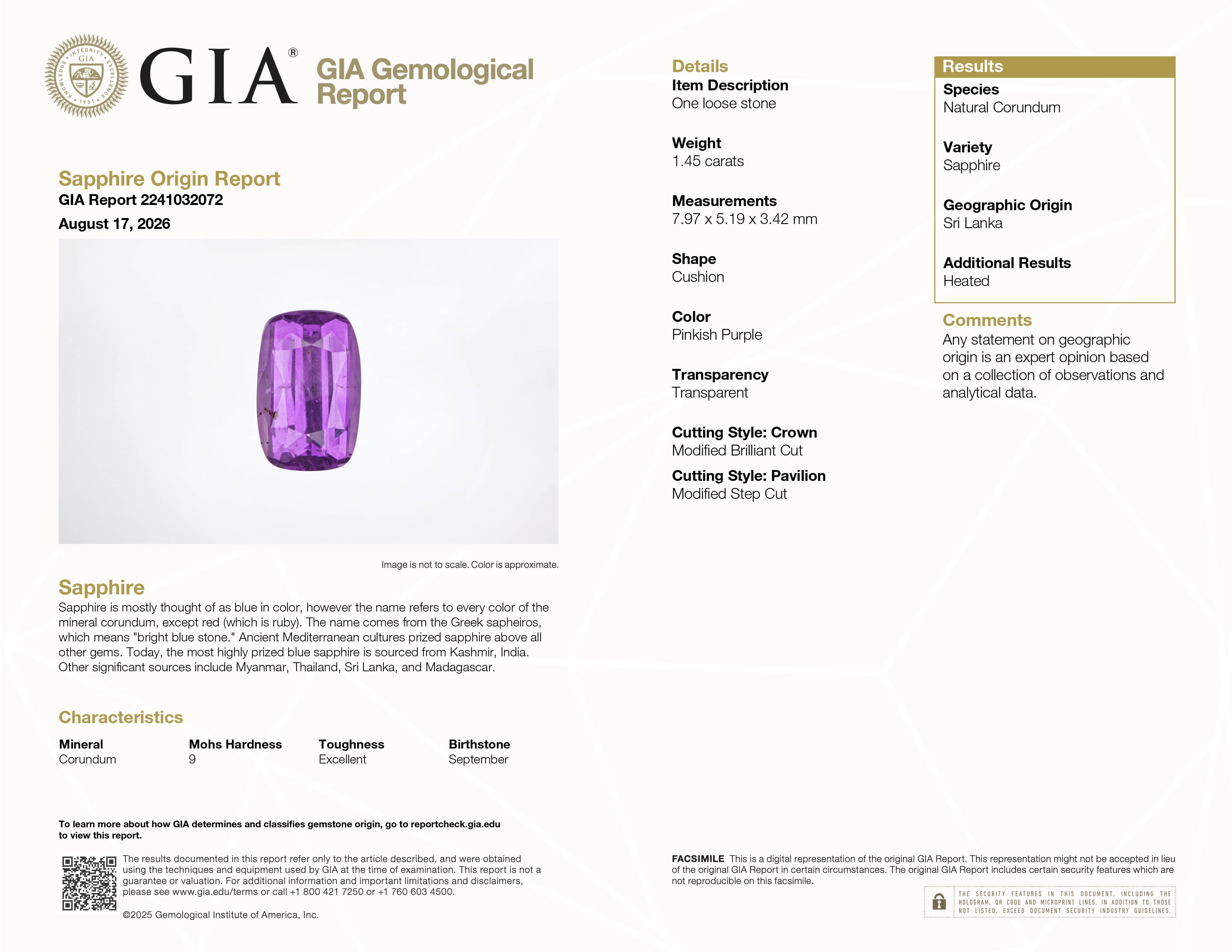
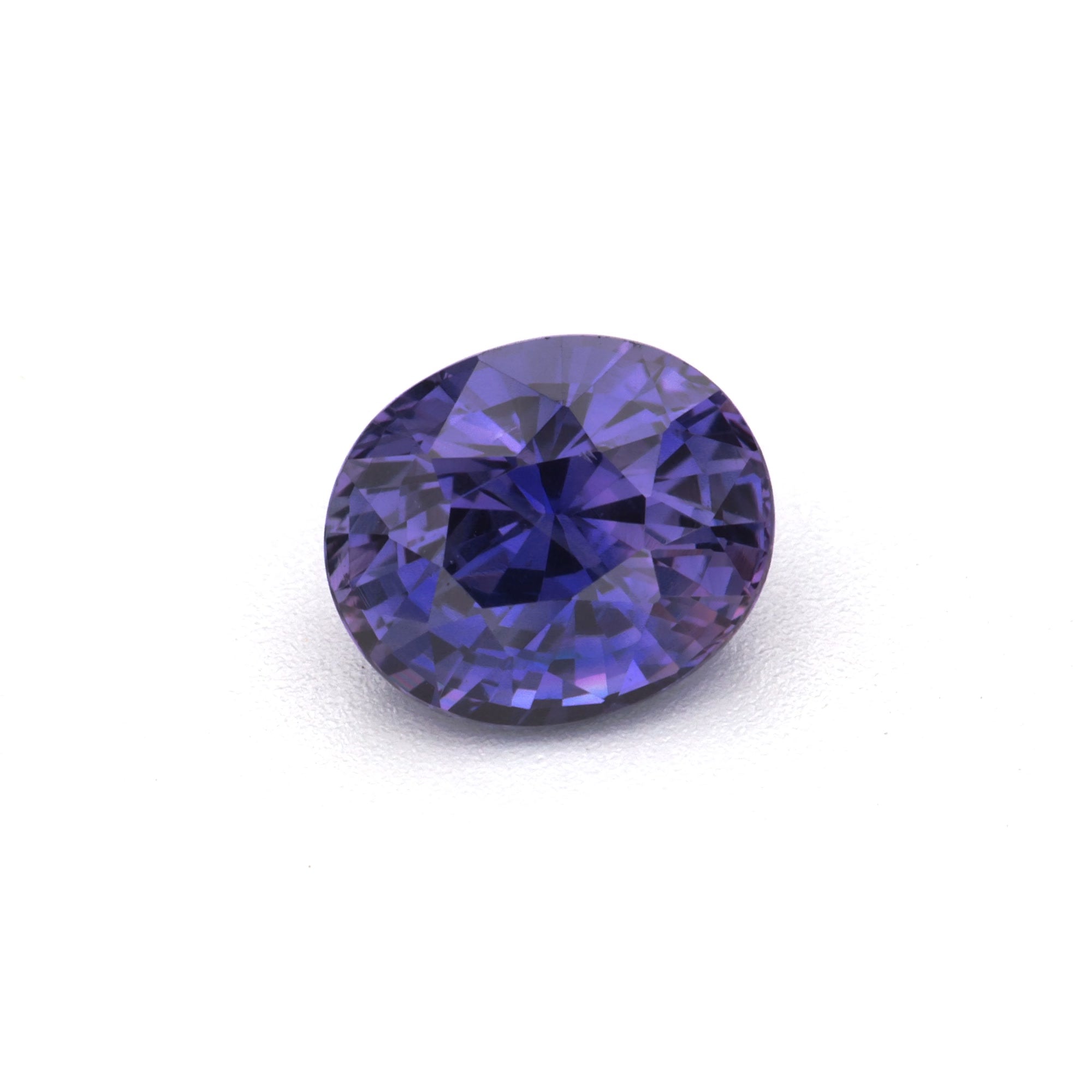
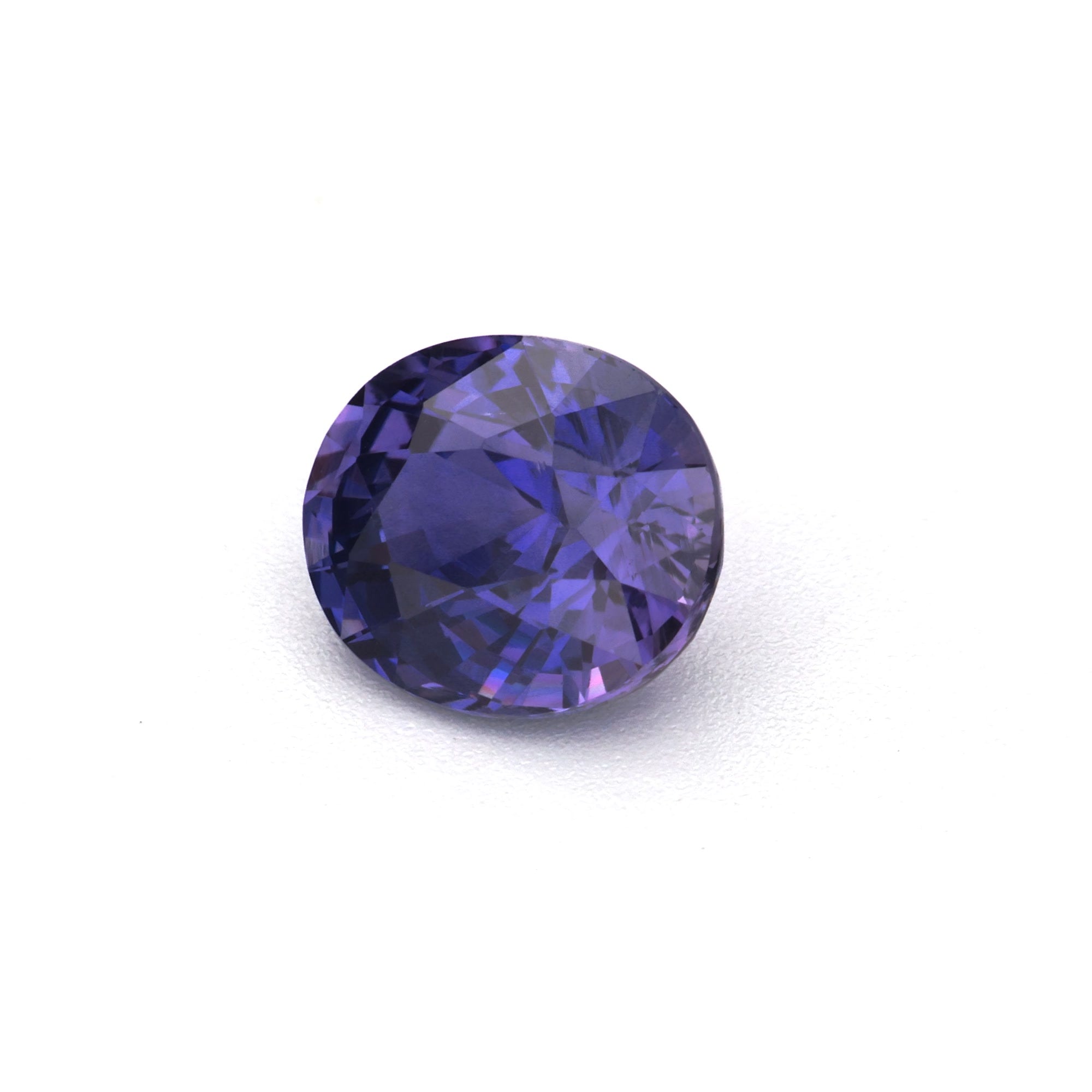
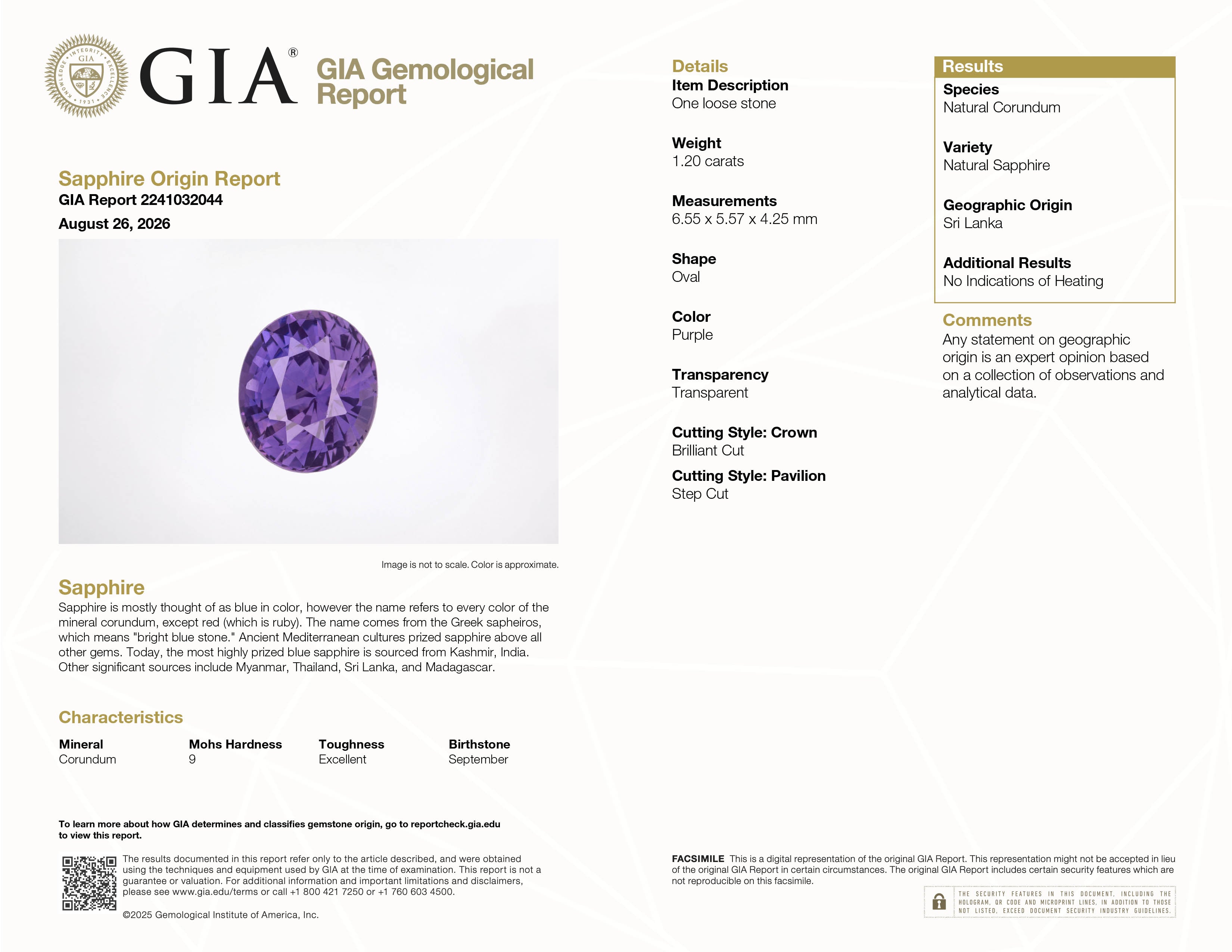
Purple and violet sapphires from Ceylon occur in limited quantities. Violet sapphires show a blue-purple with stronger blue influence; purple sapphires lean toward red-purple. Both are considered rare within the Ceylon production and are primarily acquired by collectors and bespoke jewelry designers.

What to know:

  • Color caused by vanadium trace elements
  • Color shift in different lighting is common — some stones appear more pink under incandescent light
  • Unheated material is available but limited
  • Less commercially mainstream than blue or pink, which keeps prices competitive relative to rarity

Browse purple sapphires →


Orange Sapphire — One of the Rarest Sapphire Colors

Pure orange sapphires — not orange-pink, not orange-yellow, but a true fire orange — are among the least common sapphire colors in commercial supply. Ceylon does produce them, but in far smaller quantities than blue or pink. Vivid unheated orange sapphires are collector-grade material.

What to know:

  • Color from iron and chromium interaction
  • Most orange sapphires in retail are heat treated to intensify or even create the orange tone
  • Natural orange without treatment is genuinely rare and commands significant premium
  • Smaller sizes (under 1ct) more commonly available than large stones

Browse orange sapphires →


White Sapphire — The Durable Diamond Alternative

White (colorless) sapphire is corundum with no color-causing trace elements. At Mohs 9, it is harder than any gemstone except diamond, making it a genuinely durable center stone option. It differs from diamond in its refractive index — white sapphire has less brilliance and fire — but for buyers who want a natural, non-diamond white stone, it remains the most practical choice on the market.

What to know:

  • No treatment needed or typically applied — color is inherently absent
  • Lower refractive index than diamond (1.77 vs 2.42) means less sparkle
  • Significantly harder and more scratch-resistant than moissanite or white topaz
  • A fraction of the cost of equivalent-sized diamond

Browse white sapphires →


Star Sapphire — The Asterism Phenomenon

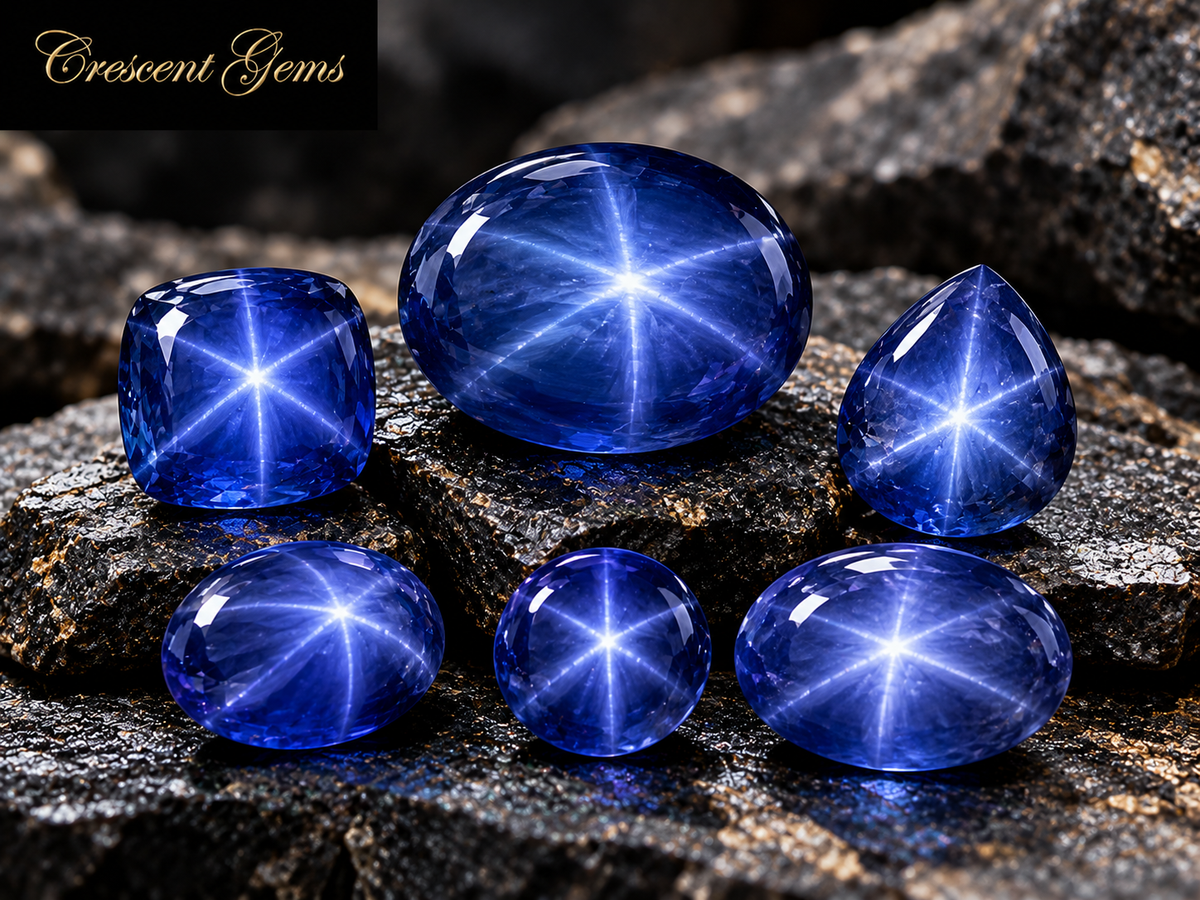
Star sapphires display asterism — a six-ray star that appears to float across the surface of the stone when viewed under a single light source. The effect is caused by rutile needle inclusions aligned in three directions following the crystal structure. Star sapphires are cut as cabochons rather than faceted, to maximize the optical effect.

What to know:

  • Six-ray star is the standard; twelve-ray stars exist but are extremely rare
  • Star sharpness and centering are primary quality factors alongside body color
  • Ceylon produces both blue and black star sapphires; grey and pink star sapphires also occur
  • Transparency varies — translucent to semi-opaque is normal for star sapphires

Browse star sapphires →


Cut Types Available Across Our Sapphire Range

Sapphires are cut to maximize color, not brilliance — which is the opposite priority to diamond cutting. As a result, you will find a wider variety of proportions and shapes in sapphires than in diamonds.

Crescent Gems carries sapphires in the following cuts:

  • Oval — the most common sapphire cut; maximizes weight retention and color depth
  • Cushion — rounded corners, vintage appearance, excellent for deeper-toned stones
  • Round — calibrated sizes available; higher cutting loss means smaller rounds are rarer
  • Pear — elongating shape, popular for pendants and east-west ring settings
  • Emerald cut — stepped facets, clean lines, suits well-saturated stones without strong color zoning
  • Radiant — brilliant faceting pattern in a rectangular outline
  • Trilliant — triangular, less common, used for accent stones and statement designs
  • Cabochon — domed, uncut surface; required for star sapphires and used for translucent material

Heated vs Unheated Across the Color Range

Treatment status varies significantly by color. Here is a practical guide to what to expect:

  • Blue — majority of market is heated; unheated is available and documented
  • Padparadscha — both heated and unheated exist; unheated commands major premium
  • Yellow — high proportion of unheated material naturally available from Ceylon
  • Pink — mixed market; vivid unheated pinks are rare and expensive
  • Peach — frequently unheated; natural color is the norm
  • Teal — usually unheated; heat shifts color toward blue
  • Purple/violet — often unheated; limited heating benefit for these tones
  • Orange — natural orange without heat is rare; much commercial orange is heat-induced
  • White — no treatment applicable
  • Star — generally unheated; heat can destroy the rutile needles that create the star

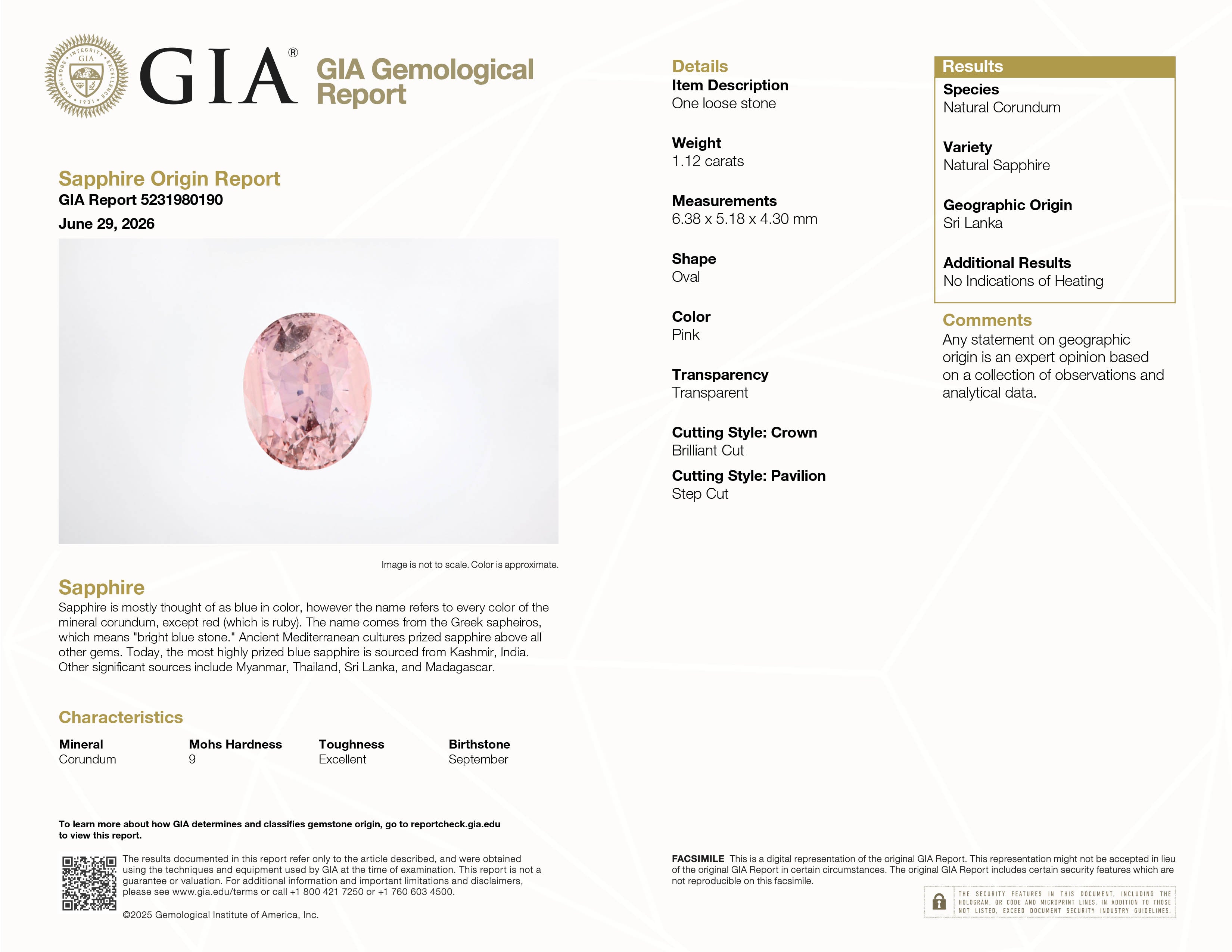
Every stone listed on Crescent Gems states its treatment status clearly in the product description. Where a stone is certified, the report is referenced. Where no lab report exists, we disclose treatment in writing based on our assessment.


Choosing the Right Sapphire

The right sapphire depends on what it is for:

  • Engagement ring center stone — blue, pink, peach, or teal; oval or cushion cut; heated is fine unless investment value matters
  • Investment or collection — unheated, certified, blue or padparadscha; 1ct+ preferred; GIA or AGL report required
  • Pendant or earrings — any color; cut matters less; accent stones can be smaller calibrated rounds
  • Statement piece — star sapphire cabochon, large teal or purple, or a rare-color stone in a size that commands attention

Browse the full sapphire collection at Crescent Gems.

Continue Learning
Return to the Ultimate Sapphire Buying Guide for the full picture on colours, origins, shapes, certification, and pricing — everything you need to buy a natural loose sapphire with confidence.

Latest Stories

View all

The Ultimate Guide to Buying Natural Loose Sapphires

The Ultimate Guide to Buying Natural Loose Sapphires

The definitive guide to buying a natural loose sapphire: colour, origin, treatment, cut, shape, certification, pricing, and engagement rings, with links to every Crescent Gems guide and collection.

Read moreabout The Ultimate Guide to Buying Natural Loose Sapphires

Custom Sapphire Rings — The Complete Guide to Designing Your Own

Custom Sapphire Rings — The Complete Guide to Designing Your Own

Everything that goes into a custom sapphire ring: choosing the stone first, the commissioning process, metal colour, protective settings for fancy shapes, side stones, and typical timelines and costs — with links to every detailed Crescent Gems guide.

Read moreabout Custom Sapphire Rings — The Complete Guide to Designing Your Own

Sapphires at Wholesale Prices

Sapphires at Wholesale Prices

Crescent Gems sells natural Ceylon sapphires at wholesale prices to jewelers, designers, gem resellers, and jewelry manufacturers who can prove they are in the trade. Sourced directly in Sri Lanka and cut in our own factory, with generous discounts for verified trade accounts.

Read moreabout Sapphires at Wholesale Prices

What a Good 2 Carat Sapphire Costs

Cost of a 2 Carat Sapphire — Pricing, Scarcity, What Your Budget Buys

Discover the true cost of a 2 carat sapphire and what influences its pricing. Learn how rarity affects value, explore visually commanding options across different colors, and gain insights into quality trade-offs. Make an informed choice for your budget and personal style!

Read moreabout Cost of a 2 Carat Sapphire — Pricing, Scarcity, What Your Budget Buys

Cost of 1 carat Sapphire

Cost of 1 carat Sapphire — Honest Pricing

Wondering about the cost of 1 carat Sapphire? This guide breaks down pricing based on quality and color, from heated to unheated options. Discover what to expect for exquisite sapphires that stunningly enhance your jewelry and represent true value in 2026.

Read moreabout Cost of 1 carat Sapphire — Honest Pricing

Why Buy from Crescent Gems
Sourcing Gemstones for an engagement ring or piece of jewelry is a very personal experience, Its a act of love, Its a Investment that you do only a few times in your life. Before you spend thousands of $$$ You need to be able to trust the seller and make sure you are choosing the right stone. Here at Crescent gems we tick all the boxes.

Wide Selection of well cut gemstones from around the world.

Affordably priced ~ We source our gemstones direct from mining countries, we cut/recut most of our gemstones in-house.

We stock and sell ONLY Natural earth Mined stones. NO beryllium treated Stones, NO Flux filled, NO synthetics, NO man made stuff.

Free & Fast Shipping within USA ( FedEx Or UPS) with Tracking and email updates.

FREE International shipping for orders over US $ 500 ~ we ship to 98 countries Worldwide.

Try Before you buy Option ~ where we send the stone to you before you pay. ~ Unique Feature.

14 day No questions asked money back Guarantee.

FREE Domestic Return Shipping.

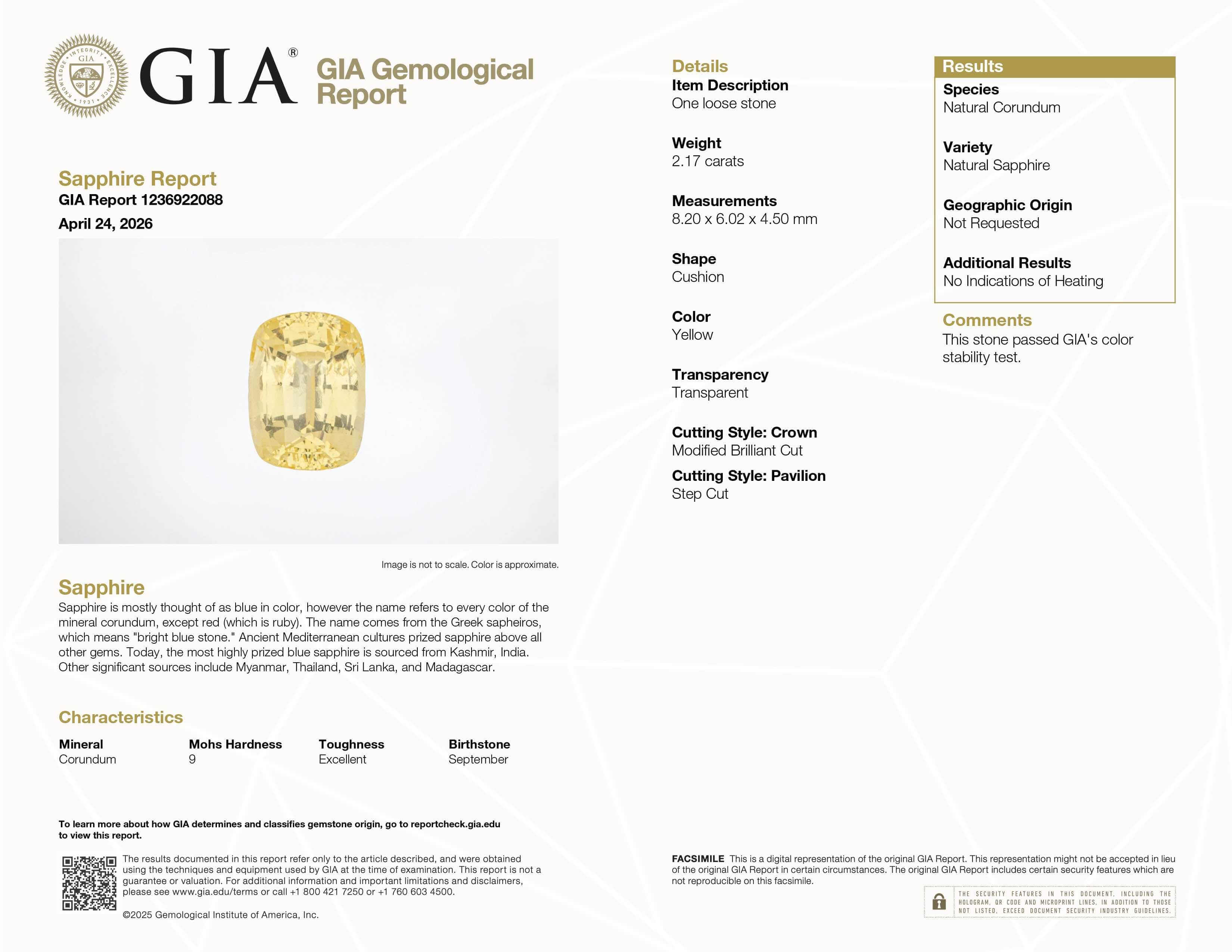
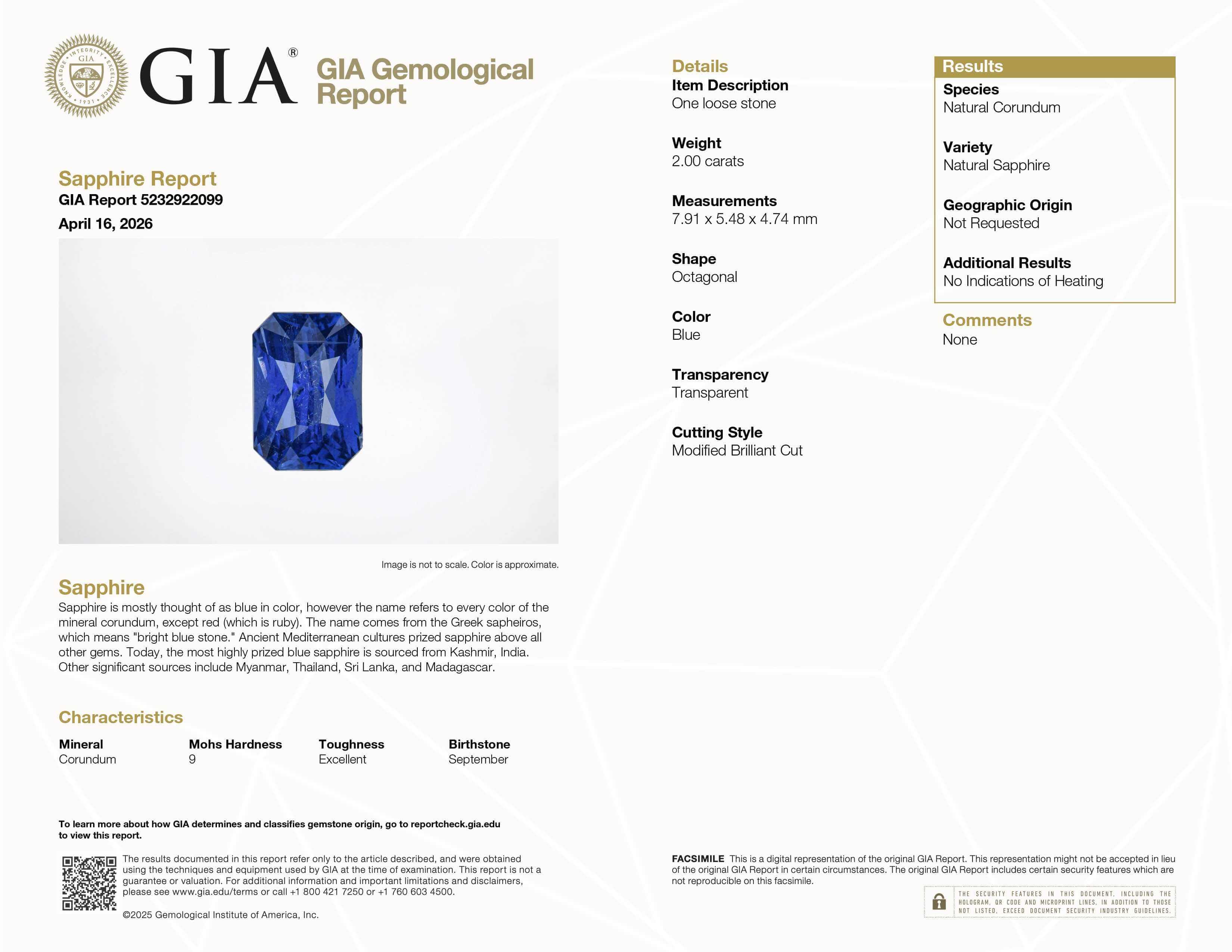
GIA lab reports for all significant stones.

Accurate information, Actual Images, Hand shots and 360 videos of the stone on sale, we don't use stock photography.

Join our ever growing group of satisfied customers from around the world.