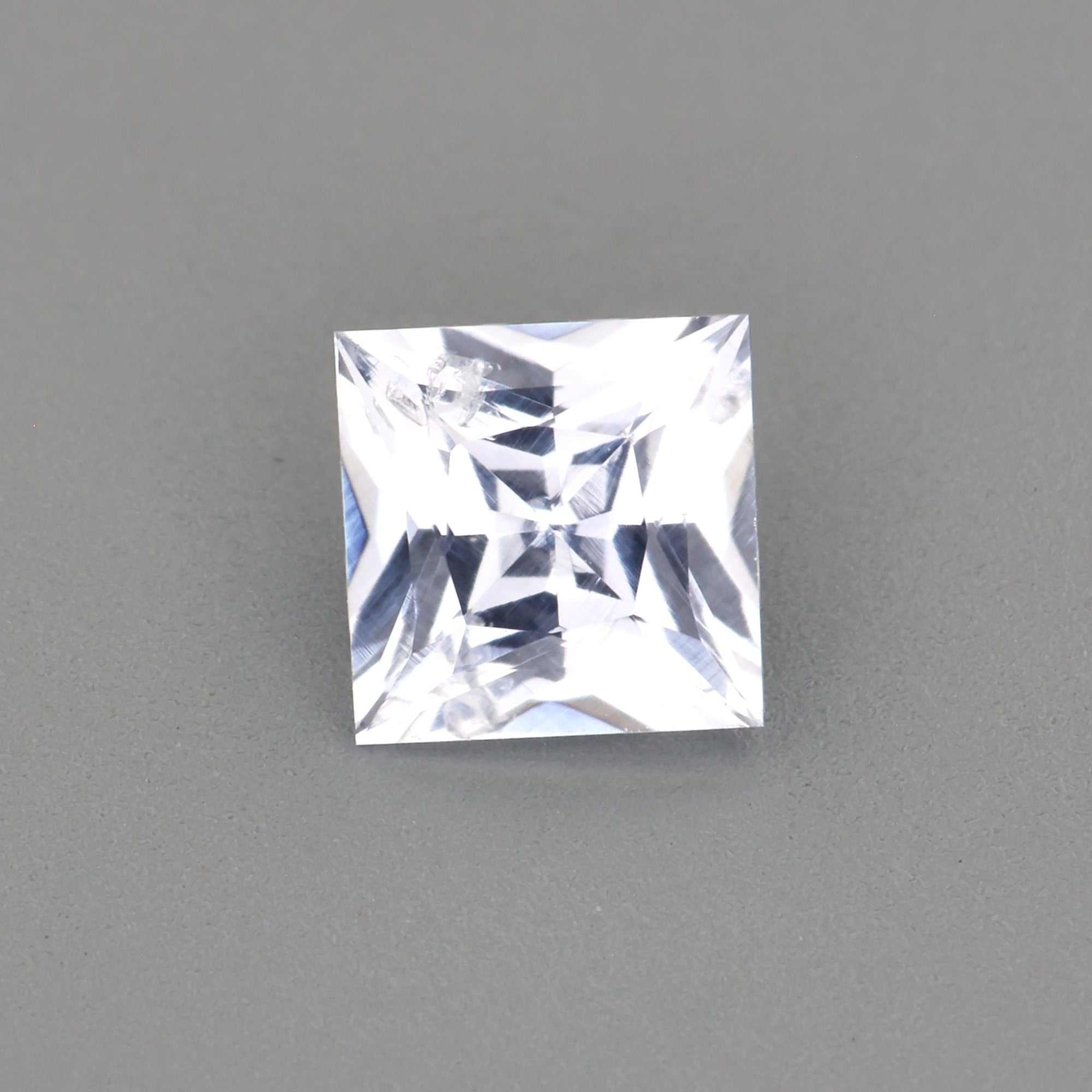
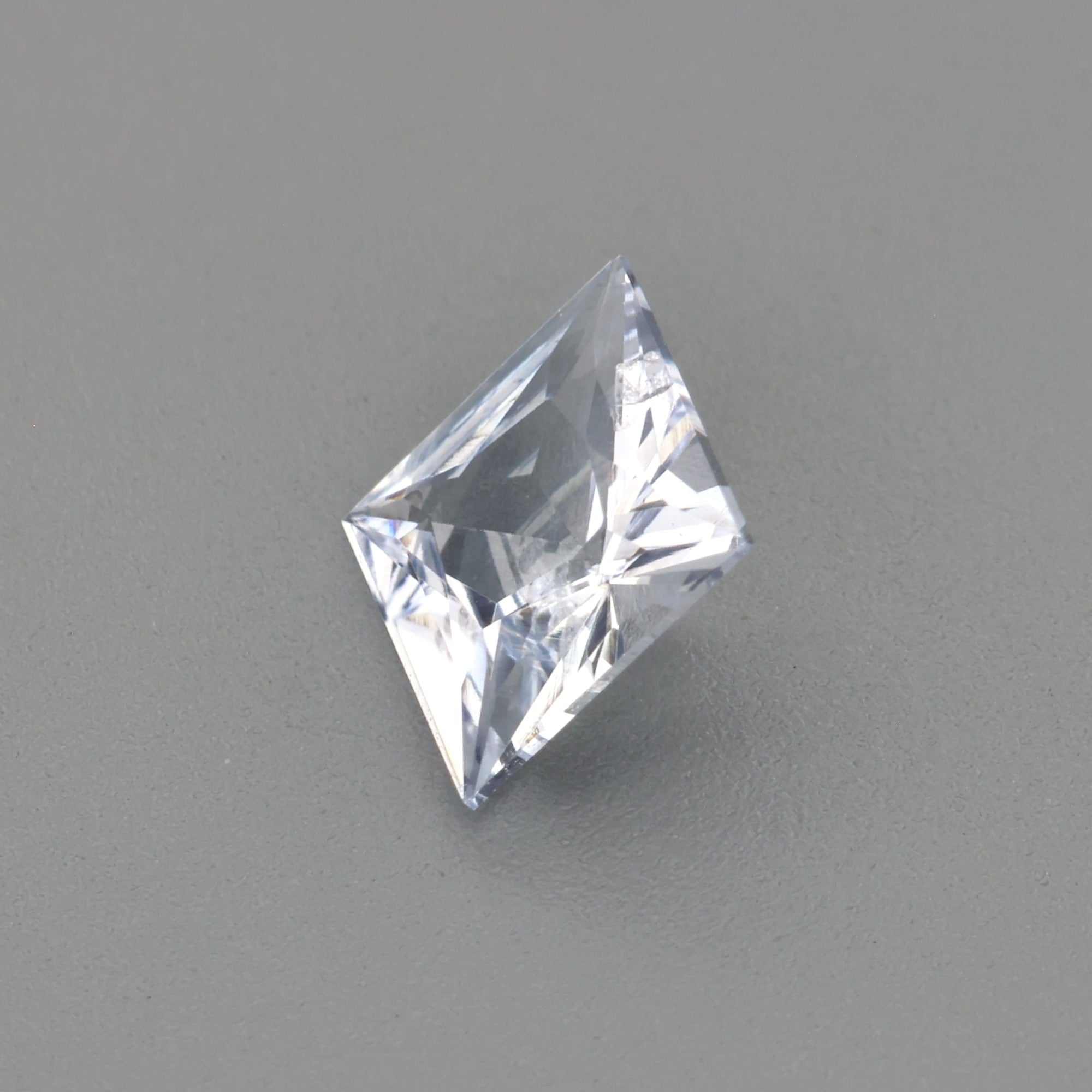
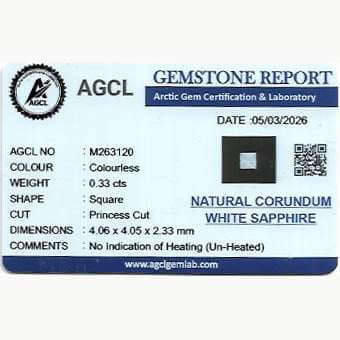
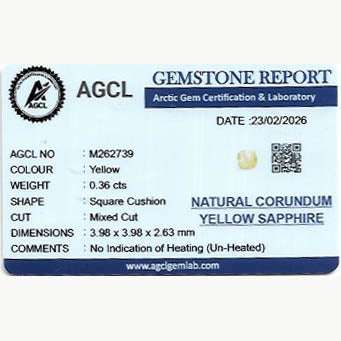
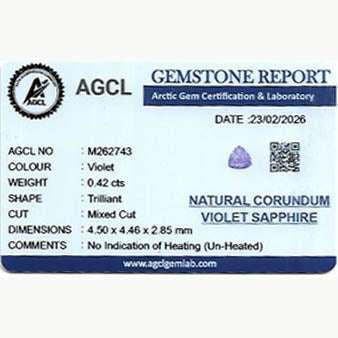
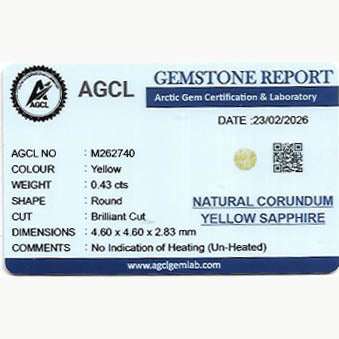
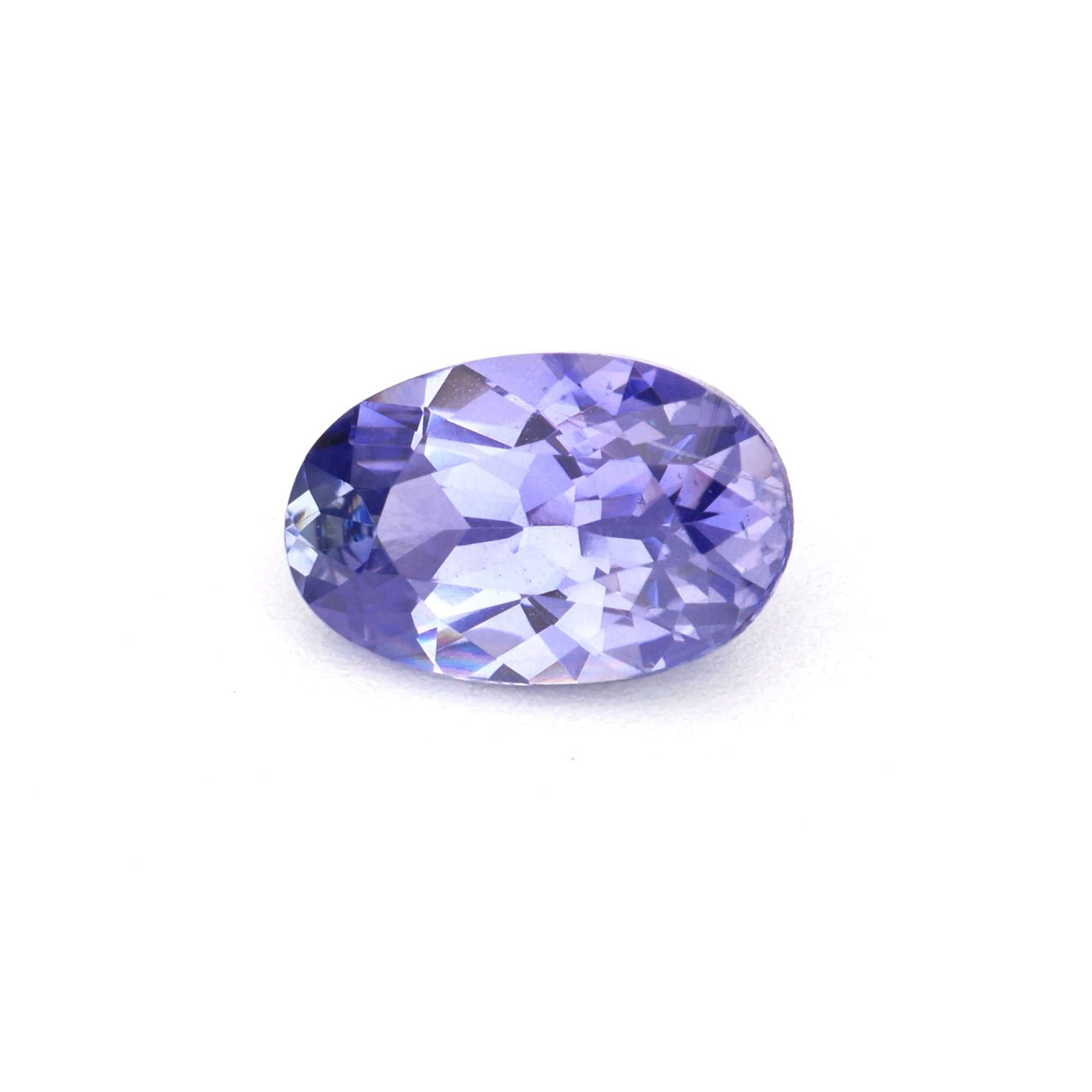
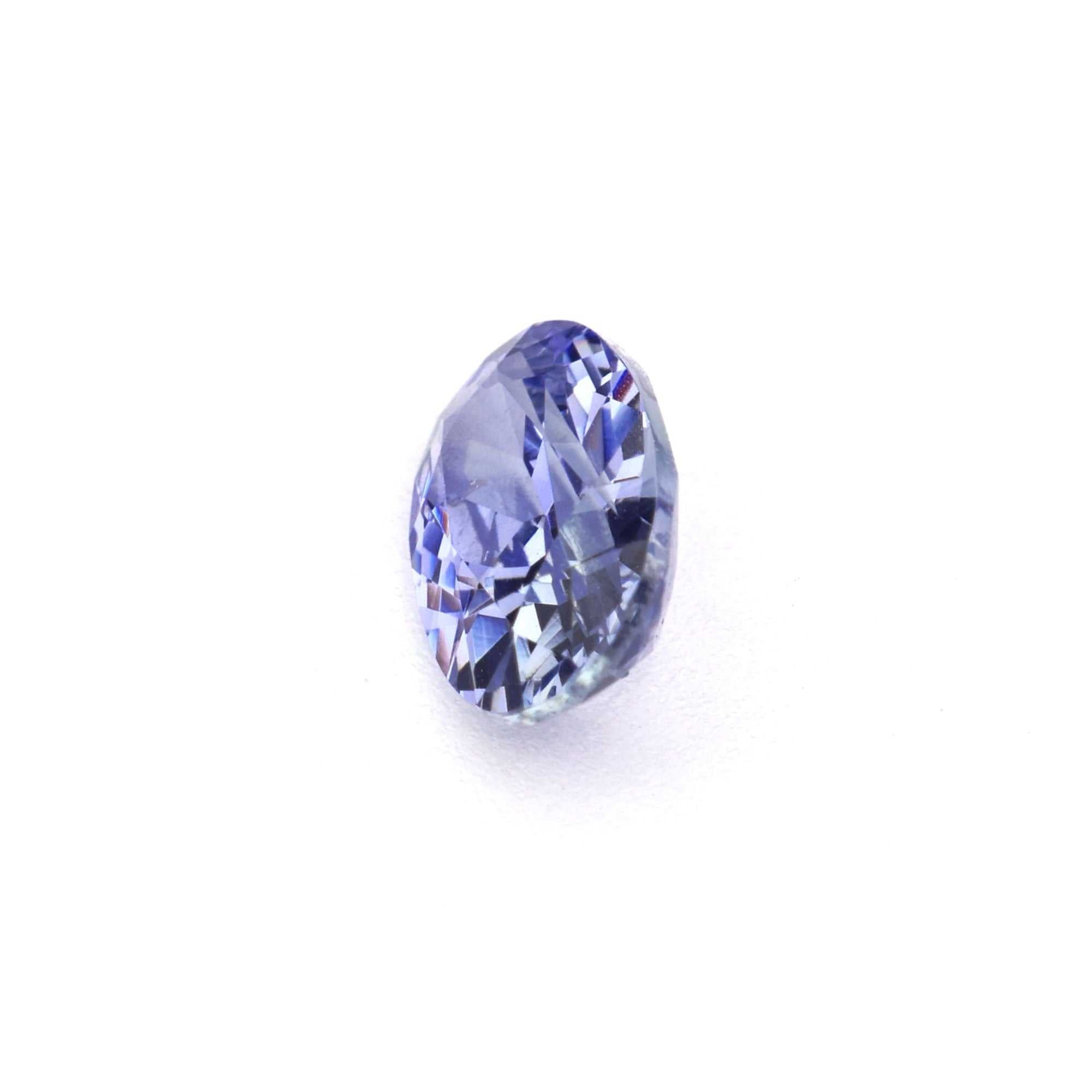
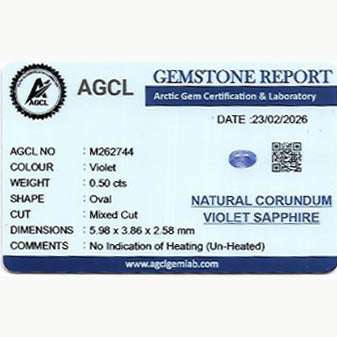
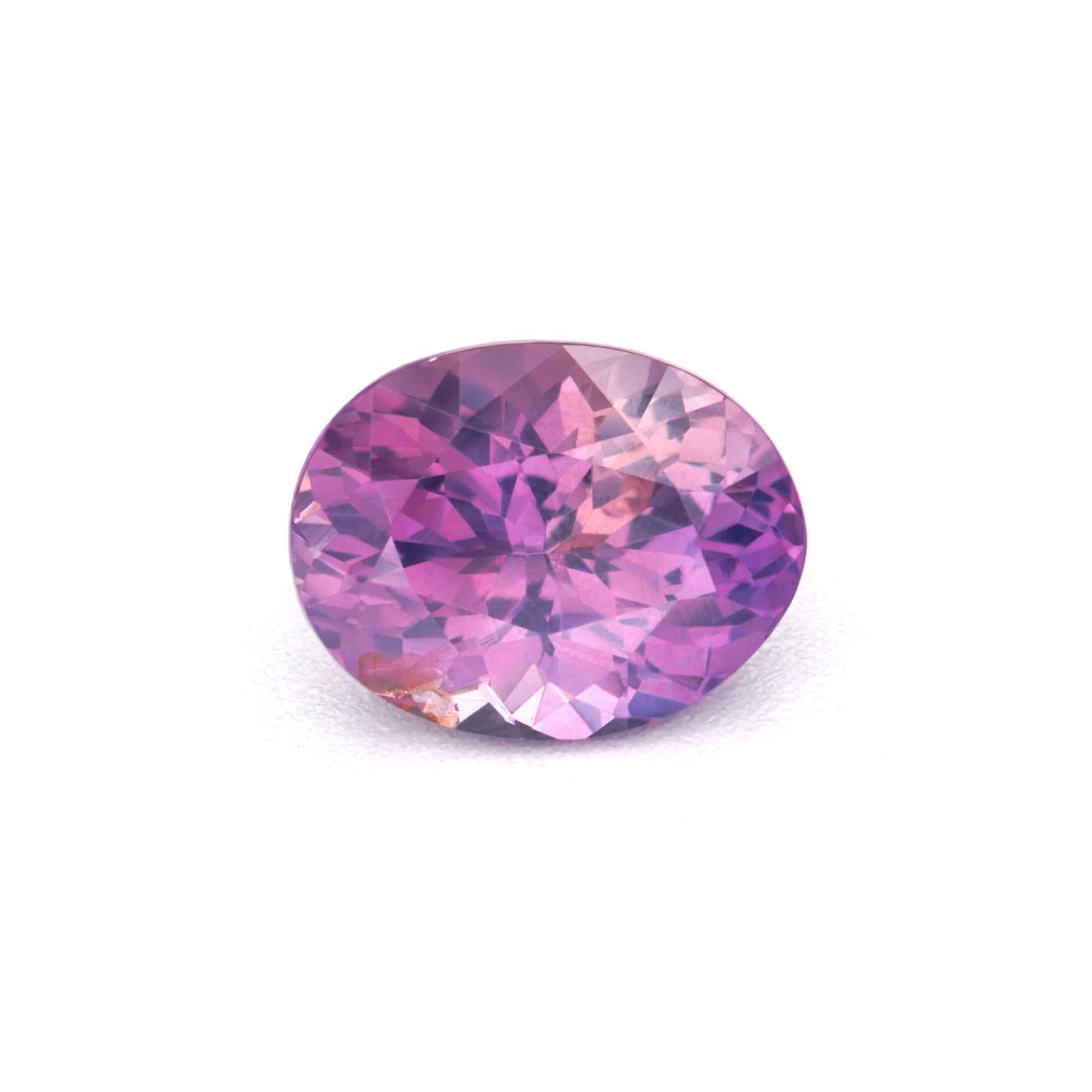
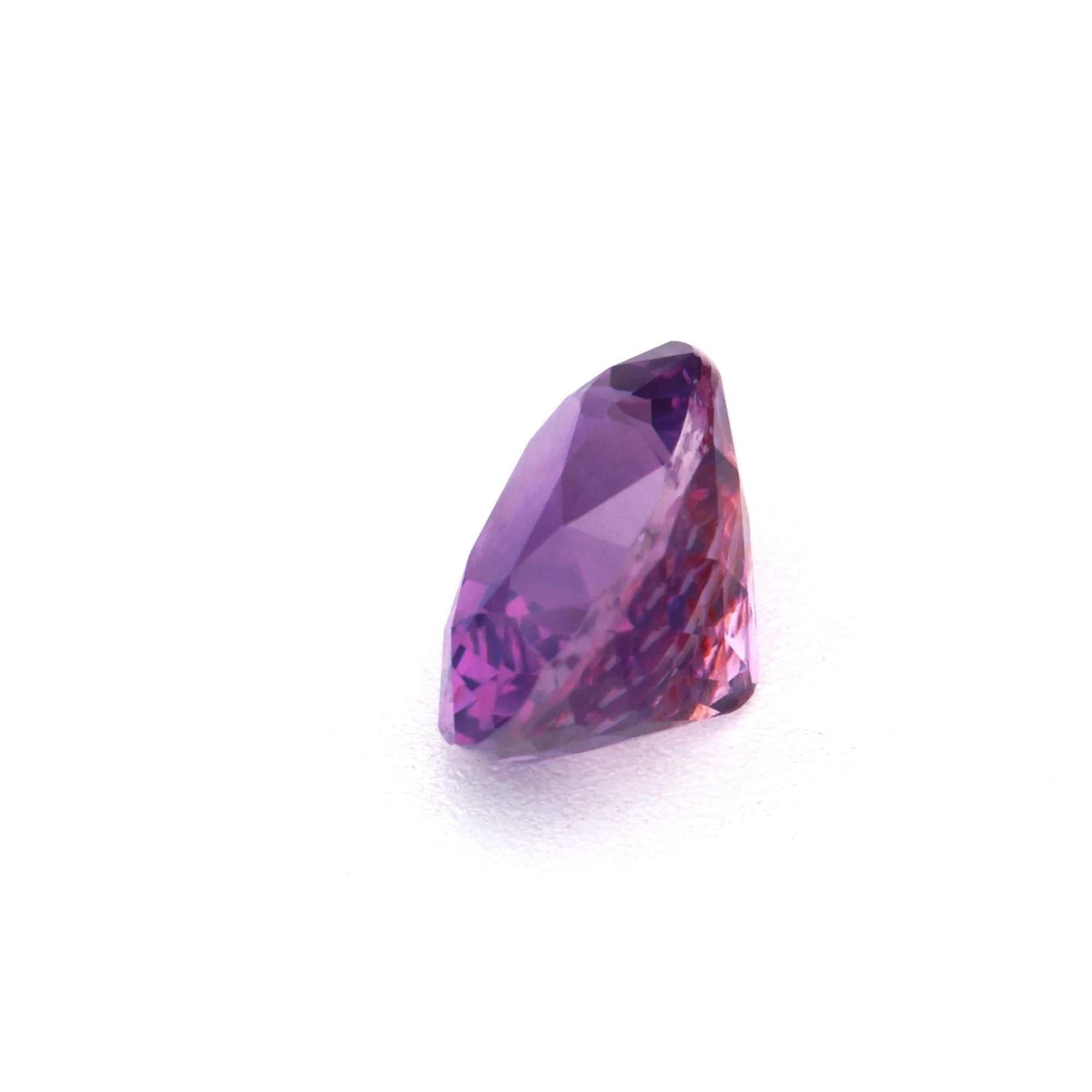
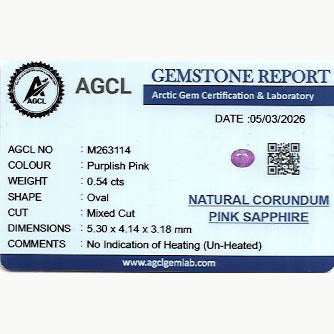
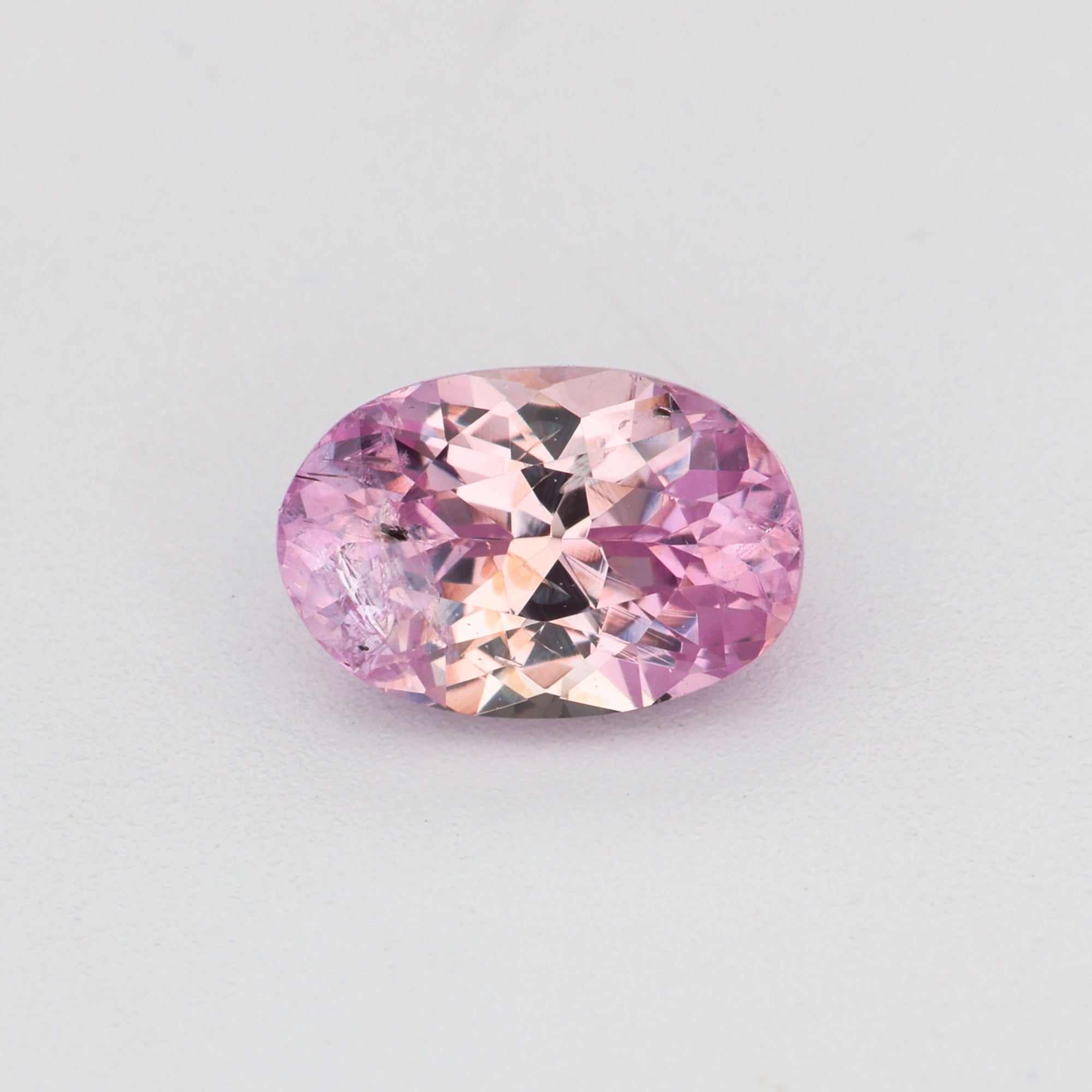
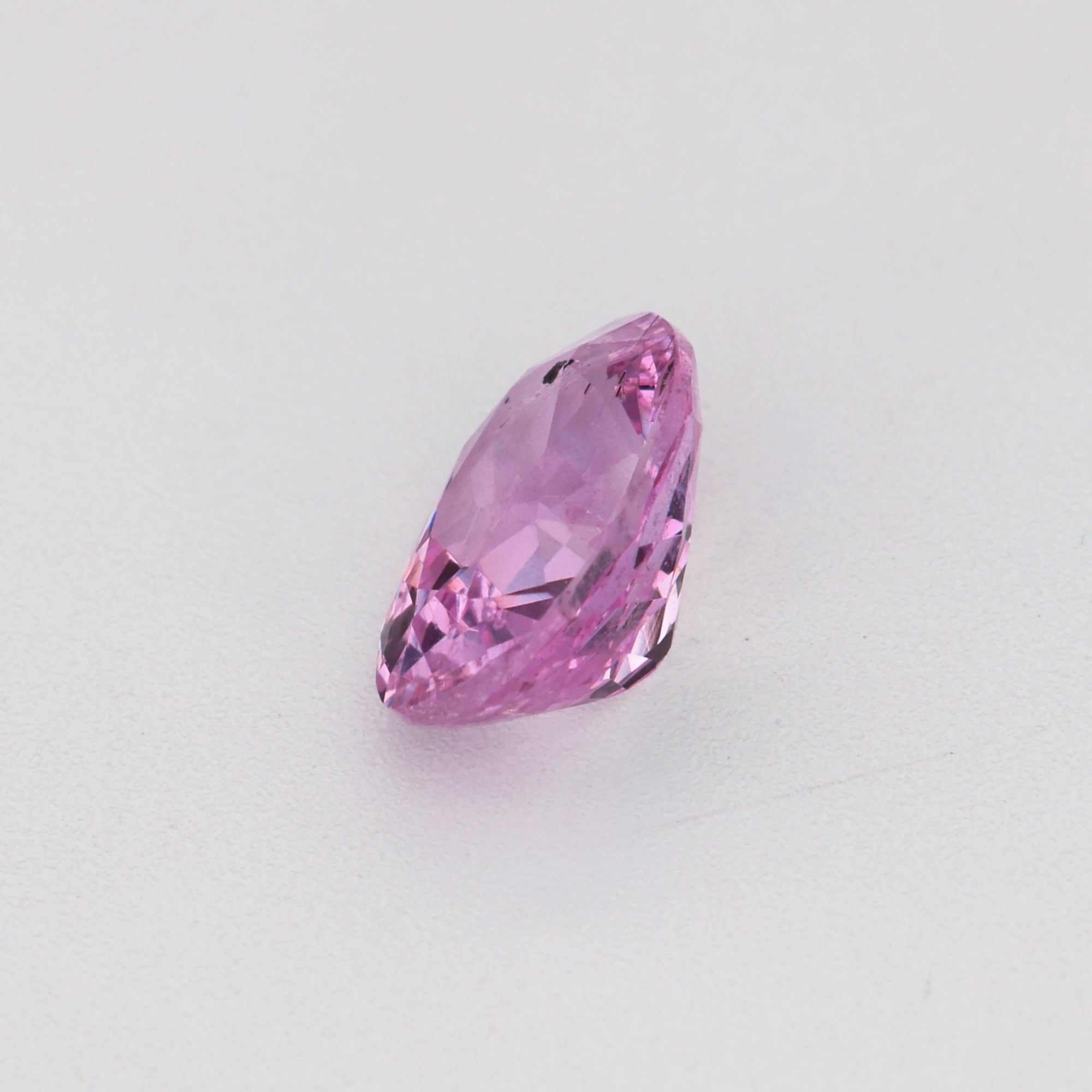
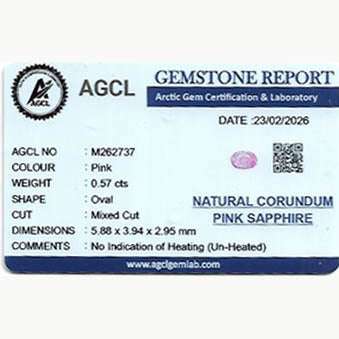
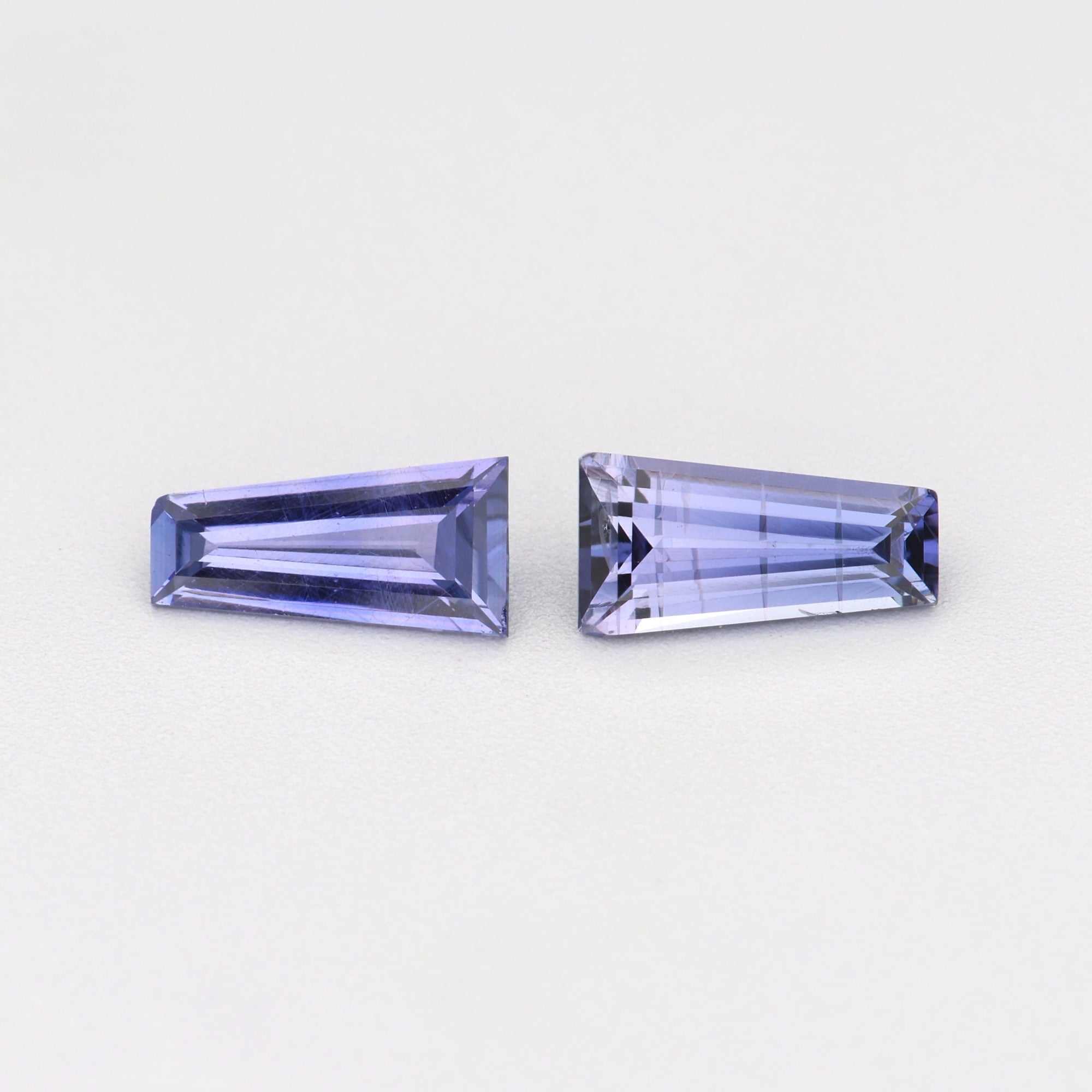
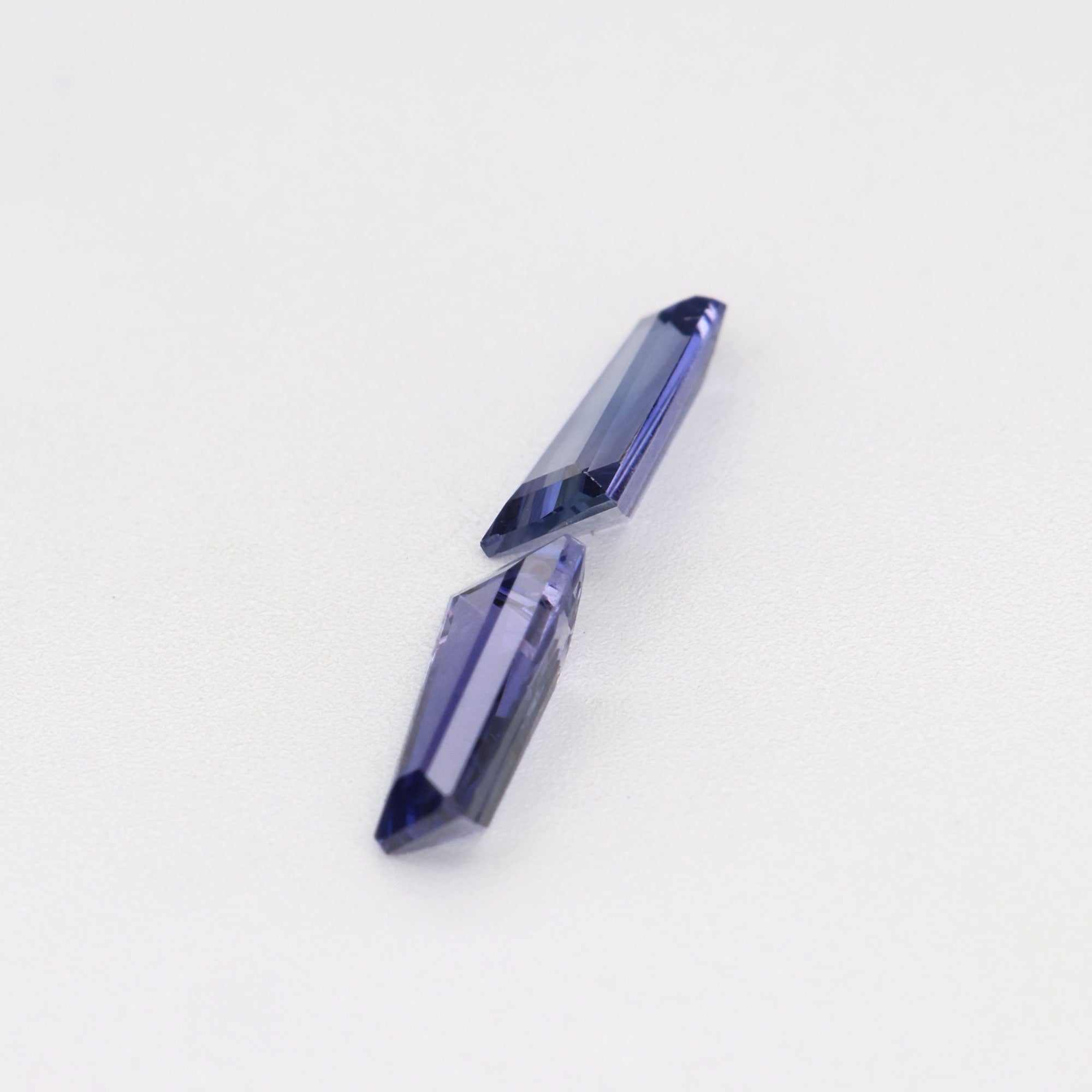
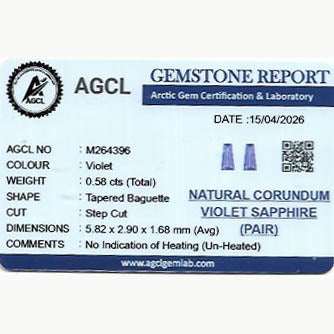
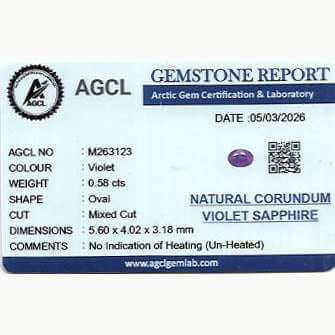
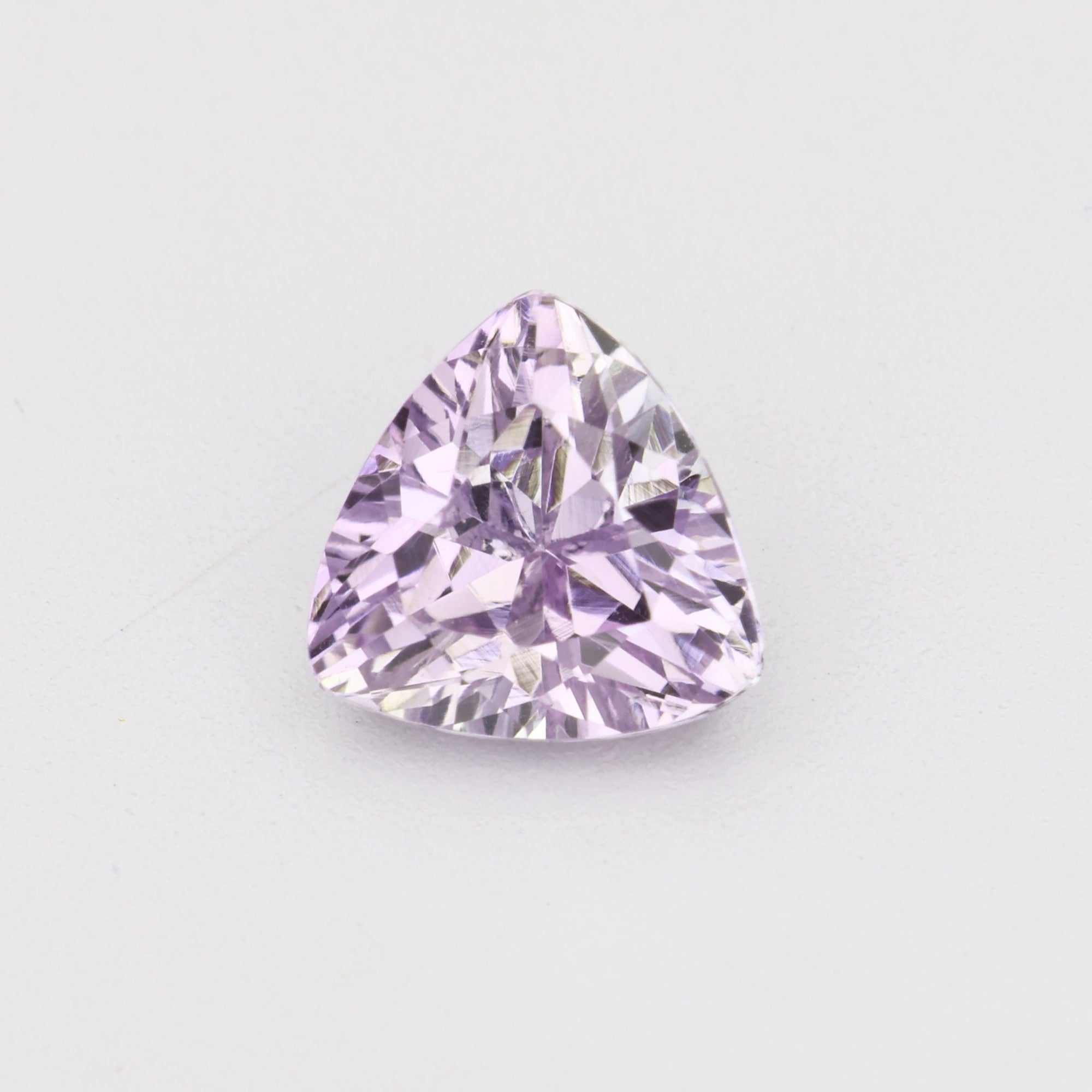
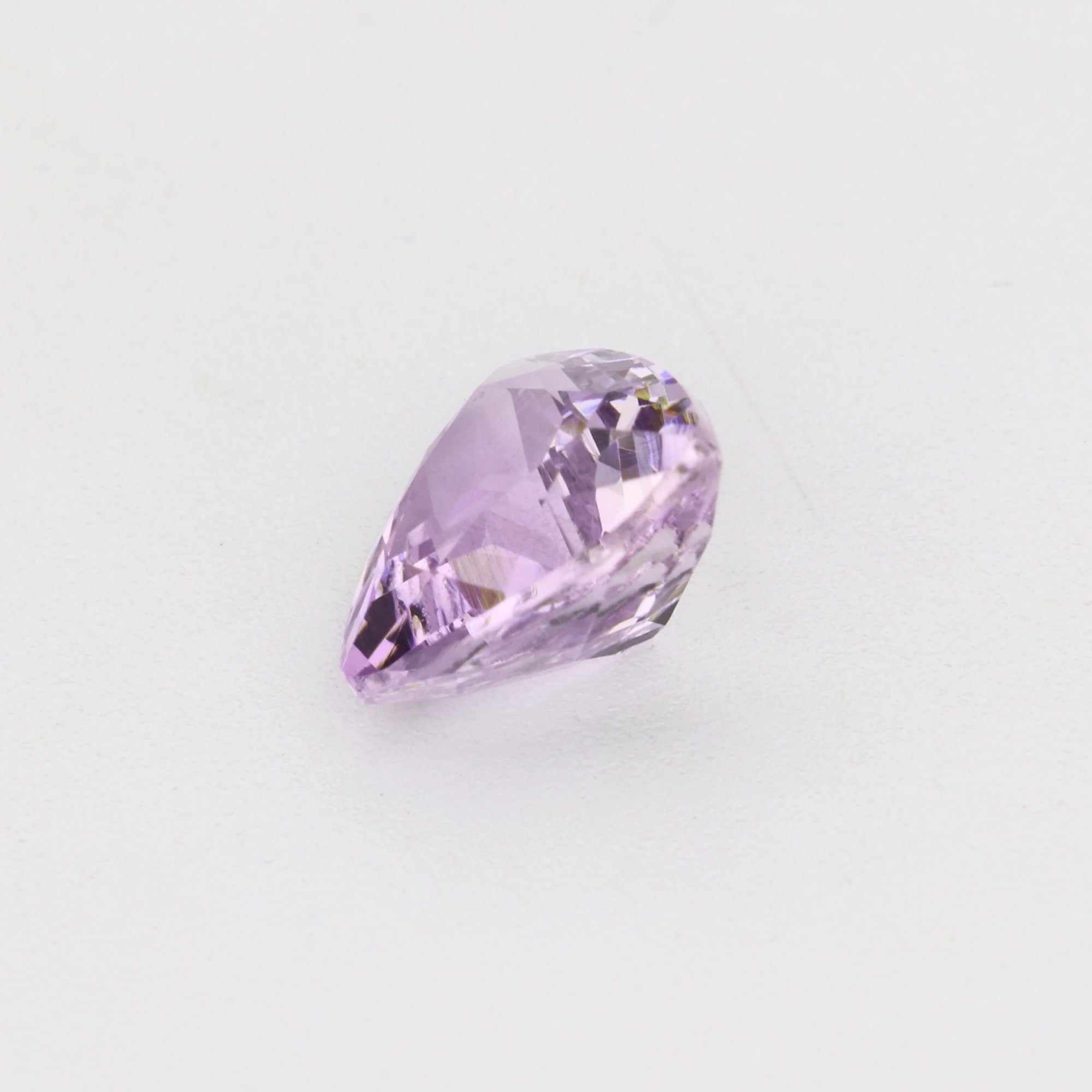
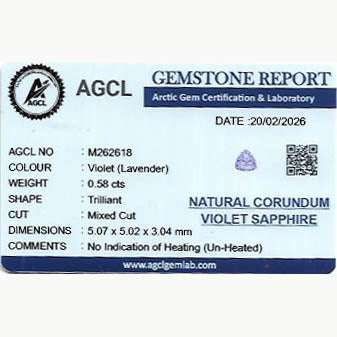
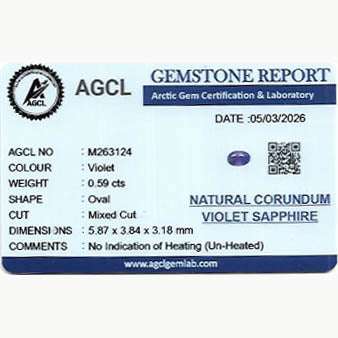
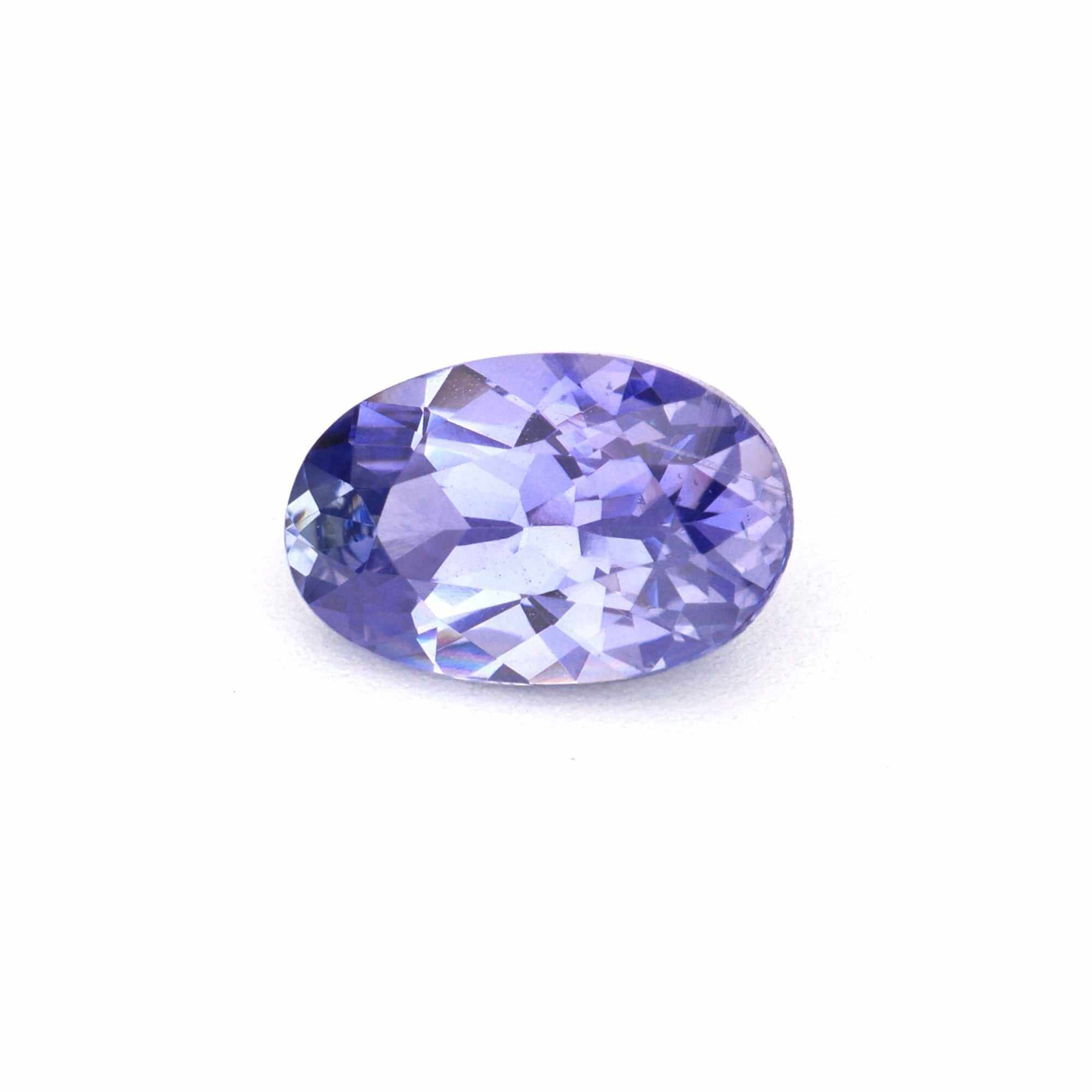
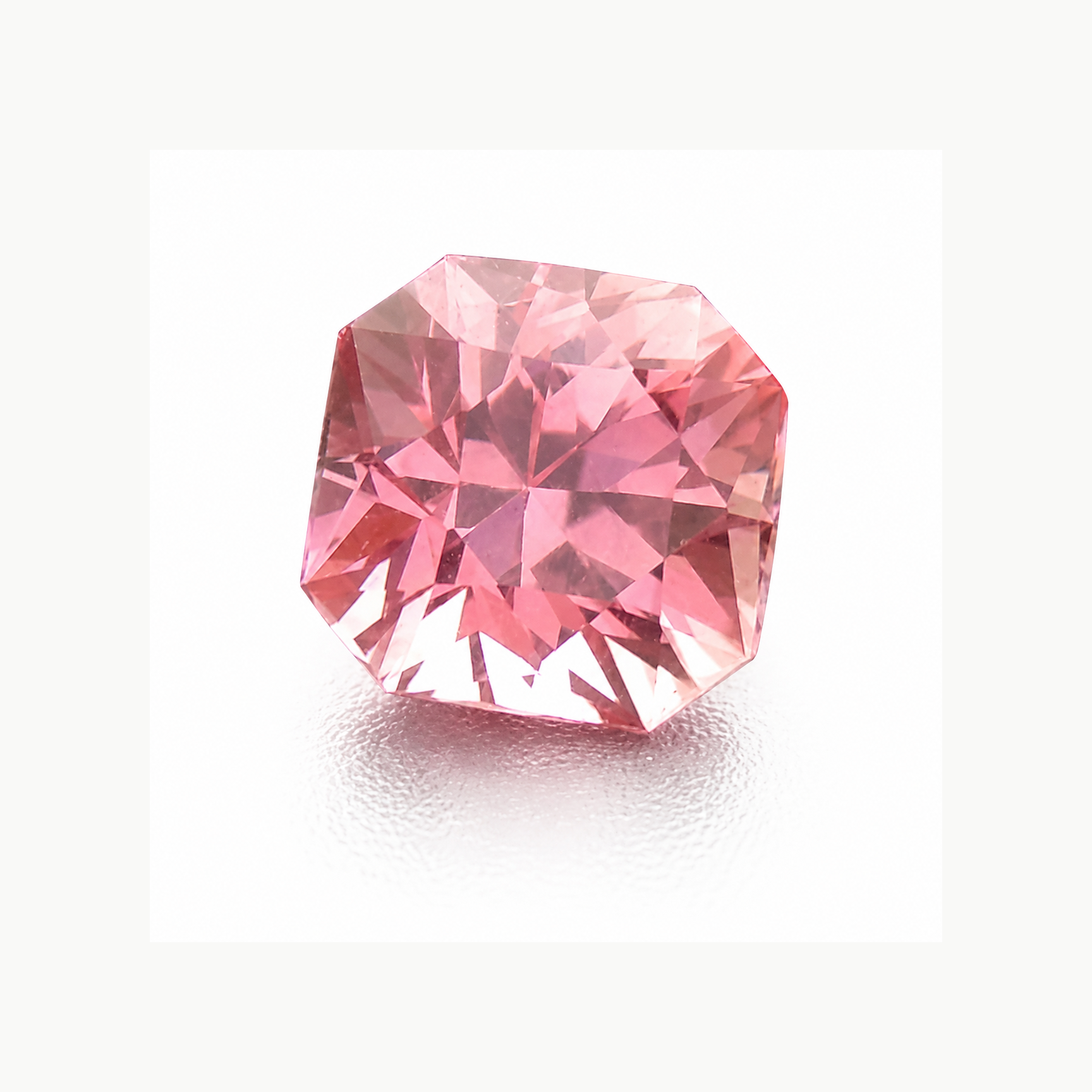
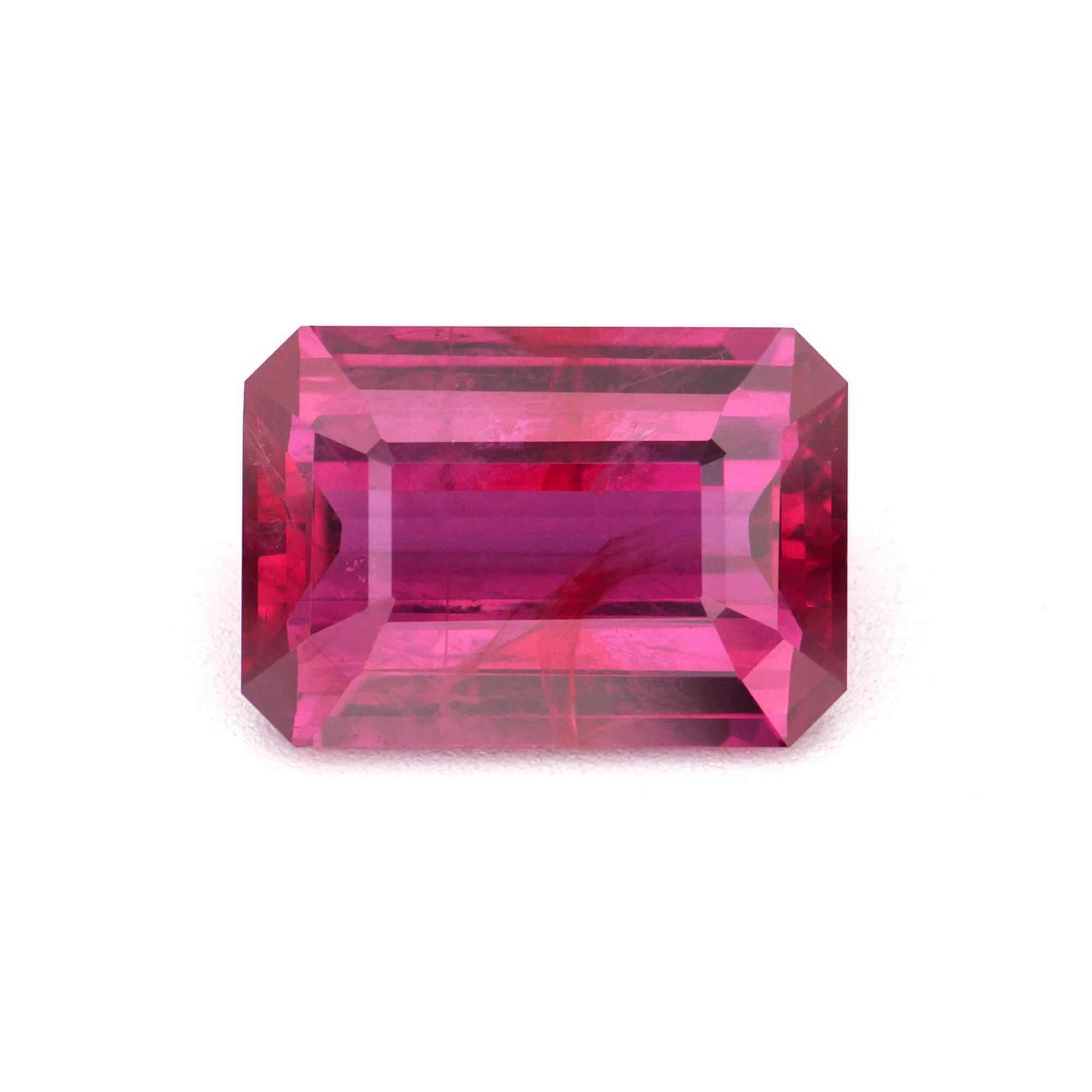
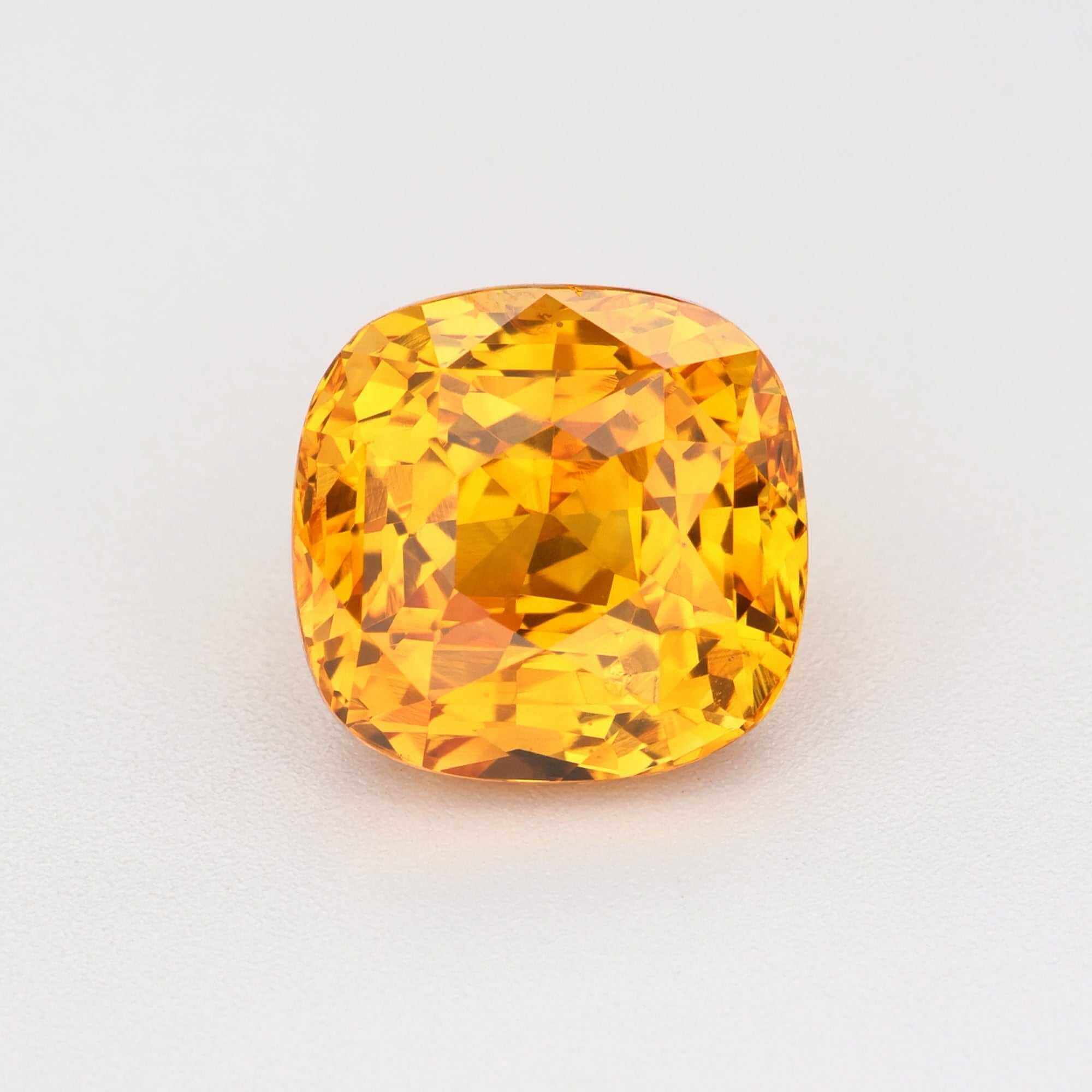
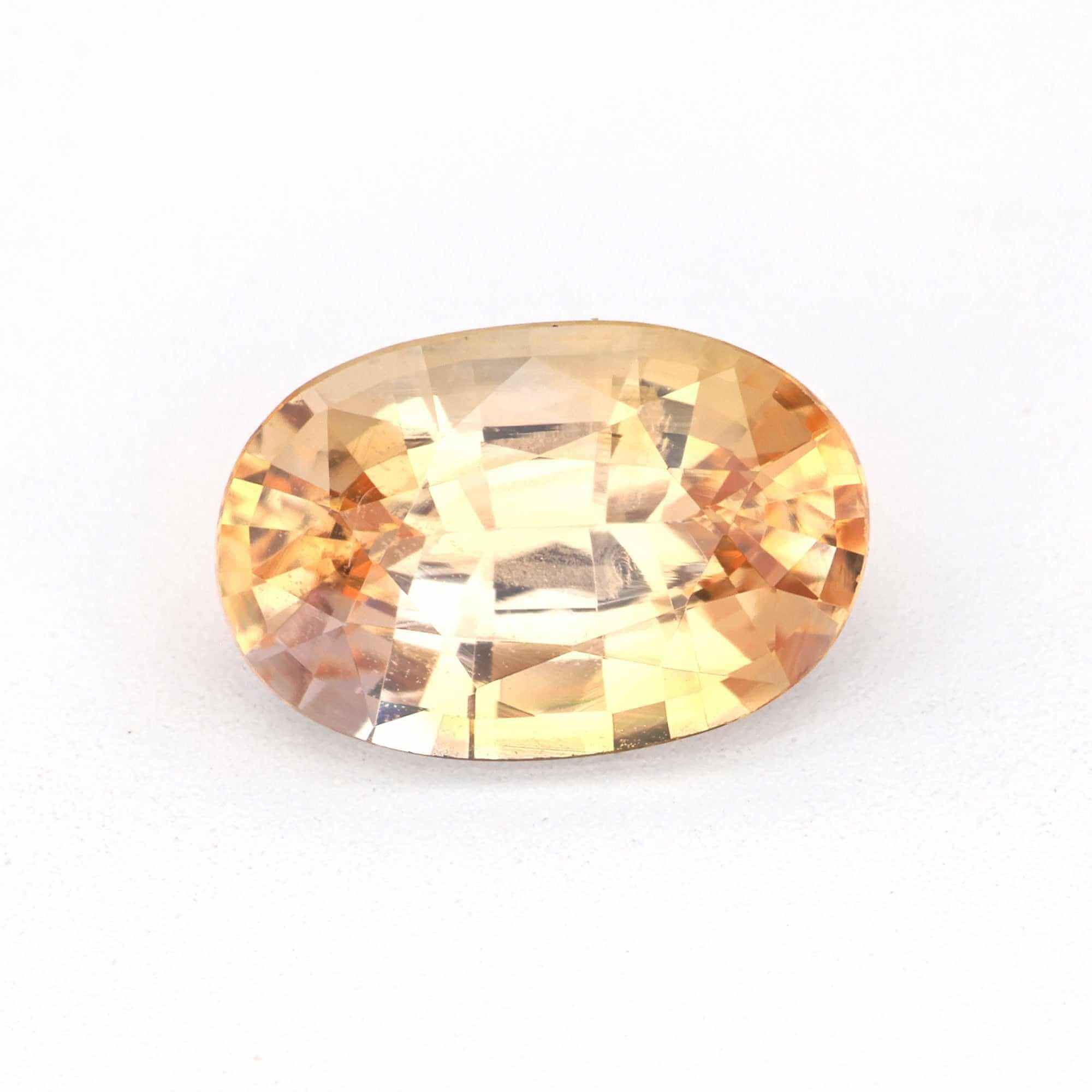
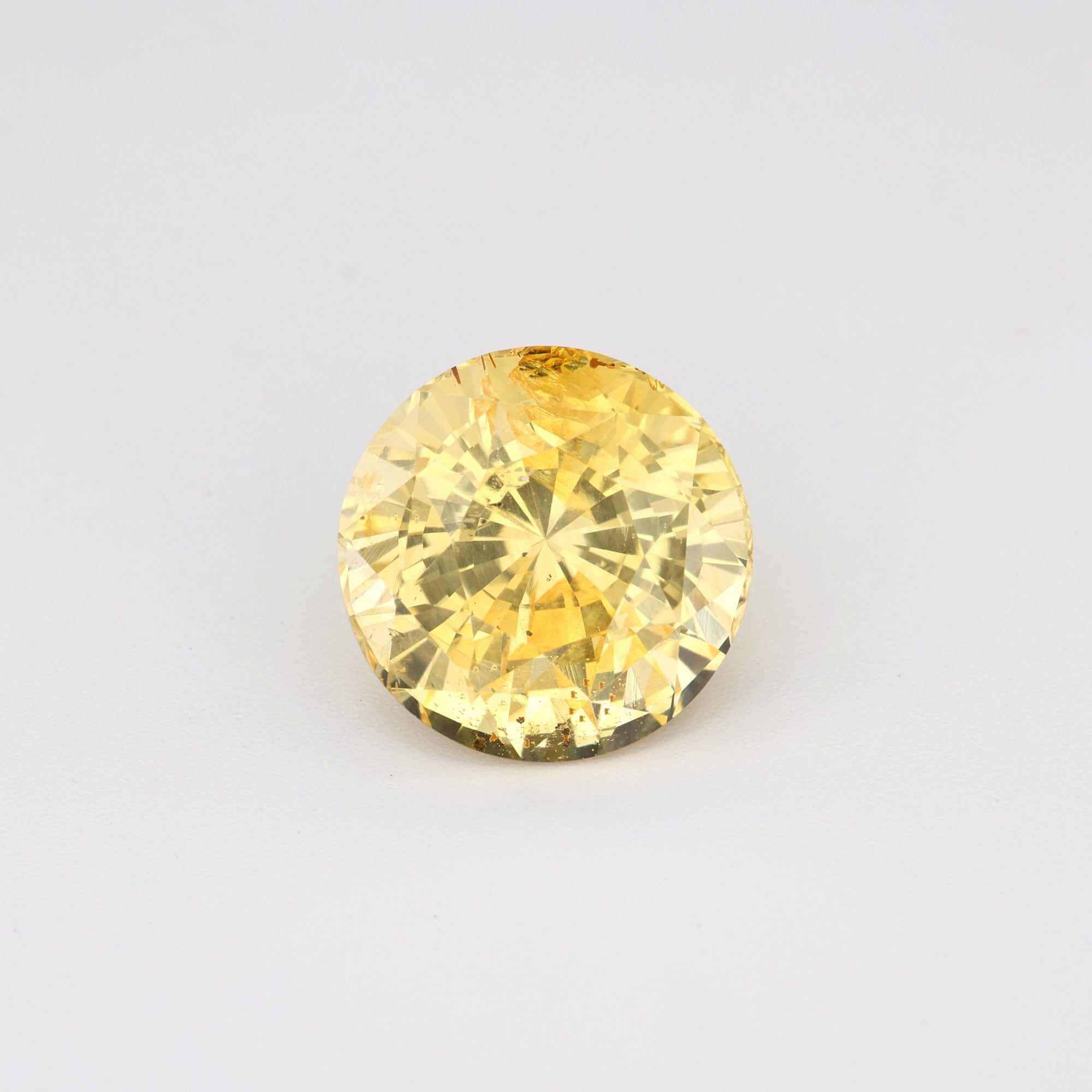
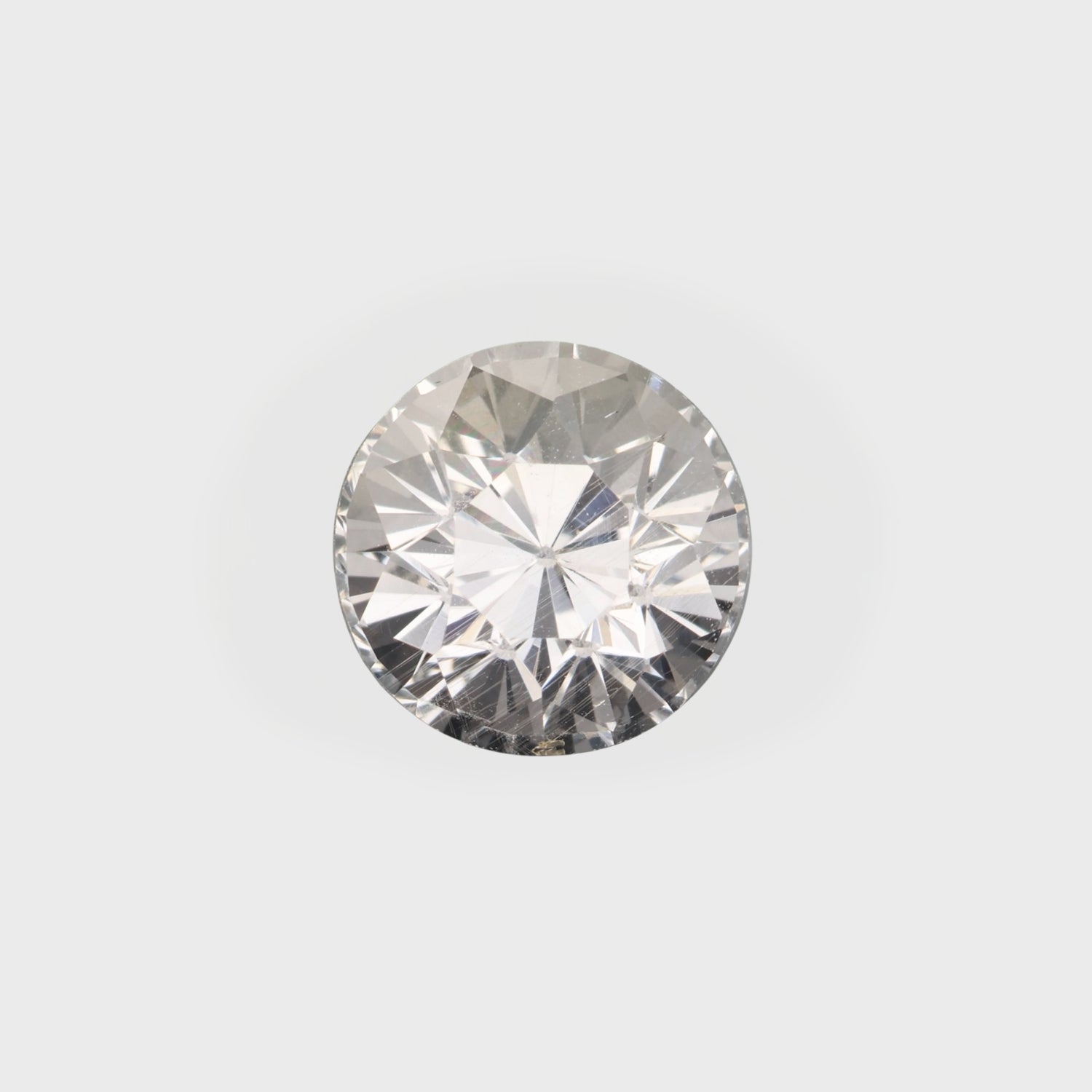
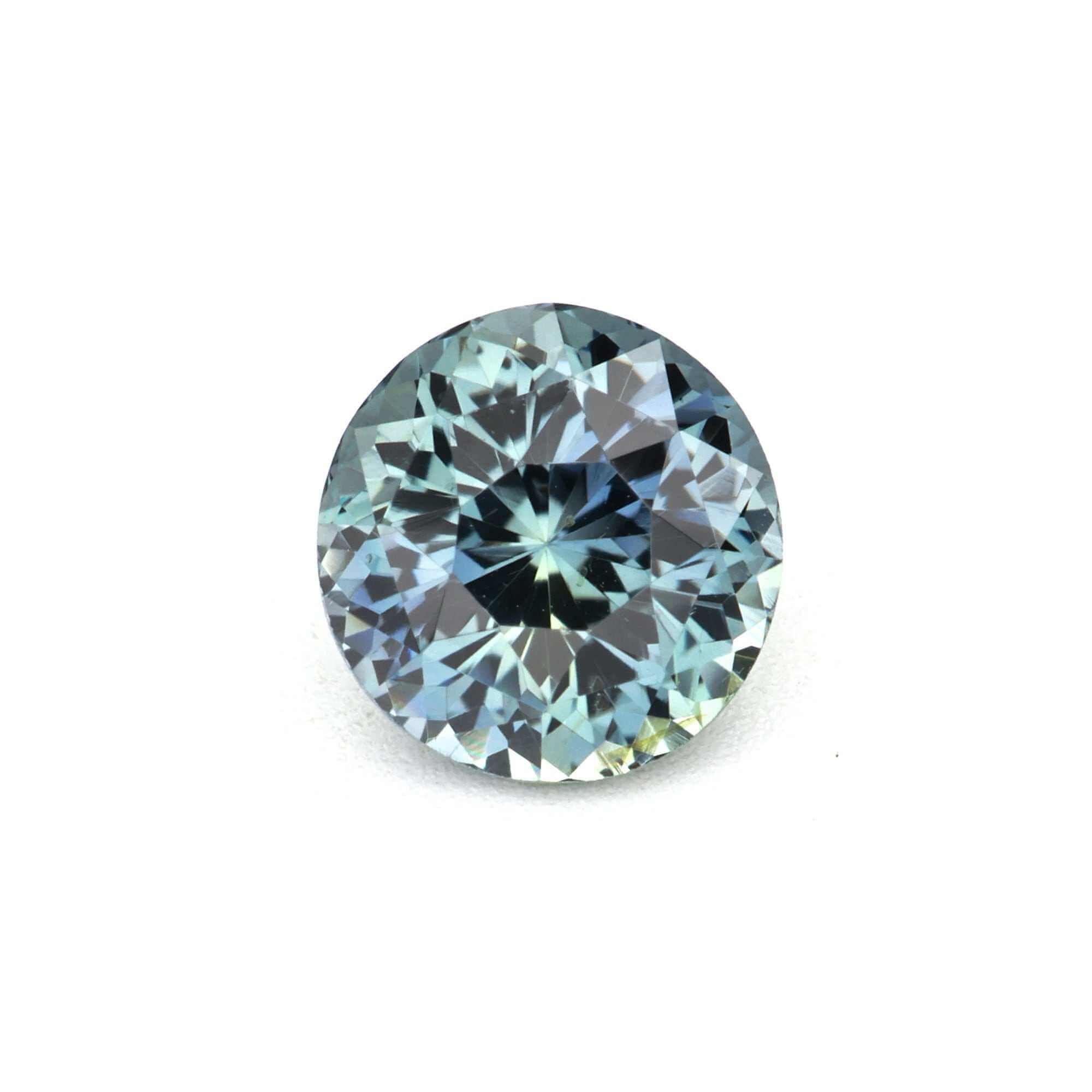
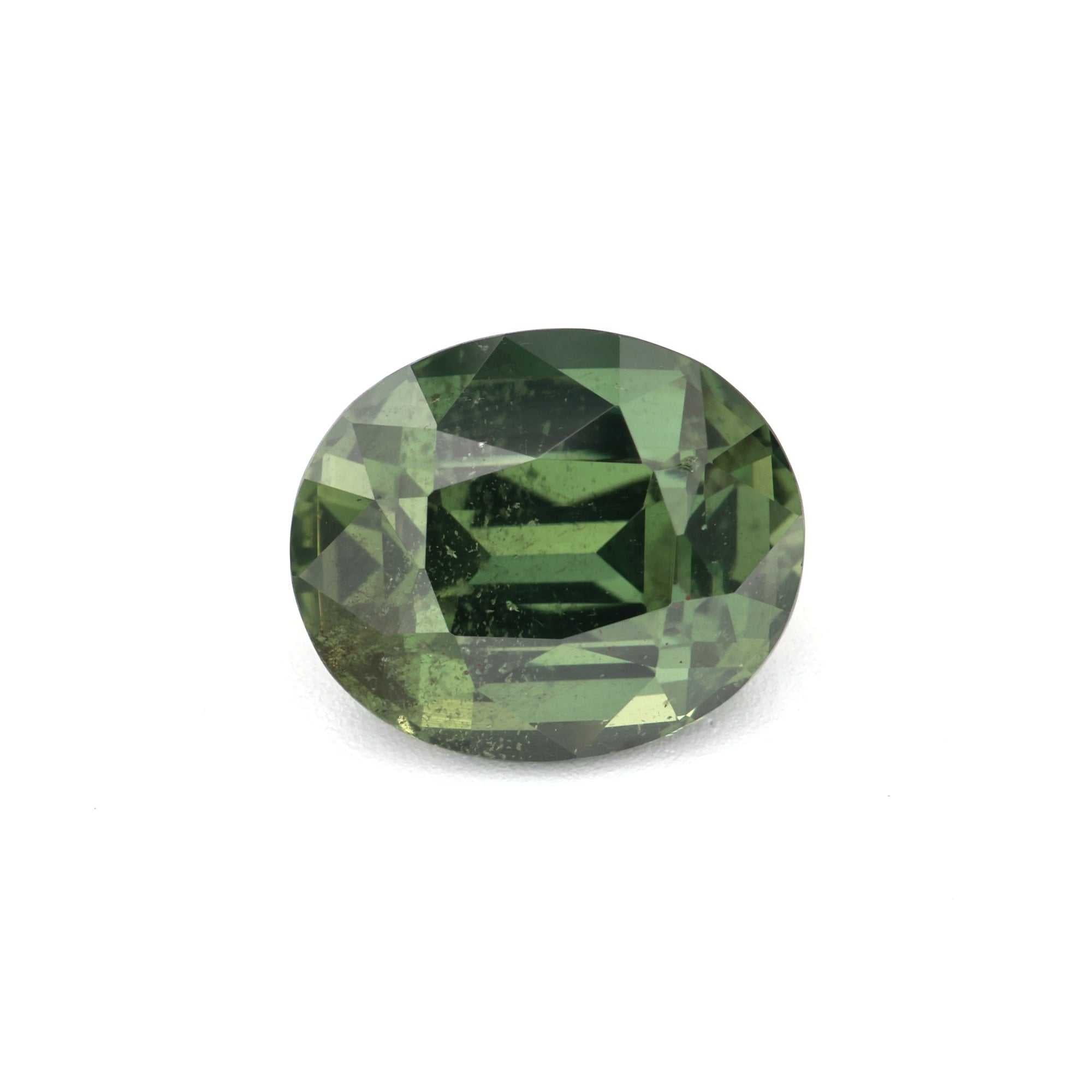
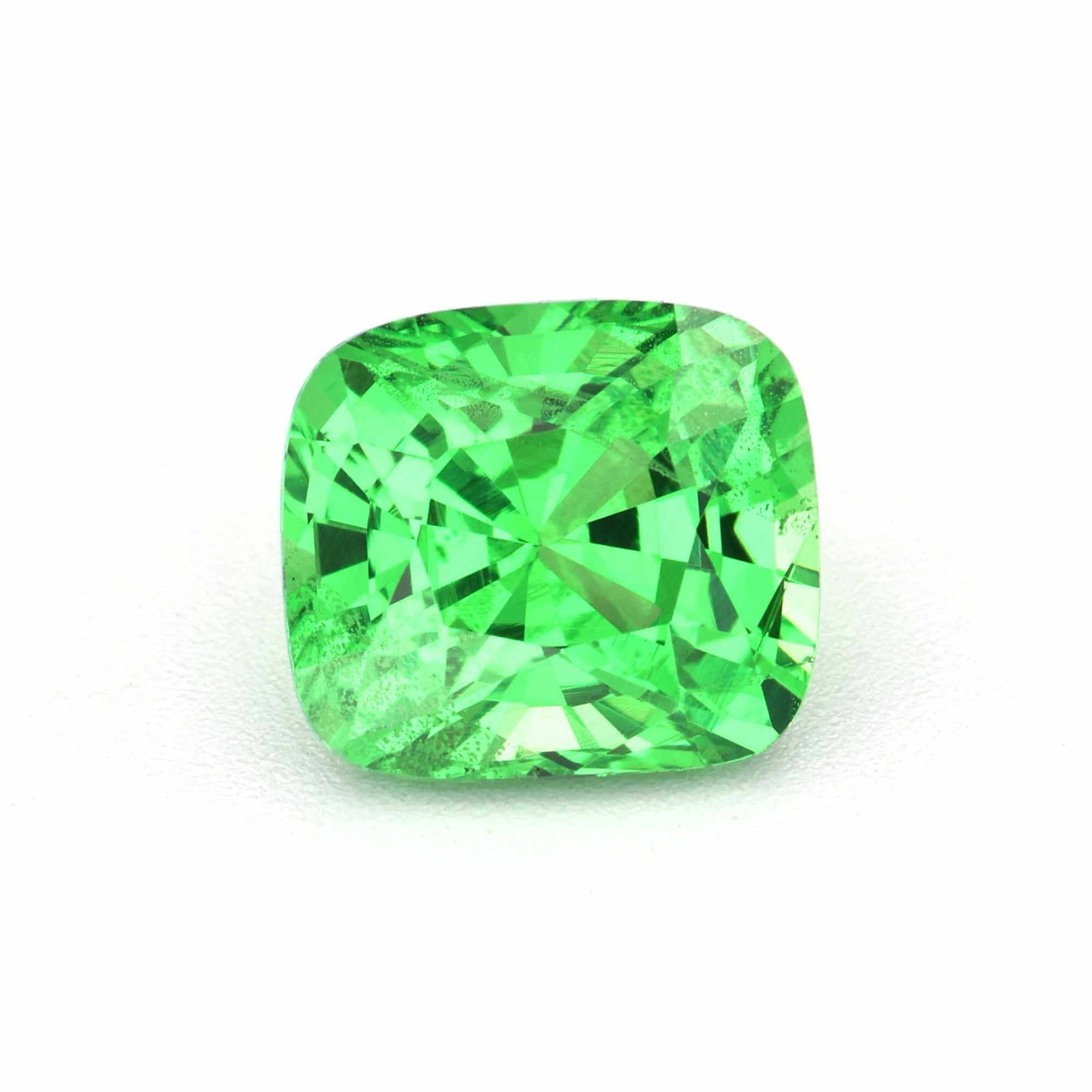
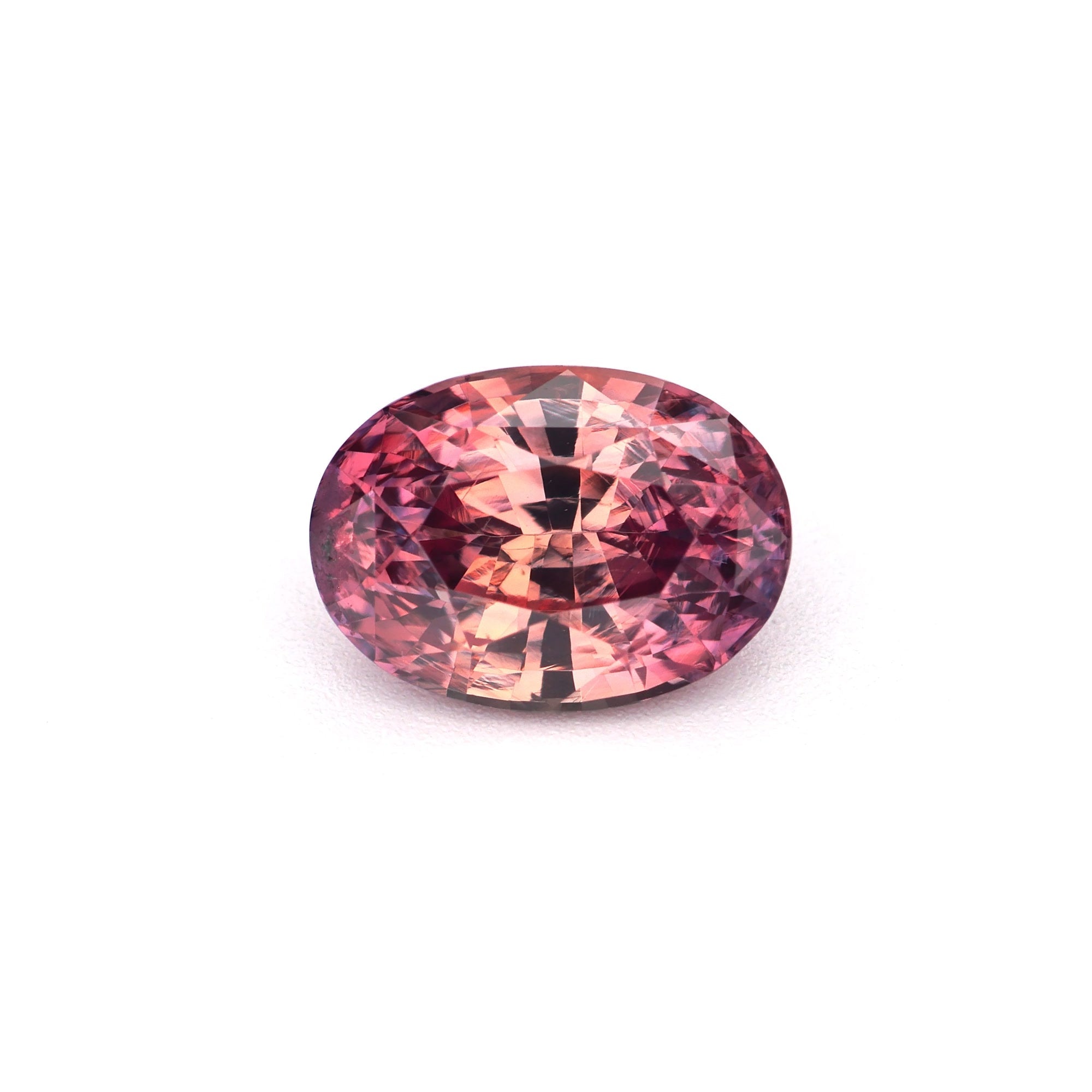
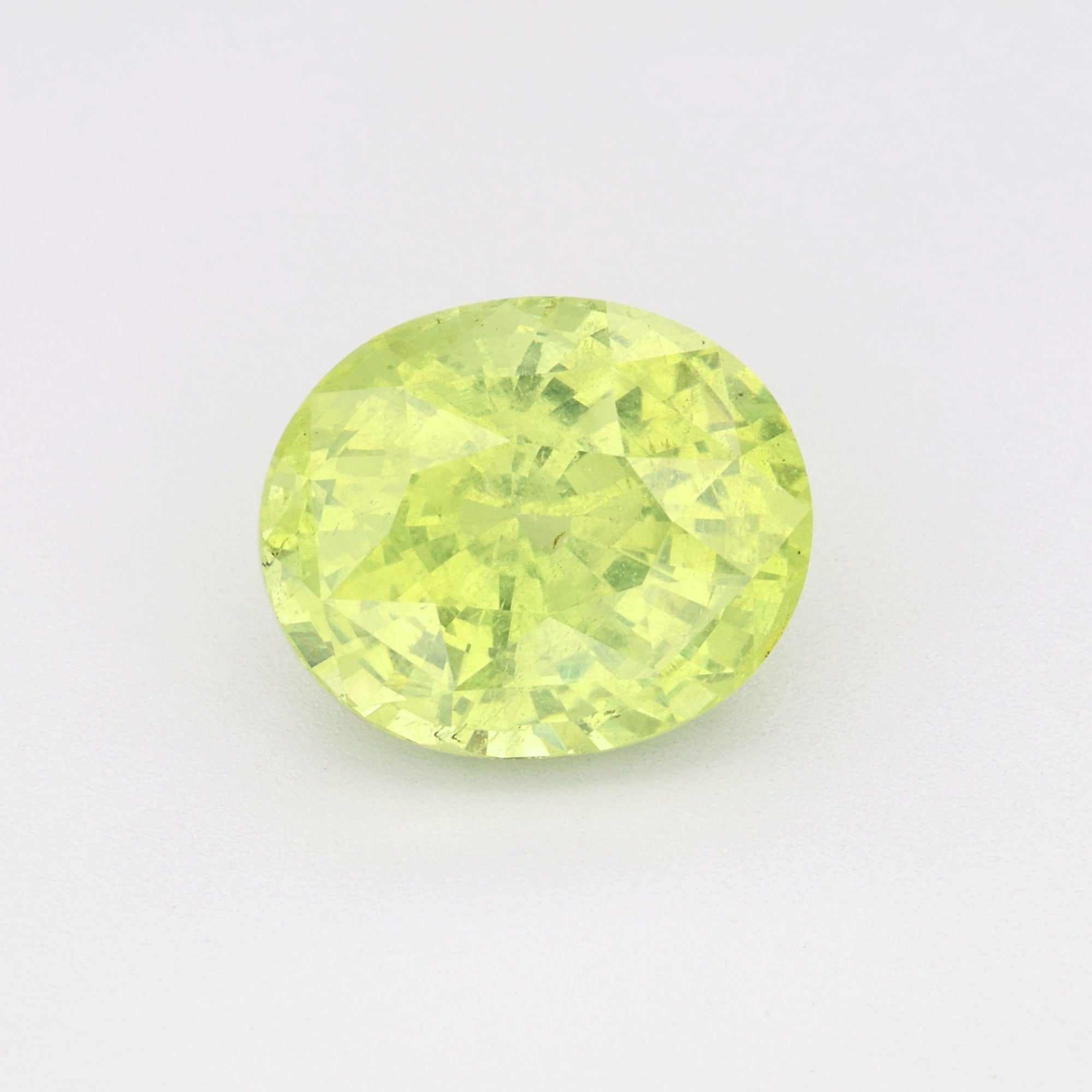
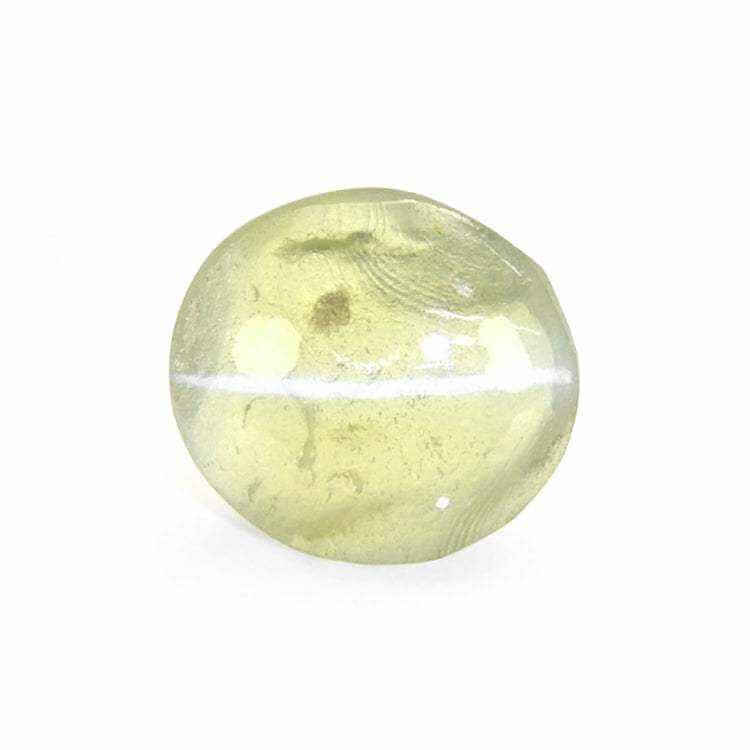
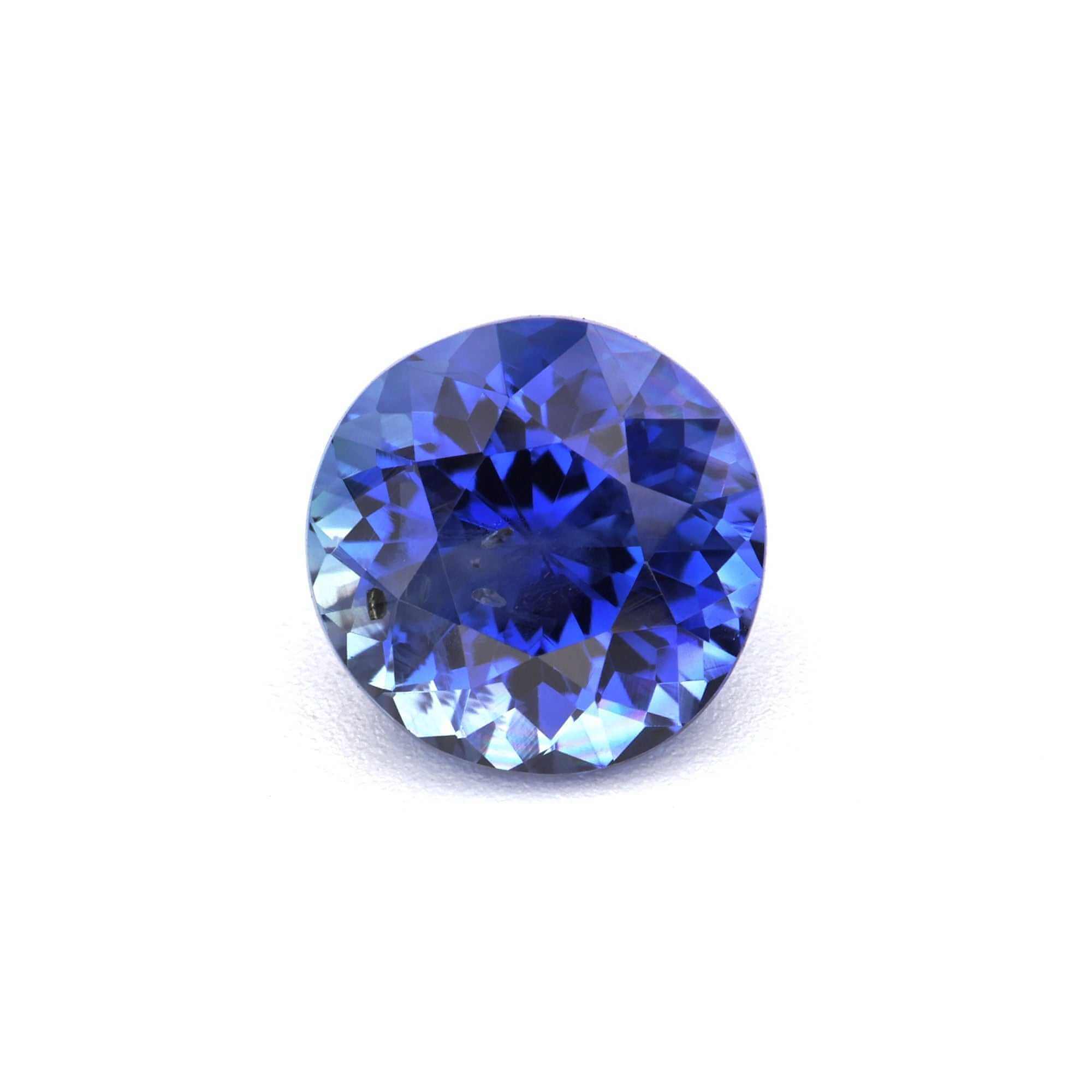
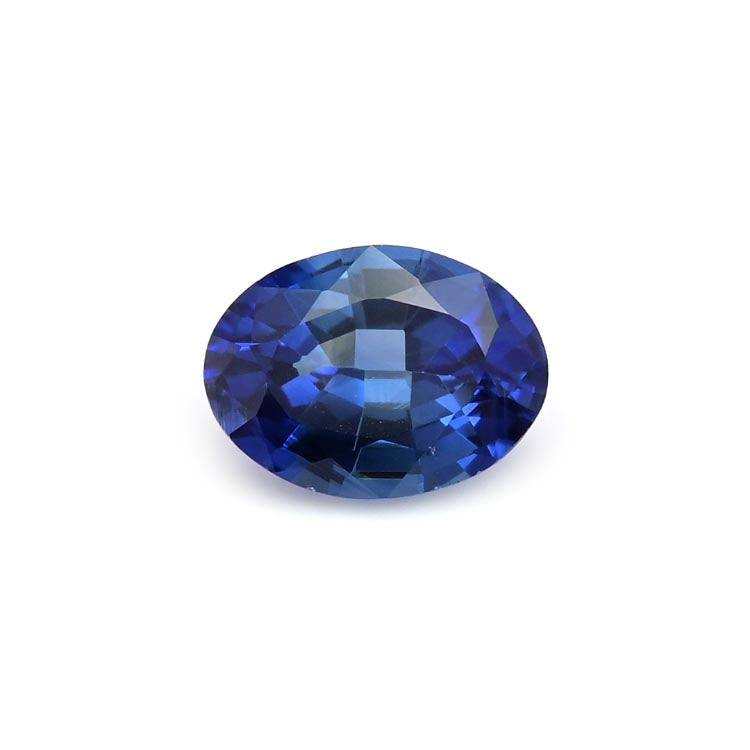
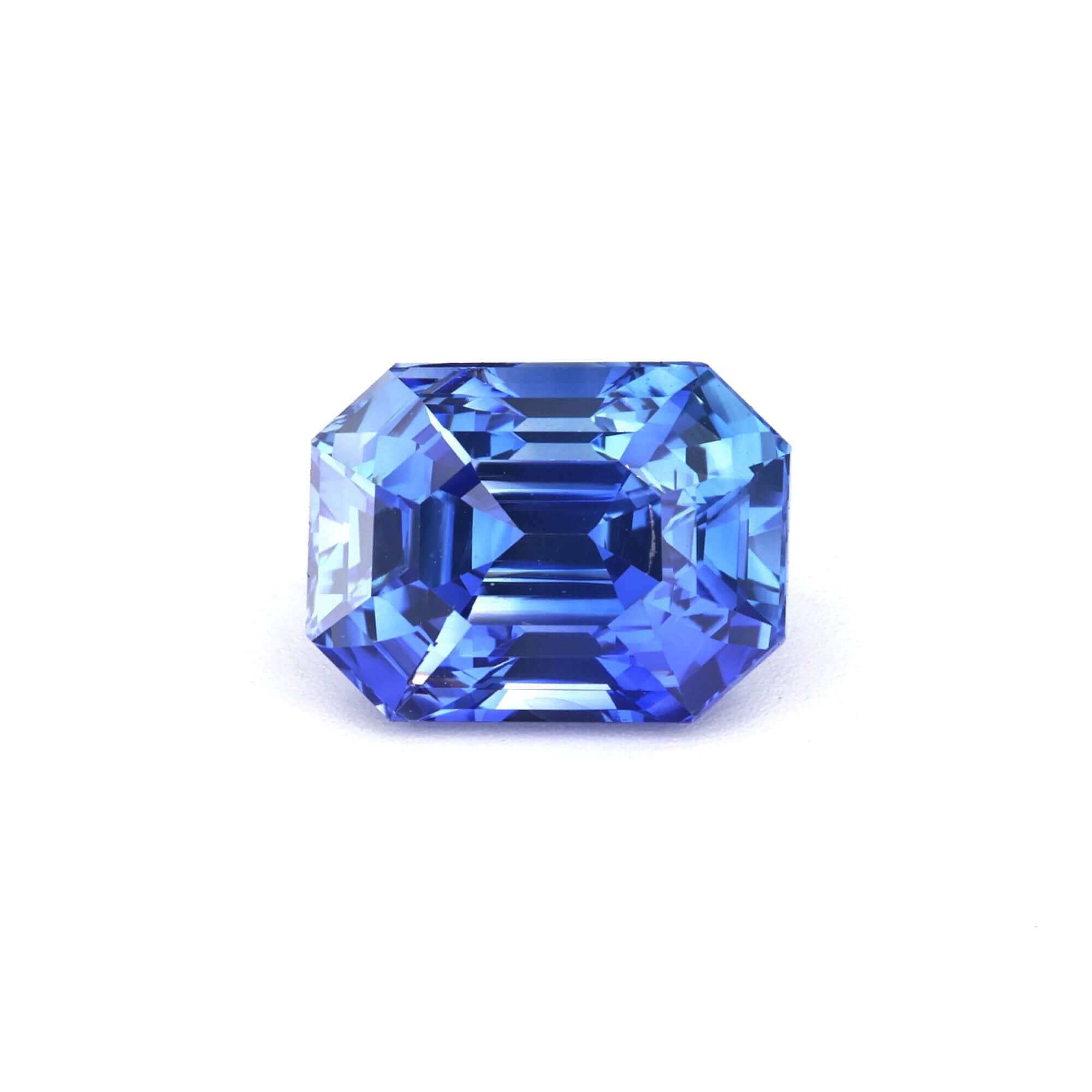
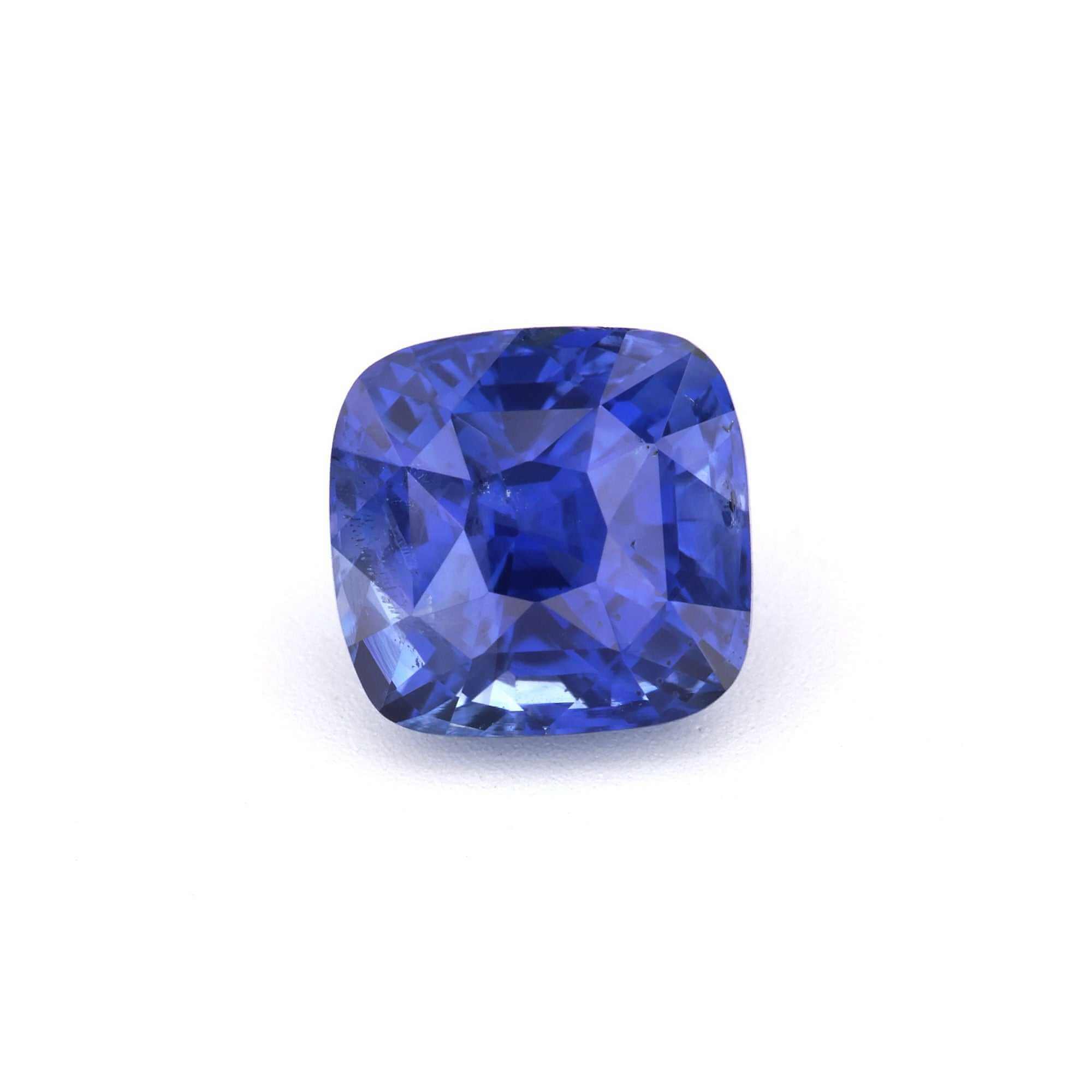
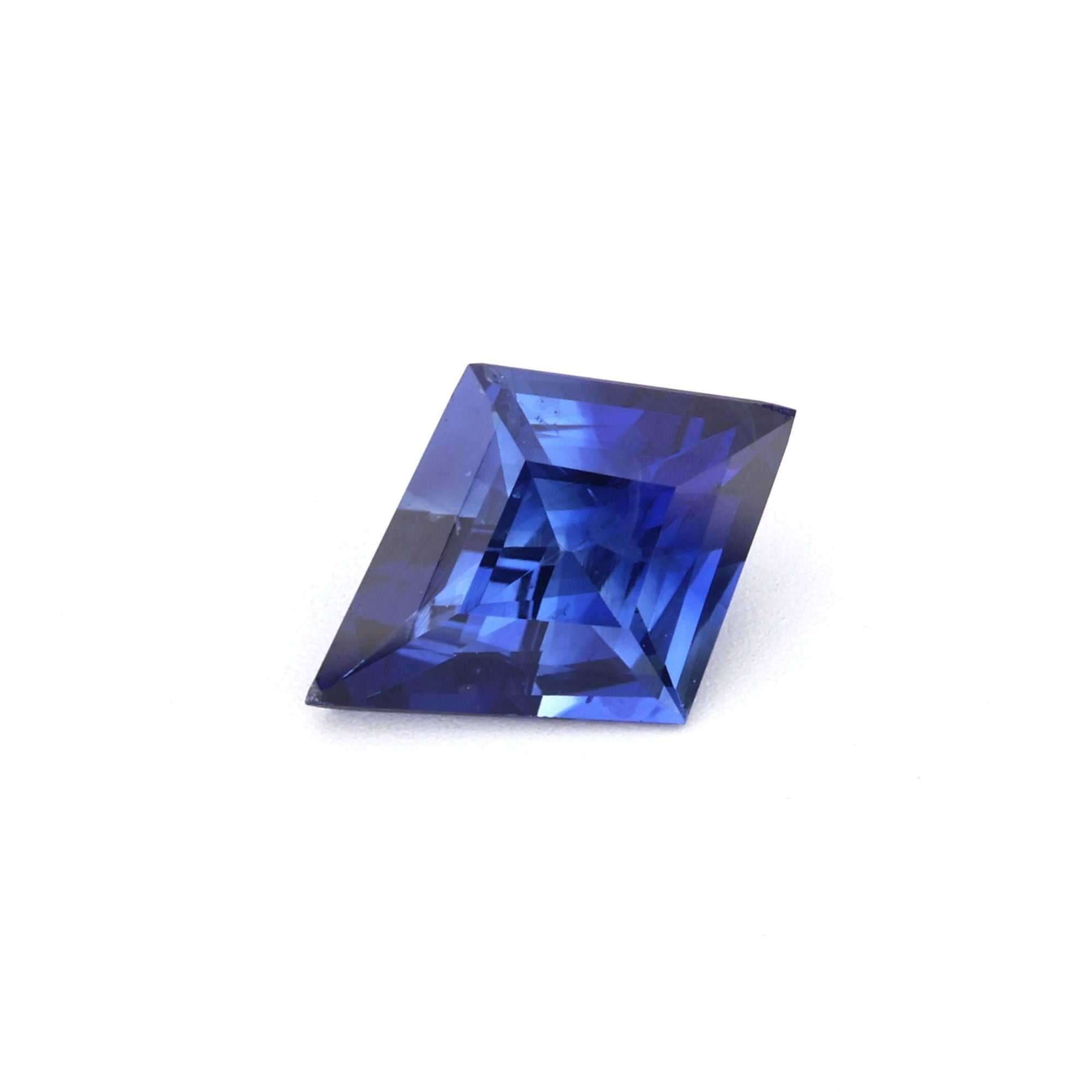
Every sapphire in this collection is an unheated sapphire — the trade term for a stone whose examination found no indications of heating. No Indications of Heating is the wording a laboratory prints, and it records what that examination observed rather than a stone's history from rough to finished gem. Unheated sapphires are dramatically rarer than heated ones (which represent the vast majority of commercial sapphire). For a detailed explanation of what heat treatment involves and how to verify a stone's status, read our heated vs unheated guide.
Why "Unheated" Matters
Heat treatment is the most common gemstone enhancement in the world. Sapphire is heat-treated at temperatures of 1,000–1,800°C to improve color and clarity. The treatment is permanent, generally undetectable to the naked eye, and accepted by every major gemological body.
Unheated stones are prized for two reasons: authenticity (the stone shows the color nature created) and rarity (only a small fraction of mined rough has colour and clarity good enough to skip treatment).
How We Verify Unheated Status
Every stone in this collection is assessed in our Sri Lanka workshop by experienced gemologists, who examine it under magnification for the features heating tends to leave — melted or recrystallized inclusions, fingerprint-like halos around solid inclusions, glass-like fragments in the rutile silk. Where that examination records none, the stone is listed here; that is our own assessment, stated as ours. Premium pieces ship with GIA reports that document what the laboratory itself observed, in the report's own wording — No Indications of Heating. For collector pieces, GIA documentation is the most reliable verification available. Browse our collectors' gemstones collection for GIA-documented unheated pieces.
Unheated Sapphires Across Every Colour
Our unheated sapphires span the full colour range. Each colour family has its own collection:
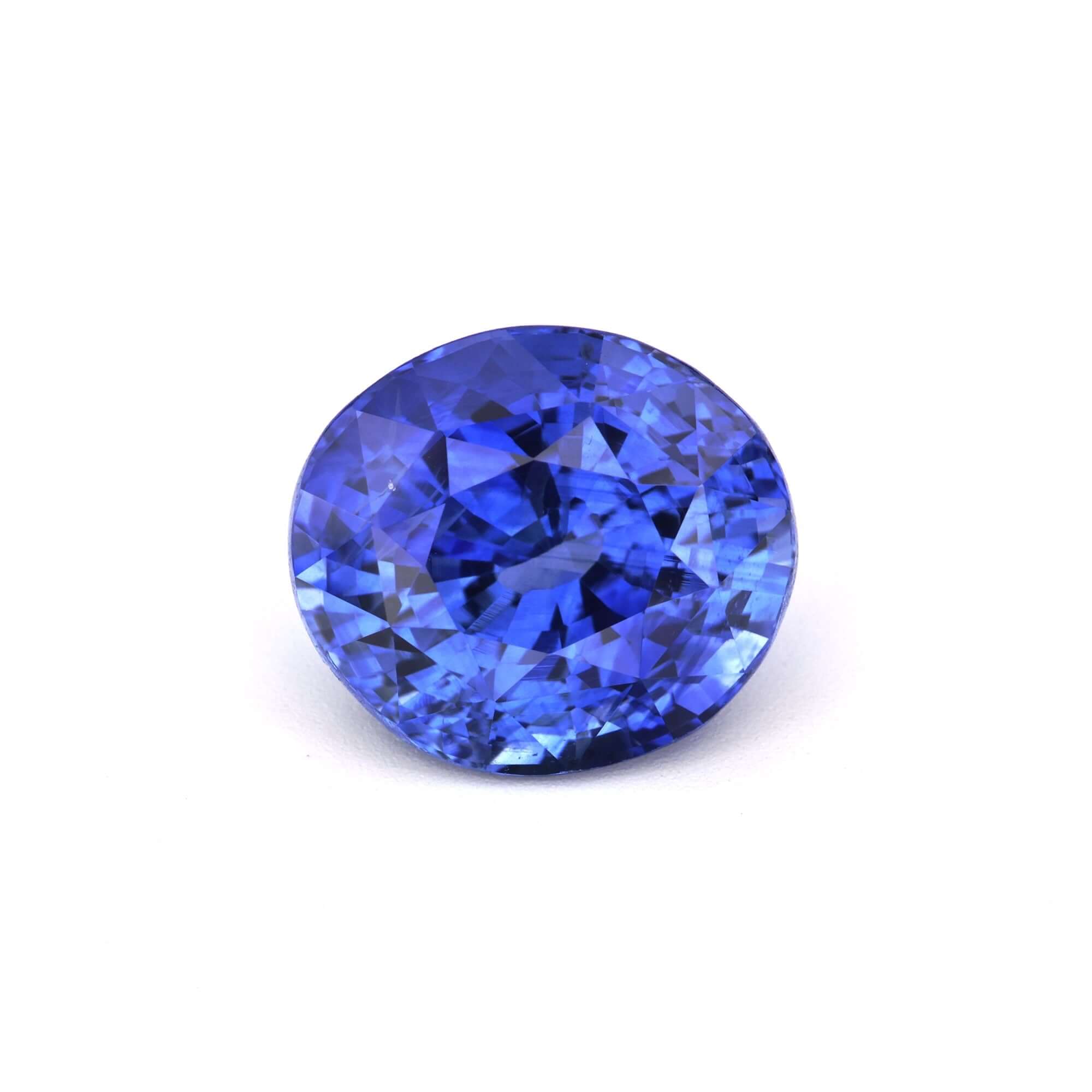
Unheated blue sapphires — the most prized and most collected category. For size-specific browsing: Ceylon blue under 1 carat, over 1 carat, and over 2 carats.
Unheated teal sapphires — almost universally unheated by nature, as heat treatment destroys the prized blue-green balance. One of the most sought-after non-traditional engagement ring colours. See also teal over 1 carat.
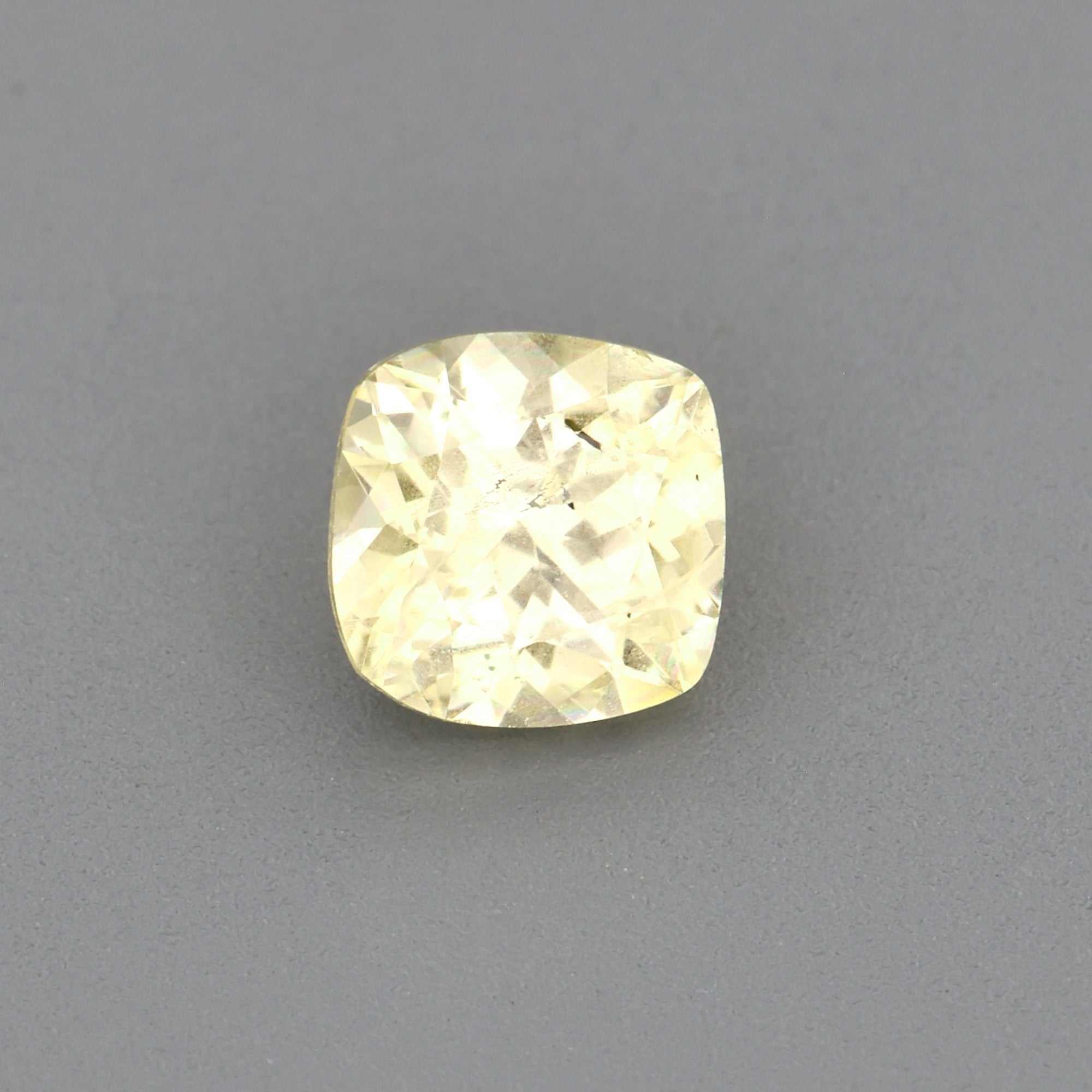
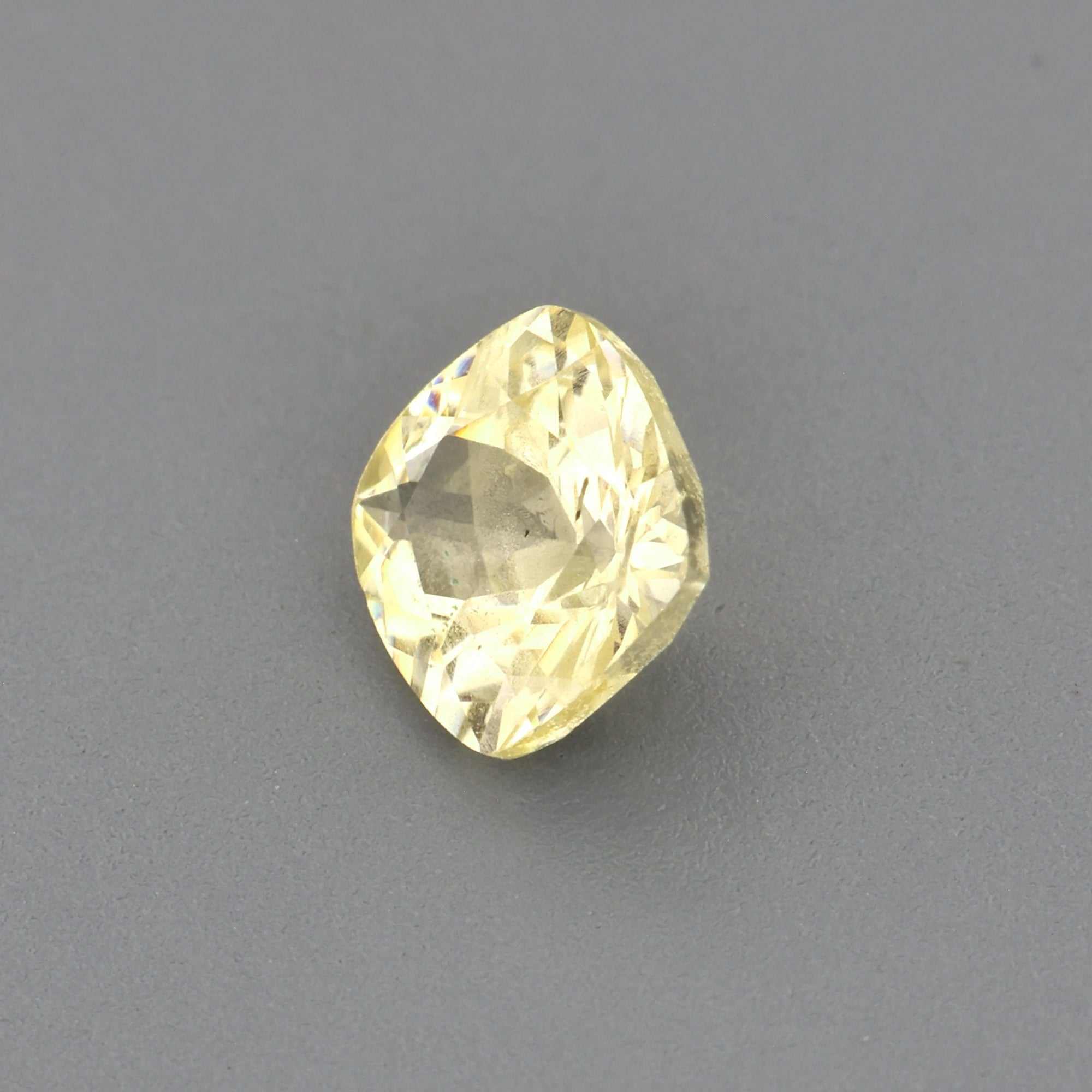
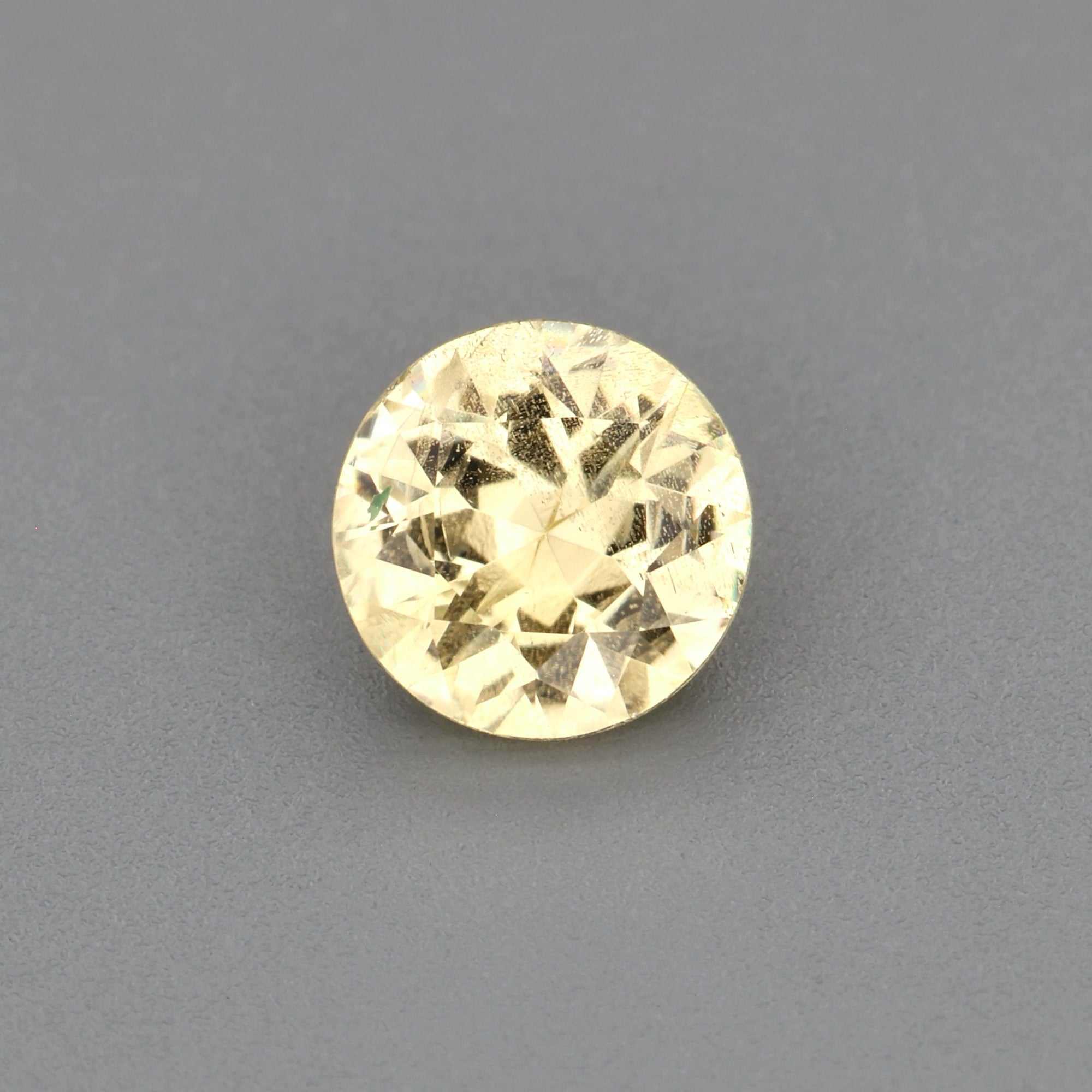
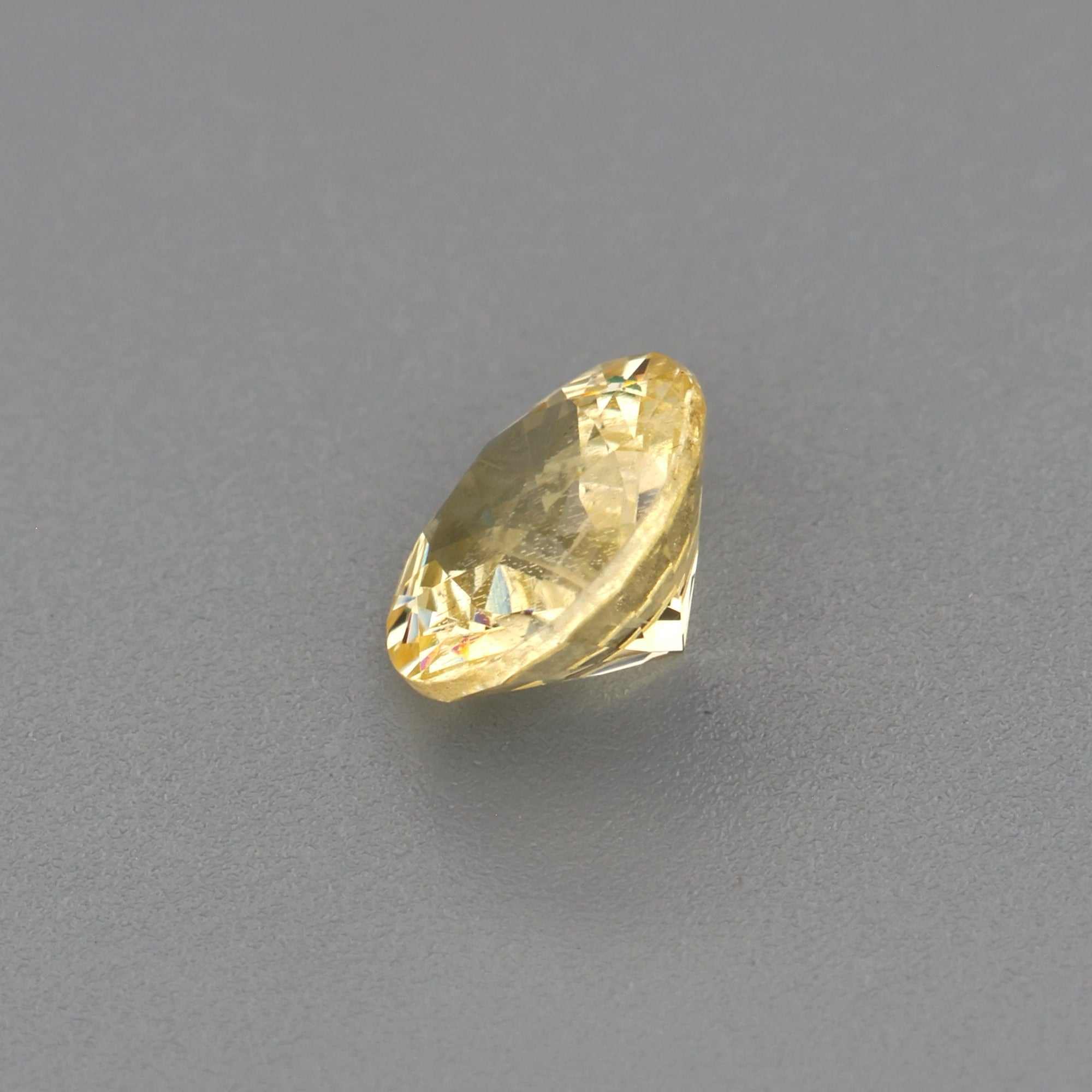
Unheated yellow sapphires — Ceylon yellow sapphires are prized for Jyotish (Vedic astrology) use, where unheated status is a hard requirement. See also yellow over 1 carat and yellow over 2 carats.
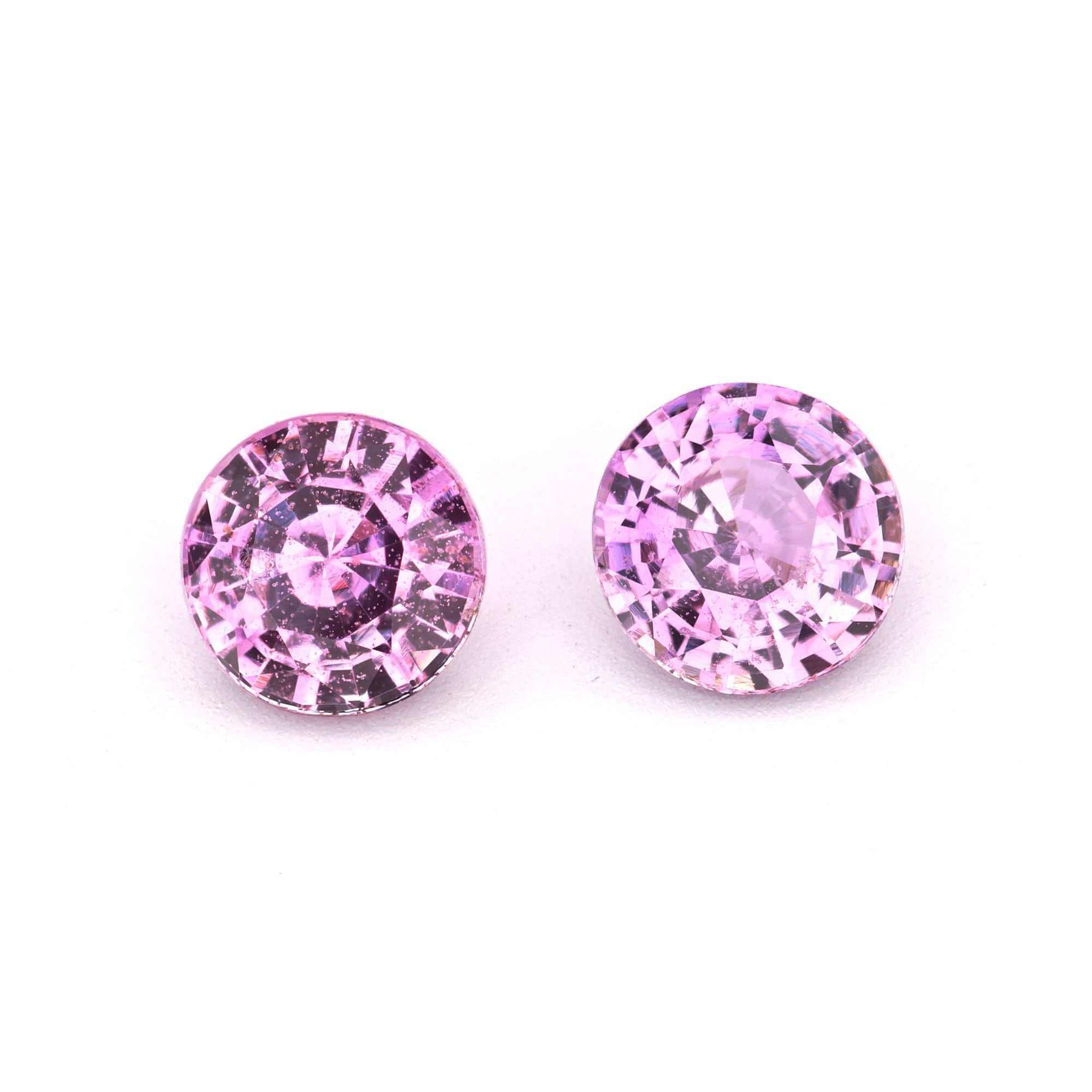
Unheated pink sapphires — natural colour in pink sapphire is uncommon; most commercial pink is heat-treated. Our unheated pink stones are ones whose examination found no indications of heating. See also pink over 1 carat.
Unheated peach sapphires — fine peach sapphire is frequently unheated because heat can shift the delicate pink-orange balance. See also peach over 1 carat.
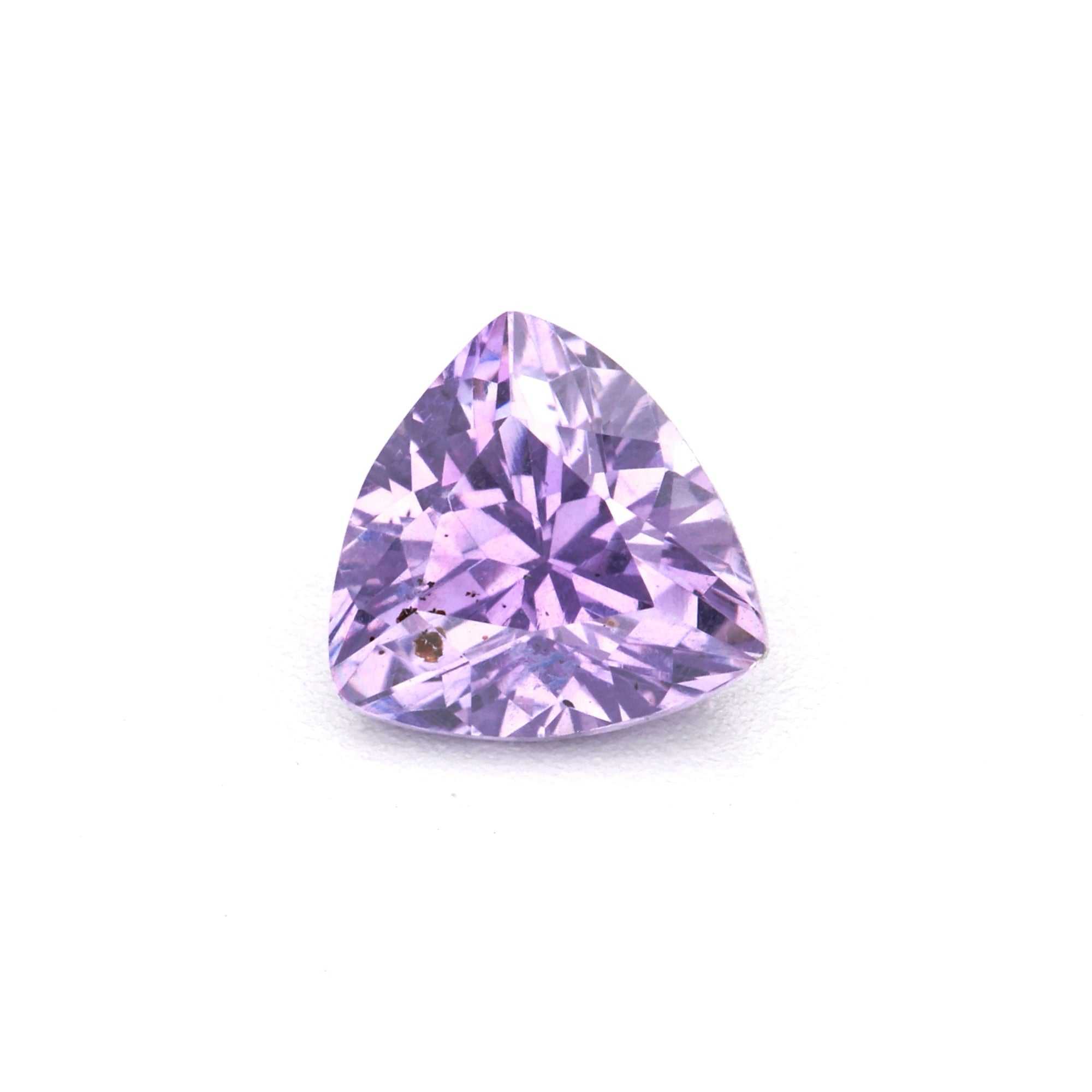
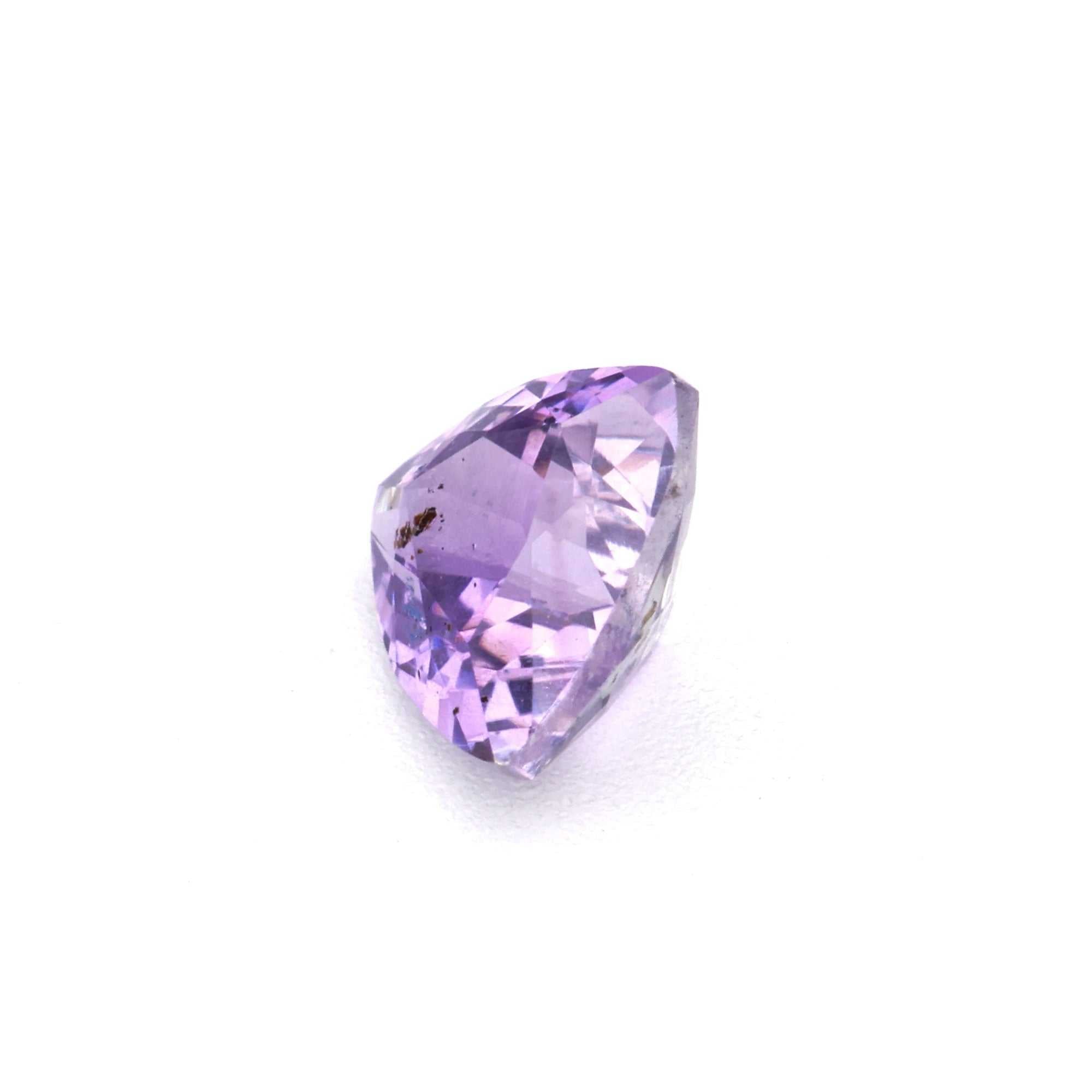
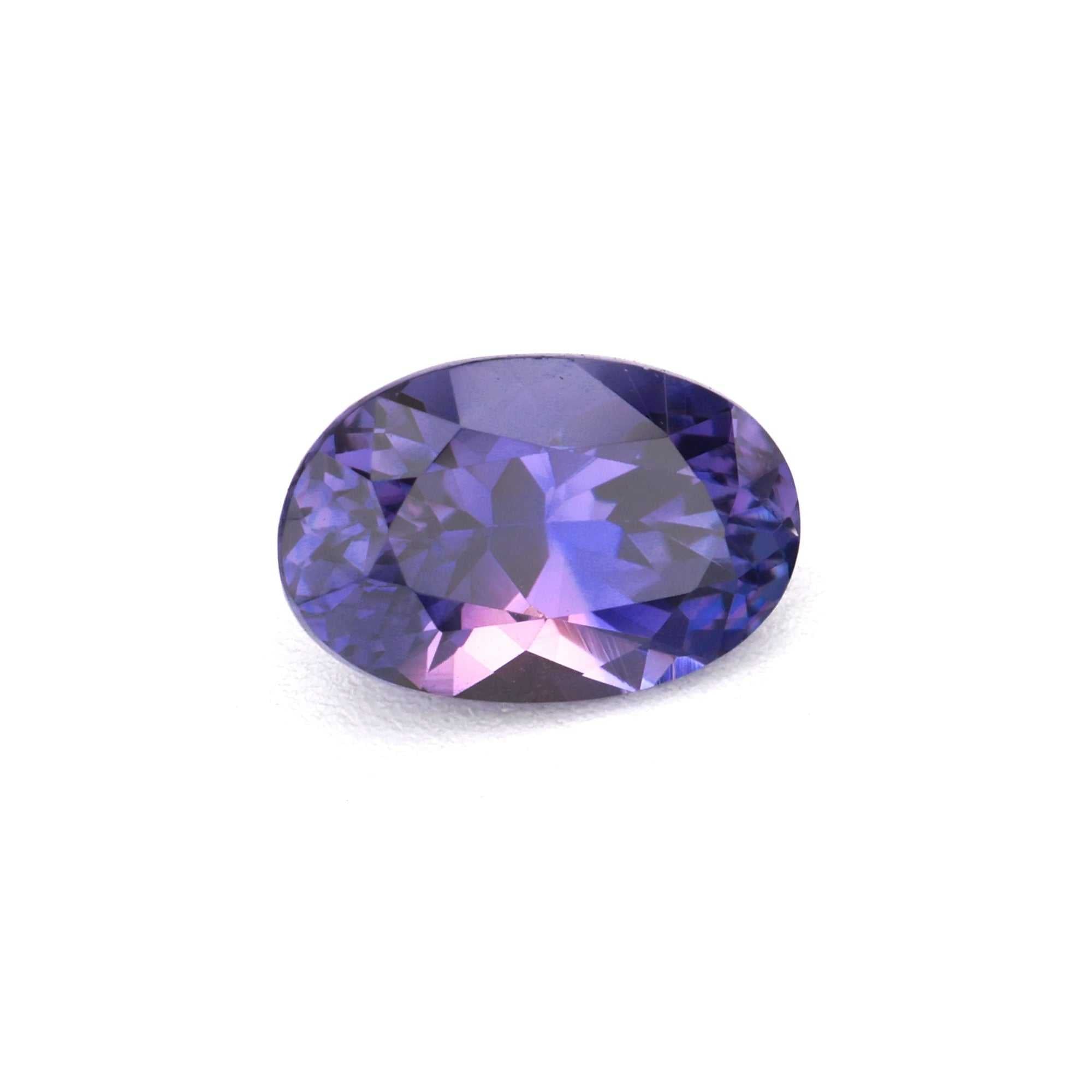
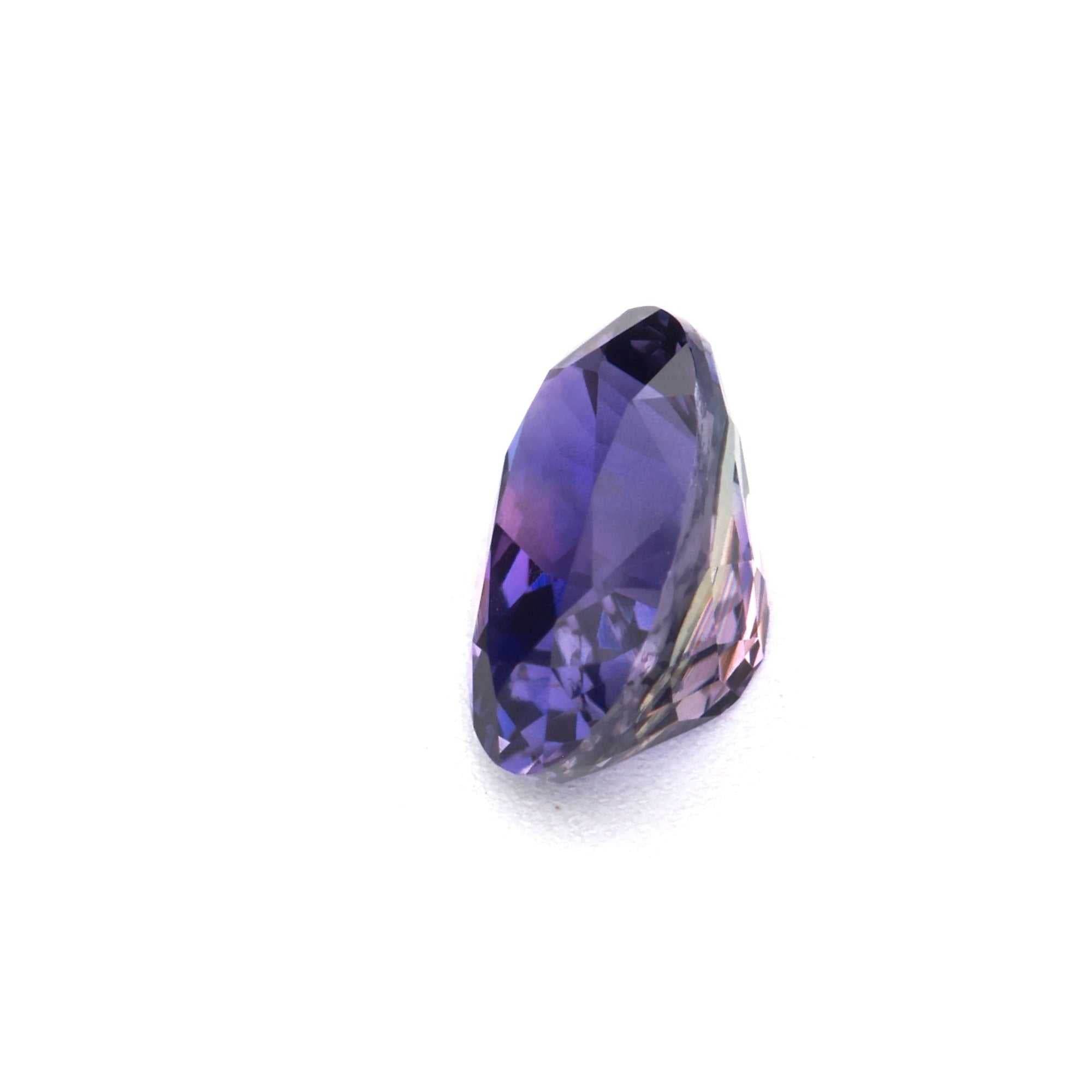
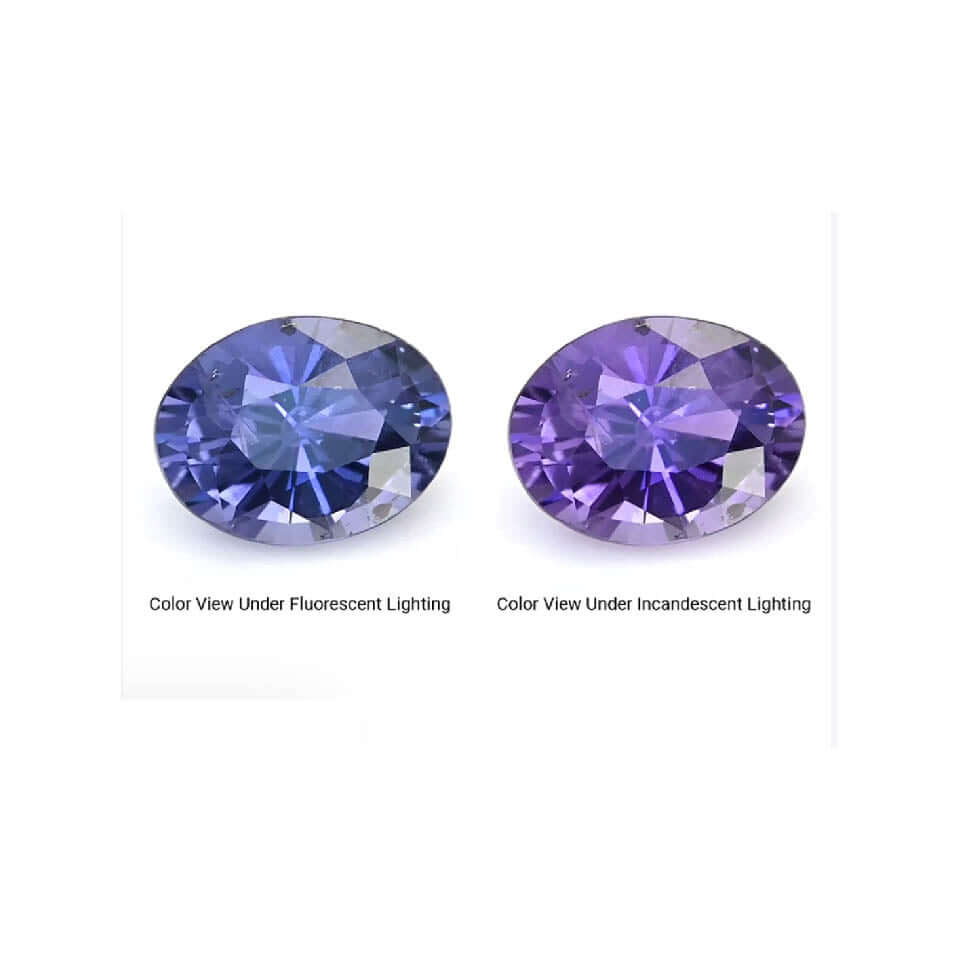
Unheated purple sapphires and natural violet sapphires — the violet-to-purple range in Ceylon sapphire is often naturally coloured without treatment. See also purple over 1 carat.
Unheated orange sapphires — among the rarest unheated colours. Heat in orange sapphire tends to destroy the vivid orange and push it toward yellow.
Unheated green sapphires — an emerald alternative with Mohs 9 hardness.
Padparadscha sapphires — the rarest colour in the sapphire family. We hold no padparadscha at present. When we do, its heat status will come from the treatment line on the report rather than from the name — LMHC applies the padparadscha name to heated and unheated stones alike, so an unheated padparadscha is the premium article, not the only one.
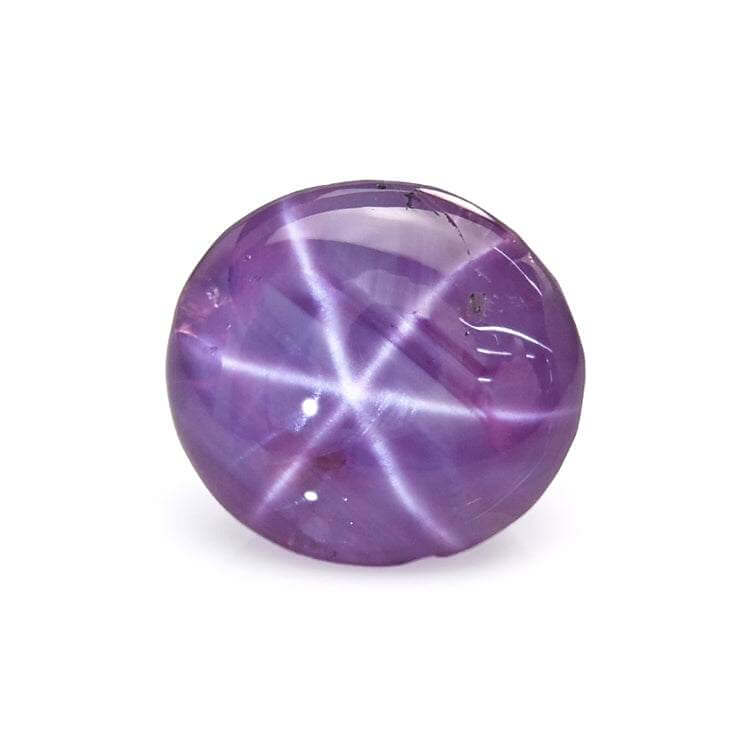
Unheated star sapphires — asterism (the star effect) is produced by rutile silk inclusions that strong heat destroys. That makes unheated the norm for fine star material, though not a guarantee: gentler heating and titanium diffusion both exist, so treatment status here is confirmed per stone.
For Collectors and Discerning Buyers
If you're building a sapphire collection, sourcing for high-end custom jewellery, or simply want a stone chosen on what its examination showed, this is the collection to browse. See also our collectors' gemstones collection, where many pieces combine unheated status with GIA reports and exceptional colour. Our Try-On programme is available for most stones — see the stone in hand before committing.
Have a question about a specific stone? Email crescentgems@gmail.com. 14-day return on every order. Free US shipping; international shipping via FedEx and UPS.
Related: Unheated blue · Unheated teal · Unheated yellow · Unheated pink · Unheated peach · Unheated purple · Padparadscha · Star sapphires · Collectors' gemstones · Heated vs unheated guide