Skip to content

Use our "Try Before You Buy" feature to see the stone in your hand before you buy.

  • Home
  • Our Gem Stones
  • Wholesale
  • Reviews
  • Information
  • About Us
  • Contact Us
Login
  • Facebook
  • Instagram
  • YouTube
Search
Crescent Gems
  • HomeHome
  • Our Gem StonesOur Gem Stones
  • WholesaleWholesale
  • ReviewsReviews
  • InformationInformation
  • About UsAbout Us
  • Contact UsContact Us
Search Login Cart 0
Search
Peach Sapphire Over 1 Carat — Natural Loose Stones

Peach Sapphire Over 1 Carat — Natural Loose Stones

Natural Peach Sapphire Over 1 Carat — Loose Stones, Direct from Source

Peach sapphire above 1 carat is one of the most romantic and commercially relevant natural gemstones available today. It sits in the warm blush-orange zone of natural corundum — the hue family that includes padparadscha at its most prized extreme — and combines the extraordinary hardness of sapphire (Mohs 9, second only to diamond) with a colour that flatters virtually every skin tone, metal choice, and setting style. Every stone in this collection is natural corundum in the peach colour family, sold with full treatment disclosure, and photographed under standardised lighting.

What Peach Sapphire Actually Is

Peach sapphire is natural corundum coloured by a combination of chromium (producing pink) and iron (producing orange), sitting in the warm zone where those two colour influences balance into a blush-orange hue. It is not a trade invention — it is a specific colour position in the corundum colour wheel that the market has given a name because the description is accurate and evocative.

The peach hue family spans a meaningful range. At the softer end, pale peach approaches champagne — warm, luminous, subtle. In the medium range, a clear warm blush-orange that reads unmistakably peach in all lighting. At the most saturated and precisely balanced end of the pink-orange spectrum sits padparadscha — the rarest and most prized colour grade in the entire sapphire world, for which GIA and other laboratories have a formal colour designation. Peach sapphire covers the broad range; padparadscha is the precise apex of it. See our dedicated padparadscha collection for stones that meet the formal colour grade specification.

Why Over 1 Carat Matters for Peach Sapphire

Sub-1-carat peach sapphire is widely available and competitively priced. Above 1 carat, the category changes meaningfully. The peach hue zone in natural corundum requires a specific balance of chromium and iron in the crystal — a balance that fine rough large enough to produce a 1ct+ finished stone with good clarity achieves less frequently than either pure pink or pure orange rough. Most peach sapphire rough is cut into sub-1ct sizes to maximise recovery. At 1ct+, each stone becomes an individual acquisition, with its specific hue position, saturation, clarity, and cut quality driving value more than weight alone.

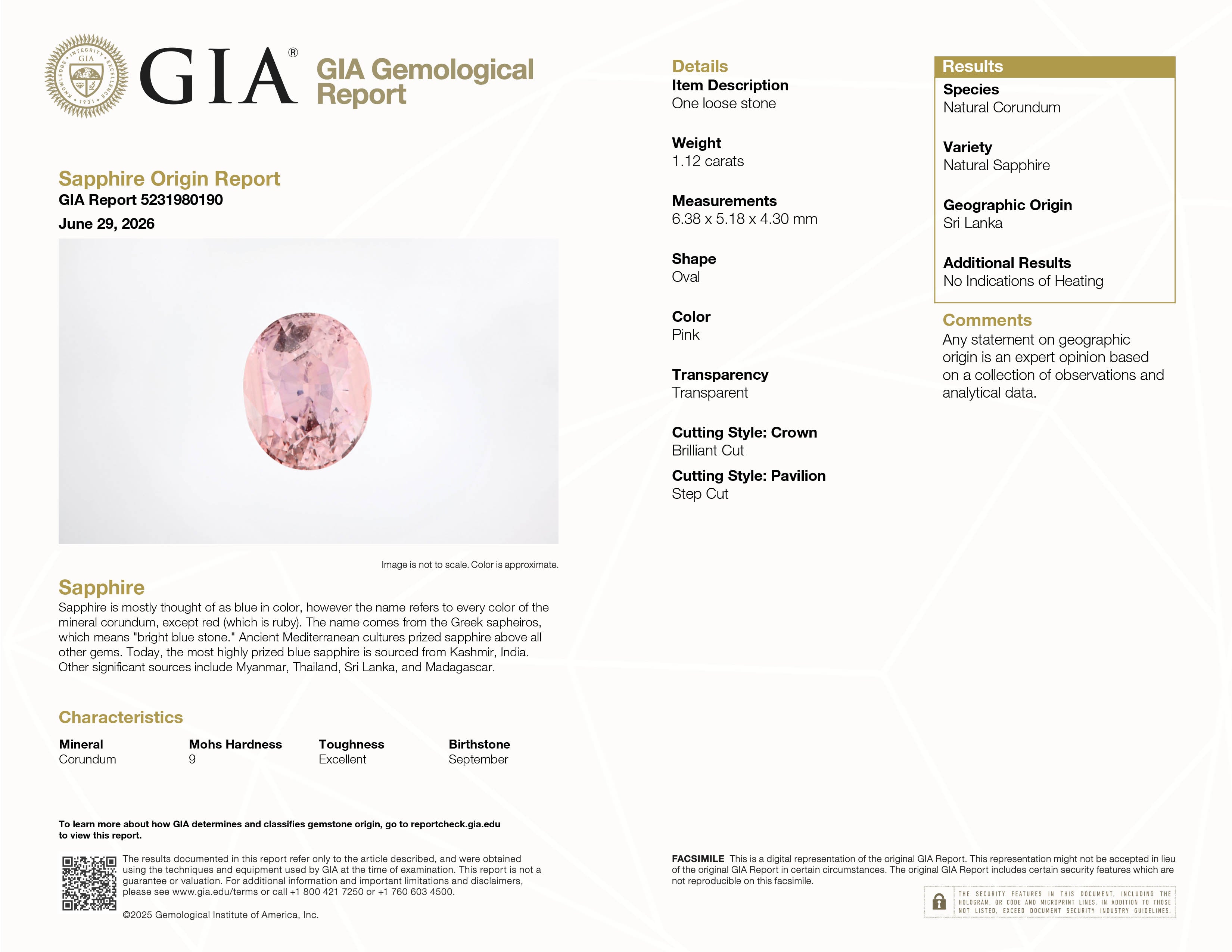
Above 1 carat, GIA documentation becomes increasingly relevant — particularly for stones approaching padparadscha territory, where laboratory-confirmed colour grade is what makes a stone verifiable and collectible. The 1.12ct GIA-certified oval Ceylon in this collection carries this documentation.

The Colour Positions in This Collection

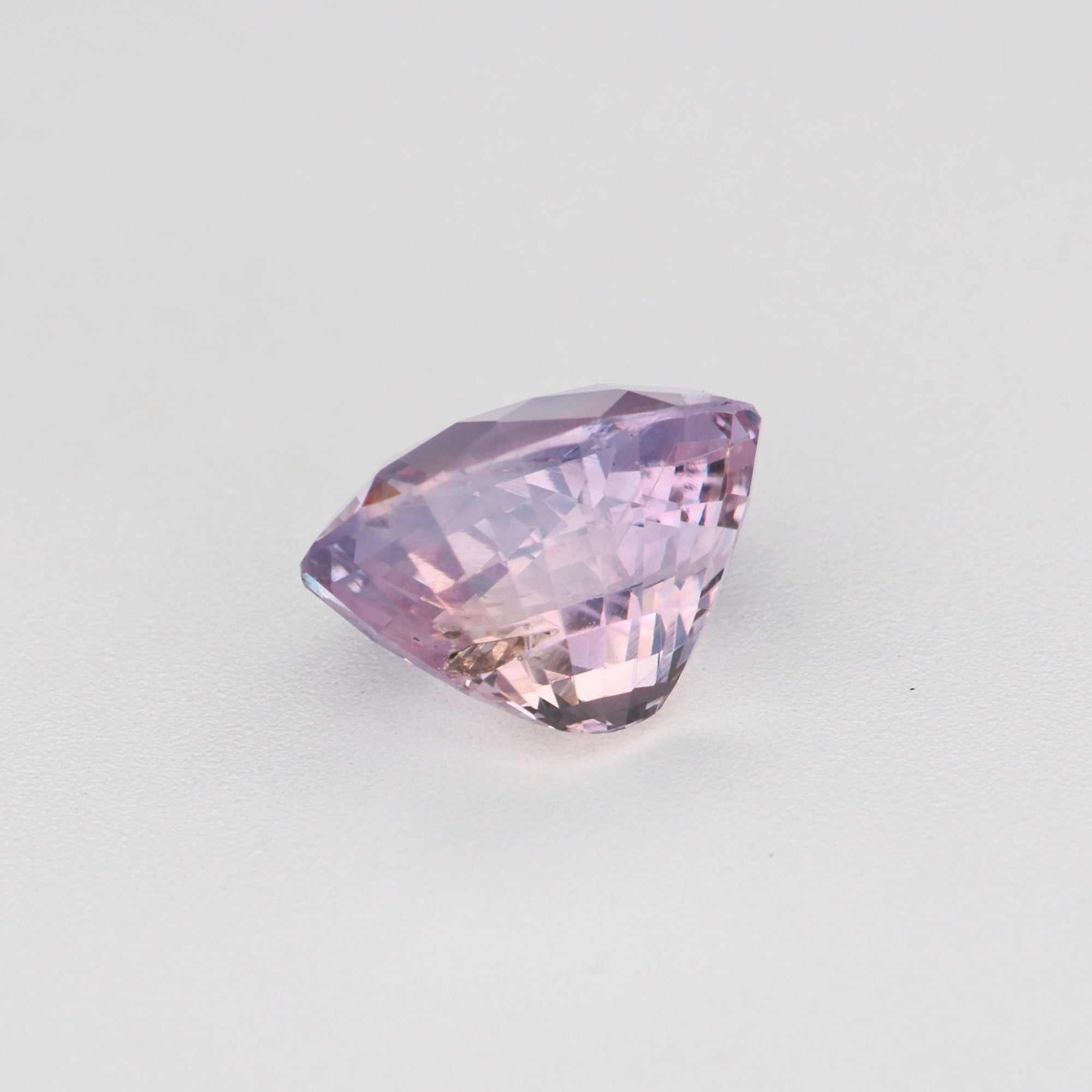
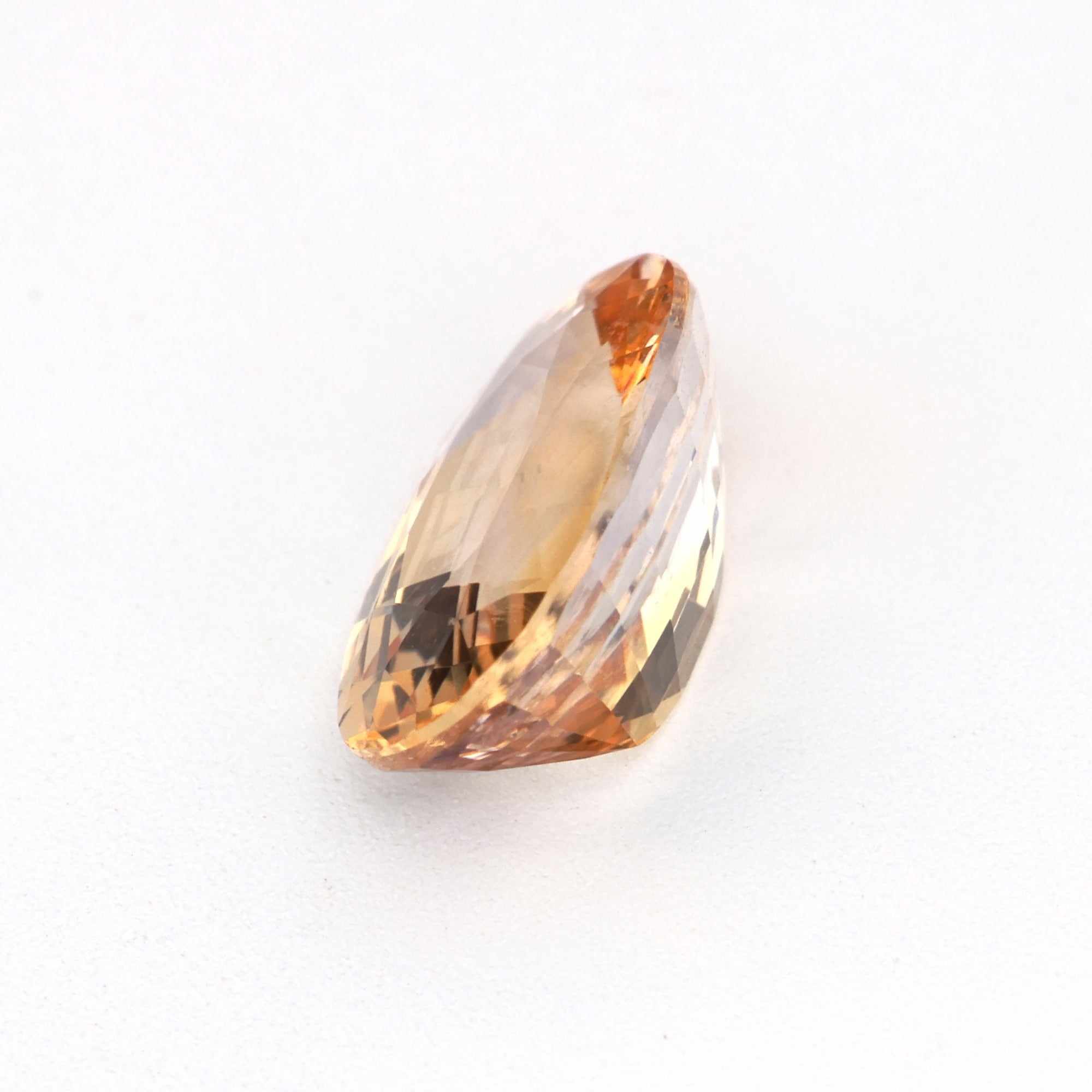
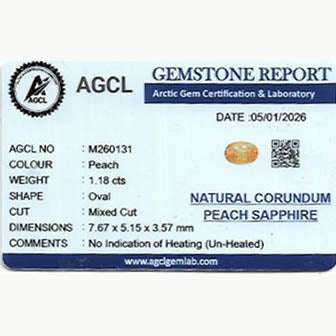
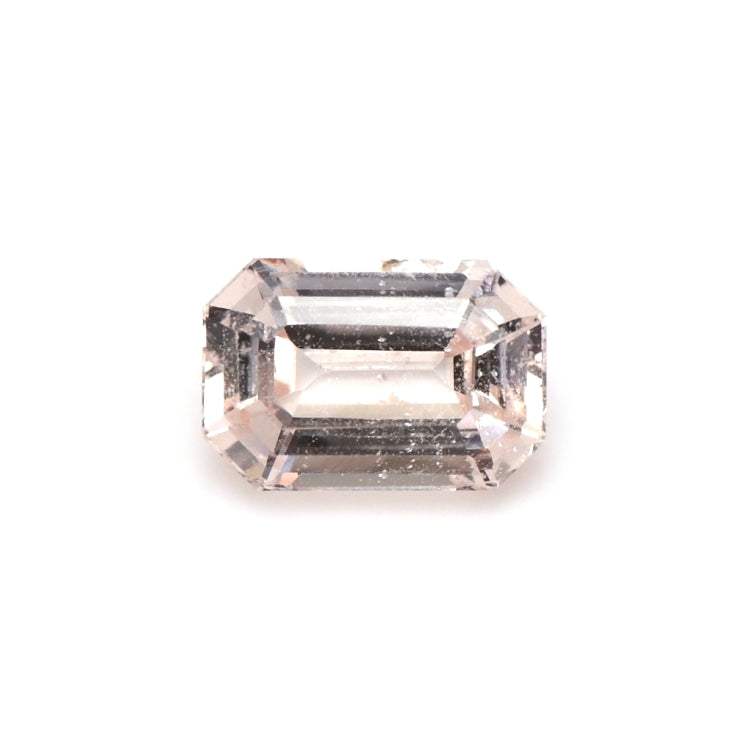
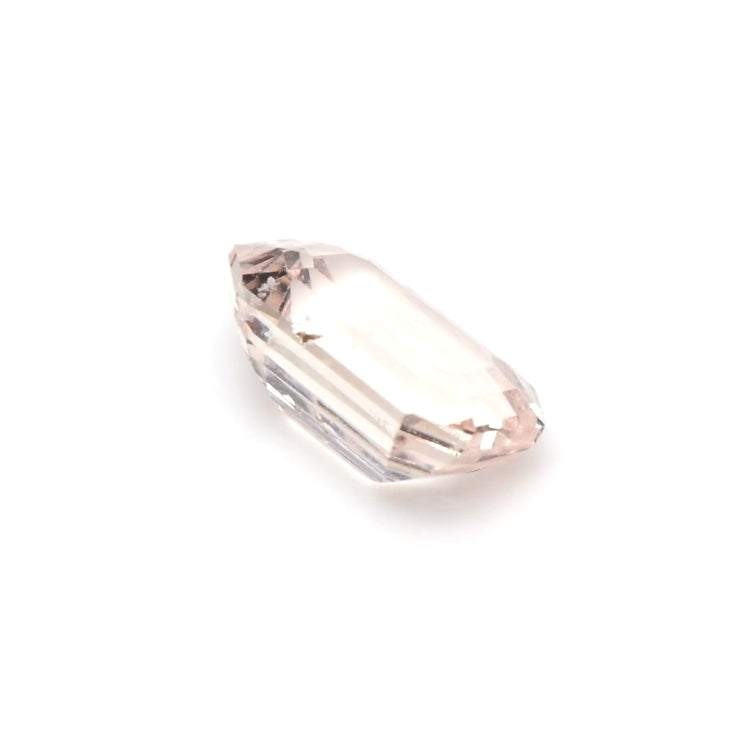
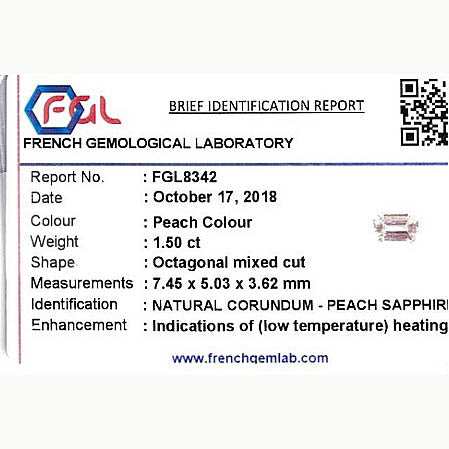
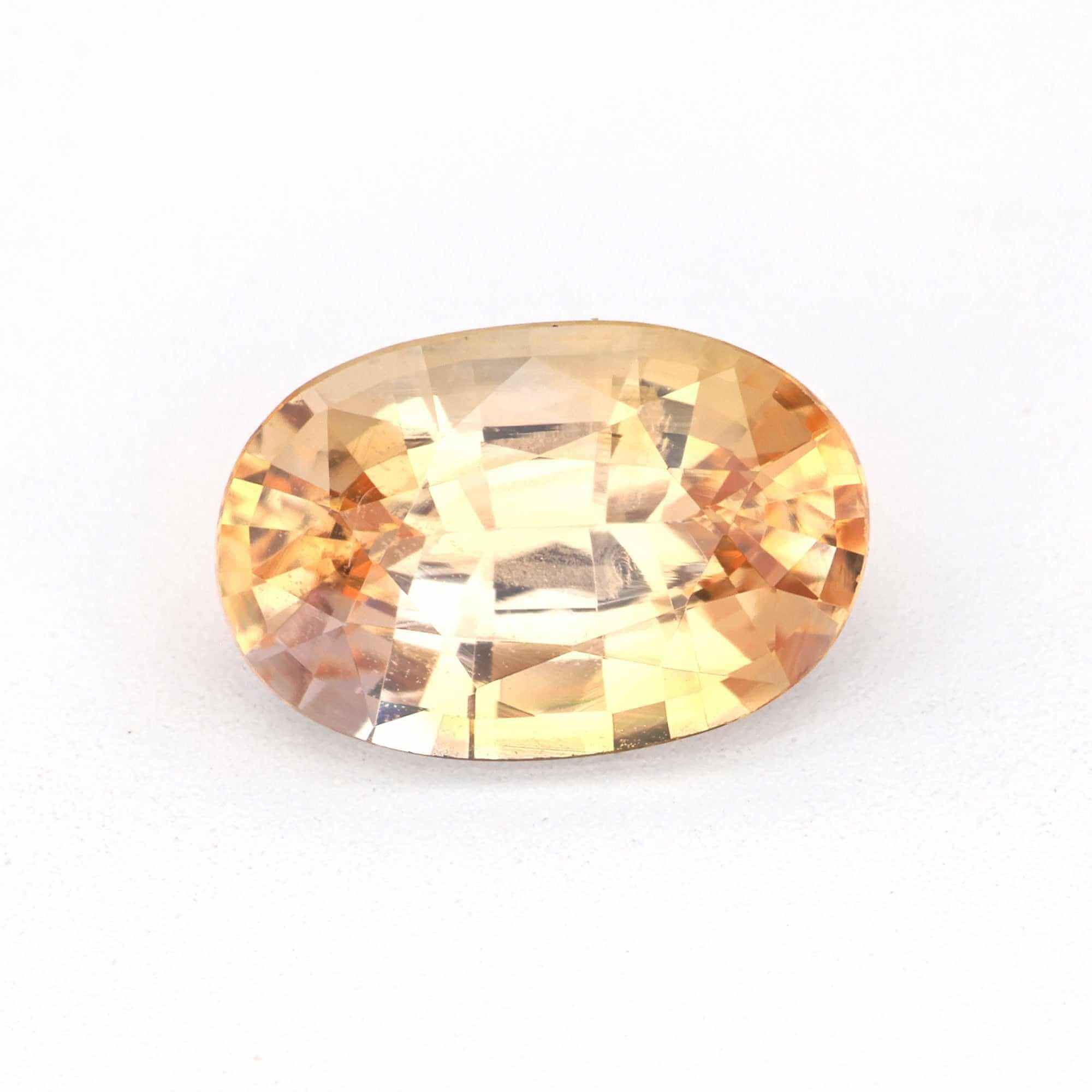
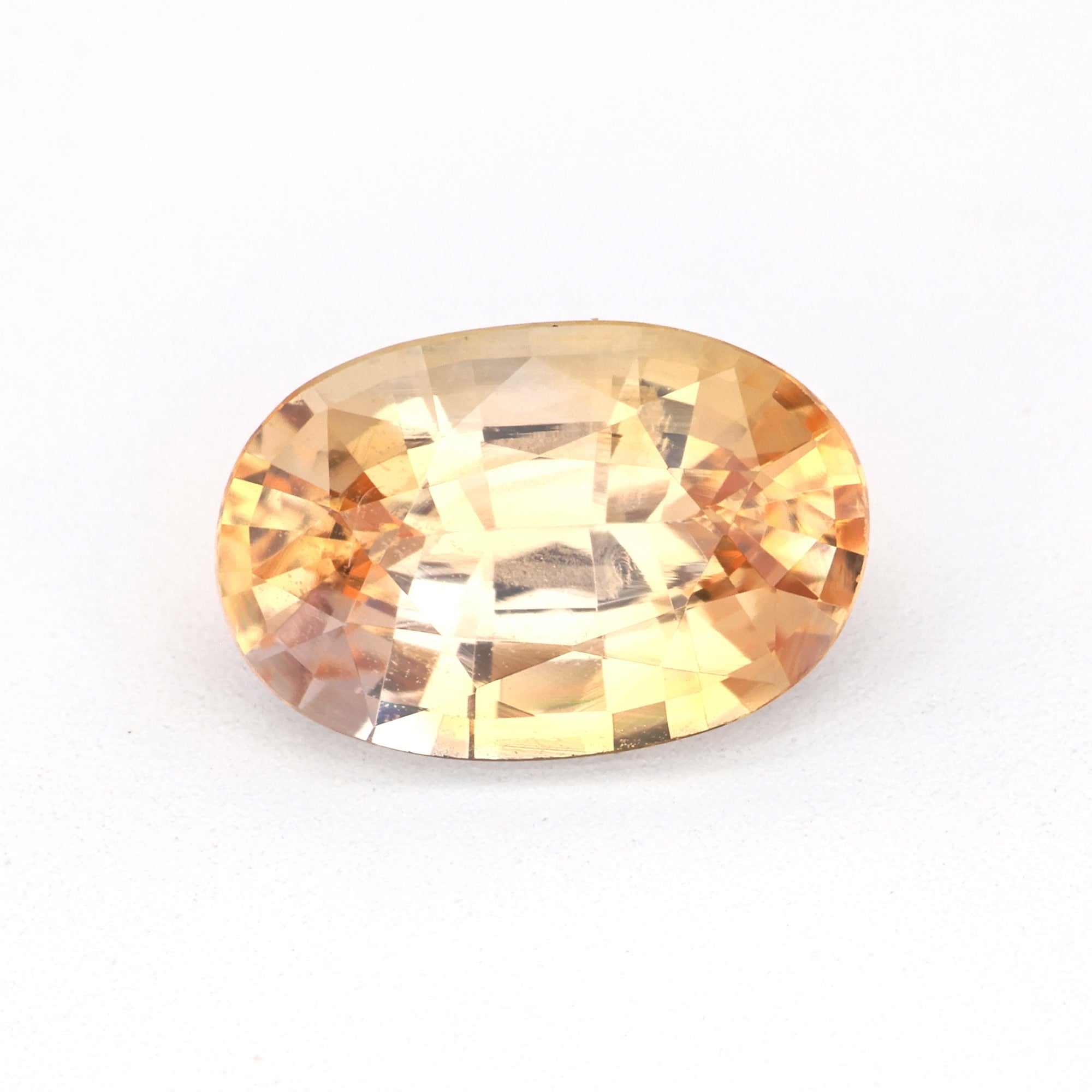
Padparadscha-adjacent peach — the 1.12ct GIA Ceylon oval represents the most prized hue position in this collection. Its warm blush-orange approaches the padparadscha specification. The GIA report confirms natural colour and Ceylon origin. At $900 for a GIA-certified unheated Ceylon peach sapphire at this hue position, it represents exceptional value in the peach family. Classic peach — the 1.18ct oval unheated stone is the reference for this position — a warm, luminous blush-orange that reads clearly and confidently in all lighting. Unheated natural colour, practical oval format, proportionate for a ring solitaire at this weight. Warm peach with orange lean — the 1.23ct oval heat-treated stone sits at a slightly warmer position with more orange than pink — a bolder, less delicate look. Heat treated, lower price per carat. Step-cut peach — the 1.50ct emerald-cut heat-treated stone is the architectural format in this collection. Step-cut peach sapphire is rare — the open facets of an emerald cut reveal colour in a window-like display that differs completely from the sparkle of a brilliant-cut stone. Clearance-priced at $200.

Heated vs Unheated Peach Sapphire Over 1 Carat

Peach sapphire is commercially available in both heated and unheated forms. Heat treatment can intensify colour saturation and improve clarity, and some peach sapphires respond well to it. However, the most sought-after peach sapphires — particularly those approaching padparadscha territory — are almost always unheated, because the specific pink-orange balance that defines the padparadscha colour grade is delicate and heat can shift it.

In this collection, the two unheated stones (1.12ct GIA Ceylon and 1.18ct oval) carry the natural-colour premium and are positioned for collectors and buyers for whom origin purity matters. The two heated stones (1.23ct oval and 1.50ct emerald-cut) offer the peach colour at lower price points with identical durability. Treatment status is disclosed on every listing. See our heated vs unheated guide for full detail on what this means in practice.

Peach Sapphire vs Padparadscha — Understanding the Distinction

This is the most common question buyers ask about peach sapphire, and it deserves an honest answer. Padparadscha is a formal colour grade — a precise, delicate pink-orange balance that is neither clearly pink nor clearly orange, with a pastel quality and a specific hue range that GIA, Gübelin, SSEF, and other laboratories define and formally designate on laboratory reports. Peach sapphire is a broader commercial category that covers the full warm blush-orange family, including stones that fall within or near the padparadscha range but have not been formally graded.

In practice: all padparadscha sapphires are peach-family stones, but most peach sapphires are not padparadscha by formal laboratory designation. The price difference is significant — GIA-designated padparadscha commands two to five times the per-carat price of comparable undesignated peach sapphire at the same carat weight. If padparadscha designation is your priority, email crescentgems@gmail.com — we can source to specification.

Peach Sapphire Over 1 Carat for Engagement Rings

Peach sapphire has become one of the most popular non-traditional engagement ring choices of the current decade. Its warm, romantic colour complements every skin tone, its Mohs 9 hardness makes it entirely suitable for daily wear, and its softness relative to vivid blue or pink creates a romantic, feminine aesthetic that resonates strongly with buyers moving away from conventional options.

Above 1 carat, a peach sapphire oval in the 7×5mm range makes a proportionate, wearable centre stone. The 1.12ct and 1.18ct ovals in this collection sit in this exact format. Peach sapphire pairs most naturally with rose gold — the warm metal and warm stone create a harmonious tonal pairing that is among the most cohesive combinations in coloured gemstone jewellery. Yellow gold creates a richer, more traditional warmth. White gold and platinum provide cool contrast that makes the peach appear more vivid. See our sapphire engagement ring guide for full sizing and setting guidance.

Frequently Asked Questions

What is peach sapphire?

Peach sapphire is natural corundum coloured by a combination of chromium and iron, sitting in the warm blush-orange zone between pink and orange. It scores 9 on the Mohs hardness scale, identical to blue sapphire, making it entirely suitable for daily-wear jewellery. The colour is stable and does not fade. Most fine peach sapphires are unheated because heat can shift the delicate pink-orange balance that defines the hue.

What is the difference between peach sapphire and padparadscha?

Padparadscha is a specific, formal colour grade within the peach-orange-pink family — a precise delicate balance that laboratories including GIA formally designate on reports. Peach sapphire covers the broader warm blush-orange family including stones near but not within the formal padparadscha range. GIA-designated padparadscha commands a significant premium. Most peach sapphires are not formally padparadscha, but some approach that colour zone closely.

How much does a 1 carat peach sapphire cost?

A heated 1ct peach sapphire in good colour typically ranges from $500 to $1,000 total. An unheated 1ct peach sapphire in vivid blush-orange runs $700 to $1,500+ depending on saturation and how closely it approaches the padparadscha colour zone. GIA-certified unheated stones with padparadscha-adjacent colour command $800 to $2,000+ at 1ct. Every listing shows price per carat alongside total price for direct comparison.

Is peach sapphire good for an engagement ring?

Yes — peach sapphire is one of the fastest-growing engagement ring stones and for good reason. Mohs 9 hardness makes it entirely suitable for daily wear. Its warm romantic colour complements virtually every skin tone. It pairs particularly well with rose gold for a warm tonal pairing and with white gold for a vivid contrast. A 1ct oval peach sapphire measures approximately 7×5mm, a proportionate solitaire size for most hands.

Is peach sapphire the same as orange sapphire?

No. Peach sapphire sits in the pink-orange zone — warm, blush, with both pink and orange components in roughly equal measure. Orange sapphire is more strongly orange with less pink. The distinction matters visually and commercially: peach reads warm and romantic, orange reads bold and vivid. They are adjacent colour families in natural corundum but clearly distinct hue positions with different aesthetic and price profiles.

Can I try a stone before buying?

Yes — all stones in this collection are Try-On eligible. The stone ships for in-hand evaluation before payment. Email crescentgems@gmail.com to confirm availability. Every purchase includes a 14-day return policy and free US shipping.


Related collections: All peach sapphires · Padparadscha sapphire · Pink sapphire · Orange sapphire · All unheated sapphires · All sapphires
Questions about a specific stone, need help sourcing a padparadscha, or want advice on choosing between two pieces? Email crescentgems@gmail.com — we respond personally within one business day. Free US shipping. 14-day returns.

Peach Sapphire Over 1 Carat — Natural Loose Stones

Natural Peach Sapphire Over 1 Carat — Loose Stones, Direct from Source

Peach sapphire above 1 carat is one of the most romantic and commercially relevant natural gemstones available today. It sits in the warm blush-orange zone of natural corundum — the hue family that includes padparadscha at its most prized extreme — and combines the extraordinary hardness of sapphire (Mohs 9, second only to diamond) with a colour that flatters virtually every skin tone, metal choice, and setting style. Every stone in this collection is natural corundum in the peach colour family, sold with full treatment disclosure, and photographed under standardised lighting.

What Peach Sapphire Actually Is

Peach sapphire is natural corundum coloured by a combination of chromium (producing pink) and iron (producing orange), sitting in the warm zone where those two colour influences balance into a blush-orange hue. It is not a trade invention — it is a specific colour position in the corundum colour wheel that the market has given a name because the description is accurate and evocative.

The peach hue family spans a meaningful range. At the softer end, pale peach approaches champagne — warm, luminous, subtle. In the medium range, a clear warm blush-orange that reads unmistakably peach in all lighting. At the most saturated and precisely balanced end of the pink-orange spectrum sits padparadscha — the rarest and most prized colour grade in the entire sapphire world, for which GIA and other laboratories have a formal colour designation. Peach sapphire covers the broad range; padparadscha is the precise apex of it. See our dedicated padparadscha collection for stones that meet the formal colour grade specification.

Why Over 1 Carat Matters for Peach Sapphire

Sub-1-carat peach sapphire is widely available and competitively priced. Above 1 carat, the category changes meaningfully. The peach hue zone in natural corundum requires a specific balance of chromium and iron in the crystal — a balance that fine rough large enough to produce a 1ct+ finished stone with good clarity achieves less frequently than either pure pink or pure orange rough. Most peach sapphire rough is cut into sub-1ct sizes to maximise recovery. At 1ct+, each stone becomes an individual acquisition, with its specific hue position, saturation, clarity, and cut quality driving value more than weight alone.

Above 1 carat, GIA documentation becomes increasingly relevant — particularly for stones approaching padparadscha territory, where laboratory-confirmed colour grade is what makes a stone verifiable and collectible. The 1.12ct GIA-certified oval Ceylon in this collection carries this documentation.

The Colour Positions in This Collection

Padparadscha-adjacent peach — the 1.12ct GIA Ceylon oval represents the most prized hue position in this collection. Its warm blush-orange approaches the padparadscha specification. The GIA report confirms natural colour and Ceylon origin. At $900 for a GIA-certified unheated Ceylon peach sapphire at this hue position, it represents exceptional value in the peach family. Classic peach — the 1.18ct oval unheated stone is the reference for this position — a warm, luminous blush-orange that reads clearly and confidently in all lighting. Unheated natural colour, practical oval format, proportionate for a ring solitaire at this weight. Warm peach with orange lean — the 1.23ct oval heat-treated stone sits at a slightly warmer position with more orange than pink — a bolder, less delicate look. Heat treated, lower price per carat. Step-cut peach — the 1.50ct emerald-cut heat-treated stone is the architectural format in this collection. Step-cut peach sapphire is rare — the open facets of an emerald cut reveal colour in a window-like display that differs completely from the sparkle of a brilliant-cut stone. Clearance-priced at $200.

Heated vs Unheated Peach Sapphire Over 1 Carat

Peach sapphire is commercially available in both heated and unheated forms. Heat treatment can intensify colour saturation and improve clarity, and some peach sapphires respond well to it. However, the most sought-after peach sapphires — particularly those approaching padparadscha territory — are almost always unheated, because the specific pink-orange balance that defines the padparadscha colour grade is delicate and heat can shift it.

In this collection, the two unheated stones (1.12ct GIA Ceylon and 1.18ct oval) carry the natural-colour premium and are positioned for collectors and buyers for whom origin purity matters. The two heated stones (1.23ct oval and 1.50ct emerald-cut) offer the peach colour at lower price points with identical durability. Treatment status is disclosed on every listing. See our heated vs unheated guide for full detail on what this means in practice.

Peach Sapphire vs Padparadscha — Understanding the Distinction

This is the most common question buyers ask about peach sapphire, and it deserves an honest answer. Padparadscha is a formal colour grade — a precise, delicate pink-orange balance that is neither clearly pink nor clearly orange, with a pastel quality and a specific hue range that GIA, Gübelin, SSEF, and other laboratories define and formally designate on laboratory reports. Peach sapphire is a broader commercial category that covers the full warm blush-orange family, including stones that fall within or near the padparadscha range but have not been formally graded.

In practice: all padparadscha sapphires are peach-family stones, but most peach sapphires are not padparadscha by formal laboratory designation. The price difference is significant — GIA-designated padparadscha commands two to five times the per-carat price of comparable undesignated peach sapphire at the same carat weight. If padparadscha designation is your priority, email crescentgems@gmail.com — we can source to specification.

Peach Sapphire Over 1 Carat for Engagement Rings

Peach sapphire has become one of the most popular non-traditional engagement ring choices of the current decade. Its warm, romantic colour complements every skin tone, its Mohs 9 hardness makes it entirely suitable for daily wear, and its softness relative to vivid blue or pink creates a romantic, feminine aesthetic that resonates strongly with buyers moving away from conventional options.

Above 1 carat, a peach sapphire oval in the 7×5mm range makes a proportionate, wearable centre stone. The 1.12ct and 1.18ct ovals in this collection sit in this exact format. Peach sapphire pairs most naturally with rose gold — the warm metal and warm stone create a harmonious tonal pairing that is among the most cohesive combinations in coloured gemstone jewellery. Yellow gold creates a richer, more traditional warmth. White gold and platinum provide cool contrast that makes the peach appear more vivid. See our sapphire engagement ring guide for full sizing and setting guidance.

Frequently Asked Questions

What is peach sapphire?

Peach sapphire is natural corundum coloured by a combination of chromium and iron, sitting in the warm blush-orange zone between pink and orange. It scores 9 on the Mohs hardness scale, identical to blue sapphire, making it entirely suitable for daily-wear jewellery. The colour is stable and does not fade. Most fine peach sapphires are unheated because heat can shift the delicate pink-orange balance that defines the hue.

What is the difference between peach sapphire and padparadscha?

Padparadscha is a specific, formal colour grade within the peach-orange-pink family — a precise delicate balance that laboratories including GIA formally designate on reports. Peach sapphire covers the broader warm blush-orange family including stones near but not within the formal padparadscha range. GIA-designated padparadscha commands a significant premium. Most peach sapphires are not formally padparadscha, but some approach that colour zone closely.

How much does a 1 carat peach sapphire cost?

A heated 1ct peach sapphire in good colour typically ranges from $500 to $1,000 total. An unheated 1ct peach sapphire in vivid blush-orange runs $700 to $1,500+ depending on saturation and how closely it approaches the padparadscha colour zone. GIA-certified unheated stones with padparadscha-adjacent colour command $800 to $2,000+ at 1ct. Every listing shows price per carat alongside total price for direct comparison.

Is peach sapphire good for an engagement ring?

Yes — peach sapphire is one of the fastest-growing engagement ring stones and for good reason. Mohs 9 hardness makes it entirely suitable for daily wear. Its warm romantic colour complements virtually every skin tone. It pairs particularly well with rose gold for a warm tonal pairing and with white gold for a vivid contrast. A 1ct oval peach sapphire measures approximately 7×5mm, a proportionate solitaire size for most hands.

Is peach sapphire the same as orange sapphire?

No. Peach sapphire sits in the pink-orange zone — warm, blush, with both pink and orange components in roughly equal measure. Orange sapphire is more strongly orange with less pink. The distinction matters visually and commercially: peach reads warm and romantic, orange reads bold and vivid. They are adjacent colour families in natural corundum but clearly distinct hue positions with different aesthetic and price profiles.

Can I try a stone before buying?

Yes — all stones in this collection are Try-On eligible. The stone ships for in-hand evaluation before payment. Email crescentgems@gmail.com to confirm availability. Every purchase includes a 14-day return policy and free US shipping.


Related collections: All peach sapphires · Padparadscha sapphire · Pink sapphire · Orange sapphire · All unheated sapphires · All sapphires

Questions about a specific stone, need help sourcing a padparadscha, or want advice on choosing between two pieces? Email crescentgems@gmail.com — we respond personally within one business day. Free US shipping. 14-day returns.

Filter and sort
Price
$
to
$
Product type
Stone Shape
Color
Origin
Enhancement
Sort by:
Price, high to low Sort by
Price
$
to
$
Product type
Stone Shape
Color
Origin
Enhancement
AGCL - Gem Lab
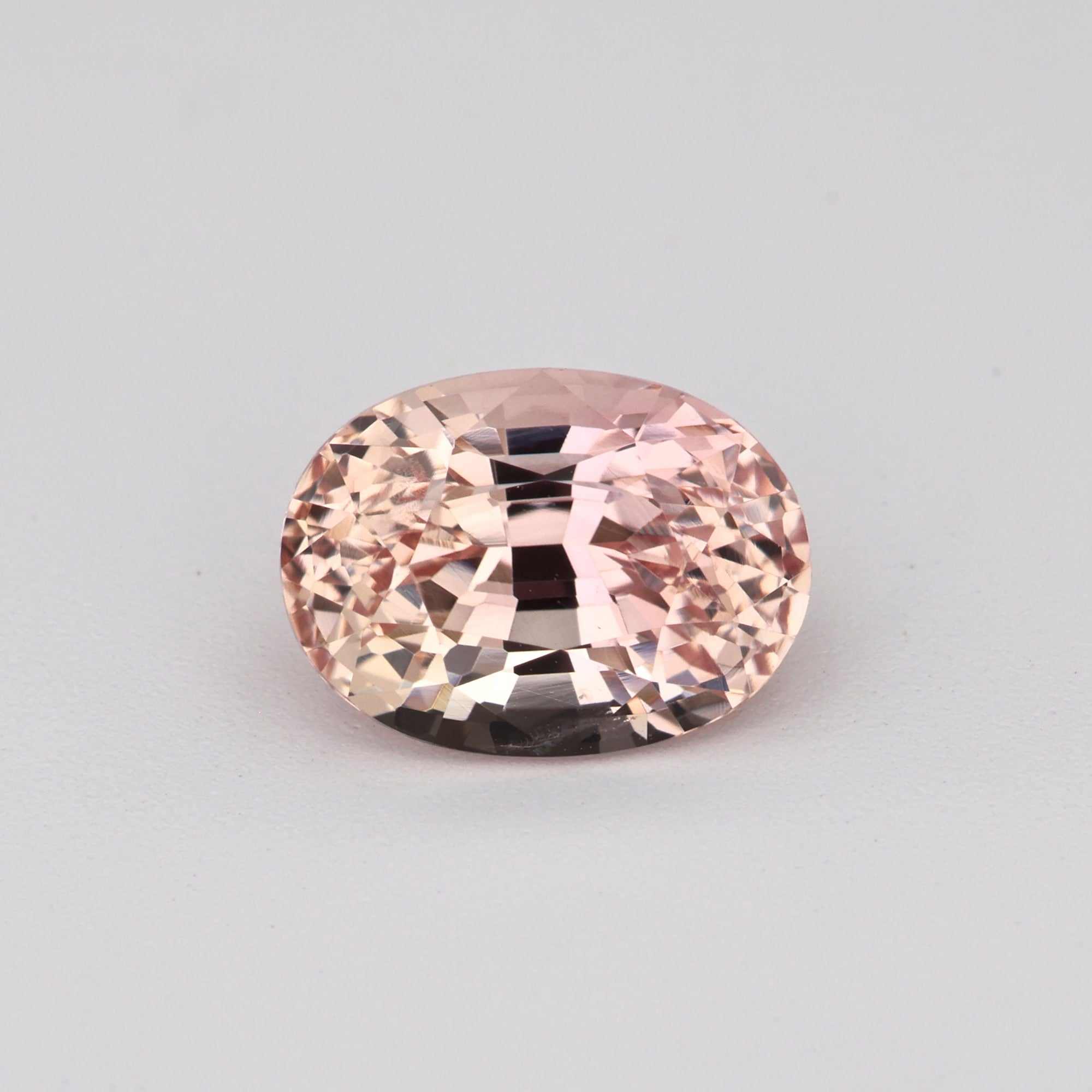
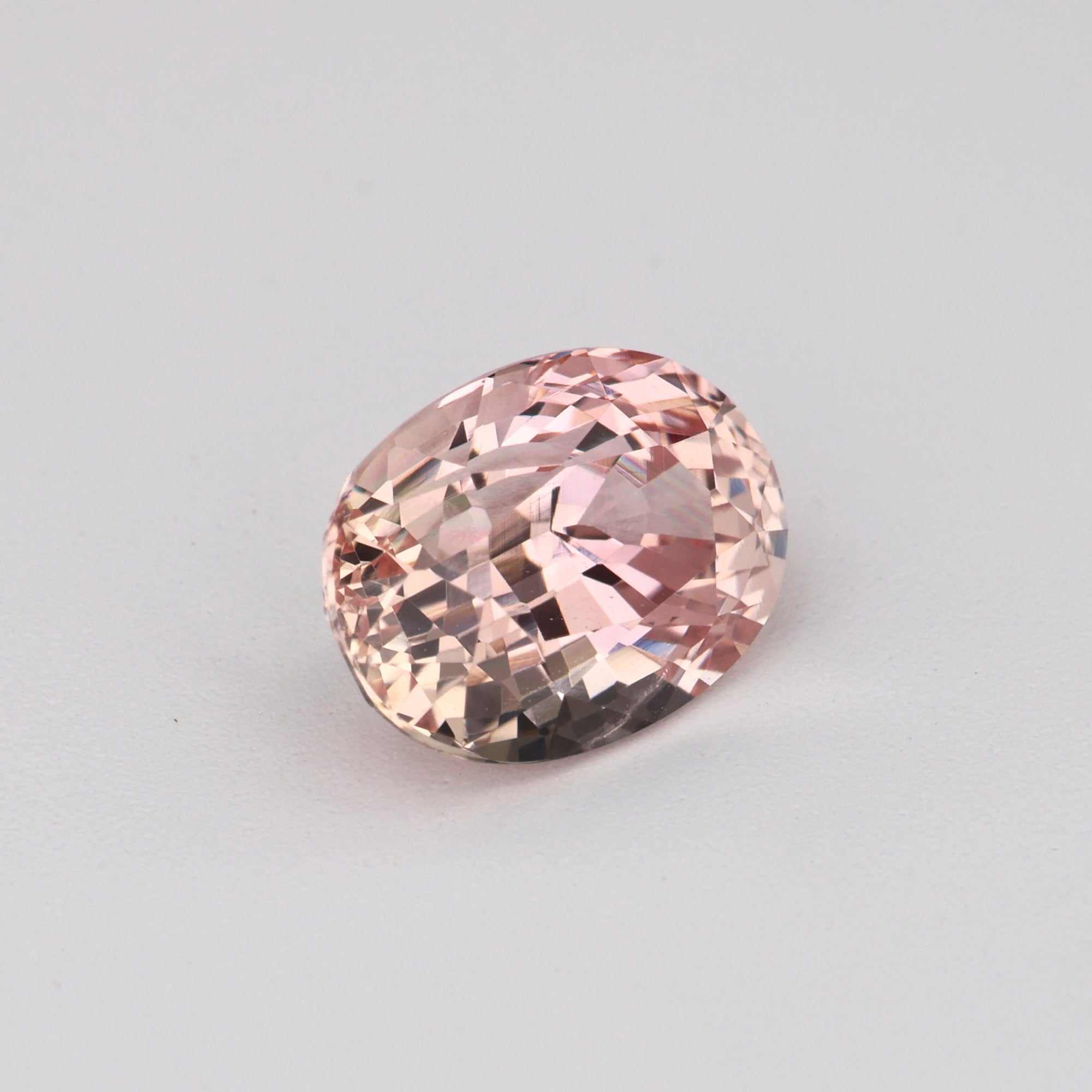
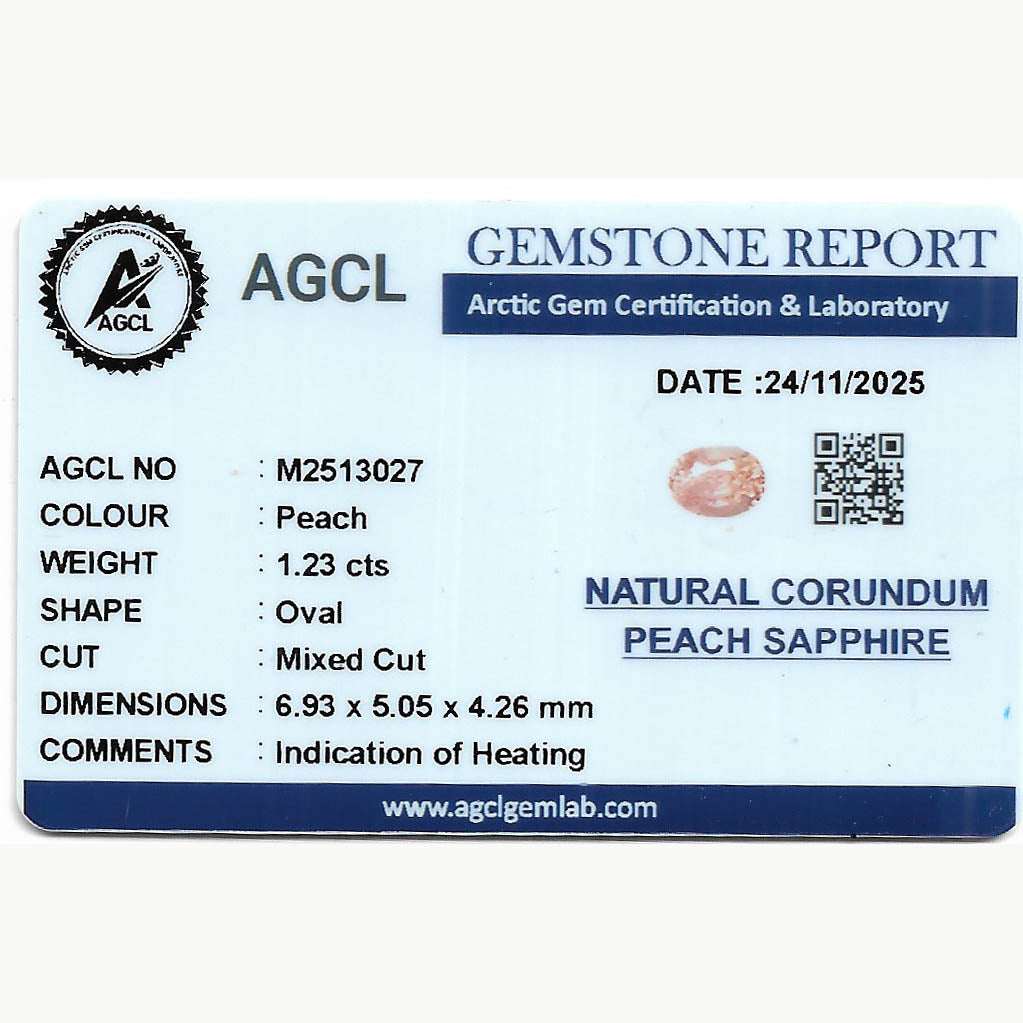
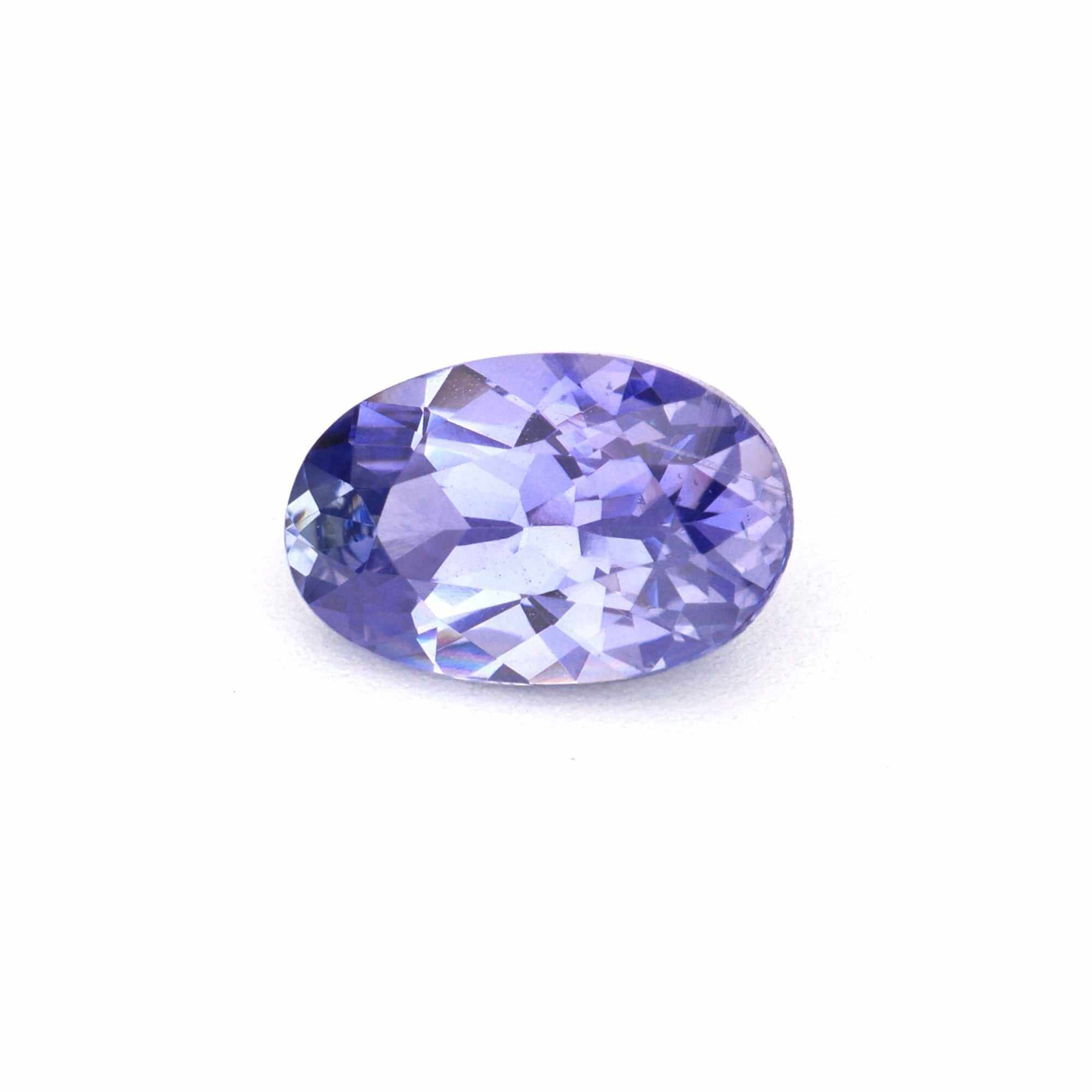
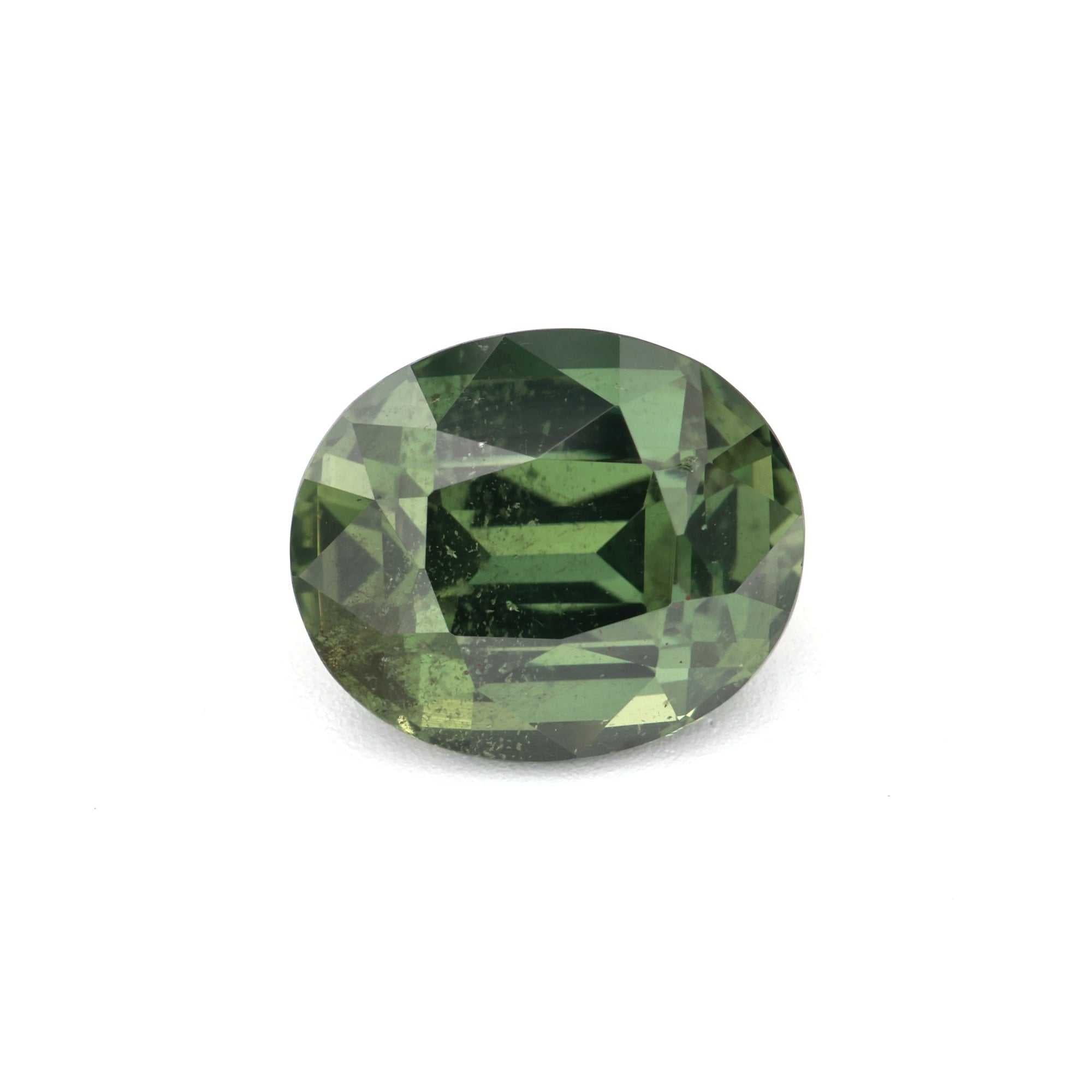
1.23 ct peach sapphire gemstone with warm peach hues and excellent clarity, ideal for custom jewelry.

CG8344

1.23 ct Oval Peach Sapphire ~ Heat Treated

$1,000.00 USD
GIA
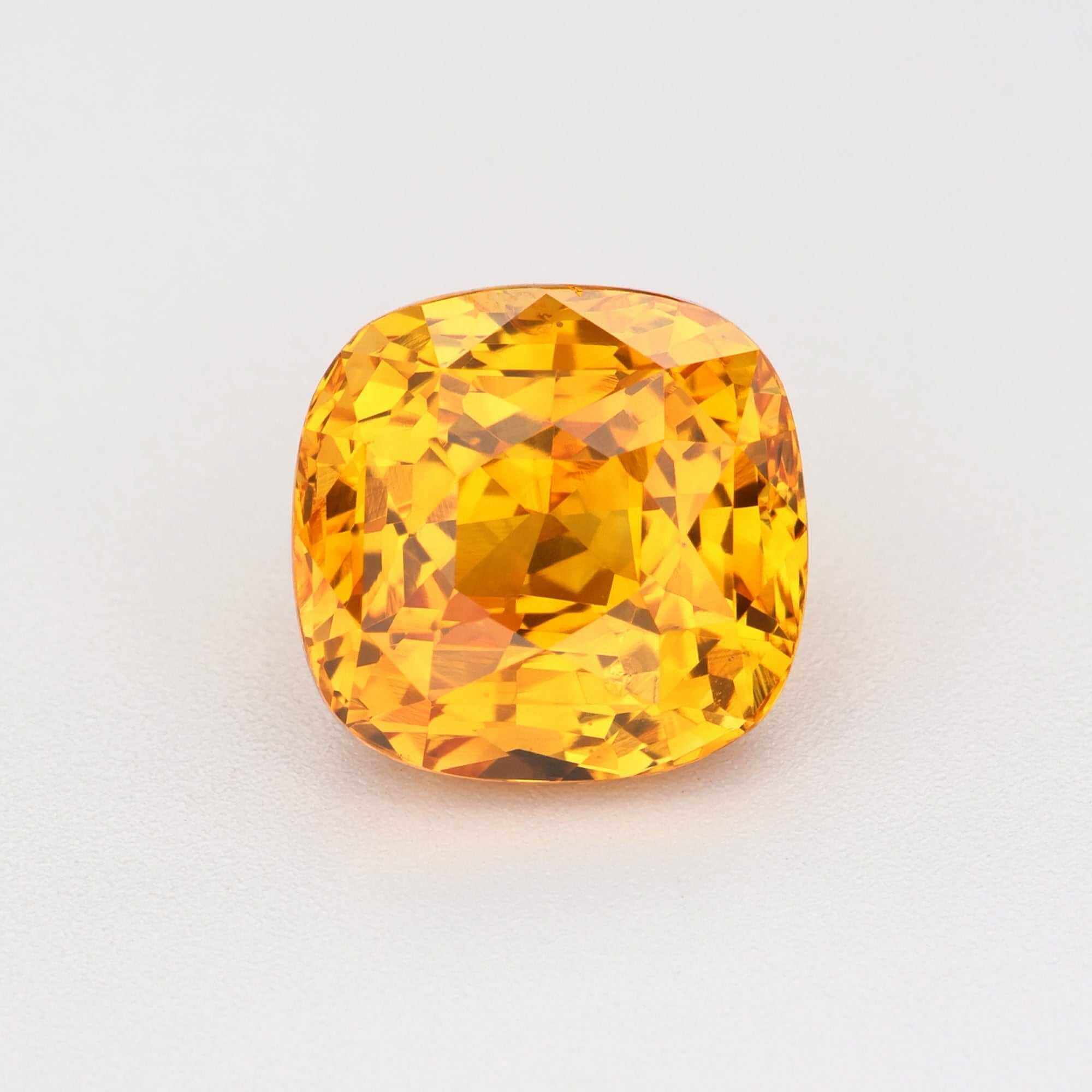
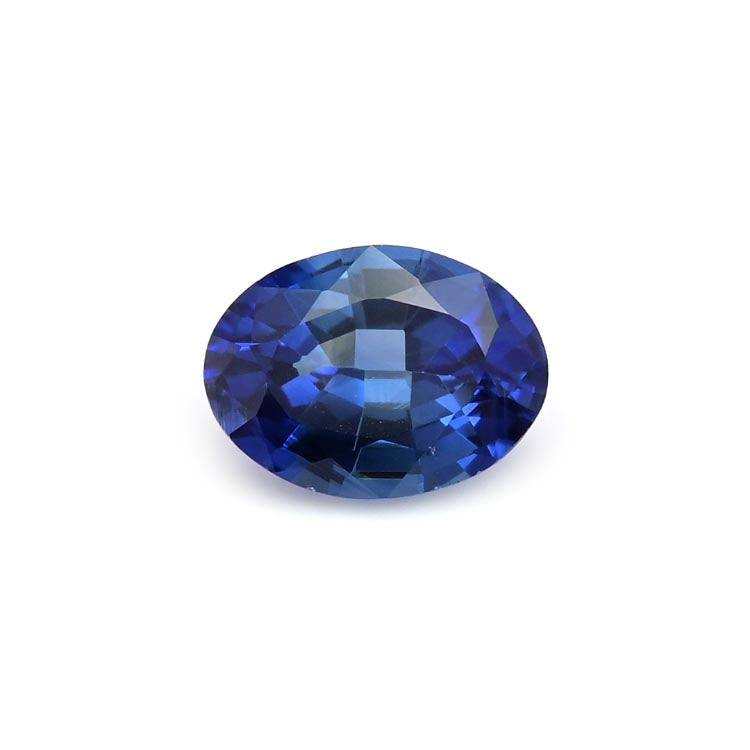
1.12 ct natural ceylon peach sapphire gemstone with oval cut and brilliant clarity

CG8429

1.12 ct Oval Ceylon Peach Sapphire ~ Unheated, GIA

$900.00 USD
AGCL - Gem Lab
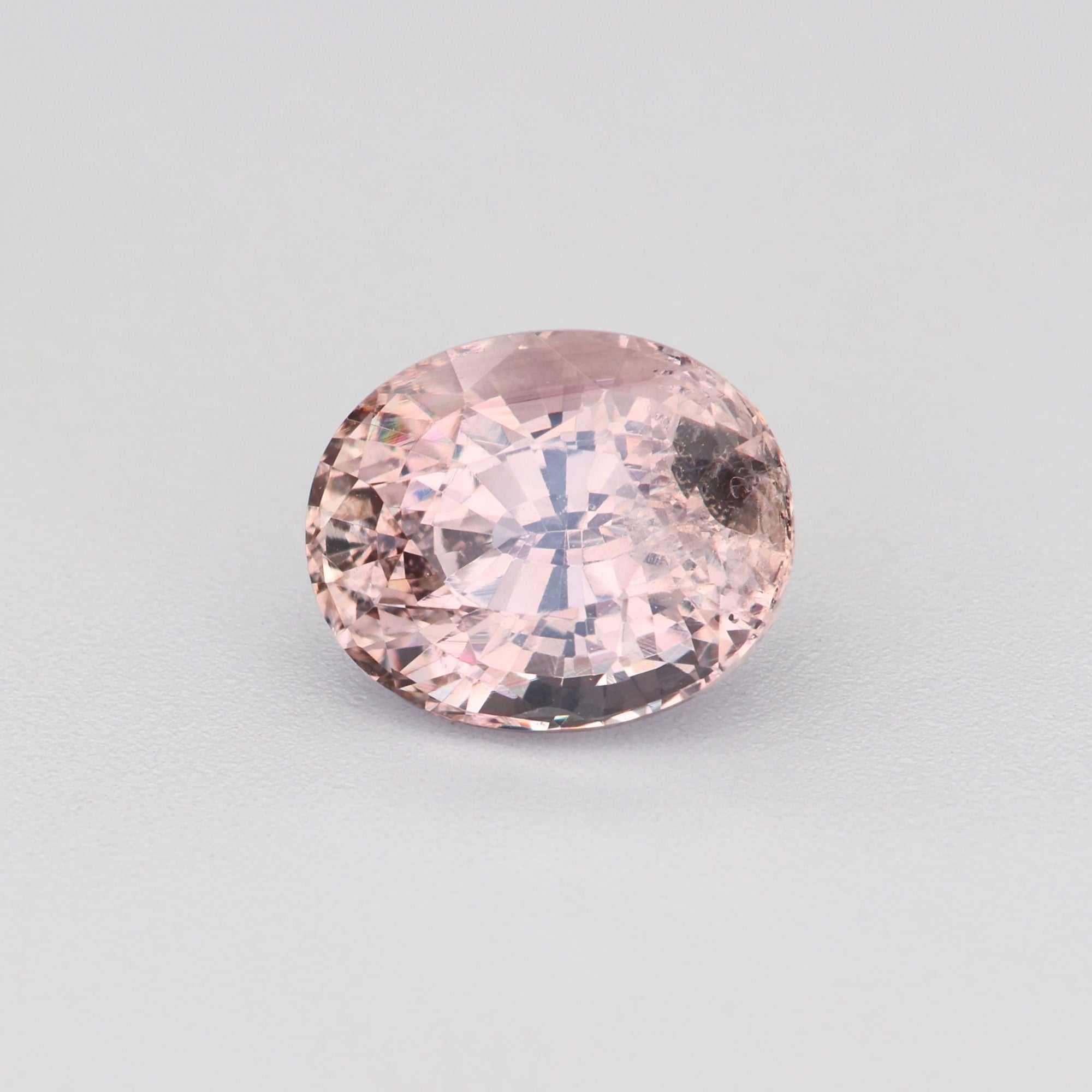
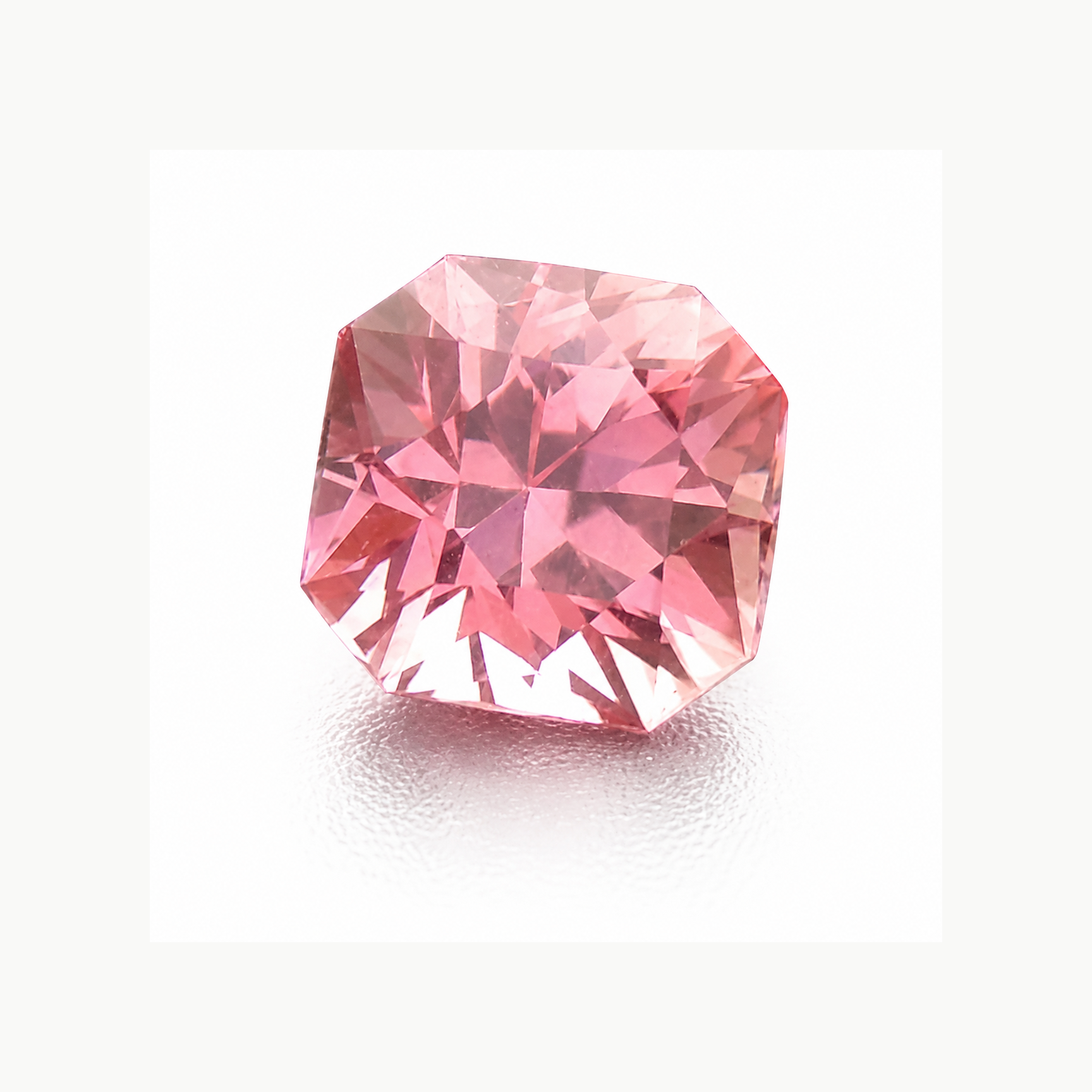
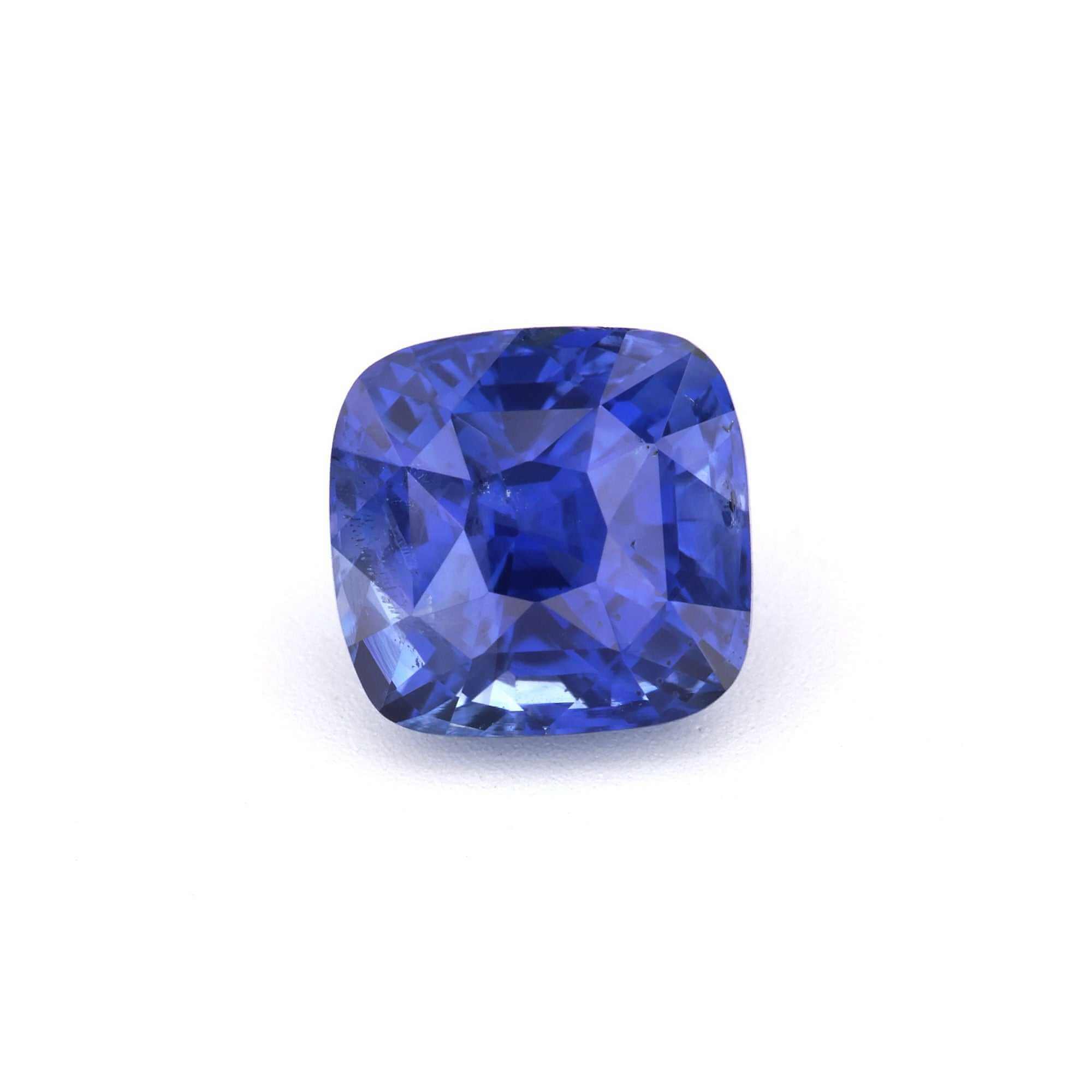
1.18ct natural unheated peach sapphire gemstone with excellent clarity and soft peach hue

CG8367

1.18 ct Oval Peach Sapphire ~ Unheated

$885.00 USD
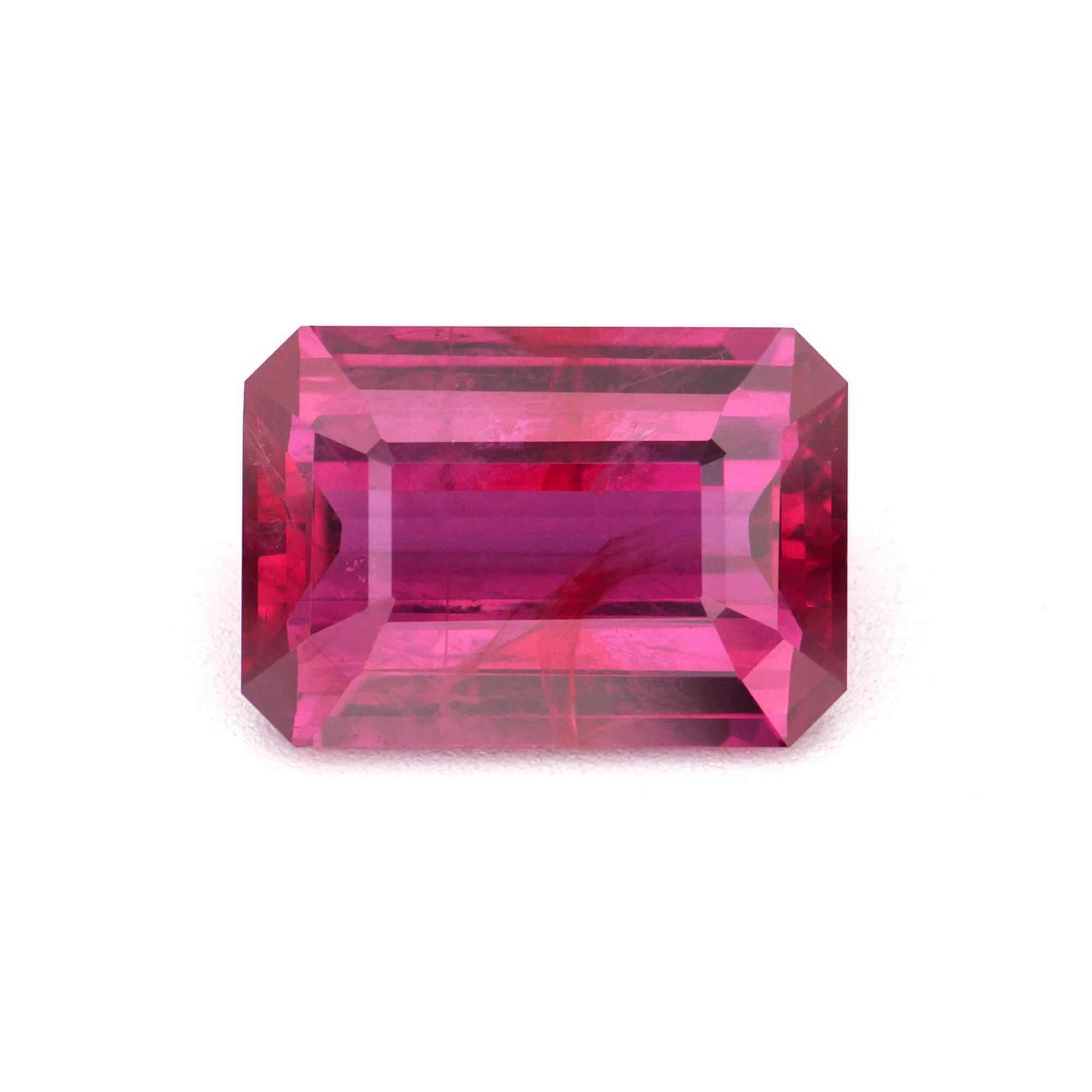
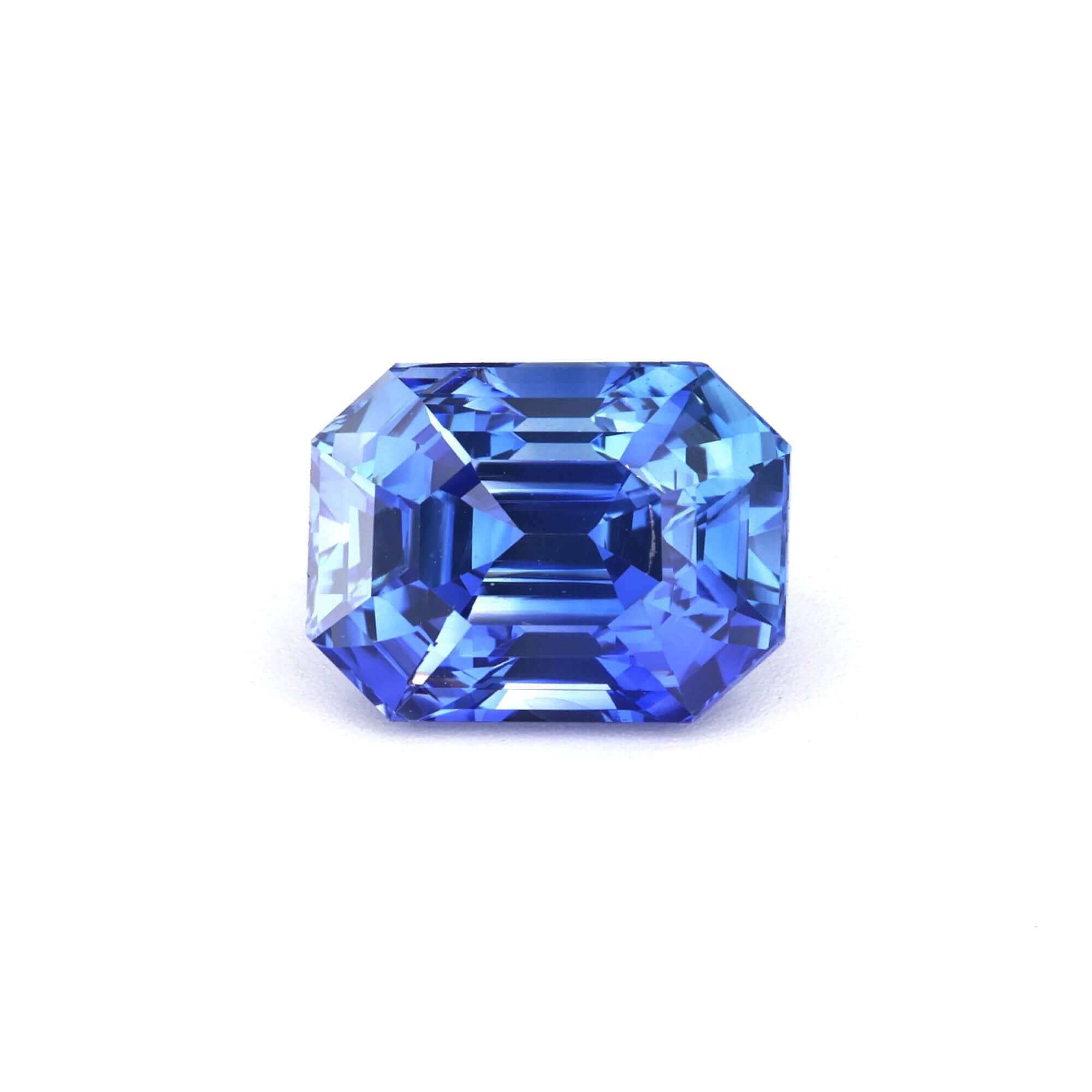
1.50 ct peach sapphire gemstone with brilliant peach hue and excellent clarity for jewelry

CG8132

1.50 ct Emerald-Cut Peach Sapphire ~ Heat Treated

$200.00 USD
Blue Sapphire

Blue

Close-up of a rare Loose Purple Sapphires gemstone showcasing its royal and mysterious deep violet hue
Purple

Close-up of a vibrant Pink Sapphire gemstones showcasing its brilliance and color variations

Pink

Close-up of a deep red Ruby Gemstones symbolizing passion and power, known as the King of Gemstones

Ruby

Vivid orange sapphire gemstones with deep tangerine hue and brilliant cut, showcasing clarity and strong saturation

Orange

Close-up of a soft pink-orange peach sapphire gemstone showcasing its delicate hues

Peach 

Close-up of vibrant yellow sapphire gemstones showcasing their radiant golden hues and brilliant sparkle

Yellow

White

Close-up of a Teal Sapphire gemstones blue and green hues

Teal

Faceted Green Sapphire gemstones, showcasing vibrant green hues as an attractive emerald alternative.

Green

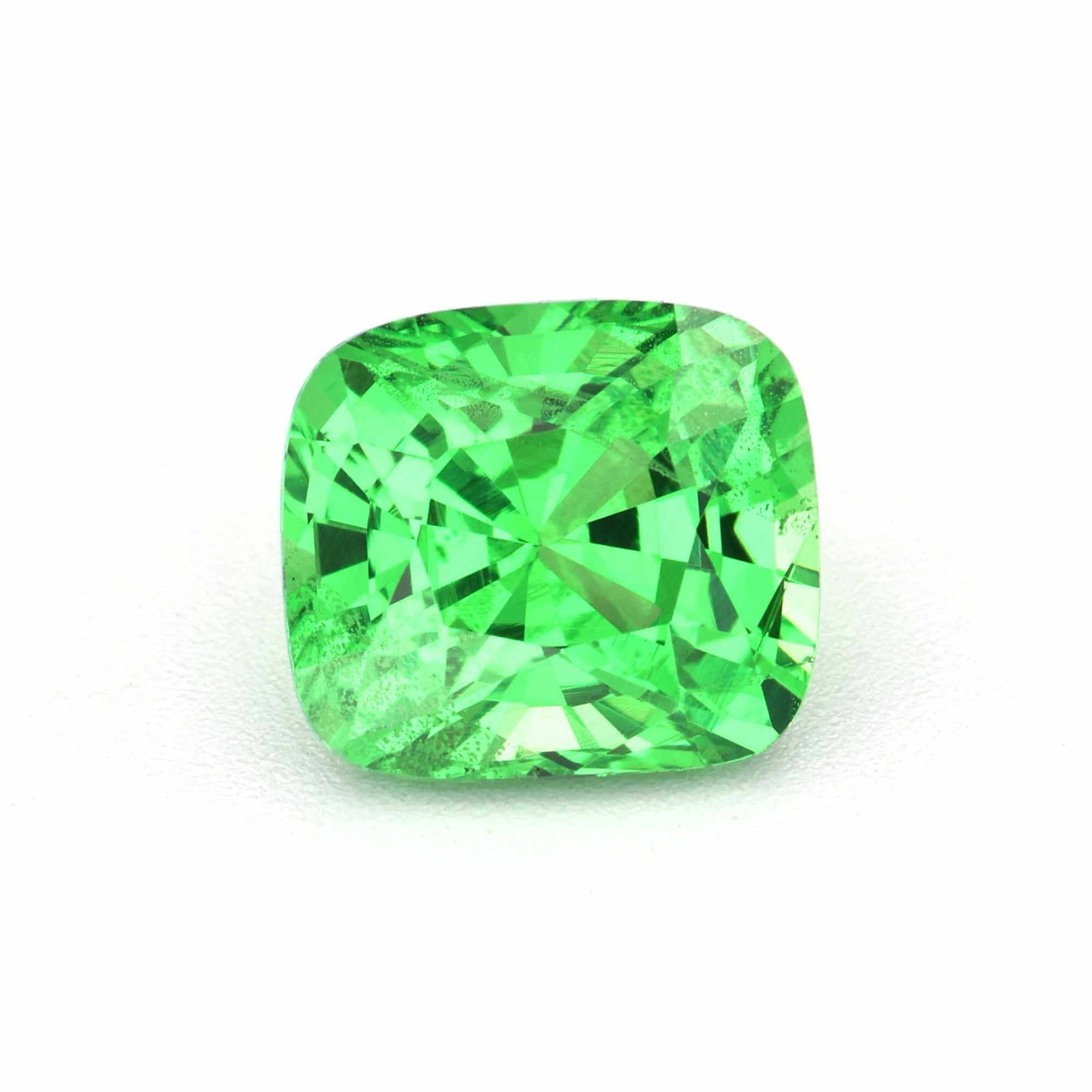
Close-up of a brilliant green Tsavorite garnet gemstones showcasing its vibrant color and rare beauty

Tsavorite

Padparadscha ~ The World's Rarest Sapphire Color Explained

Padparadscha

Close-up of a Natural Chrysoberyl gemstone showcasing its brilliance and durability, symbolizing strength, light, and luxury.

Chrysoberyl

Close-up of natural cat's eye chrysoberyl gemstone showing sharp chatoyancy phenomenon on honey-yellow cabochon stone

Cats eye

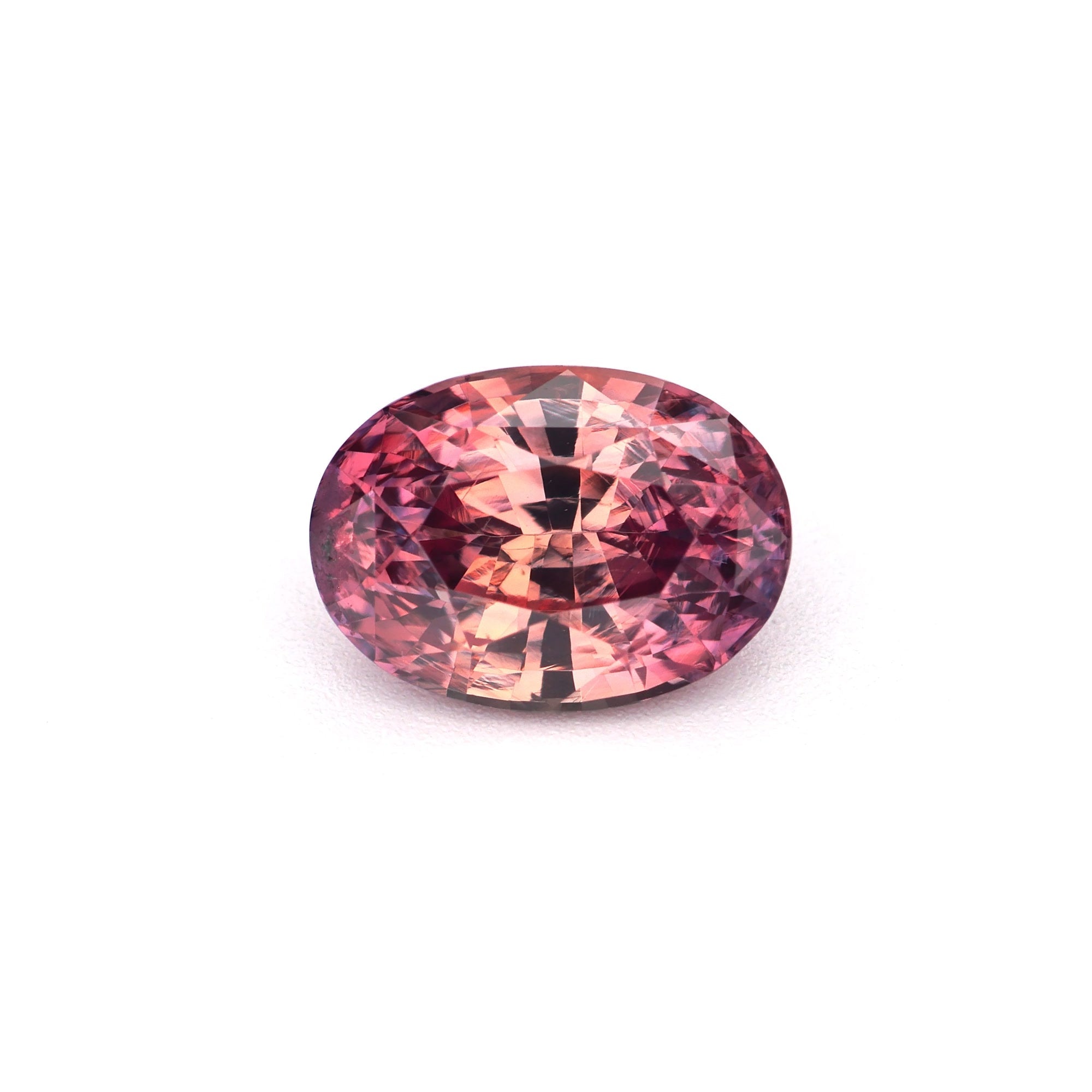
Natural Star Sapphires gemstone with glowing asterism star effect in smooth cabochon cut
Star Sapphires
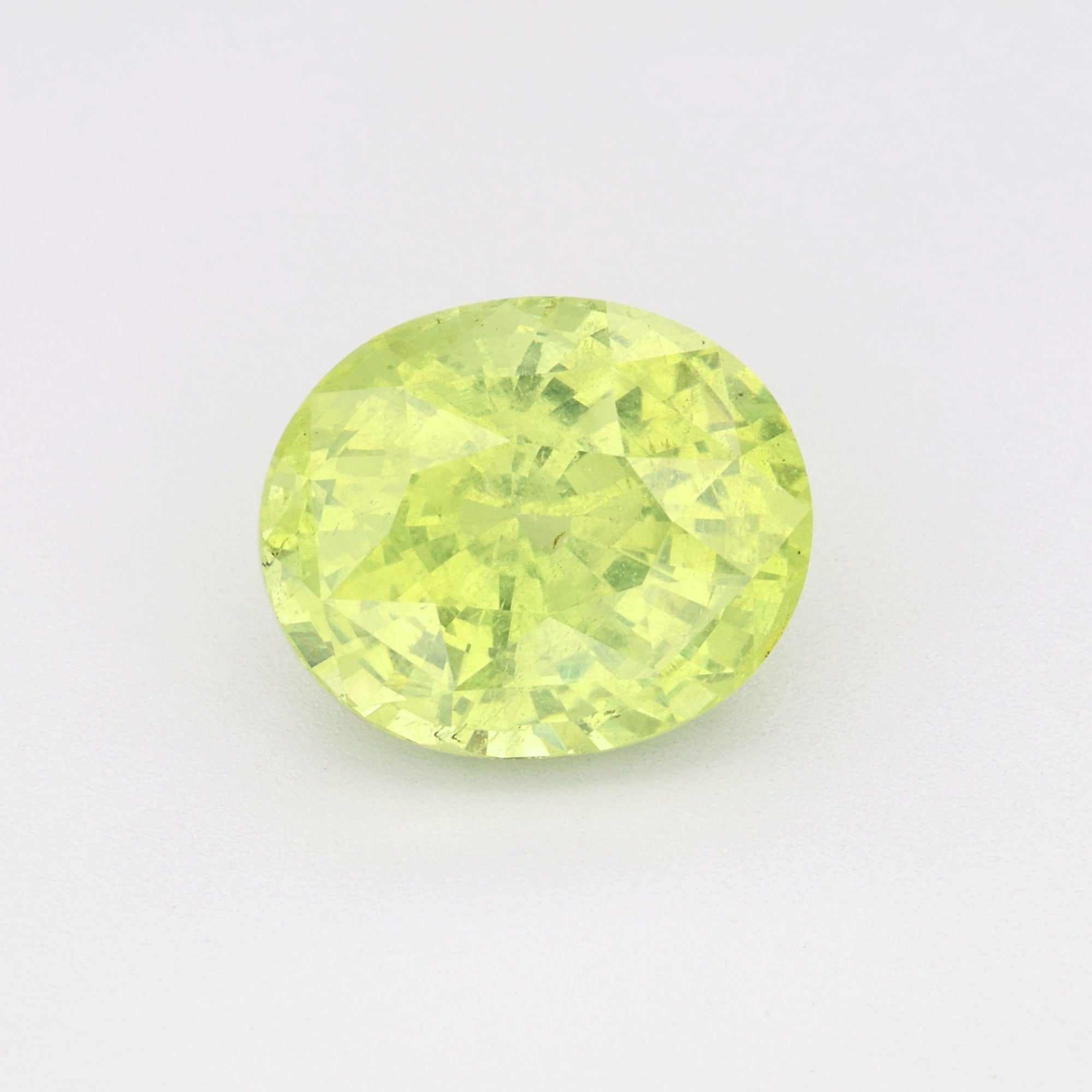
Color change Sapphire

Color Change

Sapphire pairs showcasing balanced color, size, and shape for elegant jewelry designs

Matched pairs

Round Sapphires Ceylon blue sapphire 6mm — calibrated loose stone for engagement rings
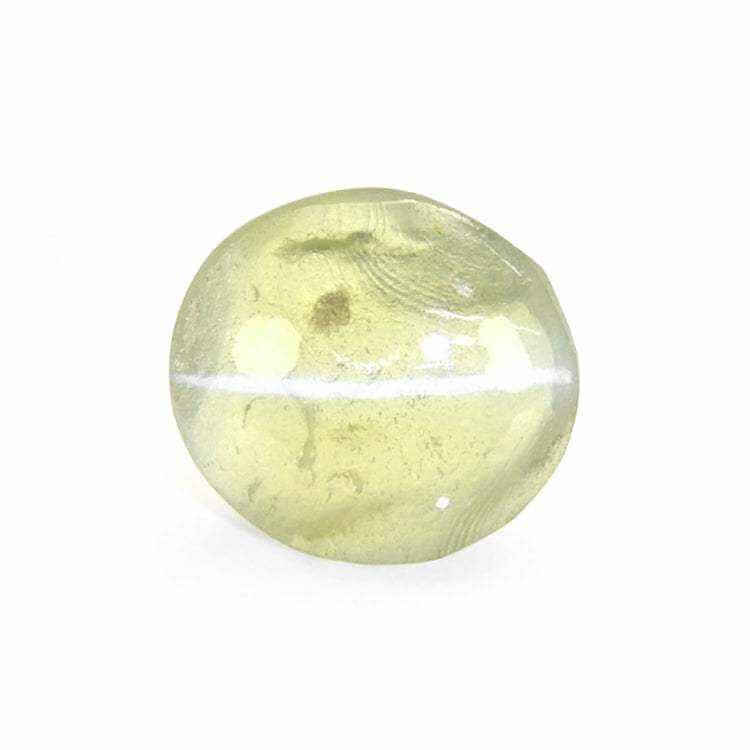
Round Gemstones

Natural Oval Sapphire — unheated loose stone for engagement rings

Oval Gemstones

rectangular sapphires— unheated elongated loose stone

Rectangular Gemstones

Square Sapphires— square loose stone, diamond alternative

Square Gemstones

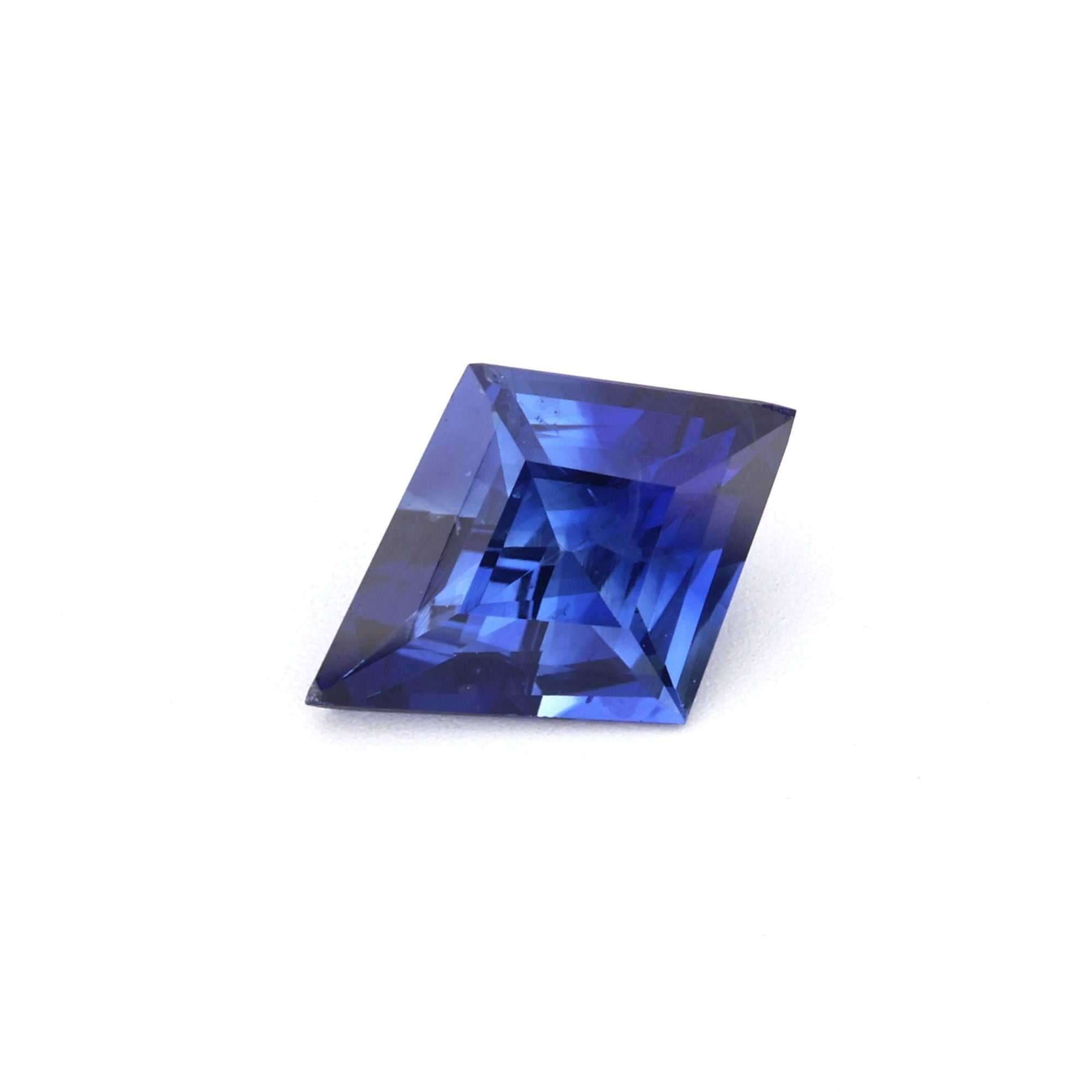
Kite Shaped Fancy cut Blue Sapphire

Fancy cut Gemstones

View all

Exceptional Gems

Hand selected for exceptional clarity and brilliance.

Precision Cut

Crafted to exact dimensions for perfect symmetry.

Calibrated Sizes

Designed to fit fine jewellery settings flawlessly.

Natural Colours

Vivid, untreated hues that highlight true beauty.

Quick links
  • Home
  • Our Gemstones
  • Wholesale
  • Customer Reviews
  • Information
  • Package tracking
  • About us
  • Contact us
  • Profile
Shop by Shape
  • Round
  • Oval
  • Square
  • Pear
  • Rectangle
  • Trilliant
  • Emerald cut
  • Radiant Cut
  • Asscher cut
  • Cushion cut
  • Fancy Cut
Shop by Collections
  • Blue Sapphire
  • Color Change Sapphire
  • Chrysoberyl
  • Chrysoberyl Catseye
  • Green Sapphire
  • Matched Pair
  • Orange Sapphire
  • Peach Sapphire
  • Pink Sapphire
  • Purple Sapphire
  • Red Ruby
  • Star Sapphires
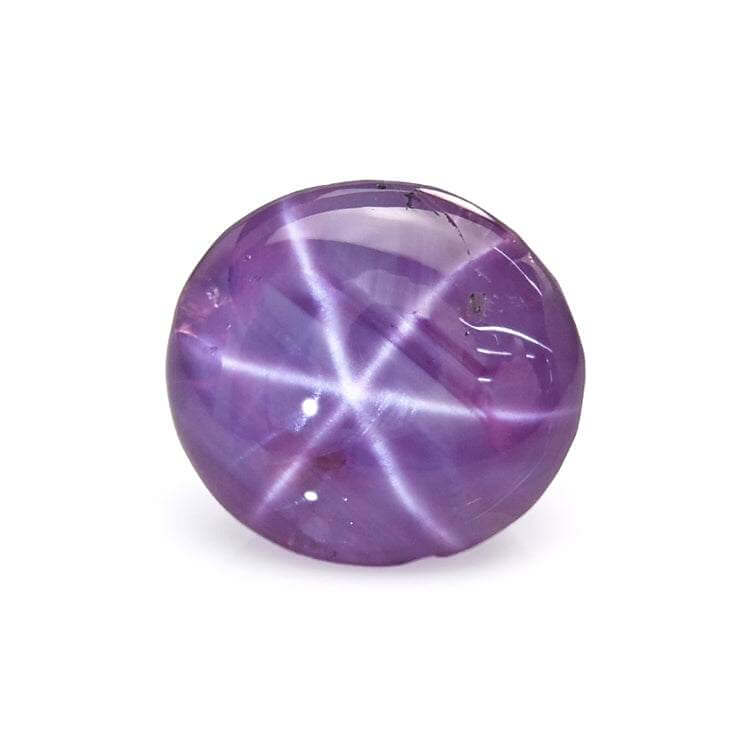
  • Teal Sapphire
  • Tsavorite Garnets
  • Violet Sapphires
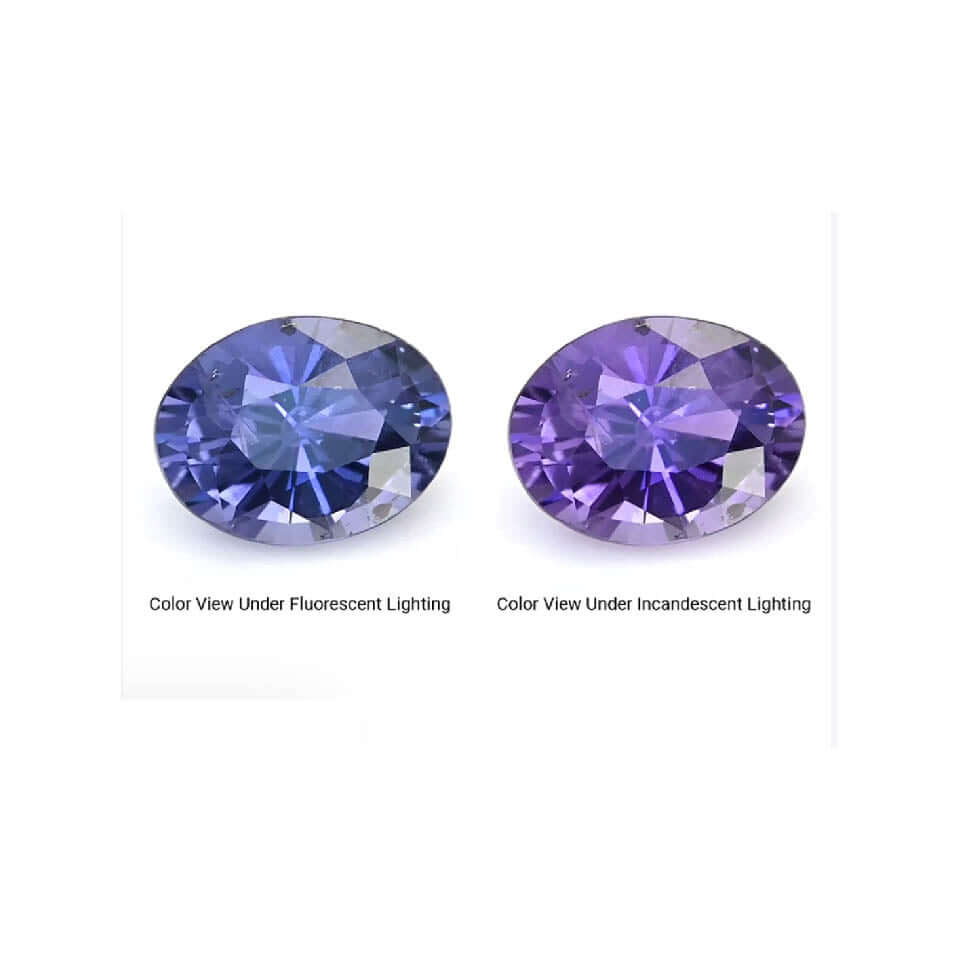
  • White Sapphire
  • Yellow Sapphires
  • Facebook
  • Instagram
  • YouTube
© 2026 Crescent Gems. Powered by Shopify
  • Privacy policy
  • Shipping policy
  • Terms of service
  • Refund policy
  • Cancellation policy
  • Contact information
  • Amazon
  • American Express
  • Apple Pay
  • Bancontact
  • BLIK
  • Diners Club
  • Discover
  • EPS
  • Google Pay
  • JCB
  • Maestro
  • Mastercard
  • Multibanco
  • MobilePay
  • PayPal
  • Przelewy24
  • Shop Pay
  • Twint
  • Union Pay
  • Visa
  • Choosing a selection results in a full page refresh.
  • Opens in a new window.