Buying a loose gemstone gives you independence, you get the freedom to make your own choice, your own jewelry design.
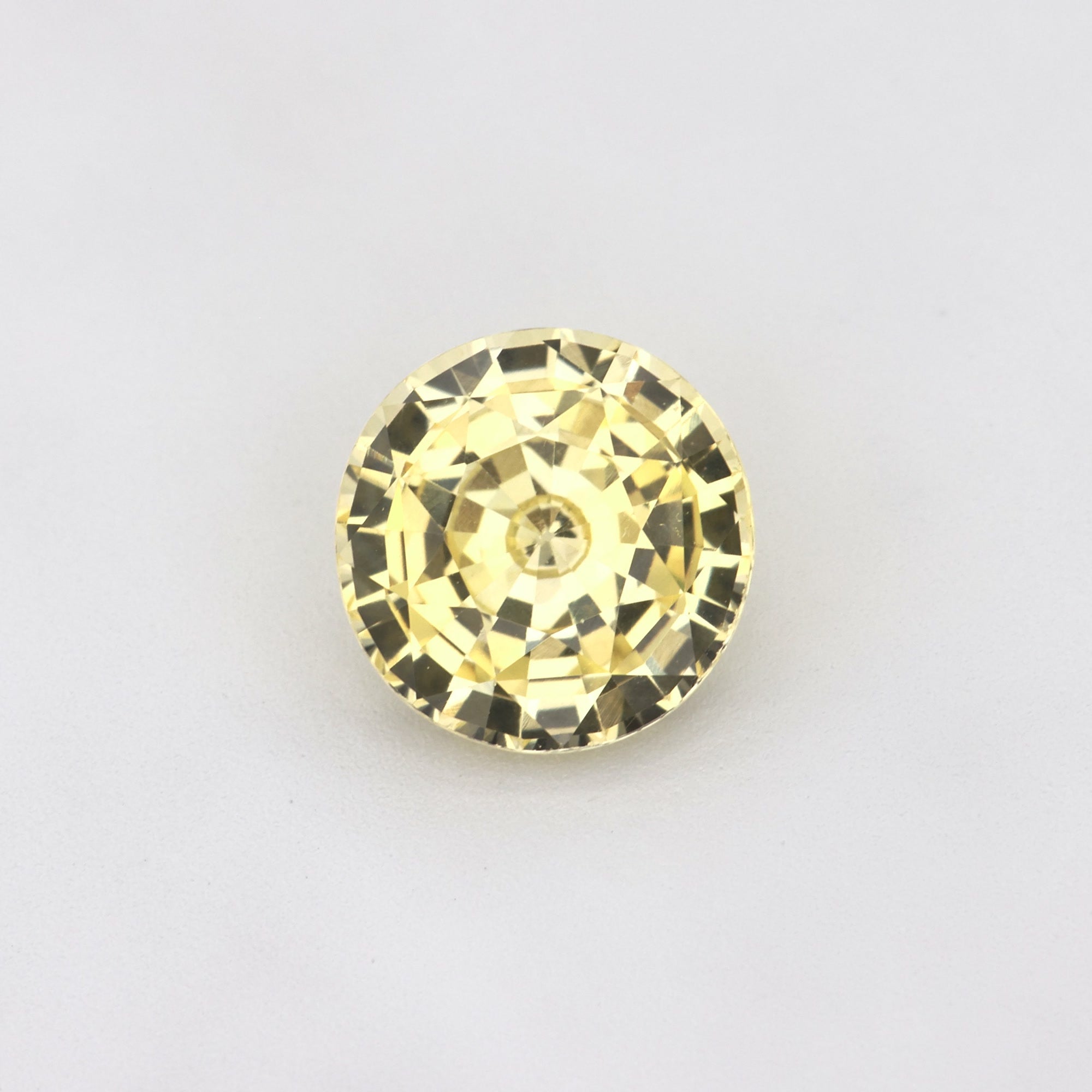
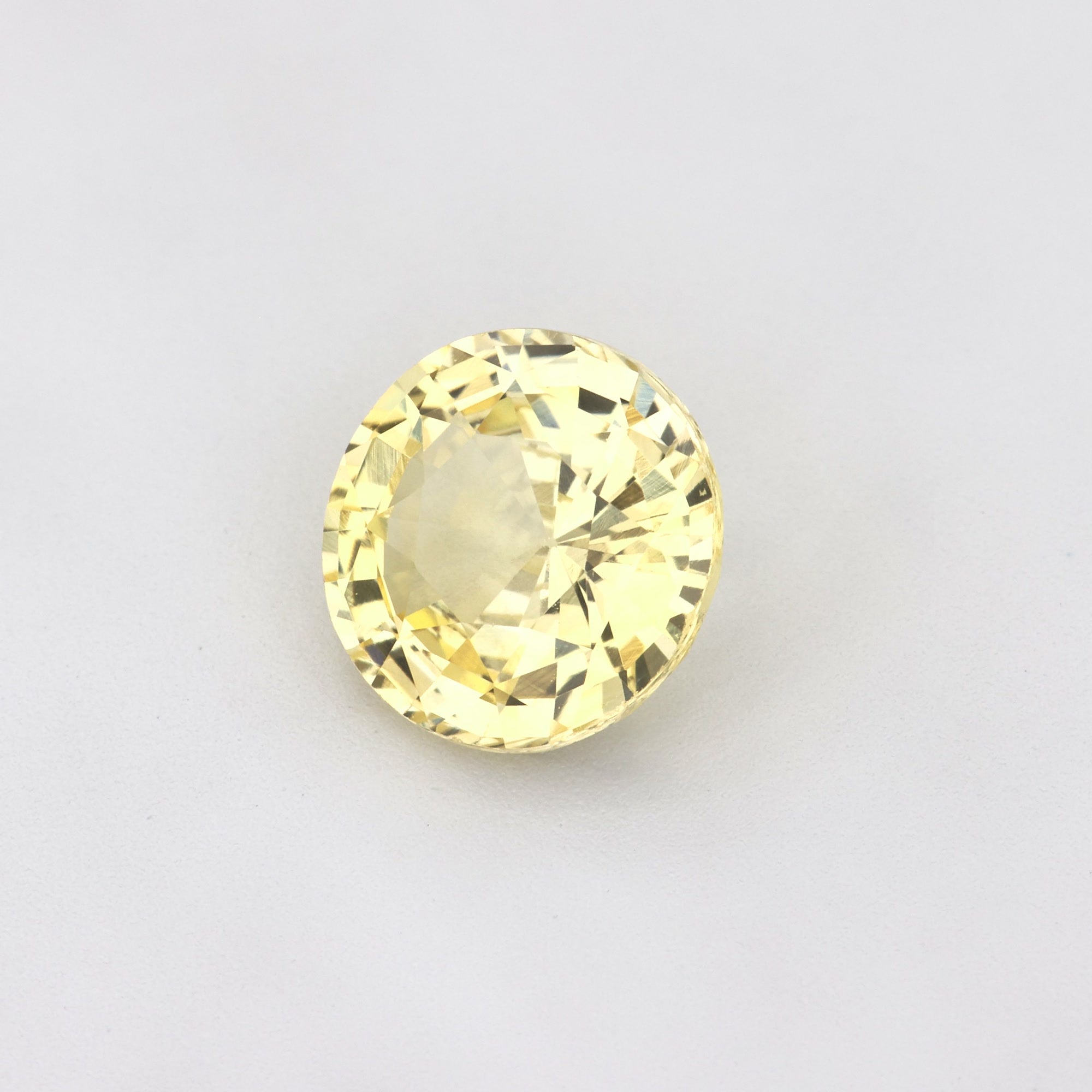
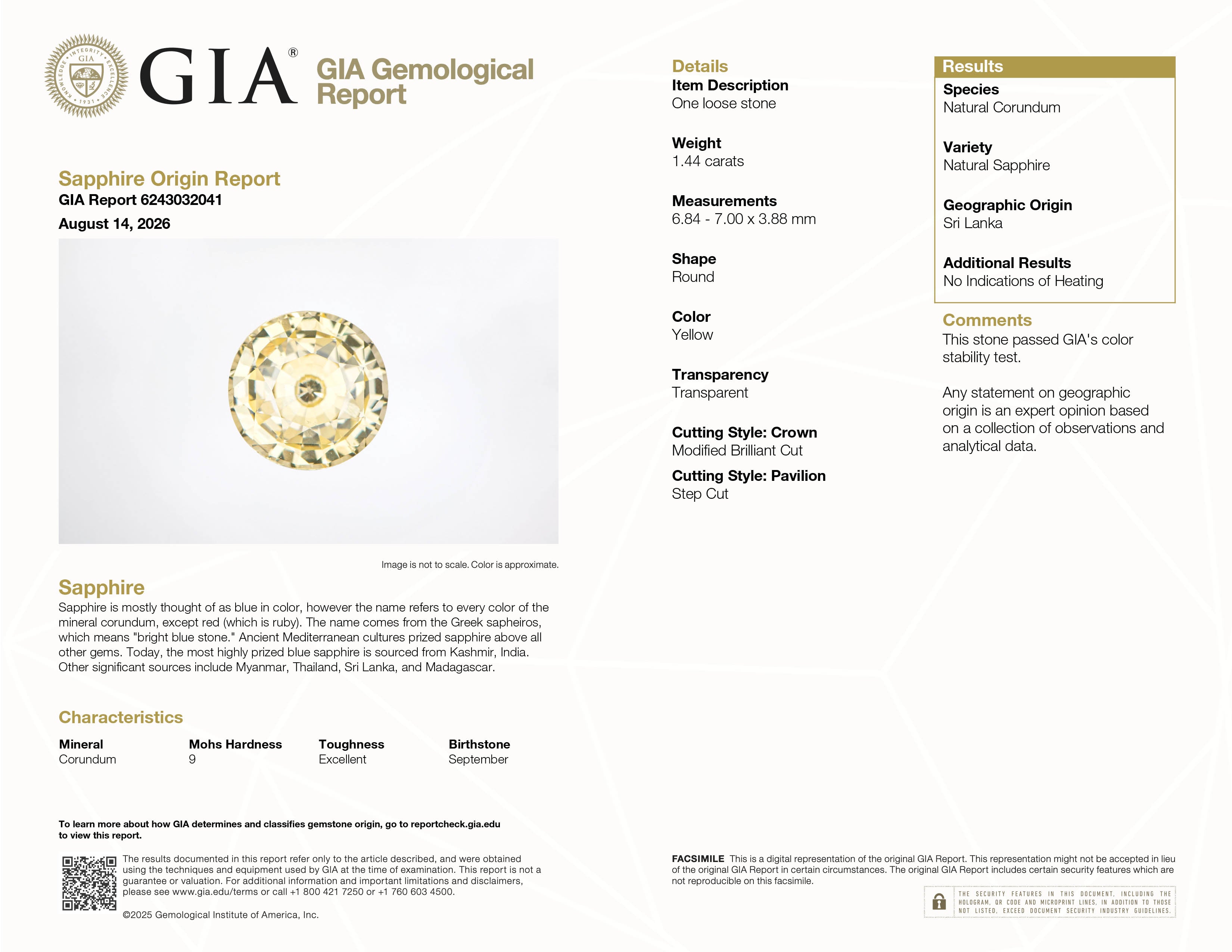
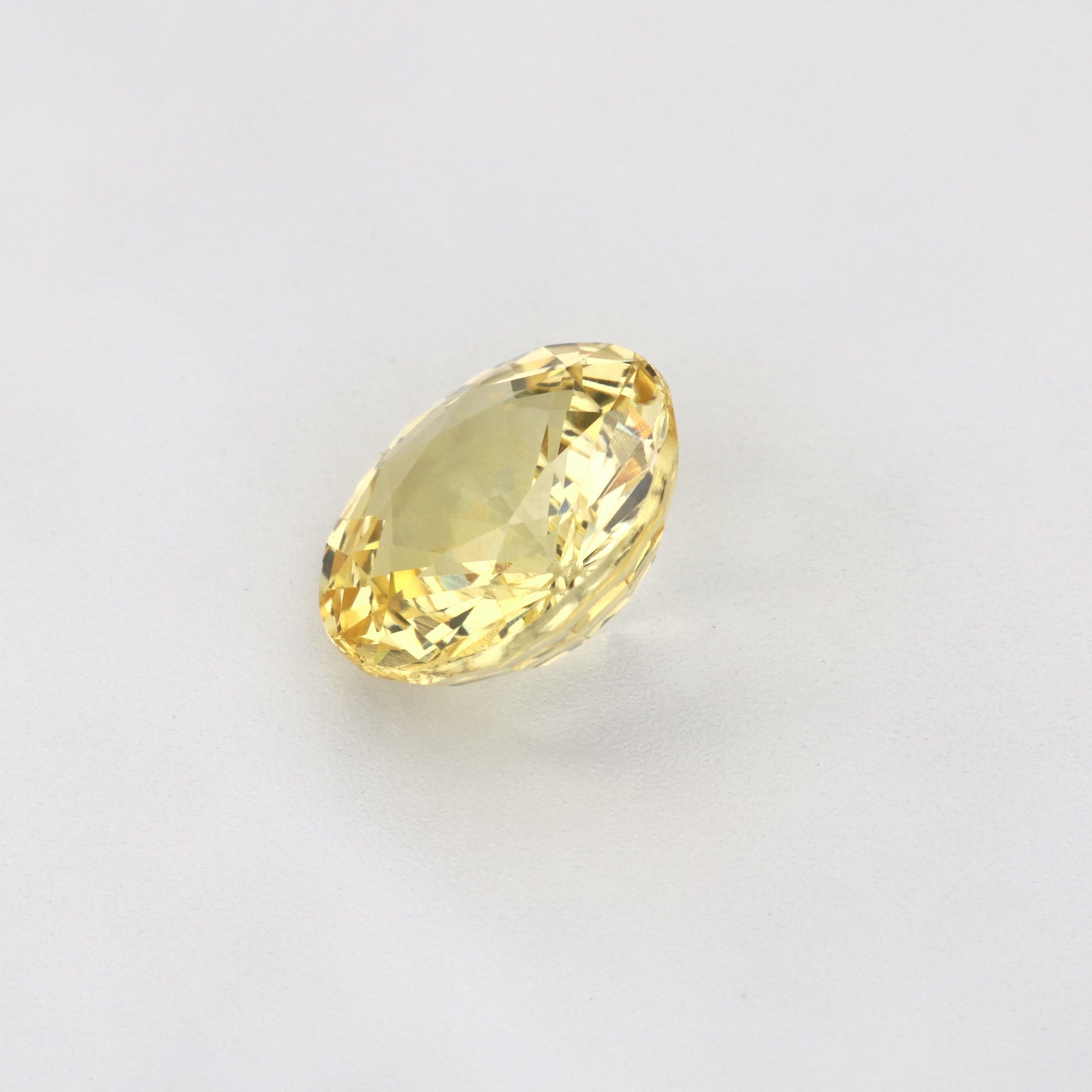
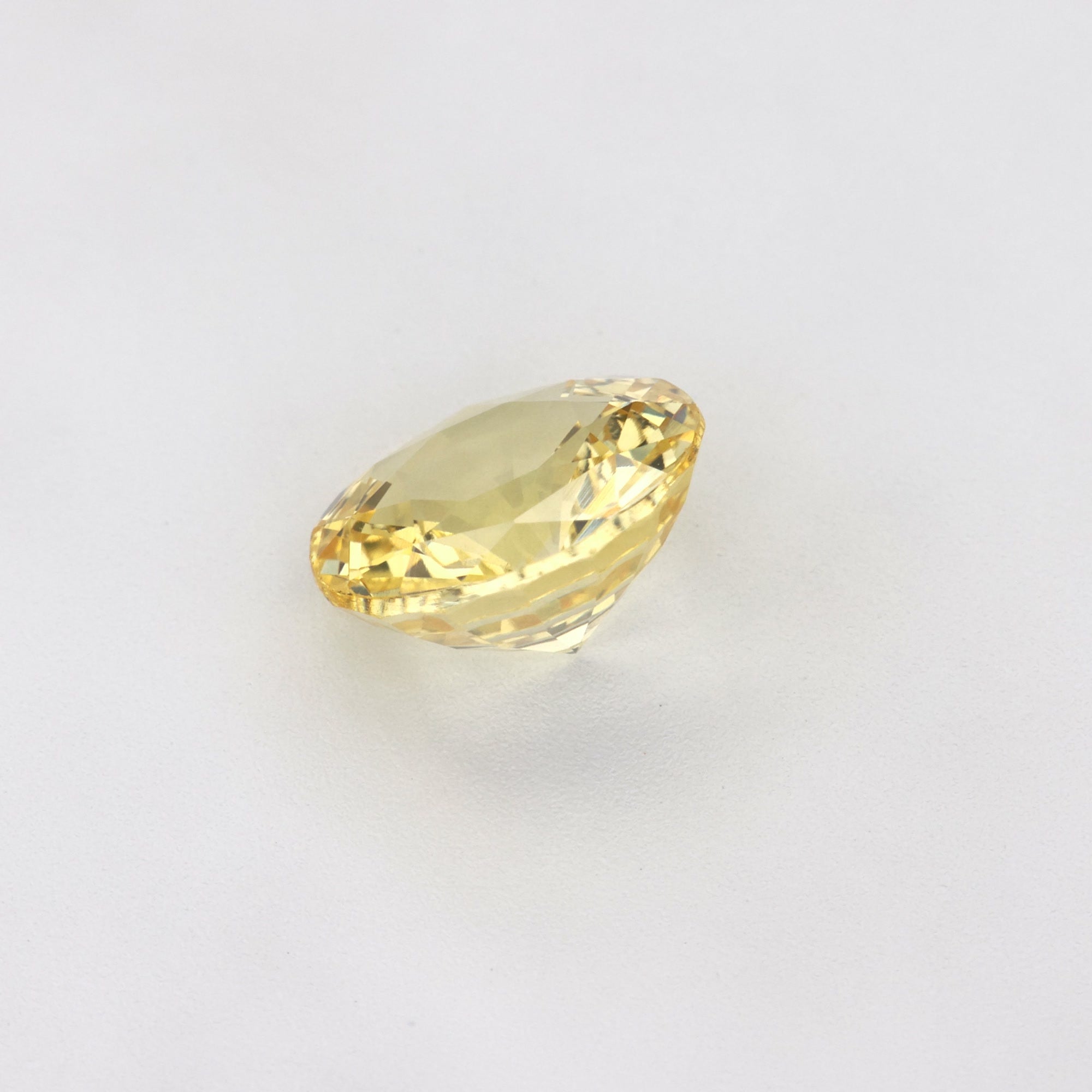
A natural 1.44 ct yellow sapphire, documented by GIA Sapphire Origin Report 6243032041. The report gives the colour as Yellow, the shape as Round, the variety as Natural Sapphire, and the geographic origin as Sri Lanka — origin as an expert opinion, with a printed disclaimer to that effect. It prints the cutting style in two separate fields: Cutting Style: Crown — Modified Brilliant Cut and Cutting Style: Pavilion — Step Cut. Brilliant facets above the girdle over flat parallel steps below is what the trade calls a mixed cut; that is the trade's name, not a field of the report.
Under Additional Results the report records No Indications of Heating. That is a negative finding, and it is worth being exact about what it does and does not say. GIA examined the stone and found no indications that it had been heated; that is the whole of the sentence. It is not a statement that no treatment of any kind has been applied. Detection has limits: there is no published criterion that allows gamma-irradiated corundum to be identified unambiguously, so that is not a question this or any report closes. We say what the report says, in the report's own words, and stop there.
The report also carries a second comment: "This stone passed GIA's color stability test." That matters more on a yellow sapphire than on most colours. Yellow in corundum can come from colour centres, and some of those are light-sensitive, so GIA exposes the stone to strong light and re-reads the colour; the colour printed on the report is the colour after that exposure. Four things it is not. It is a dated laboratory result, not a promise about the future. It is not exhaustive — GIA's own researchers note that instability might not always be identified. GIA publishes no stability grade or ranking, so there is nothing to rank it against. And it is not evidence about irradiation or about any other treatment. This is a separate test from the Additional Results entry above, and the two make separate points; we do not join them into an argument.
The Owner's Assessment
Ahmed Shareek's Assessment
"The first thing I looked at on this 1.44 carat stone from Sri Lanka was the cut: a modified brilliant crown sitting over a step-cut pavilion. I call it eye clean, and I want to be plain that this is my own assessment: GIA's coloured-stone reports carry no clarity grade, so nobody's document is grading it. The Additional Results line reads No Indications of Heating — read that line yourself, on the paper, and ask me anything the report doesn't answer."
What the Report States, and What We Add
Field by field, here is what the document carries and what is ours:
-
Origin — Sri Lanka: The report gives the geographic origin as Sri Lanka, and prints alongside it that any statement on geographic origin is an expert opinion based on a collection of observations and analytical data. The older trade name for stones from the island is Ceylon; the report does not use it.
-
Shape and Cutting Style — three separate fields: The report prints the shape as Round, the crown's cutting style as Modified Brilliant Cut, and the pavilion's cutting style as Step Cut. Those are three different fields and we keep them apart. Brilliant facets break returning light into many small points; step facets are large, flat and parallel and return it in broad planes. A stone faceted both ways does some of each.
-
Species and Variety — also separate: Species reads Natural Corundum and Variety reads Natural Sapphire. Colour is a third field and reads Yellow. The trade's habit of writing "yellow sapphire" as though it were one field fuses two, and we do not.
-
What the Report Establishes: Species, variety, weight, measurements, shape, colour, transparency and cutting style are findings. Geographic origin is given as an expert opinion, not a finding. The Additional Results entry reads No Indications of Heating, which is a finding about heating and nothing wider.
-
Clarity — our assessment, not a grade: We call this stone eye clean, meaning we find no inclusions visible to the unaided eye at normal viewing distance. That is our own observation. GIA's coloured-stone reports carry no clarity grade, so this figure appears on no document and should be checked against the stone.
-
Colour Stability: The report's comments record that this stone passed GIA's colour stability test. The colour GIA printed is the colour the stone showed after that test.
Buying Guidance
A few practical points to consider before purchasing this stone:
-
Verify the report: The physical document is headed "Sapphire Origin Report" above the report number — that is the line to check this page against the paper. Confirm the weight (1.44 ct) and the measurements (6.84 - 7.00 x 3.88 mm) match, and run the number through GIA's online Report Check before you buy.
-
Price per carat: At $1,782.00 for 1.44 ct, this works out to $1,237.50 per carat. Compare price per carat, not just total price, when evaluating alternatives — and compare documents too, since what one seller's paper covers is not what another's does.
-
Ask what the document covers: This report's Additional Results entry reads No Indications of Heating. That is an absence of evidence of heating, recorded on a dated examination. It does not speak to treatments other than heating. Ask any seller, for any stone, exactly what their document does and does not cover.
-
Metal pairing: Yellow and rose gold settings sit close to this stone in tone; white gold and platinum sit against it. Which you prefer is a matter of taste, not of quality.
-
Setting considerations: A round outline has no corners, which are the points GIA flags as higher-risk on a cornered cut. The girdle is the thin part of any faceted stone, so a bezel or a well-seated prong is worth discussing with your setter for everyday wear.
Yellow Sapphire, Pukhraj and Jyotish
In Jyotish (Vedic astrology) yellow sapphire is the stone associated with Jupiter, and it is known as Pukhraj. Buyers shopping in that tradition usually arrive with a specification already in hand, and the fields they ask about — variety, colour, geographic origin, treatment, and what the laboratory did and did not test — are the fields this report prints. We make no suitability claim and no efficacy claim for this or any stone, and we do not prescribe practice: practitioners differ among themselves on minimum weight, on metal, on which hand and on how a stone should be set, and the classical texts do not settle those questions in carats. Ask your own practitioner what they require, then read GIA Sapphire Origin Report 6243032041 against it. Our own guide to the questions worth asking is linked below.
Learn More About This Gemstone
Gemstone Data — At a Glance
| Item # |
CG8468 |
| Carat Weight |
1.44 ct |
| Species / Variety |
Natural Corundum / Natural Sapphire — colour is a separate field, and it reads Yellow |
| Shape |
Round |
| Cutting Style: Crown |
Modified Brilliant Cut |
| Cutting Style: Pavilion |
Step Cut — a brilliant crown over a step pavilion is what the trade calls a mixed cut; that is the trade's name, not a field of the report |
| Dimensions |
6.84 - 7.00 x 3.88 mm |
| Color |
Yellow — the report's colour field carries this one word and no intensity or saturation grade |
| Color Stability |
Passed GIA's color stability test — a dated test result recorded in the report's comments, not a guarantee, and not evidence about any treatment |
| Treatment |
No Indications of Heating — the report's Additional Results entry. A negative finding about heating; the report makes no statement about other treatments |
| Origin |
Sri Lanka — given by GIA as an expert opinion, with a printed disclaimer |
| Clarity |
Eye Clean — no inclusions found by us with the unaided eye at normal viewing distance. Our own assessment; GIA coloured-stone reports carry no clarity grade |
| Transparency |
Transparent |
| Mohs Hardness |
9 — scratch resistance. Hardness is not toughness; the report's Excellent toughness entry is GIA's figure for corundum as a species, not a finding about this stone |
| Laboratory Report |
GIA Sapphire Origin Report 6243032041, dated August 14, 2026. GIA issues reports, not certificates. |
Why Choose this 1.44 ct Round Yellow Sapphire?
The crown of this stone is cut in modified brilliant facets and the pavilion in steps. Brilliant faceting breaks returning light into many small points; step faceting returns it in broad flat planes. A stone faceted both ways does some of each, and it measures 6.84 - 7.00 mm across the girdle at a depth of 3.88 mm. Whether you prefer that to a full brilliant or a full step cut is a matter of taste; neither is a grade, and the report grades neither.
Key Benefits of this Natural Yellow Sapphire
-
Additional Results: No Indications of Heating
GIA examined the stone and found no indications that it had been heated. A finding about heating; the report makes no statement about other treatments.
-
Origin: Sri Lanka
Given on the report as an expert opinion, with GIA's printed disclaimer alongside it.
-
A Mixed Cut, in Two Fields
Cutting Style: Crown reads Modified Brilliant Cut and Cutting Style: Pavilion reads Step Cut. Shape is a third field and reads Round.
-
Colour Stability Test Passed
Recorded in the report's comments. A dated laboratory result, not a guarantee about the future, and not evidence about any treatment.
-
GIA-Documented
Species, variety, weight, measurements, shape, colour, transparency and cutting style as findings; origin as an expert opinion.
-
Mohs Hardness 9
Very high scratch resistance. Hardness is not the same as toughness, and the report's Excellent toughness entry is GIA's figure for corundum as a species.
What you are buying is a single unmounted stone and the document that goes with it. The report says what it says, we have marked what is ours, and the rest is a matter of looking at the stone.
Features
- Carat Weight: 1.44 Carats
- Gem Type: Natural Yellow Sapphire
- Species: Natural Corundum
- Variety: Natural Sapphire
- Shape: Round
- Cutting Style: Crown — Modified Brilliant Cut
- Cutting Style: Pavilion — Step Cut (the trade calls the pairing a mixed cut)
- Dimensions: 6.84 - 7.00 x 3.88 mm
- Origin: Sri Lanka — GIA's expert opinion, not a finding
- Additional Results: No Indications of Heating
- Color: Yellow (the report's only colour word)
- Clarity: Eye Clean — no inclusions found by us with the unaided eye at normal viewing distance — our own assessment, not a GIA grade
- Laboratory report: GIA Sapphire Origin Report 6243032041, dated August 14, 2026
- Comments on the report: passed GIA's color stability test
- Mohs hardness: 9 (scratch resistance, not toughness)
Perfect Uses for this 1.44 ct Yellow Sapphire
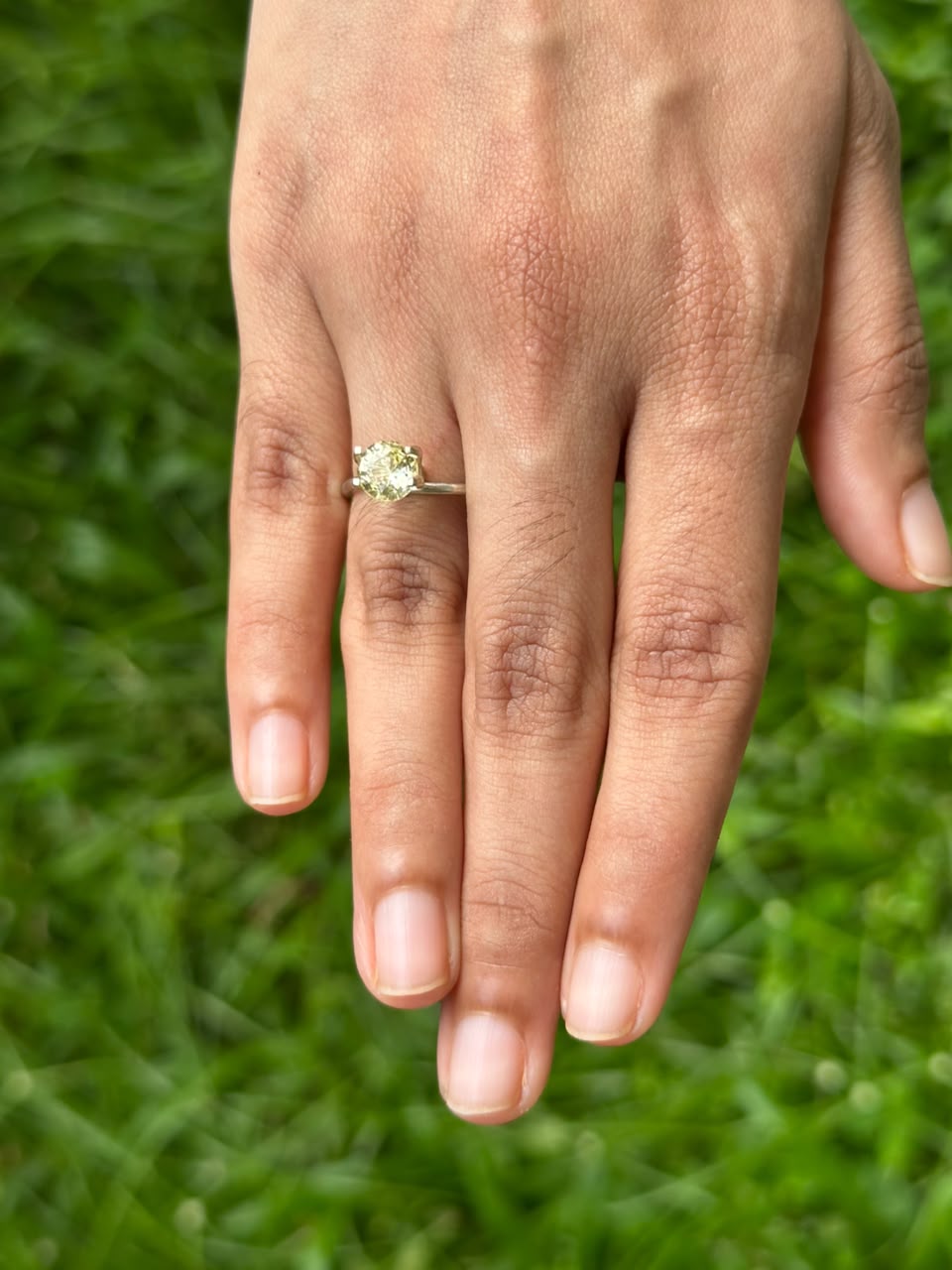
- Engagement ring center stone in yellow or white gold
- Custom pendant or cocktail ring
- Contemporary bezel or solitaire ring setting
- Collectors of Sri Lankan yellow sapphire
- Anniversary or milestone gift
Care
Clean this sapphire with lukewarm water, mild soap, and a soft brush. Store it separately from other jewelry to prevent scratching, and remove it before heavy activity or manual work. GIA considers ultrasonic and steam cleaners generally safe for sapphire that has not been fracture-filled or dyed; we still prefer not to use either on a stone we have not set ourselves, because we cannot see how it is held. That is our preference, not a warning from the report.
What's Included
- GIA Sapphire Origin Report 6243032041, dated August 14, 2026
- The 1.44 ct round mixed-cut yellow sapphire, packed in a protective gem sleeve





 Pay $0 today
 Trial
Trial
 Pay
Pay


