Brown Sapphire — Cognac, Champagne and Pinkish-Brown Loose Stones
Natural Brown Sapphire — Cognac, Champagne, Chocolate and Pinkish-Brown Loose Stones
Brown sapphire is one of the most underappreciated colour families in natural corundum. Marketed variously as cognac sapphire, champagne sapphire, chocolate sapphire, and pinkish-brown sapphire depending on the specific hue position, these stones share the extraordinary hardness of blue sapphire (Mohs 9, second only to diamond) with a warm, earthy colour that has no real competitor in the natural gemstone world at this price tier. Every stone in this collection is natural corundum, sold with full origin and treatment disclosure, and photographed under standardised lighting.
The Brown Sapphire Colour Family — What the Names Mean
Brown sapphire is coloured by combinations of iron and titanium in the corundum crystal, producing a range of warm, neutral hues that the trade describes under several names depending on the specific tone.
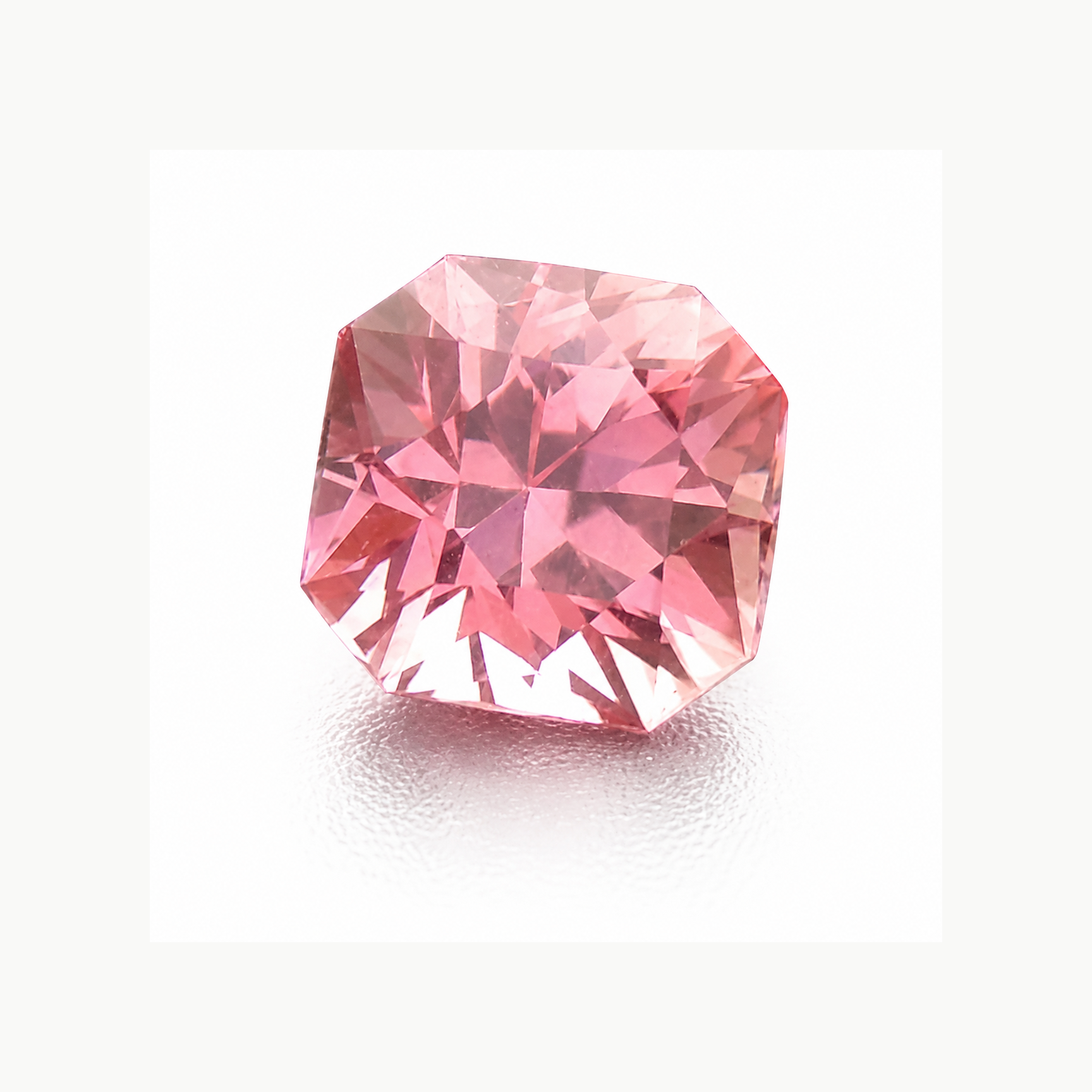
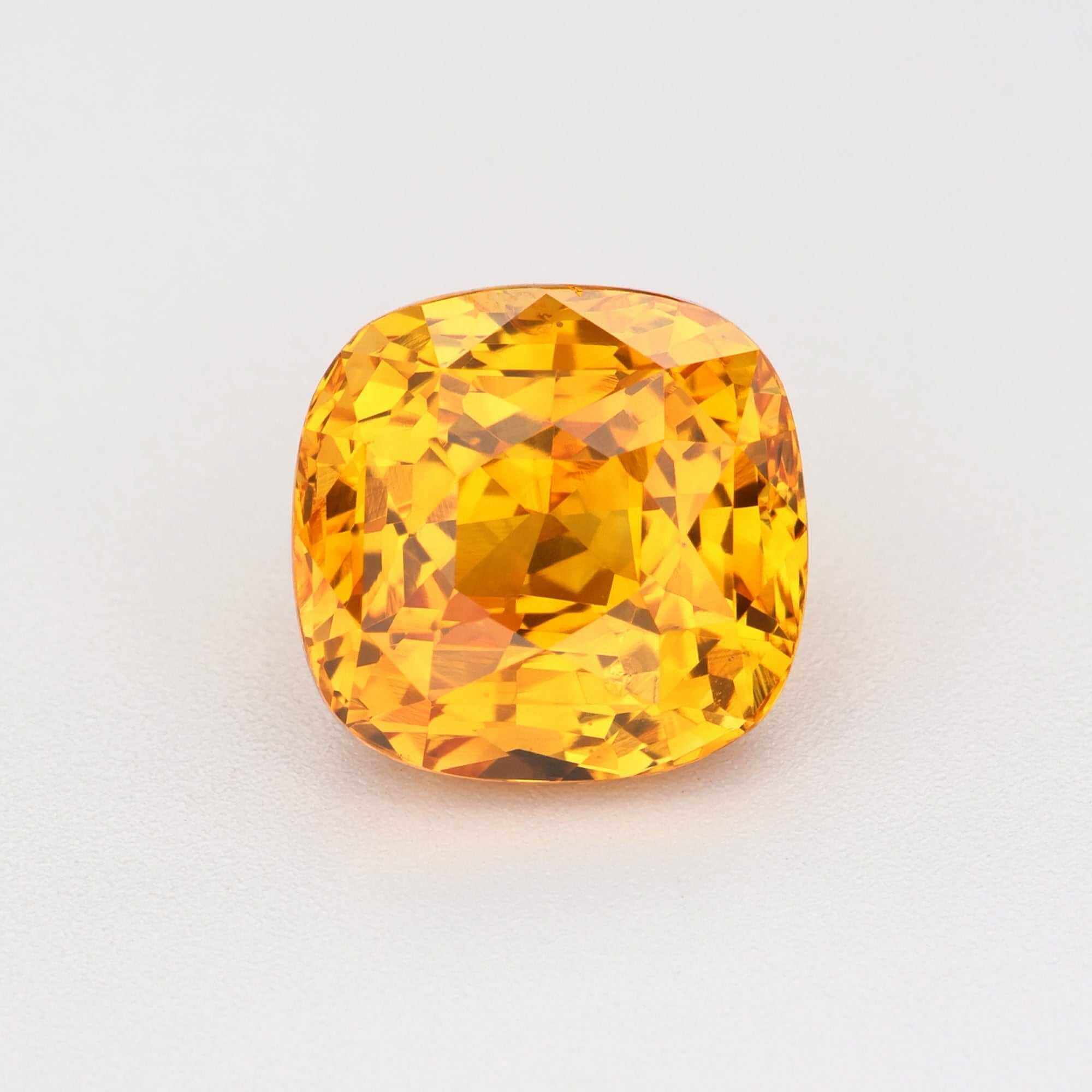
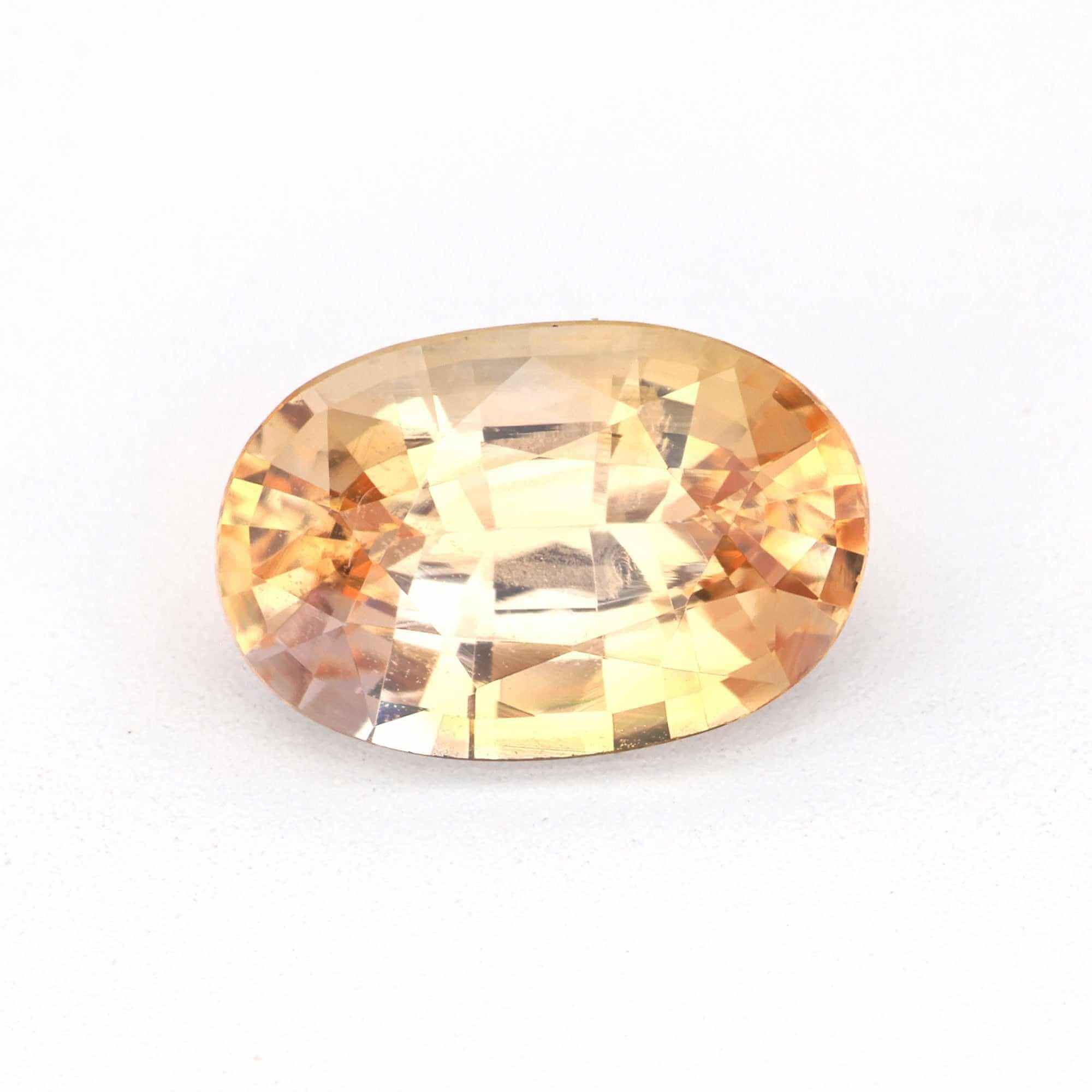
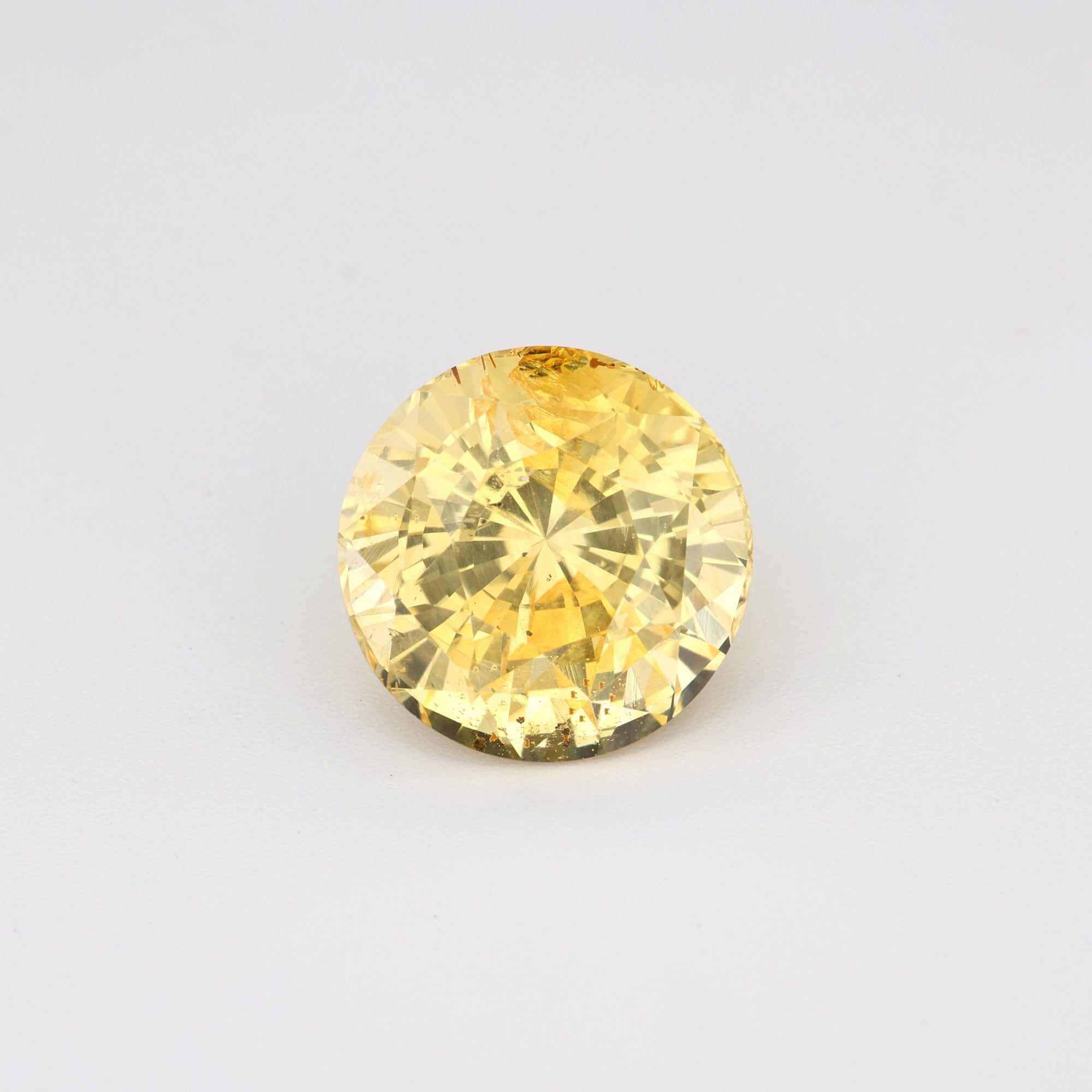
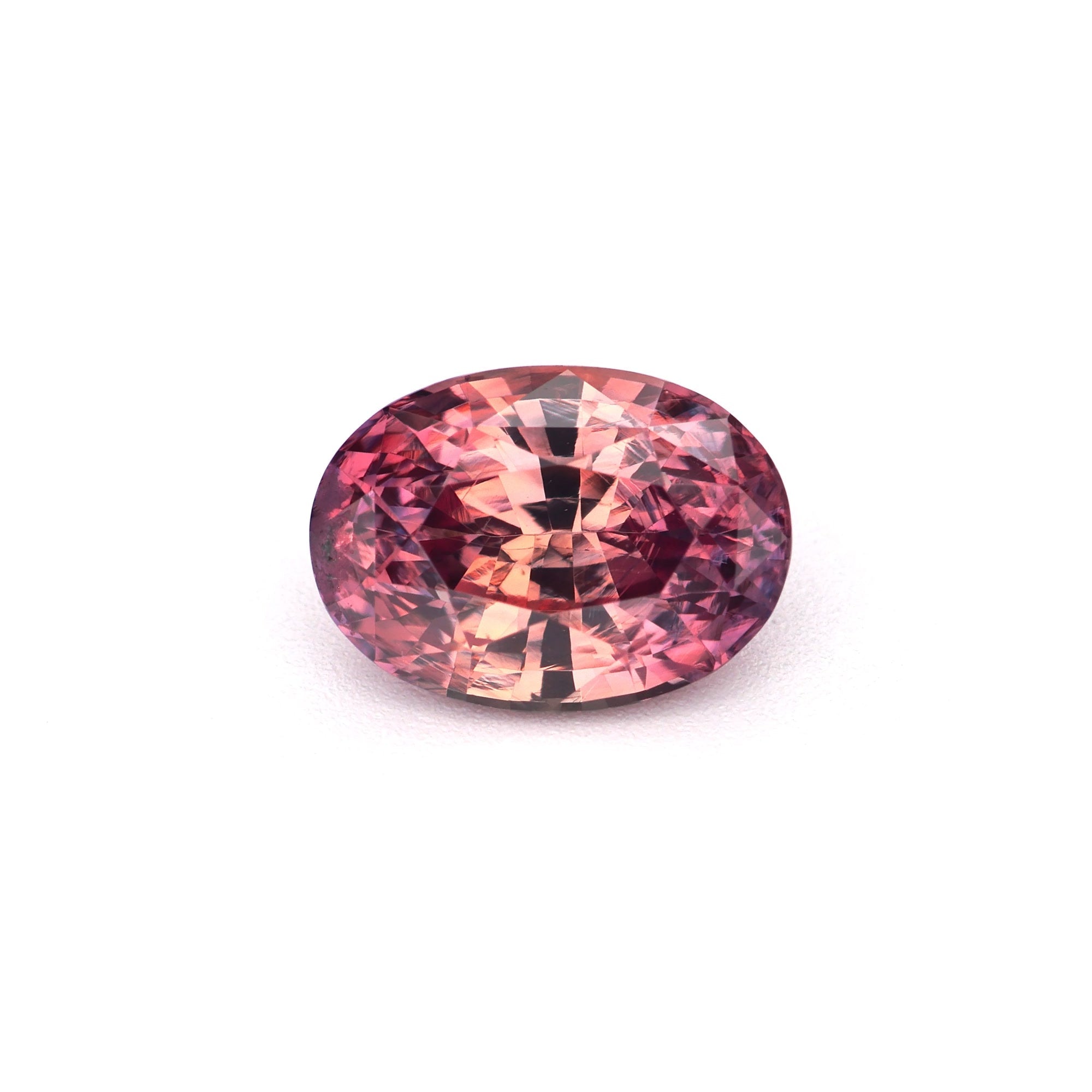
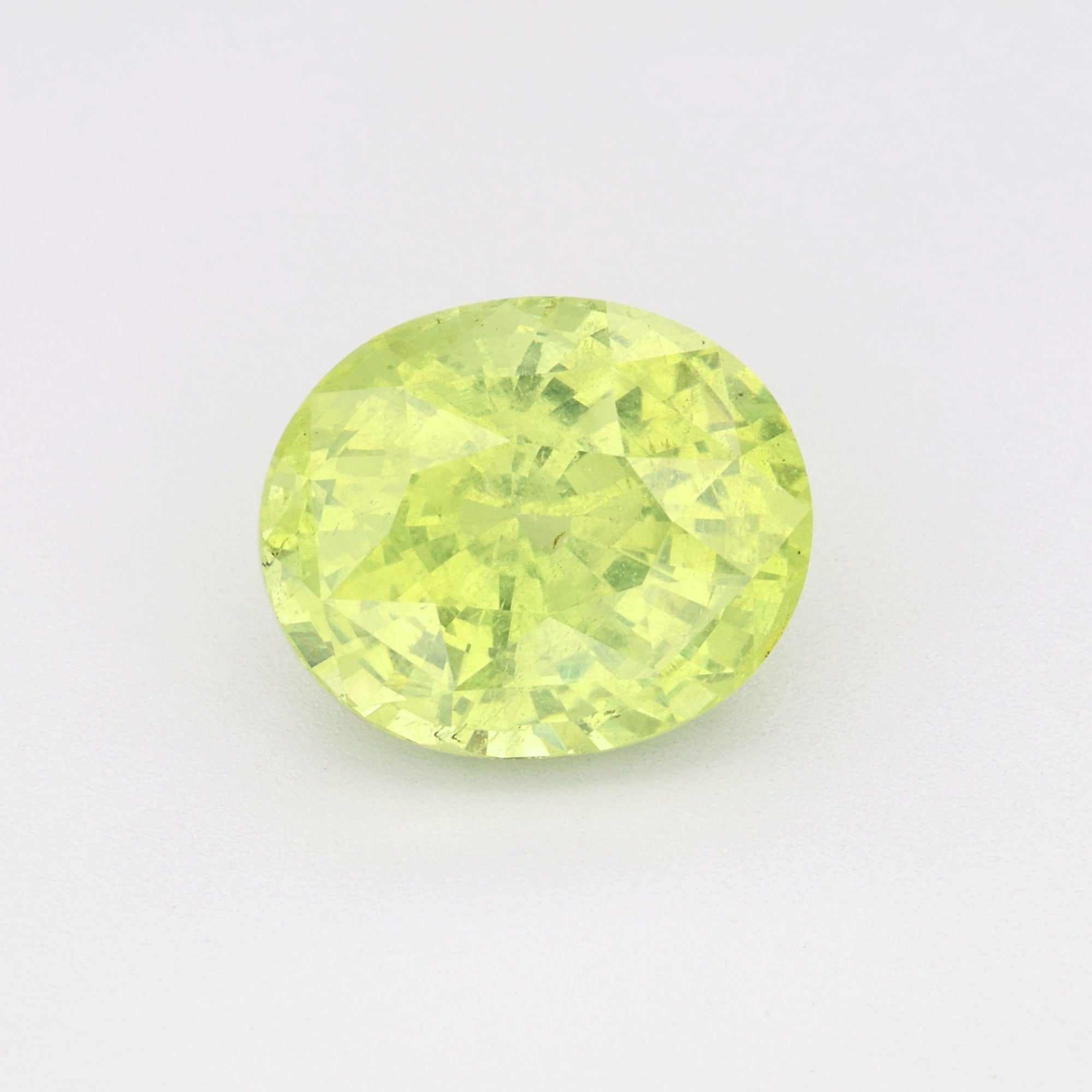
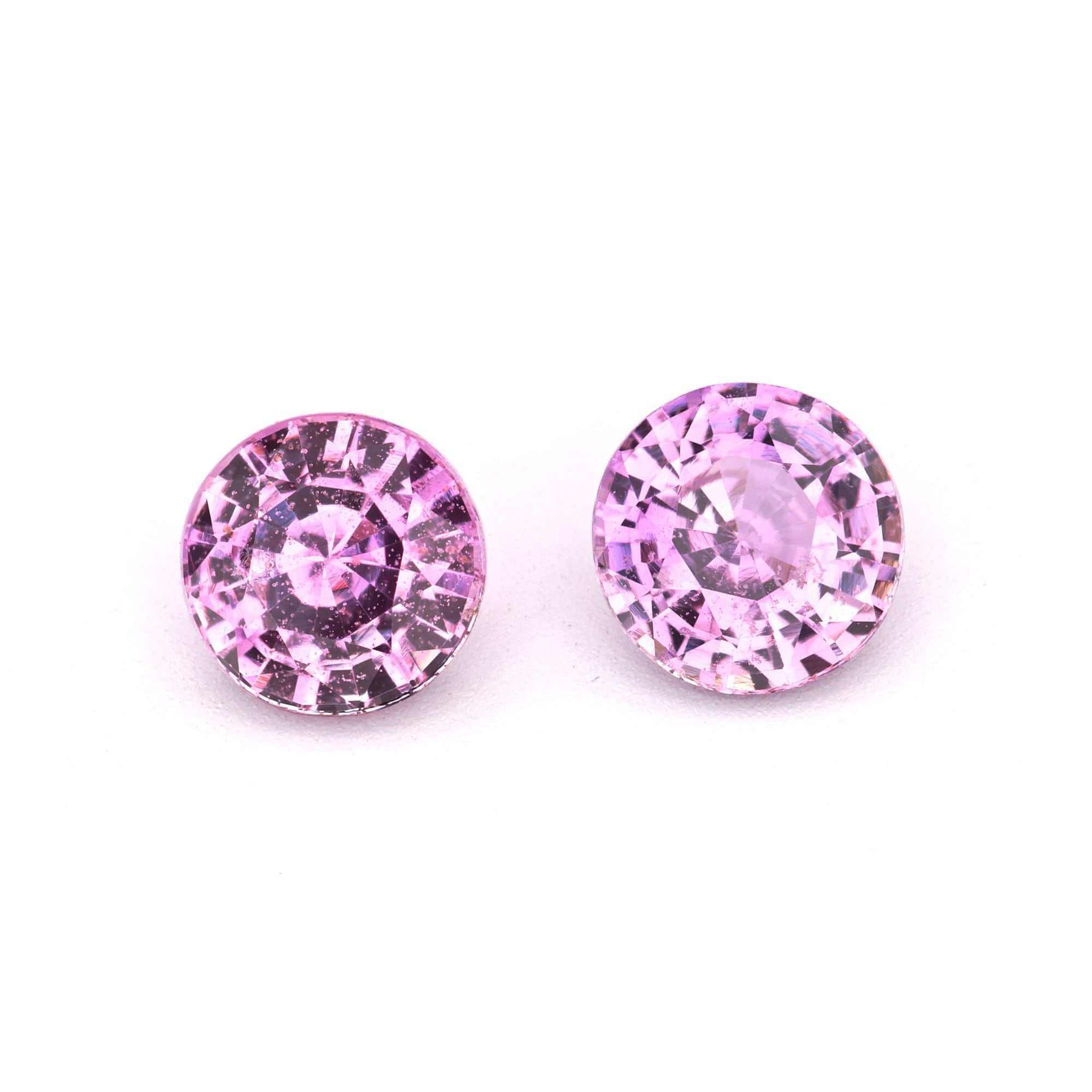
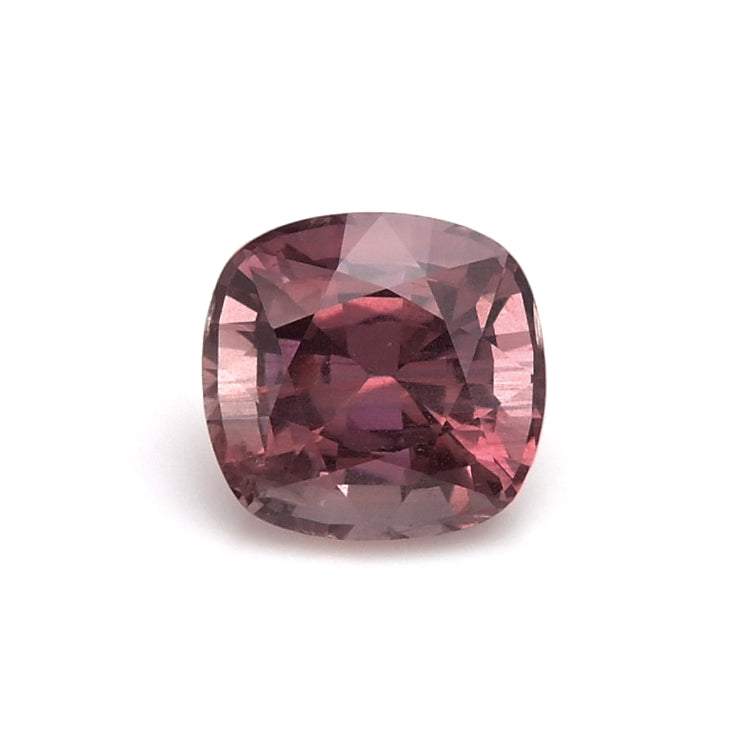
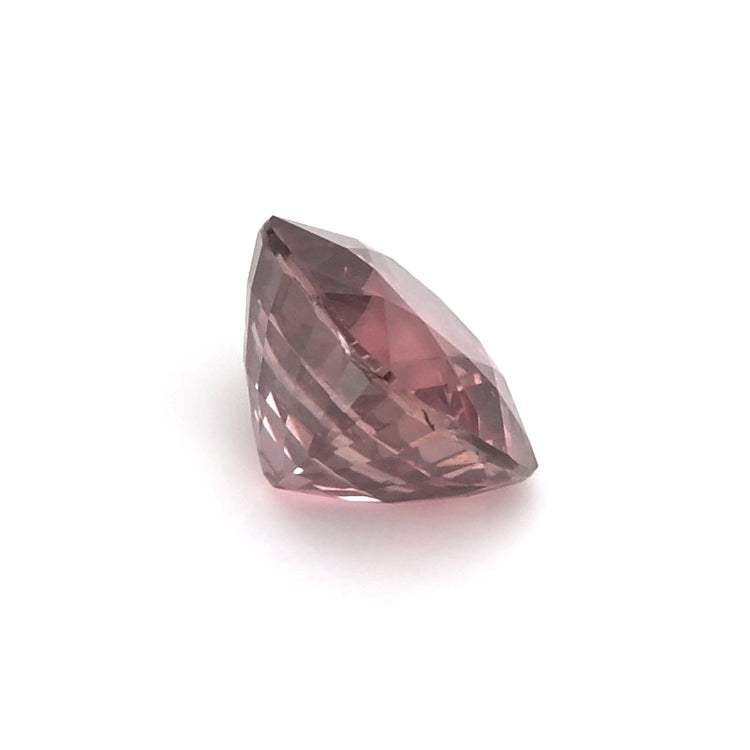
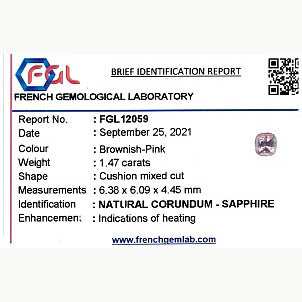
Cognac sapphire — warm orange-brown with a rich amber quality. The most commercially evocative name for the hue. Cognac-position stones have more orange than brown, reading as rich and warm in all lighting. Champagne sapphire — pale golden-brown or straw-coloured. The softest, most neutral expression of the brown family. Light-toned and subtle, with a delicate quality that pairs beautifully with both yellow and rose gold. Chocolate sapphire — deep, rich brown with minimal orange. The darkest and most saturated position. Strong, confident colour that makes a statement in jewellery. Pinkish-brown — brown with a noticeable pink or mauve component. An unusual and collector-interesting hue position that sits between the brown family and the pink-purple family, producing a warm, complex tone unlike any other sapphire colour. This is the position occupied by the current stone in this collection — a 1.47ct pinkish-brown Madagascar sapphire that reads warm and sophisticated.
Why Brown Sapphire Is Worth Understanding
Brown sapphire is consistently undervalued relative to its visual quality and practical merits. The reasons are entirely market-driven — brown has less commercial glamour than blue, pink, or teal — but the actual gemstone is identical in hardness, durability, and origin prestige. A fine pinkish-brown Ceylon sapphire at 1.5ct in excellent clarity represents more per-carat value than almost any other sapphire colour at equivalent quality because demand has not caught up to the material.
For designers and collectors who work outside mainstream colour preferences, brown sapphire is one of the most interesting buys in the current market. Its warm, earthy neutrality makes it versatile across metal types in a way that vivid blue or pink cannot match — it works with yellow gold, rose gold, white gold, oxidised silver, and bronze equally well.
Brown Sapphire for Engagement Rings and Jewellery
Brown sapphire makes a distinctive, understated engagement ring choice for buyers who want a natural gemstone that is genuinely different from the mainstream. Its Mohs 9 hardness makes it entirely suitable for daily wear — more durable than most coloured gemstones used in engagement jewellery. The warm, earthy colour suits buyers who gravitate toward organic, vintage, or nature-inspired aesthetics.
Cognac and champagne sapphire in particular pair exceptionally well with yellow gold — the warm metal and warm stone create a cohesive, rich look. Pinkish-brown sapphire pairs well with rose gold for a subtle, warm combination, or with white gold for a contrasting, sophisticated look. Chocolate sapphire in a bezel setting in oxidised silver creates a bold, contemporary aesthetic. See our sapphire engagement ring guide for full setting and sizing advice.
Madagascar Origin in This Collection
The current stone in this collection — a 1.47ct square cushion pinkish-brown — is from Madagascar. Madagascar has become one of the most commercially important sapphire sources globally, producing stones across the full colour spectrum including the brown-pink family. Madagascar pinkish-brown sapphires are typically heat treated and offer good colour saturation at accessible price points. Origin is disclosed on every listing.
We also source brown and cognac sapphires from Ceylon (Sri Lanka) when fine material is available. Ceylon-origin brown sapphires — particularly unheated pinkish-brown — are less common and command an origin premium. Email crescentgems@gmail.com if you are specifically seeking Ceylon-origin material in the brown family.
How to Add Future Brown Sapphires to This Collection
This is a smart collection — any brown, cognac, champagne, chocolate, or pinkish-brown sapphire added to our inventory with the tag Brown Sapphire Collection will appear here automatically. No manual curation needed as inventory grows.
Frequently Asked Questions
What is brown sapphire?
Brown sapphire is natural corundum coloured by combinations of iron and titanium, producing warm neutral hues ranging from pale champagne through cognac orange-brown to deep chocolate and unusual pinkish-brown. It scores 9 on the Mohs hardness scale, identical to blue sapphire, making it entirely suitable for daily-wear jewellery. The brown sapphire family includes stones marketed as cognac sapphire, champagne sapphire, chocolate sapphire, and pinkish-brown sapphire — all natural corundum in the warm neutral colour zone.
What is the difference between cognac, champagne, and chocolate sapphire?
These are trade names for hue positions within the brown sapphire family. Cognac sapphire is warm orange-brown with a rich amber quality. Champagne sapphire is pale golden-brown, soft and subtle. Chocolate sapphire is deep, saturated brown with minimal orange modifier. Pinkish-brown sapphire has a noticeable pink or mauve component alongside the brown. All are natural corundum; the names describe where on the brown spectrum the individual stone sits.
Is brown sapphire valuable?
Brown sapphire is significantly undervalued relative to its rarity and practical quality — demand has not caught up to the material's merits. Fine pinkish-brown Ceylon sapphire in good clarity represents exceptional value per carat compared to other sapphire colours at equivalent quality. As collector interest in non-traditional sapphire colours grows, brown and cognac sapphires are increasingly recognised as underpriced. For investment buyers, this represents an opportunity rather than a limitation.
Is brown sapphire good for an engagement ring?
Yes, for buyers who want something genuinely different. Brown sapphire's Mohs 9 hardness makes it entirely suitable for daily wear. Its warm, earthy neutrality suits organic, vintage, and nature-inspired aesthetics. Cognac and champagne sapphires pair particularly well with yellow gold. Pinkish-brown sapphire works beautifully with rose gold. It is not a mainstream choice — which is precisely its appeal to buyers who are looking outside conventional options.
What is pinkish-brown sapphire?
Pinkish-brown sapphire sits at the boundary between the brown and pink-purple sapphire families, containing noticeable pink or mauve alongside the warm brown base colour. It produces a complex, sophisticated tone that is unlike any other sapphire colour. It is an unusual hue position — most sapphire buyers are unfamiliar with it — which contributes to its undervaluation relative to its visual interest. The current stone in this collection is a 1.47ct Madagascar pinkish-brown that illustrates this hue position clearly.
Can I request a specific brown sapphire?
Yes. If you are looking for a specific hue position — cognac, champagne, chocolate, pinkish-brown — or a specific carat weight, cut, or origin, email crescentgems@gmail.com with your specification and budget. We source to order through our international buying network. Brown sapphire in fine quality is available; it simply requires knowing what to ask for.
Can I try a stone before buying?
Yes — the stone in this collection is Try-On eligible. It ships for in-hand evaluation before payment. Email crescentgems@gmail.com to confirm. Every purchase includes a 14-day return policy and free US shipping.
Related collections: All sapphires · Orange sapphire · Peach sapphire · Investment gemstones · Fancy cut sapphires
Looking for a cognac, champagne, or chocolate sapphire not shown here? Email crescentgems@gmail.com — we source to specification. Free US shipping. 14-day returns.
Natural Brown Sapphire — Cognac, Champagne, Chocolate and Pinkish-Brown Loose Stones
Brown sapphire is one of the most underappreciated colour families in natural corundum. Marketed variously as cognac sapphire, champagne sapphire, chocolate sapphire, and pinkish-brown sapphire depending on the specific hue position, these stones share the extraordinary hardness of blue sapphire (Mohs 9, second only to diamond) with a warm, earthy colour that has no real competitor in the natural gemstone world at this price tier. Every stone in this collection is natural corundum, sold with full origin and treatment disclosure, and photographed under standardised lighting.
The Brown Sapphire Colour Family — What the Names Mean
Brown sapphire is coloured by combinations of iron and titanium in the corundum crystal, producing a range of warm, neutral hues that the trade describes under several names depending on the specific tone.
Cognac sapphire — warm orange-brown with a rich amber quality. The most commercially evocative name for the hue. Cognac-position stones have more orange than brown, reading as rich and warm in all lighting. Champagne sapphire — pale golden-brown or straw-coloured. The softest, most neutral expression of the brown family. Light-toned and subtle, with a delicate quality that pairs beautifully with both yellow and rose gold. Chocolate sapphire — deep, rich brown with minimal orange. The darkest and most saturated position. Strong, confident colour that makes a statement in jewellery. Pinkish-brown — brown with a noticeable pink or mauve component. An unusual and collector-interesting hue position that sits between the brown family and the pink-purple family, producing a warm, complex tone unlike any other sapphire colour. This is the position occupied by the current stone in this collection — a 1.47ct pinkish-brown Madagascar sapphire that reads warm and sophisticated.
Why Brown Sapphire Is Worth Understanding
Brown sapphire is consistently undervalued relative to its visual quality and practical merits. The reasons are entirely market-driven — brown has less commercial glamour than blue, pink, or teal — but the actual gemstone is identical in hardness, durability, and origin prestige. A fine pinkish-brown Ceylon sapphire at 1.5ct in excellent clarity represents more per-carat value than almost any other sapphire colour at equivalent quality because demand has not caught up to the material.
For designers and collectors who work outside mainstream colour preferences, brown sapphire is one of the most interesting buys in the current market. Its warm, earthy neutrality makes it versatile across metal types in a way that vivid blue or pink cannot match — it works with yellow gold, rose gold, white gold, oxidised silver, and bronze equally well.
Brown Sapphire for Engagement Rings and Jewellery
Brown sapphire makes a distinctive, understated engagement ring choice for buyers who want a natural gemstone that is genuinely different from the mainstream. Its Mohs 9 hardness makes it entirely suitable for daily wear — more durable than most coloured gemstones used in engagement jewellery. The warm, earthy colour suits buyers who gravitate toward organic, vintage, or nature-inspired aesthetics.
Cognac and champagne sapphire in particular pair exceptionally well with yellow gold — the warm metal and warm stone create a cohesive, rich look. Pinkish-brown sapphire pairs well with rose gold for a subtle, warm combination, or with white gold for a contrasting, sophisticated look. Chocolate sapphire in a bezel setting in oxidised silver creates a bold, contemporary aesthetic. See our sapphire engagement ring guide for full setting and sizing advice.
Madagascar Origin in This Collection
The current stone in this collection — a 1.47ct square cushion pinkish-brown — is from Madagascar. Madagascar has become one of the most commercially important sapphire sources globally, producing stones across the full colour spectrum including the brown-pink family. Madagascar pinkish-brown sapphires are typically heat treated and offer good colour saturation at accessible price points. Origin is disclosed on every listing.
We also source brown and cognac sapphires from Ceylon (Sri Lanka) when fine material is available. Ceylon-origin brown sapphires — particularly unheated pinkish-brown — are less common and command an origin premium. Email crescentgems@gmail.com if you are specifically seeking Ceylon-origin material in the brown family.
How to Add Future Brown Sapphires to This Collection
This is a smart collection — any brown, cognac, champagne, chocolate, or pinkish-brown sapphire added to our inventory with the tag Brown Sapphire Collection will appear here automatically. No manual curation needed as inventory grows.
Frequently Asked Questions
What is brown sapphire?
Brown sapphire is natural corundum coloured by combinations of iron and titanium, producing warm neutral hues ranging from pale champagne through cognac orange-brown to deep chocolate and unusual pinkish-brown. It scores 9 on the Mohs hardness scale, identical to blue sapphire, making it entirely suitable for daily-wear jewellery. The brown sapphire family includes stones marketed as cognac sapphire, champagne sapphire, chocolate sapphire, and pinkish-brown sapphire — all natural corundum in the warm neutral colour zone.
What is the difference between cognac, champagne, and chocolate sapphire?
These are trade names for hue positions within the brown sapphire family. Cognac sapphire is warm orange-brown with a rich amber quality. Champagne sapphire is pale golden-brown, soft and subtle. Chocolate sapphire is deep, saturated brown with minimal orange modifier. Pinkish-brown sapphire has a noticeable pink or mauve component alongside the brown. All are natural corundum; the names describe where on the brown spectrum the individual stone sits.
Is brown sapphire valuable?
Brown sapphire is significantly undervalued relative to its rarity and practical quality — demand has not caught up to the material's merits. Fine pinkish-brown Ceylon sapphire in good clarity represents exceptional value per carat compared to other sapphire colours at equivalent quality. As collector interest in non-traditional sapphire colours grows, brown and cognac sapphires are increasingly recognised as underpriced. For investment buyers, this represents an opportunity rather than a limitation.
Is brown sapphire good for an engagement ring?
Yes, for buyers who want something genuinely different. Brown sapphire's Mohs 9 hardness makes it entirely suitable for daily wear. Its warm, earthy neutrality suits organic, vintage, and nature-inspired aesthetics. Cognac and champagne sapphires pair particularly well with yellow gold. Pinkish-brown sapphire works beautifully with rose gold. It is not a mainstream choice — which is precisely its appeal to buyers who are looking outside conventional options.
What is pinkish-brown sapphire?
Pinkish-brown sapphire sits at the boundary between the brown and pink-purple sapphire families, containing noticeable pink or mauve alongside the warm brown base colour. It produces a complex, sophisticated tone that is unlike any other sapphire colour. It is an unusual hue position — most sapphire buyers are unfamiliar with it — which contributes to its undervaluation relative to its visual interest. The current stone in this collection is a 1.47ct Madagascar pinkish-brown that illustrates this hue position clearly.
Can I request a specific brown sapphire?
Yes. If you are looking for a specific hue position — cognac, champagne, chocolate, pinkish-brown — or a specific carat weight, cut, or origin, email crescentgems@gmail.com with your specification and budget. We source to order through our international buying network. Brown sapphire in fine quality is available; it simply requires knowing what to ask for.
Can I try a stone before buying?
Yes — the stone in this collection is Try-On eligible. It ships for in-hand evaluation before payment. Email crescentgems@gmail.com to confirm. Every purchase includes a 14-day return policy and free US shipping.
Related collections: All sapphires · Orange sapphire · Peach sapphire · Investment gemstones · Fancy cut sapphires
Looking for a cognac, champagne, or chocolate sapphire not shown here? Email crescentgems@gmail.com — we source to specification. Free US shipping. 14-day returns.

CG7972