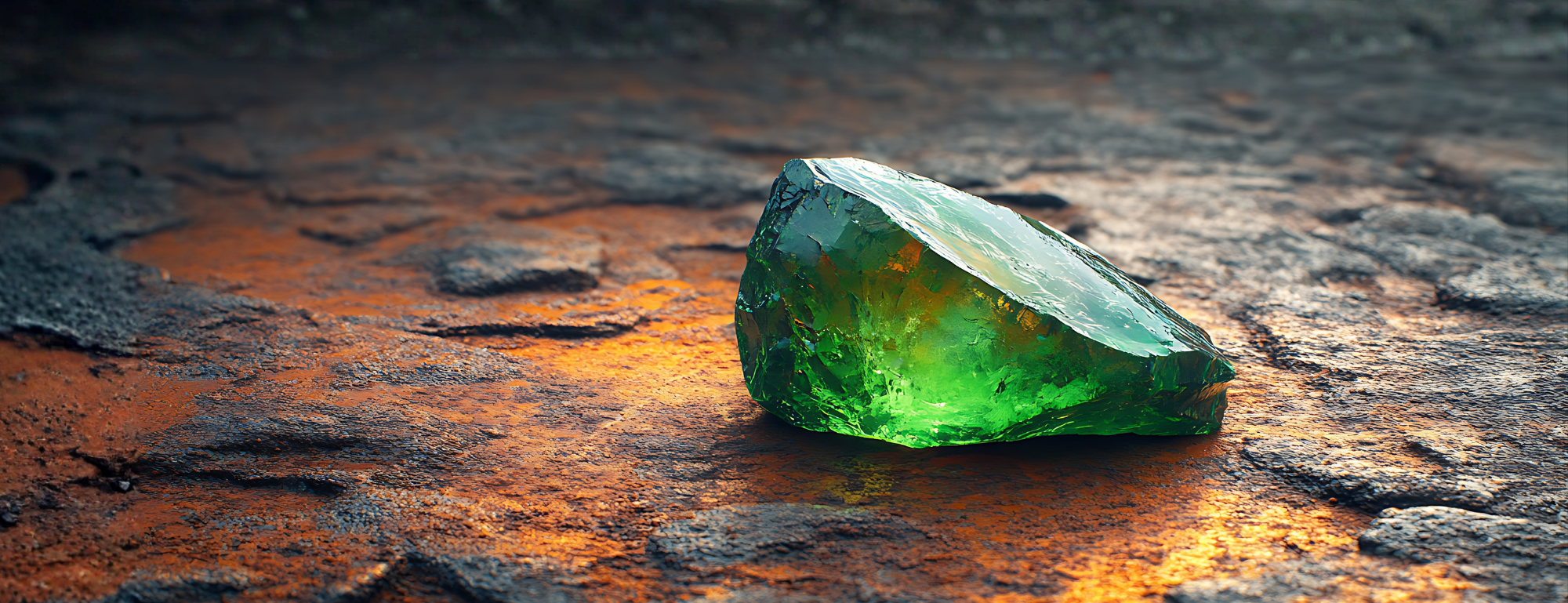
Yellow Sapphire gemstones — Unheated Ceylon Stones
Yellow Sapphire gemstones is corundum colored by trace iron — the same mineral as ruby and blue sapphire, but in a warm, golden expression. It ranks 9 on the Mohs scale, making it among the most durable gemstones on earth, and it has long held cultural and astrological significance, especially across South Asia where it's traditionally associated with the planet Jupiter in Vedic (Jyotish) practice. Unheated, natural yellow sapphire is the form most prized by both collectors and traditional buyers.
Why our Ceylon Yellow Sapphire gemstones
Our Yellow Sapphire gemstones are sourced directly from Sri Lanka, where some of the world's finest natural yellows have been mined for centuries. The majority of stones in this collection are unheated — they display their golden hue without any thermal treatment, which is the rarest and most collectible form. Premium pieces ship with GIA reports, and every loose stone is photographed under standardized lighting against a neutral background so the color you see online is the color in your hand.
How to choose a yellow sapphire
Hue. Yellow sapphire spans pale lemon through vivid canary into deep golden. The vivid mid-tone "canary" or "buttercup" yellow is the most prized by collectors and the most flattering across skin tones. Light yellow has a softer, more romantic presence; deep golden reads more like topaz at a distance.
Saturation. Vividness matters more than depth. A medium-tone, highly saturated yellow has more presence than a darker stone with brownish or olive undertones.
Cut. Oval and cushion cuts maximize face-up color and are favorites for engagement settings. Emerald cuts emphasize clarity and a stepped, architectural look. Rounds work beautifully in solitaires and as designer side stones.
Carat. Sub-carat yellow sapphires start under $200. One-carat unheated Ceylon yellows typically range from $400 to $1,500 depending on saturation and clarity. Investment-grade stones above two carats with strong color move into four figures and beyond.
Engagement, design, and Jyotish
Yellow sapphire is an increasingly popular choice for non-traditional engagement rings — warmer than a diamond, more durable than citrine or yellow topaz, and significantly rarer than either. For Jyotish (Vedic astrology) buyers, an unheated, natural yellow sapphire is the traditional requirement; we explicitly disclose treatment status on every product page. Designers prize matched pairs and calibrated rounds for accent work — see our matched pairs collection.
Have a question about a specific stone or want help choosing? Email crescentgems@gmail.com — we respond personally within one business day. Every loose stone qualifies for our 14-day return policy. Select pieces are available through our Try-On program so you can see the stone in person before deciding. Free US shipping on every order.
Yellow Sapphire gemstones is corundum colored by trace iron — the same mineral as ruby and blue sapphire, but in a warm, golden expression. It ranks 9 on the Mohs scale, making it among the most durable gemstones on earth, and it has long held cultural and astrological significance, especially across South Asia where it's traditionally associated with the planet Jupiter in Vedic (Jyotish) practice. Unheated, natural yellow sapphire is the form most prized by both collectors and traditional buyers.
Why our Ceylon Yellow Sapphire gemstones
Our Yellow Sapphire gemstones are sourced directly from Sri Lanka, where some of the world's finest natural yellows have been mined for centuries. The majority of stones in this collection are unheated — they display their golden hue without any thermal treatment, which is the rarest and most collectible form. Premium pieces ship with GIA reports, and every loose stone is photographed under standardized lighting against a neutral background so the color you see online is the color in your hand.
How to choose a yellow sapphire
Hue. Yellow sapphire spans pale lemon through vivid canary into deep golden. The vivid mid-tone "canary" or "buttercup" yellow is the most prized by collectors and the most flattering across skin tones. Light yellow has a softer, more romantic presence; deep golden reads more like topaz at a distance.
Saturation. Vividness matters more than depth. A medium-tone, highly saturated yellow has more presence than a darker stone with brownish or olive undertones.
Cut. Oval and cushion cuts maximize face-up color and are favorites for engagement settings. Emerald cuts emphasize clarity and a stepped, architectural look. Rounds work beautifully in solitaires and as designer side stones.
Carat. Sub-carat yellow sapphires start under $200. One-carat unheated Ceylon yellows typically range from $400 to $1,500 depending on saturation and clarity. Investment-grade stones above two carats with strong color move into four figures and beyond.
Engagement, design, and Jyotish
Yellow sapphire is an increasingly popular choice for non-traditional engagement rings — warmer than a diamond, more durable than citrine or yellow topaz, and significantly rarer than either. For Jyotish (Vedic astrology) buyers, an unheated, natural yellow sapphire is the traditional requirement; we explicitly disclose treatment status on every product page. Designers prize matched pairs and calibrated rounds for accent work — see our matched pairs collection.
Have a question about a specific stone or want help choosing? Email crescentgems@gmail.com — we respond personally within one business day. Every loose stone qualifies for our 14-day return policy. Select pieces are available through our Try-On program so you can see the stone in person before deciding. Free US shipping on every order.
CG8413
3.64 ct natural chrysoberyl gemstone~ GIA
CG8450
7.00 ct Untreated Ceylon Yellow Sapphire
CG8134
2.48 ct Cushion Pale Yellow Sapphire ~ Unheated, GIA
CG8433
CG8434
CG8431
CG8428
1.07 Ct Round Yellow Sapphire – Untreated
CG8419
1.82 ct Ceylon yellow sapphire gemstone ~ Unheated
CG8394
0.62 ct Oval Yellow Sapphire— Unheated, Ceylon
CG8390
CG8389
0.43 ct Round Unheated Yellow Sapphire