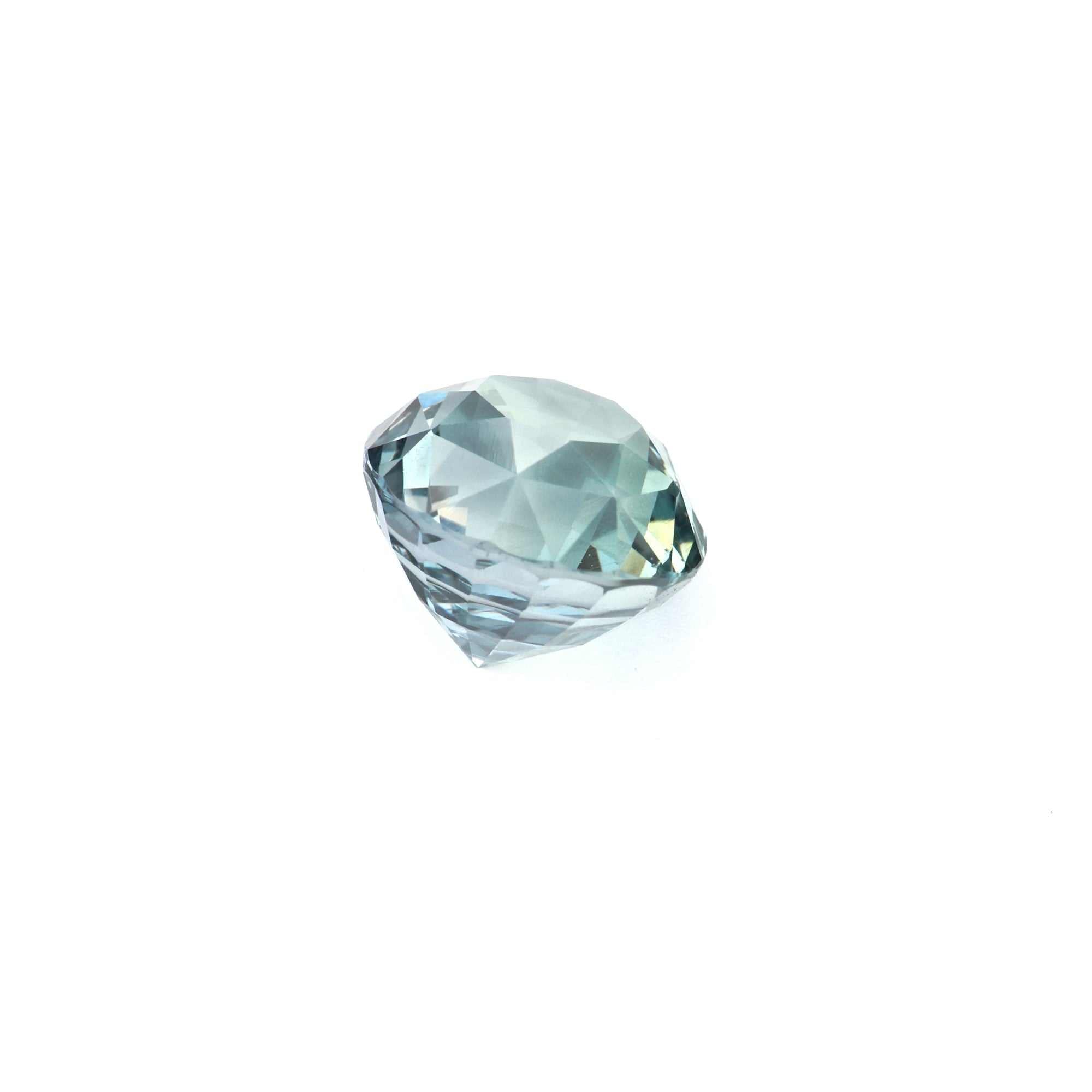
Teal Sapphire gemstones — Unheated Blue-Green Stones
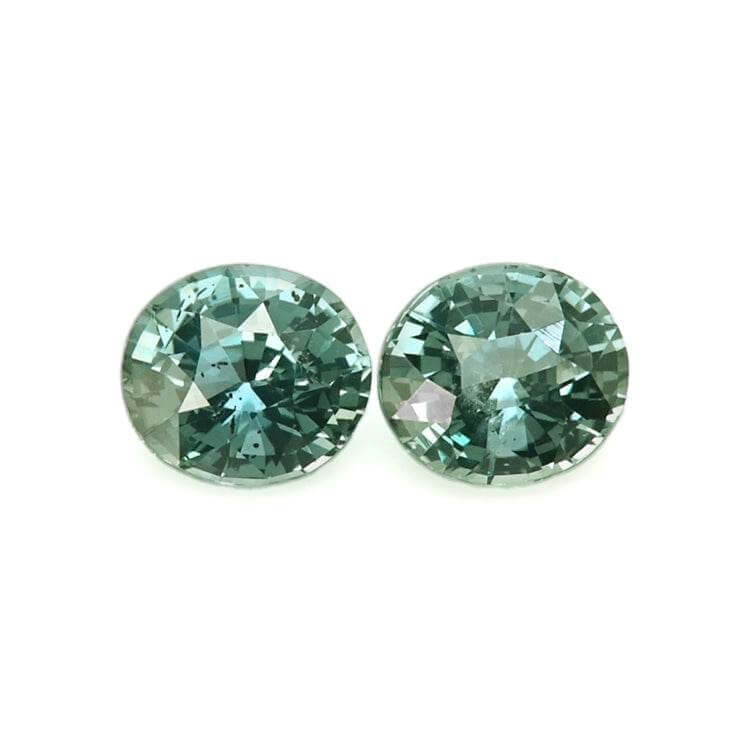
Teal Sapphire gemstones sits in one of nature's most coveted color spaces — the blue-green hybrid where the deep cool of blue sapphire meets the verdant freshness of green. It's the same corundum mineral as classic blue and yellow sapphire (9 on the Mohs scale, ideal for daily wear), with iron and titanium combining to produce a color range that includes deep ocean teal, peacock blue-green, and the lighter "mermaid" teals that have driven a major wave of demand from custom-engagement-ring buyers and designers over the last several years.
Why our Ceylon Teal Sapphire gemstones
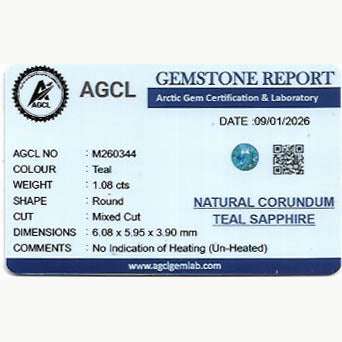
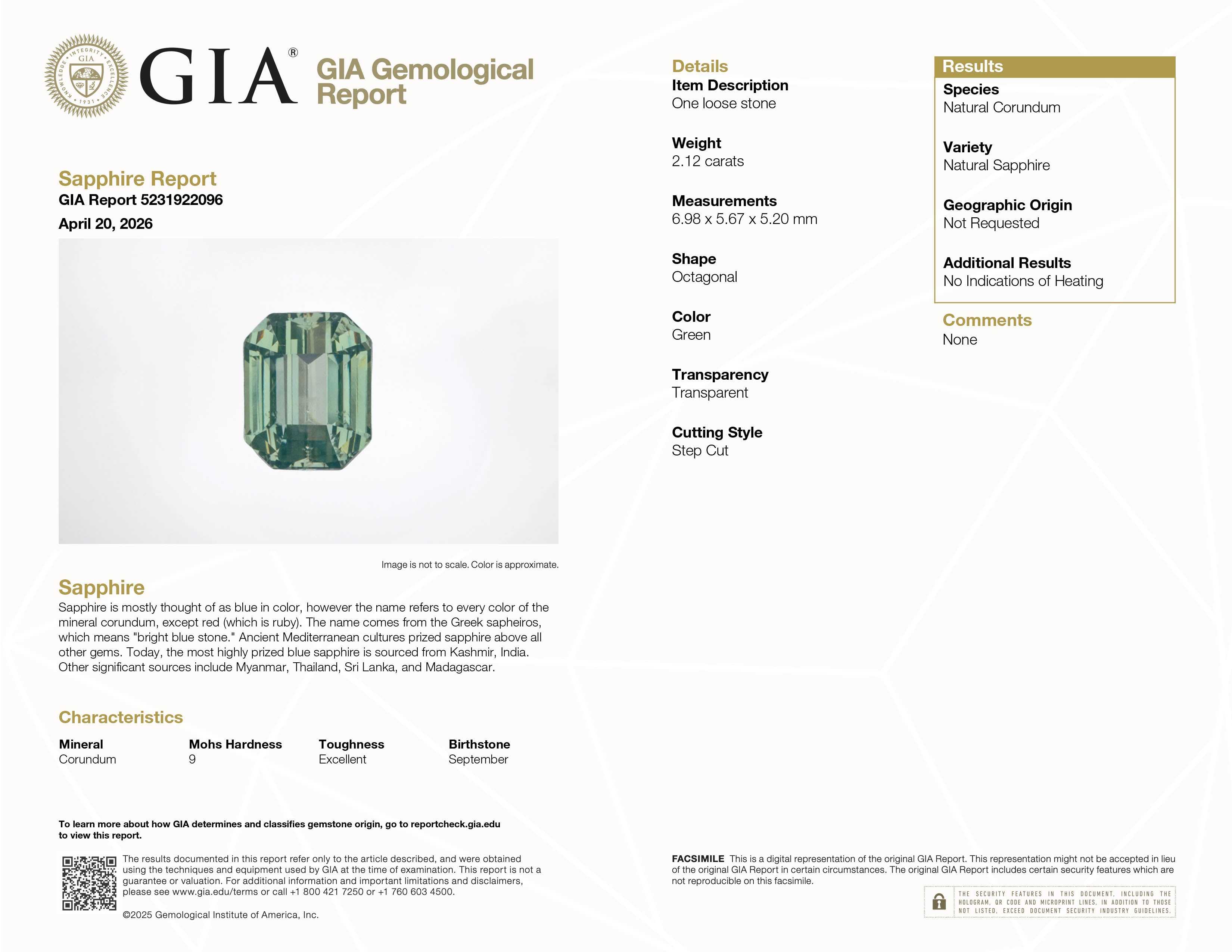
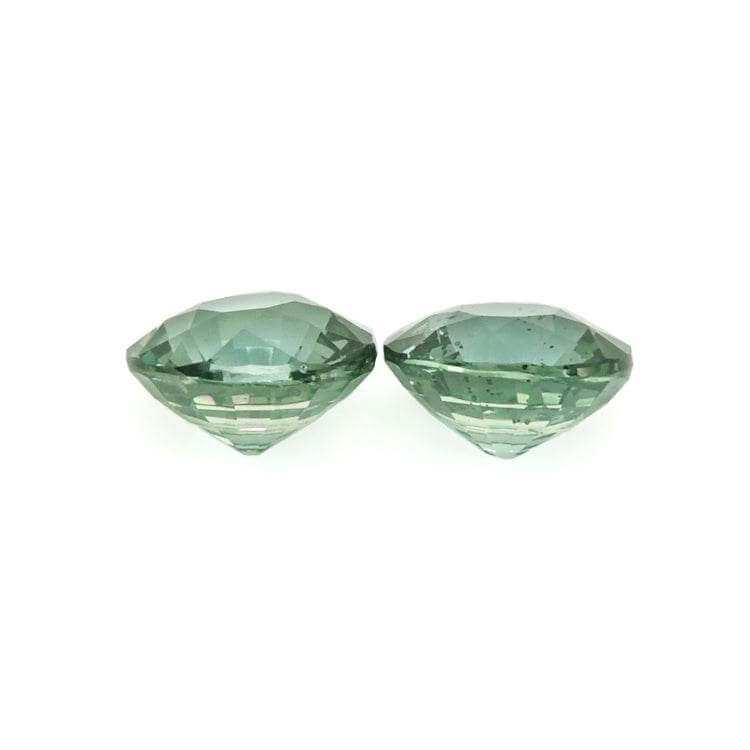
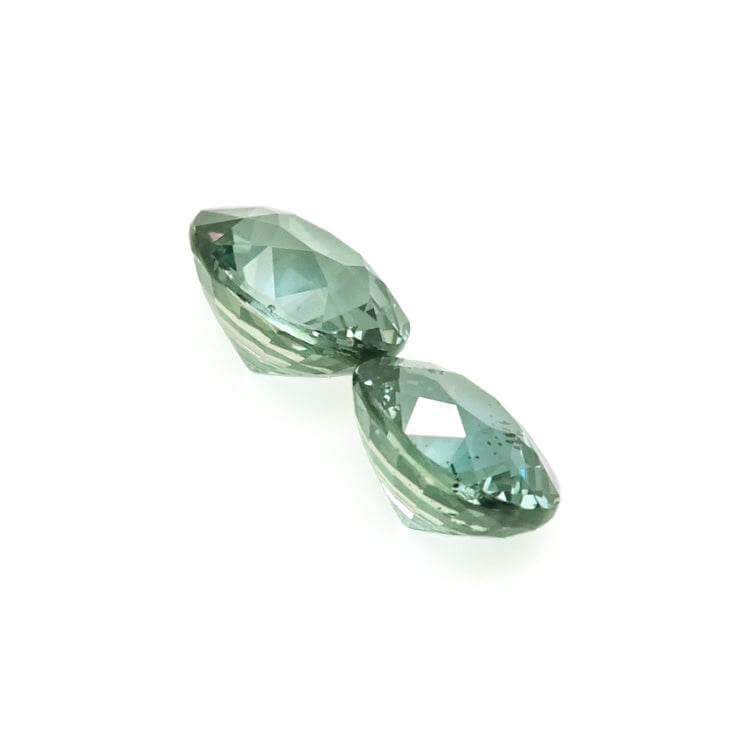
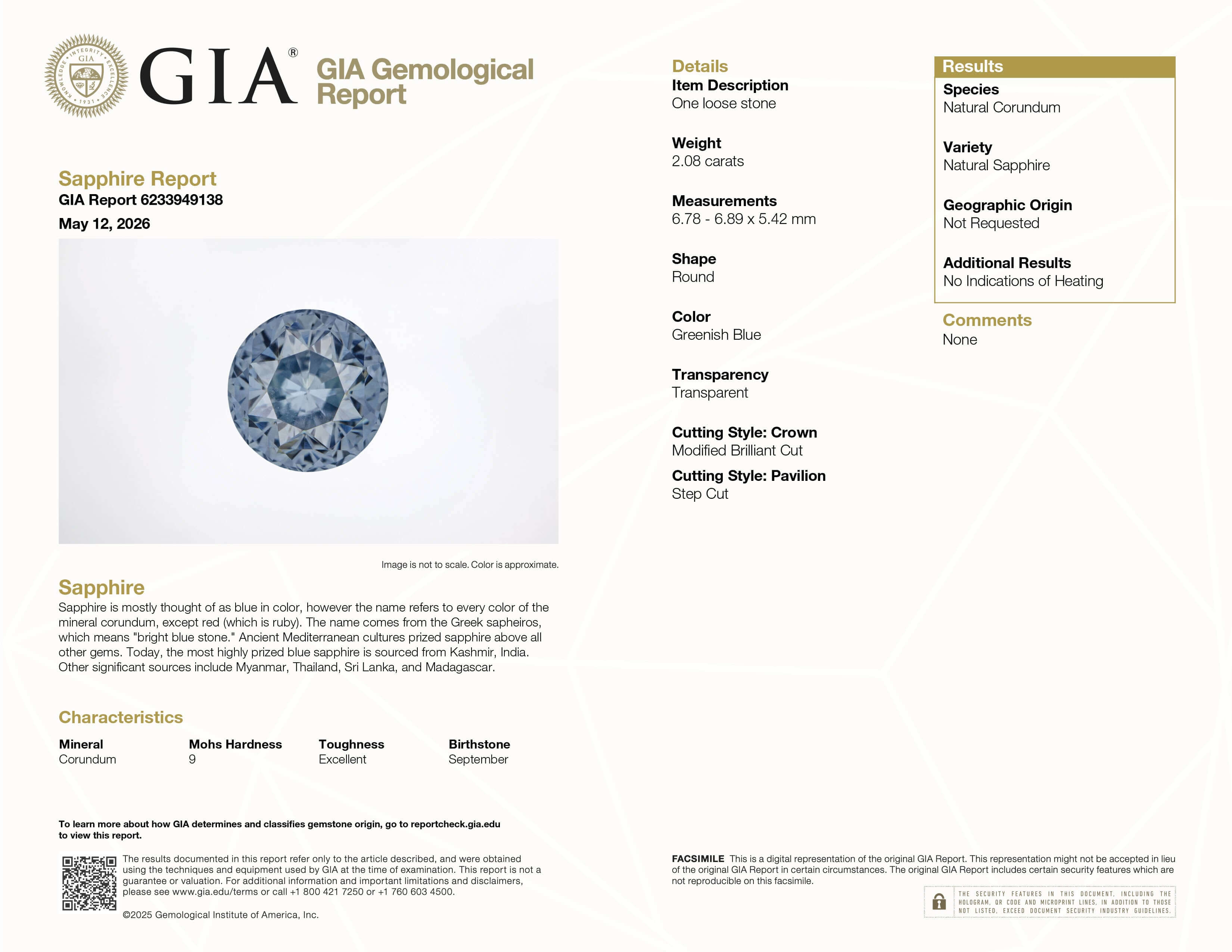
Our Teal Sapphire gemstones come primarily from Africa. Almost every teal sapphire in this collection is unheated — teal is one of the few sapphire colors where heat treatment can flatten the color rather than improve it, so the finest teal stones are natural as cut. Premium pieces ship with GIA reports documenting weight, dimensions, and treatment status. Every stone is photographed under standardized lighting against a neutral background so what you see online is what arrives in your hand.
How to choose a teal sapphire
Hue balance. The blue-to-green ratio determines a teal sapphire's character. Stones leaning bluer ("blue-teal") read closer to traditional sapphire; stones leaning greener ("green-teal" or "peacock") have more vintage charm. Most buyers prefer a 60/40 blue-to-green mix, though personal taste varies widely.
Saturation. A teal sapphire should be saturated enough to read clearly as teal — not so light that it looks washed out, not so dark that the green disappears under shadow.
Color-change behavior. Some teal sapphires shift slightly toward blue indoors and toward green in daylight. This is a sought-after feature, not a defect.
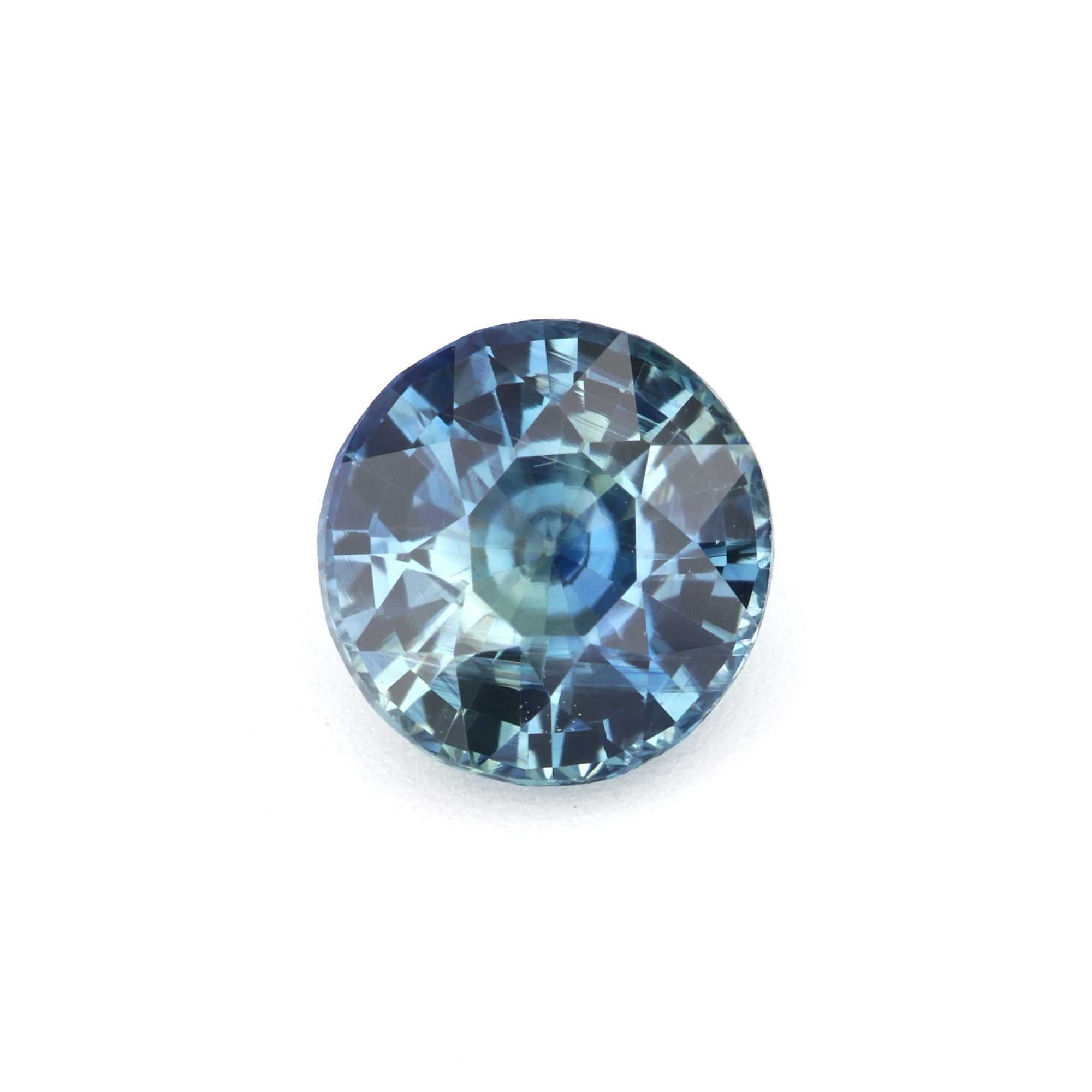
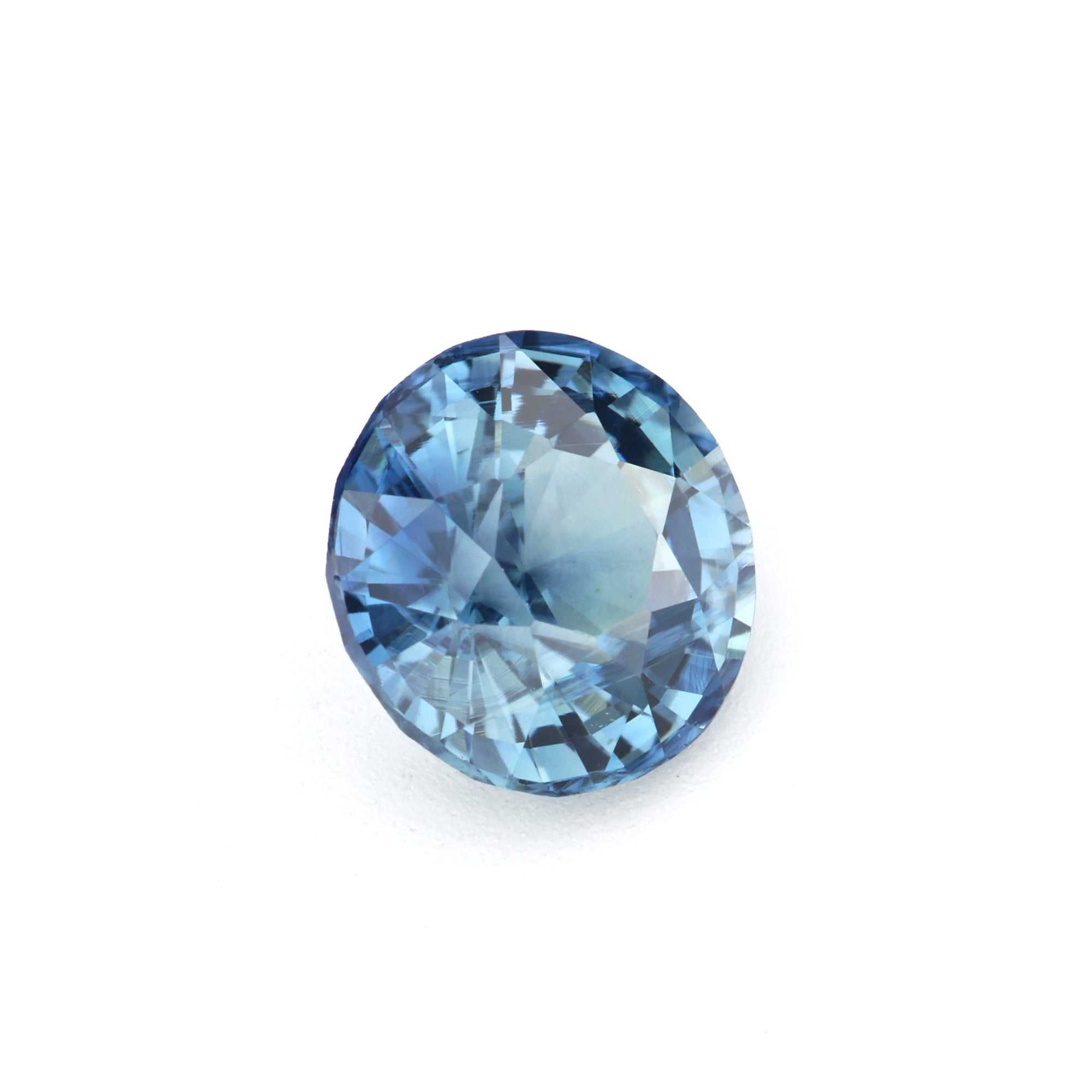
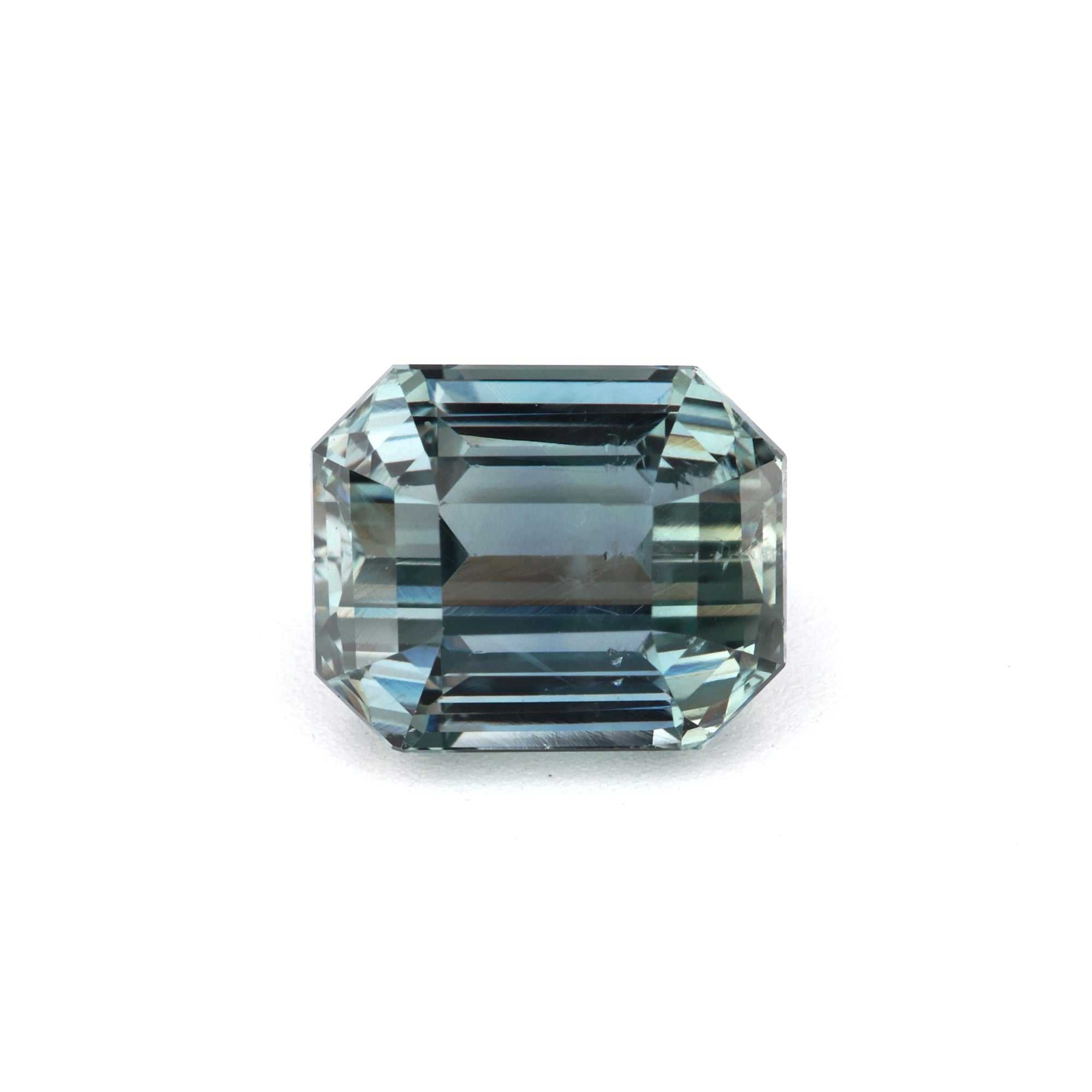
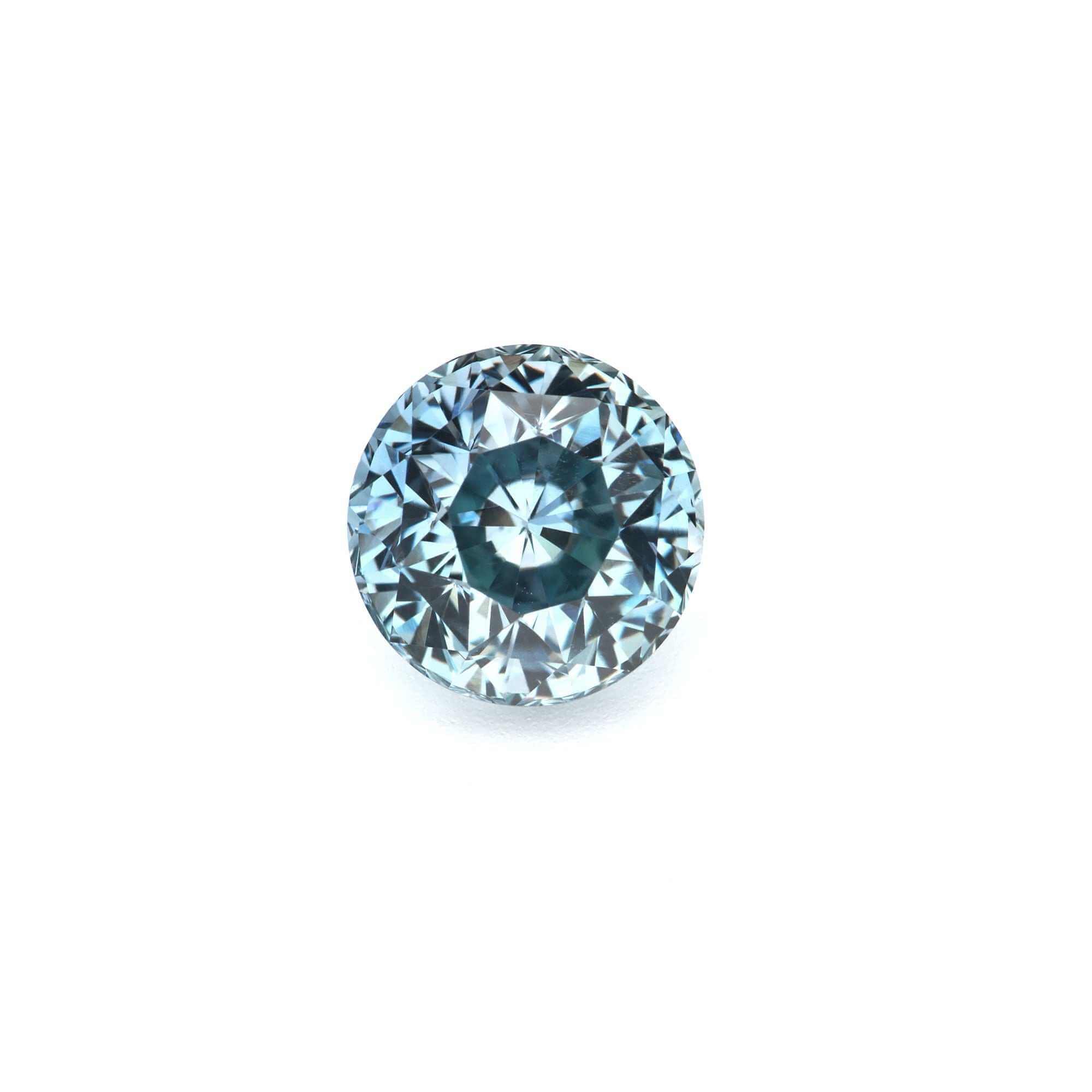
Cut. Oval and cushion dominate. Rectangular cushions and emerald cuts are favorites for vintage-inspired settings. Round teals are rarer and prized by designers.
Carat. One-carat unheated teal sapphires typically range from the high three figures to mid four figures depending on hue, saturation, and clarity.
Non-traditional engagement and bespoke design
Teal sapphire is the leading non-traditional engagement-ring stone of the current decade — it pairs beautifully with both yellow and white gold, holds up to daily wear, and looks dramatically unlike anything most jewelers stock. Designers love matched pairs of teal sapphires for accent work (see our matched pairs collection); collectors value unheated, GIA-documented pieces.
Want help comparing two stones, or have a specific shade in mind? Email crescentgems@gmail.com — we respond within one business day. Every loose stone is returnable for 14 days, and select pieces are available through our Try-On program. Free US shipping on every order.
Teal Sapphire gemstones sits in one of nature's most coveted color spaces — the blue-green hybrid where the deep cool of blue sapphire meets the verdant freshness of green. It's the same corundum mineral as classic blue and yellow sapphire (9 on the Mohs scale, ideal for daily wear), with iron and titanium combining to produce a color range that includes deep ocean teal, peacock blue-green, and the lighter "mermaid" teals that have driven a major wave of demand from custom-engagement-ring buyers and designers over the last several years.
Why our Ceylon Teal Sapphire gemstones
Our Teal Sapphire gemstones come primarily from Africa. Almost every teal sapphire in this collection is unheated — teal is one of the few sapphire colors where heat treatment can flatten the color rather than improve it, so the finest teal stones are natural as cut. Premium pieces ship with GIA reports documenting weight, dimensions, and treatment status. Every stone is photographed under standardized lighting against a neutral background so what you see online is what arrives in your hand.
How to choose a teal sapphire
Hue balance. The blue-to-green ratio determines a teal sapphire's character. Stones leaning bluer ("blue-teal") read closer to traditional sapphire; stones leaning greener ("green-teal" or "peacock") have more vintage charm. Most buyers prefer a 60/40 blue-to-green mix, though personal taste varies widely.
Saturation. A teal sapphire should be saturated enough to read clearly as teal — not so light that it looks washed out, not so dark that the green disappears under shadow.
Color-change behavior. Some teal sapphires shift slightly toward blue indoors and toward green in daylight. This is a sought-after feature, not a defect.
Cut. Oval and cushion dominate. Rectangular cushions and emerald cuts are favorites for vintage-inspired settings. Round teals are rarer and prized by designers.
Carat. One-carat unheated teal sapphires typically range from the high three figures to mid four figures depending on hue, saturation, and clarity.
Non-traditional engagement and bespoke design
Teal sapphire is the leading non-traditional engagement-ring stone of the current decade — it pairs beautifully with both yellow and white gold, holds up to daily wear, and looks dramatically unlike anything most jewelers stock. Designers love matched pairs of teal sapphires for accent work (see our matched pairs collection); collectors value unheated, GIA-documented pieces.
Want help comparing two stones, or have a specific shade in mind? Email crescentgems@gmail.com — we respond within one business day. Every loose stone is returnable for 14 days, and select pieces are available through our Try-On program. Free US shipping on every order.
CG8423
CG8437
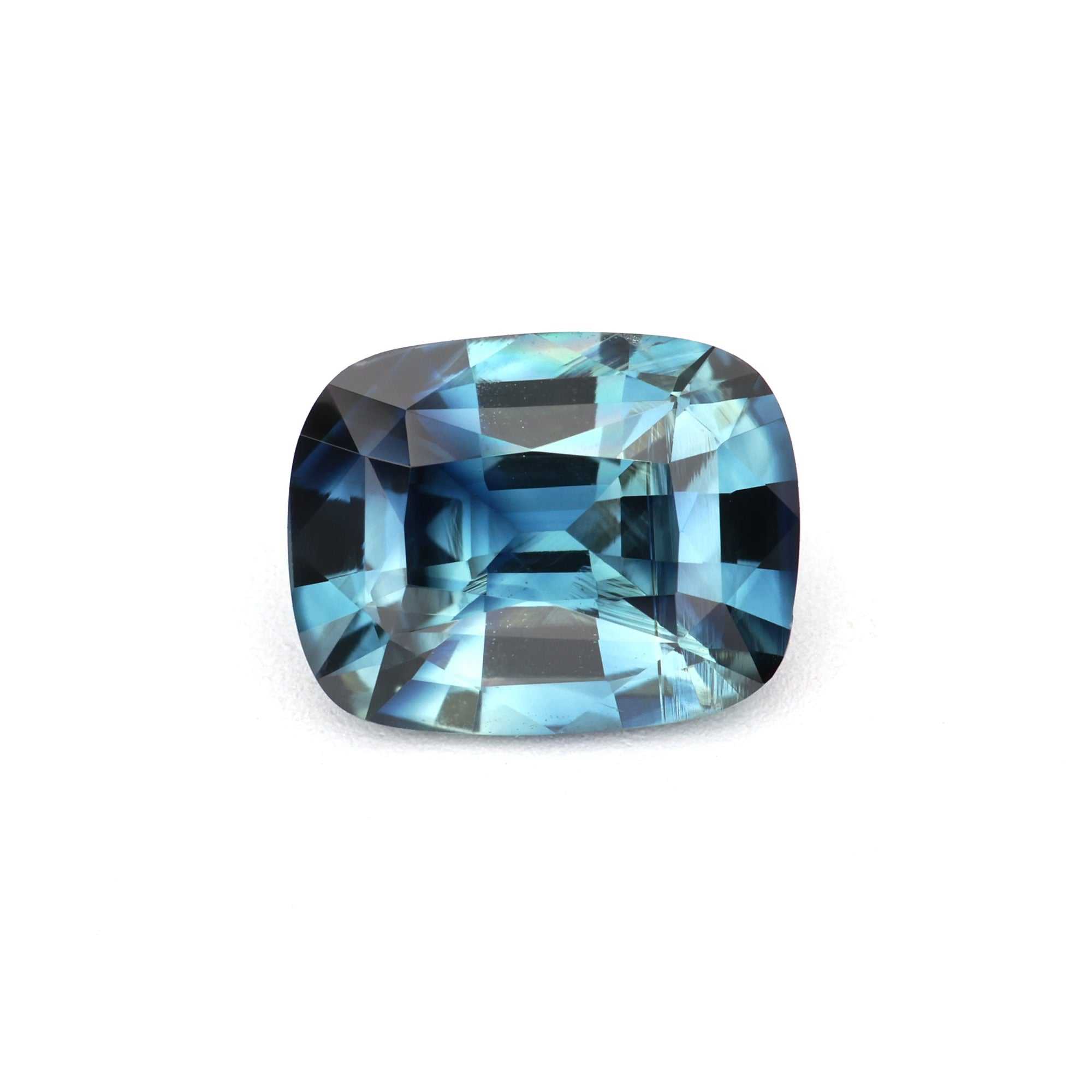
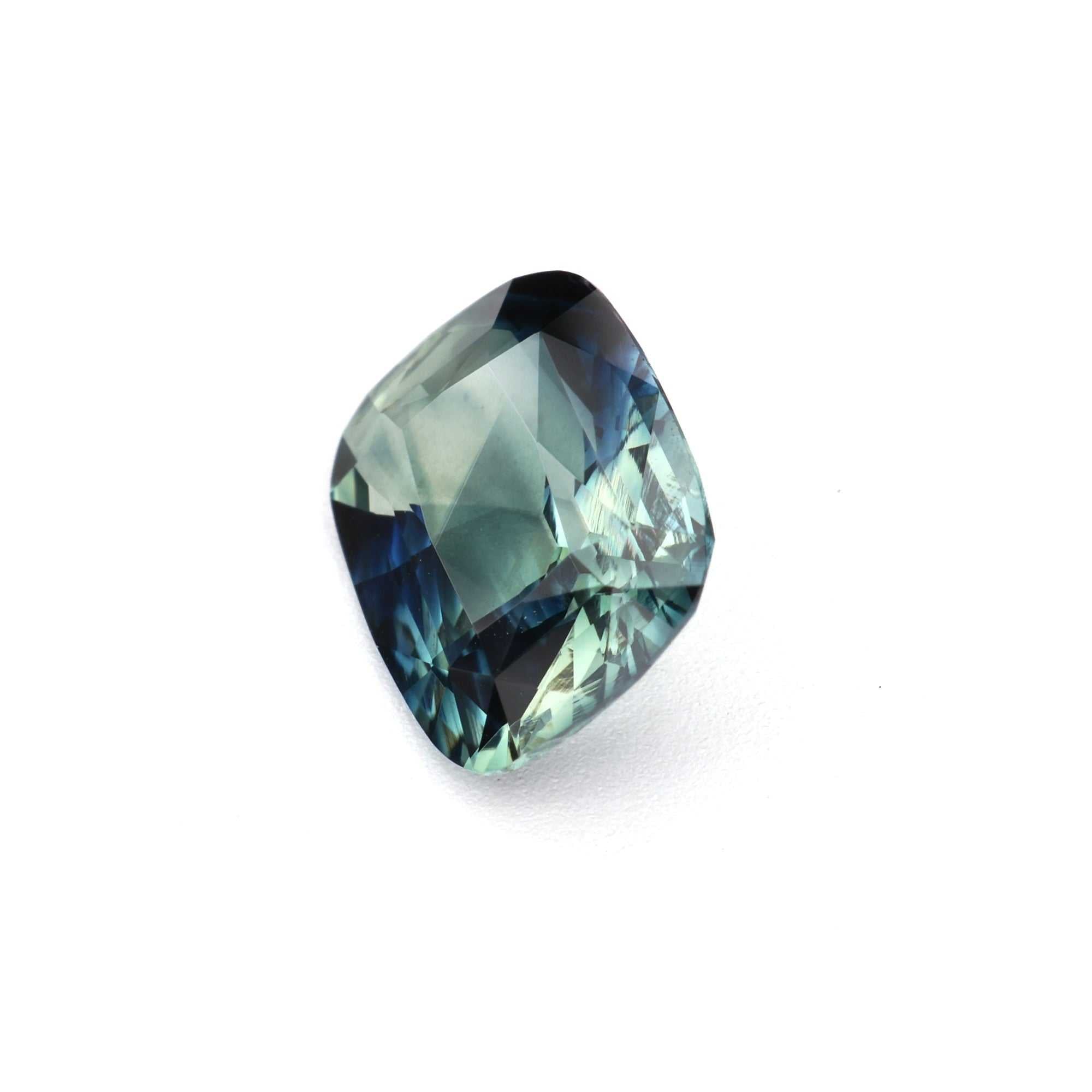
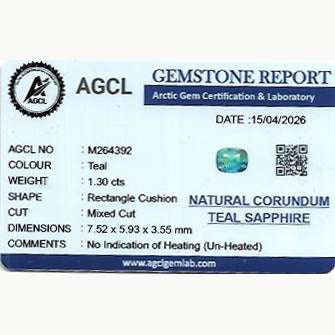
1.30 ct Cushion unheated teal sapphire
CG8374
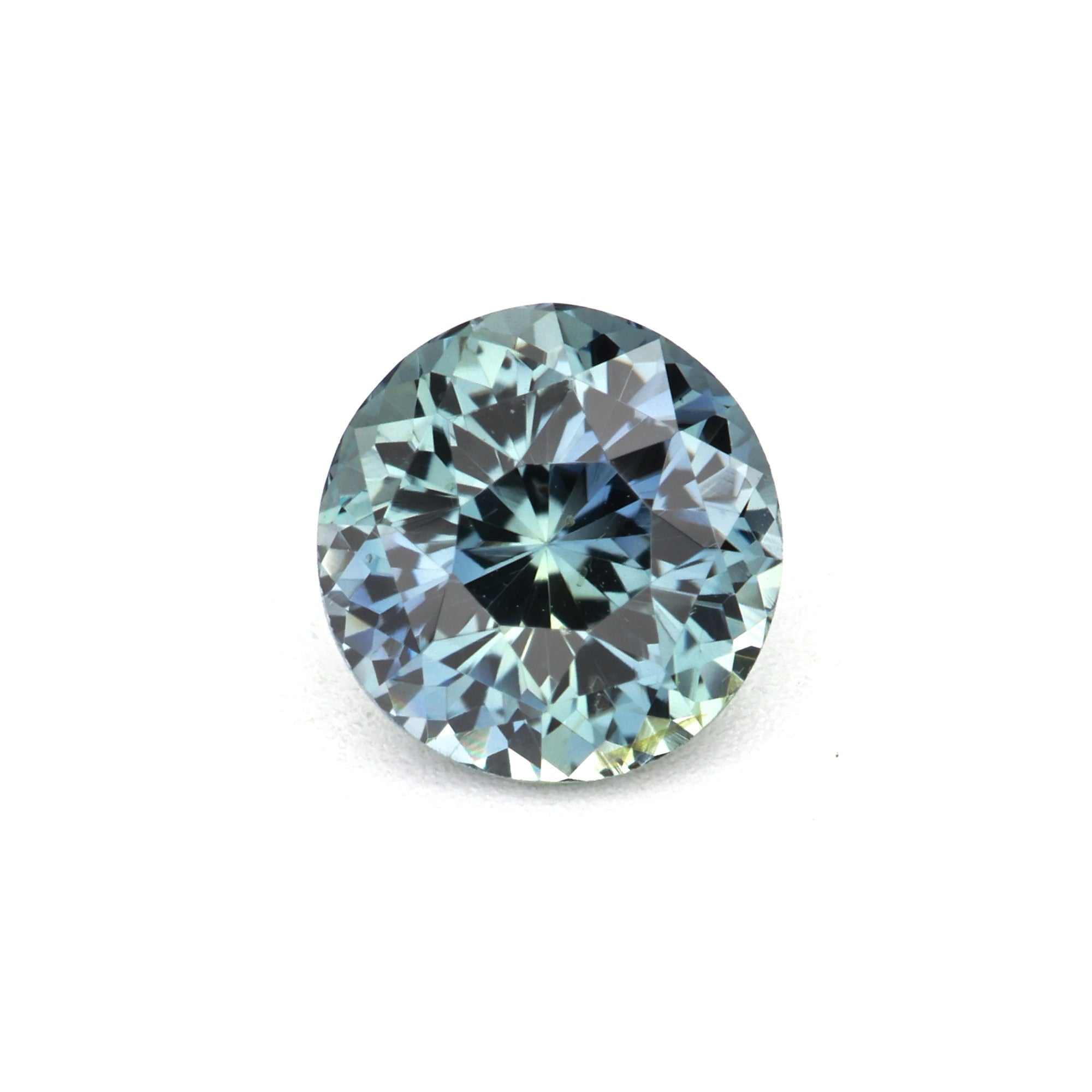
1.08 ct One carat Round Teal Sapphire ~ Unheated
CG8354
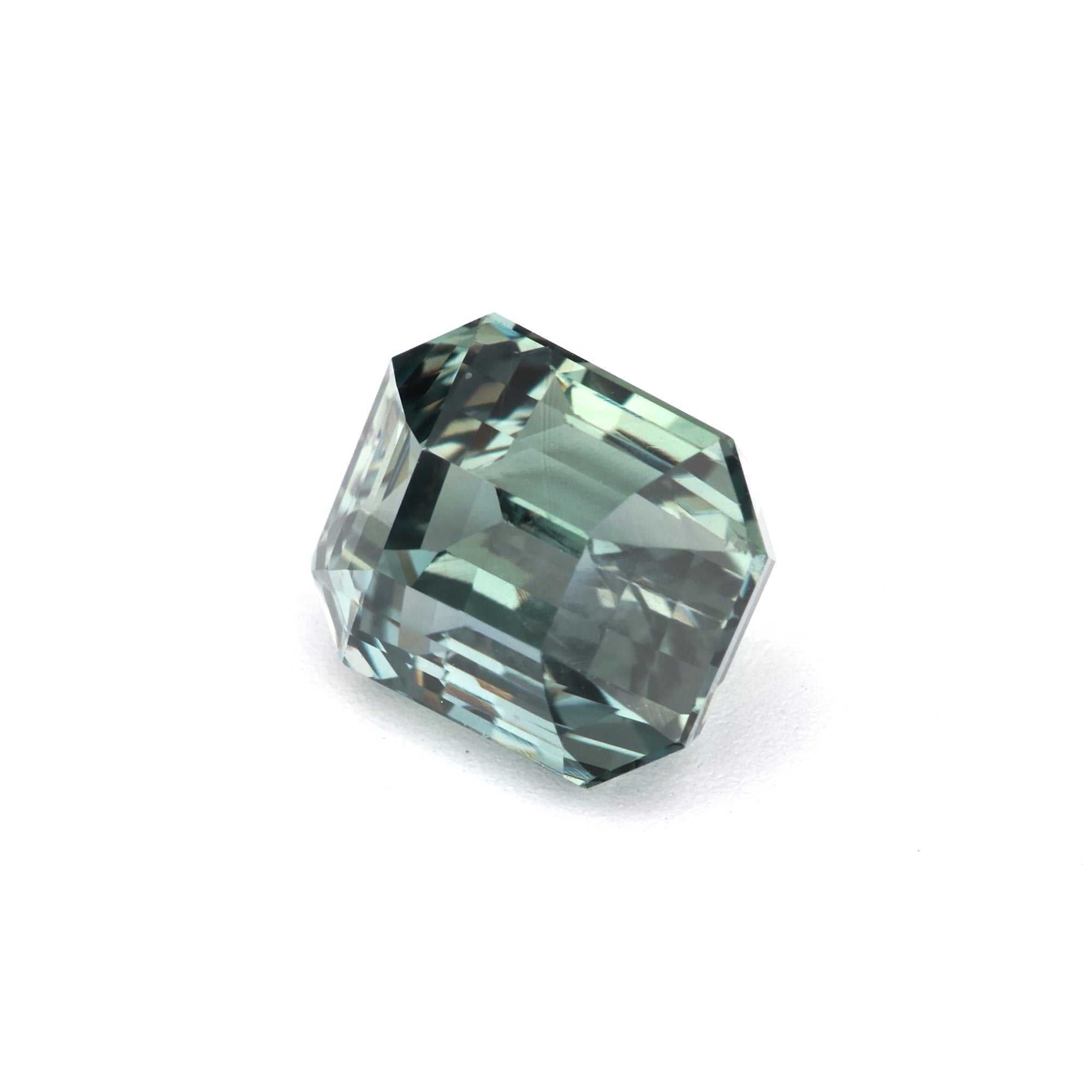
2.12 ct Emerald cut teal Sapphire ~ Unheated, GIA
CG8357
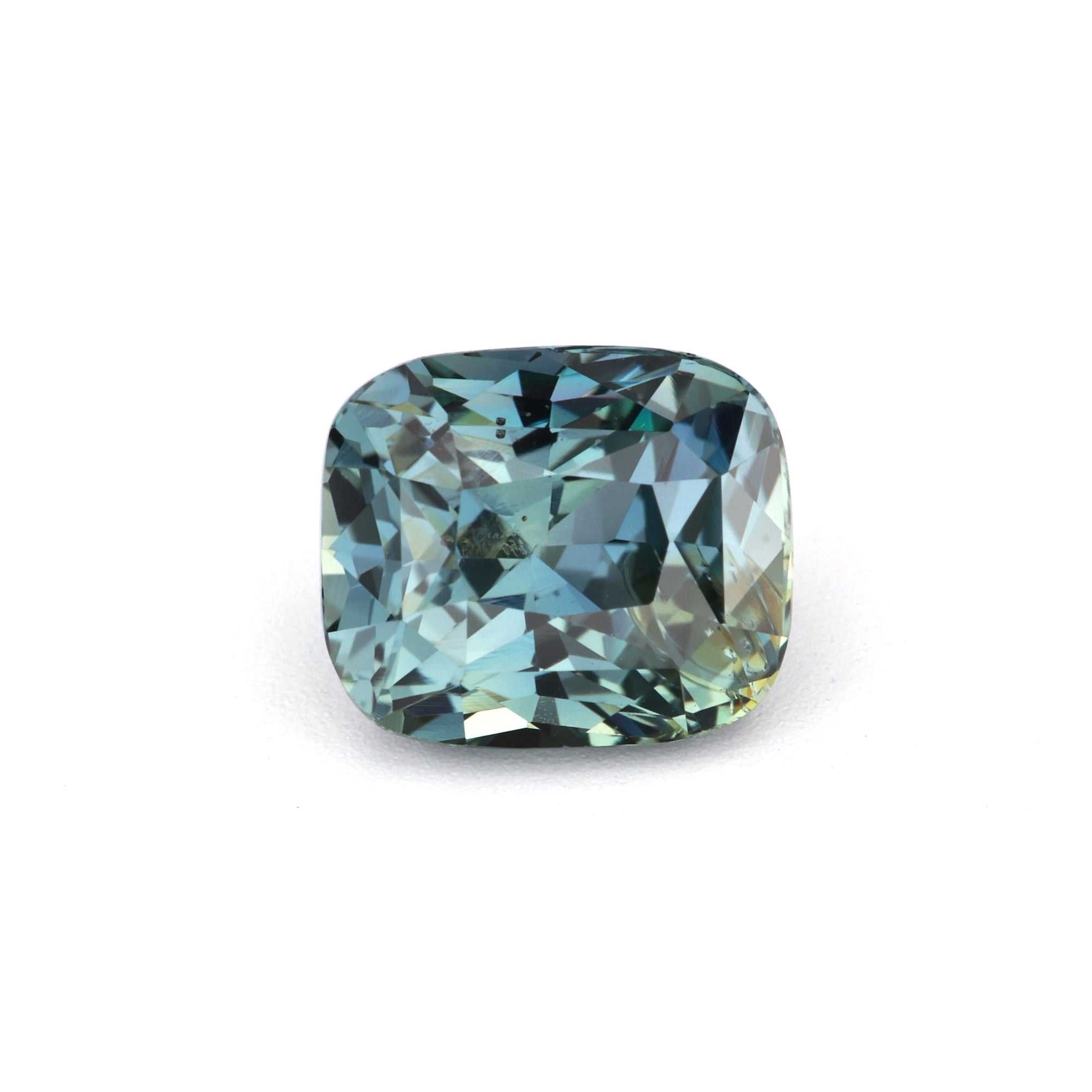
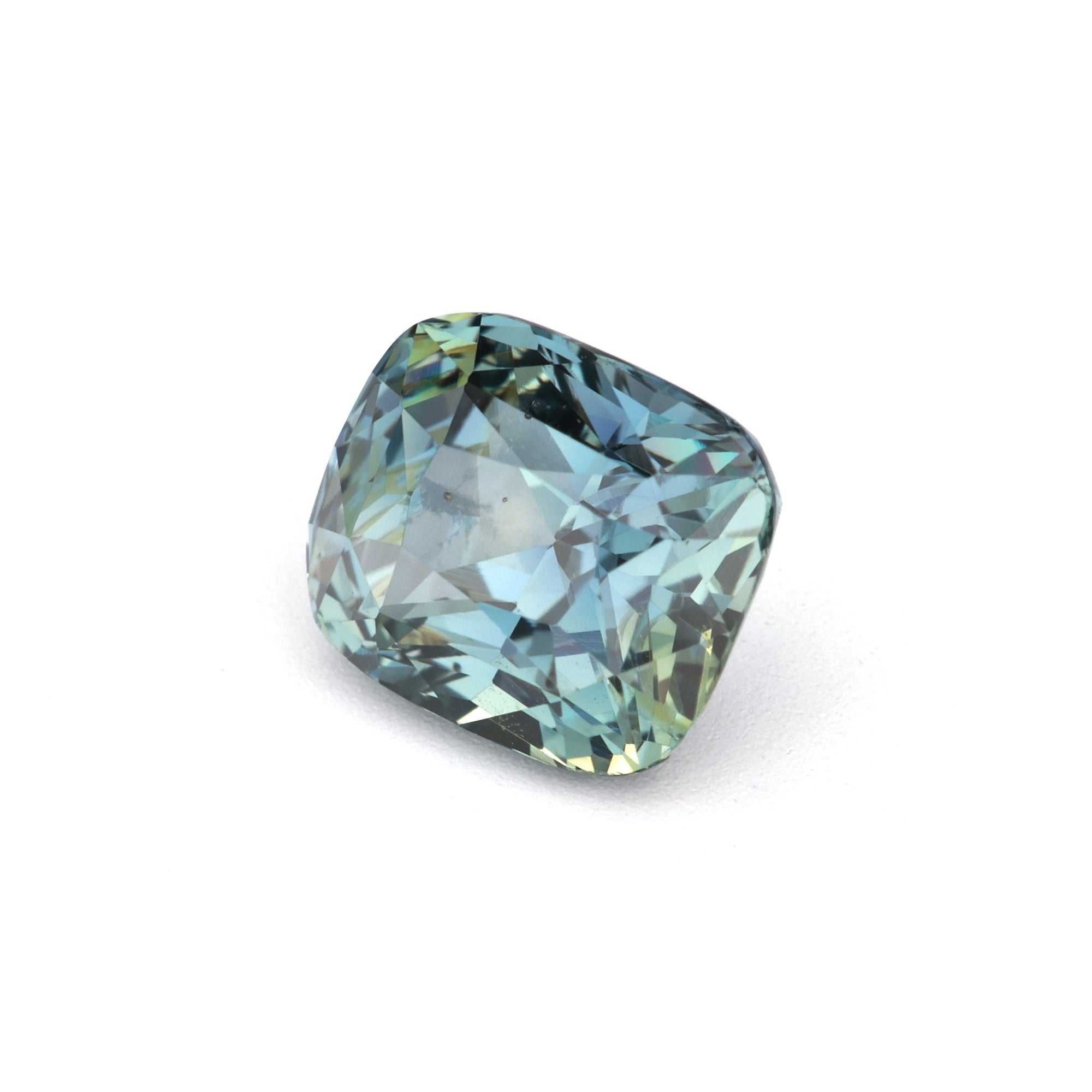
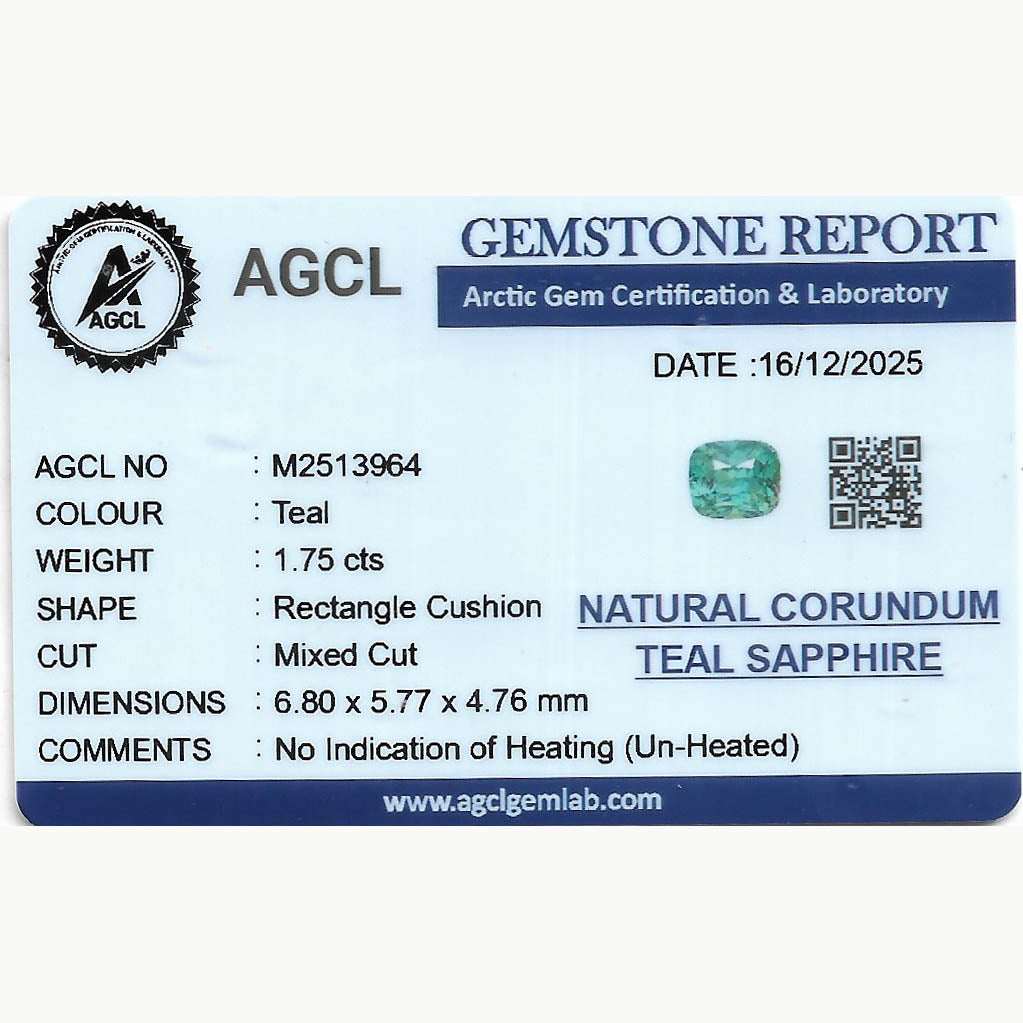
1.75 ct cushion cut teal sapphire ~ Unheated
CG8328
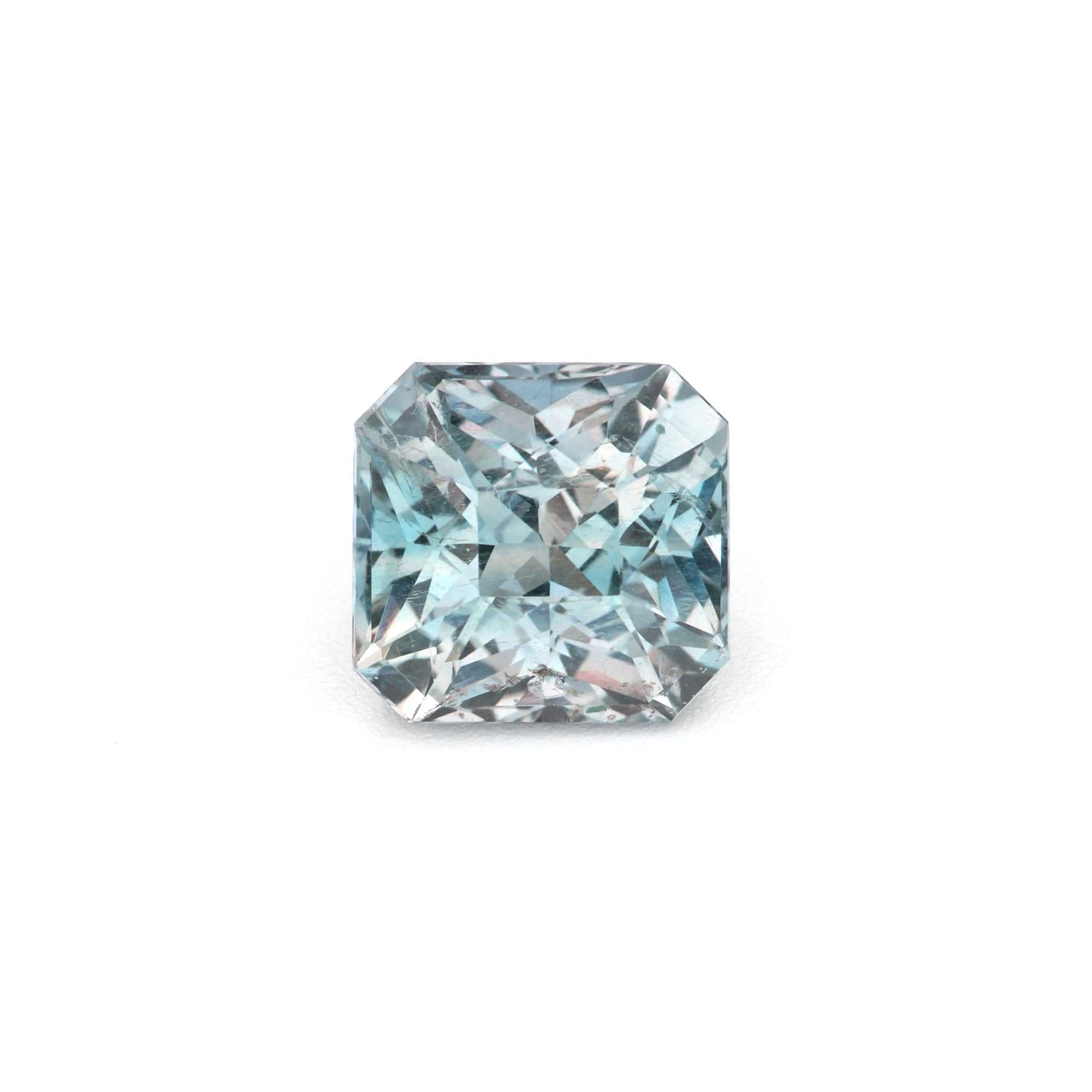
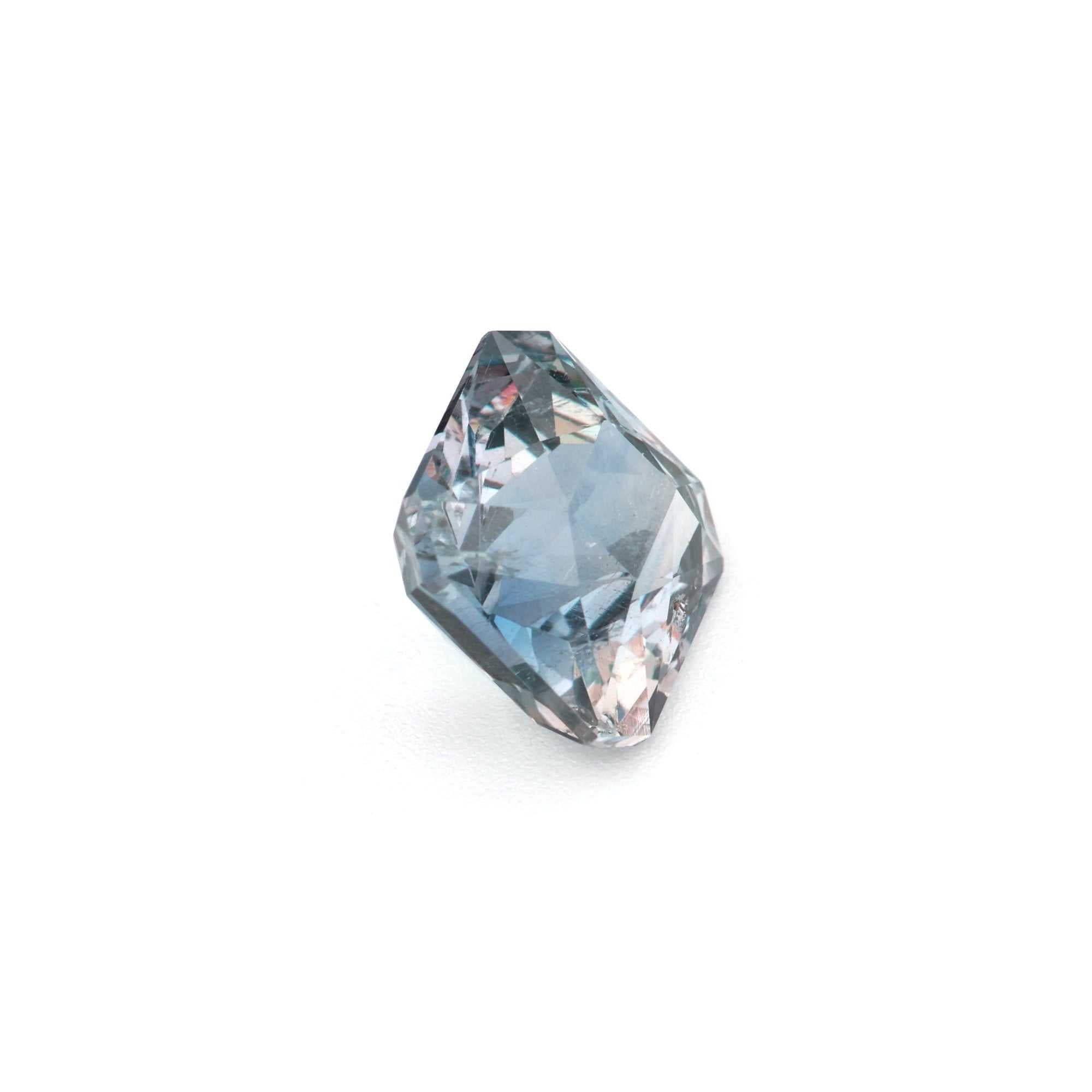
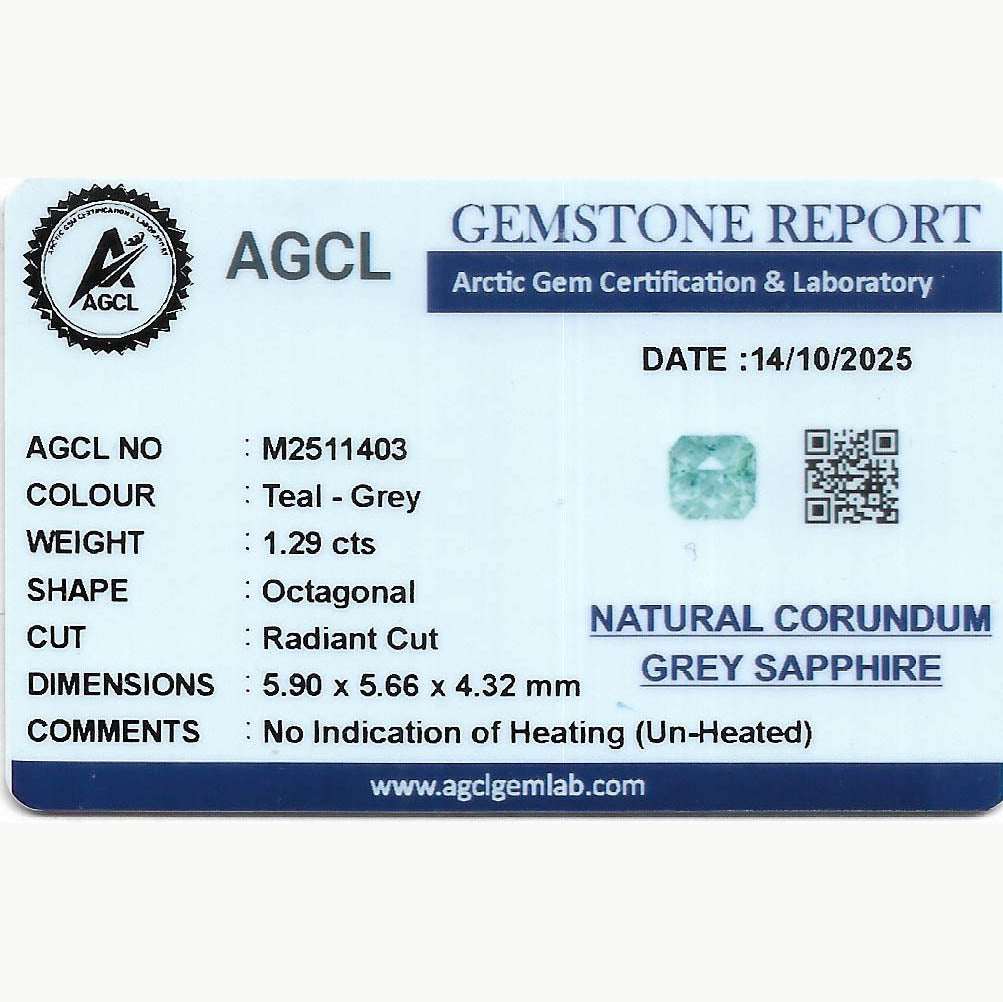
1.29 ct Octagon Teal-Green Sapphire ~ Unheated
CG8322
1.50 ctw Oval Teal Sapphire Matched Pair ~ Unheated
CG8326
2.08 ct Round Teal Sapphire — Unheated, Madagascar, GIA