Ruby Gemstones — Loose Stones with GIA Certification Available
Ruby Gemstones is corundum colored by chromium — the same mineral as sapphire, but with enough chromium concentration to push the color into rich, saturated red. It has been the most prized gemstone in human history for millennia, valued in nearly every culture for its vivid color, its 9-on-the-Mohs-scale durability, and its association with vitality, love, and power. Fine ruby is rarer than fine diamond at comparable quality grades.
Why our Ruby Gemstones
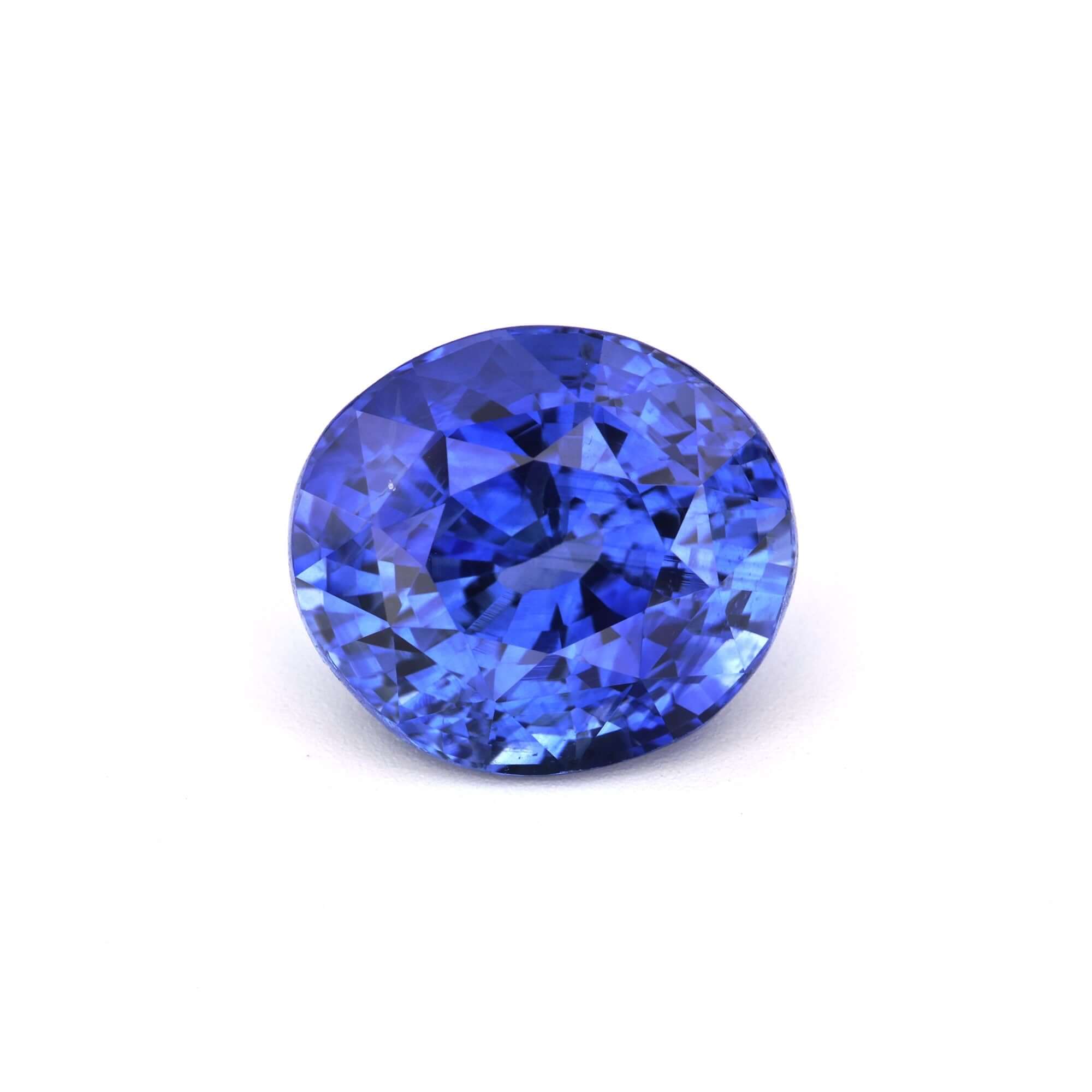
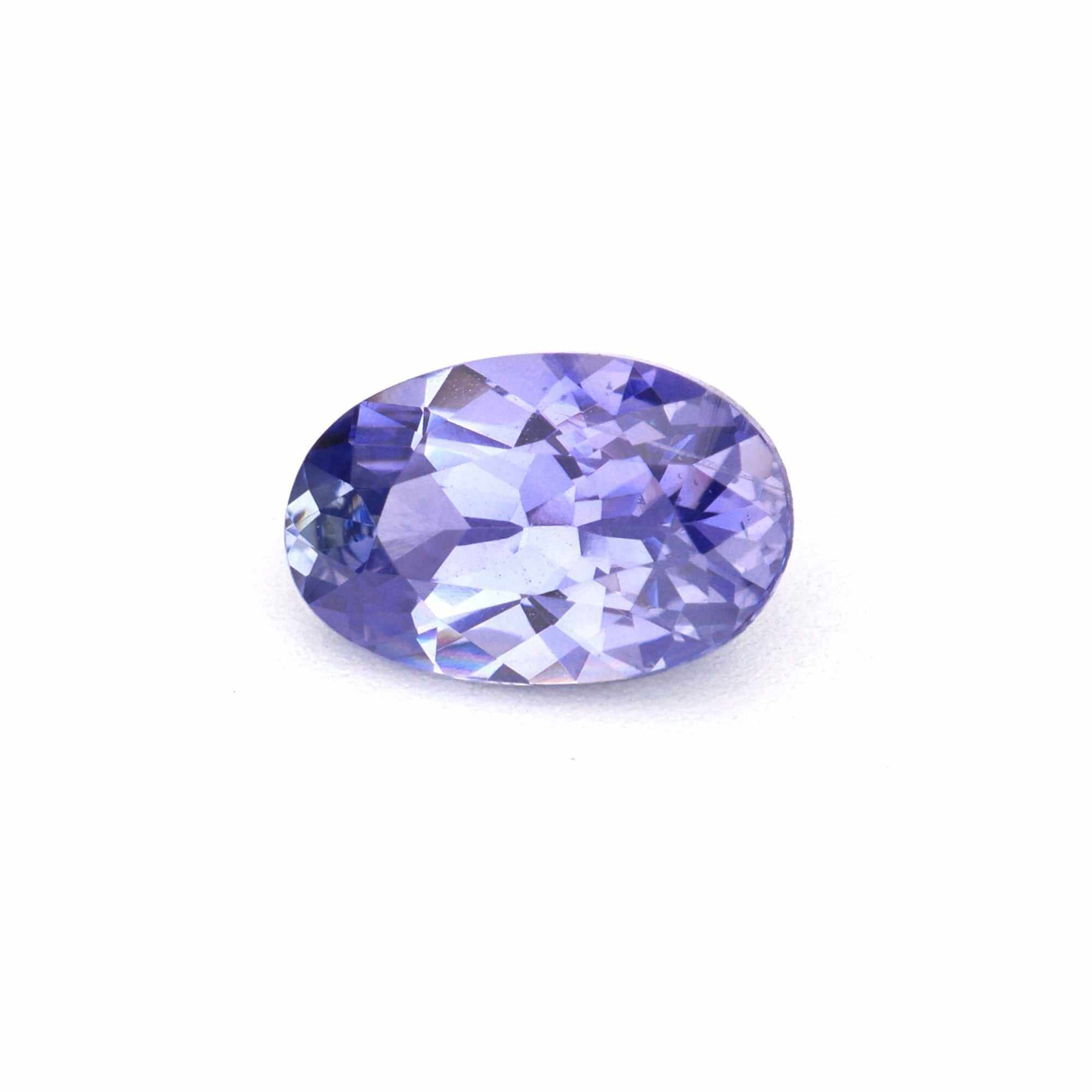
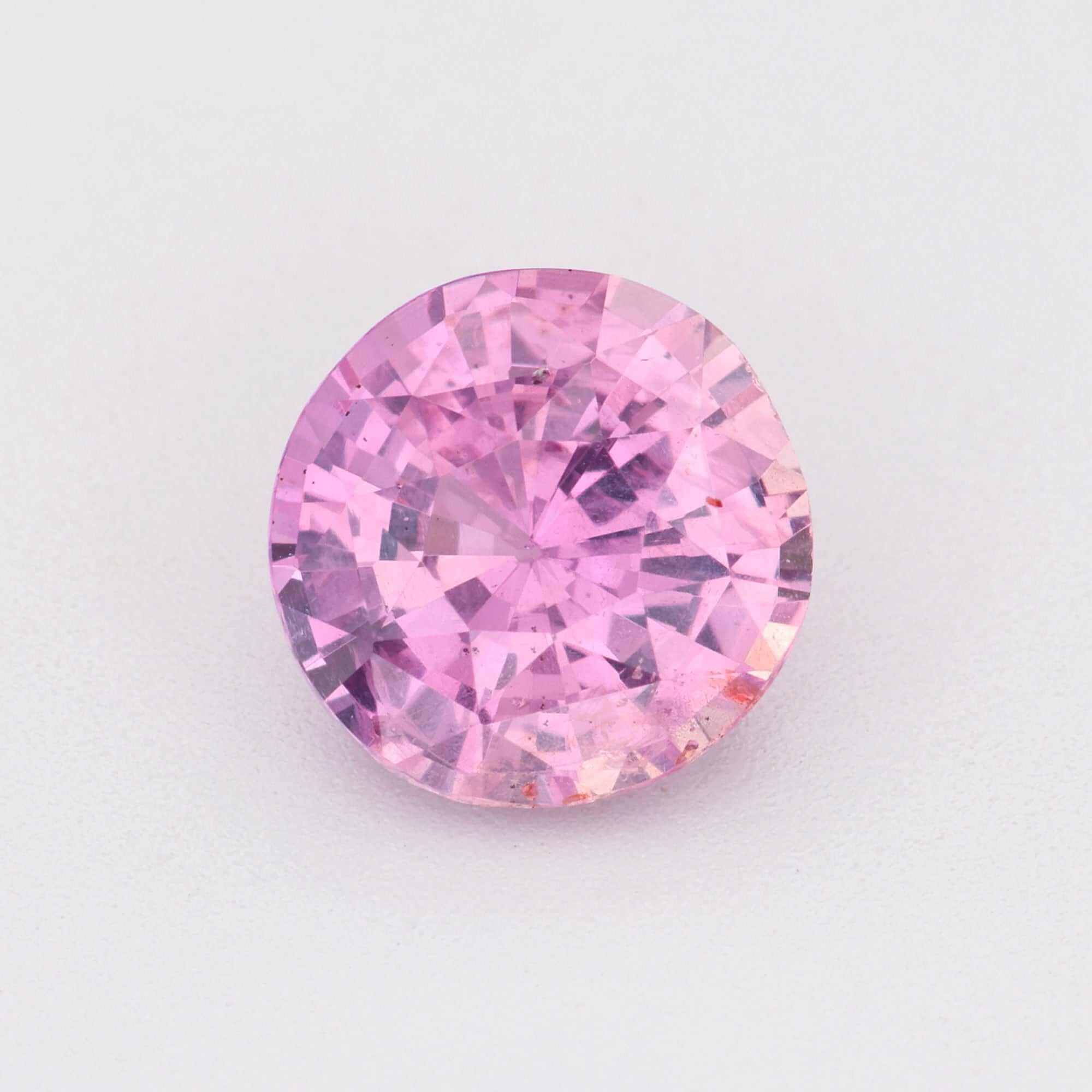
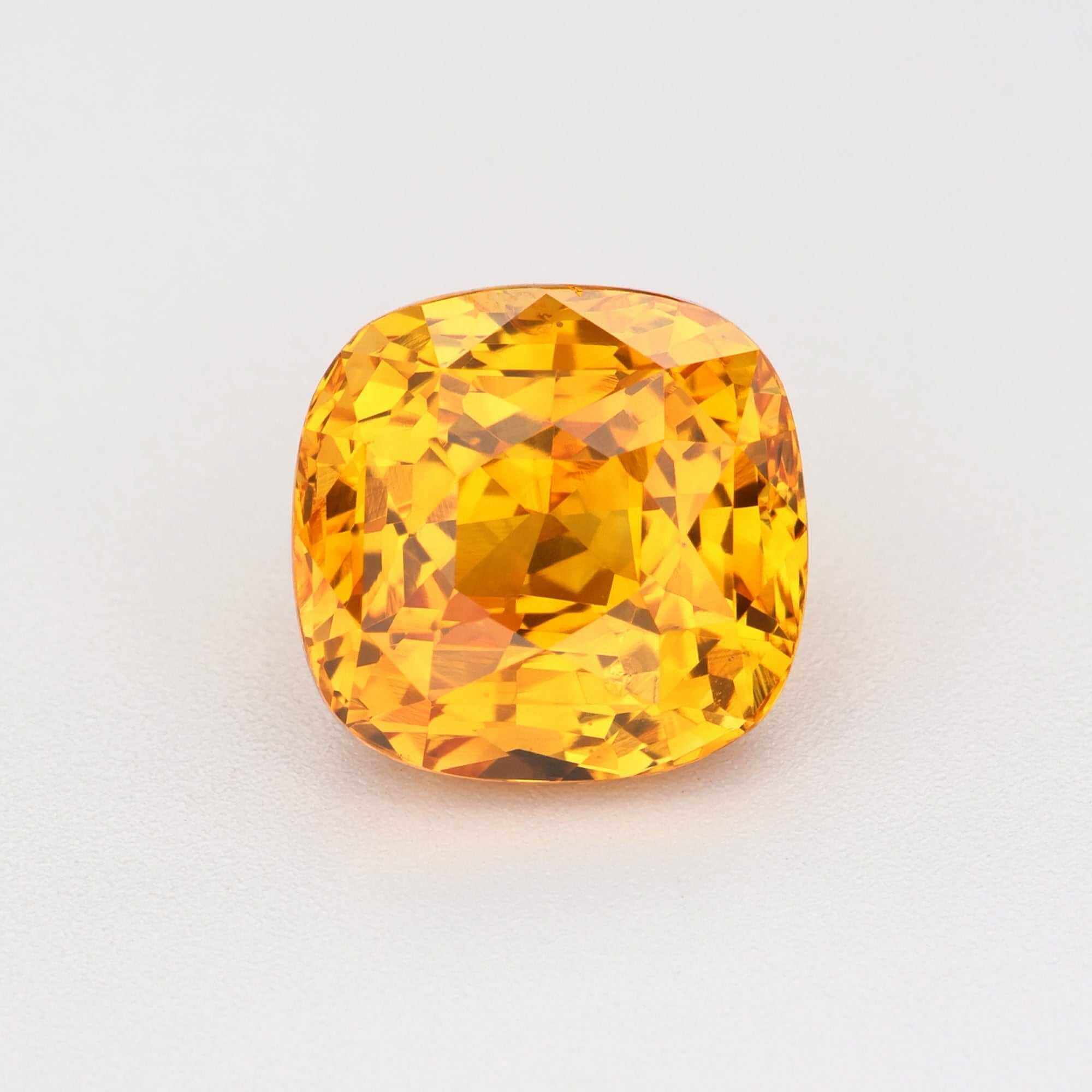
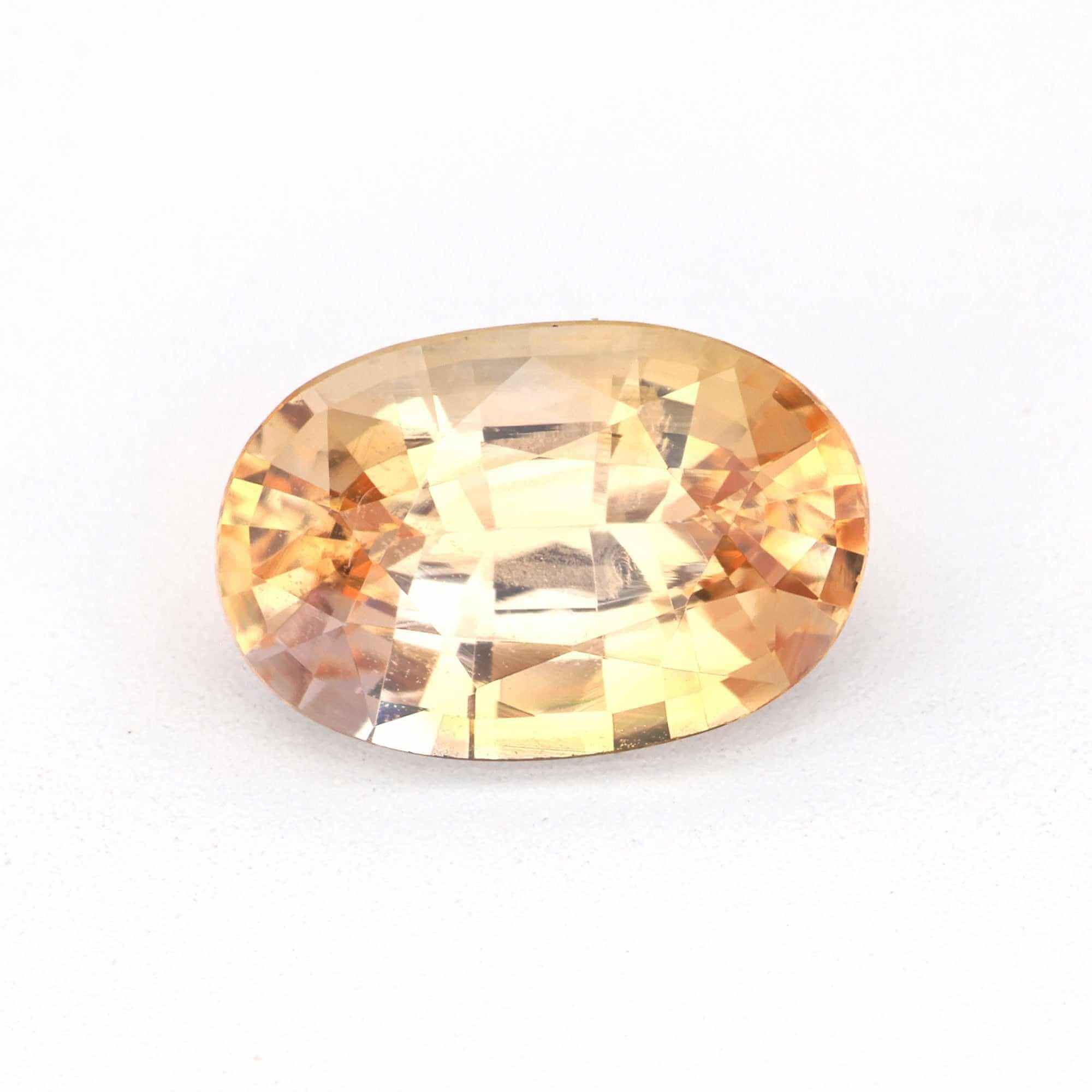
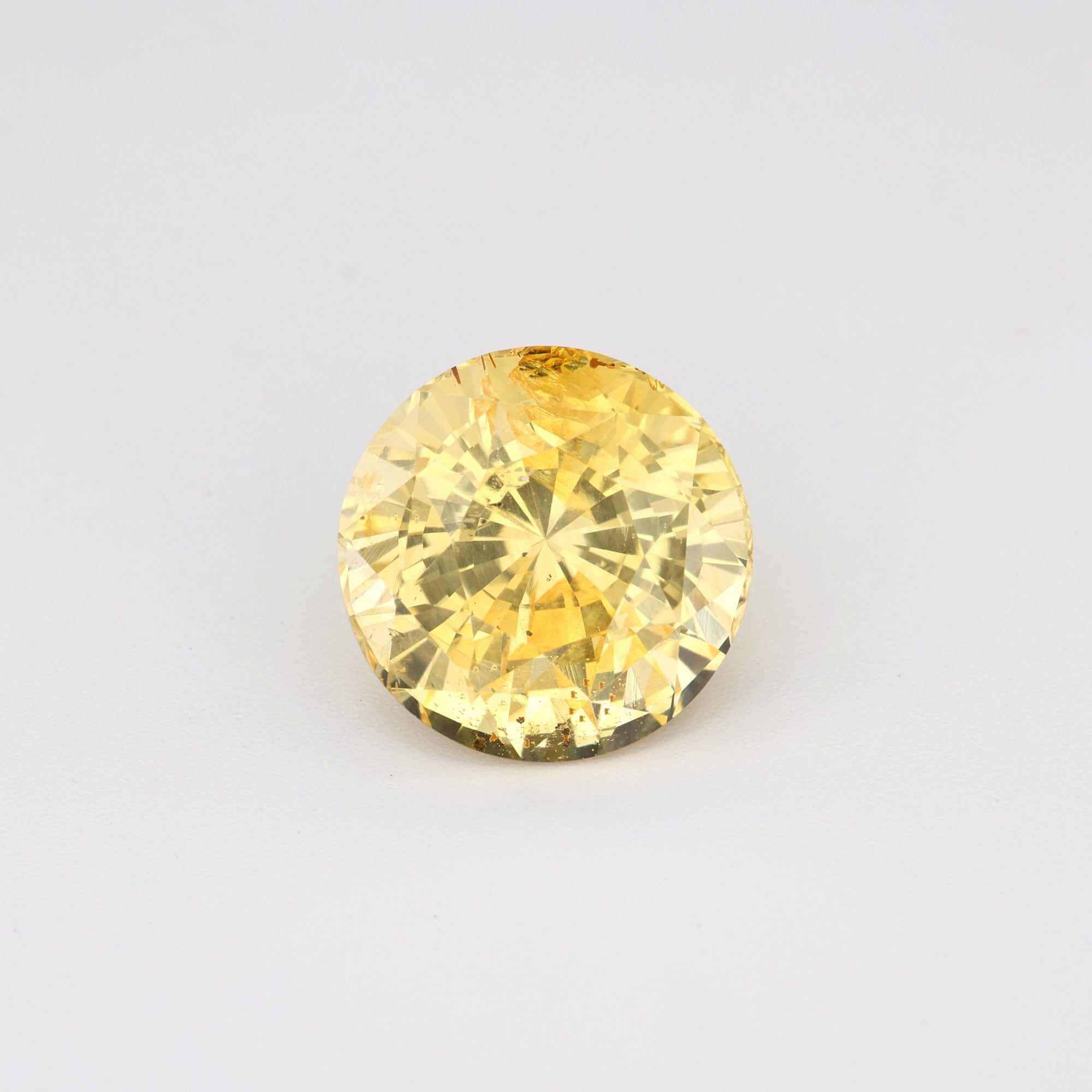
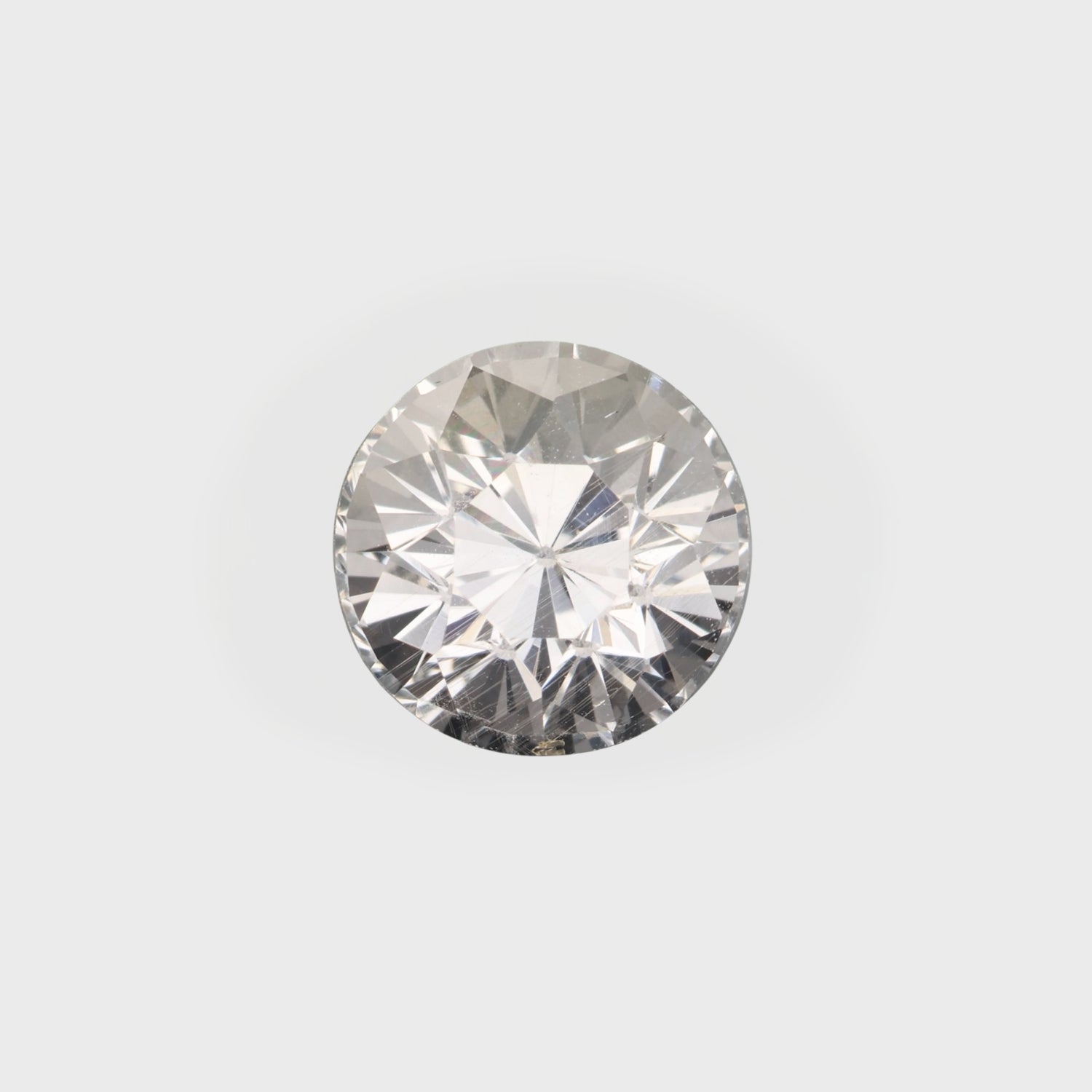
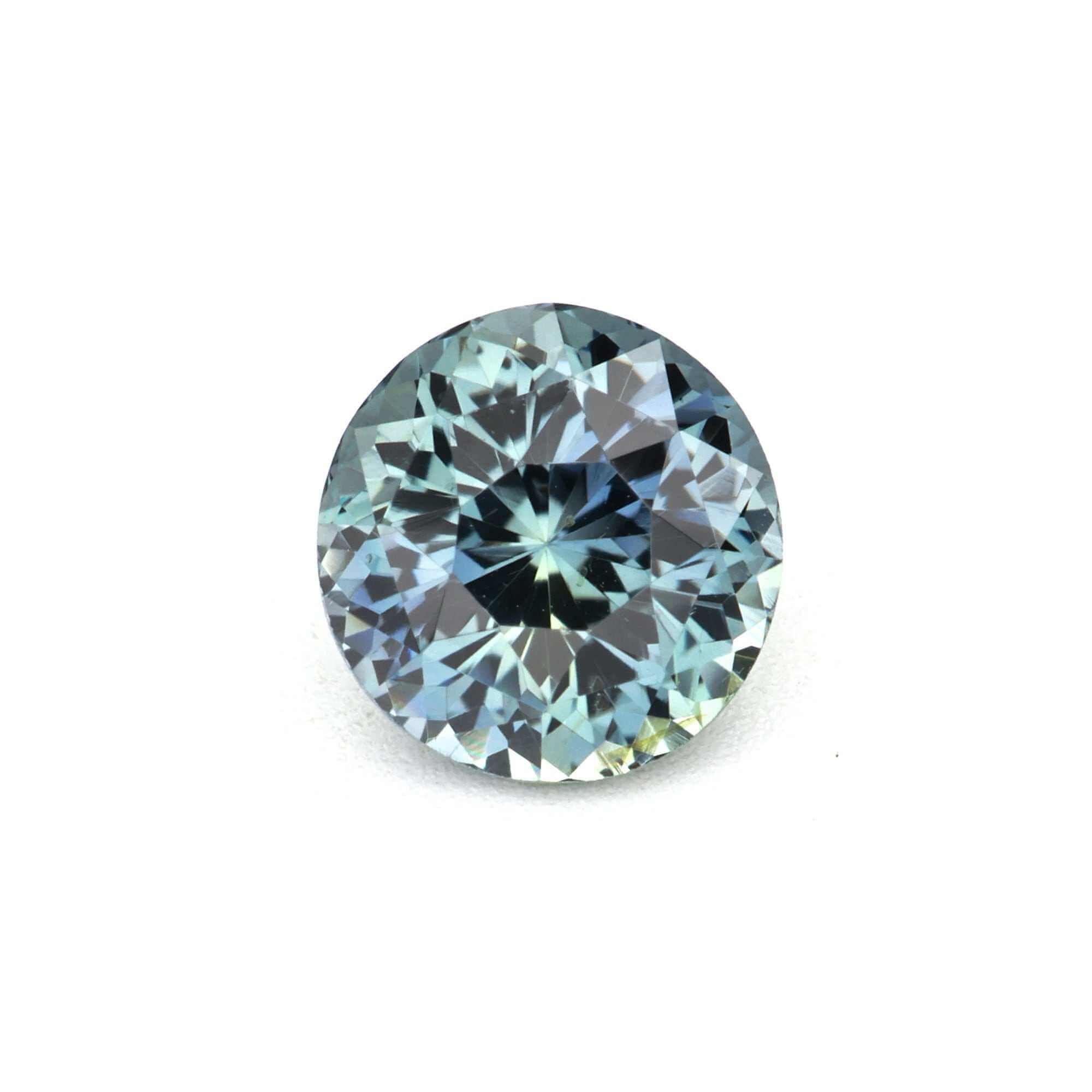
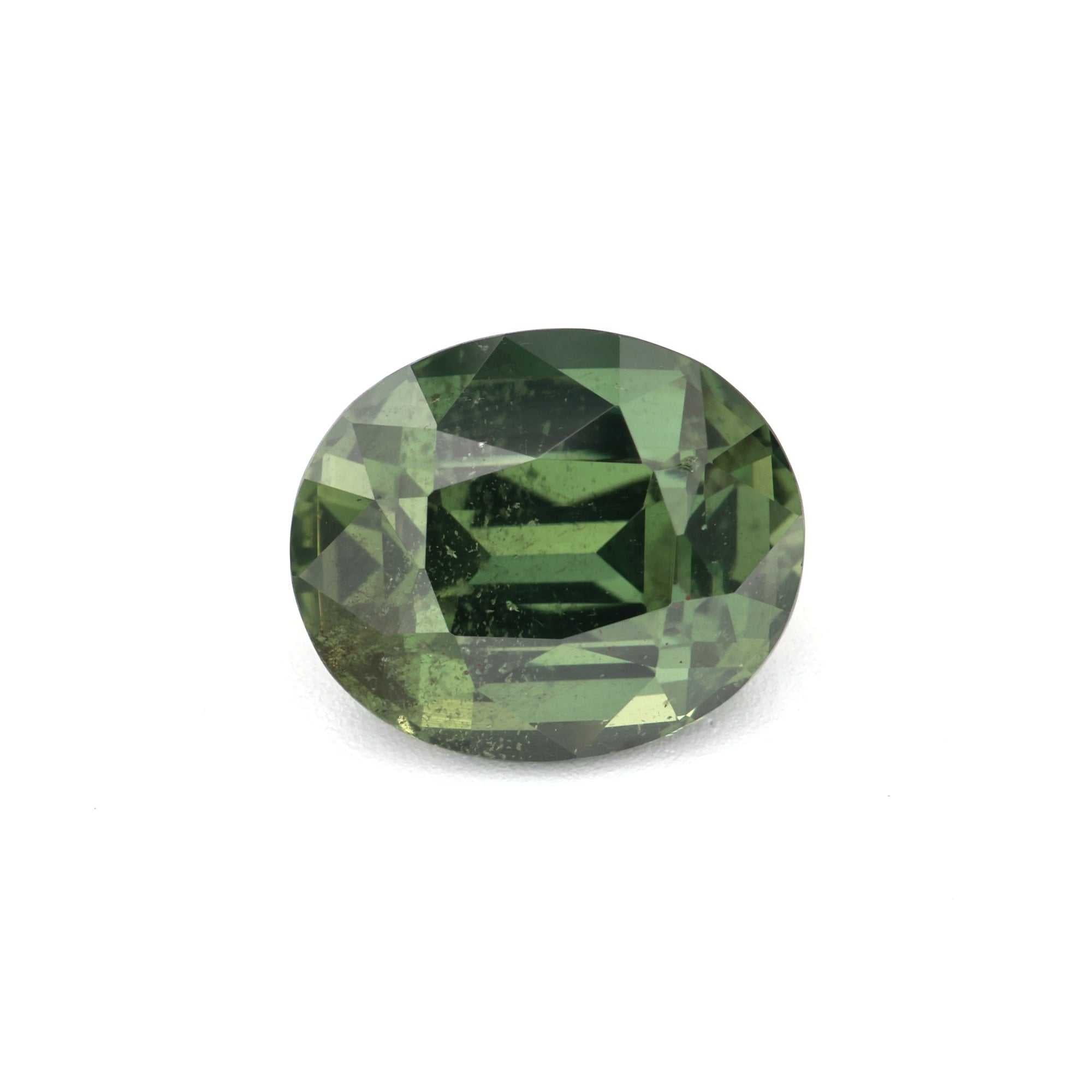
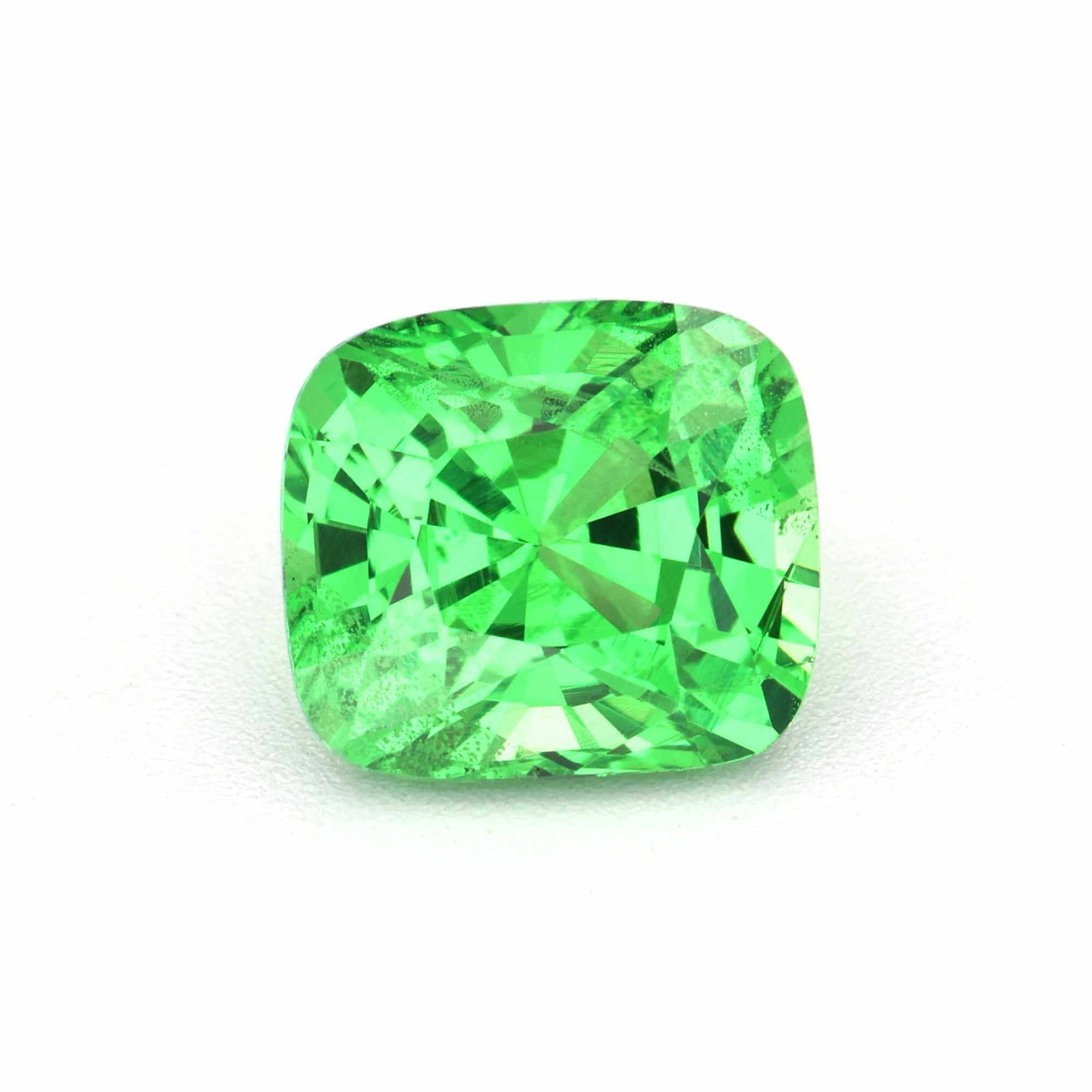
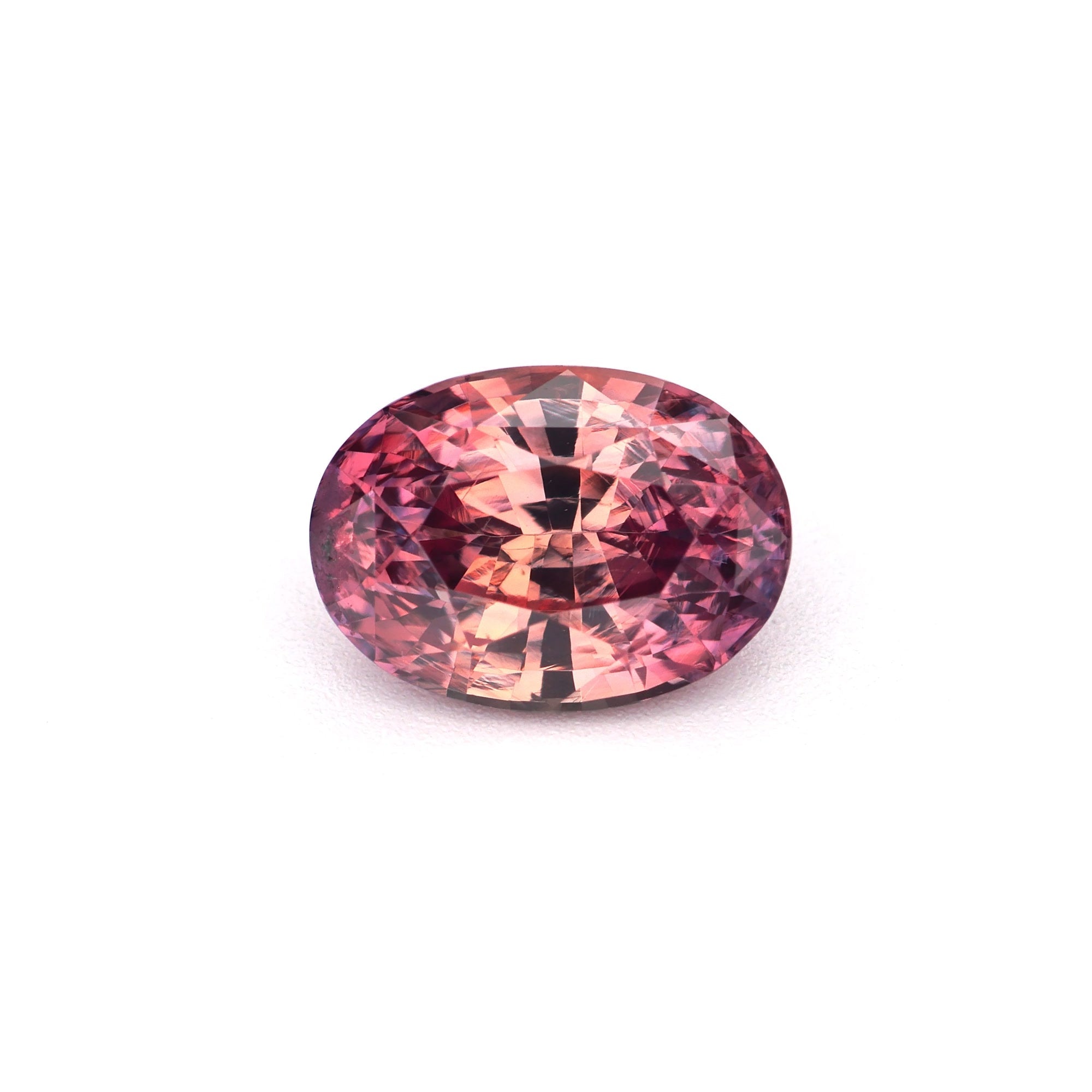
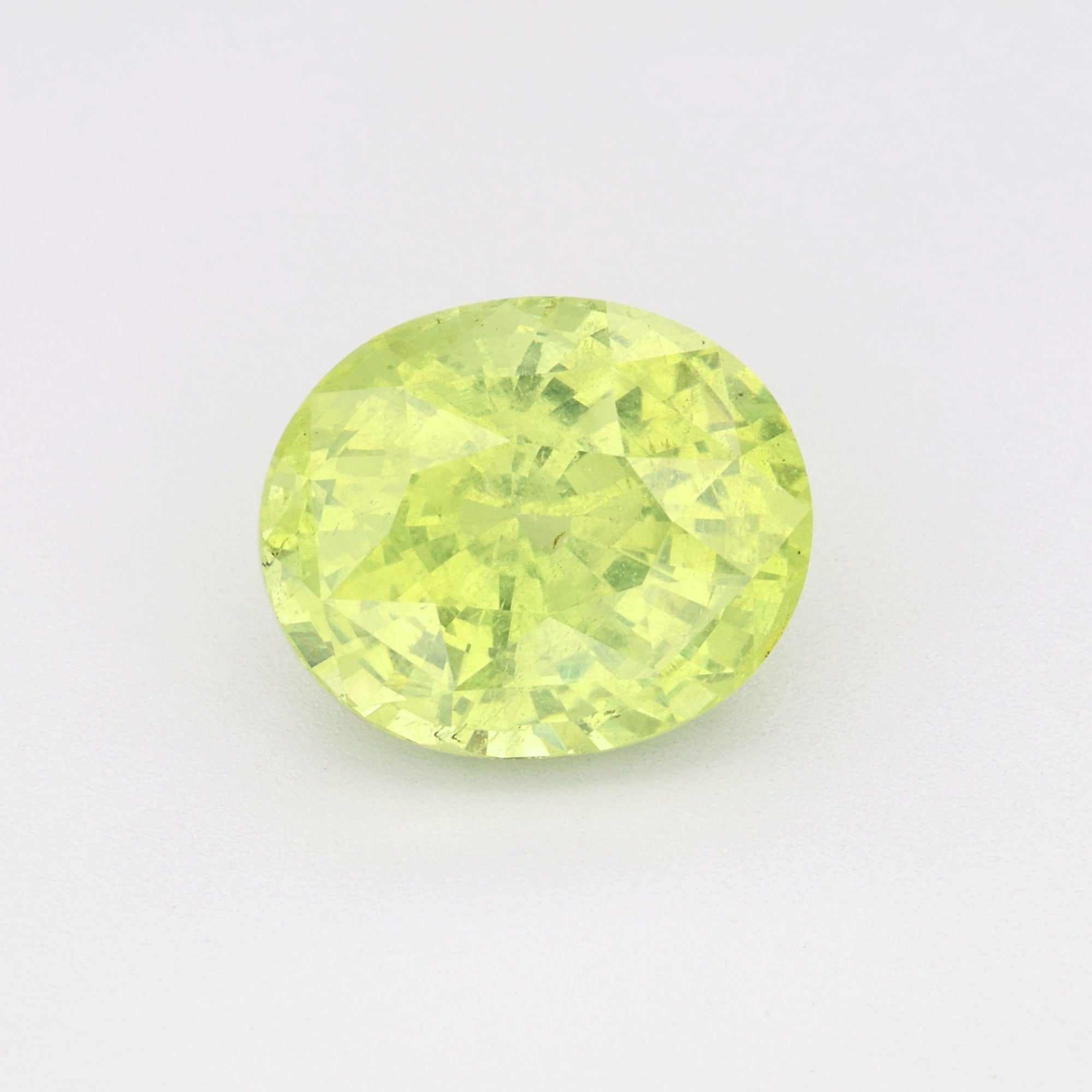
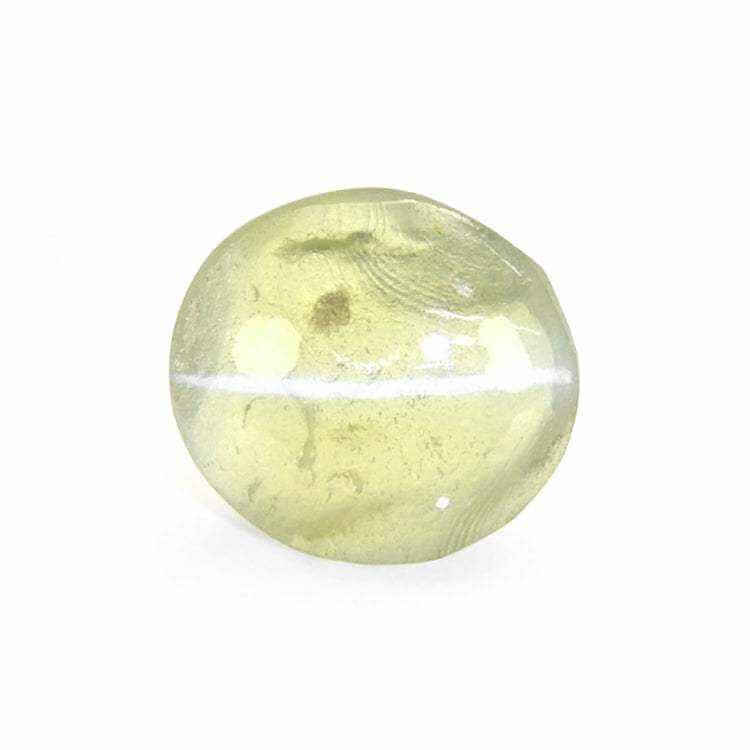
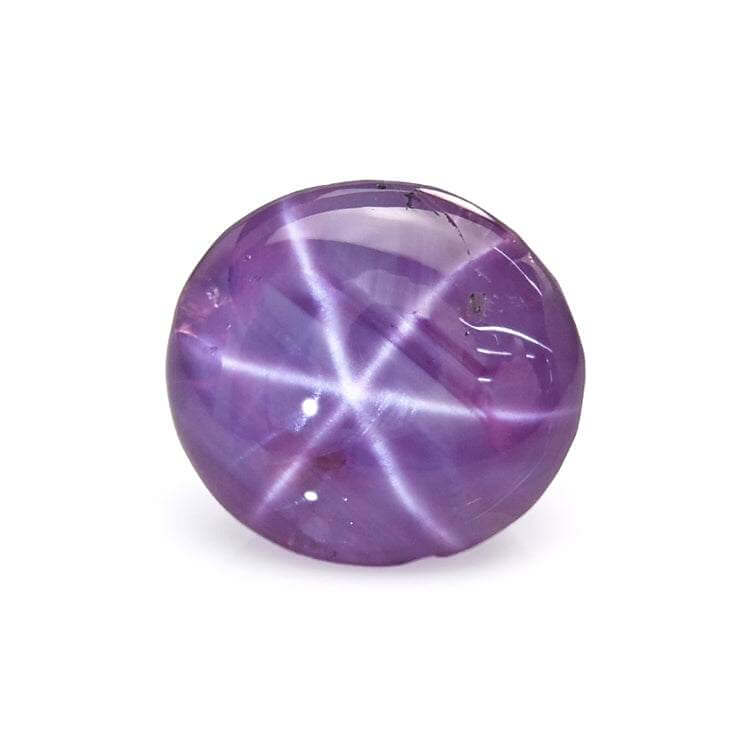
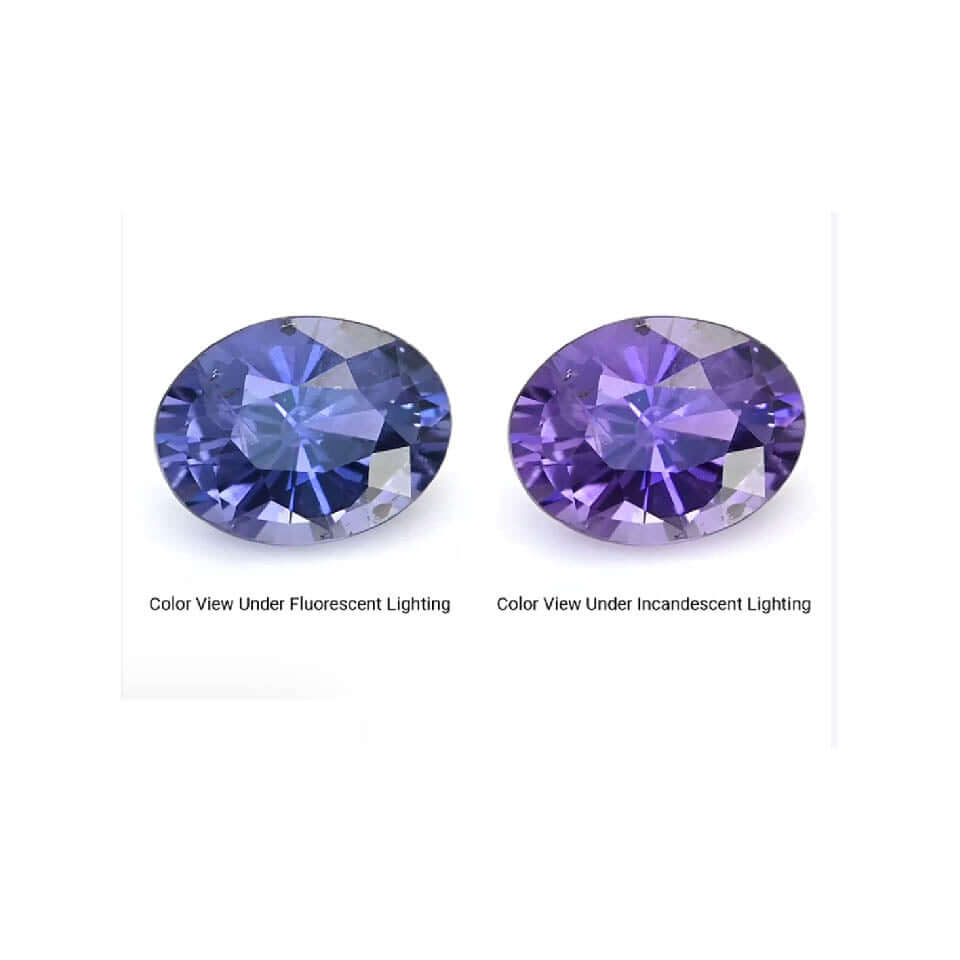
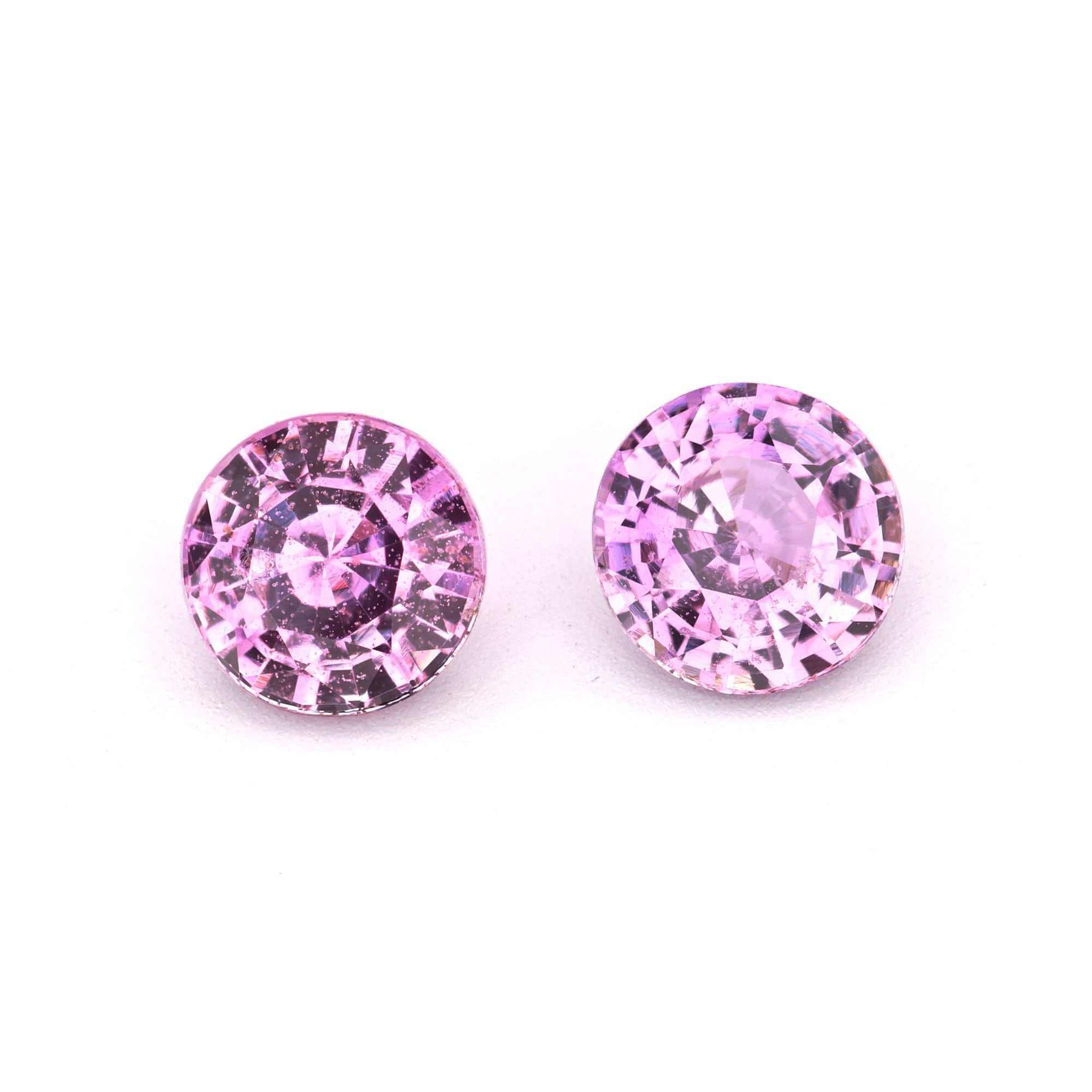
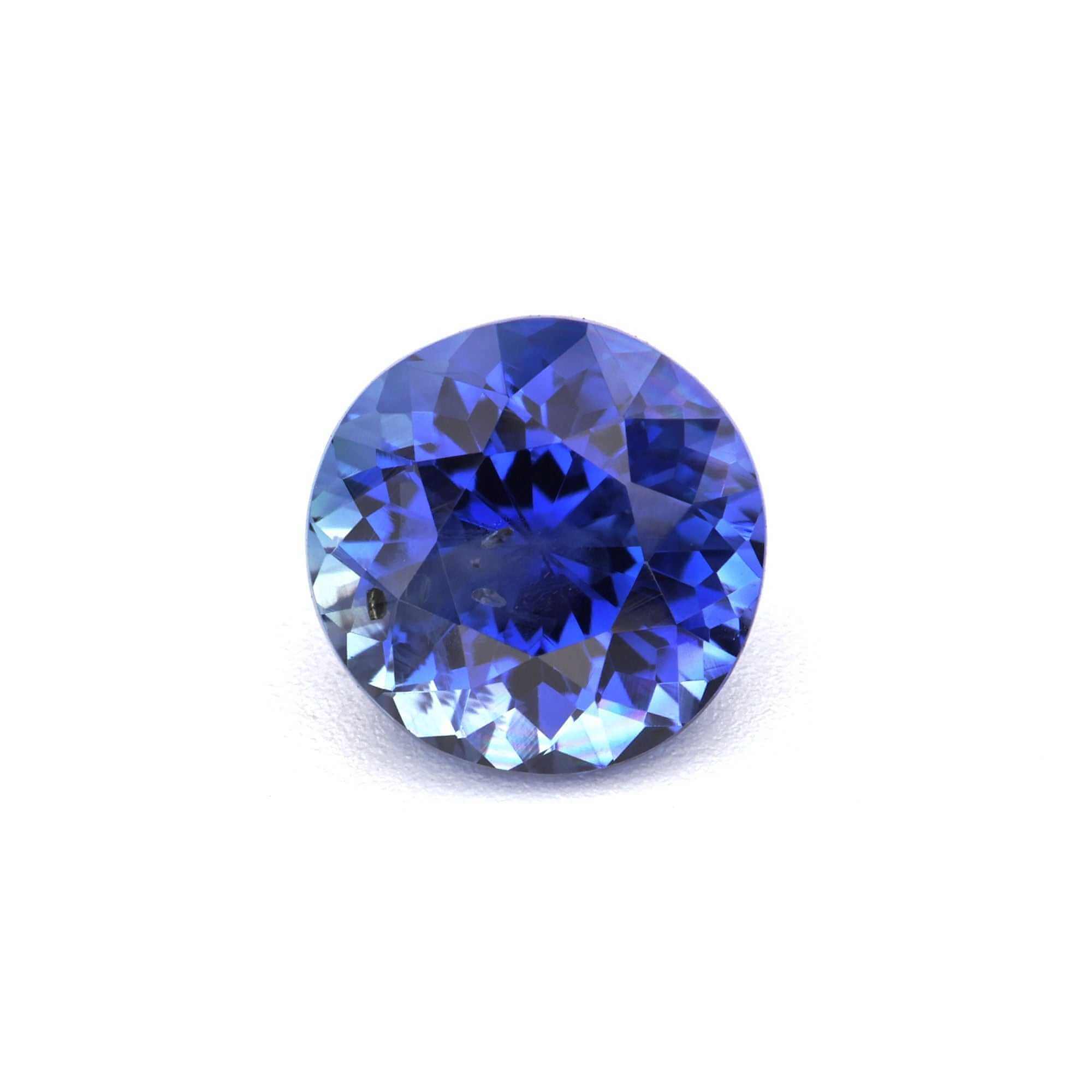
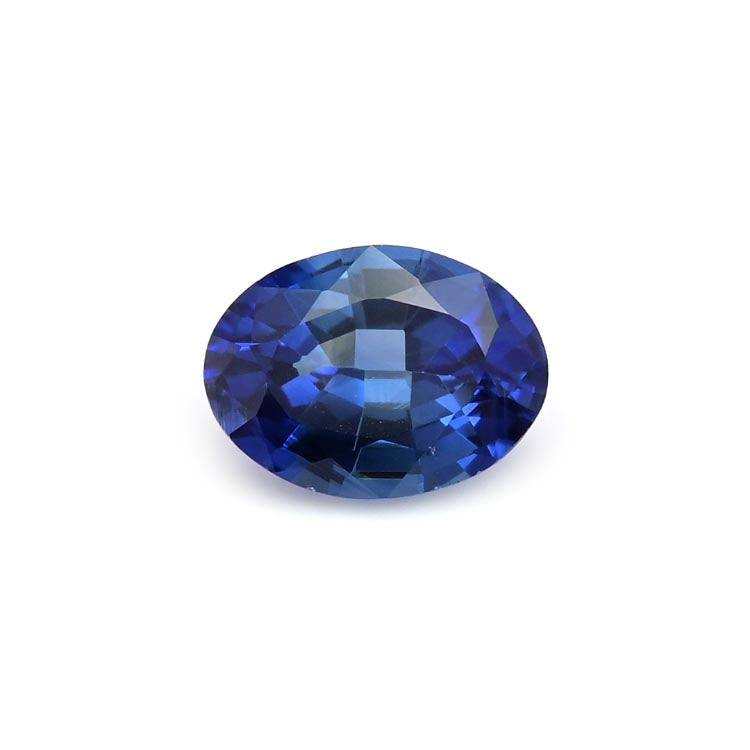
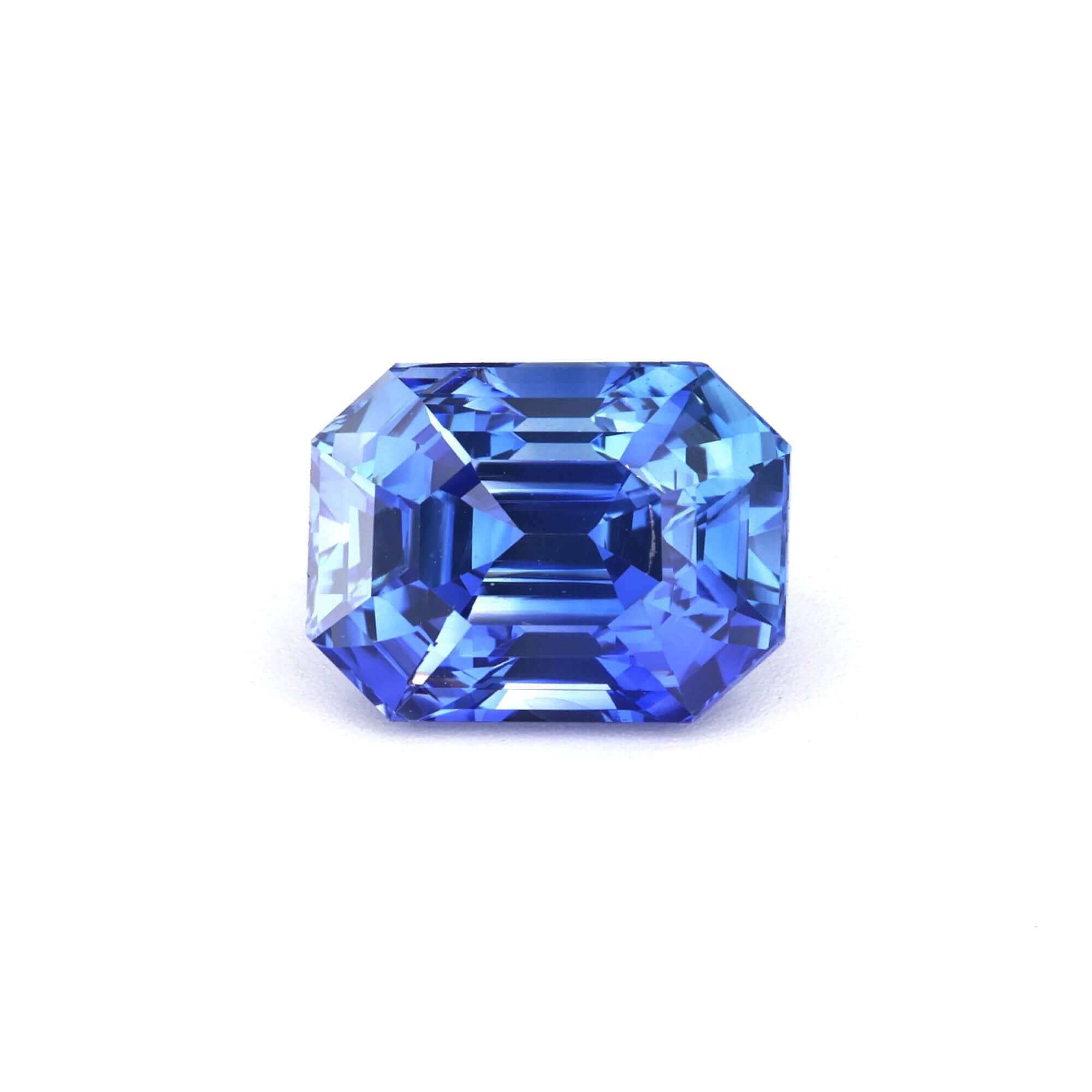
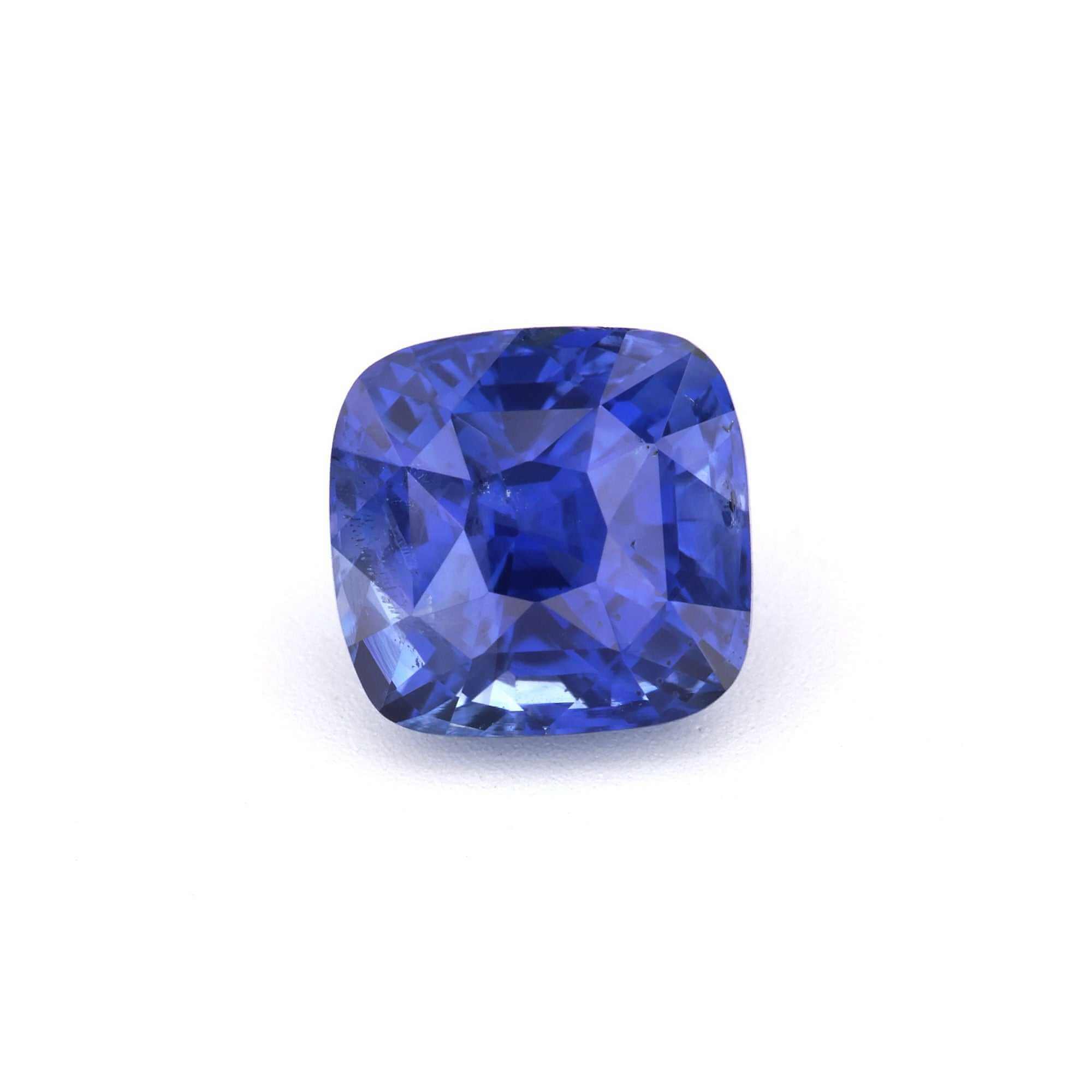
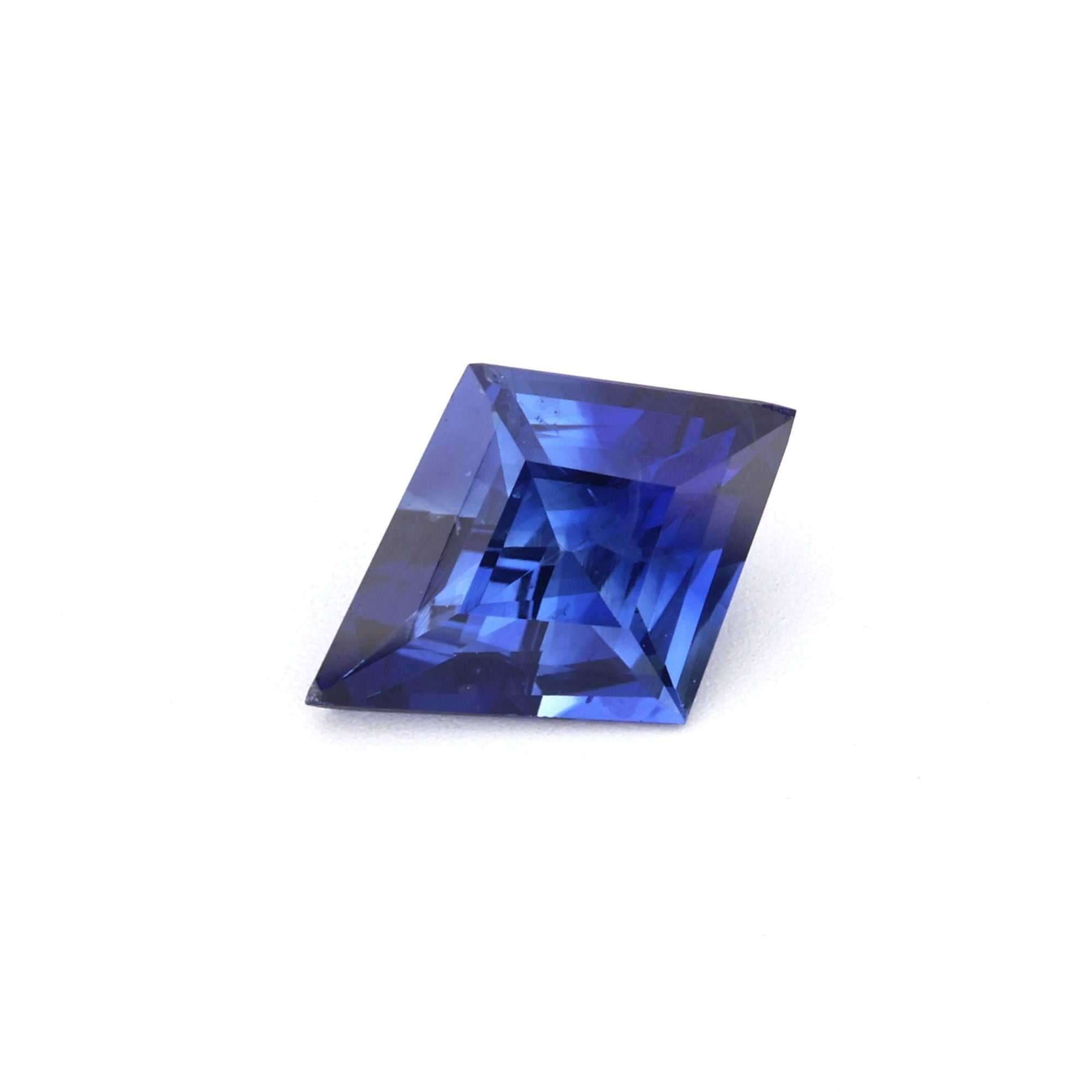
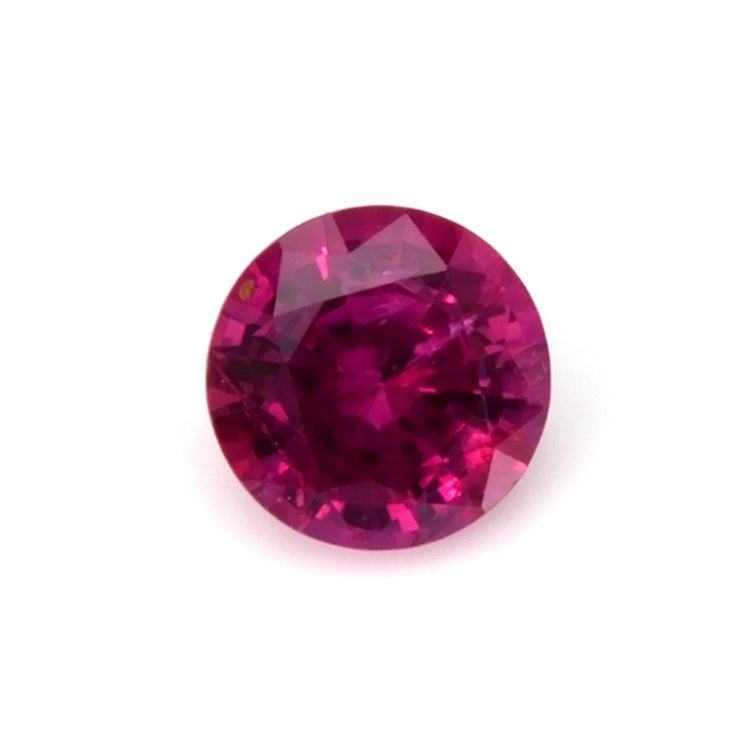
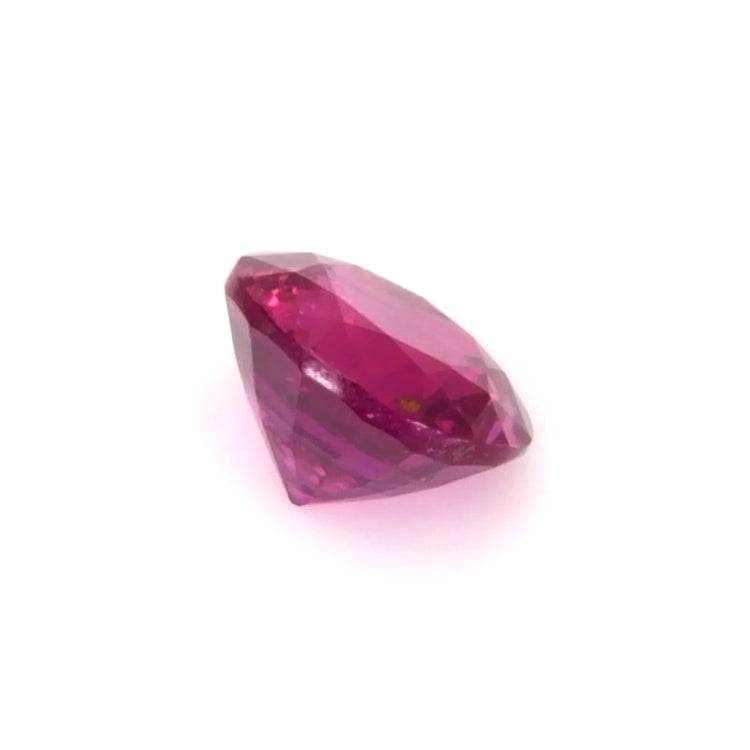
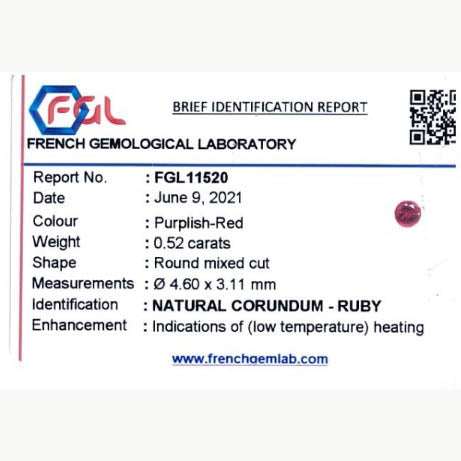
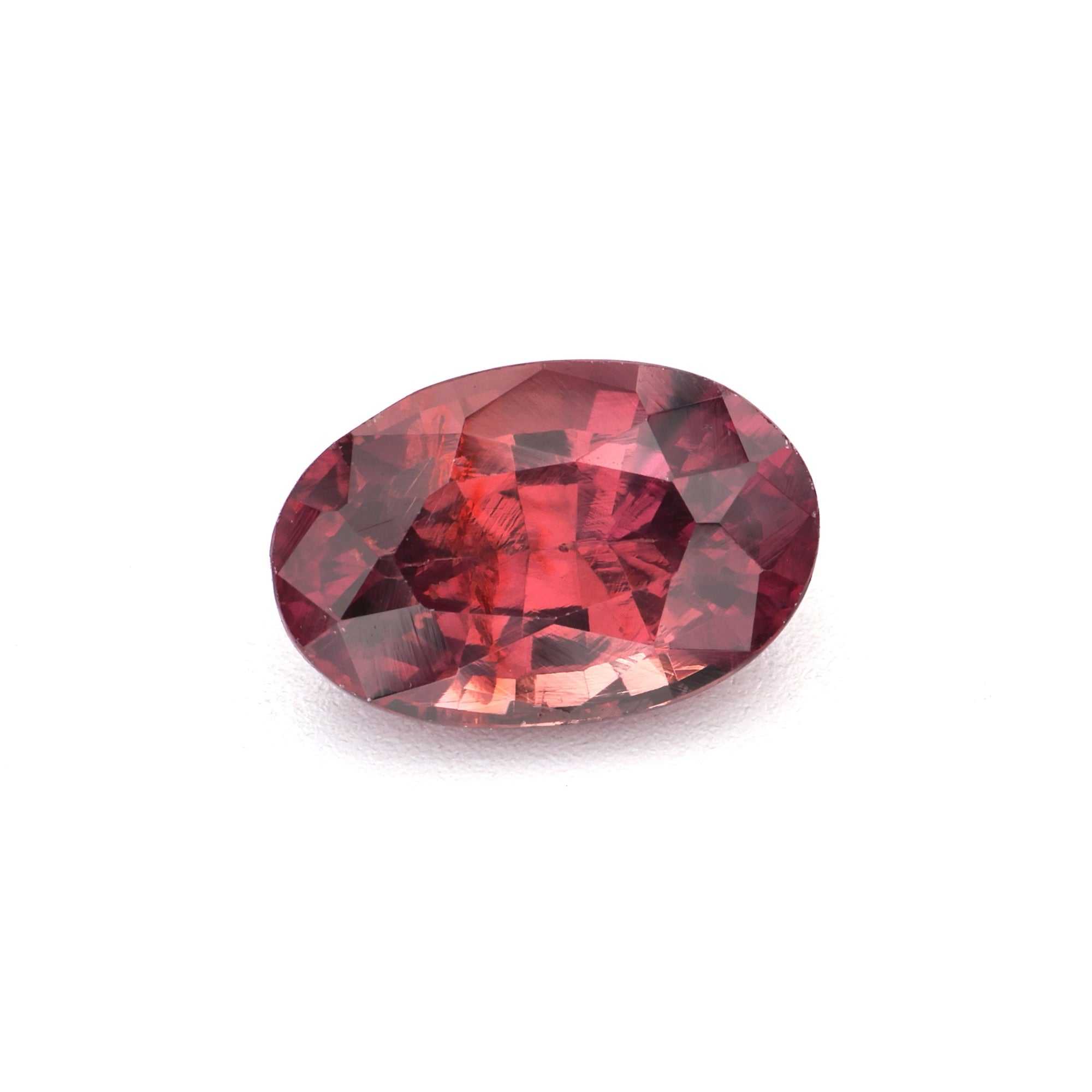
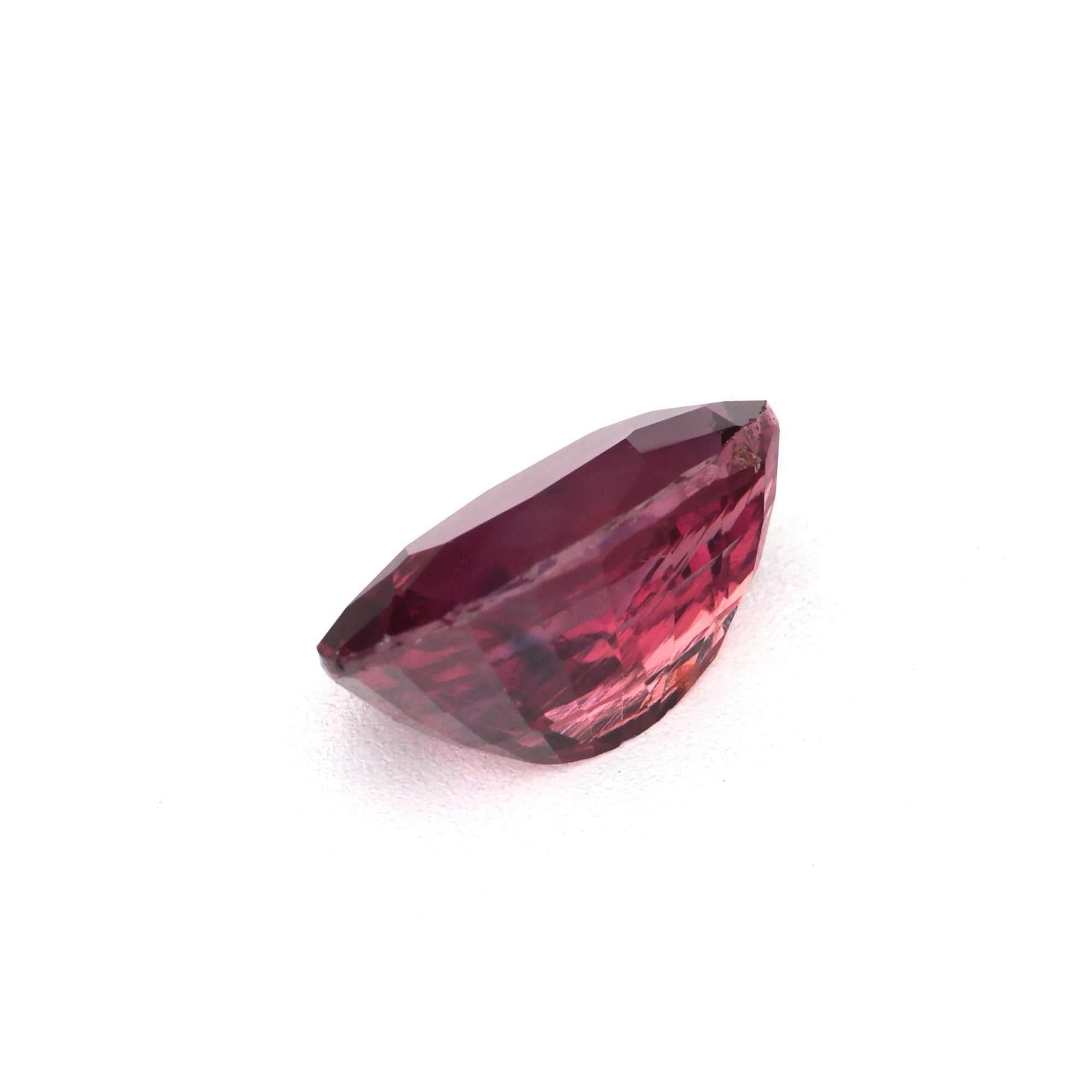
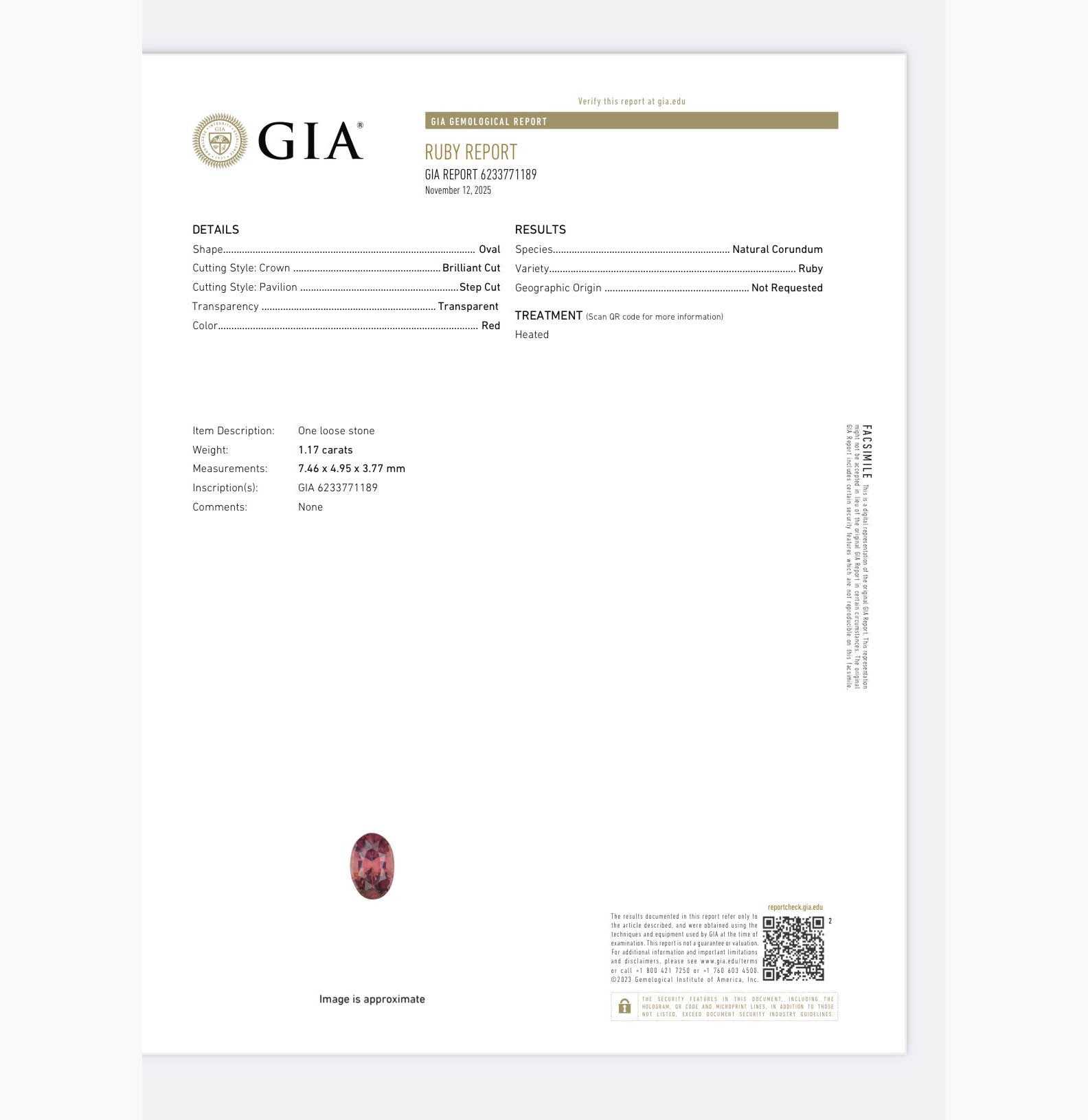
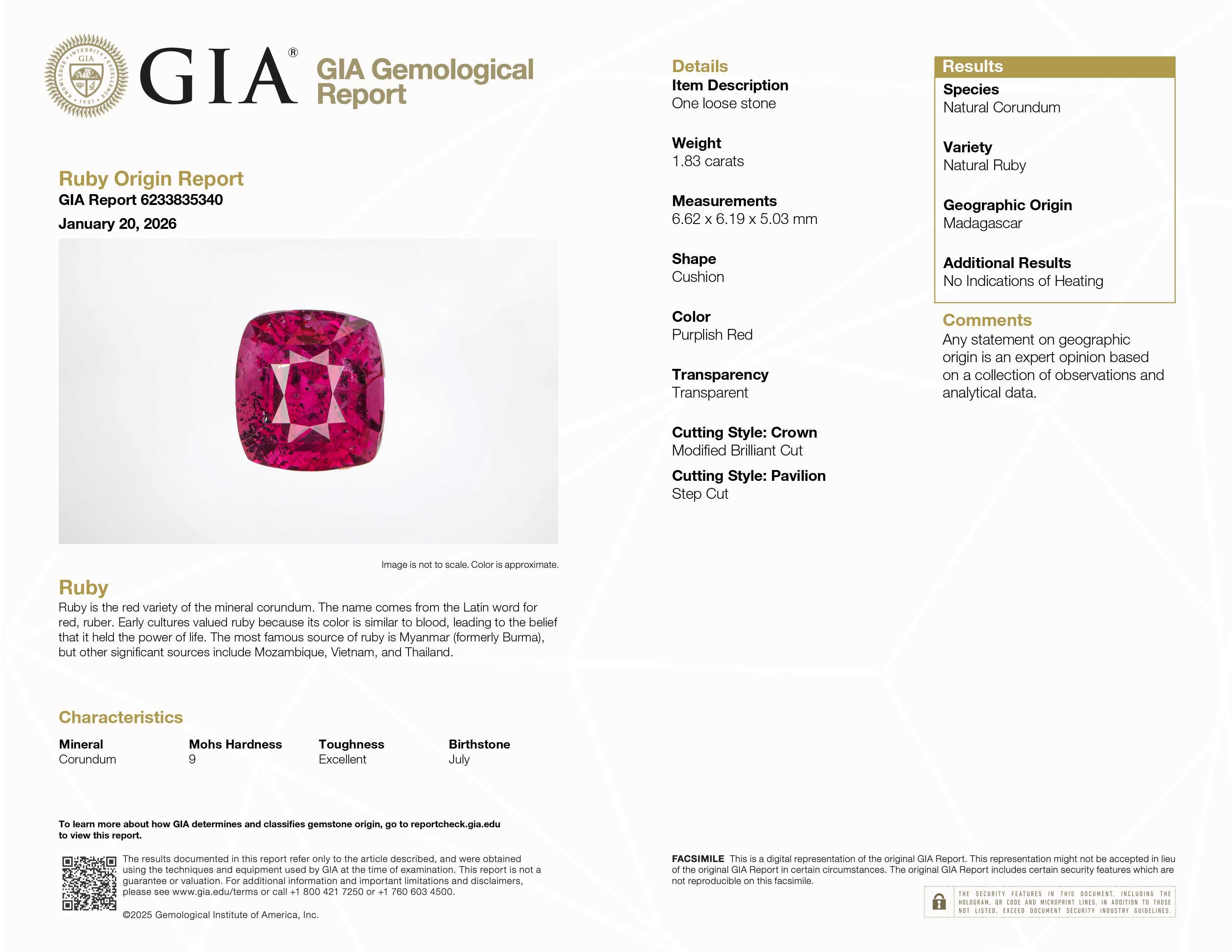
Our Ruby Gemstones selection is small and carefully curated. We list rubies individually because each one is genuinely one of a kind — there is no parcel work here, no calibrated standard sizes. Treatment status is disclosed on every product page, and premium pieces ship with GIA reports documenting weight, dimensions, and treatment. Each stone is photographed under standardized lighting against a neutral background.
How to choose a ruby
Hue. The most prized rubies show "pigeon blood" red — a vivid pure red with a hint of blue/purple undertone. Stones with brownish or orangey undertones are valued less, though they can still be beautiful in jewelry.
Saturation. Vivid mid-tone saturation defines value. Stones too dark read black under low light; stones too pale lose their character and read closer to pink sapphire.
Treatment. Most commercial rubies are heat-treated to improve color and clarity. Unheated rubies are dramatically rarer and command significant price premiums. Read every product page carefully — we disclose treatment status explicitly.
Origin. Burmese (Myanmar) rubies have historically been the most valued. African rubies (Mozambique, Madagascar) are increasingly significant. Sri Lankan rubies tend toward pinker-red hues. Origin is only meaningful when documented by a major lab.
Cut. Oval and cushion are most common. Emerald cuts demand exceptional clarity.
Engagement, statement jewelry, collection pieces
Ruby is the most romantic of the precious colored stones — a natural fit for engagement rings, anniversary pieces, and statement jewelry. Its rarity at fine quality means even modest carat weights carry significant presence. For green alternatives, see our tsavorite garnet collection; for red-adjacent pink stones, see our pink sapphires.
Want help finding a specific ruby? Email crescentgems@gmail.com — we can source to specification. 14-day return on every order. Select pieces are available for Try-On. Free US shipping; international shipping via FedEx and UPS.
Ruby Gemstones is corundum colored by chromium — the same mineral as sapphire, but with enough chromium concentration to push the color into rich, saturated red. It has been the most prized gemstone in human history for millennia, valued in nearly every culture for its vivid color, its 9-on-the-Mohs-scale durability, and its association with vitality, love, and power. Fine ruby is rarer than fine diamond at comparable quality grades.
Why our Ruby Gemstones
Our Ruby Gemstones selection is small and carefully curated. We list rubies individually because each one is genuinely one of a kind — there is no parcel work here, no calibrated standard sizes. Treatment status is disclosed on every product page, and premium pieces ship with GIA reports documenting weight, dimensions, and treatment. Each stone is photographed under standardized lighting against a neutral background.
How to choose a ruby
Hue. The most prized rubies show "pigeon blood" red — a vivid pure red with a hint of blue/purple undertone. Stones with brownish or orangey undertones are valued less, though they can still be beautiful in jewelry.
Saturation. Vivid mid-tone saturation defines value. Stones too dark read black under low light; stones too pale lose their character and read closer to pink sapphire.
Treatment. Most commercial rubies are heat-treated to improve color and clarity. Unheated rubies are dramatically rarer and command significant price premiums. Read every product page carefully — we disclose treatment status explicitly.
Origin. Burmese (Myanmar) rubies have historically been the most valued. African rubies (Mozambique, Madagascar) are increasingly significant. Sri Lankan rubies tend toward pinker-red hues. Origin is only meaningful when documented by a major lab.
Cut. Oval and cushion are most common. Emerald cuts demand exceptional clarity.
Engagement, statement jewelry, collection pieces
Ruby is the most romantic of the precious colored stones — a natural fit for engagement rings, anniversary pieces, and statement jewelry. Its rarity at fine quality means even modest carat weights carry significant presence. For green alternatives, see our tsavorite garnet collection; for red-adjacent pink stones, see our pink sapphires.
Want help finding a specific ruby? Email crescentgems@gmail.com — we can source to specification. 14-day return on every order. Select pieces are available for Try-On. Free US shipping; international shipping via FedEx and UPS.
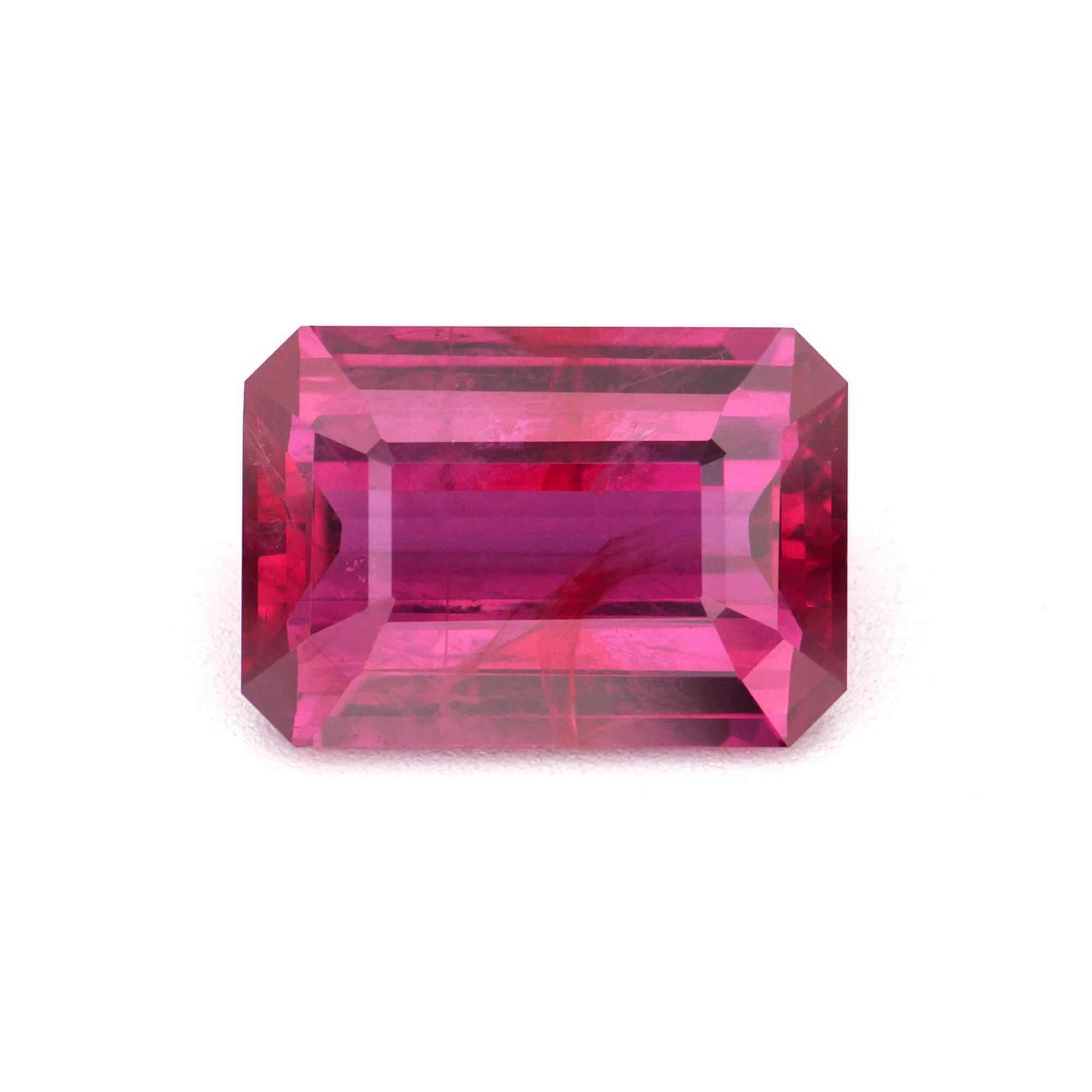
CG8407
1.09 ct emerald cut Natural 1 carat ruby with GIA report
CG8250
1.17 ct Natural Oval 1 carat Ruby with GIA lab report
CG8338
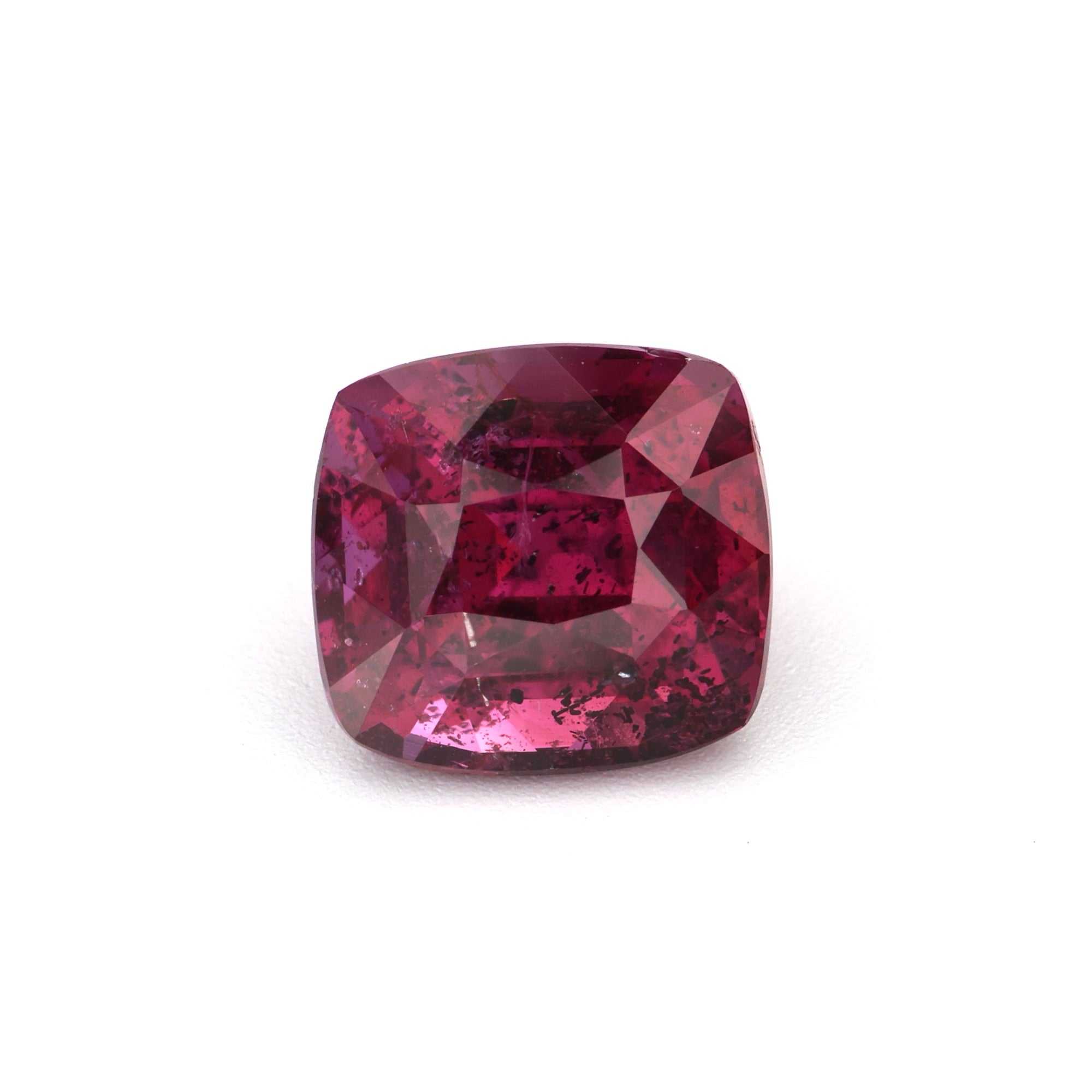
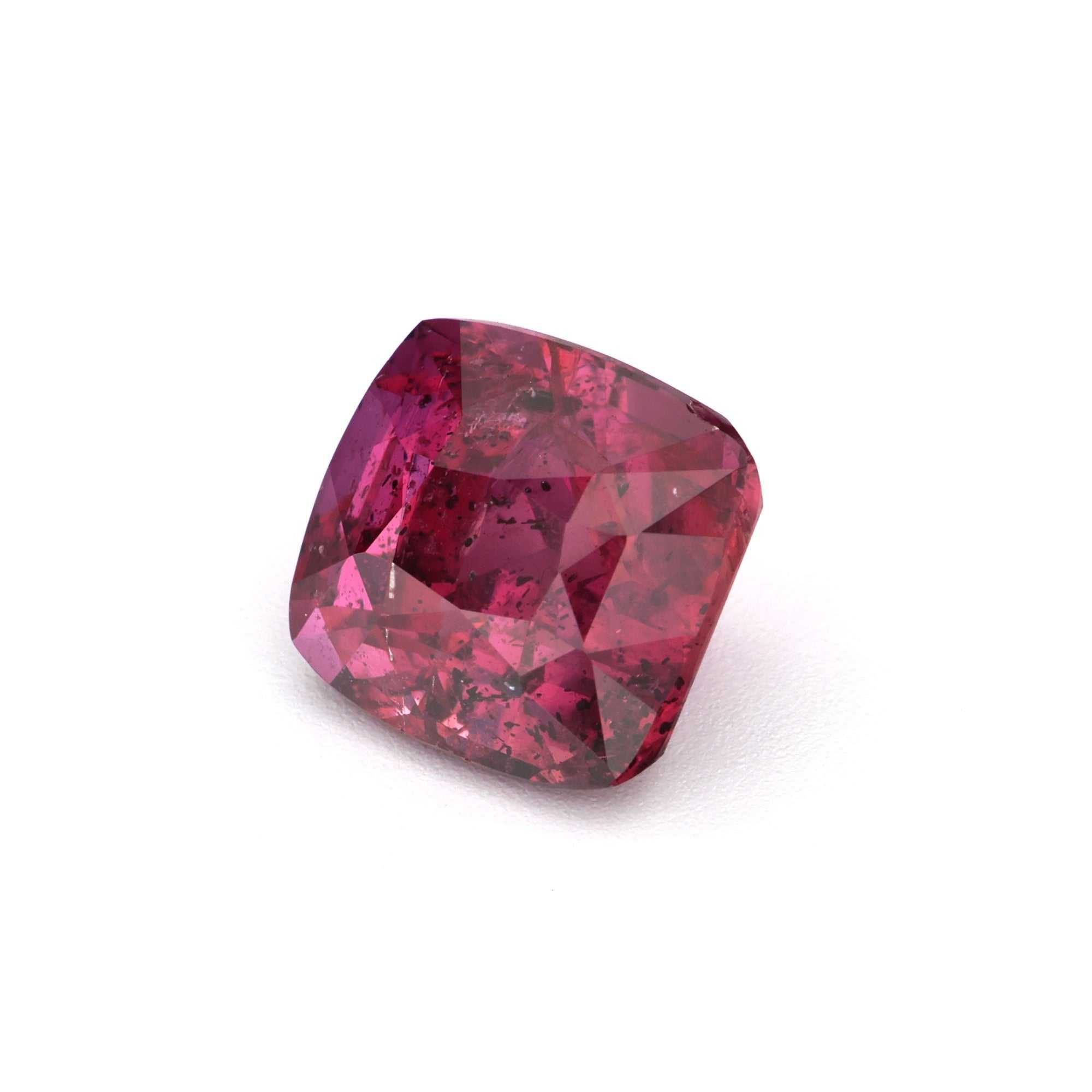
1.83 ct Cushion shaped Natural Ruby ~ Untreated with GIA