


- by Ahmed Shareek
Tanzania Sapphire — Tunduru, Umba, and What Buyers Need to Know
- by Ahmed Shareek
For origin comparison: Ceylon Sapphire Complete Guide. For the full color reference: Sapphire Colors Explained. For the buying foundation: Ultimate Sapphire Buying Guide.
Tanzania is one of the most geologically rich gemstone-producing countries on Earth and home to two sapphire-producing regions largely unknown outside the trade: the Tunduru fields in the far south and the Umba River Valley in the northeast. Both produce sapphires of genuine quality — and in the case of Tunduru, a color range that rivals Ceylon in breadth if not yet in international recognition.
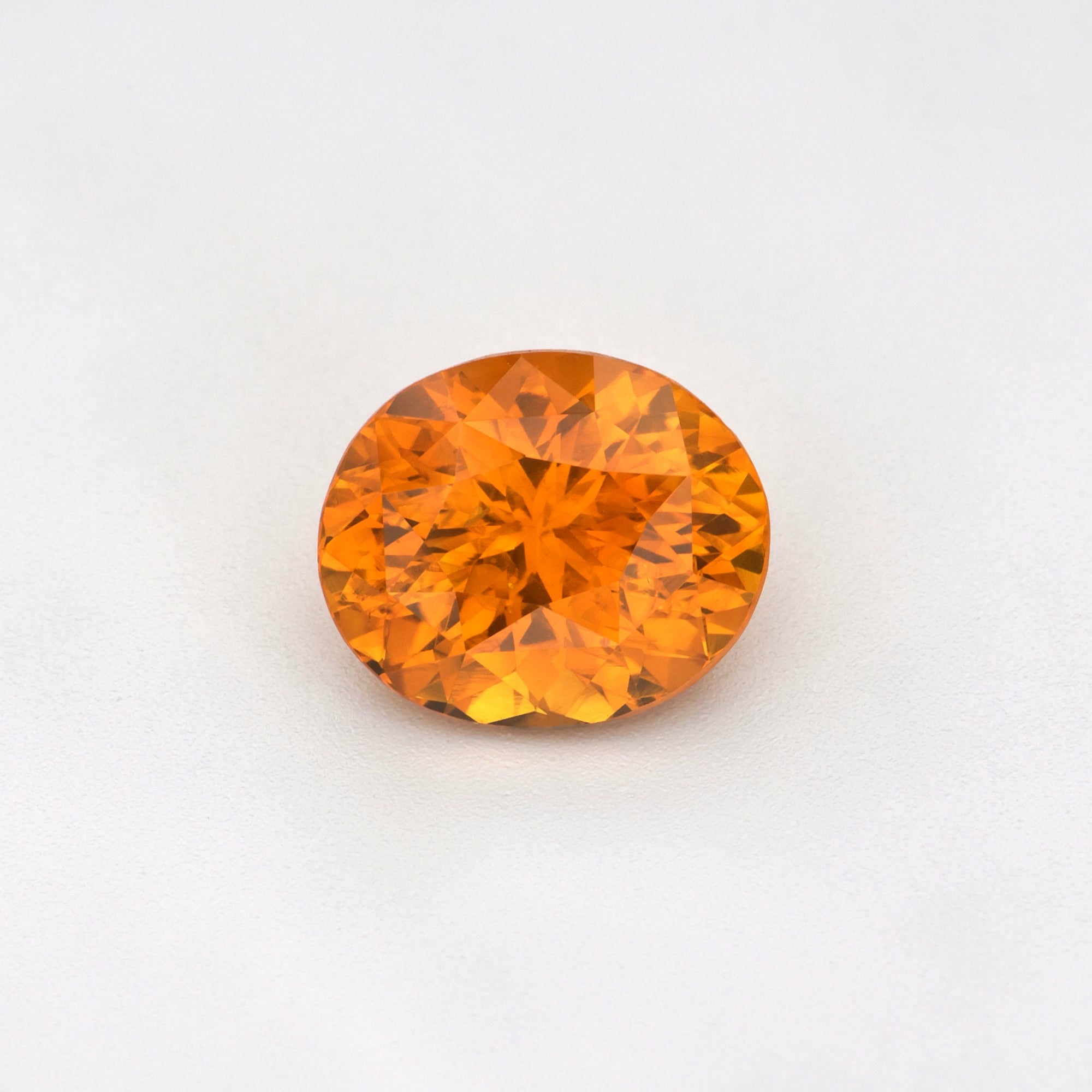
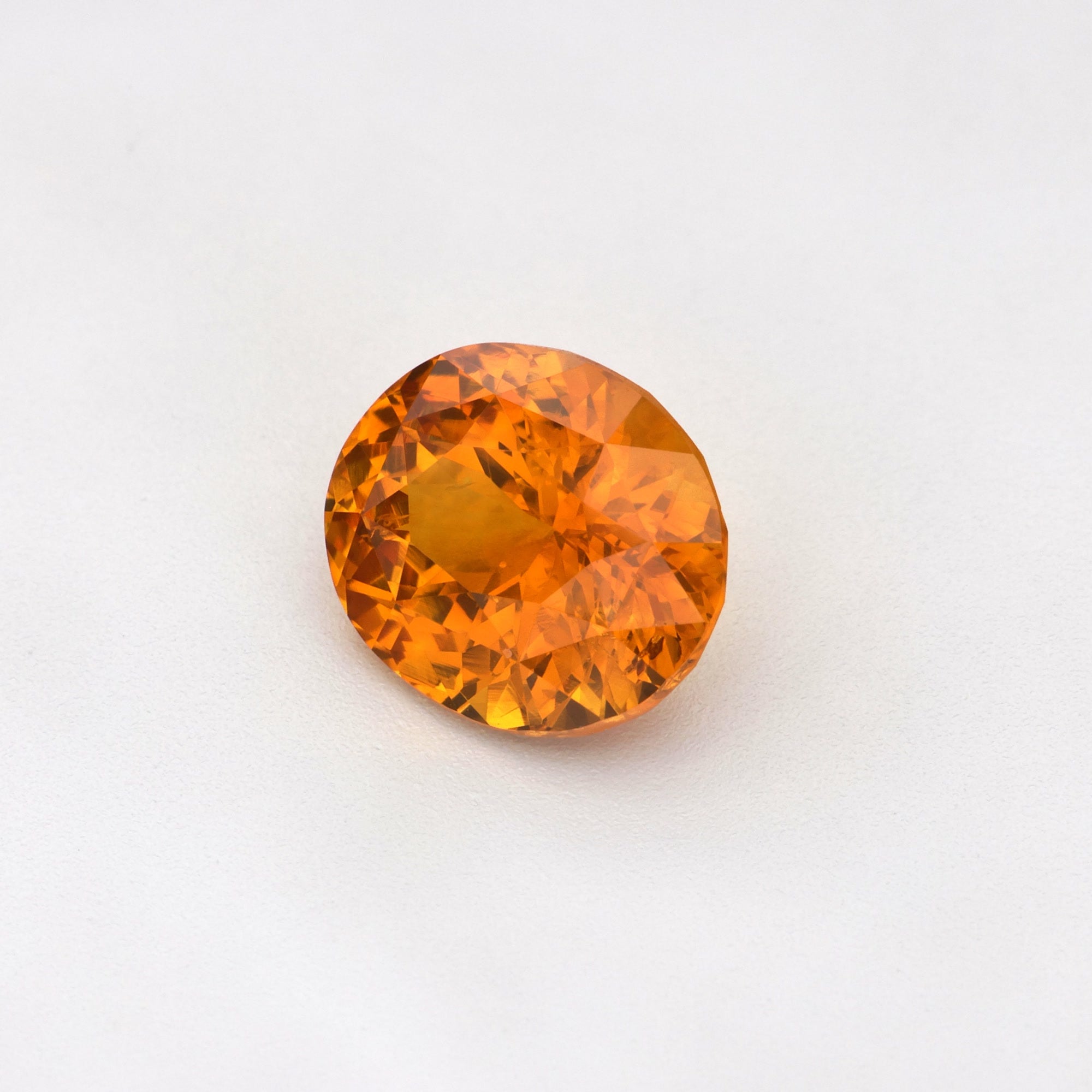
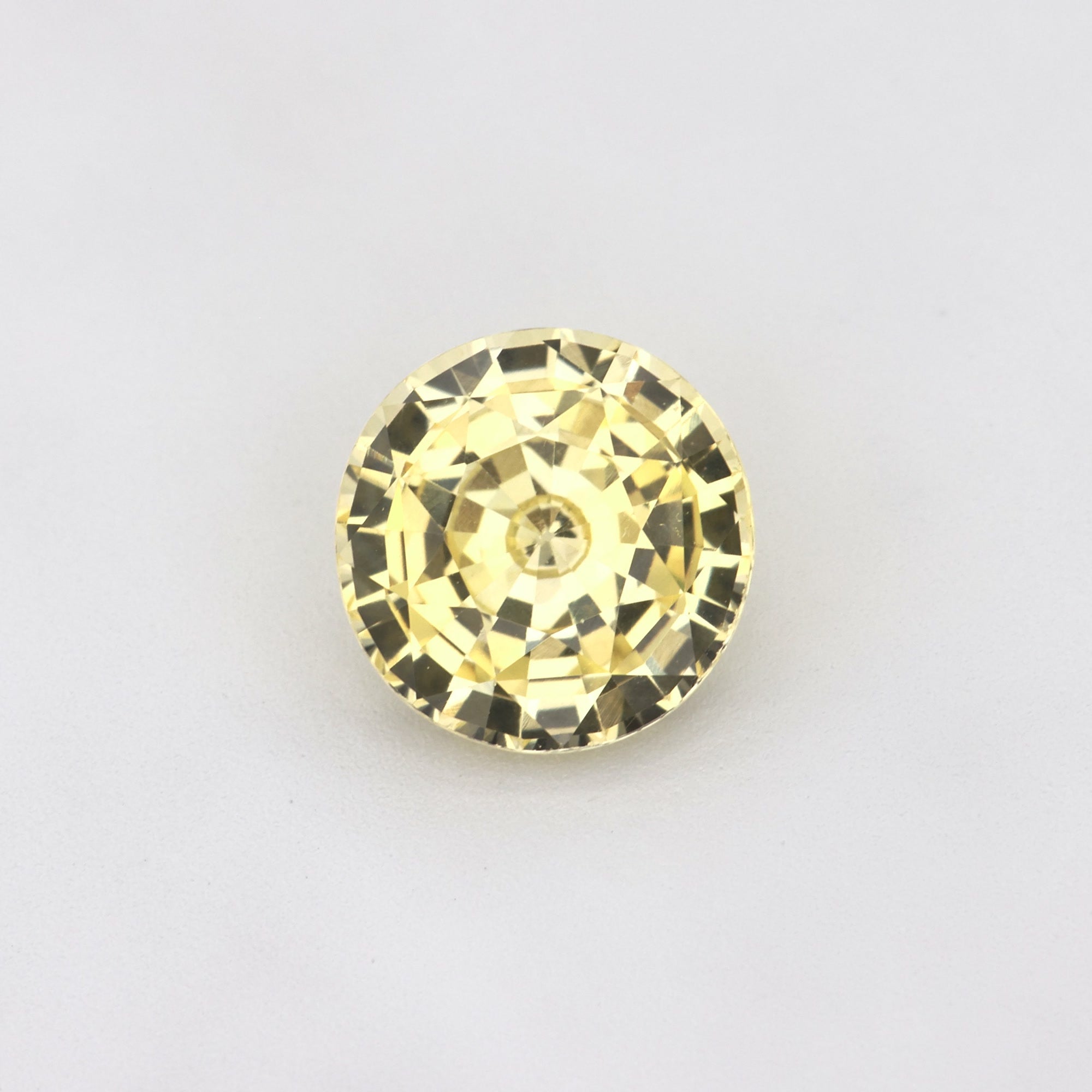
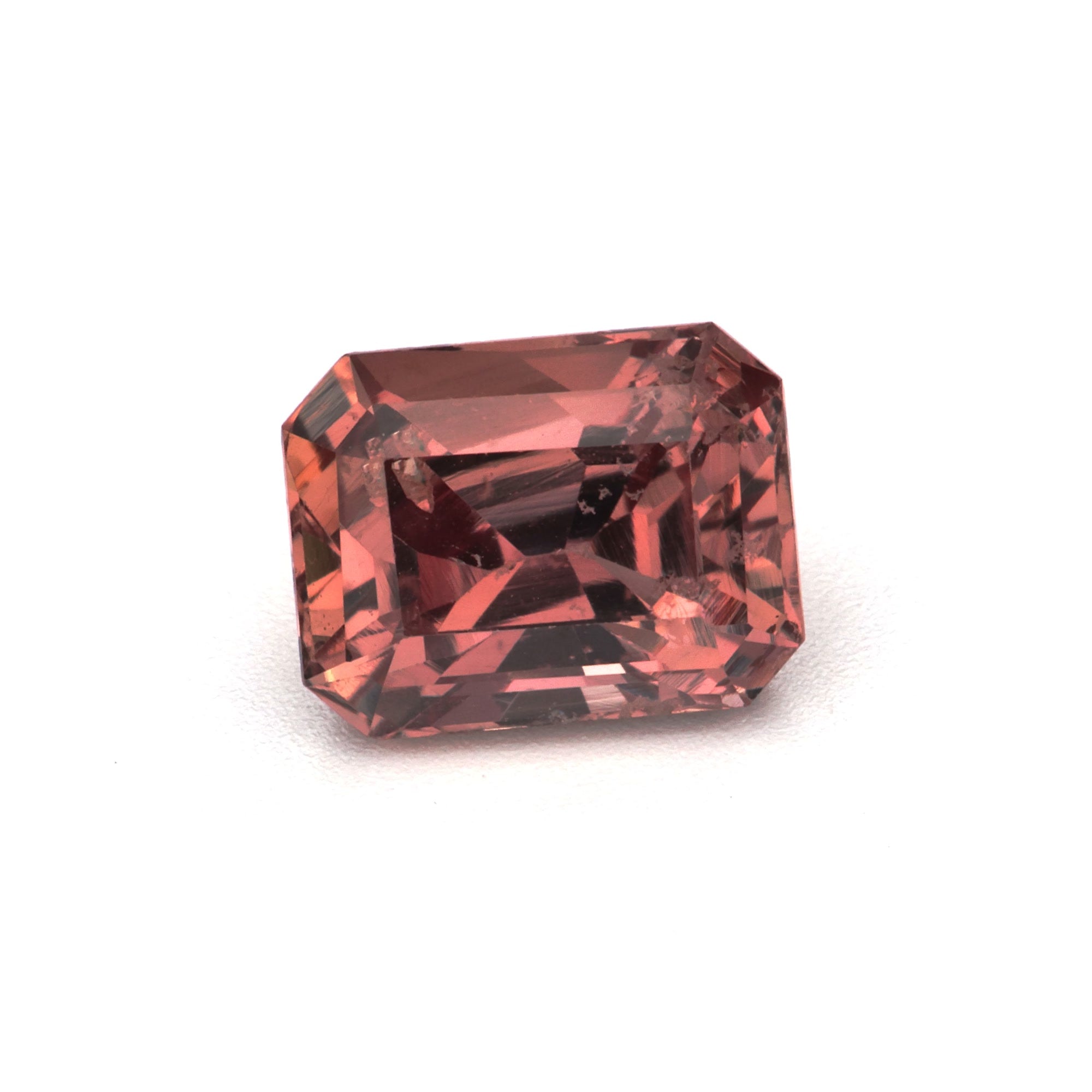
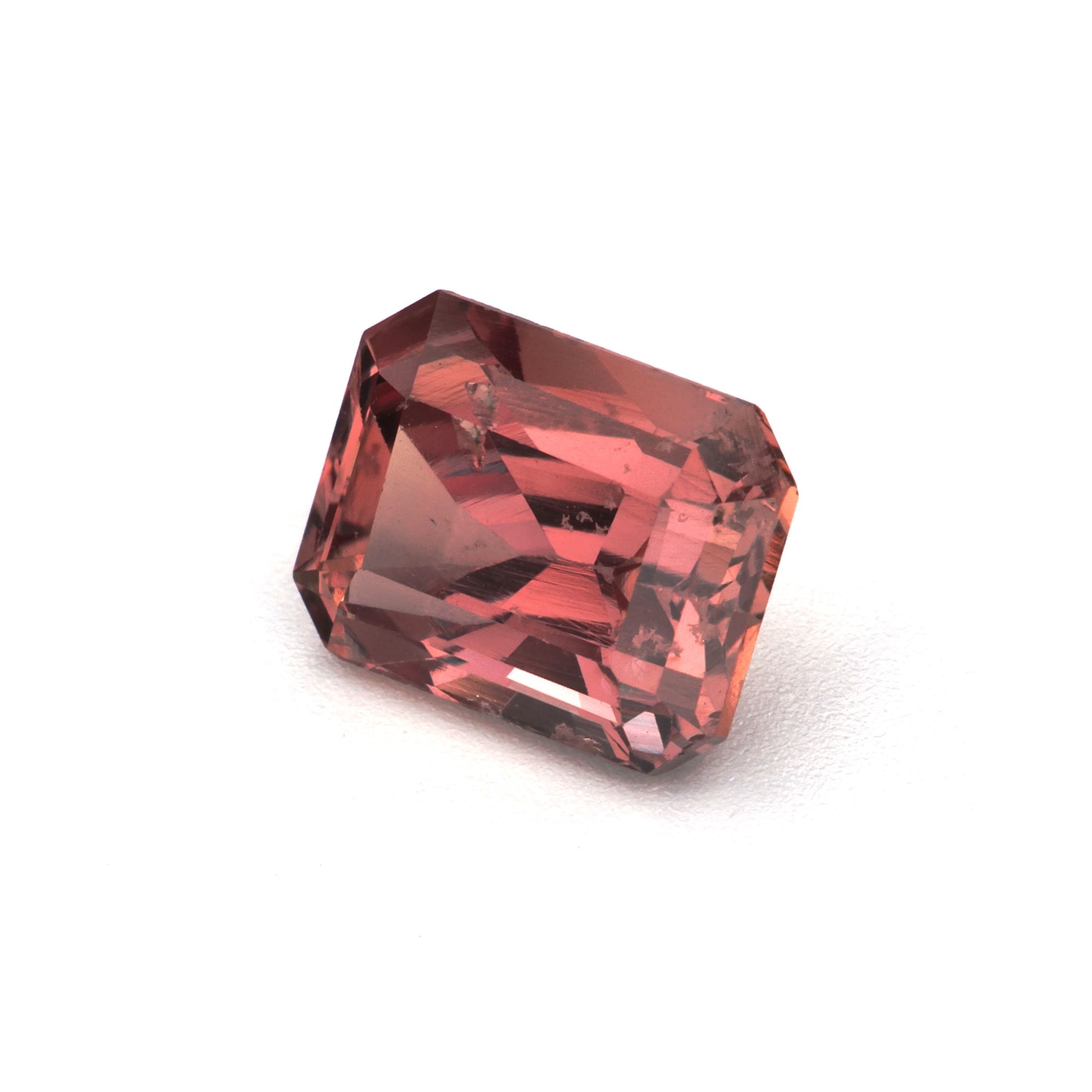
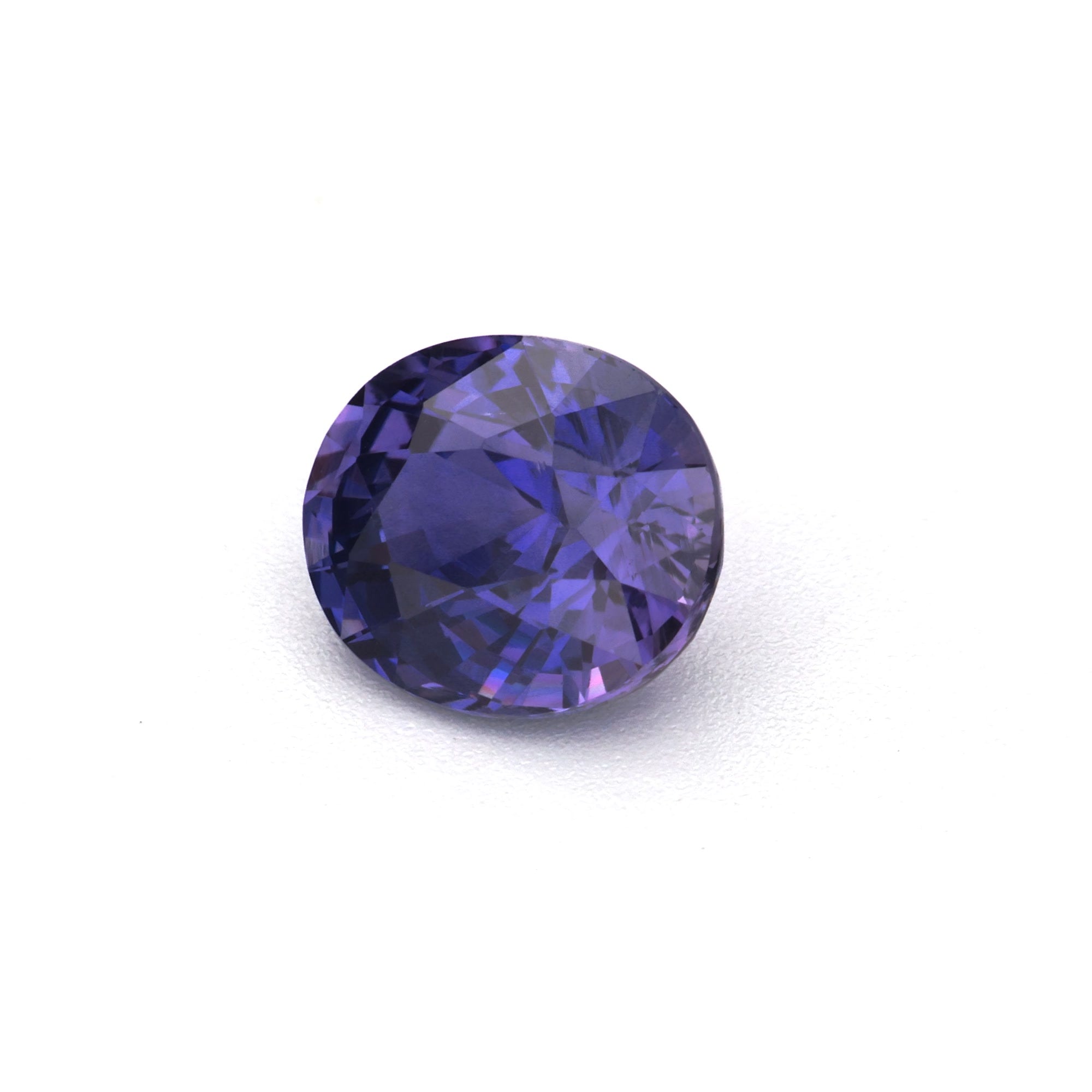
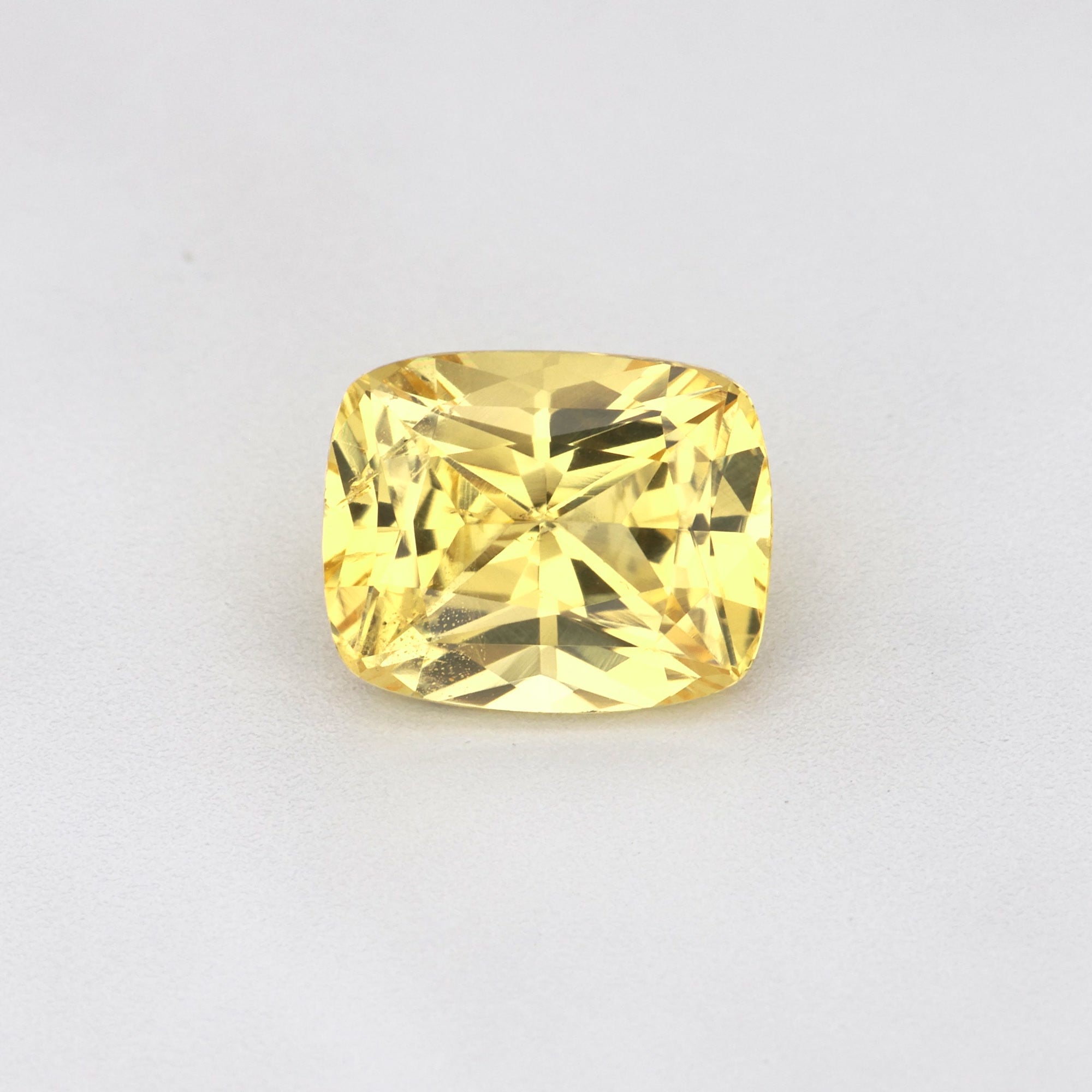
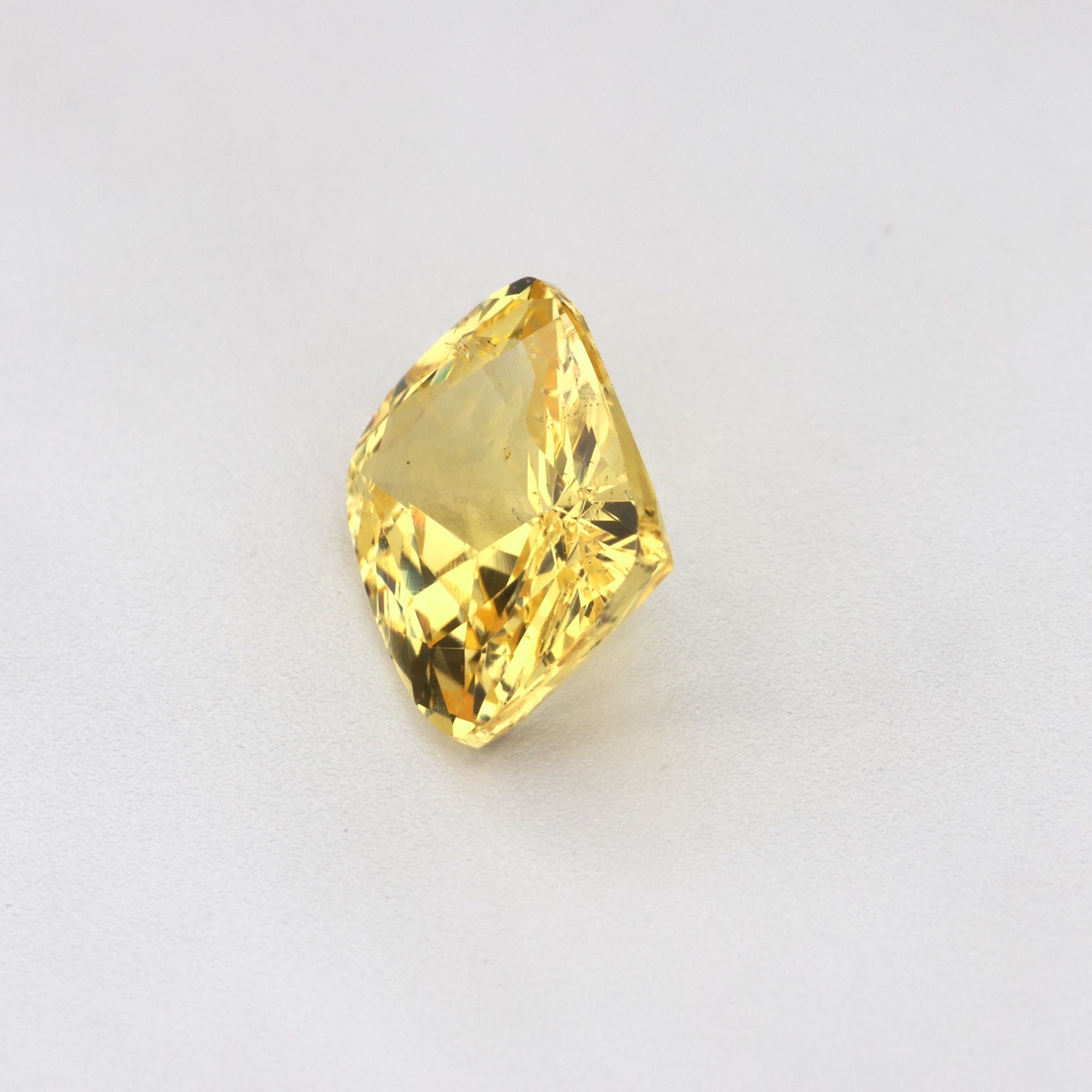
Tunduru is a remote district in the Ruvuma Region of southern Tanzania, close to the Mozambique border. The sapphire deposits here are alluvial — gemstones weathered from ancient metamorphic source rocks and transported into secondary gravel deposits by river systems. The deposits are worked by artisanal miners in a manner almost identical to the Sri Lankan pit mining tradition. Tunduru produces a remarkably wide range of sapphire colors including blue, teal, yellow, pink, padparadscha-like orange-pink, purple, and violet — and a meaningful proportion of Tunduru rough is naturally unheated.
The Umba River Valley in the Tanga Region is known for orange, yellow, and color-zoned stones, plus distinctive color-change sapphires — stones that shift from blue or violet in daylight to purple or reddish-purple in incandescent light.
The key insight: Tanzania sapphire — particularly from Tunduru — is quality material that the retail market has not yet fully priced. The same visual quality that commands a $2,000 per-carat price in Ceylon material may be available in Tunduru at $800-$1,200 per carat, simply because “Tunduru” does not yet carry the same retail recognition as “Ceylon.” For buyers who evaluate sapphires on their merits rather than their labels, Tanzania represents one of the most compelling value propositions in the current sapphire market. For the full pricing framework, see our Sapphire Pricing Explained guide, what a good 1 carat costs, and what a good 2 carat costs.
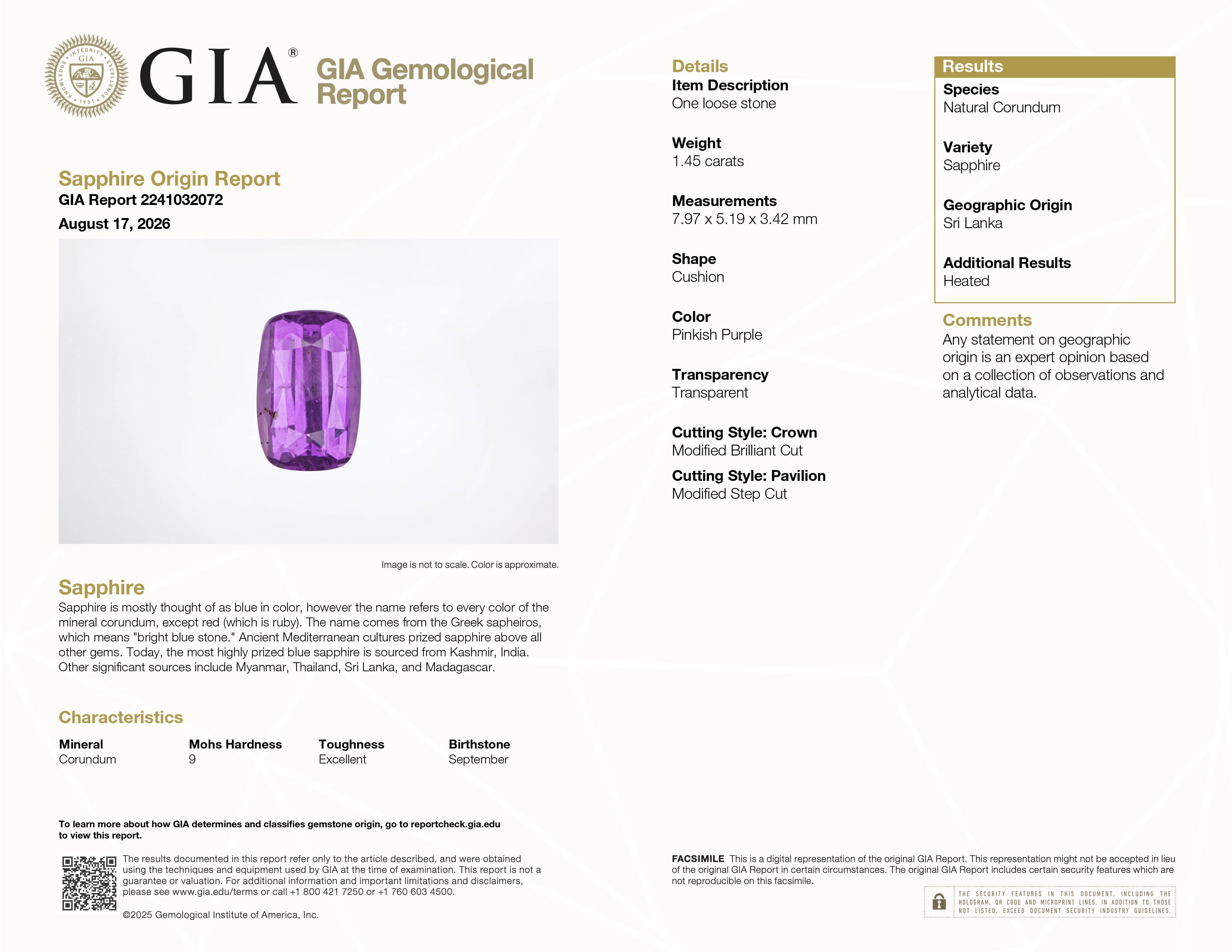
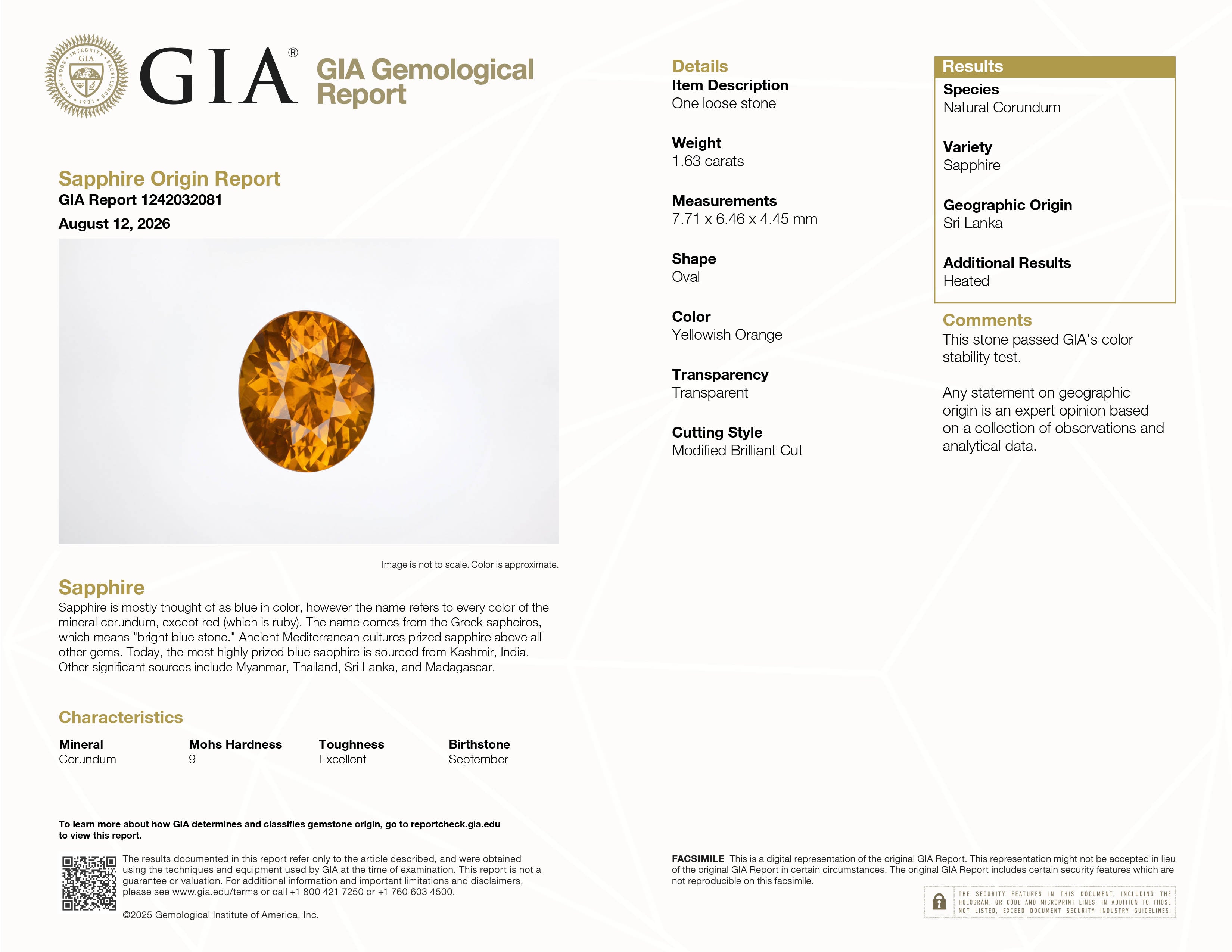
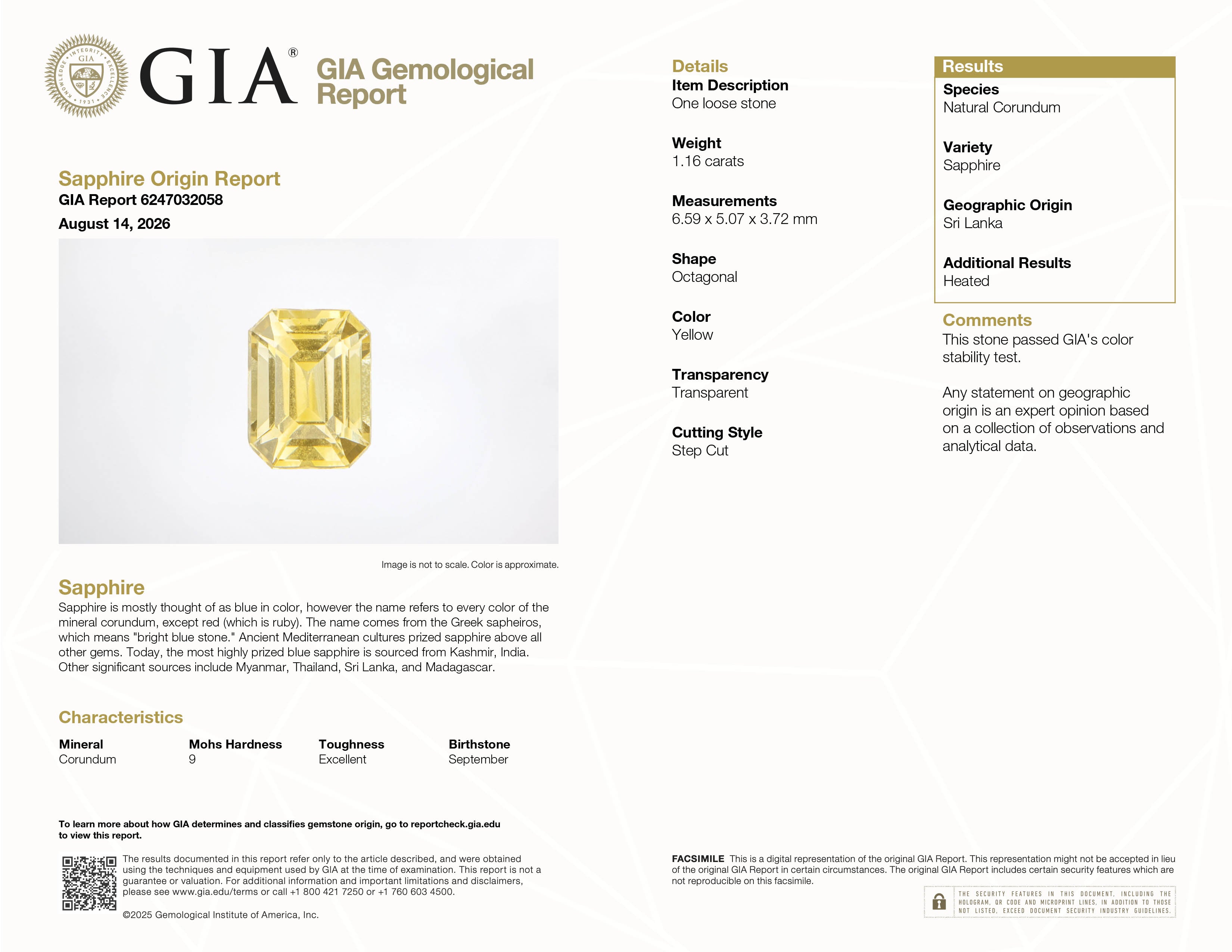
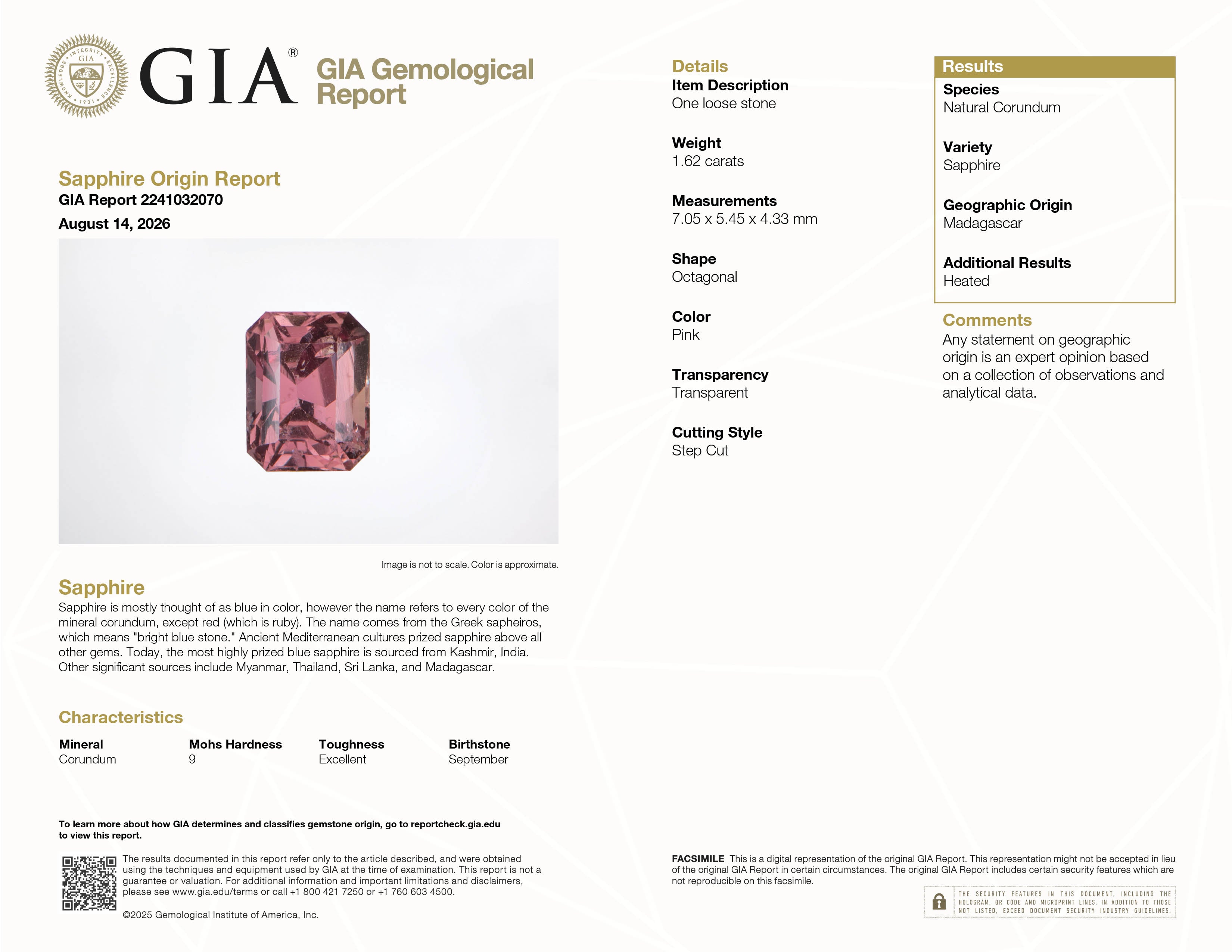
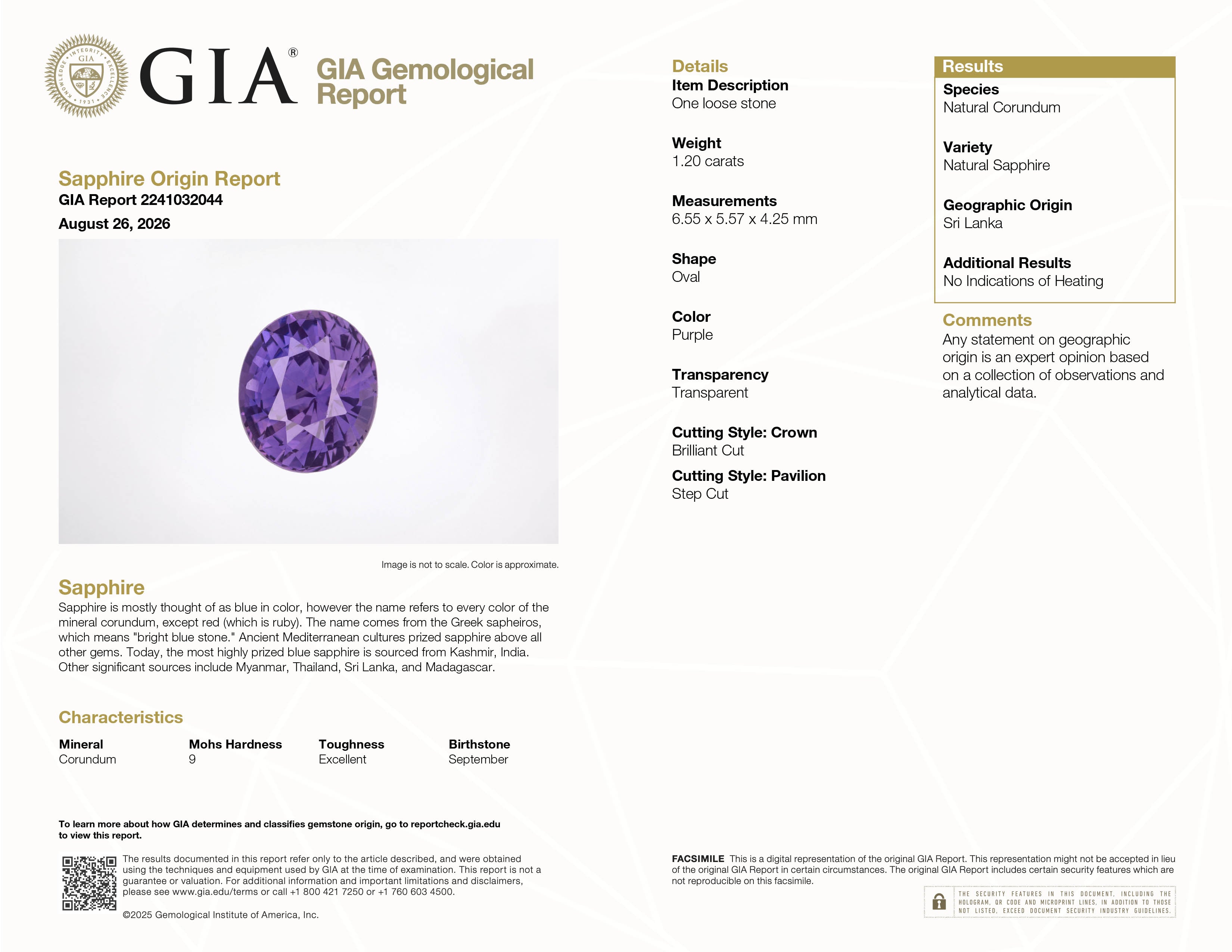
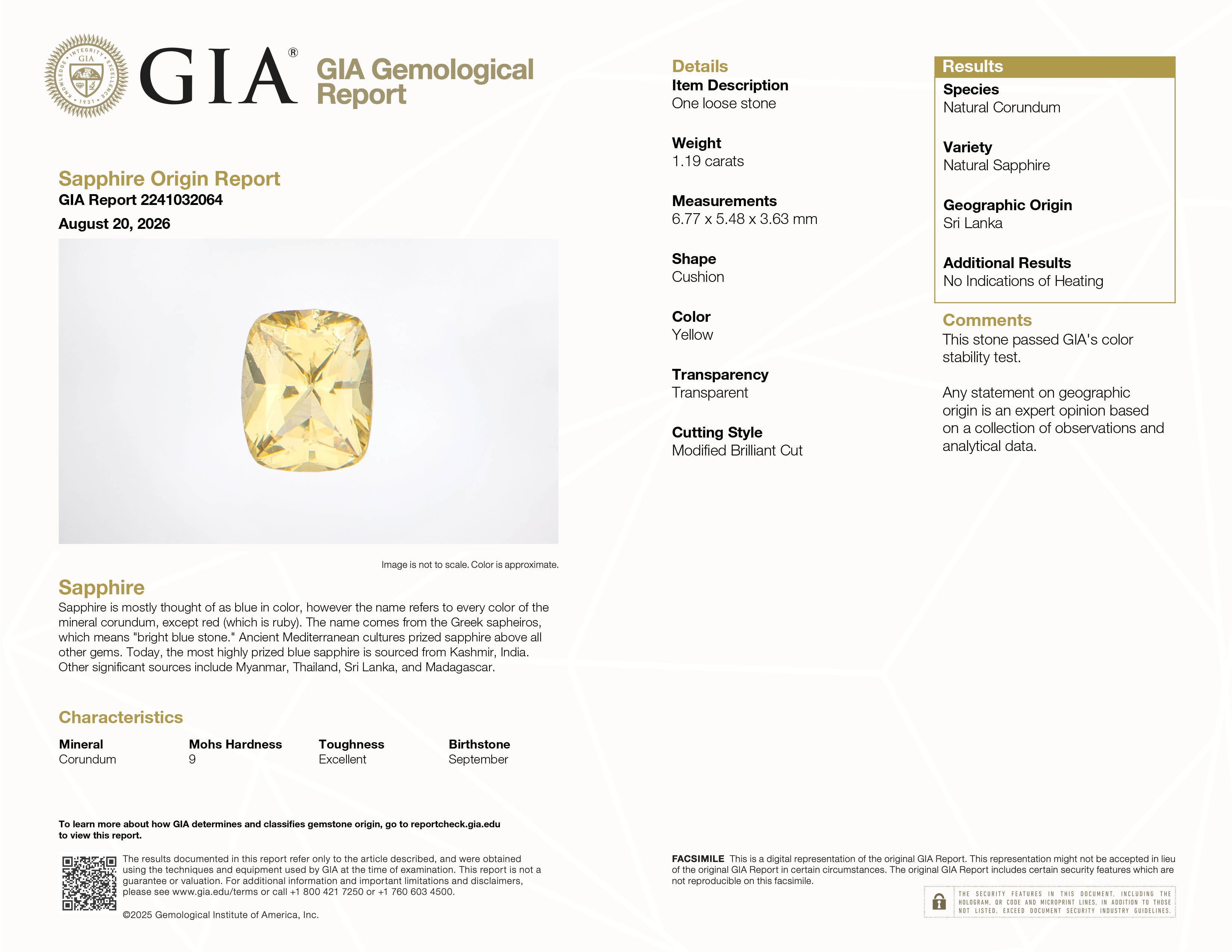
As with all major sapphire origins, heat treatment is common and fully accepted market practice. Tunduru is notable for producing a meaningful proportion of naturally unheated material across multiple colors. For warm-toned Tanzanian sapphires, always require explicit beryllium diffusion testing — non-negotiable for any orange or vivid yellow stone above $300 regardless of origin. GIA confirms Tanzania origin on its sapphire identification reports. See our guide to reading a GIA sapphire report for what the fields mean. For ring design guidance, see our oval sapphire guide, cushion cut guide, metal comparison guide, and halo ring guide. After purchase, insure your ring: see our jewelry insurance guide.
Browse our full loose sapphire catalog — stones sourced directly from Sri Lanka, Tanzania, and other key origins with complete treatment disclosure — or email crescentgems@gmail.com with your color and budget. We respond within one business day.

CG8454
CG8465
1.86 ct Natural Tsavorite Garnet, Cushion Shape | GIA Report #1242032119
CG8464
CG8463
CG8460
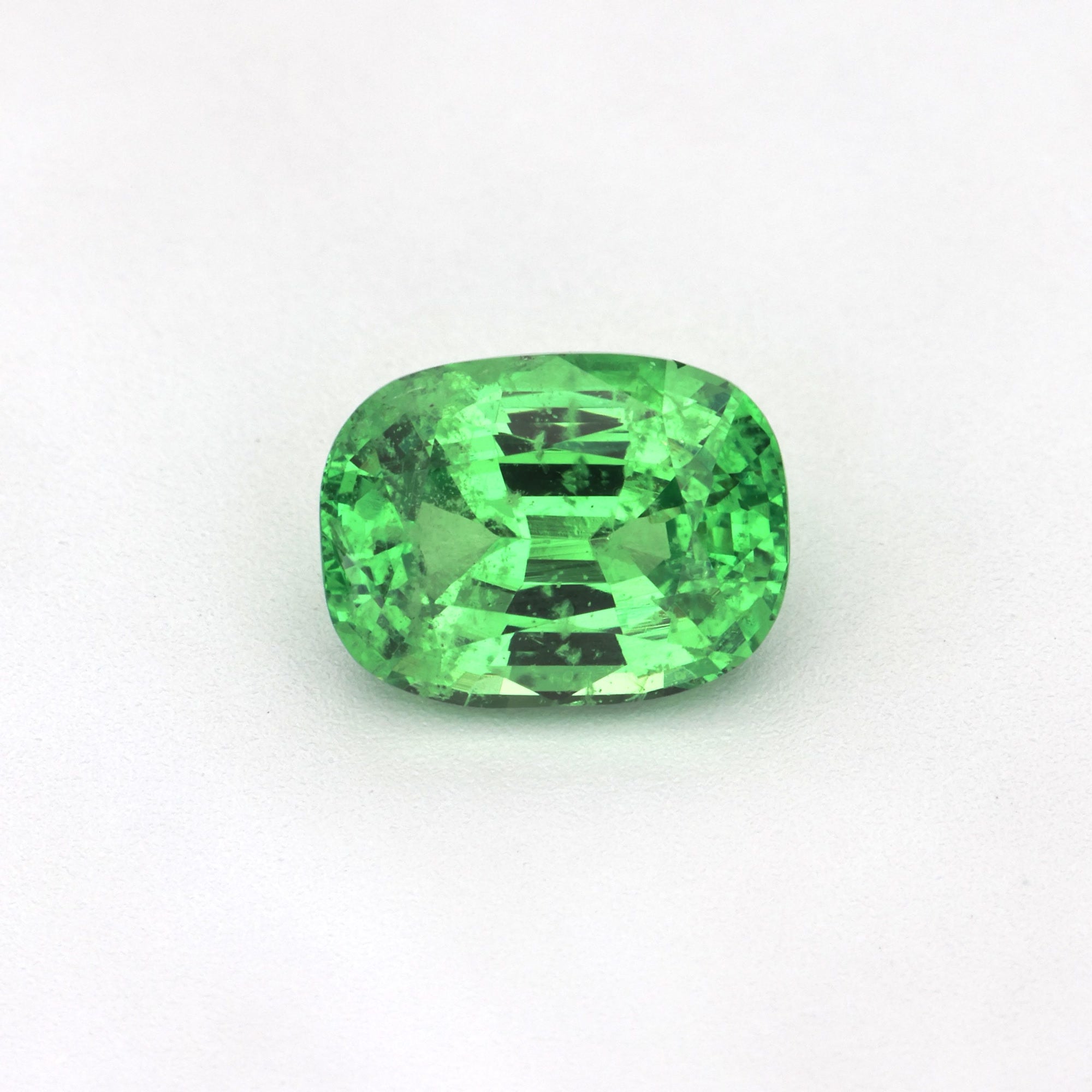
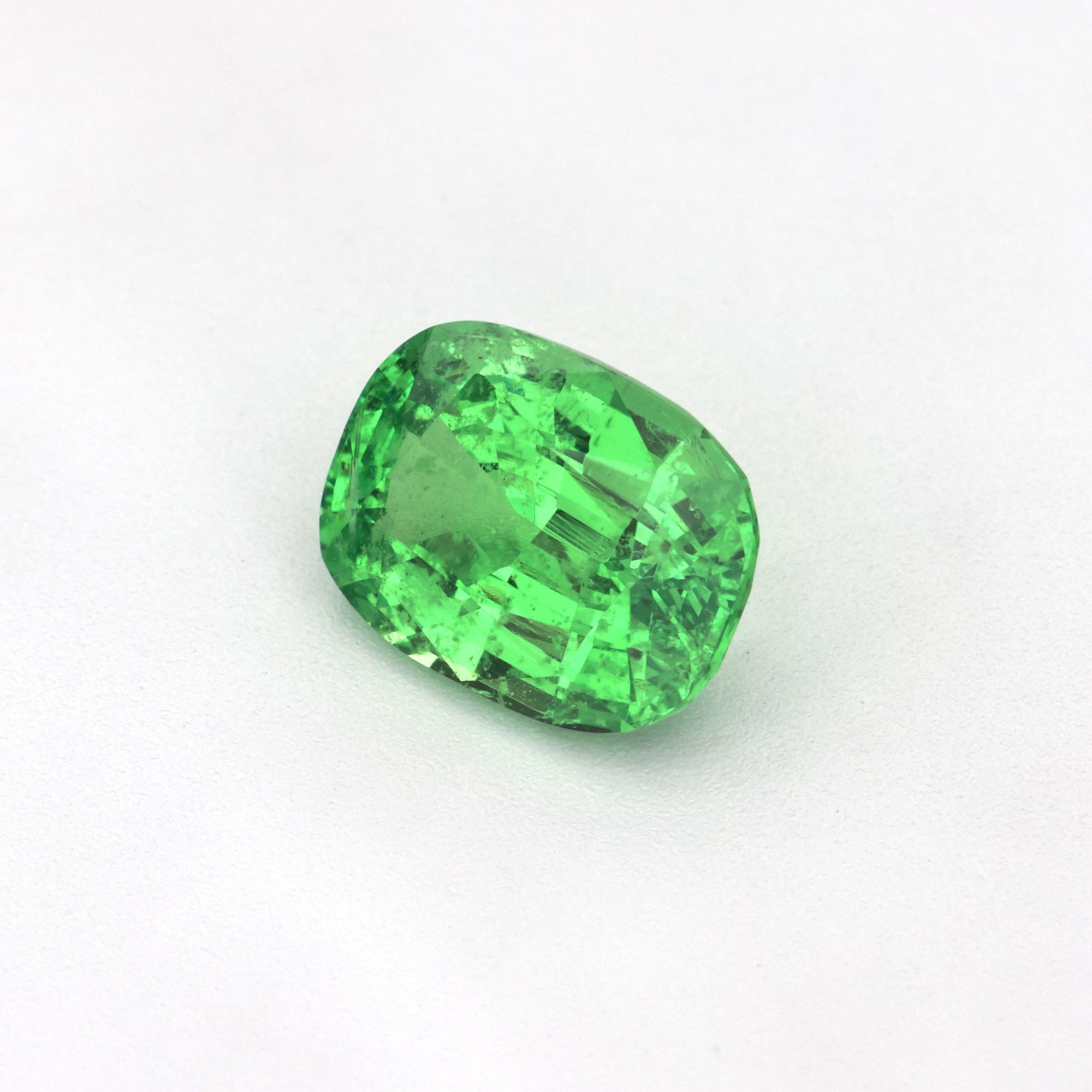
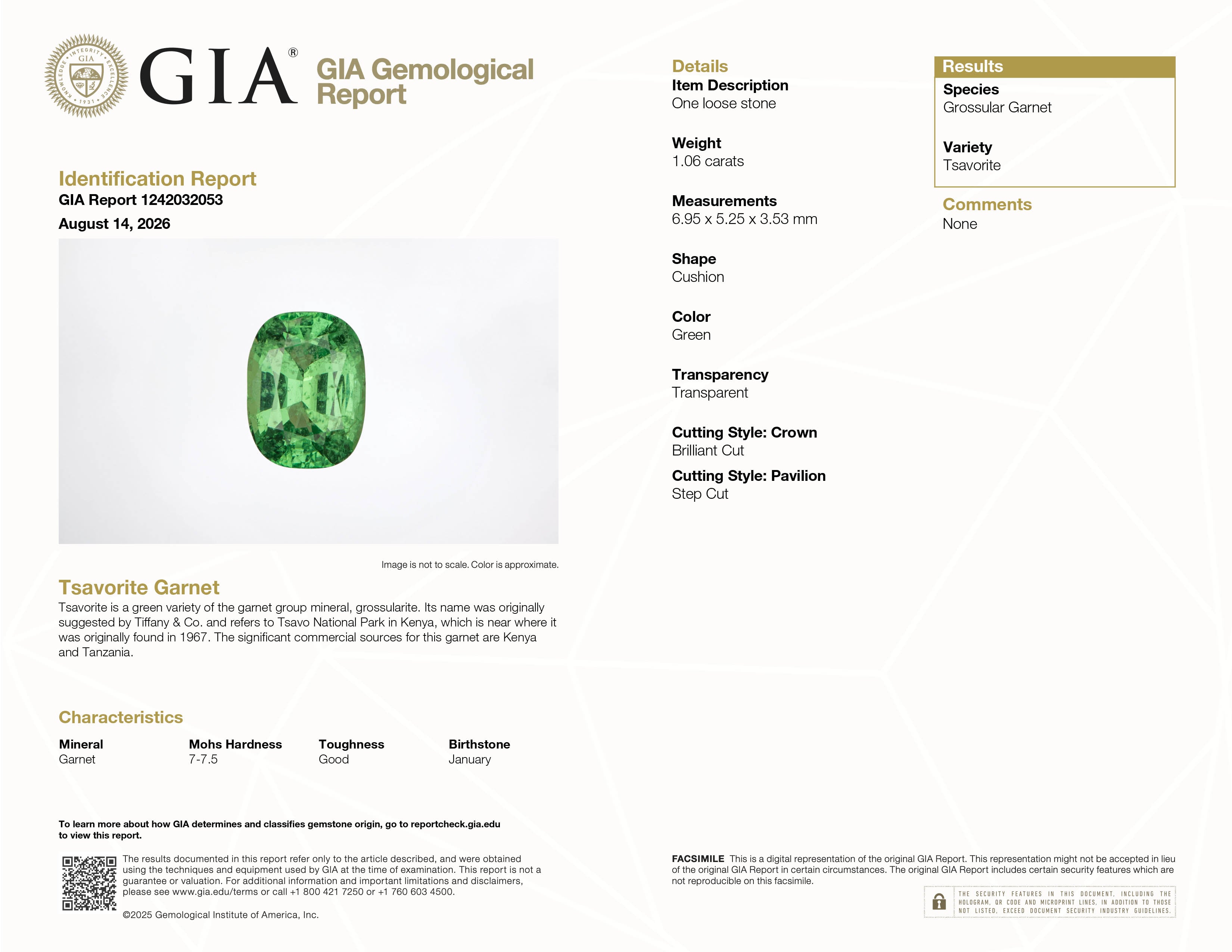
1.06 ct Natural Tsavorite Garnet, Cushion Shape | GIA Report #1242032053
CG8459
CG8458
CG8457
CG8456
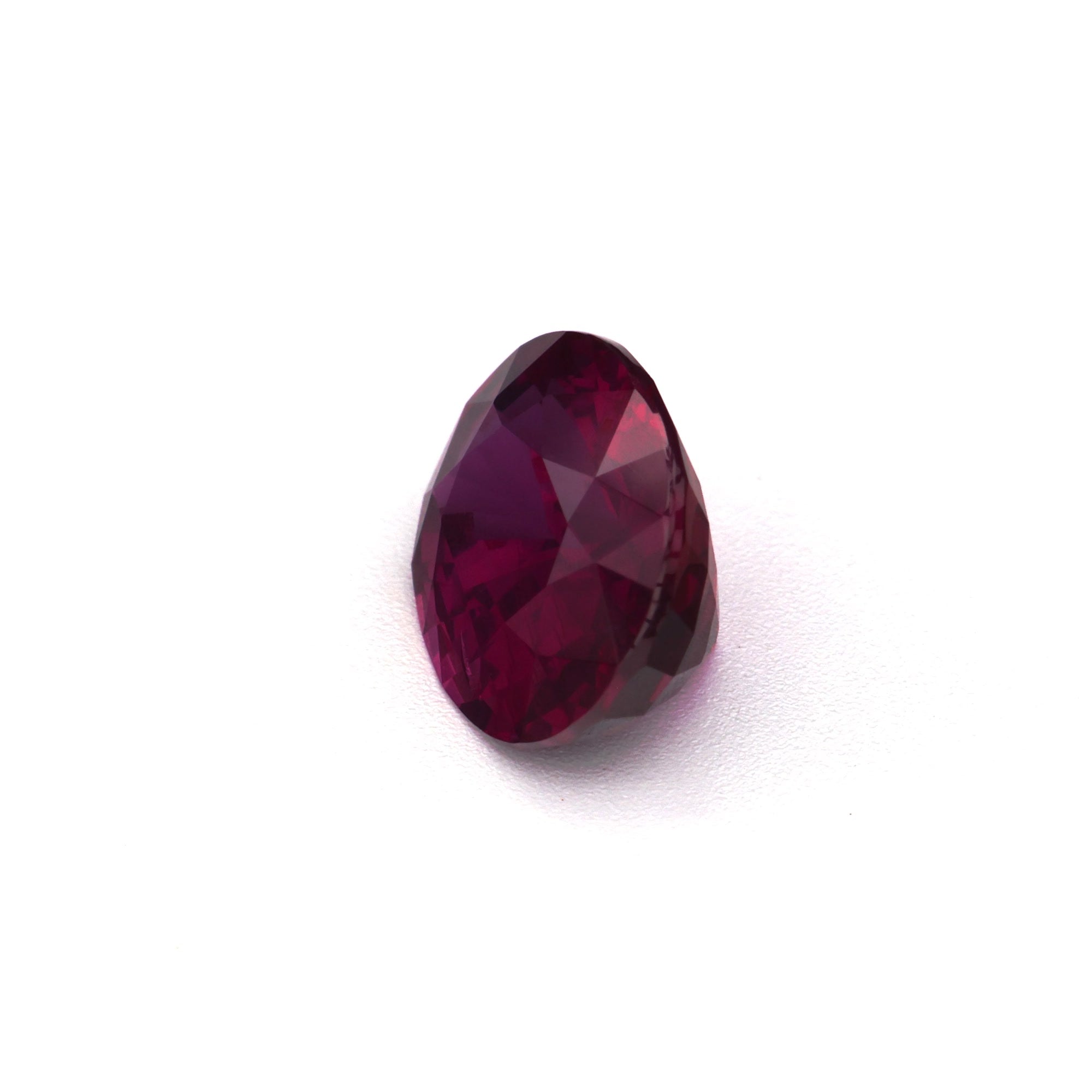
1.65 ct Natural Unheated Ruby – Oval Cut | GIA Certified | Madagascar
CG8453


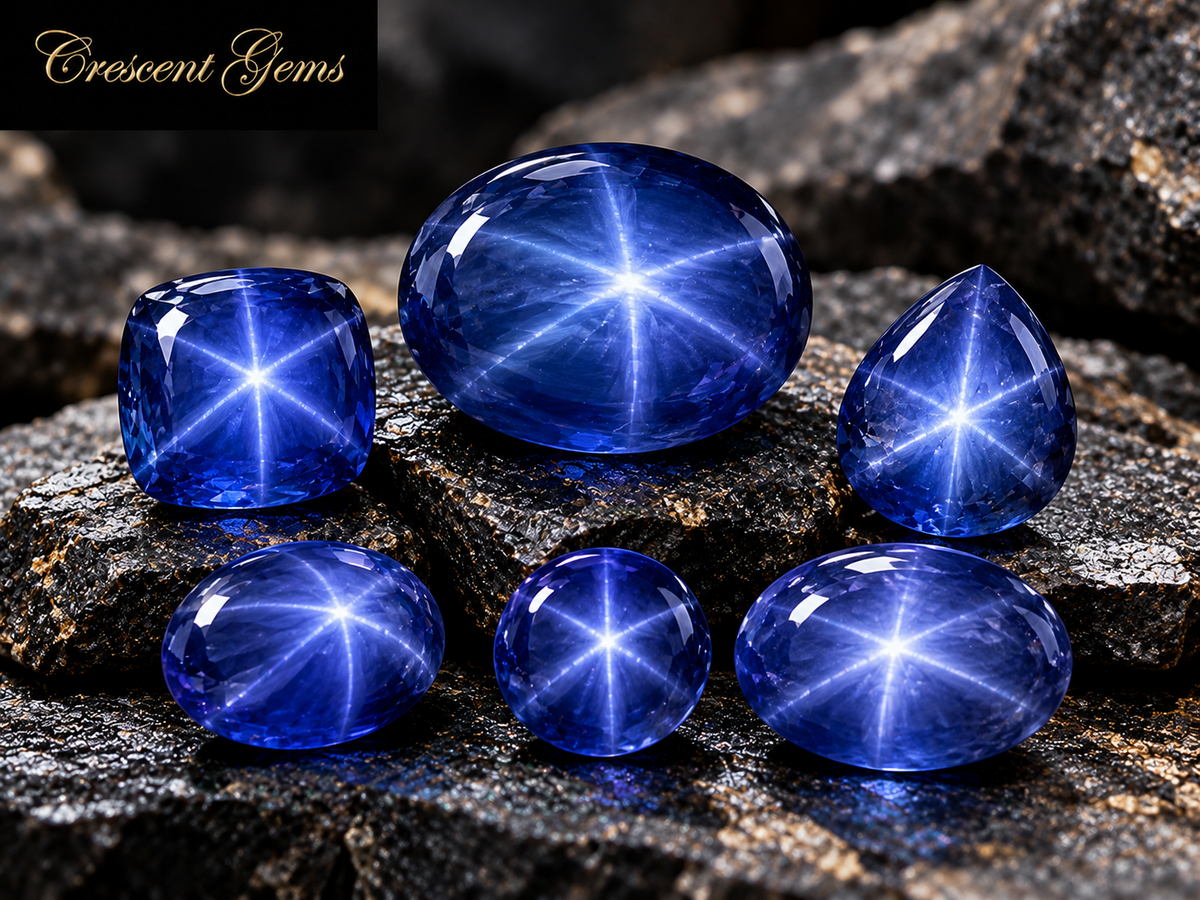
Blue Star Sapphire Price Guide — What They Cost and Why
Read moreabout Blue Star Sapphire Price Guide — What They Cost and Why
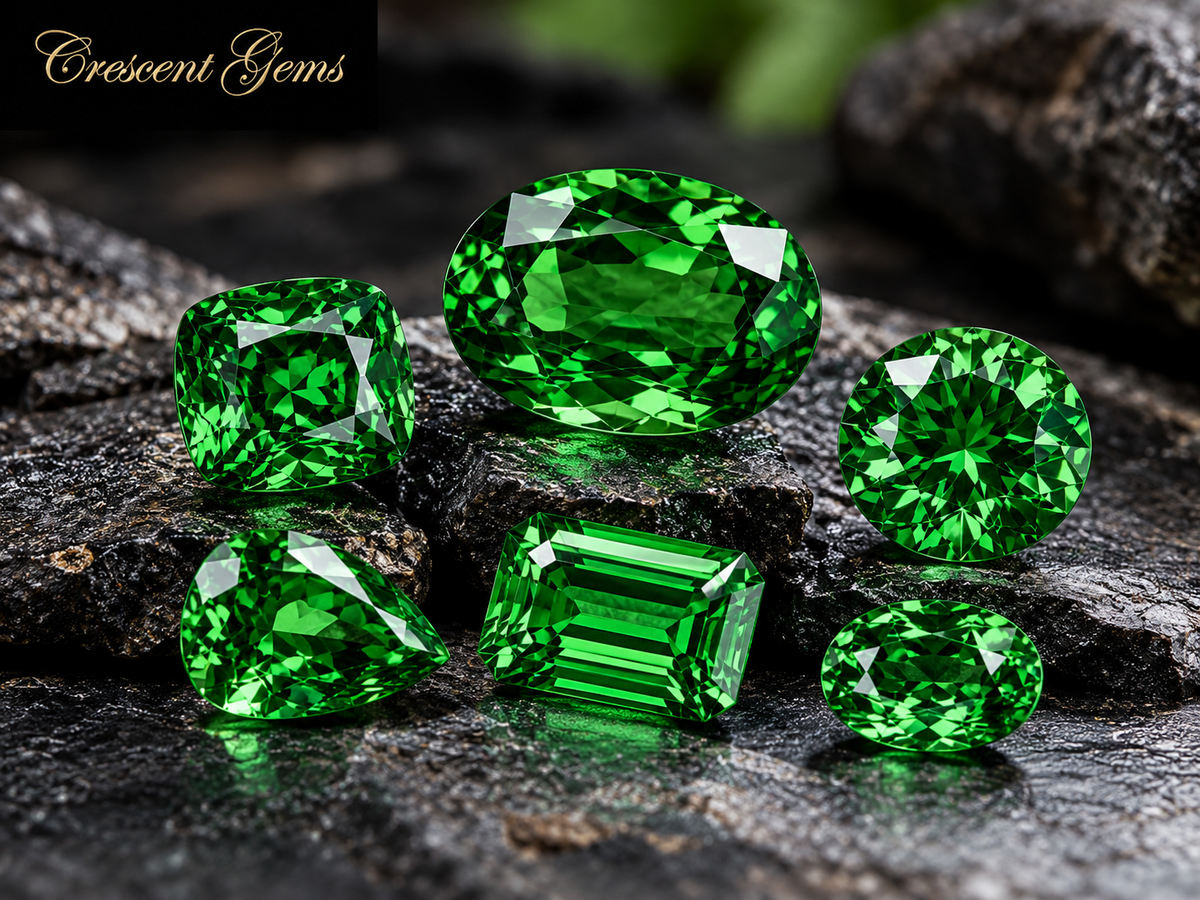
Tsavorite Garnet Price Guide — What They Cost and Why
Read moreabout Tsavorite Garnet Price Guide — What They Cost and Why
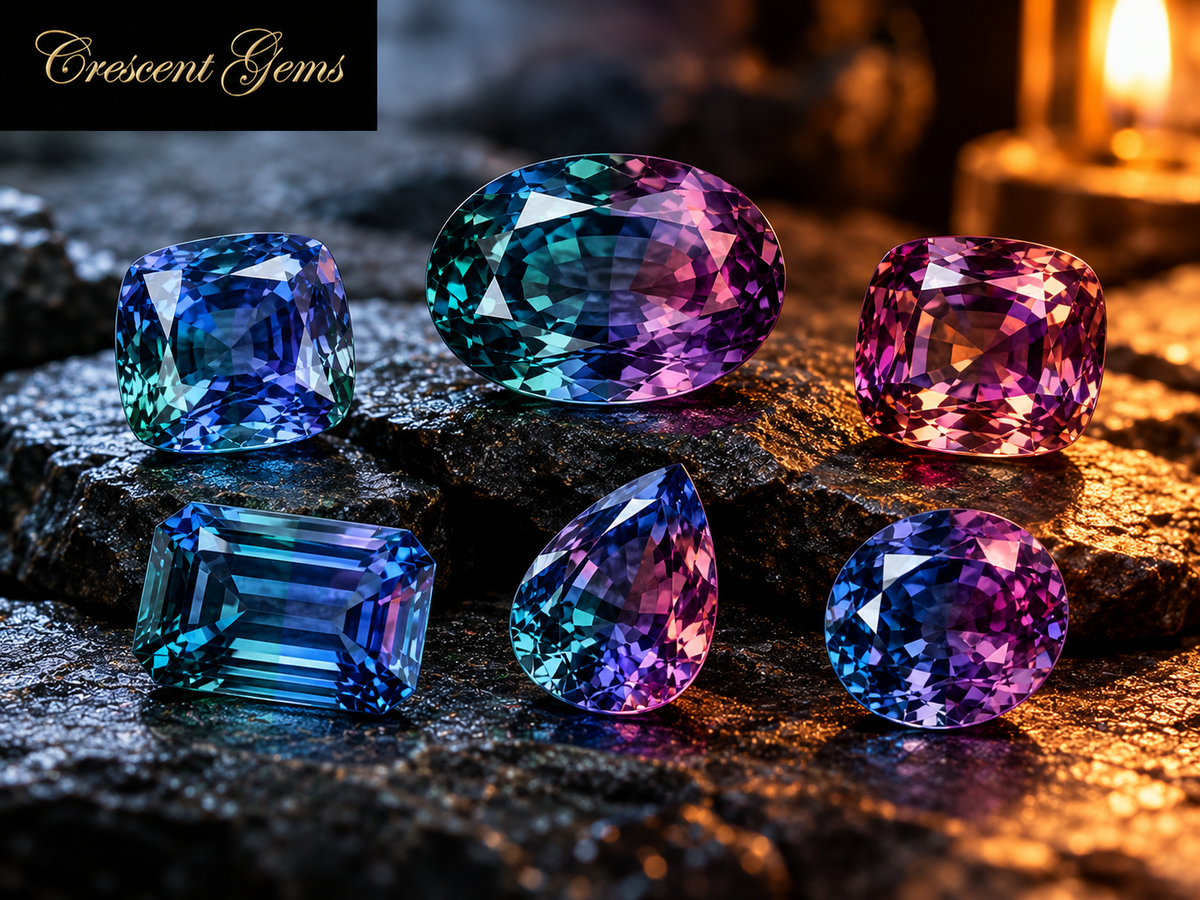
Color-Change Sapphire Price Guide — What They Cost and Why
Read moreabout Color-Change Sapphire Price Guide — What They Cost and Why
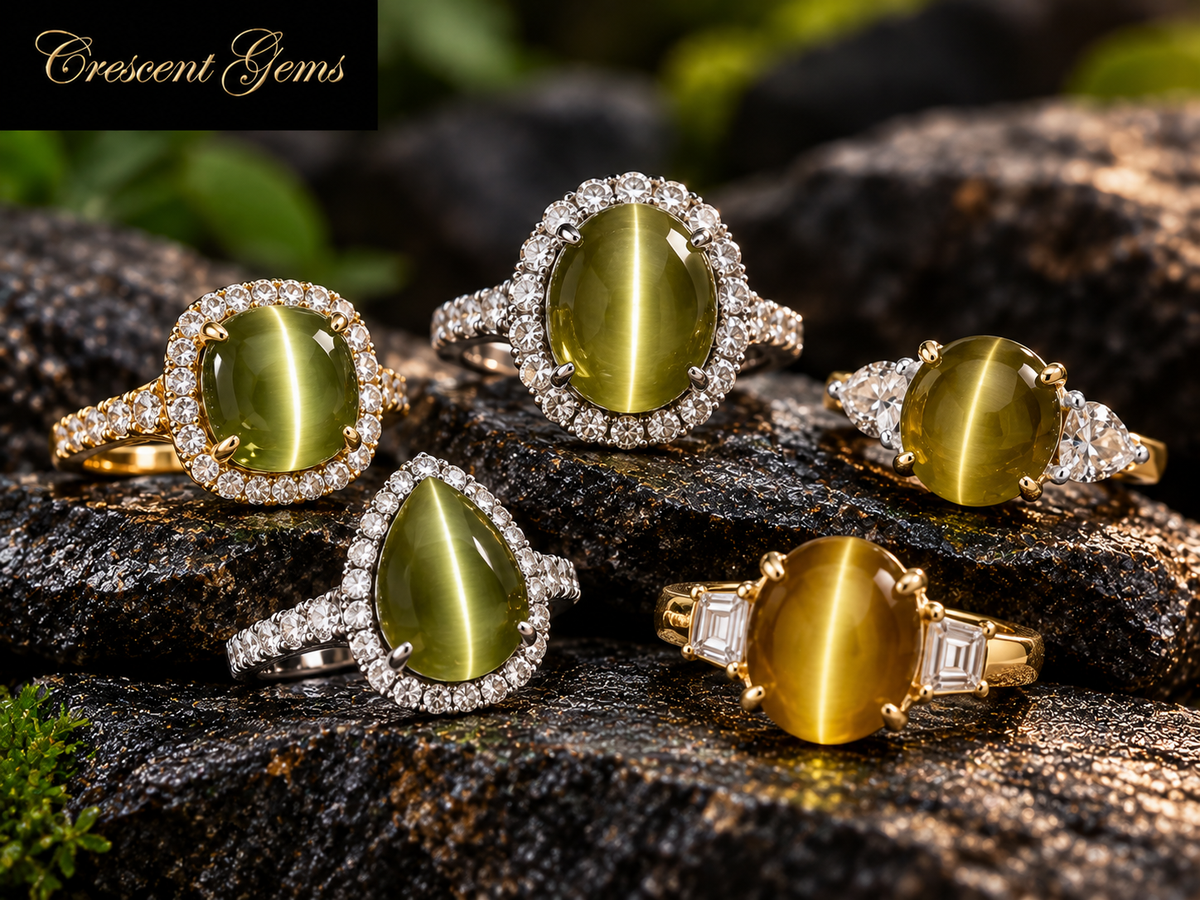
Is Cat's-Eye Chrysoberyl Good for an Engagement Ring?
Read moreabout Is Cat's-Eye Chrysoberyl Good for an Engagement Ring?
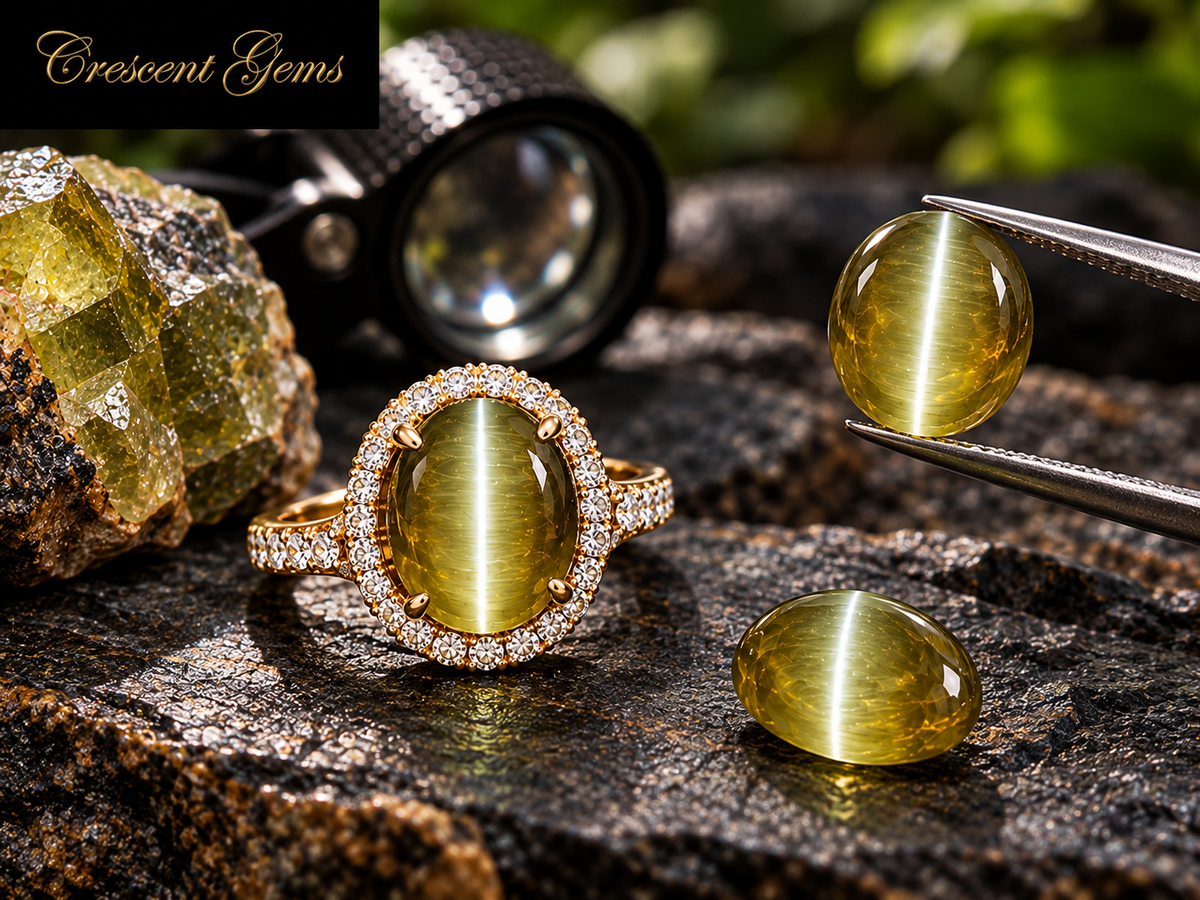
Cat's Eye Chrysoberyl Price Guide — What They Cost and Why
Read moreabout Cat's Eye Chrysoberyl Price Guide — What They Cost and Why















Share: