- by Ahmed Shareek
Tsavorite Garnet Price Guide — What They Cost and Why
- by Ahmed Shareek
We buy our tsavorite garnets ourselves, so they reach you direct.
This guide prices tsavorite garnet from the tsavorites we have in stock on 16 November 2026, and from nothing else. There are two of them, and they run from $1,590 to $22,724. Both are untreated by our own assessment. Every figure below is a price on one of our own product pages on that date, not a market estimate. Per-carat figures are the price divided by the carat weight, rounded to the nearest dollar; the two ratios further down are rounded to two decimal places.
This is worth settling before any price talk, because a laboratory report prints both and they are often collapsed into one word. Grossular garnet is the mineral species. Tsavorite is its green variety. A report recording grossular garnet rules out the other green garnets; it is the report's own variety field that prints Tsavorite. Garnet is the January birthstone, and that attaches at the group level, so it reaches grossular and so it reaches tsavorite. For the full color and quality framework, see our Tsavorite Garnet Buyer's Guide.
Price guides for colored stones usually open with a grid of quality tiers, each with a per-carat band beside it. This one does not, and the reason is that we could not source one. GIA states plainly that it "doesn't grade or provide quality analysis for sapphire or other colored stones," so there is no published grading scale for those tiers to refer to, and no laboratory or trade body publishes per-carat price data for tsavorite at all. A tier chart here would be our own numbers wearing the clothes of a standard.
What we can show you is what we actually charge for stones you can look at, which is the table further down.
The usual explanation is that tsavorite crystals simply grow small. That is not the explanation GIA gives. Writing in Gems & Gemology (Winter 2017), GIA puts it down to fracturing: "as tsavorite occurs under very high pressures and temperatures, it is often highly fractured in rough form." The limiting factor is clean rough, not large rough — and large tsavorite plainly exists, since the same article describes faceted stones of 25.10, 31.27, 33.55 and 58.52 carats.
The only sourced size marker we are aware of belongs to the ICA, which calls a cut tsavorite of more than two carats a rare and precious thing. Below two carats there is no published rarity statement we can point to, so we make none.
On geography, the host rock has a proper name, and the source for it is a survey of the deposits themselves: Feneyrol and colleagues, writing in Ore Geology Reviews 53 (2013), place tsavorite "hosted exclusively in the metasedimentary formations from the Neoproterozoic Metamorphic Mozambique Belt" — the terrane that runs through Kenya and Tanzania, and in which those authors record occurrences elsewhere as well. On commercial supply, GIA publishes that "the significant commercial sources for this garnet are Kenya and Tanzania." Our tsavorite mining guide covers the deposits in detail.
Two stones, both of them in stock and linked. Both untreated by our own assessment.
| Carat weight | Shape | Treatment | Report | Price | Price per carat |
|---|---|---|---|---|---|
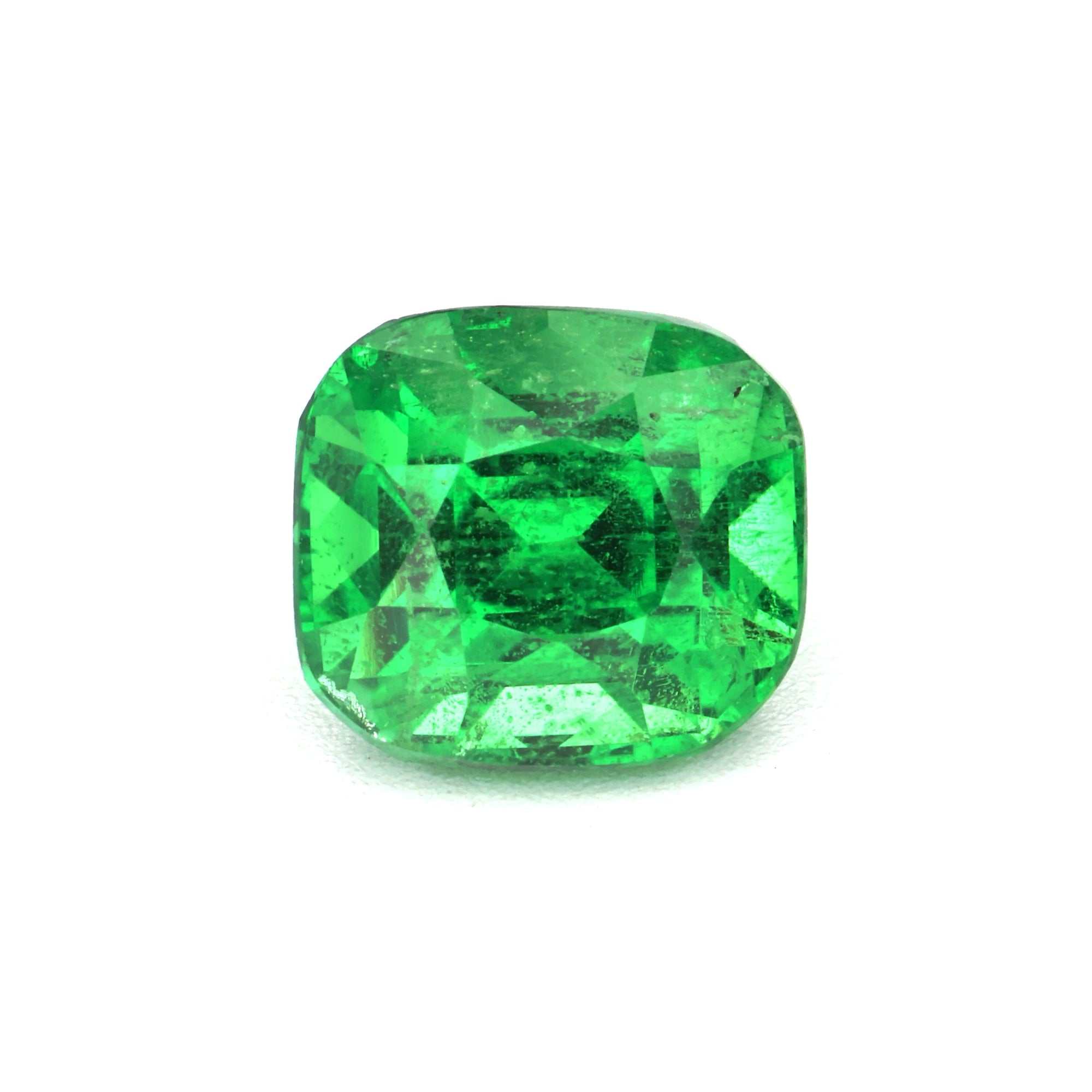
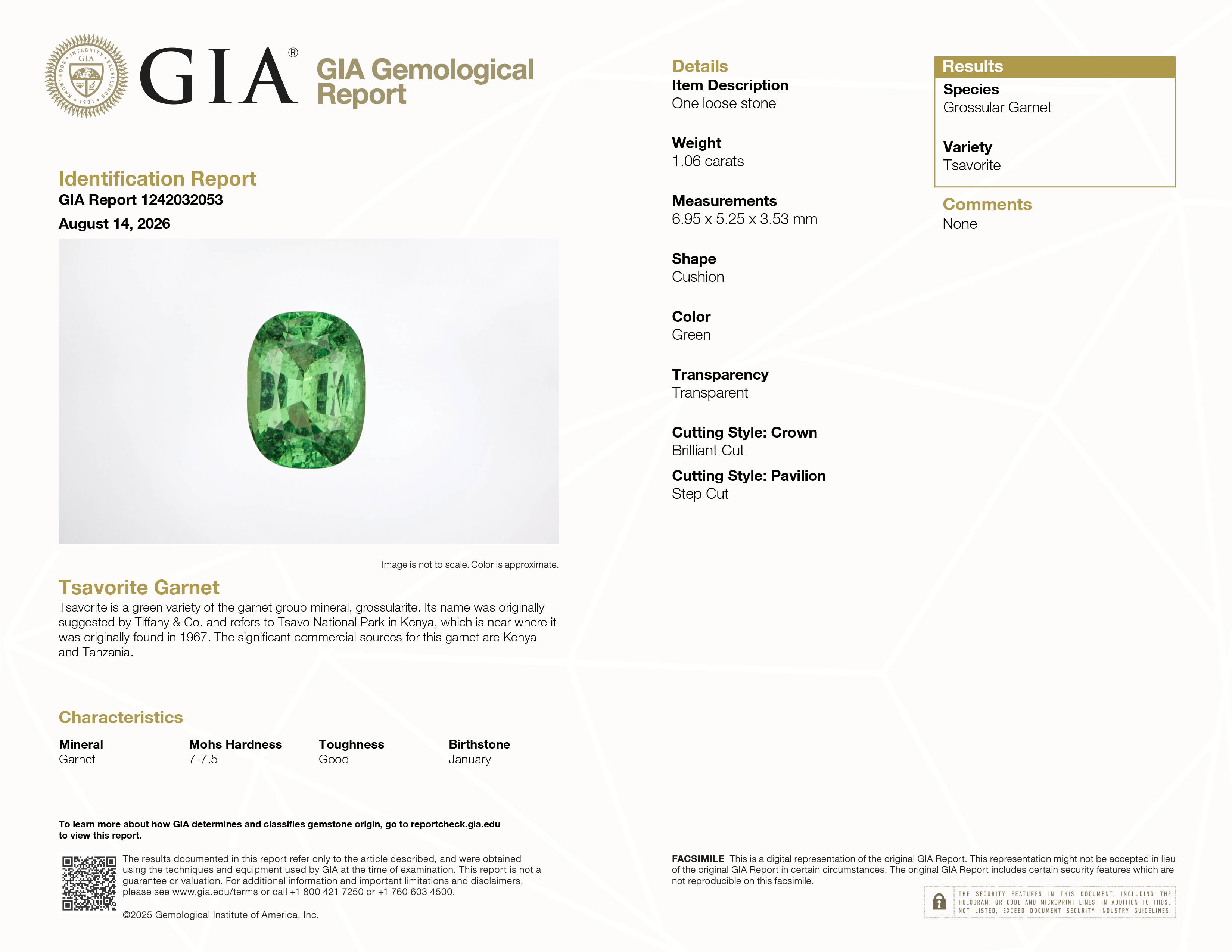
| 1.06 ct | Cushion | Untreated* | GIA #1242032053 | $1,590 | $1,500/ct |
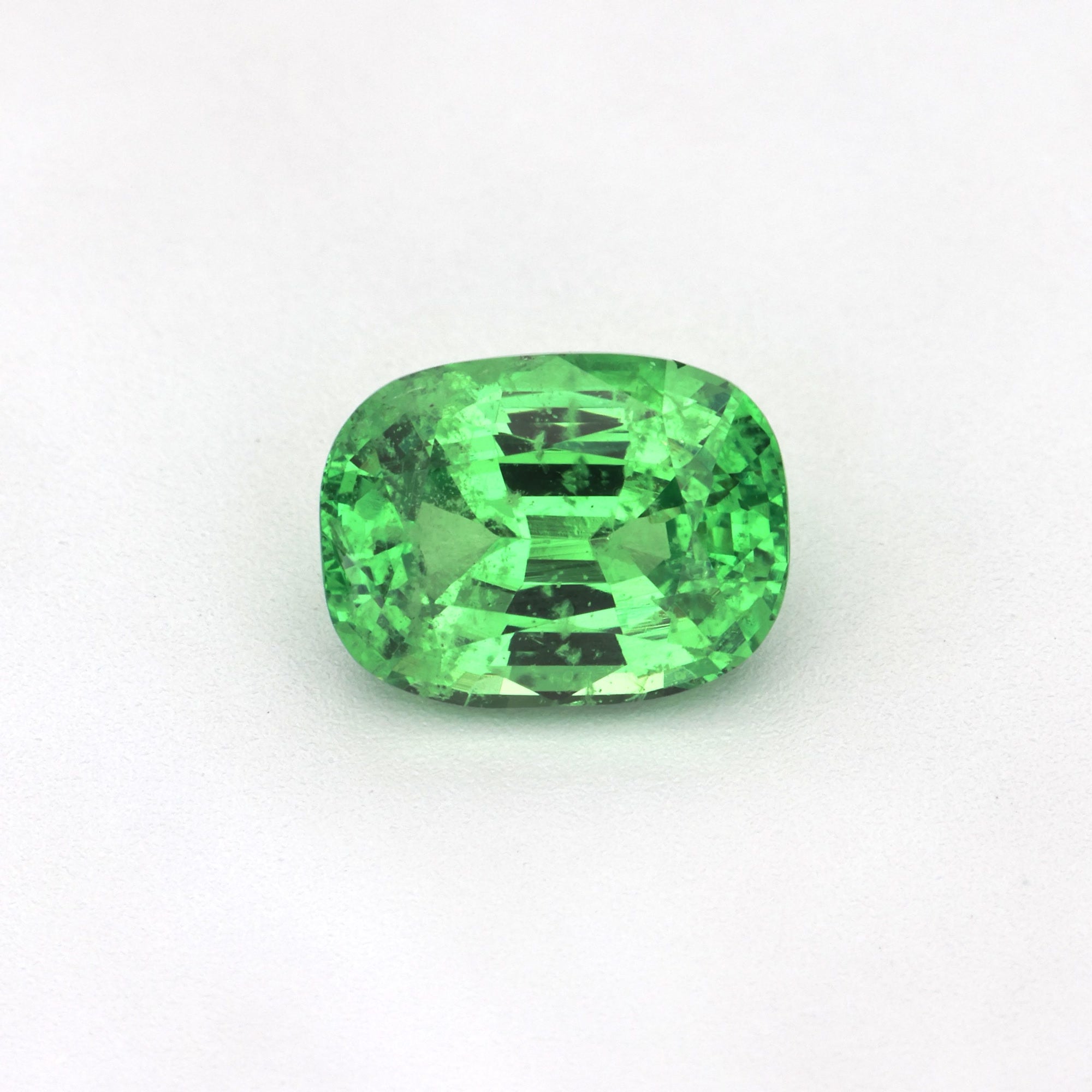
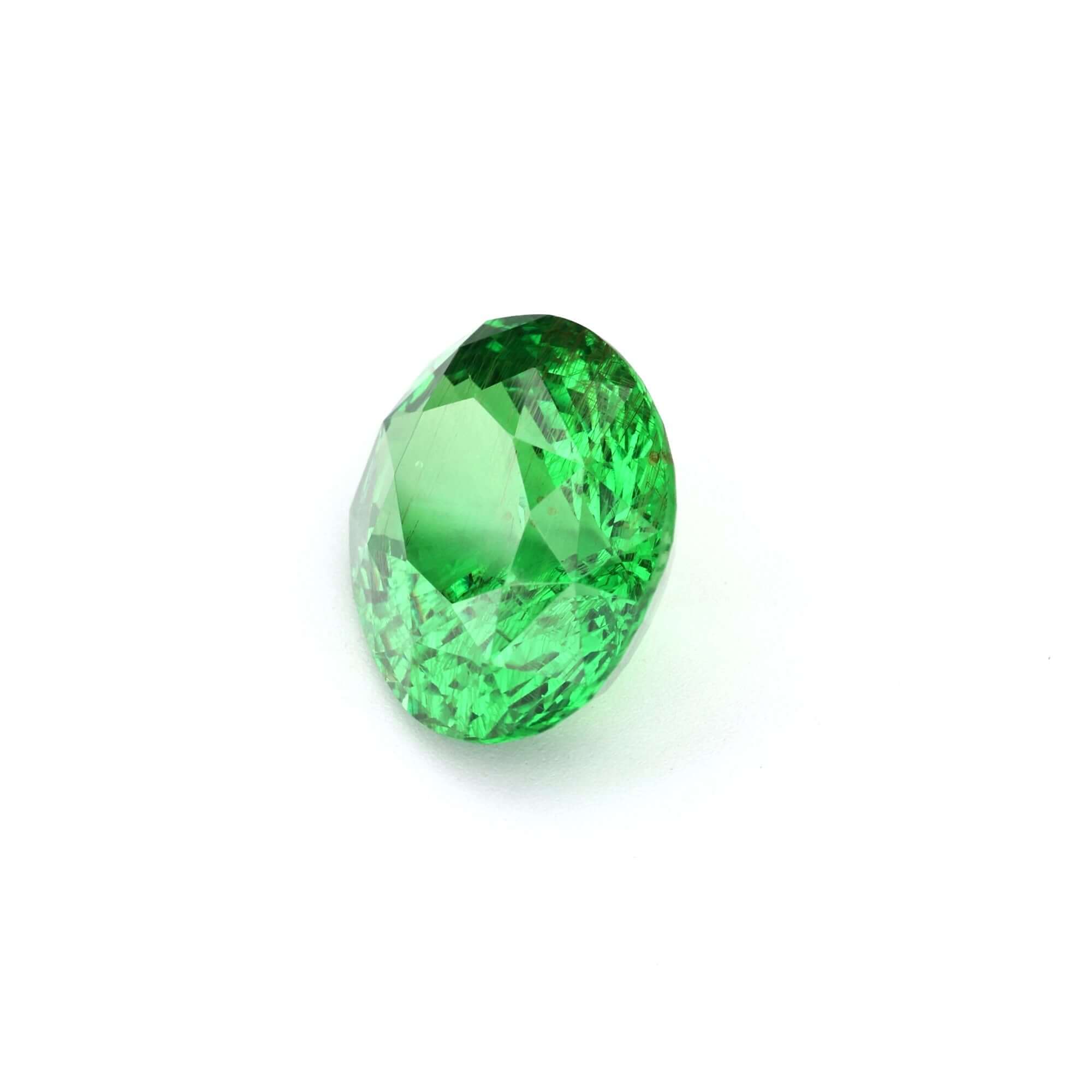
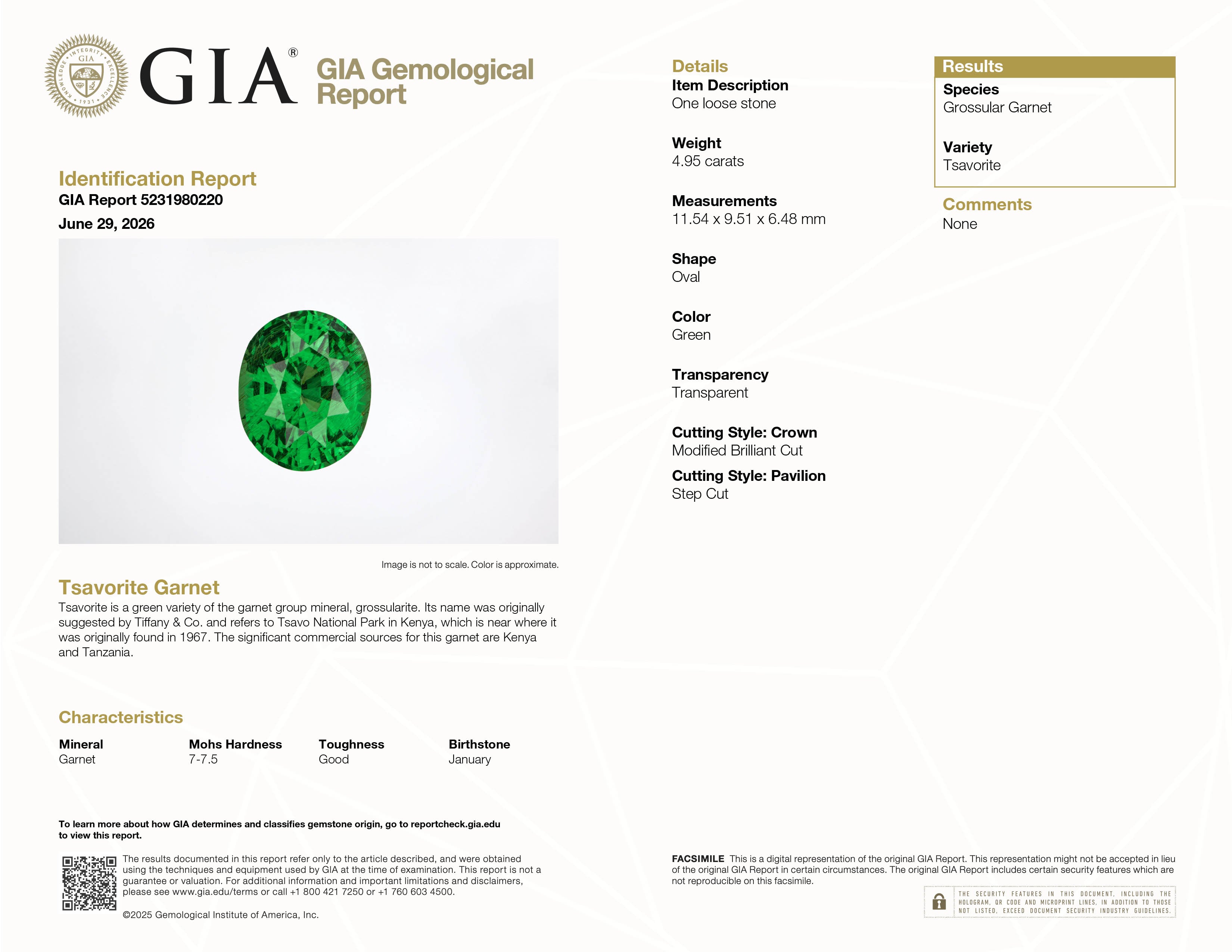
| 4.95 ct | Oval | Untreated* | GIA #5231980220 | $22,724 | $4,591/ct |
*Untreated is our own assessment, not a laboratory finding; what it rests on is set out in the last question below. Both are Kenyan by our own purchase record; GIA does not issue a geographic origin opinion for grossular garnet. These are our own listed prices on 16 November 2026 — our stock, sample size two, not a market survey — and they move with the stock; the price on the product page is the binding one. Four further tsavorite listings on the site are sold out, so this guide neither prices from them nor links them.
One thing in that table is worth reading slowly, and one thing is missing from it on purpose.
The 1.06 ct cushion is $1,500 per carat and the 4.95 ct oval is $4,591 per carat. Set against the other stone we hold, the 1.06 ct at $1,590, the oval is 14.29 times the price at 4.67 times the weight.
What is missing is anything between 1.06 and 4.95 carats. That gap is a real hole in our stock, not a simplification of the table, and it means those two prices are two prices rather than two points on a curve. We are not going to interpolate a per-carat figure across a weight we hold no stone in.
Neither stone above is clarity enhanced, but clarity-enhanced tsavorite exists, and it is one of the reasons a tsavorite can be inexpensive, so it belongs in a price guide. We have held one: a 1.85 ct cushion, documented on GIA Identification Report #6243017771. It is no longer listed, and that report is the one described here. GIA publishes that its identification report states any detectable treatments; this report prints Clarity Enhanced under Additional Results. On GIA's own account, clarity enhancement of this kind means "filling surface-reaching fractures or cavities with a glass, resin, wax or oil." The filler on this stone is not identified, so we name none.
Care for such a stone is different, and the instruction is GIA's own: "Only warm soapy water should be used to clean fracture-filled stones." No ultrasonic and no steam. If it goes to a bench jeweler, tell them about the enhancement before any work starts.
Where we list one, it is titled, listed and sold as treated.
No laboratory or trade body publishes a per-carat price scale for tsavorite — GIA's own published note on value says only that it goes up significantly with size — so this guide prices from our own stock rather than from a tier chart. On 16 November 2026 we have two tsavorites in stock: a 1.06 ct at $1,590, which is $1,500 per carat, and a 4.95 ct at $22,724, which is $4,591 per carat. Both are untreated by our own assessment. A sample of two is a sample of two, and we do not generalise a price curve from it; four further tsavorite listings on the site are sold out and are not priced here.
GIA's published explanation is about fracturing rather than crystal size: "as tsavorite occurs under very high pressures and temperatures, it is often highly fractured in rough form." What is scarce is clean rough, not large rough — the same Gems & Gemology article (Winter 2017) describes faceted tsavorites of 25.10, 31.27, 33.55 and 58.52 carats. The one sourced size marker we are aware of is the ICA's, which calls a cut tsavorite of more than two carats a rare and precious thing. In our own stock the step shows up exactly once: our 4.95 ct at $22,724 against our 1.06 ct at $1,590 — 14.29 times the price at 4.67 times the weight. We hold nothing between those two weights, so that is two prices, not a curve.
Not quite, and the rank is worth getting right because a report prints both. Grossular garnet is the species; tsavorite is its green variety. A report recording grossular garnet rules out the other green garnets, and it is the report's own variety field that prints Tsavorite. Garnet is the January birthstone, and that attaches at the group level, so it reaches grossular and so it reaches tsavorite.
Our own assessment, and here is what it rests on. AGTA's Gemstone Information Manual assigns tsavorite the treatment code N — "Natural: No modification (or currently has no known modification process)" — while assigning the other green garnet, demantoid, the code H for heating. A GIA identification report lists detectable treatments, and the reports on both stones above list none. Those two things together are why we write untreated, and we write it as ours rather than as the laboratory's. It is a statement about what is done to this variety in the trade, not a finding about an individual stone: where a stone's own report prints a treatment, the report governs, which is the case described in the section above.
Have a question about a specific tsavorite, or want to see options at a certain size or budget? Email crescentgems@gmail.com — we respond within one business day. Shipping is free at any order value to the USA, Canada, China, Japan, Australia, New Zealand, Germany and Austria, and orders to Canada go out with duties included. Everywhere else we ship, it is $60 up to $499 and free above that. We do not ship to Israel, Sri Lanka, Russia, Belarus, Ukraine or India. Import duty and tax, where the destination country charges them, are set and collected there on delivery, not by us. 14-day returns on every order.

CG8417
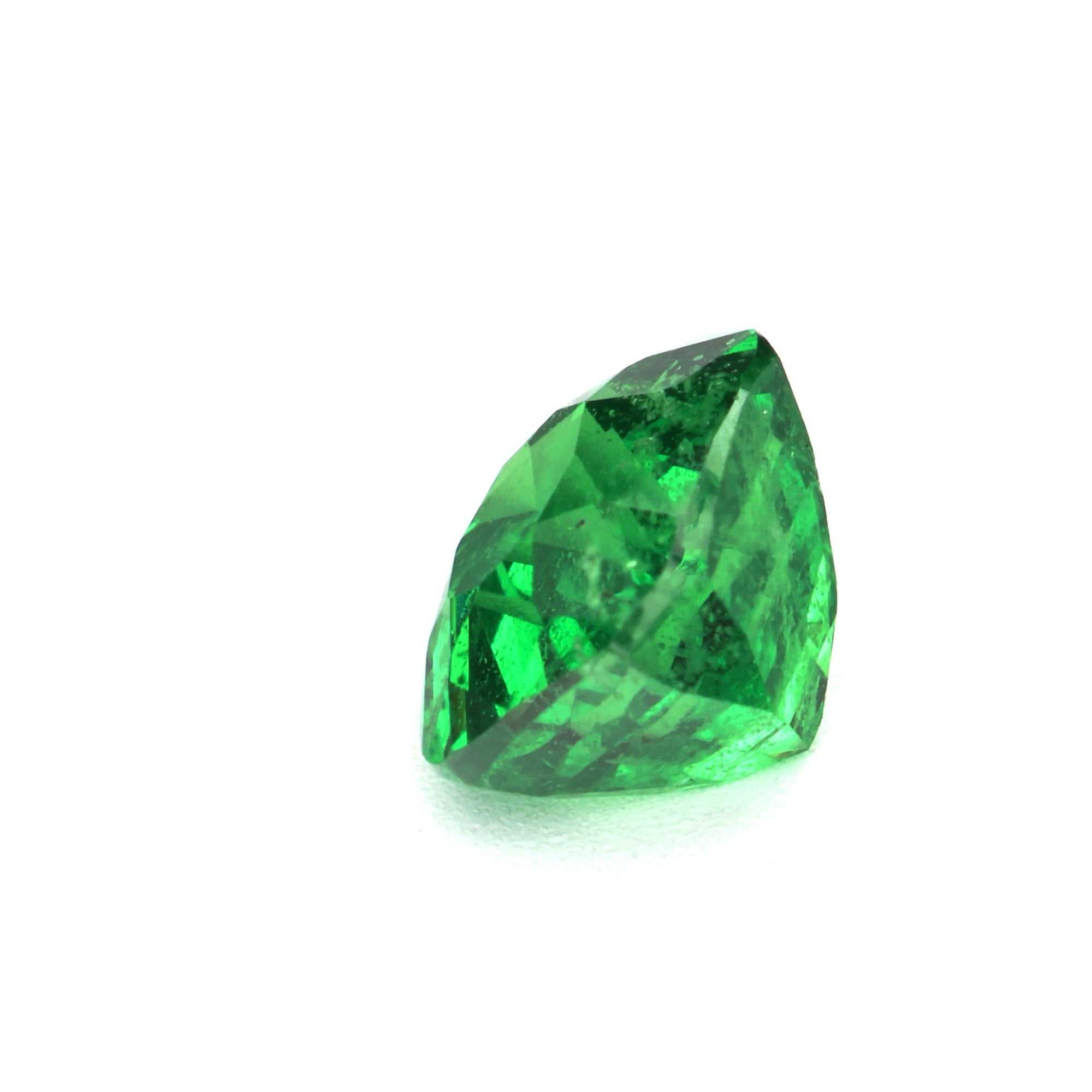
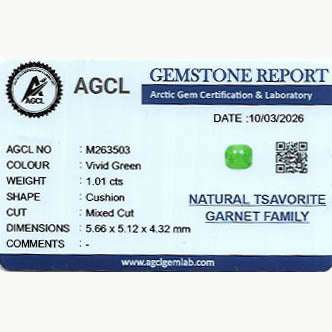
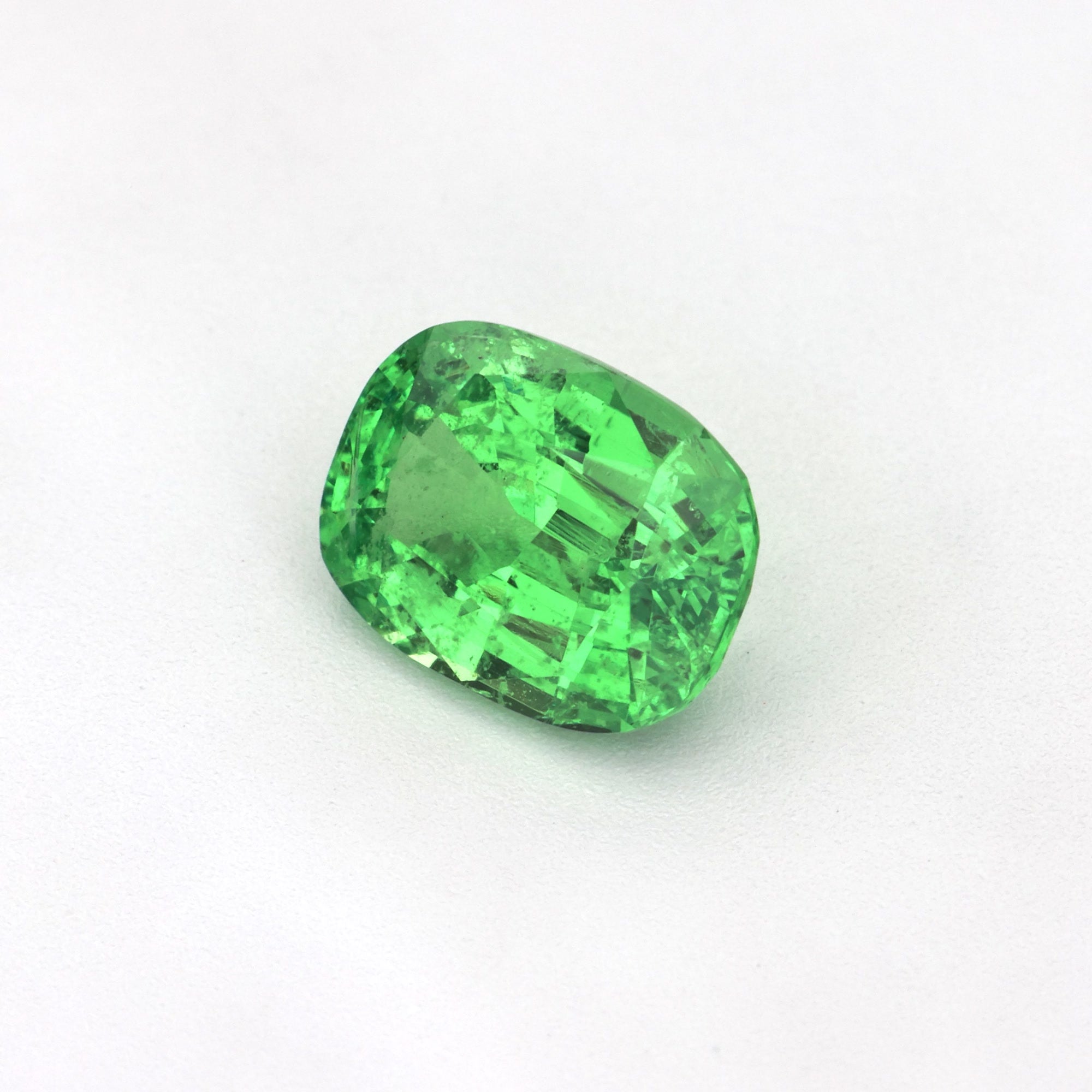
1.01 ct Natural Tsavorite Garnet, Cushion Shape | AGCL Report #M263503

CG8460
1.06 ct Natural Tsavorite Garnet, Cushion Shape | GIA Report #1242032053
CG8359
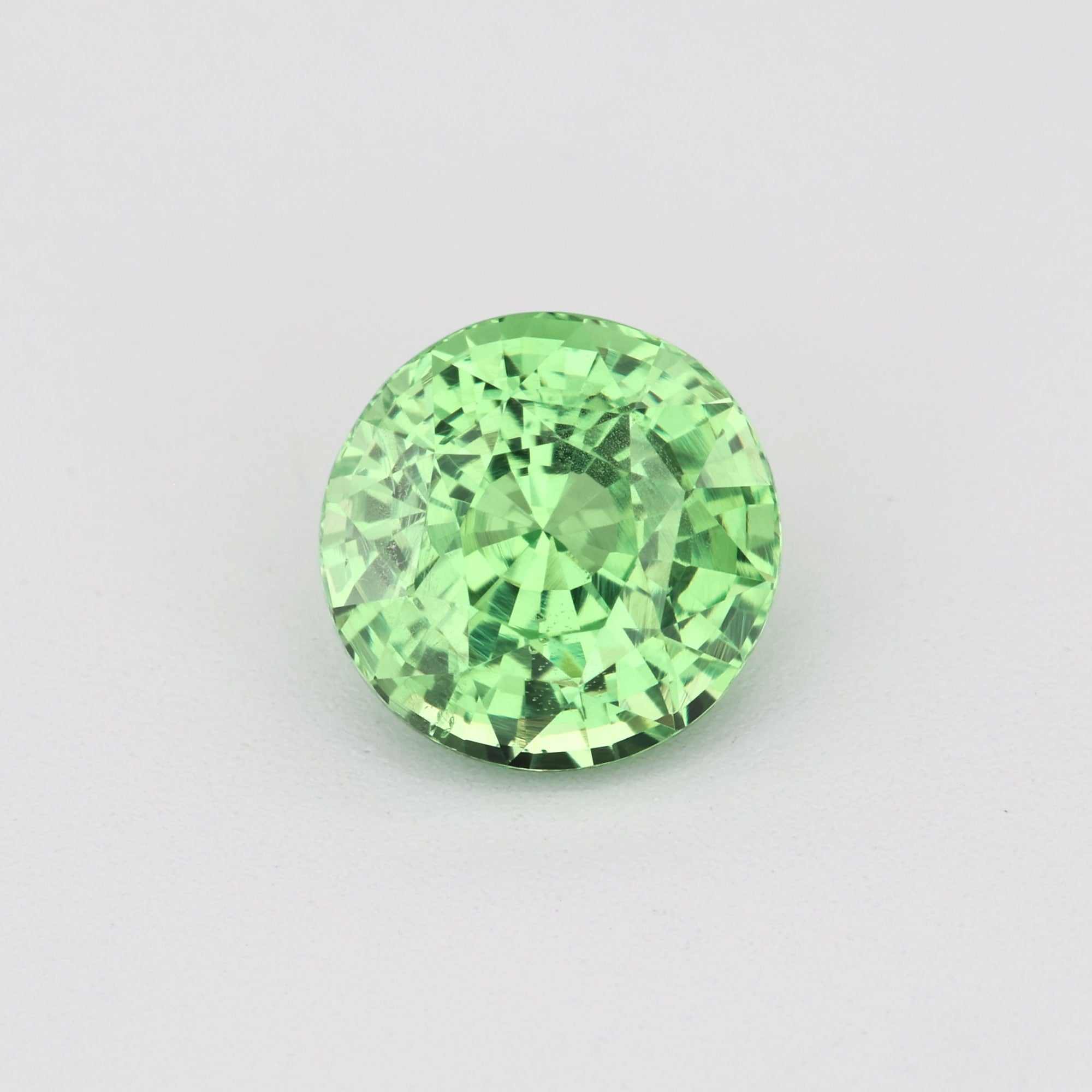
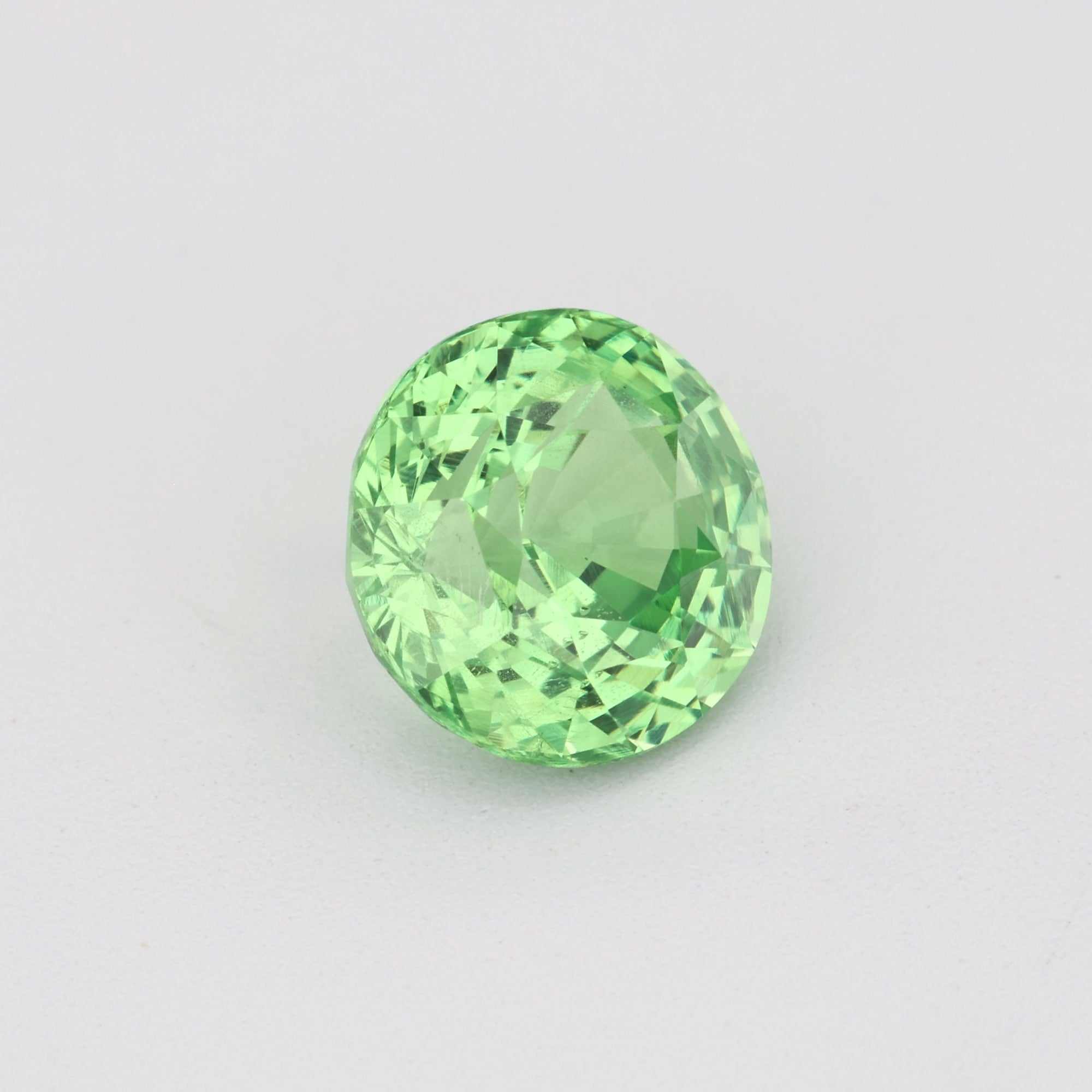
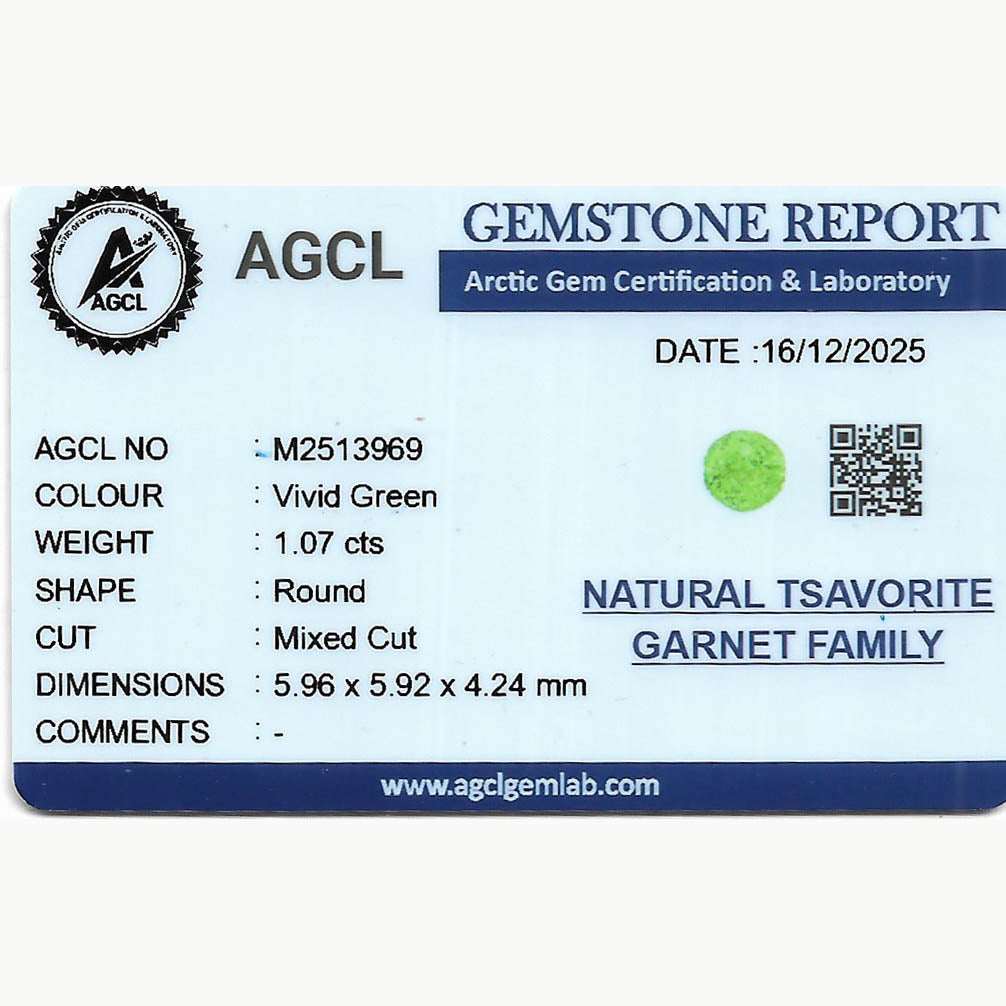
1.07 ct Natural Tsavorite Garnet, Round Shape | AGCL Report #M2513969
CG8360
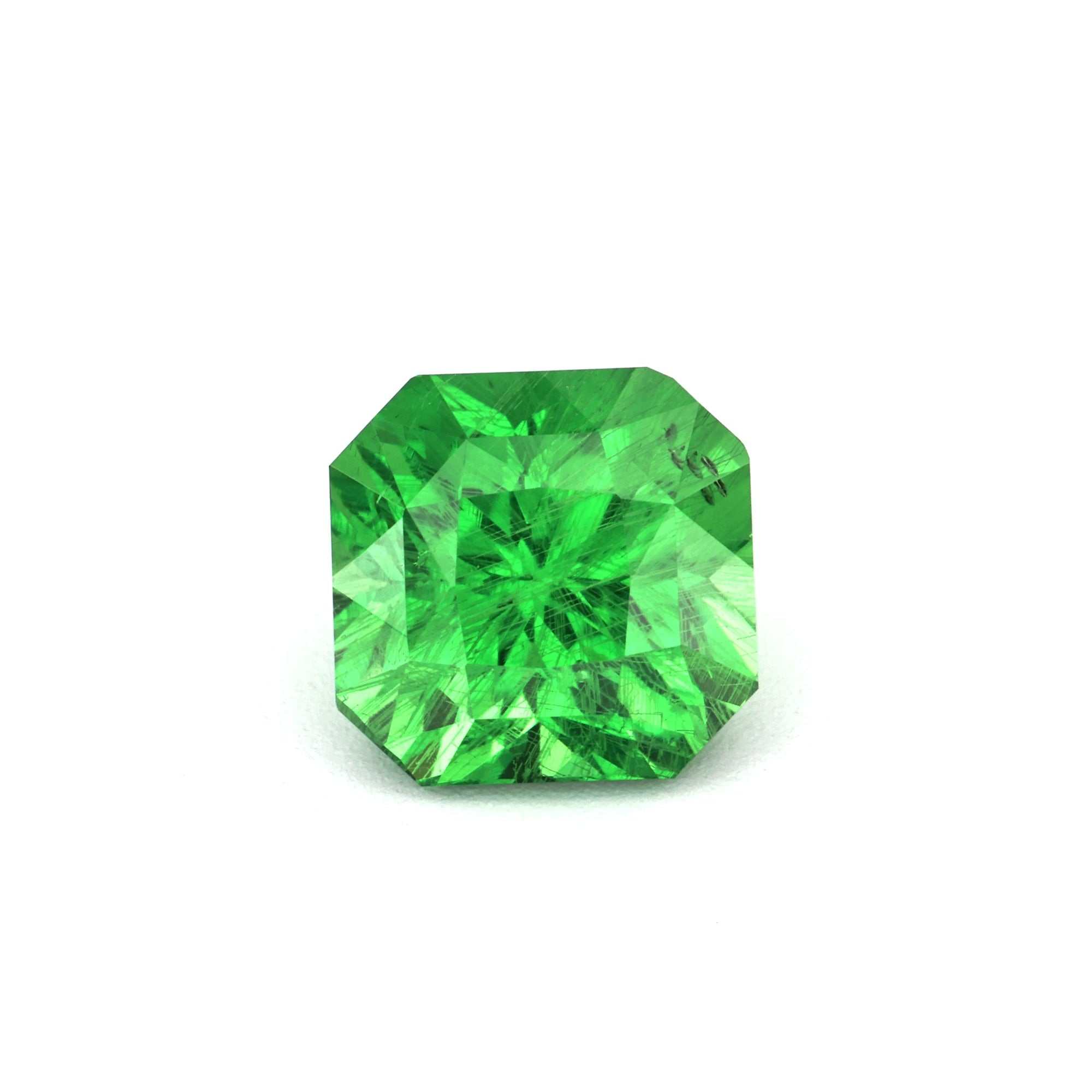
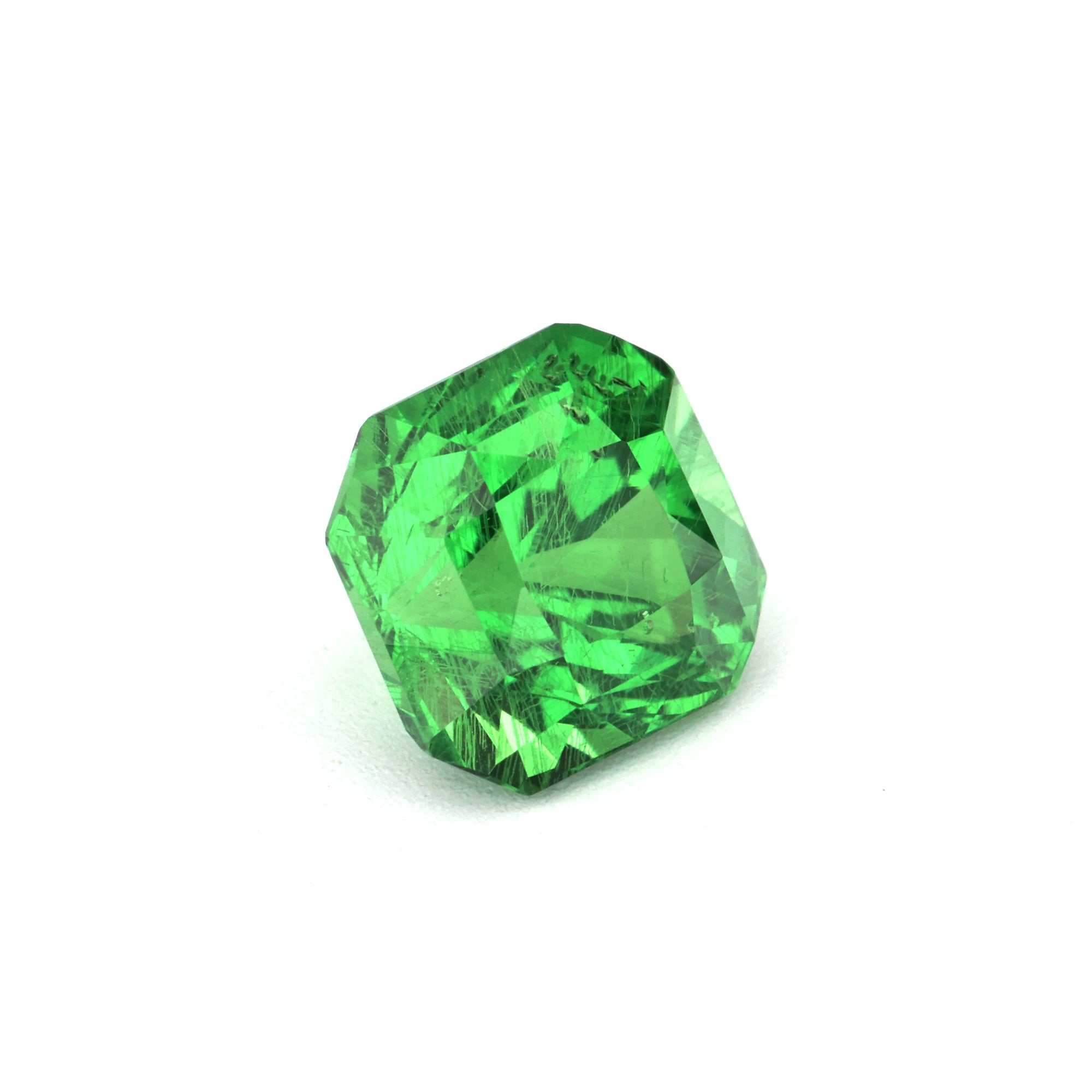
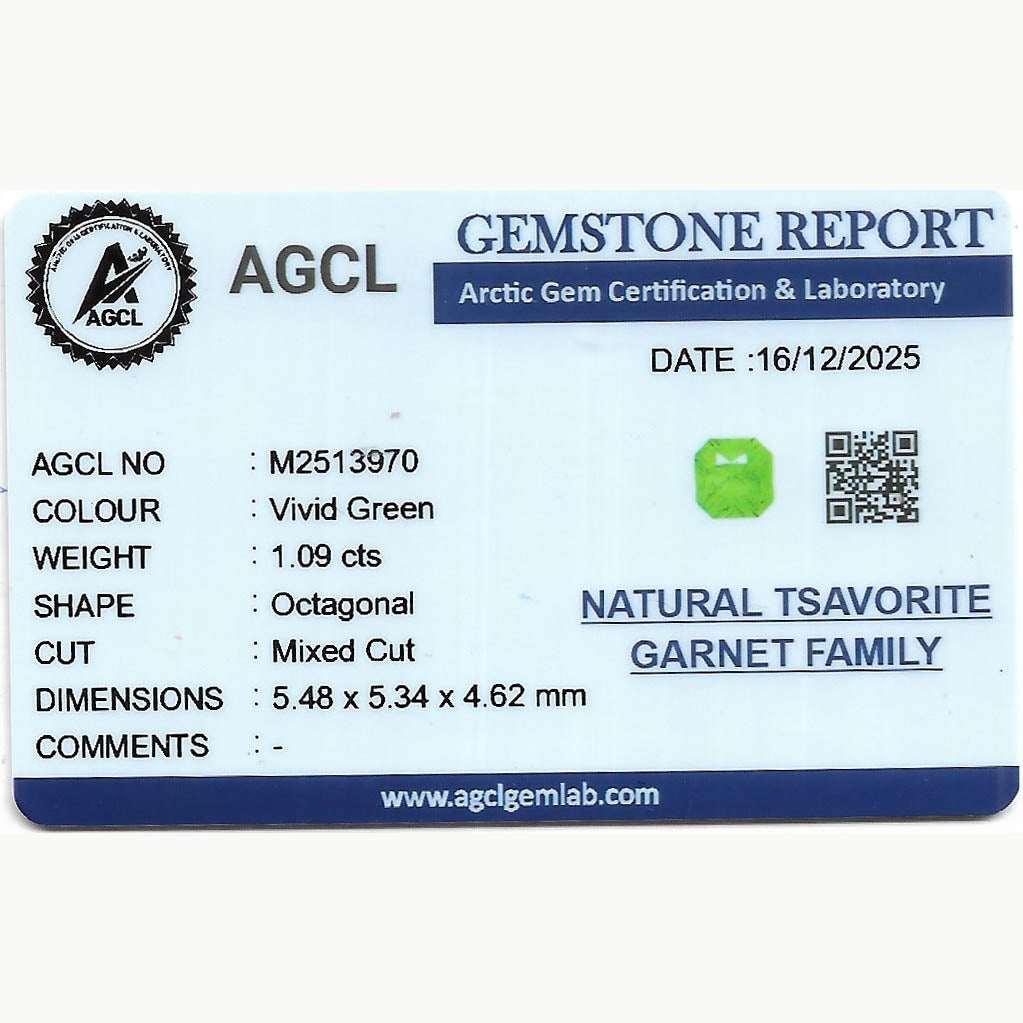
1.09 ct Natural Tsavorite Garnet, Octagon Shape | AGCL Report #M2513970
CG8465
1.86 ct Natural Tsavorite Garnet, Cushion Shape | GIA Report #1242032119
CG8447
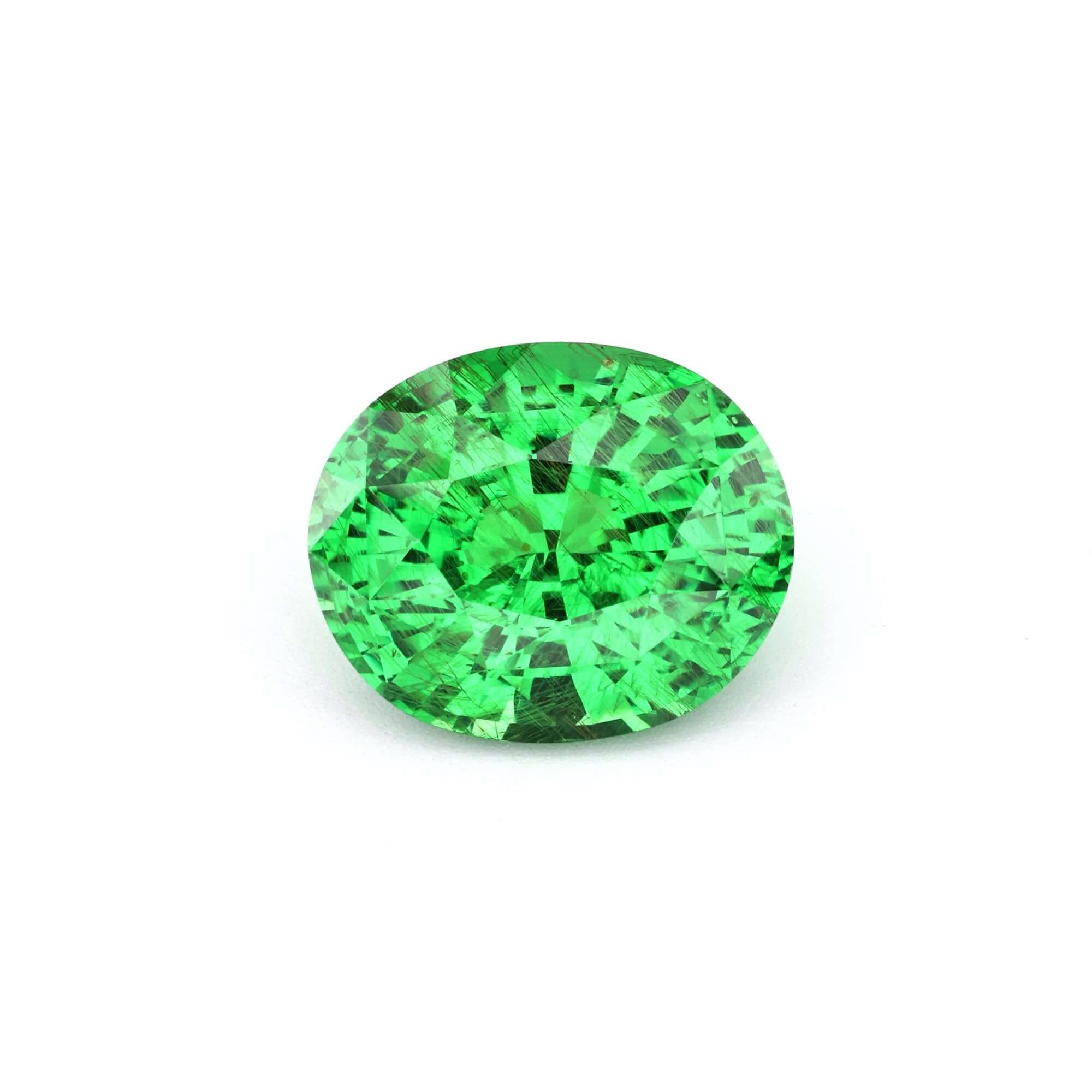
4.95 ct Natural Tsavorite Garnet - Oval | GIA Report #5231980220
Prices are shown in your local currency and may change.
CG8417
1.01 ct Natural Tsavorite Garnet, Cushion Shape | AGCL Report #M263503
CG8460
1.06 ct Natural Tsavorite Garnet, Cushion Shape | GIA Report #1242032053
CG8359
1.07 ct Natural Tsavorite Garnet, Round Shape | AGCL Report #M2513969
CG8360
1.09 ct Natural Tsavorite Garnet, Octagon Shape | AGCL Report #M2513970
CG8465
1.86 ct Natural Tsavorite Garnet, Cushion Shape | GIA Report #1242032119
CG8447
4.95 ct Natural Tsavorite Garnet - Oval | GIA Report #5231980220


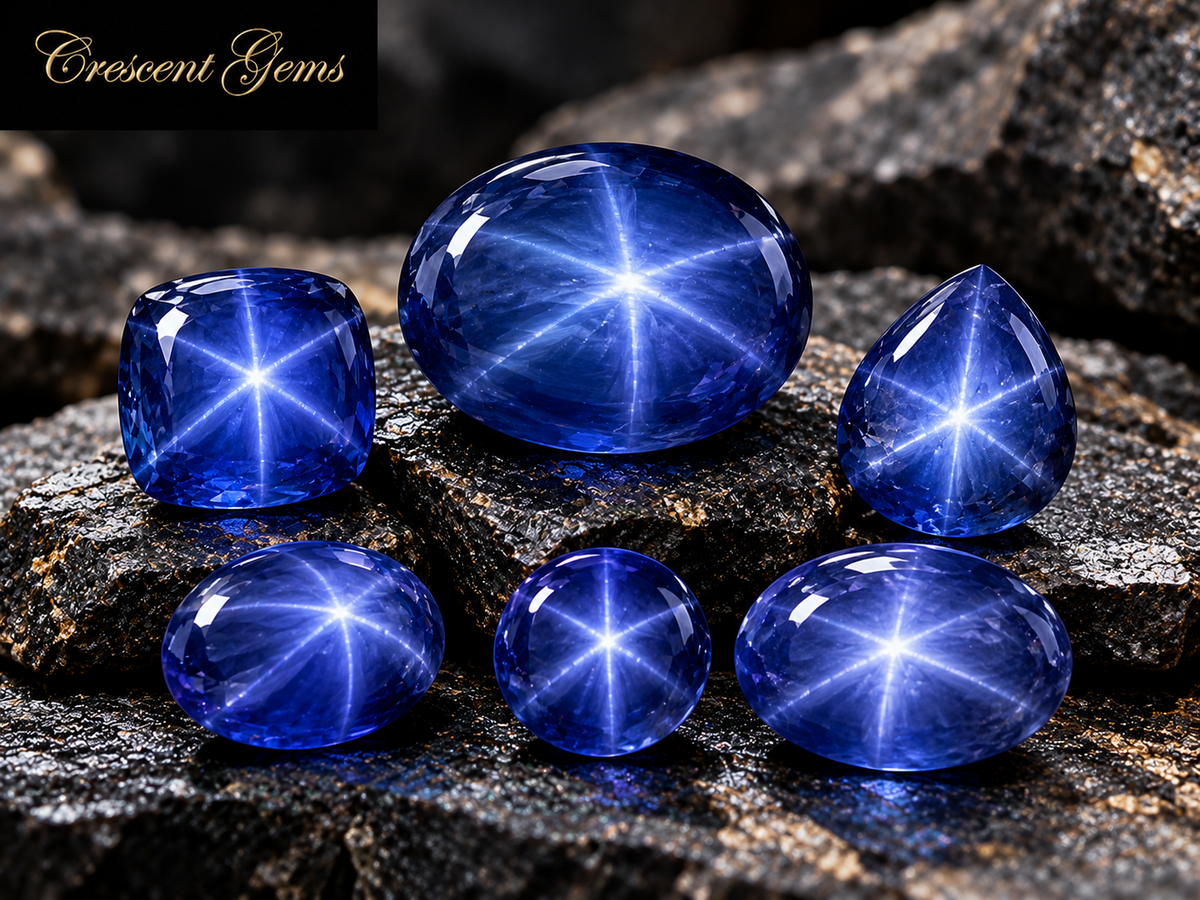
Blue Star Sapphire Price Guide — What They Cost and Why
Read moreabout Blue Star Sapphire Price Guide — What They Cost and Why
Tsavorite Garnet Price Guide — What They Cost and Why
Read moreabout Tsavorite Garnet Price Guide — What They Cost and Why
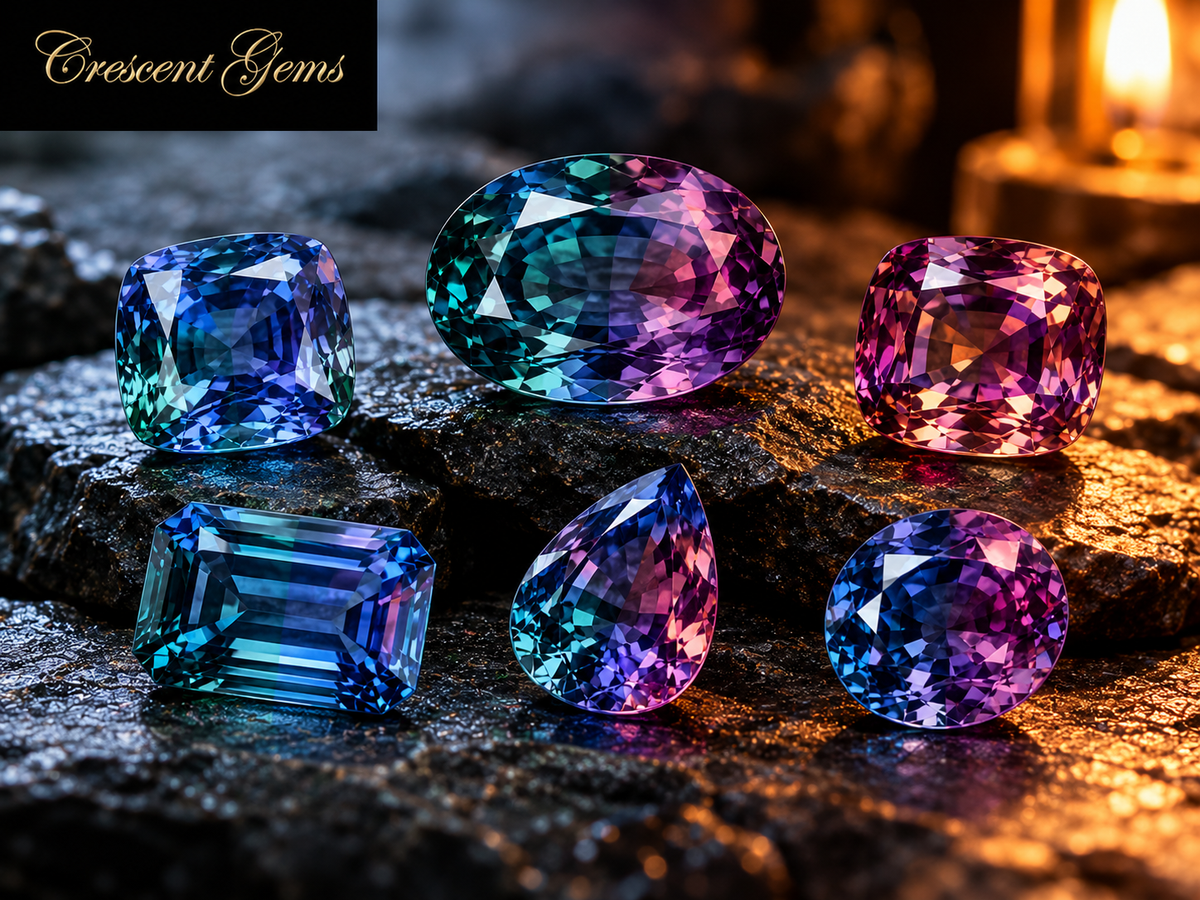
Color-Change Sapphire Price Guide — What They Cost and Why
Read moreabout Color-Change Sapphire Price Guide — What They Cost and Why
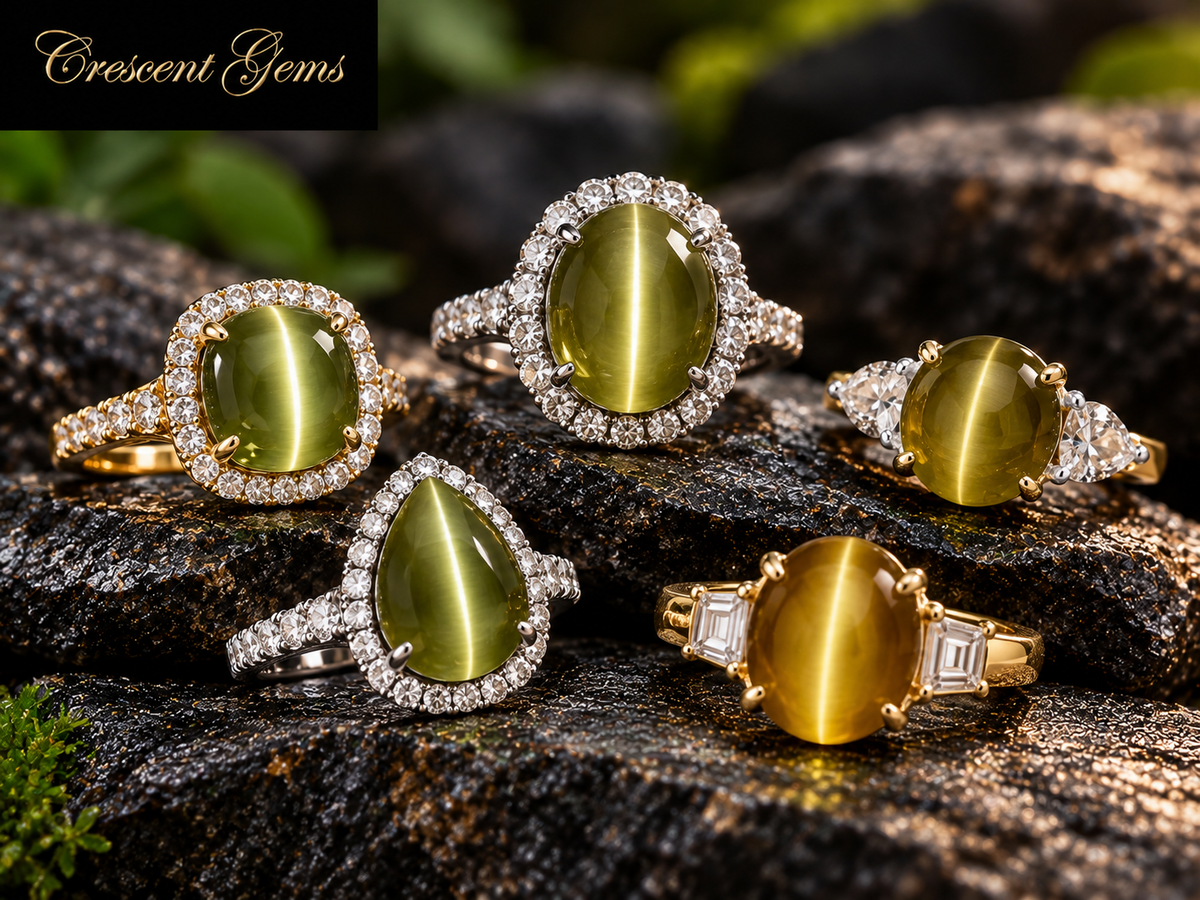
Is Cat's-Eye Chrysoberyl Good for an Engagement Ring?
Read moreabout Is Cat's-Eye Chrysoberyl Good for an Engagement Ring?
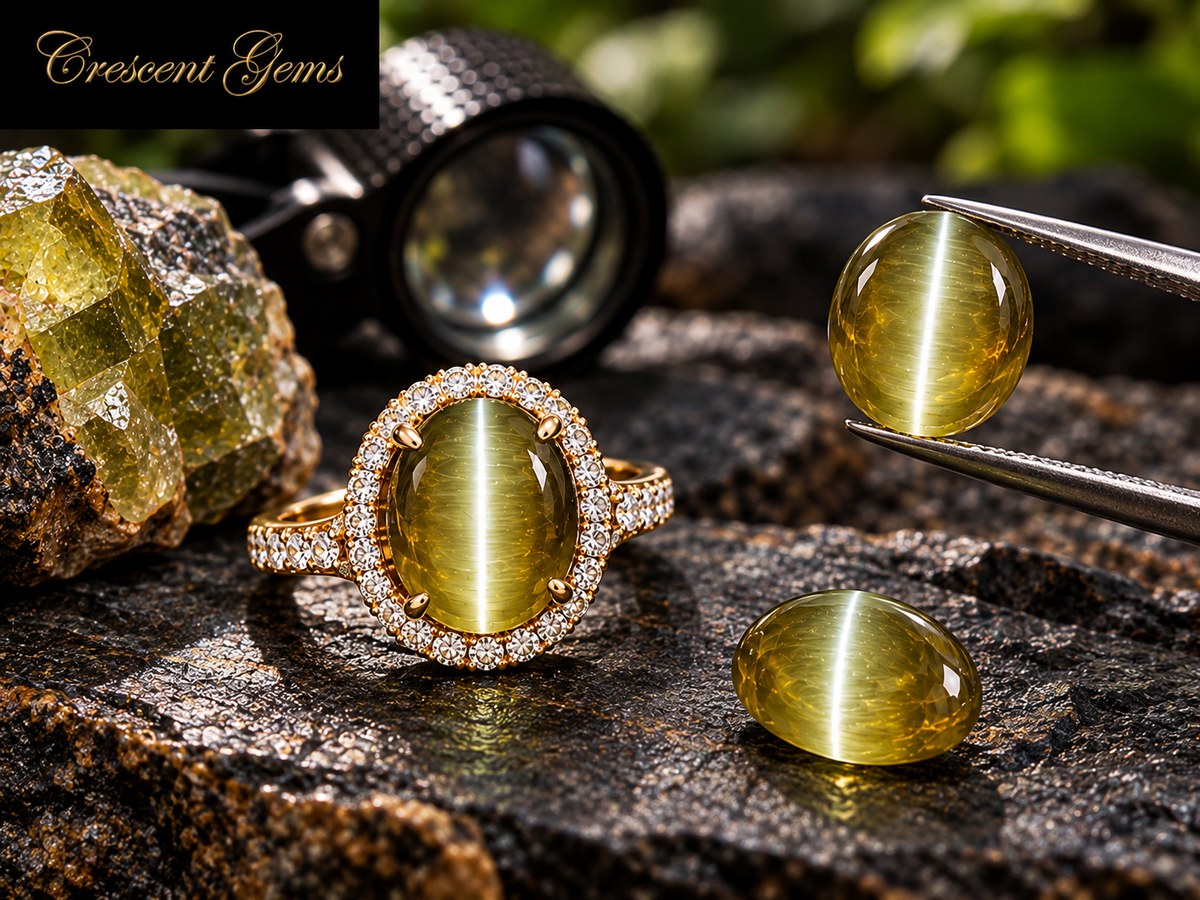
Cat's Eye Chrysoberyl Price Guide — What They Cost and Why
Read moreabout Cat's Eye Chrysoberyl Price Guide — What They Cost and Why