


- by Ahmed Shareek
Madagascar Sapphire — The Gem Fields, the Colors, and What Buyers Need to Know
- by Ahmed Shareek
New to buying sapphires? Start with our Ultimate Sapphire Buying Guide — the complete resource for color, origin, treatment, and pricing.
If you have shopped for sapphires in the past decade, you have encountered Madagascar material — whether the listing said so or not. Commercial sapphire mining on the island began in the late 1990s, when alluvial deposits were found near Ilakaka in the southwest. The fields worked since then are Ilakaka, Ambatondrazaka in the northeast with Bemainty inside it, and Antsirabe in the central highlands. Between them they yield blue, pink, pink-orange, yellow, green and teal sapphire, and color-change stones.
Madagascar is also the origin buyers have the least frame of reference for: a reader who has handled Ceylon stones for years may have no picture of what "Madagascar" on a report describes. This guide therefore works outward from the ground — how the deposits formed, which field yields which color and why, and how the material is documented. For the mining and the route to market, see Madagascar Sapphire Mining — Ilakaka, the South Asian Connection, and How Stones Reach the Market.
Madagascar's sapphire history is short and closely dated. The island's geology had suggested gem potential for decades, but sapphire mining at scale did not begin until the late 1990s, when alluvial deposits were discovered near Ilakaka in the island's southwest. The Ilakaka rush that followed drew tens of thousands of miners to the area within months. How that work is done, and how the stones travel from the diggings to a workshop, is the subject of the mining article linked above; this guide picks up at the geology that put them there.
Other fields followed: Ambatondrazaka in the northeast, where blue sapphire of metamorphic origin is recovered from alluvial and eluvial diggings rather than from a worked primary deposit; Antsirabe in the central highlands, where the alluvial material was shed from the Ankaratra volcanic massif and is therefore basalt-related, yielding blue, green and yellow sapphire; and Bemainty, inside the Ambatondrazaka field, a later discovery that produces vivid blue. Pink and pink-orange material comes chiefly from the Ilakaka field. The thing to hold on to is that these are not one deposit under four names: two different kinds of host rock feed them, and that is why the colors differ from field to field.
The speed of it left marks. Sri Lanka's gem trade had two millennia to build its trading structures, its laboratories and its grading conventions; Madagascar's grew up in a few years around a single rush. Early production was poorly documented, inconsistently graded, and often misdescribed as to origin — which is precisely why documentation is the thread running through the rest of this guide. A stone's own paperwork, and not the standing of the country it came out of, is what a buyer can actually read.
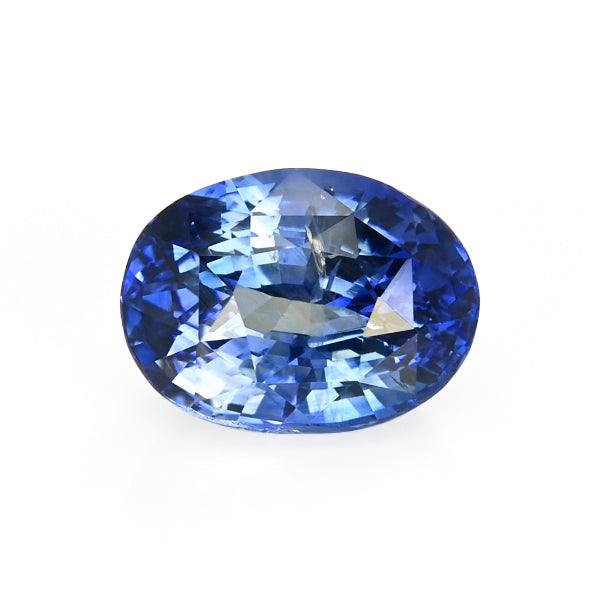
The island's blue sapphire runs from material cut for volume jewelry to stones with vivid, clean color and high transparency, the latter particularly from Bemainty and certain Ambatondrazaka diggings. Blue in corundum is produced by iron and titanium together: in the right proportion the stone reads blue, and where iron dominates the color shades toward green or gray. Malagasy blue tends to sit a little darker and a little more saturated than the Ceylon material a buyer is likely to have handled, and some stones carry a faint greenish or grayish modifier. Those are tendencies, not tests: tone and modifier are judged on the stone in front of you.
Because both host-rock settings yield blue, the island's blue sapphire is not one population. Metamorphic material from Ilakaka, Ambatondrazaka and Bemainty and basalt-related material from Antsirabe are both Madagascar blue sapphire and are geologically unalike. The field name is not printed on a report, so nothing downstream of the mine tells a buyer which of the two is in their hand.
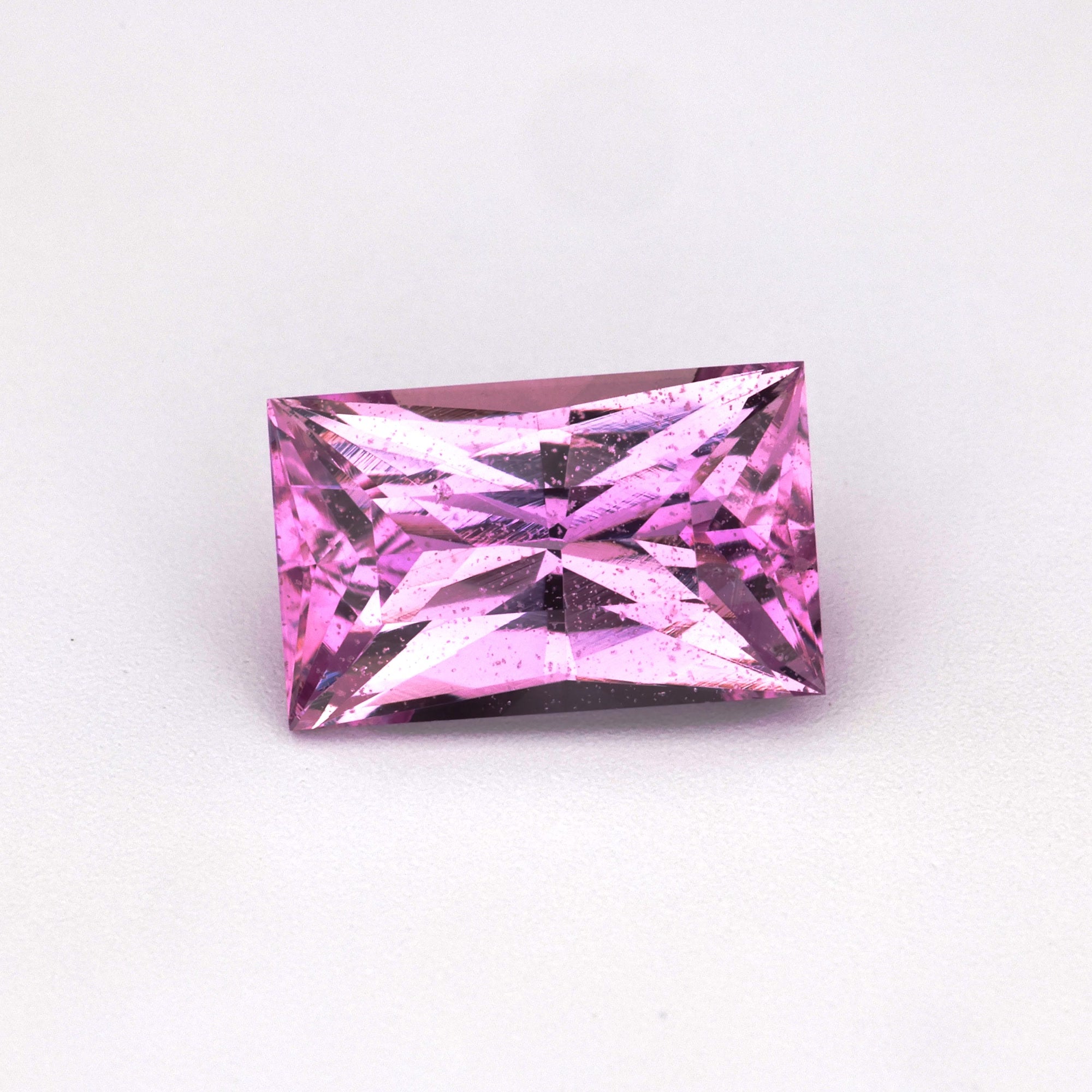
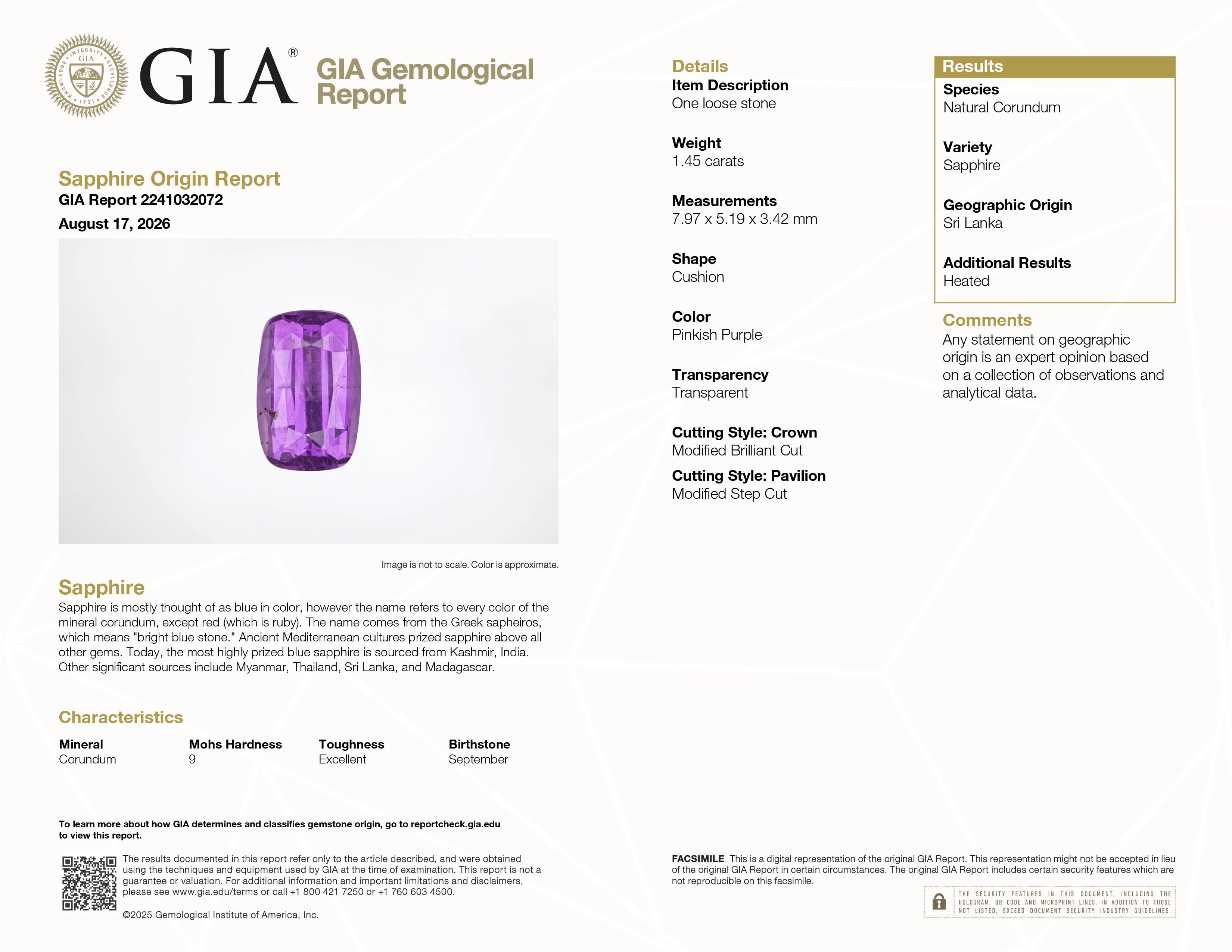
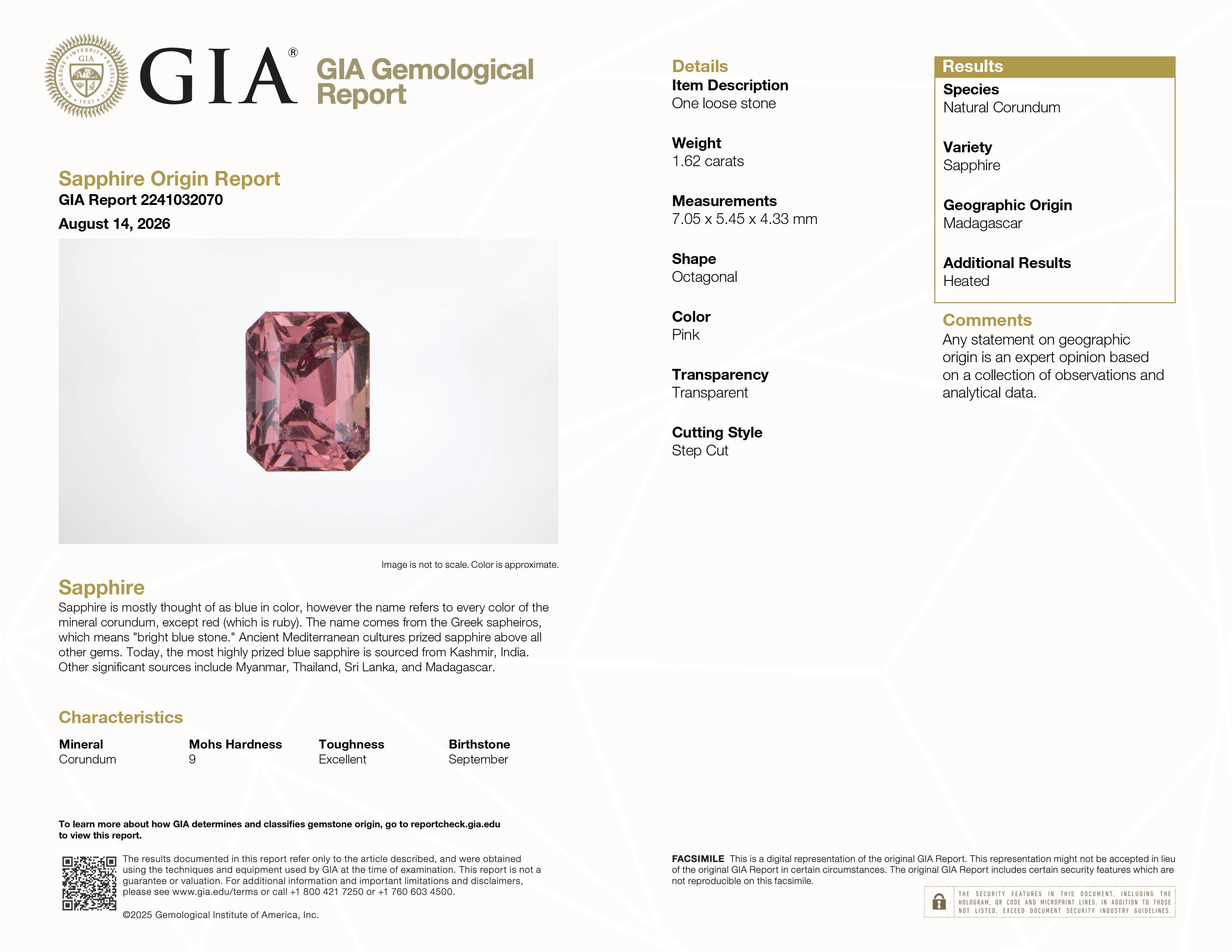
Pink comes chiefly from the Ilakaka field. Malagasy pink tends to be clean and well saturated, across a range from soft pastel to a strong hot pink. The color is produced by chromium taking the place of a little of the aluminium in the corundum lattice — the same element that colors ruby, present in a smaller amount. Pink and pink-orange material come out of the same ground at Ilakaka, which is why the two are treated together in the section below. Compare with our Pink Sapphire Buyer's Guide. One unheated Malagasy pink currently in stock: a 1.45 ct radiant-cut Madagascar pink sapphire with a GIA report.
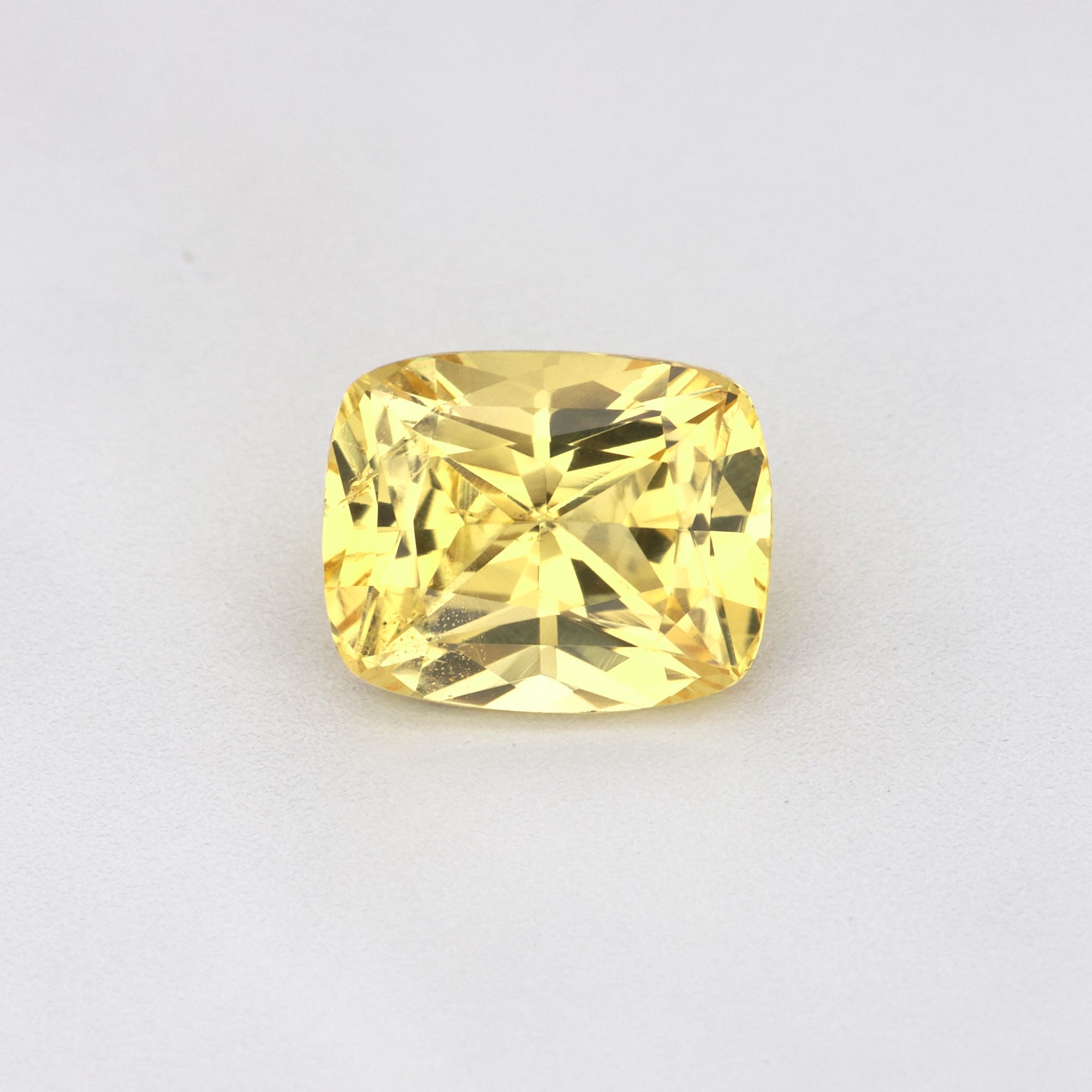
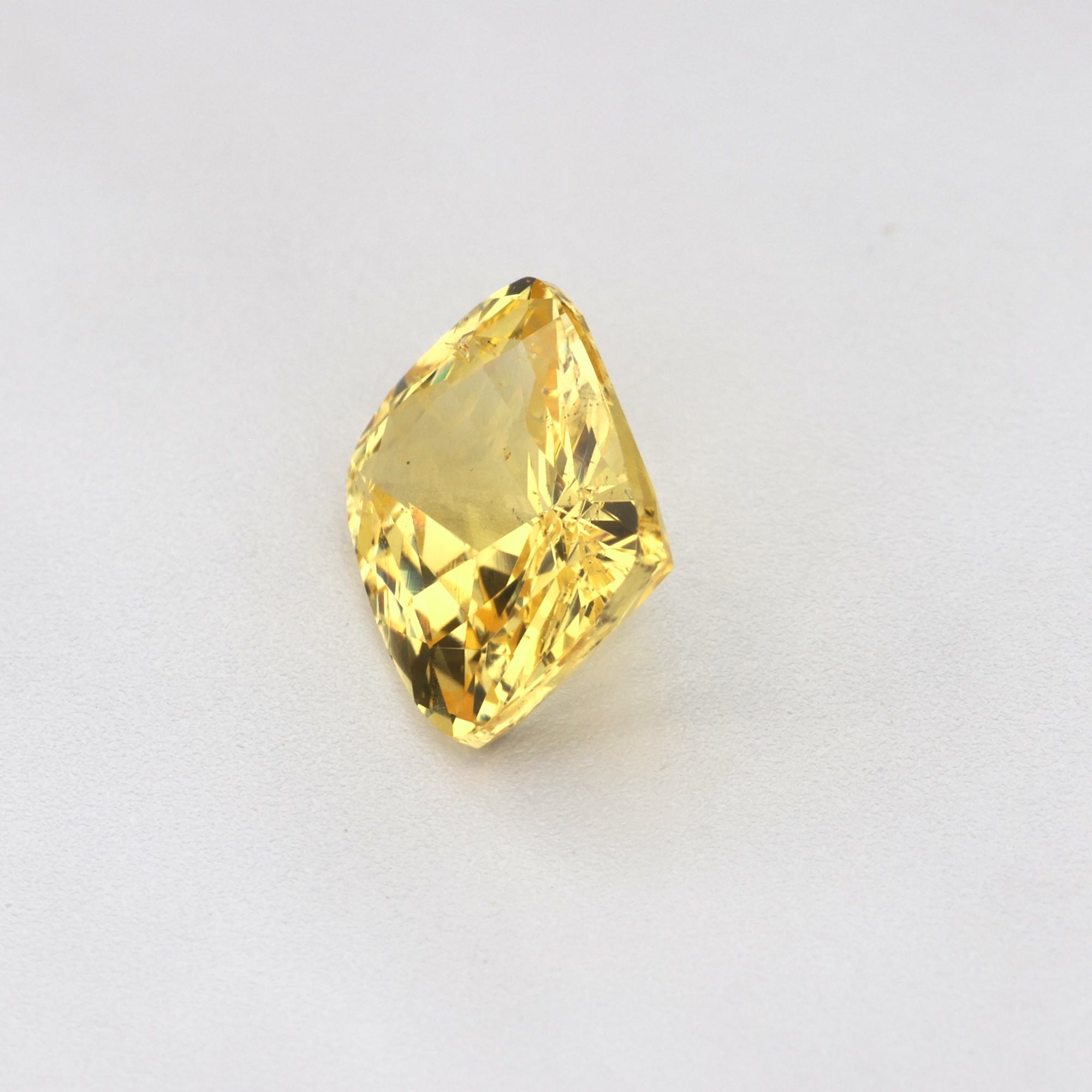
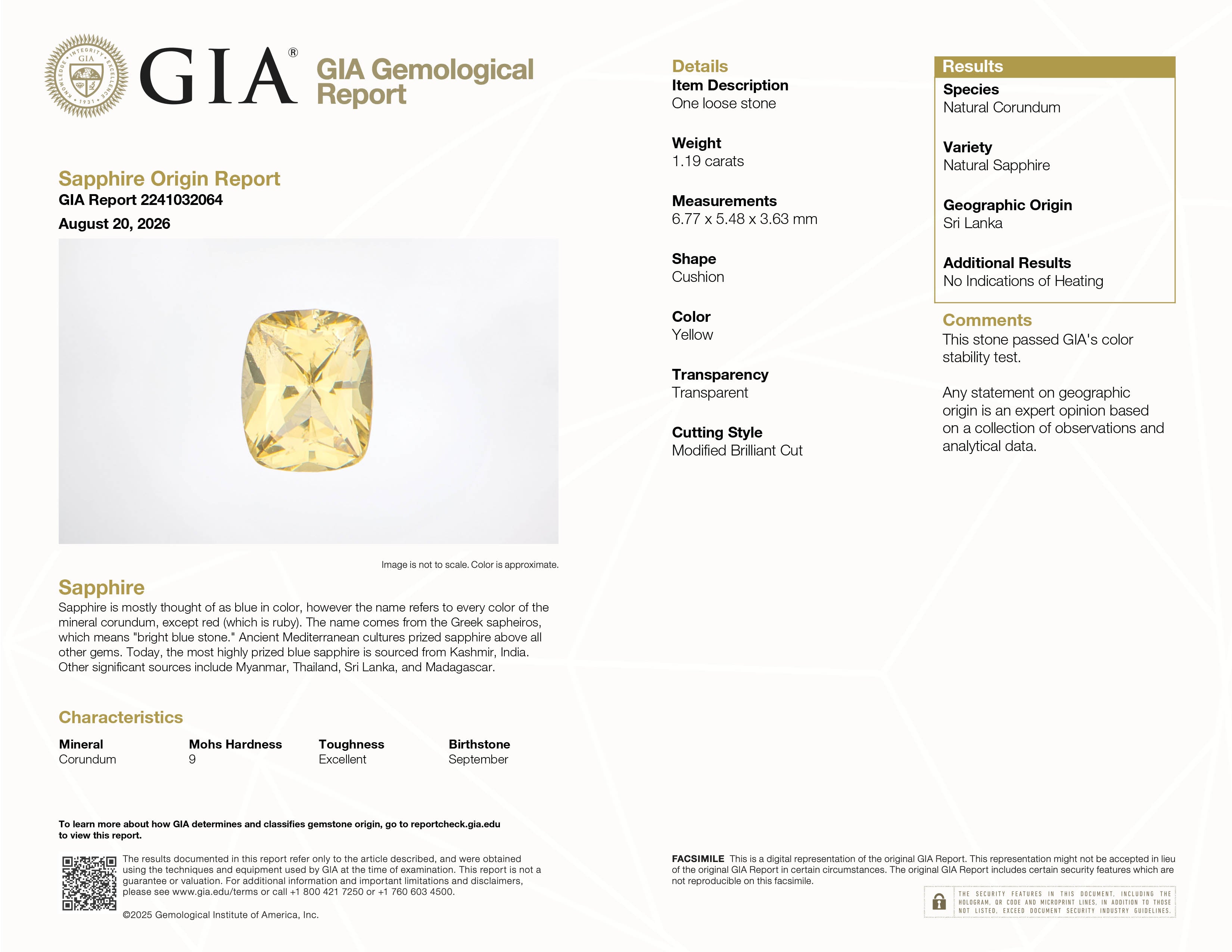
Malagasy yellow sapphires run from pale lemon to a deep golden canary, and the yellow in corundum comes principally from iron. Yellow is one of the colors Antsirabe yields out of its basalt-related gravels, alongside blue and green. For Jyotish buyers the point is not quality but prescription: Pukhraj is specified as a Ceylon yellow sapphire, so a Malagasy stone does not answer that requirement whatever its color. See our Yellow Sapphire Buyer's Guide.
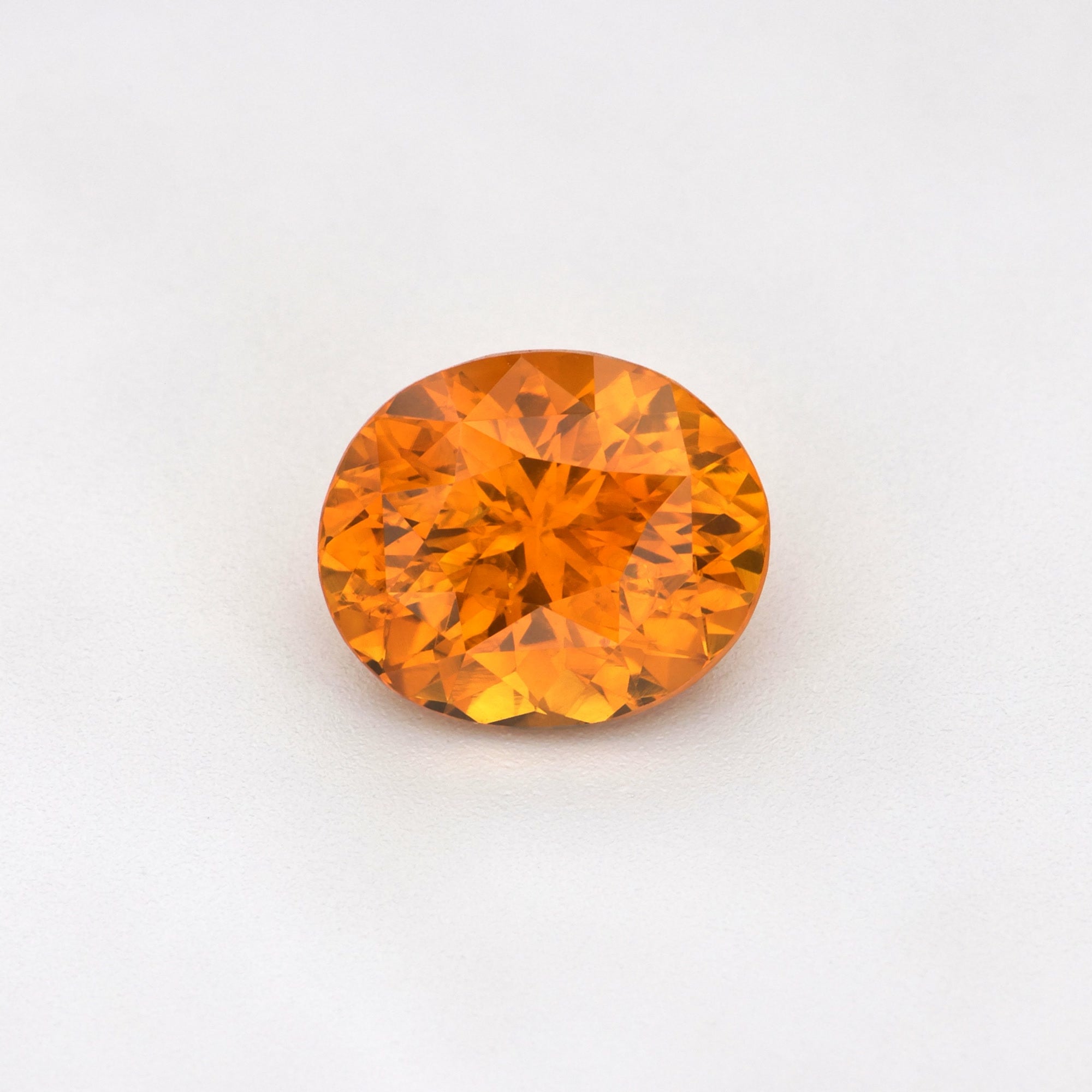
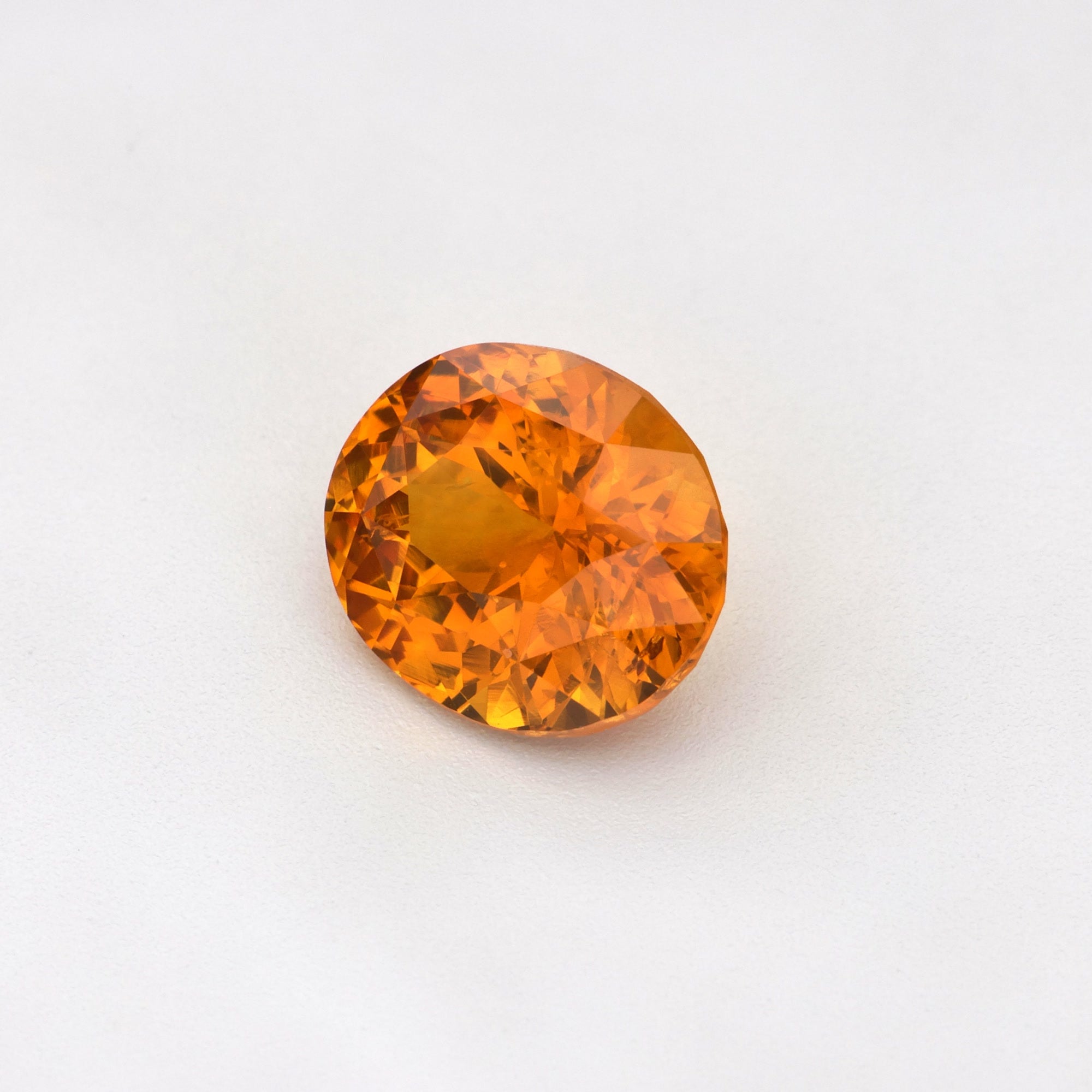
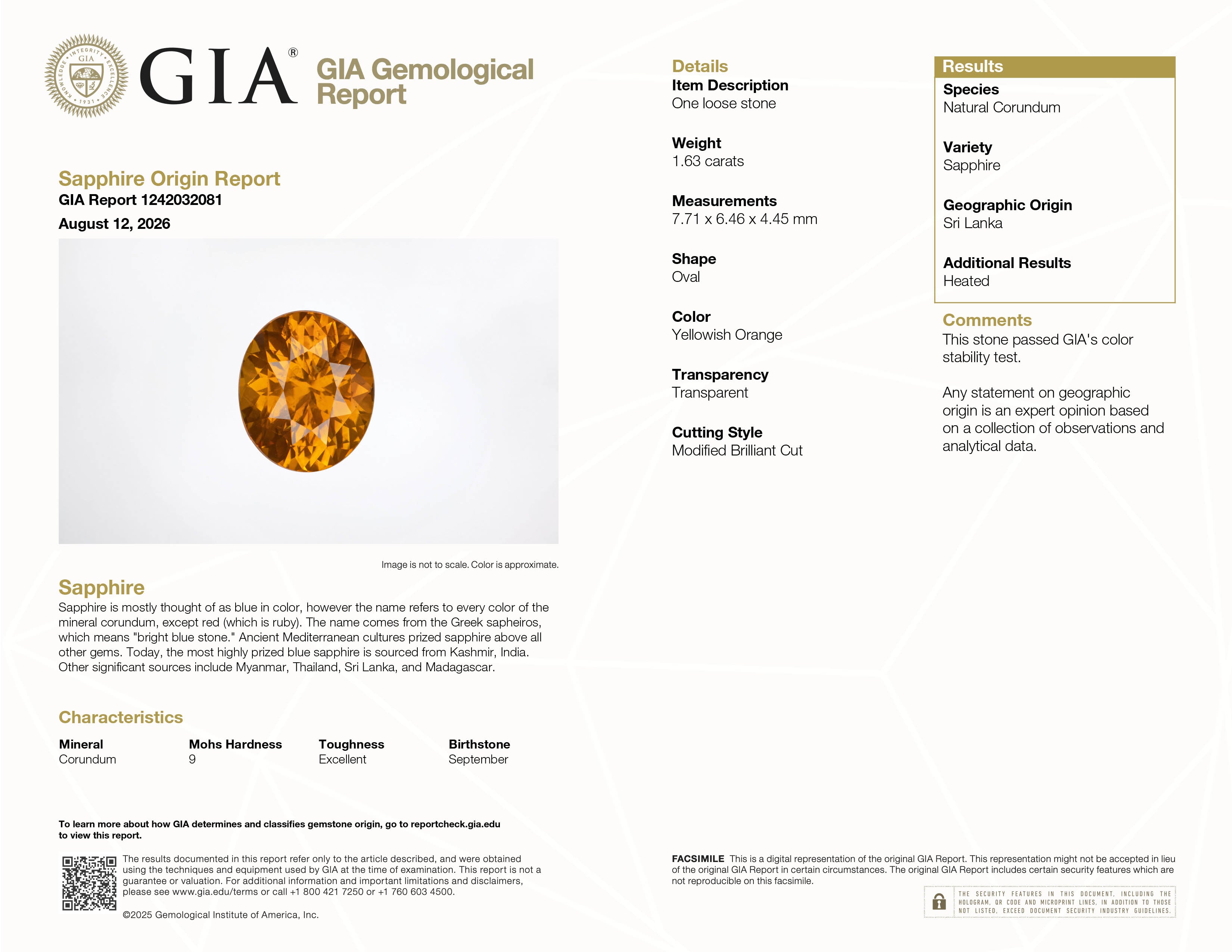
The Ilakaka field yields sapphire in the pink-orange range. One word needs stating plainly and then setting aside: padparadscha is a designation a laboratory applies against its own defined color window, Crescent Gems holds no stone carrying it, and this guide does not apply it to any Malagasy material. What is left is the plain work of looking — whether pink and orange are both present and in what balance, and how the color behaves under different light — plus the question that matters most here: what the report says about treatment, because beryllium diffusion is used on pink-orange and orange corundum and has been applied to Malagasy rough. Background is in our Padparadscha Guide.
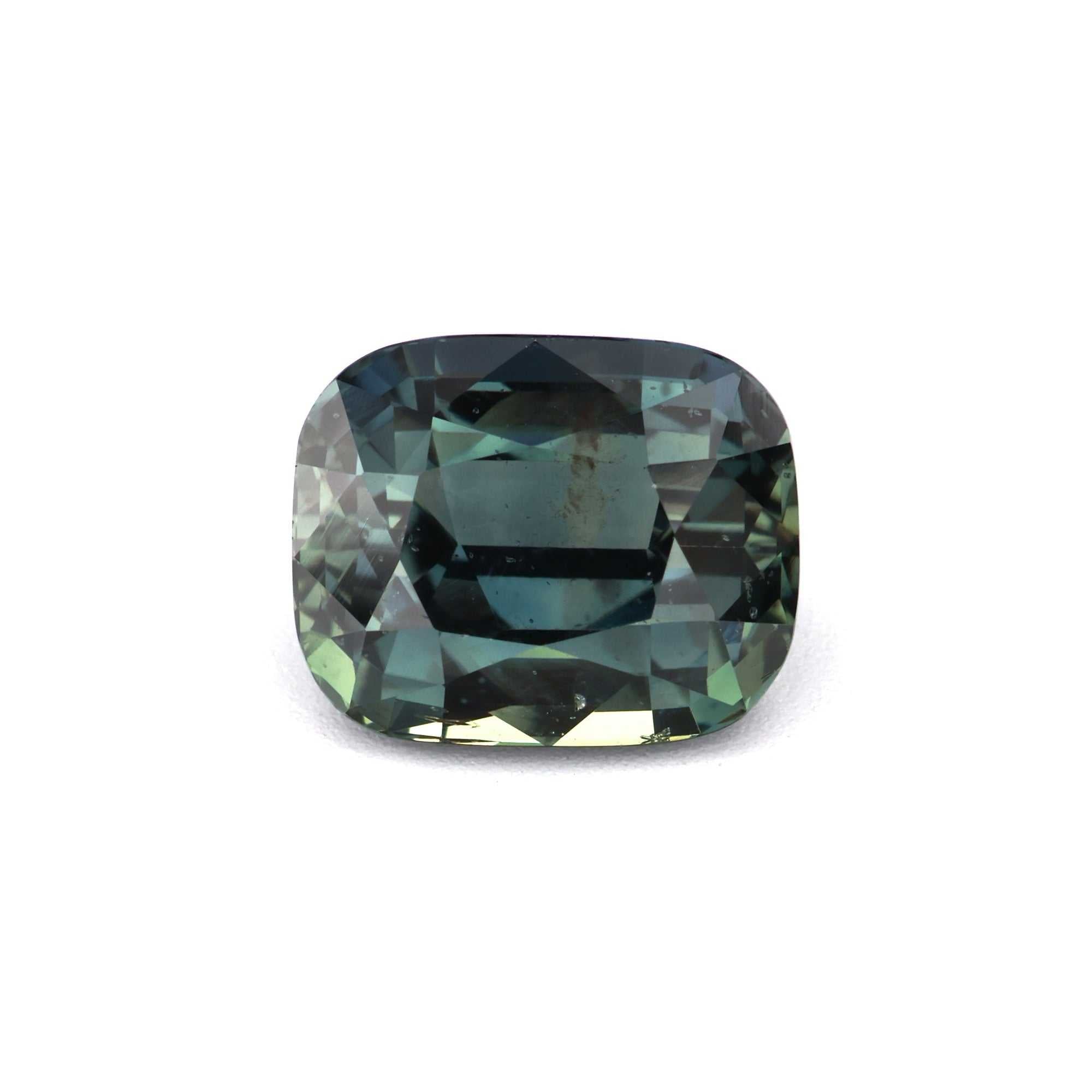
Green and teal sapphire come mainly from Antsirabe, where the basalt-related gravels yield them alongside blue and yellow. Teal is a trade description, not a grading term: a blue-green that reads as one color rather than a blue with a green cast. The green direction in corundum is an iron-rich one, as the darker, grayer blues are. See our Teal and Green Sapphire guides.
Color-change sapphire reads blue or blue-green in daylight and violet or purple under incandescent light, and Madagascar produces it. The stone absorbs light unevenly across the spectrum, and because daylight and a filament lamp supply different mixtures of wavelengths, the same stone returns a different color under each. How far the color moves varies from stone to stone, so this is the one category here that must be seen under both lights before it is bought: a photograph under one settles nothing.
| Factor | Madagascar | Ceylon (Sri Lanka) |
|---|---|---|
| Mining history | Since late 1990s (~28 years) | Over 2,000 years |
| Color range | Blue, pink, pink-orange, yellow, green, teal, color-change | Blue, pink, yellow, orange, purple, green, star and color-change material |
| Host rock behind the gravels | Metamorphic at Ilakaka, Ambatondrazaka and Bemainty; basalt-related at Antsirabe | Metamorphic |
| Typical blue character | Often a little darker in tone; a greenish or grayish modifier in some stones | Often a lighter, more open tone, which is where the cornflower description comes from |
| Unheated material | Occurs; established stone by stone on a report, not by the origin | Occurs; established the same way, and it is what this store's stock is built on |
| Heat treatment | A finding about the individual stone; the origin does not predict it | A finding about the individual stone; the origin does not predict it |
| Name a report uses for the origin | Madagascar | Sri Lanka (Ceylon) |
| What the origin line does not cover | Color, clarity, cut and treatment — each determined separately | Color, clarity, cut and treatment — each determined separately |
| Status of a geographic origin conclusion | An expert opinion, dated, and open to a different reading | An expert opinion, dated, and open to a different reading |
| Beryllium diffusion | Has been applied to Malagasy rough; ask that a report address it on pink-orange and orange stones | The same question, asked of any pink-orange or orange stone |
| Jyotish acceptance | Not traditionally prescribed | The preferred origin for Pukhraj and Neelam |
The table compares what can be documented about the two origins, not their quality. Nothing in it describes an individual stone: color, clarity, cut and the treatment finding are read off that stone's own report.
Two kinds of host rock, one island. Every field named in this guide is worked as a gravel: the sapphires are not cut out of the rock they grew in but picked out of the sediment that rock weathered into. What differs between the fields is the rock upstream. At Ilakaka, Ambatondrazaka and Bemainty the gravels drain metamorphic ground; at Antsirabe the material was shed from the Ankaratra volcanic massif, which is why that field's production is called basalt-related. The distinction is not academic: it is why one island yields blue sapphire in two geologically separate forms, and why green and yellow are associated with Antsirabe rather than the northeastern fields.
Alluvial recovery mixes the record. A gravel bed collects whatever the rivers brought it, so one working can yield stones that grew under different conditions and travelled different distances. It also means the rough arrives waterworn: rounded, its crystal faces gone, its outline chosen by water rather than growth. A cutter works to the pebble in hand, and the outline of a finished Malagasy stone often records that pebble as much as any decision about yield.
Color here is a matter of a few atoms. Pure corundum is colorless. Blue comes from iron and titanium together, yellow from iron, pink and red from chromium, green from iron in quantity. The amounts are very small, which is why two stones out of one gravel can sit in different color categories.
None of this is printed on a report. A geographic origin conclusion names a country, not a field, so a buyer cannot read Ilakaka or Antsirabe off a document. The geology above explains the range of color this origin produces; it does not let anyone work backwards from a cut stone to the ground it came from. What attaches to the stone itself — identification, weight, measurements, the color the report records, the treatment finding — is what to read.
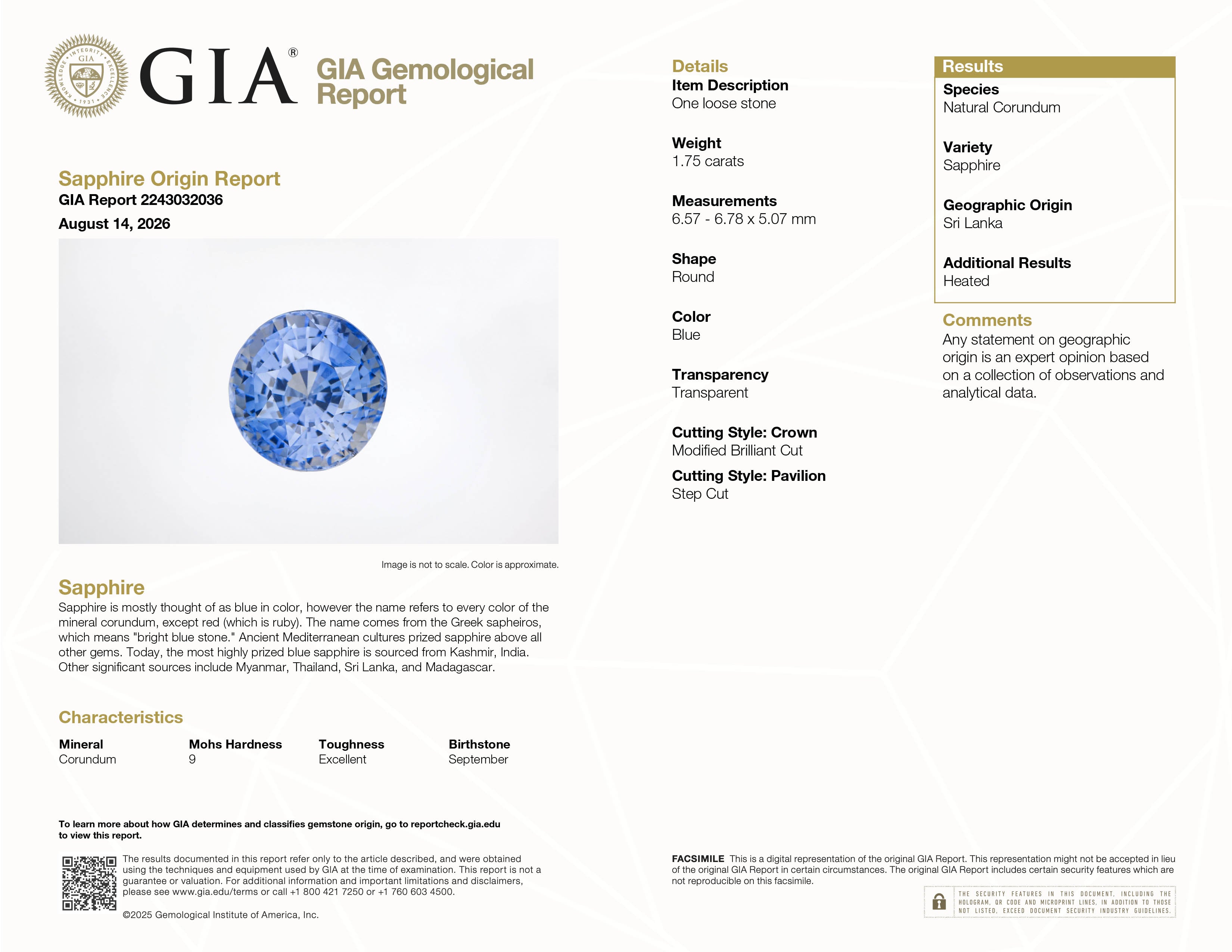
An origin line is an opinion, and the laboratories say so themselves. GIA, writing in Gems & Gemology, states it flatly: "geographic origin reports are an opinion, not fact." SSEF says the same in one line on its sapphire report page: "Origin determination is an expert opinion." So Madagascar on a report is a trained conclusion about where a stone most probably formed, reached on a stated date from that laboratory's comparison material — a different kind of statement from the weight, which is measured.
Blue is where that opinion is most difficult, and this island is named in the reason. GIA's published account of blue-sapphire origin work says so directly: "Even without the arrival of Madagascar sapphires, it is not always possible to separate the three classical sources with 100% confidence." The reason is geological: Madagascar's northeastern fields are metamorphic, as the classical sources are, and the same article records that for metamorphic blue sapphire the trace-element chemistry a laboratory would otherwise lean on is often of limited use.
Sometimes the honest answer is no answer. GIA is direct about the limit of the work: "No matter how hard we try, sometimes we simply cannot tell where a stone came from." The conclusion is then recorded as inconclusive, which is not a defect in the stone and not a sign that anything was concealed; it is the document being accurate. A seller who treats it as a problem to talk around is telling you about the seller rather than the sapphire.
Two laboratories may not agree, and that is a property of opinions. GIA puts it in the same article: "Because they are opinions, there will sometimes be differences in reports from different organizations." A second report is not a device for obtaining a better answer, and a first is not voided by a second that reads differently: both are opinions, each from its own reference material.
Where Ceylon comes into this. Both origins are documented on the same basis, and SSEF describes it: "origin determination relies on the analysis of microscopic features, trace element concentrations, and spectroscopic data." The same methods, and the same caveat on the report — GIA notes that "Every major laboratory has a comment stating this on their reports." What differs is how long each has been in the written record: Sri Lanka over two millennia, Madagascar since the late 1990s. That is a fact about documentation, not about stones. Read the full Ceylon Sapphire Complete Guide.
Three things need settling before money changes hands, and not one of them depends on which origin you prefer:
Ask which document the origin rests on. A listing that names an origin in its own words has stated nothing a buyer can check. A geographic origin conclusion on a laboratory report has a date on it and a laboratory's name against it, and GIA and Gübelin both offer origin determination on blue sapphire. If origin is why you want this stone rather than another, the report belongs in front of you before you pay rather than promised after. Read it as written, too: a sale that calls an origin confirmed, certified or guaranteed has promoted an opinion into a fact somewhere in the retelling. See How to Read a GIA Sapphire Report.
Read the treatment finding, and read it narrowly. Assume a sapphire has been heated unless a report says otherwise; heating is long-established and the question is disclosure, not permission. One distinction needs holding firmly: a finding of no indications of heating is about heating alone, and it does not mean untreated — two different words, and only one of them is on the report. For pink-orange and orange stones the question widens, because beryllium diffusion has been applied to Malagasy rough, and a report that addresses it specifically is what settles it.
Judge the stone, then read the paperwork. Color, clarity, cut and the treatment finding are what a sapphire is; origin is where it formed. How they are weighed against one another is the subject of Sapphire Pricing Explained. A stone that looks the way you want and carries a report you have read is a stone you understand, whichever country the origin line names. The sapphire does not know where it was mined. Your eyes do not either.
Madagascar answers the question when:
Ceylon answers it when:
We source from Sri Lanka because it is our home origin. Our roots are in the Ceylon gem trade, our relationships are with Sri Lankan miners and cutters, and our expertise is in the material we have handled for over 25 years. That is a fact about this business rather than a ranking of origins: Ceylon is the ground we know, those are the workshops we work with, and it is the stock we can describe stone by stone.
Madagascar produces fine sapphires, and this guide is written to help a reader buy one well, from us or from anyone else. What we hold is Ceylon material, sourced directly, cut in-house, and known stone by stone from rough to finished gem. That is what lets us put full treatment disclosure and a 14-day return policy behind every stone we sell.
Browse our full Ceylon sapphire catalog or email crescentgems@gmail.com with your specifications. We respond within one business day.

CG8448
CG8292
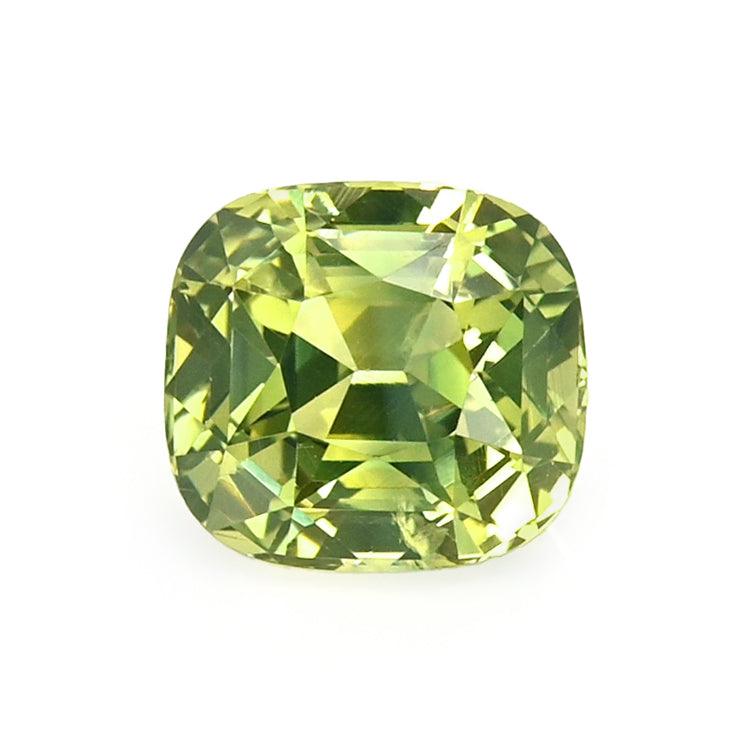
1.46 ct Natural Unheated Green Sapphire – Cushion Cut | Madagascar
CG8355
CG8259
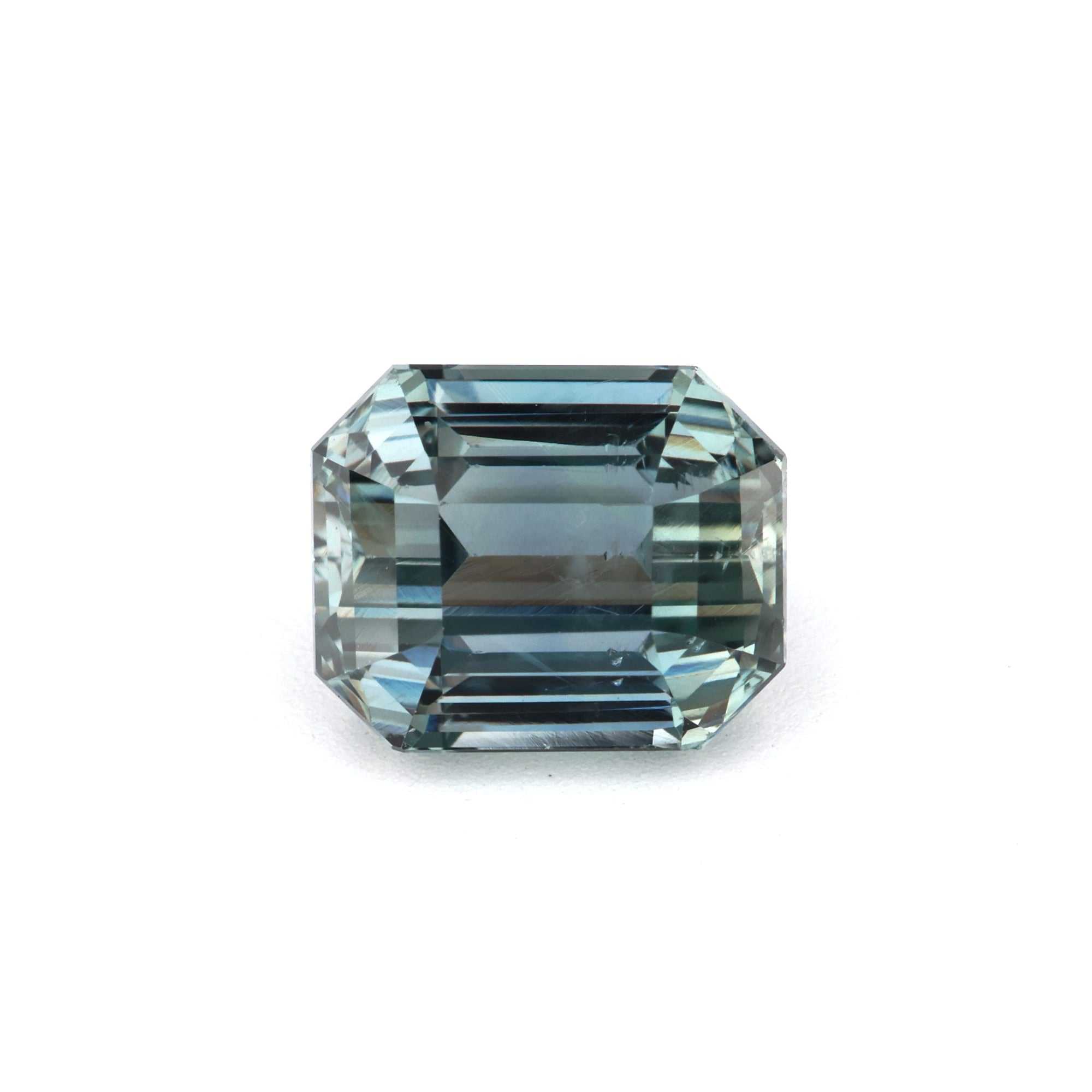
4.99 ct Natural Blue Sapphire – Oval, Heated | GIA Report | Madagascar
Prices are shown in your local currency and may change.
CG8454
CG8465
1.86 ct Natural Tsavorite Garnet, Cushion Shape | GIA Report #1242032119
CG8464
CG8463
CG8460
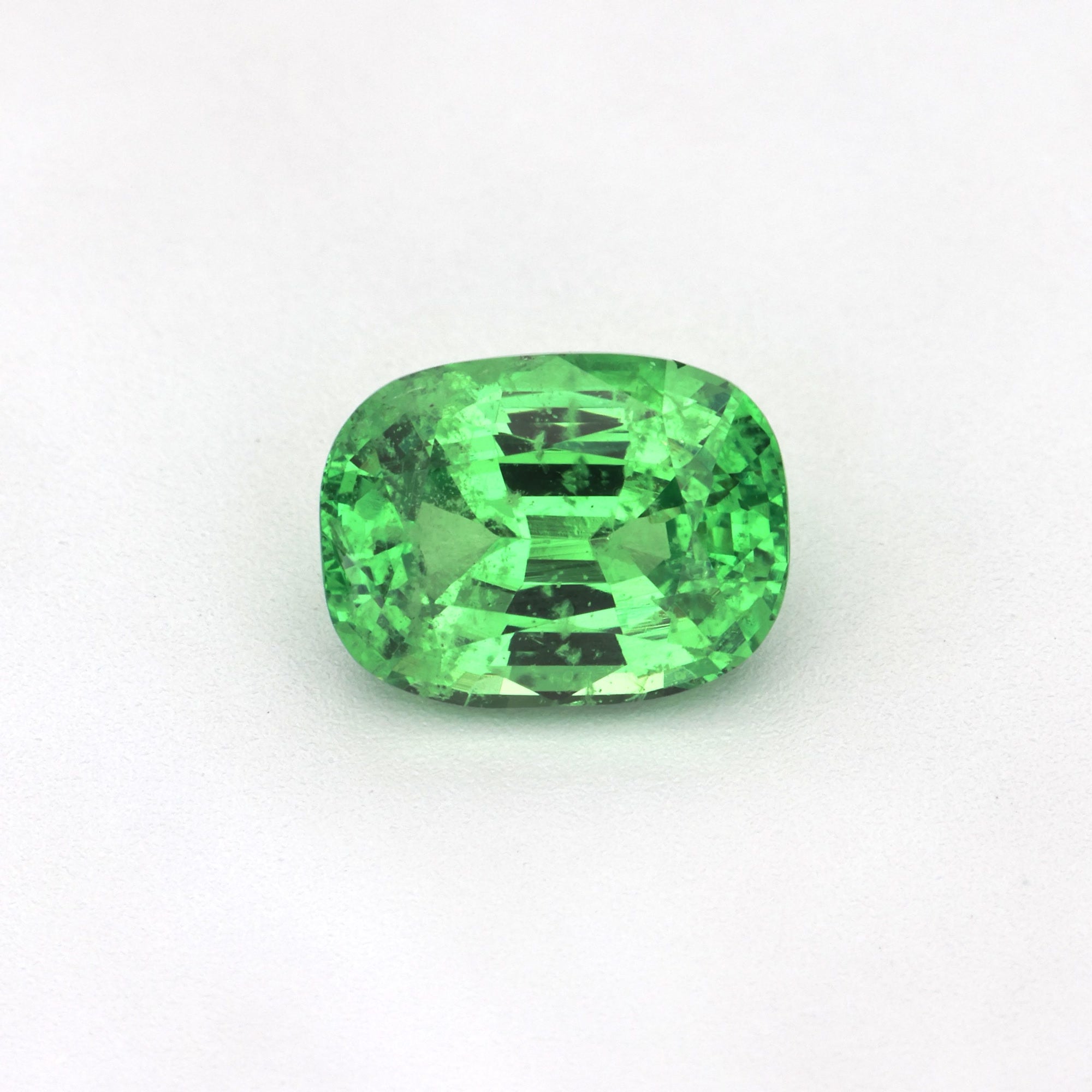
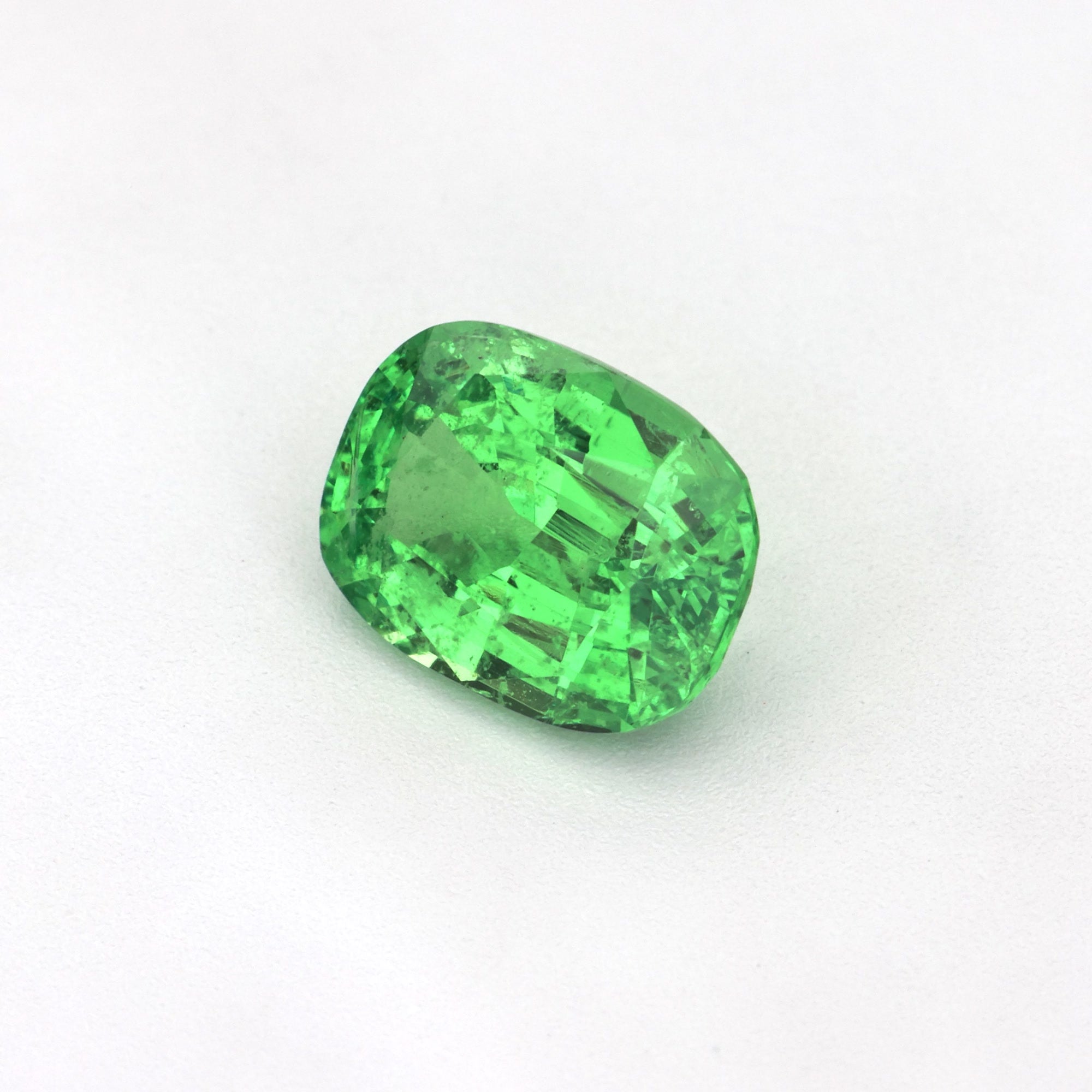
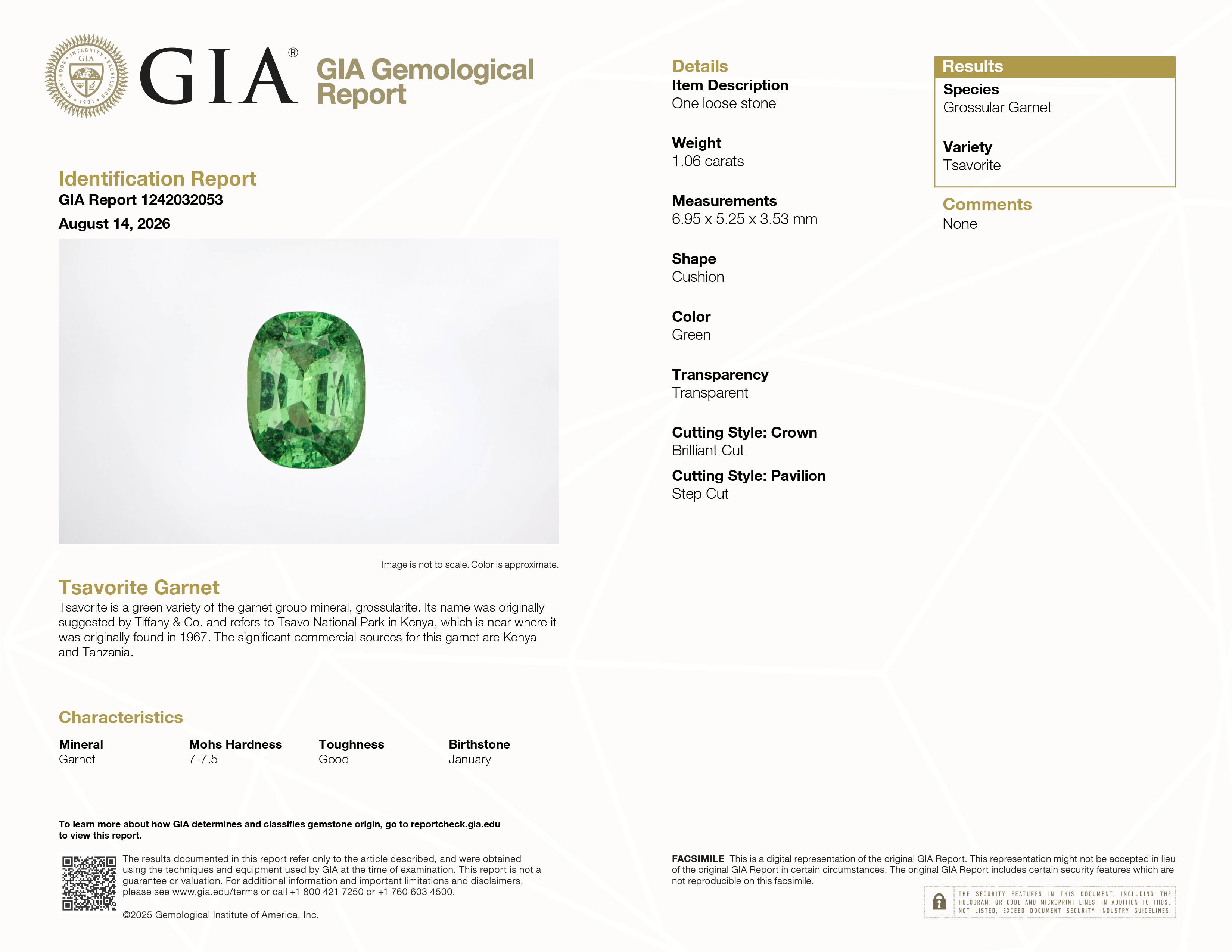
1.06 ct Natural Tsavorite Garnet, Cushion Shape | GIA Report #1242032053
CG8459
CG8458
CG8457
CG8456
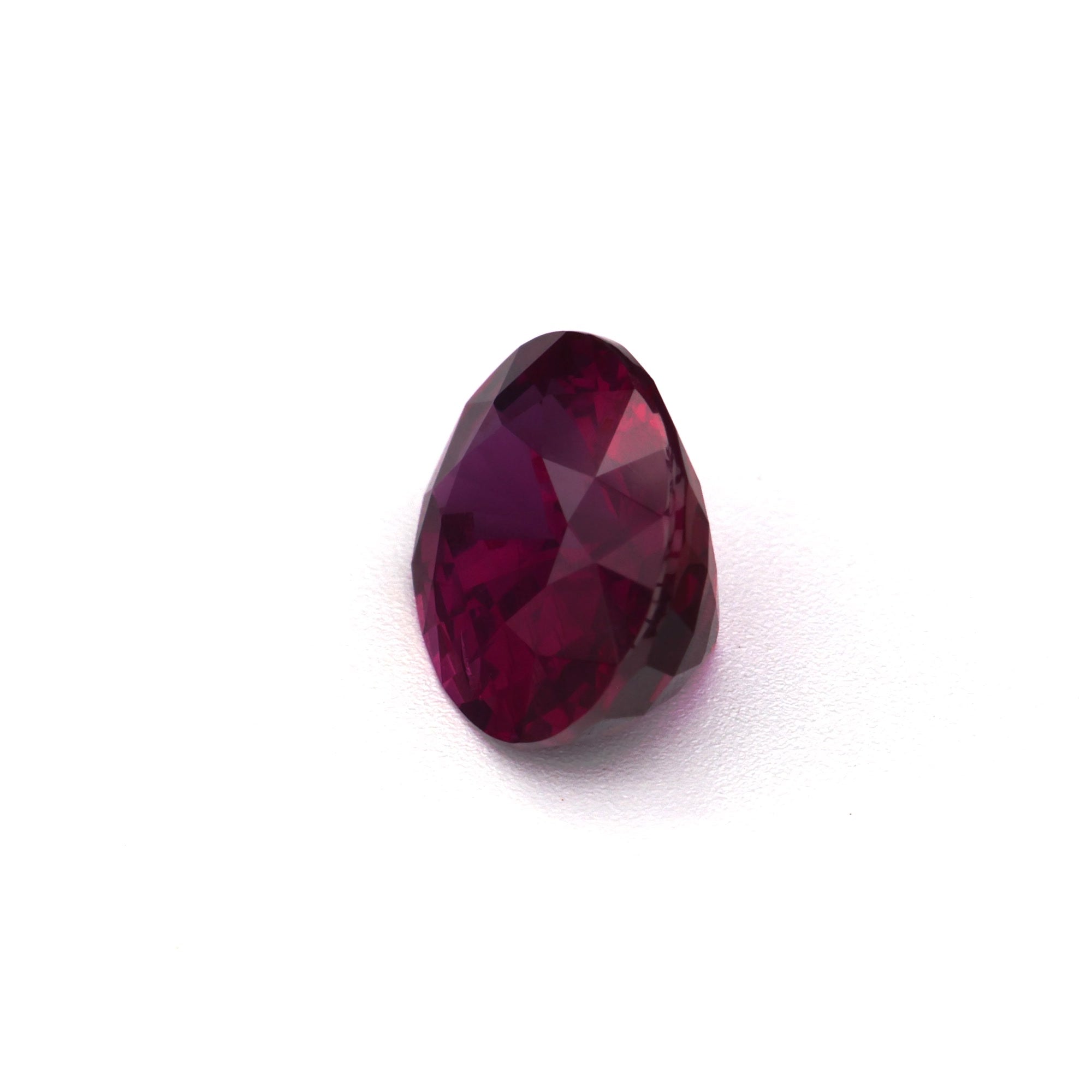
1.65 ct Natural Unheated Ruby – Oval Cut | GIA Report | Madagascar
CG8453


Blue Star Sapphire Price Guide — What They Cost and Why
Read moreabout Blue Star Sapphire Price Guide — What They Cost and Why
Tsavorite Garnet Price Guide — What They Cost and Why
Read moreabout Tsavorite Garnet Price Guide — What They Cost and Why
Color-Change Sapphire Price Guide — What They Cost and Why
Read moreabout Color-Change Sapphire Price Guide — What They Cost and Why
Is Cat's-Eye Chrysoberyl Good for an Engagement Ring?
Read moreabout Is Cat's-Eye Chrysoberyl Good for an Engagement Ring?
Cat's Eye Chrysoberyl Price Guide — What They Cost and Why
Read moreabout Cat's Eye Chrysoberyl Price Guide — What They Cost and Why




















Share: