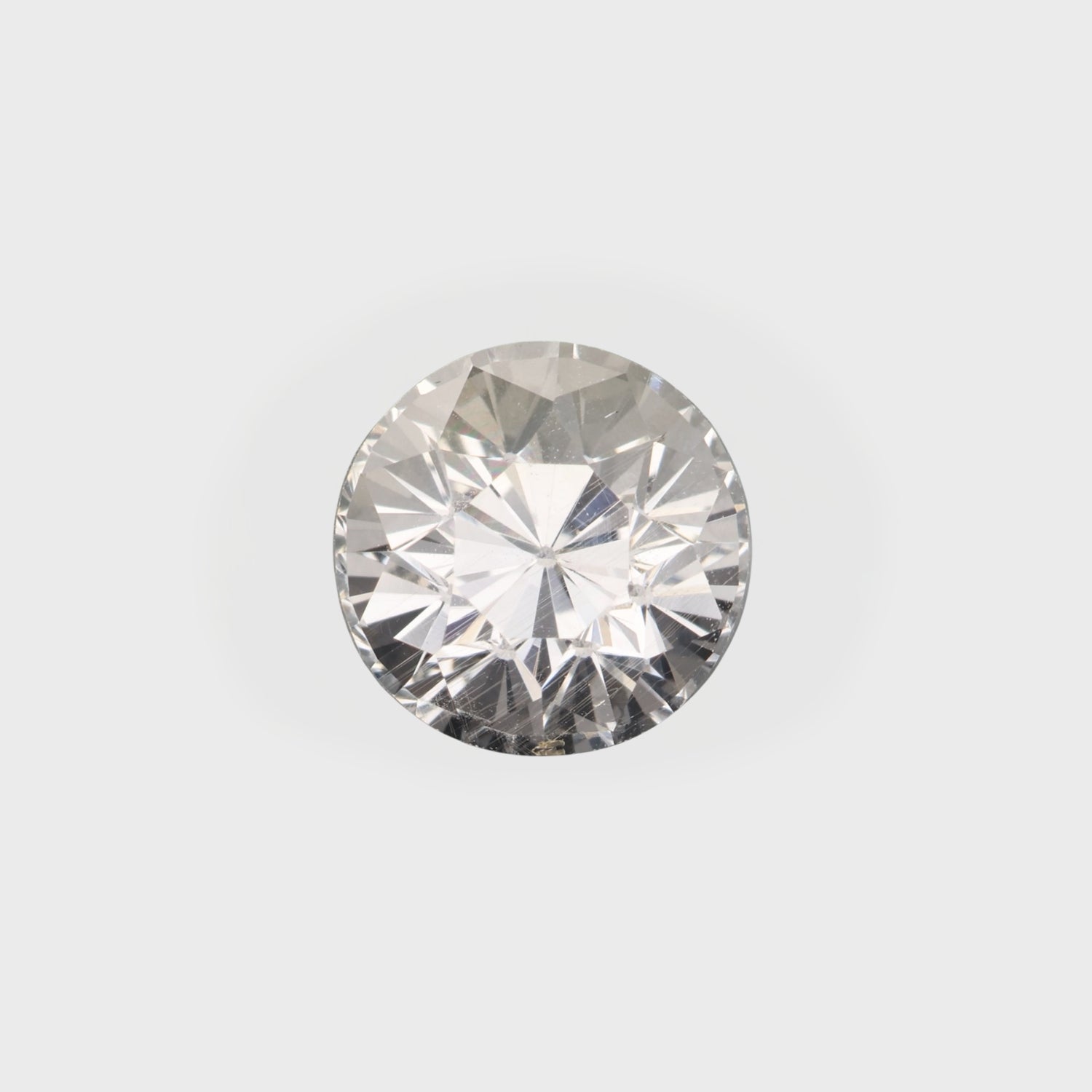
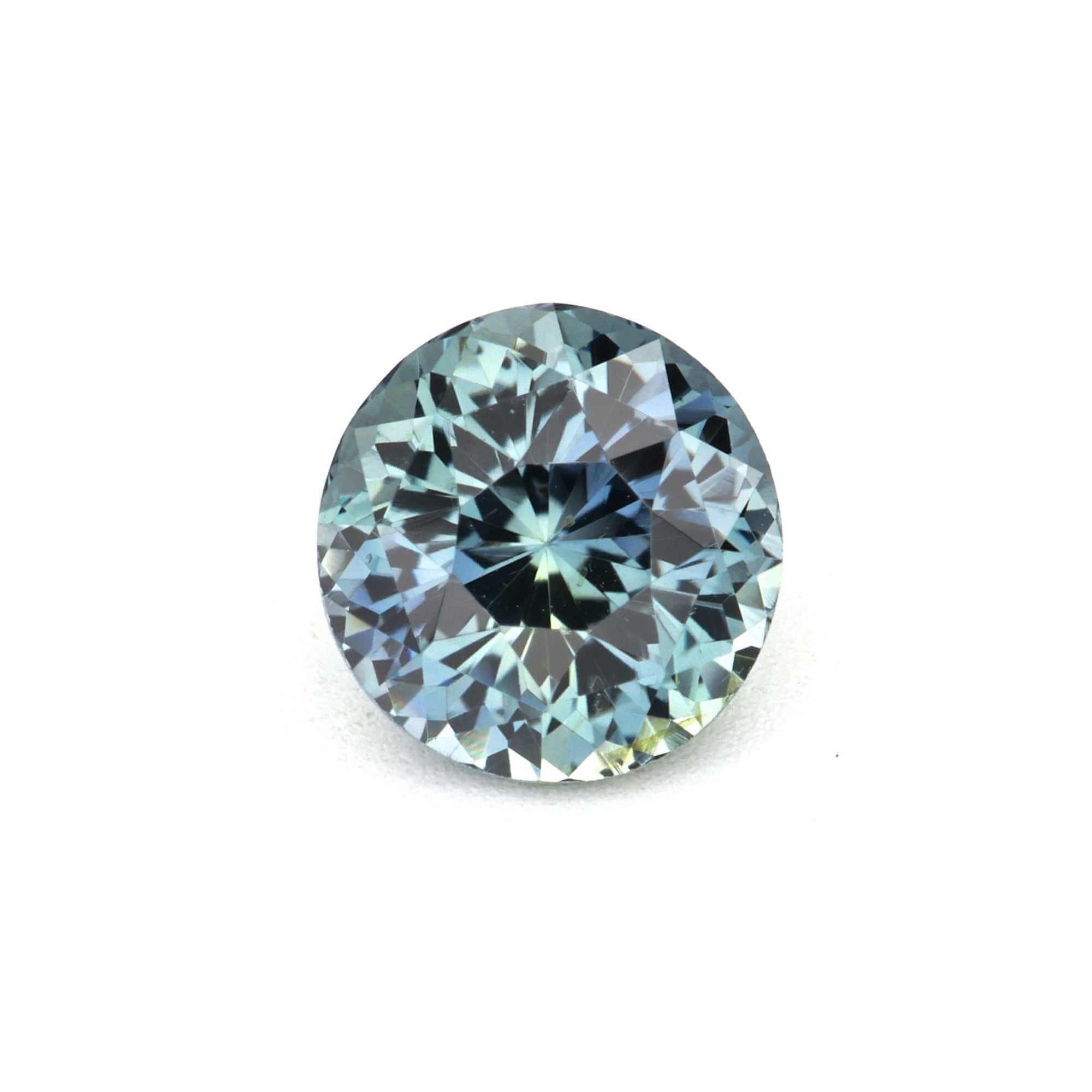
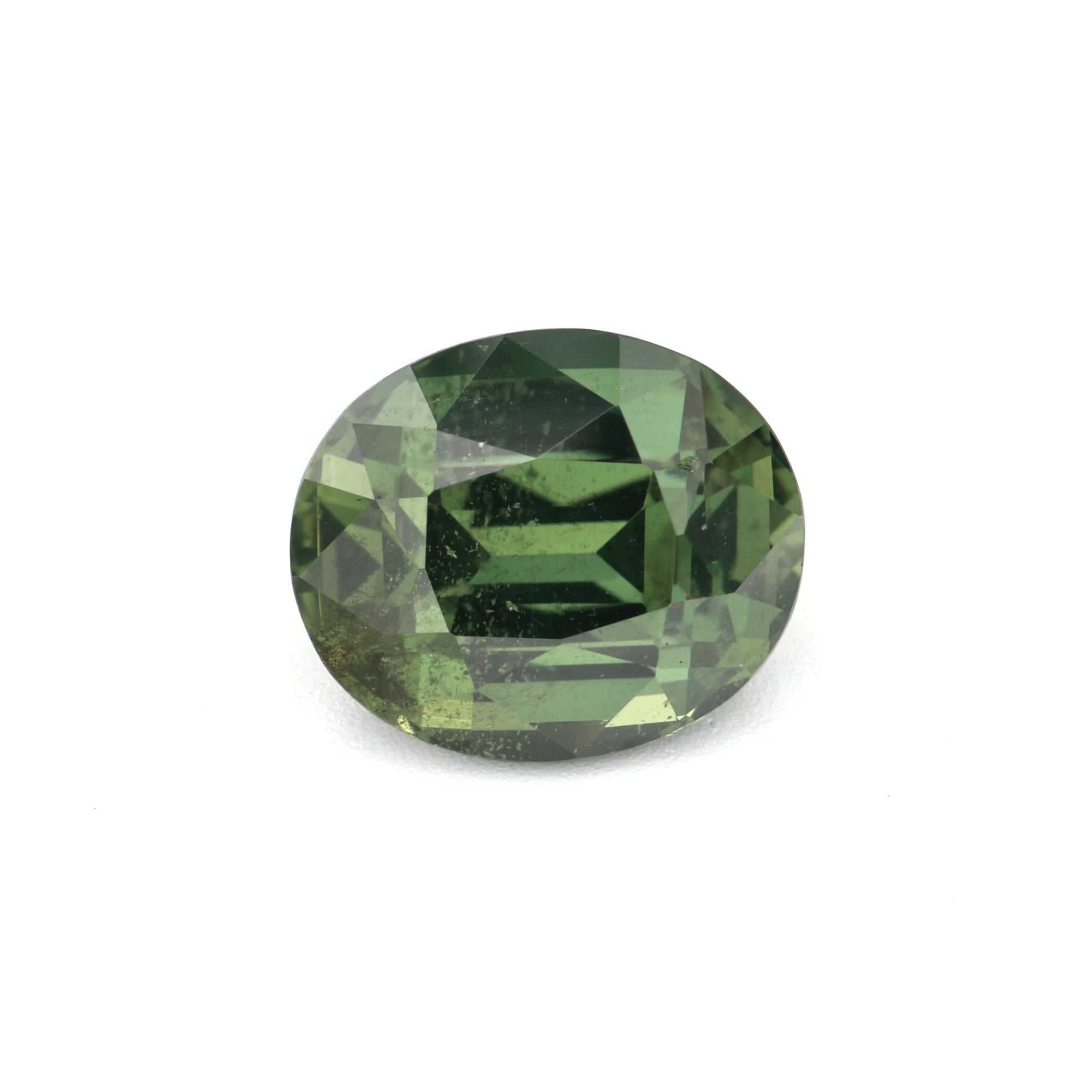
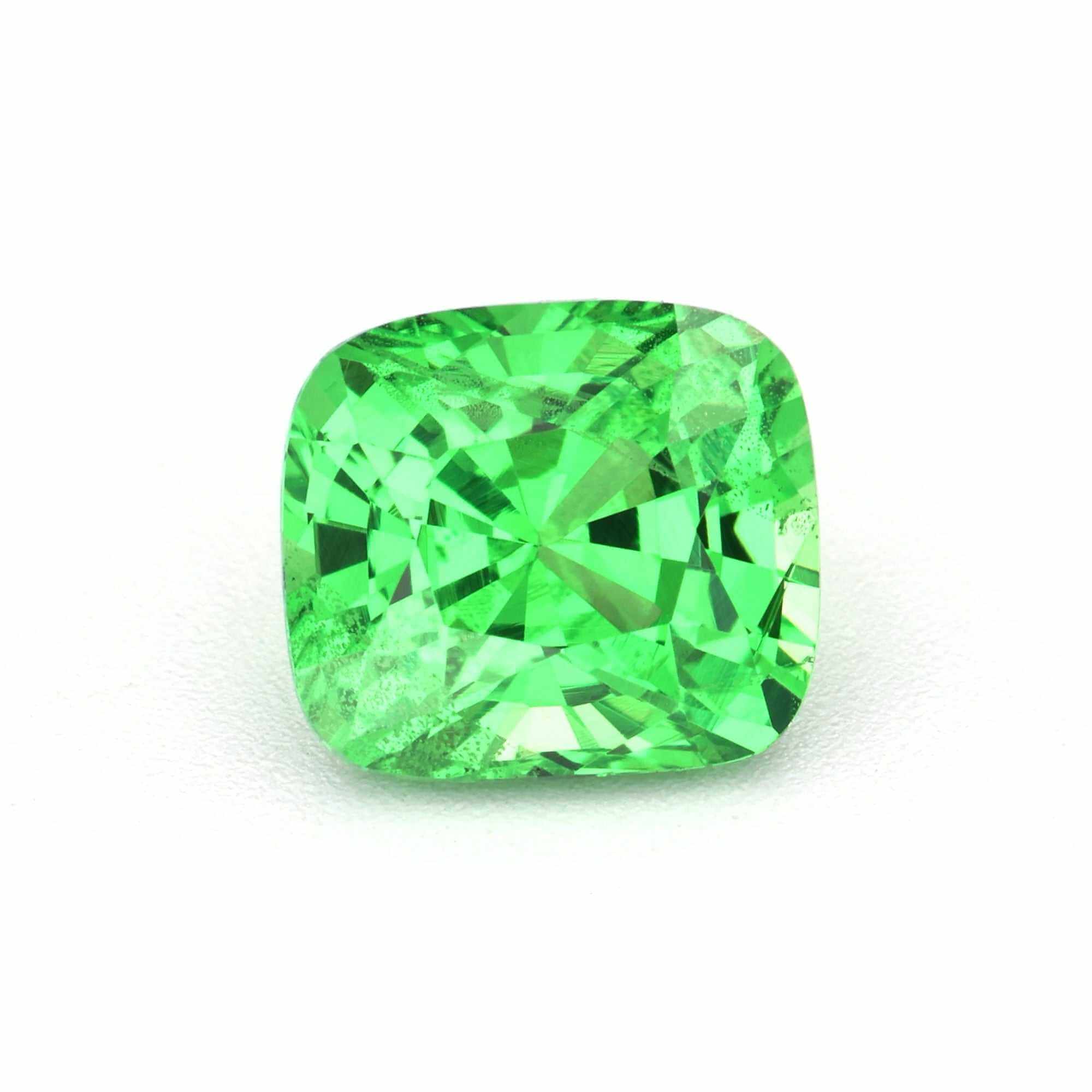
Natural Chrysoberyl - Loose Stones from Sri Lanka
Chrysoberyl is one of the most underappreciated gem species in fine jewelry - a beryllium aluminum oxide, and a species entirely separate from beryl. Its color range runs from honey-yellow and golden-green through yellowish-green hues, and the species also includes the alexandrite (color-change) and cat's eye varieties. Chrysoberyl wears well day to day, and it costs considerably less than sapphire or ruby of comparable appearance - which is what makes it interesting to collectors and jewellery designers who already know what they are looking at.
Why Our Chrysoberyls
We buy our chrysoberyl in Sri Lanka, through our own buying offices in Colombo, Beruwala and Ratnapura - the same supply chain that feeds our sapphire collections. Sri Lanka here is our own sourcing record, not a laboratory finding - the GIA reports these stones carry contain no geographic origin field, so origin is something we state on our own authority and nothing else. Read more about our sourcing on our About page.
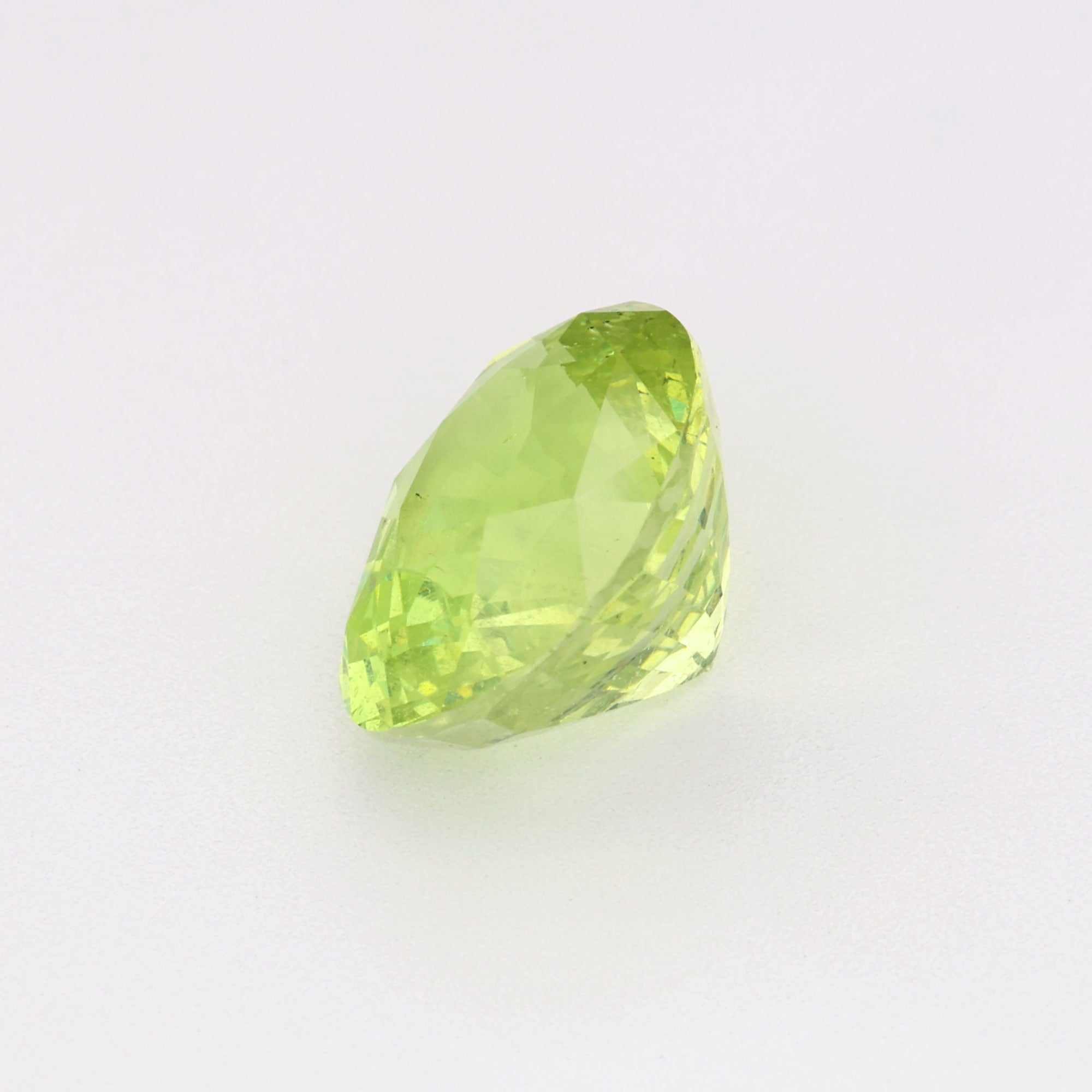
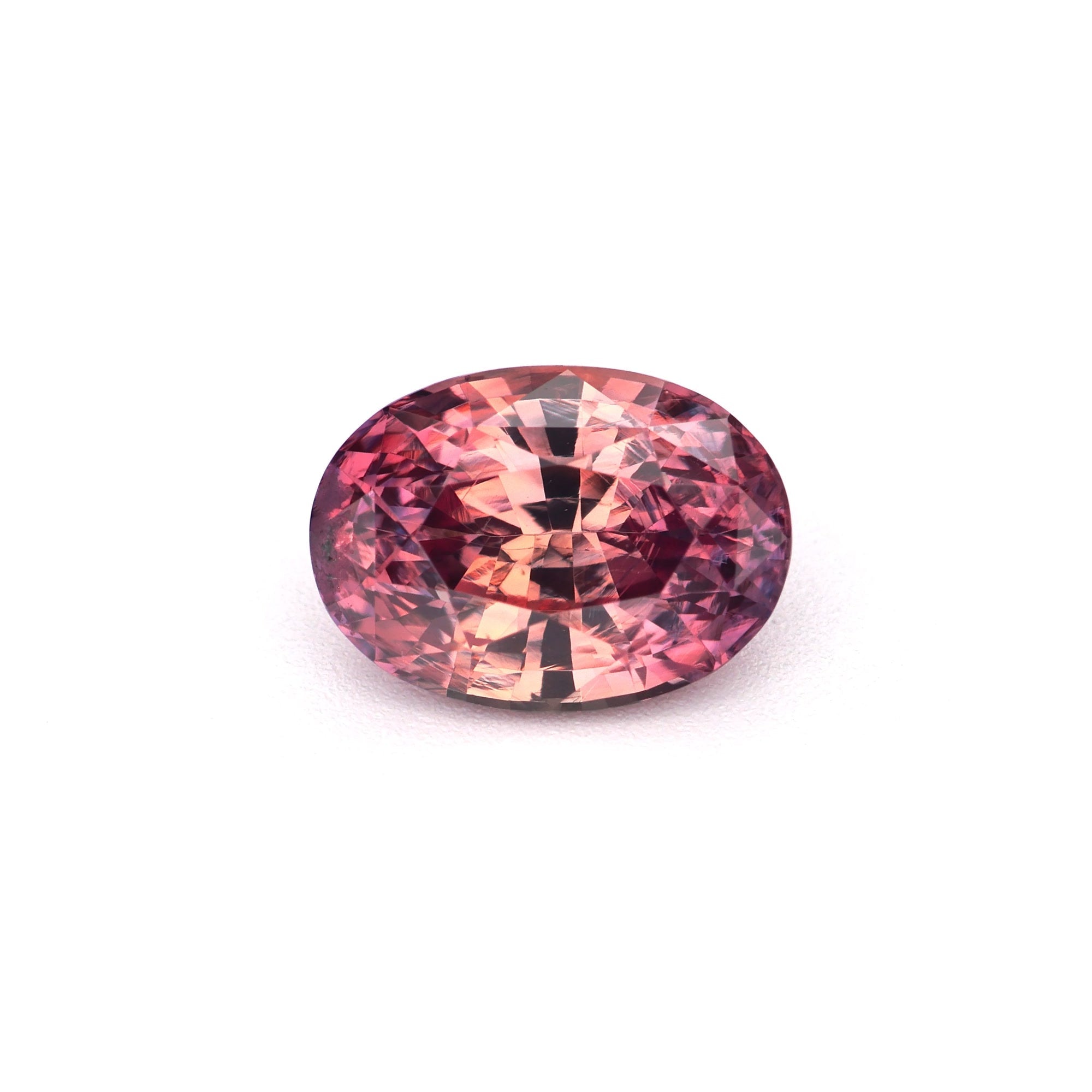
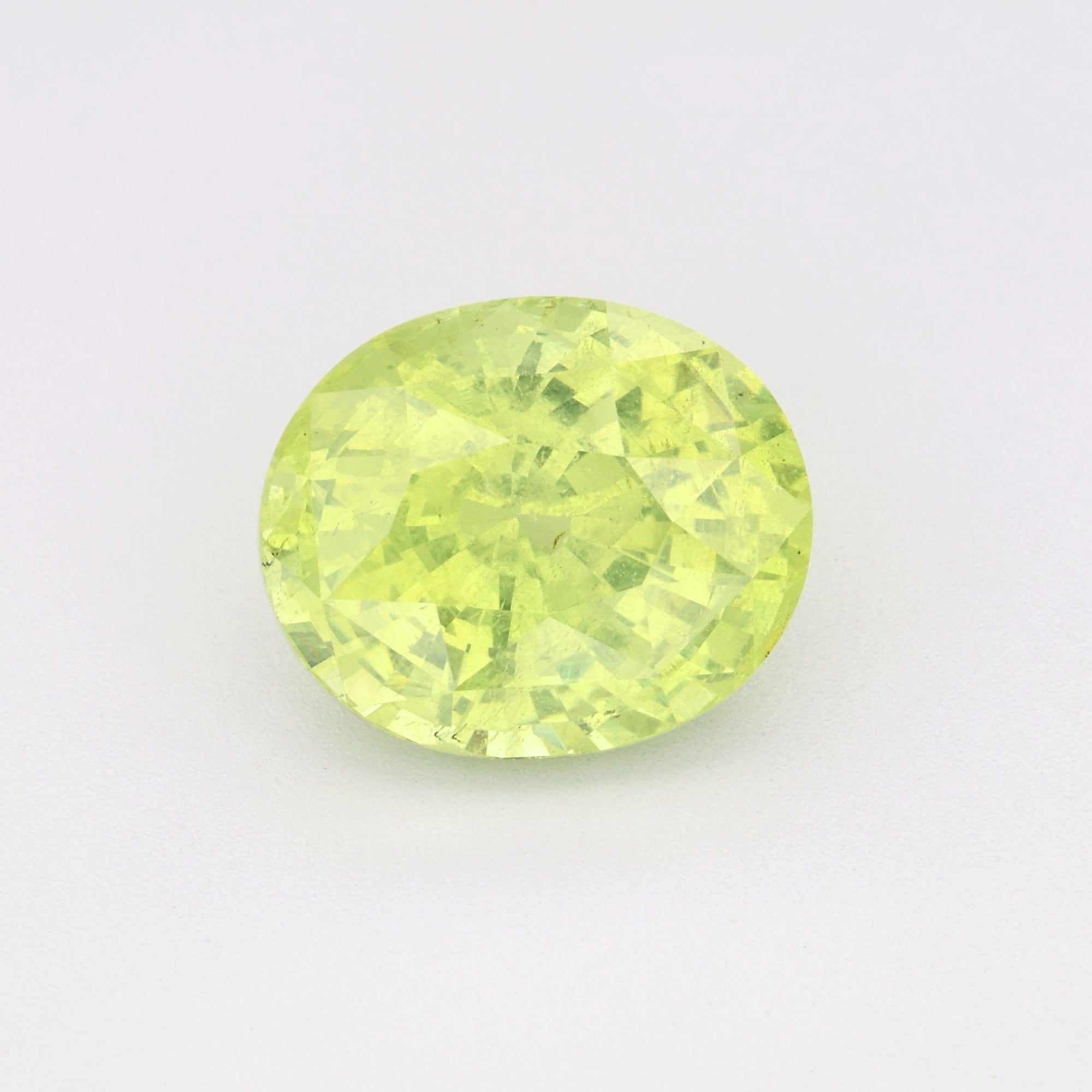
Premium pieces ship with GIA reports. Each stone is photographed under standardized lighting against a neutral background, so the color you see online is as close as we can get it to the stone in your hand. On request we will send you a personal video of any individual stone.
What the GIA Reports on These Stones Do and Do Not Say
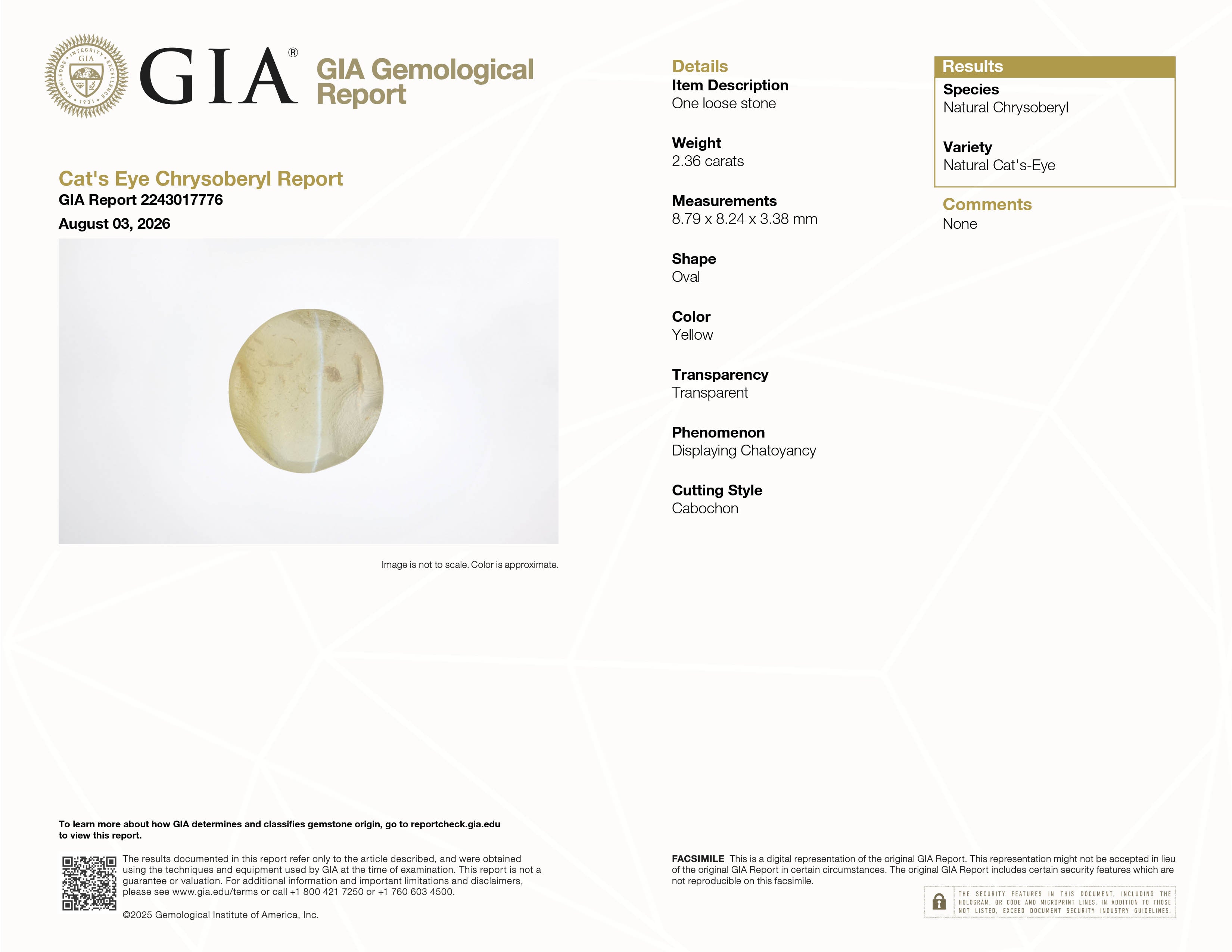
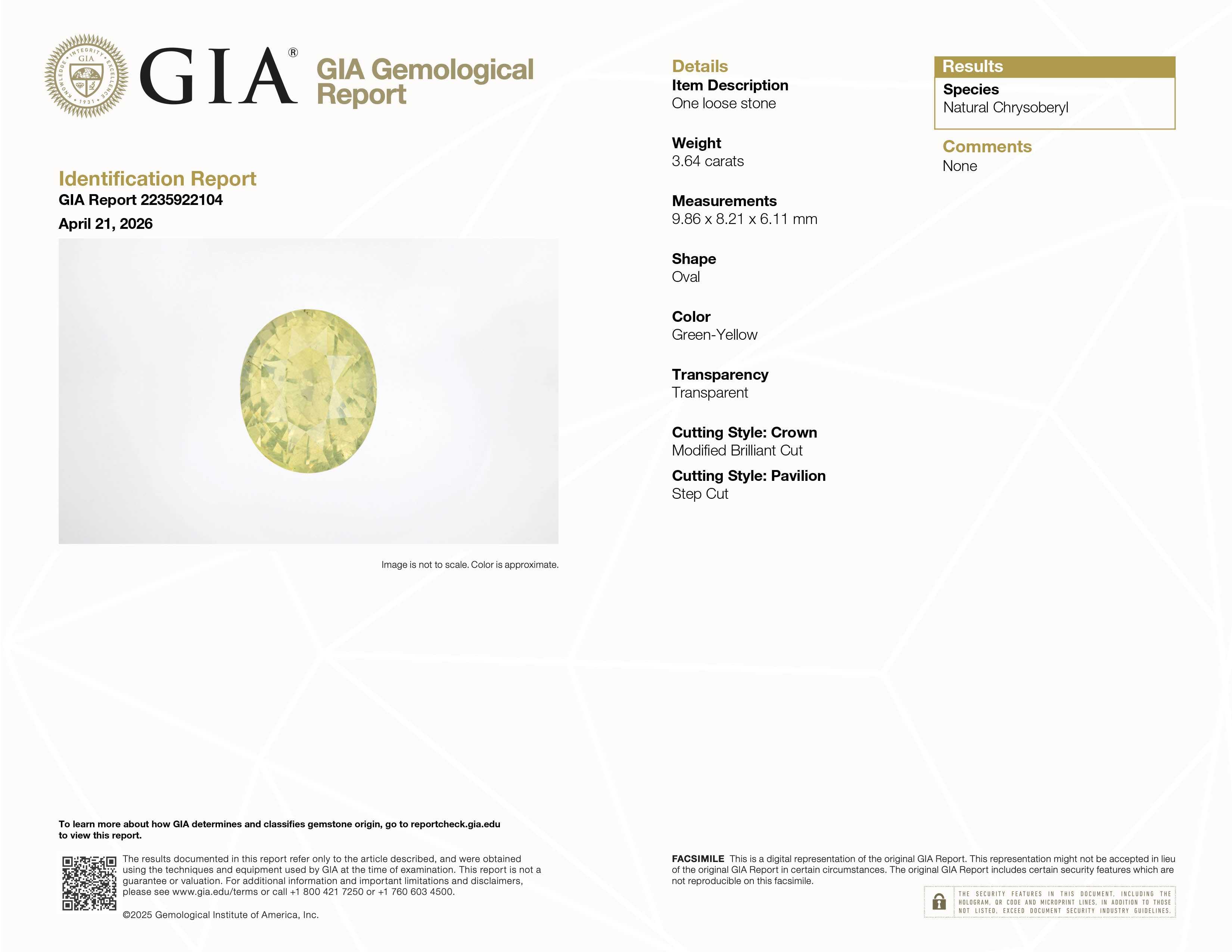
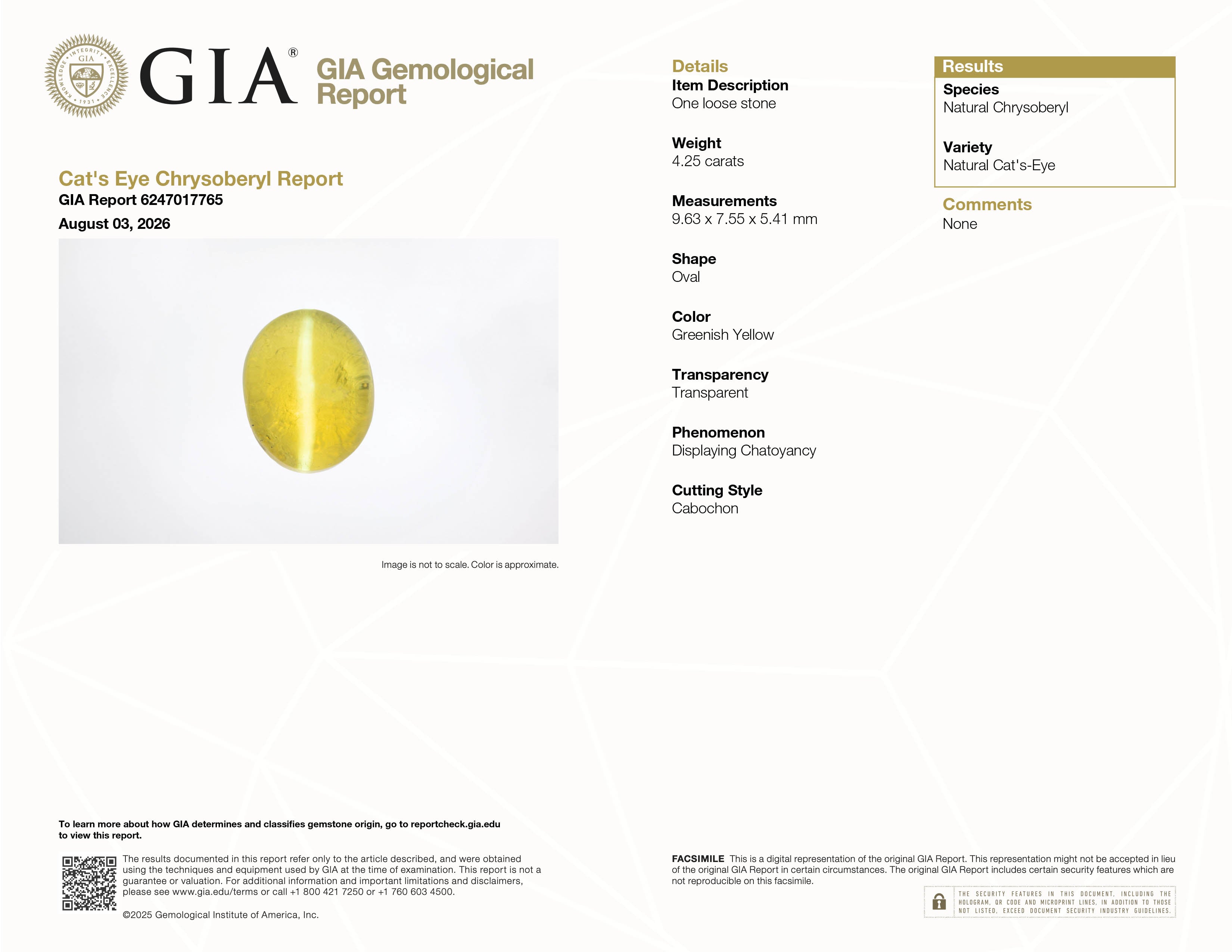
The reports our chrysoberyls carry are a Cat's Eye Chrysoberyl Report or an Identification Report. Between them these documents print the item description, the weight, the measurements, the shape, the color, the transparency, the cutting style and - on the cat's eye stones - the phenomenon, together with a results box giving species and variety. On the cat's eye stones the phenomenon field reads Displaying Chatoyancy, which is GIA stating that the stone shows the effect; it is not a judgement of how sharp, how straight or how well centred the eye is, and GIA does not grade or quality-analyse coloured stones at all.
Neither report type carries a treatment field, a geographic origin field, or a characteristics panel. So any statement about treatment, origin, hardness, refractive index or clarity on these pages is ours, not the laboratory's. We do not buy treated chrysoberyl, and where a stone's own listing says anything about treatment it says so as our statement. If that distinction matters to your purchase, ask us and we will tell you exactly what each document contains.
How to Choose a Chrysoberyl
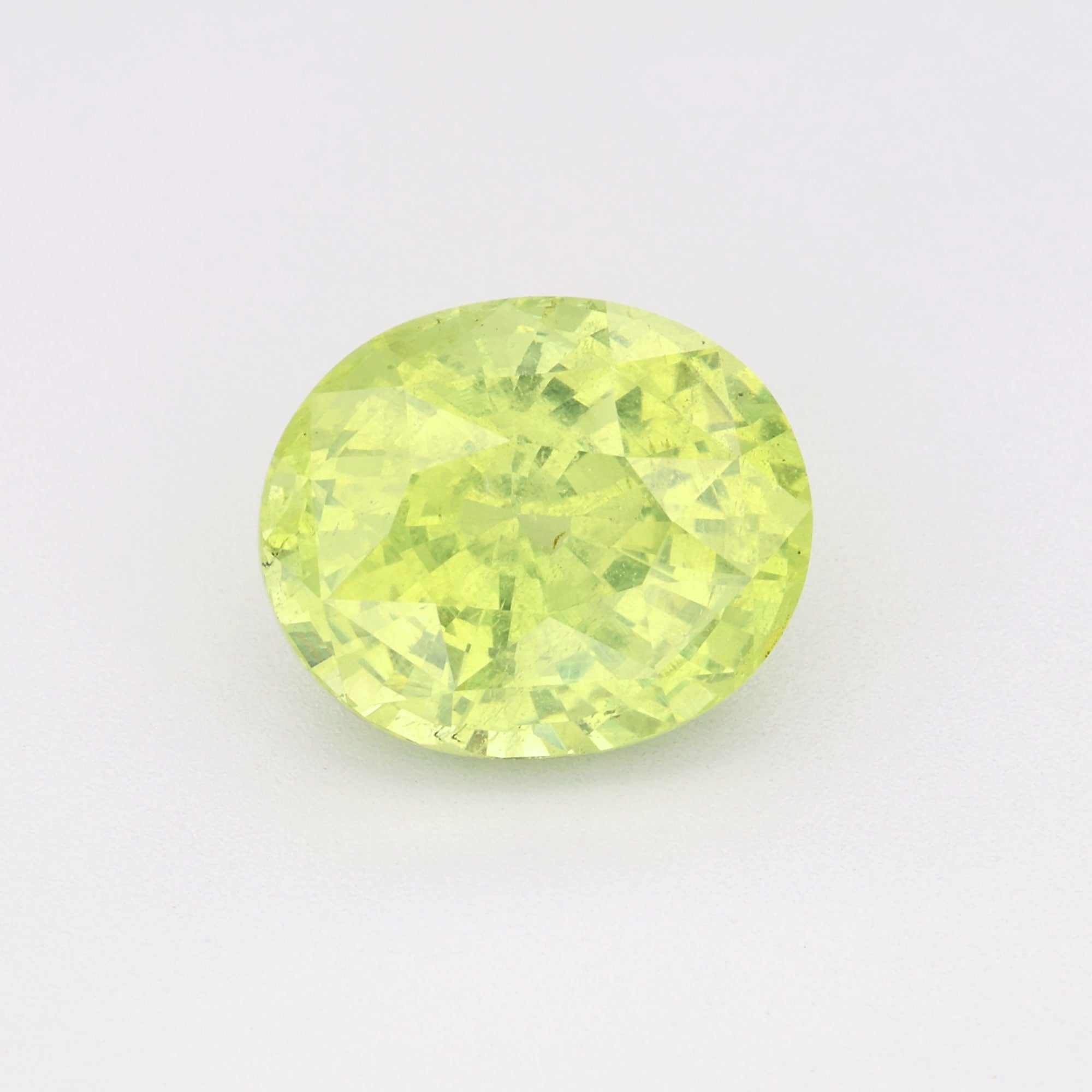
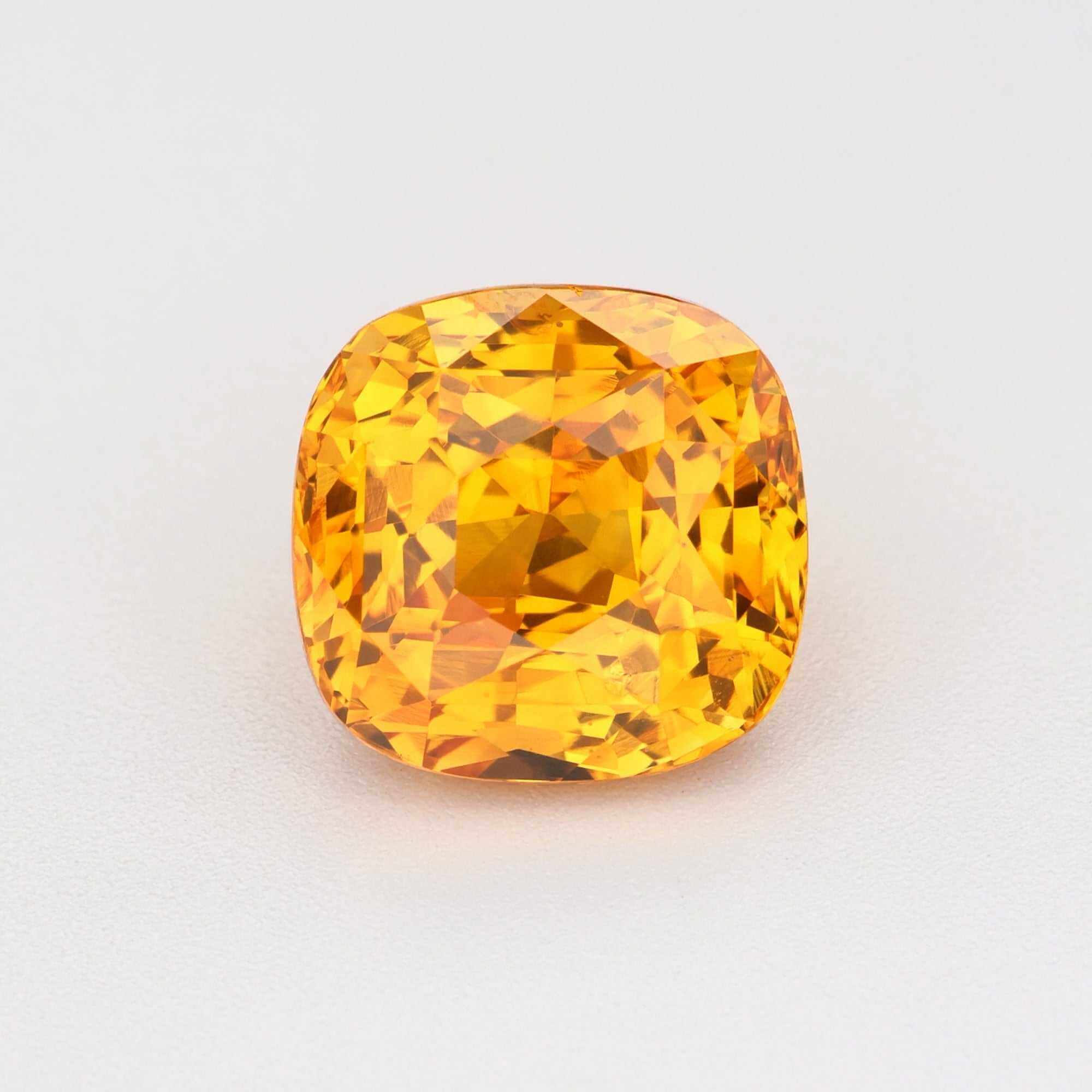
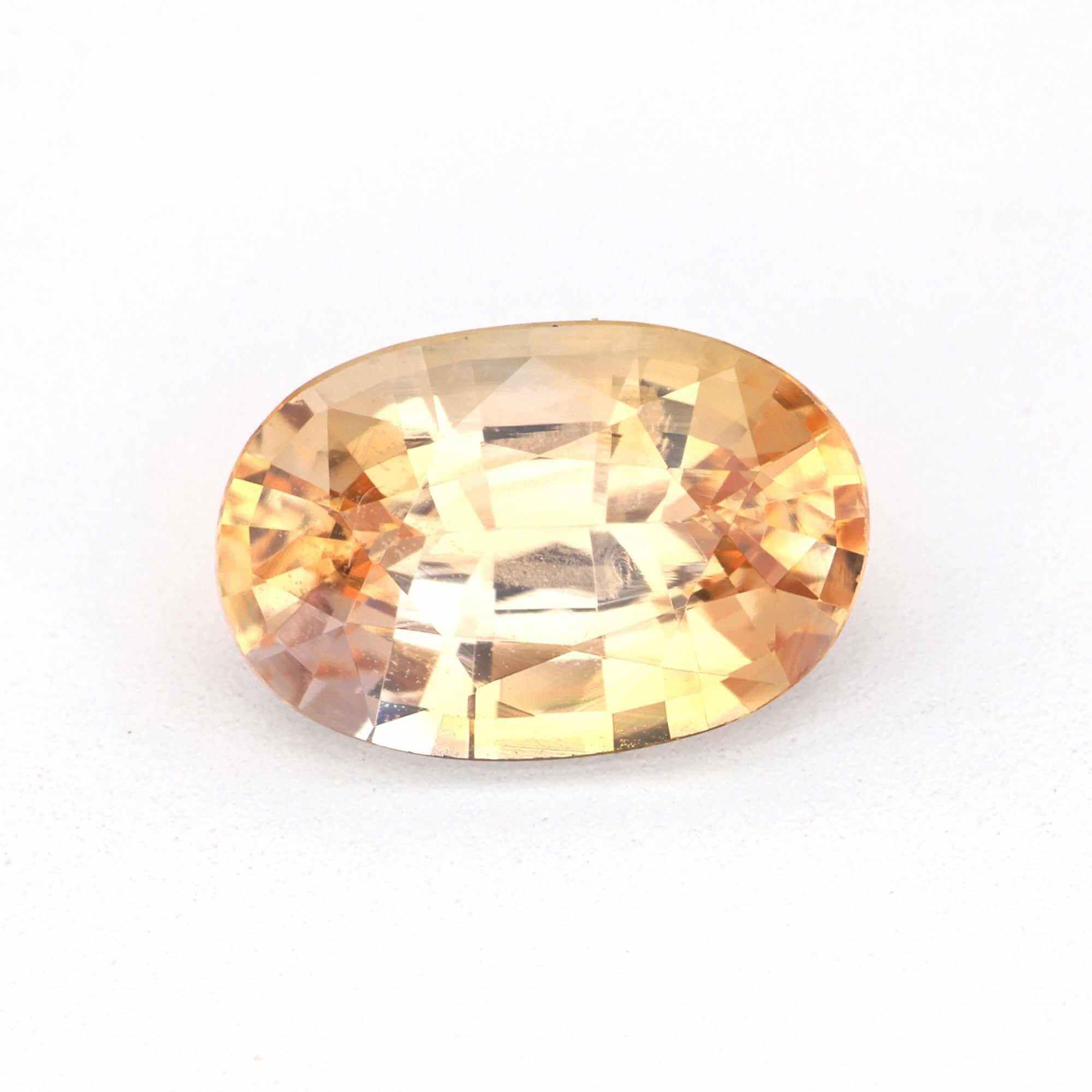
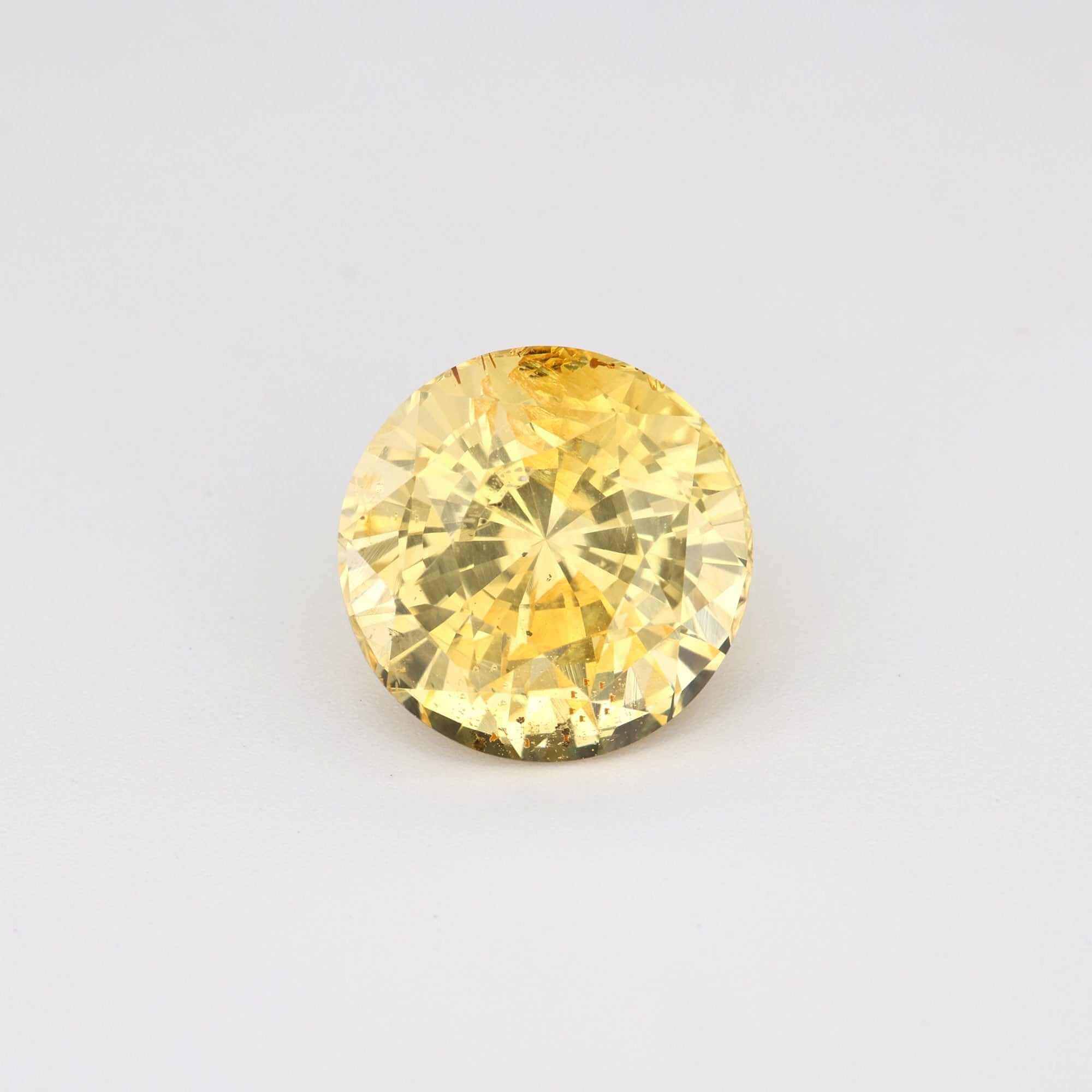
Hue. Faceted chrysoberyl typically appears in the golden-yellow through yellowish-green range. Paler honey-yellow stones read softer and wear easily; stones further toward green read warmer. The color of chrysoberyl sits in a zone that no other major gemstone occupies - it is distinctly its own, not a substitute for anything else. Which end of that range suits you is a matter of taste, and we do not rank them.
Clarity. We do not carry stones with inclusions that are obvious to the unaided eye. That is our own selection standard and our own description of what we sell - GIA issues no clarity grade for chrysoberyl, so there is no laboratory grade behind it.
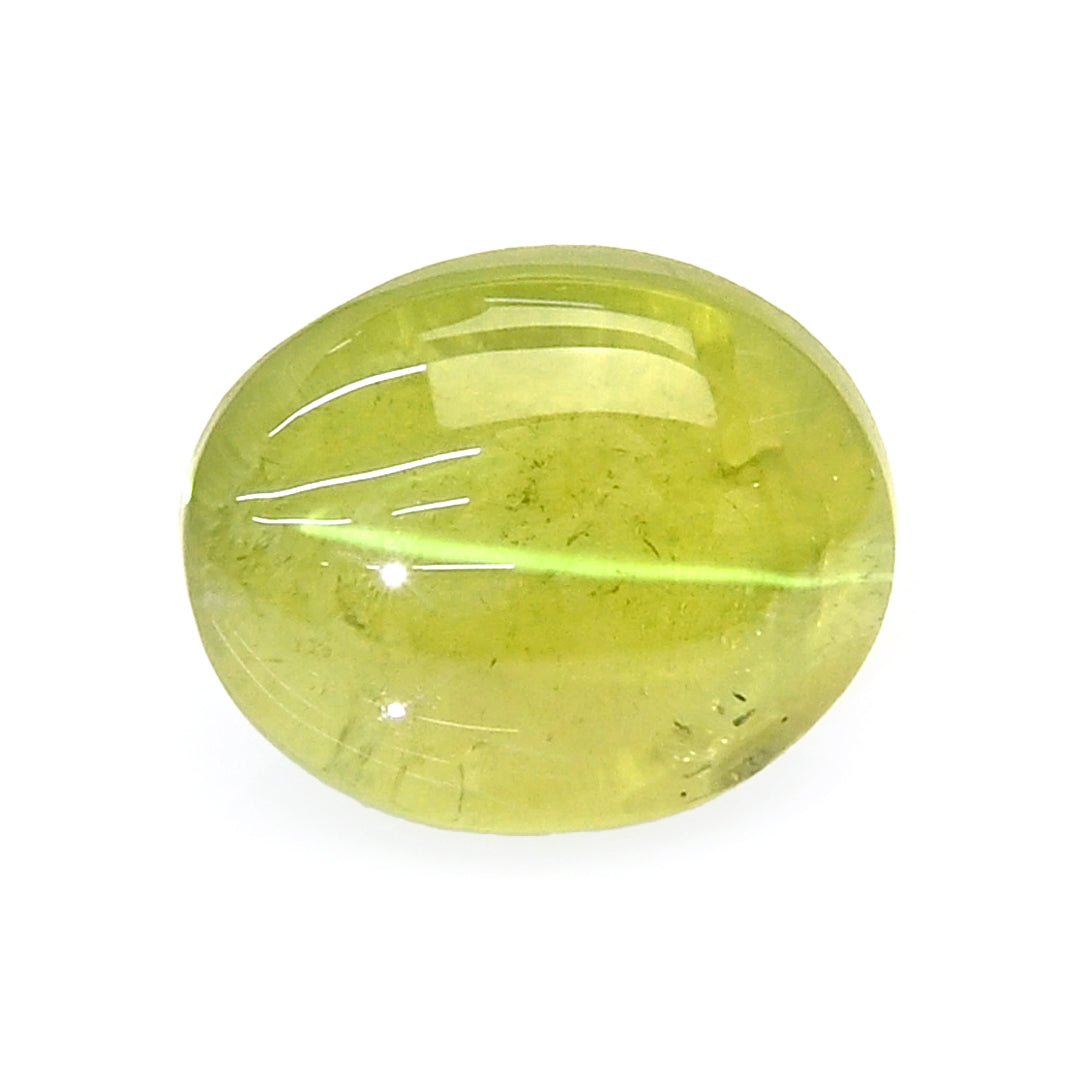
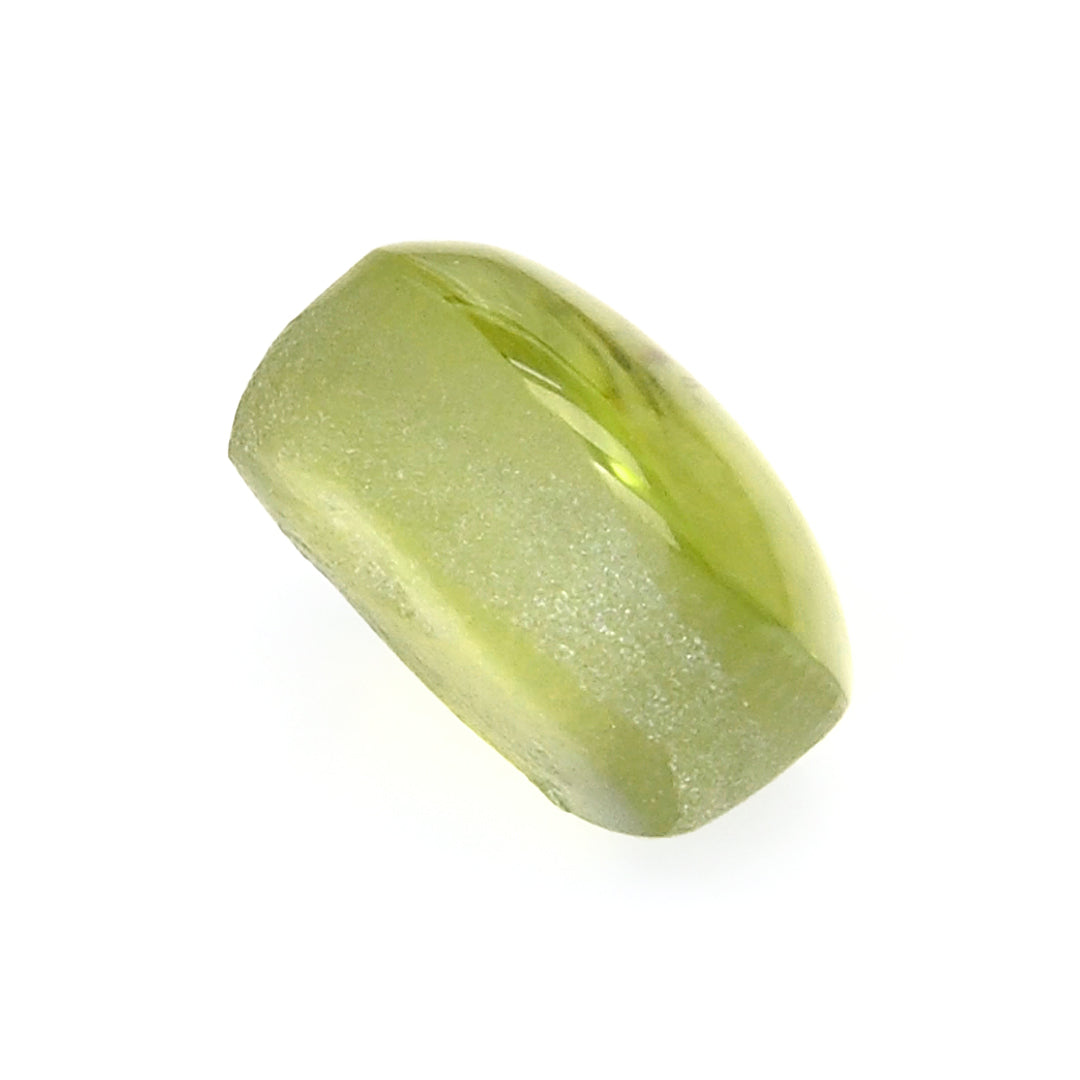
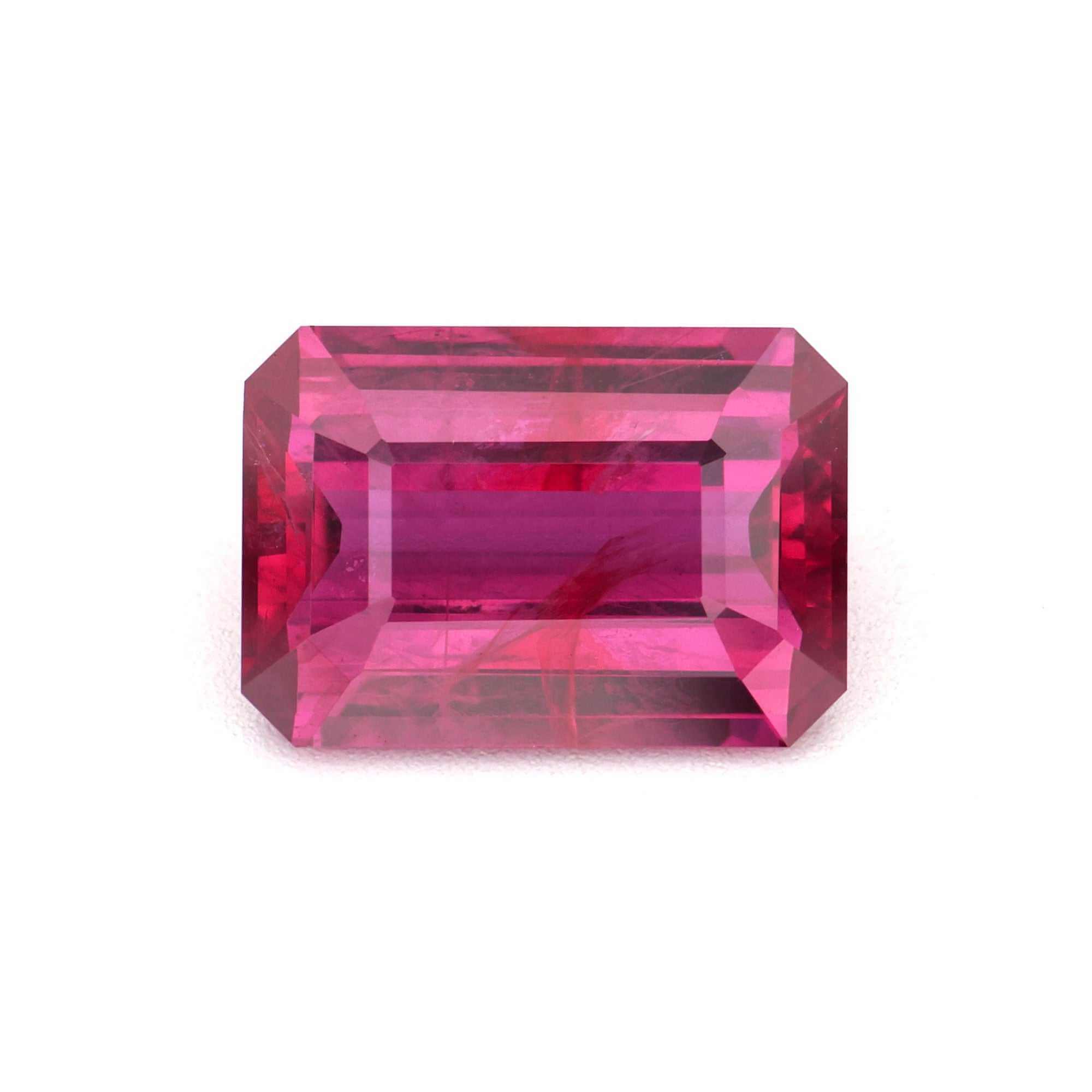
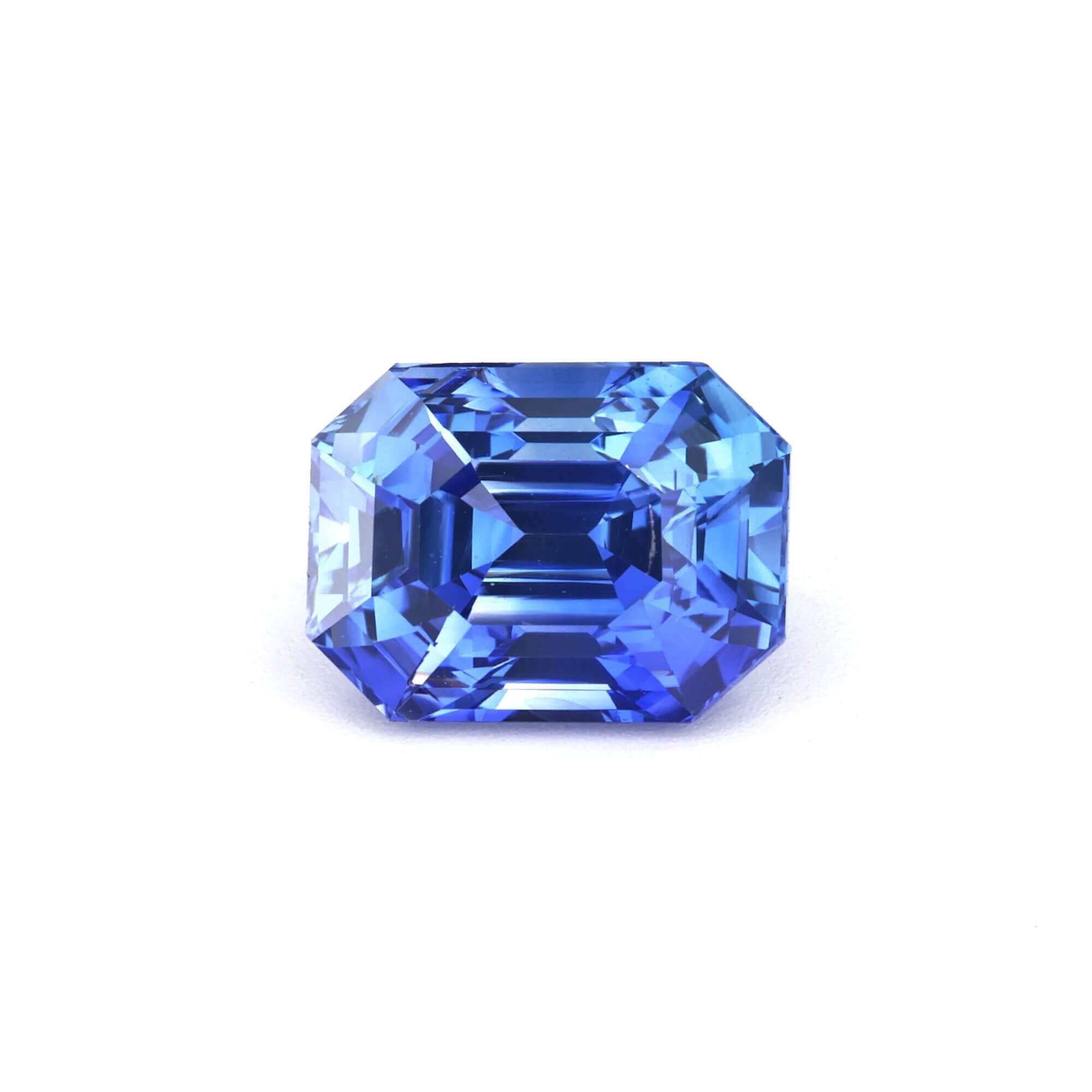
Cut. Oval, cushion and round are the most common formats, and cat's eye material is cut as a cabochon so the effect can be seen. Emerald cuts suit chrysoberyl well - the open step facets give the stone's transparency somewhere to go.
Carat. Larger stones in good color are available in this species. We quote no size threshold and no price multiple: each stone is priced individually, and its own listing carries its weight exactly as the report prints it.
Chrysoberyl and Yellow Sapphire
Buyers comparing chrysoberyl to yellow sapphire will find both in our Sri Lankan material, and both in the warm golden-yellow color zone. They are different species: the hue parts company in the deeper tones, where chrysoberyl runs more yellowish-green while yellow sapphire runs a purer yellow, and sapphire carries far more name recognition. Each stone's own listing states what its report says about treatment. If you are buying a yellow stone to meet a specific external specification - a jeweller's, a family tradition's, or an astrologer's - check that specification before choosing: it will usually name yellow sapphire, and chrysoberyl is a different species and will not satisfy it.
Chrysoberyl and Tsavorite Garnet
For buyers drawn to green-yellow gemstones, tsavorite garnet is the other option in this color family. Tsavorite is a softer species and runs a cleaner green; chrysoberyl runs to a golden-green that reads warmer and more neutral. Both reach us from East Africa and Sri Lanka. The choice is aesthetic.
Cat's Eye Chrysoberyl
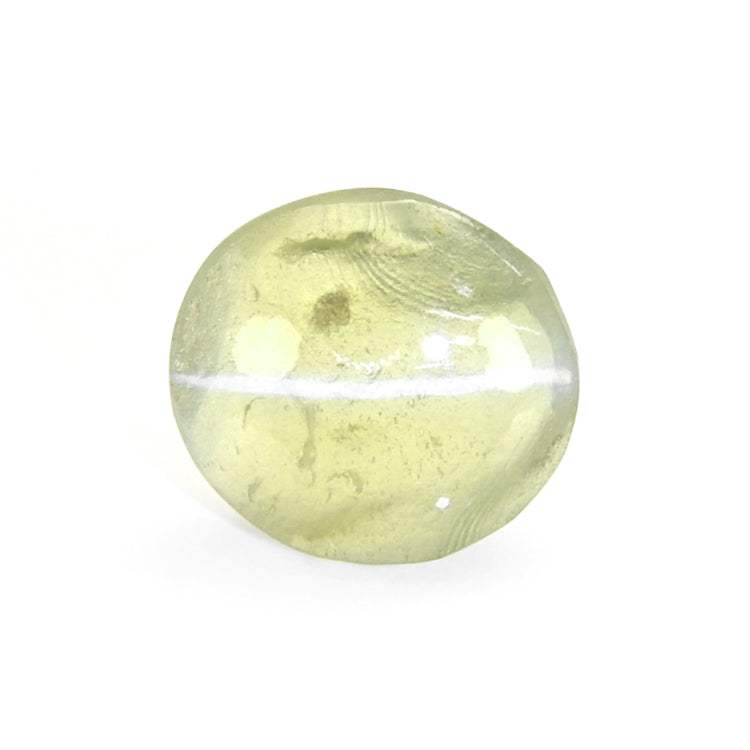
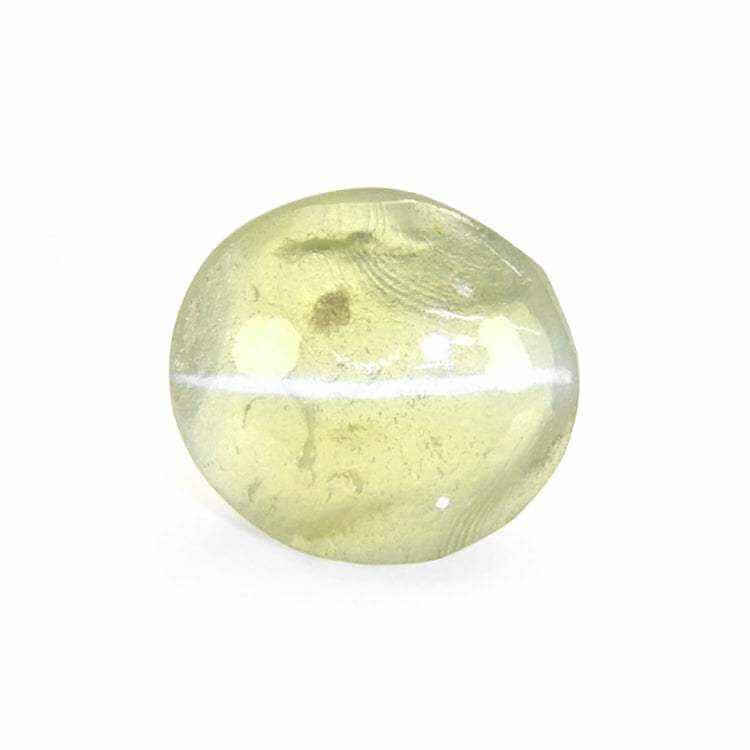
Cat's eye chrysoberyl shows chatoyancy: a band of light that moves across the dome of a cabochon as the stone is turned, like the slit pupil of a cat's eye under a torch. The mechanism is the stone's own structure - fine needle-like inclusions lying oriented parallel to the cabochon base reflect light back as a single band at right angles to themselves, which is why the cut has to follow the inclusions rather than the other way round. On the stones here that carry it, GIA's phenomenon field prints Displaying Chatoyancy; everything we then say about the band's appearance is our own description, because no laboratory publishes a quality scale for it. See our dedicated cat's eye chrysoberyl collection for available stones.
For Collectors
Chrysoberyl is a species that rewards looking at directly rather than reading about. If you already collect natural Sri Lankan gemstones alongside sapphire and ruby, it is a straightforward way into another species, and the stones here are individually photographed so you can judge them yourself. We make no claim about what any stone will be worth later, and we do not sell gemstones as a financial product. See our collection of stones with GIA reports for GIA-documented pieces across all species.
Have a question about a specific stone, or want to discuss chrysoberyl for a collection? Email crescentgems@gmail.com - we respond personally within one business day. 14-day return on every order. The shipping cost for your country is shown under the price, in your currency. Import duties and taxes, where your country charges them, are payable by the recipient on delivery and are not included in the purchase price.
Related collections: Cat's eye chrysoberyl · Alexandrite · Yellow sapphire · Tsavorite garnet · Natural ruby · Stones with GIA reports · All sapphires
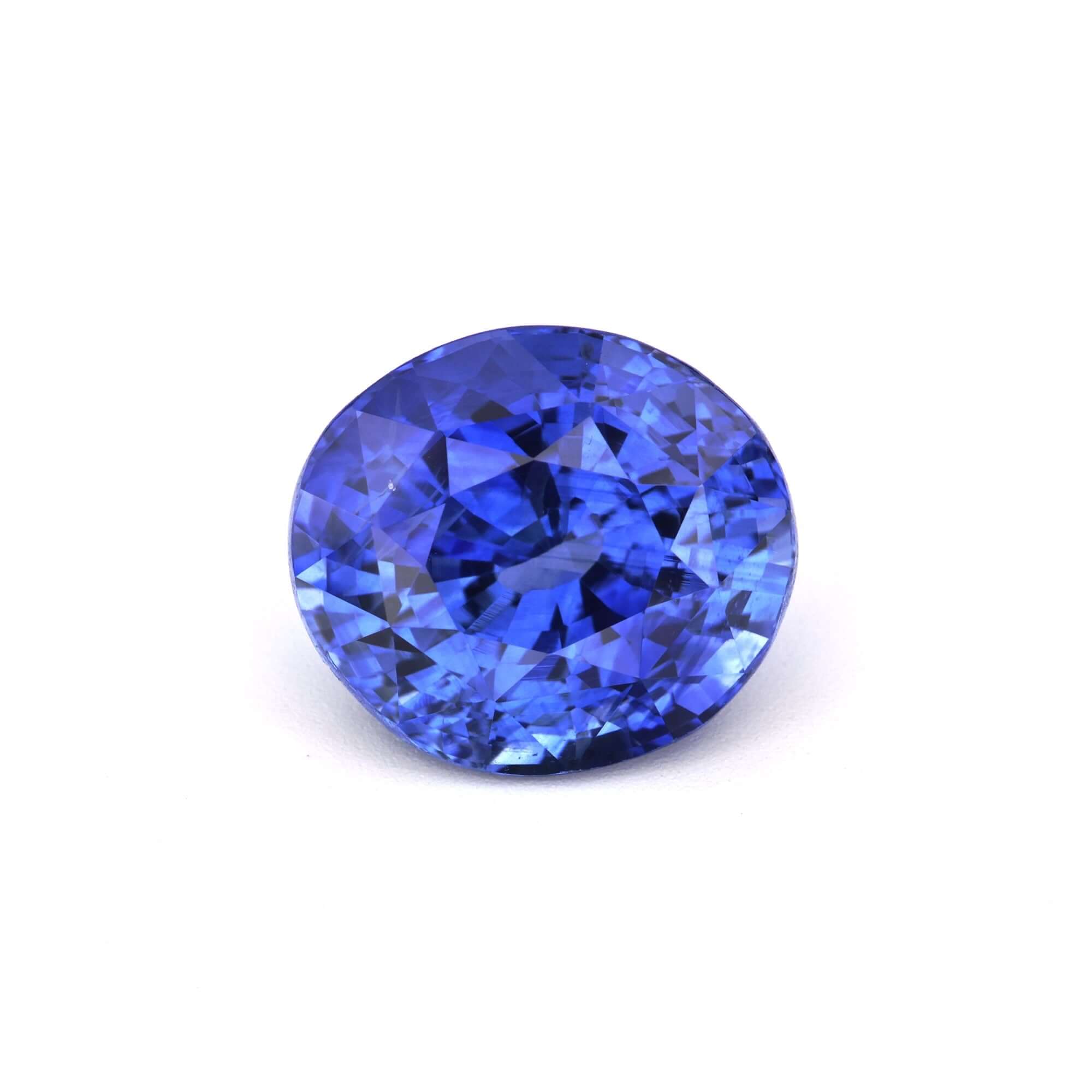
CG8245
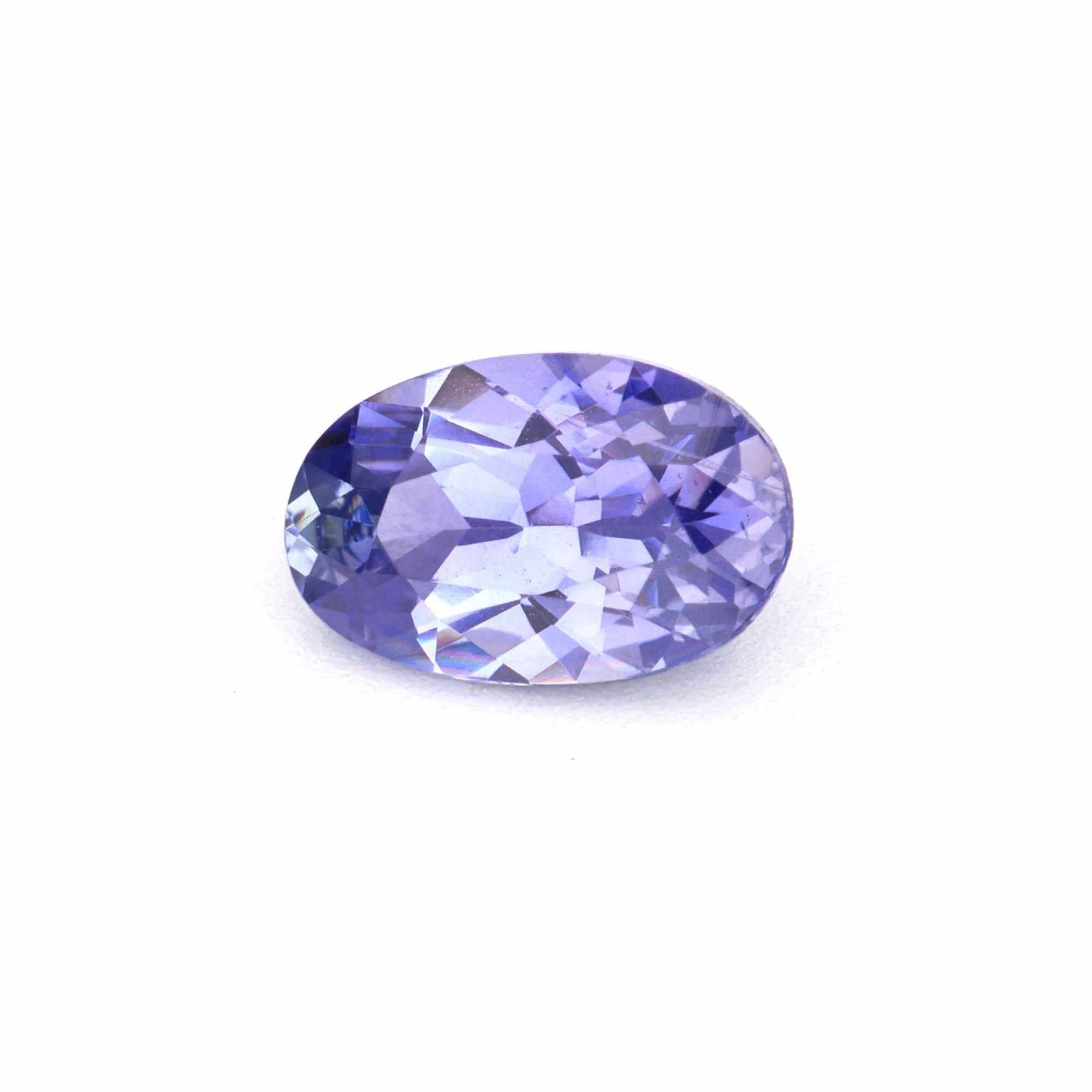
CG8413
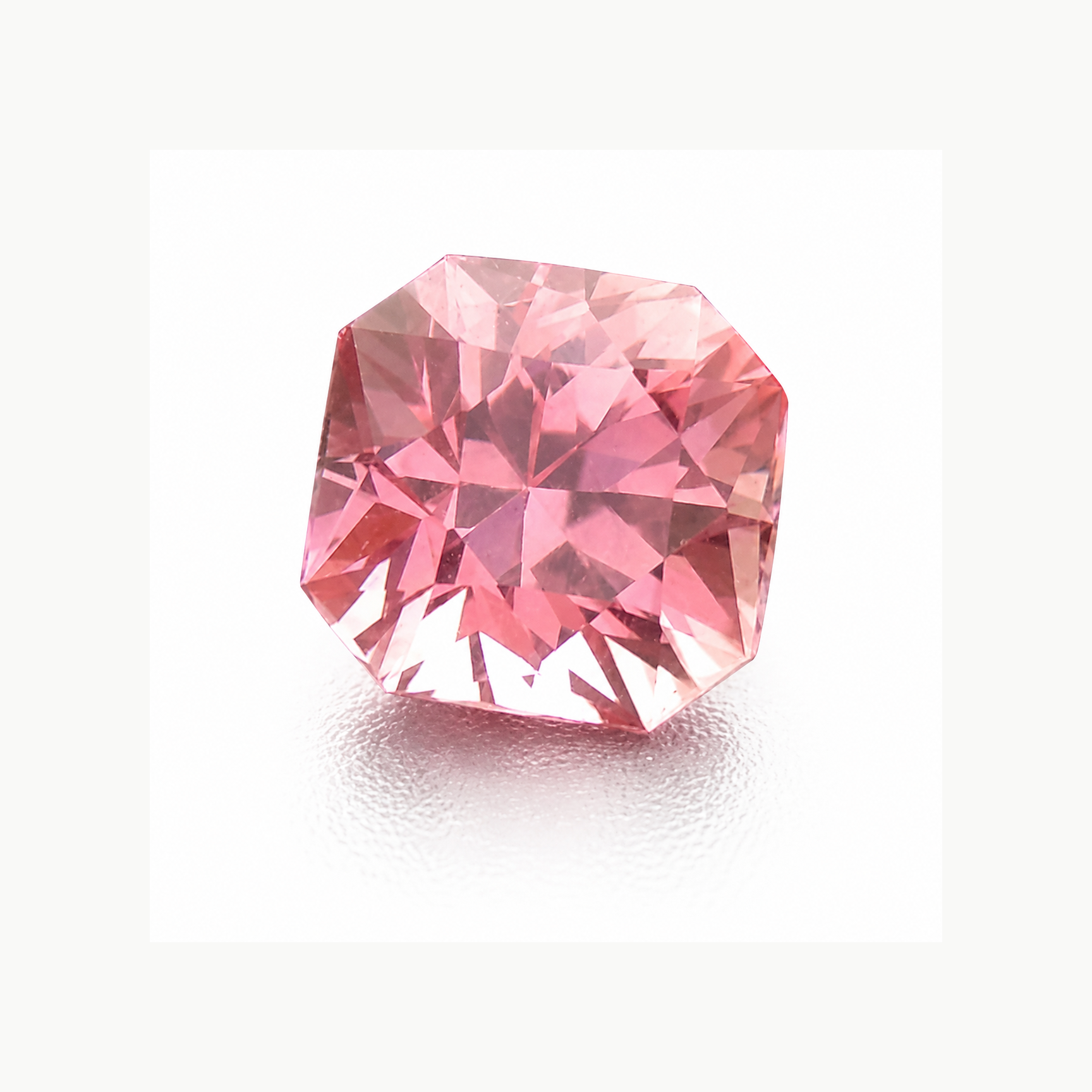
CG8442