- by Ahmed Shareek
Pit Mining Gemstones in Sri Lanka: How Ceylon Sapphires Are Extracted, and Why the Method Matters
- by Ahmed Shareek
For the full origin story: Ceylon Sapphire Complete Guide. For the river counterpart: River Bed Mining in Sri Lanka. For the buying foundation: Ultimate Sapphire Buying Guide.
Sri Lanka has been producing gemstones for a very long time. GIA's own account of the island puts it plainly: "Gemstone use in Sri Lanka dates back at least 2,000 years. The gem-laden island was referred to in Sanskrit as Ratna Dweepa, meaning 'Island of Jewels'." The same article records the Mahavamsa chronicle describing gem-set thrones, and Pliny the Elder writing about Sri Lankan gems during the reign of Claudius. That long production history rests almost entirely on one extraction method: hand-dug pit mining into alluvial gravel beds.
A note on the word Ceylon. Ceylon sapphire is a trade name; the factual statement of origin is Sri Lanka. We use both on this site, and they mean the same thing — a sapphire that came out of the ground on this island.

Pit mining is vertical shaft extraction used to reach the alluvial gem-bearing gravel layer — known across the Sri Lankan gem fields as illama — that sits beneath several metres of topsoil, clay and sediment. A shaft is dug by hand, reinforced with vertical wooden stakes and horizontal timber bracing, and worked outward at the bottom once the gravel is reached. Illama is the spelling we use; GIA publishes the same word as illam, and the quotations and source notes on this page keep GIA's form.
GIA's field report from Sri Lanka gives the standard dimensions: "The standard pit mine in Sri Lanka consists of a vertical shaft that measures two by four meters… Depth can range up to 50 meters, though most pits are between 5 and 25 meters." The Sri Lanka Export Development Board gives the same working range and adds that licences are typically issued over half an acre to two acres, with seven to ten miners to a pit.
Almost all of the island's gem production is alluvial rather than quarried out of the parent rock. GIA: "Almost all of Sri Lanka's sources are alluvial, containing rich concentrations of gem-bearing gravels called illam." A pit is therefore not chasing a vein. It is chasing a buried riverbed.
The whole economics of a pit turn on one judgement: has the team reached gem-bearing gravel, and is this gravel worth working? That judgement is made at the bottom of the shaft, by eye and by hand, and it is made continuously.
The illama is recognised by colour, texture and weight. It is darker and heavier than the clay and sand above it, and it is made of rounded, water-worn material rather than angular fragments — because it was sorted by a river before it was buried. Within it, the heavy indicator minerals travel with the gems: black ilmenite and magnetite, well-rounded zircon pebbles, garnet. A gravel rich in those is a gravel that was deposited under the flow conditions that also drop corundum. A gravel that is mostly quartz sand is not.
This is reading, not measuring. No instrument is involved, nothing is assayed on site, and the people doing it are relying on how this particular gravel compares with gravel they have handled before. It is the single most valuable skill on a Sri Lankan gem site and it is the hardest part of the work to write down.
A gem pit is a small joint venture rather than an employer and a workforce. GIA's field report describes the usual arrangement: "There are usually several people involved in the venture, including the landowner, the holder of the mining rights, the person who supplies the water pump to remove water from the pit, and the miners." Each contributes something different — land, licence, equipment, labour — and the proceeds of a find are divided between them on terms agreed before digging starts.
The practical effect is that nobody on the site is paid by the stone they hand over. A miner's return depends on what the pit produces in total, which is why rough is examined and recorded at the surface in front of everyone with a share in it.
Scale: the Sri Lanka Export Development Board puts the mining community at "nearly 70,000" people working "nearly 6600 gem pits", which is the order of magnitude to have in mind — tens of thousands of people in very small teams, not a handful of companies.
The transport does some of the sorting. Material that reaches a gravel layer has been moved, tumbled and re-deposited, sometimes repeatedly. Crystals with large internal fractures tend not to survive that intact. What arrives is therefore skewed towards compact, internally sound rough — not because river gravel improves a stone, but because the fragile material broke up somewhere upstream. For what that means when you are looking at a finished stone, see our How to Read Sapphire Inclusions guide.
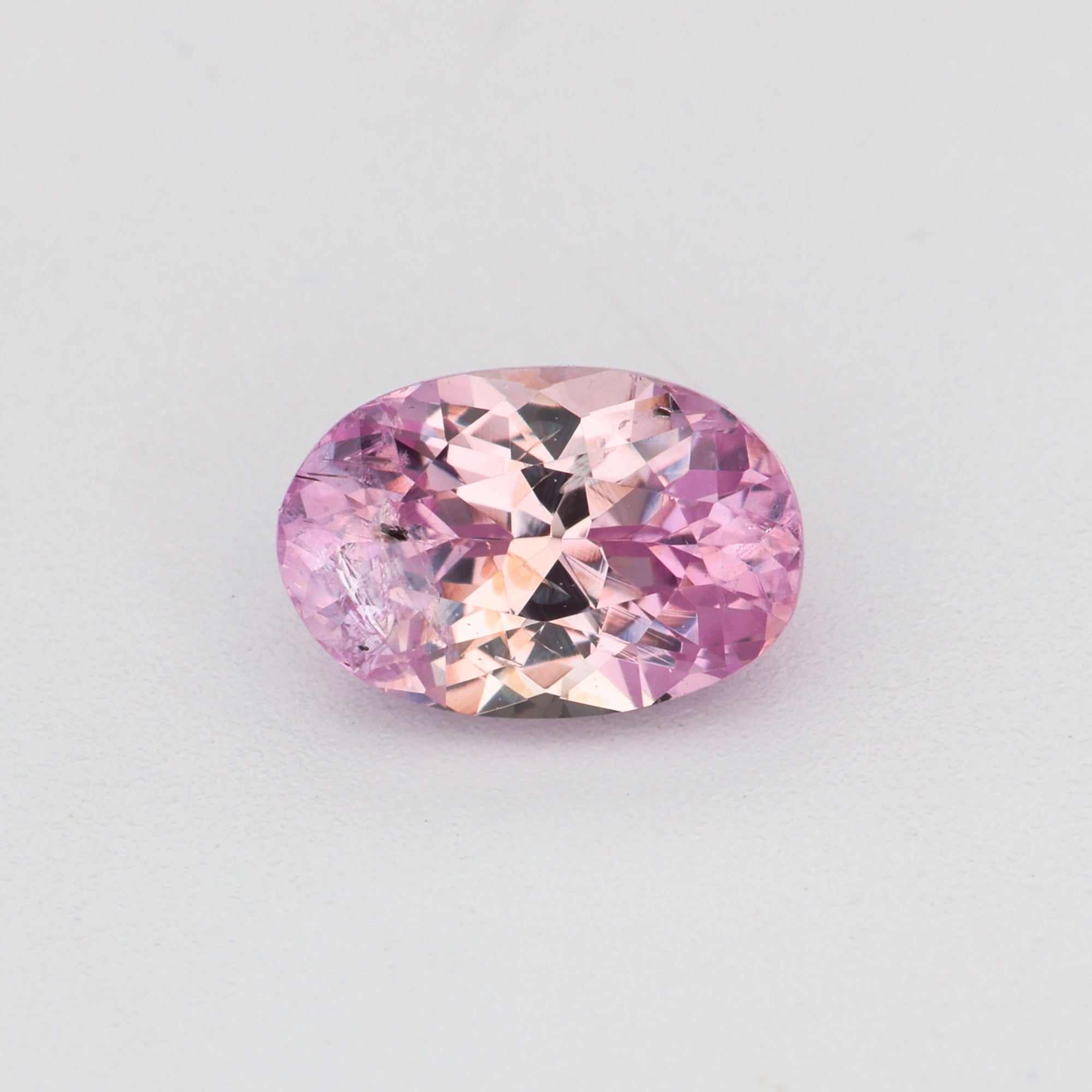
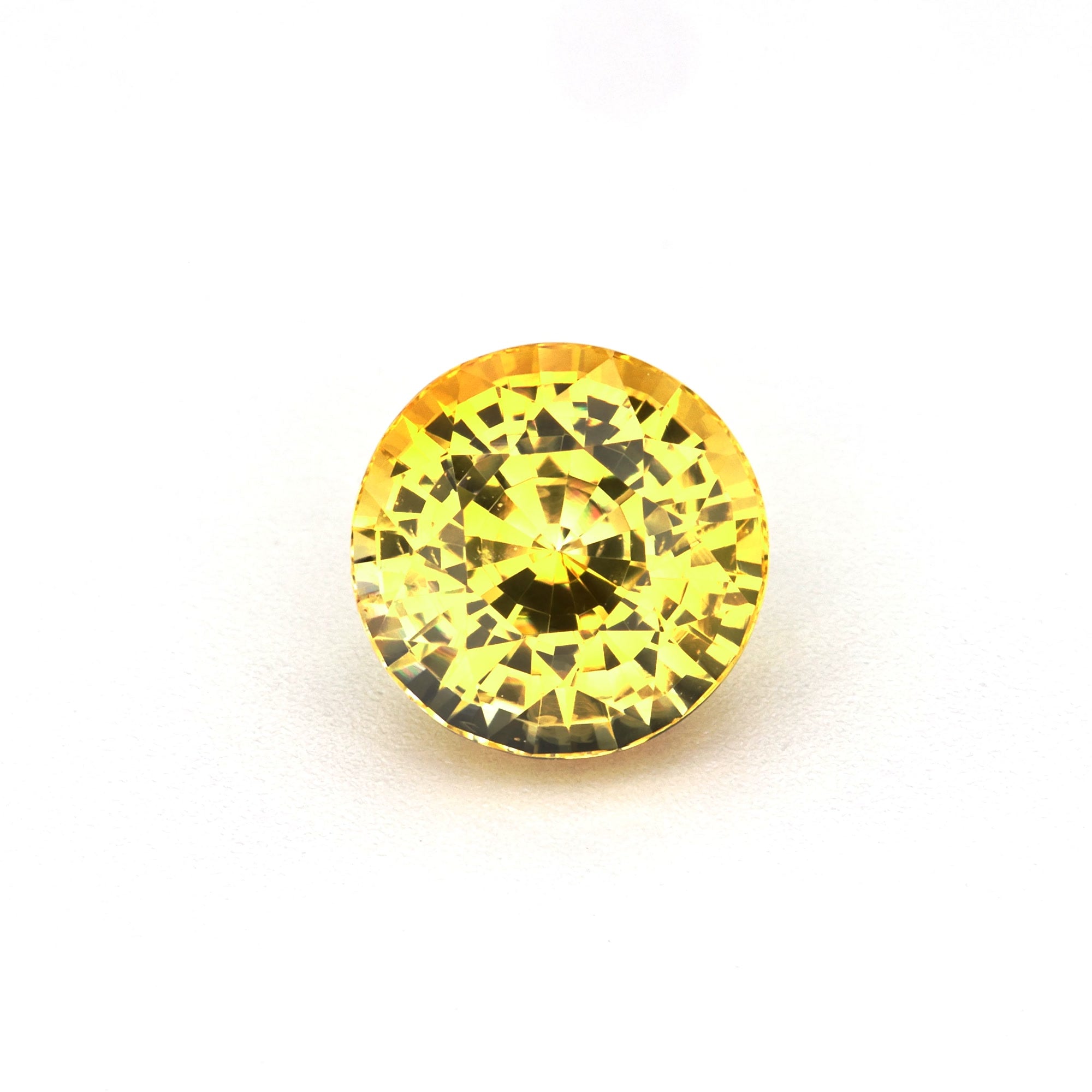
One gravel, many species. A single Sri Lankan gem pit can produce blue sapphire, yellow sapphire, pink sapphire, star sapphire, cat's-eye chrysoberyl, alexandrite and spinel from the same layer. This follows from the geology: the Highland Complex that feeds these gravels is a high-grade metamorphic terrain, and the drainage that eroded it collected everything dense enough to settle together.
Gem mining in Sri Lanka is licensed and the licence carries a restoration obligation. Two things are worth stating precisely, because they are the part most often blurred.
What the rules say. GIA's field report: "Once a mining area is finished, the shaft or open pit must be filled in according to regulations enforced by the NGJA." The obligation is backed financially — "The National Gem and Jewellery Authority (NGJA) collects a cash deposit when a license is issued. If the mine owner does not rehabilitate the land after mining is complete, the NGJA uses the deposit money for that purpose." The Sri Lanka Export Development Board states the reasons: the rule "requires the shafts and open pits to be filled after the completion of mining operations to prevent ground water contamination, damage to the landscape and mosquito breeding."
Machinery is restricted, and the numbers show it. GIA records that of more than 6,500 licences issued in 2013, more than 6,000 were for traditional pit mining, and that "Licensing for mechanized mining follows very strict guidelines, and only about ten were issued in 2013." So the hand-dug pit is not folklore; it is what the overwhelming majority of licences are for.
What the rules do not tell you. A requirement is not a compliance rate, and we are not going to present one as the other. Reporting published by the Earth Journalism Network in October 2024 found uncovered, waterlogged pits left in farmland in the Ratnapura area, with residents describing livestock and people falling into them and wells drying up; the NGJA, answering a right-to-information request, said it had no knowledge of unclosed pits in the area between January 2021 and August 2023. The same report quotes NGJA director G.W. Amarasiri saying "About 40,000 gem mining are currently conducted with the 6,000 permits issued." If that figure is right, most of the digging happening on the island at any moment is outside the licence system the restoration rule attaches to.
So this article does not rank Sri Lanka against other gem-producing countries. We went looking for a published comparative study of artisanal gem mining footprints that we could cite for a ranking, and did not find one we are prepared to stand behind — so the ranking is not ours to make, and where you meet one elsewhere it is worth asking whose study it rests on. What we can say is specific and limited: the pits we buy from are hand-dug, licensed, and backfilled, and the land around them goes back to cultivation. That is our own observation from buying there, not a finding about the industry.
We buy rough and semi-finished material in Sri Lanka, from miners and from dealers and brokers in Ratnapura and Beruwala, and we cut a large part of it ourselves. For most parcels we can tell you the district, and often the pit or river section.
What we are not going to tell you is how that compares with anybody else's supply chain, or convert it into a price claim. We do not know what another seller pays, how many hands a stone passed through before reaching them, or what their margin is — so any sentence we wrote about it would be invented. We will describe ours and leave the comparison alone.
The same caution applies to the stone itself. How a sapphire left the ground tells you nothing about the finished gem's durability. Fractured material is cut away in the lapidary; what you hold is a function of the rough that survived cutting, not of the tool that lifted it. Where a stone formed and how it looks are two separate findings, and only one of them is a laboratory's to give.
The Ceylon sapphires in our catalogue began in a gravel layer beneath Sri Lankan soil. We also carry Madagascar sapphire and a small range of other stones, including Kenyan tsavorite garnet, and each listing states its own origin — so take this article as being about the Sri Lankan part of the range, which is most of it but not all of it.
After purchase, stones are cut and polished, photographed, and listed with treatment stated on every listing. Free US shipping; $60 flat elsewhere, free over $499. 14-day returns on every order.
For ring design guidance after selecting your stone, see our oval sapphire guide, cushion cut guide, solitaire ring shapes guide, halo ring guide, and metal comparison guide. For pricing context, see our Sapphire Pricing Explained, what a good 1 carat costs, and what a good 2 carat costs guides. For insurance: see our jewelry insurance guide.
Browse our loose gemstone catalogue or email crescentgems@gmail.com with your specifications. We respond within one business day.
Pit mining sinks a vertical shaft by hand down to the gem-bearing gravel layer, known locally as illama, then works outward along that layer at the bottom. The gravel is hauled to the surface in baskets and washed, so that the denser gem minerals stay behind while sand and clay are carried off. GIA records that most Sri Lankan pits run between 5 and 25 metres deep.
Yes. The National Gem and Jewellery Authority issues gem mining licences under section 15 of its governing Act, and GIA records that of the more than 6,500 licences issued in 2013, more than 6,000 were for traditional pit mining and only about ten were for mechanised mining. The NGJA also states that gem mining is not permitted under an exploration licence issued by the Geological Survey and Mines Bureau.
Yes, and it is backed by a deposit. GIA reports that once mining is finished the shaft or open pit must be filled in under regulations enforced by the NGJA, and that the NGJA collects a cash deposit when a licence is issued and uses it for restoration if the mine owner does not. The Sri Lanka Export Development Board gives the reasons as preventing groundwater contamination, landscape damage and mosquito breeding. Whether every working is actually restored is a separate question: reporting by the Earth Journalism Network in 2024 documented pits left open in farmland near Ratnapura, and quotes an NGJA director estimating about 40,000 operations against 6,000 permits.
Sapphire in most colours, together with ruby, cat's-eye and other chrysoberyl, spinel, garnet, zircon and moonstone. Blue and fancy-colour sapphires are the best known. Several species commonly occur in the same gravel layer, because the drainage that formed the deposit collected everything dense enough to settle together.
Not in any way we would make a claim about. Rough with internal fractures is cut away in the lapidary, so a finished stone's soundness depends on the material that survived cutting rather than on how it was lifted out of the ground. Judge the stone in front of you — its colour, its clarity and what its listing and any laboratory report say — not its extraction method.

CG8307

CG8366
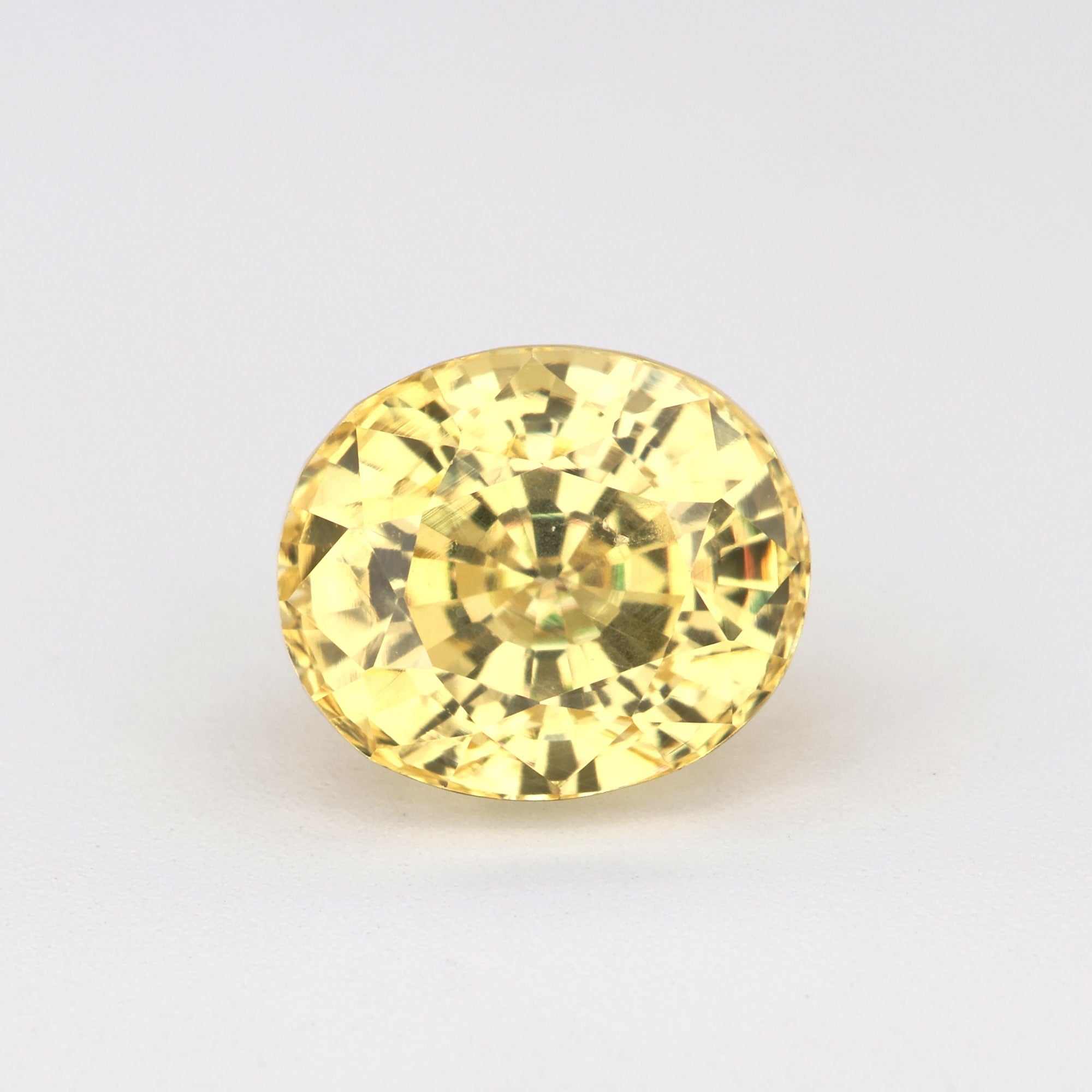
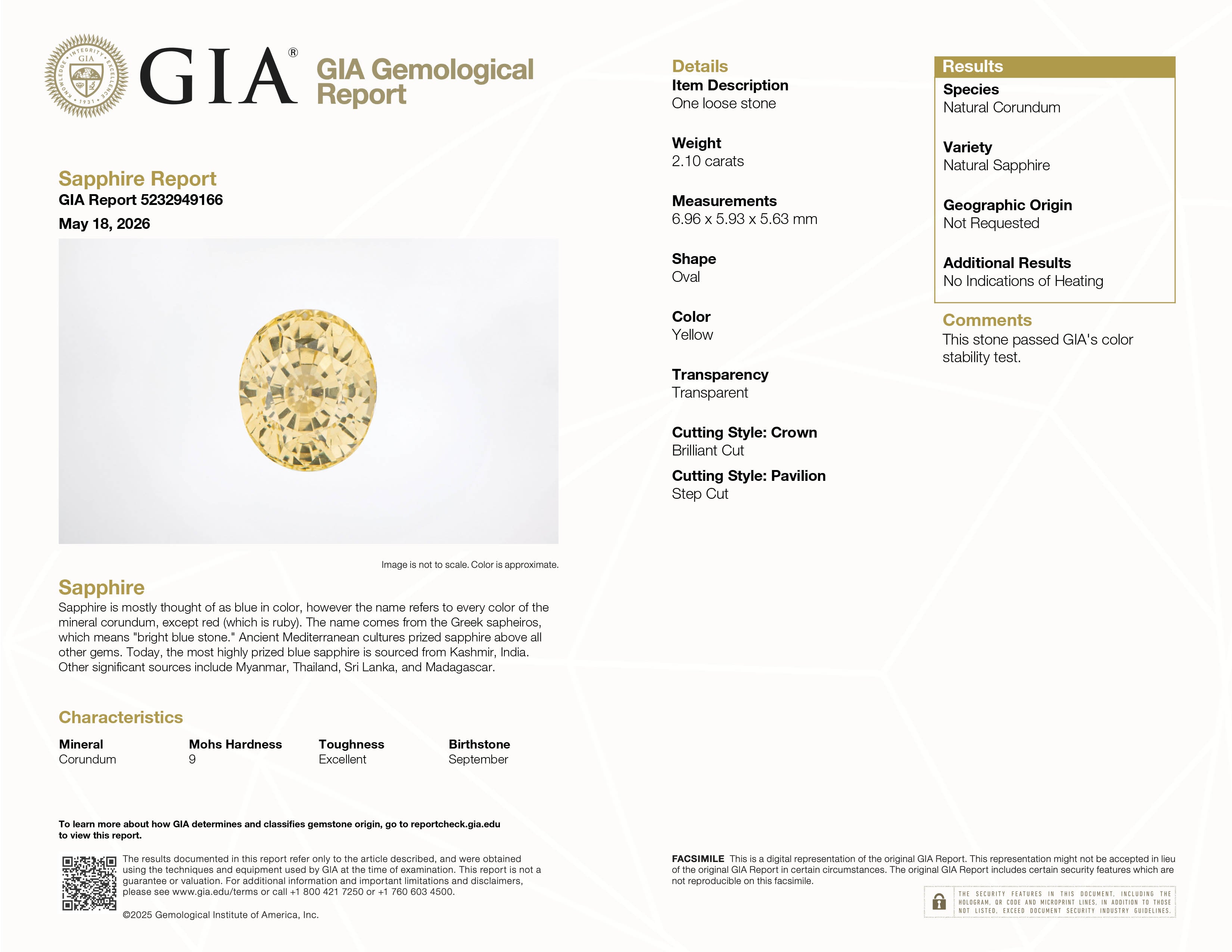
2.10 ct Natural Unheated Yellow Sapphire – Oval Cut | GIA Certified
CG8313
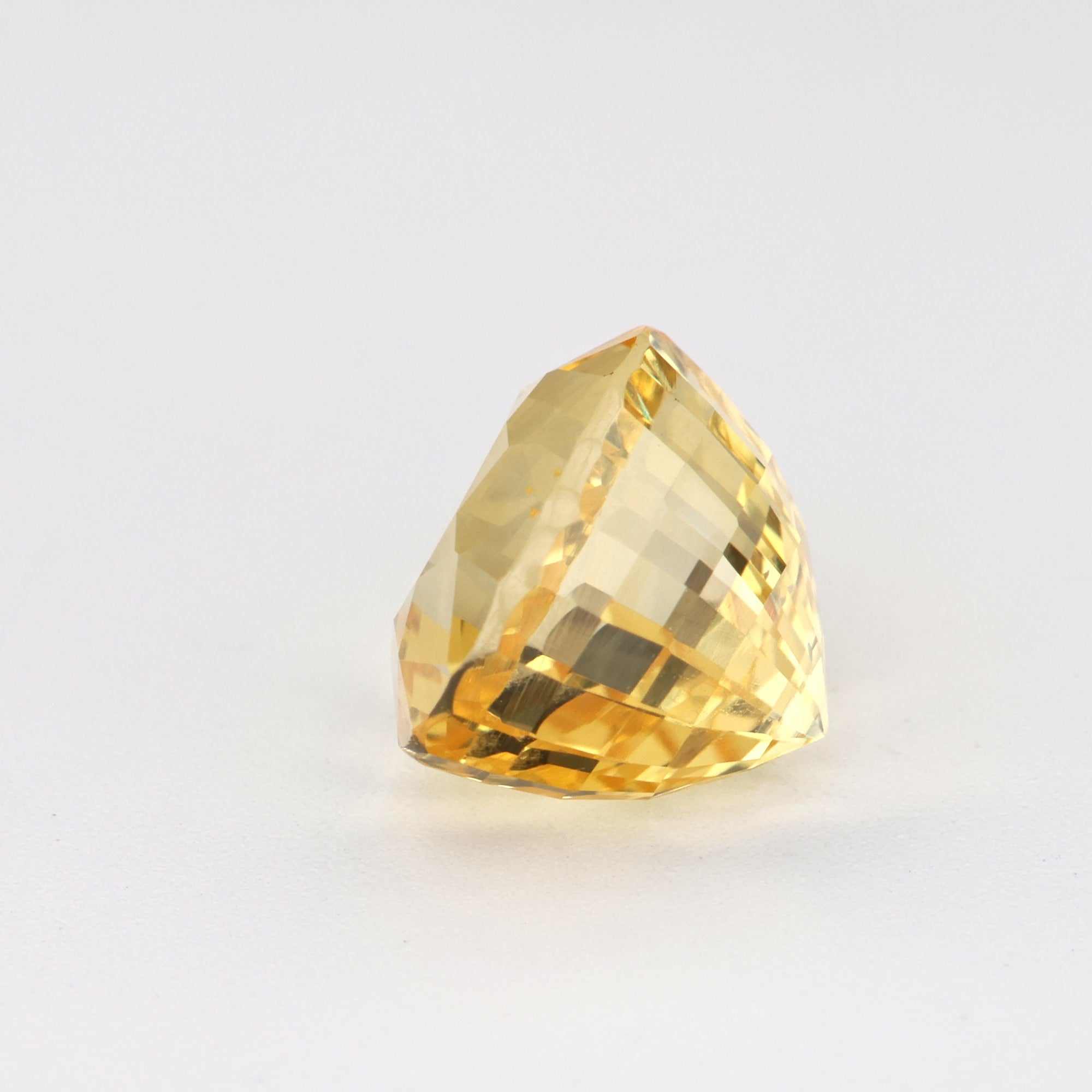
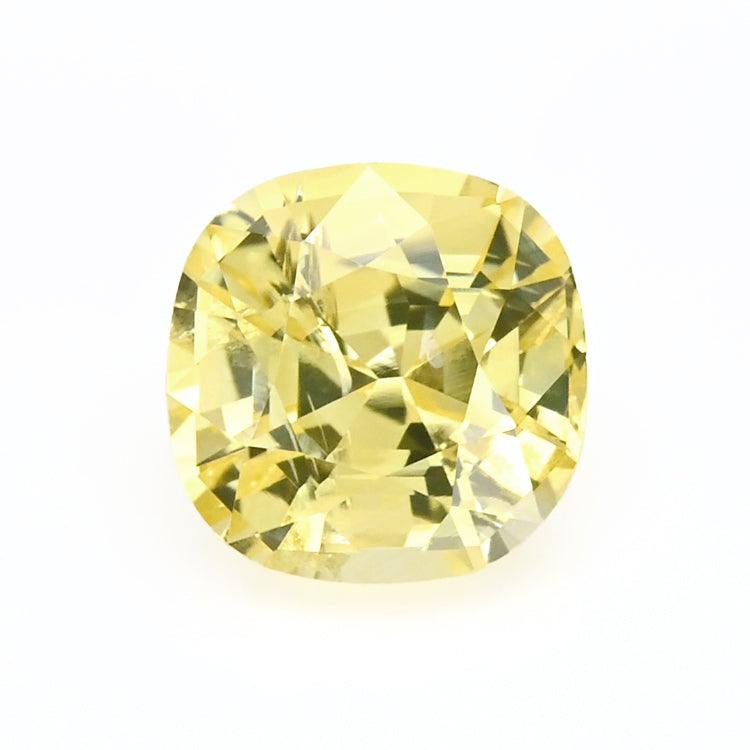
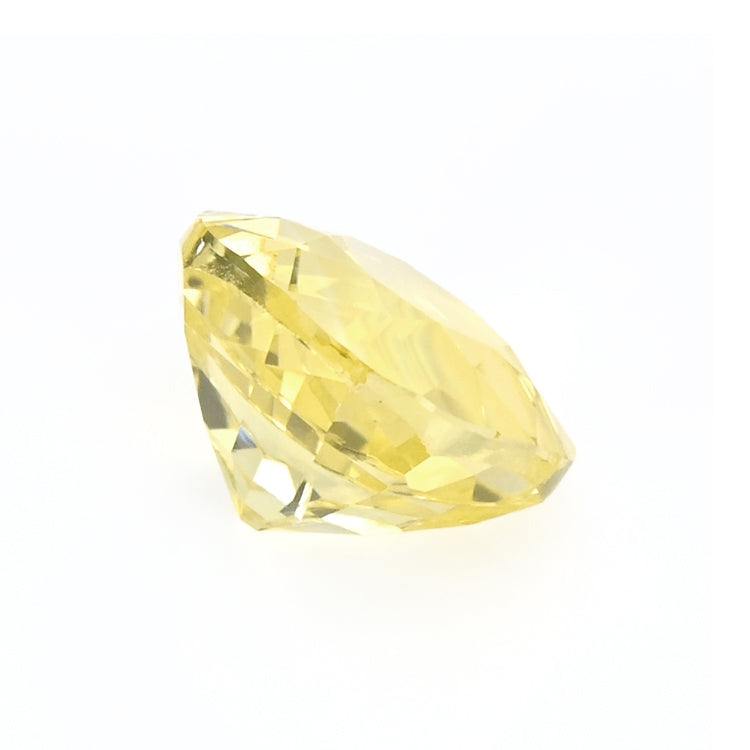
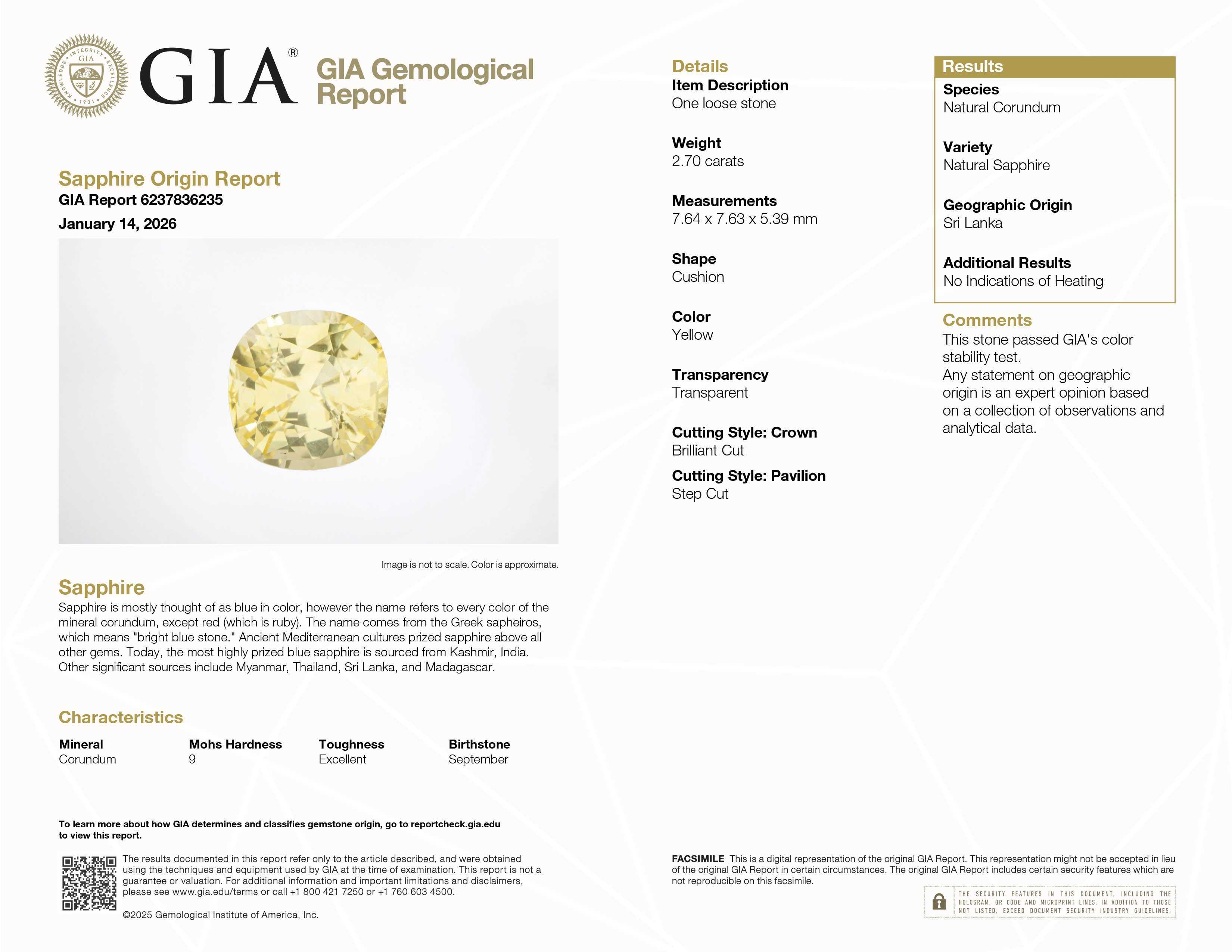
2.70 ct Natural Yellow Sapphire, Square Cushion, Unheated, GIA
CG8391
CG8451
CG8445
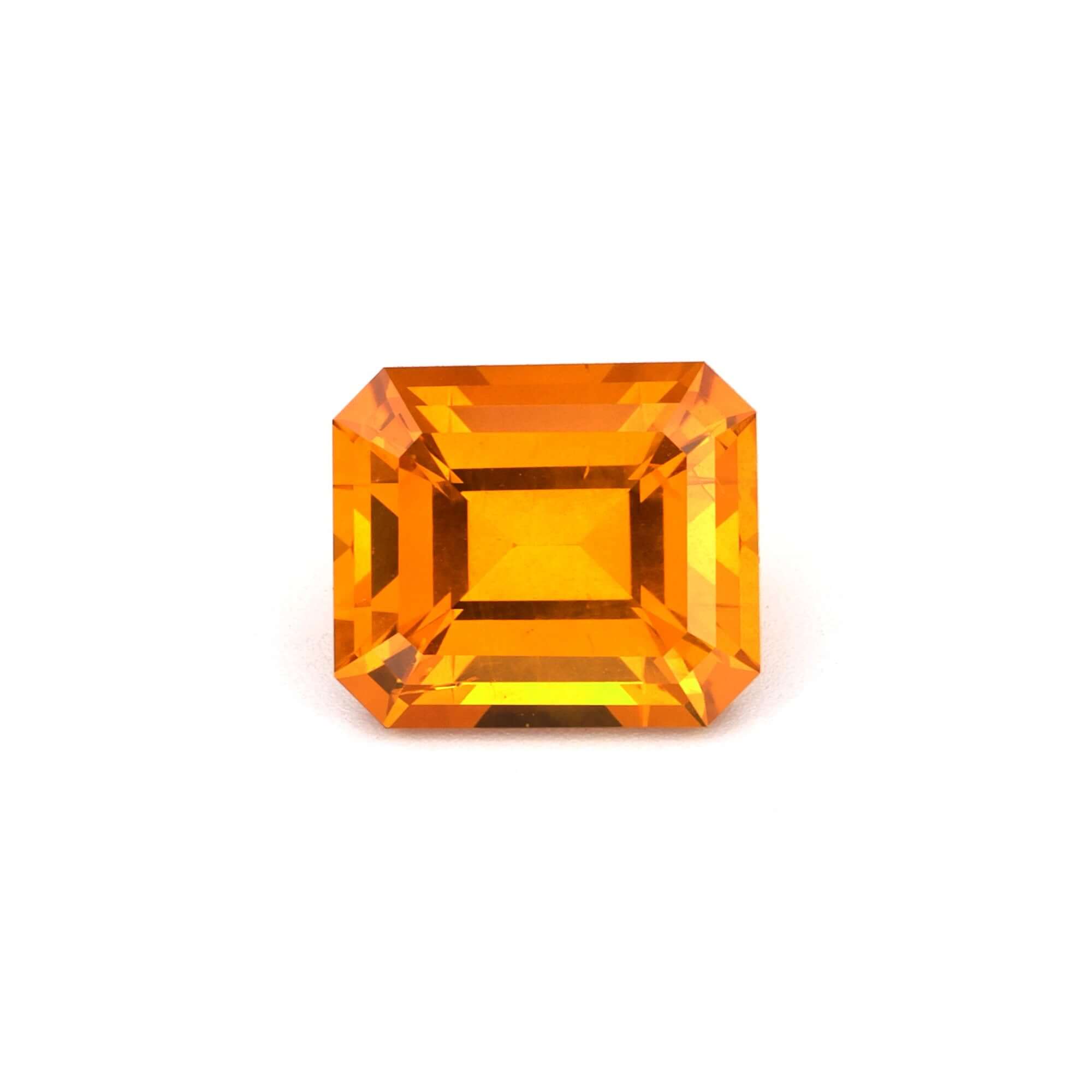
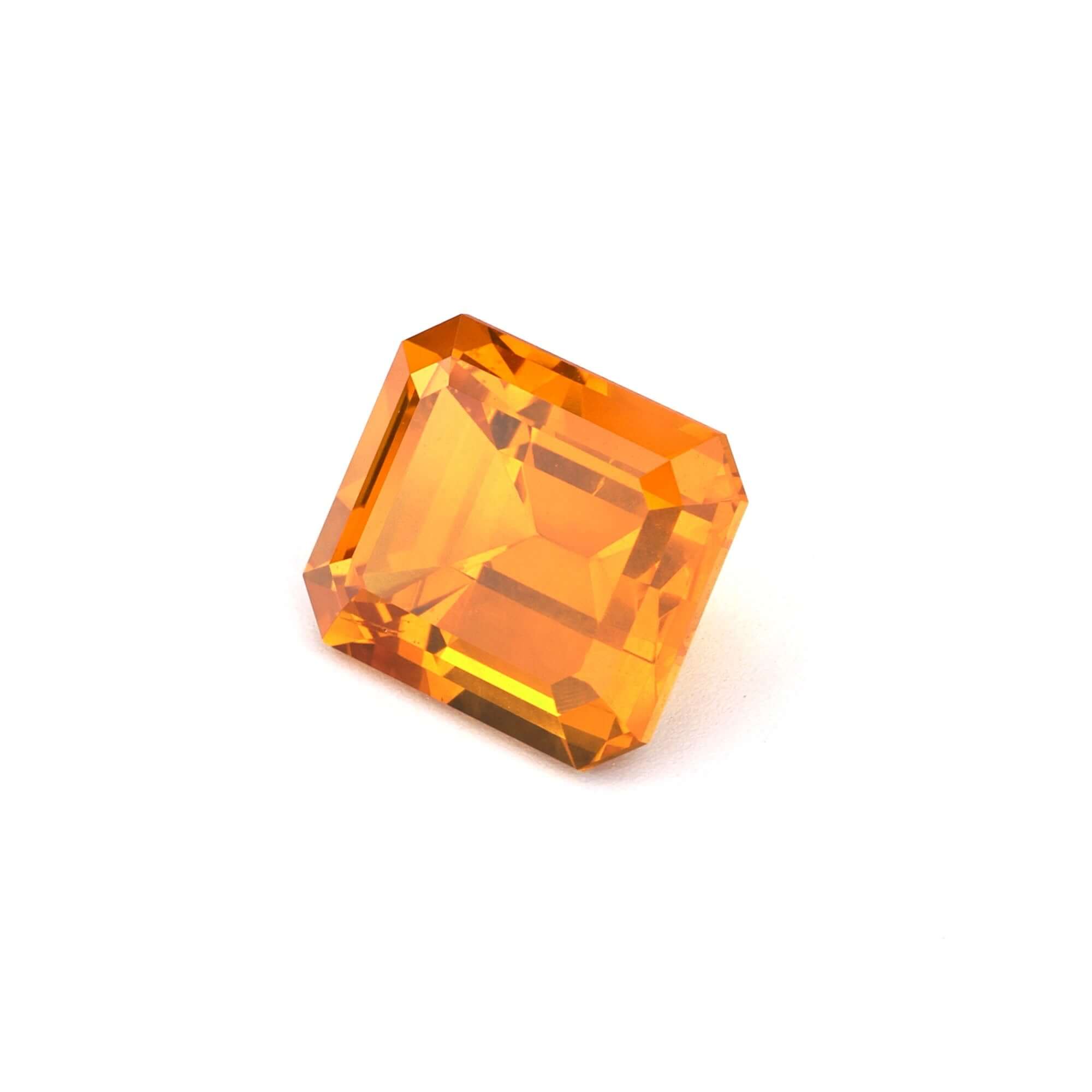
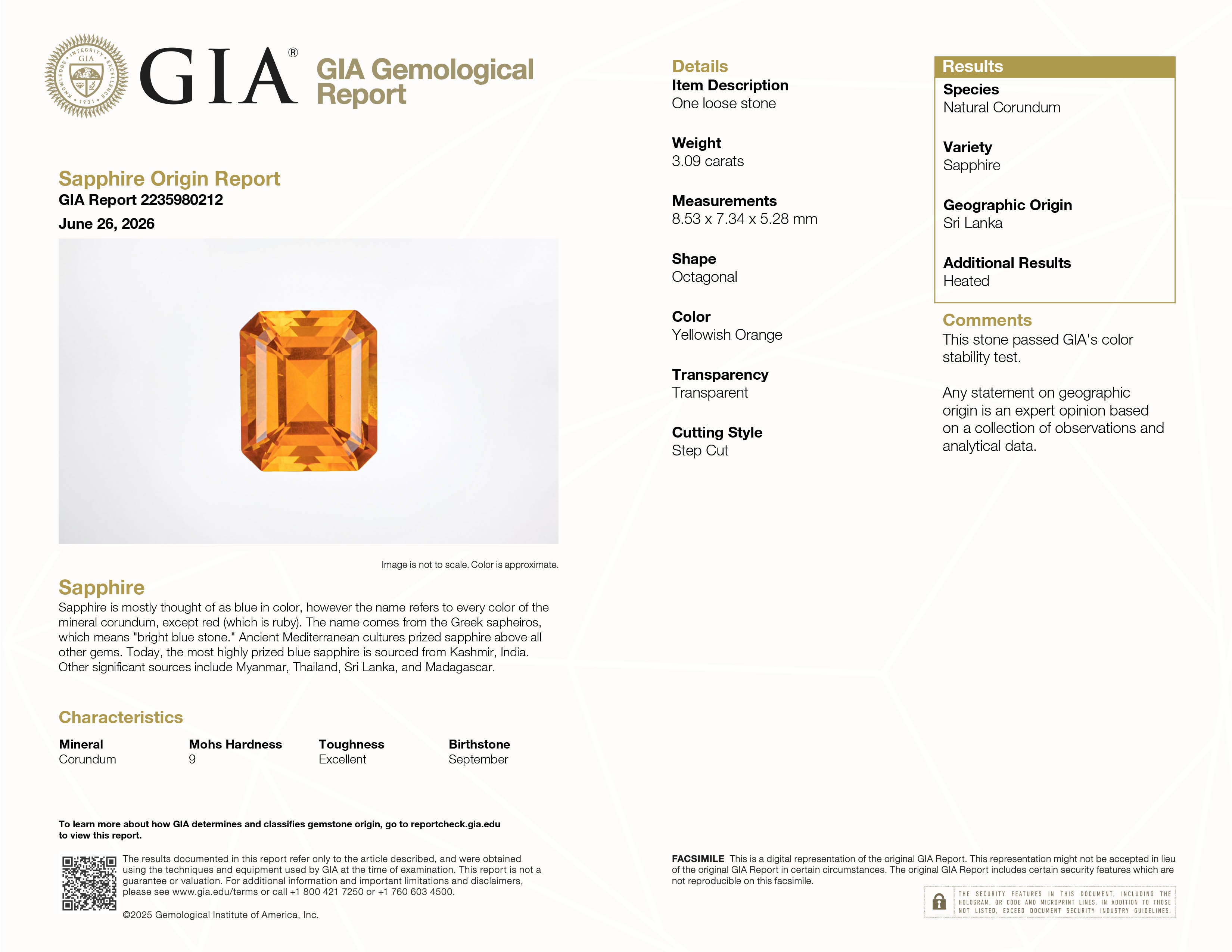
3.09 ct Natural Heated Orange Sapphire – Emerald Cut | GIA Certified
CG8433
0.88 ct Natural Unheated Yellow Sapphire – Tapered baguette Cut
CG8434
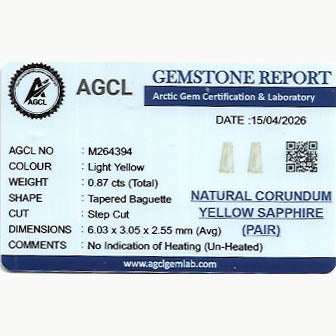
0.87 ct Natural Unheated Yellow Sapphire – Tapered baguette Cut
CG8431
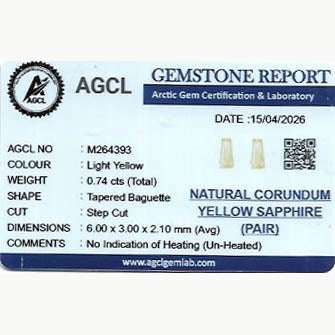
0.74 ct Natural Unheated Yellow Sapphire – Tapered baguette Cut
CG8438
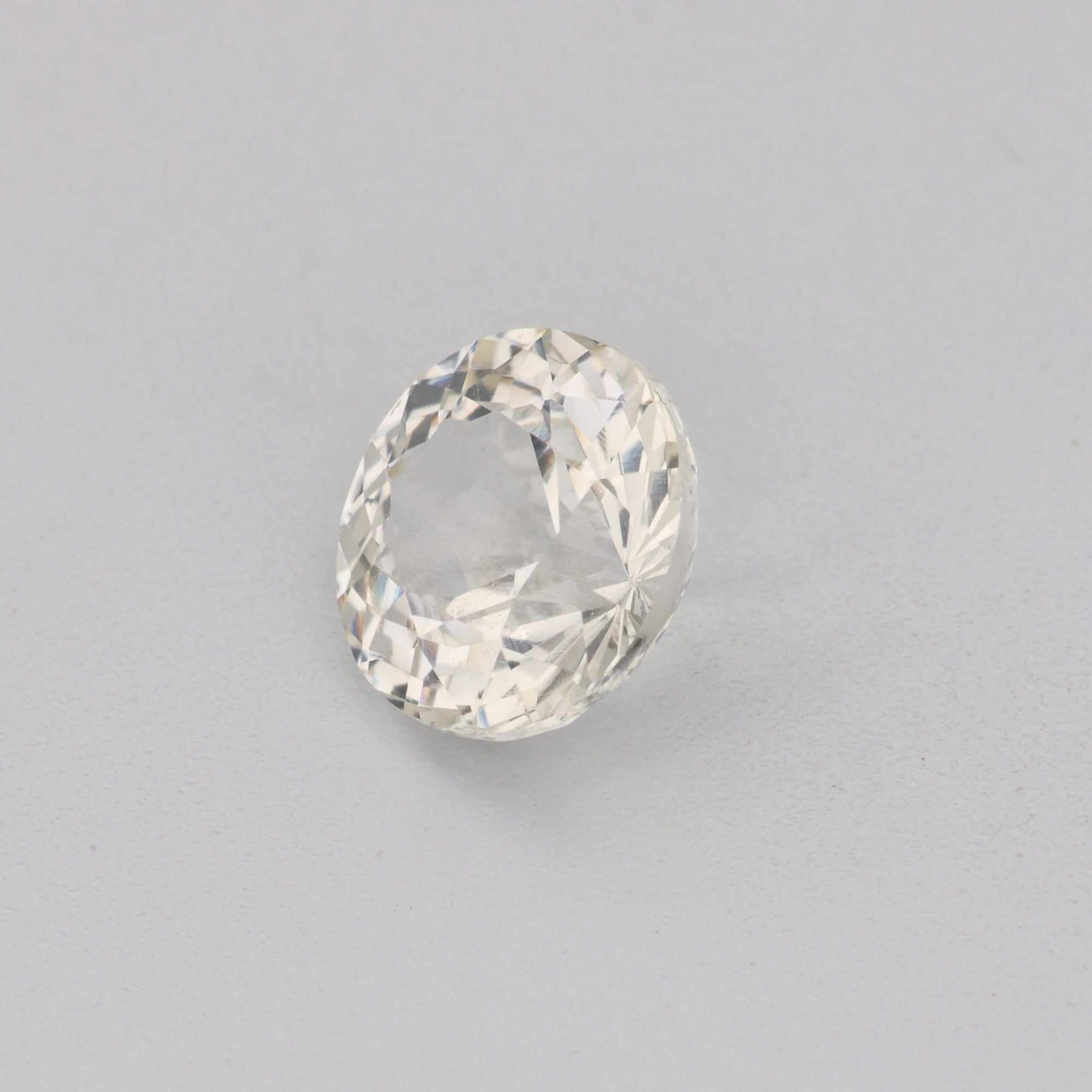
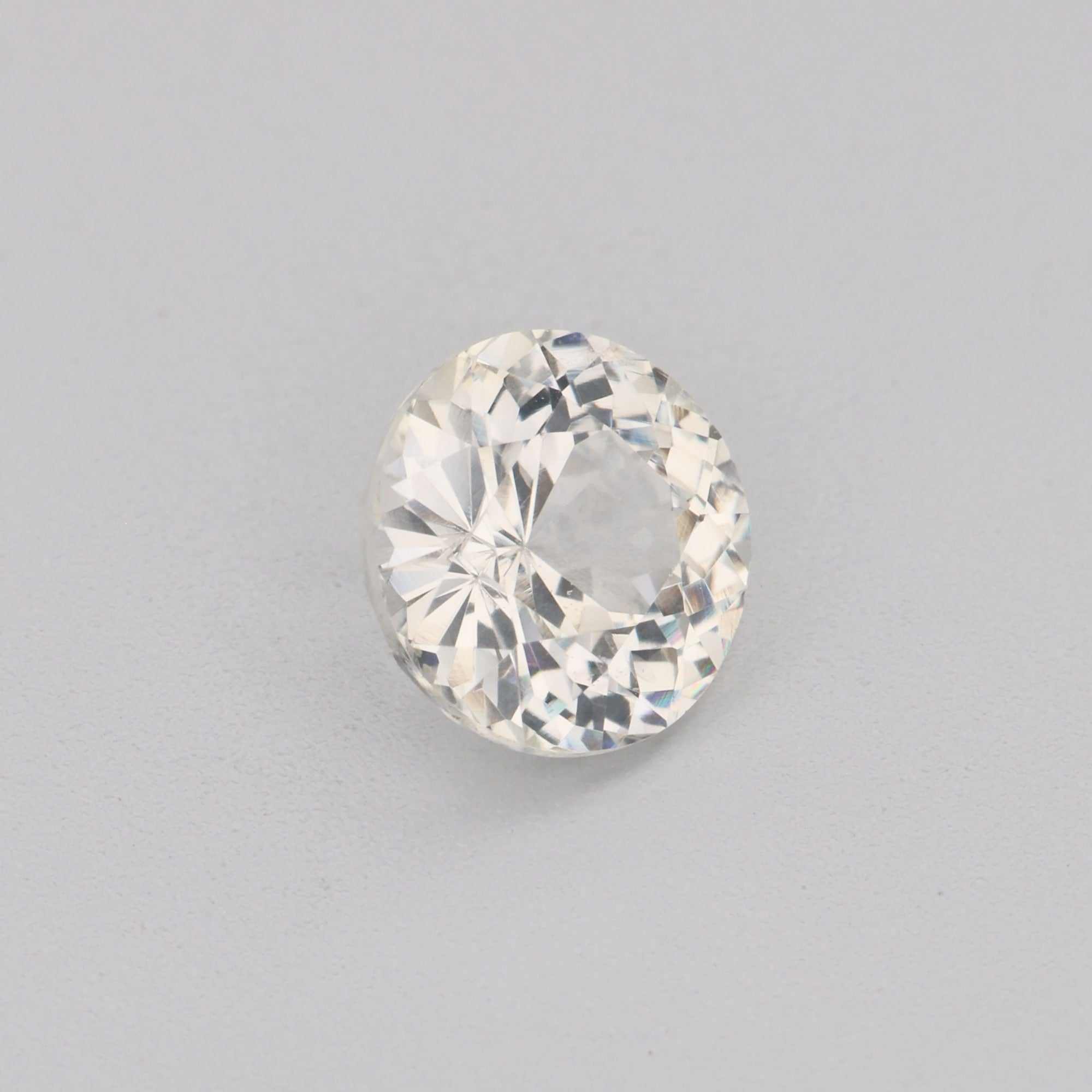
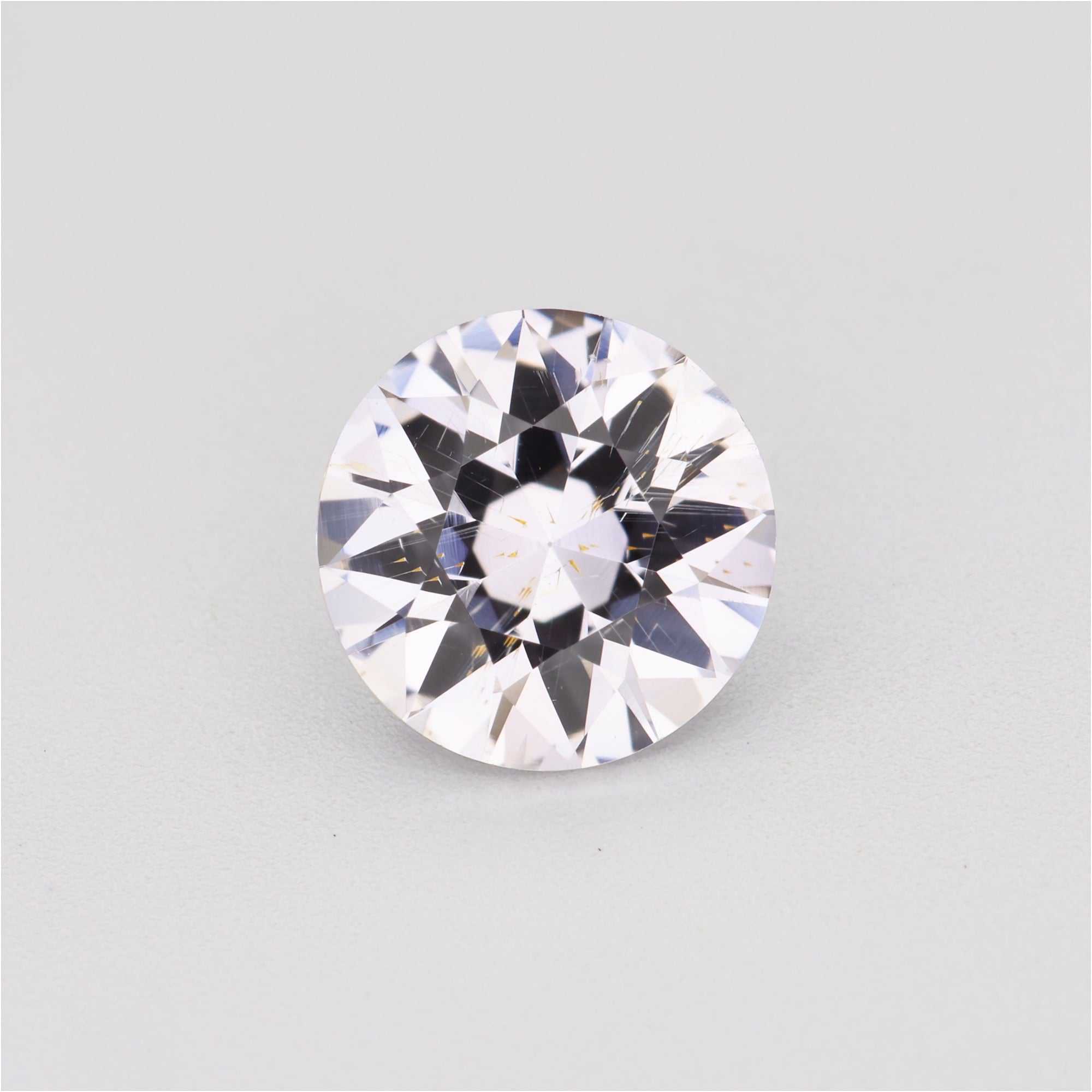
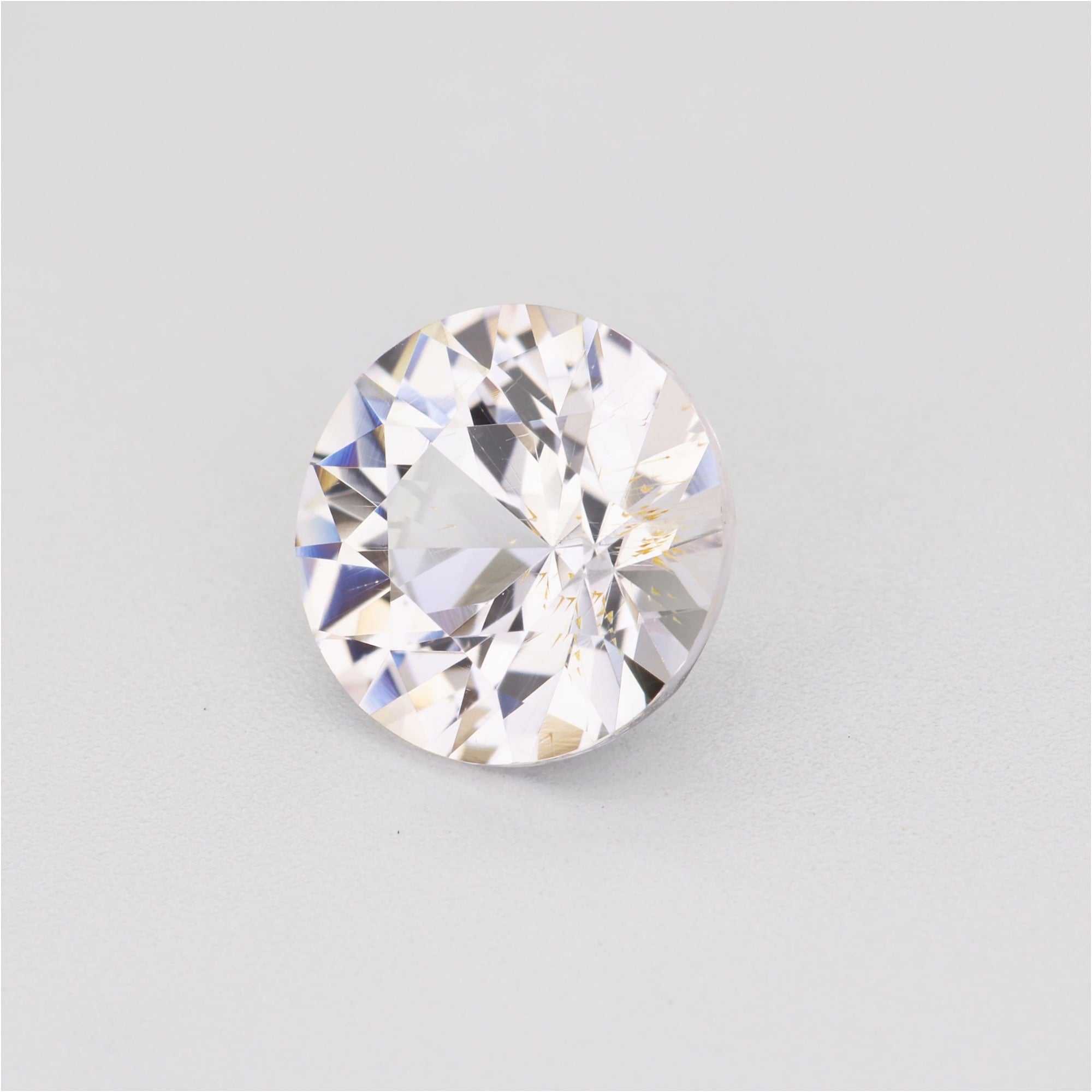
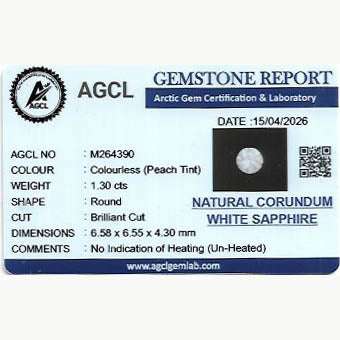
1.30 ct Natural Unheated White Sapphire – Round Cut


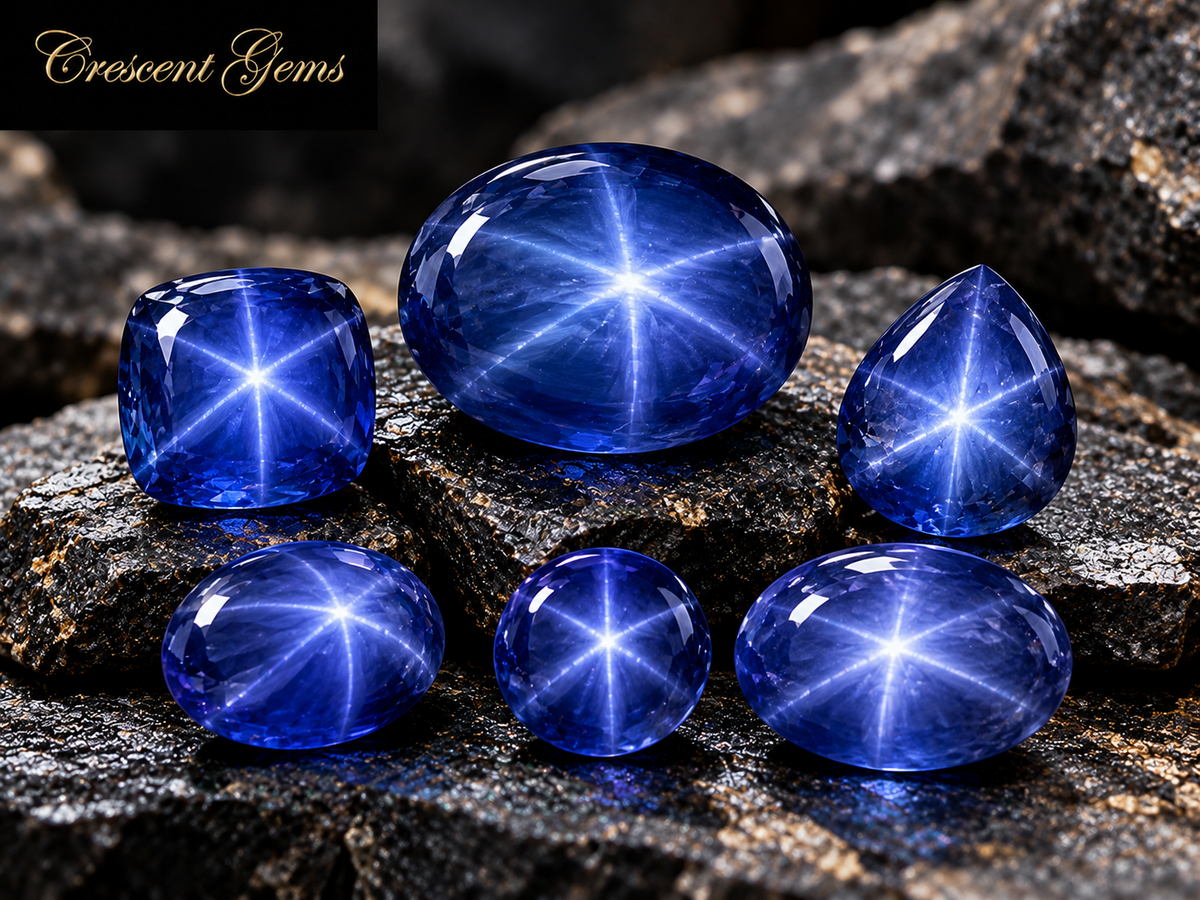
Blue Star Sapphire Price Guide — What They Cost and Why
Read moreabout Blue Star Sapphire Price Guide — What They Cost and Why
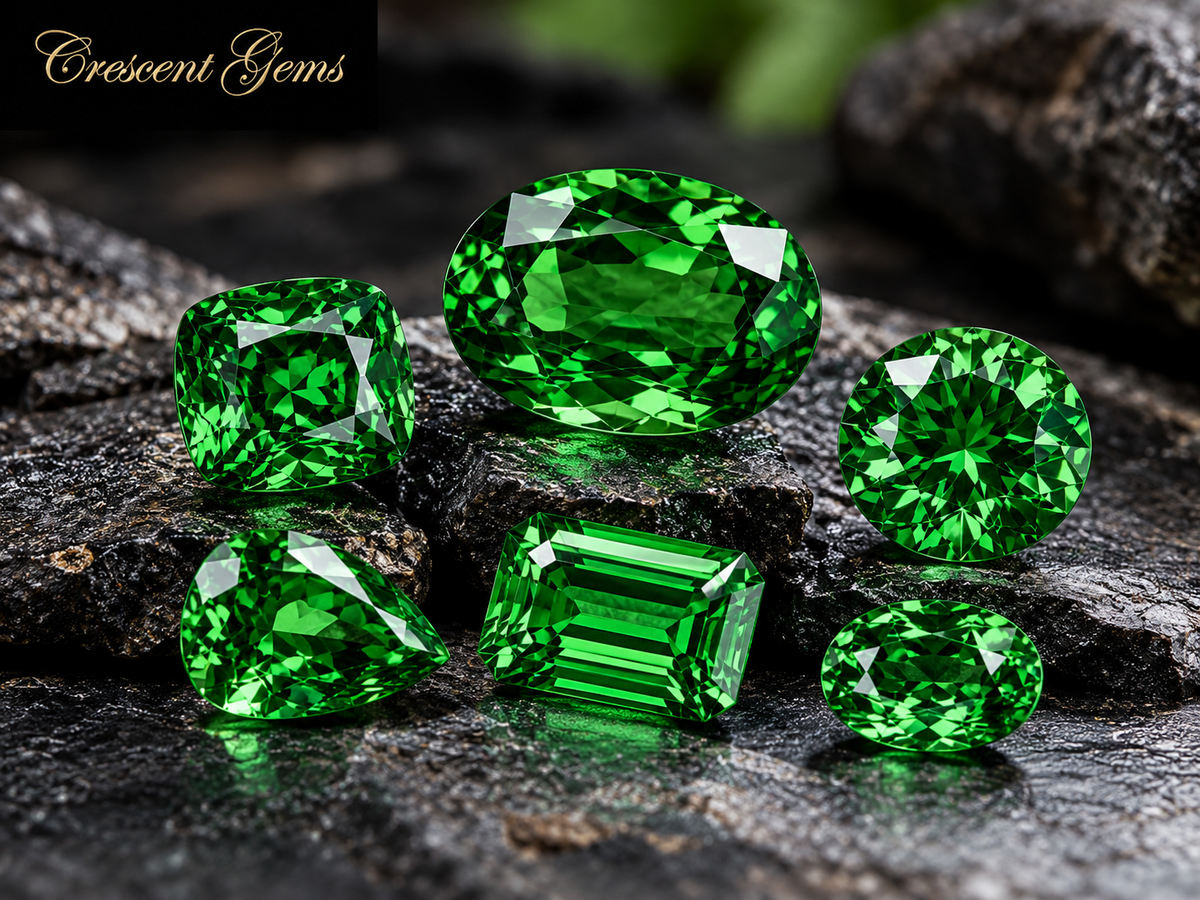
Tsavorite Garnet Price Guide — What They Cost and Why
Read moreabout Tsavorite Garnet Price Guide — What They Cost and Why
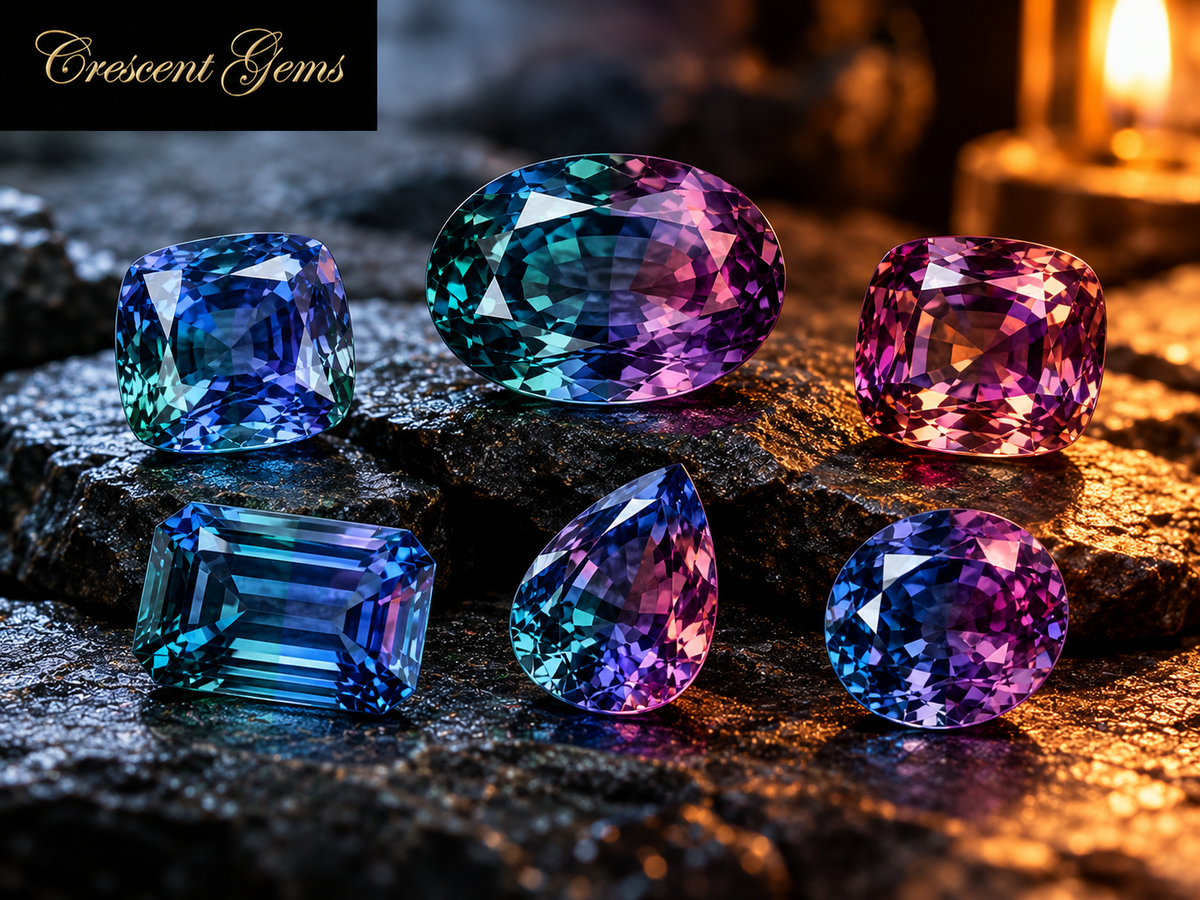
Color-Change Sapphire Price Guide — What They Cost and Why
Read moreabout Color-Change Sapphire Price Guide — What They Cost and Why
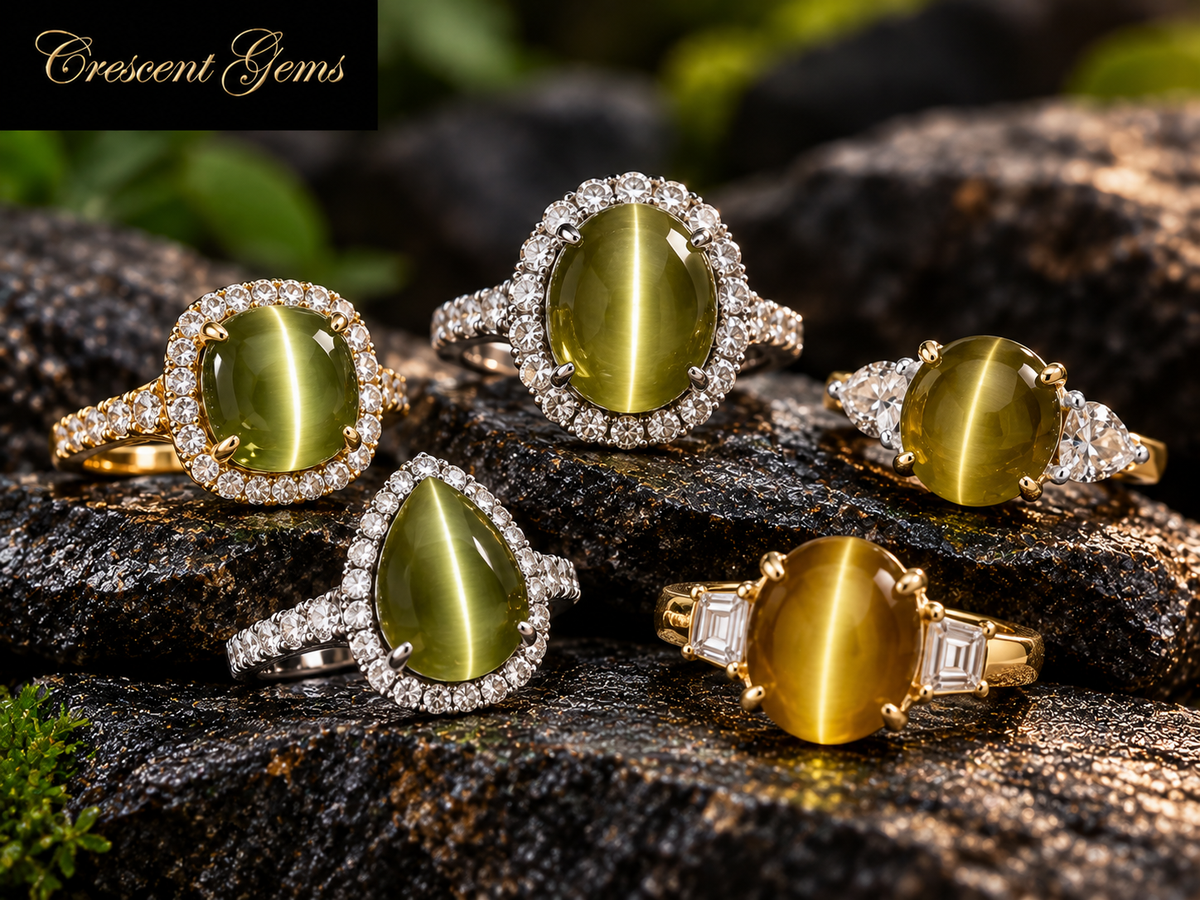
Is Cat's-Eye Chrysoberyl Good for an Engagement Ring?
Read moreabout Is Cat's-Eye Chrysoberyl Good for an Engagement Ring?
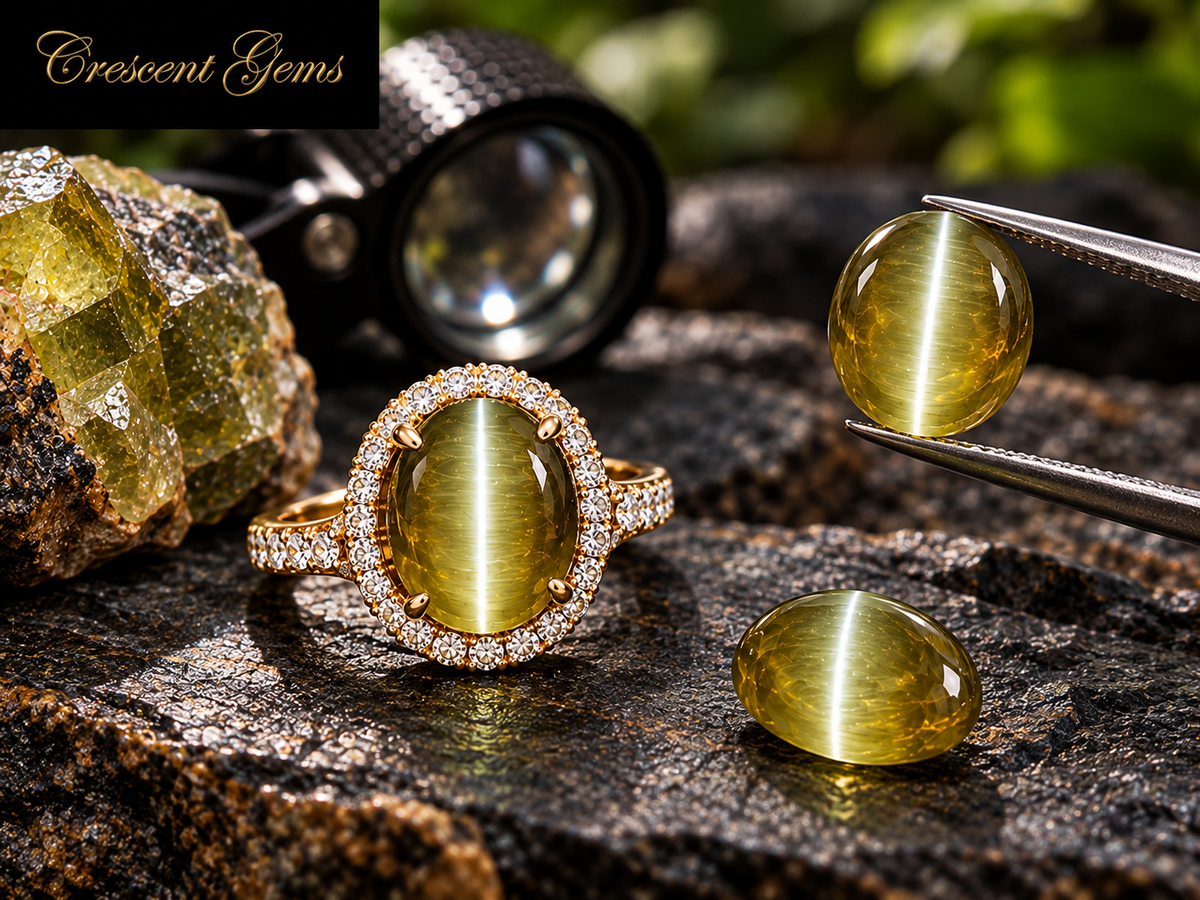
Cat's Eye Chrysoberyl Price Guide — What They Cost and Why
Read moreabout Cat's Eye Chrysoberyl Price Guide — What They Cost and Why