

- by Ahmed Shareek
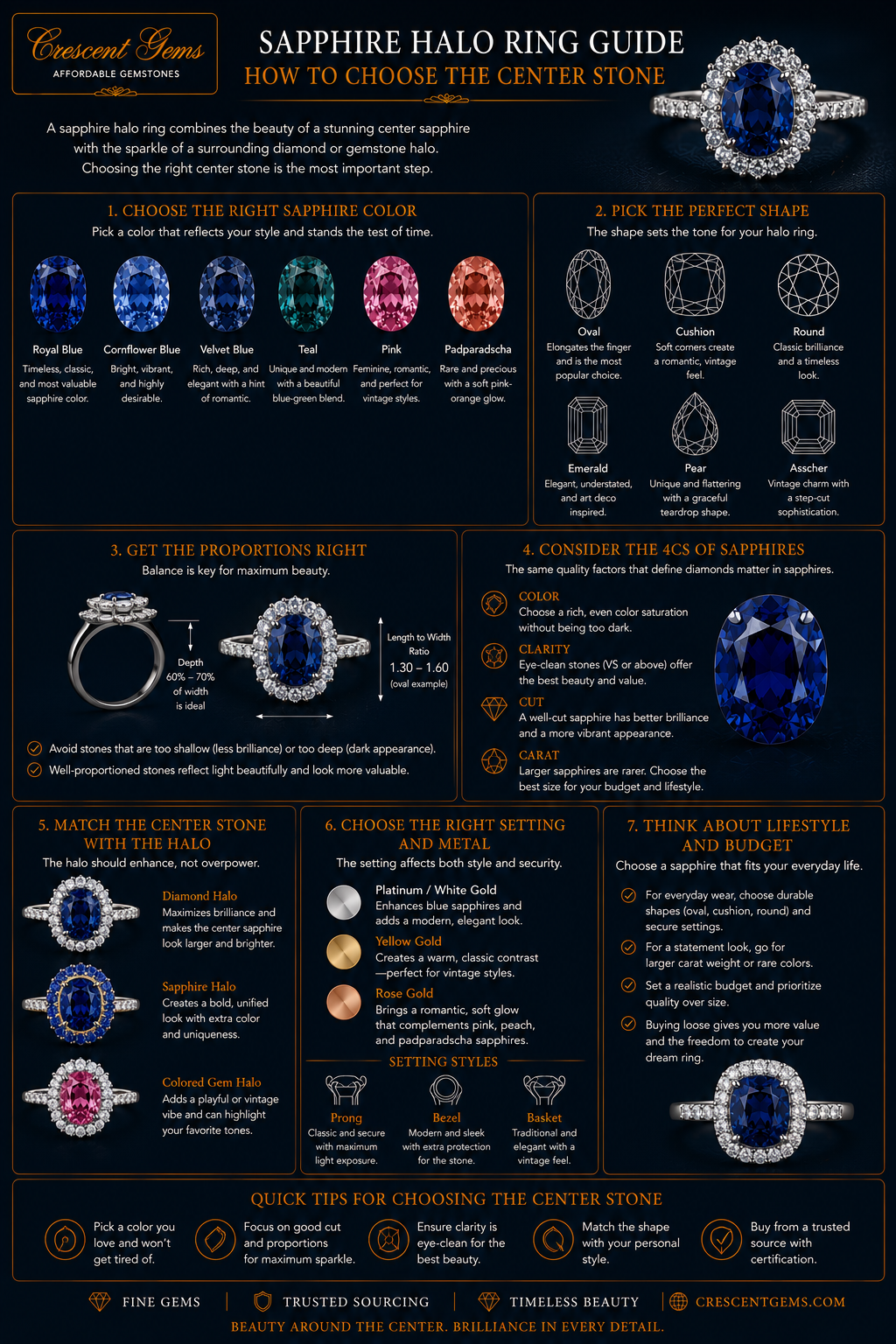
Sapphire Halo Ring Guide — How to Choose the Center Stone, Halo, and Get the Proportions Right
- by Ahmed Shareek
For center stone selection: How to Choose a Sapphire Engagement Ring. For shape guidance: Oval Sapphire Guide. For the buying foundation: Ultimate Sapphire Buying Guide.
The halo is the most searched engagement ring style in the world — and for sapphire specifically, it has been the dominant ring configuration since the global surge of interest in colored stone engagement rings following the renewed attention to the Princess of Wales's oval blue sapphire and diamond halo ring. This guide covers how a halo affects a sapphire ring, how to choose the right center stone, the key proportioning decisions, metal and diamond choices, which sapphire colors and shapes work best in halos, and what a complete halo ring costs in 2026.
A halo does four specific things: increases apparent size (adds its own diameter to the visual footprint of the center stone — a 1.00ct oval in a halo appears comparable to a 1.75-2.00ct solitaire oval); frames and intensifies color (white diamond border creates maximum color contrast, strongest for vivid saturated colors); adds perimeter sparkle (rapid brilliant diamond scatter contrasting with the sapphire's deeper color display); and defines and protects the outline (particularly valuable for pointed or fragile tip shapes like pear and marquise).
Size: You Can Go Smaller. A practical guideline: in a halo setting, a center stone 0.30-0.50ct smaller than you would choose for a solitaire will appear similarly sized face-up. Per-carat prices increase non-linearly with carat weight, so going smaller saves disproportionately more than the weight reduction suggests. See our sapphire pricing guide.
Color: Vivid Saturation Matters More. For halo settings, aim for medium to medium-dark tone with vivid to strong saturation. Light-toned material is better served by a solitaire or bezel setting where there is less contrast to highlight weakness of color.
Clarity: Eye-Clean Is Still the Standard. The halo draws the eye to the center stone, making inclusions more noticeable. See our How to Read Sapphire Inclusions guide.
Cut Quality: The Bowtie Problem in Halo Ovals. A moderate bowtie in an oval sapphire is less objectionable in a halo setting because the perimeter sparkle draws the eye away from the center shadow. See our Oval Sapphire Guide for the full bowtie evaluation framework.
Standard halo diamond size is 1.2mm to 1.8mm round brilliants. A single row of 1.5mm diamonds produces a halo approximately 1.5mm wide all the way around. The halo should add 15-25% to the apparent diameter of the center stone — more than 30% additional width starts to look disproportionate.
Single halo suits most center stone sizes and proportions — more versatile and timeless. Double halo adds dramatically more apparent size and sparkle; works best with center stones of 1.00ct and above; significantly more expensive. For buyers who want maximum apparent size without a double halo, slightly larger halo diamonds (1.8mm vs. 1.2mm) achieve a similar visual expansion at lower cost.
| Metal | Best For | Effect on Color |
|---|---|---|
| Platinum | Blue, teal, white sapphire | Maximum color contrast; blue and teal read most vividly |
| White gold (18ct) | Blue, teal, pink, white sapphire | Similar to platinum; slightly warmer; more affordable |
| Yellow gold (18ct) | Blue, yellow, orange, padparadscha | Warm harmonious palette; adds vintage character |
| Rose gold (18ct) | Pink, peach, padparadscha, teal | Warm pink-gold creates romantic, feminine palette |
For the full metal decision framework, see our yellow gold vs. white gold vs. platinum guide and how to choose metal color for a sapphire ring.
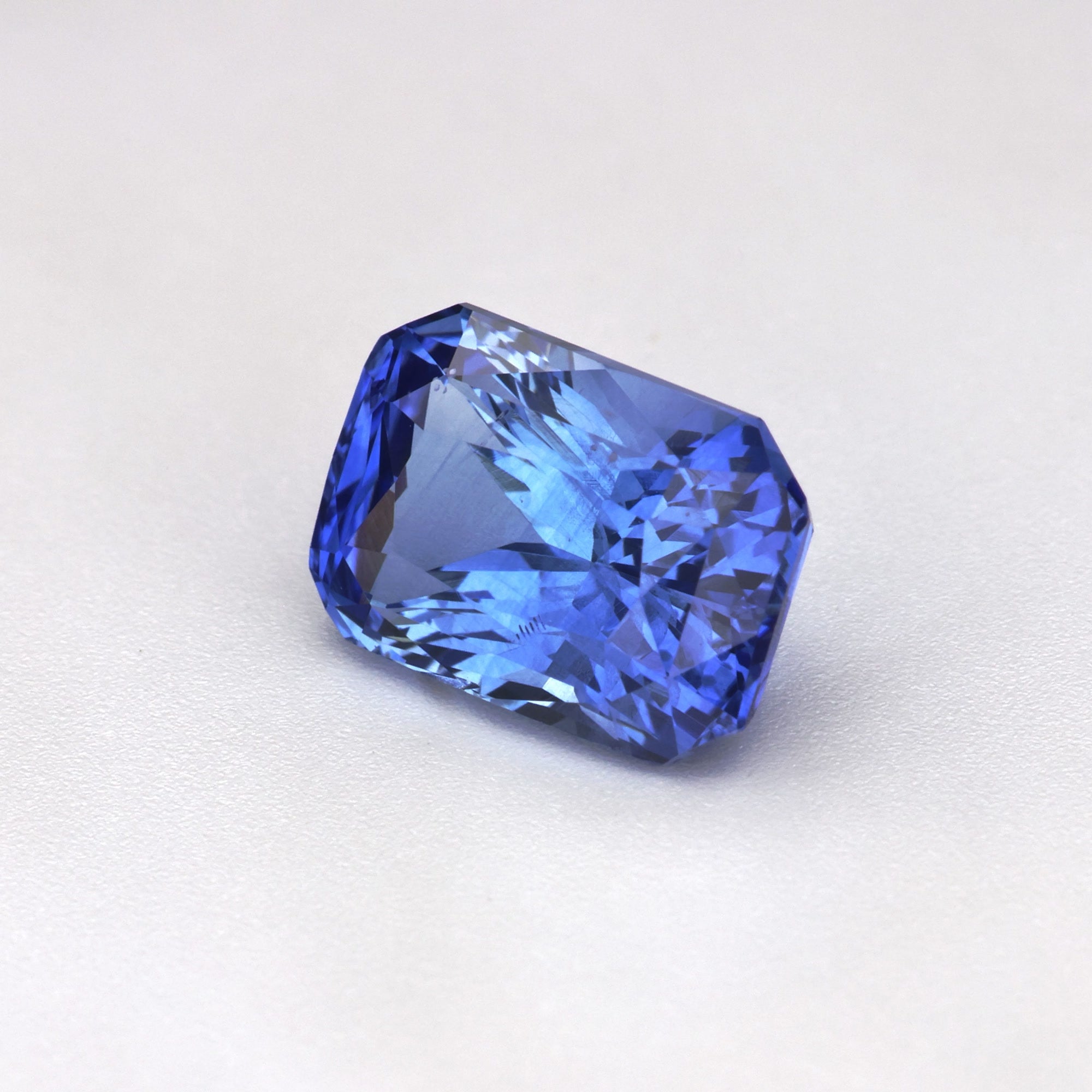
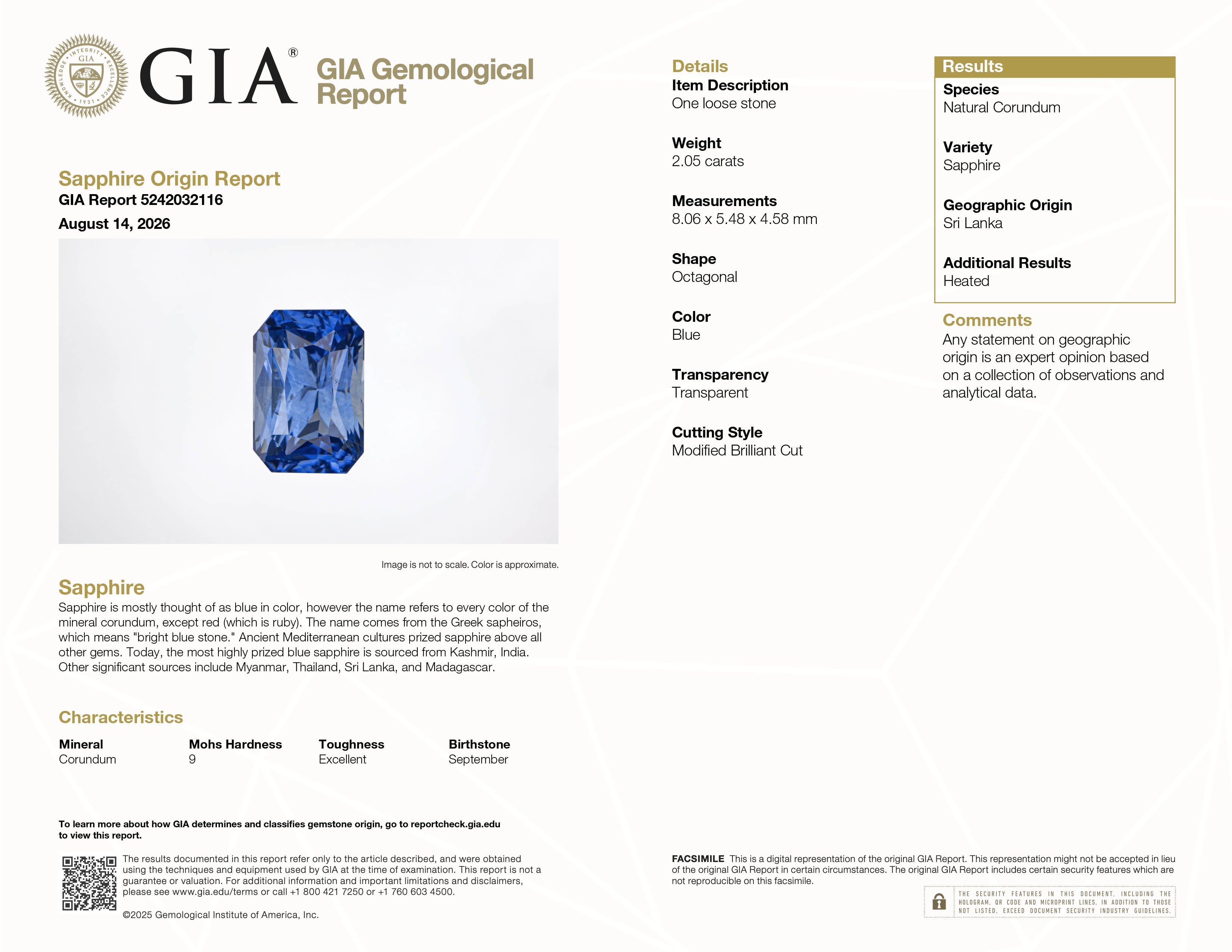
Blue sapphire is the classic halo center stone — medium-dark vivid blue in an oval or cushion in platinum or white gold. See our Blue Sapphire Buyer’s Guide.
Teal sapphire has become the second most popular halo center stone in recent years. The color-shift character is amplified beautifully by the contrasting white halo. See our Teal Sapphire Buyer’s Guide.
Pink sapphire in a halo in rose gold creates a warm, feminine palette. Vivid hot pink works best. See our Pink Sapphire Buyer’s Guide.
Padparadscha in a diamond halo is among the most desirable sapphire ring configurations at the fine end of the market. See our Padparadscha Sapphire Guide.
By shape: Oval is the most popular halo center stone shape. Cushion creates a distinctive vintage-inspired look. Emerald cut in a halo creates a sophisticated, architectural contrast. For general shape guidance, see our best sapphire shapes for halo rings.
Setting costs for a single halo in white or yellow gold 18ct with natural round brilliant diamonds: simple single halo, 1.2mm diamonds: $800-$1,500; single halo with pavé band, 1.5mm diamonds: $1,200-$2,200; double halo, pavé band: $1,800-$3,500; platinum single halo with pavé band: $2,000-$4,000. For commissioning a custom ring, see our custom ring design guide. For pricing guidance on center stones, see our what a good 1 carat costs guide.
How much bigger does a halo make a sapphire look? A standard single halo with 1.5mm diamonds adds approximately 3mm to the total apparent diameter. A 7x5mm oval sapphire (1.00ct) in a halo appears approximately 10x8mm face-up — comparable to a 1.75-2.00ct oval solitaire.
Is a halo setting practical for everyday wear? Yes, with the right setting quality. Regular professional inspection (annually) is recommended to catch any loose stones before they are lost. For full care guidance, see our Sapphire Ring Care Guide. Also see our insuring a sapphire ring guide.
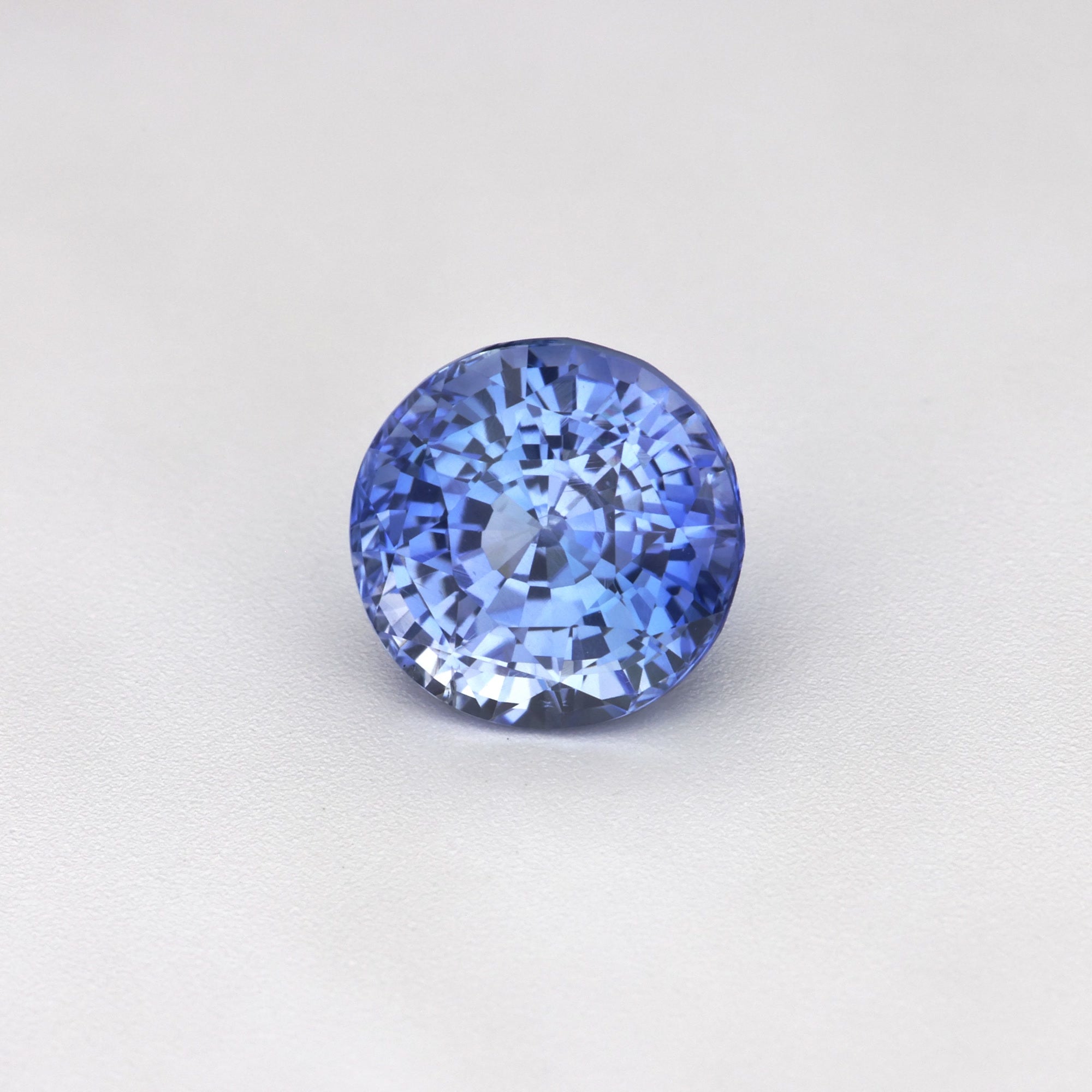
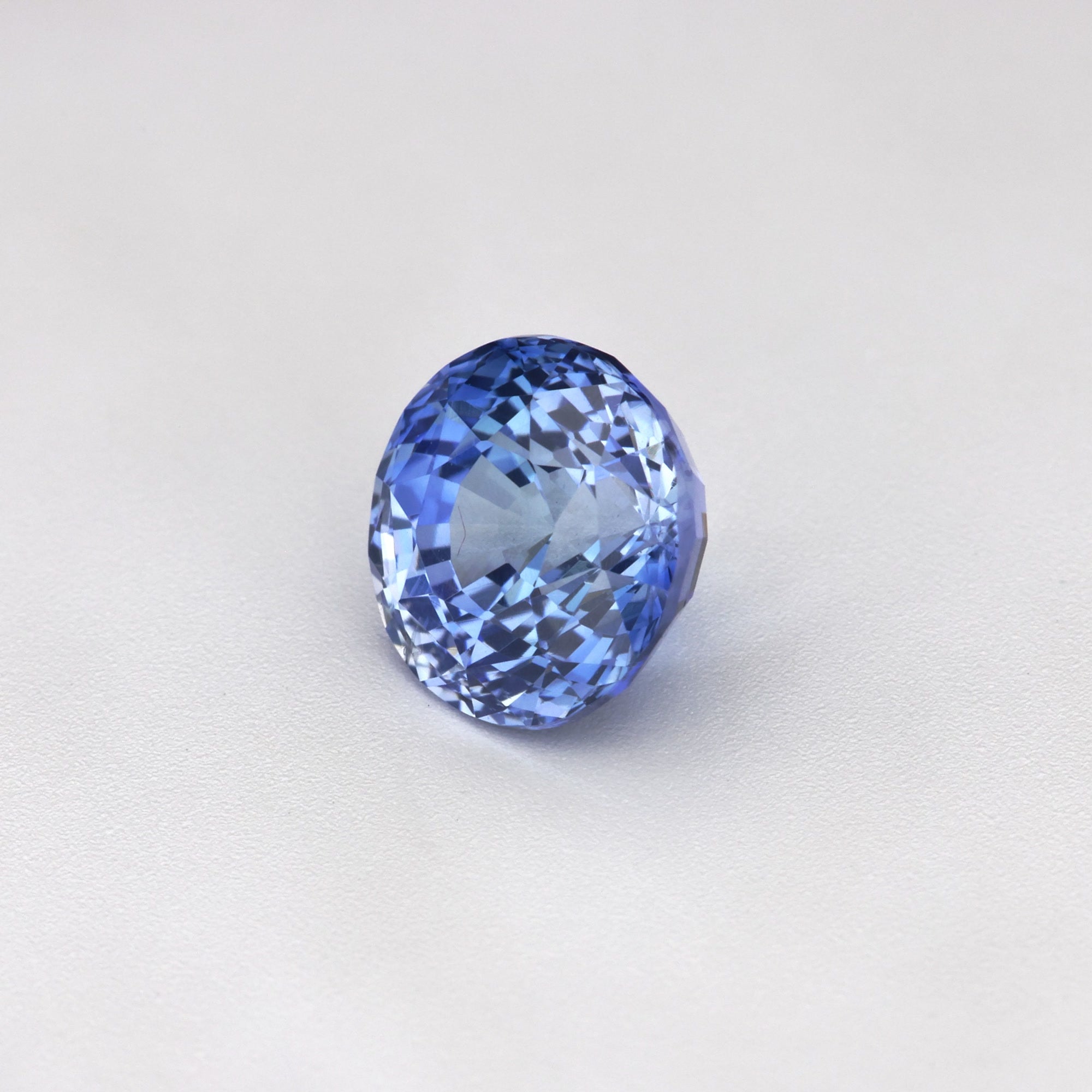
Browse our full loose sapphire catalog to find the right center stone for your halo ring, or email crescentgems@gmail.com with your color, size, and budget. We respond within one business day.

CG8454
CG8465
1.86 ct Natural Tsavorite Garnet, Cushion Shape | GIA Report #1242032119
CG8464
CG8463
CG8460
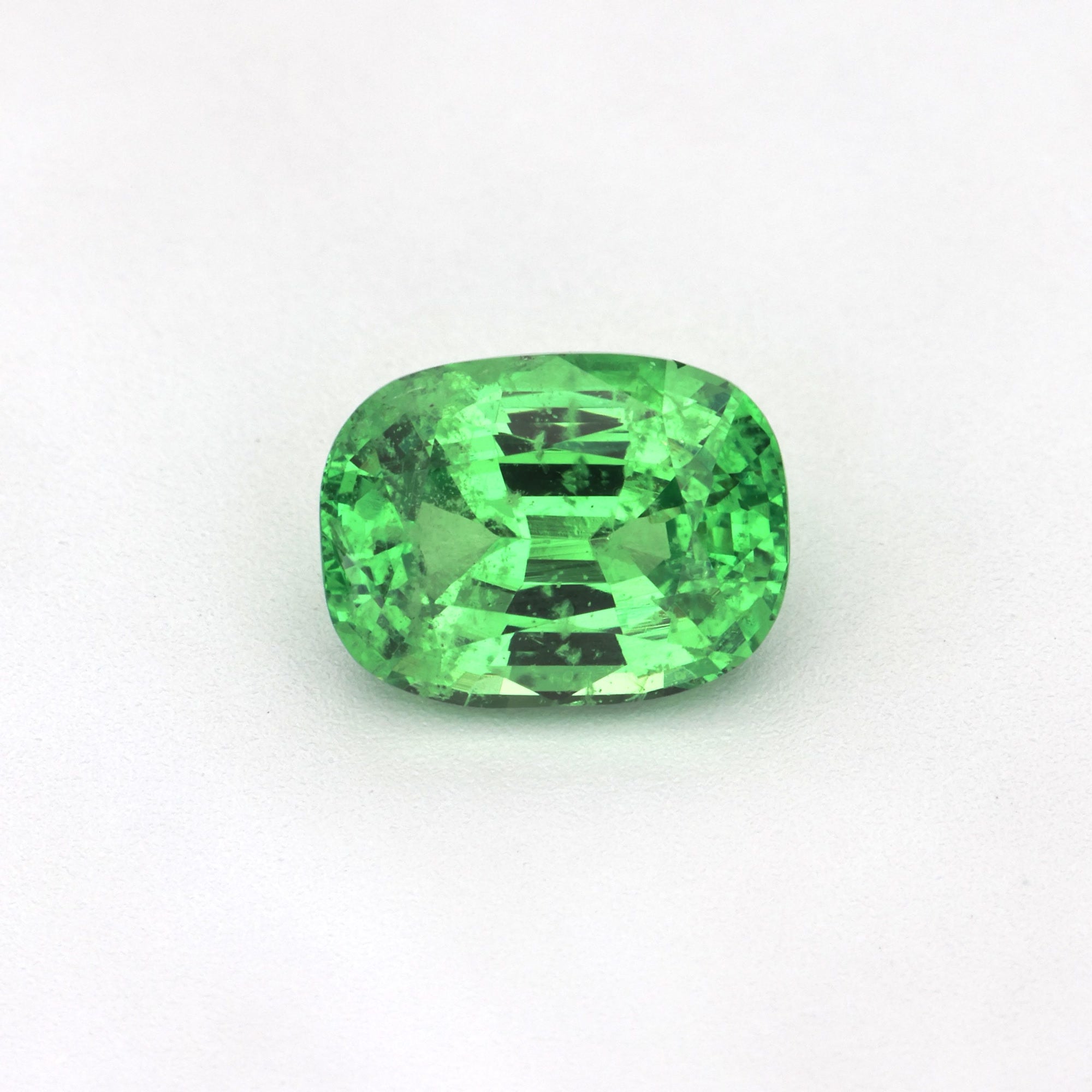
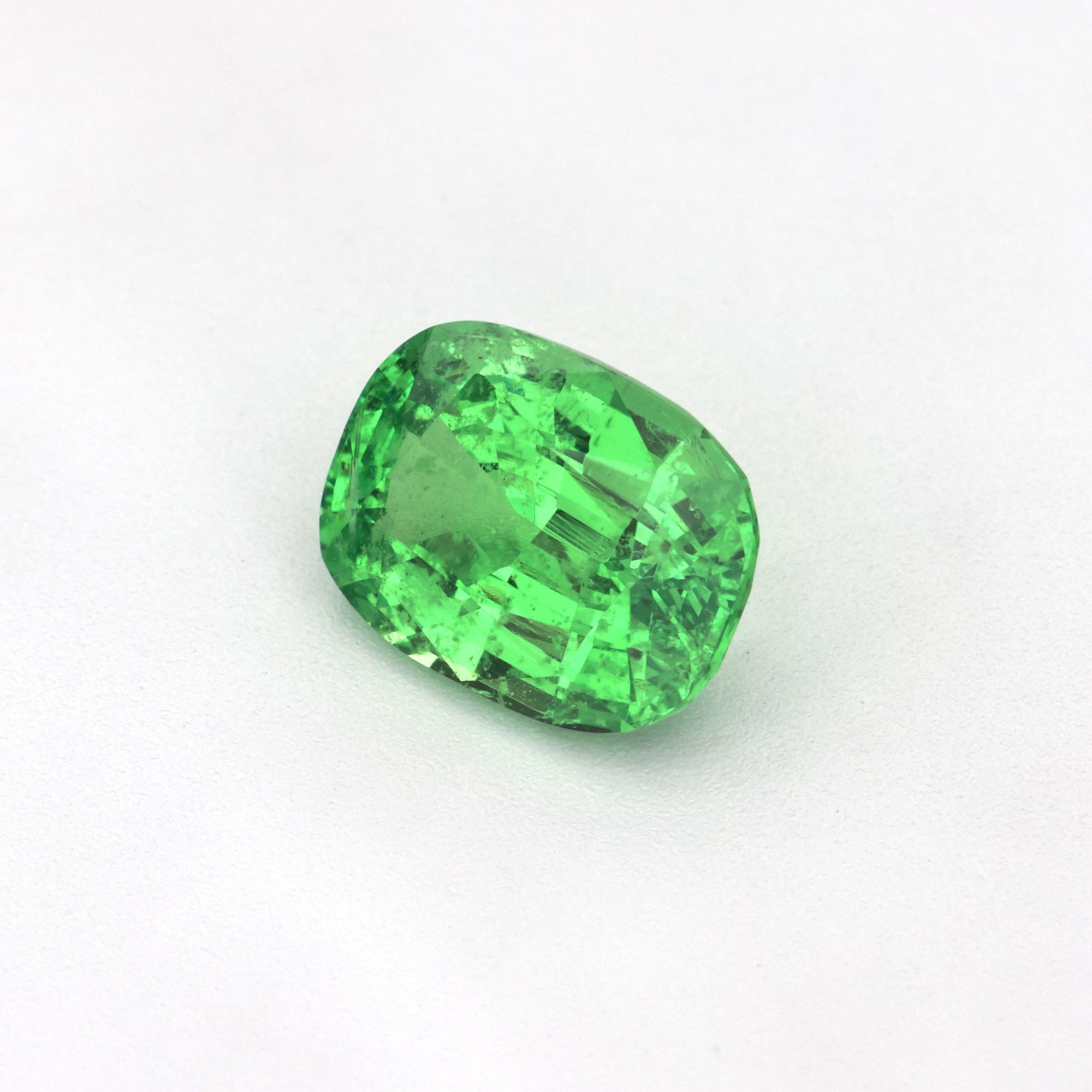
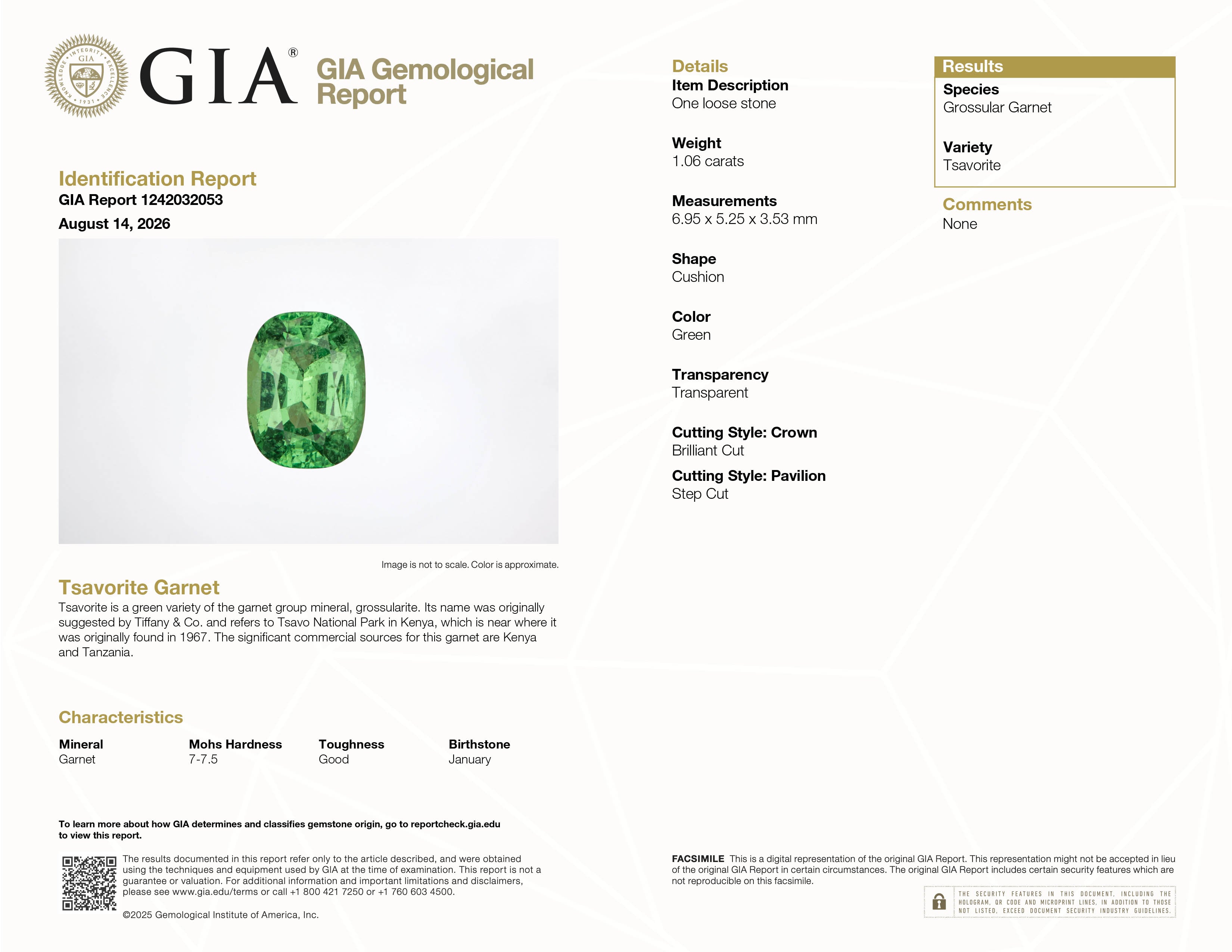
1.06 ct Natural Tsavorite Garnet, Cushion Shape | GIA Report #1242032053
CG8459
CG8458
CG8457
CG8456
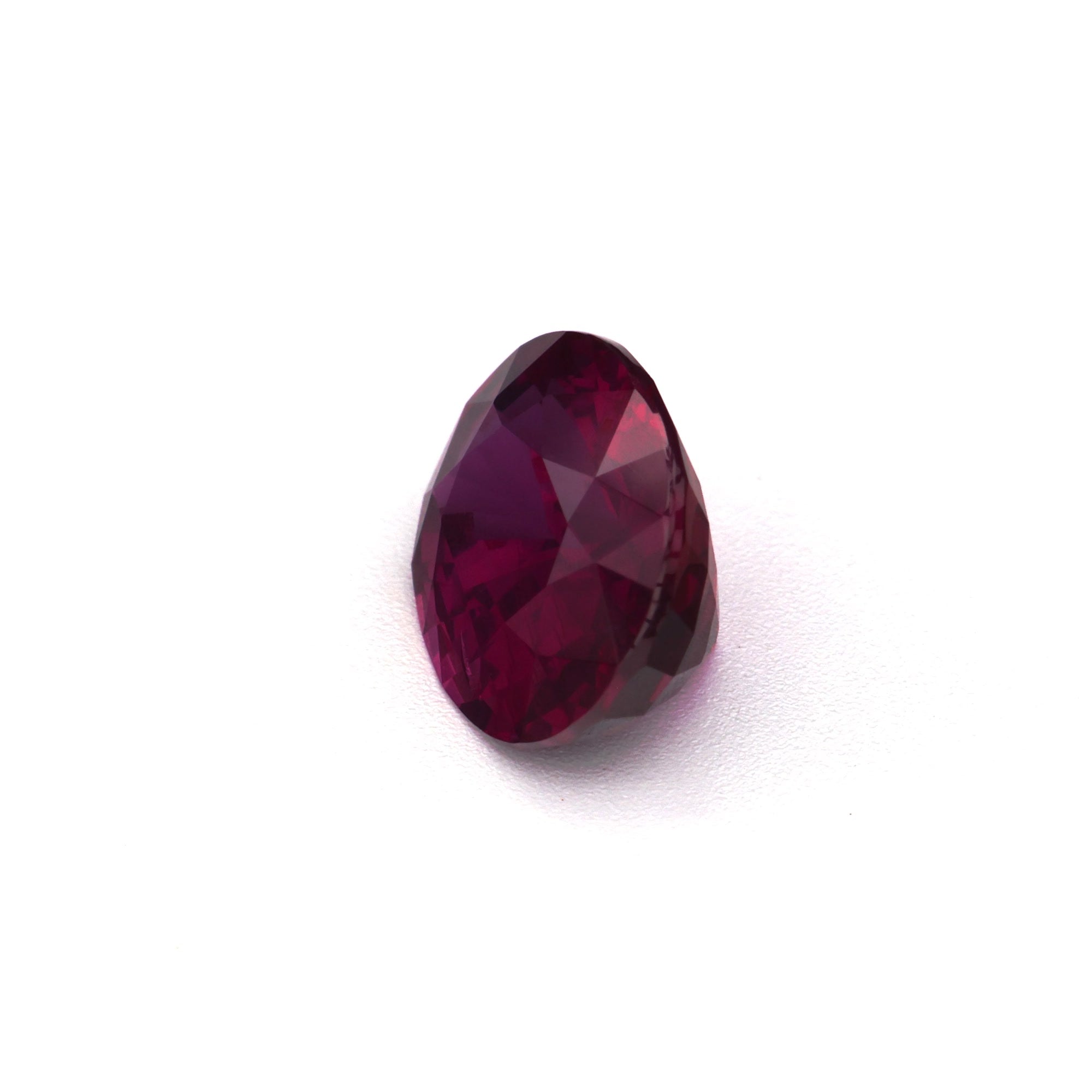
1.65 ct Natural Unheated Ruby – Oval Cut | GIA Certified | Madagascar
CG8453


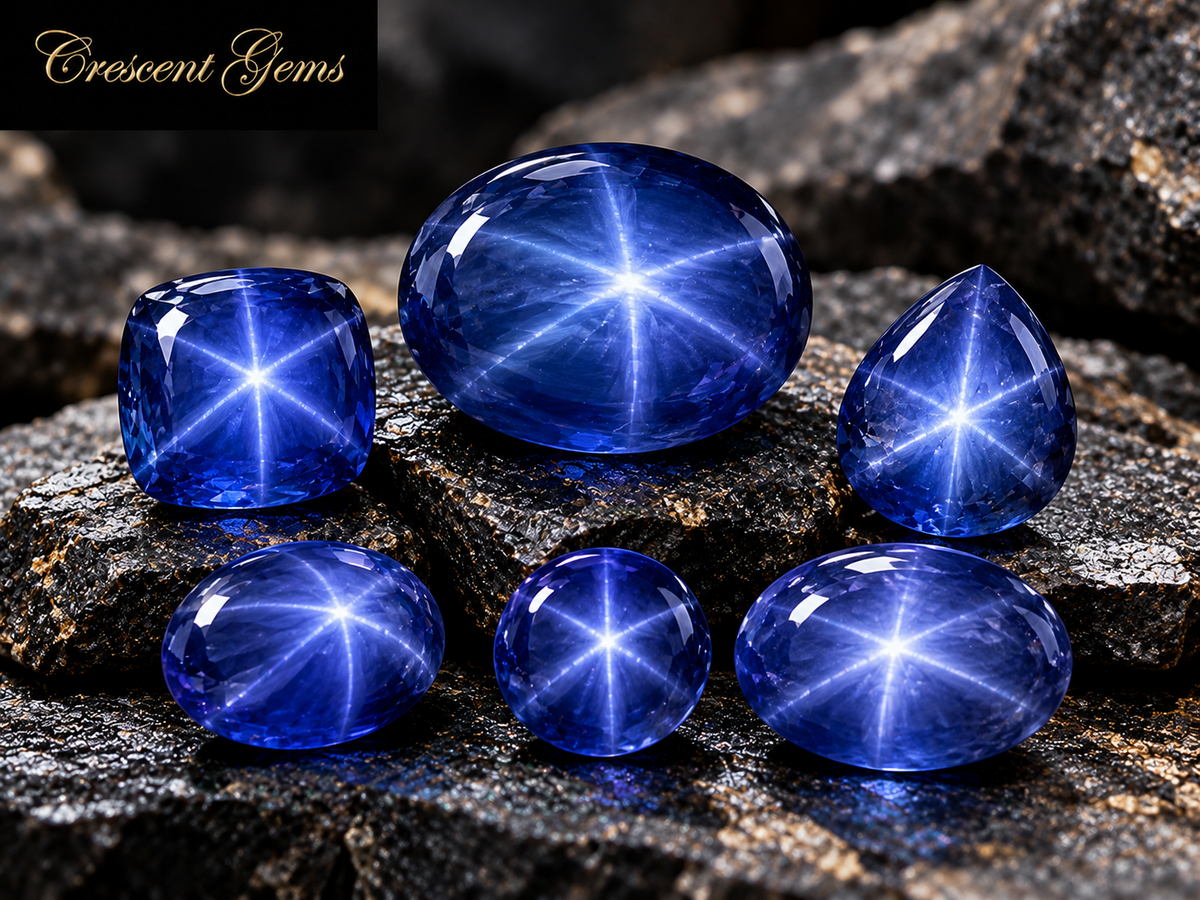
Blue Star Sapphire Price Guide — What They Cost and Why
Read moreabout Blue Star Sapphire Price Guide — What They Cost and Why
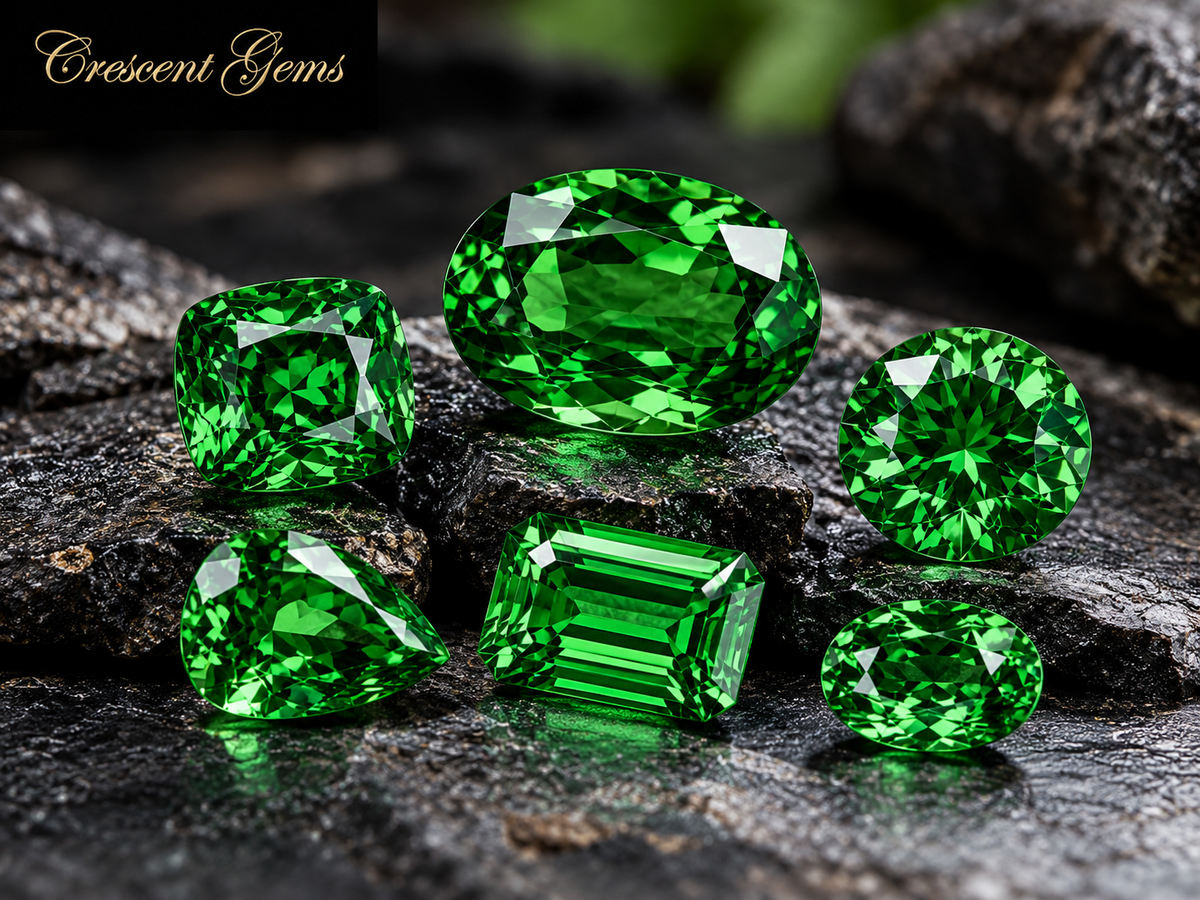
Tsavorite Garnet Price Guide — What They Cost and Why
Read moreabout Tsavorite Garnet Price Guide — What They Cost and Why
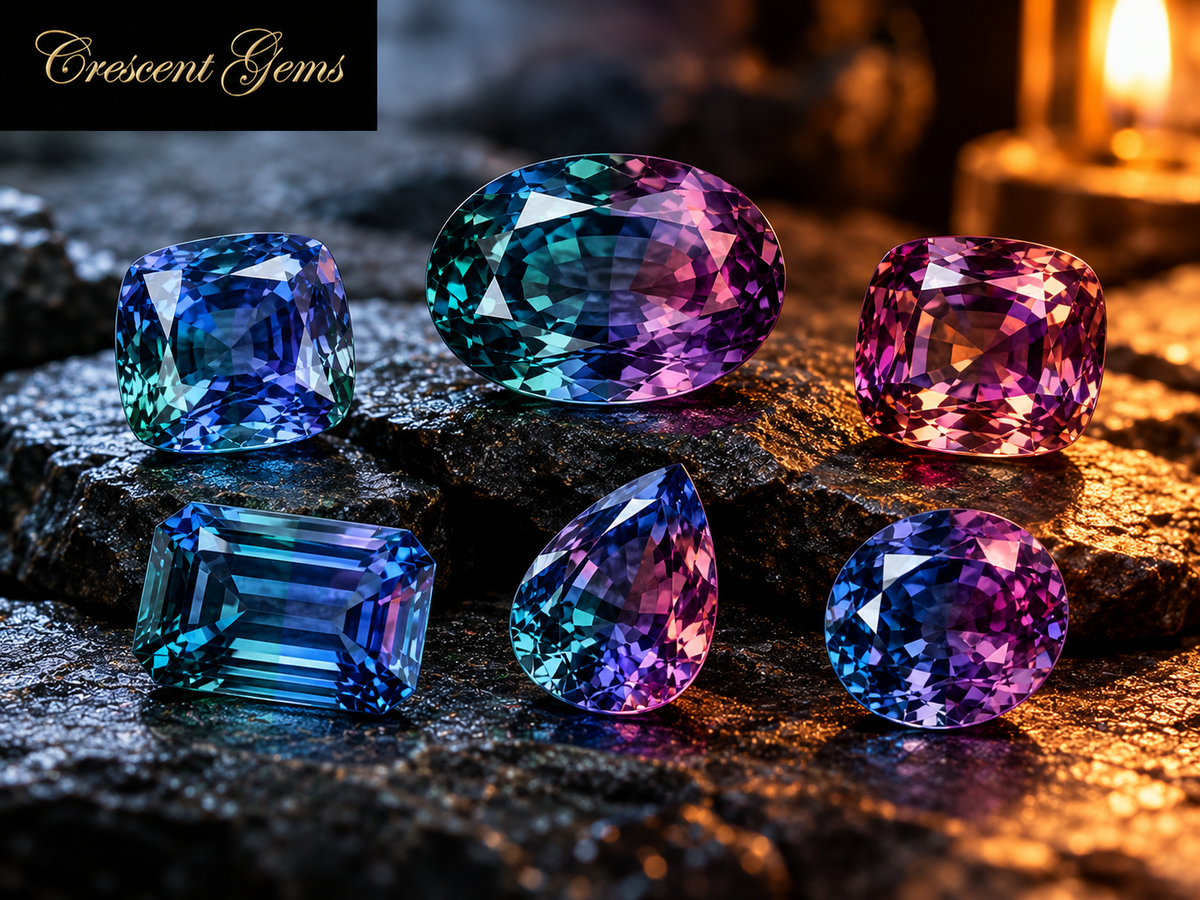
Color-Change Sapphire Price Guide — What They Cost and Why
Read moreabout Color-Change Sapphire Price Guide — What They Cost and Why
Is Cat's-Eye Chrysoberyl Good for an Engagement Ring?
Read moreabout Is Cat's-Eye Chrysoberyl Good for an Engagement Ring?
Cat's Eye Chrysoberyl Price Guide — What They Cost and Why
Read moreabout Cat's Eye Chrysoberyl Price Guide — What They Cost and Why















Share: