- by Ahmed Shareek
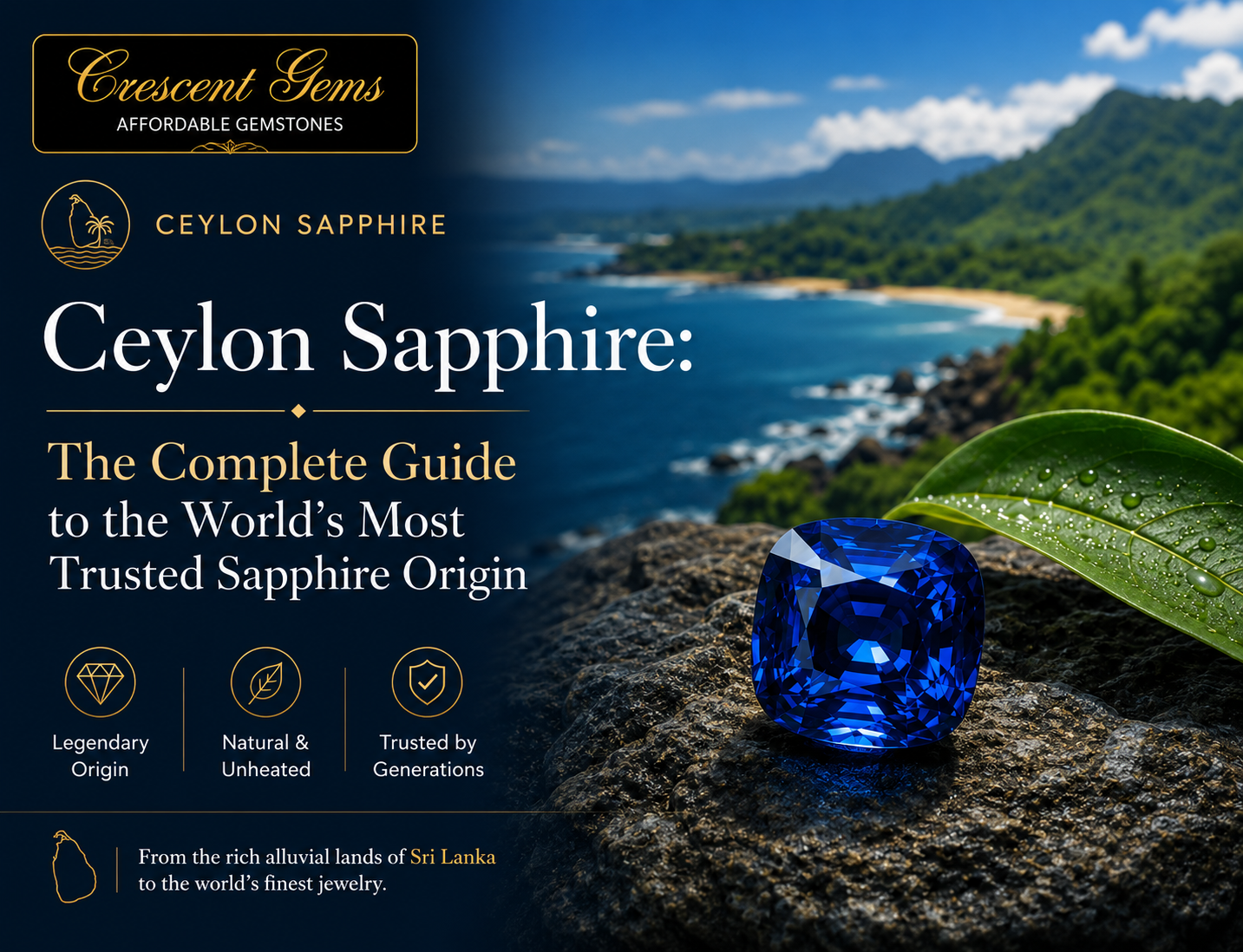
Ceylon Sapphire: The Complete Guide to the World's Most Trusted Sapphire Origin
- by Ahmed Shareek
New to buying sapphires? Start with our Ultimate Sapphire Buying Guide — the complete resource for colour, origin, treatment, and pricing.

Ceylon is not just a sapphire origin. It is the origin the trade has long used as its reference point when describing fine sapphire. When gemologists describe a fine blue sapphire color as the ideal — vivid, transparent, with a brightness that seems to come from within the stone — they are describing Ceylon character. The island of Sri Lanka, known in the gem trade by its colonial-era name Ceylon, has occupied this position for more than two thousand years.
At Crescent Gems, Ceylon is not a marketing term. We source in Sri Lanka directly — our team is on the ground in Ratnapura, Beruwala, and Colombo, selecting stones at the source. Ceylon is our specialty and the great majority of what we stock: 110 of the 131 sapphires we currently list are Sri Lankan. The rest are mostly Madagascar — 15 stones — with one each from Montana, Tanzania, Vietnam and East Africa, and two whose origin is not recorded. Every listing states the origin held on file for that stone.
Sri Lanka's gemstone production comes from ancient high-grade metamorphic rocks (granulites and pegmatites) that have been weathered over geological time and washed into alluvial gem gravels called illam. The specific geological conditions are responsible for several qualities that distinguish Ceylon corundum:
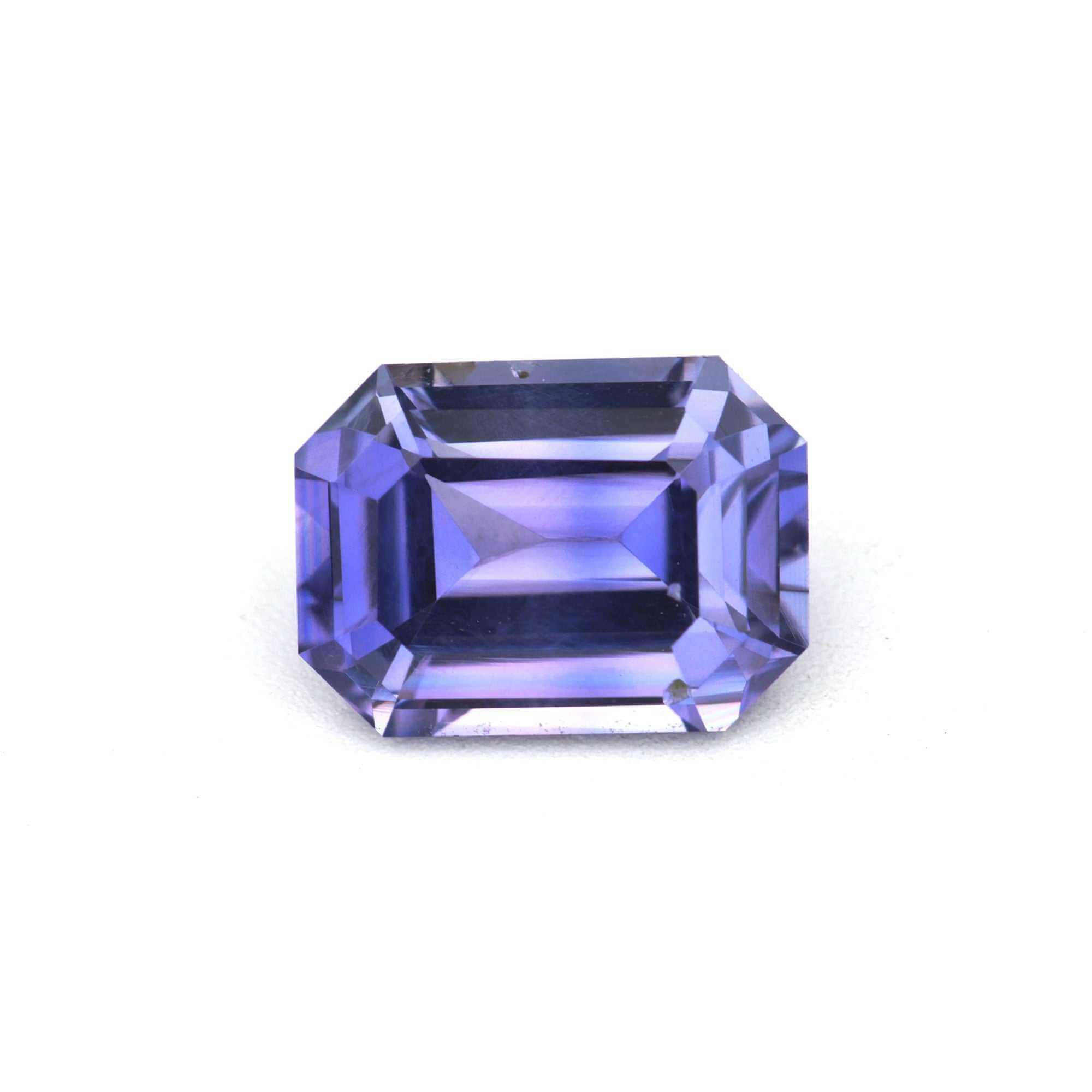
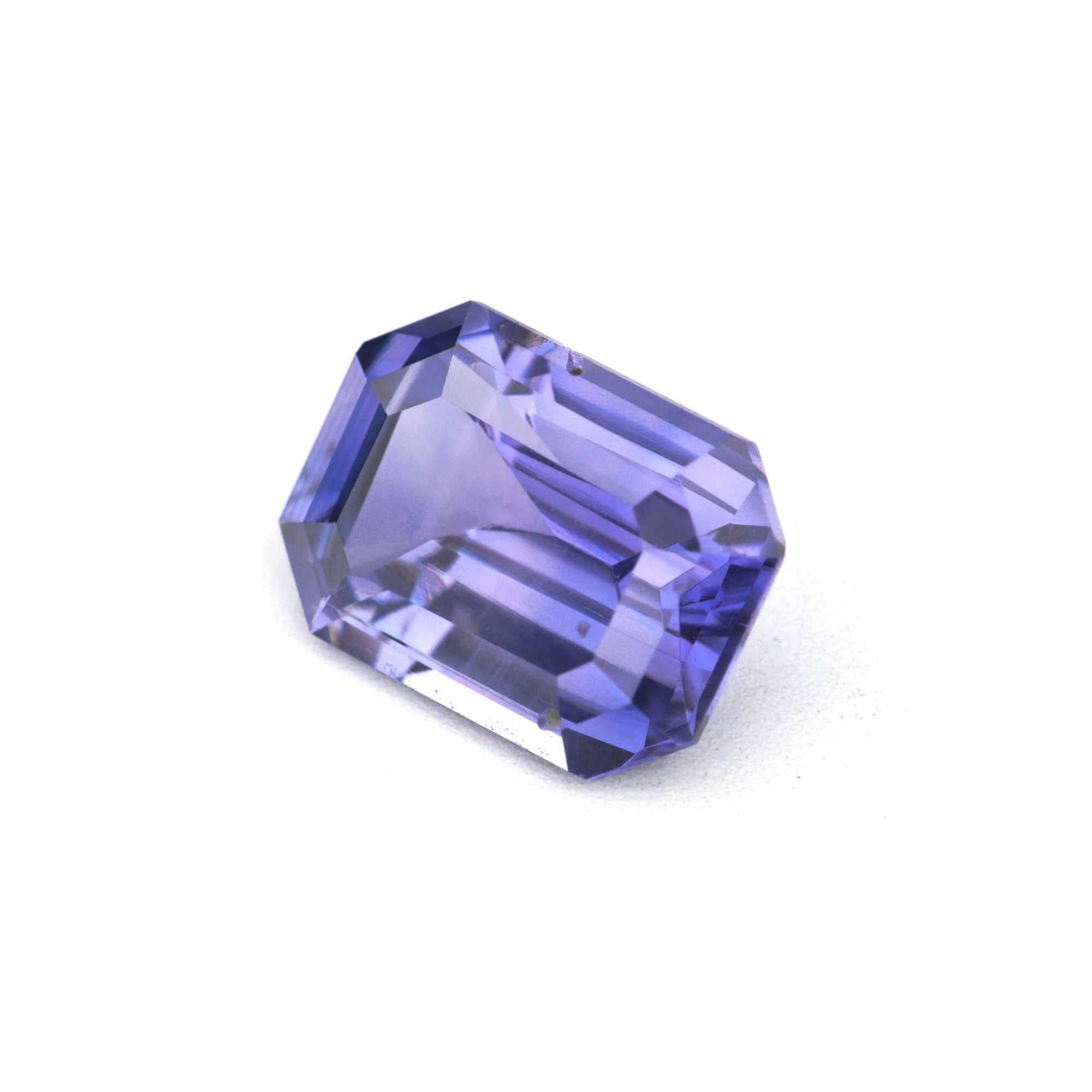
High transparency: Ceylon sapphires are typically highly transparent, clean, and able to transmit light vividly through the crystal. Vivid color saturation at appropriate tone: Ceylon sapphires hold their character across all standard lighting environments. High proportion of unheated quality: The trace element composition of Ceylon rough produces colors often vivid enough to use without heat treatment. Color diversity: Few major sapphire origins produce the full color range that Ceylon does — blue, yellow, pink, peach, padparadscha, teal, green, orange, purple, violet, white, and star sapphire all occur in gem quality.
The ancient Greeks and Romans sourced sapphires from Sri Lanka. Arab traders who called it Serendib made Ceylon sapphires and rubies among the most prized luxury goods of the medieval Islamic world. The sapphire in the engagement ring now worn by the Princess of Wales, formerly worn by Princess Diana, is a Ceylon stone. Ceylon remains the accepted trade designation for Sri Lankan sapphires, and it is the name used across the major gemological laboratories and auction houses. On a laboratory report the origin itself is stated as Sri Lanka; Ceylon is the trade name for that origin, not a term a laboratory certifies.
The center of Sri Lanka's gem industry is Ratnapura — a city whose name translates as City of Gems — where mining has operated continuously for more than a thousand years. Mining is primarily artisanal, employing individual miners and small family operations who sell through a network of local dealers, gem markets, and cutting workshops. Crescent Gems operates at the beginning of this chain, selecting stones at the source in Ratnapura and Beruwala.
Blue Sapphire: The benchmark category — medium-to-vivid tone, pure blue, high transparency. See our Blue Sapphire Buyer's Guide.
Padparadscha: The balanced pink-orange variety. Certified padparadscha from Ceylon with major laboratory documentation is among the rarest and most commercially significant natural gemstones available. We do not hold any padparadscha in stock at present. See our Padparadscha Buyer's Guide and Padparadscha Price Guide.
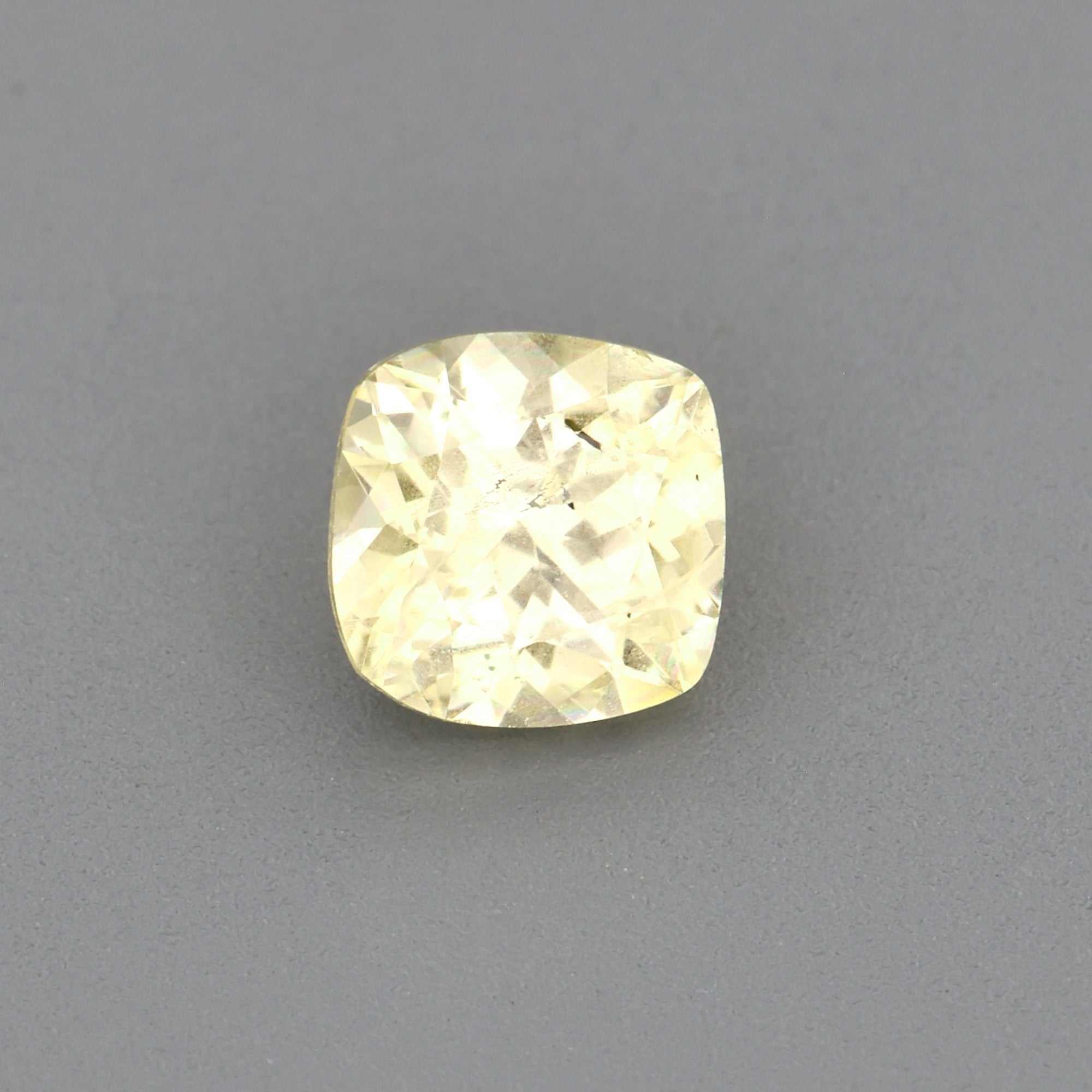
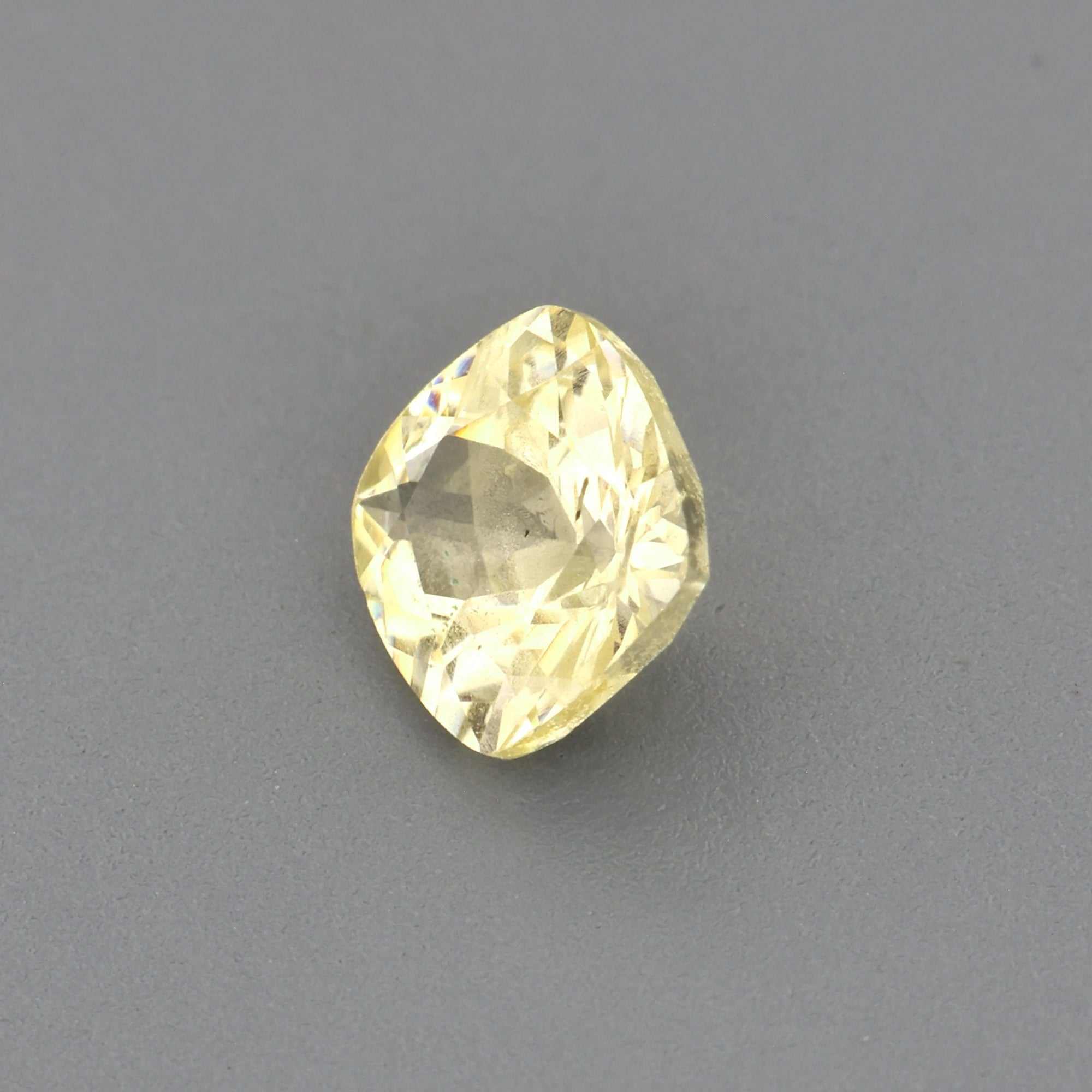
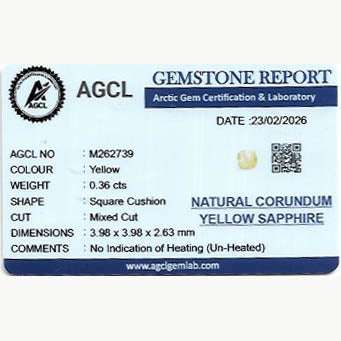
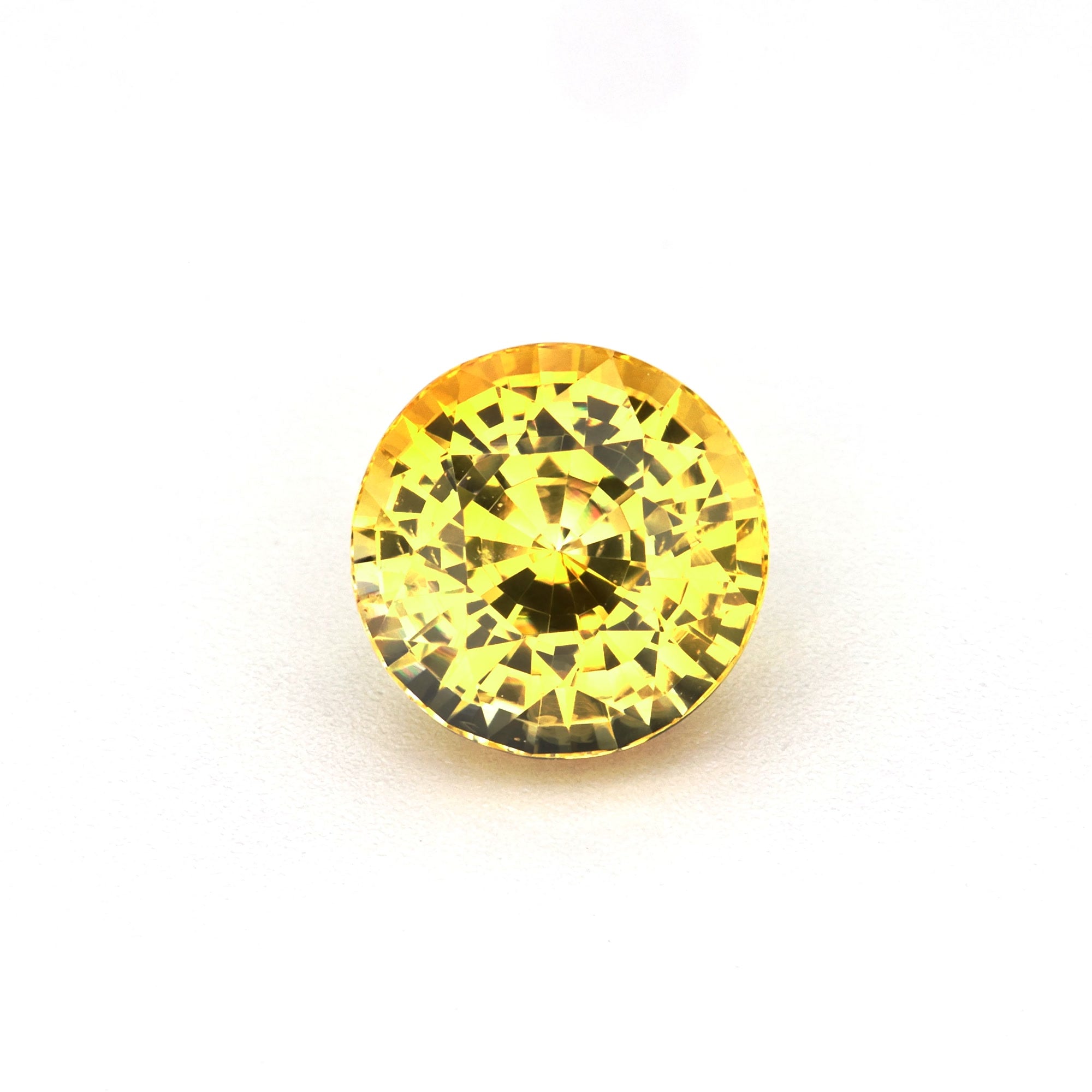
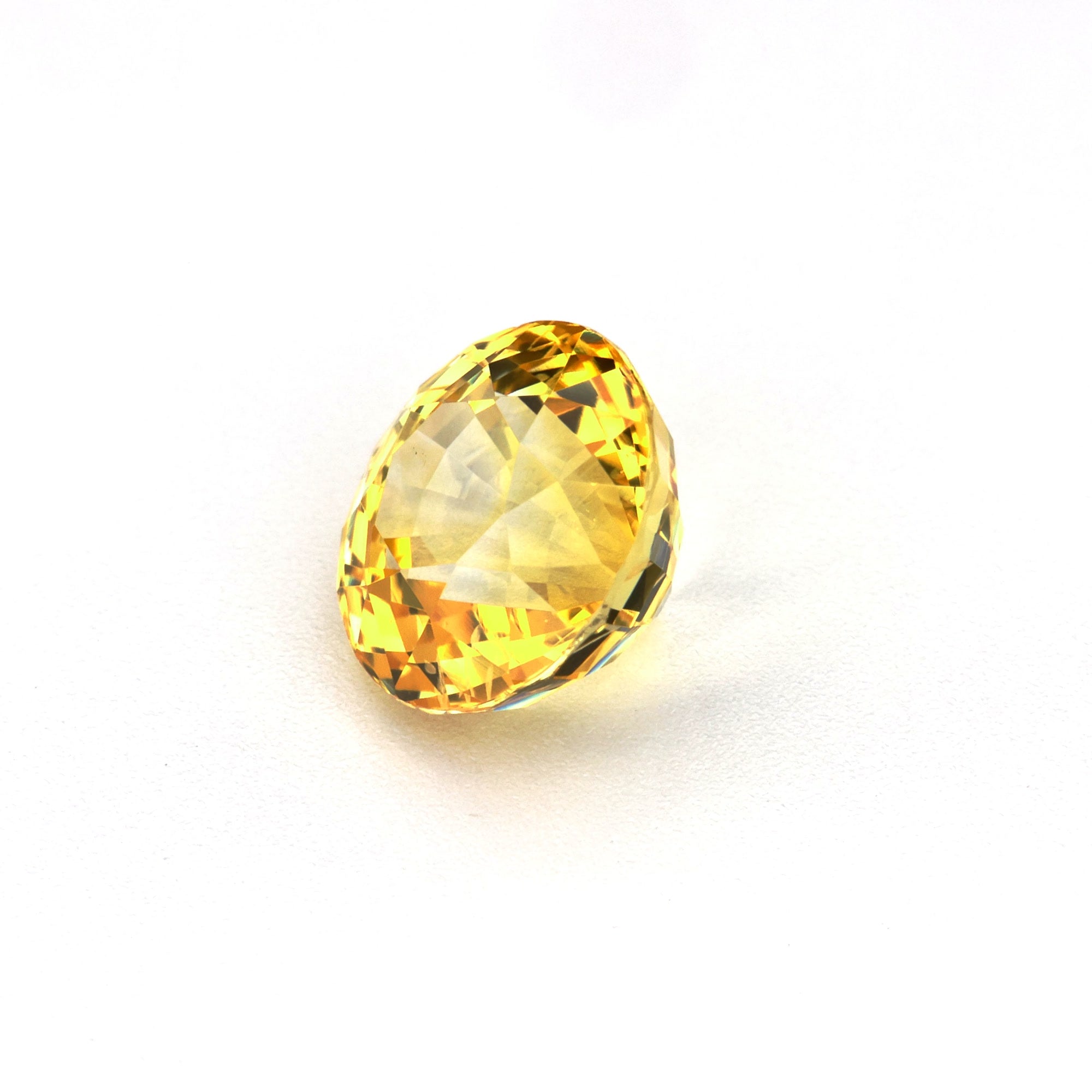
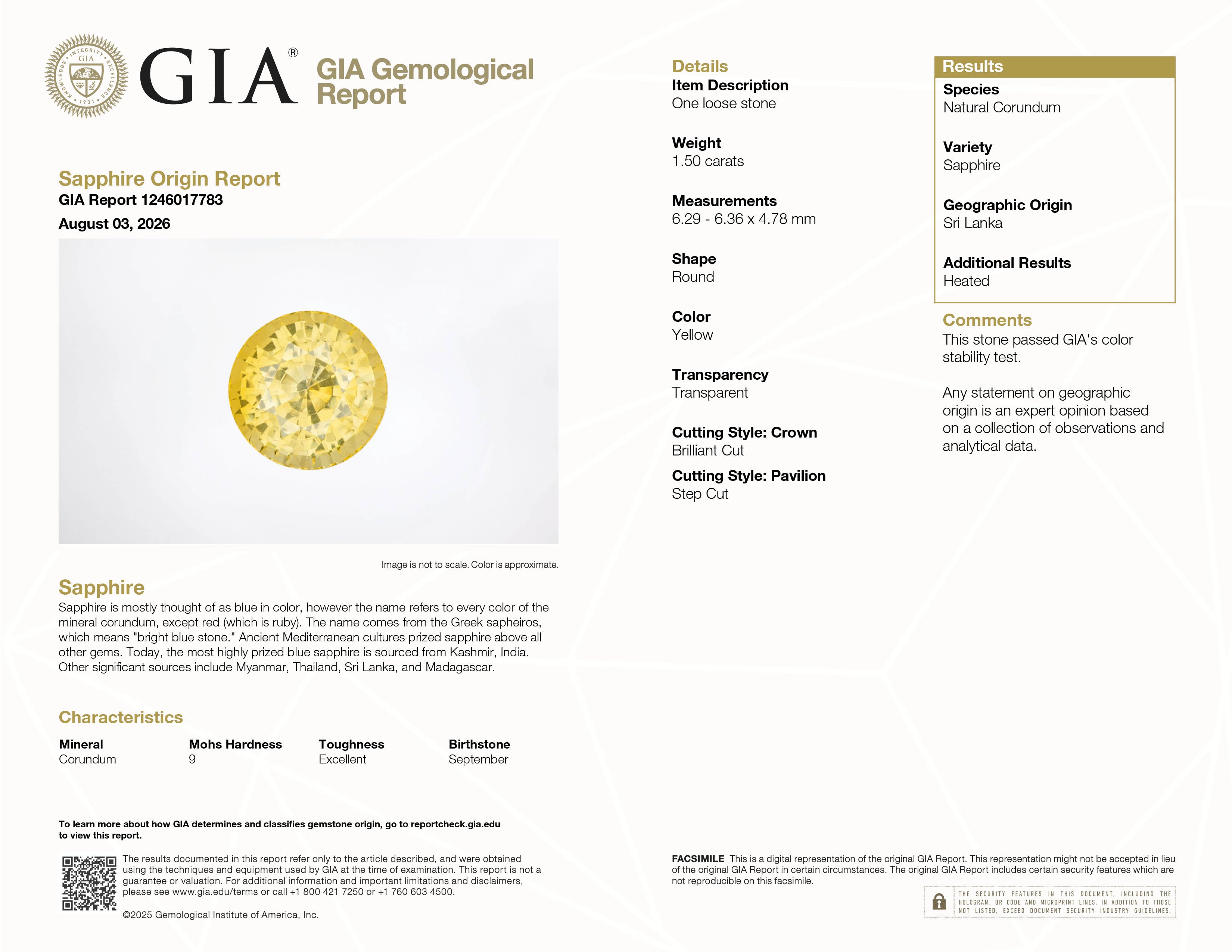
Yellow Sapphire: One of the most important categories for both jewelry and Jyotish use. See our Yellow Sapphire Buyer's Guide.
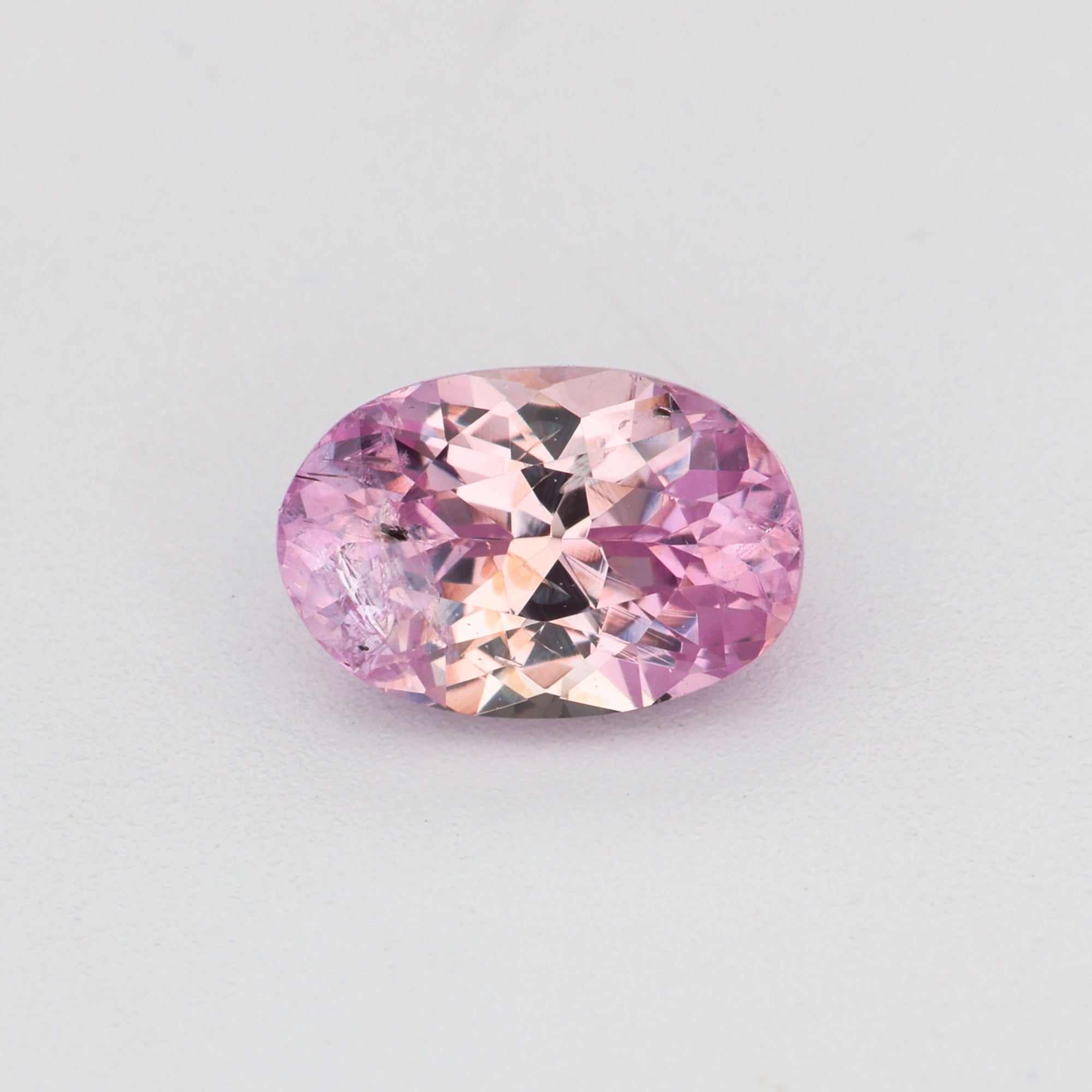
Pink Sapphire: One of the most valued origins for fine pink sapphire, known for clarity and warmth of saturation. See our Pink Sapphire Buyer's Guide.
Teal Sapphire: One of the leading sources for fine teal sapphire. See our Teal Sapphire Buyer's Guide and Teal Sapphire Price Guide.
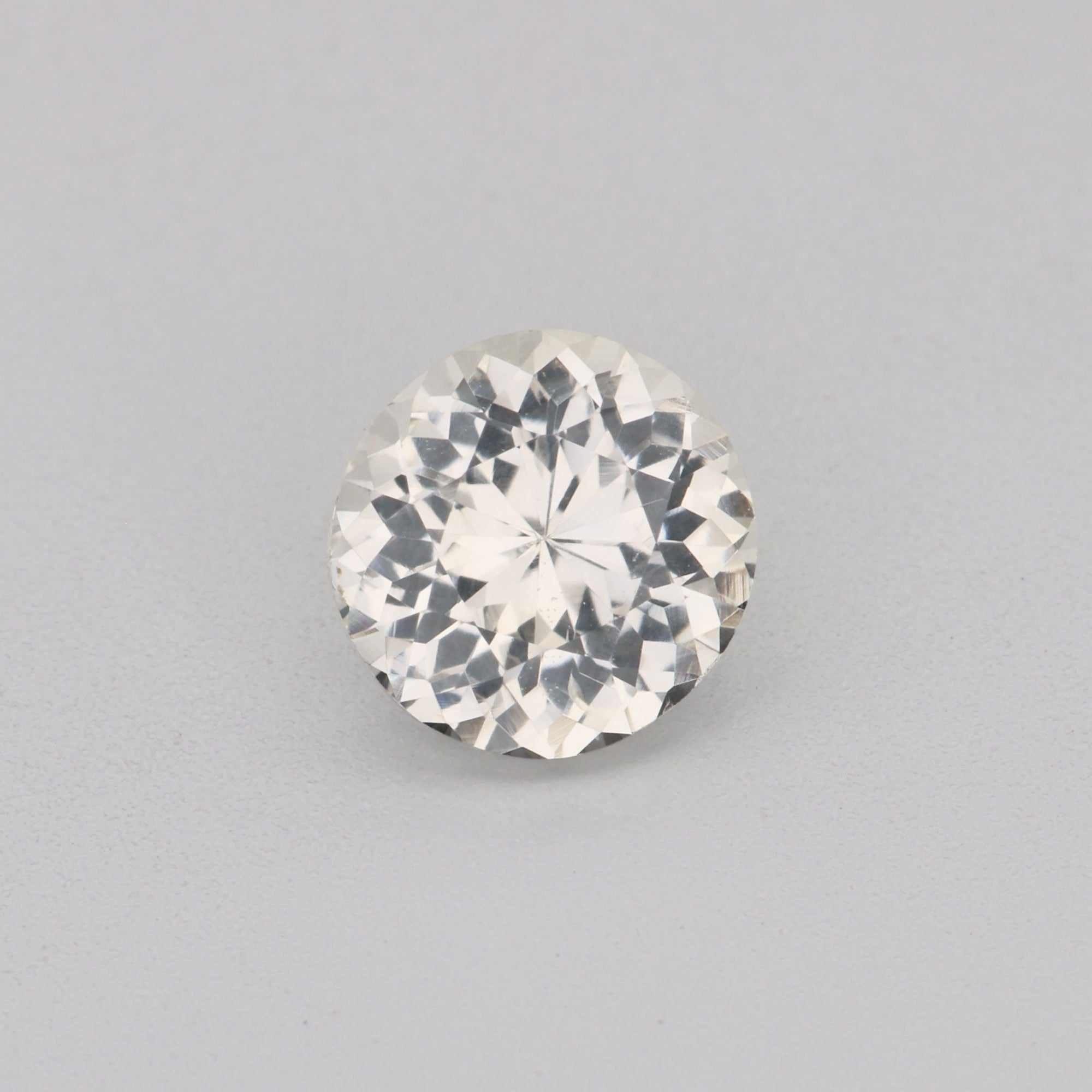
Purple and Violet Sapphire: See our Purple Sapphire Buyer's Guide. White Sapphire: See our White Sapphire Buyer's Guide. Star Sapphire: See our Star Sapphire Buyer's Guide. Peach and Orange: See our guides for Peach and Orange sapphire.
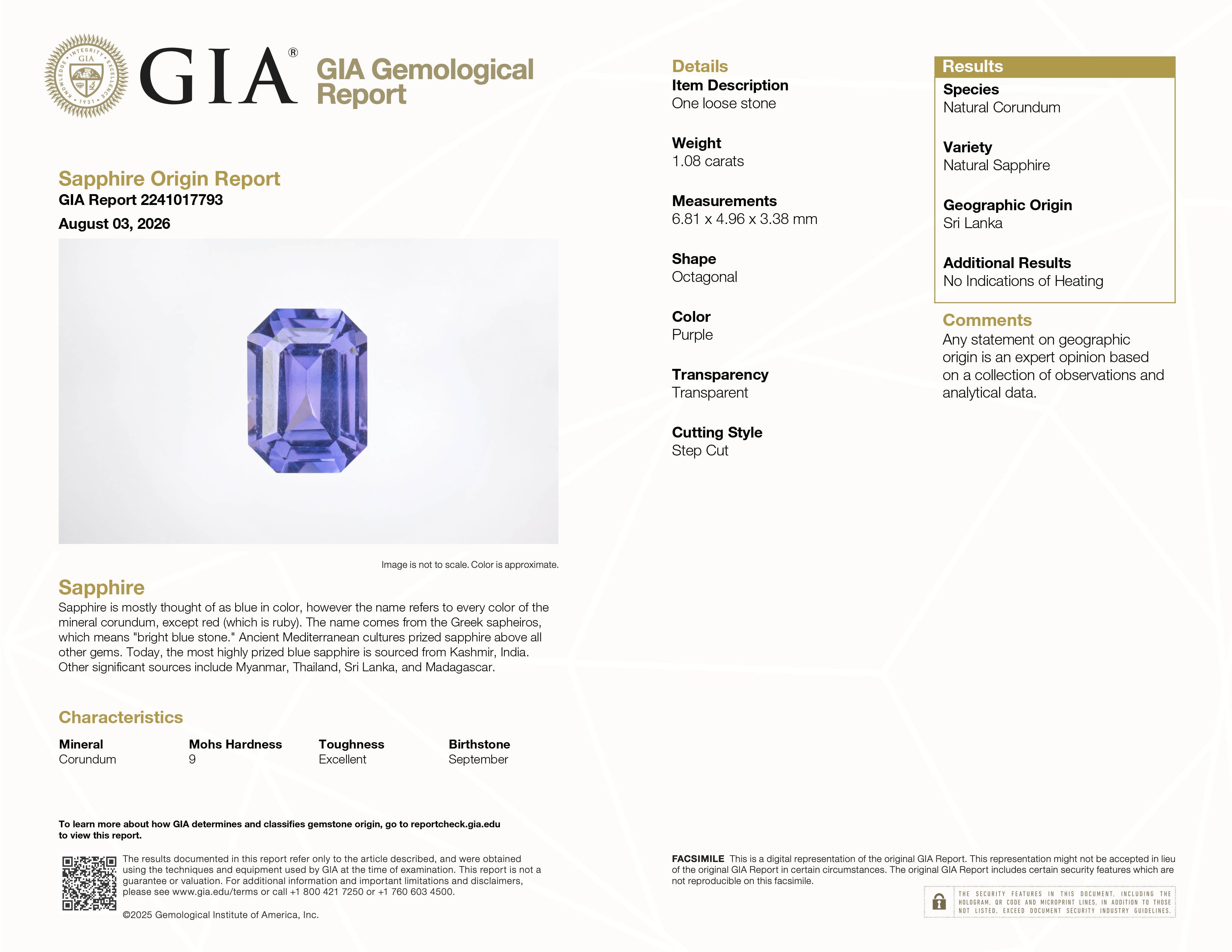
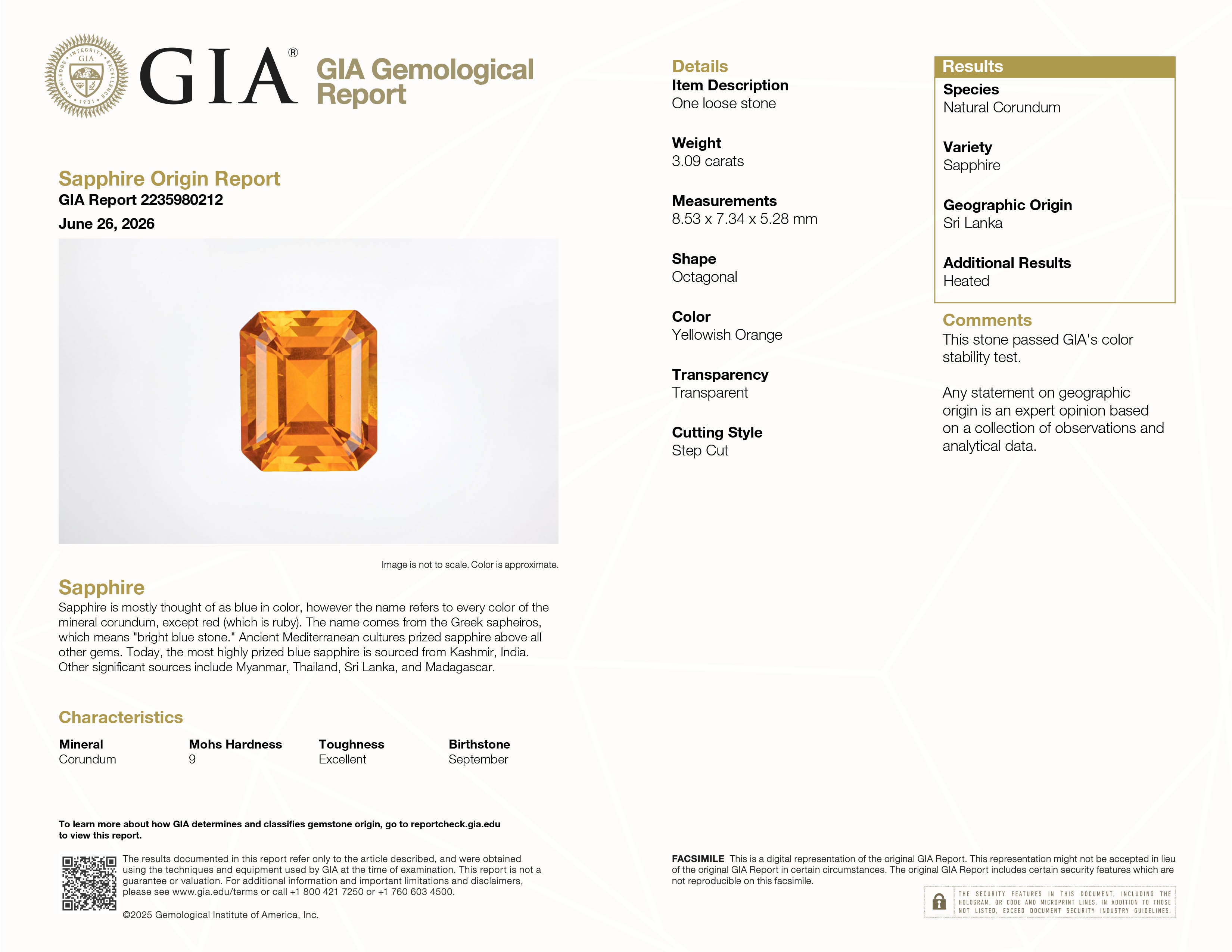
A Sri Lanka origin opinion on a GIA report adds a measurable premium over equivalent-quality sapphire from many other origins, for four reasons: a track record of quality built over two thousand years; a high proportion of fine unheated material reaching the market at commercial scale, which in our buying experience is the strongest of any origin we trade in; wide availability of laboratory documentation; and consistent auction-house recognition. The Ceylon premium is defensible when it is backed by a GIA or equivalent report stating Sri Lanka as the origin — and is a claim resting on nothing more than a seller's word when it is not.
Geographic origin work is based on trace element chemistry analysis (concentrations and ratios of iron, titanium, chromium, vanadium, gallium) measured using LA-ICP-MS, combined with inclusion fingerprinting and comparison against reference stones of known origin. Where both chemical and inclusion evidence point consistently to Sri Lanka, the report gives Sri Lanka as the geographic origin. GIA states geographic origin as an expert opinion rather than a confirmation or a guarantee, and where the evidence is not conclusive the report says origin is undetermined. That distinction matters at Ceylon price levels, and we quote it the way GIA does.
The combination of Ceylon origin and unheated status is among the most consistently sought specifications in the fine natural sapphire market. For blue sapphire: unheated Ceylon blue above 1.5 carats with GIA documentation is the specification collectors ask us for most often. For yellow sapphire: unheated Ceylon yellow above 1 carat is the Jyotish specification (natural Pukhraj for Jupiter). See our unheated sapphire guide, 1 carat Ceylon sapphire price guide, what a good 1 carat costs, and what a good 2 carat costs.
Vedic astrology (Jyotish) has a centuries-old relationship with Ceylon gemstones. Ceylon blue for Saturn (Neelam), Ceylon yellow for Jupiter (Pukhraj), Ceylon blue-violet for Saturn (alternative), Ceylon white for Venus and Moon (alternatives) — the categories overlap with the island's production diversity in a way few other single origins can match. See our Jyotish sapphire buying guide.
The verification worth relying on is a report from a respected laboratory — GIA, Gübelin, SSEF or Lotus — giving Sri Lanka as the geographic origin. Remember what that is and is not: it is the laboratory's expert opinion, formed from chemistry and inclusions, not a guarantee, and no laboratory certifies the word "Ceylon" itself. If you are paying a Ceylon premium above approximately $1,000 per carat at 1+ carats, ask for that report before you pay it; below that level the premium is usually small enough that the cost of a report outweighs it.
Figures above are approximate market guidance, not fixed quotes. Actual value varies by treatment, origin, colour, cut, clarity, and certification.
See our GIA report guide.
Ceylon is the origin we specialise in: 118 of the 150 gemstones we currently list are Sri Lankan, and we source them in Sri Lanka ourselves. Alongside them we carry Madagascar sapphire and ruby, Kenyan tsavorite garnet, and single stones from Montana, Tanzania, Vietnam and East Africa — each listed with the origin held on file. Treatment disclosure you can trust; fair pricing without import markup stacking; stones selected for quality, not for margin; and documentation on meaningful stones — these are the practical advantages of direct source access. Browse the complete gemstone catalog across all colors and origins, or email crescentgems@gmail.com with specifications — we respond personally within one business day.

CG8307

CG8366
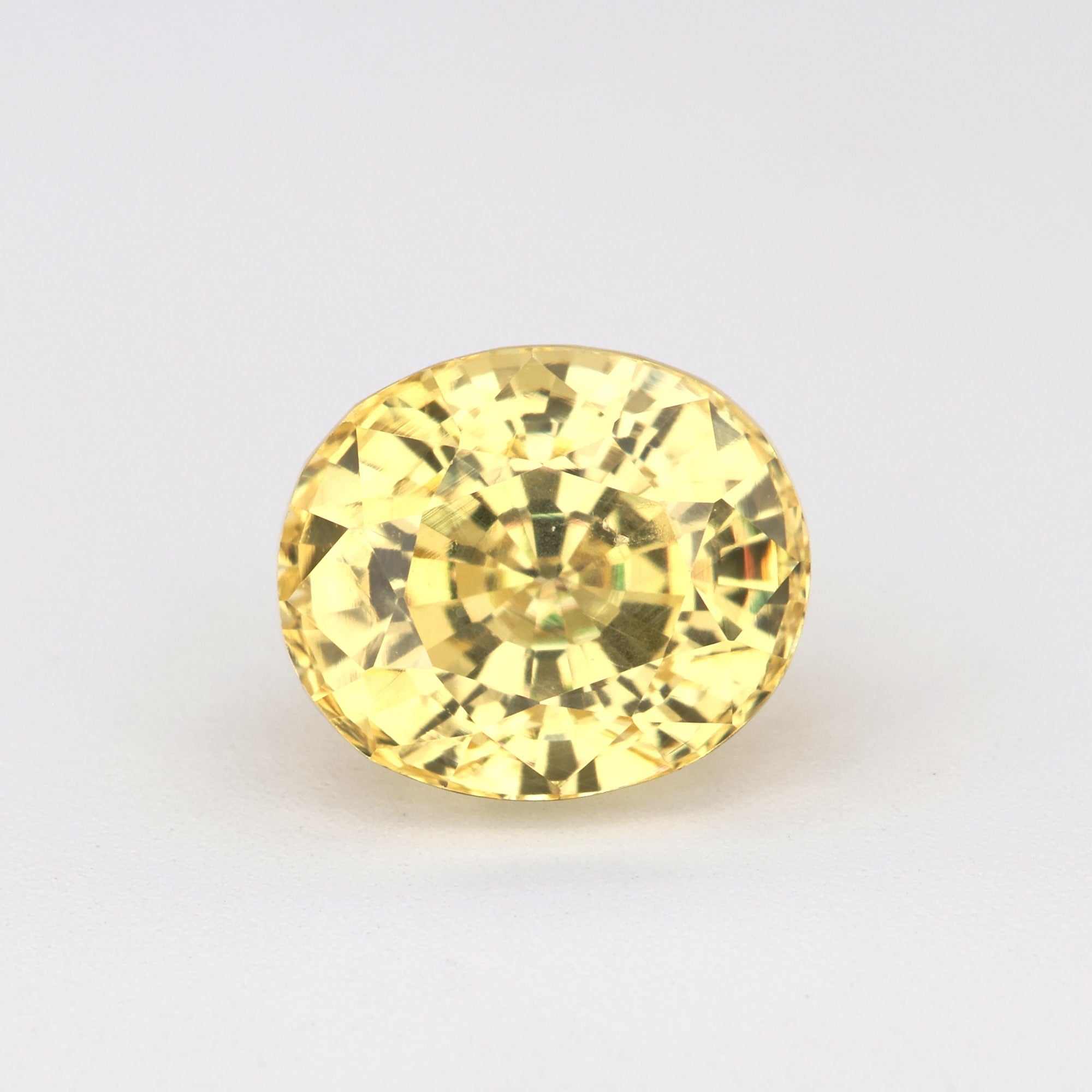
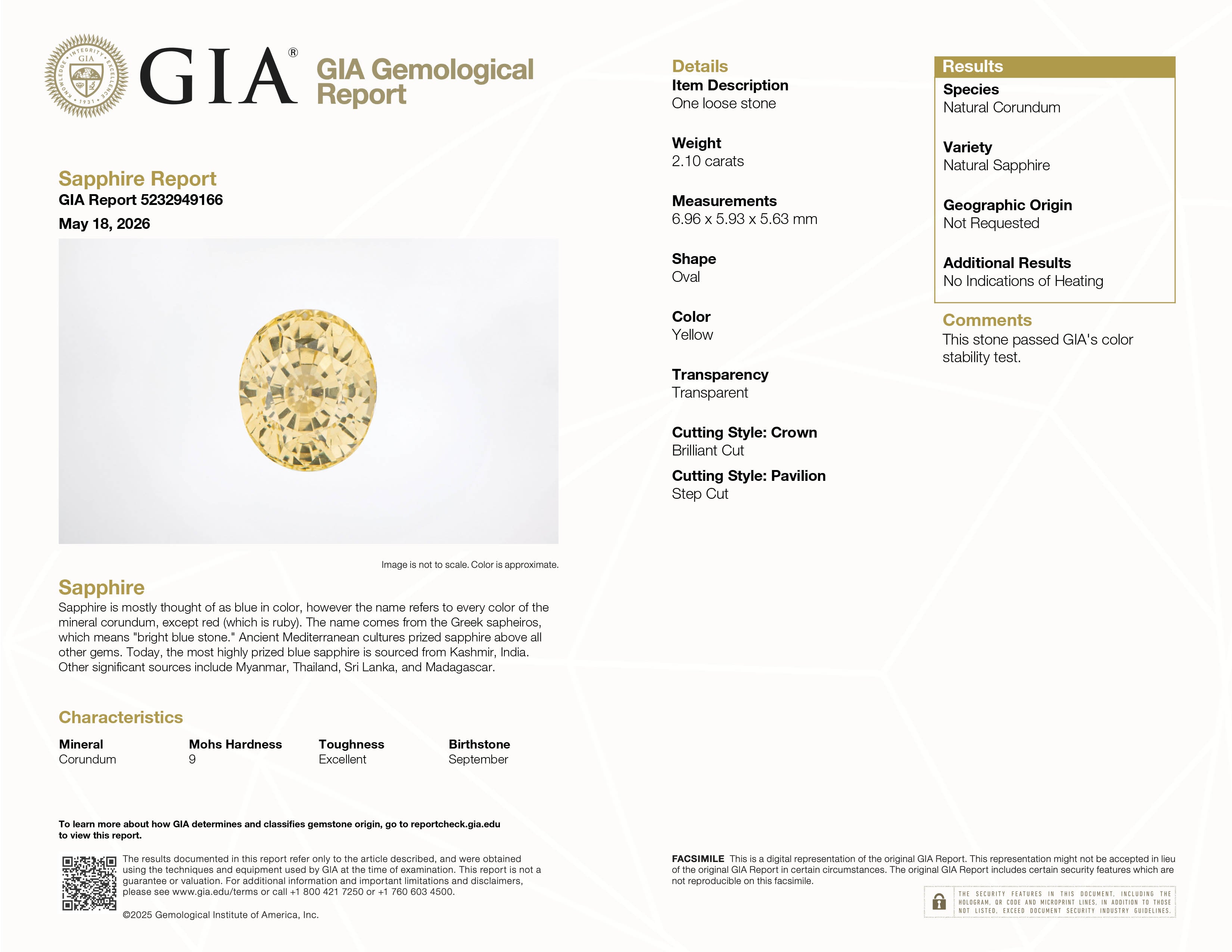
2.10 ct Natural Unheated Yellow Sapphire – Oval Cut | GIA Certified
CG8313
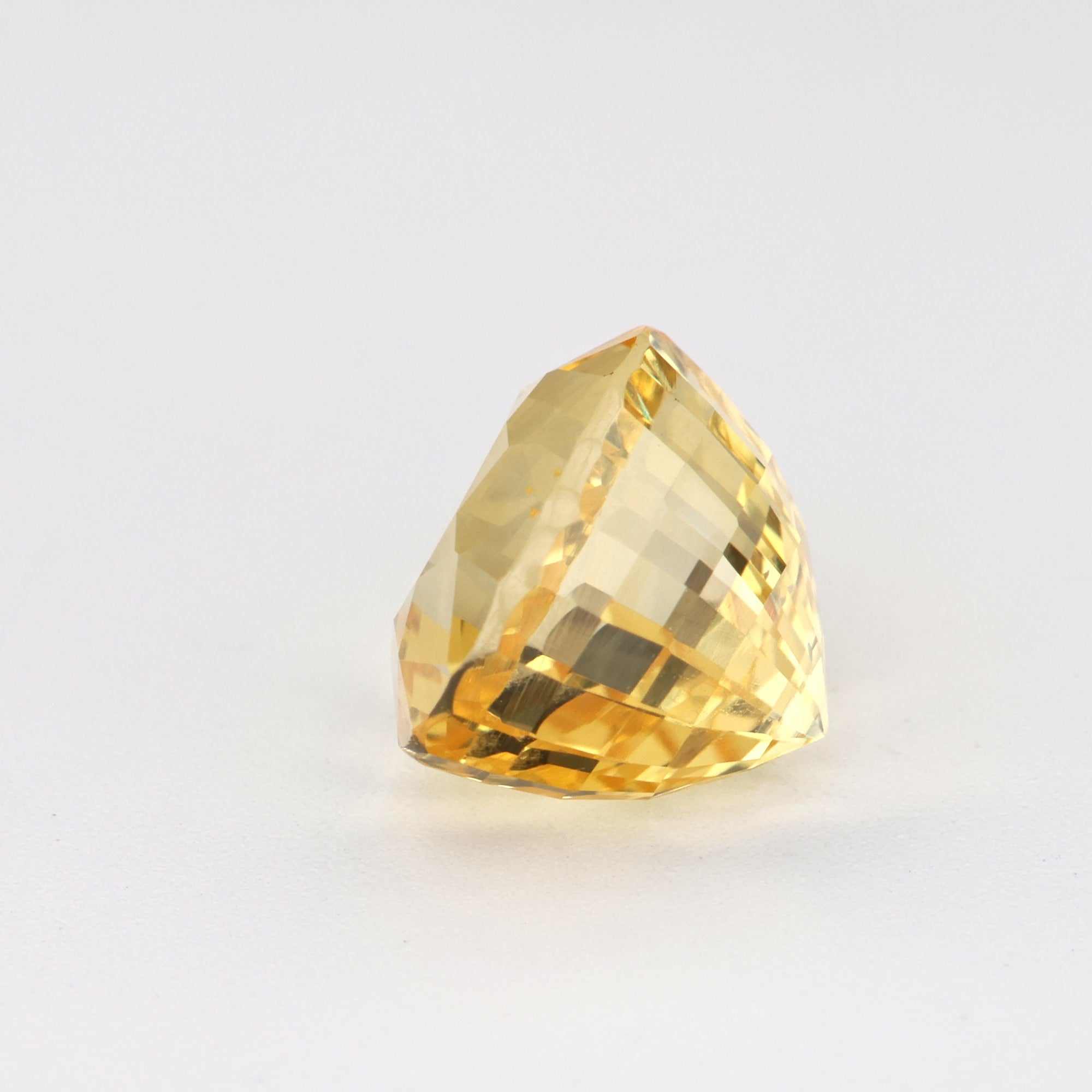
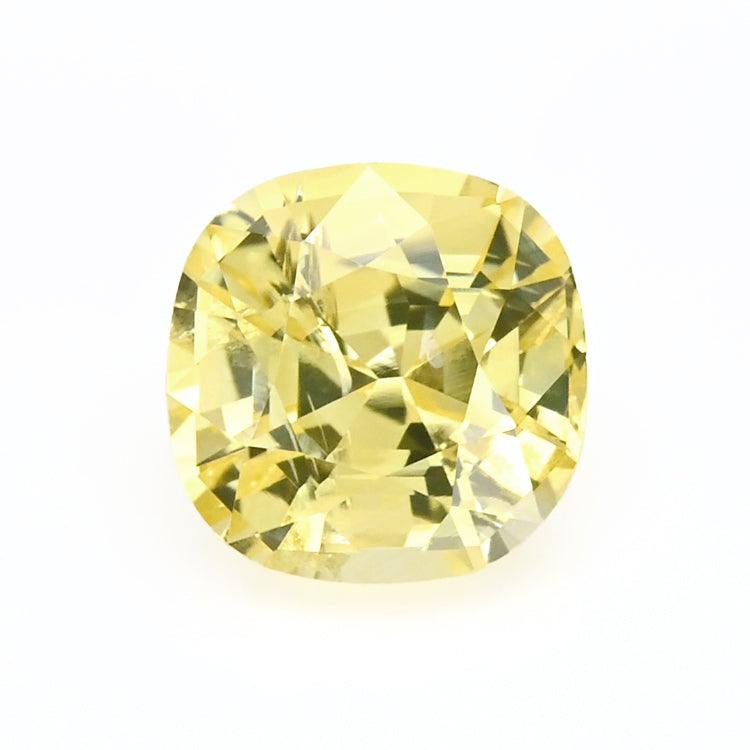
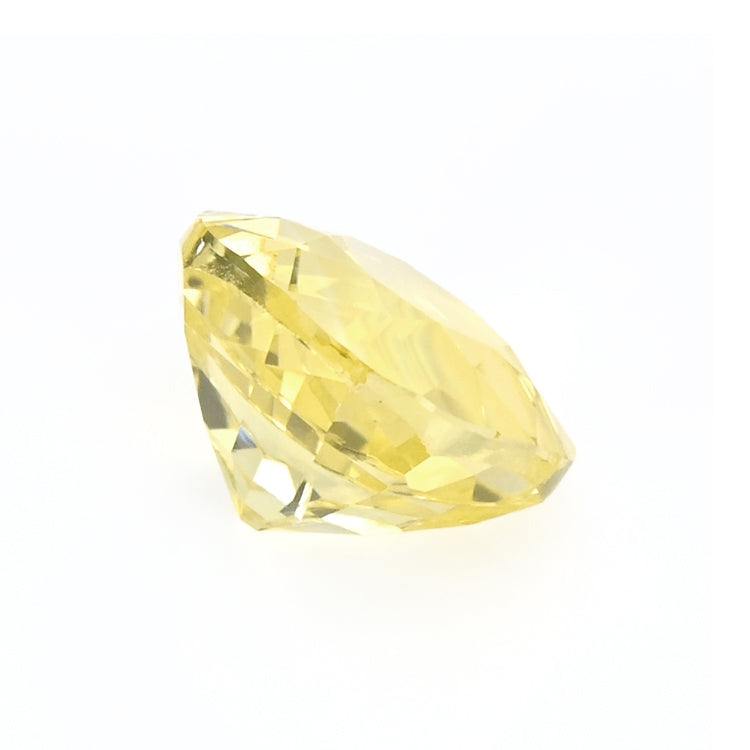
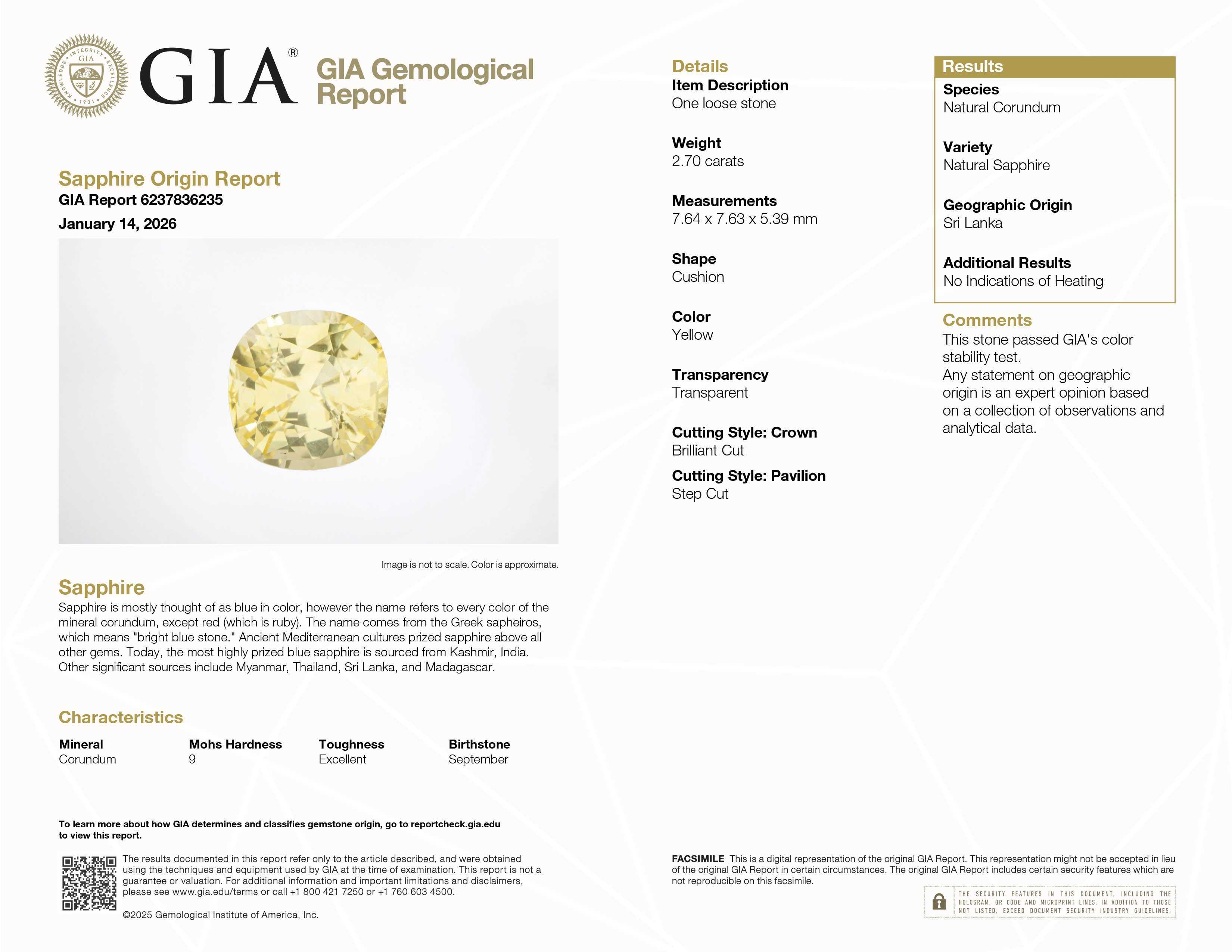
2.70 ct Natural Yellow Sapphire, Square Cushion, Unheated, GIA
CG8391
CG8451
CG8445
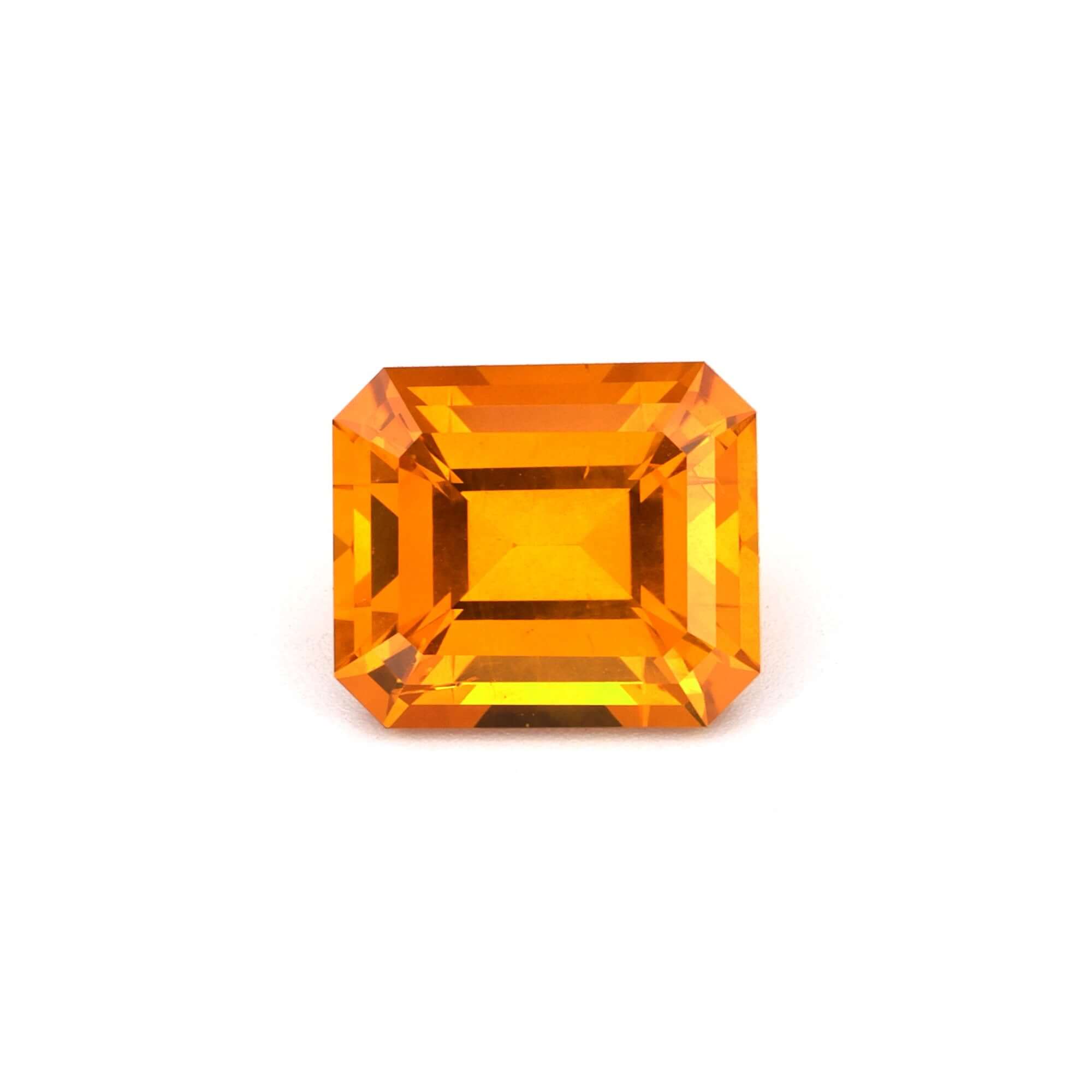
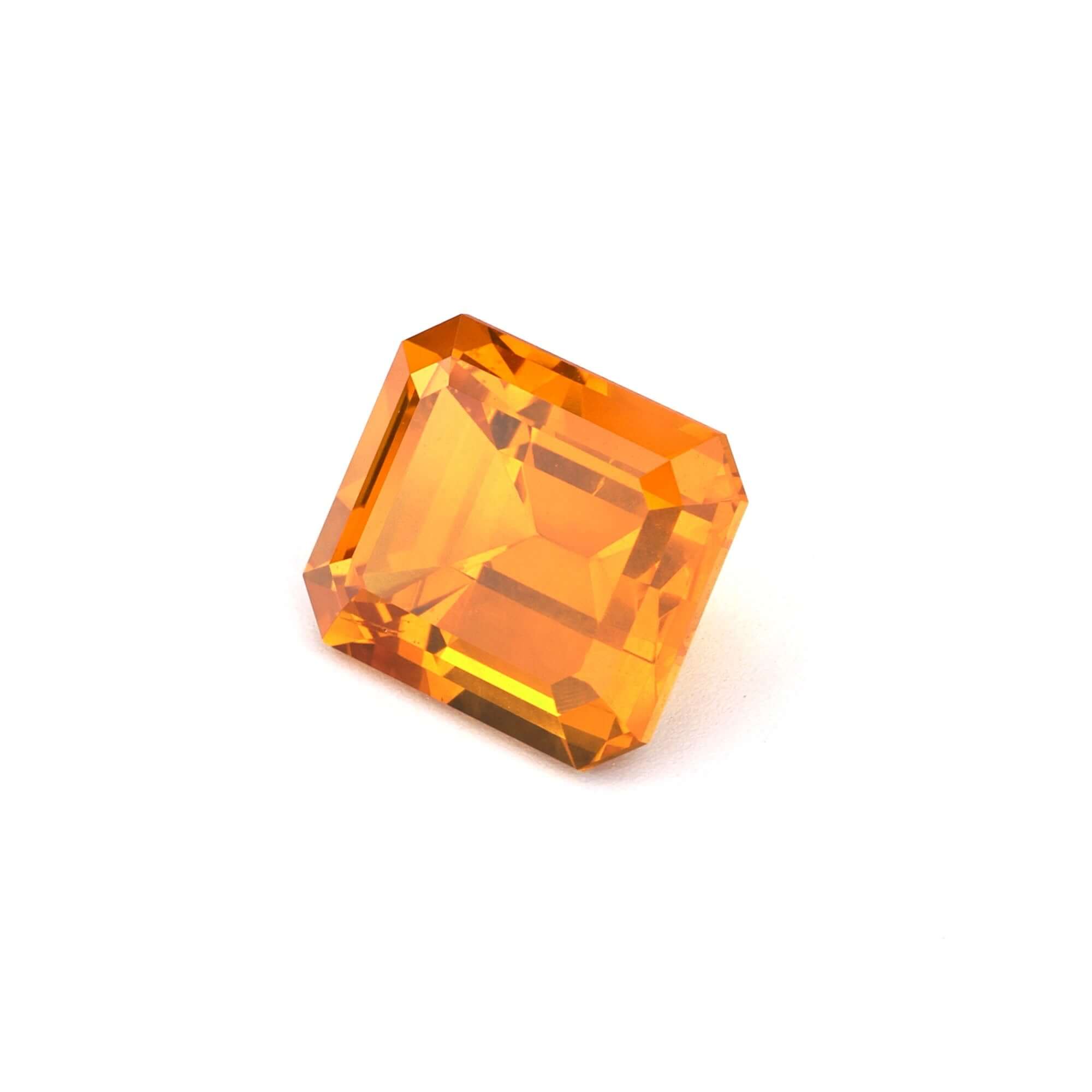
3.09 ct Natural Heated Orange Sapphire – Emerald Cut | GIA Certified
CG8433
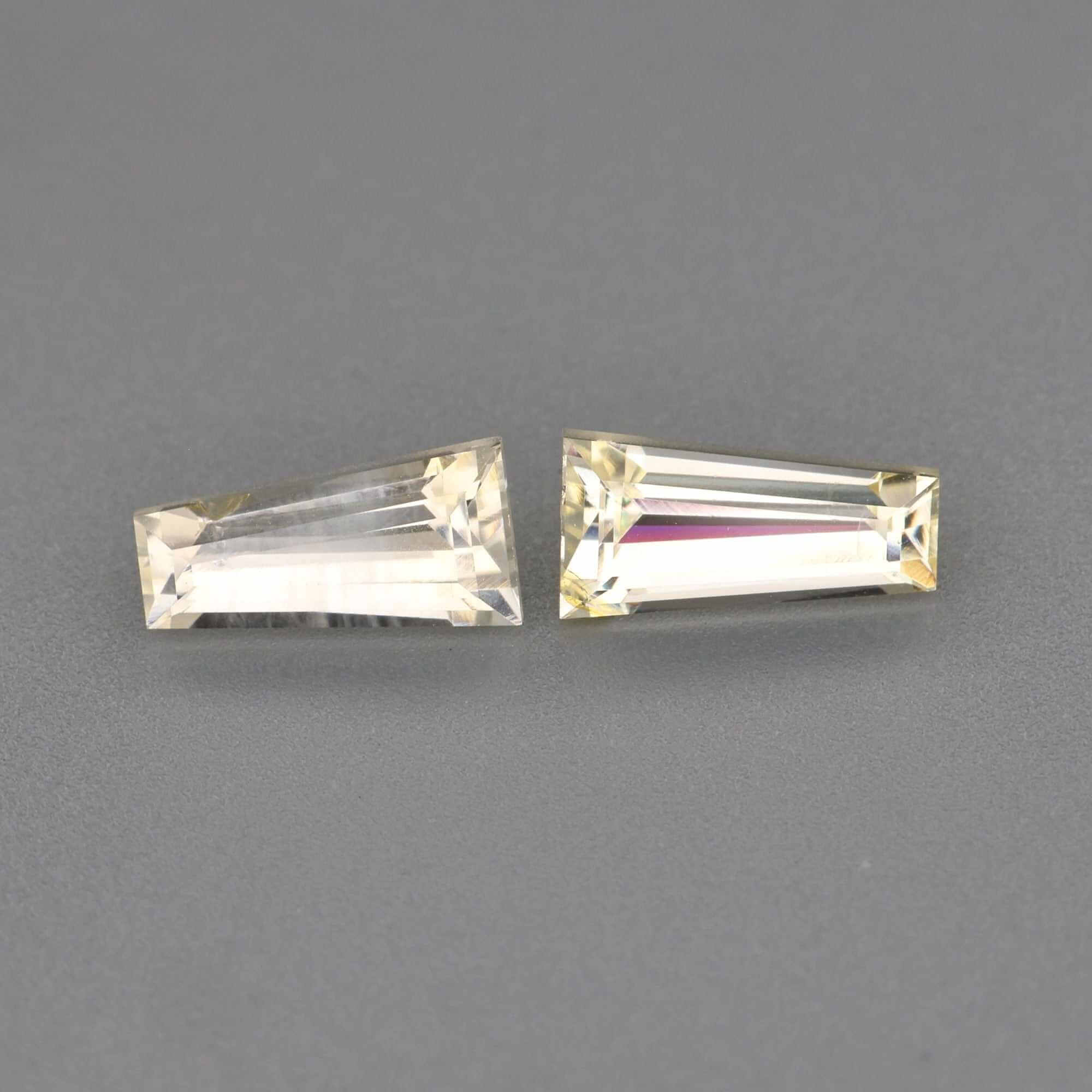
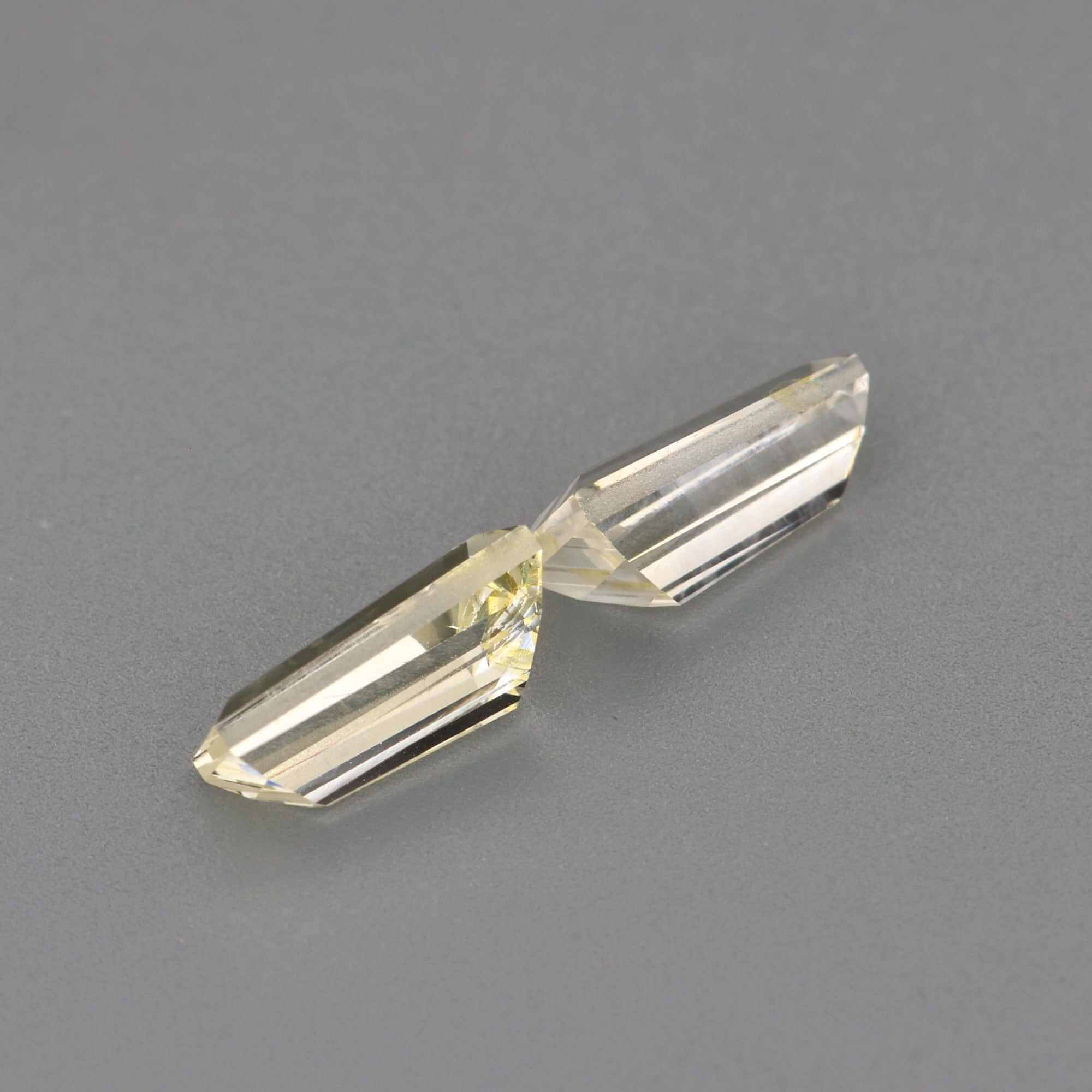
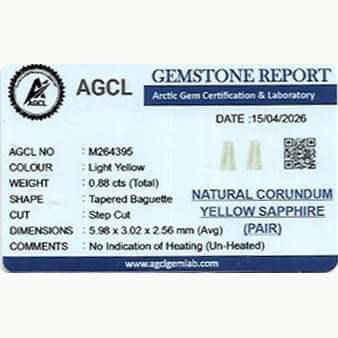
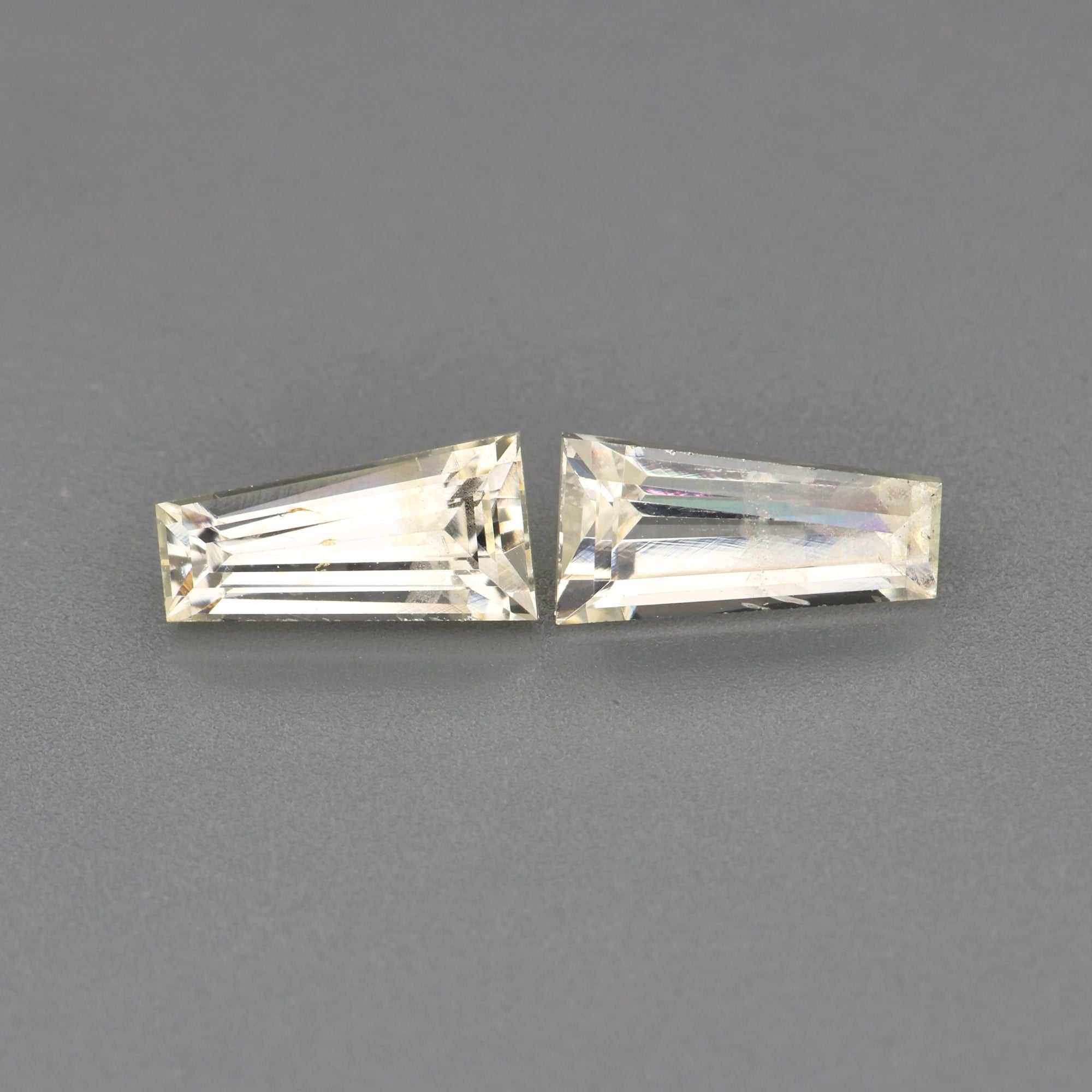
0.88 ct Natural Unheated Yellow Sapphire – Tapered baguette Cut
CG8434
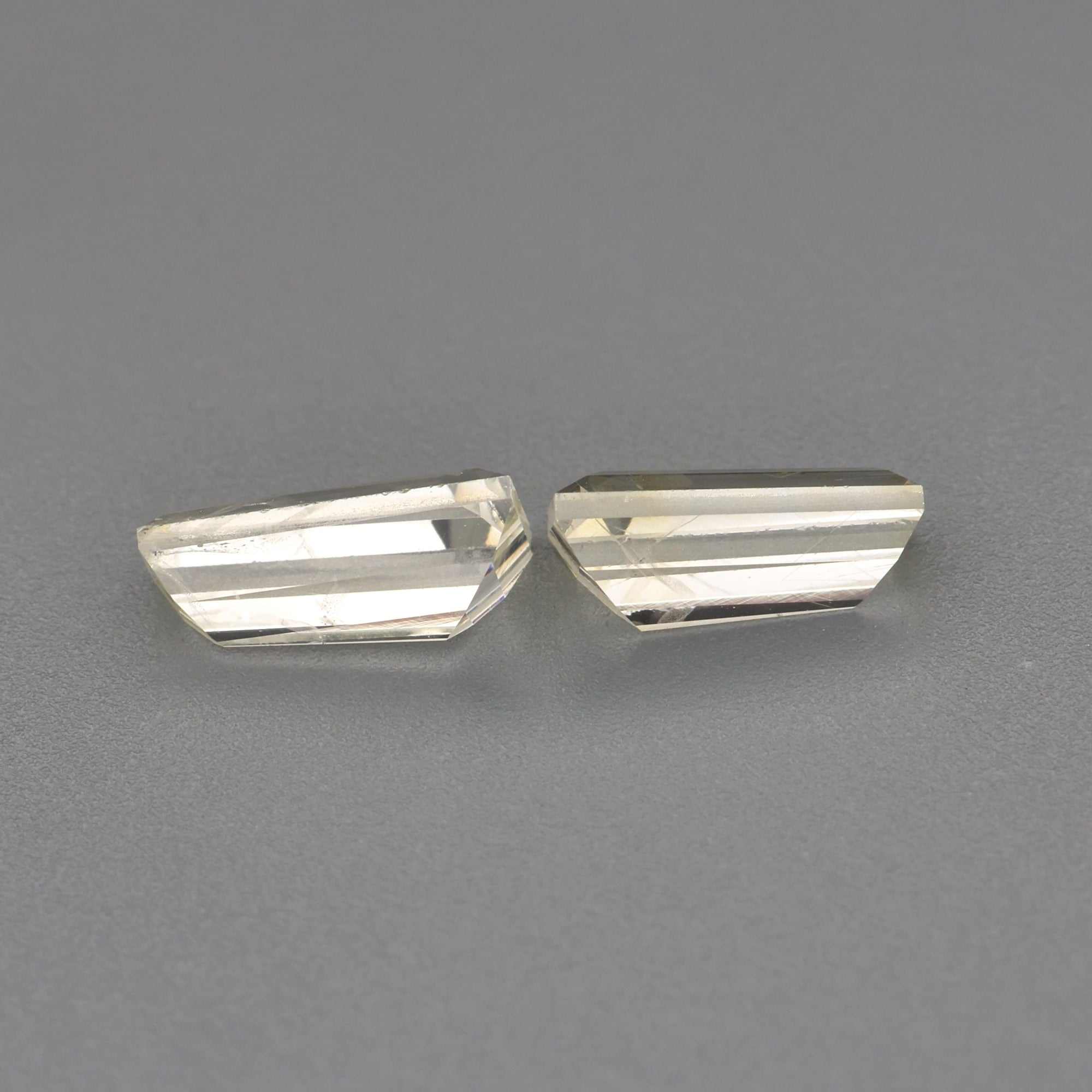
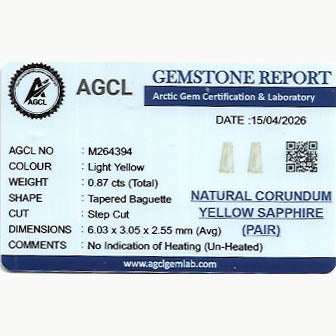
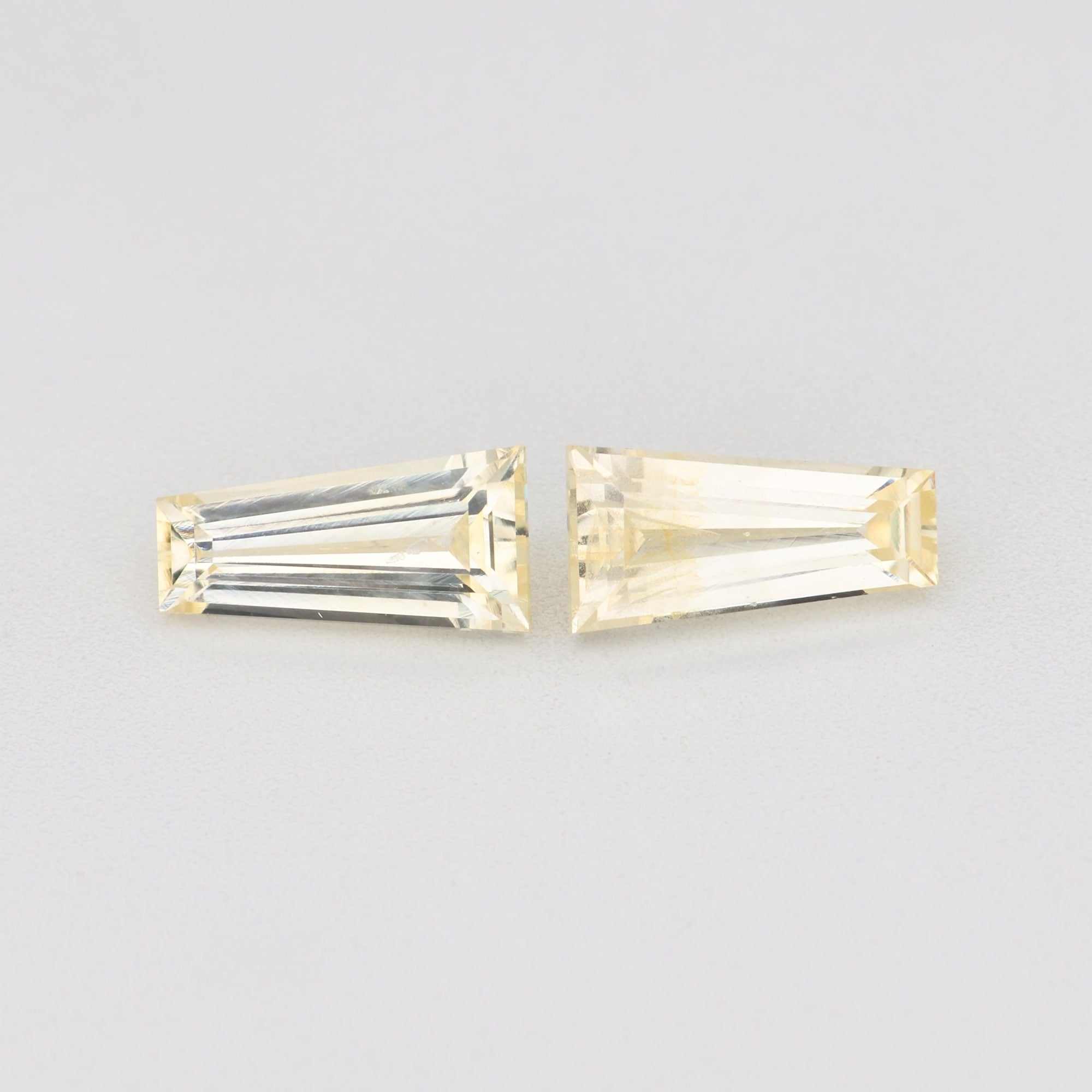
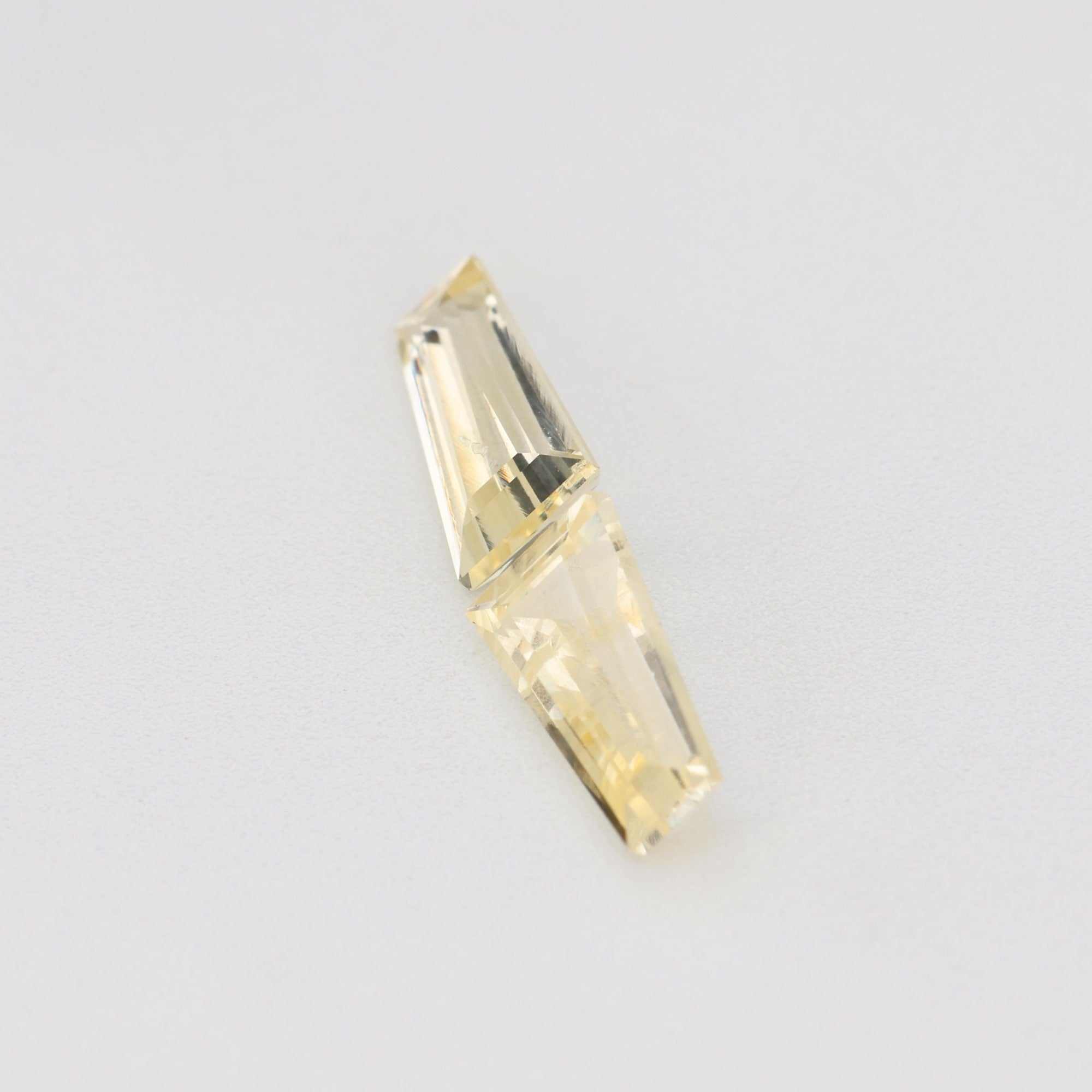
0.87 ct Natural Unheated Yellow Sapphire – Tapered baguette Cut
CG8431
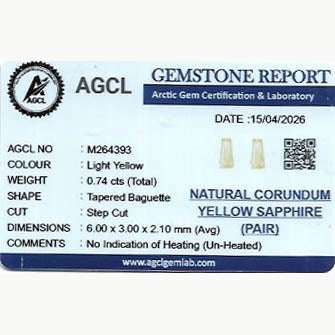
0.74 ct Natural Unheated Yellow Sapphire – Tapered baguette Cut
CG8438
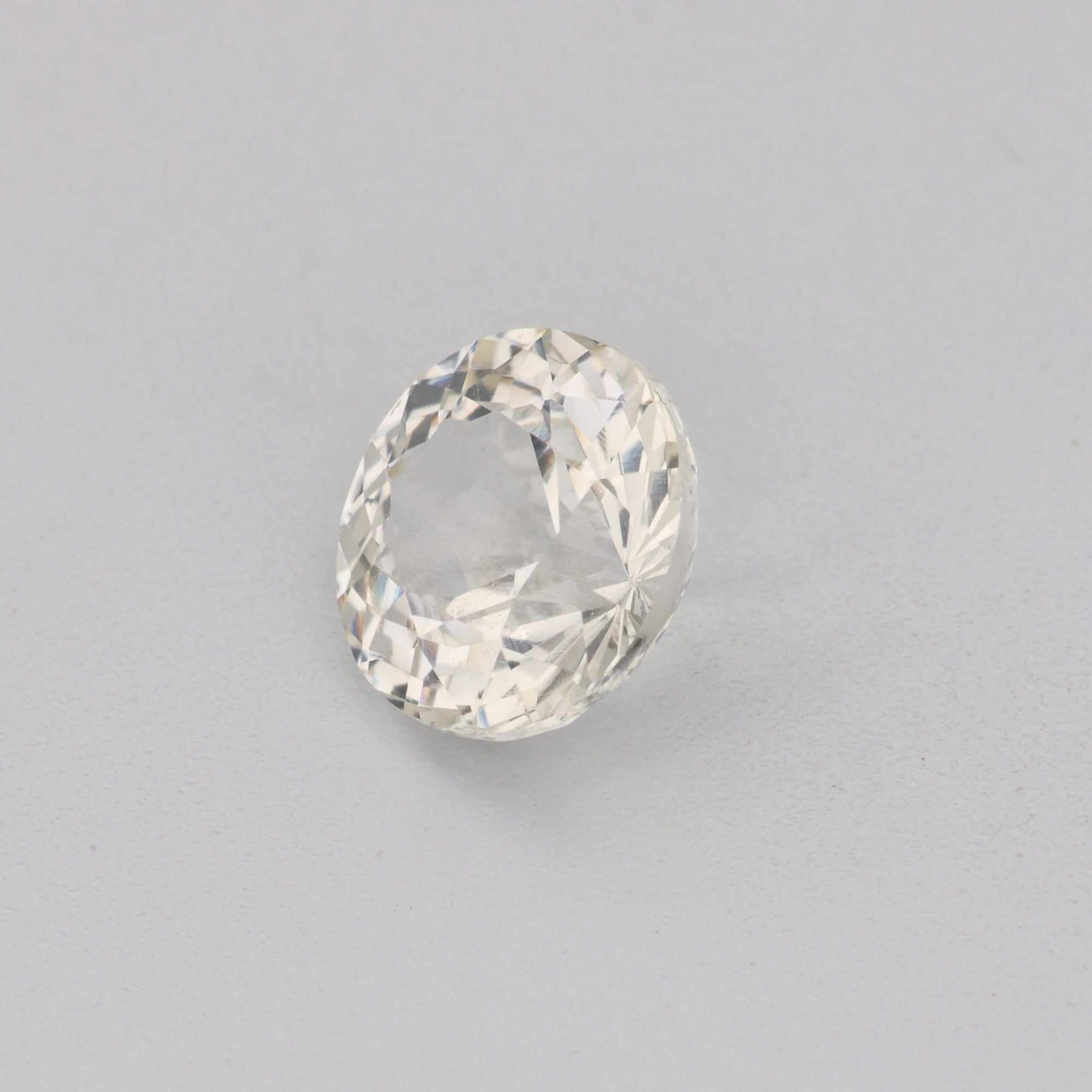
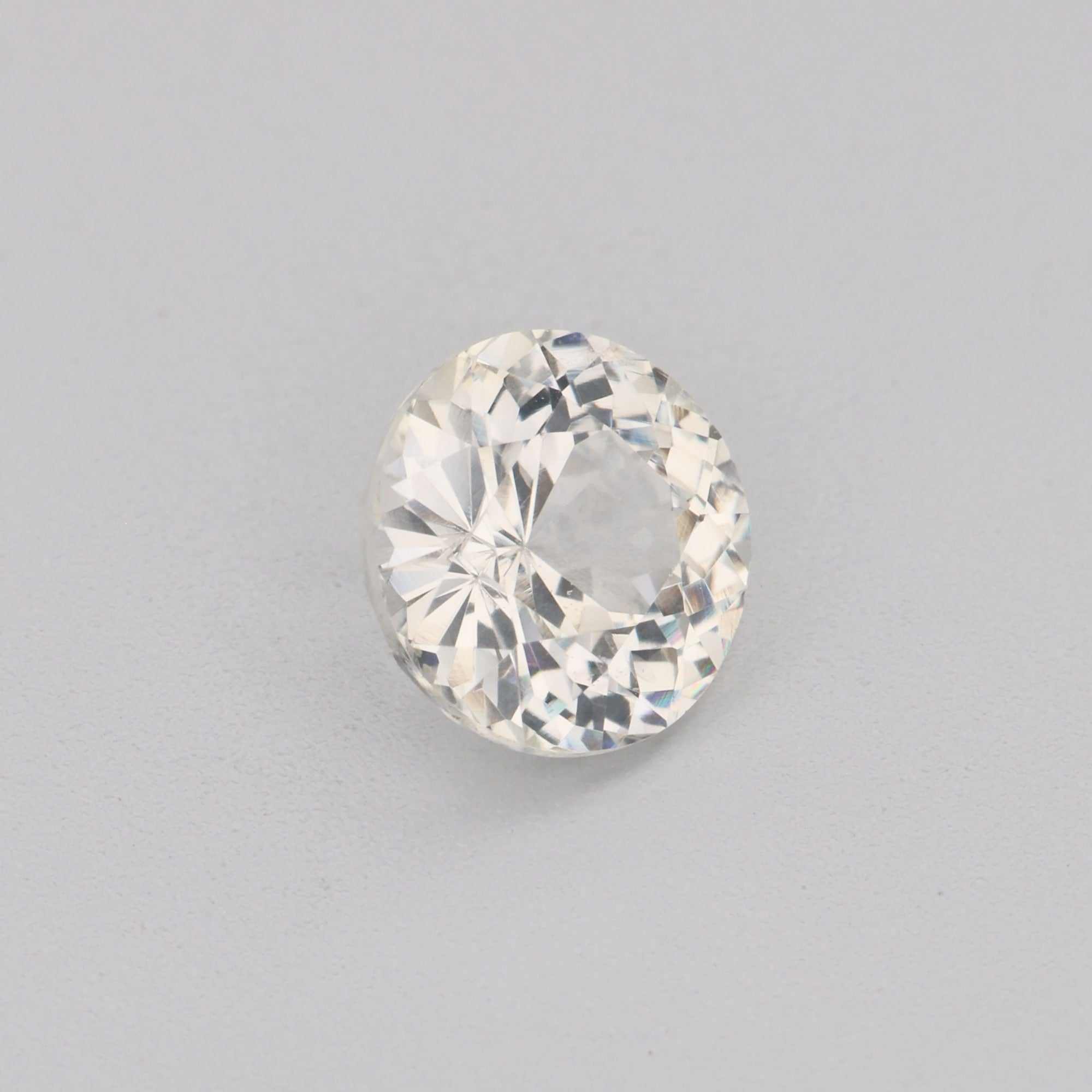
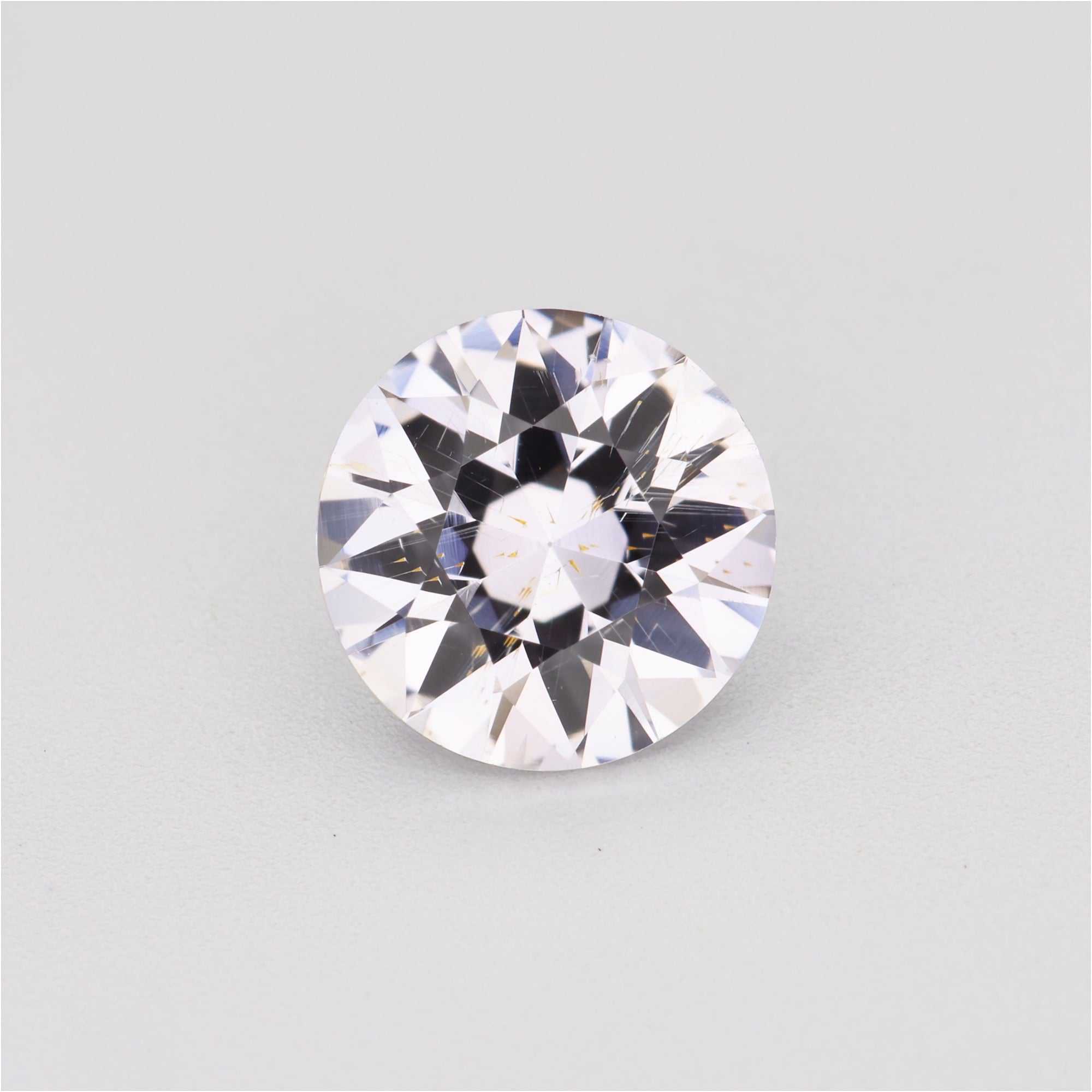
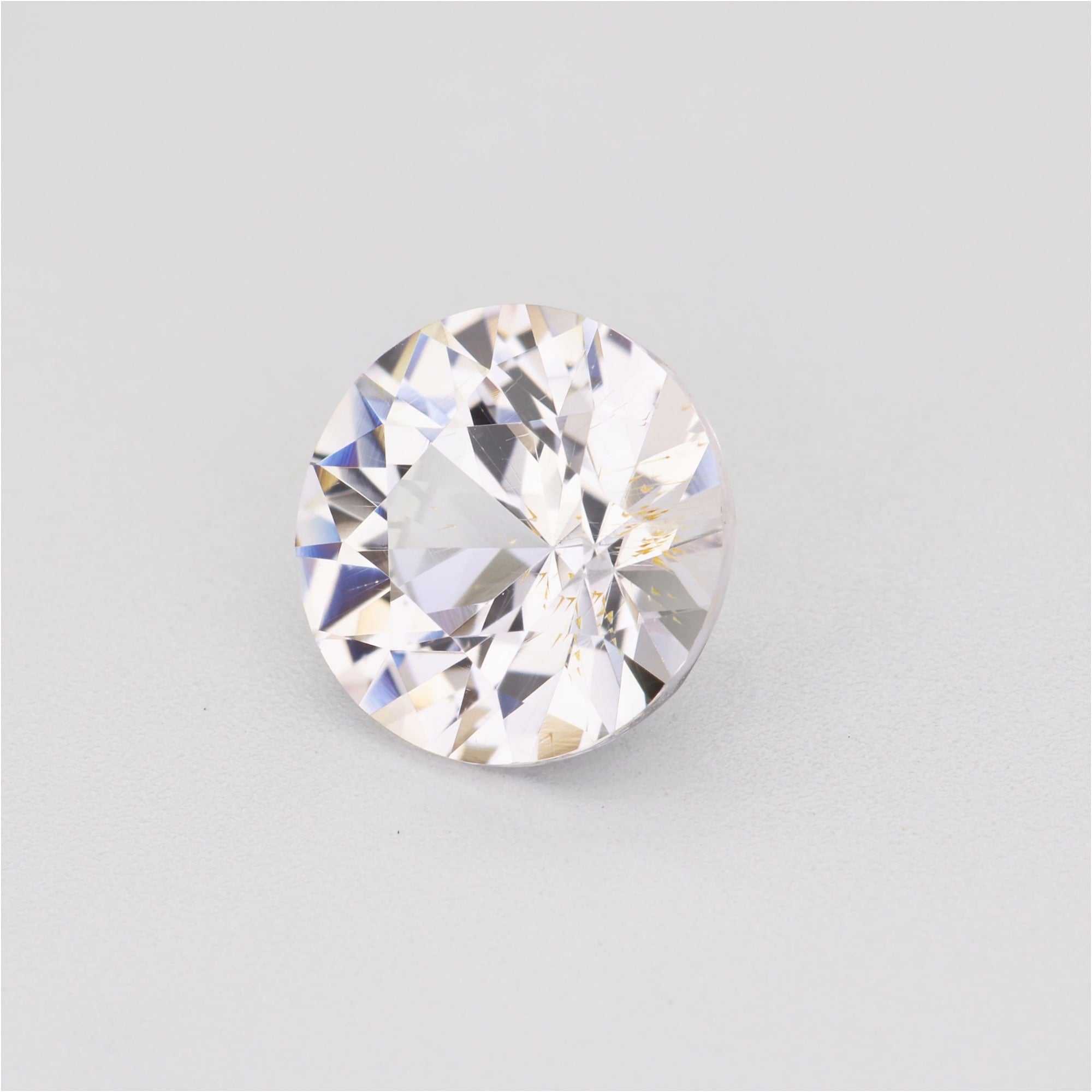
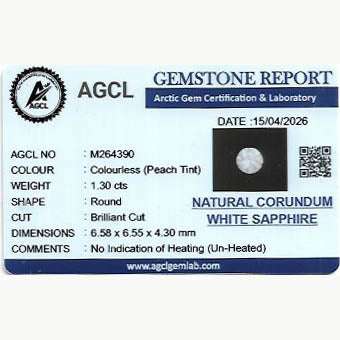
1.30 ct Natural Unheated White Sapphire – Round Cut


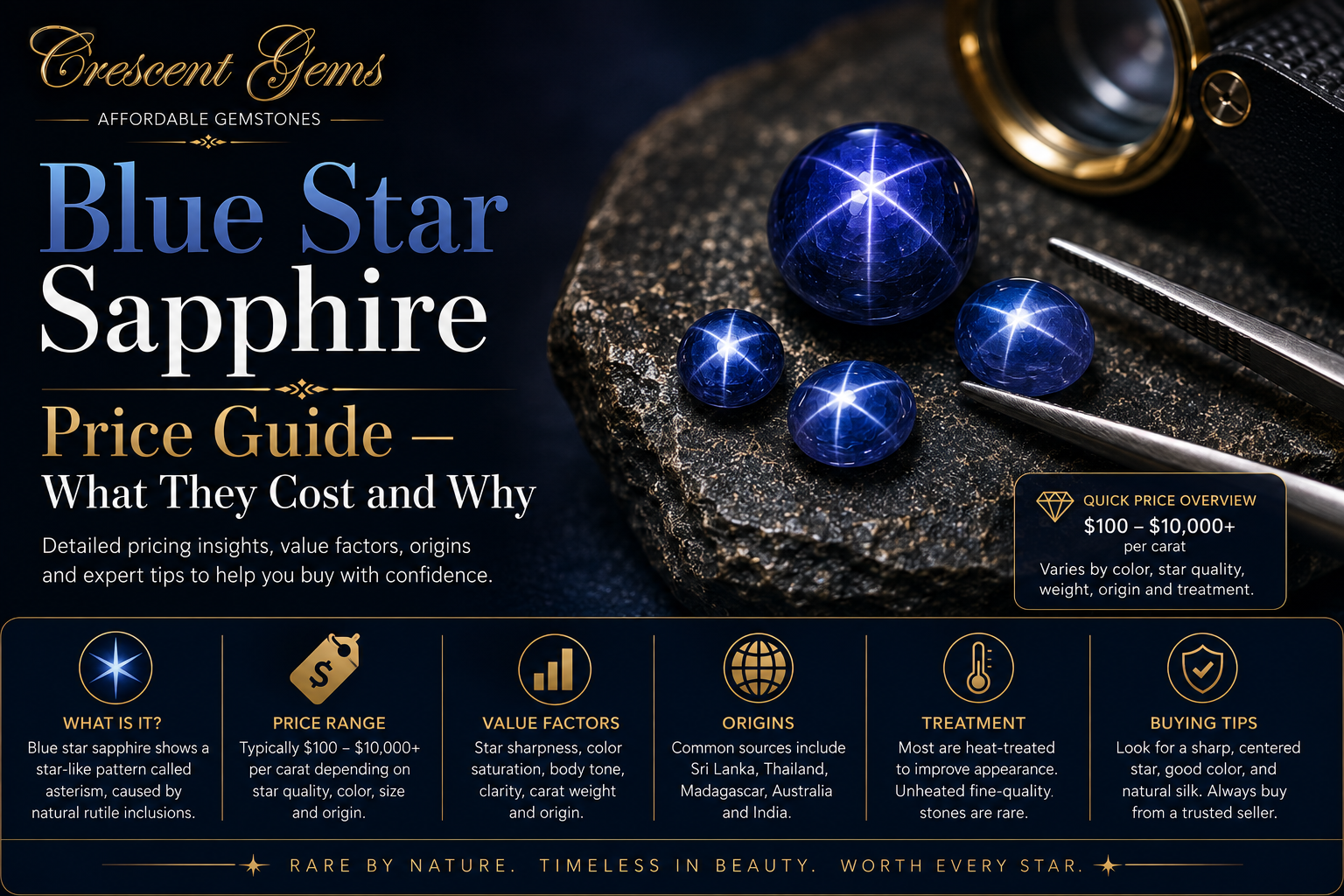
Blue Star Sapphire Price Guide — What They Cost and Why
Read moreabout Blue Star Sapphire Price Guide — What They Cost and Why
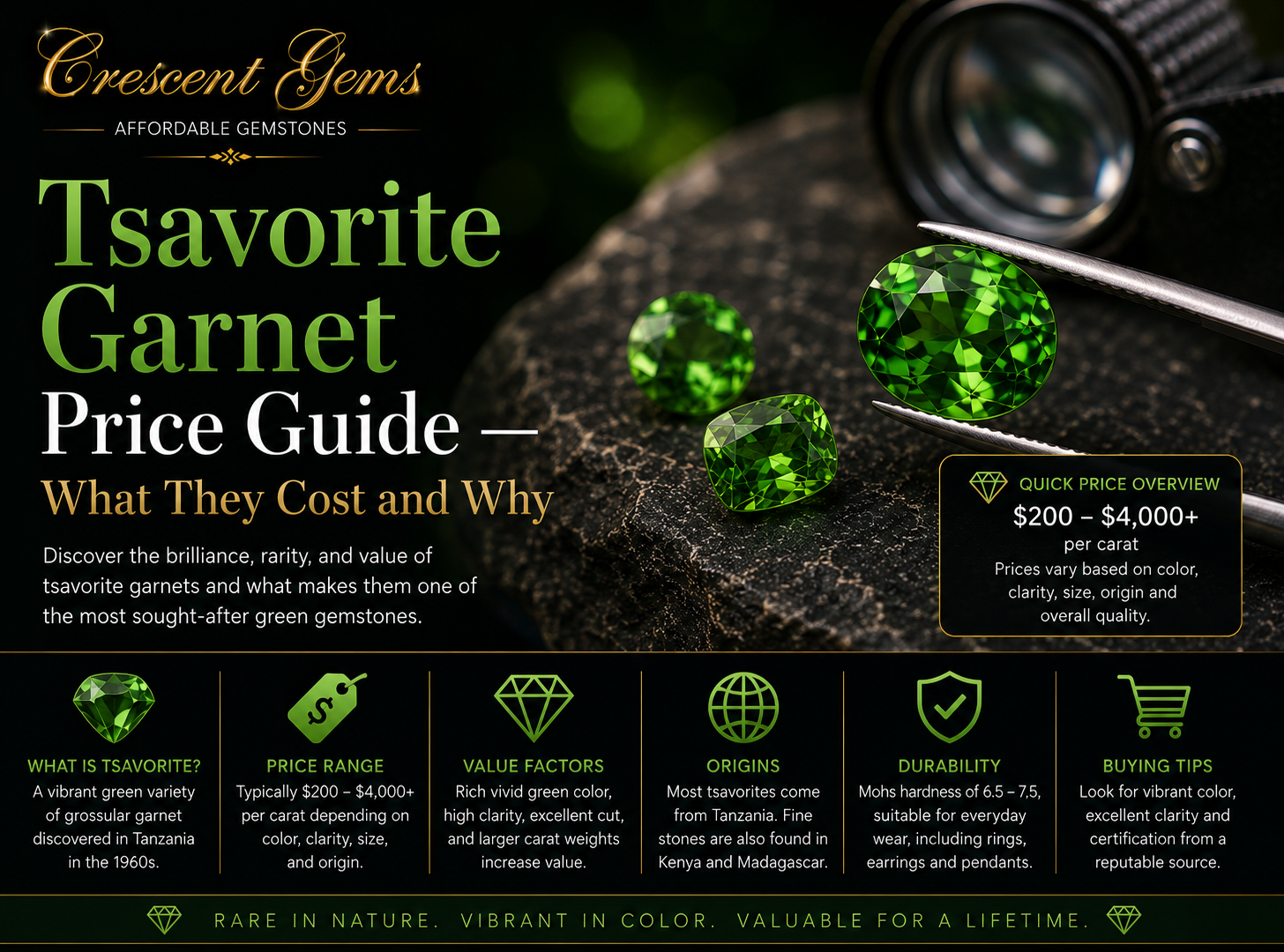
Tsavorite Garnet Price Guide — What They Cost and Why
Read moreabout Tsavorite Garnet Price Guide — What They Cost and Why
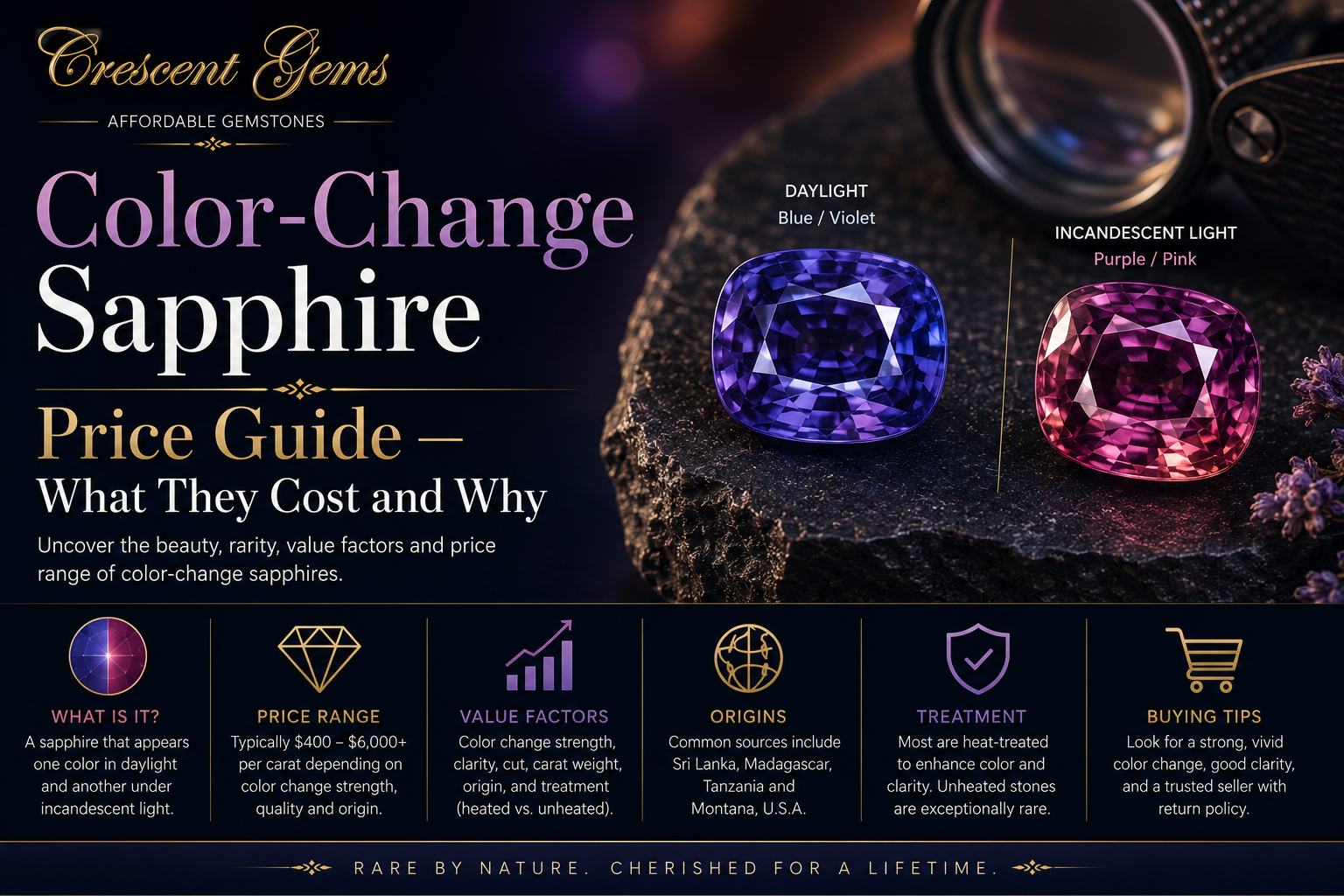
Color-Change Sapphire Price Guide — What They Cost and Why
Read moreabout Color-Change Sapphire Price Guide — What They Cost and Why
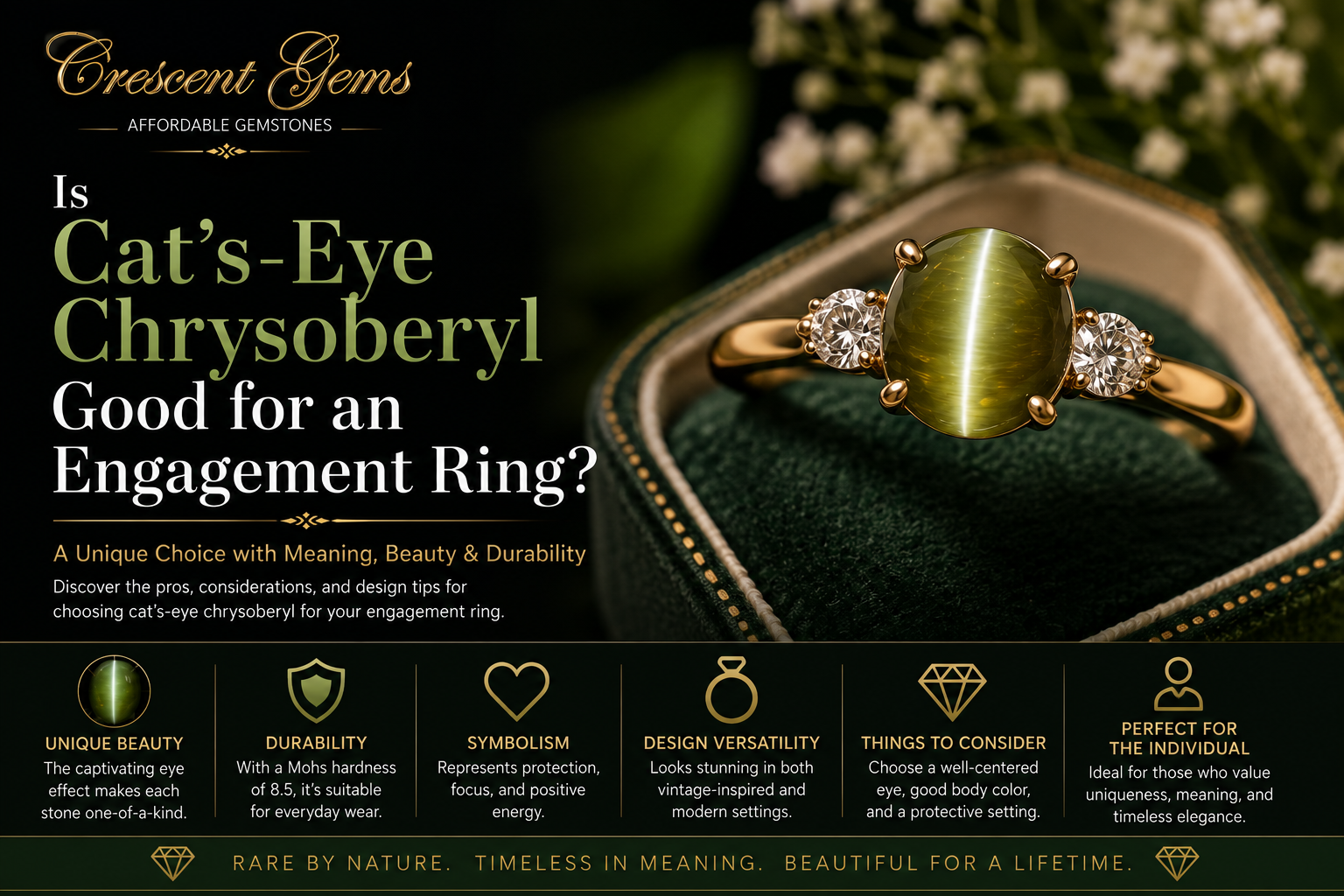
Is Cat's-Eye Chrysoberyl Good for an Engagement Ring?
Read moreabout Is Cat's-Eye Chrysoberyl Good for an Engagement Ring?
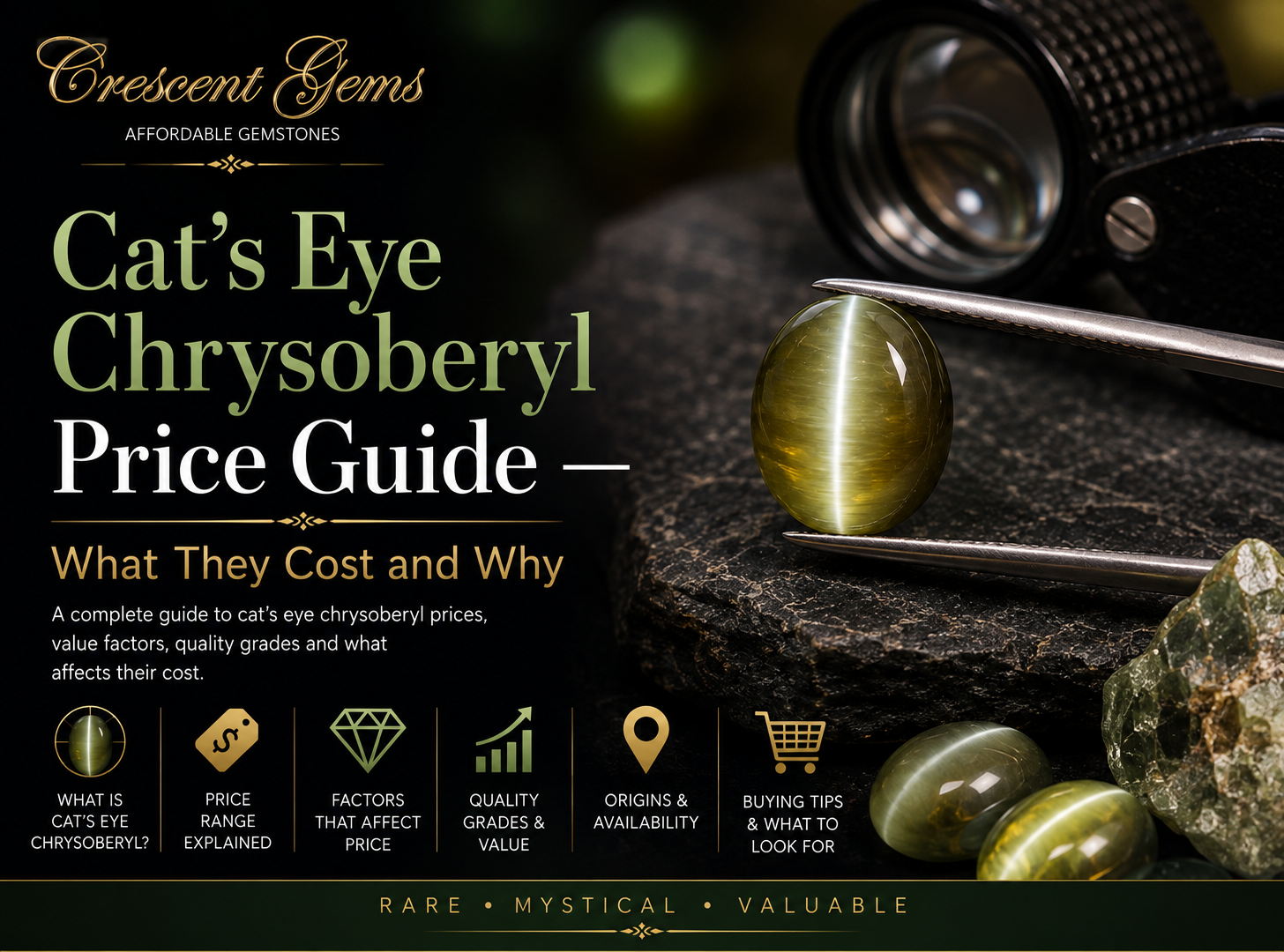
Cat's Eye Chrysoberyl Price Guide — What They Cost and Why
Read moreabout Cat's Eye Chrysoberyl Price Guide — What They Cost and Why