- by Ahmed Shareek
Pink Sapphire — The Complete Buyer's Guide to Color, Origin, and Value
- by Ahmed Shareek
New to buying sapphires? Start with our Ultimate Sapphire Buying Guide — the complete resource for colour, origin, treatment, and pricing — then return here for pink sapphire specifically.
Pink sapphire is one of the most commercially successful colored gemstones of the past two decades. Its combination of Mohs 9 hardness, broad color range from the palest blush to vivid magenta, and a price point that makes it accessible where pink diamond is not, has positioned it as the dominant colored engagement ring stone for buyers who want something other than blue.
It is also one of the most frequently misrepresented stones on the market — "unheated" claims without documentation, inflated origin descriptions, and confusion with adjacent color categories (peach, padparadscha, light ruby) are common. Buying pink sapphire well requires understanding the color spectrum, the ruby boundary, where it comes from, and what treatment status actually means for price.
This guide covers all of it.
Pink sapphire is natural corundum coloured by chromium in the crystal lattice. Chromium absorbs yellow-green wavelengths of light and transmits red and pink wavelengths, producing the colour family that ranges from barely-there blush through vivid hot pink to deep purplish-red. The same chromium that colours pink sapphire colours ruby — the distinction between the two is purely one of saturation and tone.
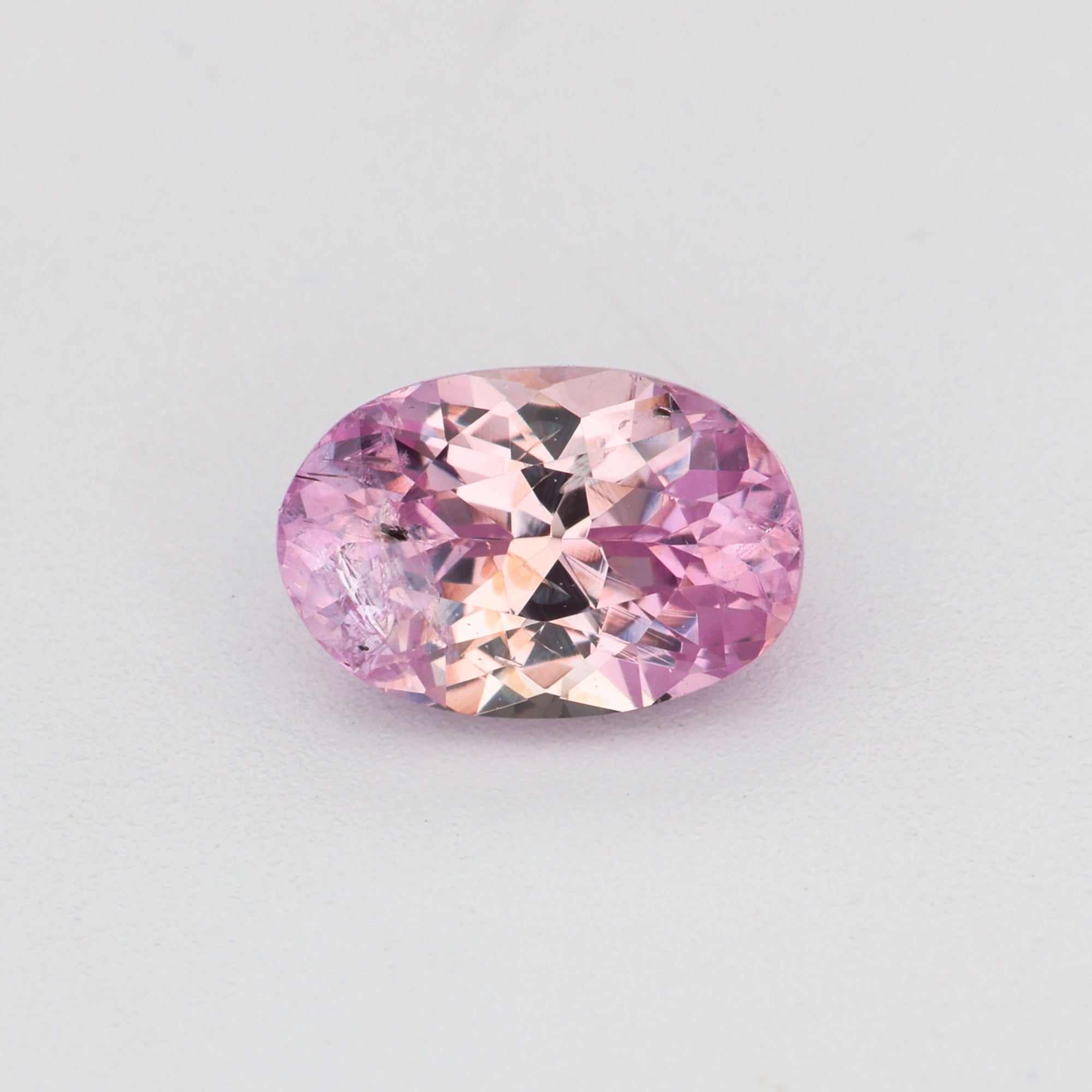
Pale pink (blush, pastel, baby pink): Delicate and subtle, typically the least expensive in the pink family. The risk is that very pale stones can appear nearly colourless under certain lighting conditions.
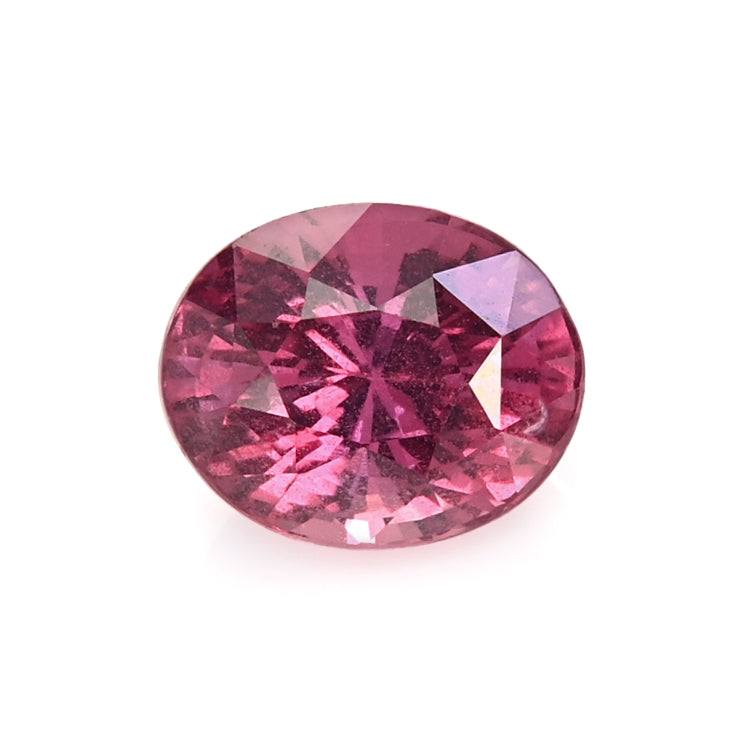
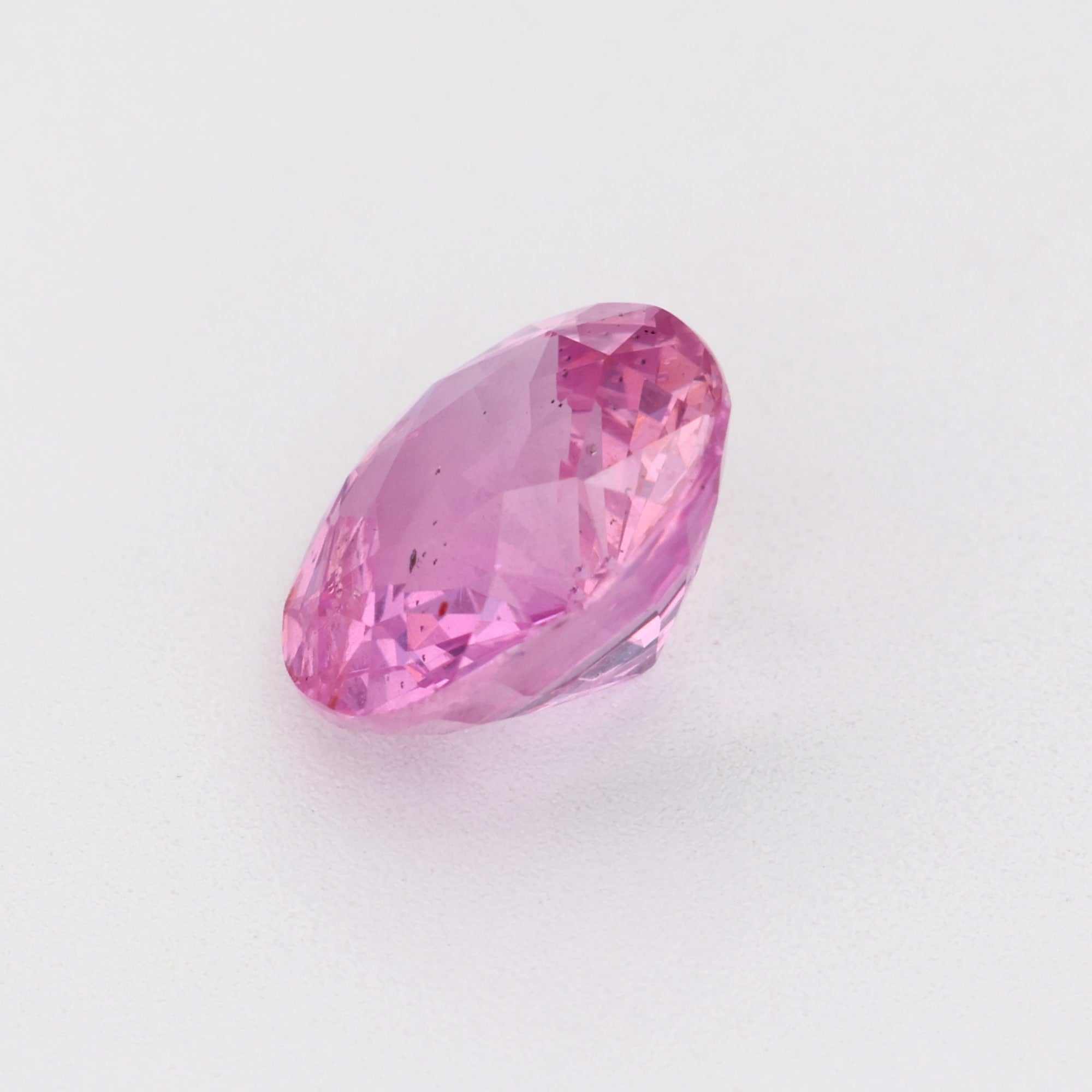
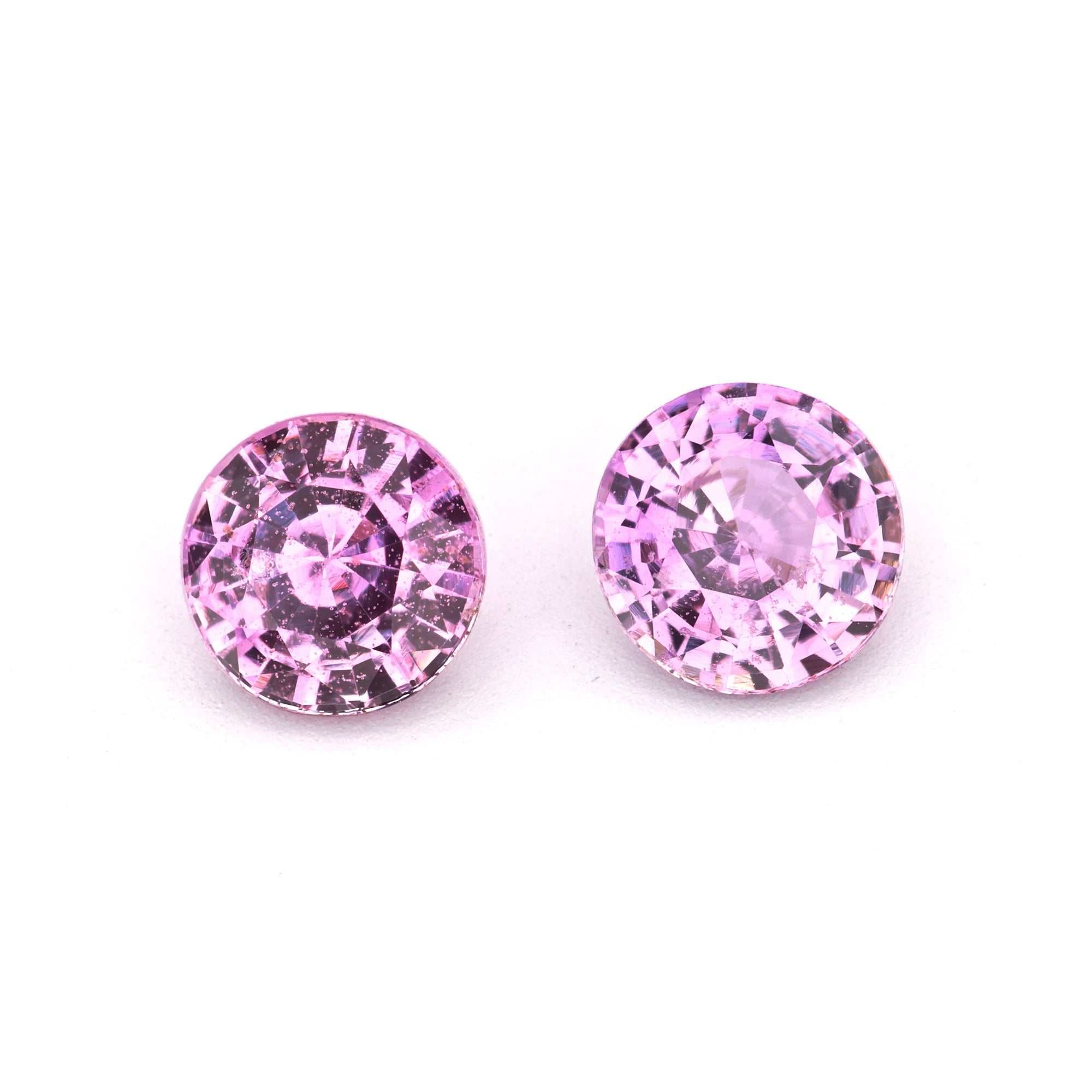
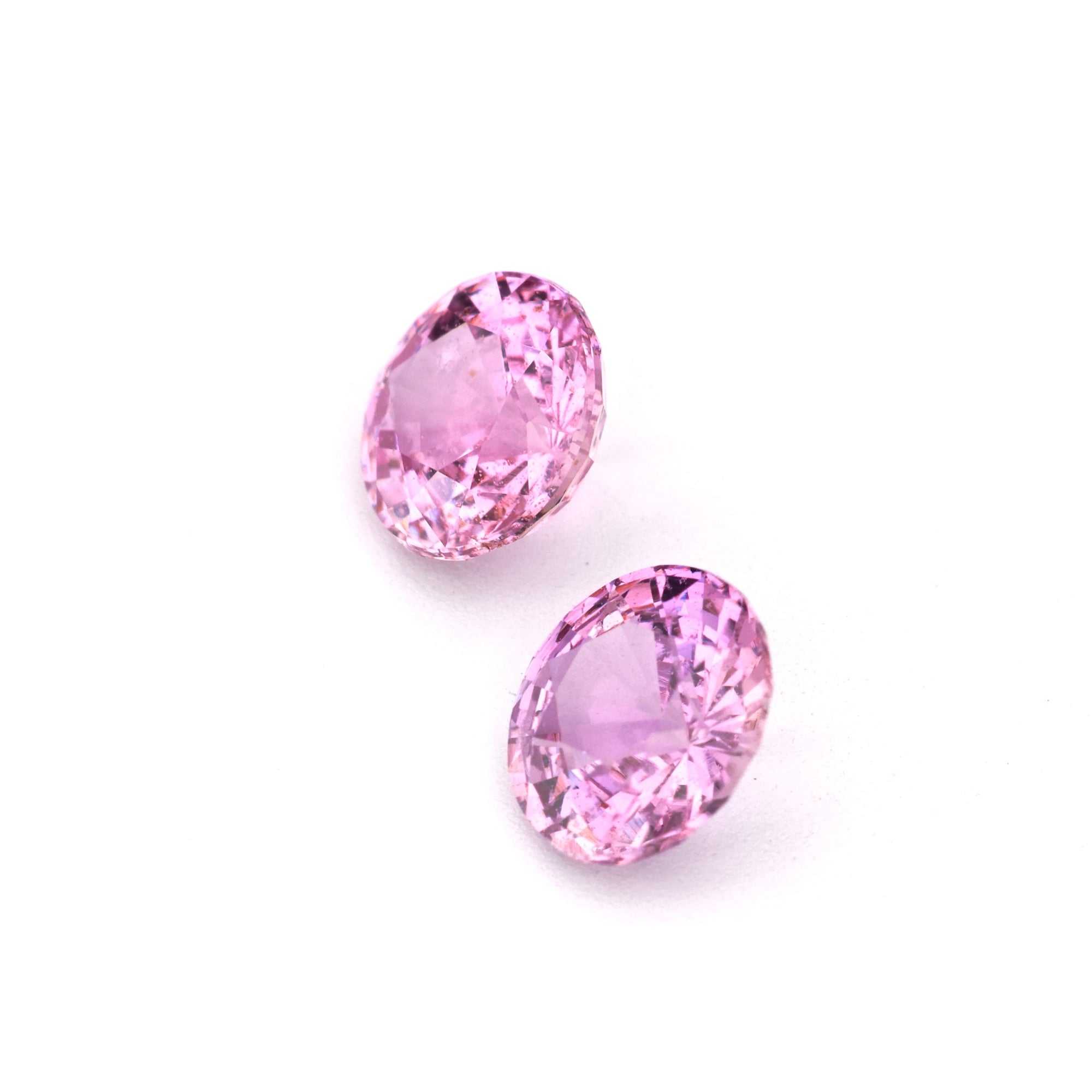
Medium pink — the commercial sweet spot: Clearly and unambiguously pink in all lighting conditions. Ceylon pink sapphire in this range has a characteristic purity and slight coolness — a clean, slightly lavender-touched pink. This is the tone most buyers visualise when they say they want a pink sapphire.
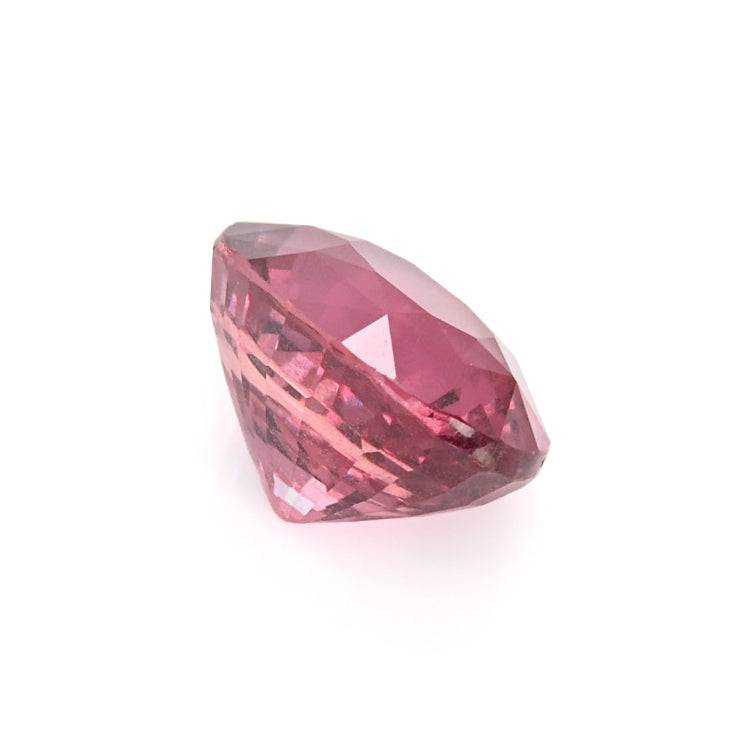
Vivid hot pink and magenta: Dramatic and bold. Unheated vivid pink in Ceylon at 1ct+ with GIA documentation commands the highest per-carat prices in the pink sapphire family.
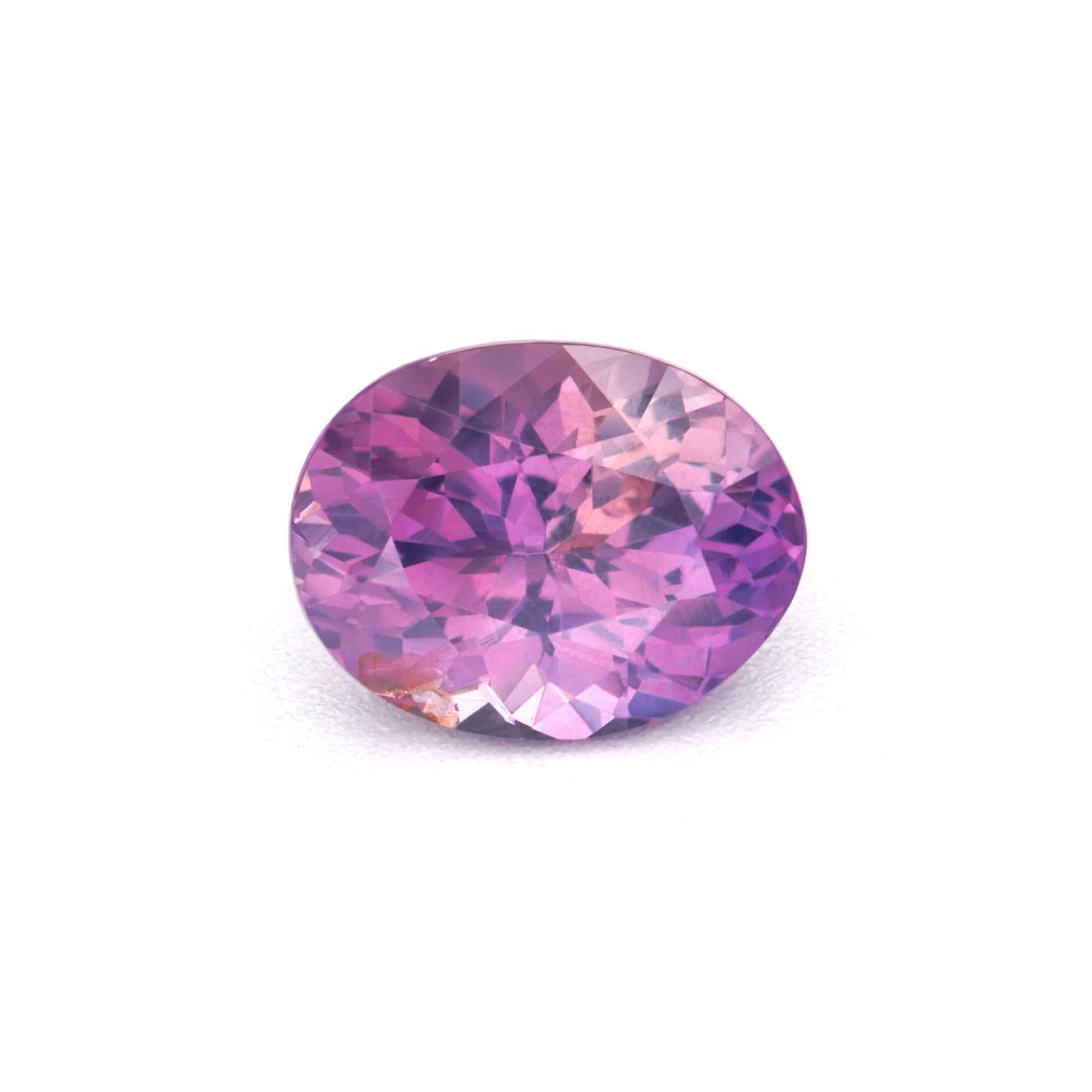
Purplish-pink and pink-purple: Some pink sapphires show a noticeable purple modifier. See our purple sapphire guide for comparison.
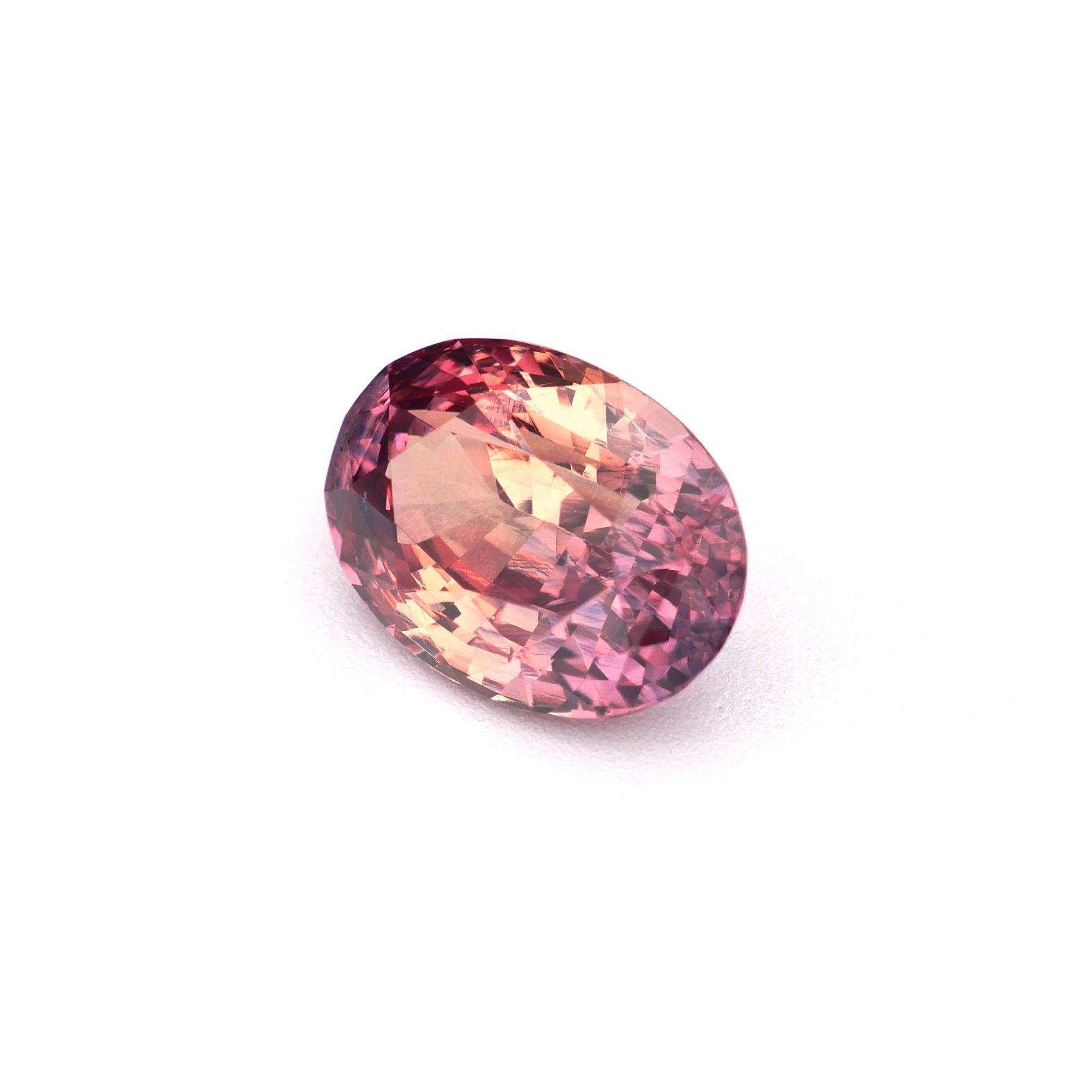
Peach-pink — the adjacent category: Pink sapphire shades into the peach and padparadscha families at the orange-influenced end. See our peach sapphire guide and peach vs padparadscha guide.
| Factor | Pink Sapphire | Ruby |
|---|---|---|
| Species | Natural corundum (chromium-coloured) | Natural corundum (chromium-coloured) |
| Distinction | Below ruby saturation/tone threshold | Meets or exceeds ruby saturation/tone threshold |
| Price premium | Lower per carat; pink sapphire market | Significant premium; ruby commands 3x-10x+ |
| Investment basis | Unheated Ceylon; GIA cert recommended | GIA ruby designation + origin mandatory |
See our ruby buyer's guide and GIA report guide.
Ceylon (Sri Lanka): The global benchmark — a characteristic clean, slightly cool pure pink. Ceylon unheated vivid pink in the 1-3ct range is the most commercially prized segment of the pink sapphire market. See our Ceylon sapphire complete guide.
Madagascar: The second most significant source. Madagascar pink tends to run slightly warmer — a slight orange or peachy influence — and offers excellent value relative to Ceylon. See our Madagascar sapphire guide.
Burma (Myanmar): Produces pink sapphire with a warm, slightly reddish quality. Fine Burmese unheated pink commands a collector premium.
Tanzania and East Africa: Typically heat treated and priced as commercial-grade material.
| Origin | Colour character | Treatment | Origin premium |
|---|---|---|---|
| Ceylon (Sri Lanka) | Clean, slightly cool pure pink | Both; significant unheated supply | Highest |
| Madagascar | Slightly warm, peachy-pink tendency | Both; good unheated supply at larger sizes | Moderate |
| Burma (Myanmar) | Warm, slightly reddish pink | Both; unheated carries premium | High (collector premium) |
| Tanzania / East Africa | Warmer, orange-pink tendency | Mostly heated | Lower |
Most commercial pink sapphire is heat treated. Heat treatment deepens pale pink, improves clarity by dissolving rutile silk, and shifts peach-pink toward purer pink. The unheated premium in pink sapphire is substantial — 2x-5x at equivalent colour quality, increasing sharply above 1 carat.
Pink Sapphire Price Ranges by Treatment Status
See our unheated sapphire guide and heat treatment explained.
Pink sapphire is one of the two or three most popular coloured engagement ring choices globally. Mohs 9 hardness makes it entirely suitable for daily wear without special precautions.
The most popular setting for pink sapphire is oval in a claw or prong setting — the format maximizes face-up color area and works across every ring style. Cushion cut in a vintage-inspired setting is the second most popular choice. For vintage styling, see our best sapphire colors for vintage-style rings. For setting shape guidance, see our best shapes for solitaire rings, best shapes for halo rings, and oval sapphire guide.
For metal choice, rose gold is the most popular for pink sapphire. See our metal comparison guide and how to choose metal color. See our engagement ring guide, best sapphire cut guide, and sapphire size guide.
| Factor | Pink Sapphire | Pink Diamond | Morganite |
|---|---|---|---|
| Mohs hardness | 9 | 10 | 7.5-8 |
| Daily wear suitability | Excellent — no special precautions | Excellent | Moderate — scratches in daily wear |
| Price (1ct, vivid) | $500-6,000 (heated-unheated Ceylon) | $30,000-$300,000+ | $50-$300 |
| Best for | Engagement rings, investment, daily wear | Ultra-premium investment jewelry | Budget-conscious buyers, casual wear |
Figures above are approximate market guidance, not fixed quotes. Actual value varies by treatment, origin, colour, cut, clarity, and certification.
See our sapphire vs diamond guide.
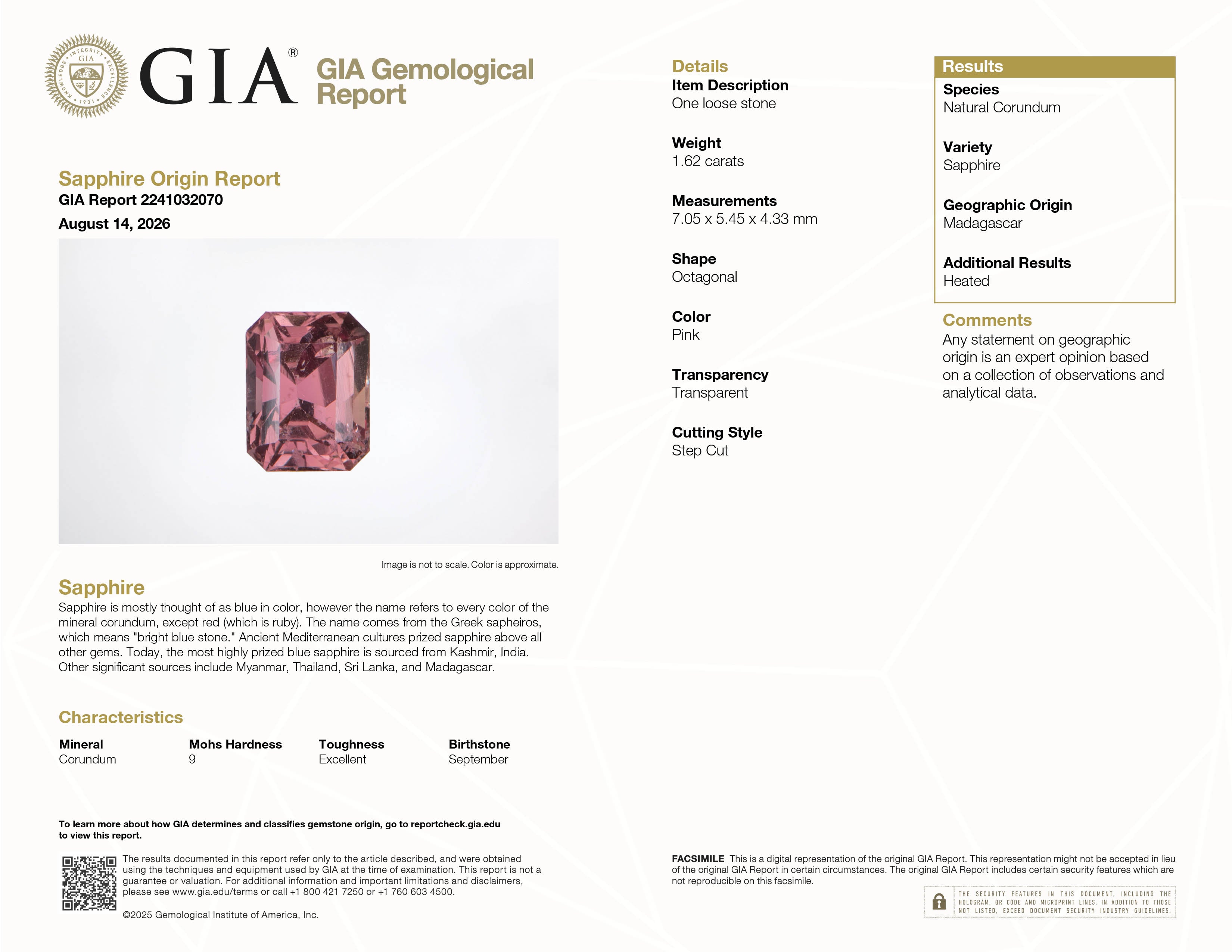
For heated pink sapphire under $600 total, seller disclosure is sufficient. For any stone represented as unheated above $500 total, GIA documentation is required. For investment-grade purchases (unheated, Ceylon, 1ct+, vivid), GIA documentation is mandatory. See our GIA report guide.
Our pink sapphire collection focuses on unheated Ceylon stones with full treatment and origin disclosure. For larger pieces: pink sapphire over 1 carat. Our Try-On programme ships selected stones for in-hand evaluation before commitment. Email crescentgems@gmail.com to arrange.
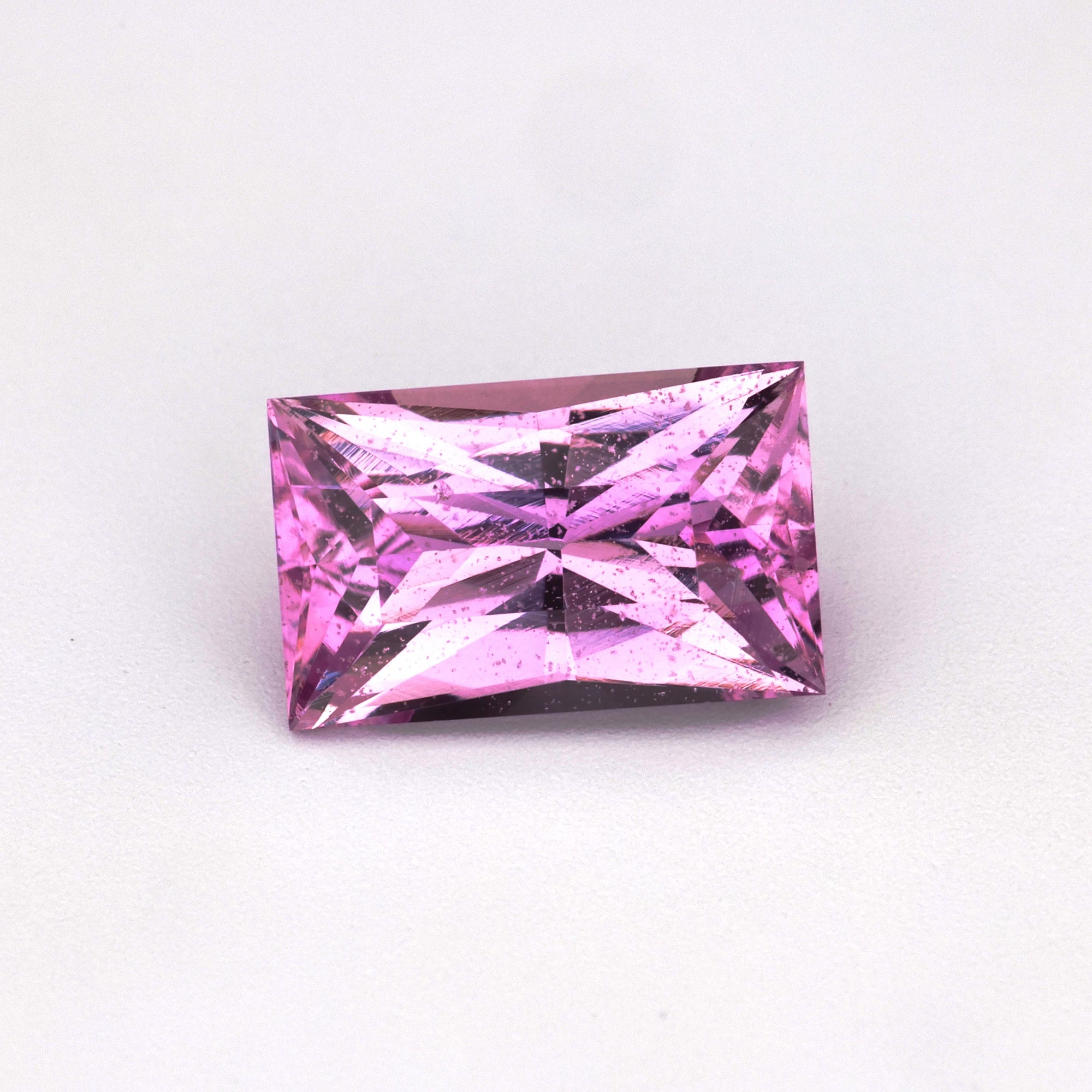
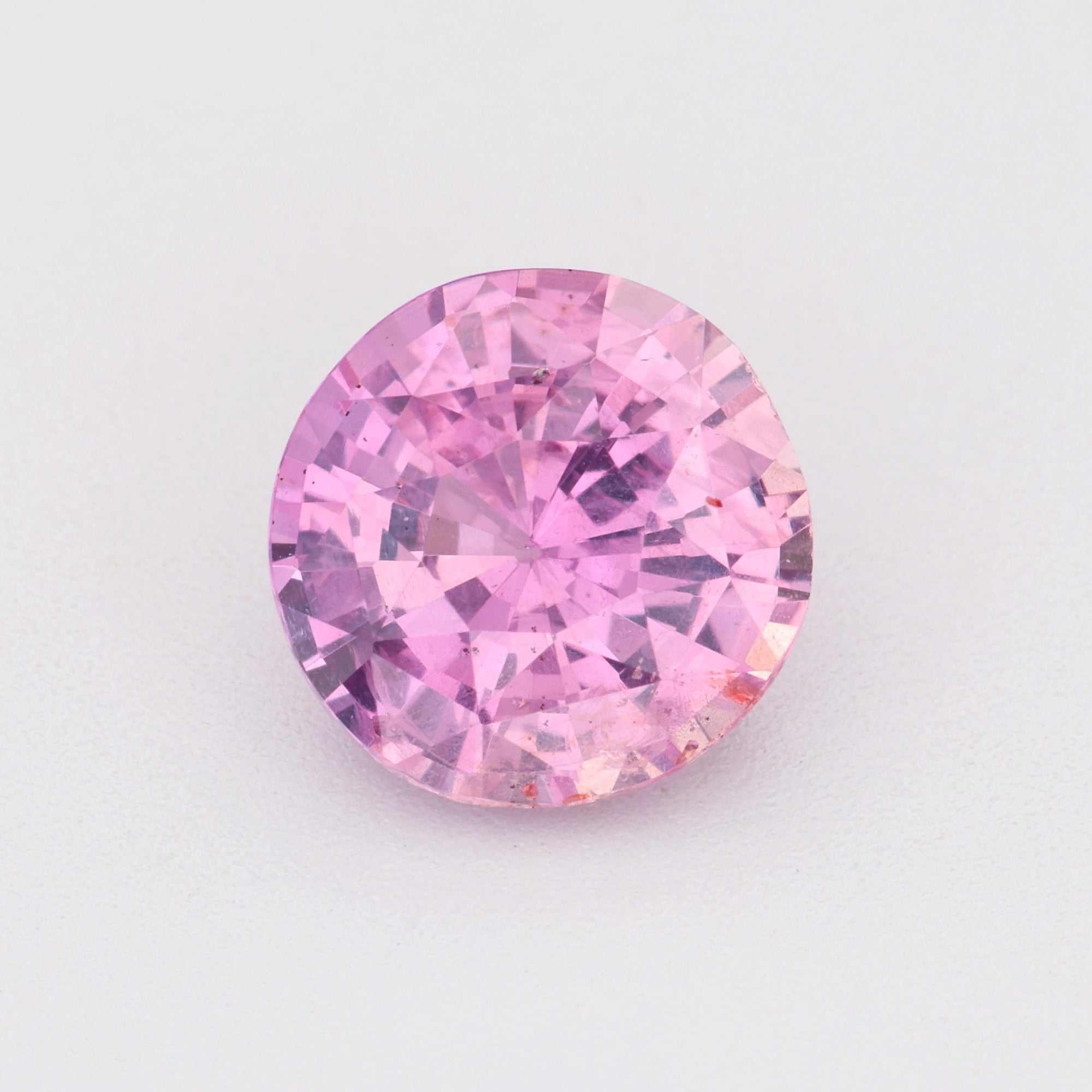
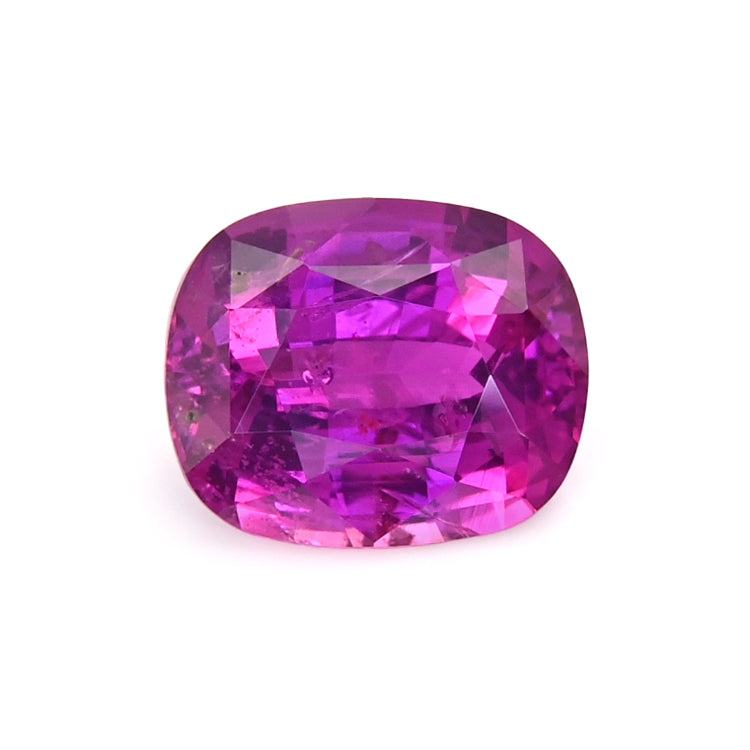
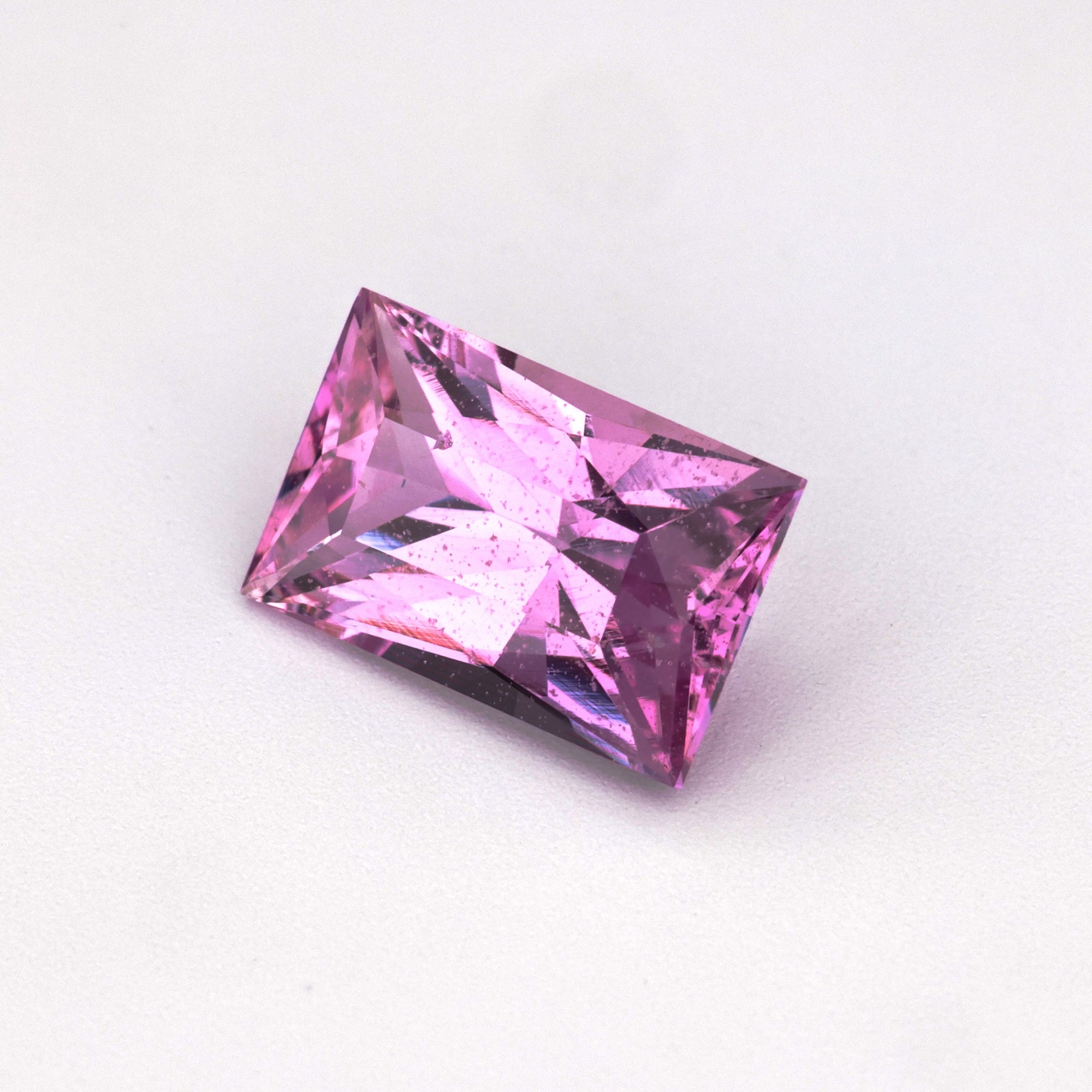
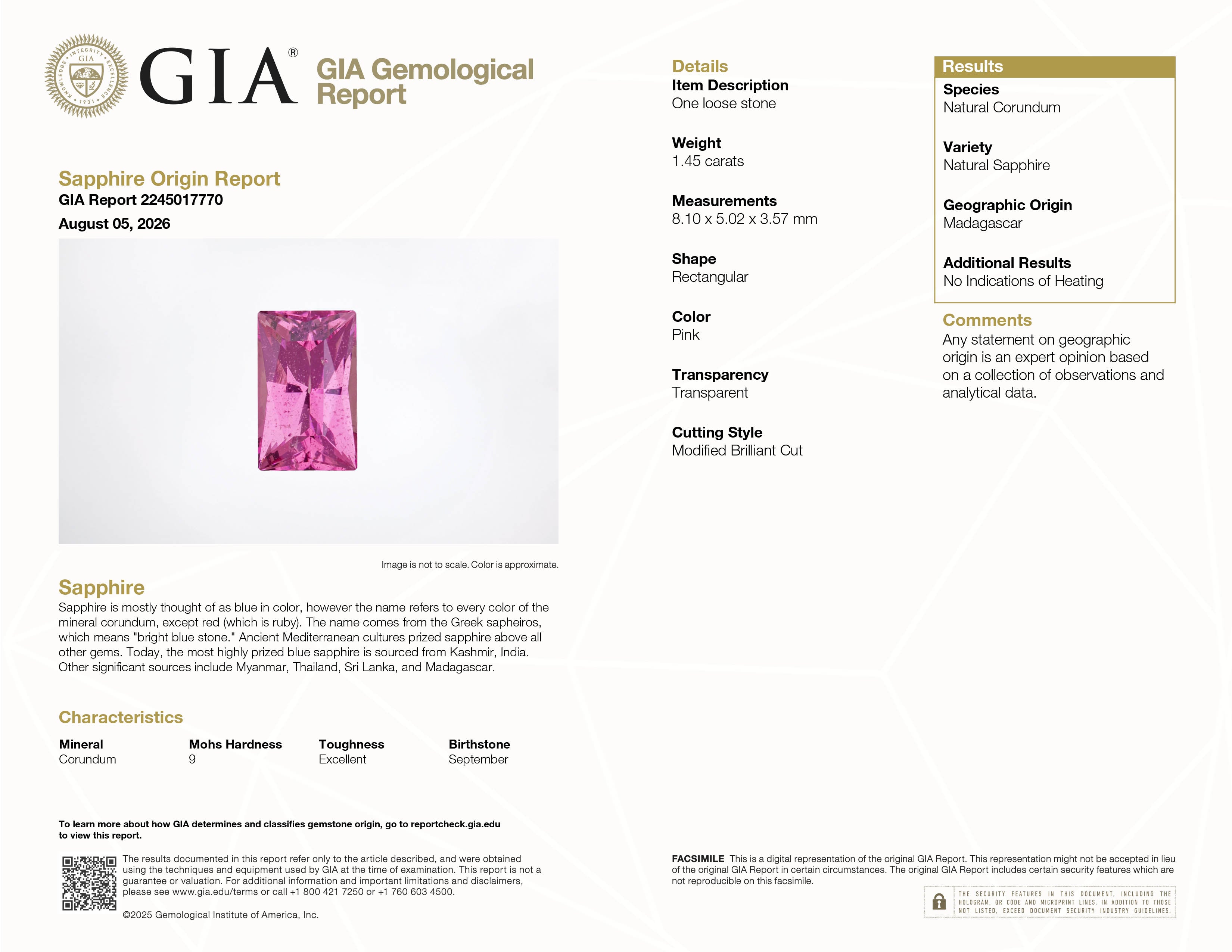
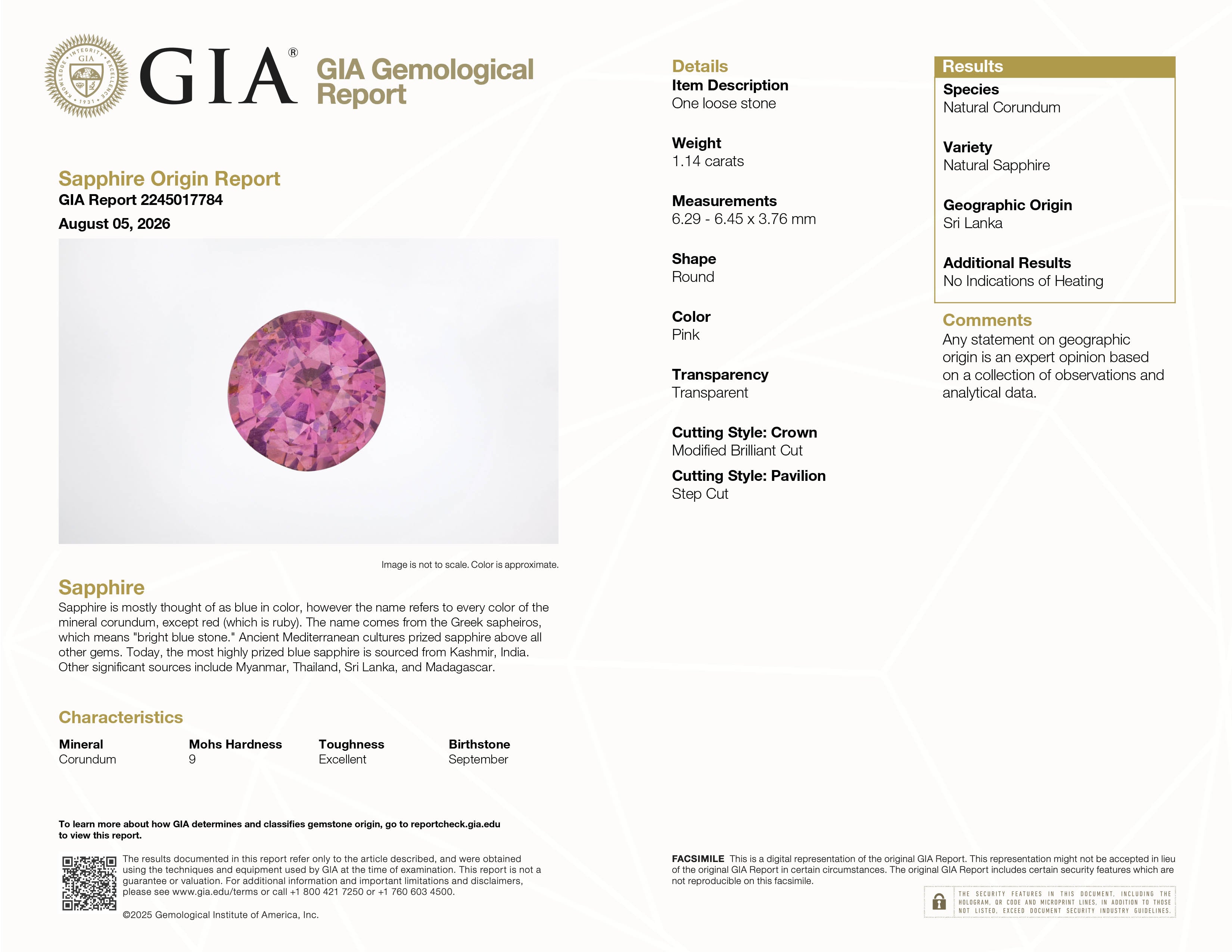
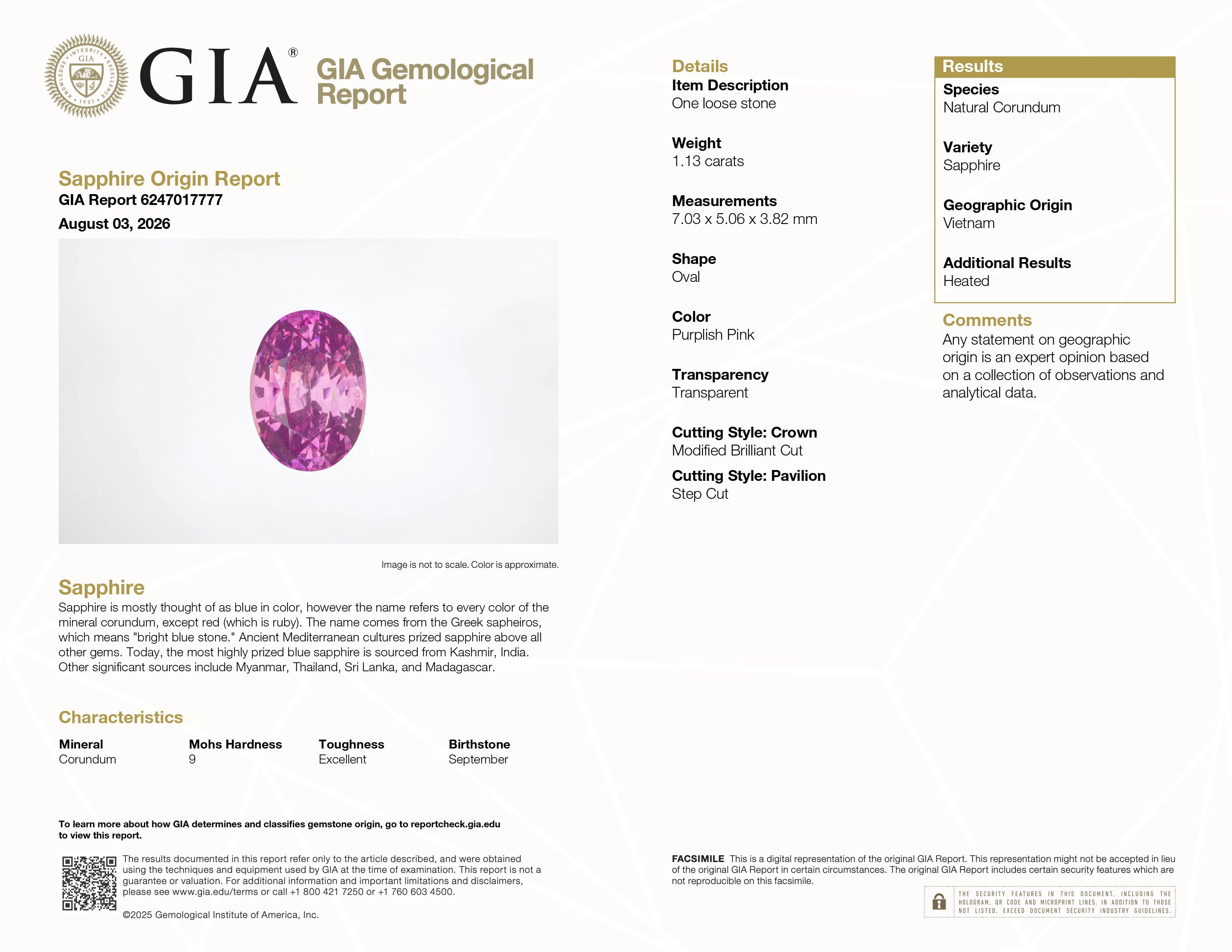
Currently in stock: a 1.45 ct unheated radiant-cut pink sapphire, GIA-documented and Madagascar origin — a large, vivid bubble-gum pink stone with Modified Brilliant faceting for strong sparkle — and a 1.13 ct oval purplish pink sapphire, GIA-documented and Vietnam origin, whose color sits at the purple-modifier end of the pink family described above. Also available: a 1.14 ct round unheated Ceylon pink sapphire, GIA-documented (Report #2245017784), a medium-pink stone from the origin most closely associated with the clean, cool pink described above.
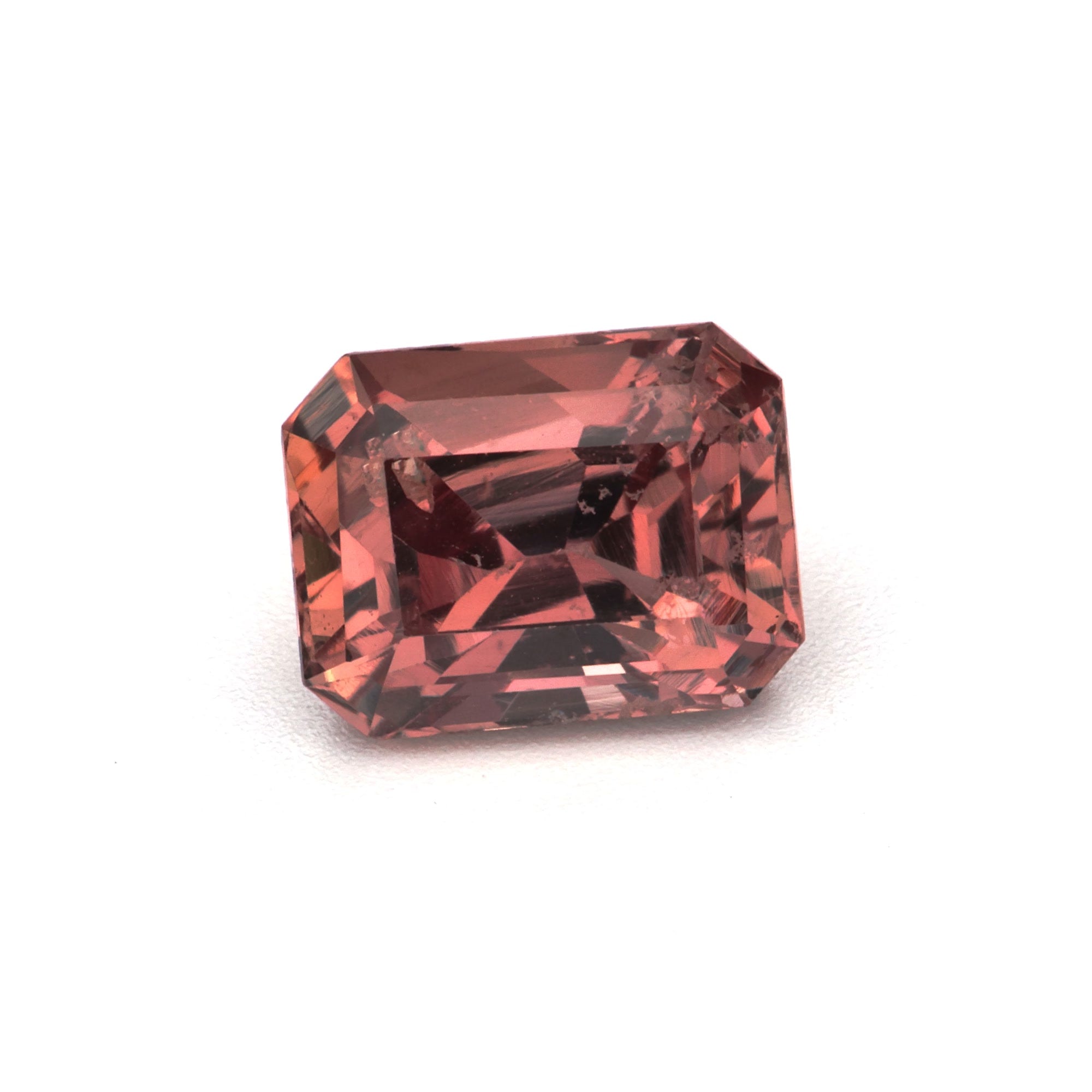
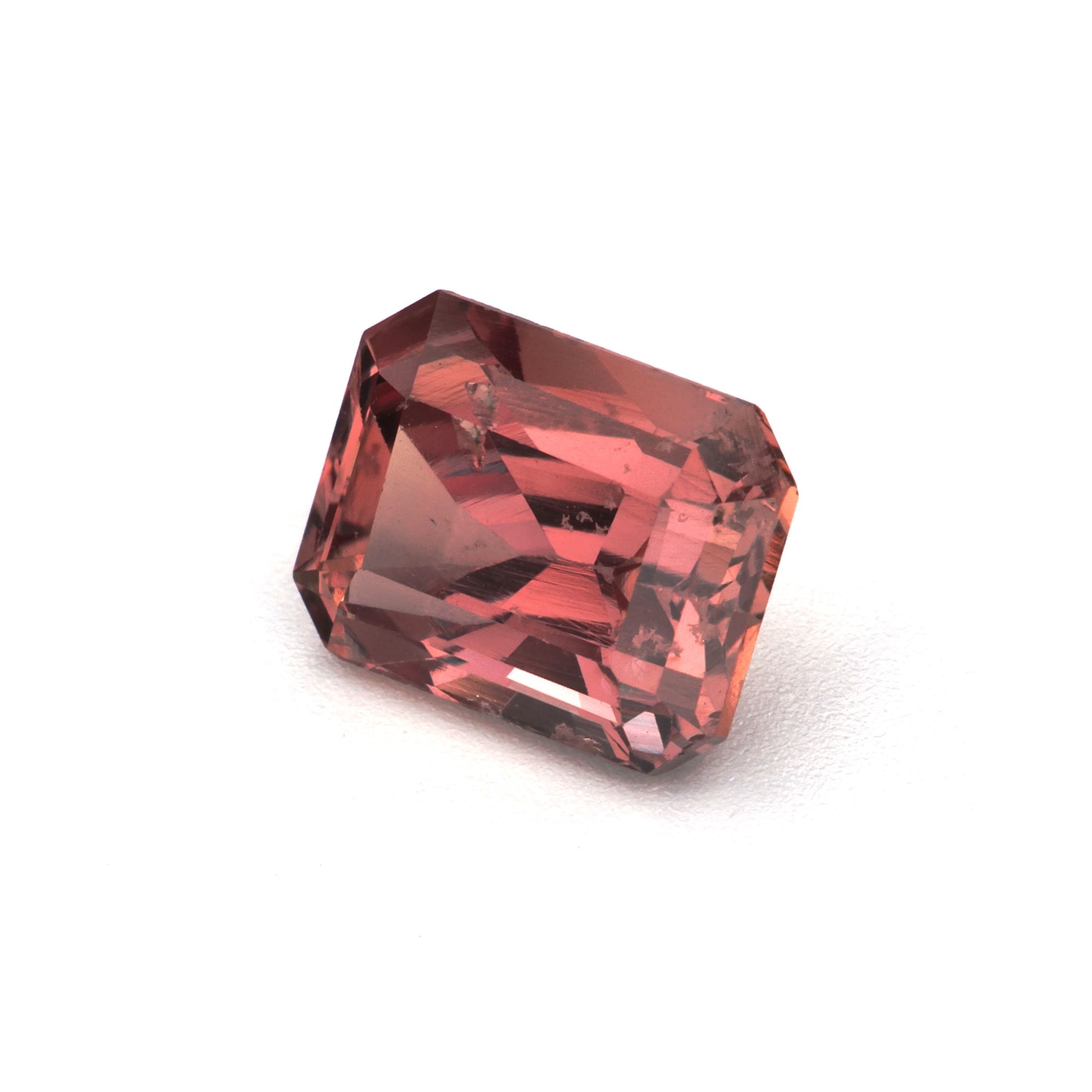
We also currently stock a 0.61 ct unheated emerald-cut pink sapphire, GIA-documented (Report #2235980196) and Ceylon origin — a smaller, step-cut example of the clean medium pink most buyers associate with the category, in a faceting style not otherwise represented among our current pink sapphire stock.
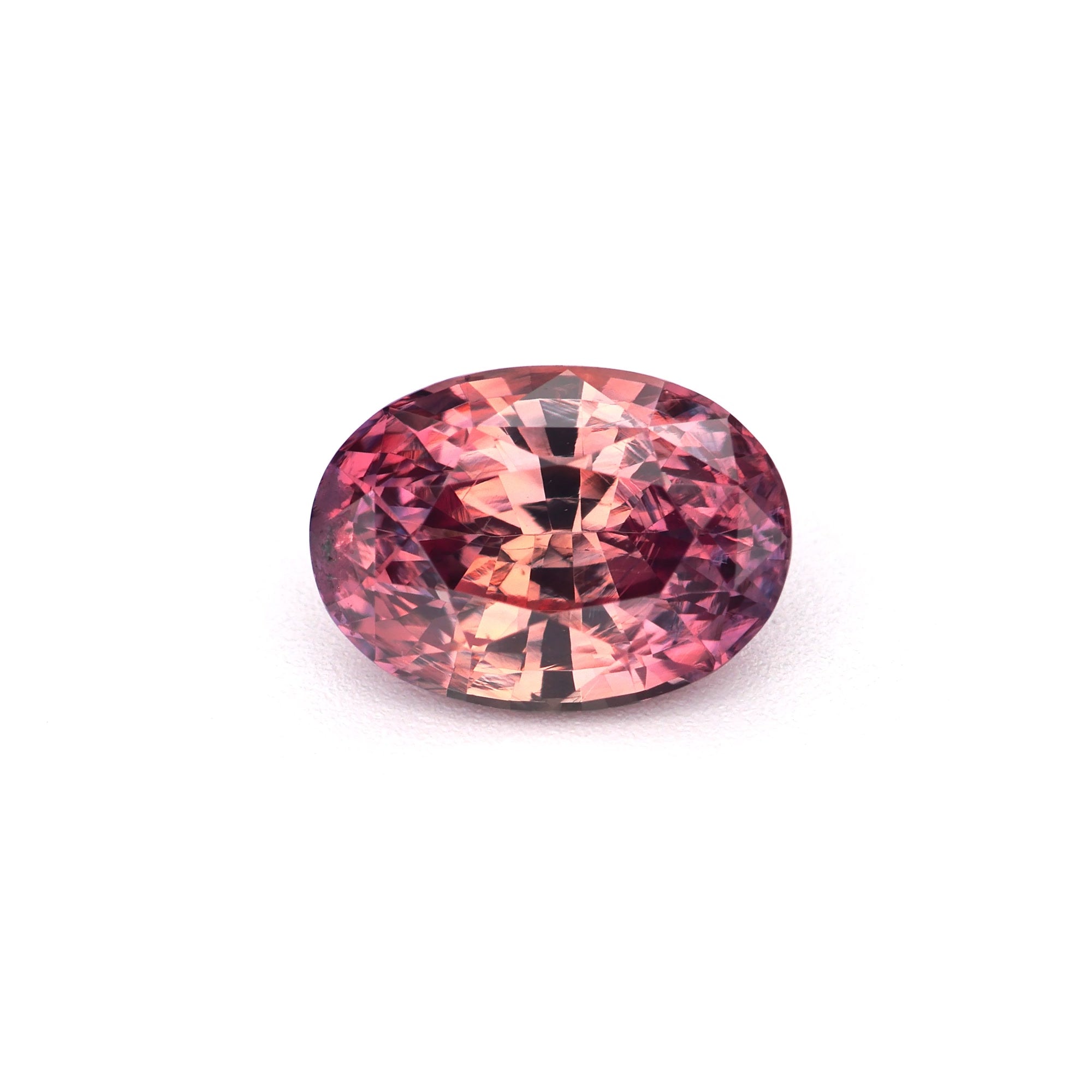
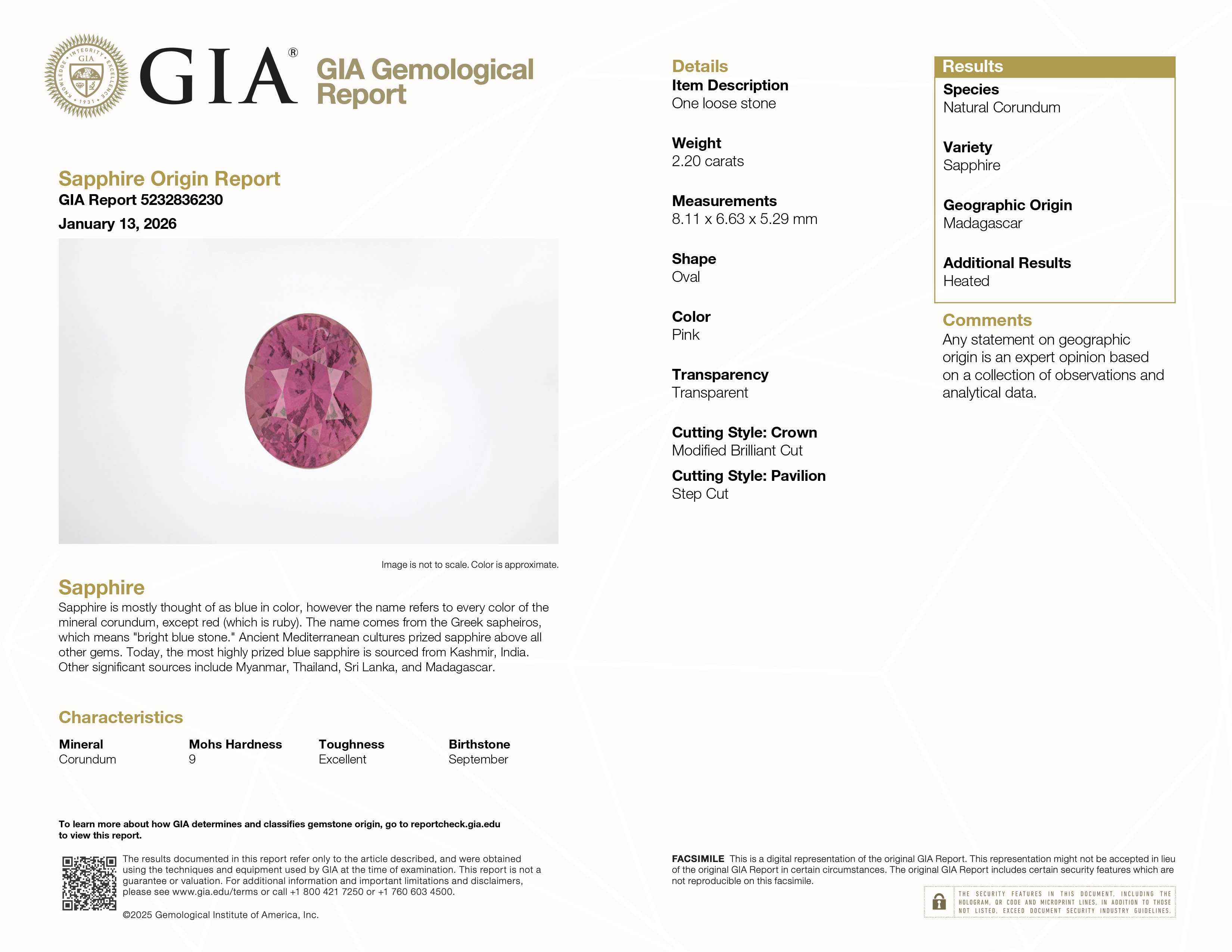
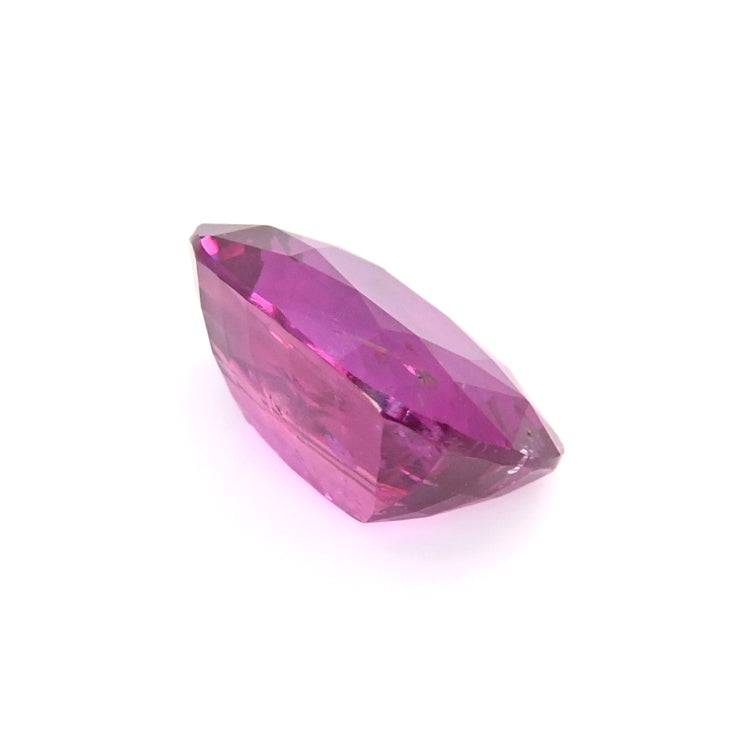
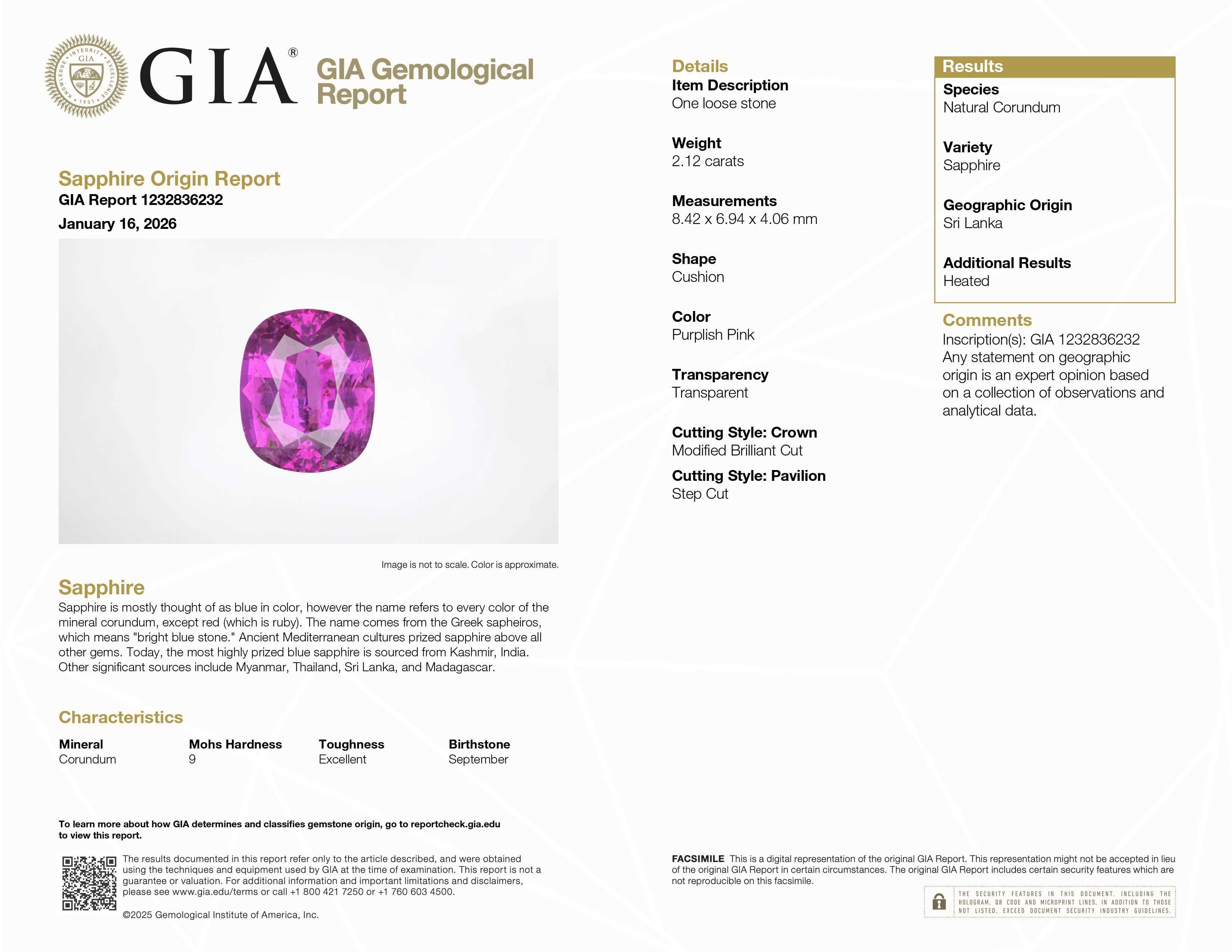
For buyers considering the purple-modifier end of the pink family, we also stock a 2.12 ct heat-treated cushion-cut purplish pink sapphire, GIA-documented with confirmed Sri Lanka origin (Origin Report #1232836232), and a 2.20 ct heat-treated oval-cut pink sapphire, GIA-documented with confirmed Madagascar origin (Report #5232836230), a substantial center stone at over 2 carats.
For buyers who want lab verification alongside color, see our GIA-documented pink sapphires.

CG8448
CG8452
CG8409
CG8368
CG8297
CG8285
2.20 ct Natural Heated Pink Sapphire – Oval Cut | GIA Certified | Madagascar

CG8391
CG8397
Prices are shown in your local currency and may change.
CG8285
2.20 ct Natural Heated Pink Sapphire – Oval Cut | GIA Certified | Madagascar
CG8297
CG8448
CG8409
CG8288
CG8414
1.05 ct Natural Unheated Pink Sapphire – Oval Cut | Sri Lanka (Ceylon)
CG8463
CG8370
CG8452
CG8273
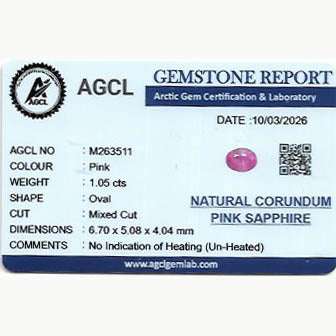
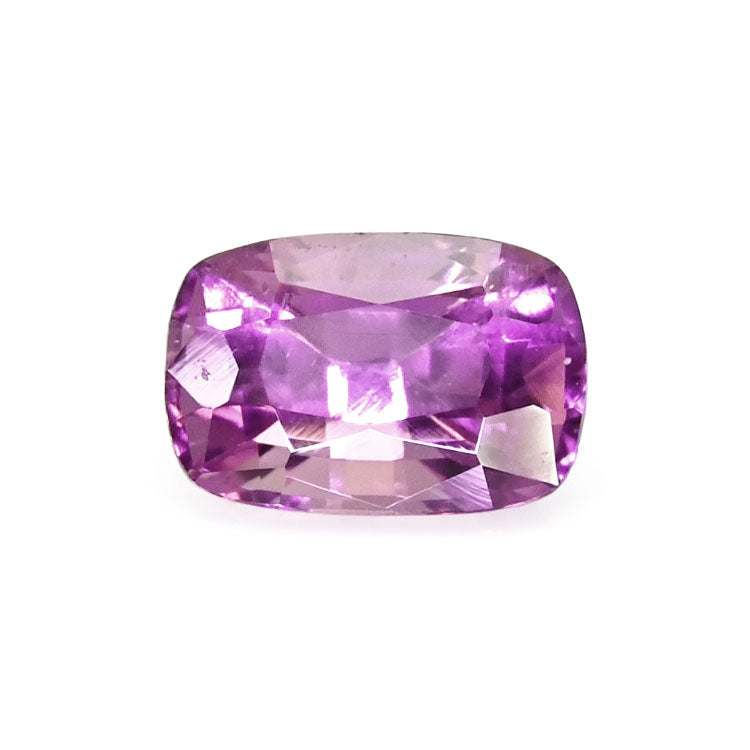
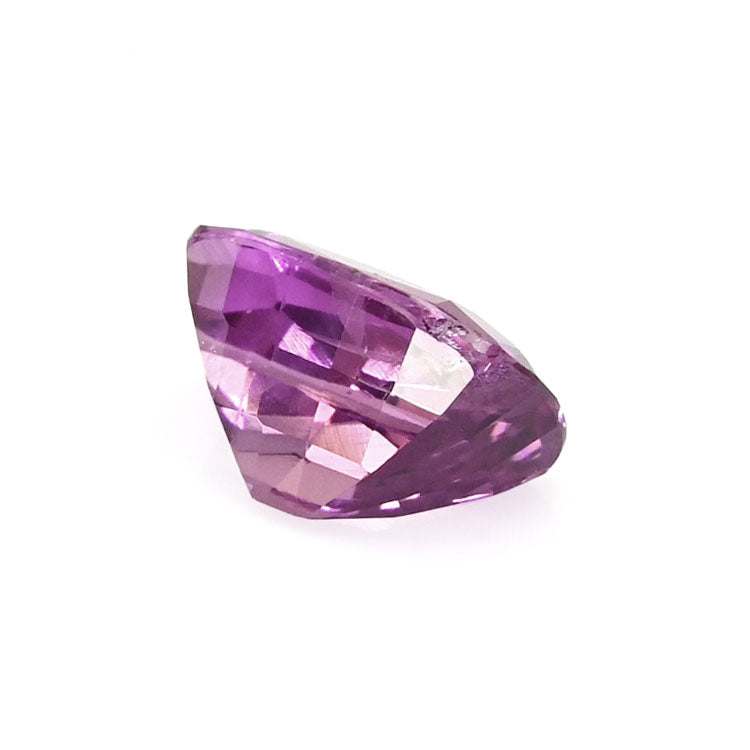
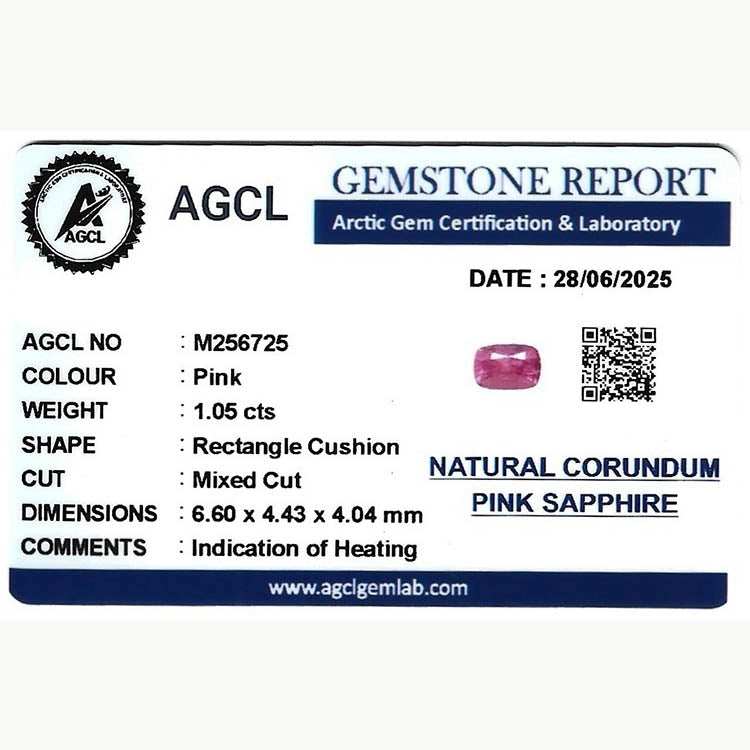
1.05 ct Natural Heated Pink Sapphire – Cushion Cut | AGCL Certified
CG0801
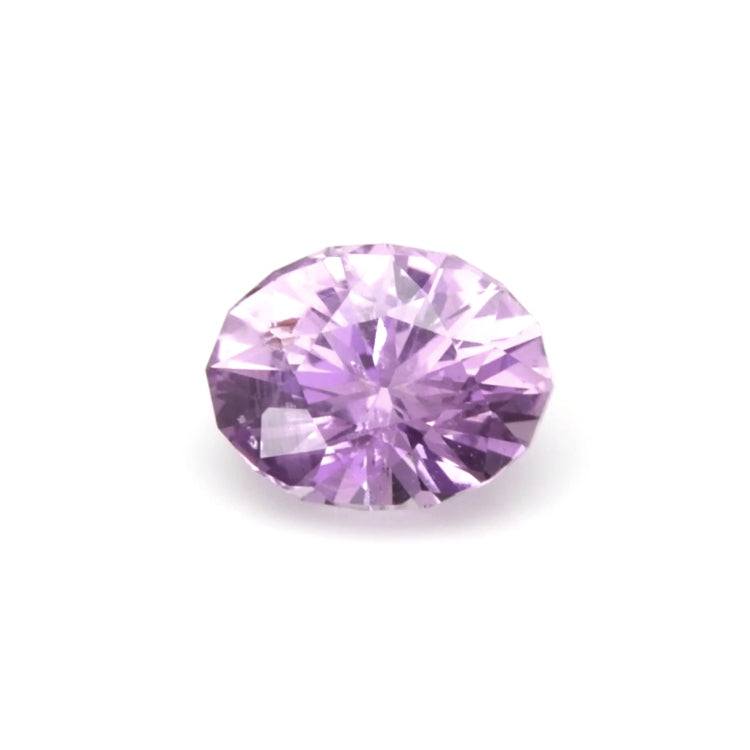
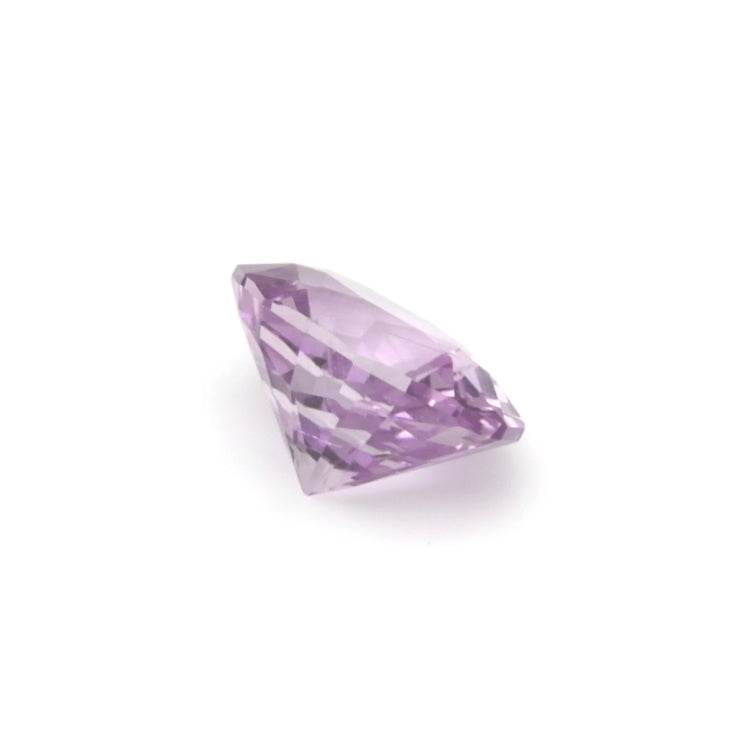
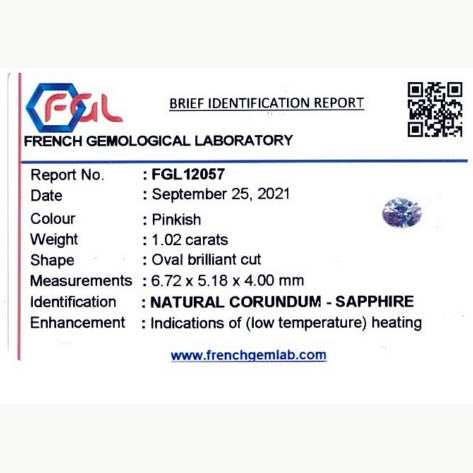
1.02 ct Natural Heated Pink Sapphire – Oval Cut
CG8422
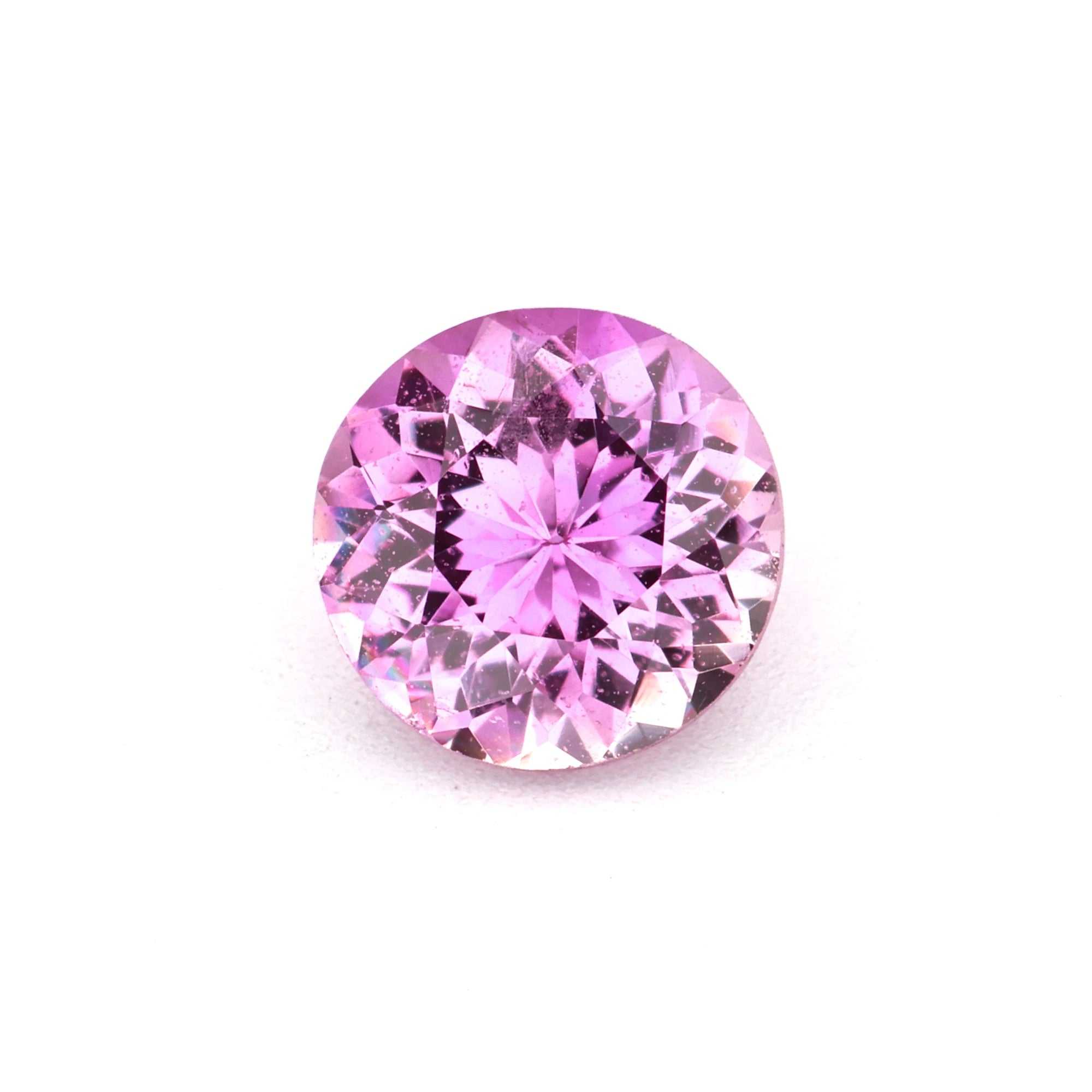
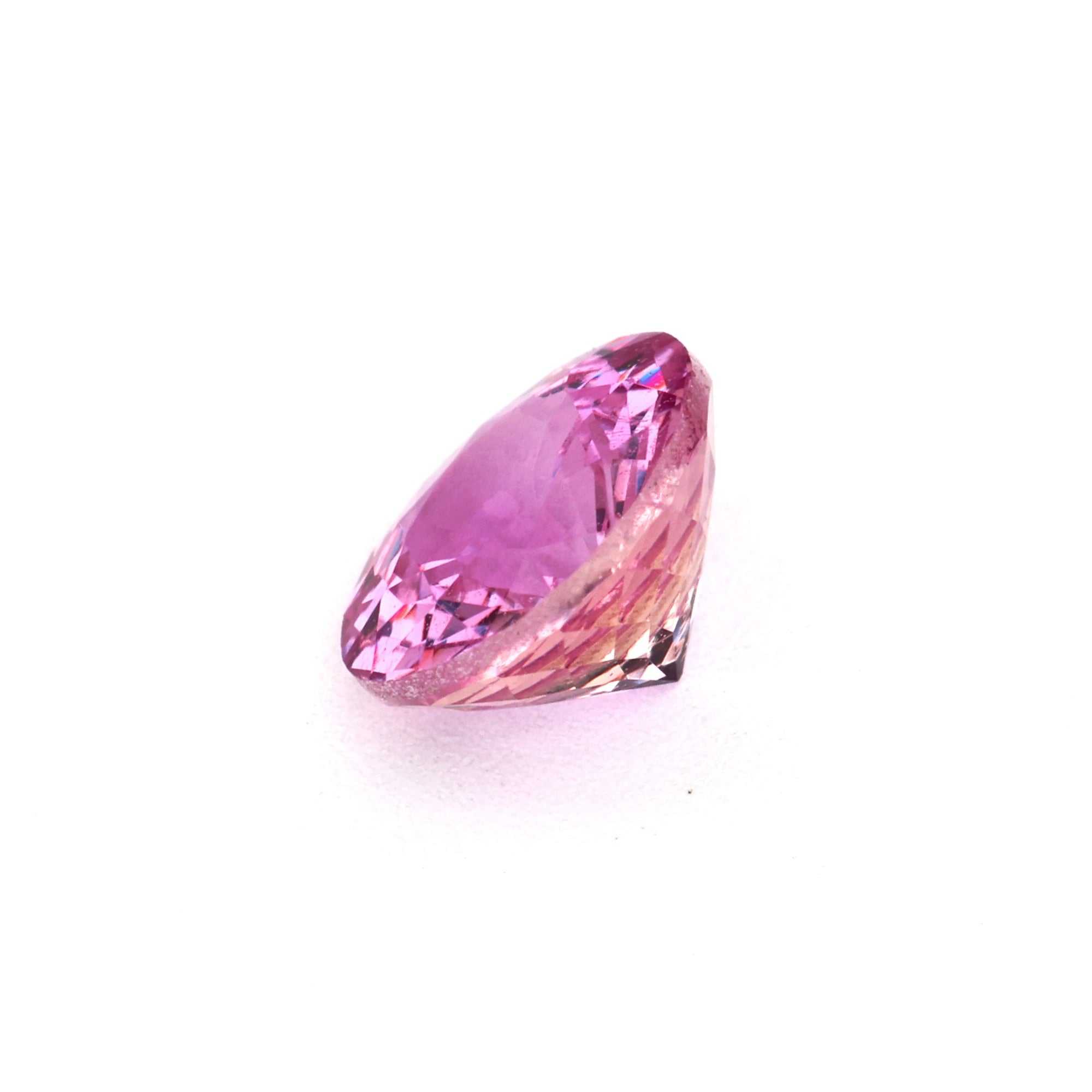
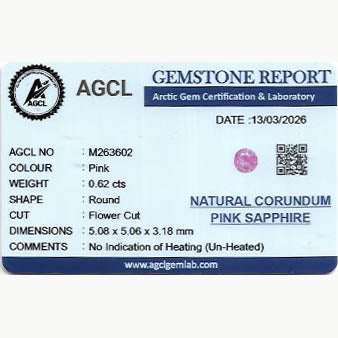
0.62 ct Natural Unheated Pink Sapphire – Round Cut


Blue Star Sapphire Price Guide — What They Cost and Why
Read moreabout Blue Star Sapphire Price Guide — What They Cost and Why
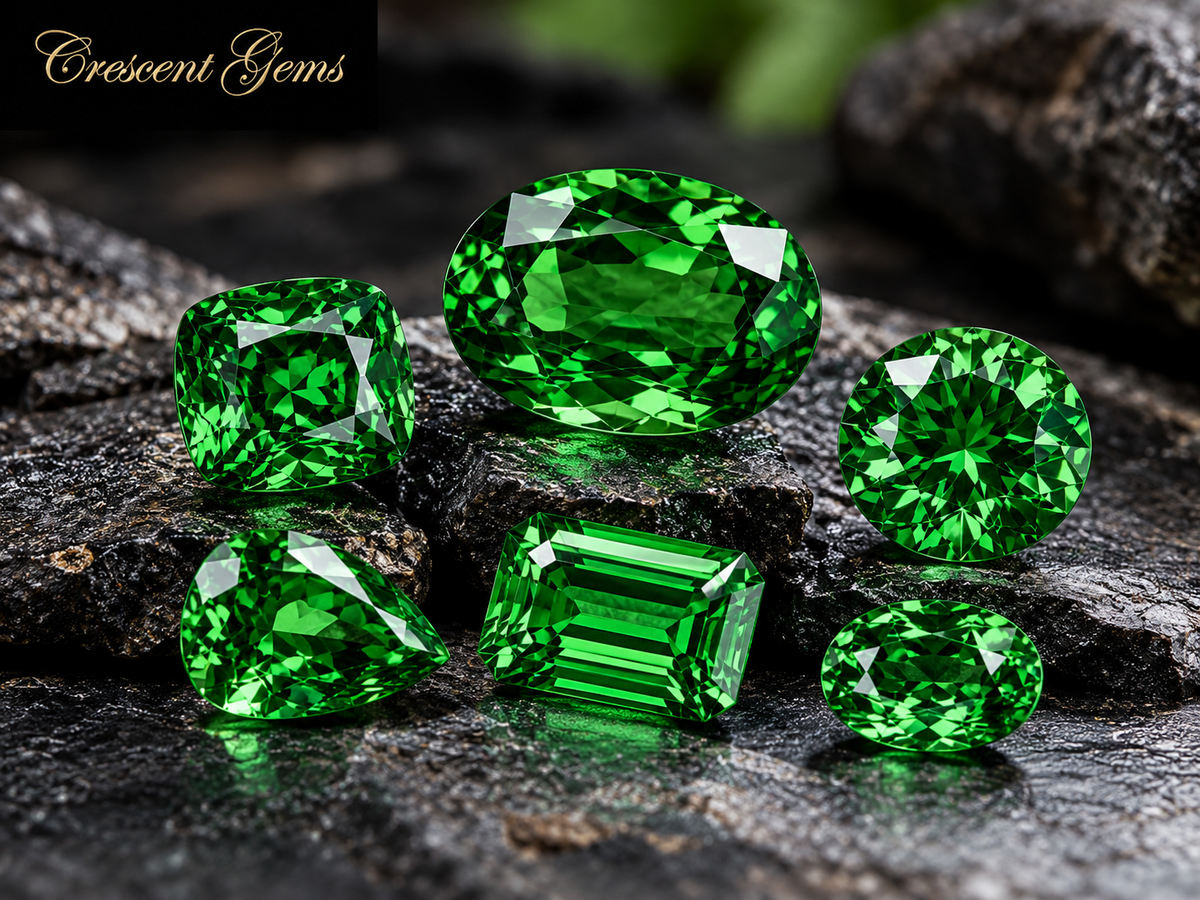
Tsavorite Garnet Price Guide — What They Cost and Why
Read moreabout Tsavorite Garnet Price Guide — What They Cost and Why
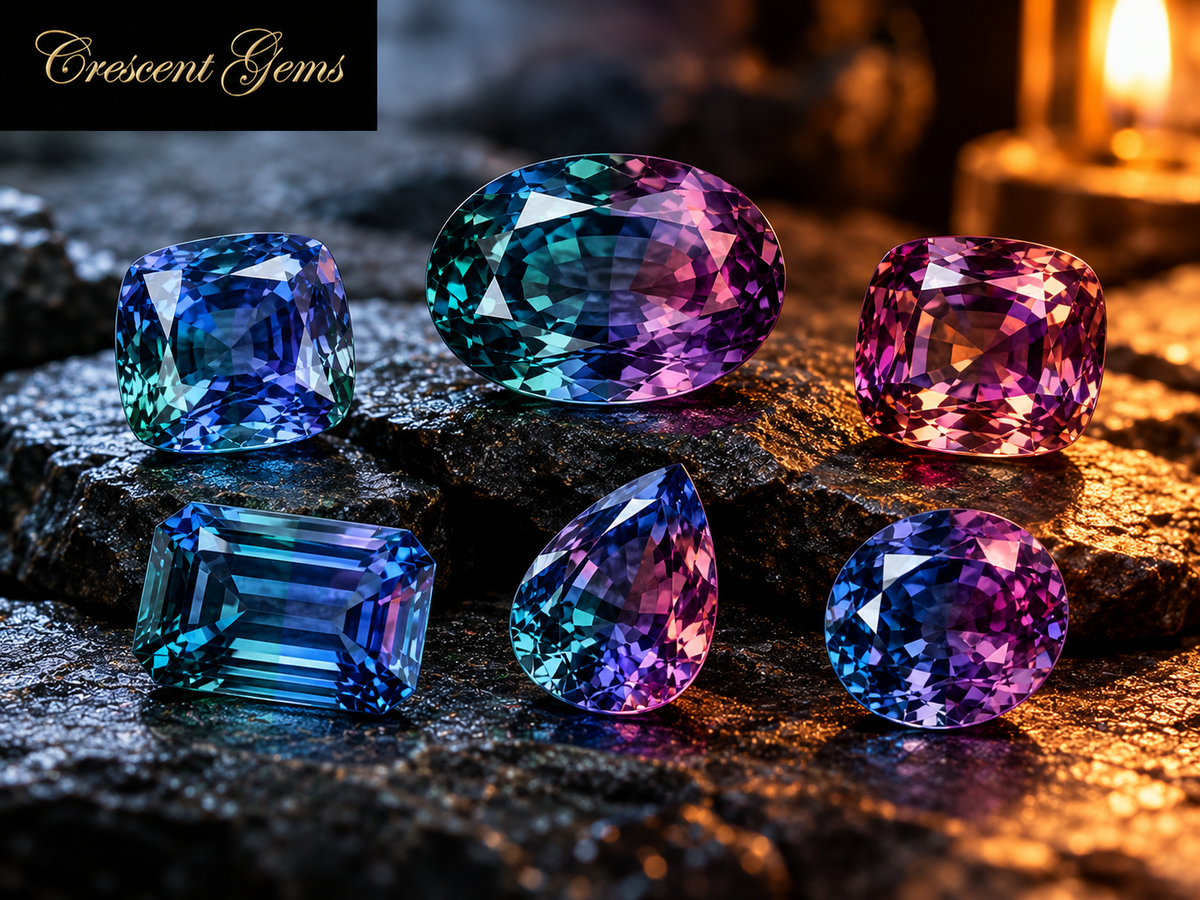
Color-Change Sapphire Price Guide — What They Cost and Why
Read moreabout Color-Change Sapphire Price Guide — What They Cost and Why
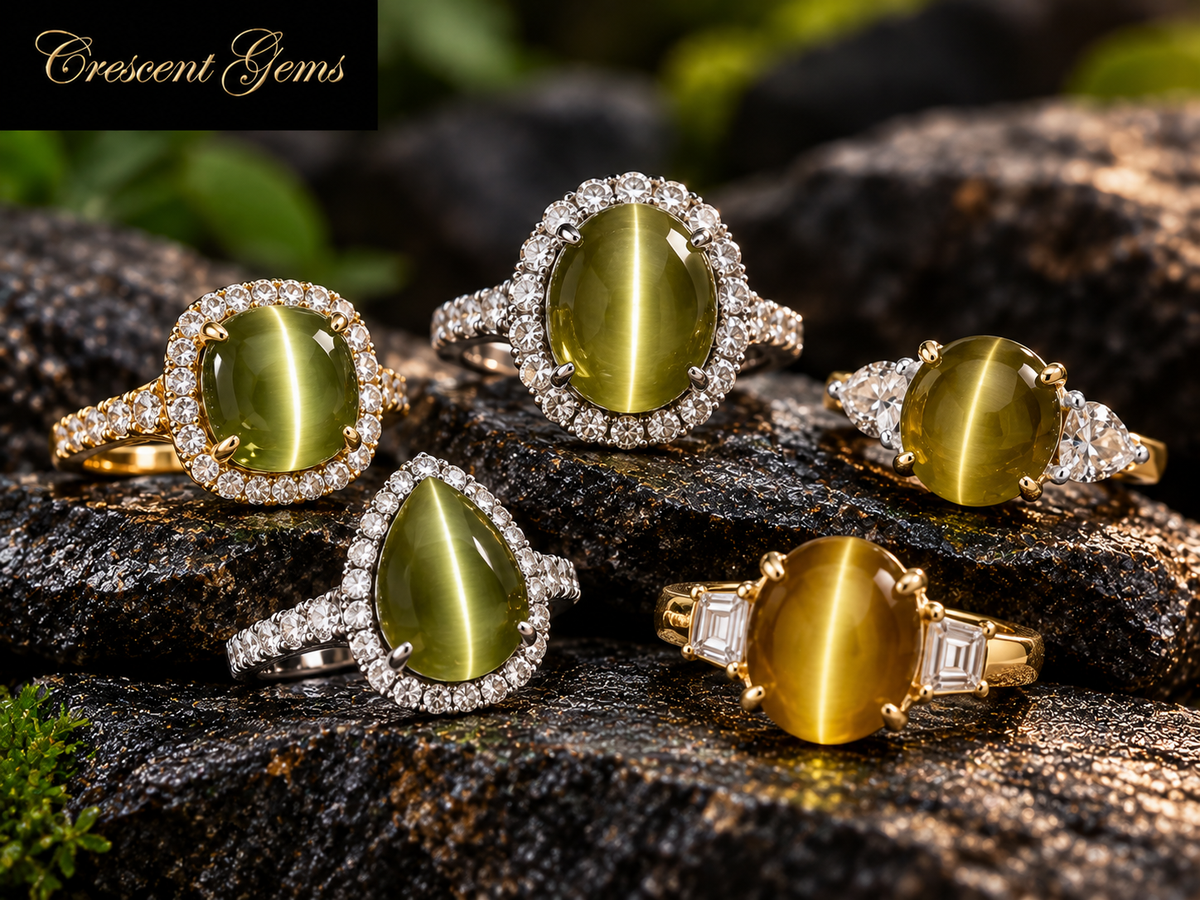
Is Cat's-Eye Chrysoberyl Good for an Engagement Ring?
Read moreabout Is Cat's-Eye Chrysoberyl Good for an Engagement Ring?
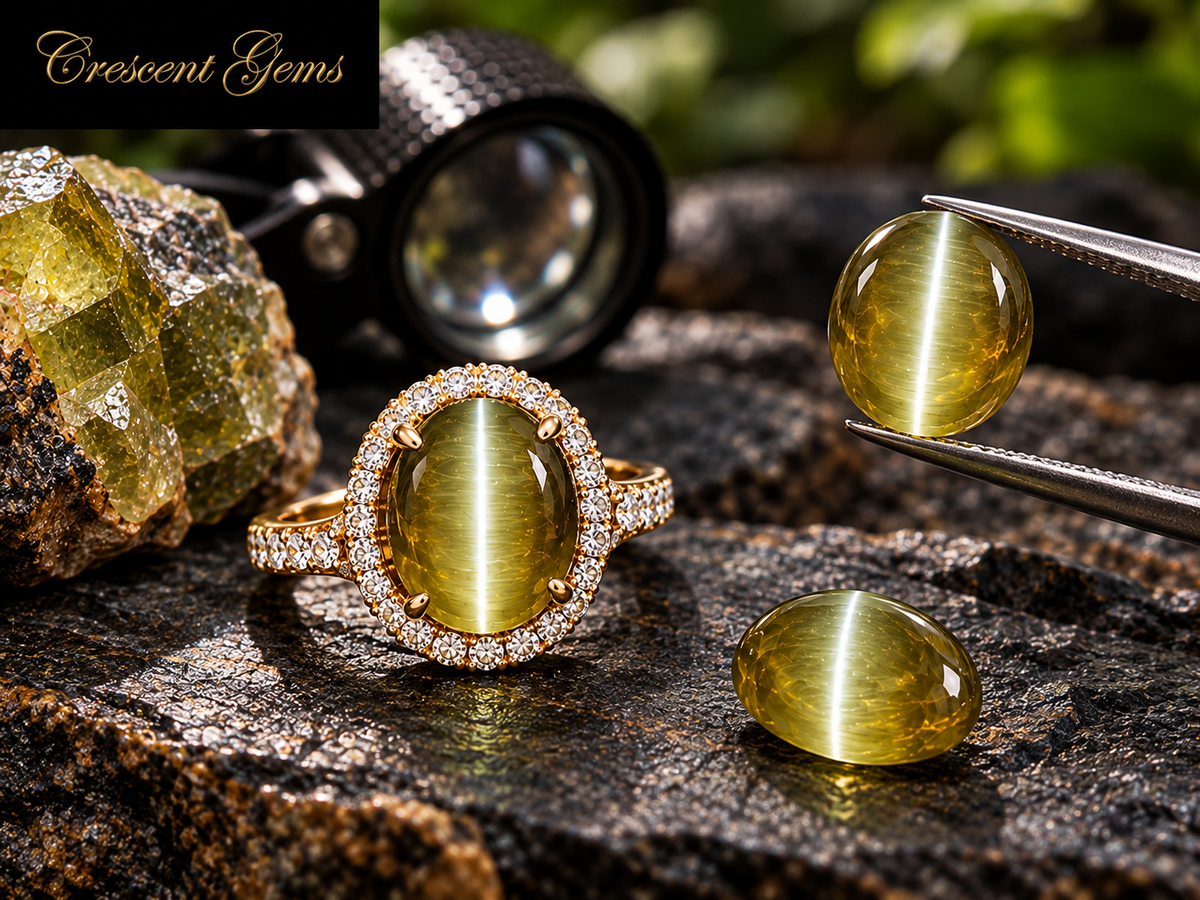
Cat's Eye Chrysoberyl Price Guide — What They Cost and Why
Read moreabout Cat's Eye Chrysoberyl Price Guide — What They Cost and Why