

- 著者:Ahmed Shareek
Sapphire vs. Tanzanite — Two Blue Gemstones, Very Different Stones
- 著者:Ahmed Shareek
For the sapphire side of this comparison: Blue Sapphire Buyer's Guide. For the engagement ring decision: How to Choose a Sapphire Engagement Ring. For the buying foundation: Ultimate Sapphire Buying Guide.
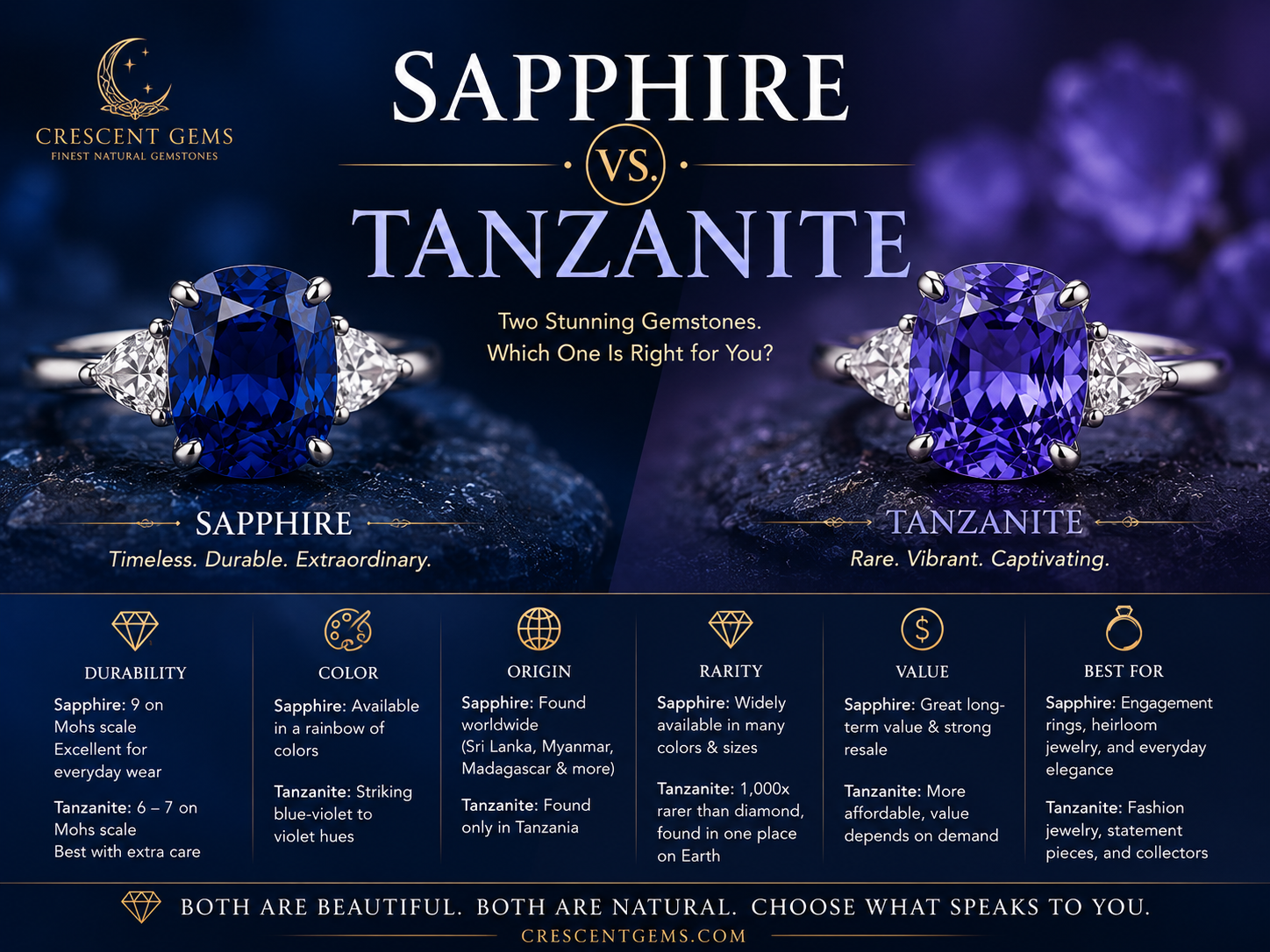
Sapphire and tanzanite are the two most commercially significant blue gemstones in the jewelry market. Both produce vivid, genuinely beautiful blue-violet color. The comparison, however, is less even than it first appears. Sapphire and tanzanite are fundamentally different stones in terms of geology, durability, rarity type, value behavior over time, and what they demand from the person wearing them.
Sapphire: The blue variety of corundum — aluminum oxide — colored by iron and titanium. Corundum is Mohs 9 on the hardness scale, second only to diamond. It has been mined, traded, and worn continuously for over 2,000 years from sources including Sri Lanka, Burma, Kashmir, Madagascar, and Tanzania. Blue sapphire is the September birthstone and has been among the most valued gemstones in every major civilization.
Tanzanite: The blue-violet variety of zoisite — a calcium aluminum silicate mineral — colored by vanadium. Discovered in 1967 near Arusha, Tanzania. Found in only one location on Earth: approximately 8 square kilometers in the Merelani Hills. Mohs 6.5. Commercially available for less than 60 years.
Fine tanzanite at its best produces a vivid blue-violet color with a strong violet secondary that gives the stone depth and complexity. Under incandescent light, tanzanite shifts notably toward violet or purple. Fine blue sapphire at its best produces a vivid, pure blue — often with a slight violet secondary at Ceylon quality levels — without the dramatic color-shift that tanzanite shows between lighting conditions. See our sapphire colors guide.
| Durability Factor | Sapphire | Tanzanite |
|---|---|---|
| Mohs hardness | 9 | 6.5 |
| Cleavage | None | Perfect in one direction |
| Suitable for daily ring wear | Yes — excellent | With care — better for pendants and earrings |
For care guidance for sapphire rings, see our Sapphire Ring Care Guide. For insurance guidance, see our insuring a sapphire ring guide.
Sapphire's rarity is quality-driven — the mineral is widely produced but fine material is scarce. Tanzanite's rarity is geographic — found in one location on Earth, with deposits that may be exhausted within decades at current extraction rates.
Fine sapphire — particularly unheated material from Ceylon, Kashmir, or Burma, documented by GIA or Gubelin — has a deep, well-established secondary market. Tanzanite's secondary market is thinner. See our sapphire pricing guide, what a good 1 carat costs, and what a good 2 carat costs.
Choose sapphire if: you want a ring for daily wear, you care about long-term durability, you want a stone with an established global resale market, or the piece is intended as an heirloom. Browse our unheated blue sapphire collection or our full Ceylon sapphire catalog.
Choose tanzanite if: you want the specific blue-violet trichroic color that tanzanite produces and that sapphire does not exactly replicate, you are buying for a pendant, earrings, or a ring worn on special occasions rather than daily, or the vivid violet shift under incandescent light is specifically what you want.
Browse our unheated blue sapphire collection, or email crescentgems@gmail.com with your specifications. We respond within one business day.

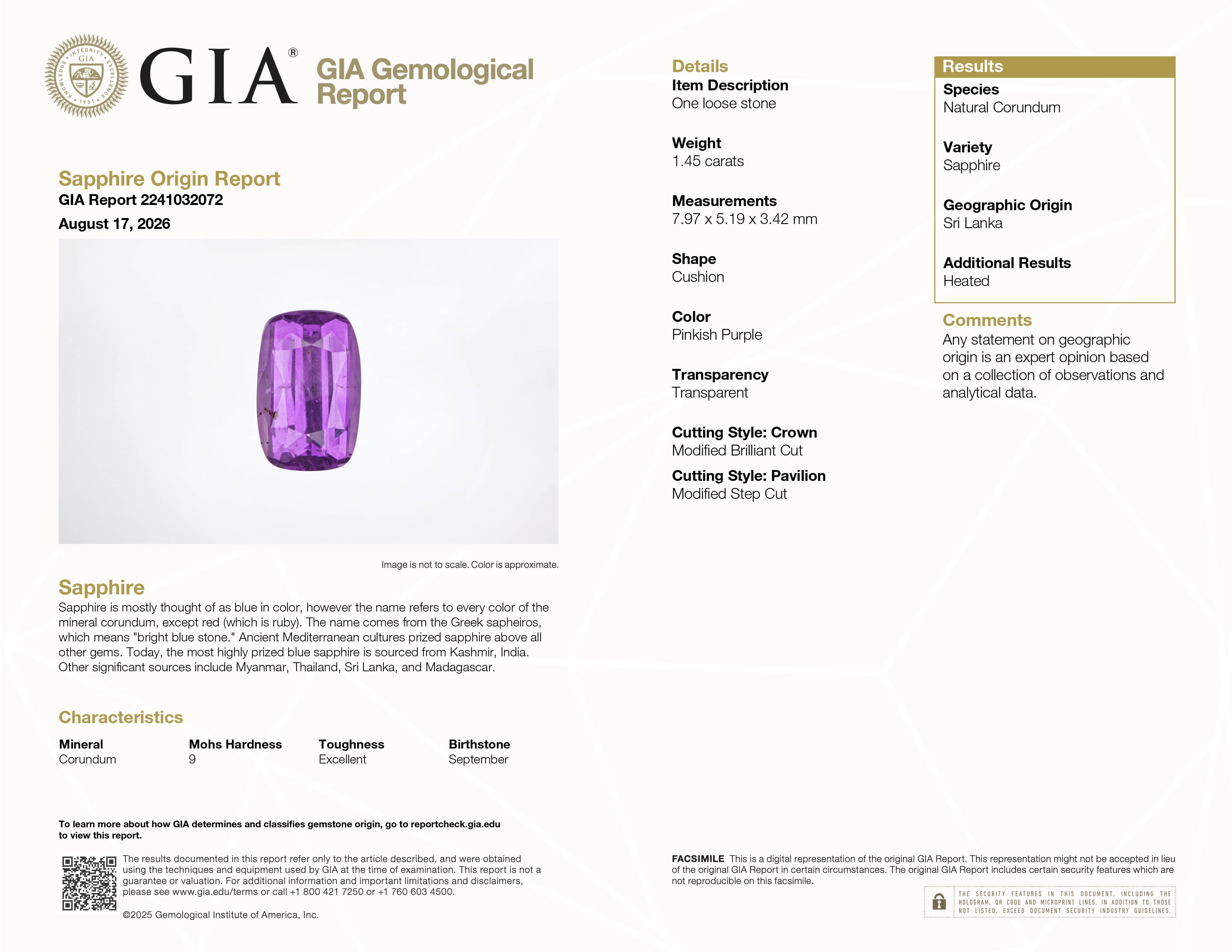
CG8469
ピンキッシュパープルサファイア 1.45ct 【加熱】 スリランカ産 GIA原産地レポート付
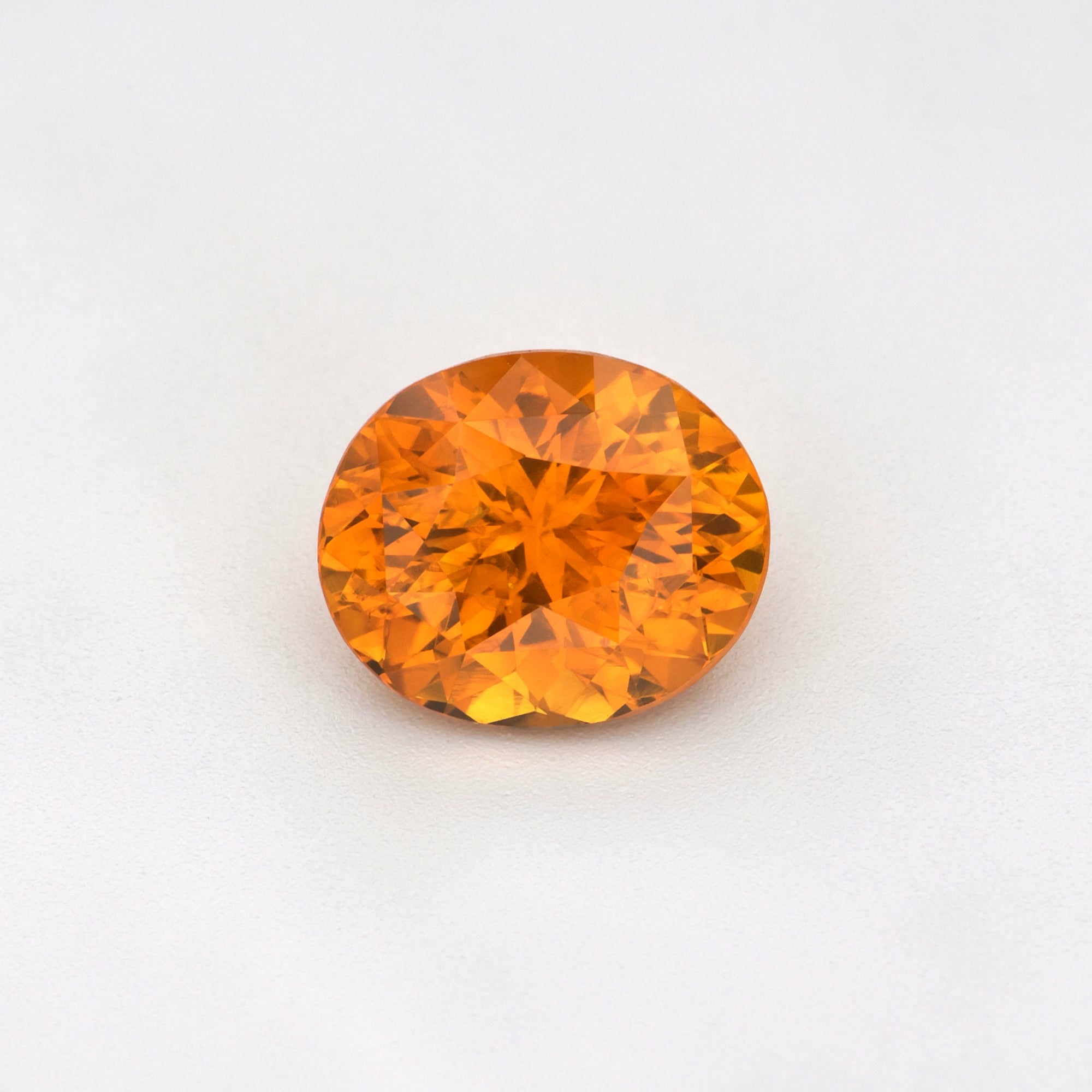
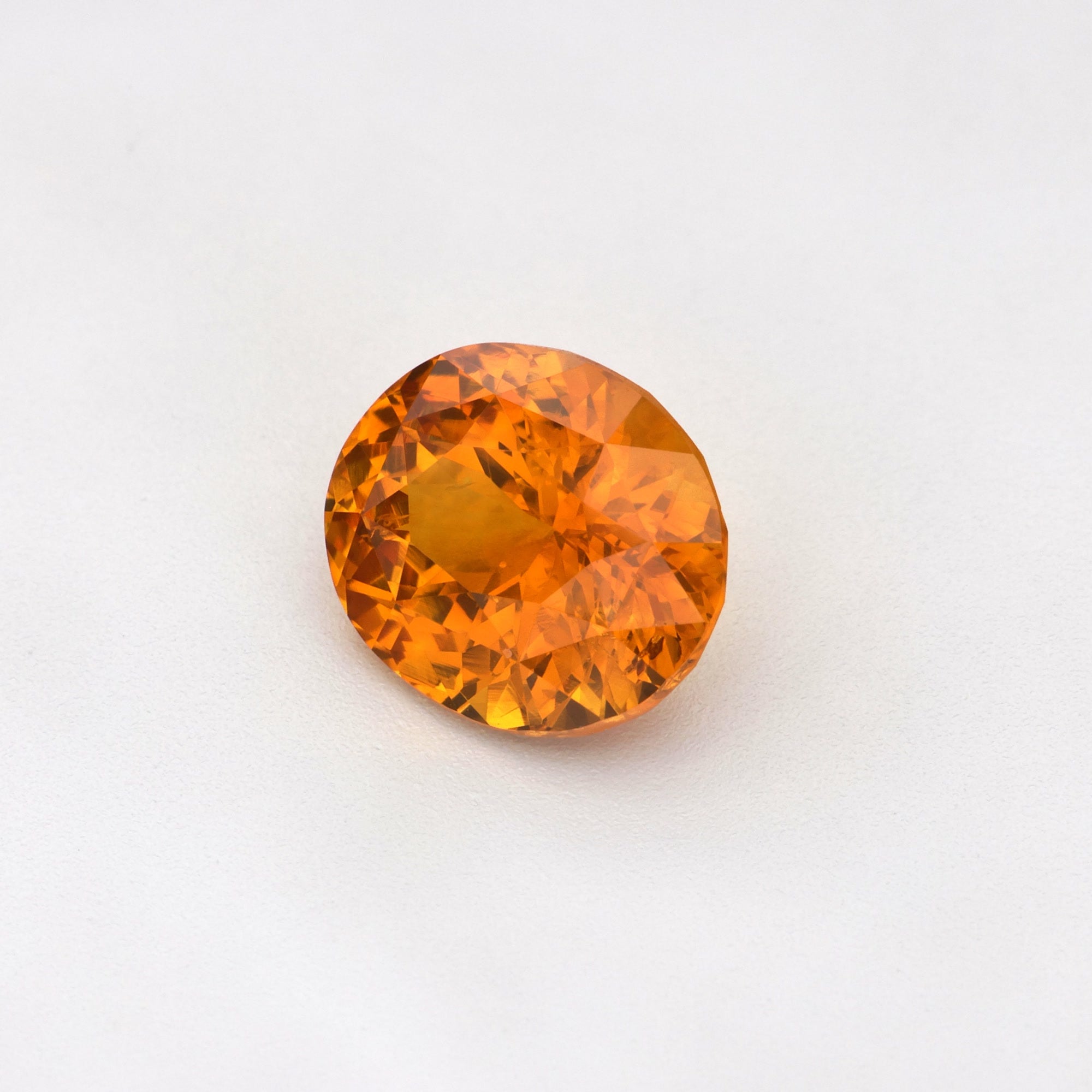
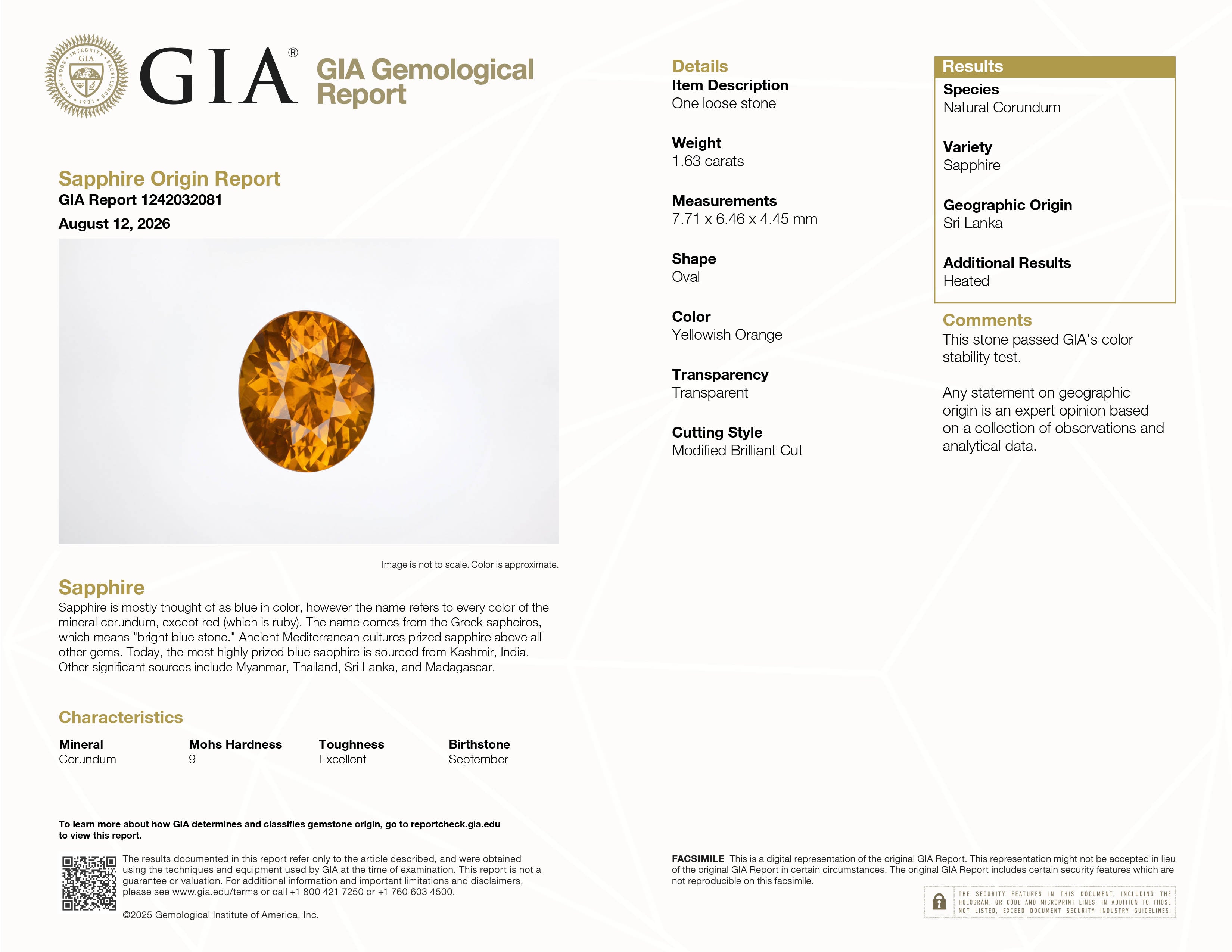
CG8454
天然オレンジサファイア1.63ct・オーバルカット・GIAレポート付・産地スリランカ(レポート記載)
CG8468
CG8465
1.86ct ツァボライト クッション 天然グロッシュラー・ガーネット|GIAレポート #1242032119
CG8464
CG8463
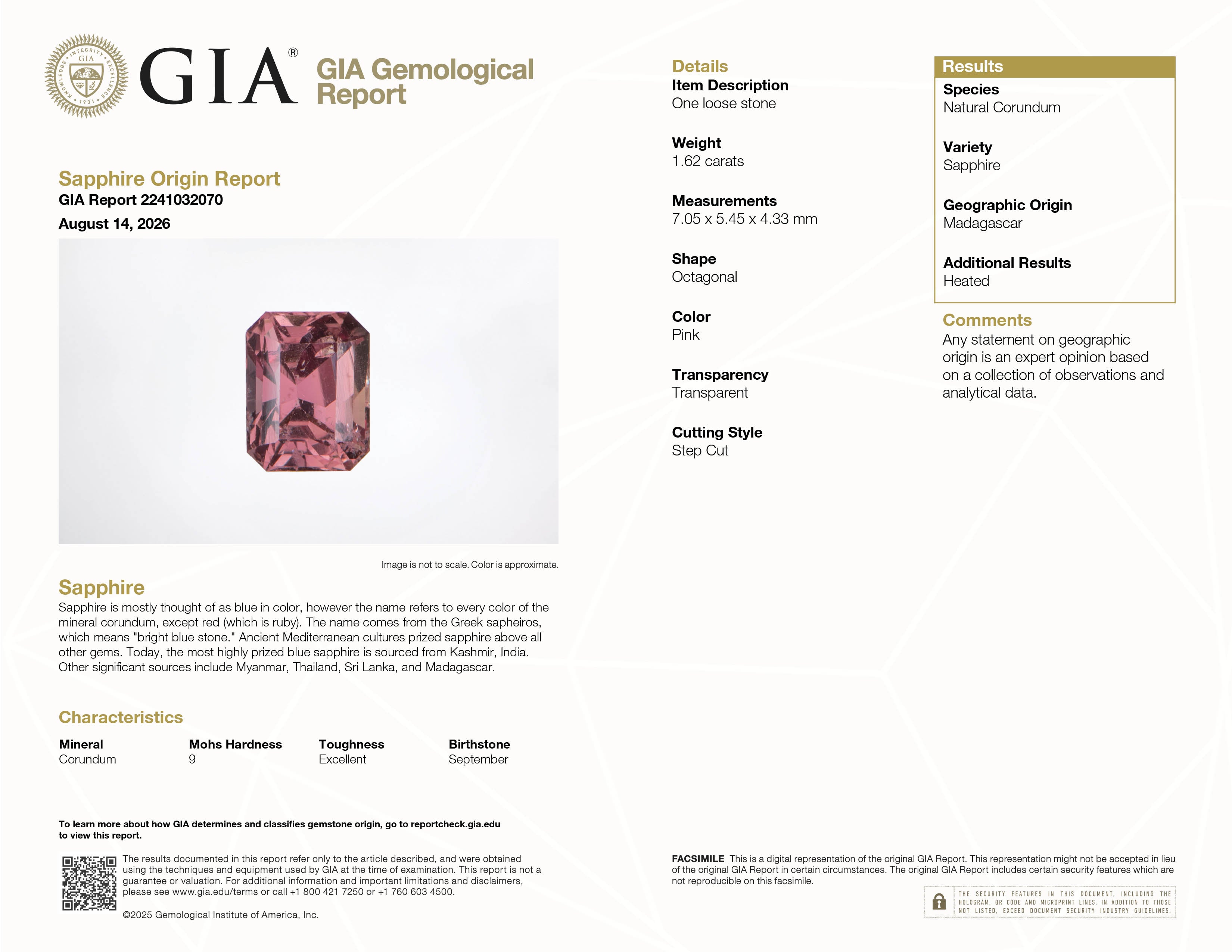
天然ピンクサファイア 1.62ct マダガスカル産【GIA原産地レポート付】エメラルドカット ルース
CG8460
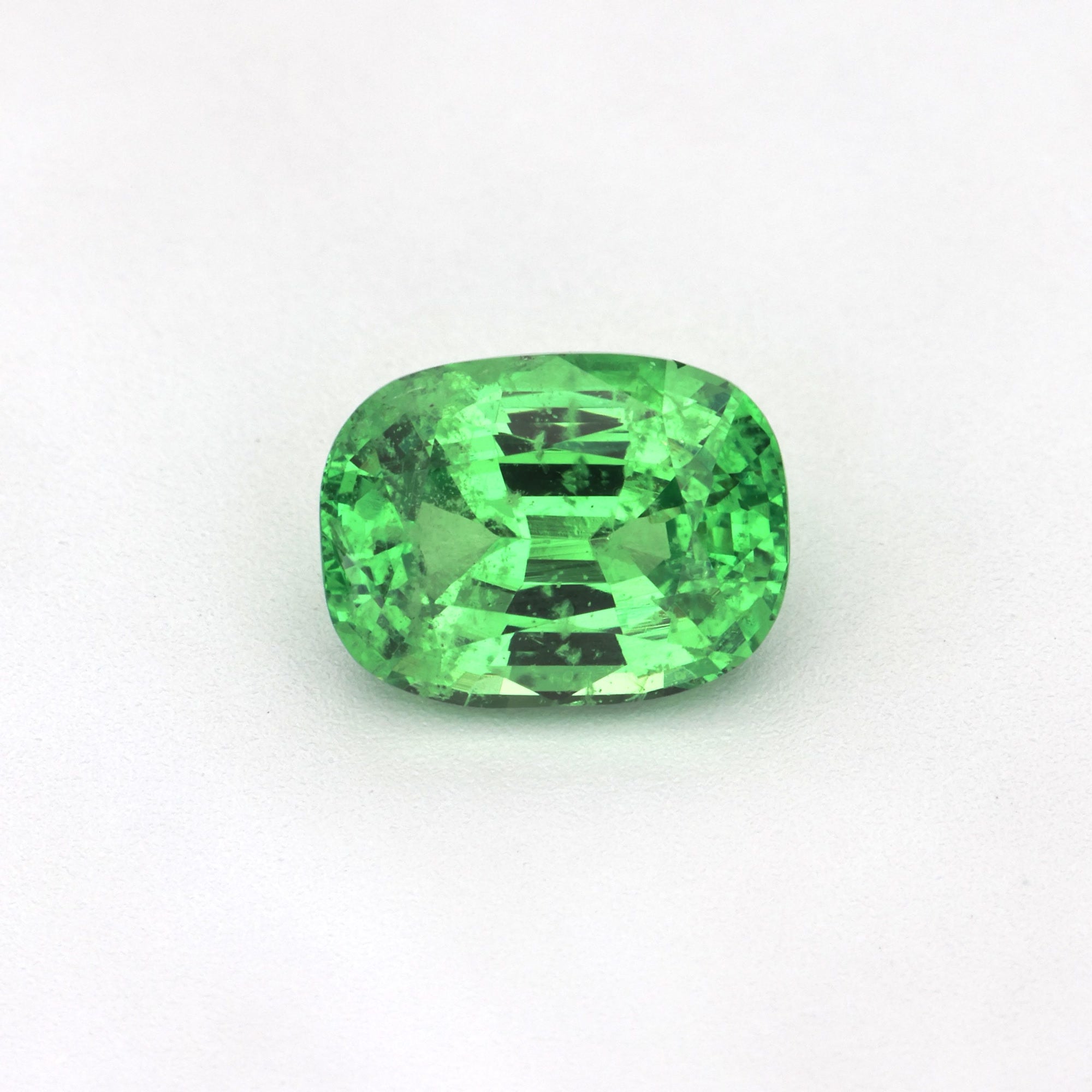
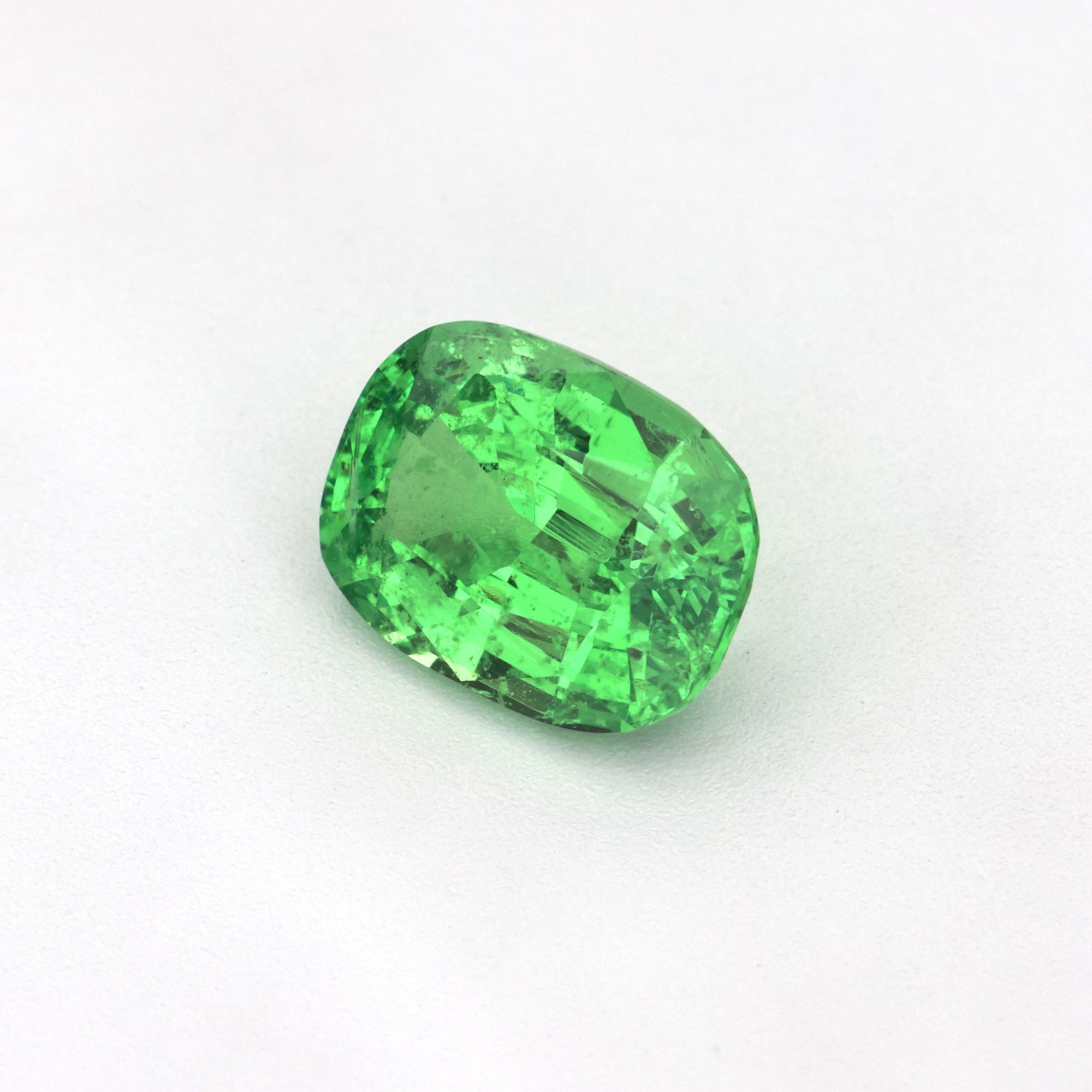
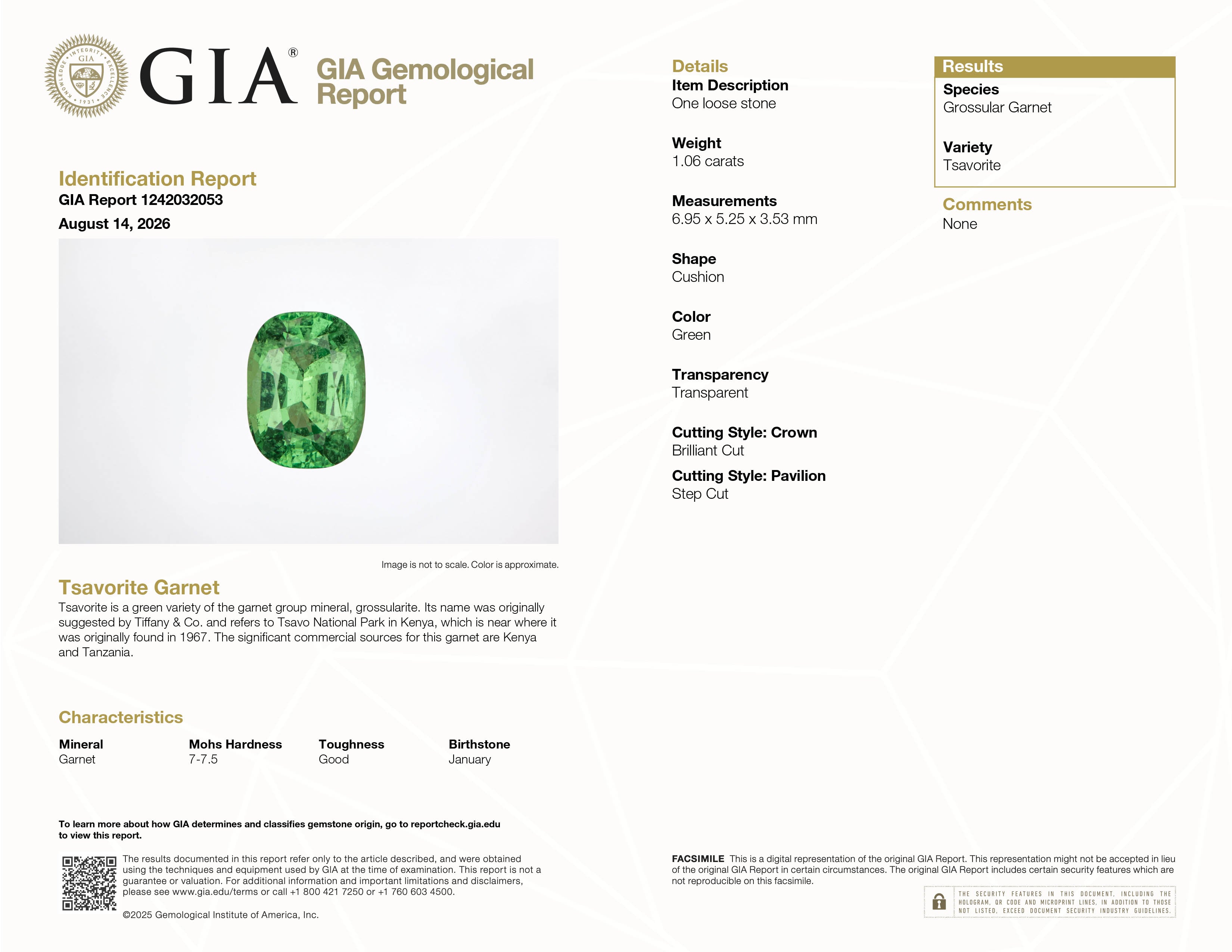
1.06ct ツァボライト クッション 天然グロッシュラー・ガーネット|GIAレポート #1242032053
CG8459
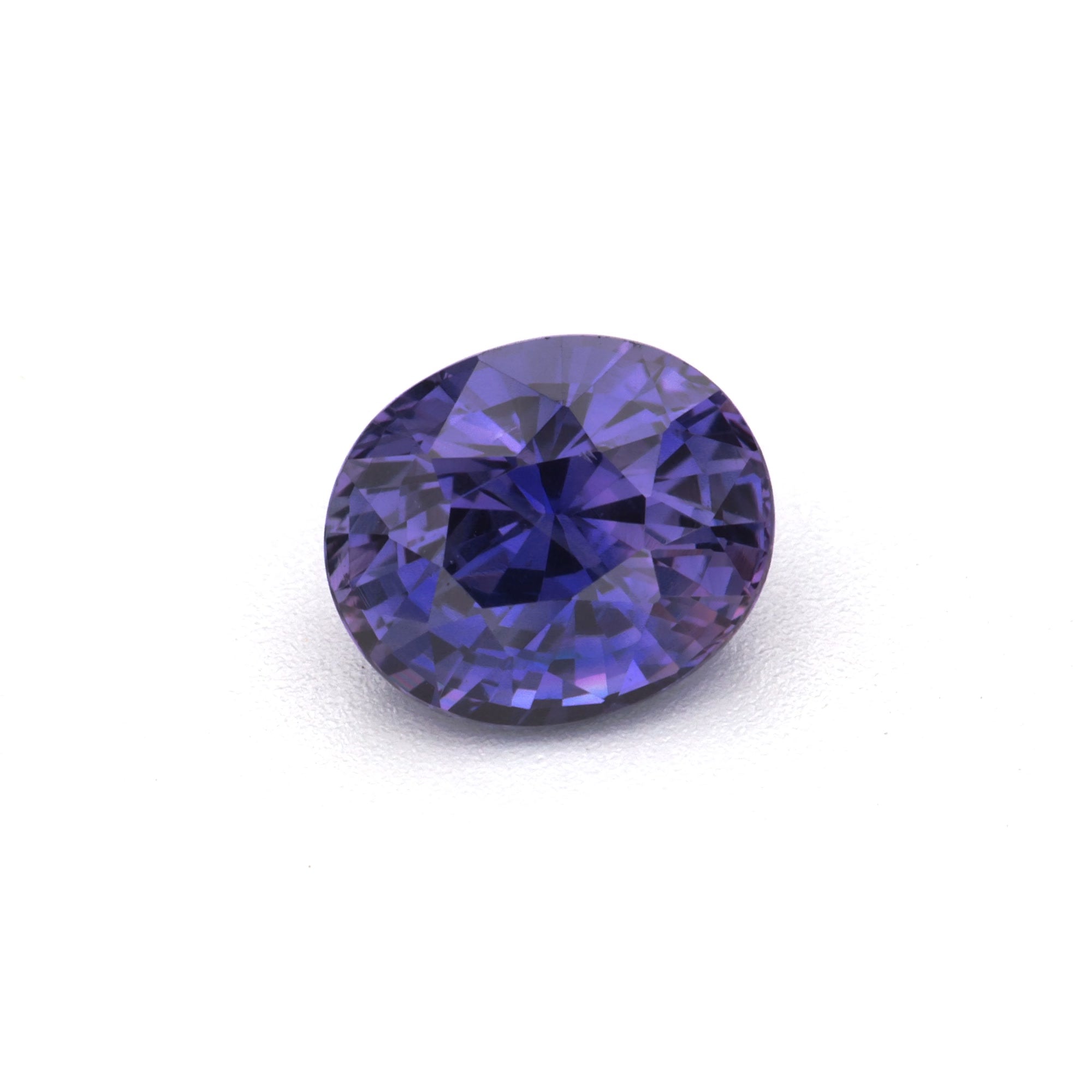
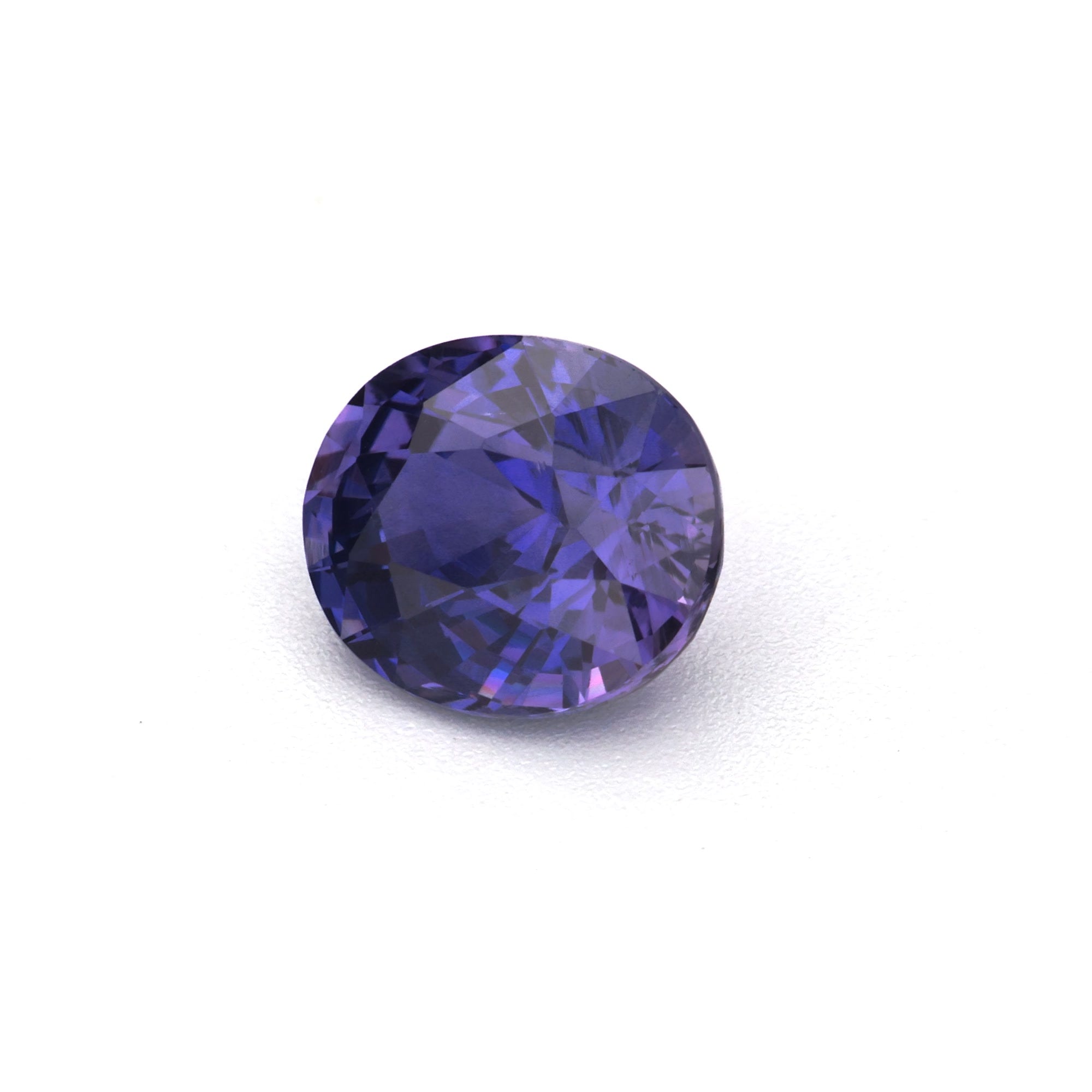
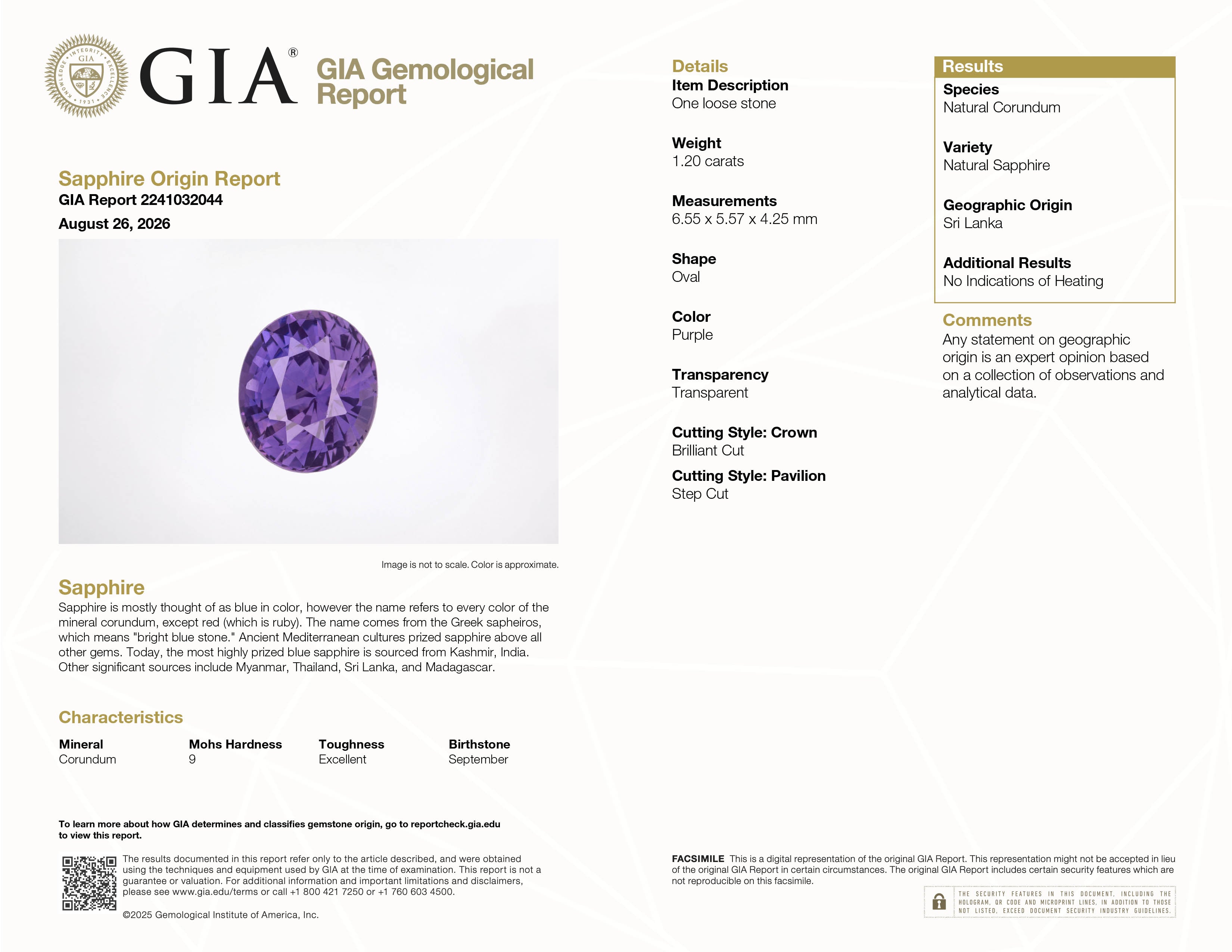
パープルサファイア 1.20ct 非加熱|スリランカ産|GIA原産地レポート付きルース
CG8458
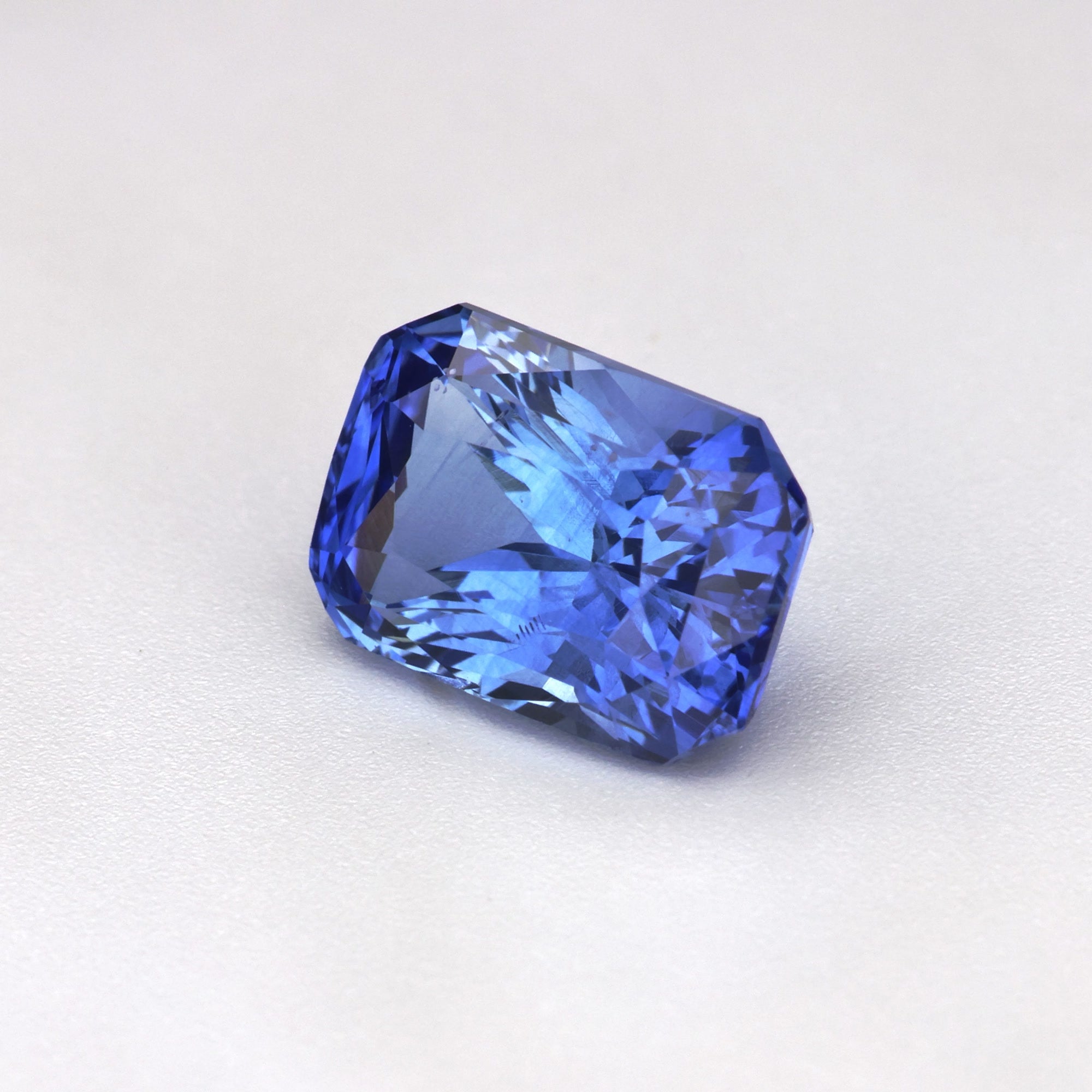
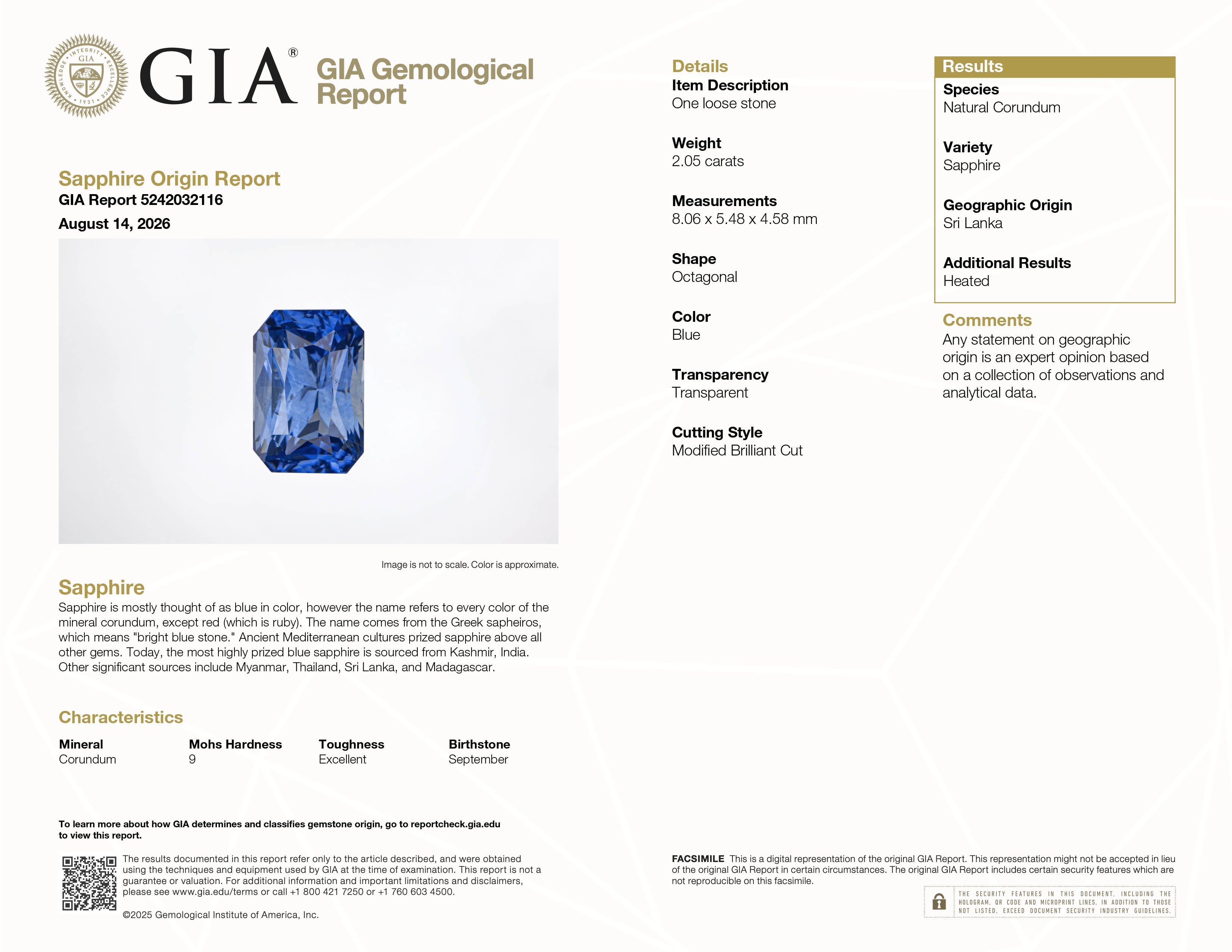
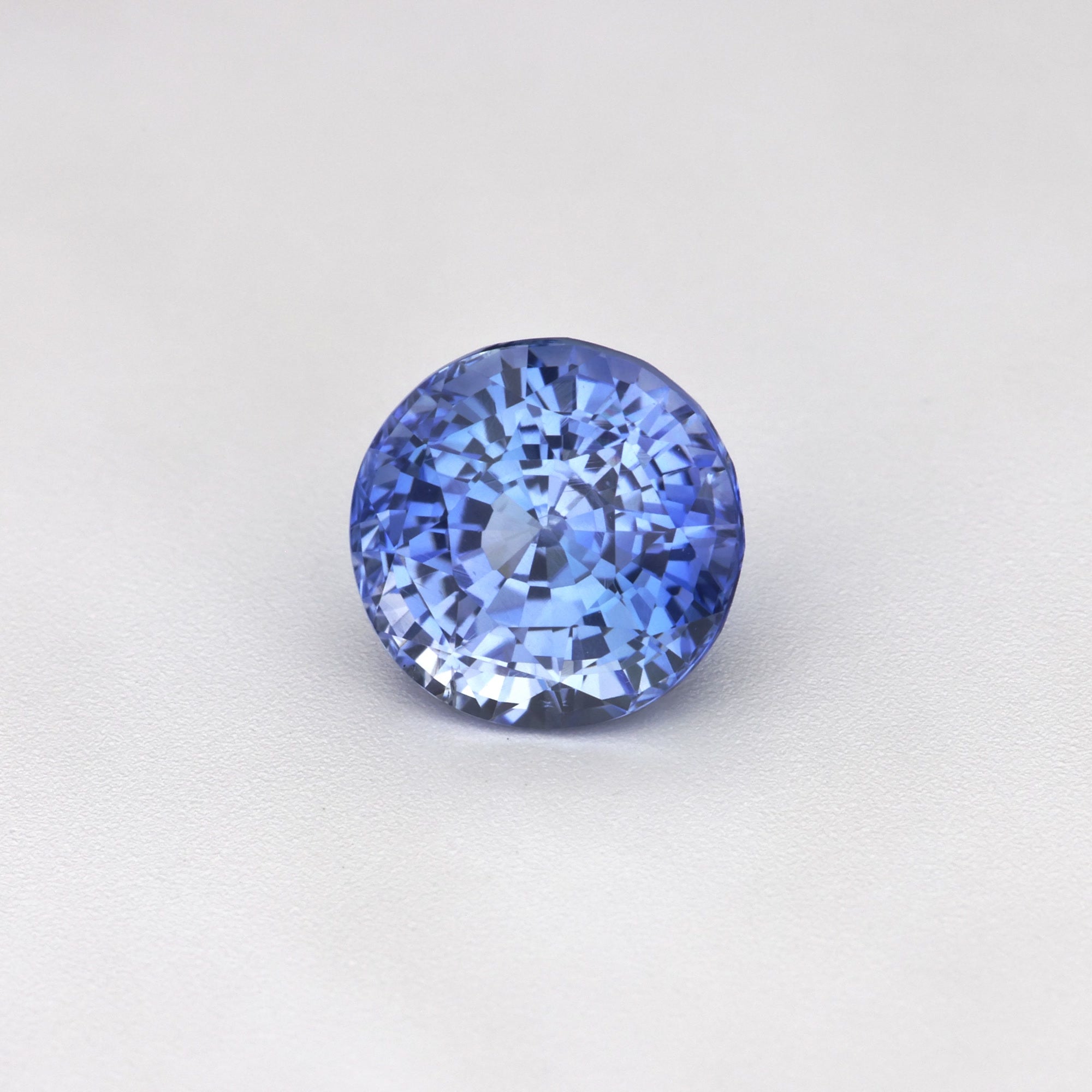
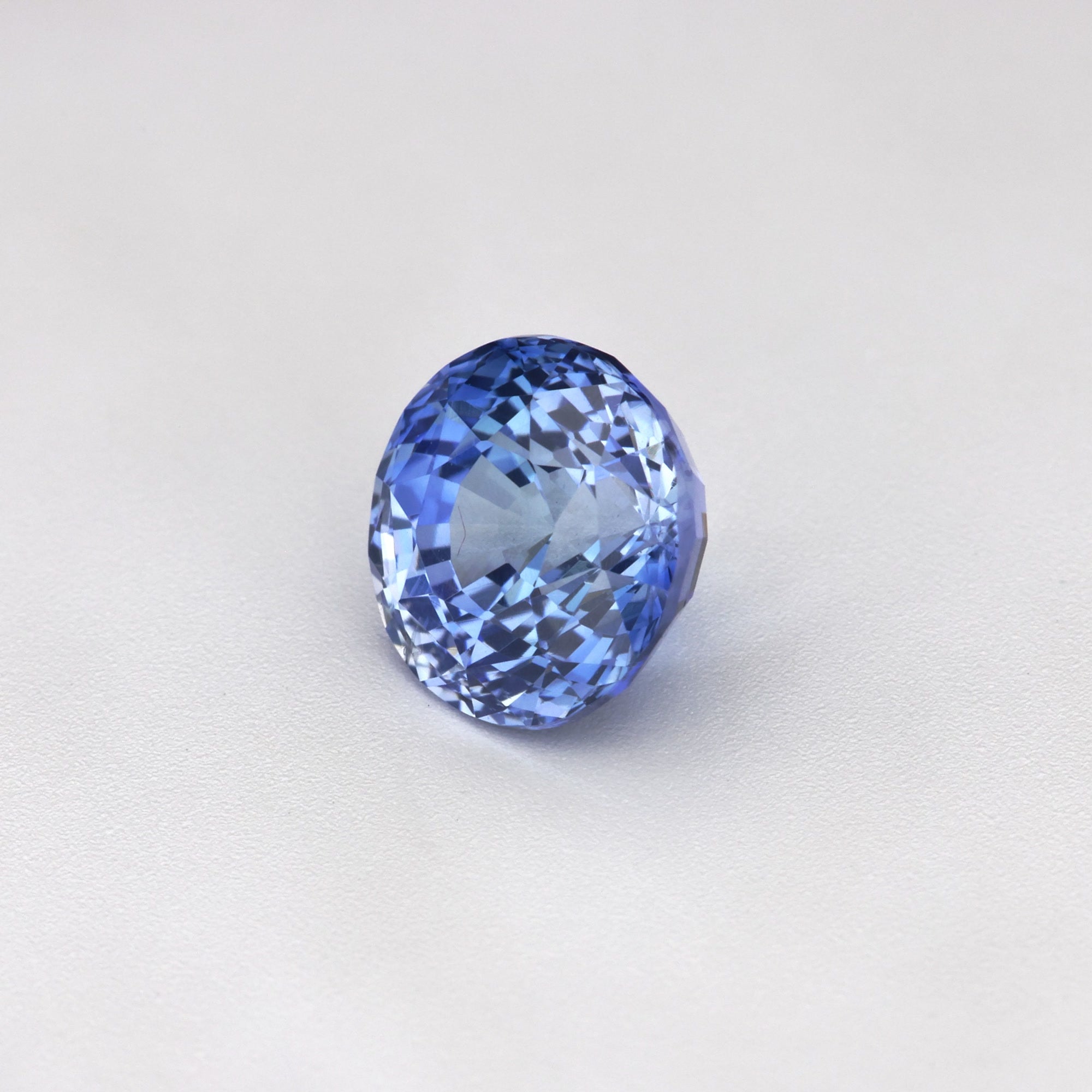
2.05ct 加熱ブルーサファイア|産地:スリランカ(GIAの意見)|ルース・GIA原産地レポート付き
CG8457
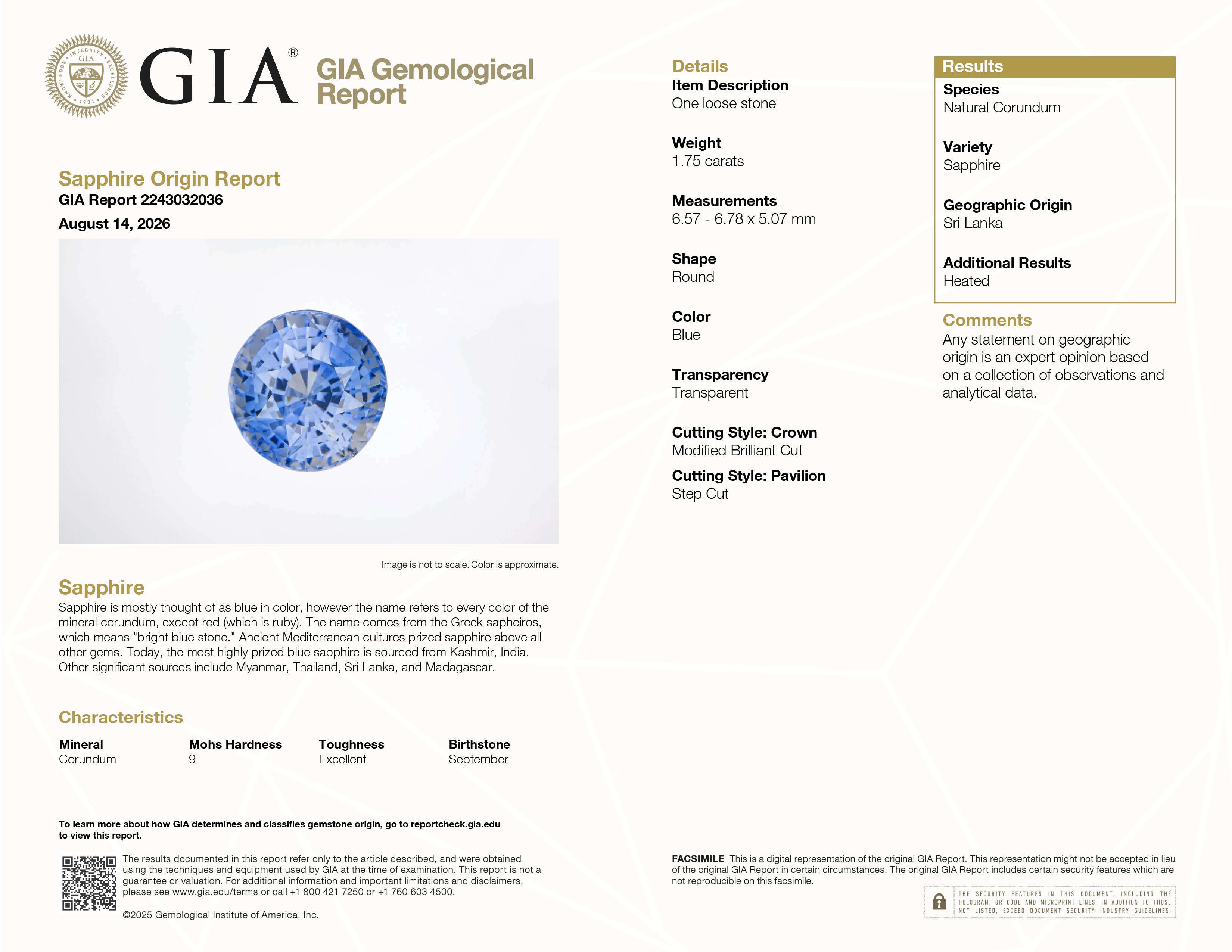
1.75ct スリランカ産ブルーサファイアのルース|加熱|GIA原産地レポート付き
CG8456
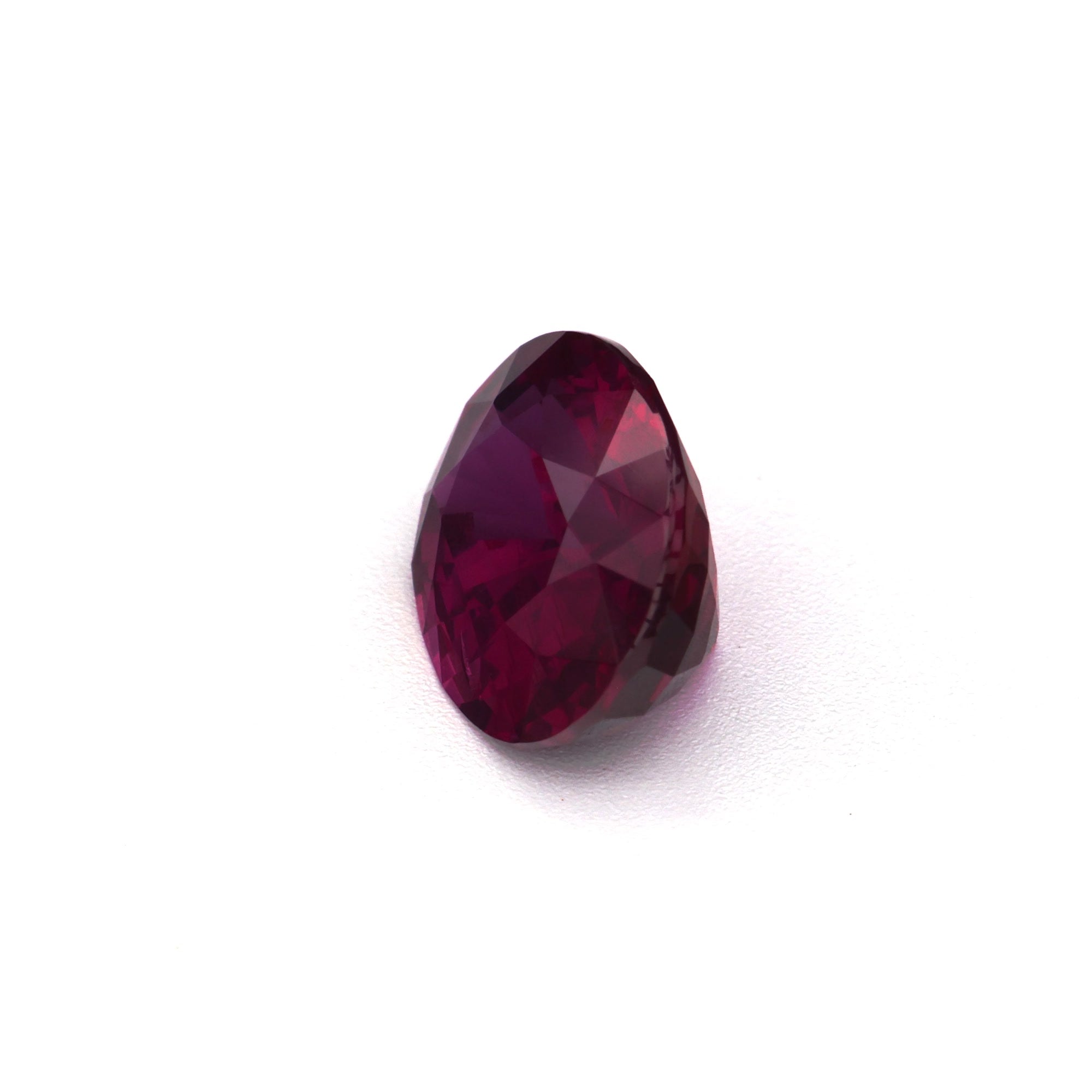
1.65ct 非加熱ルビーのルース|マダガスカル産ルビー・オーバル・GIA原産地レポート付き
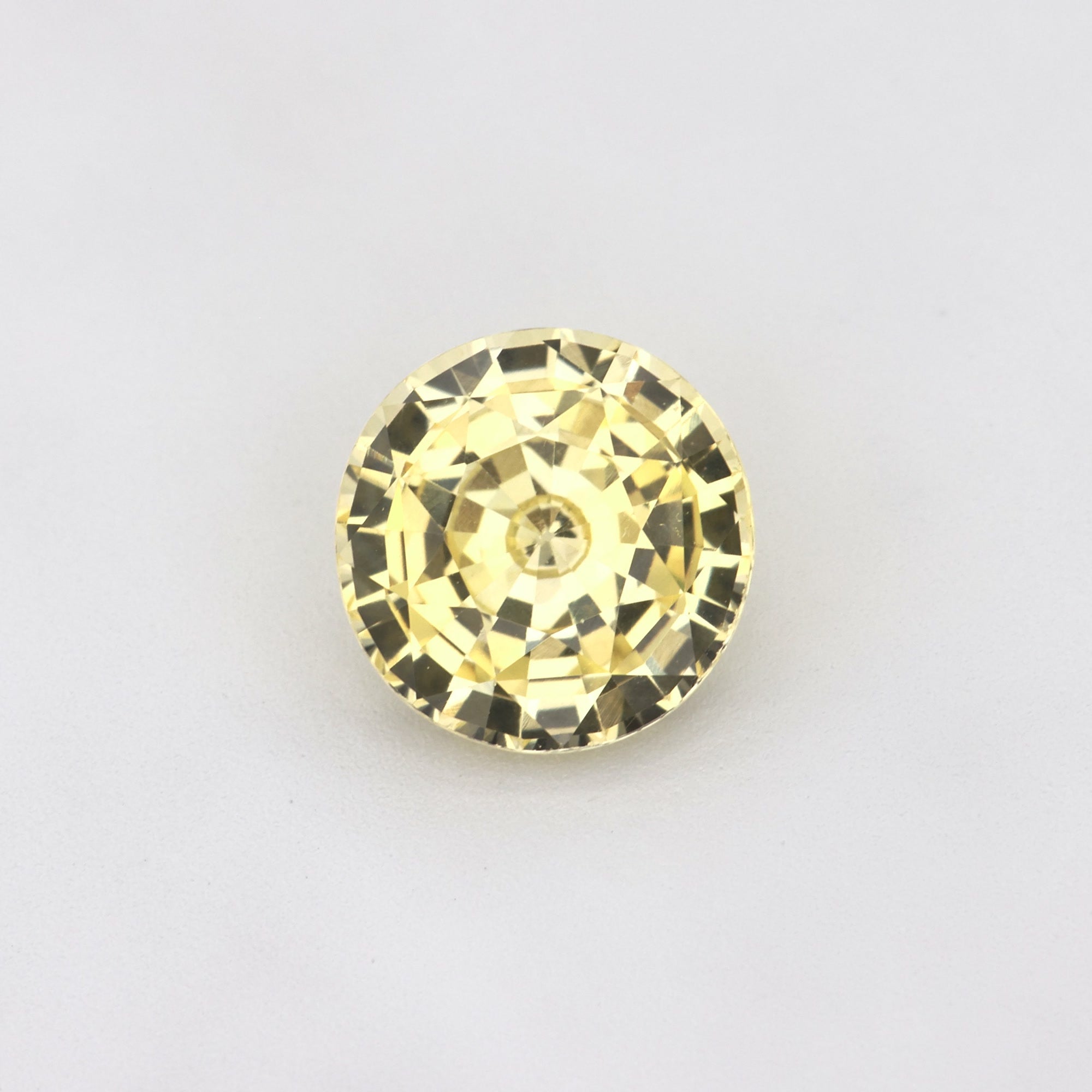
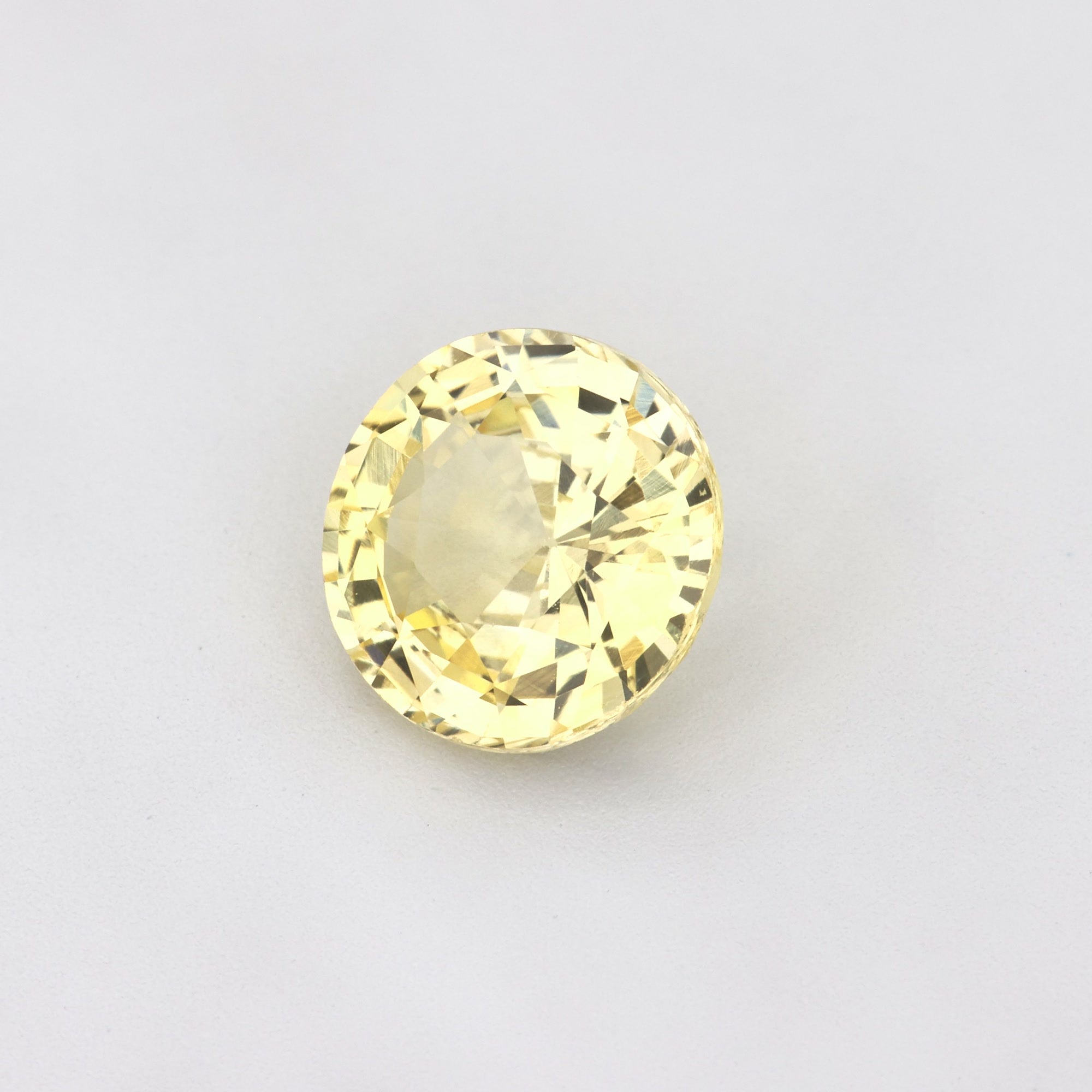
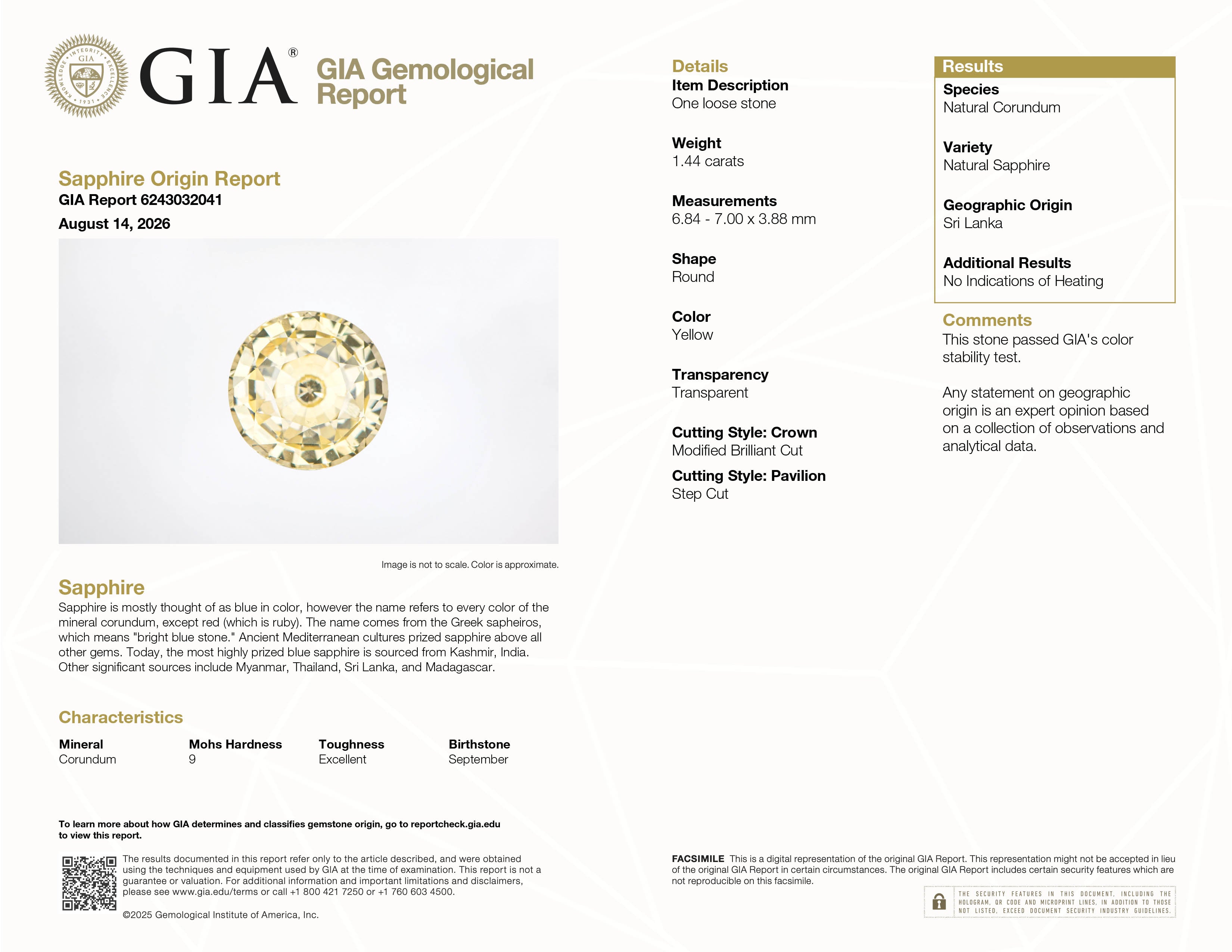
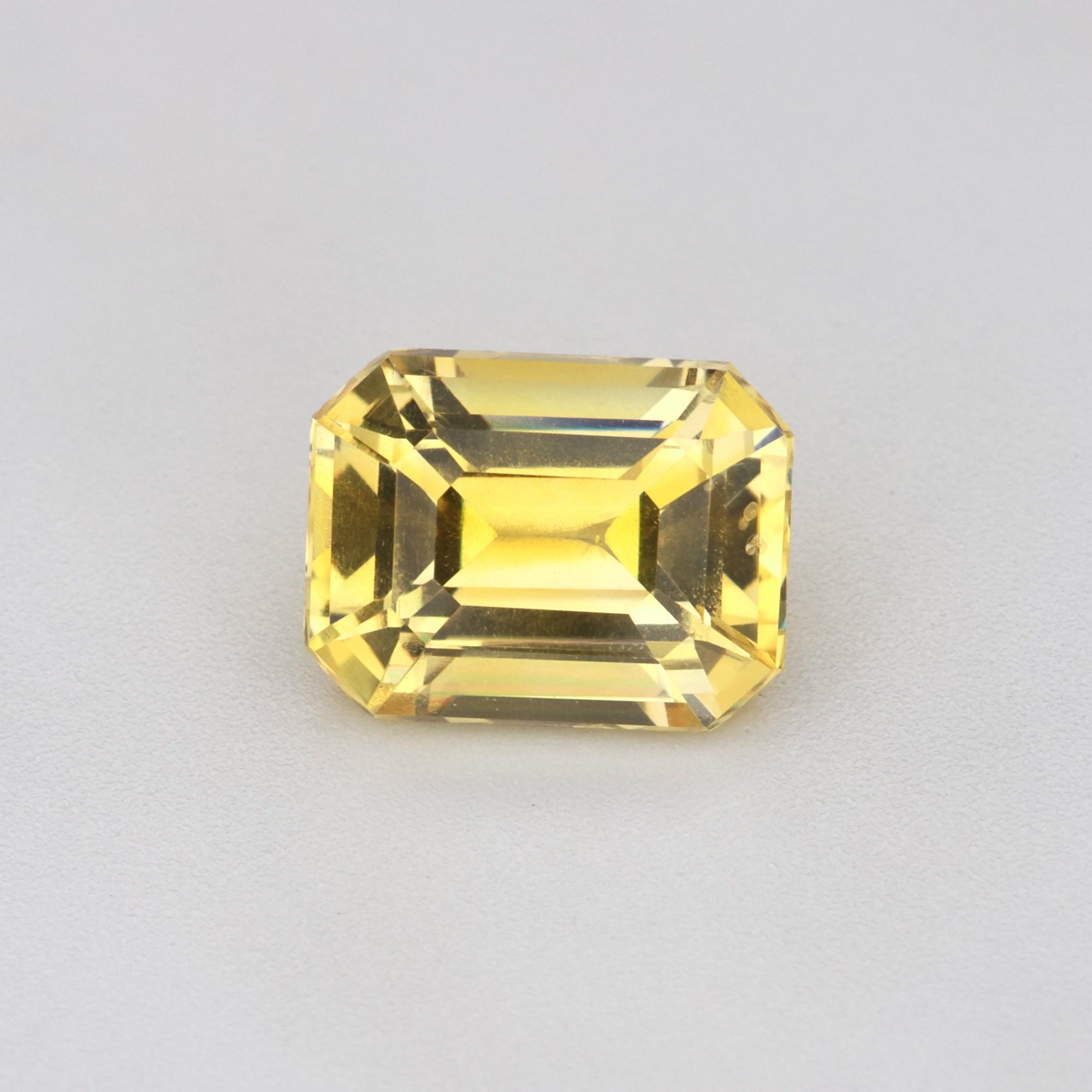
CG8453
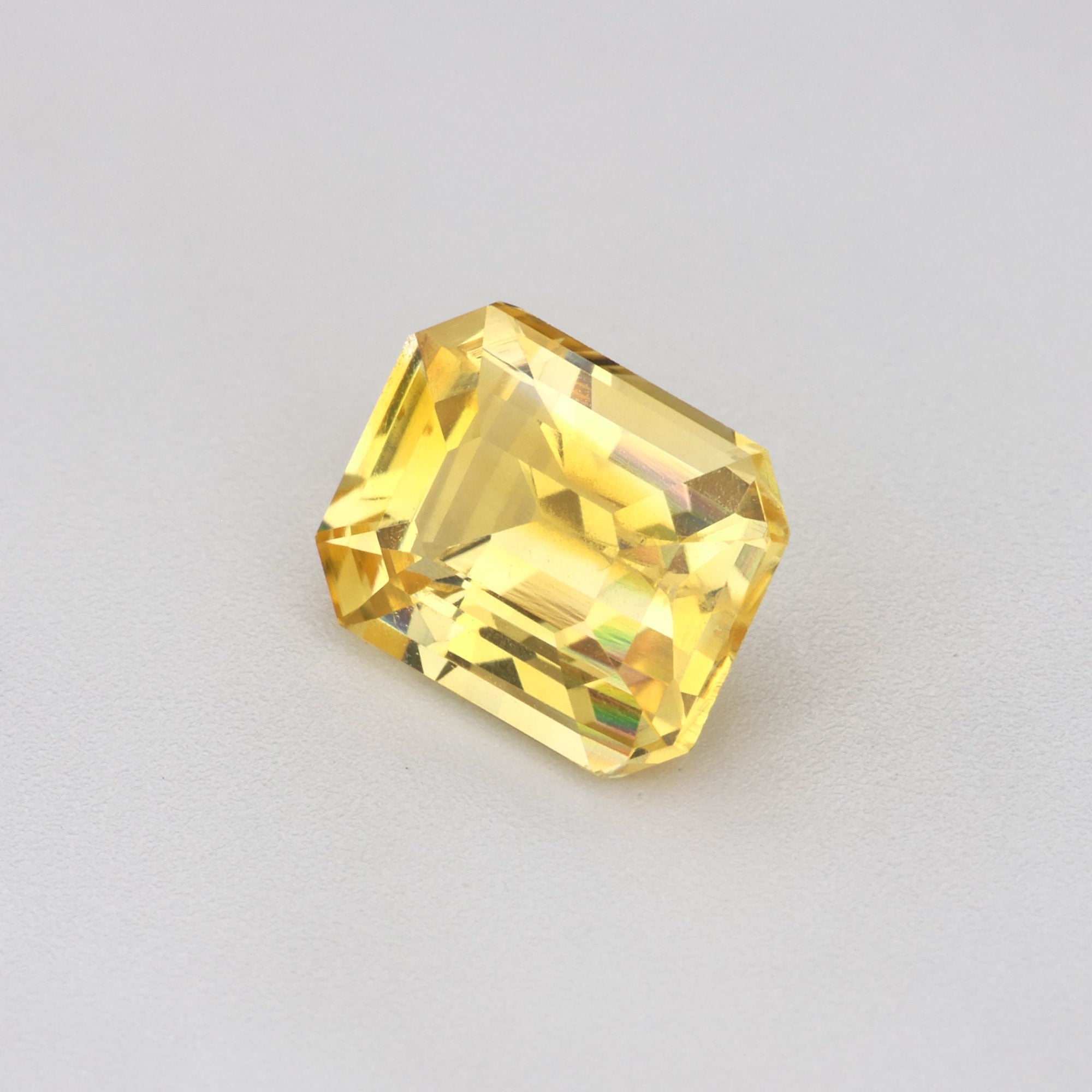
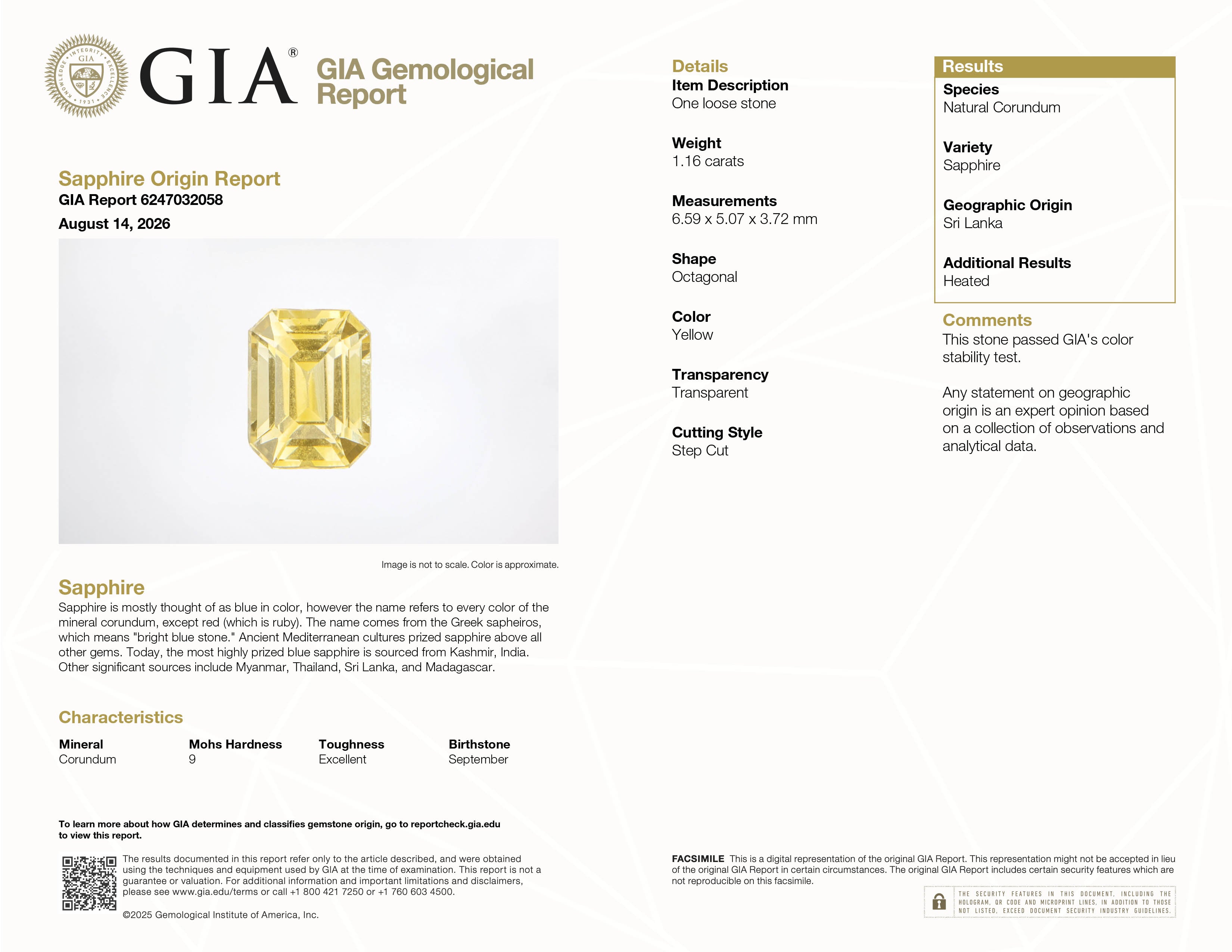
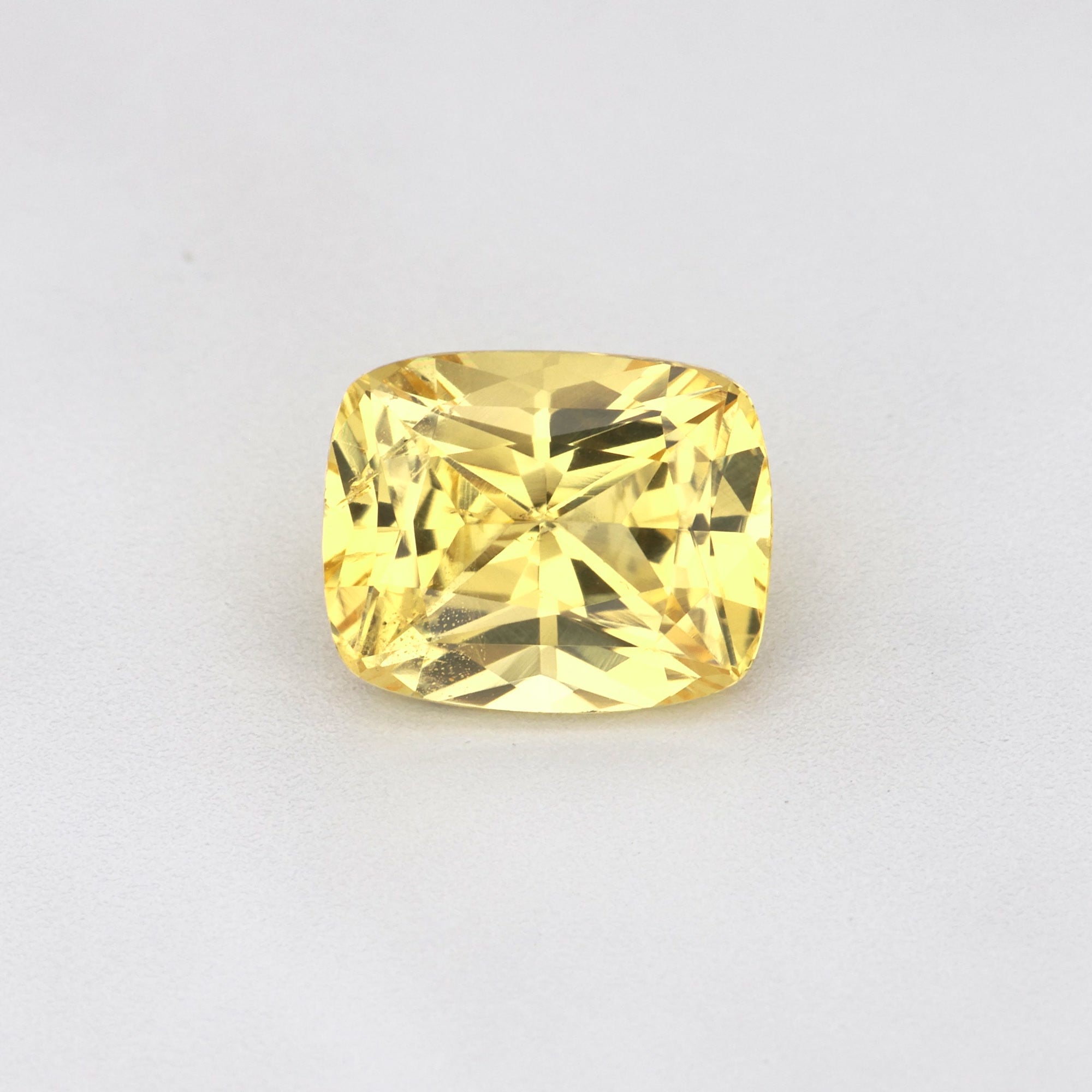
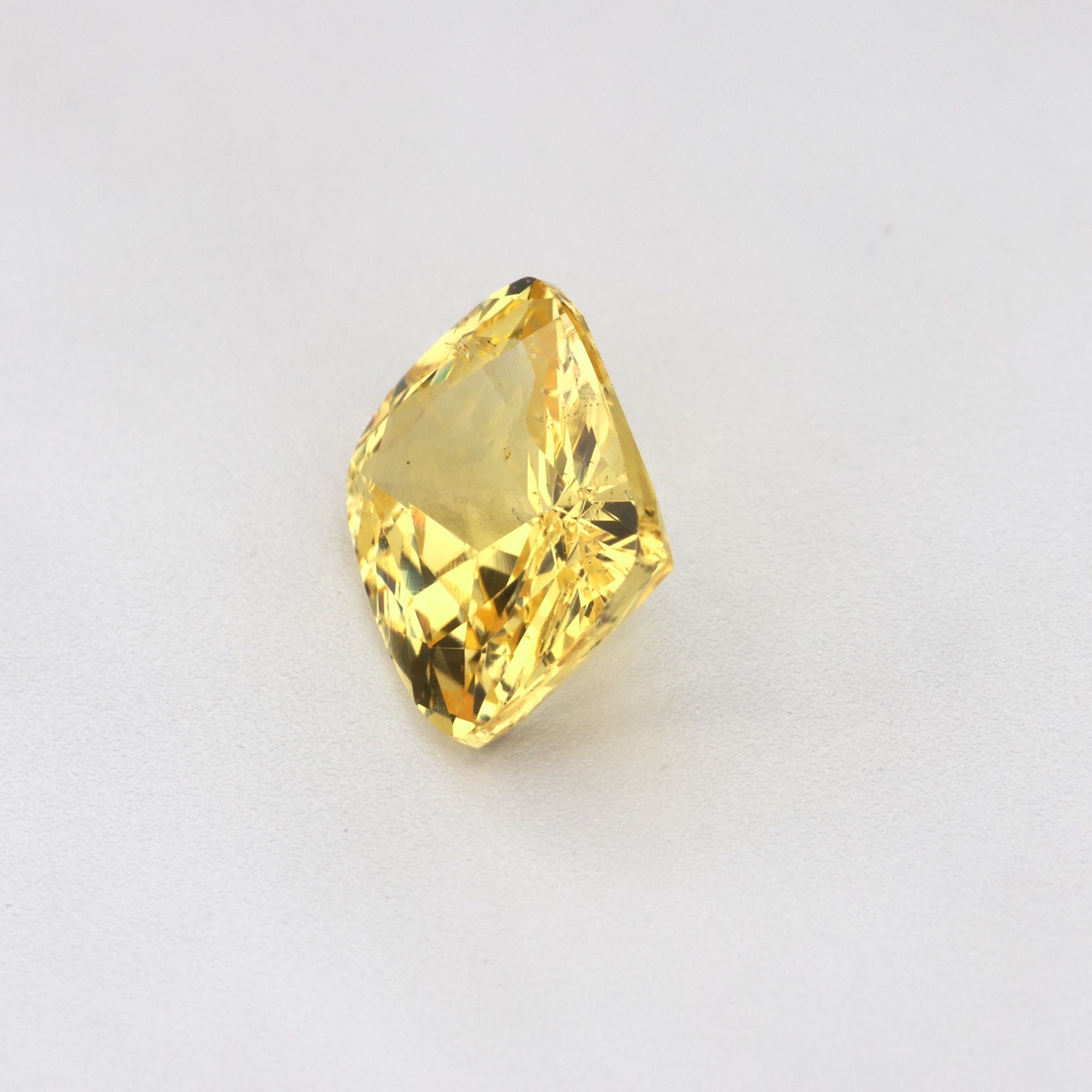
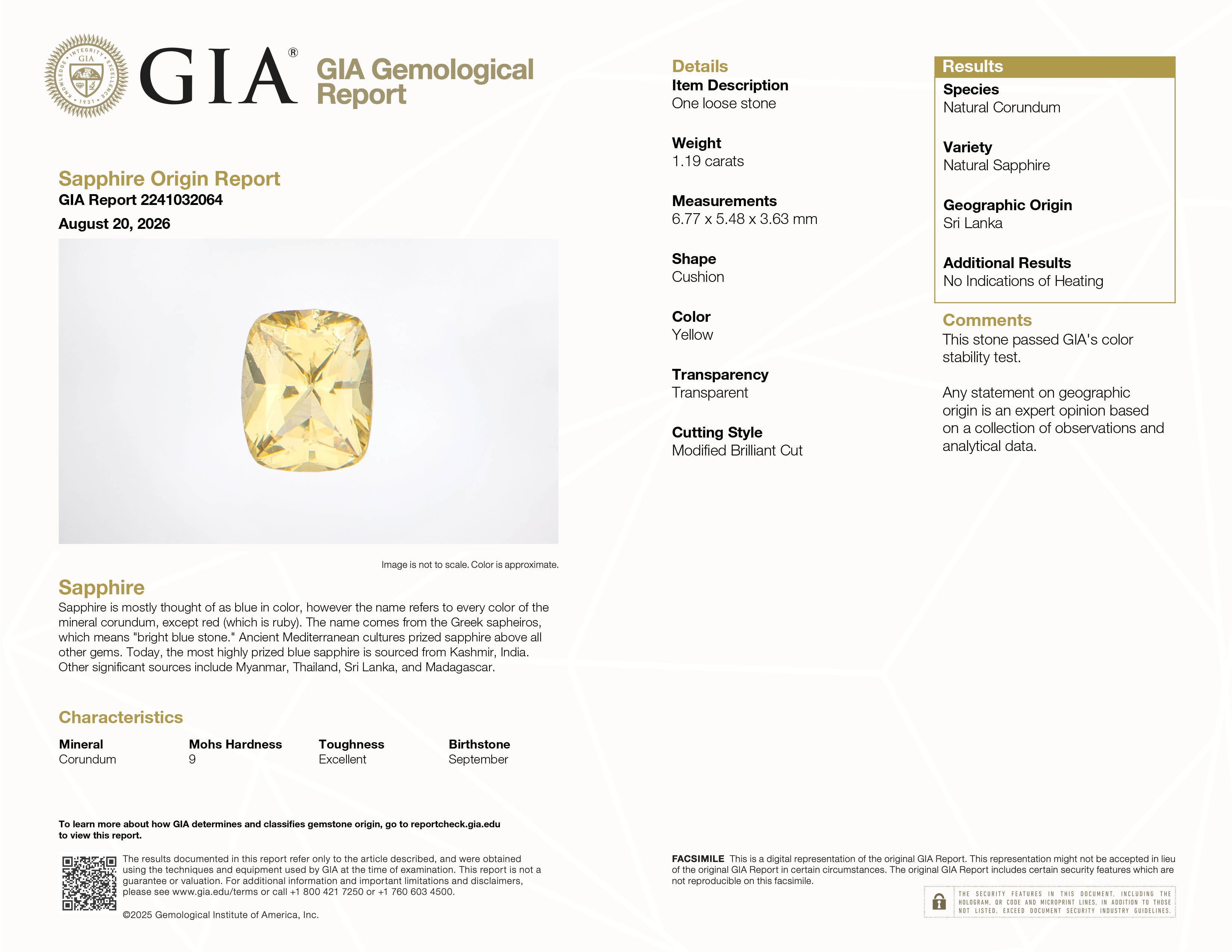
非加熱 イエローサファイア 1.19ct クッションカット|GIAレポート|スリランカ(セイロン)


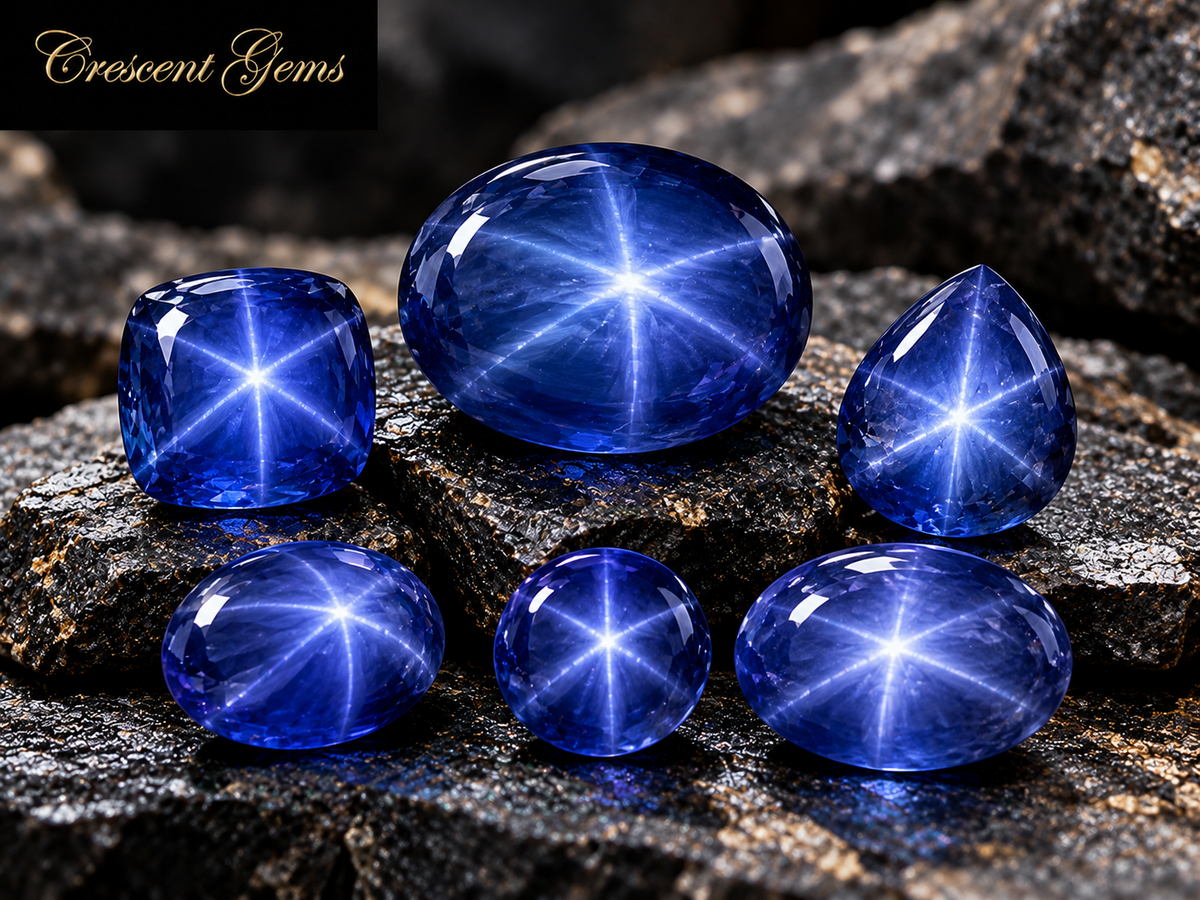
ブルースターサファイアの価格|1カラットあたりの相場と、当店にある8.09ctの1点
ブルースターサファイアは1カラットあたりいくらか。地色・重量・付帯する書類の三つで価格帯を整理し、現象を格付けする機関が存在しないことも説明します。当店の在庫は8.09ctの1点のみです。
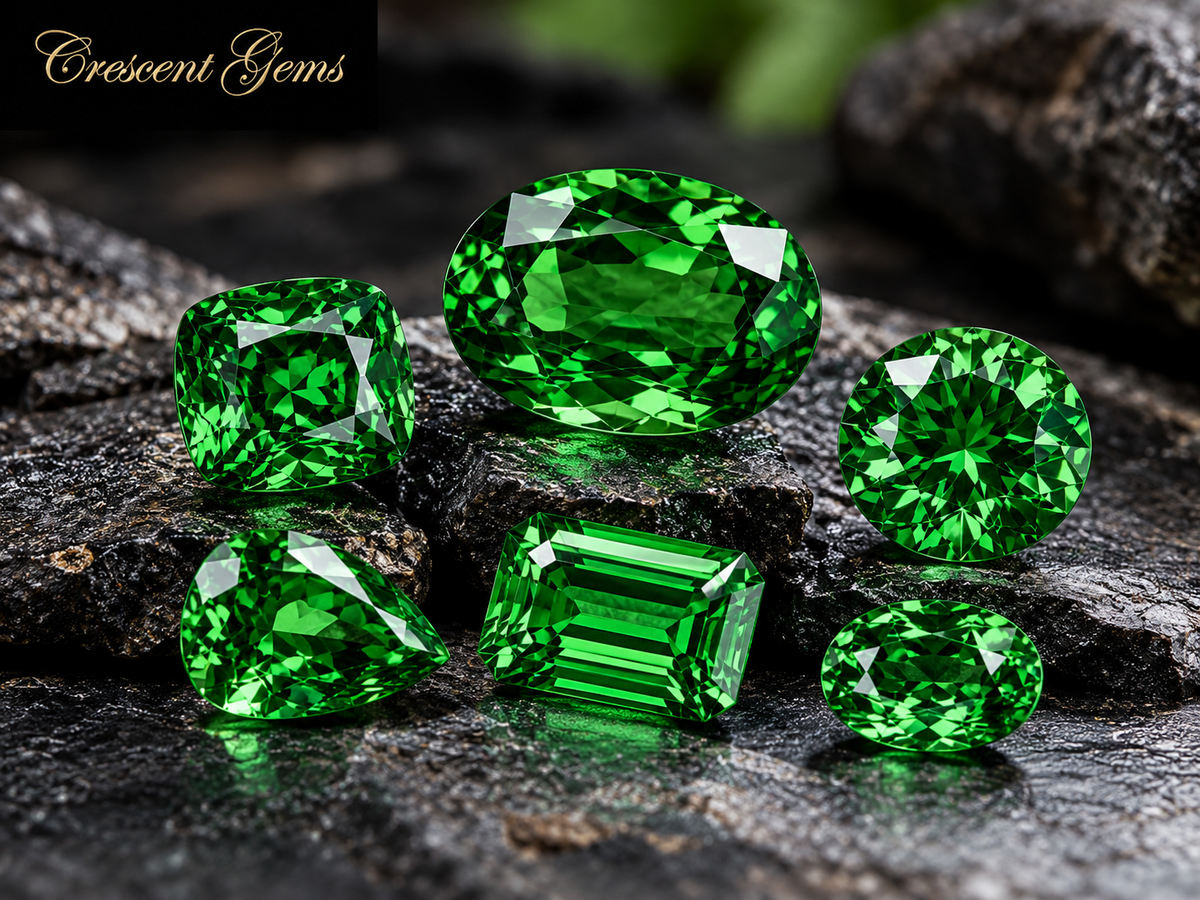
ツァボライトの価格|当店の在庫6点と、グロッシュラー・ガーネットとの違い
ツァボライトはいくらか。当店が現在在庫する6点をすべて示し、重さで値段がどう変わるかを説明します。品質等級表を載せない理由と、大きくて内包物の少ない原石が採れにくい本当の理由もあわせて。
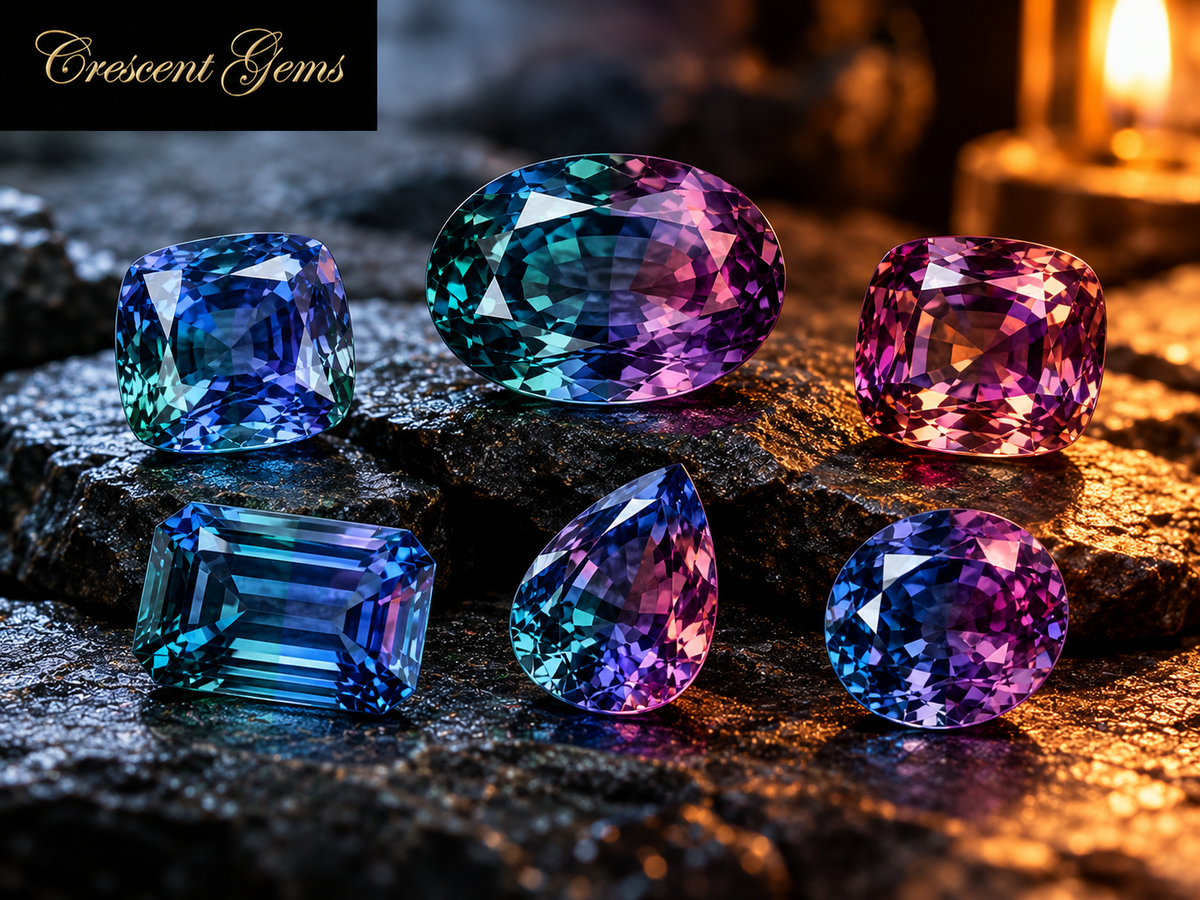
カラーチェンジサファイアの価格|1カラットあたりの相場と、当店にある2点
カラーチェンジサファイアは1カラットあたりいくらか。色と彩度と付帯する書類で価格帯を整理し、カラーチェンジそのものを格付けする機関が存在しないことも説明します。当店の在庫は1.03ctと2.01ctの2点です。
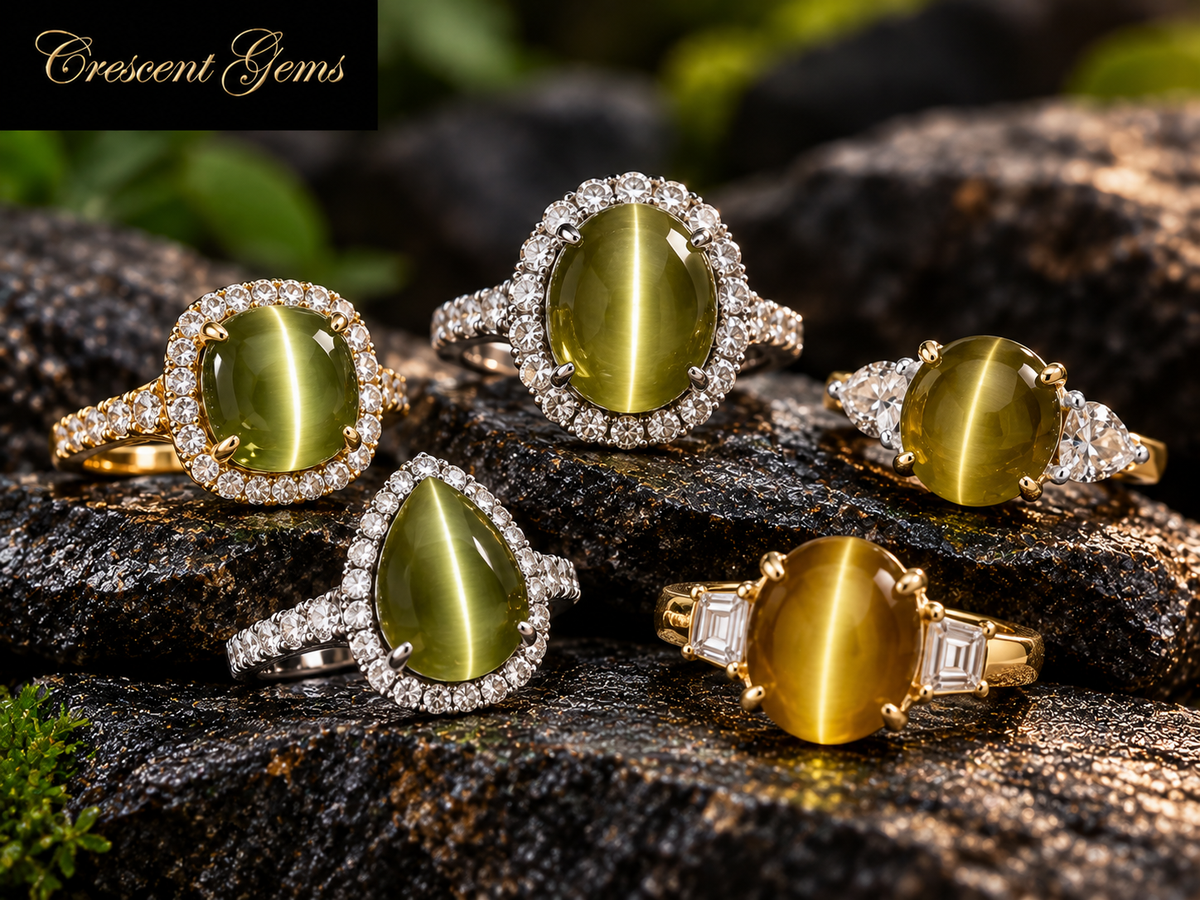
クリソベリル・キャッツアイは婚約指輪に向くか|モース硬度8.5と、留め方とお手入れ
クリソベリルはモース硬度8.5。クォーツ(7)やエメラルド(7.5〜8)より上、コランダム(9)とダイヤモンド(10)より下です。日常的に着ける指輪にとってそれが何を意味するかを、留め方とお手入れとあわせて説明します。
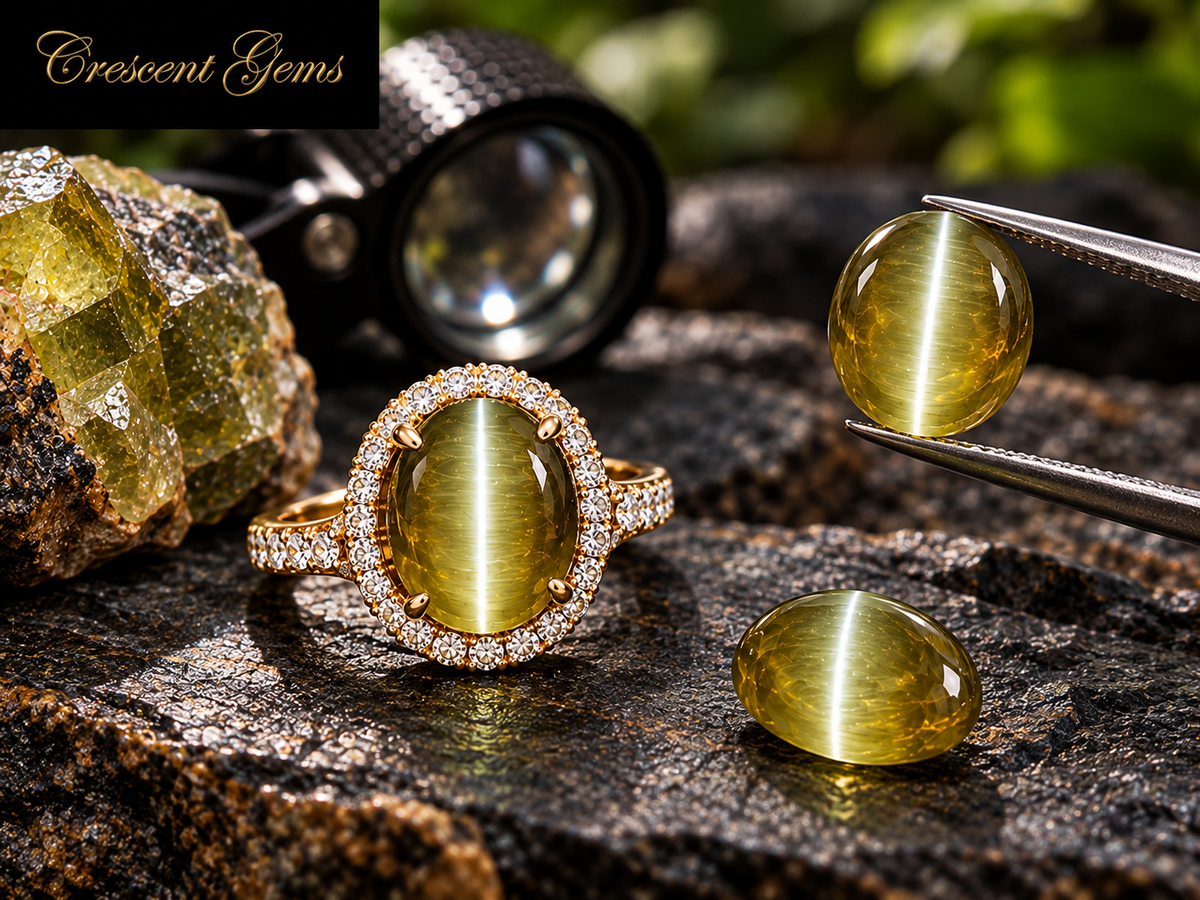
クリソベリル・キャッツアイの価格|1カラットあたりの相場と、当店にある2点
クリソベリル・キャッツアイは1カラットあたりいくらか。大きさと付帯する書類で価格帯を整理し、キャッツアイそのものを格付けする機関が存在しないことも説明します。当店の在庫は2.36ctと4.25ctの2点です。















シェア: