

- 著者:Ahmed Shareek
How to Choose Metal Color for a Sapphire Ring — What Works with Which Sapphire
- 著者:Ahmed Shareek
For the detailed metal comparison: Yellow Gold vs. White Gold vs. Platinum for Sapphire. For ring design: How to Design a Custom Sapphire Ring from a Loose Stone. For the buying foundation: Ultimate Sapphire Buying Guide.
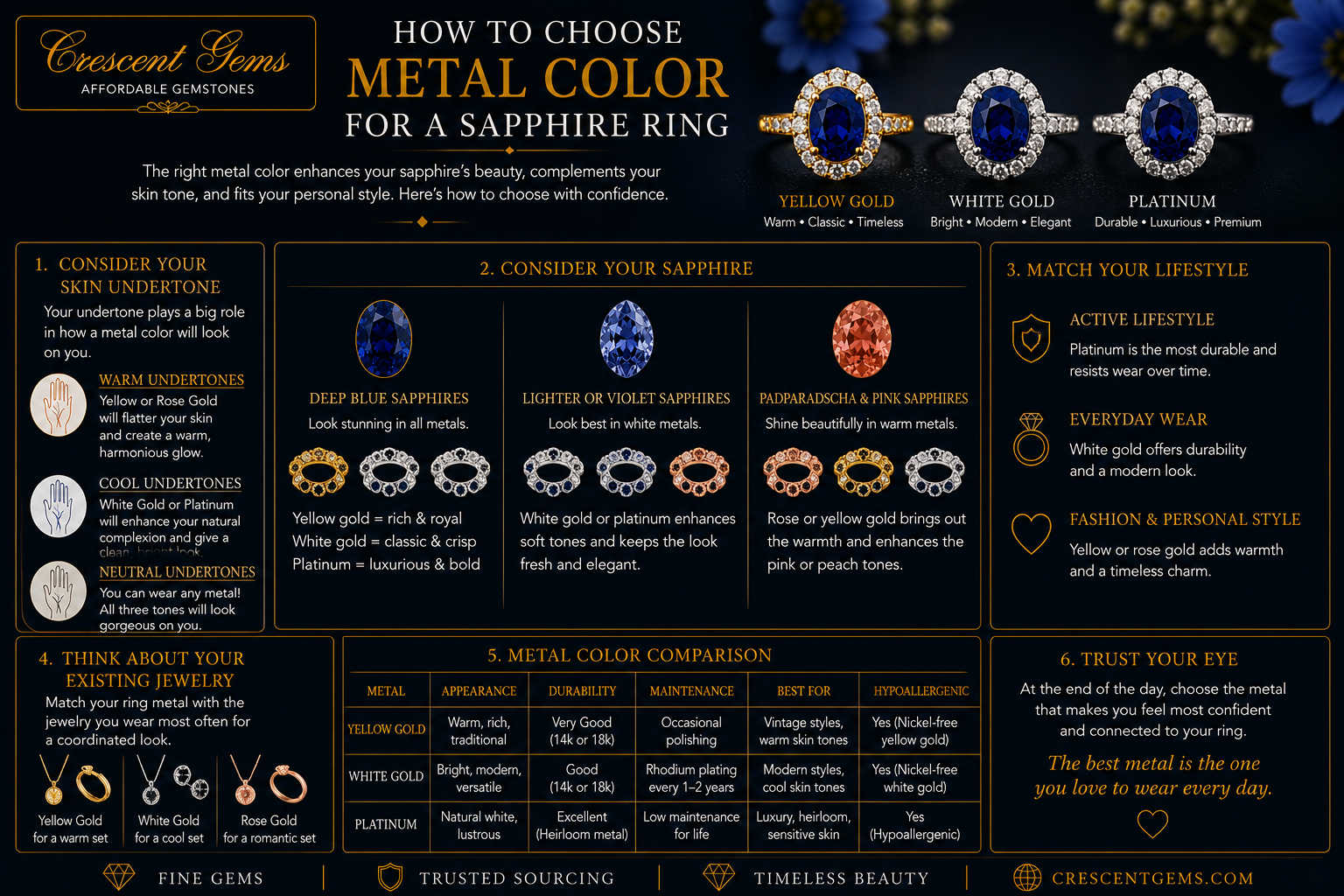
Metal color is one of the most important design decisions in a sapphire ring — and one of the most frequently underestimated. The metal that surrounds and supports a sapphire does not merely provide structural support; it actively influences how the stone's color is perceived. A vivid teal sapphire looks different in yellow gold than it does in platinum. A royal blue looks different in rose gold than it does in white gold. The metal is part of the color composition, not a neutral backdrop.
This guide covers how each metal color interacts with sapphire color, which metals suit which sapphire colors and aesthetics, how skin tone enters the decision, and how to make the choice with confidence when commissioning a custom sapphire ring.
The mechanism is simple: color reflected from the metal surrounding the stone affects how the eye perceives the stone's own color. A warm yellow-gold setting reflects warm light into the girdle of the sapphire, subtly warming the stone's apparent color. A cool platinum setting reflects neutral white light, allowing the sapphire's inherent color to read without modification. A rose gold setting reflects warm pink light that enriches warm-toned stones and creates complementary contrast with cool-toned ones.
This effect is most pronounced at the stone's girdle and in prong shadows — areas where the metal is closest to the stone's light-entering surfaces. It is less significant in stones with very strong saturation (the color is too vivid to be meaningfully shifted) and more significant in lighter-toned or more delicate colors where subtle shifts in apparent hue are visible.
Blue sapphire works in all three primary metals, with meaningfully different results:
Browse our blue sapphire collection.
Teal sapphire is one of the most metal-flexible colors in the sapphire range, working beautifully across all three primary metals with very different characters:
Browse our teal sapphire collection.
Pink sapphire is most naturally suited to rose gold, but all metals work:
Browse our pink sapphire collection.
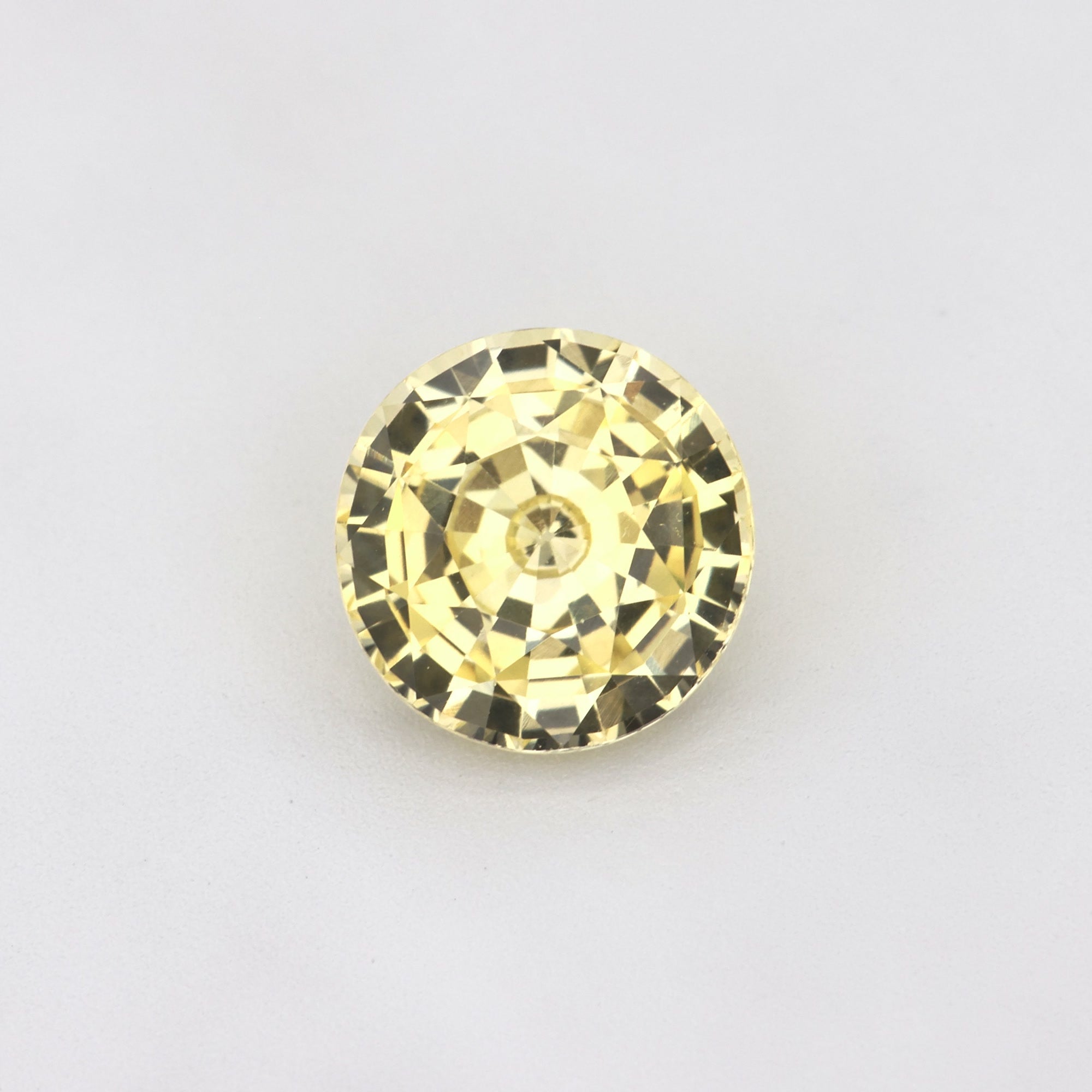
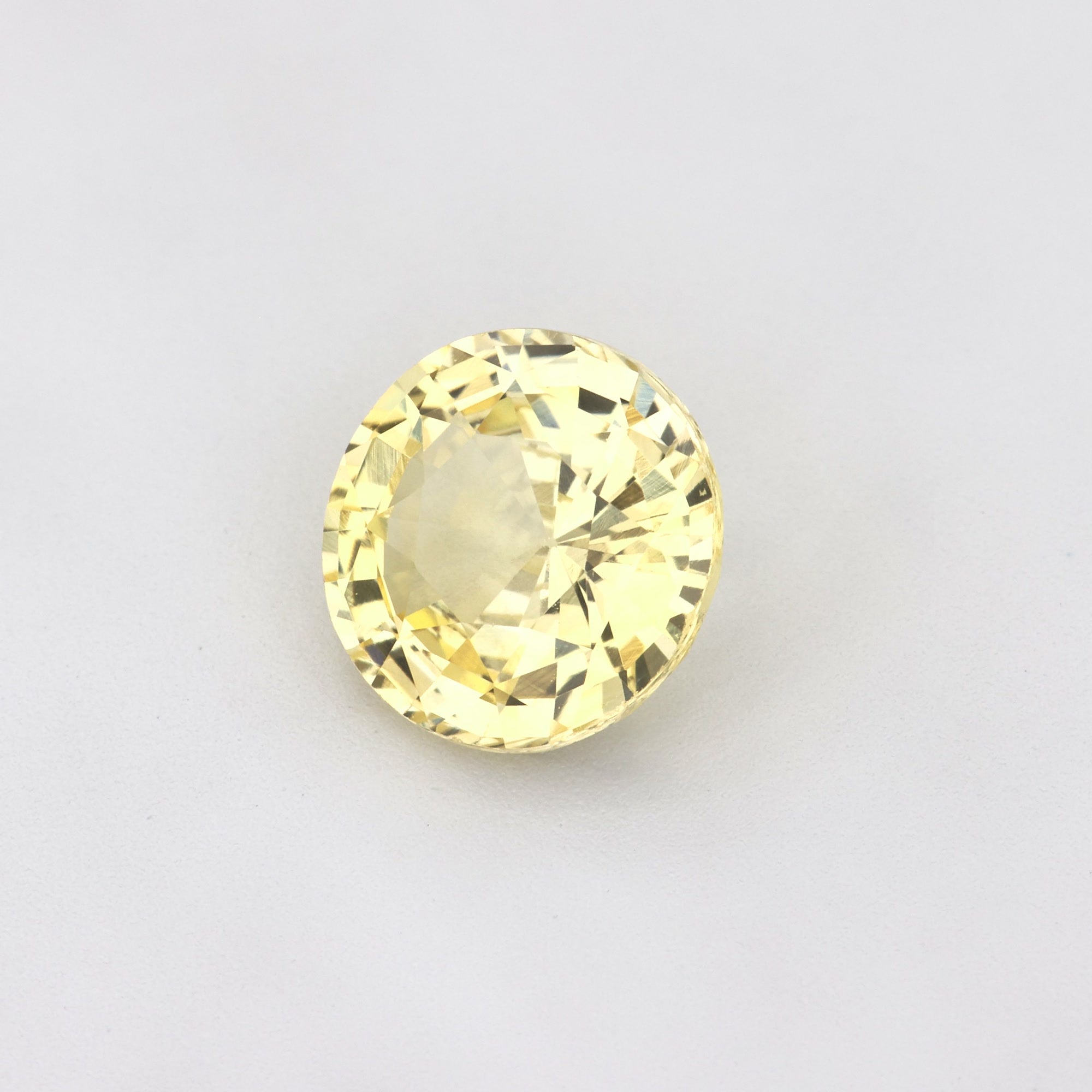
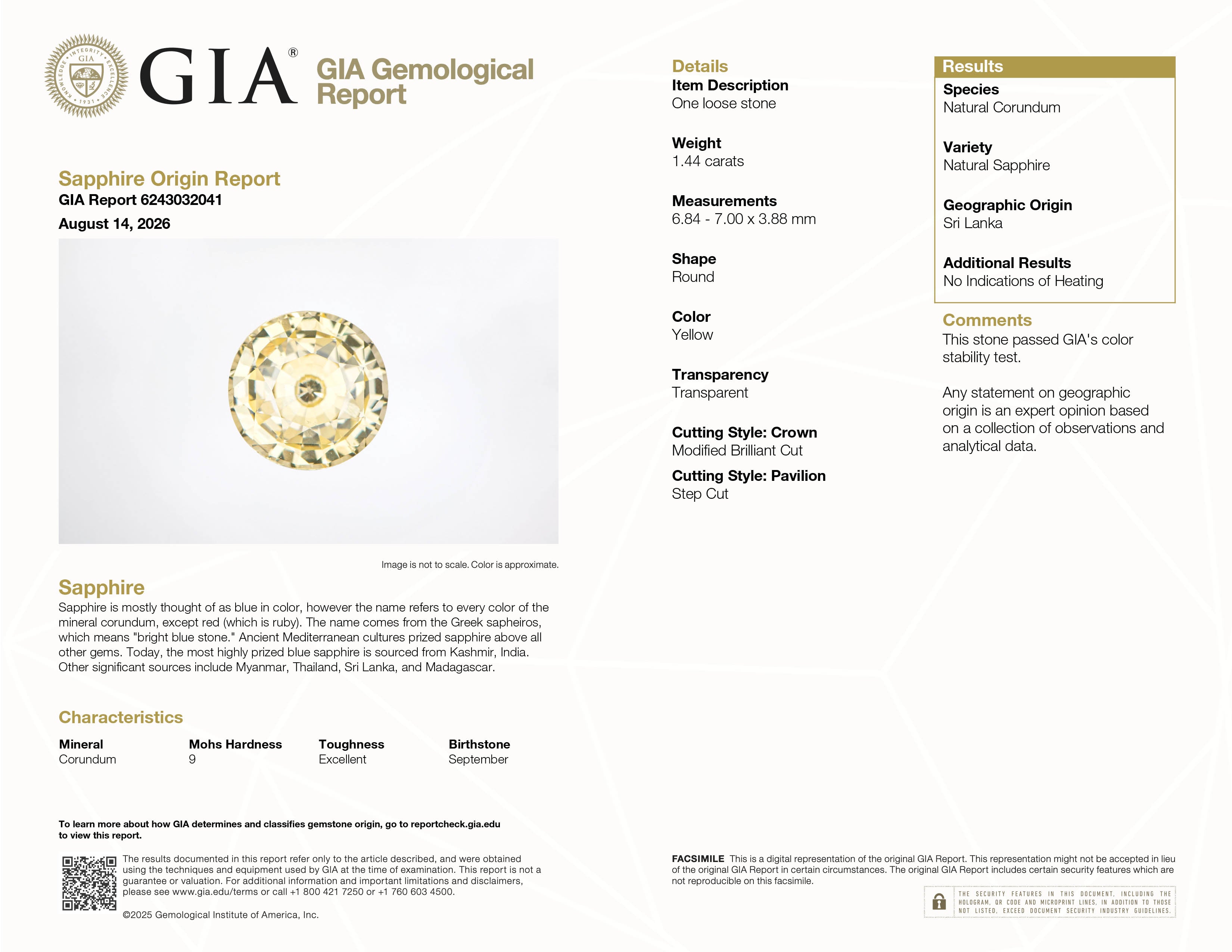
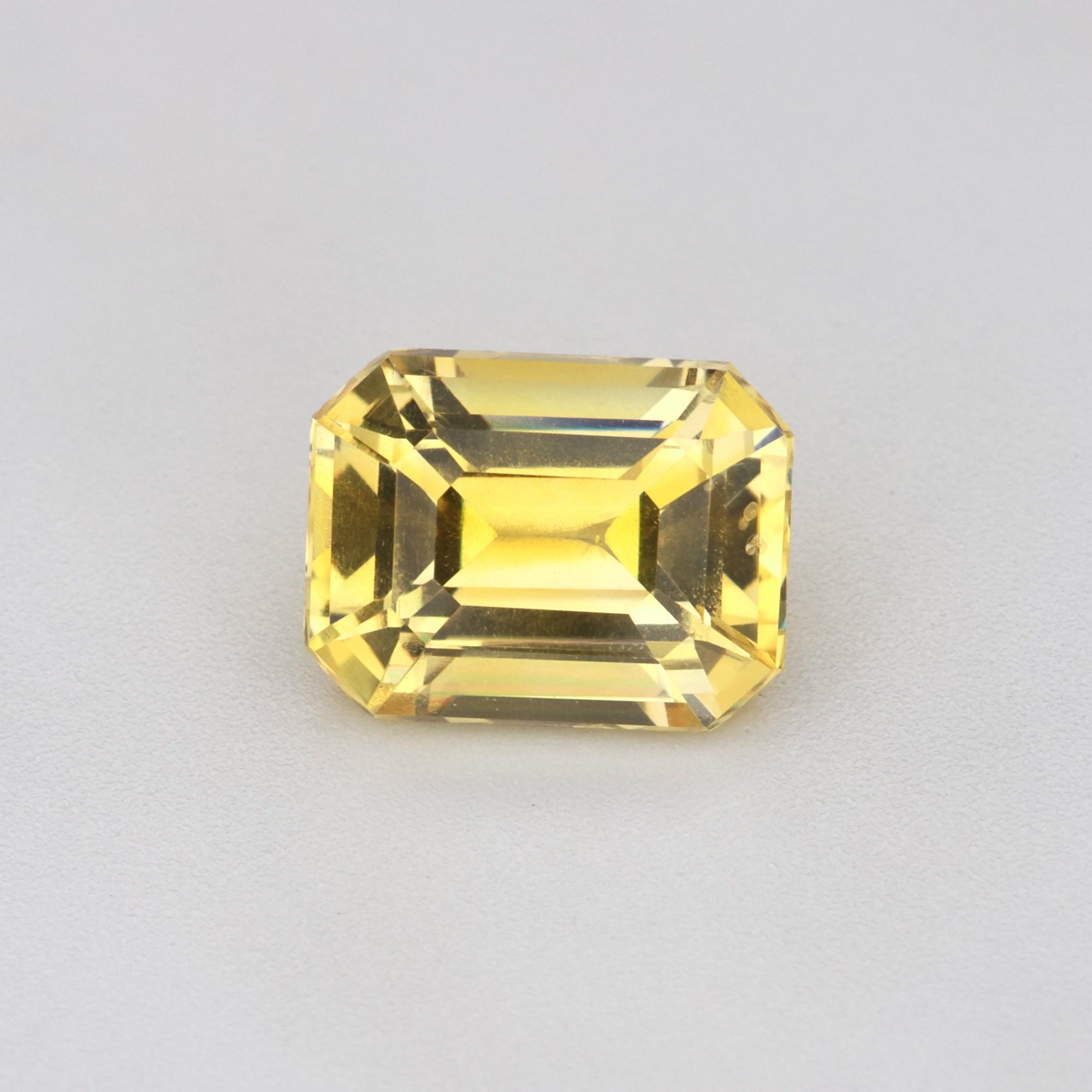
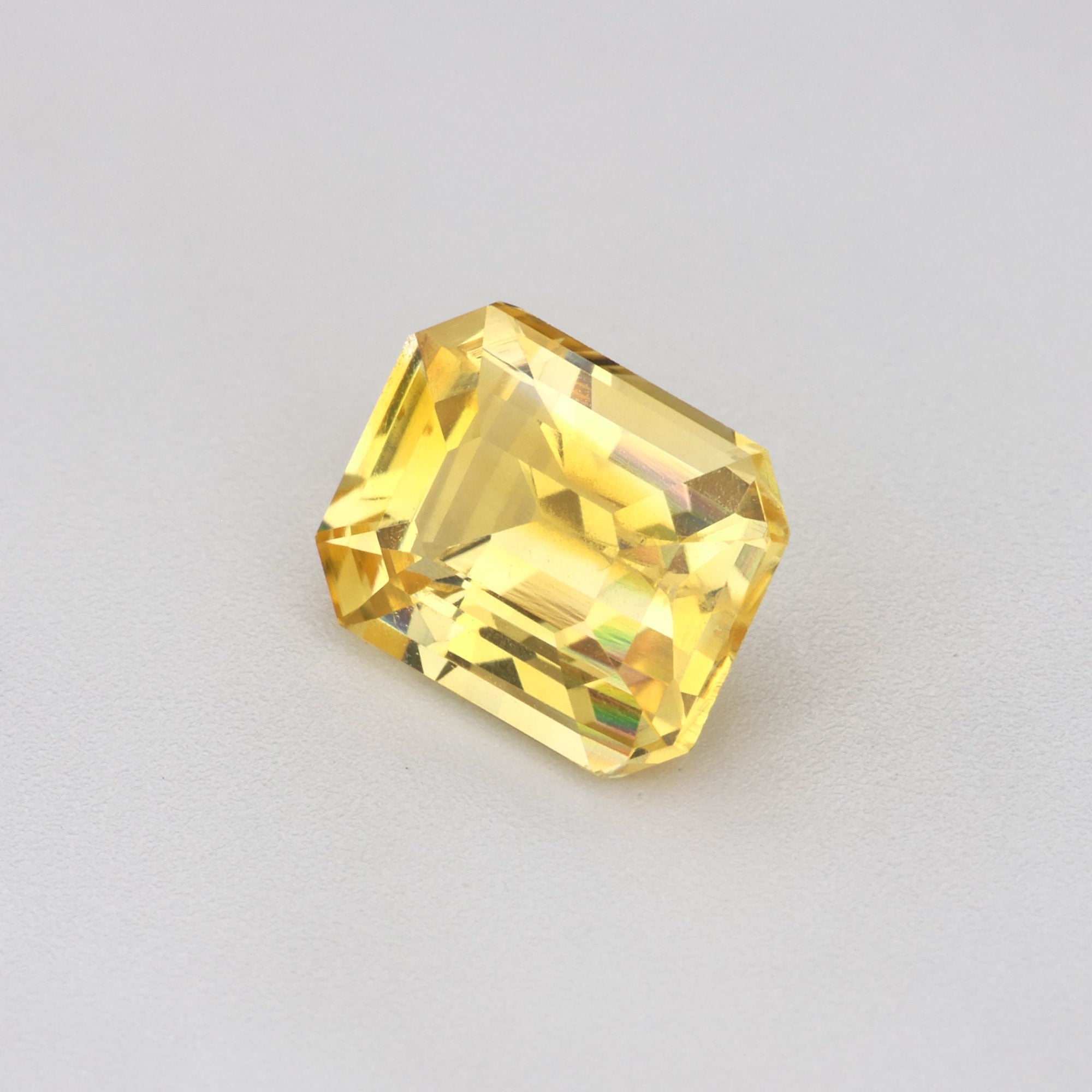
Yellow sapphire has the strongest harmonious relationship with yellow gold — a warm stone in a warm metal creates a rich, unified warm composition that feels historically grounded and genuinely beautiful. White gold and platinum create a cooler contrast that emphasizes the yellow's brightness. Rose gold sits between the two. For vivid canary yellow, yellow gold is the most natural and complementary choice; for lighter or more greenish yellows, white gold can help the stone appear warmer. Browse our yellow sapphire collection.
Padparadscha — the orange-pink — suits yellow gold and rose gold most naturally, where the warm metal enriches the warm stone color and creates a composition that feels historically evocative and genuinely beautiful. Platinum can be used for maximum color visibility, but the cool metal creates a starker contrast with the warm stone that not all buyers find harmonious. Browse our padparadscha collection.
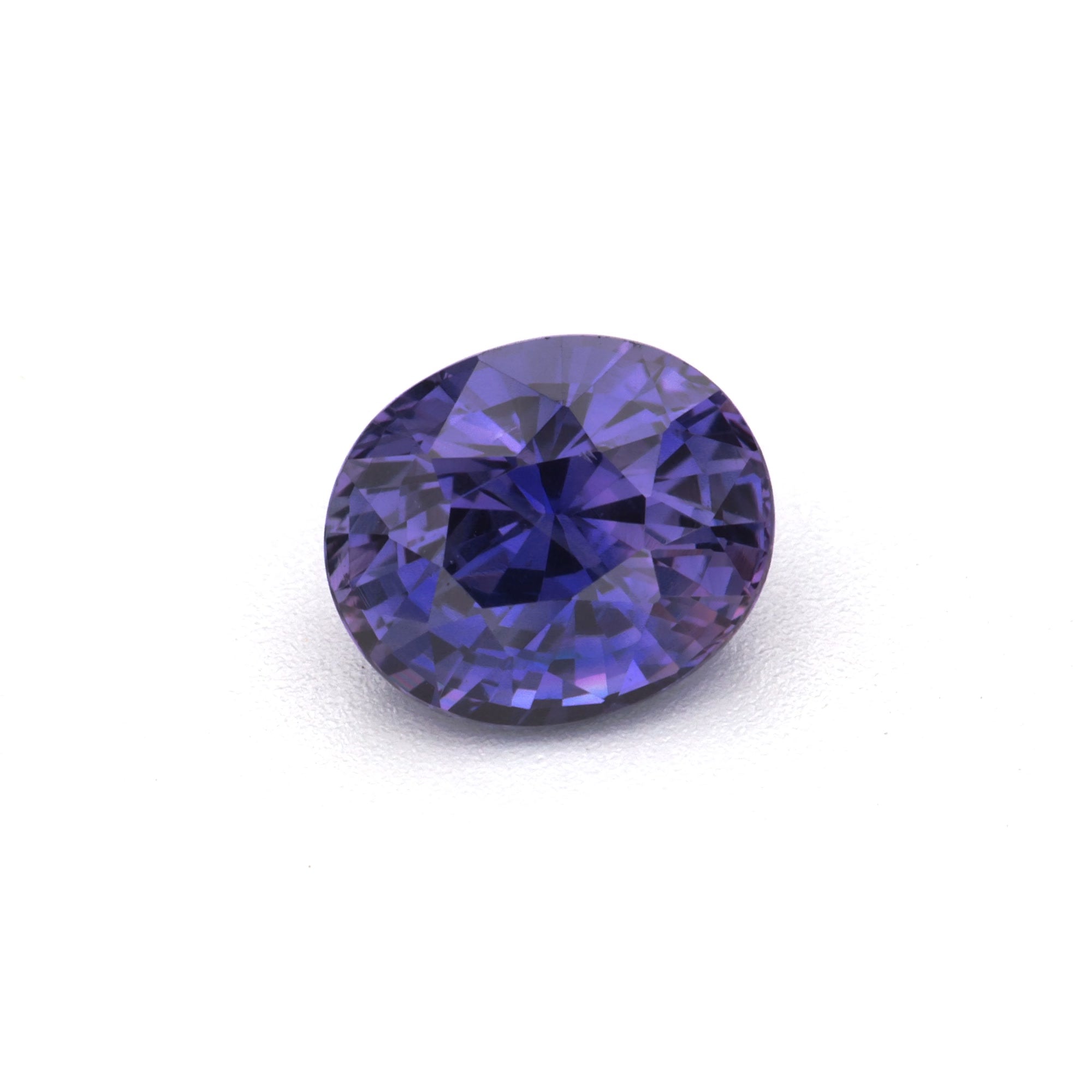
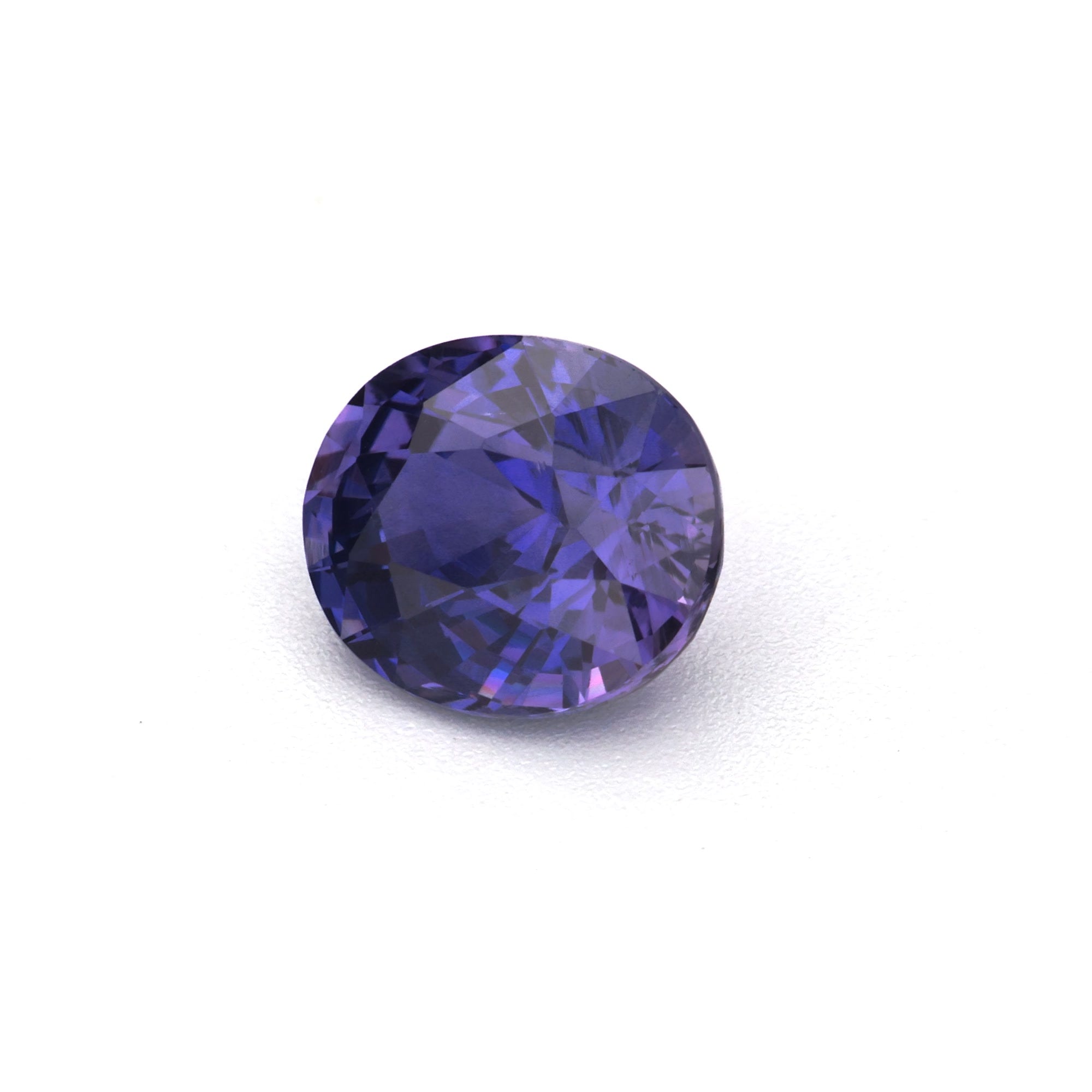
Violet and purple sapphire works particularly well in white gold and platinum, where the cool metal allows the purple to read cleanly without warm modification. Yellow gold can push violet toward a more brownish-purple reading in some stones — test before committing. Rose gold can be beautiful with violet, creating a romantic, jewel-like combination. Browse our violet sapphire collection.
| Sapphire Color | Best Metal | Also Works |
|---|---|---|
| Blue (vivid) | Platinum / white gold | Yellow gold (warmer look), rose gold |
| Teal | Rose gold or white gold | Yellow gold (earthy), platinum |
| Pink | Rose gold | White gold / platinum |
| Yellow | Yellow gold | White gold (brighter contrast), rose gold |
| Padparadscha | Yellow gold or rose gold | Platinum (maximum visibility) |
| Violet / purple | White gold / platinum | Rose gold (romantic), yellow gold (test first) |
| Orange | Yellow gold | Rose gold |
Skin tone interacts with metal color independently of the sapphire's color, affecting how the overall ring looks on the hand:
For the full metal decision framework including durability, cost, and maintenance comparisons, see our detailed Yellow Gold vs. White Gold vs. Platinum guide.
Platinum or white gold creates the most vivid, pure blue appearance by providing cool neutral contrast. Yellow gold creates a warmer, richer look with historical resonance. Both are excellent choices — the decision is aesthetic. Rose gold is an increasingly popular and visually striking alternative for blue sapphire. For the full comparison see our metal comparison guide.
Subtly, yes — yellow gold reflects warm light into the stone's girdle, which can warm the apparent color of the sapphire slightly. This effect is most noticeable in lighter-toned stones and stones with secondary warm hues. For vivid, strongly saturated sapphires, the effect is minimal. The visual difference between yellow gold and platinum settings for the same stone is real but modest — the stone's inherent color dominates.
Platinum is denser, more durable, and naturally white without rhodium plating — advantages that are real over decades of daily wear. White gold requires re-plating every one to three years as the rhodium coating wears. For a ring intended to last a lifetime, platinum's long-term maintenance advantage is significant. For the full cost-benefit analysis see our platinum vs. gold guide.
Browse our full Ceylon sapphire catalog or email crescentgems@gmail.com — we can advise on metal choice for specific stones. We respond within one business day.

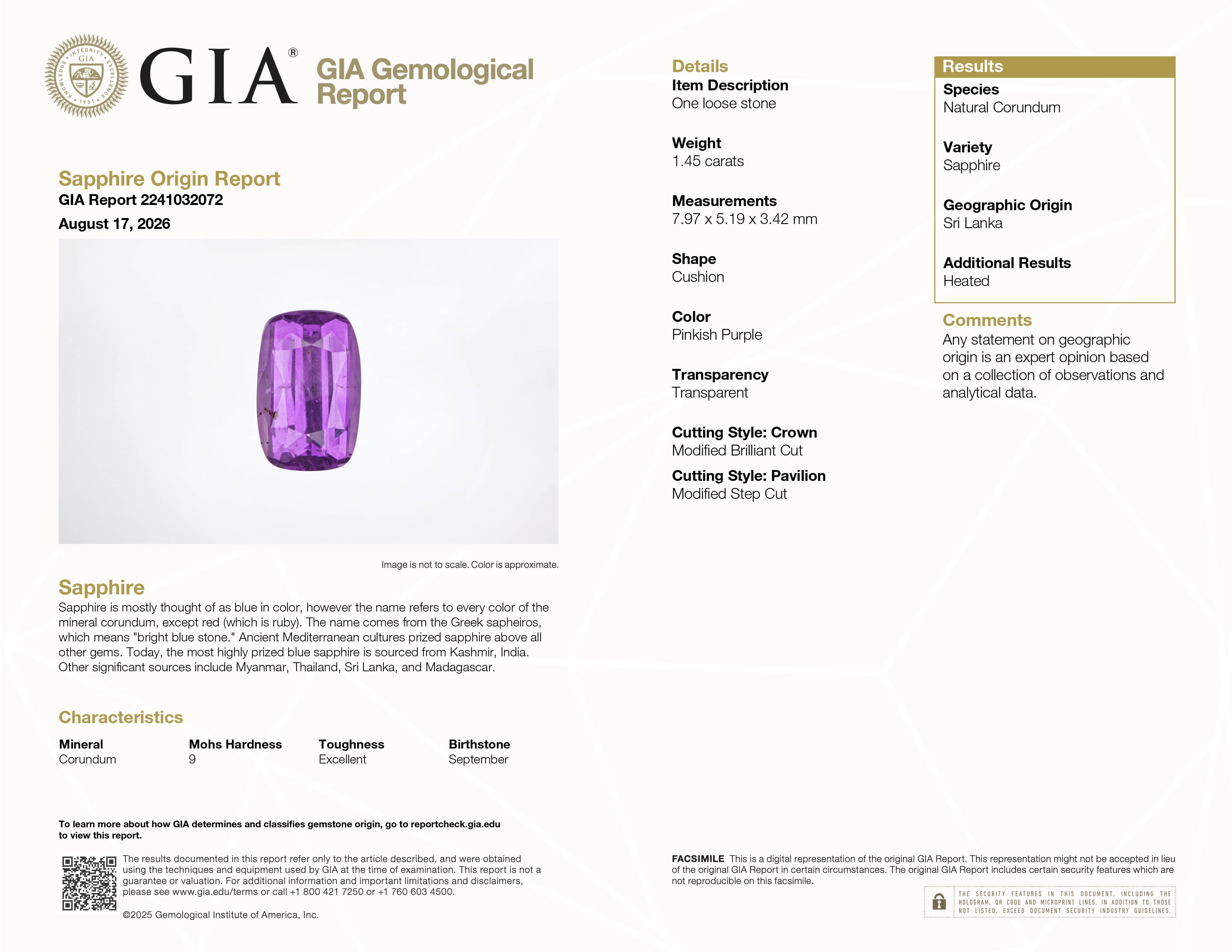
CG8469
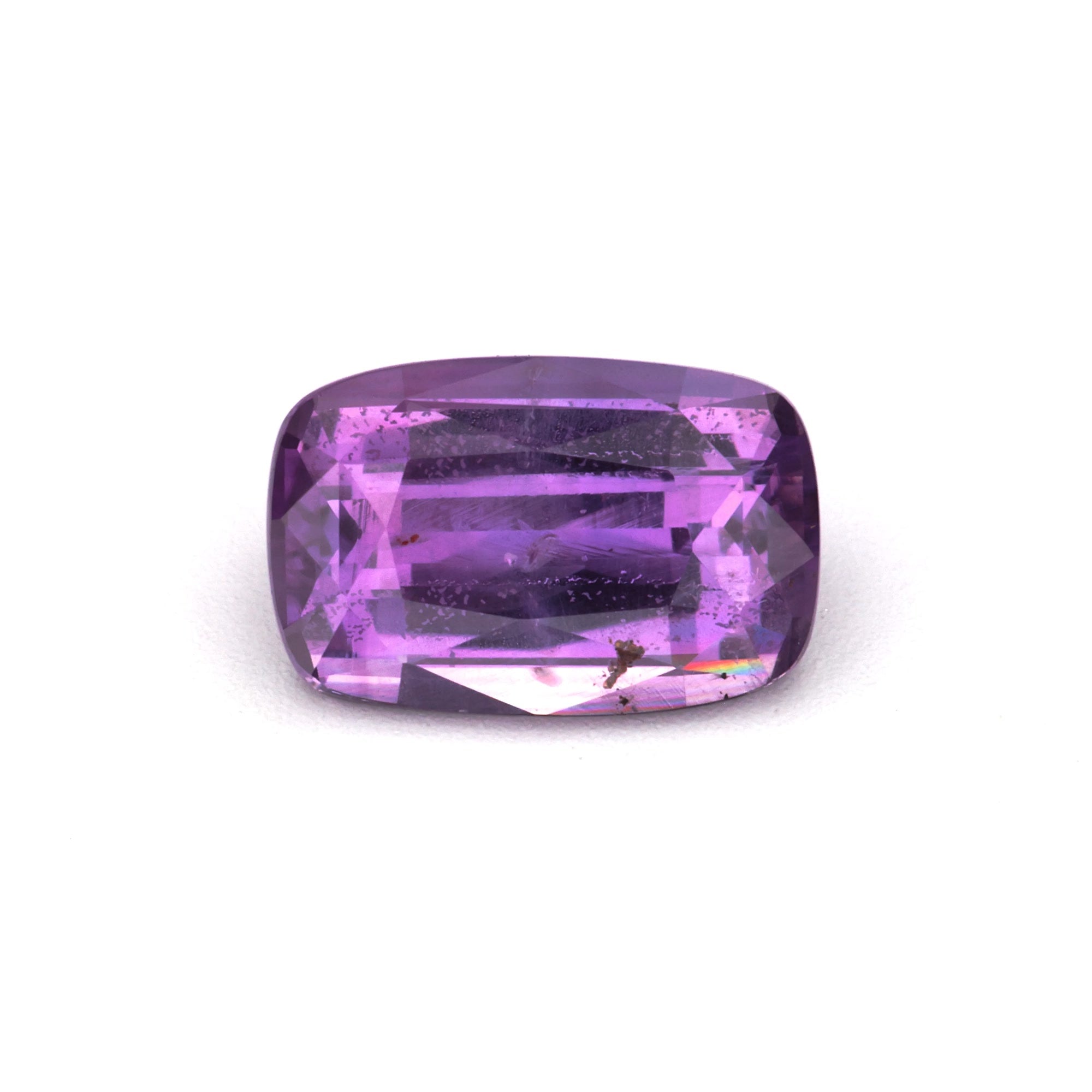
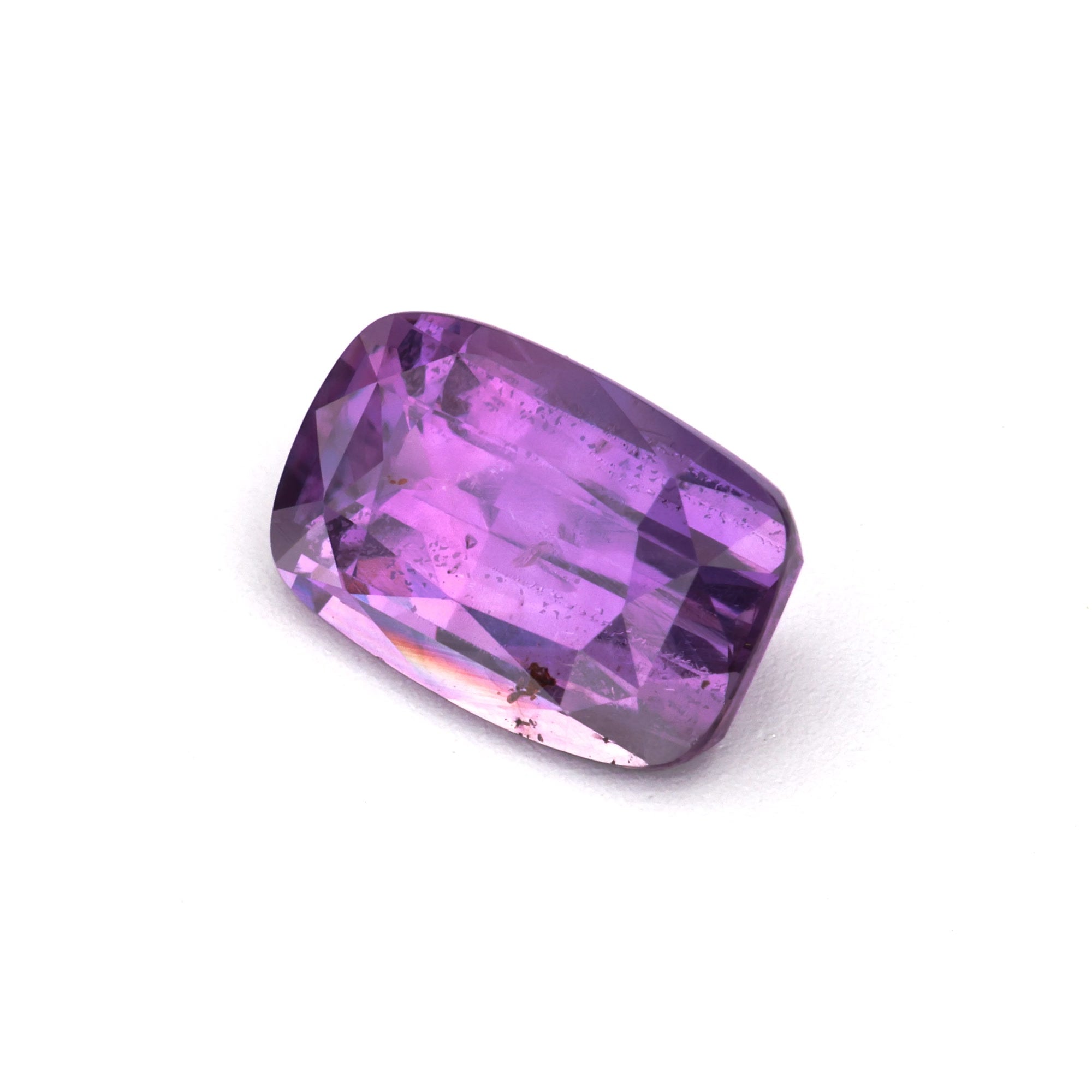
ピンキッシュパープルサファイア 1.45ct 【加熱】 スリランカ産 GIA原産地レポート付
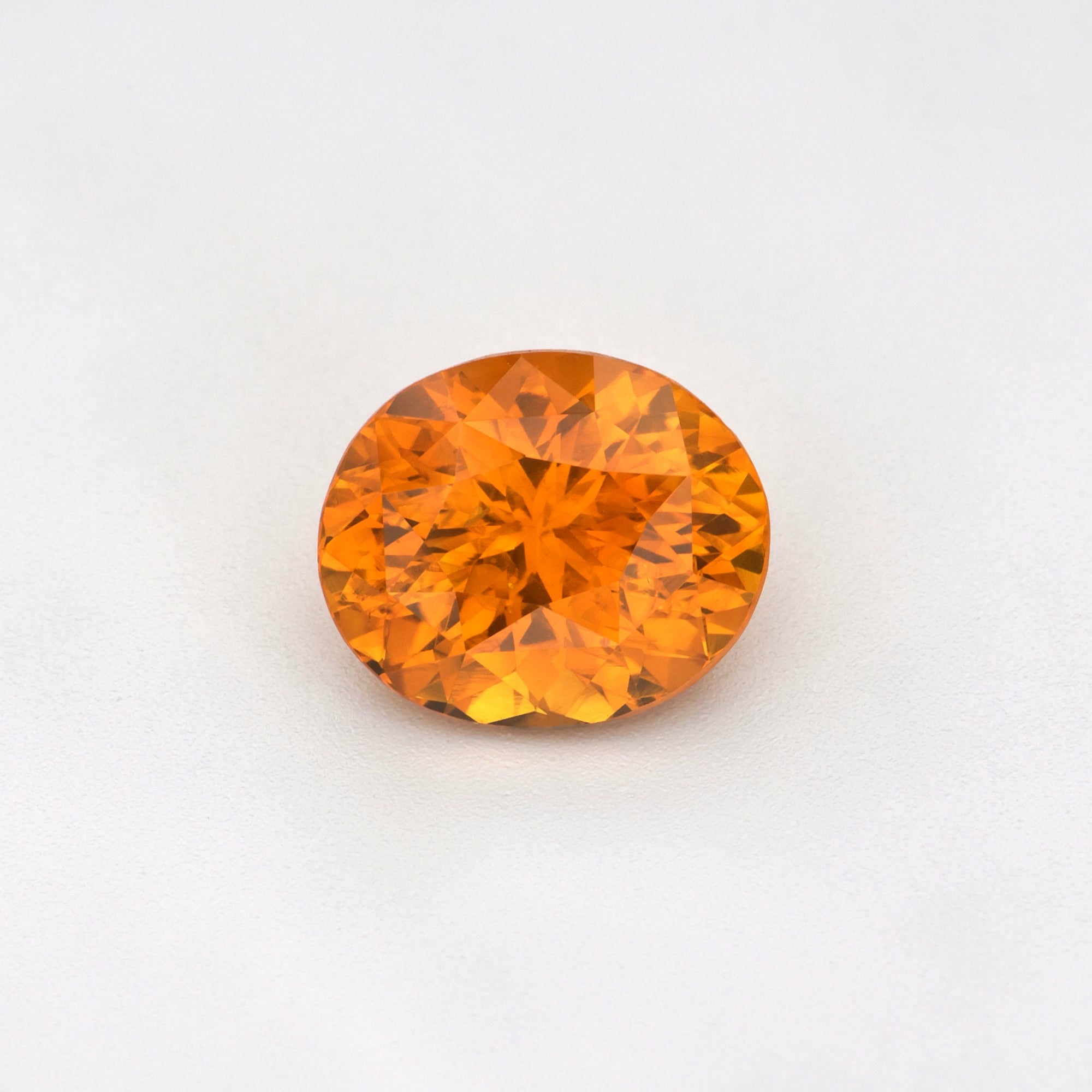
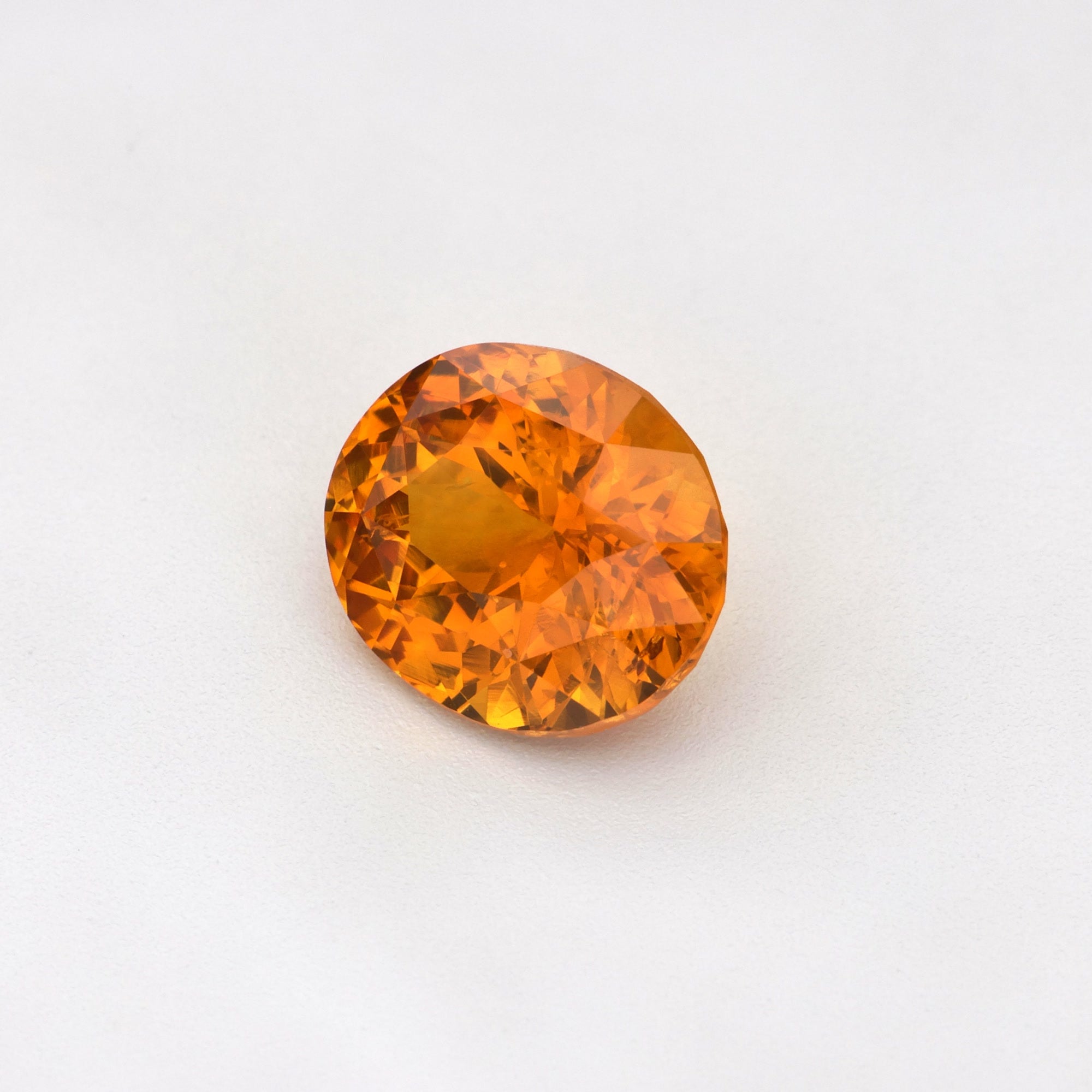
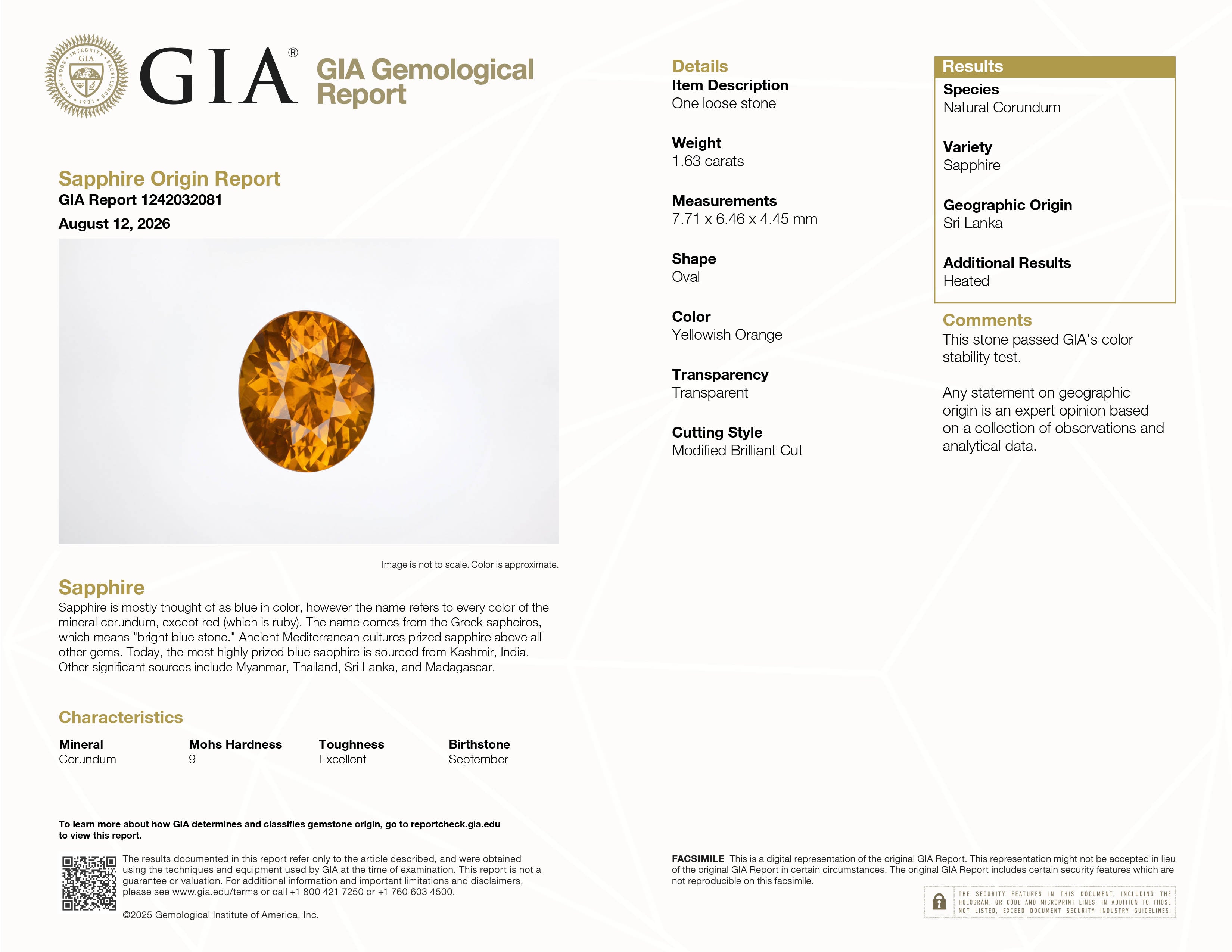
CG8454
天然オレンジサファイア1.63ct・オーバルカット・GIAレポート付・産地スリランカ(レポート記載)
CG8468
CG8465
1.86ct ツァボライト クッション 天然グロッシュラー・ガーネット|GIAレポート #1242032119
CG8464
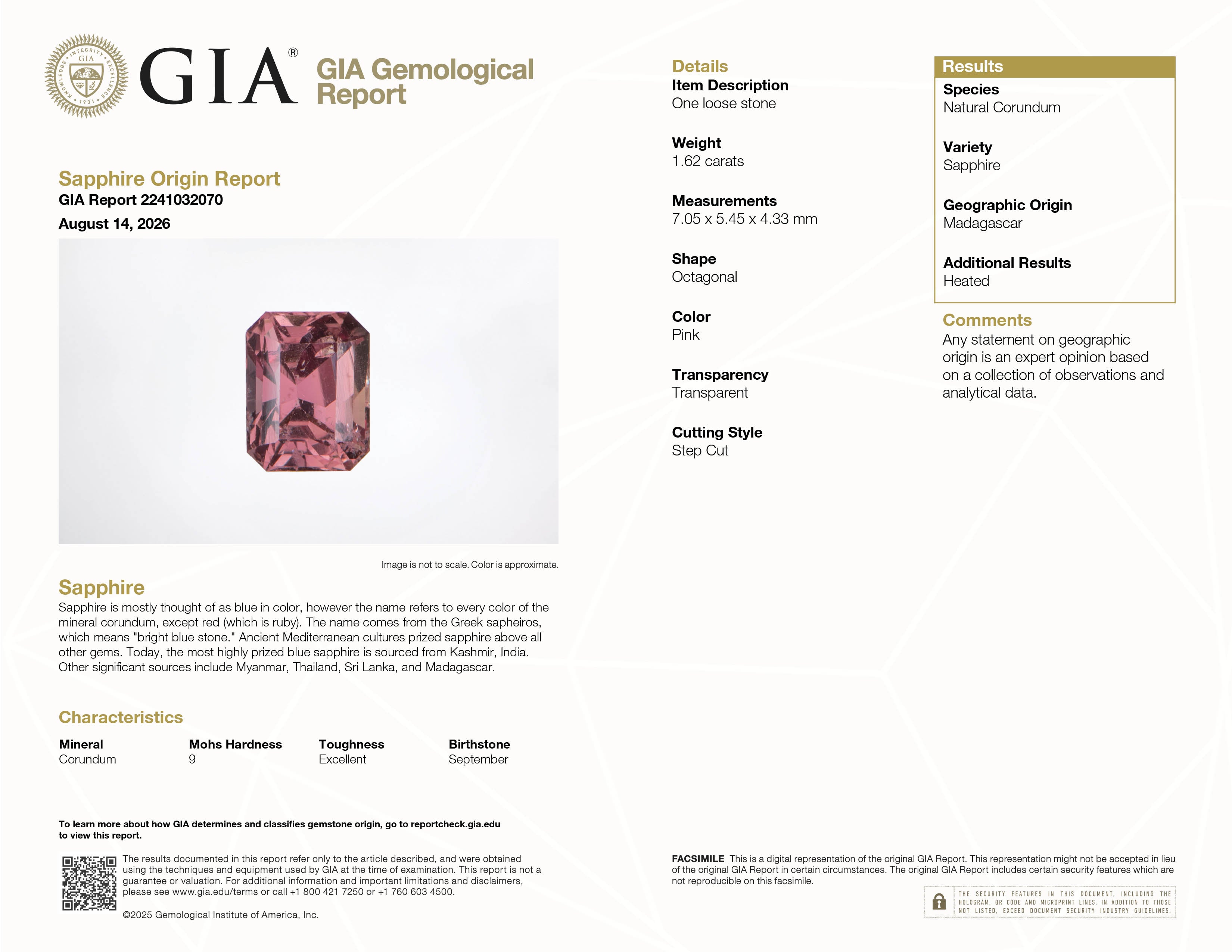
CG8463
天然ピンクサファイア 1.62ct マダガスカル産【GIA原産地レポート付】エメラルドカット ルース
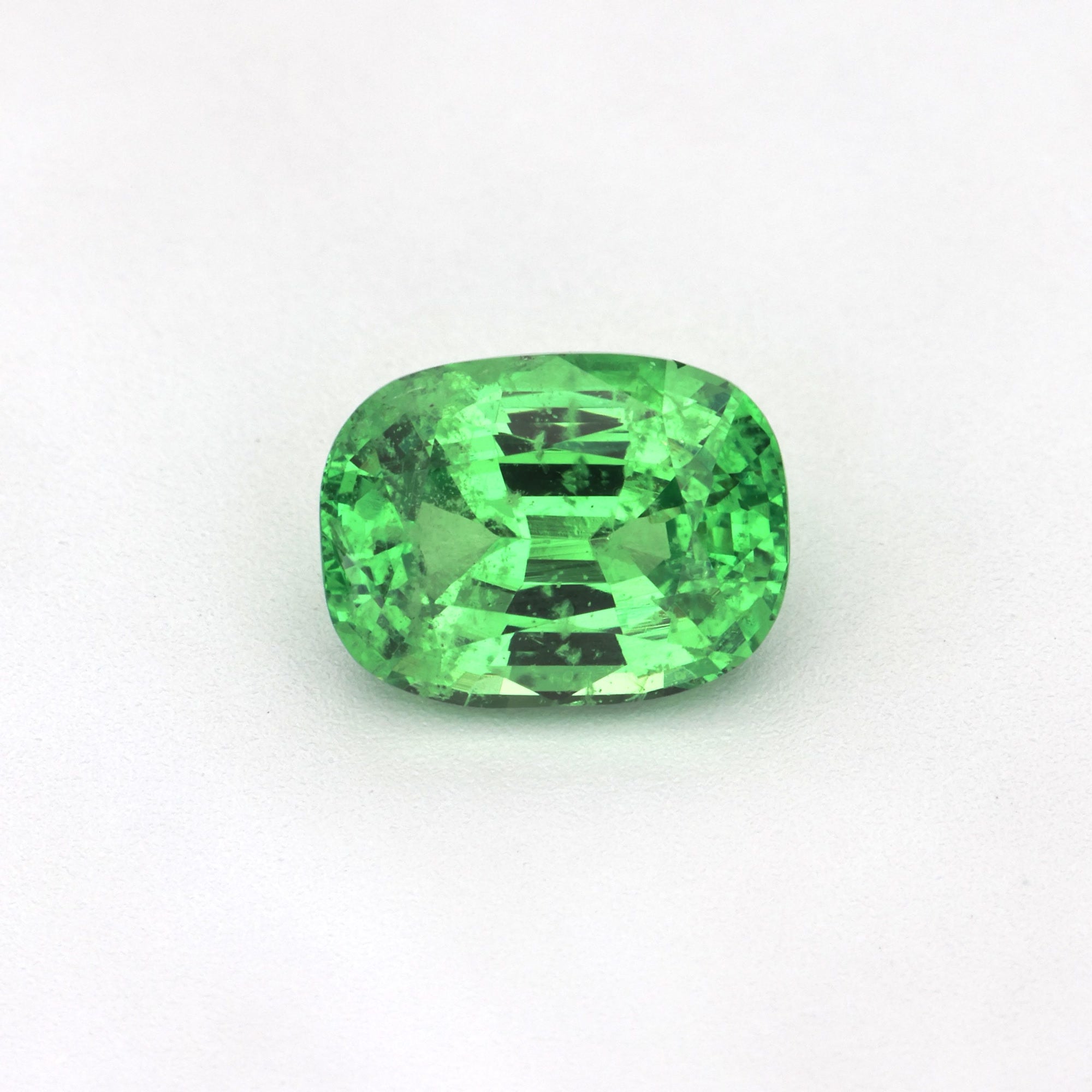
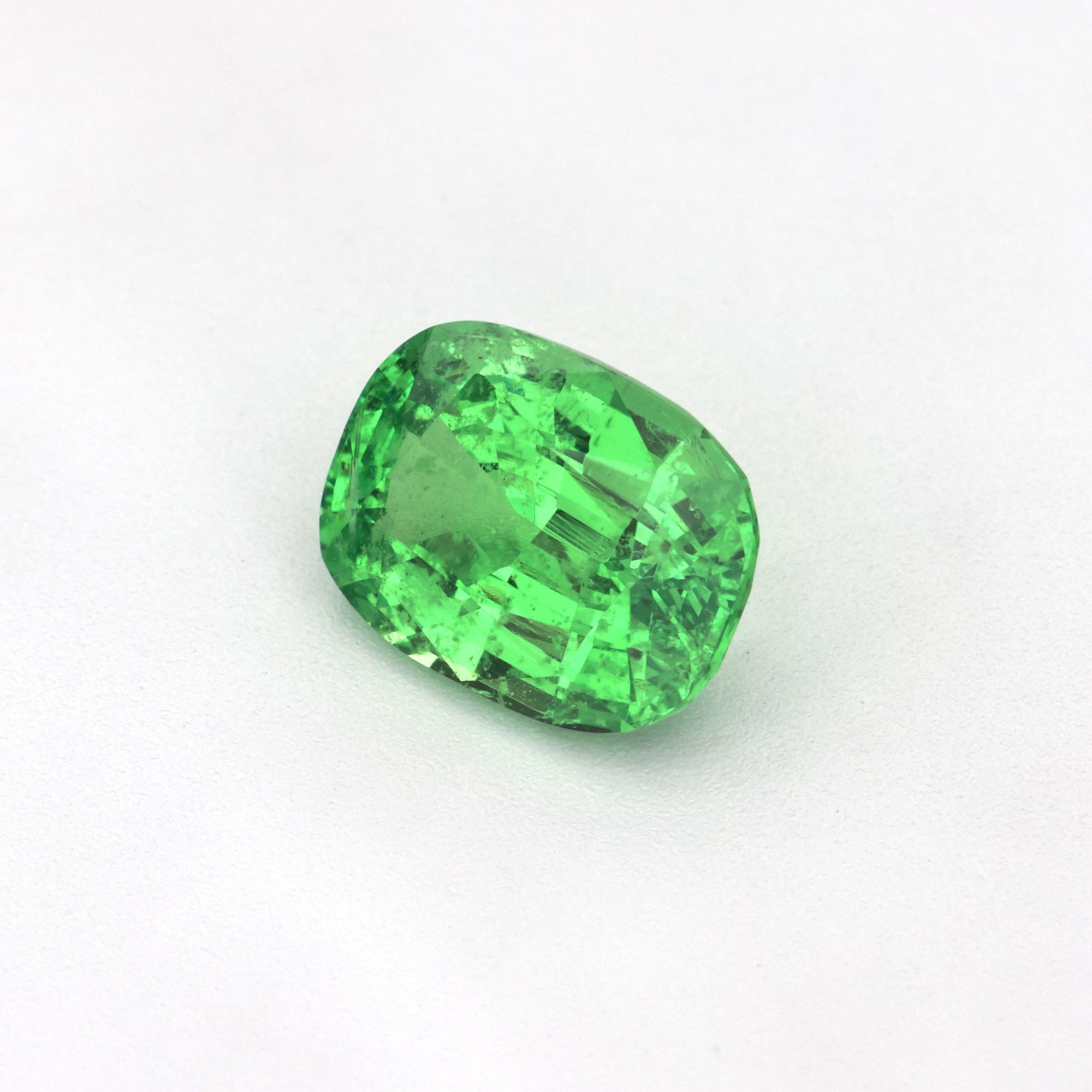
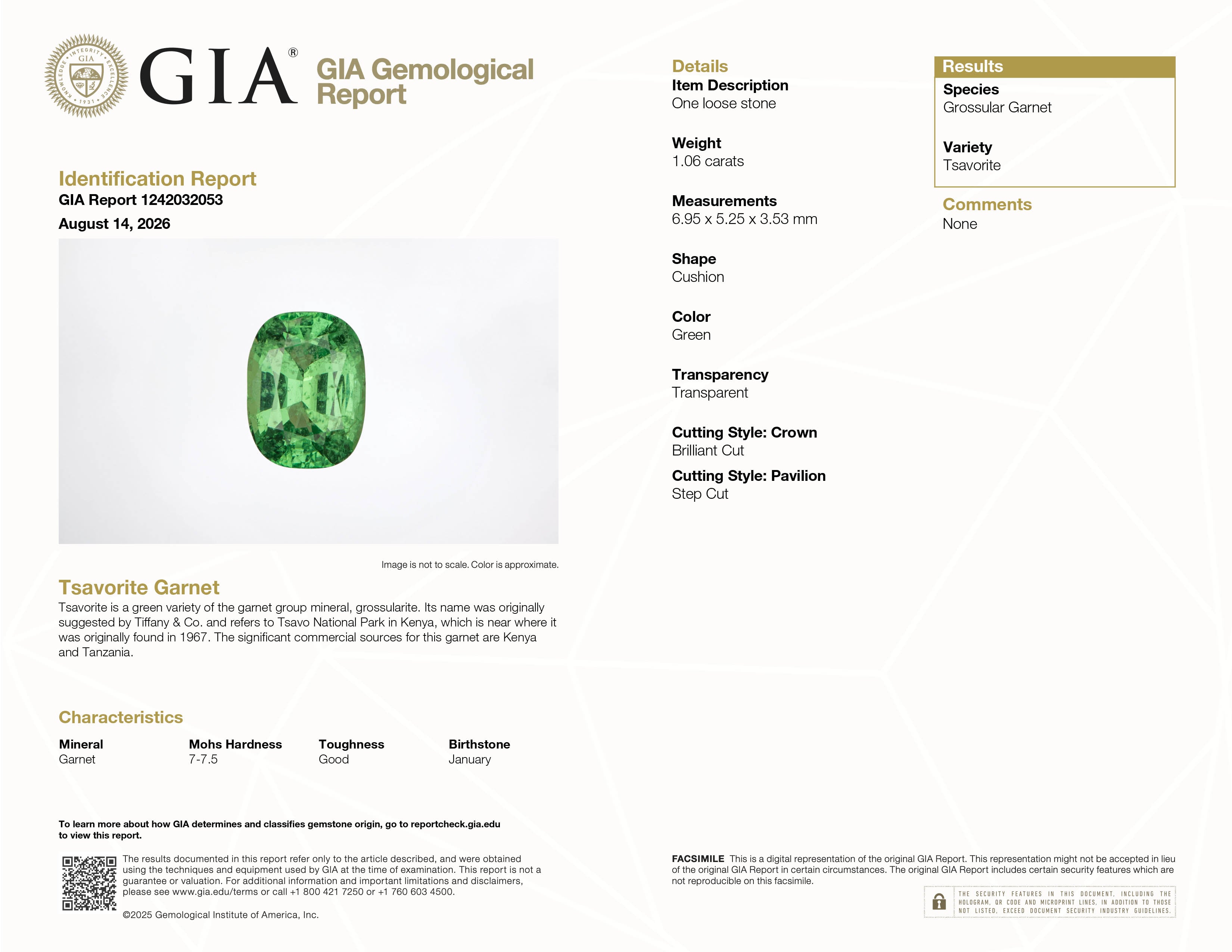
CG8460
1.06ct ツァボライト クッション 天然グロッシュラー・ガーネット|GIAレポート #1242032053
CG8459
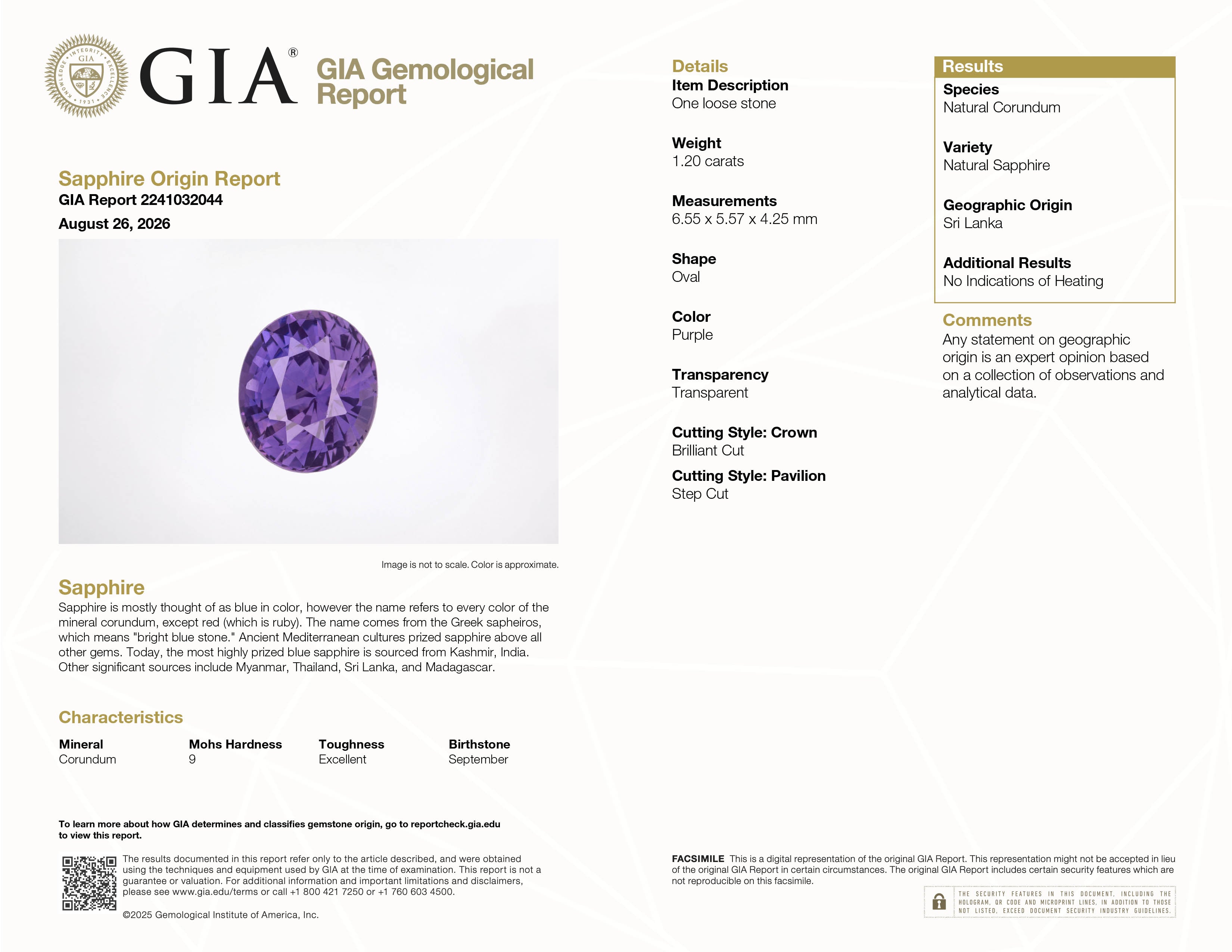
パープルサファイア 1.20ct 非加熱|スリランカ産|GIA原産地レポート付きルース
CG8458
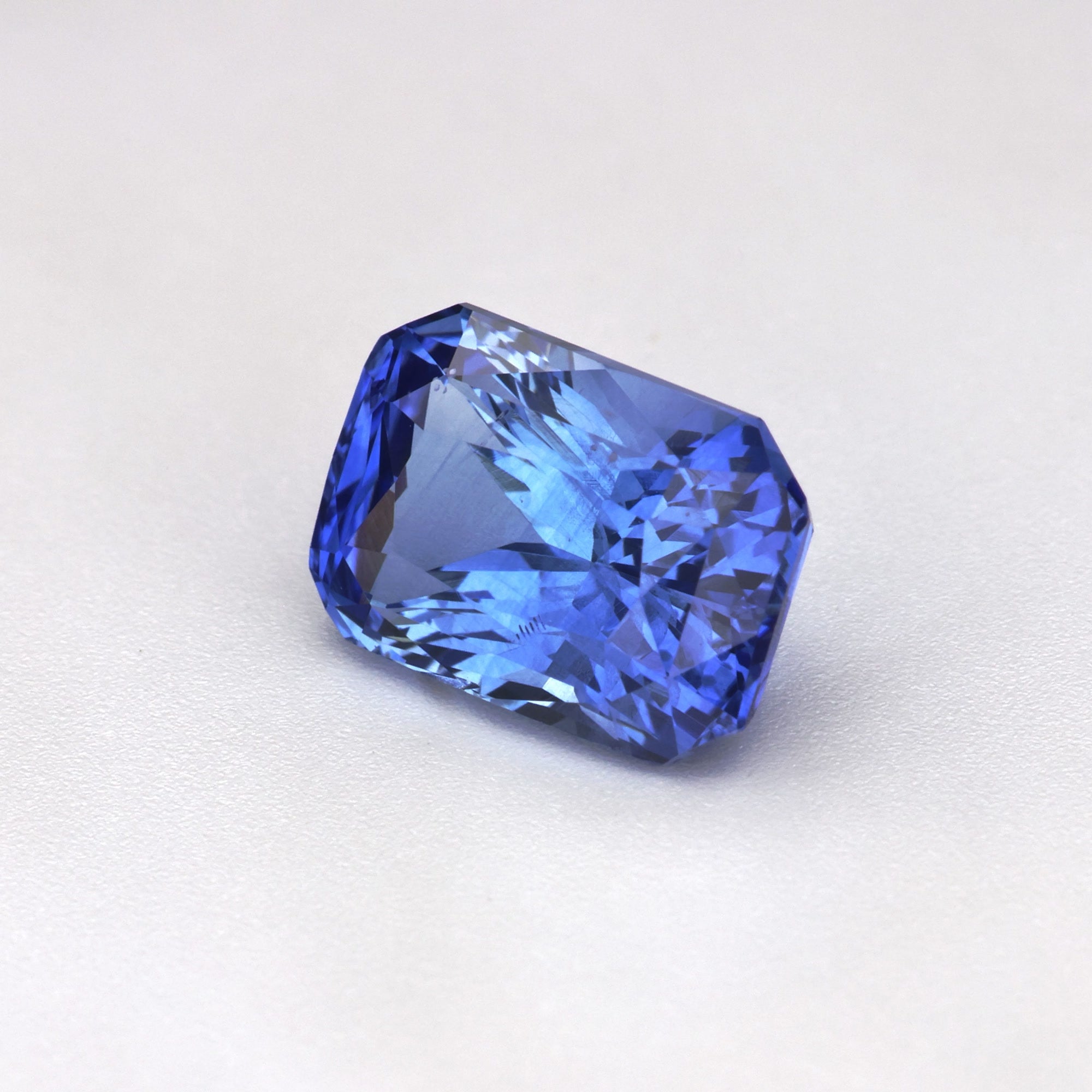
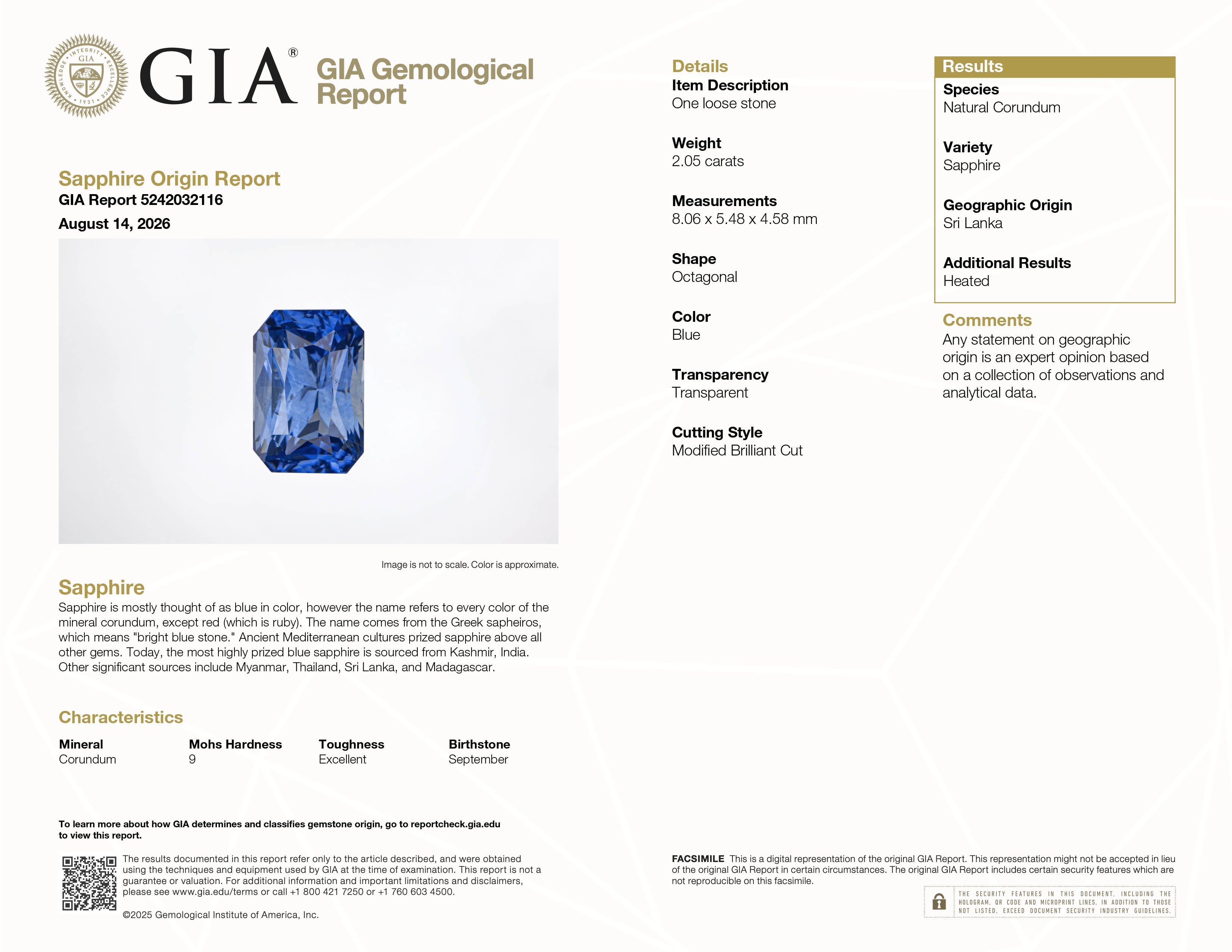
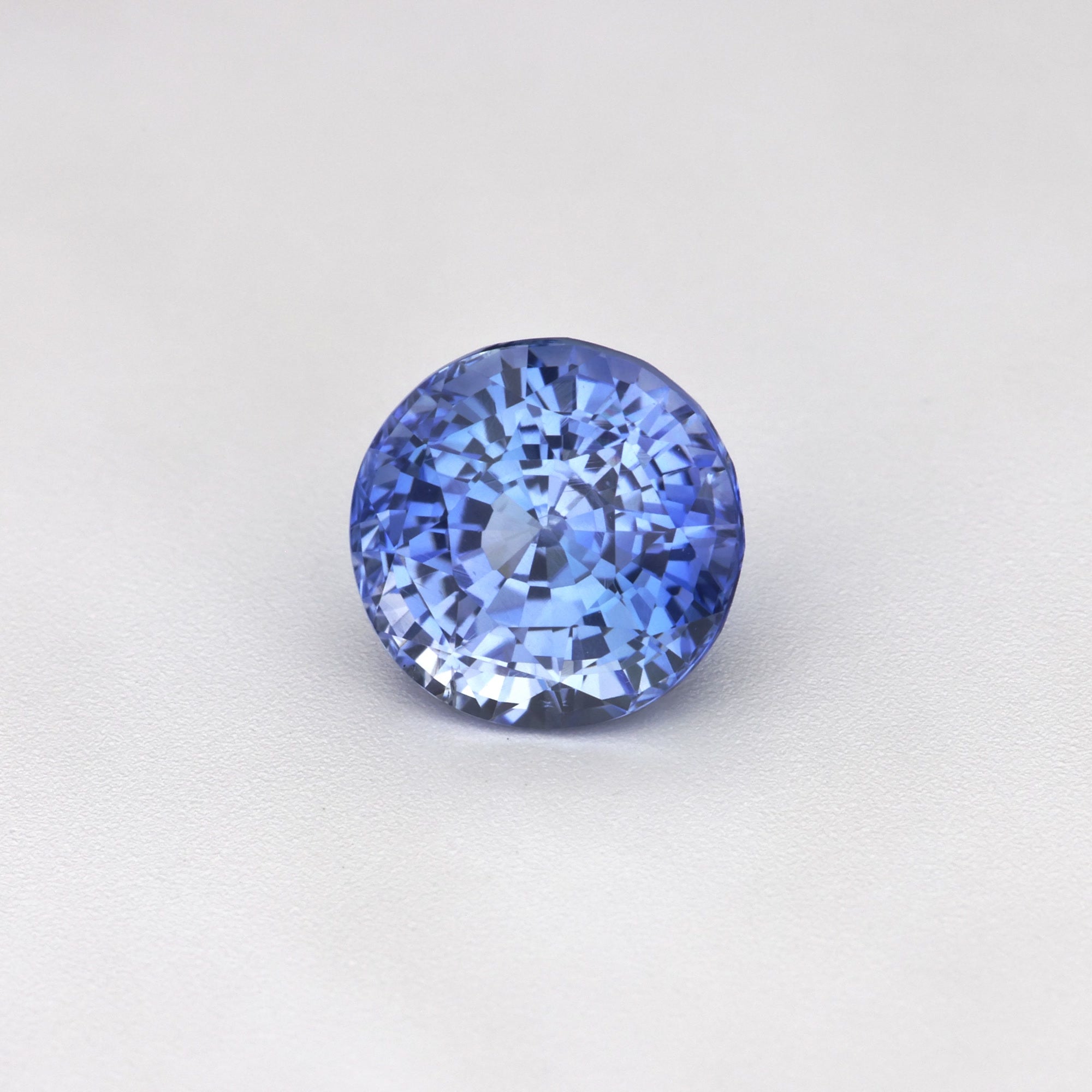
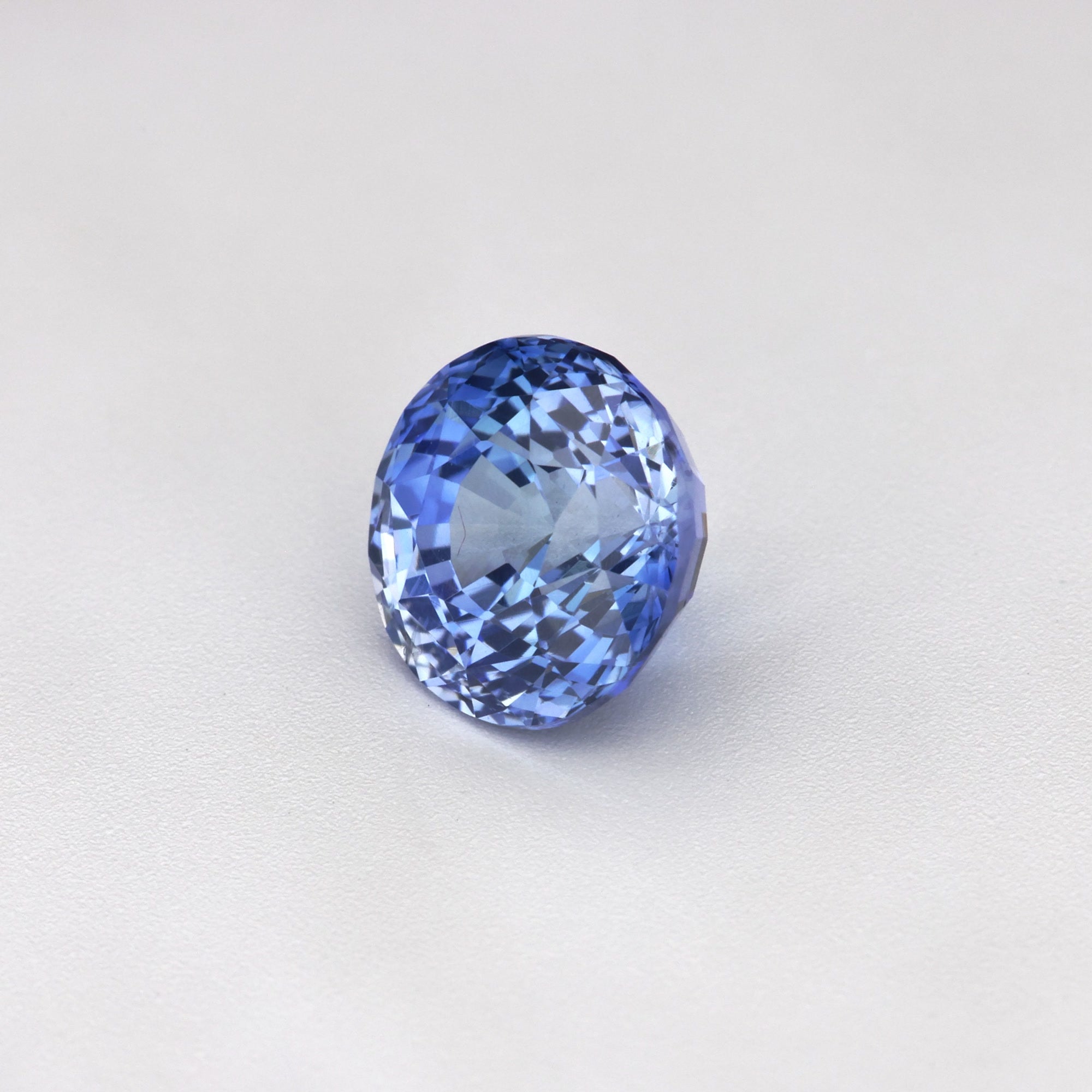
2.05ct 加熱ブルーサファイア|産地:スリランカ(GIAの意見)|ルース・GIA原産地レポート付き
CG8457
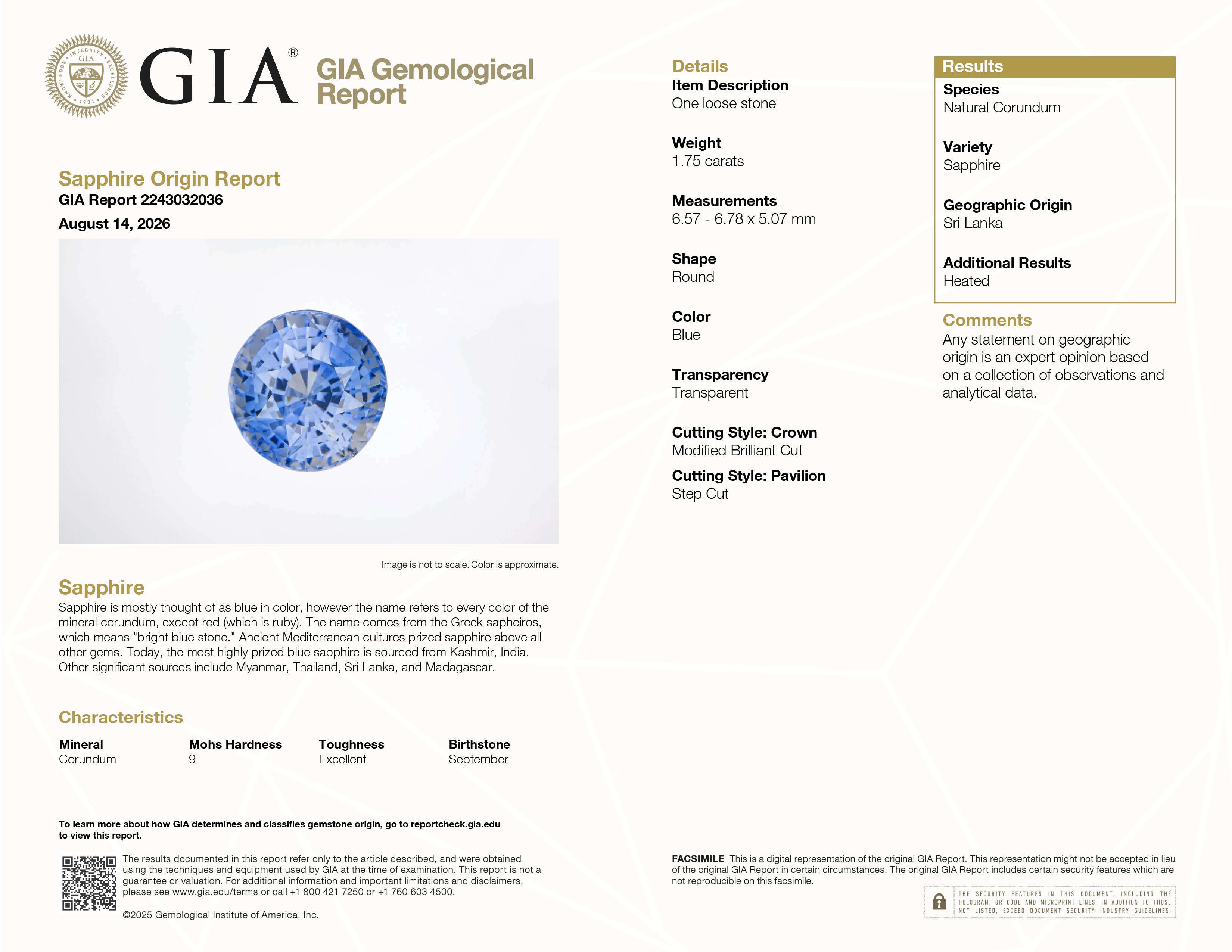
1.75ct スリランカ産ブルーサファイアのルース|加熱|GIA原産地レポート付き
CG8456
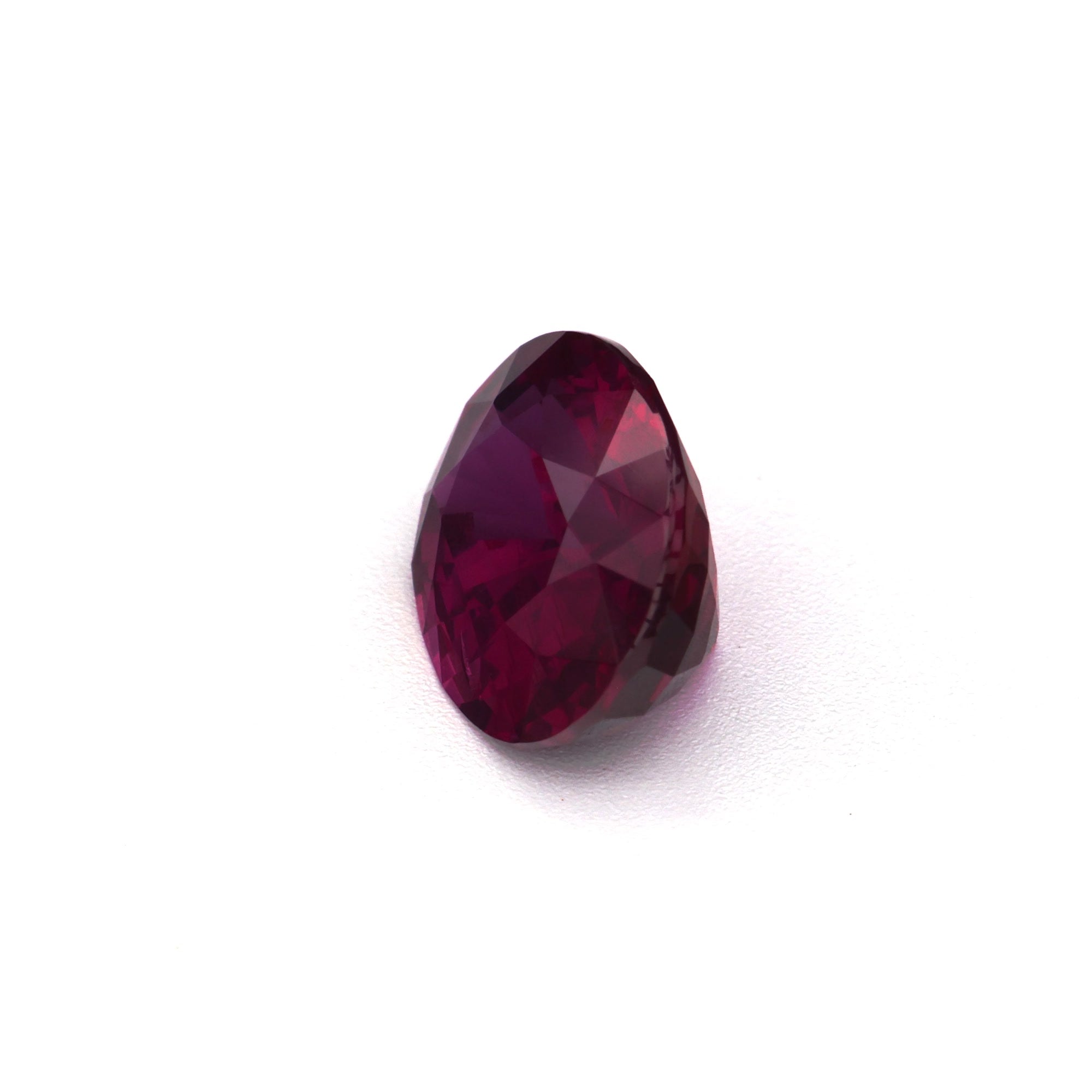
1.65ct 非加熱ルビーのルース|マダガスカル産ルビー・オーバル・GIA原産地レポート付き
CG8453
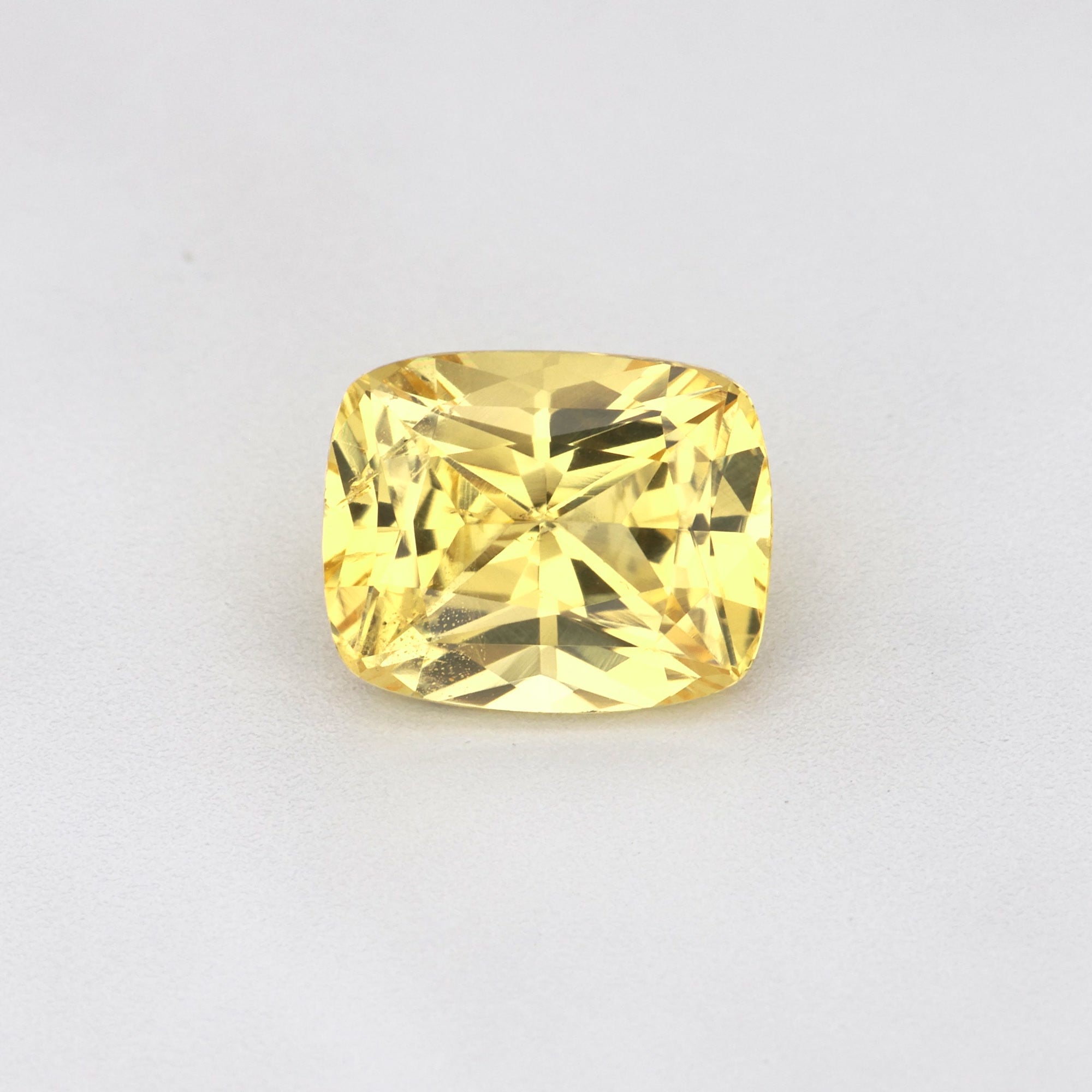
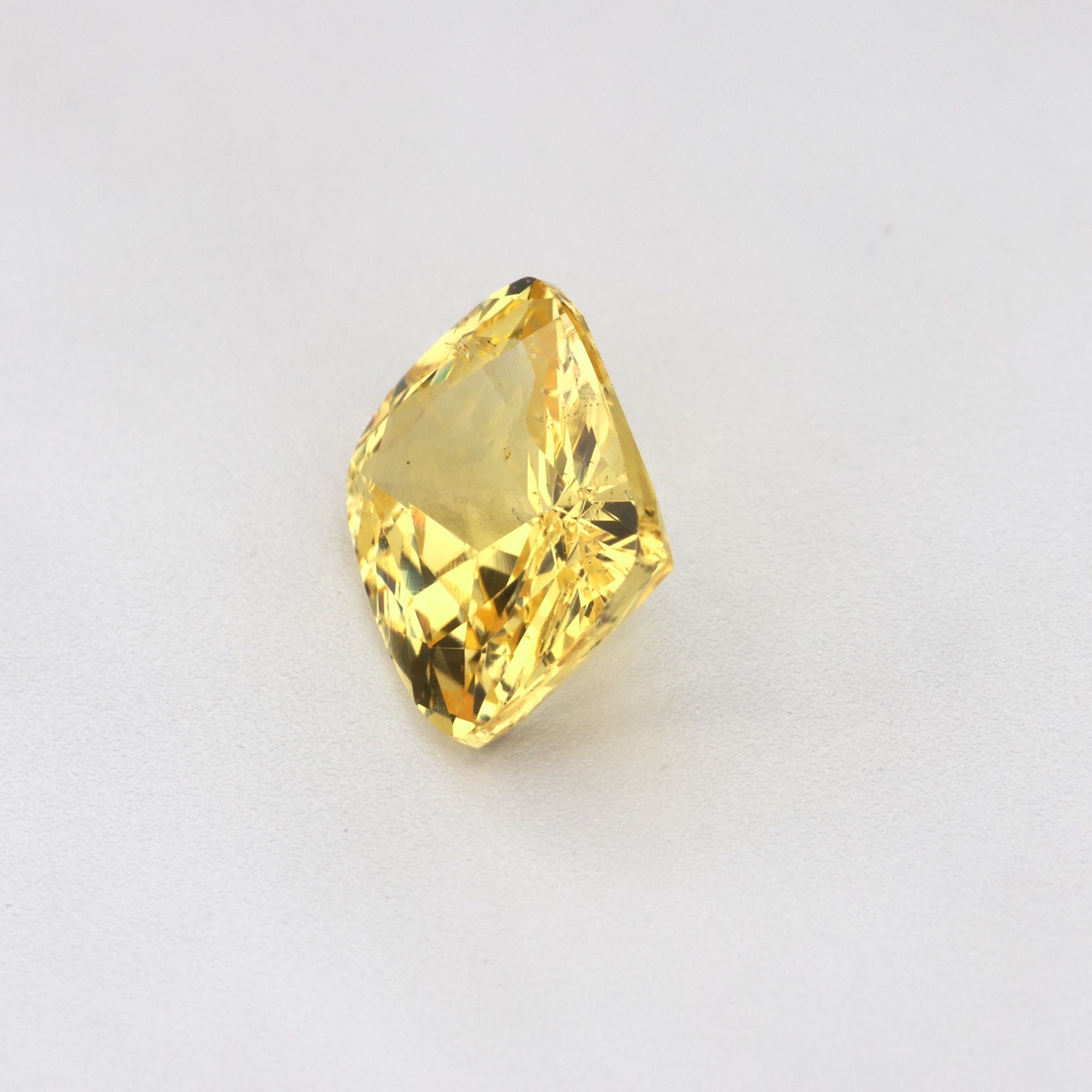
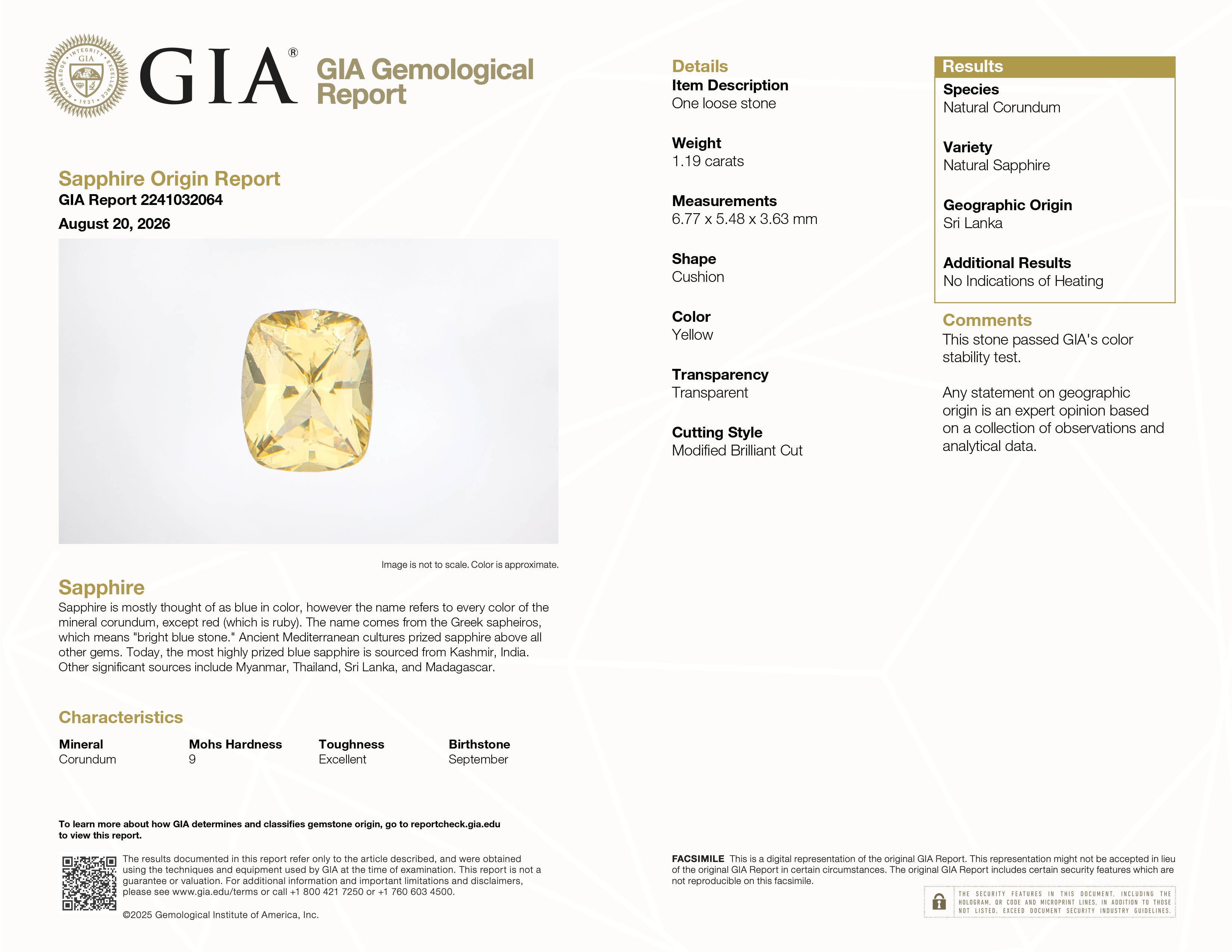
非加熱 イエローサファイア 1.19ct クッションカット|GIAレポート|スリランカ(セイロン)


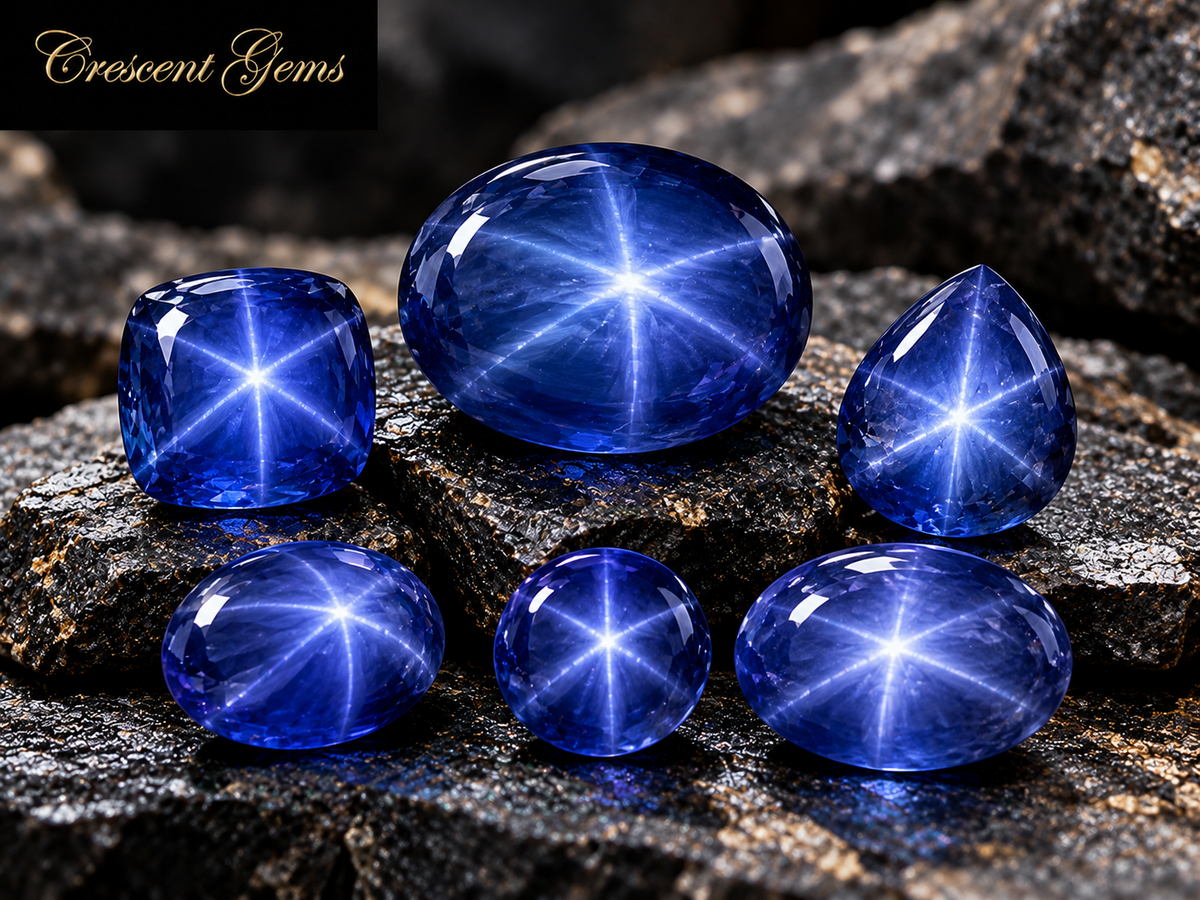
ブルースターサファイアの価格|1カラットあたりの相場と、当店にある8.09ctの1点
ブルースターサファイアは1カラットあたりいくらか。地色・重量・付帯する書類の三つで価格帯を整理し、現象を格付けする機関が存在しないことも説明します。当店の在庫は8.09ctの1点のみです。
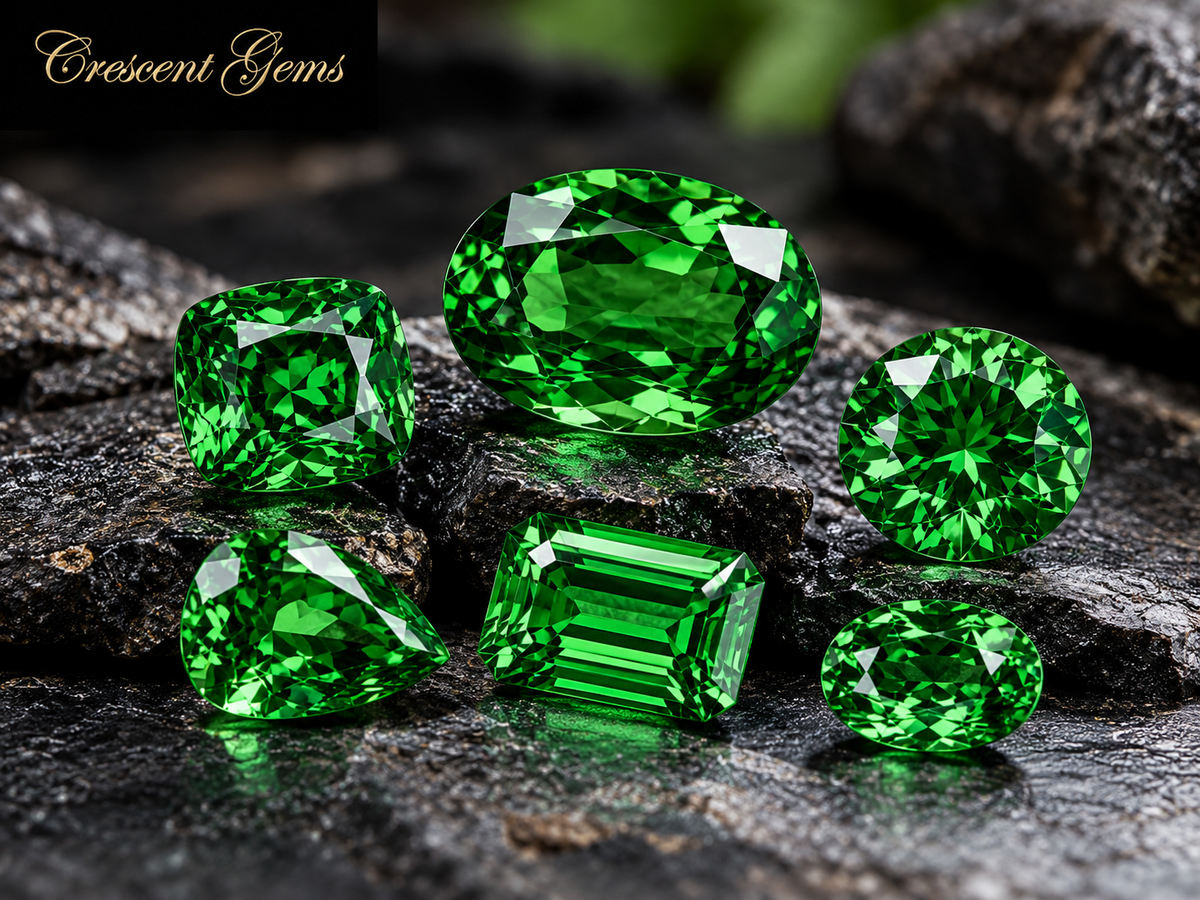
ツァボライトの価格|当店の在庫6点と、グロッシュラー・ガーネットとの違い
ツァボライトはいくらか。当店が現在在庫する6点をすべて示し、重さで値段がどう変わるかを説明します。品質等級表を載せない理由と、大きくて内包物の少ない原石が採れにくい本当の理由もあわせて。
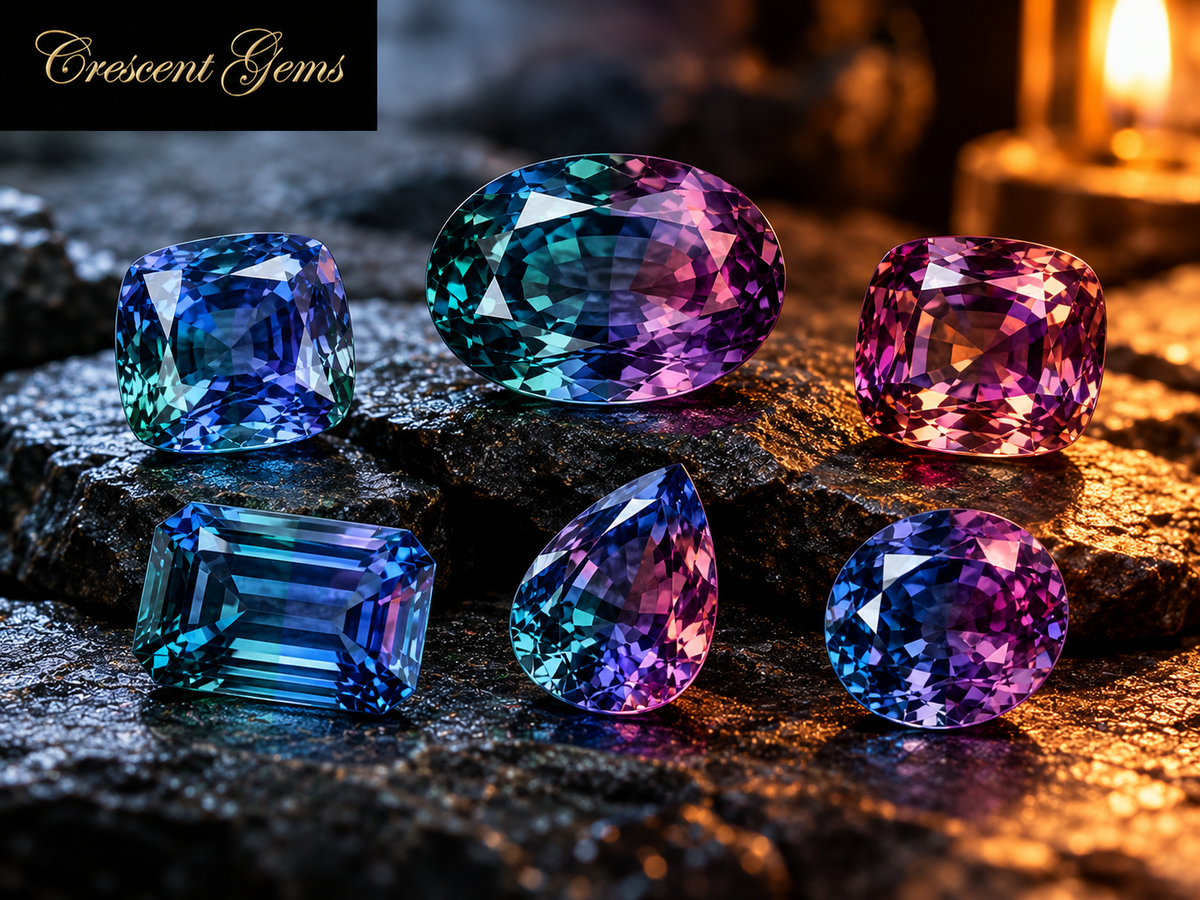
カラーチェンジサファイアの価格|1カラットあたりの相場と、当店にある2点
カラーチェンジサファイアは1カラットあたりいくらか。色と彩度と付帯する書類で価格帯を整理し、カラーチェンジそのものを格付けする機関が存在しないことも説明します。当店の在庫は1.03ctと2.01ctの2点です。
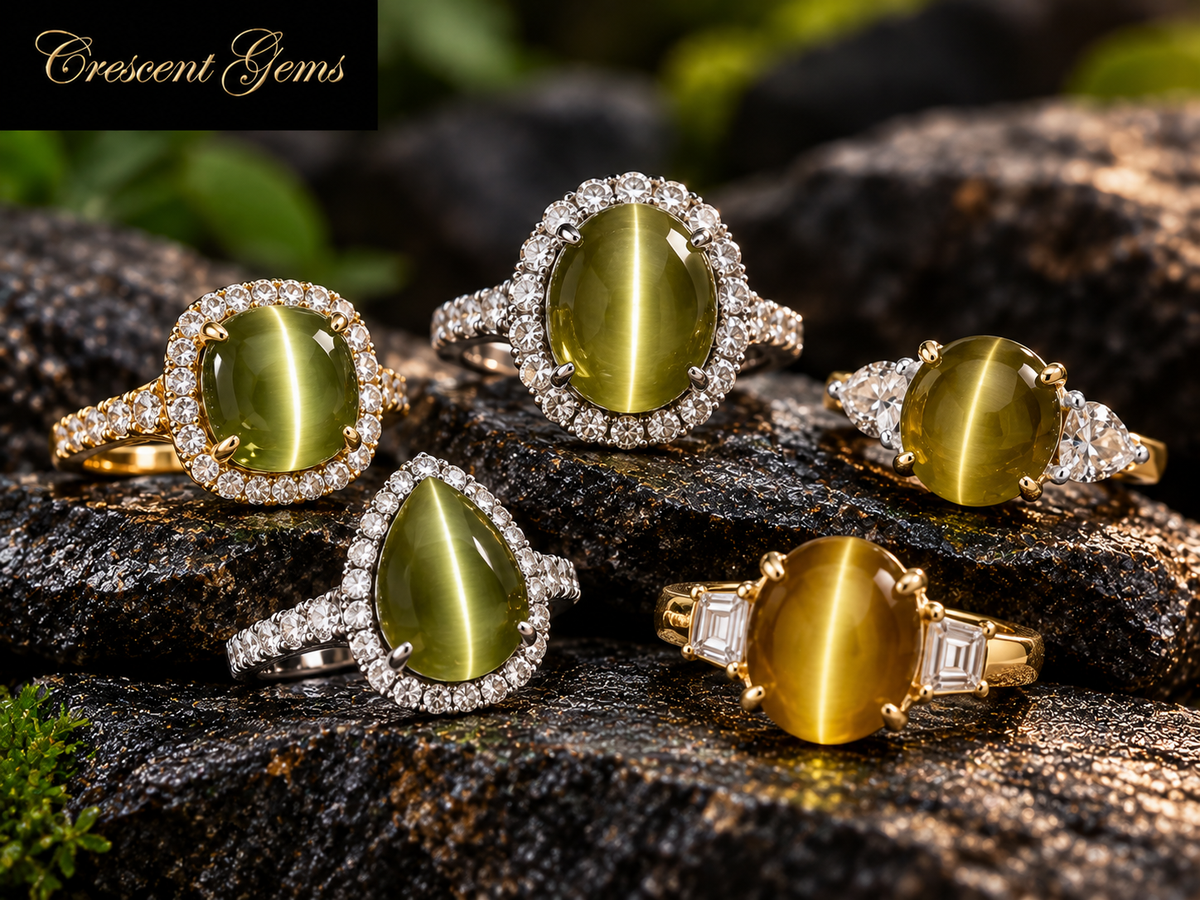
クリソベリル・キャッツアイは婚約指輪に向くか|モース硬度8.5と、留め方とお手入れ
クリソベリルはモース硬度8.5。クォーツ(7)やエメラルド(7.5〜8)より上、コランダム(9)とダイヤモンド(10)より下です。日常的に着ける指輪にとってそれが何を意味するかを、留め方とお手入れとあわせて説明します。
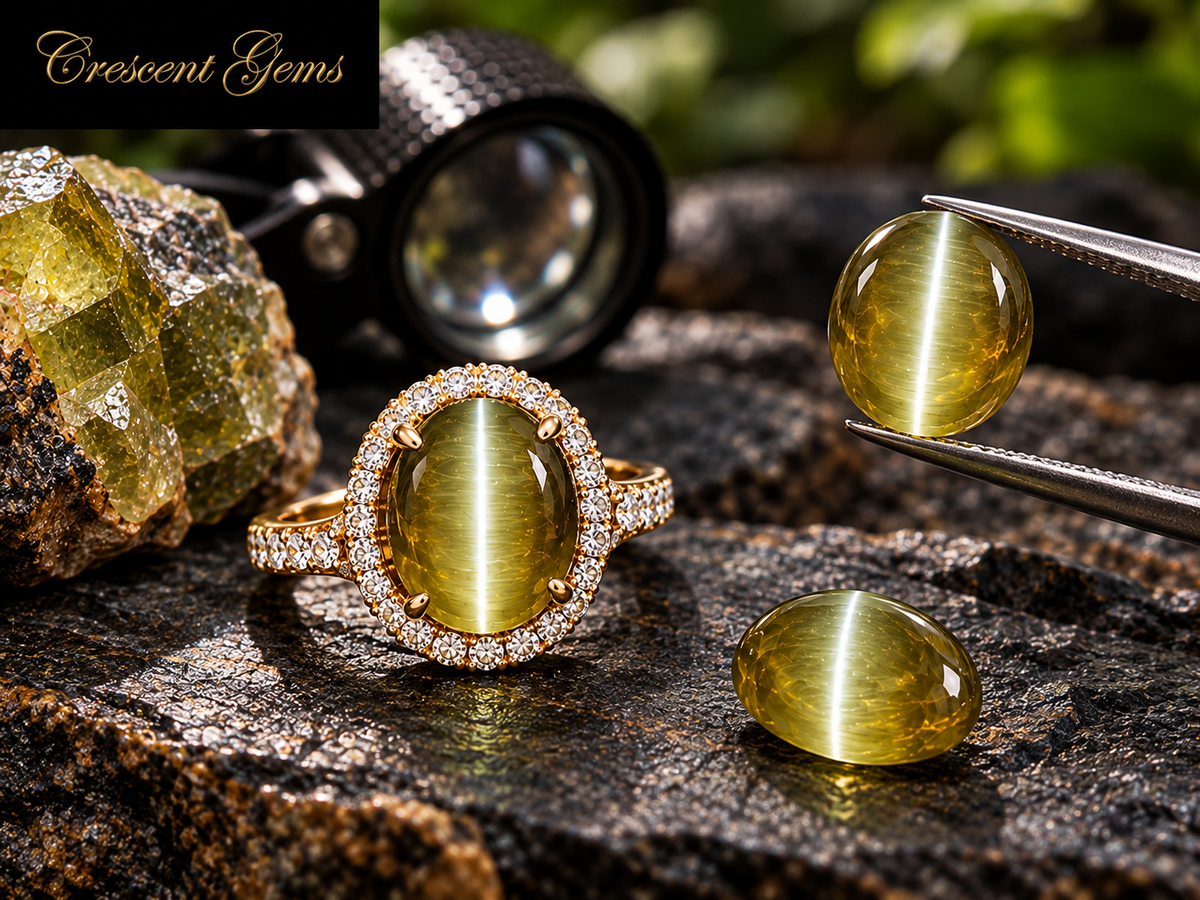
クリソベリル・キャッツアイの価格|1カラットあたりの相場と、当店にある2点
クリソベリル・キャッツアイは1カラットあたりいくらか。大きさと付帯する書類で価格帯を整理し、キャッツアイそのものを格付けする機関が存在しないことも説明します。当店の在庫は2.36ctと4.25ctの2点です。















シェア: