


- 著者:Ahmed Shareek
ルースサファイアと枠付きのリング|石を先に決めると何が変わるか
- 著者:Ahmed Shareek
サファイアを買うのが初めての方は、サファイア購入完全ガイドからお読みください。色、産地、処理、価格の全体像をまとめています。
枠付きのサファイアリングと、ルースのサファイア——この二つは、同じ買い物ではありません。違うのは枠があるかないかだけではなく、決める順番です。リングを買えば、石はそれに付いてきます。もう選ばれていて、もう留まっています。石を先に買えば、その石についてのことは何ひとつ決まっていません。それが何であるか、どこを通ってきたか、最後に何に留まるか——すべてがまだ開いたままです。
このページは、後者の順番を選んだときに何が変わるかについて書いたものです。どちらかが優れているという主張ではありません。完成した指輪が欲しい方はたくさんいらっしゃいますし、完成した指輪を買うというのは、まったくまっとうな買い方です。ここに書くのは二つだけです。すでに枠に留まっている石にはできなくて、ルースの石にはできることは何か。そして当店が、ルースの側をどう扱っているか。
もう一点、先にお断りしておきます。このページには、ほかの売り手が何をしているか、いくらで売っているか、何を在庫しているか、何を引き受けて何を断るかについての記述が、一行もありません。書き落としではなく、そう決めて書いています。理由は法律の話になりますので、本文の後半、景品表示法の節にまとめました。先にそちらを読んでいただいても構いません。
日本語の表記について一つ。このページでは、枠に留まっていない石をルース(裸石)、石がすでに留まった状態で売られている指輪を枠付きのリングと呼びます。どちらも日本の宝石取引でそのまま使われている言い方で、当店のほかのガイドも同じ語で書いています。
枠に留まったサファイアは、ルースのサファイアより評価しにくい状態にあります。爪がガードル(石の外周の帯)を覆い、枠がパビリオン(石の下半分)を隠し、カットのプロポーションは上から見ただけでは正しく判断できません。そして、すでに指輪に留まっている石は、いったん外さないかぎり GIA にも Gübelin にも出せません。
ルースの石でできることを並べます。10倍ルーペで、ガードルとパビリオンを含めて全方向から見ること。カットのプロポーションを見て、中央にウィンドウ——色が抜けて向こう側が透けて見える領域——がないか確かめること。ウィンドウは枠に留めてしまうと視野から消えますが、消えたあともリングの色を平たく見せ続けます。それから、複数の光源で色を見ること。窓際の自然光と、夜の室内光では、同じ石が別の石のように見えることがあります。実測の重量が、表示されたカラット重量と合っているか確かめること。そして最後に、何かに留める前に、独立した書類のために鑑別機関へ出すこと。
鑑別機関について、当店が書ける範囲で書きます。GIA と Gübelin は、お客様から名前の挙がることがいちばん多い国際ラボです。AGCL は、当店自身の在庫の大きな部分に付いている鑑別機関です。どの機関が優れているという順位づけは、当店はしません。石ごとに、何を知りたいかで依頼先が変わるだけです。
カットの見方についてはカットがサファイアに与える影響、インクルージョンの見方についてはサファイアのインクルージョンの読み方をご覧ください。
ルースの石と、枠付きのリングは、同じ買い物ではありません。ですから、その二つの価格も同じ量ではありません。ルースのサファイアの価格は、サファイアの価格です。指輪の価格は、石と、地金と、石留めの手間と、完成品にするまでにかかったそのほかすべての合計です。石だけを買うということは、最初の数字を単独で見られる唯一の方法です。
ここは比較ではなく、定義の話です。「どちらが安いか」という問いは、この二つのあいだでは立ちません。足し算の項の数が違うからです。項の数が違うものを並べて片方が安いと書けば、それは比較として不当だという以前に、算数として意味を持ちません。だからこのページには、価格の比較が一つもありません。
当店が書けるのは、当店自身の側がどう組み立てられているかだけです。ショールームを持ちません。小売のカウンターもありません。ラトナプラ、ベルワラ、コロンボで当店自身が買います。ラフを当店の仕様でカットします。そしてルースのまま、ここからお送りします。地面からお客様までの段が短い、ということです。
ただしこれは飾らずに書きます。スリランカのラフ市場そのものが、仲介を前提にして動いています。その市場の内側では、当店もほかの買い手と同じように、ブローカーやディーラーから買っています。段が短いことは、段がゼロであることではありません。
そして当店は、小売価格より何パーセント安いとも、何倍だとも書きません。書けるだけの裏づけを、当店が持っていないからです。持っていない数字を書かない、というのは当店の慎重さの問題ではなく、日本で広告を出す側に課せられている条件です。景品表示法第5条第2号と第7条第2項の話になりますので、後の節で書きます。
ルースで買うと、石を決めることと枠を決めることが、別々の決定になります。先に石を選び、そのあとで、ご自身の好みに合う枠を独立に選べます。順番が逆だと、こうはなりません。既成の枠はたいてい、ある重量のラウンドブリリアントのダイヤモンドが収まることを前提に寸法が決まっています。枠を先に決めるというのは、まだ見ていない石がその寸法に合うことを願う、ということです。
ルースの石は、お付き合いになりたい宝飾店や工房へ持ち込むことができます。ただし、持ち込み石(持込石)を受けているかどうか、受けている場合の工賃がいくらかは、石を買う前にお尋ねください。答えは工房ごとに違いますし、当店はその答えを代わりに申し上げる立場にありません。何を尋ねるとよいかは、本文の後半に項目を並べてあります。
指輪の設計についてはルースからサファイアの指輪をデザインする方法、地金の色についてはサファイアの指輪の地金の色の選び方をご覧ください。
サファイアにおいて、「非加熱」と「無処理」は同じ主張ではありません。加熱されていない石が、加熱以外の処理を受けていることはあり得ます。ですからこの二つの語は、入れ替えて使えません。そして「天然サファイア」という言い方は、そのどちらも決めません。天然であることと、処理を受けていないことは、別の事実です。
ルースの石であれば、処理の状態は商品ページに記載され、その所見は、何かに留める前に鑑別機関へ出せます。鑑別書は、その機関が観察したことを記載する書類です。確認するのでも、保証するのでもありません。観察の記録と保証のあいだには、はっきりした距離があります。
当店は、US$500 を超える石を通例として GIA に出しています。これは当店の運用上の基準であって、市場の標準ではありません。ほかの売り手がどの金額でどうしているかについて、当店は何も申し上げません。
三つの語の違いについては本文の後半に節を設けました。あわせて非加熱サファイアとはとGIAのサファイアレポートの読み方をご覧ください。
鑑別書には、カラット重量、寸法、石種、そして処理についての所見が記載されます。保険会社や鑑定人は、そこから仕事を始めます。書かれていない項目から仕事を始めることはできません。
産地は別の話です。GIA が産地についての意見を記載するのは原産地レポート(GIA サファイア原産地レポート)だけで、しかもその検査が依頼された場合だけです。当店の在庫には、両方の例があります。GIA サファイア原産地レポートでスリランカと記載された石もありますし、GIA のレポートの産地欄が Not Requested になっている石もあります。
後者が劣った石だということではありませんし、書類に不備があるということでもありません。検査が依頼されなかった、それだけのことです。Not Requested は、産地が不明だという判定ではありません。undetermined は、検査した結果として決められなかったという判定ですが、Not Requested は、そもそも検査していないという記録です。この二つを同じものとして読むと、値段の判断を間違えます。
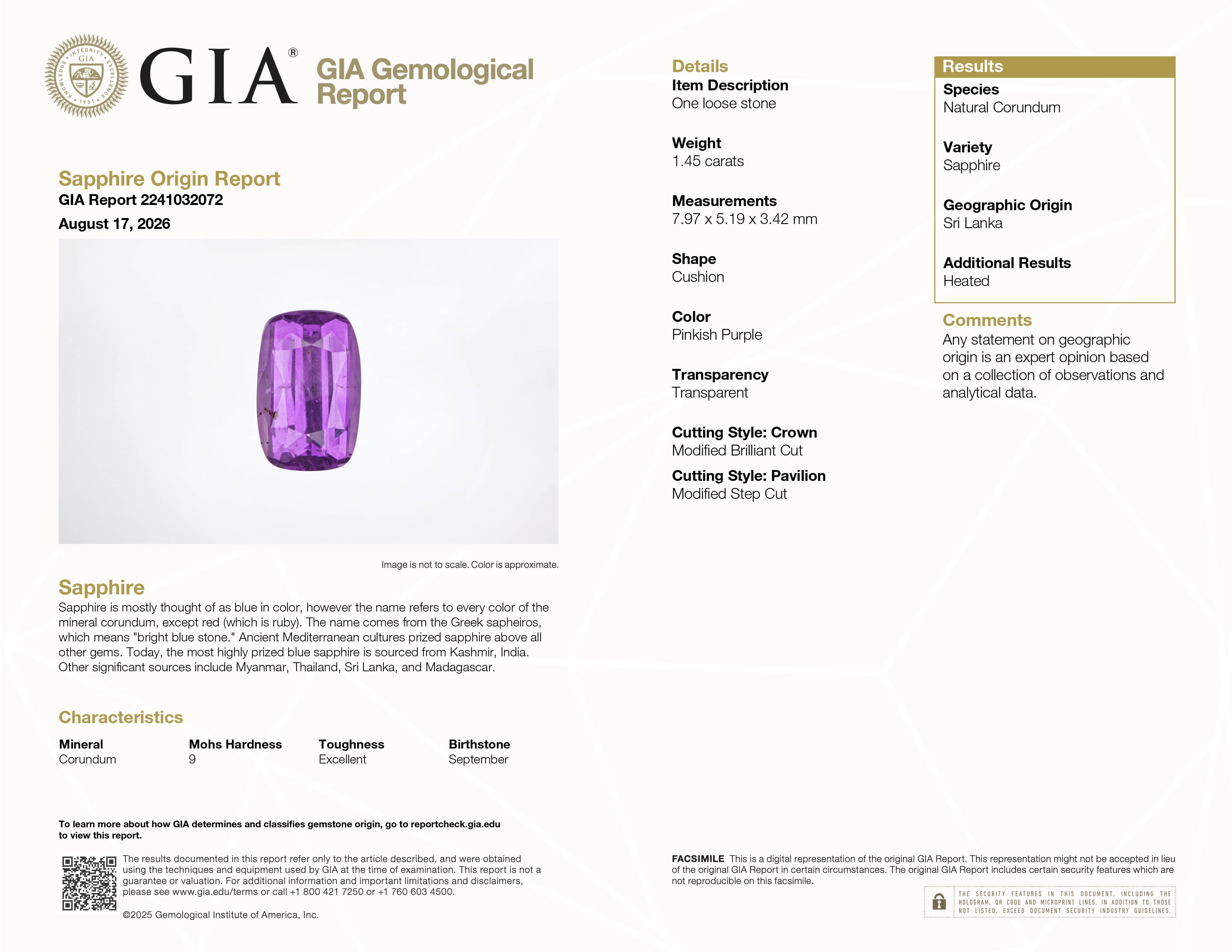
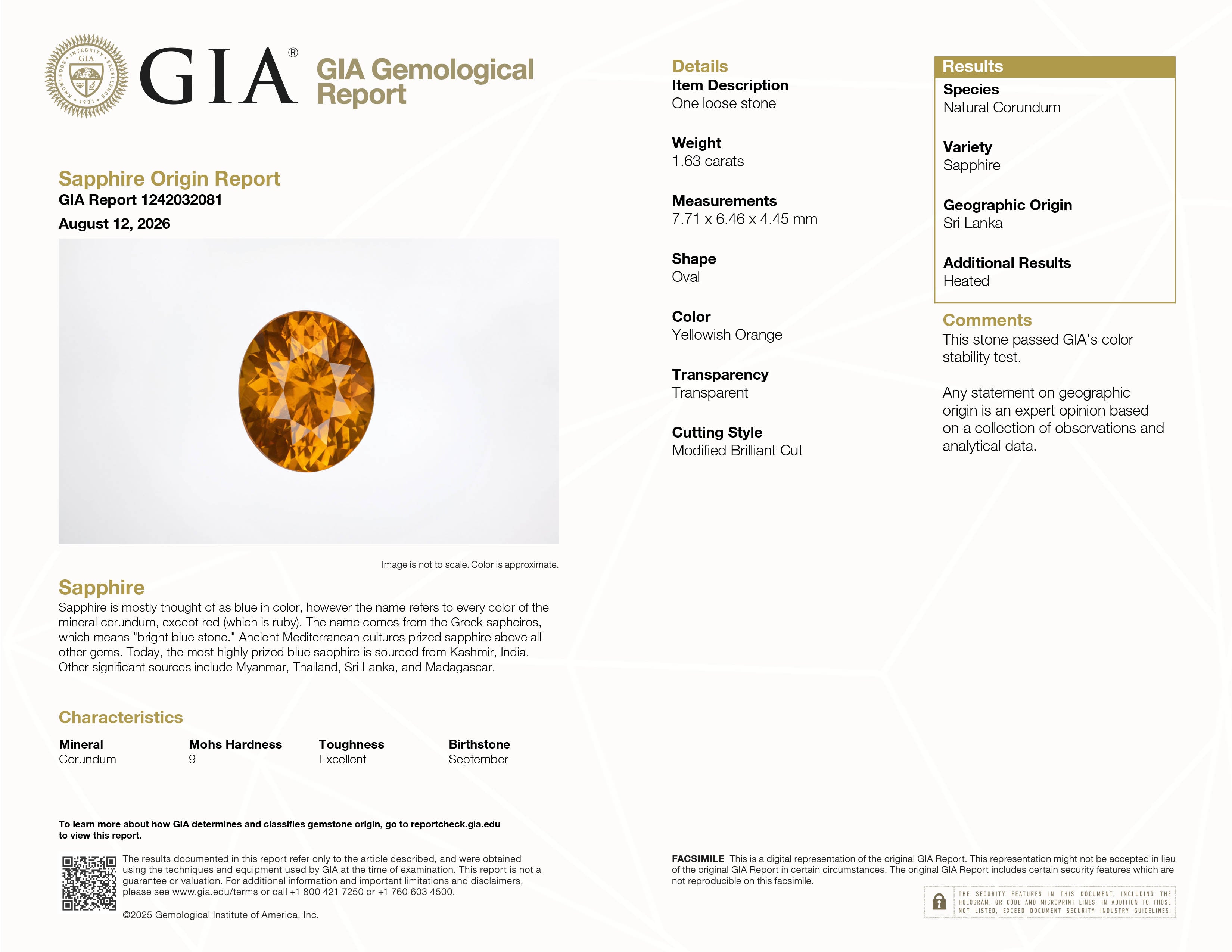
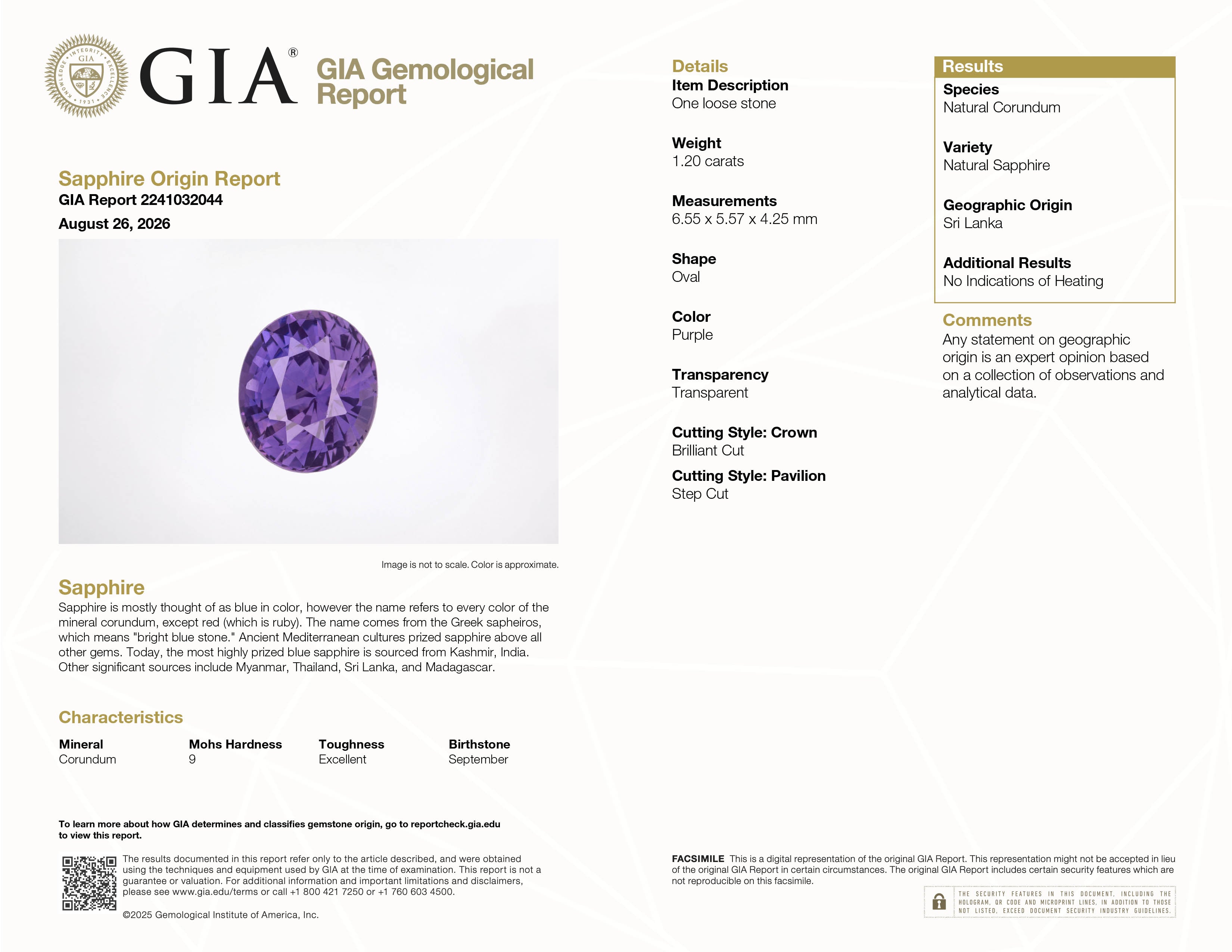
産地についての記載そのものにも、GIA は留保を付けています。レポートの上にこう印刷されています。“Any statement on geographic origin is an expert opinion based on a collection of observations and analytical data.”(地理的な産地についての記述は、一連の観察結果と分析データに基づく専門家の意見です。)産地の判断は専門家の意見である、と GIA 自身がレポートの上に明記しているということです。意見であっても、入手できる証拠のなかでは最も強いものです。ただし、意見を確認と読み替えることはできません。
そしてレポートは、評価額の書類でもありません。これも GIA が書面に印刷しています。“This report is not a guarantee or valuation.”(このレポートは保証でも評価額でもありません。)
日本で保険や相続のために「評価額の入った書類」を求められることがありますが、それは鑑別書ではありません。鑑別書は価格を書かない書類です。評価額が必要な場合は、鑑別とは別に、評価を業とする方へ別途ご依頼いただくことになります。サファイアの指輪の保険もあわせてご覧ください。
ジョーティッシュの実践は、一般にこう説明されます。石が肌に触れること——つまりパビリオンが露出した裏抜きの枠であること。そして石が天然で、非加熱であること。
これは実践についての説明であって、当店の判定ではありません。当店は石を売る者であって、その伝統を代弁する立場にはありません。当店がお役に立てるのは、作業の順番についてだけです。処理の状態は商品ページに記載してあります。そしてルースの石は、何かに留める前に鑑別機関へ出せます。出すなら、そこがいちばん簡単な時点です。
裏抜きの枠は、あとから作り替えるより、最初からそう設計するほうが素直です。石を先に決めていれば、設計の条件に最初から入れられます。
枠そのものについては、お尋ねいただければ当店の見方をお伝えします。ただし、これは当店がこれらの石を扱ってきたなかでの、当店自身のお勧めです。留め方について指針を公表している鑑別機関はありませんので、どこかの見解をお伝えしているわけではありません。
用途についての詳細はジョーティッシュ用サファイアの買い方をご覧ください。
ご希望があれば、カタログの石について、当店が撮った動画をお送りします。固定した商品写真ではなく、手で石を傾けながら、窓際の自然光と室内光の両方で撮ったものです。サファイアの見え方がいちばん変わるのは光源を変えたときなので、静止画一枚よりも分かることが多くなります。ご覧になりたい石の商品ページのリンクを添えて、crescentgems@gmail.com までご連絡ください。
そして、すべてのご注文に到着後14日間の返品期間がございます。
ここで一点、返品について書いておきます。石を枠に留めてしまうと、それは返品ではなくなります。留めた時点で、お手元にあるのは当店がお送りした石そのものではなく、お客様の指輪だからです。石を先に買う順番では、確かめるための時間が留める前に来ます。実務のうえでは、これがいちばん大きい違いかもしれません。
ここまで読んでいただいて、何かが足りないと感じられたかもしれません。このページには、ルースの石が枠付きのリングより安いとも、賢い買い方だとも書いてありません。表題にも書いてありません。これは謙遜ではなく、日本で広告を出す側に課せられている条件から出てくる書き方です。二つの条文に分けて説明します。
景品表示法(不当景品類及び不当表示防止法)第5条第2号は、価格やその他の取引条件について、実際よりも著しく有利であると一般消費者に誤認される表示を禁じています。これを有利誤認表示といいます。「小売価格より◯パーセント安い」「◯倍お得」「通常価格との差額はこれだけ」——こうした書き方は、すべてこの条文の射程に入ります。
だから当店は価格について、割合も倍率も、比較の相手も書きません。書けるのは仕組みの話だけです。ショールームを持たないこと、産地で自ら買っていること、仕様を決めてカットしていること。これらは当店自身についての事実で、ほかの誰かについての主張を含みません。
そのうえで、このページはもう一段手前で止めています。有利誤認表示の問題を避けるために比較を控えているのではなく、そもそも比較が成り立たないからです。ルースの石と完成した指輪は、同じ量ではありません。片方は石の代金、もう片方は石と地金と石留めの手間の合計です。数えている項の数が違うものを並べて、どちらが安いと書くことはできません。これは法律以前に、算数の話です。
もう一つ、日本に固有の論点があります。二重価格表示です。「当店通常価格」や「メーカー希望小売価格」を併記して比較する表示には、消費者庁の運用基準があり、比較対照価格として使えるのは、実際に相当期間販売されていた価格などに限られます。当店はそもそも比較対照価格を置きません。置けるだけの根拠を持っていないからです。
同じ法律の第7条第2項に、不実証広告規制が置かれています。買う側にとっては、売り手の品質表示を検算するための道具になります。
仕組みはこうです。商品の品質や内容について、実際よりも著しく優良であると示す表示——優良誤認表示——の疑いがあるとき、行政は期間を定めて、その表示の裏づけとなる合理的な根拠を示す資料の提出を求めることができます。消費者庁の運用指針では、この期間は原則として15日です。期間内に資料が出てこなければ、その表示は優良誤認表示とみなされます。
そして「合理的な根拠」と認められるには、条件を二つとも満たす必要があります。ひとつは、資料の内容が客観的に実証されていること。もうひとつは、実証された内容が、表示した内容ときちんと対応していることです。資料があるだけでは足りない、というのがこの規制の要点です。
この二つめの条件が、このページの書き方をほぼすべて決めています。
「ルースで買うほうが賢い」という表示に対応する資料は、当店にはありません。存在しないと考えています。誰かが15日で作れるものだとも思いません。買う側の事情——予算、好み、いつまでに要るか、指輪を自分で設計したいかどうか——で答えが変わる問いに、客観的に実証された資料が対応することはありません。だから書きません。表題にも書いていませんし、本文のどこにも書いていません。15日で出せない表示は最初から書かない、というのが当店の方針です。
同じ理由で、このページに出てくる数字は一つずつ、その数字の出どころと同じ文のなかに書いてあります。US$500 は、当店が石を GIA に出す基準です(市場の標準ではありません)。第71.03項は関税率表の項番号です。10パーセントは消費税法の税率です。14日は当店の返品期間です。数字と出どころが離れていると、15日のあいだに探し直すことになります。離さずに書いておけば、探す必要がありません。
この規制は、色石の広告でよく見る言い方を検算するのにも使えます。「GIAレポート付きだから高品質」という文は、この形の根拠を持っていません。GIA の色石レポートは、客観的に実証された内容を含んでいます(一つめの条件は満たします)。しかしレポートが実証しているのは石の同定と処理の所見であって、品質の優劣ではありません。GIA 自身がこう述べています。“GIA doesn't grade or provide quality analysis for sapphire or other colored stones.”(GIAはサファイアその他の色石について等級づけや品質分析を行っていません。)等級づけをしていない機関のレポートは、「高品質」という表示に対応できません。二つめの条件が欠けています。
買う側として使える問いは、ひとつだけです。「その表示を裏づける資料は、まさにその表示に対応していますか。」「最高級の色」と書いてある石について、根拠として示されたのが処理を記載した鑑別書なら、対応していません。「非加熱」と書いてある石について、根拠として示されたのが加熱の欄のあるレポートなら、対応しています。問いの形は同じで、答えだけが変わります。
この問いを自分で立てられる時点が、ルースの石と枠付きのリングでは違います。ルースの石なら、対応する資料があるかどうかを、留める前に確かめられます。枠に留まった石では、確かめるためにまず外す工程が入ります。どちらが優れているという話ではなく、工程の数と順番が違うという話です。
ここは、ルースの石と枠付きのリングのどちらにするかを考えている日本の買い手が、まっすぐぶつかるところです。ルースの石に付いてくるのは鑑別書です。完成した指輪に付いてくるのは、「品質保証書」や「ギャランティカード」、あるいは評価額を書いた書類であることが多くなります。これらは同じ紙の等級違いではありません。別の問いに答える、別の書類です。
日本で石の書類を頼むとき、三つのまったく違うものが「証明書」という一語でまとめられてしまうことがあります。何を頼むのかを決める前に、三つを分けてください。
| 書類 | 何を記載するか | 等級は付くか | 色石に発行されるか |
|---|---|---|---|
| 鑑別書 | 石種、天然か合成か、検出された処理。通常は産地を扱いません | 付きません | はい。色石に付くのはこれです |
| 鑑定書 | ダイヤモンドの4Cグレーディング | 付きます(ダイヤモンドの4C) | いいえ。色石に鑑定書というものはありません |
| ソーティング(ソ付) | 仕分けのための作業メモ。署名も発行者名もないことが多く、石種と重量程度のこともあります | 付きません | 書類の代わりにはなりません |
| GIAのレポート | 日本の書類分類で言えば鑑別書にあたるもの。原産地レポートだけが産地の意見を載せます | 付きません | はい |
鑑定書。日本語の「鑑定書」は、ダイヤモンドのグレーディングレポートを指す言葉として定着しています。色石に鑑定書というものはありません。サファイアについて「鑑定書付き」という表示を見かけたら、言葉の使い方が正しくないか、ダイヤモンド用の言葉を流用しているかのどちらかです。売り手にどちらなのかをお尋ねください。それだけで、相手がどの程度言葉を管理しているかが分かります。
ソーティング。仕分けのために付けられる小さなメモです。業者間で石を流通させる過程の作業メモであって、レポートではありません。「ソーティング付き」は「レポート付き」と同じ意味ではありません。
そして、ここが順番の話に戻るところです。枠に留めてしまうと、あとから同じ内容の書類を取り直すのは簡単ではありません。石を外す作業が先に要りますし、外せば留め直す作業も要ります。ルースの状態なら、出して、返ってきて、それから設計に入れます。
依頼先について。当店は、国内の特定のラボを名指しして推奨することはしません。日本国内のラボの体制はここ数年で再編が進んでおり、特定の一社を勧める書き方は、長く正しいままでいられないからです。一例として、AGTジェムラボラトリーは2025年3月31日に業務を終了しており、いま新たに依頼することはできません。古い記事が AGT を勧めていることがありますので、依頼先を決める前に、その機関がいま受け付けているかをご確認ください。当店が実務で依頼しているのは GIA で、当店の在庫には AGCL、FGL、GIC の鑑別書が付いた石もあります。
売り手に尋ねる三つの質問を置いておきます。(1)この石の加熱処理の状態は、何と記載されていますか。(2)レポートはありますか。あれば、発行機関名とレポート番号を教えてください。(3)その書類は鑑別書ですか、ソーティングですか。この三つに即答できない売り手からは、当店なら買いません。読み方についてはGIAのサファイアレポートの読み方をご覧ください。
日本語の商品説明では、この三つが同じ意味で使われていることがあります。三つとも違う主張です。
当店の表示の運用はこうです。加熱されていない石には【非加熱】、加熱以外の処理も確認されていない石には【非加熱・無処理】と表示し、鑑別書の有無と発行機関を併記しています。日本では処理内容の開示は販売者の義務です。当店は、レポートがない石についても、ないと書きます。
この三つを分けておくことが、ルースで買う順番ではとくに効きます。処理についての所見を取るなら、留める前だからです。詳しくは非加熱サファイアとは、サファイアの加熱処理のしくみ、そして加熱と非加熱の比較ページをご覧ください。
日本の宝飾の現場では、仕事は二つの言葉で分かれています。この二つの違いが、そのままこのページの主題です。
新規製作(オーダーメイド)は、石から始まります。石の実測寸法——外形の寸法と、石の厚み(深さ)——が、そのまま枠の設計値になります。外す作業はありません。
リフォームは、出来上がった指輪から始まります。最初の工程は石外しです。そして石外しのあとに、もう一つ工程が要ります。外して初めて見えたものと、外す作業そのものが生じさせたことを、確かめる工程です。爪の下に隠れていたガードルの欠け、地金が覆っていた擦れ、エメラルドカットの角の傷。留まっているあいだは、どれも見えません。
つまりこういうことです。石を先に買った方は、新規製作から始まります。完成した指輪を買って、あとで別のものにしたくなった方は、リフォームから始まります。これはどちらが良いという話ではなく、工程の数が違うという話です。そして完成した指輪を買って、そのまま一度も作り替えずに持ち続ける方にとっては、この違いは一度も関係しません。それはそれで、まったく良い買い方です。
あいだにセミオーダーという選択肢もあります。既成の石枠に、持ち込んだ石を留める方法です。枠の寸法は先に決まっているので、石の実測寸法がその枠に収まるかどうかが最初の条件になります。ルースを先に買う場合は、枠を選ぶ前に石の寸法が分かっているので、この確認が先にできます。
工程と費用の組み立て方についてはオーダーメイドリングのご依頼の進め方とルースからサファイアの指輪をデザインする方法にまとめています。
先に、当店が書けないことを書いておきます。当店は日本国内の工房で作業をしていません。ですから、どの工房が持ち込み石を受け、どの工房が断るか、工賃がいくらか、どういう条件を付けるかについて、当店は何も申し上げません。そういう調べをした記録も持っていませんし、持っていないことを書けば、それこそ裏づけのない表示になります。
ここに並べるのは、当店の主張ではありません。お客様が工房に先にお尋ねになるとよい項目です。答えは工房ごとに違います。違っていて当然です。
四つめと五つめは、あとから言った言わないになりやすいところです。作業の前に文字で残しておくと、双方が楽になります。
契約の形についても一つだけ。持ち込んだ石は、お客様の所有物のままです。工房に渡すのは、その石を売るためではなく、加工という仕事を頼むためです。民法でいえば請負(第632条以下)にあたり、目的は仕事の完成であって、預けた石の所有権は移りません。見積りについても、それが「概算」なのか「確定」なのかを先に確かめておく価値があります。同じ理由です。
留め方の選び方そのものについてはサファイアの角を守るセッティングの選び方とベゼルリングに向くサファイアの選び方をご覧ください。
当店の価格は米ドル表示で、日本の輸入時にかかる税を含みません。輸入時の税は送料とは別の話なので、分けて書きます。
関税。ルースの天然石は、関税率表の第71.03項(ダイヤモンド以外の貴石および半貴石)に分類されます。研磨済みのサファイアは、そのなかの第7103.91号にあたります。この項は、いずれの税率欄でも無税です。つまり、ルースのサファイアに関税はかかりません。
消費税。税率は10パーセントで、内訳は国税分7.8パーセント(消費税法)と地方消費税分2.2パーセント(地方税法)です。ただし「一律10パーセントかかる」という説明は、実際より多く見せています。課税価格が1万円以下の輸入品は、関税も消費税も免除されます(関税定率法第14条の少額輸入貨物の免税)。
そして個人用途の輸入では、課税価格は海外の小売価格の60パーセントとして計算されます(関税定率法施行令)。つまり海外小売価格でおよそ1万6,000円台までは、免税の範囲に収まる計算になります。それを超える場合は消費税がかかり、第71.03項である限り関税はかかりません。課税される場合は、配達時に運送業者へお支払いいただきます。
なお、この1万円以下の免税措置については、2028年4月1日に廃止する方向で見直しが進められていますが、これは法案の段階であり、国会の議決を経て確定したものではありません。当店は確定した制度としては書きません。
そしてここも、ルースと完成品で変わります。完成した指輪としてお受け取りになる場合、分類は第71.03項ではなく第71.13項(貴金属製の身辺用細貨類)の側になり、税率欄が変わります。具体的な扱いは素材と形状で変わりますので、金額が大きい場合はあらかじめ税関またはご利用の運送業者にご確認ください。最終的な判断は税関が行います。
日本へのお届けは、ご注文額 US$499.00 までは送料 US$60、US$499.01 以上は送料無料です。返品は到着後14日以内に承ります。これは当店の販売条件であって、上に書いた税の話とは別のものです。
当店はルースの石を売っています。処理の状態は、すべての商品ページに記載します。レポートがある場合は発行機関名とレポート番号を記載します。レポートがない場合は、ないと書きます。これは価格の大小にかかわらず同じです。
産地もすべての商品ページに記載します。当店のサファイアの多くはスリランカ産ですが、すべてではありません。マダガスカル産のものもありますし、そのほかの産地のものもいくつかあります。ですから、コレクション名から産地を読み取るのではなく、商品ページでご確認ください。そして当店は、産地に順位をつけません。石がどこで生まれたかと、どのように見えるかは、別々の所見です。
個別の石についての、いまこの時点の答えは、記事ではなく商品ページです。在庫は入れ替わりますので、ご購入前に各商品ページで最新の価格と在庫状況をご確認ください。
色からカタログをご覧になる場合は——ブルー、ティール、イエロー、ピンク、ピーチ、パープル。在庫全体はルースストーンのカタログから、鑑別書の付いた石だけをご覧になりたい場合はGIA鑑別書付きの宝石一覧からご覧いただけます。ご希望の条件が決まっている場合は、crescentgems@gmail.com までお送りください。当店が候補をお出しします。
この問いには、当店はお答えしません。答えを隠しているのではなく、二つの価格が同じ量を数えていないからです。ルースのサファイアの価格は、サファイアの価格です。指輪の価格は、石と地金と石留めの手間の合計です。項の数が違うものを並べて、どちらが安いとは書けません。当店が書けるのは、当店自身の仕組みの話だけです。ショールームを持たず、ラトナプラ、ベルワラ、コロンボで自ら買い、仕様を決めてカットしています。小売価格より何パーセント安いという数字は、書けるだけの裏づけを持っていないので書きません。
すでに指輪に留まっている石は、いったん外さないかぎり GIA にも Gübelin にも出せません。外せば、留め直す作業も必要になります。ルースの状態であれば、出して、返ってきて、それから枠の設計に入れます。処理についての所見を取るなら、留める前がいちばん簡単な時点です。
持ち込み石を受けているかどうか、受けている場合の工賃がいくらかは、工房ごとに違います。当店は日本国内の工房で作業をしていないので、どの工房が何を受け、何を断るかについては何も申し上げません。石を買う前にお尋ねになることをお勧めします。尋ねておくとよい項目は、本文の「持ち込み石について、工房に先に尋ねておくとよいこと」に並べてあります。
同じ意味ではありません。非加熱は、加熱処理を受けていないという意味で、加熱以外の処理については何も言っていません。無処理は、加熱を含めてどの処理も受けていないという、より強い主張です。そして鑑別書に記載される「加熱の痕跡なし」(No indications of heating)は所見の記録であって、一度も加熱されたことがないという保証ではありません。当店は、加熱されていない石に【非加熱】、加熱以外の処理も確認されていない石に【非加熱・無処理】と表示し、鑑別書の有無と発行機関を併記しています。
付きません。日本語の「鑑定書」は、ダイヤモンドの4Cグレーディングレポートを指す言葉として定着しています。色石に付くのは鑑別書で、石種、天然か合成か、検出された処理を記載する書類です。品質の等級は入りません。サファイアについて「鑑定書付き」という表示を見かけたら、言葉の使い方が正しくないか、ダイヤモンド用の言葉を流用しているかのどちらかですので、売り手にお尋ねください。なお、ソーティング(ソ付)は鑑別書ではありません。仕分けのための作業メモであり、正式な書類の代わりにはなりません。
問題ではありません。Not Requested は、産地が不明だという判定ではなく、その検査が依頼されなかったという記録です。産地についての意見が記載されるのは GIA サファイア原産地レポートだけで、しかもその検査を依頼した場合だけです。検査した結果として決められなかった場合の undetermined とは、別の記載です。当店の在庫には両方の例があり、Not Requested の石が劣った石だということはありません。
ルースの天然石は関税率表の第71.03項に分類され、この項はいずれの税率欄でも無税です。関税はかかりません。かかるのは消費税で、税率は10パーセントです。ただし課税価格が1万円以下の輸入品は、関税も消費税も免除されます。個人用途の輸入では課税価格は海外の小売価格の60パーセントとして計算されるので、海外小売価格でおよそ1万6,000円台までは免税の範囲に収まる計算です。課税される場合は、配達時に運送業者へお支払いいただきます。完成した指輪としてお受け取りになる場合は分類が変わりますので、あらかじめ税関またはご利用の運送業者にご確認ください。

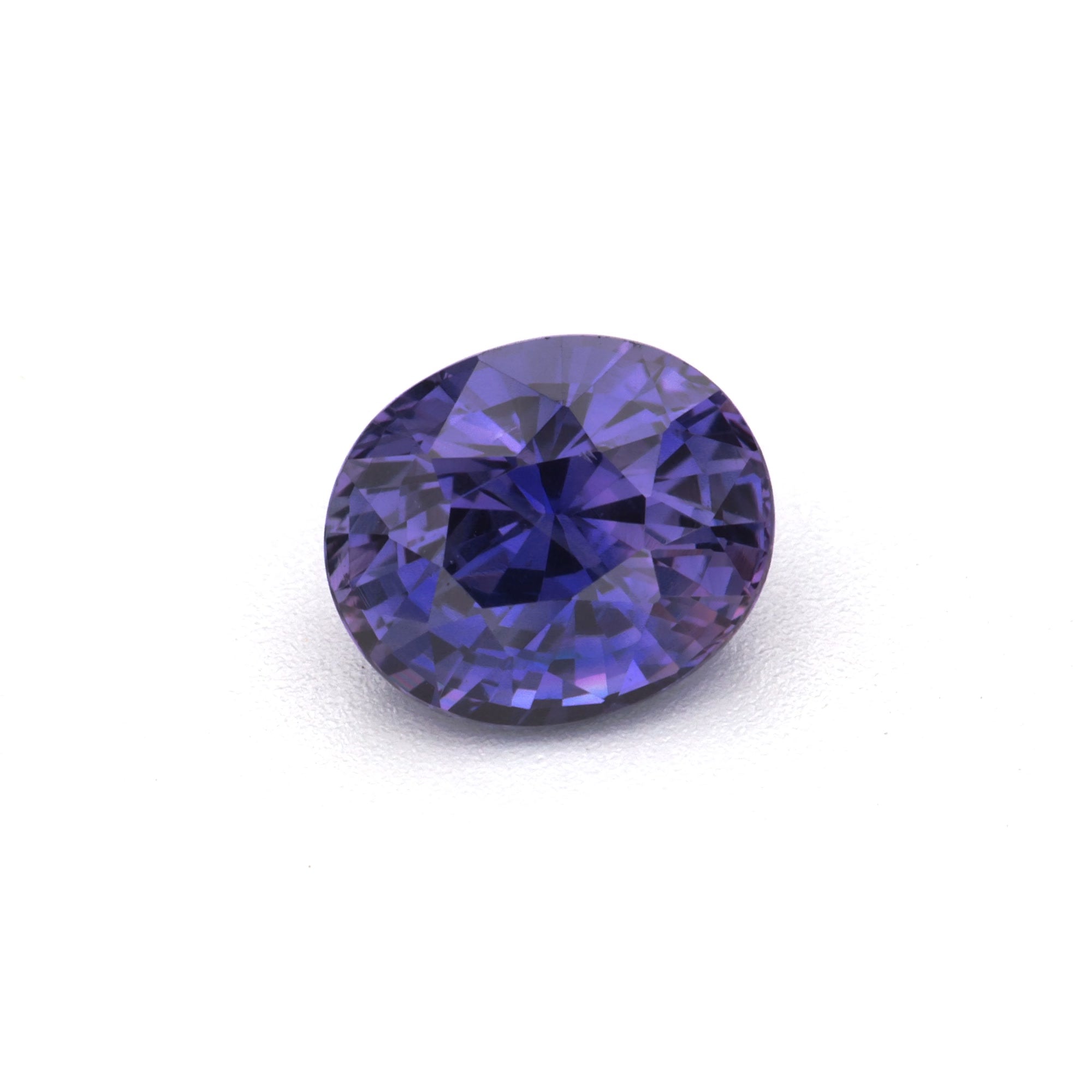
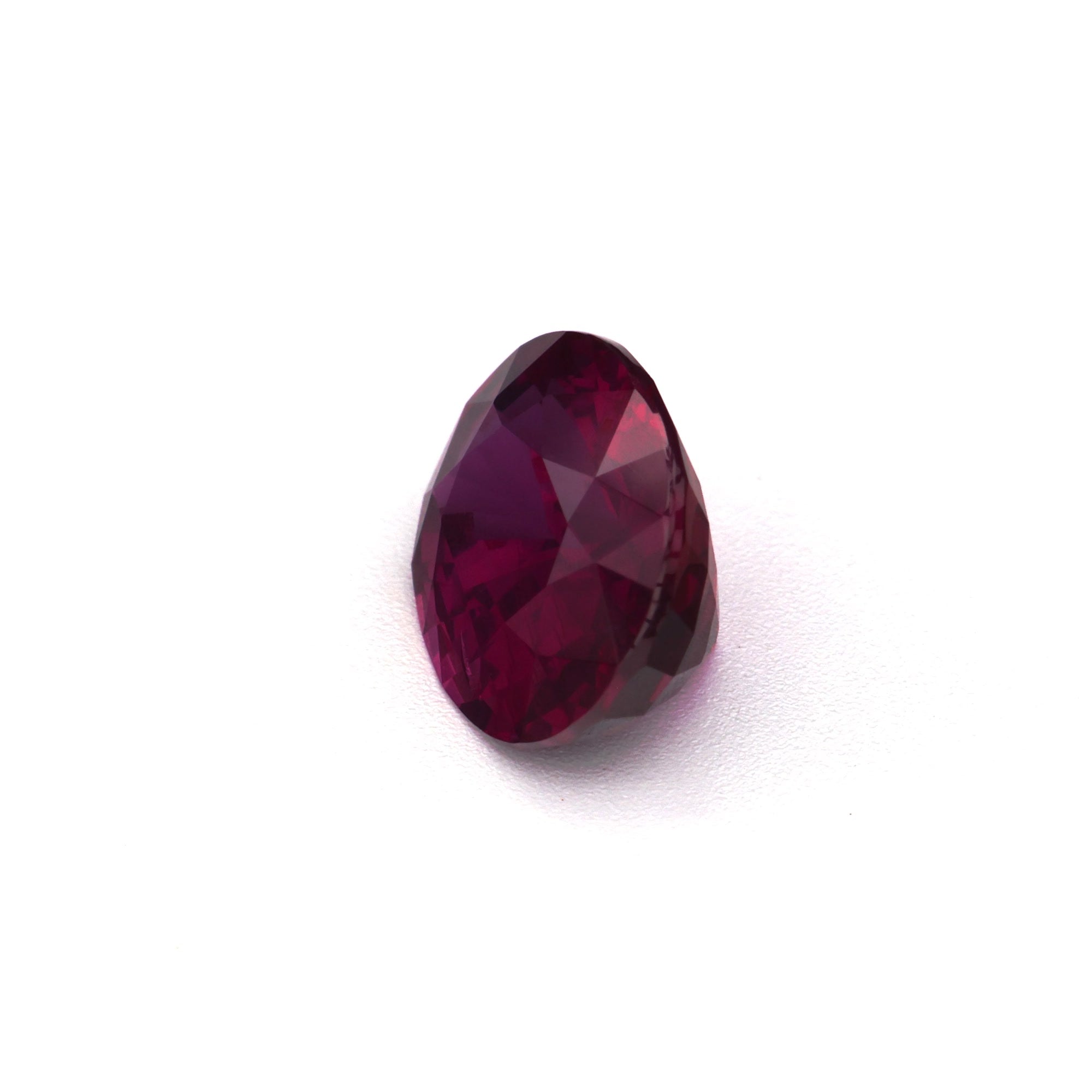
CG8469
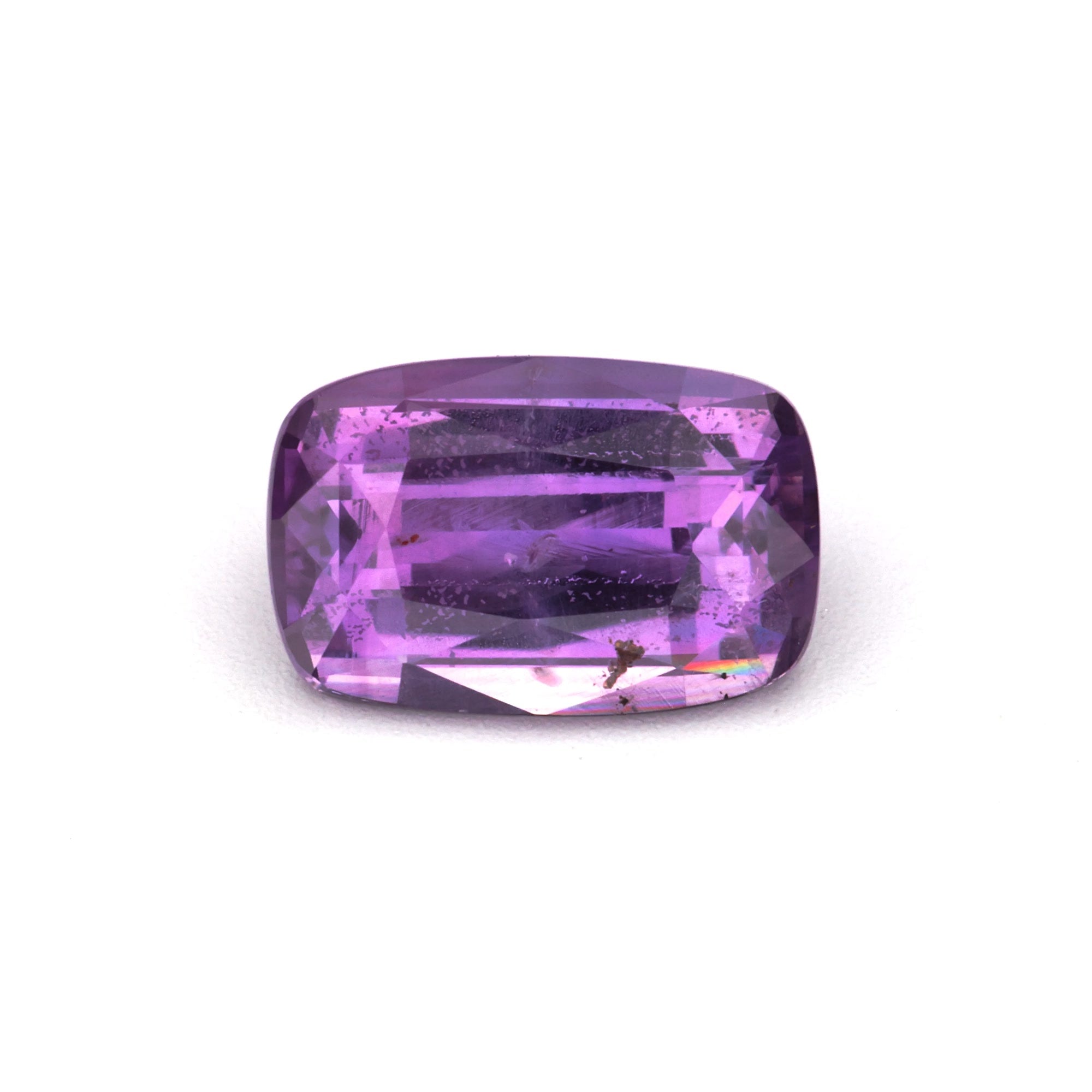
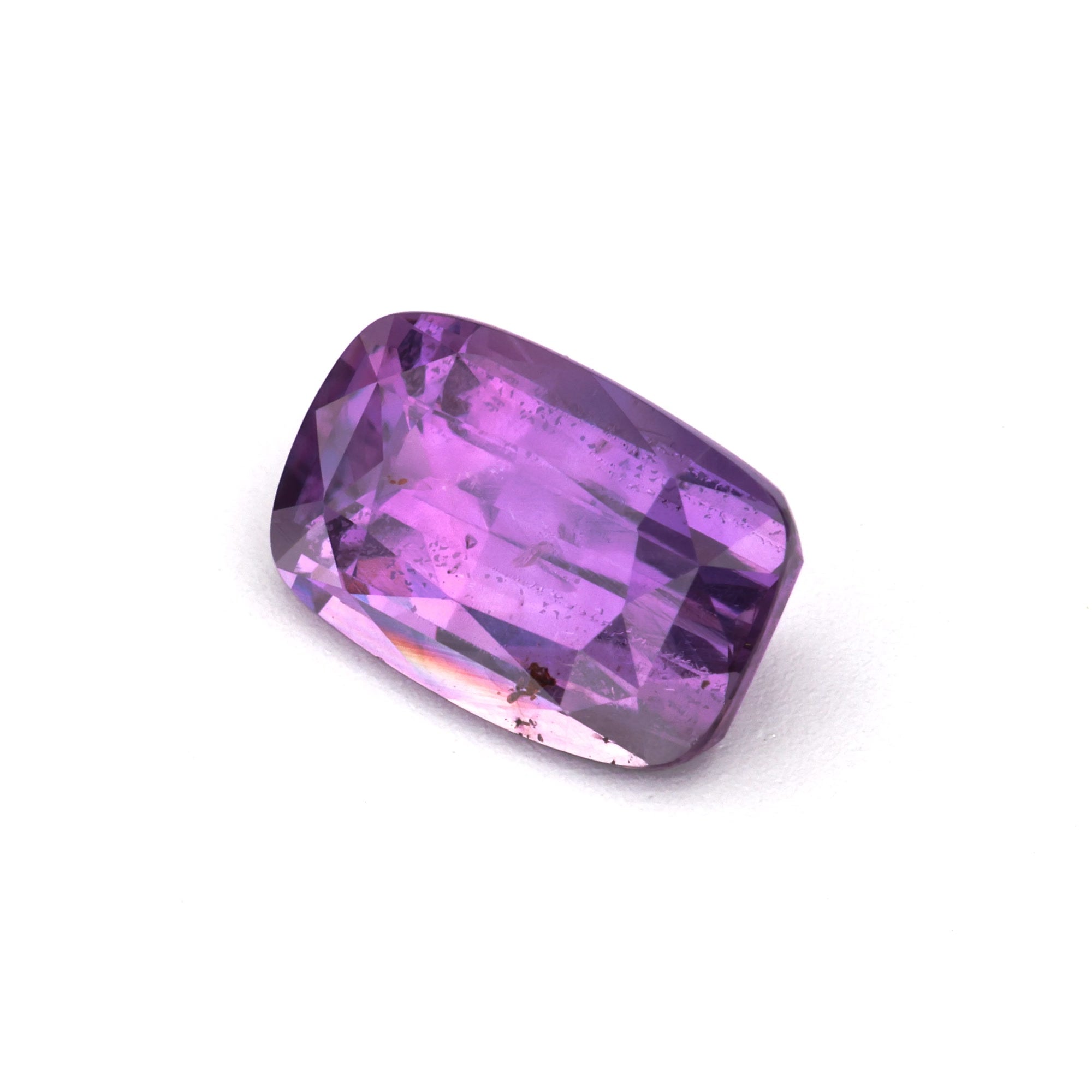
ピンキッシュパープルサファイア 1.45ct 【加熱】 スリランカ産 GIA原産地レポート付
CG8454
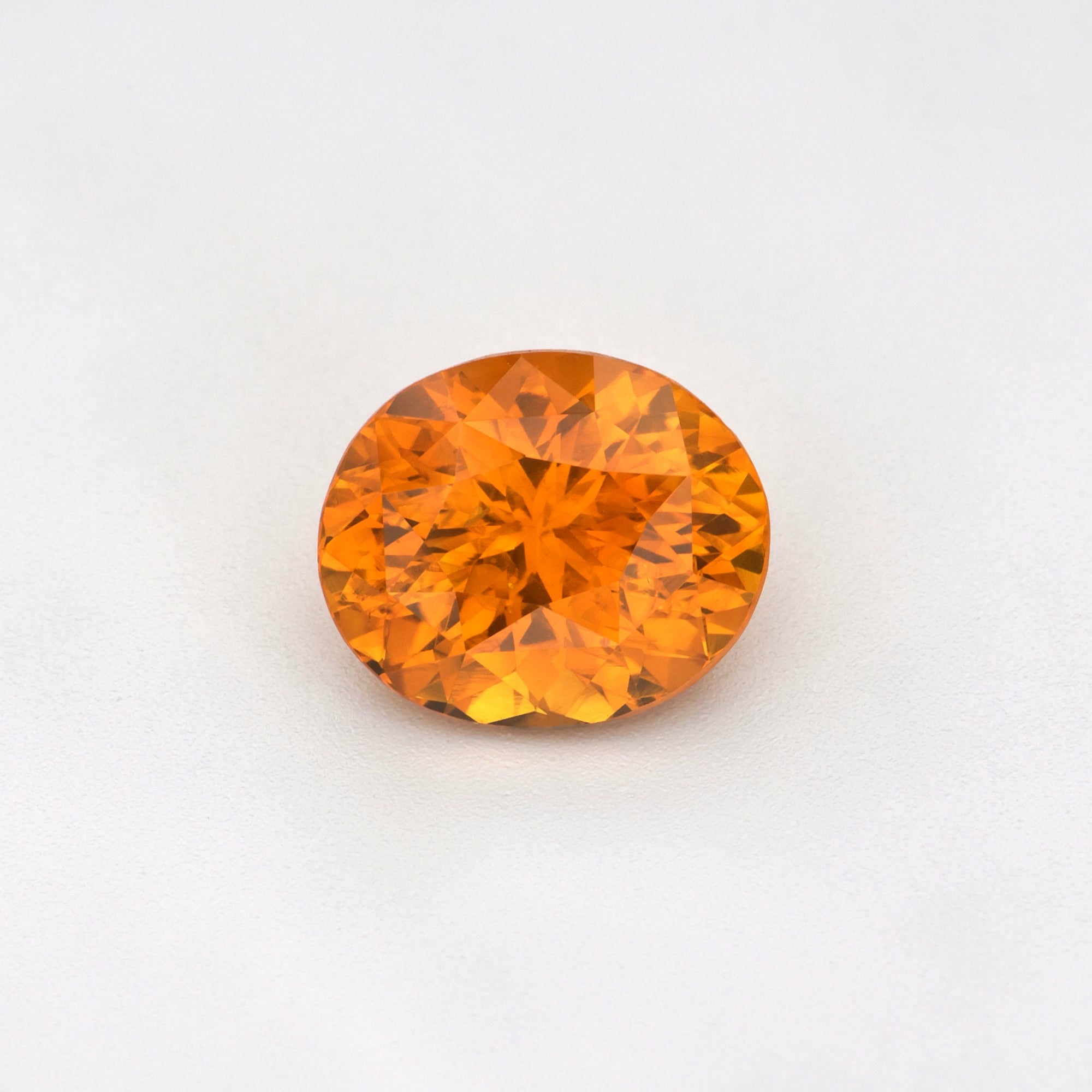
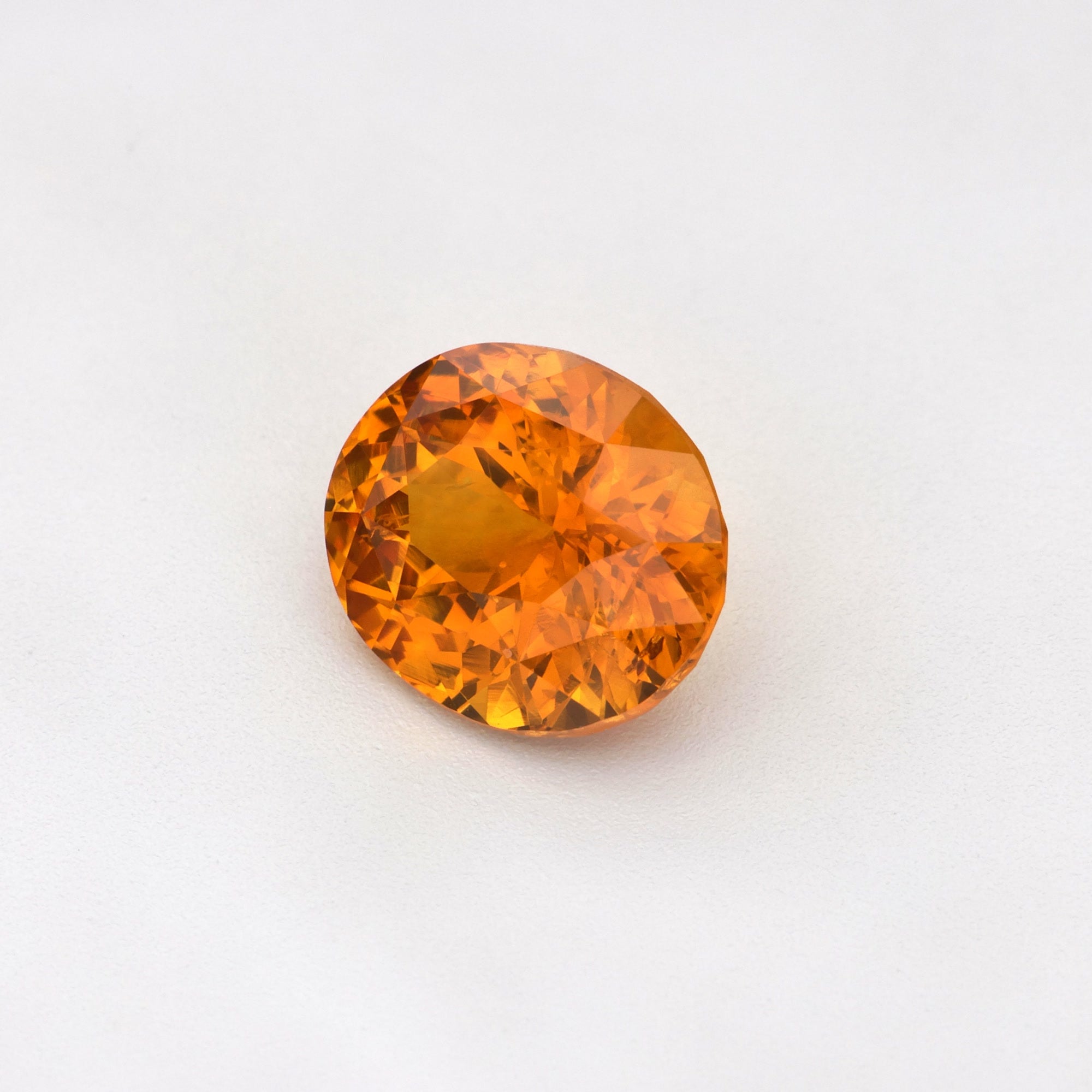
天然オレンジサファイア1.63ct・オーバルカット・GIAレポート付・産地スリランカ(レポート記載)
CG8468
CG8465
1.86ct ツァボライト クッション 天然グロッシュラー・ガーネット|GIAレポート #1242032119
CG8464
CG8463
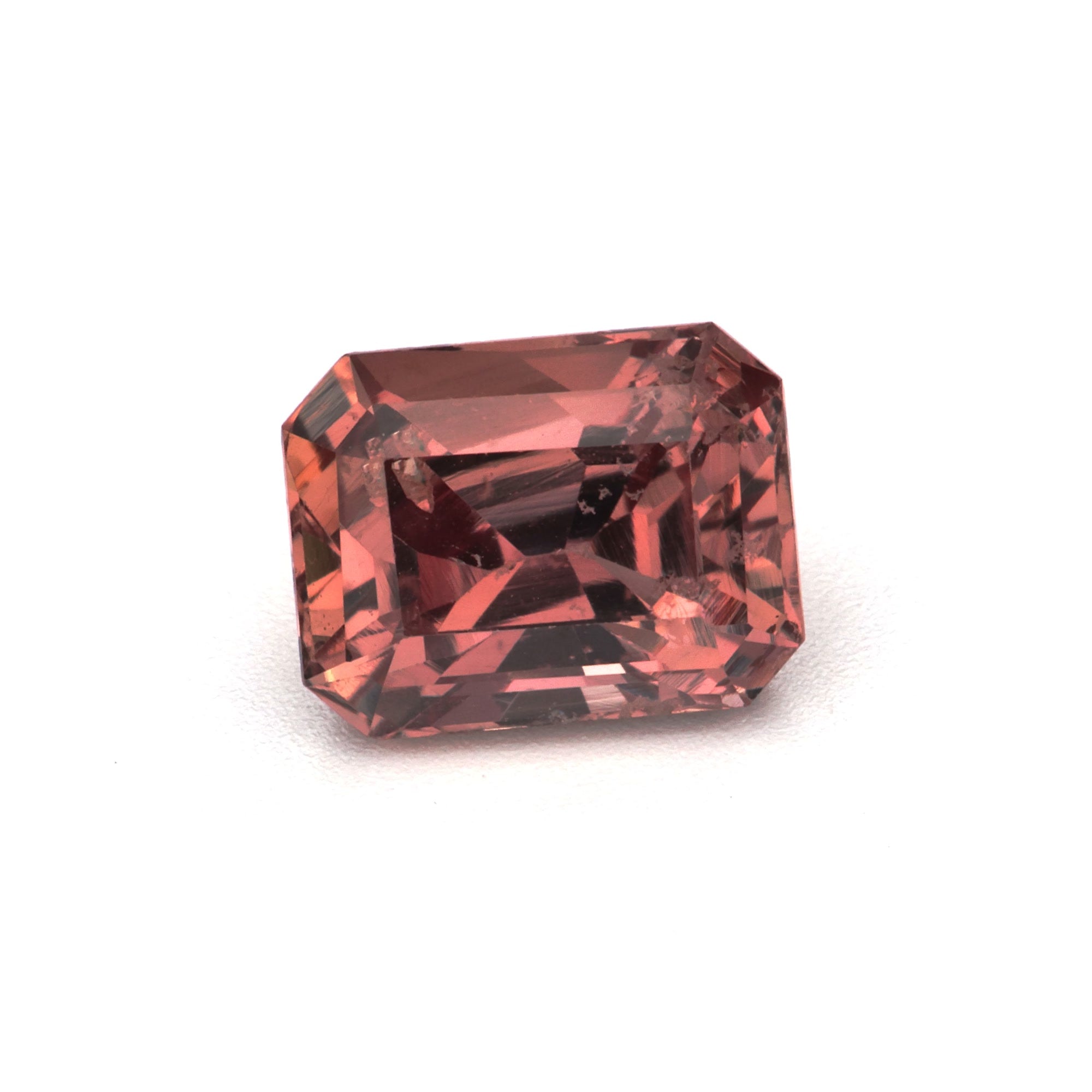
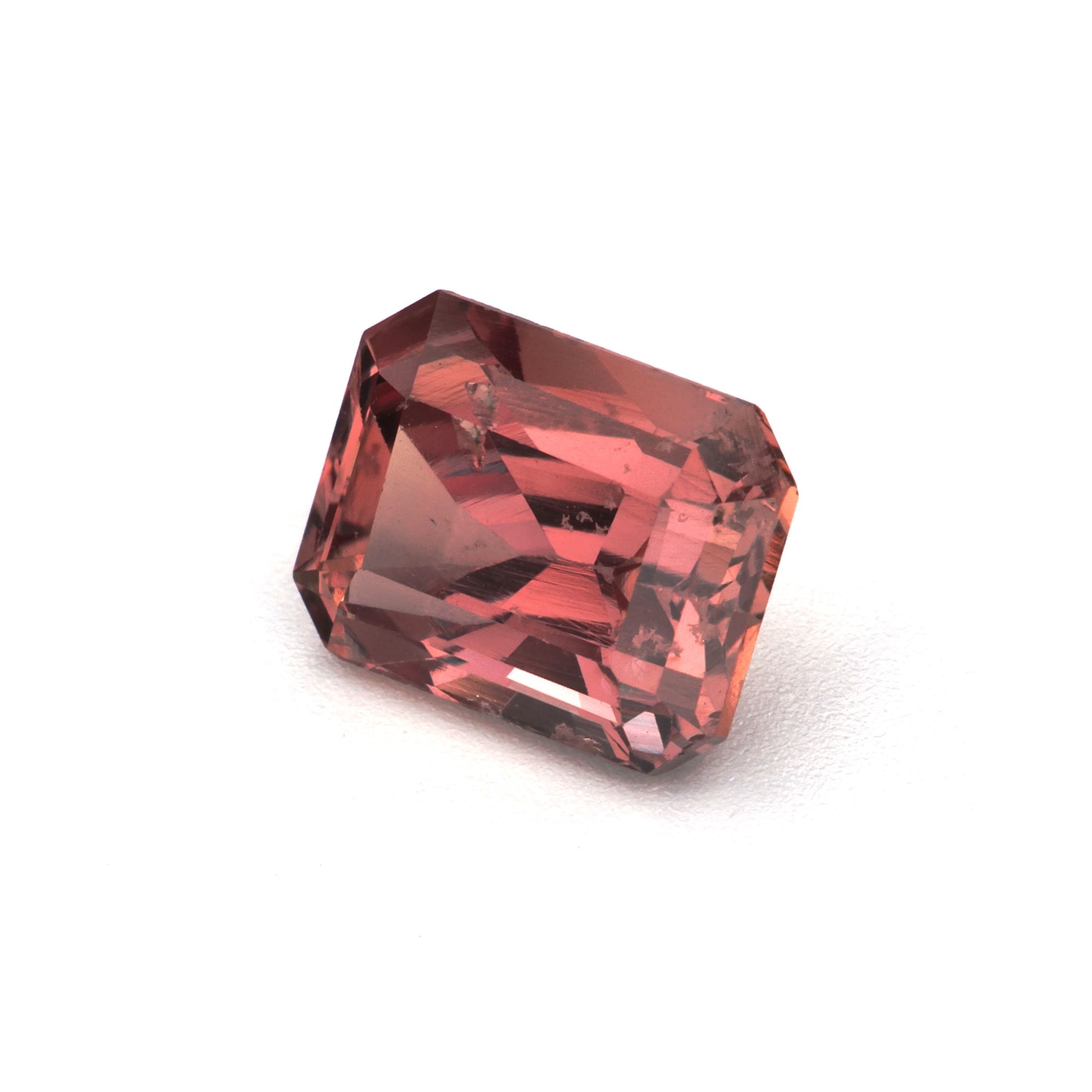
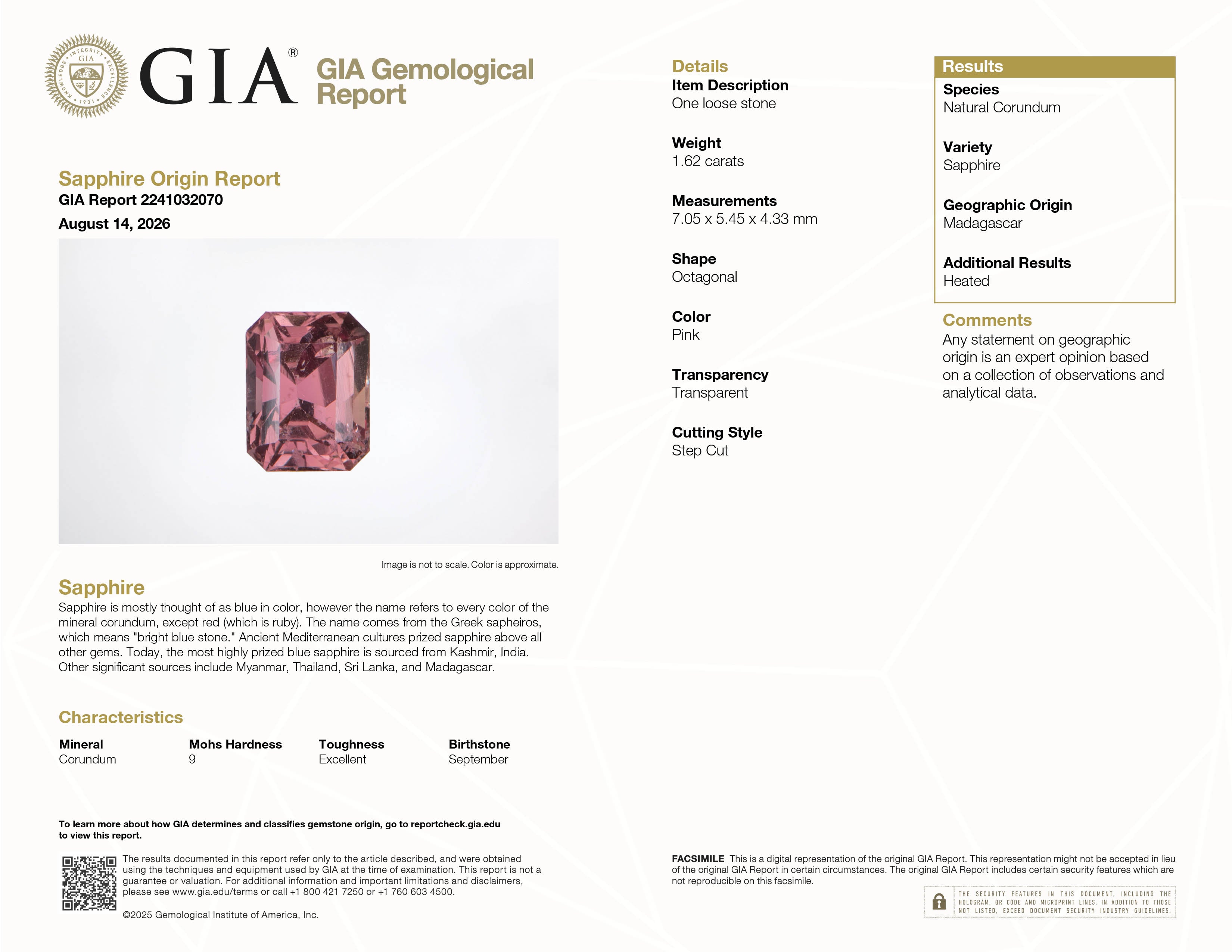
天然ピンクサファイア 1.62ct マダガスカル産【GIA原産地レポート付】エメラルドカット ルース
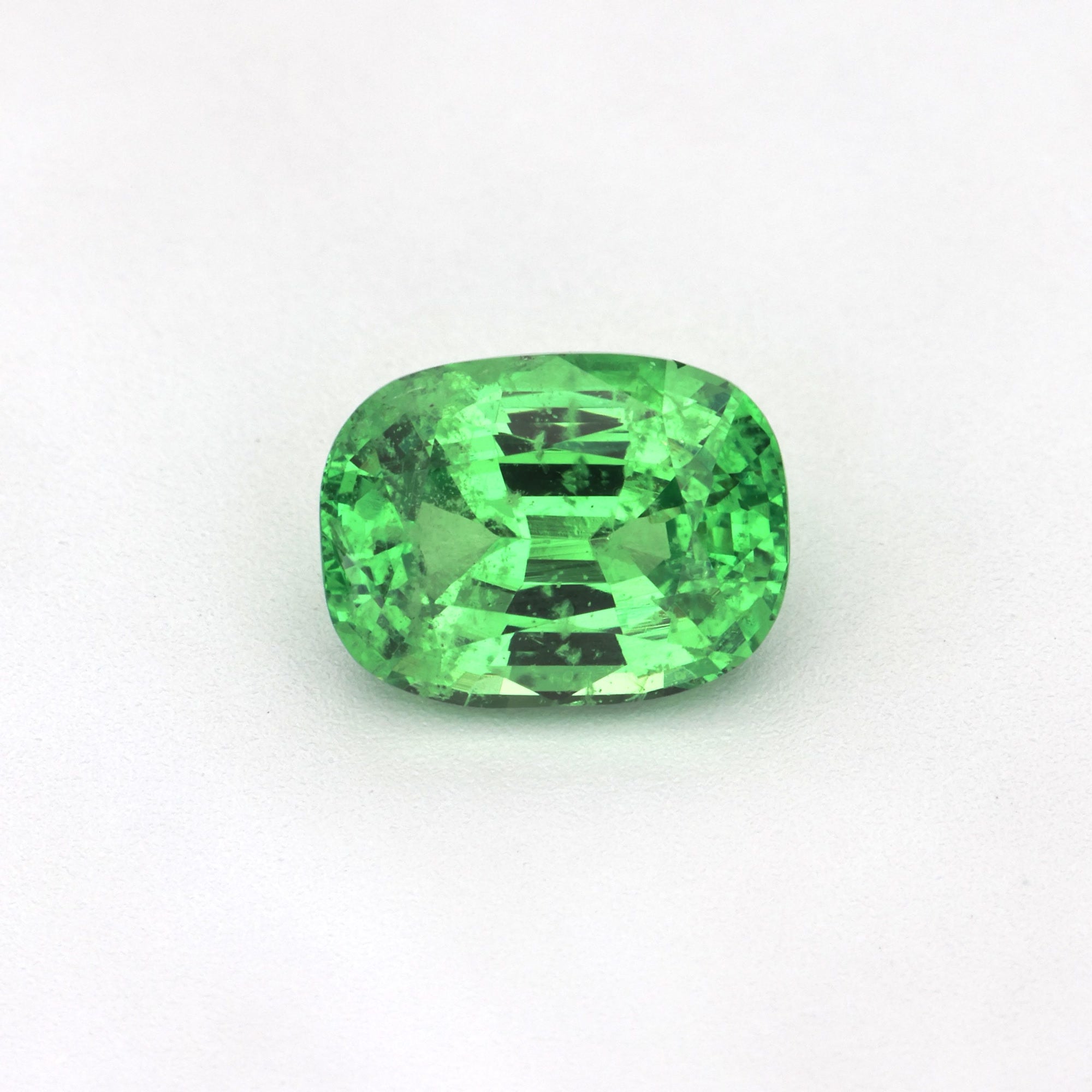
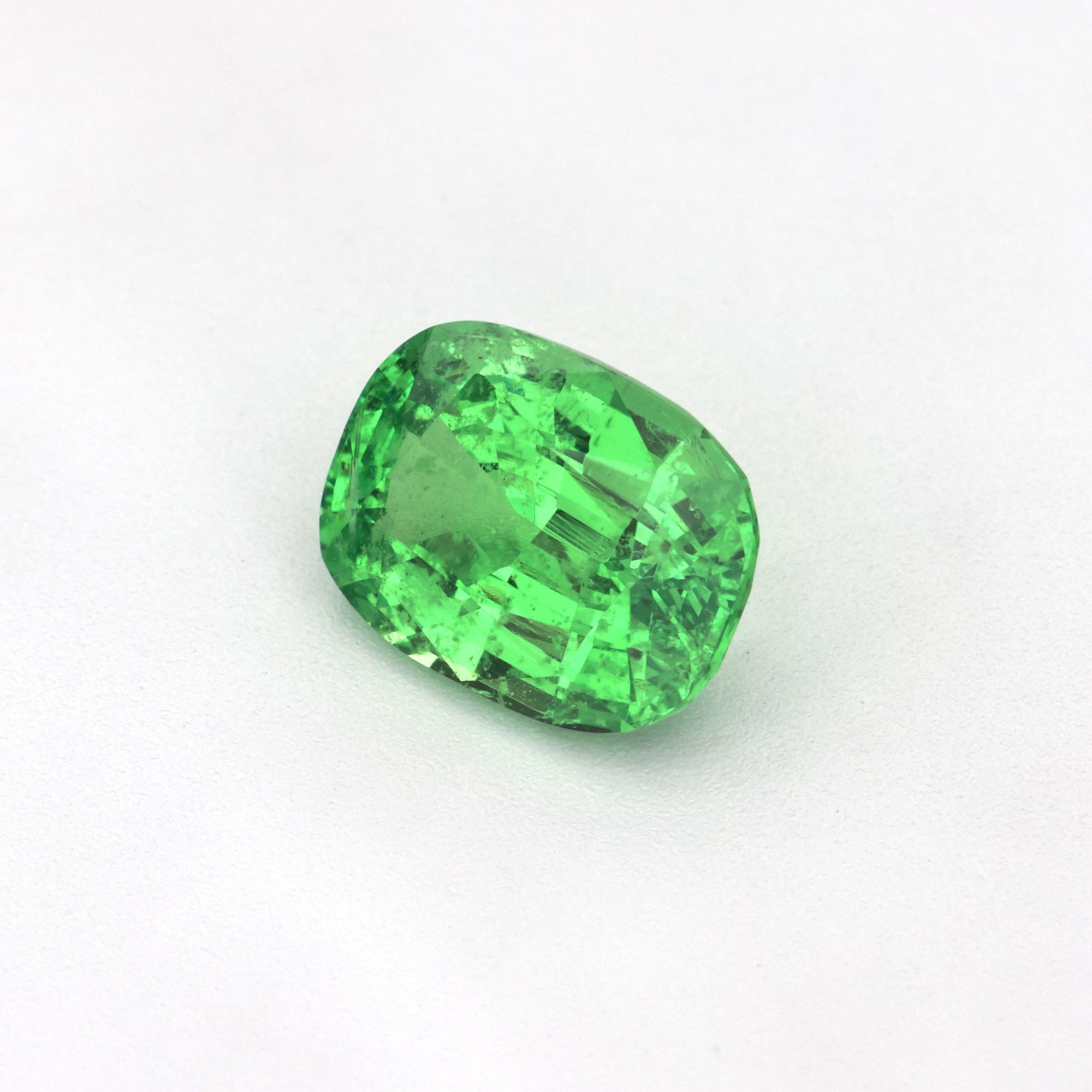
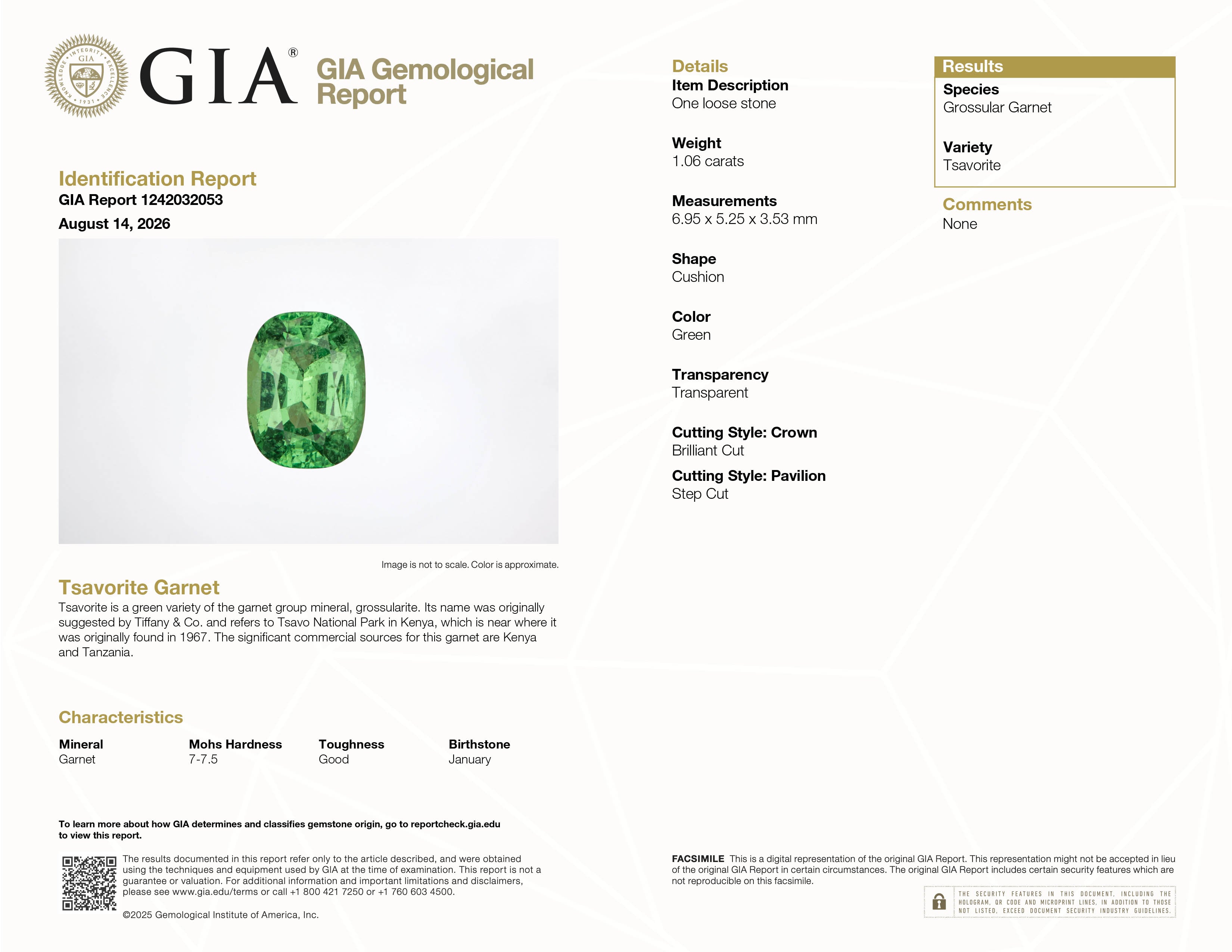
CG8460
1.06ct ツァボライト クッション 天然グロッシュラー・ガーネット|GIAレポート #1242032053
CG8459
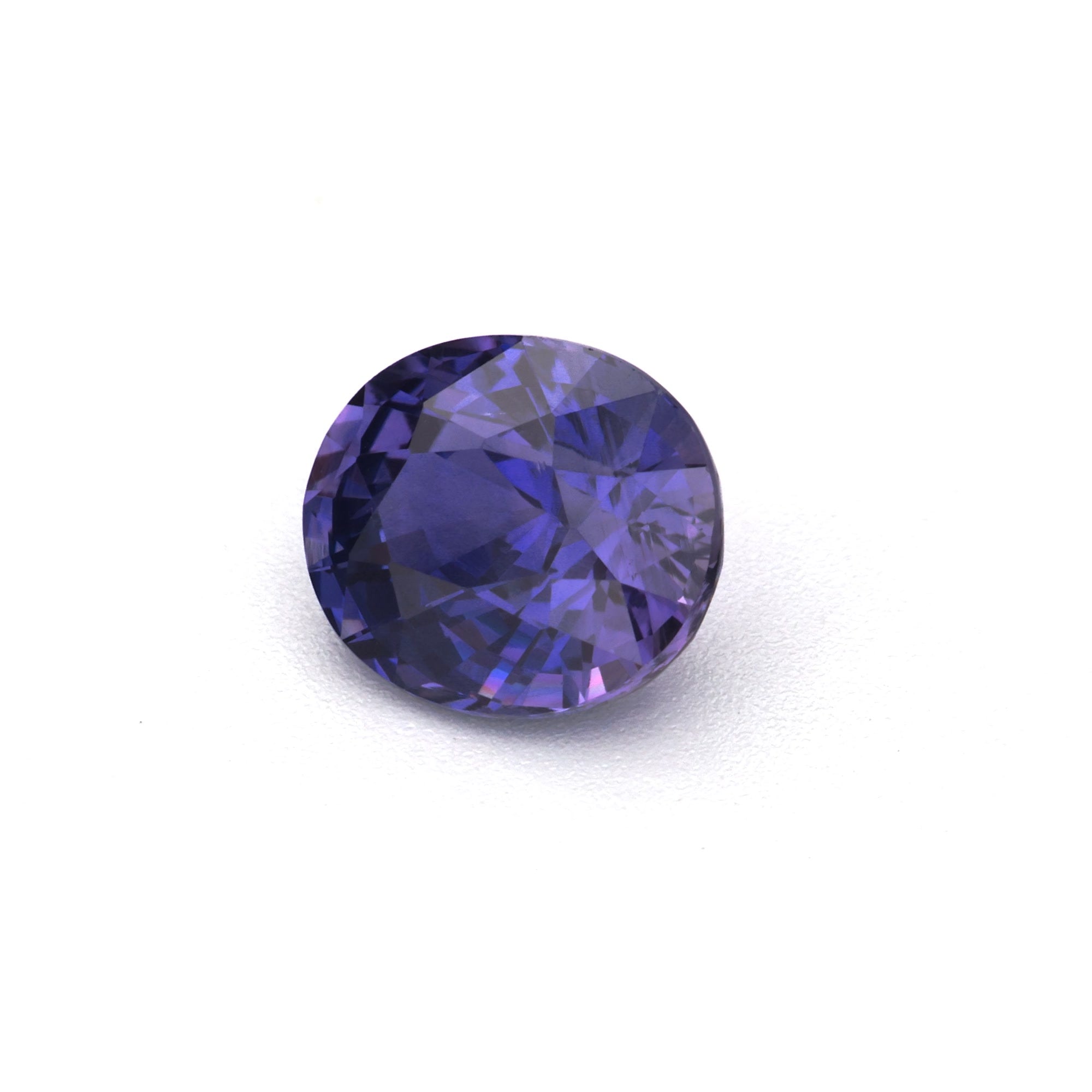
パープルサファイア 1.20ct 非加熱|スリランカ産|GIA原産地レポート付きルース
CG8458
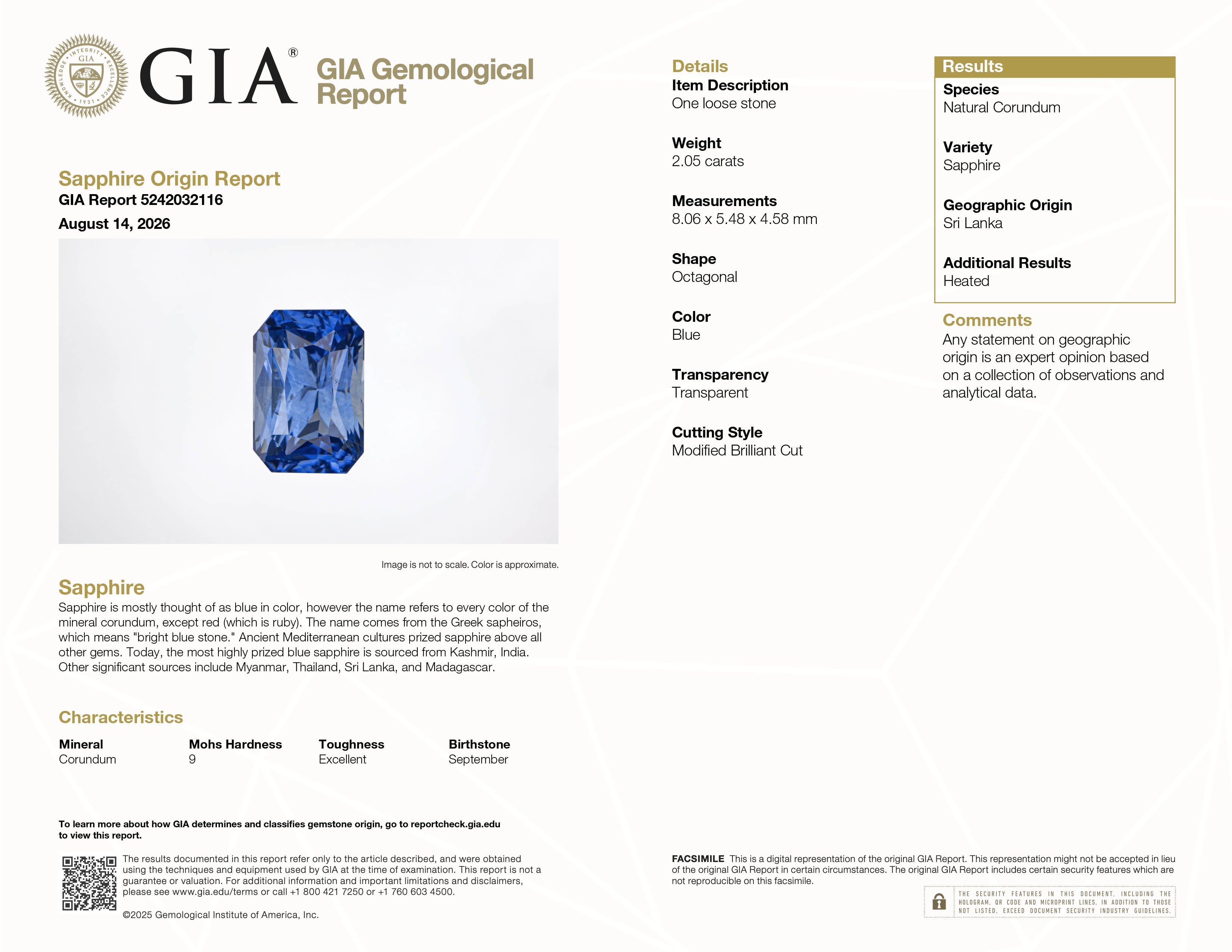
2.05ct 加熱ブルーサファイア|産地:スリランカ(GIAの意見)|ルース・GIA原産地レポート付き
CG8457
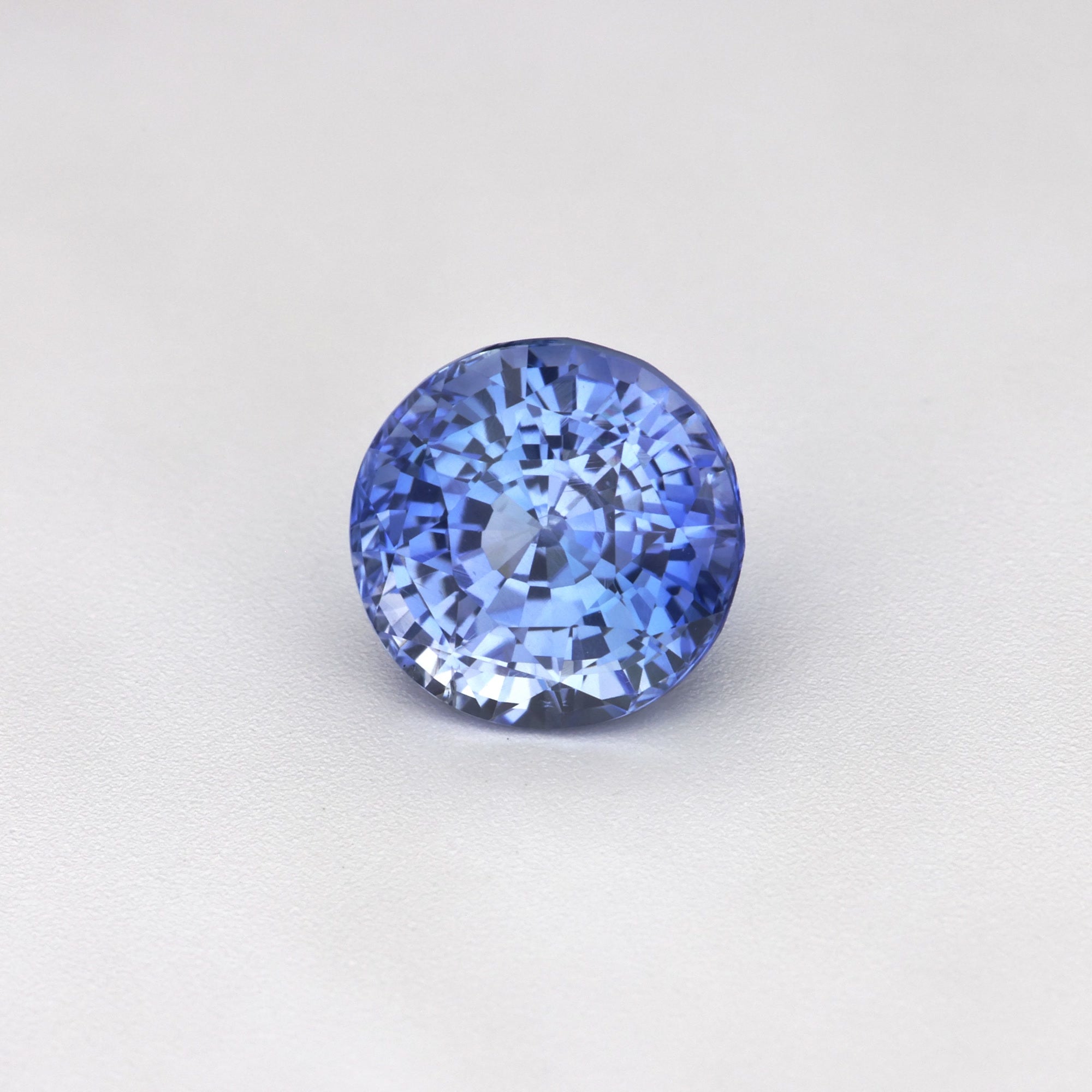
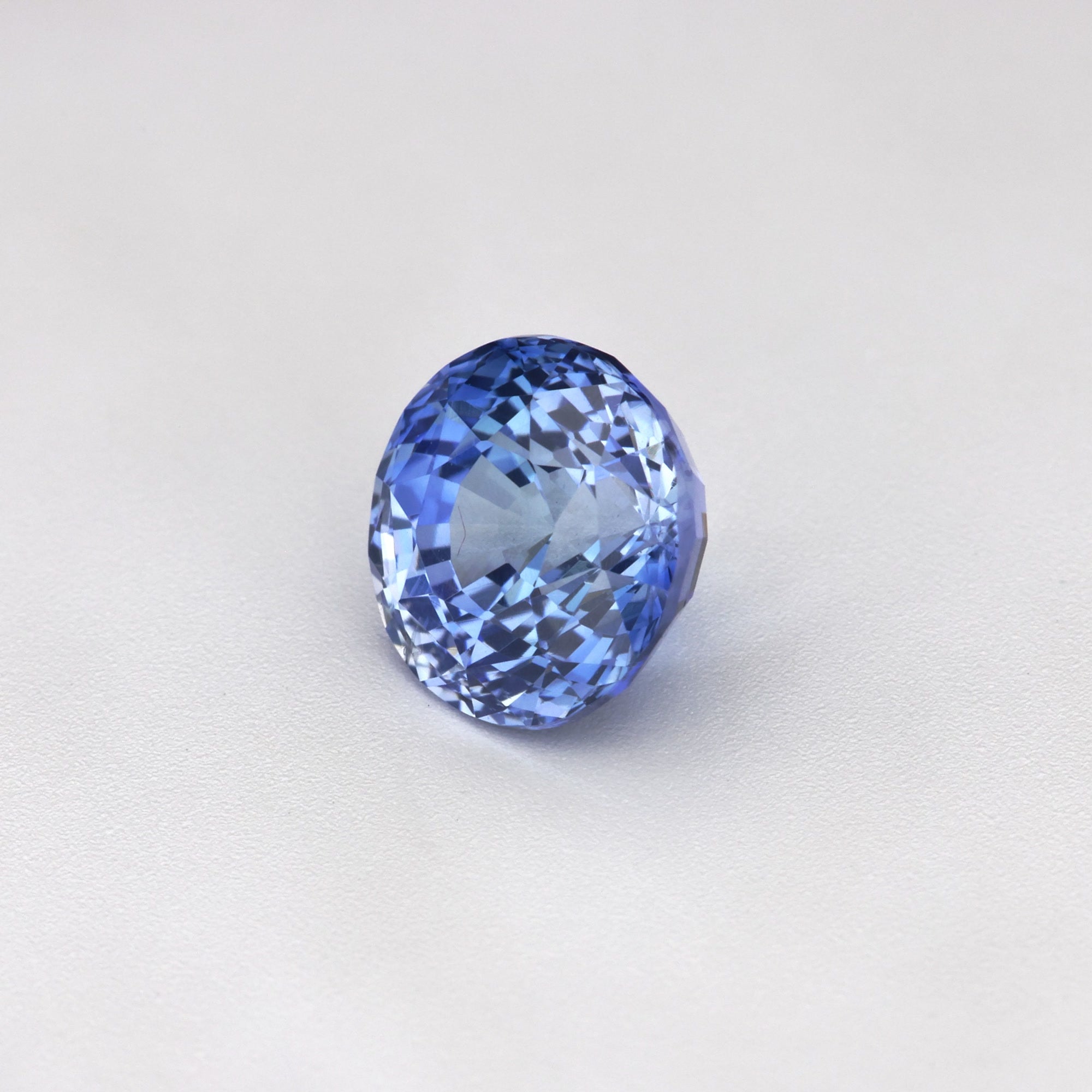
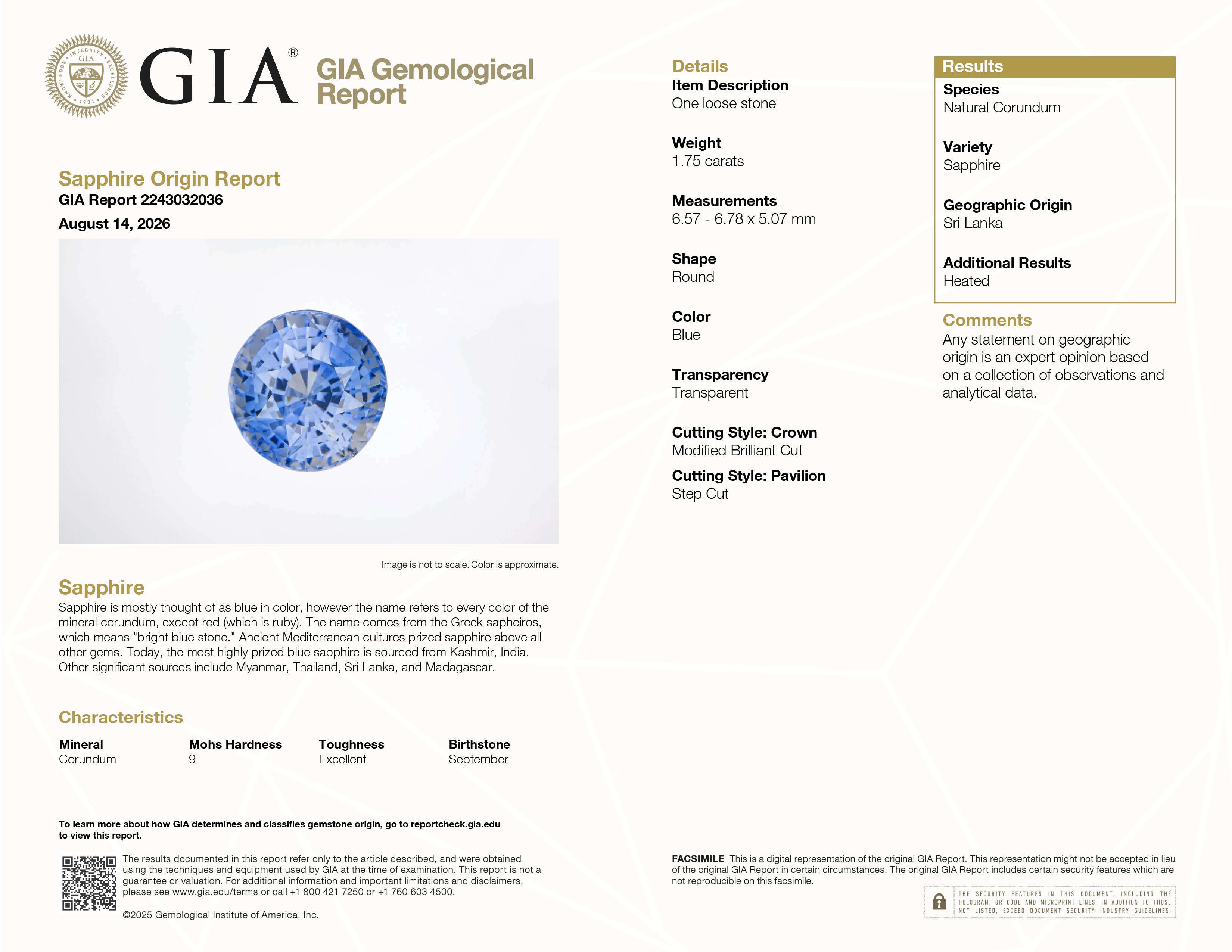
1.75ct スリランカ産ブルーサファイアのルース|加熱|GIA原産地レポート付き
CG8456
1.65ct 非加熱ルビーのルース|マダガスカル産ルビー・オーバル・GIA原産地レポート付き
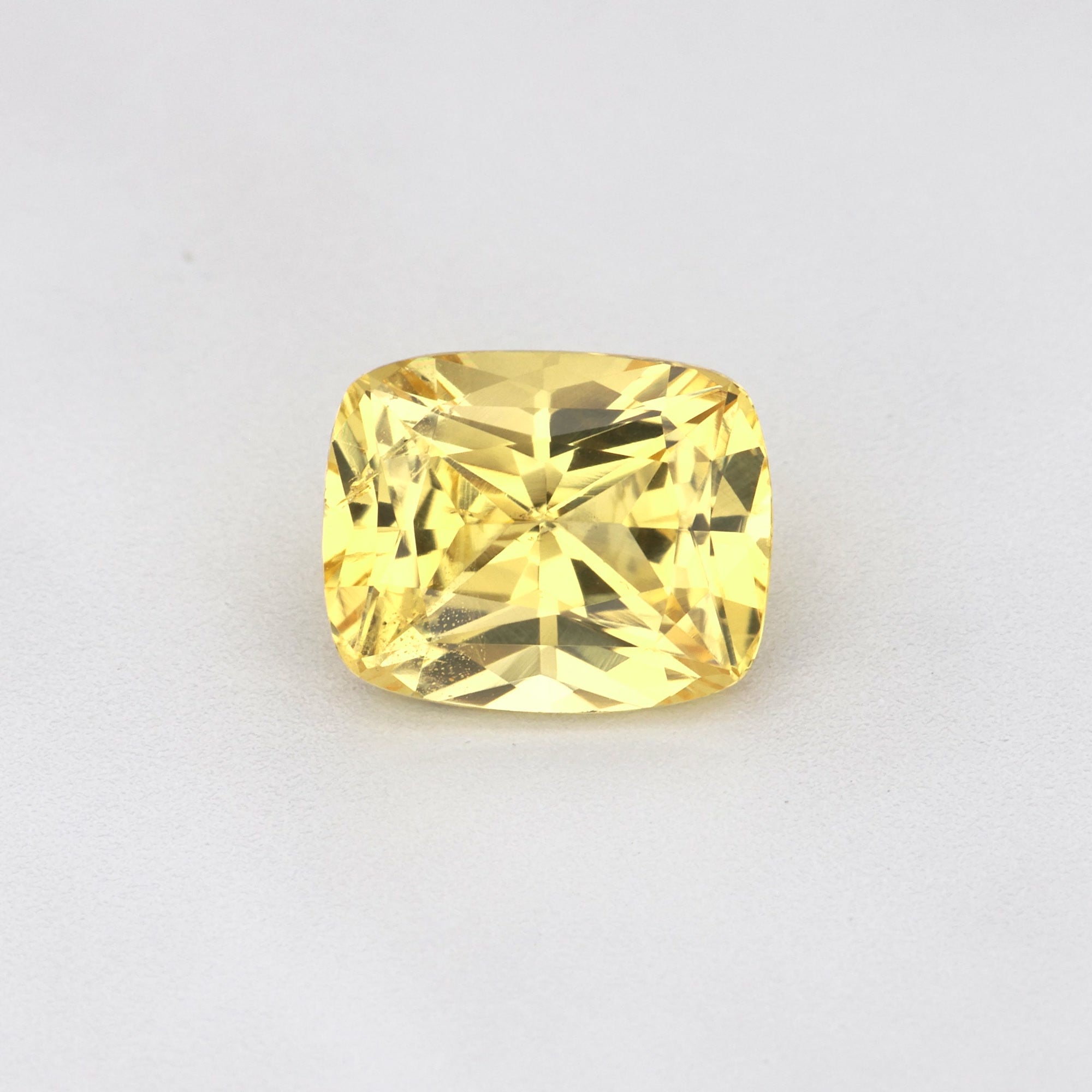
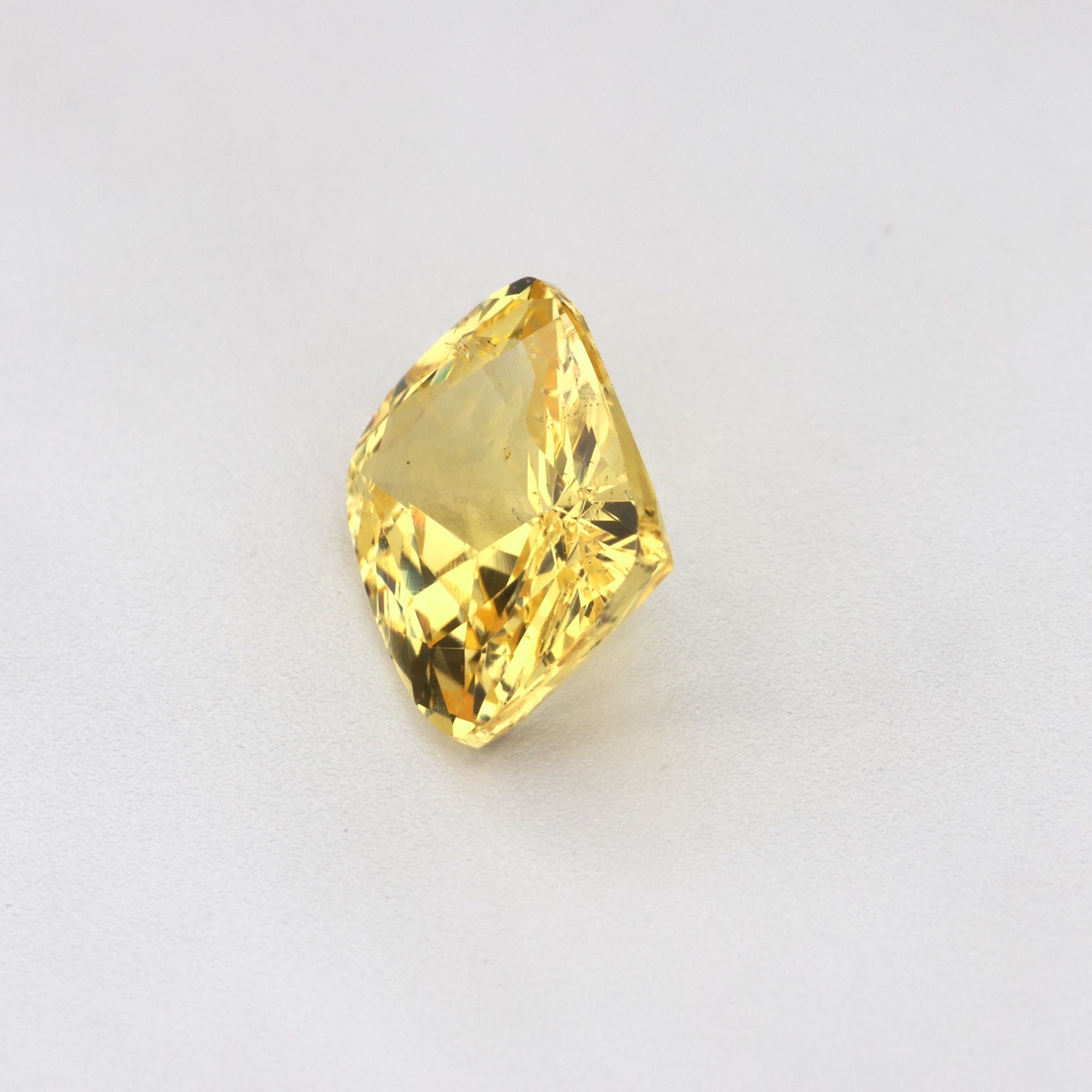
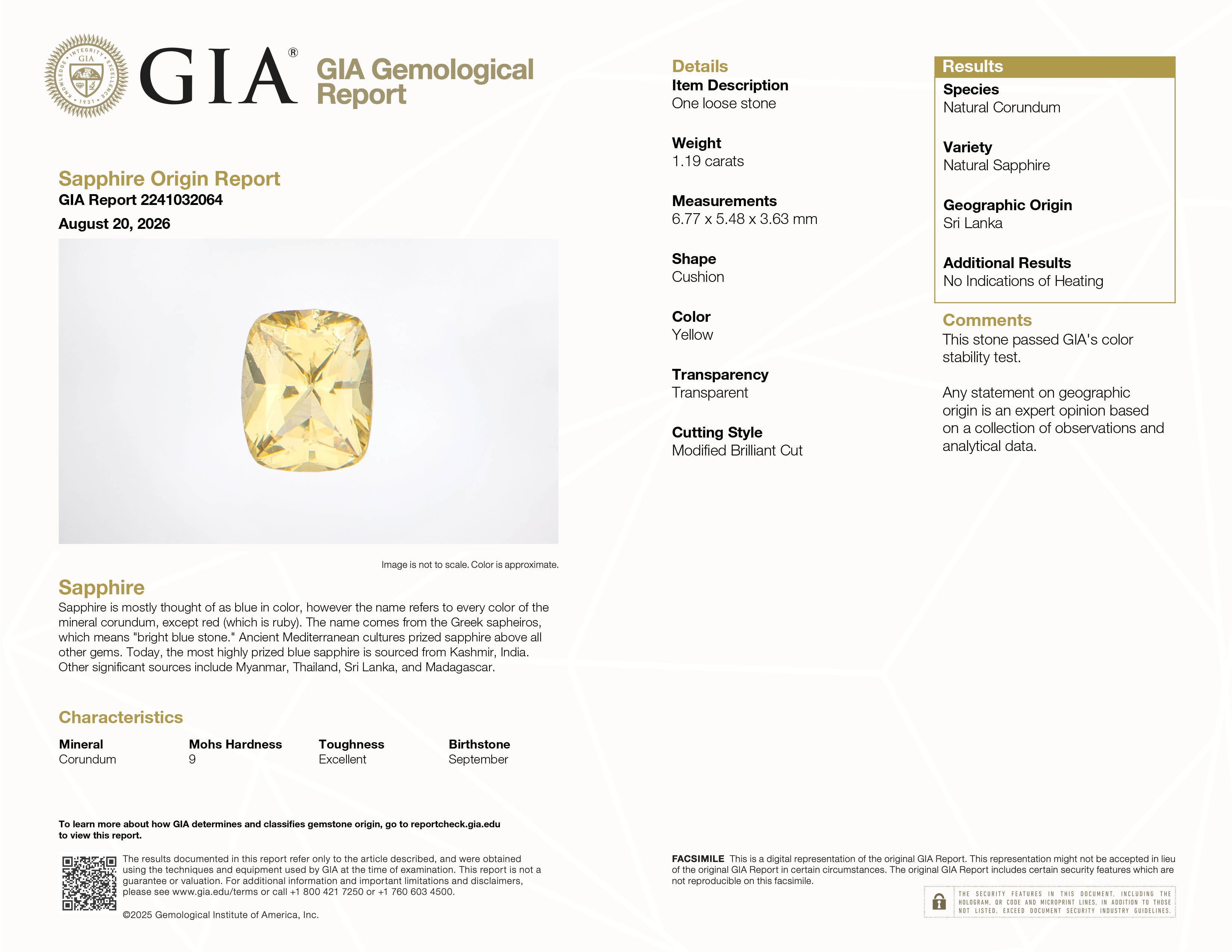
CG8453
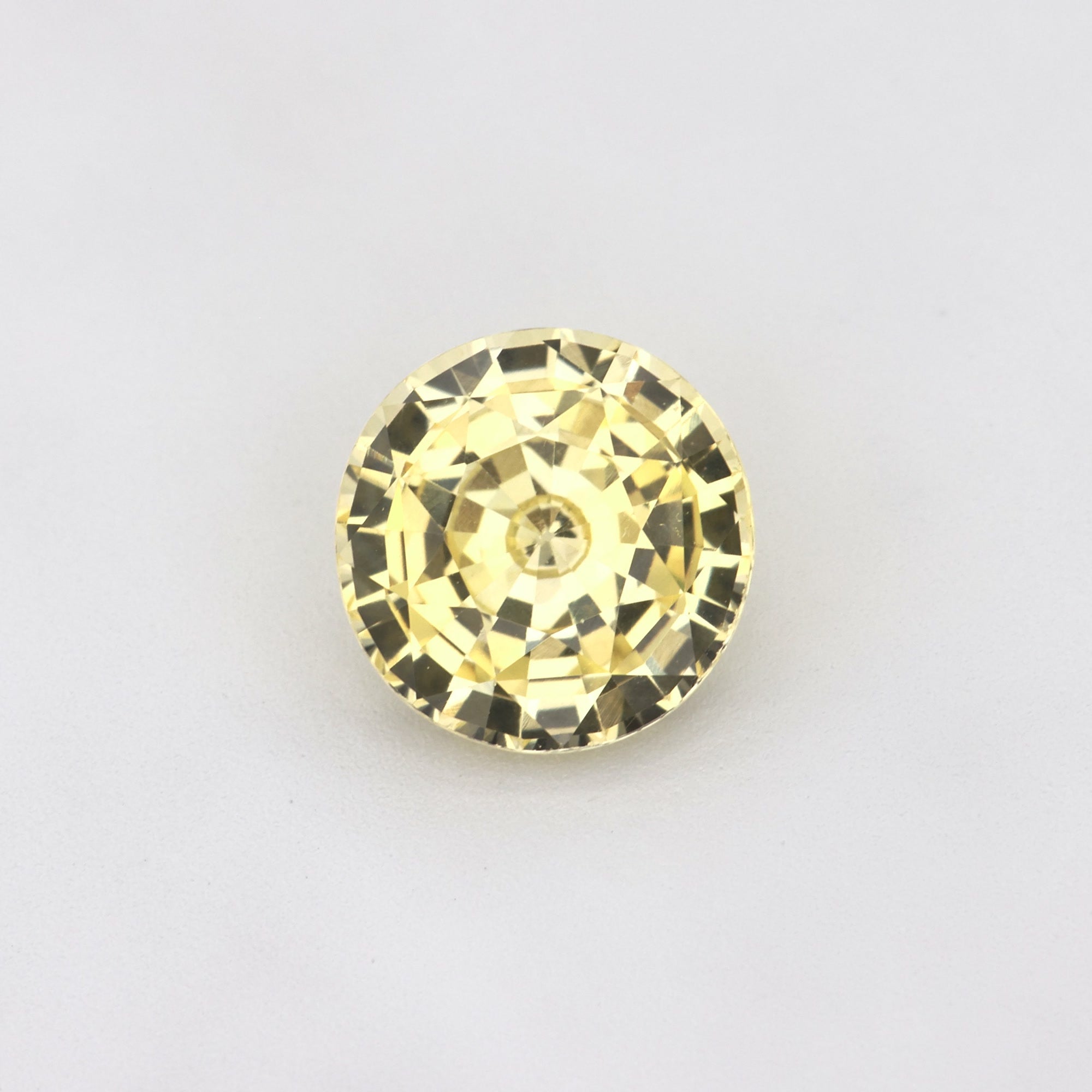
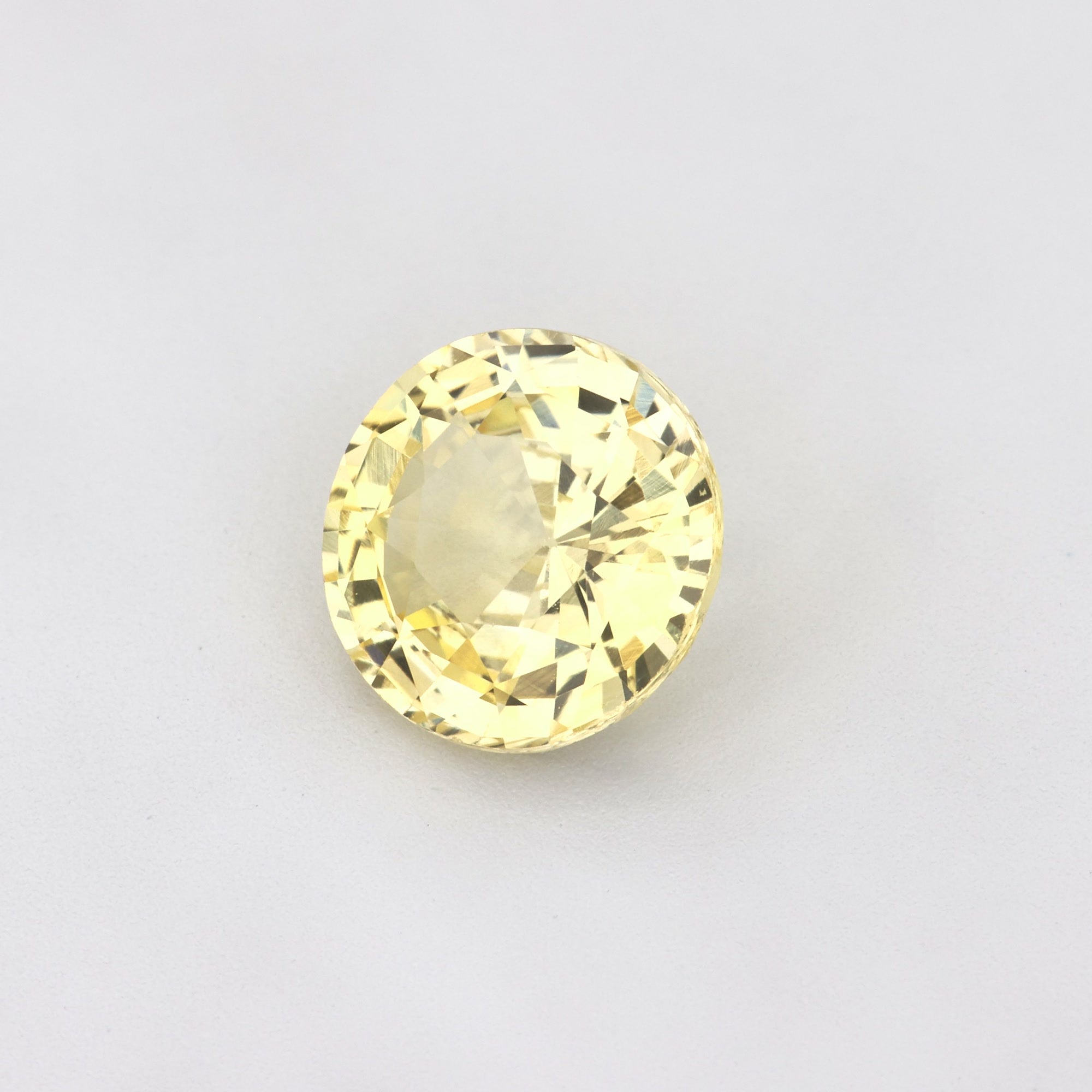
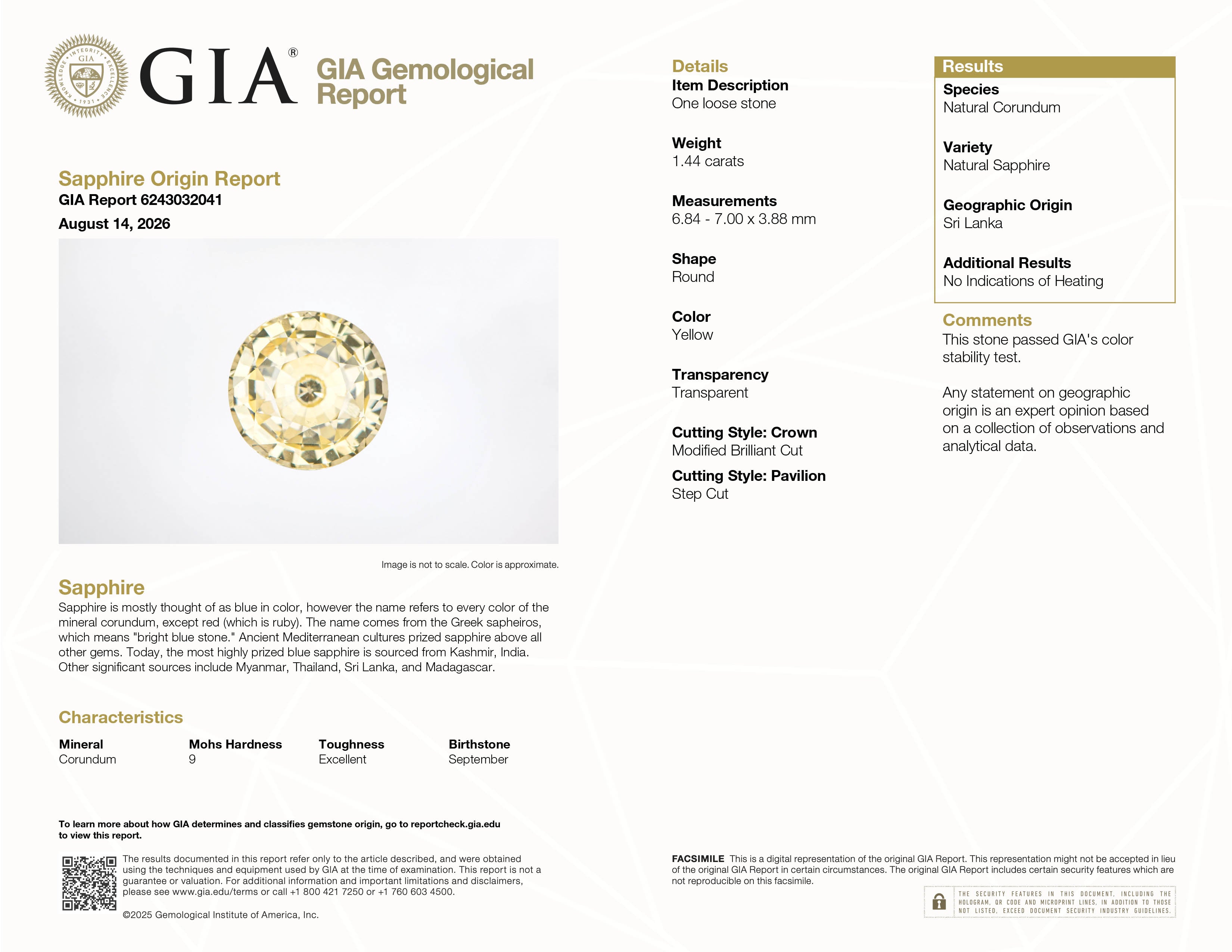
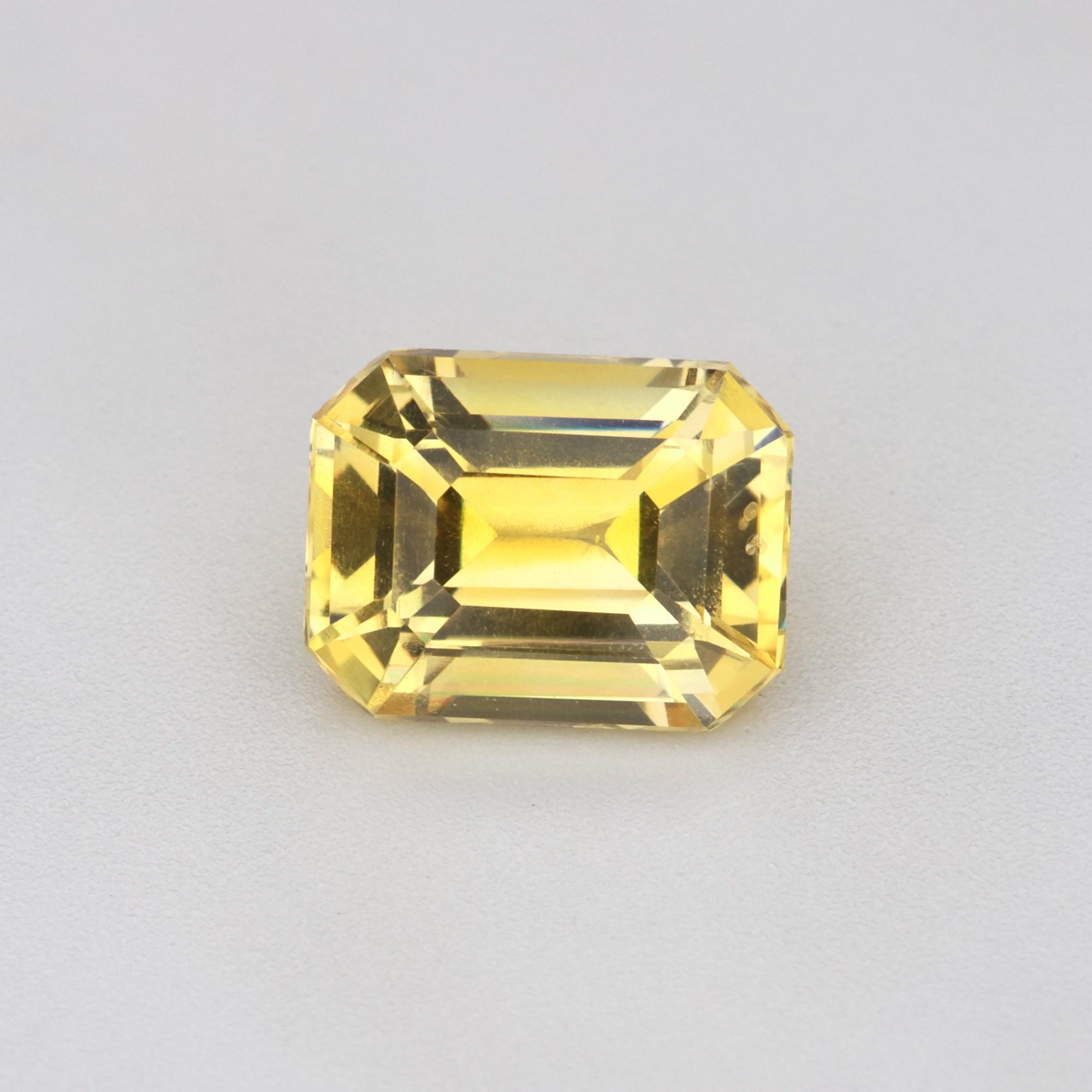
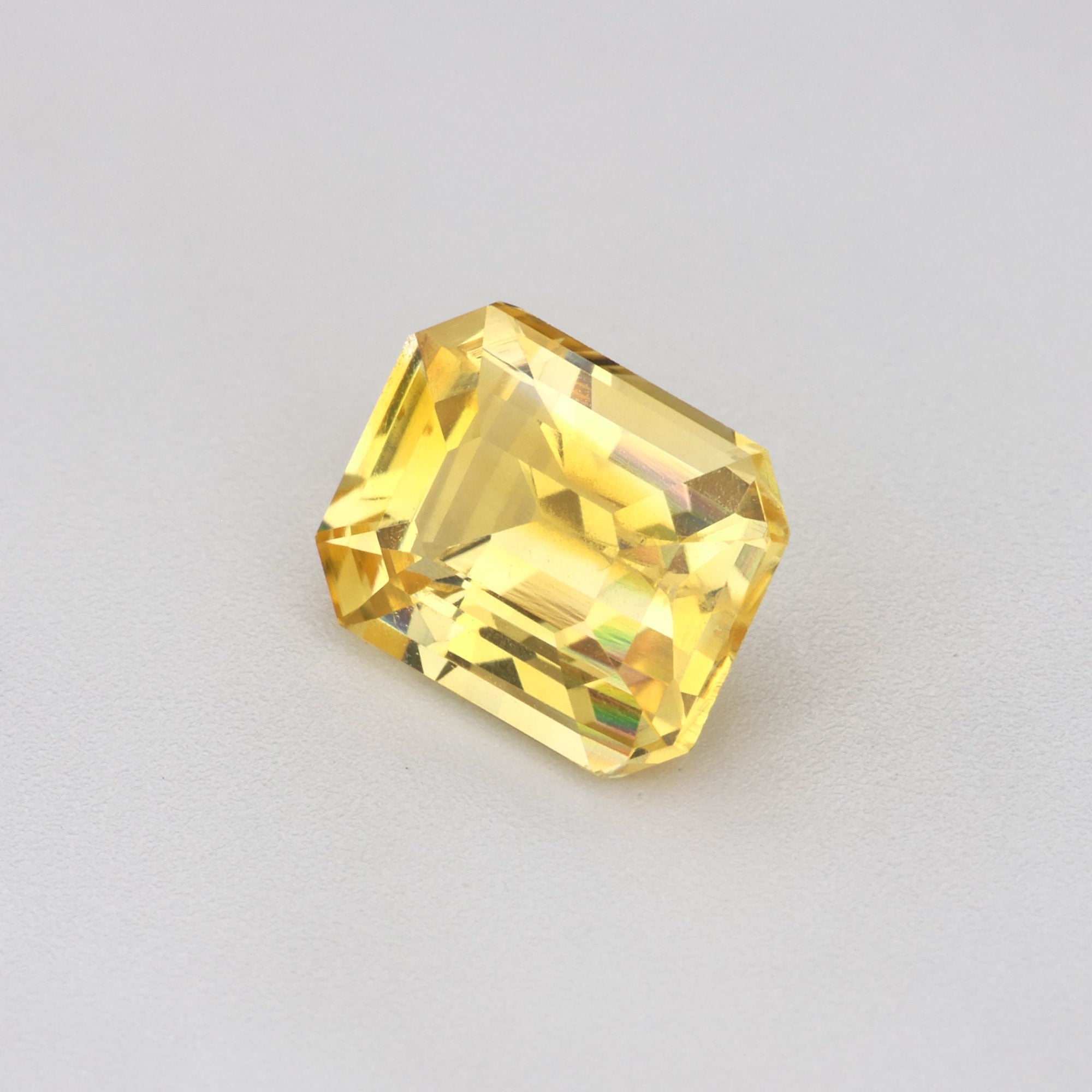
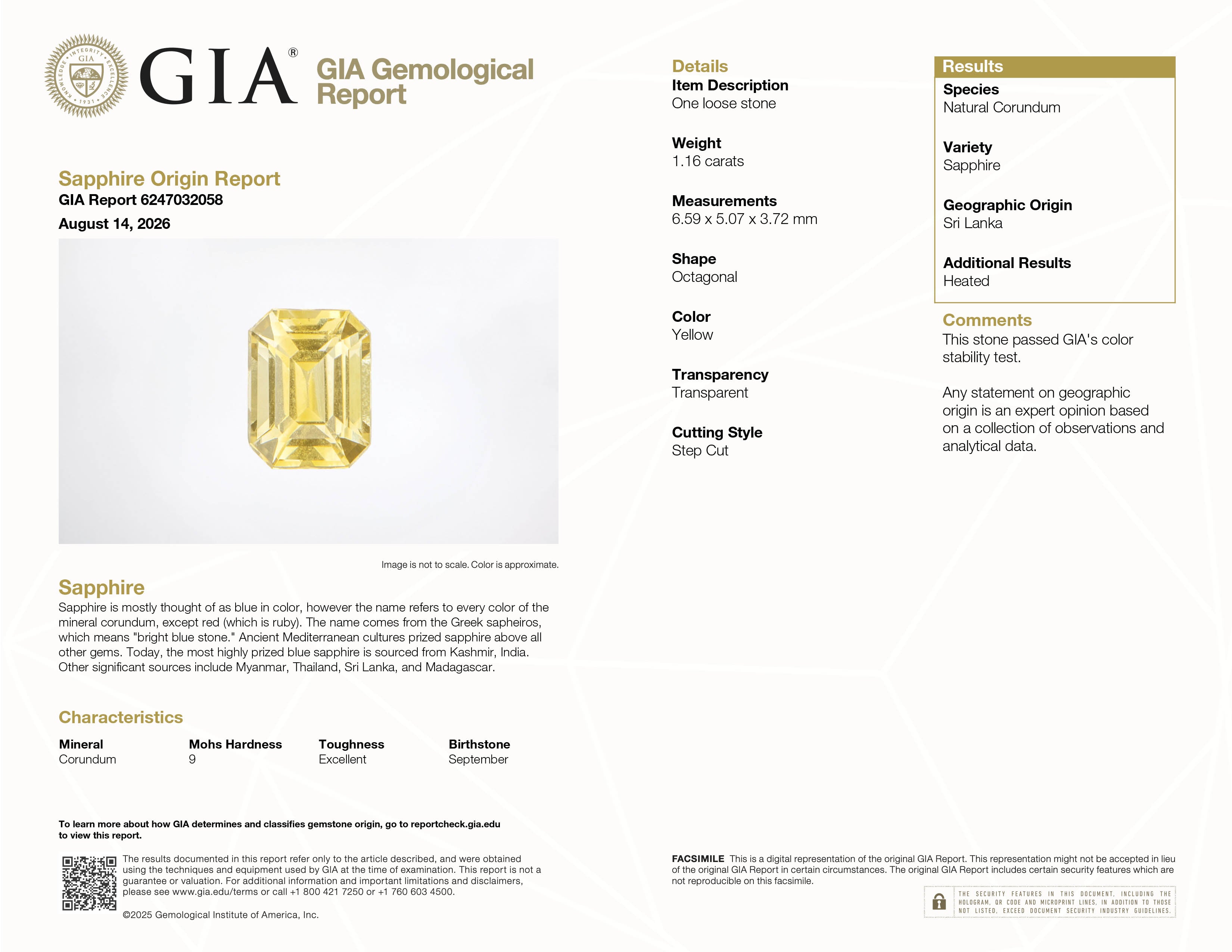
非加熱 イエローサファイア 1.19ct クッションカット|GIAレポート|スリランカ(セイロン)


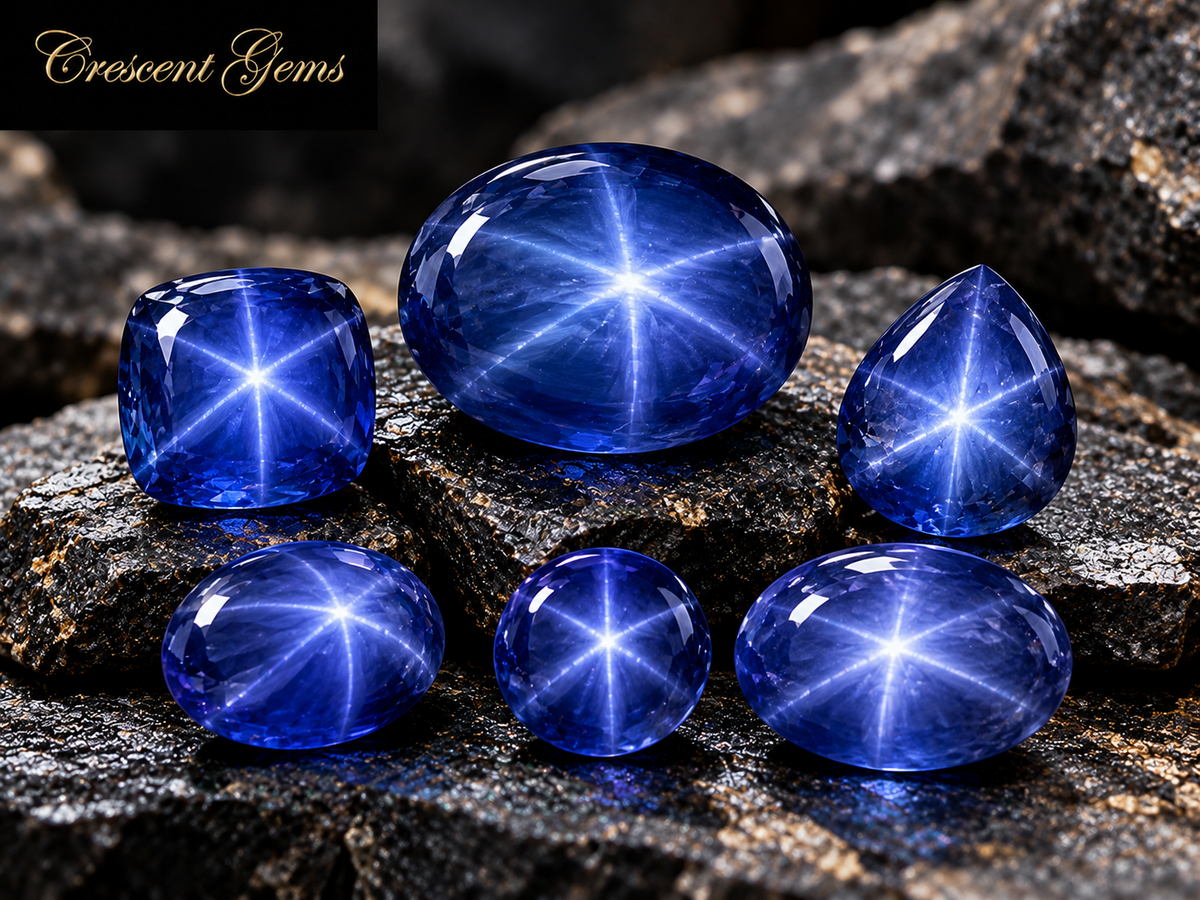
ブルースターサファイアの価格|1カラットあたりの相場と、当店にある8.09ctの1点
ブルースターサファイアは1カラットあたりいくらか。地色・重量・付帯する書類の三つで価格帯を整理し、現象を格付けする機関が存在しないことも説明します。当店の在庫は8.09ctの1点のみです。
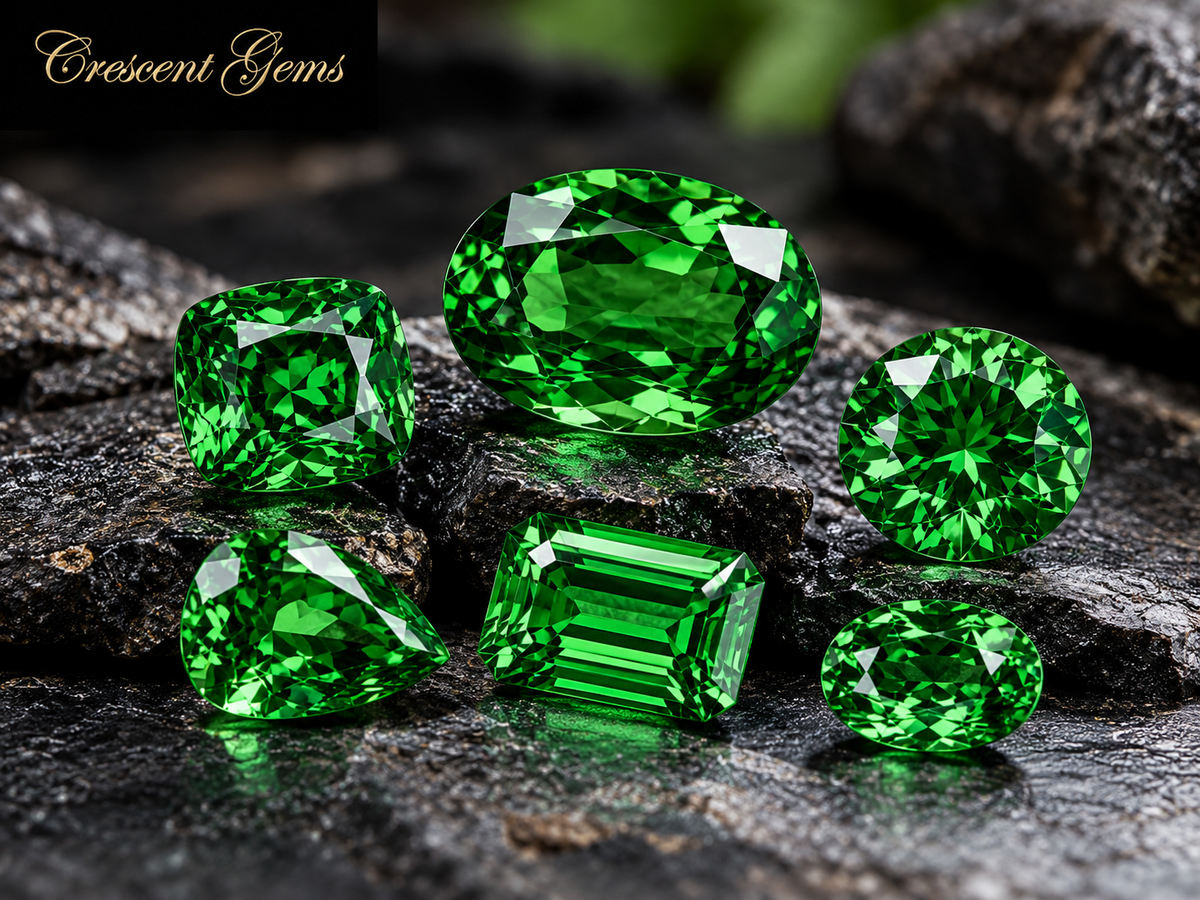
ツァボライトの価格|当店の在庫6点と、グロッシュラー・ガーネットとの違い
ツァボライトはいくらか。当店が現在在庫する6点をすべて示し、重さで値段がどう変わるかを説明します。品質等級表を載せない理由と、大きくて内包物の少ない原石が採れにくい本当の理由もあわせて。
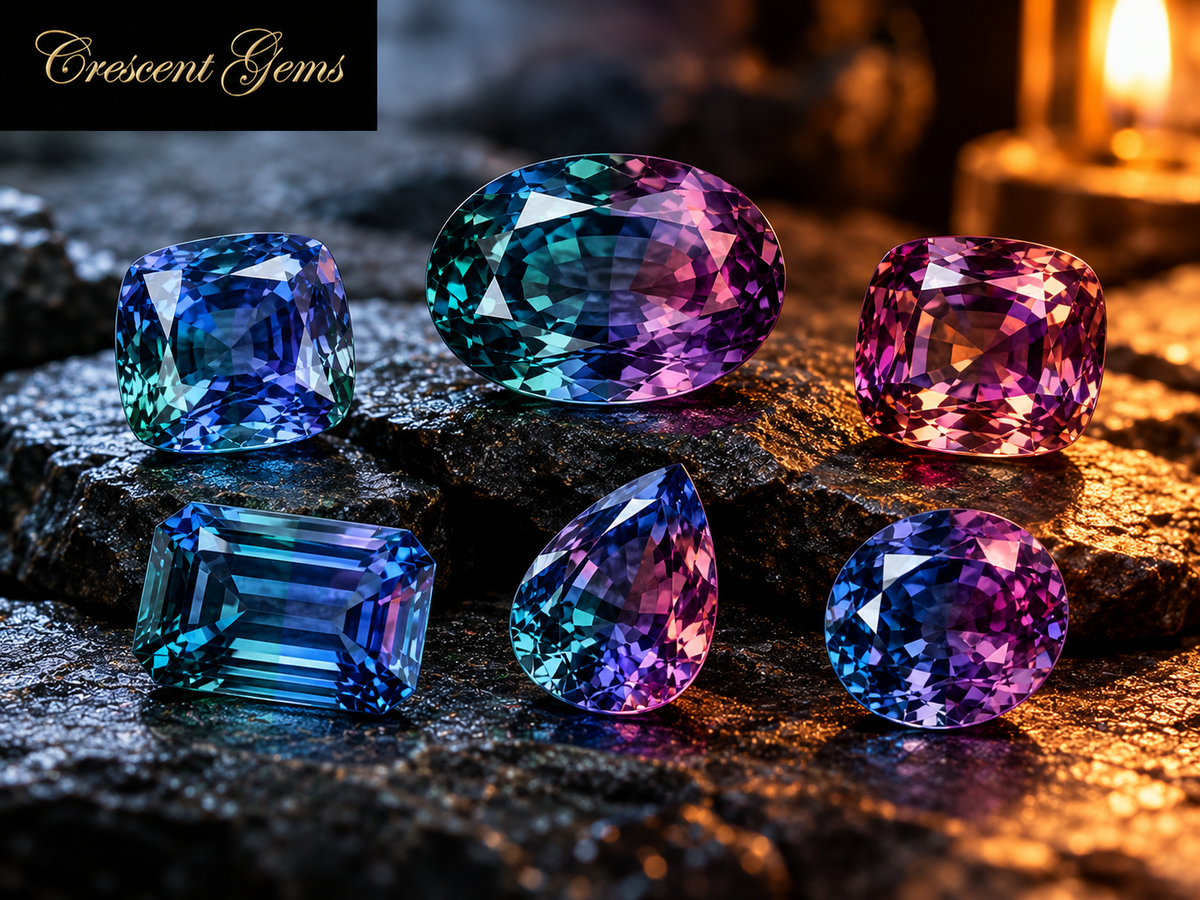
カラーチェンジサファイアの価格|1カラットあたりの相場と、当店にある2点
カラーチェンジサファイアは1カラットあたりいくらか。色と彩度と付帯する書類で価格帯を整理し、カラーチェンジそのものを格付けする機関が存在しないことも説明します。当店の在庫は1.03ctと2.01ctの2点です。
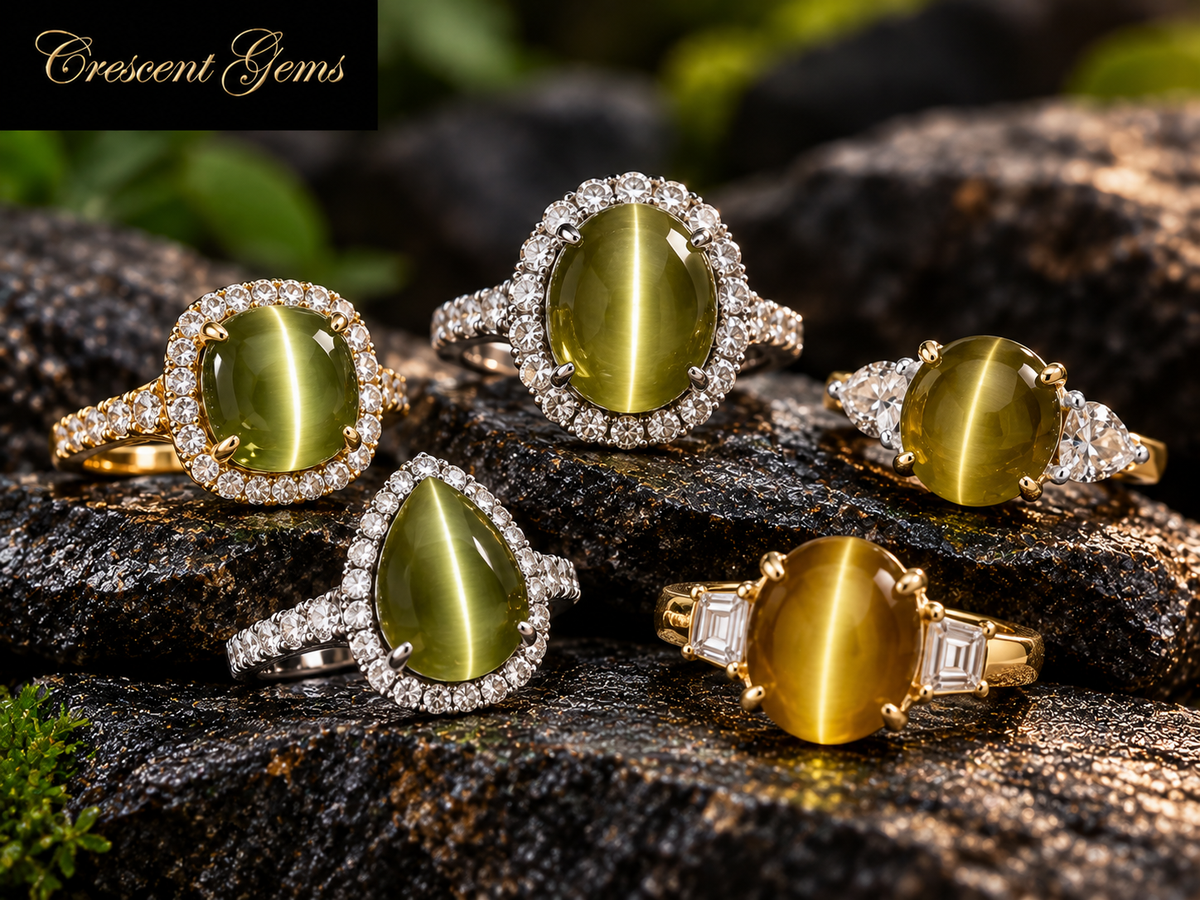
クリソベリル・キャッツアイは婚約指輪に向くか|モース硬度8.5と、留め方とお手入れ
クリソベリルはモース硬度8.5。クォーツ(7)やエメラルド(7.5〜8)より上、コランダム(9)とダイヤモンド(10)より下です。日常的に着ける指輪にとってそれが何を意味するかを、留め方とお手入れとあわせて説明します。
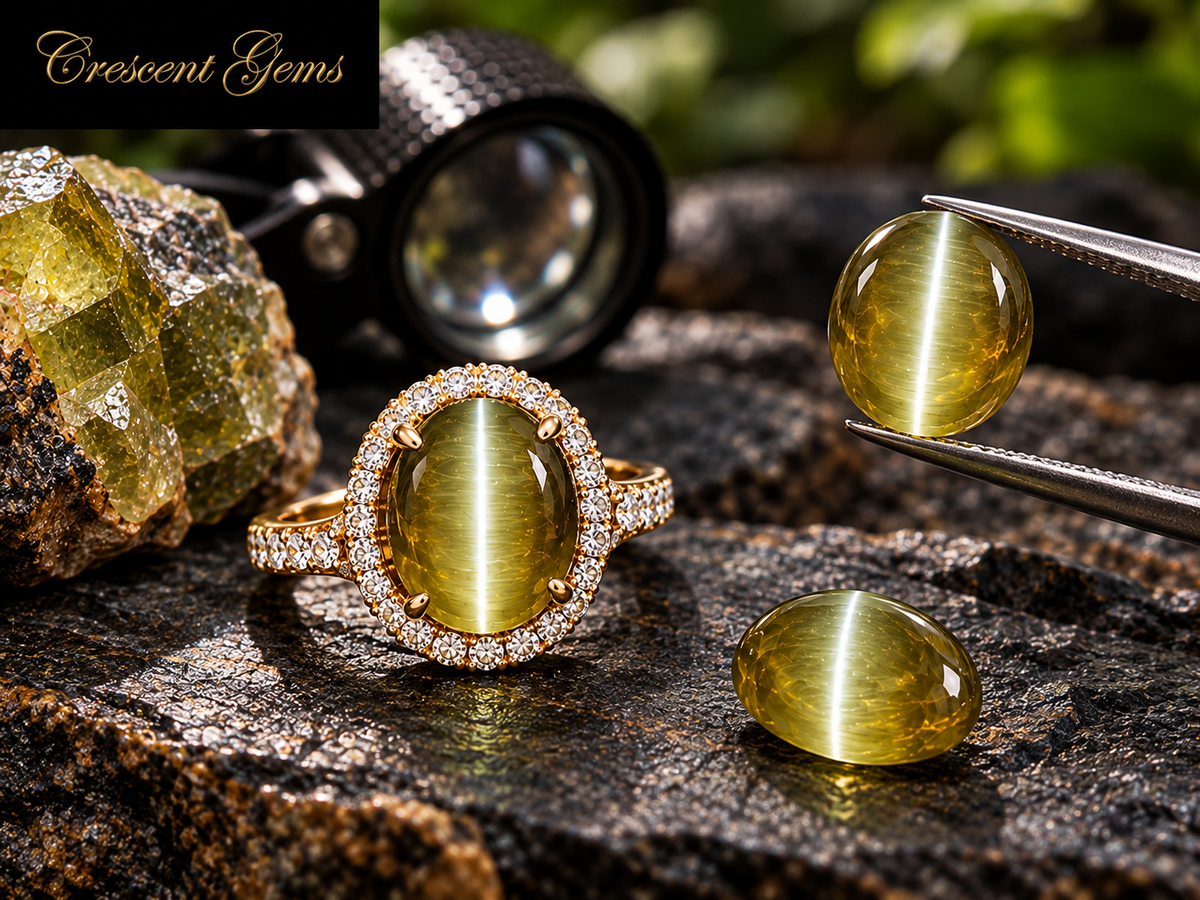
クリソベリル・キャッツアイの価格|1カラットあたりの相場と、当店にある2点
クリソベリル・キャッツアイは1カラットあたりいくらか。大きさと付帯する書類で価格帯を整理し、キャッツアイそのものを格付けする機関が存在しないことも説明します。当店の在庫は2.36ctと4.25ctの2点です。















シェア: