

- 著者:Ahmed Shareek
Australian Sapphire — The Dark Blue Origin and What Buyers Need to Know
- 著者:Ahmed Shareek
New to buying sapphires? Start with our Ultimate Sapphire Buying Guide — the complete resource for color, origin, treatment, and pricing.
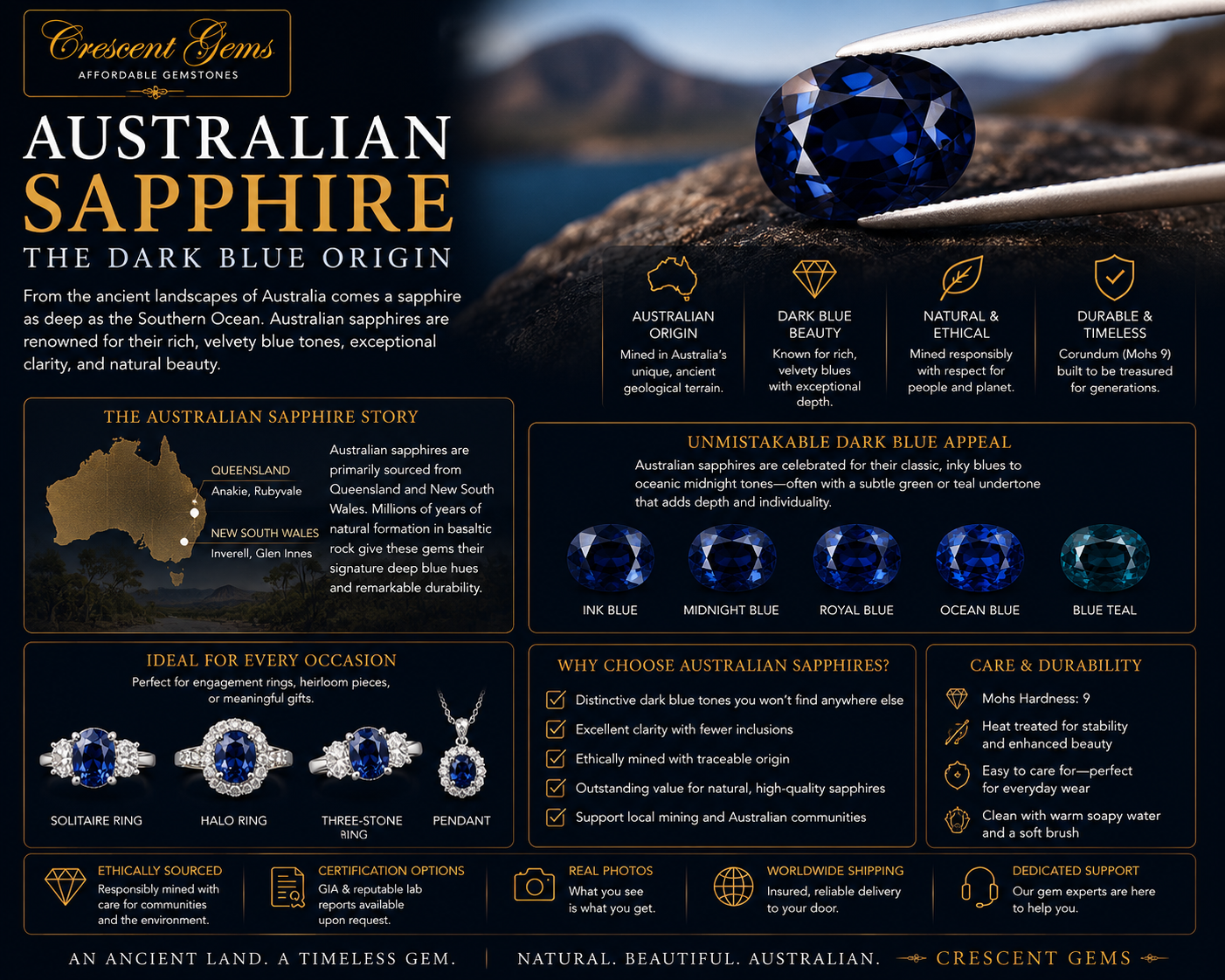
Australia was once the world's largest sapphire producer by volume. Through the 1980s and into the 1990s, Australian mines — particularly in the New England region of New South Wales and the Anakie fields of central Queensland — supplied a significant proportion of the world's commercial blue sapphire. Australian sapphire has a reputation — earned but often overstated — for dark, inky blue color. This guide covers where Australian sapphires come from, what makes them geologically distinctive, why the color tends dark, what the best material actually looks like, and how Australian sapphire compares to Ceylon and other origins.
New South Wales — the Inverell-Glen Innes fields: The New England region of northern New South Wales is Australia's most productive sapphire area. Sapphires are found in alluvial deposits that have weathered from Cenozoic-era basalt flows. New South Wales sapphires are typically dark blue to very dark blue, with strong green or black secondary modifiers. The region also produces yellow, green, and parti-colored (multicolor) sapphires.
Queensland — the Anakie fields: The Anakie gemfields in central Queensland represent Australia's other major sapphire region. Queensland sapphires share the dark, iron-rich character of New South Wales material but tend to show more green and teal components. The Anakie fields have produced notable parti-colored sapphires — stones showing two or more distinct colors in visible zones within the same crystal. Parti-colored Australian sapphires have become a niche collector category.
Australian sapphires come from basaltic (magmatic) geological environments, and basalt-hosted corundum typically contains significantly higher iron concentrations than corundum from metamorphic environments like Sri Lanka, Kashmir, or Burma. Higher iron concentration means more absorption of light, producing a darker, more saturated blue. Excess iron beyond what is needed for the blue Fe-Ti mechanism also produces yellowish-green absorption that muddies the blue, pushing it toward inky, greenish, or blackish tones. This high iron content also means Australian sapphires show virtually no fluorescence under UV light. See our Understanding Sapphire Fluorescence guide.
A very large proportion of Australian sapphire rough is heat-treated. Controlled heating in an oxidizing atmosphere can reduce the intensity of the dark blue and minimize greenish modifiers, producing a more marketable medium-dark blue. Heat treatment is fully accepted for Australian material and is the norm rather than the exception. For the full science of heat treatment, see How Sapphire Heat Treatment Works. For what unheated means in practice, see What Is an Unheated Sapphire?
Australian material produces parti-colored (bicolor) sapphires with unusual frequency and with distinctly visible, often sharply bounded color zones. Parti-colored sapphires have developed a dedicated collector following, particularly in Australia. The most prized examples show vivid, high-contrast color combinations with clean transitions between zones.
| Factor | Australian | Ceylon |
|---|---|---|
| Geological setting | Basaltic (magmatic) | Metamorphic (alluvial) |
| Iron content | High | Low to moderate |
| Typical color | Dark blue, inky, greenish modifiers | Vivid, bright, medium-toned |
| Treatment | Almost all heated | Both heated and strong unheated supply |
| Price (commercial 1-2ct) | $50-$400/ct | $400-$3,000+/ct |
| Collector appeal | Niche (parti-colored, domestic) | Strong worldwide |
Figures above are approximate market guidance, not fixed quotes. Actual value varies by treatment, origin, colour, cut, clarity, and certification.
For the full origin comparison framework, see Madagascar Sapphire Guide, Burma / Mogok Sapphire Guide, Tanzania Sapphire Guide, and Mozambique Sapphire Guide.
For any purchase where origin matters — or where the price suggests a premium origin — require a GIA or Gubelin report. See our How to Read a GIA Report guide. Australian sapphire can be a legitimate value purchase for commercial jewelry. For engagement rings and fine jewelry, Ceylon is the better choice. Browse our full Ceylon sapphire catalog. For pricing context, see our what a good 1 carat sapphire costs and sapphire pricing guide.
Browse the full Ceylon sapphire catalog — vivid, bright, individually selected stones from the world's most respected origin. Email crescentgems@gmail.com with questions about any sapphire origin. We respond within one business day.

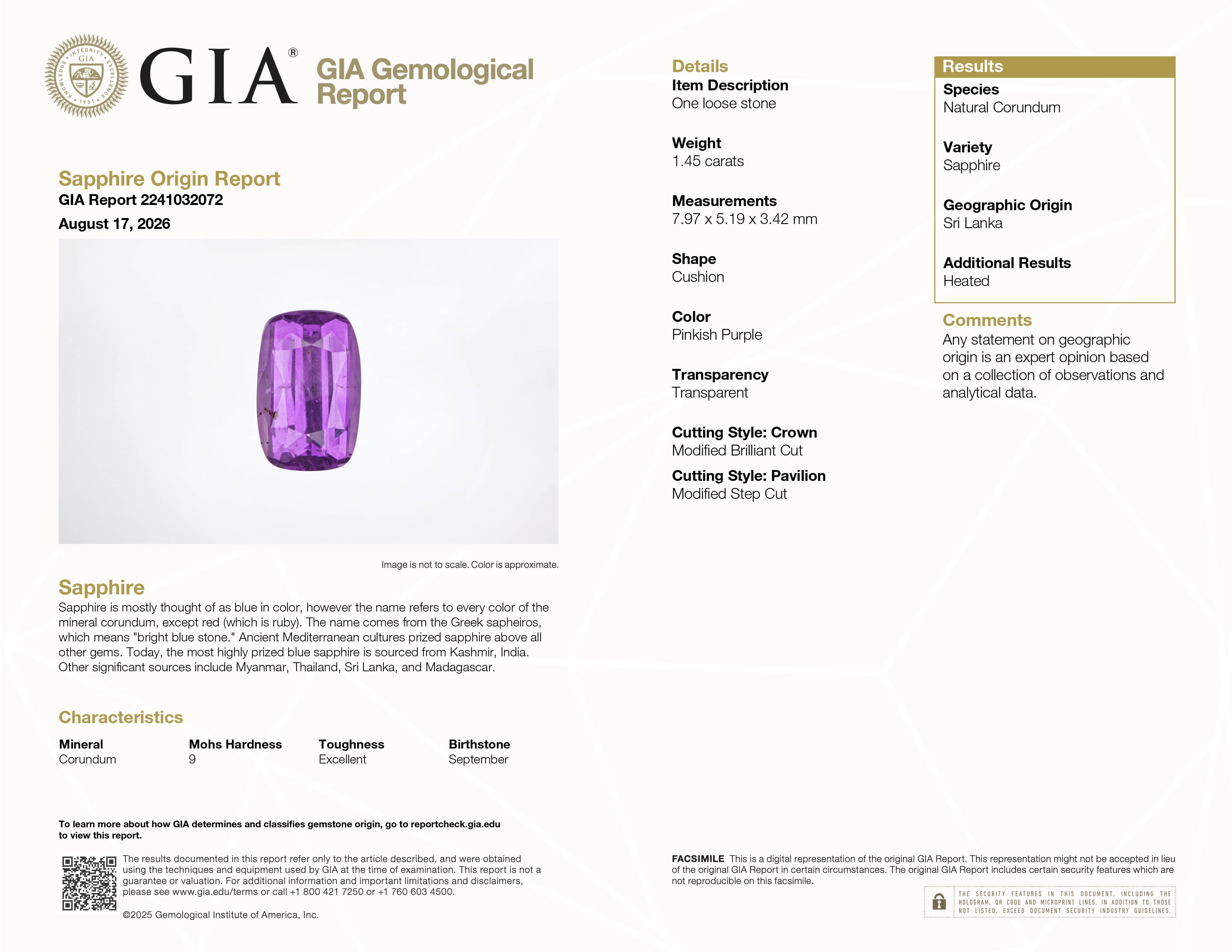
CG8469
ピンキッシュパープルサファイア 1.45ct 【加熱】 スリランカ産 GIA原産地レポート付
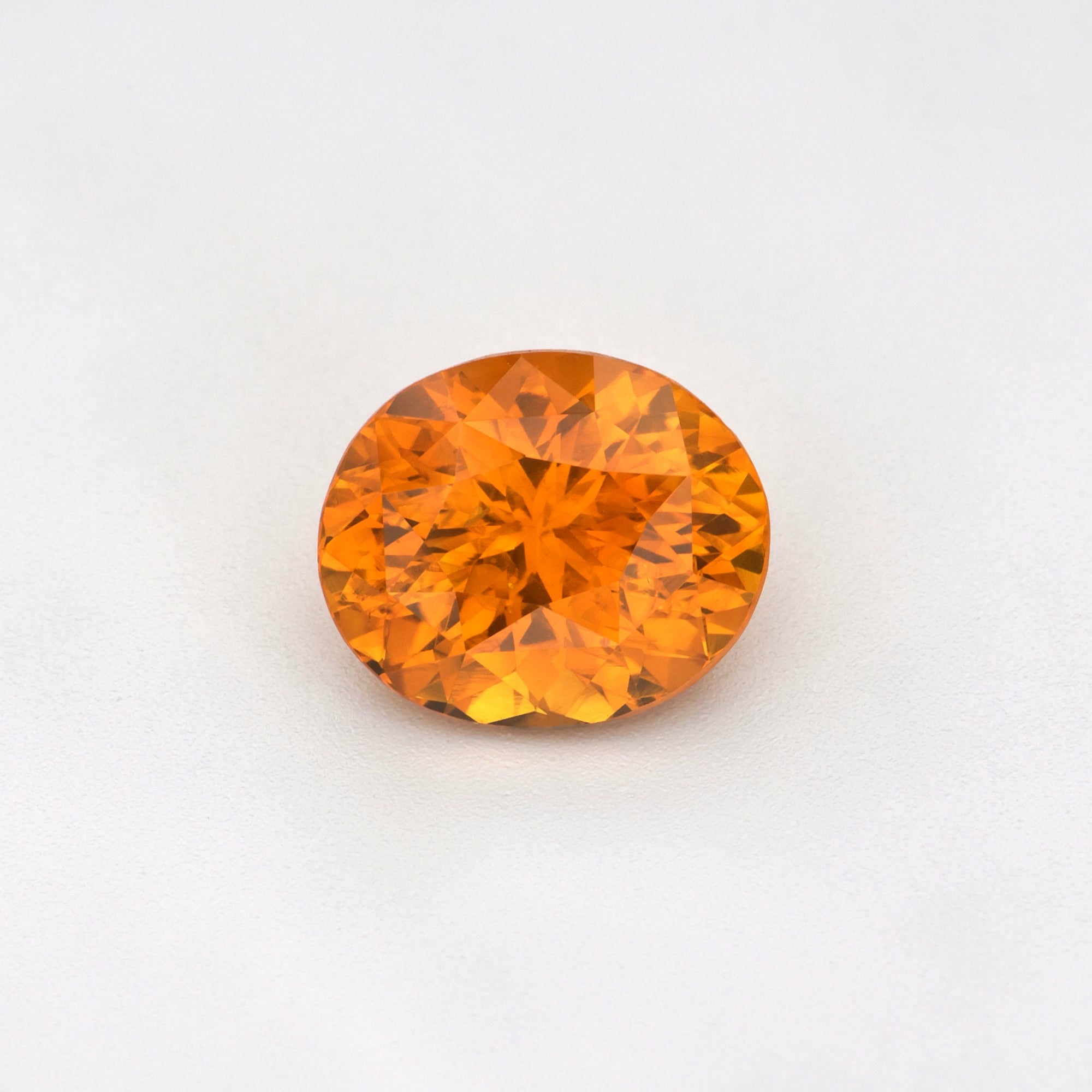
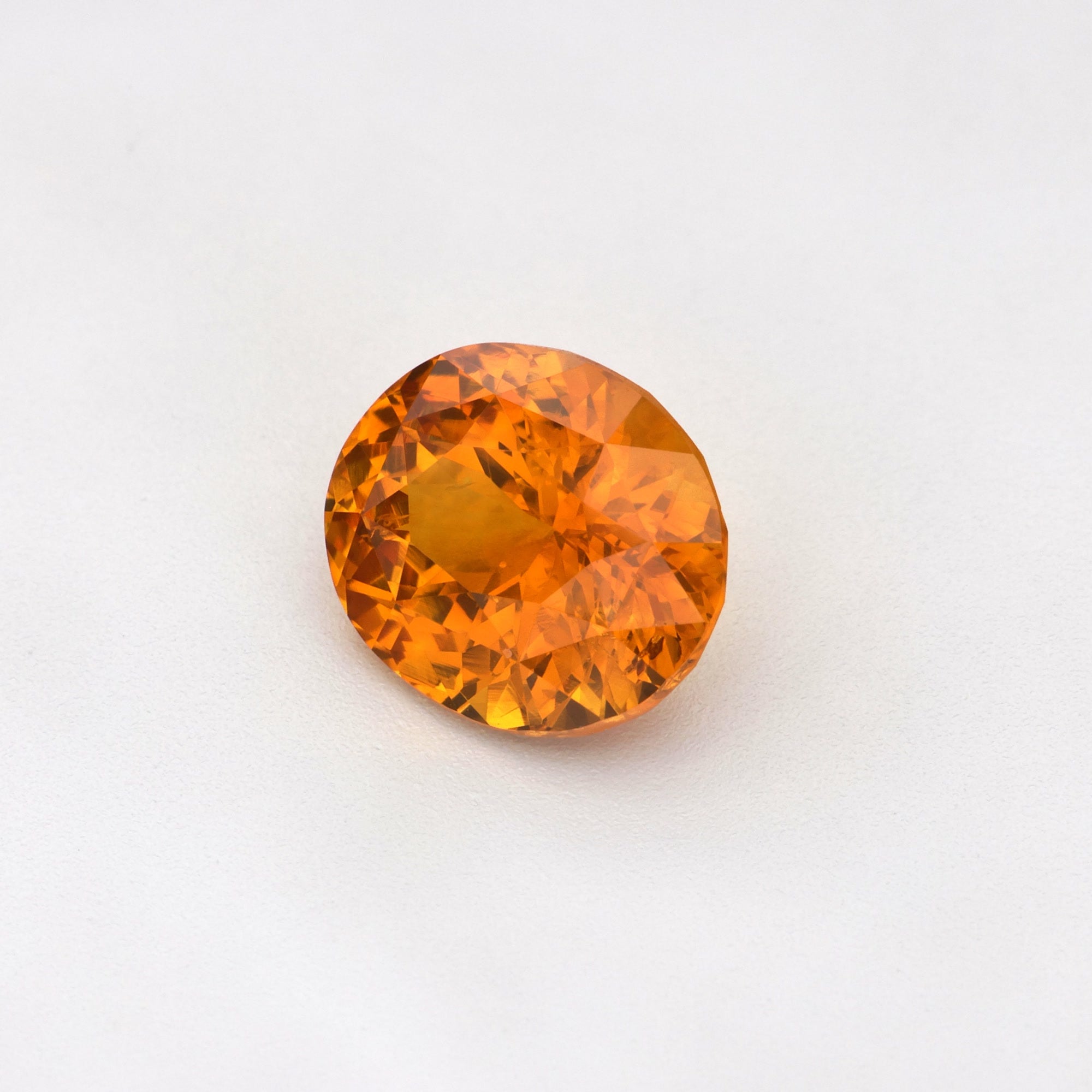
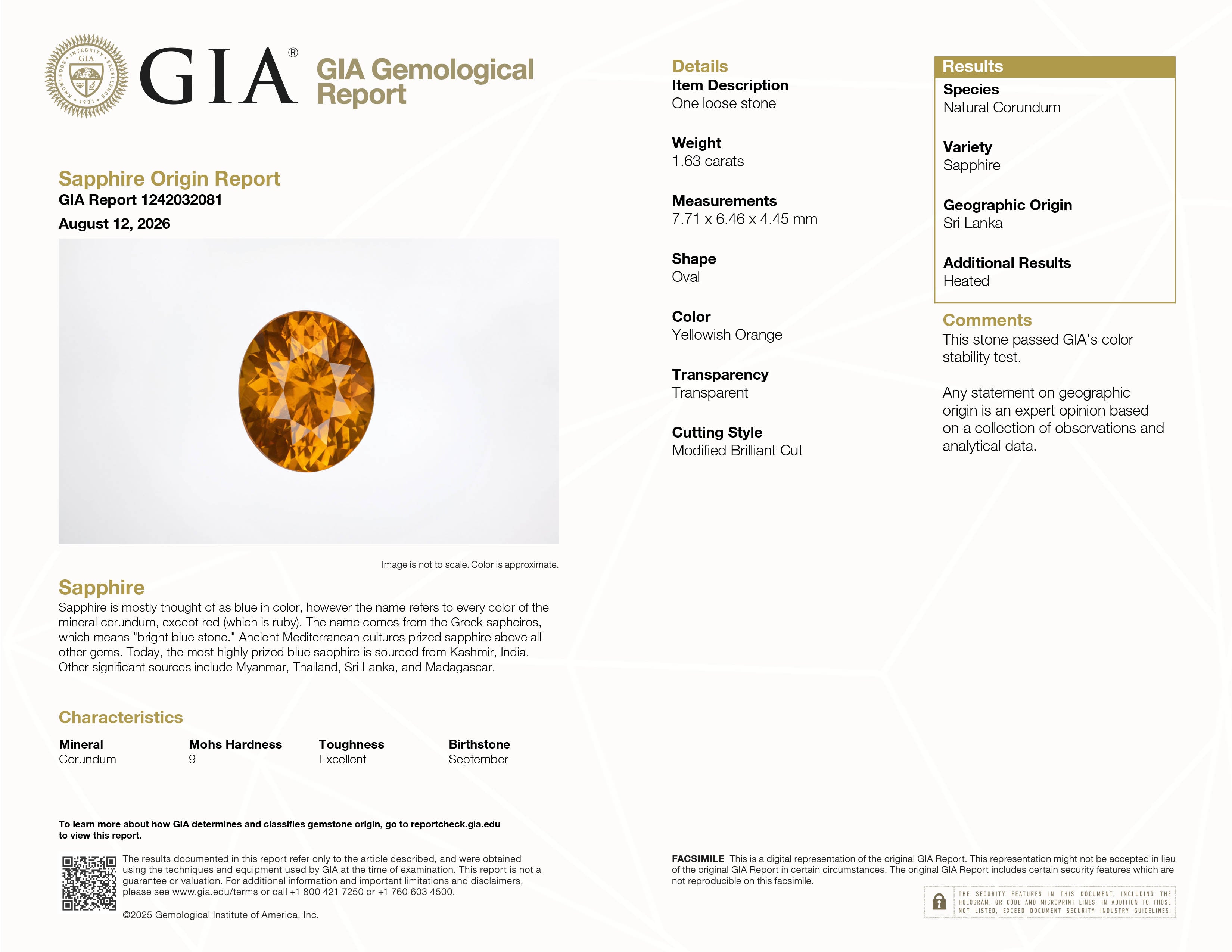
CG8454
天然オレンジサファイア1.63ct・オーバルカット・GIAレポート付・産地スリランカ(レポート記載)
CG8468
CG8465
1.86ct ツァボライト クッション 天然グロッシュラー・ガーネット|GIAレポート #1242032119
CG8464
CG8463
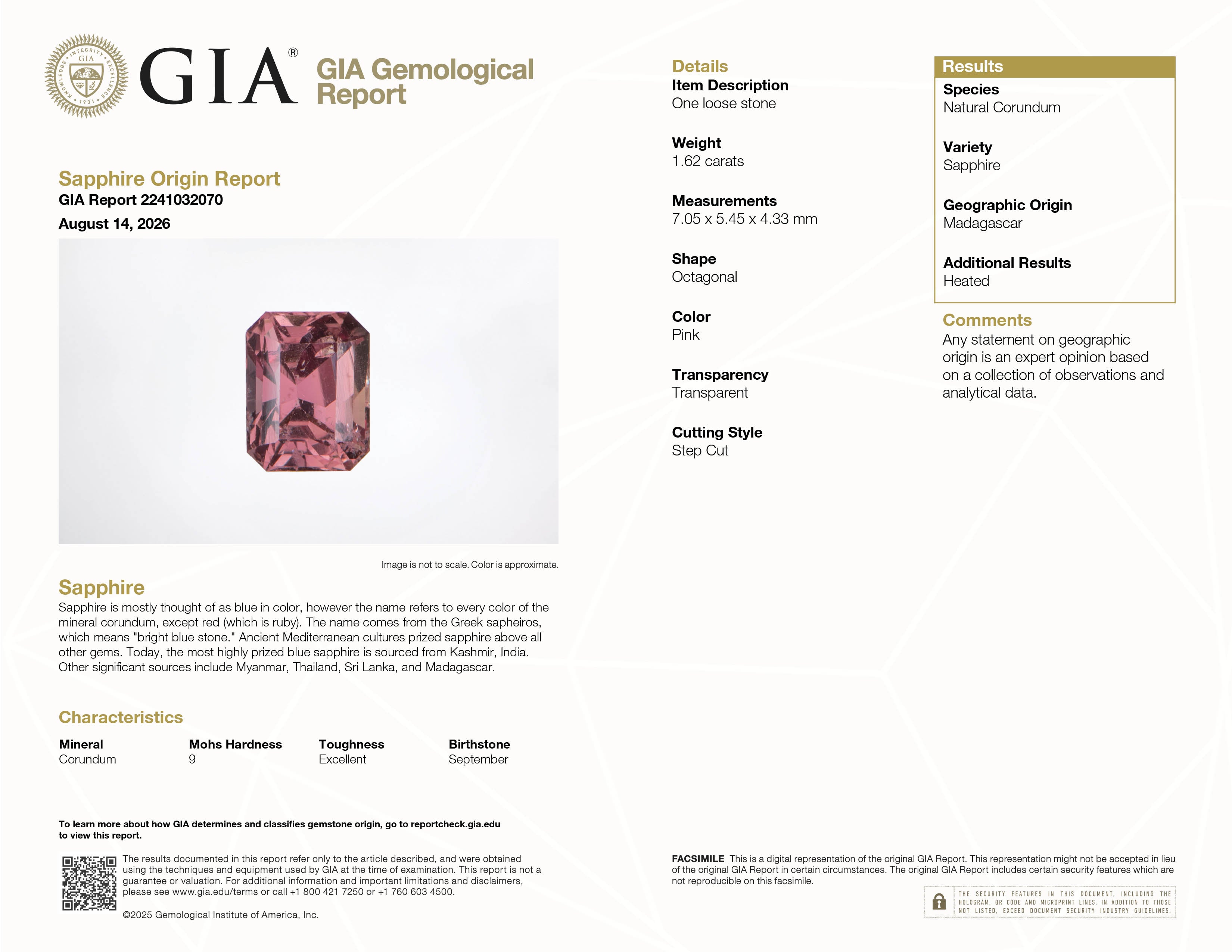
天然ピンクサファイア 1.62ct マダガスカル産【GIA原産地レポート付】エメラルドカット ルース
CG8460
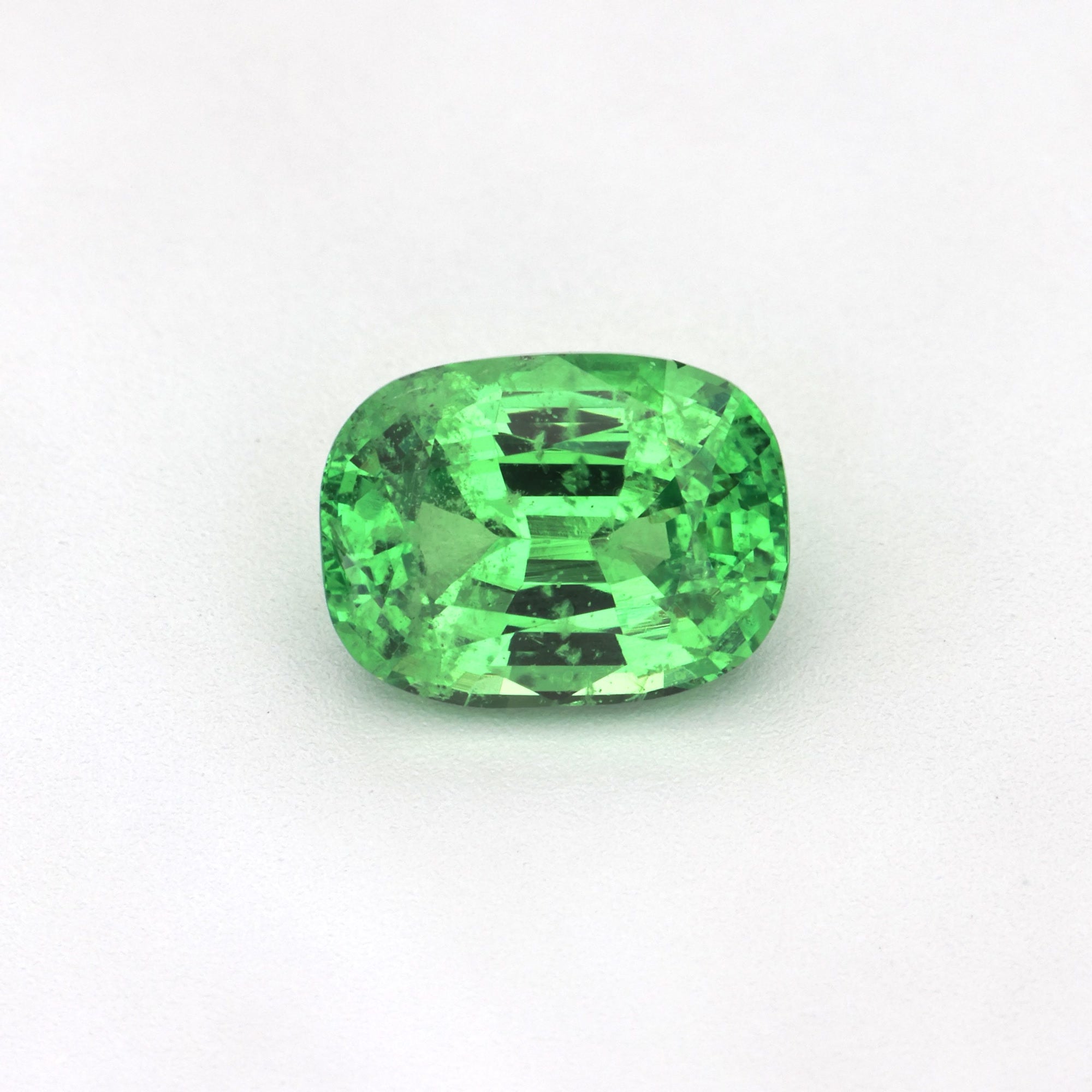
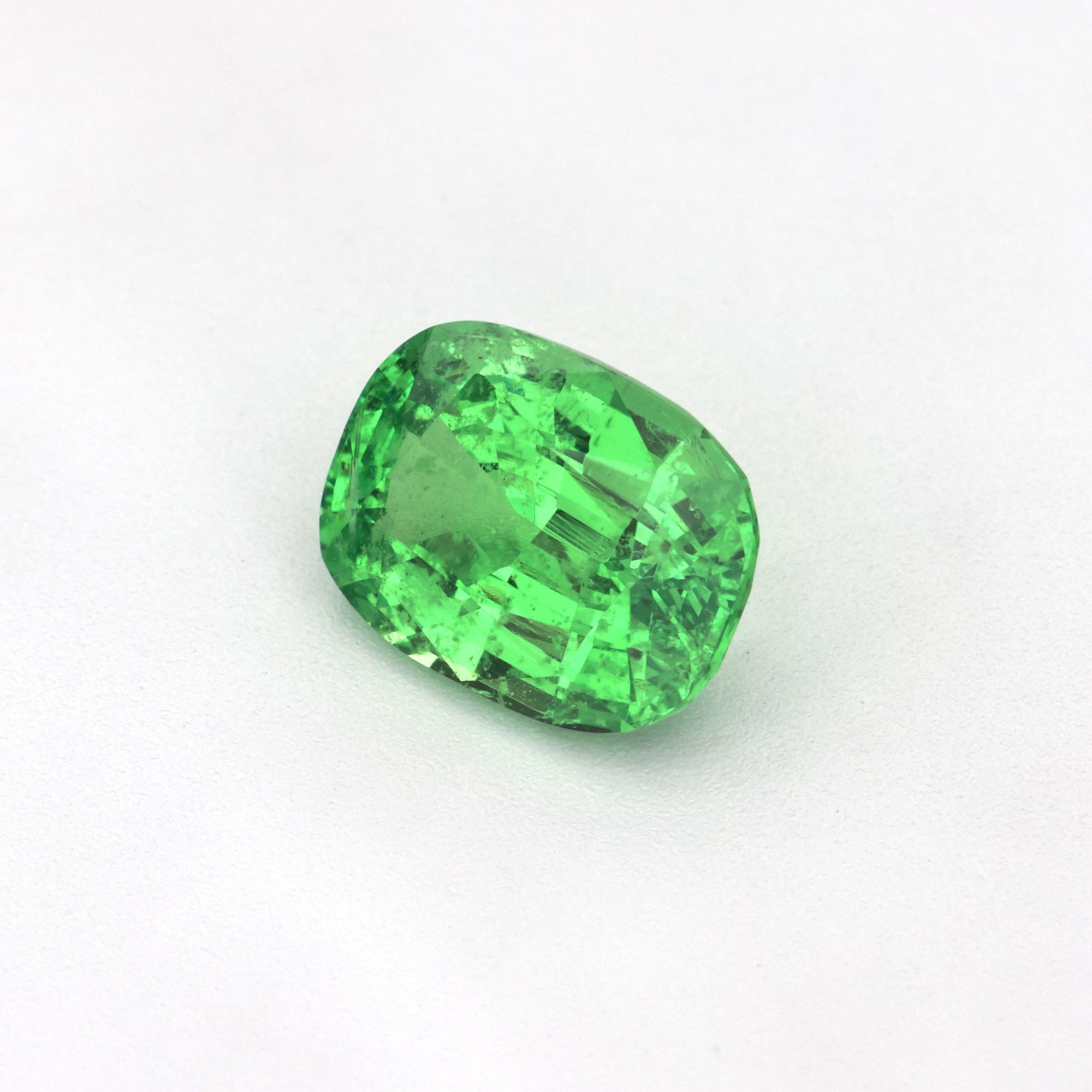
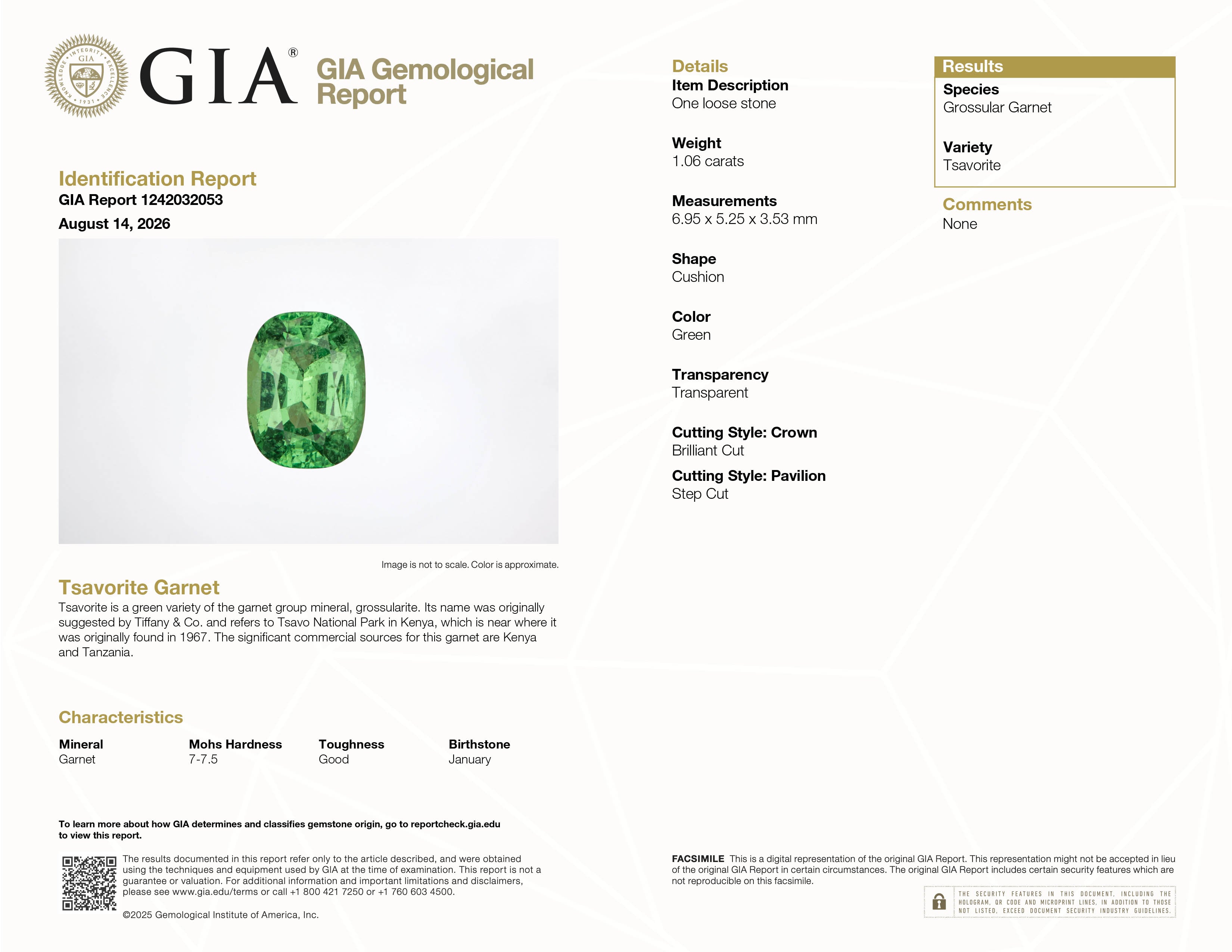
1.06ct ツァボライト クッション 天然グロッシュラー・ガーネット|GIAレポート #1242032053
CG8459
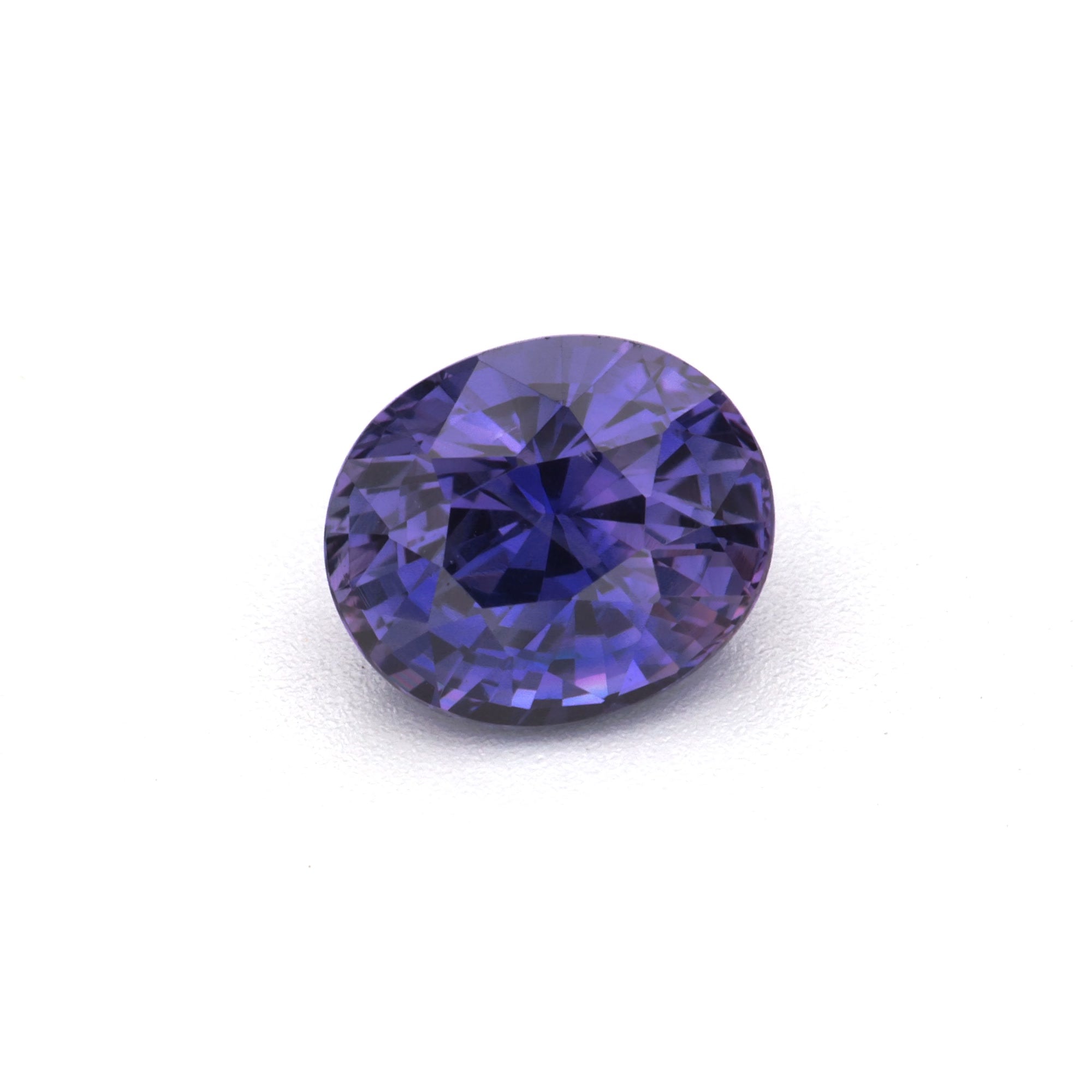
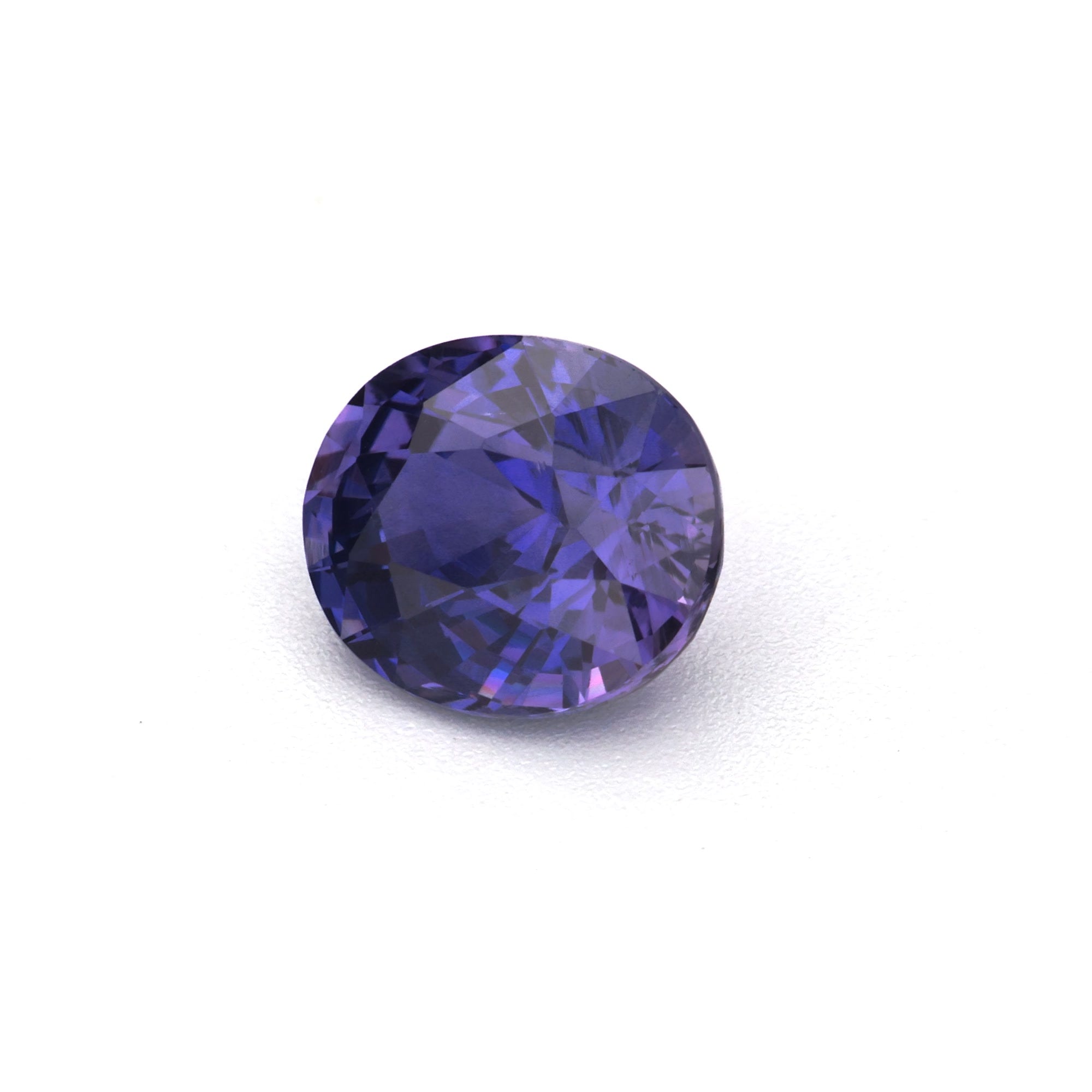
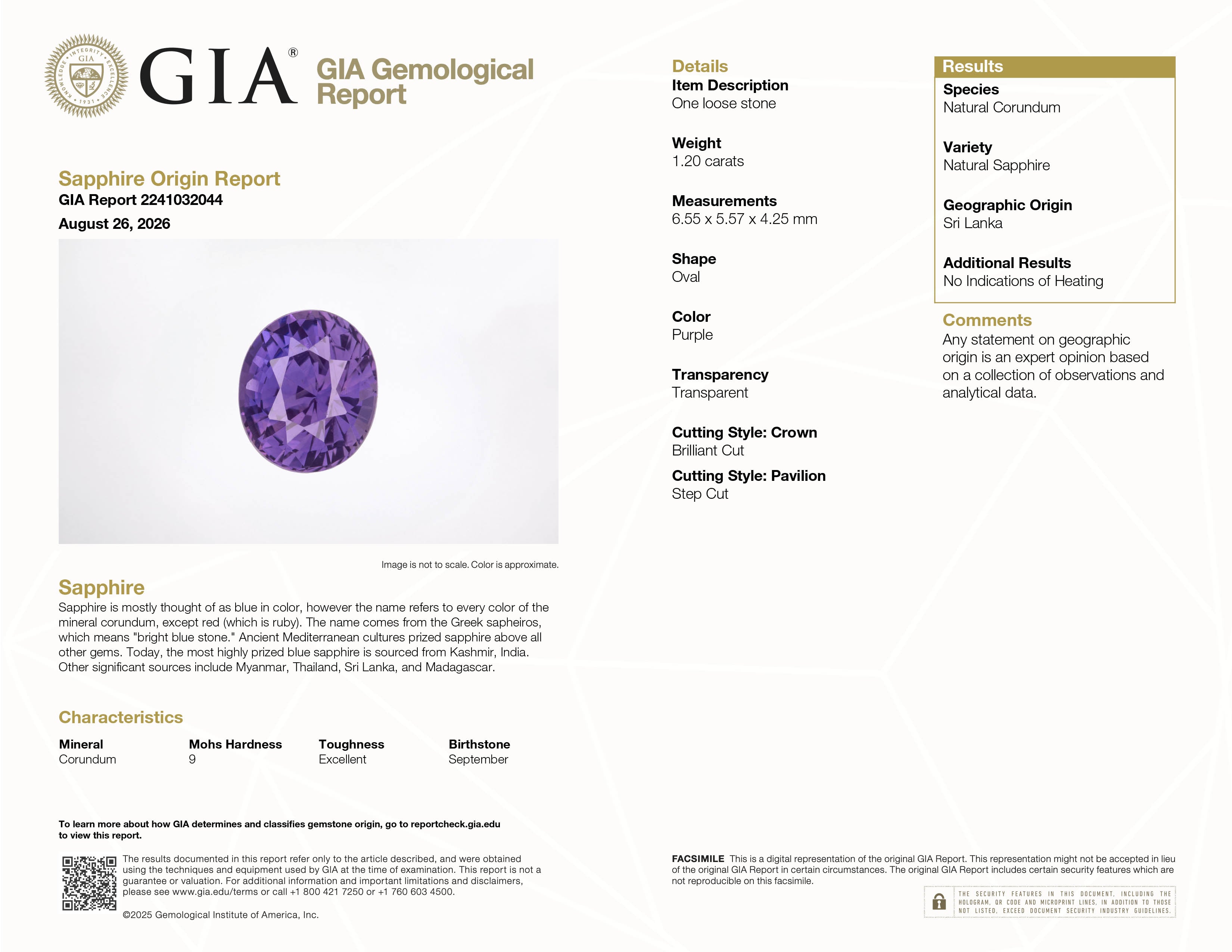
パープルサファイア 1.20ct 非加熱|スリランカ産|GIA原産地レポート付きルース
CG8458
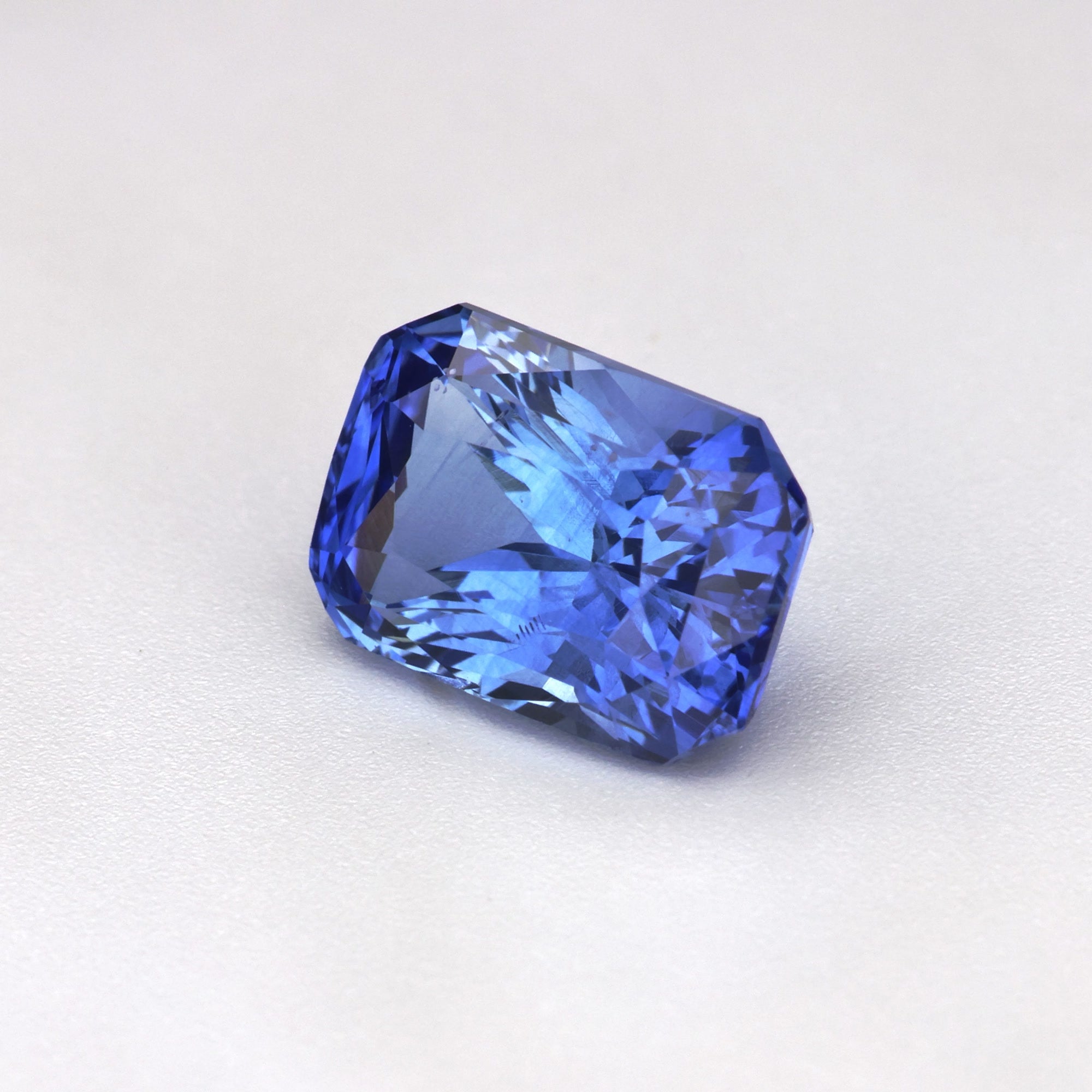
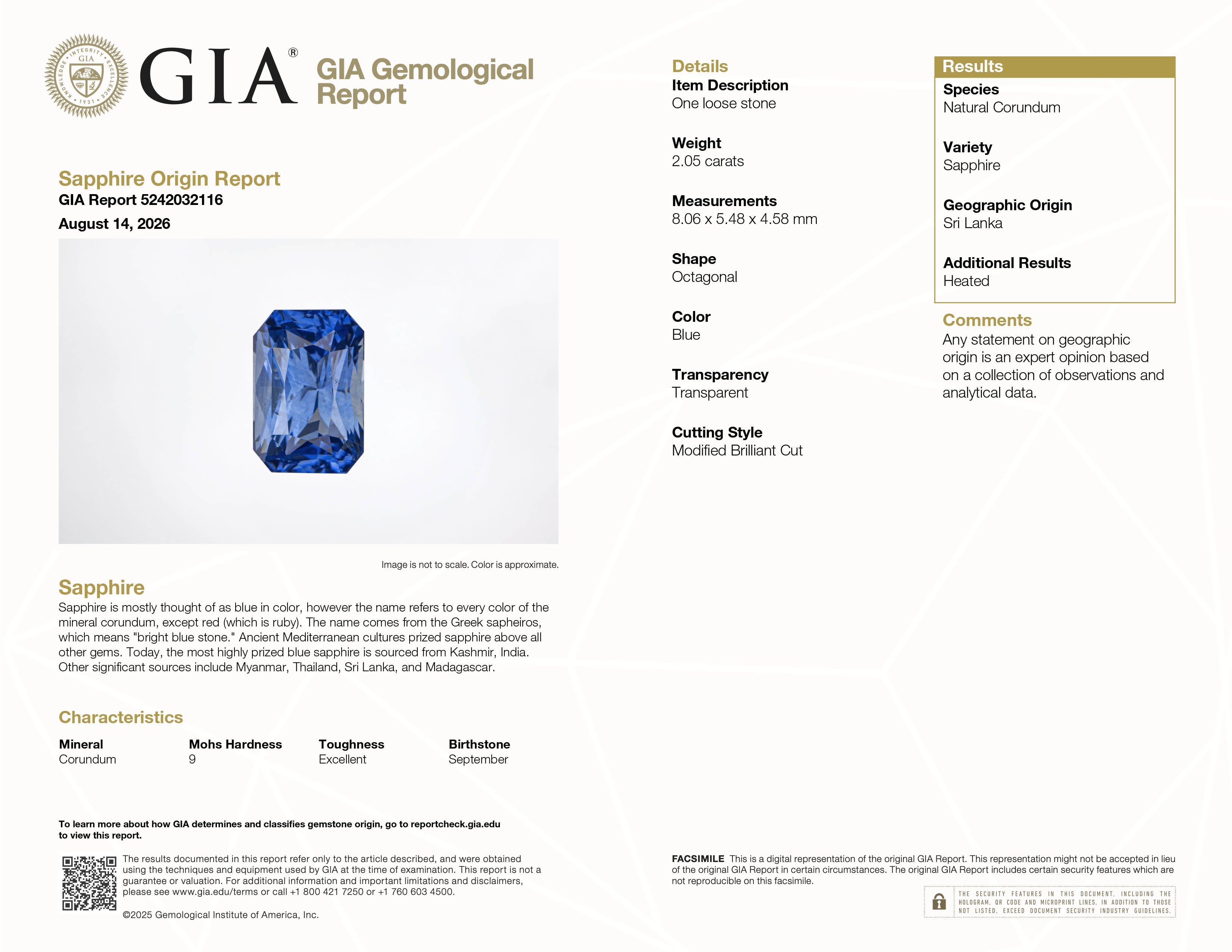
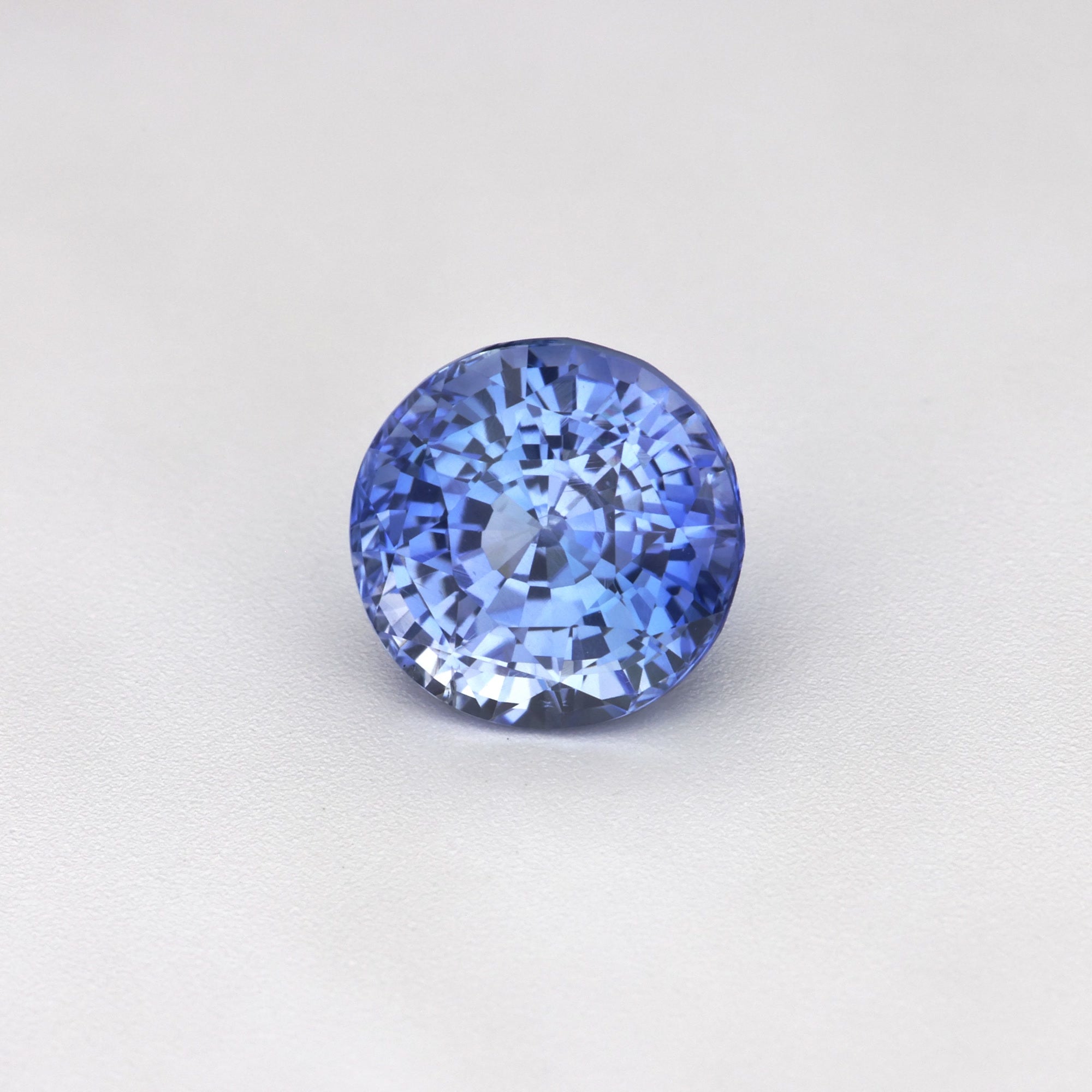
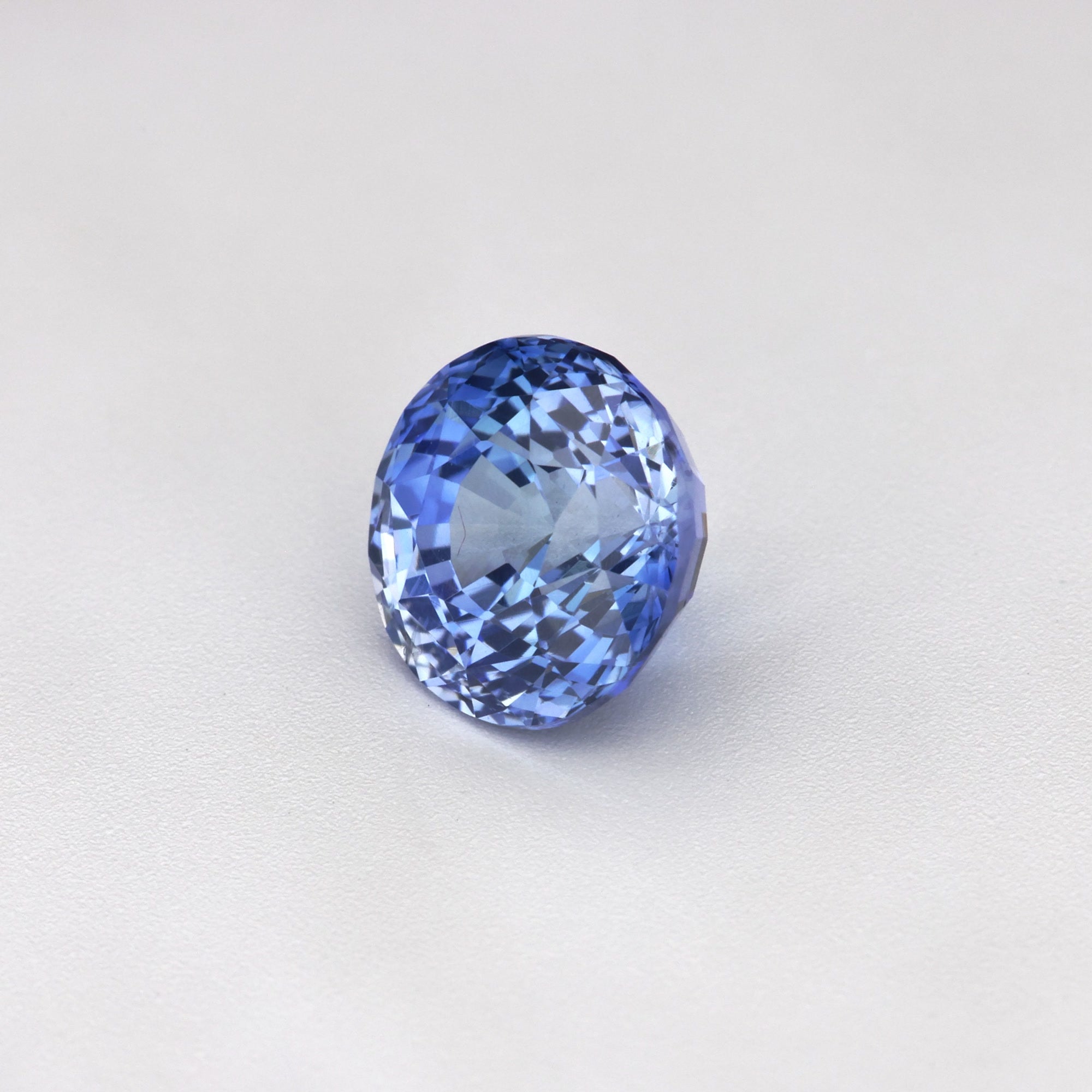
2.05ct 加熱ブルーサファイア|産地:スリランカ(GIAの意見)|ルース・GIA原産地レポート付き
CG8457
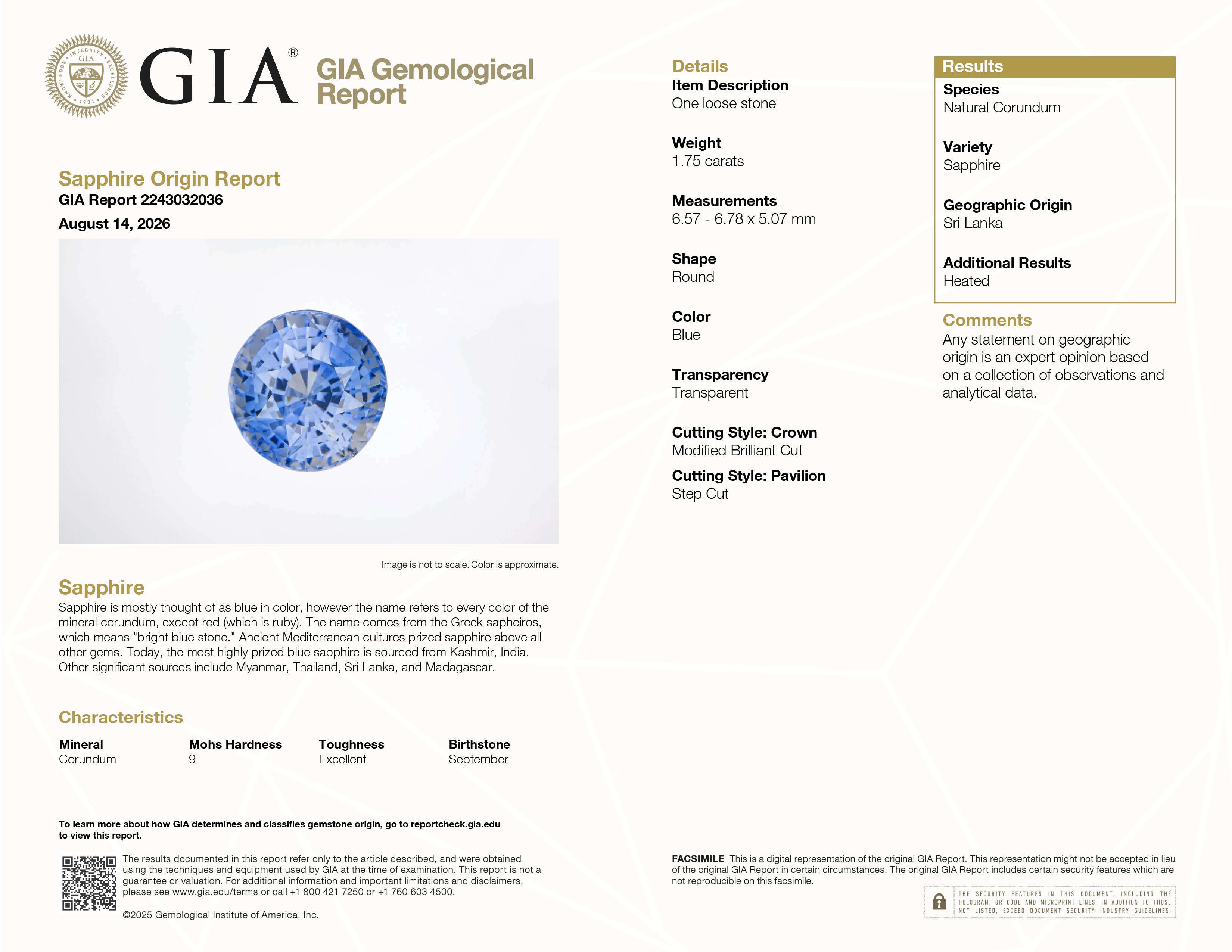
1.75ct スリランカ産ブルーサファイアのルース|加熱|GIA原産地レポート付き
CG8456
1.65ct 非加熱ルビーのルース|マダガスカル産ルビー・オーバル・GIA原産地レポート付き
CG8453
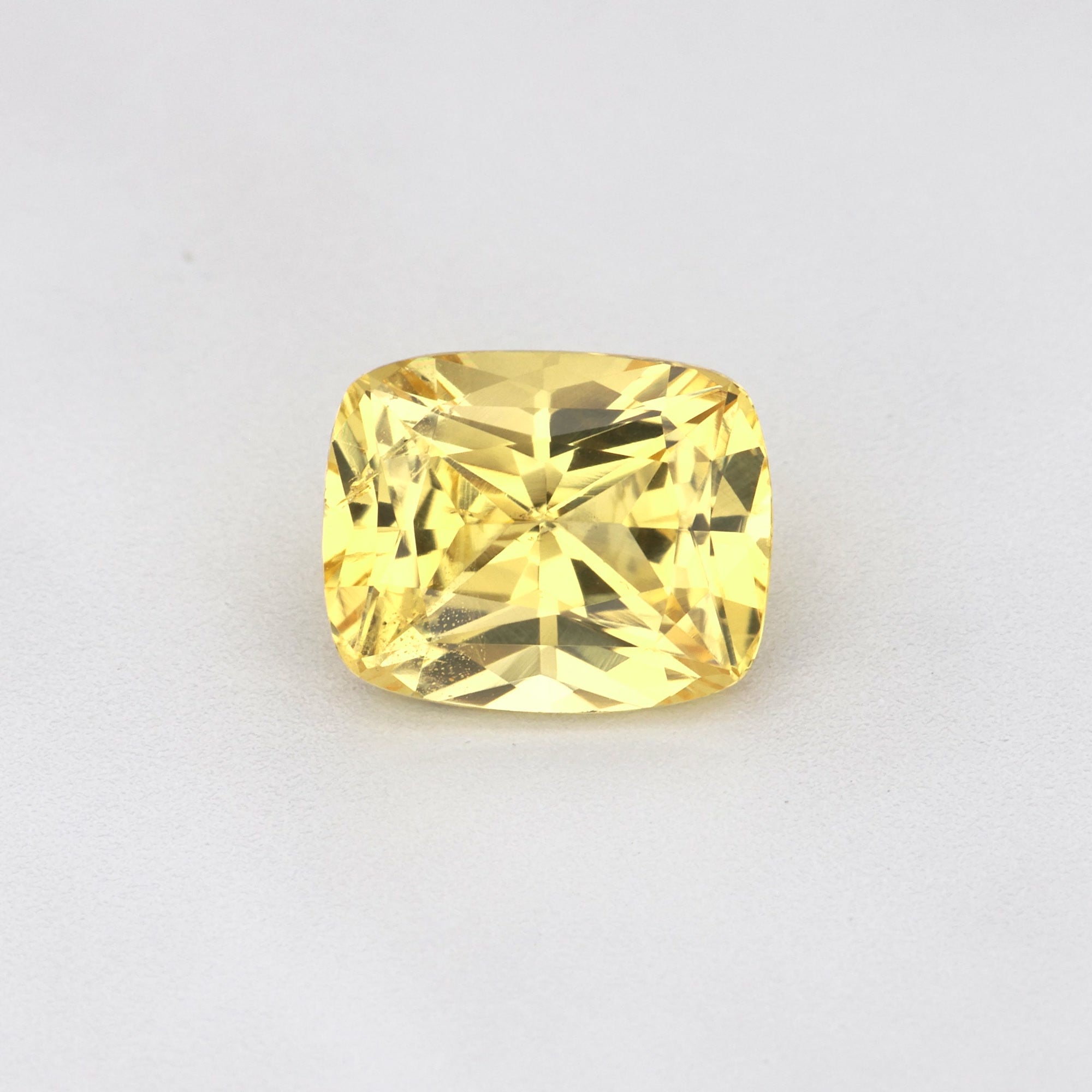
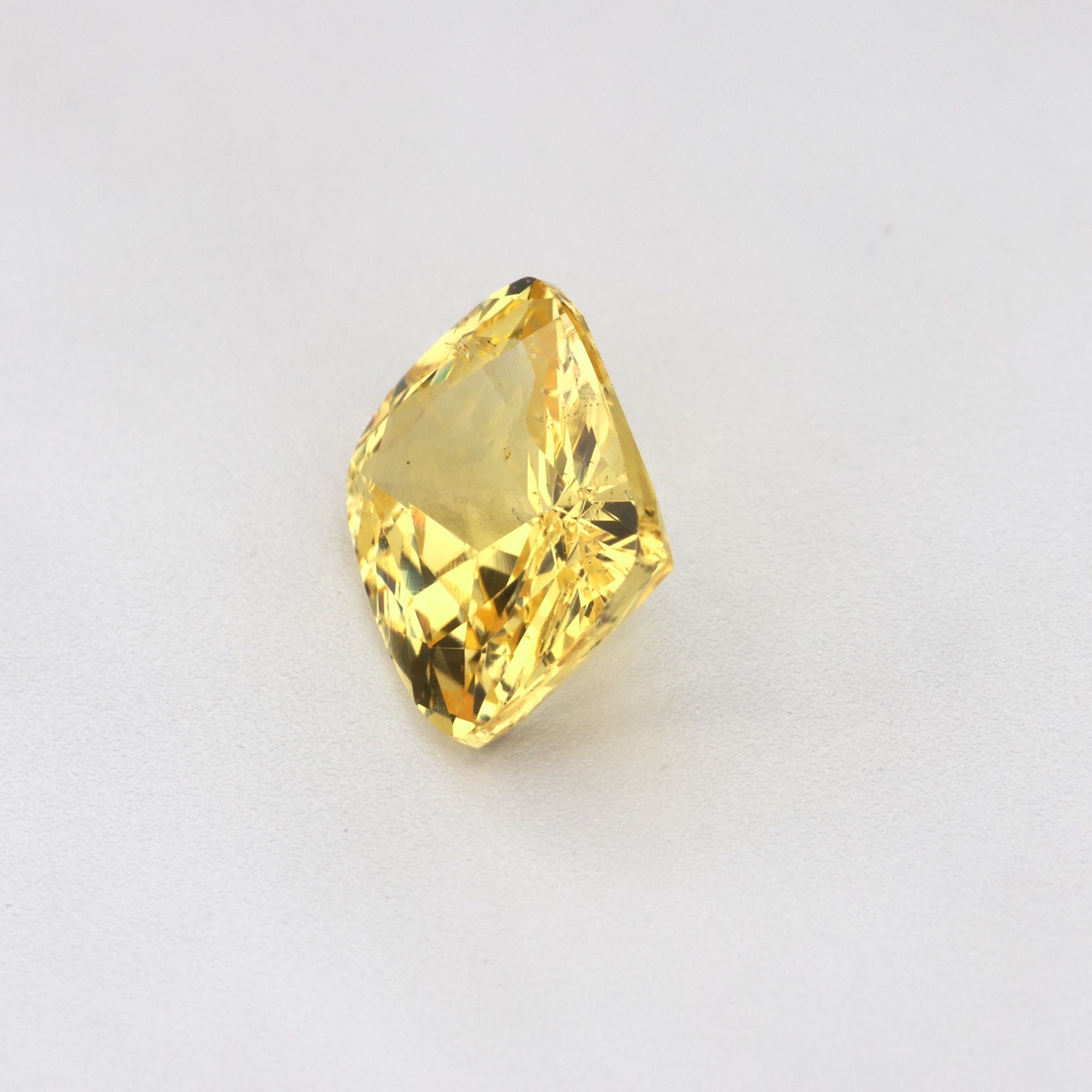
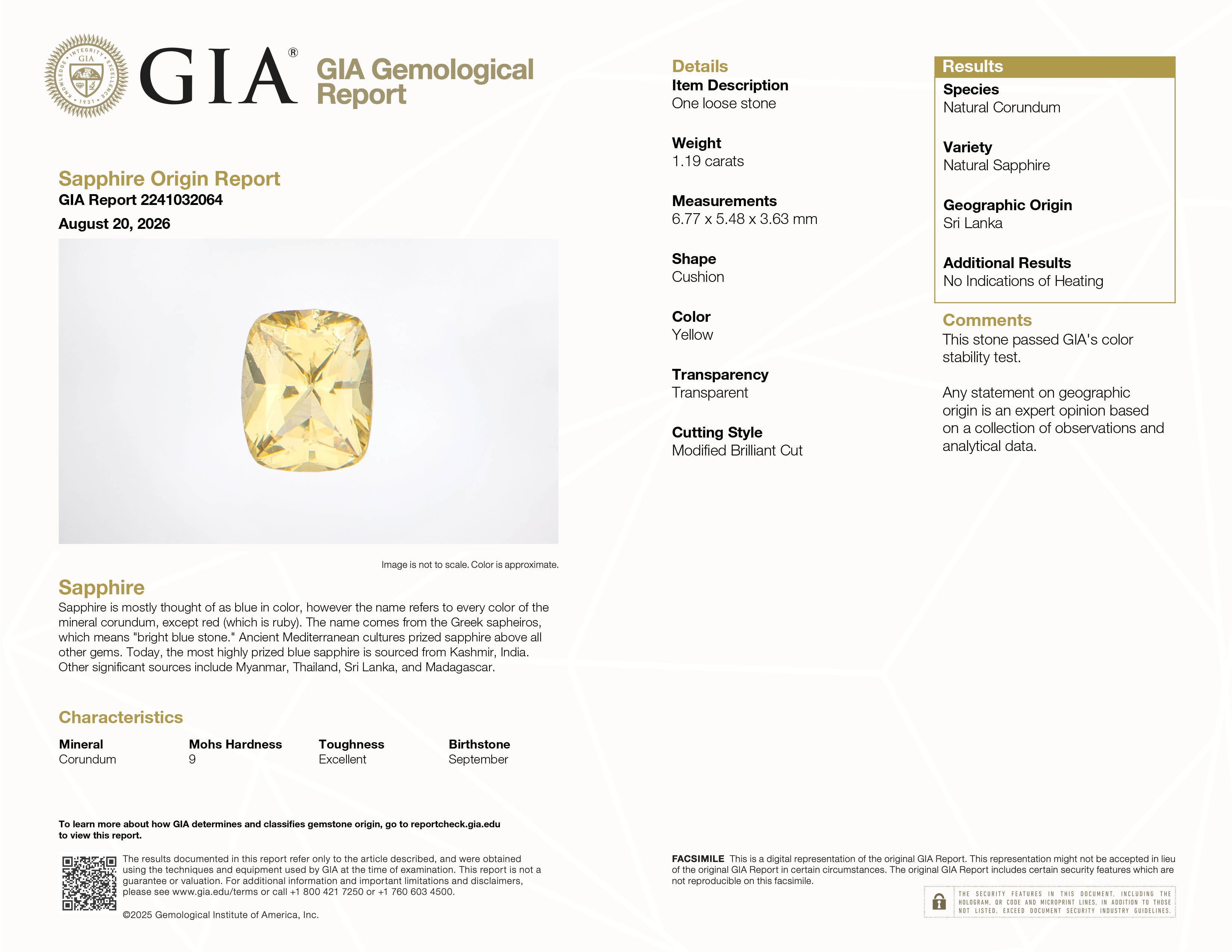
非加熱 イエローサファイア 1.19ct クッションカット|GIAレポート|スリランカ(セイロン)


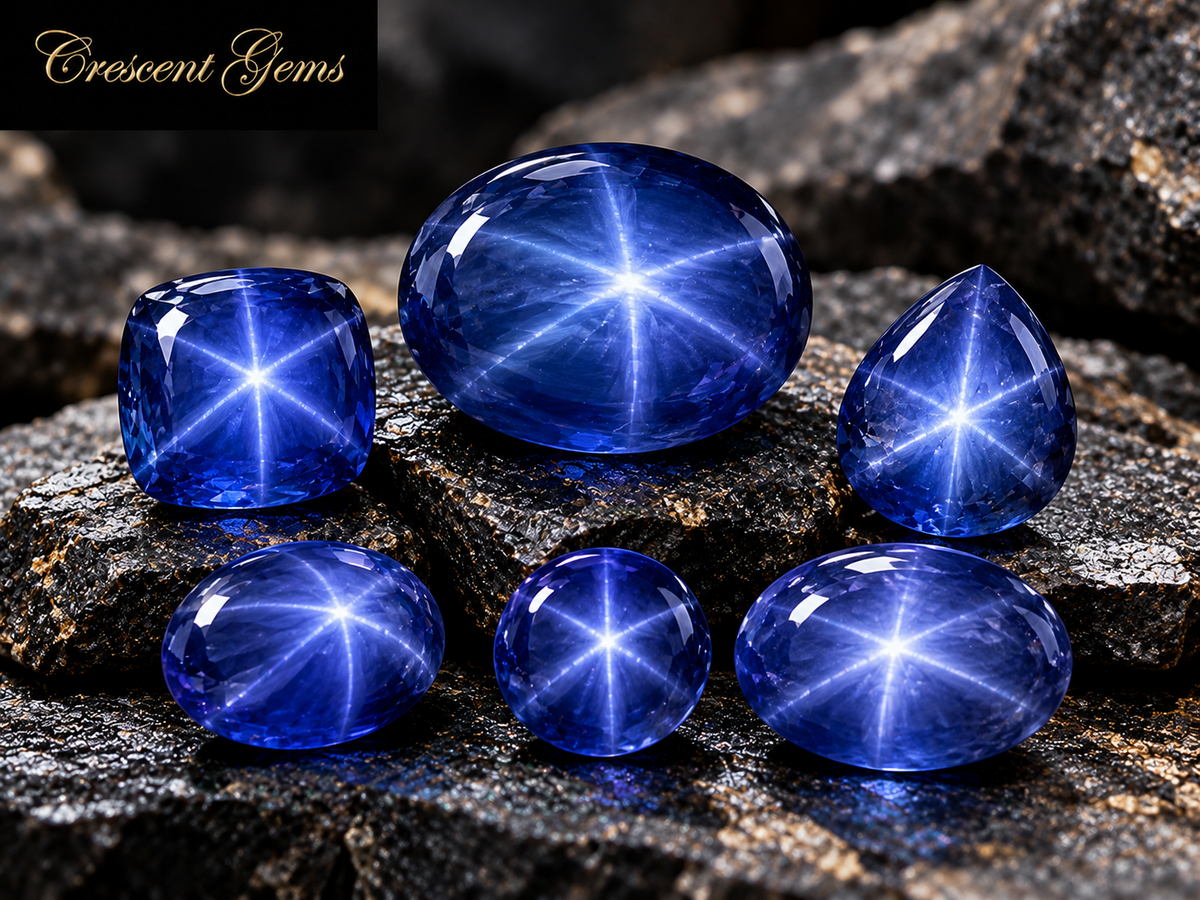
ブルースターサファイアの価格|1カラットあたりの相場と、当店にある8.09ctの1点
ブルースターサファイアは1カラットあたりいくらか。地色・重量・付帯する書類の三つで価格帯を整理し、現象を格付けする機関が存在しないことも説明します。当店の在庫は8.09ctの1点のみです。
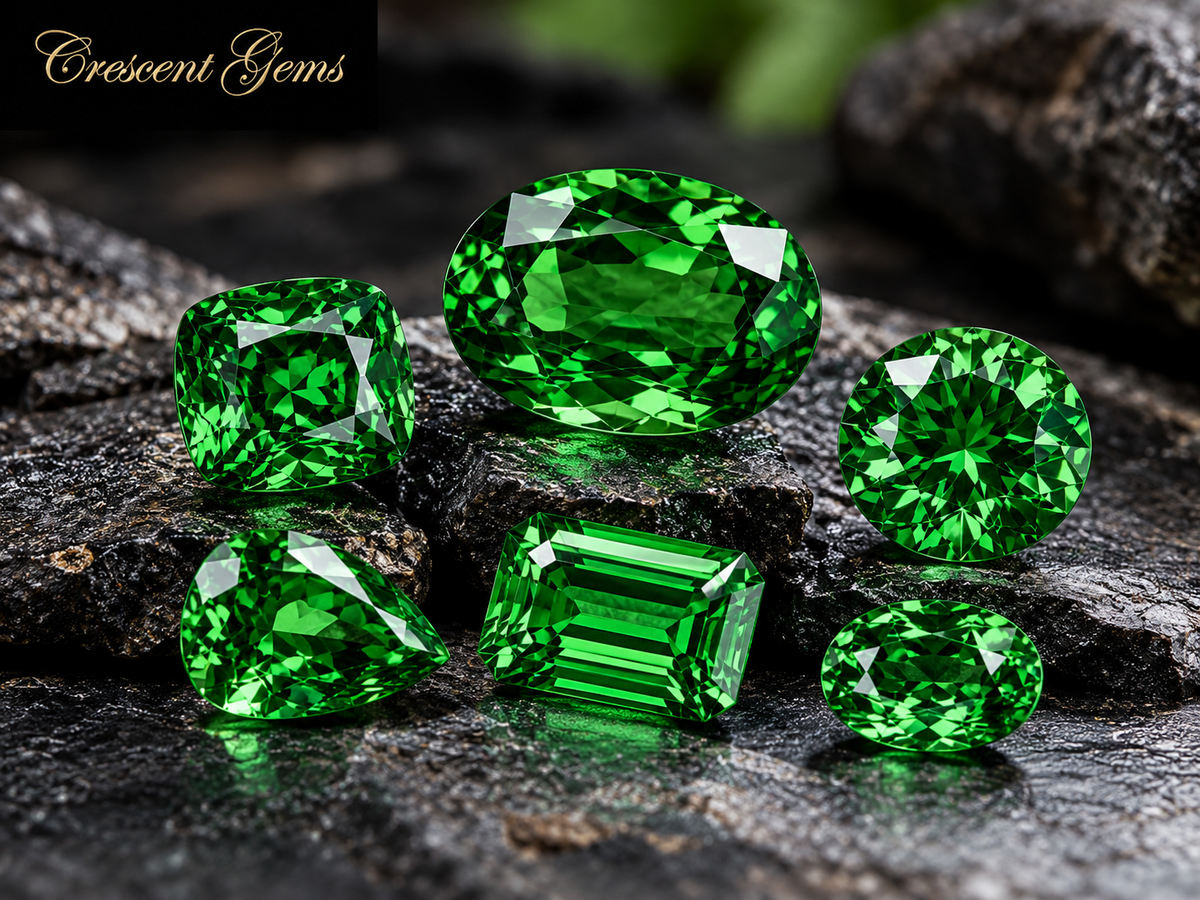
ツァボライトの価格|当店の在庫6点と、グロッシュラー・ガーネットとの違い
ツァボライトはいくらか。当店が現在在庫する6点をすべて示し、重さで値段がどう変わるかを説明します。品質等級表を載せない理由と、大きくて内包物の少ない原石が採れにくい本当の理由もあわせて。
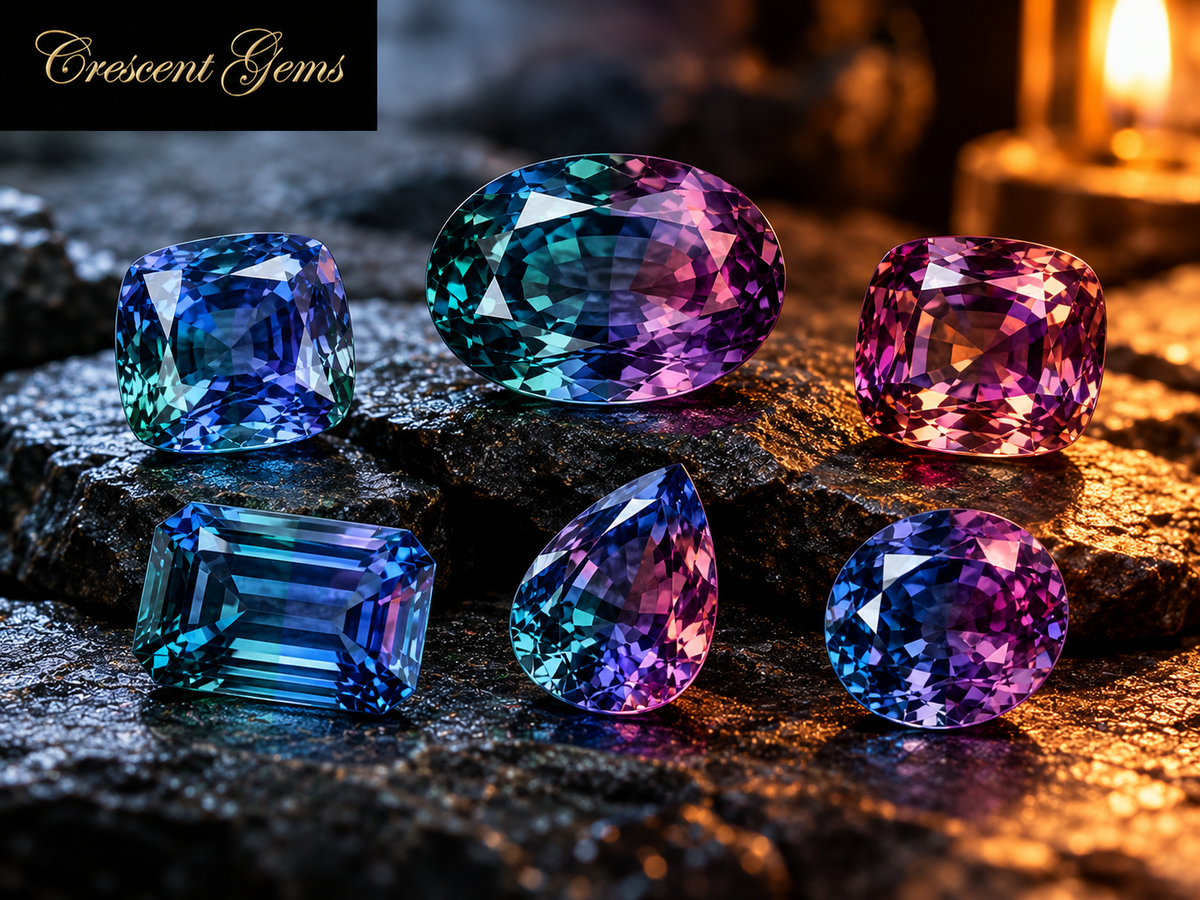
カラーチェンジサファイアの価格|1カラットあたりの相場と、当店にある2点
カラーチェンジサファイアは1カラットあたりいくらか。色と彩度と付帯する書類で価格帯を整理し、カラーチェンジそのものを格付けする機関が存在しないことも説明します。当店の在庫は1.03ctと2.01ctの2点です。
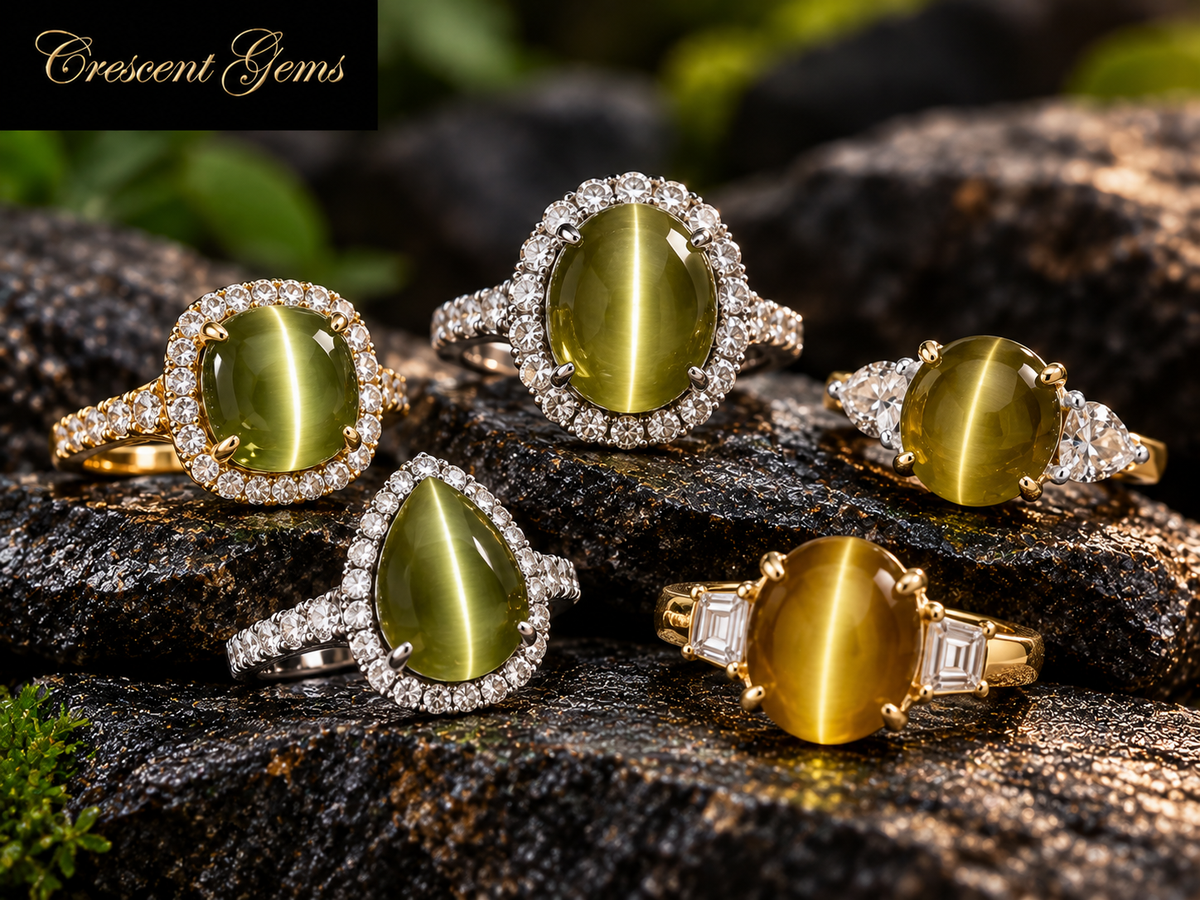
クリソベリル・キャッツアイは婚約指輪に向くか|モース硬度8.5と、留め方とお手入れ
クリソベリルはモース硬度8.5。クォーツ(7)やエメラルド(7.5〜8)より上、コランダム(9)とダイヤモンド(10)より下です。日常的に着ける指輪にとってそれが何を意味するかを、留め方とお手入れとあわせて説明します。
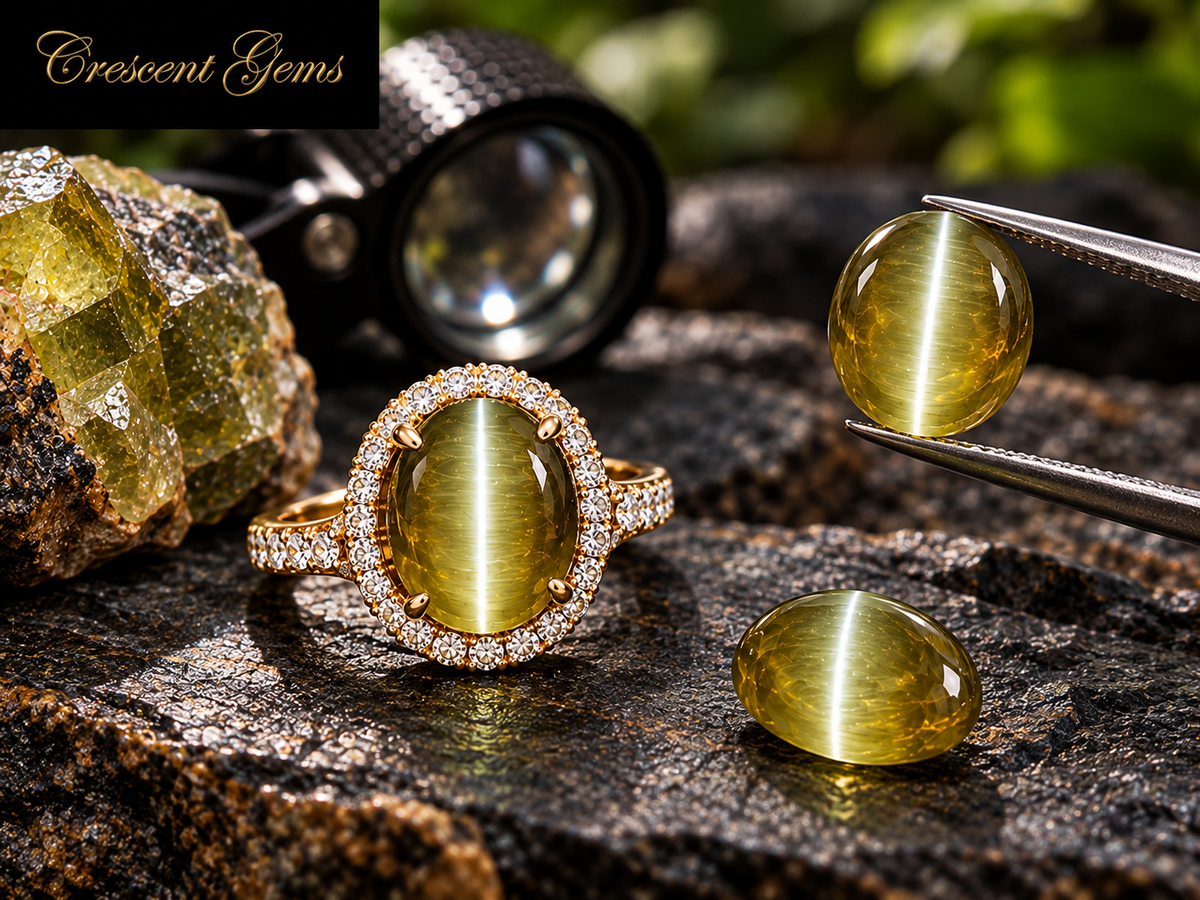
クリソベリル・キャッツアイの価格|1カラットあたりの相場と、当店にある2点
クリソベリル・キャッツアイは1カラットあたりいくらか。大きさと付帯する書類で価格帯を整理し、キャッツアイそのものを格付けする機関が存在しないことも説明します。当店の在庫は2.36ctと4.25ctの2点です。















シェア: