- 著者:Ahmed Shareek
スリランカのピット採掘(竪坑掘り)|セイロンサファイアが地上に出るまでと、産地の裏づけの見方
- 著者:Ahmed Shareek
産地としてのスリランカを先に知りたい方は:セイロンサファイア完全ガイド。川から採る方法は:スリランカの川床採掘。買い方の全体像は:サファイアの選び方完全ガイド。
スリランカは、きわめて長いあいだ宝石を産出してきた島です。GIA(米国宝石学会)はこの島についてこう書いています——「スリランカにおける宝石の利用は、少なくとも2,000年前にさかのぼる。宝石に満ちたこの島は、サンスクリットで『宝石の島』を意味する Ratna Dweepa と呼ばれていた」。同じ記事は、年代記『マハーワンサ』が宝石をはめ込んだ玉座を描いていること、大プリニウスがクラウディウス帝の治世にスリランカの宝石について書き残していることにも触れています。そしてこの2,000年の産出は、ほぼ一つの採掘方法の上に成り立ってきました。沖積の礫層に向かって人の手で掘り下げていく、ピット採掘です。
この記事は、その方法を工程として説明します。あわせて、日本の買い手にとって実際に効く二つのことも書きます。産地の記述にはどれだけの裏づけがあるのか、そして採掘の話からは何がわかって何がわからないのかです。採掘の物語は産地(プロヴェナンス)についての主張であって、石の出来についての主張ではありません。この区別は、日本では景品表示法の問題にもなります。後段で検算の手順まで書きます。
セイロンという呼び名について。セイロンサファイアは取引上の通称で、産地の事実としての表記はスリランカです。当店はどちらも使いますが、指しているものは同じ——この島の地中から出てきたサファイアです。鑑別書の原産地欄に印字されるのは Sri Lanka であって、セイロンではありません。

ピット採掘は、垂直の坑(竪坑)を掘り下げて、沖積の宝石を含む礫層に届かせる方法です。この礫層を、スリランカの宝石地帯では illama と呼びます。表土・粘土・堆積物が数メートル積み重なった、その下にあります。坑は人の手で掘られ、壁面は縦の木杭と横の梁で補強され、礫層に達したところで坑底から横に掘り広げていきます。
illama は当店が使う綴りです。GIA は同じ語を illam と綴っており、このページの引用と出典注記では GIA の綴りをそのまま残しています。日本語の文中では、以後は宝石礫層と書きます。
現地の言葉については、カタカナに写し取らず、ラテン文字のまま一度だけ出して、あとは日本語で書く方針をとっています。カタカナにしてしまうと、日本の宝石業界で使われている外来語のように見えてしまうからです。これらはシンハラ語の現場語であって、日本の取引用語ではありません。
| 現地の語 | 意味 | この記事での書き方 |
|---|---|---|
| illama | 宝石を含む沖積の礫層。採掘がねらう層そのもの | 初出のみ illama、以後は宝石礫層。GIA 由来の引用では GIA の綴り illam のまま |
| menik wattiya(මැණික් වට්ටිය) | 礫を洗うための、浅く口の広い籐編みの笊 | 初出のみ menik wattiya、以後は笊または洗い笊 |
| Ratnapura(ラトゥナプラ) | シンハラ語で「宝石の町」。島の宝石取引の中心地 | 地名として定着しているためラトゥナプラ |
GIA のスリランカ現地報告は、坑の標準的な寸法を示しています——「スリランカの標準的なピット鉱山は、2メートル×4メートルの竪坑からなる……深さは50メートルに達することもあるが、大半の坑は5メートルから25メートルのあいだである」。スリランカ輸出開発庁(EDB)も同じ深さの幅を挙げ、さらに採掘許可は通常0.5エーカーから2エーカーに対して出され、一つの坑に7人から10人の採掘者が入ると記しています。
この島の宝石生産は、そのほとんどが母岩を切り出す採掘ではなく、沖積鉱床からの採掘です。GIA の記述では——「スリランカの産地はほぼすべてが沖積性で、illam と呼ばれる宝石を含む礫が濃集している」。つまり、一本の坑が追っているのは鉱脈ではありません。地中に埋まった昔の川底です。
一本の坑の採算は、たった一つの判断にかかっています。宝石を含む礫層に届いたか、そしてこの礫は掘る価値があるか。この判断は坑底で、目と手だけで、しかも掘りながら絶えず下されます。
宝石礫層は、色・手ざわり・重さで見分けられます。上にある粘土や砂より色が濃く、持つと重い。角ばった破片ではなく、水に洗われて丸みを帯びた粒でできています。埋まる前に川が選別したものだからです。その中には、宝石と一緒に運ばれてきた重鉱物が混じります。黒いイルメナイトとマグネタイト、よく円磨されたジルコンの小石、ガーネット。これらが豊富な礫は、コランダムも一緒に落とすような流れの条件で堆積した礫です。石英の砂ばかりの礫は、そうではありません。
これは測定ではなく、読み取りです。現場に計器はなく、分析もしません。やっているのは、いま手にしている礫を、これまで扱ってきた礫と比べることです。スリランカの宝石現場でもっとも価値のある技能であり、同時にもっとも文章にしにくい部分でもあります。
宝石の坑は、雇用主と従業員という関係ではなく、小さな共同事業です。GIA の現地報告は、通常の取り決めをこう説明しています——「通常この事業には複数の関係者がいる。土地所有者、採掘権の保有者、坑から水を抜く揚水ポンプを提供する者、そして採掘者たちである」。土地、許可、設備、労働と、出すものはそれぞれ違い、採れたものの取り分は掘りはじめる前に合意した条件で分けられます。
実務上の効果がひとつあります。現場の誰も、引き渡した石の数で支払われていません。取り分はその坑が全体で何を産んだかで決まる。だからこそ原石は、分け前を持つ全員の前で、地上に上げたその場で検分され記録されます。
規模の感覚として、スリランカ輸出開発庁は採掘に関わる人口を「およそ7万人」、坑の数を「およそ6,600」としています。数社の企業ではなく、きわめて小さなチームに分かれた数万人、というのがこの産業の形です。
この記事に出てくる数字を一覧にしておきます。出典はすべて末尾に挙げたものです。いずれも公表資料の数字であって、当店の在庫や当店の取引から計算したものではありません。
| 項目 | 数字 | 出典 |
|---|---|---|
| 竪坑の断面 | 約 2 m × 4 m | GIA(Mine to Market Part 1) |
| 坑の深さ | 大半は 5〜25 m、最大で 50 m | GIA/スリランカ輸出開発庁 |
| 許可区域の広さ | おおむね 0.5〜2 エーカー | スリランカ輸出開発庁 |
| 一坑あたりの採掘者 | 7〜10 人 | スリランカ輸出開発庁 |
| 採掘に関わる人口 | およそ 70,000 人 | スリランカ輸出開発庁 |
| 坑の数 | およそ 6,600 | スリランカ輸出開発庁 |
| 2013 年の採掘許可 | 6,500 件超のうち 6,000 件超が伝統的ピット採掘、機械化は 10 件ほど | GIA |
| 許可と実際の採掘の差 | 6,000 件の許可に対し、およそ 40,000 件の採掘(NGJA 局長の見積もり) | Earth Journalism Network(2024年10月) |
運搬そのものが選別をしています。礫層にたどり着いた素材は、何度も動かされ、転がされ、積み直されてきました。大きな内部割れを抱えた結晶は、その過程を無傷で通り抜けにくい。結果として残るのは、緻密で内部の健全な原石のほうに偏ります。川の礫が石を良くするのではなく、もろい素材が上流のどこかで砕けてしまった、というだけのことです。これが仕上がった石を見るときに何を意味するかは、サファイアのインクルージョンの読み方で扱っています。
一つの礫層、多くの石種。スリランカの一本の宝石坑から、同じ層のうちにブルーサファイア、イエローサファイア、ピンクサファイア、スターサファイア、キャッツアイ・クリソベリル、アレキサンドライト、スピネルが出ることがあります。これは地質から導かれます。この礫を供給しているハイランド・コンプレックスは高変成度の変成帯であり、それを削った水系が、一緒に沈むだけの密度を持つものをすべて集めたからです。
スリランカの宝石採掘は許可制で、許可には原状回復の義務が付いています。ここは曖昧にされやすい箇所なので、二つを分けて正確に書きます。
規則が定めていること。GIA の現地報告はこう記します——「採掘区域での作業が終われば、竪坑または露天の坑は NGJA が執行する規則に従って埋め戻さなければならない」。この義務には金銭的な裏づけがあります——「国立宝石宝飾品公社(NGJA)は、許可の発給時に現金の供託を徴収する。採掘終了後に鉱山所有者が土地を回復しない場合、NGJA はその供託金をその目的に充てる」。スリランカ輸出開発庁は理由も書いています。この規則は「地下水の汚染、景観の損壊、蚊の発生を防ぐため、採掘作業の完了後に竪坑および露天の坑を埋め戻すことを求める」ものです。
機械化は制限されていて、数字がそれを示しています。GIA は、2013年に発給された6,500件を超える許可のうち6,000件超が伝統的なピット採掘向けであったこと、そして「機械化採掘の許可はきわめて厳格な指針に従っており、2013年に発給されたのは10件ほどにすぎない」ことを記録しています。人力で掘る坑は懐古趣味ではなく、許可の圧倒的多数がそれに対して出ているということです。
規則が教えてくれないこと。要件は遵守率ではありません。そして当店は、前者を後者のように見せるつもりはありません。アース・ジャーナリズム・ネットワークが2024年10月に公表した取材記事は、ラトゥナプラ周辺の農地に、覆いもされず水の溜まった坑が残されている状況を報じています。家畜や人が落ちたこと、井戸が涸れたことを住民が語っており、一方で NGJA は情報公開請求への回答として、2021年1月から2023年8月のあいだ、当該地域で未閉鎖の坑があるとの認識はないと答えています。同じ記事は、NGJA の G.W. アマラシリ局長の発言をこう引用しています——「現在、発給済みの6,000件の許可に対して、およそ40,000件の宝石採掘が行われている」。この数字が正しいとすれば、島で同時に進んでいる掘削の大半は、原状回復の義務がぶら下がっている許可制度の外側にある、ということになります。
だからこの記事は、スリランカをほかの宝石産出国と並べて順位づけしません。順位づけの根拠に引けるもの——小規模な宝石採掘の環境への負荷を国ごとに比較した公表研究——を当店は実際に探しました。探した範囲では、当店が責任を持って引けるものは見つかりませんでした。だから順位は当店が付けるものではありません。よそでそうした順位づけに出会ったら、それがどの研究に立っているのかを尋ねてみる価値があります。当店が言えることは限定的で具体的です。当店が買っている坑は人力で掘られ、許可を受けており、埋め戻されていて、周囲の土地は耕作に戻ります。これは現地で買っている当店自身の見聞であって、産業全体についての調査結果ではありません。
ここから先は、日本の買い手にとっての実務です。採掘の話は産地についての主張ですから、まず産地がどの書類にどう書かれるのかを押さえておく必要があります。
まず用語です。日本で色石に発行されるのは鑑別書で、石の種類や処理の有無を記載する書類です。鑑定書はダイヤモンドの 4C グレーディングレポートを指す別の書類で、色石には発行されません。海外では GIA、国内では中央宝石研究所(CGL)の鑑別書が広く信頼されています。ソーティング(ソ付)は鑑別書ではありません。簡易的な結果を記した紙片であり、正式な書類の代わりにはなりません。
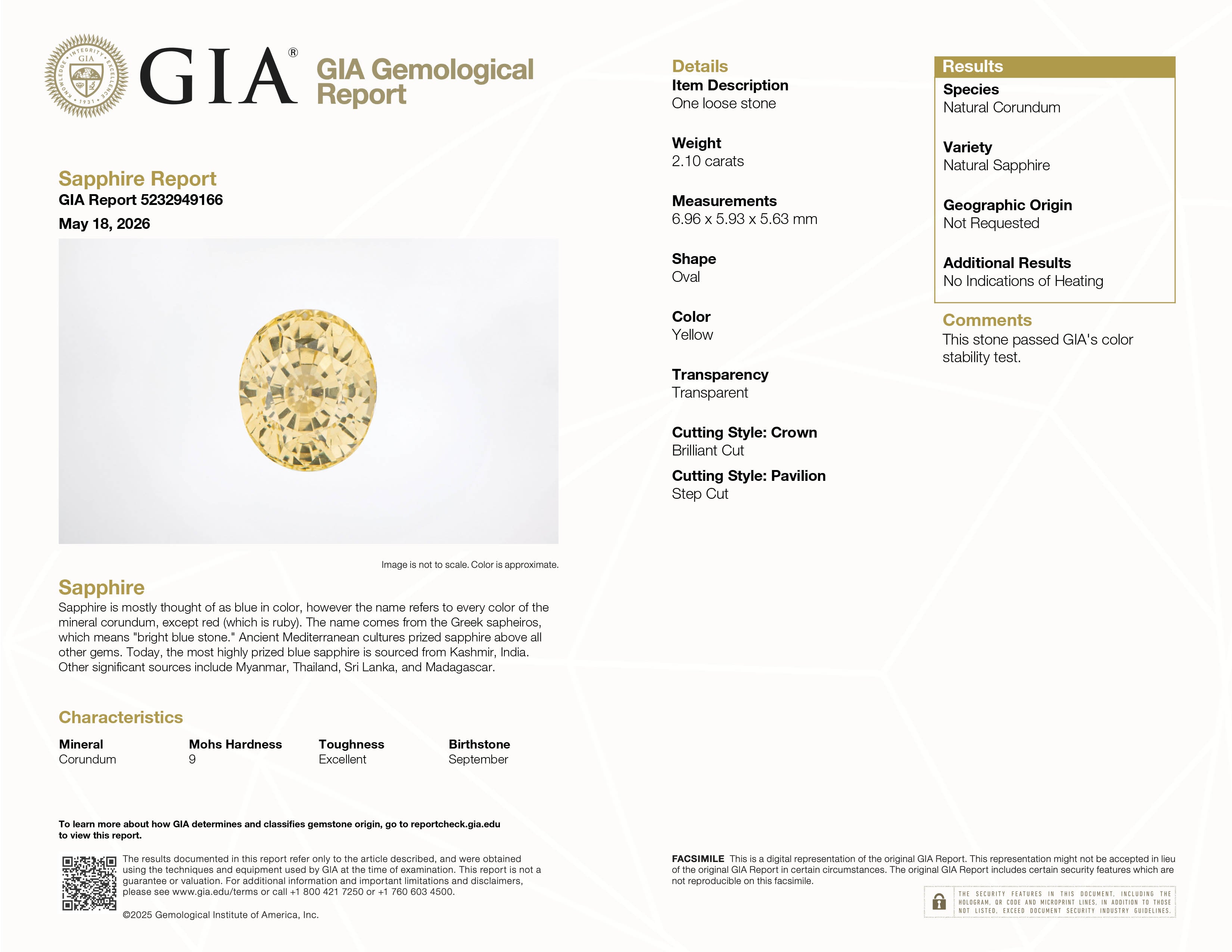
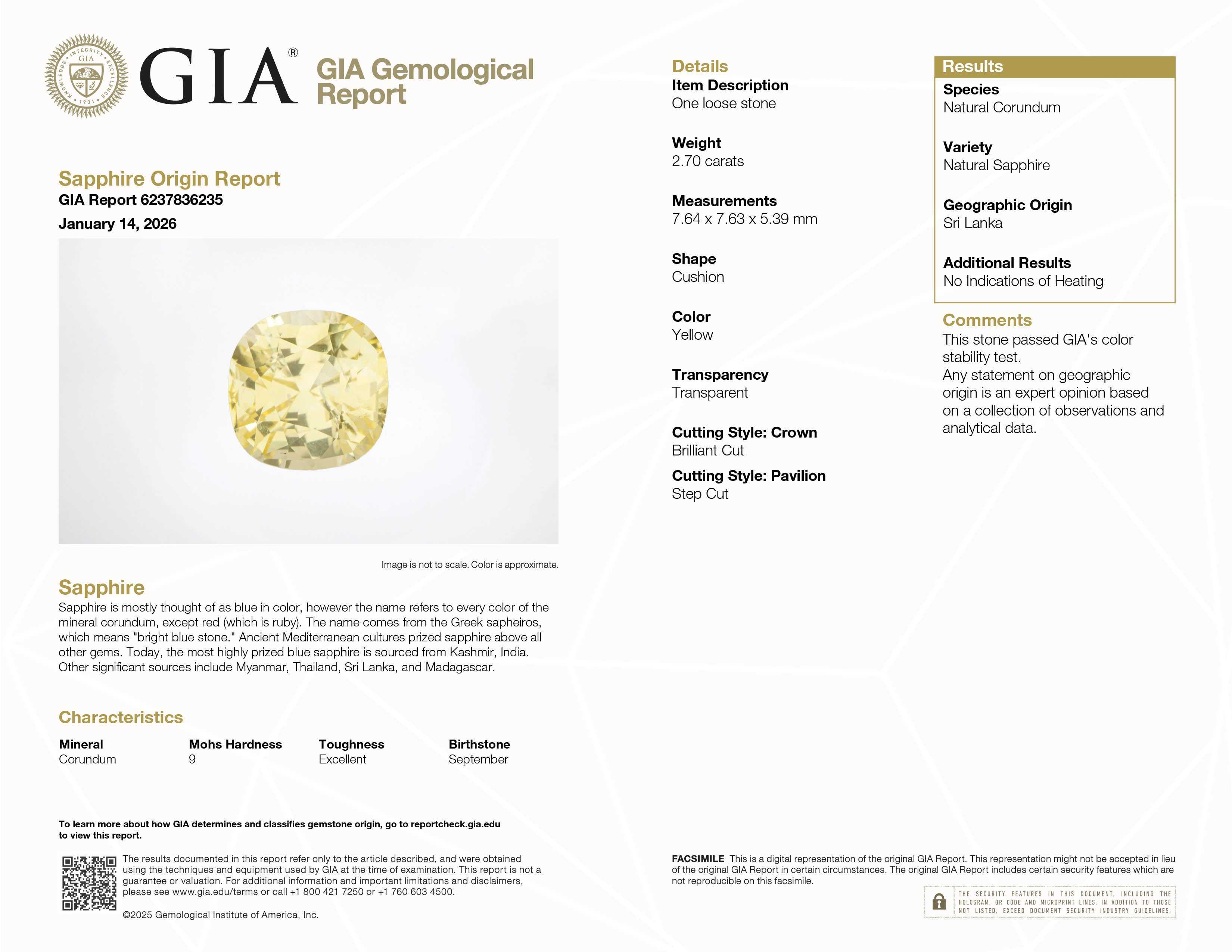
産地は、鑑別書の標準項目ではありません。国内では原産地鑑別という別メニューで、依頼して初めて付くものです。CGL のサービス名は「原産地鑑別」、GIA 日本語版の商品名は「カラーストーン鑑別及び原産地レポート」です。GIA の紙そのものは、印字された英語の見出しで呼ぶのが正確です——GIA Colored Stone Identification & Origin Report のように。日常会話で GIA レポートと言うのは差し支えありませんが、鑑定書と呼ぶのは誤りです。
| 書類 | 発行対象 | 記載されること | 産地は載るか |
|---|---|---|---|
| 鑑別書 | 色石(サファイアなど) | 石種、処理の有無、重量・寸法など | 標準では載りません |
| 原産地鑑別/原産地レポート | 色石(依頼したものだけ) | 上記に加えて、原産地についての所見 | 載ります。ただし「見解」として |
| 鑑定書 | ダイヤモンドのみ | 4C のグレーディング | 色石には発行されません |
| ソーティング(ソ付) | 色石・ダイヤモンド | 簡易な結果を記した紙片 | 正式な書類の代わりにはなりません |
そして肝心なのは、原産地の記載が何であるかです。GIA はその所見のそばに自ら但し書きを印刷しており、言い換えるより、そのまま引用します——「産地に関するいかなる記載も、多数の観察結果と分析データにもとづく専門家の見解です」。見解であって、確定ではありません。鑑別機関は産地を記載するのであって、保証するのではありません。
産地は品質等級でもありません。石がどこで生まれたかと、どのように見えるかは別々の所見であり、一方を他方のように値付けする習慣は、そろそろやめたほうがよいと当店は考えています。GIA のサファイアレポートの読み方もあわせてご覧ください。
日本には、産地や採掘の物語を点検するのにちょうどよい法律があります。景品表示法の不実証広告規制(第7条第2項)です。消費者庁が表示の裏づけとなる資料の提出を求めたとき、事業者は15日以内に出さなければなりません。しかもその資料は、客観的に実証されていることに加えて、表示された内容に対応している必要があります。
実務で効くのは、後半の「対応している」のほうです。順に当てはめてみてください。
これは売り手を疑うための道具ではなく、主張と書類を突き合わせるための道具です。当店にもそのまま当てはまります。だから当店は、この記事の採掘の記述を、石の出来の保証に転用しません。
当店はスリランカで原石と半加工の素材を買っています。買う相手は採掘者であり、ラトゥナプラとベルワラのディーラーやブローカーです。買った素材の多くは当店自身で研磨します。たいていのパーセル(原石の束)については、県まで、しばしば坑や川の区間まで申し上げることができます。
申し上げないことも決めてあります。それがほかの供給網と比べてどうなのか、そしてそれを価格の主張に変えることです。ほかの売り手がいくらで仕入れているのか、その石が手元に届くまでに何人の手を経たのか、利幅がいくらなのか、当店は知りません。知らないことについて書いた文は、どれも作り話になります。ですから当店は当店の話だけを書き、比較には手を出しません。
石そのものについても同じ慎重さが要ります。サファイアがどう地上に出てきたかは、仕上がった石の丈夫さについて何も語りません。割れを抱えた素材は研磨の段階で削り落とされます。お手元に届くのは、カットを生き延びた原石の結果であって、それを持ち上げた道具の結果ではありません。
当店のカタログにあるセイロンサファイアは、スリランカの土の下の礫層から始まっています。ただし、当店が扱う石のすべてがスリランカ産というわけではありません。マダガスカル産のサファイアや、少数ながらタンザニア・東アフリカ・ベトナム産の石、そしてケニア産のツァボライトガーネットも扱っています。産地は一点ごとに商品ページに記載していますので、この記事はあくまでスリランカ産の部分についての記事としてお読みください。範囲としては大きい部分ですが、全部ではありません。
買い付けた石はカットと研磨を経て撮影され、処理の有無を明記したうえで出品されます。
日本へは、FedExまたはUPSの追跡可能な国際便でお届けします。ご注文額が499米ドル相当(約8万円)を超える場合、日本への送料は無料です(それ以下は一律60米ドル相当)。商品到着から14日以内にご連絡いただければ、返品を承ります。日本からの返送料はお客様のご負担となり、事前に概算をご案内します。
当店の石の価格は、各商品ページにお客様の地域の通貨で表示されます。価格は変動することがあり、日本の輸入消費税は含まれていません。天然の宝石(関税番号71.03)に関税はかかりませんが、輸入消費税(課税価格の10%)が課される場合があり、その際はお届け時に配送業者へお支払いいただきます。個人使用の輸入で課税価格が1万円以下(商品代金でおよそ16,666円以下)の場合は免税です。
石を選んだあとの指輪の設計については、オーバルサファイアのガイド、クッションカットのガイド、一石留めに向く形のガイド、ヘイローリングのガイド、地金の比較ガイドをご覧ください。価格の見当をつけるには、サファイアの価格の決まり方、1カラットの相場、2カラットの相場が役に立ちます。保険については宝飾品保険のガイドをどうぞ。
ルースの取り扱い一覧をご覧いただくか、ご希望の条件を添えて crescentgems@gmail.com までお送りください。一営業日以内にご返信します。
宝石を含む礫層まで、人の手で垂直の坑を掘り下げ、坑底からその層に沿って横に掘り進む方法です。スリランカではこの礫層を illama と呼びます。掘り出した礫は籠で地上に上げて洗い、密度の高い宝石鉱物を残しながら、砂と粘土を水で流し去ります。GIA は、スリランカの坑の大半が深さ5メートルから25メートルのあいだにあると記録しています。
必要です。国立宝石宝飾品公社(NGJA)が根拠法の第15条にもとづいて宝石採掘許可を発給します。GIA は、2013年に発給された6,500件を超える許可のうち、6,000件超が伝統的なピット採掘向けで、機械化採掘向けは10件ほどであったと記録しています。また NGJA は、地質調査鉱山局(GSMB)が発給する探査許可では宝石採掘はできないとしています。
あります。しかも供託金による裏づけがあります。GIA は、採掘の終了後に竪坑または露天の坑を NGJA が執行する規則に従って埋め戻さなければならないこと、NGJA が許可の発給時に現金の供託を徴収し、所有者が土地を回復しない場合はその供託金を回復に充てることを報告しています。スリランカ輸出開発庁は、その理由を地下水の汚染・景観の損壊・蚊の発生の防止としています。ただし、すべての現場が実際に回復されているかどうかは別の問題です。アース・ジャーナリズム・ネットワークの2024年の報道は、ラトゥナプラ近郊の農地に埋め戻されないまま残された坑を記録しており、6,000件の許可に対しておよそ40,000件の採掘が行われているとする NGJA 局長の見積もりを引用しています。
ほとんどの色のサファイアに加えて、ルビー、キャッツアイをはじめとするクリソベリル、スピネル、ガーネット、ジルコン、ムーンストーンが採れます。よく知られているのはブルーとファンシーカラーのサファイアです。同じ礫層から複数の石種が出ることは珍しくありません。その鉱床をつくった水系が、一緒に沈むだけの密度を持つものをすべて集めたからです。
当店が主張として申し上げられるような形では変わりません。内部に割れのある原石は研磨の段階で削り落とされますので、仕上がった石の健全さは、カットを生き延びた素材によって決まるのであって、どうやって地中から取り出されたかによって決まるのではありません。目の前の石そのもの——色、透明度、そして商品ページと鑑別書に書かれていること——でご判断ください。採掘方法はその材料になりません。

CG8307

CG8366
CG8313
CG8451
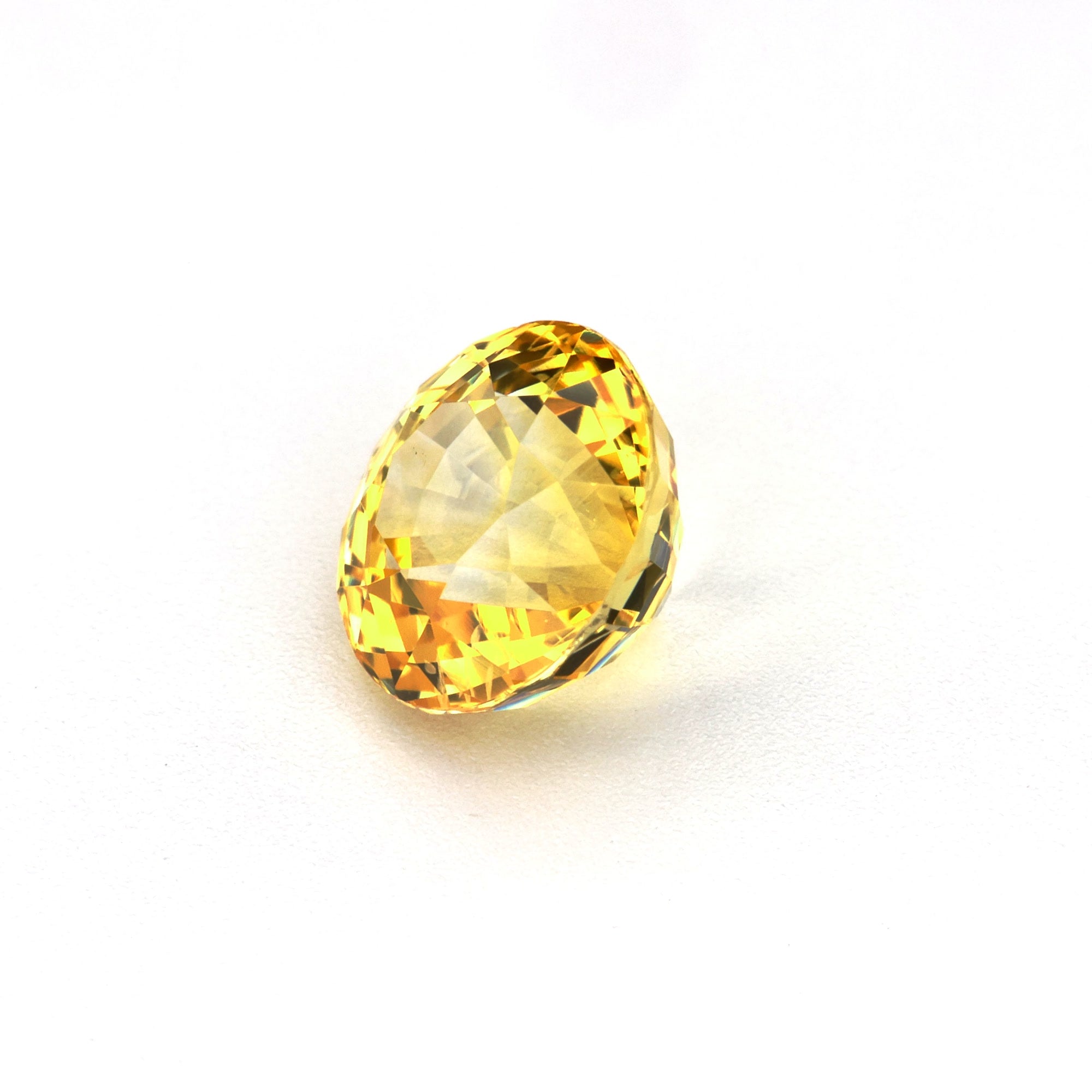
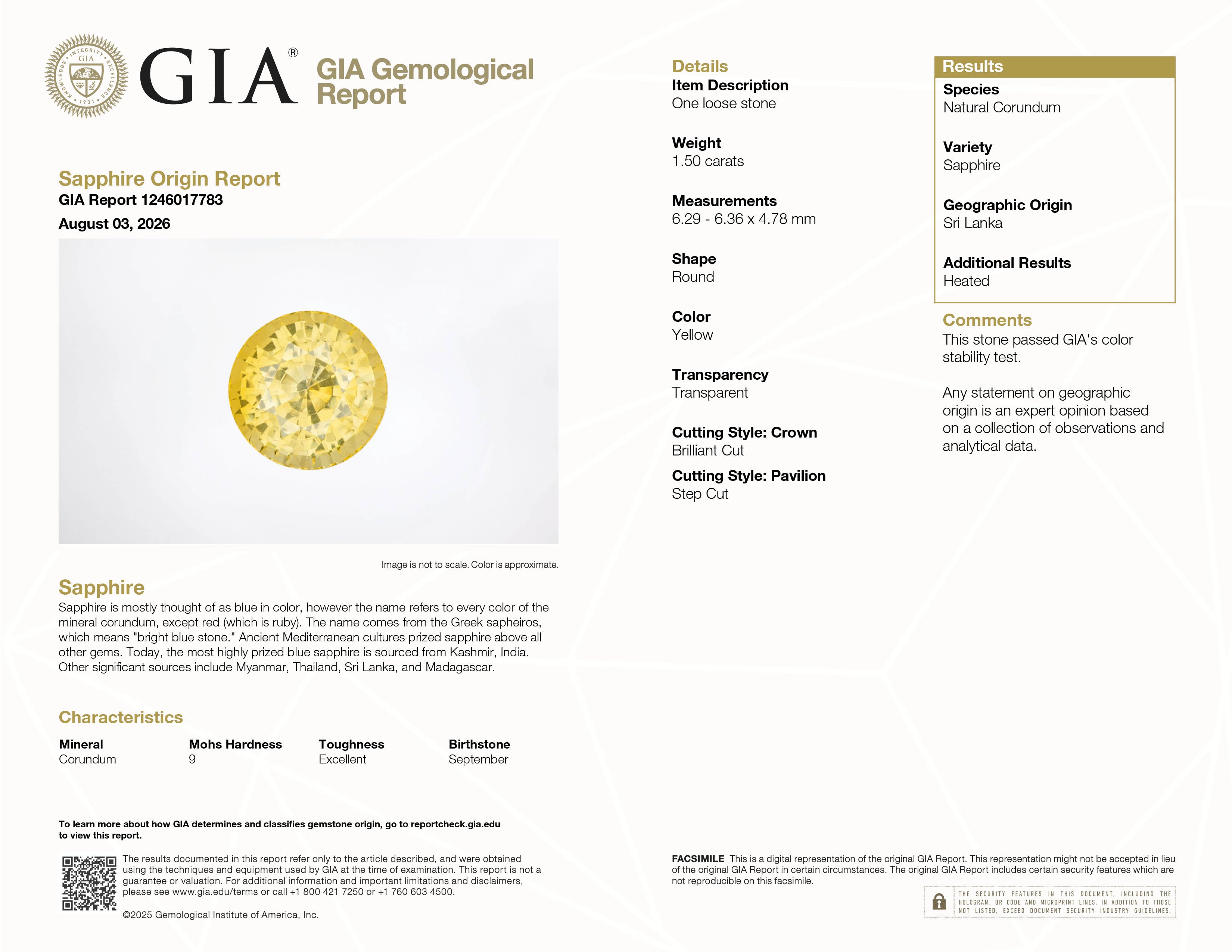
天然イエローサファイア 1.50ct 加熱 ラウンドカット GIAレポート付 スリランカ(セイロン)産
CG8446
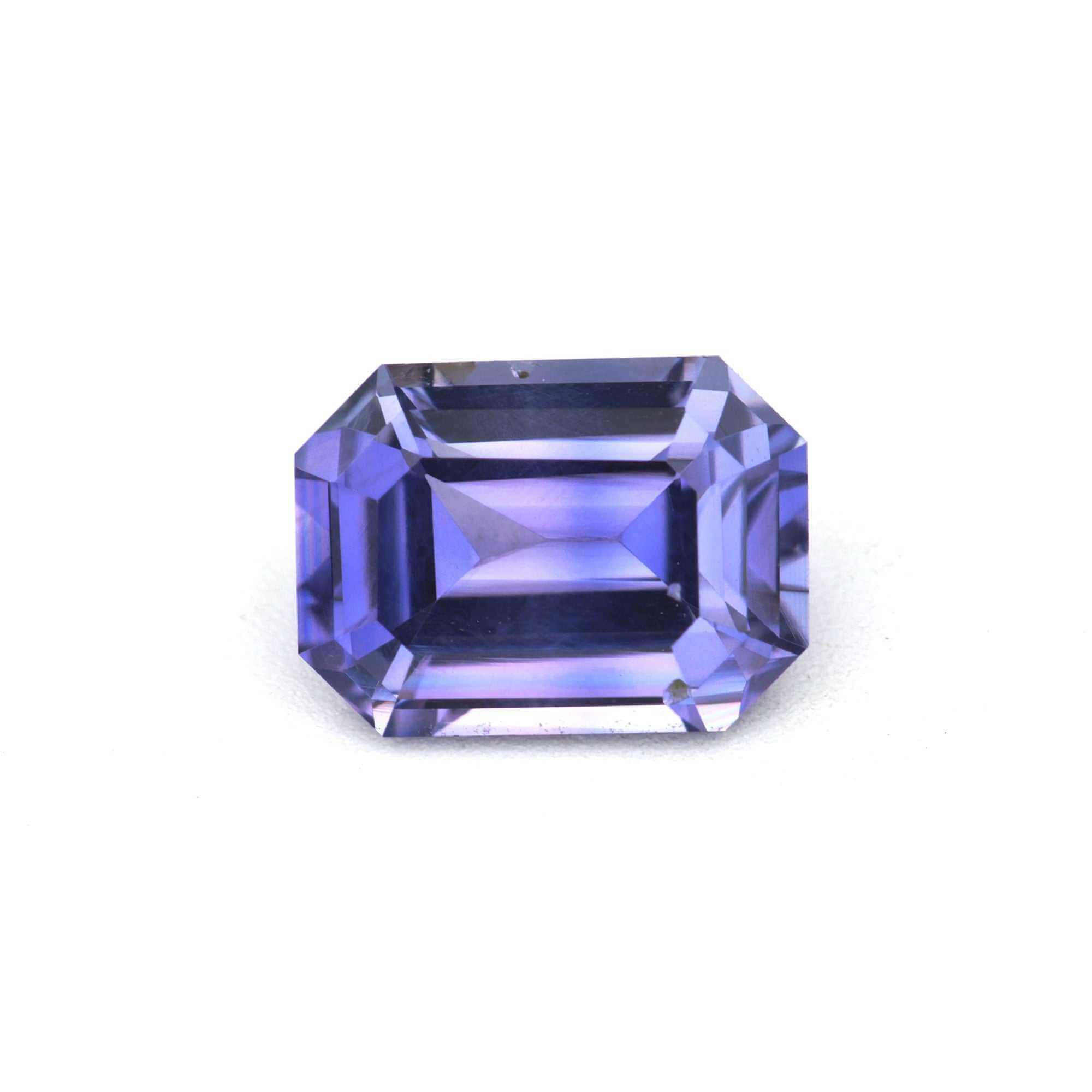
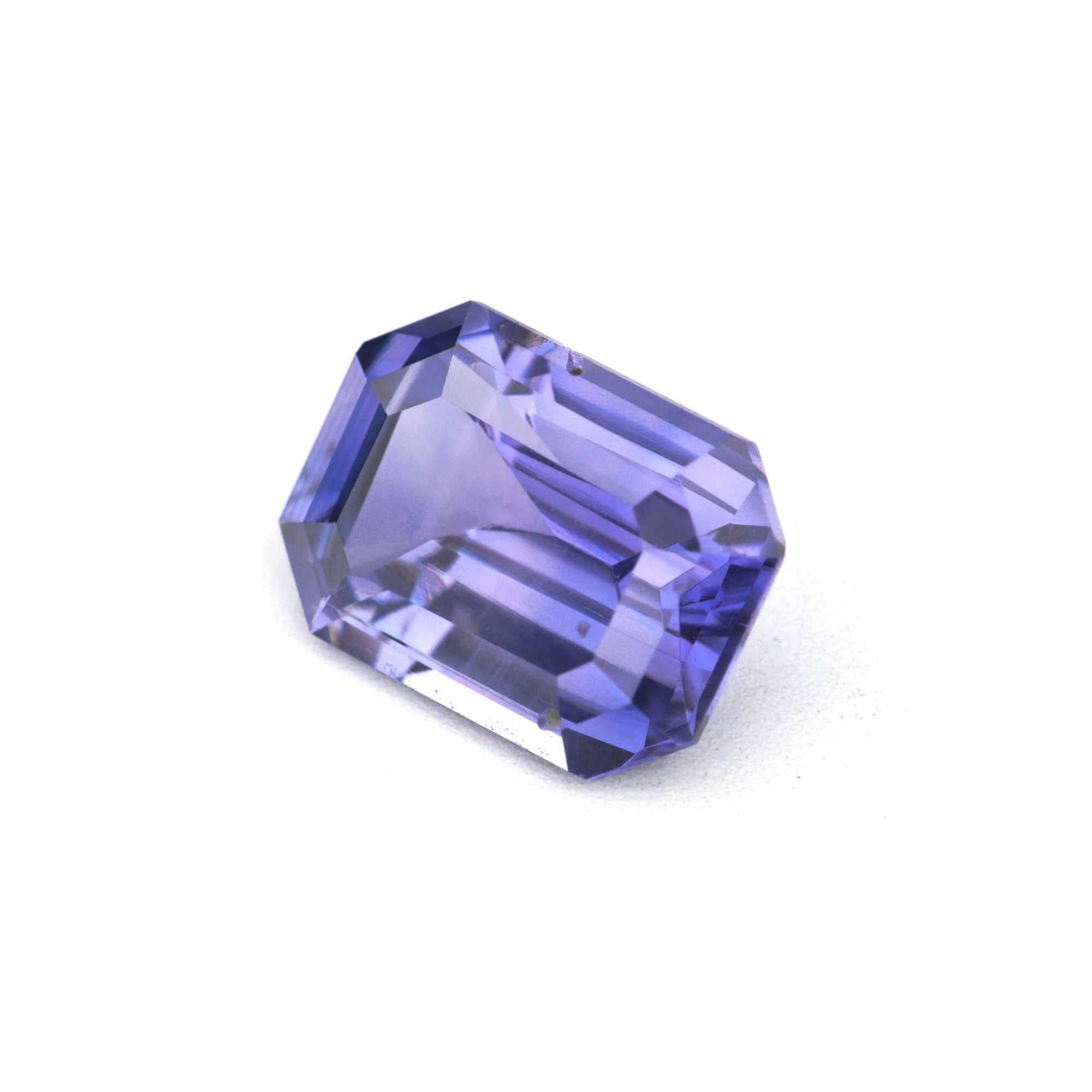
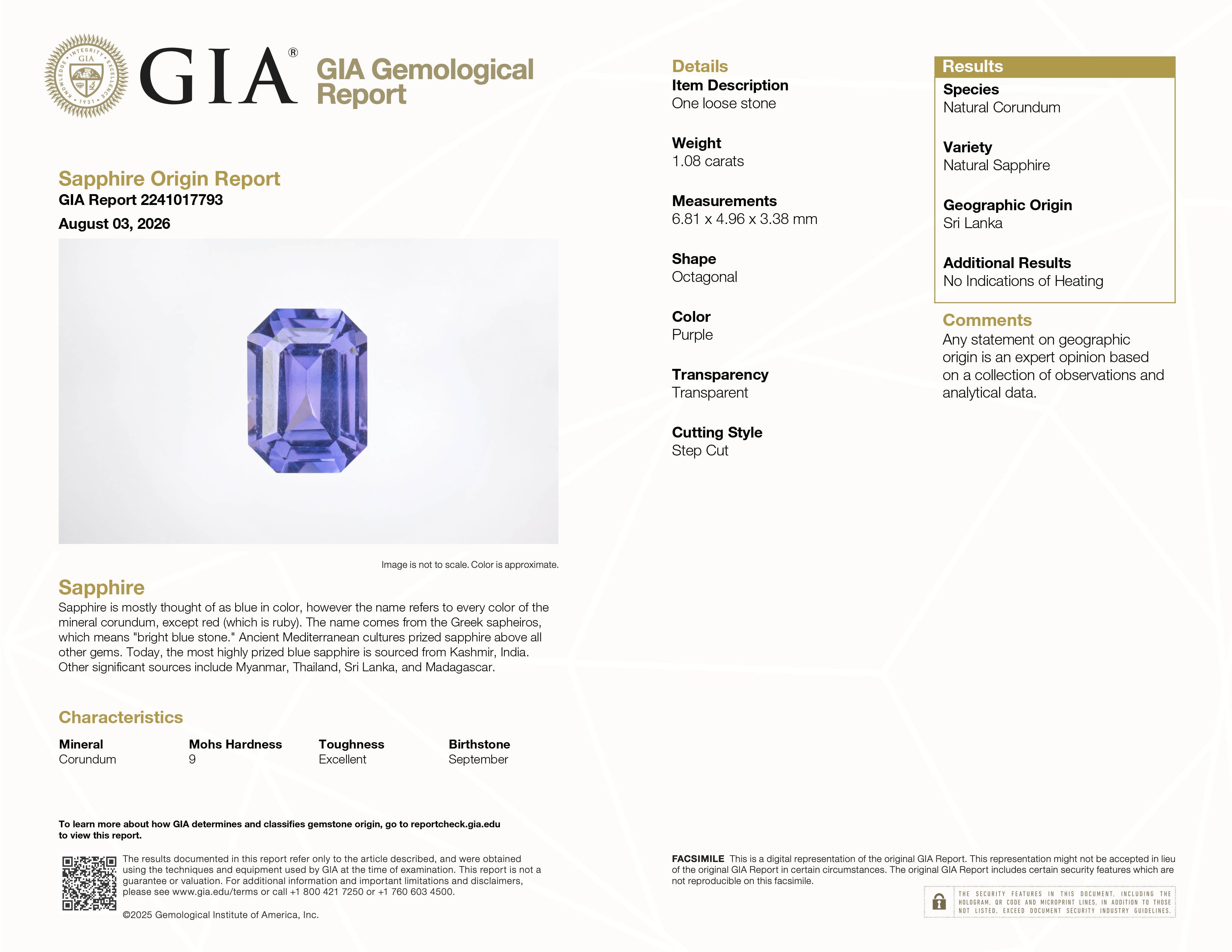
パープルサファイア 1.08ct 【加熱の痕跡なし】 スリランカ産 GIAレポート付
CG8445
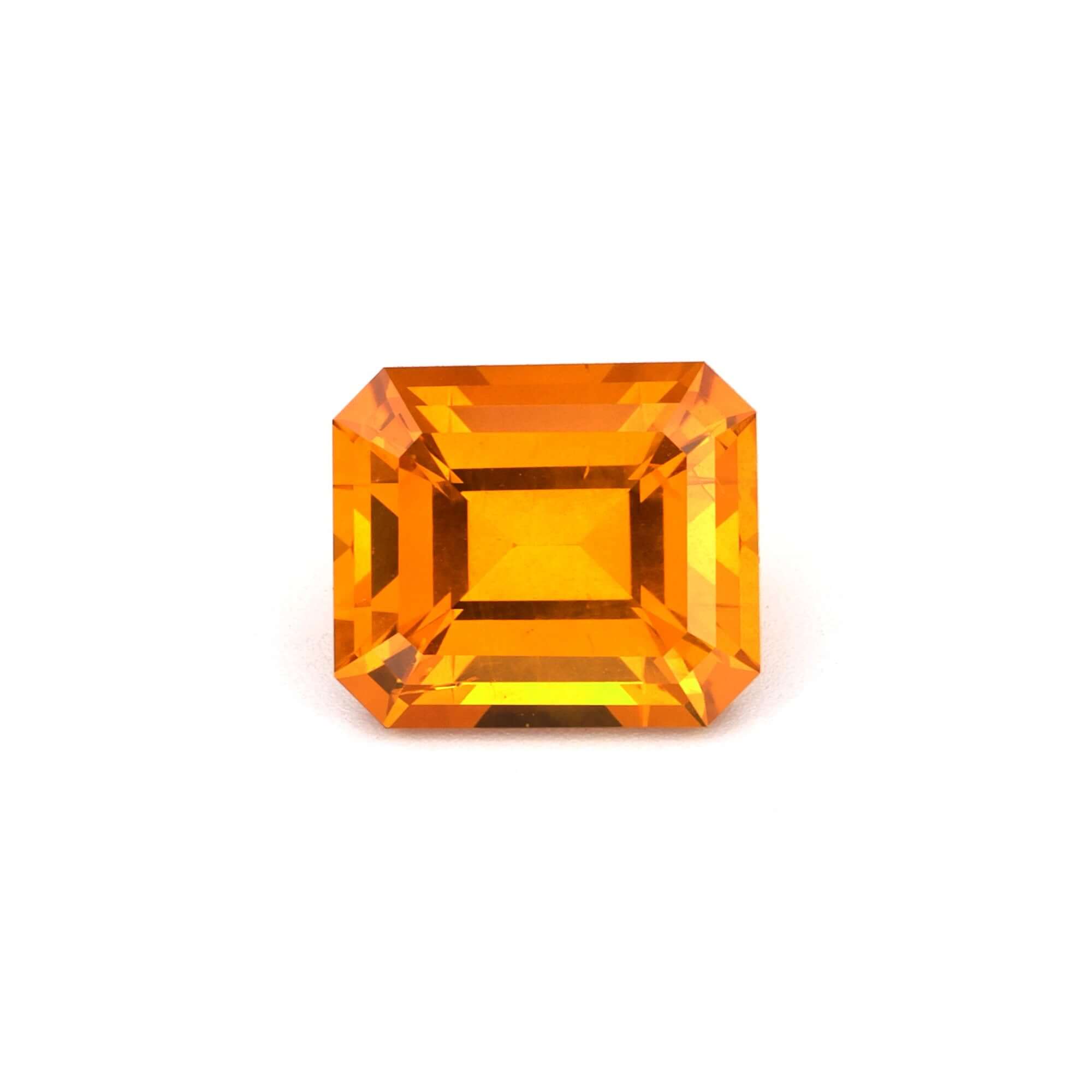
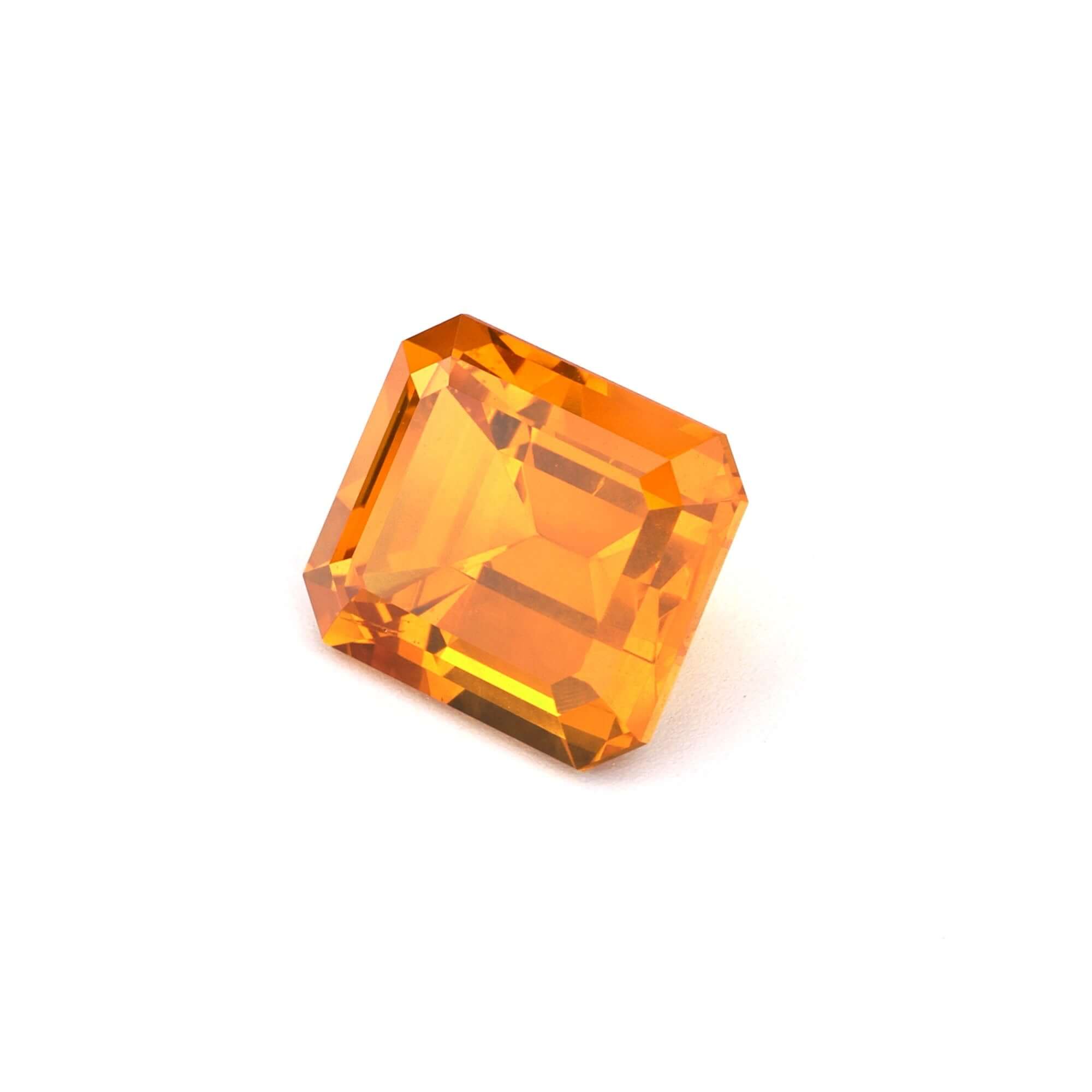
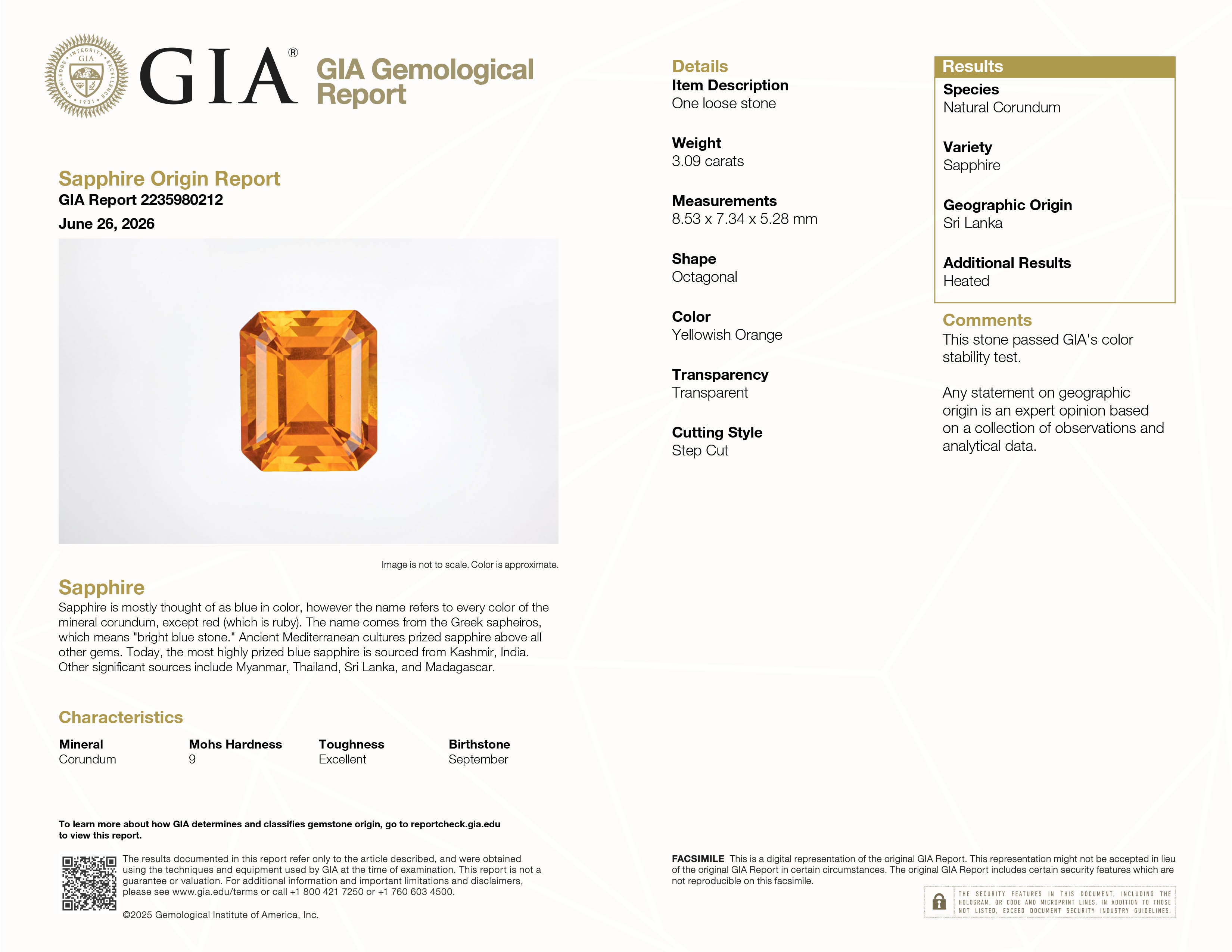
天然オレンジサファイア(加熱)3.09ct エメラルドカット GIA鑑別書付
CG8433
CG8434
CG8431
CG8438


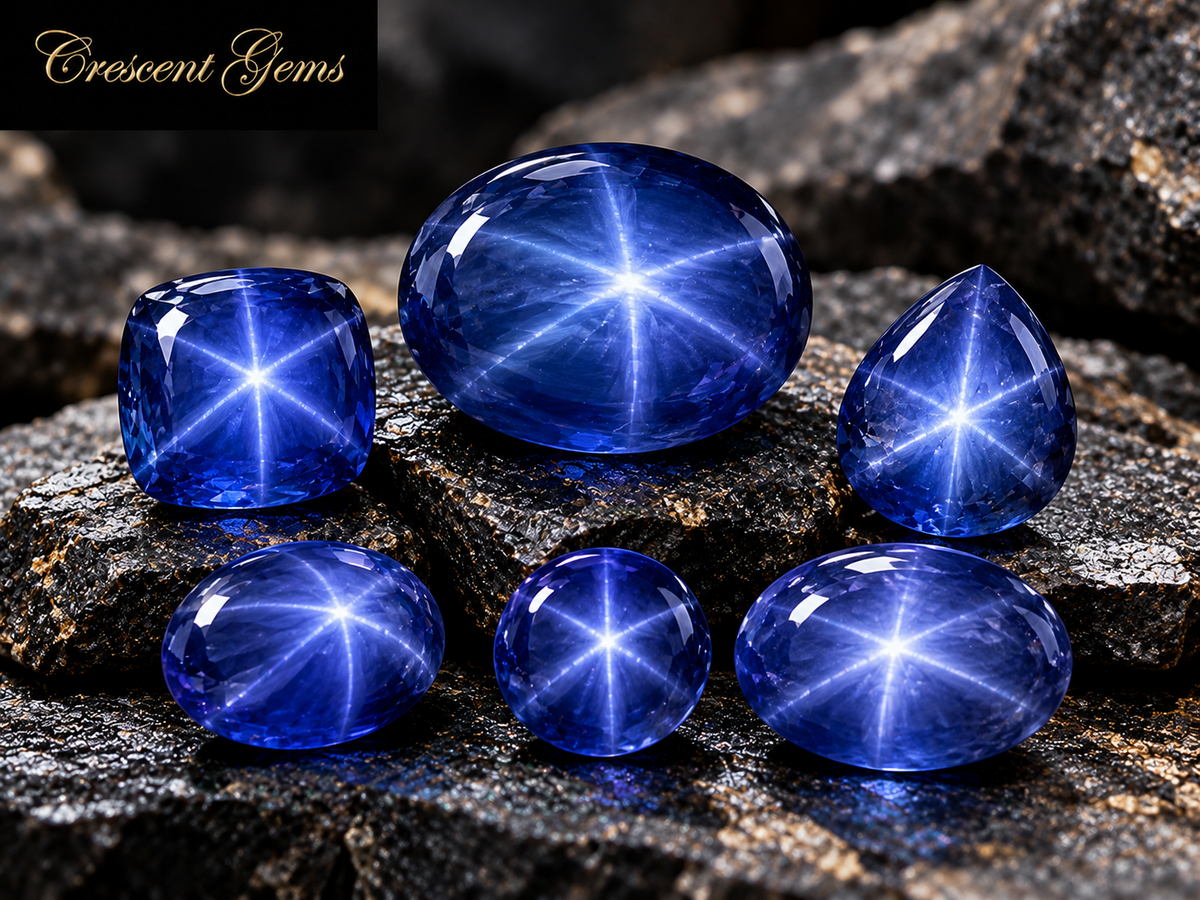
ブルースターサファイアの価格|1カラットあたりの相場と、当店にある8.09ctの1点
ブルースターサファイアは1カラットあたりいくらか。地色・重量・付帯する書類の三つで価格帯を整理し、現象を格付けする機関が存在しないことも説明します。当店の在庫は8.09ctの1点のみです。
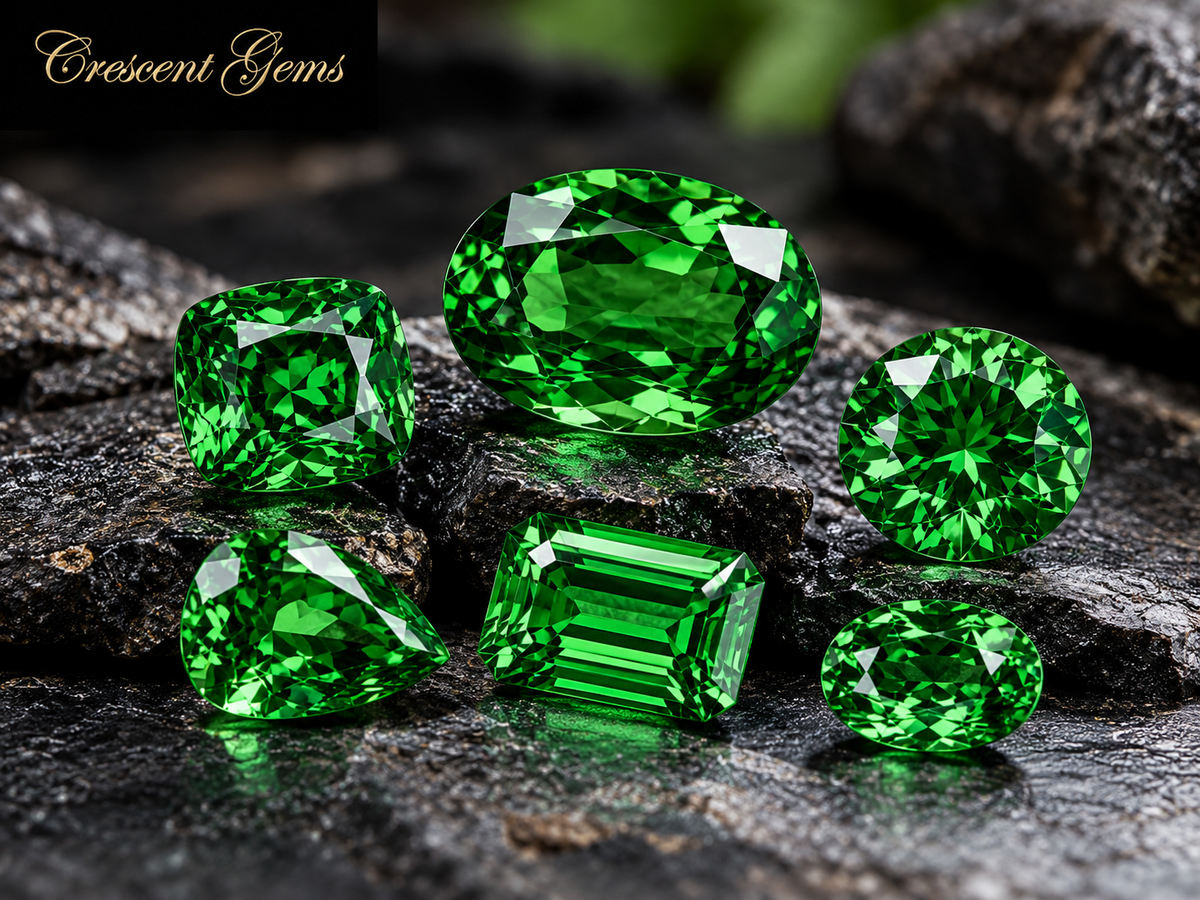
ツァボライトの価格|当店の在庫6点と、グロッシュラー・ガーネットとの違い
ツァボライトはいくらか。当店が現在在庫する6点をすべて示し、重さで値段がどう変わるかを説明します。品質等級表を載せない理由と、大きくて内包物の少ない原石が採れにくい本当の理由もあわせて。
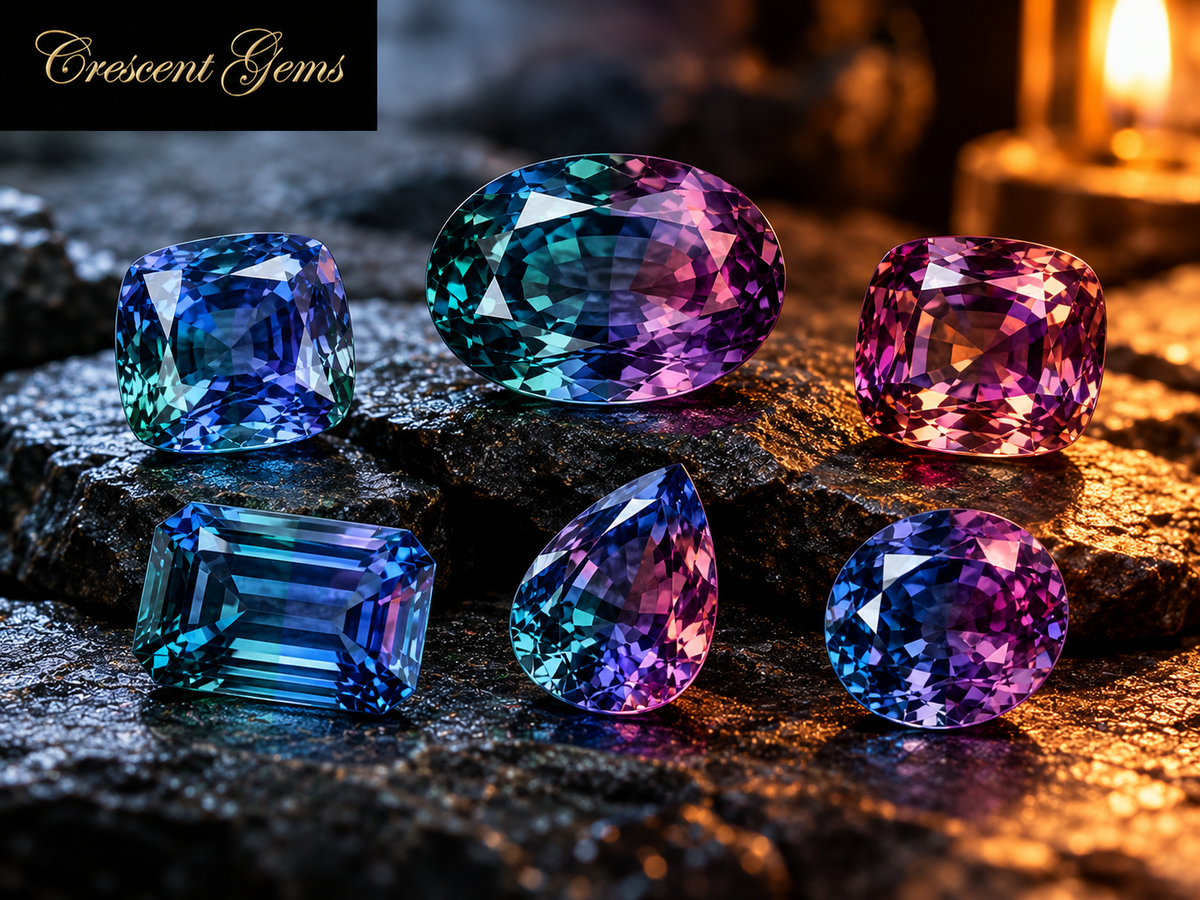
カラーチェンジサファイアの価格|1カラットあたりの相場と、当店にある2点
カラーチェンジサファイアは1カラットあたりいくらか。色と彩度と付帯する書類で価格帯を整理し、カラーチェンジそのものを格付けする機関が存在しないことも説明します。当店の在庫は1.03ctと2.01ctの2点です。
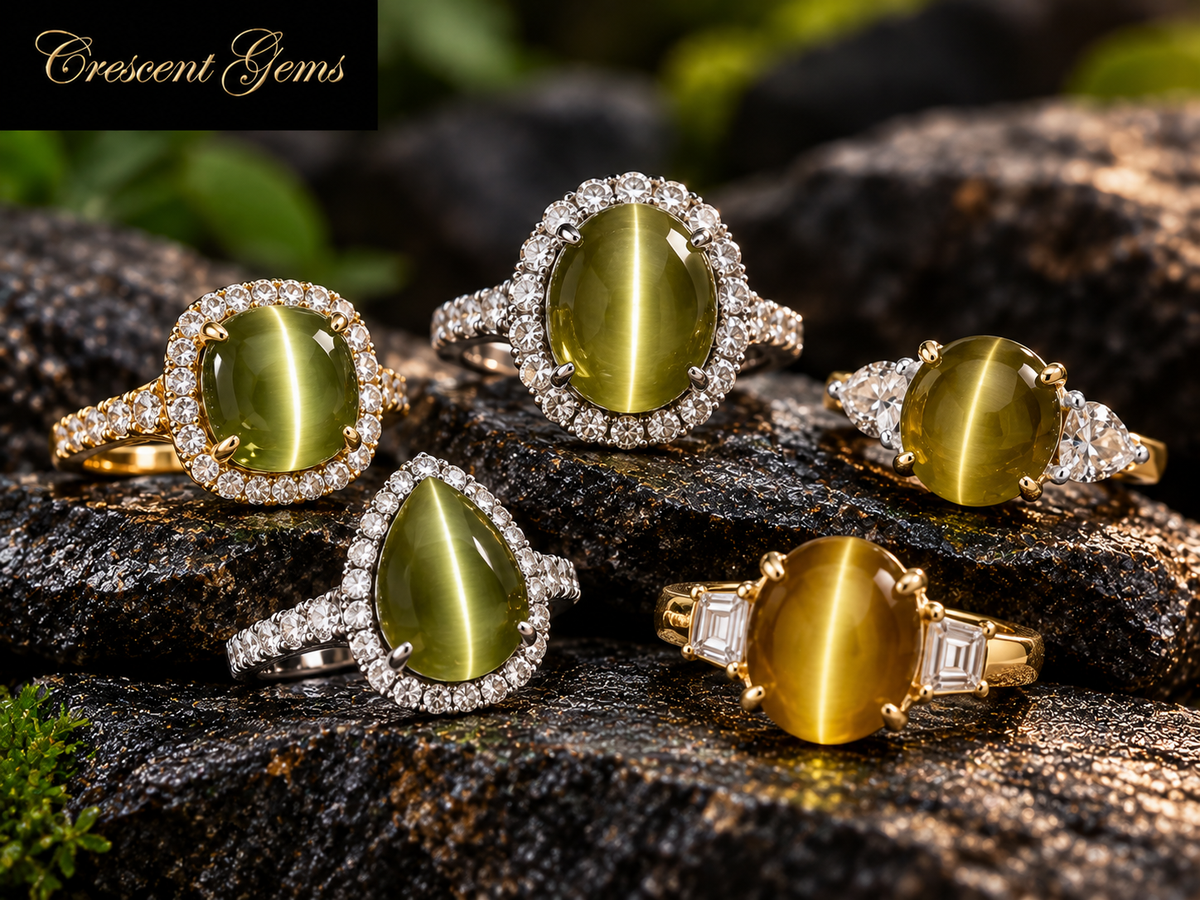
クリソベリル・キャッツアイは婚約指輪に向くか|モース硬度8.5と、留め方とお手入れ
クリソベリルはモース硬度8.5。クォーツ(7)やエメラルド(7.5〜8)より上、コランダム(9)とダイヤモンド(10)より下です。日常的に着ける指輪にとってそれが何を意味するかを、留め方とお手入れとあわせて説明します。
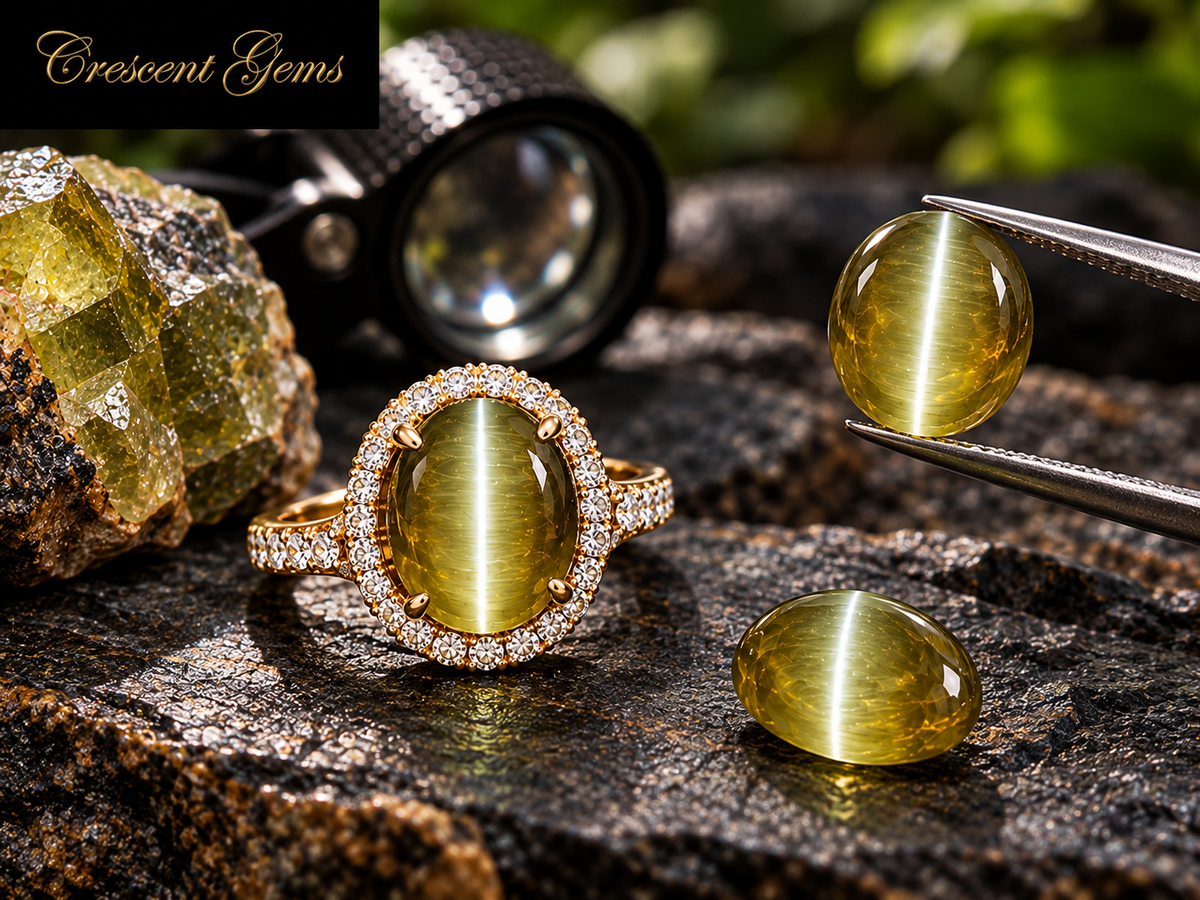
クリソベリル・キャッツアイの価格|1カラットあたりの相場と、当店にある2点
クリソベリル・キャッツアイは1カラットあたりいくらか。大きさと付帯する書類で価格帯を整理し、キャッツアイそのものを格付けする機関が存在しないことも説明します。当店の在庫は2.36ctと4.25ctの2点です。