

- by Ahmed Shareek
Trending Sapphire Colors for 2026 — What Buyers Are Choosing and What Causes Each Color
- by Ahmed Shareek
We are a supplier from the source in Sri Lanka, so our gemstones reach you direct from the country they are mined and cut in.
New to buying sapphires? Start with our Ultimate Sapphire Buying Guide — the complete resource for color, origin, treatment, and pricing.
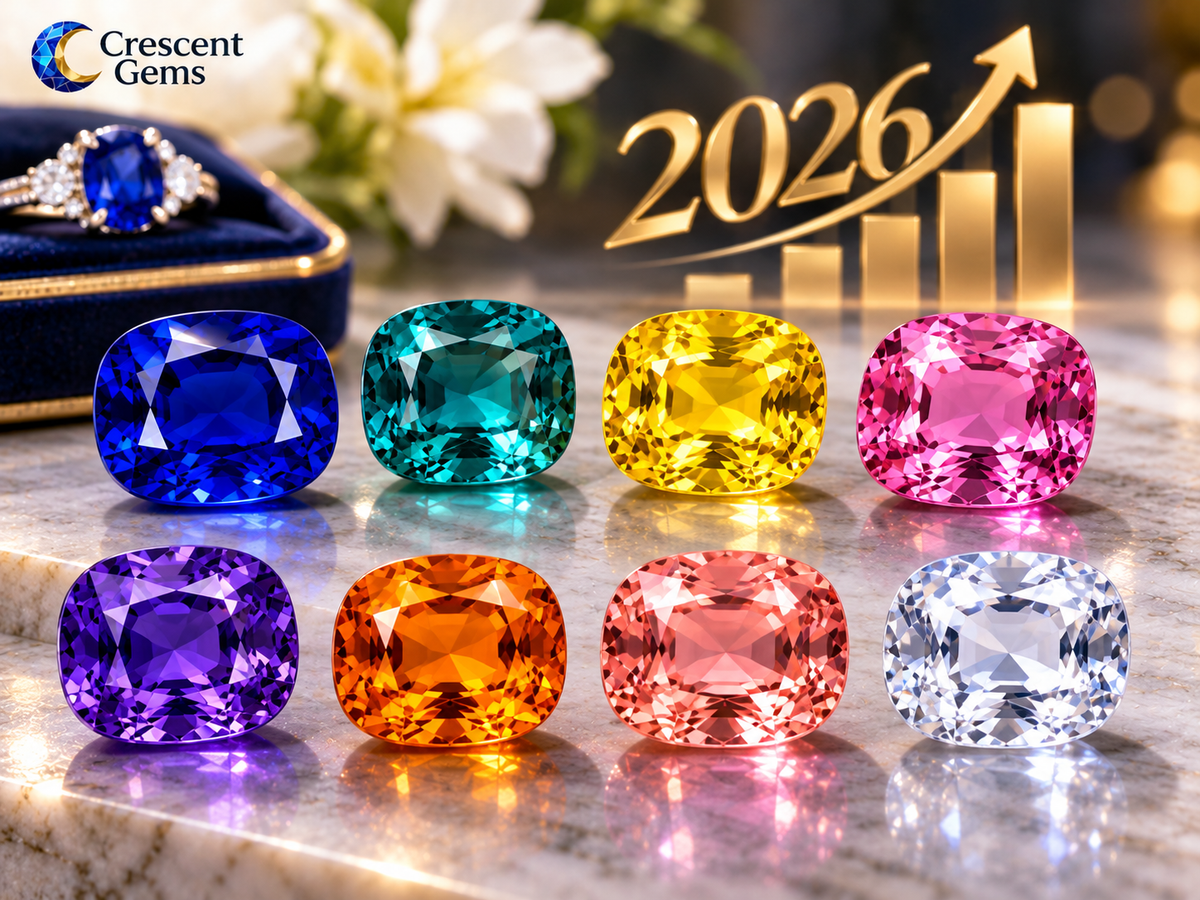
Colored sapphire has settled into the engagement ring market, and what has changed is which sapphire colors buyers are choosing. The vivid royal blue that dominated the market for decades is still the classic, but the colors buyers now ask for by name include several that most of them did not know sapphire came in five years ago. Those colors are not fashion accidents. Each one is a different piece of trace chemistry inside the same mineral, and knowing which is which tells you more about a stone than any trend does.
This is our guide to the sapphire colors buyers are choosing right now — what is being asked for, why, what gives each color its hue, what each one pairs with, and where to find real stones in each category. Every stone linked from this page is natural, earth-mined sapphire sold with full treatment disclosure; where we hold nothing in a color today, this guide says so rather than sending you to an empty shelf.
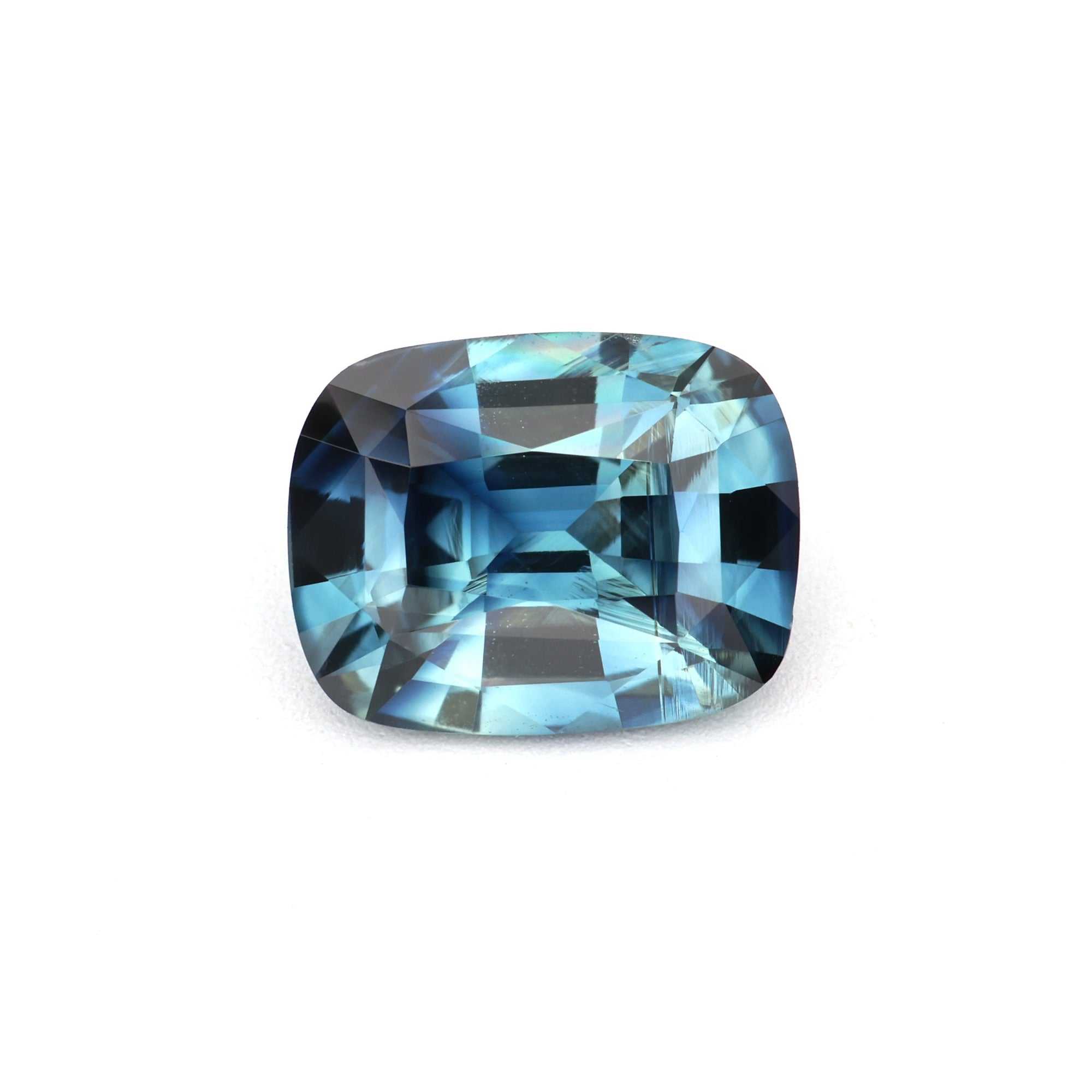
Teal is the best known of the sapphire colors that are neither blue nor pink. The blue-green blend — sometimes described as oceanic, moody, or earthy — is not two colors mixed but a single hue sitting between them, and small differences in where it sits change the stone completely: one teal reads as a grey-blue, the next as a deep green.
Why teal is trending: Teal sits at the intersection of several 2026 macro trends. It is non-traditional without being unfamiliar. It shifts color under different lighting, giving the stone a living, dynamic quality that photographs beautifully for social media. It pairs naturally with the earthy, nature-inspired aesthetic that dominates modern wedding design. And heat works directly on the trace chemistry that produces the blue-green balance, so teal is a color where heating changes the result rather than improving it; the teal stones we hold are unheated.
Best metal pairings: Yellow gold deepens the earthy quality and creates a warm, organic feel. White gold or platinum maximizes the cool blue-green contrast. Rose gold creates a striking warm-cool juxtaposition that is uniquely modern.
Best cuts: Oval, still the shape most often chosen for engagement rings, and cushion. Emerald cut for architectural modern designs. East-west orientation — setting an oval or pear horizontally rather than vertically — is one of the year's most distinctive setting trends and suits teal exceptionally well.
What makes the color: Pure corundum is colorless; every sapphire color is trace chemistry. Blue needs iron and titanium present together, and neither produces blue on its own. Iron by itself pushes toward yellow and green. A teal stone is one in which both mechanisms are at work at once, which is why its hue is so sensitive to the balance between them and why no two teals match. Example from our collection: a 1.29ct GIA-documented unheated teal cushion at $1,280 (view).
Read the Teal Sapphire Buyer's Guide · Shop Teal Sapphires
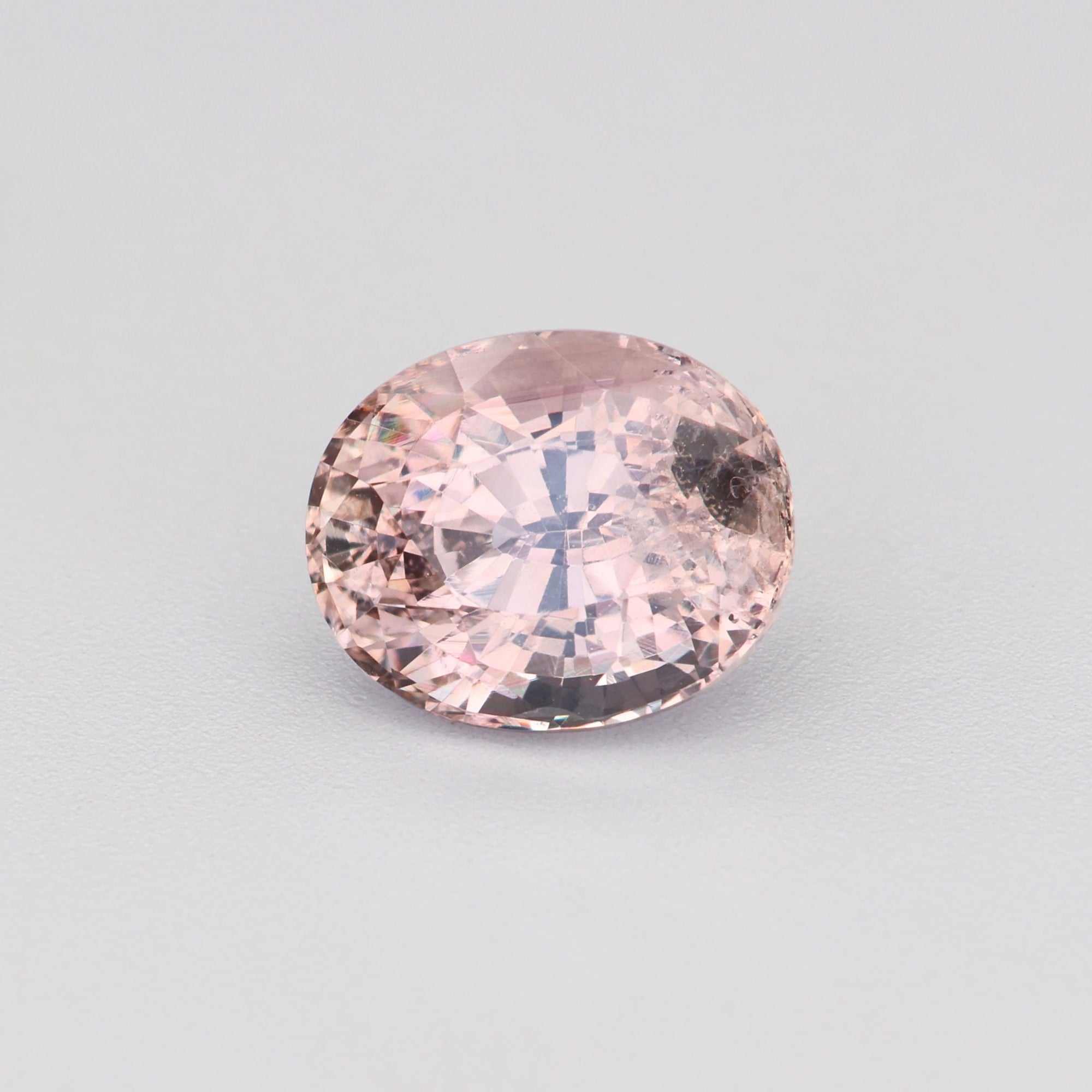
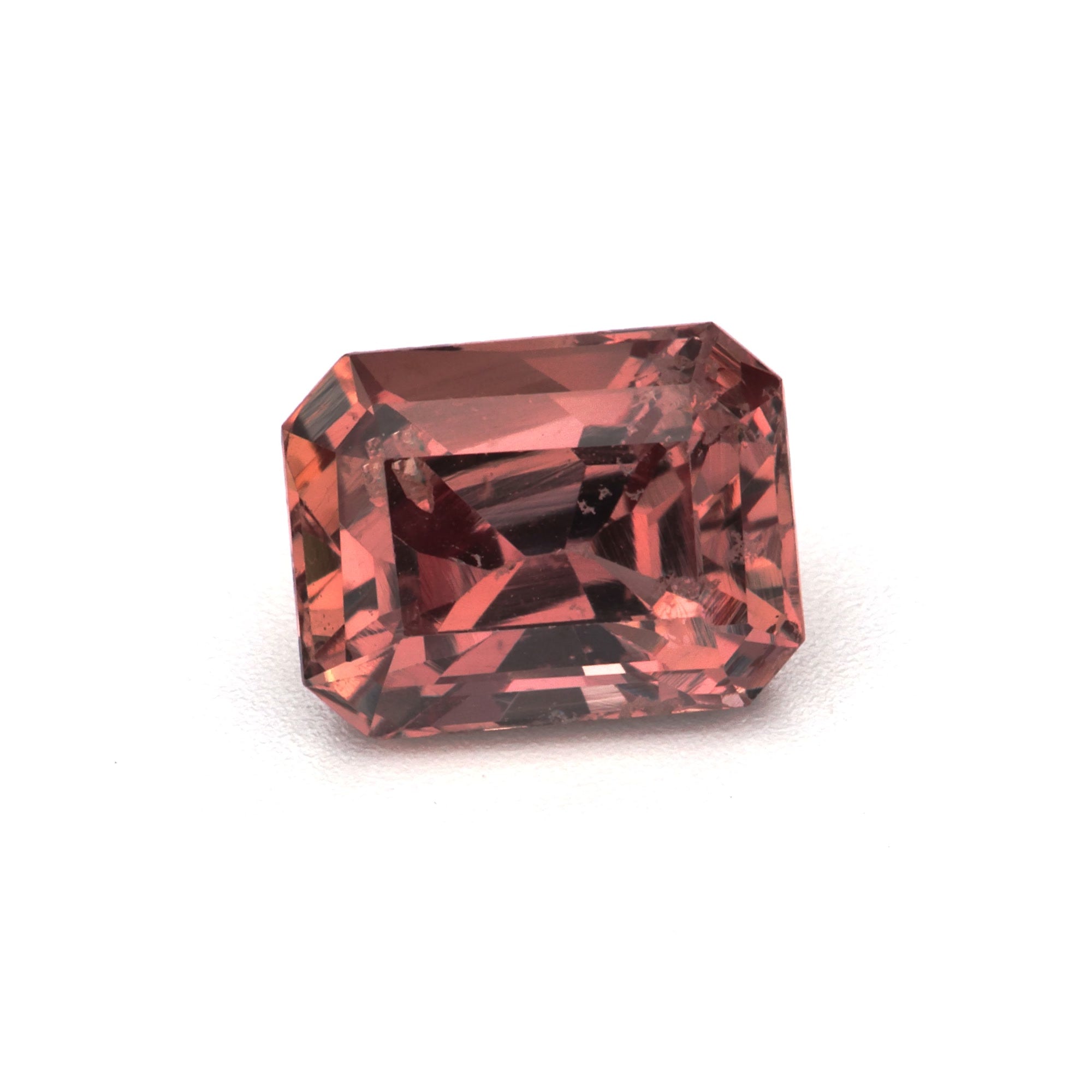
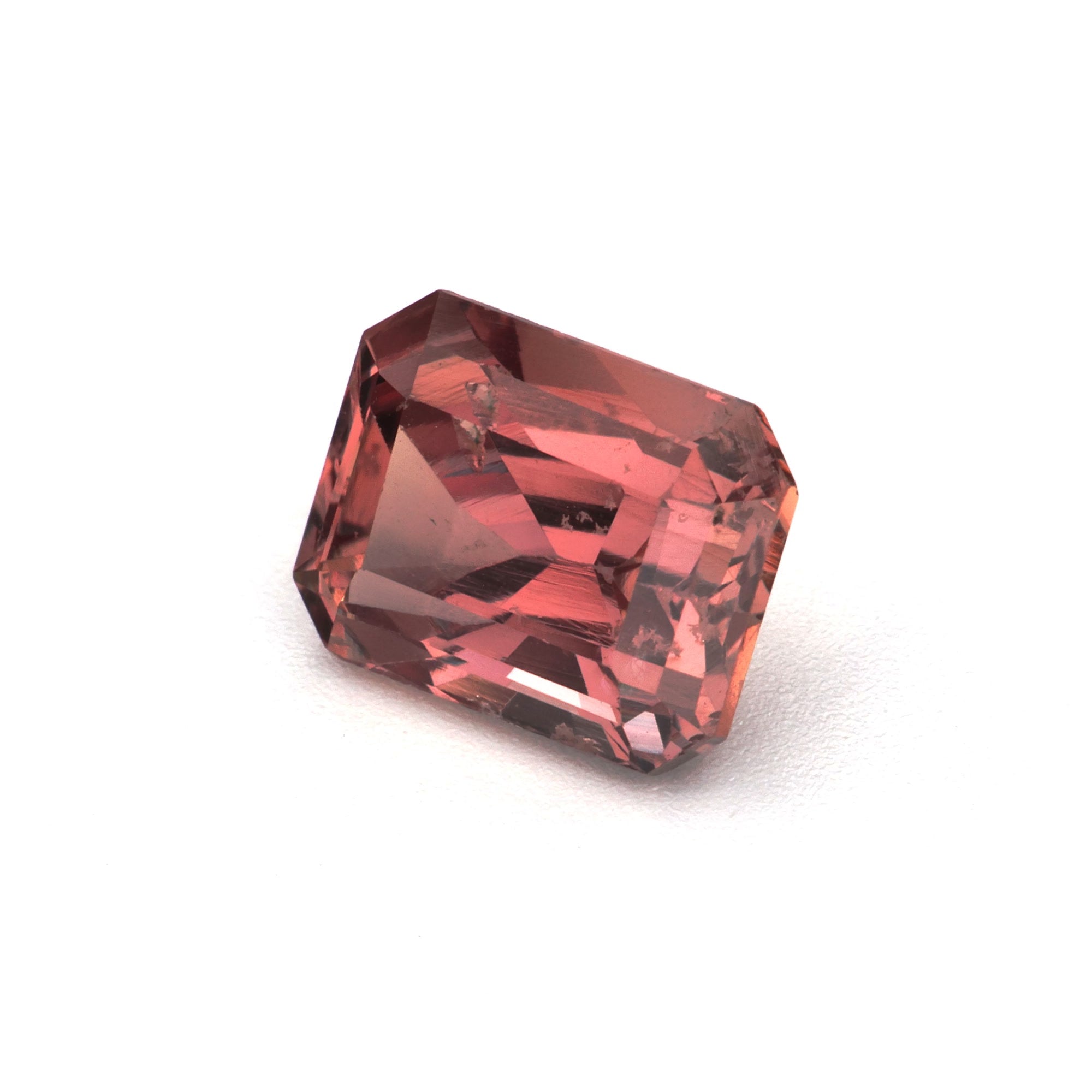
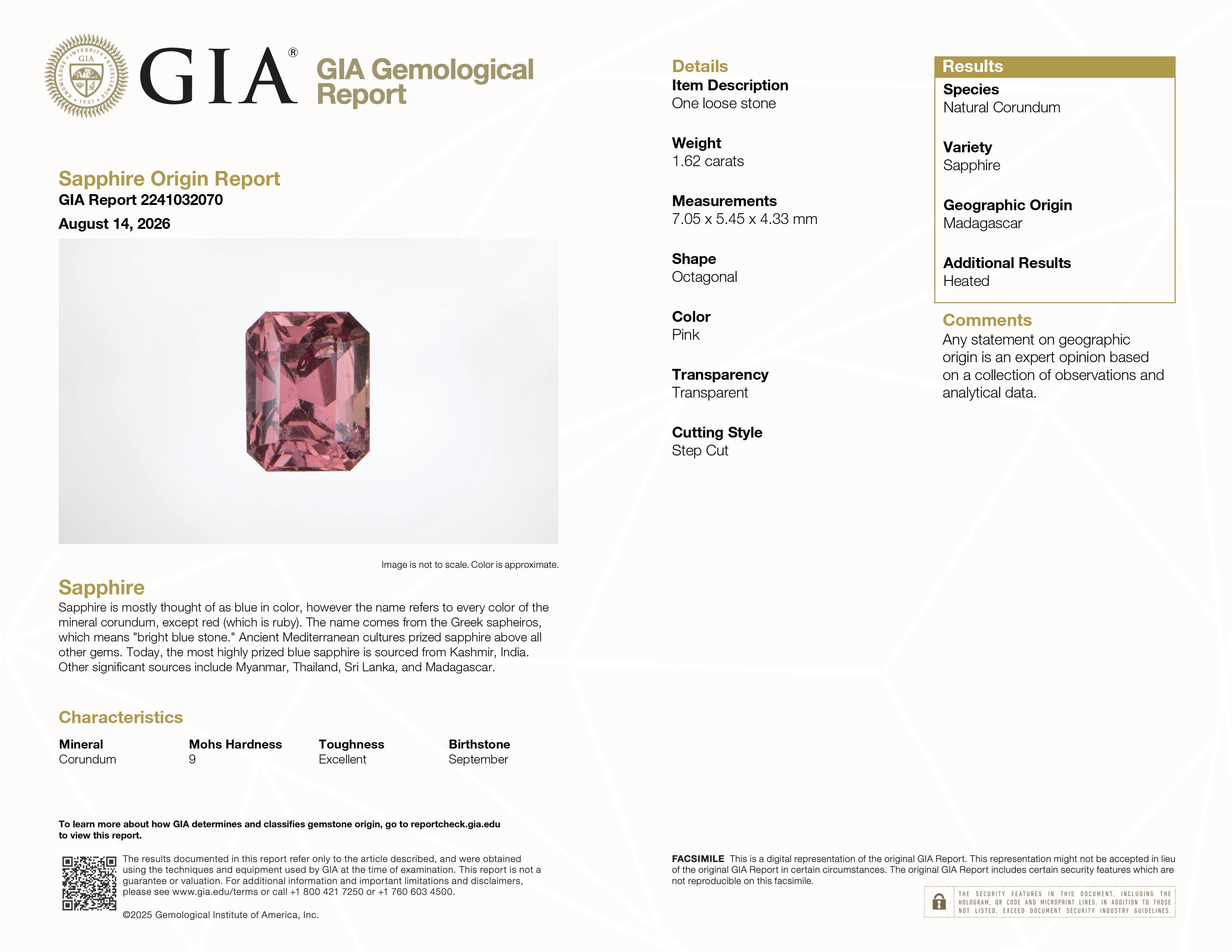
Peach sapphire has moved from a color buyers had to be shown to one they ask for. The soft blend of pink and orange — warmer than pink, quieter than a full orange — has become the default non-blue choice for buyers who want a romantic, feminine stone without the traditional connotations of a pink gemstone.
Why peach is trending: The return of rose gold as a primary engagement ring metal created a natural home for peach sapphire. The two reinforce each other: rose gold enhances peach's warmth, and peach gives rose gold a center stone that feels designed for it. Peach also photographs well in the warm, low-contrast light that dominates social media, which is where most buyers now first see a colored stone.
Best metal pairings: Rose gold is the signature pairing. Yellow gold deepens the warmth. White gold cools the tone slightly toward pink, which some buyers prefer.
Best cuts: Oval for maximum face-up size. Cushion for deepened color warmth. Pear for distinctive, elongating pendants and rings.
What makes the color: Peach is two color causes in one stone. Chromium produces pink in corundum; iron and its associated color centers produce yellow through orange. Where both are present and neither dominates, the result is the pink-orange we call peach. Because the two components answer differently to the light they are under, a peach stone can lean pink indoors and orange in daylight, and it is a color to look at in both before deciding. Example from our collection: a 1.12ct GIA-documented unheated peach oval at $900 (view).
Read the Peach Sapphire Buyer's Guide and Peach vs. Padparadscha · Shop Peach Sapphires
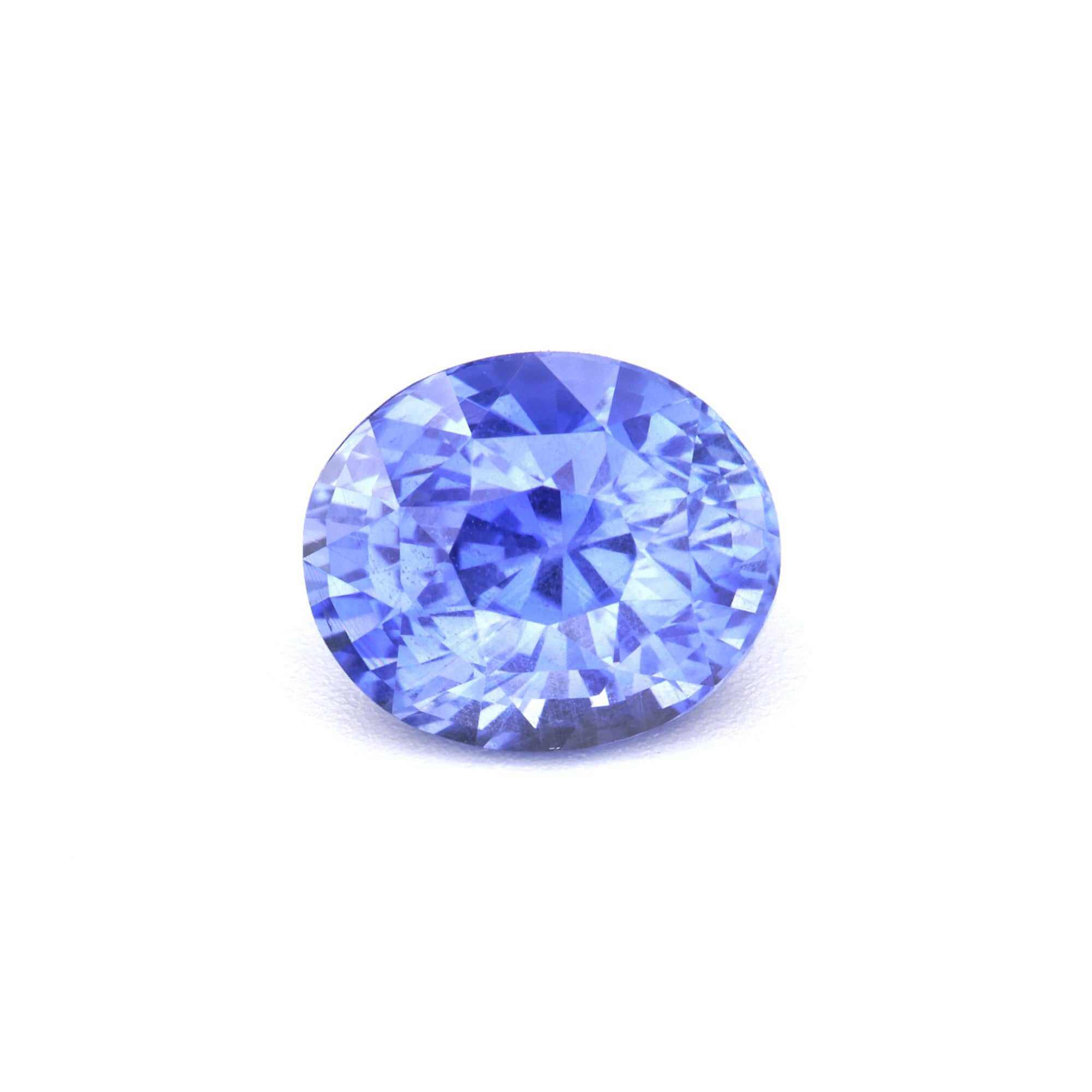
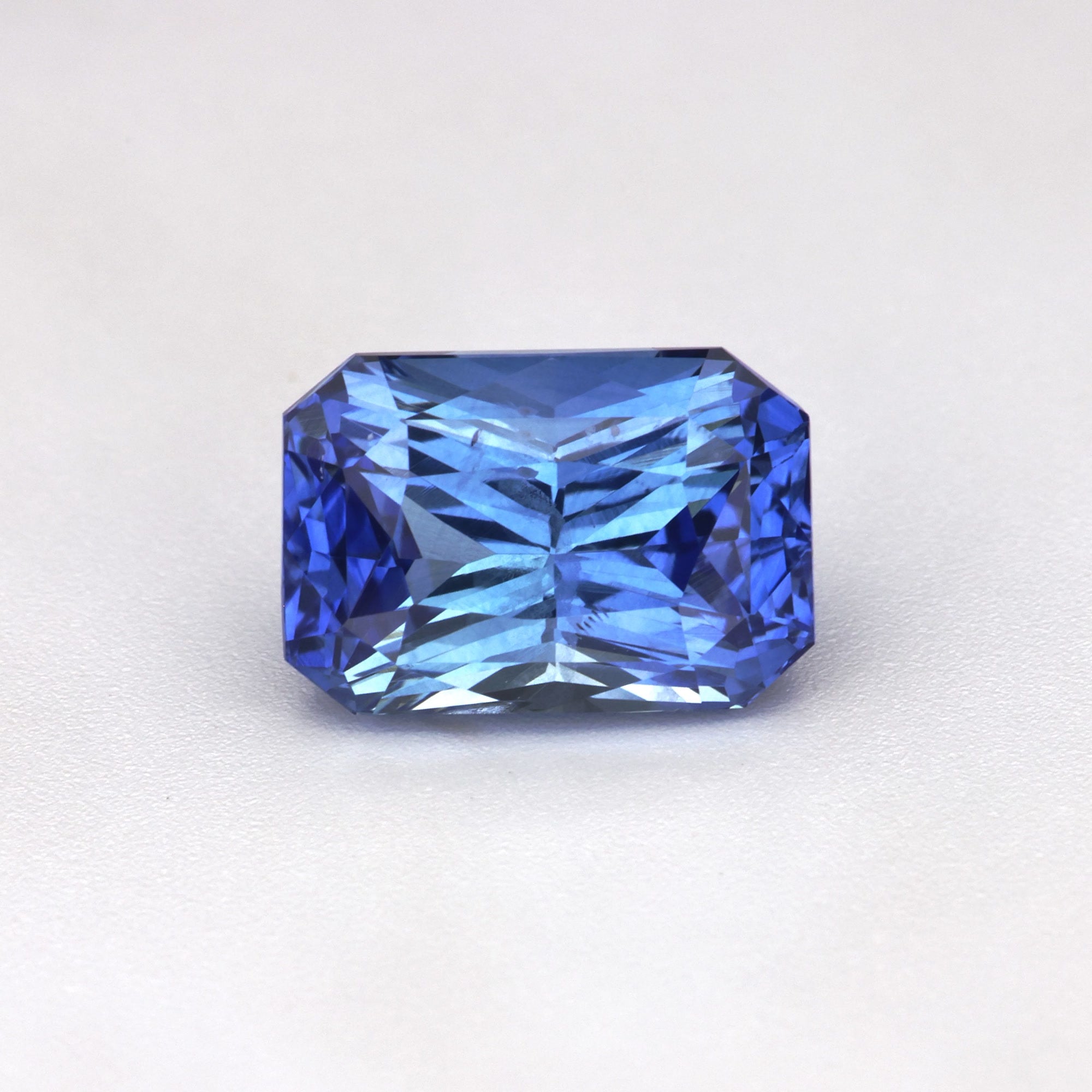
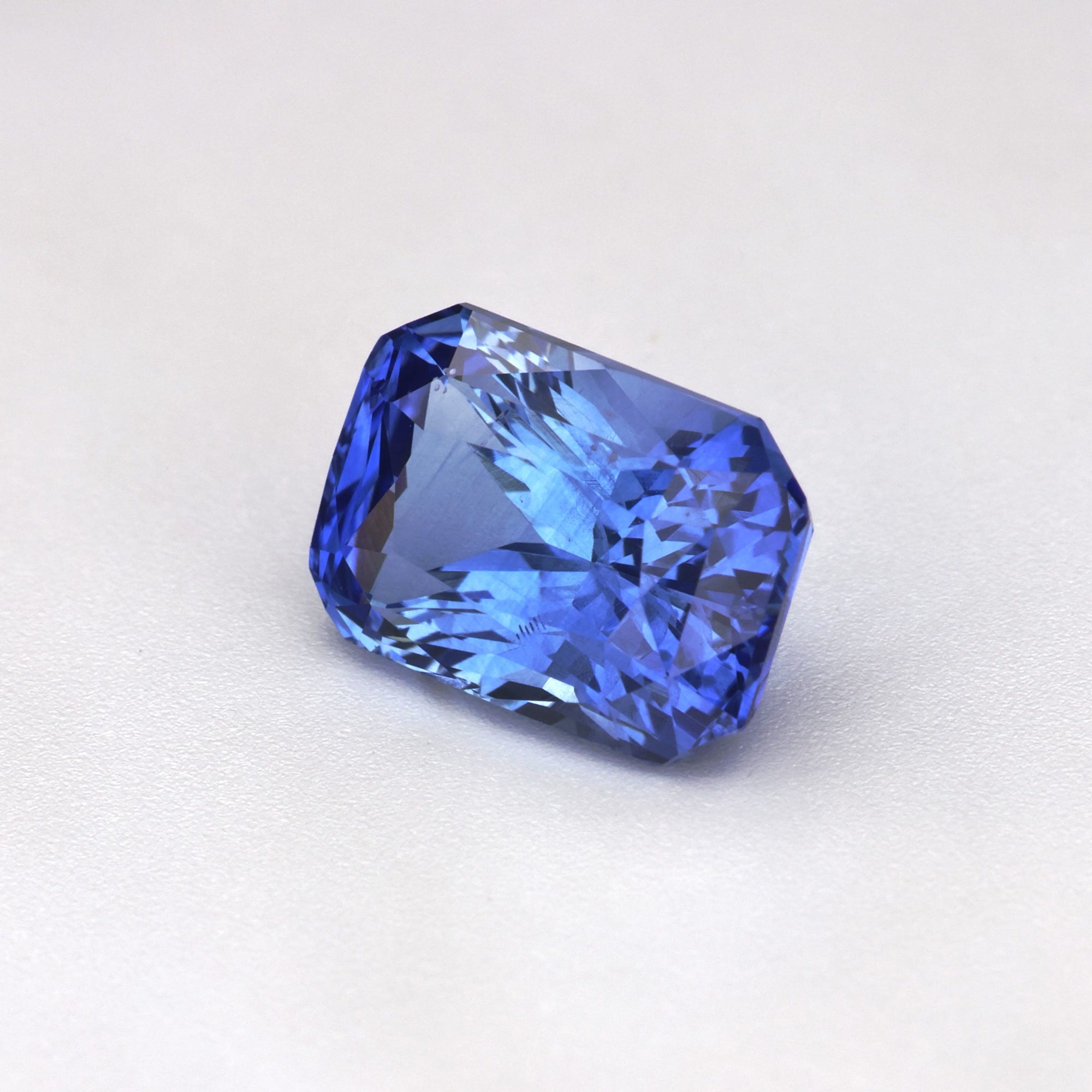
Blue sapphire is still the number-one sapphire color by volume, and for good reason. But the blue that is trending in 2026 is not the dark, inky blue of commercial material — it is the vivid, medium-toned cornflower-to-royal range with strong saturation and excellent brilliance. Buyers are more educated about color quality than ever before, and they are demanding stones that perform in real-world lighting, not just under jewelry store spotlights.
What has changed: The 2026 blue sapphire buyer is more likely to ask about cut quality, windowing, and light return than buyers five years ago. They compare millimeter dimensions, not just carat weights. They ask about unheated status. That is the right order of questions: a well-cut 1.30ct vivid blue that shows perfectly face-up does more in a ring than a poorly cut 2ct stone that windows or goes dark under low light.
Best metal pairings: White gold and platinum remain the classic choice for maximum blue contrast. Yellow gold for the Princess Diana look — a pairing that has been in demand since 1981 and has not let go since.
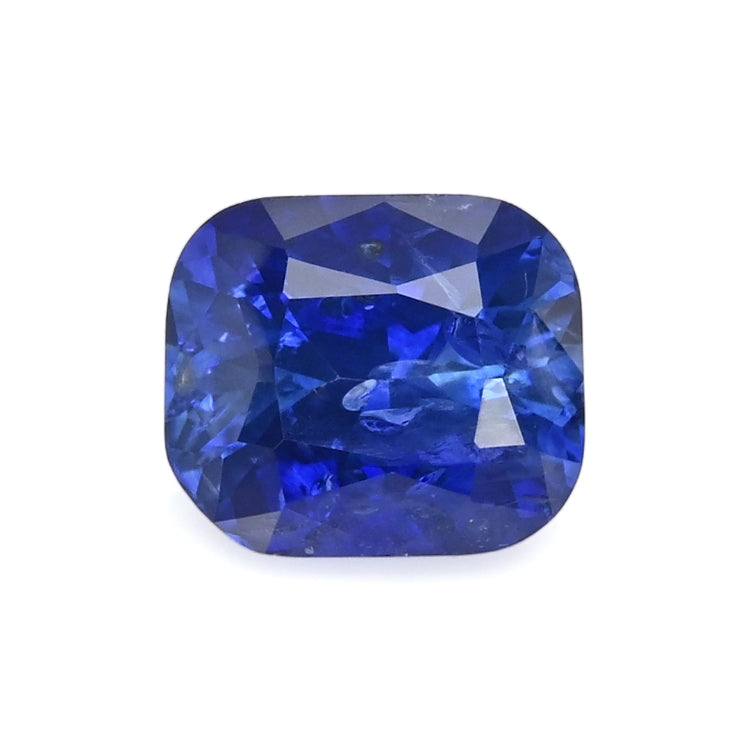
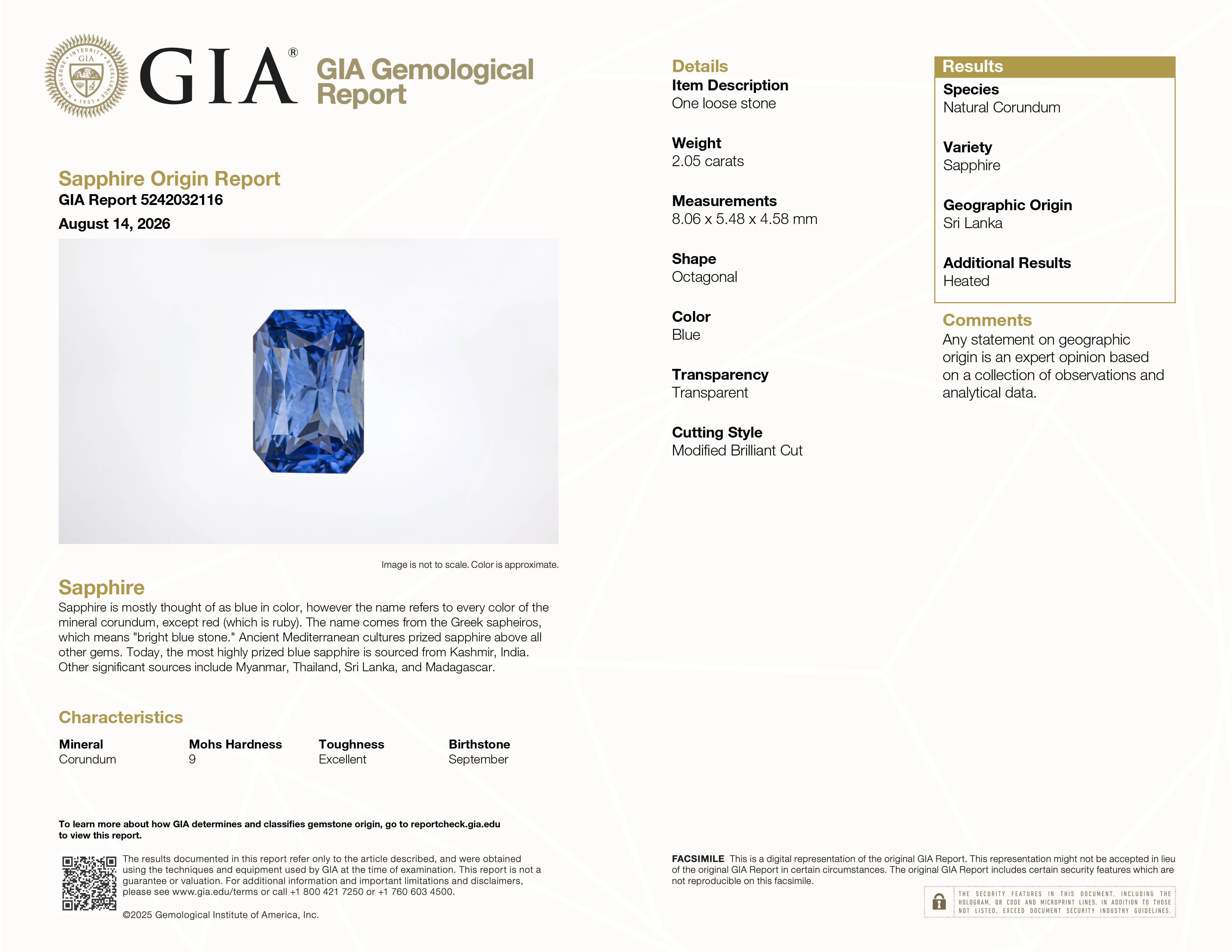
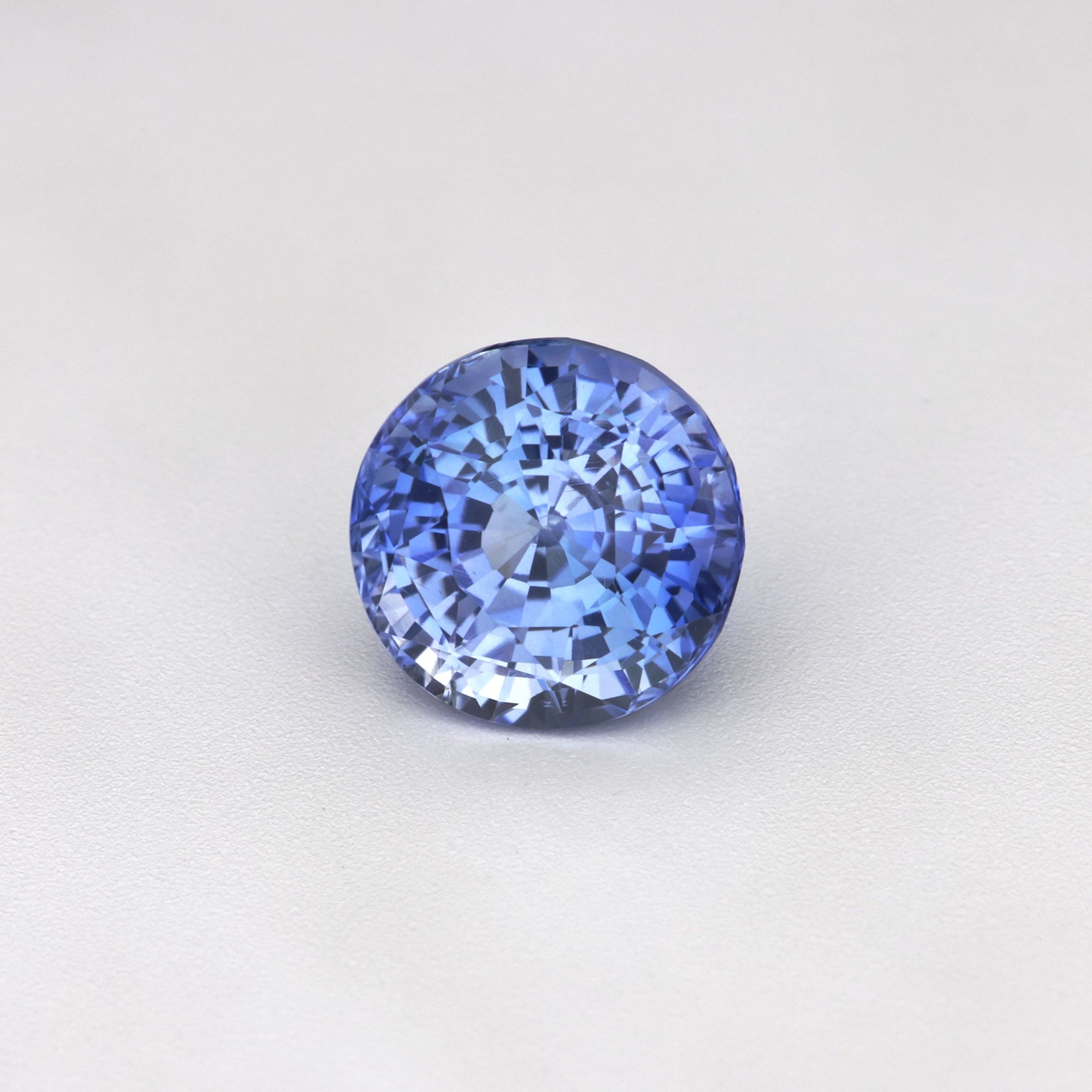
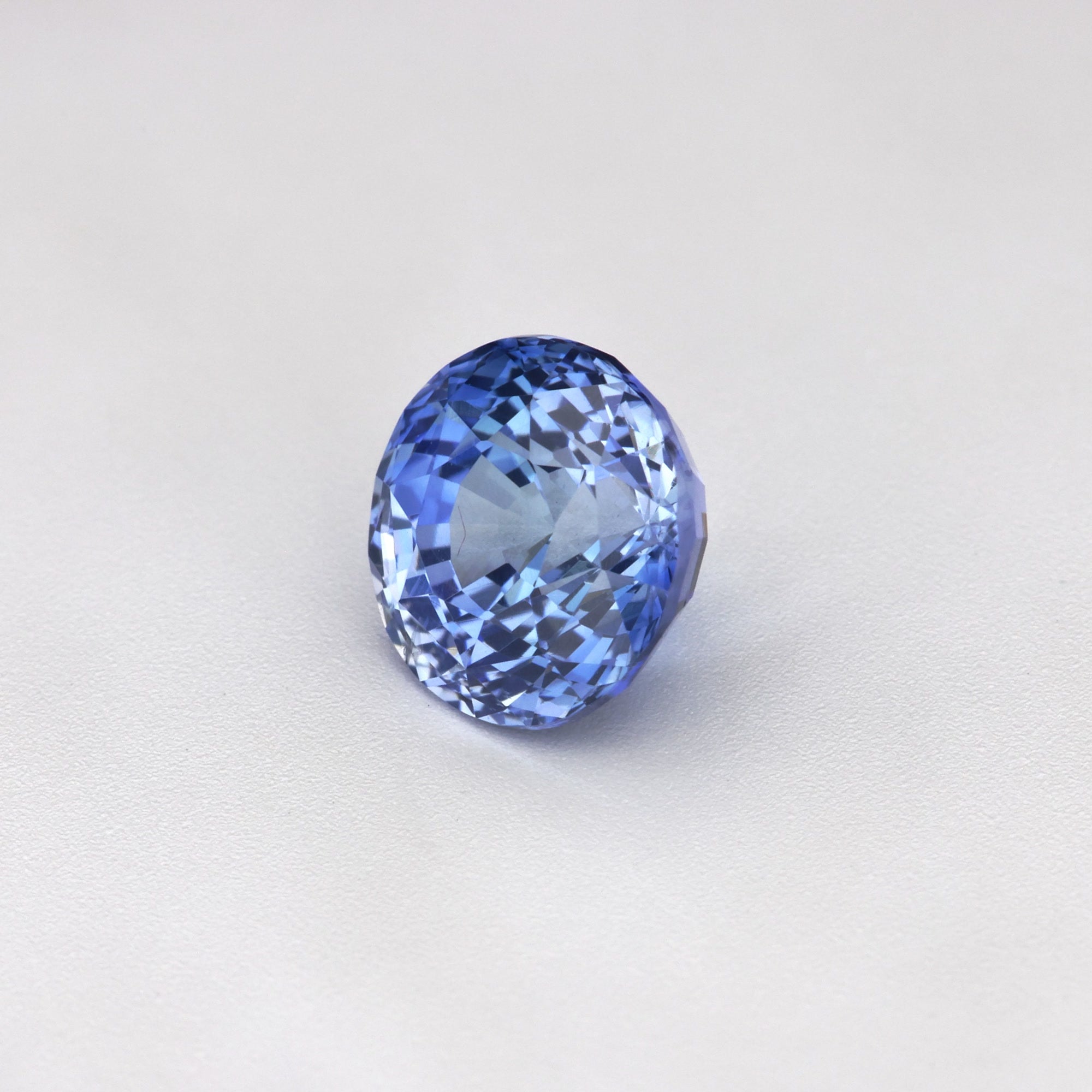
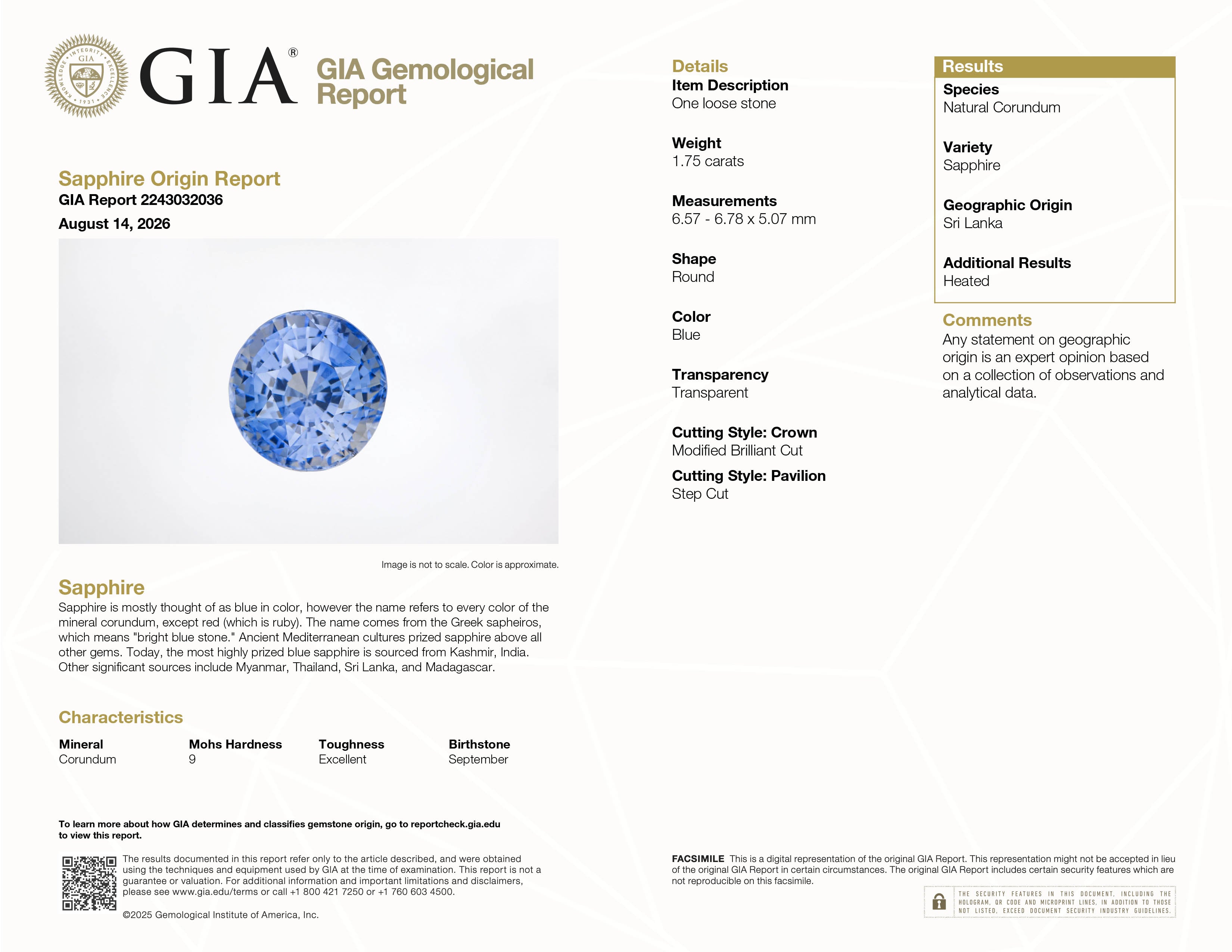
What makes the color: Blue in corundum comes from iron and titanium sitting next to each other in the crystal and exchanging charge between them. The more of that pairing a stone carries, the darker its tone runs, which is why the inky commercial blues are not a different color so much as too much of the same one. Example from our collection: a 1.99ct GIA-documented heated blue cushion at $2,985 (view). Unheated blue is a different search: we don't currently carry a GIA-documented unheated blue in the 1–2ct range at all, and our smallest GIA-documented unheated blue is 2.008ct. Smaller unheated blue does exist in our stock documented on an AGCL report rather than a GIA one, for example a 1.28ct unheated Ceylon blue at $1,584 (view). If you need a GIA-documented unheated blue at 1–2ct specifically, email crescentgems@gmail.com and we can search on your behalf.
Read the Blue Sapphire Buyer's Guide · Shop Blue Sapphires
Pink sapphire is having its moment. The chromium-colored pink ranges from delicate pastel blush to vivid hot pink, and it is increasingly chosen as a primary engagement ring stone rather than as a diamond accent. Hot pink in particular — vivid, saturated, unapologetic — is the pink that is growing fastest.
Why pink is trending: The broader cultural shift toward color and self-expression in engagement rings favors stones with personality. Pink sapphire delivers warmth, romance, and individuality, and corundum is Mohs 9, which is what makes a colored stone practical in a ring worn every day. It needs no care beyond routine cleaning.
Best metal pairings: Rose gold for a monochromatic warm look. White gold for maximum pink contrast. Yellow gold creates a rich, vintage-inspired warmth.
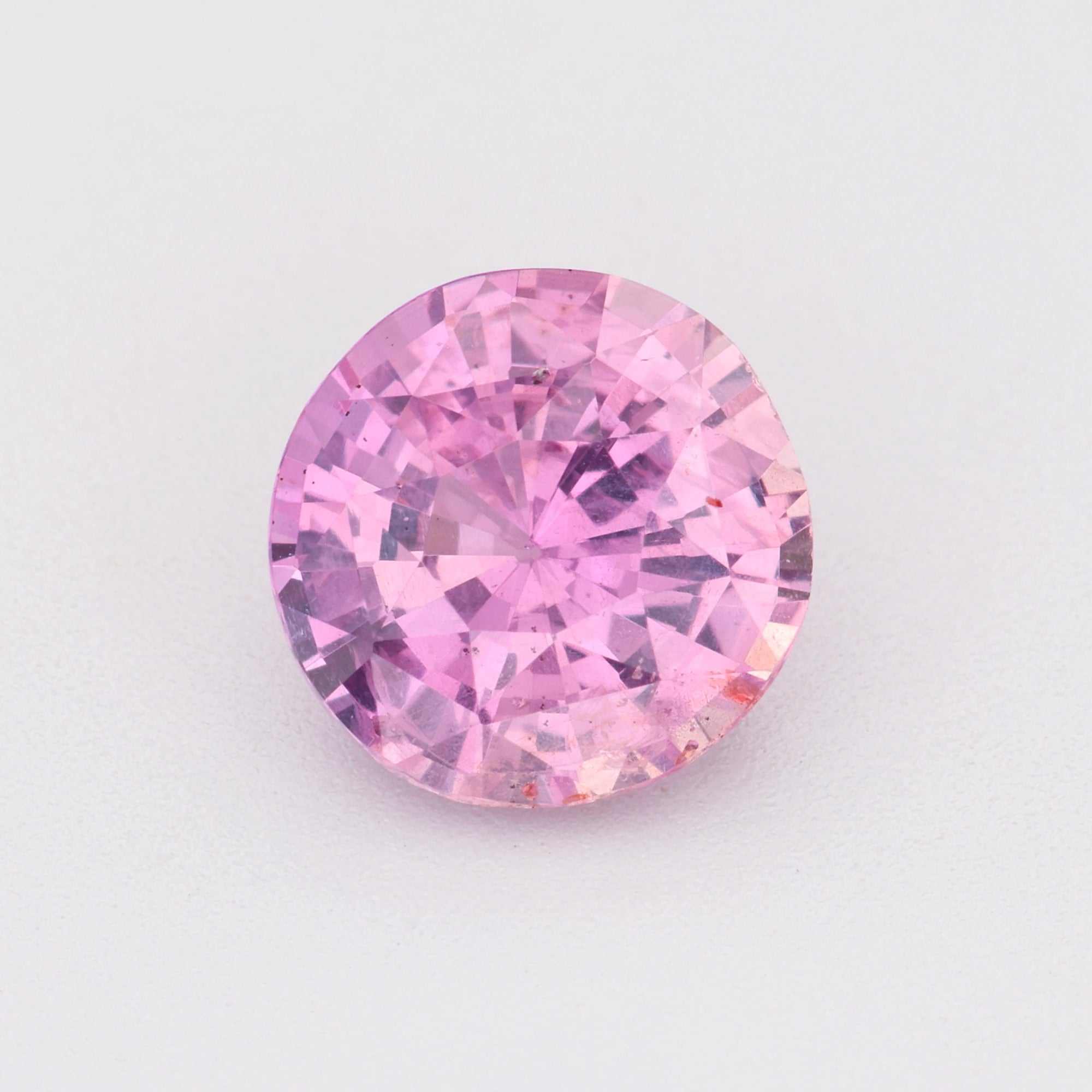
What makes the color: Pink in corundum is chromium, the same element that makes ruby red. More chromium moves a stone from pastel through hot pink and on toward red, so pink sapphire and ruby are one continuous series rather than two different stones. Where the line between them falls is a naming decision, and we follow the document a stone carries rather than our own eye. Example from our collection: a 1.14ct GIA-documented unheated pink round at $2,875 (view).
Read the Pink Sapphire Buyer's Guide · Shop Pink Sapphires
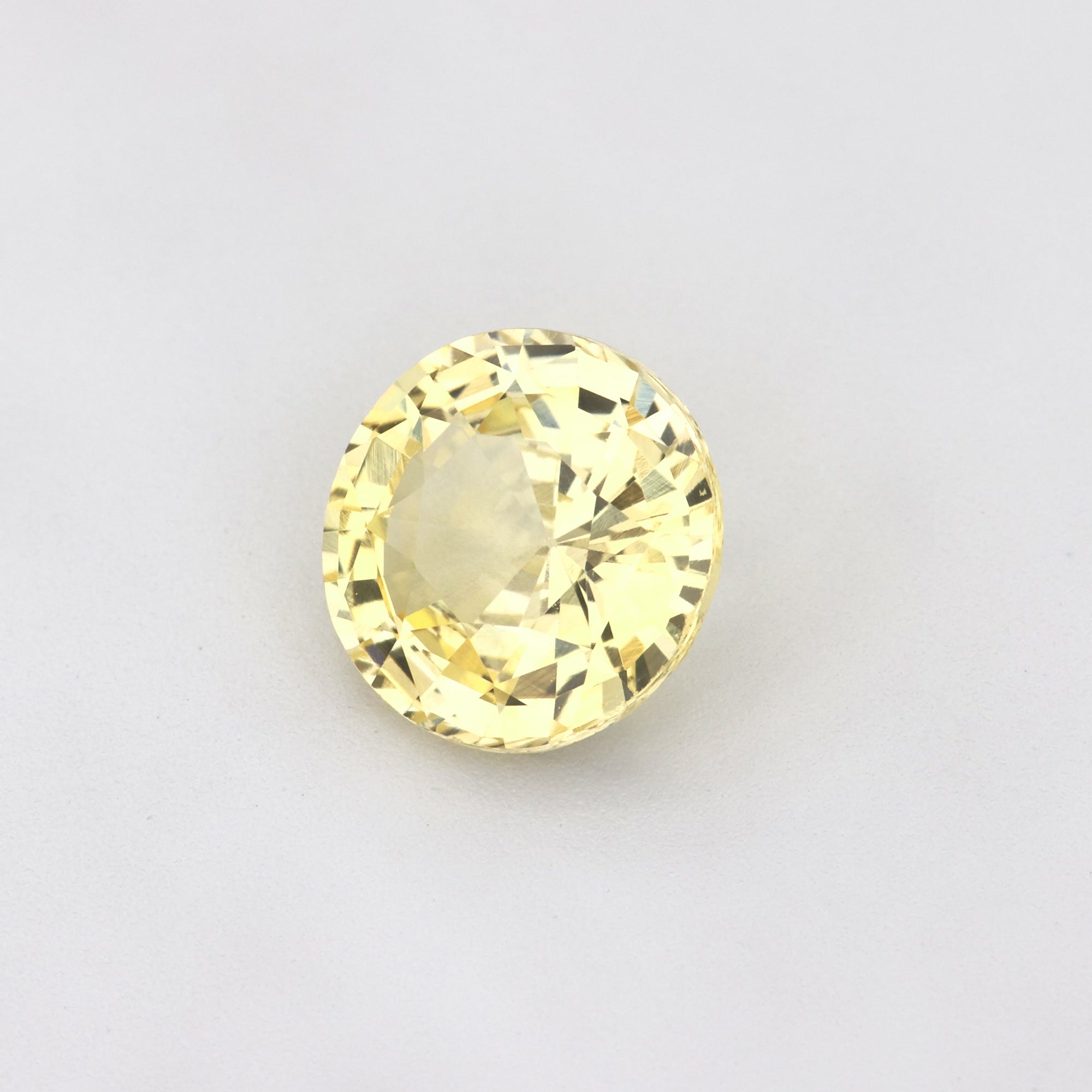
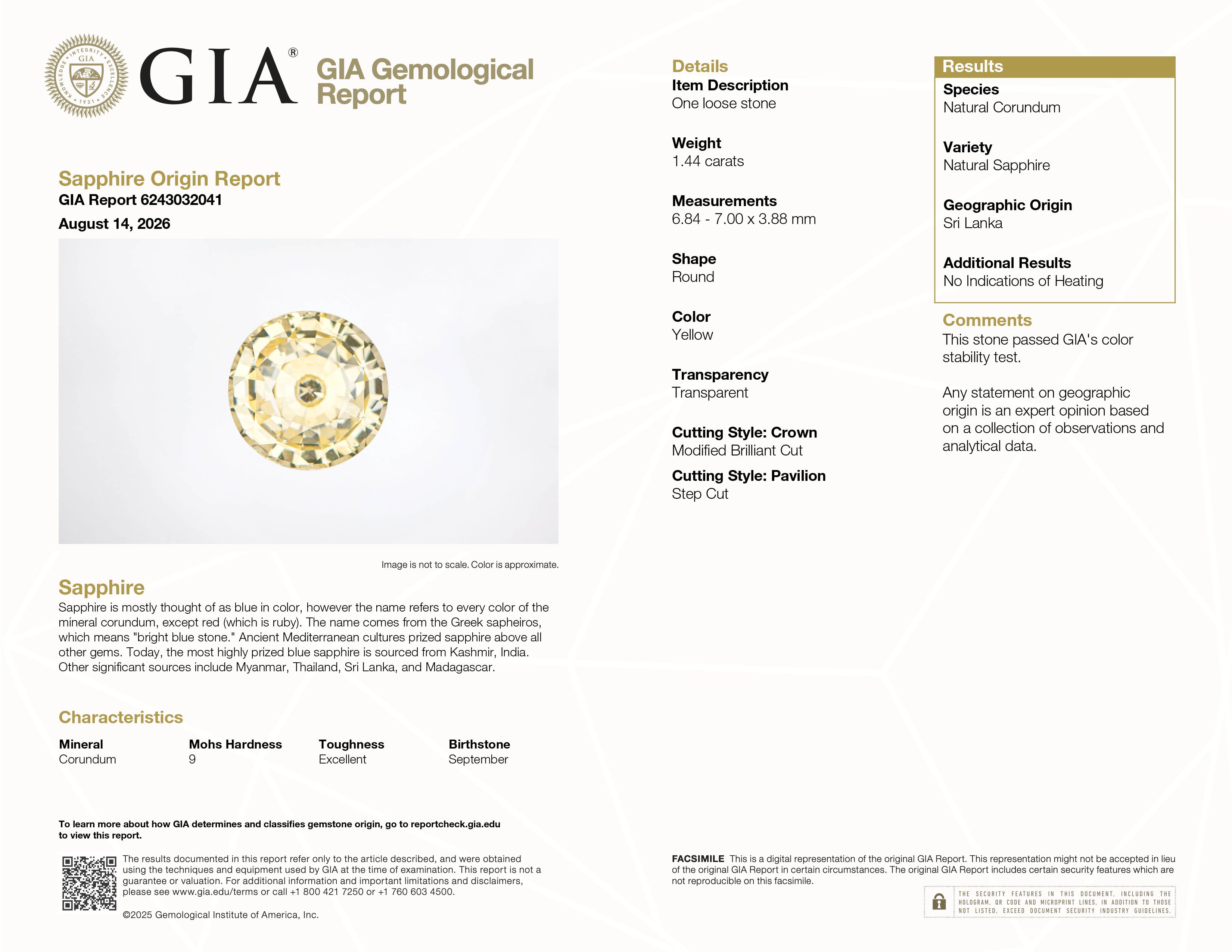
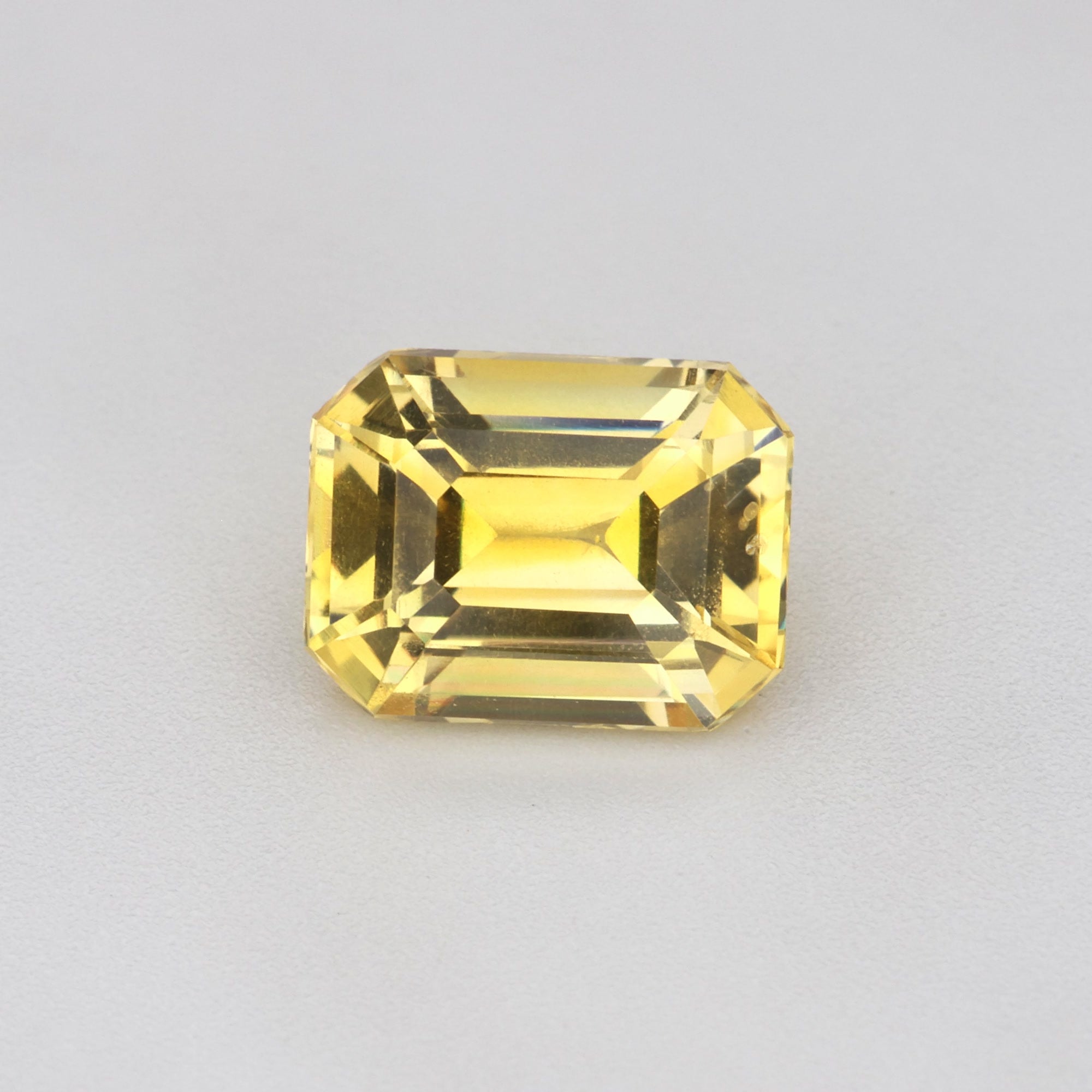
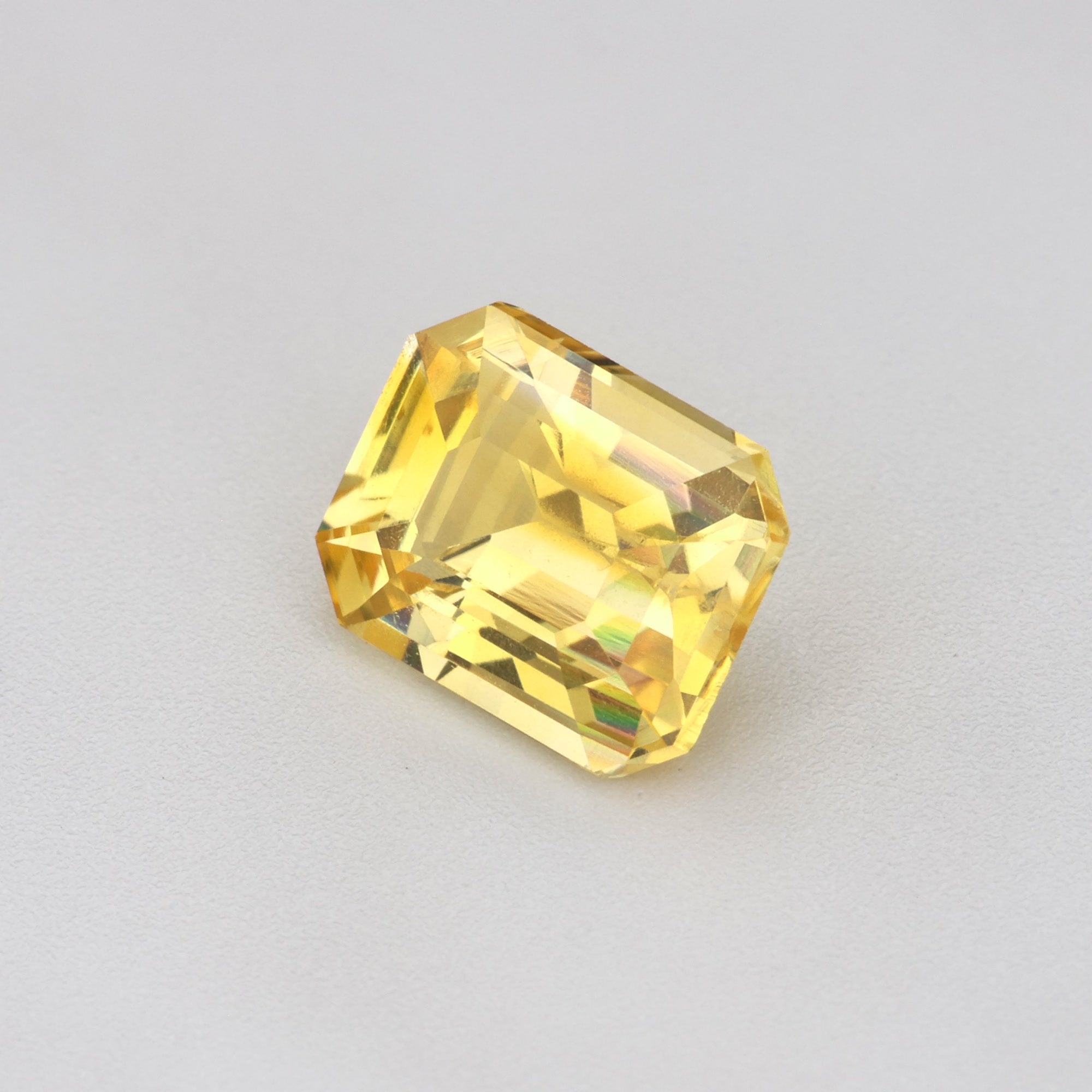
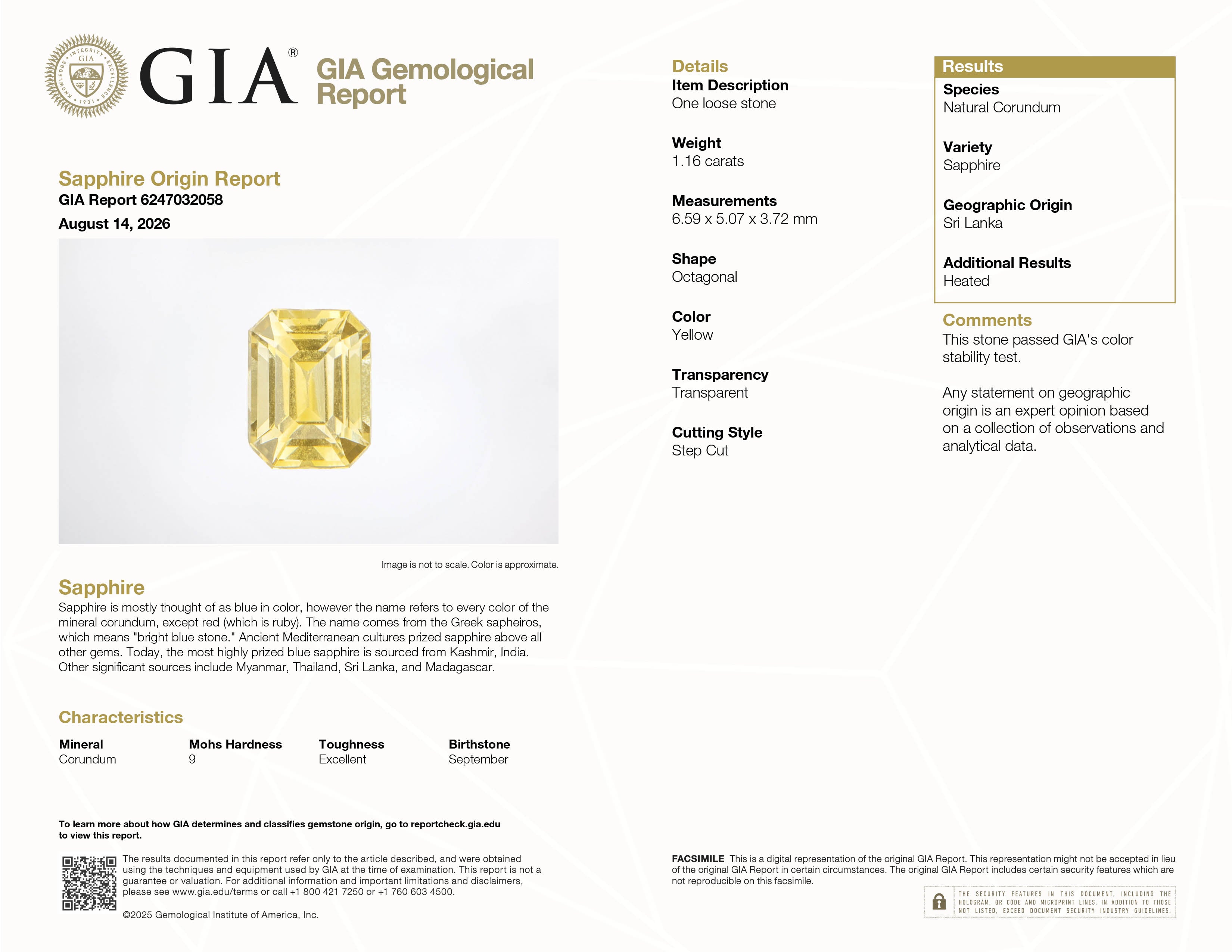
Yellow sapphire runs from a pale straw through to a deep golden canary, and it is the warm end of that range that the current taste in metals has brought back into view. It is also the sapphire color with the longest continuous demand behind it outside the Western engagement market, which is a different story from a design trend and is set out below.
Why yellow is trending: Yellow gold has returned as the leading engagement ring metal after a long stretch in which white metals led. Yellow sapphire in yellow gold is a natural, harmonious combination that reinforces both elements. The Jyotish (Vedic astrology) market continues to drive strong demand for unheated Ceylon yellow sapphire (Pukhraj), and that cultural significance is crossing over into the mainstream engagement market.
Best metal pairings: Yellow gold is the signature choice — metal and stone reinforce each other's warmth. Rose gold also works beautifully. White gold creates a modern contrast.
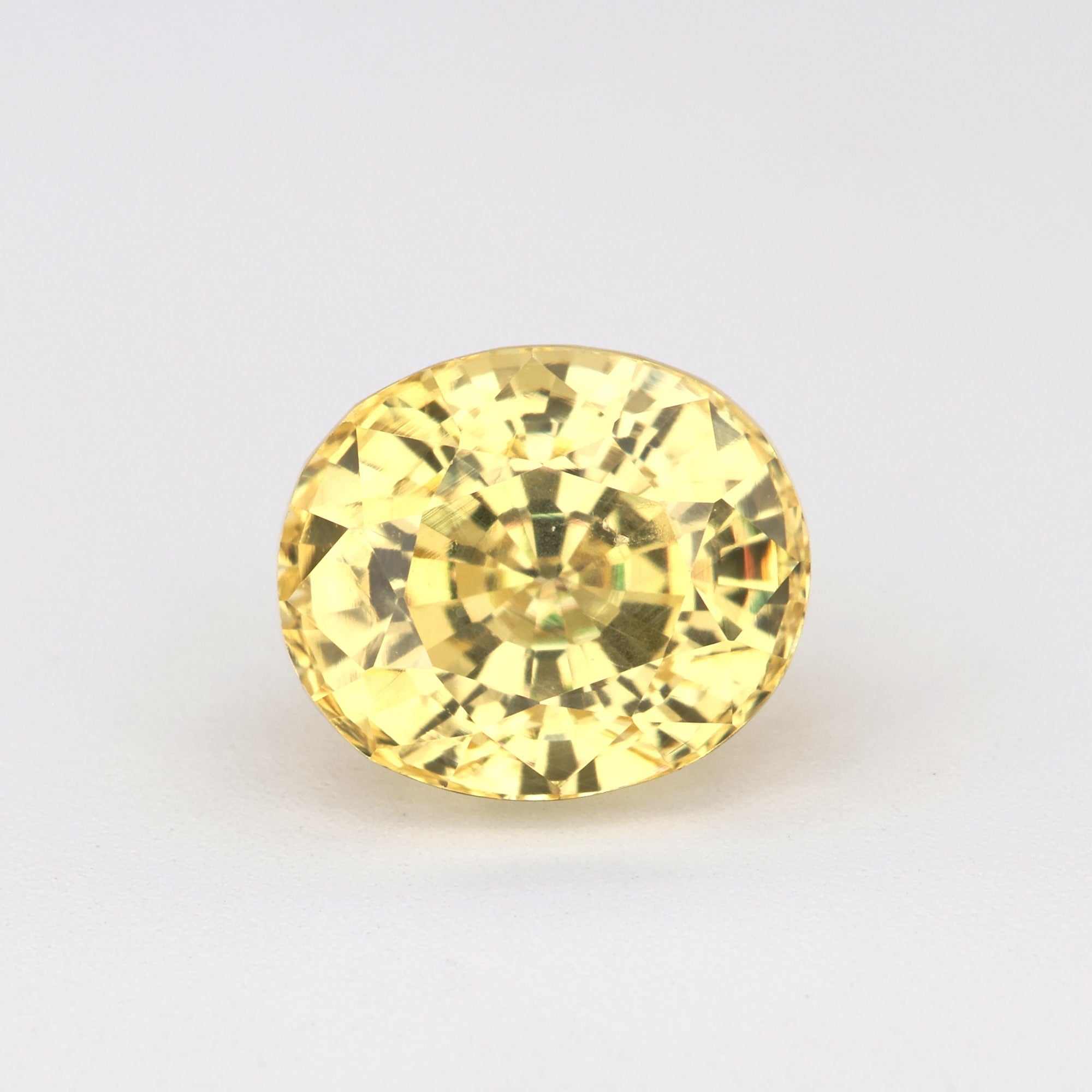
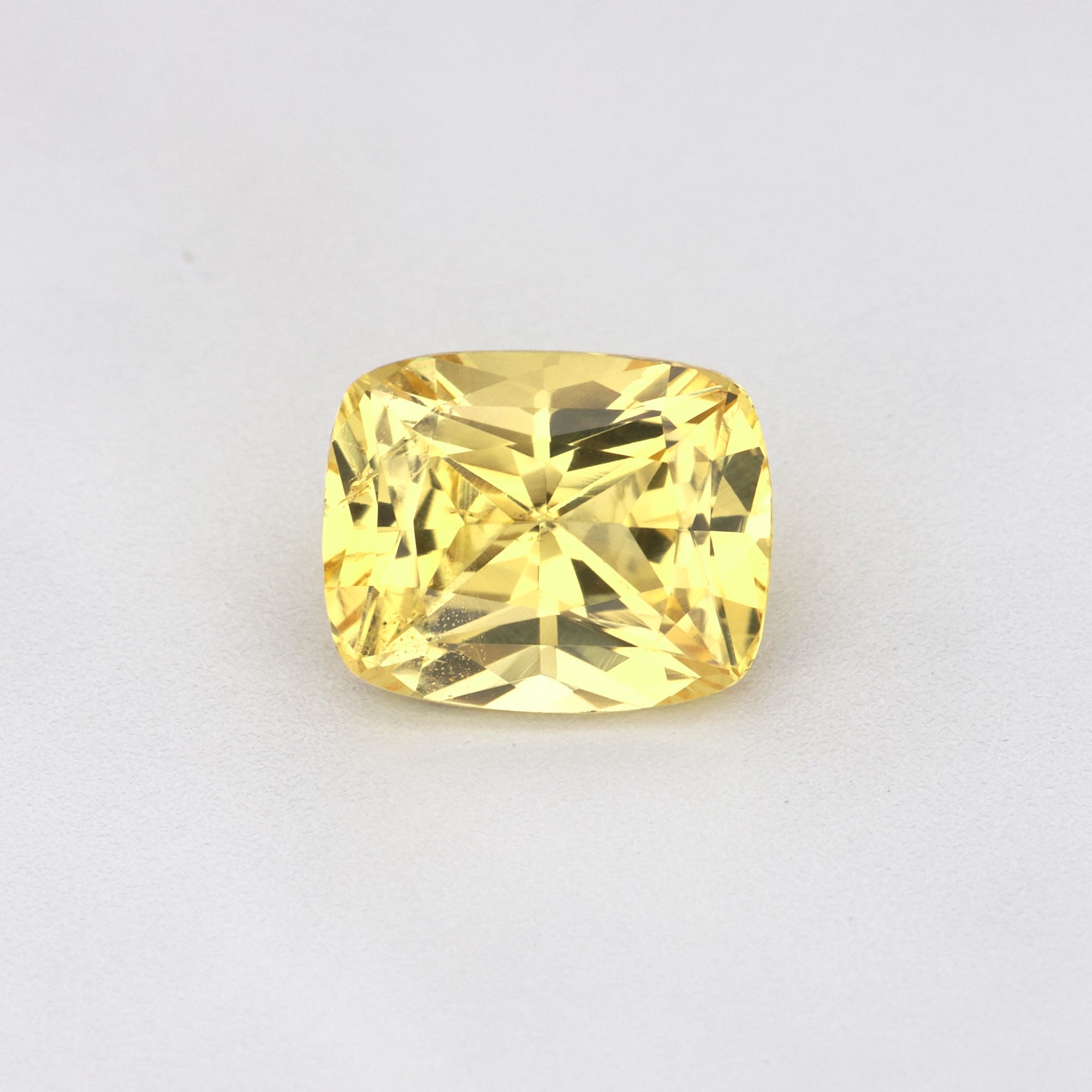
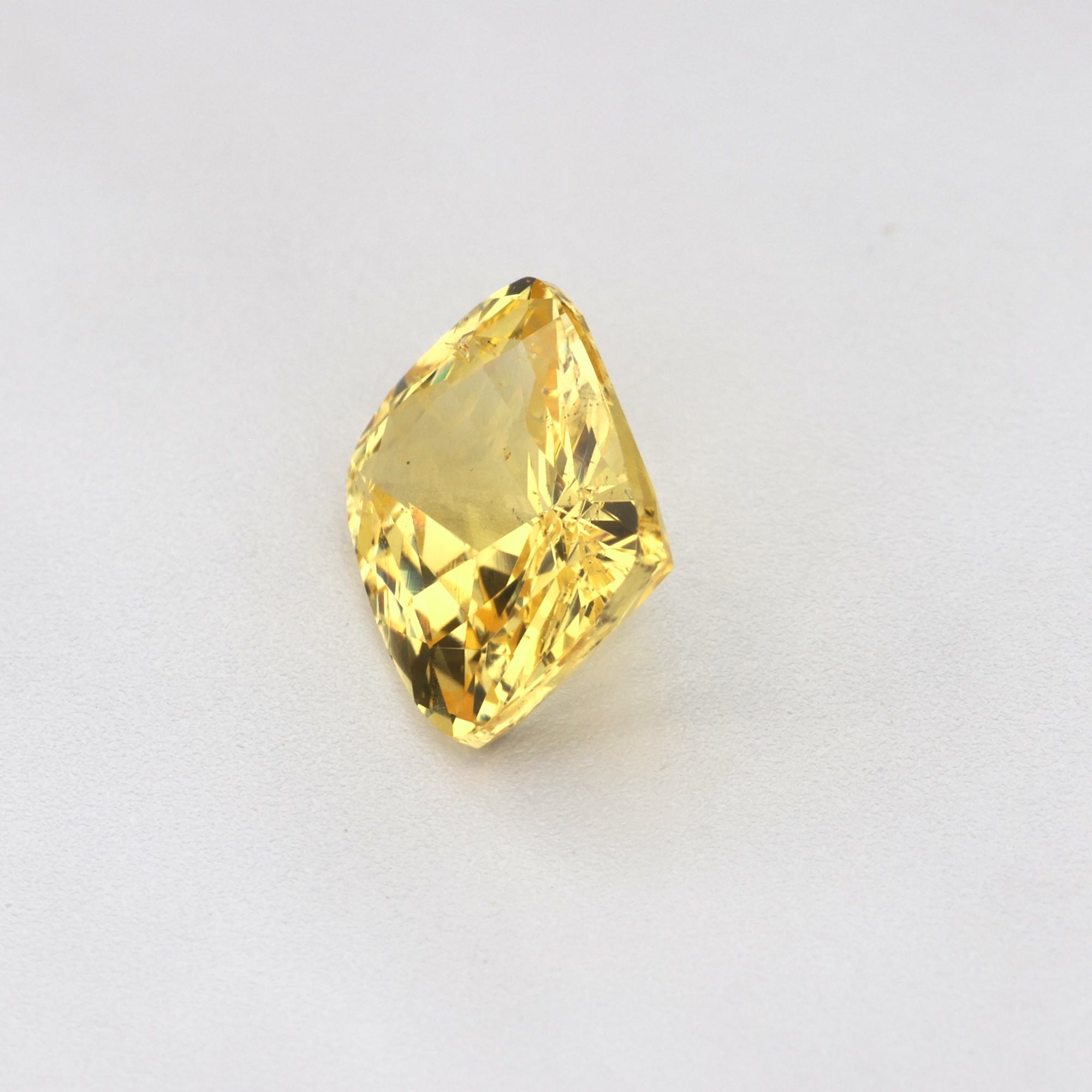
What makes the color: Yellow in corundum comes from iron, and in some stones from color centers — defects in the crystal lattice that absorb light — rather than from trace elements alone. The distinction matters, because color-center color can be less stable than trace-element color. Yellow is therefore the one color where it is sensible to ask what a particular stone's color is caused by, and to read a passed color-stability test for exactly what it says: that no change was observed under the conditions of that test, and nothing beyond them. Example from our collection: a 2.10ct GIA-documented unheated yellow oval at $1,890 (view).
Read the Yellow Sapphire Buyer's Guide and Buying Sapphires for Jyotish · Shop Yellow Sapphires
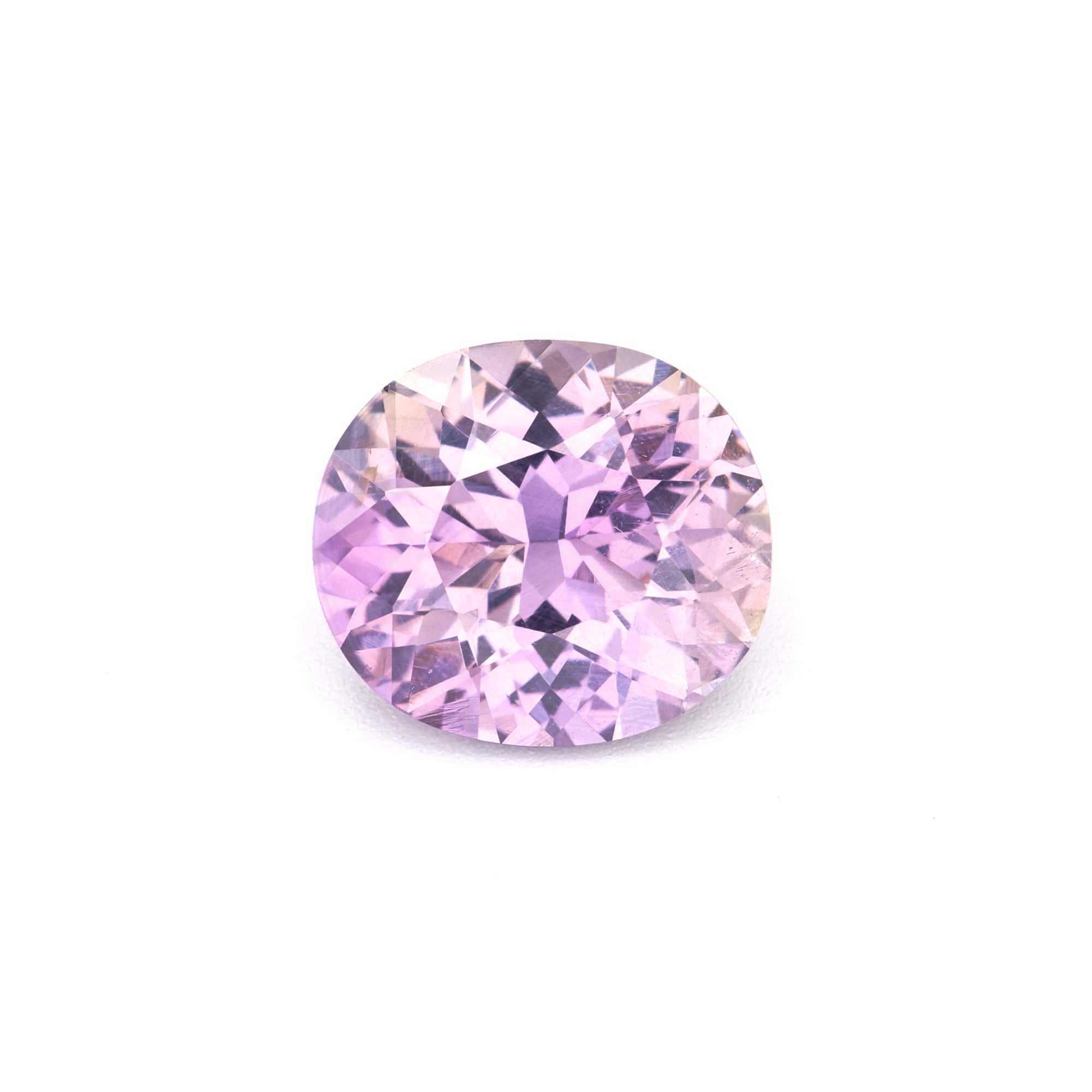
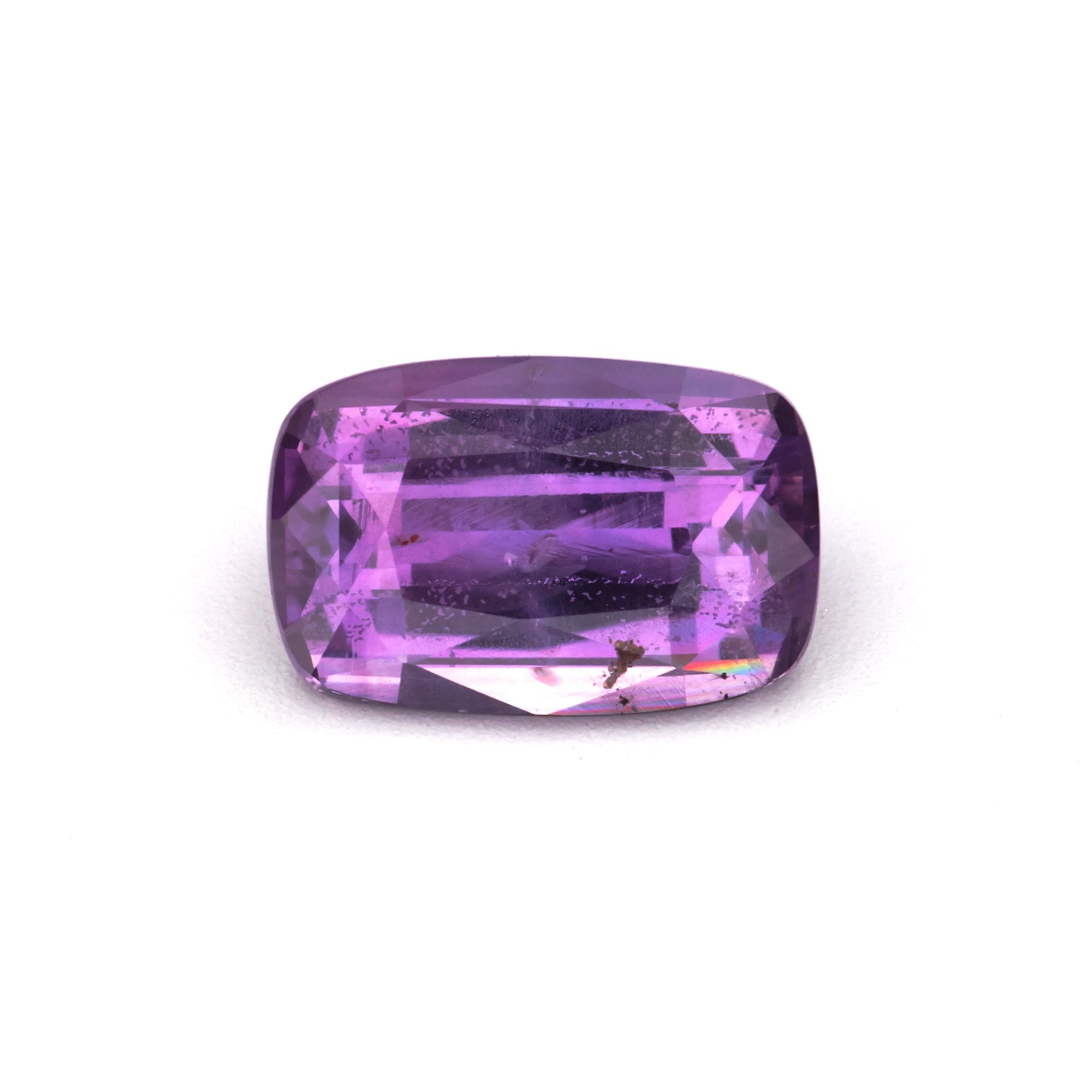
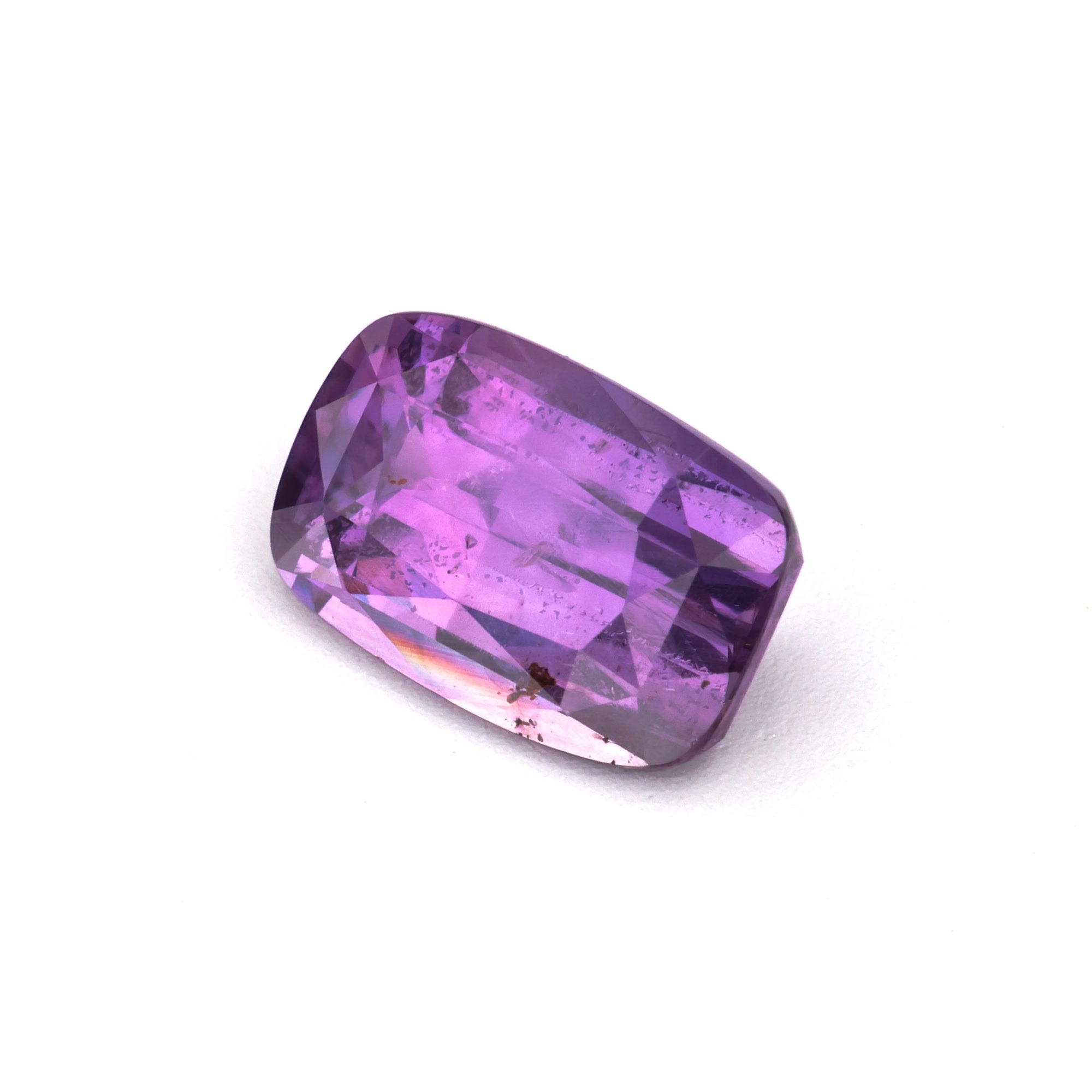
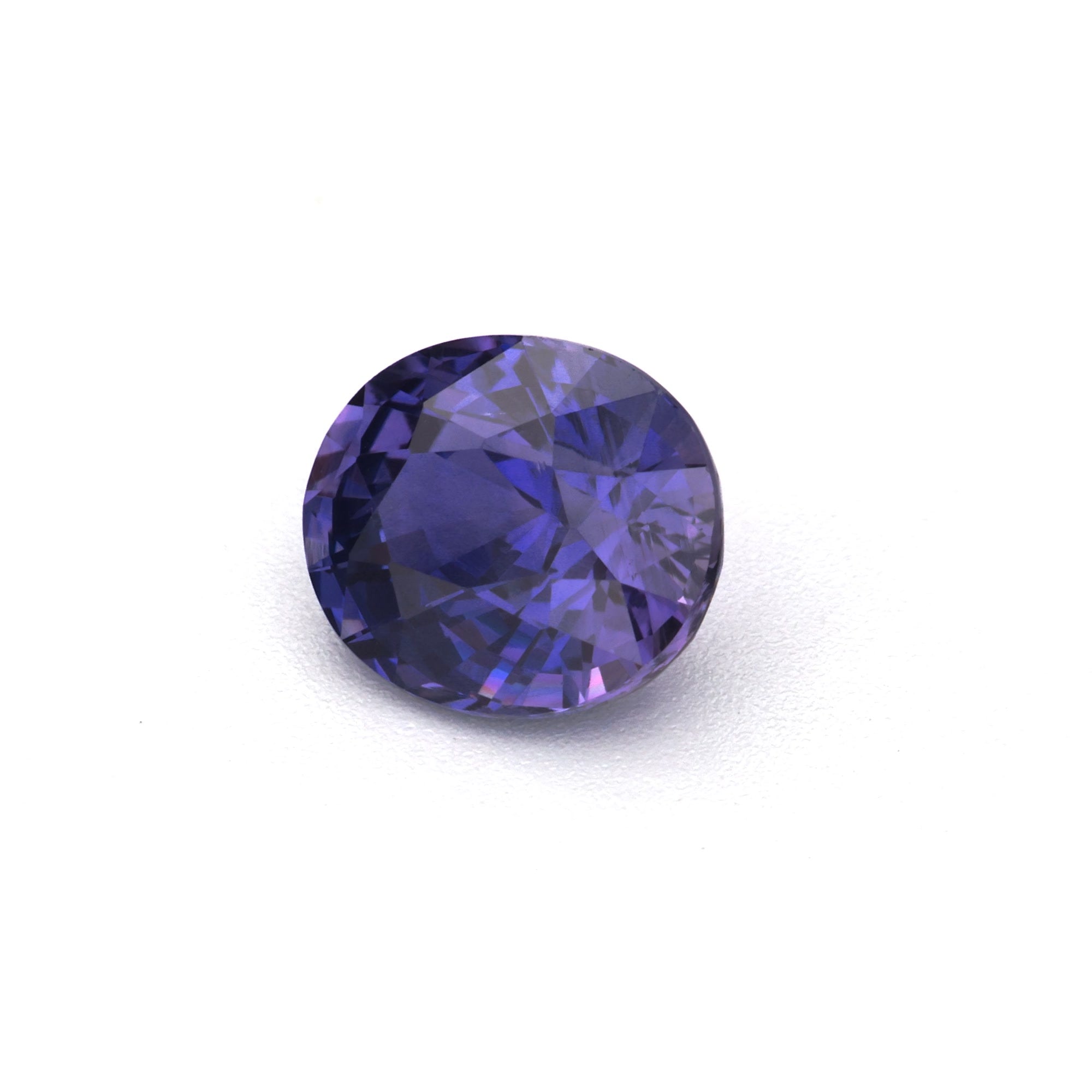
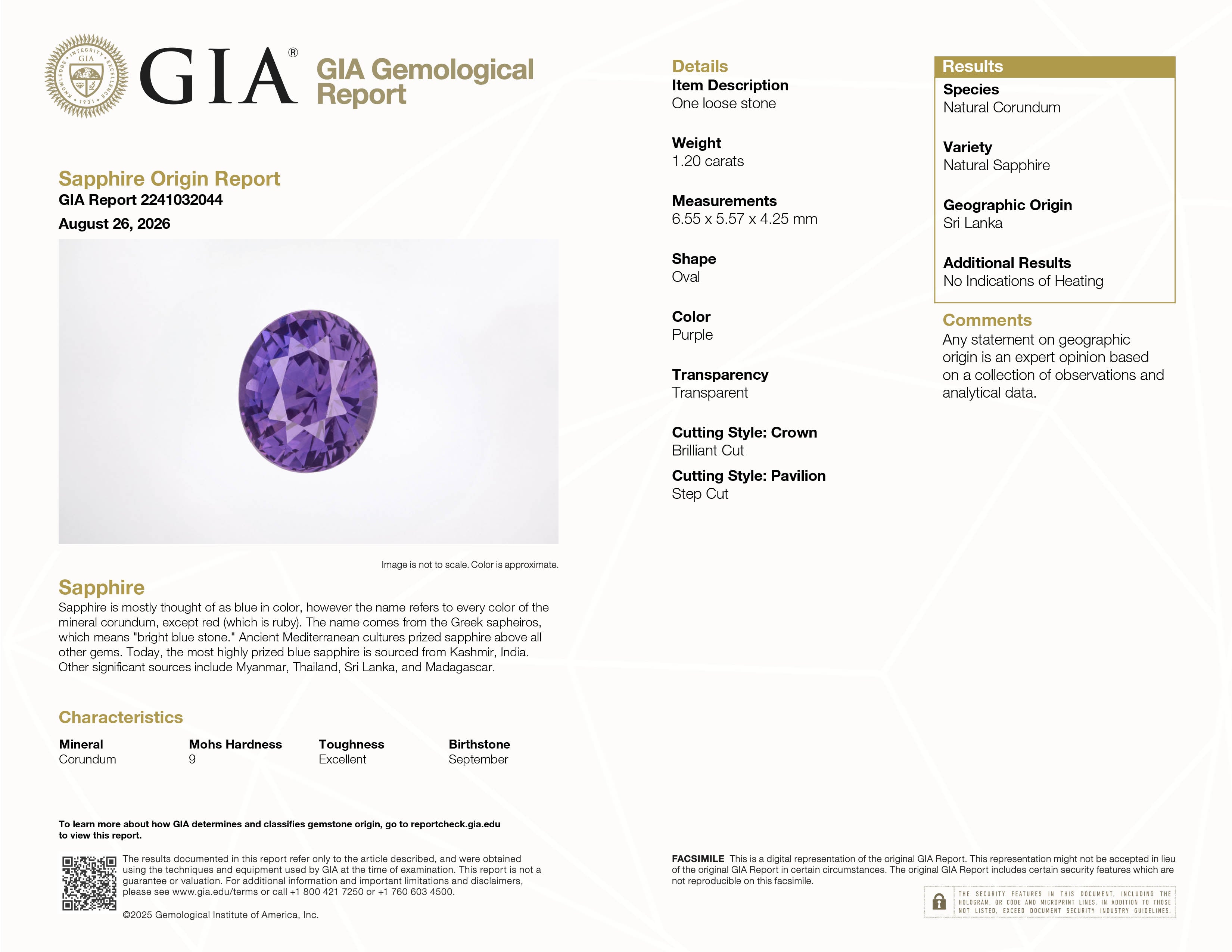
Purple and violet are two names for neighbouring parts of one range, and the line between them is a matter of description rather than of species. Violet sits nearer to blue, purple nearer to red, and a great many stones in this range will be called one by the first person to describe them and the other by the second. That makes the wording a stone carries on its own documentation more useful here than in any other color, and it makes seeing the stone yourself more useful still.
Why purple is trending: The vintage and Art Deco revival has created demand for colors that evoke historical jewelry. Purple is inherently regal and pairs beautifully with the milgrain, filigree, and engraved settings that define the vintage trend. Some violet sapphires show a subtle color shift between daylight and incandescent light, adding a dynamic quality that collectors prize.
Best metal pairings: Yellow gold creates a luxurious, regal contrast. White gold maximizes the cool purple tone. Rose gold adds romantic warmth.
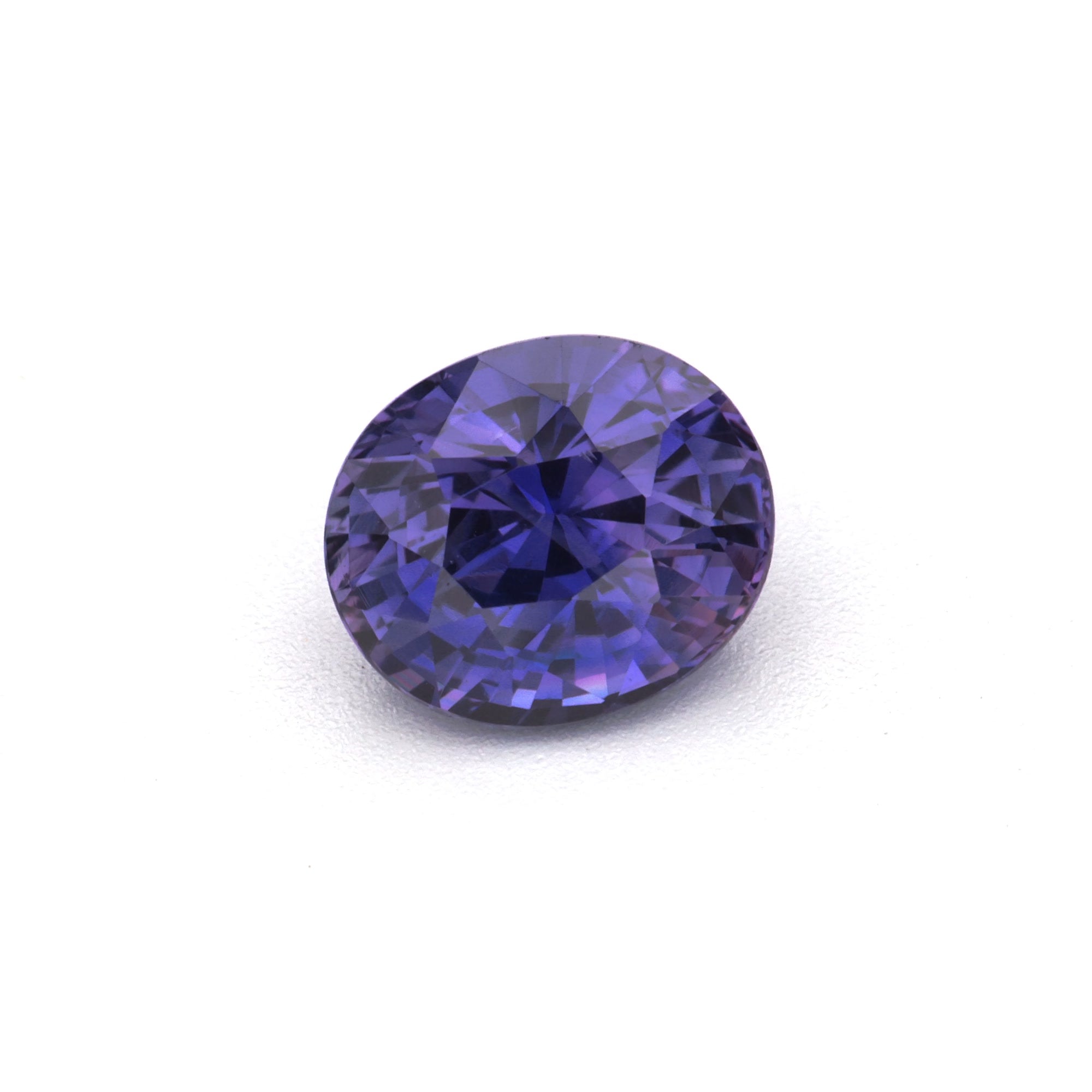
What makes the color: Purple in corundum needs both mechanisms at once: the chromium that produces pink and the iron-titanium pairing that produces blue, in the same stone. That is also the explanation for the color shift mentioned above — the two absorptions answer differently to daylight and to incandescent light, so a stone that leans violet by a window can lean red-purple under a lamp. Example from our collection: a 1.46ct unheated purple oval documented on an AGCL report at $1,606 (view).
Read the Purple Sapphire Buyer's Guide · Shop Purple and Violet Sapphires
Padparadscha is the one sapphire color name that is not ours to use. It is a laboratory designation for a particular balance of pink and orange, and a stone either carries it on a report or it does not. No amount of resemblance makes a peach or an orange stone a padparadscha, and we do not apply the word to anything in our own stock. Awareness of the name is spreading faster than any understanding of what it denotes, which is the reason this section exists at all.
What buyers get wrong: The most frequent mistake is treating padparadscha as a shade rather than as a determination. Two stones can look alike in a photograph and only one of them carry the designation, and a photograph is not what the designation is made from. The second mistake is assuming the name travels with a stone that has no report at all: where there is no document, there is no designation, whatever a listing chooses to call the stone.
What we hold: Nothing. We do not currently have padparadscha in stock at any size, and we will not put another color forward as a stand-in for it — if you are specifically looking for one, email crescentgems@gmail.com and we will search on your behalf.
Read the Padparadscha Guide · Padparadscha Sapphires collection (currently no padparadscha in stock — email us to be notified when new stock arrives)
Sapphire color does not exist in isolation — the setting, metal, and design context change how the color reads. These are the design trends shaping which sapphire colors buyers choose:
Yellow gold dominance. Yellow gold enhances warm colors (yellow, peach, pink, orange) and adds vintage warmth to cool colors (blue, teal, purple). The return of yellow gold as the leading metal is one reason warm sapphire colors are trending so strongly.
East-west settings. Setting an oval, pear, or marquise sapphire horizontally rather than vertically creates a modern, unconventional silhouette. This works particularly well with teal, parti-colored, and color-change sapphires where the orientation affects how the color displays.
Toi et moi ("you and me") designs. Two stones set side by side, a format that has come back strongly in the past few years. The most popular pairing: a sapphire alongside a diamond, using the contrast between color and colorless to represent two personalities in one ring. Teal, pink, and vivid blue are the most popular sapphire choices for toi et moi.
Vintage and Art Deco revival. Milgrain edges, filigree, hand engraving: all are being asked for again. These settings favor deep, saturated colors that fill the intricate metalwork: royal blue, deep purple, vivid pink.
Bezel settings. The chunky bezel trend — wrapping metal around the stone's perimeter rather than holding it with prongs — creates a modern, secure silhouette that suits active lifestyles. Bezels work with every sapphire color but are especially popular with teal and green, enhancing their earthy, organic quality.
For more on how to match sapphire color to setting style, see How to Choose a Sapphire for Your Engagement Ring and How to Commission a Custom Ring.
| Color | Trend Direction | What Causes the Color | What We Hold |
|---|---|---|---|
| Teal | Strong growth | Iron and titanium together, with iron alone on the green side | Unheated; GIA-documented examples at 1–2ct |
| Peach | Strong growth | Chromium with the iron-related yellow component | Unheated; GIA-documented examples at 1–2ct |
| Blue (vivid) | Steady, dominant | Iron and titanium together; tone follows how much of the pairing is present | Heated and unheated; GIA-documented unheated begins above 2ct |
| Pink | Rising fast | Chromium | Unheated; GIA-documented |
| Yellow | Growing with gold trend | Iron, and in some stones a color center | Unheated Ceylon; GIA-documented |
| Purple/Violet | Emerging | Chromium and the iron-titanium pairing in one stone | Unheated; the example above is documented on an AGCL report |
| Padparadscha | Rising interest | Pink and orange in balance, as determined on a report | None in stock at any size |
| Green | Steady | Iron | See the green sapphire collection below |
This table summarises what is set out above. It is not a price list and it carries no price indication of any kind: the only figures of that sort on this page are the listed prices of individual stones we hold, each one beside a link to the stone it belongs to.
For how the color factors fit together in practice, see Sapphire Pricing Explained. To compare all colors visually, explore our Interactive Sapphire Color Chart.
A color is read in a light, and in a cut. A sapphire has no single color. It has the color it shows under the light it is in, and the two lights that matter are daylight and the warm incandescent light most rings are actually admired under. Warm colors gain under a lamp and cool colors lose, and a stone with a shift in it can travel further than a buyer expects. Cut moves color just as far. A stone cut too deep concentrates color and goes dark through the center; one cut too shallow windows, and the color drains out of the middle. Color zoning — bands of stronger and weaker color inside the crystal — can be buried or exposed depending on how the cutter set it against the table. Judge a color from a stone, in two lights, face-up.
Trends do not change the fundamentals. Regardless of what is trending, the buying priorities remain the same: vivid color, excellent cut quality with no window, eye-clean clarity, and honest treatment disclosure. A trending color in a poorly cut stone is still a poor purchase. A less-trendy color in a superb cut is still a great one. See How Cut Affects a Sapphire.
Natural and laboratory-grown are different materials, not better and worse ones. A laboratory-grown sapphire is the same mineral, with the same chemistry and the same Mohs 9 hardness; what differs is where it grew and how long it took to do it. That difference does not show in the face-up color, which is precisely why it belongs on a stone's documentation and not in a description of how it looks. Everything we sell is earth-mined, and every stone is sold with its treatment stated. See Sapphire vs. Moissanite vs. Lab Diamond.
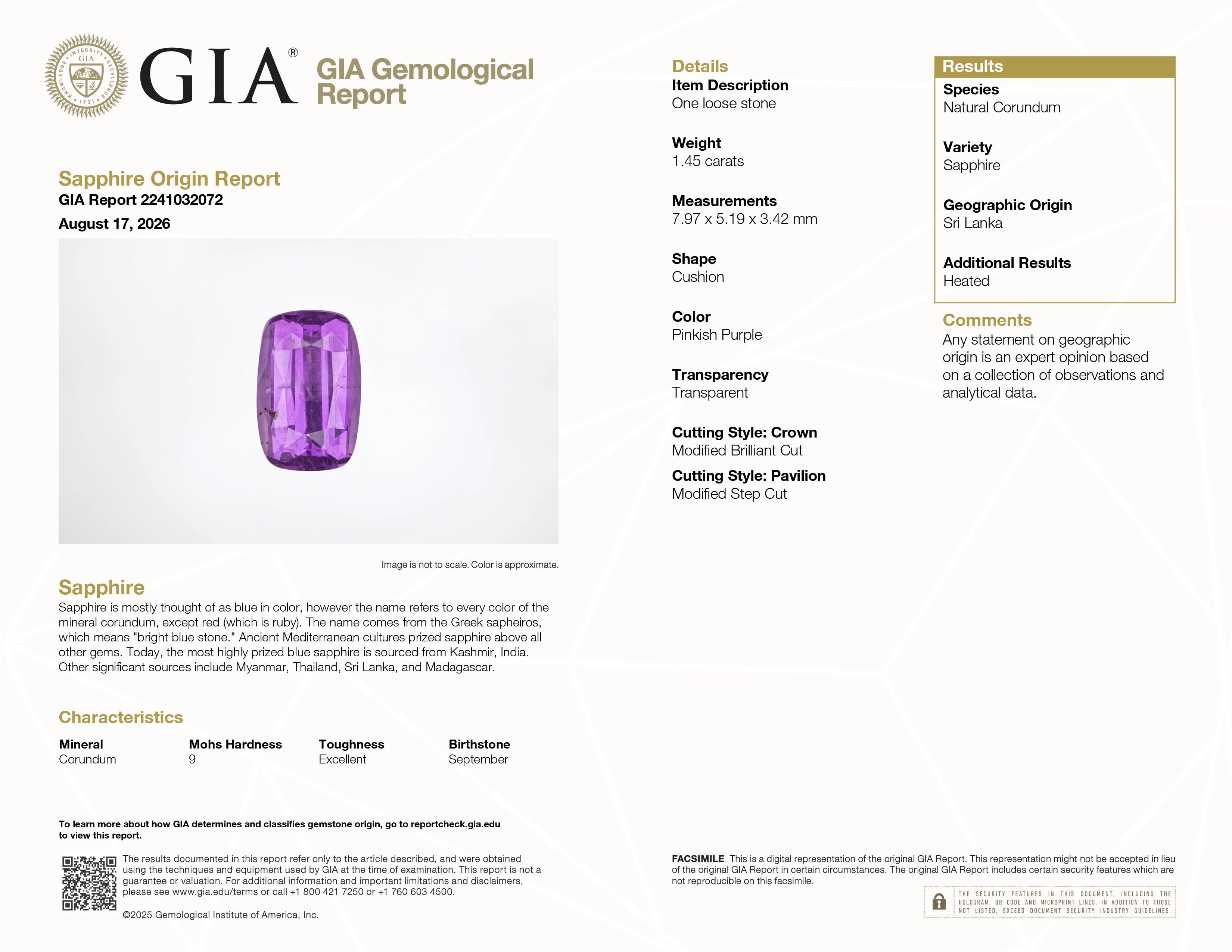
What the paperwork settles, and what it does not. Two words on a sapphire page are routinely read as one. Unheated is a finding about heating and about nothing else. Untreated would be a claim about every treatment there is, and we do not make it. A report recording no indications of heating has answered the heating question, which is the question it was asked. Geographic origin is a further step again, and the laboratories are explicit about where it stands: GIA, writing in Gems & Gemology, states that geographic origin determinations on reports are "opinions—they are not indisputable facts," and SSEF puts it in a line: "Origin determination is an expert opinion." We sell Ceylon sapphire because we buy at the source in Sri Lanka; where a report carries an origin opinion too, that is what it is.
Every stone in our catalog is natural, individually photographed, and ships with complete treatment disclosure and a 14-day return policy:
Ready to design a ring around your favorite color? Our in-house jewelry division handles everything from loose stone to finished piece. See How to Commission a Custom Ring or email crescentgems@gmail.com. We respond within one business day.
Cognac and champagne tones are the brown end of the same species, colored by iron — see our brown sapphire collection.

CG8437
1.29 ct Natural Unheated Teal Sapphire – Cushion Cut | GIA Report
CG8429
CG8308

CG8330
CG8409
CG8366
CG8333
Prices are shown in your local currency and may change.
CG8454
CG8465
1.86 ct Natural Tsavorite Garnet, Cushion Shape | GIA Report #1242032119
CG8464
CG8463
CG8460
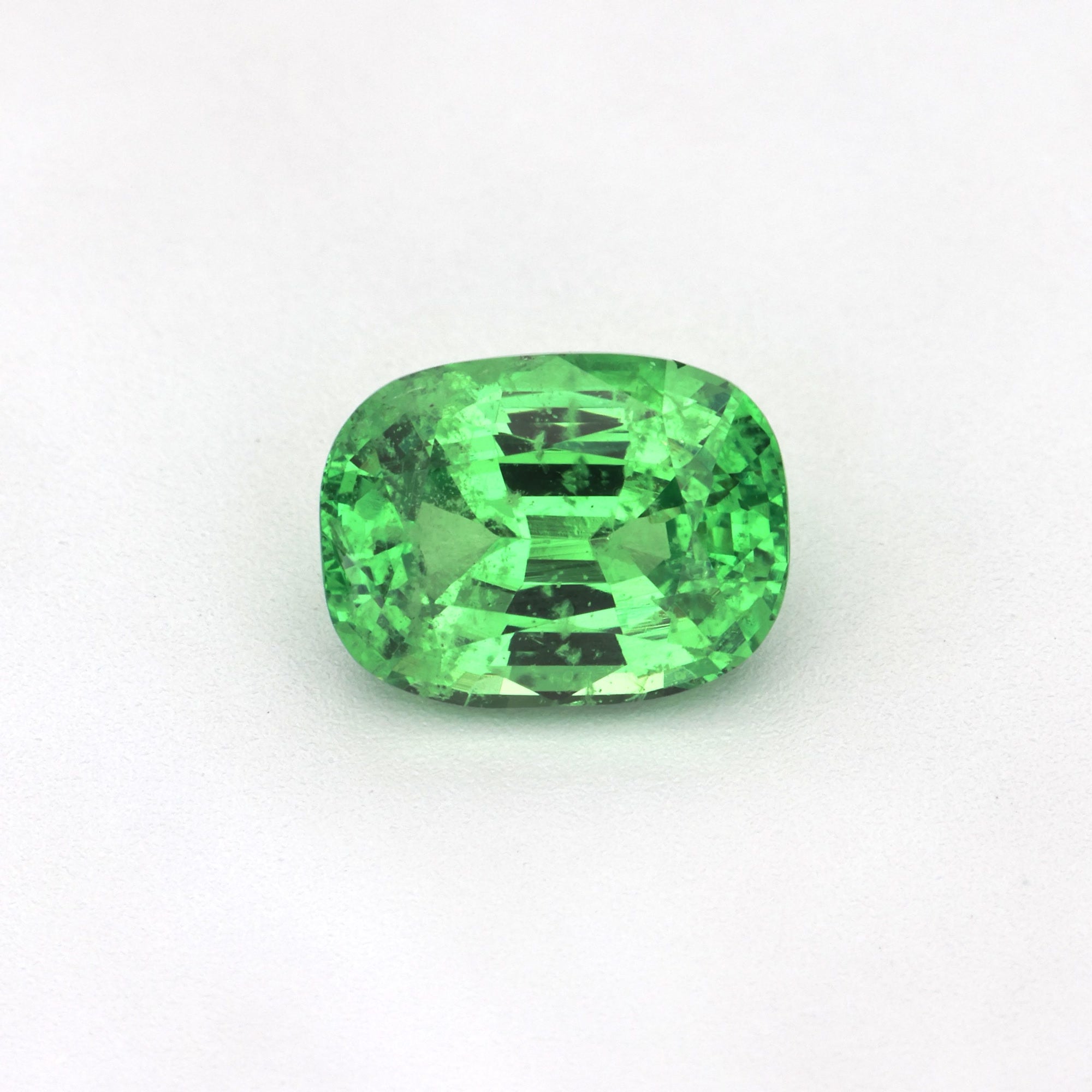
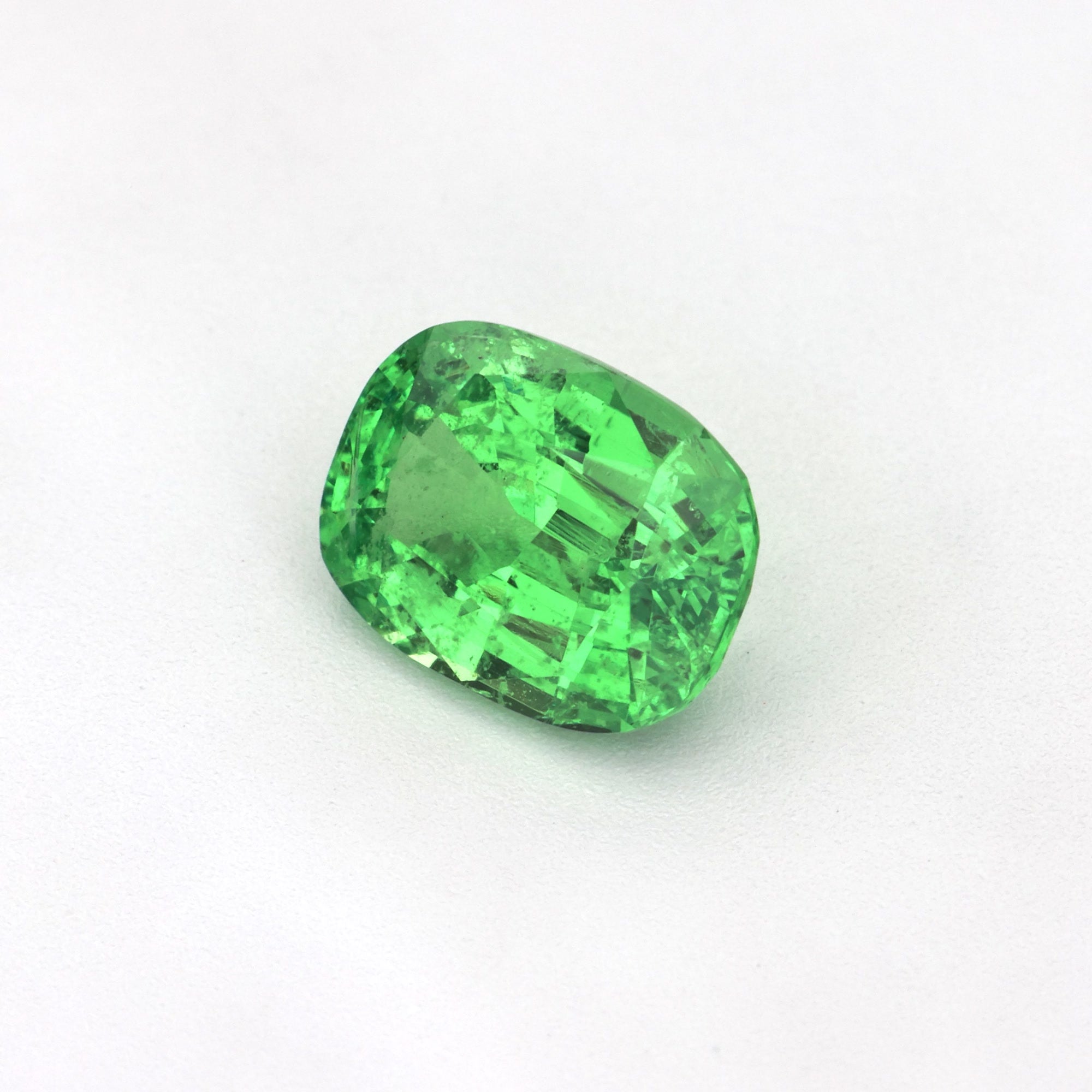
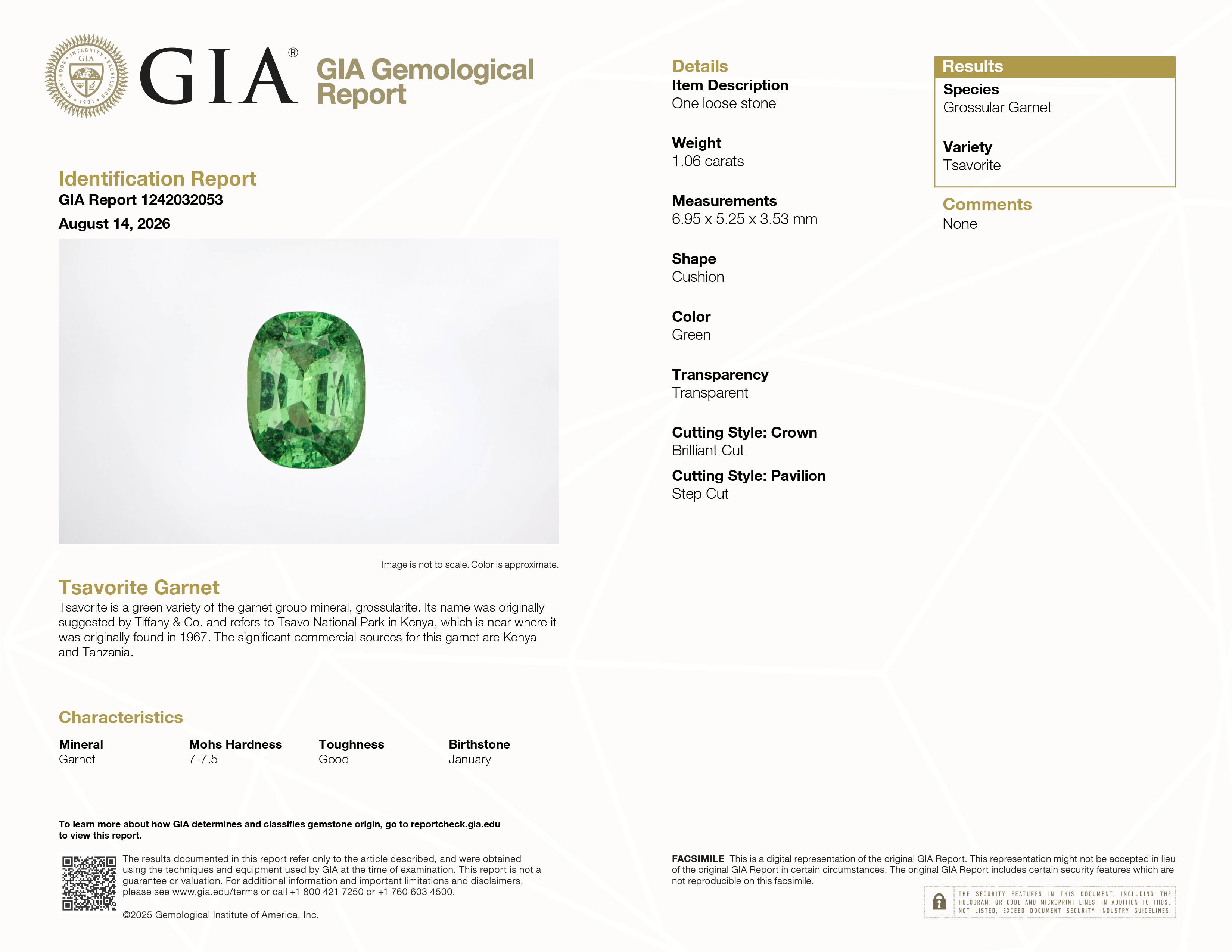
1.06 ct Natural Tsavorite Garnet, Cushion Shape | GIA Report #1242032053
CG8459
CG8458
CG8457
CG8456
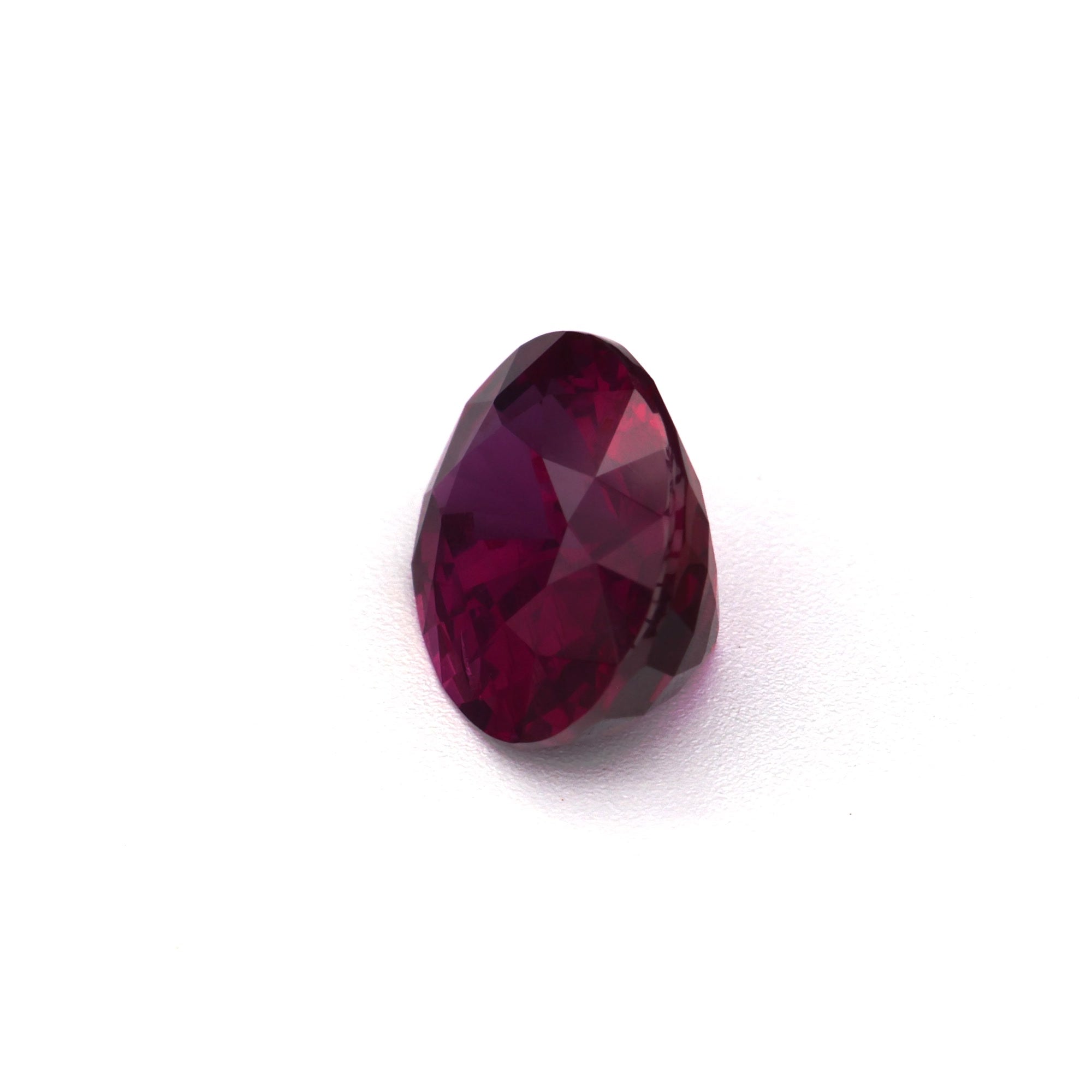
1.65 ct Natural Unheated Ruby – Oval Cut | GIA Report | Madagascar
CG8453


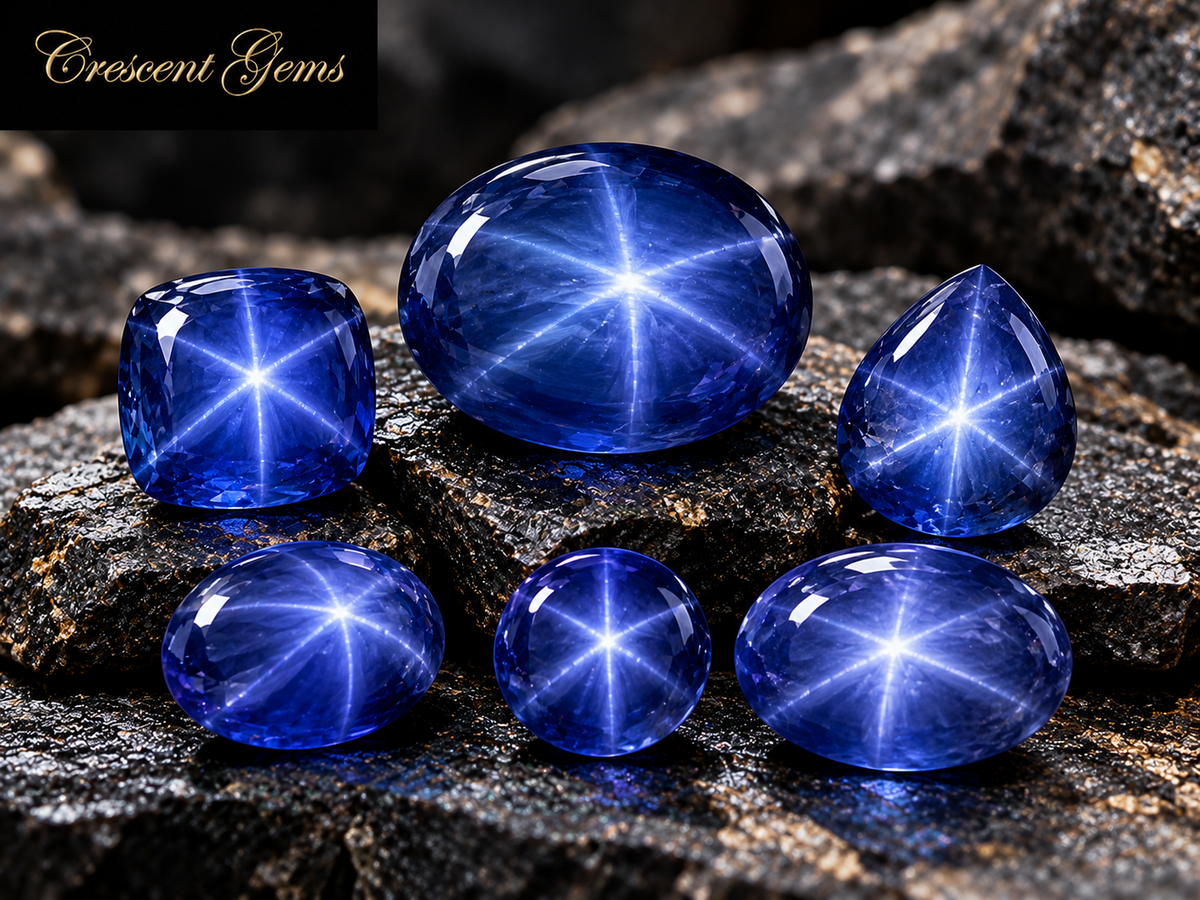
Blue Star Sapphire Price Guide — What They Cost and Why
Read moreabout Blue Star Sapphire Price Guide — What They Cost and Why
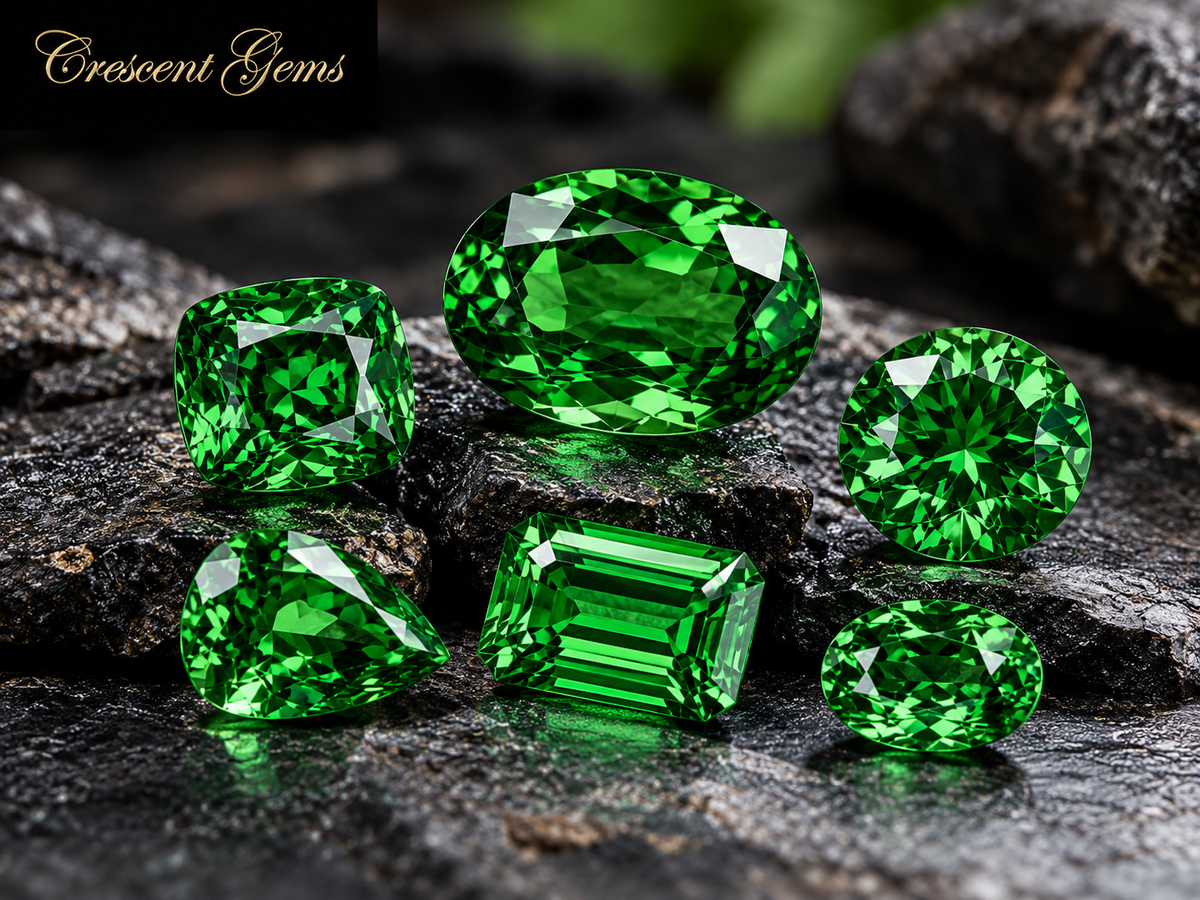
Tsavorite Garnet Price Guide — What They Cost and Why
Read moreabout Tsavorite Garnet Price Guide — What They Cost and Why
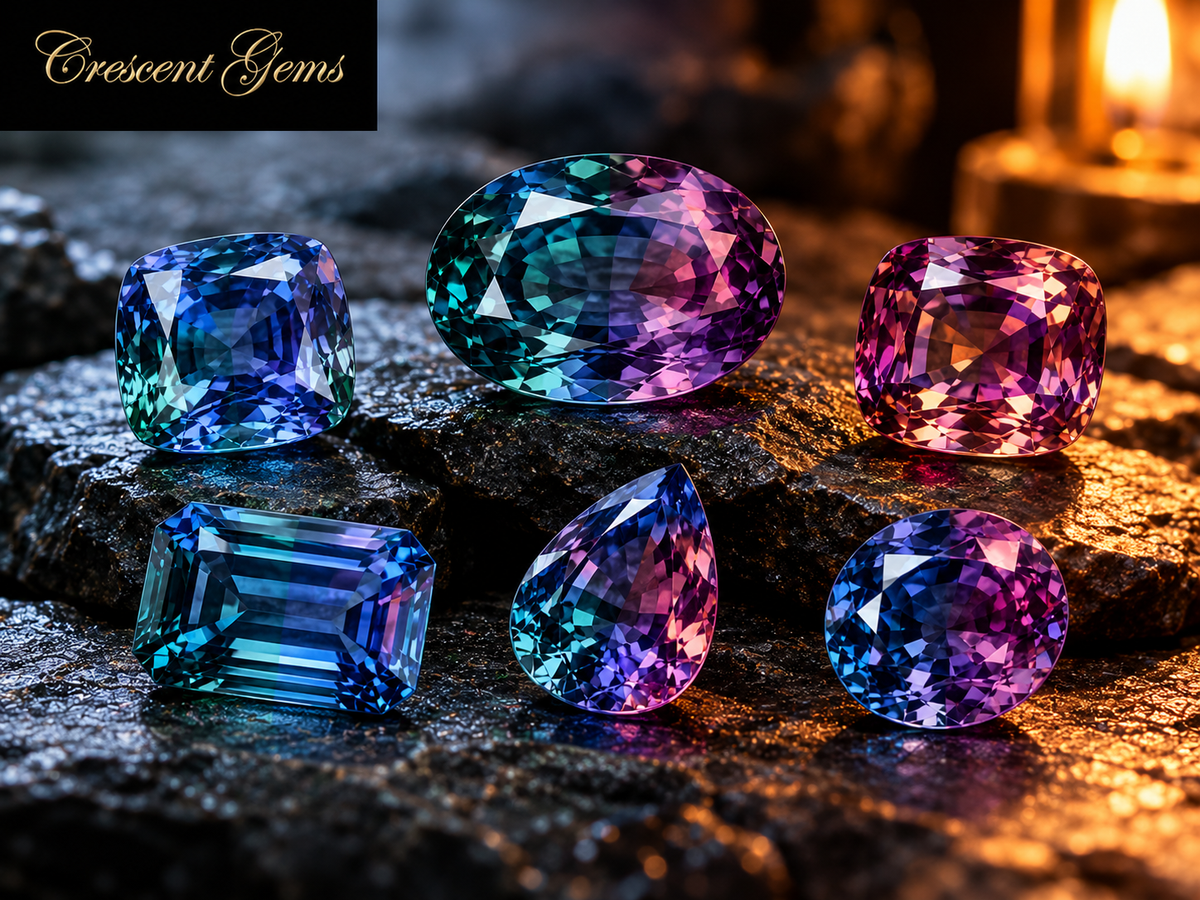
Color-Change Sapphire Price Guide — What They Cost and Why
Read moreabout Color-Change Sapphire Price Guide — What They Cost and Why
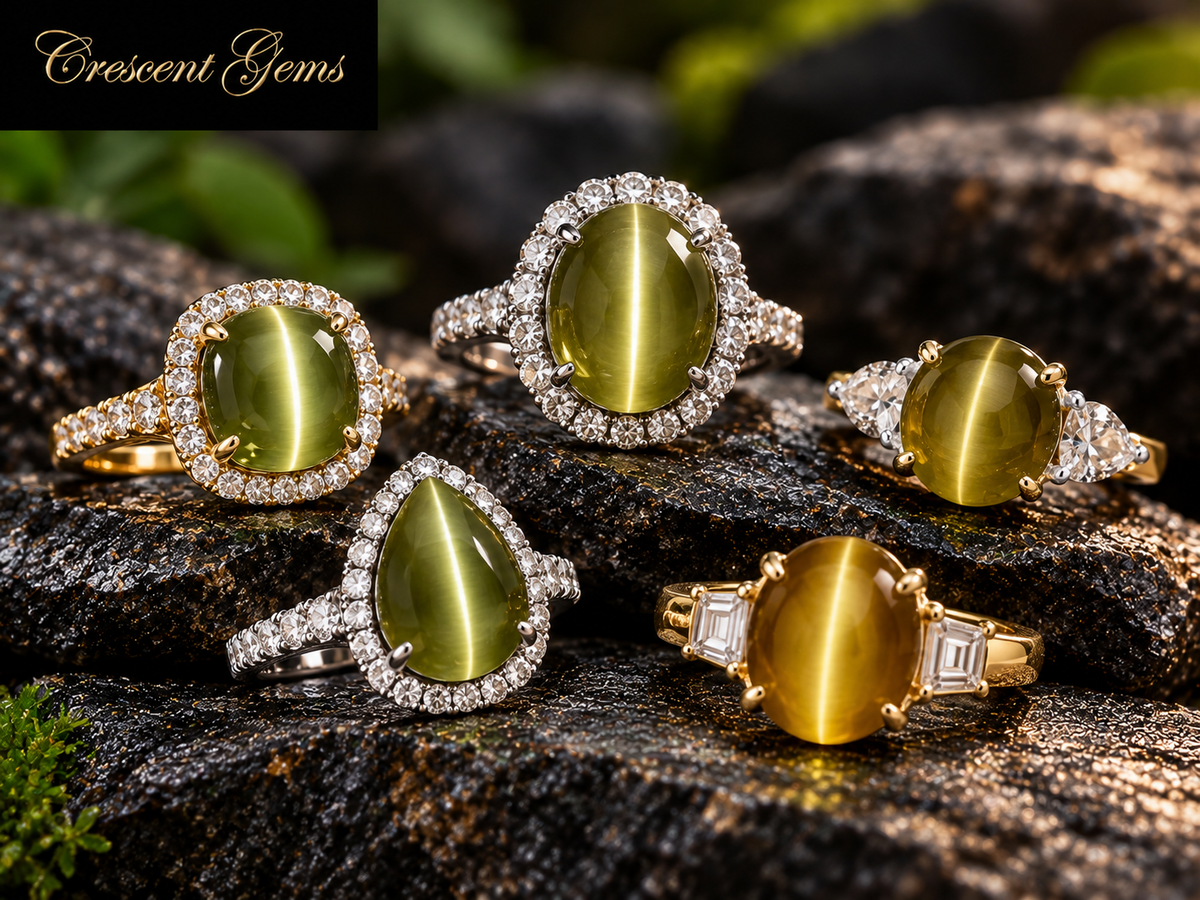
Is Cat's-Eye Chrysoberyl Good for an Engagement Ring?
Read moreabout Is Cat's-Eye Chrysoberyl Good for an Engagement Ring?
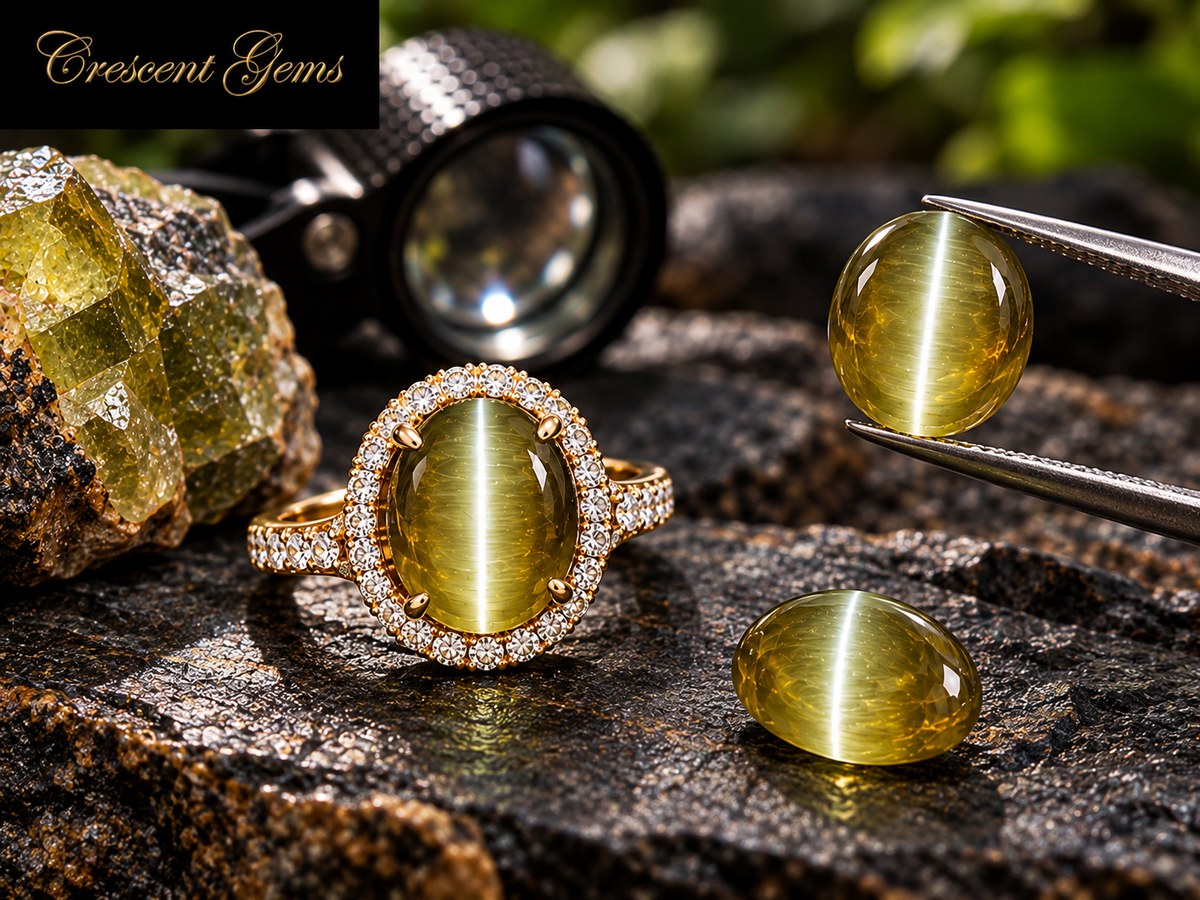
Cat's Eye Chrysoberyl Price Guide — What They Cost and Why
Read moreabout Cat's Eye Chrysoberyl Price Guide — What They Cost and Why






















Share: