

- by Ahmed Shareek
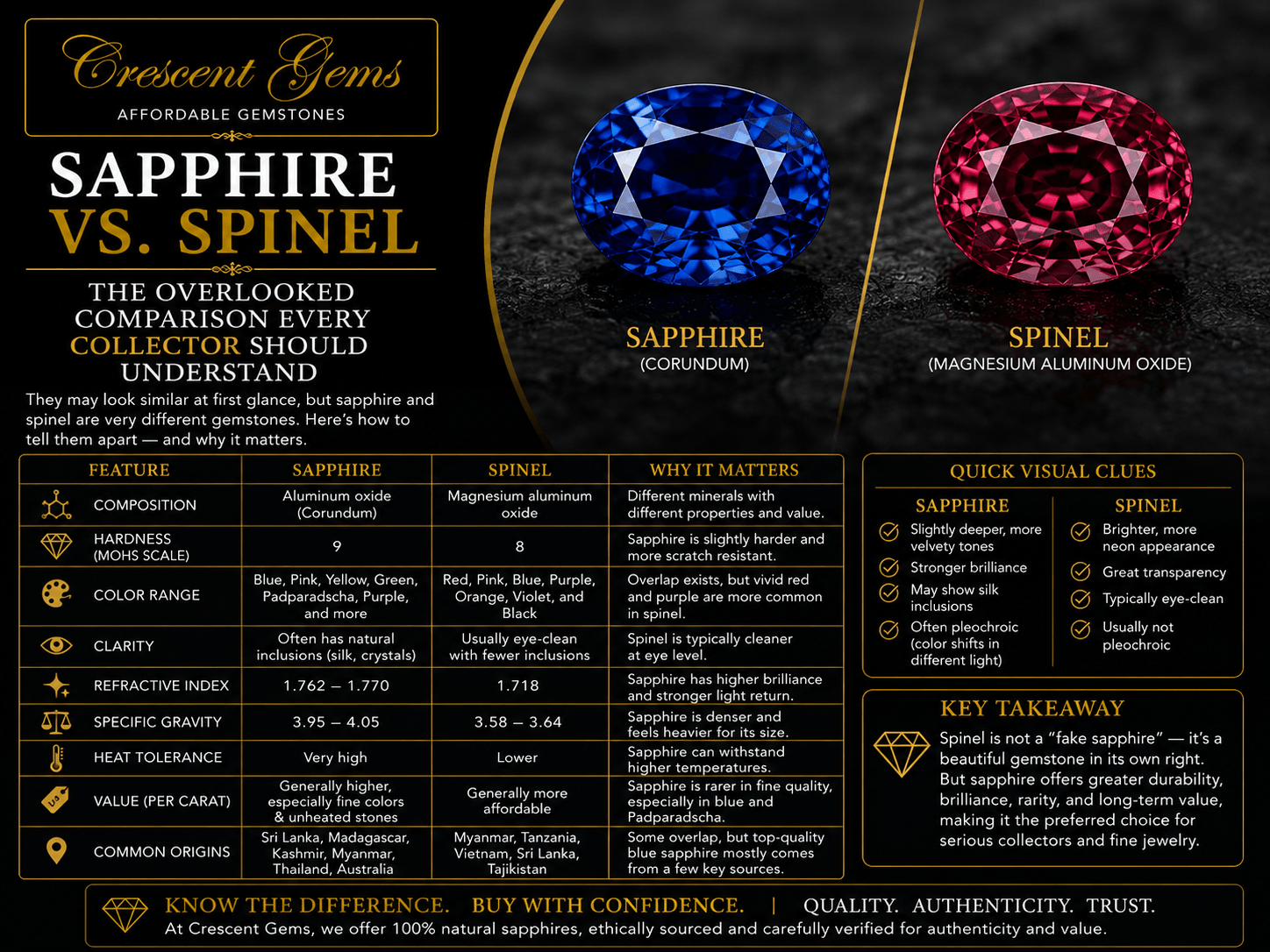
Sapphire vs. Spinel — A Collector's Comparison of Two Different Species
- by Ahmed Shareek
New to buying sapphires? Start with our Ultimate Sapphire Buying Guide — the complete resource for color, origin, treatment, and pricing.
For most of gemological history, spinel did not even have its own name. The great "rubies" of royal collections — the Black Prince's Ruby in the British Imperial State Crown, the Timur Ruby in the British Crown Jewels — were identified as spinels only after modern mineralogy could tell the difference. Spinel spent centuries in the shadow of corundum, mistaken for ruby or sapphire.
What ended the confusion was a different kind of evidence: once mineralogy could read crystal structure, refractive index and chemistry, the two species separated cleanly. The comparison today is a practical one. Sapphire and spinel are cut in several of the same colors and come out of the same gem gravels, so a buyer can face a real choice between them — and in some colors, only a laboratory can say which of the two a stone actually is.
This guide provides an honest, side-by-side comparison of the two minerals on the points a buyer actually compares: color, hardness, treatment, clarity, documentation, price, and recognition. We sell sapphires at Crescent Gems — but understanding where spinel has genuine advantages is part of what makes our guidance trustworthy.
| Factor | Sapphire (Corundum) | Spinel |
|---|---|---|
| Mineral | Aluminum oxide (Al₂O₃) | Magnesium aluminum oxide (MgAl₂O₄) |
| Crystal system | Trigonal (hexagonal) | Cubic (isometric) |
| Hardness | Mohs 9 | Mohs 8 |
| Toughness | Excellent | Good |
| Color range | Every color | Red, pink, blue, violet, gray, black |
| Pleochroism | Yes (shows different colors along axes) | None (singly refractive) |
| Standard treatment | Heating is a routine step; status stated per stone on a report | Heating not a routine step; treated spinel exists, status stated per stone on a report |
| Clarity | Judged stone by stone; may carry rutile silk | Usually bought eye-clean |
| Market recognition | Widely known by name | Less widely known by name |
| What the report states | Species and variety, then treatment; origin on request | Species, then treatment; origin on request |
| Weight at the same size | Heavier; corundum is the denser mineral | Lighter; spinel is the less dense mineral |
This table compares the two species on what is documented about them. It is not a valuation and contains no price indication.
Spinel is magnesium aluminum oxide — a different mineral from corundum, with a different crystal structure, different chemistry, and different optical properties. It crystallizes in the cubic system (like diamond and garnet), which means it is singly refractive — it has no pleochroism, no directional color variation, and no birefringence doubling. Light passes through spinel the same way regardless of direction.
This single refraction gives spinel a clean, pure optical character that some collectors consider more "honest" than corundum's pleochroic complexity. A red spinel shows the same red from every angle. A blue sapphire may show different blues, violets, or greens depending on which crystal axis you are looking along. Whether you prefer the simpler or the more complex optical character is a matter of taste.
Spinel forms in the same geological environments as corundum — in metamorphic marbles and in alluvial deposits. In Sri Lanka, Tanzania, and Vietnam, spinel is literally found alongside sapphire and ruby in the same gem gravels. The two minerals are geological siblings, which is why they were confused for so long.
Sapphire and spinel share several colors but each has territories where it dominates.
Vivid red and hot pink. This is spinel's strongest suit. Red spinel produces a vivid, neon-bright red or hot pink; trade names such as "flame spinel" and "Jedi spinel" attach to the brightest of this material, and neither is a laboratory term. The color is chromium-based (the same element that colors ruby and pink sapphire), but the host is different: because spinel is cubic and singly refractive, its red has one appearance from every direction, where chromium in corundum gives two slightly different hues depending on how the stone is viewed.
Because chromium reds occur in both minerals and the two turn up in the same gravels, telling red spinel from ruby is the first thing a laboratory settles, and color plays no part in it: spinel is singly refractive and ruby doubly refractive, so a polariscope or a refractometer separates them. For the ruby side of that comparison, browse our GIA-documented ruby collection.
Cobalt blue. A specific subset of blue spinel — colored by cobalt rather than iron — produces a vivid, slightly violet-tinged blue whose cause can be established instrumentally rather than by eye. Vietnam (Luc Yen) and Tanzania both produce it, and cobalt can also be introduced into pale blue spinel by diffusion, so a cobalt blue is a stone to buy with a report whose comments section addresses treatment. The color is different from blue sapphire's iron-titanium blue: brighter, more neon, less deep.
Lavender and gray. Spinel produces delicate lavender, gray-violet, and steel-gray tones that have no direct equivalent in sapphire. These softer, more nuanced colors are used in modern engagement ring designs and are one of spinel's own contributions to the color palette.
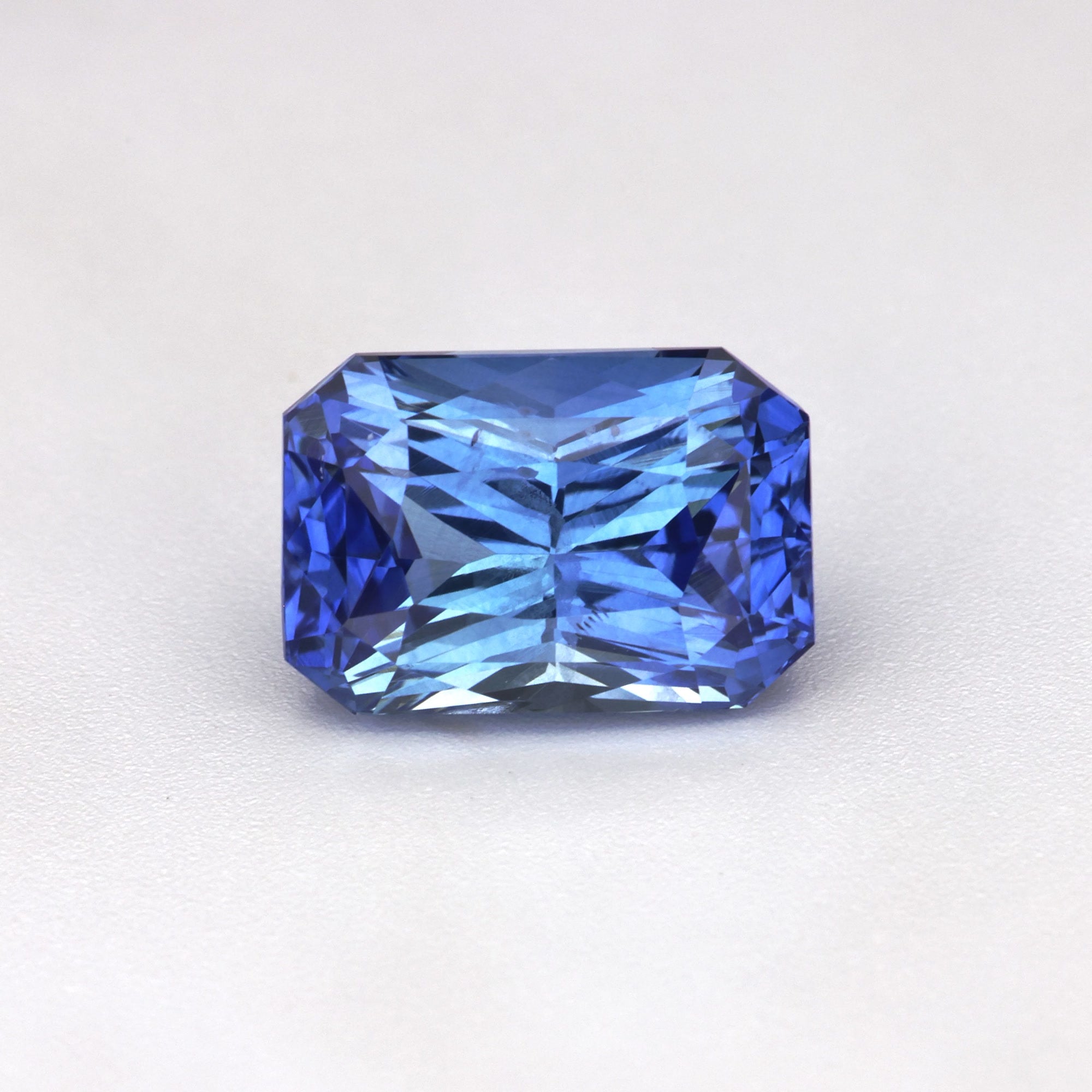
Blue depth and range. While cobalt spinel produces a brilliant neon blue, sapphire produces the full blue spectrum from pale pastel to deep, dark blue. Sapphire's blue — a medium-toned blue with slight violet at its most familiar — comes from the iron-titanium pair, which is not how spinel is colored. For the full range, see our Blue Sapphire Buyer's Guide.
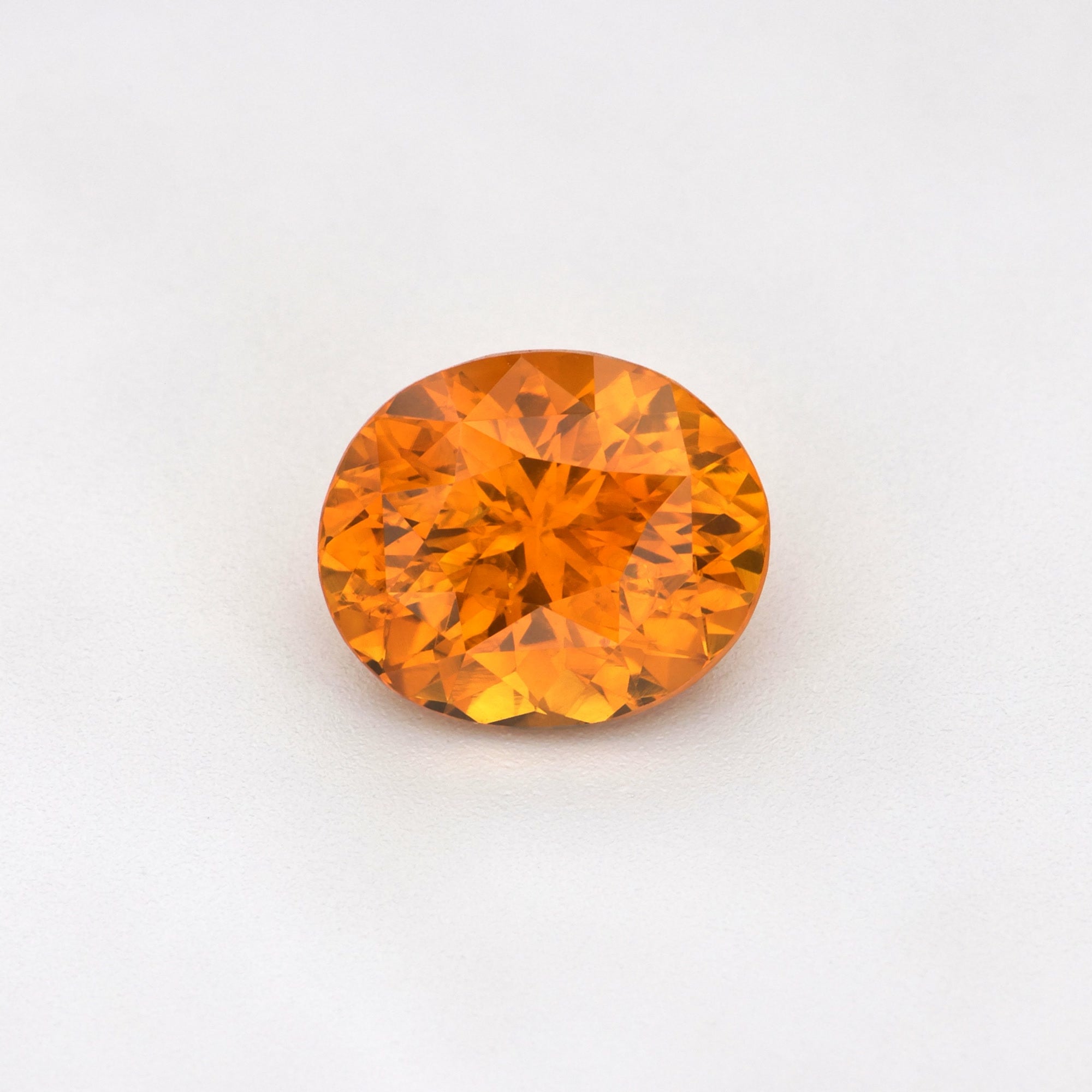
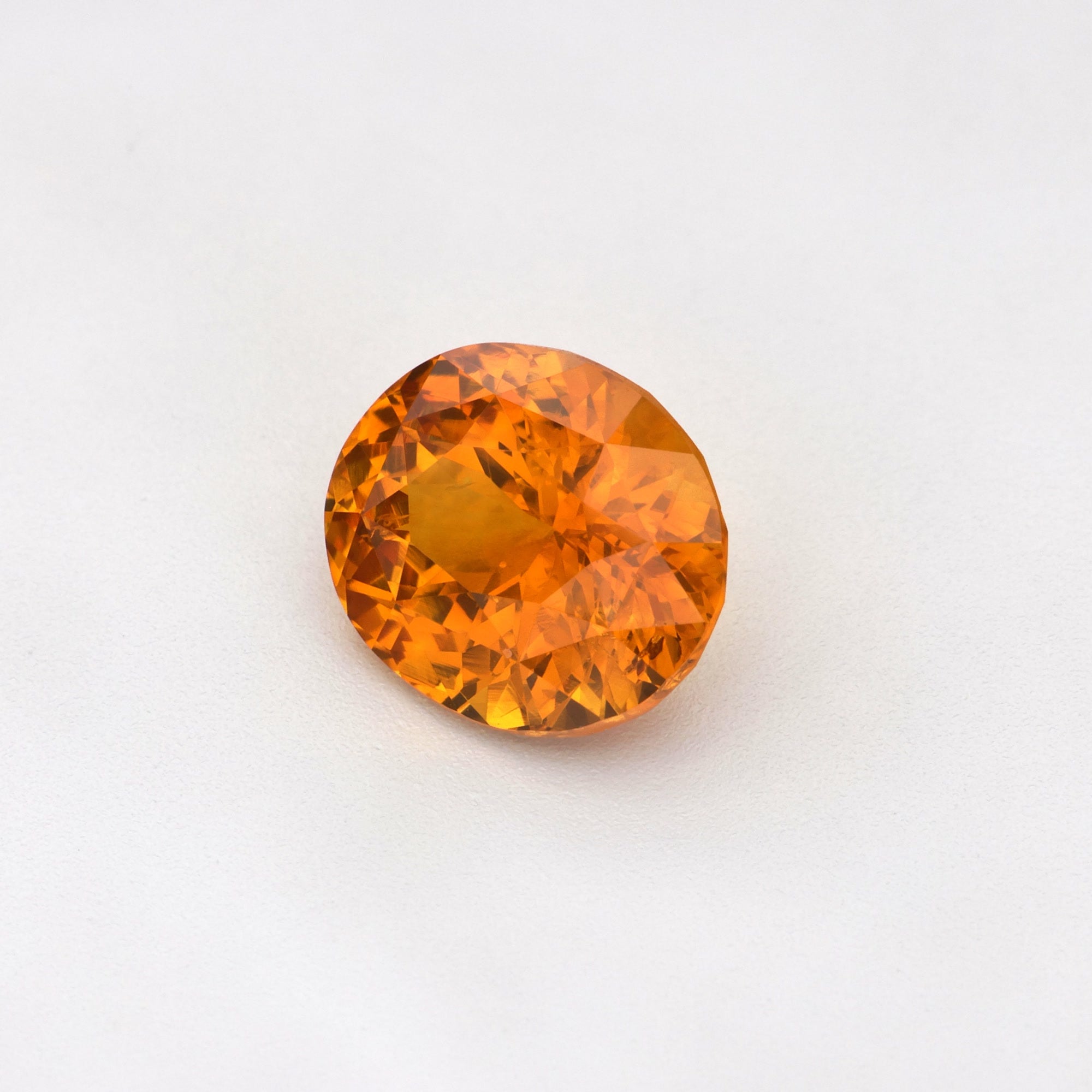
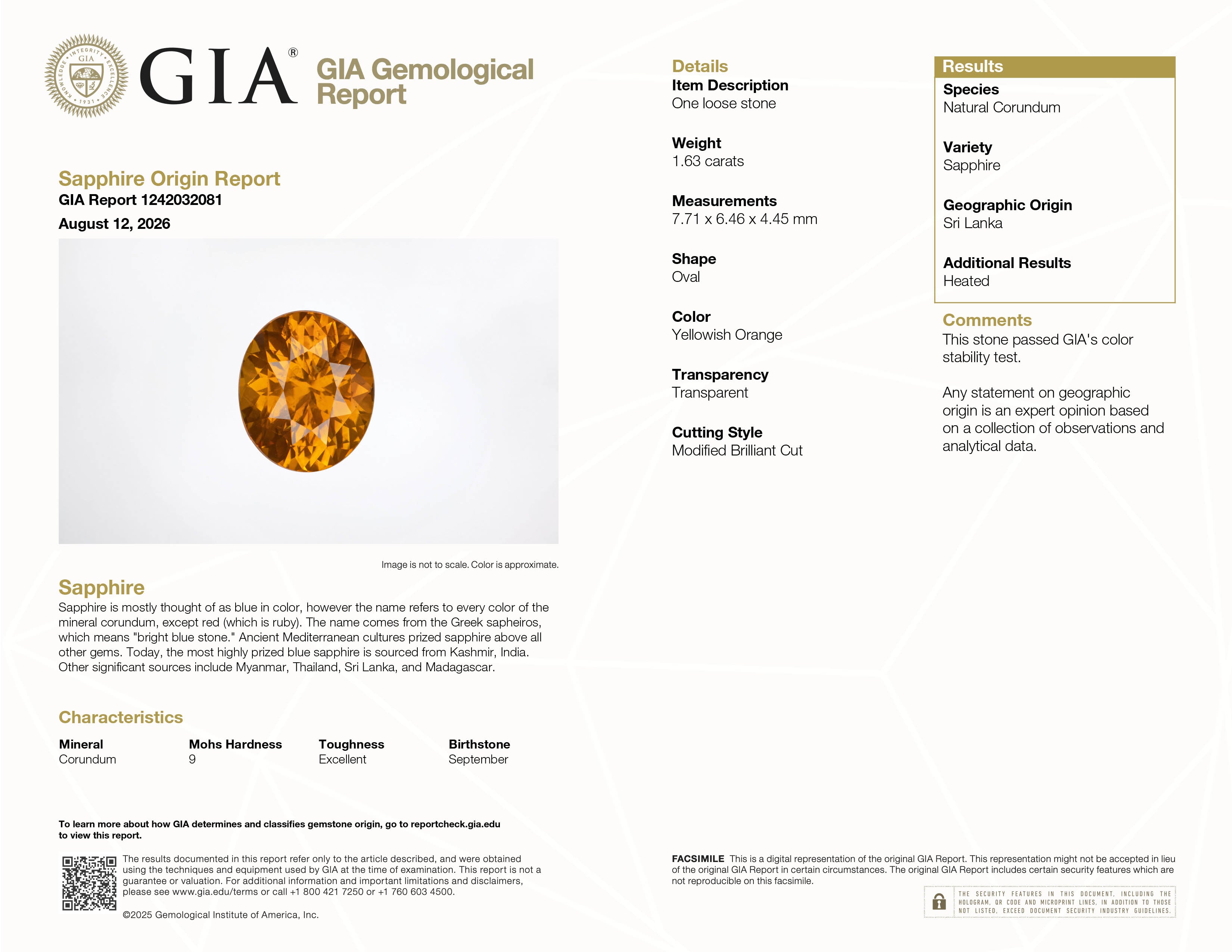
Yellow, orange, green, and teal. Sapphire produces vivid yellow, orange, green, and the blue-green teal. Spinel is not a source of vivid yellow, orange, green, or teal in any quantity the trade works with, so for these colors sapphire is the relevant gemstone. See our Interactive Sapphire Color Chart.
A designation reserved for sapphire. Padparadscha is a designation laboratories apply to a narrow range of pink-orange sapphire; it is never applied to spinel, and this page applies it to no stone. See our guide to that designation.
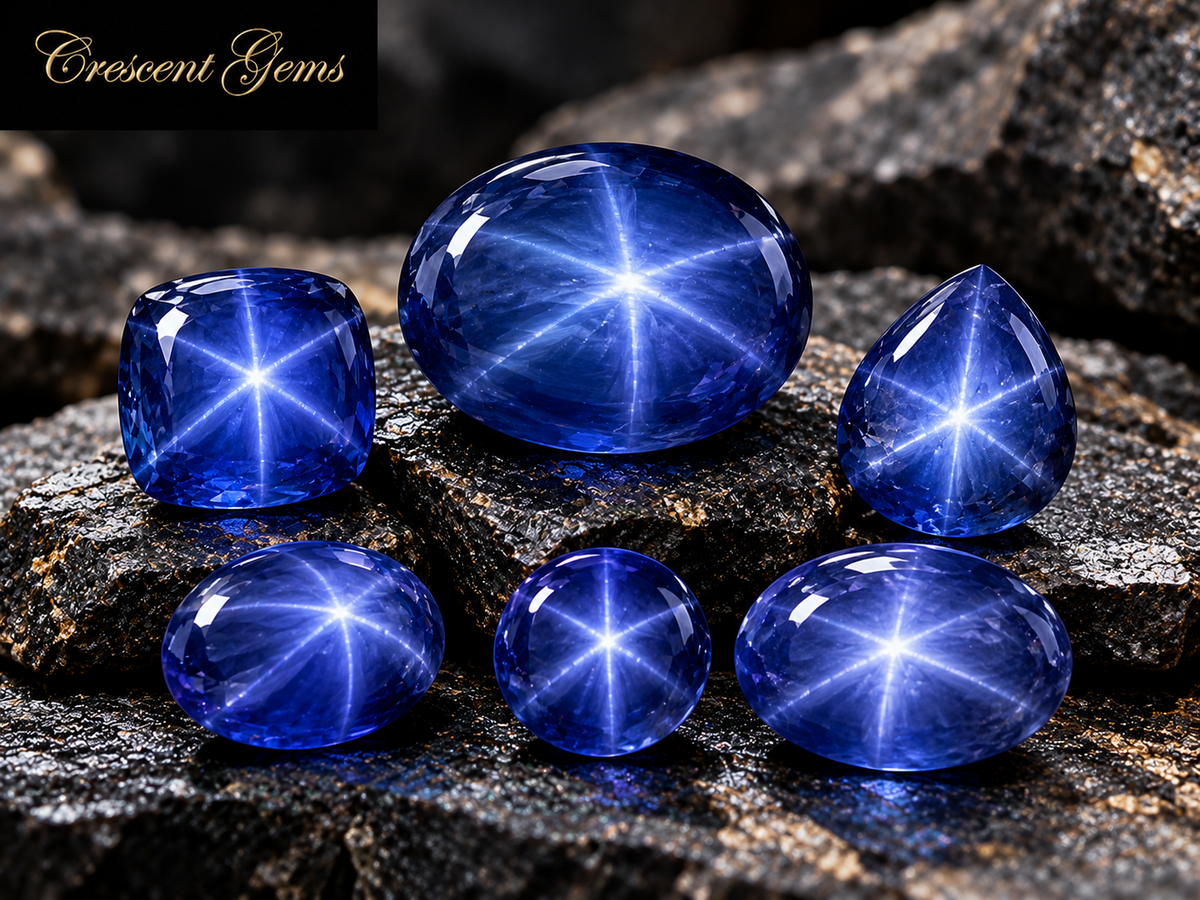
Star phenomenon. Star sapphires have a long collecting history. For the star phenomenon, sapphire is the relevant gemstone in this comparison.
Pink. Both produce pink. Spinel's pink tends to be brighter and more neon; sapphire's pink tends to be warmer and more saturated. Pink sapphire carries chromium warmth; pink spinel carries chromium brightness. Both are excellent in rose gold engagement rings. In cut stones of similar color the two are not reliably told apart by eye, so the species is a laboratory question. Compare in our Pink Sapphire Buyer's Guide.
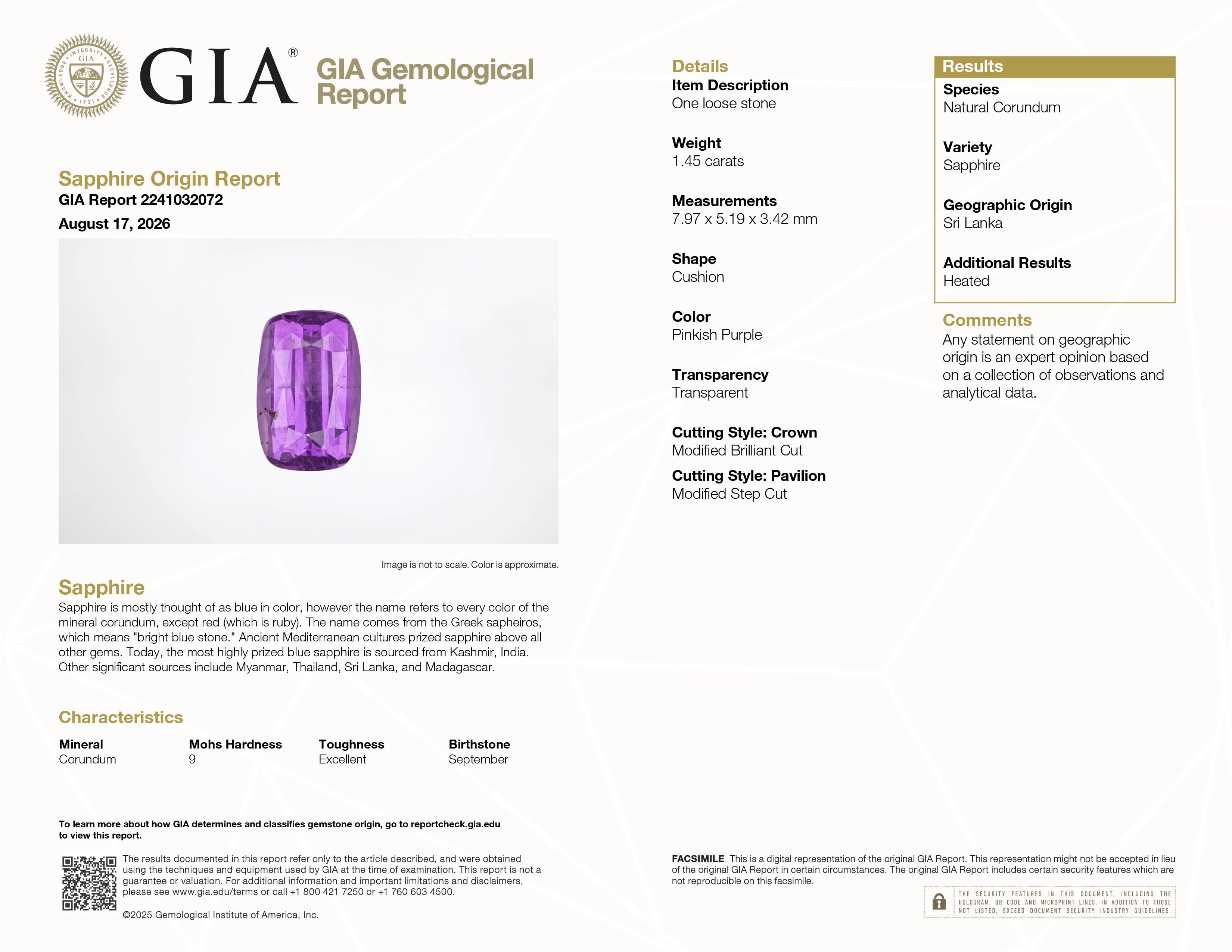
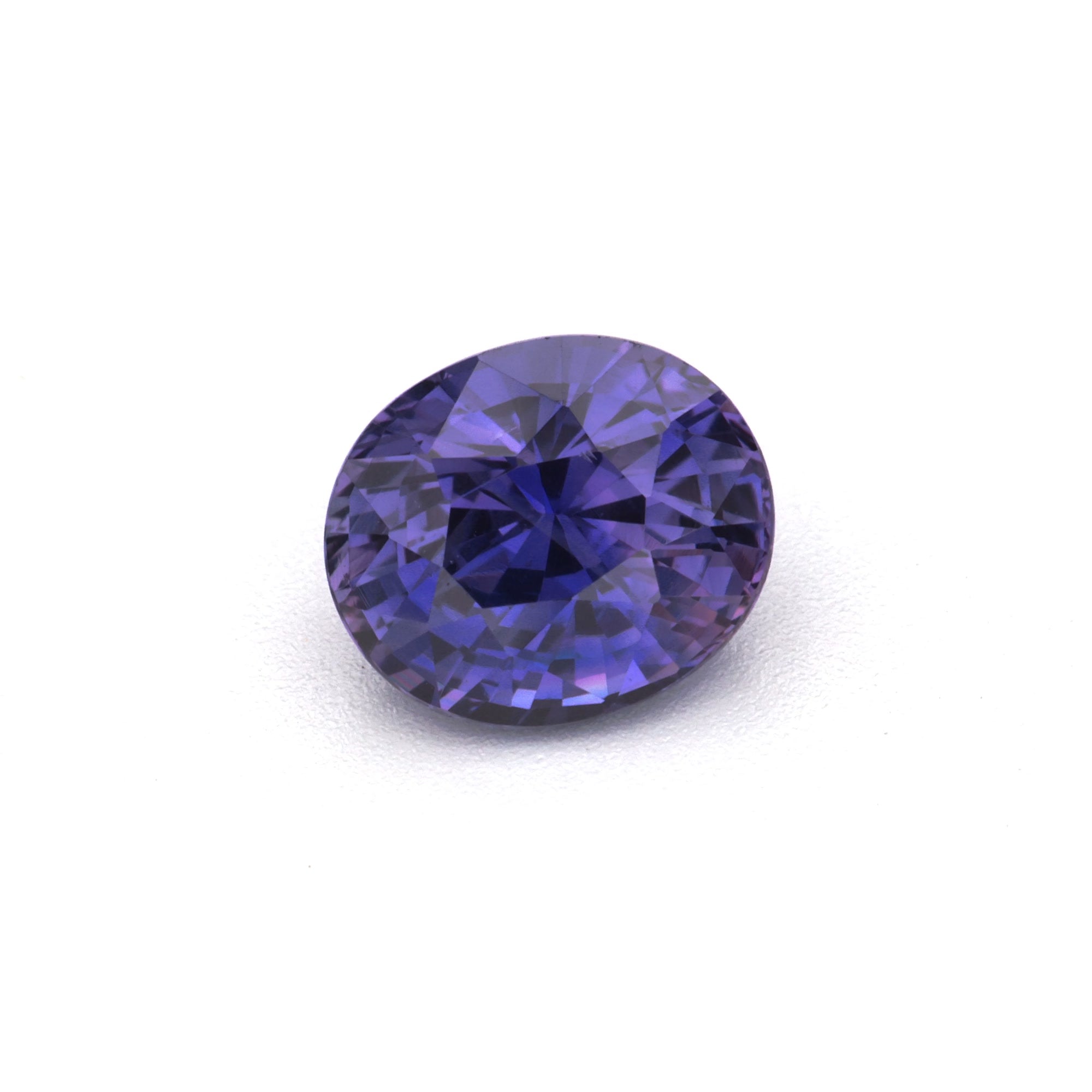
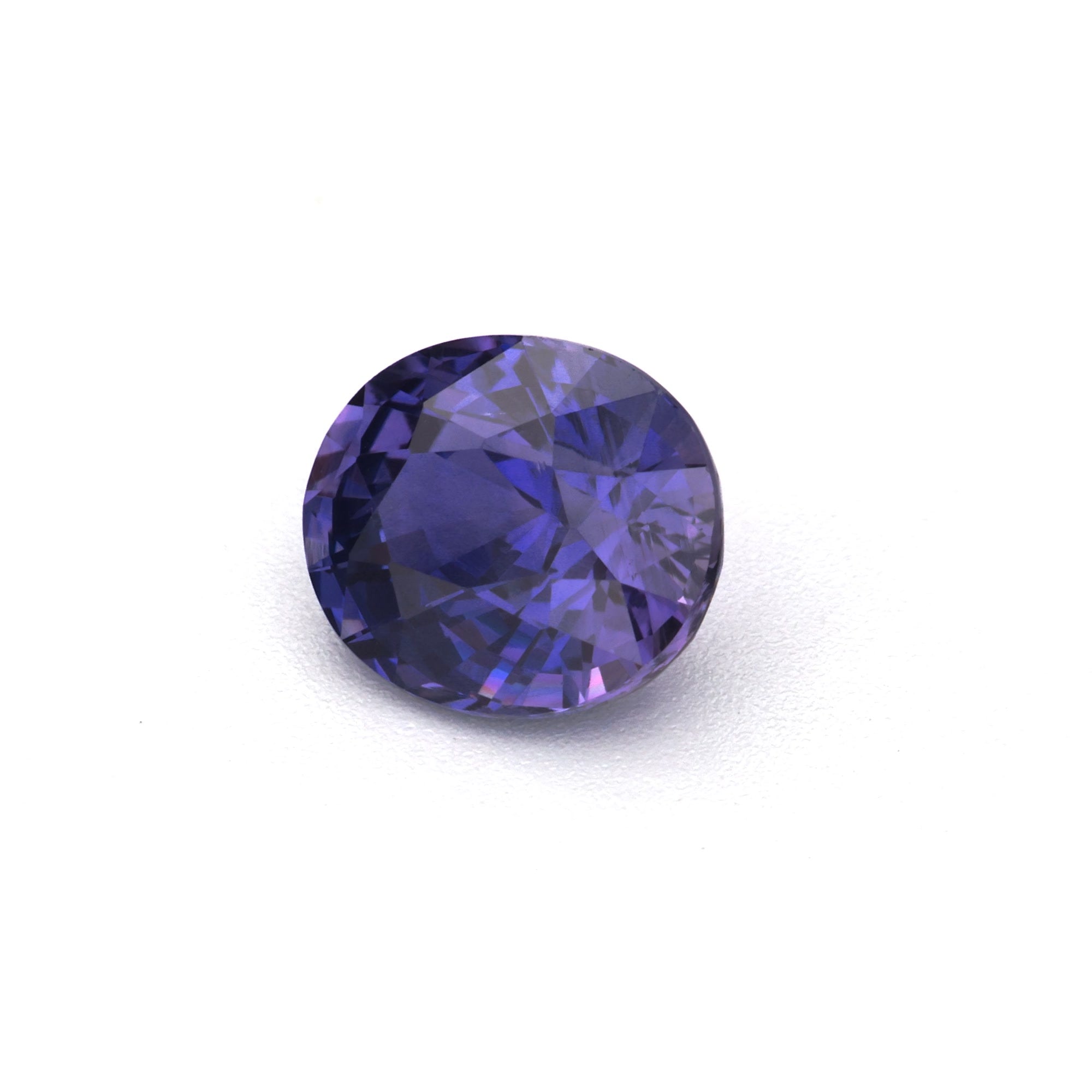
Purple and violet. Both produce purple. Sapphire, being doubly refractive, can show a slightly different hue depending on the direction from which you view it; spinel, being singly refractive, does not. Neither fact replaces looking at the stone itself, so ask for more images and look. See our Purple Sapphire Buyer's Guide.
Sapphire wins on hardness. The question is whether the margin matters.
Sapphire: Mohs 9. Mohs measures scratch resistance, and everyday materials such as dust, metal, and glass sit below it on the scale. Like any faceted stone, it will still pick up fine wear over years of daily use.
Spinel: Mohs 8. Spinel has good toughness and no cleavage, which is what makes it practical in a daily-wear ring: there is no plane along which a knock can split it, and facet edges hold up to everyday handling. Like any faceted stone it will pick up fine surface wear over years of daily use, most of it on the table and crown facets.
Both minerals have good toughness — sapphire slightly better, but neither is fragile. Both are suitable for daily-wear rings. If you are choosing between sapphire and spinel for an engagement ring, hardness is a point in sapphire's favor but not a decisive one. For an engagement ring durability comparison across multiple stones, see Sapphire vs. Emerald.
The difference here comes from the mineral rather than from the trade.
Sapphire: In corundum, heat dissolves rutile silk and shifts hue, which is why heating is a routine step in the sapphire trade. Whether a particular sapphire has been heated is stated stone by stone on a laboratory report, and "no indications of heating" is a finding about heating only: unheated is not the same word as untreated, which would mean no treatment of any kind. See What Is an Unheated Sapphire and How Heat Treatment Works.
Spinel: Spinel gives heat less to act on — there is no rutile silk of that kind to clear — and the effect of heating gem spinel is generally too small to justify the effort, so heating is not a routine step for spinel. That makes the "heated vs. unheated" question sit differently than it does in sapphire, but it does not make it moot, and heating is not the only treatment question. SSEF states that "Spinel can be treated," while also noting that spinel "is not frequently treated." Cobalt can be introduced into pale blue spinel by diffusion, and a report's comments section is where treatment is addressed. The report is still what settles an individual stone.
For a buyer who wants a stone whose report shows no indications of heating, this is the practical difference: in spinel that is the expected starting point, while in sapphire it is one outcome among others. Either way it is a finding about the stone in hand, read from its report, not a property of the species.
Both sapphire and spinel are usually bought eye-clean. Neither mineral is characteristically included the way emerald is, and for both the sensible order is the same: judge the stone face-up first, then look into it.
Spinel's single refraction makes transparency easy to read: there is no doubling through the table to confuse what you see. Under a loupe, spinel often shows small octahedral crystals and short needle-like inclusions, and those are part of how a laboratory recognizes the species. Sapphire can be just as clean to the eye, and some unheated sapphires carry light silk — the fine rutile needles that heating dissolves. See How to Read Sapphire Inclusions.
This page makes no species-level price comparison, and the reason is practical. The factors that move a price act stone by stone — the treatment finding, color, size, cut and documentation — so the only comparison that settles anything is between two specific stones.
| What to compare | On a sapphire | On a spinel |
|---|---|---|
| Species line on the report | Corundum, with the variety named | Spinel |
| Treatment finding | Heating is a routine step; read the finding for this stone | Heating is not a routine step; read the finding for this stone |
| Size | Compare millimeter measurements; corundum is the denser mineral | Compare millimeter measurements; a carat of spinel is a slightly larger stone |
| Blue color cause | Iron-titanium | Cobalt in some blue spinel; cobalt can also be added by diffusion |
| Origin | An expert opinion, on request | An expert opinion, on request |
This table lists what to compare between two specific stones. It is not a valuation and contains no price indication.
A species-level statement such as "spinel costs less than sapphire" says nothing about the two stones actually in front of you. Read each stone's listed price alongside its report and its measurements, and compare those.
Two points follow for a buyer comparing across species. First, compare by dimensions rather than carat weight, because a spinel and a sapphire of the same face-up size do not weigh the same. Second, compare like documentation with like: a stone with a report addressing species and treatment is not the same purchase as one without. For how size and other factors bear on sapphire pricing, see Sapphire Pricing Explained.
This is where the two differ in a way that has nothing to do with the stones themselves.
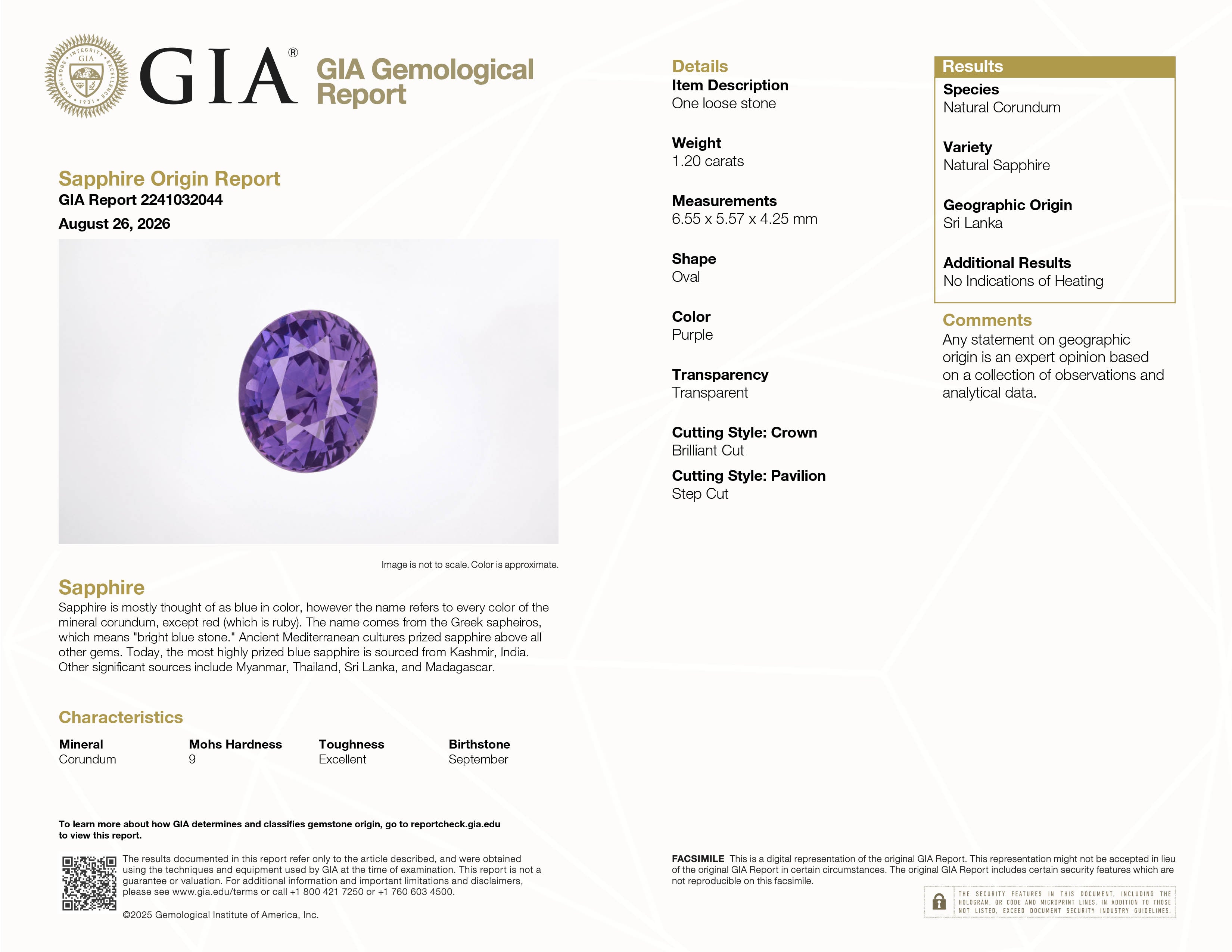
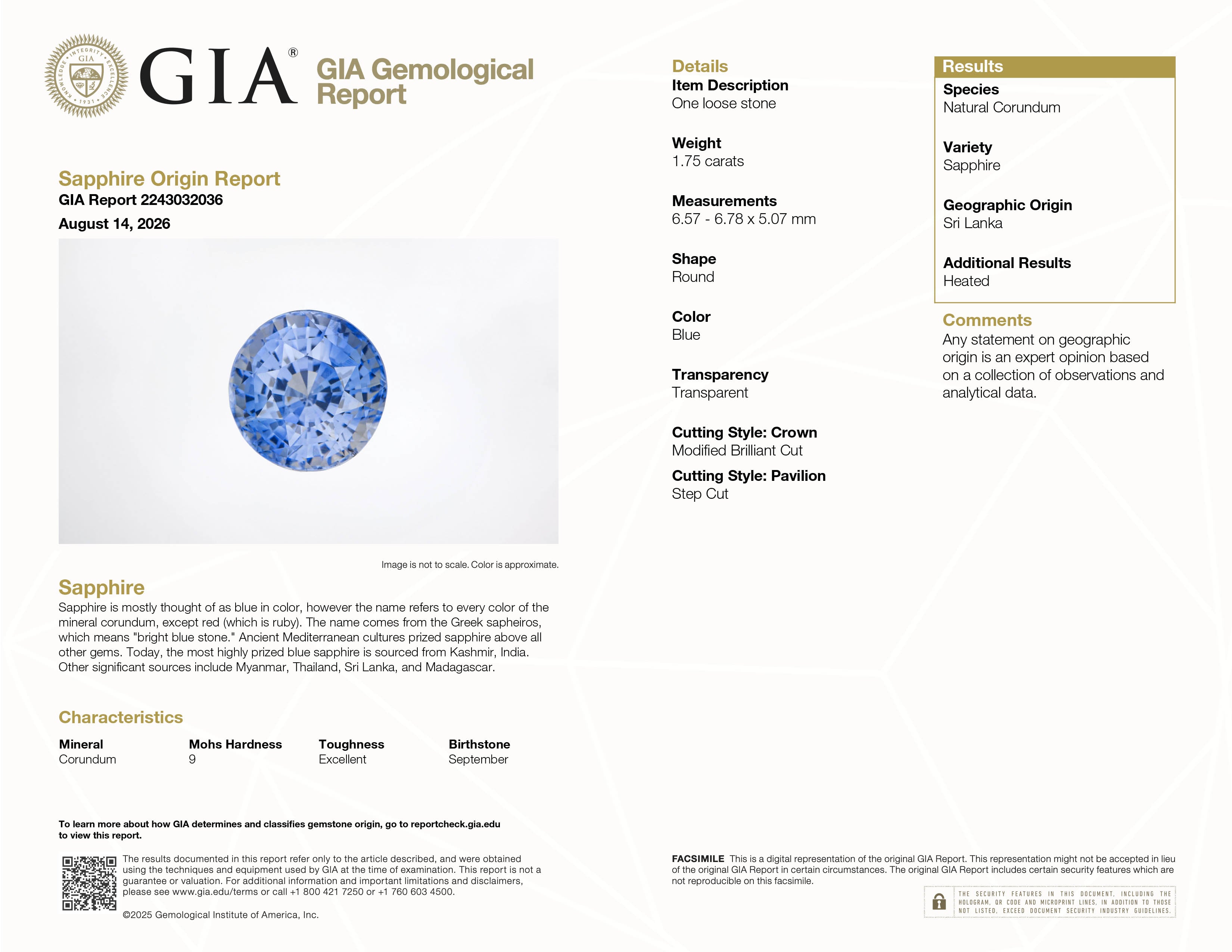
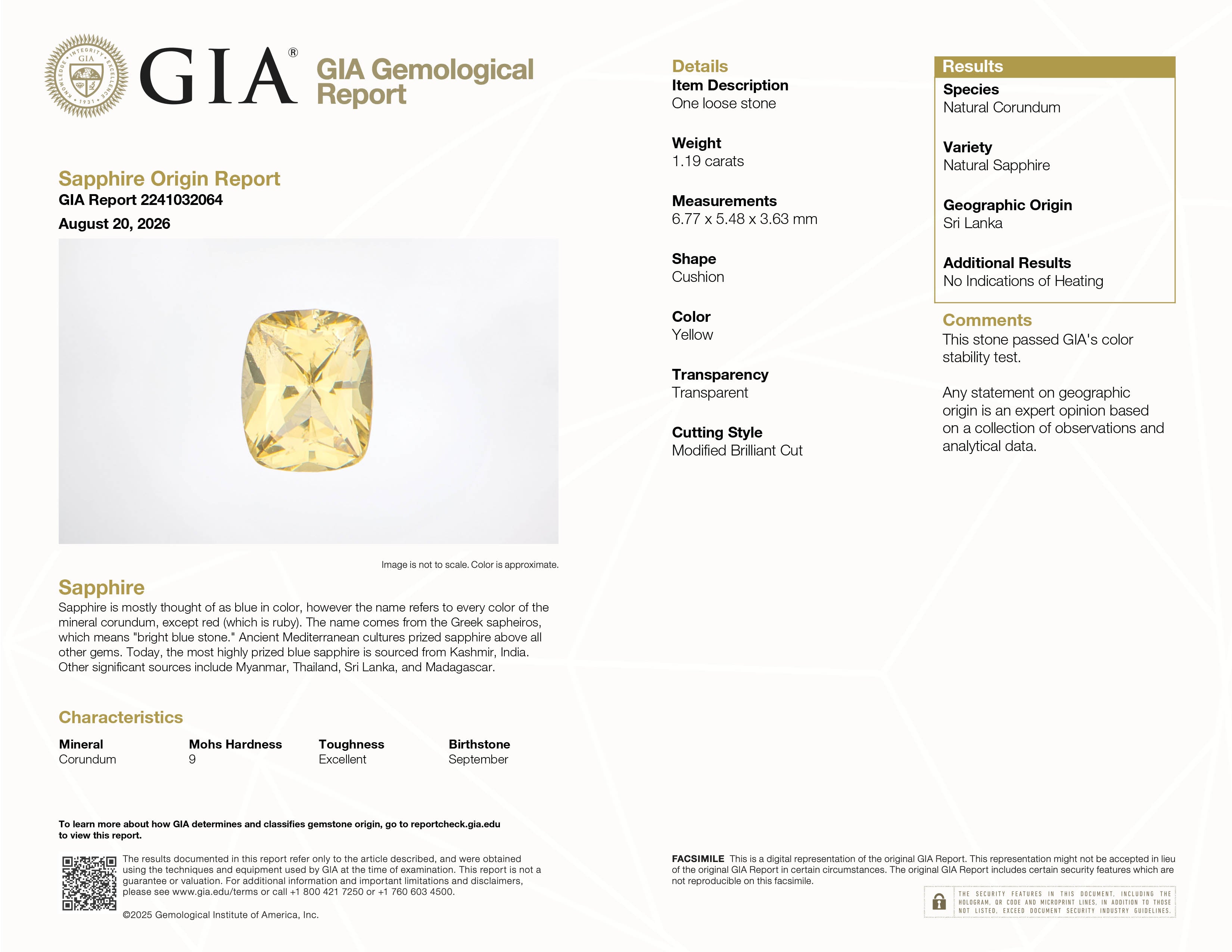
Sapphire: Widely recognized by name. The word carries long associations with royalty, engagement rings, and jewelry. A sapphire with a GIA report carries its species, its treatment finding and, on request, an origin opinion on one page that can be checked against the stone.
Spinel: Less widely known by name. Explaining what it is — a natural gemstone in its own right, and not a synthetic or a lesser stone — is often part of the purchase. That is where a report earns its place: the species line states spinel flatly, and SSEF notes that "A synthetic spinel would be clearly identified and labeled on a report in the identification section."
The recognition gap is a fact about names, not about the stones. Neither a report nor this guide says anything about what either stone might be worth later; those are not laboratory questions.
Both work. Both are durable enough for daily wear. The choice comes down to priorities:
Choose sapphire if:
Choose spinel if:
For sapphire engagement ring guidance, see How to Choose a Sapphire for Your Engagement Ring and How to Commission a Custom Ring.
For serious gemstone collectors, owning both makes sense. Sapphire and spinel are complementary, not substitutes. A collection that includes a Ceylon blue sapphire, a yellow or teal sapphire, and a vivid red spinel covers color positions that no single mineral can fill alone.
The informed collector's approach:
Sri Lanka produces spinel alongside sapphire in the same alluvial deposits. Ceylon spinel — particularly blue, violet, and pink varieties — has a long history. Because we source from Sri Lankan gem gravels, we encounter spinel in the same parcels as our sapphires. We focus on sapphire as our core offering, but we appreciate spinel for what it is: a natural gemstone in its own right, in which heating is not a routine step and whose treatment status is still read from its report.
Browse the full Ceylon sapphire catalog — each stone listed with its treatment status. Email crescentgems@gmail.com with questions. We respond within one business day.
See our current spinel collection for what is listed now, with treatment status stated on the listing, or our GIA-documented ruby collection for the red that spinel was confused with for centuries.

CG8454
CG8465
1.86 ct Natural Tsavorite Garnet, Cushion Shape | GIA Report #1242032119
CG8464
CG8463
CG8460
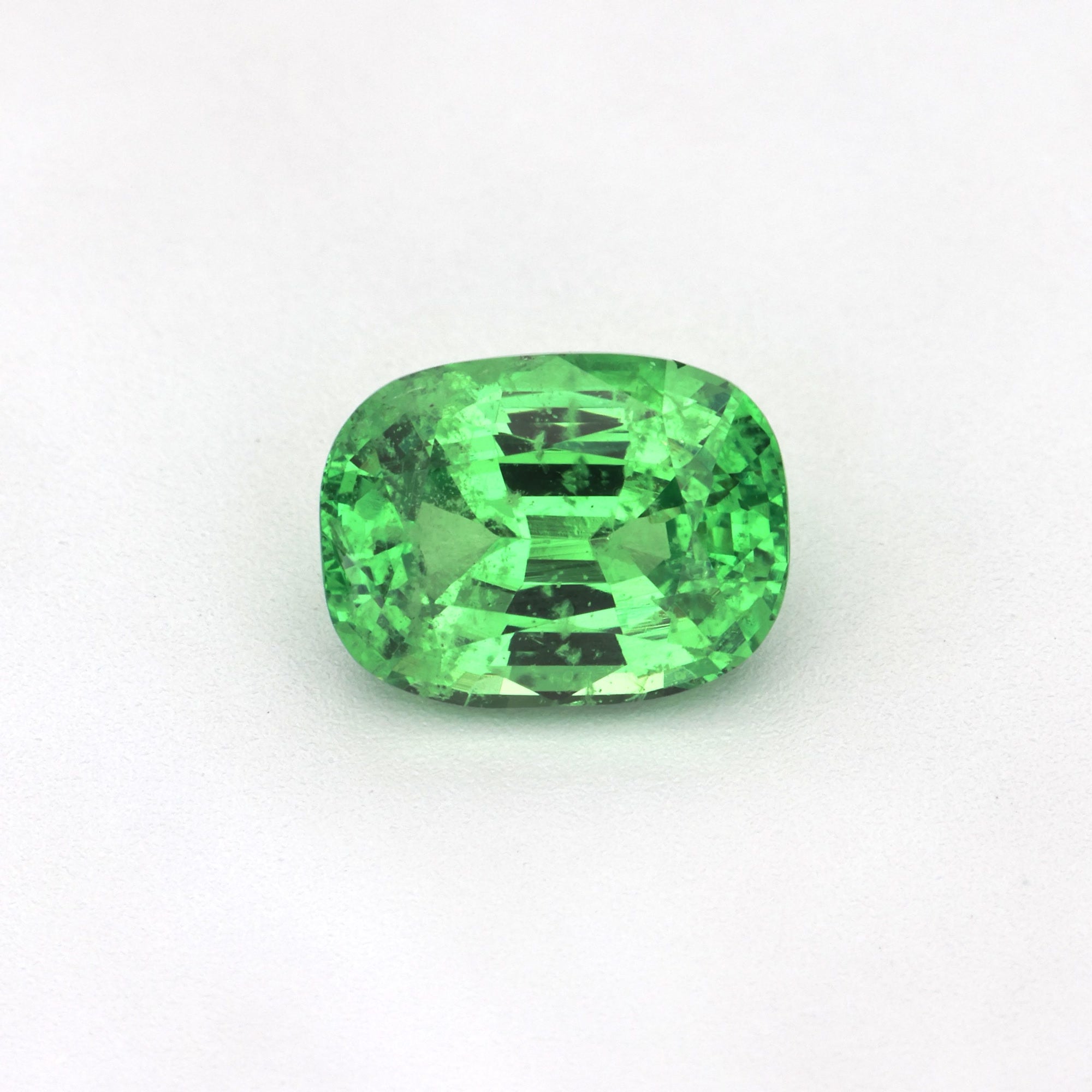
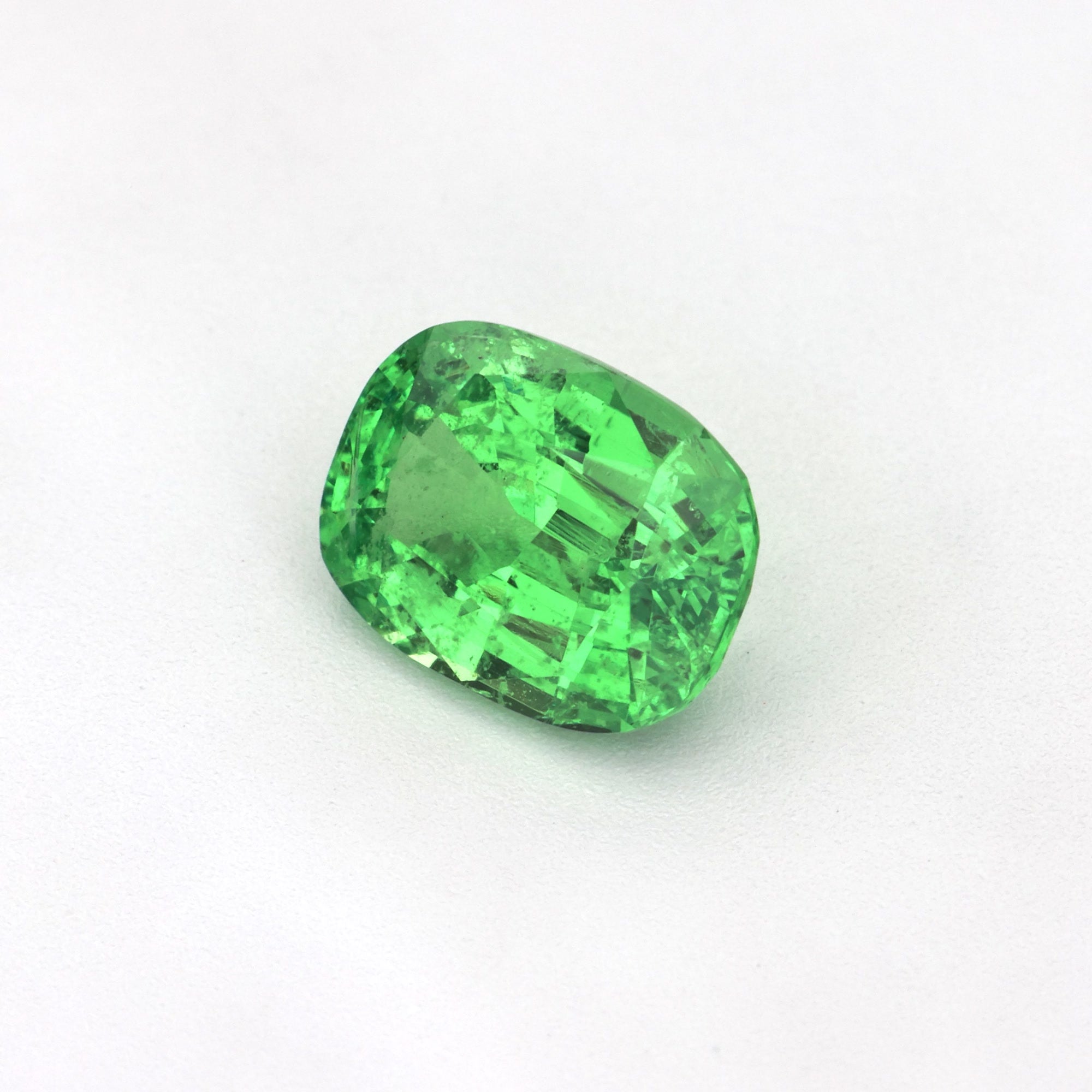
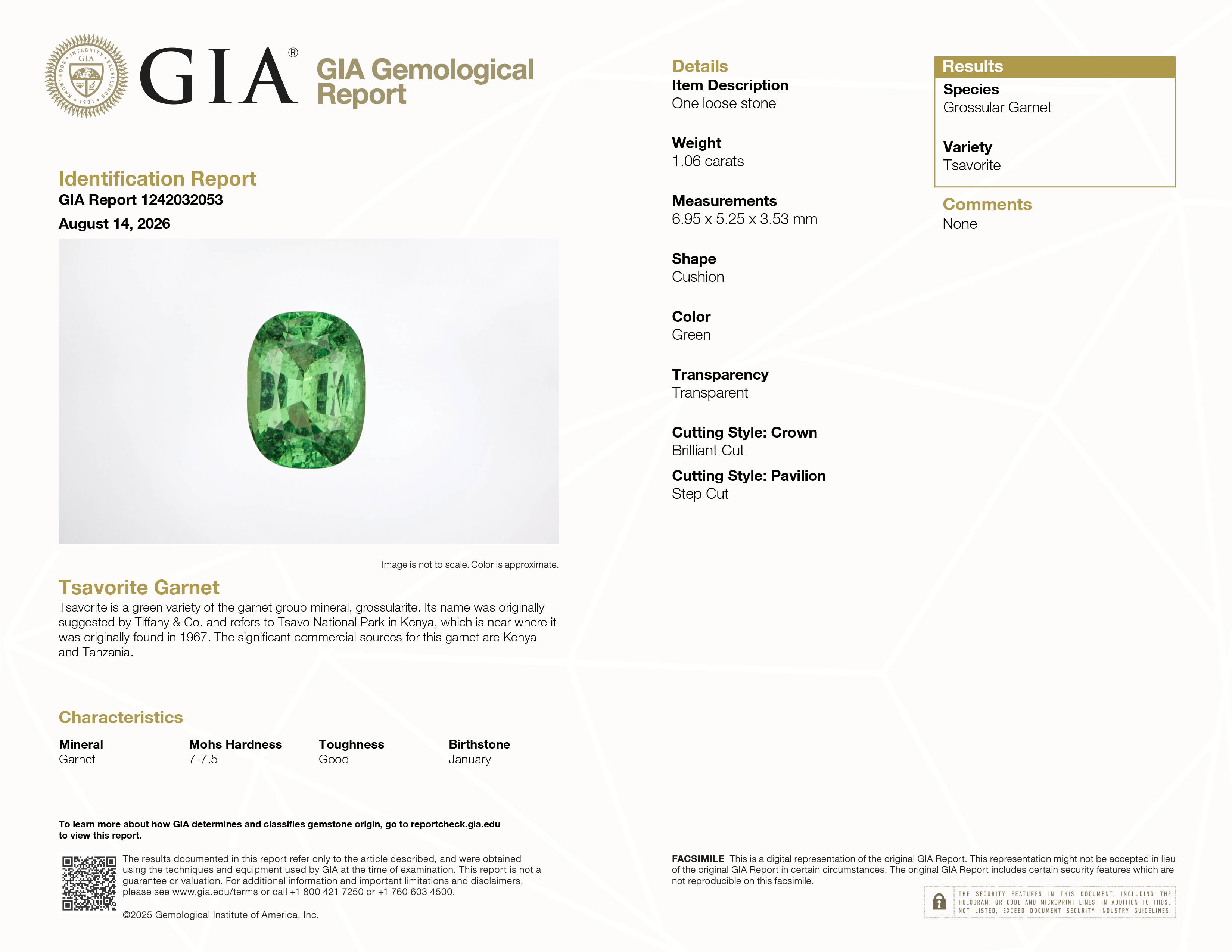
1.06 ct Natural Tsavorite Garnet, Cushion Shape | GIA Report #1242032053
CG8459
CG8458
CG8457
CG8456
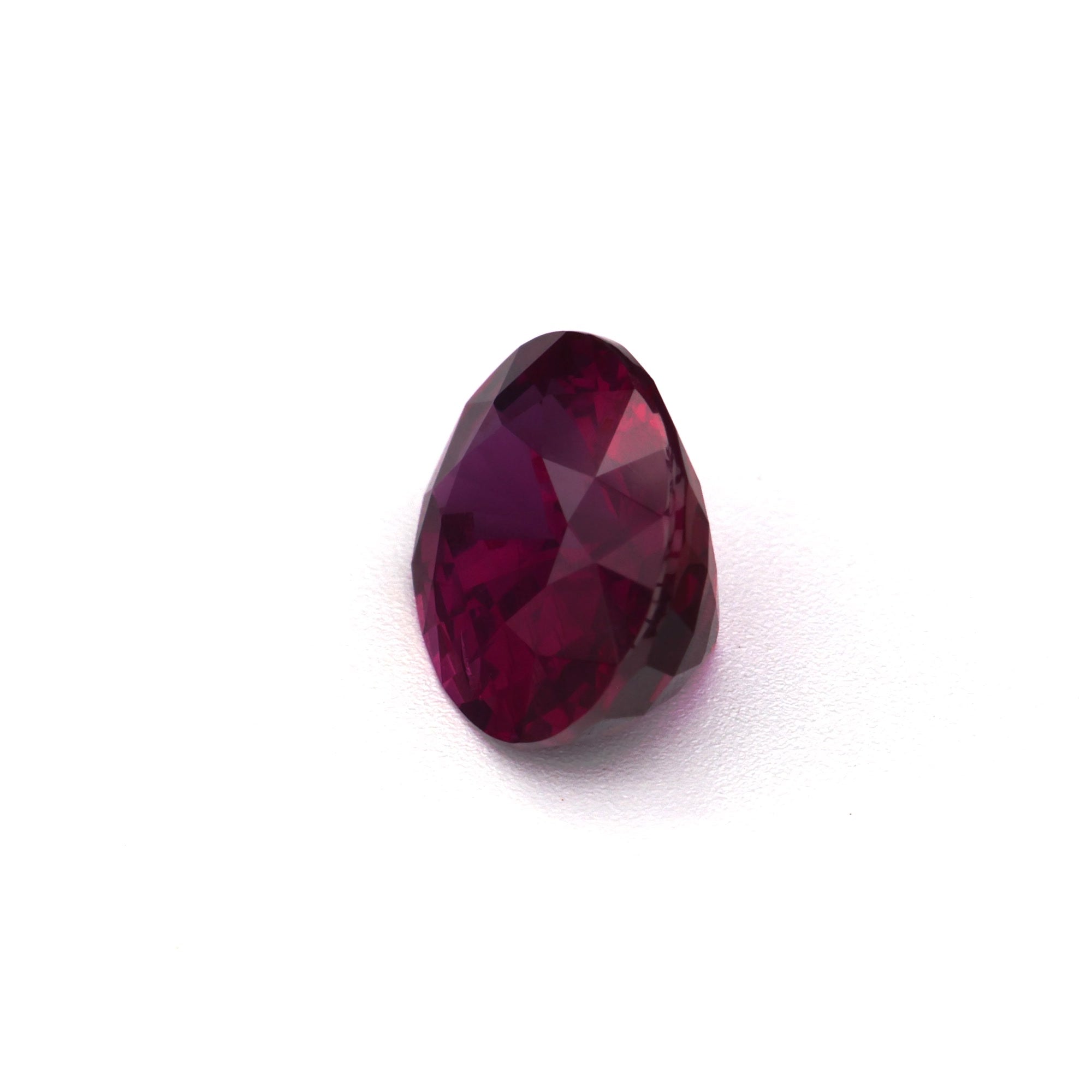
1.65 ct Natural Unheated Ruby – Oval Cut | GIA Report | Madagascar
CG8453


Blue Star Sapphire Price Guide — What They Cost and Why
Read moreabout Blue Star Sapphire Price Guide — What They Cost and Why
Tsavorite Garnet Price Guide — What They Cost and Why
Read moreabout Tsavorite Garnet Price Guide — What They Cost and Why
Color-Change Sapphire Price Guide — What They Cost and Why
Read moreabout Color-Change Sapphire Price Guide — What They Cost and Why
Is Cat's-Eye Chrysoberyl Good for an Engagement Ring?
Read moreabout Is Cat's-Eye Chrysoberyl Good for an Engagement Ring?
Cat's Eye Chrysoberyl Price Guide — What They Cost and Why
Read moreabout Cat's Eye Chrysoberyl Price Guide — What They Cost and Why















Share: