- by Ahmed Shareek
1 Carat Ceylon Sapphire Price — Complete 2026 Guide by Color, Treatment, and Quality
- by Ahmed Shareek
We are a supplier from the source in Sri Lanka, so our gemstones reach you direct, without the intermediaries most sellers buy through.
New to buying sapphires? Start with the Ultimate Sapphire Buying Guide. For pricing across all budgets: Sapphire Pricing Explained. For treatment guidance: What Is an Unheated Sapphire?
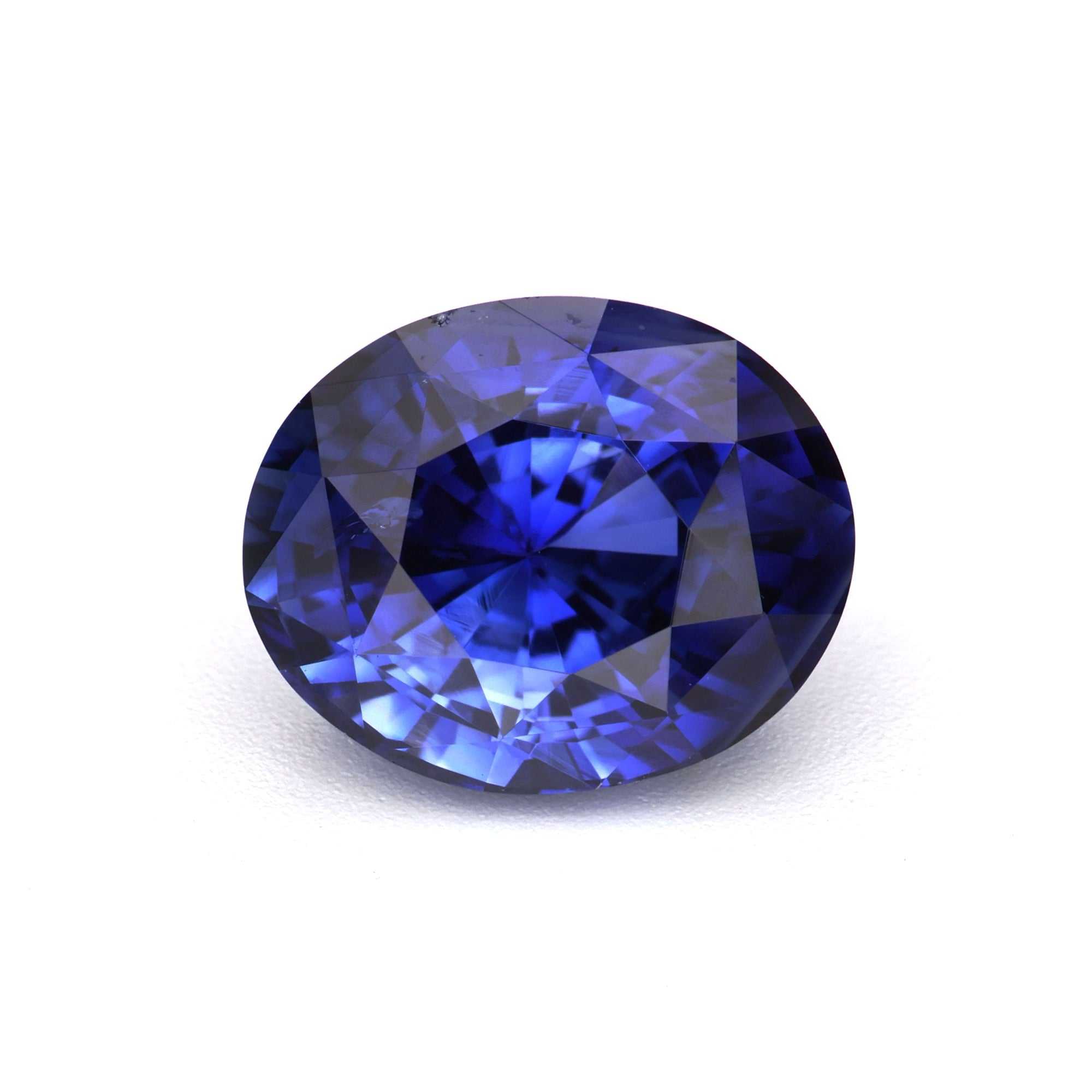
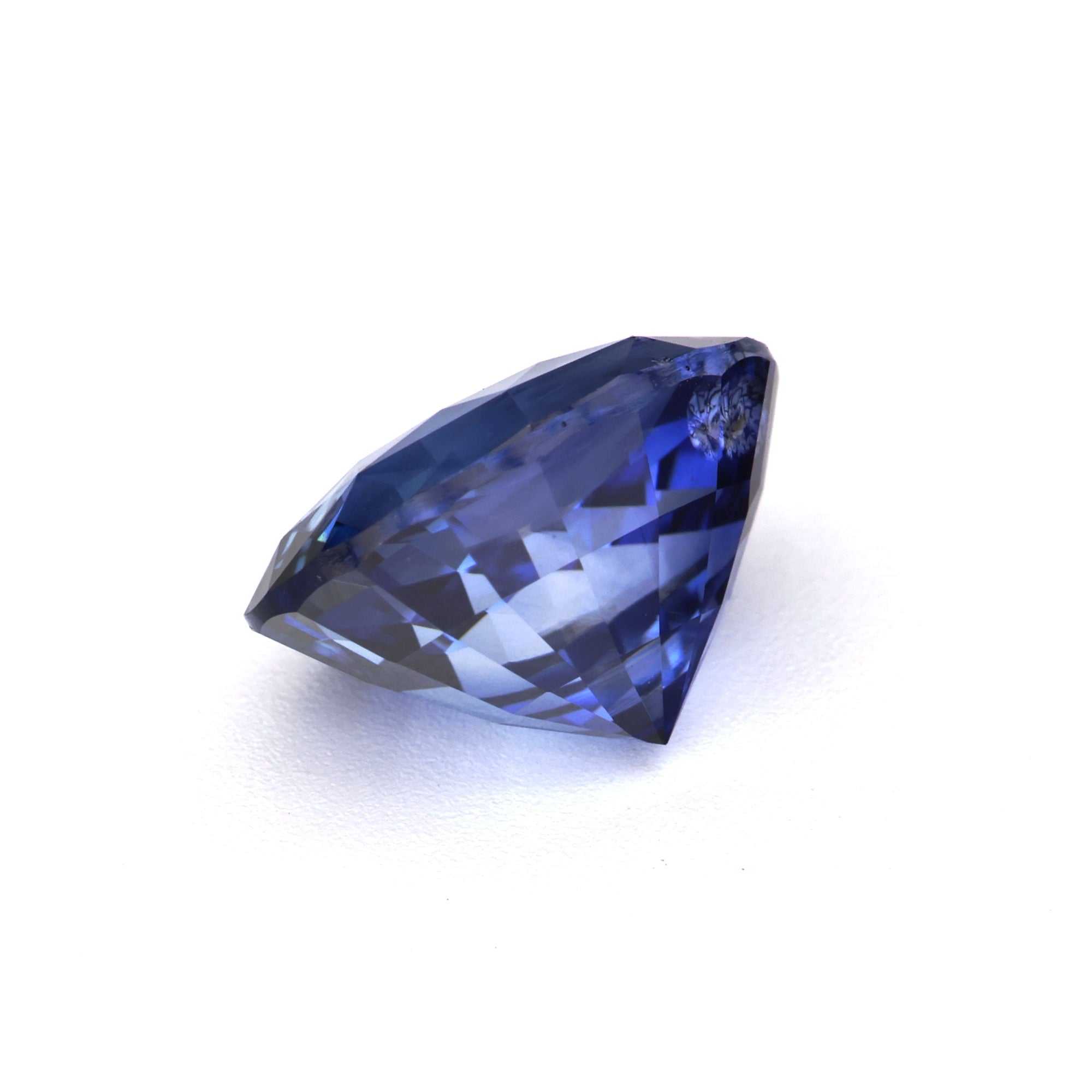
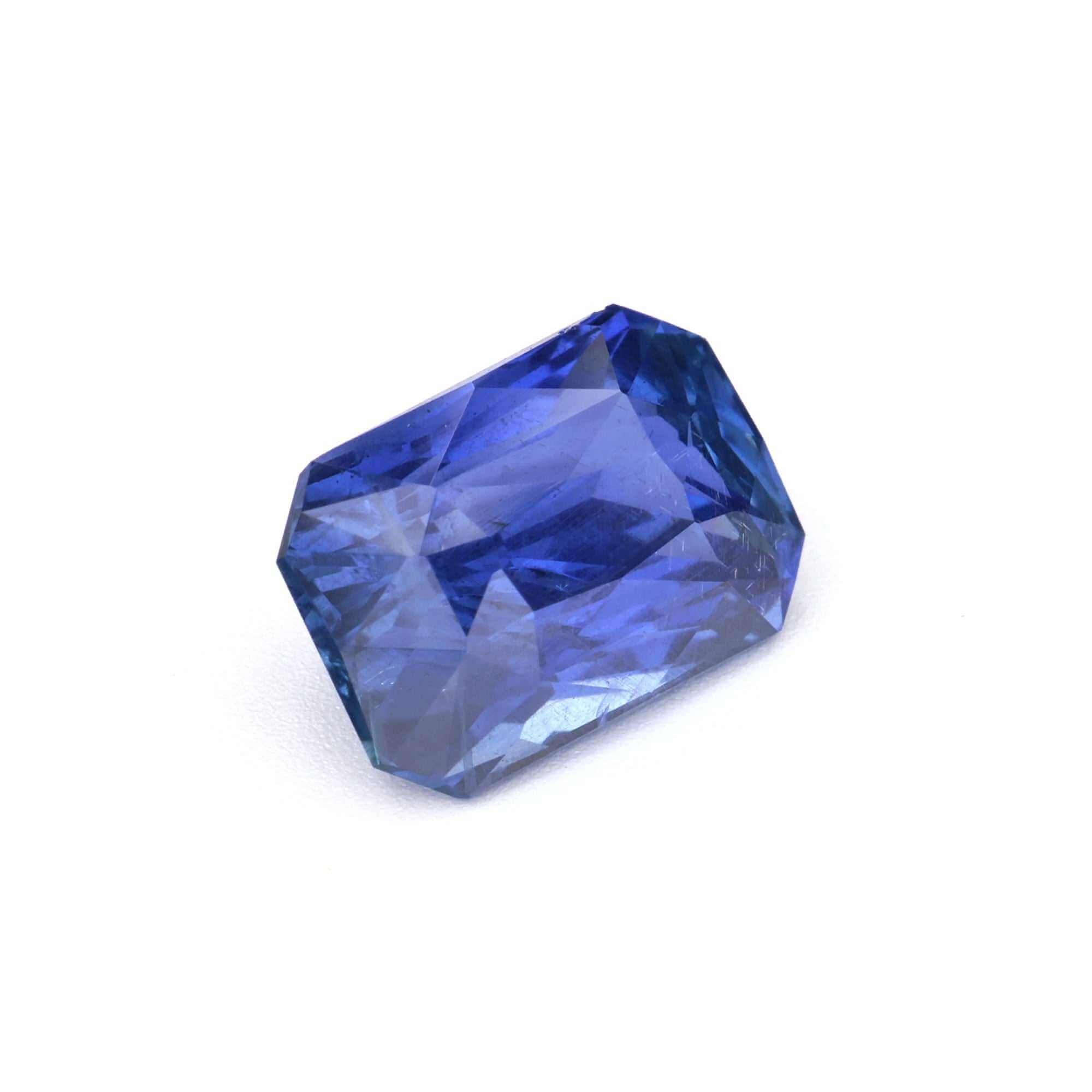
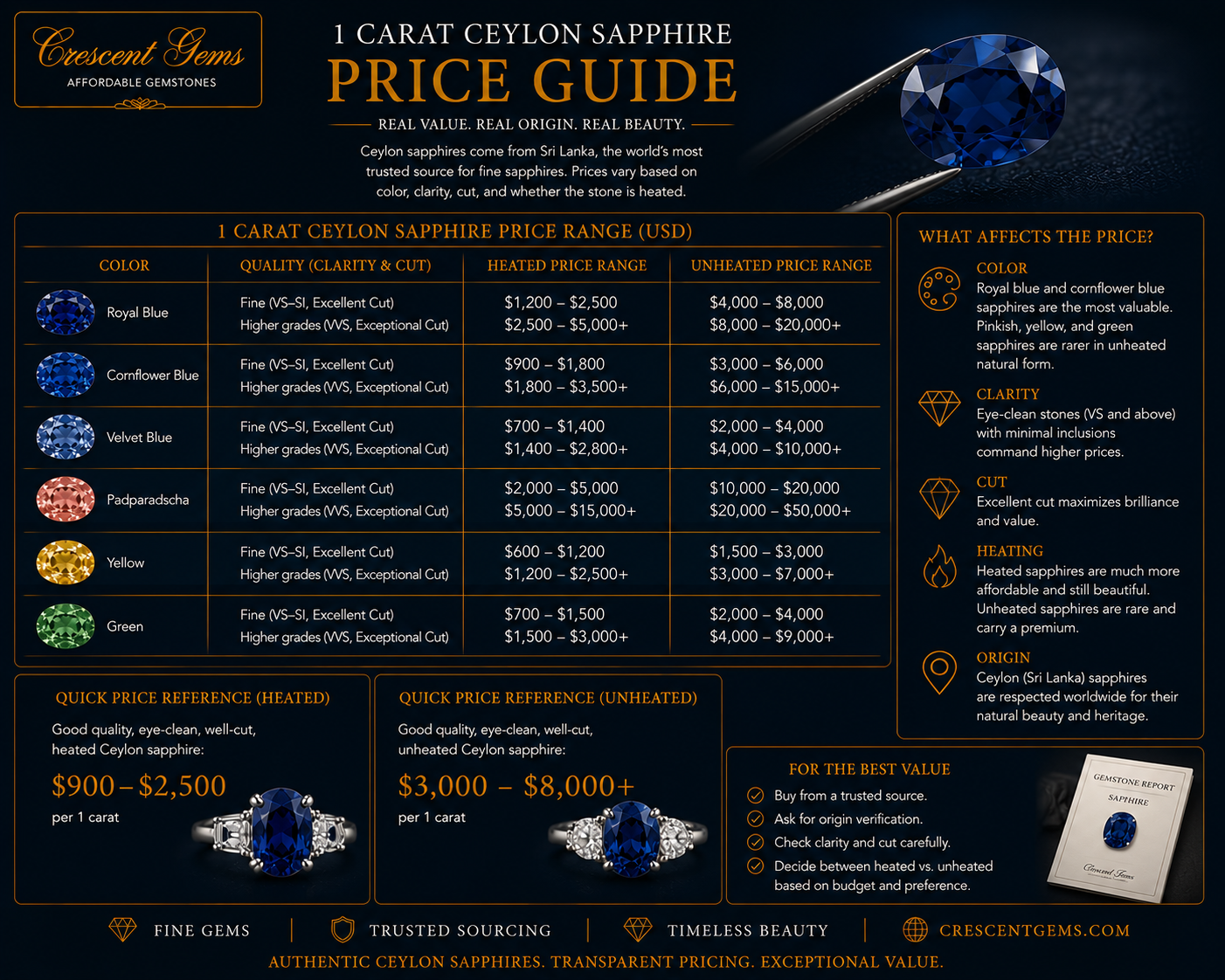
"How much does a 1-carat Ceylon sapphire cost?" is one of the most common questions we receive — and the honest answer is that a 1-carat natural Ceylon sapphire can cost anywhere from $500 to $6,500+, depending entirely on color, treatment status, quality, and documentation. That is not a hedge — it reflects a real and significant range in what the market offers under that single description.
This guide breaks down what drives that range, what realistic prices look like at each quality tier in 2026, and how to use that information to make an informed purchase decision — whether you are buying a stone for an engagement ring, a pendant, or a personal collection.
Unlike diamonds, where grading systems are highly standardized and price charts exist for comparable grades, sapphire pricing reflects a much larger number of variables — each of which interacts with the others to produce the final per-carat price. For a 1-carat Ceylon blue sapphire, the four factors that matter most are:
Color is the primary quality factor in sapphire, and its impact on price is more significant than any other single variable. Color in sapphire is assessed across three dimensions:
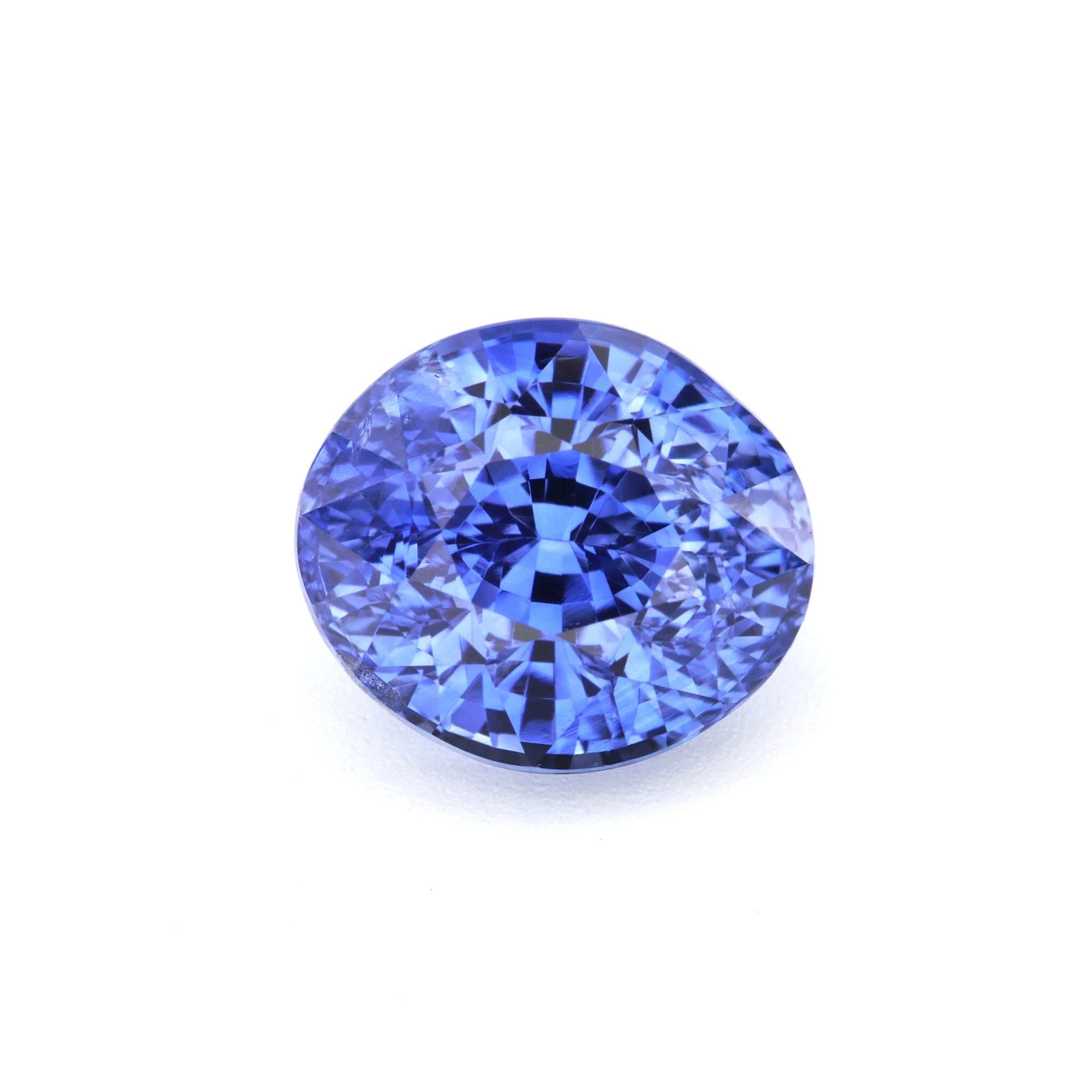
The difference in price between a commercial-grade pale greyish blue and a vivid cornflower blue of identical carat weight can easily be 5–10×. Color drives more of the price difference in sapphire than any other factor. For the full color framework, see our Sapphire Colors Explained guide.
Approximately 90–95% of sapphires on the global market have been heat treated — a permanent, stable, universally accepted process that improves color and dissolves rutile silk. Heated sapphires are not inferior material; they represent the commercial standard.
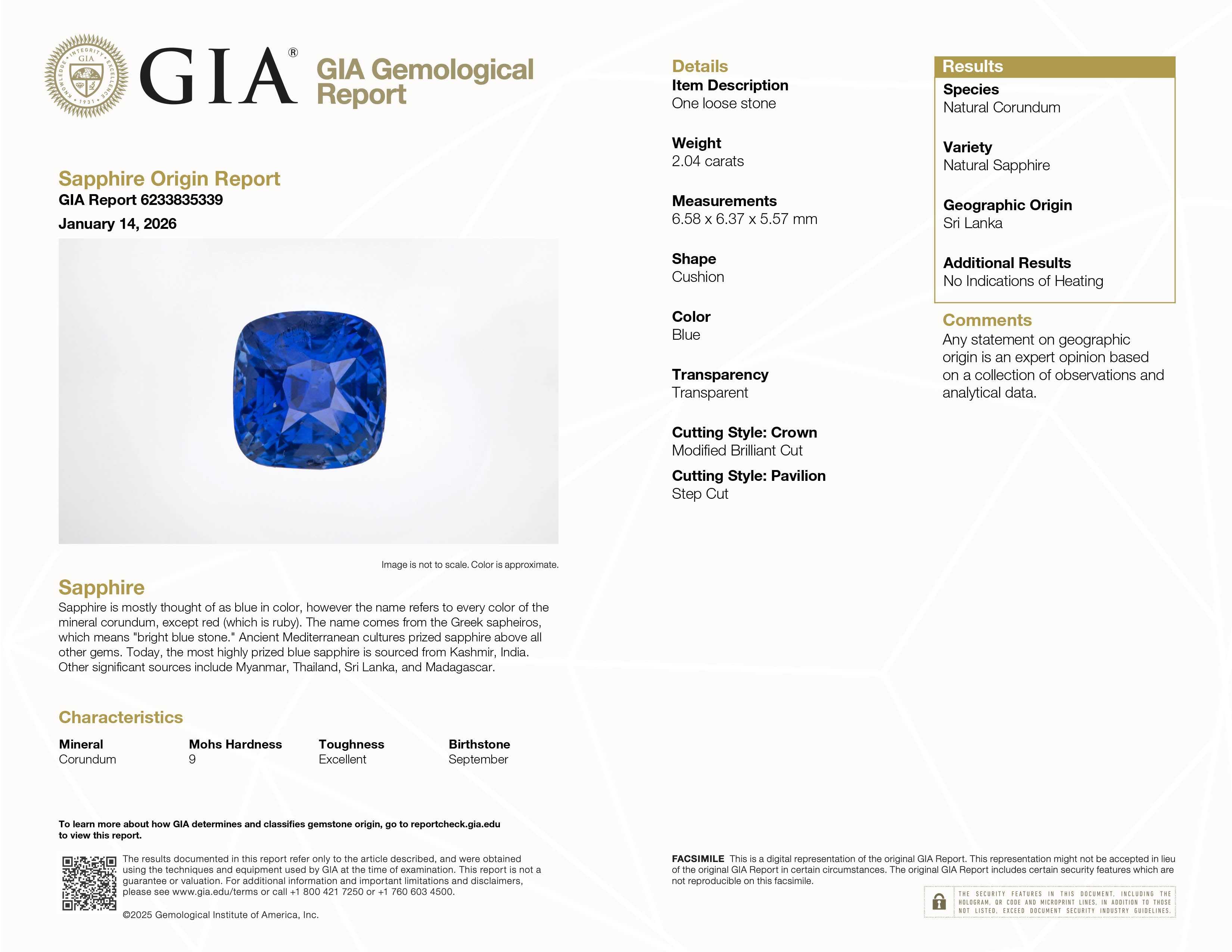
What is rare is naturally unheated sapphire with vivid color — material that reached fine commercial quality without heat enhancement. In a 1-carat vivid Ceylon blue, an unheated stone commands roughly 1.5–2× the price of an equivalent heated stone. GIA-documented unheated blue is scarce enough at 1 carat that our current stock of it starts at 2 carats, where it runs $2,800–$4,000 per carat; an equivalent heated stone of similar visual quality in our stock runs $1,600–$2,500 per carat. The unheated designation must be confirmed by a GIA laboratory report stating "no indications of heating" — seller claims without documentation are unverifiable.
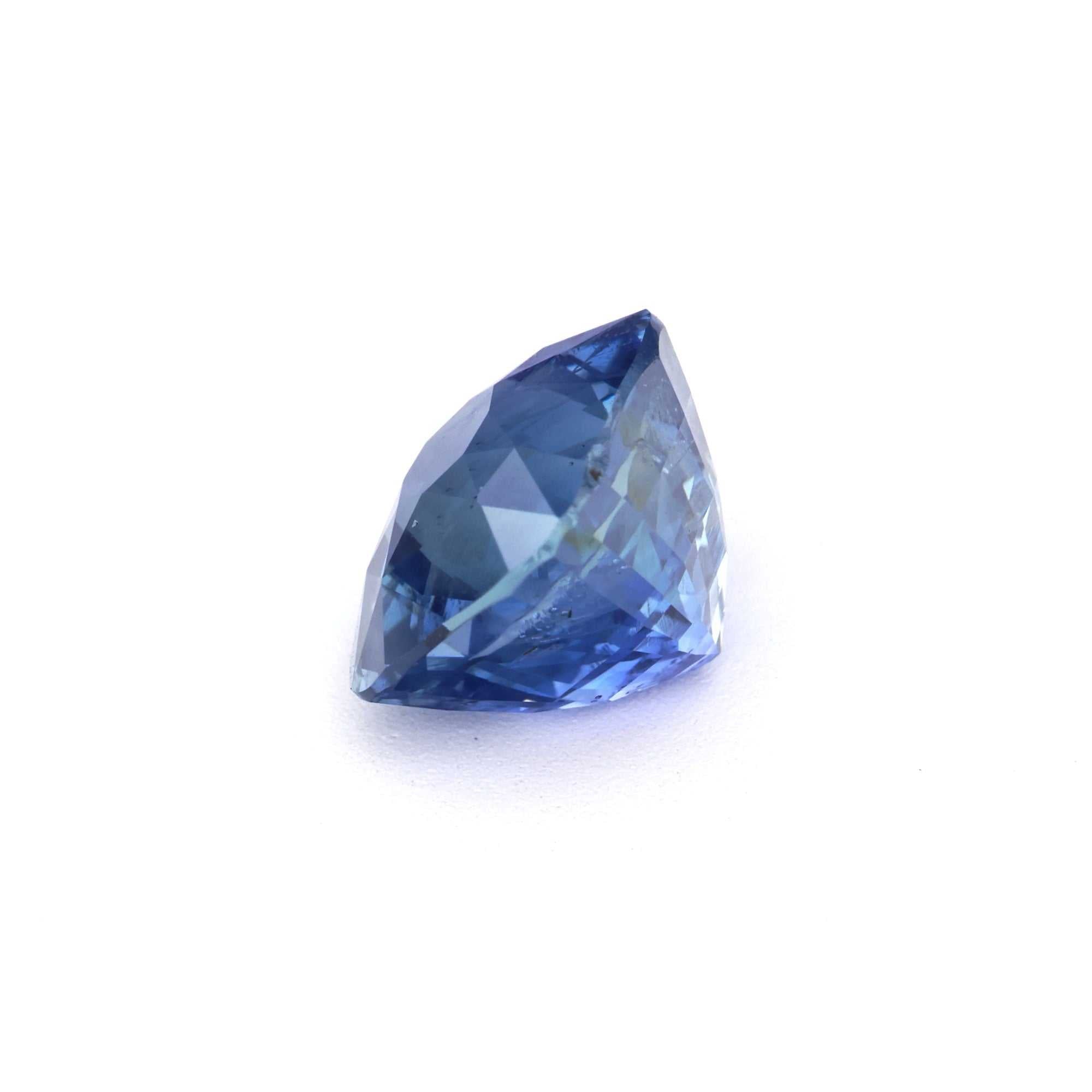
Natural sapphires almost always contain inclusions — mineral crystals, rutile silk, fingerprint patterns, growth zoning. The question is not whether inclusions are present but whether they are visible. The commercial standard for sapphire is eye-clean — free from inclusions visible to the naked eye at normal viewing distance. Eye-clean material commands meaningfully higher prices than included stones with visible clarity issues. See our How to Read Sapphire Inclusions guide for the full framework.
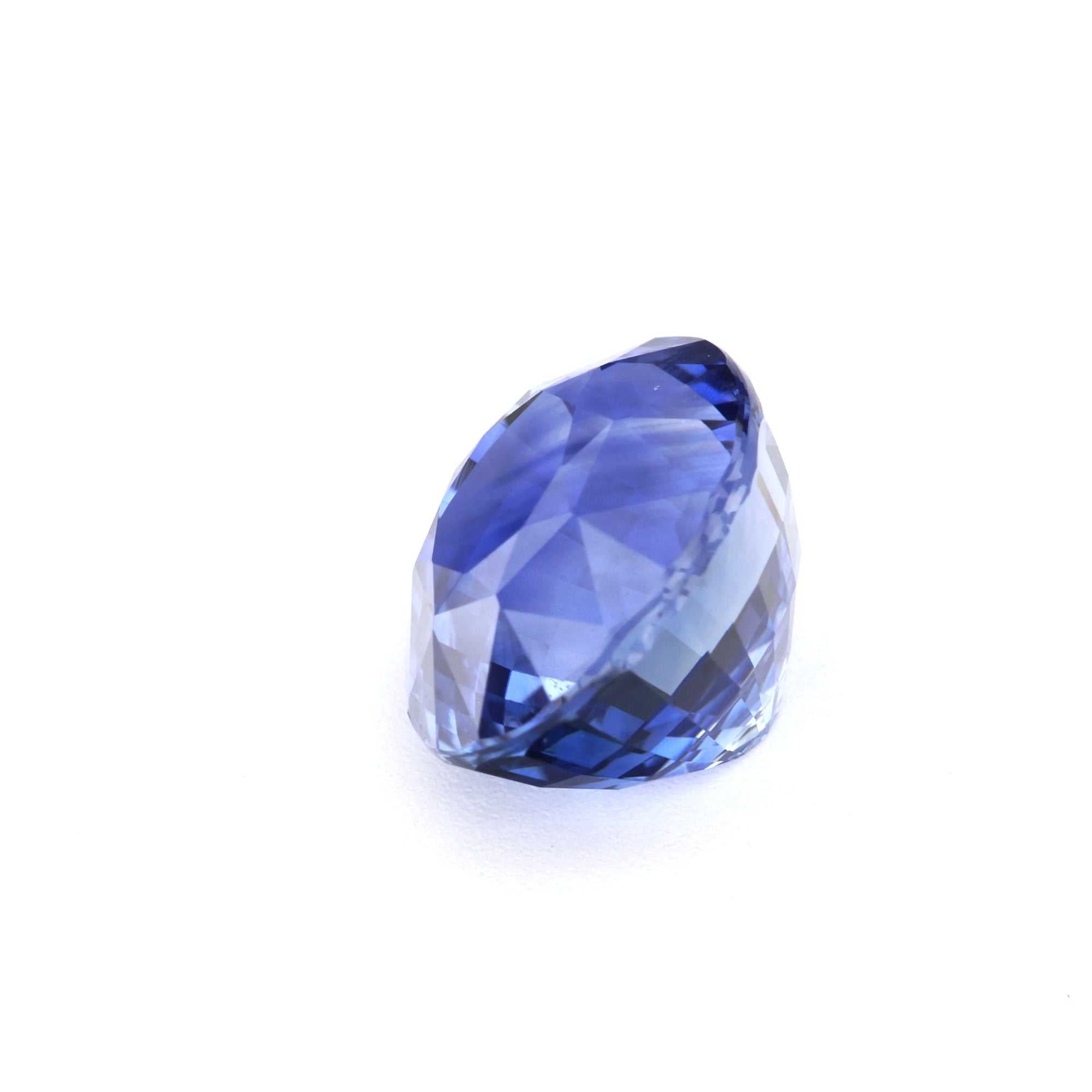
Many Ceylon sapphires in the world market are cut by local lapidaries who prioritize weight retention over optical performance. The result is stones that are heavier than they need to be for their face-up size — with bloated pavilions that produce windowing (a transparent pale zone visible face-up) and suboptimal color return. A well-cut Ceylon sapphire that has been recut for face-up performance will cost more than a native-cut stone of equivalent carat weight but will look significantly better in a setting. At Crescent Gems, most of our inventory is recut in-house in Sri Lanka to our face-up quality standard. For the full cut evaluation framework, see our How Cut Affects a Sapphire guide.
The following ranges reflect direct-source market pricing in 2026. Traditional retail prices through high-street jewelers typically run 50–100% higher for equivalent material.
| Quality Tier | Description | Price Per Carat | Total (1ct) |
|---|---|---|---|
| Commercial heated* | Acceptable color (may be pale, greyish, or slightly dark), visible inclusions possible, basic cutting | $300–$700 | $300–$700 |
| Good quality heated | Good blue color, eye-clean, well-cut, GIA or equivalent report | $800–$1,800 | $800–$1,800 |
| Fine quality heated | Vivid medium-dark blue, eye-clean, precision cut, with a GIA report | $1,800–$2,500 | $1,800–$2,500 |
| Unheated, good color* | Good blue, eye-clean; AGCL-documented unheated stones near 1ct (GIA-documented unheated blue in our stock currently starts at 2ct) | $1,200–$2,000 | $1,200–$2,000 |
| Unheated, vivid fine color | No indications of heating (GIA), vivid cornflower or royal blue, eye-clean, precision cut | $2,800–$4,000 | $2,800–$4,000 |
| Unheated, exceptional* | GIA, finest vivid blue, loupe-clean or near-loupe-clean, ideal cut, potential Gübelin/SSEF also | $4,500–$6,500+ | $4,500–$6,500+ |
Good quality heated, Fine quality heated, and Unheated vivid fine figures reflect current listed prices in our collection as of August 2026. *Commercial heated, Unheated good color, and Unheated exceptional are broader market guidance — we don't currently stock 1ct-sized blue at those specific grades. Figures are not fixed quotes and will move with inventory.
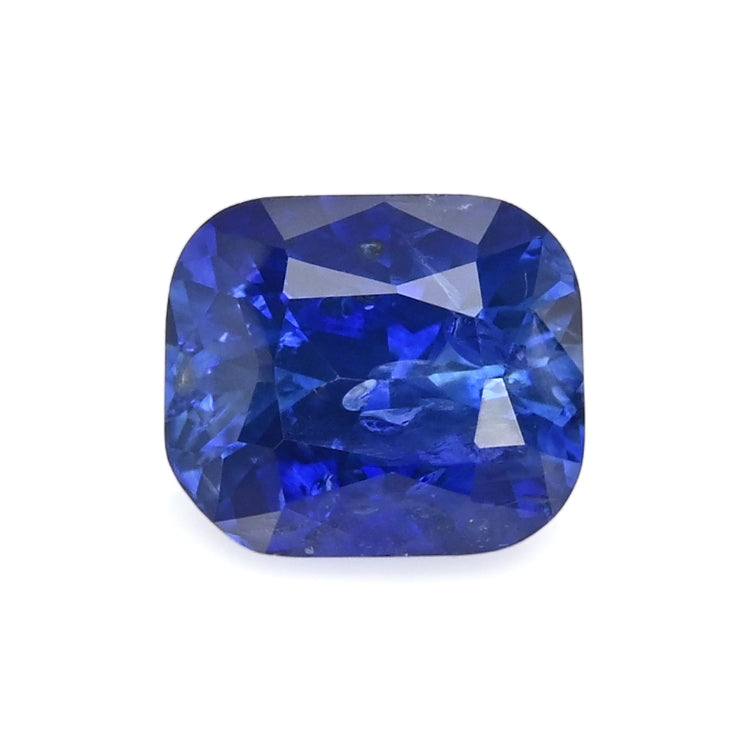
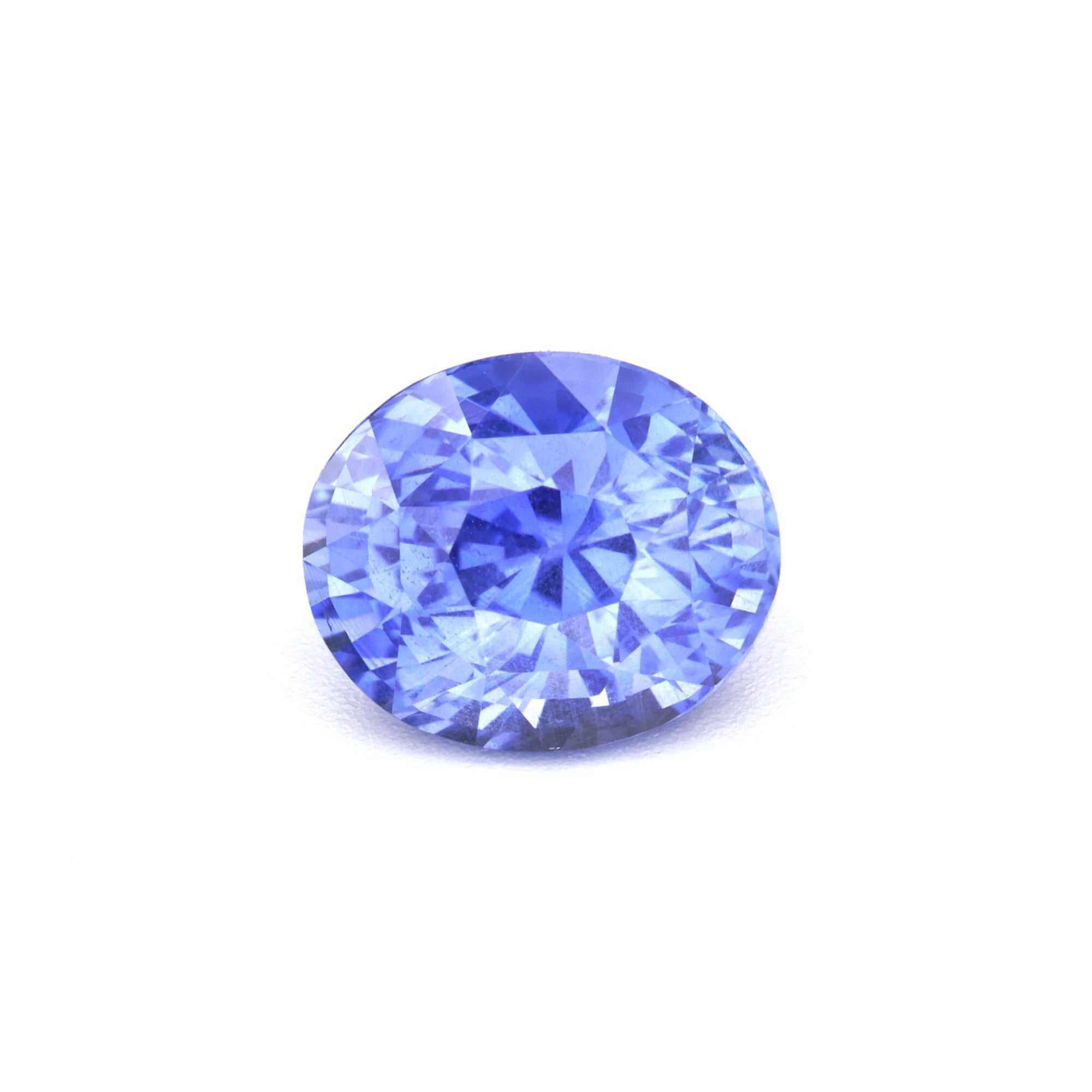
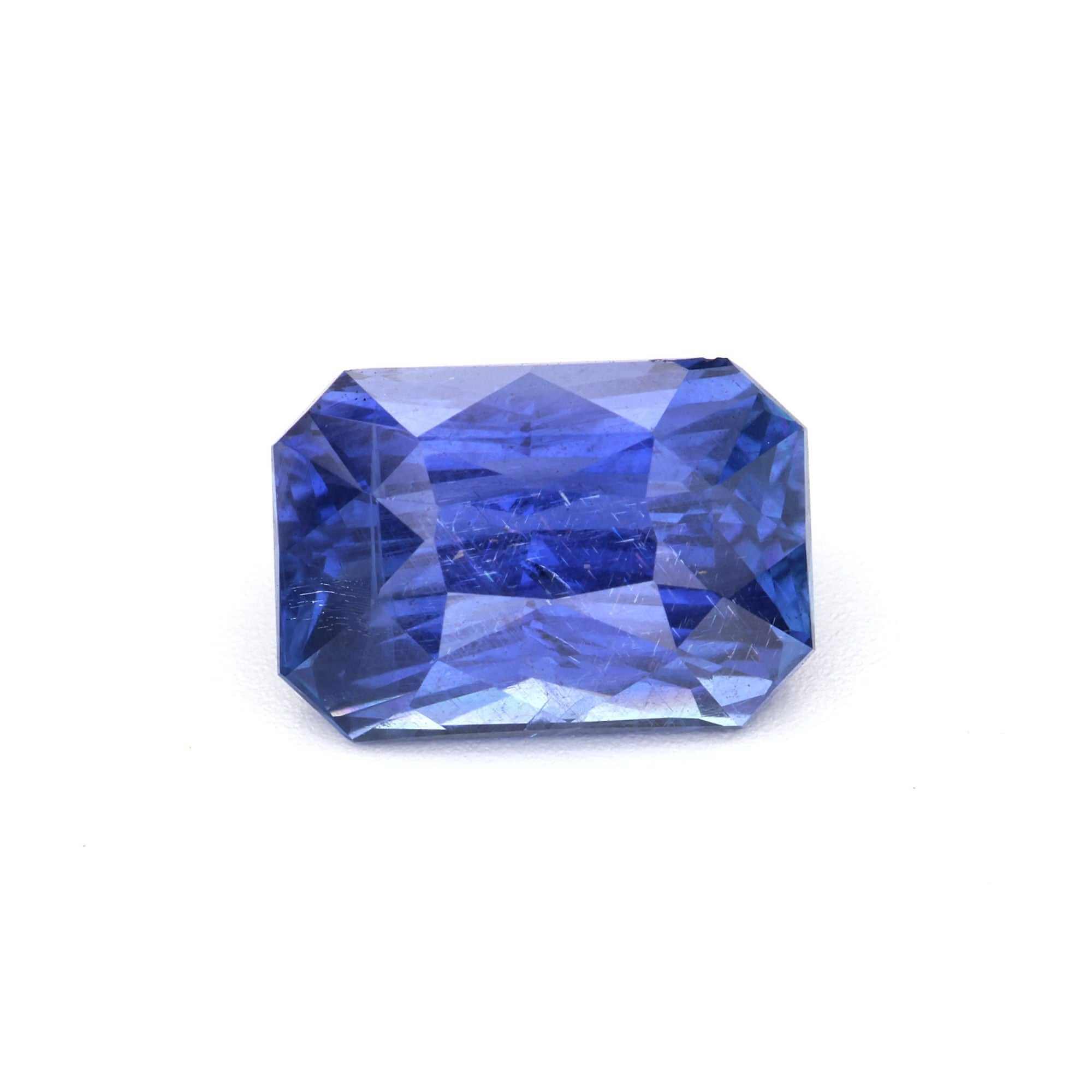
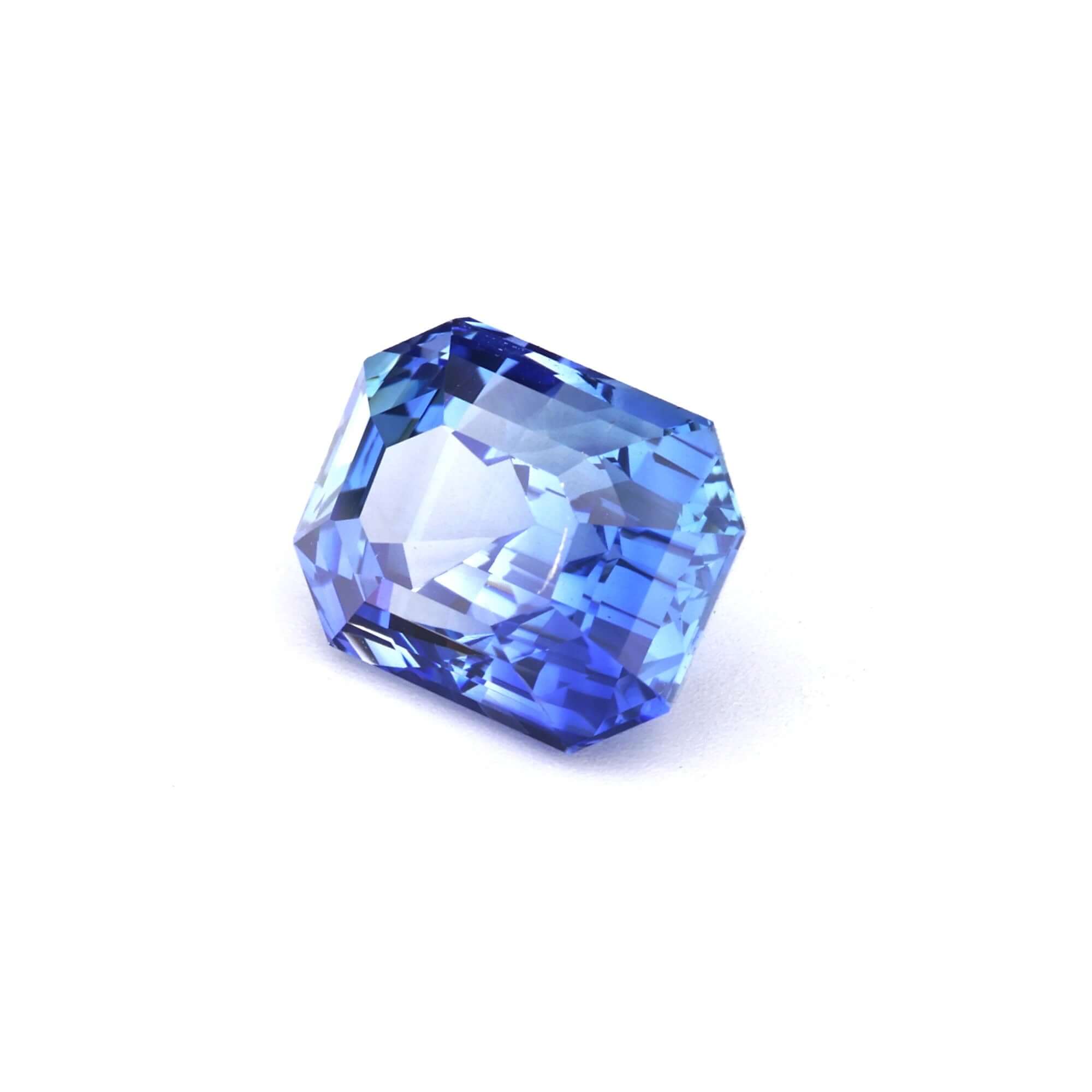
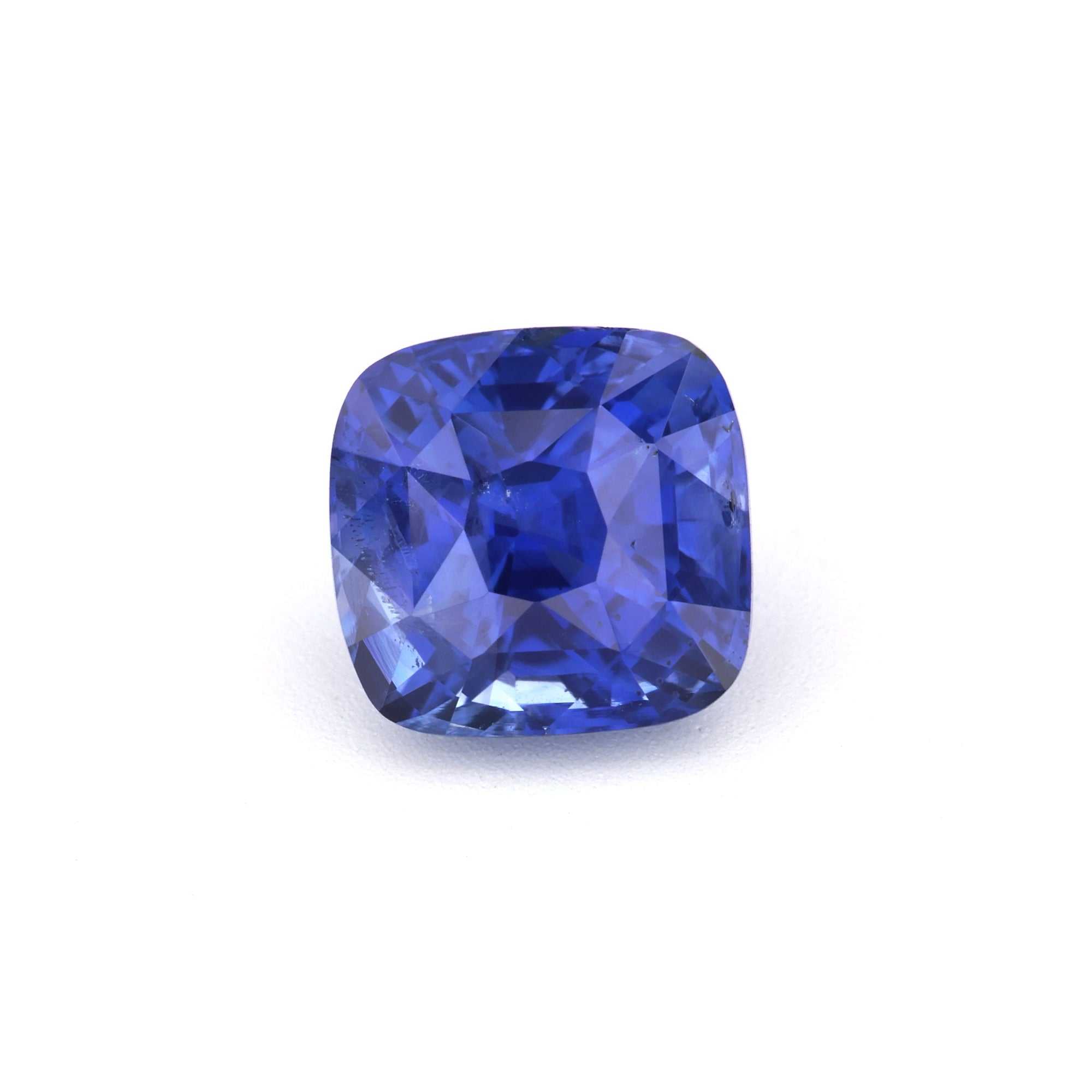
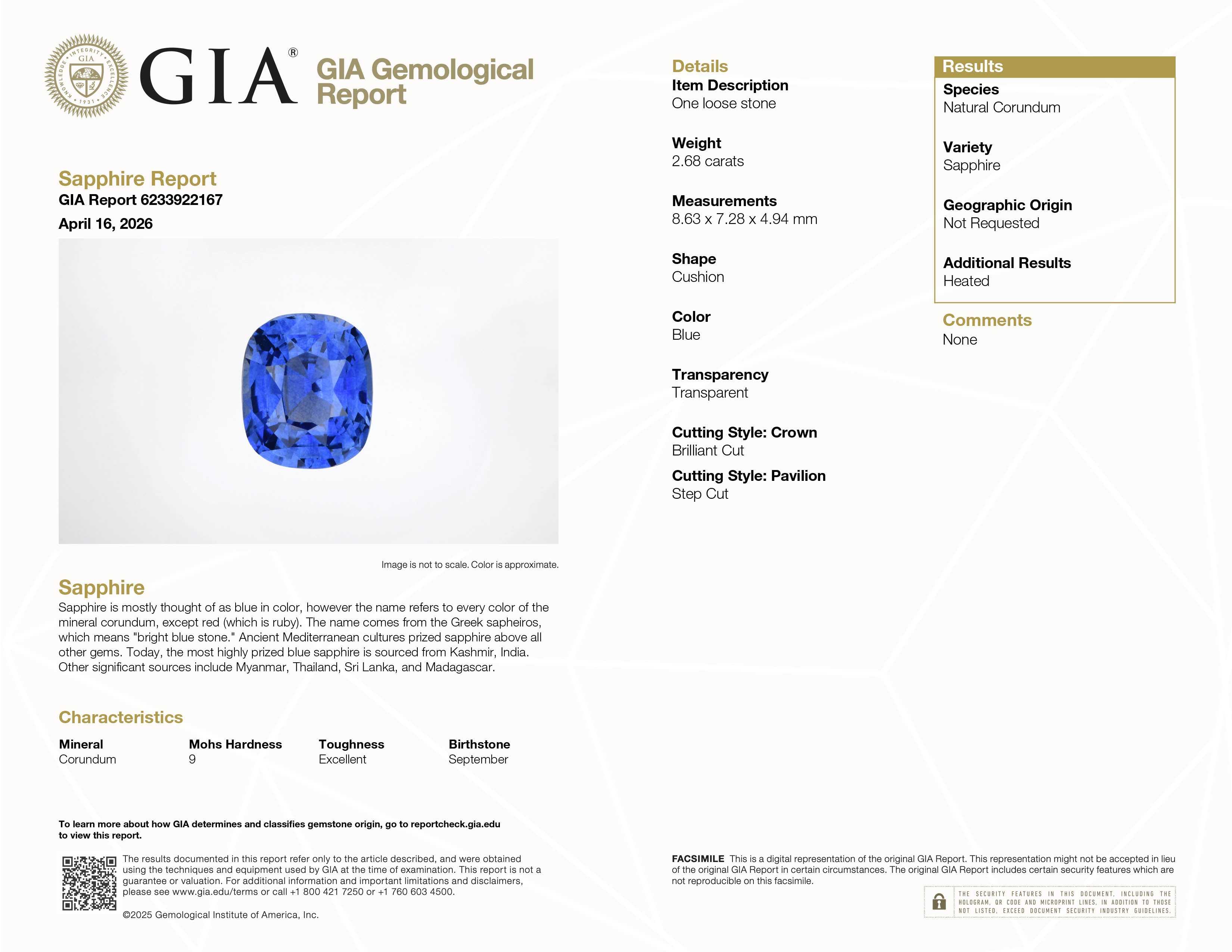
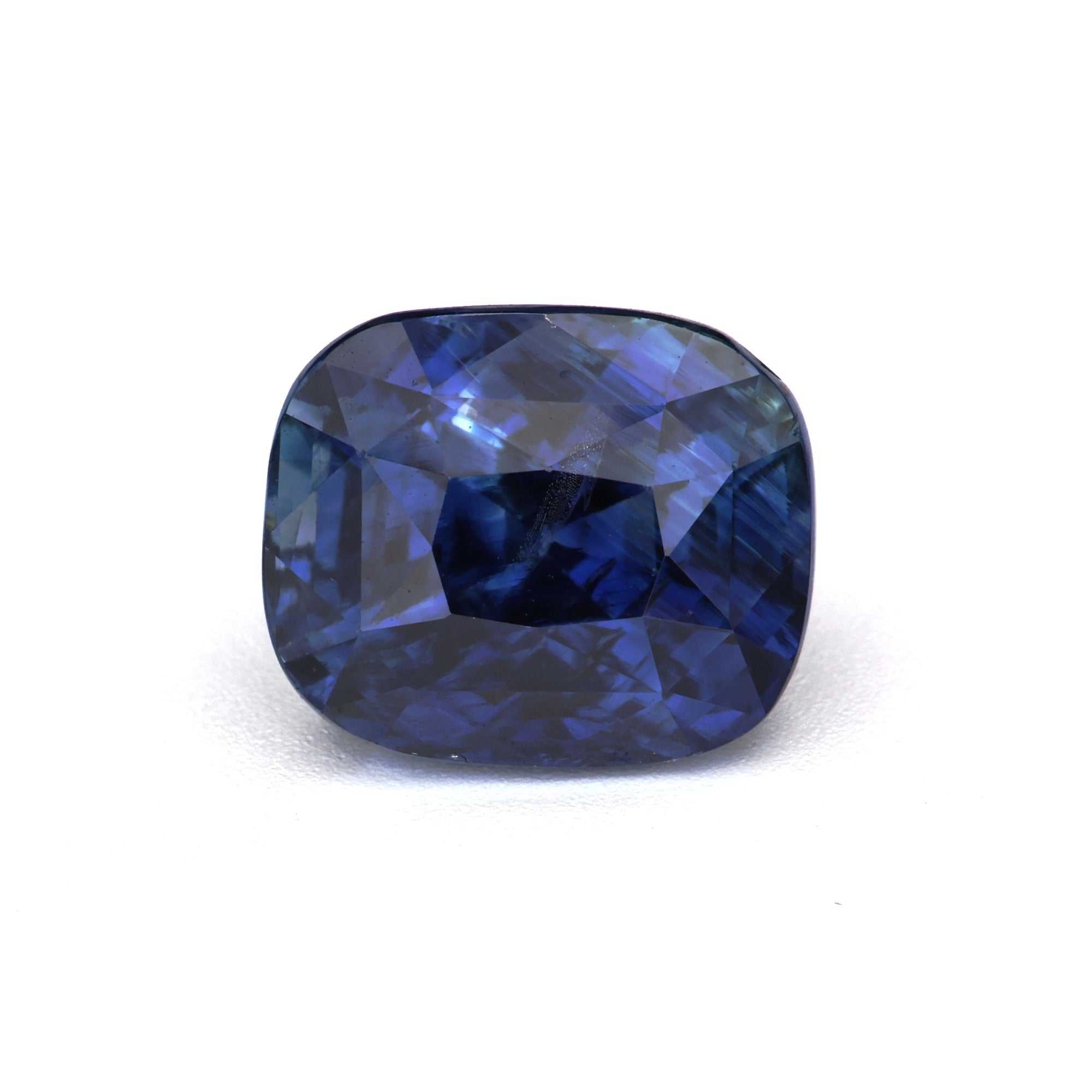
Example from our collection: a 1.55 ct AGCL-certified heated blue Ceylon sapphire, cushion cut — $1,520. View this stone. A 1.99 ct GIA-documented heated blue, cushion cut — $2,985 (view). For unheated: a 1.28 ct AGCL-certified unheated blue, oval cut — $1,584 (view); our finest GIA-documented unheated blue currently in stock is 2.008 ct at $6,800 (view).
These ranges reflect blue sapphire pricing. Other colors at 1 carat have different price profiles — see the color-by-color breakdown below.
Blue is the most commercially significant Ceylon sapphire color but not the only one. Ceylon produces the full spectrum of sapphire colors, and per-carat prices vary significantly by color. The following ranges are for good-to-fine quality, eye-clean, well-cut material in heated form where treatment is standard, and unheated where noted:
| Color | Treatment | Price Per Carat (1ct) | Browse |
|---|---|---|---|
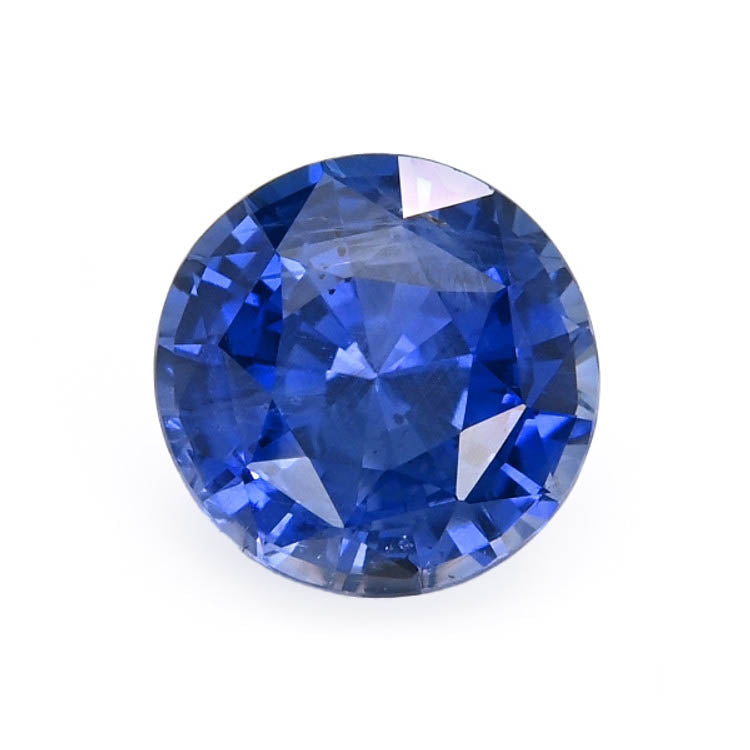
| Blue (good color) | Heated | $800–$1,800 | View → |
| Blue (vivid, fine) | Heated | $1,800–$2,500 | View → |
| Blue (vivid, GIA)* | Unheated | $2,800–$4,000+ | View → |
| Teal | Unheated | $700–$1,400 | View → |
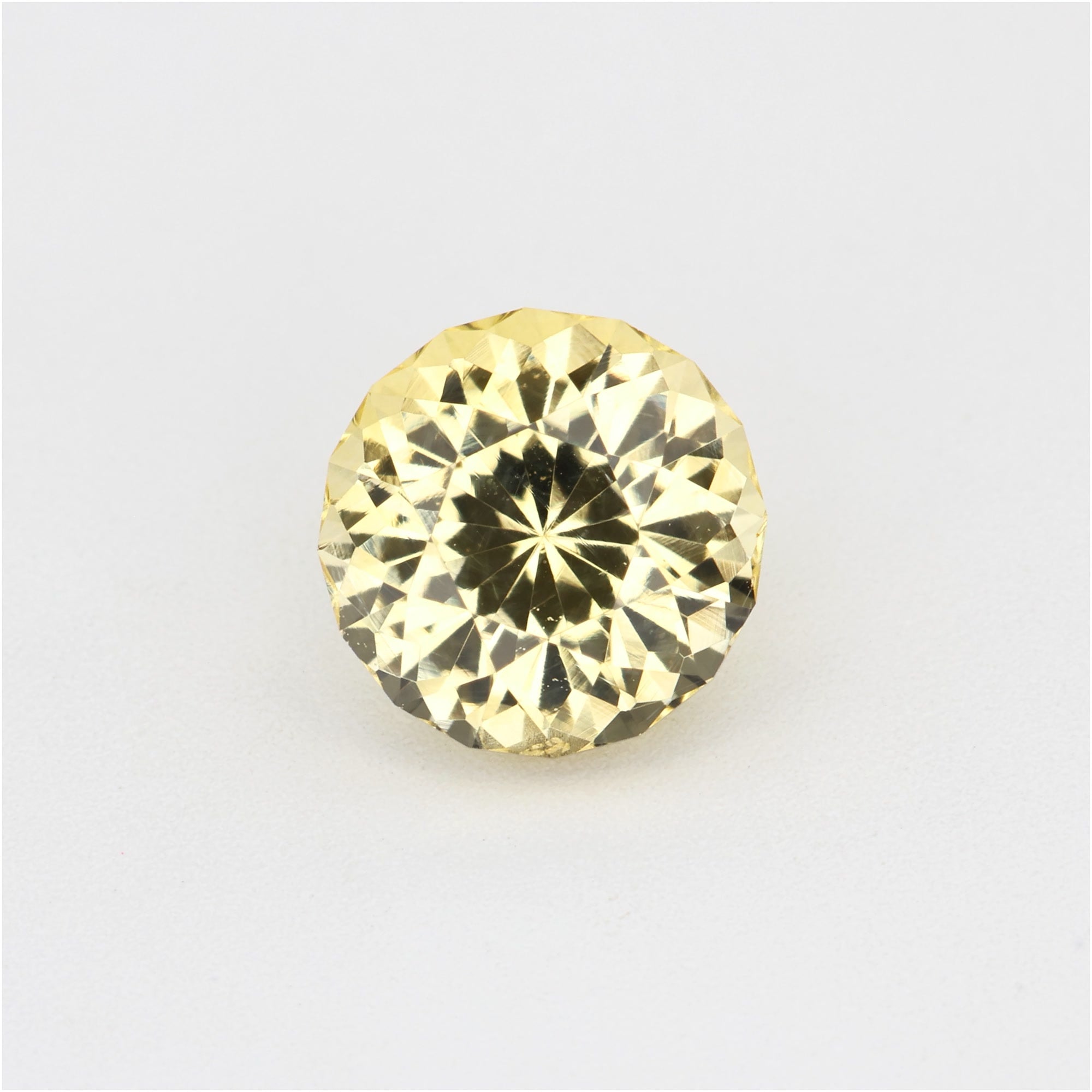
| Yellow (vivid) | Unheated | $700–$1,600 | View → |
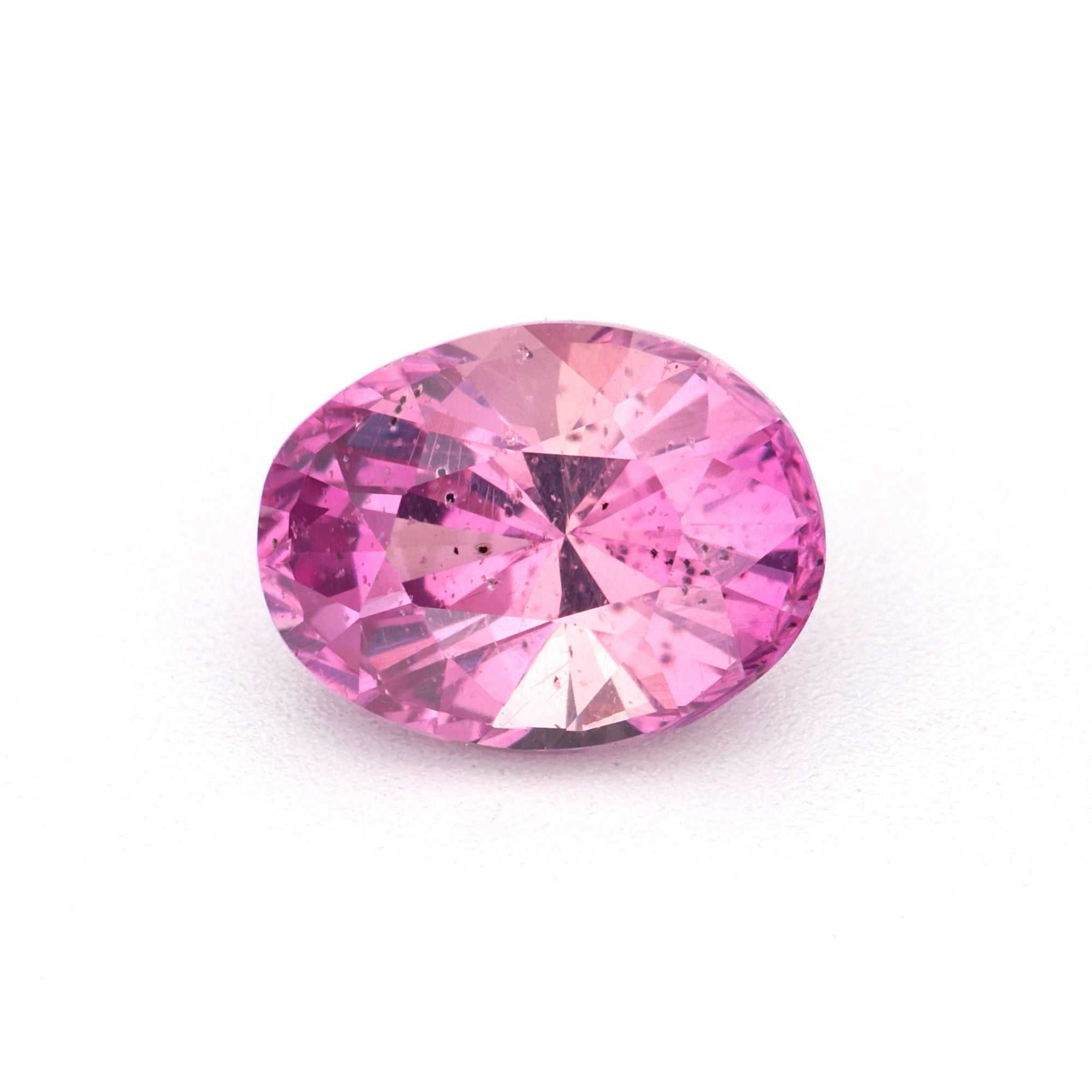
| Pink (vivid) | Unheated | $900–$2,500 | View → |
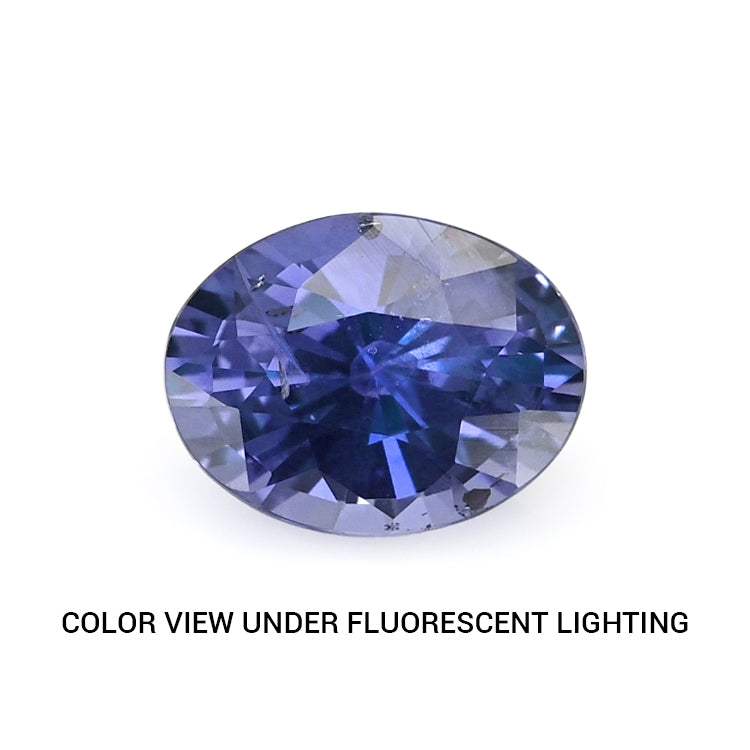
| Violet / purple | Unheated | $700–$1,600 | View → |
| Orange | Heated | $1,500–$2,500 | View → |
| Padparadscha (GIA)* | Unheated | $3,500–$9,000+ | View → |
Blue, Teal, Yellow, Pink, and Violet/purple figures reflect current listed prices in our collection as of August 2026. *Blue (vivid, GIA) unheated is verified but starts at 2ct in our current stock. Note: our current orange sapphire stock is all heat-treated, GIA-documented — not unheated as color guides sometimes assume; we don't currently stock natural unheated orange. *Padparadscha figures are broader market guidance — we don't currently stock padparadscha; see our Padparadscha Sapphire Guide. Figures are not fixed quotes and will move with inventory.
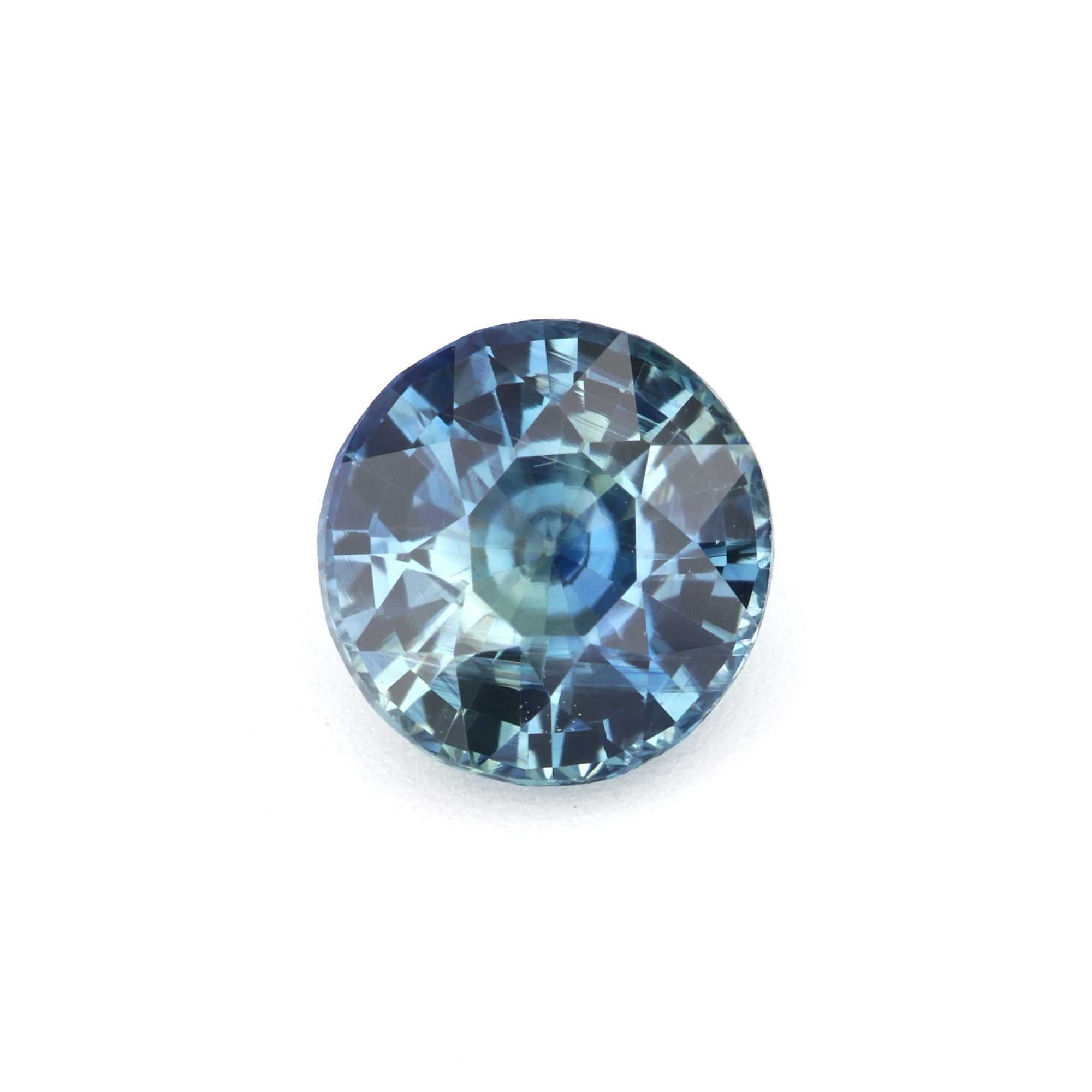
Example from our collection: teal — a 1.08 ct AGCL-certified unheated teal, round cut, $788 (view); yellow — a 1.07 ct GIA-documented unheated yellow, round cut, $749 (view); pink — a 1.05 ct unheated pink, oval cut, $1,470 (view); violet — a 1.17 ct unheated violet, oval cut, $1,404 (view); orange — a 1.63 ct GIA-documented heated orange, oval cut, $2,445 (view).
A few observations from this table worth highlighting:
Sapphire prices do not scale linearly with carat weight. Per-carat prices increase exponentially with size because larger stones of fine quality are proportionally much rarer than smaller ones. The 1-carat size is a useful benchmark, but here is how pricing scales:
| Carat Weight | Heated Blue (good color) | Unheated Blue (vivid, GIA) |
|---|---|---|
| 0.50ct | $700–$1,200 per carat | $1,500–$3,000 per carat* |
| 1.00ct | $800–$2,200 per carat | $2,000–$3,500 per carat* |
| 1.50ct | $900–$2,000 per carat | $2,500–$4,000 per carat* |
| 2.00ct | $1,800–$2,800 per carat | $3,300–$4,000 per carat |
| 3.00ct | $2,400–$3,300 per carat | $4,000–$6,500+ per carat* |
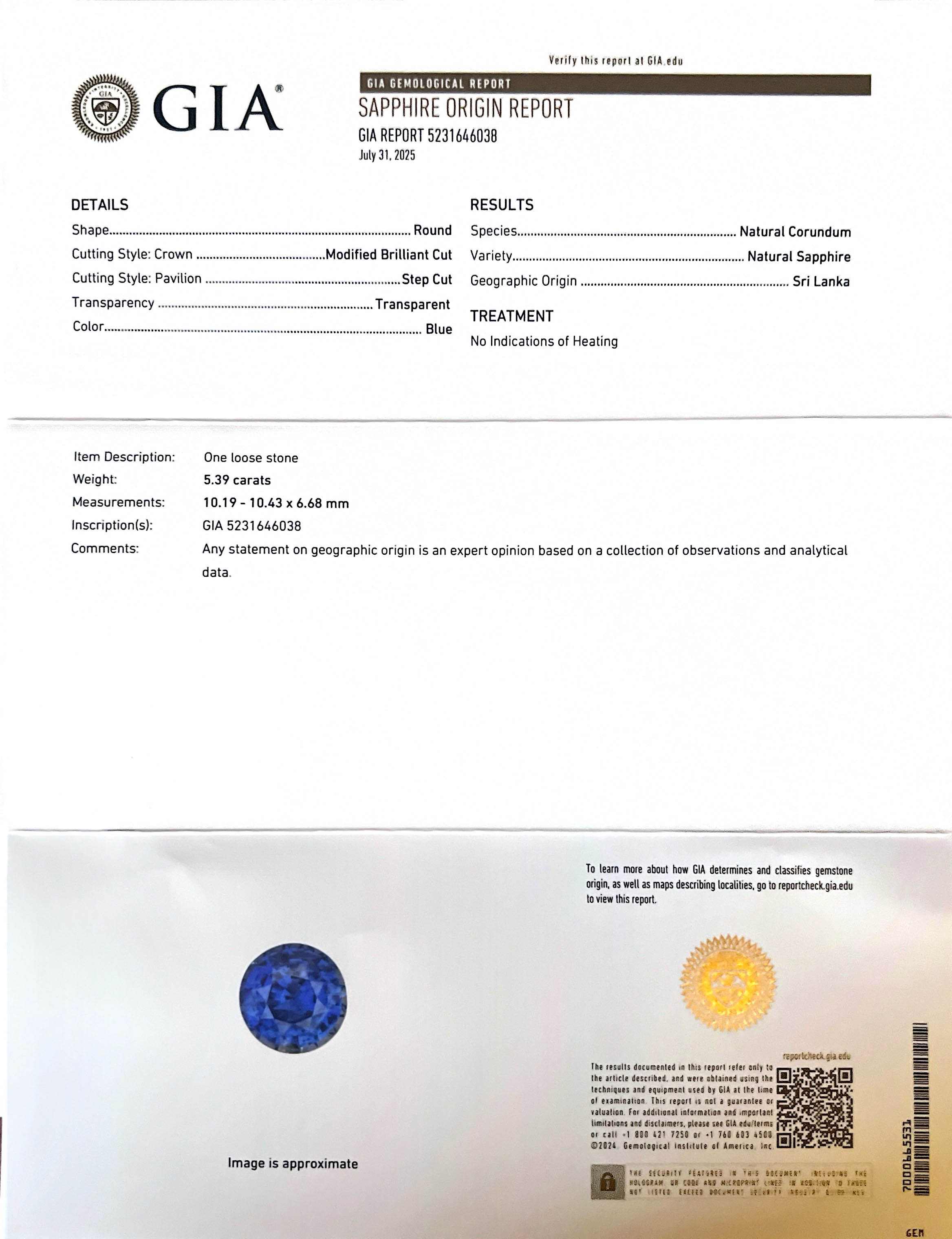
Heated Blue figures across all rows, and Unheated Blue at 2.00ct, reflect current listed prices in our collection as of August 2026. *Unheated Blue at 0.50ct, 1.00ct, 1.50ct, and 3.00ct+ are broader market guidance — our verified GIA-documented unheated blue stock currently runs 2.008ct–5.39ct. Figures are not fixed quotes and will move with inventory.
Per-carat prices do increase with size, but the escalation we actually see in stock is more moderate than the old rule of thumb suggests. For heated blue, per-carat price roughly triples from 0.5ct to 3ct rather than climbing 5–8×; for unheated blue, our verified data points (2ct at $3,300–$4,000/ct and a 5.39ct exceptional stone at roughly $6,400/ct) support real but less dramatic scaling than headline figures sometimes claim. For the full carat-weight and size guide, see our Sapphire Size Guide.
This is the most common decision point for 1-carat Ceylon sapphire buyers, and the honest answer depends on what you are buying for.
Buy heated if: visual quality is your priority and budget is the constraint. A 1-carat heated Ceylon blue of genuinely vivid, eye-clean quality looks identical to an unheated equivalent to the naked eye — the treatment is invisible. At $1,200–$2,200 for a fine heated 1-carat, the visual result is a beautiful stone at a significantly lower price than the unheated equivalent. Heat treatment is permanent, stable, and fully disclosed. There is nothing wrong with choosing heated material.
Buy unheated if: documentation, investment considerations, or personal preference for all-natural material are priorities. An unheated 1-carat with GIA confirmation is a more significant stone from a collector and resale perspective — the document trail has value beyond the stone's visual quality. For Jyotish astrology purposes, unheated status is a strict requirement. See our Jyotish sapphire guide. For the full treatment discussion, see our heat treatment guide.
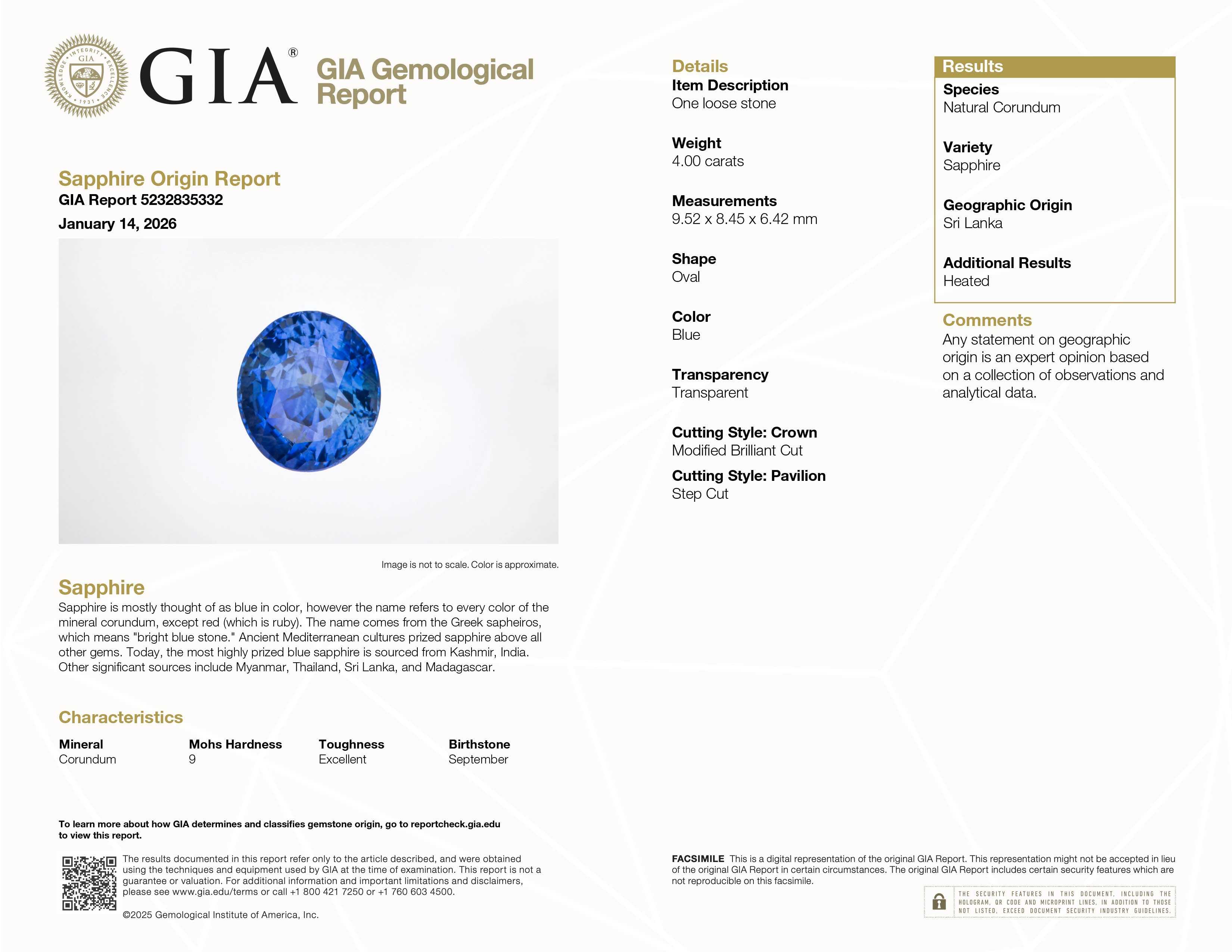
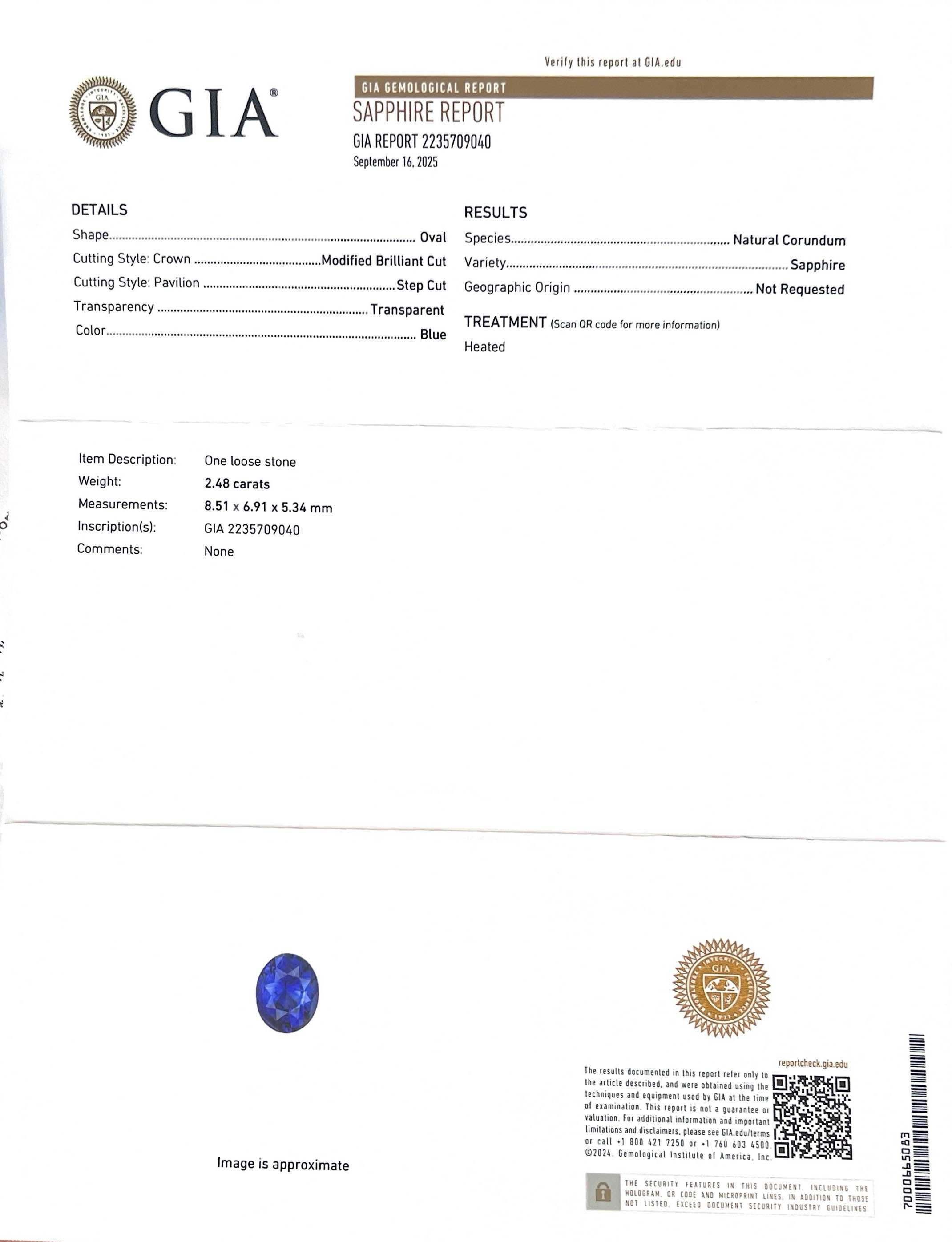
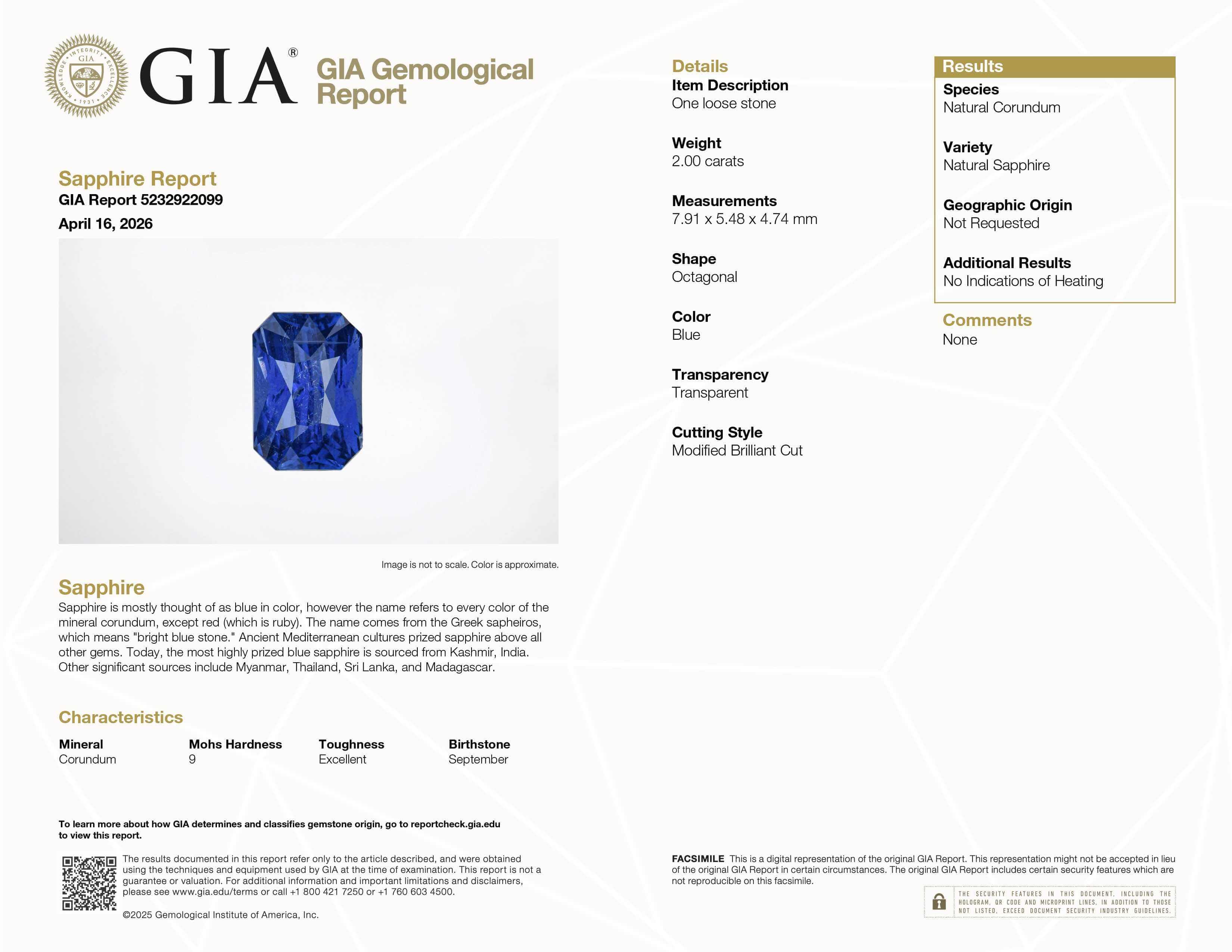
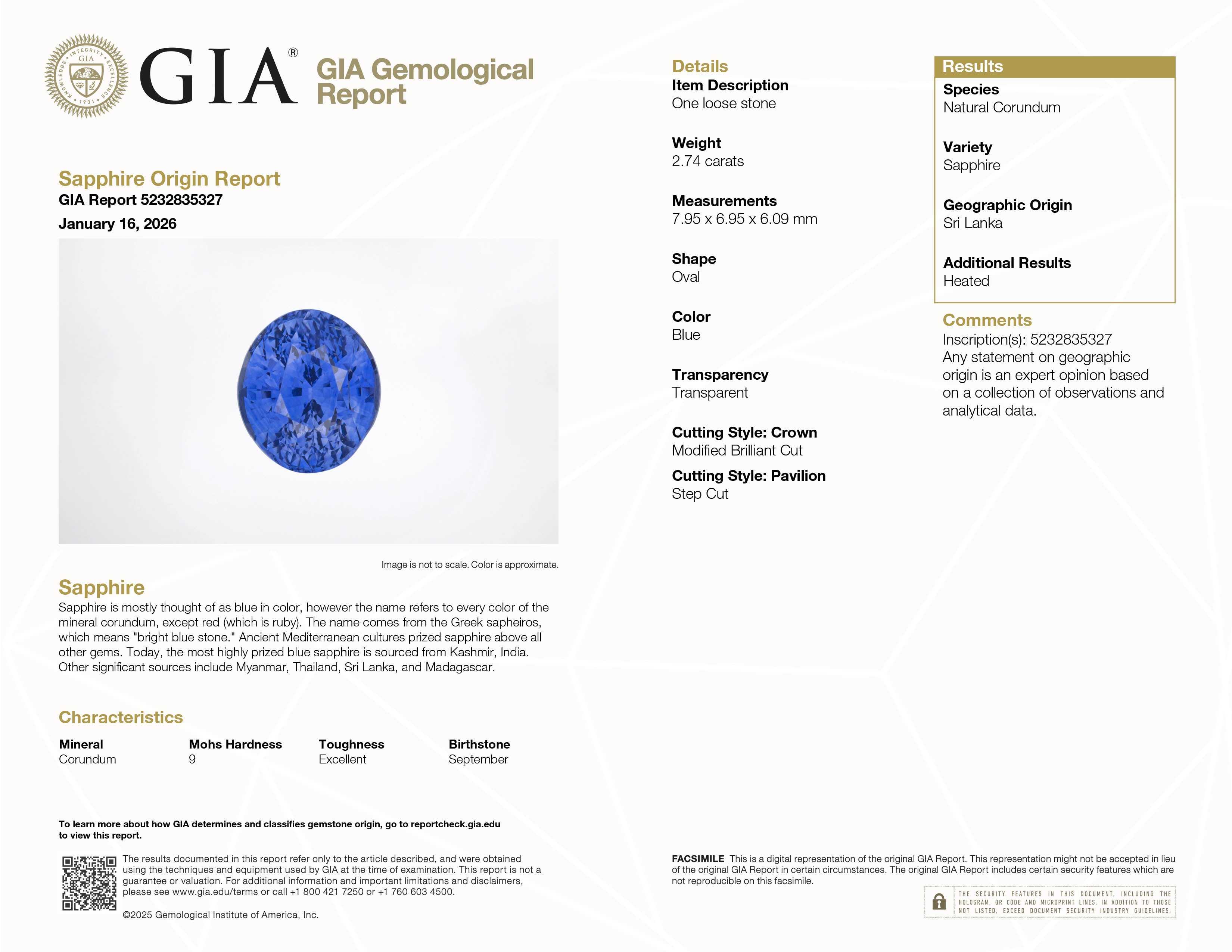
A GIA report does not just confirm origin — it affects the stone's market value directly. An uncertified 1-carat Ceylon sapphire of claimed fine quality trades at a discount to an equivalent GIA-documented stone because the buyer cannot independently verify the claims. The report removes uncertainty and commands a premium that typically exceeds its cost.
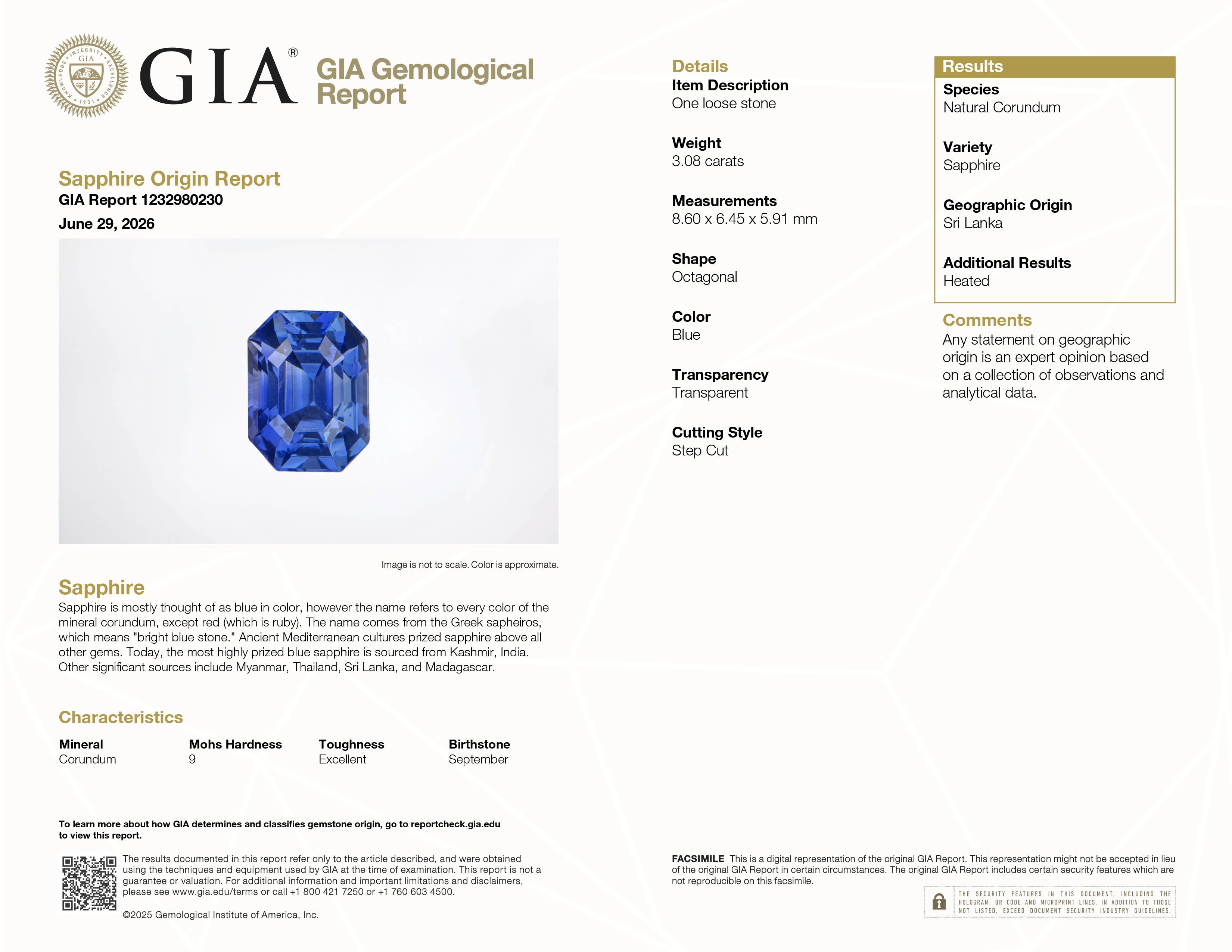
For a 1-carat stone above $800, a GIA report is worth getting. The report costs $80–$150 for most colored stones. For any unheated stone above $500, the GIA report is not optional — it is what makes the unheated claim verifiable and what supports the unheated premium in the price. See our complete guide to reading a GIA sapphire report for what each field means.
Size in sapphire depends on cut proportions as well as carat weight — but as a practical guide, a well-cut 1-carat Ceylon sapphire in common shapes measures approximately:
These dimensions make a 1-carat sapphire a fully ring-appropriate center stone in a solitaire or halo setting. It is proportionate, visible, and impressive in vivid color — not undersized. For a full size comparison across shapes and carat weights, see our Sapphire Size Guide. To understand how cut shape affects the face-up appearance at 1 carat, see our guides to oval, cushion, and emerald cut sapphires.

The supply chain you buy through significantly affects what you pay for equivalent quality. The same 1-carat vivid heated Ceylon blue sapphire that costs $1,300 at direct-source pricing may retail at $2,000–$2,600 through a traditional retail jeweler after the importer and retailer margins are applied.
Crescent Gems sources directly from Sri Lanka and cuts most of our inventory in-house to our face-up quality standard. Every stone is individually photographed under standardized lighting with full treatment disclosure. We ship directly to our USA office and offer a 14-day return policy — and our Try Before You Buy program lets you see the stone in your hands before committing. For the broader framework on buying loose sapphires intelligently, see our Smart Way to Buy Loose Gemstones guide.
Browse 1-carat Ceylon sapphires by color:
A 1-carat natural Ceylon sapphire ranges from $300–$700 for commercial-grade heated material to $2,800–$4,000+ per carat for fine unheated blue with GIA confirmation (our GIA-documented unheated blue currently starts at 2 carats). Most buyers looking for a good quality, eye-clean, vivid heated blue for an engagement ring will spend $800–$1,800. For unheated material with GIA documentation at 2 carats and above, budget $2,800–$4,000 per carat. Other colors — teal, yellow, violet — offer vivid, naturally unheated material at $700–$1,600 per carat at this size.
Yes — a well-cut 1-carat oval Ceylon sapphire measuring approximately 7×5mm is a fully appropriate, beautiful center stone for an engagement ring. In vivid blue, teal, or pink, a 1-carat sapphire in a solitaire or halo setting is visually impressive and proportionate for most finger sizes. See our engagement ring guide for the full decision framework.
Color quality and treatment status. A $500 stone will have pale, greyish, or weakly saturated blue that looks underwhelming in normal wear. A $3,000 stone will have vivid, pure, medium-dark blue with eye-clean clarity and typically a GIA report confirming its quality. The visual difference face-up in a ring is significant and immediately apparent. See our Sapphire Colors Explained guide for the color framework.
For visual quality at a given budget, heated offers more stone for the money. For documentation, investment, or personal preference for all-natural material, unheated with GIA confirmation is worth the premium. Both are legitimate choices — the decision is personal and budget-driven. See our unheated sapphire guide for the full framework.
For any stone above $800, a GIA report is worthwhile — it confirms natural origin, treatment status, and provides insurance and resale documentation. For unheated material at any price, the GIA report is not optional: it is what makes the unheated claim verifiable. For heated material below $500, the report cost may not be proportionate to the stone's value. See our complete guide to reading a GIA sapphire report for what each field means.
Browse our full Ceylon sapphire catalog with individual stone photographs and complete treatment disclosure, or email crescentgems@gmail.com with your color, budget, and treatment preference. We respond within one business day.

CG8350

CG8330
CG8374
CG8428
1.07 ct Natural Unheated Yellow Sapphire – Round Cut
CG8414
1.05 ct Natural Unheated Pink Sapphire – Oval Cut | Sri Lanka (Ceylon)
CG8305
1.17 ct Natural Unheated Violet Sapphire – Oval Cut | Sri Lanka (Ceylon)
Prices are shown in your local currency and may change.
CG8262
CG8363
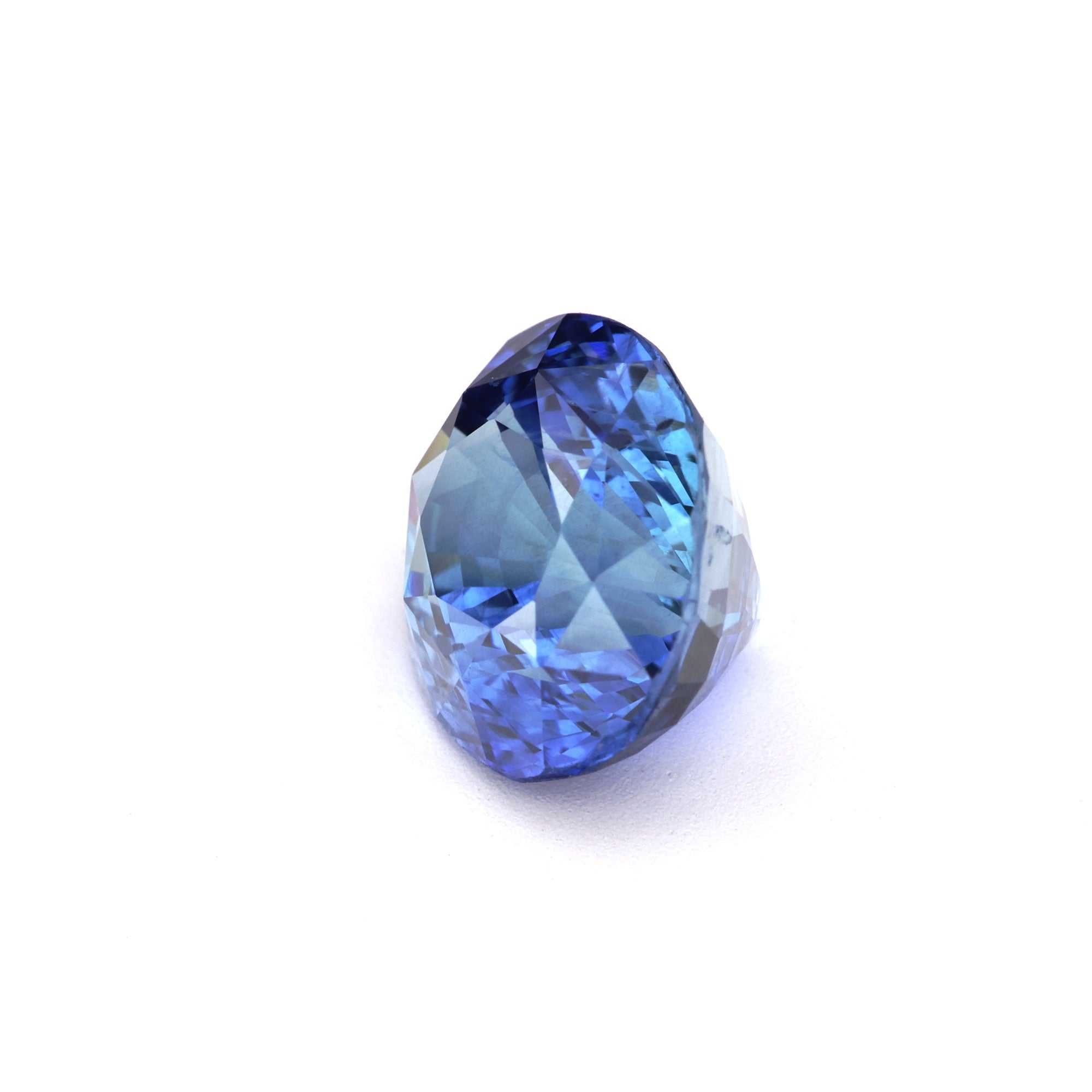
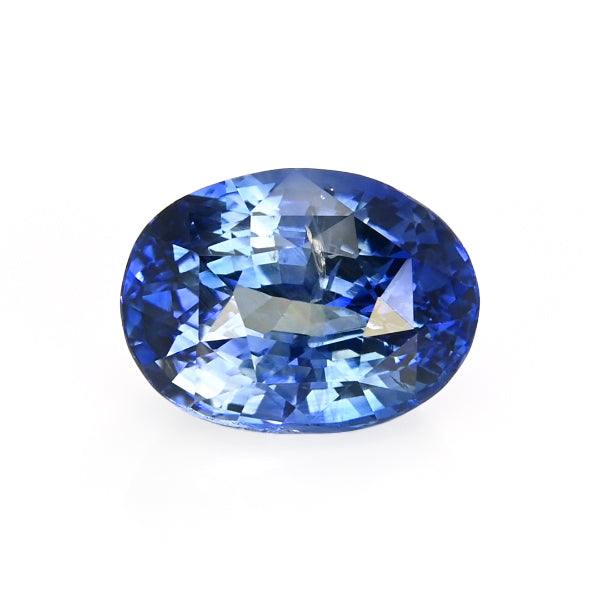
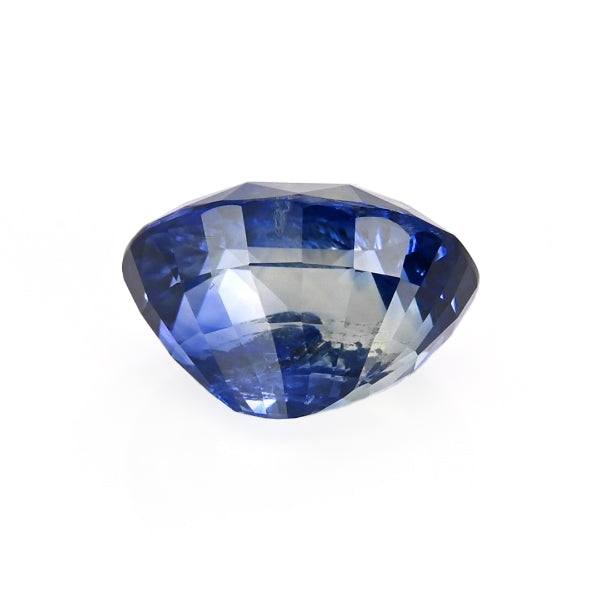
4.00 ct Heated Blue Sapphire – Oval | GIA Certified | Sri Lanka
CG8259
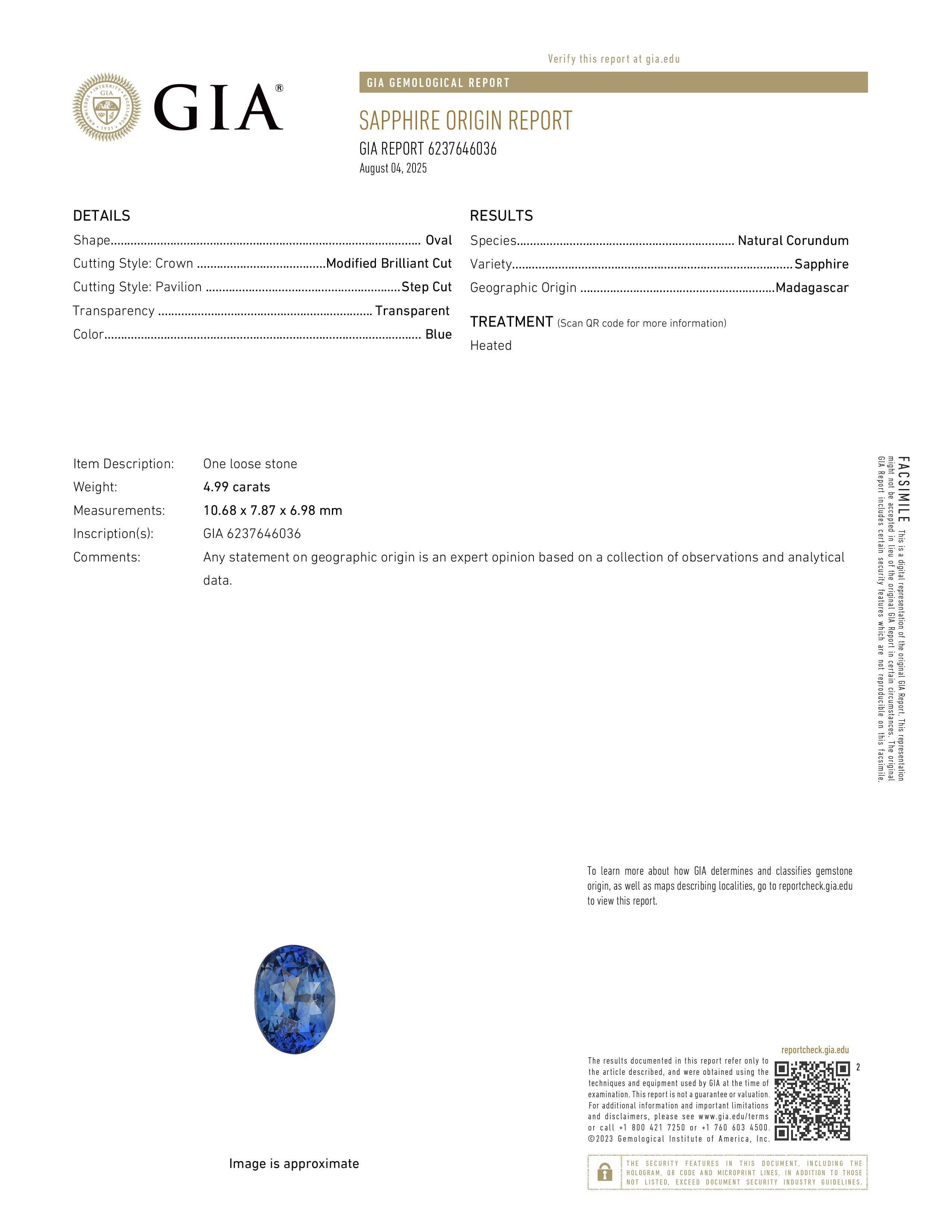
4.99 ct Natural Blue Sapphire – Oval, Heated | GIA Certified | Madagascar
CG8443
CG8356
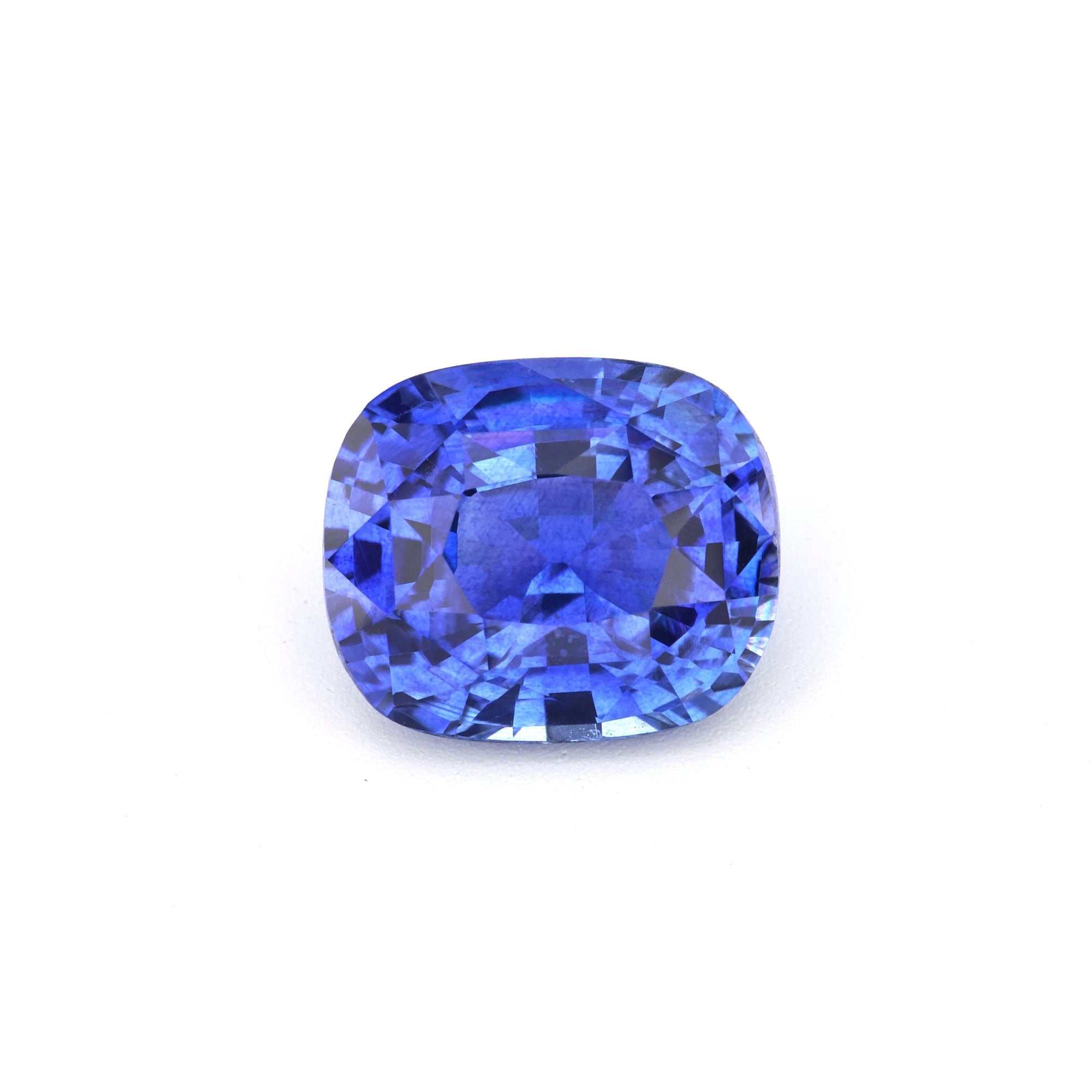
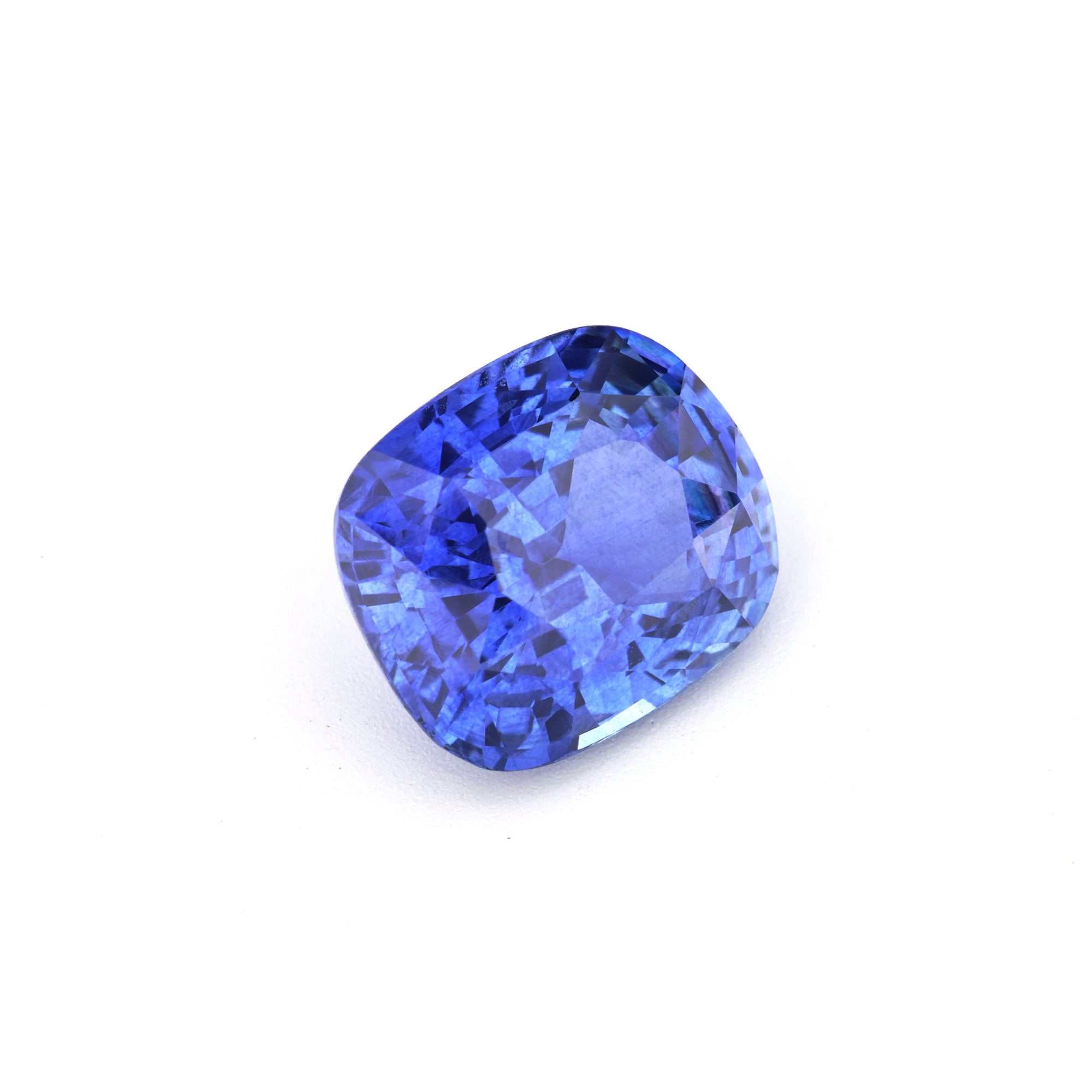
2.04 ct Natural Unheated Blue Sapphire – Square Cushion Cut | GIA Certified
CG8341
CG8301
CG8353
CG8440


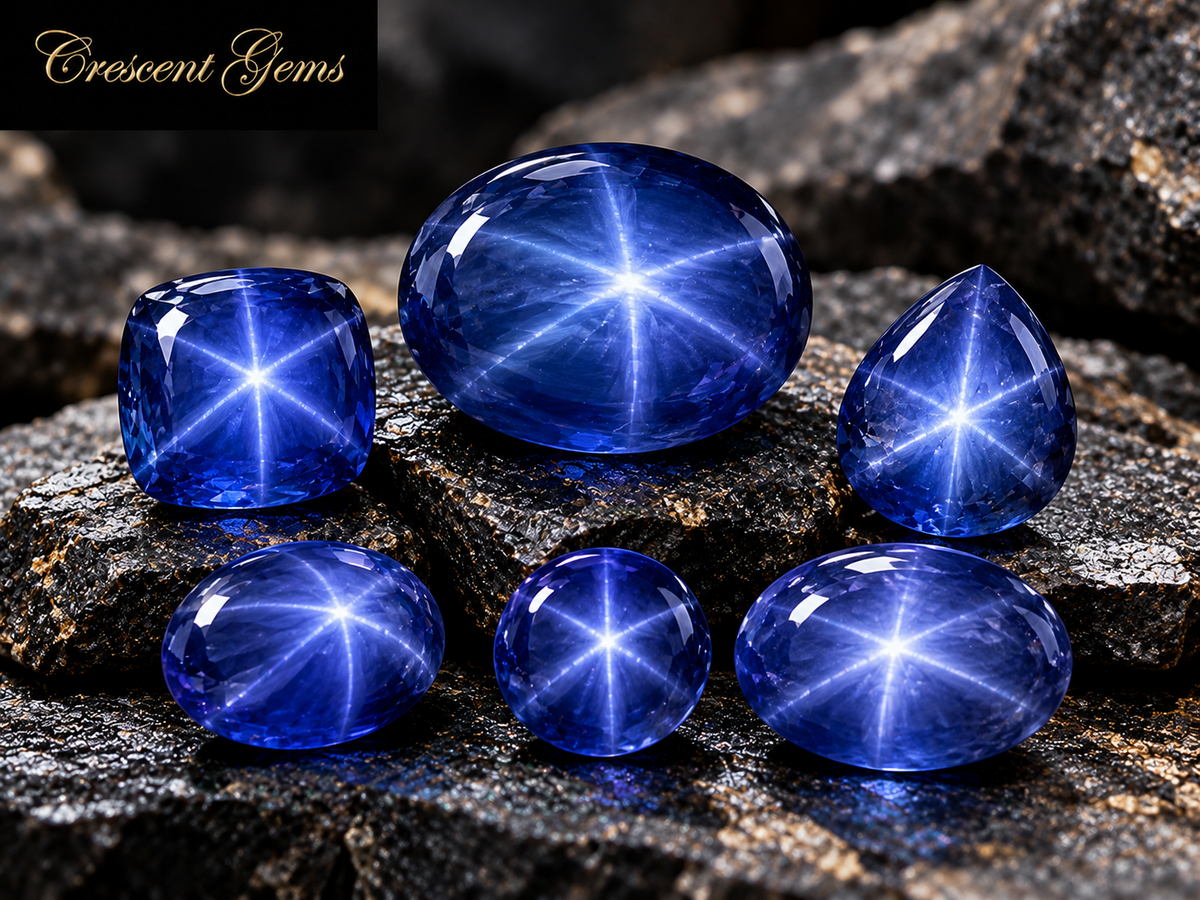
Blue Star Sapphire Price Guide — What They Cost and Why
Read moreabout Blue Star Sapphire Price Guide — What They Cost and Why
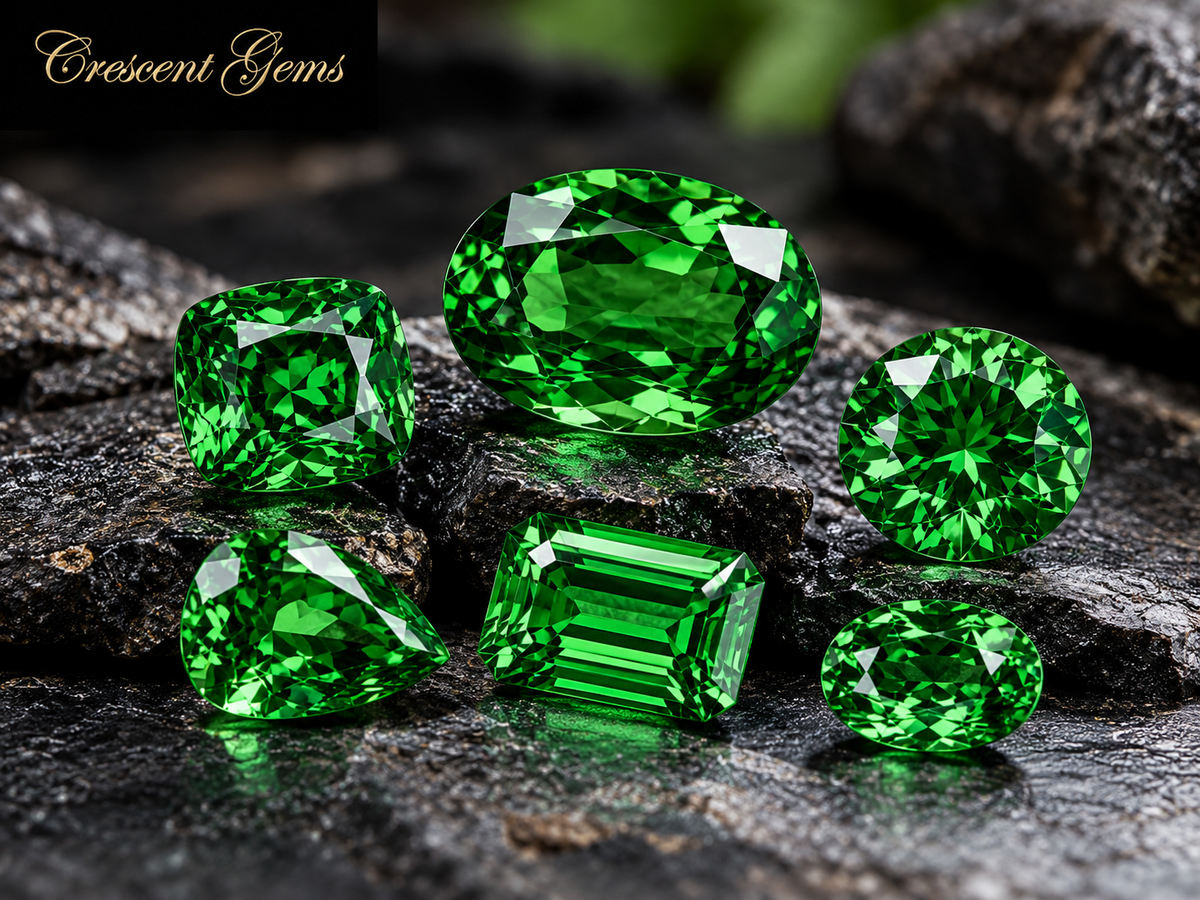
Tsavorite Garnet Price Guide — What They Cost and Why
Read moreabout Tsavorite Garnet Price Guide — What They Cost and Why
Color-Change Sapphire Price Guide — What They Cost and Why
Read moreabout Color-Change Sapphire Price Guide — What They Cost and Why
Is Cat's-Eye Chrysoberyl Good for an Engagement Ring?
Read moreabout Is Cat's-Eye Chrysoberyl Good for an Engagement Ring?
Cat's Eye Chrysoberyl Price Guide — What They Cost and Why
Read moreabout Cat's Eye Chrysoberyl Price Guide — What They Cost and Why