

- by Ahmed Shareek
What Is an Unheated Sapphire? The Complete Buyer's Guide
- by Ahmed Shareek
New to buying sapphires? Start with our Ultimate Sapphire Buying Guide — the complete resource for color, origin, treatment, and pricing. For the heated vs. unheated comparison in detail: our Heated vs. Unheated page. For certification: our GIA Report Guide.
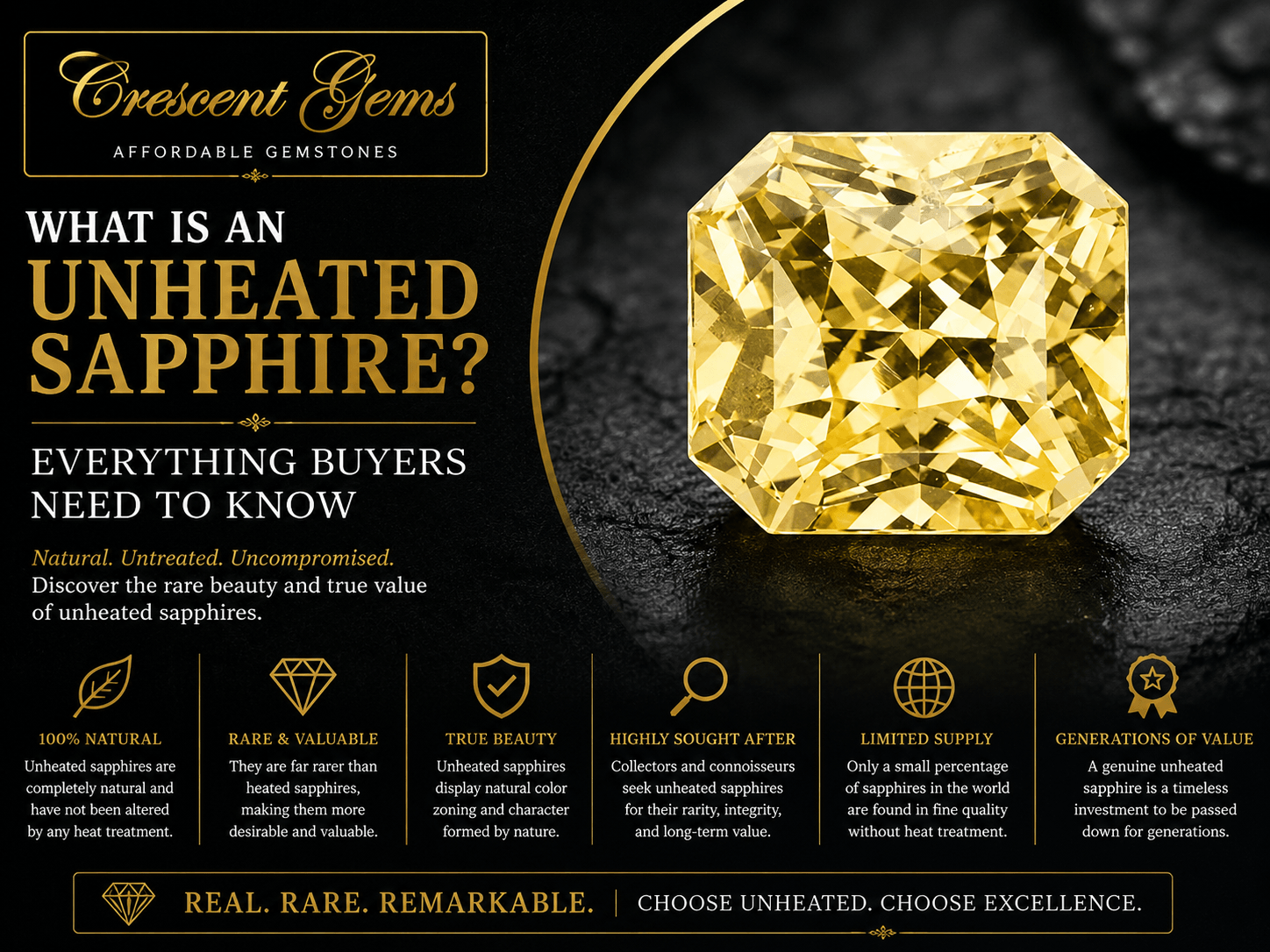
An unheated sapphire is a natural corundum stone that has never been subjected to heat treatment at any stage from rough mining to finished gem. No furnace, no colour correction by heat. The colour you see is what the crystal produced inside the earth over millions of years. Note the precise scope of the word: unheated is not the same claim as untreated. A report finding no indications of heating addresses heat and nothing else, so a stone can be correctly described as unheated and still have been treated another way — which is why the treatment line on a report is worth reading in full rather than skimming for the word "unheated". An estimated 90-95% of all sapphires sold globally are heat treated before they reach a consumer, so an unheated sapphire with laboratory documentation is the exception rather than the rule — and at fine quality it commands a premium of roughly 2x-5x over a heated stone of equivalent dimensions, rising to as much as 8x for large, vivid, well-documented stones as the tiers below set out.
Heat treatment at temperatures between 1,000°C and 1,800°C changes sapphires in three principal ways: dissolves rutile silk (improving transparency and apparent clarity); deepens and saturates color (drives iron-titanium interactions to completion); and removes unwanted color modifiers (reduces greenish or grayish secondary hues). The treatment is permanent, stable, and accepted across the gemological and jewellery trade, provided it is disclosed. A heated sapphire is not a fake or a fraud — it is an enhanced natural stone. What it is not, is untreated. For the full technical picture, see our How Sapphire Heat Treatment Works guide.
For a stone to emerge from mining with color and clarity good enough in its natural state to be commercially attractive without treatment, several conditions must align: sufficient chromophore concentration to produce strong saturated color; freedom from disqualifying inclusions; and identification by an expert before treatment was applied. These conditions are rare. Of the origins we buy from, Sri Lanka (Ceylon) yields by far the highest proportion of commercially significant unheated material. See our Ceylon Sapphire Complete Guide.
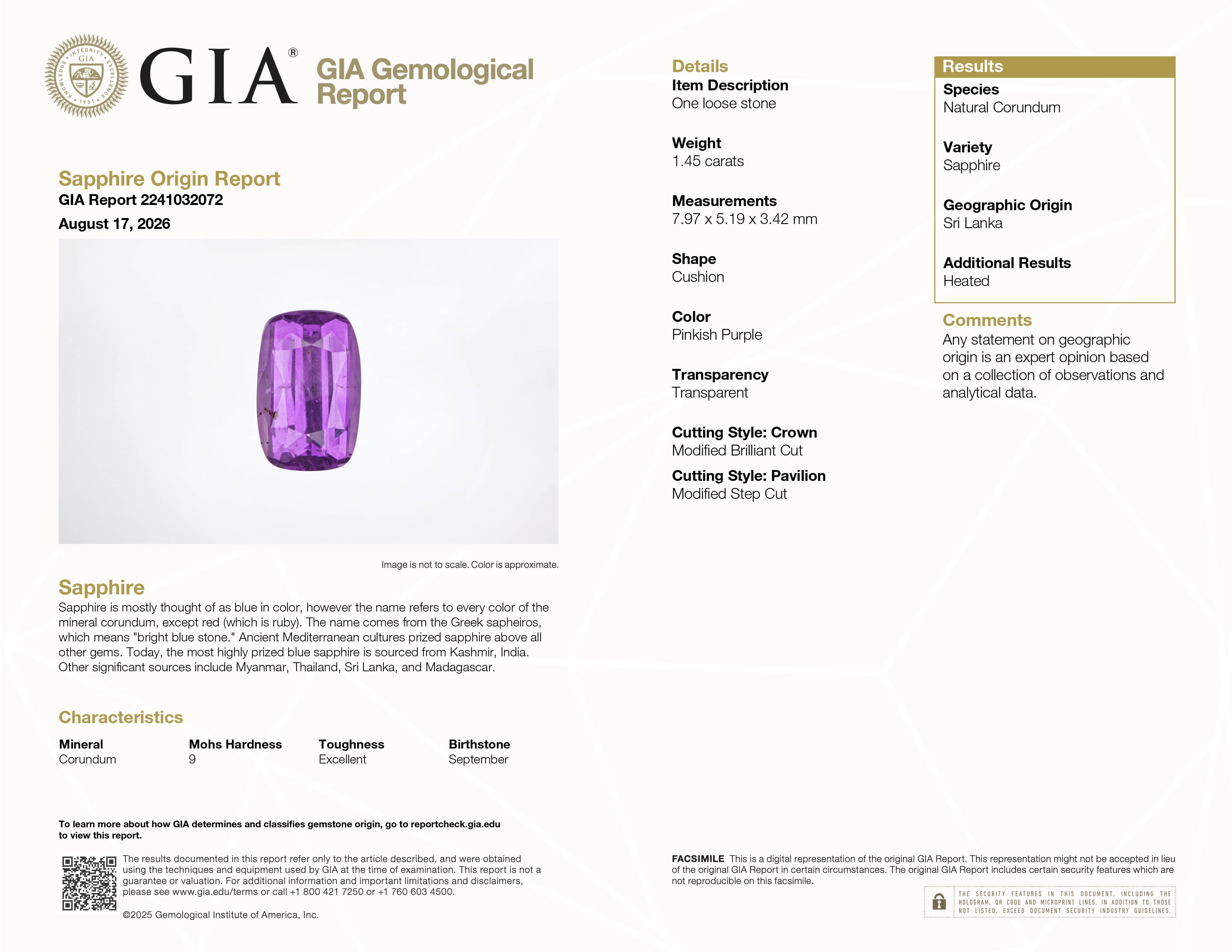
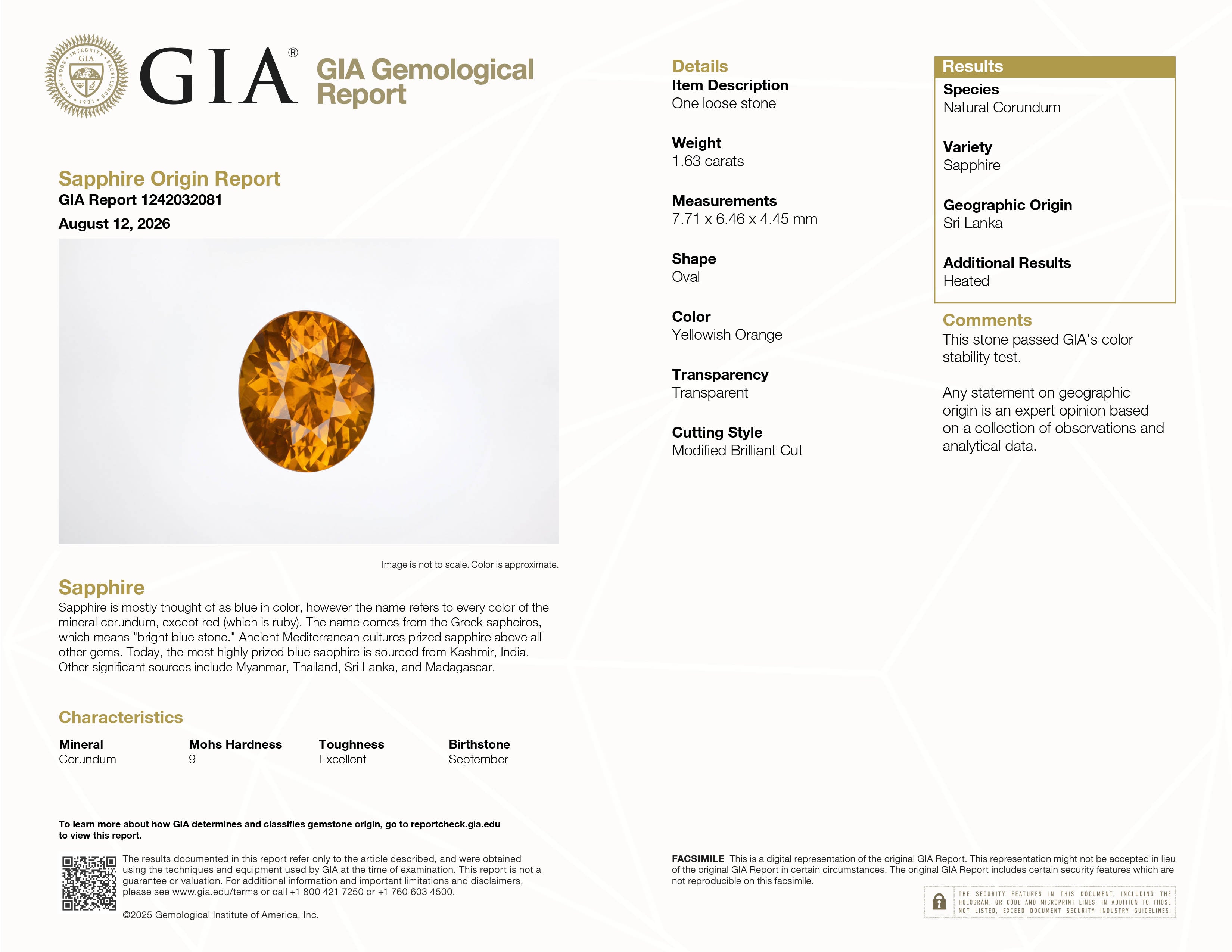
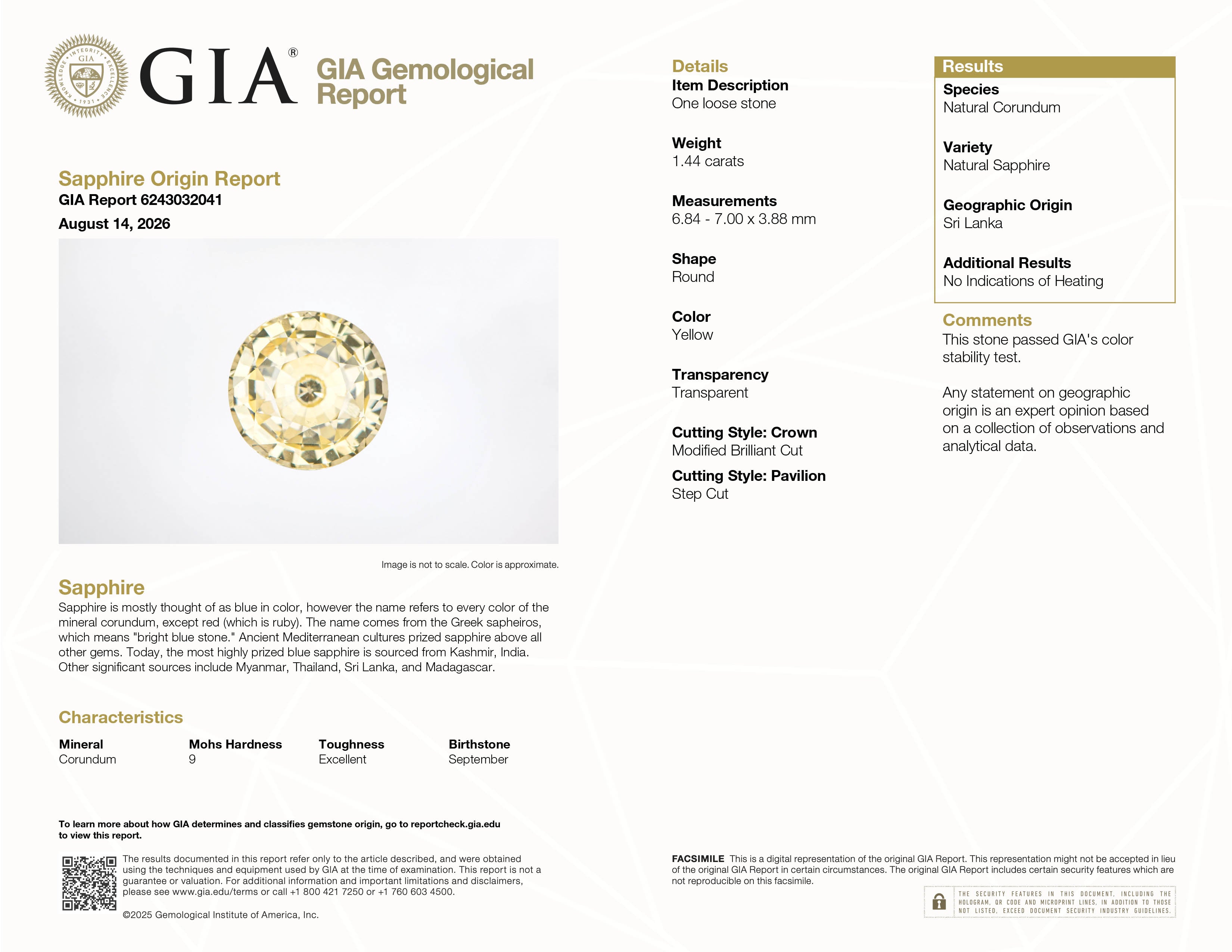
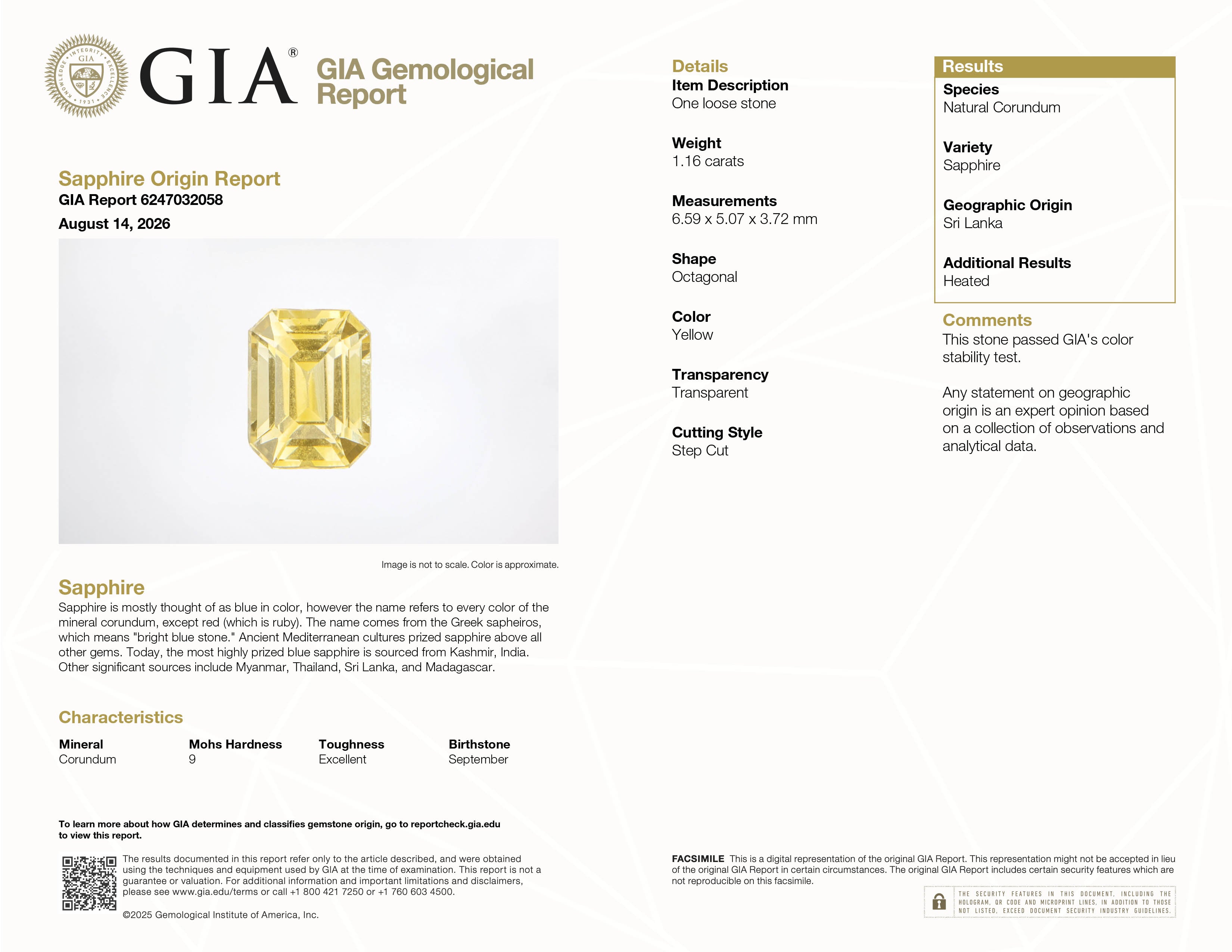
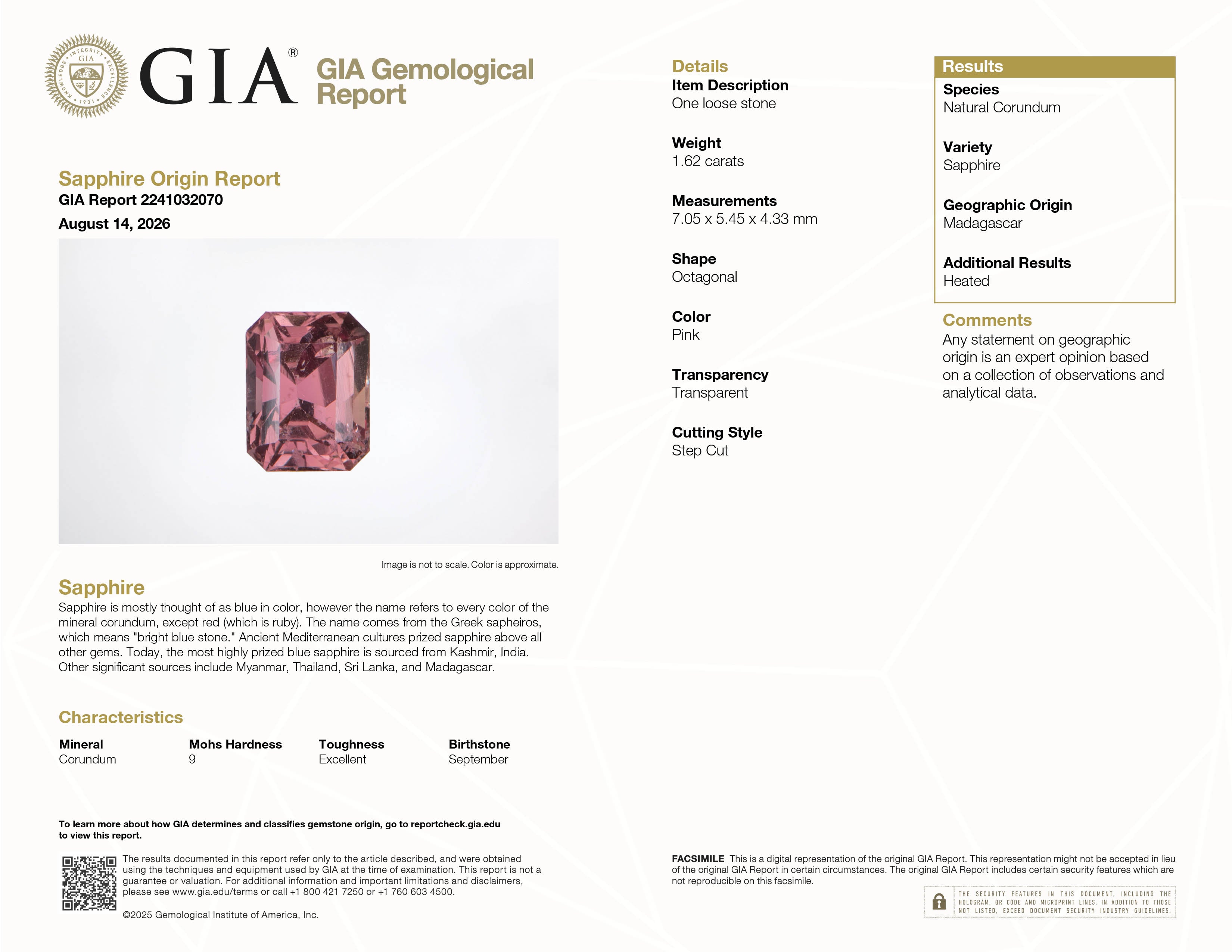
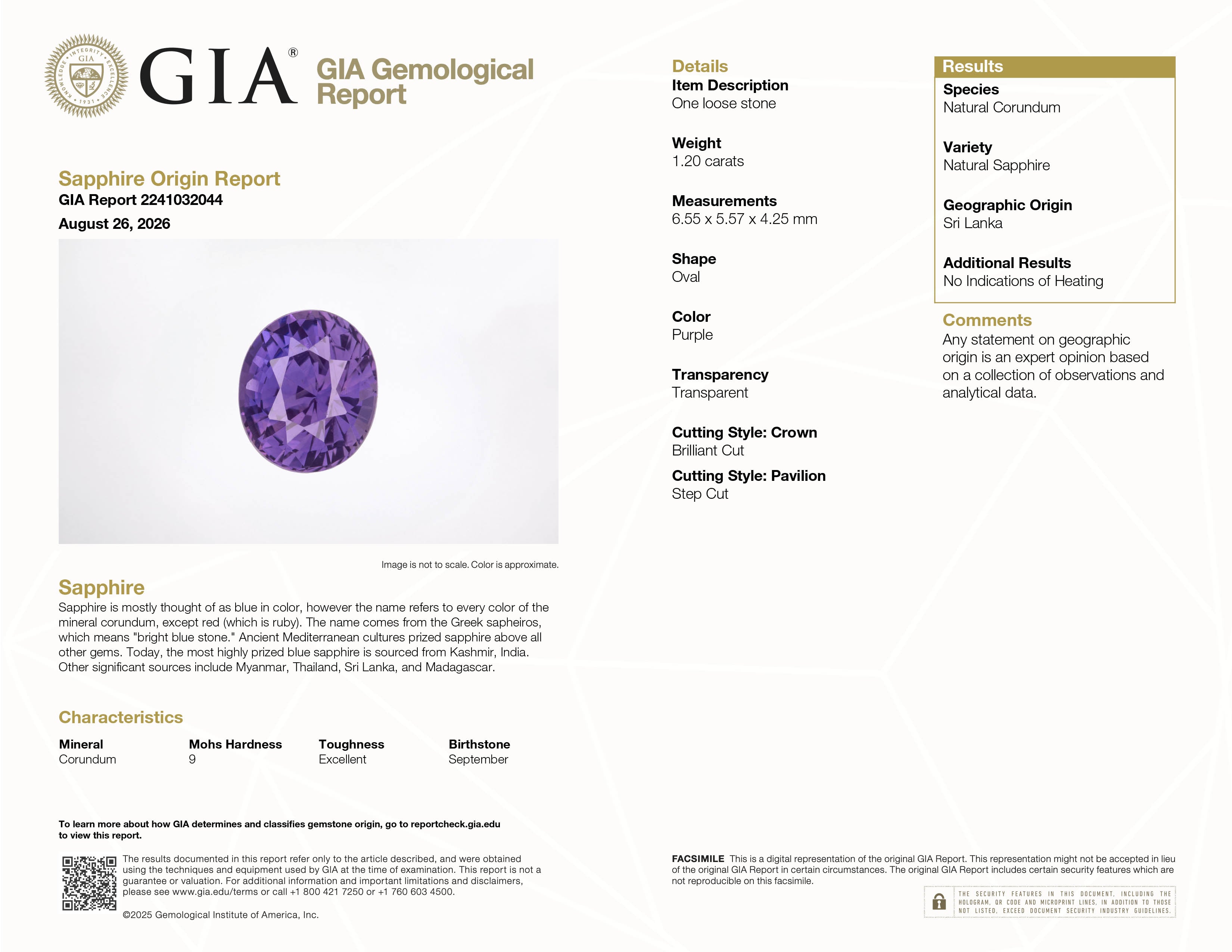
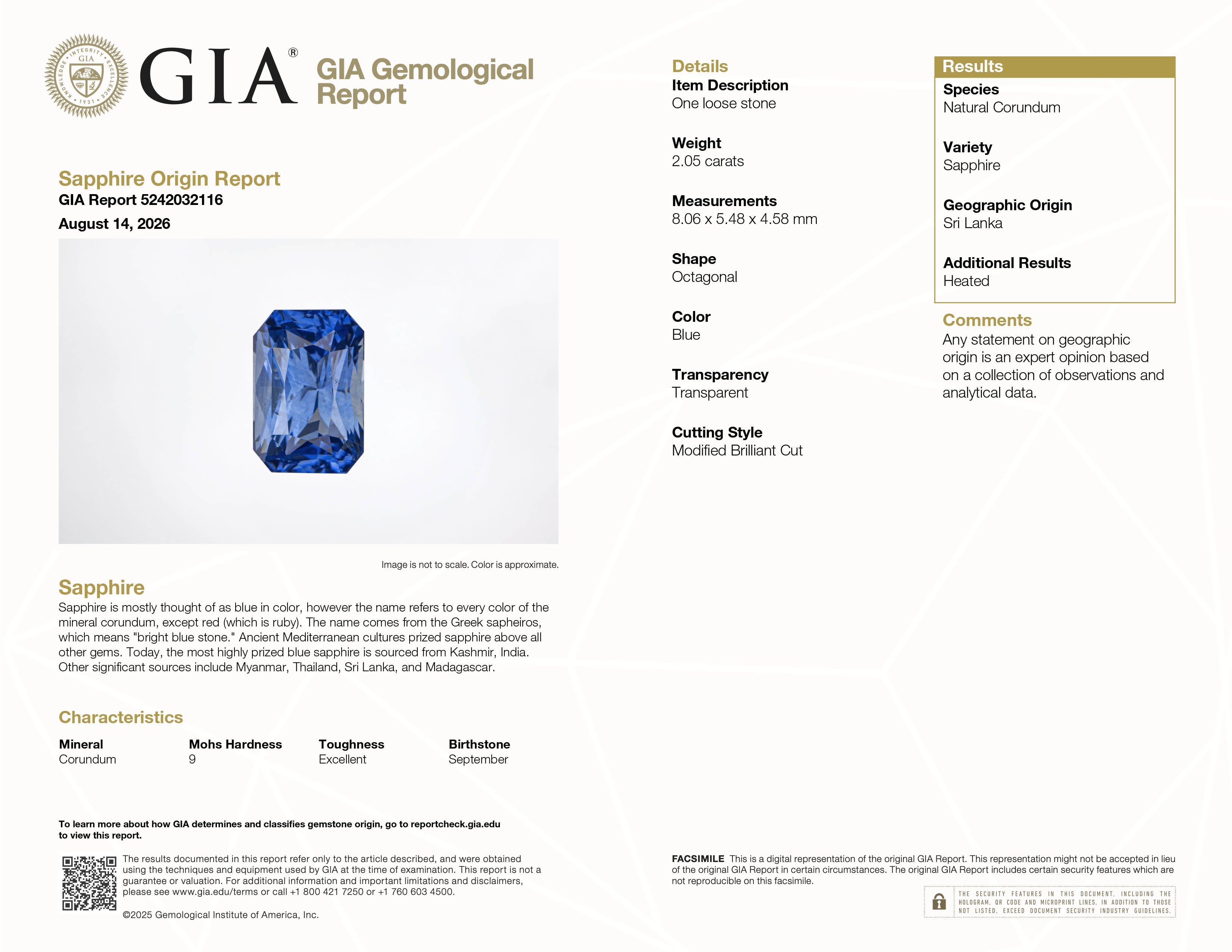
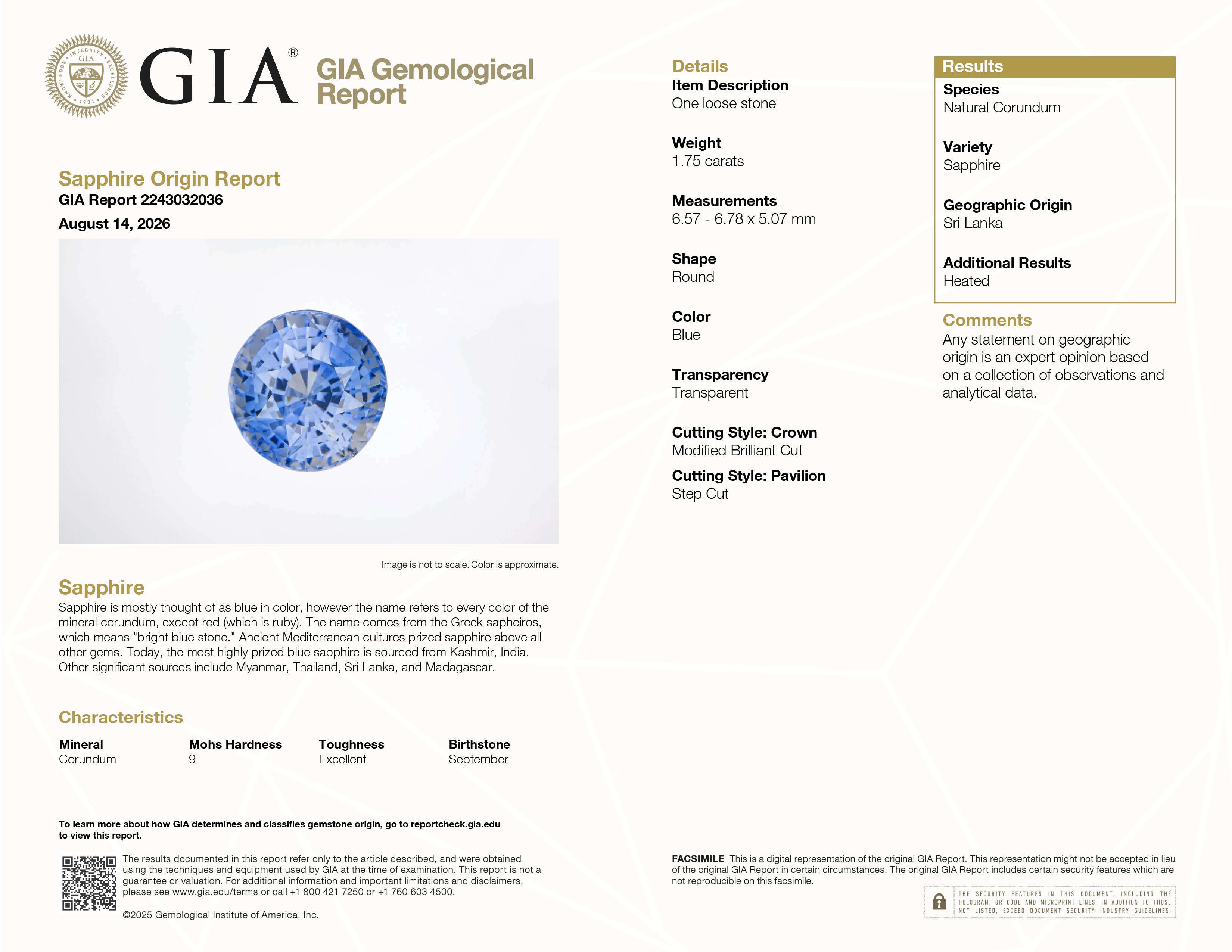
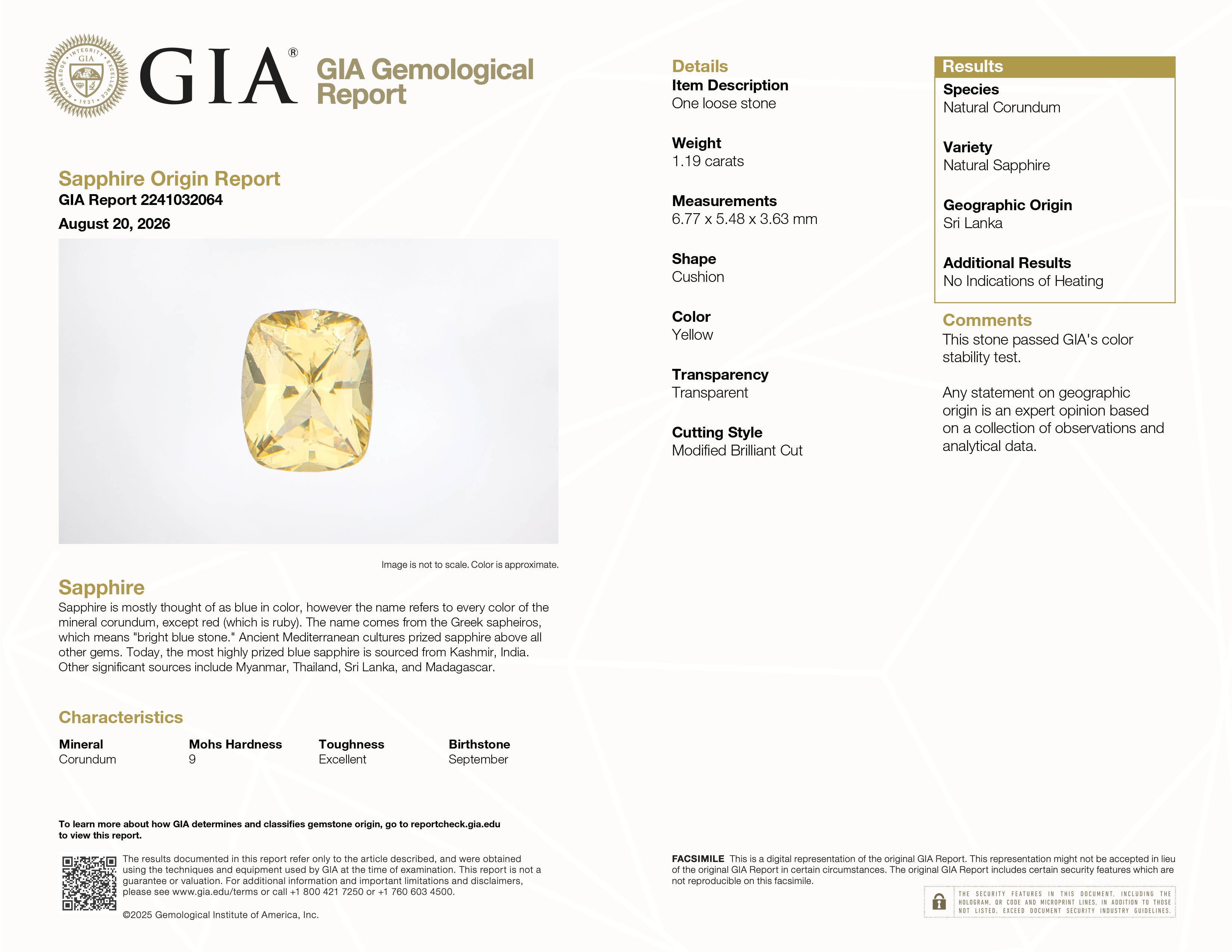
The verification worth relying on is a laboratory report from a respected laboratory — GIA, Gübelin, SSEF or Lotus. They use: Microscopic inclusion analysis — intact rutile silk is the primary diagnostic indicator; Crystal damage analysis — heat causes characteristic stress halos and cracks around inclusions absent in unheated material; UV fluorescence — patterns can shift after heat treatment; and Spectroscopy — UV-Vis absorption features change with heat treatment. See our How to Read Sapphire Inclusions and Understanding Sapphire Fluorescence guides. The standard GIA wording is “no indications of heating” — a record of what the examination found, not a guarantee that the stone was never heated, and not a statement about any other treatment. It is the wording buyers and dealers look for, and the report alongside it also records identity, weight, measurements, shape and colour description.
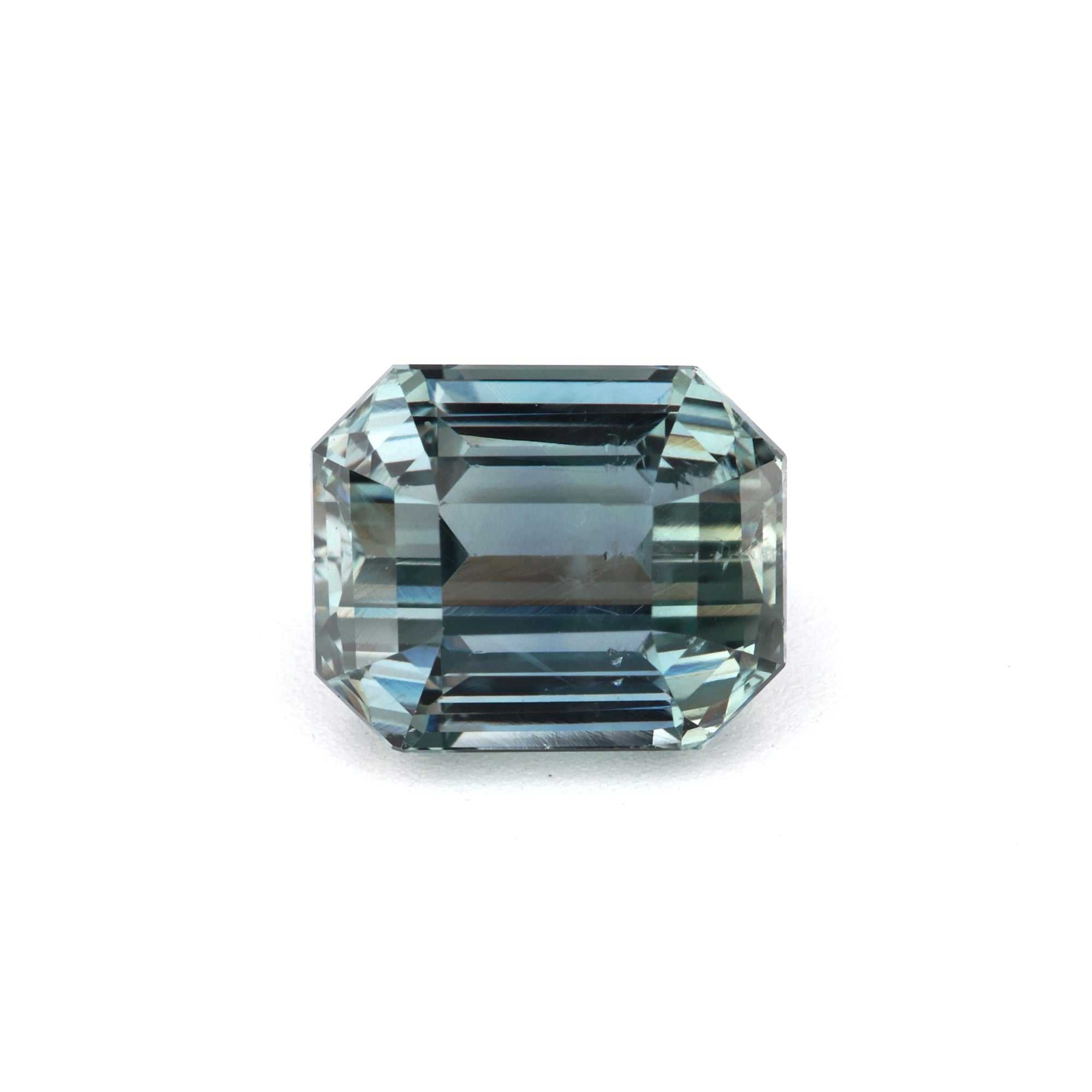
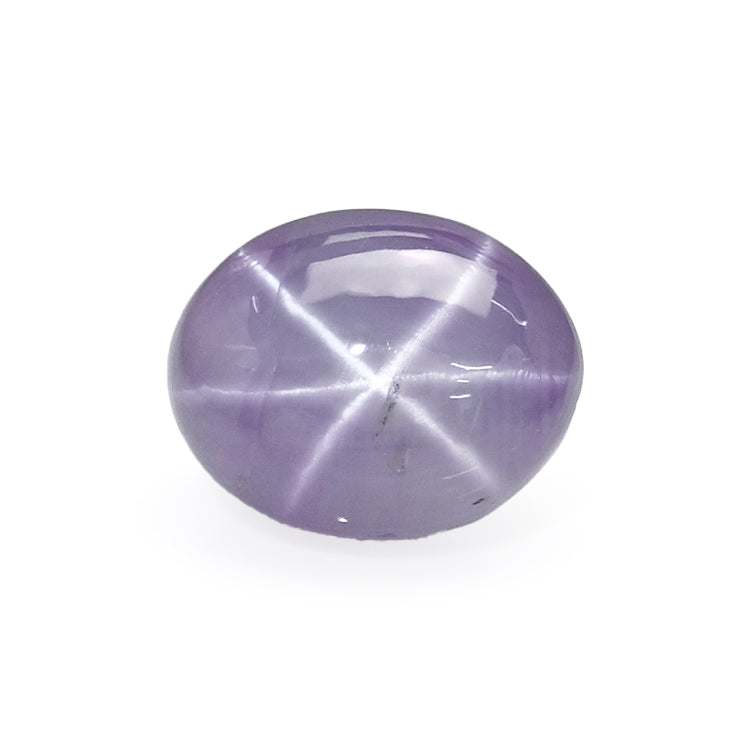
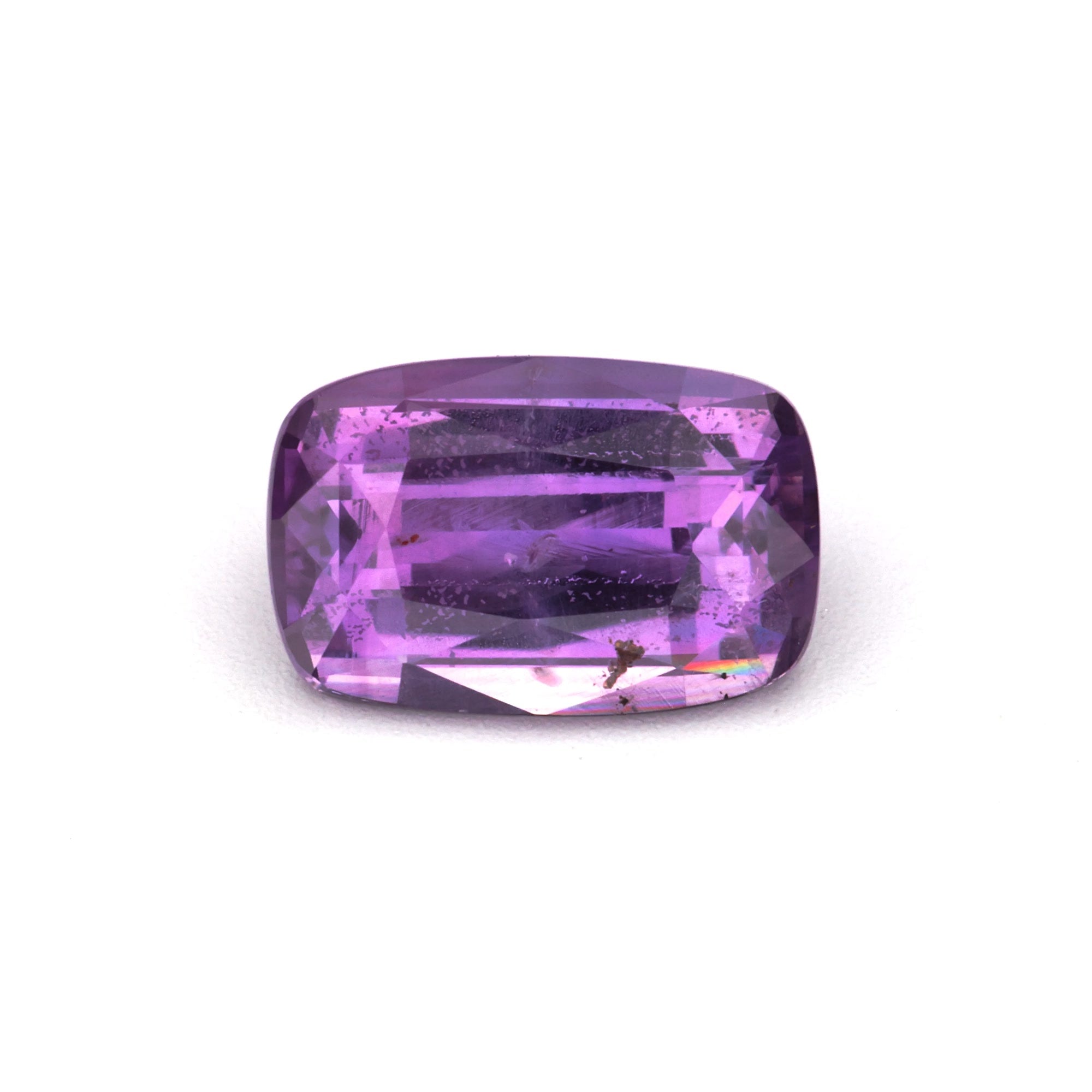
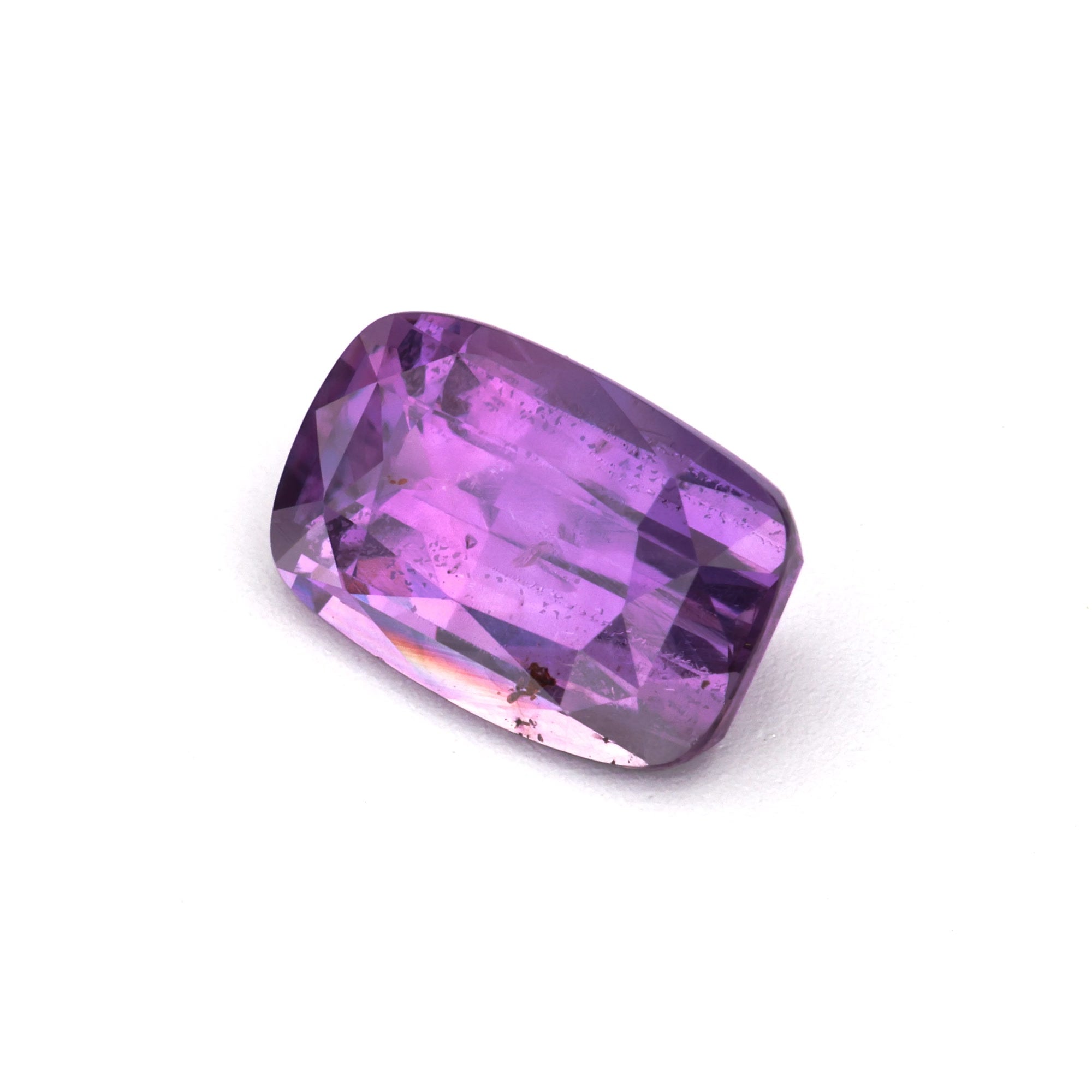
Teal sapphire is almost always unheated because heat destroys the blue-green color balance. Star sapphires are usually unheated, because heat dissolves the rutile silk that produces the asterism — though heated and diffusion-treated star stones do exist, which is why a report matters here. Padparadscha commands its strongest premiums unheated, and fine unheated material is what the collector market wants; the padparadscha designation itself, however, describes colour, not treatment status, and a heated stone can still be called padparadscha on a report. Violet sapphire is predominantly unheated because heat destroys the vanadium color. Fine peach and yellow sapphires for Jyotish use are also frequently unheated. Blue sapphire is ~95% heated commercially — fine unheated blue is genuinely rare. See the color buyer guides for full detail.
Ceylon (Sri Lanka): In our experience the leading source of fine unheated sapphire by volume. See our Ceylon Sapphire Complete Guide. Kashmir: Virtually always unheated. See our Kashmir Sapphire Guide. Burma (Mogok): Usually unheated or very lightly heated. See our Burma / Mogok Sapphire Guide. Madagascar: Mixed — metamorphic zones can be unheated. See our Madagascar Sapphire Guide. Tanzania: See our Tanzania Sapphire Guide. Australia, Thailand: Almost universally heated. See our Australian Sapphire Guide.
Fine blue, 1-2ct, with a GIA report: 2x-4x unheated premium over heated equivalent. Fine Ceylon blue, 3+ct, vivid, GIA no heat: 4x-8x premium. Yellow, Jyotish-grade, 2+ct: 2x-5x unheated with cert. For detailed per-carat price breakdowns, see our what a good 1 carat sapphire costs, what a good 2 carat sapphire costs, and 1 carat Ceylon sapphire price guide. See also our full sapphire pricing guide.
Figures above are approximate market guidance, not fixed quotes. Actual value varies by treatment, origin, colour, cut, clarity, and certification.
If buying to hold: Fine unheated sapphires with strong laboratory documentation have held their value better than equivalent heated material at auction over the past two decades. That is a record of what has happened, not a forecast — gemstones are not a liquid asset and no seller, ourselves included, can promise appreciation. If buying for jewelry: Depends on your priorities. A finely heated sapphire with excellent color can be as visually beautiful as an unheated stone. If buying for Jyotish: Unheated is required — non-negotiable. See our Buying Sapphires for Jyotish guide.
Beryllium diffusion: Not detectable by visual inspection; requires LA-ICP-MS testing. See Beryllium Diffusion Explained. Fracture filling: Unstable treatment; carries a large value discount. Surface diffusion: Colour-producing element diffused only into the surface layer. A full laboratory report identifies diffusion and states it separately from heating — which is exactly why an unheated finding on its own does not settle the wider treatment question.
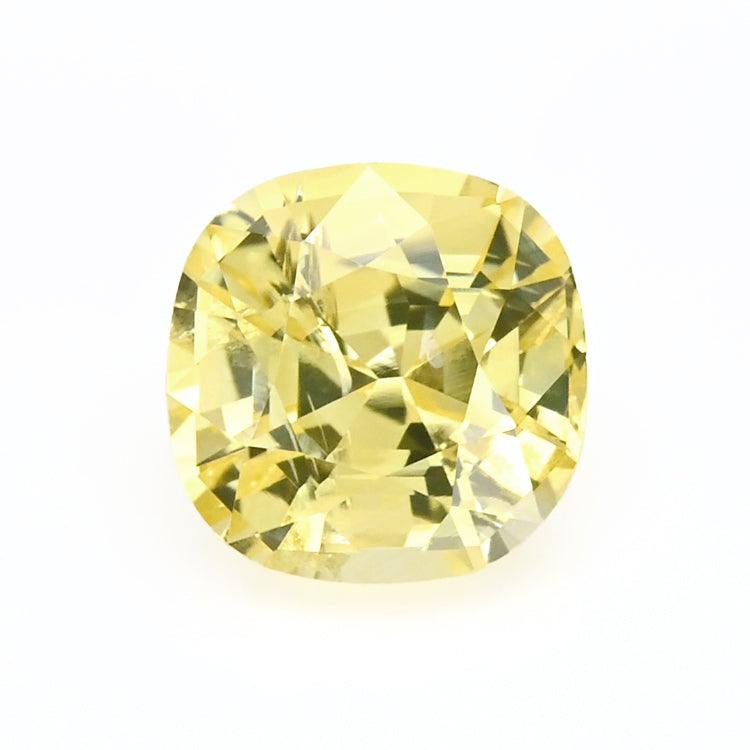
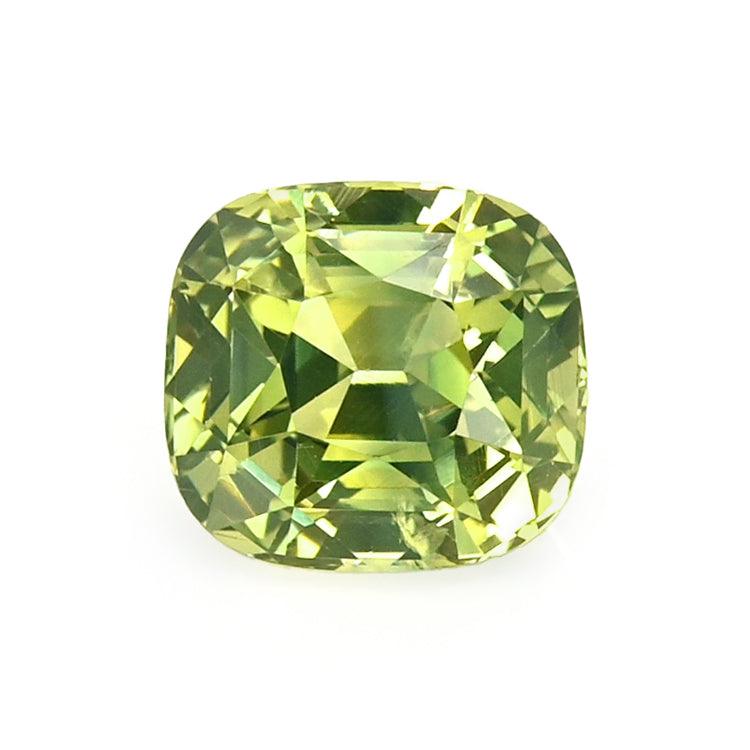
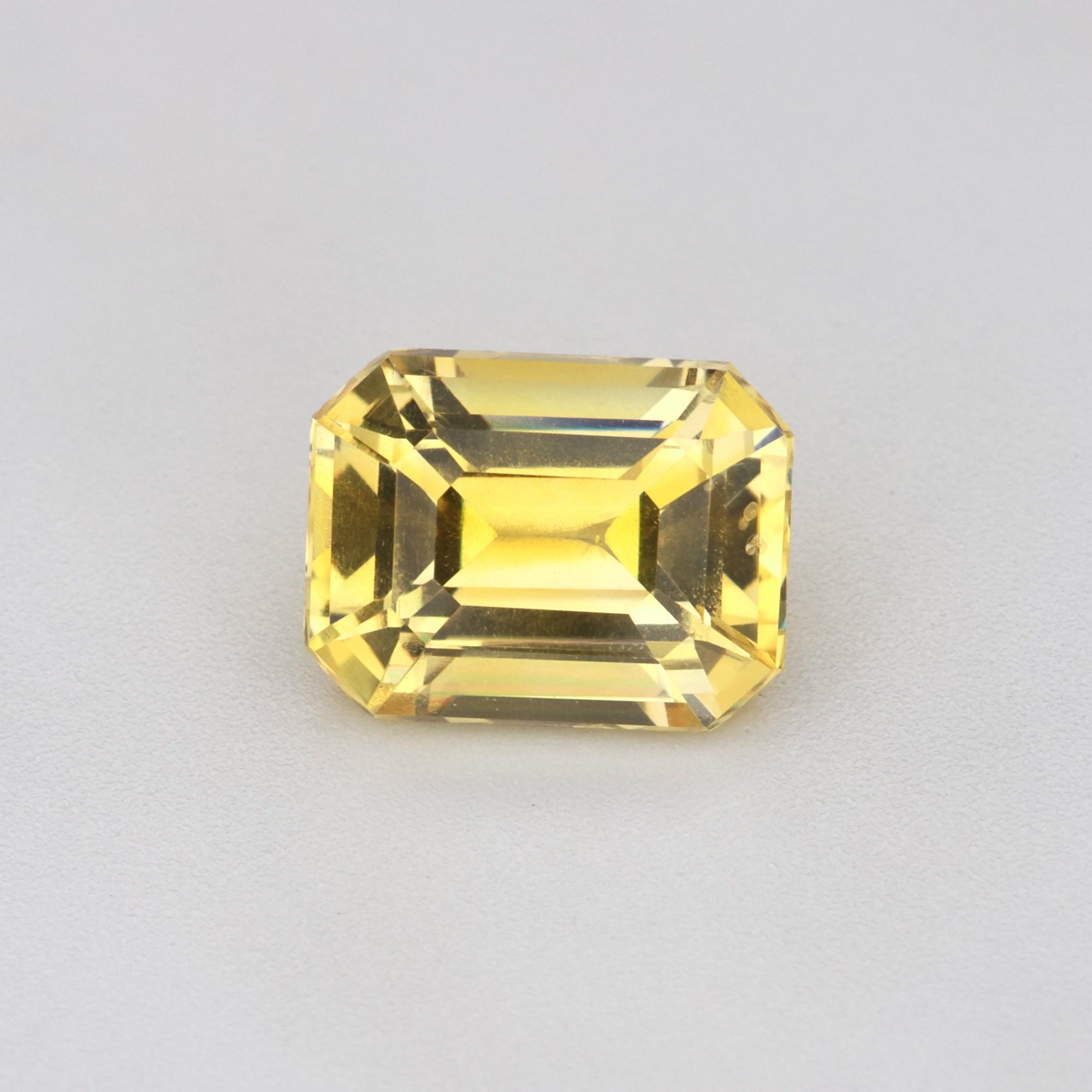
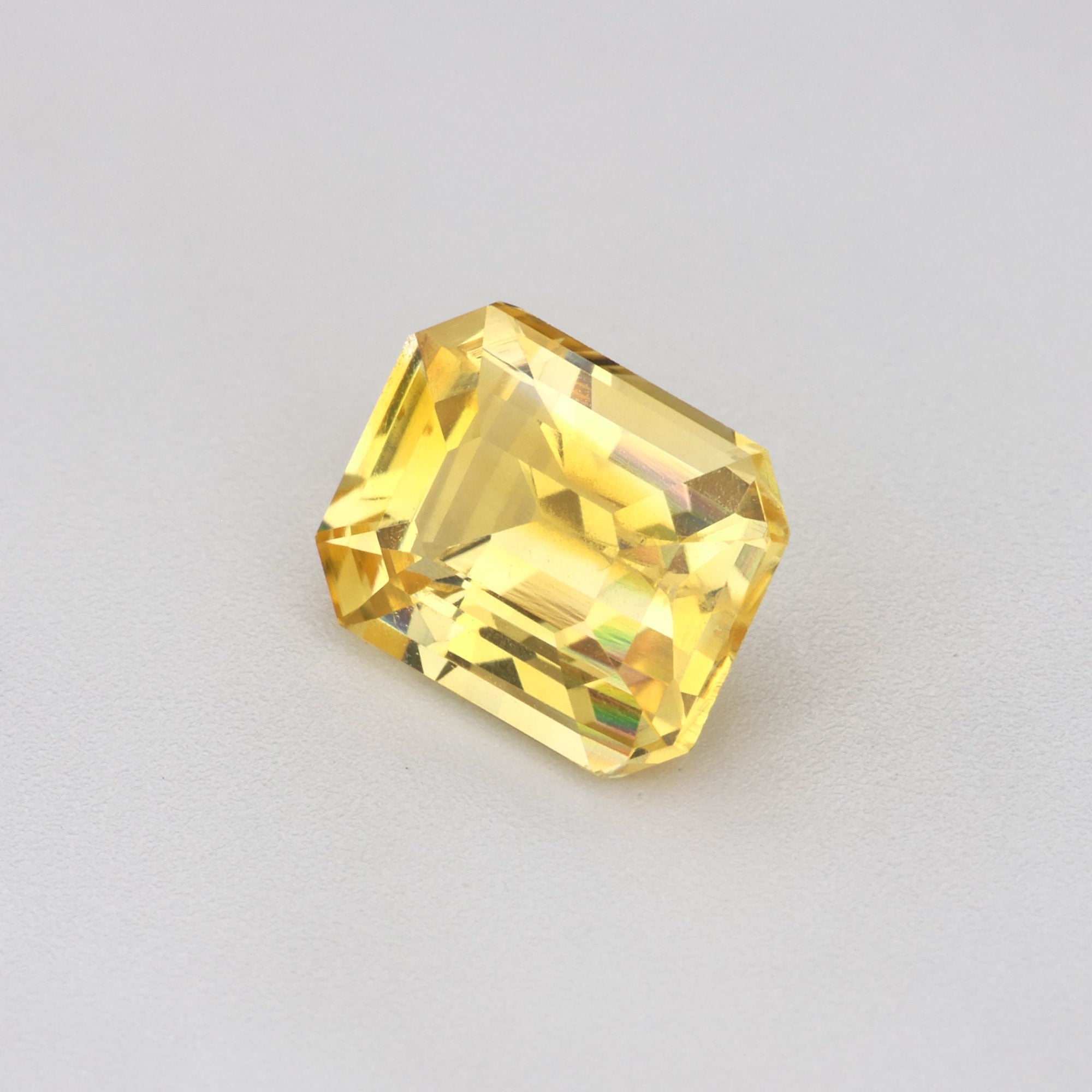
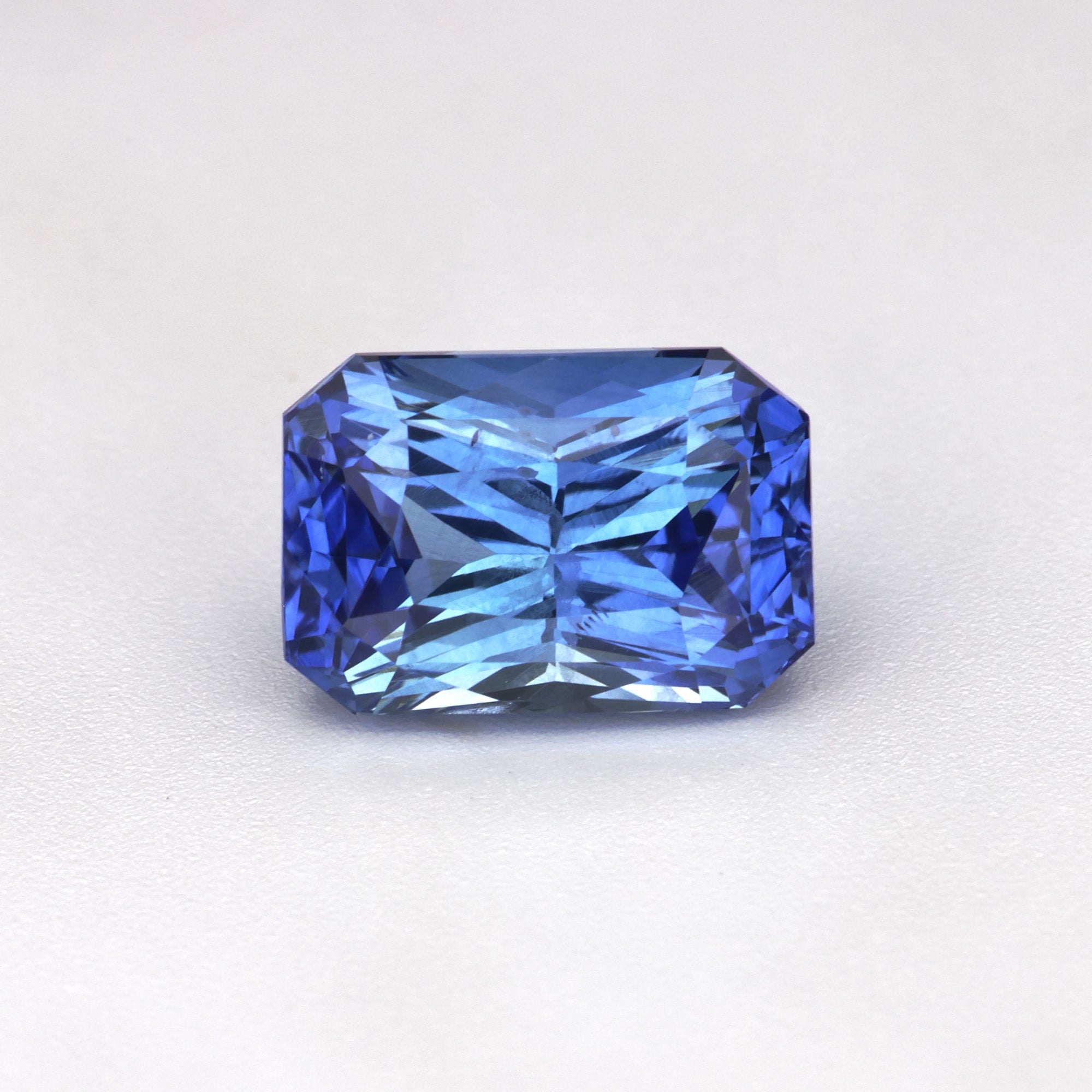
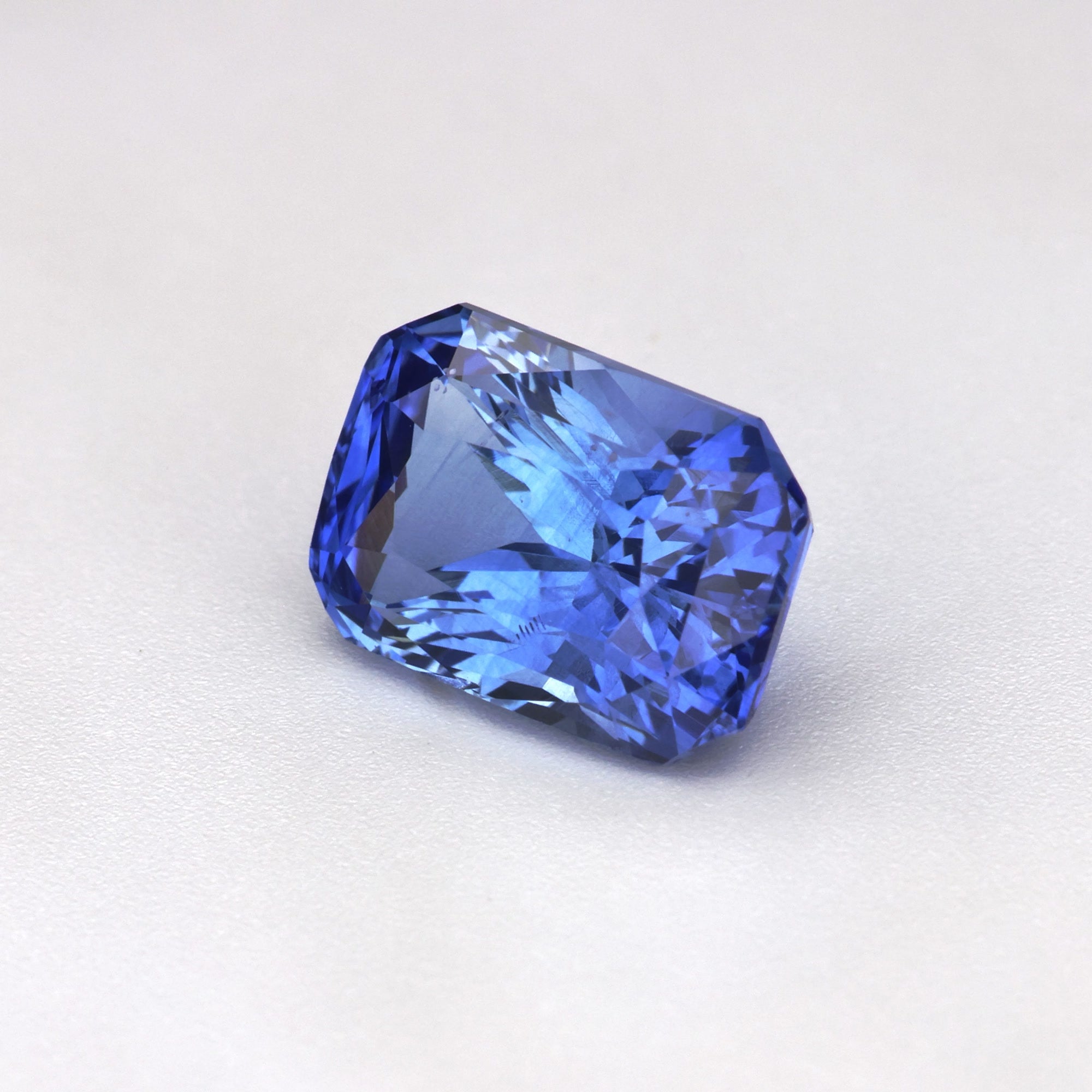
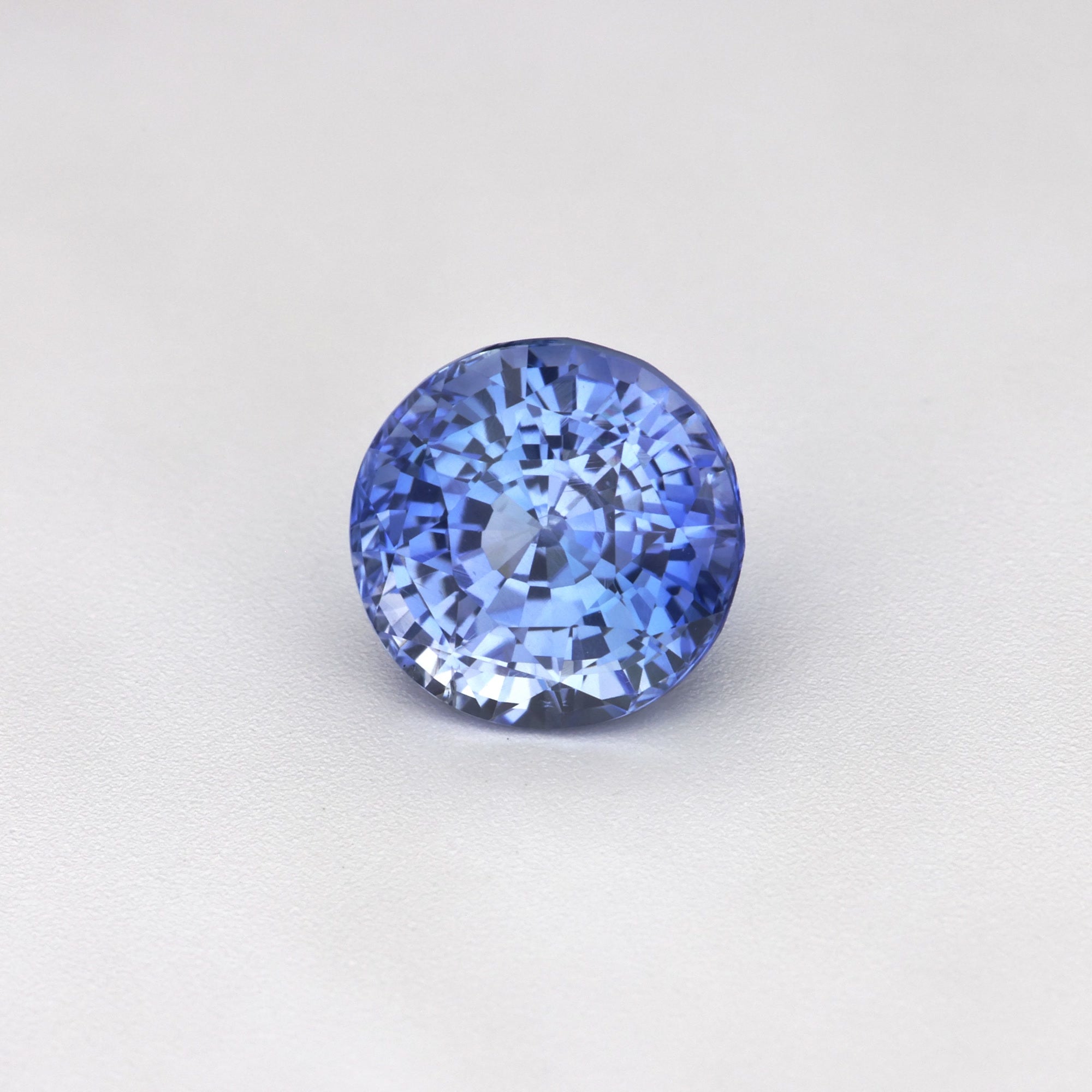
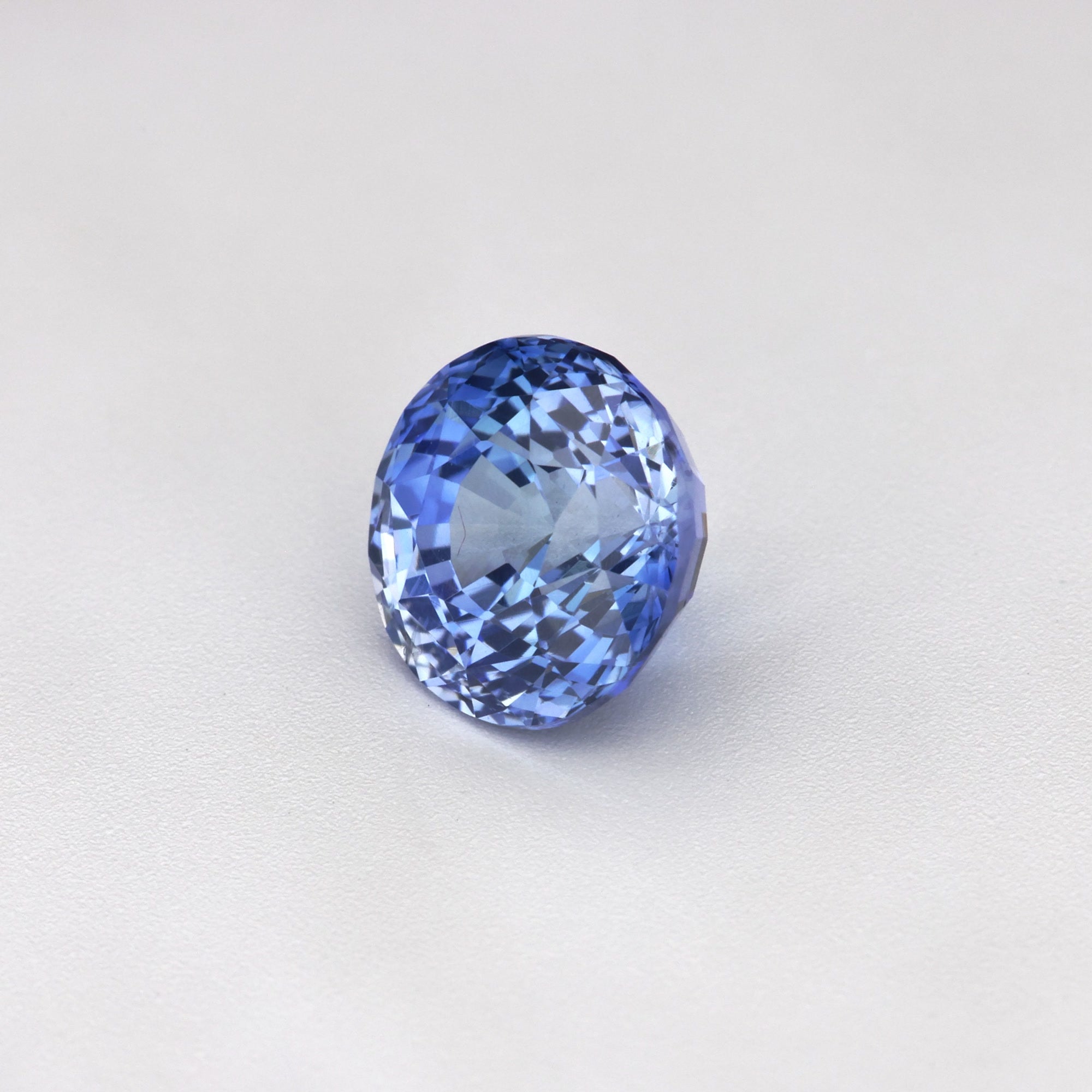
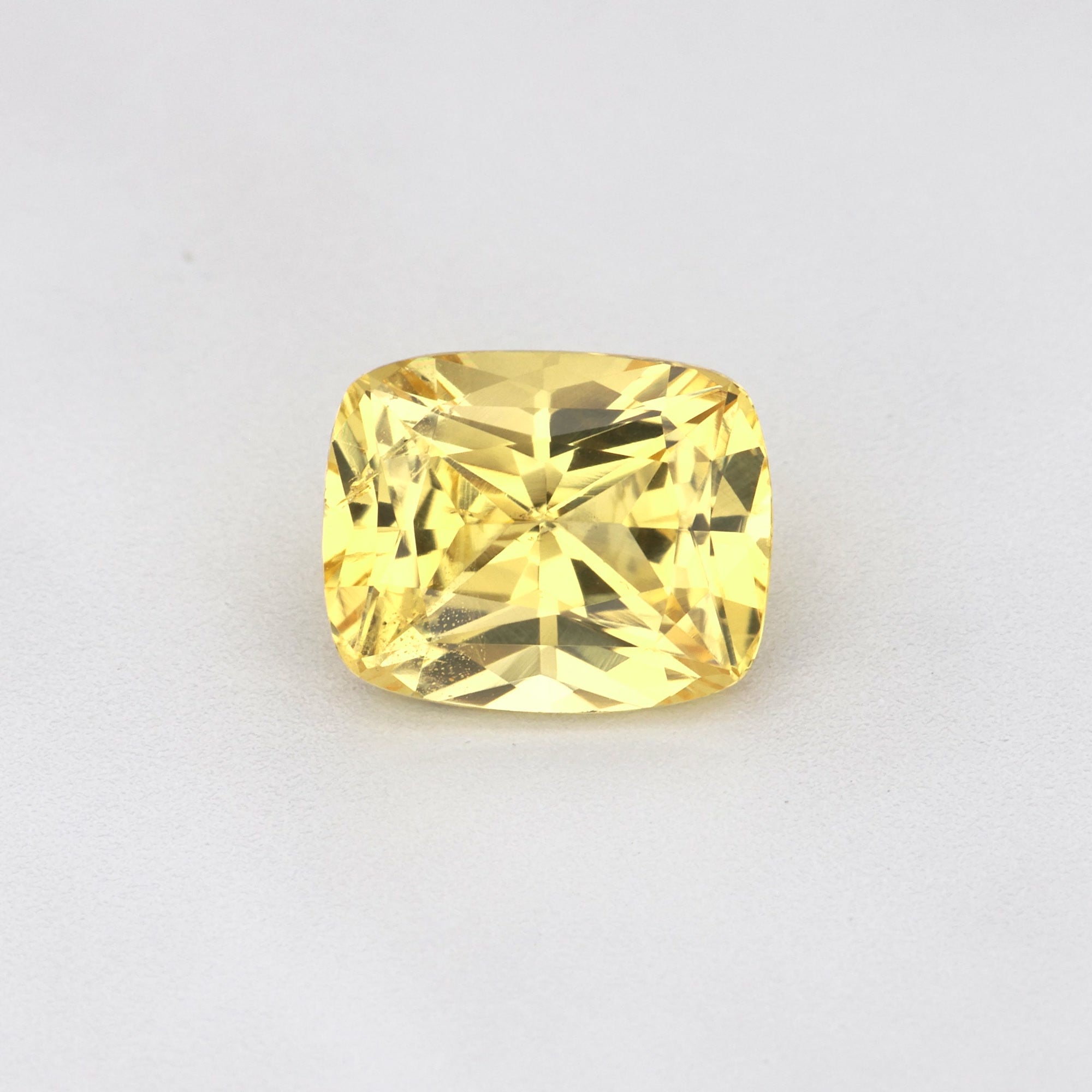
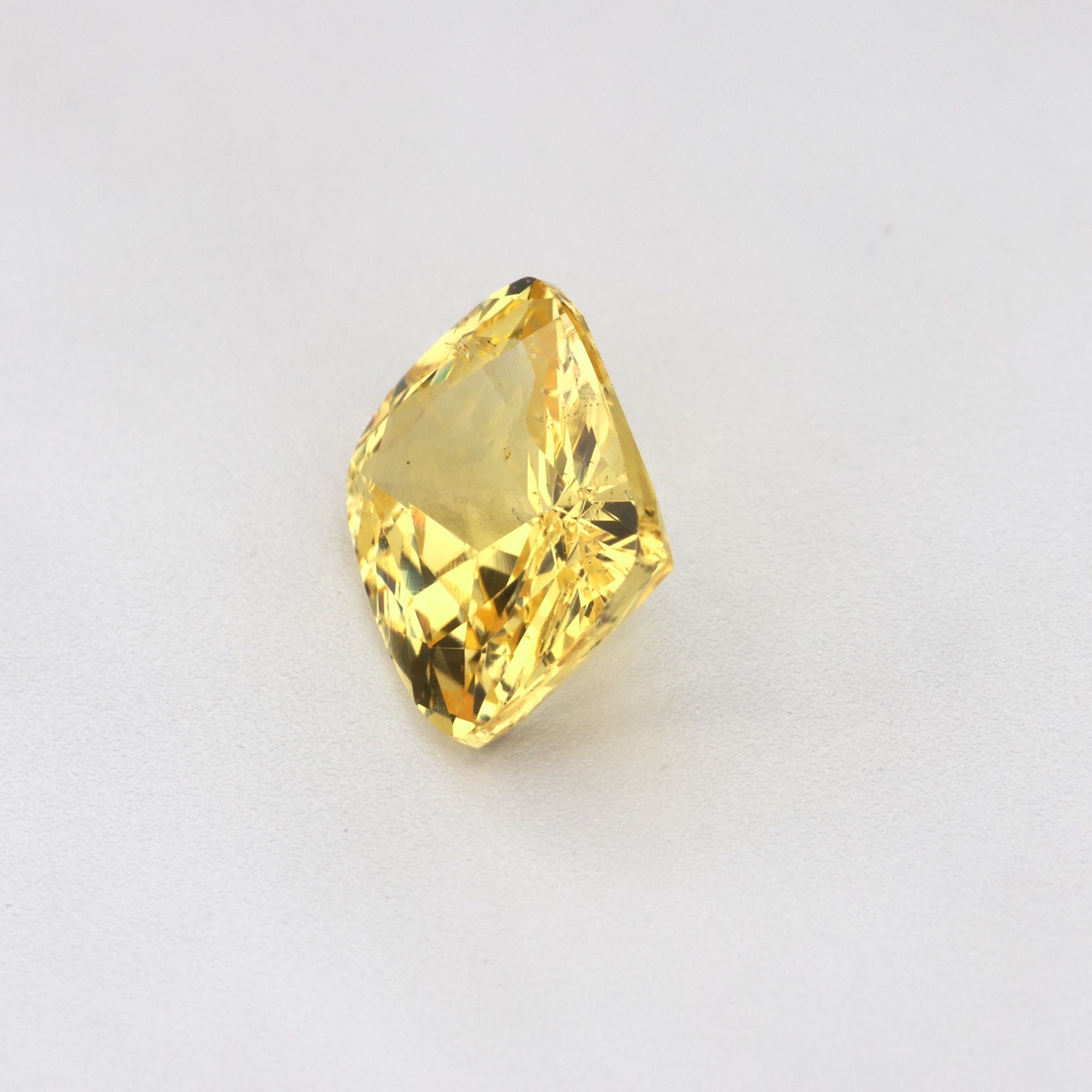
The great majority of the unheated sapphires we sell carry a laboratory report stating “no indications of heating.” A small number do not, and the listing shows it: each stone's page gives the report and the issuing laboratory where one exists, and where an unheated status rests on our own assessment rather than a laboratory finding — because no report was issued, or because the report does not address treatment — that is stated too. Browse by colour, with each stone's treatment status and documentation given on its own listing: Unheated Blue · Unheated Teal · Yellow · Unheated Pink · Star Sapphires · All Unheated. We hold no padparadscha at present, so there is no padparadscha collection to browse. Use our Try Before You Buy program to see the stone in your hand before you commit. Email crescentgems@gmail.com with questions. Free US shipping; 14-day returns.
Continue Learning
Return to the Ultimate Sapphire Buying Guide for the full picture on colors, origins, shapes, certification, and pricing — everything you need to buy a natural loose sapphire with confidence.

CG8313
CG8354
CG8293
CG8292
Prices are shown in your local currency and may change.
CG8465
CG8460
CG8456


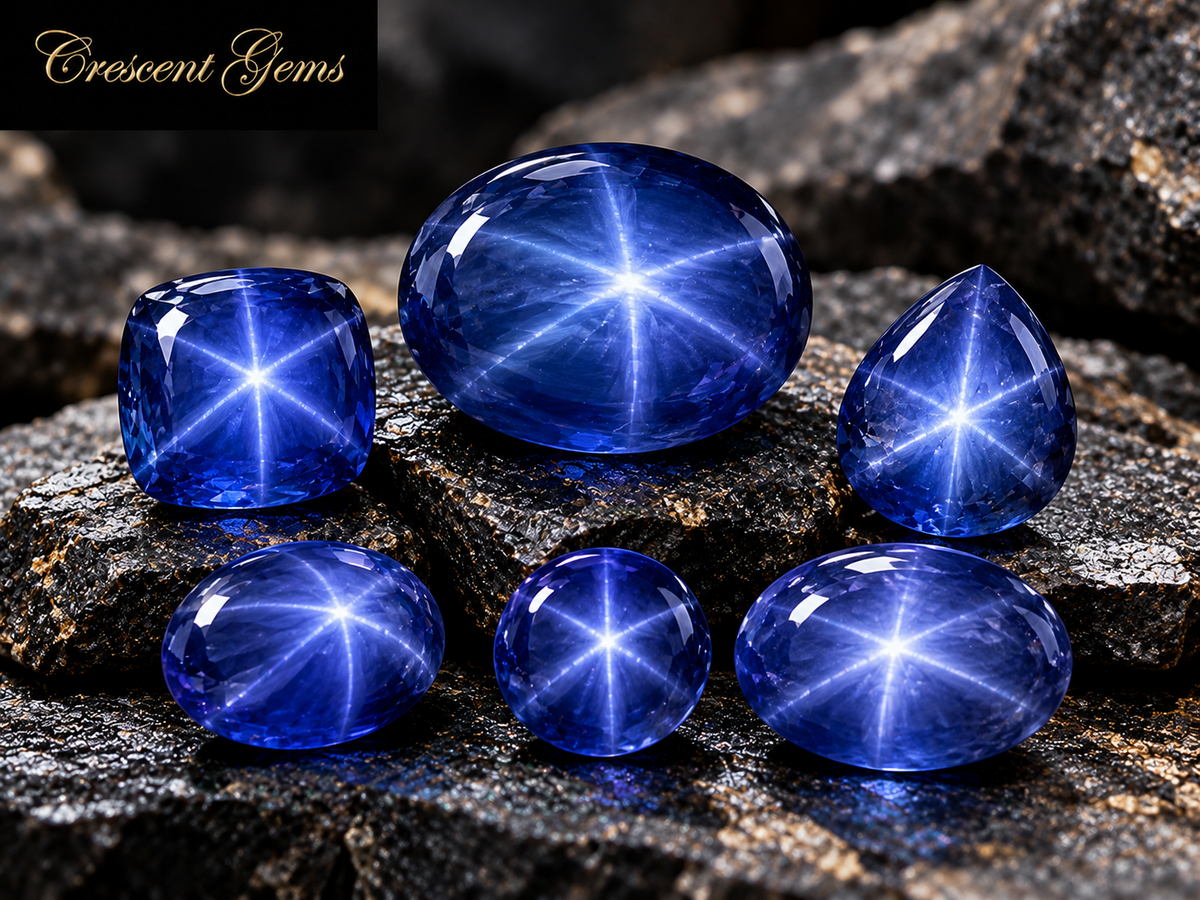
Blue Star Sapphire Price Guide — What They Cost and Why
Read moreabout Blue Star Sapphire Price Guide — What They Cost and Why
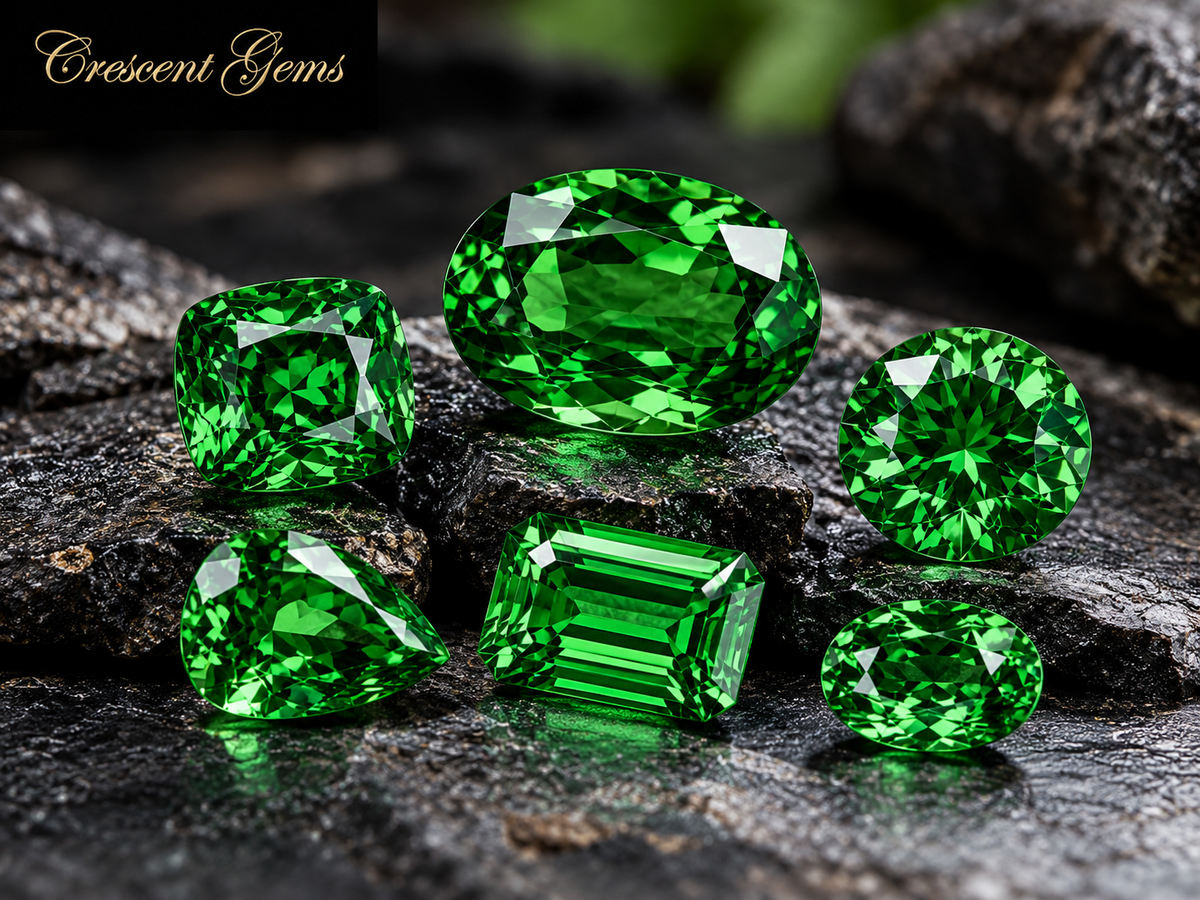
Tsavorite Garnet Price Guide — What They Cost and Why
Read moreabout Tsavorite Garnet Price Guide — What They Cost and Why
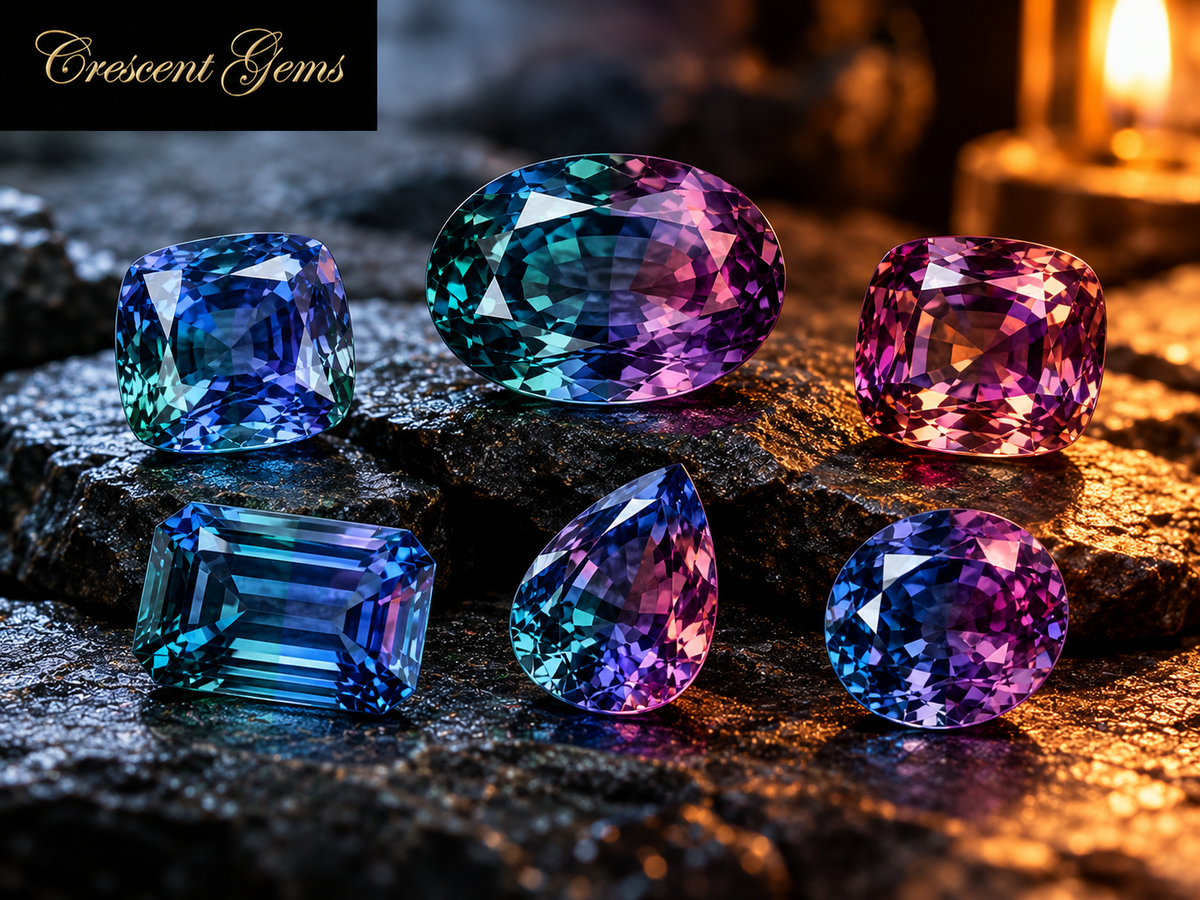
Color-Change Sapphire Price Guide — What They Cost and Why
Read moreabout Color-Change Sapphire Price Guide — What They Cost and Why
Is Cat's-Eye Chrysoberyl Good for an Engagement Ring?
Read moreabout Is Cat's-Eye Chrysoberyl Good for an Engagement Ring?
Cat's Eye Chrysoberyl Price Guide — What They Cost and Why
Read moreabout Cat's Eye Chrysoberyl Price Guide — What They Cost and Why





















Share: