

- by Ahmed Shareek
Padparadscha Sapphire Price Guide — What They Cost and Why
- by Ahmed Shareek
Padparadscha Sapphire Price Guide - For the complete padparadscha overview: Padparadscha Sapphire — The Complete Guide. For general sapphire pricing: 1 Carat Ceylon Sapphire Price Guide. For the buying foundation: Ultimate Sapphire Buying Guide.
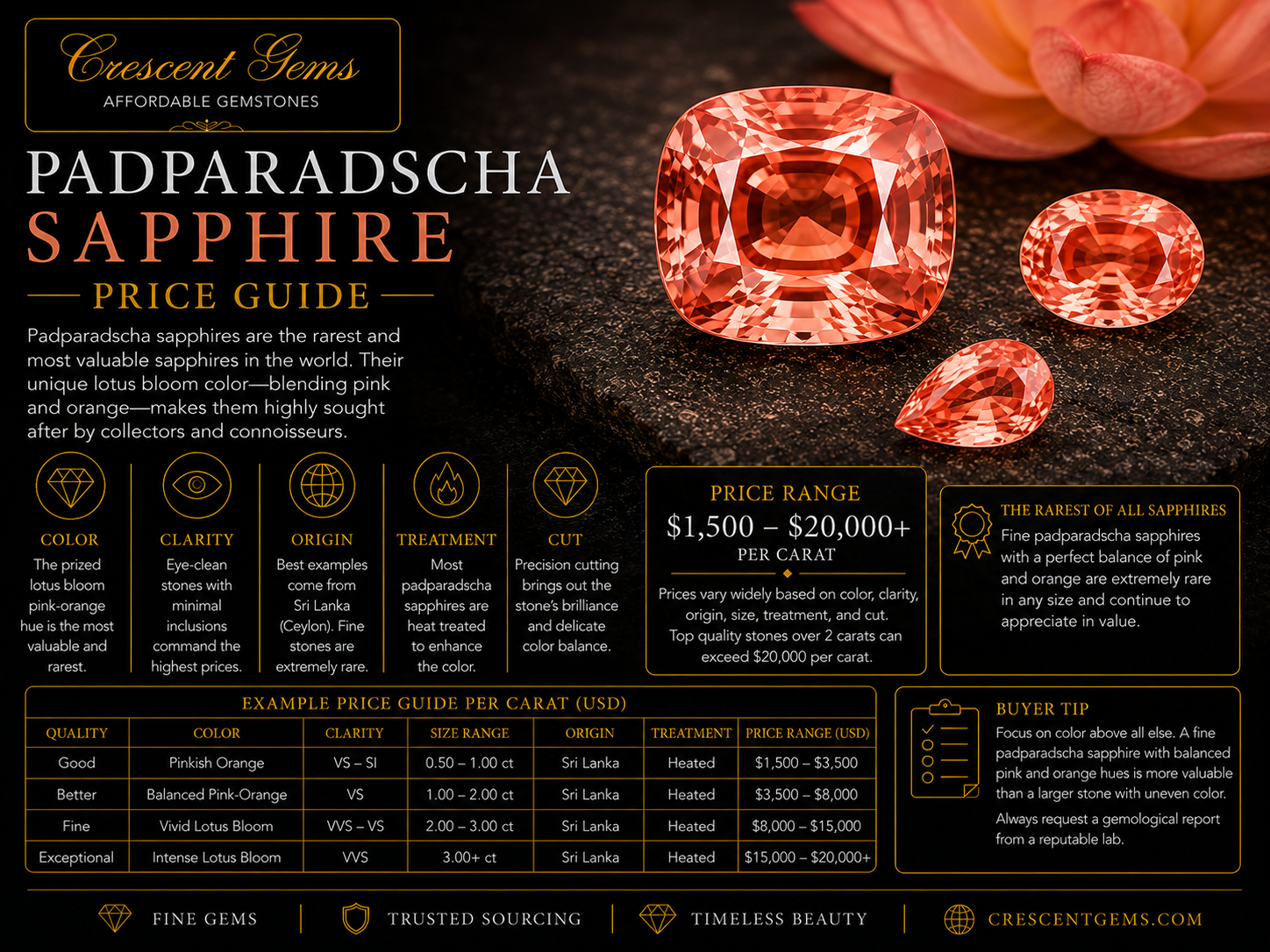
Padparadscha sapphire is the rarest and most coveted variety of sapphire — a stone whose price commands a premium that surprises even experienced gemstone buyers. A fine padparadscha at 1 carat with GIA documentation can reach $8,000–$18,000 per carat. At 2 carats of genuinely fine quality, the price can exceed $25,000 per carat. These are not jeweler markups — they reflect the genuine scarcity of a stone that occurs in fine quality perhaps more rarely than any other sapphire variety.
But the padparadscha market is also one of the most confusing to navigate, because the name is used loosely to describe a range of orange-pink stones — many of which are not padparadscha by any technical standard, and many of which are priced as though they are. This guide explains what padparadscha actually is, why pricing varies so dramatically, and what realistic prices look like at each tier in 2026.
Padparadscha is not simply any orange-pink sapphire. The name — from the Sinhalese word for the lotus blossom — describes a very specific color in corundum: a delicate blend of pink and orange in roughly equal balance, with neither dominant, in the pastel tones and low-to-medium saturation that LMHC Information Sheet #4 sets out as the padparadscha colour range. The color must simultaneously contain both pink and orange; a sapphire that is predominantly pink with a slight orange tinge is a pink sapphire; one that is predominantly orange with a slight pink tinge is an orange sapphire. Only when both components are genuinely present in near-equal balance does a stone qualify.
Critically, padparadscha is a laboratory designation, not a color description that can be verified by eye alone. The GIA, Gübelin, and SSEF are the accepted authorities — a GIA report identifying a stone as "padparadscha" or describing its color as "pinkish orange" or "orangy pink" in the padparadscha tone and saturation range is what gives the classification its market value. A seller's verbal claim that a stone is padparadscha, without laboratory documentation, is unverifiable.
Most fine padparadscha is unheated, and that is where the money is — but the name is a colour call, not a treatment call, and it is important not to confuse the two. LMHC Information Sheet #4 defines padparadscha purely by colour: a pastel pinkish orange to orangey pink of low to medium saturation. The sheet withholds the name for lattice diffusion, glass-filled fissures, irradiation, dyeing, coating and unstable colour — but it states plainly that the name "shall be applied to both unheated and heated ‘padparadscha sapphire’". Ordinary heat is not an exclusion.
Heat is genuinely hostile to this colour: it usually pushes the delicate chromium-and-iron balance toward pink or orange and out of the padparadscha range altogether, which is why stones that hold the colour tend to be unheated ones. But padparadscha-coloured material from Vietnam, Tanzania and Madagascar is routinely heated at 1200 °C and below, and parts of the trade sell those stones under the padparadscha name. Treatment status therefore comes from the treatment line on the laboratory report, or from the seller’s written disclosure — never from the name itself.
Three compounding factors drive padparadscha prices to levels that exceed all other sapphire colors except the finest unheated blues:
Extreme natural rarity. The specific chromium-and-iron combination that produces the padparadscha color in sapphire corundum is uncommon even in the geological environments that produce it. Ceylon (Sri Lanka) is the primary source of classic padparadscha, with Madagascar producing some material — but the volume of fine-quality padparadscha that reaches the market in any given year is small. In a year when thousands of fine blue sapphires might be sold, perhaps dozens of GIA-documented padparadschas at 1ct+ change hands globally.
Laboratory certification requirement. Unlike blue sapphire, where experienced buyers can sometimes assess treatment status with reasonable confidence from the stone's appearance and inclusions, padparadscha classification requires laboratory confirmation. The GIA report is not optional for a stone commanding padparadscha prices — it is what makes the classification verifiable. Every GIA-documented padparadscha has a laboratory cost embedded in its provenance, and the documentation itself is part of the stone's value proposition.
The unheated premium — which is a second, separate premium. Because heat tends to destroy the pink-orange balance rather than create it, the stones that reach the market still holding padparadscha colour are disproportionately unheated ones, and genuinely fine unheated material in this colour is scarce. That scarcity is what the 2×–5× unheated premium pays for — and a buyer only captures it if the report actually says the stone is unheated. It does not come attached to the name. Heated stones in the padparadscha colour range exist, are sold under the name by parts of the trade, and trade at a substantial discount to unheated material of the same colour, size and clarity. So padparadscha pricing is really two questions stacked on top of each other: does the laboratory call the colour padparadscha, and does the same report say the stone is unheated? The figures in this guide are unheated prices. A padparadscha-coloured stone with "indications of heating" on its report belongs well below them.
| Quality Tier | Description | Price Per Carat (1ct) |
|---|---|---|
| Near-padparadscha (no GIA) | Unheated pink-orange, unverified, no GIA designation | $800–$2,500 |
| GIA-documented, good color | GIA "pinkish orange" or "orangy pink", light-medium tone, eye-clean | $3,000–$6,000 |
| GIA-documented, vivid color | GIA-documented, vivid balanced pink-orange, eye-clean, well-cut | $6,000–$12,000 |
| GIA-documented, exceptional | GIA-documented, finest balanced color, loupe-clean or near-loupe-clean, ideal cut, Ceylon origin | $12,000–$20,000+ |
Figures above are approximate market guidance, not fixed quotes. Actual value varies by treatment, origin, colour, cut, clarity, and certification.
A few important clarifications on these ranges:
Padparadscha price escalation with carat weight is among the most dramatic of any gemstone. Fine padparadscha above 1 carat is significantly rarer than fine padparadscha below 1 carat, and the per-carat price reflects this scarcity:
| Carat Weight | GIA-documented, good color | GIA-documented, vivid fine color |
|---|---|---|
| 0.50ct | $2,000–$4,000/ct | $4,000–$7,000/ct |
| 1.00ct | $3,000–$6,000/ct | $6,000–$12,000/ct |
| 1.50ct | $4,000–$8,000/ct | $9,000–$15,000/ct |
| 2.00ct | $6,000–$12,000/ct | $14,000–$25,000/ct |
| 3.00ct+ | $10,000–$20,000/ct | $20,000–$40,000+/ct |
Figures above are approximate market guidance, not fixed quotes. Actual value varies by treatment, origin, colour, cut, clarity, and certification.
A 2-carat fine padparadscha with GIA documentation is not twice the price of a 1-carat equivalent — it can be three to five times the total price, because the per-carat premium escalates sharply at each size threshold. Fine padparadscha above 2 carats is extraordinary in any context — museum-quality material when unheated, eye-clean, and perfectly balanced in color.
A GIA colored stone report for a padparadscha sapphire will describe the stone's color in the comment field. The key phrases to look for:
For a full guide to reading the GIA report, see our GIA sapphire report guide.
Under $3,000 total: At this budget, you are in the near-padparadscha range — unheated Ceylon pink-orange stones without a GIA report, or small documented stones under 0.5ct. Beautiful stones exist here, but without GIA documentation, the padparadscha classification is the seller's claim, not a laboratory-verified fact.
$3,000–$8,000 total: The entry point for GIA-documented padparadscha, typically at 0.5–1.0ct with good but not finest color balance. Real padparadscha by any technical standard, well-documented, and genuinely beautiful.
$8,000–$18,000 total: Fine to very fine GIA-documented padparadscha at 1–1.5ct with vivid, well-balanced pink-orange color. The range most buyers seeking a padparadscha engagement ring stone should plan for.
$18,000+: Exceptional padparadscha — finest color balance, eye-clean to loupe-clean, well-cut, GIA-documented, often with Gübelin or SSEF also. Collector and investment-grade material.
Three compounding factors: extreme natural rarity (fine padparadscha is one of the rarest gemstone colors in the world), the scarcity of unheated material in this colour (heat usually shifts the colour out of the padparadscha range, so stones that keep it without heating are rare and carry the unheated premium — heated stones in the colour range do exist and sell for considerably less), and the laboratory certification requirement (GIA documentation is essential and adds a verifiable rarity premium). Together these factors produce prices that exceed most fine sapphire colors at equivalent quality.
No. Most fine padparadscha is unheated, and the market pays a large premium for a report that says so — but padparadscha is a colour, not a treatment status. LMHC Information Sheet #4 withholds the name for lattice diffusion, glass filling, irradiation, dyeing and coating, and states that the name applies to both unheated and heated padparadscha. Heat usually shifts the colour out of the padparadscha range, which is why unheated stones dominate the fine end of the market, but padparadscha-coloured material heated at 1200 °C and below is sold under the name by parts of the trade. Read the treatment line on the laboratory report, or ask the seller to disclose it in writing — the name alone tells you nothing about heat.
You need a GIA report (or Gübelin/SSEF for the highest tier) explicitly identifying the stone as padparadscha or describing its color as "pinkish orange" or "orangy pink" in the padparadscha tone range, with "no indications of heating." Without laboratory documentation, any stone called padparadscha by a seller is an unverified claim. For stones above $3,000, the GIA report is not optional. See our GIA report guide.
Not a GIA-documented padparadscha at meaningful size. Stones sold at under $1,000 and described as padparadscha are either very small (under 0.3ct), uncertified pink-orange stones whose classification is the seller's claim, or heated padparadscha-coloured stones — which the trade does sell under the name, but which are worth far less than unheated material and should be priced as heated stones. Fine padparadscha at legitimate market prices starts meaningfully above $1,000 per carat even at smaller sizes.
We hold no padparadscha in stock at present. If you are looking for one, email crescentgems@gmail.com with your budget and size preference and we will tell you honestly what is findable at that level — including what the treatment line on the report is likely to say. We respond within one business day.

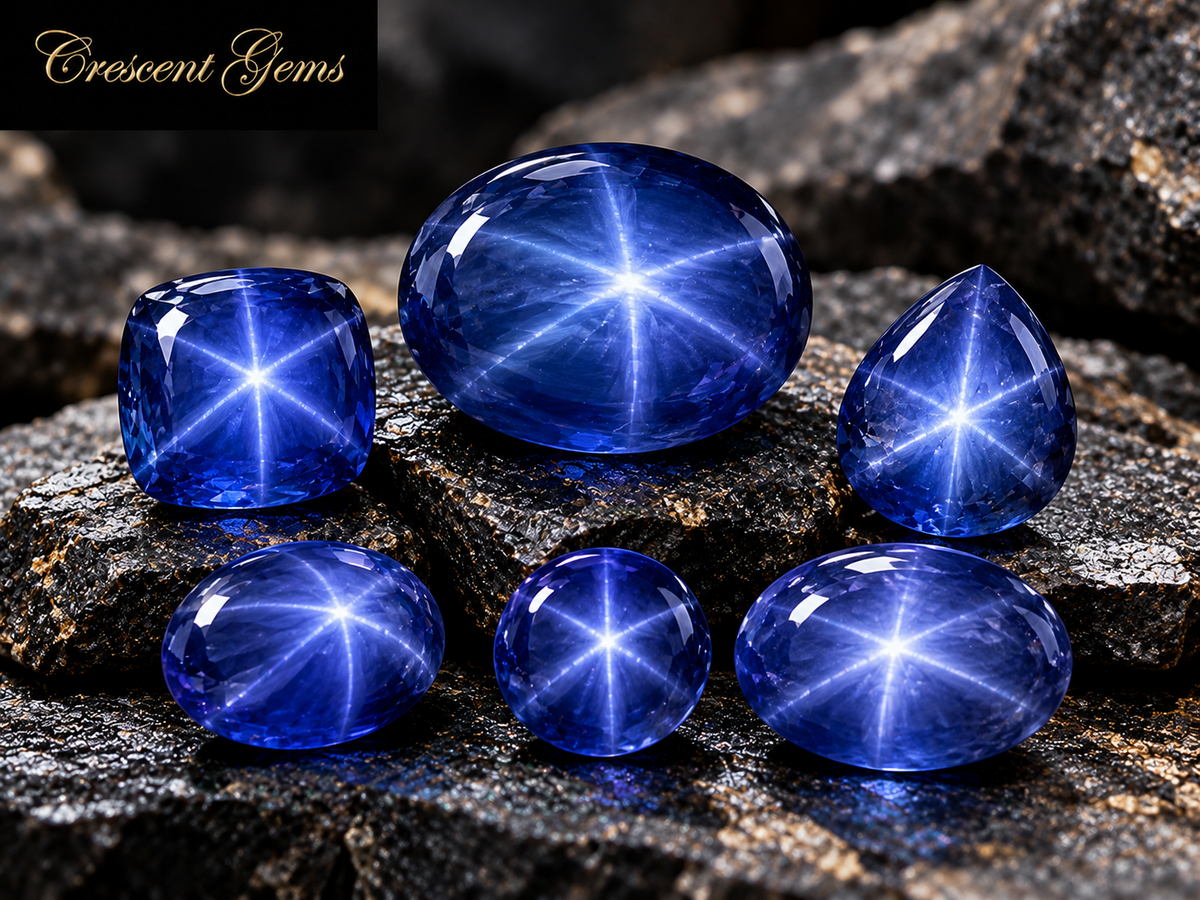
Blue Star Sapphire Price Guide — What They Cost and Why
Read moreabout Blue Star Sapphire Price Guide — What They Cost and Why
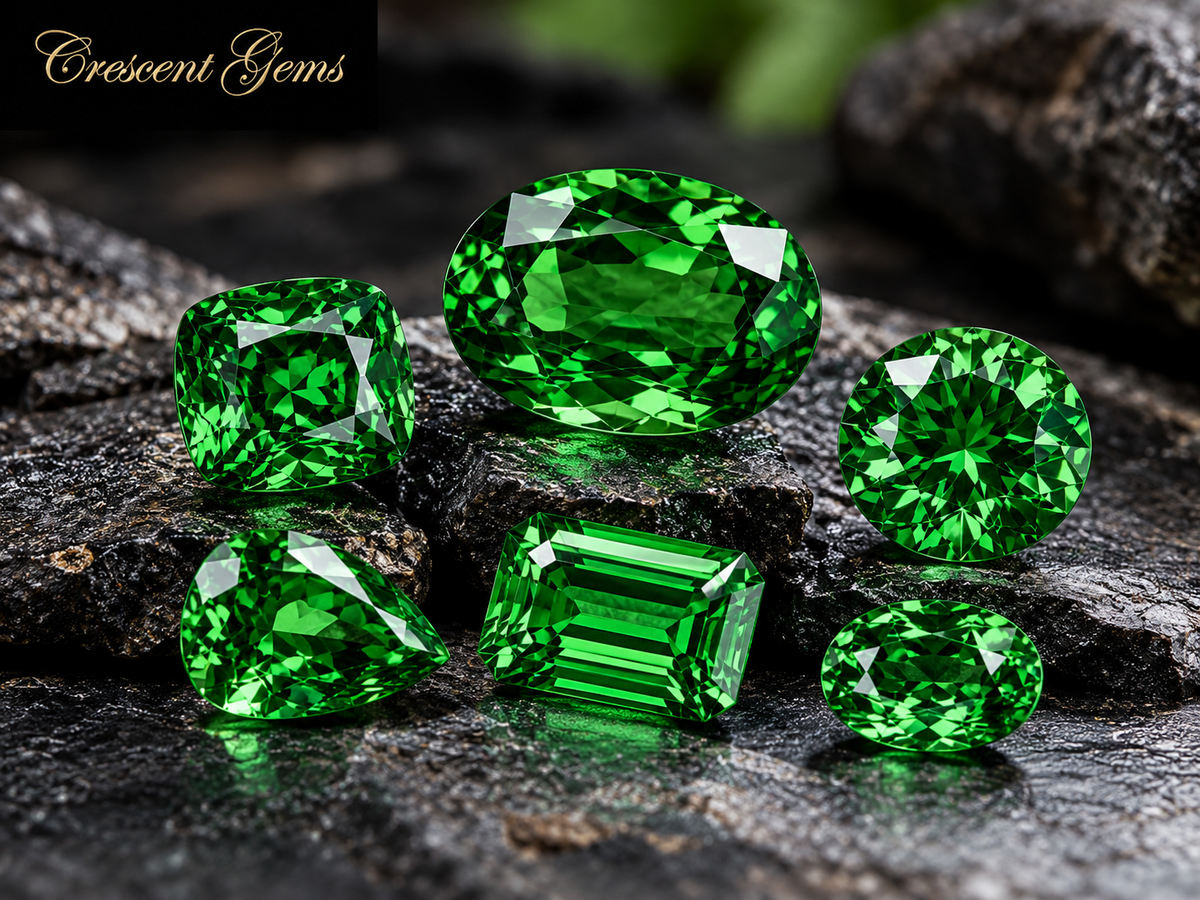
Tsavorite Garnet Price Guide — What They Cost and Why
Read moreabout Tsavorite Garnet Price Guide — What They Cost and Why
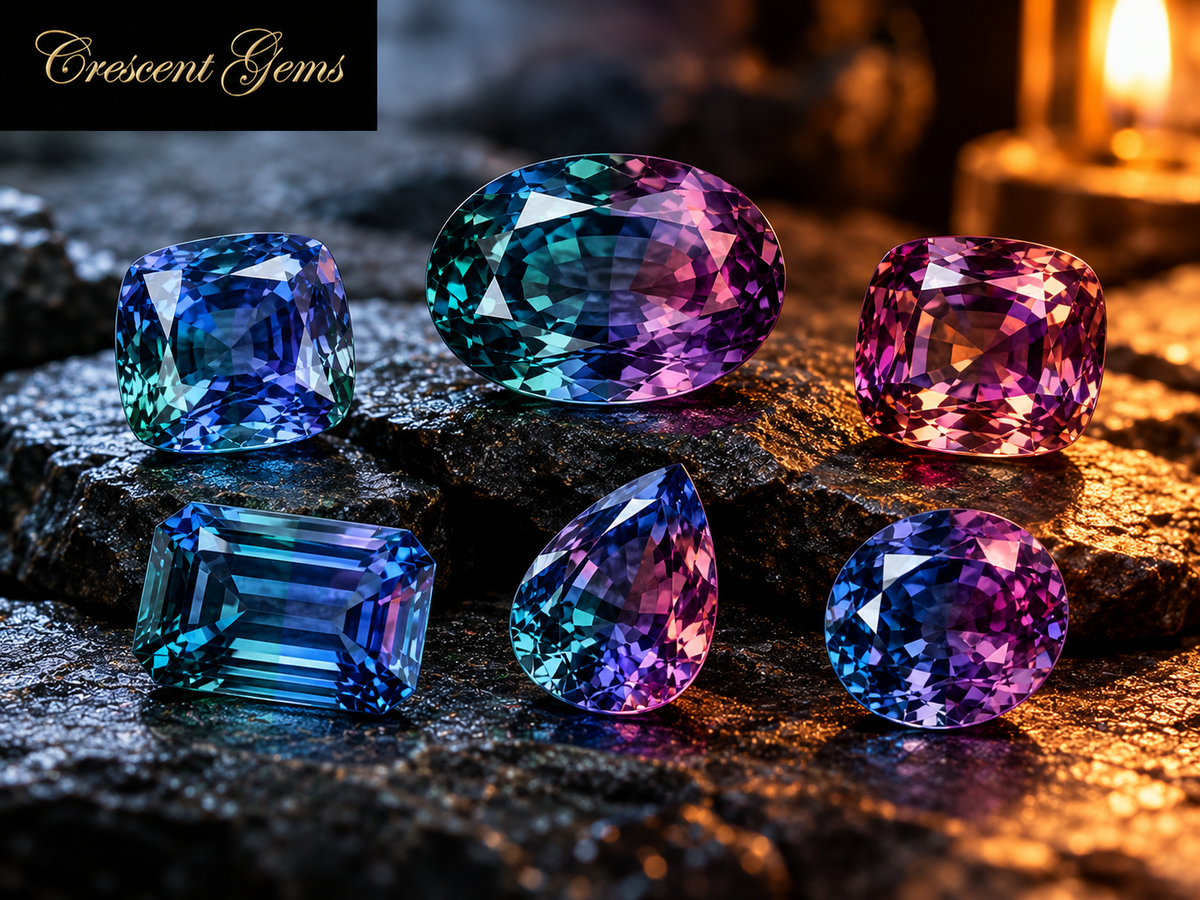
Color-Change Sapphire Price Guide — What They Cost and Why
Read moreabout Color-Change Sapphire Price Guide — What They Cost and Why
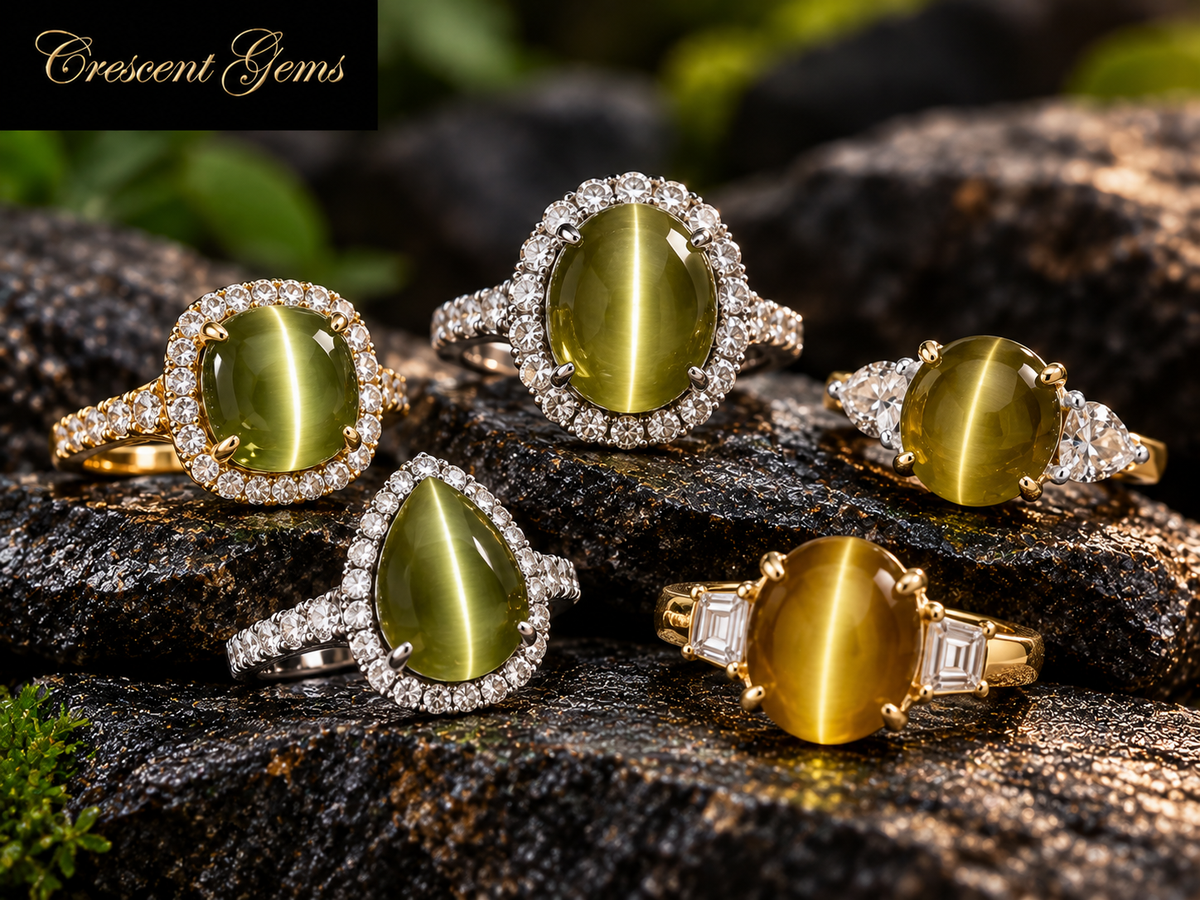
Is Cat's-Eye Chrysoberyl Good for an Engagement Ring?
Read moreabout Is Cat's-Eye Chrysoberyl Good for an Engagement Ring?
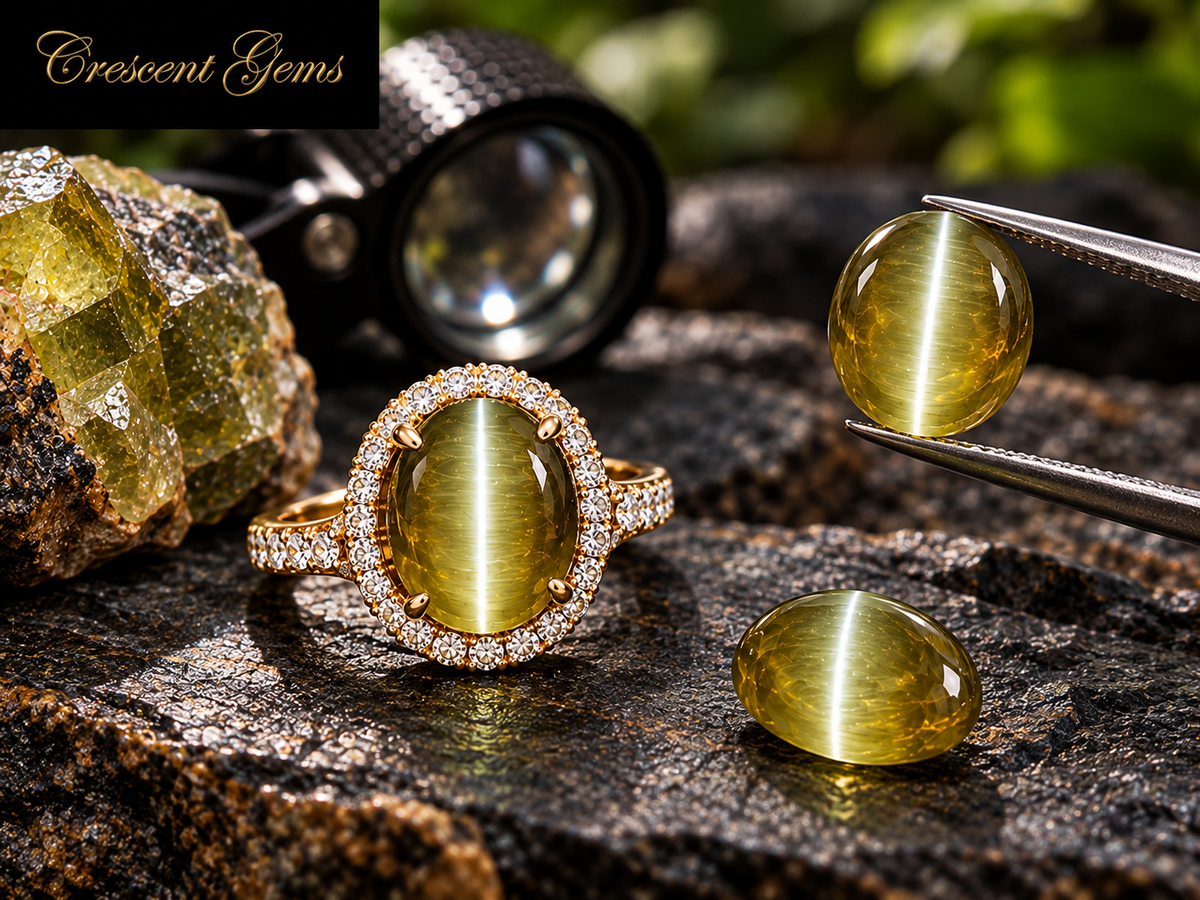
Cat's Eye Chrysoberyl Price Guide — What They Cost and Why
Read moreabout Cat's Eye Chrysoberyl Price Guide — What They Cost and Why