- by Ahmed Shareek
Is Cat's-Eye Chrysoberyl Good for an Engagement Ring?
- by Ahmed Shareek
Cat's-eye chrysoberyl is an unusual engagement ring choice, and buyers considering one almost always ask the same question first: will it hold up to daily wear? The short answer is yes — but the cabochon cut and the eye itself do change the setting calculus compared to a faceted stone.
Chrysoberyl is 8.5 on the Mohs scale — above quartz (7), above emerald (7.5–8), below corundum (9) and diamond (10). Moissanite, which is sold as a center stone in this market, is harder still, at 9.25 on GIA's published figure. Mohs measures scratch resistance and nothing else: it is a property of the species rather than a finding about any individual stone, and it says nothing about how a stone resists chipping — that is toughness, and it is a separate question, taken up below. At 8.5, chrysoberyl stands up well to the everyday abrasion a ring meets.
Hardness measures scratch resistance; toughness measures resistance to chipping and cracking from impact, and it matters just as much for daily-wear jewelry. Here the published authorities genuinely disagree, and we would rather show you the disagreement than quietly take the flattering side. GIA, writing about alexandrite — which is chrysoberyl — states that it “has excellent toughness and no cleavage.” The mineralogical references run the other way: the Handbook of Mineralogy records chrysoberyl's cleavage as distinct on {110}, imperfect on {010} and poor on {001}, and Mindat agrees. We have not found a laboratory toughness grade published for chrysoberyl specifically. We work to the more cautious of the two readings: a hard, well-wearing stone that can still part along a direction under a sharp enough knock in the wrong place. That is our reading of a conflict in the sources, not a finding from any report.
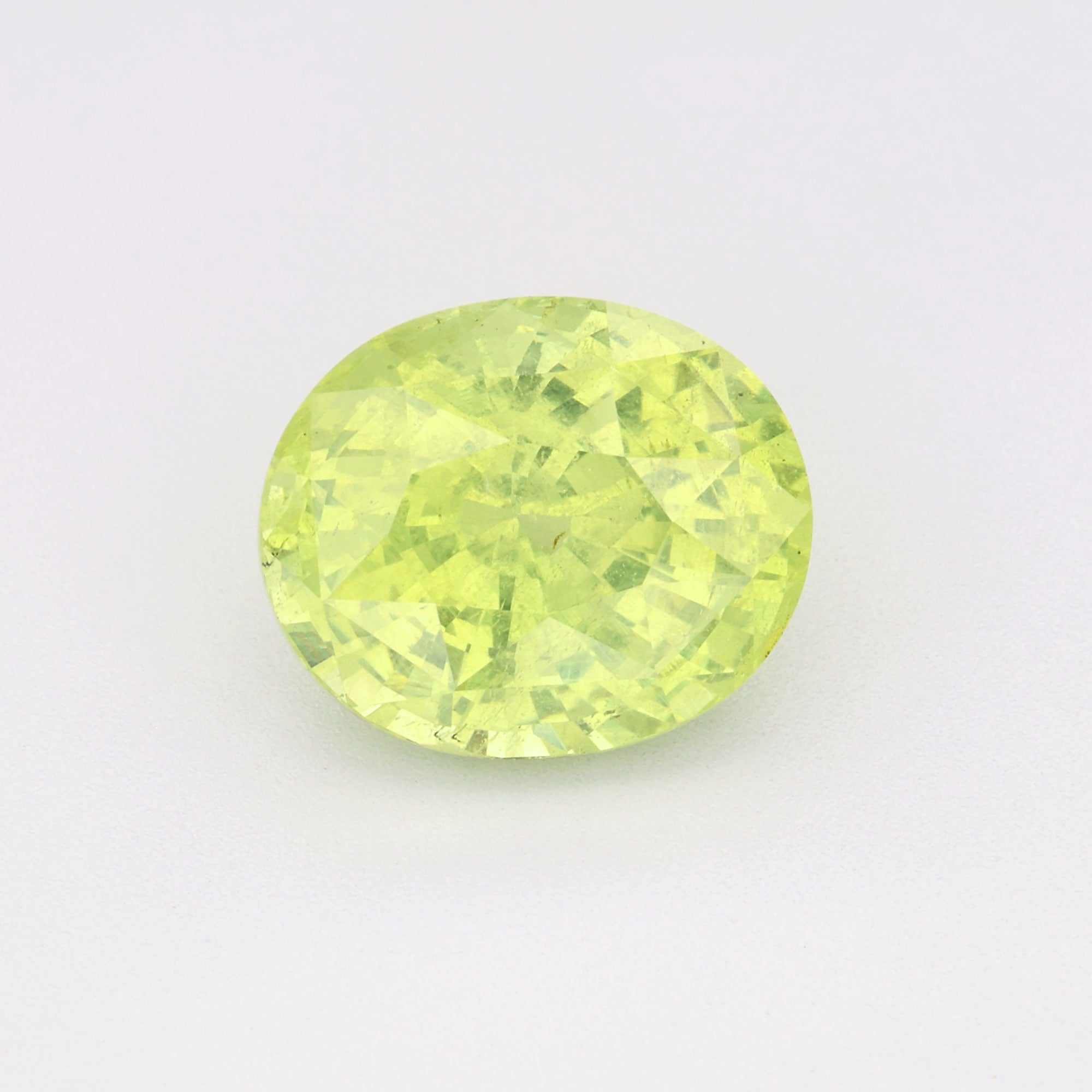
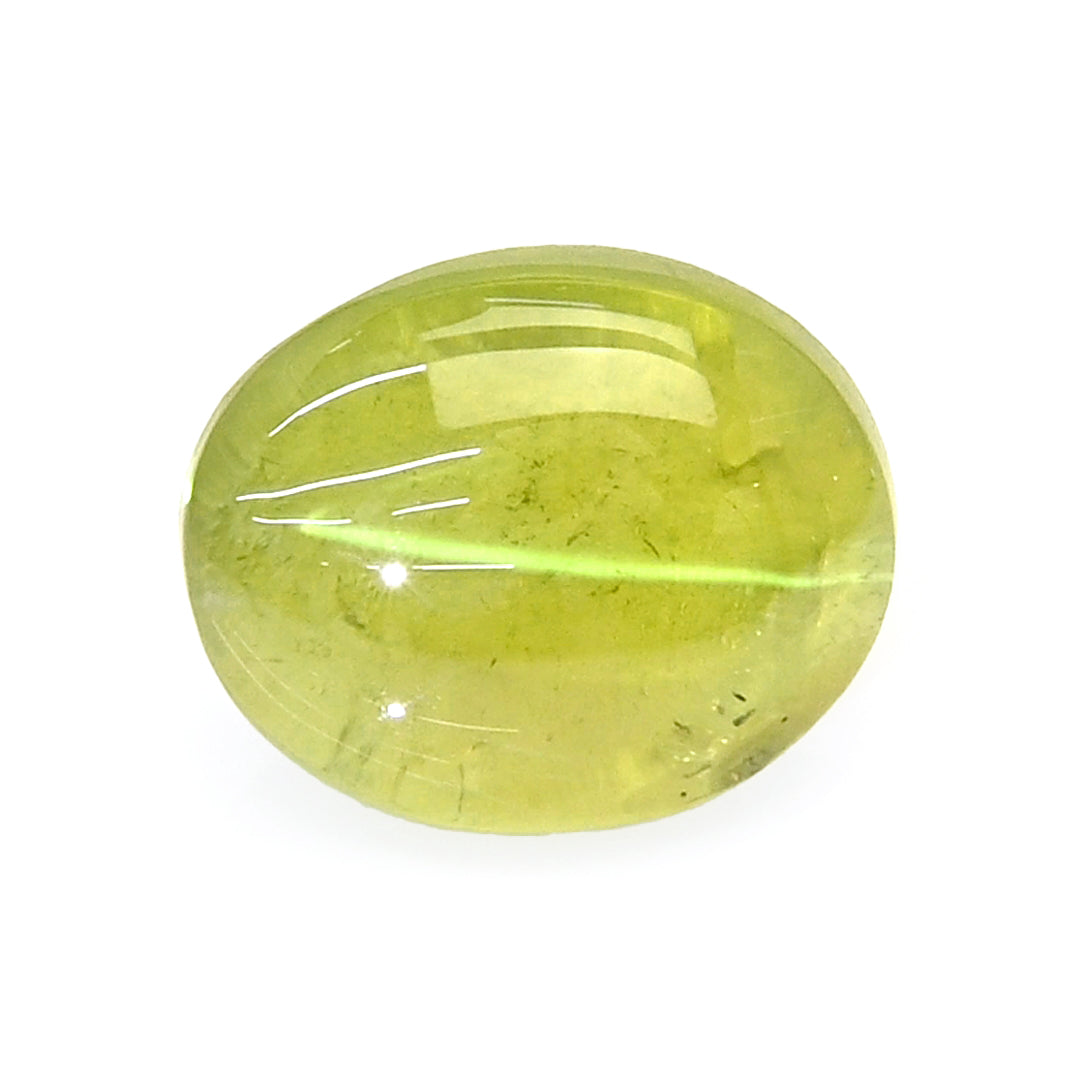
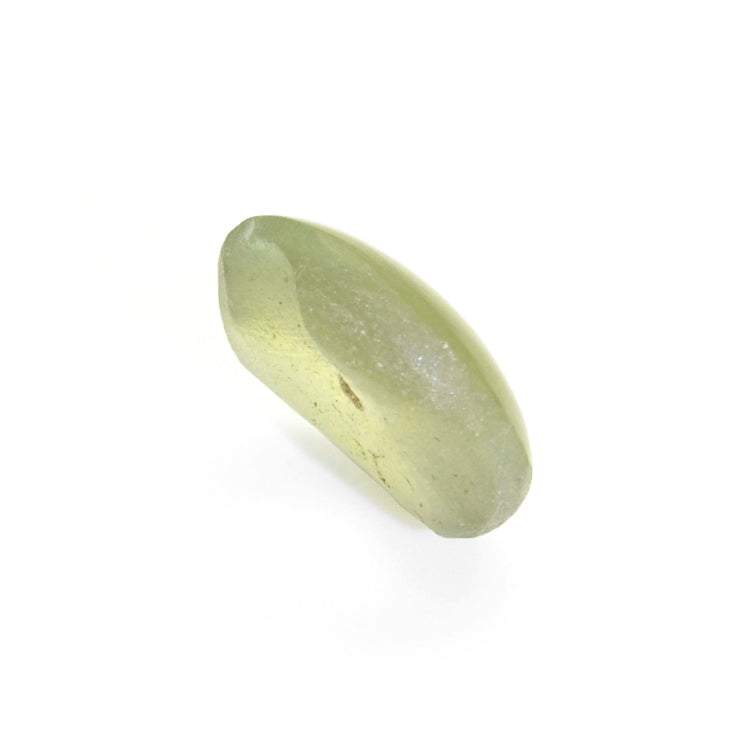
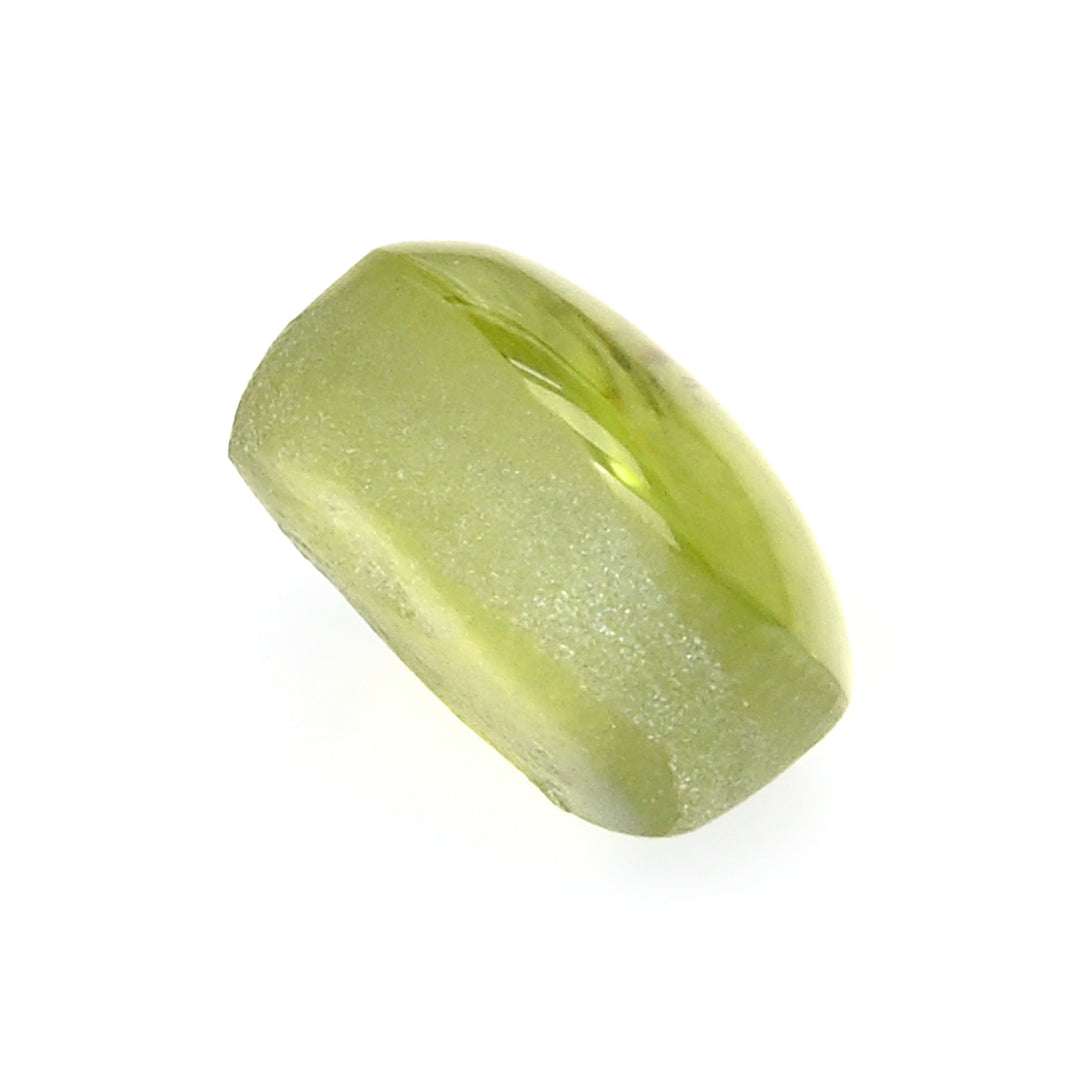
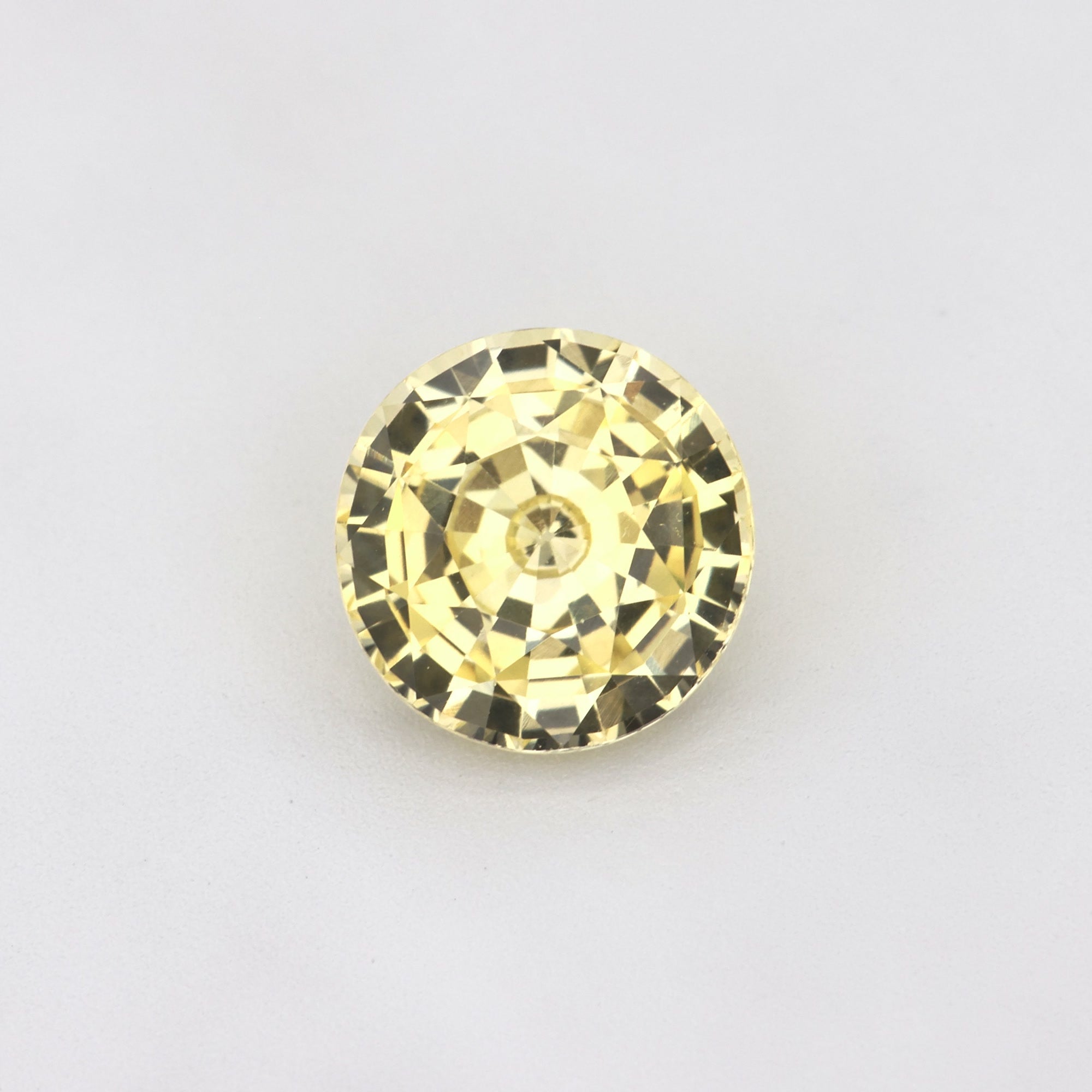
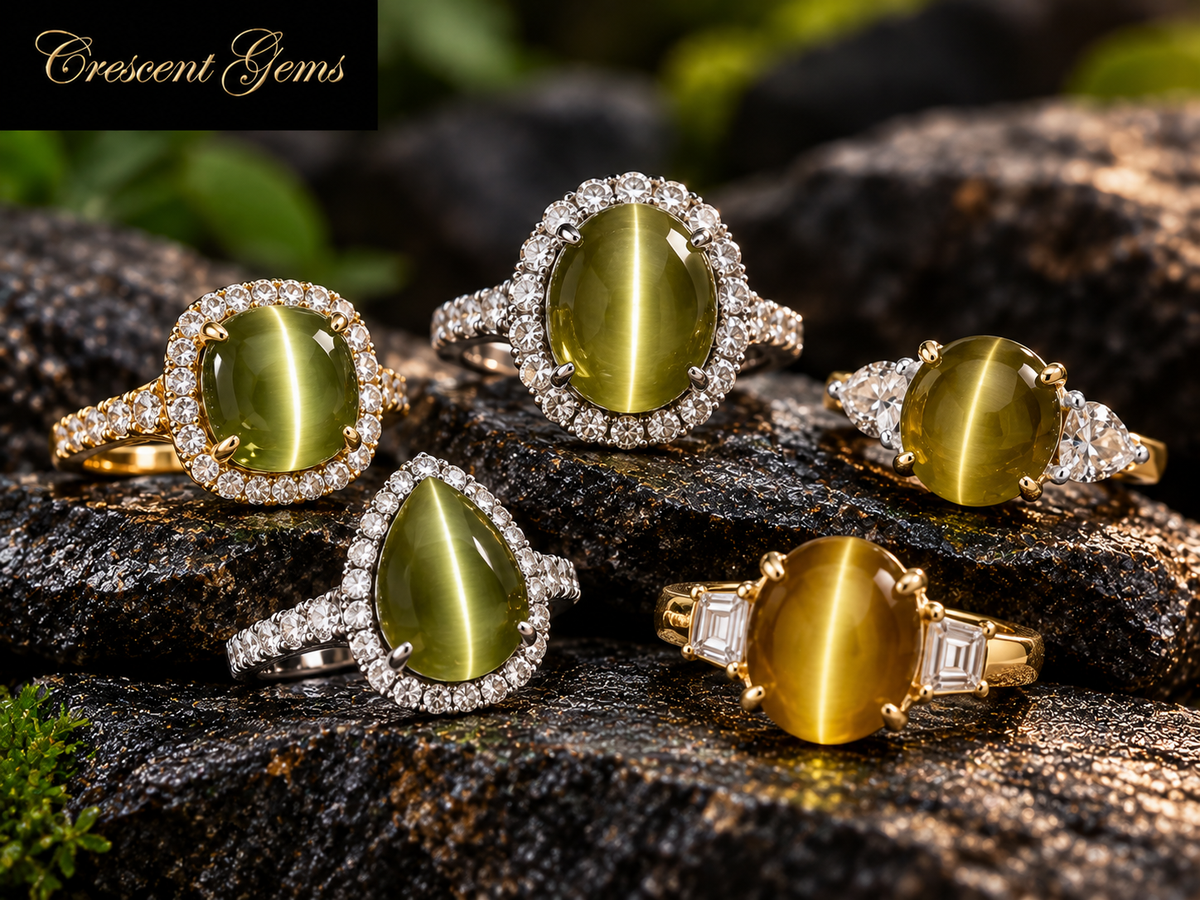
Cat's-eye chrysoberyl is cut as a smooth, unfaceted dome, and the reason is optical rather than protective. The curved surface focuses the light scattered inside the stone into a bright line above it (GIA, Gems & Gemology, Summer 2025); faceting would not harm the inclusions, which are internal — it simply would not produce an eye. Orientation does the other half of the work: the base has to be cut parallel to the needles, or there is no eye to see. Chrysoberyl that is not chatoyant is routinely faceted; we hold a faceted 3.64 ct green-yellow chrysoberyl ourselves. Two things follow for the setting. There are no facet edges to chip, which helps; but the domed profile sits higher off the finger than a similarly-sized faceted stone. So we recommend a bezel that wraps the girdle: it guards the edge of the dome, and it frames the eye without prongs crossing the top and breaking up the light path. Low-set prongs work too, provided they sit low enough on the girdle that they don't obscure the eye from typical viewing angles. That is our own recommendation, from handling these stones — no laboratory publishes guidance on settings, and we are not reporting one.
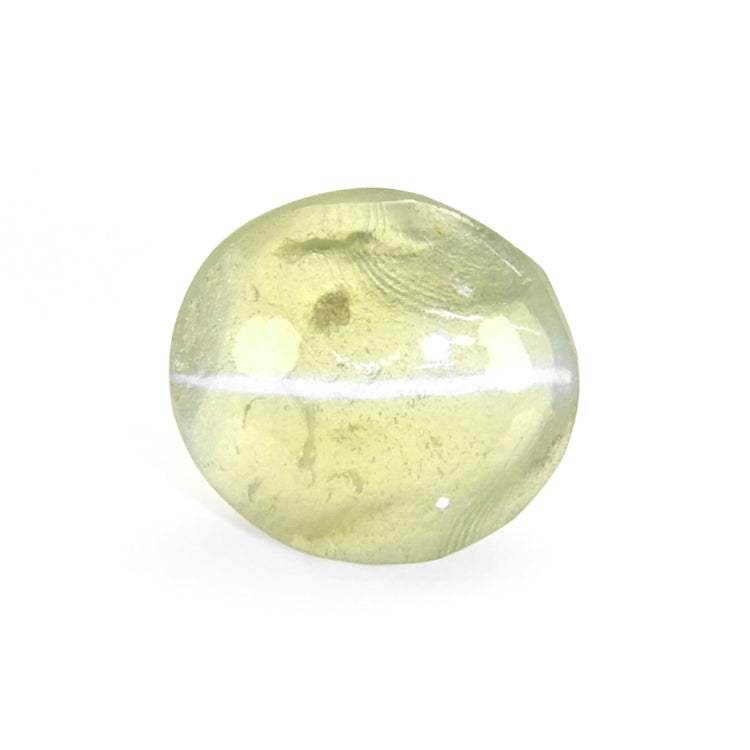
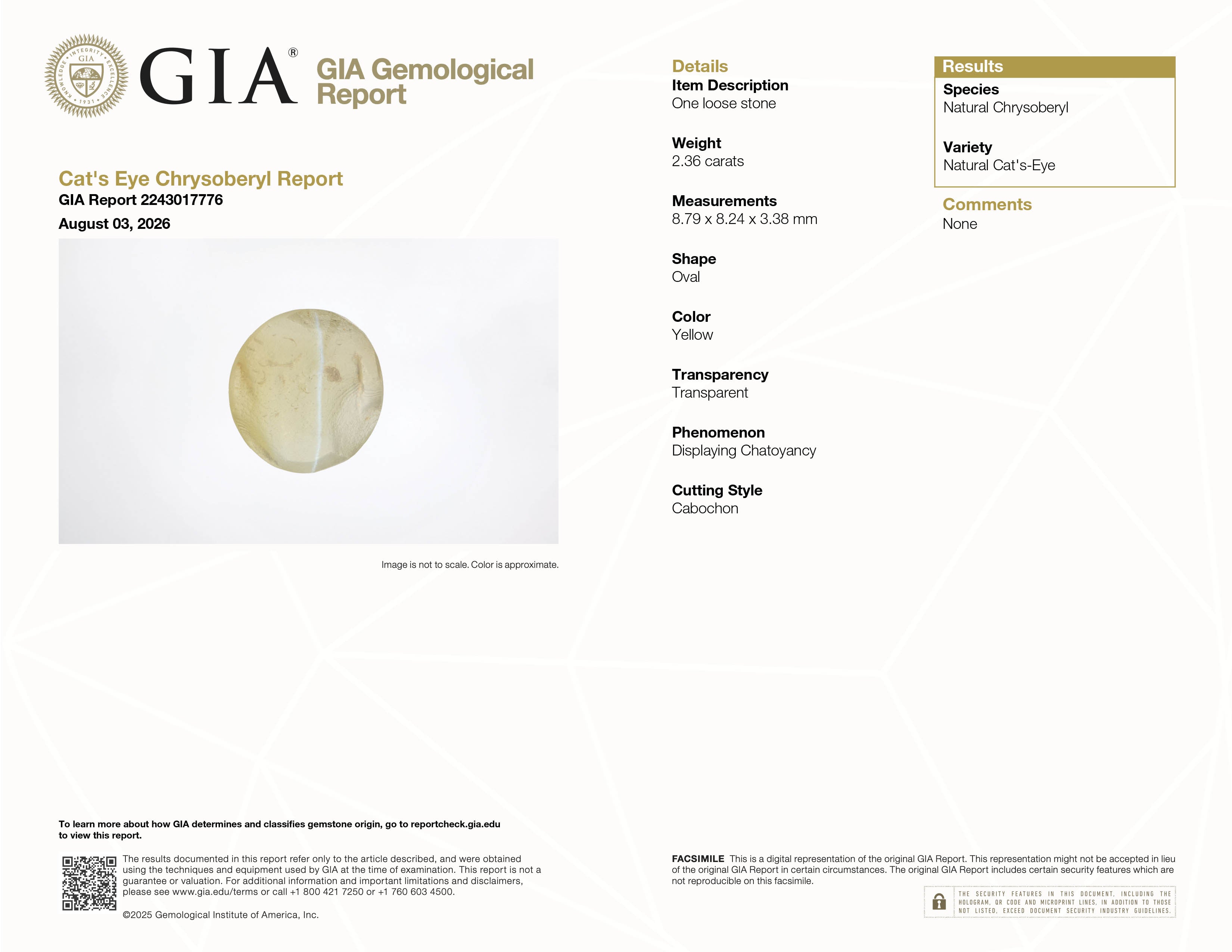
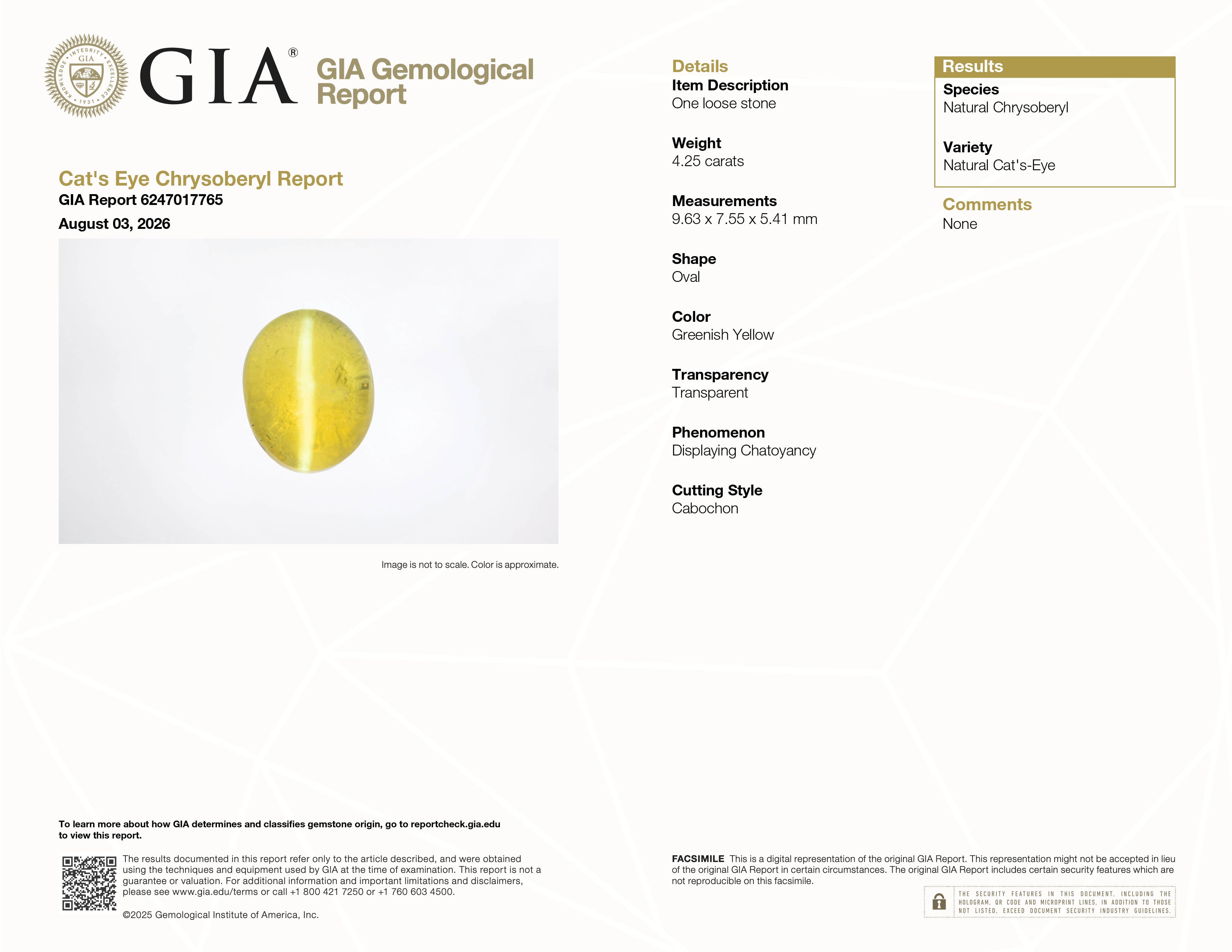
Cat's-eye chrysoberyl runs through the yellow family, and our own two stones show the spread — the 2.36 ct is a honey yellow, the 4.25 ct a greenish yellow — so one color description does not cover both. Honey tones pair naturally with yellow gold, which reinforces the warmth rather than competing with them. White gold or platinum creates more contrast and can make a warm body color read more distinctly against a cool metal — a matter of preference rather than a durability consideration, since the metal choice doesn't affect the stone's wear resistance either way.
GIA publishes its care position for alexandrite, which is chrysoberyl: “Warm, soapy water is always safe for cleaning alexandrite. Ultrasonic and steam cleaners are usually safe.” We are more conservative than that on a cat's-eye, and we would rather say so plainly than let it look as though GIA agreed with us. We clean these with warm soapy water and a soft brush, and we leave the ultrasonic alone: the eye depends on the polish of the dome, and on a stone we did not set we cannot see how it is held. That is our preference, not a warning carried on any report. Store the piece apart from harder stones so nothing else in the box can scratch the dome.
Chrysoberyl is 8.5 on the Mohs scale — above quartz (7), above emerald (7.5–8), below corundum (9) and diamond (10) — so it resists everyday scratching well. On toughness the published authorities disagree: GIA's alexandrite page states that chrysoberyl “has excellent toughness and no cleavage,” while the Handbook of Mineralogy and Mindat record distinct cleavage on {110}. We work to the more cautious of the two readings, and that caution is ours rather than a finding from any report.
We recommend a bezel: it protects the girdle, suits the domed cabochon shape, and doesn't interrupt the light path needed to see the eye. Low-set prongs also work well, provided they don't cross over the dome itself. That is our own recommendation rather than a laboratory position — no lab publishes guidance on settings.
The chatoyancy itself is internal: it comes from dense parallel inclusions inside the stone, not from a coating, so there is nothing on the surface that can wear off the way a coating would. What does change with wear is the polish on the dome. The eye is produced by the curved, polished surface focusing scattered light into a line (GIA, Gems & Gemology, Summer 2025), so an abraded dome shows a softer, more diffuse eye even though the inclusions themselves are untouched. The remedy is re-polishing rather than replacement — and it is why our own 4.25 ct listing cautions against cleaners that can affect the cabochon's polish and chatoyant effect.
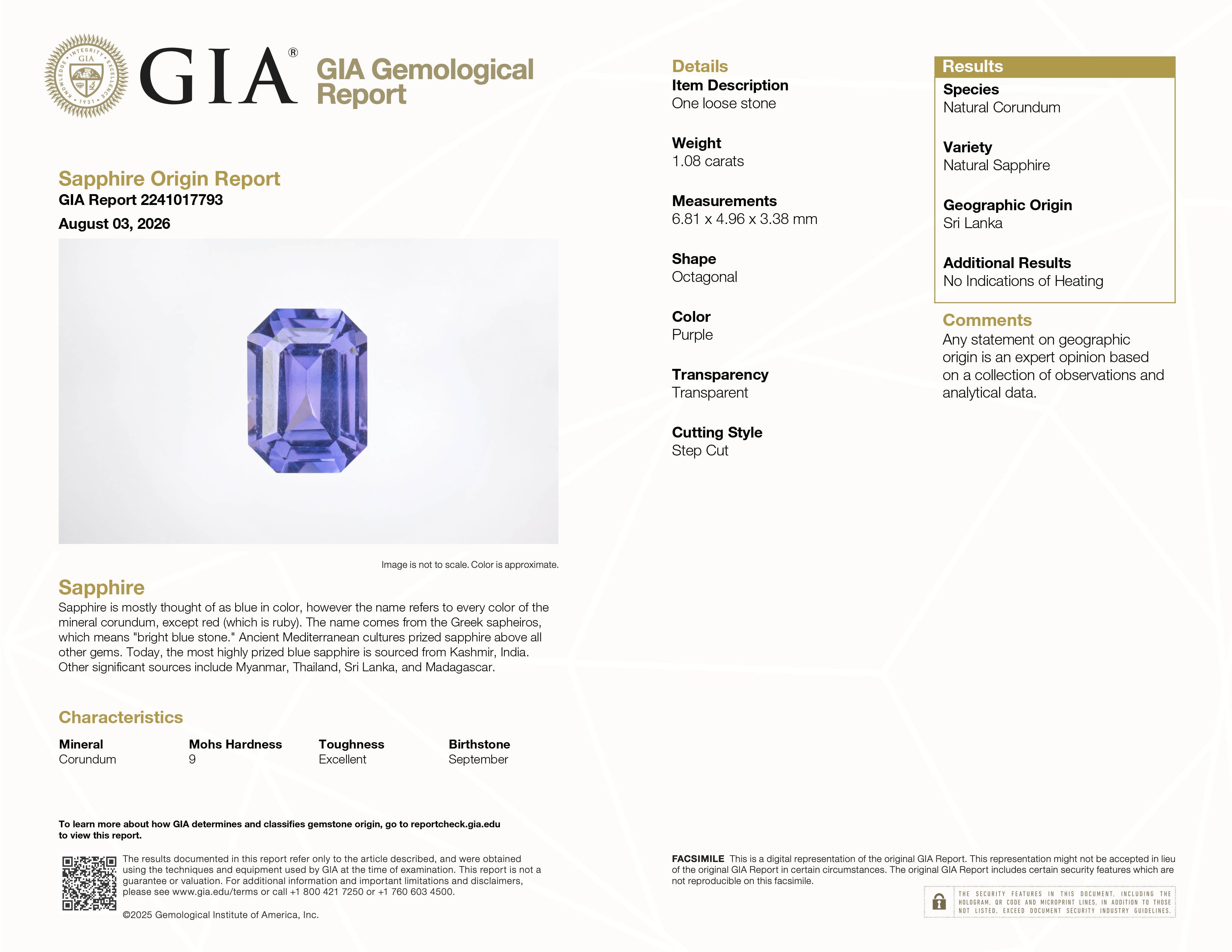
Currently in stock: our 2.36 ct cat’s-eye chrysoberyl — a practical everyday-ring size — and our 4.25 ct cat’s-eye chrysoberyl for a bolder statement piece, both unheated. Each is documented on its own GIA report — #2243017776 for the 2.36 ct, #6247017765 for the 4.25 ct — and the Sri Lanka origin we give for them is our own assessment, not addressed by either report.
Have a question about setting a specific cat's-eye chrysoberyl, or want a recommendation for your ring project? Email crescentgems@gmail.com — we respond within one business day. Free US shipping; $60 flat elsewhere, free over $499. 14-day returns on every order.

CG8413
3.64 ct Natural Unheated Chrysoberyl | GIA Certified
Prices are shown in your local currency and may change.


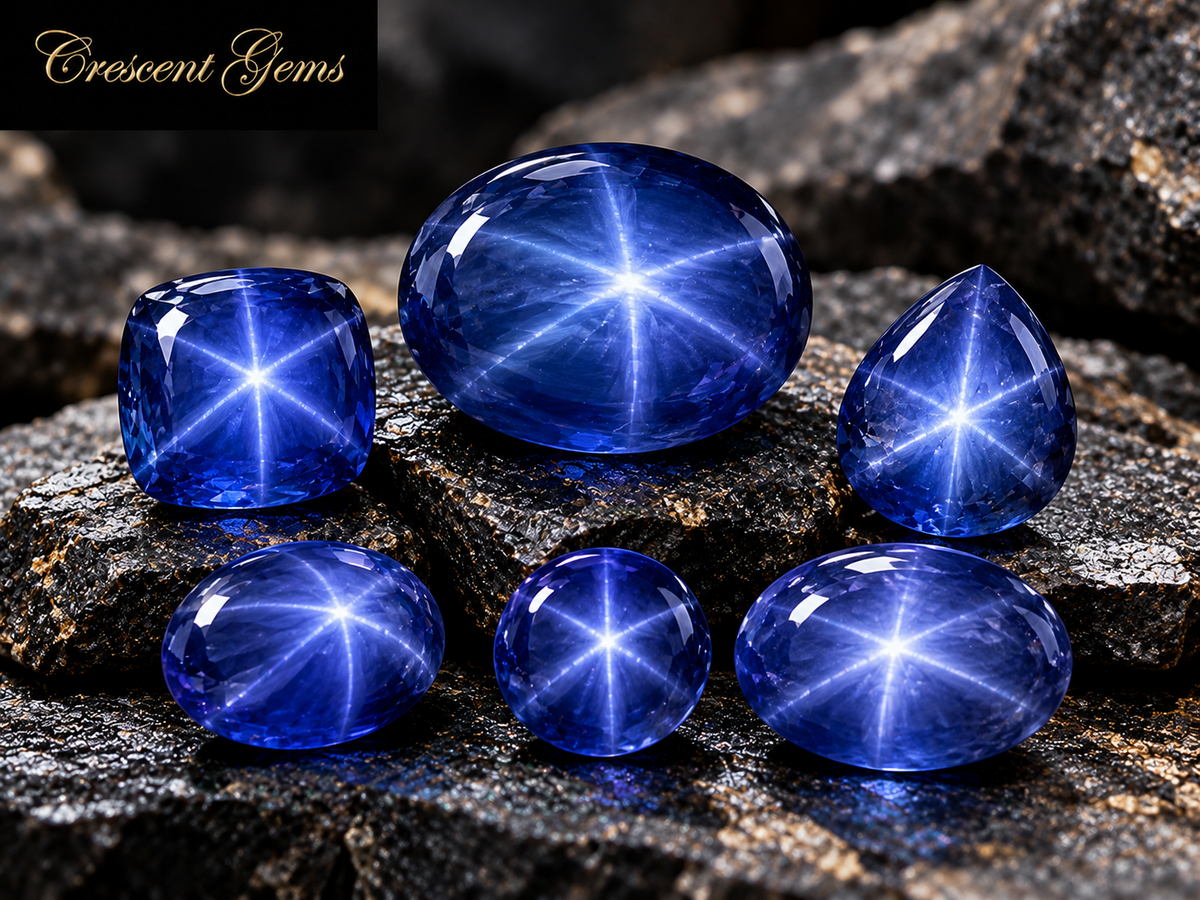
Blue Star Sapphire Price Guide — What They Cost and Why
Read moreabout Blue Star Sapphire Price Guide — What They Cost and Why
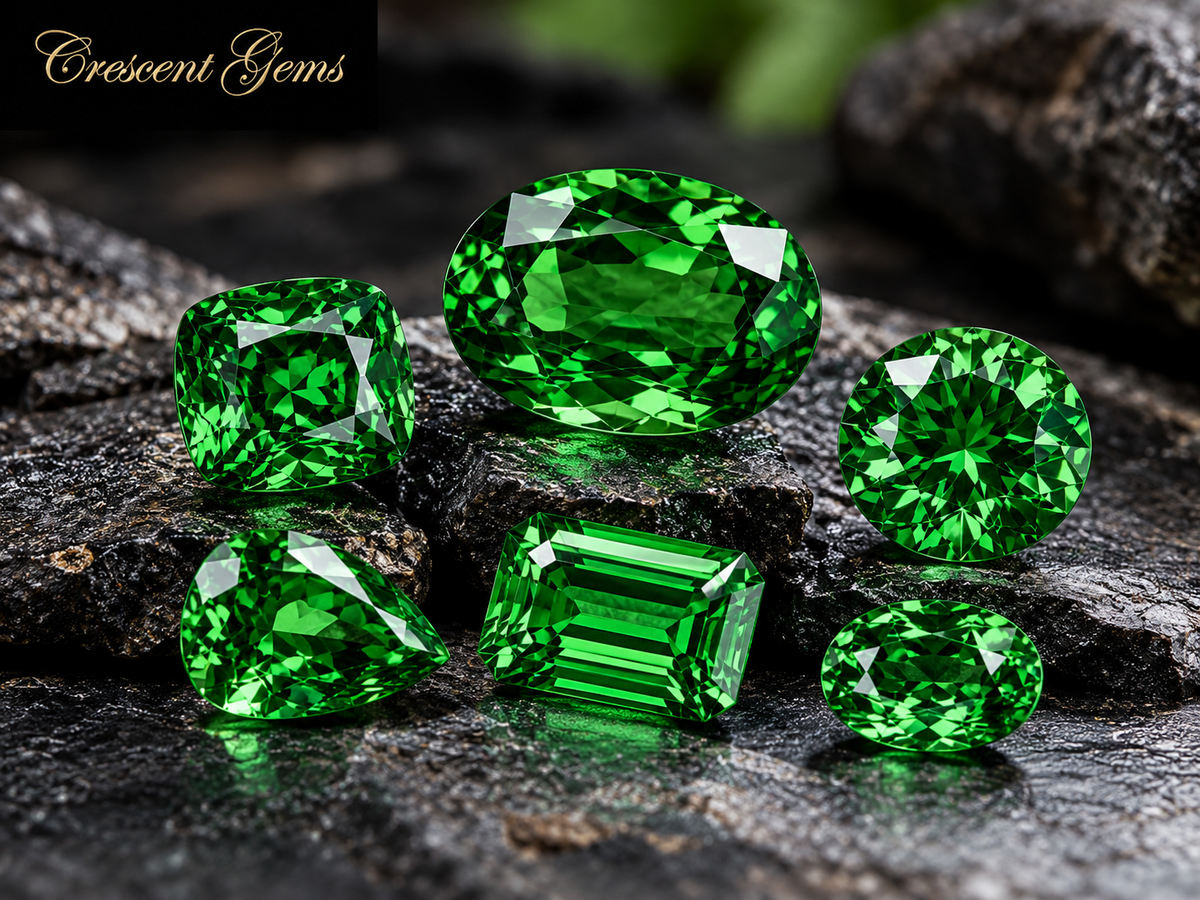
Tsavorite Garnet Price Guide — What They Cost and Why
Read moreabout Tsavorite Garnet Price Guide — What They Cost and Why
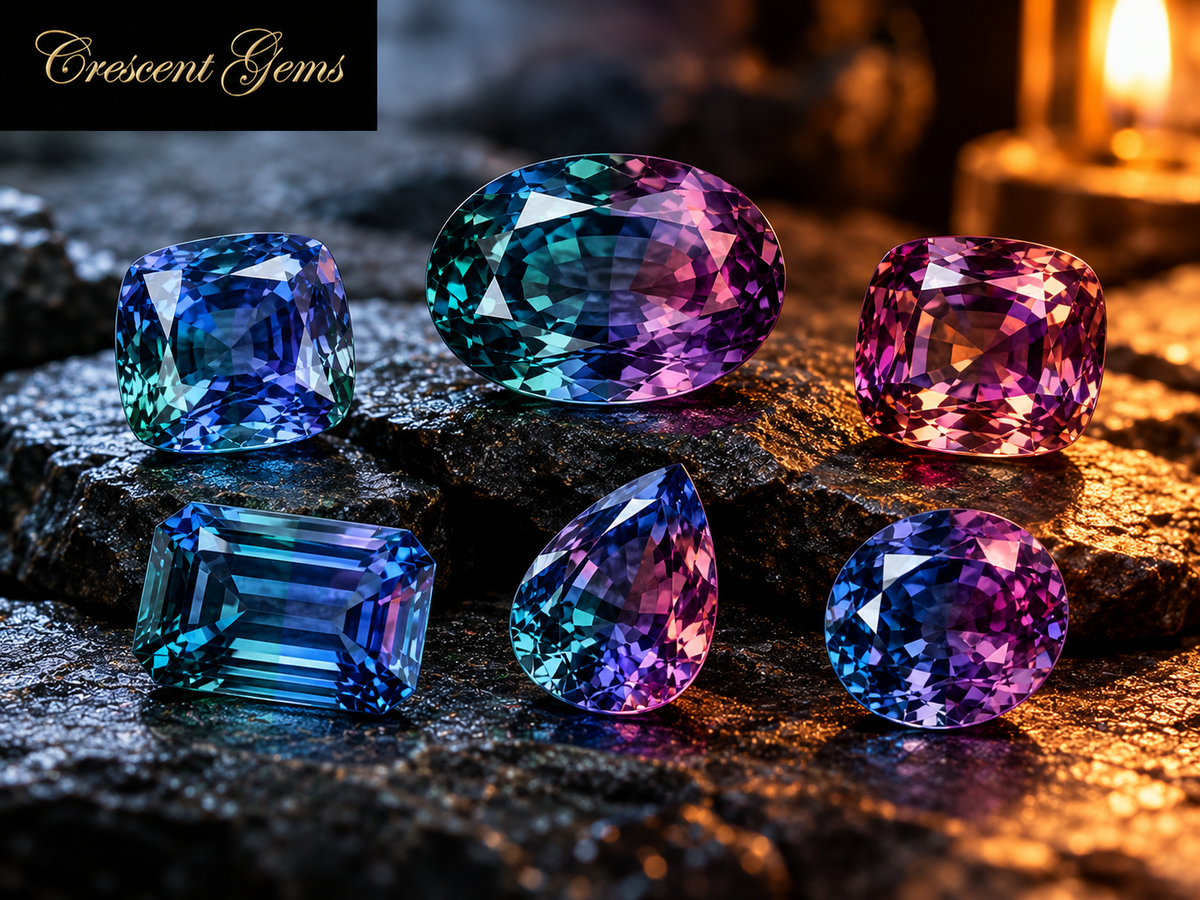
Color-Change Sapphire Price Guide — What They Cost and Why
Read moreabout Color-Change Sapphire Price Guide — What They Cost and Why
Is Cat's-Eye Chrysoberyl Good for an Engagement Ring?
Read moreabout Is Cat's-Eye Chrysoberyl Good for an Engagement Ring?
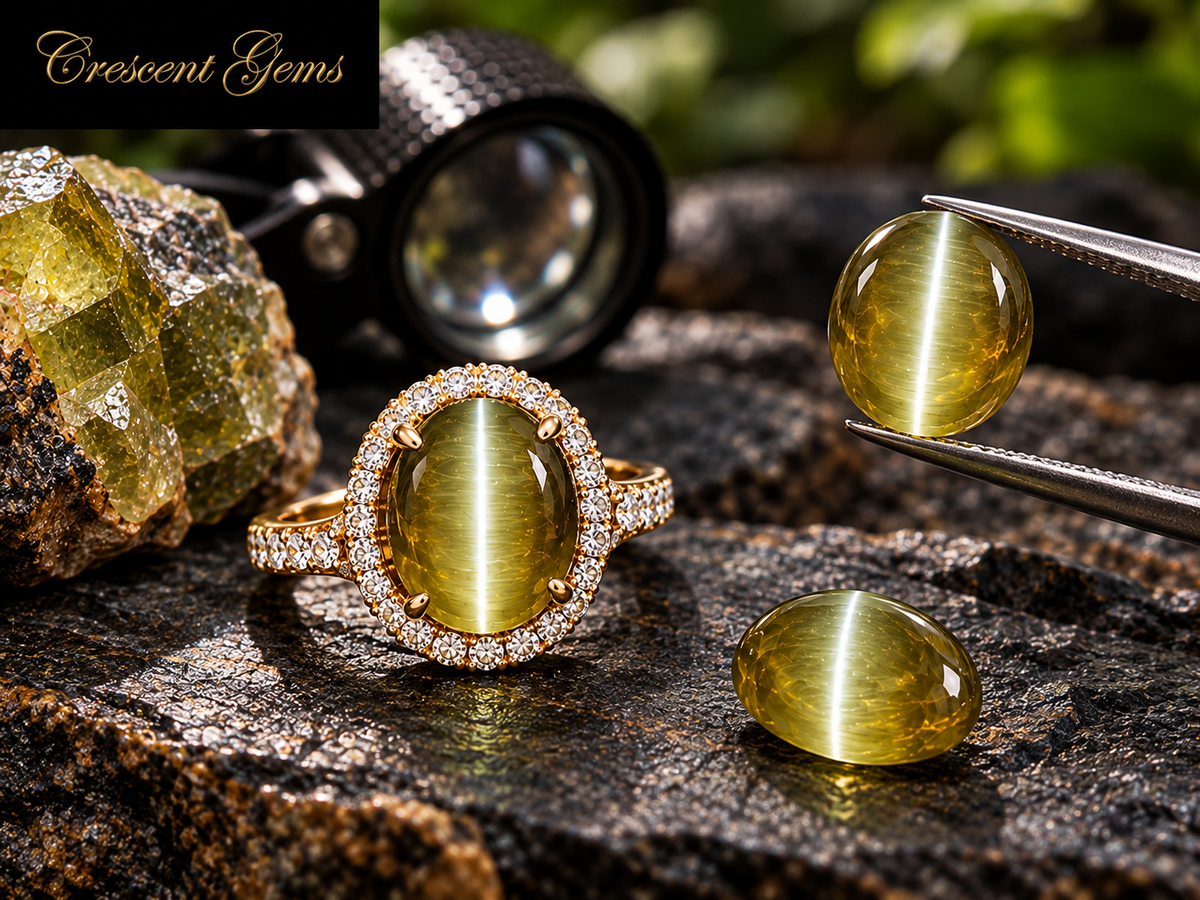
Cat's Eye Chrysoberyl Price Guide — What They Cost and Why
Read moreabout Cat's Eye Chrysoberyl Price Guide — What They Cost and Why