

- by Ahmed Shareek
Kashmir Sapphire — Mining History, Availability, and How the Origin Is Documented
- by Ahmed Shareek
New to buying sapphires? Start with our Ultimate Sapphire Buying Guide — the complete resource for color, origin, treatment, and pricing.
Kashmir sapphire is a geographic origin, not a grade. The name refers to material from a single high-altitude deposit in the Paddar area of the Zanskar Range, in what is now Jammu and Kashmir, India. The deposit was found in 1881, worked hard for a few years, worked intermittently after that, and has had no reported commercial production since the first half of the twentieth century. Everything else attached to the name follows from that short production history.
That makes Kashmir unusual in one practical respect: the origin is the whole designation, and it reaches a buyer only as a laboratory's opinion on a report. This article covers what the mining record says, what the major laboratories will and will not state about Kashmir origin, which features they examine to reach it, what documentation to insist on, and how the material is told apart from other origins that present similarly.
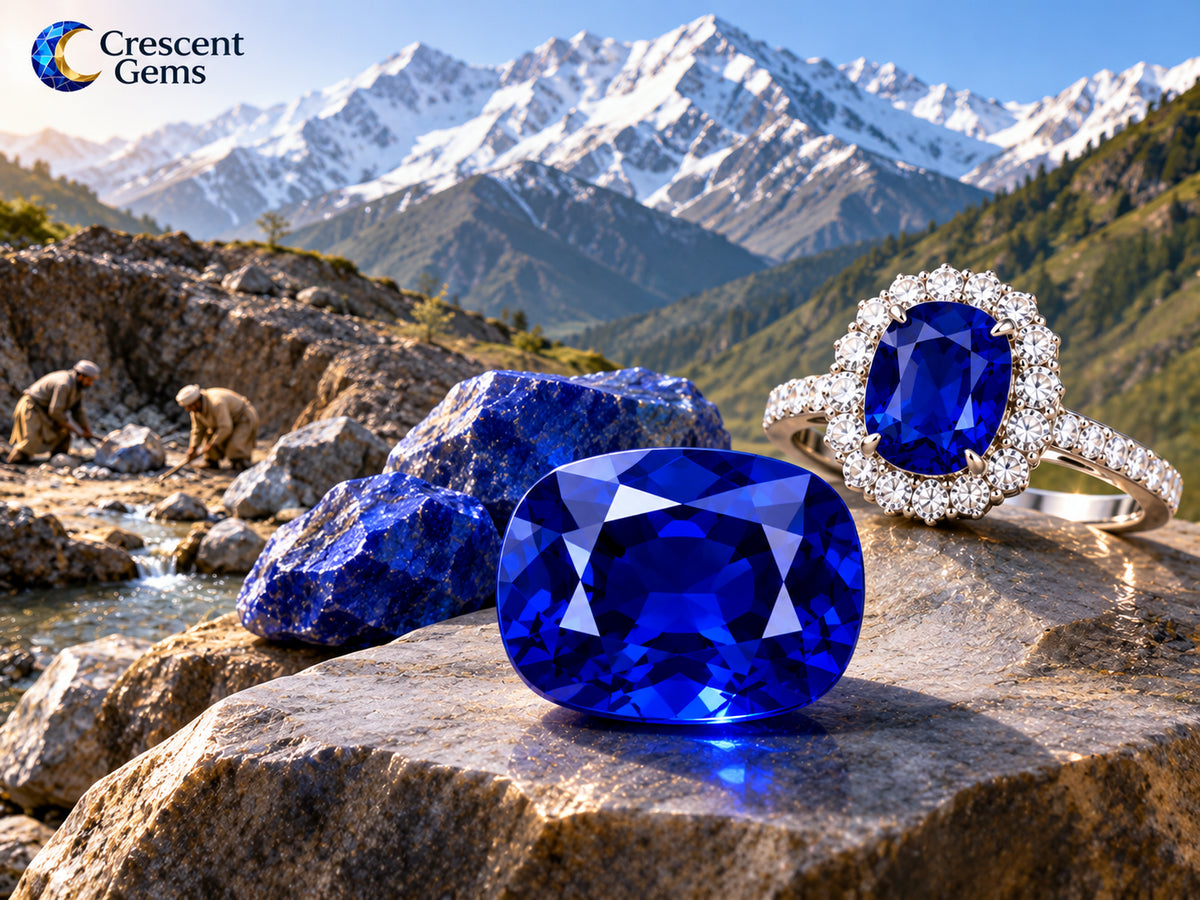
The Kashmir sapphire deposit was discovered by accident in 1881, when a landslide high in the Zanskar Range of the western Himalayas exposed a pocket of vivid blue crystals at an altitude of approximately 4,500 meters (14,800 feet) in the Paddar region of what is now Jammu and Kashmir. Local villagers collected crystals from the exposed surface and traded them. When the stones reached gem markets in Delhi and eventually Europe, they were taken up quickly by the European trade.
The Maharaja of Kashmir dispatched guards to secure the site and organized systematic extraction. The initial surface collection from 1882 to 1887 — known as the "Old Mine" period — produced the material on which the origin's reputation was built.
A second phase of mining occurred intermittently from the late 1880s through the early 1900s, producing additional material but generally of lower average quality than the initial Old Mine production. By the 1930s, the accessible deposit was largely exhausted. Sporadic government-sponsored mining attempts have occurred since, most recently in the 2000s, but have produced only small quantities of material, and no commercial production has been reported since.
The Kashmir sapphire deposit is a primary occurrence — the sapphires formed in situ within their metamorphic host rock, a geological setting called a "pegmatitic vein" intruding into crystalline limestone and schist. Unlike Sri Lanka's alluvial deposits, where gems are loose in gravel and can be extracted by washing (see Pit Mining in Sri Lanka), Kashmir sapphires must be chiseled or blasted from solid rock at extreme altitude in remote mountain terrain.
The deposit sits at 4,500 meters — above the tree line, above most permanent habitation, and accessible only during the brief summer months when the passes leading to the site are free of snow. The working season is approximately three to four months per year. Workers must trek for days to reach the site, carrying their supplies, tools, and fuel on foot or by pack animal. There is no road access, no electricity, no permanent shelter, and no modern infrastructure of any kind.
At this altitude, physical labor is exhausting. The air contains approximately 60% of the oxygen available at sea level. Temperatures drop below freezing at night even in summer. Weather can change rapidly and violently, with storms that make exposed rock faces dangerous. These conditions limit the number of workers who can operate effectively, the length of the working day, and the amount of rock that can be moved in a season.
The primary deposit — the pegmatitic vein that produced the original Old Mine stones — was small. It was not an extensive formation like Sri Lanka's alluvial gravel beds or Madagascar's Ilakaka deposit. It was a localized geological event: a specific vein, in a specific rock formation, at a specific point on a mountain. The sapphire was concentrated in pockets within this vein rather than spread through it, and those pockets were largely emptied during the initial extraction period of the 1880s.
Subsequent mining has explored extensions of the original vein and surrounding rock formations, occasionally finding additional sapphire-bearing zones. But the production has been sporadic, the quality inconsistent, and the volume tiny compared to the initial production of the 1880s. The deposit is not completely exhausted in the geological sense — there may be additional sapphire-bearing rock at depth or in unexplored extensions — but the practical and political challenges of mining at this location make large-scale production effectively impossible.
The Kashmir sapphire deposit is located in a region whose territory has been disputed between India and Pakistan since 1947. The mine falls within Indian-administered Jammu and Kashmir, in an area with restricted access for security reasons. Government permits are required for any mining activity, and those permits have been issued intermittently and unpredictably. The combination of political sensitivity, military security zones, and bureaucratic complexity makes sustained commercial mining operations impractical regardless of the geological potential.
What the Kashmir name describes, in gemological terms, is a color appearance: a particular blue hue together with a particular internal texture. The two in combination are what the trade and the laboratory literature mean when they call a stone's character Kashmir.
Kashmir sapphires are known for a quality variously described as "velvety," "sleepy," "luminous," or "glowing" — a soft, internally lit blue that appears to emanate from within the stone rather than reflecting off its surface. This quality is produced by extremely fine, evenly distributed rutile silk throughout the crystal. The silk particles are too small to reduce transparency significantly but large enough to scatter light internally, creating the soft diffusion effect the origin is described by.
This is the same rutile silk that produces the star effect in star sapphires and that dissolves during heat treatment to release titanium into the lattice. In Kashmir sapphires, the silk density hits a sweet spot: enough to create the velvety glow, not enough to cloud the stone. See How to Read Sapphire Inclusions.
The Kashmir hue is described as a medium-toned, vivid, slightly violet-tinged blue with strong saturation and no grayish, greenish, or inky modifiers. It is neither too light nor too dark in tone.
Other origins produce the same hue. Ceylon sapphires reach it, and so does Madagascar material. What the Kashmir description turns on is the combination of that hue with the fine silk texture in the same stone. The hue on its own is not origin-specific, and no origin conclusion rests on appearance alone.
Heating and the Kashmir description pull against each other: heat dissolves rutile silk, and the silk is the texture the description depends on. That is reasoning about the material, not a finding about a stone. A laboratory report states heat status for the individual stone it describes, and that line is what a buyer is reading for. A stone with no origin line and no heat line is a blue sapphire of unstated origin and unstated heat status, whatever is said about the deposit. See What Is an Unheated Sapphire?
The practical question behind most Kashmir enquiries is where a stone offered today came from. The answer follows from the production history above: no commercial production at the original deposit has been reported since the first half of the twentieth century.
Figures for how much gem-quality material the deposit yielded differ between accounts, and this guide does not repeat a number it cannot attribute. What the record supports is the shape of the production rather than its size: a productive opening period in the 1880s, a thinner intermittent phase into the early 1900s, and small permit-dependent attempts since, none reported as commercial production.
A Kashmir sapphire offered for sale today is therefore material that came out of the ground long before the present market existed. When one appears at auction it is coming out of a private collection, an estate, or a dealer's holding, and the catalogue entry is where that history is written down. It is not new production.
That has one consequence a buyer can act on, and it is not a statement about value: with no working mine and no producer, the only record of where a stone came from is a laboratory's opinion on a report. The rest of this guide is about that report.
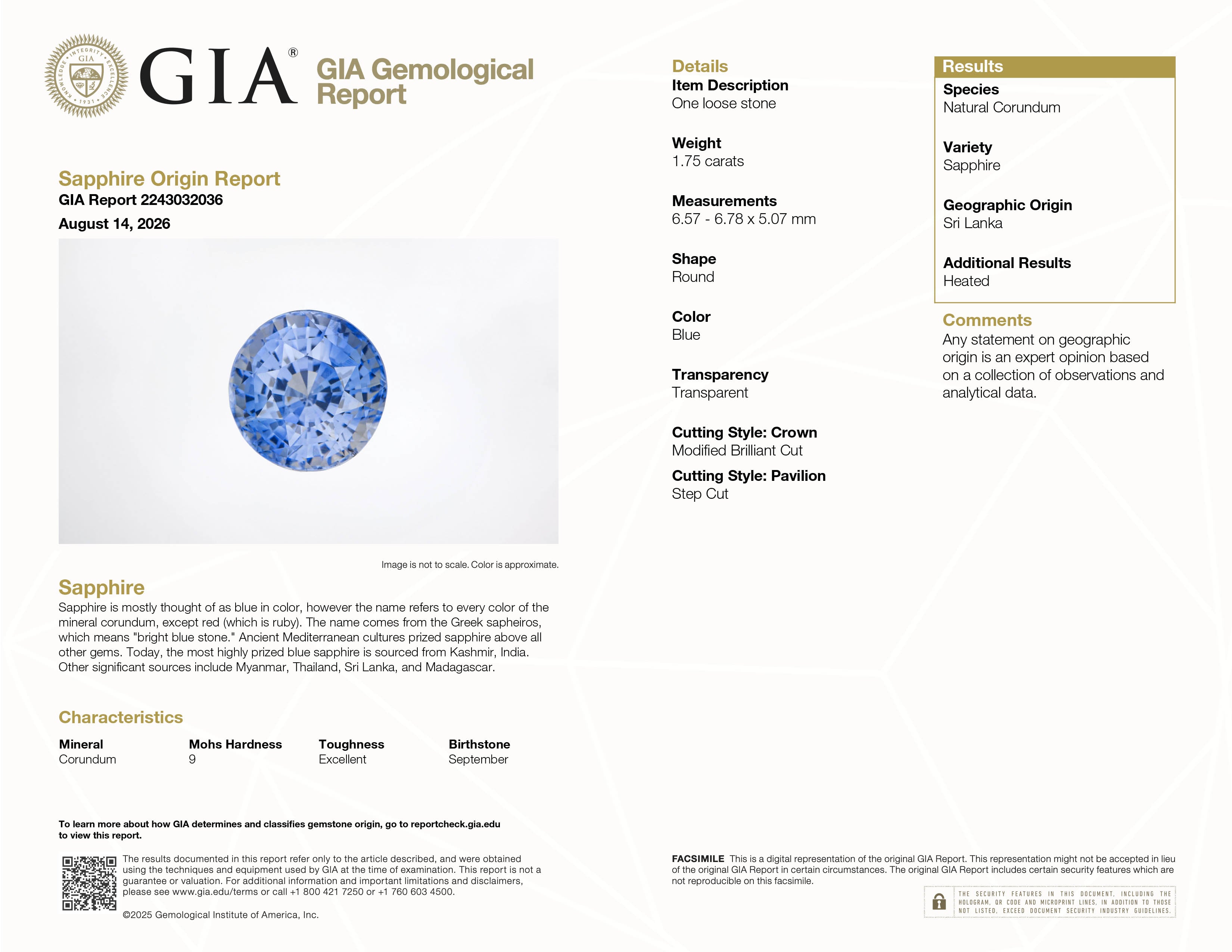
Geographic origin is the one conclusion on a colored-stone report that is an opinion rather than a measurement. Weight is measured; species is determined; origin is inferred, by comparing what a stone shows against reference material of known provenance that the laboratory itself holds. So the first thing to read is not the place name but the laboratory's statement of what its conclusion rests on and what it does not warrant:
| Line on the report | What it states | What it does not state | Why it matters here |
|---|---|---|---|
| Geographic origin | The laboratory's opinion on where the material formed | That it is a confirmation, or that another laboratory must agree | Here the place name is the entire designation |
| Heat status | Whether the examination found indications of heating | Anything about treatments other than heating | The line read as meaning more than it says |
| Species and variety | That the material is corundum, and sapphire by color | Any opinion on the stone's quality or appeal | It separates sapphire from what imitates it |
| Weight, measurements, cut | The figures recorded for the stone examined | That a stone matching them is that stone | They tie the report to the stone it describes |
A report describes one stone on the date it was issued. Nothing on it carries across to another, and the origin line is an opinion, not a confirmation.
Origin does the most work in how a Kashmir stone is described, and it is the one conclusion a buyer cannot check by looking. That asymmetry is why the paperwork carries so much of the weight here. For how origin, treatment and the individual stone's qualities sit alongside one another across sapphire, see Sapphire Pricing Explained.
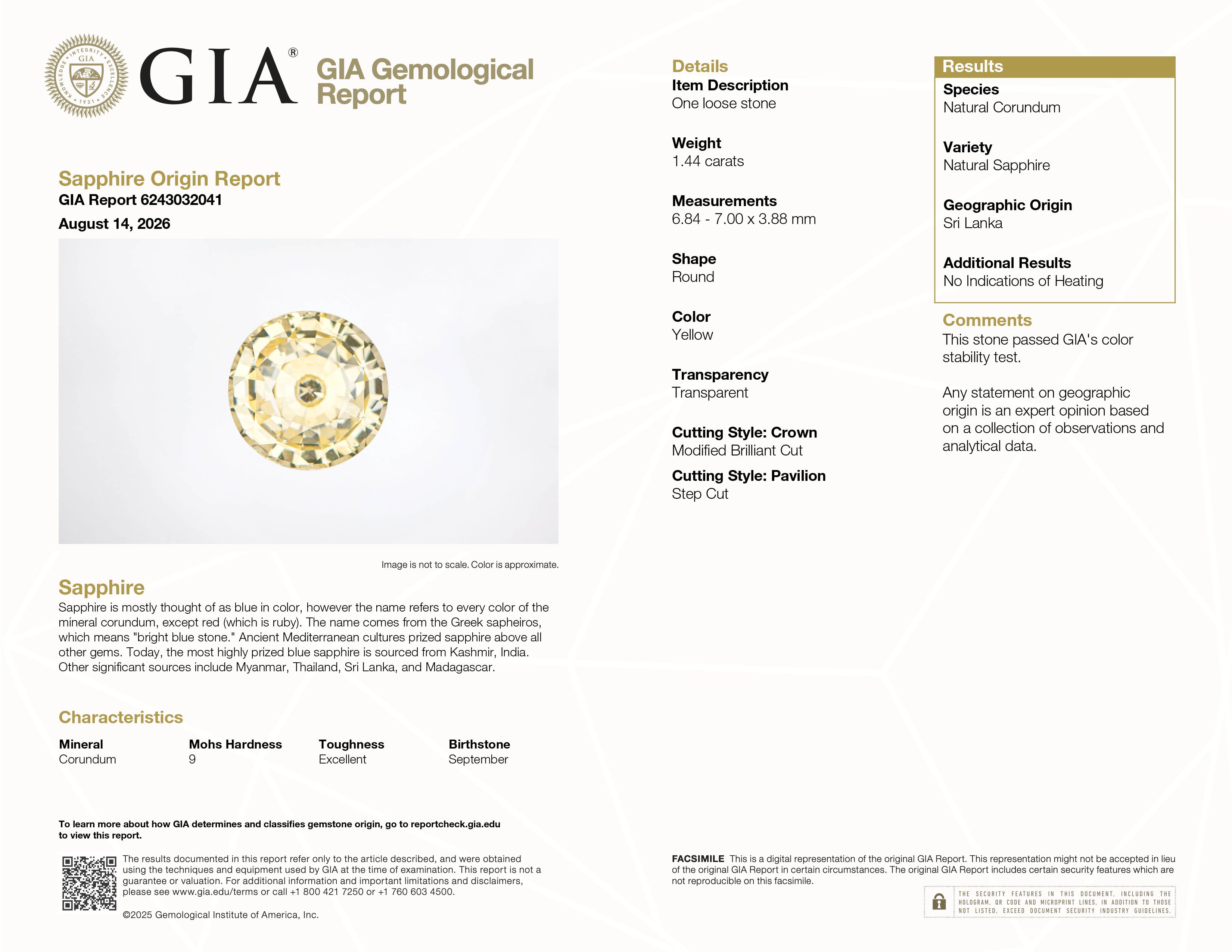
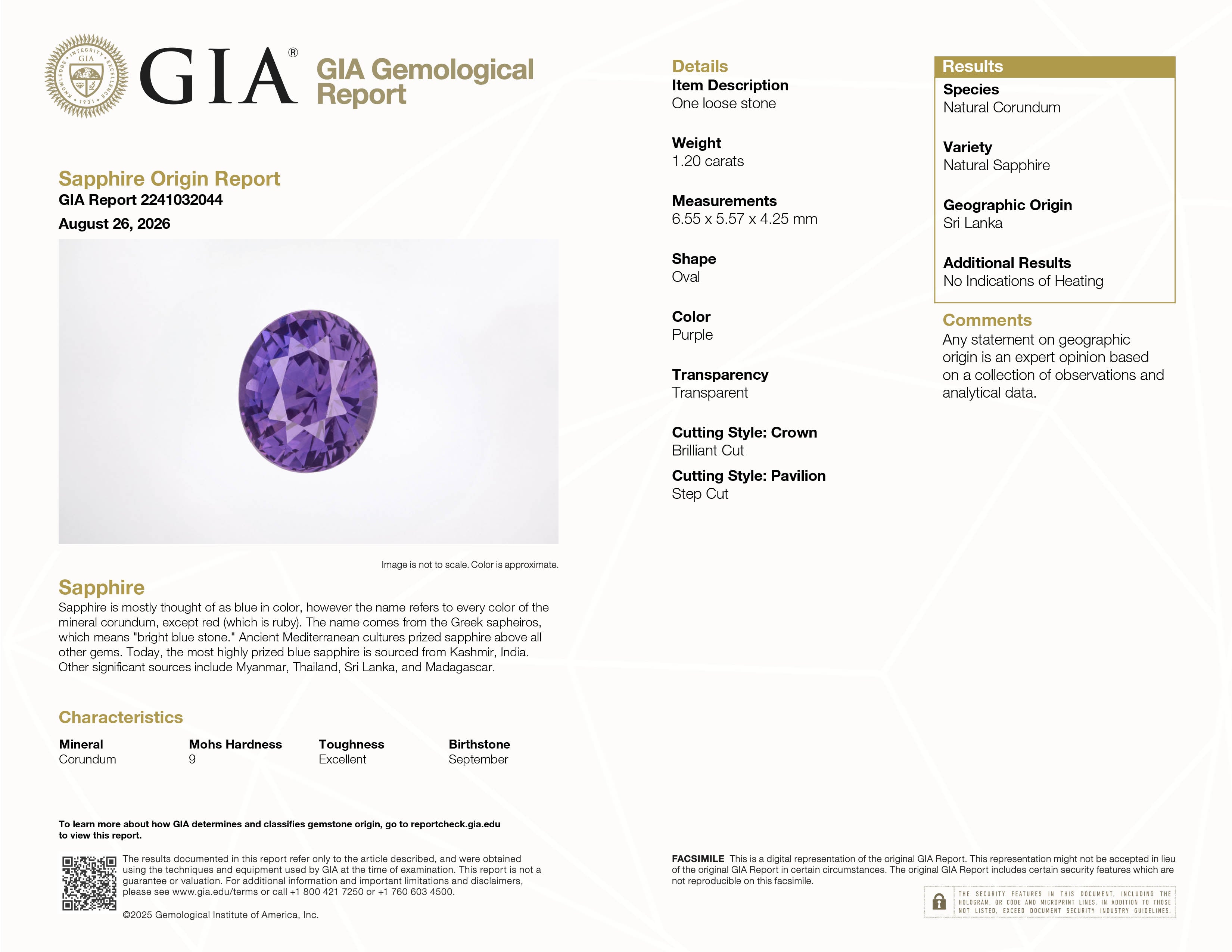
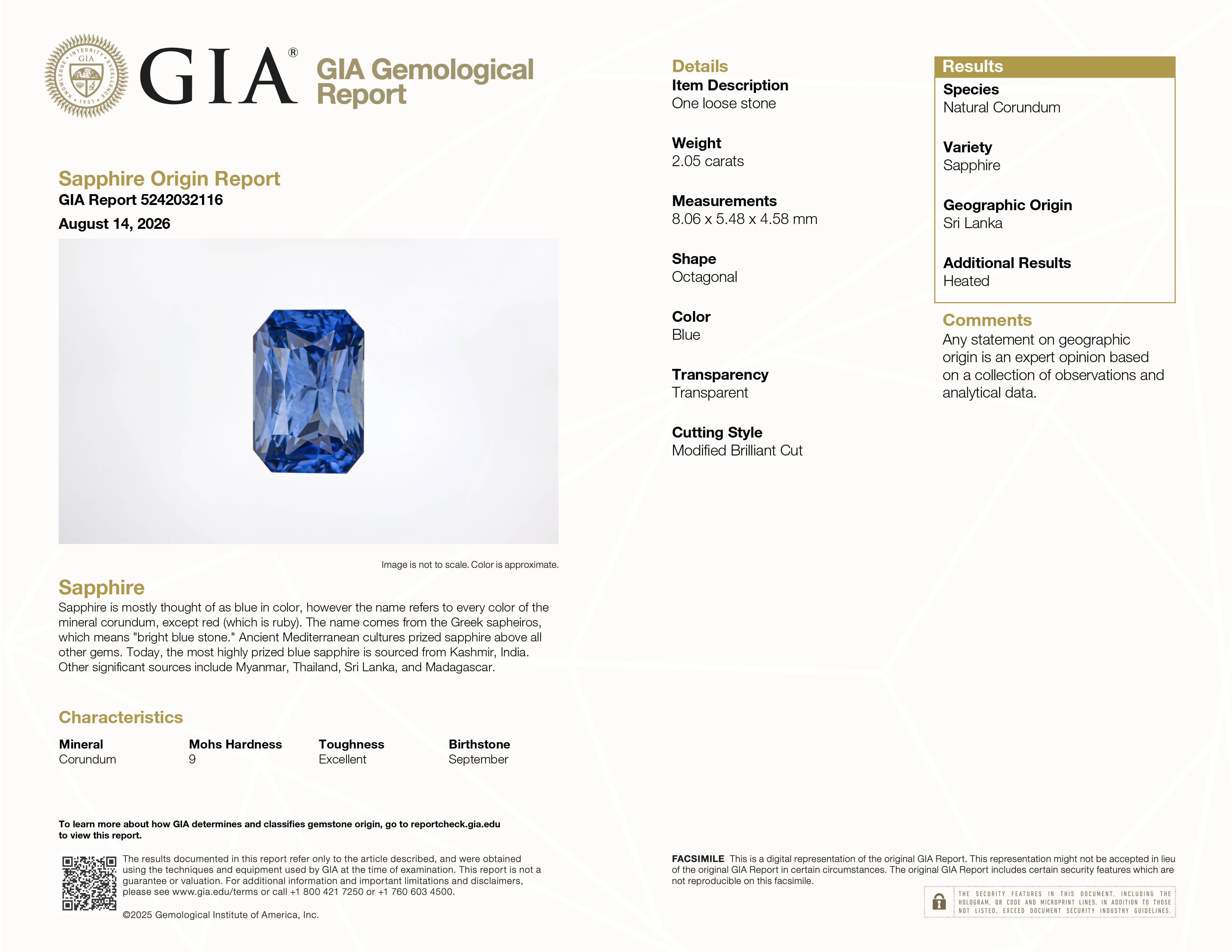
An origin opinion is only as useful as the ability to read it, and four things on the paperwork decide whether a stone is documented or only described. Our guide to reading a GIA report covers the mechanics; what follows is what those lines mean at this origin.
An origin line records a laboratory's opinion, reached on a stated date from the reference material that laboratory holds. It is not a confirmation, not a guarantee and not portable: a second laboratory examining the same stone is entitled to reach a different opinion. A report presenting its conclusion as an opinion is doing its job. A listing restating it as confirmed, certified or guaranteed origin has changed what it means.
A finding of no indications of heating is a finding about heating. It is not a finding that the stone is untreated: heating is one treatment among several, and this line addresses that one and no other. The position on anything else has to be asked of the laboratory and read off the report, never inferred from the heat line. Unheated and untreated are not interchangeable words, and at this origin treating them as equivalent is the easiest mistake on the page.
Ownership history is documentation of a second kind. An auction catalogue entry, an earlier report for the same stone, an estate inventory or a dated invoice each ties the stone to a point in time. Provenance neither replaces an origin opinion nor creates one. What it does is let a buyer check that the stone in the box is the stone the paperwork describes — which is what the weight, measurements and plotted inclusions on an older report are for. Where none exists, that is worth knowing too.
The failures at this end of the market are documentary rather than gemological, and they repeat:
If you are considering a Kashmir sapphire purchase, these are the requirements to settle before any money moves:
| Factor | Kashmir | Ceylon |
|---|---|---|
| Color character | Velvety blue with silk glow | Bright, transparent, vivid |
| Supply | No commercial production reported since the first half of the twentieth century | Ongoing production |
| Availability | Secondary market only | Current production, bought new |
| Deposit type | Primary — in metamorphic host rock at high altitude | Secondary — alluvial gravels worked by pit and tunnel |
| Treatment | Not associated with heating; status stated per stone | Both heated and unheated |
| Color range | Blue only | Blue and a range of other colors |
| Role of the origin line | The designation itself; a report stating it is essential | Available, and read alongside the heat line |
| Where you encounter it | Auction houses and specialist dealers, from estate and collection material | Working mines, dealers and retail catalogs, including ours |
This table compares the two origins on what is documented about them. It is not a valuation and contains no price indication.
For a buyer purchasing for an engagement ring or personal jewelry, Ceylon is an origin there to be bought, in a range of colors, sizes and treatment states, from material currently coming out of the ground. Kashmir is a documented historical origin, bought out of existing holdings on the strength of its paperwork. One is a stone you can examine; the other you must authenticate on paper first.
Read the full origin guides: Ceylon Sapphire Complete Guide and Montana vs. Ceylon Sapphire.
Because the Kashmir description is a description of appearance, stones from other origins can match parts of it. Unheated Ceylon sapphires with dense silk can show a similar soft internal glow, and so can some Madagascar material. Two such stones side by side may not be separable by eye — which is not a failure of looking, because appearance is not what an origin conclusion rests on.
The separation is made on the evidence set out above, by a laboratory, one stone at a time. That is why the origin line carries the weight it does here: a Ceylon sapphire with the silk texture is a Ceylon sapphire, and the report is the only thing that will tell a buyer which of the two is in front of them.
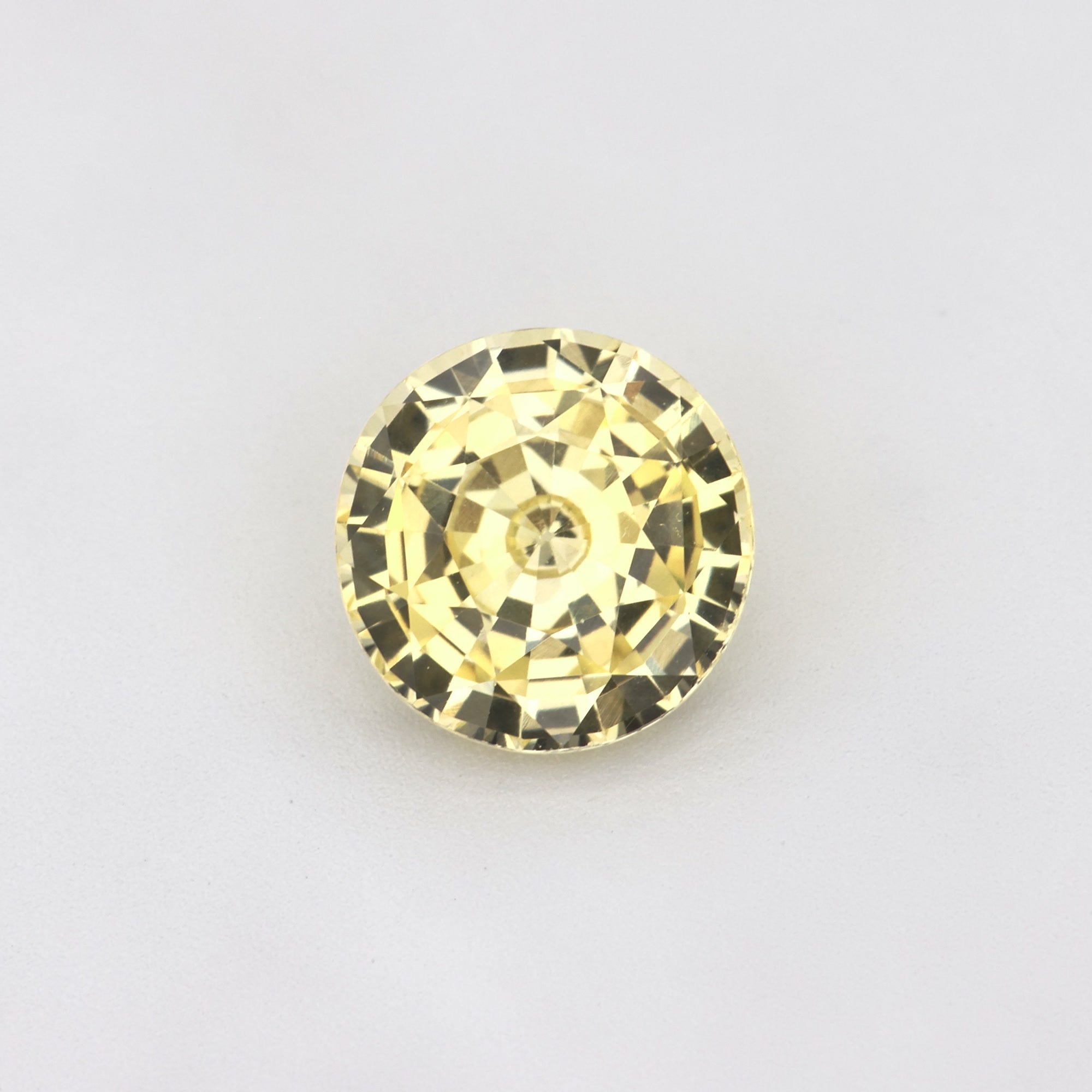
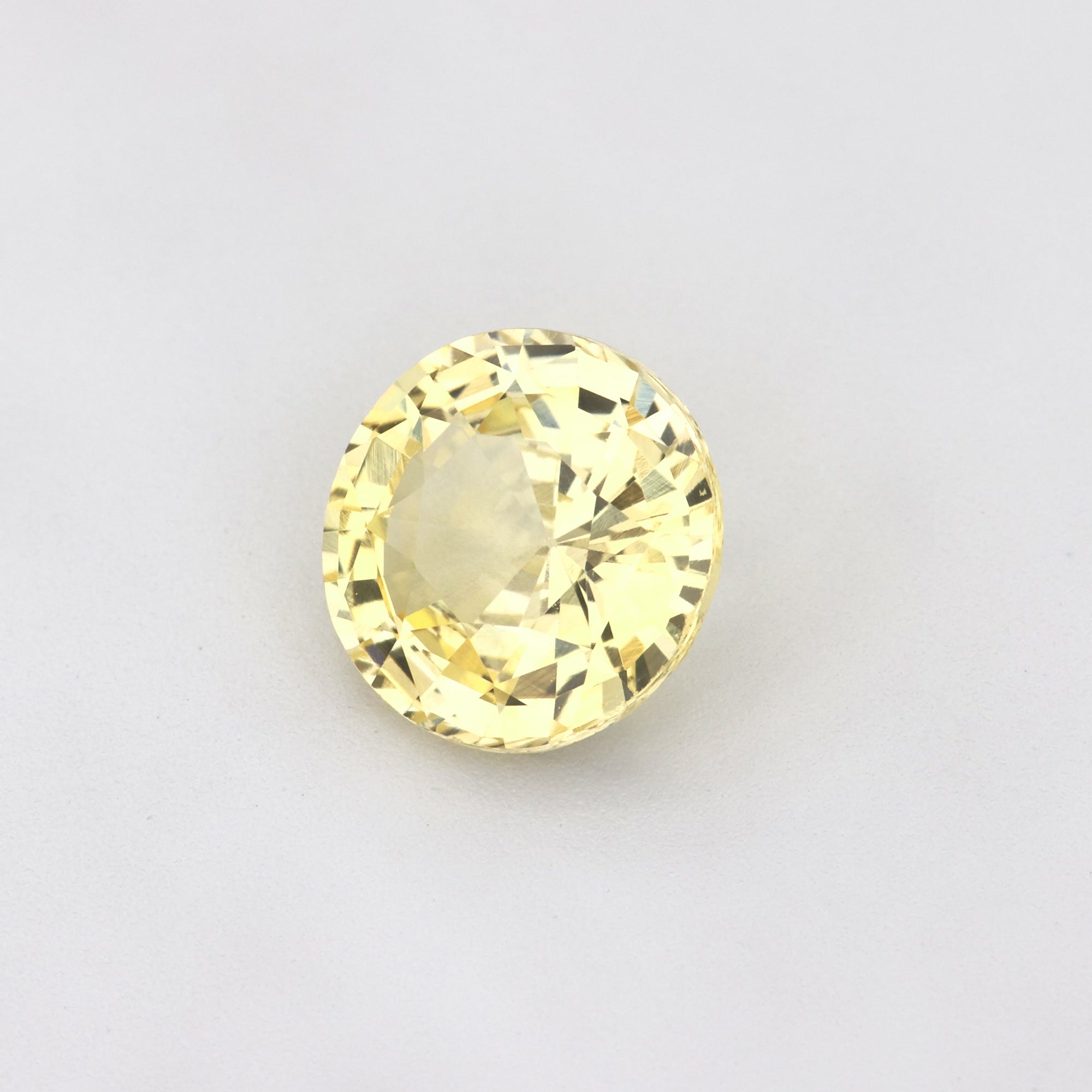
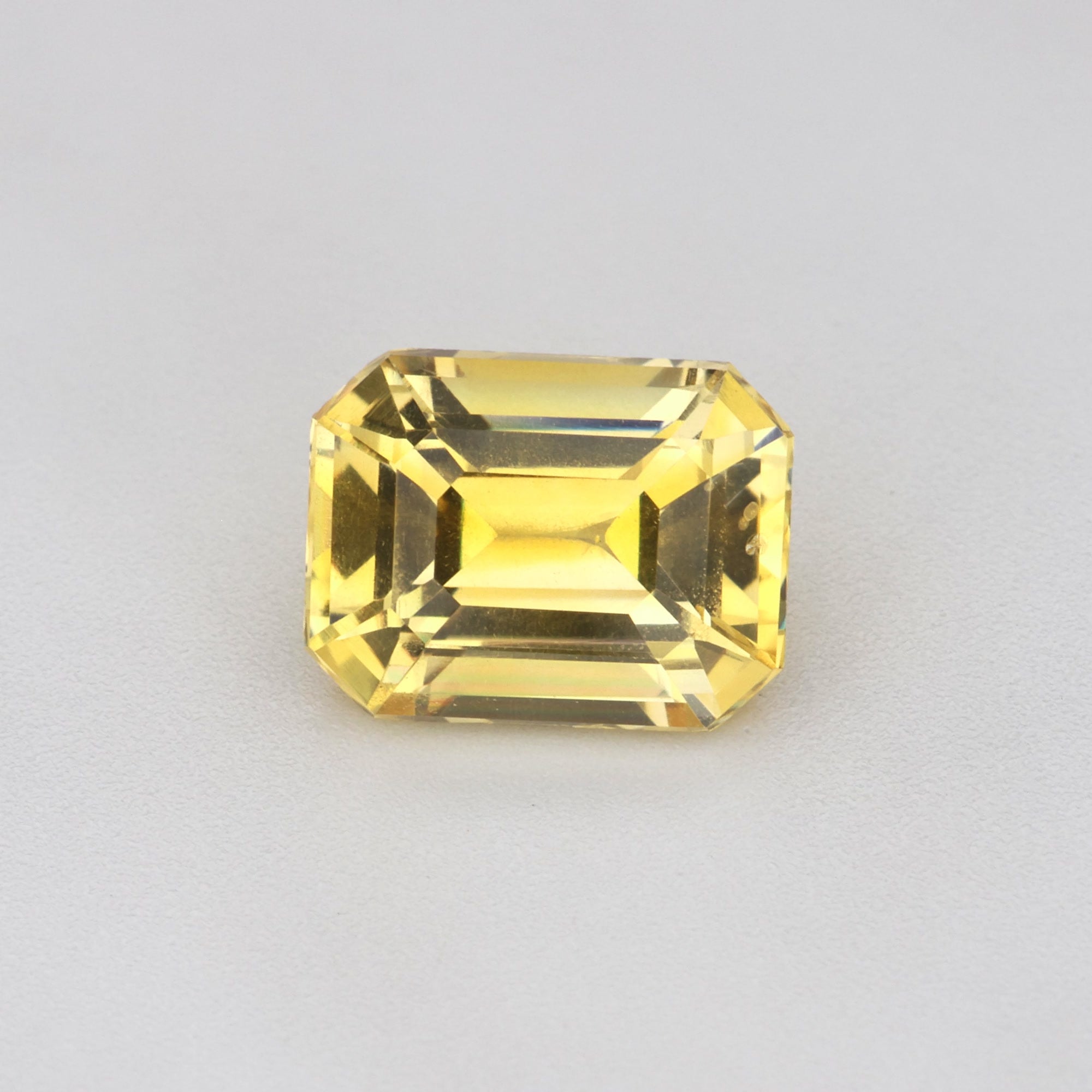
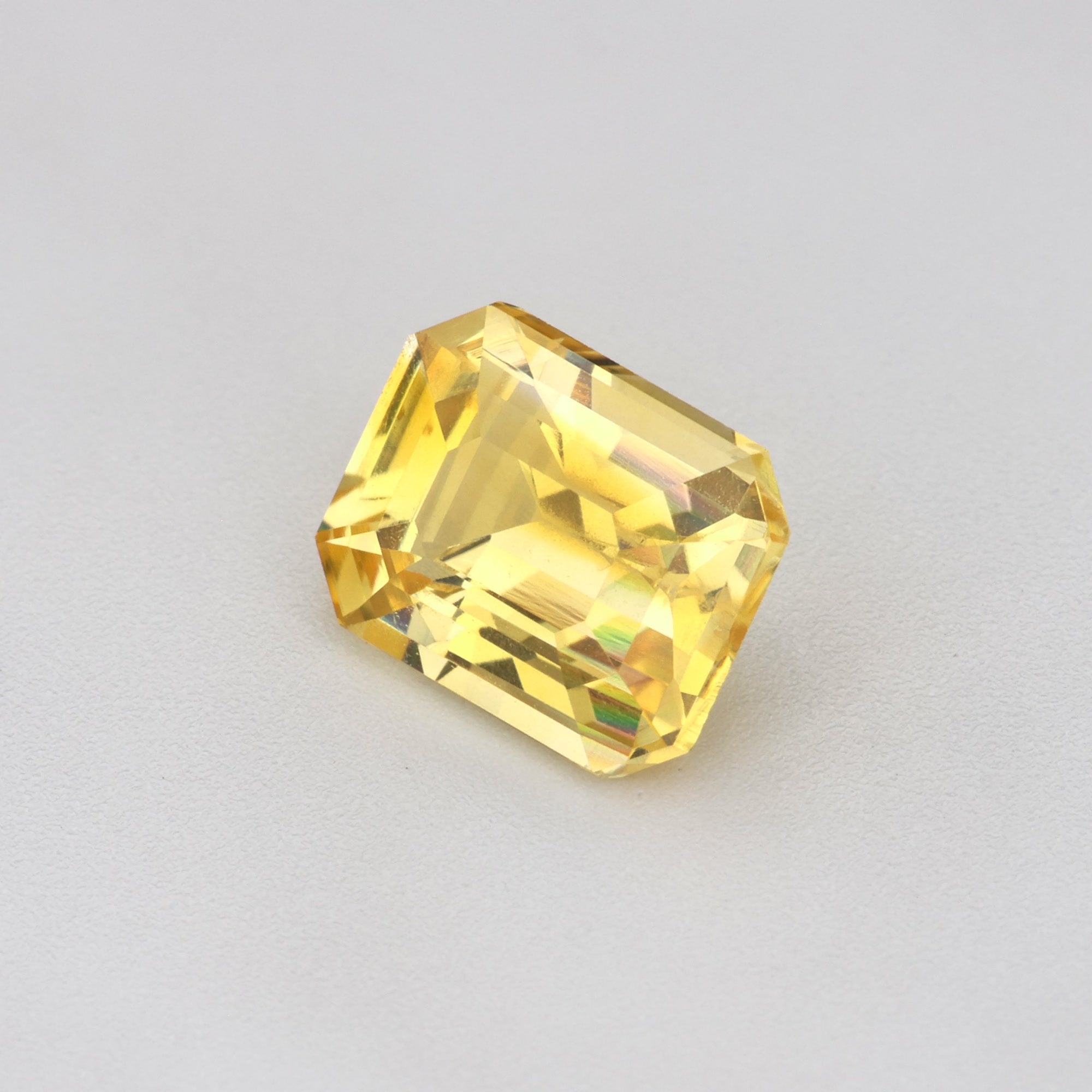
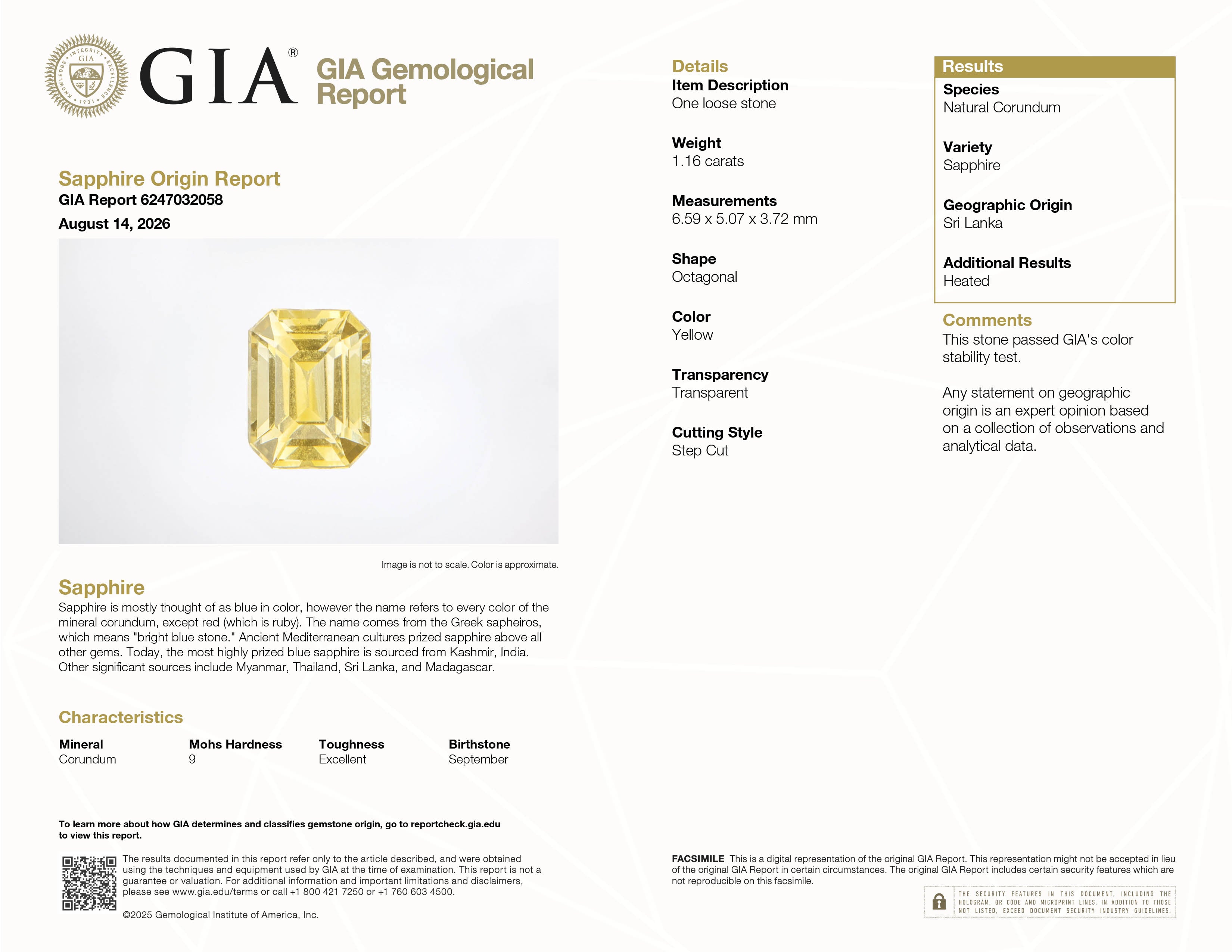
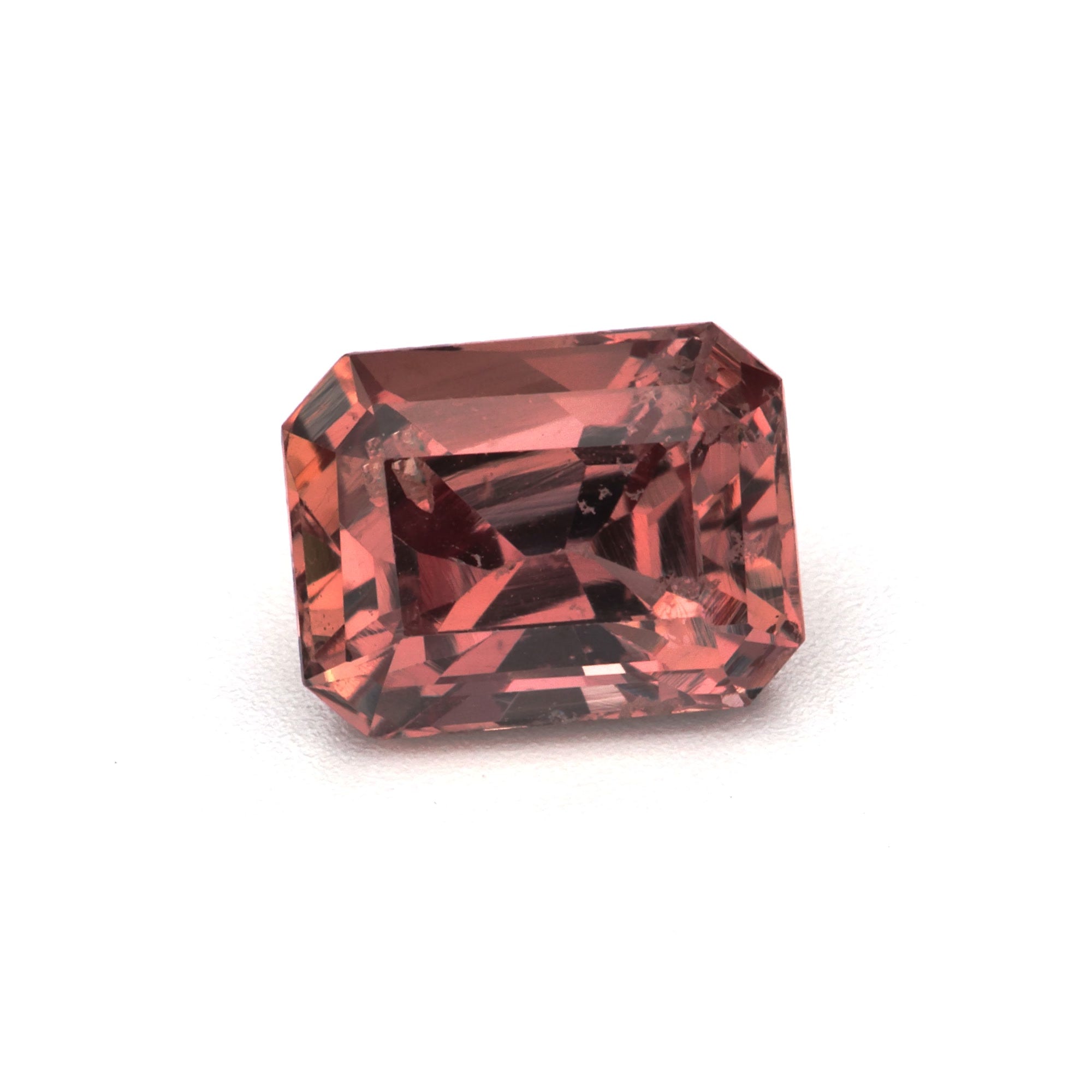
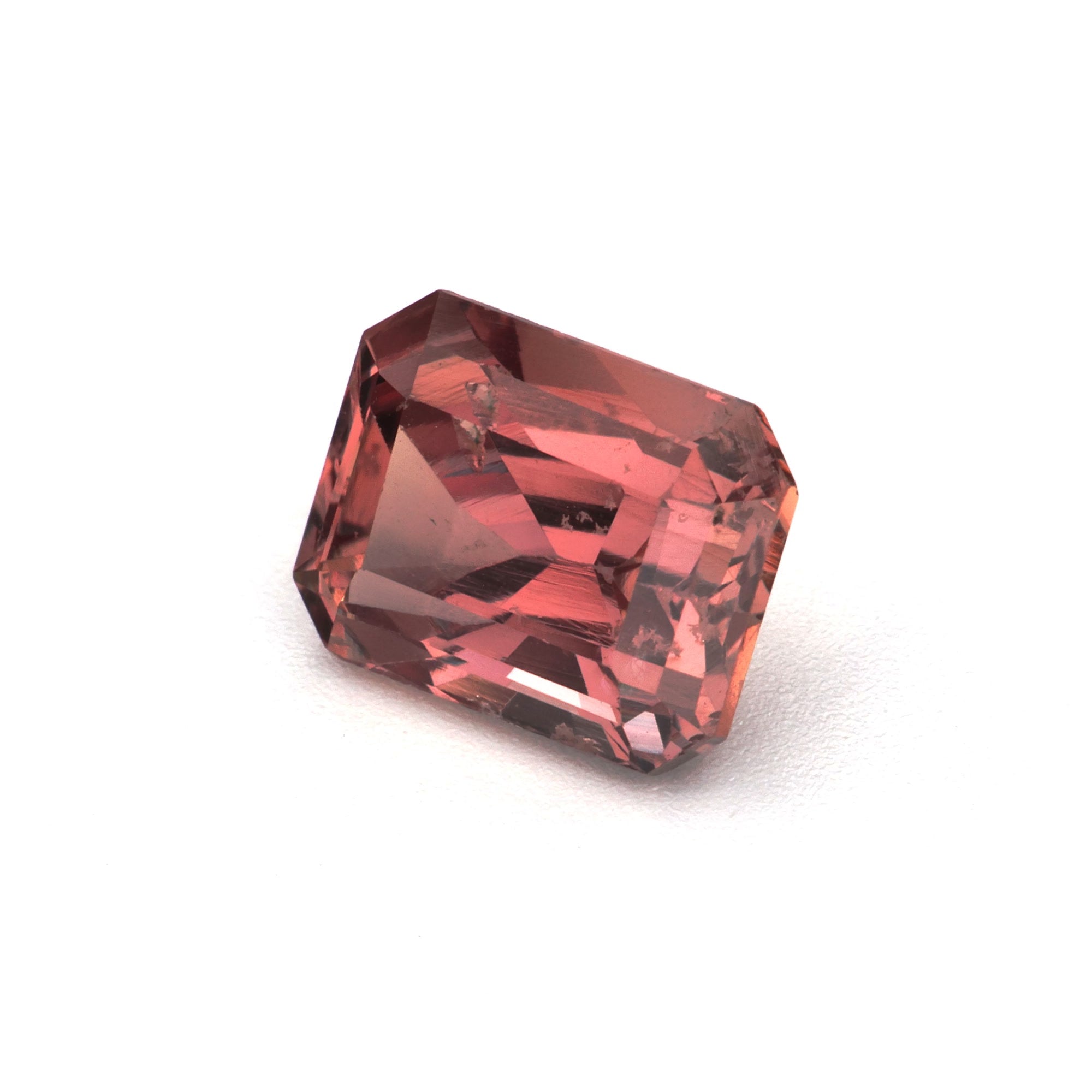
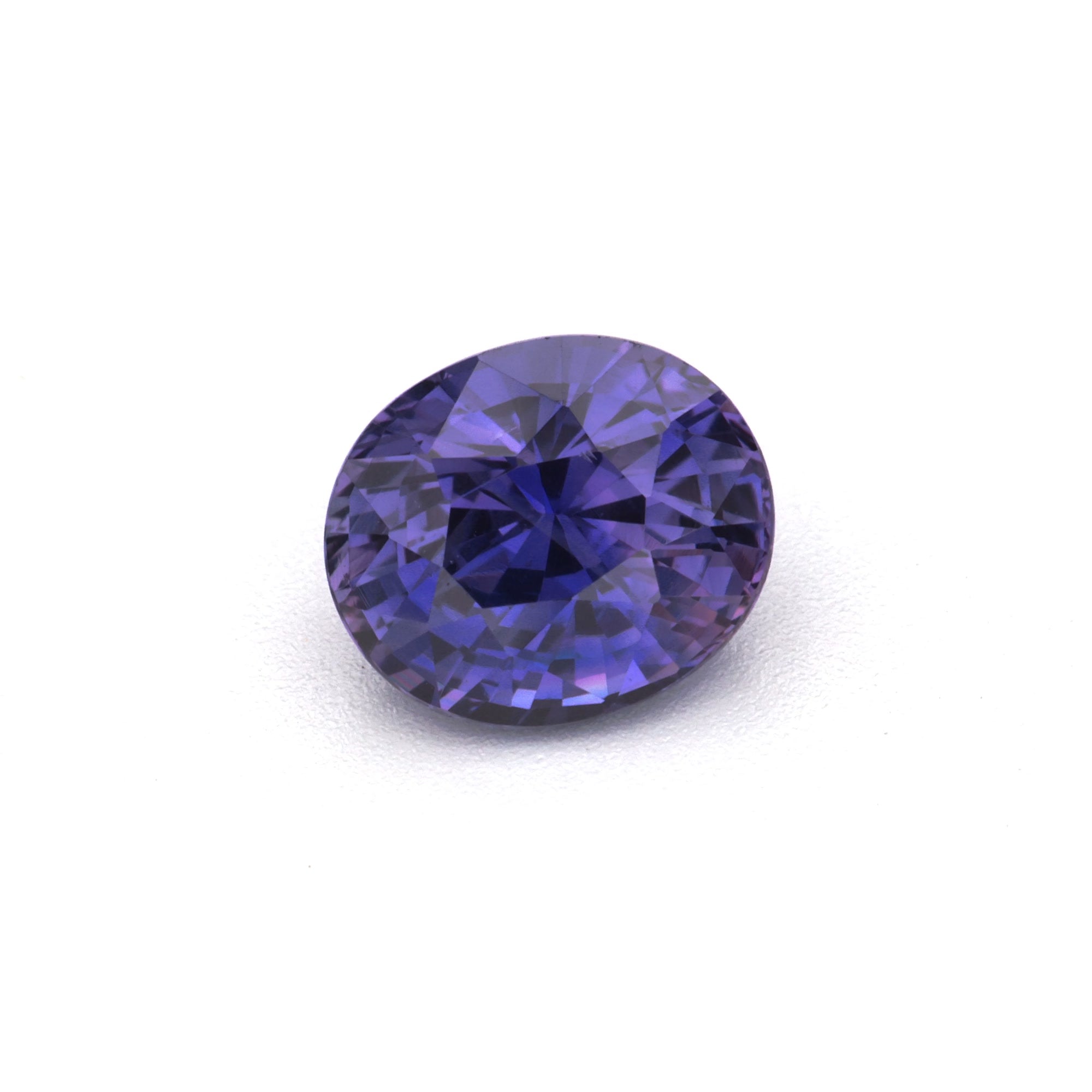
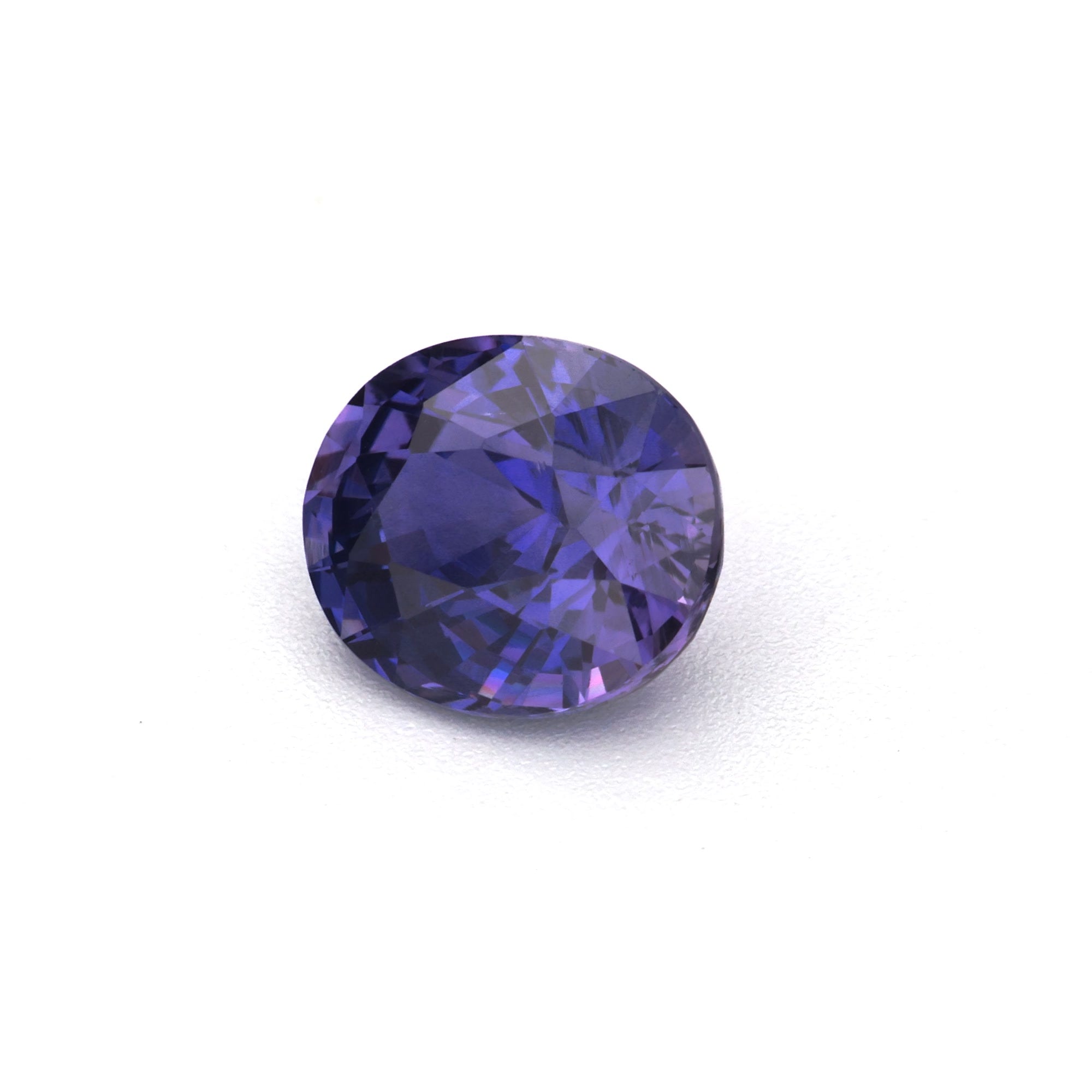
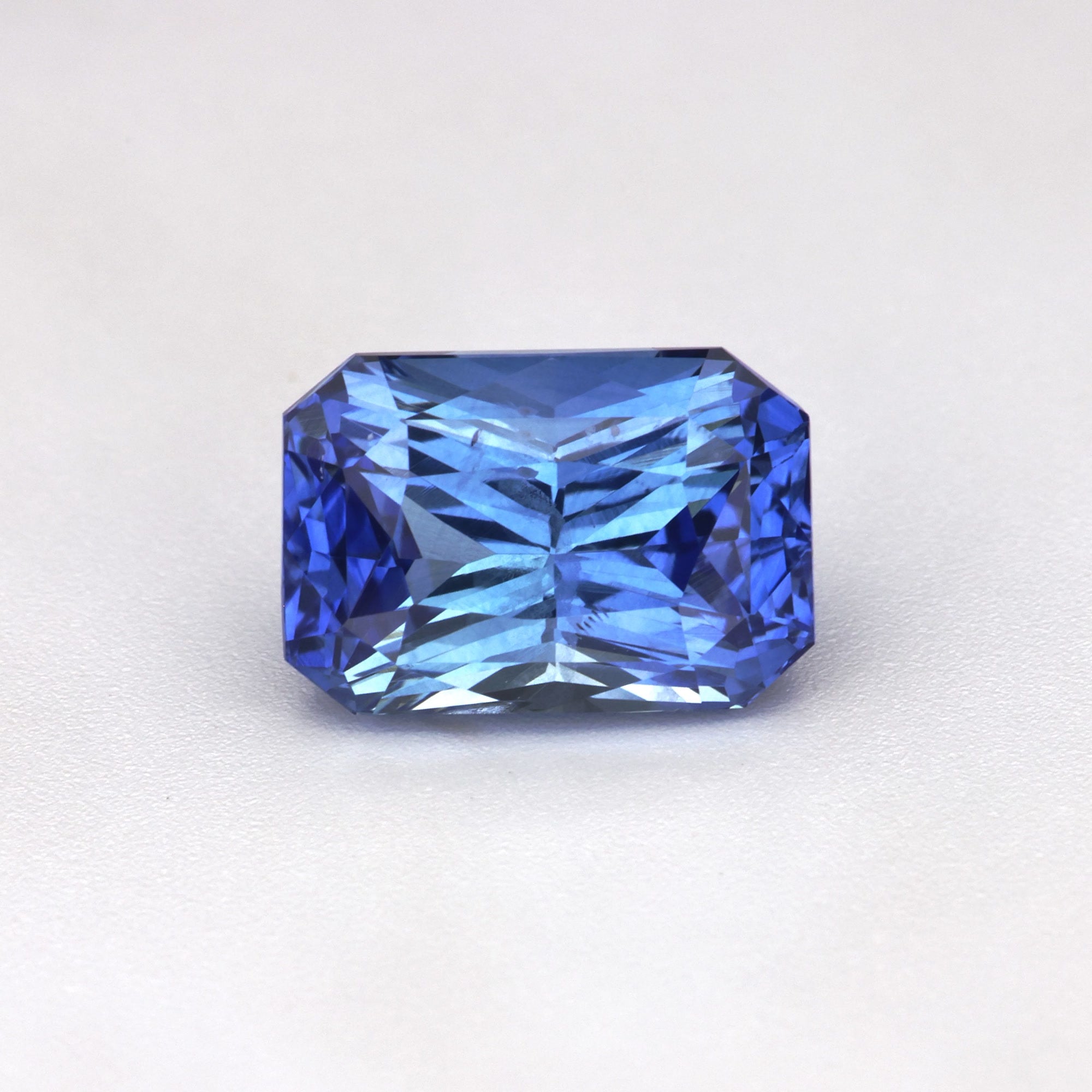
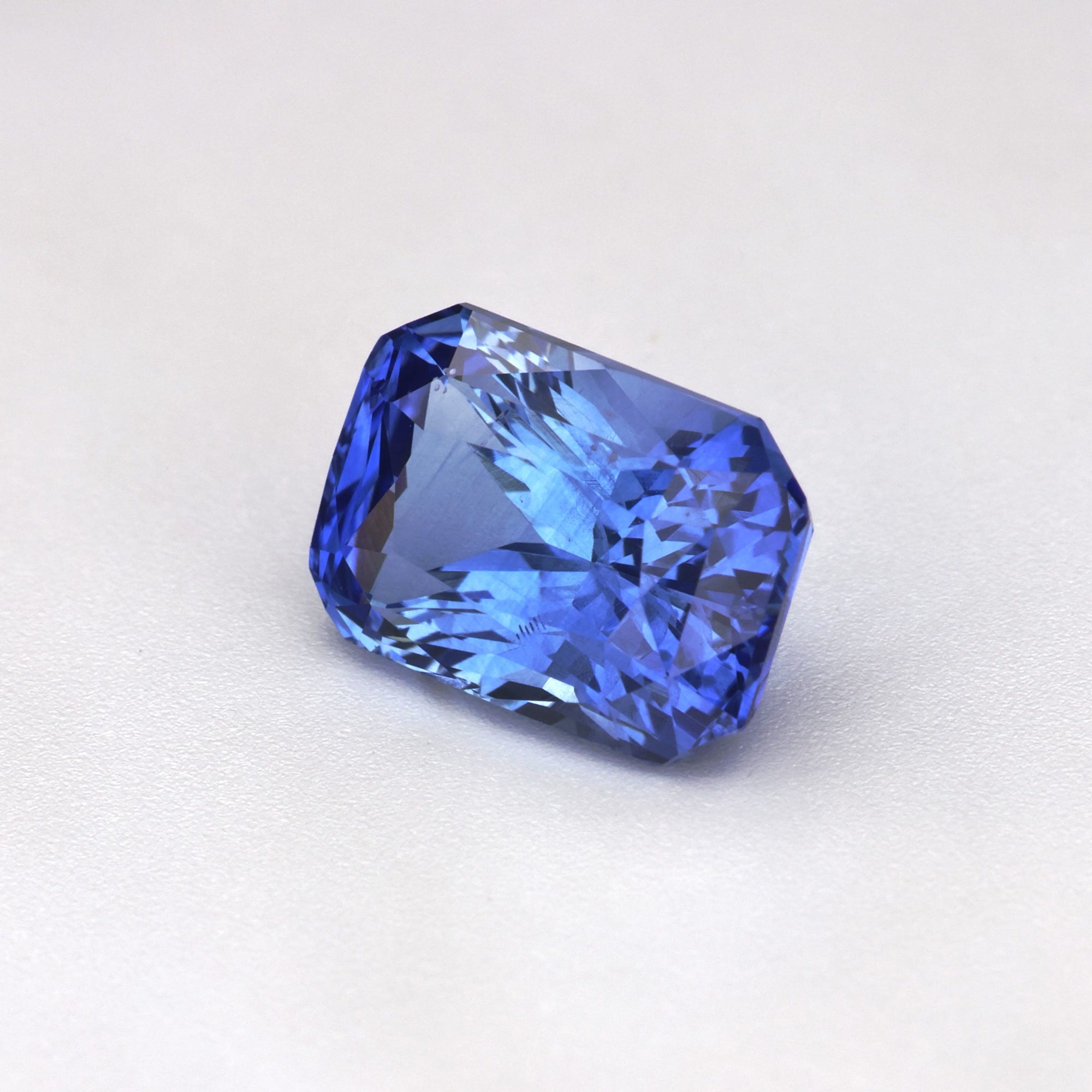
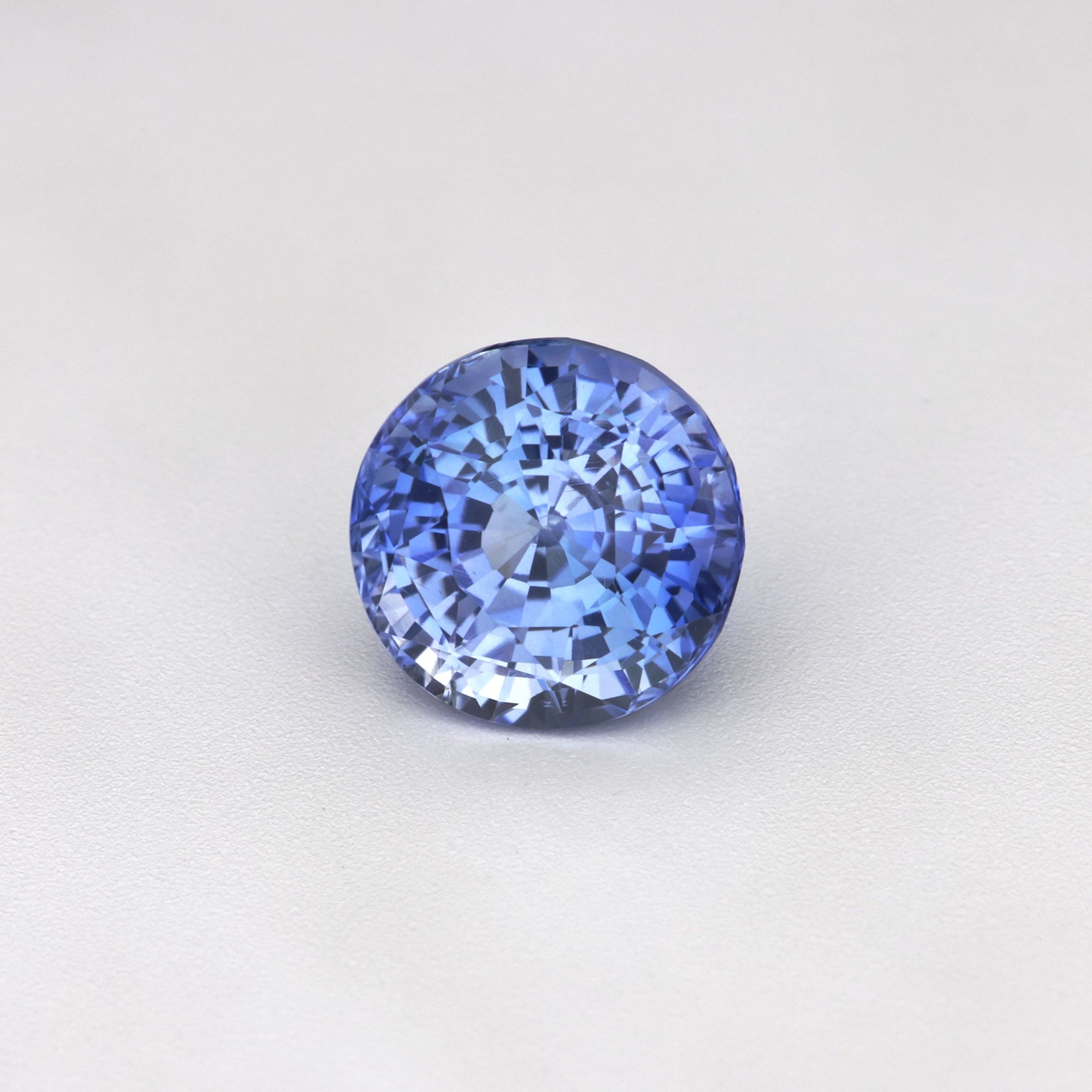
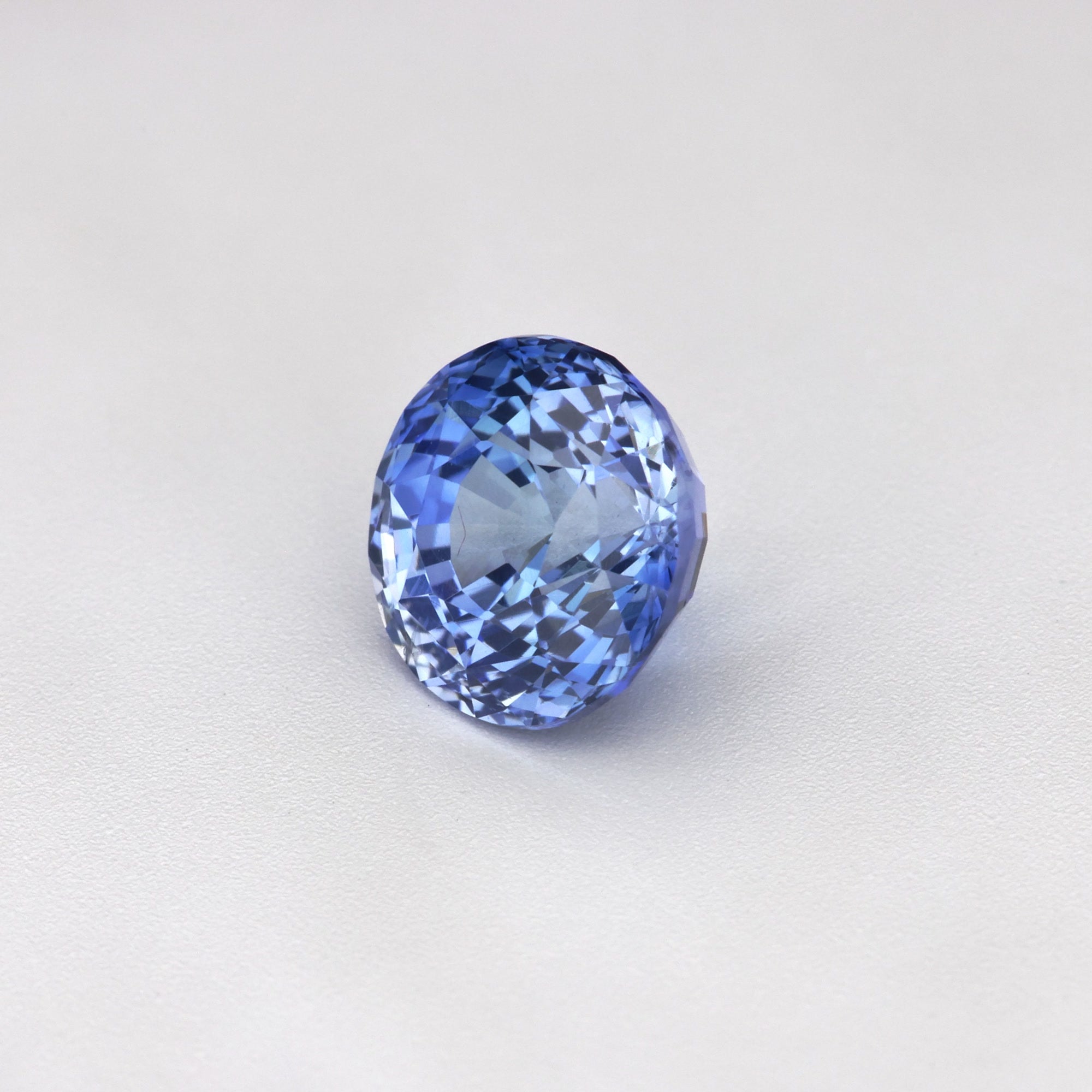
We do not hold Kashmir sapphire and make no claim on the origin. Our stock is mainly Ceylon sapphire, the origin compared against it throughout this guide, bought at the source in Sri Lanka. Browse the full catalog or email crescentgems@gmail.com with your specifications. We respond within one business day.

CG8465
CG8463
CG8460
CG8456


Blue Star Sapphire Price Guide — What They Cost and Why
Read moreabout Blue Star Sapphire Price Guide — What They Cost and Why
Tsavorite Garnet Price Guide — What They Cost and Why
Read moreabout Tsavorite Garnet Price Guide — What They Cost and Why
Color-Change Sapphire Price Guide — What They Cost and Why
Read moreabout Color-Change Sapphire Price Guide — What They Cost and Why
Is Cat's-Eye Chrysoberyl Good for an Engagement Ring?
Read moreabout Is Cat's-Eye Chrysoberyl Good for an Engagement Ring?
Cat's Eye Chrysoberyl Price Guide — What They Cost and Why
Read moreabout Cat's Eye Chrysoberyl Price Guide — What They Cost and Why















Share: