- by Ahmed Shareek
Cost of 1 carat Sapphire — Honest Pricing
- by Ahmed Shareek
We buy at source and list every stone from our own stock. Not every stone on this page is Sri Lankan: each product page names the stone's origin, and says whether that came from its laboratory report or from our own purchase record.
Related: 1 Carat Ceylon Sapphire Price Guide · What a Good 2 Carat Sapphire Costs · Ultimate Sapphire Buying Guide.
The honest answer to "what is the Cost of 1 carat Sapphire?" is that it depends on the individual stone, and that any page quoting one tidy band cannot show you the stones behind it. This page quotes our own listed prices, on stones we hold, on a stated date, with the number of stones behind every figure.
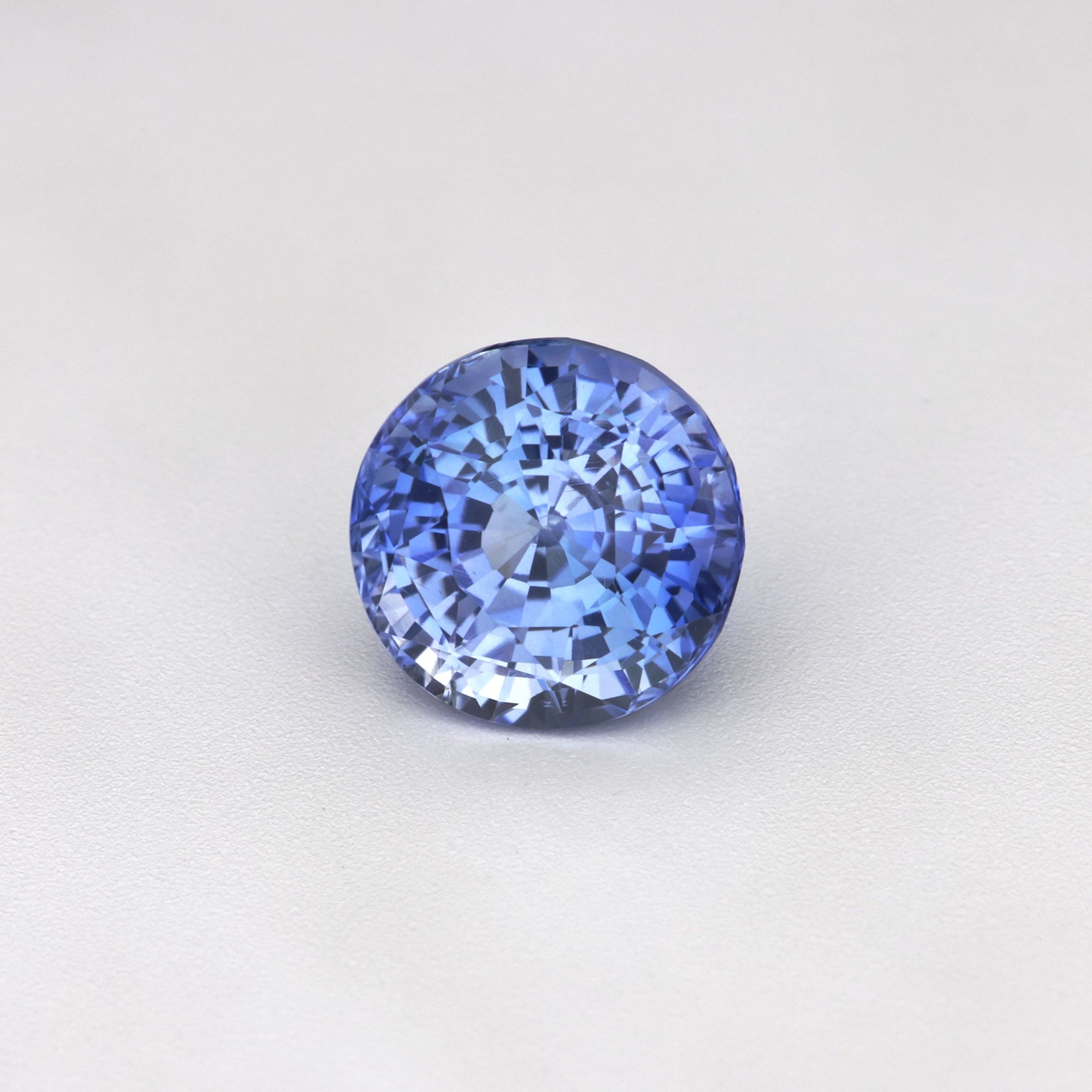
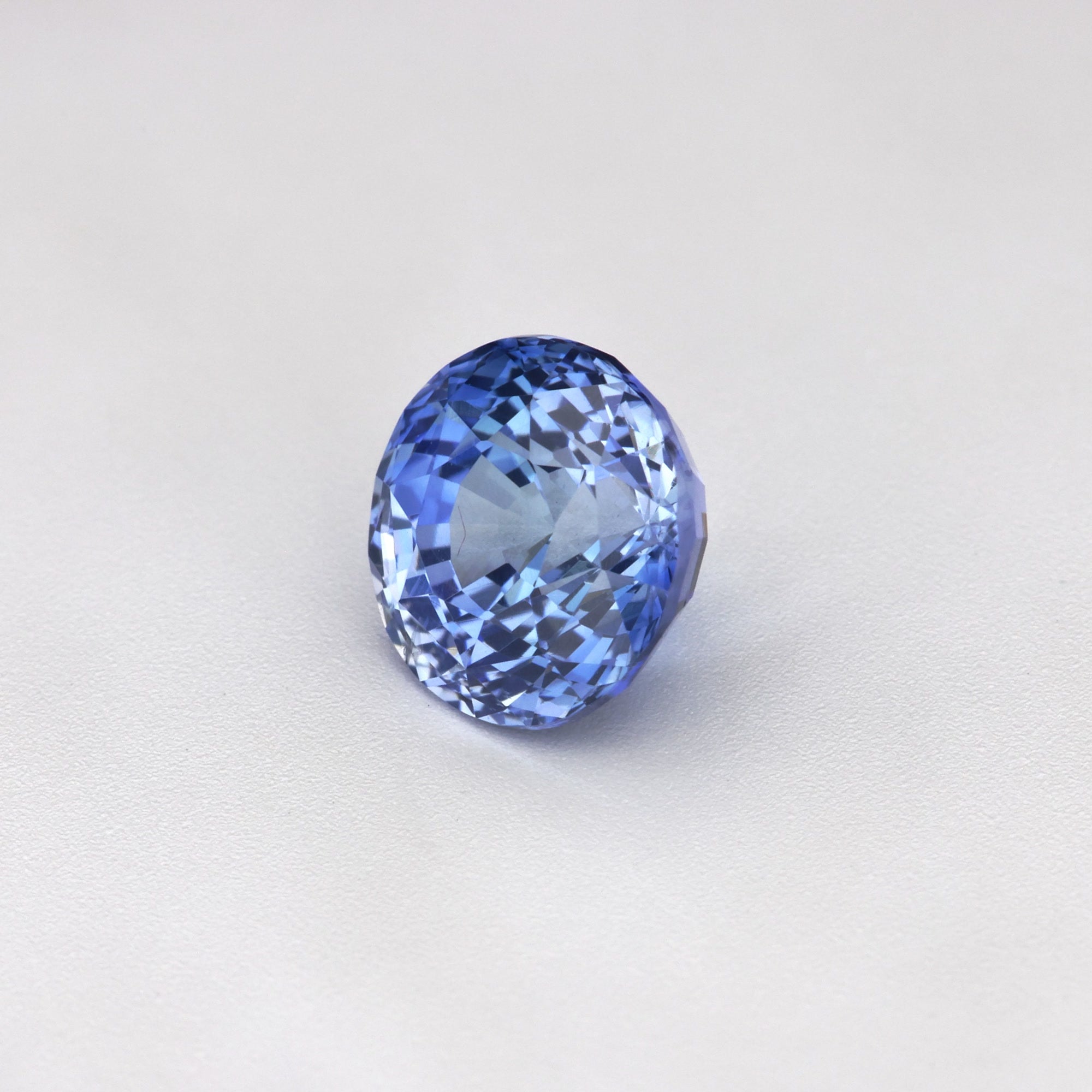
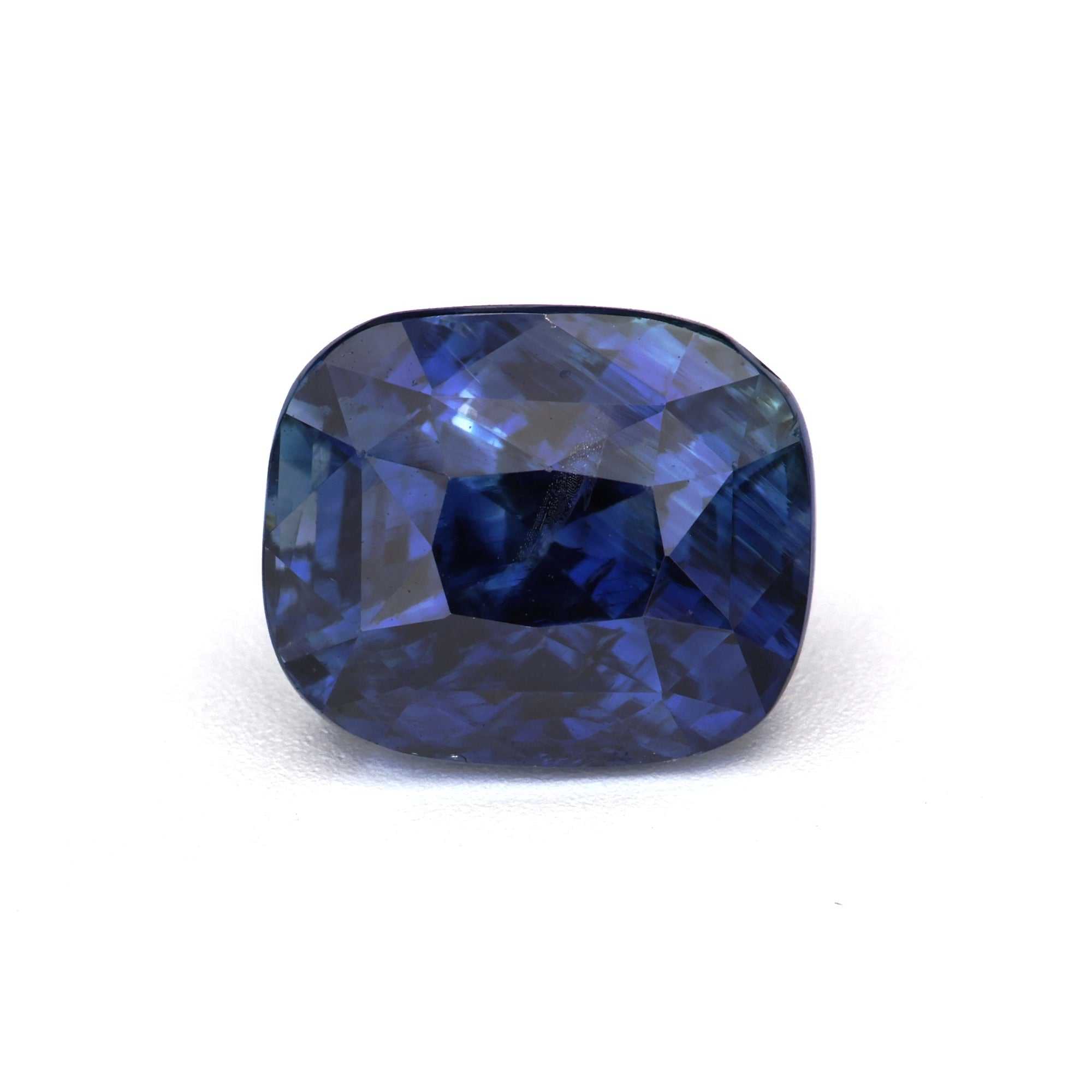
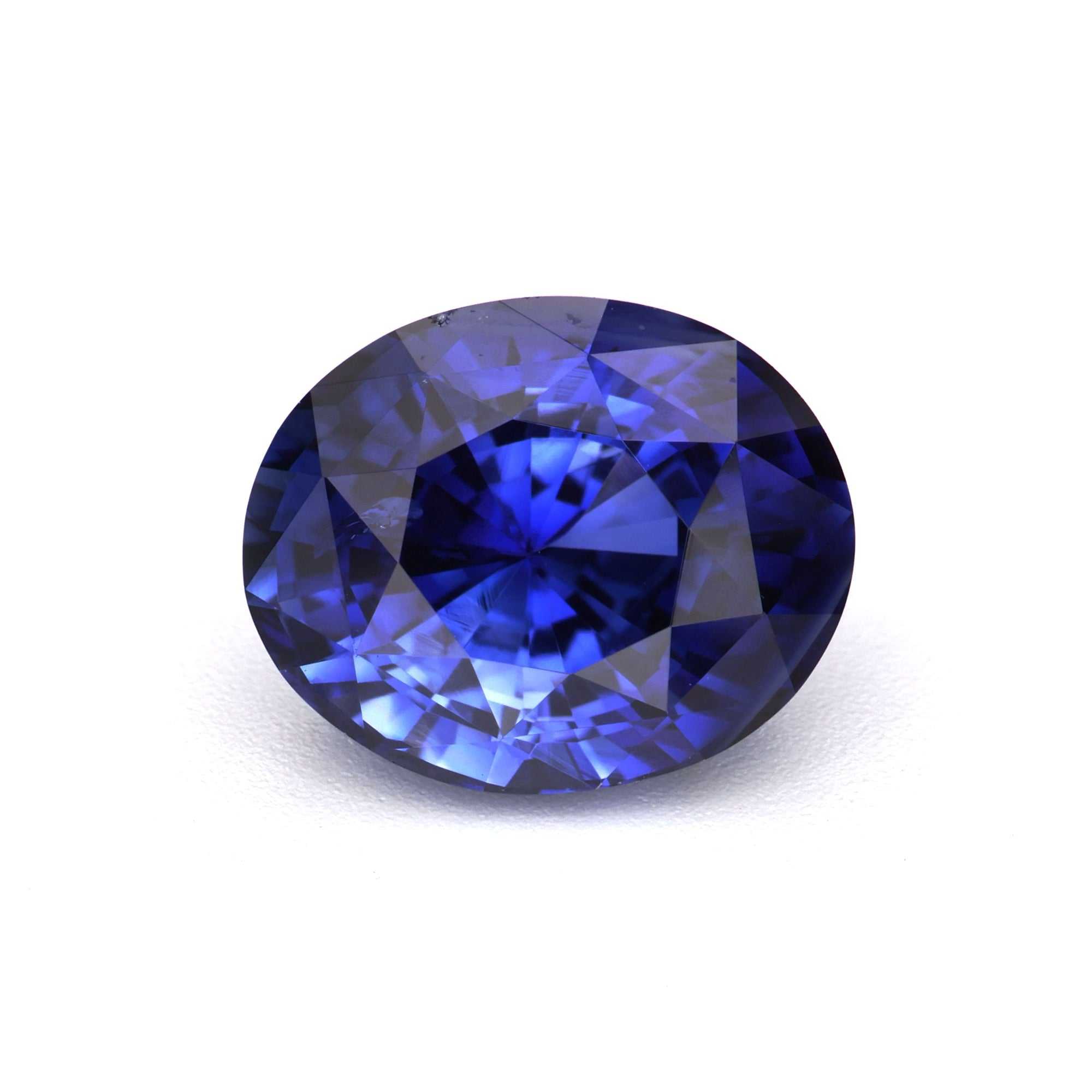
Across every single faceted sapphire we list — 98 of them with stock on hand on 15 November 2026 — the listed price per carat runs from $133, a 1.50 ct heated peach emerald cut listed at $200, to $6,400, a 5.39 ct unheated blue round listed at $34,496. That spread is the subject of this page. What moves the price is color, the treatment the report records, how the weight is spread across the face rather than hidden in the pavilion, and which document comes with the stone. Per-carat figures throughout are the listed price divided by the carat weight on the stone's own report, rounded to the nearest dollar where the division is not exact.
 What We List at 1 Carat, by Color and Treatment
How the figures were measured. The sample is every single faceted sapphire we list with stock on hand between 0.95 and 1.45 carats, as listed on 15 November 2026: 32 stones. Matched pairs and star sapphires are excluded — a pair is not one stone, and a cabochon is not comparable.
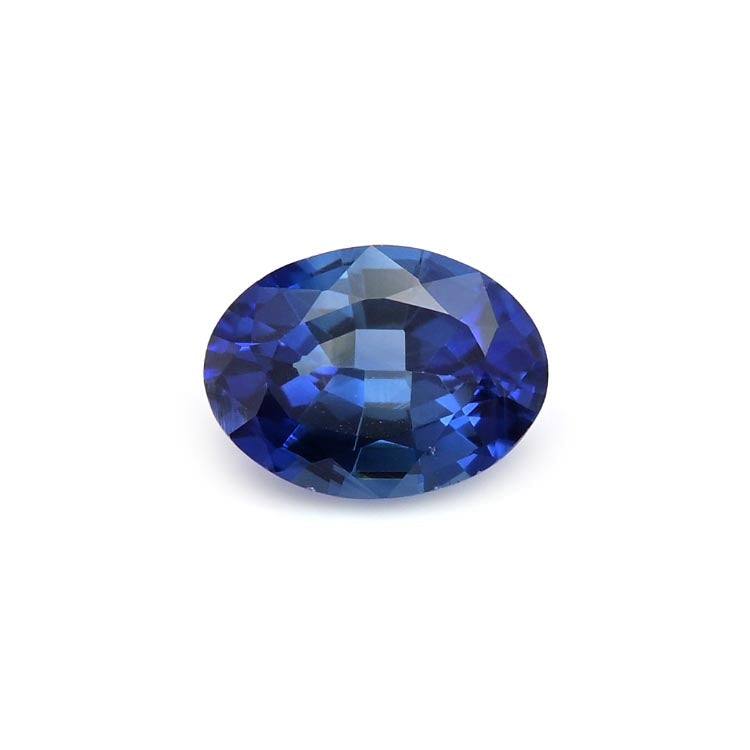
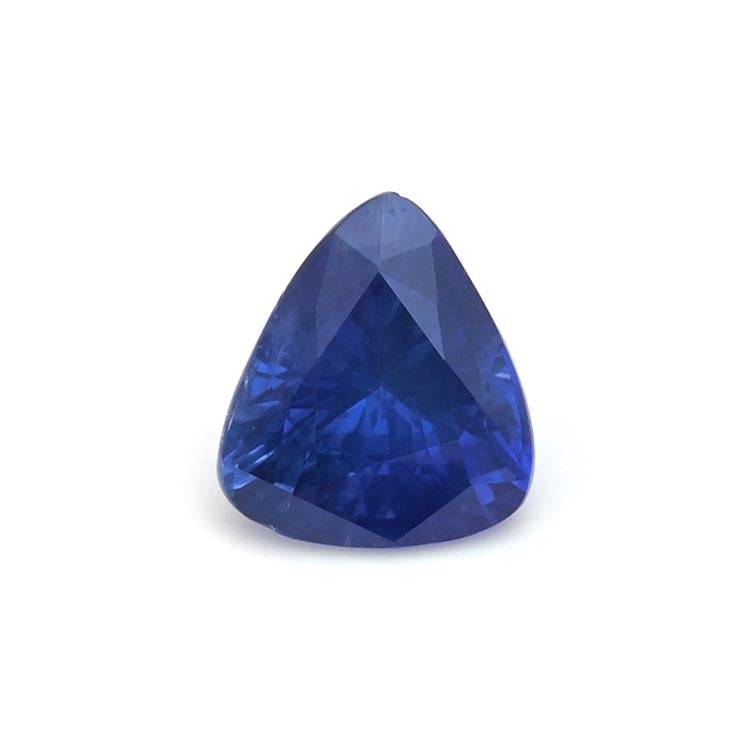
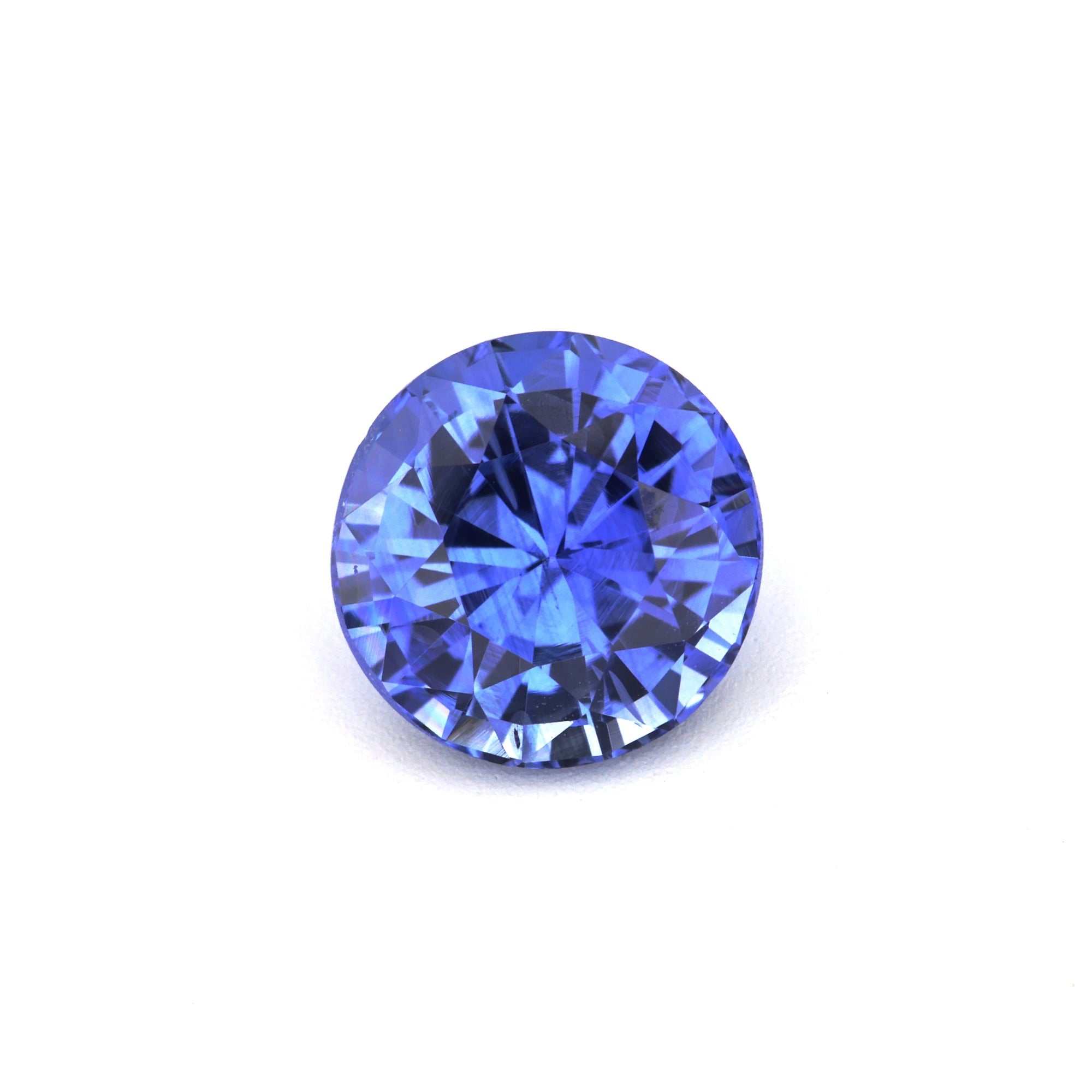
In stock: a 1.16 ct oval from Sri Lanka, $1,300 (view); a 1.21 ct trillion, $1,400 (view). Browse blue sapphire over 1 carat.
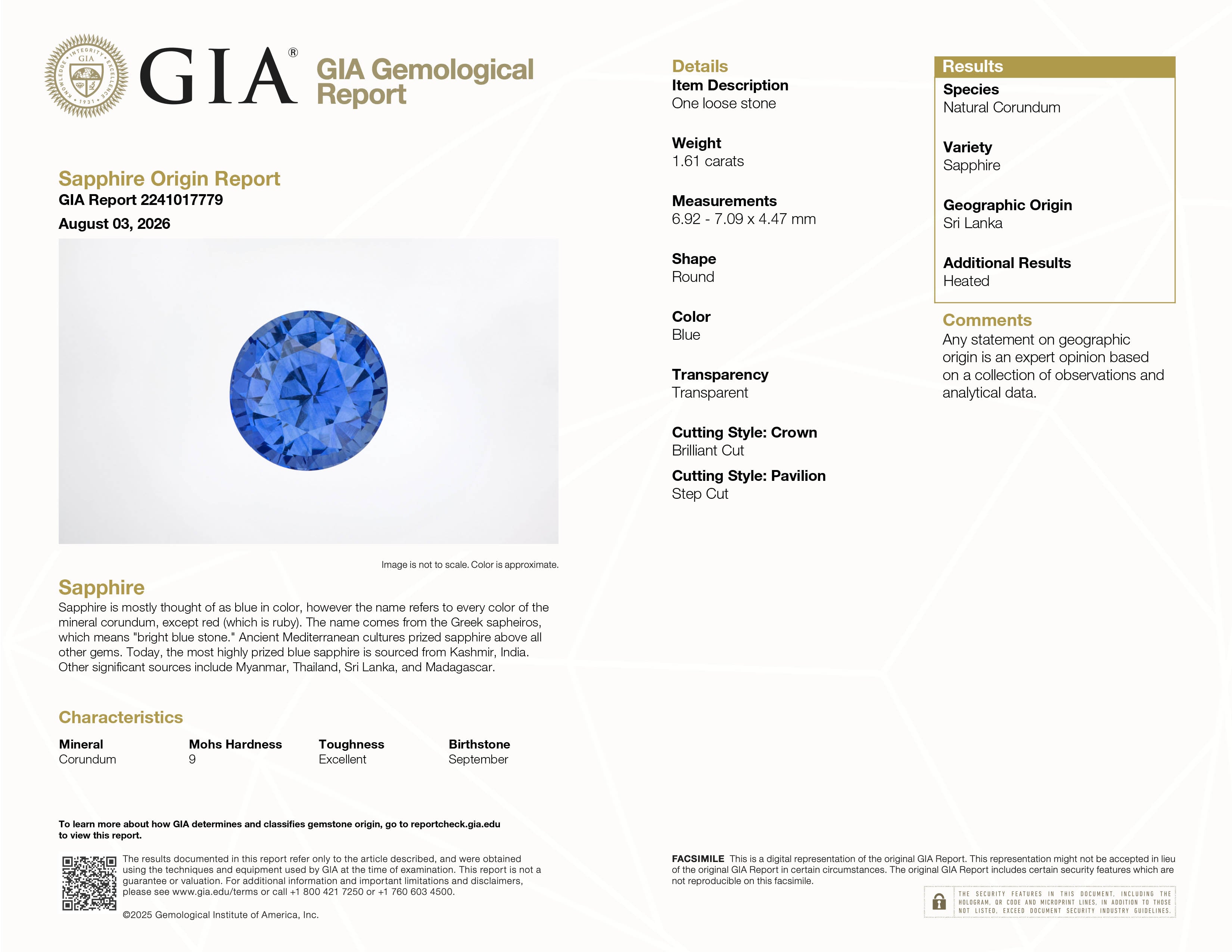
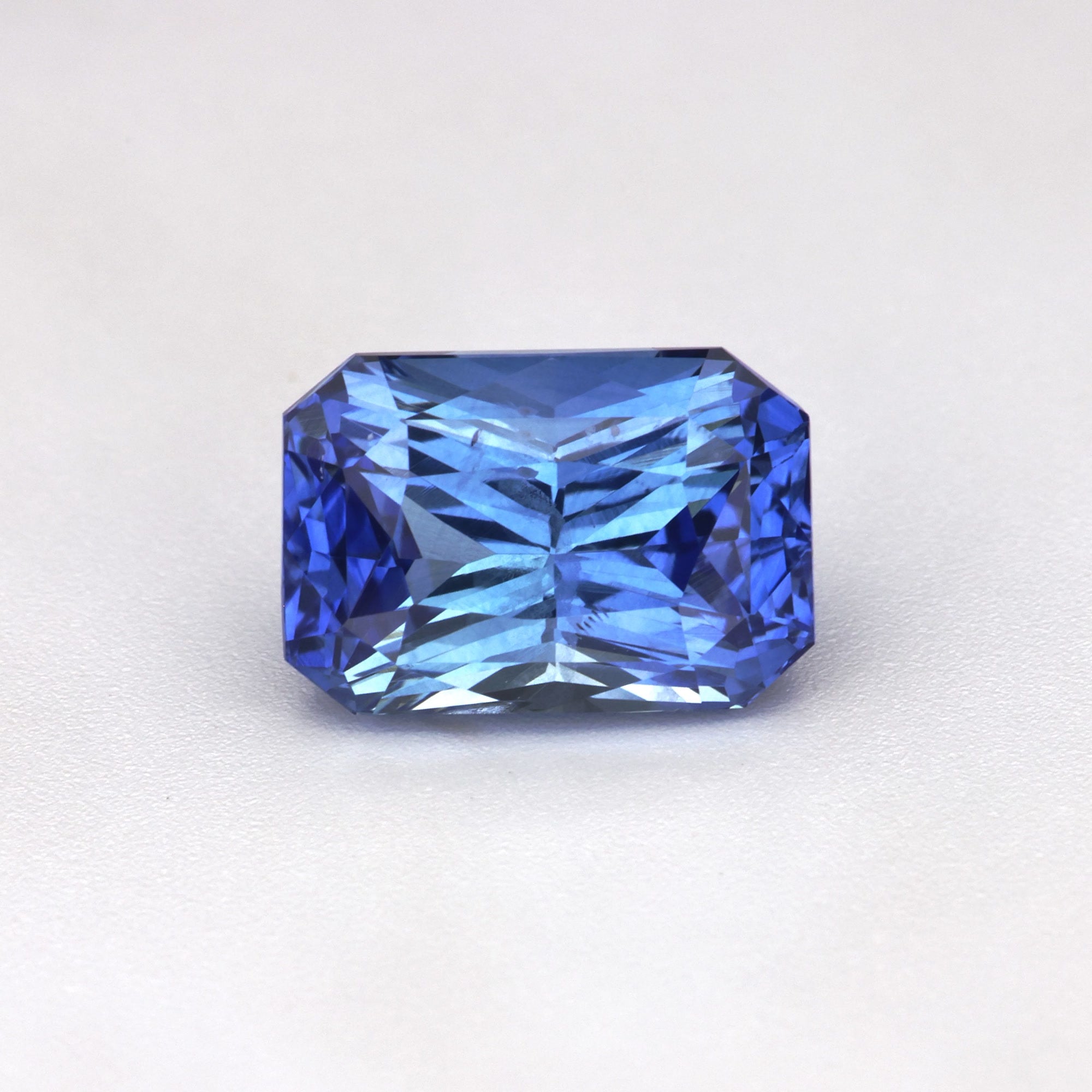
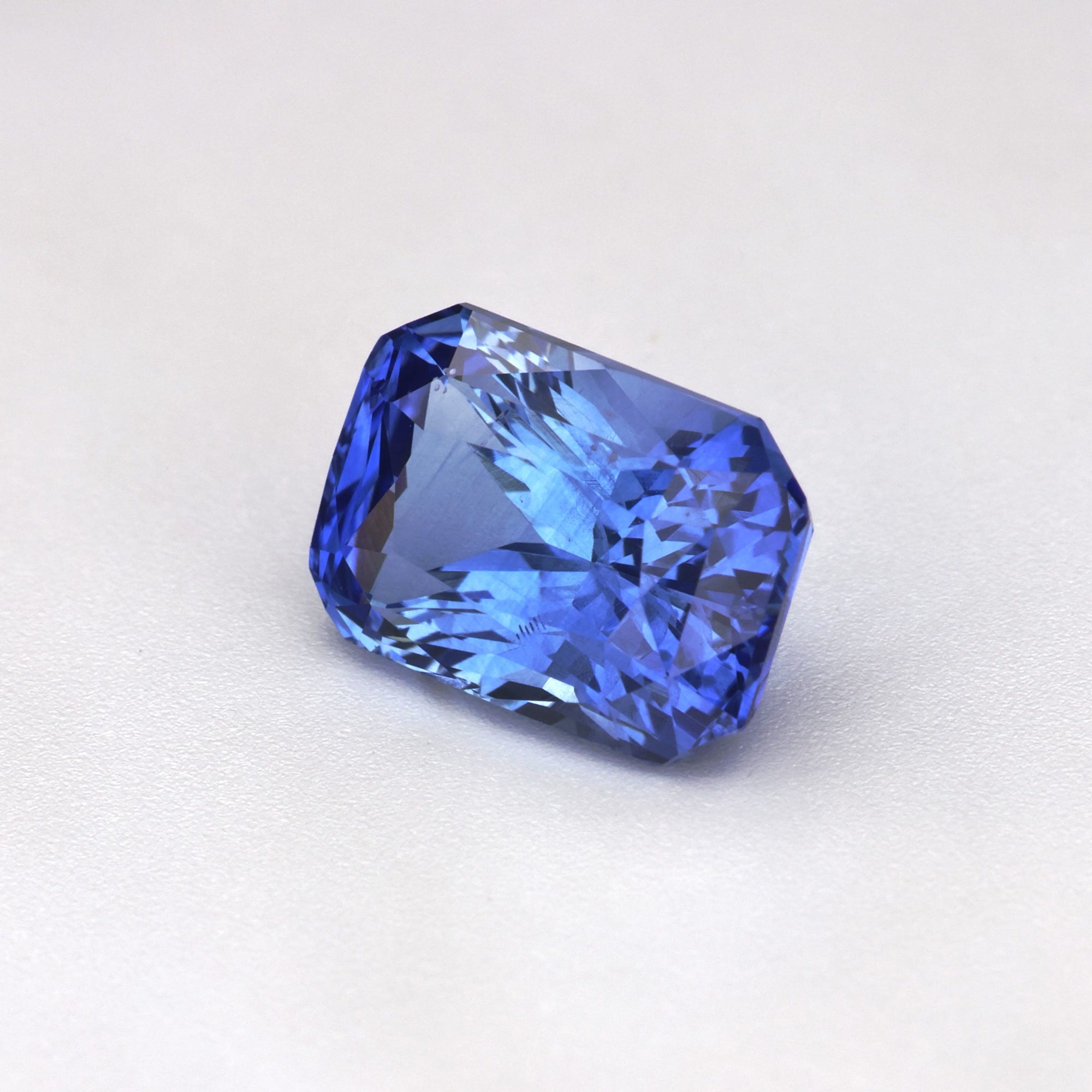
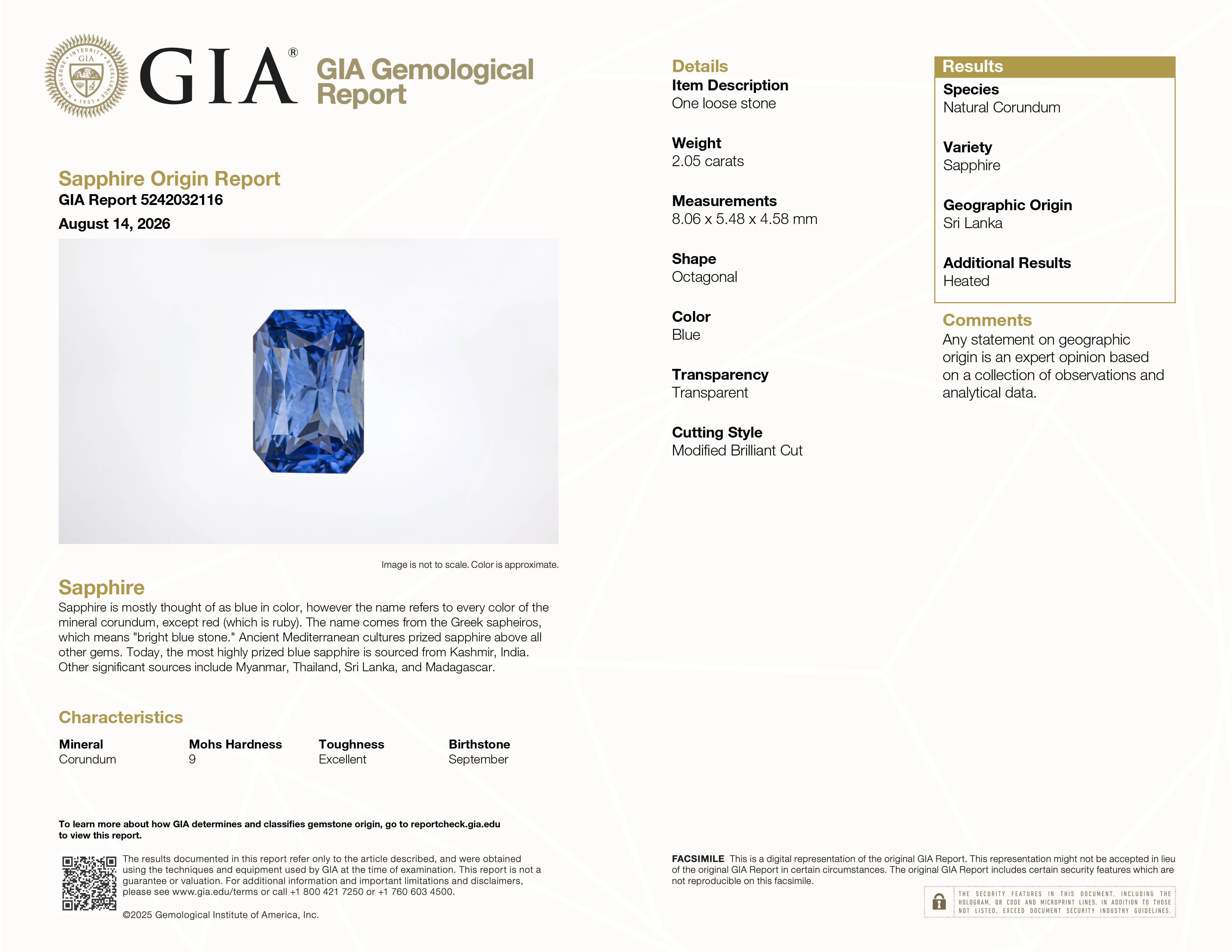
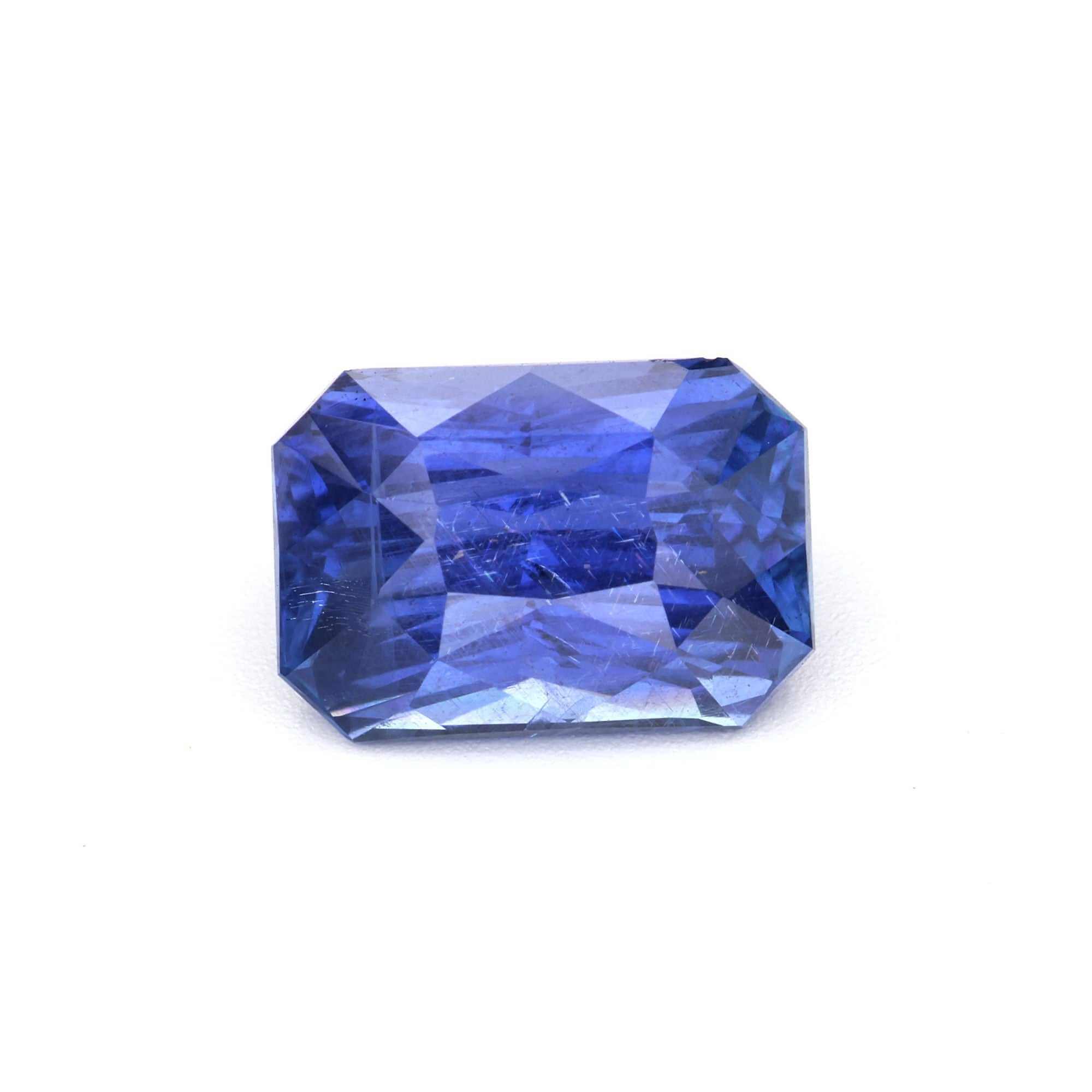
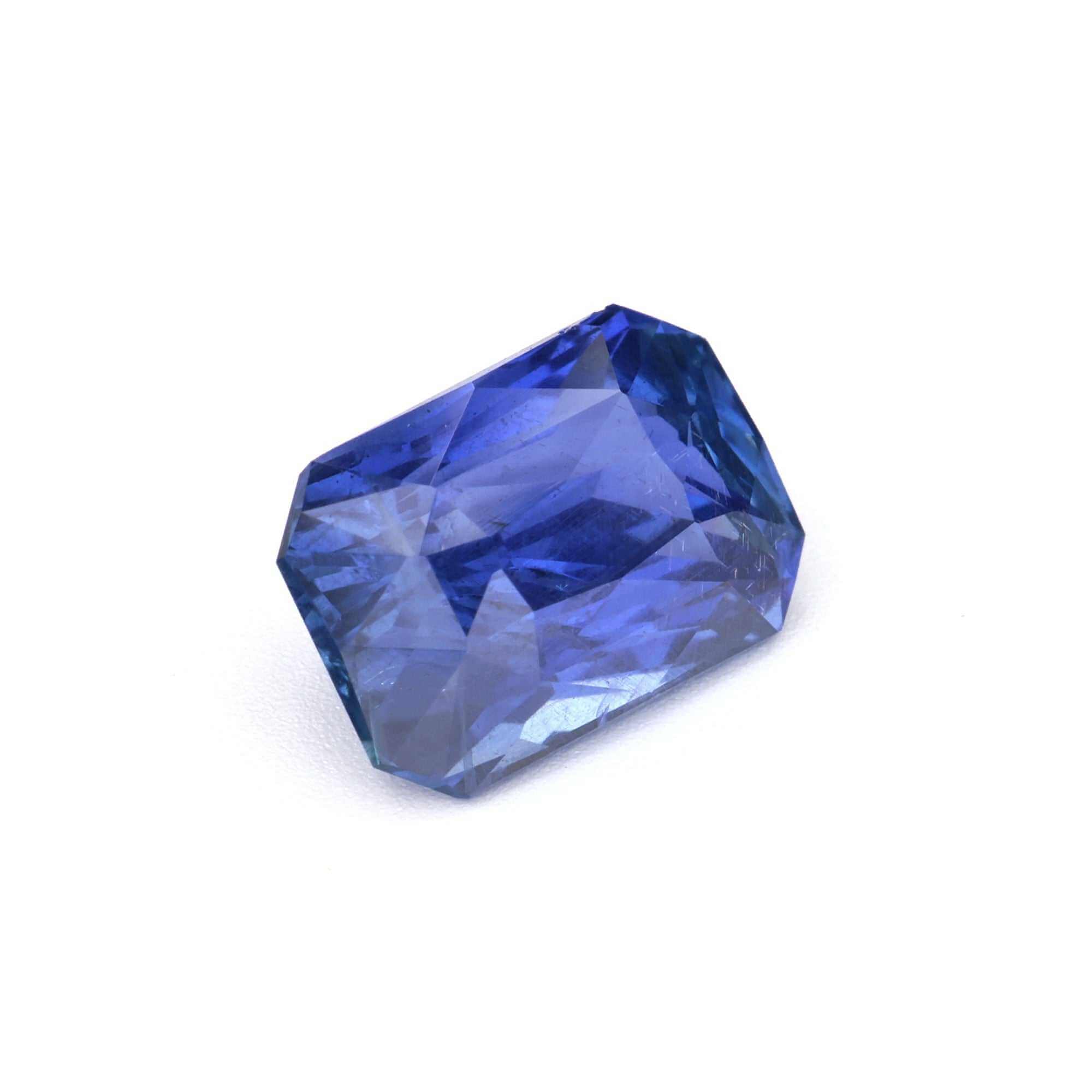
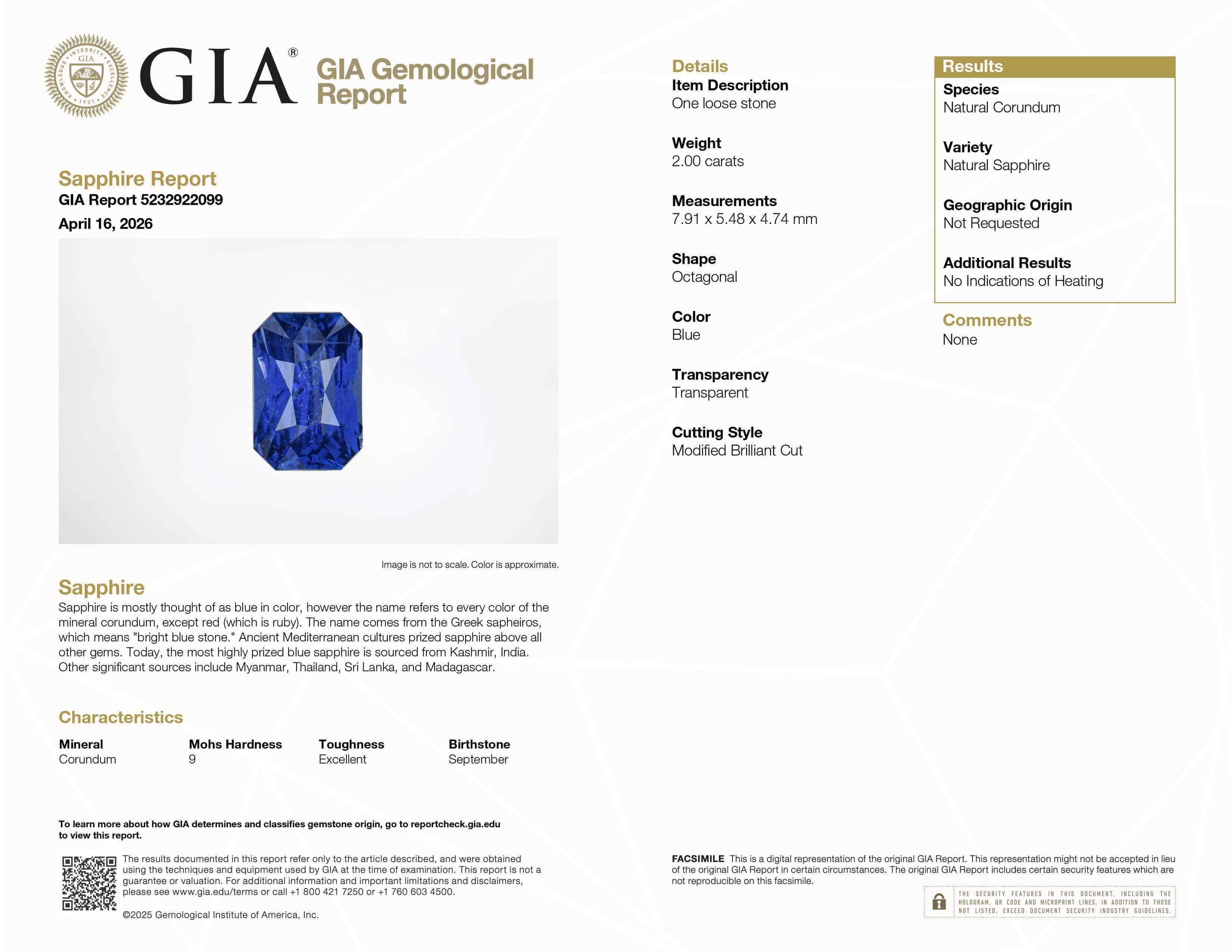
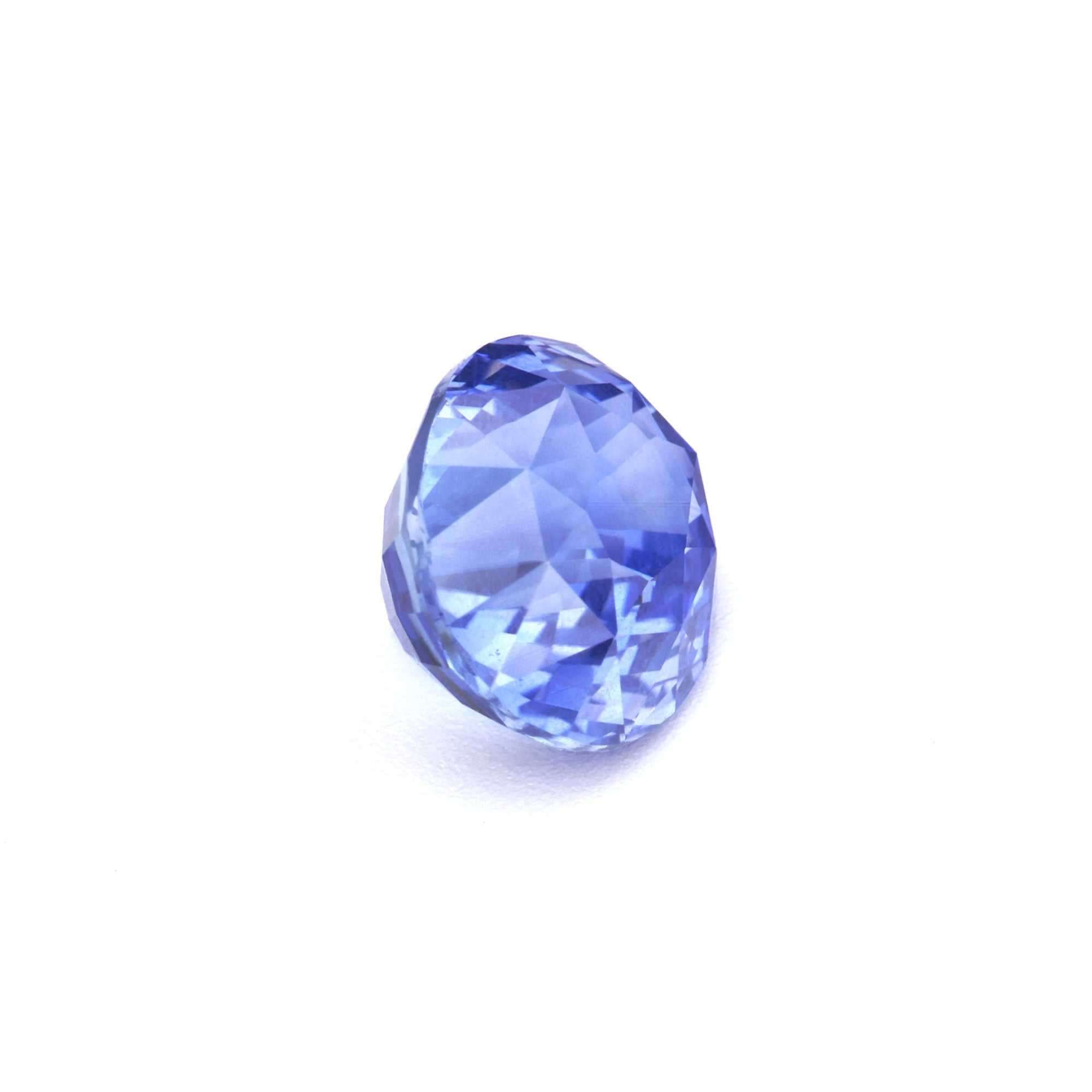
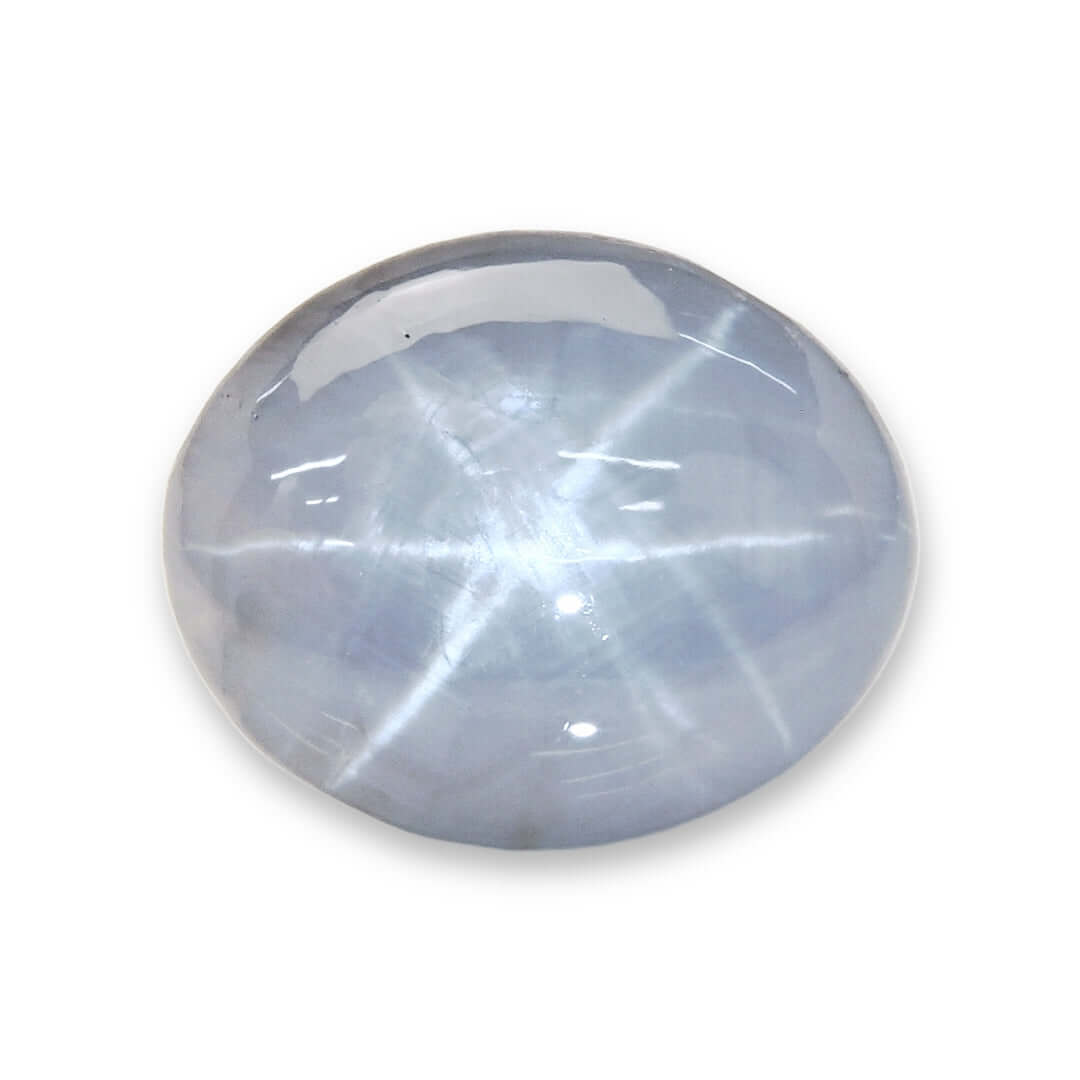
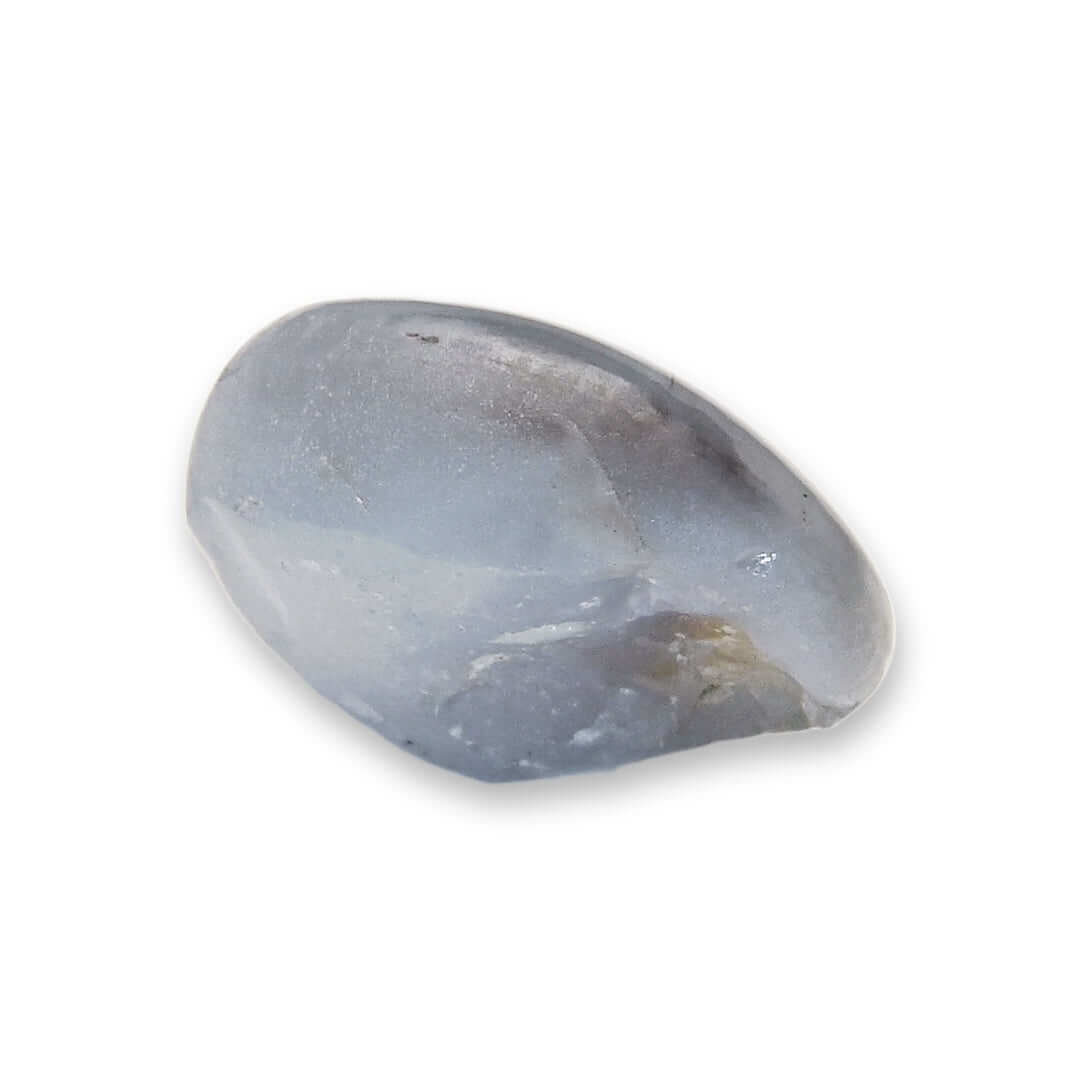
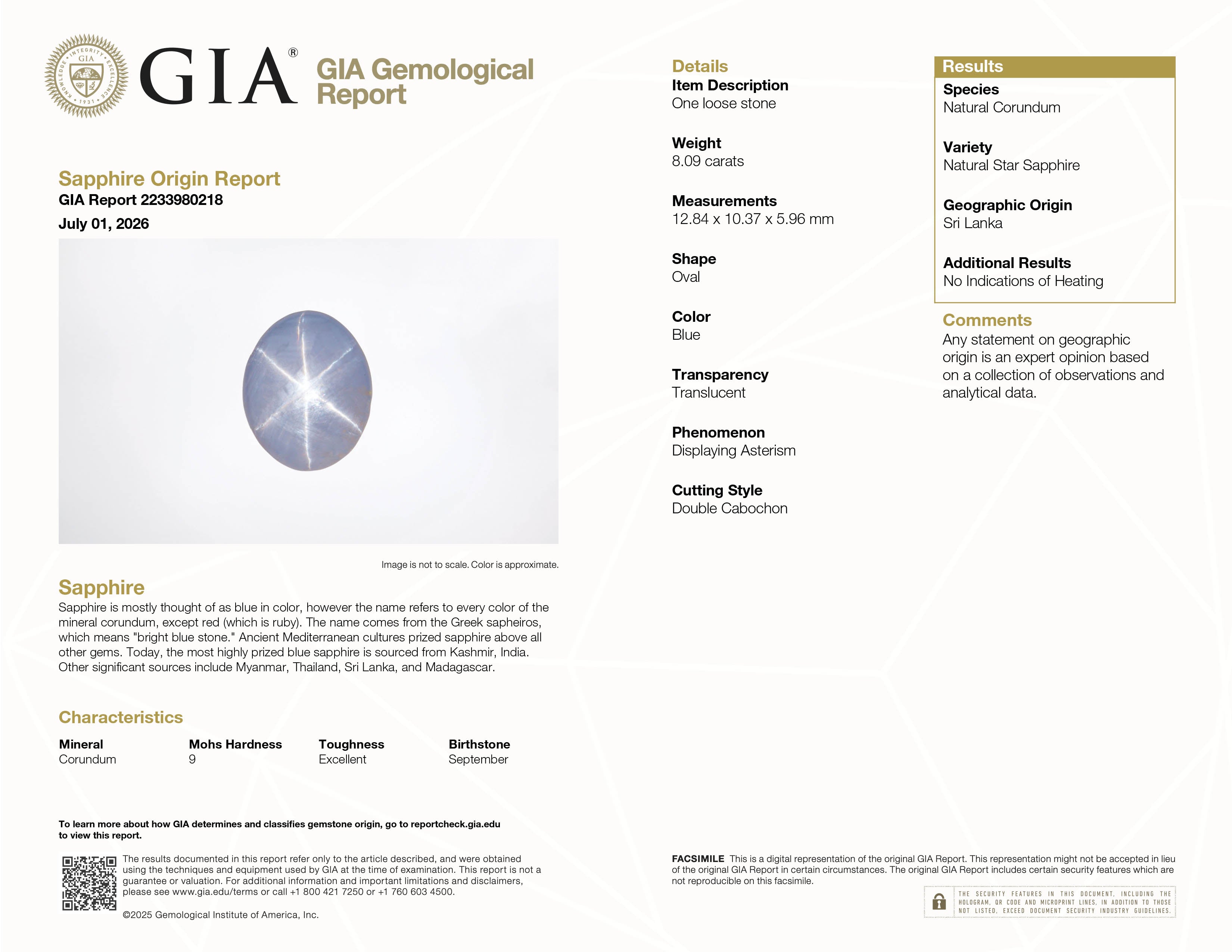
We do not publish a 1-carat unheated-blue-with-GIA price, because we have no such stone to price it from. Our GIA-documented unheated blue faceted sapphires number four and start at 2.00 ct, and their listed price per carat runs $1,564 to $6,400 (15 November 2026) — a spread too wide for any single band to describe. Faceted is the scope of that count and that spread: our 8.09 ct blue star sapphire is unheated and carries a GIA report too, but it is a double cabochon listed at $4,040, and it is in neither. Write to us if you want unheated blue at this size.
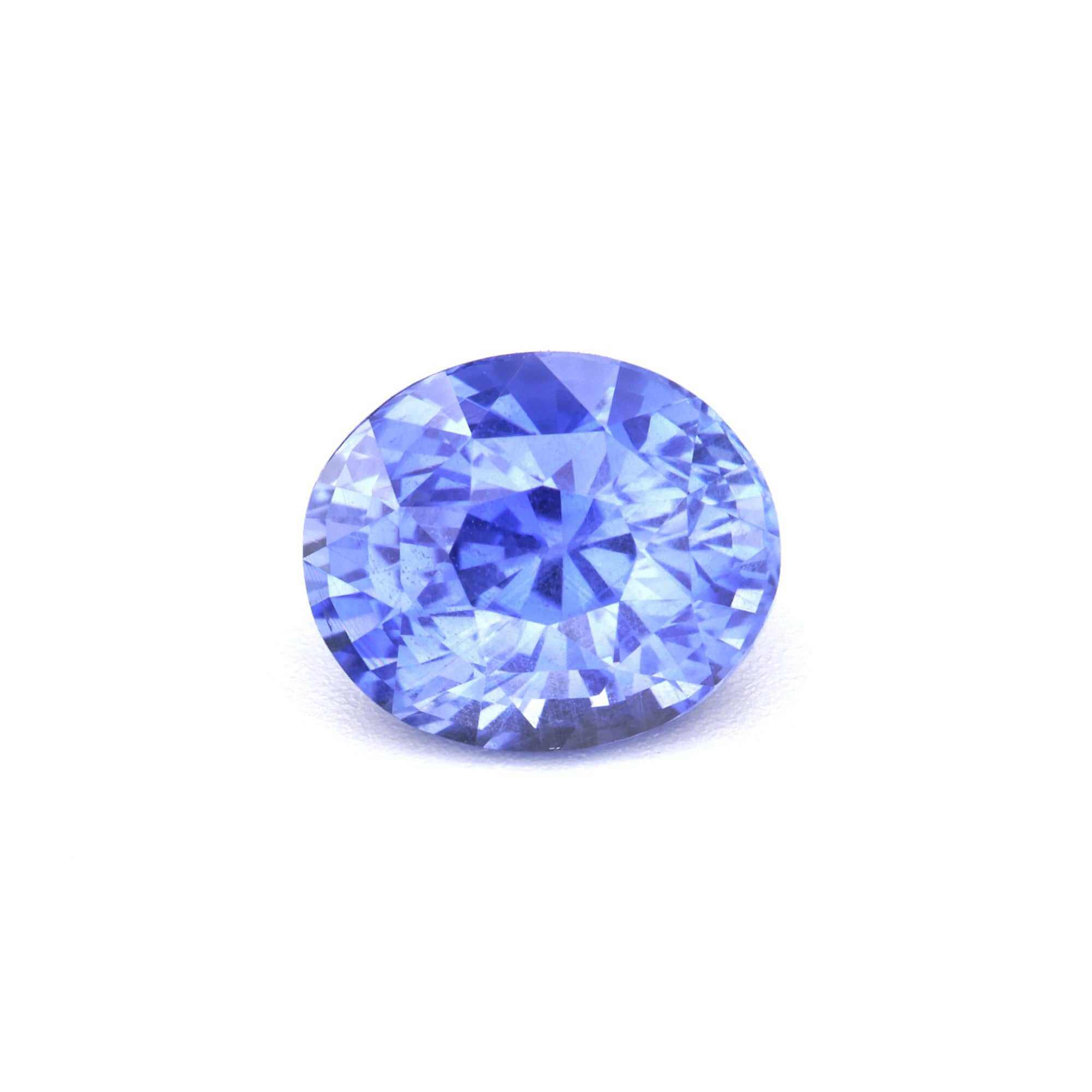
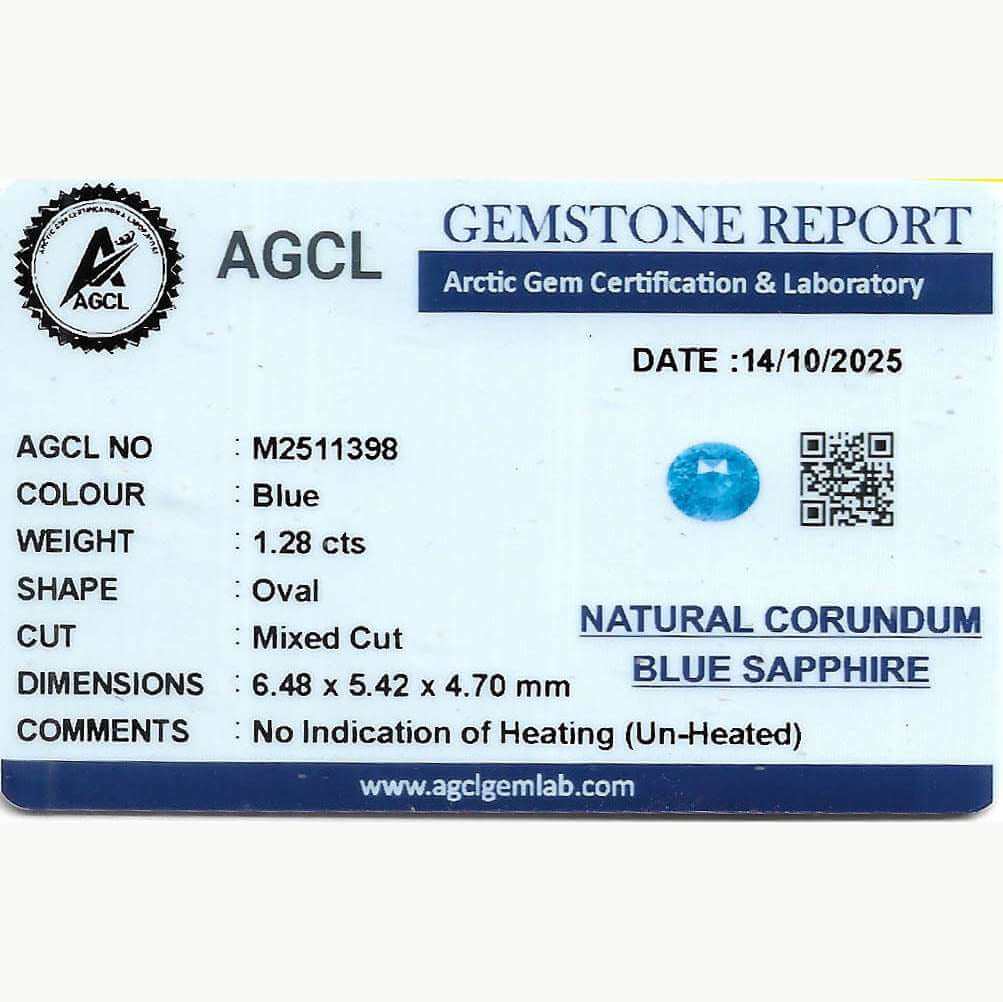
In stock: a 1.28 ct oval from Sri Lanka, AGCL report, $1,584 (view). Our smallest GIA-documented unheated blue faceted sapphire is a 2.00 ct radiant at $6,800 (view).
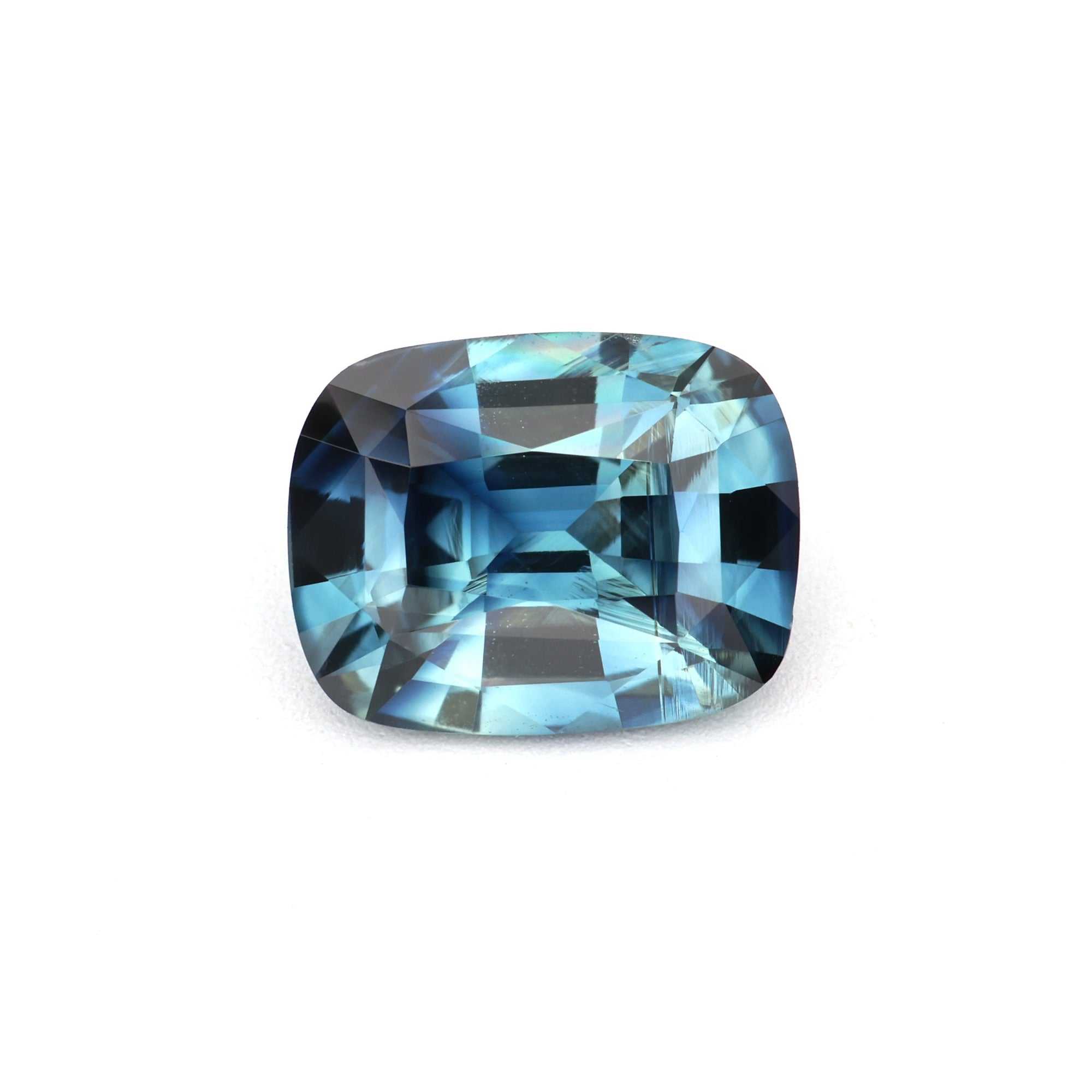
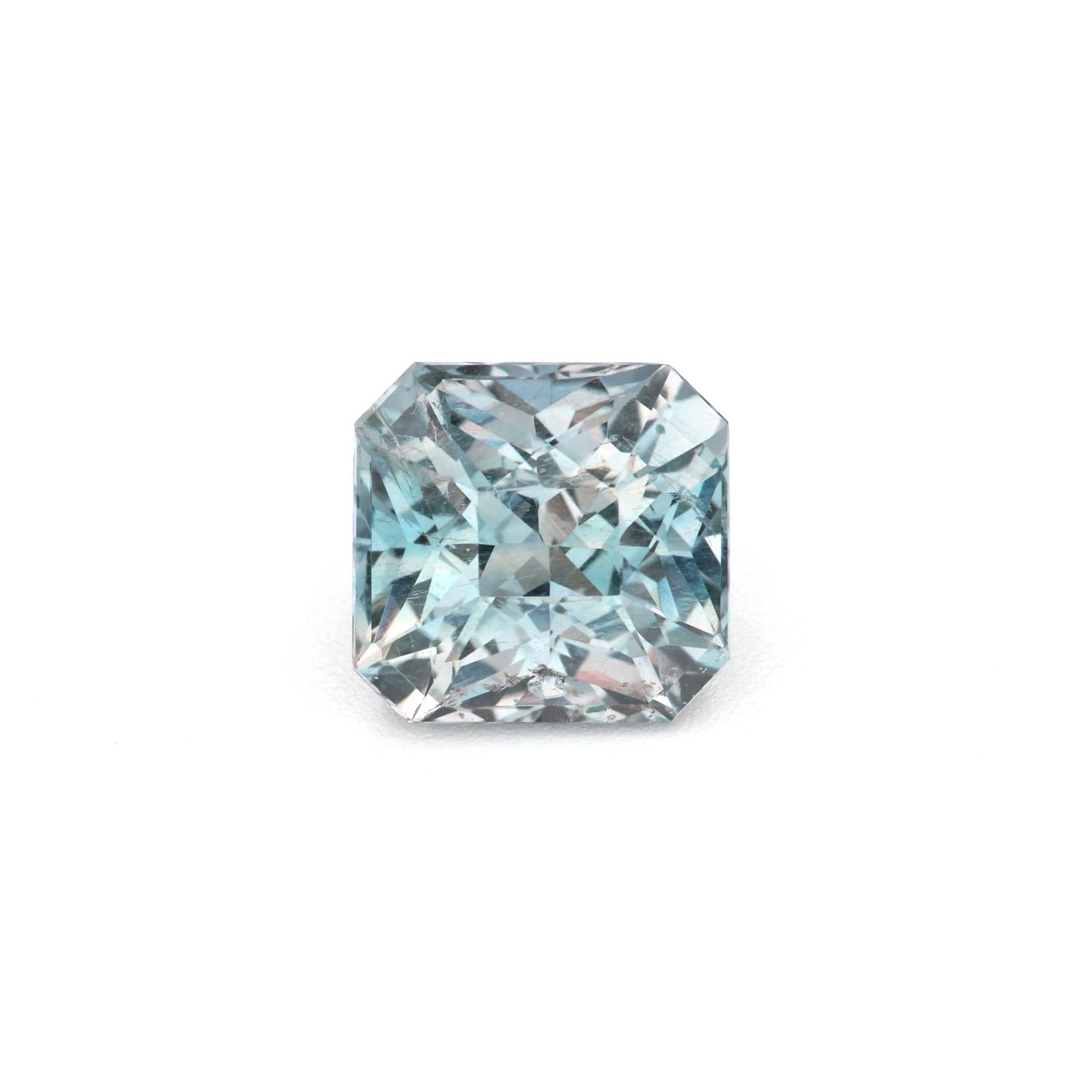
In stock: a 1.29 ct cushion, GIA report, $1,280 (view); a 1.29 ct radiant from Madagascar, AGCL report, $1,290 (view). Browse our teal sapphire collection.
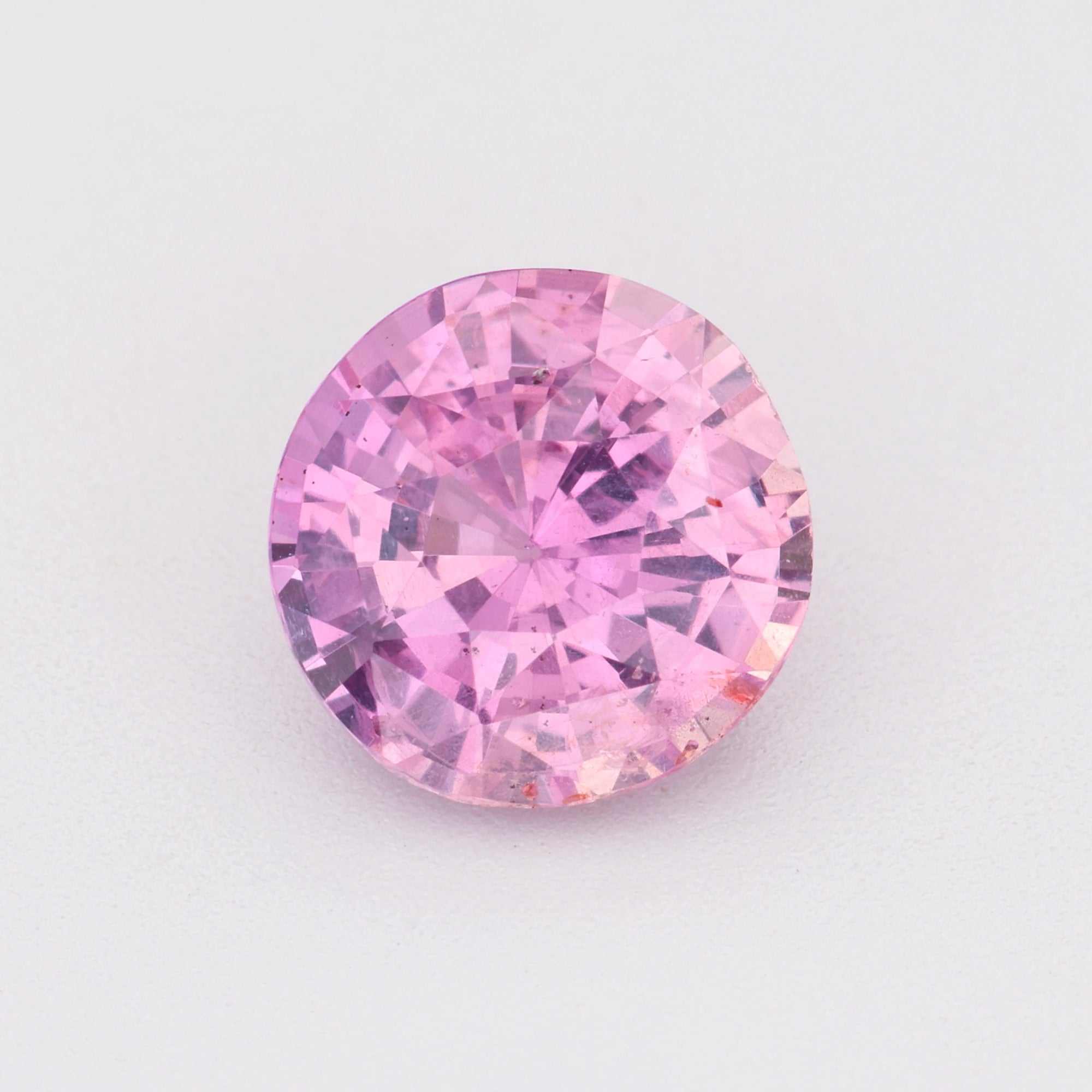
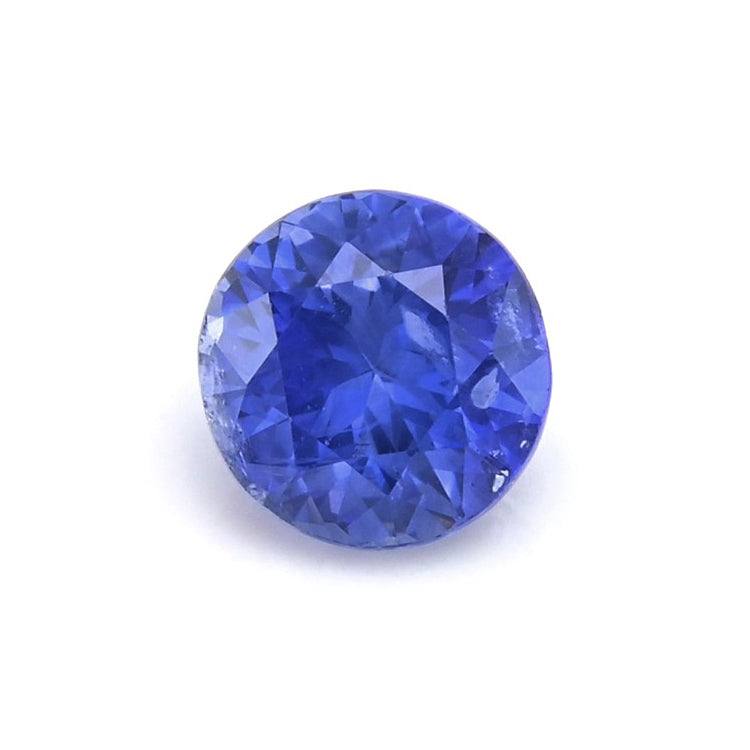
In stock: a 1.14 ct unheated round from Sri Lanka, GIA origin report, $2,875 (view); a 1.45 ct unheated radiant from Madagascar, GIA report, $2,900 (view). Browse our pink sapphire collection.
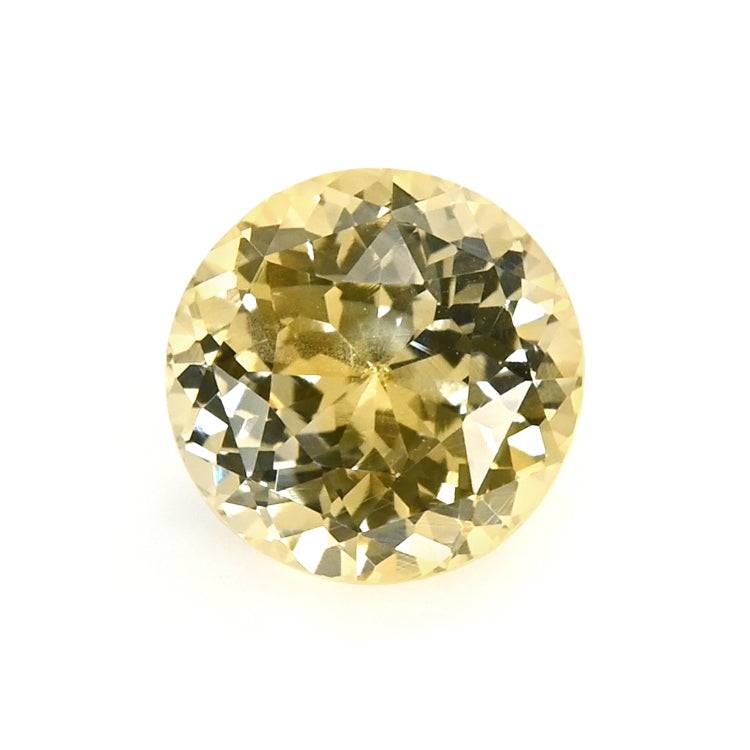
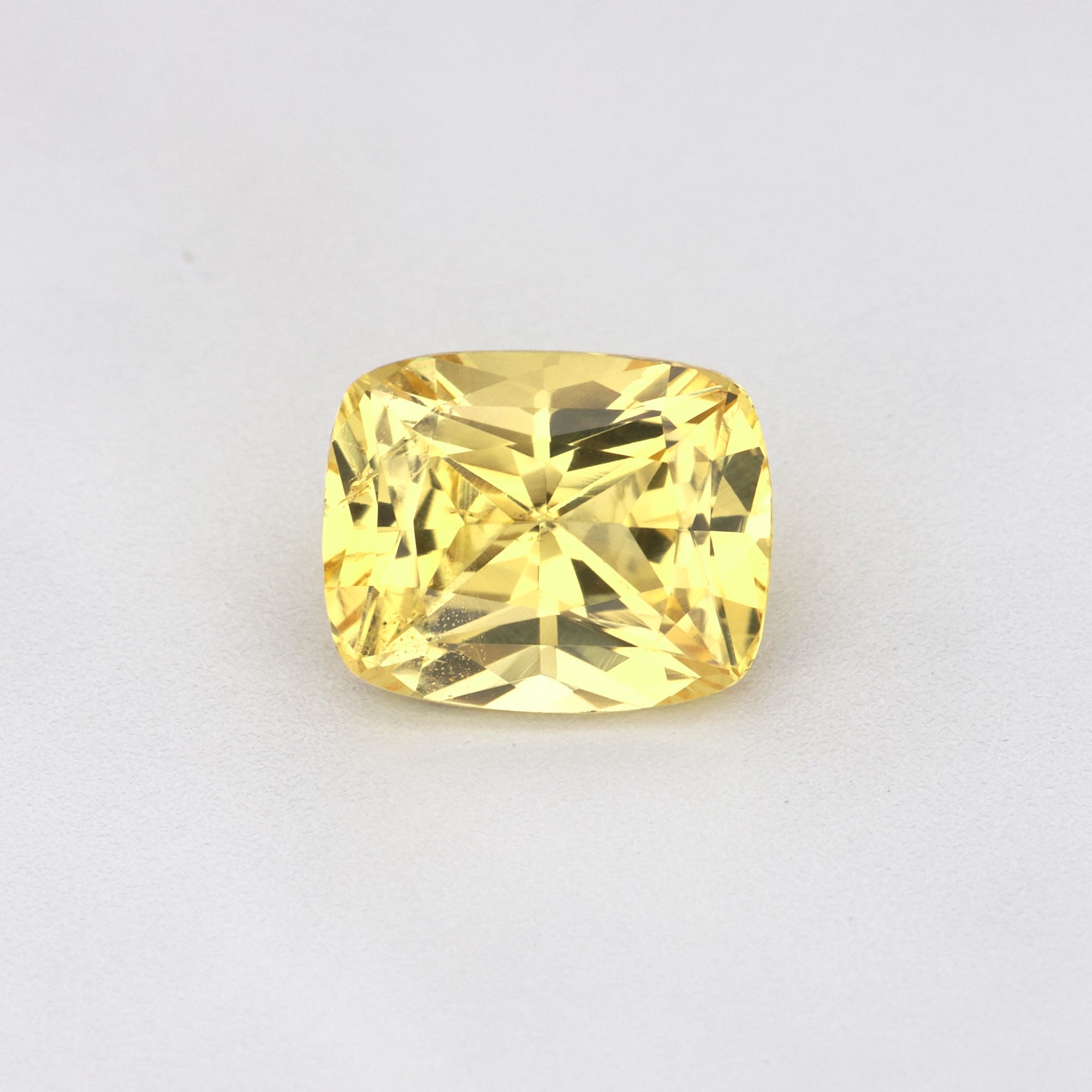
In stock: a 1.21 ct unheated round, AGCL report, $1,210 (view); for a GIA report, a 1.19 ct unheated cushion at $1,904 (view). Browse our yellow sapphire collection.
Violet and purple are the same stones in our catalogue, listed under both words; we do not present them as two groups of stock.
In stock: a 1.29 ct cushion from Sri Lanka, AGCL report, $999 (view). Browse our violet and purple sapphire collection.
We publish no padparadscha price, at 1 carat or any other weight, because on 15 November 2026 we hold no padparadscha stone at all. It is a laboratory-defined color designation — the LMHC's Information Sheet #4 defines it as pinkish orange to orangey pink, with both compound hues inside the term — so a report either carries it for a given stone or does not. Read our padparadscha price guide, or email crescentgems@gmail.com about sourcing one.
| Color | Treatment | Stones | Listed price | Per carat | Browse |
|---|---|---|---|---|---|
| Blue | Heated | 5 | $600–$1,760 | $577–$1,600 | View → |
| Blue | Unheated | 2 | $456 and $1,584 | $400 and $1,238 | View → |
| Teal | Unheated | 2 | $1,280 and $1,290 | $992 and $1,000 | View → |
| Pink | Unheated | 2 | $2,875 and $2,900 | $2,522 and $2,000 | View → |
| Pink | Heated | 3 | $650–$1,100 | $637–$973 | View → |
| Yellow | Unheated | 3 | $1,210–$1,904 | $1,000–$1,600 | View → |
| Yellow | Heated | 3 | $600–$702 | $600–$605 | View → |
| Violet / purple | Unheated | 4 | $999–$1,404 | $774–$1,222 | View → |
| Violet / purple | Heated | 1 | $2,030 | $1,400 | View → |
| White | Unheated | 4 | $636–$725 | $511–$600 | View → |
| White | Heated | 1 | $400 | $421 (0.95 ct stone) | View → |
| Peach | Unheated | 1 | $900 | $804 | View → |
| Green | Unheated | 1 | $1,053 | $892 | View → |
Every figure here is a price we listed on 15 November 2026 on a stone we held that day, and the thirteen rows add up to all 32 of them. Two listings in this weight band are excluded and named so you can check, and both are matched pairs: a 1.44 ct pink pair at $1,152 and a 1.11 ct yellow pair at $777, each of which is two stones, not one. Where a group holds one or two stones the individual prices are given instead of a range. The two price columns are each the range across the same stones, taken separately: the dearest stone in a row is not always the dearest per carat. Every stone is a one-off except the calibrated 7 × 5 mm white oval, which we stock in multiples. Prices move with stock — the product page is the current figure.
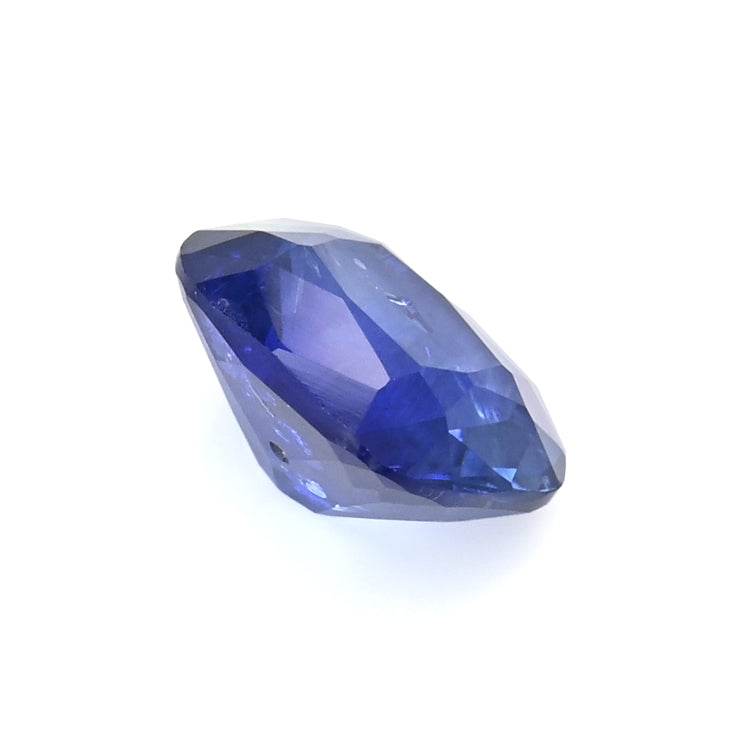
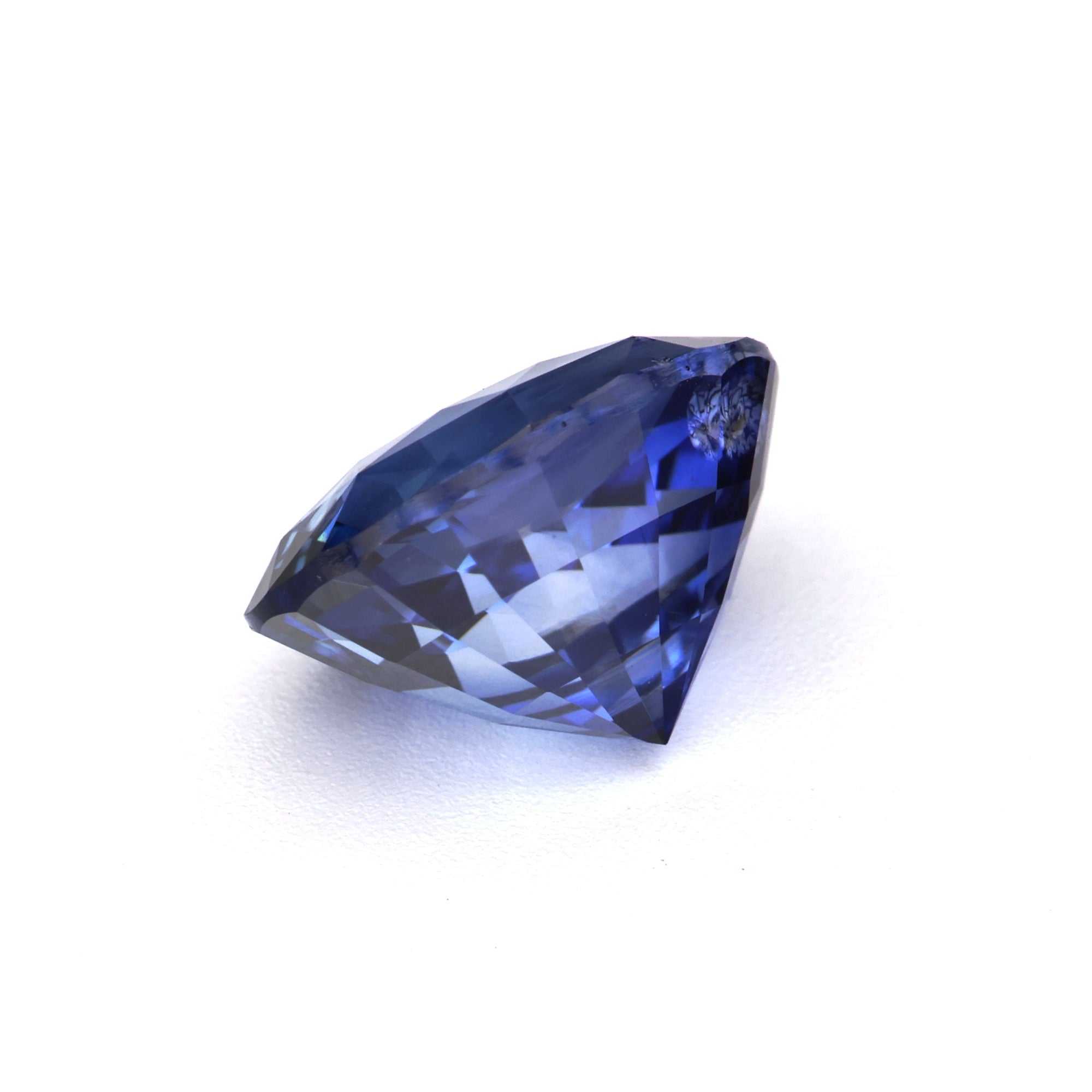
Carat weight is a weight, and our own stock shows what that means. Our 1.16 ct heated blue oval measures 7.50 × 5.52 mm face-up; our 1.37 ct heated blue oval — same color, same treatment, same outline — measures 7.42 × 5.52 mm. The heavier stone is the shorter one seen from above, not the narrower: both measure 5.52 mm across, and 7.42 mm against 7.50 mm makes it 0.08 mm shorter. Its extra weight went into depth, 3.73 mm against 3.43 mm, where you cannot see it. Weight is what you pay for; millimetres are what you see, and we measure ours rather than converting them.
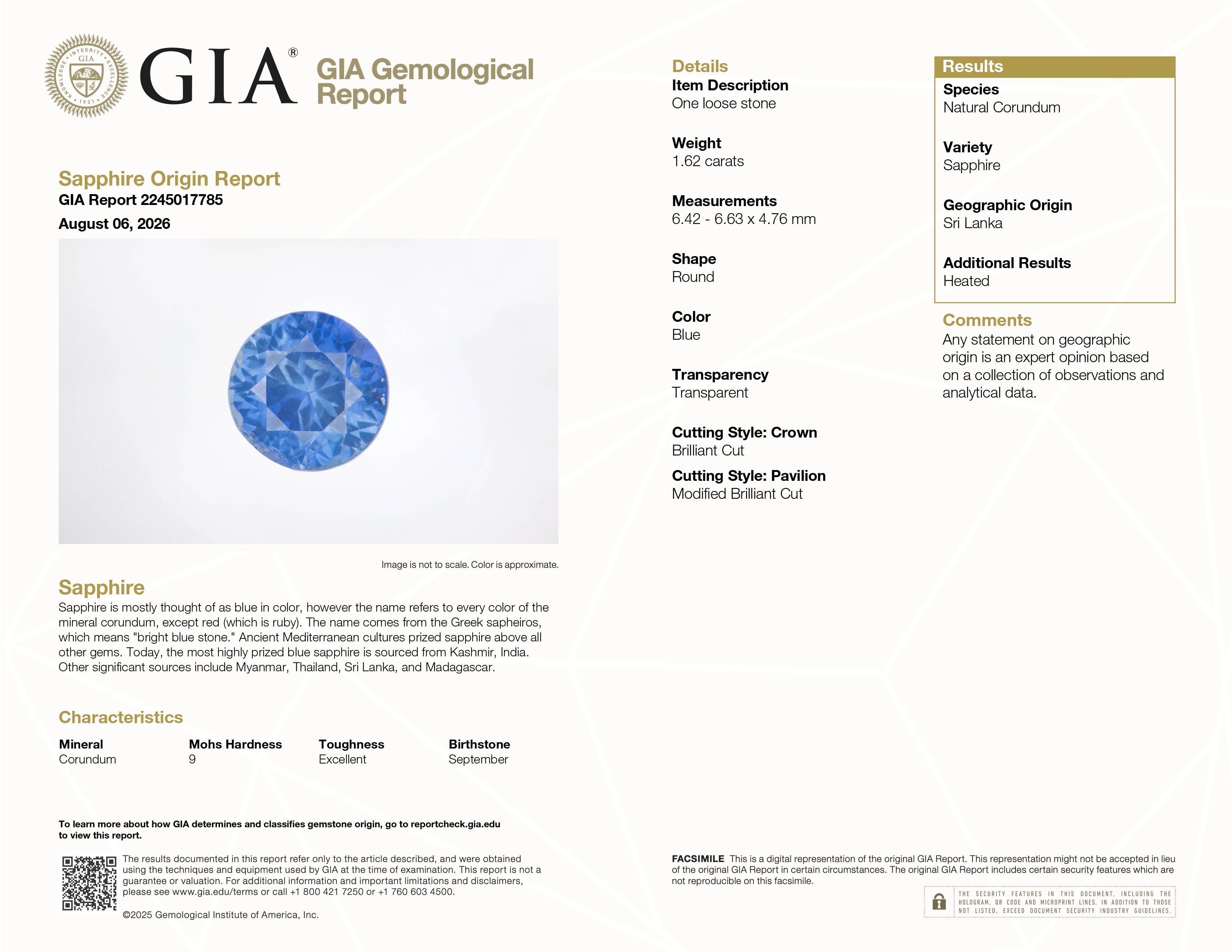
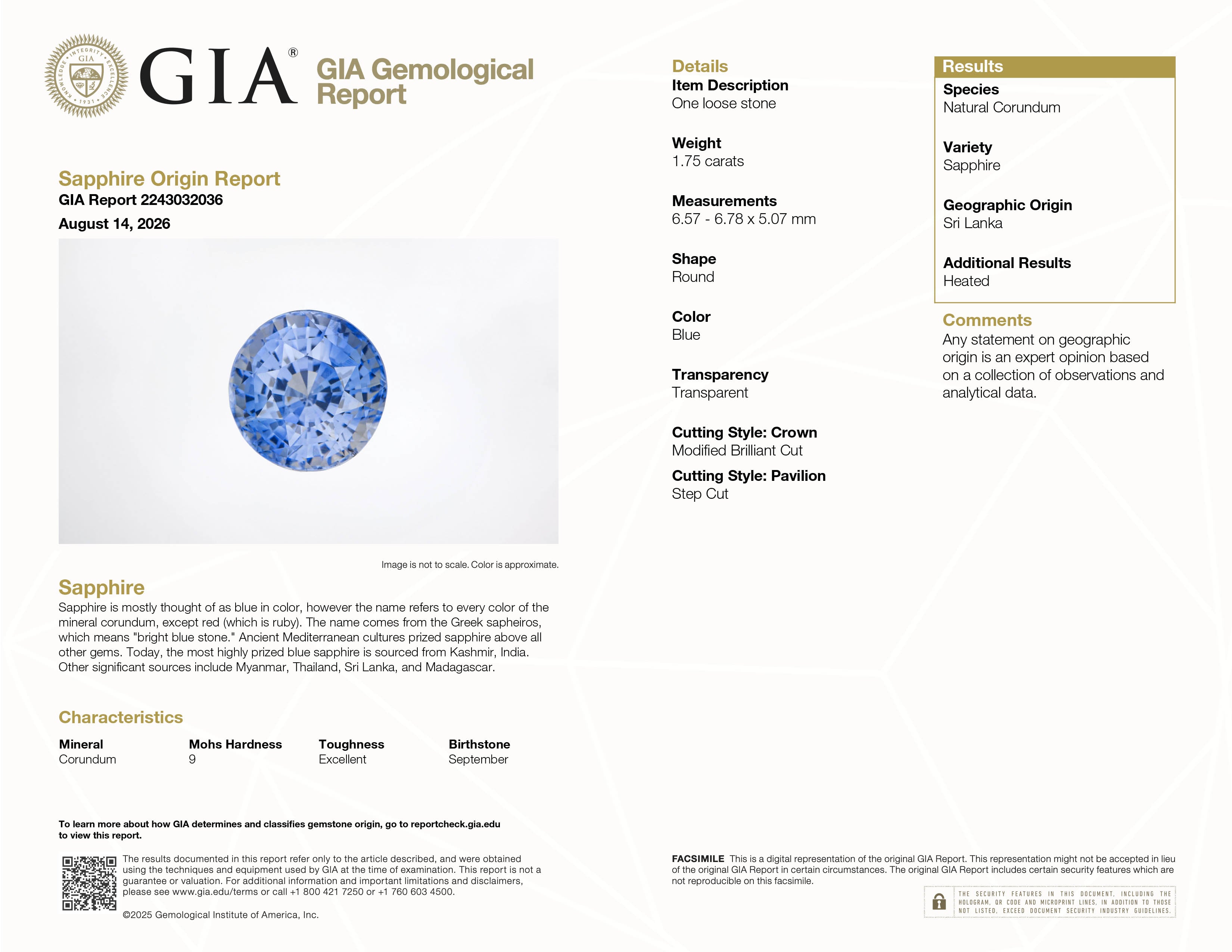
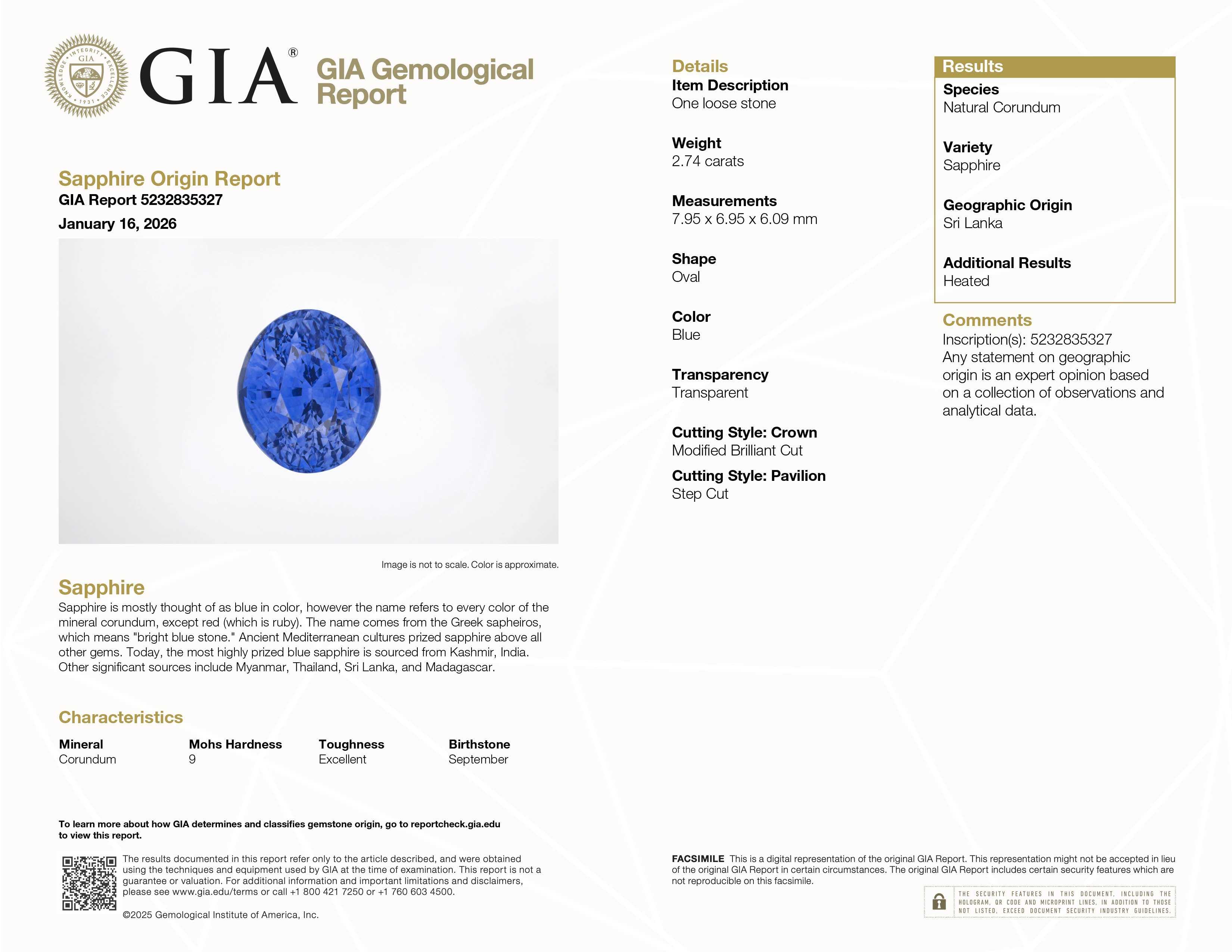
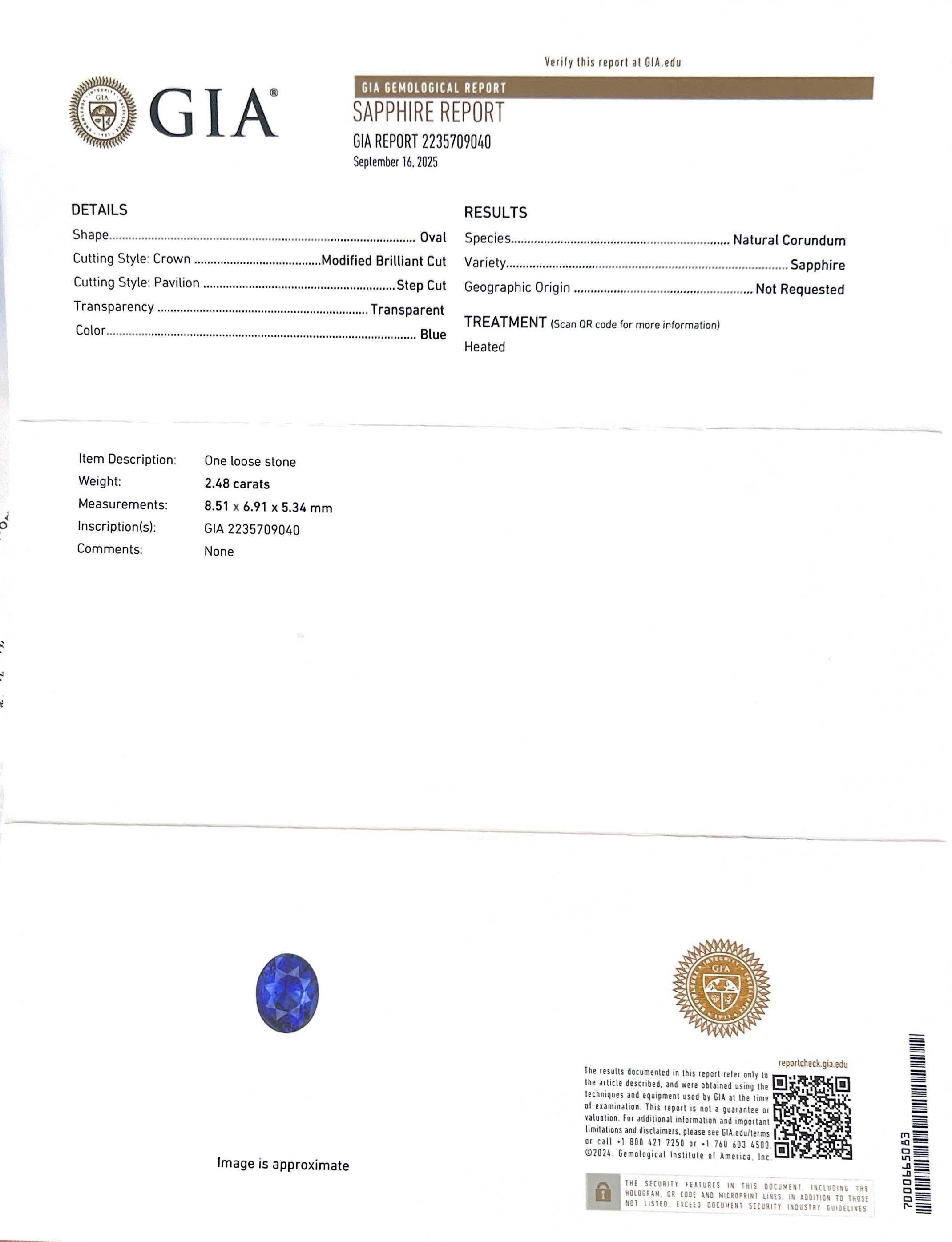
The treatment a document records moves the figures as much as color does: at 1.29 ct our unheated violet is listed at $999, while at 1.45 ct our heated purple is listed at $2,030. One stone each; do not read a rule into it. Some of our stones carry a GIA report, some an AGCL report, some neither, and the product page says which. GIA issues reports, not certificates, and a report is an opinion recorded on a date, including on origin.
For how size reads on the hand rather than on the scale, see our sapphire size guide; for the color vocabulary, Sapphire Colors Explained.
Our listed prices are the only figures we will quote you. Across the 32 single faceted sapphires we listed between 0.95 and 1.45 carats on 15 November 2026, listed prices ran $400 to $2,900; the figures by color and treatment are in the table above. A setting is quoted separately per commission and is in none of them.
Judge it in millimetres rather than carats. Among the 32 single faceted sapphires we listed between 0.95 and 1.45 carats on 15 November 2026, the nine ovals ran 6.4 mm to 7.5 mm in face-up length and 5.0 mm to 5.6 mm in width; the five rounds measured 5.9 mm to 7.4 mm across; the seven cushions ran 6.1 mm to 8.0 mm long by 4.4 mm to 5.9 mm wide. Those are our own measurements of our own stones, not a carat-to-millimetre conversion table. See our sapphire size guide.
Color, the treatment the report records, and how the weight is spread. Across those same 32 stones, listed price per carat ran $400 to $2,522 — inside one weight class, in one catalogue. Note what is not in that answer: a quality grade. See our Sapphire Colors Explained guide.
Browse our full sapphire catalogue or email crescentgems@gmail.com with your color, budget and treatment preferences; we reply within one business day. Shipping is free to the USA, Canada, China, Japan, Australia, New Zealand, Germany and Austria at any order value, and, everywhere else we ship, $60 up to $499 and free above that. Import duty or tax charged by your own country is collected on delivery by customs or the courier and is in none of the figures above; Canadian orders are the exception, with duties included in the price you see.
CG0099
CG8228


CG8437
CG8266
Prices are shown in your local currency and may change.
CG8342
CG8353
CG8301


Blue Star Sapphire Price Guide — What They Cost and Why
Read moreabout Blue Star Sapphire Price Guide — What They Cost and Why
Tsavorite Garnet Price Guide — What They Cost and Why
Read moreabout Tsavorite Garnet Price Guide — What They Cost and Why
Color-Change Sapphire Price Guide — What They Cost and Why
Read moreabout Color-Change Sapphire Price Guide — What They Cost and Why
Is Cat's-Eye Chrysoberyl Good for an Engagement Ring?
Read moreabout Is Cat's-Eye Chrysoberyl Good for an Engagement Ring?
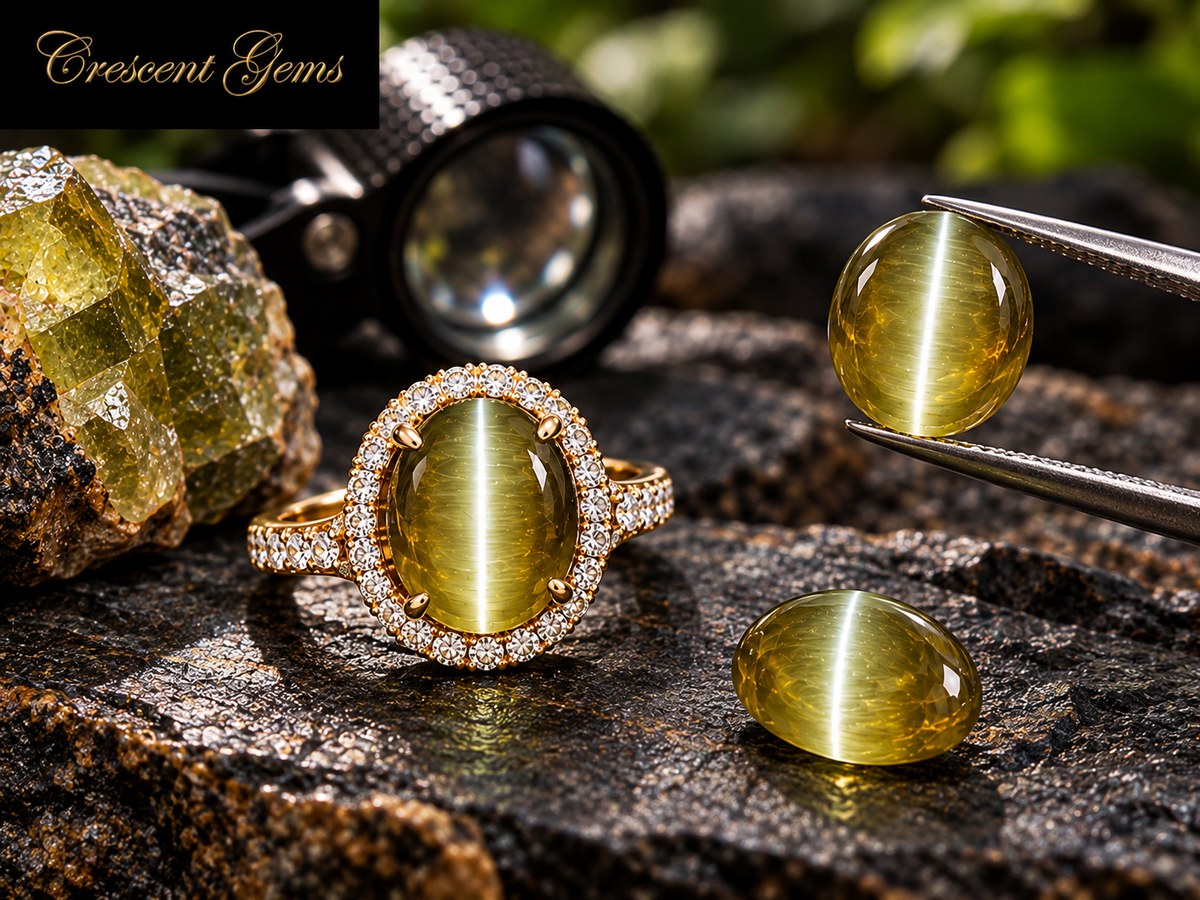
Cat's Eye Chrysoberyl Price Guide — What They Cost and Why
Read moreabout Cat's Eye Chrysoberyl Price Guide — What They Cost and Why