

- by Ahmed Shareek
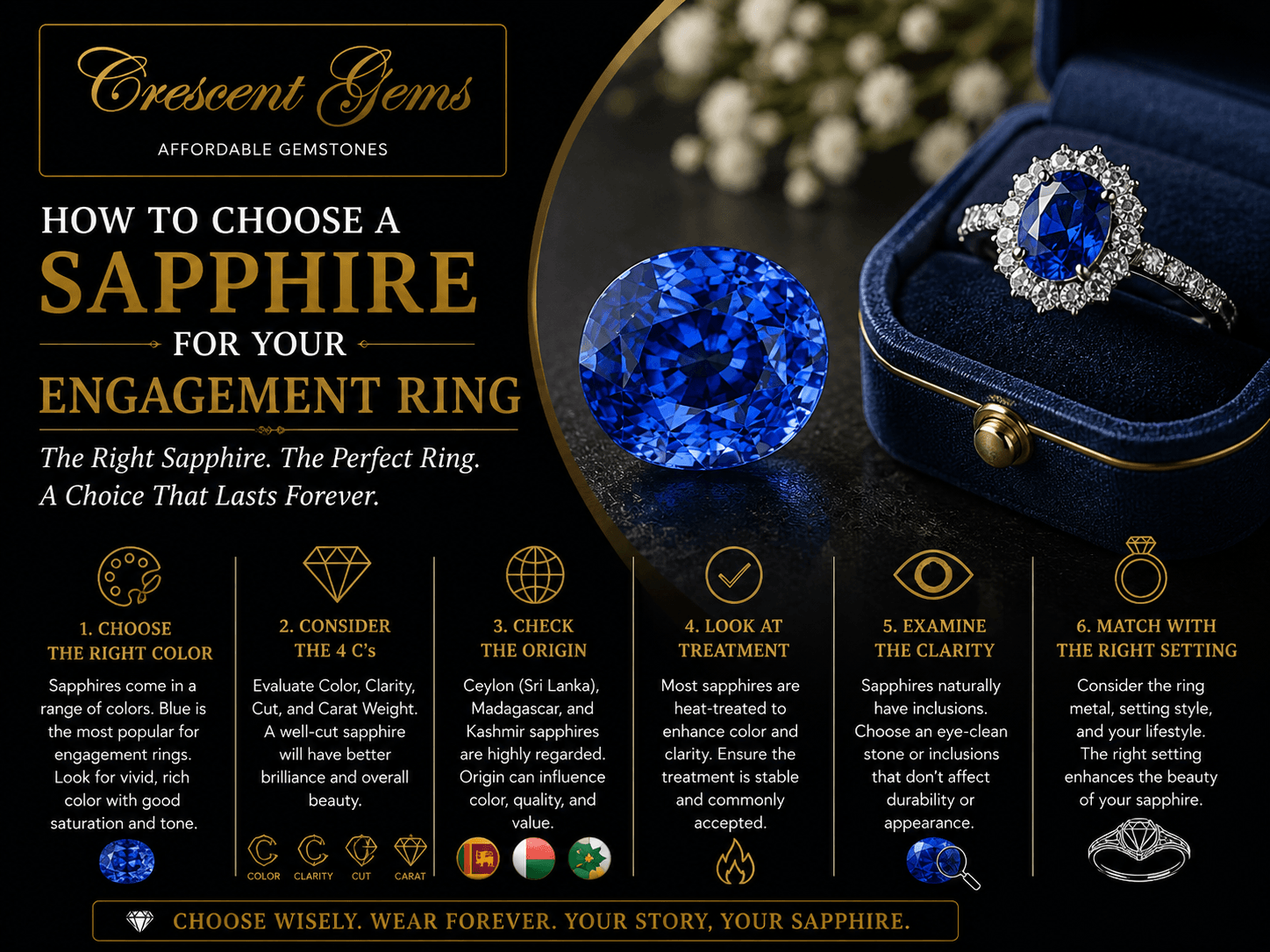
How to Choose a Sapphire for Your Engagement Ring
- by Ahmed Shareek
New to buying sapphires? Start with our Ultimate Sapphire Buying Guide — the complete resource for colour, origin, treatment, and pricing.
Sapphire is the most popular non-diamond engagement ring stone in the world. But choosing a sapphire for an engagement ring is not the same as choosing a diamond. The grading system is different. The vocabulary is different. The quality factors that actually matter are different. And the number of meaningful decisions you have to make — color, origin, treatment, shape, weight, setting — is significantly larger. This guide gets you through those decisions in the right order.
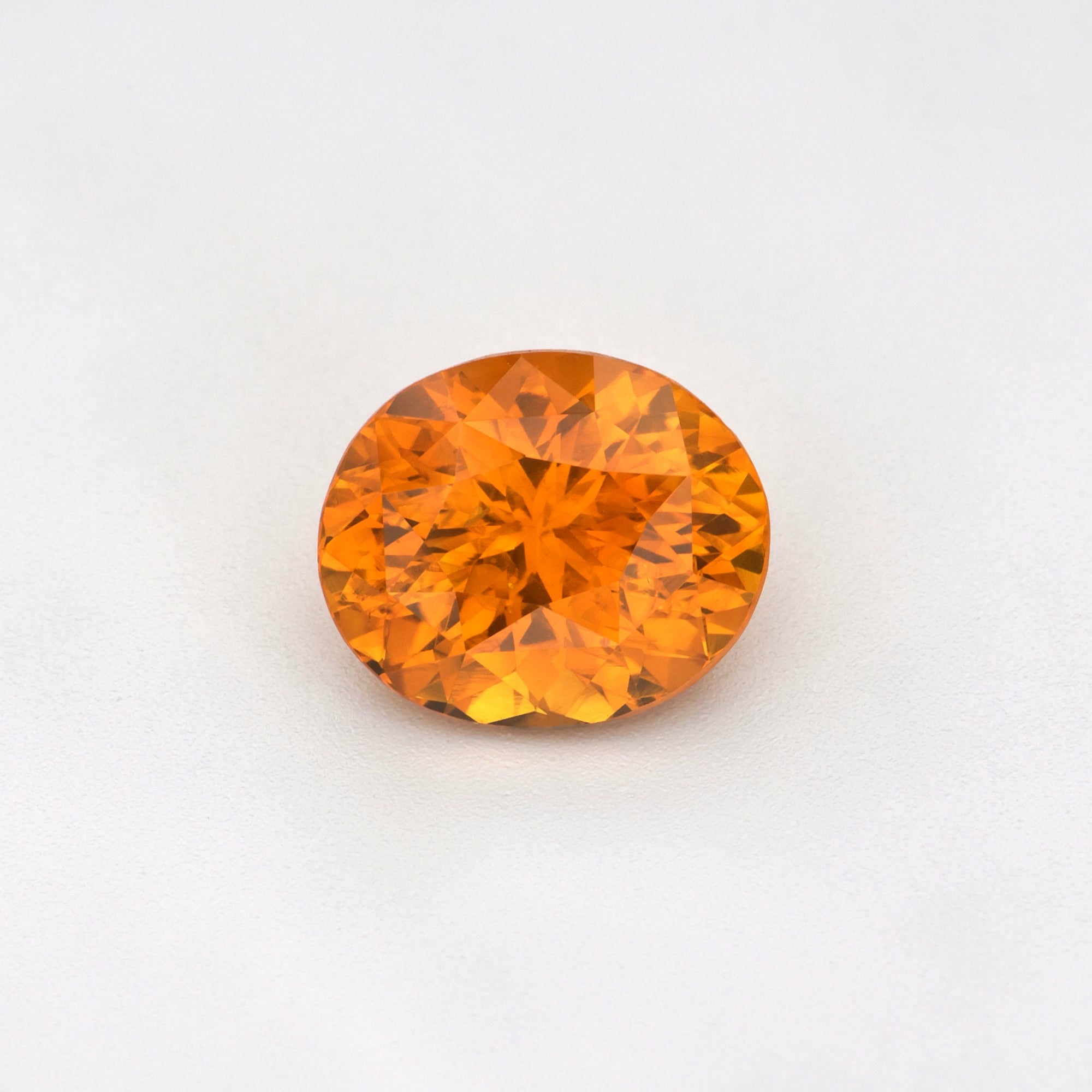
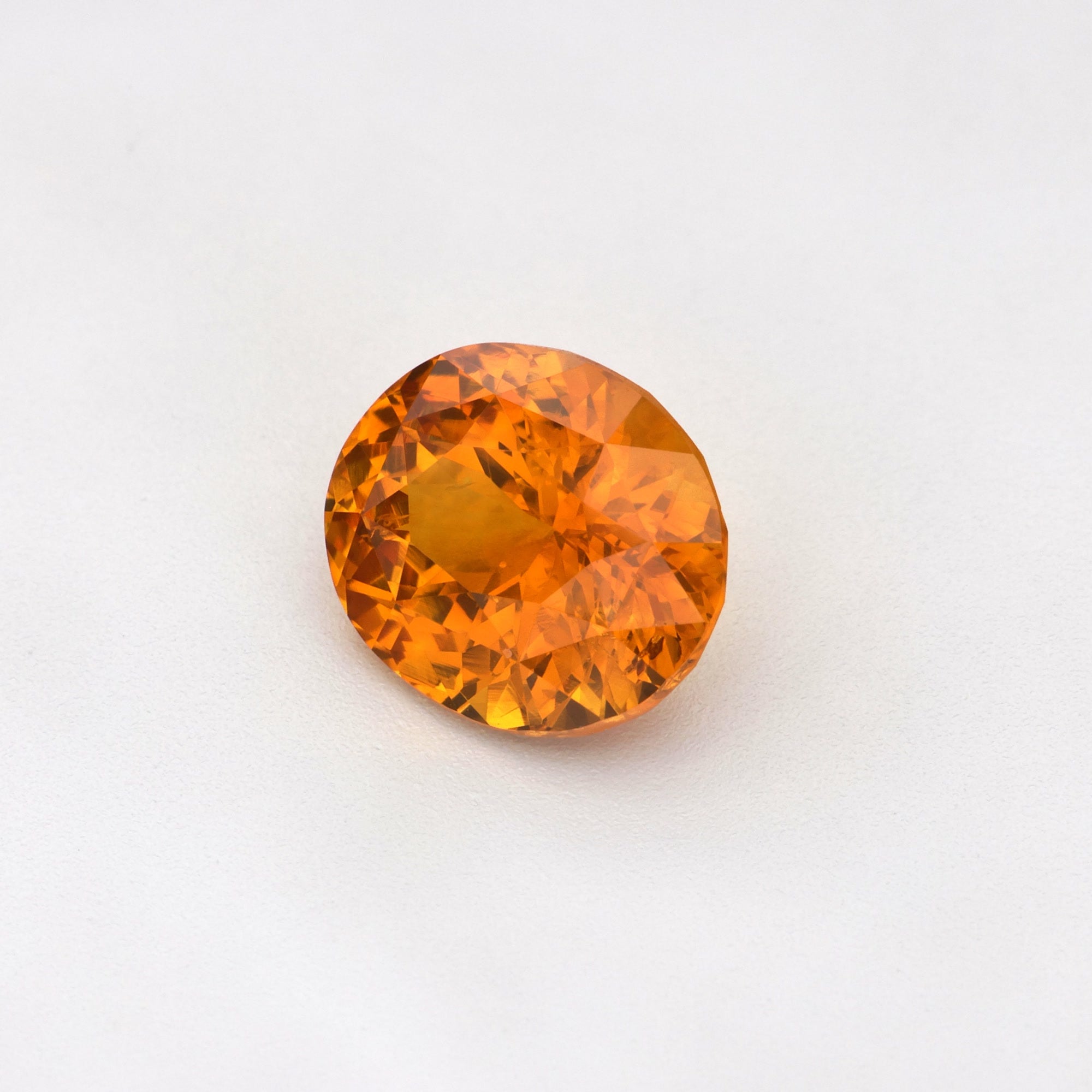
Sapphire ranks 9 on the Mohs scale — second only to diamond at 10. This is not a small difference from other popular engagement ring stones: morganite (7.5-8); tourmaline (7-7.5); opal (5.5-6.5). Sapphire is hard enough for daily ring wear without protective settings. It also has no cleavage planes — no directions along which the crystal is structurally weak — making it resistant to the kind of sharp-impact damage that can chip even diamonds. And it occurs in virtually every color: blue, teal, yellow, pink, peach, orange, purple, violet, white, and black.
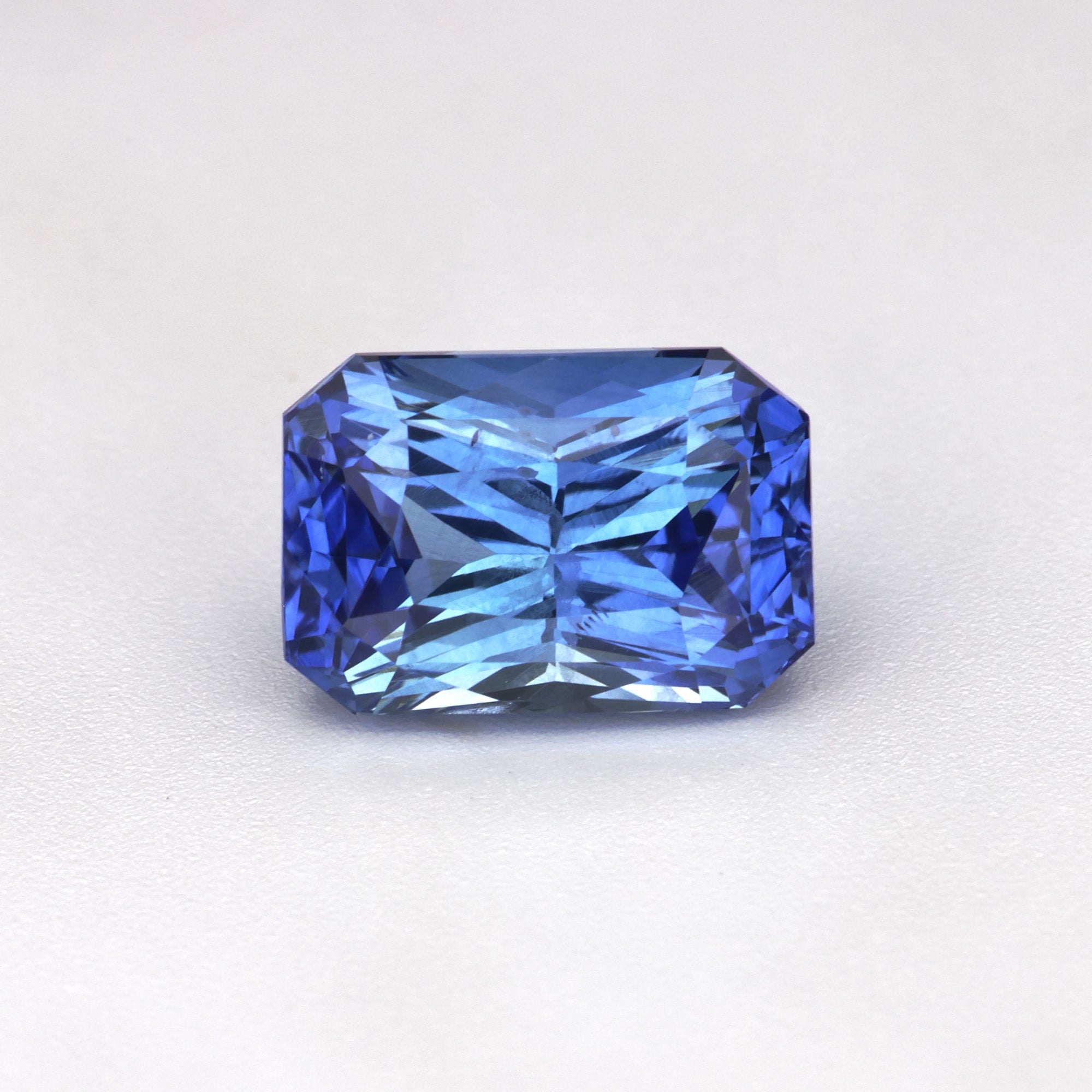
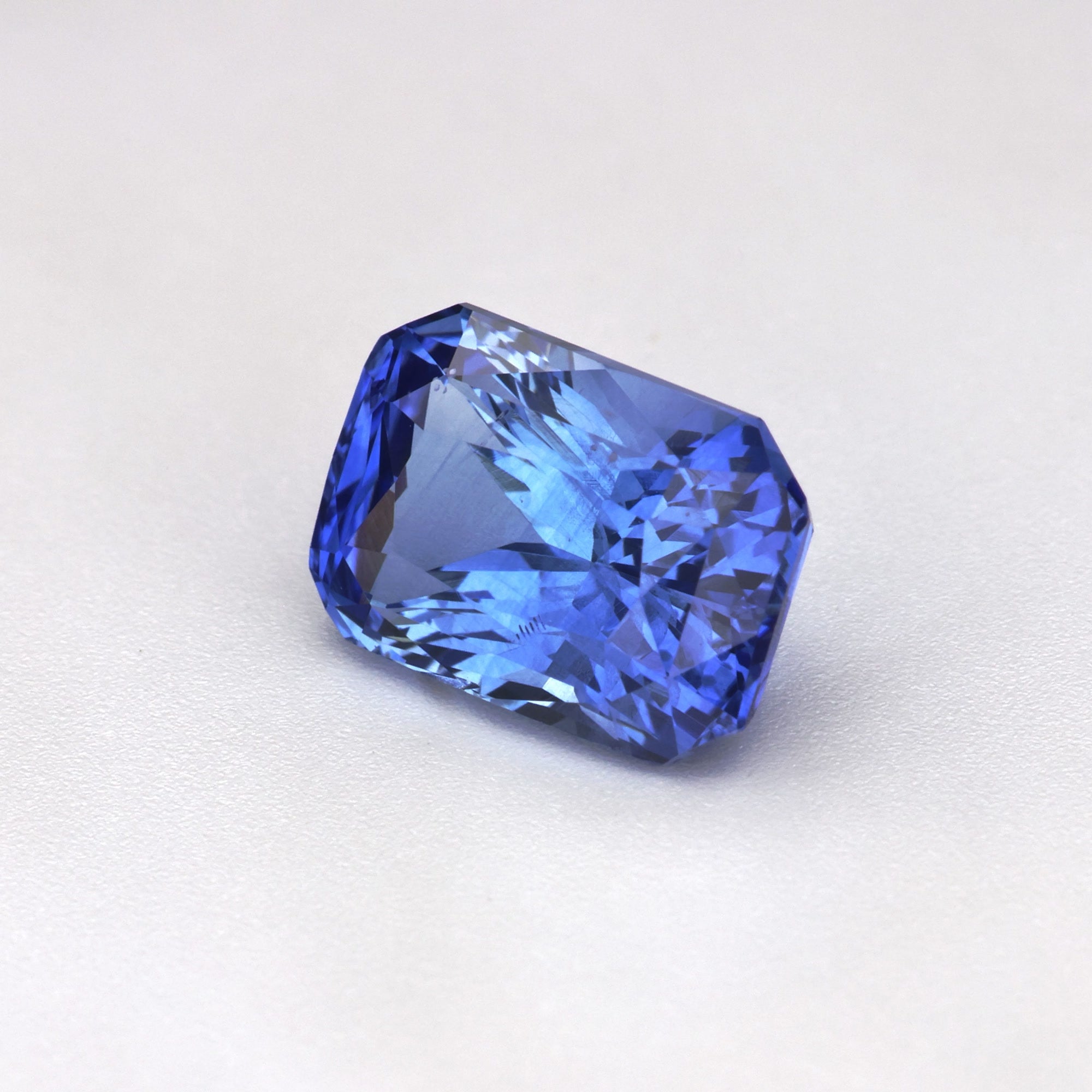
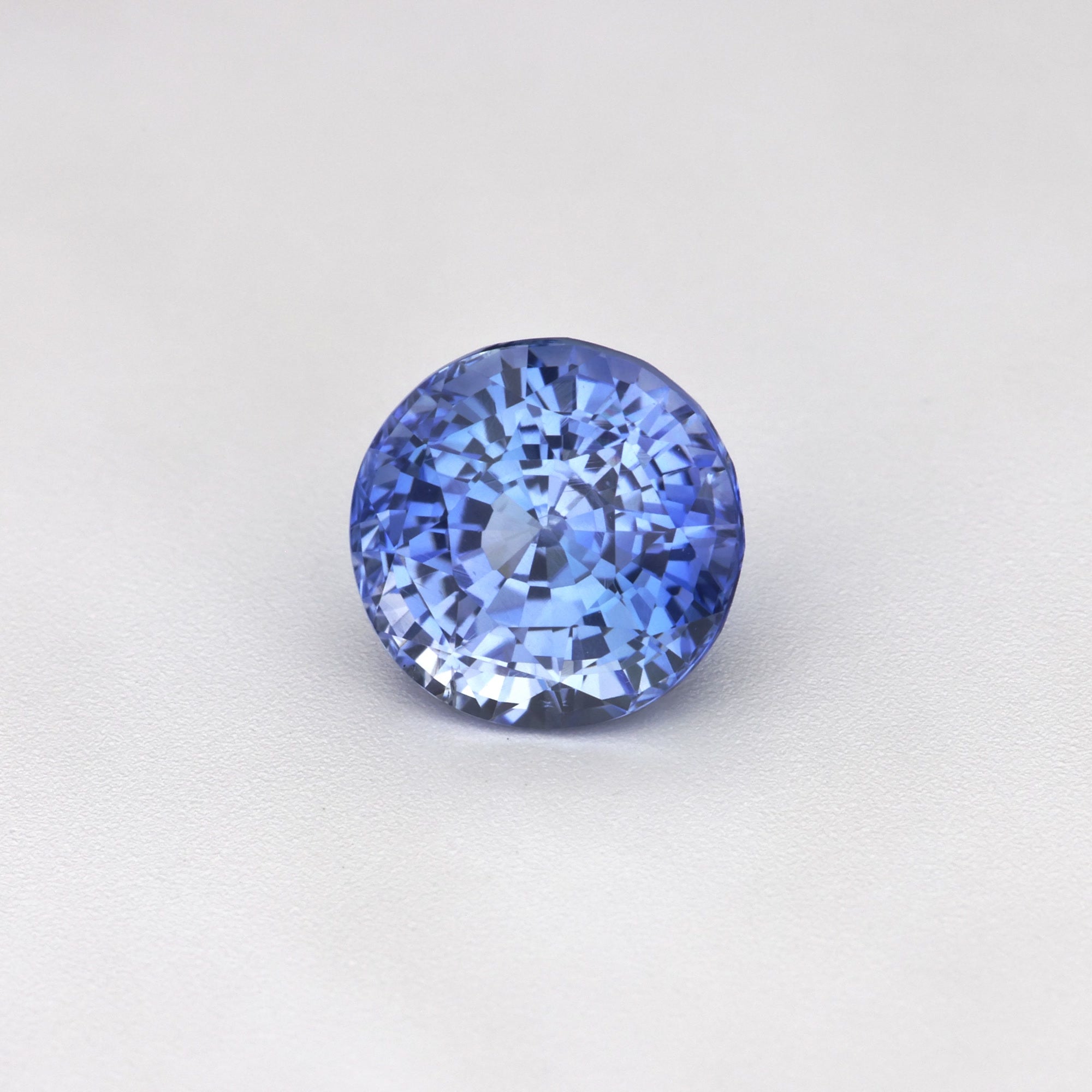
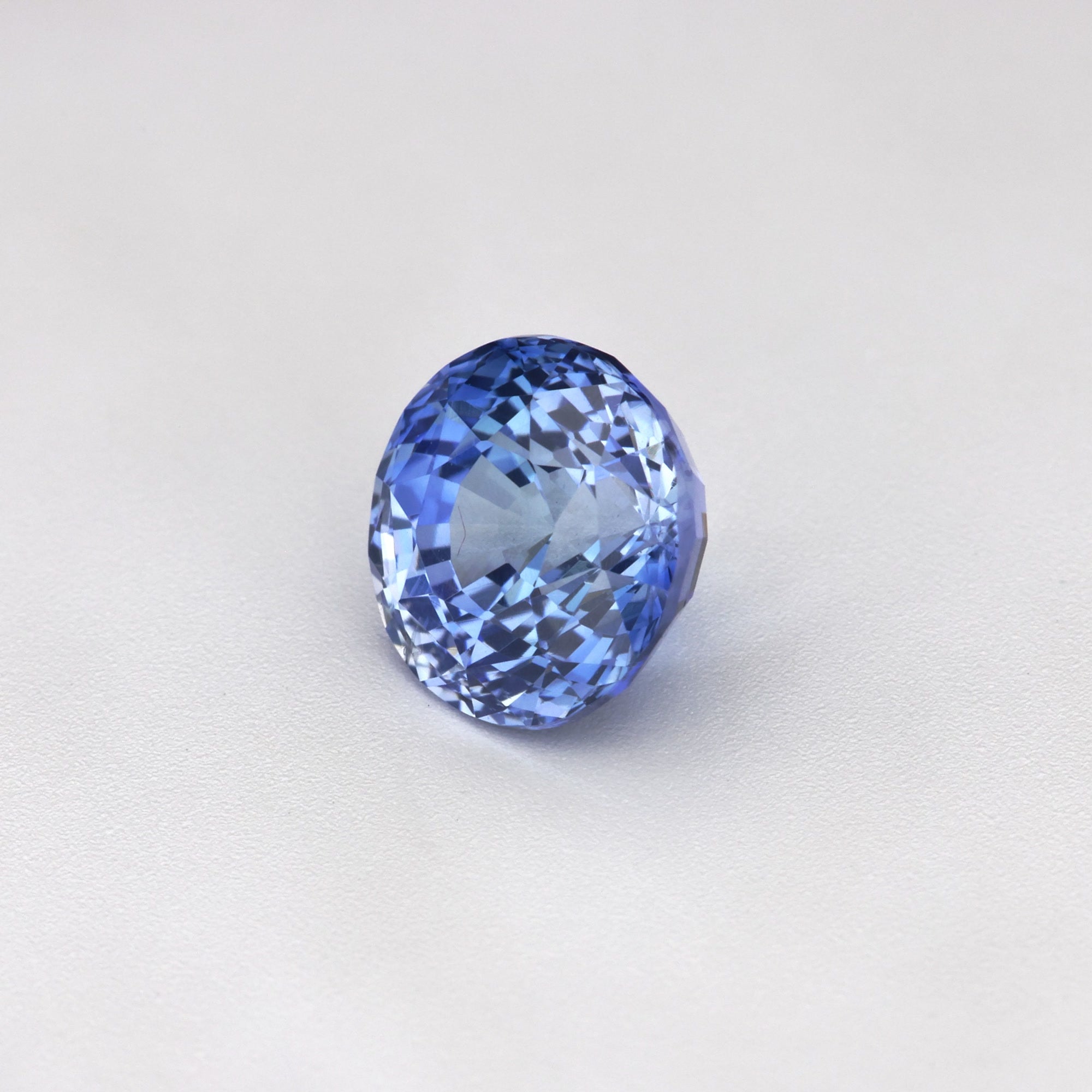
Blue Sapphire: The classic choice. The target is pure blue, medium-to-vivid saturation, medium tone that reads richly under all lighting. See our blue sapphire guide.
Teal Sapphire: The fastest-growing category. Shifts between blue in cool daylight and green under warm incandescent. Almost universally unheated. See our teal sapphire guide.
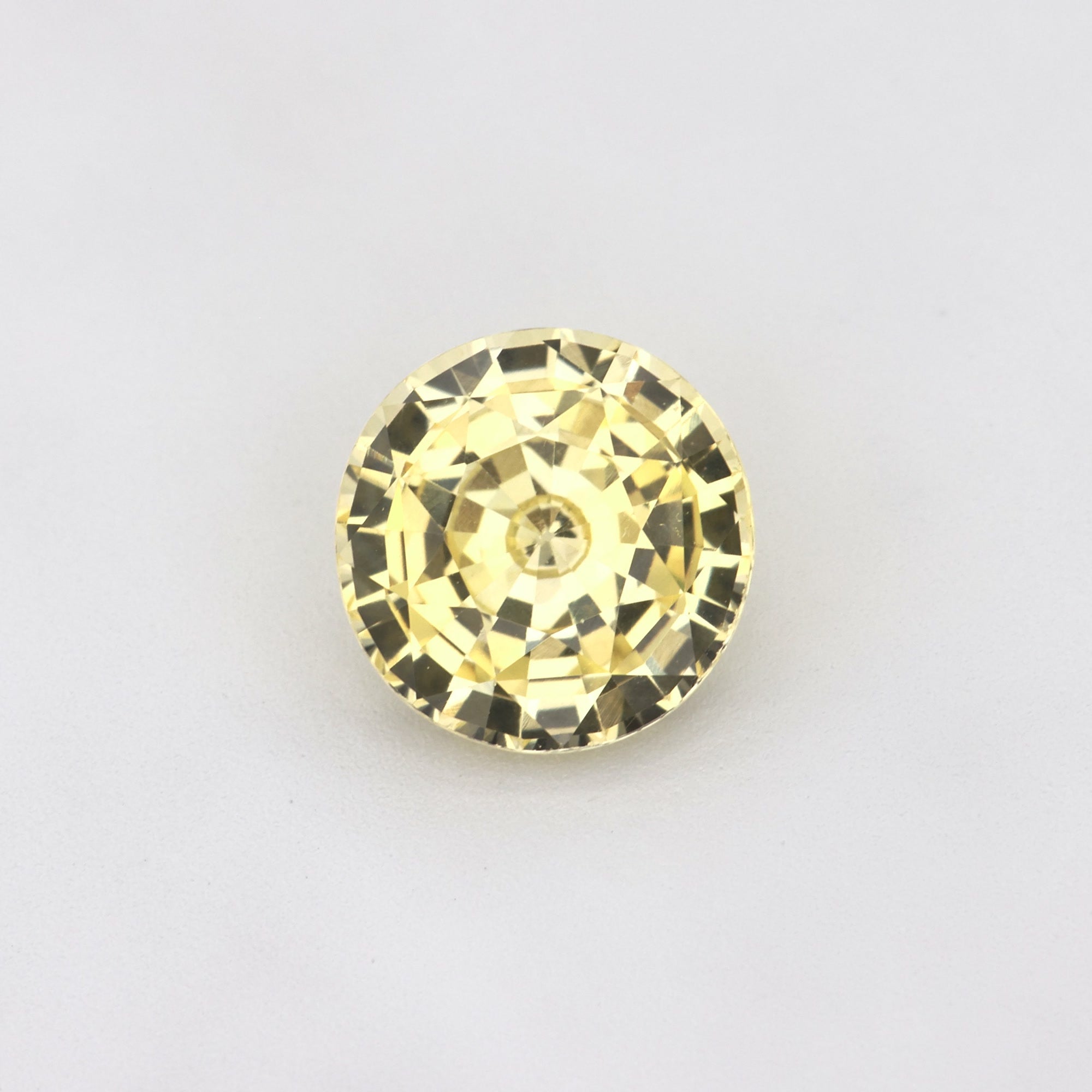
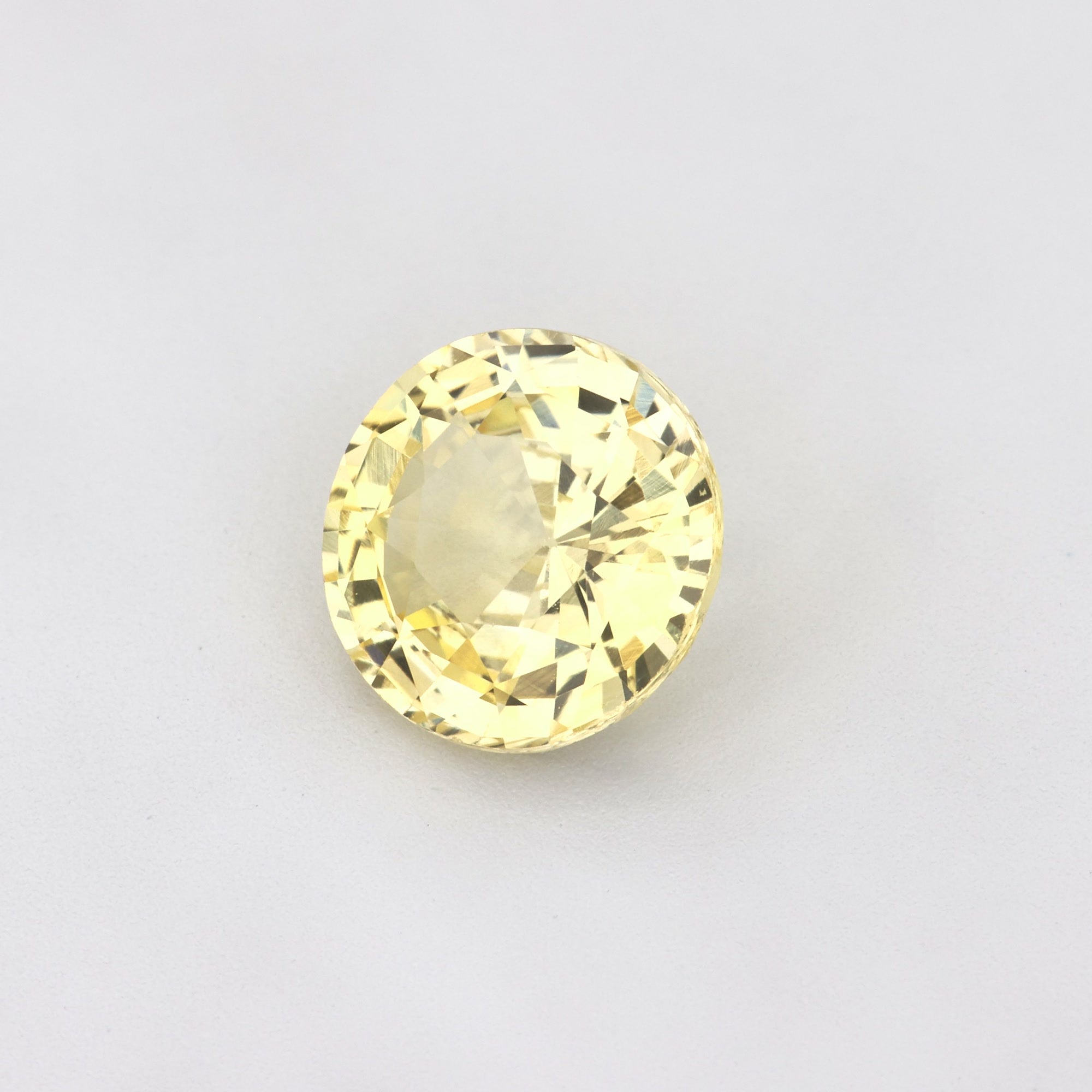
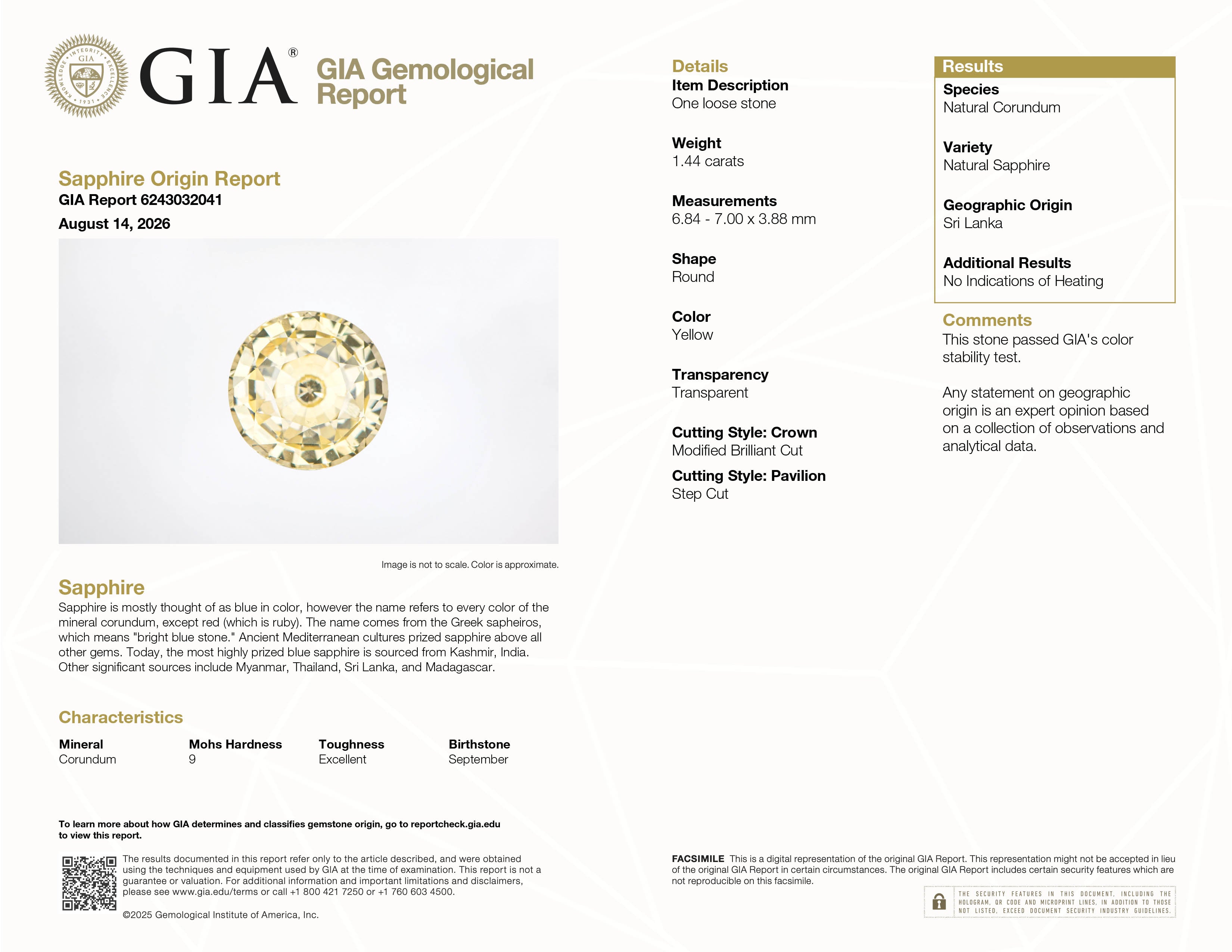
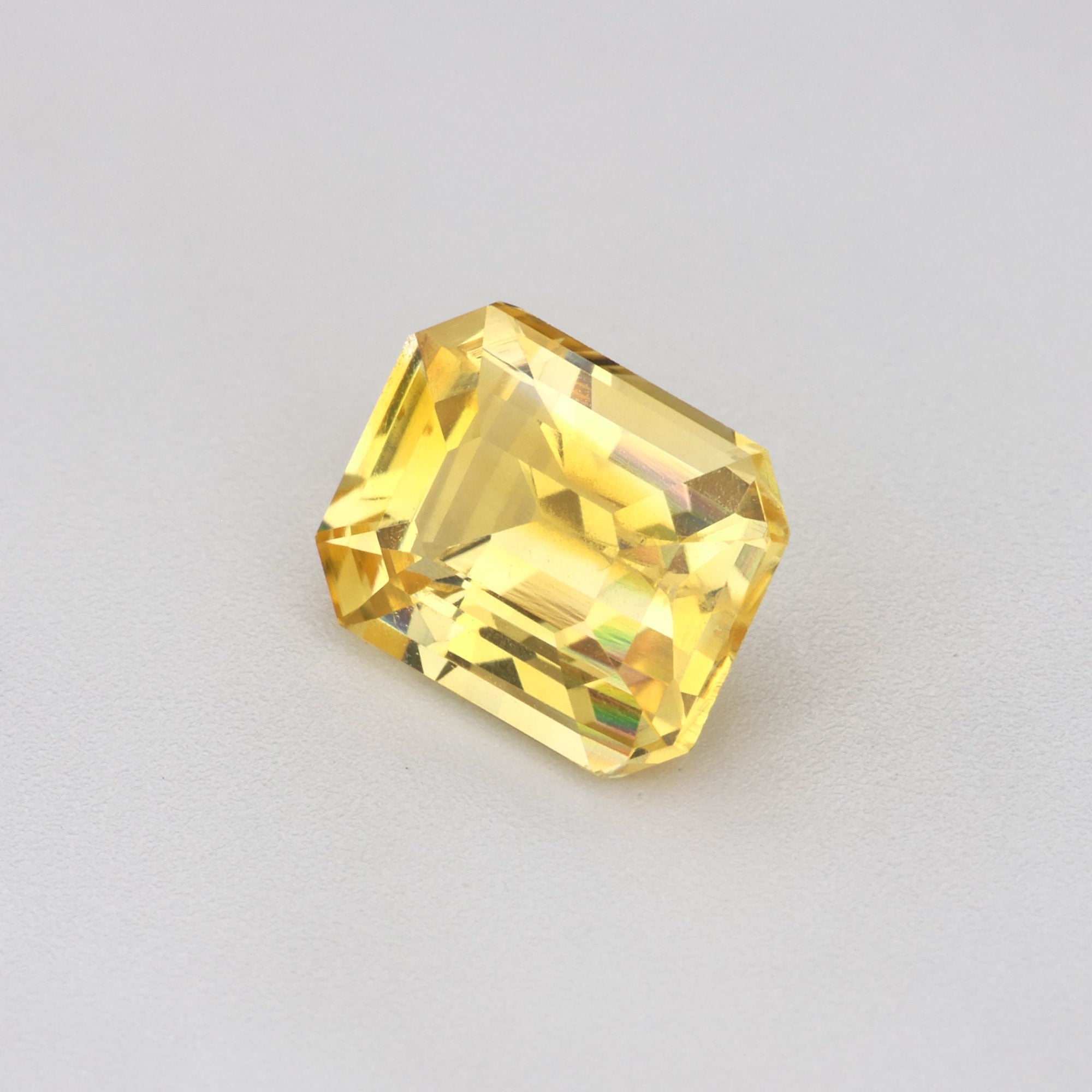
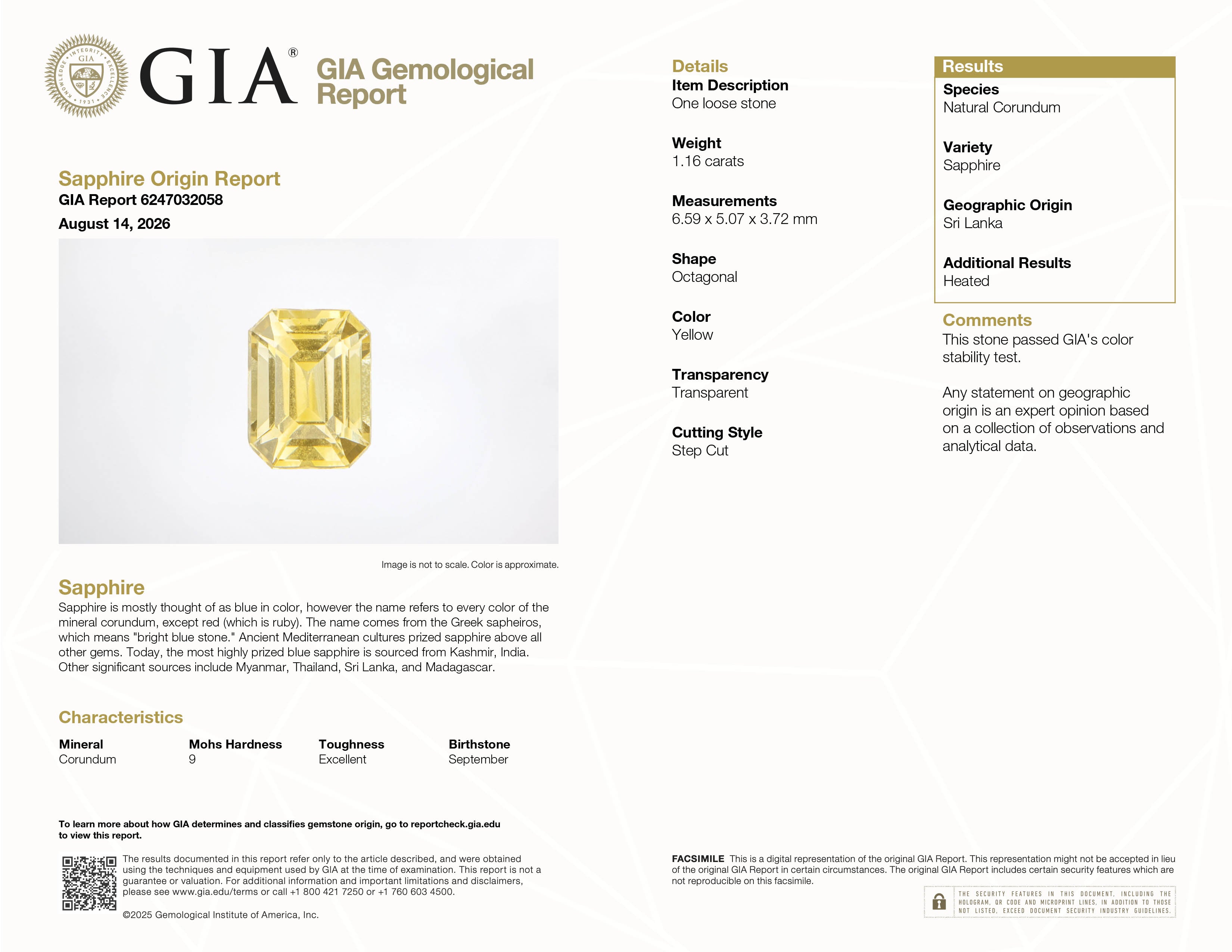
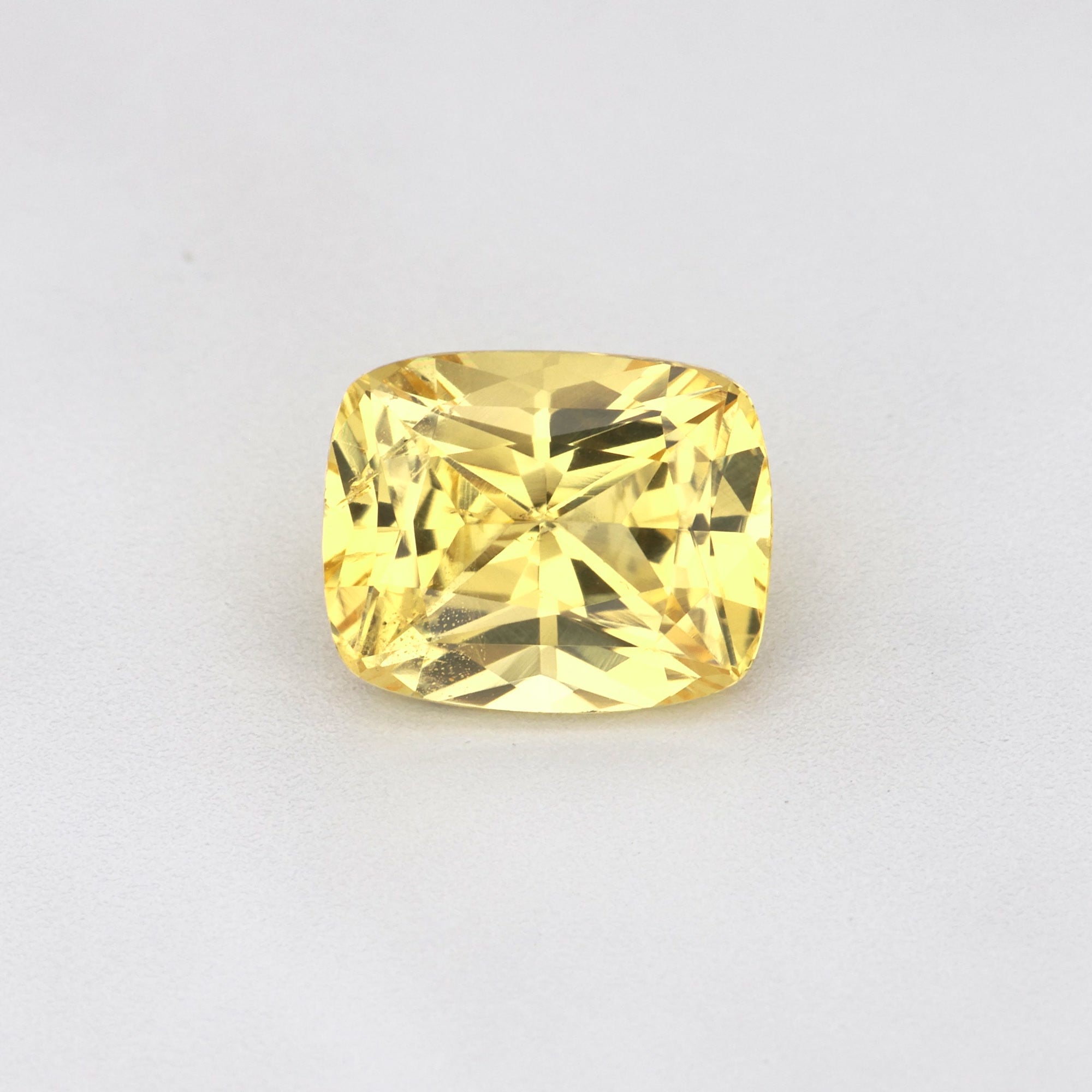
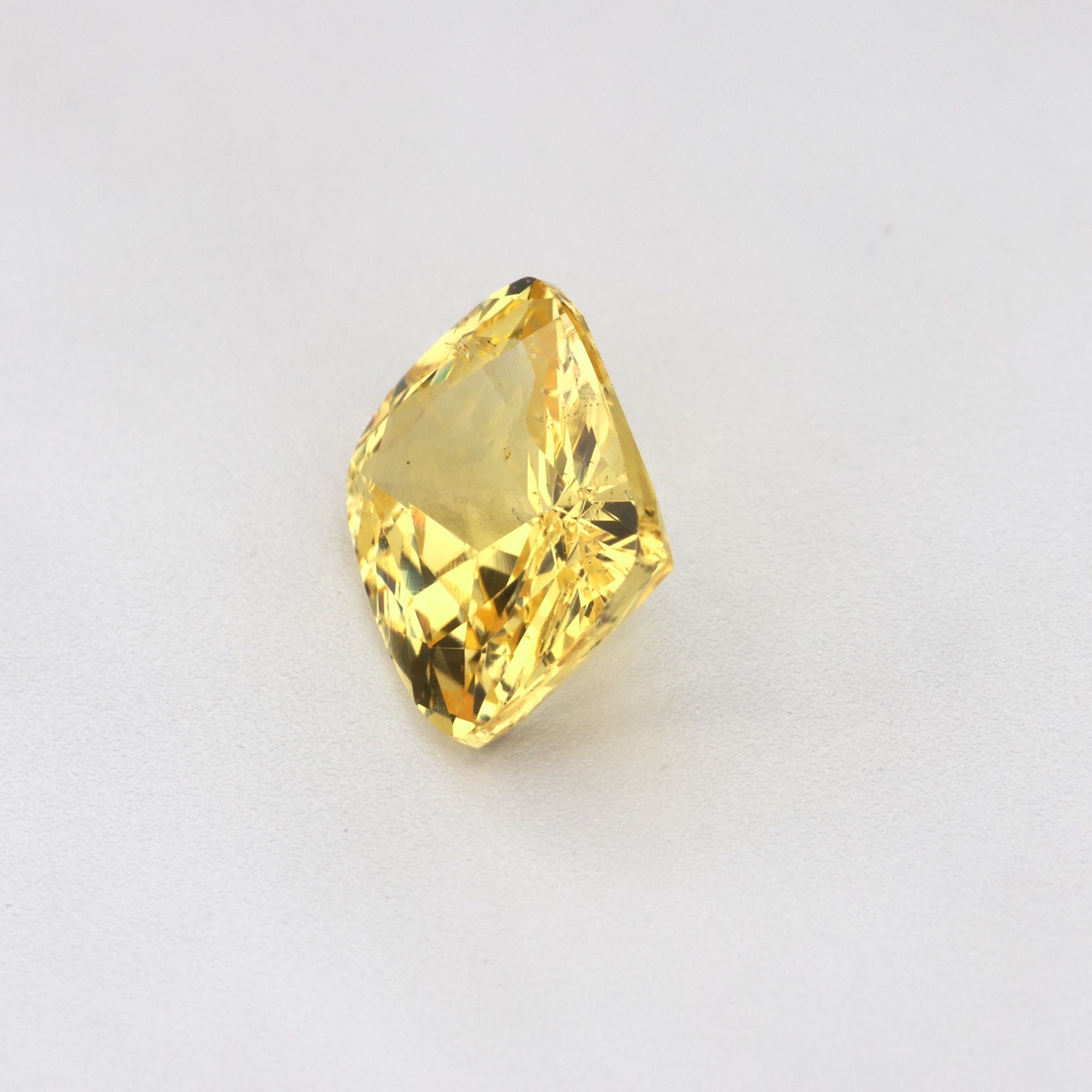
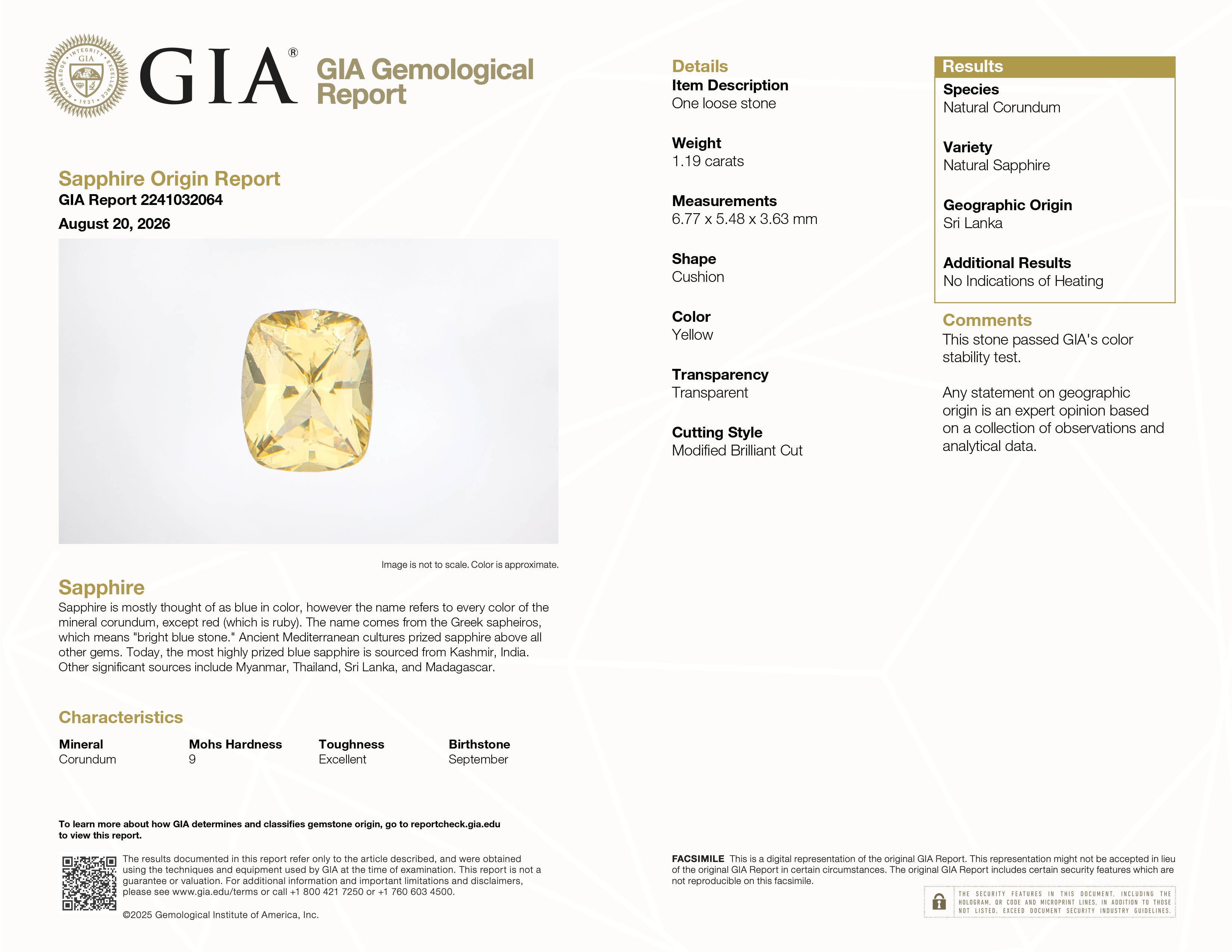
Yellow Sapphire: Fine unheated Ceylon yellow at 1.5+ carats is a genuine engagement stone — warm, vivid, strikingly different. Also the most important Jyotish gemstone for Jupiter. See our yellow sapphire guide.
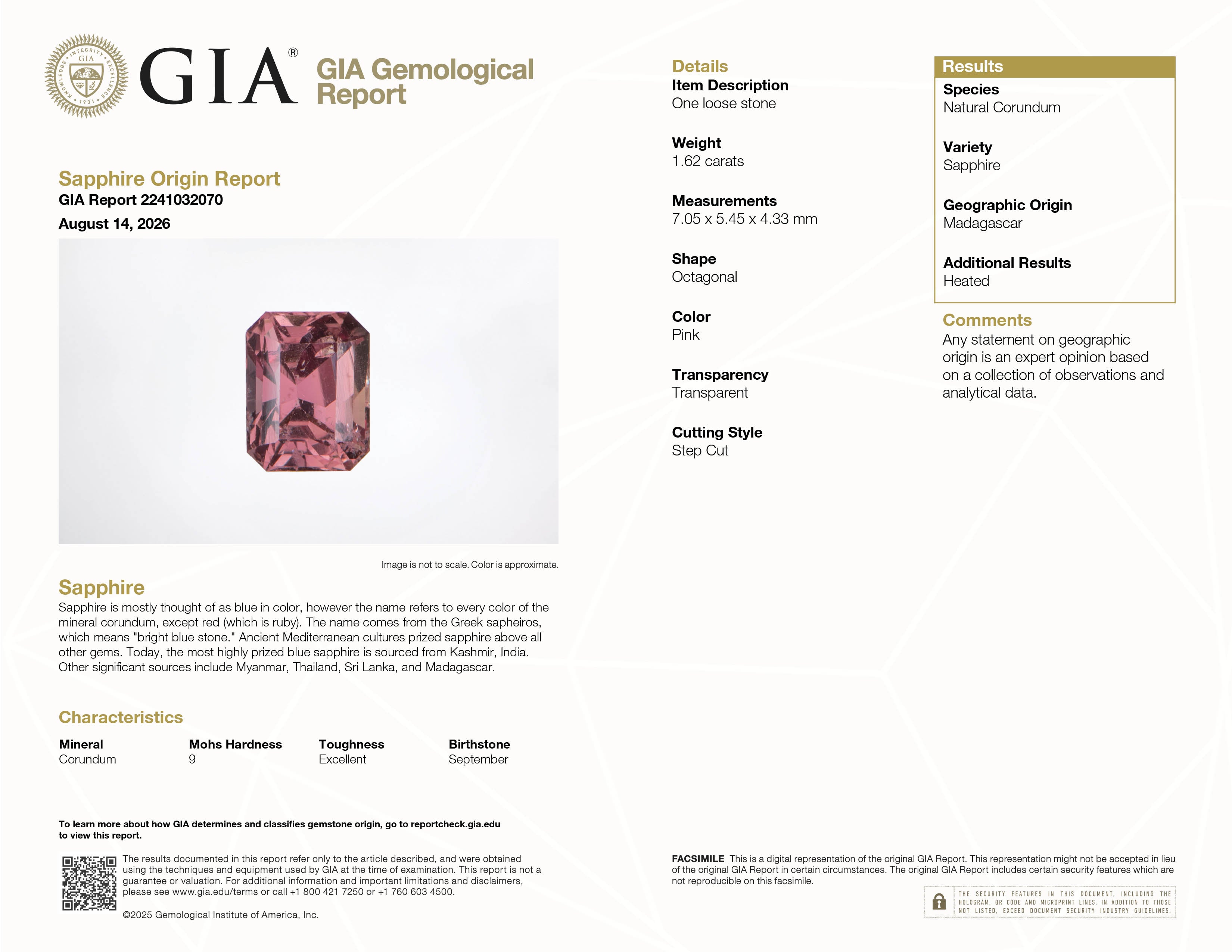
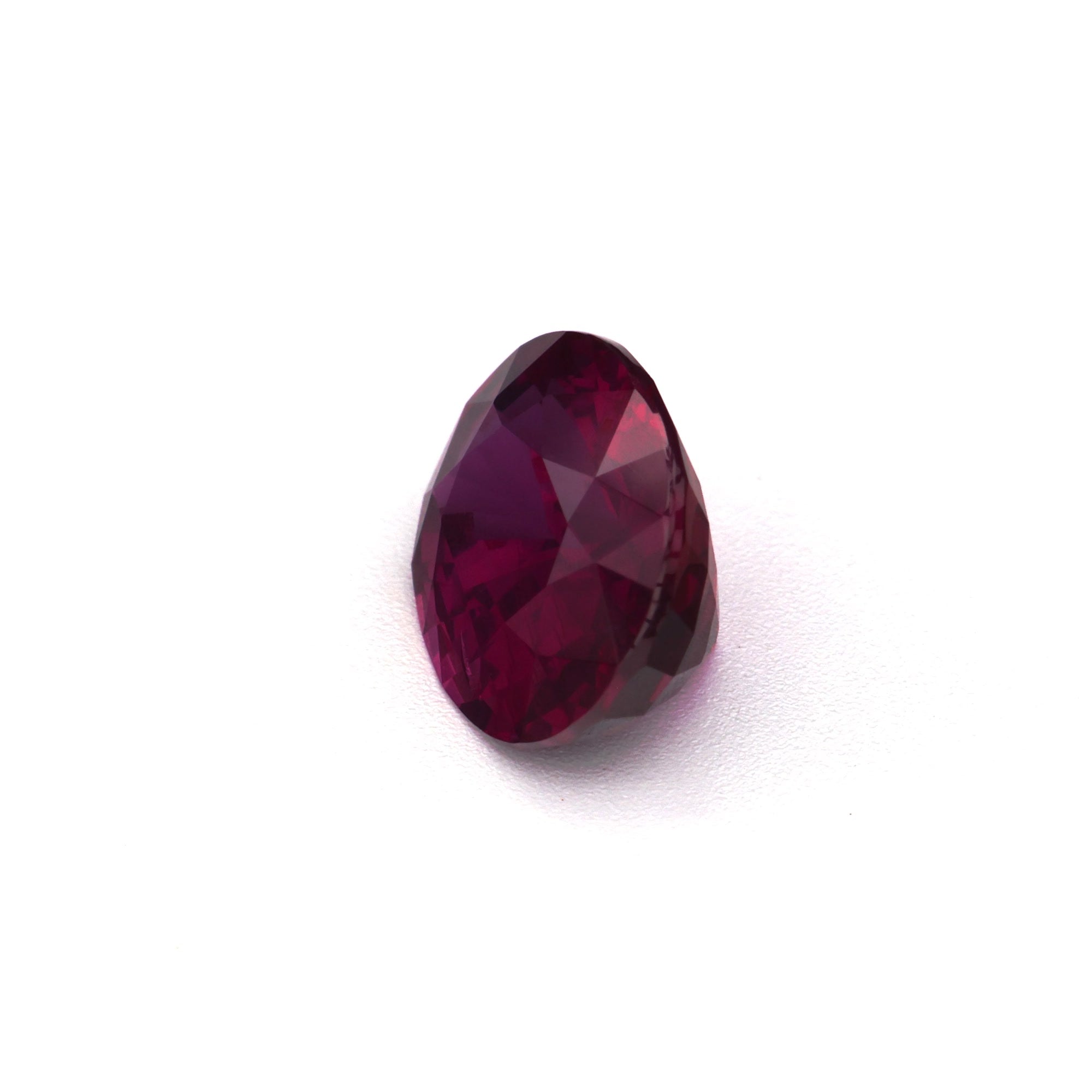
Pink Sapphire: The most popular non-blue sapphire for engagement rings. Suits rose gold particularly well. See our pink sapphire guide.
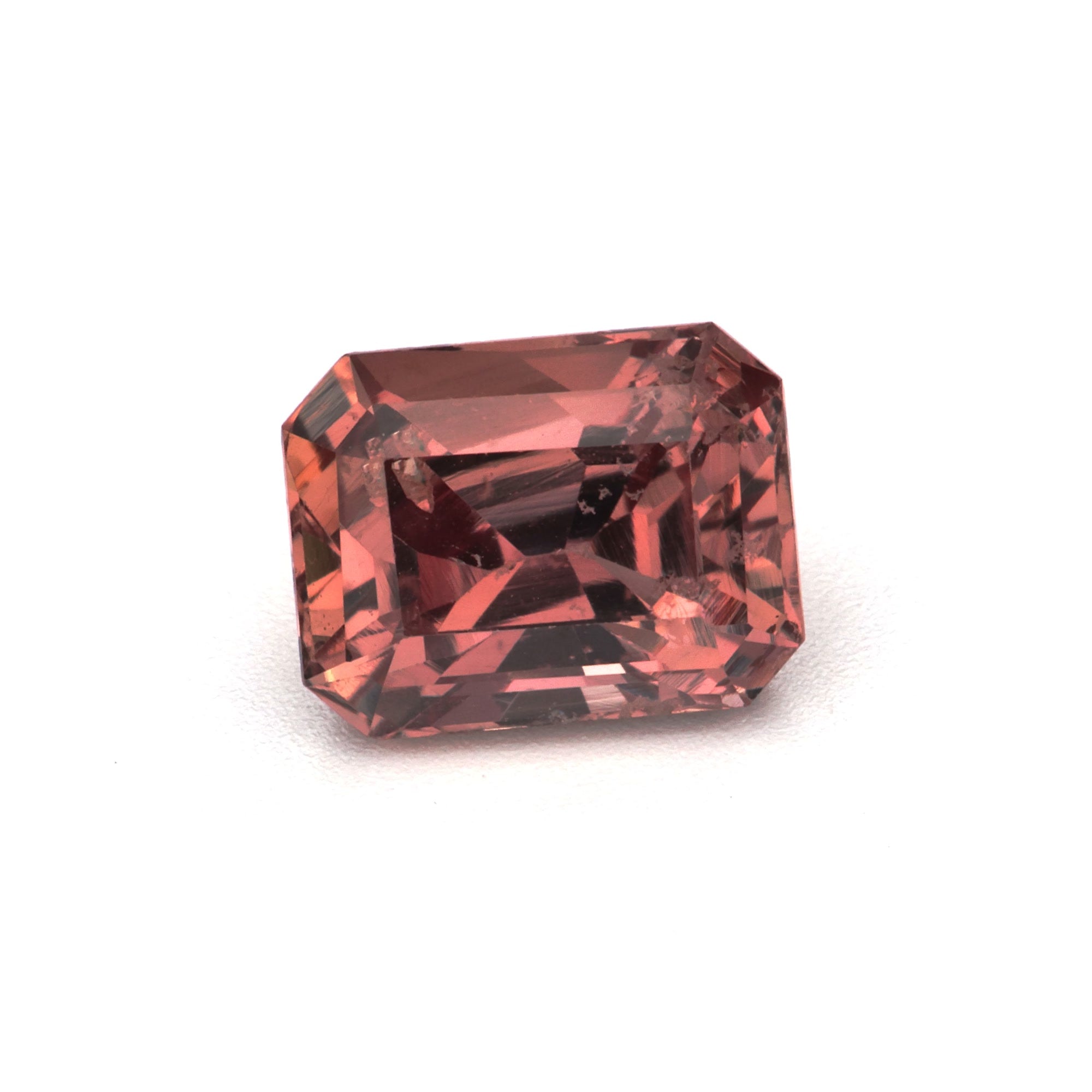
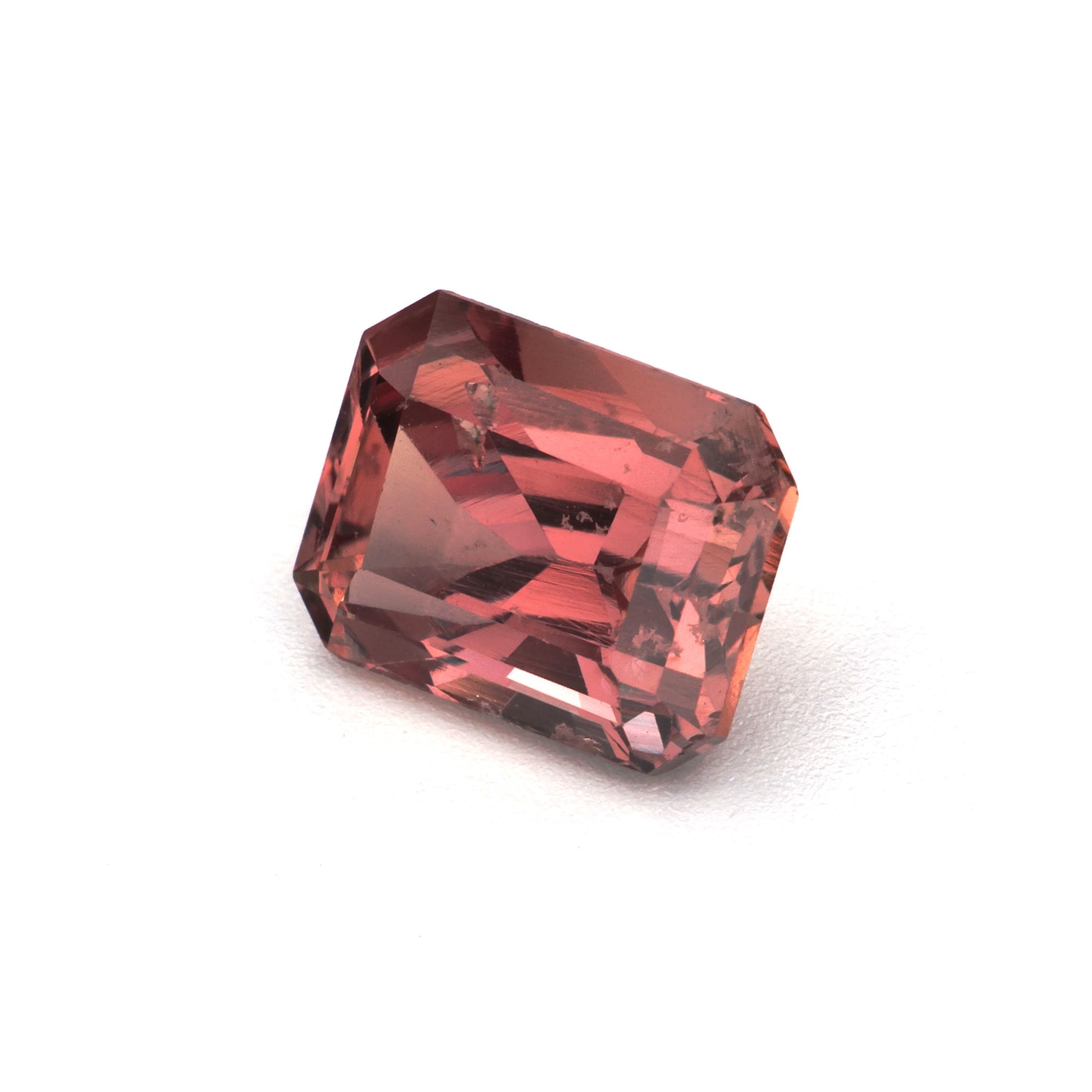
Peach and Padparadscha: Warm blush-orange zone between pink and orange. In rose gold, among the most romantically beautiful engagement stone combinations available. See our peach sapphire guide.
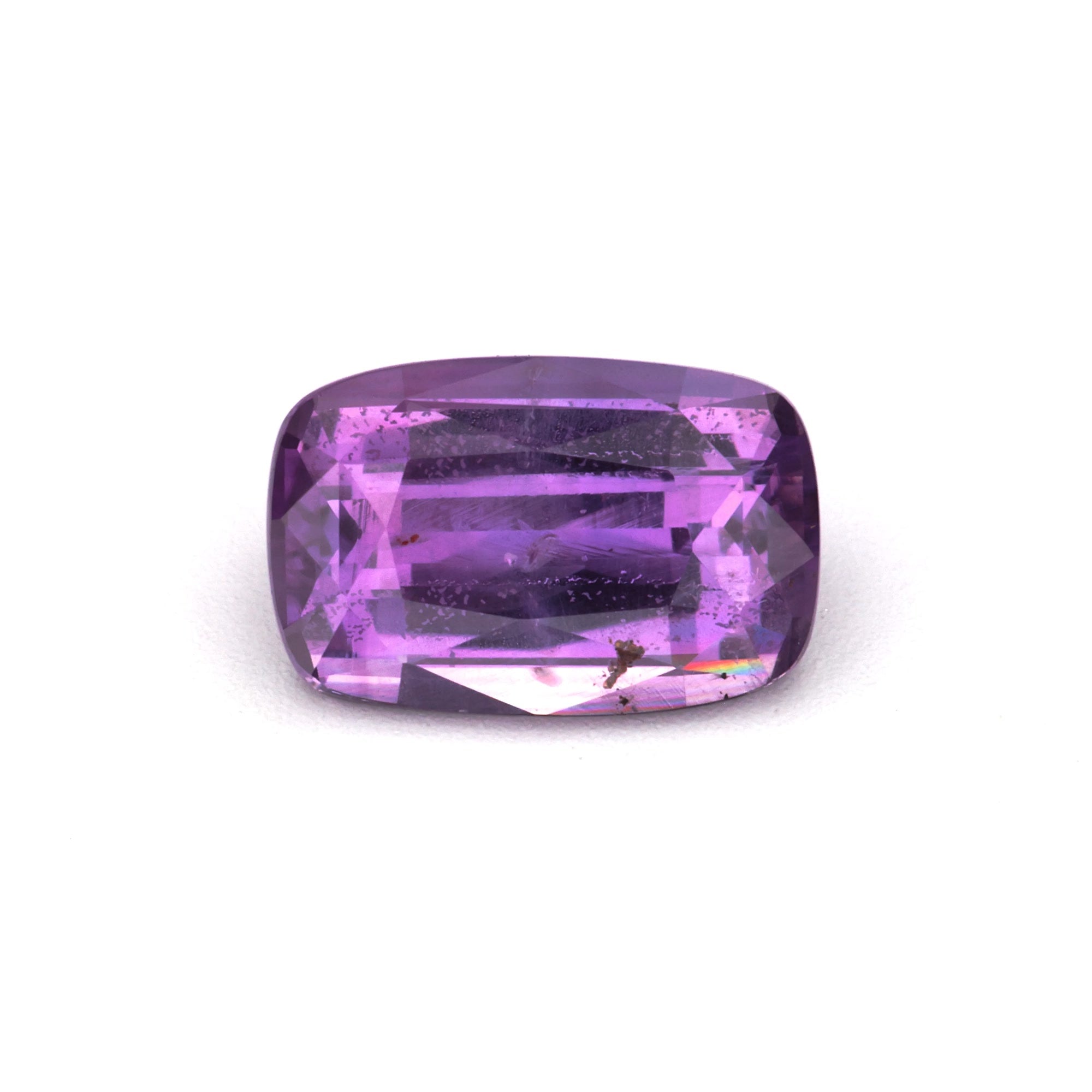
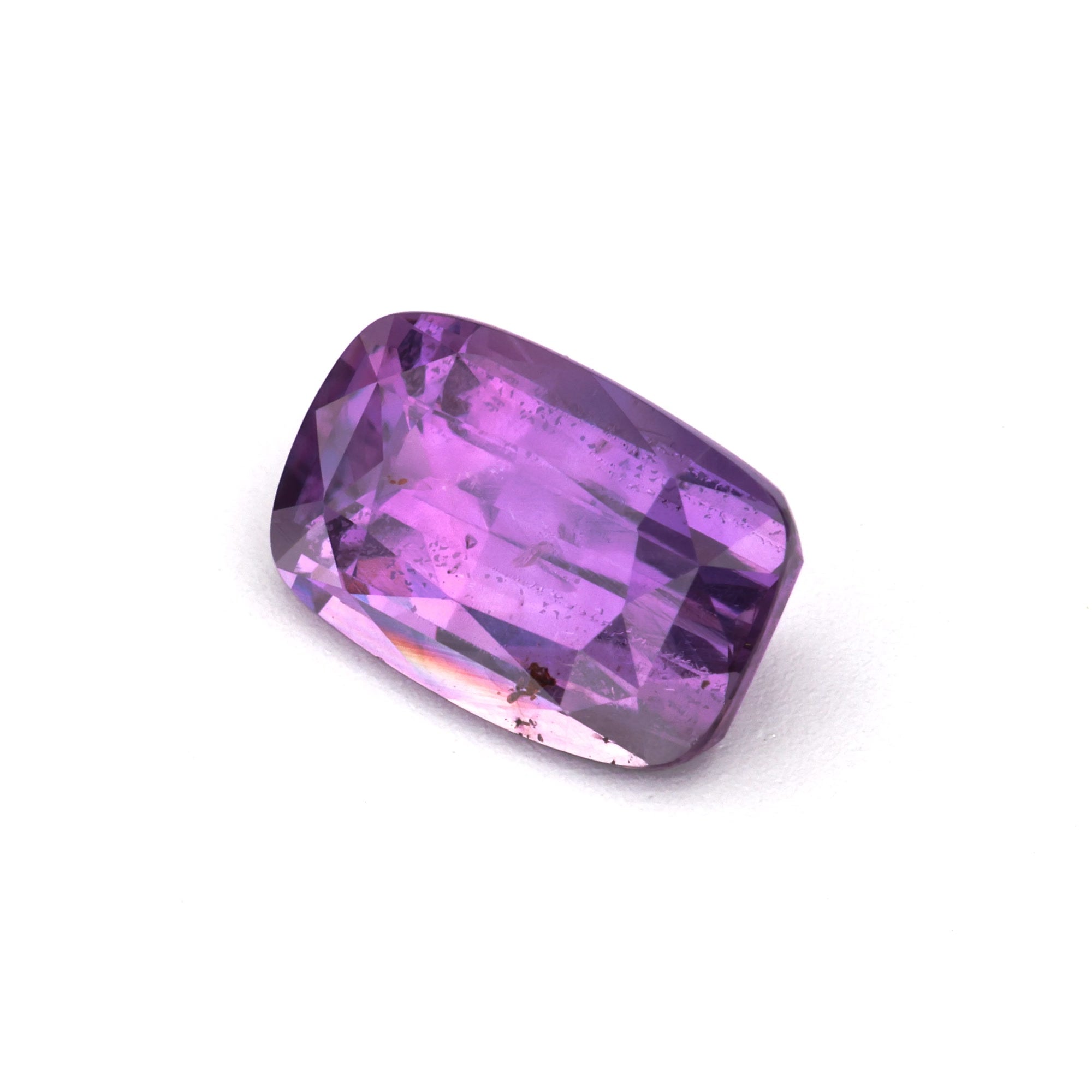
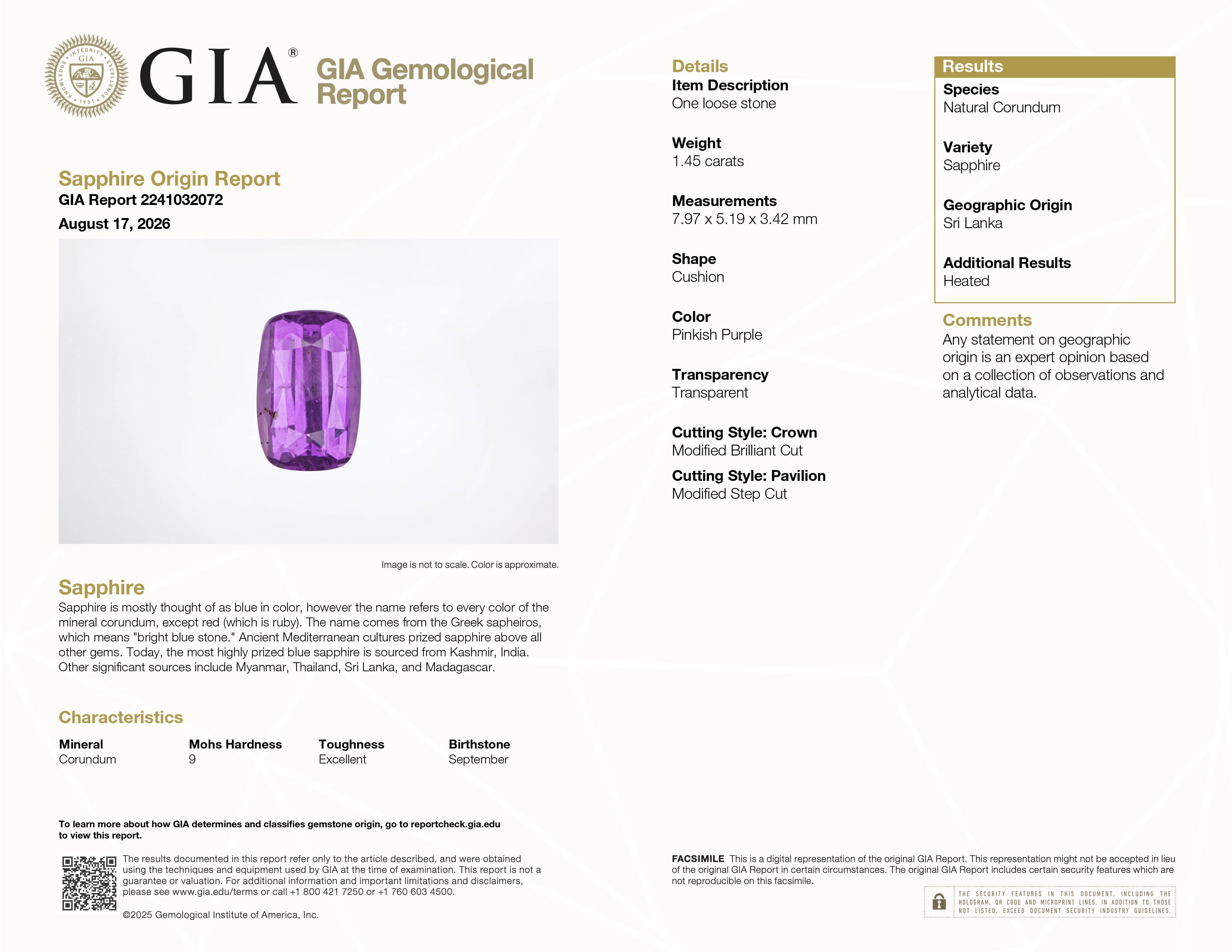
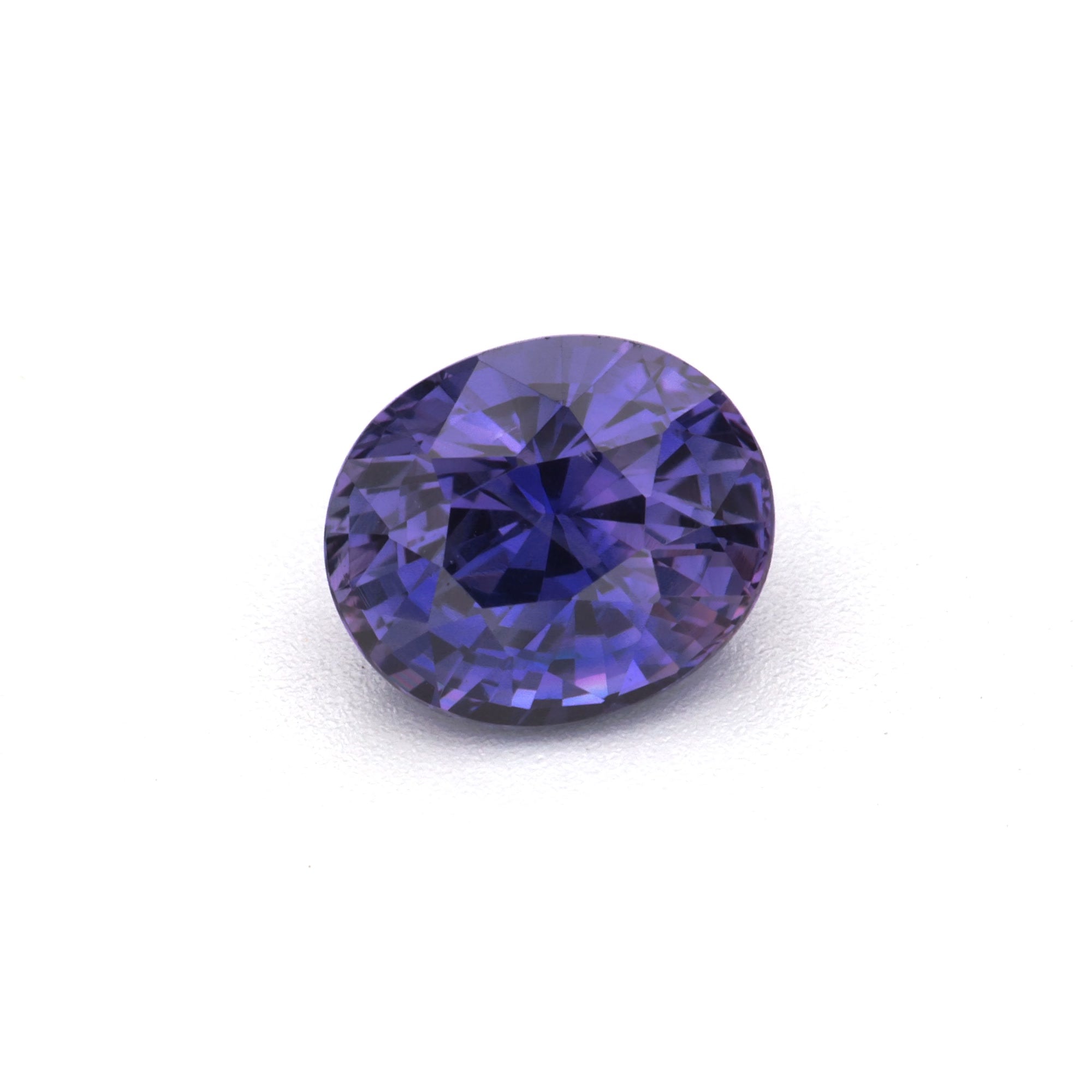
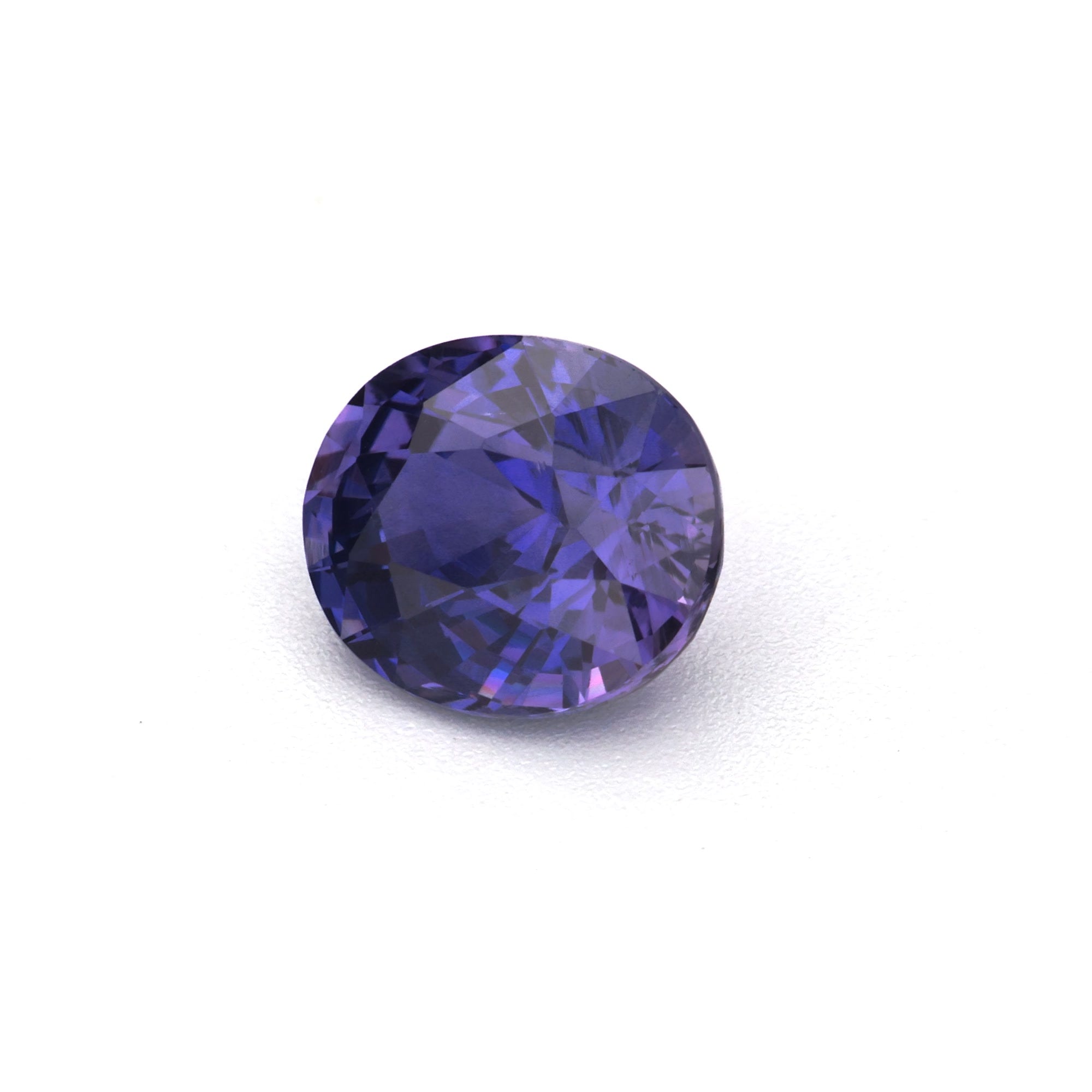
Purple and Violet: See our purple sapphire guide. White Sapphire: See our white sapphire guide.
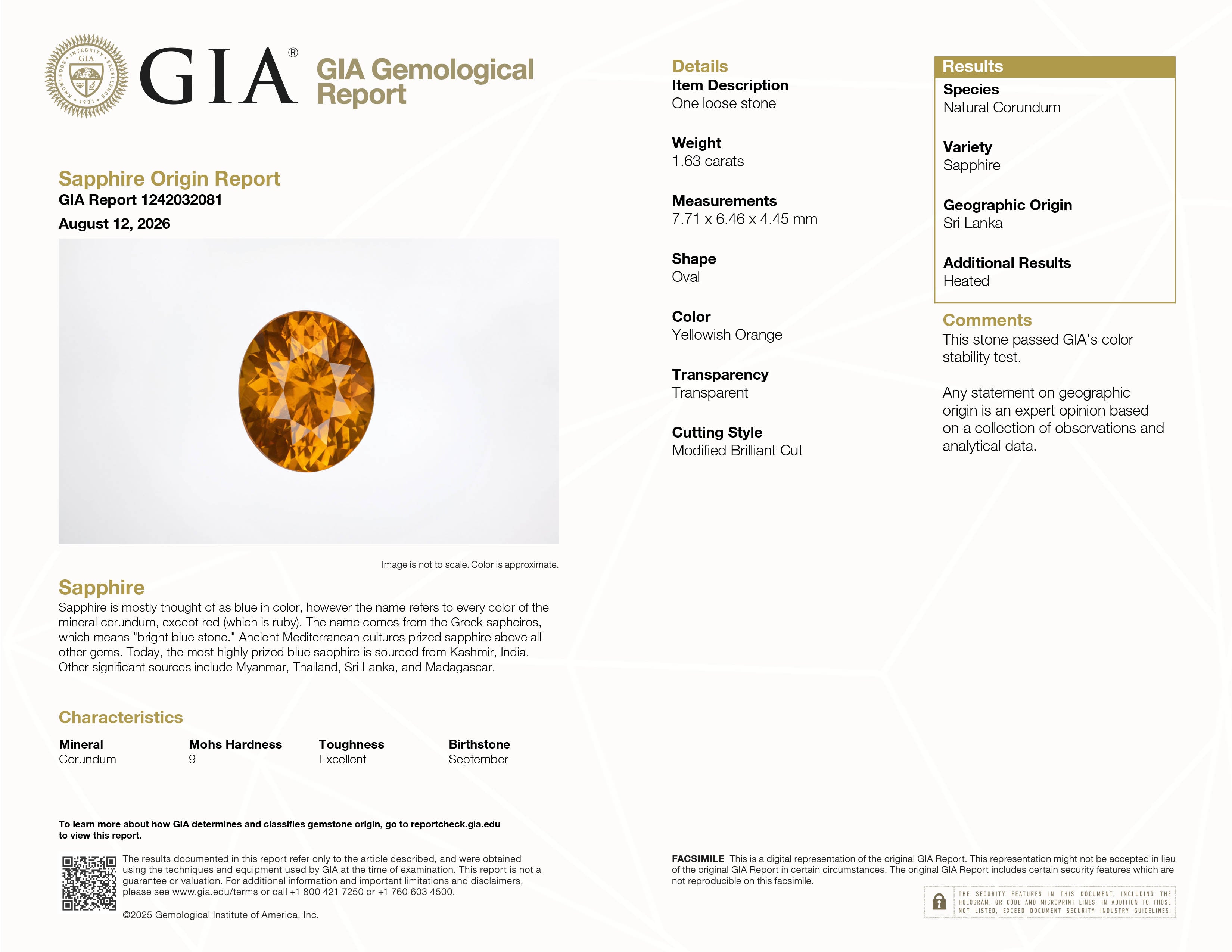
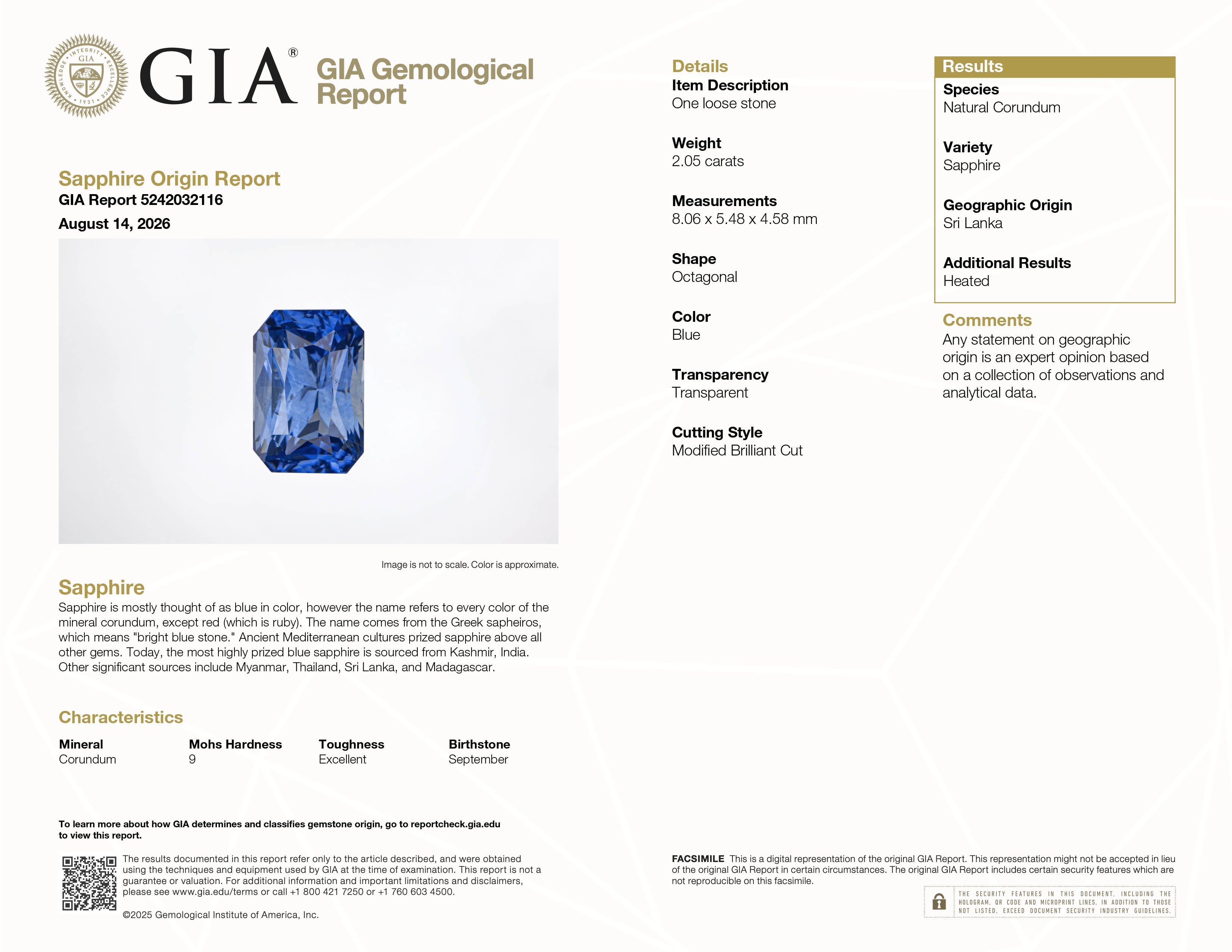
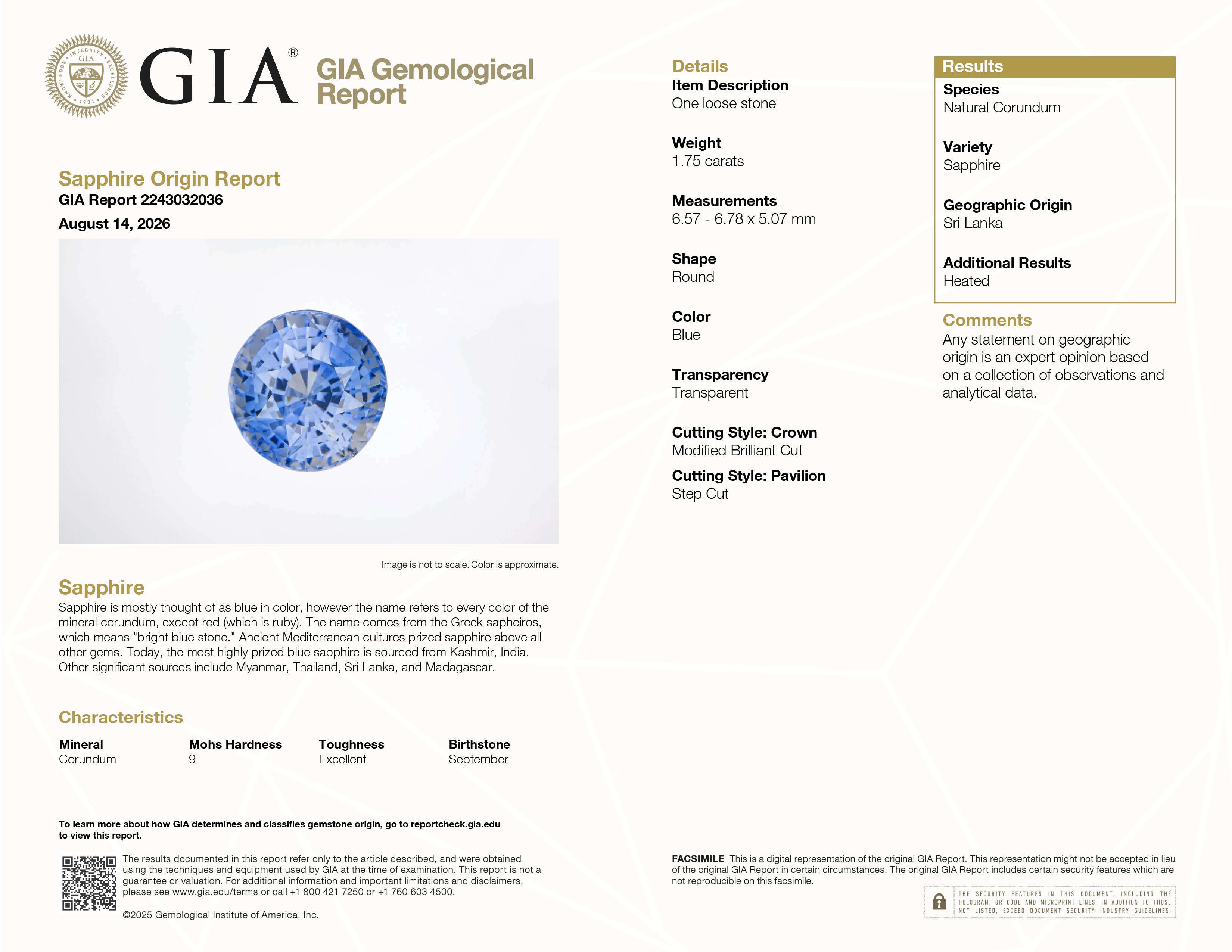
The majority of sapphires on the commercial market have been heat-treated to improve color saturation. The treatment is permanent, stable, universally accepted, and completely legitimate. What it does affect is rarity — unheated sapphires of equivalent color are genuinely rarer and priced significantly higher, particularly above 1 carat where laboratory documentation is available to verify the status.
Choose unheated if natural unaltered color matters philosophically, you are buying with resale value in mind, you are buying for Jyotish use, or your budget accommodates the premium. Choose heat-treated if you want the largest, most vivid stone your budget allows, you are buying primarily for aesthetics, or you prefer to direct premium savings toward a better cut, larger size, or finer setting.
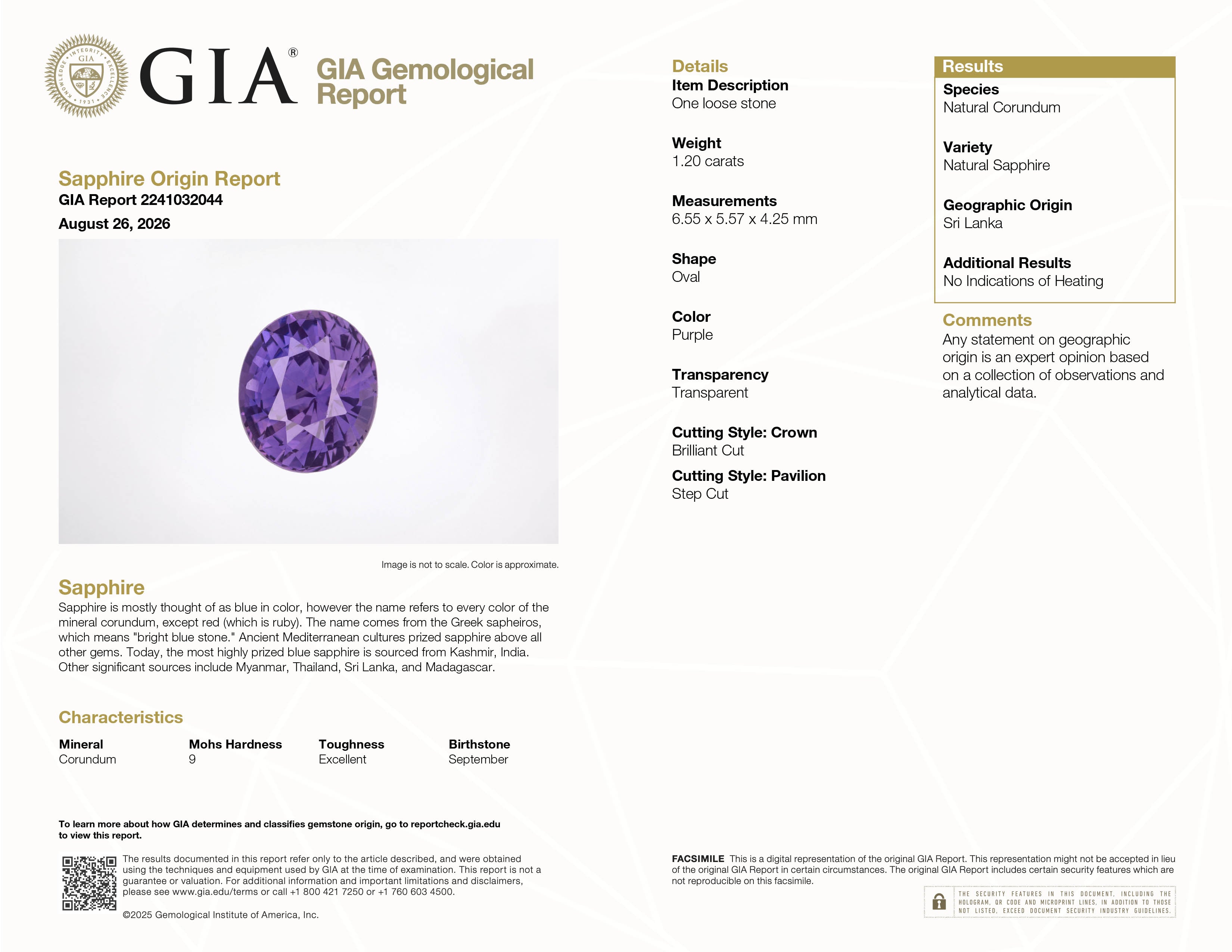
For any stone where the unheated premium is significant, treatment status should be confirmed by a GIA, Gubelin, SSEF, or Lotus report. See our unheated sapphire guide and heat treatment guide.
Color (dominant factor): Hue (pure color without muddy modifiers), saturation (mid-to-vivid), and tone (medium — dark enough to have presence, light enough that color reads clearly across all lighting conditions). Always view the stone under natural daylight before buying. A stone that holds its color beautifully under natural daylight is a high-quality stone.
Cut (more important than most buyers know): A well-cut sapphire shows rich, even color across the entire face-up surface with no window (a colorless see-through area in the center). A larger, cheaper stone with a window looks worse in a finished ring than a smaller, well-cut stone. See our guide to how cut affects sapphire.
Clarity (eye-clean is the standard): No visible inclusions under normal viewing at arm's length. Fine silk (microscopic rutile needles common in unheated sapphire) is not a quality defect. See our sapphire inclusions guide.
Carat Weight: Sapphire is denser than diamond, so a sapphire of the same carat weight will have a slightly smaller face-up diameter. Buy for face-up appearance, not carat weight.
Oval: The most popular choice — maximizes face-up size, elongates the finger, concentrates color well. See our oval sapphire guide and best shapes for solitaire rings.
Cushion: The cut that best showcases sapphire color — rounded corners concentrate and deepen saturation. Suits vintage-inspired halo and three-stone settings particularly well. See our cushion cut sapphire guide and best shapes for halo rings.
Round: Maximum brilliance, maximum setting compatibility.
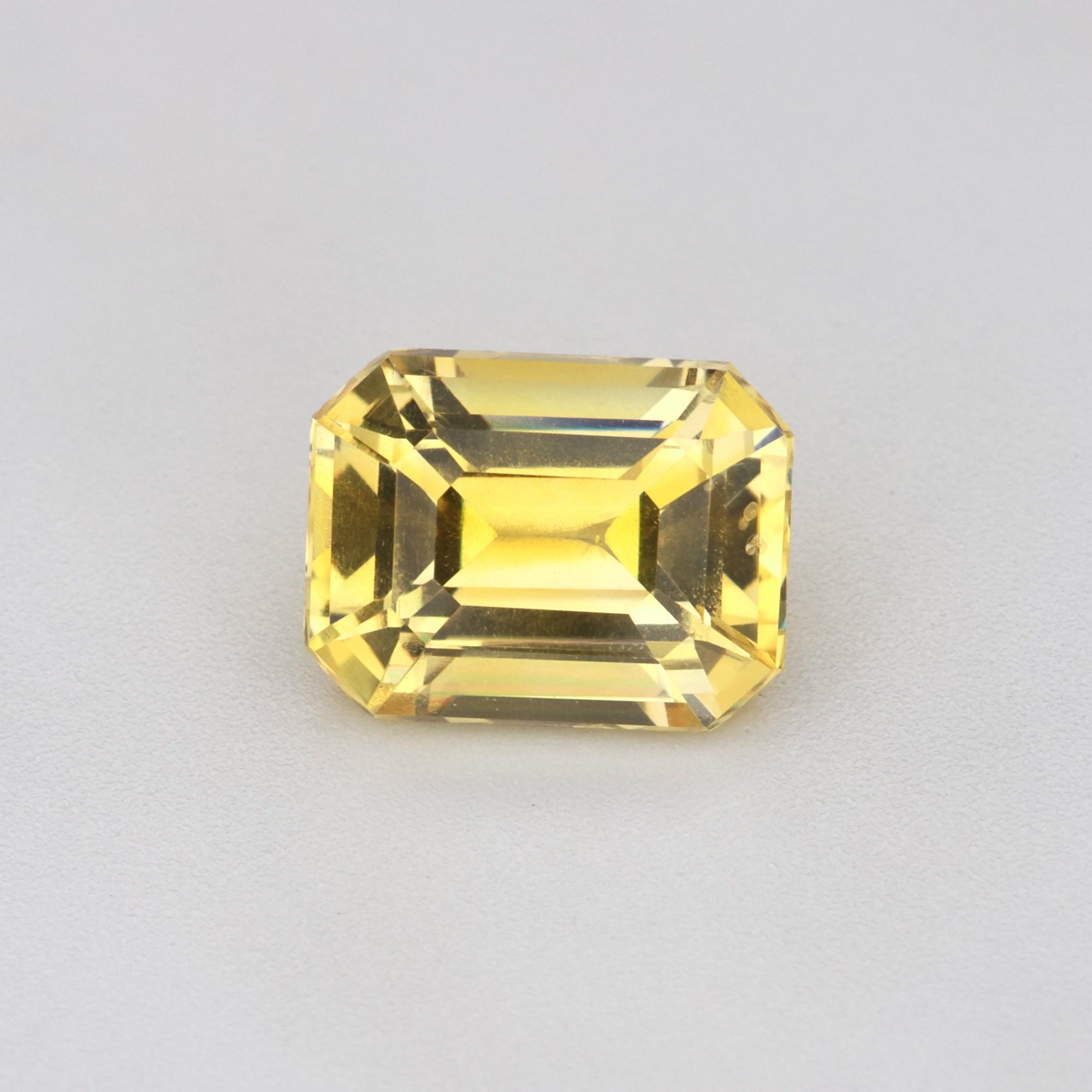
Emerald Cut: Step facets create interior depth rather than surface sparkle — increasingly popular for modern, refined aesthetics. See our emerald cut sapphire guide and best cuts for low-profile rings.
Pear, Marquise, and Fancy Shapes: Both elongate the finger maximally. See our best elongated sapphire shapes guide.
For three-stone ring shapes, see our best shapes for three-stone rings.
White gold and platinum: The cleanest backdrop for blue, teal, and violet sapphires. Most popular combination for blue Ceylon sapphire engagement rings.
Rose gold: The natural pairing for pink, peach, and purplish-pink sapphires. Also beautiful with teal and violet.
Yellow gold: Adds warmth and vintage depth. Works best with yellow sapphires, vivid purples, and warm-toned blues.
For the complete framework, see our yellow gold vs. white gold vs. platinum guide and how to choose metal color for a sapphire ring.
Once you have chosen your stone and metal, the setting design determines how the stone presents and protects it in daily wear:
Ceylon (Sri Lanka) is the most important origin for the commercial engagement ring market — known for vivid color, high transparency, and meaningful proportion of unheated material. GIA-confirmed Ceylon origin on an unheated stone is the most documented and most liquid specification in the category. See our Ceylon sapphire complete guide. Other important origins: Burma / Mogok, Madagascar, Tanzania, Mozambique.
$300-$800 (stone only): sub-1ct heat-treated commercial. $800-$2,000: 0.80-1.30ct heat-treated with good color or sub-0.80ct unheated. $2,000-$5,000: 1.00-1.80ct heat-treated vivid with GIA or 0.80-1.40ct unheated with good color. $5,000-$12,000: 1.50-2.50ct heat-treated GIA-documented or 1.20-2.00ct unheated Ceylon. Above $12,000: unheated Ceylon above 2ct with GIA documentation. See our what a good 1 carat costs and what a good 2 carat costs guides.
Browse the full Ceylon sapphire catalog, use the Try-On program to see stones in person before committing, or email crescentgems@gmail.com with your specifications and we will put together options personally. Free US shipping; 14-day returns on every order.
If you're set on something other than classic blue, browse our fancy sapphires for engagement rings — unconventional colors and cuts, chosen specifically for ring settings.

CG8465
CG8460
CG8456


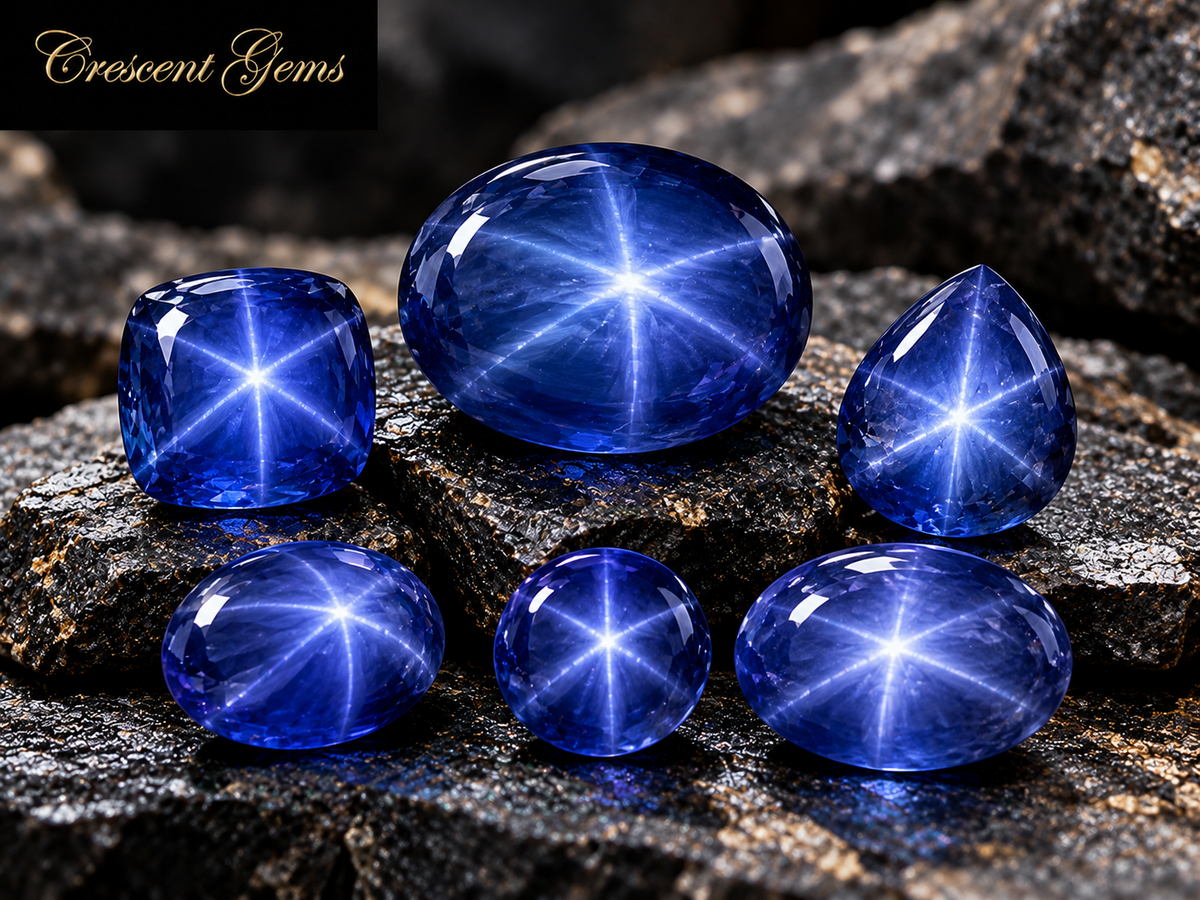
Blue Star Sapphire Price Guide — What They Cost and Why
Read moreabout Blue Star Sapphire Price Guide — What They Cost and Why
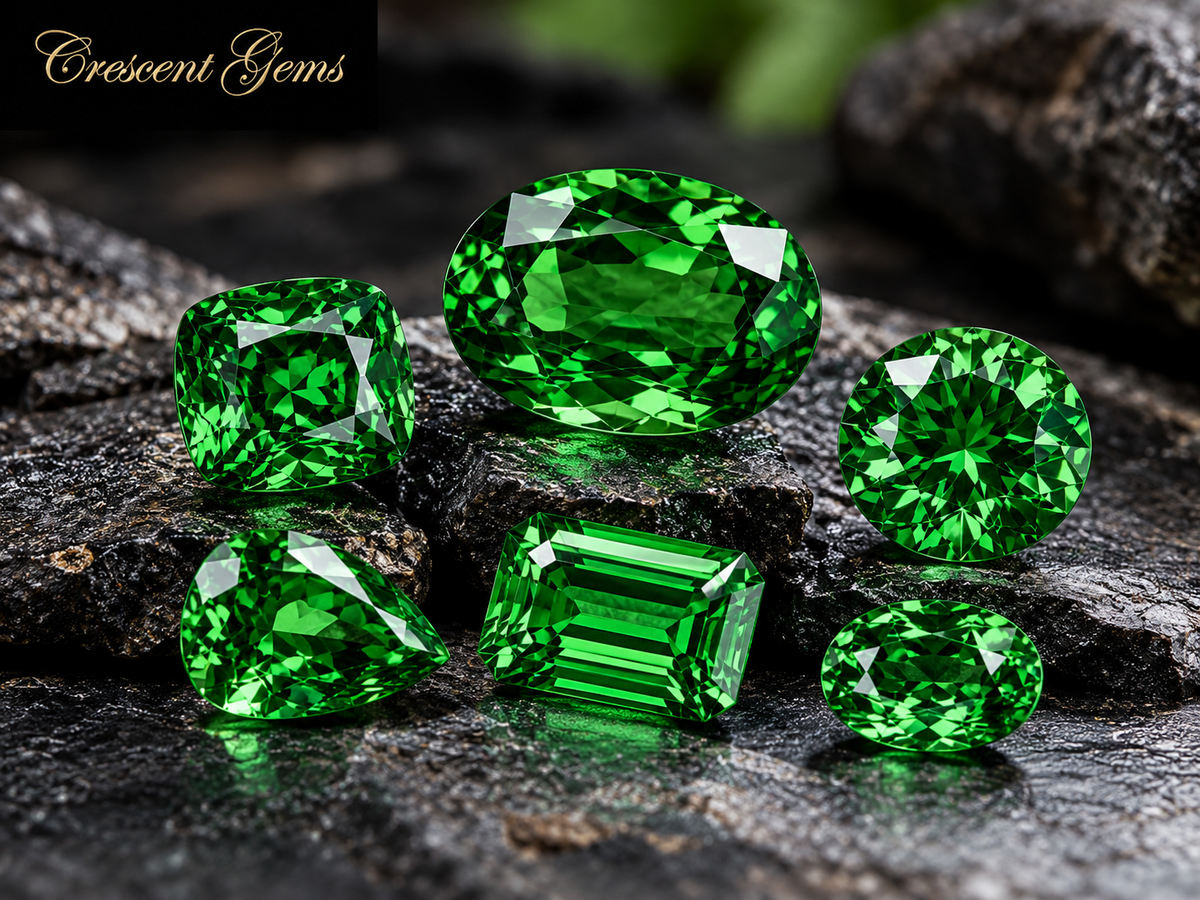
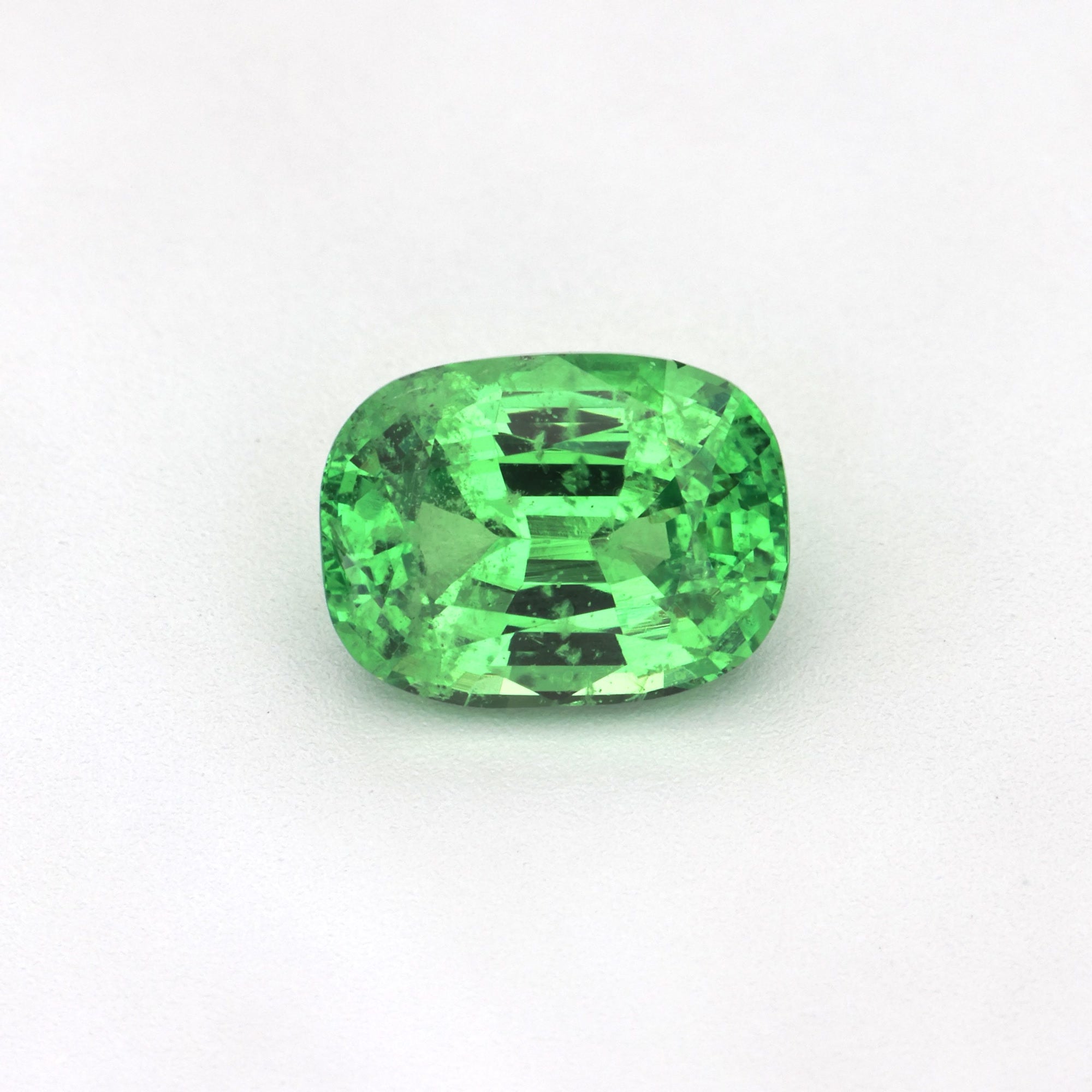
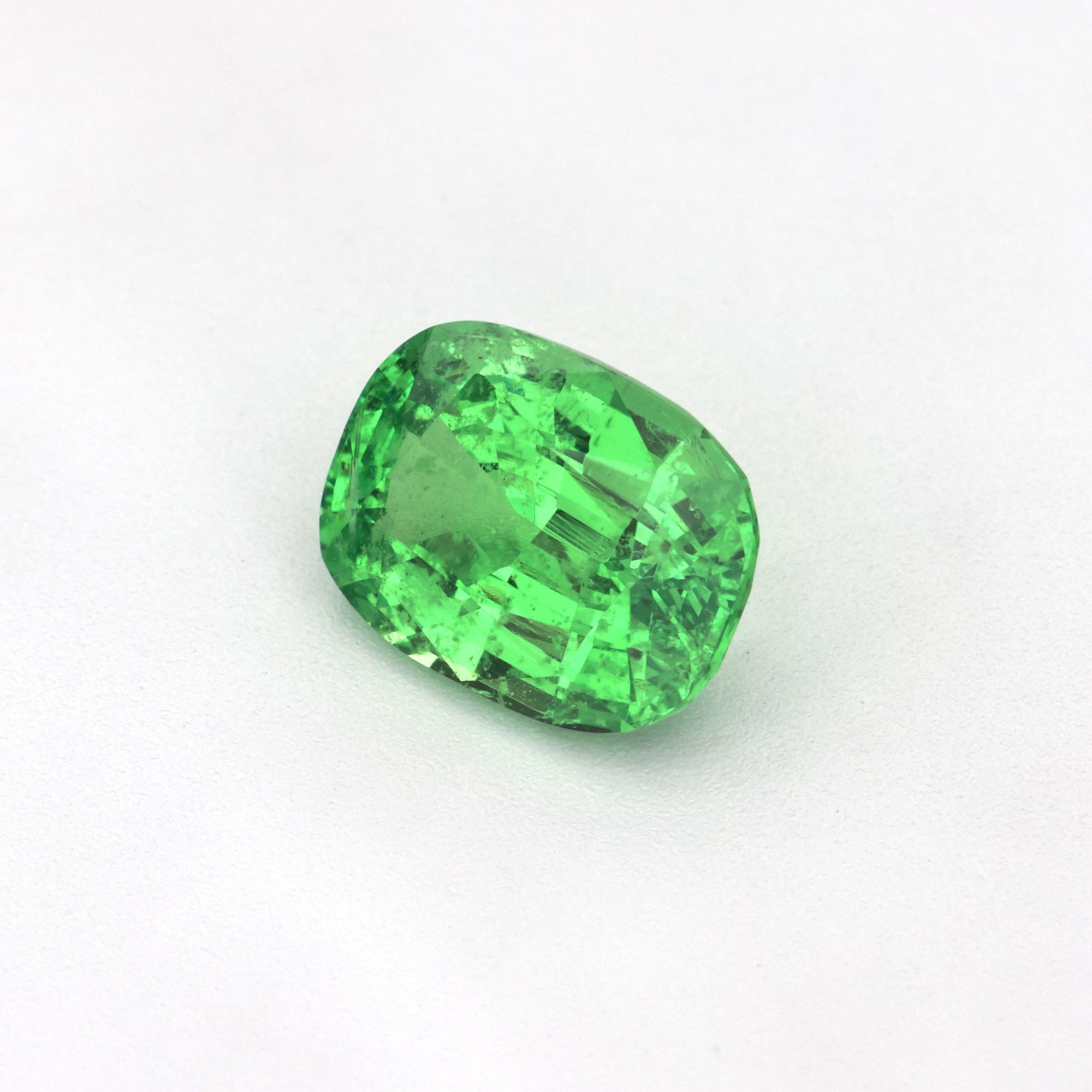
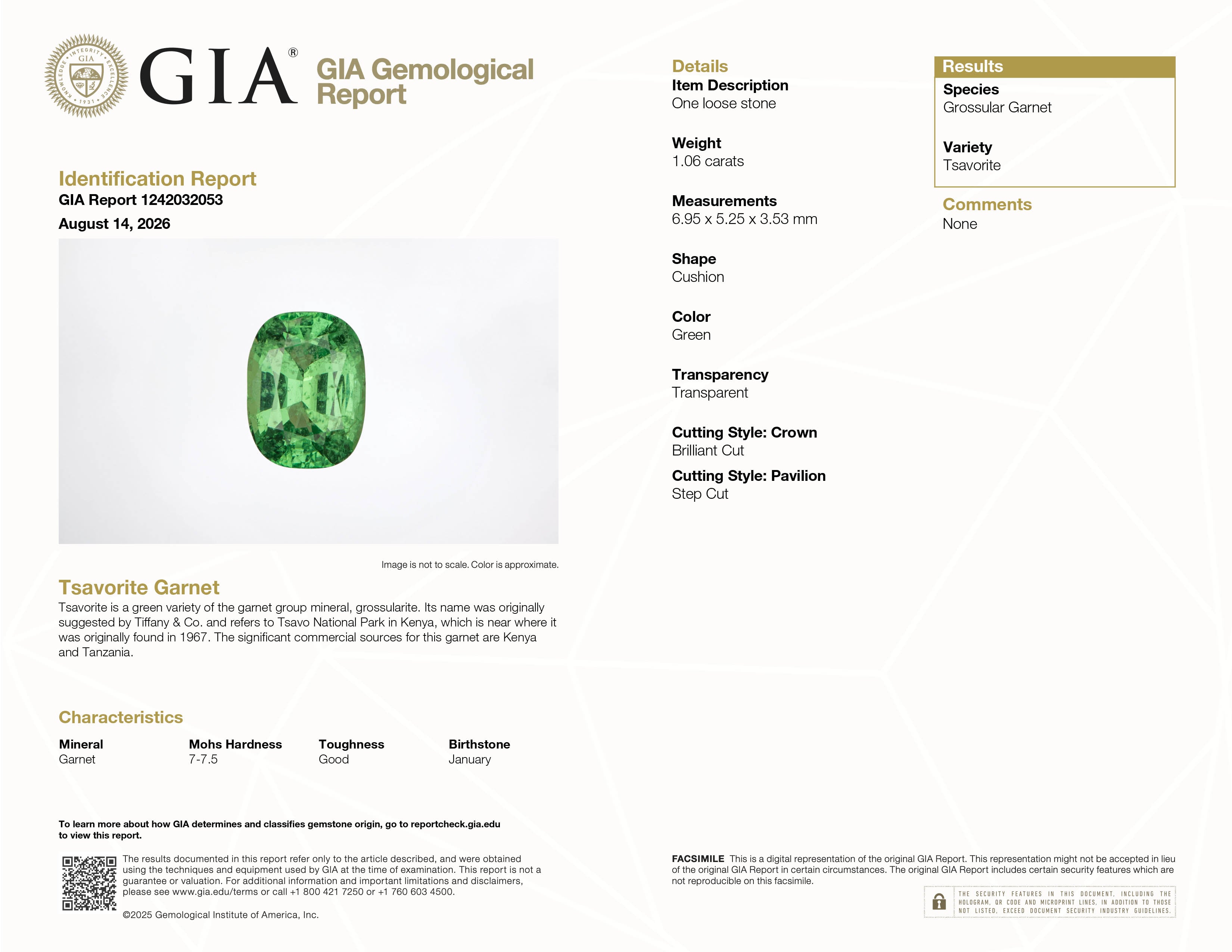
Tsavorite Garnet Price Guide — What They Cost and Why
Read moreabout Tsavorite Garnet Price Guide — What They Cost and Why
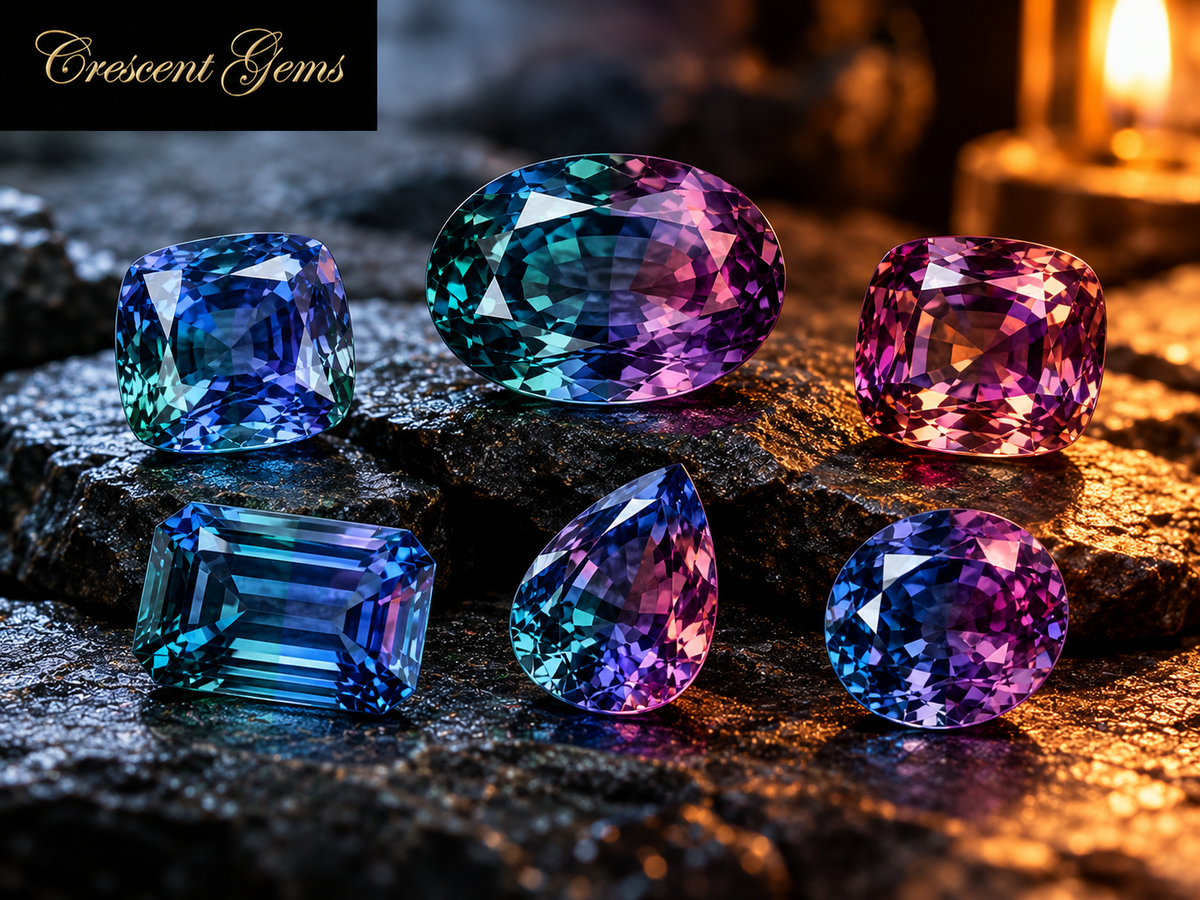
Color-Change Sapphire Price Guide — What They Cost and Why
Read moreabout Color-Change Sapphire Price Guide — What They Cost and Why
Is Cat's-Eye Chrysoberyl Good for an Engagement Ring?
Read moreabout Is Cat's-Eye Chrysoberyl Good for an Engagement Ring?
Cat's Eye Chrysoberyl Price Guide — What They Cost and Why
Read moreabout Cat's Eye Chrysoberyl Price Guide — What They Cost and Why















Share: