

- 著者:Ahmed Shareek
Famous Sapphires in History — The Stones That Shaped the World’s Love of Blue
- 著者:Ahmed Shareek
New to buying sapphires? Start with our Ultimate Sapphire Buying Guide — the complete resource for color, origin, treatment, and pricing.
Sapphires have been prized by rulers, collected by museums, and worn by royalty for over two thousand years. The most famous sapphires in history are not just gemstones — they are artifacts of power, devotion, conquest, and legacy. Each one carries a story that connects the stone to the civilizations that valued it, the hands that held it, and the events that shaped its journey from the earth to a crown, a ring, or a museum case.
These are the sapphires that defined what the word "sapphire" means in the public imagination — and understanding their stories deepens your appreciation of what you are buying when you choose a natural sapphire today.
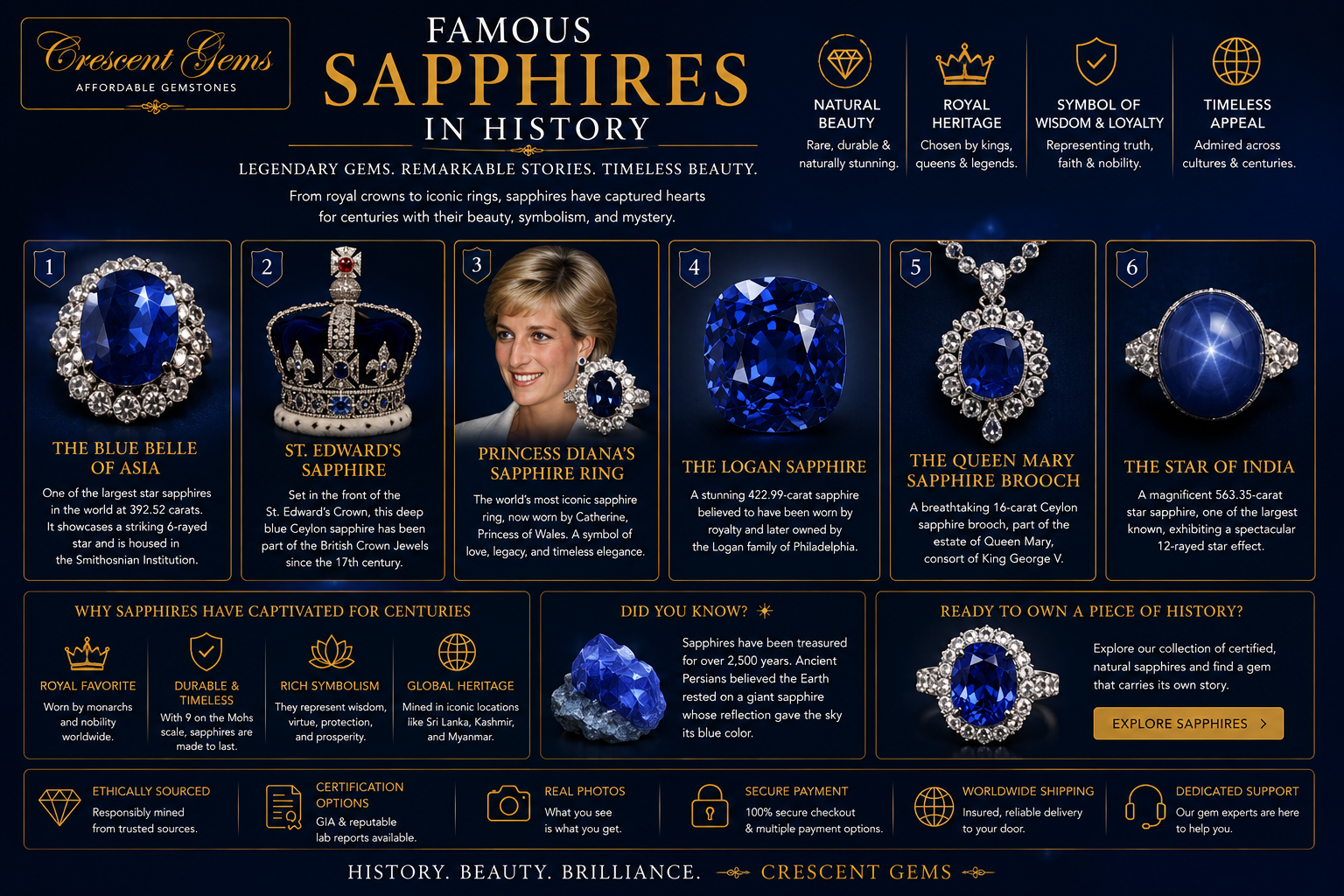
The Star of India is the most famous sapphire on Earth and one of the largest gem-quality star sapphires ever found. At 563.35 carats, it is roughly the size of a golf ball. It displays a sharp, well-defined six-rayed star on both sides of the stone — an exceptionally rare feature, as most star sapphires show asterism on only one side.
The stone is believed to have been mined in Sri Lanka approximately 300 years ago, though its early provenance is undocumented. It was donated to the American Museum of Natural History in New York by financier J.P. Morgan in 1900 as part of a major gemstone collection assembled by gemologist George Frederick Kunz (who also gave his name to kunzite).
In 1964, the Star of India was stolen from the museum in one of the most famous gem heists in history — the "Jewel Robbery of the Century" — along with the DeLong Star Ruby and other major gems. The thieves, including notorious jewel thief Jack Murphy ("Murph the Surf"), entered through an unlocked bathroom window. The Star of India was recovered two days later in a Miami bus station locker. It has been on continuous display at the museum since, behind considerably improved security.
The Star of India demonstrates several things about Ceylon sapphire: the extraordinary size that Sri Lankan deposits can produce, the quality of asterism created by intact rutile silk (see Star Sapphire Guide), and the enduring connection between Sri Lanka and the world's greatest sapphires.
No single piece of sapphire jewelry has done more for the modern sapphire market than this ring. In 1981, Prince Charles chose a 12-carat oval Ceylon blue sapphire surrounded by 14 solitaire diamonds, set in 18K white gold, as the engagement ring for Lady Diana Spencer. The ring was not a custom royal commission — it was selected from the Garrard jewelry catalog and was available for purchase by anyone. Its price at the time was approximately £28,000 (roughly $65,000).
The choice was unconventional for a royal engagement. Tradition favored diamonds. The selection of a sapphire was seen as a statement of individuality that aligned with Diana's emerging public persona. The ring became the most photographed piece of jewelry in the world and single-handedly launched a global trend for sapphire engagement rings that has never fully subsided.
When Prince William proposed to Catherine Middleton in 2010 using his mother's ring, the cycle repeated. The ring re-entered the global media spotlight, and sapphire engagement ring sales surged worldwide. The "Kate Middleton effect" is credited with a permanent increase in the sapphire engagement ring market that continues to this day.
The stone itself is a heated Ceylon blue sapphire — a vivid, medium-toned blue with strong saturation. At 12 carats, it is a substantial stone by any standard. The oval cut and diamond halo setting have become one of the most replicated engagement ring designs in history. For buyers inspired by this ring, see Blue Sapphire Engagement Ring Guide and Ceylon Sapphire Engagement Rings.
The Logan Sapphire is one of the largest faceted blue sapphires in the world. At 422.99 carats, it is a cushion-cut stone of vivid, medium-dark blue that has been described as one of the finest large sapphires in existence for its remarkable combination of size, color, and clarity.
The stone is of Sri Lankan (Ceylon) origin and was donated to the Smithsonian Institution's National Museum of Natural History in Washington, D.C. by Mrs. John A. Logan in 1960. It is displayed in a brooch surrounded by 20 round brilliant diamonds and is one of the centerpieces of the Smithsonian's National Gem Collection.
The Logan Sapphire demonstrates that Ceylon sapphire, when encountered in exceptional rough, can produce stones of museum caliber at sizes that no other origin consistently matches. For the geological conditions that make this possible, see Ceylon Sapphire Complete Guide and Pit Mining in Sri Lanka.
Another extraordinary star sapphire from Sri Lanka, the Star of Lanka weighs 193 carats and displays a sharp, centered six-rayed star against a vivid blue body color. It is considered one of the finest star sapphires in private or institutional collections for the combination of color quality, star sharpness, and size.
The stone is housed in the Smithsonian Institution's National Gem Collection alongside the Logan Sapphire, giving the Smithsonian two of the world's greatest Ceylon sapphires. Its presence there underscores Sri Lanka's position as the definitive source of exceptional star sapphires throughout history. See How to Tell If a Star Sapphire Is Natural.
The Stuart Sapphire is a large, oval-cut blue sapphire set into the Imperial State Crown of Great Britain, positioned at the back of the crown. At approximately 104 carats, it is one of the oldest documented sapphires in the British Crown Jewels, with a traceable provenance stretching back to the 14th century.
The stone is believed to have belonged to Edward the Confessor and was used in the coronation ring of subsequent English monarchs. It was later owned by various Stuart monarchs (hence its name) and passed through exile, revolution, and restoration before being permanently incorporated into the Crown Jewels. When the Imperial State Crown was redesigned in 1838 for Queen Victoria's coronation, the Stuart Sapphire was moved from the front to the back to make room for the Cullinan II diamond.
The Stuart Sapphire's centuries-long provenance illustrates the durability that makes sapphire suitable for heirloom jewelry — a stone that has survived 700 years of monarchy, warfare, exile, and coronation ceremonies with its beauty intact.
The sapphires mined from the Kashmir deposit in the 1880s did not enter a vacuum — they entered a world that already valued sapphire at the highest level. The Mogul courts of India had collected sapphires for centuries, many of them of Sri Lankan origin, and the finest Kashmir stones found their way into collections that already contained legendary gems.
Several Kashmir sapphires from the original "Old Mine" production of 1882–1887 have surfaced at auction in the 21st century, commanding record prices that demonstrate the enduring value of the finest material from this functionally exhausted deposit. Notable auction records include Kashmir sapphires exceeding $200,000 per carat at Christie's and Sotheby's — the highest per-carat prices ever paid for colored gemstones.
The Kashmir sapphire story is covered in full in our Kashmir Sapphire — Mining, Availability, Premium Pricing, and the Investment Case.
The Blue Belle of Asia is a cushion-cut Ceylon sapphire weighing 392.52 carats — one of the largest faceted blue sapphires in the world. It was discovered in the gem gravels of Ratnapura, Sri Lanka, in 1926 by a local farmer and eventually entered private collections in Europe.
In 2014, the Blue Belle of Asia was sold at Christie's Geneva for $17.3 million, setting a world record for a sapphire at auction at the time. The stone's Ceylon origin, exceptional size, vivid blue color, and documented provenance combined to produce a price that demonstrated the investment-grade value of top Ceylon sapphires.
The Blue Belle was mined from the same Ratnapura gem fields that produce the stones in our catalog today. The geological conditions, the alluvial gravel, and the mining methods are essentially unchanged — the difference is scale, not kind. See The Ratnapura Gem Market.
An internally flawless, step-cut Burmese sapphire, the Rockefeller Sapphire was purchased by John D. Rockefeller Jr. from an Indian maharaja in 1934. It was later remounted in a ring by Raymond Yard and eventually sold at Christie's in 2001 for $3.03 million ($48,871 per carat at the time). The stone is notable for its exceptional clarity, its Burmese origin (Mogok), and its provenance connecting American industrial wealth with Indian royalty.
A deep cornflower blue cushion-cut sapphire of Burmese origin, the Bismarck Sapphire was donated to the Smithsonian Institution in 1967 by Countess Mona von Bismarck. At 98.6 carats, it is set in a pendant necklace surrounded by diamonds and is one of the finest large Burmese sapphires in any public collection. Its rich, saturated blue with a slight violet modifier is characteristic of the finest Mogok production.
In 1796, Napoleon Bonaparte gave Joséphine de Beauharnais an engagement ring featuring a pear-shaped blue sapphire alongside a pear-shaped diamond, set in a "toi et moi" ("you and me") design — two stones facing each other, representing the union of two individuals. The ring sold at auction in 2013 for approximately $1.2 million.
This ring is notable for two reasons. First, it established the toi et moi design as a romantic engagement format — a design that is experiencing a massive resurgence in 2026, up 180% from 2023. Second, it demonstrates that sapphire engagement rings are not a modern trend — they have been a symbol of romantic commitment for over two centuries. See Trending Sapphire Colors for 2026.
Several themes emerge from the stories of the world's greatest sapphires:
Ceylon dominates. The Star of India, the Logan Sapphire, the Star of Lanka, the Blue Belle of Asia, the Stuart Sapphire, and the Princess Diana ring are all Sri Lankan stones. Ceylon's 2,000-year production history, its ability to produce exceptional sizes, and the brightness and transparency of its material have made it the definitive sapphire origin across every era of gemological history. See Ceylon Sapphire Complete Guide.
Sapphires endure. The Stuart Sapphire has survived 700 years. The Star of India is over 300. These stones look the same today as the day they were cut. At Mohs 9 with excellent toughness, sapphire is genuinely a forever stone — which is why it has been the gemstone of royalty, of engagement, and of legacy across every culture that has encountered it.
Value appreciates. The Blue Belle of Asia sold for $17.3 million. The Princess Diana ring, purchased for £28,000, is now valued in the tens of millions. Kashmir sapphires purchased decades ago at modest prices now command $100,000–$500,000 per carat. Fine natural sapphires are appreciating assets — genuinely rare, genuinely finite, and genuinely beautiful. See Sapphire Pricing Explained.
The stories matter. Every famous sapphire carries a provenance that adds meaning beyond the stone's physical qualities. Your sapphire will carry your story — where it came from, who chose it, what it represents. Understanding what sapphire has meant across history enriches what it means to you.
You do not need 563 carats or a royal provenance to own an exceptional sapphire. A vivid, well-cut, 1.50-carat Ceylon blue sapphire in a custom ring is the same mineral, from the same deposits, extracted by the same methods as the Star of India. The difference is scale. The beauty is the same.
Browse our full Ceylon sapphire catalog — stones from the same Ratnapura gem fields that produced the Blue Belle of Asia and the Star of Lanka. Or start your own sapphire story with a custom ring designed around your stone.

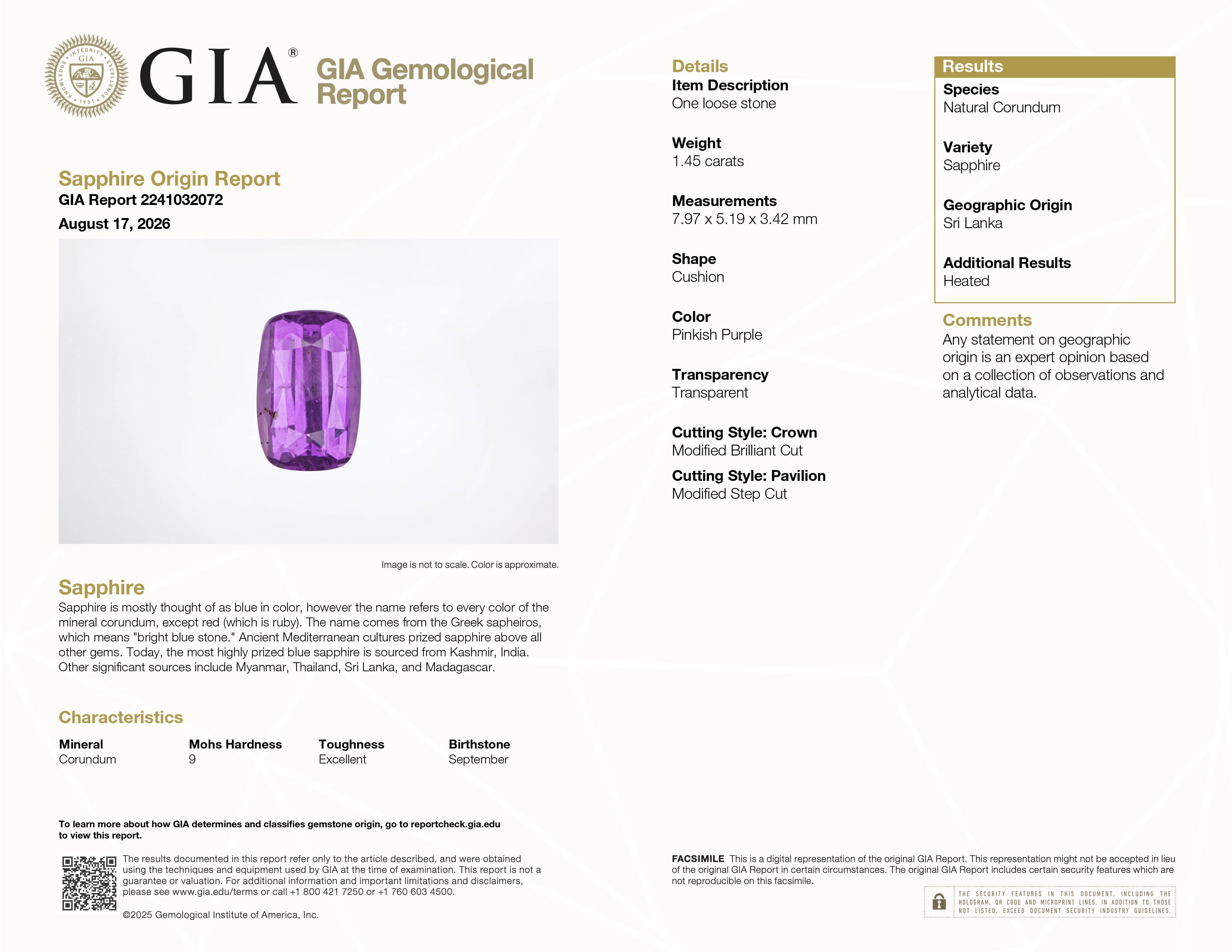
CG8469
ピンキッシュパープルサファイア 1.45ct 【加熱】 スリランカ産 GIA原産地レポート付
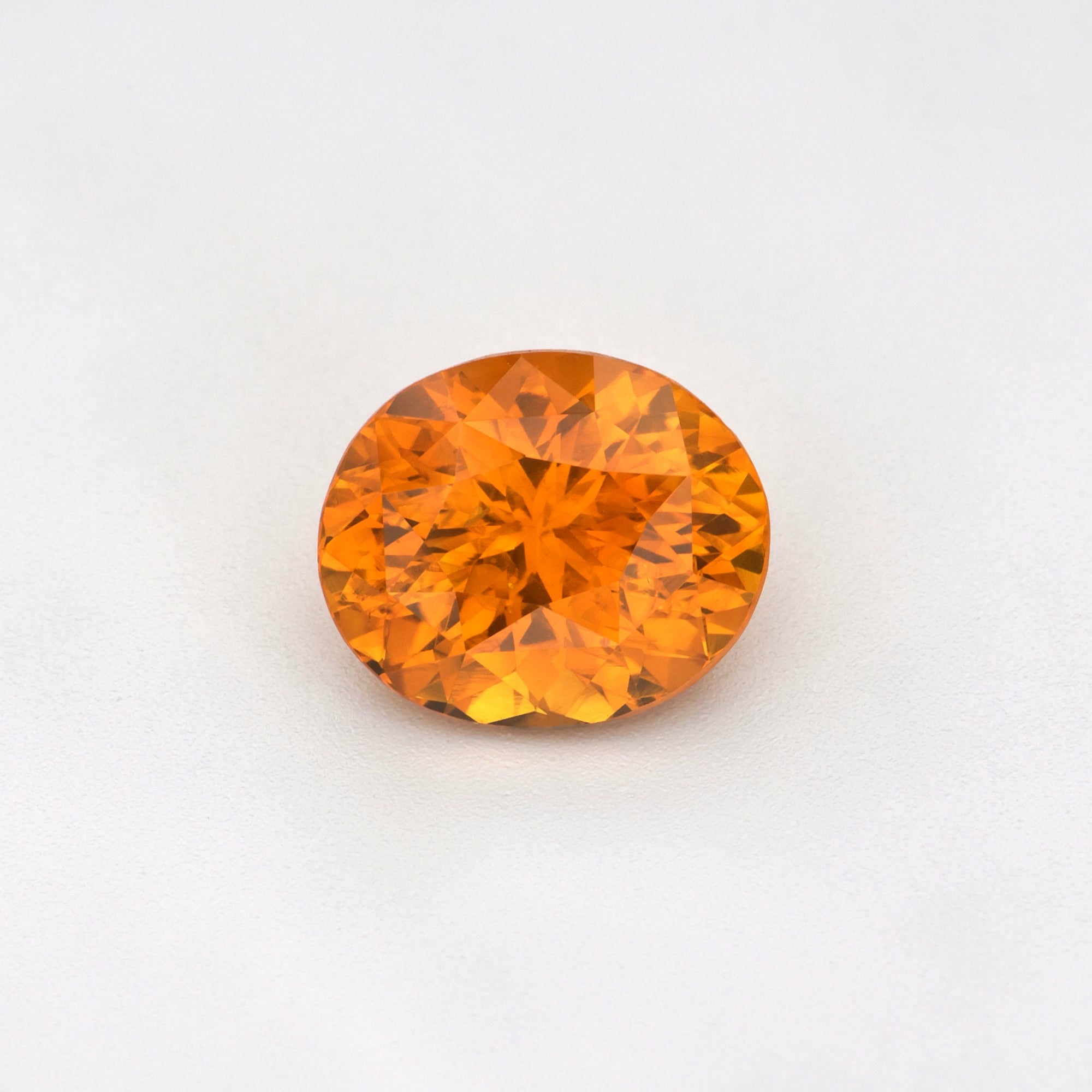
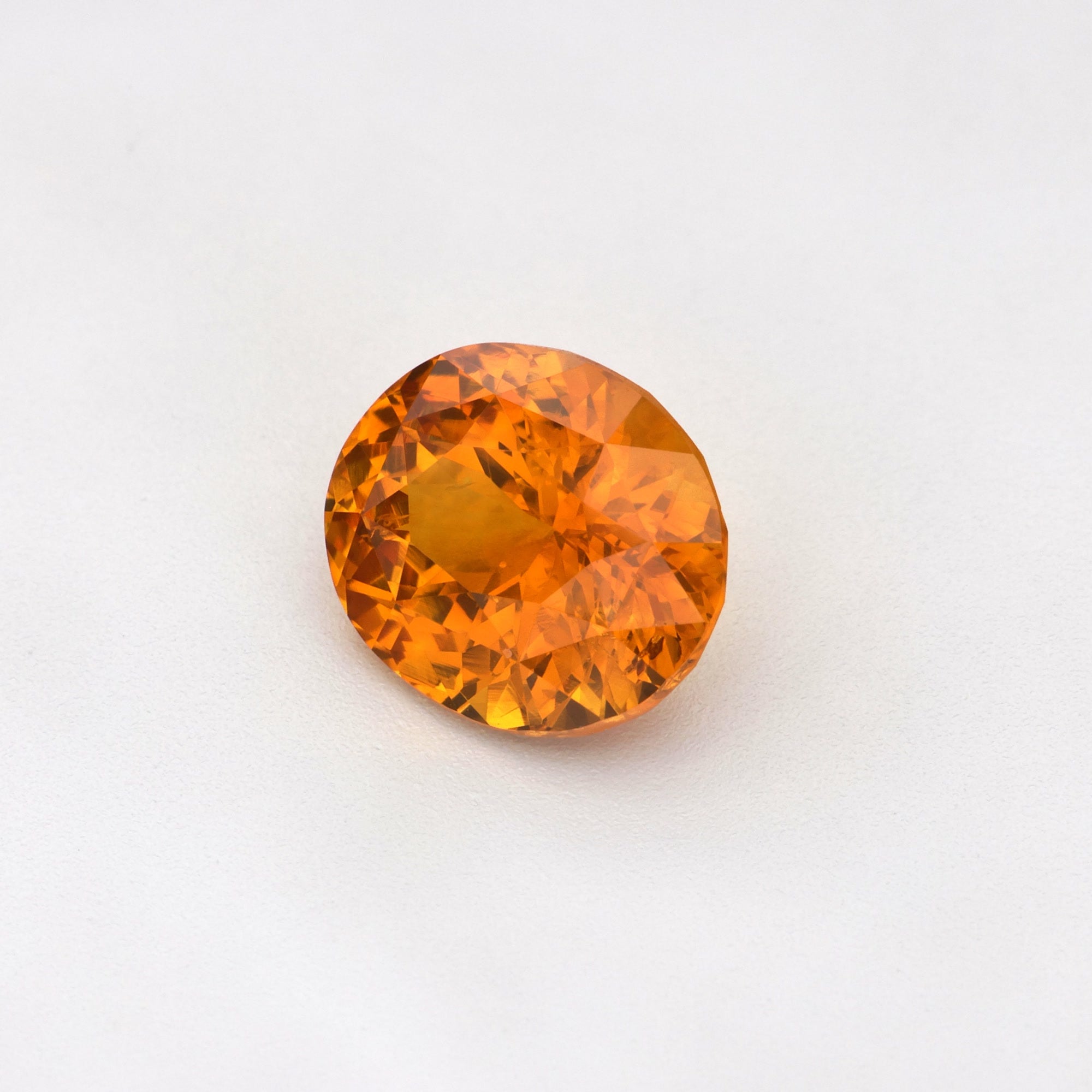
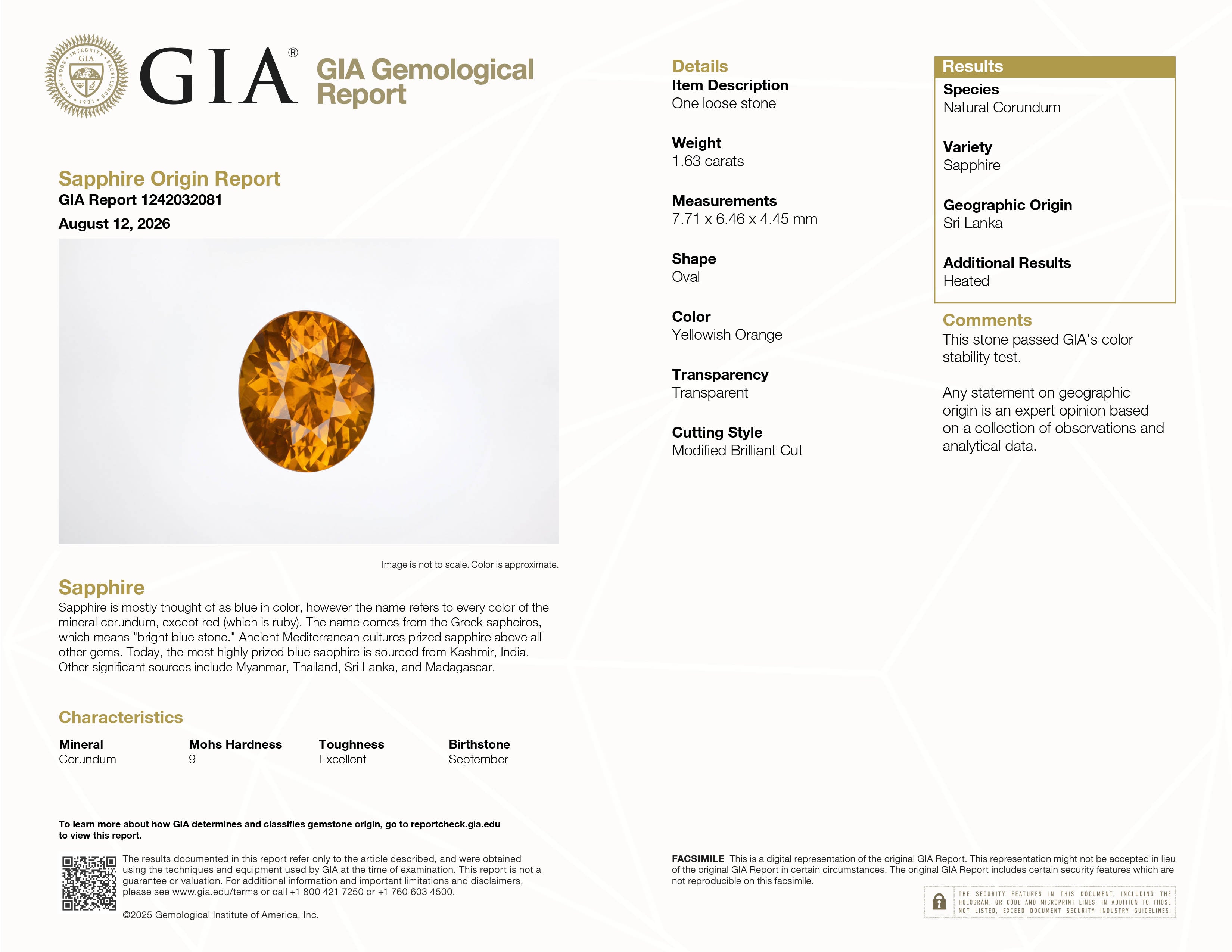
CG8454
天然オレンジサファイア1.63ct・オーバルカット・GIAレポート付・産地スリランカ(レポート記載)
CG8468
CG8465
1.86ct ツァボライト クッション 天然グロッシュラー・ガーネット|GIAレポート #1242032119
CG8464
CG8463
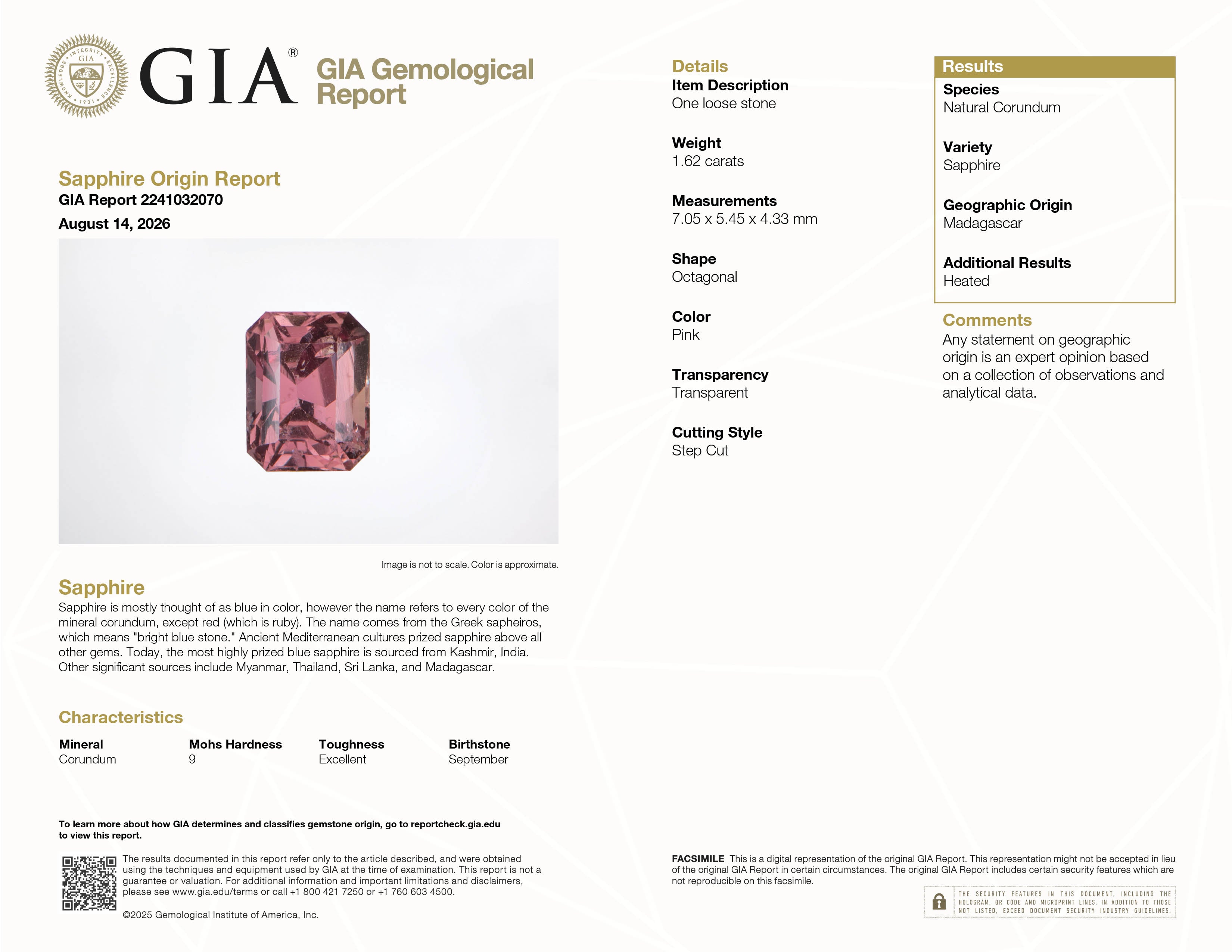
天然ピンクサファイア 1.62ct マダガスカル産【GIA原産地レポート付】エメラルドカット ルース
CG8460
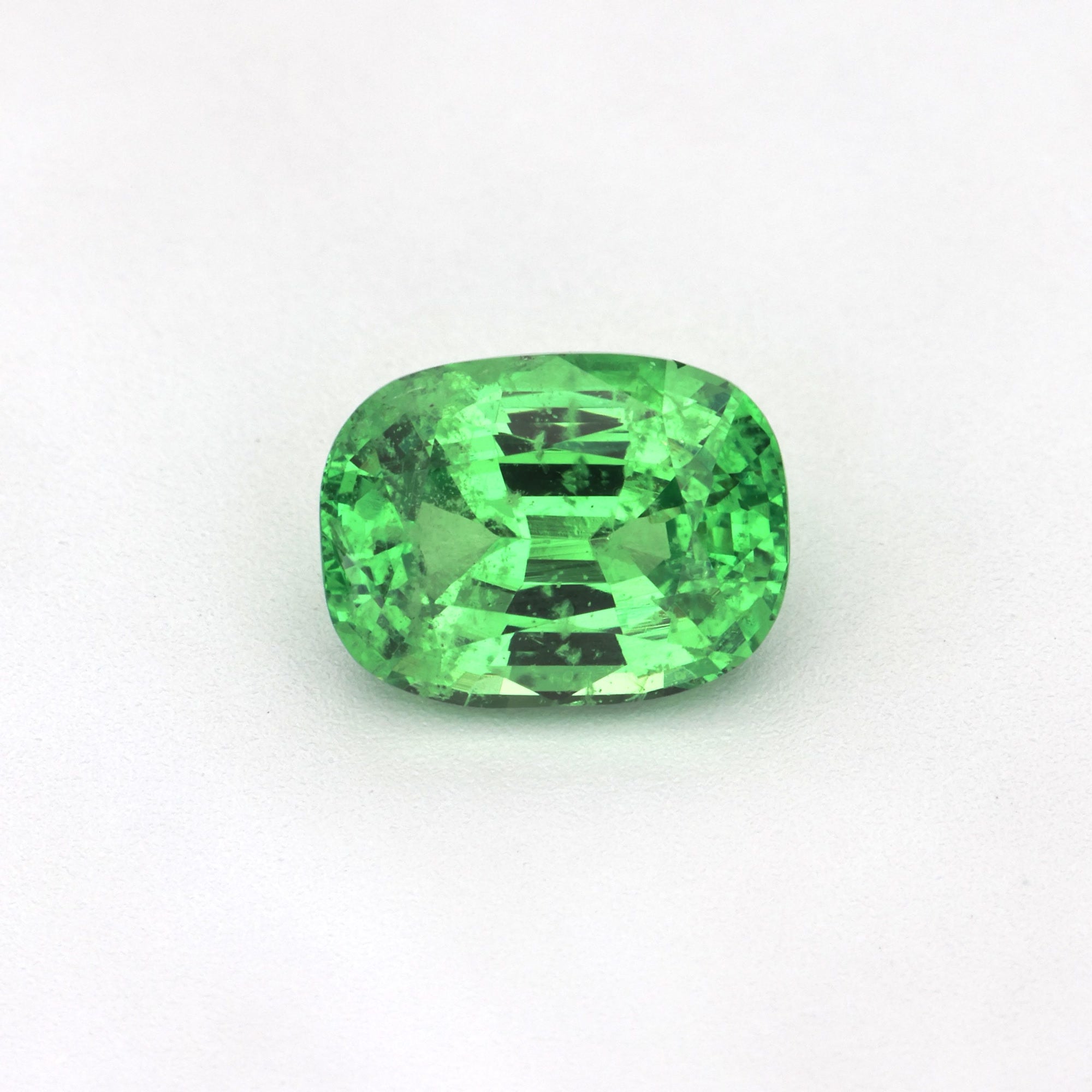
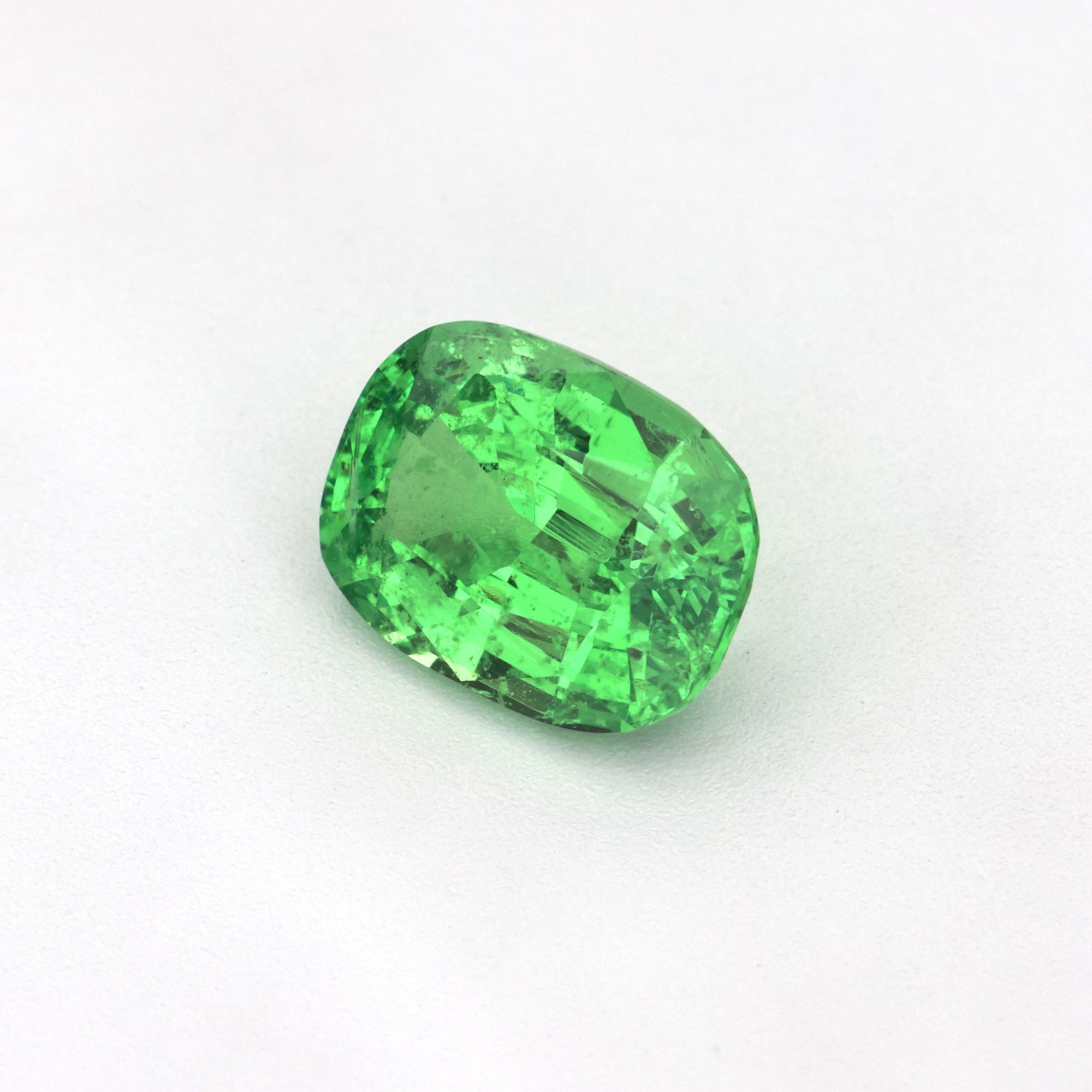
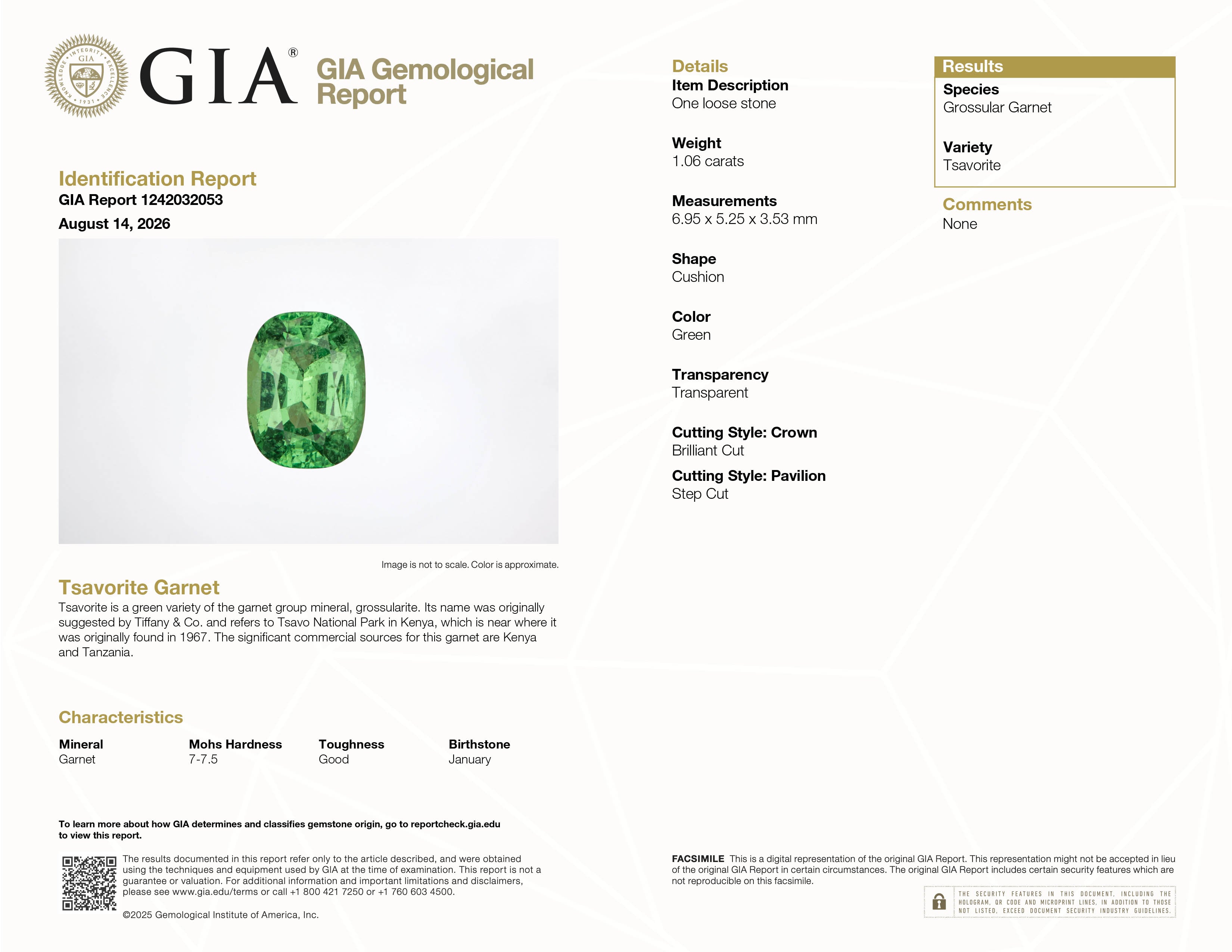
1.06ct ツァボライト クッション 天然グロッシュラー・ガーネット|GIAレポート #1242032053
CG8459
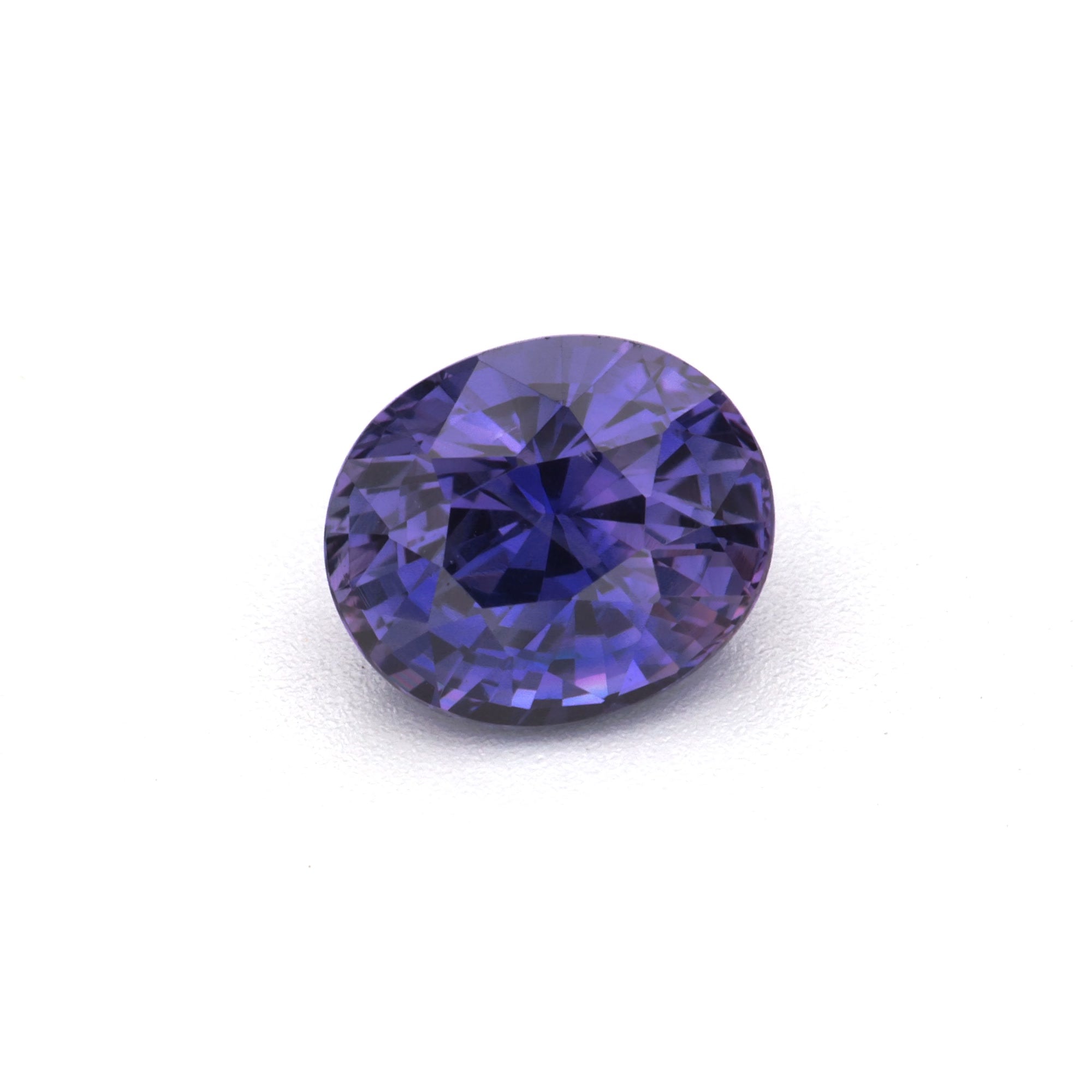
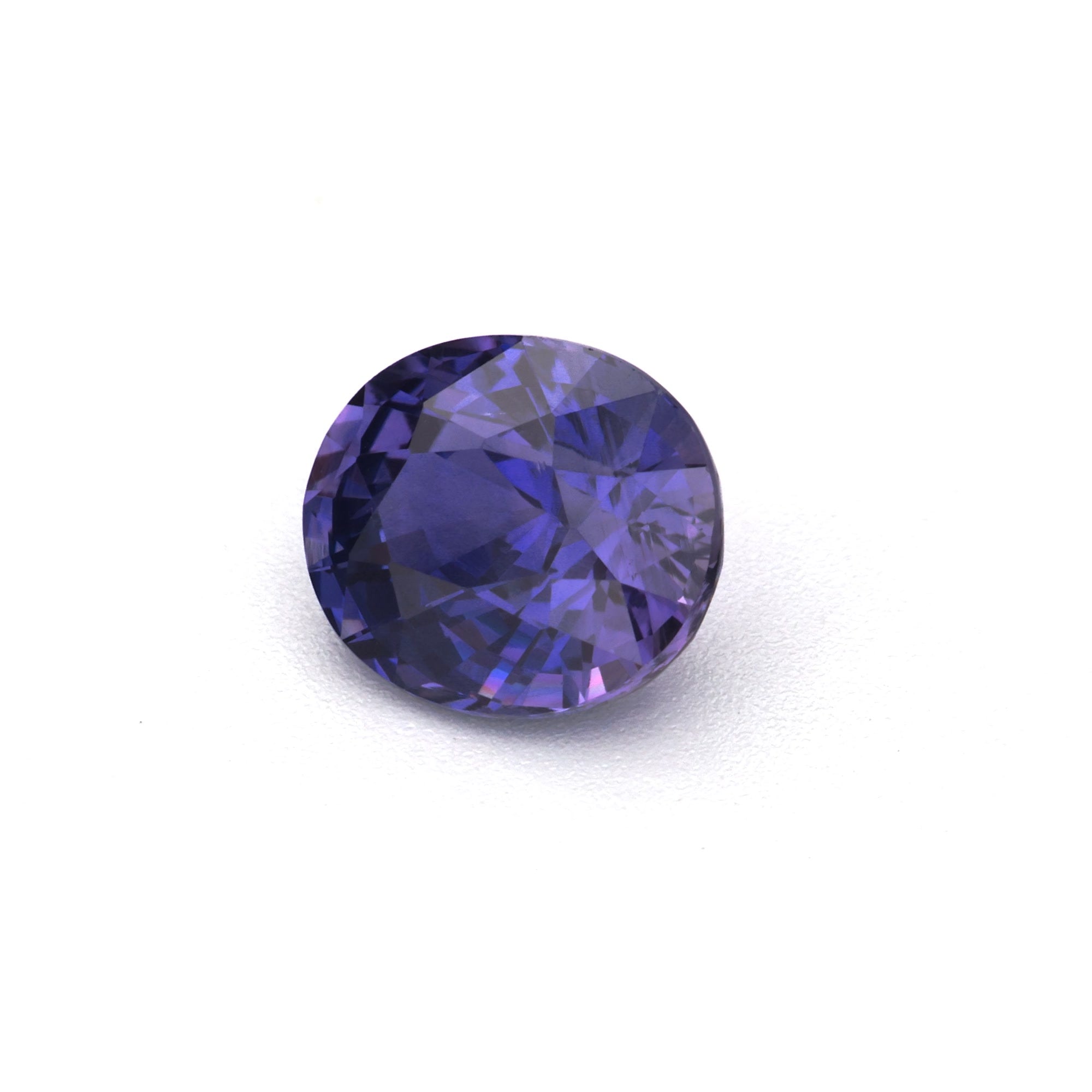
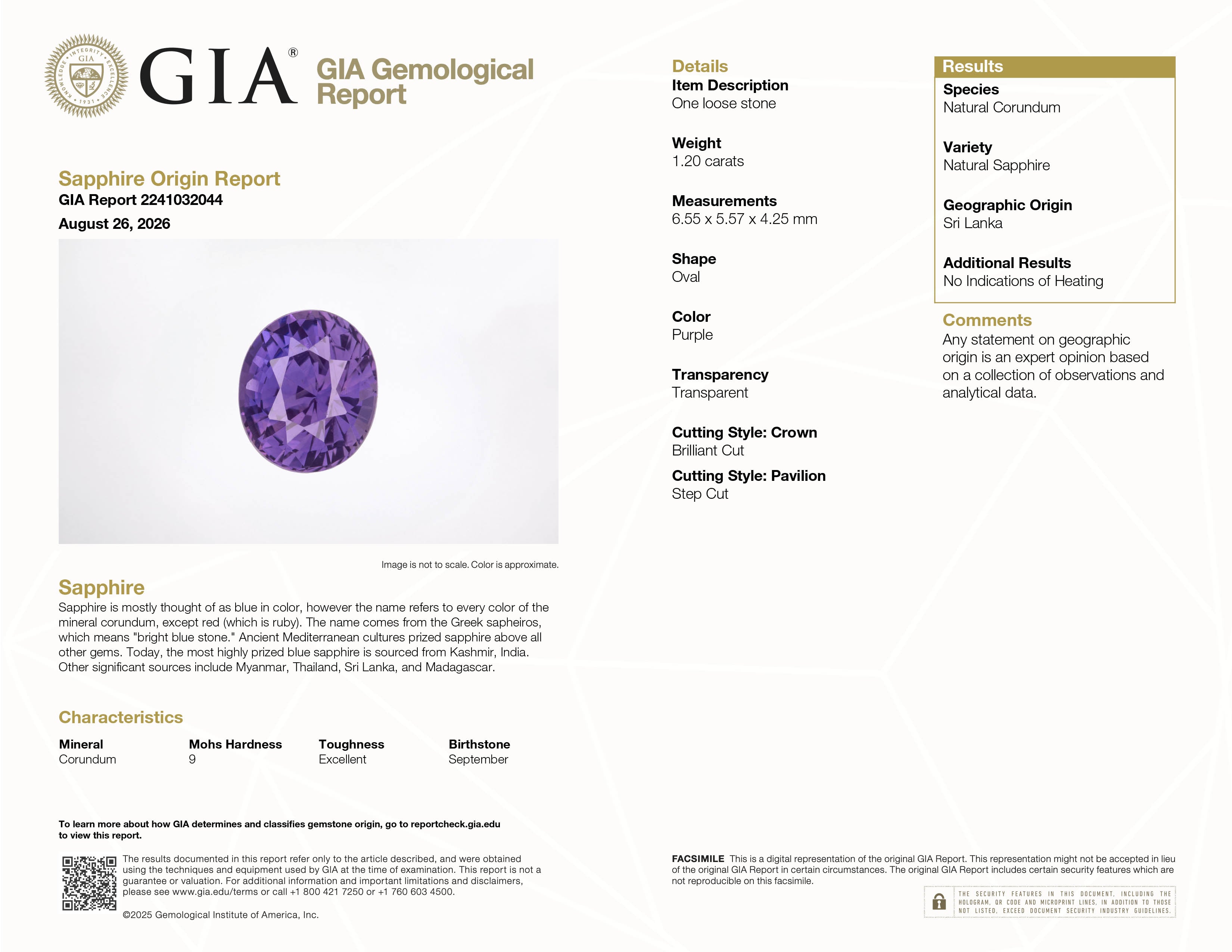
パープルサファイア 1.20ct 非加熱|スリランカ産|GIA原産地レポート付きルース
CG8458
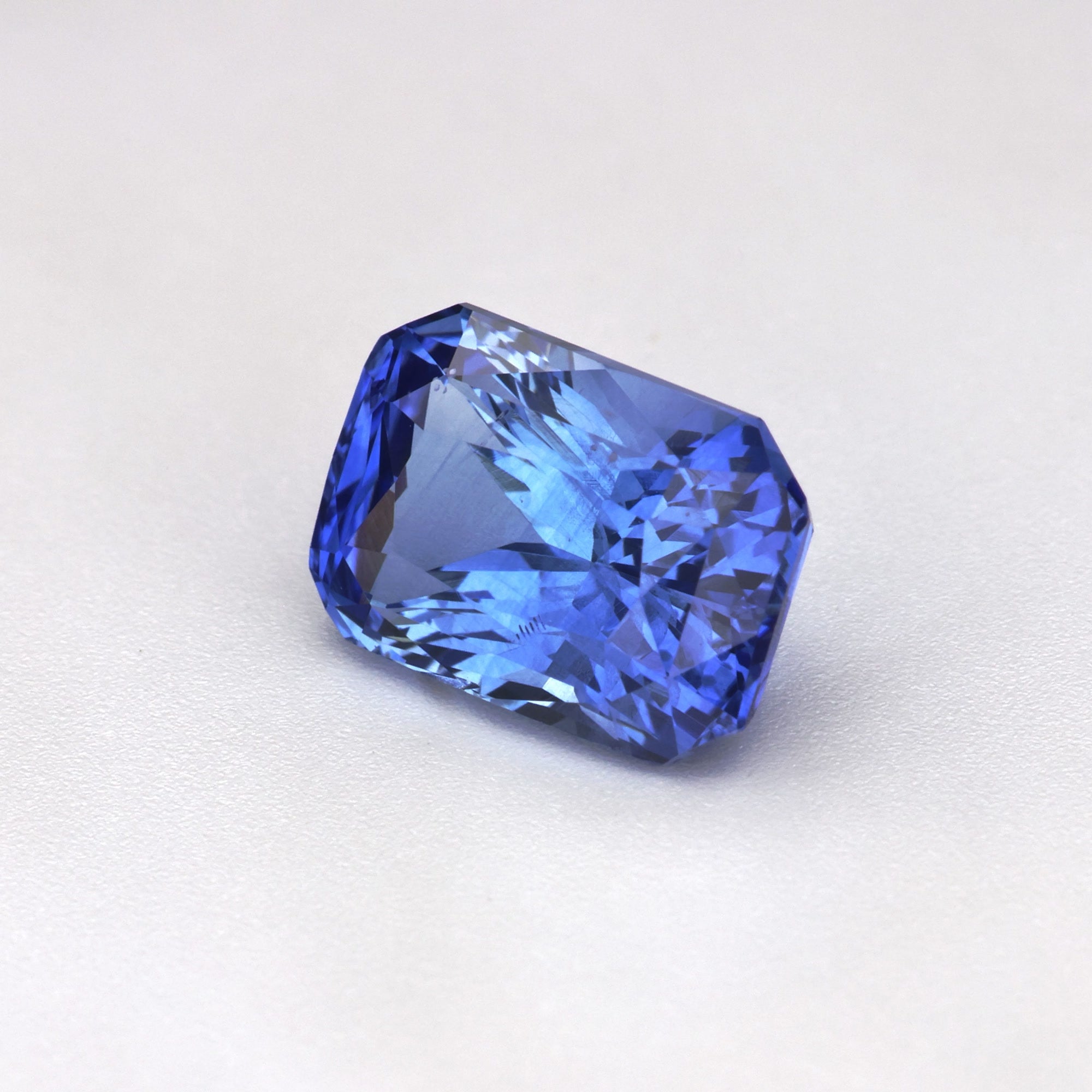
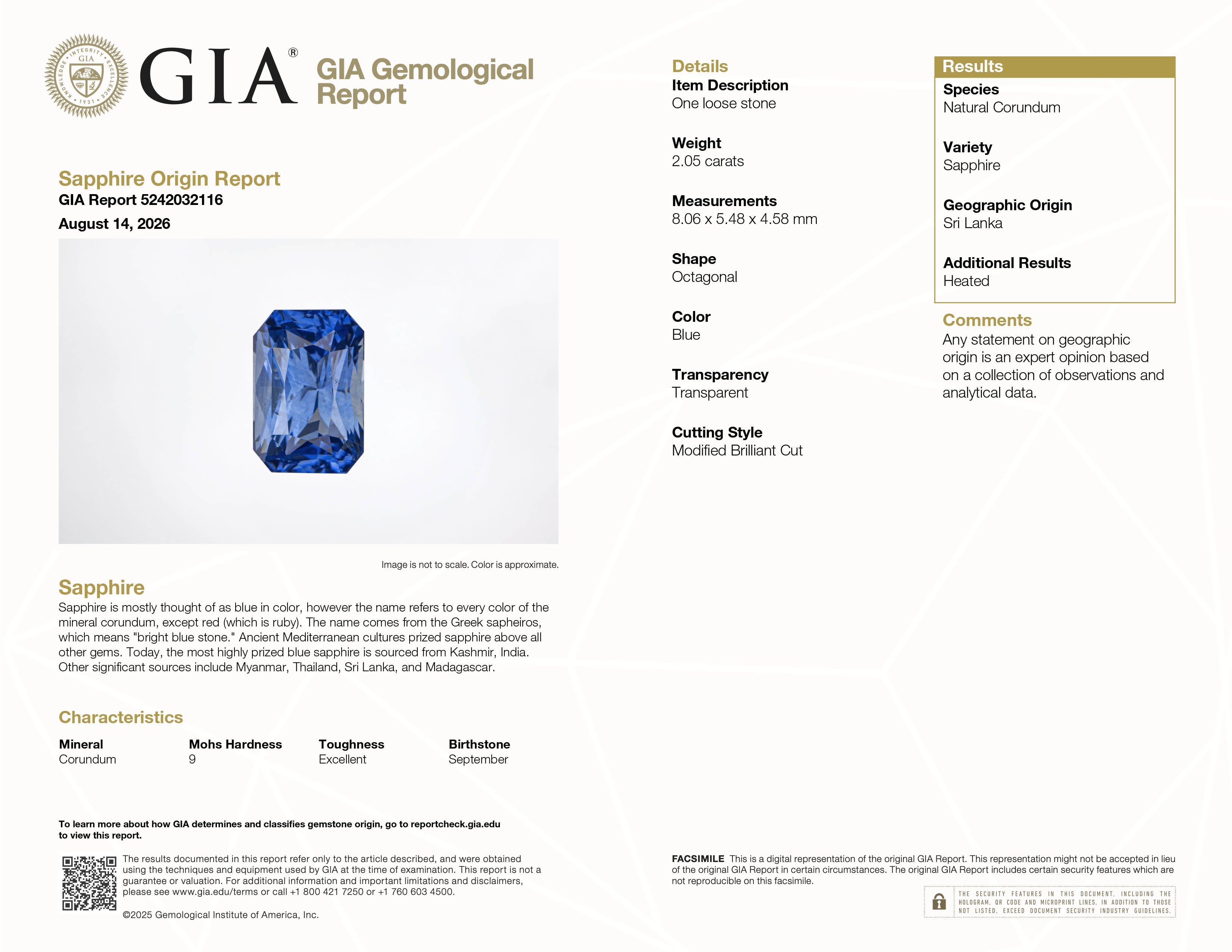
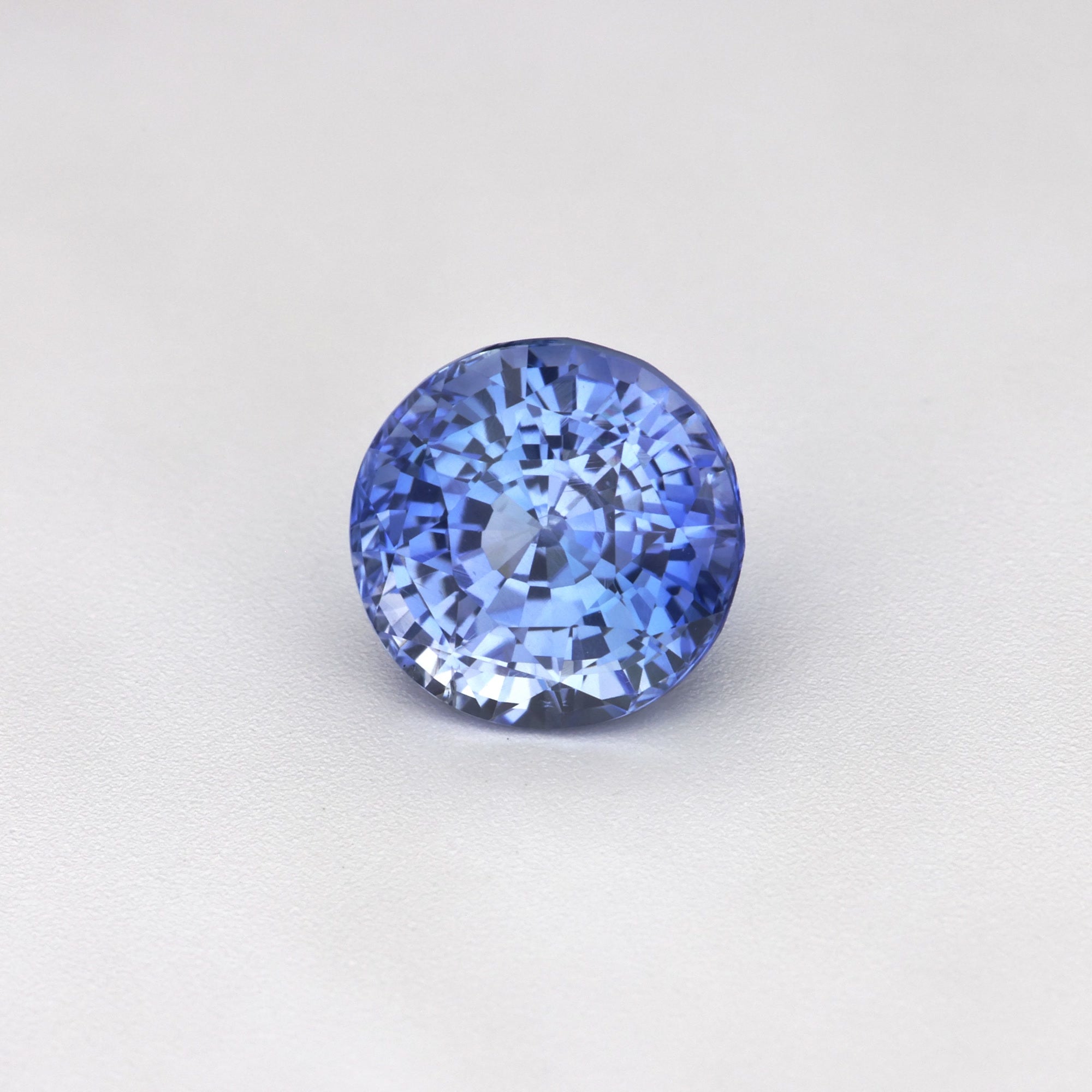
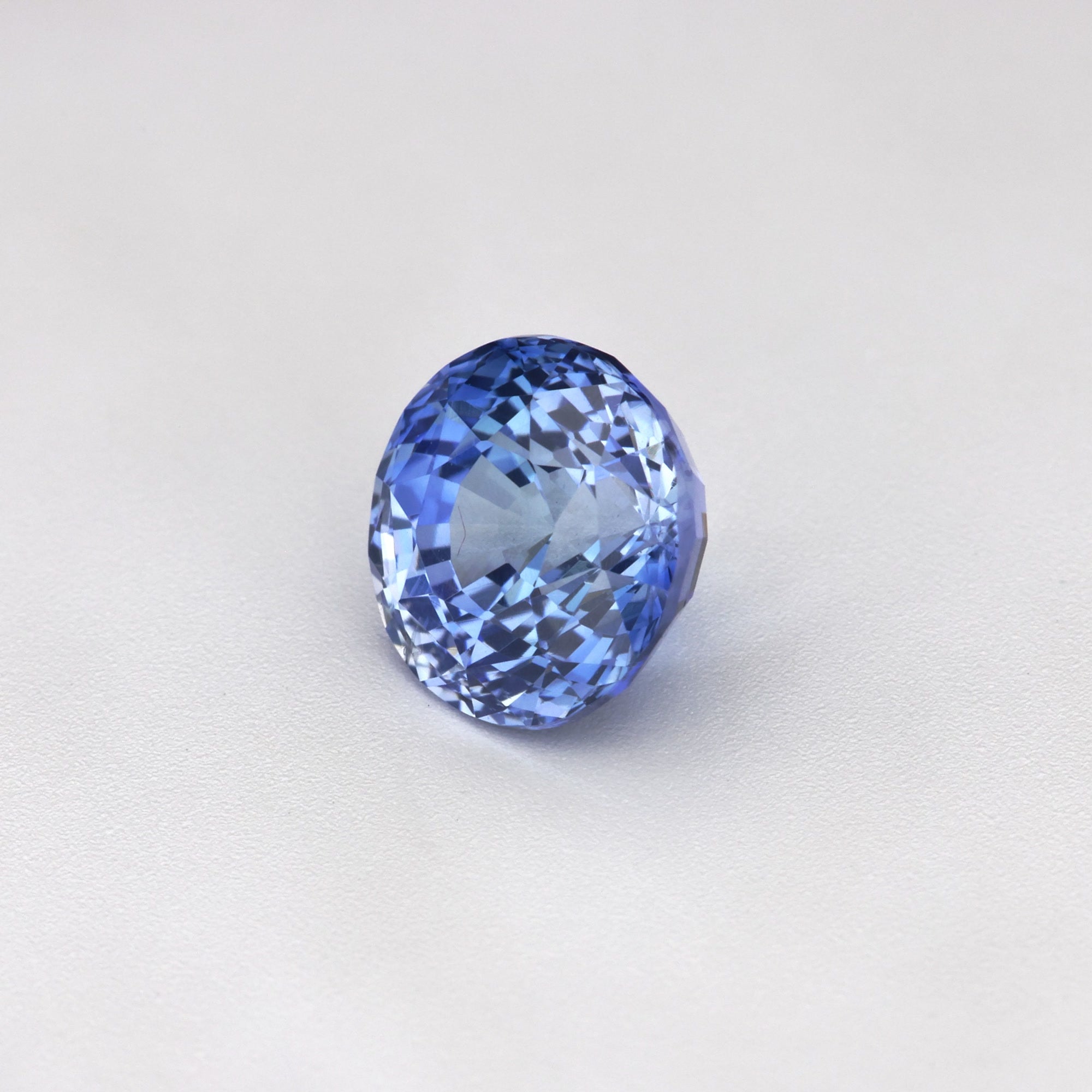
2.05ct 加熱ブルーサファイア|産地:スリランカ(GIAの意見)|ルース・GIA原産地レポート付き
CG8457
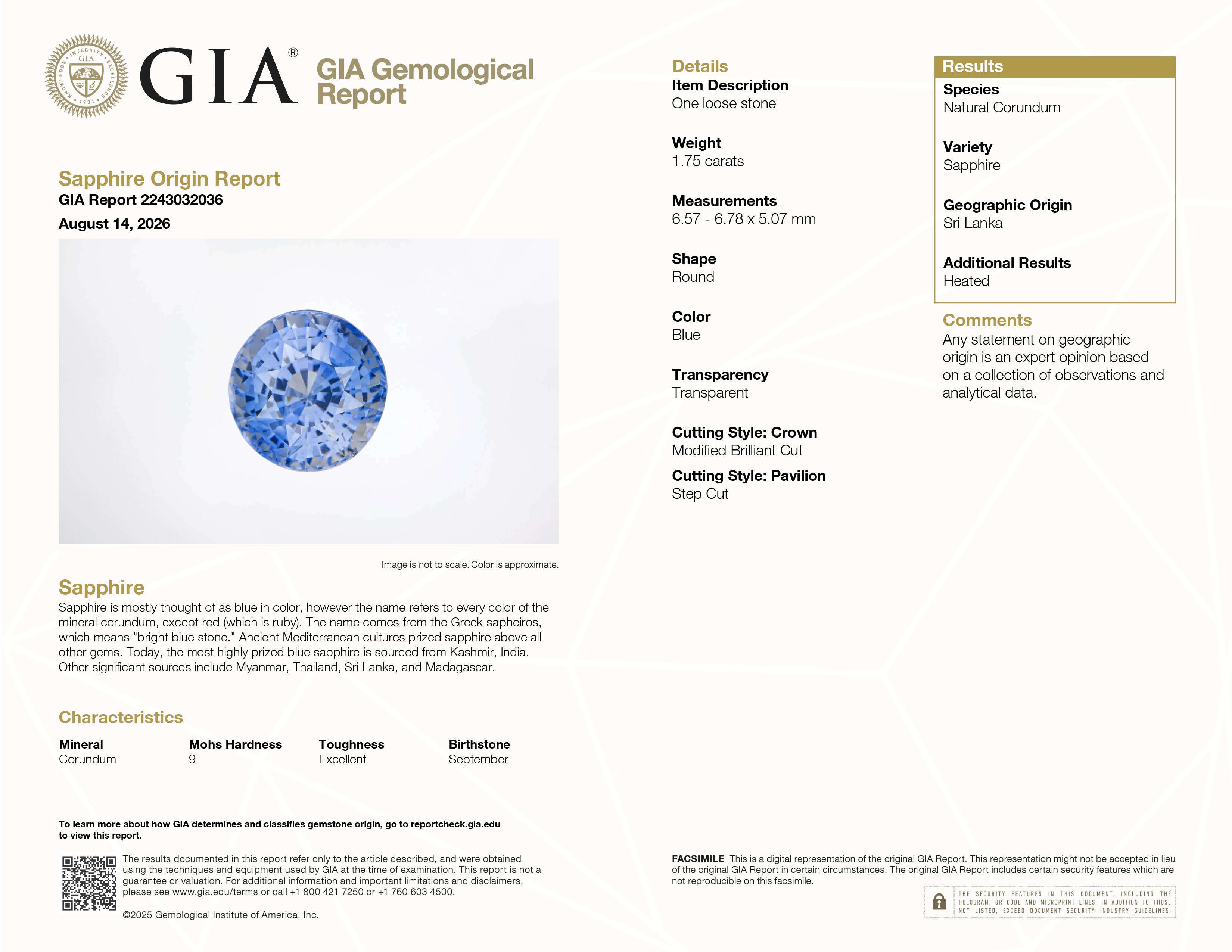
1.75ct スリランカ産ブルーサファイアのルース|加熱|GIA原産地レポート付き
CG8456
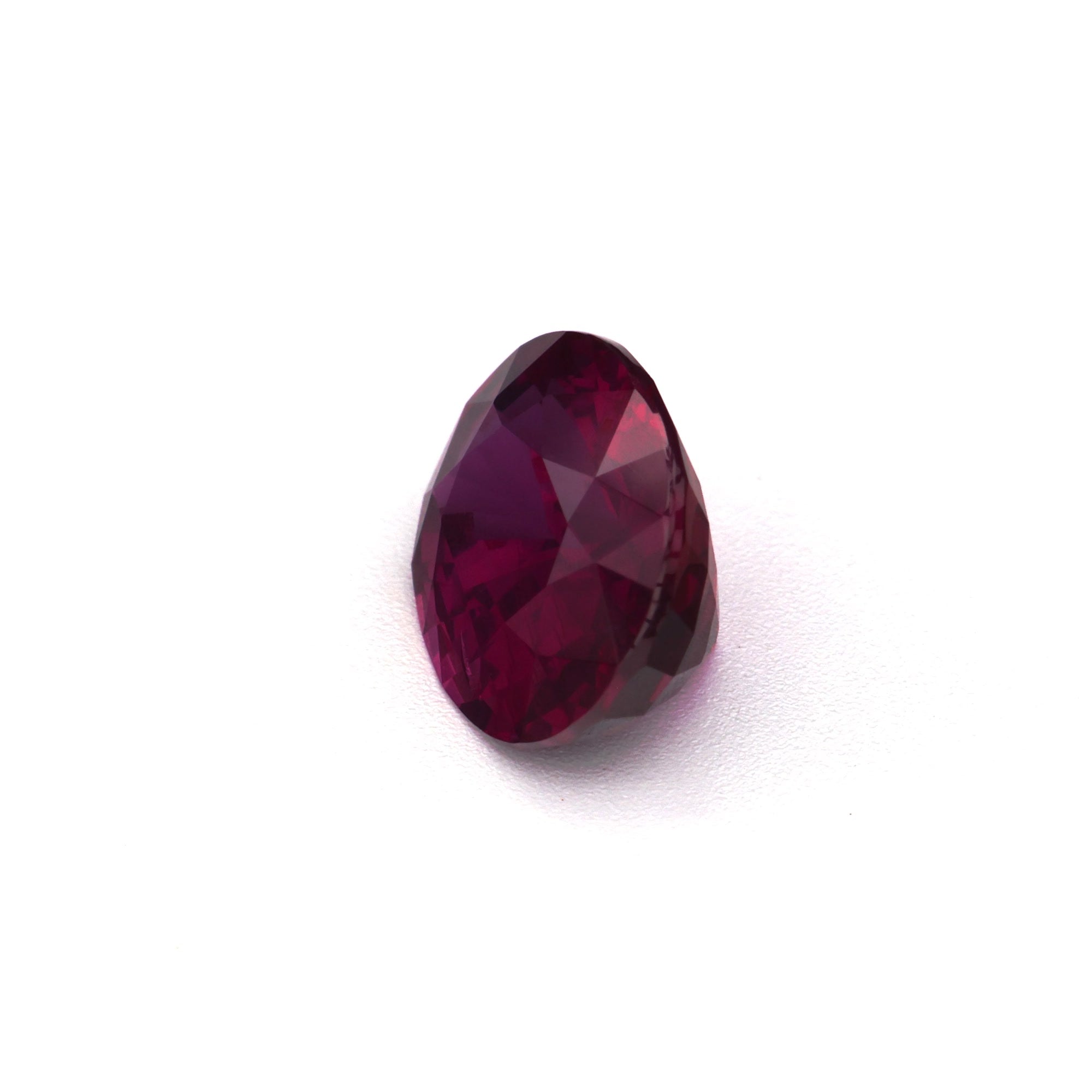
1.65ct 非加熱ルビーのルース|マダガスカル産ルビー・オーバル・GIA原産地レポート付き
CG8453
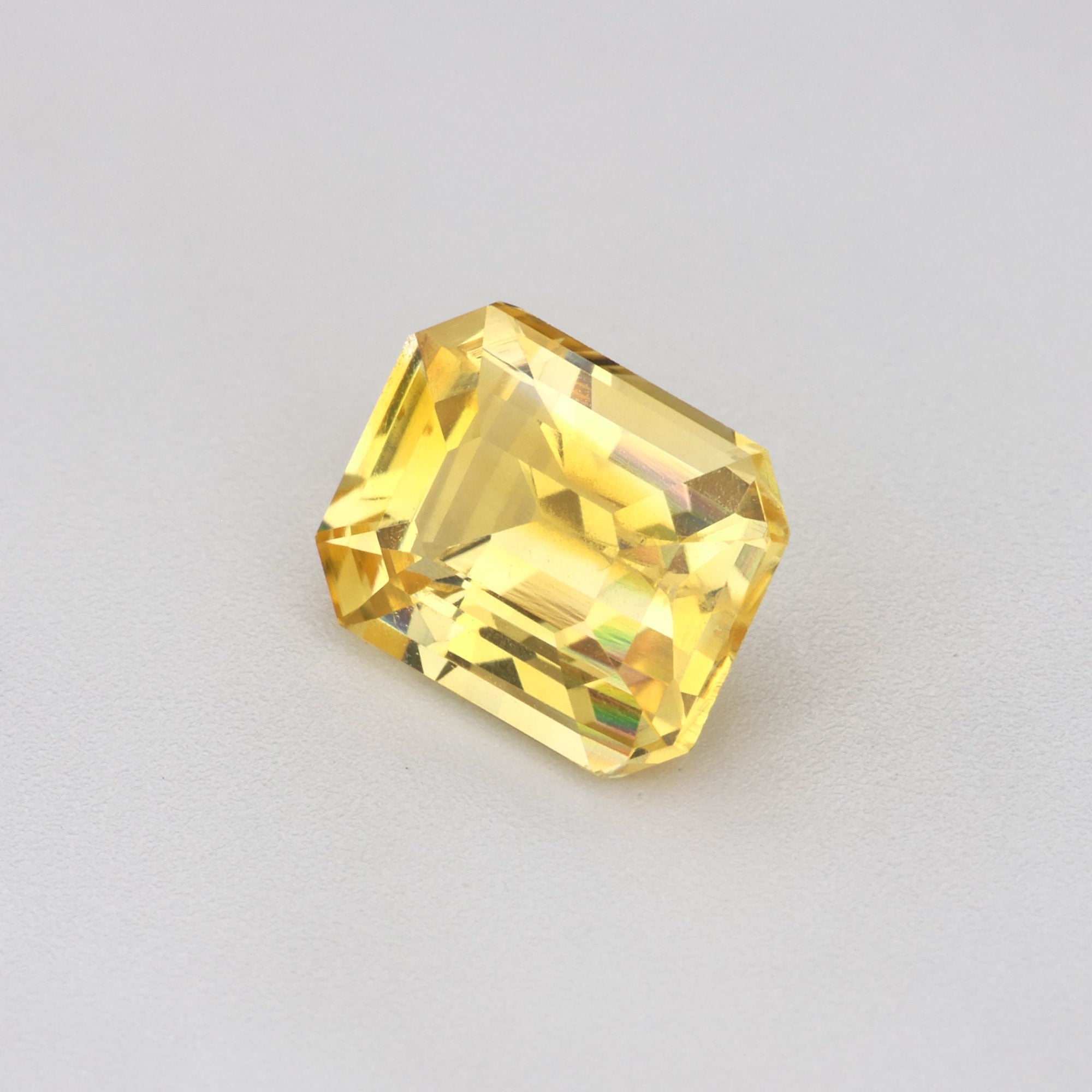
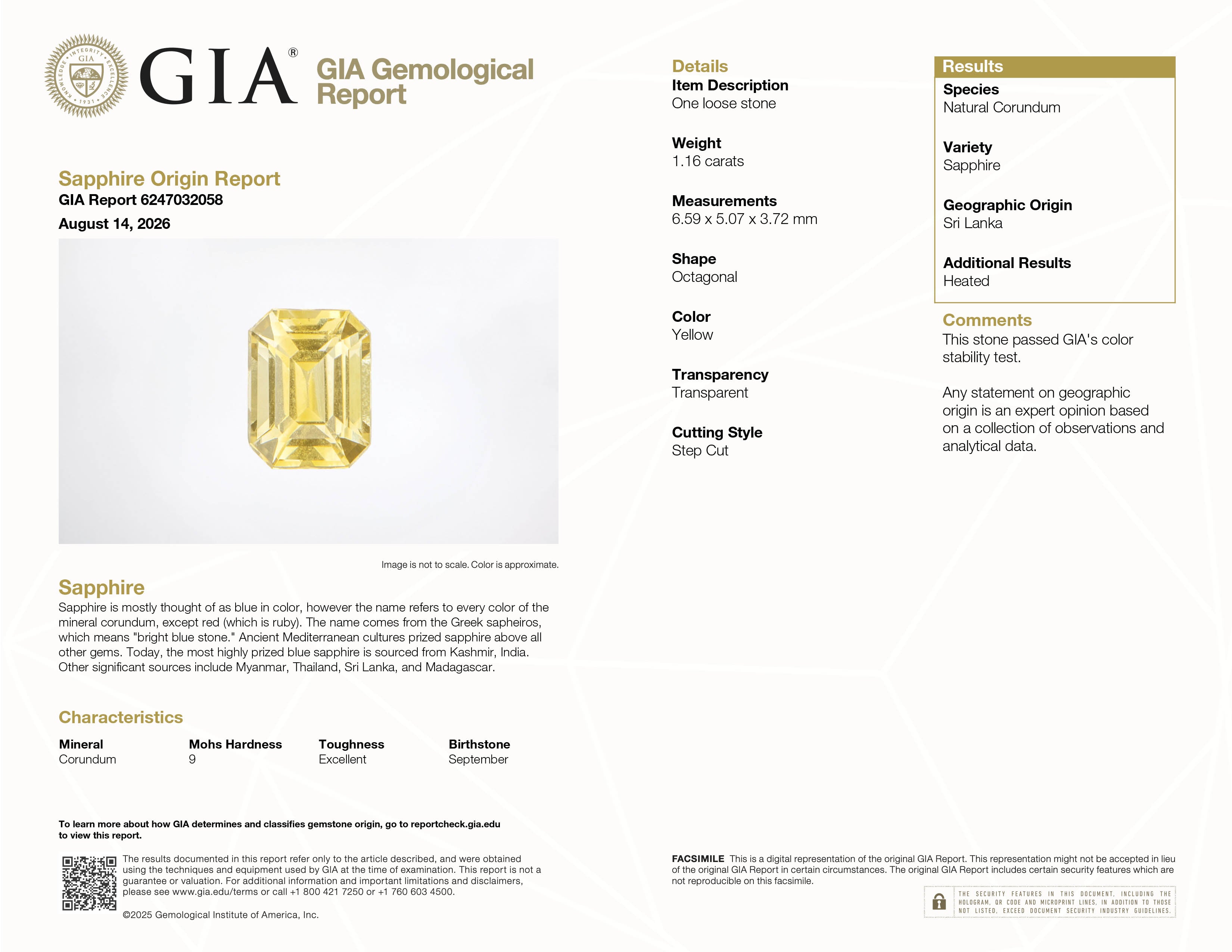
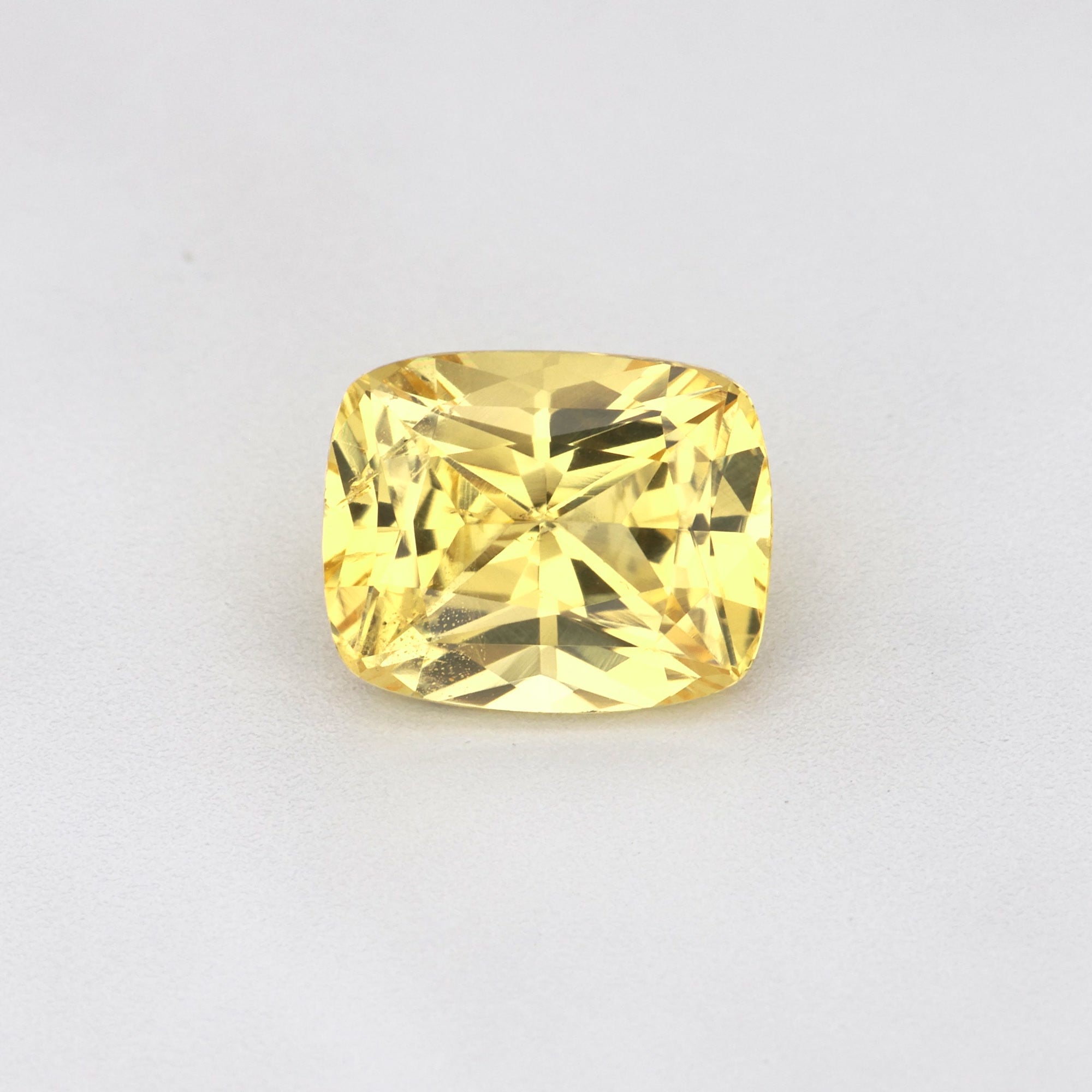
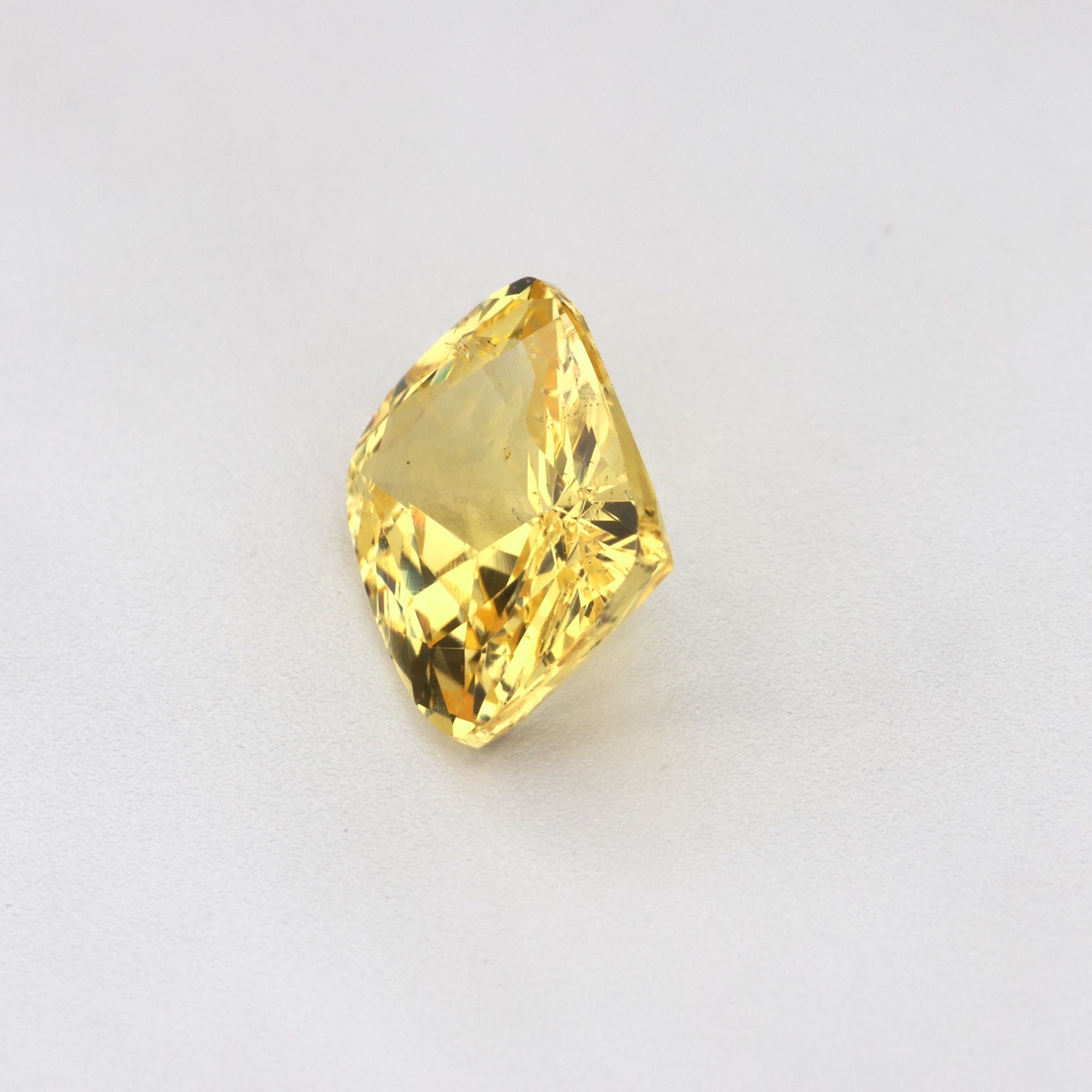
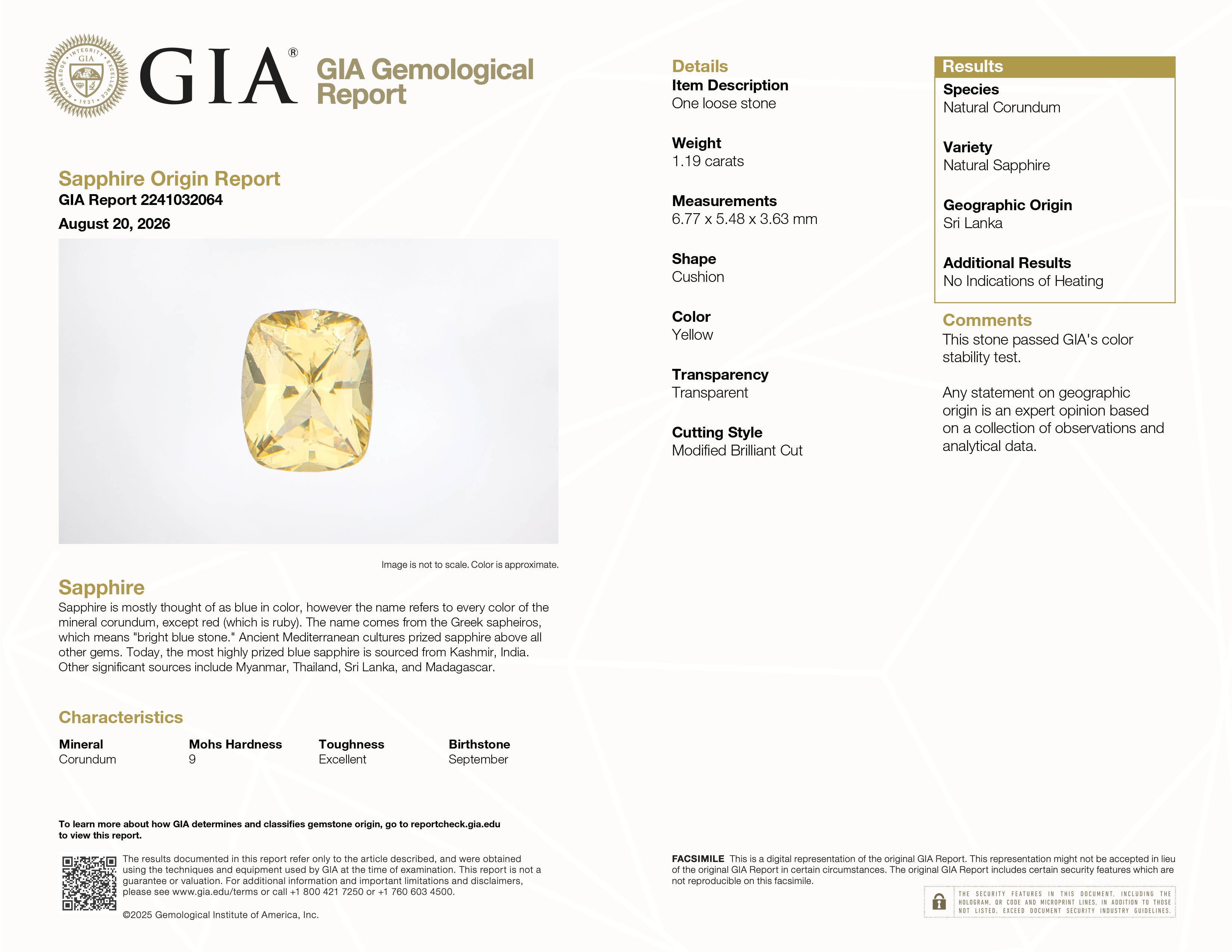
非加熱 イエローサファイア 1.19ct クッションカット|GIAレポート|スリランカ(セイロン)


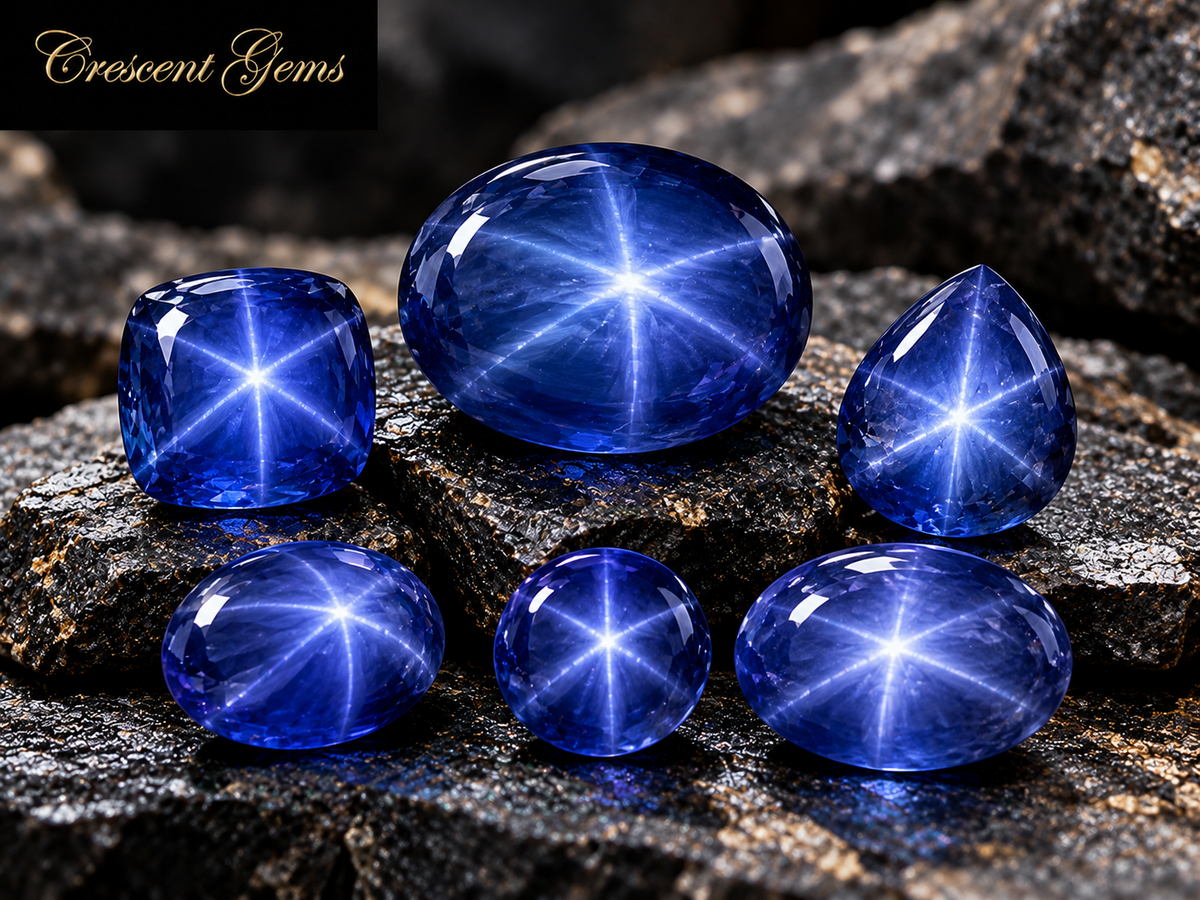
ブルースターサファイアの価格|1カラットあたりの相場と、当店にある8.09ctの1点
ブルースターサファイアは1カラットあたりいくらか。地色・重量・付帯する書類の三つで価格帯を整理し、現象を格付けする機関が存在しないことも説明します。当店の在庫は8.09ctの1点のみです。
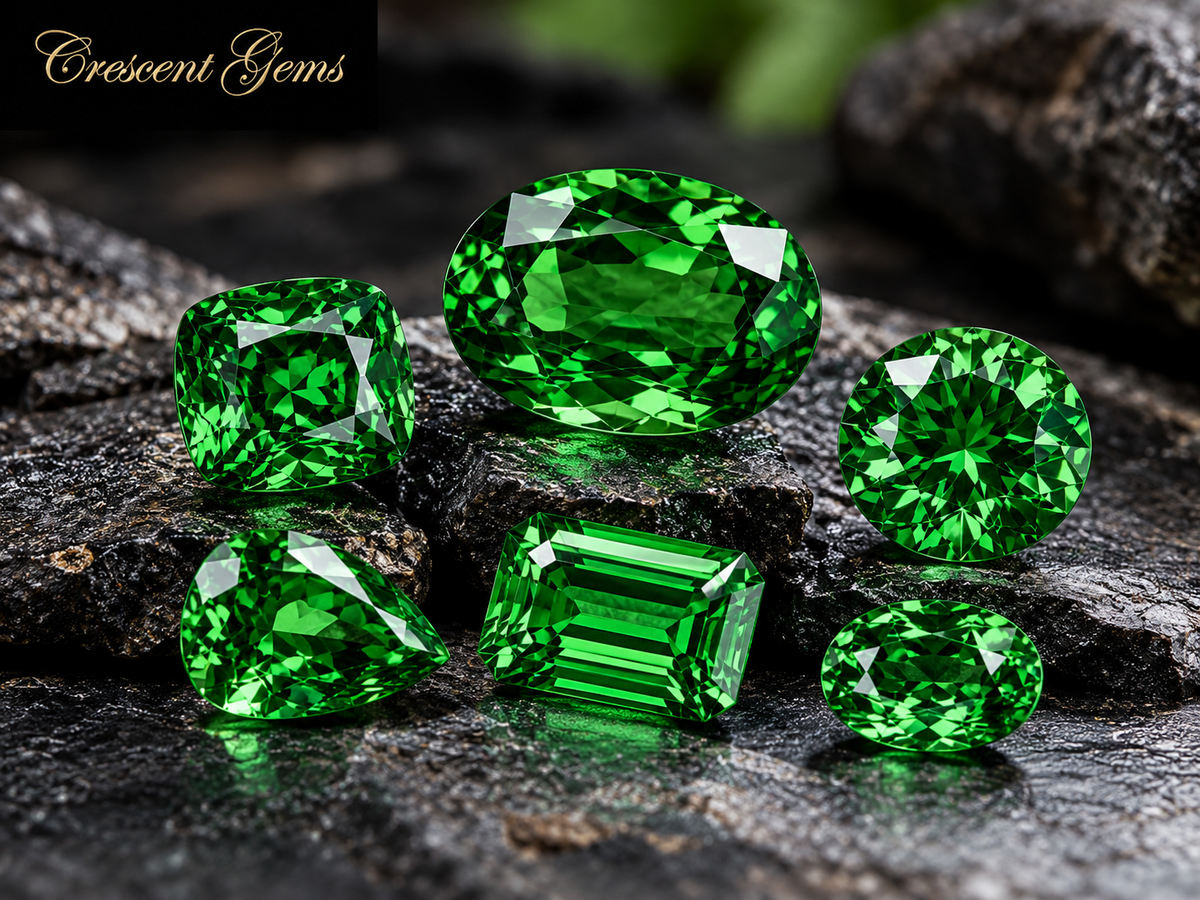
ツァボライトの価格|当店の在庫6点と、グロッシュラー・ガーネットとの違い
ツァボライトはいくらか。当店が現在在庫する6点をすべて示し、重さで値段がどう変わるかを説明します。品質等級表を載せない理由と、大きくて内包物の少ない原石が採れにくい本当の理由もあわせて。
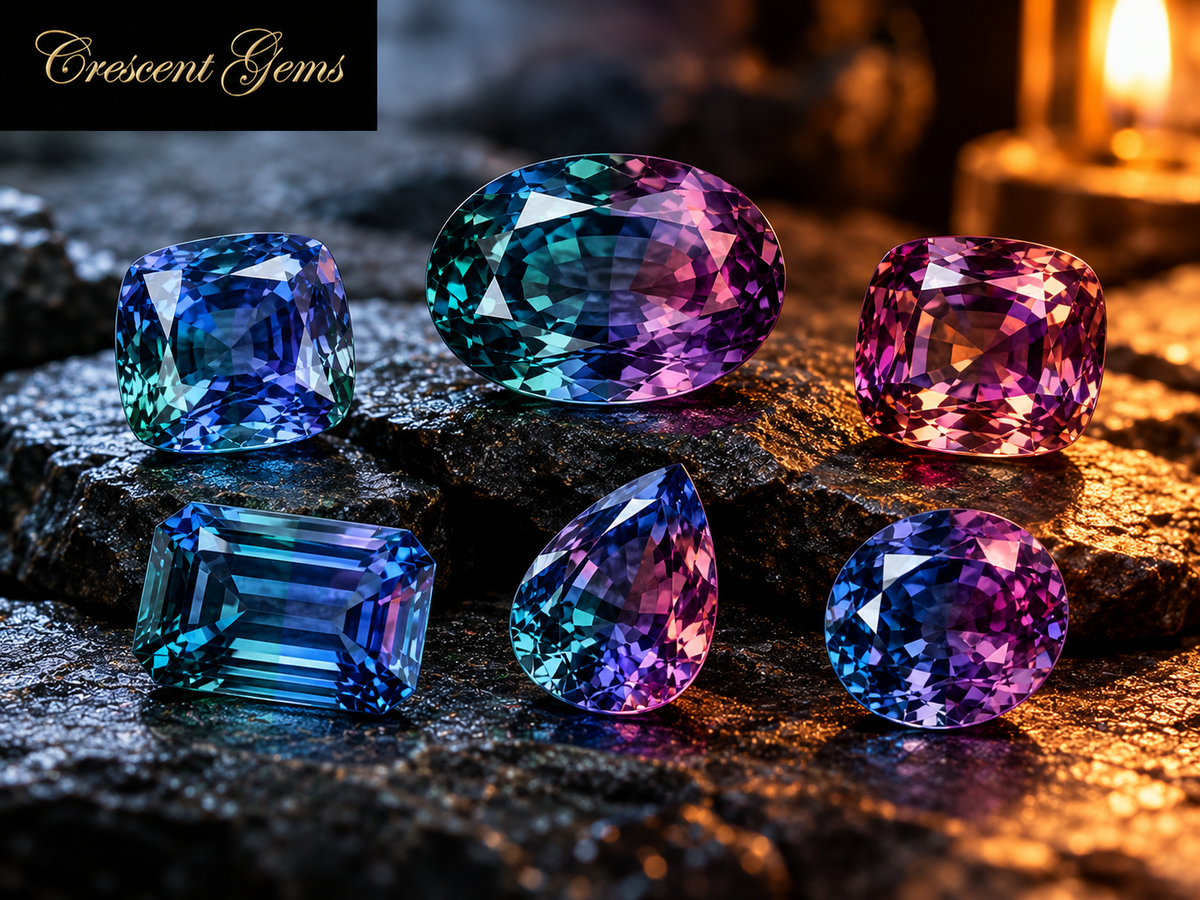
カラーチェンジサファイアの価格|1カラットあたりの相場と、当店にある2点
カラーチェンジサファイアは1カラットあたりいくらか。色と彩度と付帯する書類で価格帯を整理し、カラーチェンジそのものを格付けする機関が存在しないことも説明します。当店の在庫は1.03ctと2.01ctの2点です。
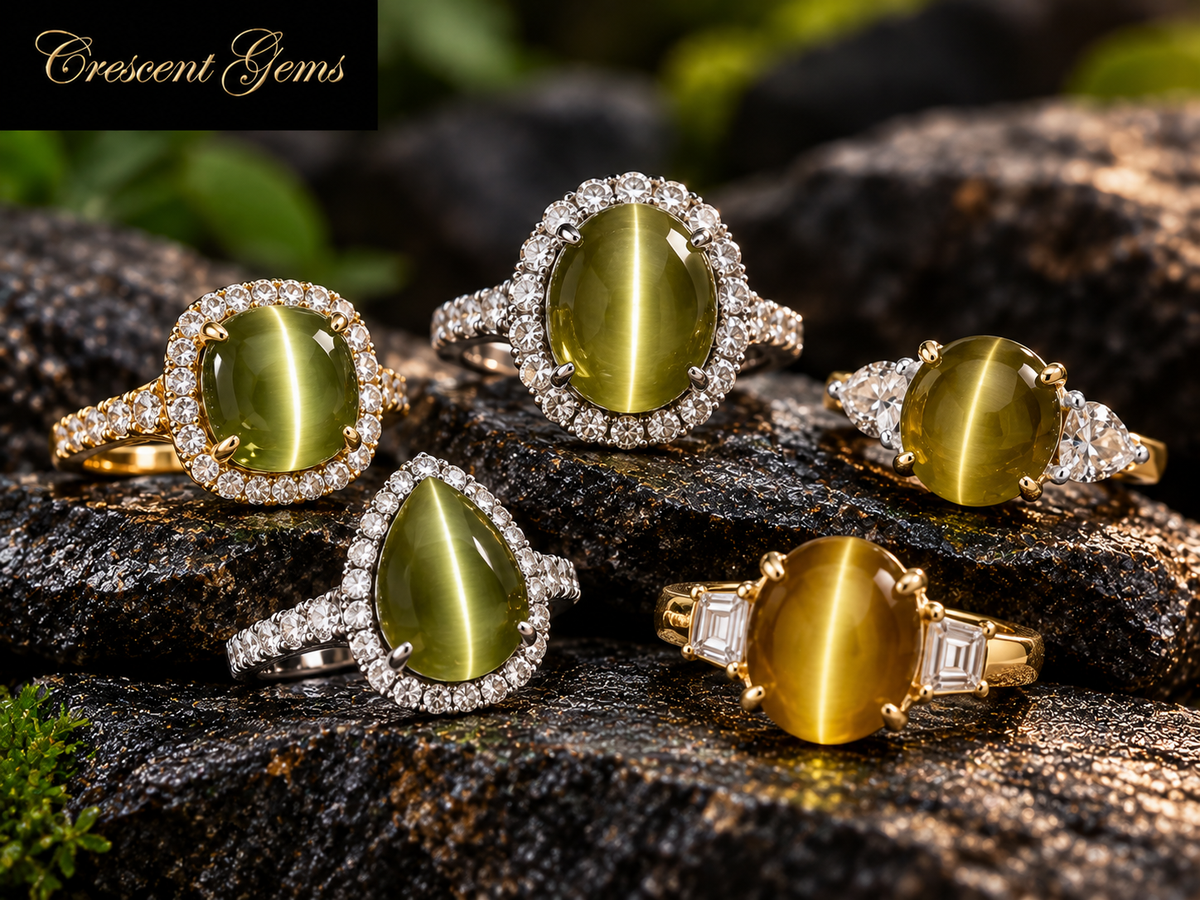
クリソベリル・キャッツアイは婚約指輪に向くか|モース硬度8.5と、留め方とお手入れ
クリソベリルはモース硬度8.5。クォーツ(7)やエメラルド(7.5〜8)より上、コランダム(9)とダイヤモンド(10)より下です。日常的に着ける指輪にとってそれが何を意味するかを、留め方とお手入れとあわせて説明します。
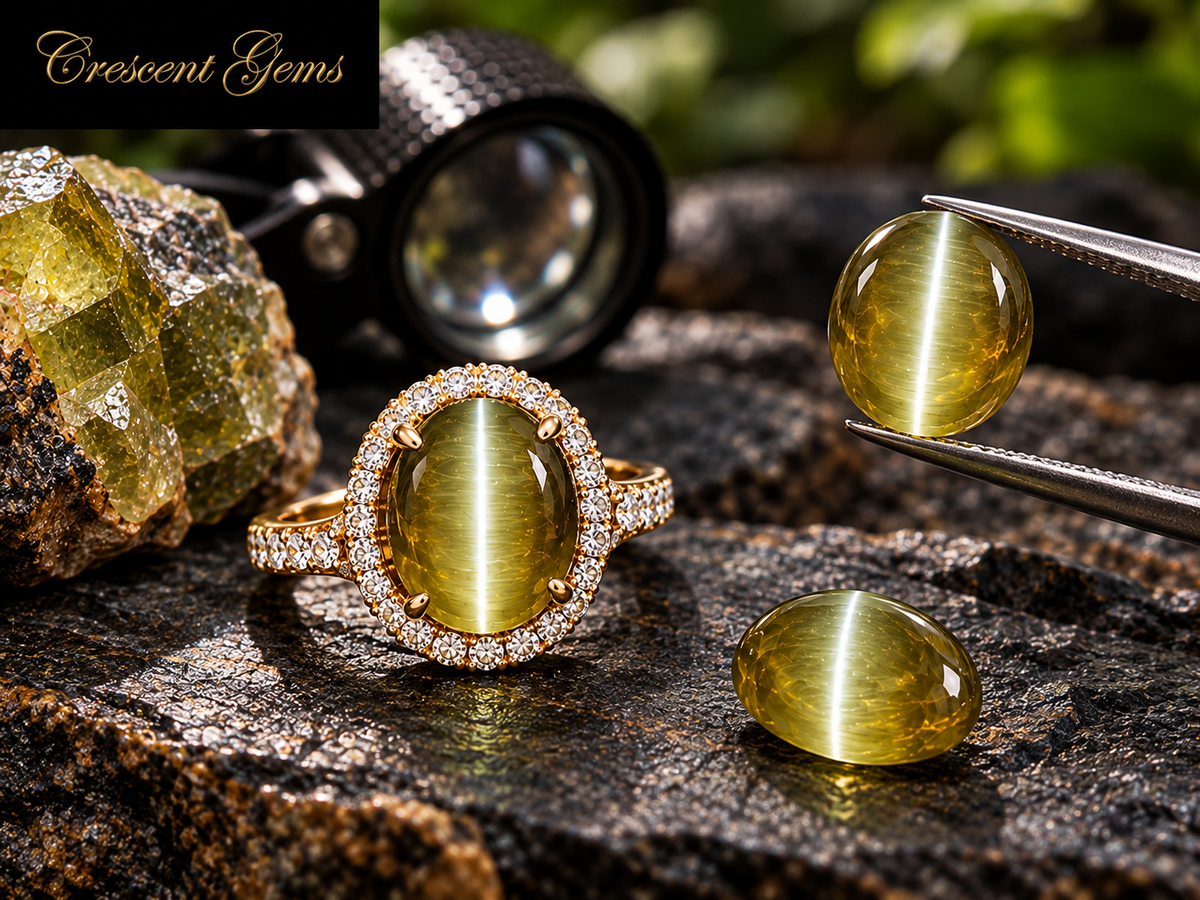
クリソベリル・キャッツアイの価格|1カラットあたりの相場と、当店にある2点
クリソベリル・キャッツアイは1カラットあたりいくらか。大きさと付帯する書類で価格帯を整理し、キャッツアイそのものを格付けする機関が存在しないことも説明します。当店の在庫は2.36ctと4.25ctの2点です。















シェア: