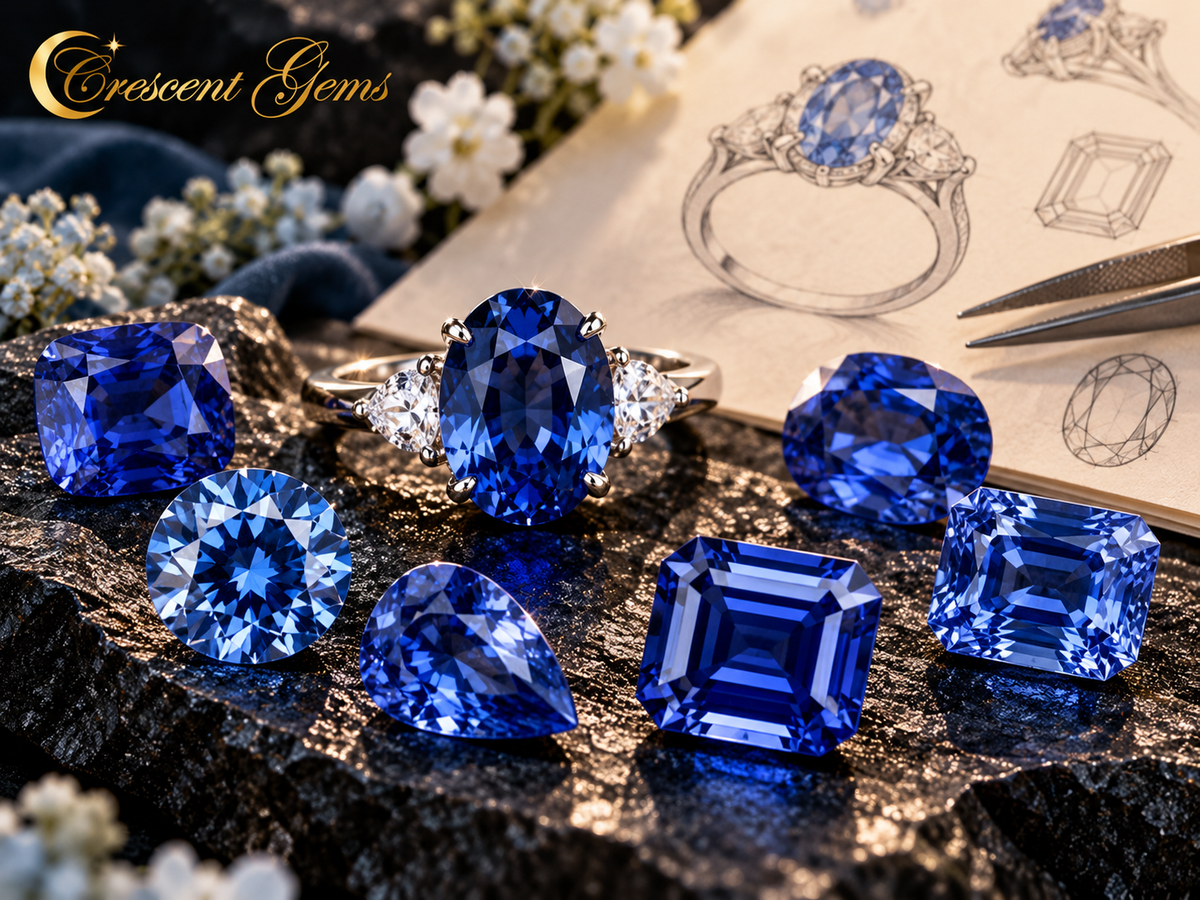
- 著者:Ahmed Shareek
セイロンサファイアの婚約指輪:スリランカ産地直仕入れで選ぶ
- 著者:Ahmed Shareek
サファイアを買うのが初めての方は、まずサファイア購入完全ガイドをお読みください。色、産地、処理、価格の考え方をまとめています。
サファイアが指輪に仕上がってショーケースに並ぶまでに、石について本当に知りたいこと――どこで採れたのか、加熱されているのか、レポートに実際に何と印字されているのか――は、研磨する人から売り場までの何段階もの取引を通り抜けてこなければなりません。途中のどこかで誰も記録を引き継がなければ、その情報はそこで消えます。消えた情報は、あとから石を見ても復元できません。このガイドの目的は、その情報を途中を省いてそのままお渡しすること、そして当店自身が石を買うときに何を見ているのかを説明することです。
当店はスリランカ(セイロン)で自ら石を買っています。買い付けはコロンボ、ベルワラ、ラトナプラで行い、ラフ(原石)を当店自身の仕様でカットしています。ショールームを持たず、産地からお客様までの段を短く保てているのはそのためです。ただし、ここは正直に書きます。スリランカのラフ市場そのものが仲介を前提に動いています。石はブローカーやディーラーの手を経てラトナプラやベルワラの市場に出てきます。つまり当店が言う「直接」とは、産地の市場で自ら買い、選別とカットを自分たちで行っているという意味であって、当店と地面の間に誰も立っていないという意味ではありません。段が短いことと、段がゼロであることは別のことです。
当店が扱うサファイアの多くはスリランカ産ですが、すべてではありません。商品ページには、その石について記録されている産地を記載しています。この記事に書いてあるのは、当店がラフのパーセル(小分けにされた原石の袋)や研磨済みの石が並んだトレイを前にして、どれを市場に出す価値があるかを決めるときに、実際に見ている点です。
スリランカは、宝石業界ではセイロンという名前で呼ばれてきました。島の中南部には漂砂性(ひょうさせい)の宝石礫層が広く分布しており、当店が買う石の大半はそこから出てきます。地元ではこの宝石を含む層の土をイラマ(illama)と呼びます。掘り上げた砂礫を水で洗い、比重の重い石を残していく選鉱用の籠がメニック・ワッティヤ(menik wattiya, මැණික් වට්ටිය)です。どちらも採掘の現場で実際に使われている言葉です。
この礫層から出るコランダムは、色の幅が非常に広いという特徴があります。ブルー、イエロー、ピンク、ピーチ、ティール(青緑)、グリーン、パープル、バイオレット、ホワイト(無色)、オレンジ。ひとつの産地でこれだけの色域が商業的な量で出てくるため、婚約指輪の石をブルー以外から選びたい方にとっては選択肢が広くなります。
婚約指輪を探している方にとって実務上の意味がひとつあります。当店が見るスリランカのラフは、加熱しなくても市場が求める色に達しているものが相当あり、そうした石は非加熱のまま販売されます。「非加熱」は、加熱していないという、その一点だけを指す言葉です。レポートに「加熱の痕跡なし」と印字されていても、それは加熱についての所見であって、その石に一切の処理がないという記載ではありません。この区別は後の章で三つの言葉に分けて説明します。
ここは日本の市場で特に注意が必要な点です。日本では「セイロンサファイア」という言葉が、産地を示す言葉としてだけでなく、品質の高い石を指す言葉としても流通してきました。「セイロン産だから良い石」という趣旨の言い方を、売り場でも通販の商品説明でも見かけます。
当店はその使い方をしません。セイロンは石に名前を与えますが、石に等級を与えません。「セイロン」が伝えるのは、その石がどこで採れたかという一点だけです。その石の色が良いか、インクルージョンが少ないか、カットが正確かは、産地からは何も導かれません。スリランカの礫層からは、当店が仕入れない石も当然出てきます。同じ産地の中に、良いものもそうでないものも両方あるというだけのことです。
逆向きも同じです。当店は産地を互いに順位づけしません。マダガスカル産は劣ったものでも、代用品でもありません。産地は来歴の事実であって、品質の軸ではない、というのが当店の立場です。だから当店の商品説明には「産地プレミアム」のような欄はありませんし、「どの産地が良いサファイアを出すか」という比較も書きません。
「産地直仕入れ」という言葉は日本語の通販でよく使われますが、中身は売り手によってまったく違います。当店の場合に何をしているのかを具体的に書きます。隠すところではないので、判断の材料にしてください。
ラトナプラとベルワラの市場では、石はパーセル単位で回ってきます。パーセルというのは、重量や色でおおまかに揃えられた石をまとめた小分けの袋のことです。ブローカーが布に包んだパーセルを持って回り、買い手はそれを一袋ずつ開けて中身を見ます。一袋のなかには当店が買いたい石と、買わない石が混ざっています。だから実際の仕事は「良い石を見つける」ことよりも「一袋のうち何個を使えるかを値段と突き合わせる」ことに近くなります。
ラフを買う場合は、そこからさらに判断が増えます。原石の形から、どのシェイプで、どの向きに、どれだけの重量を残して挽けるか。色の帯(カラーゾーニング)がどこに入っているか。研磨後に正面から見える面にその帯が出るのか、側面に逃げるのか。当店はこの判断を自分たちで行い、カットも当店の仕様で出します。歩留まりと仕上がりの比率を自分たちで決められるのが、この組み立ての利点です。
もう一度書きますが、これは当店と地面の間に誰もいないという話ではありません。スリランカのラフ市場そのものが仲介を前提に動いています。当店もその市場の内側でブローカーやディーラーから買っています。当店がしているのは、産地の市場まで自分で出ていって、選別とカットを自分で引き受けるところまでです。それ以上のことを言うつもりはありません。
日本で石の書類について話すとき、三つのまったく違うものが同じ「証明書」という言葉でまとめられてしまうことがあります。買う側として最初に押さえておきたいのは、この三つの違いです。
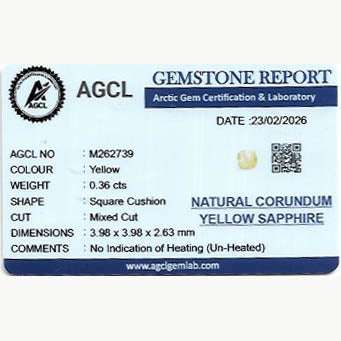
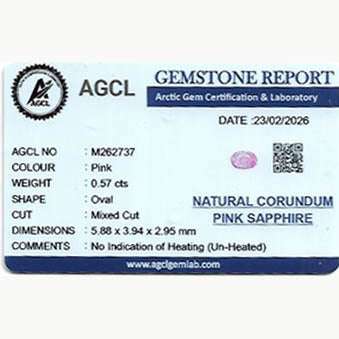
鑑別書。石が何であるかを記載する書類です。石種、天然か合成か、そして検出された処理について記載します。ここに品質の等級は入りません。色が良いか悪いか、カットが優れているかという評価は、鑑別書の仕事ではありません。そしてもうひとつ重要な点があります。通常の鑑別書は、産地についての意見を載せない書類です。産地の記載がないのは、その石の産地が不明だからではなく、その書類がもともと産地を扱わないからです。
鑑定書。日本語の「鑑定書」は、ダイヤモンドのグレーディングレポートを指す言葉として定着しています。カラー、クラリティ、カット、カラット重量という四つの等級が印字された書類です。色石に鑑定書というものはありません。サファイアについて「鑑定書付き」と書かれていたら、それは言葉の使い方が間違っているか、ダイヤモンド用の言葉を流用しているかのどちらかです。GIAが発行するサファイアのレポートも、日本の書類分類で言えば鑑別書にあたるもの(鑑定書ではありません)で、品質の等級は載っていません。ただしGIAの産地レポートには産地についての意見が記載されるので、その点では通常の鑑別書とは範囲が違います。
ソーティング。仕分けのために付けられる小さなメモです。署名もなく、発行者の名前も入らないことが多く、石種と重量程度が手書きや簡易な印字で書かれているだけのものもあります。ソーティングはレポートではありません。業者間で石を流通させる過程の作業メモであって、買う側が根拠として使える書類ではありません。「ソーティング付き」は「レポート付き」と同じ意味ではない、と覚えてください。
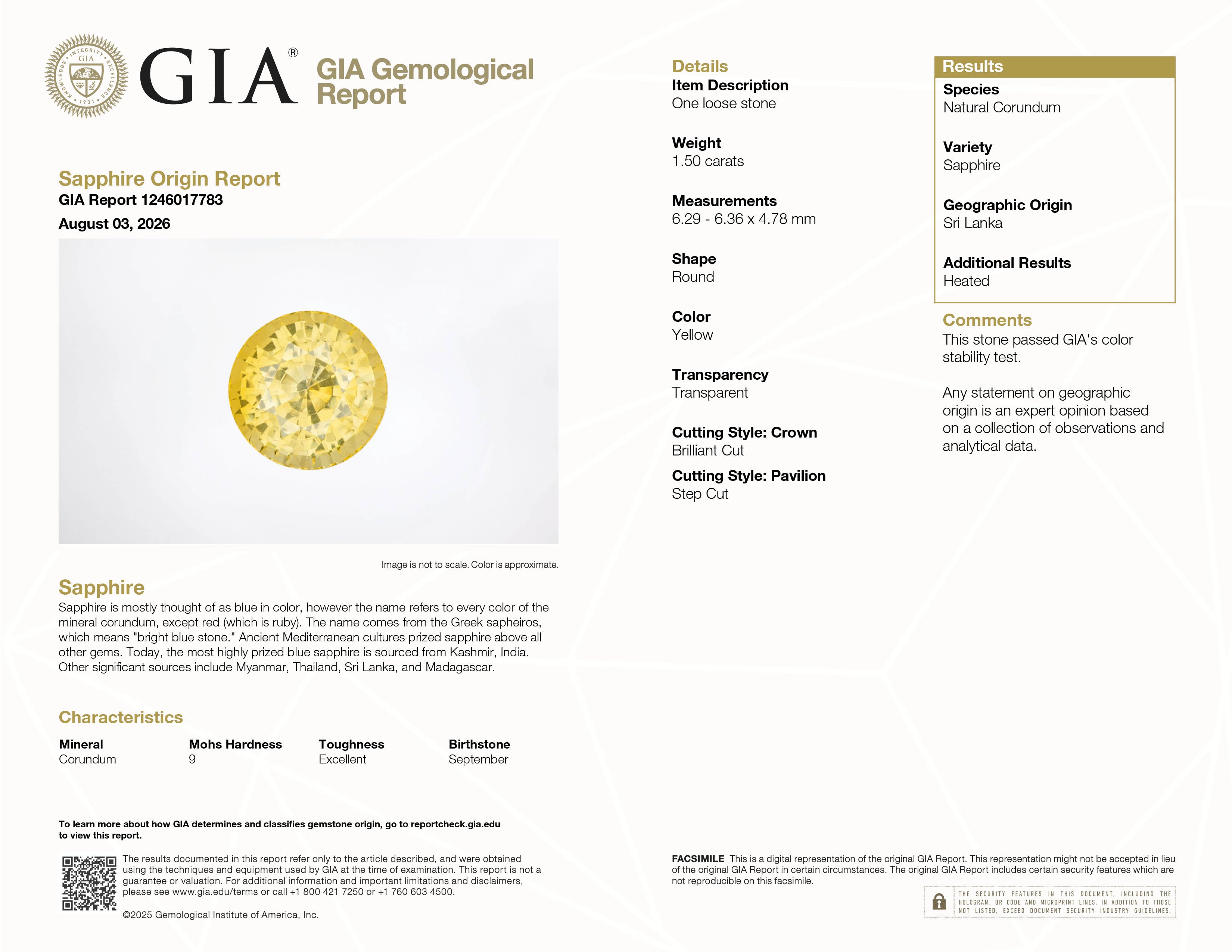
当店は、国内の特定のラボを名指しして推奨することはしません。日本国内のラボの体制はここ数年で再編が進んでおり、特定の一社を勧める書き方は長く正しいままでいられないからです。当店が実務でレポートを依頼するのは、GIA、Gübelin(グベリン)、SSEF、Lotus といった研究所です。GIAのレポートについては、レポート番号をご自身で reportcheck.gia.edu で確認できます。
ここが、このガイドでいちばんお伝えしたい論点です。日本には景品表示法(不当景品類及び不当表示防止法)があり、その第7条第2項に、いわゆる不実証広告規制が置かれています。商品の品質や内容について、実際よりも著しく優れていると示す表示――優良誤認表示――の疑いがあるとき、行政は期間を定めて、その表示の裏づけとなる合理的な根拠を示す資料の提出を求めることができます。期間内に資料が出てこなければ、その表示は優良誤認表示とみなされます。
ここで決定的なのは、「合理的な根拠」が二つの条件をどちらも満たさなければならないという点です。ひとつは、その資料の内容が客観的に実証されたものであること。もうひとつは、実証された内容が、表示した内容ときちんと対応していることです。資料があるだけでは足りません。その資料が、まさにその表示を裏づけるものでなければならない、ということです。
この二番目の条件が、色石の売り方に直接ぶつかります。GIAの色石レポートは、石種と処理についての所見を記載する書類です。品質の評価はしていません。GIA自身がこう述べています。“GIA doesn't grade or provide quality analysis for sapphire or other colored stones.”(GIAはサファイアその他の色石について等級づけや品質分析を行っていません。)そしてGIAの色石・産地レポートには、透明度の等級もカットの等級も載っていません。
ということは、GIAのレポートを持っていること自体は、「最高品質」「極上の色」「最上級のカット」といった品質表示の根拠にはなりません。レポートは客観的に実証された内容を含んでいます(一番目の条件は満たします)。しかしレポートが実証しているのは石の同定と処理の所見であって、品質の優劣ではありません。表示と資料が対応していないので、二番目の条件が欠けます。「GIAレポート付きだから高品質です」という文は、法の求める形の根拠を持っていないのです。
だから当店は、品質についての言い方を次のように分けています。レポートの欄に印字されている値は、レポートの記載です。その値をどう評価するかは、当店自身の判断です。この記事の中で色やカットについて「当店はこう見る」と書いてある箇所は、すべて後者です。研究所の権威に載せていません。等級づけをしていない機関の名前を、等級の裏づけとして使わない、というのが当店の線の引き方です。
景表法の優良誤認表示について、もうひとつ日本語で書いておく価値のある区別があります。景表法が禁じている誤認表示には二つの系統があります。ひとつは優良誤認で、品質、規格、その他の内容について、実際よりも著しく優れていると示す表示です。もうひとつは有利誤認で、価格やその他の取引条件について、実際よりも著しく有利であると示す表示です。石の売り方では、前者は「最高級の色」のような言い方、後者は、比べる相手を示さずに安さを主張する言い方に当たります。
当店はこの両方を避けています。品質については、研究所が等級づけをしていないのだから、当店が何かを言うときは当店の判断だと書く。価格については、比べる相手を示さない値引きの主張をしない。当店は価格について、割合も倍率も、比較の相手も書きません。書けるのは、なぜこの事業の組み立てだと運営費が少なく済むのかという仕組みの話だけです。ショールームがない。ラトナプラ、ベルワラ、コロンボで当店自身が買う。ラフを当店の仕様でカットする。段が短い。仕組みは書けますが、比較の数字は根拠の形を満たさないので書きません。
そして書類についての当店の運用は、価格帯にかかわらず同じです。処理の状態はすべての商品ページに記載します。レポートがある場合はラボ名とレポート番号を記載します。レポートがない場合は、ないと書きます。個別の石についての現時点の答えは、記事ではなく商品ページです。
サファイアの婚約指輪というとまずブルーが浮かびますが、セイロンはイエロー、ピンク、ピーチ、ティール、パープルも出します。当店の経験では、セッティングや肌の色、ご本人の好みに対して、ブルー以外の色のほうがよく合う場合が少なくありません。これは当店の好みの話で、色に順位をつけているのではありません。
その前に、日本の売り場でよく混乱が起きる点をひとつ整理しておきます。「パープル」はお客様が探すときに使う言葉で、「バイオレット」はレポートの色欄に印字される言葉です。同じ一個の石について、買う側の言葉と書類の言葉が違っているだけで、別の色を指しているわけではありません。当店の商品ページでは、お客様が検索する言葉と、書類に印字されている言葉の両方を載せています。どちらか一方しか書かないと、探している方に見つけてもらえないか、書類と商品名が食い違って見えるかのどちらかになるからです。
ブルー。定番の選択です。当店が見るのは、腕を伸ばした距離でもはっきりブルーと読める中程度の明度であること、そして昼光の下と室内灯の下で色の印象があまり変わらないことです。これは当店自身の見方であって、等級化された値ではありません。サファイアの色を等級づける研究所はありません。
ティール(青緑)。涼しい昼光ではブルーに寄り、暖色の白熱灯の下ではグリーンに寄る、二つの表情を持つ色です。当店へのお問い合わせもここ数年で増えています。処理の状態は、ほかのすべての石と同じように、各商品ページに記載しています。
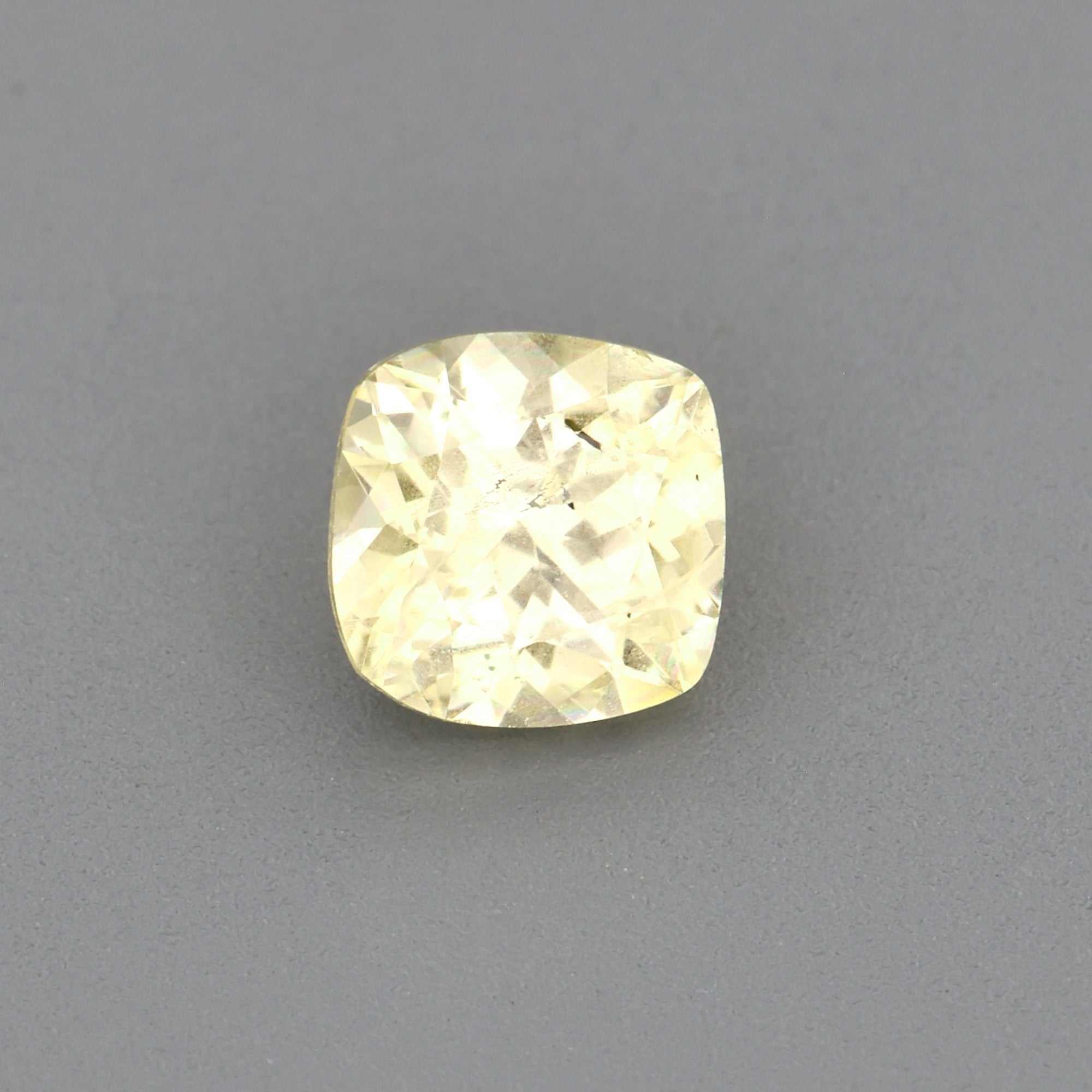
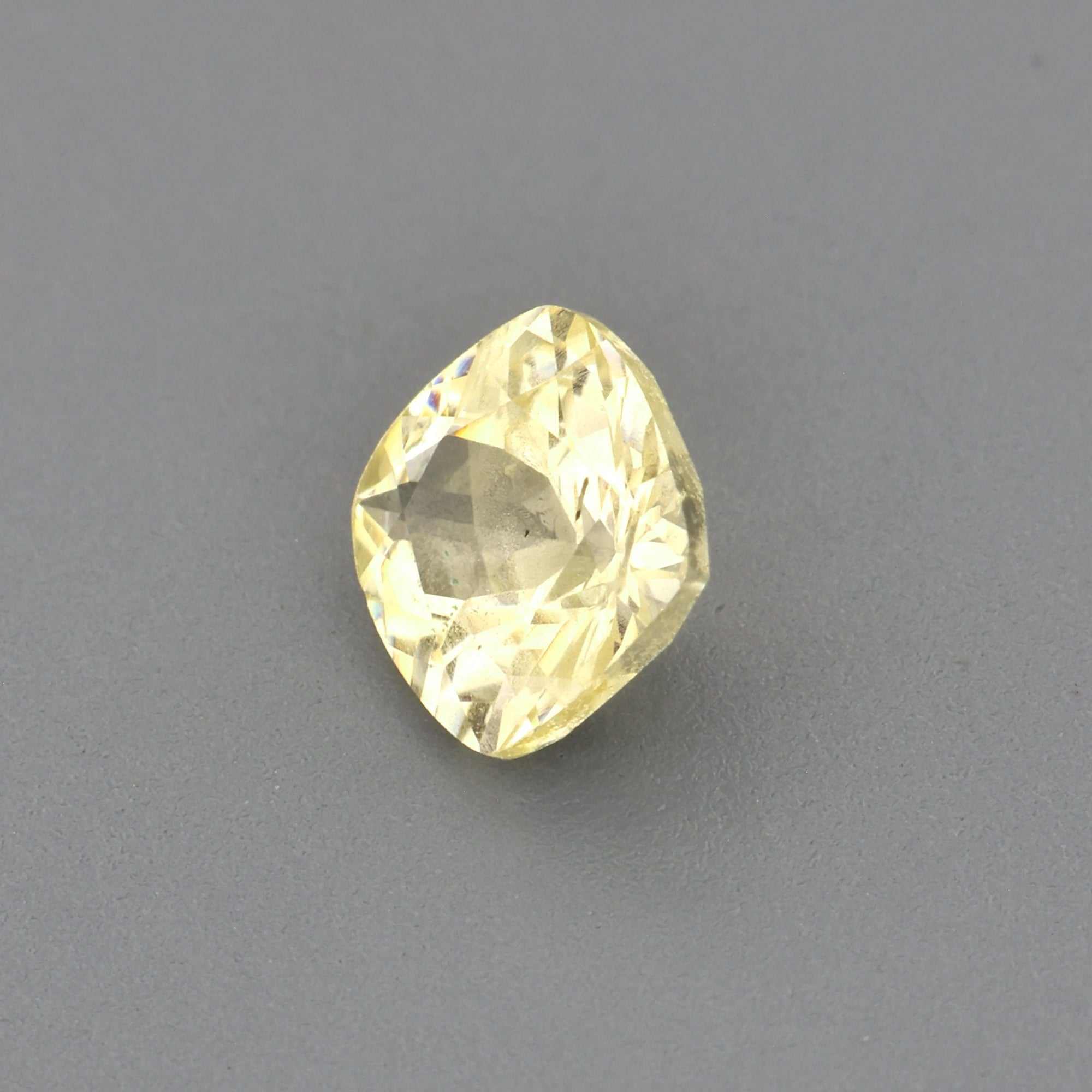
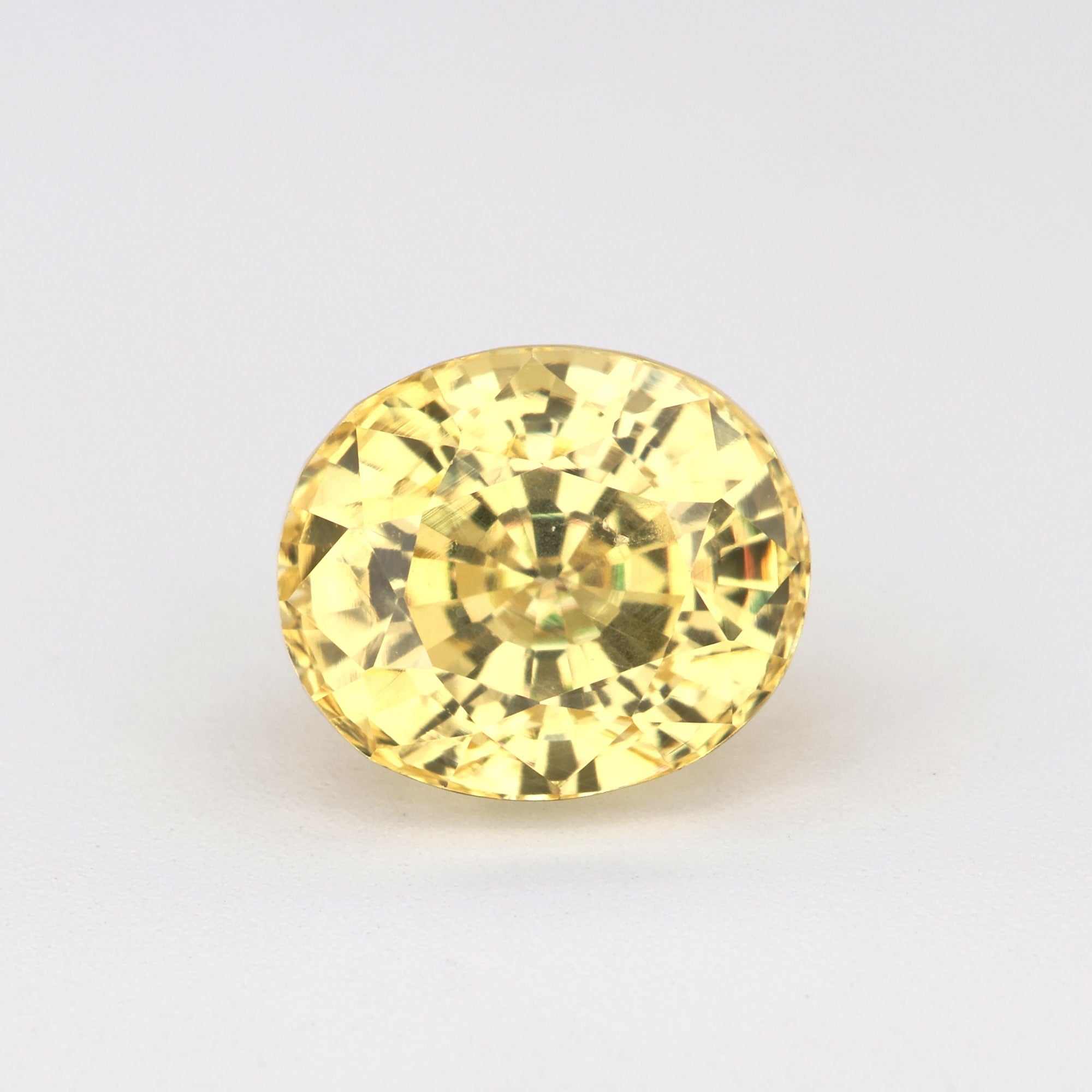
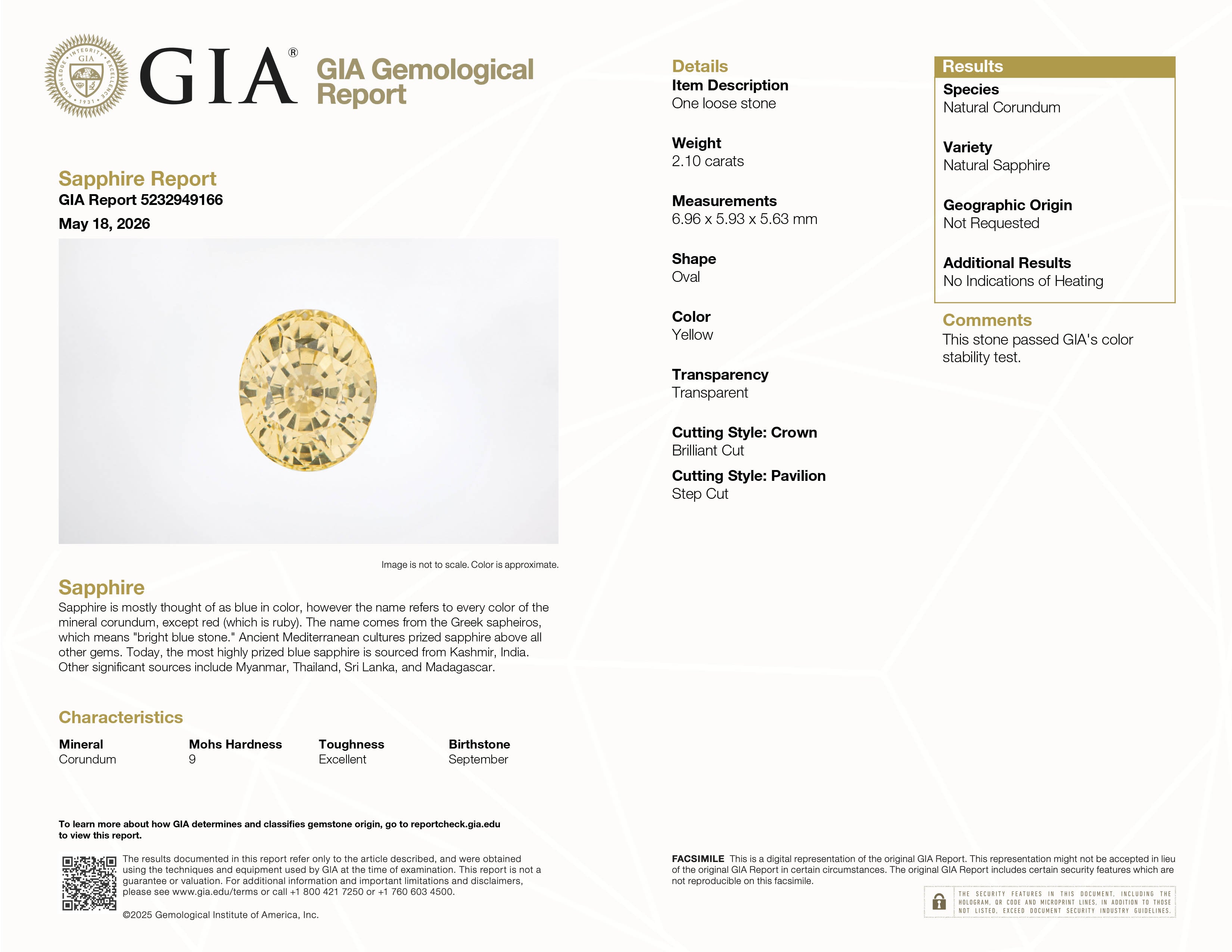
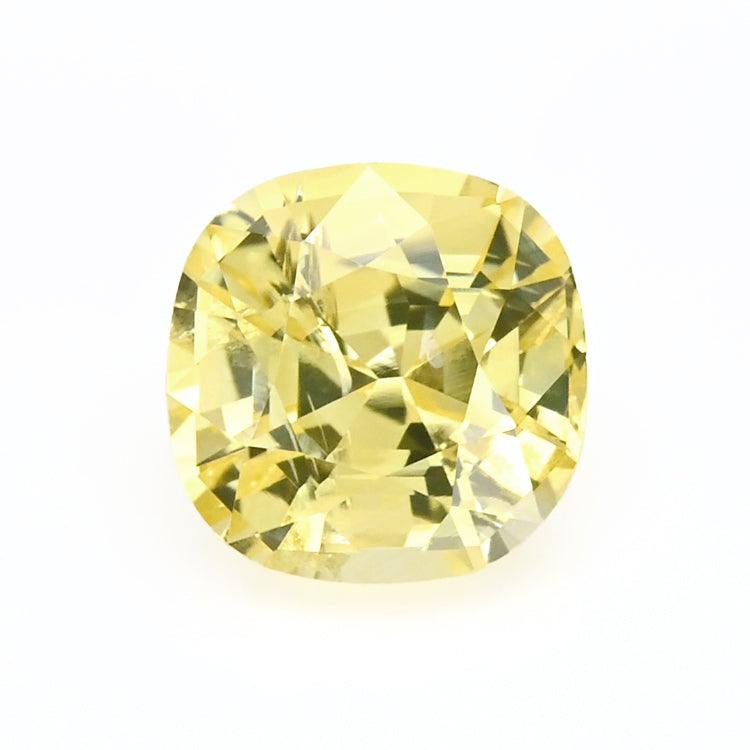
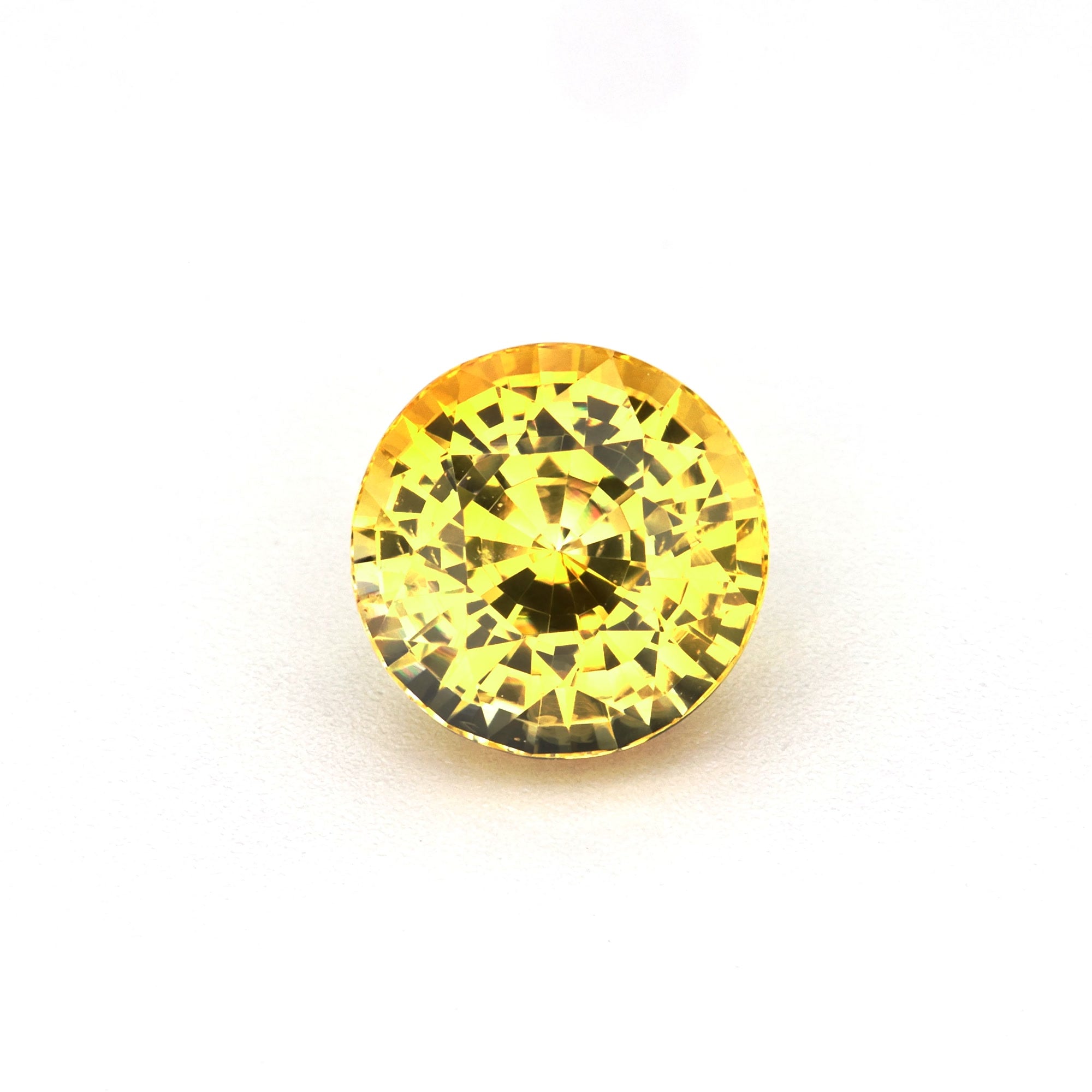
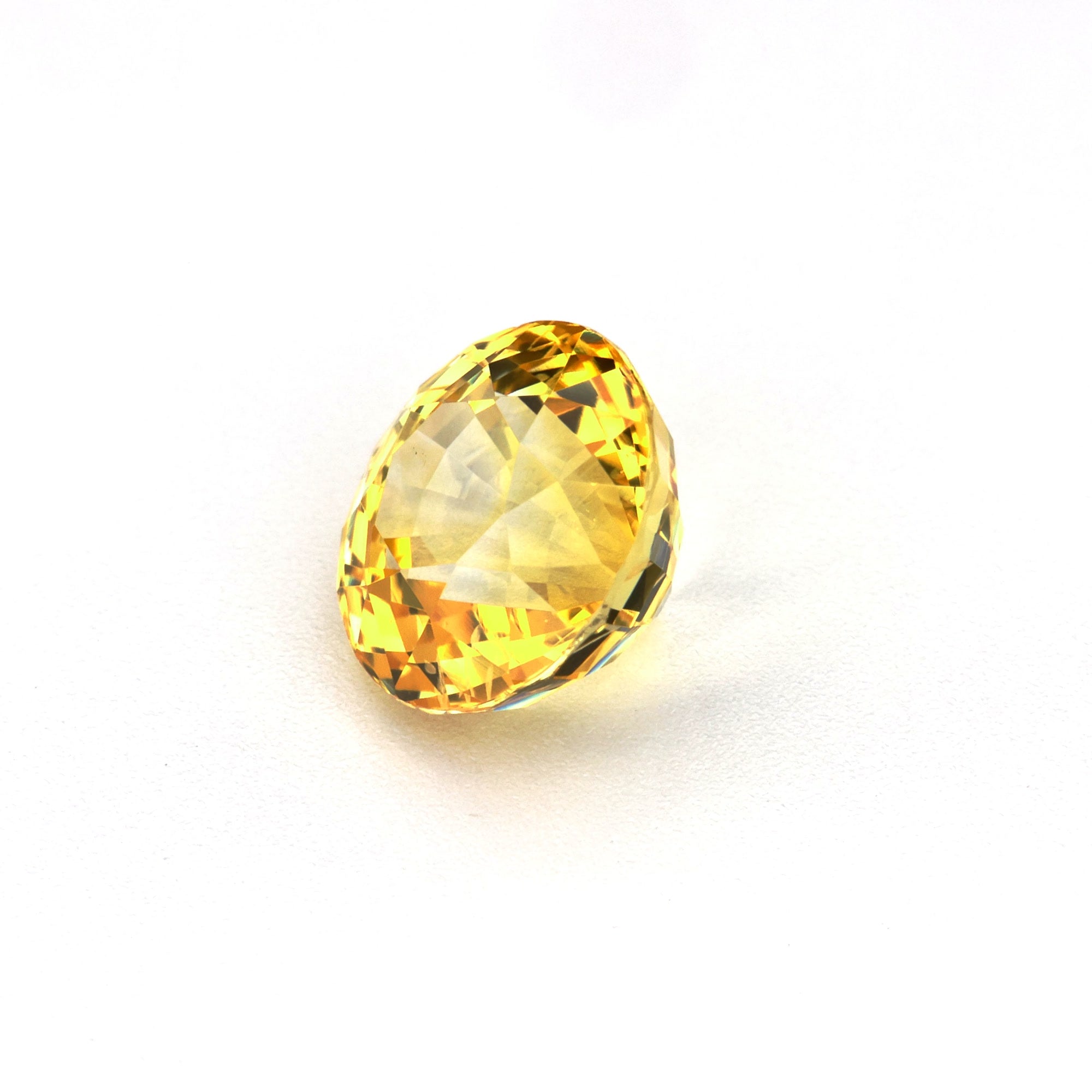
イエロー。非加熱のセイロンイエローを、オーバルやクッションで1.5カラット以上の大きさで見ると、それだけで十分に婚約指輪の石として成立します。イエローサファイアは、ジョーティシュ(インド占星術)の伝統のなかで木星(グル)に対応する石として扱われてきた石でもあります。
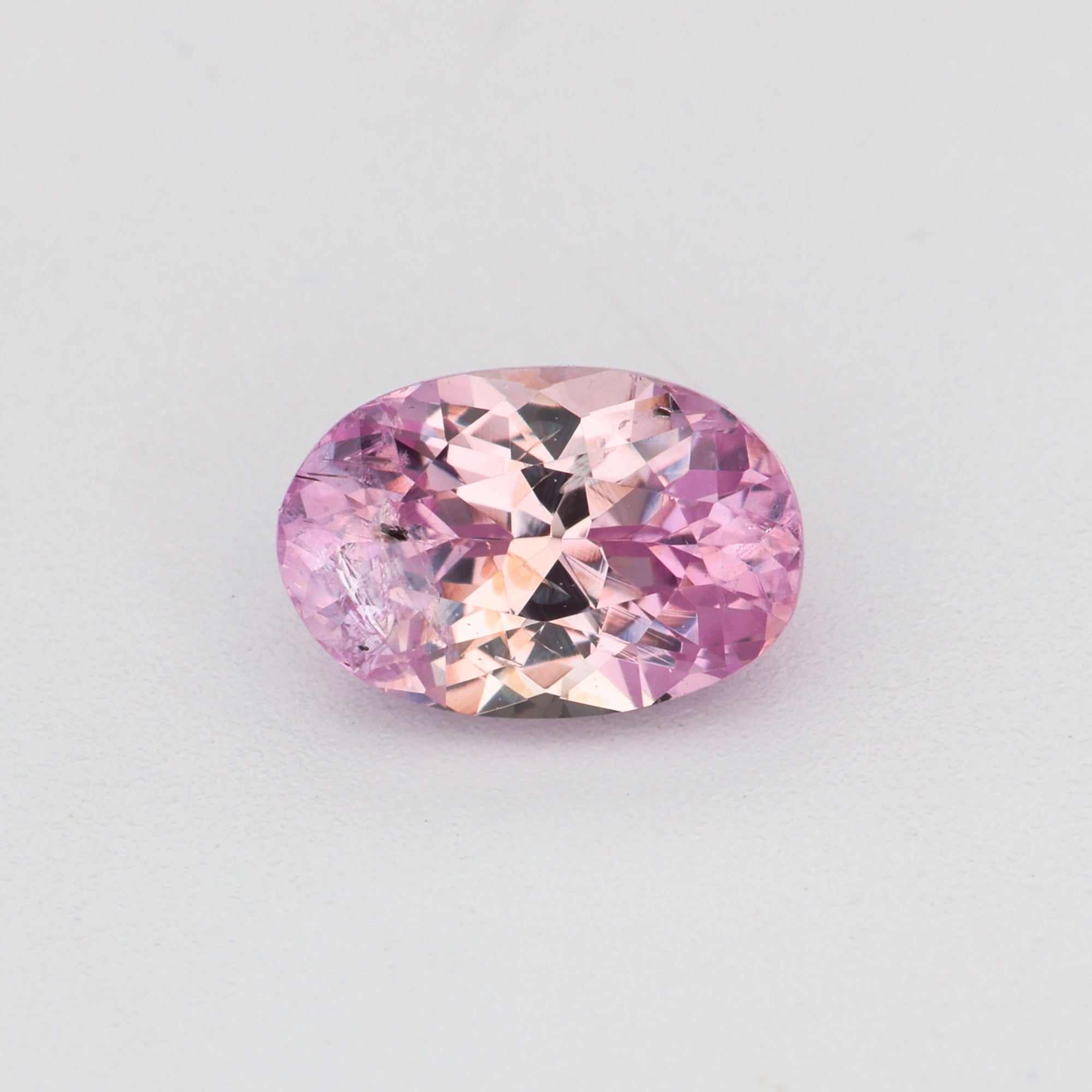
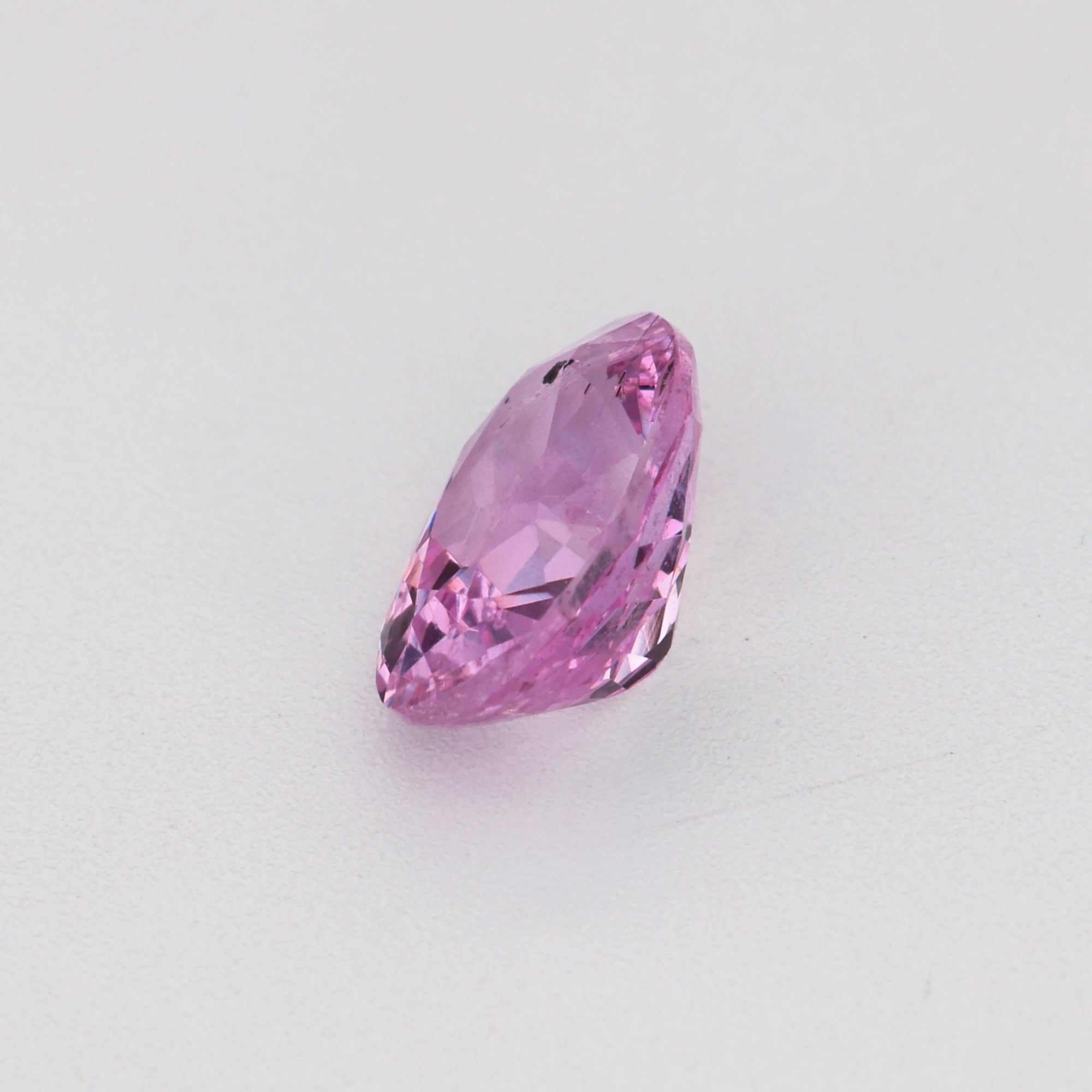
ピンクとピーチ。涼しいピンクから、わずかにオレンジを含む温かいピーチまで幅があります。ローズゴールドに留めた組み合わせは、当店の扱う範囲のなかでいちばん好きな取り合わせです――これは好みの表明で、測定の結果ではありません。ピンクサファイアのガイドとピーチサファイアのガイドもご覧ください。
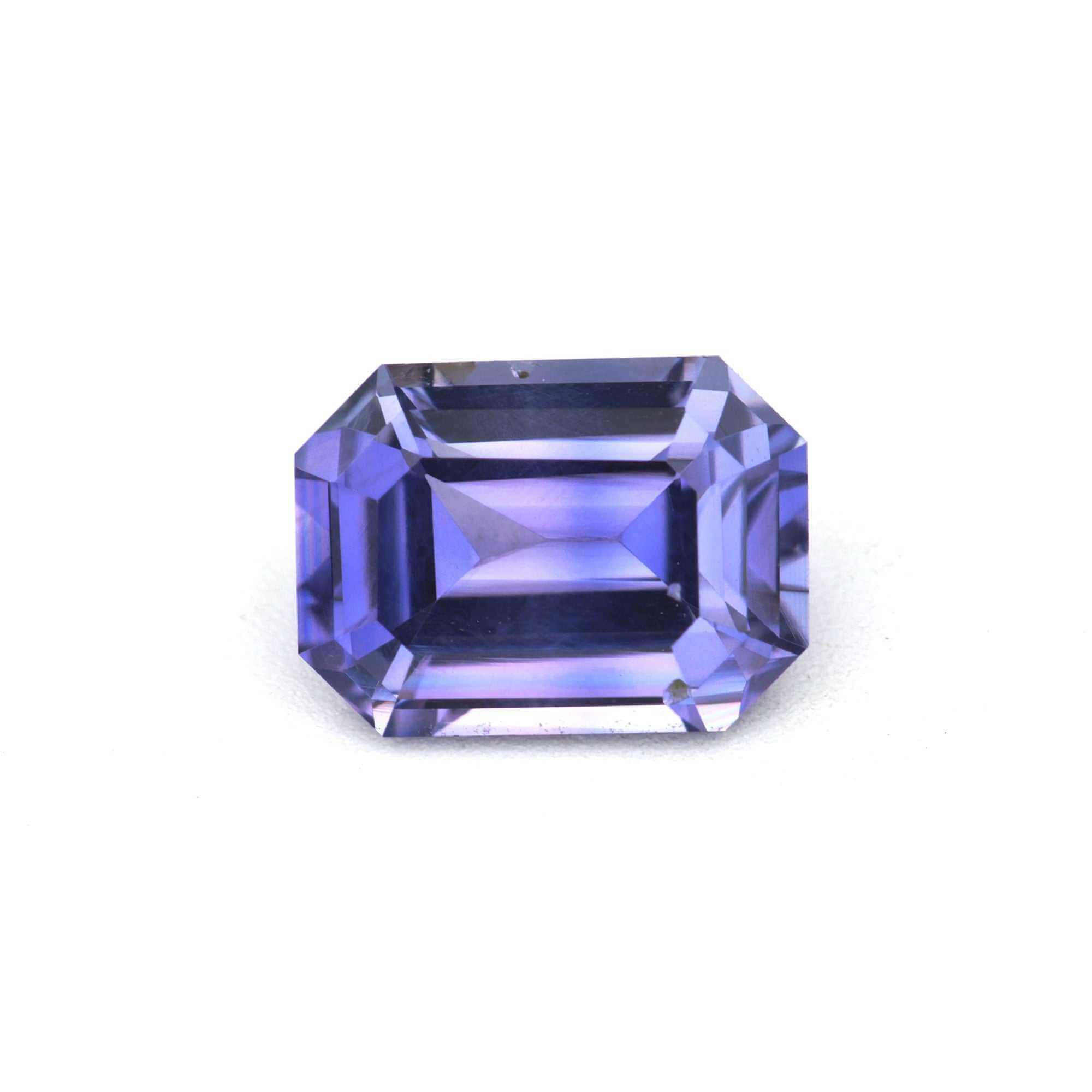
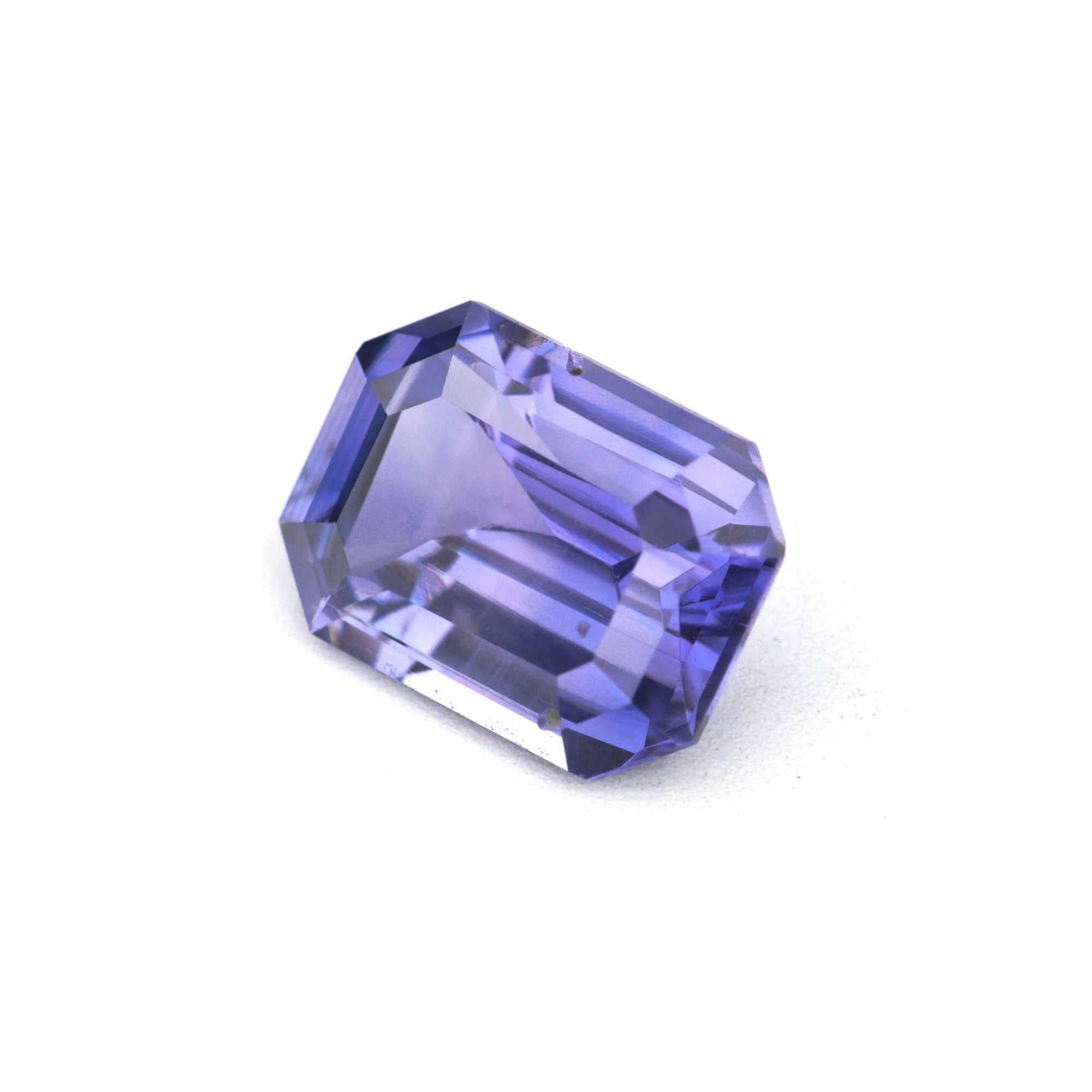
パープルとバイオレット。非加熱のセイロンパープルをクッションやオーバルで、ローズゴールドまたはイエローゴールドに留めると、珍しく、静かにロマンティックな婚約指輪になります。パープルサファイアのガイドをご覧ください。
店舗のディスプレイ照明は、たいてい明るく、スペクトルの幅が狭いものです。色石はその下で見た印象と、昼光のなかで手に載せたときの印象が違います。安い照明のせいという話ではなく、光源が違えば色の見え方が変わるというだけのことです。
ある程度の金額のサファイアを決める前に、少なくとも三つの光で石を見てください。ひとつは自然光(窓際の直射を避けた明るい日陰)。ひとつは室内の白熱灯または電球色LED。ひとつは蛍光灯または昼白色・昼光色のLEDです。この三つで色の印象があまり変わらない石が、当店が探している石です。これも当店自身のテストであって、等級化された結果ではありません。
日本の住環境では、電球色のダウンライトと昼白色のシーリングライトが同じ家の中に併存していることが多いので、この確認は実際に役に立ちます。昼光の下だけで決めた石が、帰宅後の食卓の照明の下で別の顔をすることは起こります。
加熱処理は、サファイアの取引のなかで長く行われてきた工程です。温度を管理して加熱することで、彩度を動かし、好まれない色の要素を減らし、一部のインクルージョンを溶かします。当店が扱うすべての石について、加熱処理の有無は処理として記載します。加熱処理されたサファイアは、天然の宝石です。
加熱はコランダムのモース硬度を変えません。加熱されていても、いなくても9です。モース硬度は傷のつきにくさ(引っかき硬度)を示す数値で、鉱物種の性質です。特定の一個の石がぶつけたときにどう耐えるかを示す数値ではありません。
加熱処理が変えるのは価格です。当店は、見かけの色が近い石どうしを比べたとき、非加熱の石のほうを高く値付けします。その差はサイズが大きくなるほど、そしてレポートで処理の状態が記載されている場合ほど、開く傾向があります。その差の数字は公表しません。石ごとに違い、相場も動くからです。個別の石についての現時点の価格は、商品ページに載っているその石の価格です。
非加熱かどうかの価格差がご自身にとって意味を持つ場合は、GIA、Gübelin、SSEF、Lotus といった研究所のレポートで処理の状態を記載してもらうようご依頼ください。研究所が出すのは意見であって、確定ではありません。GIAのレポートについては、レポート番号をご自身で reportcheck.gia.edu で確認できます。非加熱サファイアのガイドと加熱処理のしくみのガイドもあわせてご覧ください。
この三つは日本語の商品説明でしばしば同じ意味のように並べられますが、別のことを言っています。当店が三つを並べて対比させるのは、この章だけです。
「非加熱」。加熱していない、という一点を指す言葉です。範囲が狭く、だからこそ正確に使えます。当店が商品ページで使うのはこの言葉です。
「無処理」。一切の処理がない、というより広い主張です。範囲が広いぶん、言い切るのが難しい言葉です。当店はこの対比を説明する文脈以外でこの言葉を使いません。
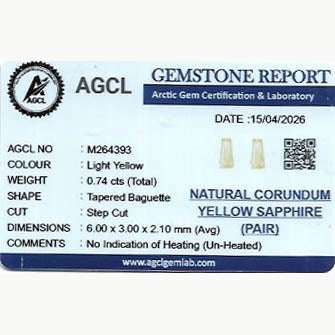
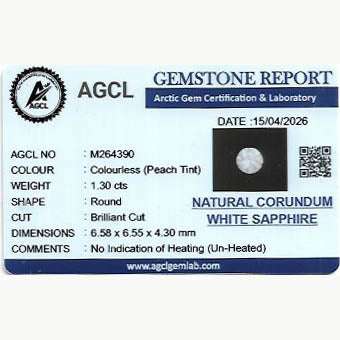
「加熱の痕跡なし」。レポートの加熱欄に印字される所見の文言です。研究所が観察した結果についての記載であって、石の履歴そのものの記載ではありません。LMHC(Laboratory Manual Harmonisation Committee)の情報シート第7号は、現時点では検出できない処理があるという趣旨を記載しています。つまり「加熱の痕跡なし」は、加熱についての所見です。それ以上の範囲を示す記載ではありません。
もうひとつ、日本語の情報でよく見かける言い方を正しておきます。「シルクが残っているから非加熱」という判断は成り立ちません。シルク(微細なルチルの針状インクルージョン)は、非加熱の石にも加熱処理された石にも見られます。LMHC情報シート第7号は、針が元の状態のまま残ることが加熱の過程で起こりうる旨を記載しています。シルクの有無だけから、その石の加熱の履歴は決まりません。サファイアのインクルージョンの読み方もご覧ください。
四つを挙げる前に、全体の枠を先に置きます。色石の品質を等級づける研究所はありません。GIA自身の立場は明確です。“GIA doesn't grade or provide quality analysis for sapphire or other colored stones.” GIAの色石・産地レポートには透明度の等級もカットの等級も載っていません。等級が載っていないことから、その石について何かが導かれるわけではありません。もともと載る種類の情報ではないからです。
そしてもうひとつ、日本語で書くときに外せない点があります。「4C」はダイヤモンドの用語です。サファイアに4Cはありません。カラー、クラリティ、カット、カラットという四つの等級を定めた体系は、ダイヤモンドのために作られたもので、色石には適用されていません。サファイアにも4Cがあるという説明を見かけたら、それはダイヤモンドの枠組みを色石に当てはめたものです。以下に挙げる四つは、当店が実務で見ている項目であって、等級体系ではありません。順番も当店のつけた順番です。
色 ― 当店が最初に見るもの。色相(色がどれだけ濁りなく読めるか)、彩度、明度(存在感が出るだけの濃さがあり、かつふつうの室内光でも色が読める明るさであること)の三つの軸で見ます。この三軸は業者が話すときの言葉で、等級の名前ではありません。
処理の状態。非加熱かどうかは、石が大きくなるほど価格に効きやすく、処理の状態がレポートに記載されている場合はさらに効きます。「非加熱」は加熱についての言葉です。当店の運用はすべての石で同じです。処理の状態はすべての商品ページに記載し、レポートがある場合はラボ名とレポート番号を記載し、レポートがない場合はないと書きます。
透明度 ― 当店が目指すのは肉眼基準。腕を伸ばした距離で、拡大せずに見てインクルージョンが見えないこと。これは当店自身の基準の説明であって、等級化された値ではありません。細いシルクは欠点として扱いません。先に書いたとおり、シルクは非加熱の石にも加熱処理された石にも出るので、シルクがあること自体から処理の履歴は決まりません。
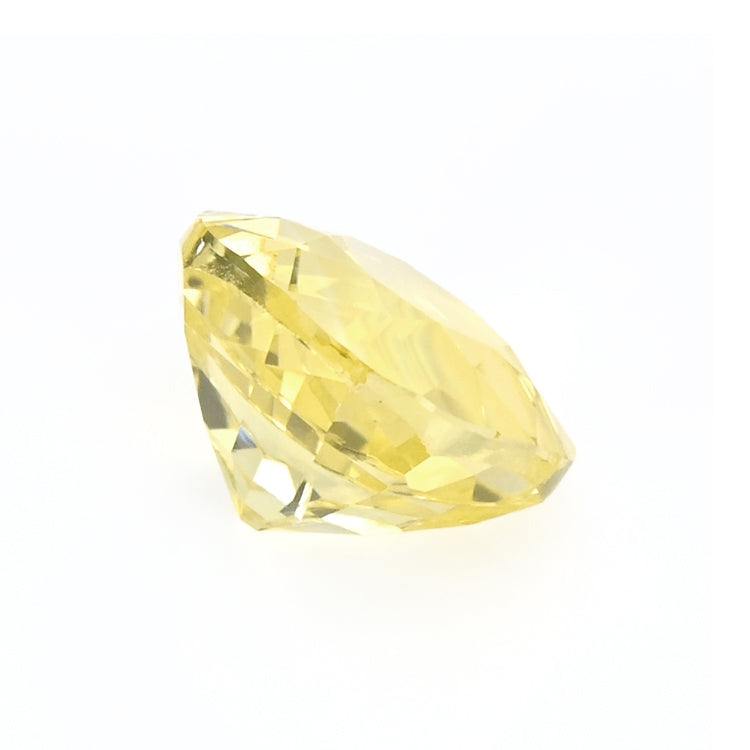
カット ― 見落とされやすい項目。よくカットされたサファイアは、正面から見た面の全体にむらなく光を返します。ウィンドウ(光がそのまま抜けてしまい、目に戻ってこない透け)が出ていません。ファセットの配置は光を返すためのものです。石がもともと持っている色を濃くしたり、集めたり、深めたりするものではありません。「カットで色が引き立つ」という書き方を見かけますが、起きているのは光の戻り方の違いです。カットがサファイアに与える影響のガイドをご覧ください。
オーバル。重量に対して正面から見える面積が広く、指を長く見せます。オーバルサファイアのガイドと一粒石(ソリテール)に向くシェイプをご覧ください。
クッション。サファイアの色を見せるという点では、当店が好むシェイプです。丸みのある角と幅の広いファセットが、石の面全体に光をやわらかく返します。これは当店の見方で、等級化された結果ではありません。クッションカットサファイアのガイドとヘイローリングに向くシェイプをご覧ください。
ラウンド。光の戻りが強く、均一です。セッティングに留めやすいシェイプでもあります。
エメラルドカット。階段状のファセットが、小さな輝きの集まりではなく、幅の広い閃光と内部の奥行きを見せます。抑制のきいた選択で、当店も好みます。エメラルドカットサファイアのガイドと背の低いリングに向くカットをご覧ください。
ペアシェイプとマーキス。どちらも指を長く見せ、カラット重量から想像するより正面が大きく見えます。縦長のシェイプのガイドをご覧ください。
ここから書くことは、当店の推奨です。サファイアの地金選びについて指針を公表している研究所はありません。ですから、お客様にお示しできる外部の立場というものが存在しません。以下は当店が実際に留めてみて機能していると考えていることで、規則ではなく当店の好みとして受け取ってください。
ホワイトゴールドとプラチナ。ブルー、ティール、バイオレットのサファイアに当店が使う組み合わせです。涼しい色の地金の上では、石の色がすっきり読めます。
イエローゴールド。温かみとヴィンテージらしい雰囲気が出ます。当店はイエローサファイアと、濃いパープルに合わせるのを好みます。
ローズゴールド。ピンク、ピーチ、パープリッシュピンクのサファイアには当店はまずこれを選びます。ティールやバイオレットにもよく合います。
地金選びについてさらに詳しくは、イエローゴールド・ホワイトゴールド・プラチナの比較ガイドとサファイアの指輪の地金の色の選び方をご覧ください。
石が決まったら、セッティングがその石の手元での見え方を決めます。セッティングについて当店が書くことは、すべて当店の推奨です。サファイアのセッティングについて指針を公表している研究所はありません。ここで引用できる外部の立場は存在しないので、あるふりはしません。以下は当店自身のリングデザインについてのガイドです。
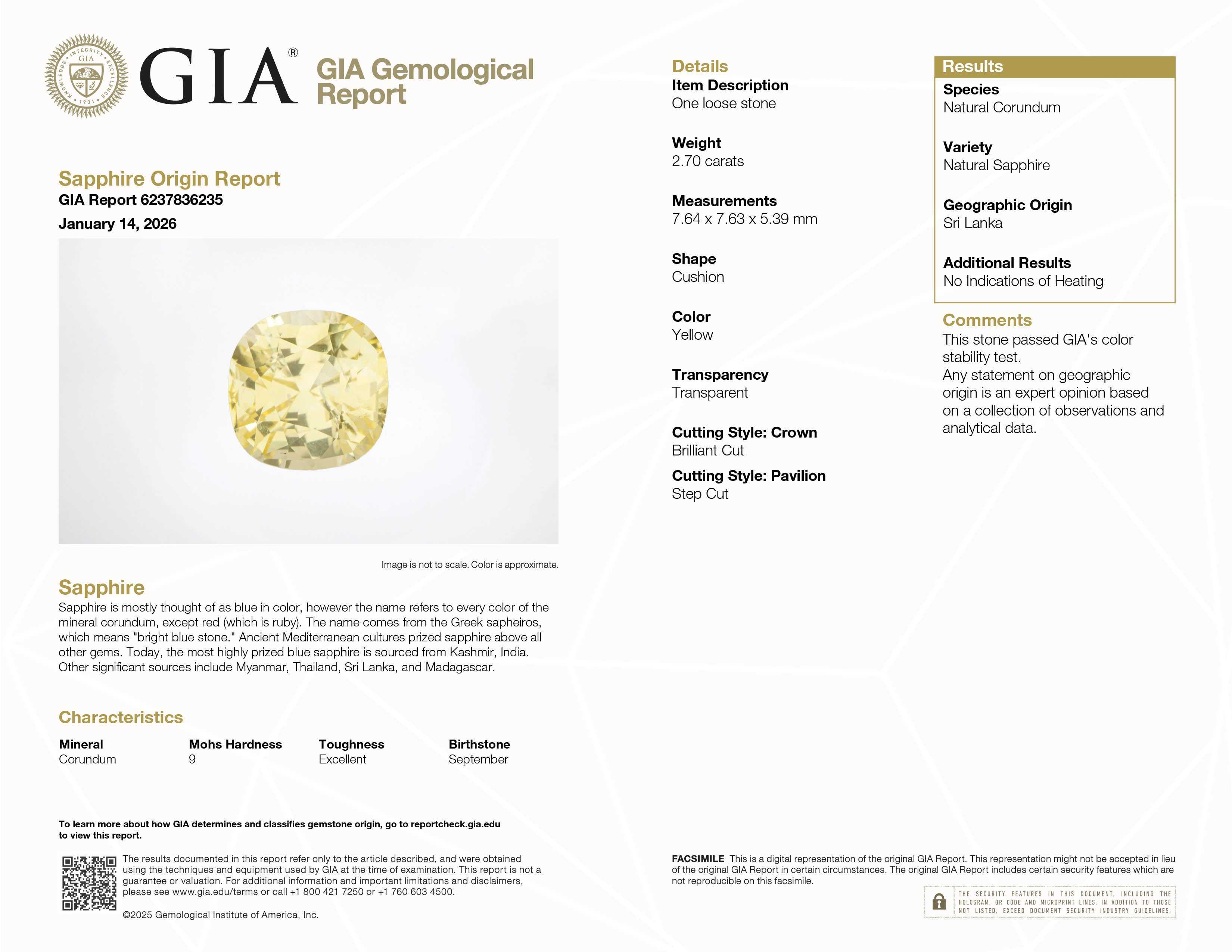
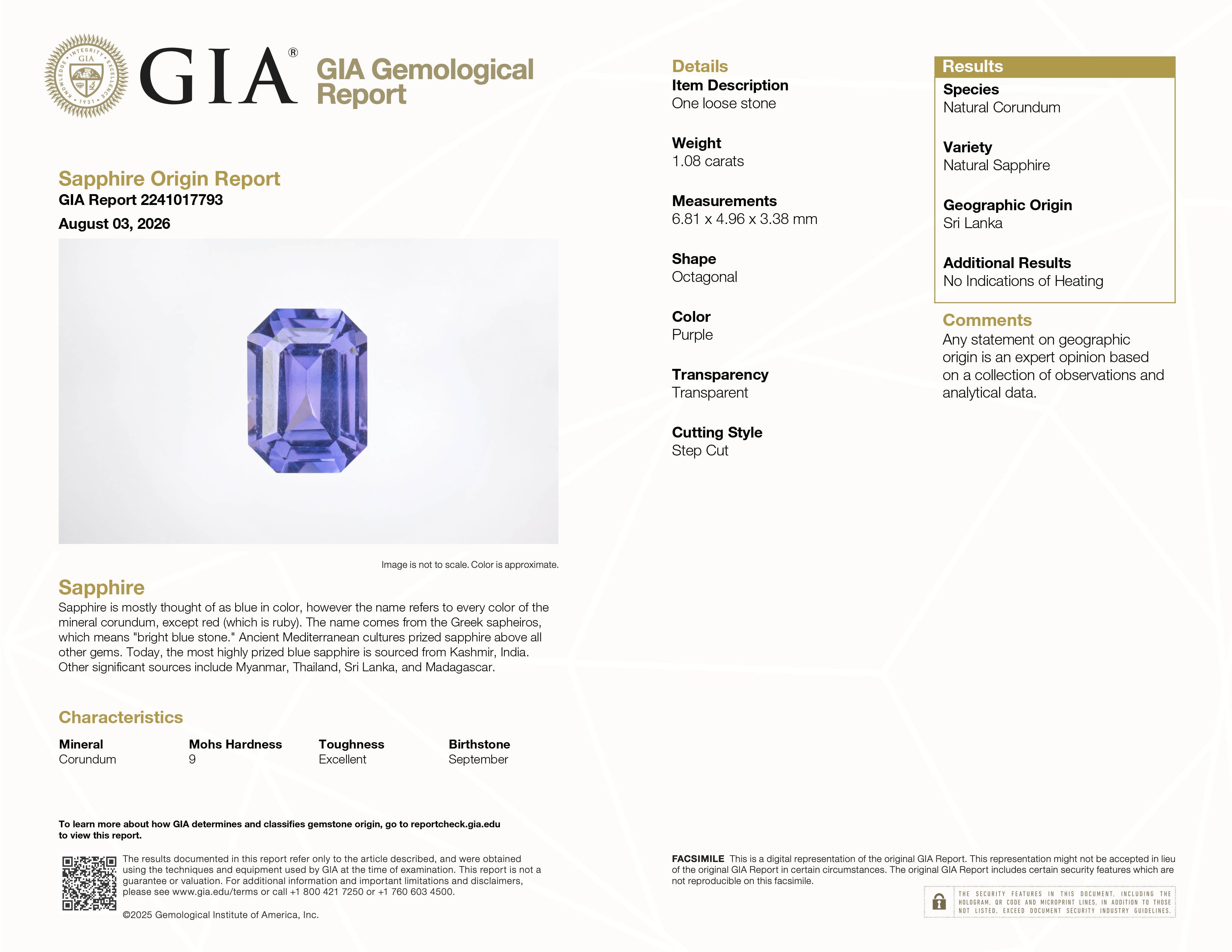
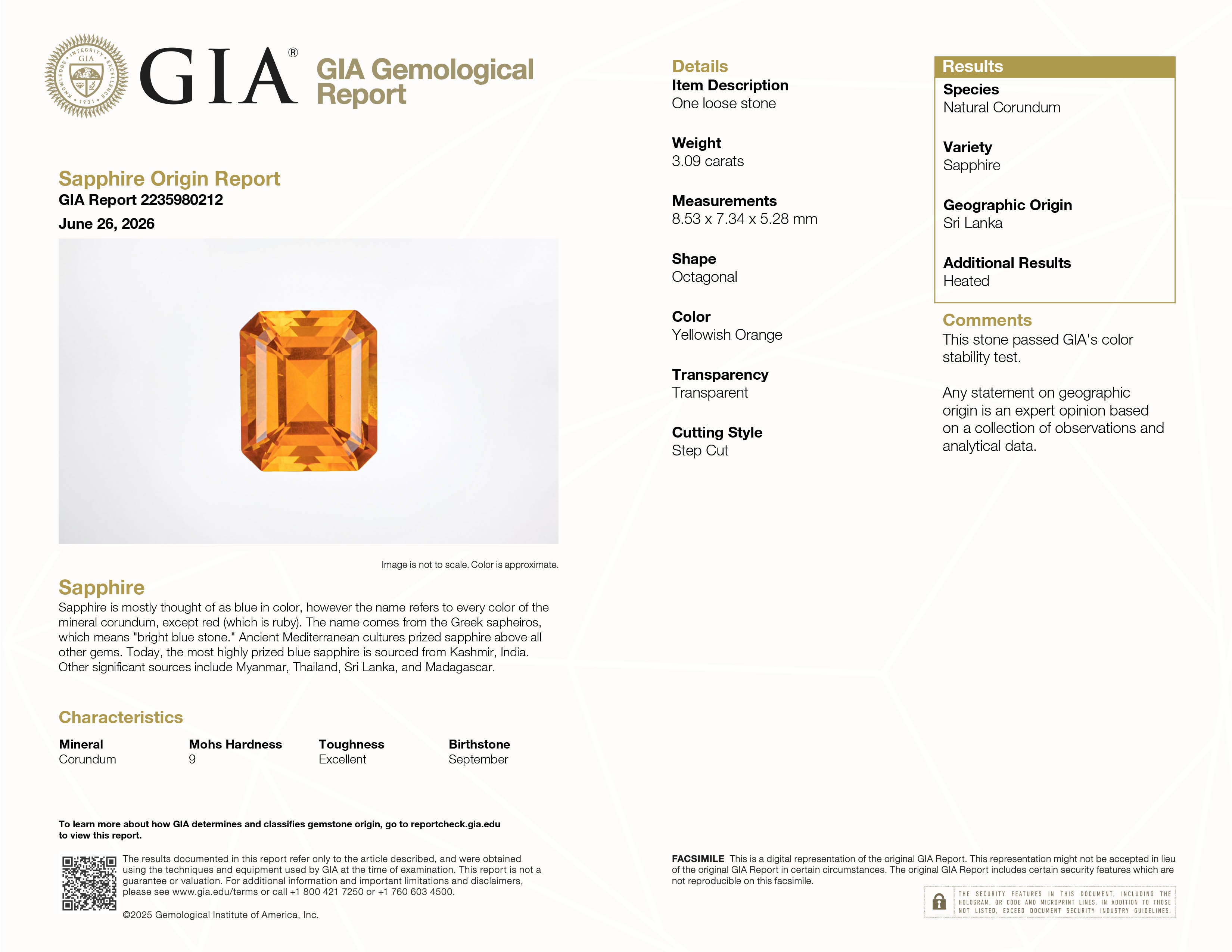
GIAのサファイアレポートを手にしたら、まず加熱処理の欄を見てください。印字される値は “No indications of heating”(加熱の痕跡なし)、“Indications of heating”(加熱の痕跡あり)、“Indications of heating — with residues”(残留物を伴う加熱の痕跡あり)です。当店はこの三つを優劣で並べません。並べた瞬間に、等級づけをしていない機関の記載を等級に変えてしまうからです。
一番目の値は、加熱の痕跡という観察事項についての所見であって、それ以上の範囲を示すものではありません。先に書いたとおり、LMHC情報シート第7号は、現時点で検出できない処理があるという趣旨を記載しています。
産地の欄には地名が入ります。たとえば Sri Lanka (Ceylon) です。ただしその記載は意見としての記載で、研究所が事実として確定したものではありません。GIAはこう書いています。“Any statement on geographic origin is an expert opinion based on a collection of observations and analytical data.”(地理的な産地についての記述は、一連の観察結果と分析データに基づく専門家の意見です。)当店は産地について書くとき、研究所の権威に載せません。当店が産地について言えることの根拠は、当店自身の仕入れの記録――コロンボ、ベルワラ、ラトナプラで当店自身が行う買付け――です。
そしてGIAの色石・産地レポートには、透明度の等級もカットの等級も載っていません。どちらの等級が載っていないことからも、その石について何かが導かれるわけではありません。GIAのサファイアレポートの読み方のガイドをご覧ください。
当店はこの記事に価格表を載せません。サファイアの価格は、色、サイズ、処理の状態、レポートの有無、カットが、その一個の石の上でどう組み合わさっているかで決まります。そしてそれらの要素は、石ごとに別の方向に引っ張ります。ですからここに価格帯を書けば、お客様がいま実際に探している石について、かえって誤った見当をつけさせることになります。
当店がやっているのは、価格を石の側に置くことです。すべての商品ページに、その石の価格、処理の状態、そしてレポートがある場合はラボ名とレポート番号が載っています。個別の石についての現時点の答えは、記事ではなく商品ページです。ご予算の範囲を決めている場合は、ルースストーンのカタログで価格の絞り込みをお使いください。表示されるのは、その時点で実際に在庫がある石です。在庫は動くので、記事に書いた数字よりカタログの絞り込みのほうが正確です。
1カラット前後、2カラット前後の石について、当店が価格を見るときの考え方は1カラットのサファイアの価格の考え方と2カラットのサファイアの価格の考え方にまとめています。
価格の構造についてひとつだけ書いておきます。当店の価格は、値引きをしているから下がっているのではなく、事業の組み立て方から出てきています。ショールームを持たない。ラトナプラ、ベルワラ、コロンボで当店自身が買う。ラフを当店の仕様でカットする。地面からお客様までの段が短い。ただし繰り返しになりますが、スリランカのラフ市場そのものが仲介を前提に動いています。その中で当店も、ほかの買い手と同じようにブローカーやディーラーから買っています。段が短いことは、段がゼロであることではありません。
日本へのお届けは、ご注文額 US$499.00 までは送料 US$60、US$499.01 以上は送料無料です。返品は到着後14日以内に承ります。
輸入時の税は、送料とは別の話なので分けて書きます。ルースの天然石は関税率表の第71.03項に分類され、この項はいずれの税率欄でも無税です。消費税は10%です。ただし「一律10%かかる」という説明は、実際より多く見せています。課税価格が1万円以下の輸入品は、関税も消費税も免除されます。そして個人用途の輸入では、課税価格は海外の小売価格の60%として計算されます。つまり海外小売価格でおよそ1万6,000円台までは、免税の範囲に収まる計算になります。それを超える場合は消費税がかかり、第71.03項である限り関税はかかりません。
なおこの1万円以下の免税措置については、2028年4月1日に廃止する方向で見直しが進められていますが、これは法案の段階であり、国会の議決を経て確定したものではありません。当店は確定した制度としては書きません。
ルースストーンのカタログをご覧ください。各商品ページに、その石について記録されている産地と処理の状態、そしてレポートがある場合はラボ名とレポート番号を記載しています。色から探す場合は、ブルー、ティール、イエロー、ピンク、ピーチ、パープルからお入りください。ご希望の条件が決まっている場合は、crescentgems@gmail.com までお送りください。
手に取って見てから決めたい場合は、トライオンプログラムをご利用ください。選んだ石をお手元にお送りし、ご購入を決める前に実際の光の下でご確認いただけます。カタログにはサファイア以外の石も含まれていますので、商品ページで石種と産地をご確認ください。

CG8307

CG8366
CG8313
CG8451
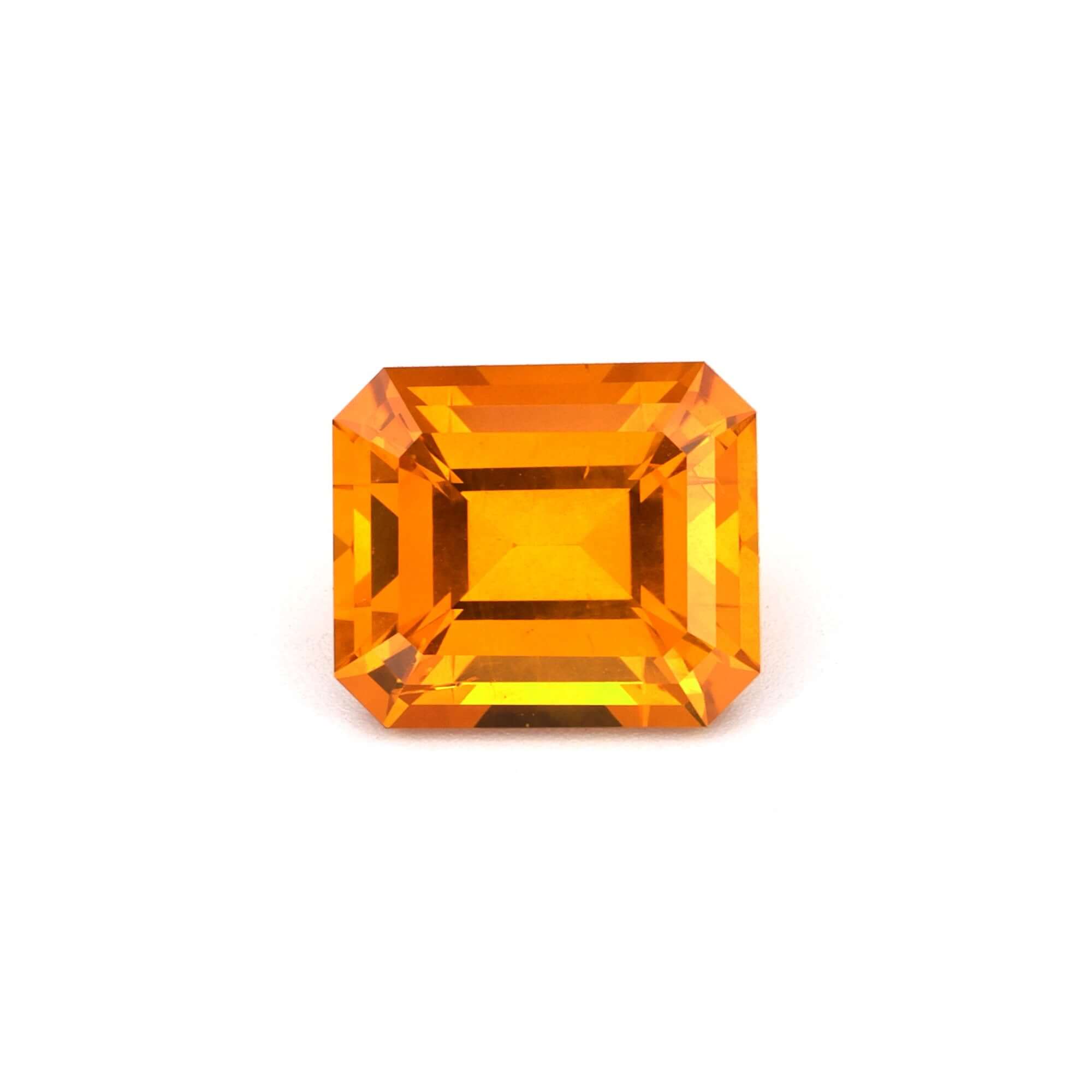
天然イエローサファイア 1.50ct 加熱 ラウンドカット GIAレポート付 スリランカ(セイロン)産
CG8446
パープルサファイア 1.08ct 【加熱の痕跡なし】 スリランカ産 GIAレポート付
CG8445
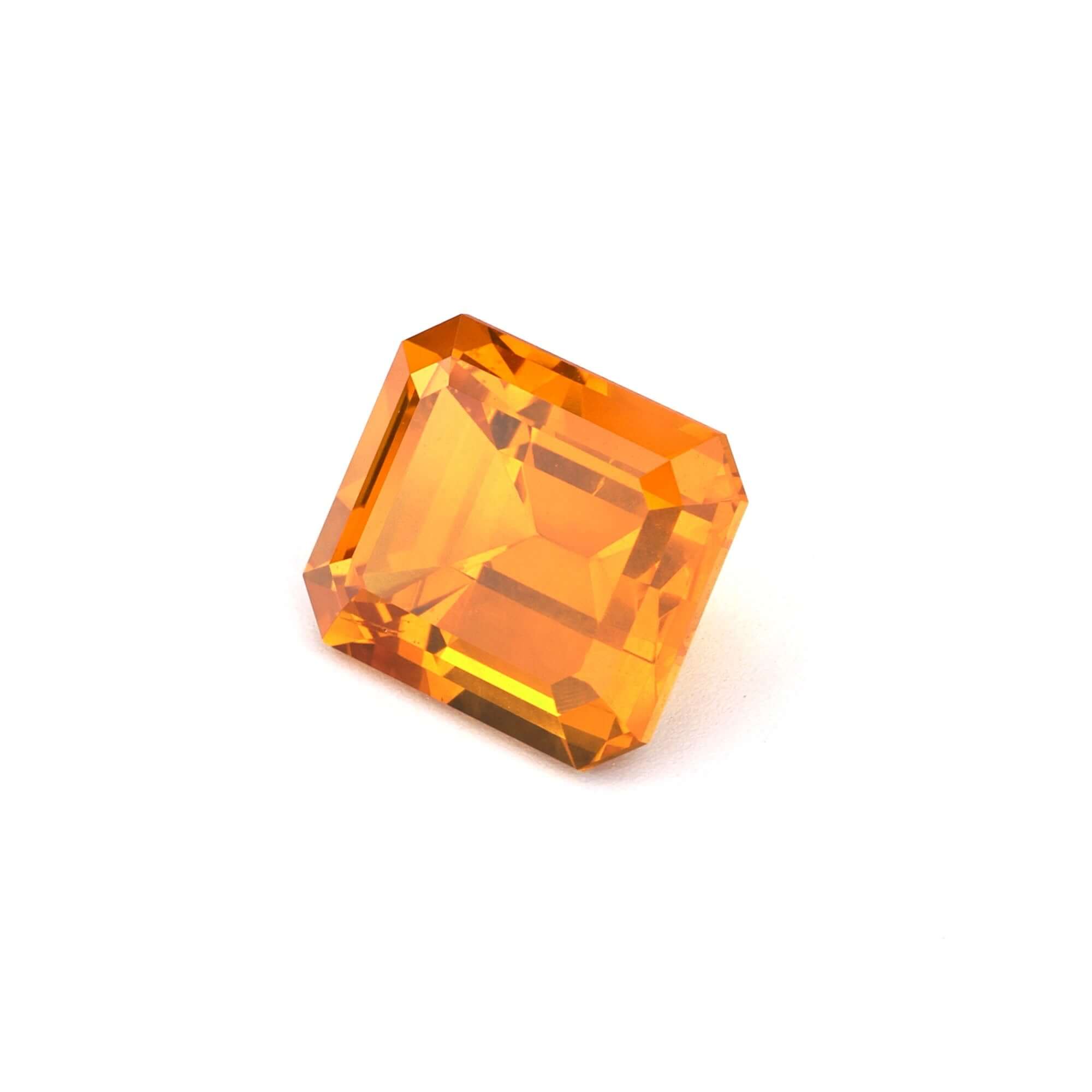
天然オレンジサファイア(加熱)3.09ct エメラルドカット GIA鑑別書付
CG8433
CG8434
CG8431
CG8438


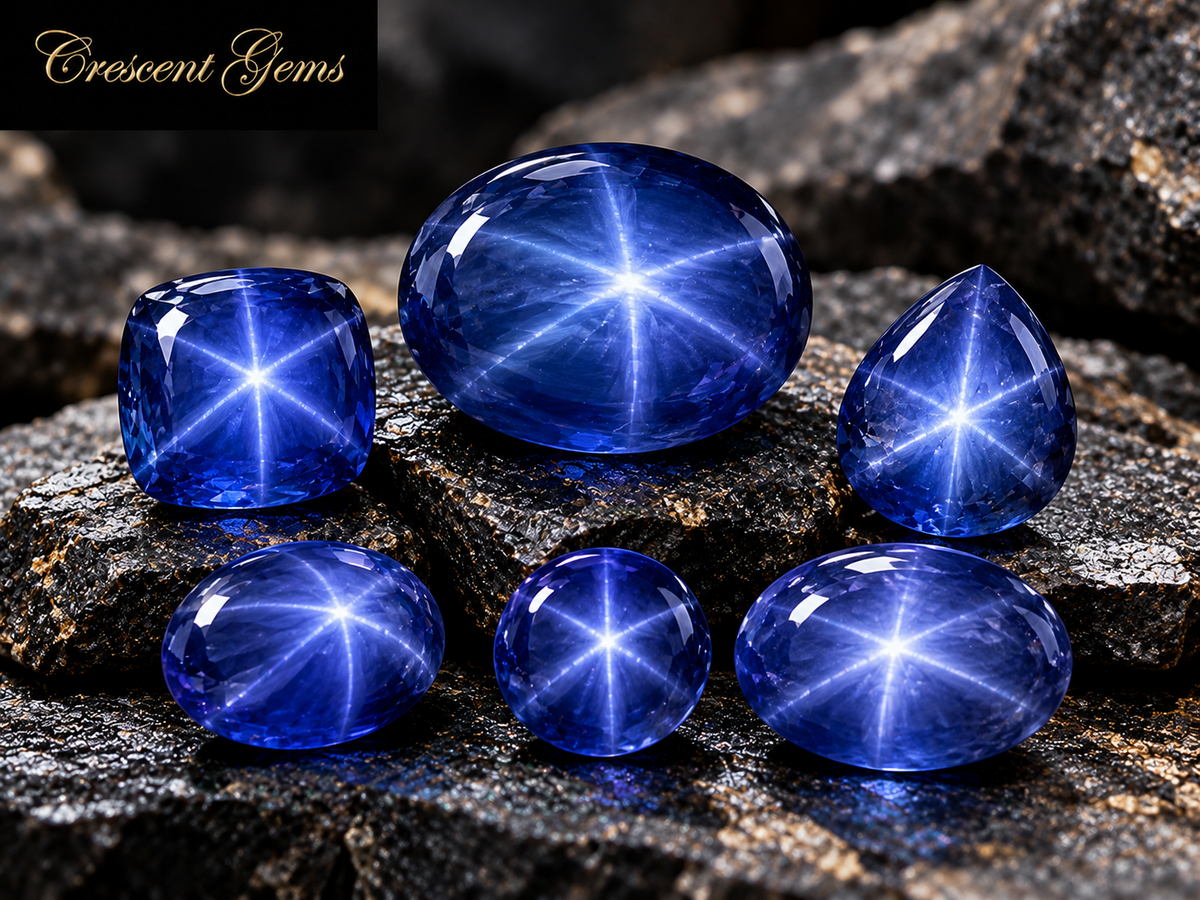
ブルースターサファイアの価格|1カラットあたりの相場と、当店にある8.09ctの1点
ブルースターサファイアは1カラットあたりいくらか。地色・重量・付帯する書類の三つで価格帯を整理し、現象を格付けする機関が存在しないことも説明します。当店の在庫は8.09ctの1点のみです。
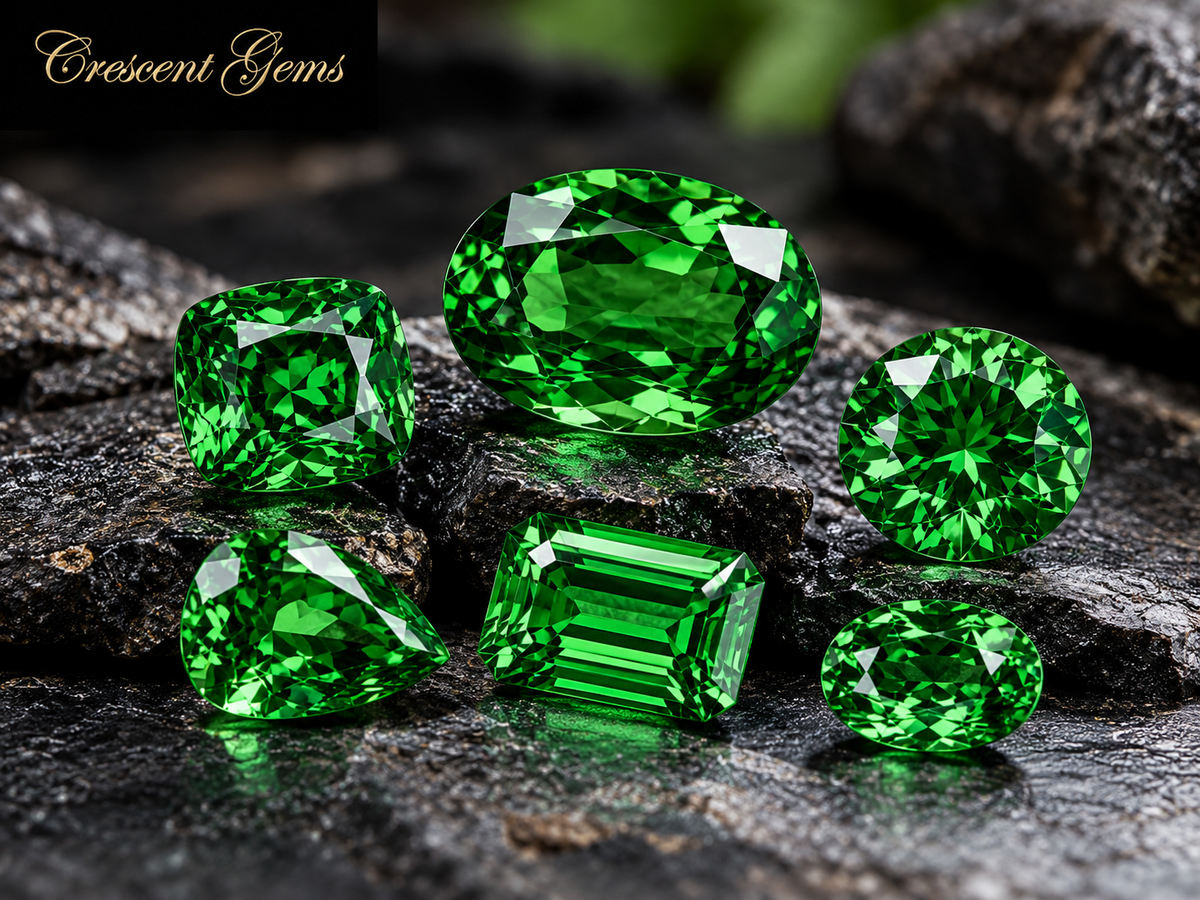
ツァボライトの価格|当店の在庫6点と、グロッシュラー・ガーネットとの違い
ツァボライトはいくらか。当店が現在在庫する6点をすべて示し、重さで値段がどう変わるかを説明します。品質等級表を載せない理由と、大きくて内包物の少ない原石が採れにくい本当の理由もあわせて。
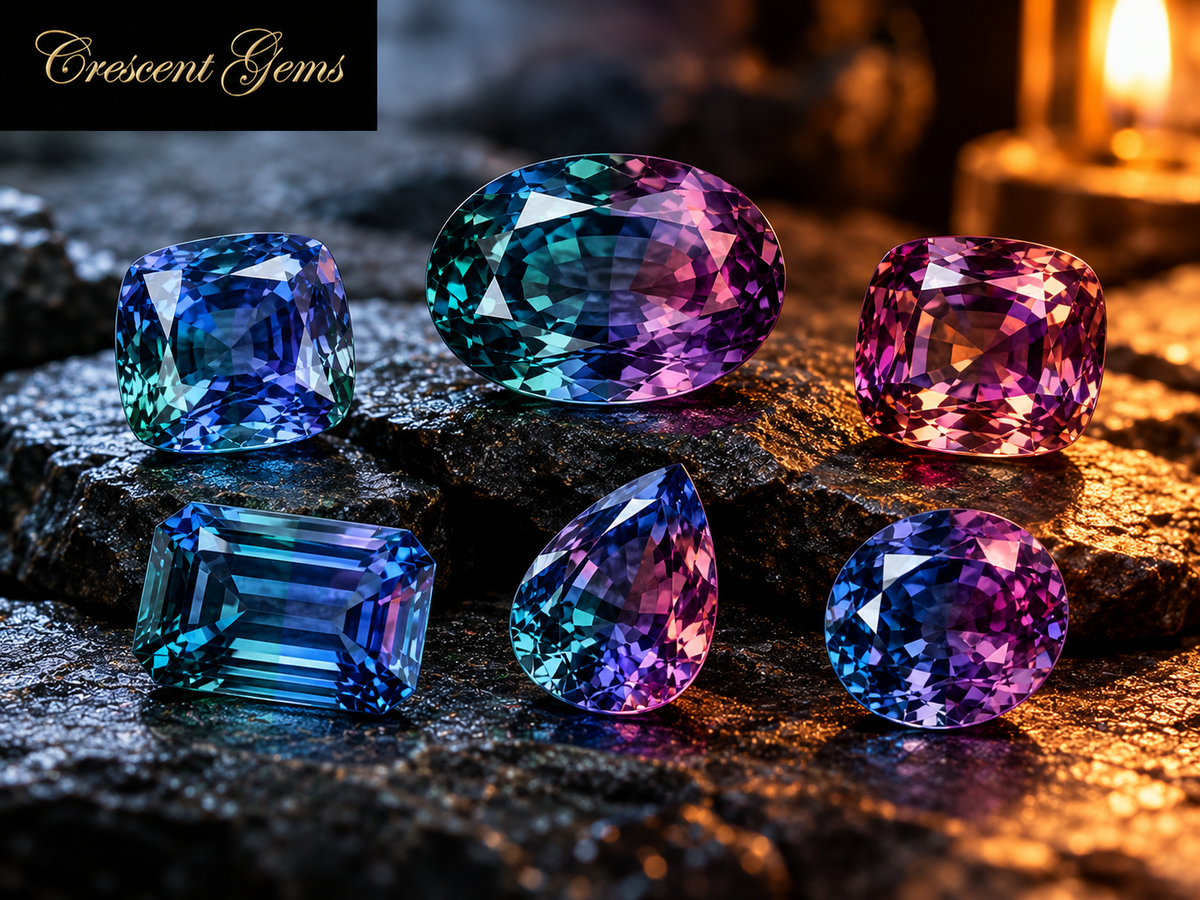
カラーチェンジサファイアの価格|1カラットあたりの相場と、当店にある2点
カラーチェンジサファイアは1カラットあたりいくらか。色と彩度と付帯する書類で価格帯を整理し、カラーチェンジそのものを格付けする機関が存在しないことも説明します。当店の在庫は1.03ctと2.01ctの2点です。
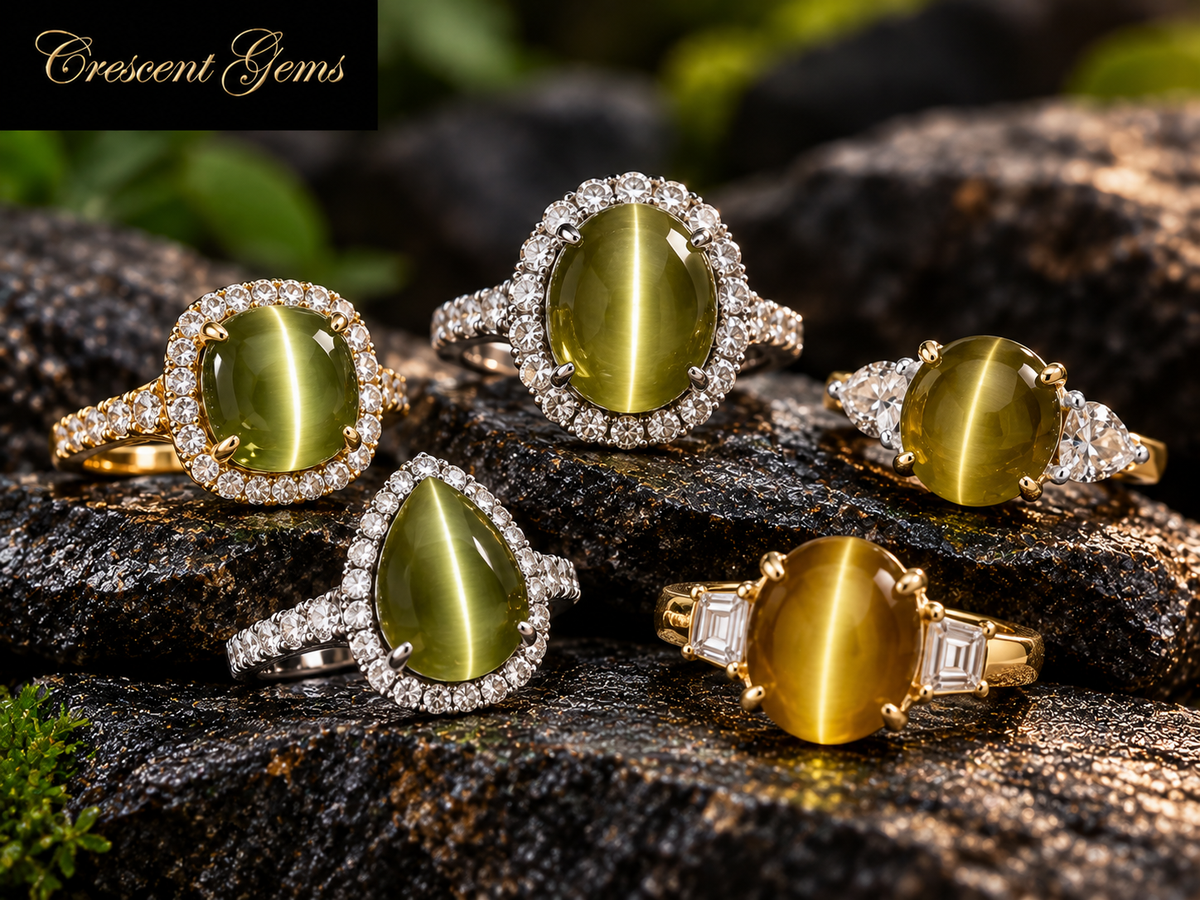
クリソベリル・キャッツアイは婚約指輪に向くか|モース硬度8.5と、留め方とお手入れ
クリソベリルはモース硬度8.5。クォーツ(7)やエメラルド(7.5〜8)より上、コランダム(9)とダイヤモンド(10)より下です。日常的に着ける指輪にとってそれが何を意味するかを、留め方とお手入れとあわせて説明します。
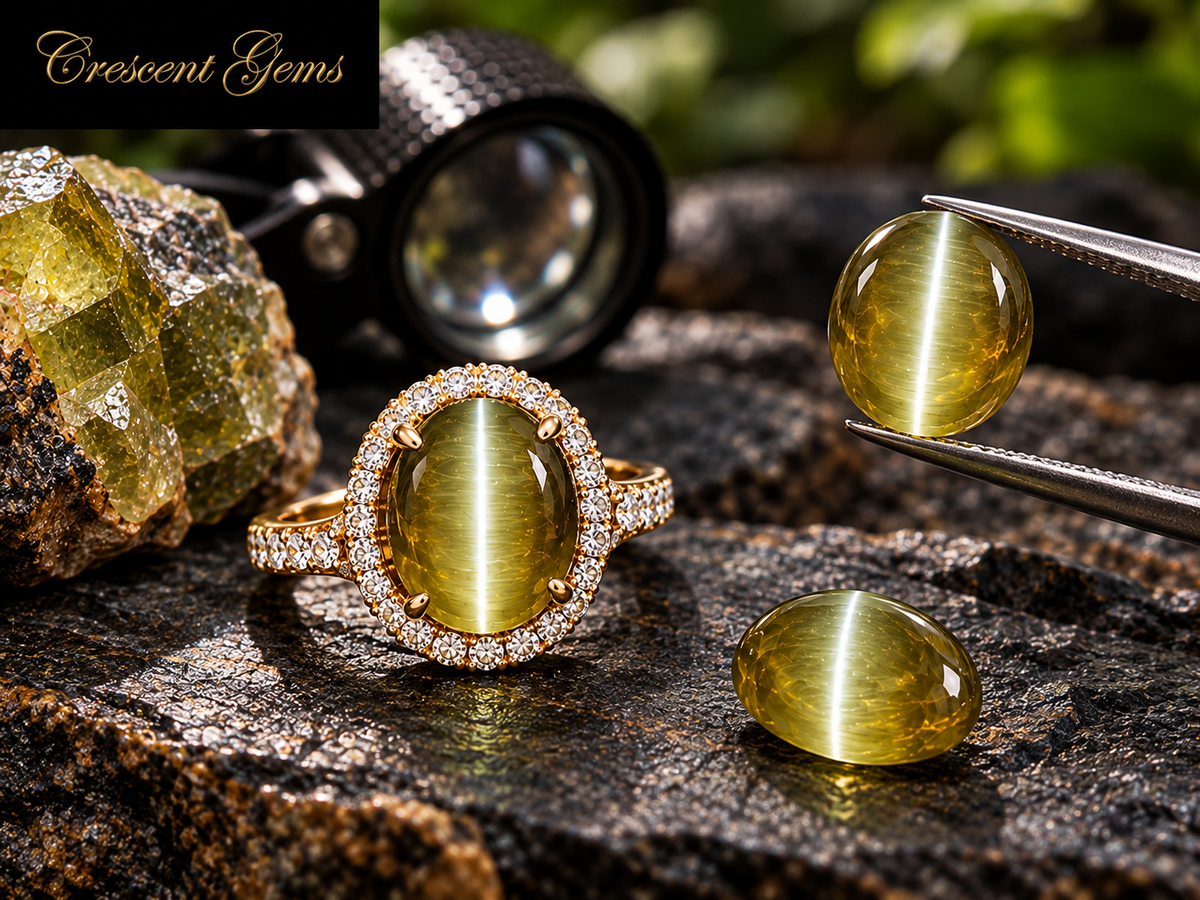
クリソベリル・キャッツアイの価格|1カラットあたりの相場と、当店にある2点
クリソベリル・キャッツアイは1カラットあたりいくらか。大きさと付帯する書類で価格帯を整理し、キャッツアイそのものを格付けする機関が存在しないことも説明します。当店の在庫は2.36ctと4.25ctの2点です。