


- par Ahmed Shareek
Comment choisir un saphir pour une bague de fiançailles : la méthode en neuf étapes
- par Ahmed Shareek
Première bague, premier saphir ? Notre guide d'achat complet du saphir donne la vue d'ensemble ; cette page, elle, vous fait décider.
Le saphir est la pierre que nos clients demandent le plus souvent quand ils ne veulent pas de diamant. Mais choisir un saphir pour une bague de fiançailles ne ressemble pas du tout à choisir un diamant. Le vocabulaire n'est pas le même. Le système de notation n'est pas le même — et pour le saphir, nous allons voir qu'il n'existe tout simplement pas. Les critères qui comptent vraiment ne sont pas les mêmes. Et le nombre de décisions que vous avez réellement à prendre — couleur, origine, traitement thermique, forme, poids, métal, monture — est franchement plus grand.
D'où cette page, construite comme une méthode plutôt que comme un dictionnaire : neuf étapes, dans l'ordre où nous les prendrions nous-mêmes. Vous pouvez la suivre dans l'ordre et sortir à la fin avec un cahier des charges précis, que vous nous enverrez ou que vous emporterez chez un autre vendeur — cela nous va très bien dans les deux cas.
Le saphir est du corindon, et le corindon est à 9 sur l'échelle de Mohs. Deux précisions comptent plus que le chiffre lui-même. D'abord, l'échelle de Mohs mesure la résistance à la rayure, et rien d'autre : elle ne dit pas comment une pierre se comporte face à un choc. Ensuite, c'est une propriété de l'espèce minérale, pas un constat sur votre pierre en particulier. Le corindon n'a par ailleurs pas de clivage véritable, ce qui est une des raisons pour lesquelles il supporte bien le port répété.
Notre avis, en tant que négociants et non en tant que laboratoire : le saphir convient très bien à une bague portée tous les jours, et nous ne vous pousserions pas vers une monture protectrice pour la seule raison de la solidité. Si vous choisissez un serti clos, choisissez-le parce qu'il vous plaît.
Deuxième raison de choisir le saphir : la couleur. Le corindon se présente dans pratiquement toutes les teintes — bleu, bleu-vert, jaune, rose, pêche, orange, violet, blanc et noir. C'est l'étape suivante, et c'est la plus personnelle.
Commencez par là, pas par le budget. Une couleur que vous n'aimez pas ne deviendra pas aimable parce que la pierre était bien placée.
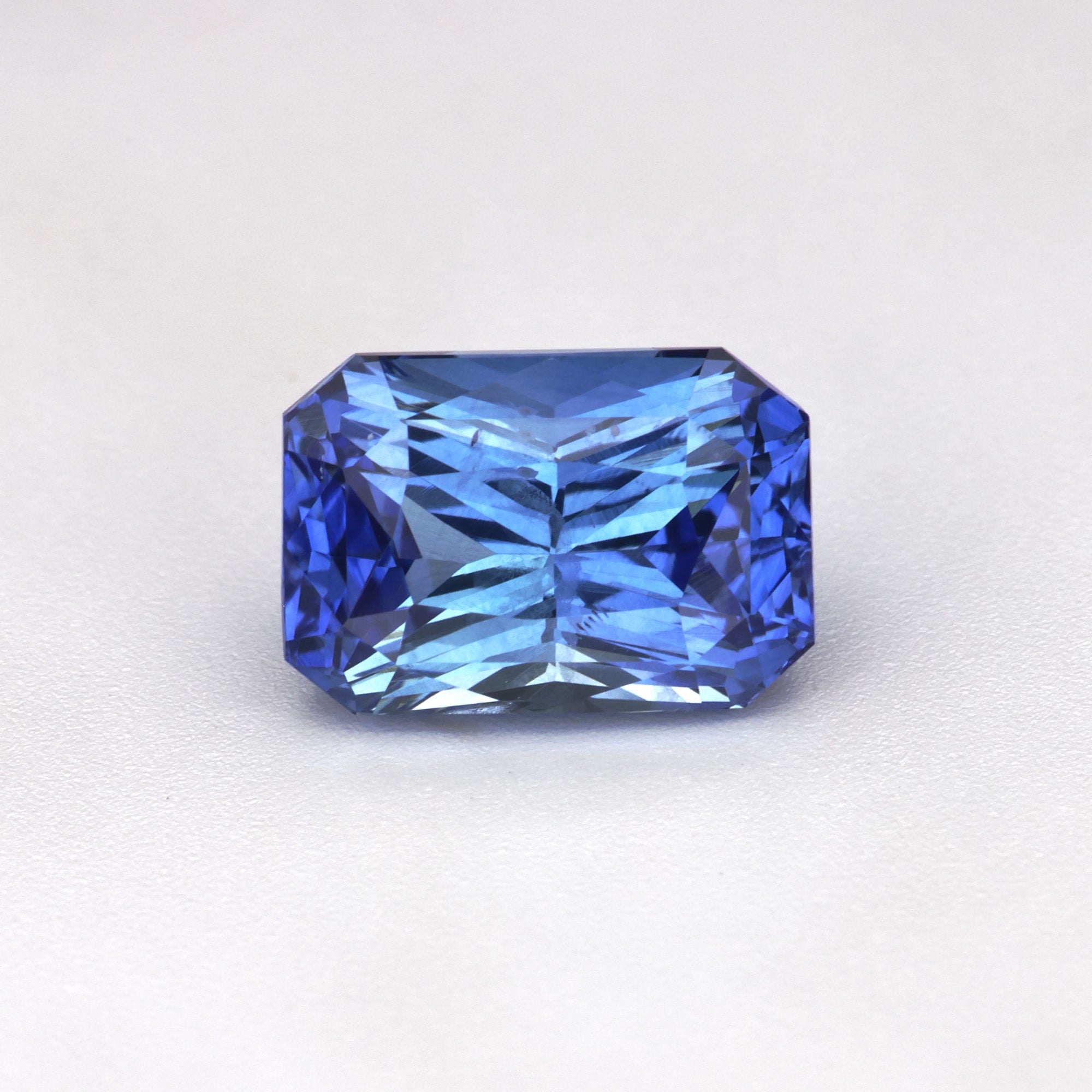
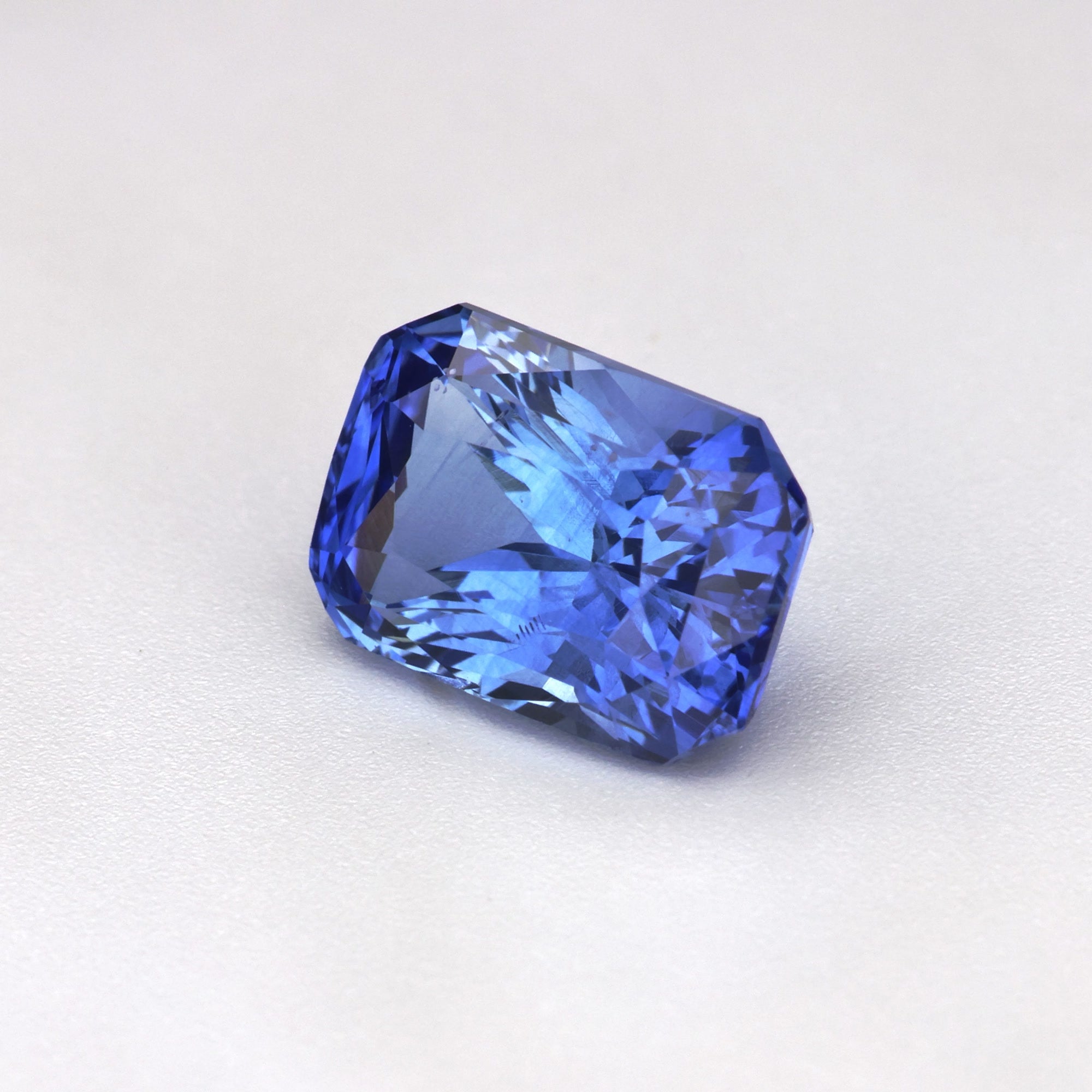
Saphir bleu. Le choix classique. Ce que nous cherchons : un bleu qui lise net plutôt que grisâtre ou encré, dans une tonalité moyenne qui montre encore de la couleur en lumière faible. C'est notre préférence d'acheteurs, pas une note de laboratoire. Voir notre guide du saphir bleu.
Saphir bleu-vert. Une catégorie qu'on nous demande beaucoup plus qu'avant. La pierre passe du bleu sous une lumière du jour froide au vert sous une incandescence chaude. La ligne de traitement thermique de chaque fiche produit donne la position de cette pierre-là. Voir notre guide du saphir bleu-vert.
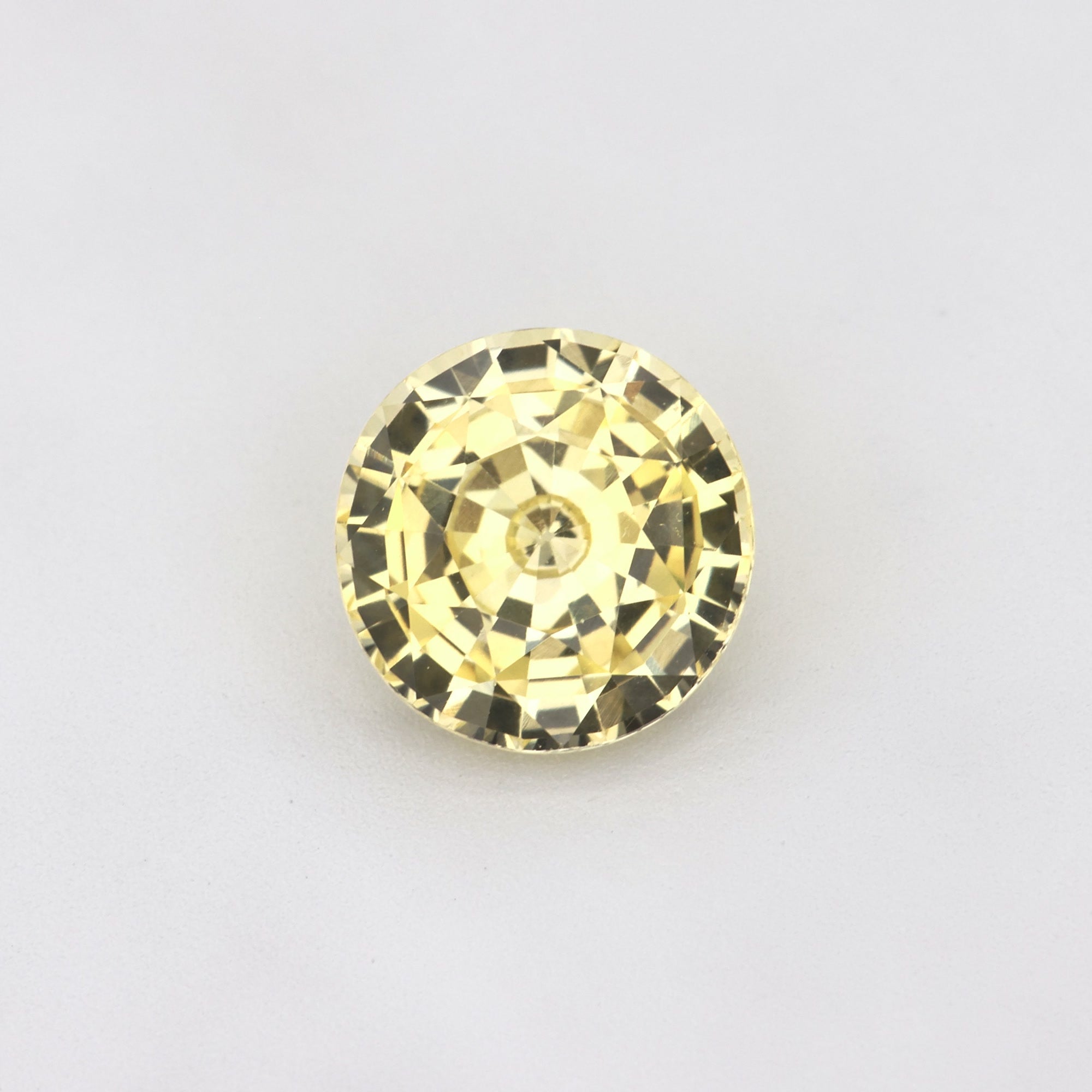
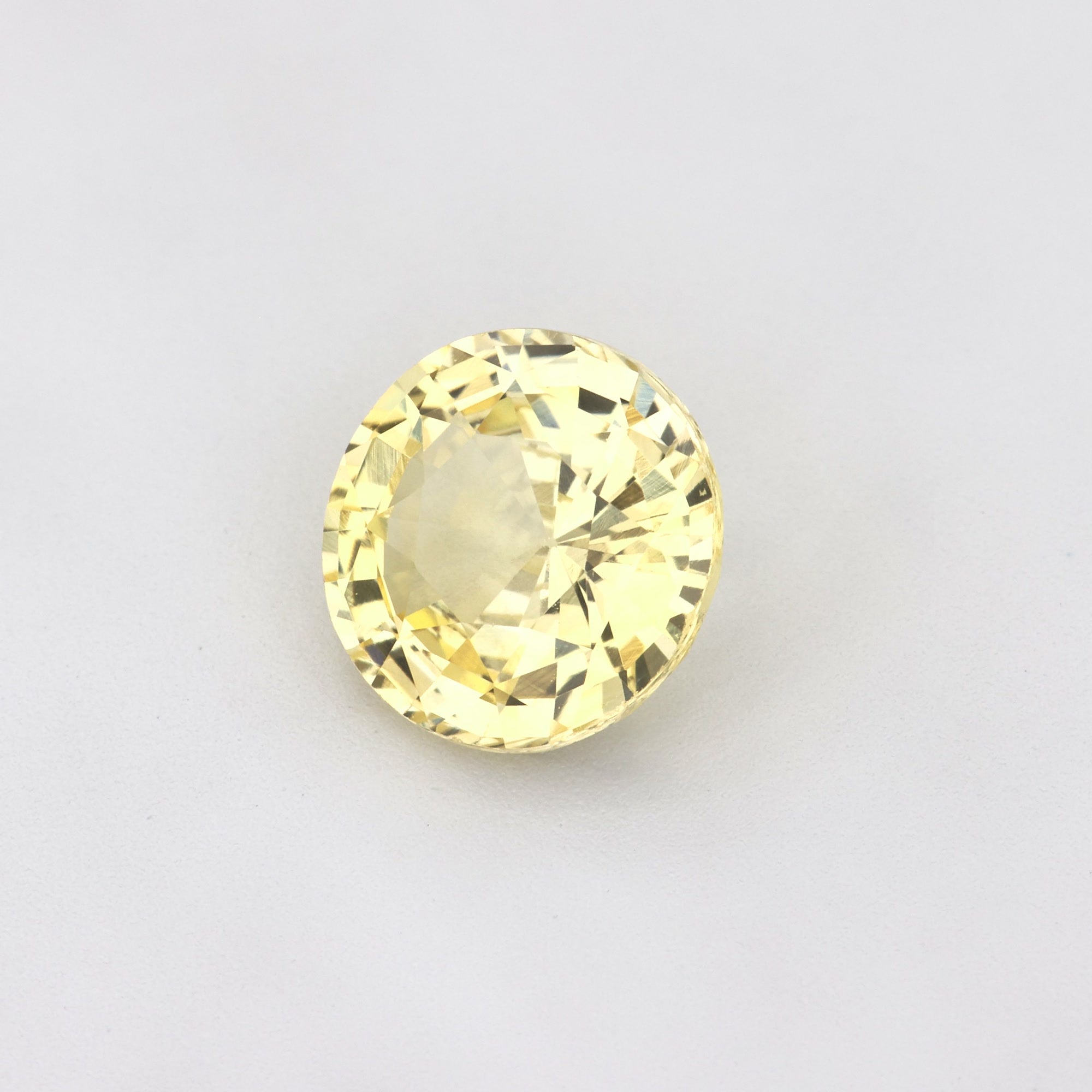
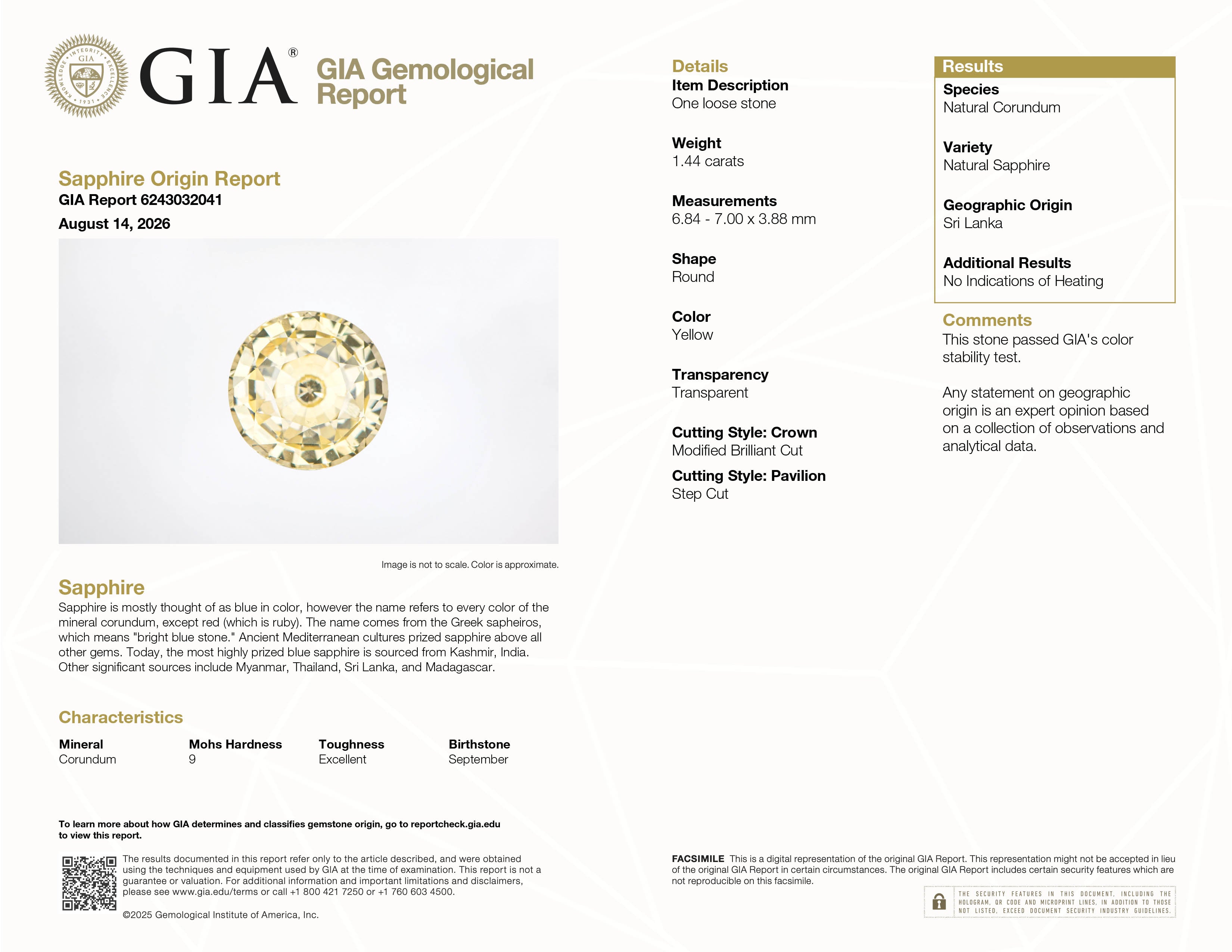
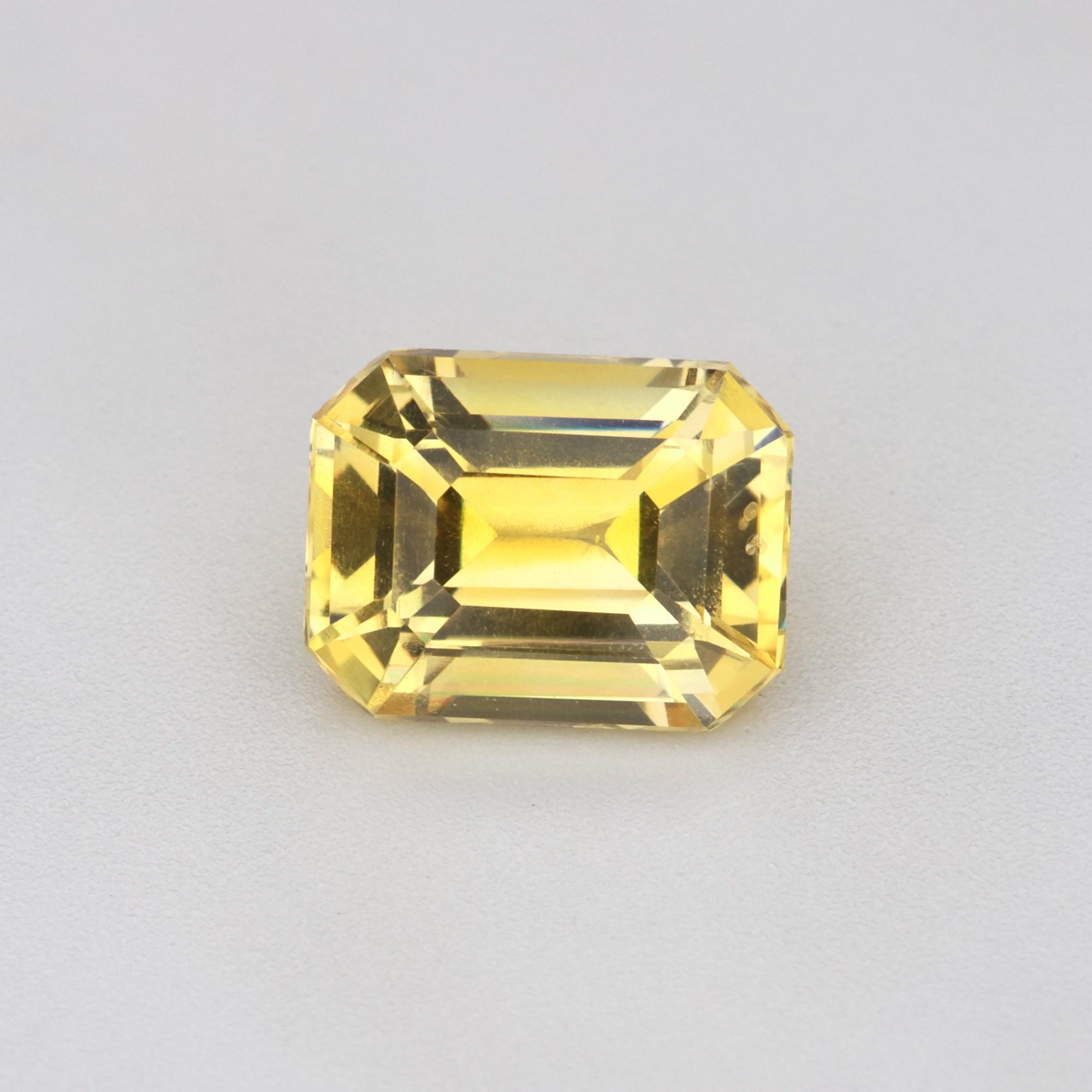
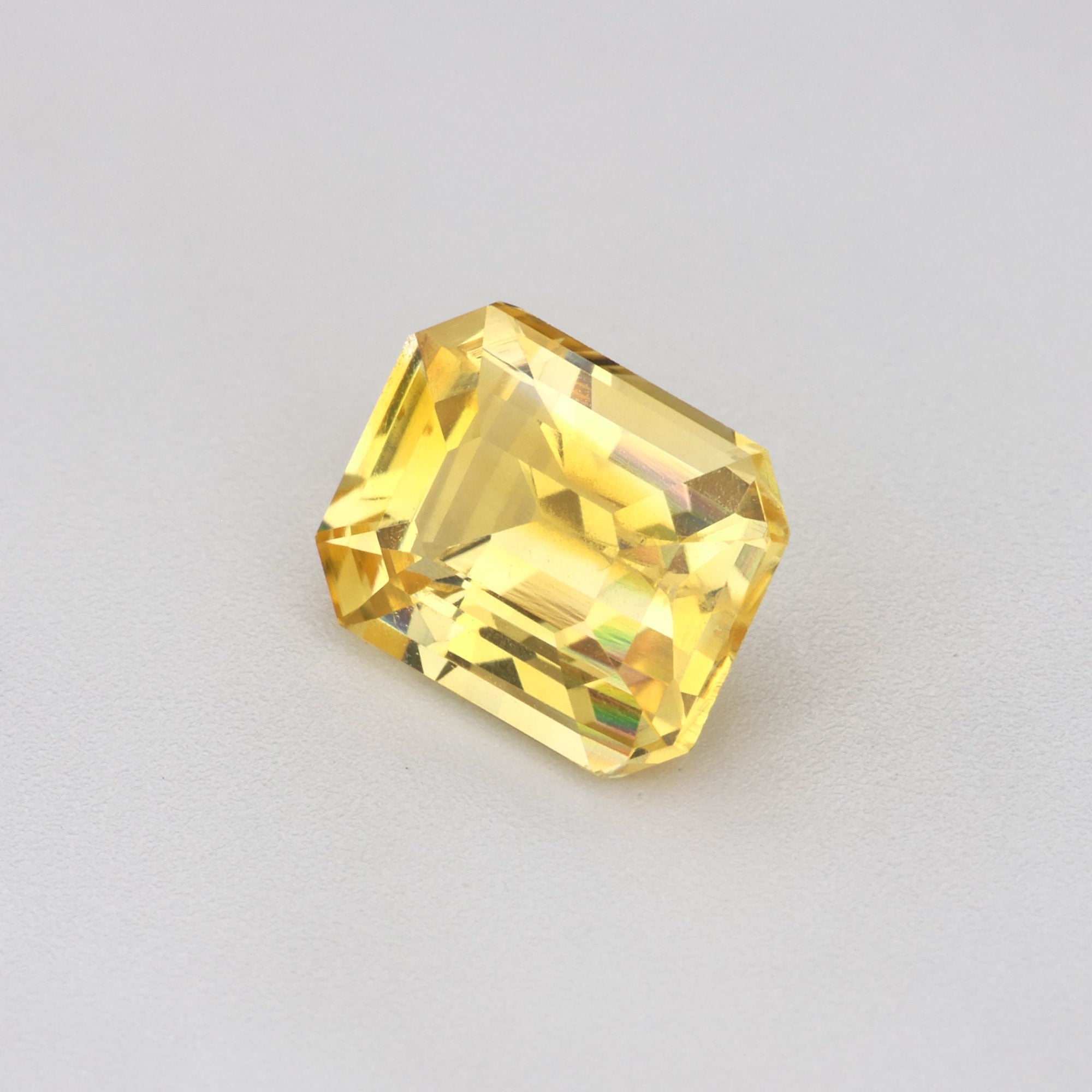
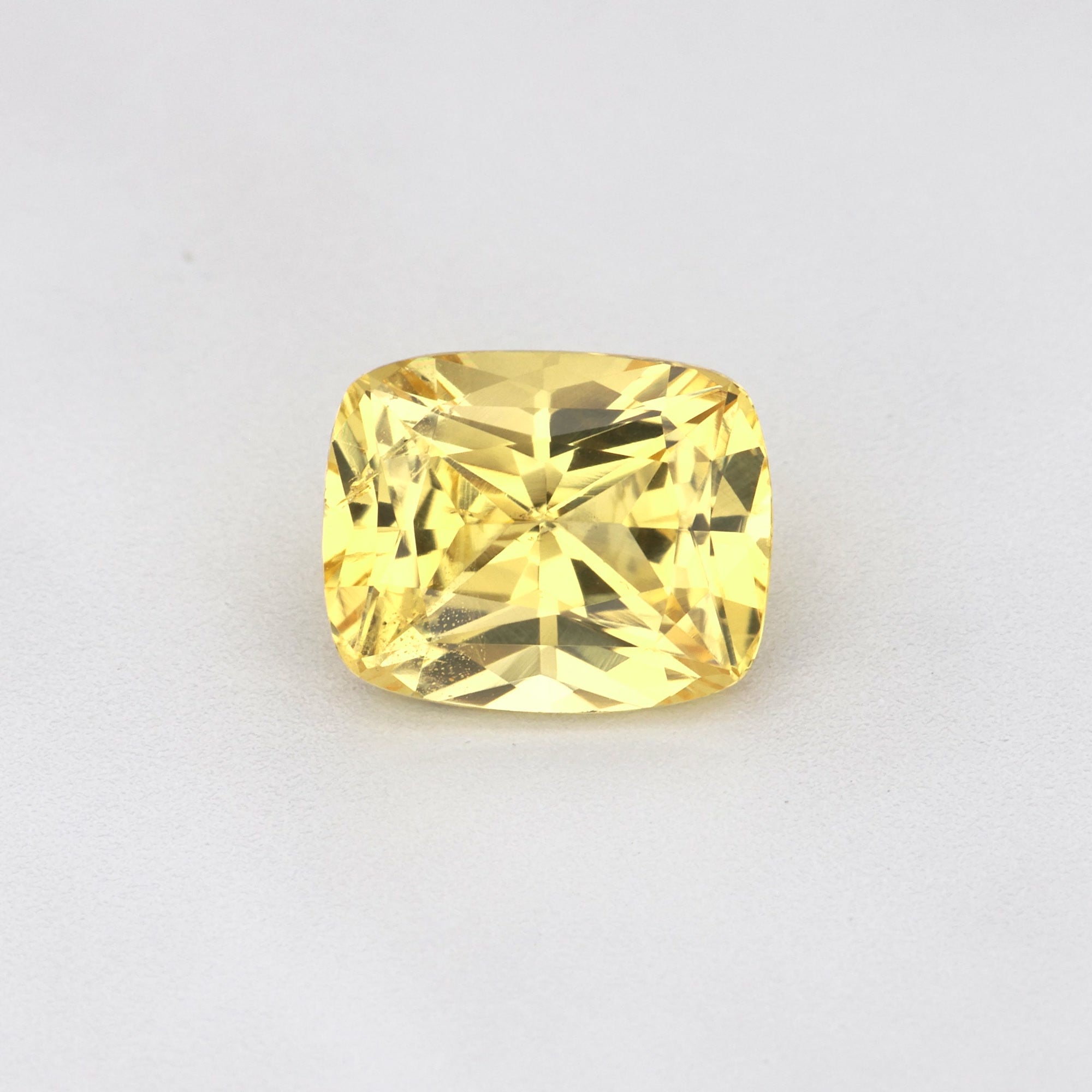
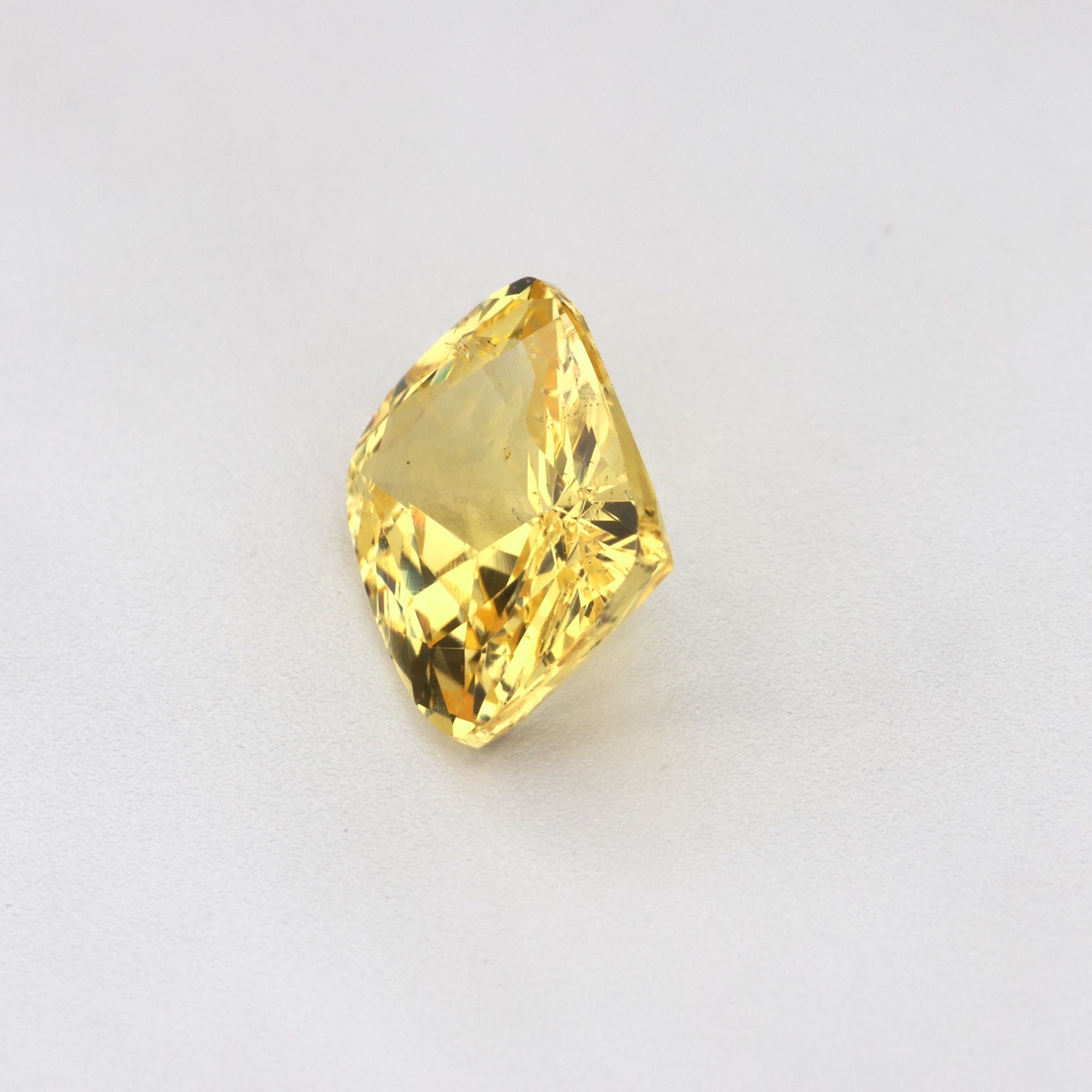
Saphir jaune. Notre avis : un jaune de Ceylan non chauffé fait une vraie pierre de fiançailles — chaud, et assez loin de ce que la plupart des gens attendent. C'est aussi la pierre traditionnellement associée à Jupiter dans la pratique jyotish. Voir notre guide du saphir jaune.
Saphir rose. Le saphir non bleu qu'on nous demande le plus. Notre avis : il s'accorde particulièrement bien à l'or rose. Voir notre guide du saphir rose.
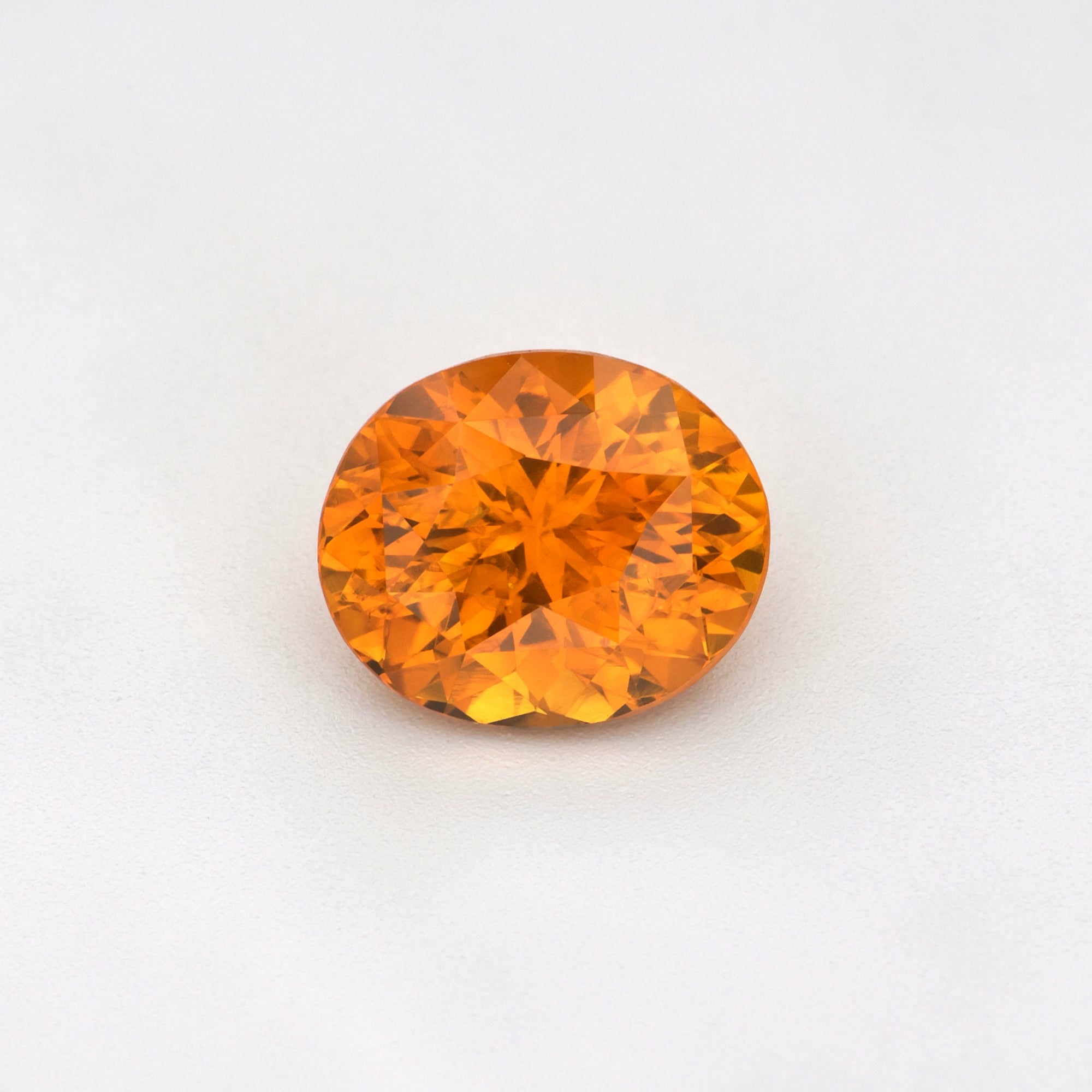
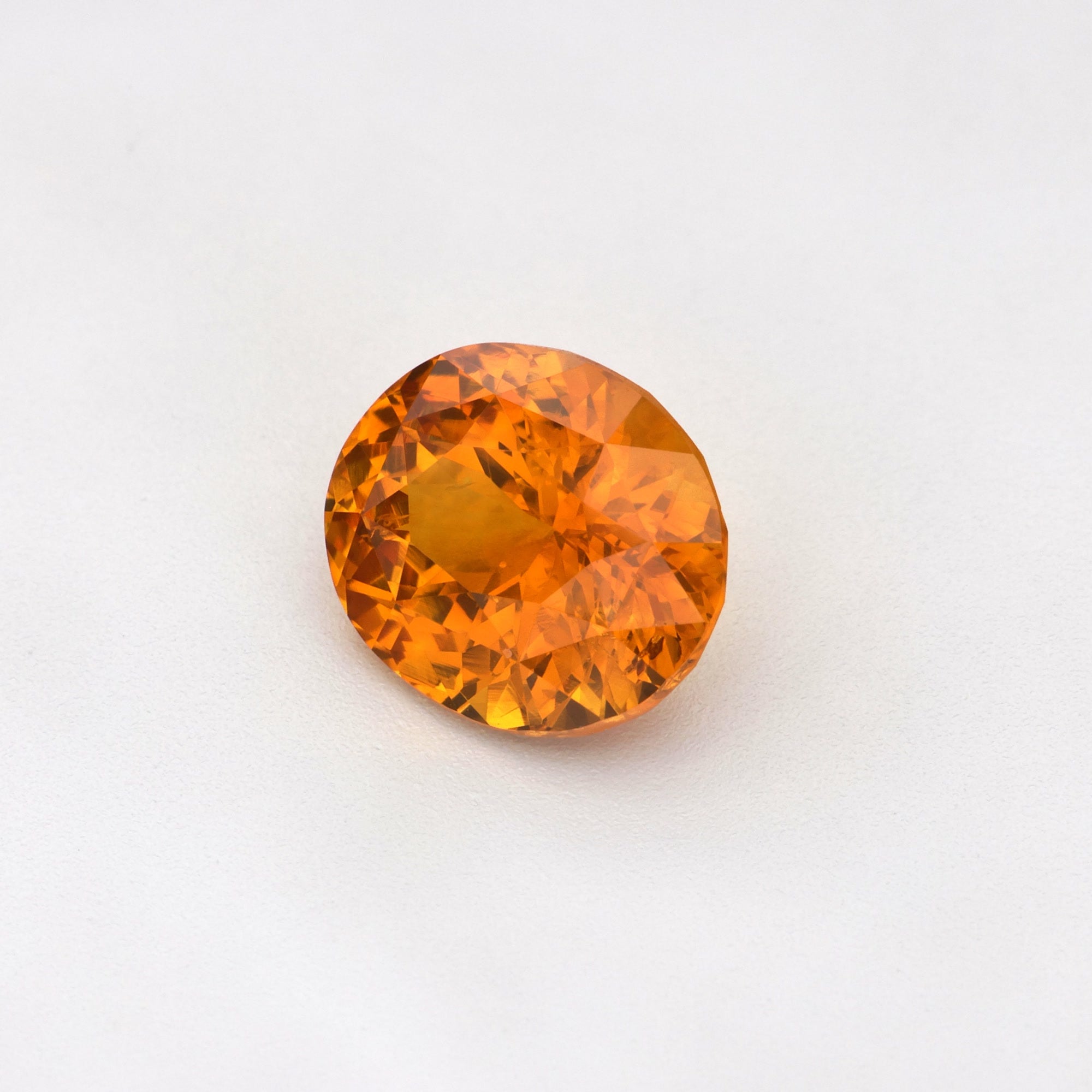
Saphir pêche. La zone chaude, entre le rose et l'orange. Notre avis : le pêche sur or rose est l'un des plus jolis accords que nous sertissons — c'est notre goût, pas un classement. Attention à un faux ami : padparadscha n'est pas un synonyme commercial de pêche. C'est une appellation de couleur définie par une fiche d'information du LMHC et reprise par les laboratoires qui l'ont adoptée — GIA, Gübelin et SSEF notamment —, elle suppose un mélange pastel de rose et d'orange à saturation faible à moyenne, et une pierre dont le rapport imprime une teinte unique en sort. Nous n'en avons aucune en stock. Voir notre guide du padparadscha pour ce que le terme exige, et notre guide du saphir pêche pour ce que nous avons réellement.
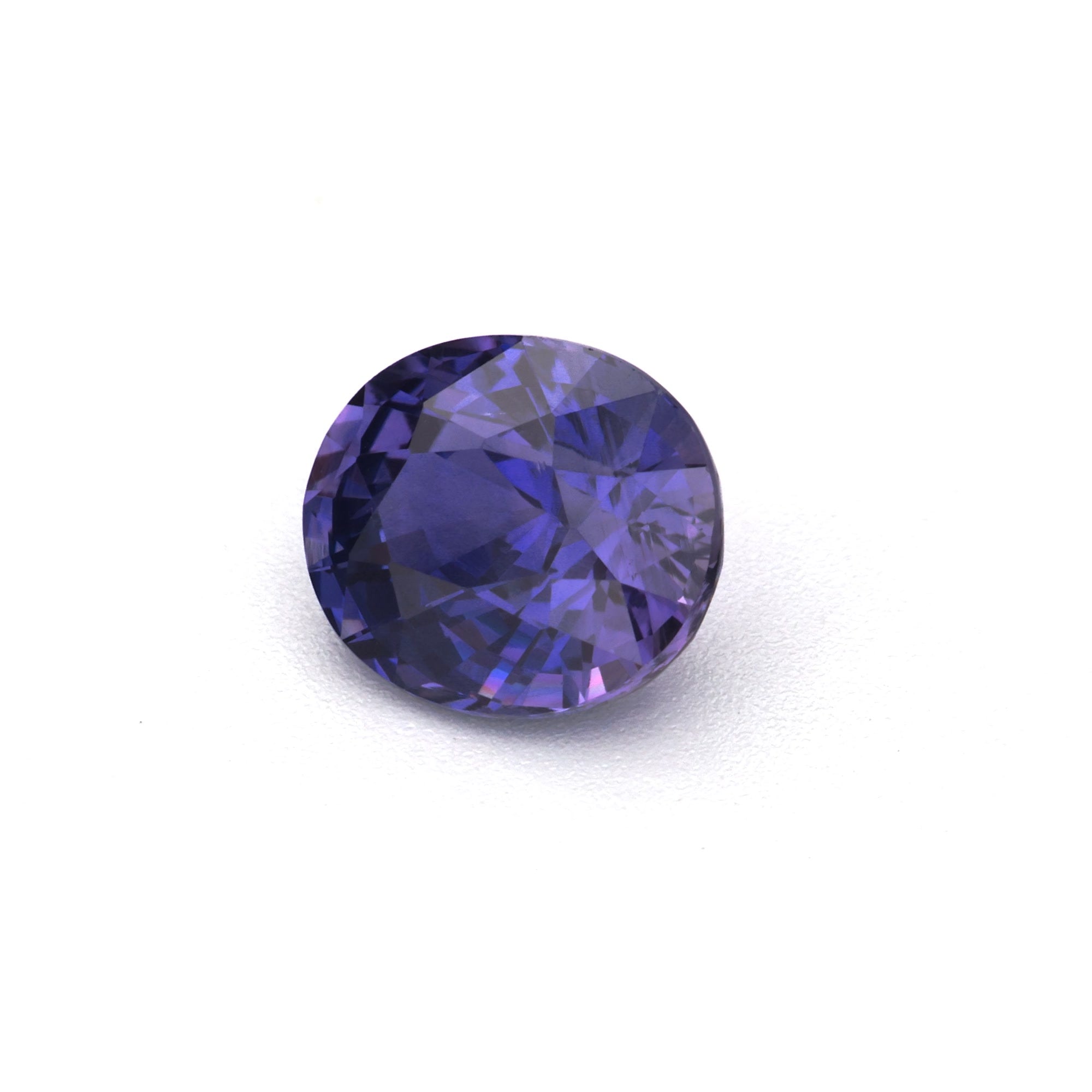
Saphir violet. Voir notre guide du saphir violet. Saphir blanc. Un corindon incolore : voir notre guide du saphir blanc. Pour la vue d'ensemble des teintes, voir les couleurs du saphir expliquées.
Un réflexe à prendre dès cette étape : regardez la pierre à la lumière du jour, à l'ombre ouverte près d'une fenêtre, et pas seulement sous l'éclairage d'une vitrine ou sur un écran. L'éclairage de présentation est vif et étroit en spectre, et il flatte presque toutes les pierres de couleur.
Le traitement thermique est une pratique ancienne du métier, appliquée à une grande partie du saphir que nous voyons sur les marchés de brut, et elle sert à améliorer la couleur. Un saphir chauffé reste un saphir naturel. Ce que la chaleur change, c'est la rareté : à couleur comparable, les saphirs non chauffés sont plus difficiles à trouver et se paient plus cher.
Le mot compte autant que le fait, et c'est une particularité française qu'il vaut la peine de connaître. Dans la réglementation française sur les appellations des pierres gemmes, les traitements dont la déclaration est exigée sont l'irradiation, le laser, la teinture, la diffusion de surface et le comblement. Le chauffage y occupe une place à part : il échappe à la mention traité seulement lorsque les résidus laissés en surface par la chauffe ne provoquent aucune rupture de réflexion visible à la loupe 10×. La condition n'a rien de théorique — les résidus de borax sur un corindon chauffé sont courants. En pratique, le mot juste pour la chaleur reste chauffé ou non chauffé : c'est le terme qui dit exactement ce qui a eu lieu. Si une fiche ou un vendeur vous parle d'un « saphir traité » en voulant dire chauffé, demandez ce que le mot recouvre au juste : la réponse doit nommer le traitement, pas le résumer.
Et la réciproque, parce qu'elle est tout aussi vraie : pour le remplissage au verre, l'usage français exige précisément traité. Un rubis dont les fractures ont été remplies de verre au plomb se vend comme RUBIS traité, et une telle pierre est un rubis composite. Ce sont des désignations commerciales distinctes et des prix sans rapport entre eux.
Choisissez non chauffé si la couleur d'origine compte pour vous sur le principe, si vous achetez pour un usage jyotish, ou si votre budget absorbe l'écart. Choisissez chauffé si vous voulez la plus grande pierre que votre budget permette, si vous achetez d'abord pour l'aspect, ou si vous préférez mettre la différence dans une meilleure taille, un poids supérieur ou une monture plus travaillée. Les deux sont des saphirs naturels, et nous vendons les deux.
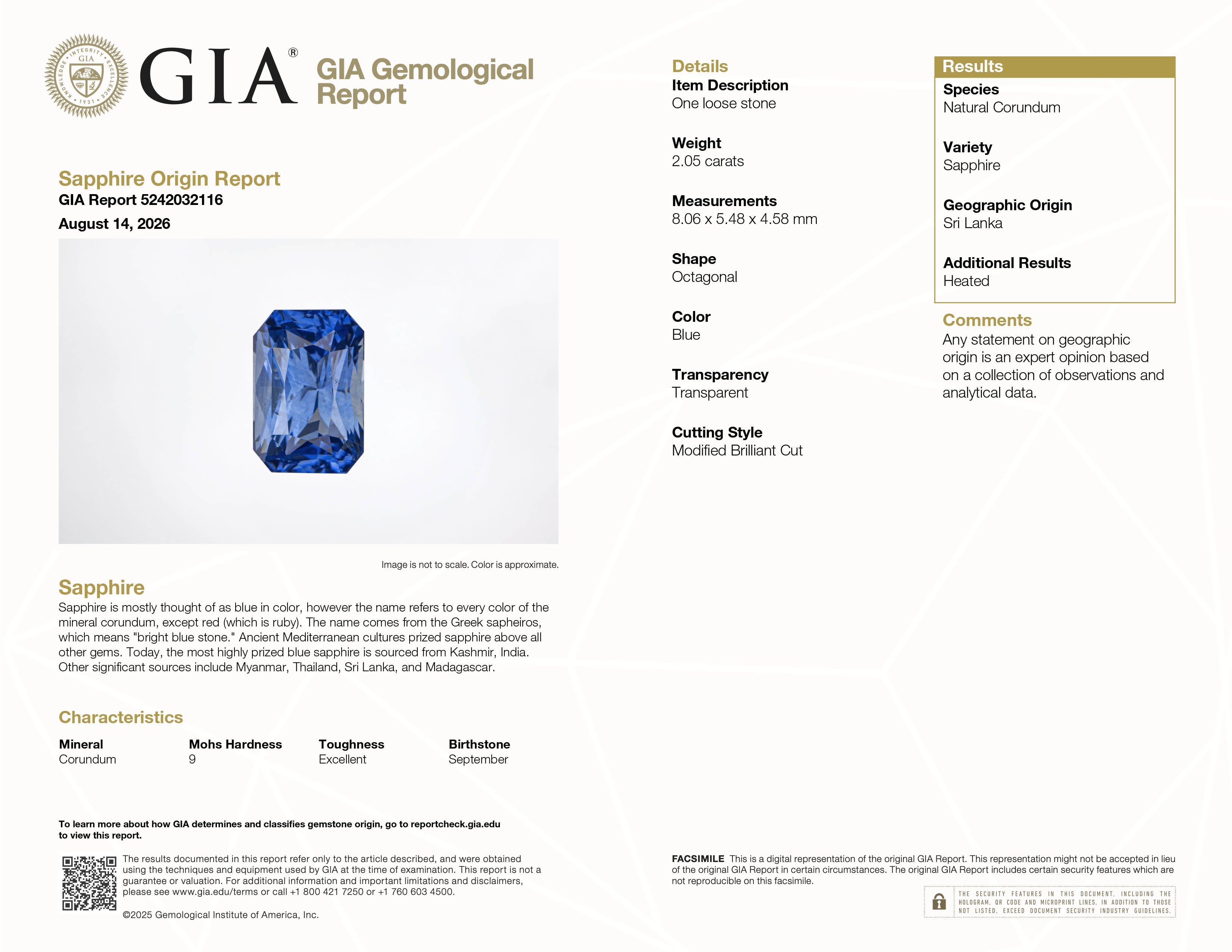
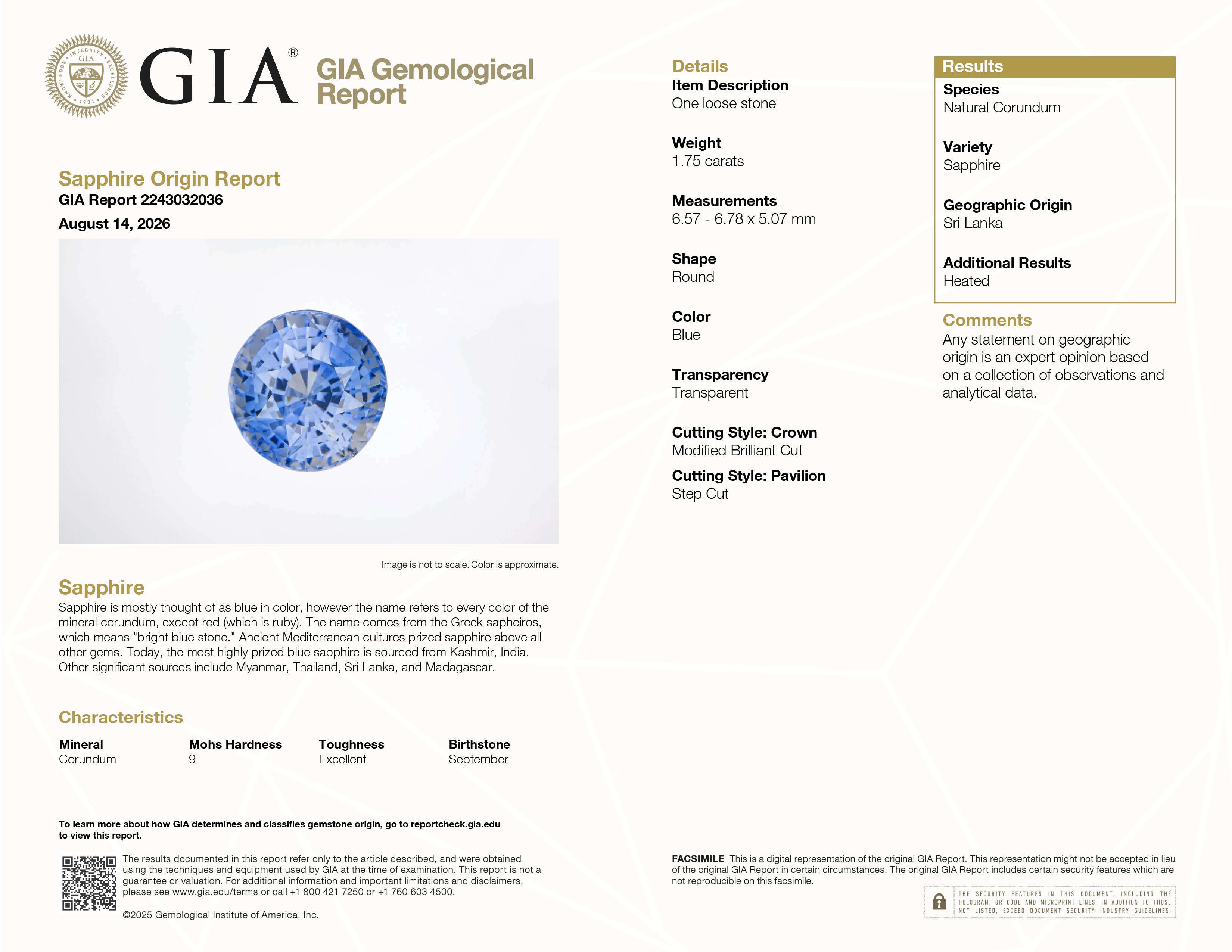
Notre politique est la même dans les deux cas : la position de traitement thermique figure sur chaque fiche, le laboratoire et le numéro de rapport sont nommés là où un rapport existe, et nous le disons franchement là où il n'y en a pas. La fiche produit, et non cet article, est la réponse du moment pour une pierre donnée. Voir nos guides du saphir non chauffé et du traitement thermique, et notre page chauffé ou non chauffé.
Dernier point de vocabulaire, et il est étroit exprès : non chauffé porte sur le chauffage, et sur rien de plus large. Le français du SSEF imprime Aucune indication de chauffage : c'est un constat d'indications. La fiche d'information n°7 du LMHC rappelle d'ailleurs que certains traitements ne sont pas détectables en l'état des techniques. Nous écrivons donc non chauffé sans élargir la mention.
Avant la liste, la chose à savoir : aucun laboratoire ne note la qualité d'une pierre de couleur. La position de GIA est explicite — l'institut ne note pas et ne fournit pas d'analyse de qualité pour le saphir ni pour les autres pierres de couleur. Tout jugement de qualité que vous lirez ici est donc le nôtre, et nous l'écrivons comme tel à chaque fois.
La couleur — d'après notre expérience, ce qui déplace le prix d'un saphir plus que tout autre facteur. Les trois axes dont parlent les négociants sont la teinte, la saturation et la tonalité : la teinte, c'est la netteté avec laquelle la couleur se lit, sans modificateurs qui la brouillent. Ce que nous cherchons : une tonalité moyenne, assez sombre pour avoir de la présence et assez claire pour que la couleur se lise encore dans une pièce ordinaire. Si la pierre vous plaît à la lumière du jour, c'est le test qui compte : aucun rapport GIA sur pierre de couleur ne porte de note de qualité de couleur, donc ce verdict est le vôtre et le nôtre, jamais celui d'un laboratoire.
La taille — plus importante que la plupart des acheteurs ne le pensent. Un saphir bien taillé renvoie la lumière de façon régulière sur toute la surface vue de face, sans fenêtre : cette zone centrale transparente où le regard traverse la pierre. Notre avis : une pierre plus grande et moins chère avec une fenêtre rend moins bien dans une bague terminée qu'une pierre plus petite et bien taillée — et c'est un jugement de notre part, puisque aucun laboratoire ne note la taille d'une pierre de couleur. L'agencement des facettes renvoie la lumière ; il n'ajoute rien à la couleur que la pierre possède déjà. Les pierres bien taillées montrent la teinte en volume. Voir notre guide de l'effet de la taille et, sur le travail lui-même, notre page sur la taille à facettes du saphir.
La pureté — le seuil que nous appliquons. Aucune inclusion visible en observation normale, à bout de bras. Les rapports GIA sur pierre de couleur ne comportent aucune note de pureté, donc « pure à l'œil » est notre propre seuil de travail et pas celui d'un laboratoire. Et prenez garde au raisonnement inverse : de l'absence d'une note de pureté sur un rapport, on ne déduit rien sur la pierre — cette note n'avait jamais vocation à y figurer. La soie, ces fines aiguilles de rutile microscopiques fréquentes dans le saphir, n'est pas un défaut à nos yeux ; elle se rencontre dans des pierres chauffées comme dans des pierres non chauffées, et la fiche d'information n°7 du LMHC range les aiguilles de rutile intactes parmi les éléments qu'un chauffage peut laisser inchangés. La soie ne vous dit donc rien de l'histoire thermique d'une pierre. Voir notre guide des inclusions.
La zonation. Un mot que vous croiserez sur les rapports et chez les bons vendeurs : la zonation colorée est la répartition de la couleur en bandes ou en secteurs. Marquée, elle change la façon dont la couleur se lit de face. Ce n'est pas un défaut en soi, et ce n'est pas noté non plus : c'est un critère de sélection, le nôtre.
Le poids, en dernier. Le saphir est plus dense que le diamant : à poids égal, un saphir présente un diamètre de face légèrement plus petit. Achetez sur l'aspect de face, pas sur le carat. Et notez que carat est un mot à double emploi en français — le poids d'une gemme d'un côté, le titre d'un alliage d'or de l'autre ; ici il ne s'agit jamais que du poids de la pierre. Pour les correspondances en millimètres, voir notre guide des tailles.
Ovale : la forme qu'on nous demande le plus — belle surface de face pour le poids, et un effet d'allongement du doigt. Voir notre guide du saphir ovale et nos meilleures formes pour un solitaire.
Coussin : notre forme préférée pour le saphir — les angles arrondis et les facettes larges renvoient la lumière sur une face large. C'est une préférence, pas une mesure que ferait un laboratoire, et nous la trouvons particulièrement juste sur les montures à halo et trois pierres d'inspiration ancienne. Voir notre guide de la taille coussin et nos meilleures formes pour un halo.
Rond : un retour de lumière franc, et la forme pour laquelle la plupart des montures sont faites.
Taille émeraude : les facettes à degrés créent une profondeur intérieure plutôt que des feux de surface. On nous la demande de plus en plus pour des dessins modernes et épurés. Voir notre guide de la taille émeraude et nos meilleures tailles pour une bague basse.
Poire, marquise et formes fantaisie : elles allongent le doigt davantage qu'un rond ou un coussin de même poids. Voir notre guide des formes allongées.
Pour une bague trois pierres, voir nos meilleures formes pour trois pierres.
Ce qui suit est notre recommandation, celle de négociants qui sertissent ces pierres. C'est notre goût et notre expérience du sertissage — pas une norme de notation, et pas une consigne venue d'un laboratoire gemmologique, qui n'en publie aucune sur le sujet. Le vôtre peut différer, et c'est très bien ainsi.
Or blanc et platine : à nos yeux le fond le plus net pour les saphirs bleus, bleu-vert et violets, et l'accord que nos propres clients choisissent le plus souvent pour une pierre bleue de Ceylan.
Or rose : notre suggestion habituelle pour les saphirs roses, pêche et rose violacé. Nous l'aimons aussi avec les bleu-vert et les violets.
Or jaune : il apporte de la chaleur et un caractère ancien. Nous le trouvons le plus juste avec les saphirs jaunes, avec les violets, et avec les bleus à tonalité chaude.
Pour le cadre complet, voir notre comparaison or jaune, or blanc et platine et notre guide du choix de la couleur du métal.
La pierre et le métal choisis, c'est le dessin de la monture qui décide de la façon dont la pierre se présente et de la manière dont elle est tenue au quotidien. Les guides ci-dessous exposent comment nous aborderions chaque décision — là encore notre point de vue, et non celui d'un laboratoire : aucun laboratoire ne publie de consigne sur les montures pour le saphir, il n'y a donc aucune autorité extérieure à citer ici.
L'origine est un fait de provenance, pas un axe de qualité, et nous ne classons pas les origines les unes par rapport aux autres. Le Sri Lanka — Ceylan dans le métier — est là où nous achetons, à Colombo, Beruwala et Ratnapura, et c'est de là que vient la plus grande partie de ce que nous proposons. Ce n'est pas la totalité : chaque fiche produit nomme l'origine enregistrée pour cette pierre-là.
Deux mises en garde sur le vocabulaire, utiles en France. La première : Ceylan nomme un lieu et ne classe pas une pierre. C'est le terme commercial du marché français, nous l'employons, et nous l'employons exactement dans ce sens-là. Les règles de nomenclature de la CIBJO admettent qu'un nom géographique véridique entre dans une désignation et interdisent séparément l'implication de qualité qui s'y accroche volontiers ; dans plusieurs marchés européens, le mot a glissé vers une appellation de qualité, et nous ne le suivons pas sur ce terrain.
La seconde : quand un rapport de laboratoire porte un champ d'origine, ce champ est l'avis d'expert du laboratoire, appuyé sur ses observations et ses données analytiques — pas une confirmation. C'est la position que GIA publie elle-même à propos de l'origine géographique. Aucune de nos phrases sur l'origine ne s'appuie sur l'autorité d'un laboratoire : elle s'appuie sur notre propre registre d'achat, c'est-à-dire sur ce que nous achetons nous-mêmes à Colombo, Beruwala et Ratnapura.
Voir notre guide complet du saphir de Ceylan. Guides des autres provenances : Birmanie et Mogok, Madagascar, Tanzanie, Mozambique.
Nous n'imprimons pas de tableau de prix dans un article, et c'est volontaire. Le stock tourne ; un chiffre écrit ici serait périmé avant que vous ne le lisiez, et une fourchette moyenne ne vous dit rien sur la pierre que vous voulez. Ce que coûte un saphir dépend de la façon dont la couleur, le poids, la position de traitement thermique, la présence d'un rapport et la qualité de la taille se combinent sur cette pierre-là, et ces facteurs ne tirent pas tous dans le même sens.
La réponse vivante, ce sont les filtres de prix du catalogue : réglez la fourchette que vous avez en tête sur le catalogue des pierres non montées et ce que vous voyez est ce qui est réellement disponible aujourd'hui.
Sur la documentation, la politique ne change pas avec le prix : la position de traitement thermique figure sur chaque fiche, le laboratoire et le numéro de rapport sont nommés partout où un rapport existe, et nous disons franchement là où il n'y en a pas. C'est vrai de la pierre la moins chère comme de la plus chère du catalogue. Voir nos guides sur ce que vaut un bon un carat et sur ce que vaut un bon deux carats, et notre explication de la formation du prix.
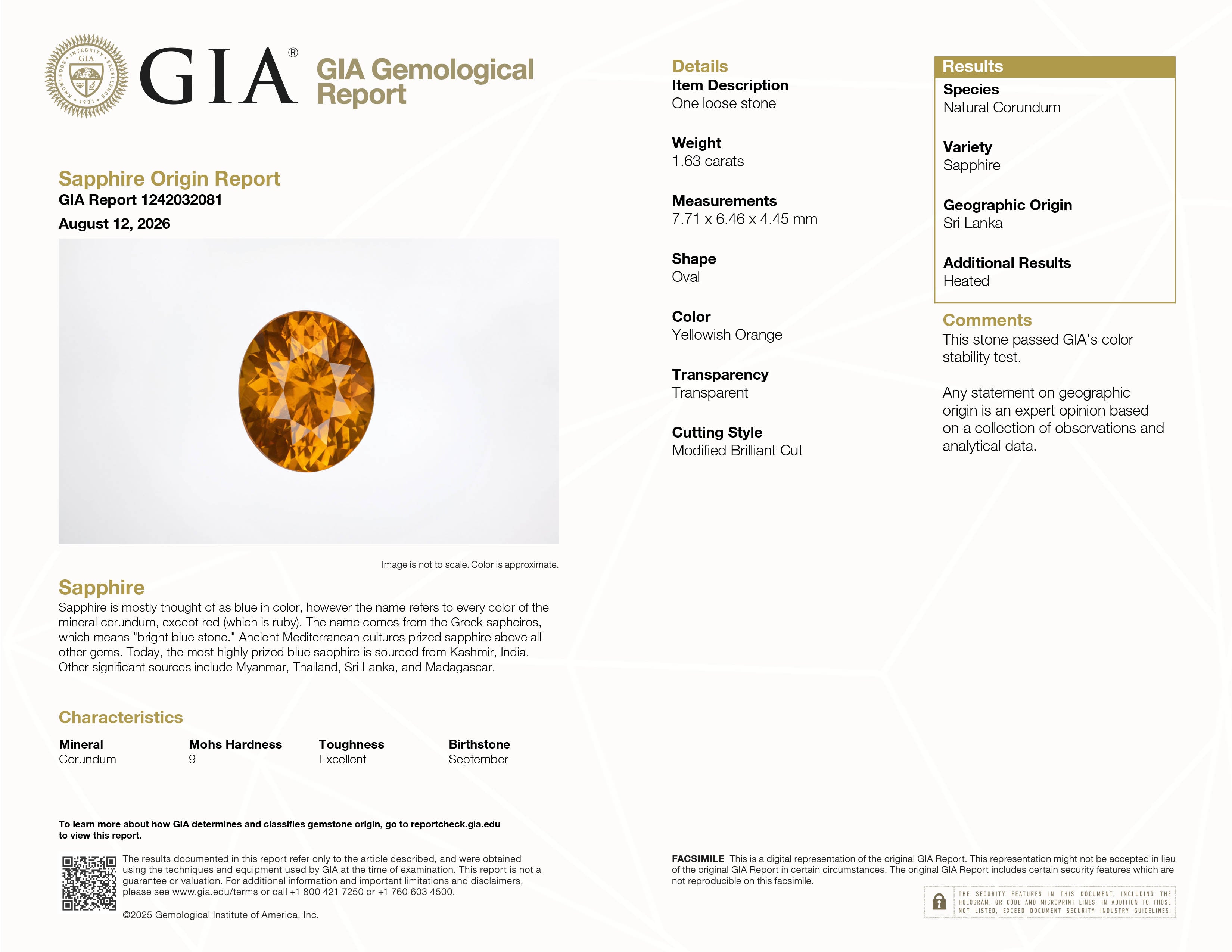
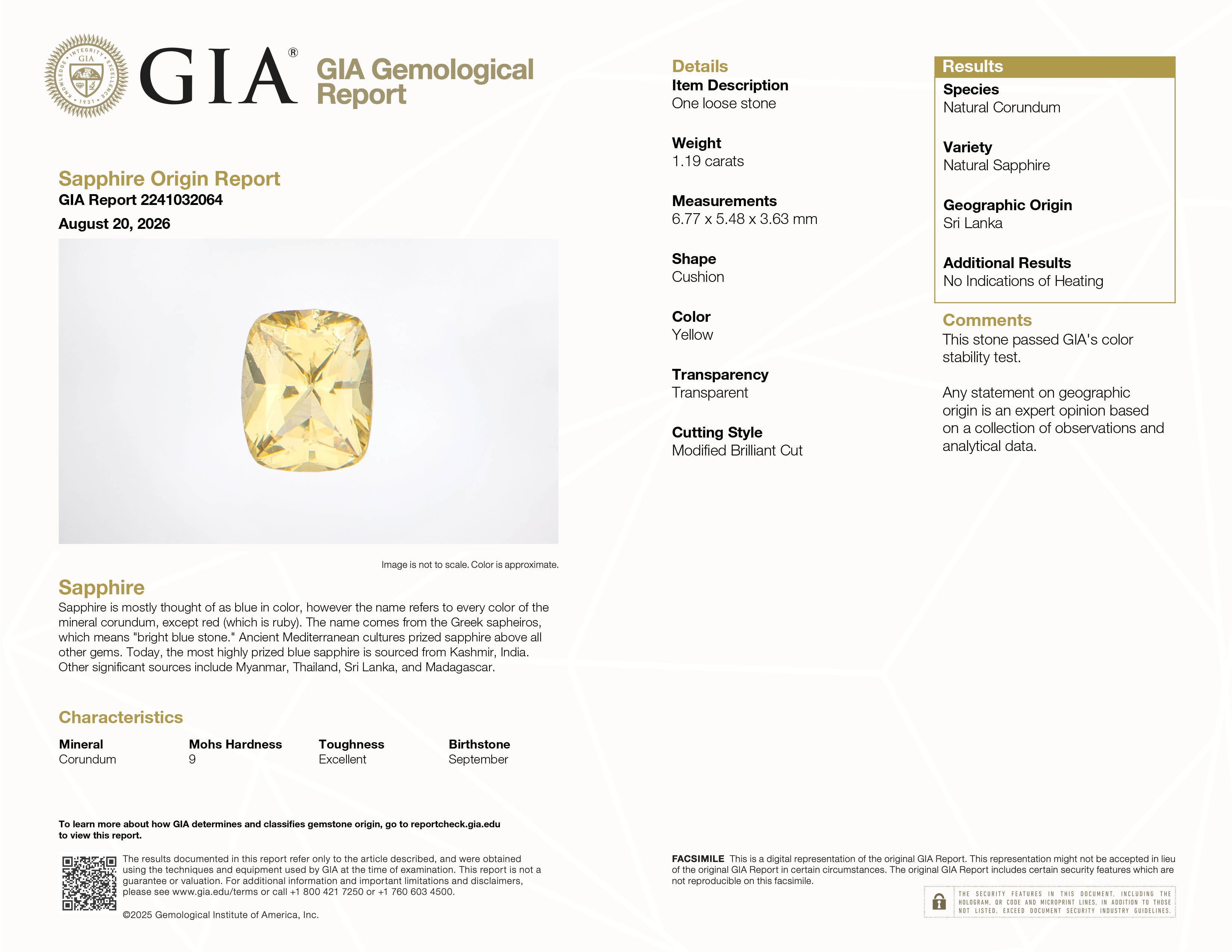
En France, le mot que vous rencontrerez partout est certificat : certificat gemmologique, certificat d'authenticité, pierre certifiée. C'est le vocabulaire du commerce de détail français, pas un mauvais signe. Les laboratoires, eux, émettent un rapport : GIA émet des rapports, pas des certificats. L'écart tient à ce que certificat suggère une certification, donc une garantie de conformité engageant un organisme, alors que le contenu du document est d'un autre ordre : c'est un avis d'expert fondé sur des observations et des données analytiques. Le LMHC pose la même réserve sur l'ensemble de ses constats. Un laboratoire émet un avis ; il ne délivre pas une confirmation.
Quand le demander. Nous recommandons de demander un rapport dès que la position « non chauffé » pèse réellement dans le prix que vous payez — c'est-à-dire sur les pierres importantes. Vous pouvez demander un rapport au Laboratoire français de gemmologie, à GIA, à Gübelin, au SSEF ou à Lotus.
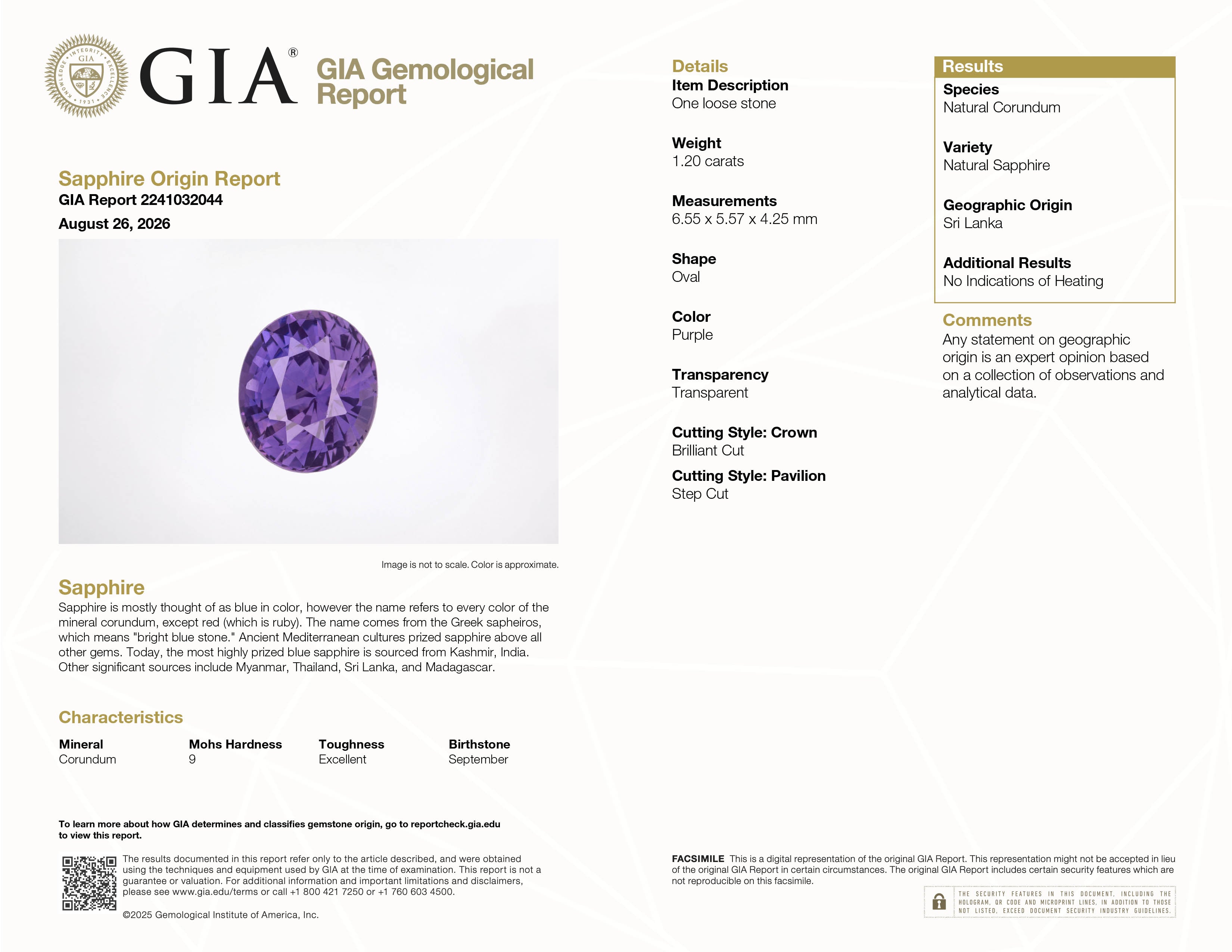
Ce qu'il faut lire dessus. Commencez par le champ de chauffage. Sur un rapport GIA, les valeurs imprimées sont « No indications of heating », « Indications of heating » et « Indications of heating — with residues » ; le français du SSEF imprime Aucune indication de chauffage. Nous n'allons pas les classer pour vous. Passez ensuite au champ d'origine, en gardant à l'esprit qu'il énonce un avis. Et sachez ce qui n'y figure pas : un rapport sur pierre de couleur ne porte pas de note de pureté et pas de note de taille. Rien ne se déduit de ces absences : ces notes n'avaient jamais vocation à y être.
Le contrôle qui ne dépend que de vous. Pour un rapport GIA, vérifiez le numéro vous-même sur gia.edu/report-check. Cela prend une demi-minute, et c'est le seul contrôle qui ne repose sur la parole de personne. Voir notre guide de lecture d'un rapport GIA et, pour les contrefaçons, comment reconnaître un faux saphir.
Le vocabulaire est la moitié du travail : la plupart des mauvaises surprises à l'achat viennent d'un mot compris de deux façons. Voici les termes que vous rencontrerez en français, avec ce qu'ils désignent exactement.
En France, la publicité comparative est licite mais encadrée : une comparaison ne doit pas être trompeuse, elle doit porter sur des biens répondant aux mêmes besoins, elle doit comparer objectivement des caractéristiques essentielles, pertinentes, vérifiables et représentatives, elle ne doit entraîner ni discrédit ni dénigrement, et l'annonceur doit pouvoir prouver ce qu'il avance.
Un saphir naturel non monté ne passe pas cette grille, et c'est structurel : la pierre est un objet unique. Deux saphirs de même poids, de même nom de couleur et de même origine diffèrent par la teinte, la saturation, la tonalité, la pureté, la qualité de la taille et la position de traitement thermique. Il n'y a donc pas de « même produit » en face duquel comparer un prix de façon vérifiable. Vous ne trouverez donc chez nous aucune comparaison de prix, ni pourcentage, ni multiple, ni concurrent visé.
Ce qui remplace utilement la comparaison, c'est une liste de questions. Posez-les à n'importe quel vendeur, nous compris :
Sur la dernière question, notre réponse est oui : notre programme d'essai expédie une sélection de pierres pour un examen en main avant tout engagement.
Quant à notre propre prix, il découle de la façon dont l'entreprise est construite et non d'une remise que nous vous accorderions : nous n'avons pas de salle d'exposition, nous achetons nous-mêmes à Ratnapura, à Beruwala et à Colombo, et nous faisons tailler le brut à nos spécifications. Nous n'allons pas embellir cela : le marché sri-lankais du brut est lui-même intermédié, et à l'intérieur de ce marché nous achetons à des courtiers et à des négociants comme tout le monde. Une chaîne plus courte n'est pas une absence de chaîne. Sur la façon dont ce marché fonctionne, voir notre page sur le marché de Ratnapura.
Pour la France, comme pour toute destination hors des États-Unis, la livraison est facturée à un tarif forfaitaire de 60 USD jusqu'à 499 USD de commande, et elle est offerte à partir de 499,01 USD. Ces montants sont ceux du profil d'expédition et sont libellés en dollars des États-Unis.
Les prix affichés ne comprennent pas la TVA. La TVA à l'importation et les droits éventuels sont acquittés par le destinataire à la livraison, et non au moment du paiement en ligne. Comptez-les comme une ligne distincte de votre budget.
Parcourez le catalogue des pierres non montées : la plupart des saphirs qui s'y trouvent sont sri-lankais, certains ne le sont pas, et certaines pierres du catalogue ne sont pas des saphirs — vérifiez donc l'origine et l'espèce sur chaque fiche. Pour une pierre de fiançailles hors du bleu classique, voyez nos saphirs de fantaisie pour bagues de fiançailles, choisis pour le sertissage. Vous pouvez aussi nous écrire à crescentgems@gmail.com avec votre cahier des charges : nous constituons une sélection personnellement.
Vous avez votre cahier des charges ? Reprenez le guide d'achat complet du saphir pour la vue d'ensemble — couleurs, provenances, formes, documentation et formation du prix —, puis parcourez le catalogue des pierres non montées avec vos critères en main.

CG8469
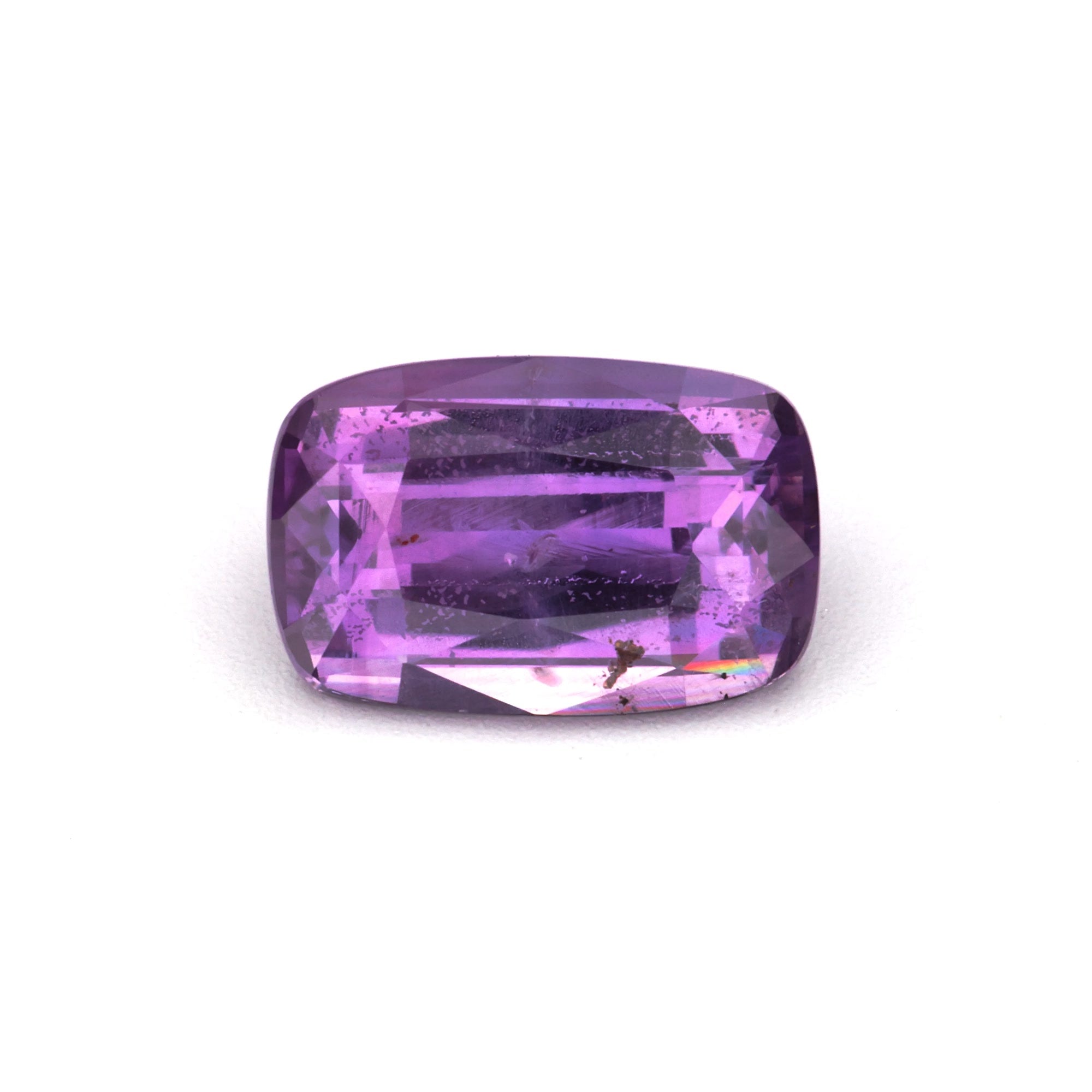
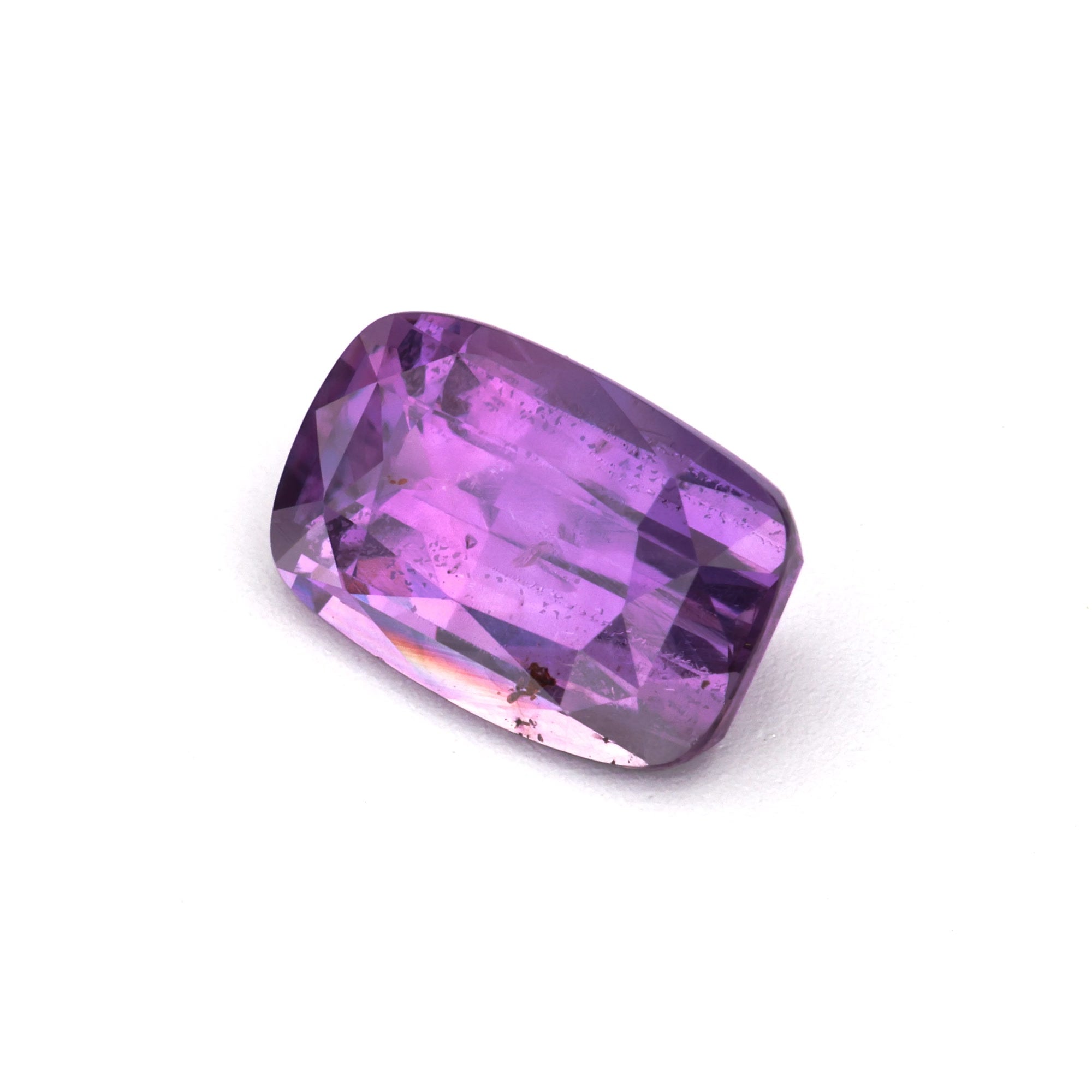
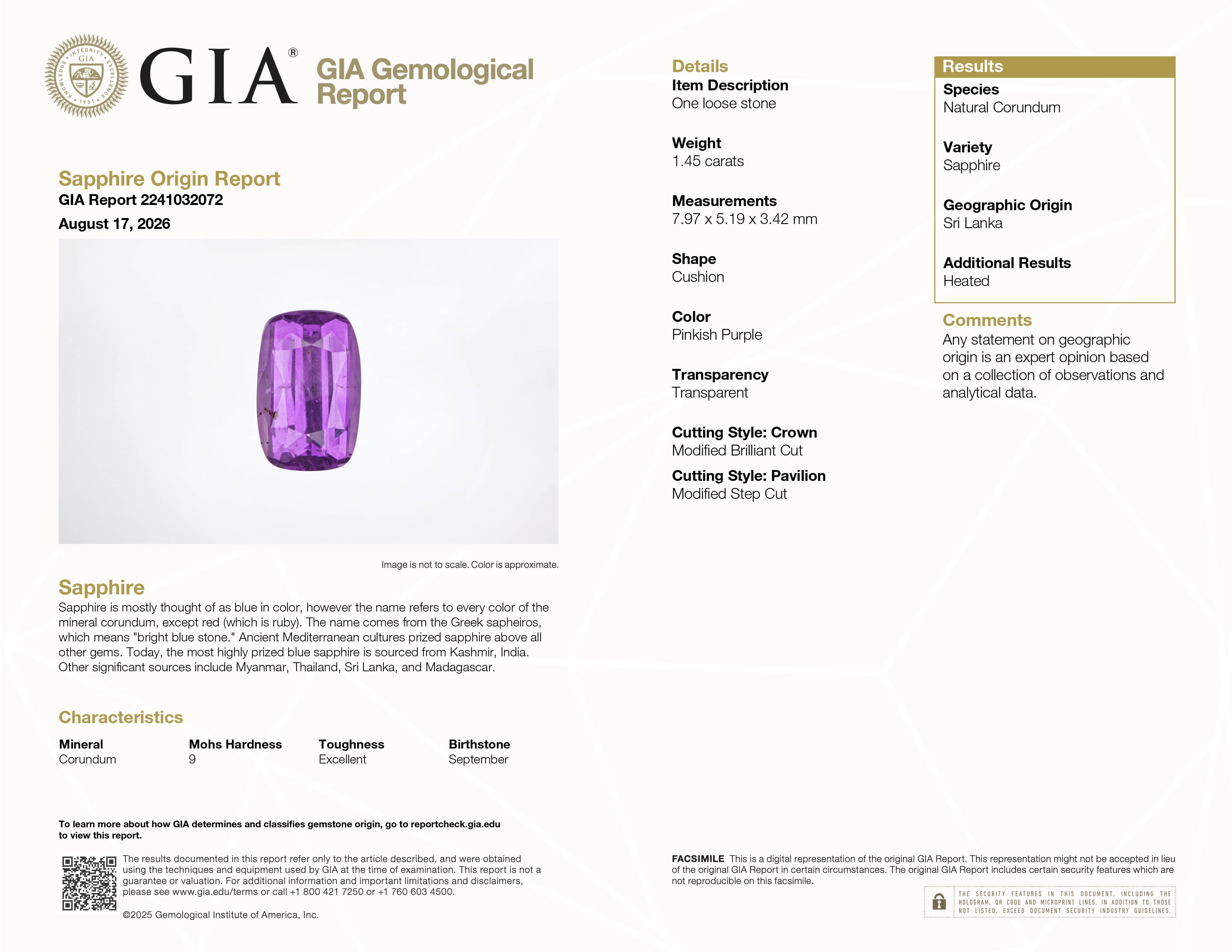
Saphir violet rosé 1,45 ct, chauffé — Rapport GIA
CG8468
CG8465
CG8463
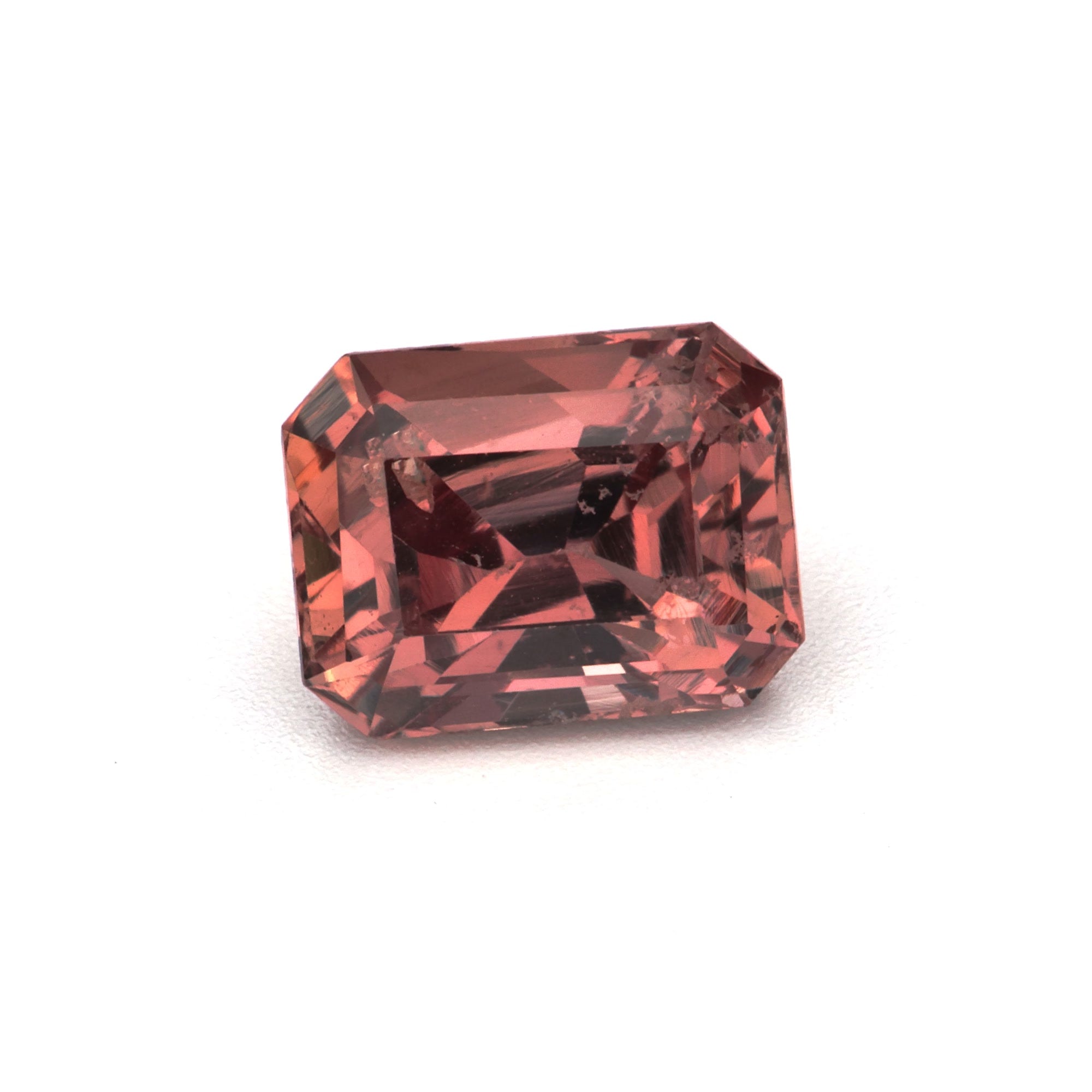
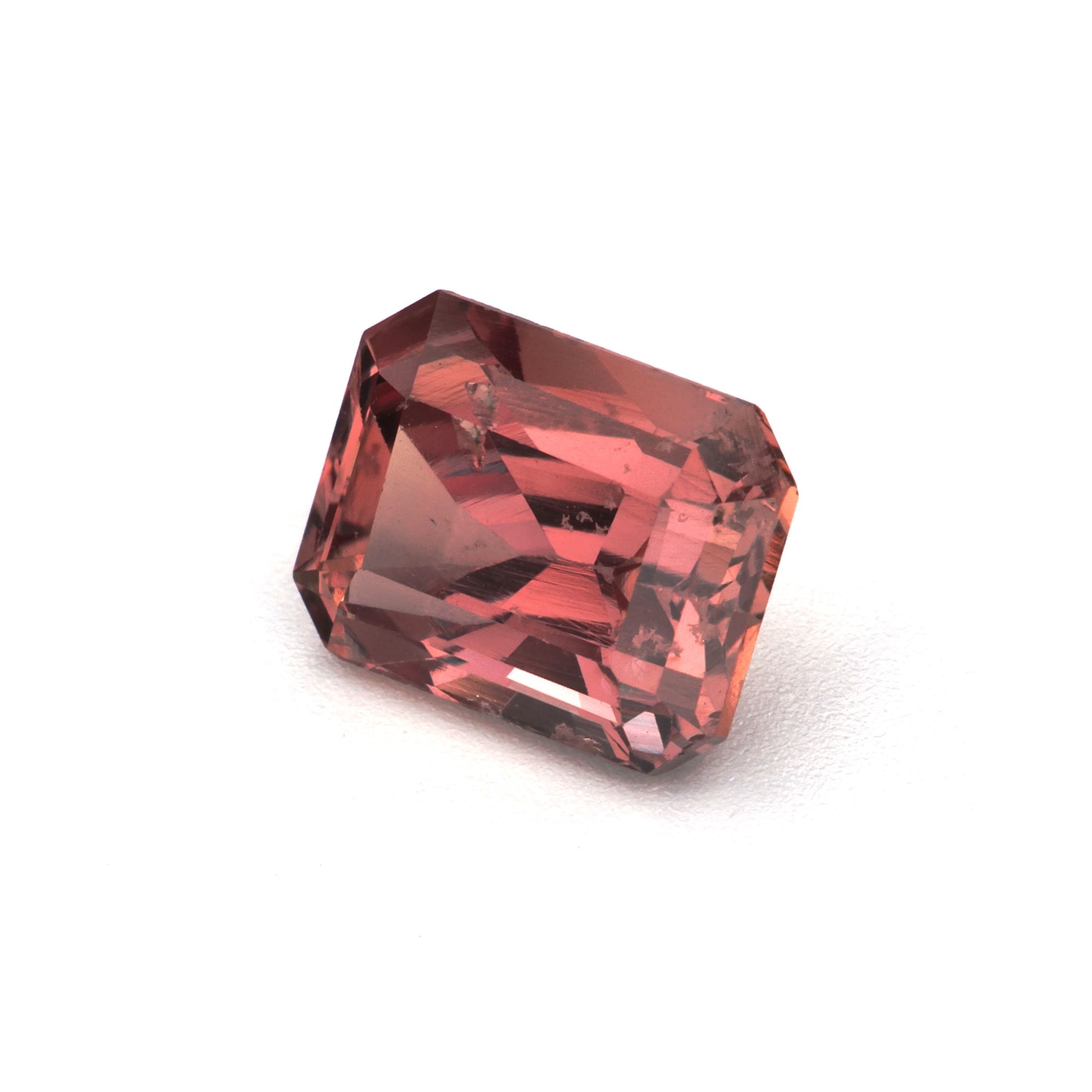
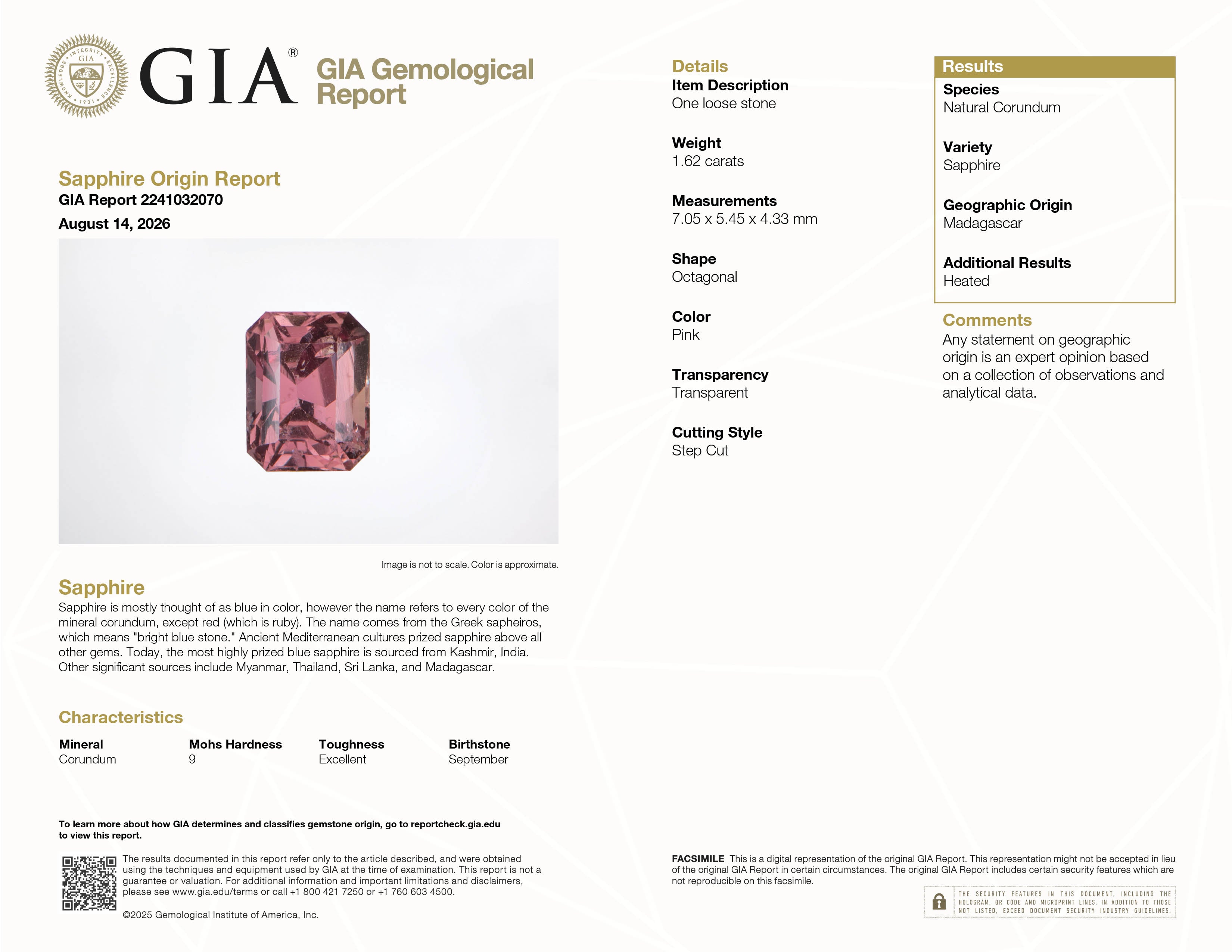
Saphir rose de Madagascar 1,62 ct — chauffé, rapport GIA
CG8460
CG8459
CG8458
CG8457
CG8456
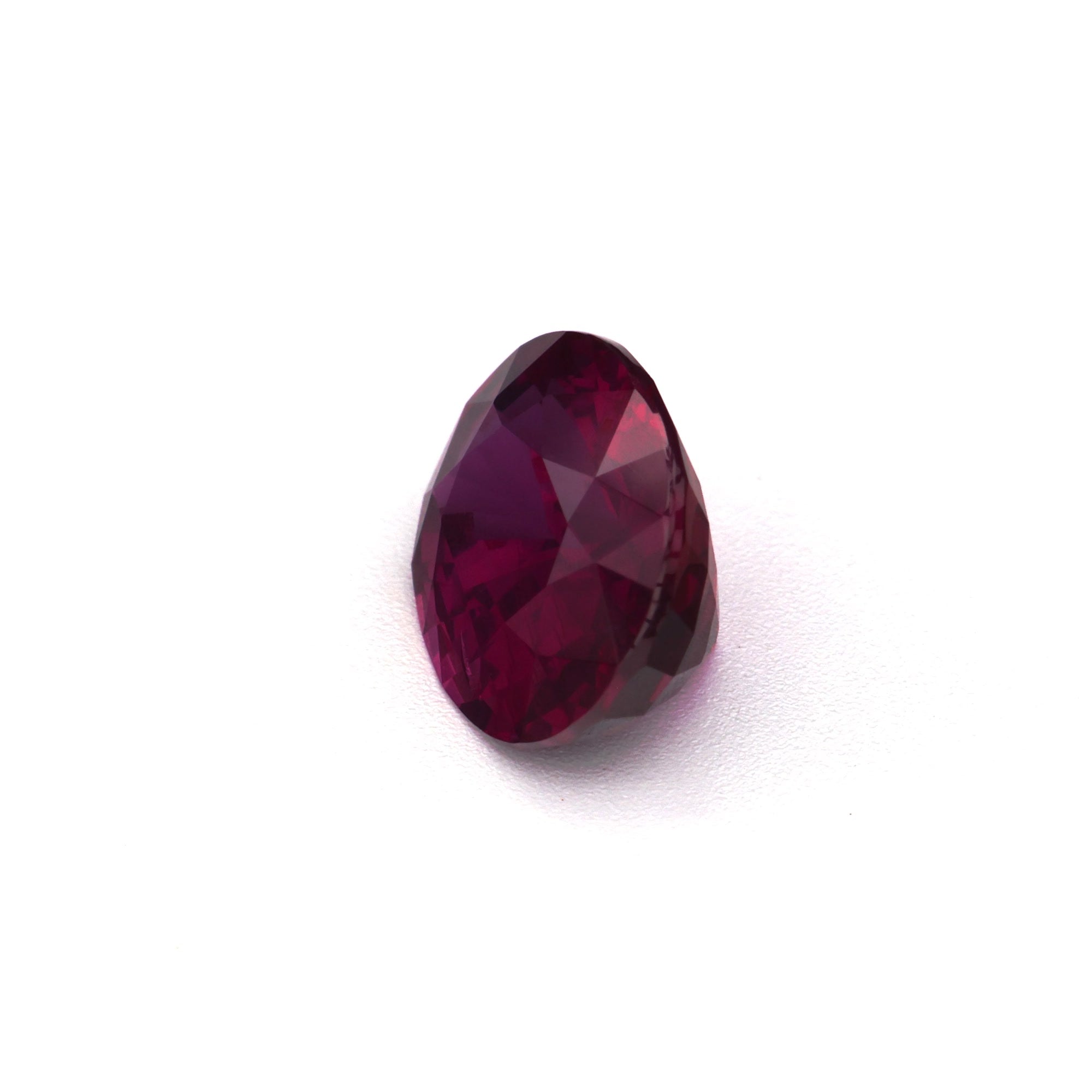
Rubis non chauffé 1,65 ct — ovale Madagascar, certifié GIA
CG8453


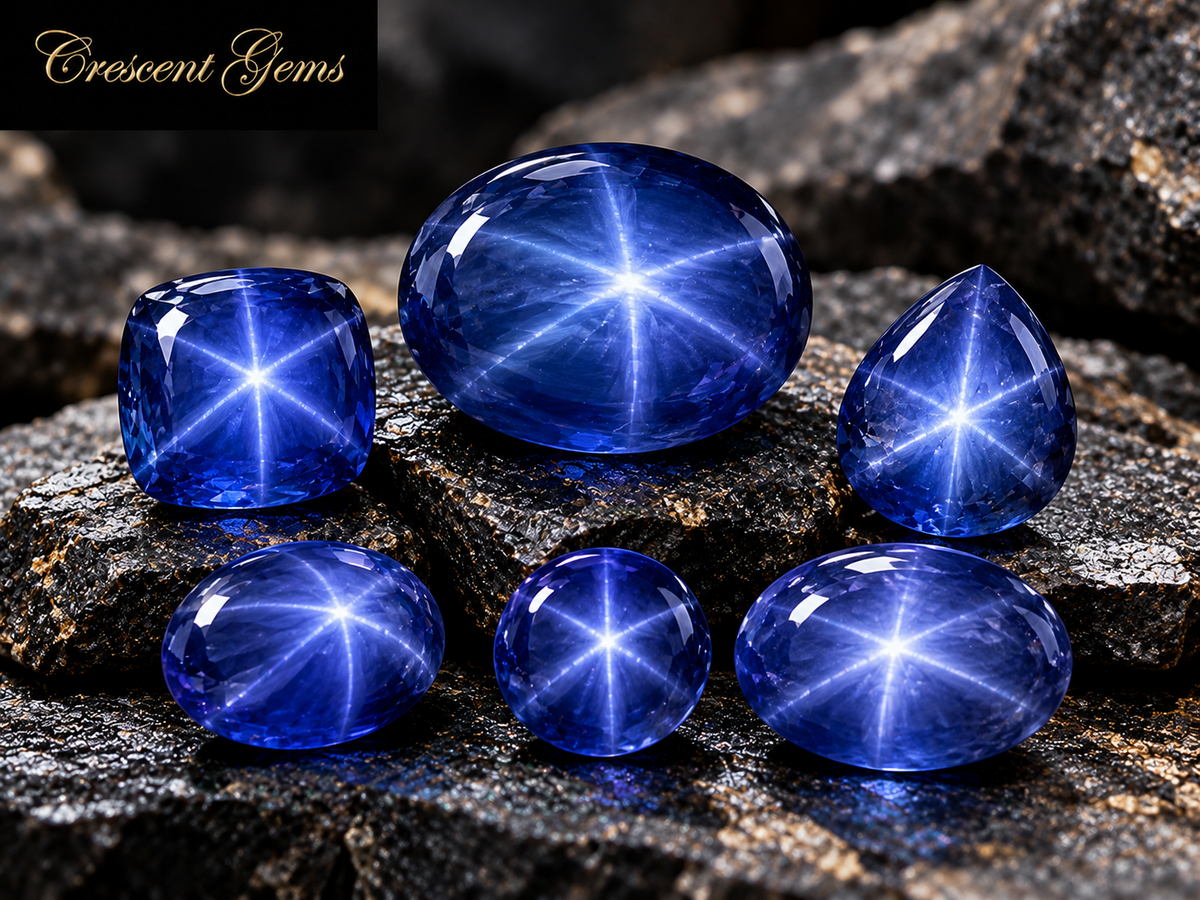
Prix du saphir bleu étoilé : fourchettes au carat et notre pierre
Ce que coûte un saphir bleu étoilé au carat, ce qui fait varier le prix, et la seule pierre que nous ayons : 8,09 ct à $4,040, avec un rapport d'origine GIA.
Plussur Prix du saphir bleu étoilé : fourchettes au carat et notre pierre
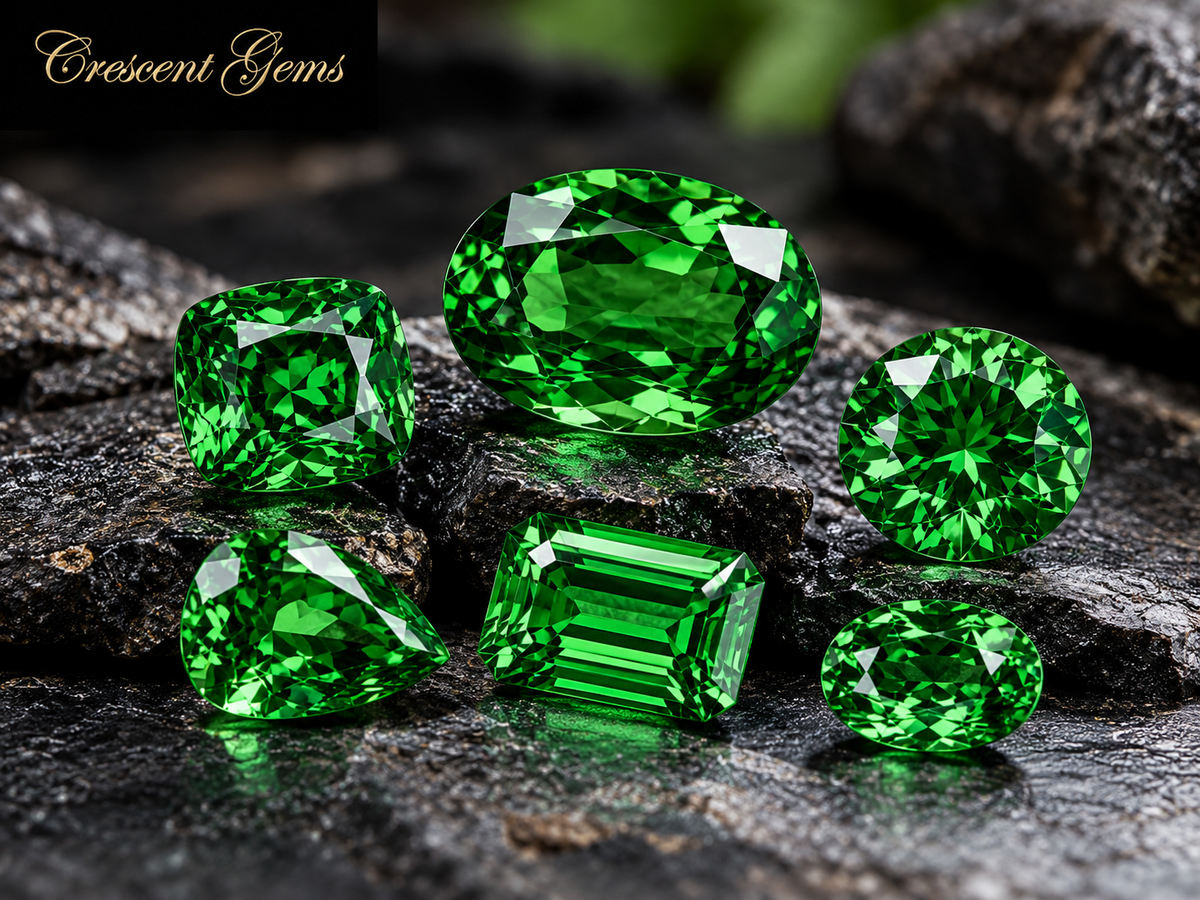
Prix de la tsavorite : notre stock, pas une grille de qualité
Nos sept tsavorites au 29 septembre 2026, de $1,177 à $22,724, dont une traitée et annoncée comme telle — et ce qui limite l'offre en grosses pierres propres.
Plussur Prix de la tsavorite : notre stock, pas une grille de qualité
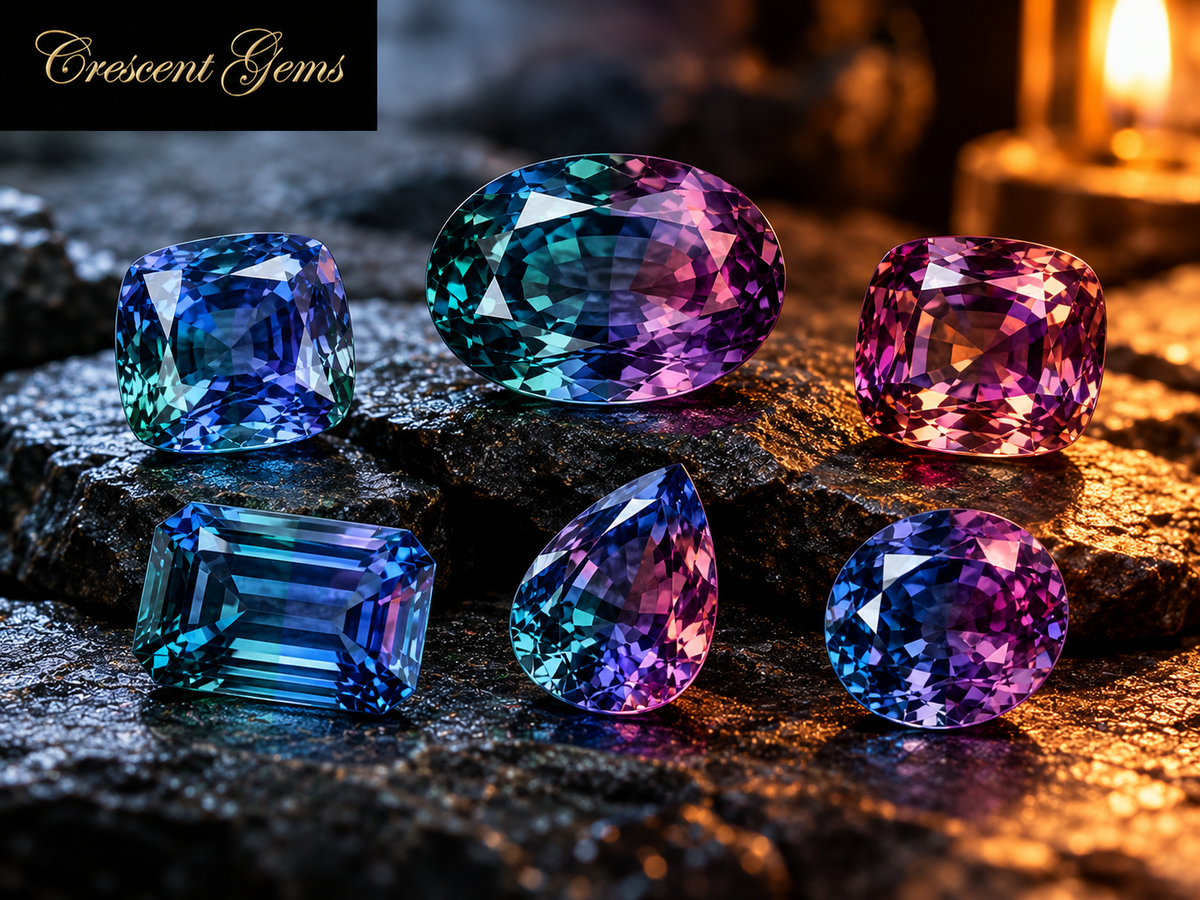
Prix du saphir à changement de couleur : au carat et nos deux pierres
Ce que coûte un saphir à changement de couleur au carat, ce qui fait réellement le prix, et nos deux pierres : 1,03 ct à $824 et 2,01 ct à $2,211.
Plussur Prix du saphir à changement de couleur : au carat et nos deux pierres
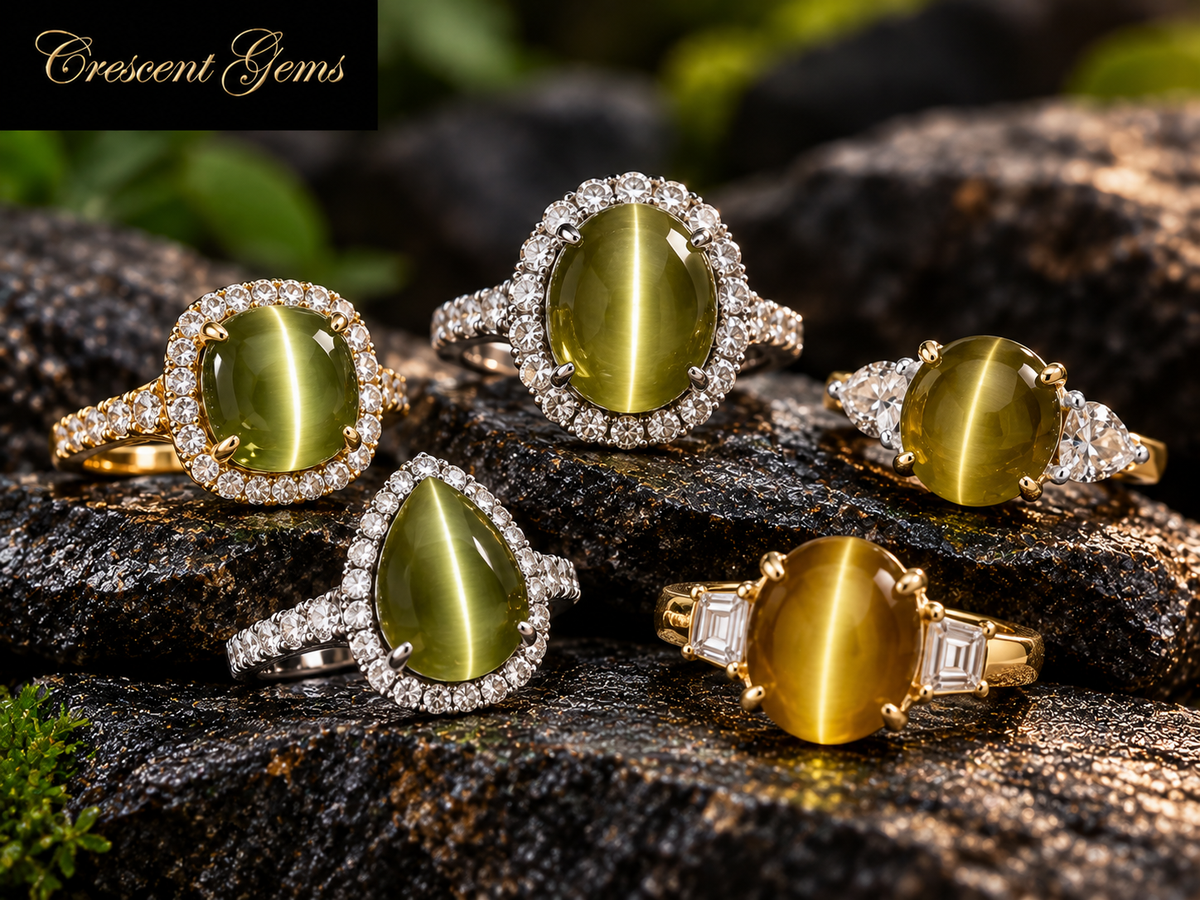
Le chrysobéryl œil-de-chat convient-il à une bague de fiançailles ?
Le chrysobéryl est à 8,5 sur l'échelle de Mohs, au-dessus du quartz (7) et en dessous du corindon (9). Ce que cela change au porter, à la monture et à l'entretien.
Plussur Le chrysobéryl œil-de-chat convient-il à une bague de fiançailles ?
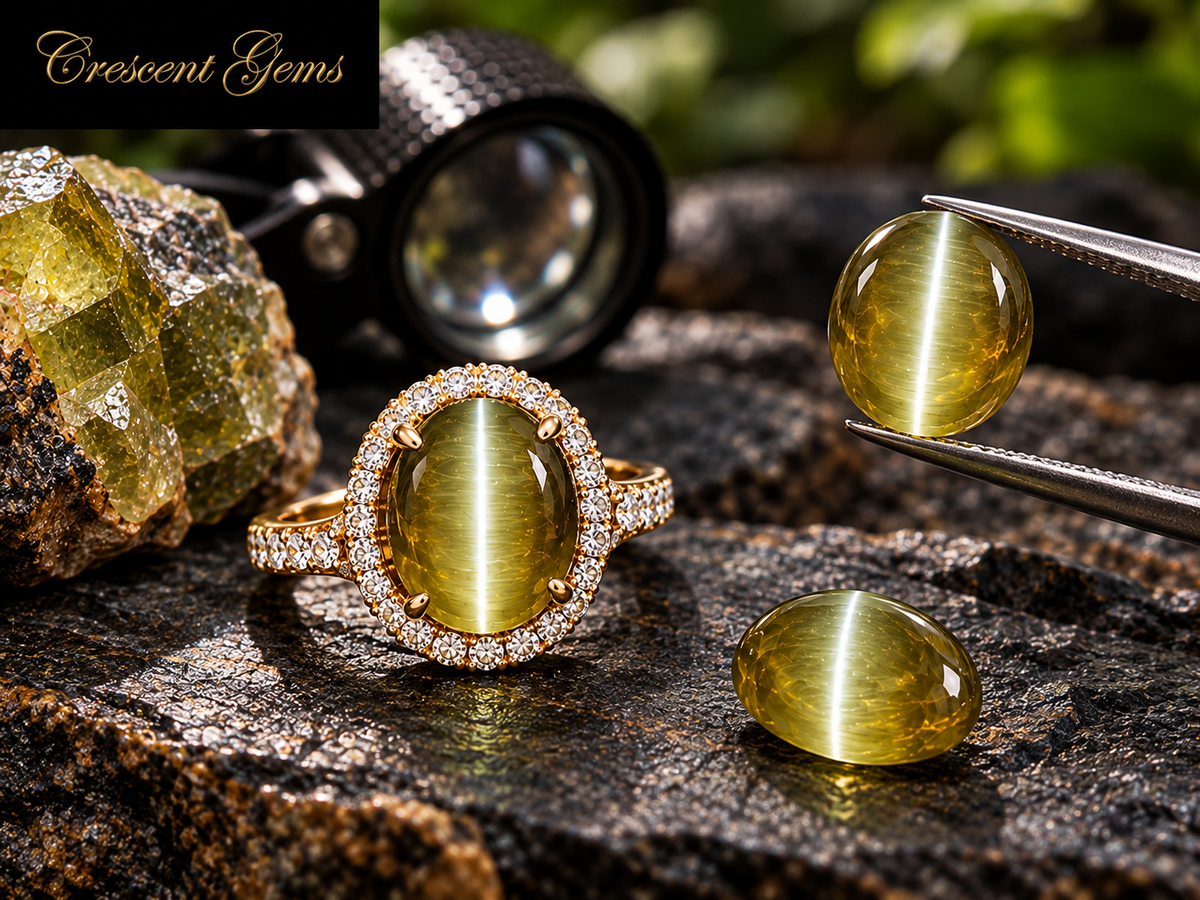
Prix du chrysobéryl œil-de-chat : au carat et nos deux pierres
Ce que coûte réellement un chrysobéryl œil-de-chat au carat, ce qui fait varier le prix, et nos deux pierres chiffrées : 2,36 ct à $3,792 et 4,25 ct à $9,482, soit $1,606.78 et $2,231.06 le carat.
Plussur Prix du chrysobéryl œil-de-chat : au carat et nos deux pierres















Partager: