

- par Ahmed Shareek
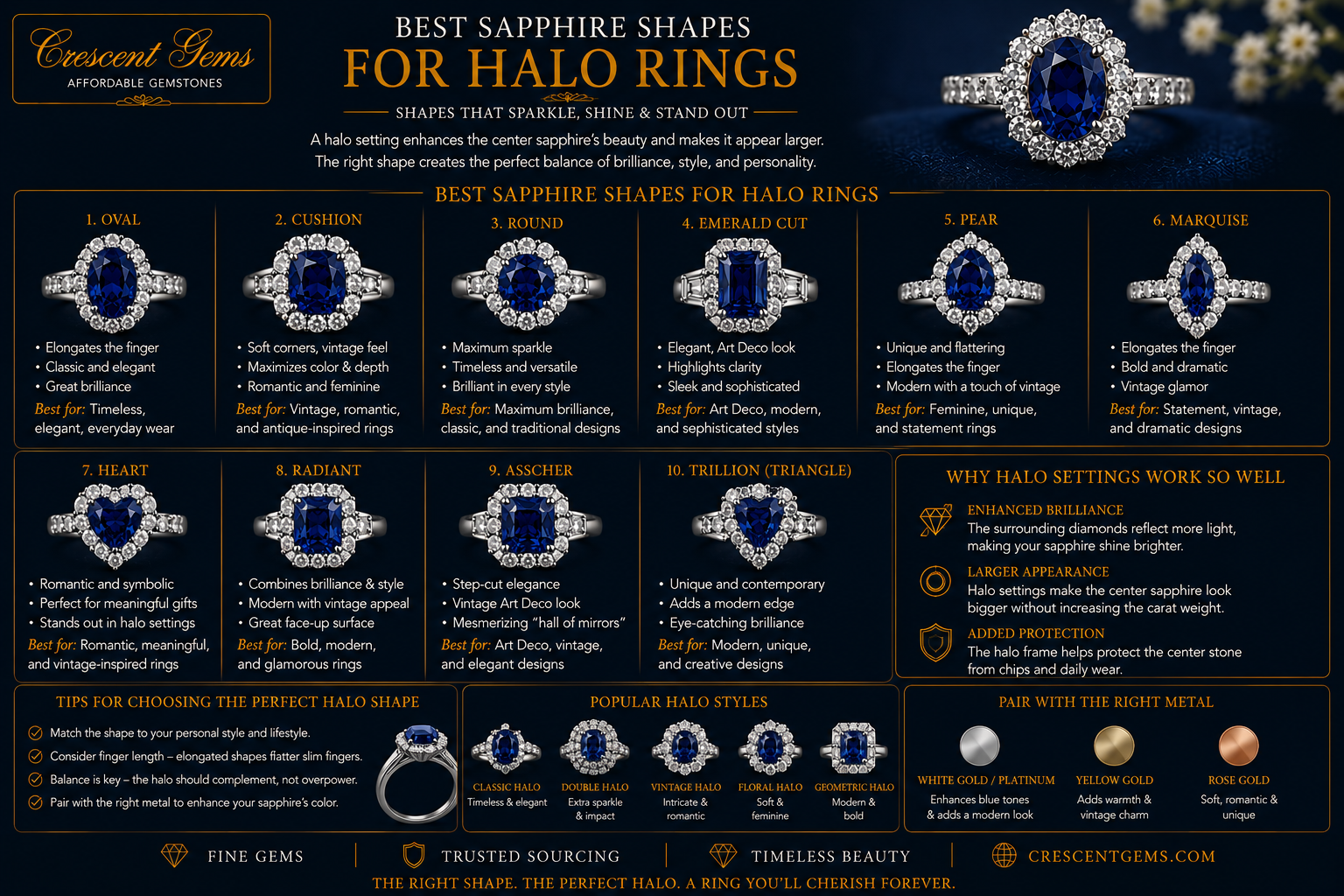
Best Sapphire Shapes for Halo Rings — How Shape and Halo Interact
- par Ahmed Shareek
For the solitaire alternative: Best Sapphire Shapes for Solitaire Rings. For halo proportions: Sapphire Halo Ring Guide. For the buying foundation: Ultimate Sapphire Buying Guide.
A halo setting changes the visual equation of a sapphire ring in ways that go beyond simply adding diamonds around the center stone. The halo amplifies apparent size, creates a color contrast that intensifies the sapphire's color, adds perimeter sparkle, and — critically — frames the outline of the center stone in a way that emphasizes its shape. This last point is where shape choice in a halo ring becomes particularly important: different center stone shapes interact with halo designs differently, and some combinations are significantly more effective than others.
This guide covers which sapphire shapes perform best in halo settings, how each shape interacts with the halo's proportions and design, which shapes gain the most from a halo versus a solitaire, and how to match your center stone's outline to the right halo configuration.
The key insight is that a halo does not neutralize the character of the center stone — it amplifies it. An elongated oval center stone in a halo appears even more elongated; a square cushion in a halo appears even more geometric; an emerald cut in a halo appears even more architectural. Choosing the right shape for a halo ring means understanding what the halo will do to the shape's visual character, not just to its apparent size.
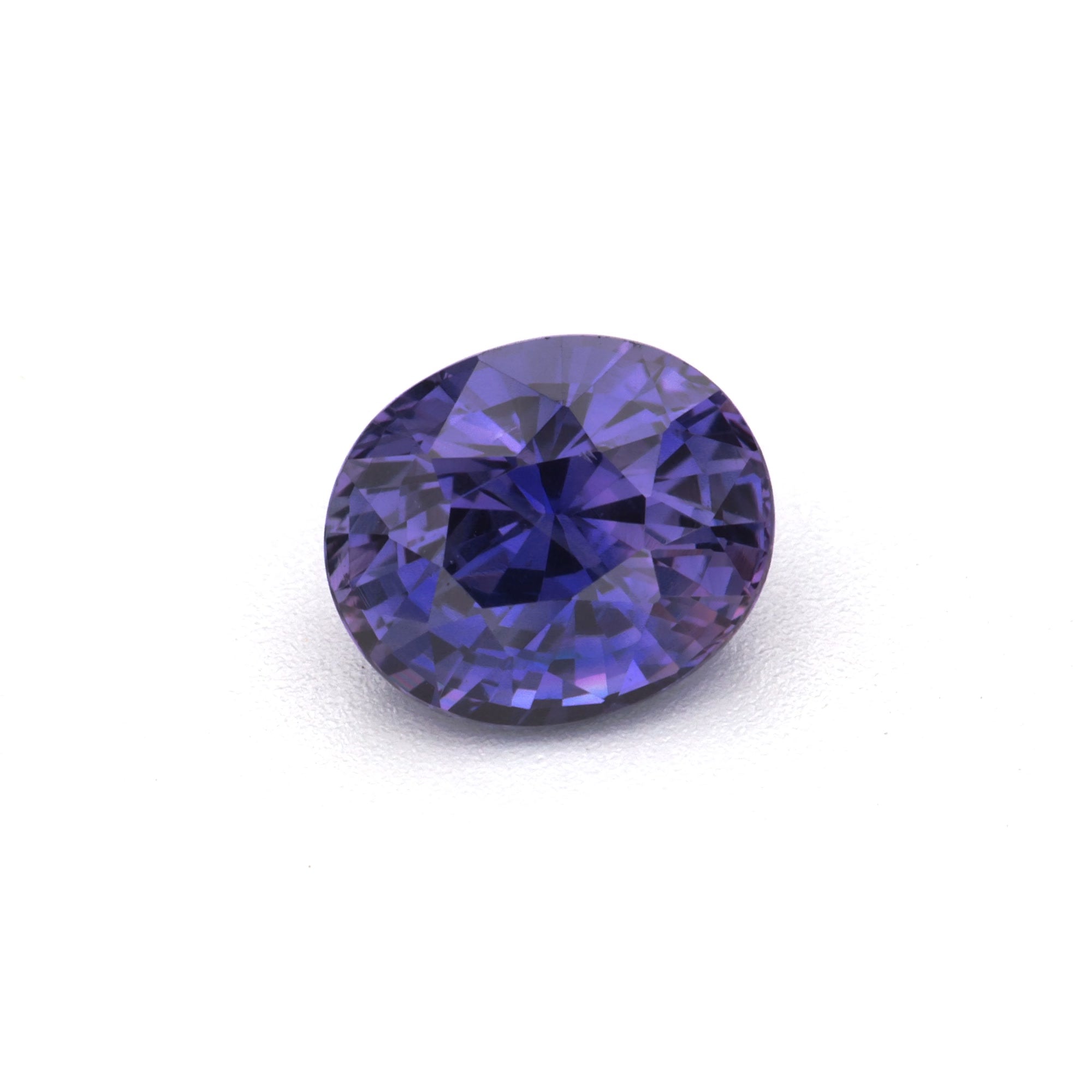
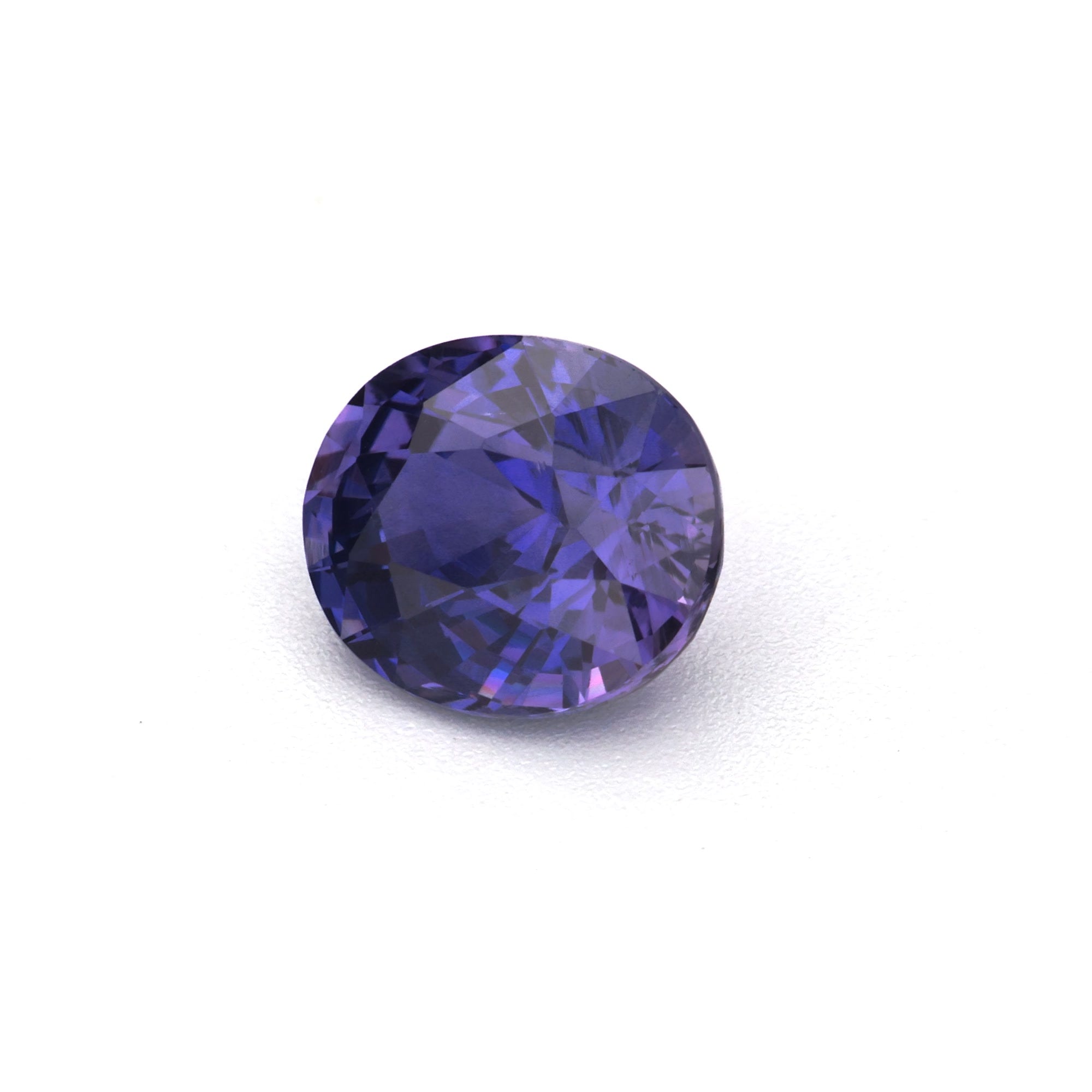
The oval is the most popular halo center stone shape and the one most strongly associated with the iconic blue sapphire halo engagement ring. The oval's elongated outline works exceptionally well in a halo because the halo emphasizes and extends the elongation — making the finger-lengthening effect even more pronounced while adding significant apparent size to the center stone. A 1.0ct vivid oval sapphire in a well-proportioned single diamond halo appears as a 1.75–2.0ct+ ring face-up. The halo also helps with one of the oval's potential weaknesses: a moderate bowtie shadow. The perimeter sparkle of the halo diamonds draws the eye away from the center, making a moderate bowtie less noticeable than it would be in a solitaire setting. This gives halo buyers slightly more flexibility on bowtie intensity than solitaire buyers. Browse our oval sapphire collection.
A cushion center stone surrounded by a halo creates the quintessential vintage-inspired halo ring. The cushion's soft, rounded outline in a square or slightly rectangular halo produces a balanced, symmetrical design that suits rose gold and yellow gold settings with milgrain or engraved details particularly well. The halo's perimeter sparkle contrasts beautifully with the cushion's deeper, more concentrated color — the visual effect is rich, warm, and deeply jewel-like. One nuance: the halo design should follow the cushion's outline — rounded at the corners, not sharply cornered. A cushion center in a square-cornered halo can look mismatched; a rounded or slightly squared halo that echoes the cushion's curves creates a much more cohesive design. Browse our cushion sapphire collection.
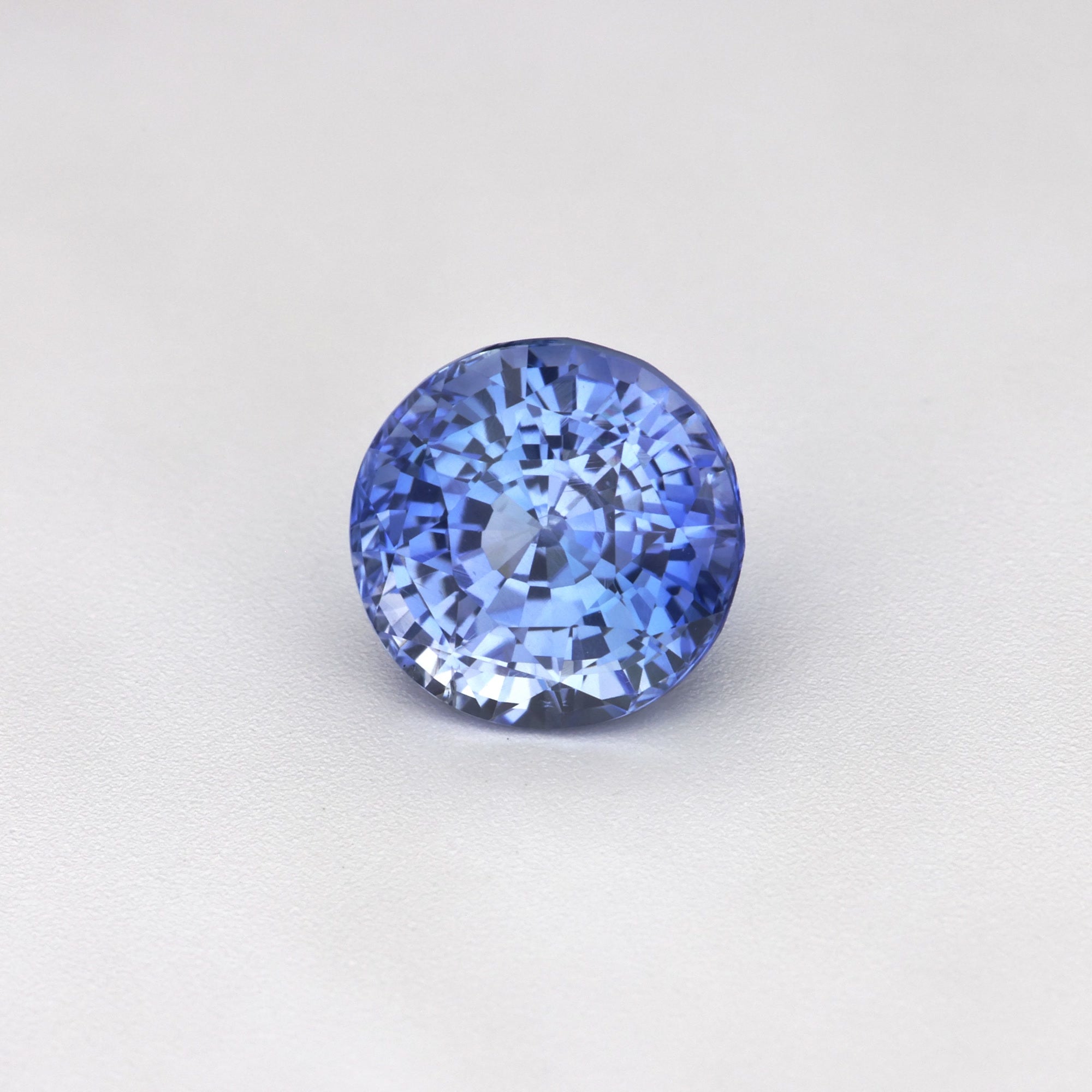
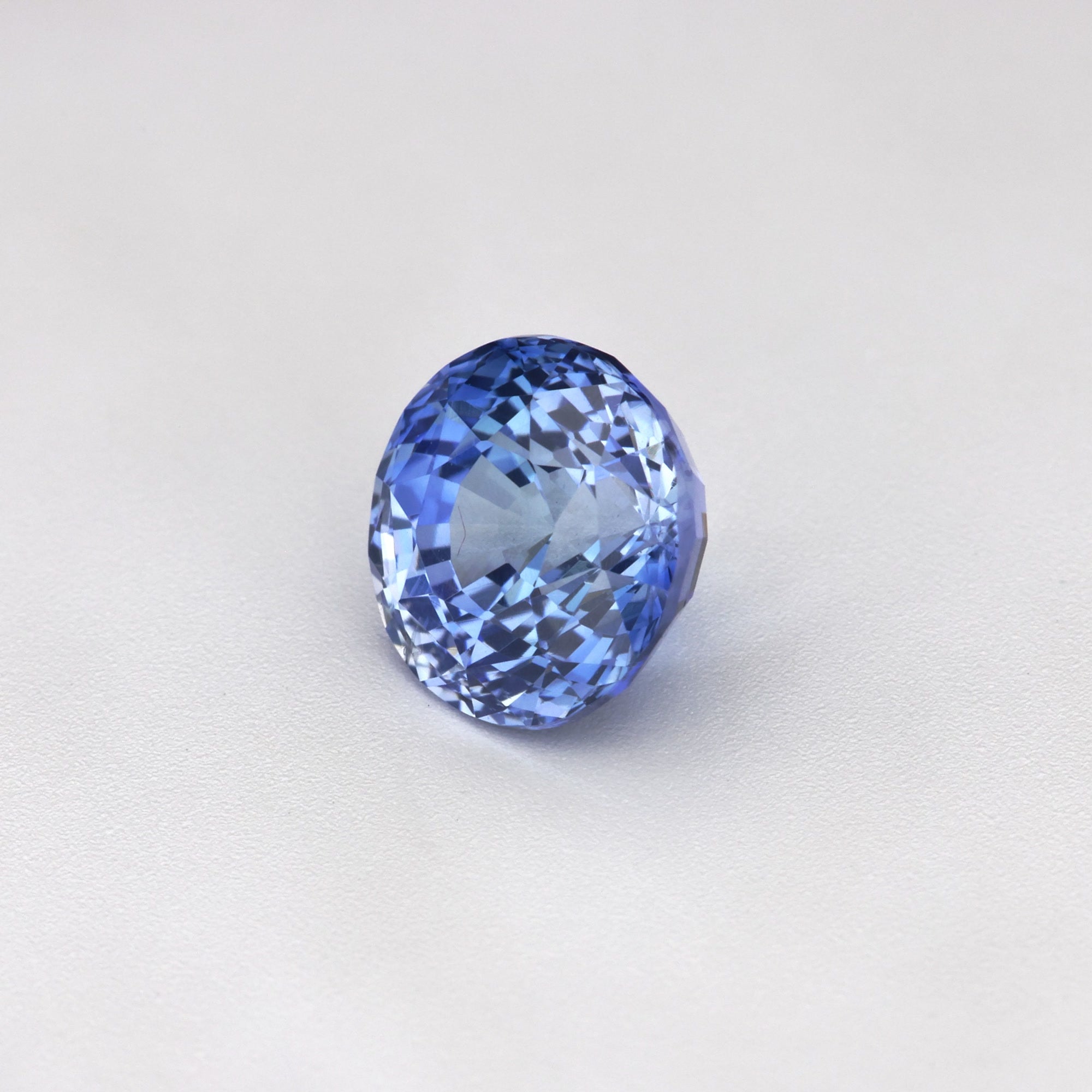
A round sapphire in a round halo is the most symmetrical and classically proportioned halo ring configuration — elegant, balanced, and universally flattering. The round halo around a round center creates a clean, concentric design that works in every metal and suits every hand type. For buyers who want a halo ring without the stronger visual personality of an oval or cushion, round-in-round is the most versatile choice. It is also the easiest design to execute well in a custom setting, with the most consistent results across different jewelers and setting styles.
A pear sapphire in a pear-shaped halo creates one of the most dramatic and eye-catching engagement ring silhouettes available. The halo extends and sharpens the pear's distinctive teardrop outline, adding significant apparent size and protecting the vulnerable pointed tip within the diamond border. This is a combination that photographs extraordinarily well and has a distinctive, fashion-forward character that oval and cushion halos do not match. The main consideration: the halo must follow the pear's outline precisely — a uniform round halo applied to a pear center looks awkward and disconnected. A custom-fitted pear-outline halo requires skilled setting work, which should be factored into the setting budget. Browse our pear sapphire collection.
An emerald cut sapphire in a halo creates a striking contrast between the still, deep interior of the step-cut center stone and the rapid sparkle of the surrounding diamonds. This contrast — quiet depth inside, active brilliance at the perimeter — is one of the most visually sophisticated ring combinations available. The halo for an emerald cut should follow the octagonal outline of the stone, with the diamond border matching the cropped-corner rectangular shape rather than using a rounded oval halo. Baguette or tapered accent diamonds in the halo can reinforce the architectural, geometric character of the emerald cut. Browse our emerald cut sapphire collection.
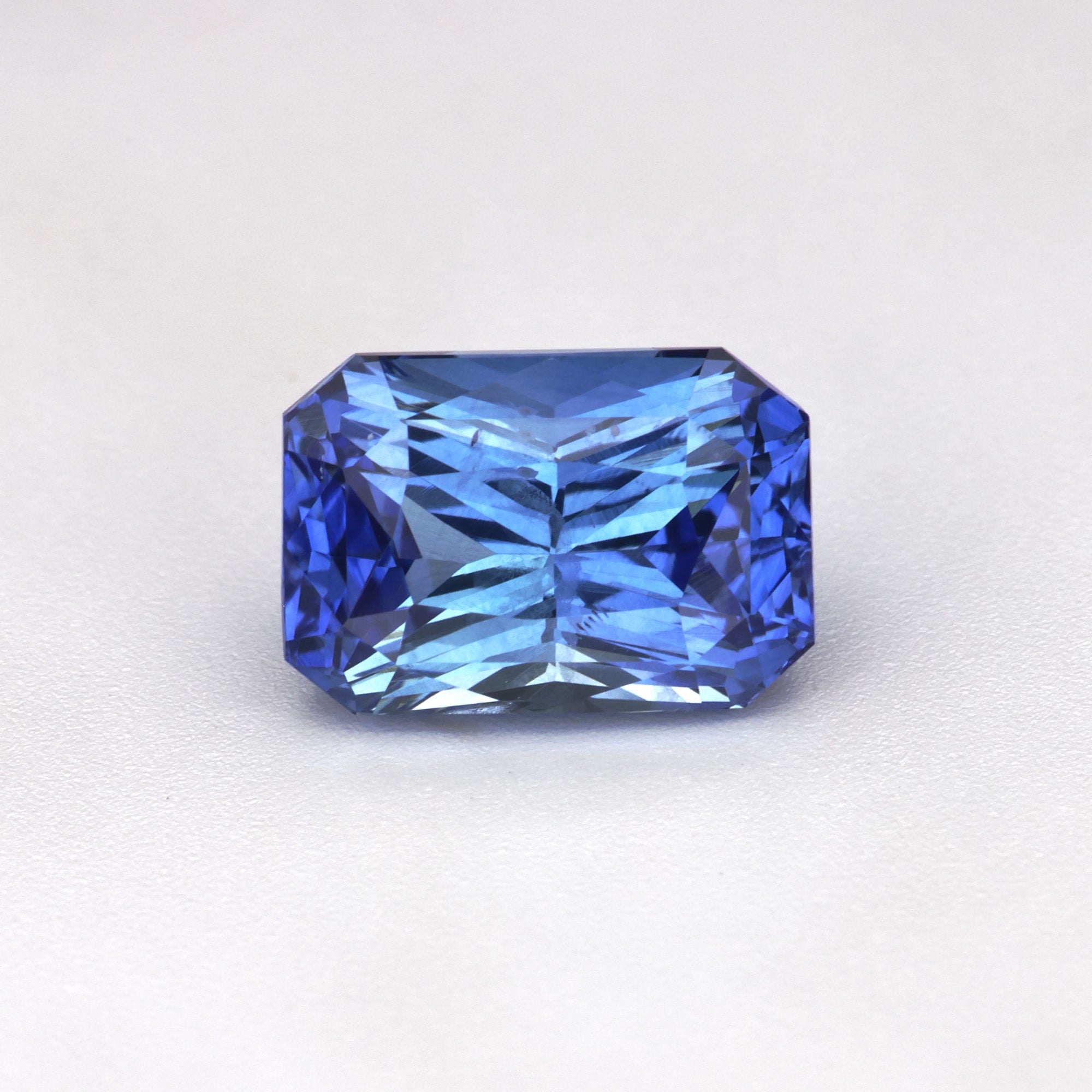
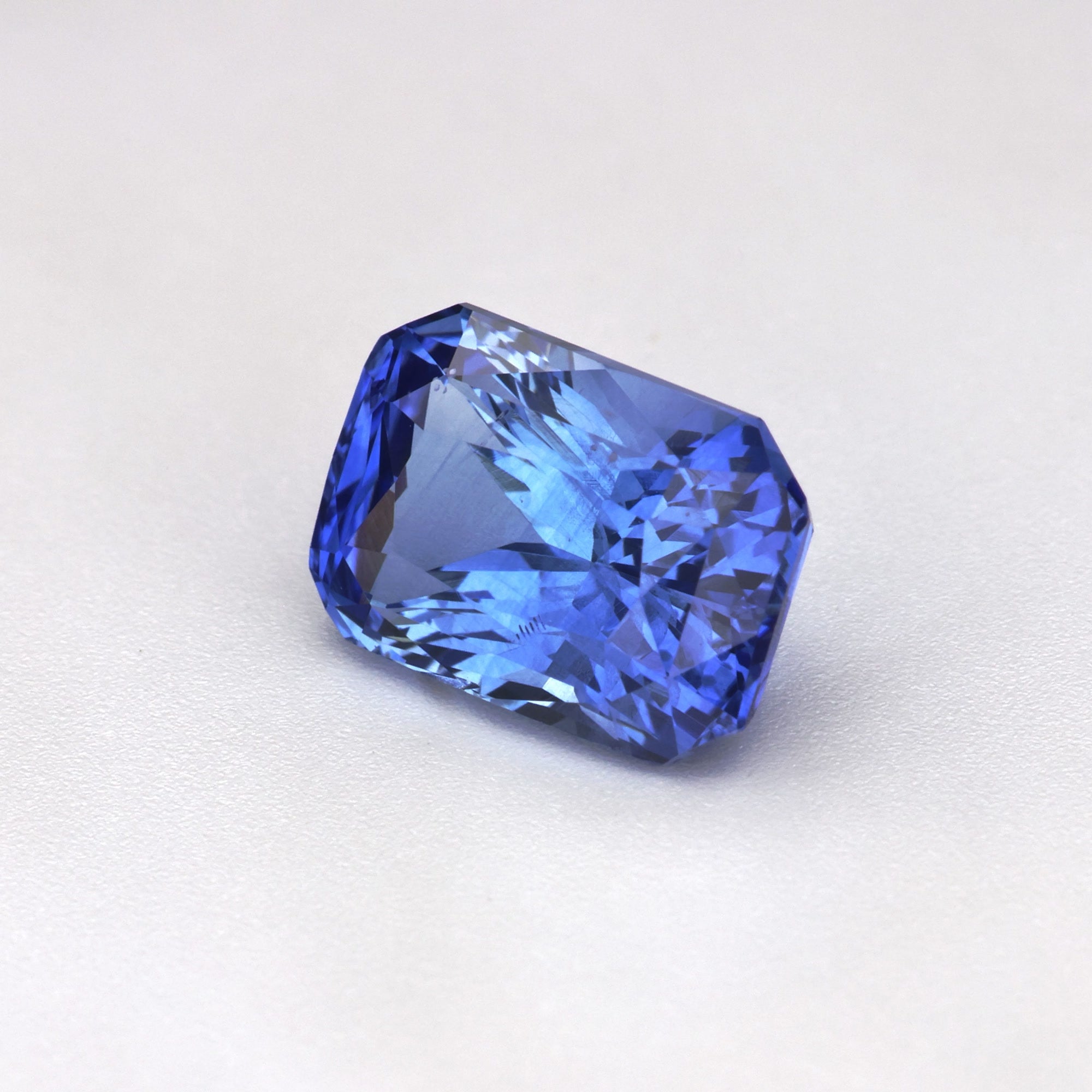
A radiant cut sapphire in a halo combines rectangular geometric outline with brilliant light return, and the halo amplifies the radiant's angular sparkle while adding the perimeter border that emphasizes the rectangular shape. A radiant in a halo with a pavé band creates a ring that is architecturally clean, visually active, and distinctive in the market where oval and cushion halos dominate. See our radiant cut guide for the full shape evaluation.
The halo format changes what you need from the center stone in several practical ways:
You can go smaller. A halo adds 1.5–3mm to the apparent diameter of the center stone, allowing you to use a 0.7–0.9ct stone that looks like a 1.2–1.5ct+ in the finished ring. This is the halo's most practical commercial advantage — it lets you redirect budget from carat weight to color quality or setting craftsmanship. See our Halo Ring Guide for the full size calculation.
Color still matters, but the bar is slightly lower. The diamond halo's white sparkle creates contrast that intensifies the center stone's color — but it also means a lightly saturated stone looks pale by comparison. Vivid to strong saturation remains the target; light tone is more of a problem in a halo than a solitaire.
Moderate bowtie is more forgivable. As noted above, the halo's perimeter sparkle draws the eye away from the center stone's shadow zones, making a moderate bowtie in an oval less distracting in a halo than in a solitaire.
The most important design principle in halo rings: the halo should echo the outline of the center stone, not impose a different shape on it.
Mismatching the halo shape to the center stone — a round halo around a pear, or a square halo around a cushion — creates a disconnected design where the center stone and the halo appear to belong to different rings. The best halo designs feel like the halo grew naturally from the stone's outline.
For the full custom ring design framework, see our custom ring design guide and how to commission a custom ring.
Oval is the most popular and most versatile halo center stone — the elongated outline combines with the halo to create the dominant blue sapphire engagement ring aesthetic in the current market. Cushion is the best choice for a vintage halo with maximum color richness. Round is the most universally flattering and symmetrical. Pear is the most dramatic and elongating. The right choice depends on your aesthetic preference and the character you want the ring to have.
Significantly, yes. A standard single halo with 1.5mm diamonds adds approximately 3mm to the apparent diameter of the center stone — making a 7×5mm oval (1.0ct) appear as approximately 10×8mm face-up. This allows a smaller, less expensive center stone to present as a larger ring, freeing budget for higher color quality, better cut, or a more elaborate setting. See our Halo Ring Guide for the full size calculation.
For most buyers, white diamond halos create the best result — the neutral white sparkle provides maximum color contrast that intensifies the sapphire's color regardless of its hue. Matching colored sapphire halos (e.g., small blue sapphires around a blue center) reduce the contrast effect but create an immersive, monochrome look that some buyers prefer. For more, see our side stones guide.
Browse our full Ceylon sapphire catalog or email crescentgems@gmail.com with your shape and color preferences. We respond within one business day.

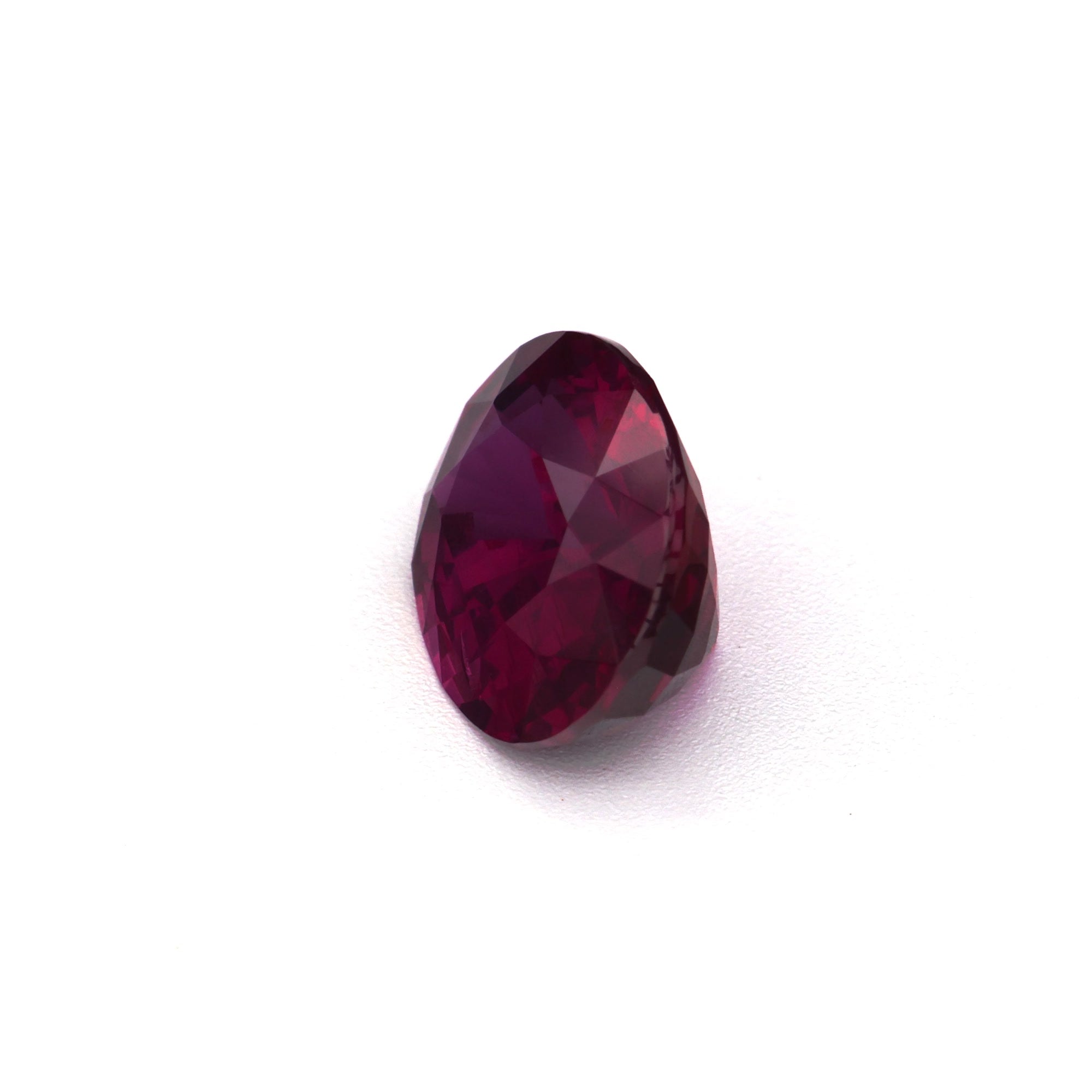
CG8469
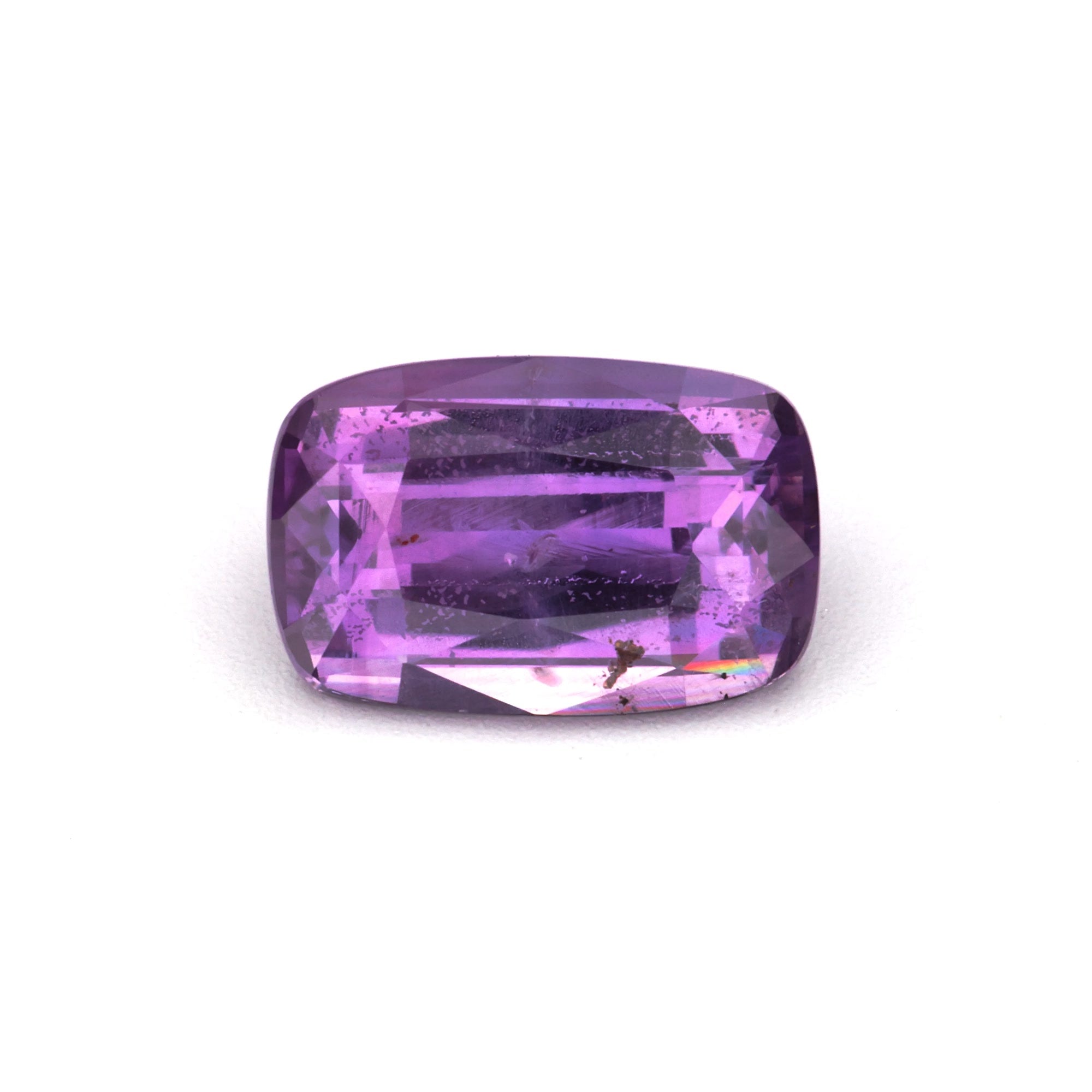
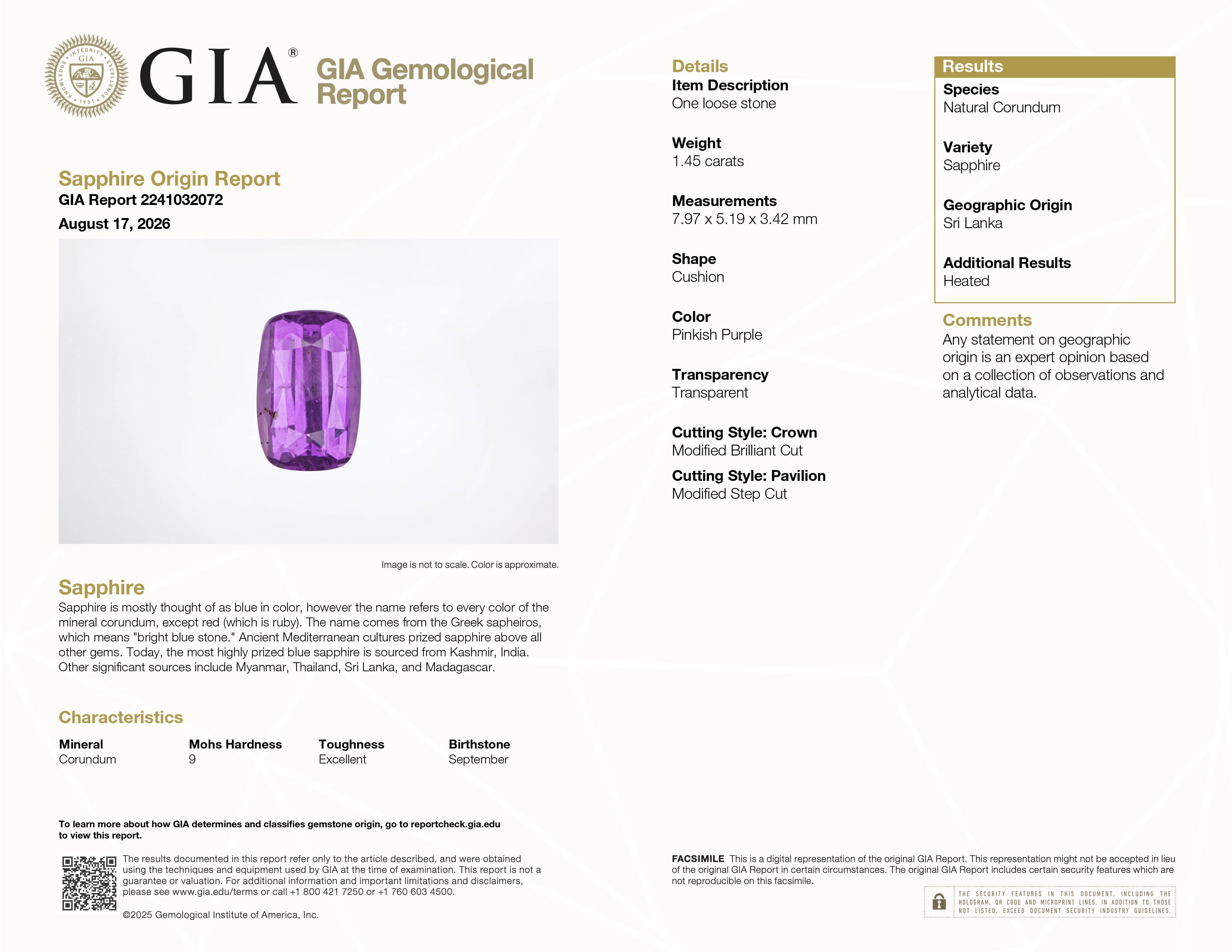
Saphir violet rosé 1,45 ct, chauffé — Rapport GIA
CG8468
CG8465
CG8463
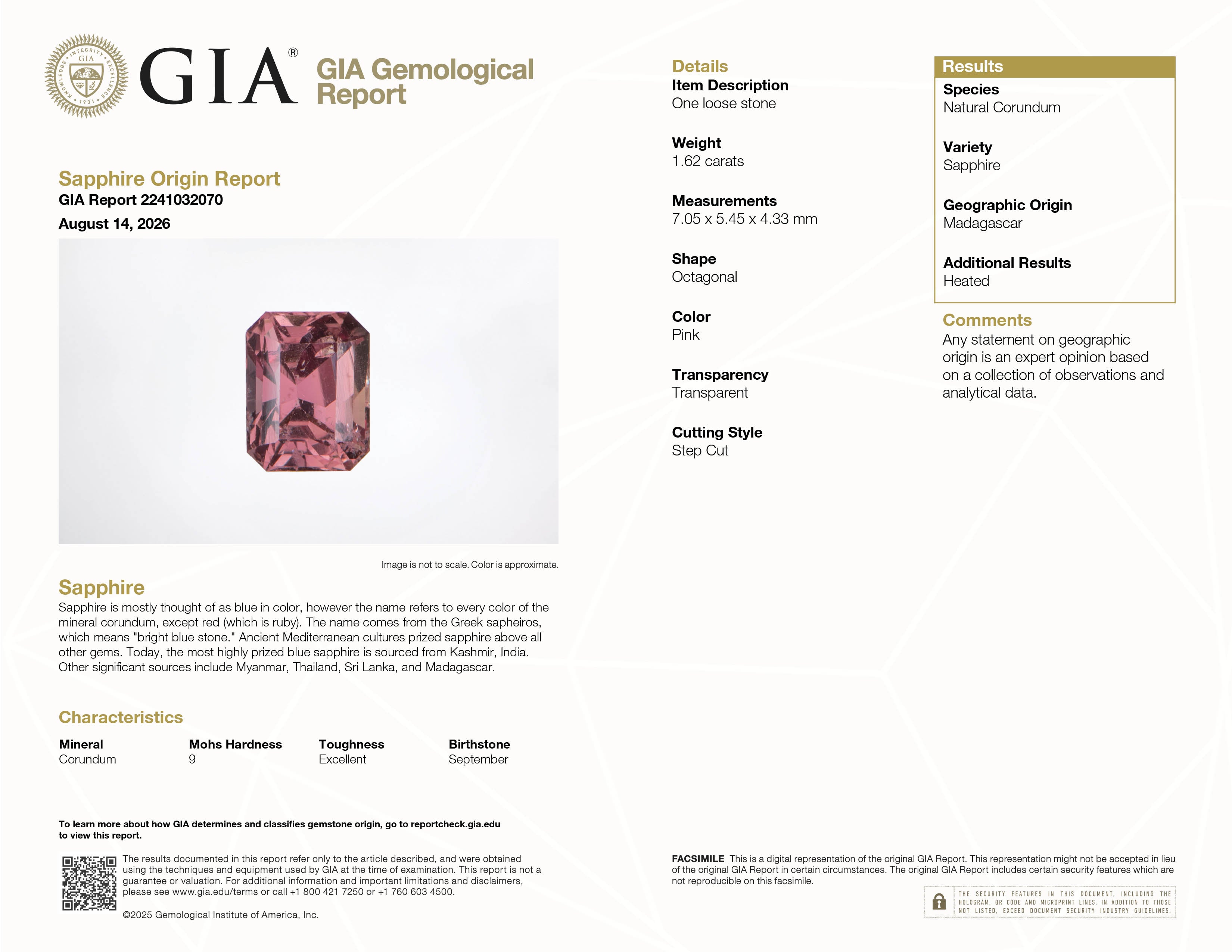
Saphir rose de Madagascar 1,62 ct — chauffé, rapport GIA
CG8460
CG8459
CG8458
CG8457
CG8456
Rubis non chauffé 1,65 ct — ovale Madagascar, certifié GIA
CG8453


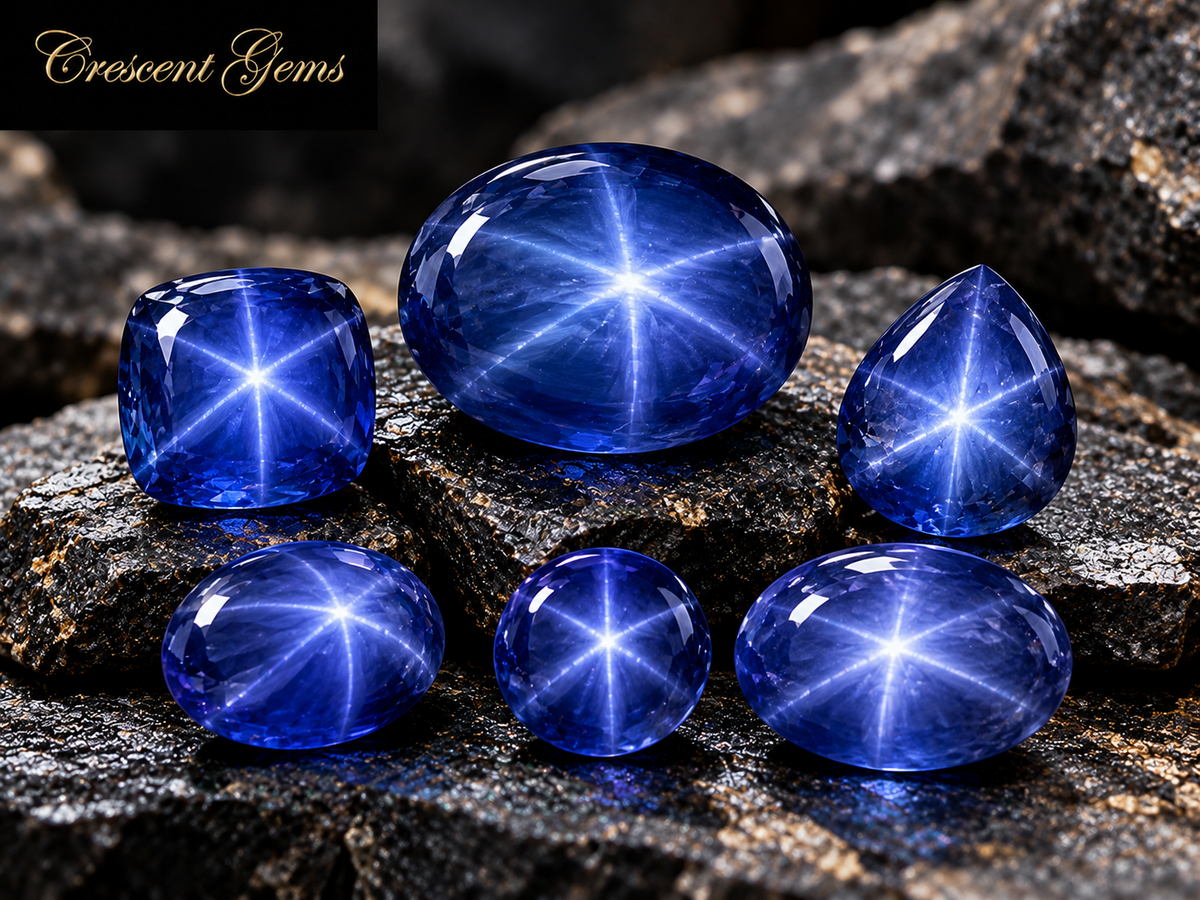
Prix du saphir bleu étoilé : fourchettes au carat et notre pierre
Ce que coûte un saphir bleu étoilé au carat, ce qui fait varier le prix, et la seule pierre que nous ayons : 8,09 ct à $4,040, avec un rapport d'origine GIA.
Plussur Prix du saphir bleu étoilé : fourchettes au carat et notre pierre
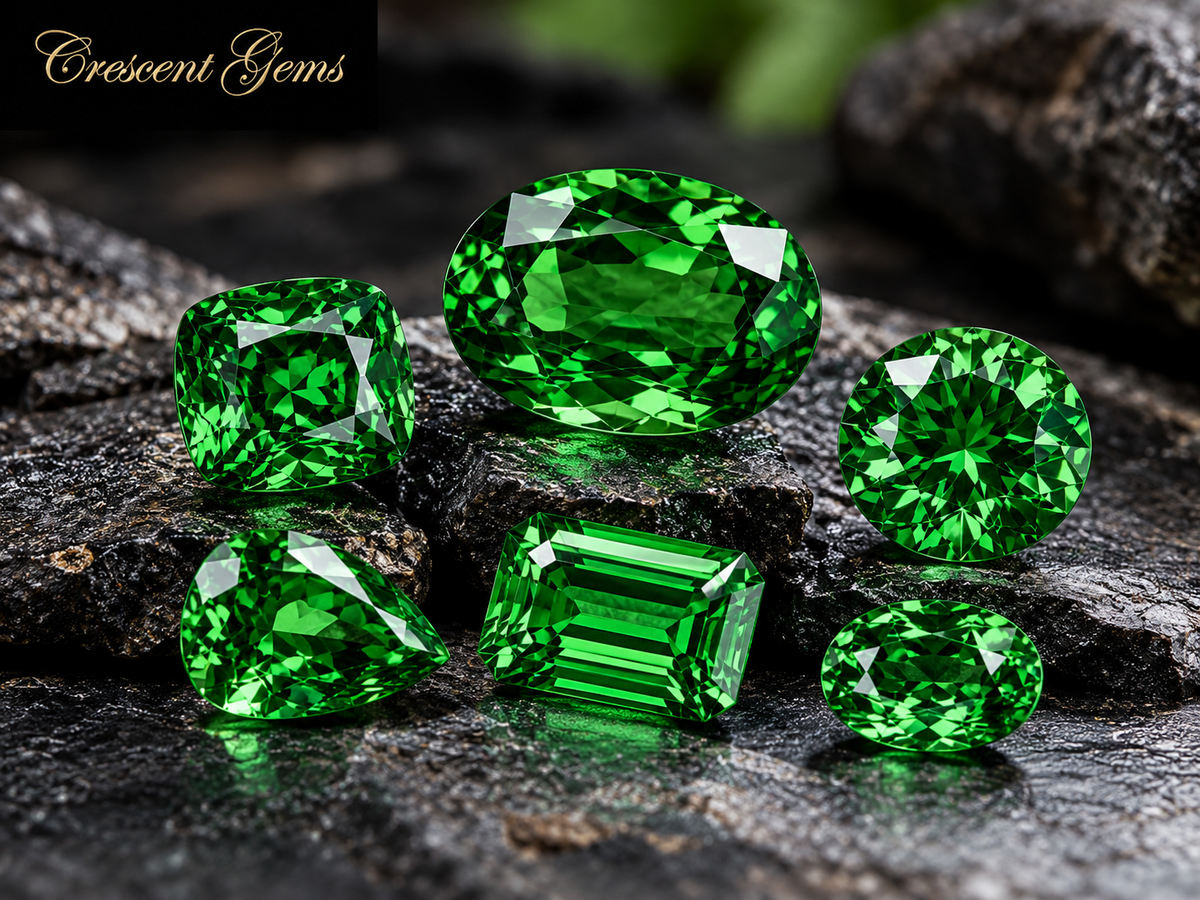
Prix de la tsavorite : notre stock, pas une grille de qualité
Nos sept tsavorites au 29 septembre 2026, de $1,177 à $22,724, dont une traitée et annoncée comme telle — et ce qui limite l'offre en grosses pierres propres.
Plussur Prix de la tsavorite : notre stock, pas une grille de qualité
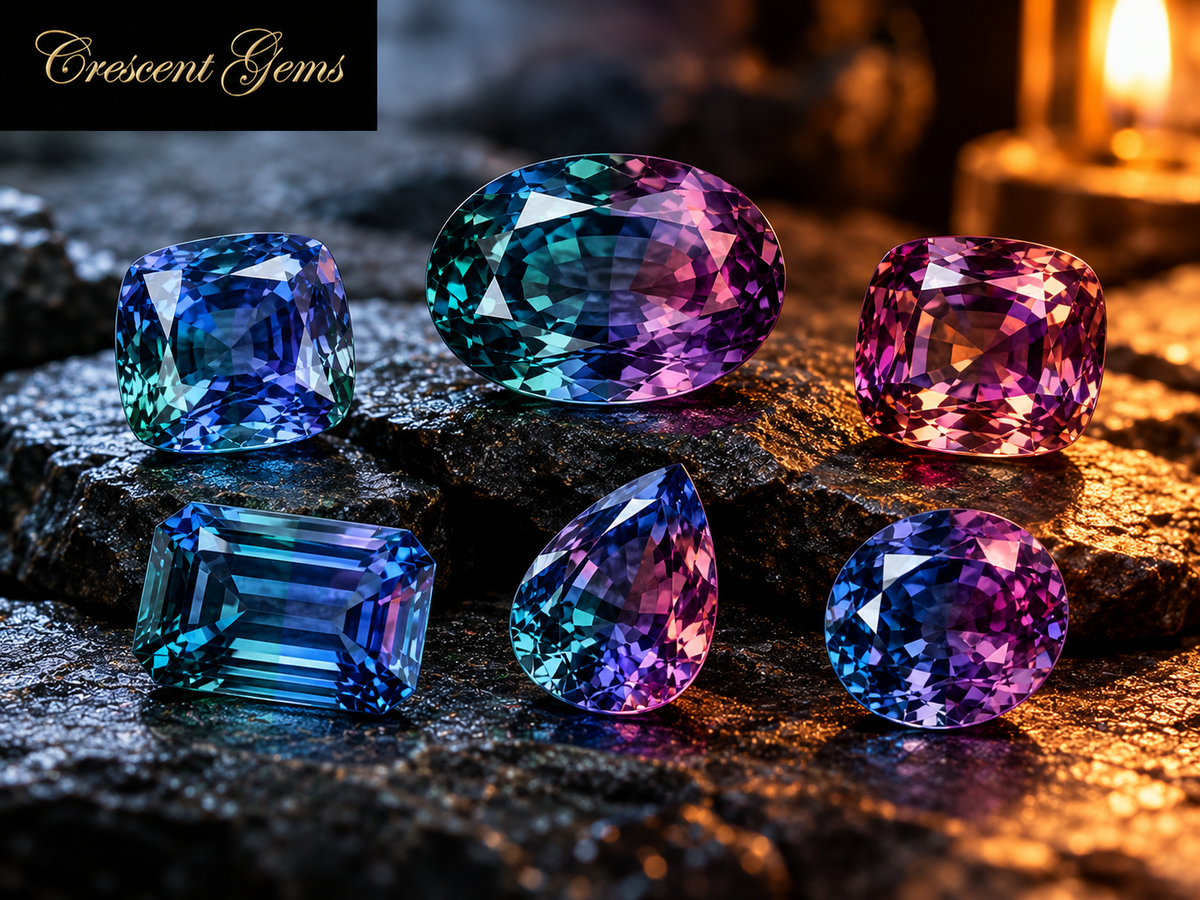
Prix du saphir à changement de couleur : au carat et nos deux pierres
Ce que coûte un saphir à changement de couleur au carat, ce qui fait réellement le prix, et nos deux pierres : 1,03 ct à $824 et 2,01 ct à $2,211.
Plussur Prix du saphir à changement de couleur : au carat et nos deux pierres
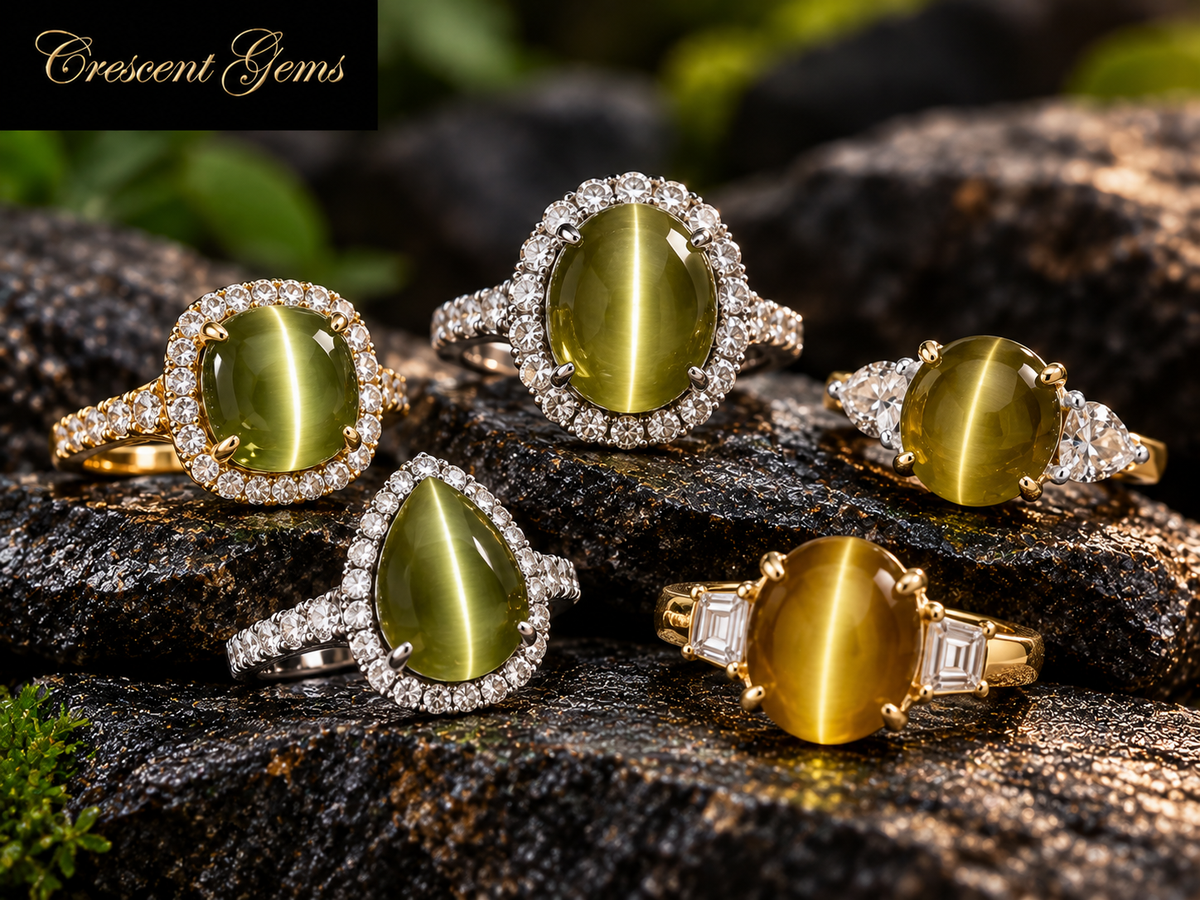
Le chrysobéryl œil-de-chat convient-il à une bague de fiançailles ?
Le chrysobéryl est à 8,5 sur l'échelle de Mohs, au-dessus du quartz (7) et en dessous du corindon (9). Ce que cela change au porter, à la monture et à l'entretien.
Plussur Le chrysobéryl œil-de-chat convient-il à une bague de fiançailles ?
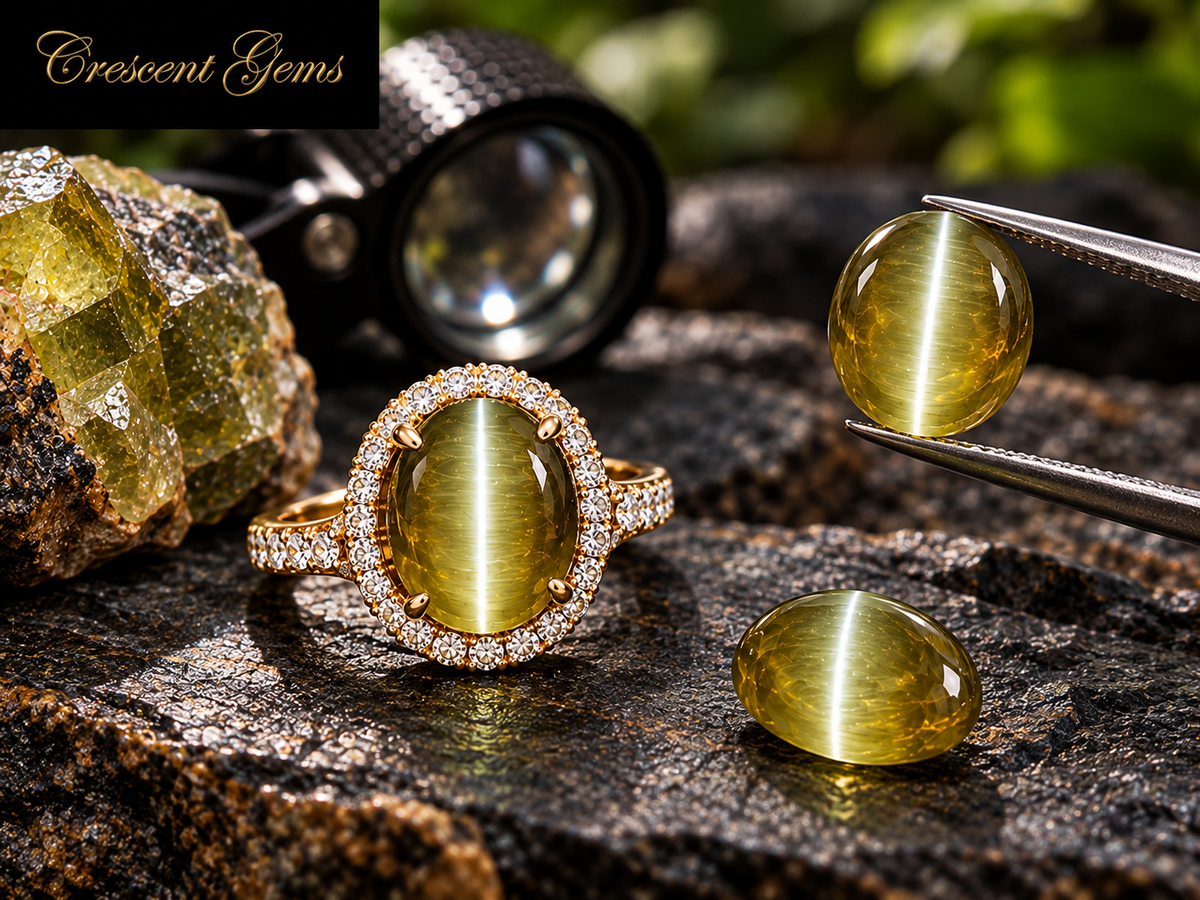
Prix du chrysobéryl œil-de-chat : au carat et nos deux pierres
Ce que coûte réellement un chrysobéryl œil-de-chat au carat, ce qui fait varier le prix, et nos deux pierres chiffrées : 2,36 ct à $3,792 et 4,25 ct à $9,482, soit $1,606.78 et $2,231.06 le carat.
Plussur Prix du chrysobéryl œil-de-chat : au carat et nos deux pierres















Partager: