

- par Ahmed Shareek
How to Choose Metal Color for a Sapphire Ring — What Works with Which Sapphire
- par Ahmed Shareek
For the detailed metal comparison: Yellow Gold vs. White Gold vs. Platinum for Sapphire. For ring design: How to Design a Custom Sapphire Ring from a Loose Stone. For the buying foundation: Ultimate Sapphire Buying Guide.
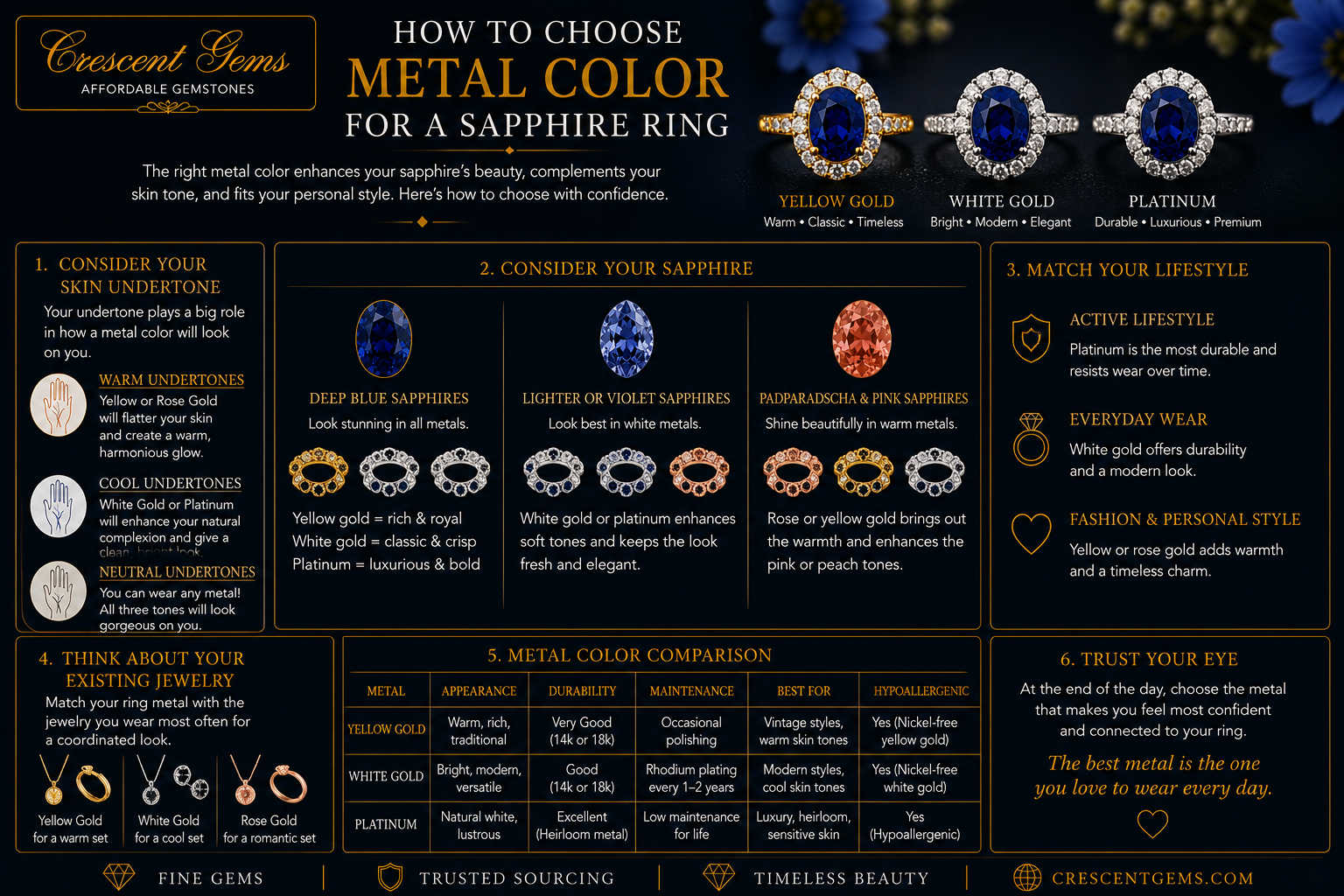
Metal color is one of the most important design decisions in a sapphire ring — and one of the most frequently underestimated. The metal that surrounds and supports a sapphire does not merely provide structural support; it actively influences how the stone's color is perceived. A vivid teal sapphire looks different in yellow gold than it does in platinum. A royal blue looks different in rose gold than it does in white gold. The metal is part of the color composition, not a neutral backdrop.
This guide covers how each metal color interacts with sapphire color, which metals suit which sapphire colors and aesthetics, how skin tone enters the decision, and how to make the choice with confidence when commissioning a custom sapphire ring.
The mechanism is simple: color reflected from the metal surrounding the stone affects how the eye perceives the stone's own color. A warm yellow-gold setting reflects warm light into the girdle of the sapphire, subtly warming the stone's apparent color. A cool platinum setting reflects neutral white light, allowing the sapphire's inherent color to read without modification. A rose gold setting reflects warm pink light that enriches warm-toned stones and creates complementary contrast with cool-toned ones.
This effect is most pronounced at the stone's girdle and in prong shadows — areas where the metal is closest to the stone's light-entering surfaces. It is less significant in stones with very strong saturation (the color is too vivid to be meaningfully shifted) and more significant in lighter-toned or more delicate colors where subtle shifts in apparent hue are visible.
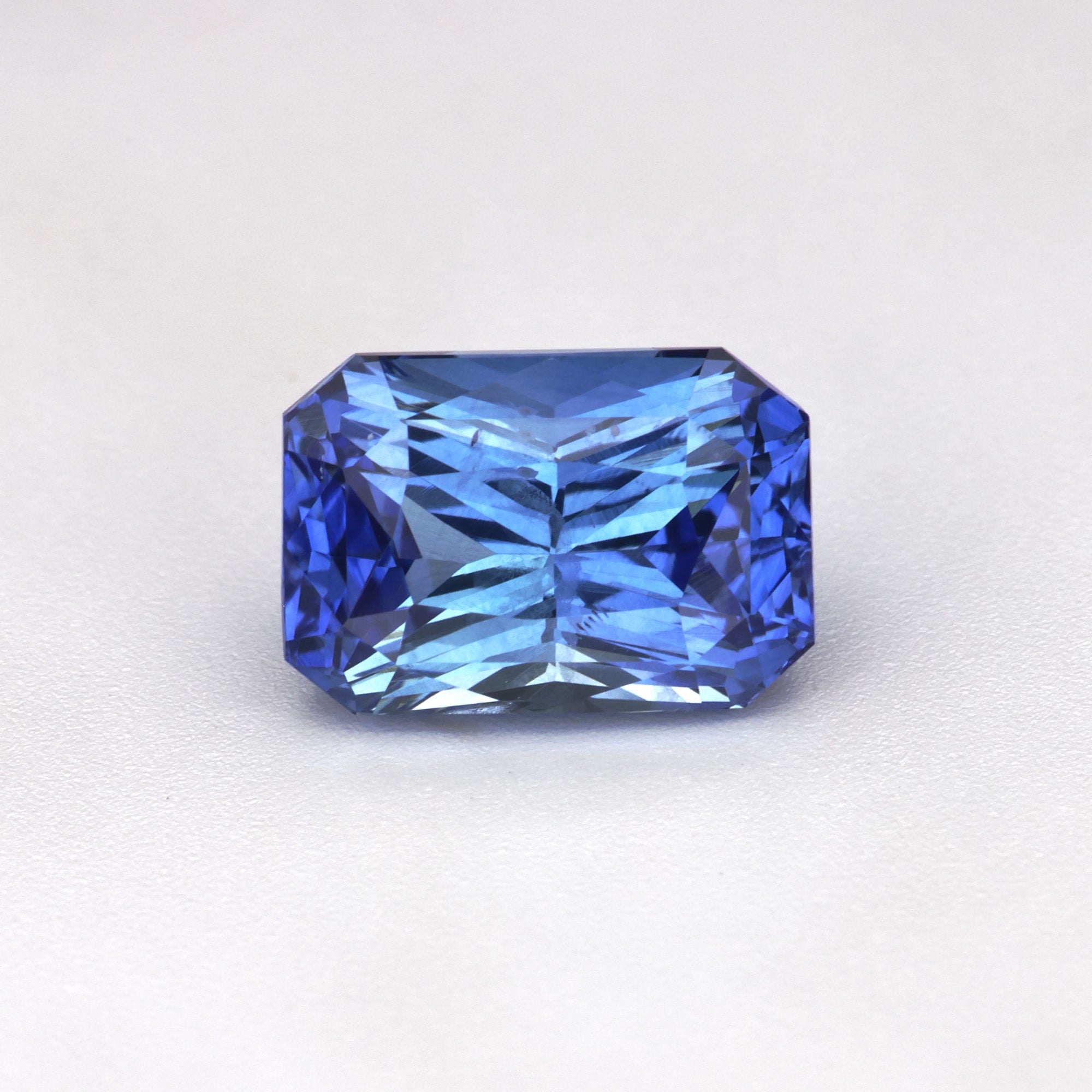
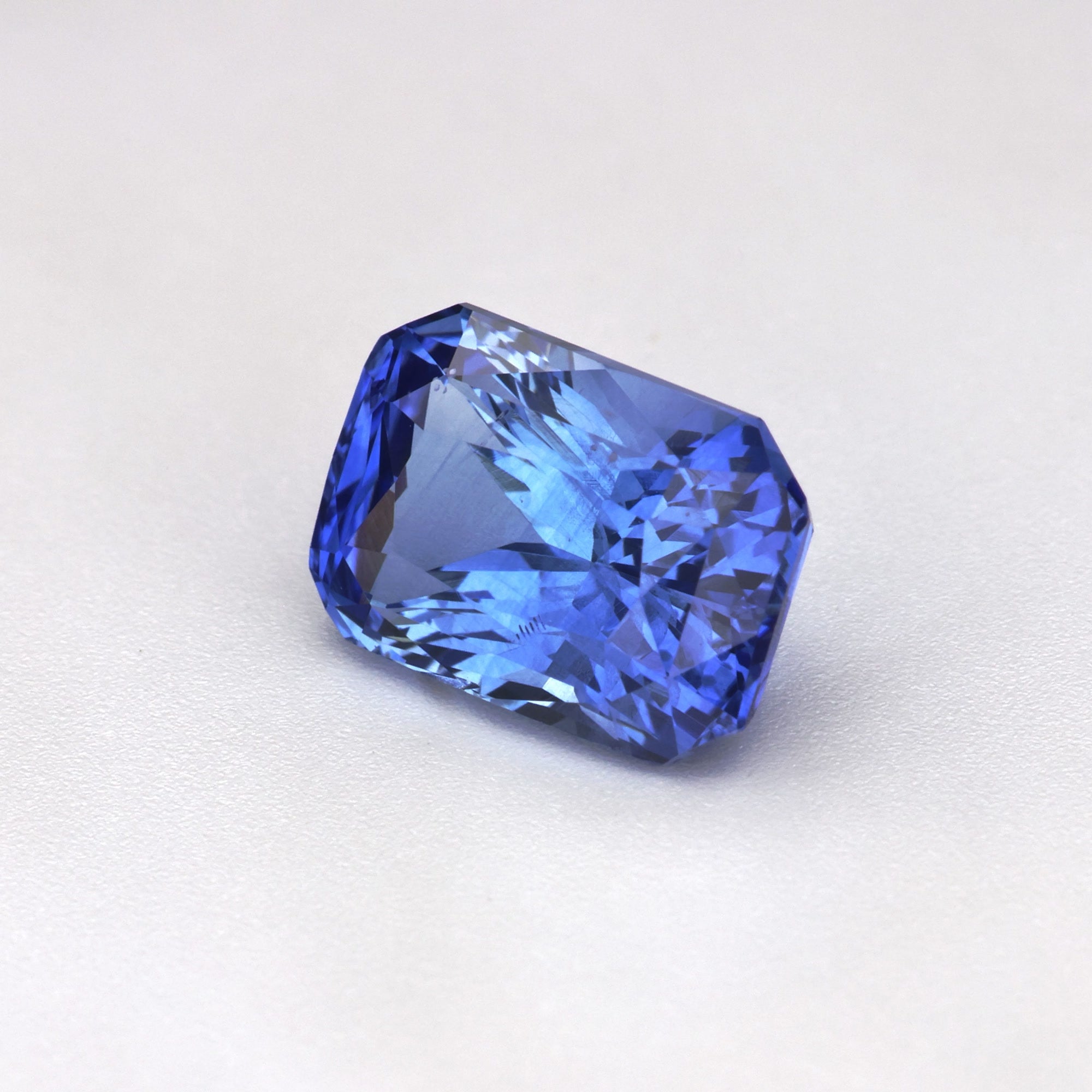
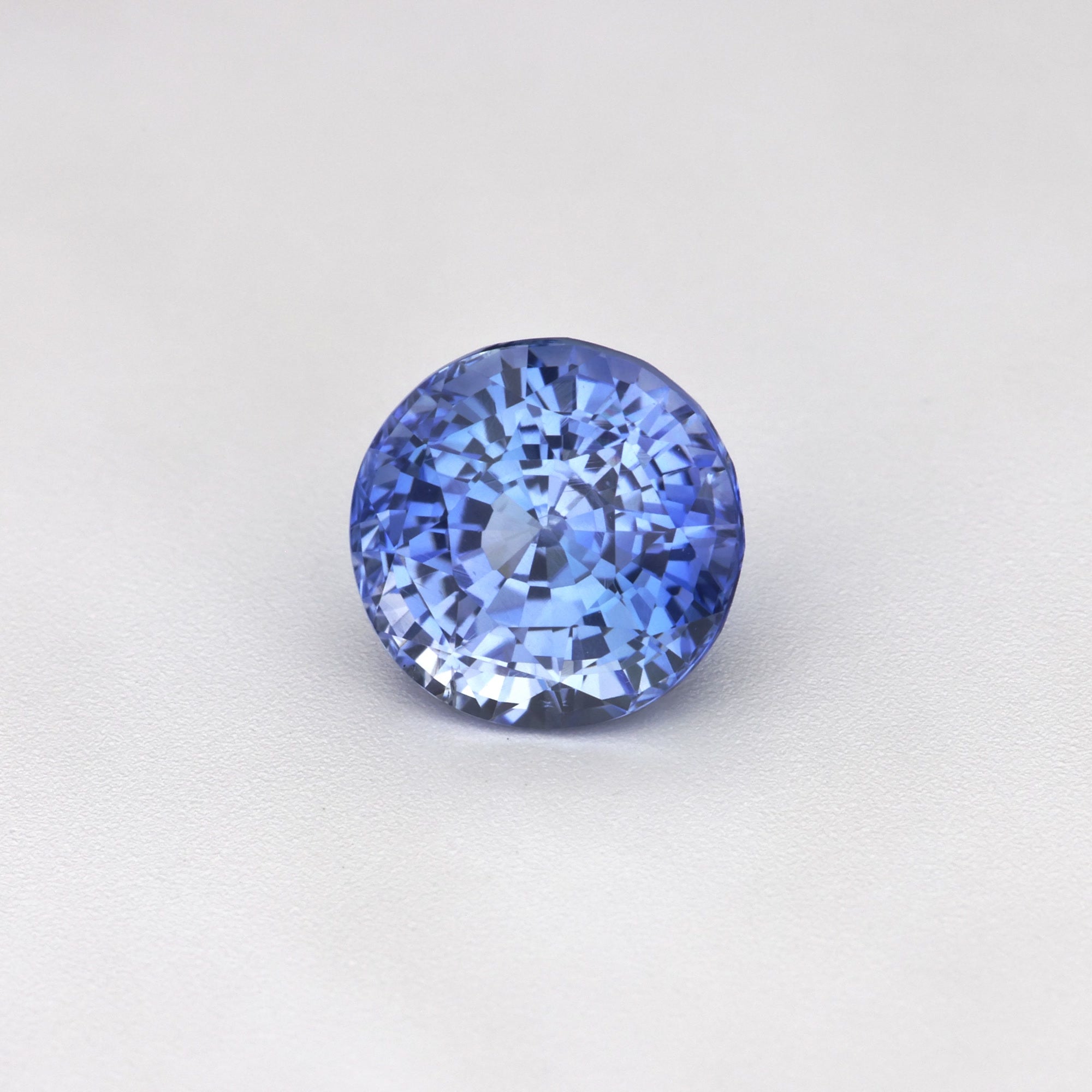
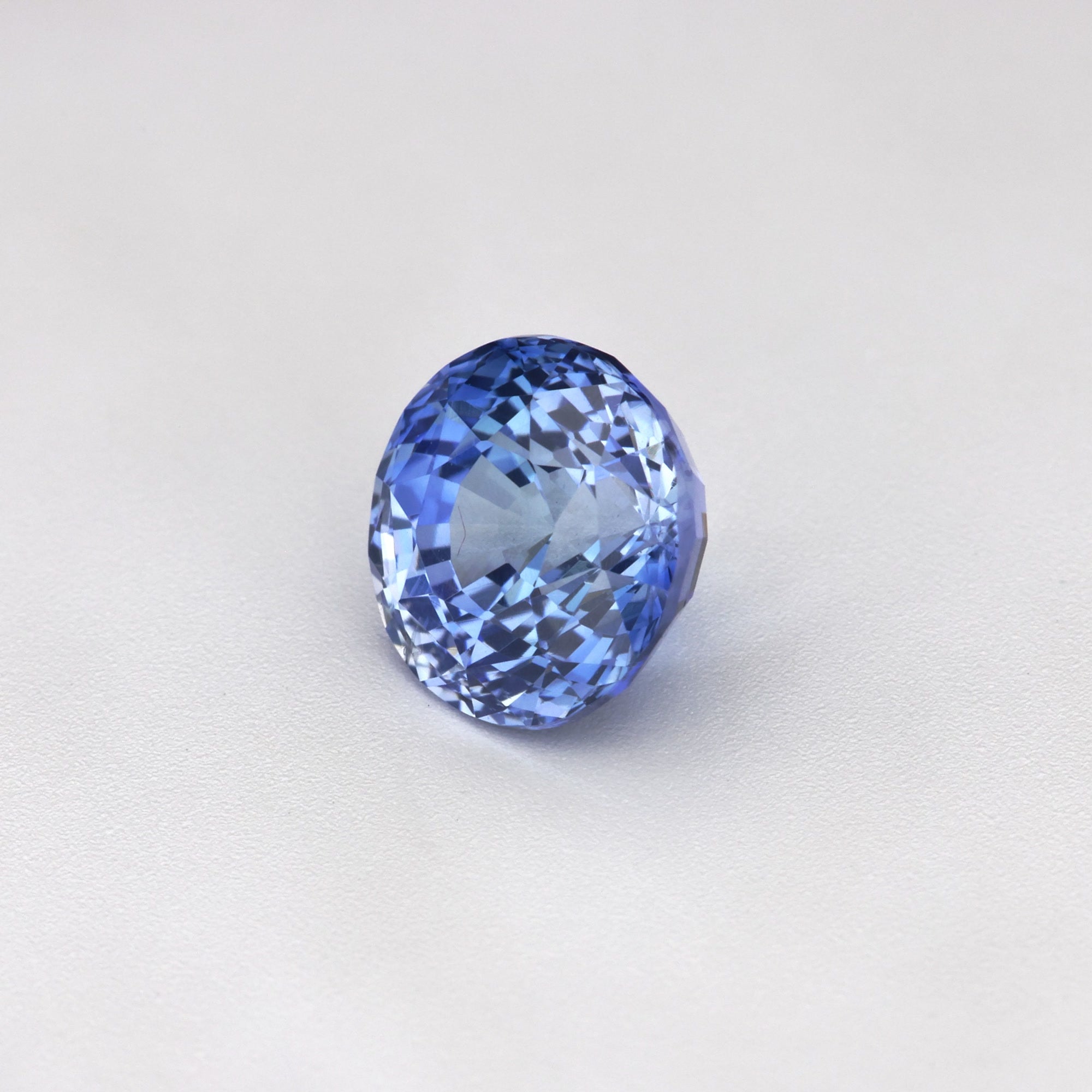
Blue sapphire works in all three primary metals, with meaningfully different results:
Browse our blue sapphire collection.
Teal sapphire is one of the most metal-flexible colors in the sapphire range, working beautifully across all three primary metals with very different characters:
Browse our teal sapphire collection.
Pink sapphire is most naturally suited to rose gold, but all metals work:
Browse our pink sapphire collection.
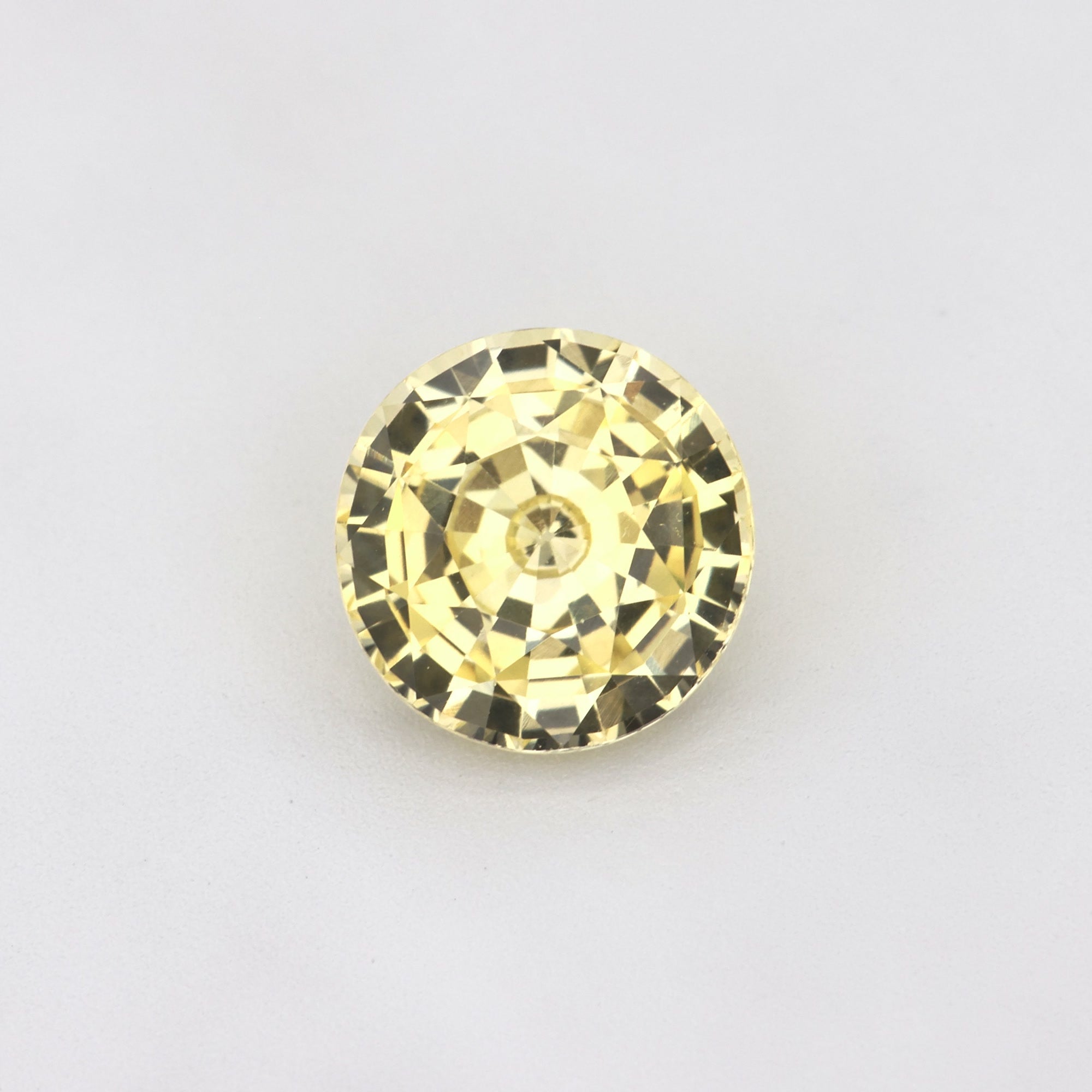
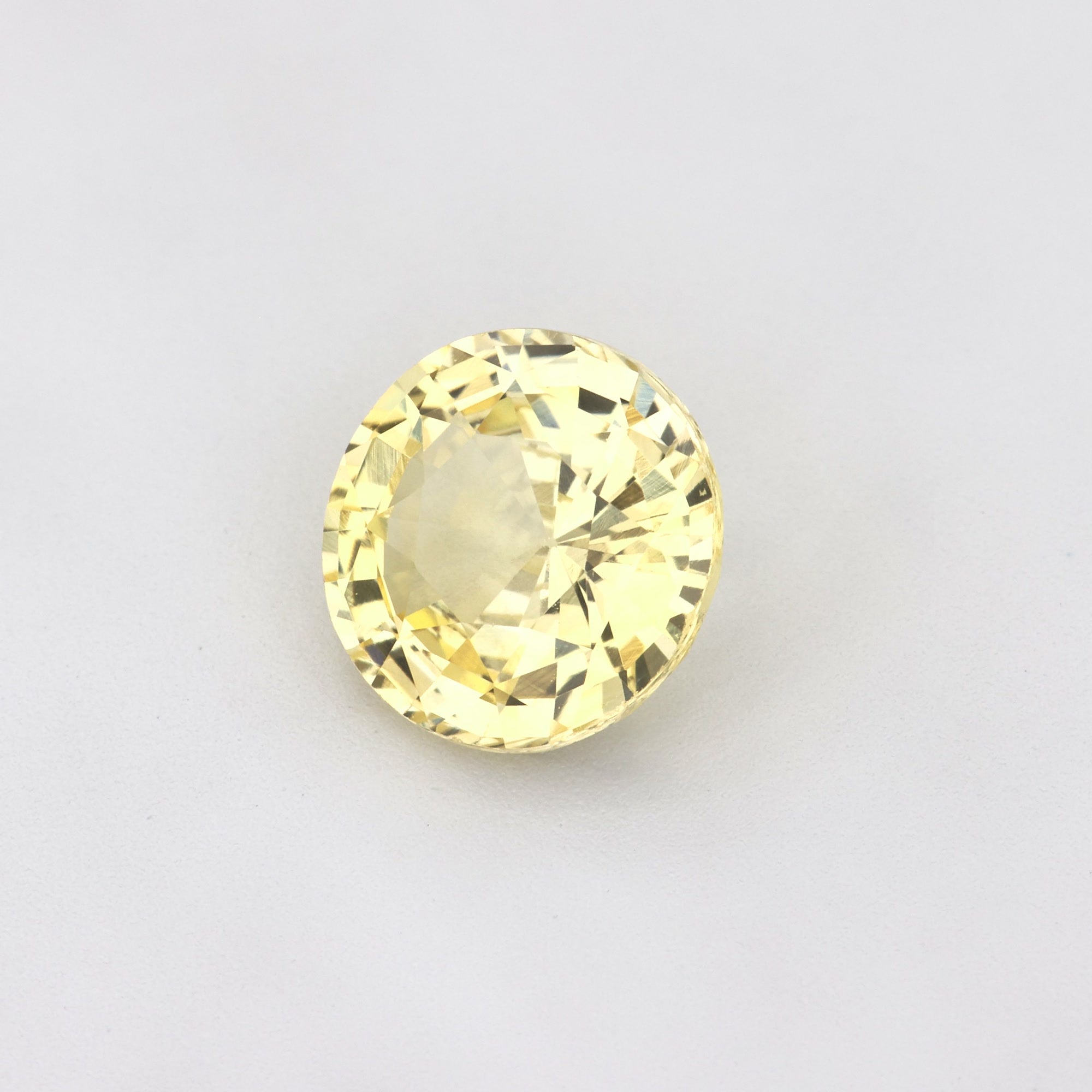
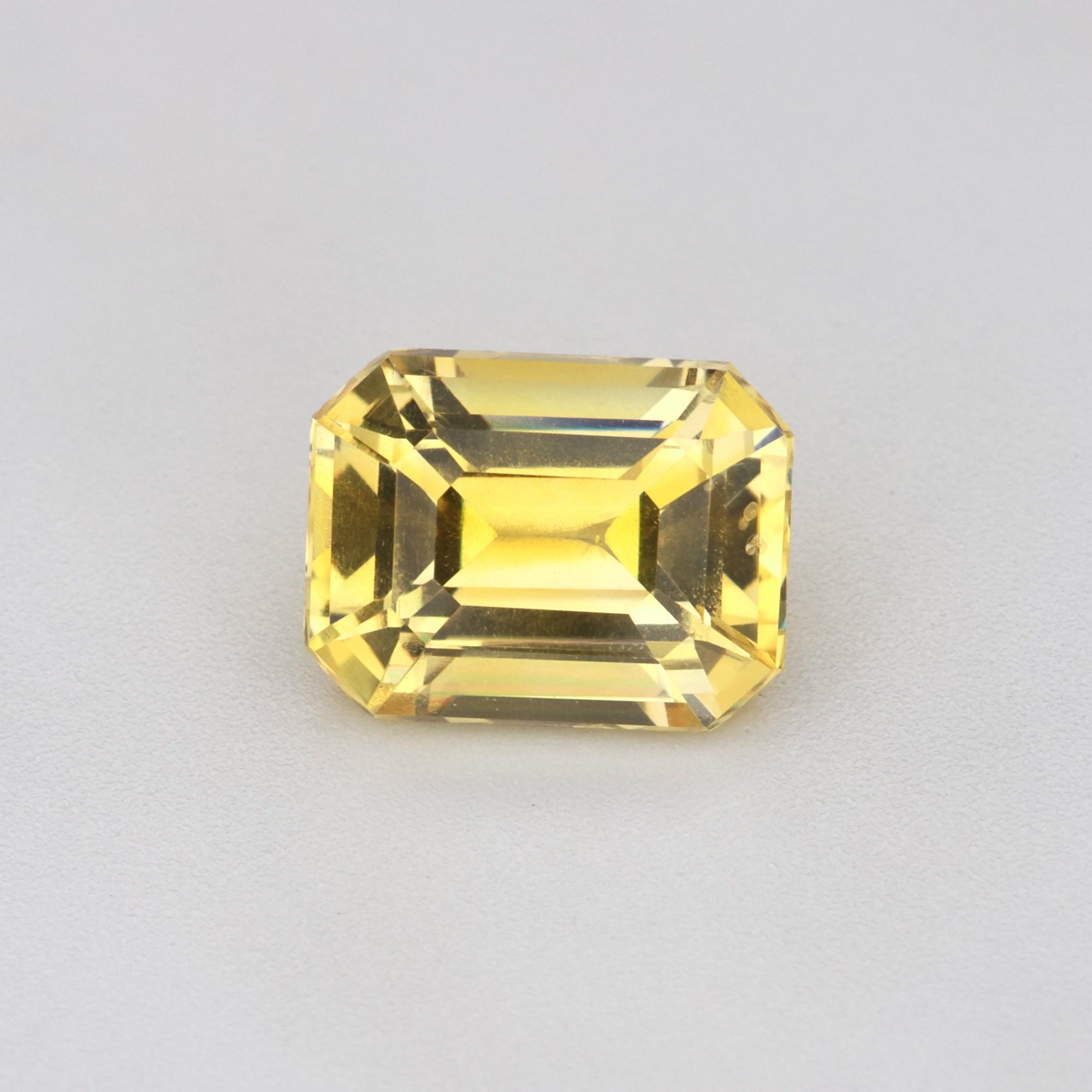
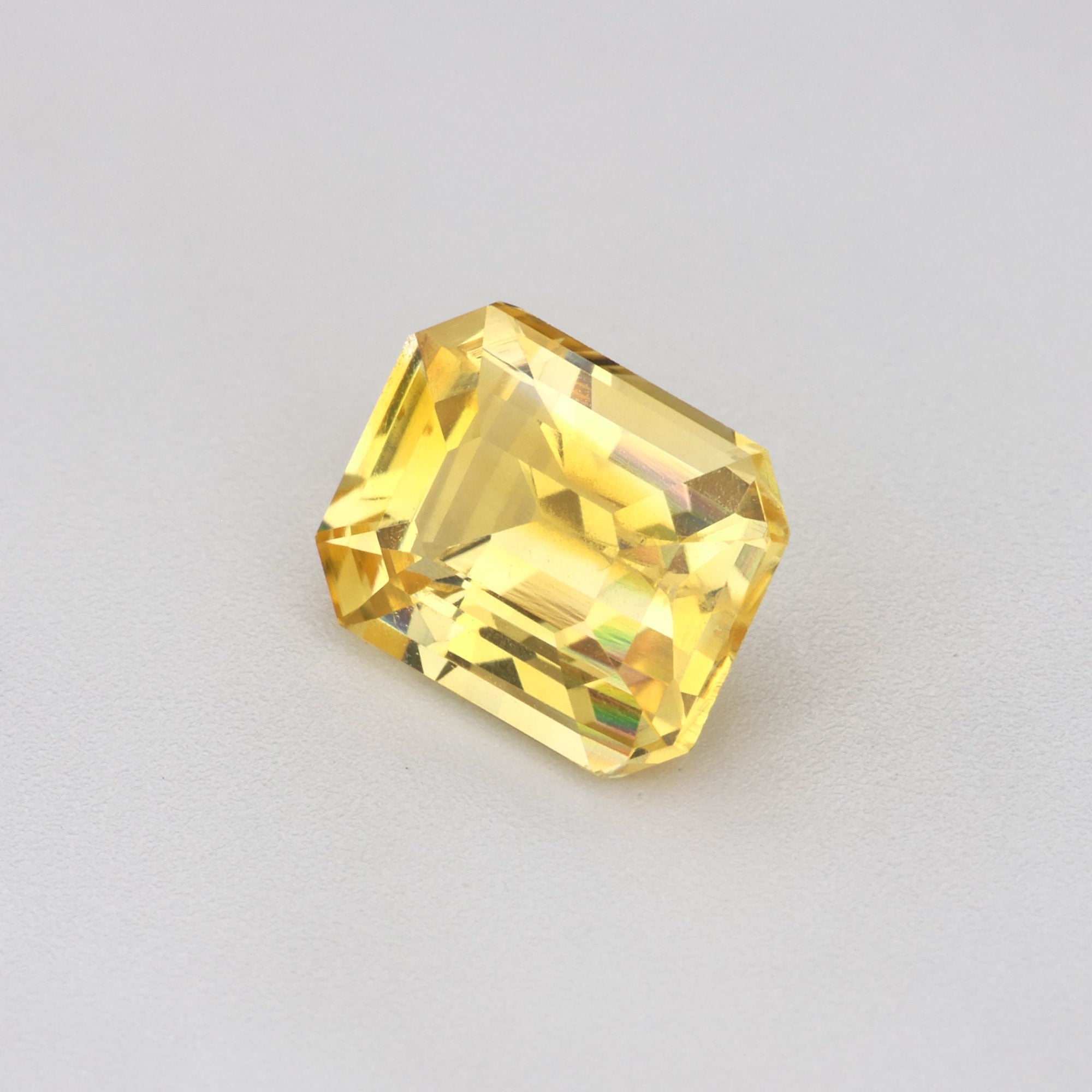
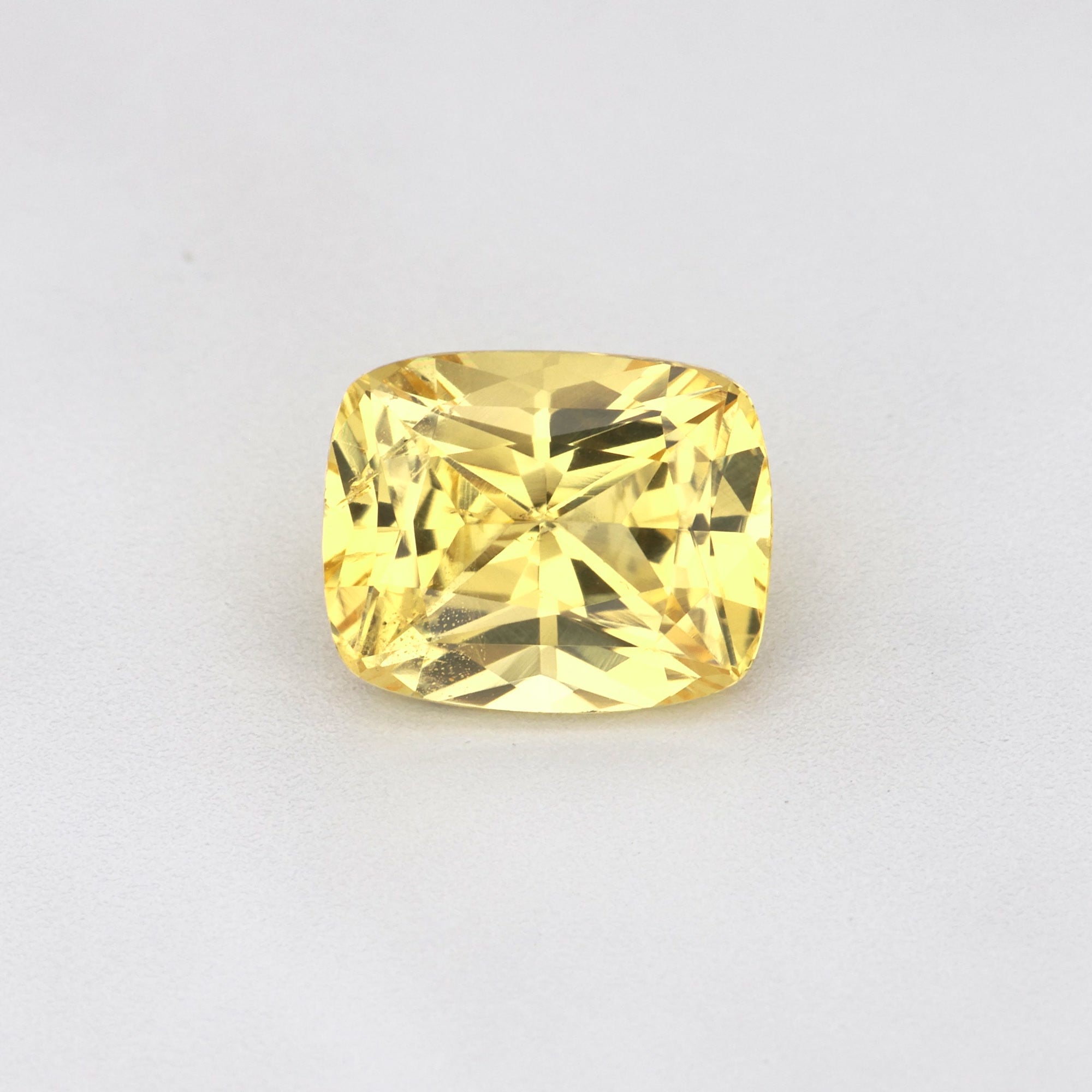
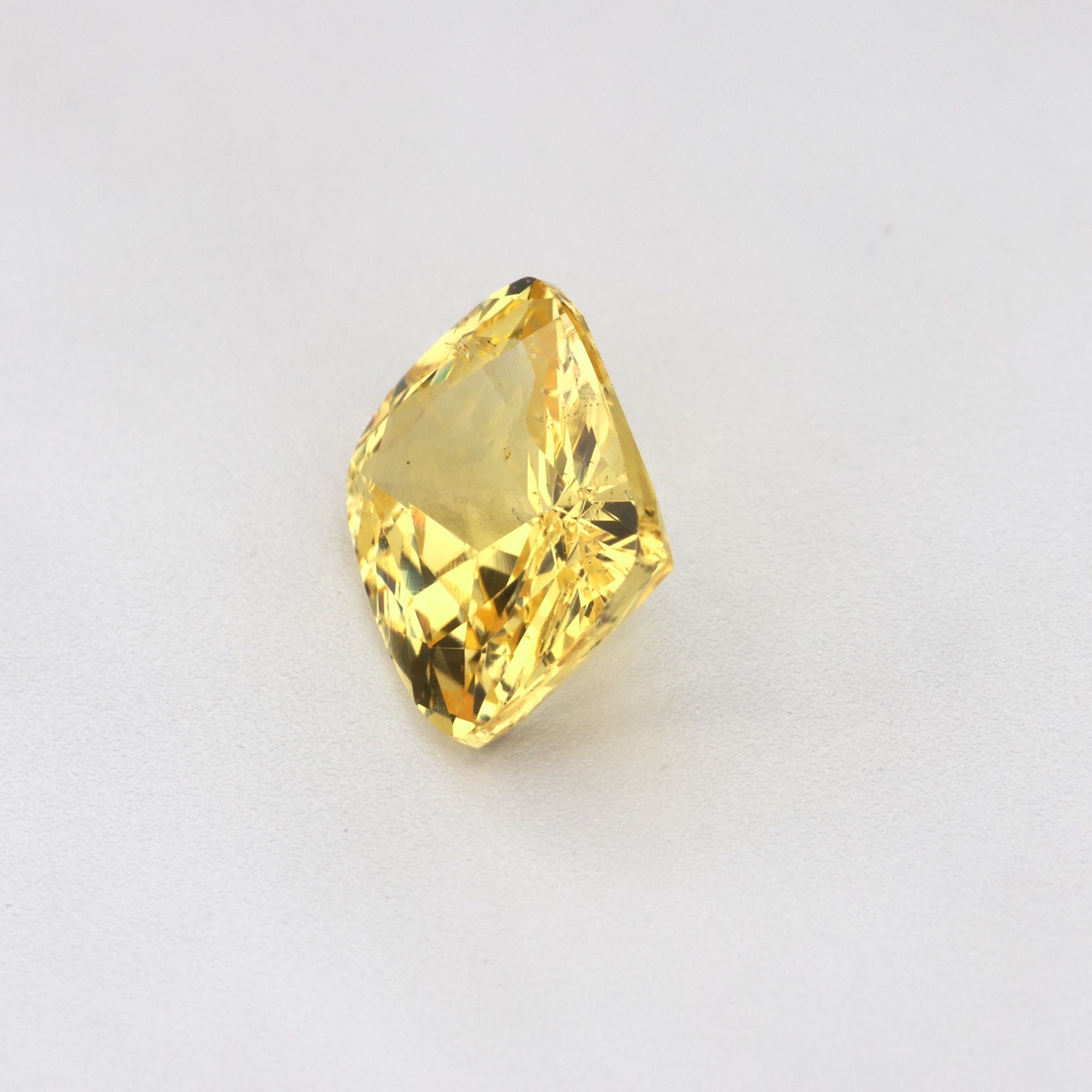
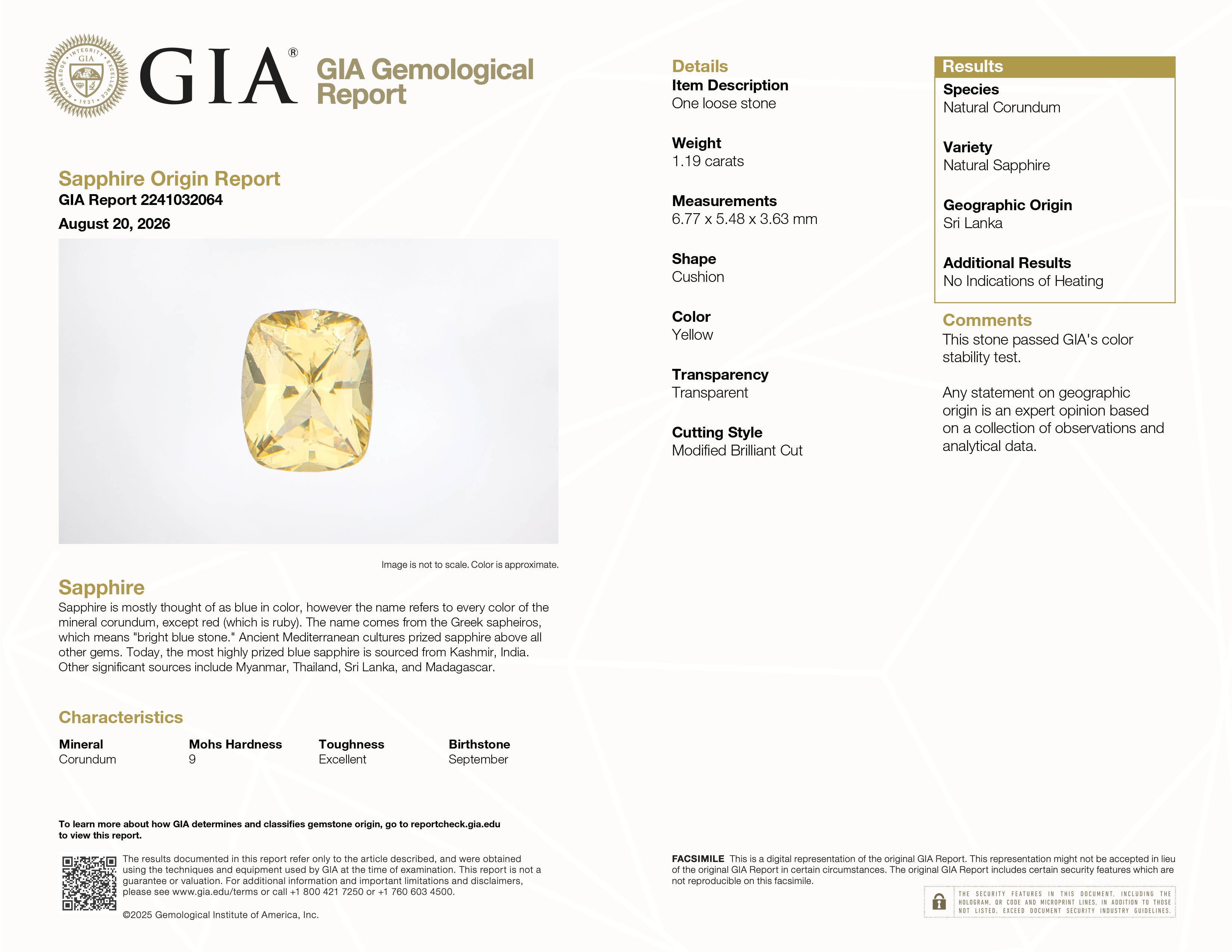
Yellow sapphire has the strongest harmonious relationship with yellow gold — a warm stone in a warm metal creates a rich, unified warm composition that feels historically grounded and genuinely beautiful. White gold and platinum create a cooler contrast that emphasizes the yellow's brightness. Rose gold sits between the two. For vivid canary yellow, yellow gold is the most natural and complementary choice; for lighter or more greenish yellows, white gold can help the stone appear warmer. Browse our yellow sapphire collection.
Padparadscha — the orange-pink — suits yellow gold and rose gold most naturally, where the warm metal enriches the warm stone color and creates a composition that feels historically evocative and genuinely beautiful. Platinum can be used for maximum color visibility, but the cool metal creates a starker contrast with the warm stone that not all buyers find harmonious. Browse our padparadscha collection.
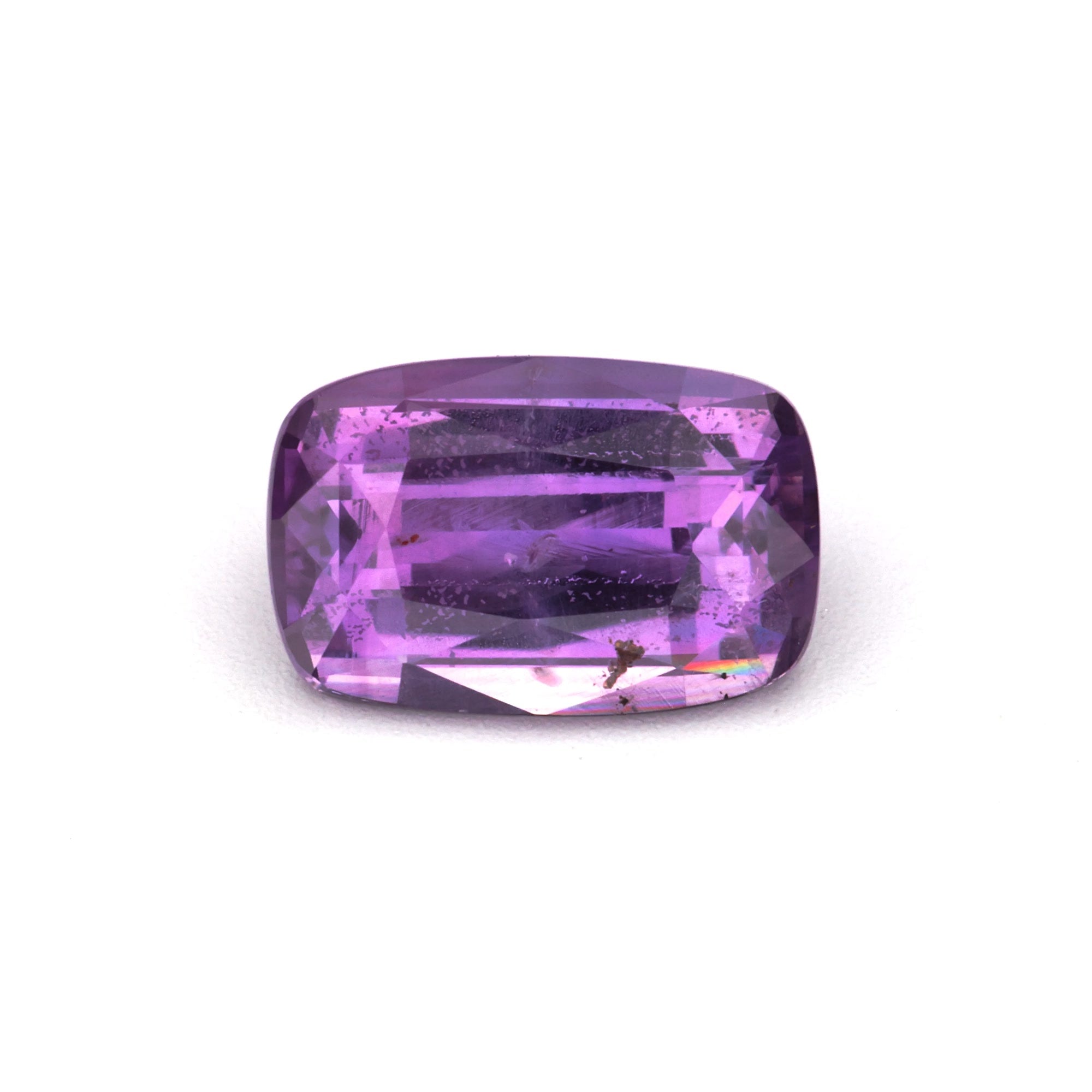
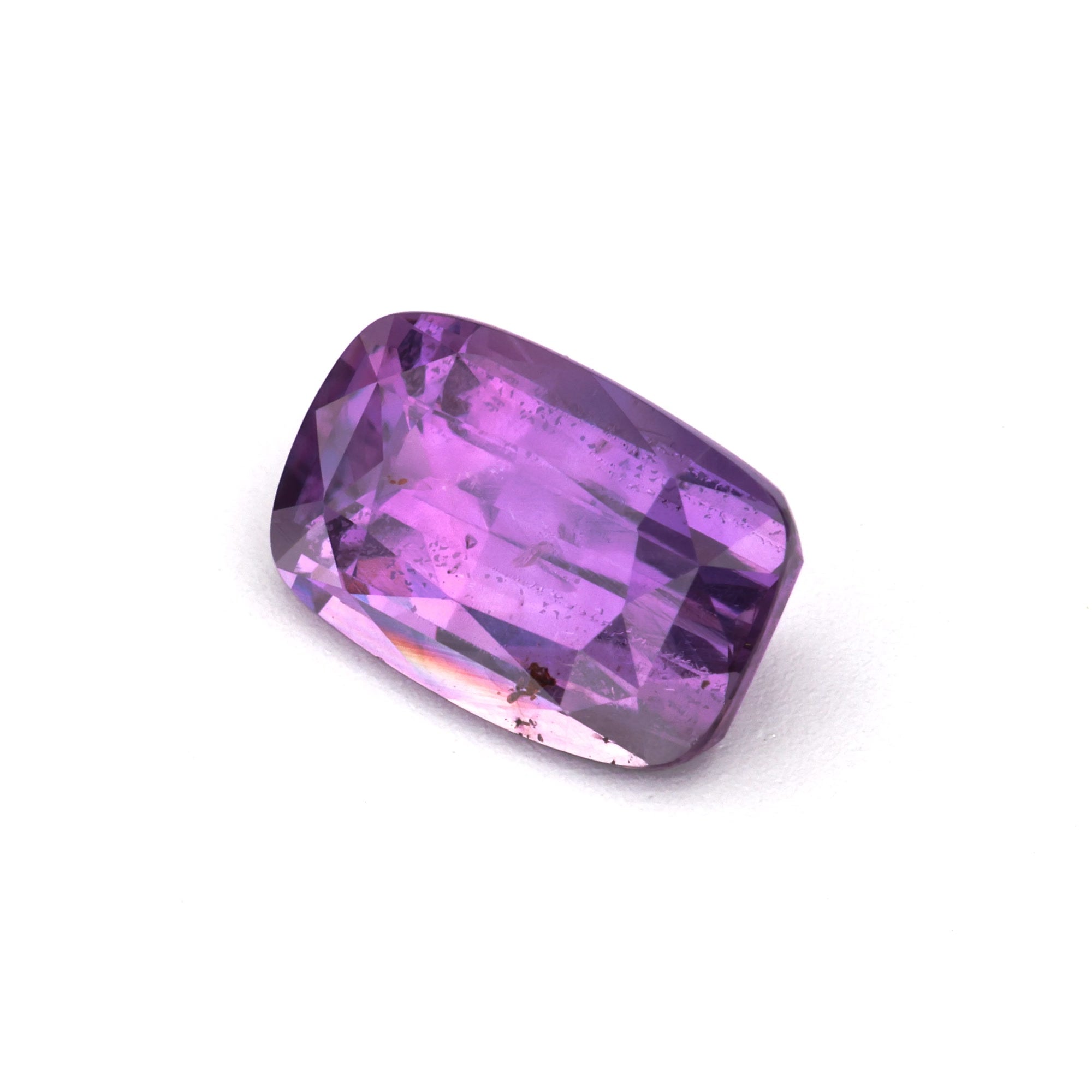
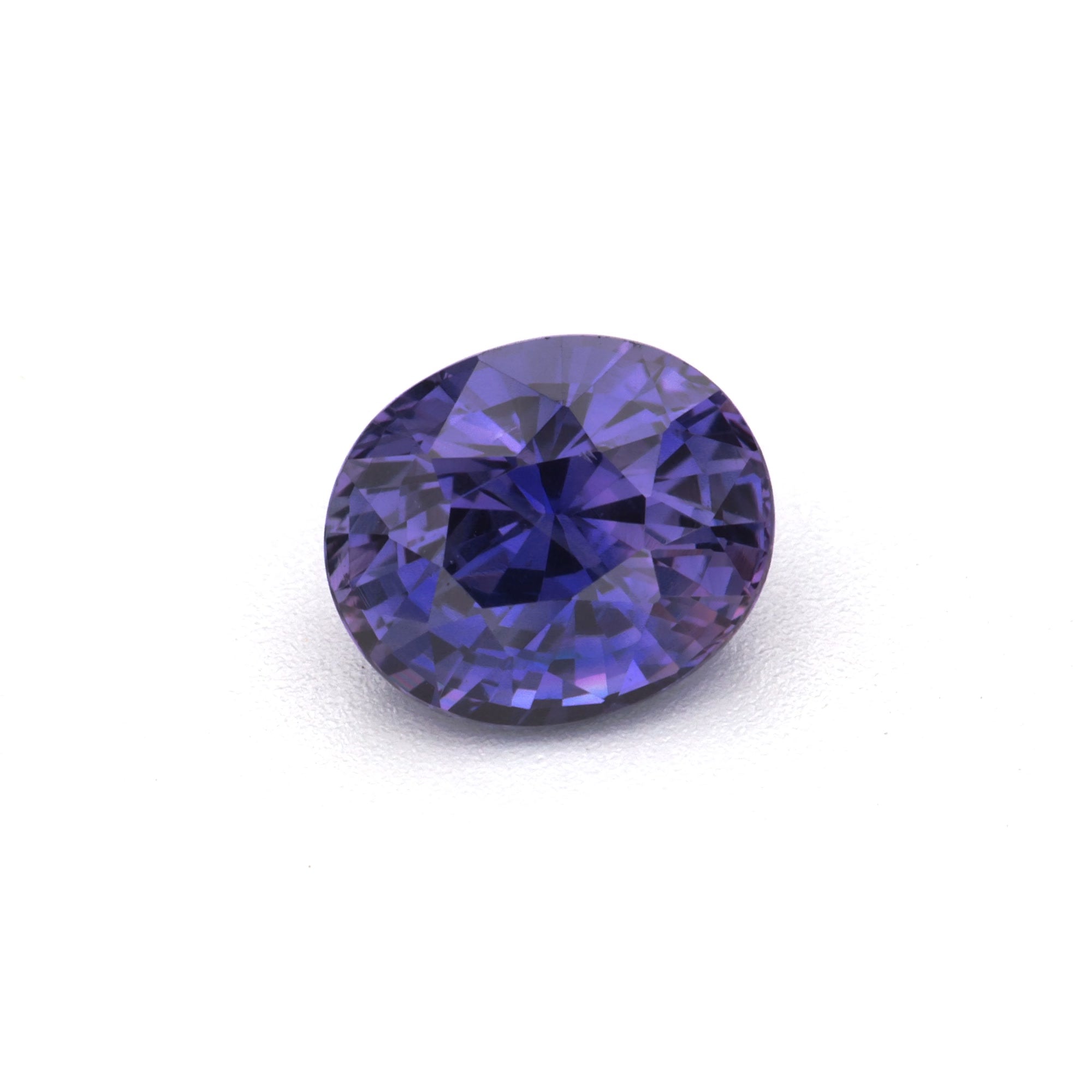
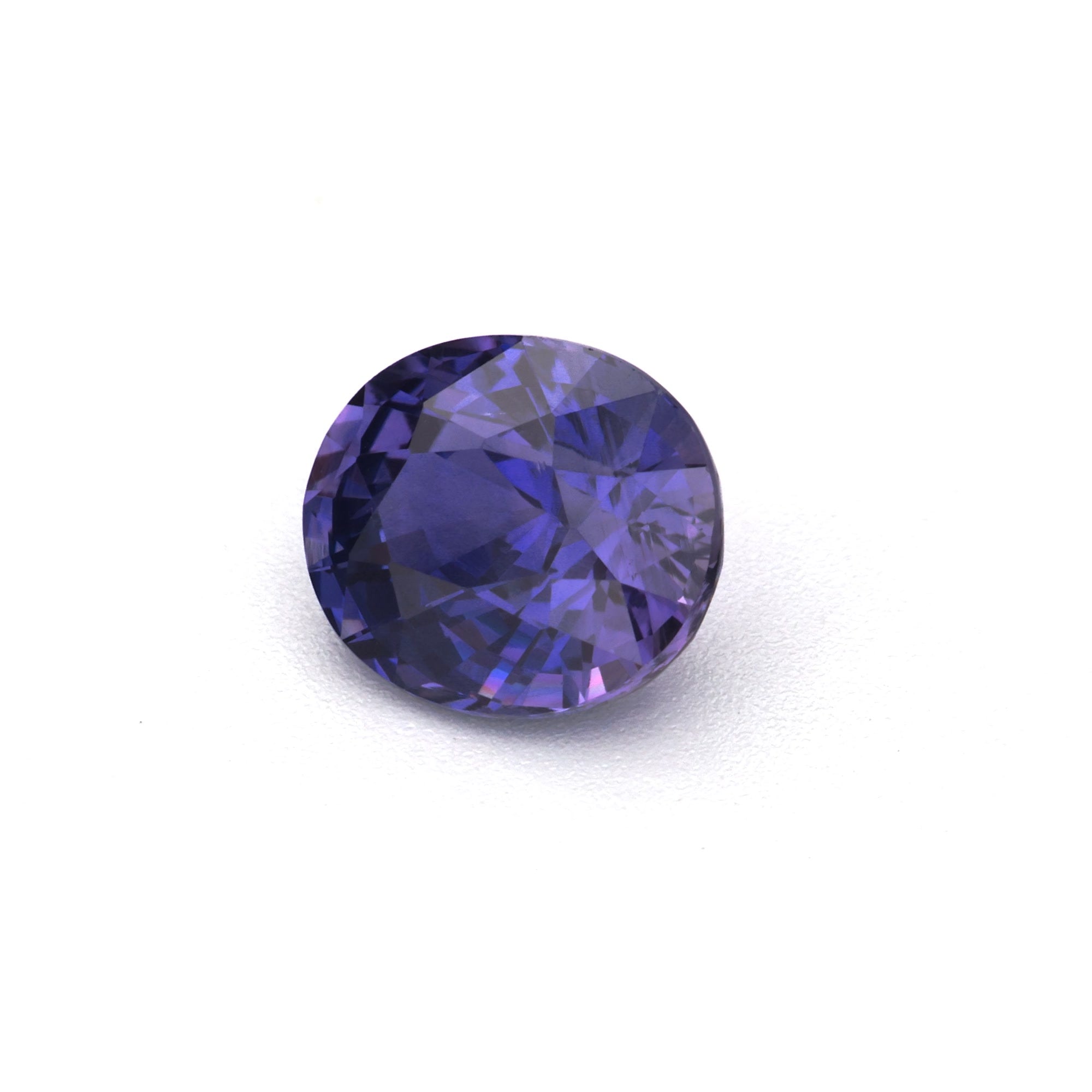
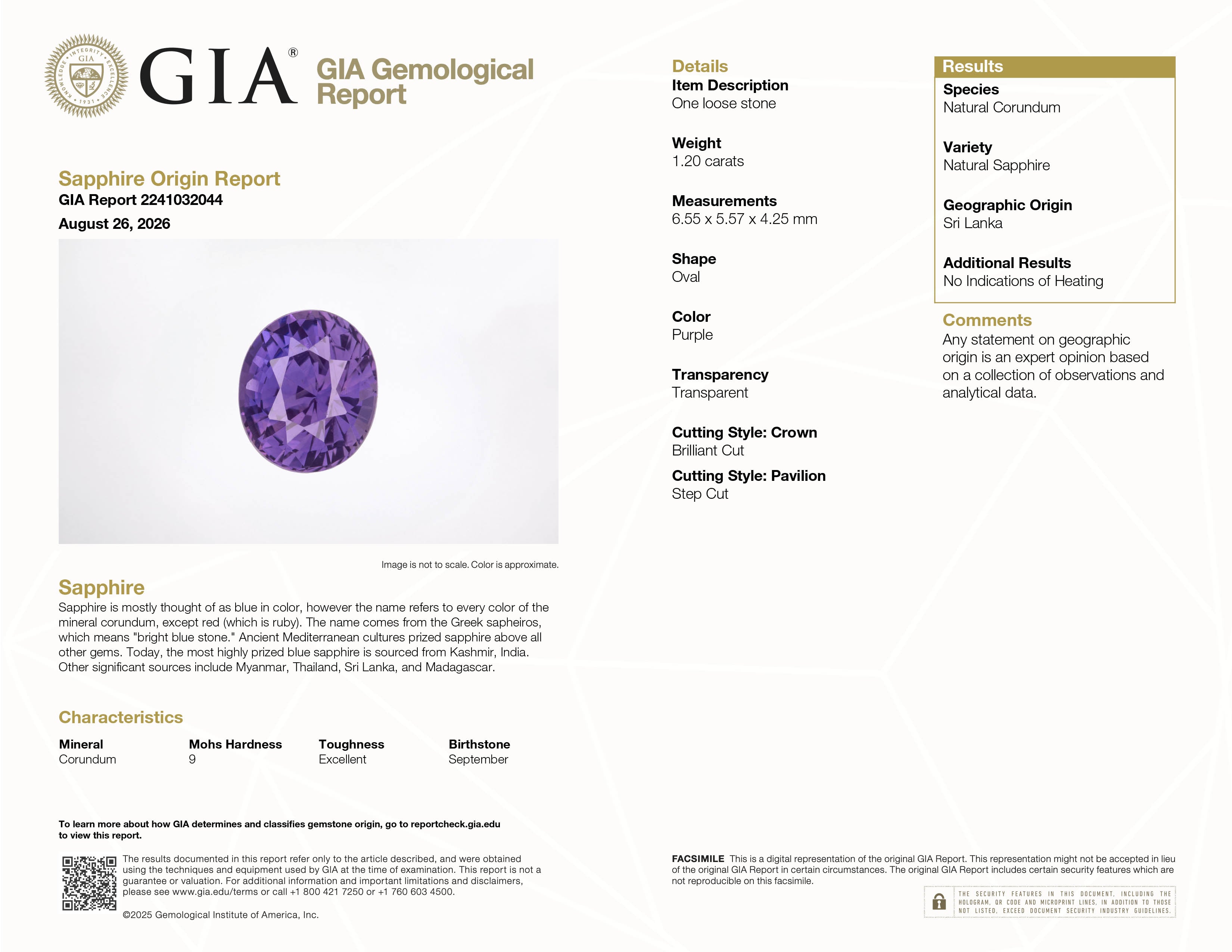
Violet and purple sapphire works particularly well in white gold and platinum, where the cool metal allows the purple to read cleanly without warm modification. Yellow gold can push violet toward a more brownish-purple reading in some stones — test before committing. Rose gold can be beautiful with violet, creating a romantic, jewel-like combination. Browse our violet sapphire collection.
| Sapphire Color | Best Metal | Also Works |
|---|---|---|
| Blue (vivid) | Platinum / white gold | Yellow gold (warmer look), rose gold |
| Teal | Rose gold or white gold | Yellow gold (earthy), platinum |
| Pink | Rose gold | White gold / platinum |
| Yellow | Yellow gold | White gold (brighter contrast), rose gold |
| Padparadscha | Yellow gold or rose gold | Platinum (maximum visibility) |
| Violet / purple | White gold / platinum | Rose gold (romantic), yellow gold (test first) |
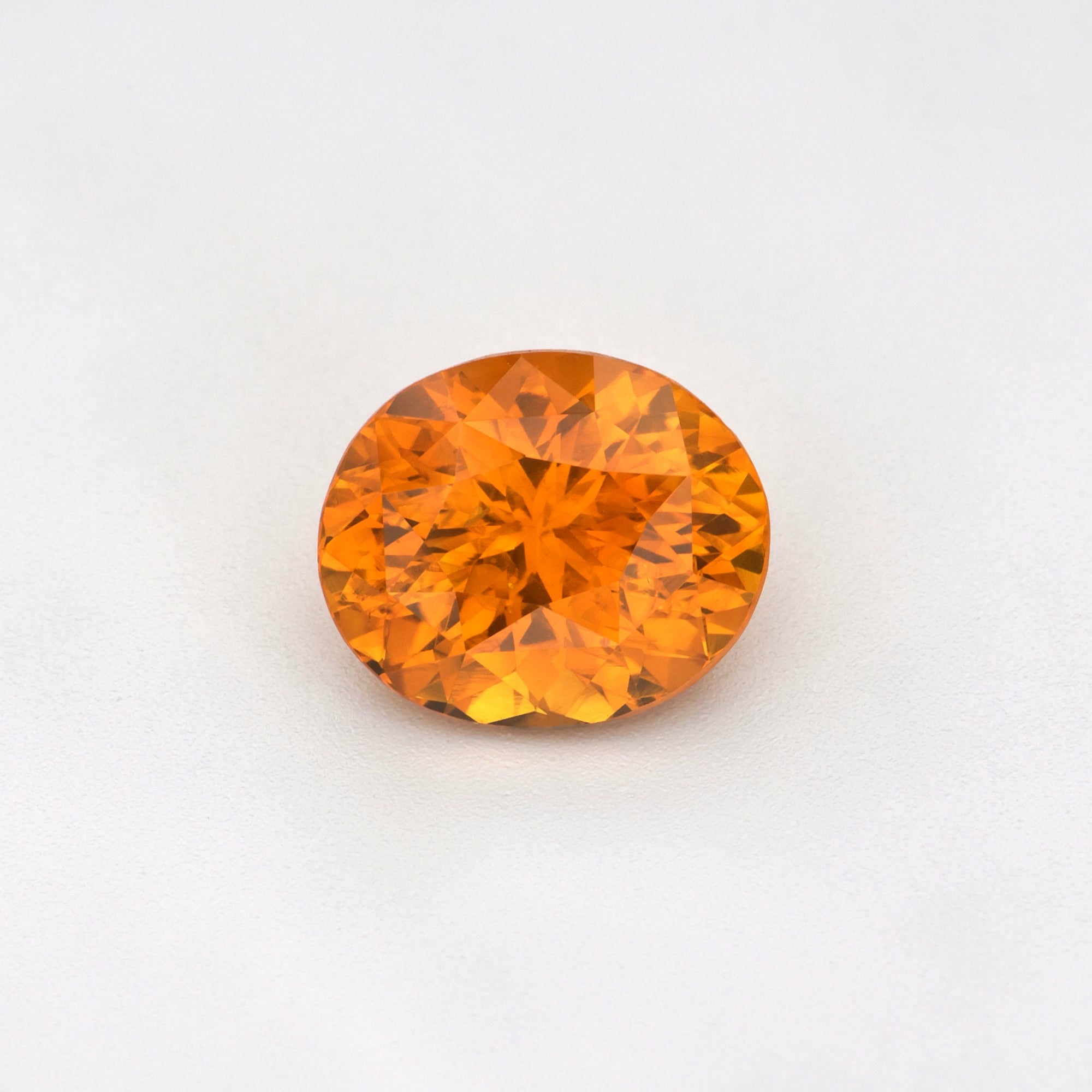
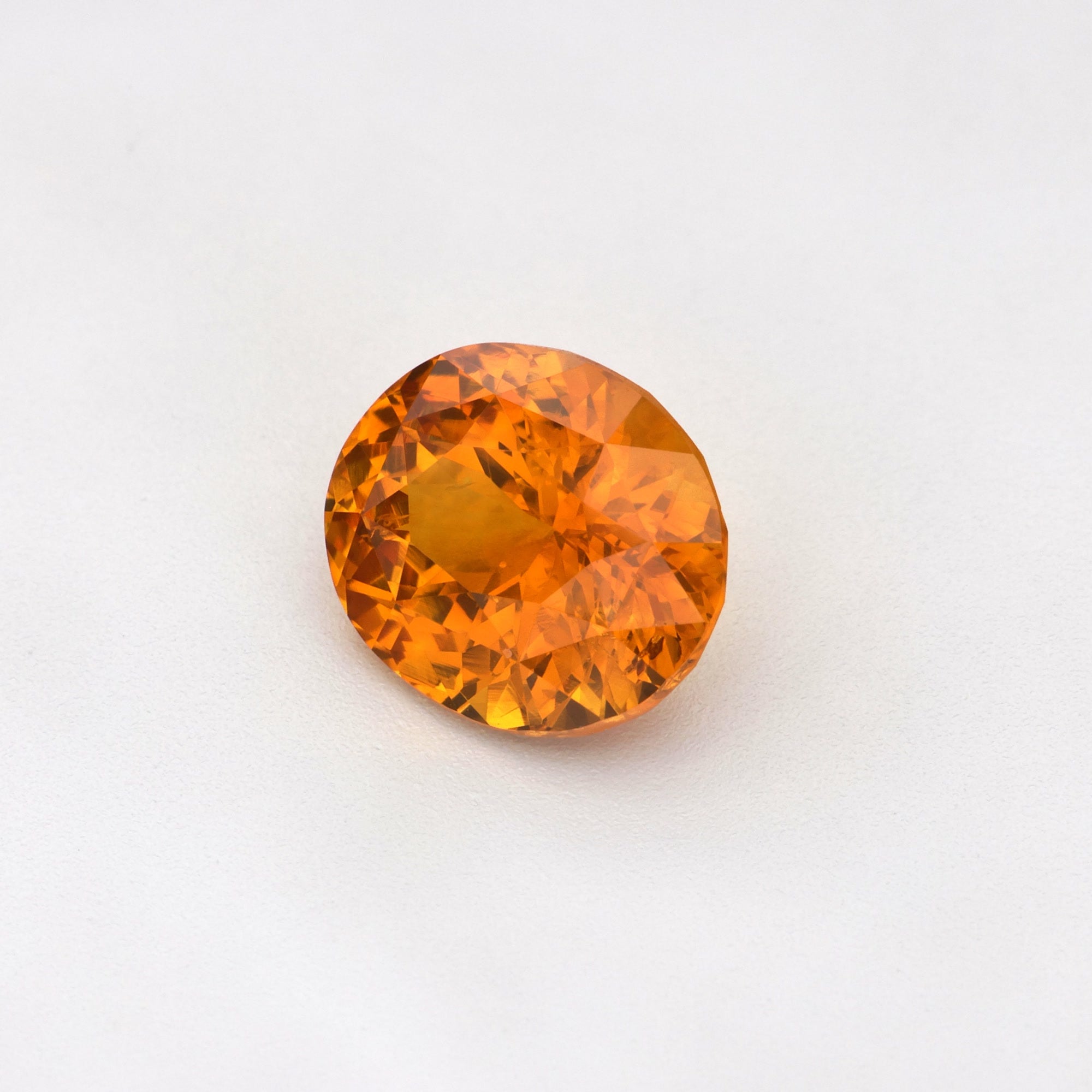
| Orange | Yellow gold | Rose gold |
Skin tone interacts with metal color independently of the sapphire's color, affecting how the overall ring looks on the hand:
For the full metal decision framework including durability, cost, and maintenance comparisons, see our detailed Yellow Gold vs. White Gold vs. Platinum guide.
Platinum or white gold creates the most vivid, pure blue appearance by providing cool neutral contrast. Yellow gold creates a warmer, richer look with historical resonance. Both are excellent choices — the decision is aesthetic. Rose gold is an increasingly popular and visually striking alternative for blue sapphire. For the full comparison see our metal comparison guide.
Subtly, yes — yellow gold reflects warm light into the stone's girdle, which can warm the apparent color of the sapphire slightly. This effect is most noticeable in lighter-toned stones and stones with secondary warm hues. For vivid, strongly saturated sapphires, the effect is minimal. The visual difference between yellow gold and platinum settings for the same stone is real but modest — the stone's inherent color dominates.
Platinum is denser, more durable, and naturally white without rhodium plating — advantages that are real over decades of daily wear. White gold requires re-plating every one to three years as the rhodium coating wears. For a ring intended to last a lifetime, platinum's long-term maintenance advantage is significant. For the full cost-benefit analysis see our platinum vs. gold guide.
Browse our full Ceylon sapphire catalog or email crescentgems@gmail.com — we can advise on metal choice for specific stones. We respond within one business day.

CG8469
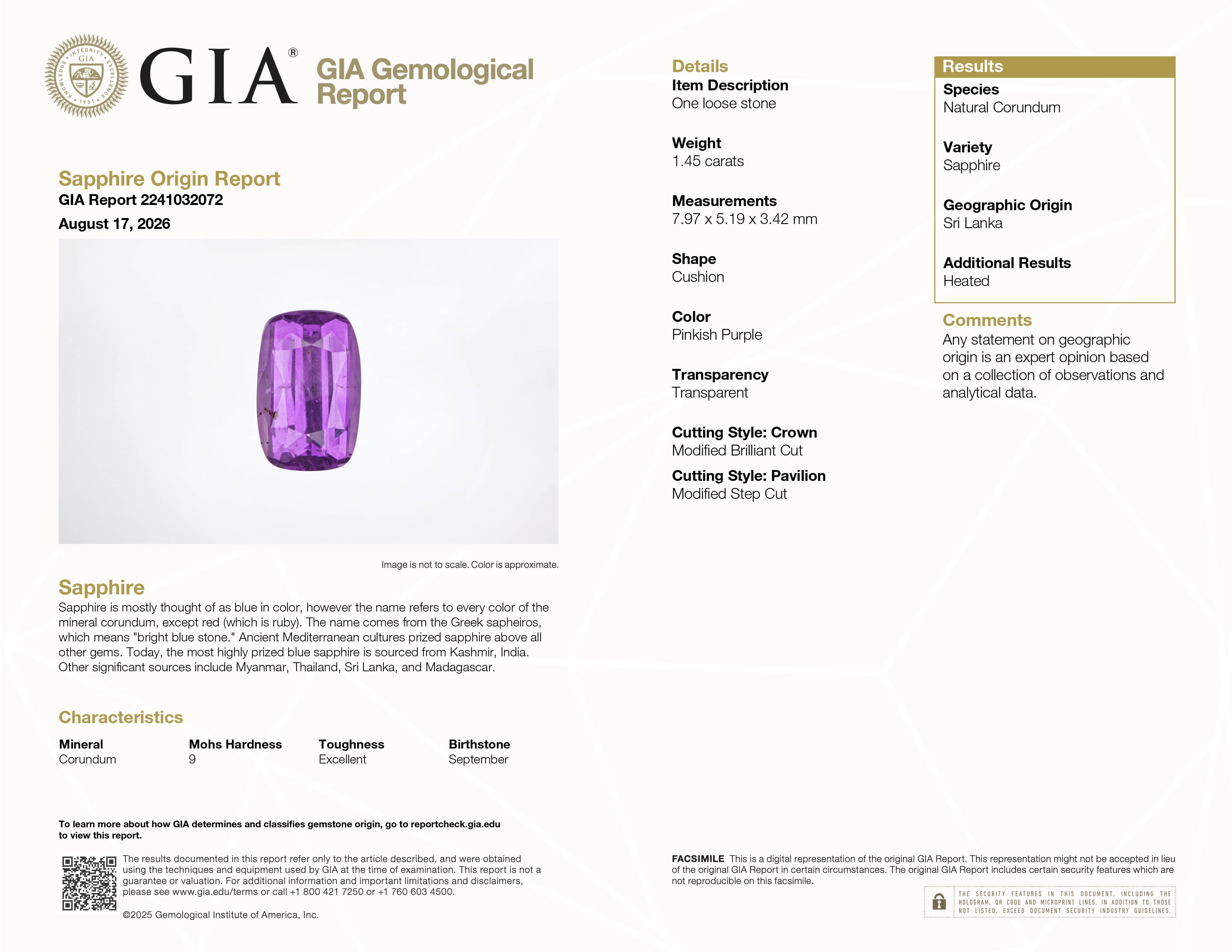
Saphir violet rosé 1,45 ct, chauffé — Rapport GIA
CG8468
CG8465
CG8463
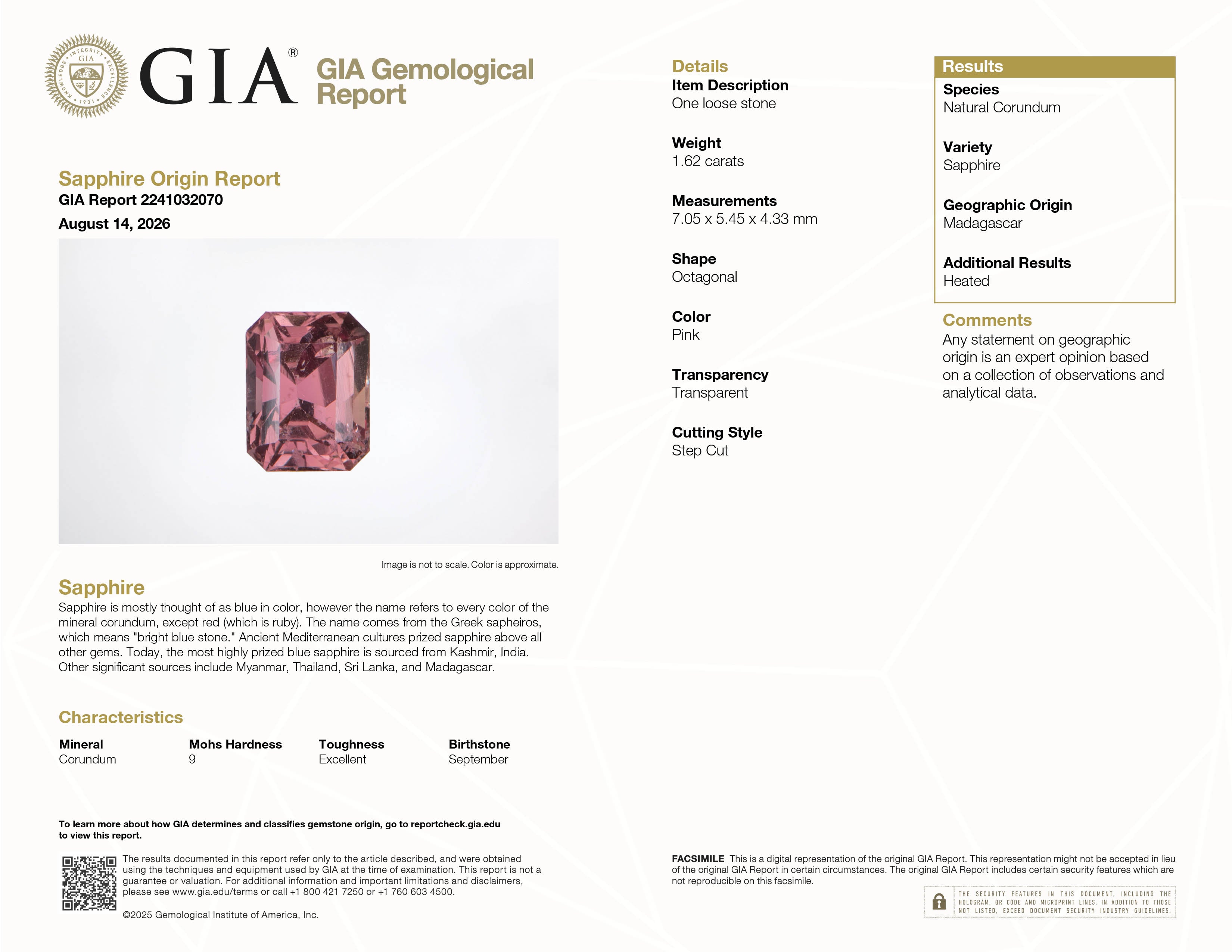
Saphir rose de Madagascar 1,62 ct — chauffé, rapport GIA
CG8460
CG8459
CG8458
CG8457
CG8456
Rubis non chauffé 1,65 ct — ovale Madagascar, certifié GIA
CG8453


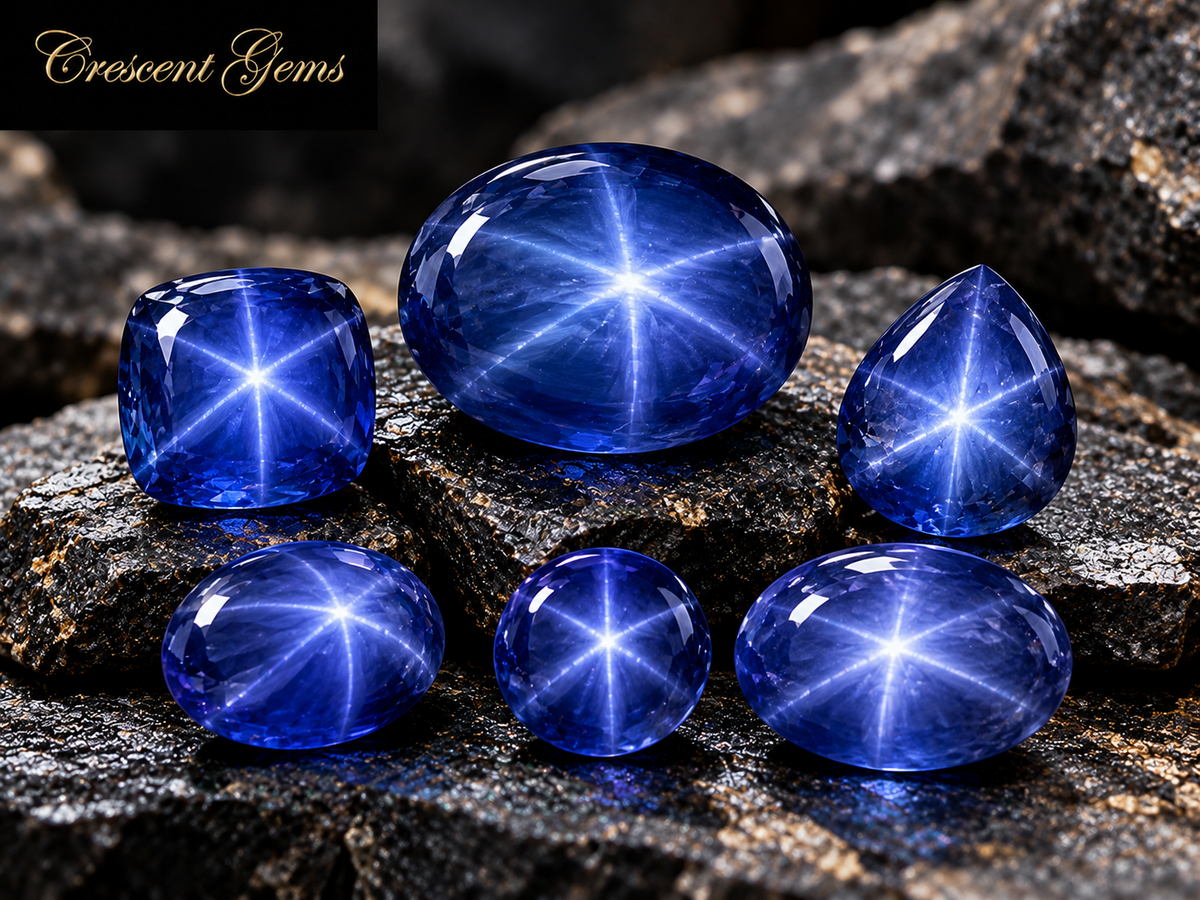
Prix du saphir bleu étoilé : fourchettes au carat et notre pierre
Ce que coûte un saphir bleu étoilé au carat, ce qui fait varier le prix, et la seule pierre que nous ayons : 8,09 ct à $4,040, avec un rapport d'origine GIA.
Plussur Prix du saphir bleu étoilé : fourchettes au carat et notre pierre
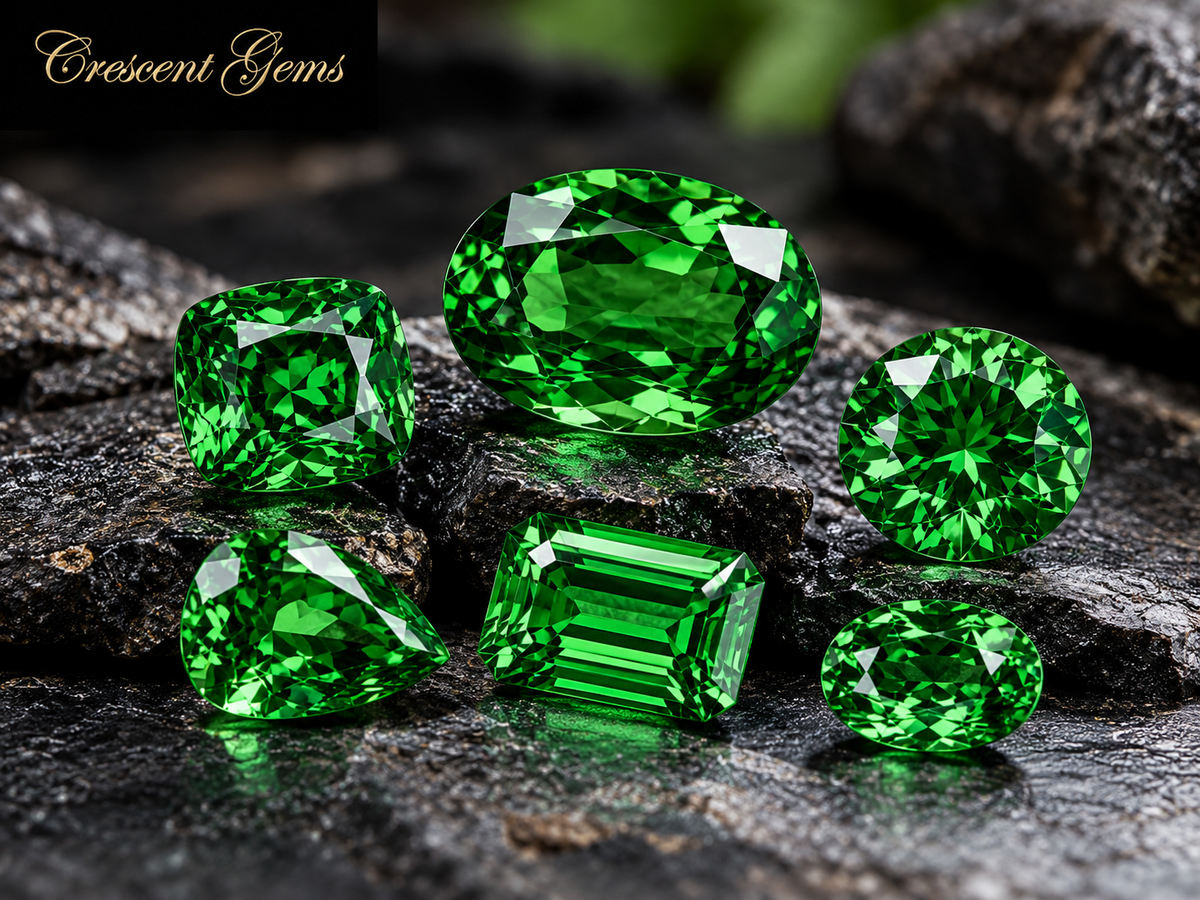
Prix de la tsavorite : notre stock, pas une grille de qualité
Nos sept tsavorites au 29 septembre 2026, de $1,177 à $22,724, dont une traitée et annoncée comme telle — et ce qui limite l'offre en grosses pierres propres.
Plussur Prix de la tsavorite : notre stock, pas une grille de qualité
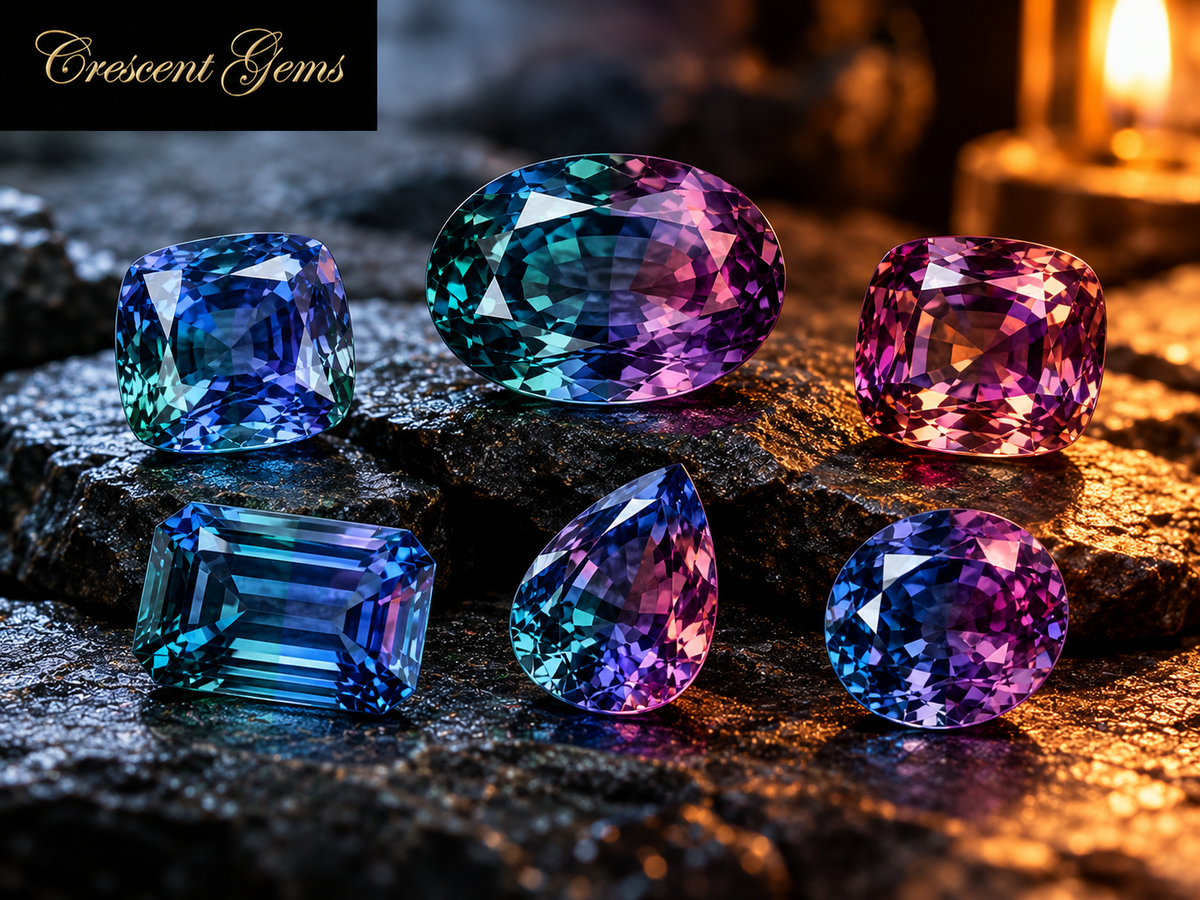
Prix du saphir à changement de couleur : au carat et nos deux pierres
Ce que coûte un saphir à changement de couleur au carat, ce qui fait réellement le prix, et nos deux pierres : 1,03 ct à $824 et 2,01 ct à $2,211.
Plussur Prix du saphir à changement de couleur : au carat et nos deux pierres
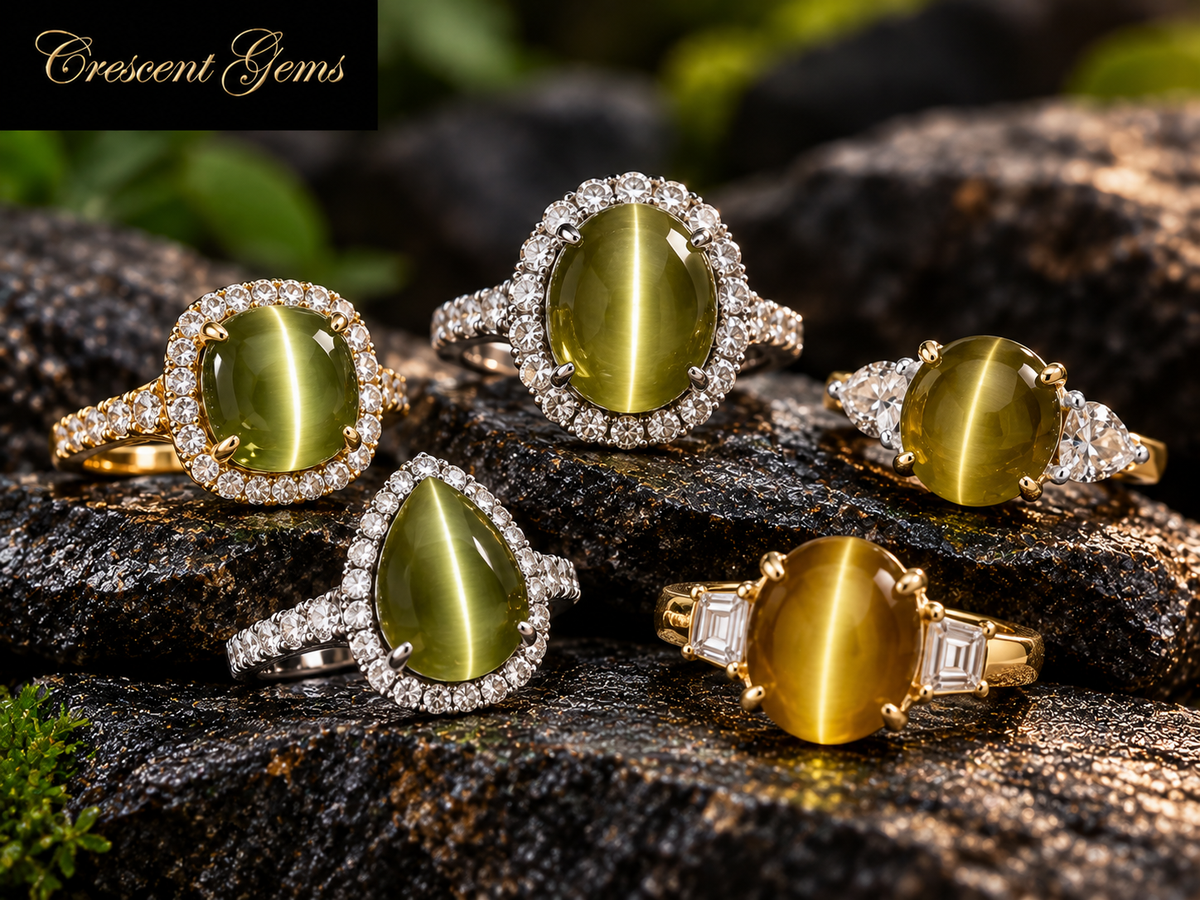
Le chrysobéryl œil-de-chat convient-il à une bague de fiançailles ?
Le chrysobéryl est à 8,5 sur l'échelle de Mohs, au-dessus du quartz (7) et en dessous du corindon (9). Ce que cela change au porter, à la monture et à l'entretien.
Plussur Le chrysobéryl œil-de-chat convient-il à une bague de fiançailles ?
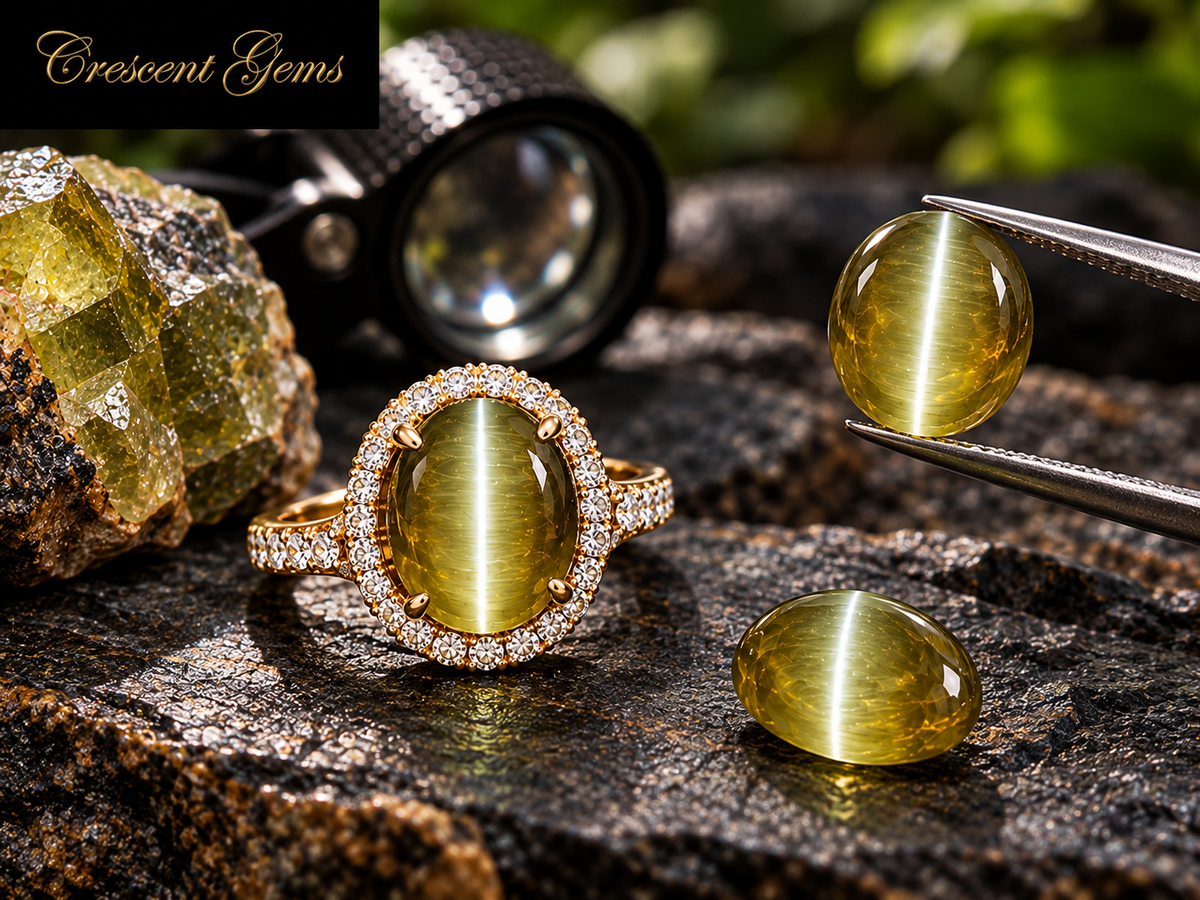
Prix du chrysobéryl œil-de-chat : au carat et nos deux pierres
Ce que coûte réellement un chrysobéryl œil-de-chat au carat, ce qui fait varier le prix, et nos deux pierres chiffrées : 2,36 ct à $3,792 et 4,25 ct à $9,482, soit $1,606.78 et $2,231.06 le carat.
Plussur Prix du chrysobéryl œil-de-chat : au carat et nos deux pierres















Partager: